Web Analytics

Recent Posts

Unforgettable Experiences: Traditional Music and Dance Tours

Unforgettable experiences await those who explore the vibrant world of traditional music and dance. These cultural treasures not only entertain but also tell the stories of people, places, and histories that shape our world. Read Interesting article: Explore the World: Budget Cultural Tours with Music & Dance

Unforgettable Experiences: Traditional Music and Dance Tours

Understanding Traditional Music and Dance

Definition and Importance of Traditional Music

When I think of traditional music, I picture the sounds of a place—melodies that echo through generations, carrying the essence of a culture. Traditional music is more than just tunes; it’s a powerful form of expression that reflects the values, beliefs, and stories of a community. It often accompanies significant life events, such as weddings, funerals, and festivals, creating a soundtrack for the rhythm of life.

As I traveled to different countries, I began to understand the distinct styles that define traditional music. Each region has its unique instruments and sounds, from the vibrant notes of Indian classical music to the rhythmic beats of African drums. The importance of traditional music cannot be overstated; it helps preserve history and cultural identity. For many communities, it is a way to connect with their ancestry, to remember their roots, and to celebrate their heritage in a world that is constantly changing.

The Role of Dance in Cultural Expression

Just as traditional music tells a story, dance adds movement and emotion to that narrative. I’ve experienced firsthand how dance can convey feelings that words sometimes fail to express. Traditional dance is deeply ingrained in cultural rituals and celebrations. In many cultures, dances are performed to honor deities, celebrate harvests, or mark important life events. I remember being mesmerized by a local dance performance in Bali, where each movement told a story of love, struggle, and triumph.

In my travels, I have seen how each dance form has a unique character. For instance, the graceful movements of ballet differ vastly from the energetic steps of salsa or the intricate footwork of Irish jig. Each dance style is a reflection of the people and their way of life. It’s fascinating how these dances often incorporate traditional music, creating a beautiful synergy that captivates audiences. Watching a dance performance is like stepping into a different world, where every twirl and leap is a celebration of the culture it represents.

Moreover, dance provides a communal experience. During my visit to a traditional festival in Mexico, I participated in a group dance, and it was incredible to feel the connection with others through movement. Dance encourages participation, bringing people together in celebration and joy. It’s a reminder of our shared humanity, regardless of where we come from.

Top Destinations for Traditional Music and Dance Tours

India: The Rich Tapestry of Classical Dance and Music

India is a treasure trove of traditional music and dance. I’ve had the privilege of witnessing classical dance forms like Bharatanatyam and Kathak. Each performance is a feast for the senses, filled with elaborate costumes and intricate footwork. The accompanying music, often played on instruments like the sitar and tabla, creates an atmosphere that transports you to another time. Participating in a workshop taught me the discipline and dedication behind these art forms and deepened my appreciation for their significance in Indian culture.

Spain: Flamenco and Its Passionate Roots

When I think of Spain, the passionate rhythm of Flamenco comes to mind. The way the dancers move with such intensity and grace captivated me. I remember attending a Flamenco show in Seville, where the dancers’ footwork resonated through the floor, and the claps of their hands created a mesmerizing beat. Flamenco is not just a dance; it’s a way for performers to express their emotions and struggles, weaving a story through every step. I strongly recommend seeking out an authentic Flamenco experience when visiting Spain; it’s an unforgettable night filled with energy and passion.

Brazil: The Vibrancy of Samba and Bossa Nova

Brazil is synonymous with lively music and dance. I experienced this firsthand during Carnival, when the streets come alive with the infectious rhythms of Samba. The energy is palpable, and I found myself swept up in the celebrations. Samba is a dance that embodies the spirit of Brazil, and learning a few steps was one of the highlights of my trip. Bossa Nova, with its smooth melodies, offers a different vibe, perfect for relaxing by the beach. Exploring Brazil’s music and dance culture is a vibrant journey that will leave you smiling. Read Interesting article: Connect and Discover: Budget Backpacking Cultural Tours

West Africa: The Rhythms of Djembe and Traditional Dance

In West Africa, I discovered the Djembe, a traditional drum that produces rich, deep sounds. Attending a drumming workshop opened my eyes to the significance of rhythm in West African culture. Djembe drumming is often accompanied by dance, and I was fortunate enough to join a community dance class where I learned traditional movements that reflected the local way of life. The joy and energy in those sessions were infectious, reminding me how music and dance can create a sense of belonging.

Scotland: The Heritage of Highland Dance and Bagpipes

Scotland holds a special place in my heart, especially when it comes to Highland dance and the iconic sound of bagpipes. I remember being in Edinburgh during a festival, where I watched Highland dancers perform with such precision and skill. The bagpipe music filled the air, creating an atmosphere of pride and heritage. Participating in a local ceilidh was a delightful experience; the group dances and lively music brought everyone together in celebration of Scottish culture. Scotland’s traditional music and dance are steeped in history, making it a must-visit destination for cultural enthusiasts.

Types of Traditional Music and Dance Tours

Interactive Workshops: Learn from the Masters

One of my favorite ways to immerse myself in a culture is through interactive workshops. There’s something special about learning directly from the masters of traditional music and dance. I remember taking a workshop in a small village in India where a local musician introduced me to the intricate rhythms of the tabla. It was challenging yet incredibly rewarding. The beauty of these workshops is that they often provide a hands-on experience, allowing you to connect with the art form on a deeper level.

In a typical workshop, participants get to learn the basics of the dance or music style, often accompanied by a cultural explanation. For instance, during a Flamenco workshop in Spain, I found myself clapping along to the rhythm while learning the passionate footwork that defines this dance. The instructors are usually very welcoming, encouraging you to explore your creativity while respecting the roots of the art. If you’re planning a trip, I highly recommend seeking out workshops wherever you go; they can be a transformative experience that stays with you long after your travels.

Cultural Festivals: Experience Music and Dance Live

Cultural festivals are like a vibrant tapestry of music and dance, all woven together to celebrate a community’s heritage. I’ve attended several festivals around the world, and each one has offered a unique flavor of traditional performances. For example, at the Festival de la Música in Peru, I was blown away by the colorful costumes and energetic performances that filled the streets. The atmosphere is electric, with music echoing through the air and people everywhere dancing to the rhythms of their ancestors.

These festivals often feature a variety of performances, from folk dances to contemporary interpretations of traditional music. It’s also a fantastic opportunity to taste local cuisine, engage with artisans, and meet new friends. I remember being invited to dance at a traditional festival in Ghana, where the entire community came together to celebrate. It was a reminder of how music and dance can unite people, transcending language and cultural barriers. If you get the chance to attend a cultural festival, don’t hesitate—jump into the festivities and let the spirit of the celebration guide you!

Heritage Tours: Explore Historical Contexts

Heritage tours offer a fascinating way to understand the historical context of traditional music and dance. These tours often take you to significant cultural sites while providing insights into the stories behind the performances. On a heritage tour in Scotland, I visited ancient castles and listened to tales of the Highland clans while enjoying live bagpipe music. It made me realize how intertwined history is with music and dance, shaping their evolution over time.

During these tours, guides usually share their personal connections to the culture, which adds a layer of authenticity to the experience. I’ve learned so much about the struggles and triumphs of communities just by listening to local stories. Heritage tours might also include visits to museums or cultural centers, where you can see artifacts that tell the story of the music and dance forms you are about to witness. This context deepens my appreciation for the art, making every performance feel even more impactful. Read Interesting article: Cultural Immersion on a Budget: Top Community Tours

Private Performances: Exclusive Cultural Experiences

If you’re looking for something truly special, consider booking a private performance. I had the opportunity to attend an intimate gathering with local musicians and dancers in a small village in Brazil. The experience was nothing short of magical. I felt like I was stepping into a world that few outsiders get to see. These private performances often allow for a more personal connection with the artists, who share their passion and stories behind their craft.

Organizing a private performance can sometimes feel like a secret adventure. It often includes discussions about the significance of the music and dance, allowing for deeper engagement. In my case, I learned about the cultural roots of Bossa Nova while enjoying an acoustic performance by a talented local musician. It’s a great way to connect with the community and gain insights that are often missed in larger group settings. I believe that creating these meaningful connections is what travel is all about—finding the heart of a culture through its art.

What to Expect on Your Tour

Duration and Itineraries

When planning for a traditional music and dance tour, it’s important to consider the duration and itinerary. Most tours range from a few days to several weeks, depending on how deeply you want to explore. I’ve found that even a short tour can be packed with experiences. For example, a week-long itinerary in India might include city tours, workshops, and live performances across different regions, giving you a well-rounded perspective on the cultural landscape.

It’s essential to find a balance that allows you to absorb the experiences without feeling rushed. I remember one tour where we spent a few days in a single town, allowing us to immerse ourselves fully without the pressure of constant travel. This depth of experience can lead to unexpected discoveries, a chance to meet locals, and perhaps even join them in a spontaneous dance!

Types of Performances and Activities

Tour itineraries often include a variety of performances and activities that highlight the local culture. These can range from intimate concerts in local homes to extravagant shows in theaters. I’ve been fortunate enough to experience both ends of the spectrum. Watching a vibrant dance performance under the stars in Morocco was surreal, while attending a staged concert in a grand hall in Vienna was equally captivating.

Besides performances, many tours also incorporate interactive activities like cooking classes, where you can learn about the local cuisine that complements the music and dance. I recall taking a cooking class in Italy, where the local chef shared stories about how traditional music influenced the culinary culture. These activities enrich your understanding of how intertwined music, dance, and daily life can be in different cultures.

Inclusions: Meals, Accommodations, and Local Guides

Understanding what’s included in your tour package is crucial for a smooth travel experience. Most music and dance tours offer accommodations, meals, and local guides as part of the package. I’ve found that having a knowledgeable local guide can enhance your experience immensely, as they often provide insights that you wouldn’t get from a guidebook.

Meals are often a highlight for me during tours, as they offer a taste of local flavors. I remember sharing a meal with fellow travelers and local artists after a day of workshops in Thailand, discussing everything from music to travel stories. These shared moments can create lasting friendships and unforgettable memories. Always check what’s included, and don’t hesitate to ask about options if you have dietary restrictions or specific preferences.

When to Book Your Traditional Music and Dance Tour

Seasonal Considerations: Best Times to Visit

When I think about planning a traditional music and dance tour, one of the first things I consider is the timing. Seasonal variations can greatly impact the experiences you’ll have, especially in cultures that celebrate specific festivals or events. For instance, I once visited India during the Navratri festival, which is a vibrant celebration of dance and music. The atmosphere was alive with energy, and I was able to participate in Garba dances that filled the streets with laughter and joy. Experiencing such festivities first-hand made me realize how seasonality can transform a simple tour into an unforgettable adventure.

Each region has its own peak seasons for music and dance events. In Brazil, Carnival season, typically in February or March, is a spectacular time to witness the explosive rhythms of Samba. The streets are overflowing with dancers and musicians, and the excitement is contagious. Conversely, off-peak seasons can offer quieter, more intimate experiences but may lack the large-scale celebrations. I remember visiting Scotland in the spring, where I enjoyed traditional music in a more laid-back setting, allowing me to connect deeply with the culture without the crowds.

Researching local climates is also essential, as some areas can experience extreme weather. For example, visiting West Africa during the dry season meant I could fully enjoy outdoor performances without the threat of rain disrupting the festivities. Planning your tour around the best weather and cultural events can make a significant difference in your overall experience.

Festival Dates and Special Events

Attending a traditional festival is often the highlight of any music and dance tour. I’ve found that knowing the dates of specific festivals can help you align your travel plans to catch these vibrant events. For example, the Edinburgh Festival Fringe, held every August, transforms the city into a hub of artistic expression, showcasing everything from traditional Scottish dance to contemporary performances. Being a part of such a diverse cultural melting pot was both thrilling and inspiring.

Additionally, some festivals coincide with significant cultural or historical commemorations, adding deeper meaning to the performances. I recall attending a Maori cultural festival in New Zealand, where the Haka dance was performed. This was not just a display of art; it was a profound connection to the Maori heritage and a celebration of their history. Events like these make your journey more enriching, allowing you to witness the pride of communities as they share their traditions.

To make the most of your experience, I suggest subscribing to local tourism boards or following cultural organizations online to stay updated on festival dates and special events. This way, you can plan your itinerary to include these captivating celebrations, ensuring that you don’t miss out on the heart of the culture you’re exploring.

Tips for Enjoying Your Tour

What to Wear: Appropriate Attire for Cultural Events

When embarking on a traditional music and dance tour, I quickly learned that what you wear can significantly influence your experience. Respecting local customs and traditions through your attire is essential. For example, while attending a traditional dance performance in Bali, I noticed that wearing a sarong was not only respectful but also made me feel more integrated into the local culture. It was an opportunity to embrace the beauty of their traditions while also allowing me to enjoy the performance comfortably.

In many cultures, certain colors or styles of clothing can have specific meanings. I remember attending a Flamenco show in Spain, and the vibrant colors and flowing fabrics worn by the dancers added to the overall experience. If you’re unsure about what to wear, I recommend researching the local customs or asking your guide for advice. Moreover, wearing comfortable shoes is crucial, especially if you plan to participate in dances or walk through bustling festivals. I learned this the hard way after a long day of exploring in sandals that weren’t quite up to the task!

How to Engage Respectfully with Local Cultures

Engaging with local cultures during your tour can be one of the most rewarding aspects of travel. I believe that showing genuine interest and respect for the traditions you encounter can create meaningful connections. When I attended a community dance class in Ghana, I made it a point to listen and learn—not just the steps, but the stories behind the dances. I asked questions and expressed my appreciation for their culture, which opened up wonderful conversations and friendships.

One thing I’ve noticed is that people are often thrilled to share their traditions with visitors. For instance, during a music workshop in Italy, I was encouraged to participate, and my attempts sparked laughter and joy among the locals. This genuine interaction made my experience richer and more memorable. Always approach situations with an open heart and a willingness to learn; it’s the best way to honor the cultures you’re visiting.

Photography Etiquette During Performances

Capturing memories through photography is something I love to do while traveling, but I’ve learned the importance of being respectful of local customs regarding photography. During a traditional dance performance in Peru, I was mesmerized by the vibrant costumes and intricate movements. However, I noticed a sign indicating that photography was prohibited. Respecting this rule not only honors the performers but also allows everyone to fully enjoy the moment without distractions.

When photography is allowed, I always try to ask for permission, especially if I want to take close-up shots of performers. I remember asking a musician in India if I could photograph him while he played the sitar. He smiled and welcomed the opportunity, which made for a much more authentic shot. Understanding and adhering to photography etiquette enhances your experience and shows that you care about the culture you’re engaging with.

Frequently Asked Questions

What is traditional music and why is it important?

Traditional music is a powerful form of expression that reflects the values, beliefs, and stories of a community. It often accompanies significant life events and helps preserve history and cultural identity, allowing communities to connect with their ancestry and celebrate their heritage.

How does dance contribute to cultural expression?

Dance adds movement and emotion to the stories told through traditional music. It is deeply ingrained in cultural rituals and celebrations, conveying feelings that words sometimes cannot express and creating a communal experience that connects people in celebration and joy.

What are some top destinations for traditional music and dance tours?

Some top destinations include India, known for classical dance and music; Spain, famous for Flamenco; Brazil, with its vibrant Samba and Bossa Nova; West Africa, recognized for Djembe and traditional dance; and Scotland, celebrated for Highland dance and bagpipes.

What types of experiences can you expect on a traditional music and dance tour?

Tour experiences often include interactive workshops with local masters, live cultural performances at festivals, heritage tours that provide historical context, and private performances that allow for closer engagement with artists.

What should you consider when planning the duration of your tour?

Most tours range from a few days to several weeks. It’s essential to find a balance that allows for immersion in the culture without feeling rushed, enabling deeper connections and unexpected discoveries.

What are some inclusions typically found in music and dance tour packages?

Most packages include accommodations, meals, and local guides. Having a knowledgeable guide enhances the experience, providing insights that enrich your understanding of the local culture.

When is the best time to book a traditional music and dance tour?

Booking during specific festivals or seasons can greatly enhance your experience. For instance, visiting during India’s Navratri festival or Brazil’s Carnival can provide vibrant cultural experiences that are uniquely alive during these times.

What should you wear when attending cultural events?

Wearing appropriate attire that respects local customs is essential. Researching local traditions or asking your guide can help ensure you dress suitably, enhancing your engagement with the culture.

How can you engage respectfully with local cultures during your tour?

Showing genuine interest and respect for the traditions you encounter can create meaningful connections. Listening, asking questions, and expressing appreciation for their culture are ways to engage effectively and respectfully.

What is the photography etiquette during performances?

Respecting local customs regarding photography is crucial. Always check for any signs that prohibit photography and ask for permission when it is allowed, especially for close-up shots of performers, to enhance your experience and show respect.

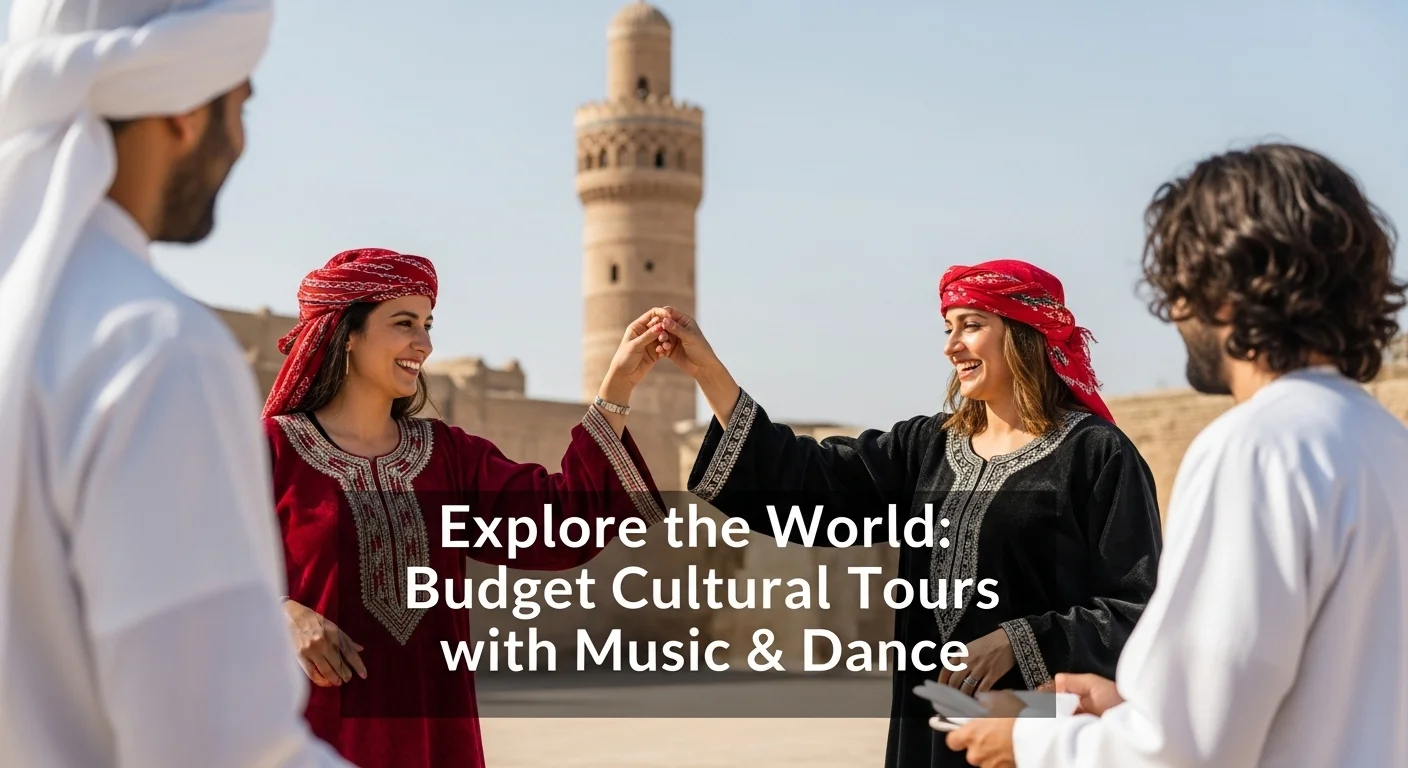
Explore the World: Budget Cultural Tours with Music & Dance

Traveling doesn’t have to break the bank, especially when it comes to immersing ourselves in rich cultural experiences through music and dance. Let’s explore how budget cultural tours can open doors to unforgettable adventures. Read Interesting article: Connect and Discover: Budget Backpacking Cultural Tours

Explore the World: Budget Cultural Tours with Music & Dance

Understanding Budget Cultural Tours

Definition of Cultural Tours

Cultural tours are journeys designed to immerse travelers in the unique traditions, art forms, and lifestyles of different communities. They often include visits to historical sites, local markets, and engagement with local artisans. For me, cultural tours have always felt like a bridge to understanding a place beyond its tourist attractions. They allow us to connect with the essence of a culture. I remember my first cultural tour in Mexico, where I learned about the significance of local crafts and arts, and how they are intertwined with the people’s identities. It was truly eye-opening.

Importance of Music and Dance in Cultural Experiences

Music and dance are universal languages that transcend borders. They are vital components of cultural identities, expressing feelings, histories, and communal stories. I’ve found that whether it’s the vibrant rhythms of a Brazilian samba or the intricate footwork of Indian classical dance, engaging with these art forms fosters a deeper appreciation of the culture. I’ve been fortunate to witness many live performances where the energy and passion of local artists create an atmosphere that’s hard to forget. It’s like stepping into a living story.

Benefits of Budget Travel

Budget travel is not just about saving money; it’s about experiencing the world in a more authentic way. When we travel on a budget, we tend to step away from the usual tourist traps and explore places that are often overlooked. I’ve discovered that this leads to more genuine interactions with locals who are eager to share their stories. Plus, budget travel often means opting for local eateries instead of touristy restaurants, and that’s where some of the best culinary experiences happen! I remember sharing a meal with a family in a small village in Italy, chatting over homemade pasta while learning about their traditions. It was one of my favorite memories. Read Interesting article: Cultural Immersion on a Budget: Top Community Tours

Top Destinations for Budget Cultural Tours

Latin America

Mexico: Traditional Mariachi Music and Folklore Dance

Mexico is a vibrant tapestry of culture, and its music and dance reflect this richness. Mariachi bands are a staple at celebrations, and the lively folk dances tell stories of the country’s history. I once attended a local festival in Guadalajara, where I experienced the sound of mariachi music echoing through the streets. The atmosphere was infectious, and I found myself joining in the dance, surrounded by locals who welcomed me with open arms. There are plenty of budget-friendly options to explore this culture, from free street performances to affordable dance workshops.

Brazil: Samba and Carnival Festivals

Brazil is renowned for its samba, especially during the world-famous Carnival. Attending this festival was a dream come true for me. The colorful parades, the pulsating rhythms, and the joyous atmosphere made me feel alive. While Carnival can be pricey, there are many budget-friendly ways to enjoy the festivities. I discovered free street parties where everyone is welcome to dance. Joining in felt like being part of a huge family celebrating together. For anyone looking to experience Brazil’s culture, I highly recommend planning a visit around this time.

Africa

South Africa: Zulu Dance and Music Experiences

South Africa offers a rich cultural experience through its diverse music and dance traditions, particularly the Zulu culture. I had the chance to attend a Zulu dance performance in a village, where the dancers’ powerful movements and rhythmic chants told stories of their heritage. It was mesmerizing! There are budget tours available that allow travelers to experience these traditions firsthand, often including home-cooked meals and stays with local families, which I found to be incredibly rewarding.

Mali: The Role of Music in Cultural Heritage

Mali is famous for its music, especially the sounds of the kora, a traditional string instrument. During my travels there, I visited local music schools and learned how deeply ingrained music is in their culture. I participated in workshops where I got to try playing the kora and even learned a few songs. This experience was not only affordable but also incredibly enriching. I left with a newfound respect for the culture and a few new friends who shared their lives through music. Read Interesting article: Experience Authenticity: Top Cultural Classes for Backpackers

Asia

India: Classical Dance Forms and Festivals

India’s classical dance forms, such as Bharatanatyam and Kathak, are not just performances; they are storytelling in motion. I remember attending a festival in Chennai where I watched stunning performances. The grace and precision of the dancers left me in awe. There are often free or low-cost performances during festivals, and many cities offer budget classes for those wanting to learn. I tried a few moves myself, laughing as I stumbled but feeling the joy of connecting with this beautiful art form.

Bali: Traditional Gamelan Music and Dance

Bali is famous for its Gamelan music and traditional dance performances, often set against breathtaking backdrops. I was fortunate to attend a local temple ceremony where Gamelan music filled the air, and dancers adorned in stunning costumes performed intricate routines. The best part? Many of these events are free to attend, making it easy to soak up the culture without spending much. Engaging with the locals was a highlight for me; they were more than happy to share their traditions and invite us to join in.

Europe

Spain: Flamenco Culture and Festivals

Spain’s Flamenco culture is a passionate blend of music, dance, and storytelling. My first Flamenco show was in Seville, a city that truly breathes this art form. The intensity of the performers and the rhythmic clapping of the audience created an unforgettable atmosphere. There are plenty of budget options to experience Flamenco, including free shows in local bars or workshops where you can learn the basics. I found the people to be so welcoming, always eager to explain the significance behind the movements and the music.

Scotland: Traditional Scottish Dance and Music Events

In Scotland, traditional music and dance are alive and well, especially during events like ceilidhs. I attended one in a small town, where locals of all ages gathered to dance and share stories. The spirit of community was palpable. These events are often inexpensive or even free, making them accessible to anyone. I remember feeling like part of the fabric of the community, learning the dances and enjoying the lively music. It was an experience I’ll always cherish.

Planning Your Cultural Tour

When to Visit: Best Times for Cultural Events

Timing can make a huge difference when planning a cultural tour. I’ve learned that some destinations have specific festivals or events that showcase their culture beautifully. For instance, if you’re planning to visit India, attending during Diwali or Holi can provide an unforgettable experience. The colors, music, and festivities are just breathtaking. In my experience, it’s often beneficial to research the cultural calendar of the destination before booking flights. This way, we can align our travels with local celebrations that resonate with us. I’ve found that off-peak seasons can also offer unique experiences with fewer crowds, allowing for more intimate interactions with locals.

How to Choose the Right Tour Company

Choosing the right tour company can be daunting, but it’s crucial for a fulfilling experience. I usually start by looking for companies that prioritize cultural immersion over just sightseeing. Reading reviews from fellow travelers can be a goldmine of information. I remember my trip to South Africa; I opted for a local company that offered personalized tours led by knowledgeable guides. This choice made a world of difference. The guides shared in-depth stories about the Zulu culture that I might never have learned otherwise. Don’t shy away from asking questions before booking; it’s essential to ensure that the company aligns with our travel philosophy.

Budgeting for Your Cultural Experience

Budgeting is an essential part of planning any trip, and cultural tours are no different. When I first started traveling, I often underestimated how much I would need. From my experience, here’s how I like to break it down:

Transportation Costs

Transportation can be a significant part of our budget, especially if we are visiting multiple locations during our tour. I’ve found that utilizing local transportation options, like buses or trains, not only saves money but also offers a more authentic experience. For example, in Italy, I discovered that taking the train from city to city allowed me to see the countryside and meet fellow travelers. It’s a lovely way to soak in the scenery.

Accommodation Options

Accommodation can also vary widely in price and quality. I personally love homestays or guesthouses, where I can connect with local families. In Vietnam, I stayed at a family-run guesthouse where they taught me how to cook traditional dishes. It was not only budget-friendly but also enriched my cultural experience. Websites like Airbnb or Hostelworld can help us find affordable options that fit our needs.

Food Expenses

Food is a big part of any cultural experience, and I believe it’s worth dedicating a budget to it. Eating at local markets or street food stalls can be a fantastic way to save money while tasting authentic dishes. I still remember biting into a fresh banh mi in Vietnam, which was both delicious and inexpensive! I recommend trying to balance eating out with preparing some meals if possible, especially when we have access to a kitchen.

Types of Cultural Tours Involving Music and Dance

Workshops and Classes

One of the best ways to immerse ourselves in a new culture is through hands-on experiences. Workshops and classes can offer insights that we might not get from just observing.

Learning Traditional Dance Forms

Participating in dance classes is not only fun but also a great way to connect with the culture. I remember taking a tango class in Argentina, where the instructor shared the history behind the dance while teaching us the steps. It was a mix of laughter and learning, and by the end of the class, I felt like I had made new friends. Many places offer affordable classes, especially in conjunction with festivals. It’s a perfect opportunity to learn while enjoying the vibrant atmosphere.

Music Classes with Local Artists

Similarly, music classes can be incredibly rewarding. I had the chance to take a drumming workshop in Ghana, where local musicians taught us traditional rhythms. The experience was enlightening, and I left with a deeper appreciation for the cultural significance of the music. Often, these classes are offered at community centers or local schools, making them accessible to travelers looking for budget-friendly options.

Festivals and Events

Festivals and events are often the heartbeat of a culture, and participating in them can be transformative.

Participating in Local Celebrations

Being part of a local celebration can make us feel like we truly belong. I experienced this during the Songkran Festival in Thailand, where I joined locals in the water fights and enjoyed traditional music and dance. It was an exhilarating way to embrace the culture, and everyone was so welcoming. Many festivals have free activities, making them a great option for budget travelers.

Attending Performances and Shows

Attending live performances is another fantastic way to soak in the local culture. From street performances to elaborate theater shows, I’ve found that there’s something magical about experiencing the arts in their native environment. In Spain, I went to a free Flamenco show in a small plaza, where the passion of the dancers captivated everyone. When we seek out local performances, we often discover hidden gems that leave a lasting impression.

Guided Tours and Experiences

Guided tours can add immense value to our cultural journeys, especially those that focus on music and dance.

Cultural Walking Tours with Music Elements

Cultural walking tours can be a fantastic way to explore a city while learning about its musical heritage. I took a guided tour in New Orleans, where our guide shared stories about the city’s jazz history. As we walked through neighborhoods, we stopped at various music venues and even got to meet some local musicians. It was an unforgettable experience that blended education with enjoyment.

Home Visits with Local Musicians and Dancers

Home visits provide a unique perspective on culture. I’ve had the privilege of visiting the homes of local artists, where they shared their crafts and stories. In Ghana, I visited a family of drummers, and they invited me to join them in a jam session. Not only did I learn about their music, but I also felt welcomed into their home. These experiences often leave a profound impact, making us feel more connected to the culture and its people.

What to Expect on a Budget Cultural Tour

Typical Itineraries

When embarking on a budget cultural tour, the itinerary can vary greatly, but there are some common elements I’ve come to expect. Typically, these tours focus on a blend of cultural immersion, educational experiences, and opportunities for personal connection. I remember a week-long tour in Peru where each day was packed with activities that showcased the best of local culture. We visited artisan markets, participated in traditional cooking classes, and explored historical sites, all while being guided by locals who shared their stories with us. It’s amazing how much you can fit into a few days when the focus is on cultural experiences. I’ve seen itineraries that also include time for leisure, allowing travelers to explore on their own and discover hidden gems.

Accommodations: From Hostels to Homestays

Accommodations can make a big difference in our overall experience. I often find that staying in hostels or homestays not only saves money but also enhances the cultural immersion. For example, when I stayed with a local family in Vietnam, I felt like I was part of their lives. They shared meals with me, taught me about their customs, and even included me in local celebrations. It was a far cry from the typical hotel experience, and I cherished every moment. Many cultural tours offer options for both hostels and homestays, so we can choose what suits our style best. I recommend considering what kind of experience we want to have—whether it’s the social atmosphere of a hostel or the intimate connection of a homestay.

Interacting with Locals: Cultural Etiquette

One of the most enriching aspects of cultural tours is the opportunity to interact with locals. However, it’s essential to approach these interactions with respect and an understanding of cultural etiquette. I learned this lesson during my travels in Japan, where I was invited to a traditional tea ceremony. I was nervous and worried about making a mistake. Thankfully, my host was incredibly gracious and patient, guiding me through the process. I’ve found that asking questions and showing genuine interest in their culture often leads to warm and welcoming interactions. I think it’s important for us to be mindful of cultural differences and to observe how locals behave in similar situations. Simple gestures, like greeting someone respectfully or asking for permission before taking photos, can go a long way in building rapport.

Safety Tips for Traveling on a Budget

Understanding Local Laws and Customs

Before setting off on our cultural adventures, familiarizing ourselves with local laws and customs is crucial. I remember feeling a bit overwhelmed with the myriad of rules in some countries. For instance, in many places, dressing modestly is not just a recommendation but a legal requirement. I’ve encountered situations where I inadvertently broke cultural norms, like speaking loudly in quiet spaces or not removing my shoes before entering someone’s home. Doing a little research ahead of time can help prevent awkward situations and ensure that we’re being respectful. Websites, guidebooks, and even local blogs can be rich resources for understanding what’s acceptable and what’s not.

Staying Safe while Attending Events

Safety should always be a priority, especially when attending large cultural events or festivals. I remember attending a lively street festival in Brazil, where the energy was infectious but also chaotic. I kept my belongings close and avoided flashy items to minimize the risk of theft. I’ve learned that it’s best to travel in groups when possible, especially in crowded places. Having a buddy system not only makes it more fun but also adds an extra layer of safety. Additionally, staying informed about local emergency contacts and procedures can be beneficial. Knowing whom to call or where to go in case of an emergency gives me peace of mind when exploring new places.

Travel Insurance: Is It Worth It?

Travel insurance is something I’ve come to see as a necessary part of planning any trip. While it may seem like an extra expense, I’ve had friends who faced unexpected medical emergencies or trip cancellations, and they were grateful they had it. I always recommend looking for a plan that covers medical emergencies, trip delays, and theft. In many countries, medical costs can be exorbitant for travelers. I’ve learned that investing in travel insurance not only protects our financial interests but also offers peace of mind while we’re engaging in cultural experiences. It allows me to focus on enjoying the journey without the lingering worry of what might go wrong.

Resources for Budget Cultural Tours

Online Platforms for Booking Tours

In today’s digital age, there are numerous online platforms that make it easier to find and book budget cultural tours. Websites like Viator and GetYourGuide offer a variety of options tailored to different interests and budgets. I remember using one of these platforms to book a local culinary tour in Thailand, which turned out to be one of the highlights of my trip. These platforms often include reviews from fellow travelers, helping us to choose trustworthy operators. I recommend spending some time exploring these sites to find experiences that resonate with us.

Local Tourism Offices and Guides

Local tourism offices can be a goldmine of information. I’ve often found them in city centers, and they provide tons of resources, including maps, brochures, and recommendations for budget tours. The staff is typically knowledgeable and eager to help. During my time in Barcelona, I stopped by the local office and got tips on lesser-known cultural experiences that I wouldn’t have discovered otherwise. They can also help connect us with local guides who offer personalized tours, which can be a fantastic way to immerse ourselves in the culture.

Community Recommendations and Reviews

Lastly, don’t underestimate the power of community recommendations. Online travel forums and social media groups can provide insights from fellow travelers. I’ve often turned to platforms like Reddit or Facebook groups dedicated to travel for advice. Hearing about someone else’s positive experience with a budget cultural tour made me feel more confident in my choices. I believe that sharing stories and experiences within these communities fosters a sense of connection and support among travelers, making our adventures even more enjoyable.

Frequently Asked Questions

What are cultural tours?

Cultural tours are journeys designed to immerse travelers in the unique traditions, art forms, and lifestyles of different communities, often including visits to historical sites, local markets, and engagement with local artisans.

Why are music and dance important in cultural experiences?

Music and dance serve as universal languages that express feelings, histories, and communal stories, fostering a deeper appreciation of the culture.

What are the benefits of budget travel?

Budget travel allows for more authentic experiences by stepping away from tourist traps, leading to genuine interactions with locals and opportunities to enjoy local cuisine at affordable eateries.

What are some top destinations for budget cultural tours?

Top destinations include Mexico for traditional mariachi music and folk dance, Brazil for samba and Carnival festivals, South Africa for Zulu dance and music, Mali for its music heritage, India for classical dance forms, Bali for Gamelan music, Spain for Flamenco culture, and Scotland for traditional Scottish dance events.

When is the best time to visit for cultural events?

The best time to visit varies by destination, as some have specific festivals or events, such as Diwali or Holi in India, that provide unforgettable experiences. Researching the cultural calendar before booking can be beneficial.

How can I choose the right tour company?

Look for companies that prioritize cultural immersion over sightseeing, read reviews from fellow travelers, and don’t hesitate to ask questions to ensure the company aligns with your travel philosophy.

What should I budget for on a cultural tour?

Budgeting should include transportation costs, accommodation options, and food expenses. Utilizing local transportation, staying in homestays or guesthouses, and eating at local markets can help save money while enhancing the experience.

What types of activities can I expect on a budget cultural tour?

Activities often include workshops and classes for traditional dance and music, participating in local celebrations, attending performances, and guided tours that incorporate music elements.

What safety tips should I consider while traveling on a budget?

Familiarize yourself with local laws and customs, stay safe at events by keeping belongings close, and consider traveling in groups. Additionally, having travel insurance can provide peace of mind during your adventures.

What resources are available for finding budget cultural tours?

Online platforms like Viator and GetYourGuide, local tourism offices for maps and recommendations, and community recommendations through travel forums and social media groups can all be valuable resources.

Experience Authenticity: Top Cultural Classes for Backpackers

Traveling isn’t just about seeing new places; it’s about experiencing new cultures. For backpackers, cultural classes offer the perfect opportunity to dive deep into local traditions and practices. Let’s explore what makes these classes so enriching. Read Interesting article: Cultural Immersion on a Budget: Top Community Tours

Experience Authenticity: Top Cultural Classes for Backpackers

Understanding Cultural Classes for Backpackers

What Are Cultural Classes?

Cultural classes are hands-on learning experiences that allow travelers to immerse themselves in the traditions, arts, and lifestyles of the places they visit. For me, taking a class in a new country is like unlocking a hidden door to its culture. These classes can range from cooking and art to dance and language. When I first stumbled upon a pottery class in a small town in Mexico, I realized how much you can learn about a culture through its crafts. It’s not just about the activity; it’s about the stories and the connections you make while doing it.

Benefits of Participating in Cultural Classes

Participating in cultural classes can enhance your travel experience in several ways. First, it breaks the ice with locals. I remember feeling nervous when I first arrived at a cooking class in Thailand; however, by the end of it, I was sharing laughs with my classmates over a homemade curry. These classes can also lead to friendships with fellow travelers. We often bond over shared experiences, and I’ve made some of my closest travel friends in these settings.

Additionally, cultural classes provide a deeper understanding of the local history and community. I learned about the significance of ingredients in Thai cuisine, which are often rooted in the region’s agricultural practices. Each dish tells a story, and participating in its preparation allowed me to appreciate it on a whole new level. Plus, there’s a sense of accomplishment that comes with learning a new skill. Whether it’s mastering a dance move or perfecting a recipe, I always leave feeling proud of what I’ve created. Read Interesting article: Top 10 Affordable Culinary Tours for Budget Backpackers

Types of Cultural Classes Available

Cooking Classes

Cooking classes are among the most popular cultural experiences for backpackers. They offer a delicious way to learn about a region’s culinary heritage. I took a cooking class in Italy once, where we learned to make fresh pasta from scratch. It was messy, fun, and incredibly rewarding. Cooking alongside locals taught me not just techniques, but also how food is a cornerstone of Italian culture. I now carry those lessons back home, impressing friends with my newfound skills.

Art and Craft Workshops

Art and craft workshops are another fantastic way to engage with local culture. From pottery in Morocco to textile weaving in Peru, these classes allow you to create something tangible while connecting with traditions that have been passed down through generations. I joined a painting workshop in Bali, and not only did I leave with a unique piece of art, but I also learned about the symbolism behind Balinese art styles. It felt like a piece of the culture came home with me.

Language Classes

Language classes can be a game-changer when traveling. They open doors not only to better communication but also to a deeper understanding of the culture. I once took a Spanish class in Spain, and it transformed my experience. I could order meals, ask for directions, and even engage in small talk with locals. The joy of speaking their language made my interactions so much richer. Plus, it’s a great way to meet other backpackers who share your interest in immersing themselves in the local culture.

Traditional Dance and Music Lessons

Traditional dance and music lessons are an excellent way to immerse yourself in the local rhythm. Participating in a Flamenco dance class in Seville was one of my highlights while backpacking through Spain. The passion and energy of the dance were contagious, and I found myself completely engrossed in the experience. These classes not only teach you about the dance itself, but they also connect you to the cultural significance behind it. I felt like I was part of something bigger, a living tradition that has thrived for centuries.

Top Destinations for Cultural Classes

Italy: Culinary Experiences in Tuscany

Italy holds a special place in my heart, especially Tuscany. The rolling hills, vibrant landscapes, and rich culinary traditions make it a top destination for cultural classes. I remember the first time I stepped into a rustic kitchen in a small Tuscan villa. We learned how to make authentic Italian dishes using ingredients sourced from the garden just outside. The experience was more than just about cooking; it was a deep dive into the Italian way of life. Each meal we prepared represented not only flavors but also family traditions passed down through generations. I left with recipes that felt like treasures, and every time I cook one of those dishes at home, I’m transported back to that sunny Tuscan kitchen.

Spain: Flamenco and Cooking Classes in Seville

Seville is another gem for cultural classes, especially if you’re drawn to music and dance. The vibrant city pulses with the rhythm of Flamenco, and taking a dance class here is something every backpacker should experience. I found myself immersed in the passionate movements, feeling the music in my bones. It was exhilarating! Afterward, I joined a cooking class where we created traditional tapas. The combination of dance and cooking truly showcased the essence of Andalusian culture. I often think back to those evenings filled with laughter, music, and mouthwatering food—such a beautiful blend of experiences!

Thailand: Muay Thai and Cooking Classes in Chiang Mai

Chiang Mai offers a unique mix of cultural classes that cater to both the body and the palate. I took a Muay Thai class there, and what an adrenaline rush! Learning the techniques of this traditional martial art was empowering. The instructors were friendly and patient, guiding me through each move. After sweating it out in the ring, I joined a cooking class where I learned how to make Pad Thai from scratch. The balance of flavors in Thai cuisine is remarkable, and I loved every moment of understanding how to bring those flavors to life in my own kitchen. Chiang Mai taught me that culture is not just to be observed; it’s something to be felt and experienced.

India: Yoga and Cooking Classes in Rishikesh

Rishikesh is often called the ‘Yoga Capital of the World,’ and it’s easy to see why. I participated in a yoga class overlooking the Ganges River, surrounded by the serene beauty of the Himalayas. It was a transformative experience that went beyond physical practice; it felt like a spiritual awakening. Following yoga, I took a cooking class where I learned about the spices that define Indian cuisine. The instructor shared stories about each ingredient, connecting them to the culture and traditions of the region. Cooking in Rishikesh was more than just preparing food; it was about embracing the philosophy of life that pervades Indian culture.

Mexico: Artisan Craft Workshops in Oaxaca

In Oaxaca, I discovered a treasure trove of artisan craft workshops. This region is known for its rich traditions in textiles, pottery, and other crafts. I took part in a weaving workshop where local artisans taught us how to create beautiful pieces using traditional techniques. I felt a profound connection to the culture as I worked with my hands, learning about the significance of colors and patterns. The experience was not just about the finished product; it was about the stories and heritage behind each thread. Oaxaca taught me that craft is a language of its own, conveying history and identity in every creation.

How to Choose the Right Cultural Class

Consider Your Interests

Choosing the right cultural class can be a game-changer for your travel experience. I always start by reflecting on what excites me. Whether it’s food, art, music, or language, focusing on my interests helps narrow down my options. I once chose a cooking class in Vietnam simply because I love Vietnamese cuisine, and it turned out to be one of my favorite travel memories. Think about what you enjoy doing at home; chances are, you’ll find a cultural class that resonates with you in your destination.

Assessing Skill Levels

It’s also essential to consider your skill level. Some classes are designed for beginners, while others might cater to more experienced individuals. For me, I’ve always enjoyed classes that challenge me but still offer a supportive environment. I remember taking a pottery class in Greece, and I was completely a novice. The instructor was patient, and I appreciated that the class was welcoming to all skill levels. Don’t hesitate to ask about the class structure and what to expect; it’ll help you feel more prepared and engaged.

Duration and Time Commitment

Lastly, think about the duration and time commitment of the class. Some classes are just a few hours long, while others might span several days. I’ve done both, and each offers a different perspective. A short class can be a fun way to dip your toes into a new experience, while longer classes can lead to a deeper understanding. When planning my itinerary, I make sure to leave space to fully engage in the class without feeling rushed. After all, these experiences are meant to enrich our travels, not add stress!

Tips for Making the Most of Your Experience

Engaging with Local Instructors

One of the most rewarding aspects of cultural classes is the opportunity to connect with local instructors. I’ve found that these instructors often have incredible stories and insights to share about their craft and culture. During my cooking class in Thailand, our instructor didn’t just teach us how to prepare the dishes; she also shared personal anecdotes about her childhood and the role that food played in her family gatherings. Engaging with the instructor allowed me to understand the cultural significance behind the recipes we were preparing, making the experience all the more meaningful. I recommend asking questions and showing genuine interest. It often leads to deeper conversations and a richer understanding of the culture.

Connecting with Fellow Backpackers

Another fantastic aspect of cultural classes is the chance to meet fellow travelers who share your interests. I remember being in a pottery class in Mexico, surrounded by other backpackers from different parts of the world. We bonded over our shared enthusiasm for the art form, exchanged travel tips, and even made plans to explore the city together after class. These connections can turn a simple class into a memorable experience. I encourage you to engage in conversations during breaks, share your travel stories, and perhaps even collaborate on projects during the class. You never know; some of these connections might lead to lifelong friendships!

Documenting Your Experience

Taking the time to document your experience can make it even more special. I’ve made it a habit to keep a travel journal where I jot down my thoughts and feelings after each cultural class I attend. It’s amazing to look back and reflect on what I learned, the people I met, and the emotions I felt. Whether you prefer writing, drawing, or snapping photos, capturing the essence of your experience will help you remember the details long after your trip is over. I also love creating a scrapbook of souvenirs, like menus from cooking classes or sketches from art workshops. It adds a personal touch to my travel memories.

Budgeting for Cultural Classes

Average Costs of Cultural Classes

When planning for cultural classes, it’s essential to consider your budget. The costs can vary widely depending on the location, type of class, and duration. From my experience, a cooking class might cost anywhere from $30 to $150, depending on the ingredients and the instructor’s expertise. For example, I once took a week-long cooking course in Italy that was on the higher end but was worth every penny. It included not just cooking lessons but also excursions to local markets and vineyards. While it’s important to find something within your budget, remember that sometimes investing a little more can lead to unforgettable experiences.

Finding Affordable Options

There are ways to find affordable options without compromising on the quality of your experience. I often start by checking local tourism websites or community bulletin boards. Additionally, platforms like Airbnb Experiences or local Facebook groups can offer unique opportunities at reasonable prices. I found a fantastic weaving workshop in Peru through a local community group, and not only was it budget-friendly, but the intimate setting also allowed for more personalized instruction. It’s worth doing a bit of research and comparing prices before making a decision. Read Interesting article: Backpacking Through History: Affordable Heritage Site Adventures

Potential Discounts and Packages

Some cultural classes offer discounts for groups or packages that combine multiple classes. I’ve taken advantage of this in the past when traveling with friends. In Bali, we discovered a package deal for a cooking class and a traditional dance lesson at a discounted rate. It felt like a steal, and experiencing both aspects of Balinese culture in one day created a fantastic memory for us. I recommend always asking if there are any available discounts or special offers when you inquire about a class. You might be pleasantly surprised!

Safety and Etiquette Considerations

Understanding Local Customs

Before diving into a cultural class, it’s wise to familiarize yourself with local customs and etiquette. This has saved me from some awkward situations! For instance, in Thailand, I learned that it’s essential to remove your shoes before entering someone’s home or certain establishments, including cooking schools. Being respectful of local traditions not only enhances your experience but also shows that you appreciate the culture. I always do a little research or ask locals about any cultural norms or practices, which helps me feel more at ease and connected.

Health and Safety Tips

Health and safety should never be overlooked when participating in cultural classes, especially those involving food or physical activity. I’ve experienced my fair share of unexpected situations, like when I took a surfing lesson in Costa Rica and forgot sunscreen. It’s crucial to stay hydrated, wear appropriate clothing, and follow any safety instructions provided by instructors. If you have dietary restrictions, be sure to communicate them ahead of time, especially in cooking classes. Being proactive about your health and safety ensures a more enjoyable experience overall.

Final Thoughts

Participating in cultural classes while traveling has been one of the most rewarding aspects of my adventures. It’s like peeling back the layers of a culture and getting to the heart of what makes it unique. Each class I’ve taken, whether it was learning how to weave in Oaxaca or dancing Flamenco in Seville, has offered me a glimpse into the lives of locals and their rich traditions. I’ve come to realize that these experiences have helped shape my understanding of the world and enriched my travels in ways I never anticipated.

One of the most beautiful things about these classes is the authenticity they bring to our travel experiences. In a world filled with tourist traps and surface-level attractions, immersing ourselves in cultural classes allows us to connect on a deeper level with the places we visit. I remember after a long day of exploring in Thailand, the laughter and camaraderie during our cooking class felt like a warm hug after a chilly day. It was a reminder that travel is not just about the sights we see, but about the relationships we build and the stories we create along the way.

Embracing authenticity through cultural classes has also taught me the importance of being open-minded and adaptable. I’ve learned to let go of my preconceived notions and allow myself to be fully present in each moment. This mindset has led to some of my most cherished memories, like the laughter shared with fellow travelers while trying to master a dance move or the pride I felt when my dish turned out just right. It’s these moments that stay with us long after the trip is over, shaping our perspectives and enriching our lives.

As I reflect on my adventures, I encourage anyone considering travel to seek out cultural classes. Not only will you gain new skills, but you’ll also foster connections that transcend borders. Whether it’s a language class that opens doors to new friendships or a cooking workshop that fills your heart with warmth, each experience is an opportunity to embrace the world in its fullness. So, pack your bags, open your heart, and dive into the beautiful tapestry of cultures waiting to be explored.

Let’s remember that the world is vast, colorful, and filled with stories just waiting for us to discover. By engaging with cultural classes, we not only enrich our own lives but also contribute to the preservation and appreciation of the traditions that make each place special. Here’s to the adventures that lie ahead and the cultural connections we’ll make along the way!

Frequently Asked Questions

What are cultural classes for backpackers?

Cultural classes are hands-on learning experiences that allow travelers to immerse themselves in the traditions, arts, and lifestyles of the places they visit. They can include activities like cooking, art, dance, and language learning.

What are the benefits of participating in cultural classes?

Participating in cultural classes can enhance your travel experience by breaking the ice with locals, fostering friendships with fellow travelers, and providing a deeper understanding of local history and community. They also allow for a sense of accomplishment as you learn new skills.

What types of cultural classes are available to travelers?

Types of cultural classes include cooking classes, art and craft workshops, language classes, and traditional dance and music lessons. Each offers a unique way to engage with local culture.

Which destinations are popular for cultural classes?

Popular destinations for cultural classes include Italy for culinary experiences in Tuscany, Spain for Flamenco and cooking classes in Seville, Thailand for Muay Thai and cooking classes in Chiang Mai, India for yoga and cooking classes in Rishikesh, and Mexico for artisan craft workshops in Oaxaca.

How can I choose the right cultural class for my interests?

To choose the right cultural class, reflect on what excites you, whether it’s food, art, music, or language. Consider your skill level and the duration of the class to find one that aligns with your interests and abilities.

What tips can help me make the most of my cultural class experience?

Engage with local instructors to gain deeper insights, connect with fellow backpackers to build friendships, and document your experience through writing or photography to cherish the memories.

What should I consider regarding budgeting for cultural classes?

When budgeting for cultural classes, consider the average costs, which can range from $30 to $150 depending on the location and type of class. Look for affordable options and potential discounts or package deals to enhance your experience without overspending.

What health and safety tips should I keep in mind while participating in cultural classes?

Health and safety tips include staying hydrated, wearing appropriate clothing, following safety instructions, and communicating any dietary restrictions in cooking classes to ensure a safe and enjoyable experience.

How can I better understand local customs before taking a cultural class?

To understand local customs, research or ask locals about etiquette and practices. Familiarizing yourself with these customs can enhance your experience and show respect for the culture.

What impact do cultural classes have on a traveler’s experience?

Cultural classes provide authenticity to travel experiences, allowing for deeper connections with local traditions and people. They offer opportunities to learn new skills, foster friendships, and create lasting memories that enrich one’s understanding of the world.

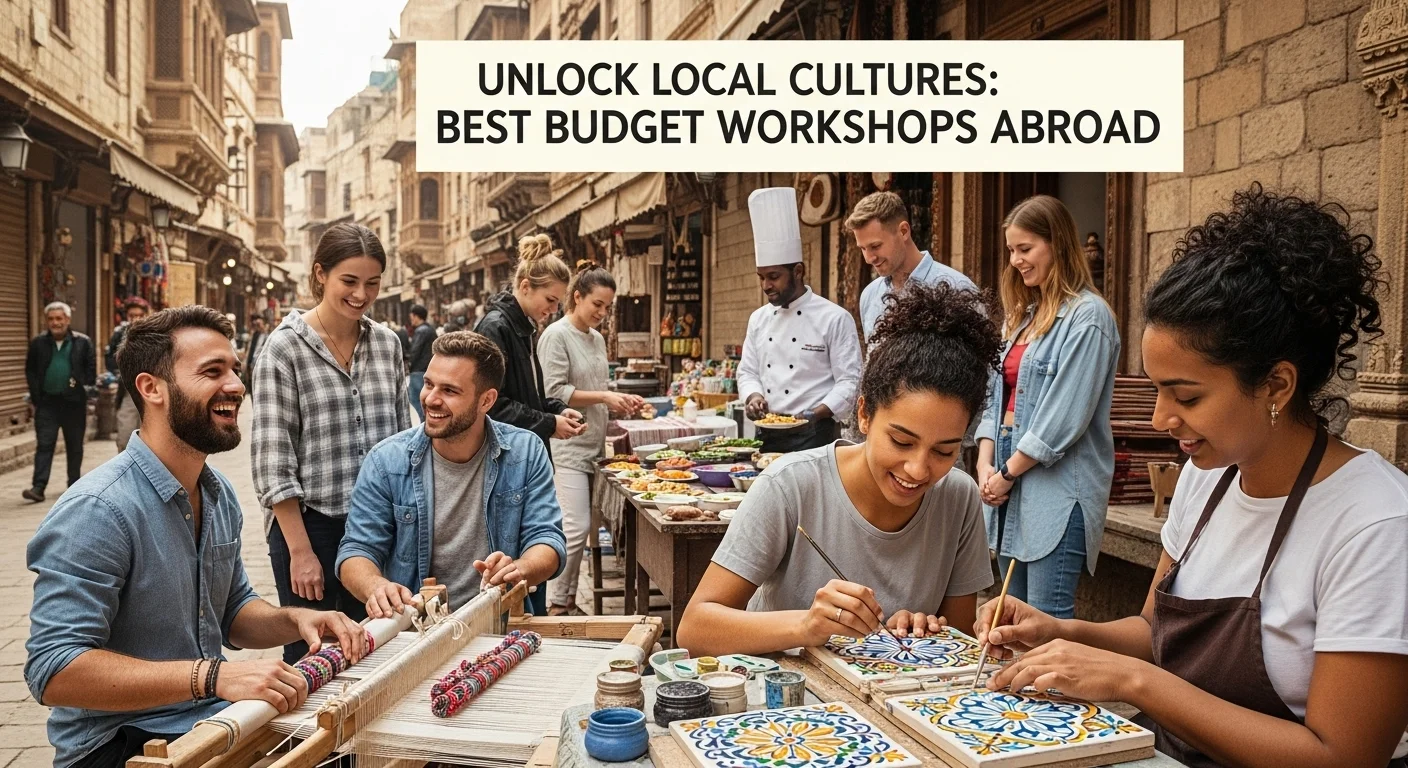
Unlock Local Cultures: Best Budget Workshops Abroad

Exploring local cultures through hands-on workshops can be one of the most enriching travel experiences. Let’s dive into how these budget-friendly opportunities unlock the beauty of global traditions. Read Interesting article: Immersive Travel: Budget-Friendly Community Engagement Tips

Unlock Local Cultures: Best Budget Workshops Abroad

Understanding the Value of Cultural Workshops

When I first stumbled upon the idea of attending cultural workshops abroad, I was hesitant. Could I really learn something new, immerse myself in a different culture, and do it all on a budget? After experiencing a few workshops myself, I can confidently say that these opportunities are not just educational, but transformative. They allow us to break down barriers, build connections, and truly understand a place and its people.

The Benefits of Learning Local Crafts

One of the greatest joys of attending cultural workshops is the chance to learn local crafts. Whether it’s pottery in Mexico or batik painting in Indonesia, these hands-on experiences connect us to traditions that have been passed down through generations. I remember my first pottery class in Oaxaca, Mexico. The moment I sank my hands into the cool, rich clay, I felt a sense of history wash over me. The instructor shared stories of her grandmother, who had taught her to mold the clay, and suddenly, I wasn’t just learning a craft; I was becoming part of a lineage.

Learning local crafts can also be a fantastic way to support community artisans. By participating in workshops, I found that my fees often went directly to the local artists, helping them sustain their livelihoods. This made my experience feel even more purposeful. I knew I was contributing to something larger than myself while gaining new skills that I could take home. Read Interesting article: Explore Local Cultures: Budget Backpacking Tips & Tours

How Workshops Foster Cultural Exchange

Workshops are not just about the skills you acquire; they’re also about the connections you make. Participating in a workshop often means working alongside locals, sharing stories, and building friendships. I recall a cooking class in Thailand where we prepared a traditional meal together. The laughter and camaraderie amongst the group, which included both locals and travelers, created a vibrant space for cultural exchange. We shared recipes, talked about our lives, and even swapped tips about travel—all while chopping vegetables and stirring pots.

These interactions opened my eyes to different perspectives and lifestyles. It was a reminder that while we may come from different backgrounds, we all share similar joys, challenges, and aspirations. Workshops create a safe space for these conversations to happen, breaking down barriers and fostering understanding.

Top Destinations for Budget Workshops

If you’re eager to dive into cultural workshops, there are countless destinations that offer fantastic opportunities without breaking the bank. Here are a few of my favorites:

Mexico: Artisan Crafts and Cooking Classes

Mexico is a treasure trove of artistic traditions and culinary delights. I’ve taken several workshops here, from making traditional mole to crafting handmade textiles. The vibrant colors and rich flavors reflect the culture beautifully. In towns like Oaxaca and Guadalajara, you can find artisans eager to share their knowledge. The prices are often surprisingly low, making it an accessible option for budget travelers.

Thailand: Traditional Thai Cooking and Massage Workshops

Thailand is famous for its incredible cuisine and wellness practices. I took a cooking class in Chiang Mai where we visited a local market before heading to the kitchen. It was thrilling to select fresh ingredients and then learn to balance flavors like a local. Additionally, I tried a massage workshop that taught basic techniques; it was both relaxing and informative. The affordability of these workshops makes it an ideal destination for those wanting to experience local culture.

Italy: Culinary and Art Workshops in Tuscany

Tuscany is not just about breathtaking landscapes; it’s also a haven for food and art lovers. I found a delightful cooking workshop that focused on traditional Italian dishes. Learning to make pasta from scratch while sipping local wine felt like a dream! Art workshops in places like Florence offer lessons in painting and sculpture. The experience of creating art in such a historically rich environment is something I’ll cherish forever.

India: Yoga and Handicraft Workshops

India is synonymous with spirituality and craftsmanship. I participated in a yoga retreat in Rishikesh, where the workshops were not only about physical practice but also about mindfulness and meditation. Additionally, I explored handicraft workshops where I learned to create intricate jewelry and textiles. The immersive experience was both grounding and enlightening, and the costs were incredibly reasonable compared to what you might expect.

Portugal: Wine Tasting and Fado Music Workshops

Portugal is known for its wine, and what better way to learn than through a wine tasting workshop in the Douro Valley? I loved learning about the process and tasting various wines while enjoying the stunning scenery. Plus, Fado music workshops in Lisbon introduced me to the soulful sounds of Portugal. Engaging with local musicians was a highlight of my trip, offering a rich cultural experience.

These destinations not only provide unique workshops but also offer a chance to connect with locals, make friends, and create lasting memories—all while keeping your budget in check. As I’ve discovered, the world is full of opportunities to unlock local cultures through engaging experiences. The stories we gather and the skills we learn become a part of who we are, enriching our travels in ways we never expected. Read Interesting article: Culinary Experiences on a Budget: Eat Like a Local Abroad

Types of Workshops to Consider

Art and Craft Workshops

Art and craft workshops are some of my favorite experiences when traveling. They allow us to tap into our creativity while learning about local traditions. I’ve dabbled in everything from pottery to painting. One of my most memorable experiences was a ceramics workshop I attended in a small village in Portugal. The instructor was an elderly woman who had been shaping clay for decades. As she guided us through the process, I found myself lost in the rhythm of molding, shaping, and glazing. Not only did I leave with a handmade piece of art, but I also felt a connection to the cultural heritage of the area.

These workshops can vary in focus, from traditional crafts like weaving and basket-making to contemporary art forms. I’ve seen how such experiences not only help preserve these arts but also allow participants to appreciate the time and skill that goes into them. Plus, it’s a great way to take home a tangible piece of the culture you experienced.

Culinary Workshops

Culinary workshops have a special place in my heart. Food is such a vital part of any culture, and learning to cook local dishes has been a highlight of my travels. I remember taking a pasta-making class in Bologna, Italy. It was a hands-on experience where we learned about the ingredients, the history of the dishes, and the secrets to perfecting pasta. The best part? We got to enjoy the meal together afterward, sharing stories and laughs over a delicious feast.

Culinary workshops often include market tours, where you can pick fresh ingredients and learn about local produce. This not only enhances the cooking experience but gives insight into the culinary habits of the locals. I’ve enjoyed workshops that ranged from street food tours in Bangkok to wine and cheese pairings in France. Each experience has deepened my appreciation for the culture and cuisine.

Wellness Workshops (Yoga, Meditation)

For those seeking a more tranquil way to connect with a culture, wellness workshops can be incredibly fulfilling. I participated in a yoga retreat in Bali that combined daily yoga practices with meditation and cultural excursions. Each morning began with sun salutations overlooking the lush rice fields, grounding me in the present moment. The instructors shared not only yoga techniques but also philosophies that enriched my understanding of Balinese culture.

These workshops often include elements of mindfulness and holistic practices. I found that participating in wellness retreats allowed me to connect with myself while also connecting with a community of like-minded individuals. It’s a beautiful way to discover a culture that values inner peace, often leading to transformative personal experiences.

Language and Cultural Immersion Workshops

Language and cultural immersion workshops are another fantastic avenue to explore. As someone who loves to learn new languages, I’ve joined several language classes during my travels. I remember a week-long Spanish immersion program in Guatemala, where we learned to speak the language while also exploring the local customs and traditions. Each lesson was paired with cultural activities—like cooking traditional dishes or participating in local festivals—which made learning the language so much more engaging.

These workshops often create an environment where you can practice speaking with locals, helping you gain confidence while fostering genuine connections. I’ve found that understanding even a few phrases can enhance your travel experience immensely, allowing for deeper conversations and interactions. Plus, it feels rewarding to communicate in someone else’s language, even if it’s just a little.

How to Find Affordable Workshops Abroad

Online Platforms for Booking Workshops

Finding affordable workshops abroad has become easier with the rise of online platforms. Websites like Airbnb Experiences and Viator offer a wide range of workshops in various countries. I often browse these sites before my trips to discover unique offerings. You can filter by price, location, and type of experience, which makes it simple to find something that fits your budget.

Another platform I love is Meetup, where locals often host workshops and events. It’s a great way to connect with community members and find informal workshops that might not be advertised widely. I’ve stumbled upon a couple of fantastic art classes this way, all while meeting new people who share similar interests.

Local Community Centers and Organizations

Once I arrive in a new place, I always check out local community centers or cultural organizations. They often host workshops at a fraction of the price compared to more commercial options. I remember visiting a community art center in Mexico City, where I found incredible mural painting workshops led by talented local artists. Not only were the costs low, but it also felt rewarding to support community initiatives.

Additionally, many cities have cultural festivals or events that feature workshops. I’ve attended festivals where artisans demonstrated their crafts and invited attendees to participate, which was not only affordable but also an authentic way to engage with the culture.

Travel Blogs and Forums for Recommendations

Travel blogs and forums are treasure troves of information when it comes to finding workshops. I love reading about other travelers’ experiences and recommendations. Websites like Lonely Planet and Travel + Leisure often feature articles about unique workshops, while forums like Reddit can provide insider tips from fellow adventurers. I remember discovering a fantastic textile workshop in Guatemala through a travel blog; the author shared not only their experience but also how to book it easily.

Social media platforms, particularly Instagram and Facebook groups, can also be helpful. I’ve seen many travelers post about their workshop experiences, and they often provide direct links or contact information for the instructors. It’s a great way to find lesser-known opportunities that might not be heavily promoted.

Budgeting for Your Workshop Experience

Estimating Workshop Costs

When planning my travels, budgeting for workshops is always a key consideration. Based on my experiences, I’ve learned that the costs can vary widely depending on the location and type of workshop. In my case, I generally found that hands-on workshops could range from as little as $20 to over $100, depending on the materials and duration. For instance, a simple pottery class in Mexico might cost about $30, while an all-day cooking course in Italy could run closer to $100.

To get a better grasp of the costs, I recommend researching a few different options before you travel. I often set aside a specific budget for workshops in my overall travel expenses, ensuring I don’t miss out on these enriching experiences. It’s also helpful to consider what the fee includes. Does it cover materials? A meal? Or is there an additional charge for something like transportation? Knowing these details helps me plan better and avoid any surprises.

Accommodation and Transportation Tips

Finding affordable accommodations near workshop locations can significantly impact my overall budget. I’ve often opted for guesthouses, hostels, or even local homestays, which provide not just a place to rest but also a chance to immerse myself in the culture. Websites like Airbnb or Booking.com have been my go-to resources for finding budget-friendly options. Staying close to where the workshops are held can save money on transportation, and it also allows me to explore the neighborhood more easily.

When it comes to transportation, I’ve learned that using local public transit can be both economical and enriching. In many cities, public buses or trains are not only affordable but also an opportunity to experience daily life. I remember navigating the bustling streets of Bangkok using the BTS Skytrain—it was efficient, and I loved watching the city unfold beneath me. Alternatively, in smaller towns, walking or biking can be a great way to soak in the surroundings while getting to workshops.

Maximizing Your Budget: Discounts and Deals

One of my favorite tips for saving money on workshops is to look for discounts or package deals. Many platforms offer early bird prices or group discounts. I’ve also found that some workshops may include a free trial session or allow you to participate in a community event at no cost. For example, while in Rishikesh, I discovered a yoga studio that offered a free introductory class on weekends. This not only allowed me to try out the class but also led to a fantastic week of yoga at a reasonable price.

Additionally, I’ve taken advantage of local tourism offices that often provide information on workshops and may even offer special deals or promotions. I remember visiting a tourism office in Oaxaca, where I learned about a series of workshops available at a discounted rate during the off-peak season. Staying flexible with my travel dates can also help me snag these budget-friendly opportunities.

By being mindful of my spending and taking advantage of the various options available, I’ve been able to enrich my travel experiences without breaking the bank. Every workshop I attend adds a new layer to my understanding of different cultures, making the budget-conscious choices I make feel well worth it.

What to Expect from a Cultural Workshop

Typical Workshop Structure and Duration

When I first signed up for cultural workshops, I had no idea what to expect. Would it be a quick session or a deep dive into the craft? From my experience, most workshops are structured to provide both a balance of instruction and hands-on practice. Typically, they range from a couple of hours to a full day, depending on the complexity of the craft or skill being taught.

For instance, in a pottery workshop in Oaxaca, I spent about four hours learning the basics. The instructor started with a brief history of the craft, followed by demonstrations on techniques. Then, we had ample time to create our own pieces. I appreciated that it was hands-on right from the start, allowing me to dive into the experience while still having access to guidance. Knowing what to expect in terms of timing really helped me plan other activities around the experience.

Materials and Supplies: What’s Provided?

One of the best parts about attending these workshops is that most providers include materials in the fee. When I participated in a cooking class in Thailand, all the ingredients were provided, which allowed us to focus on learning and experimenting with flavors. In other cases, like a textile workshop in India, the instructor supplied everything we needed to create our pieces, from fabric to dyes.

Before attending, I recommend checking with the instructor about what’s included. Sometimes you may need to bring your own supplies, especially for art workshops where personal tools can enhance the experience. Knowing this ahead of time can help you avoid any last-minute surprises. The joy of leaving with a handmade item often outweighs any initial concerns about costs.

Interaction with Local Instructors

One of the most rewarding aspects of cultural workshops is the opportunity to connect with local instructors. I remember taking a painting workshop in Florence, where the artist not only taught us techniques but also shared stories about the city’s art scene and his personal journey. This interaction is often what makes the experience memorable.

Instructors typically bring a wealth of knowledge and passion to their crafts. Engaging with them allows you to gain insight that goes beyond just the technical skills. I’ve had instructors who were eager to share their cultural heritage and the significance of the craft, making the experience richer and more meaningful. Don’t hesitate to ask questions; they often appreciate your curiosity and are willing to share their stories.

Safety and Etiquette Considerations

Staying Safe While Participating in Workshops

Traveling to new places can sometimes bring about safety concerns, especially when participating in local workshops. I’ve found that being aware of my surroundings and following basic safety practices helps ensure a smooth experience. Before enrolling in a workshop, I always check reviews and ratings to gauge the safety and reputation of the provider.

While attending a workshop, I make sure to stay in groups whenever possible and keep my belongings secure. It’s also wise to follow any safety guidelines provided by the instructor, particularly for workshops involving tools or equipment, like pottery or woodworking. If something doesn’t feel right, don’t hesitate to speak up or remove yourself from the situation. Your safety should always come first.

Local Etiquette and Customs to Respect

Every culture has its own set of customs and etiquette, and respecting these can enhance your workshop experience. I’ve learned that simple gestures, such as greeting instructors with a smile or using basic local phrases, can go a long way in building rapport. For instance, in Thailand, I made an effort to learn a few polite phrases like “thank you” and “hello,” which helped me connect with both the instructor and fellow participants.

Being mindful of cultural practices is just as important. For example, in some cultures, it’s customary to remove your shoes before entering a home or workspace. I remember visiting a craft studio in India where following this custom made me feel more integrated into the local way of life. Understanding and respecting these nuances shows appreciation for the culture you’re engaging with and can lead to a more rewarding experience.

Personal Stories: Transformative Experiences in Workshops

Case Study: A Culinary Journey in Italy

One of my most transformative experiences came during a culinary workshop in Italy. It was set in a rustic farmhouse surrounded by vineyards, the scent of fresh herbs wafting through the air. We learned to make traditional dishes using ingredients sourced from the local market. This wasn’t just about cooking; it was about connecting with the land, the people, and the food itself. As we shared the meal we had prepared together, I felt a deep sense of belonging and appreciation for the culture. It was a beautiful reminder that food is a universal language that brings us all together.

Testimonial: Learning Traditional Crafts in Mexico

Another unforgettable moment happened during a traditional textile workshop in Mexico. Under the guidance of a skilled artisan, I learned about the intricate methods of weaving and dyeing. As I worked with my hands, I became immersed in the stories behind each pattern and color. It wasn’t just a craft; it was a journey into the heart of Mexican heritage. The connections I made with fellow participants and the instructor were incredibly enriching, and I left with not only a beautiful piece of art but also a newfound appreciation for the culture.

Final Thoughts

Embracing cultural workshops has truly transformed my travel experiences. Each workshop has opened my eyes to new traditions, fostered meaningful connections, and allowed me to contribute to local communities. Whether it’s through crafting, cooking, or wellness practices, the lessons learned extend far beyond the skill itself. I encourage everyone to step out of their comfort zones and explore these enriching opportunities. They offer a window into the soul of a culture, creating memories and friendships that last a lifetime.

Frequently Asked Questions

What are cultural workshops and why are they beneficial?

Cultural workshops are hands-on experiences that allow travelers to learn local crafts, cooking, or other skills while immersing themselves in a different culture. They are beneficial because they promote education, transformative experiences, and meaningful connections with locals.

What types of crafts can I learn in cultural workshops?

In cultural workshops, you can learn a variety of crafts, including pottery, batik painting, weaving, and textile making. These workshops often highlight traditional skills that have been passed down through generations.

How do workshops foster cultural exchange?

Workshops foster cultural exchange by allowing participants to work alongside locals, share stories, and build friendships. These interactions create a vibrant space for understanding different perspectives and lifestyles.

What are some recommended destinations for budget-friendly workshops?

Some recommended destinations for budget-friendly workshops include Mexico for artisan crafts and cooking classes, Thailand for traditional cooking and massage workshops, Italy for culinary and art workshops, India for yoga and handicraft workshops, and Portugal for wine tasting and Fado music workshops.

How can I find affordable workshops abroad?

You can find affordable workshops abroad through online platforms like Airbnb Experiences and Viator, local community centers, cultural organizations, travel blogs, and forums for recommendations.

What should I expect in terms of costs for workshops?

The costs for workshops can vary widely, typically ranging from $20 to over $100 depending on the location and type of workshop. It’s essential to research options and budget accordingly before traveling.

What materials are provided in cultural workshops?

Most cultural workshops include materials in the fee, such as ingredients for cooking classes or supplies for art projects. It’s advisable to check with the instructor beforehand about what is included and if you need to bring anything.

What safety considerations should I keep in mind during workshops?

When participating in workshops, it is important to check reviews for safety, stay aware of your surroundings, keep belongings secure, and follow any safety guidelines provided by the instructor, especially when using tools or equipment.

How can I enhance my workshop experience through cultural etiquette?

Enhancing your workshop experience through cultural etiquette involves respecting local customs, greeting instructors with a smile, and learning basic local phrases. This shows appreciation for the culture and can lead to a more rewarding experience.

What personal benefits can I gain from attending cultural workshops?

Attending cultural workshops can lead to transformative experiences, personal growth, and new friendships. They provide insights into local traditions and allow participants to contribute to the community while gaining valuable skills.

Backpacking Through History: Affordable Heritage Site Adventures

Backpacking through history can be an exhilarating adventure. Exploring affordable heritage sites allows us to connect with our past while enjoying new cultures, landscapes, and experiences. Let’s dive into the rich world of heritage sites together! Read Interesting article: Your Ultimate Guide to Budget Heritage Site Exploration

Backpacking Through History: Affordable Heritage Site Adventures

Understanding Heritage Sites

Definition and Importance of Heritage Sites

Heritage sites are places that hold significant cultural, historical, or natural importance. They are often protected because they provide valuable insights into our collective past and identity. I’ve always felt that visiting these sites is like stepping into a living museum, where each stone tells a story and every path walked resonates with history. They help us understand where we come from, shaping our identity and values. Plus, they serve as a reminder of the incredible diversity of human culture and natural beauty across the globe. Connecting with these sites can deepen our appreciation for the world around us and inspire us to protect it for future generations.

UNESCO World Heritage Sites Overview

The United Nations Educational, Scientific and Cultural Organization (UNESCO) designates certain sites as World Heritage Sites to highlight their significance and ensure their preservation. I’ve had the pleasure of visiting a few of these sites myself, and I can tell you, the level of preservation and care for these wonders is remarkable. There are over 1,100 World Heritage Sites worldwide, each chosen for its exceptional cultural or natural value. This designation not only promotes tourism but also raises awareness about the importance of conservation. Visiting these sites helps support local economies and encourages sustainable practices, which I find incredibly rewarding. For more insights, check out Top Heritage Sites for Cultural Immersion on a Budget.

Types of Heritage Sites: Cultural, Natural, and Mixed

Heritage sites can be classified into three primary categories: cultural, natural, and mixed. Cultural heritage sites include buildings, monuments, and cities, often deeply intertwined with the history of a civilization. I remember walking through the ancient ruins of a cultural site in Greece and feeling the weight of history in every step I took. Natural heritage sites, on the other hand, showcase the beauty of our planet—think breathtaking landscapes, unique ecosystems, and incredible wildlife. I’ve often found solace in nature, and exploring these sites can be a humbling experience. Lastly, mixed heritage sites contain both cultural and natural significance, offering a unique blend of history and beauty. Each type of heritage site invites us to explore and reflect on our world in different ways.

Top Affordable Heritage Sites to Explore

North America

Independence Hall, Philadelphia

Independence Hall is a must-visit for anyone fascinated by American history. This iconic building is where the Declaration of Independence and the U.S. Constitution were debated and adopted. I remember standing in the same room where these pivotal moments occurred, feeling a connection to the past that was almost palpable. The best part? Admission is free, but I recommend booking a tour in advance to enhance your experience. The guides share stories that breathe life into the history of this incredible site.

Chichen Itza, Mexico

Chichen Itza, one of the most famous archaeological sites in the world, is a stunning example of Mayan civilization. The intricately carved temples and the imposing pyramid of El Castillo are awe-inspiring. I’ll never forget the moment I first glimpsed this ancient wonder; it felt like I had stepped back in time. Entry fees are relatively low, and you can often find discounts for students or groups. Exploring this site is a fantastic way to gain insight into the rich history of the Mayans while enjoying the beautiful surroundings.

Europe

Acropolis of Athens, Greece

The Acropolis stands as a symbol of ancient Greece and its contributions to art and democracy. I felt a sense of wonder as I climbed the hill leading to the Parthenon, taking in the panoramic views of Athens. Visiting this site gave me a deeper appreciation for the foundations of Western civilization. The entrance fee is affordable, and the site is well-maintained, making it accessible for many travelers. I recommend visiting early in the morning or late in the afternoon to avoid the crowds and enjoy the magical light of sunset.

Stonehenge, England

Stonehenge is another remarkable site that draws visitors from all over the world. The mystery of its origin and purpose has intrigued me since I was a child. Standing among the towering stones is an experience like no other. While tickets can be a bit pricey, I’ve found that there are often discounts available for online purchases. Plus, the surrounding landscape is just as enchanting, perfect for a leisurely walk, picnic, or even some quiet reflection.

Asia

The Great Wall of China

The Great Wall is an incredible feat of engineering and a testament to human determination. When I walked along a section of the wall, I couldn’t help but marvel at the breathtaking views and the history that unfolded over its long existence. There are many access points, so you can choose a less touristy section for a more authentic experience. Entry fees can vary, but they are generally reasonable, and the memories you’ll create there are priceless.

Angkor Wat, Cambodia

Angkor Wat is the largest religious monument in the world, and it blew me away with its intricate designs and stunning beauty. The sun rising over the temple is a sight I’ll never forget. I’ve found that visiting during the off-peak season can help keep costs down, as hotels and entry fees tend to be lower. This site is not only rich in history but also in cultural experiences, which makes it a must-see for any traveler.

Africa

Machu Picchu, Peru

Machu Picchu is often at the top of many travelers’ bucket lists, and I can completely understand why. This ancient Incan city nestled in the Andes mountains took my breath away the moment I laid eyes on it. The hike up to the site, whether you tackle the Inca Trail or take the train, is a journey filled with stunning landscapes. When I finally arrived, the sight of the ruins against the backdrop of majestic mountains was surreal. The entry fee is reasonable, especially when you consider the experience you’re gaining. I recommend booking your tickets ahead of time, especially during the peak tourist season, as it can get crowded. Exploring Machu Picchu is not just about the views—it’s an opportunity to delve into the rich history of the Incan civilization, which I found deeply enriching. For more tips, explore Explore Heritage Sites: Budget Backpacking Tips & Tricks.

The Pyramids of Giza, Egypt

The Pyramids of Giza are truly one of the wonders of the world, and standing before them was a moment I’ll never forget. I remember feeling a sense of awe and humility as I gazed at these monumental structures that have stood the test of time. The history that surrounds the pyramids is mind-boggling; they’ve been around for over 4,500 years! Admission fees are relatively low compared to other iconic sites, and you can wander around the area to soak in the landscape. I suggest hiring a local guide to enhance your visit. They can share fascinating stories that I guarantee will add depth to your experience. Don’t forget your camera—sunrise or sunset at the pyramids is something truly magical!

Planning Your Backpacking Trip

Choosing Your Destinations Wisely

When it comes to planning a backpacking trip focused on heritage sites, I’ve learned that choosing the right destinations can make all the difference. I usually start by making a list of the sites I want to see, but I also consider the overall experience I want to have. Do I want to immerse myself in ancient history, or would I prefer to explore natural wonders? I often find that mixing cultural and natural sites creates a balanced itinerary. For example, after visiting Machu Picchu, I might head to the Amazon rainforest to experience a completely different aspect of Peru. This balance keeps my travels exciting and diverse.

Budgeting for Heritage Site Visits

Entry Fees and Discounts

Budgeting for entry fees is crucial when planning a trip to various heritage sites. I’ve noticed that fees can vary significantly from one site to another, so it’s important to do a little research beforehand. Some places offer discounts for students, seniors, or groups, which can help save money. I’ve even come across days when certain sites offer free admission or reduced fees, usually on special occasions or during local festivals. Always check the official websites for potential discounts or special offers before your visit.

Free Heritage Sites and Events

While many heritage sites have entry fees, there are also numerous free sites and events that are worth exploring. For instance, many cities host free walking tours that share the rich history and culture of the area. I’ve participated in a few, and they’ve often led me to lesser-known sites that were equally fascinating. Additionally, I keep an eye out for local cultural festivals, which can provide a unique glimpse into the heritage of an area without any cost. These experiences often feel like hidden gems, showing me aspects of the culture that I wouldn’t have encountered otherwise.

Transportation Options

Public Transit vs. Walking

Getting around to various heritage sites can be an adventure in itself. I’ve found that public transit is often the most cost-effective way to navigate cities and reach different sites. Many cities offer day passes for buses or trains, making it easy to hop on and off as I explore. Walking is another option I love, especially in cities rich in history. There’s something special about strolling through old streets, discovering hidden corners, and soaking in the atmosphere at my own pace. Plus, it helps me stay fit during my travels!

Budget Airlines and Trains

If you’re planning to travel between countries or longer distances, budget airlines and trains can be lifesavers. I often rely on budget airlines for quick hops between cities or countries, but I also enjoy taking scenic train rides when possible. They allow me to see the landscape unfold in a way that flying simply can’t match. Booking in advance can lead to incredible savings, and I’ve found that many train companies offer discounts for early bookings. Always keep an eye out for special deals to make the most of your travel budget!

When to Visit Heritage Sites

Best Times of Year for Each Region

Timing can make a huge difference in your experience at heritage sites. From my travels, I’ve discovered that visiting during the right season not only enhances the beauty of the sites but also helps avoid the overwhelming crowds. Let’s break down the best times to visit heritage sites in different regions.

North America

In North America, spring (April to June) and fall (September to November) are my favorite times to explore. The weather is generally mild, and you can enjoy the vibrant colors of fall foliage or the blooming flowers in spring. Places like Independence Hall in Philadelphia are often less crowded during these seasons, allowing for a more personal experience. I remember wandering through the historic districts, soaking in the atmosphere without feeling rushed.

Europe

Europe is magical in the spring and early autumn. I’ve visited places like the Acropolis of Athens in late April, when the weather was perfect and the crowds manageable. Similarly, traveling in September allows you to enjoy the remnants of summer without the swarms of tourists. It’s also a great time for festivals—like Oktoberfest in Germany—which adds a unique cultural experience to your visit.

Asia

In Asia, timing can vary significantly depending on the country. For instance, I found that visiting Angkor Wat in Cambodia is best between November and February when temperatures are cooler and the humidity is lower. This is also the dry season, which makes exploring the site much more pleasant. I’ve learned to avoid the monsoon season in Southeast Asia, as heavy rains can limit access to some sites.

Africa

Africa offers diverse climates, but generally, the best time to visit places like Machu Picchu is during the dry season from May to September. During my visit, I was treated to clear skies that made the views even more breathtaking. Visiting the Pyramids of Giza is also best in the cooler months (October to April) to escape the intense heat. I can’t stress enough how much more enjoyable it is to explore when the temperatures are mild!

Seasonal Events and Festivals

Attending local festivals can add an unforgettable dimension to your heritage site visits. I remember planning my trip to coincide with cultural events that highlighted the traditions of the areas I was exploring.

North America

In North America, events like the Cherry Blossom Festival in Washington, D.C. each spring are a delight. It’s a fantastic way to experience the beauty of the National Mall while celebrating Japanese culture. Additionally, many cities host Heritage Days or historical reenactments that showcase their local history, which I find incredibly enriching.

Europe

Europe is brimming with festivals, from France’s Bastille Day celebrations to Italy’s Palio di Siena horse race. I’ve found that being in a place during such events provides a unique opportunity to engage with the local culture. The excitement in the air and the vibrant displays create an electric atmosphere that enhances the historical significance of the sites I visit.

Asia

In Asia, events like the Lantern Festival in Taiwan offer a magical experience of light and culture. I’ve seen how these celebrations can transform the atmosphere around heritage sites, allowing me to connect with the local community. The colors, sounds, and flavors during these festivals are something I cherish.

Africa

African festivals often celebrate cultural heritage through music and dance. I attended a local festival in Egypt that showcased traditional crafts and performances, providing a deeper understanding of the culture surrounding the Pyramids of Giza. These experiences remind me of the importance of local traditions and their ties to heritage sites.

As I plan my future travels, I always keep an eye on local events and seasonal changes. Timing can truly elevate your experience, making it not just a visit to a heritage site, but a memorable adventure filled with stories, connections, and cultural richness.

Where to Stay During Your Adventures

Budget Accommodation Options

Hostels

Hostels have become my go-to accommodation choice when backpacking. They offer a great way to meet fellow travelers and share experiences. I’ve stayed in some fantastic hostels that were not only affordable but also had a vibrant atmosphere. Many hostels provide dormitory-style rooms, which keep costs down. I remember one hostel in Athens that had a rooftop terrace with breathtaking views of the Acropolis. It was a perfect spot to enjoy a sunset with new friends. Plus, hostels often organize events or tours, which can enhance your travel experience.

Camping

Camping is another option I’ve embraced, especially when visiting natural heritage sites. It allows me to immerse myself in nature and enjoy the great outdoors. I’ve camped near places like the Great Wall and had the opportunity to witness spectacular sunrises. Plus, it’s an excellent way to save money and connect with fellow outdoor enthusiasts. I recommend checking local regulations and safety tips before setting up camp, ensuring a hassle-free experience.

Guesthouses and Homestays

Staying in guesthouses or homestays has been one of my favorite ways to experience local culture. These options often provide a more personal touch and a chance to interact with local families. I remember staying with a family in Peru who shared delicious home-cooked meals with me while telling stories about their daily lives. This kind of connection makes traveling so much more enriching. Many homestays also offer affordable rates, making them a fantastic budget option.

Location Considerations

Proximity to Heritage Sites

When choosing where to stay, I prioritize proximity to heritage sites. Being close means I can easily visit early in the morning or late in the day, avoiding the crowds. For instance, during my trip to Chichen Itza, I stayed in a small hotel nearby that allowed me to explore the site at sunrise, which was truly magical. I suggest looking for accommodations that are within walking distance or a short public transit ride from the sites you want to see.

Local Amenities

It’s also essential to consider local amenities when selecting accommodations. I’ve found that staying near markets, restaurants, and public transport can make a significant difference in my travel experience. After a long day of exploring, being able to grab a quick bite or pick up supplies without traveling far is a huge plus. I typically look for neighborhoods that feel safe and offer a glimpse into local life, which adds to the authenticity of my travels.

Local Food Experiences

Affordable Local Cuisine Near Heritage Sites

Street Food Options

One of the highlights of my travels has been indulging in local street food. It’s often the most affordable way to taste authentic dishes. I remember trying delicious tacos from a street vendor near Chichen Itza, and it was one of the best meals I had during my trip! Street food not only satisfies hunger but also provides an opportunity to interact with locals. I love discovering unique flavors and dishes that vary from one culture to another, and it often feels like a culinary adventure.

Traditional Restaurants

While street food is a favorite, I also enjoy dining in traditional restaurants. These places often showcase the culinary heritage of a region. I’ve had memorable meals in family-run establishments where the recipes have been passed down through generations. It’s a fantastic way to connect with local culture. I try to seek out recommendations from locals or fellow travelers to find hidden gems that serve authentic cuisine without breaking the bank. Dining in these local spots makes the experience more personal and enriching.

Cooking Classes and Food Tours

Participating in cooking classes or food tours has added an exciting dimension to my travels. I’ve learned how to prepare traditional dishes in countries like Thailand and Italy, which has been incredibly rewarding. These experiences not only teach me about local ingredients but also give me insights into the culture and traditions behind the food. On one memorable occasion, I took a cooking class in a local home, which culminated in a delightful meal shared with the family. If you have the chance, I highly recommend seeking out these experiences—they’re often affordable and deeply fulfilling!

Safety Tips for Backpackers

General Safety Precautions

As I’ve traveled, I’ve learned that safety should always be a priority. I keep my belongings secure by using a money belt and being mindful of my surroundings, especially in crowded areas. I also try to blend in with the locals as much as possible; it helps me avoid drawing unnecessary attention to myself. I find that researching the local customs and safety tips before arriving can go a long way in ensuring a smooth experience.

Health and Travel Insurance

Investing in travel insurance is something I consider essential. It provides peace of mind knowing that I’m covered for unexpected events, whether it’s a medical emergency or a lost bag. I’ve had friends who faced difficulties during their travels, and having insurance made a significant difference in their experience. I always recommend checking the policy details to ensure it covers the activities I plan to do.

Emergency Contacts and Resources

It’s wise to have a list of emergency contacts and resources handy, including local embassies and hospitals. I keep a small note with important phone numbers saved in my phone and also written down in case I lose my device. Staying informed can help navigate any challenges that arise during travel. I’ve also found that connecting with other travelers can provide valuable tips and support.

Final Thoughts

Traveling to heritage sites has become a passion for me, opening my eyes to the world’s rich history and diverse cultures. Each step I take in these remarkable places brings me closer to understanding our shared humanity. I encourage you to embrace the adventure and explore these incredible sites with curiosity and respect. Whether you’re wandering through ancient ruins or hiking along stunning landscapes, the experiences you’ll gather along the way will stay with you forever. So grab your backpack, set your destinations, and get ready to immerse yourself in the stories that await you at every turn!

Frequently Asked Questions

What are heritage sites and why are they important?

Heritage sites are places with significant cultural, historical, or natural importance. They provide valuable insights into our collective past and identity, shaping our values and appreciation for human culture and natural beauty.

What is a UNESCO World Heritage Site?

A UNESCO World Heritage Site is a designation given by the United Nations Educational, Scientific and Cultural Organization to certain sites that highlight their significance and ensure their preservation. There are over 1,100 such sites worldwide, each chosen for its exceptional cultural or natural value.

What types of heritage sites exist?

Heritage sites can be classified into three primary categories: cultural, natural, and mixed. Cultural sites include buildings and monuments, natural sites showcase breathtaking landscapes and ecosystems, and mixed sites contain both cultural and natural significance.

Can you name some affordable heritage sites to explore in North America?

Some affordable heritage sites in North America include Independence Hall in Philadelphia, which has free admission, and Chichen Itza in Mexico, where entry fees are low and discounts may be available for students or groups.

What are the best times to visit heritage sites in Europe?

The best times to visit heritage sites in Europe are in the spring and early autumn. For instance, visiting the Acropolis of Athens in late April or in September allows for pleasant weather and manageable crowds.

What budget accommodation options are available for backpackers?

Budget accommodation options for backpackers include hostels, which offer dormitory-style rooms and a vibrant atmosphere; camping, which immerses you in nature; and guesthouses or homestays, which provide a personal touch and local cultural experiences.

What should travelers consider when choosing where to stay near heritage sites?

Travelers should prioritize proximity to heritage sites for easy access, and also consider local amenities such as markets and restaurants for convenience and a glimpse into local life.

How can travelers save money on food while visiting heritage sites?

Travelers can save money on food by indulging in local street food, dining in traditional restaurants that offer authentic dishes, and participating in cooking classes or food tours to learn about local cuisine.

What general safety precautions should backpackers take?

Backpackers should keep their belongings secure, blend in with locals, and research local customs and safety tips. This helps ensure a smooth and safe travel experience.

Why is travel insurance important for backpackers?

Travel insurance is essential as it provides peace of mind against unexpected events, such as medical emergencies or lost belongings. It can significantly enhance the travel experience by ensuring coverage during challenges.

Your Ultimate Guide to Budget Heritage Site Exploration

Exploring heritage sites on a budget can be one of the most fulfilling travel experiences. Join me as we uncover the joys of visiting these remarkable locations without breaking the bank! Read Interesting article: Explore Heritage Sites: Budget Backpacking Tips & Tricks

Your Ultimate Guide to Budget Heritage Site Exploration

Understanding Heritage Sites

When I first started learning about heritage sites, I was struck by how they weave together stories of our past and present. Heritage sites are special places that hold cultural, historical, or natural significance. They are like living museums, offering us a glimpse into the rich tapestry of human history and our planet’s wonders. However, not all heritage sites are created equal, and understanding their different types can help us appreciate their importance even more.

Definition of Heritage Sites

A heritage site is typically recognized for its cultural, historical, scientific, or other forms of significance. These sites are preserved for their unique contributions to our understanding of human civilization and the environment. UNESCO (the United Nations Educational, Scientific and Cultural Organization) plays a big role in designating and protecting these sites worldwide. The designation helps ensure that these treasures are preserved for future generations while also promoting tourism and education.

Types of Heritage Sites

As I explored more about heritage sites, I discovered that they can be categorized into different types, each with its own charm and significance. Understanding these categories can enhance our travel experience and give us more insight into the stories they tell.

Cultural Heritage

Cultural heritage sites include monuments, buildings, and cities that reflect the history and achievements of a particular group of people. I remember visiting the ancient ruins of Machu Picchu in Peru, a site that speaks volumes about the Inca civilization’s ingenuity. The intricate stone structures and breathtaking landscapes left me in awe, and I felt a deep connection to the history that unfolded there. Other notable cultural sites include the Pyramids of Giza in Egypt, the Great Wall of China, and the historic centers of various European cities. Read Interesting article: Top Heritage Sites for Cultural Immersion on a Budget

Natural Heritage

Natural heritage sites, on the other hand, showcase the beauty and significance of our natural environment. These sites are often protected due to their unique ecosystems, biodiversity, and geological features. A personal favorite of mine is Yellowstone National Park in the U.S. The geysers, hot springs, and diverse wildlife create a stunning backdrop for outdoor adventures. These places remind us of the immense beauty our planet holds and the importance of preserving it for future generations.

Mixed Heritage

Some sites fall into both categories, known as mixed heritage sites. They hold both cultural and natural significance. A great example is the Historic Sanctuary of Machu Picchu, which is both an archaeological wonder and a stunning natural landscape. This blend of cultural and natural elements can create a truly unique experience, allowing travelers like us to appreciate the interconnectedness of humanity and nature.

Why Explore Heritage Sites on a Budget?

As much as I love exploring new places, I also understand the importance of keeping an eye on my expenses. Traveling on a budget doesn’t mean sacrificing experiences; it means finding smart ways to enjoy what the world has to offer. Here’s why I believe exploring heritage sites on a budget is not only possible but also rewarding.

Benefits of Budget Travel

One of the most significant benefits of budget travel is that it forces us to be creative. I’ve learned that some of my most memorable experiences come from unexpected places or activities I found while exploring on a budget. For instance, instead of opting for a pricey guided tour, I joined a free walking tour in a new city and met locals who shared stories and insights about their culture. This approach often leads to a richer travel experience, as we connect with the places and people we encounter.

Environmental Impact of Heritage Tourism

Traveling on a budget often encourages us to be more conscious of our environmental impact. When we explore heritage sites without overspending, we tend to favor local transportation and accommodations, reducing our carbon footprint. I’ve noticed that choosing to stay in a local hostel or using public transport not only saves money but also allows me to experience the destination more authentically. It’s a win-win!

Supporting Local Economies

Budget travel can also have a positive impact on local economies. When we spend money at local markets, dine in neighborhood eateries, or hire local guides, we’re contributing directly to the community. I’ve found that this connection enriches my travel experience and creates a sense of shared responsibility for preserving the heritage sites we love to explore. In my opinion, being a mindful traveler is one of the best ways to honor these incredible places.

Top Budget Heritage Sites to Explore

I’ve always believed that some of the most enriching experiences don’t have to come with a hefty price tag. Visiting heritage sites on a budget is entirely possible, and there are countless locations around the world that allow us to dive deep into history and culture without spending a fortune. Here are some of my favorite budget-friendly heritage sites that truly stand out.

UNESCO World Heritage Sites

UNESCO World Heritage Sites are some of the most recognized and celebrated places on our planet. While many may seem expensive to visit, I’ve discovered that there are numerous affordable options that offer incredible experiences.

Affordable Sites in Europe

  • Acropolis of Athens, Greece: The Acropolis is not only a symbol of ancient Greece but also a relatively inexpensive site to explore. I remember wandering through its historic pathways, taking in the Parthenon and the surrounding ruins. The entry fee was quite reasonable, and the views of the city below were priceless!
  • Historic Center of Prague, Czech Republic: This charming city is filled with stunning architecture and rich history. I found that simply strolling through the streets of the Old Town was one of the best ways to soak in the culture. Plus, many of its most beautiful sites can be enjoyed for free!
  • Stonehenge, England: While the entry fee to Stonehenge is modest, I found that visiting during sunset offered a magical experience. The site itself is powerful, and the surrounding landscape is equally impressive, making it worth the trip.

Affordable Sites in Asia

  • Angkor Wat, Cambodia: I visited Angkor Wat during my travels in Southeast Asia, and it was absolutely breathtaking. The entry fee is reasonable, especially considering the vast number of temples in the area. I spent hours exploring and was captivated by the intricate carvings and stunning architecture.
  • Hampi, India: This UNESCO site is filled with ancient ruins, and the best part is that many of these sites have no entry fee. I spent my days wandering through the colorful bazaars and enjoying the serene landscapes dotted with temples.
  • Forbidden City, Beijing, China: The allure of the Forbidden City is undeniable, and while there is an admission fee, it’s quite affordable considering its historical significance. Wandering through the vast courtyards and admiring the imperial architecture was an unforgettable experience for me.

Affordable Sites in the Americas

  • Chichen Itza, Mexico: This iconic Mayan site is impressive and relatively affordable to visit. I remember the awe I felt standing before the Pyramid of Kukulcan. The surrounding jungle and wildlife added to the experience, making it a highlight of my trip.
  • Old Town of San Juan, Puerto Rico: This colorful historic area is free to explore, and I loved wandering through its cobblestone streets, soaking in the vibrant architecture and rich Puerto Rican culture.
  • Monticello, Virginia, USA: The home of Thomas Jefferson is steeped in history, and while there’s an entry fee, it’s quite reasonable. The gardens surrounding the estate are lovely to walk through, and learning about Jefferson’s life and contributions was fascinating.

National Parks and Historic Landmarks

National Parks and historic landmarks often offer breathtaking beauty and rich history at little to no cost. These are some of my favorites that I think every budget traveler should consider.

Notable US National Parks

  • Yosemite National Park: I’ve hiked through Yosemite’s stunning vistas, and the park’s natural beauty is simply unbeatable. The entry fee is reasonable, and the opportunities for hiking, photography, and wildlife watching are endless.
  • Grand Canyon National Park: Standing at the rim of the Grand Canyon took my breath away. Although there is an entry fee, it’s worth every penny. I spent hours hiking along the trails and soaking in the awe-inspiring views.
  • Zion National Park: This park is a gem of the Southwest, and the entry fee allows access to some of the most stunning hiking trails in the country. I found tranquility while exploring its majestic canyons and towering cliffs.

Historic Landmarks with Free Admission

  • The Lincoln Memorial, Washington D.C.: This iconic landmark is free to visit and is a powerful reminder of history. I felt a sense of reverence while standing before the statue of Lincoln and reflecting on the significant events that took place in our nation’s capital.
  • The Freedom Trail, Boston, Massachusetts: This 2.5-mile trail takes you through 16 historical sites in Boston. Walking the trail is free, and I enjoyed immersing myself in the rich history of the American Revolution.
  • The Alamo, San Antonio, Texas: Visiting the Alamo is essential for anyone wanting to learn about Texas history. Entry is free, and I loved exploring the grounds and absorbing the stories of bravery and sacrifice.

Exploring these incredible heritage sites has not only deepened my appreciation for history and culture but has also shown me that we don’t need to spend a lot to have meaningful travel experiences. Whether it’s a UNESCO site, a national park, or a historic landmark, there are so many opportunities to discover our world while keeping our budget in check. Read Interesting article: Connect and Discover: Budget Backpacking Cultural Tours

When to Visit Heritage Sites

Timing can make a huge difference when it comes to visiting heritage sites on a budget. Over the years, I’ve learned that understanding the best times to travel can help us save a significant amount of money and enhance our overall experience. Here are a few insights I’ve gathered about when to visit these incredible places.

Best Seasons for Budget Travelers

In my experience, traveling during the shoulder seasons—spring and fall—can be a game-changer for budget travelers. These times often offer milder weather and fewer crowds, allowing us to explore at a leisurely pace. For instance, I visited the Colosseum in Rome during late September, and I found that the lines were much shorter compared to the peak summer months. Plus, the weather was perfect for wandering around the ancient streets of the city without the sweltering heat!

Additionally, many heritage sites offer discounted rates during off-peak seasons. For example, visiting national parks in the U.S. during the early spring or late fall often means lower admission fees, and the natural scenery can be just as stunning as in the summer. I remember hiking in the Great Smoky Mountains in early April, surrounded by blooming wildflowers and fewer fellow hikers, which made the experience even more special.

Off-Peak Travel Benefits

Traveling during off-peak times not only saves us money but also enhances our immersion in the culture. When I visited the Alhambra in Spain during the winter months, I was able to enjoy the intricate architecture and peaceful gardens without the usual throngs of tourists. It felt like I had the place almost to myself, which allowed me to truly absorb the beauty and history of the site. Plus, I found that local businesses were more willing to engage with travelers, sharing their stories and recommendations without the rush that comes with peak tourist seasons.

Another benefit of off-peak travel is the potential for last-minute deals on accommodations and flights. I discovered this while planning a trip to the Acropolis. By booking my hotel just a few weeks in advance during the quieter season, I snagged a fantastic deal that allowed me to stay right near the historic site, making early morning visits much easier.

Special Events and Festivals

One of the most exciting ways to experience heritage sites is by timing your visit with local festivals or events. I’ve found that many cities host events that celebrate their culture and history, often at little to no cost. For example, I attended the Fiestas de San Isidro in Madrid, which allowed me to explore the city’s rich heritage through music, dance, and traditional food without spending much money. The energy filled the streets, and I felt like I was part of something truly special.

Researching local festivals can open up opportunities for unique experiences that go beyond the standard tourist offerings. I once stumbled upon a traditional tea ceremony while visiting a cultural heritage site in Kyoto, Japan. The event was free, and I was able to learn about the significance of the ritual while enjoying the serene atmosphere of the temple grounds. It was a moment I’ll never forget and one that added immense value to my travel experience.

In summary, being mindful of when to visit heritage sites can greatly enhance our travel experience while keeping our budget in check. Whether it’s enjoying the tranquility of off-peak seasons or immersing ourselves in local festivities, the right timing can lead to unforgettable adventures.

How to Save on Travel Costs

When it comes to traveling on a budget, every little bit counts. Over the years, I’ve learned various tips and tricks to save money without missing out on experiences, especially when exploring heritage sites. Here are some strategies that have worked well for me.

Finding Affordable Transportation

Transportation costs can take a big chunk out of our travel budget, but there are plenty of ways to keep these expenses down. I’ve found that planning ahead and being flexible can lead to significant savings.

Budget Airlines and Trains

When I travel within Europe, I often explore budget airlines like Ryanair and EasyJet. I remember booking a flight from Barcelona to Rome for a mere $30! Similarly, I’ve discovered that train travel can be both affordable and scenic, especially with passes like the Eurail Pass. There’s something incredibly freeing about hopping on a train and watching the landscapes change as we move between cities.

Car Rentals and Public Transport

Renting a car can be a great option if we’re exploring more remote heritage sites. I’ve rented a car in Iceland to visit places like Þingvellir National Park, allowing me to explore at my own pace. However, I always compare prices and read reviews to find the best deals. For city exploration, I usually rely on public transport. Buses and subways are not only cost-effective but also allow me to interact with locals. I’ve had some of the best conversations while squeezed next to someone on a crowded train!

Accommodation Options

Where we stay can dramatically impact our travel budget. I’ve learned that being open to different types of accommodations can save us a lot of money while still providing unique experiences.

Hostels and Budget Hotels

Staying in hostels has turned out to be one of my favorite travel hacks. Not only are they budget-friendly, but they also offer opportunities to meet fellow travelers. I’ve shared stories over breakfast in hostels in Amsterdam and made lifelong friends while exploring together. Even budget hotels can offer comfort without breaking the bank if we book in advance and read reviews.

Camping and Alternative Lodging

Camping is another fantastic way to save money, especially near national parks. I’ve camped under the stars in both Yosemite and Joshua Tree National Park, and the experience was nothing short of magical. There are also websites that connect travelers with locals willing to host them, which can provide a unique and personal experience. I once stayed with a family in a small village in Italy, and they welcomed me with home-cooked meals and stories of their heritage. It was one of the highlights of my trip!

Food and Dining on a Budget

Food is a significant part of any travel experience, but it doesn’t have to be expensive. I’ve discovered that being adventurous with food can lead to delicious and budget-friendly meals.

Local Cuisine vs. Tourist Traps

Eating where the locals eat is one of my top tips. I’ve had some of the best meals in small, family-run restaurants, often at a fraction of the price of touristy spots. For instance, in Lisbon, I found a tiny café serving traditional Portuguese dishes, and it was the best meal I had during my trip—without the hefty price tag!

Street Food Experiences

Street food is another favorite of mine. It’s often affordable, and it gives us a taste of local culture. I remember trying various street foods in Bangkok, from delicious pad thai to sweet mango sticky rice, all while chatting with friendly vendors. Not only did I save money, but I also had authentic experiences that I wouldn’t trade for anything.

With a bit of planning and an open mind, we can navigate our travel budgets effectively while exploring incredible heritage sites. Whether it’s through transportation, accommodation, or food choices, there are countless ways to make the most of our adventures without overspending.

Frequently Asked Questions

What are heritage sites?

Heritage sites are special places that hold cultural, historical, or natural significance. They are preserved for their unique contributions to our understanding of human civilization and the environment, often recognized by organizations like UNESCO.

What types of heritage sites exist?

Heritage sites can be categorized into three main types: cultural heritage sites, which include monuments and cities; natural heritage sites, which showcase the natural environment; and mixed heritage sites, which encompass both cultural and natural significance.

Why is it important to explore heritage sites on a budget?

Exploring heritage sites on a budget allows travelers to be creative, supports local economies, and reduces environmental impact. It can lead to more authentic experiences and deeper connections with the places visited.

What are some budget-friendly heritage sites in Europe?

Some budget-friendly heritage sites in Europe include the Acropolis of Athens in Greece, the Historic Center of Prague in the Czech Republic, and Stonehenge in England, all of which offer reasonably priced entry fees or unique experiences.

Can you name some affordable heritage sites in Asia?

Affordable heritage sites in Asia include Angkor Wat in Cambodia, Hampi in India, and the Forbidden City in Beijing, China. These sites often have reasonable entry fees and rich cultural experiences.

Which US national parks are recommended for budget travelers?

Notable US national parks for budget travelers include Yosemite National Park, Grand Canyon National Park, and Zion National Park. Their entry fees are reasonable, and they offer stunning natural beauty and recreational opportunities.

What are some historic landmarks that offer free admission?

Historic landmarks with free admission include the Lincoln Memorial in Washington D.C., the Freedom Trail in Boston, Massachusetts, and the Alamo in San Antonio, Texas. These sites provide rich historical experiences without any cost.

When is the best time to visit heritage sites to save money?

The best time to visit heritage sites to save money is during the shoulder seasons of spring and fall. These times often offer milder weather, fewer crowds, and discounted rates at many sites.

What are some tips for saving on travel costs?

To save on travel costs, consider using budget airlines and public transportation, staying in hostels or budget hotels, and eating at local restaurants or trying street food. These strategies can help keep expenses down while enhancing the travel experience.

How can local festivals enhance the experience of visiting heritage sites?

Local festivals can enhance the experience of visiting heritage sites by providing unique cultural insights and opportunities to engage with locals. Attending these events often comes at little to no cost and can lead to memorable experiences.