Web Analytics

Recent Posts

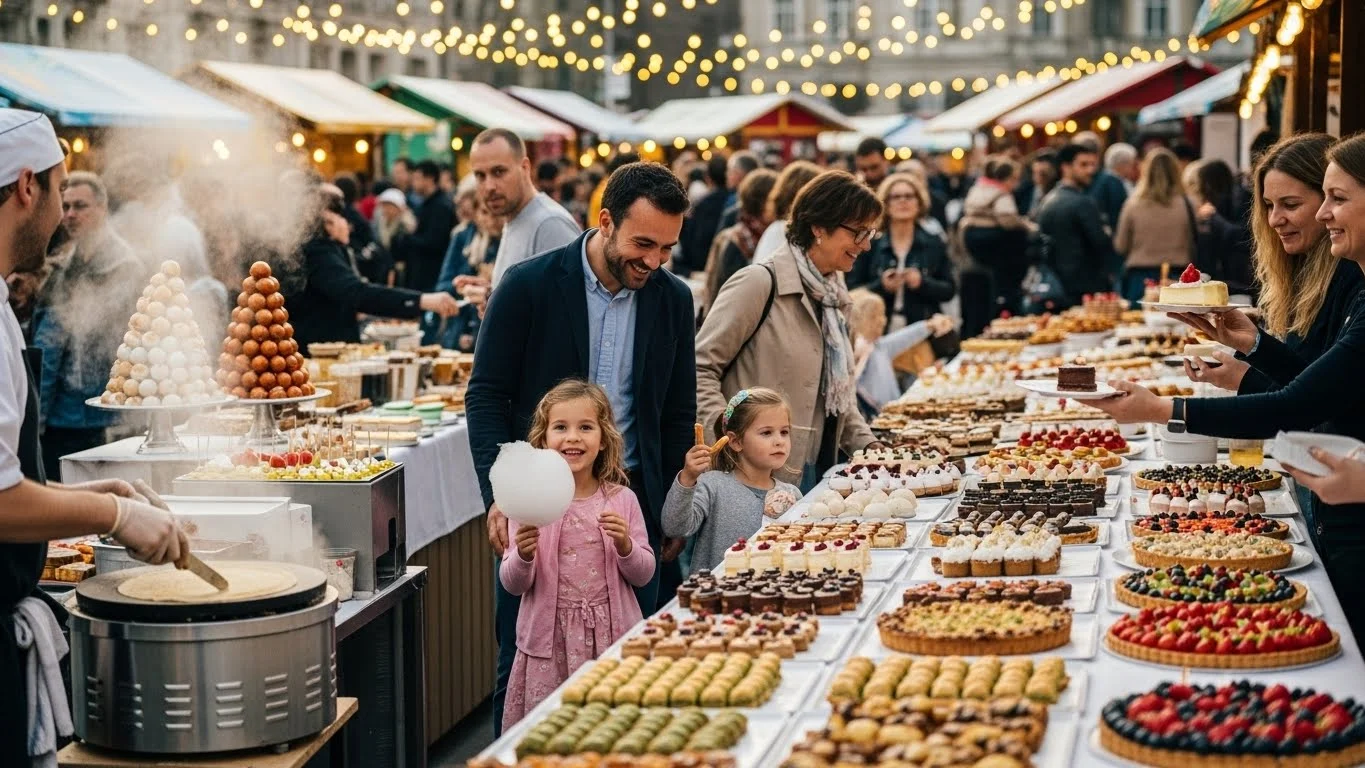
Indulge in These Must-Visit Dessert Festivals Around the Globe

Have you ever dreamed of wandering through a paradise of sweets? Dessert festivals around the world offer just that, turning our sugary fantasies into delightful reality. Join me as we explore these must-visit festivals that celebrate the art of desserts! If you’re interested in learning more about other festivals, check out our article on Top 10 Sweetest Dessert Festivals You Can’t Miss Worldwide.

Indulge in These Must-Visit Dessert Festivals Around the Globe

Overview of Dessert Festivals

What is a Dessert Festival?

When I first heard about dessert festivals, I imagined a magical place where everything is sweet and delightful. A dessert festival is essentially a celebration dedicated to all things sugary and delicious. These events often feature a variety of desserts, from cakes and pastries to chocolates and candies. They gather dessert lovers, bakers, and chefs who showcase their culinary masterpieces, allowing attendees to indulge in their favorite treats while discovering new flavors. You might find everything from local specialties to international delicacies, all in one place. It’s like stepping into a sweet wonderland!

Why Attend Dessert Festivals?

Attending a dessert festival is more than just satisfying a sweet tooth; it’s about experiencing a vibrant community of like-minded individuals who share a passion for desserts. I remember my first festival vividly. The air was filled with the scent of fresh pastries, and the excitement buzzed around me. You get to taste unique and creative desserts that you might not find anywhere else. Plus, it’s a fantastic opportunity to meet talented chefs and bakers, learn their secrets, and even pick up new baking techniques. For me, it’s an experience that combines food, culture, and a sense of community all in one delicious package. You’ll also discover food trends, innovative dessert ideas, and, of course, indulge in a variety of mouth-watering treats!

Top Dessert Festivals Around the World

La Fête du Chocolat (France)

La Fête du Chocolat, held annually in the charming town of La Roche-sur-Yon, is a must-visit for any chocolate lover. This festival is dedicated to all things chocolate, featuring chocolate makers from around the globe who come to showcase their skills. I was lucky enough to attend a few years ago, and let me tell you, the sheer variety of chocolate creations was stunning! From intricate sculptures to delicious truffles, each booth was like a mini chocolate shop. The festival also includes workshops where you can learn how to make your own chocolate delicacies, which I found incredibly rewarding. The atmosphere is festive, with live music and entertainment, making it a delightful day out!

New York City Dessert Festival (USA)

If you find yourself in New York City, make sure to check out the New York City Dessert Festival. This event features local pastry chefs and bakers showcasing their best sweets. I remember walking through the festival, surrounded by towering cakes, decadent cupcakes, and gourmet ice creams. It’s a feast for the eyes as much as it is for the taste buds! What I loved most about this festival was the diversity of flavors and styles, reflecting the melting pot that is NYC. There are often live demonstrations and tastings, allowing you to learn about the dessert-making process right from the experts. It’s an event that celebrates creativity and innovation in the dessert world.

Tokyo Sweets Festival (Japan)

Japan has a unique dessert culture, and the Tokyo Sweets Festival is a perfect representation of that. This festival celebrates not only traditional Japanese sweets, or wagashi, but also modern desserts that blend Eastern and Western influences. I was fascinated by the intricate designs and flavors, from matcha-flavored treats to the most delicate mochi. Each dessert tells a story, often inspired by Japanese art and aesthetics. Attending this festival feels like a sensory journey, with beautiful displays and delightful tastes that linger in my memory. Plus, you can engage in hands-on workshops to learn the art of Japanese dessert-making!

Melbourne Dessert Festival (Australia)

Down under, the Melbourne Dessert Festival is a highlight for sweet lovers. This festival brings together a community of dessert enthusiasts and showcases a variety of indulgent treats. I had the chance to attend last year, and the energy was infectious! From fairy floss to gourmet pastries, there were endless options to satisfy any craving. I particularly enjoyed the friendly competitions between local chefs, which added an exciting element to the event. The festival also promotes local businesses, giving attendees a chance to discover new favorites while supporting the community.

International Sugar Art Show (USA)

The International Sugar Art Show is a paradise for those who appreciate the artistry of edible creations. This festival highlights the incredible skill of sugar artists who create breathtaking sculptures and cake decorations. I’ve seen some astonishing works of art here, from lifelike flowers to elaborate themed displays. The best part? There are competitions that showcase these talents, where you can witness the creative process firsthand. Workshops are also available, allowing attendees to learn various sugar art techniques. It’s truly a celebration of creativity, craftsmanship, and, of course, sugar!

Pastry Live (USA)

For those who are serious about pastries, Pastry Live in Atlanta is an event not to be missed. This festival showcases the best pastry chefs, offering a mix of tastings, demonstrations, and competitions. I was impressed by the level of talent on display, with chefs pushing the boundaries of what desserts can be. The atmosphere was both competitive and collaborative, making it a thrilling experience for anyone who loves baking. I particularly enjoyed the opportunity to meet some of my pastry idols and learn tips and tricks that I could take back to my own kitchen!

Amsterdam Sweets Festival (Netherlands)

Last but definitely not least, the Amsterdam Sweets Festival brings together a diverse array of sweet treats from the Netherlands and beyond. The festival celebrates traditional Dutch sweets alongside international desserts, creating a delightful melting pot of flavors. I remember wandering the stalls, sampling stroopwafels, poffertjes, and other local specialties. There’s something magical about enjoying sweets in such a picturesque city! The festival also includes interactive elements, like baking workshops and tastings, making it a fun, educational experience. I highly recommend this festival for anyone visiting Amsterdam!

What to Expect at Dessert Festivals

Types of Desserts Featured

One of the most exciting aspects of dessert festivals is the amazing variety of treats on display. Each festival showcases a wide range of desserts that reflect the local culture and creativity of the bakers. I remember walking through the stalls at the New York City Dessert Festival, where I found everything from traditional cheesecakes to innovative fusion desserts like matcha tiramisu. You might encounter classic favorites like chocolate chip cookies, but also unique creations such as lavender-infused macarons or spicy chocolate bars. The thrill of discovering new flavors and textures is part of the fun! At the Tokyo Sweets Festival, for instance, I was amazed by the beautiful wagashi, which are not only delicious but also visually stunning. Each dessert is a small piece of art, and it’s exciting to explore the diverse offerings that each festival has to offer.

Workshops and Demonstrations

One of my favorite things about dessert festivals is the opportunity to participate in workshops and demonstrations. These hands-on sessions are often led by talented chefs who share their expertise and techniques. I remember attending a workshop at the Melbourne Dessert Festival where a renowned chef taught us how to create the perfect soufflé. It was both challenging and rewarding, and I left with a newfound appreciation for the craft of pastry making. Many festivals also feature live demonstrations where chefs create stunning desserts right before your eyes. Watching them work their magic, from whipping cream to glazing cakes, gave me insights into the dessert-making process that I had never considered before. It’s a fantastic way to learn new skills and gather tips that you can try at home!

Live Competitions and Tastings

Live competitions at dessert festivals add an extra layer of excitement to the experience. Chefs go head-to-head in friendly contests, showcasing their skills in front of a lively audience. I still remember the thrill of watching competitors at the International Sugar Art Show as they raced against the clock to create stunning sugar sculptures. The energy was palpable, and I felt the tension in the air as judges critiqued the creations. Beyond the competitions, there are usually plenty of tastings available. I love sampling different desserts, and at these festivals, I can try everything from artisanal chocolates to gourmet ice creams. It’s like a buffet of sugary delights where you can indulge your sweet tooth without any guilt. The chance to taste a variety of treats made each event feel special and memorable for me.

When to Visit Dessert Festivals

Seasonal Considerations

Choosing the right time to visit a dessert festival can enhance your experience significantly. Many festivals are seasonal, coinciding with local holidays or events. For instance, La Fête du Chocolat in France usually takes place in the spring when the weather is pleasant, making it a wonderful outing. I’ve found that attending a festival in the fall can be equally enchanting, as many regions showcase seasonal flavors like pumpkin and apple. Each season brings its own unique flair to the desserts available, so I recommend checking the festival schedule in advance to plan your visit accordingly. Plus, visiting during a specific season can also give you the chance to explore local attractions in the area, adding even more to your overall experience.

Festival Dates and Timelines

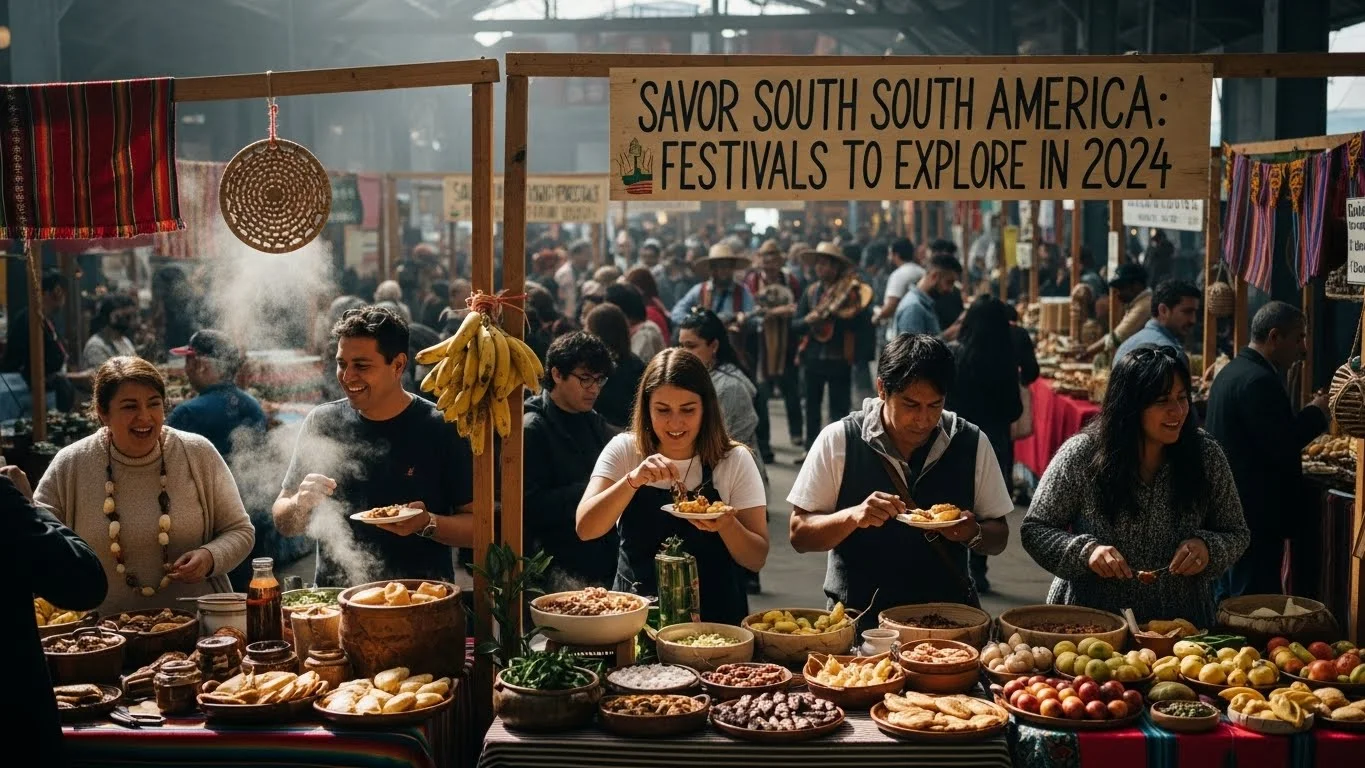
Most dessert festivals have specific dates, and I highly recommend marking your calendar early. Some festivals, like the New York City Dessert Festival, can attract large crowds, so getting tickets in advance can save you time and ensure you don’t miss out. I learned this the hard way when I waited too long to buy tickets for Pastry Live and found that they were sold out! Many festivals also offer VIP packages that include early access, tastings, and exclusive workshops. These can be a great way to make the most of your visit. Before you go, it’s essential to check the festival’s website for the latest updates on dates, schedules, and any special events that may be taking place. If you’re interested in more food experiences, be sure to read about Experience Authenticity: South America’s Must-Visit Food Festivals.

How to Prepare for Your Visit

Travel Arrangements

Planning your travel arrangements is key to having a smooth experience at a dessert festival. I usually start by figuring out how to get to the festival location. Whether you’re flying or driving, it’s important to plan ahead. I’ve found that booking accommodations close to the festival venue can save you a lot of hassle—especially if you want to take full advantage of all the delicious offerings. If you’re flying in, look for nearby hotels or rental options. Many festivals are located in vibrant areas with plenty to explore, so having a convenient base can make your trip even more enjoyable.

Accommodation Options

Finding the right place to stay is just as important as getting to the festival. I’ve always preferred staying in local hotels or cozy bed-and-breakfasts that reflect the character of the area. Many festivals even have partnerships with local hotels that offer discounts for attendees. I remember staying at a charming inn during the Amsterdam Sweets Festival, which allowed me to experience both the festival and the city’s culture. Ultimately, I recommend looking at various accommodation options—ranging from budget-friendly hostels to luxurious hotels—to find the best fit for your taste and budget.

Budgeting for the Festival

Lastly, budgeting for your festival visit is crucial. I like to set aside a specific amount for tastings, workshops, and souvenirs. Desserts can vary in price, and it’s easy to get carried away when you’re surrounded by so many delicious options! I often find that having a rough estimate of how much I want to spend helps me enjoy the festival without feeling guilty. Some festivals also offer all-inclusive tickets that can cover tastings and workshops, which can be a great value if you plan to indulge. Overall, being mindful of your budget can help you enjoy every sweet moment without any worries! And if you’re a budget traveler, you might want to check out Discover the Best South American Food Festivals for Budget Travelers.

Local Cuisine Beyond Desserts

Pairing Desserts with Local Dishes

One of the most delightful aspects of attending dessert festivals is the opportunity to explore local cuisine beyond just sweets. I’ve found that many festivals highlight how desserts can beautifully complement traditional dishes. For instance, at the Melbourne Dessert Festival, I discovered how local pastries paired perfectly with Australian fare like meat pies or fresh seafood. Imagine indulging in a rich lamington alongside a savory dish—it’s a flavor experience that stays with you. I remember attending a workshop where a chef demonstrated how a sweet dessert can elevate a meal. The combination of flavors, textures, and cultural influences creates a culinary adventure that makes the festival even more memorable.

In Japan, I noticed a similar trend during the Tokyo Sweets Festival. Here, I found that many desserts are carefully crafted to reflect seasonal ingredients and traditional Japanese cuisine. Desserts like matcha cakes are often paired with savory dishes, allowing attendees to appreciate the balance of flavors. I think this fusion makes each dessert feel even more special, as it tells a story about the local culture and cuisine.

Exploring Local Cafés and Bakeries

While dessert festivals are fantastic, they also offer a perfect opportunity to venture out and explore local cafés and bakeries. During my travels, I’ve taken the time to visit nearby spots that showcase the region’s unique dessert offerings. After attending the New York City Dessert Festival, I wandered into a quaint café known for its artisanal pastries. The vibe was cozy, and the treats were incredible. I sampled a decadent chocolate croissant that paired beautifully with a cup of locally roasted coffee. It was a simple yet delightful moment that enhanced my overall experience.

In Amsterdam, I made it a point to visit a local bakery that specialized in stroopwafels after attending the Amsterdam Sweets Festival. Watching them make stroopwafels from scratch was a highlight! The warm, syrupy goodness fresh off the griddle was something I’ll never forget. I believe that exploring local establishments gives you a deeper appreciation for the culture and the craft of dessert-making, and it’s a great way to support local businesses. Plus, you might just discover your new favorite dessert outside the festival!

Safety and Best Practices

Health and Safety Tips

When attending dessert festivals, it’s essential to consider health and safety. While indulging in all those sweet treats, I’ve learned a few tips to help keep the experience enjoyable. First, it’s wise to stay hydrated. I often bring a reusable water bottle to sip on while I sample desserts. It helps cleanse my palate and keeps me feeling refreshed as I navigate through the festival.

Additionally, I always pay attention to food safety practices. Look for booths where the desserts are displayed in a clean and organized manner. I’ve noticed that many vendors take pride in their setup, showcasing their sweets in a way that reflects their quality. If you have food allergies, don’t hesitate to ask about ingredient lists—most chefs are more than willing to share. Staying mindful of these aspects ensures that I can enjoy the festival without any worries!

Social Etiquette at Festivals

Navigating social etiquette at dessert festivals can enhance the experience for everyone involved. I’ve found that being polite and respectful at these events goes a long way. For instance, if you’re sampling desserts, it’s courteous to wait your turn and be mindful of others. I remember attending Pastry Live, where the atmosphere was filled with excitement but also camaraderie. Sharing recommendations and chatting with fellow attendees made the experience even more enjoyable.

Moreover, if you’re engaging with chefs or bakers, I recommend being sincere in your compliments and asking questions. This not only expresses appreciation for their hard work but also opens the door to learning more about their craft. I’ve had some wonderful conversations with chefs after complimenting their creations, and it has deepened my understanding of the art of dessert-making. A little kindness can turn a sweet moment into a cherished memory!

Frequently Asked Questions

What is a dessert festival?

A dessert festival is a celebration dedicated to all things sugary and delicious, featuring a variety of desserts from cakes and pastries to chocolates and candies. These events gather dessert lovers, bakers, and chefs who showcase their culinary masterpieces.

Why should I attend a dessert festival?

Attending a dessert festival allows you to experience a vibrant community of dessert enthusiasts, taste unique and creative desserts, meet talented chefs and bakers, and learn new baking techniques. It combines food, culture, and community in one delightful experience.

What types of desserts can I expect at these festivals?

Each festival showcases a wide range of desserts reflecting local culture and creativity. You might find traditional favorites as well as innovative creations, such as matcha tiramisu or lavender-infused macarons, making each festival a thrilling exploration of flavors.

Are there workshops available at dessert festivals?

Yes, many dessert festivals offer hands-on workshops led by talented chefs. These workshops allow attendees to learn various dessert-making techniques and participate in live demonstrations of dessert preparation.

What are some top dessert festivals around the world?

Some top dessert festivals include La Fête du Chocolat in France, New York City Dessert Festival in the USA, Tokyo Sweets Festival in Japan, Melbourne Dessert Festival in Australia, International Sugar Art Show in the USA, Pastry Live in the USA, and Amsterdam Sweets Festival in the Netherlands.

When is the best time to visit dessert festivals?

The best time to visit dessert festivals depends on their seasonal scheduling. Many festivals coincide with local holidays or events, so it’s beneficial to check their schedules in advance for optimal timing.

How should I prepare for my visit to a dessert festival?

To prepare for your visit, plan your travel arrangements, look for nearby accommodations, and set a budget for tastings, workshops, and souvenirs. Booking accommodations close to the venue is advisable for convenience.

How can I pair desserts with local cuisine at festivals?

Many festivals highlight how desserts complement traditional dishes. For example, at the Melbourne Dessert Festival, desserts can be enjoyed alongside local fare like meat pies or seafood, creating a flavorful culinary experience.

What health and safety tips should I keep in mind at dessert festivals?

Stay hydrated by bringing a reusable water bottle and pay attention to food safety practices, such as choosing clean and organized booths. If you have food allergies, don’t hesitate to ask about ingredient lists.

What social etiquette should I follow at dessert festivals?

Being polite and respectful enhances the festival experience. Wait your turn when sampling desserts, engage sincerely with chefs, and express appreciation for their work to foster a friendly atmosphere.

Top 10 Sweetest Dessert Festivals You Can’t Miss Worldwide

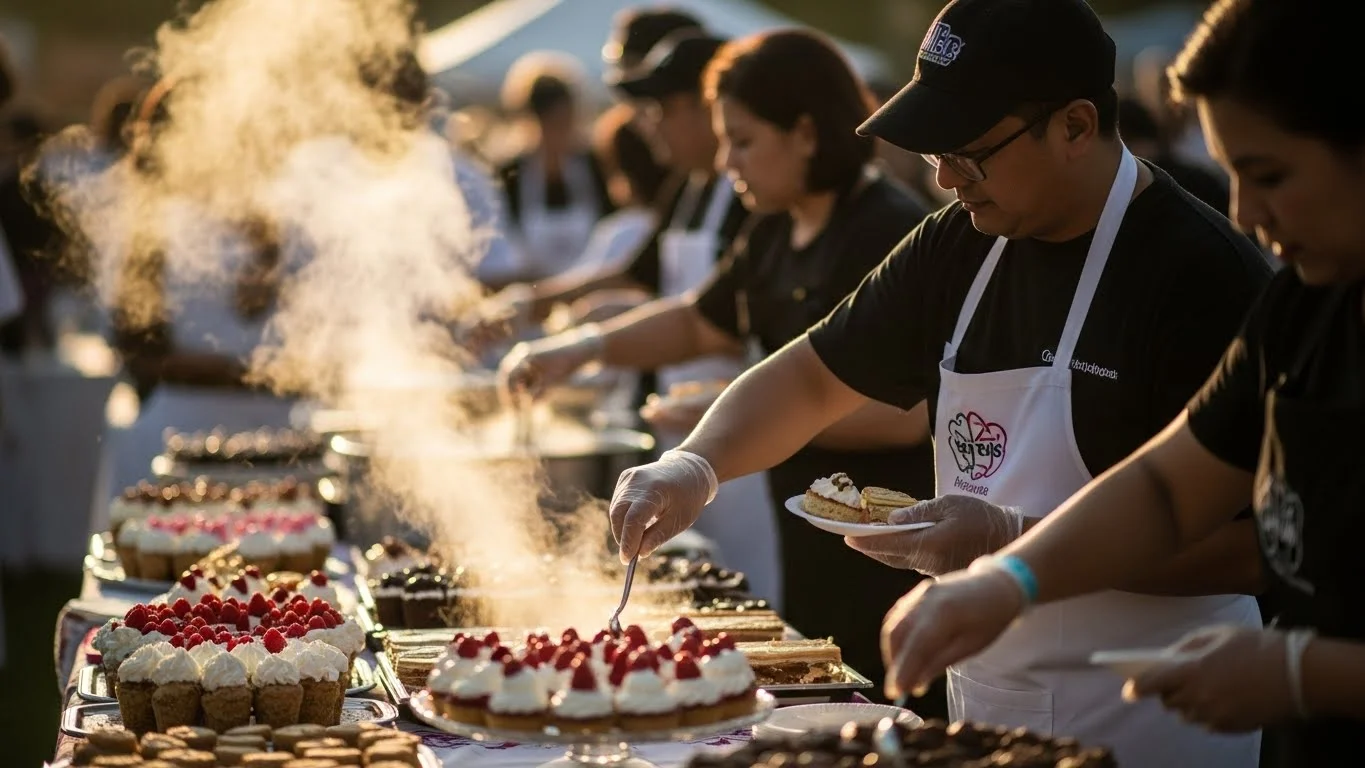
Imagine wandering through vibrant streets filled with the sweetest aromas, where your taste buds are treated to delightful desserts from around the world. Dessert festivals are a true feast for the senses, and there are some you absolutely can’t miss! Read Interesting article: Experience Authenticity: South America’s Must-Visit Food Festivals
Top 10 Sweetest Dessert Festivals You Can't Miss Worldwide

Overview of Dessert Festivals

What are Dessert Festivals?

When I think about dessert festivals, I picture an explosion of colors, scents, and flavors. These celebrations are all about indulging in sweets, showcasing local and international treats. From chocolates to pastries, these events bring together bakers, confectioners, and enthusiasts who share a passion for all things sweet. They can range from small, community-driven events to grand, multi-day festivals attracting thousands of visitors. Each festival has its unique flair, often highlighting the cultural significance of various desserts and sweets. For me, attending these festivals is not just about eating; it’s about experiencing the joy that desserts bring to people.

Importance of Dessert Festivals in Culinary Culture

I’ve always believed that food transcends culture, and dessert festivals are a perfect example of this. They play a vital role in promoting culinary heritage and innovation. These festivals often feature traditional recipes passed down through generations, allowing us to appreciate the history behind our favorite sweets. It’s fascinating to see how local ingredients are transformed into delightful creations that represent a region’s identity. Moreover, they provide a platform for new chefs and artisans to showcase their creativity and push the boundaries of dessert-making. I remember the excitement I felt when I tried a fusion dessert that blended flavors from different cultures—it’s experiences like these that make dessert festivals so special.

Top 10 Sweetest Dessert Festivals Worldwide

1. La Fête du Chocolat – France

If you’re a chocolate lover like me, La Fête du Chocolat in France is a dream come true. Held annually in the picturesque town of Tain-l’Hermitage, this festival celebrates all things chocolate. Imagine being surrounded by chocolate sculptures, tastings, and workshops led by some of the best chocolatiers in the world. I’ve attended this festival, and I was in heaven! The rich flavors of artisanal chocolates made right before my eyes were unforgettable. There’s even a chocolate river that flows through the festival, adding to the magical experience.

2. National Donut Day – USA

National Donut Day, celebrated on the first Friday of June, holds a special place in my heart. It originated in the United States to honor the Salvation Army “Donut Lassies” who served donuts to soldiers during World War I. Today, it’s a chance for donut shops across the nation to offer free donuts. I remember feeling like a kid again as I lined up at my favorite local bakery, sampling various flavors and toppings. The festive atmosphere, complete with music and community gatherings, makes this day all the more enjoyable. Don’t miss out on the unique creations that bakeries come up with for this celebration!

3. Salon du Chocolat – France

Another gem in France is the Salon du Chocolat, held in Paris. This indoor festival is a chocolate lover’s paradise, featuring over 200 exhibitors from around the globe. What I love most about this festival is the chocolate fashion show, where models strut down the runway wearing stunning outfits made entirely of chocolate. It’s an incredible blend of artistry and culinary skill. Plus, the tastings are out of this world! I found myself savoring every bite of gourmet chocolates, from dark to white, and learning about the different cacao origins. It’s not just about indulging, but also about appreciating the craftsmanship behind each chocolate piece.

4. Melbourne International Chocolate Festival – Australia

Melbourne’s International Chocolate Festival is a week-long celebration that takes place every August. It’s a delightful experience where chocolate enthusiasts gather to enjoy everything from tastings to cooking demonstrations. I recall the excitement of walking through the festival grounds, sampling delectable treats and discovering local chocolatiers. The festival also hosts workshops where you can learn to make your own chocolates. For me, the highlight was the chocolate fountain that seemed to flow endlessly, providing a perfect dip for fresh fruits and marshmallows. It’s a festival that leaves you craving more!

5. Tokyo Sweets & Dessert Festival – Japan

Japan is known for its unique and intricate desserts, and the Tokyo Sweets & Dessert Festival is a celebration of that creativity. I was amazed by the variety of sweets available, from traditional wagashi to modern pastries. The festival features numerous stalls where artisans display their colorful confections. I especially enjoyed watching live demonstrations where chefs crafted beautiful desserts right in front of us. It was an eye-opening experience to see how much detail goes into dessert-making in Japan. The harmony of flavors and aesthetics truly reflects the culture’s dedication to culinary excellence.

6. New Orleans Sugar Festival – USA

In the heart of Louisiana, the New Orleans Sugar Festival celebrates the region’s rich sugar cane heritage. I was fortunate to experience this festival and indulge in the iconic beignets, pralines, and other sugary delights. The lively atmosphere, complete with music and dancing, made it even more enjoyable. I remember participating in a cooking demonstration where local chefs shared their secrets for creating traditional recipes. The festival honors not just the sweets but also the vibrant culture and history of New Orleans, making it a must-visit for anyone with a sweet tooth.

7. Pudding Festival – England

In England, the Pudding Festival is a delightful event dedicated to one of my favorite comfort foods—pudding! Held in various locations, this festival showcases everything from traditional bread and butter pudding to modern takes on classic flavors. I loved trying the different varieties and learning about the history of each dish. Puddings have a unique place in British culinary culture, and the festival brings together families to celebrate this beloved dessert. It’s a cozy, nostalgic experience that warms your heart as much as it fills your belly!

8. Sweets Festival – Turkey

The Sweets Festival in Turkey is a vibrant celebration of the country’s rich confectionery tradition. I was captivated by the stunning displays of baklava, Turkish delight, and other sweets. The festival allows visitors to taste and experience the rich flavors of Turkish desserts that have been perfected over centuries. I was particularly impressed by the craftsmanship of the artisans, who create intricate designs with their sweets. The warm hospitality and the lively atmosphere made it a memorable experience, and I left with a newfound appreciation for Turkish desserts.

9. World Chocolate Day – Global

Observed on July 7th, World Chocolate Day is a global celebration that chocolate lovers worldwide eagerly anticipate. While it’s not a specific festival, many cities host events and promotions to honor this delicious treat. I’ve seen bakeries offer special deals and create unique chocolate-based desserts for the occasion. Whether you’re attending a local event or simply enjoying your favorite chocolate treat at home, it’s a day to indulge guilt-free. I think it’s a wonderful reminder of how chocolate brings people together, no matter where they are.

10. Festival of Sweets – India

In India, the Festival of Sweets showcases the country’s diverse dessert culture, especially during festivals like Diwali and Holi. I’ve experienced the joy of this festival firsthand, sampling an array of sweets such as gulab jamun, jalebi, and barfi. Each region has its specialties, making this festival a true celebration of flavors. The vibrant colors and rich traditions associated with Indian sweets are simply enchanting. I find that each bite tells a story, connecting me to the rich cultural tapestry of India.

When to Visit These Festivals

Seasonal Timing and Duration

Timing can make all the difference when it comes to enjoying dessert festivals. I’ve learned from my experiences that each festival has its own unique schedule, often tied to seasons and local celebrations. For example, the Melbourne International Chocolate Festival happens in August, perfectly timed for winter when a warm chocolate treat feels especially comforting. Similarly, National Donut Day is celebrated on the first Friday in June, making it a sweet kickoff to summer festivities. I’ve noticed that many festivals take advantage of seasonal ingredients, which means you’re likely to enjoy the freshest flavors available. If you’re planning to visit, I recommend checking the specific dates well in advance, as some festivals can last just a weekend while others span a week or more. This way, you can fully immerse yourself in the celebration!

Special Events and Activities During Festivals

What I love most about dessert festivals are the special events and activities that often take place. These can range from live cooking demonstrations to dessert tastings and creative contests. At the Salon du Chocolat in Paris, I was fortunate to catch a chocolate sculpture competition, where talented chocolatiers showcased their stunning creations. Watching the skill and artistry that went into each piece was captivating. Additionally, many festivals host workshops where you can learn to make your own desserts. At the Tokyo Sweets & Dessert Festival, I took part in a wagashi-making workshop, which was a memorable way to connect with Japanese dessert culture. These activities not only enhance the experience but also provide a chance to learn something new while satisfying your sweet tooth!

Where to Stay for Dessert Festivals

Recommended Accommodations Near Festival Venues

Finding the right place to stay can greatly enhance your festival experience. I’ve found that staying close to the festival venue allows you to immerse yourself in the festivities without worrying about long commutes. For instance, during my visit to the New Orleans Sugar Festival, I chose a charming bed and breakfast just a few blocks away. It allowed me to pop back and forth between the festival and my accommodation with ease. Many festivals provide lists of recommended hotels or lodgings on their websites, which can be incredibly helpful. I always look for options that offer a taste of local culture—like a quaint inn or a boutique hotel that reflects the area’s heritage. These little touches can make your visit even more memorable.

Local Transportation Options

Getting around can sometimes be a challenge during large festivals, especially when they attract thousands of visitors. I’ve experienced this firsthand at the Festival of Sweets in India, where the crowds can be overwhelming. It’s important to consider your transportation options ahead of time. Public transport, like buses or trains, can often be a convenient choice, especially in cities like Tokyo or Paris. During my travels, I’ve utilized rideshare apps, which can be a lifesaver when public transport is crowded or not running frequently. Additionally, some festivals may offer shuttle services or partnerships with local transport companies, making it easier to navigate the area. I always recommend checking the festival’s website for transportation tips to ensure a smooth journey!

What to Expect at Dessert Festivals

Types of Desserts and Treats Available

One of the most exciting aspects of attending a dessert festival is the incredible variety of desserts you’ll find. I remember walking through the Sweets Festival in Turkey and being completely mesmerized by the colorful displays of baklava, Turkish delight, and more. Each stall feels like a new adventure, with unique flavors and presentations that reflect the local culture. From traditional recipes to modern twists, there’s something for everyone. I’ve often found myself sampling treats I’ve never even heard of before! If you’re adventurous like me, don’t hesitate to try something new—it might just become your new favorite dessert!

Workshops and Demonstrations

Workshops and live demonstrations are a fantastic way to learn about dessert-making techniques. I’ve participated in several of these at various festivals, and they’ve enriched my understanding of culinary arts. During the Melbourne International Chocolate Festival, I took a workshop on chocolate tempering, which is a skill I still practice at home. Watching an expert chef at work is both inspiring and educational. Many festivals have schedules posted online, so I recommend checking them out to plan your day around these events. It’s a perfect way to enhance your festival experience and maybe even pick up a few tips to impress your friends back home!

Tasting Events and Competitions

Tasting events are a highlight at any dessert festival. I’ve always enjoyed the thrill of sampling various treats and voting in competitions. At the Pudding Festival in England, I remember participating in a pudding taste-off where local chefs competed for the title of the best pudding. The atmosphere was filled with excitement and friendly rivalry, and the best part was getting to taste all the different creations! Many festivals also have exclusive tasting events that require tickets, so it’s worth looking into if you want to savor some of the best offerings. Trust me, the experience of tasting a variety of desserts in one place is truly heavenly!

Local Cuisine and Desserts to Try

Signature Dishes from Each Festival Location

One of the most delightful aspects of attending dessert festivals is discovering the signature dishes unique to each location. I’ve indulged in so many incredible sweets that reflect the culture and heritage of the region. For instance, at the Festival of Sweets in India, I was thrilled to sample gulab jamun, a soft and syrupy treat that melts in your mouth. Each bite transports me to vibrant celebrations and the rich tapestry of Indian festivals. Then there are the beignets from the New Orleans Sugar Festival—these fluffy, powdered sugar-dusted delights are a must-try! They’re best enjoyed fresh and hot, often paired with a strong cup of café au lait. At the Tokyo Sweets & Dessert Festival, I couldn’t resist the chance to try wagashi, traditional Japanese confections that are not only delicious but also artistically crafted. The vibrant colors and intricate designs of these treats reflect the season and various celebrations. I remember being captivated by the seasonal mochi, especially the ones filled with sweet red bean paste or fresh fruit. Each region has its own specialties, making it a treasure hunt for the taste buds.

Pairing Local Desserts with Beverages

Pairing desserts with local beverages can elevate your festival experience. During my time at the Melbourne International Chocolate Festival, I discovered how perfectly dark chocolate pairs with a rich espresso. The deep flavors enhance each other, creating a delightful sensory experience. I also noticed that many vendors offer tasting flights that include both sweets and drinks, making it easy to explore these pairings without feeling overwhelmed. In Japan, I enjoyed the harmonious balance of matcha tea with my wagashi. The earthy notes of matcha complemented the sweetness of the desserts beautifully, and it felt like a cultural experience in itself. At the Pudding Festival in England, I paired my warm bread and butter pudding with a cup of custard—a classic combination that feels both comforting and indulgent. I believe that exploring these pairings adds a layer of depth to the festival experience, allowing us to appreciate the flavors in a new light.

Safety Tips for Festival-Goers

Health and Safety Guidelines

As much as I love indulging in sweet treats at festivals, I’ve learned that keeping safety in mind is essential. With large crowds, it’s important to stay aware of your surroundings. I recommend keeping valuables close and always watching out for your belongings. Additionally, staying hydrated is key, especially when you’re sampling so many delicious desserts. I often carry a water bottle with me to ensure I’m staying refreshed throughout the day. Many festivals also have health and safety guidelines, especially regarding food allergies and dietary restrictions. I always check the festival website before I go to familiarize myself with their policies and any available options for those with specific needs. I’ve found that most vendors are happy to accommodate requests when it comes to allergies, and they appreciate when you ask questions about their ingredients.

COVID-19 Considerations

Given the lingering effects of the pandemic, I think it’s crucial to stay up-to-date on COVID-19 guidelines at festivals. Some events may require masks or social distancing measures, while others may limit the number of attendees. During my last festival visit, I noticed that many vendors had hand sanitizing stations set up, which made me feel more comfortable. I also recommend checking for any specific updates or changes to the festival format, as some may shift to virtual or hybrid events to accommodate health concerns. Staying informed not only ensures your safety but also helps you enjoy the festival to the fullest.

Budgeting for Dessert Festivals

Entry Fees and Ticket Information

Planning your budget for a dessert festival can make your experience so much smoother. I’ve noticed that most festivals have entry fees that vary based on the event’s scale. Some smaller local festivals may be free, while larger ones like the Salon du Chocolat in Paris often charge for tickets. I usually look online for early bird specials or group discounts, which can save a bit of money. It’s also a good idea to check if the ticket includes tasting samples or if they’re available for an additional cost. I’ve learned the hard way to always double-check what my ticket covers. At the National Donut Day celebration, for example, I was pleasantly surprised to find that many local shops offered free donuts, making it a cost-effective and delicious day!

Estimated Costs for Food and Activities

When budgeting for food and activities at the festival, I recommend setting aside a daily amount for tastings. Pricing can vary widely depending on the festival location and the vendors present. For me, it’s worth it to splurge a bit on those unique creations that I can’t find anywhere else. I often allocate a portion of my budget for workshops and special events, which can range from free to a nominal fee. Participating in a workshop at the Melbourne International Chocolate Festival not only enriched my experience but also provided me with skills I could take home. Overall, I think it’s all about finding the right balance between indulging in delicious treats and enjoying the activities offered, making the most of your sweet adventure!

Planning Your Visit

Best Travel Routes to Dessert Festivals

Finding the best travel routes to dessert festivals can save you time and enhance your experience. I usually check Google Maps or local transit websites for the fastest options. For festivals in major cities like Paris or Tokyo, public transport is often the most efficient way to get there. I’ve found that trains and subways are reliable and can drop you off right near the festival entrance. If you’re planning to drive, I recommend looking into parking options in advance, as some festivals can attract large crowds, leading to limited space. I’ve had times when I parked far away and ended up hurrying to make it to the event. Carpooling with friends can also be a fun way to travel together and share the experience of tasting all those delightful desserts!

Important Festival Dates and Announcements

Staying updated on important festival dates and announcements is essential for a successful trip. I follow the social media pages of my favorite festivals and sign up for newsletters to receive real-time updates. This way, I’m always in the loop about ticket sales, special events, and any changes to the schedule. I recommend marking your calendar with the festival dates well in advance, allowing you to plan your travel accordingly. It’s also good to keep an eye out for any unique offerings or special guests that may pop up, adding an extra layer of excitement to your visit. The thrill of discovering something new at a festival is one of the many reasons I keep coming back for more!

Frequently Asked Questions

What are dessert festivals?

Dessert festivals are celebrations that focus on indulging in sweets, showcasing local and international treats. They bring together bakers, confectioners, and enthusiasts who share a passion for desserts, ranging from small community events to large multi-day festivals.

Why are dessert festivals important in culinary culture?

Dessert festivals promote culinary heritage and innovation by featuring traditional recipes and allowing chefs and artisans to showcase their creativity. They highlight the cultural significance of desserts and provide an opportunity to appreciate the history and craftsmanship behind them.

What is La Fête du Chocolat?

La Fête du Chocolat is an annual festival held in Tain-l’Hermitage, France, celebrating all things chocolate. It features chocolate sculptures, tastings, and workshops led by renowned chocolatiers, making it a must-visit for chocolate lovers.

When is National Donut Day celebrated?

National Donut Day is celebrated on the first Friday of June each year. It originated in the United States to honor the Salvation Army “Donut Lassies” who served donuts to soldiers during World War I.

What unique activities can attendees expect at dessert festivals?

Attendees can enjoy various activities such as live cooking demonstrations, dessert tastings, competitions, and workshops. These activities enhance the experience and provide opportunities to learn about dessert-making techniques.

What type of desserts can be found at the Tokyo Sweets & Dessert Festival?

The Tokyo Sweets & Dessert Festival features a wide variety of desserts, including traditional wagashi and modern pastries. Artisans display colorful confections, and live demonstrations showcase the intricate dessert-making process.

How can visitors find accommodations near festival venues?

Visitors can find accommodations by checking the festival’s website for recommended hotels or lodgings. Staying close to the festival venue allows for easy access to the festivities and enhances the overall experience.

What should festival-goers know about health and safety guidelines?

Festival-goers should stay aware of their surroundings, keep valuables close, and stay hydrated. It’s also important to check the festival website for health and safety guidelines, especially concerning food allergies and dietary restrictions.

What is the estimated cost for food and activities at dessert festivals?

The estimated cost can vary widely depending on the festival. Visitors should budget for entry fees, food tastings, and any workshops or special events they wish to participate in, with prices ranging from free to nominal fees.

How can attendees stay updated on important festival dates and announcements?

Attendees can stay updated by following the social media pages of the festivals, signing up for newsletters, and marking their calendars with the festival dates. This ensures they are informed about ticket sales, special events, and any schedule changes.

Read Interesting article: Discover the Best South American Food Festivals for Budget Travelers

Read Interesting article: Top 7 Cultural Food Festivals in South America You Can’t Miss

Experience Australia’s Best Seafood Festivals on a Budget

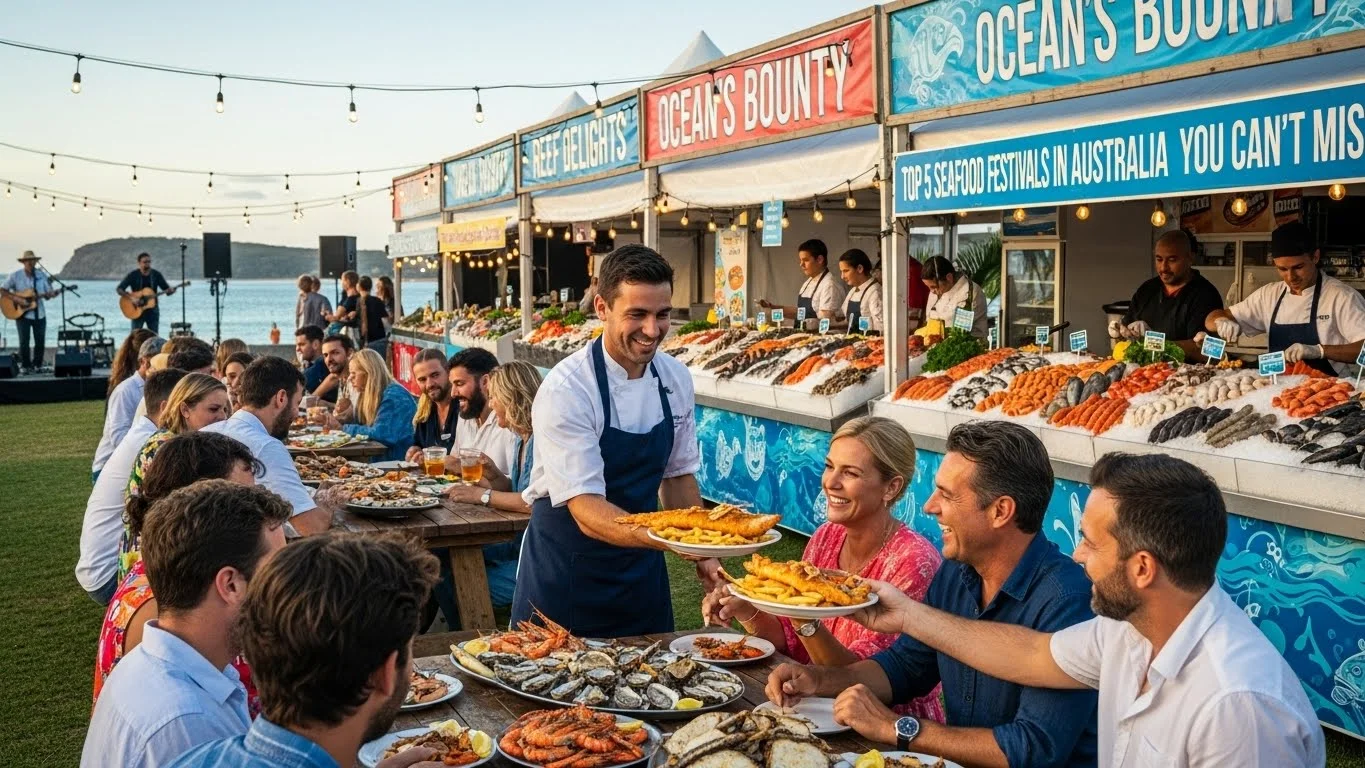
Australia’s seafood festivals are a feast for the senses, offering delicious flavors and vibrant culture. Imagine savoring fresh catches while soaking in the lively atmosphere—without breaking the bank! For those looking for more information, check out Top 5 Seafood Festivals in Australia You Can’t Miss.

Experience Australia's Best Seafood Festivals on a Budget

Overview of Australia’s Seafood Festivals

What are Seafood Festivals?

Seafood festivals in Australia are lively celebrations dedicated to showcasing the country’s rich seafood culture. These events typically feature an array of activities including cooking demonstrations, tastings, markets, and educational workshops. For me, attending a seafood festival feels like diving into a treasure chest of culinary delights, where every turn brings something new and exciting. From the freshest fish to mouthwatering shellfish, these festivals highlight the incredible bounty of the sea that Australia has to offer.

Importance of Seafood Culture in Australia

Australia’s coastal cities are blessed with access to some of the world’s most pristine oceans, making seafood an integral part of our culinary landscape. Growing up near the coast, I often found myself at the local fish market, mesmerized by the vibrant colors and enticing aromas. Seafood doesn’t just represent a meal; it’s a part of our culture, our history, and our lifestyle. Festivals celebrate this connection, bringing communities together to appreciate local produce, support fishermen, and learn about sustainable practices. I believe you can truly feel the heartbeat of a place through its food, and seafood festivals are a perfect way to experience that heartbeat in Australia.

Top Seafood Festivals to Experience

Sydney Seafood Festival

The Sydney Seafood Festival is one of the most anticipated events on Australia’s culinary calendar. Held annually, it transforms the city’s waterfront into a seafood lover’s paradise. I remember wandering through stalls lined with fresh oysters, crab, and prawns, each dish more tempting than the last. Live music, cooking demonstrations by renowned chefs, and interactive seafood workshops make it an all-encompassing experience. Plus, the views of the Sydney Harbour are simply breathtaking! This festival is perfect for families, friends, or anyone looking to indulge their palate.

Brisbane Seafood Festival

Next on my list is the Brisbane Seafood Festival, which takes place at the stunning Brisbane River. What I love about this festival is the warm, friendly atmosphere. It’s not just about eating; it’s about community. Local producers showcase their catch, and I’ve spent hours sampling everything from fish tacos to gourmet seafood paella. The festival also features live entertainment and activities for kids, making it a great family outing. I recommend coming hungry and ready to try as many different dishes as possible! For tips on food festivals, you can Explore the Best Food Festivals: A Backpacker’s Guide.

Fremantle Festival of the Sea

Fremantle, with its rich maritime history, hosts the Festival of the Sea, which celebrates the local fishing industry. I’ve had the chance to meet passionate fishermen and learn about their sustainable practices, which really resonated with me. The festival is filled with cooking demos, tasting sessions, and even seafood-themed competitions. It’s a fantastic way to immerse yourself in the local culture while enjoying some of the best seafood Australia has to offer. The atmosphere is vibrant, and the locals are incredibly welcoming.

Port Lincoln Tuna Festival

Port Lincoln, often referred to as the “Seafood Capital of Australia,” hosts the Tuna Festival, dedicated to the ocean’s bounty. Attending this festival was a highlight for me, as I witnessed everything from tuna-catching demonstrations to delicious tuna recipes. The festival features a range of events, including music, markets, and even marlin fishing competitions. If you love tuna, this festival is a must-visit, as it showcases the best of this delicious fish in various forms—grilled, sashimi, or even in a burger.

Gippsland Seafood Festival

The Gippsland Seafood Festival is lesser-known but absolutely worth the visit. Nestled in a picturesque region known for its fresh seafood, this festival brings local flavors to the forefront. I remember the charming stalls featuring local producers who were eager to share their stories. The atmosphere is relaxed, making it perfect for a leisurely day out with family or friends. Sampling the local specialties, like Gippsland oysters and mussels, was a highlight for me, and I left with a new appreciation for the region’s seafood.

These festivals not only showcase incredible seafood, but they also celebrate Australian culture and community spirit. I’ve found that attending them has deepened my connection to the food I eat and the people who produce it. Each festival has its own unique charm, and I can’t wait to explore more of them in the coming years! For a comprehensive overview of food festivals worldwide, check out the Ultimate Guide to the World’s Most Delicious Food Festivals.

When to Attend Seafood Festivals

Seasonal Highlights

Timing is everything when it comes to enjoying seafood festivals in Australia. From my experience, attending festivals during the right season can enhance the overall experience. The summer months, particularly from December to February, are peak times for seafood festivals. With warm weather and longer days, the atmosphere is vibrant and festive. Imagine enjoying fresh prawns and oysters while soaking up the sun—there’s something magical about it! I’ve found that these festivals often align with school holidays, making it easier for families to attend and enjoy the fun together. In contrast, the cooler months also offer unique experiences, with certain festivals focusing on heartier seafood dishes that are perfect for a cozy meal.

Best Months for Seafood Festivals

While seafood festivals happen throughout the year, I’ve noticed that certain months stand out. February is a particularly exciting month, as many major festivals take place during this time. For instance, the Sydney Seafood Festival usually occurs in early February, bringing together seafood lovers from all over. Moreover, March is another great month, featuring events like the Brisbane Seafood Festival, which I absolutely recommend checking out. I’ve learned that planning my festival visits around these months not only ensures I get to enjoy the best seafood but also allows me to experience the lively atmosphere that comes with peak attendance.

Budget-Friendly Tips for Attending Seafood Festivals

Ticket Prices and Discounts

Attending seafood festivals can be a fantastic experience without breaking the bank. I remember my first festival, where I was surprised to find that ticket prices varied widely. Some festivals offer free admission, while others may charge a fee. To save money, I always recommend checking the festival’s official website for discounts or early bird tickets. I’ve snagged great deals this way! Additionally, many festivals offer special rates for families or groups, which can help make the day even more affordable.

Affordable Accommodation Options

If you’re planning to travel for a festival, finding affordable accommodation is key. I’ve had success using apps and websites that compare hotel prices, as they often show great deals. Alternatively, consider booking a spot at a local Airbnb or a hostel. I’ve found that staying slightly outside the festival area can save money, and it’s often quieter, which I appreciate. Plus, I enjoy exploring nearby neighborhoods and discovering hidden gems that I might not have found otherwise.

Transportation Tips to Save Money

Getting to a seafood festival can be a budget concern, but there are plenty of ways to save on transportation. I usually opt for public transport when possible, as it’s often cheaper than driving and parking. Many festivals are easily accessible by train or bus, and some even offer shuttle services from major hubs. I remember taking a train to the Brisbane Seafood Festival, which was not only cost-effective but also allowed me to relax and enjoy the scenery. If you do drive, carpooling with friends can help share costs and make the trip more fun!

Eating on a Budget: What to Look For

One of my favorite aspects of seafood festivals is the incredible food, but it can add up quickly. To save money while still indulging in delicious dishes, I recommend looking for smaller tasting portions or sharing plates with friends. I’ve discovered that many vendors offer sample sizes, allowing me to try a variety of flavors without overspending. Additionally, I keep an eye out for festival deals, such as meal combos or discounts for purchasing multiple items at once. This way, I can enjoy a wide range of seafood dishes and still stick to my budget!

Local Seafood Dishes to Try

Iconic Australian Seafood Dishes

When I attend seafood festivals, I always make it a point to seek out iconic Australian seafood dishes. For me, nothing beats a classic fish and chips, especially when made with fresh, local fish. I also love indulging in Moreton Bay bugs, a type of crustacean that’s often grilled and served with garlic butter. During my last festival visit, I was blown away by the variety of dishes on offer—from delicate sashimi to hearty seafood stews. I believe trying these local specialties adds a layer of authenticity to the festival experience.

Best Vendors for Fresh Seafood

Over the years, I’ve come to know which vendors consistently serve the freshest seafood at festivals. I often look for local fishermen or seafood markets that set up stalls, as they usually bring the catch of the day. At the Sydney Seafood Festival, I stumbled upon a vendor selling the most succulent oysters I’ve ever tasted, harvested just hours before. If you see long lines at a stall, it’s usually a good sign that the food is worth the wait. I’ve learned that engaging with the vendors can also enhance the experience, as they often share stories about their fishing practices and the day’s catch.

Vegetarian and Vegan Options Available

While seafood is the star of these festivals, I’ve noticed an increase in vegetarian and vegan options as well. It’s great to see how chefs are getting creative with plant-based ingredients. I remember trying a delightful vegan seafood paella at one festival, made with jackfruit and infused with seaweed flavors—it was simply delicious! Many festivals now feature dedicated stalls for vegetarian and vegan dishes, ensuring that everyone can enjoy the vibrant culinary scene. If you’re attending with friends who have dietary restrictions, it’s worth exploring these options together!

Family-Friendly Activities at Seafood Festivals

Kids’ Zones and Entertainment

Attending seafood festivals with family can be an unforgettable experience, especially with the range of kid-friendly activities available. I’ve seen dedicated kids’ zones at many festivals, complete with games, crafts, and even cooking classes tailored for children. My kids love getting hands-on with their food, and these activities allow them to learn while having fun. Plus, there’s often live entertainment, such as musicians or performers, which keeps the whole family engaged and entertained throughout the day.

Workshops and Cooking Demonstrations

Another highlight for families is the variety of workshops and cooking demonstrations offered at seafood festivals. I remember attending a session where a renowned chef taught us how to prepare fish tacos from scratch. It was not only informative but also a lot of fun, and we walked away with new skills to try at home. Many festivals also provide opportunities for kids to participate in cooking classes, fostering a love for seafood and cooking that can last a lifetime. These experiences create lasting memories and encourage families to connect over food, making the festivals even more special.

Safety Tips for Festival Goers

Health and Safety Guidelines

Staying safe at seafood festivals is essential, especially with large crowds. I’ve learned to keep an eye out for health and safety guidelines posted around the venue. Many festivals have protocols in place to ensure food safety, so it’s essential to follow those. I always wash my hands before eating and seek out food vendors that maintain cleanliness. Additionally, I stay hydrated throughout the day, especially when spending hours outdoors. It’s easy to get caught up in the excitement and forget to drink enough water!

Staying Hydrated and Sun Protection

Being outside, especially during the warm months, means that sun protection and hydration are vital. I always carry a reusable water bottle to refill throughout the day, and I recommend wearing a hat and sunscreen to protect against sunburn. My experience has shown that some festivals offer free water stations, which is a great way to stay hydrated without spending extra. I’ve also found that wearing comfortable shoes is crucial, as you can spend a lot of time walking and standing while exploring all the festival has to offer.

Transportation and Accessibility

Getting to the Festivals by Public Transport

Public transport is often the best way to reach seafood festivals, especially in busy urban areas. I’ve found that trains and buses are usually well-connected to festival locations, making it easy to avoid the hassle of traffic and parking. For example, the Sydney Seafood Festival is conveniently accessible by train, and I appreciate not having to worry about my car while enjoying the festivities. If you plan to take public transport, I recommend checking the schedule ahead of time to ensure smooth travel.

Parking Options for Festival Attendees

If you do choose to drive, it’s important to know your parking options. Many festivals provide designated parking areas, but they can fill up quickly. I’ve learned to arrive early to secure a spot, or I look for nearby street parking. Some festivals even partner with local businesses to offer parking at discounted rates, which can save money. I always recommend checking the festival website for parking information to avoid any last-minute stress.

Making the Most of Your Seafood Festival Experience

Planning Your Festival Itinerary

One of the best ways I’ve found to truly enjoy a seafood festival is by planning my itinerary ahead of time. With so many activities, food stalls, and workshops, it can be overwhelming to decide where to start. I usually begin by checking out the festival schedule online to see what events pique my interest. For example, if there’s a cooking demonstration by a chef I admire, I’ll make it a priority to be there. I also like to mark down the vendors I want to visit, especially those known for their fresh seafood or unique dishes. This way, I can maximize my time and ensure I don’t miss out on anything important!

Engaging with the Community

What I love most about seafood festivals is the sense of community. It’s not just about the food; it’s about the people. I’ve had some of my best conversations with local fishermen and chefs who are genuinely passionate about their craft. I make it a point to ask about their seafood, how it’s sourced, and any cooking tips they might have. This interaction not only enhances my experience but also deepens my appreciation for the food I’m enjoying. I’ve found that sharing stories and learning from others creates a more enriching festival atmosphere.

Exploring Beyond Seafood

While seafood is undoubtedly the star of the show, I’ve discovered that many festivals also showcase local arts, crafts, and entertainment. I remember stumbling upon a stall featuring handmade jewelry crafted from recycled materials, which caught my eye. These local artisans often tell fascinating stories about their creations, adding another layer to the festival experience. I encourage you to take some time to explore these offerings; you never know what unique treasures you might find!

Documenting Your Experience

I love to capture my festival experiences through photos and notes. It’s a fun way to remember the delicious dishes I’ve tasted and the fun moments I’ve shared with friends and family. I often share these memories on social media, which not only allows me to relive the experience but can also inspire others to check out upcoming festivals. I’ve found that taking a few moments to snap pictures of the food, the vibrant atmosphere, and even the people I meet creates a lovely keepsake for years to come.

Participating in Contests and Activities

Many seafood festivals offer fun contests and activities that I highly recommend getting involved in. I remember participating in a clam-shucking contest at one festival, and while I didn’t win, it was a blast trying my hand at it! These activities are often lighthearted and add an element of fun to the day. Plus, it’s a great way to meet other festival-goers who share a love for seafood. I’ve seen everything from cooking competitions to seafood eating contests, and they always draw an excited crowd.

Embracing Seasonal Ingredients

Attending seafood festivals has taught me the importance of seasonal ingredients. The variety of seafood available at these events often reflects what’s in season. I’ve noticed that trying dishes made from seasonal catches makes the experience even more special. For instance, I’ve had some of the best prawns during the summer months and exquisite salmon in the cooler seasons. Asking vendors about what’s fresh and in season has become a fun part of my festival routine!

Leaving Room for Surprises

While I usually have a plan for my festival experience, I’ve learned to leave some room for spontaneity. There’s something exciting about wandering through the stalls and discovering new dishes or unexpected performances. I once stumbled upon a hidden corner where a local band was playing, and I ended up spending an hour just soaking it all in. Leaving a bit of flexibility in your schedule can lead to delightful surprises and memorable moments that you might not have planned for.

Reflecting on Your Experience

After a day filled with delicious food and vibrant activities, I love to take a moment to reflect on my experience. Sometimes, I jot down my favorite dishes, what I learned, and any new friends I made. This not only helps me remember the highlights but also allows me to appreciate the joy these festivals bring. Plus, it’s always fun to share these reflections with friends and family, encouraging them to join me next time!

Frequently Asked Questions

What are seafood festivals in Australia?

Seafood festivals in Australia are lively celebrations dedicated to showcasing the country’s rich seafood culture. They typically feature cooking demonstrations, tastings, markets, and educational workshops, allowing attendees to experience a variety of culinary delights.

When is the best time to attend seafood festivals in Australia?

The best time to attend seafood festivals is during the summer months, particularly from December to February, when the atmosphere is vibrant and festive. Many major festivals take place in February and March, making these months ideal for seafood lovers.

What are some of the top seafood festivals to experience in Australia?

Some of the top seafood festivals include the Sydney Seafood Festival, Brisbane Seafood Festival, Fremantle Festival of the Sea, Port Lincoln Tuna Festival, and Gippsland Seafood Festival, each offering unique local flavors and activities.

How can I save money when attending seafood festivals?

To save money at seafood festivals, check for discounts or early bird tickets on the festival’s official website, consider affordable accommodation options like Airbnbs or hostels, and use public transport to reduce travel costs. Additionally, look for smaller tasting portions or meal deals to enjoy a variety of dishes without overspending.

Are there vegetarian and vegan options available at seafood festivals?

Yes, many seafood festivals now offer vegetarian and vegan options, allowing everyone to enjoy the culinary scene. You can find dedicated stalls featuring plant-based dishes, ensuring dietary restrictions are accommodated.

What activities are available for kids at seafood festivals?

Seafood festivals often feature dedicated kids’ zones with games, crafts, and cooking classes tailored for children. There are also live entertainment options that keep families engaged throughout the day.

What should I know about health and safety at seafood festivals?

It’s important to follow health and safety guidelines posted around the festival venue, maintain cleanliness, stay hydrated, and protect yourself from the sun. Always wash your hands before eating and look for vendors that prioritize food safety.

How can I plan my festival itinerary effectively?

To plan your festival itinerary, check the festival schedule online for events that interest you, mark down must-visit vendors, and prioritize activities such as cooking demonstrations or tastings. This helps maximize your time and ensures you don’t miss out on important experiences.

What types of local seafood dishes should I try at festivals?

Iconic Australian seafood dishes to try at festivals include fish and chips made with fresh local fish, Moreton Bay bugs, sashimi, and hearty seafood stews. Sampling local specialties enhances the authenticity of the festival experience.

How can I engage with the community at seafood festivals?

Engaging with the community at seafood festivals can enhance your experience. Take the time to converse with local fishermen and chefs about their seafood, cooking tips, and stories. This interaction adds depth to your appreciation of the food and the people behind it.

Top 5 Seafood Festivals in Australia You Can’t Miss

Australia is home to some incredible seafood festivals that celebrate the country’s rich maritime culture. From fresh catches to culinary delights, these festivals offer a feast for the senses! Read Interesting article: Explore the Best Food Festivals: A Backpacker’s Guide

Top 5 Seafood Festivals in Australia You Can't Miss

Overview of Seafood Festivals in Australia

Importance of Seafood Festivals in Australian Culture

Seafood festivals in Australia hold a special place in the hearts of many. Growing up near the coast, I always looked forward to these events, where locals and visitors alike could gather to celebrate the bounties of the sea. It’s not just about the food; it’s about community, culture, and a shared love for the ocean. These festivals showcase the diverse seafood available in Australia, highlighting everything from fish and shellfish to sustainable practices. They also foster a deeper appreciation for our marine environment, reminding us of the importance of preserving it for future generations.

What to Expect at Seafood Festivals

If you’re planning to attend a seafood festival, prepare yourself for an unforgettable experience. Picture this: the aroma of grilled fish wafting through the air, the sound of laughter and music, and the vibrant colors of fresh produce and local crafts surrounding you. Each festival has its unique vibe, but there are common threads that unite them. You can expect a variety of food stalls offering fresh seafood dishes, cooking demonstrations by renowned chefs, and even workshops on sustainable fishing practices. Read Interesting article: Ultimate Guide to the World’s Most Delicious Food Festivals

Most festivals also feature entertainment—think live music, cooking competitions, and activities for the kids. I remember watching my children’s faces light up at the petting zoos and face painting stations while I savored a delicious seafood platter. It’s a family-friendly atmosphere that invites everyone to join in on the fun. And let’s not forget about the opportunity to meet local fishermen and artisans, who often share their stories and passion for their craft. These personal connections enhance the festival experience and create lasting memories.

Top 5 Seafood Festivals You Can’t Miss

1. Sydney Fish Market Seafood Festival

Festival Highlights

The Sydney Fish Market Seafood Festival is one of the largest and most popular seafood festivals in the country, attracting thousands of visitors each year. Set against the stunning backdrop of the harbor, this festival is a seafood lover’s paradise. I remember my first time attending; the energy was infectious! From live cooking demonstrations to seafood tastings, there was something for everyone. The festival usually features an array of seafood stalls, showcasing everything from fresh oysters to fish tacos.

Activities and Events

During the festival, you can participate in cooking classes, where chefs share tips on how to prepare seafood dishes at home. I found this particularly helpful, as I’m always looking for new ways to incorporate seafood into my meals. There are also competitions, such as the “Best Seafood Dish” contest, and live entertainment that keeps the atmosphere lively and fun. The festival often includes activities for kids, making it a fantastic family outing.

Local Seafood Specialties

As you stroll through the festival, make sure to try some local specialties like Sydney rock oysters, grilled barramundi, and prawn cocktails. I often indulge in a classic fish and chips, which never disappoints. The seafood is always fresh and delicious, making it a highlight of my culinary adventures.

2. Noosa International Food and Wine Festival

Festival Highlights

Noosa is known for its stunning beaches and vibrant food scene, and the Noosa International Food and Wine Festival is a perfect reflection of that. Held annually in May, this festival celebrates not just seafood but also the incredible produce from the Sunshine Coast. I’ve attended this festival a few times, and each visit offers new flavors and experiences. The scenery is breathtaking, with events often held along the river, creating a picturesque setting for food lovers.

Activities and Events

The festival features a range of activities, including masterclasses with celebrity chefs, wine tastings, and even beach barbecues. I particularly enjoyed the “Seafood on the Beach” event, where guests gather to enjoy fresh seafood right by the ocean. It’s a communal experience that fosters connection over great food and beautiful views.

Local Seafood Specialties

Be sure to try the local seafood delicacies, such as Moreton Bay bugs and mud crabs. I found the local fishermen’s catches to be incredibly fresh and flavorful. Pairing these dishes with local wines elevates the experience, making each bite a true celebration of Noosa’s rich culinary landscape.

3. Fremantle Seafood Festival

Festival Highlights

The Fremantle Seafood Festival, held in Western Australia, is a must-visit for seafood lovers. This festival stands out due to its vibrant atmosphere and commitment to sustainability. I remember being impressed by the focus on local produce and responsible fishing methods. The festival, usually held in late summer, features a variety of stalls and food trucks showcasing the best seafood from the region.

Activities and Events

Throughout the festival, attendees can enjoy live music, cooking demonstrations, and workshops focused on sustainable seafood practices. I particularly enjoyed a workshop where local chefs shared their favorite recipes for using lesser-known fish species, which opened my eyes to new culinary possibilities.

Local Seafood Specialties

Don’t miss the chance to savor local favorites like spicy fish tacos and grilled octopus. The freshness of the seafood makes every bite a delight. For me, the highlight was trying the local fish caught just hours before the festival began. There’s nothing quite like it!

4. Tasmania’s Seafood Seduction Festival

Festival Highlights

In Tasmania, the Seafood Seduction Festival is a celebration of the island’s rich maritime heritage. This festival takes place in the picturesque setting of St. Helens and features a stunning array of seafood options. I loved the laid-back vibe combined with the stunning coastal views. It’s a beautiful way to experience the local culture and cuisine in one place.

Activities and Events

Festival-goers can enjoy cooking classes, seafood masterclasses, and guided tastings. I participated in a guided tour of the local fisheries, where I learned about sustainable practices and had the chance to meet the fishermen who catch our food. It was both educational and inspiring.

Local Seafood Specialties

At this festival, you must try the local scallops and abalone. The flavors are unique to the region, and I found them absolutely delicious. Pairing them with a local wine made the experience even more special.

5. Port Lincoln’s Tunarama Festival

Festival Highlights

Lastly, the Tunarama Festival in Port Lincoln is one of Australia’s most iconic seafood festivals. Celebrating the local tuna fishing industry, this festival usually takes place in January and draws visitors from all over the country. The community spirit is palpable, and I always come away feeling more connected to the local culture.

Activities and Events

The Tunarama Festival features a variety of activities, including tuna tossing competitions, cooking demonstrations, and live entertainment. I can still hear the cheers from the crowd as contestants compete to toss a giant tuna the farthest! It’s hilarious and showcases the fun-loving nature of the locals.

Local Seafood Specialties

Make sure to try the fresh tuna sashimi and grilled tuna steaks. The flavor is incredible, and it’s always a highlight of my festival experience. The passion for seafood here is infectious, and I always leave with a newfound appreciation for the ocean’s bounty.

When to Attend Seafood Festivals

Seasonal Timing of Major Festivals

Timing is everything when it comes to enjoying seafood festivals in Australia. Each festival has its own special time of year, and knowing when they happen can help you plan an unforgettable experience. For instance, summer is a peak season for many of these events. I remember attending the Tunarama Festival in January and being amazed by the vibrant atmosphere and warm weather. It felt like the whole community came together to celebrate, and I loved the energy in the air.

In contrast, the Noosa International Food and Wine Festival takes place in May, which is perfect for enjoying the beautiful autumn weather on the Sunshine Coast. The cooler months offer a different vibe, and I’ve found that the seasonal produce provides a unique culinary experience. Other festivals like the Fremantle Seafood Festival in late summer showcase the region’s best seafood just as they’re at their freshest. So, depending on your preferences, you could choose festivals that align with the season you enjoy most.

Best Months for Seafood Festivals

From my experience, the months of January through May are bustling with seafood festivals across Australia. January is a fantastic time to dive into the Tunarama Festival, where the focus is on tuna and community spirit. Following that, February and March often feature smaller local festivals that highlight regional seafood and crafts. This is when I discovered some hidden gems along the coast that I wouldn’t have found otherwise.

April and May bring the Noosa International Food and Wine Festival, which is not only seafood-focused but also highlights other local produce and wines. I love how this festival feels like a grand celebration of everything the Sunshine Coast has to offer. By June, many festivals take a break as the colder months set in, but they start ramping up again in spring, bringing fresh seafood delights back to the forefront. Each month has its own charm, but I find that the early months of the year are particularly rich in seafood festivities.

Where to Stay When Visiting Seafood Festivals

Recommended Accommodations Near Festivals

Finding a good place to stay while attending a seafood festival can enhance the whole experience. I’ve always preferred staying close to the action, so I can easily pop in and out of the festival without any hassle. For major events like the Sydney Fish Market Seafood Festival, staying in the nearby Darling Harbour area offers convenience and stunning views of the harbor. I’ve found some lovely hotels and cozy Airbnb options that made my stay comfortable and memorable.

In Noosa, I recommend looking for accommodations along Hastings Street. The beach is just a short walk away, and you can enjoy the local atmosphere while being close to the festival. I remember sipping a drink at a nearby café after a day of feasting, soaking in the relaxed vibe. Wherever you choose to stay, it’s often best to book in advance, especially during festival seasons, as places can fill up quickly.

Travel Tips for Festival Locations

Traveling to seafood festivals can be an adventure in itself! I’ve learned a few tips along the way that have made my travels smoother. First, consider your mode of transportation. If you’re flying in, check for nearby airports and local transport options. Often, shuttles or public transport can take you directly to the festival, which is a huge bonus. I remember taking a bus from my hotel to the Fremantle Seafood Festival, and it was so convenient!

Also, don’t forget to check the local parking situation if you’re driving. Some festivals offer designated parking or shuttle services from nearby lots. It’s worth planning ahead to avoid any surprises. Additionally, keep an eye on the festival schedules and set aside time for local attractions. Exploring the area around the festival can lead to unexpected joys—like finding a quaint seafood restaurant or a beautiful beach perfect for a post-festival stroll. Read Interesting article: Top 10 Street Food Festivals You Can’t Afford to Miss

Local Seafood Dishes to Try at Festivals

Signature Dishes from Each Festival

One of my favorite parts of attending seafood festivals is diving into the local dishes that each one offers. At the Sydney Fish Market, the fresh Sydney rock oysters are a must-try! I remember the first time I had them—they were so plump and briny, and I could taste the ocean in every bite. The festival also showcases dishes like barramundi and fish tacos, which are always crowd favorites.

Noosa brings its own unique flavors to the table with Moreton Bay bugs and mud crabs. I was blown away by the freshness of the seafood here. At the Fremantle Seafood Festival, I indulged in spicy fish tacos and grilled octopus that left me craving more. The local specialties change with the seasons, so I always look forward to discovering new favorites at each festival I attend.

Pairing Seafood with Local Wines and Beers

Pairing seafood with local wines and beers can elevate your dining experience at these festivals. I’ve learned that the right beverage can complement the flavors of the seafood beautifully. For instance, at the Noosa festival, local wines paired perfectly with the fresh seafood I tried. The crisp whites were refreshing and enhanced the taste of the dishes. I felt like I was truly tasting the region’s bounty.

At the Tasmanian Seafood Seduction Festival, I enjoyed pairing local scallops with a glass of sparkling wine. The bubbly was a delightful match, and I remember feeling a sense of celebration as I savored each bite. I believe taking the time to explore local beverage pairings at these festivals can make your experience even more memorable. So next time you’re at a seafood festival, don’t skip the drink pairings—they just might surprise you!

Travel Tips for Attending Seafood Festivals

Transportation Options

When it comes to getting to seafood festivals, I’ve found that planning your transportation can make a big difference in how much you enjoy the experience. Depending on where the festival is located, there are several options. If you’re flying in, checking out local airports beforehand can save you time and hassle. I remember flying into Brisbane for the Noosa International Food and Wine Festival and finding that the shuttle service to Noosa was super convenient. It allowed me to relax and take in the scenery without worrying about navigating unfamiliar roads.

If you’re driving, make sure to familiarize yourself with the area. Some festivals, like the Fremantle Seafood Festival, offer designated parking, but it’s always good to arrive early to secure a spot. On a couple of occasions, I’ve taken public transport, and it worked perfectly! Trains and buses often run special services during festival weekends. I loved being able to sip on my favorite beverage at the festival without worrying about how to get back to my accommodation.

What to Bring to the Festival

As someone who has attended plenty of these festivals, I’ve learned that packing a few essentials can enhance your experience significantly. First off, bringing a reusable water bottle is a must. Staying hydrated while indulging in all that delicious seafood is important, especially on warm days. I often refill mine at water stations throughout the festival, which also cuts down on waste.

Comfortable shoes are another essential. You can expect to do a lot of walking and standing while sampling different dishes, listening to live music, and exploring various stalls. I’ve made the mistake of wearing stylish but uncomfortable shoes, and let me tell you, it was not fun by the end of the day! A light jacket or sweater is also wise to bring, as evenings can sometimes get chilly, even in warmer months.

Lastly, don’t forget your camera or smartphone! Capturing those mouthwatering seafood dishes and fun moments with family and friends is something I love to do. Plus, sharing your experiences on social media can inspire others to attend these amazing festivals.

Safety Tips and Considerations

While seafood festivals are a blast, it’s important to keep safety in mind. I always recommend being aware of your surroundings, especially in crowded areas. Keeping an eye on your belongings can prevent any unfortunate incidents. During my first festival, I was so focused on the food that I momentarily lost track of my bag. Thankfully, I found it quickly, but it was a good reminder to stay vigilant.

If you have any food allergies or dietary restrictions, it’s a good idea to check the festival’s website beforehand. Many festivals list vendors and their offerings, so you can plan your meals accordingly. I’ve noticed that most vendors are happy to accommodate special dietary needs, but it’s always best to be proactive. At the Noosa festival, I spoke with several vendors who were eager to share what was in their dishes when I mentioned my preferences.

Lastly, if you’re bringing children, make sure to establish a meeting point in case anyone gets separated. The excitement of the festival can sometimes lead to wandering off, and it’s always smart to have a plan. I remember once losing sight of my kids in a sea of festival-goers, but we had established a meeting spot, and they made their way back without any fuss.

Budgeting for Seafood Festivals

Average Costs for Attending

Attending seafood festivals can be an exciting adventure, but it’s important to budget accordingly to ensure you have the best experience without breaking the bank. From my experience, festival entry fees can vary widely. Some festivals charge a modest admission fee, while others may be free. It’s always a good idea to check the festival’s website for up-to-date pricing information. For example, I remember paying a small fee at the Fremantle Seafood Festival, which allowed me access to countless stalls and activities.

Food and drink costs can add up quickly. While prices for seafood dishes can range from $5 for a small tasting to $30 or more for a full meal, I’ve found that budgeting around $50 to $100 per person for food and drinks is reasonable for a day at most festivals. I typically set aside some extra cash for special treats or souvenirs, too. At the Tasmania Seafood Seduction Festival, I couldn’t resist picking up some local artisan products that were simply irresistible.

Tips for Saving Money at Festivals

If you’re looking to keep costs down while enjoying all that seafood festivals have to offer, I have a few tips that have worked well for me. First, consider going with a group. Splitting dishes between friends or family is a great way to sample more items without overspending. I often find that sharing a few different plates leads to a more enjoyable experience as we can discuss our favorites together.

Another tip is to attend during off-peak times. Many festivals see larger crowds on weekends, so if you can, try to go on a Friday or during the day on a Saturday. This can sometimes translate to shorter lines and less expensive food options. Plus, it allows for a more relaxed atmosphere, which I personally enjoy.

Lastly, keep an eye out for promotions or discounts. Some festivals offer early bird tickets or group rates, which can lead to significant savings. I’ve also found that festivals often have special deals for local residents, so be sure to check if you qualify for any discounts. Following social media pages related to the festival can also keep you in the loop about any special offers.

Frequently Asked Questions

What are seafood festivals in Australia?

Seafood festivals in Australia are events that celebrate the country’s maritime culture through food, community, and entertainment. They showcase a variety of seafood offerings and foster appreciation for marine environments.

What can I expect at a seafood festival?

At a seafood festival, you can expect fresh seafood dishes from various stalls, cooking demonstrations by chefs, workshops on sustainable fishing practices, live music, activities for children, and the chance to meet local fishermen and artisans.

What are some of the top seafood festivals in Australia?

Some of the top seafood festivals include the Sydney Fish Market Seafood Festival, Noosa International Food and Wine Festival, Fremantle Seafood Festival, Tasmania’s Seafood Seduction Festival, and Port Lincoln’s Tunarama Festival.

When is the best time to attend seafood festivals in Australia?

The best time to attend seafood festivals is generally from January to May, with various festivals taking place throughout this period. January is particularly popular for the Tunarama Festival, while Noosa’s festival occurs in May.

What are some local seafood specialties to try at these festivals?

Local seafood specialties vary by festival, but popular options include Sydney rock oysters and barramundi at the Sydney Fish Market, Moreton Bay bugs at Noosa, spicy fish tacos at Fremantle, scallops and abalone in Tasmania, and fresh tuna dishes in Port Lincoln.

Where should I stay when visiting seafood festivals?

It’s recommended to stay close to the festival locations for convenience. Options include accommodations near Darling Harbour for the Sydney Fish Market and along Hastings Street in Noosa for easy access to the festival and local attractions.

What transportation options are available for attending seafood festivals?

Transportation options include flying into nearby airports and using shuttle services, driving with designated parking, or taking public transport, which often runs special services during festival weekends.

What should I bring to a seafood festival?

Essentials to bring include a reusable water bottle for hydration, comfortable shoes for walking, a light jacket for cooler evenings, and a camera or smartphone to capture memories and dishes.

How much should I budget for attending a seafood festival?

Budgeting around $50 to $100 per person for food and drinks is reasonable for a day at most festivals, though entry fees can vary. Additional funds for souvenirs or special treats are also advisable.

What are some tips for saving money at seafood festivals?

To save money, consider going with a group to share dishes, attending during off-peak times to avoid crowds, and looking for promotions or discounts such as early bird tickets or local resident rates.

Savor South America: Cultural Food Festivals to Explore in 2024

South America is a treasure trove of flavors and traditions. In 2024, immerse yourself in the vibrant food festivals that showcase the region’s rich culinary heritage and diverse cultures. Read Interesting article: Top 7 Cultural Food Festivals in South America You Can’t Miss

Savor South America: Cultural Food Festivals to Explore in 2024

Introduction to South America’s Culinary Scene

When I first set out to explore South America, I was struck by the incredible variety of foods and flavors. Each country tells its story through its cuisine, and there’s no better way to experience this than through food festivals. From the Andes mountains to the Amazon rainforest, every dish is a reflection of the land and its people.

The Diversity of South American Cuisine

The culinary landscape of South America is as diverse as its geography. I’ve tasted the smoky meats of Argentina, the spicy dishes of Peru, and the tropical fruits of Brazil, each with its unique flair. This diversity stems from the influence of indigenous cultures, colonial history, and immigrant communities, which have all contributed to the vibrant tapestry of flavors. For instance, in Peru, the fusion of indigenous ingredients with Asian culinary techniques creates an exciting dining experience, something I had the pleasure of discovering at a local market.

In my travels, I’ve noticed that many dishes are not just about flavor but also about the stories they carry. From the ancient grains of quinoa to the zesty spices of aji, every ingredient plays a role in the cultural narrative of its region. This rich culinary diversity is one of the main reasons why food festivals are such a big deal; they offer a platform for local chefs and home cooks to share their heritage with the world. Read Interesting article: Cultural Food Festivals You Can’t Miss on a Budget

Importance of Food Festivals in Cultural Heritage

Food festivals in South America are more than just gatherings for eating; they are celebrations of culture, history, and community. When I attended a festival in Colombia, I felt a deep connection to the locals as we shared dishes that have been passed down through generations. These festivals often feature traditional music, dance, and art, creating a multi-sensory experience that connects people to their roots.

Additionally, these events play a crucial role in preserving culinary traditions that might otherwise fade away. Many of the recipes showcased at festivals are centuries old, rooted in the land and its people. For example, I remember trying a dish made from a traditional recipe that had been used by indigenous tribes for hundreds of years, a testament to the resilience of cultural practices in the face of modernization.

Participating in these festivals allows us to engage with local communities, fostering a sense of respect and appreciation for their customs. It’s not just about tasting food; it’s about understanding the significance behind every dish, every ingredient, and every celebration. Festivals bring people together, and in my experience, sharing a meal can bridge even the widest of cultural gaps.

As I plan my next adventure in South America, I’m excited to discover the upcoming festivals in 2024. Each event promises to be a unique experience, showcasing local ingredients and culinary artistry that reflect the heart of the region. I can already imagine the aromas wafting through the air, the vibrant colors of the dishes, and the joyous atmosphere of people coming together to celebrate food. Read Interesting article: Experience Authenticity: South America’s Must-Visit Food Festivals
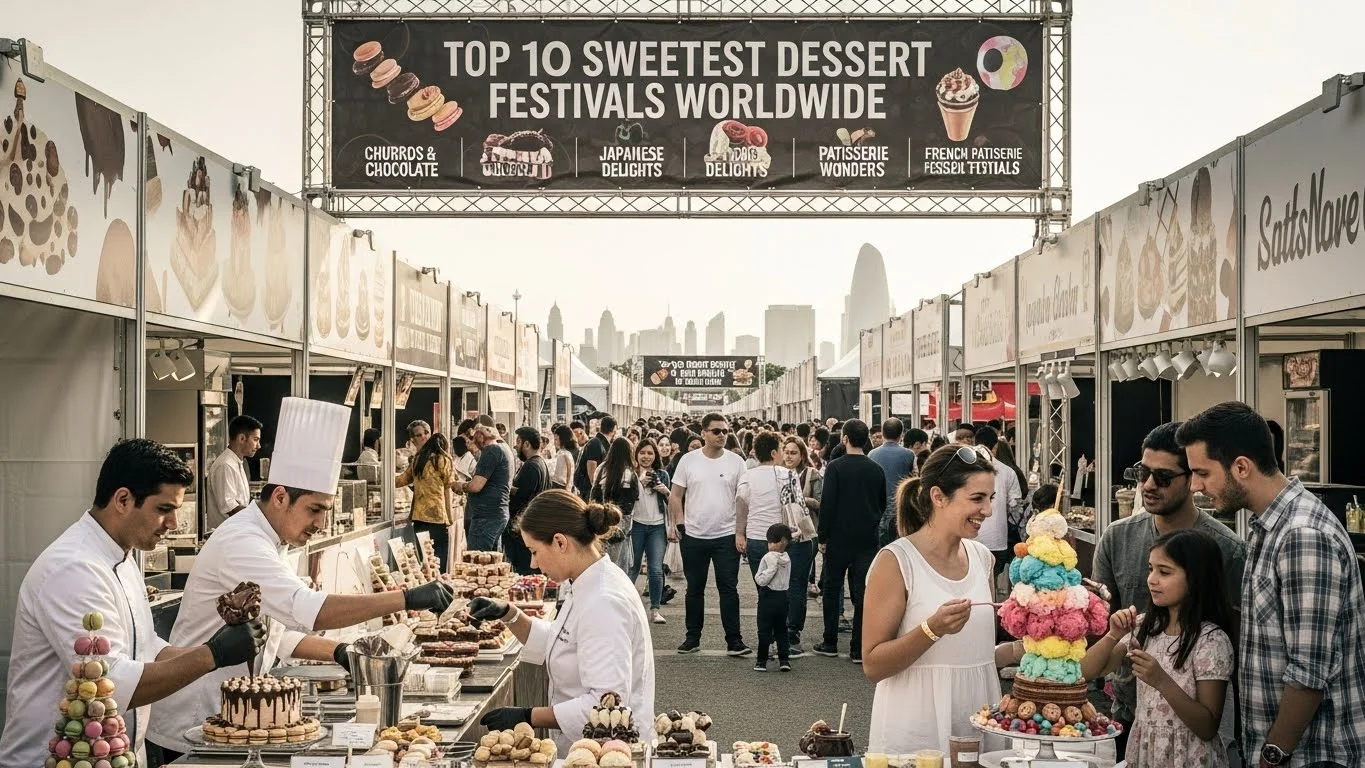
Top Cultural Food Festivals in South America for 2024

As I dive deeper into the vibrant culinary scene of South America, I can already feel the excitement bubbling for the festivals lined up in 2024. Each festival offers a unique peek into the local traditions and flavors, allowing us to engage with the heart of each culture. Here are some of the top cultural food festivals I can’t wait to explore.

Fiesta de la Vendimia (Harvest Festival) – Argentina

The Fiesta de la Vendimia, held in Mendoza, is one of Argentina’s most celebrated festivals. This harvest festival, taking place in March, pays homage to the wine-making tradition that the region is famous for. I remember my first time attending this festival; the atmosphere was electric, with locals and visitors alike celebrating the grape harvest. There were wine tastings, parades featuring beautifully decorated floats, and even a queen crowned to represent the region’s vineyards. The highlight for me was savoring the local Malbec while enjoying traditional folk performances, which made the experience unforgettable.

Festa Junina – Brazil

If you find yourself in Brazil in June, don’t miss the Festa Junina! This lively festival celebrates the harvest season and is marked by colorful decorations, traditional music, and, of course, delicious food. I was fascinated by the array of dishes available, like pamonha (corn pudding) and canjica (sweet corn porridge). The festival is also a chance to experience traditional Brazilian dance and music, which I found infectious. Everyone seemed to join in on the fun, and I couldn’t help but dance along with the locals, fully embracing the spirit of the celebration.

Festival de Gastronomía – Peru

Peru’s culinary prowess is on full display at the Festival de Gastronomía, which usually takes place in the heart of Lima. This festival, happening around the summer months, showcases Peru’s diverse cuisine and its fusion of flavors. I was amazed by the variety of dishes presented, from classic ceviche to modern takes on traditional recipes. Local chefs demonstrate their skills and share their secrets, allowing us to learn about the rich ingredients that define Peruvian cooking. I recall the delightful moment when I participated in a ceviche-making workshop – not only did I learn how to make it, but I also got to taste my creation!

Feria de la Alimentación – Colombia

The Feria de la Alimentación in Medellín is a must-visit for anyone interested in Colombian cuisine. This food fair, typically held in July, celebrates the country’s culinary diversity with a wide range of local products. I remember walking through the stalls, sampling everything from delicious arepas to fresh tropical fruits. The festival features cooking contests, workshops, and tastings that immerse you in the flavors of Colombia. One of my favorite moments was meeting local farmers who shared their stories about the ingredients they grow, making the experience feel personal and authentic.

Festival de la Chicha – Bolivia

If you’re intrigued by the traditional drink of chicha, the Festival de la Chicha in Cochabamba is the place to be. Held in September, this festival celebrates this ancient beverage made from fermented corn. I was captivated by the vibrant atmosphere and the friendly locals eager to share their traditions. The festival includes competitions, tastings, and live music, creating a lively environment. I’ll never forget sampling different varieties of chicha, each with its own unique flavor profile. The warmth and hospitality of the people made it a truly special experience.

Each of these festivals offers a window into the rich tapestry of South American culture. I can already feel the excitement as I plan my itinerary, eager to taste, learn, and celebrate alongside the locals. With every festival, there’s a new story to uncover and a new flavor to savor, making each experience uniquely memorable.

Regional Specialties to Experience

One of the most exciting aspects of attending food festivals in South America is the chance to taste regional specialties that reflect the unique culinary heritage of each country. I’ve had my fair share of unforgettable dishes, and I can’t wait to share some of my favorites. Each dish tells a story and gives us a deeper understanding of the culture from which it originates.

Argentinian Asado (Barbecue)

Asado is more than just a meal in Argentina; it’s a social event that brings family and friends together. I remember my first asado, where the grill was filled with various cuts of beef, sausages, and even whole lambs, all seasoned simply with salt. The grilling process is a labor of love, often taking hours as the meat is cooked slowly over an open flame. It’s an experience, sitting around the grill, sharing laughs and stories while the aroma fills the air. At many food festivals, you can participate in asado cook-offs or tastings, giving you a chance to explore different cuts and cooking styles. For me, trying the short ribs known as “asado de tira” was a highlight, so tender and flavorful, it’s no wonder it’s a staple in Argentine culture.

Brazilian Feijoada (Black Bean Stew)

Feijoada is often considered the national dish of Brazil, and it’s a must-try for anyone visiting during a festival. This hearty black bean stew is typically made with various cuts of pork and beef, simmered to perfection. I recall attending a festival where feijoada was served in massive pots, and the locals eagerly shared their family recipes. Eating feijoada is a communal experience, often served with rice, orange slices, and farofa (toasted cassava flour). It was fascinating to see how each region has its own twist on this classic dish, but the essence remains the same: it’s about bringing people together over a delicious meal, each spoonful steeped in history and tradition.

Peruvian Ceviche

Ceviche is a culinary icon of Peru, and it was one of the first dishes I sought out on my travels. Fresh fish marinated in lime juice, mixed with onions, cilantro, and a touch of chili, it’s a burst of flavors that’s both refreshing and satisfying. At the Festival de Gastronomía, I had the chance to watch local chefs prepare ceviche in various styles, from the classic to innovative versions that included tropical fruits. One memory that stands out is of trying a ceviche made with mango and aji amarillo, which added a delightful sweetness and heat. It’s a dish that represents the ocean’s bounty, and I love how it embodies the spirit of sharing, as it’s often served in large bowls for everyone to enjoy together.

Colombian Arepas

Arepas are a staple in Colombian cuisine, and they’re incredibly versatile. These cornmeal cakes can be grilled, baked, or fried, and they can be filled or topped with anything from cheese to meats to avocados. I remember visiting a food festival where vendors showcased their unique spins on arepas, each stall offering a different flavor combination. One of my favorites was an arepa stuffed with shredded beef and topped with fresh avocado salsa. The best part is that you can find arepas in every region, each with its local flair, making them a fantastic dish to explore during your culinary journey.

Bolivian Salteñas

Salteñas are a type of savory pastry that I discovered during my travels in Bolivia. These delightful snacks are filled with a mixture of meat, potatoes, peas, and spices, encased in a slightly sweet dough. I remember attending a street festival where vendors had huge trays of freshly baked salteñas, and the aroma was simply irresistible. What makes salteñas unique is their juicy filling, often described as a cross between a pie and a dumpling. They’re typically enjoyed as a snack or light meal, and I can’t help but smile when I think about biting into one, the warm juices spilling out as I savored every bite. It’s such a fantastic way to experience the flavors of Bolivia!

Exploring these regional specialties at food festivals not only satisfies your appetite but also connects you to the culture and history of each country. As I think back on these experiences, I feel grateful for the chance to taste the stories behind each dish. Each bite is a reminder of the vibrant culinary landscape of South America, and I can’t wait to explore more flavors in my upcoming travels.

When to Attend These Festivals

Seasonal Insights for Each Festival

Timing is everything when it comes to experiencing South America’s culinary festivals. Each of these events has its unique seasonal charm, and I’ve learned through my travels that attending during the right time can enhance the experience significantly. For instance, the Fiesta de la Vendimia in Mendoza takes place in March, celebrating the grape harvest with vibrant parades and wine tastings. March marks the end of summer in Argentina, allowing us to enjoy warm weather while sipping delicious local wines.

Similarly, Festa Junina in Brazil, held in June, is a celebration of the winter harvest. The atmosphere is lively, with bonfires and traditional dances, making the cool evenings perfect for gathering with friends and family. If you find yourself in Lima for the Festival de Gastronomía, which occurs during the summer months, you’ll be treated to the freshest seafood, as many dishes highlight the bountiful catch from the Pacific Ocean. Each festival’s timing provides a unique backdrop to the culinary experiences, enriching them further.

Weather Considerations

I can’t stress enough how weather can impact your festival experience. In my travels across South America, I’ve encountered everything from sunny days to unexpected rain showers. Understanding the climate is essential for enjoying outdoor events. For instance, while summer in Argentina can be hot, it’s also the best time for the Fiesta de la Vendimia, as the warm evenings are ideal for outdoor festivities. On the other hand, in Bolivia, September can bring unpredictable weather, so it’s wise to dress in layers when attending the Festival de la Chicha. I’ve learned to pack a light rain jacket just in case, which has saved me from being caught in a downpour!

Travel Tips for Peak Festival Times

Planning ahead for festival attendance is crucial. I’ve often found that booking accommodations and transportation early can save a lot of headaches later. During peak festival times, hotels fill up quickly, so I recommend securing a place to stay as soon as you know your travel dates. Also, consider traveling mid-week if possible; I’ve noticed that weekends tend to attract larger crowds, making it harder to enjoy the festivities.

Additionally, arriving a day or two early allows you to acclimate and explore the city. I remember attending the Feria de la Alimentación in Medellín and arriving a day early, which gave me time to visit local markets and get a feel for the city’s vibrant food scene before the festival kicked off.

Where to Stay During Food Festivals

Recommended Accommodations Near Major Festivals

Finding the right place to stay during food festivals can enhance your overall experience. Personally, I’ve enjoyed staying in local guesthouses that provide a more authentic feel. For events like the Festival de Gastronomía in Lima, I recommend looking for accommodations in Miraflores or Barranco, where you can enjoy delicious street food and vibrant nightlife within walking distance.

In Mendoza, boutique hotels near the city center offer easy access to the Fiesta de la Vendimia festivities, allowing us to experience the excitement without long commutes. Booking accommodations near the festival site not only saves time but also allows you to soak in the atmosphere whenever you want.

Unique Stays: Experience Local Culture

If you’re looking for something special, consider renting a local apartment or staying on a vineyard during the Fiesta de la Vendimia. I had the chance to stay at a vineyard estate once, and it was magical to wake up among the vines, enjoy fresh breakfast made from local ingredients, and even participate in grape stomping events. Unique stays like these immerse you in the culture and create unforgettable memories.

Budget-Friendly Options for Travelers

Traveling doesn’t have to break the bank! I’ve discovered several budget-friendly accommodations, such as hostels or guesthouses, which often host travelers from around the world. These places are great for meeting fellow festival-goers and exchanging tips. Many hostels also organize group outings to festivals, making it easier to connect with others and share the experience.

Additionally, consider visiting food markets or street vendors during festival times for affordable and authentic meals. I’ve always found that some of the best bites come from local street food stalls, allowing us to indulge in the flavors of the region without overspending.

Getting Around: Transportation Tips

Local Transportation Options in Major Cities

Getting around during the festivals can be a breeze if you know your options. In cities like Lima and Medellín, public transportation is usually efficient and affordable. I often use buses or metro systems to navigate, as they can take you close to festival sites. Rideshares are also a popular choice, especially late at night, when public transport may be less frequent.

Best Ways to Travel Between Festival Locations

If you’re planning to hop between festivals, I’ve found that buses are a great option for longer distances. South America has an extensive bus network that connects major cities and towns, making it easy to travel from one festival to another. For shorter distances, renting a car can provide flexibility, especially if you’re traveling with friends or family.

Safety Tips for Travelers

Safety is always a priority, especially in bustling festival environments. I’ve learned to stay aware of my surroundings and keep my belongings secure. It’s wise to avoid displaying valuables and to stay in well-lit, populated areas at night. If you’re in an unfamiliar area, asking locals for advice and tips is a great way to stay informed and feel more secure.

Local Culture and Traditions Related to Food Festivals

Significance of Culinary Traditions in South American Culture

The culinary traditions surrounding food festivals are deeply rooted in South American culture. I’ve seen firsthand how these festivals serve as a reflection of each region’s identity, showcasing local ingredients and age-old recipes that tell the stories of the people. They often pay homage to the land, celebrating harvests and seasonal changes that have shaped the cuisine over generations.

How Festivals Reflect Local Identity

Each festival I’ve attended feels like a celebration of community and heritage. The music, dance, and food all intertwine to create a rich tapestry that reflects local identity. For instance, during the Feria de la Alimentación, the pride that the locals take in showcasing their culinary creations is palpable. It’s a beautiful reminder of how food can unite people and highlight cultural pride.

Interaction with Local Communities

Engaging with local communities during these festivals is one of the most rewarding experiences. I remember striking up conversations with chefs and vendors, learning about their family recipes and the significance of the dishes they prepared. These interactions not only enrich our understanding of the culture but also create lasting connections that make the journey even more meaningful.

Planning Your Food Festival Itinerary

Creating a Balanced Festival Experience

Creating a balanced itinerary for a festival journey requires some planning. I’ve learned to mix culinary experiences with cultural exploration. For example, attending a food festival is a fantastic opportunity to visit local landmarks and markets. I like to set aside time to explore the sights, sounds, and flavors of the area, finding a rhythm between indulging in food and soaking in the culture.

Combining Festivals with Other Attractions

Don’t forget to incorporate other attractions into your travel plans. While attending the Festival de Gastronomía in Lima, I also made time to explore the historic center and visit local museums. This combination of experiences allowed me to appreciate the city’s rich history alongside its culinary offerings, enriching my overall understanding of the region.

Essentials to Pack for a Festival Journey

Packing for a food festival means being prepared for anything! I always include comfortable walking shoes, as I tend to spend hours exploring various stalls and trying new dishes. A portable water bottle is essential to stay hydrated, especially in warm weather. Additionally, I recommend a small backpack to carry snacks and souvenirs collected along the way. And don’t forget a camera to capture those delicious moments!

Frequently Asked Questions (FAQs)

What are the must-try dishes at these festivals?

Every festival offers unique dishes, but I highly recommend trying asado in Argentina, feijoada in Brazil, ceviche in Peru, arepas in Colombia, and salteñas in Bolivia. Each dish is a delicious representation of its culture!

Are festivals family-friendly?

Absolutely! Most festivals are designed with families in mind, featuring activities for children and entertainment for all ages. I’ve seen families enjoying music, dance, and, of course, delicious food together, creating wonderful memories.

How to navigate language barriers?

While many locals speak some English, learning a few basic phrases in Spanish can go a long way. I’ve found that gestures and smiles often bridge any gaps in communication. Plus, using translation apps on your phone can help in a pinch!

What is the average cost to attend a food festival?

Costs can vary widely depending on the festival and location. Some festivals may have free entry, while others might charge a small fee. I always budget for food, drinks, and any special activities or workshops I want to try, but I’ve often found that street food is an affordable way to enjoy the festival atmosphere without overspending.

Final Thoughts

Reflecting on my experiences at food festivals across South America fills me with excitement and gratitude. Each festival is not just about the food; it’s a celebration of culture, tradition, and community that invites us to connect with others. I’ve learned that participating in these festivals is a beautiful way to understand the heart of a region and its people. As I look forward to my next culinary adventure, I’m reminded of the flavors I’ve savored, the stories I’ve heard, and the friendships I’ve forged. So, whether you’re a seasoned traveler or planning your first journey, I encourage you to immerse yourself in the vibrant world of South American food festivals; you won’t just taste the food; you’ll experience the culture in a way that stays with you long after the last bite.

Experience Authenticity: South America’s Must-Visit Food Festivals
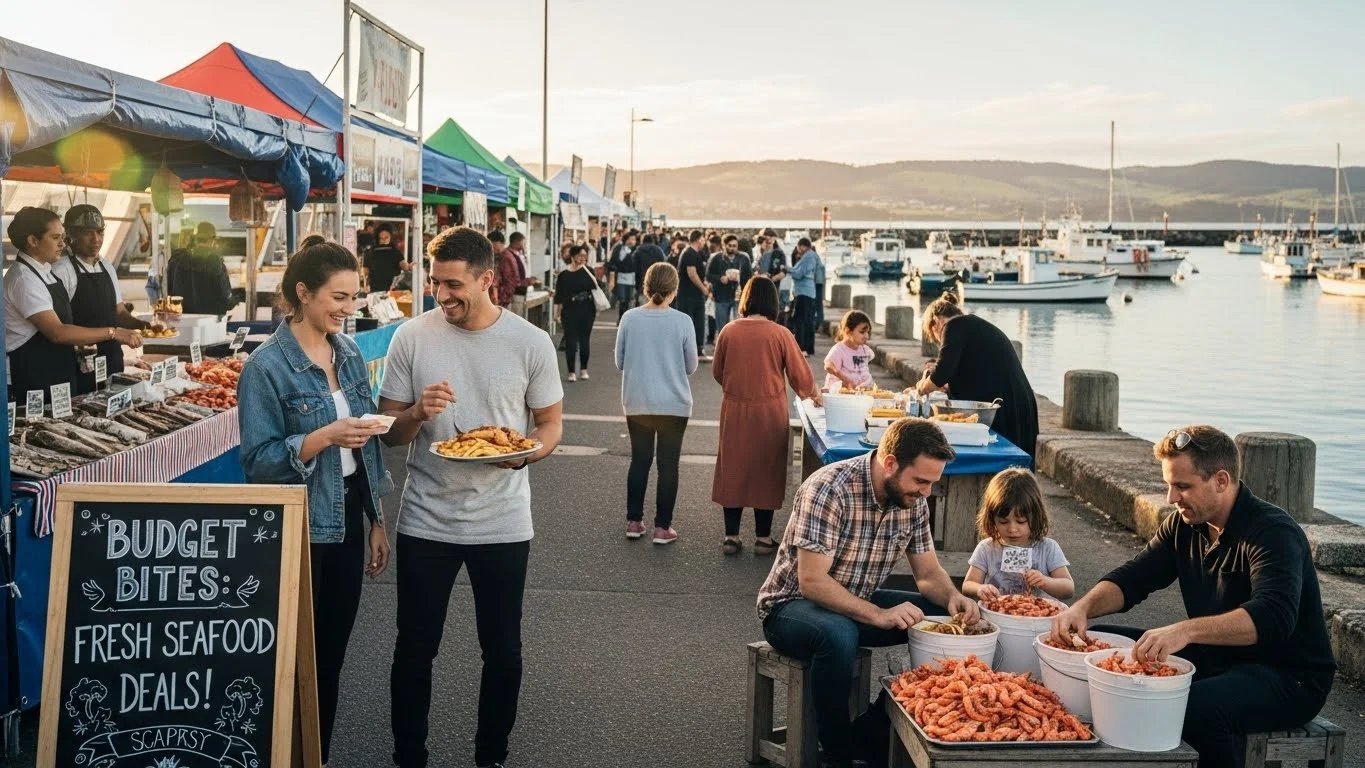
South America is a vibrant tapestry of cultures, and its food festivals are the heartbeats of its culinary scene. From rich flavors to lively traditions, these gatherings offer authentic experiences that will leave your taste buds dancing. Read Interesting article: Discover the Best South American Food Festivals for Budget Travelers

Experience Authenticity: South America's Must-Visit Food Festivals

Overview of South America’s Culinary Scene

When I think of South America, I immediately picture the stunning landscapes, the warmth of its people, and the incredible variety of foods. Each country offers unique flavors that reflect its history, geography, and culture. Whether it’s the spicy dishes of Peru or the hearty stews of Argentina, South America’s culinary scene is as diverse as its landscapes. Food isn’t just about sustenance here; it’s a way to connect with family, friends, and the community. Festivals play a crucial role in celebrating this rich heritage, allowing people to come together, share stories, and indulge in delicious foods.

Importance of Food Festivals in South America

Food festivals are like the pulse of South American culture. They provide an avenue for locals and tourists alike to immerse themselves in the region’s rich culinary traditions. I’ve attended numerous festivals and found that each one has its own unique charm, celebrating local ingredients, dishes, and cooking methods. These events not only showcase the food but also serve as a platform for cultural exchange. I remember standing in a crowd, feeling the excitement as everyone cheered for a local chef competing in a cooking contest. These moments create a sense of unity and pride among the participants. Festivals also help support local farmers and artisans, ensuring that traditional practices continue for generations.

Regional Highlights: Diverse Cuisines and Traditions

As I traveled across South America, I noticed how each region has its own culinary identity. In the Andes, for instance, the use of potatoes and quinoa is prevalent, while coastal regions boast an abundance of fresh seafood. Each dish tells a story—whether it’s the influence of Indigenous cultures, European settlers, or African heritage. I distinctly remember wandering through a market in Bolivia, where I tasted salteñas—savory pastries filled with meat and spices. It was a simple dish, but it was bursting with flavors that reflected the country’s history.

In Brazil, the culinary scene is vibrant and diverse. With influences from Portuguese, African, and Indigenous cuisines, I’ve experienced everything from feijoada, a hearty black bean stew, to the sweet delights of brigadeiros. Each dish felt like a celebration of the country’s melting pot of cultures. Festivals in Brazil often incorporate music and dance, making for an unforgettable experience. I can still hear the rhythms of samba echoing in my ears from a festival I attended in Rio de Janeiro.

Then there’s Peru, which has recently gained international recognition for its innovative cuisine. Dishes like ceviche have become beloved staples, and the country’s food festivals highlight the importance of fresh, local ingredients. I remember being captivated by the colorful stalls at the Festival Gastronómico de Lima, where chefs demonstrated their skills and shared stories about their culinary philosophies. The passion was palpable, and it made me appreciate the artistry behind each dish.

In Colombia, food festivals often celebrate regional specialties like arepas and bandeja paisa. I had the pleasure of visiting Feria Internacional del Queso in Bogotá, where I discovered a variety of artisanal cheeses paired with local fruits and breads. The atmosphere was lively, filled with laughter and the aromas of delicious food. It was a beautiful reminder of how food brings people together, regardless of their background.

As I reflect on my adventures, I realize that each festival I’ve attended has been a gateway into understanding the culture and traditions of that region. The flavors and dishes I’ve encountered resonate deeply with me, and they continue to shape my culinary journey. Whether it’s through street food stalls or high-end dining experiences, South America has so much to offer, and food festivals are the perfect way to dive into its rich tapestry. Read Interesting article: Top 7 Cultural Food Festivals in South America You Can’t Miss

Top Must-Visit Food Festivals in South America

Fiesta de la Vendimia (Argentina)

One of the highlights of my culinary adventures was the Fiesta de la Vendimia in Mendoza, Argentina. This festival celebrates the grape harvest and the country’s wine culture. I remember walking through the sun-kissed vineyards, surrounded by the breathtaking Andes mountains. The atmosphere was electric as locals and visitors gathered to taste exquisite wines paired with delicious Argentine cuisine. I was particularly enchanted by the parades showcasing stunning floats adorned with flowers and grapes, celebrating the region’s rich heritage. Participating in the traditional toasting rituals made me feel like I was part of something truly special, as everyone raised their glasses to honor the harvest.

Festival Gastronómico de Lima (Peru)

Speaking of festivals, the Festival Gastronómico de Lima is another must-visit for anyone who loves food. I had the pleasure of attending this event where the city truly comes alive with culinary exploration. The festival attracts top chefs and culinary icons, each eager to showcase their unique take on Peruvian cuisine. I found myself captivated by the variety of dishes available, from traditional ceviche to innovative fusion plates. The energy was contagious as chefs shared their passion and stories behind each dish. For me, it was not only a feast for the palate but also a glimpse into Peru’s vibrant food scene, which is rapidly gaining international acclaim.

Festa Nacional da Música (Brazil)

When I think of Brazilian festivals, the Festa Nacional da Música stands out. This festival in Canela, Brazil, promotes local music and food, creating a spectacular blend of culture. I remember being swept away by the lively atmosphere, with music pouring from every corner. As I sampled traditional dishes like pão de queijo and cachaça, I felt the rhythms of samba and bossa nova vibrating through my soul. It was a celebration of Brazil’s diverse cultural heritage, and I found it incredibly enriching to see how music and food intertwined, bringing people together in joyful harmony.

Feria Internacional del Queso (Colombia)

This brings me to another delightful experience—the Feria Internacional del Queso in Bogotá, Colombia. Cheese lovers, this festival is your paradise! I was amazed by the vast selection of artisanal cheeses available, each with its own unique flavor profile. From creamy costeño to sharp queso blanco, I felt like a child in a candy store. The festival wasn’t just about tasting; there were workshops where local cheesemakers shared their techniques. I participated in one and learned how to make a simple cheese at home. It was a wonderful experience that deepened my appreciation for Colombia’s rich dairy traditions.

Festival de la Gastronomía Peruana (Peru)

Another gem worth mentioning is the Festival de la Gastronomía Peruana, which truly celebrates everything that makes Peruvian cuisine so beloved. I attended one year in Arequipa, and the experience was remarkable. The festival showcased a variety of dishes from different regions of Peru, highlighting the incredible biodiversity of ingredients. I had the chance to try rocoto relleno, a spicy stuffed pepper that was simply unforgettable. The ambiance was filled with laughter and chatter as chefs and food enthusiasts exchanged tips and stories. It felt like a warm gathering of friends celebrating the love of food, and I left with a full belly and a happy heart.

Feria del Dulce (Ecuador)

Last but not least, I must mention the Feria del Dulce in Cuenca, Ecuador. This festival is a sweet lover’s dream and showcases the country’s rich dessert traditions. I remember standing in awe of the colorful stalls filled with everything from alfajores to dulce de leche. I couldn’t resist trying a variety of sweets, and each bite told a story of Ecuadorian culture and history. The festival also featured local artisans demonstrating how these treats are made, which made the experience even more special. I was delighted by the warmth and hospitality of the vendors, who were eager to share their craft and the story behind each sweet creation. Read Interesting article: Explore the Best Food Festivals: A Backpacker’s Guide

What to Expect at South American Food Festivals

Traditional Dishes and Regional Specialties

When you arrive at a South American food festival, one of the first things that strikes you is the incredible array of traditional dishes and regional specialties. I’ve found that these festivals are a treasure trove of flavors, showcasing local ingredients and age-old recipes. For instance, at Feria del Dulce in Ecuador, I was treated to a variety of traditional sweets, each representing different regions of the country. I remember savoring the rich flavors of tres leches cake, a moist dessert that is a celebration in itself. The vendors were eager to share the stories behind their creations, and it felt like I was taking a delicious journey through Ecuador’s culinary history.

Similarly, at the Festival de la Gastronomía Peruana, I had the chance to try dishes I had only read about. The rocoto relleno was a standout for me—a spicy stuffed pepper that left my taste buds tingling. Each dish served at these festivals tells a story, reflecting the culture and traditions of the people who prepare them. It’s not just about eating; it’s about experiencing the essence of a place through its food.

Cooking Demonstrations and Workshops

One of my favorite aspects of attending these festivals is the cooking demonstrations and workshops. At the Festival Gastronómico de Lima, I had the chance to watch renowned chefs prepare traditional dishes right in front of my eyes. I remember sitting mesmerized as one chef expertly filleted fresh fish for ceviche, explaining the importance of using local ingredients. The energy in the room was electric, and I felt inspired to try my hand at cooking when I returned home.

Participating in workshops was an enriching experience, too. At the Feria Internacional del Queso, I joined a cheese-making workshop led by local artisans. I learned not just about the process but also about the cultural significance of cheese in Colombian cuisine. This hands-on experience connected me to the region in a way that simply tasting the food could never achieve. I believe these workshops are a fantastic way to deepen your understanding of the local food culture while having a lot of fun.

Live Music and Cultural Performances

What’s a festival without music? I’ve noticed that live music and cultural performances are integral parts of South American food festivals. At the Festa Nacional da Música in Brazil, the atmosphere was electric with samba rhythms and vibrant performances. I found myself dancing along, swept away by the infectious energy. It felt like the entire festival was one big celebration of life—food, music, and community all intertwined.

These performances often reflect the heritage of the region, adding depth to the overall experience. I remember watching a traditional dance performance at the Fiesta de la Vendimia, where dancers in colorful costumes brought the stories of the grape harvest to life. I felt that the music and dance not only entertained but also educated attendees about the culture behind the food we were enjoying.

Market Stalls and Artisan Vendors

As I wandered through the bustling market stalls at these festivals, I was always on the lookout for artisan vendors showcasing their unique creations. I remember stumbling upon a stall at the Feria del Dulce, where a local chocolatier was demonstrating the art of chocolate-making. It was fascinating to see how passionate they were about their craft, and I couldn’t resist sampling a few delicious treats.

These market stalls often offer everything from handmade crafts to local produce, giving attendees a chance to take a piece of the festival home with them. I’ve bought spices, handmade pottery, and even traditional textiles, all while supporting local artisans. It’s a fantastic way to contribute to the community while bringing home a tangible memory from my travels.

When to Visit: Best Times for Food Festivals

Seasonal Festivals and Their Timing

Timing your visit to South America for food festivals can truly enhance your experience. I’ve learned that many festivals are held during specific seasons, often aligned with agricultural cycles. For instance, the Fiesta de la Vendimia in Mendoza typically takes place in March, marking the end of the grape harvest. I remember standing among the vines, feeling the excitement of the harvest season in the air. Similarly, the Feria Internacional del Queso in Bogotá happens in August, making it a fantastic time to explore Colombia’s diverse cheese offerings. Each festival reflects the region’s agricultural bounty, and being there during peak harvests means you’ll enjoy the freshest flavors.

Regional Climate Considerations

When planning my trips to these festivals, I also considered the regional climate. For instance, summer in Brazil can be hot and humid, making the Festa Nacional da Música a vibrant escape with its outdoor performances and lively atmosphere. However, I found that during the winter months, the festivals in the Andes offer a different charm—cooler temperatures that make enjoying hot dishes like locro (a hearty stew) even more satisfying. Each region has its own climate patterns, and understanding these can help you choose the best time to visit.

Booking Accommodations and Travel Tips

Booking accommodations well in advance is something I’ve learned to do, especially for popular festivals. I remember scrambling last minute for a place to stay during the Festival Gastronómico de Lima and ending up in a hotel that was far from the action. Now, I always recommend looking for places that are centrally located to the festival venues to make the experience even more enjoyable. Additionally, it’s wise to check for local travel restrictions or requirements, as they can change seasonally and might impact your plans.

Planning Your Trip to Food Festivals

Transportation Options to Major Festivals

Getting around South America can be an adventure in itself. I’ve found that many food festivals are located in major cities with good public transportation options. In Lima, for example, the metro is efficient and can take you close to the festival sites. For more remote festivals, like those in smaller towns, renting a car or using local buses can be a fun way to explore the surrounding areas. I remember taking a scenic bus ride through the Andes en route to a festival, with breathtaking views that made the journey as memorable as the destination.

Where to Stay: Accommodation Recommendations

When it comes to accommodations, I often look for boutique hotels or guesthouses that offer a local touch. I once stayed in a charming inn in Arequipa during the Festival de la Gastronomía Peruana, where the owners treated us like family and shared their favorite local spots. This personal touch made my experience even more enriching. Websites like Airbnb or local travel sites can offer unique lodging options where you can stay close to the heart of the festivals.

Safety Tips for Festival-Goers

Safety is always a priority when attending large gatherings. I remember feeling a little overwhelmed at my first festival, but I learned to stay aware of my surroundings and to keep my belongings secure. Carrying only what I needed and using a crossbody bag helped me feel more at ease. Additionally, I recommend familiarizing yourself with the local customs and emergency contact numbers to ensure a smooth experience. Engaging with locals and fellow festival-goers can also enhance your safety and make for memorable interactions.

Exploring Local Cuisine Beyond Festivals

Best Restaurants and Street Food Stalls

While food festivals are incredible, I’ve discovered that exploring local restaurants and street food stalls can be equally rewarding. I remember wandering the streets of Bogotá and stumbling upon a humble arepa stand that served the best I’ve ever tasted. These local gems often provide an authentic taste of the culture that festivals might not capture. I encourage everyone to take some time off the beaten path and indulge in the everyday culinary delights that locals cherish.

Cooking Classes and Culinary Tours

For those looking to dive deeper into South American cuisine, cooking classes can be a fantastic way to learn. I had the opportunity to take a cooking class in Cusco, where I learned to make traditional dishes like ají de gallina. It was such a fun experience to get hands-on in the kitchen while connecting with the local culinary traditions. Culinary tours can also introduce you to fascinating food experiences, from visiting local markets to dining with families who share their recipes and stories with you.

Local Markets and Food Shopping Experiences

Local markets are treasure troves of fresh ingredients and culinary inspiration. I often found myself lost for hours in the San Pedro Market in Cusco, where the vibrant colors and aromas pulled me in. It was there that I learned about unique ingredients like kiwicha and chicha morada. Shopping for local produce is not just about purchasing; it’s an opportunity to engage with vendors and learn about their traditions. It’s these interactions that enrich my travels and create lasting memories.

Final Thoughts

Reflecting on my adventures through South America’s food festivals and culinary landscapes, I feel grateful for the experiences that have shaped my palate and my understanding of culture. Each festival has offered me not just the joy of eating but the chance to connect with people and their traditions. From the vibrant flavors of the Andes to the sweet delights of Ecuador, these gatherings are a celebration of life, heritage, and community. I encourage everyone to explore these festivals, embrace the flavors, and create your own culinary stories. South America awaits, and its food scene is ready to share its heart and soul with you.

Frequently Asked Questions

What is the significance of food festivals in South America?

Food festivals are crucial in South America as they celebrate the region’s rich culinary traditions, providing a platform for cultural exchange and unity among locals and tourists. They showcase local ingredients, dishes, and cooking methods while supporting local farmers and artisans.

What types of cuisines can be found at South American food festivals?

South American food festivals feature a diverse array of cuisines reflecting the unique culinary identities of each region. Examples include spicy dishes from Peru, hearty stews from Argentina, fresh seafood from coastal areas, and traditional Brazilian dishes influenced by Portuguese, African, and Indigenous cuisines.

Can you name some must-visit food festivals in South America?

Some must-visit food festivals include the Fiesta de la Vendimia in Argentina, Festival Gastronómico de Lima in Peru, Festa Nacional da Música in Brazil, Feria Internacional del Queso in Colombia, and Feria del Dulce in Ecuador.

What can attendees expect at South American food festivals?

Attendees can expect a rich variety of traditional dishes, cooking demonstrations, workshops, live music, cultural performances, and bustling market stalls featuring artisan vendors. Each festival offers a unique experience that celebrates local food culture.

When is the best time to visit South American food festivals?

The best time to visit South American food festivals often aligns with agricultural cycles, with many festivals occurring during harvest seasons. For example, the Fiesta de la Vendimia takes place in March, while the Feria Internacional del Queso occurs in August.

What transportation options are available for getting to food festivals?

Transportation options vary by location. Major cities often have good public transportation systems, while remote festivals may require renting a car or using local buses. Scenic bus rides can also enhance the travel experience.

What should one consider when booking accommodations for food festivals?

When booking accommodations for food festivals, it’s advisable to reserve well in advance, especially for popular events. Choosing centrally located places can enhance the festival experience, allowing easy access to festival venues.

How can someone enhance their experience at food festivals?

To enhance the festival experience, attendees can participate in cooking demonstrations and workshops, engage with local vendors, and immerse themselves in the music and cultural performances present at the festival.

What types of local cuisine can be explored beyond food festivals?

Beyond food festivals, local cuisine can be explored through restaurants and street food stalls offering authentic dishes. Cooking classes and culinary tours also provide opportunities to learn traditional recipes and connect with local culinary traditions.

What safety tips should festival-goers keep in mind?

Festival-goers should stay aware of their surroundings, keep belongings secure, carry only what is necessary, and familiarize themselves with local customs and emergency contact numbers to ensure a smooth and enjoyable experience.