Web Analytics

Recent Posts

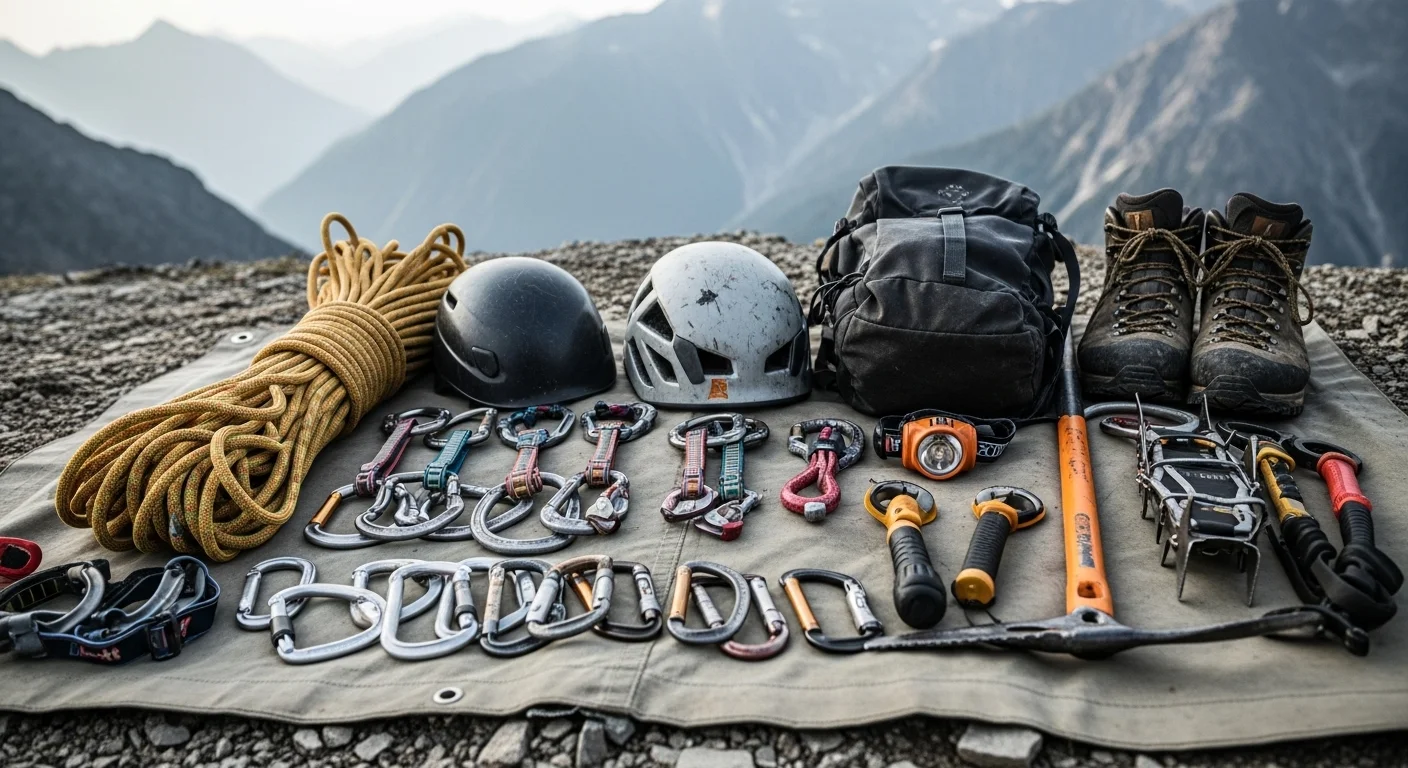
Essential Gear for Mountain Climbing on a Budget
Mountain climbing can be exhilarating, but it often comes with a hefty price tag. Fortunately, you don’t need to break the bank to gear up for your next adventure. Here’s how to get started without overspending.

Essential Gear for Mountain Climbing on a Budget

Understanding Mountain Climbing Gear

What is Mountain Climbing?

Mountain climbing, also known as alpinism, is a sport that involves ascending mountains. It’s not just about physical strength; it requires knowledge, skills, and the right gear to navigate various terrains and weather conditions. I remember my first climb—it was thrilling yet daunting. Each step up the rocky path felt like a small victory, but I quickly learned that without the proper gear, that victory could turn into a struggle.

Importance of Proper Gear for Safety and Performance

Having the right gear is essential for both safety and performance. I’ve found that good equipment can make a significant difference in your climbing experience. Quality gear helps protect against the elements and potential falls, while also enhancing your overall performance. For instance, a well-fitted harness allows for better movement and comfort, which is crucial during those exhausting ascents. I learned this firsthand on a trip where my ill-fitting gear made every climb feel twice as hard.

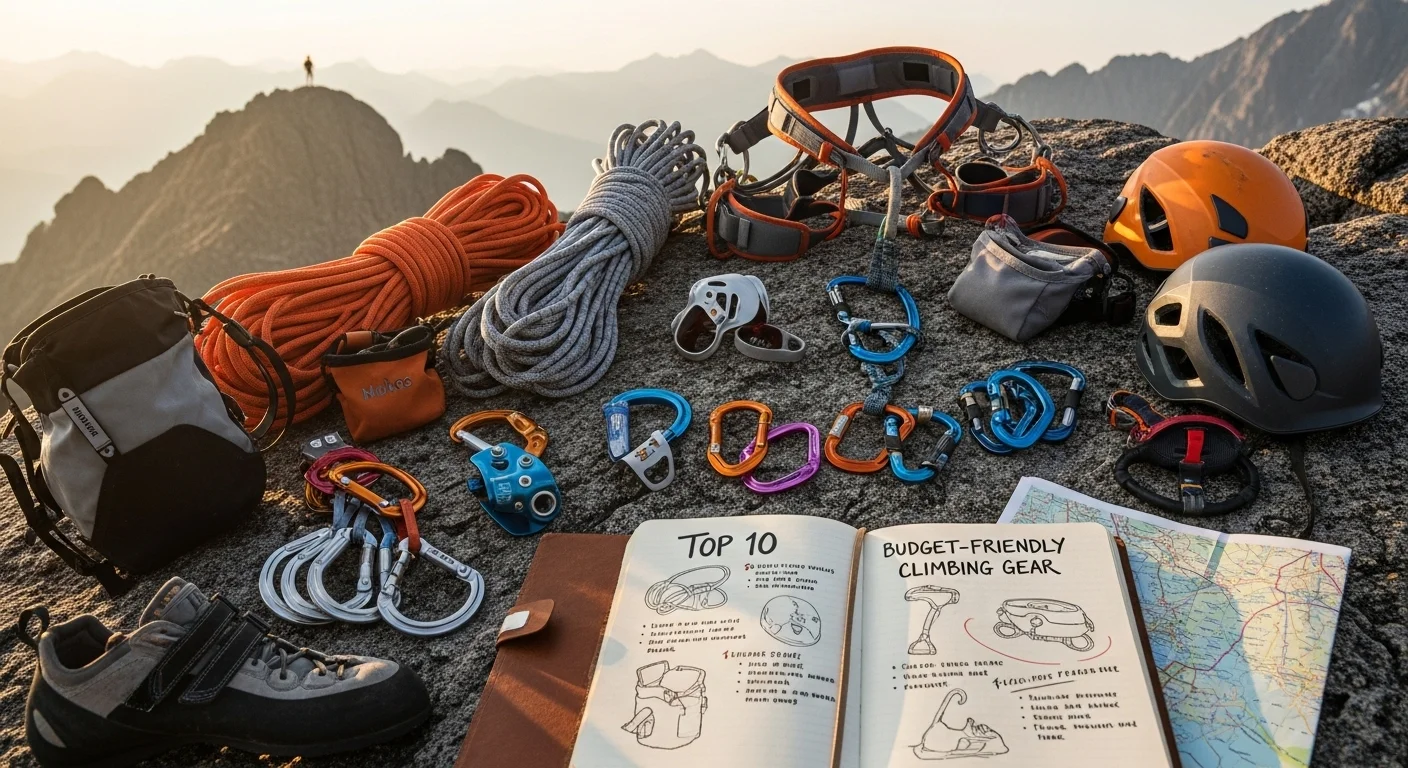
Read Interesting article: Top 10 Budget-Friendly Climbing Gear for Adventurous Souls

Key Gear Categories for Budget Mountain Climbing

Clothing Essentials

When it comes to clothing, layering is key for mountain climbing. It allows you to adjust your outfit based on changing weather conditions. I usually pack multiple layers, and here’s how I break it down:

Base Layers

Your base layer is the first line of defense against the elements. It should wick moisture away from your skin to keep you dry. I’ve found that synthetic materials or merino wool work best. You don’t have to splurge on high-end brands; often, you can find good-quality options at budget stores or online sales.

Insulating Layers

The insulating layer retains body heat and provides warmth. Fleece jackets or lightweight down vests are great options. I remember scoring a fantastic deal on a fleece jacket at a thrift store that became my go-to for chilly climbs. Insulating layers can also be versatile for everyday wear, making them a worthy investment.

Outer Layers (Jackets)

The outer layer protects you from wind, rain, and snow. Look for waterproof and breathable jackets. While I once thought I had to spend a fortune for a reliable jacket, I discovered that many affordable brands offer excellent protection. During my last climb, I used a budget jacket that kept me dry and comfortable, proving that you don’t always need high-end gear.

Footwear

Your choice of footwear can make or break your climbing experience. Investing in the right shoes and boots is crucial.

Climbing Shoes

Climbing shoes should fit snugly for better performance. I used to think I needed the priciest shoes to climb effectively, but I found that many budget options provide great grip and comfort. It’s all about trying them on and finding what works for your foot shape. I recommend checking out local outdoor shops for clearance sales on last season’s styles.

Hiking Boots

Hiking boots are essential for longer treks. They should offer good ankle support and traction. I once hiked with a pair of old boots that lacked proper grip, and I definitely felt the consequences on steep terrain. Look for sales or even consider second-hand options; I’ve seen great boots at thrift stores that only needed a good cleaning.

Safety Equipment

Safety gear is non-negotiable. It’s something I’ve learned over my climbing adventures. The right safety equipment can prevent accidents and save lives.

Helmets

A climbing helmet protects your head from falling rocks and impacts. I remember my first climb without a helmet; it was nerve-wracking. I’ve since invested in a budget-friendly option that fits well and provides peace of mind.

Harnesses

A harness is vital for safety while climbing. I initially bought an expensive model, but later discovered that many affordable harnesses provide excellent support and safety features. Try to look for ones with adjustable leg loops for a customizable fit.

Belay Devices

Belay devices are essential for managing rope tension. Again, budget options can be just as effective as premium brands. I learned that simplicity often works best, especially when I was just starting out.

Navigational Tools

Knowing your route is crucial. Here are some navigational tools I’ve found helpful:

Maps and Compasses

Having a physical map and compass can be a lifesaver in unfamiliar territory. I’ve used digital maps on my phone, but when the battery dies or signal fades, a traditional map comes in handy.

GPS Devices

A GPS device can offer reassurance during climbs. Many affordable handheld devices can be found online or even rented for trips. I’ve used both and can say they’re worth considering for safety.

Camping Gear

If you’re planning to camp during your climbing adventures, having the right gear is essential, and you can find budget-friendly options that work well.

Tents

A good tent should be lightweight and weather-resistant. I remember my first camping trip with a cheap tent that leaked during a rainstorm. Since then, I’ve focused on finding budget tents that offer good quality. Second-hand stores often have great options.

Sleeping Bags

Sleeping bags are crucial for a good night’s sleep. I learned the hard way that a cheap sleeping bag doesn’t always keep you warm. Look for ones rated for the temperatures you expect to encounter.

Cooking Equipment

Cooking gear should be lightweight and portable. I often use a simple camping stove that I purchased on sale. It’s reliable and fits perfectly in my pack!

Budget-Friendly Alternatives for Gear

Where to Find Affordable Gear

Finding budget-friendly gear can feel like a treasure hunt, but trust me, it’s worth the effort. I’ve discovered several places to score great deals without sacrificing quality.

Second-Hand Stores

Thrift stores and consignment shops have become my go-to spots for affordable gear. I still remember the excitement of finding a barely-used climbing harness for a fraction of its original price. Many people upgrade their gear, so you can often find quality items that just need a little cleaning. Plus, it’s environmentally friendly to reuse and recycle! Don’t hesitate to search these hidden gems in your community; you might be surprised by what you find.

Online Marketplaces

Websites like eBay, Craigslist, and Facebook Marketplace are goldmines for finding budget gear. I’ve bought and sold gear on these platforms, and it’s a fantastic way to get what you need at a lower price. Just be sure to thoroughly check the condition and ask questions before you commit. I once snagged a high-quality sleeping bag from a seller who only used it once. It felt like a win-win situation!

Rental Options

If you’re just starting or planning a specific trip, renting gear can be a smart choice. Many outdoor shops offer rental services for everything from tents to climbing equipment. I’ve rented gear for weekend trips, and it saved me money while allowing me to try out high-end items without the commitment. Plus, it’s a great way to test different brands and styles before making a purchase.

DIY Gear Solutions

Sometimes, you can save even more by getting creative and making your own gear. I’ve had fun experimenting with DIY solutions that have served me well on my climbs.

Making Your Own Climbing Holds

If you’re into bouldering, creating your own climbing holds can be a fun project. I realized that with some wood and a bit of creativity, I could craft holds that fit my needs perfectly. There are countless tutorials online, and it feels rewarding to climb on something I made myself! Just remember to prioritize safety by ensuring that your holds are secure and can handle the weight.

Homemade First Aid Kits

Another DIY solution I’ve implemented is my homemade first aid kit. I’ve found it easy to customize based on my personal needs and the types of hikes I do. I gathered essential supplies like band-aids, antiseptic wipes, and pain relievers, all packed into a small, lightweight bag. It’s not only cost-effective but also ensures I have exactly what I need without carrying unnecessary items. Whenever I pack for a climb, I feel a sense of reassurance knowing I’ve prepared myself for minor accidents.

How to Prioritize Gear Purchases

Essential vs. Non-Essential Gear

When budgeting for gear, I’ve learned to differentiate between what I truly need and what’s just nice to have. I remember my early days of climbing when I thought I needed every piece of equipment available. Over time, I’ve realized that focusing on essential gear can save both money and space in my pack.

For instance, I consider items like a helmet and harness non-negotiable. These are crucial for safety and performance while climbing. In contrast, extra accessories like decorative gear or high-tech gadgets can wait until I’m more experienced and have the budget to spare. Creating a list of essentials has helped me prioritize my purchases and avoid impulse buys.

Creating a Gear Checklist

Having a gear checklist has been a game-changer for me. I started by listing every item I thought I might need, then categorized them into essential and non-essential. When I’m preparing for a new climb, I pull out my checklist to ensure I don’t forget anything important. This method keeps me organized and helps avoid those last-minute runs to the store, which can lead to overspending.

I also recommend updating this list as I gain more experience and learn what works best for me. It’s become a reflection of my growth as a climber and has helped me make smarter purchases. Plus, it feels satisfying to check items off my list as I acquire them!

Tips for Saving Money on Mountain Climbing Gear

Timing Your Purchases

Timing can be everything when it comes to buying mountain climbing gear. I’ve noticed that waiting for the right moment can lead to substantial savings. For instance, I’ve learned that many outdoor retailers have specific times of the year when they offer deep discounts, especially at the end of climbing season. This is when they want to clear out inventory for new stock. I once waited until late summer to buy a new pair of climbing shoes, and I ended up getting them for half the price! It’s all about being patient and keeping an eye on the trends.

Seasonal Sales and Discounts

Another smart move is to pay attention to seasonal sales. Many outdoor shops and online stores have sales around holidays or special events like Black Friday or Memorial Day. I’ve made it a habit to check for these sales and plan my gear purchases accordingly. For example, during a pre-Black Friday sale, I snagged a high-quality waterproof jacket at a fraction of the original price. I recommend signing up for newsletters from your favorite outdoor brands; they often send out notifications for upcoming sales or exclusive discounts. This way, you can be in the know about the best deals before they disappear!

Using Coupons and Promo Codes

Using coupons and promo codes can be a game-changer. I remember stumbling across a website dedicated to gathering promo codes for different outdoor retailers, and it opened up a whole new world of savings for me. Before making a purchase online, I always take a moment to search for any available codes. Even a small discount can add up, especially when you’re buying multiple items. I once found a code that saved me 20% on an entire order, which was a huge win! It’s definitely worth the extra minute or two to search.

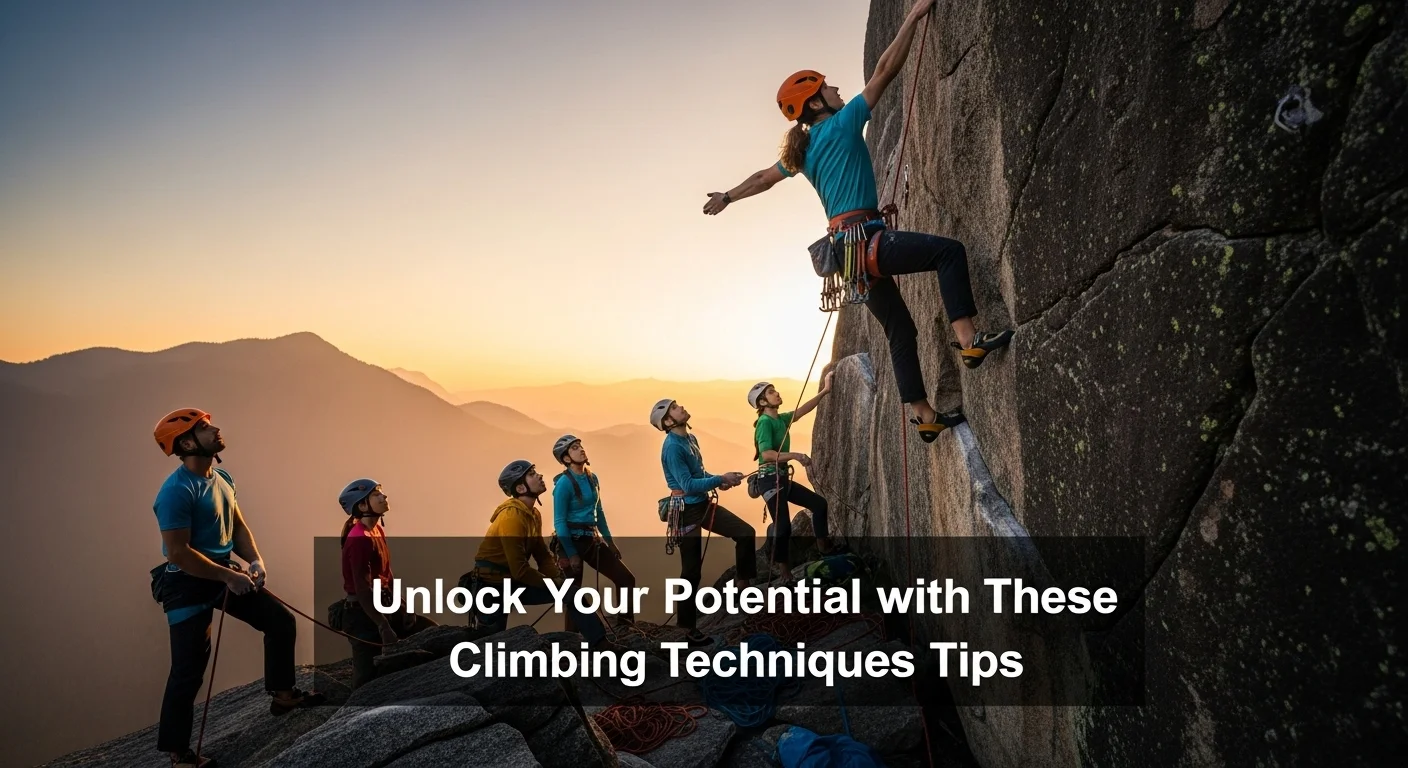
Read Interesting article: Unlock Your Potential with These Climbing Techniques Tips

Considerations for Safety and Quality

Understanding Gear Ratings and Certifications

While it’s essential to save money, I’ve learned that safety shouldn’t be compromised. Understanding gear ratings and certifications is crucial in ensuring that your equipment meets safety standards. For example, climbing gear often comes with certifications like UIAA or CE, indicating that it has undergone rigorous testing. I remember a time I was tempted by a super cheap harness, but after checking its certifications, I realized it didn’t meet necessary safety standards. It’s a reminder that while I want to save, I also need to prioritize quality that keeps me safe on the mountains.

Balancing Cost with Safety Features

When looking for budget gear, I try to balance cost with safety features. It can be tempting to go for the cheapest option, but I’ve learned the hard way that sometimes you get what you pay for. For instance, I once bought a low-cost helmet that felt flimsy and didn’t have the features I needed for peace of mind. After that experience, I focused on finding a helmet that, while still affordable, had good reviews and safety ratings. It’s all about finding that sweet spot where the price is reasonable, but the quality doesn’t take a hit. I recommend taking the time to read user reviews, as they can provide valuable insights into whether a product is worth the investment.

Real-Life Examples of Budget Gear Choices

Comparison of Budget vs. Premium Gear

When I first started mountain climbing, I was overwhelmed by the variety of gear options available. I often wondered if spending more money meant getting better quality. To find out, I decided to try both budget and premium gear for comparison. One of my first purchases was a budget sleeping bag, which surprisingly kept me warm during a chilly night under the stars. In contrast, I later invested in a premium sleeping bag that was lighter and more compact, but I found that my budget option did just fine for weekend trips. It made me realize that sometimes, budget gear can perform excellently, especially for beginners or casual climbers.

User Experiences and Reviews

Hearing from others can also help guide your choices. I often turn to online forums and review sites to understand what works and what doesn’t. I remember reading a post from a climber who swore by a budget-friendly climbing harness that turned out to be comfortable and reliable. Inspired, I tried it myself and was pleasantly surprised by its performance. These user experiences have helped me avoid costly mistakes and discover hidden gems in the world of budget gear. I encourage others to share their experiences as well; it builds a sense of community and helps newcomers feel more confident about their purchases.

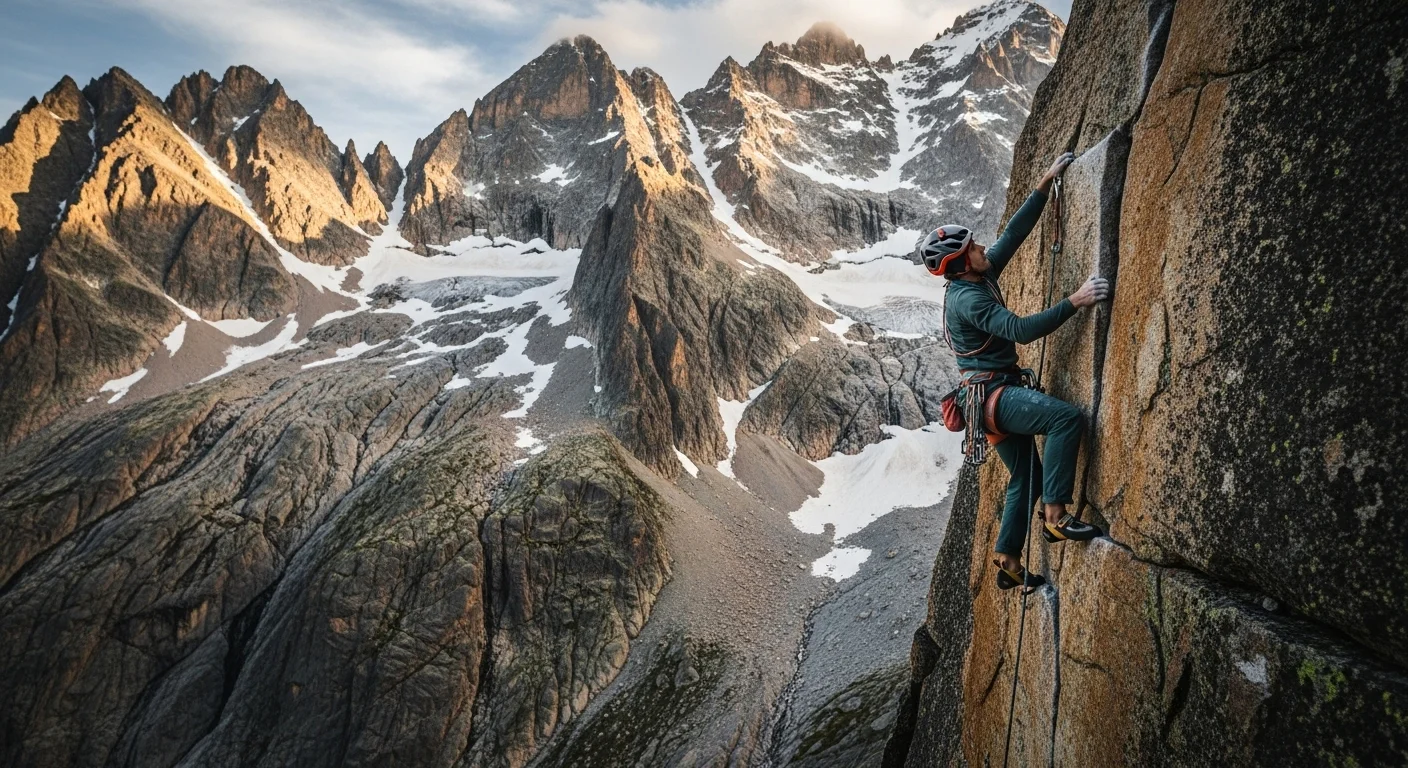
Read Interesting article: Climbing Techniques to Elevate Your Mountain Adventure Trips

Final Thoughts

As I reflect on my journey through mountain climbing, I realize that embracing budget gear has been a game changer. It’s not just about saving money; it’s about finding what works for me and enjoying the experience without the stress of financial strain. I’ve learned that quality doesn’t always have to come with a hefty price tag. With a little research, patience, and creativity, we can gear up for our adventures without compromising on safety or performance.

For those just starting out, don’t feel pressured to buy the latest high-end gear. Focus on the essentials that keep you safe and comfortable, and remember that experience will guide your future purchases. I still cherish the memories of my climbs, often made better by the budget options that allowed me to explore more without breaking the bank.

Remember, mountain climbing is about the journey, the views, and the camaraderie. The right gear helps, but it’s our spirit and determination that truly matter. So, get out there, find your passion for the mountains, and don’t let budget constraints hold you back from making those unforgettable memories.

Happy climbing!

Frequently Asked Questions

What is mountain climbing?

Mountain climbing, also known as alpinism, is a sport that involves ascending mountains. It requires knowledge, skills, and the right gear to navigate various terrains and weather conditions.

Why is proper gear important for mountain climbing?

Having the right gear is essential for both safety and performance. Quality gear helps protect against the elements and potential falls while enhancing overall performance during climbs.

What are the key categories of gear needed for budget mountain climbing?

Key gear categories for budget mountain climbing include clothing essentials (base layers, insulating layers, outer layers), footwear (climbing shoes and hiking boots), safety equipment (helmets, harnesses, belay devices), navigational tools (maps, compasses, GPS devices), and camping gear (tents, sleeping bags, cooking equipment).

Where can I find affordable mountain climbing gear?

Affordable mountain climbing gear can be found at second-hand stores, online marketplaces like eBay or Craigslist, rental options from outdoor shops, and through DIY solutions for certain gear items.

How can I prioritize my gear purchases?

To prioritize gear purchases, differentiate between essential and non-essential items. Creating a gear checklist can help ensure you acquire necessary items first while avoiding impulse buys.

What should I consider when timing my gear purchases?

Timing your purchases can lead to savings, especially during seasonal sales or at the end of climbing season when retailers clear out inventory. Being patient and planning your purchases can yield significant discounts.

How can I save money on mountain climbing gear?

To save money, consider using coupons and promo codes, shopping during seasonal sales, and timing your purchases strategically. Signing up for newsletters from outdoor brands can also alert you to upcoming sales.

What safety considerations should I keep in mind when purchasing gear?

While saving money is important, safety should not be compromised. Understanding gear ratings and certifications, such as UIAA or CE, ensures that the equipment meets necessary safety standards.

Can budget gear be as effective as premium gear?

Yes, budget gear can perform excellently, especially for beginners or casual climbers. Many climbers have found that budget options can meet their needs effectively without the high price tag.

What is the importance of user experiences and reviews when choosing gear?

User experiences and reviews can provide valuable insights into the performance of gear. They can help guide purchasing decisions, avoid costly mistakes, and highlight reliable budget-friendly options.

Top 10 Budget-Friendly Climbing Gear for Adventurous Souls

For those of us who love climbing, finding budget-friendly gear can make all the difference. It’s possible to gear up without breaking the bank while still enjoying the thrill of the climb. To enhance your skills, consider exploring Climbing Techniques to Elevate Your Mountain Adventure Trips.

Top 10 Budget-Friendly Climbing Gear for Adventurous Souls

Understanding Climbing Gear Essentials

When I first started climbing, I remember feeling overwhelmed by the sheer amount of gear available. It seemed like everyone had the latest, high-end equipment, and I wondered how I could possibly afford it. After some research and experience in the climbing community, I learned that understanding the essentials of climbing gear is key to making smart choices. Let me share what I’ve discovered.

Types of Climbing Gear

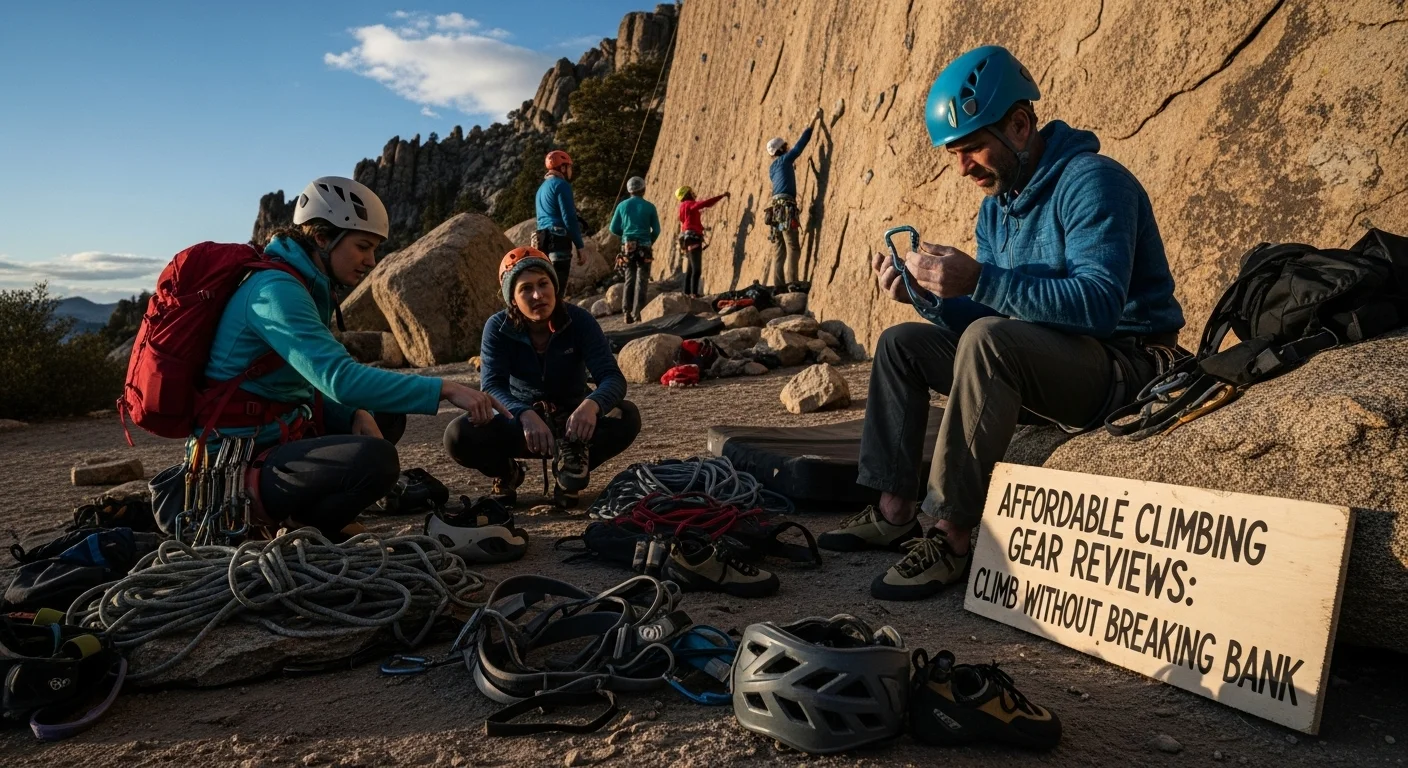
Climbing gear can be divided into several categories, and knowing what you need can help you prioritize your purchases. Here’s a quick breakdown based on my experiences:

  • Protection Gear: This includes items like carabiners, belay devices, and climbing ropes. These are crucial for safety and should never be compromised.
  • Support Gear: Harnesses and helmets fall into this category. They’re essential for keeping you secure while you conquer those heights.
  • Climbing Shoes: A good pair of climbing shoes can significantly enhance your performance. Trust me, it’s worth investing in something that fits well.
  • Comfort Gear: Items like chalk bags and clothing are also important but can be found at various price points.
  • Crash Pads: If bouldering is your thing, a crash pad is a must. It provides safety during falls, and I’ve learned this the hard way!

Each type of gear serves a specific purpose. When you’re starting, it’s helpful to focus on the essentials that keep you safe while you climb. Over time, you can expand your collection based on your climbing style and preferences. For more insights on climbing, check out Top Climbing Techniques Every Budget Traveler Should Know.

Importance of Quality in Climbing Equipment

Investing in quality gear is essential for safety. I’ve seen too many climbers skimp on important equipment, thinking they could save a few bucks. While I completely understand the desire to save money, there are certain items where quality should never be sacrificed. For instance, climbing ropes and harnesses are life-saving equipment. When I bought my first harness, I chose one that felt comfortable and secure, even if it was a little pricier. It gave me peace of mind while I was scaling rock faces.

Quality gear often lasts longer, which means you won’t need to replace it as frequently. I’ve noticed that spending a little more upfront can lead to savings in the long run. Plus, quality gear can enhance your climbing experience. A well-fitting harness or a reliable belay device can make a world of difference in how comfortable and secure you feel during your climbs.

As I learned to trust my gear, I felt more confident taking on new challenges. It’s so important to find a balance between budget and quality. Not every piece of gear has to be top-of-the-line, but the essentials must meet safety standards.

Top 10 Budget-Friendly Climbing Gear Options

Now that we’ve covered the basics, let’s dive into my favorite budget-friendly climbing gear options. These are the items that I’ve found to be both affordable and reliable, perfect for the adventurous soul without a hefty budget.

1. Climbing Harnesses

A good climbing harness is non-negotiable. I recommend looking for brands that offer quality at a reasonable price, like Black Diamond or Petzl. You can find models for under $100 that are comfortable and safe, perfect for beginners and seasoned climbers alike.

2. Climbing Shoes

Finding the right climbing shoes can be a game changer. I personally love the La Sportiva Tarantulace shoes. They are budget-friendly and provide great support for both indoor and outdoor climbing. The fit is crucial, so I suggest trying them on before you buy.

3. Chalk Bags

Chalk bags are relatively inexpensive, and I’ve found a few that are both stylish and functional. They keep your hands dry, which is vital for grip. Look for options under $20; brands like Petzl and Black Diamond offer great choices.

4. Carabiners

Quality carabiners are essential for safety. I recommend getting a mix of locking and non-locking carabiners. You can often find good deals on sets online. I’ve been using the Black Diamond HotForge carabiners, which are affordable and durable.

5. Climbing Ropes

A good climbing rope is an investment, but you can find budget-friendly options. I’ve used ropes from Mammut and Sterling that offer good performance without a high price tag. Look for ropes that are at least 60 meters long and have a good UIAA fall rating.

6. Helmets

Safety first! A helmet is a must-have for climbing. I found the Black Diamond Vector helmet to be lightweight and affordable, making it perfect for long days on the rock.

7. Belay Devices

For belay devices, I suggest the Petzl GriGri or the Black Diamond ATC. Both are budget-friendly and reliable. I’ve used both and felt secure while climbing.

8. Crash Pads

If bouldering is your passion, investing in a crash pad is essential. I’ve found options like the Mad Rock Drift crash pad to be affordable and effective at cushioning falls.

9. Clothing for Climbing

Climbing clothing doesn’t have to be expensive. Look for moisture-wicking fabrics that allow for movement. I love brands like Prana and Mountain Hardwear for their comfortable and durable options.

10. Portable Water Bottles

Staying hydrated is crucial while climbing. A durable, portable water bottle is a must. I recommend the Hydro Flask for its insulation and reliability, keeping my drinks cold on hot days.

With these budget-friendly options, we can equip ourselves without compromising on safety or performance. Whether you’re a newbie or looking to upgrade your gear, these options will help you enjoy climbing while keeping your wallet happy. Additionally, you might find it helpful to Master Essential Climbing Techniques for Budget Backpacking.

Where to Buy Budget-Friendly Climbing Gear

Finding the right places to purchase climbing gear is just as important as the gear itself. Over the years, I’ve learned where to look for the best deals without sacrificing quality. Here’s a rundown of the options that have worked for me.

Online Retailers

Online shopping has been a game changer for me when it comes to finding budget-friendly climbing gear. Websites like REI, Backcountry, and Amazon often have sales, discounts, and a wide range of brands to choose from. One thing I always do is compare prices across different sites before making a purchase. It’s surprising how much I can save just by spending a few extra minutes doing some research.

Additionally, I’ve found that subscribing to newsletters from these retailers can be beneficial. They often send out exclusive deals and notifications about clearance sales. Recently, I grabbed a fantastic deal on a climbing harness through an email alert, which made my day!

Another great online resource is second-hand marketplaces like eBay and Poshmark. I’ve had success finding lightly used gear at a fraction of the original price. Just remember to read the reviews and ask the seller specific questions about the item’s condition before making a purchase.

Local Outdoor Stores

While online shopping is convenient, I’ve always enjoyed the experience of visiting local outdoor stores. There’s something special about seeing the gear in person, trying it on, and getting advice from knowledgeable staff. I remember my first trip to a local climbing shop; I felt like a kid in a candy store! The staff was passionate about climbing and offered invaluable insights into the best options for my budget.

Many local stores also have sales and clearance sections where you can find great deals. It’s worth checking out the store’s calendar for events, too. Some shops host gear swaps or sales during climbing festivals, which can yield fantastic bargains. Plus, supporting local businesses is something I genuinely value.

If you’re new to climbing, I recommend taking advantage of the opportunity to ask questions and seek advice while you’re there. The staff can guide you to the best budget-friendly options based on your needs and preferences, which has helped me countless times in my climbing journey.

How to Choose the Right Gear for Your Needs

Assessing Your Climbing Style

Choosing the right gear boils down to understanding your climbing style. I’ve gone through different phases in my climbing journey—bouldering, sport climbing, and trad climbing—and each style requires specific gear. I remember when I first started bouldering, I bought a crash pad without really knowing how to evaluate it. After a couple of climbs, I realized it wasn’t thick enough for my comfort level, and I ended up buying a better one shortly after.

Take some time to think about where you’ll be climbing most often. If you’re going to be bouldering, then investing in a sturdy crash pad is essential. For sport climbing, prioritize a good harness and rope. Understanding your climbing style will help you make informed decisions about your gear, ensuring that you get the best items for your needs.

Evaluating Durability vs. Cost

When I first started buying gear, I often focused solely on the price. While it’s essential to stay within budget, I learned the hard way that some cheap gear doesn’t last. For example, I bought a budget harness early on, thinking I was saving money. However, it wore out quickly, and I ended up needing to replace it sooner than I anticipated. That taught me that sometimes spending a little more upfront can save me money in the long run.

In my opinion, it’s crucial to find a balance between durability and cost. I’ve found that brands like Black Diamond and Petzl often offer a great mix of affordability and quality. I recommend reading reviews and asking fellow climbers about their experiences with different gear. This way, you can make educated choices that suit your budget and last through many climbs.

Tips for Maintaining Your Climbing Gear

Once you’ve invested in climbing gear, it’s essential to keep it in good shape. I’ve learned that proper maintenance can extend the life of your equipment and ensure your safety while climbing. Here are some tips I’ve gathered over the years that have worked well for me.

Regular Inspections

One of the first rules I follow when it comes to climbing gear is to conduct regular inspections. I can’t stress enough how important this is! Before every climbing session, I take a few minutes to check my gear, particularly my harness, ropes, and carabiners. I look for any signs of wear and tear, such as frayed ropes or damaged buckles. I remember a time when I noticed a tiny tear in my chalk bag just before a climb; catching it early saved me from a potential mishap later on.

For ropes, I check for sheath damage and any noticeable cuts. It’s also wise to run your hands along the rope to feel for any irregularities. If you notice anything concerning, it’s best to retire that piece of gear. Many climbers, including myself, have learned the hard way that ignoring small issues can lead to more significant problems down the line.

Cleaning and Storage

Another aspect of maintaining climbing gear is proper cleaning and storage. After a day of climbing, I like to give my equipment a good rinse, especially if I was out on a dusty or muddy route. For my ropes, I wash them in a tub of lukewarm water with a mild soap designed for climbing gear. It’s simple, but it makes a world of difference. I’ve noticed that a clean rope lasts longer and performs better.

When it comes to storing my gear, I always make sure to keep it in a cool, dry place. I learned that moisture can lead to mold and mildew, which can damage my gear over time. I keep my harness and shoes in a breathable bag to prevent them from getting musty. Additionally, I avoid leaving my gear in direct sunlight for long periods, as UV rays can degrade materials, particularly webbing and ropes.

Lastly, I try to keep my gear organized. I have a dedicated space where I store my climbing equipment. It’s not just about convenience; it helps me keep track of what I have and what condition it’s in. I often find that being organized makes it easier to inspect my gear regularly, leading to safer climbing adventures.

Safety Considerations When Using Budget Gear

While budget-friendly gear is an excellent way to save money, it’s crucial to be aware of safety considerations. I’ve seen climbers get caught up in the excitement of finding great deals, only to overlook essential safety aspects. Here’s what I’ve learned from my experiences.

Understanding Gear Limits

Every piece of climbing gear has its limits, and it’s vital to be aware of those. For instance, when I first started, I bought a budget harness that looked great but had a lower weight limit than I realized. It was only after a fellow climber pointed it out that I understood the importance of matching my gear with my climbing needs. I’ve always made it a point to check the manufacturer’s specifications to ensure that my gear can handle the type of climbing I’m doing.

Additionally, it’s essential to know that just because gear is budget-friendly doesn’t mean it’s subpar. Many brands produce affordable options that meet safety standards. I always look for equipment that has certifications from recognized organizations. It gives me peace of mind knowing that I’m using gear that has been tested for safety.

Recognizing Wear and Tear

Recognizing wear and tear is another critical factor in ensuring safety while using budget gear. I learned this lesson when I failed to notice the gradual fraying of my climbing rope. It wasn’t until I was inspecting it before a climb that I realized I should have replaced it sooner. Now, I’ve made it a habit to monitor my gear closely and replace anything that shows significant wear.

It’s also important to keep track of the age of your gear. Many climbing experts recommend replacing ropes every five years, even if they seem fine, due to material degradation over time. For harnesses and other equipment, I look for specific guidelines from manufacturers to know when it’s time for a replacement.

In my experience, it’s better to be safe than sorry. Being vigilant about the condition of our gear not only protects us but also our climbing partners. The more we take care of our equipment, the safer our adventures will be.

Community Resources for Climbing Enthusiasts

As I’ve navigated my climbing journey, I’ve discovered the importance of community resources. Connecting with fellow climbers and utilizing shared knowledge has significantly enhanced my skills and experiences. Here are a couple of community resources I’ve found especially helpful.

Climbing Forums and Groups

Climbing forums and online groups have been a treasure trove of information for me. Websites like Mountain Project and various Facebook groups offer spaces to ask questions, share experiences, and seek advice from seasoned climbers. I remember posting a question about budget-friendly gear, and I received a flood of recommendations from experienced climbers who had been in my shoes. Their insights helped me choose wisely without compromising safety or performance.

Participating in these forums has also allowed me to stay updated on gear sales, local climbing events, and workshops. It’s incredible how a simple post can lead to valuable connections and learning opportunities.

Local Climbing Classes and Workshops

Taking part in local climbing classes and workshops has been a game changer for my climbing skills. Many local climbing gyms and outdoor centers offer courses that cover everything from basic climbing techniques to advanced safety practices. I remember attending a workshop on gear maintenance, which opened my eyes to proper care techniques I hadn’t considered before.

These classes not only improve your skills but also provide a chance to meet fellow climbers who share your passion. I’ve made some of my closest climbing friends through these workshops, and we often exchange tips and gear recommendations. Plus, it’s a fantastic way to build confidence and learn in a supportive environment.

Incorporating community resources into your climbing journey can elevate your experience and equip you with knowledge that lasts a lifetime. Whether you’re seeking advice on gear, training, or local climbing spots, the climbing community is always eager to share its wisdom.

Frequently Asked Questions

What are the essential types of climbing gear?

Climbing gear can be divided into several categories: Protection Gear (carabiners, belay devices, climbing ropes), Support Gear (harnesses, helmets), Climbing Shoes, Comfort Gear (chalk bags, clothing), and Crash Pads (for bouldering).

Why is investing in quality climbing gear important?

Investing in quality gear is essential for safety, as certain items like climbing ropes and harnesses are life-saving equipment. Quality gear often lasts longer and enhances your climbing experience, providing peace of mind while climbing.

What are some budget-friendly climbing gear options?

Some budget-friendly climbing gear options include climbing harnesses, climbing shoes (like La Sportiva Tarantulace), chalk bags, carabiners (such as Black Diamond HotForge), climbing ropes from Mammut and Sterling, helmets (like the Black Diamond Vector), belay devices (Petzl GriGri or Black Diamond ATC), crash pads (Mad Rock Drift), climbing clothing (Prana and Mountain Hardwear), and portable water bottles (Hydro Flask).

Where can I buy budget-friendly climbing gear?

Budget-friendly climbing gear can be purchased from online retailers like REI, Backcountry, and Amazon, as well as local outdoor stores. Online shopping often provides sales and discounts, while local stores offer the chance to try gear on and receive expert advice.

How can I choose the right climbing gear for my needs?

Choosing the right climbing gear involves assessing your climbing style, such as bouldering, sport climbing, or trad climbing. Understanding your specific needs and evaluating gear durability versus cost can help you make informed decisions.

What are some tips for maintaining climbing gear?

To maintain climbing gear, conduct regular inspections before climbs, clean gear after use, and store it in a cool, dry place. Keeping gear organized also helps in tracking its condition and ensuring safety.

What safety considerations should I keep in mind when using budget gear?

When using budget gear, it’s crucial to understand gear limits and be aware of wear and tear. Always check manufacturer specifications and certifications to ensure safety, and monitor the condition of your gear regularly.

How often should climbing ropes be replaced?

Many climbing experts recommend replacing climbing ropes every five years, even if they appear fine, due to material degradation over time. For other equipment, follow specific guidelines from manufacturers to know when replacements are needed.

What community resources are available for climbing enthusiasts?

Community resources include climbing forums and online groups (like Mountain Project) for advice and gear recommendations, as well as local climbing classes and workshops that enhance skills and provide networking opportunities with fellow climbers.

How can I find discounts on climbing gear?

To find discounts on climbing gear, subscribe to newsletters from retailers for exclusive deals, shop during sales, and explore second-hand marketplaces like eBay and Poshmark for lightly used gear at reduced prices.

Unlock Your Potential with These Climbing Techniques Tips

Climbing is more than just a physical challenge; it’s a journey of self-discovery and skill development. Learning the right techniques can unlock your true potential and elevate your climbing experience. To explore more about how to enhance your climbing skills, check out Climbing Techniques to Elevate Your Mountain Adventure Trips.

Unlock Your Potential with These Climbing Techniques Tips

Understanding Climbing Techniques

What Are Climbing Techniques?

Climbing techniques refer to the methods and skills used to navigate climbing routes effectively and safely. Whether you’re scaling a rock face, tackling a bouldering problem, or navigating a steep indoor wall, understanding the various techniques can make a significant difference in your performance. I remember when I first started climbing; I was overwhelmed by the variety of methods I could use. Each technique seemed to offer a new way to approach the wall, and I quickly learned that mastering these techniques is essential for growth as a climber.

The Importance of Technique in Climbing

Technique is crucial in climbing for several reasons. First, it helps you conserve energy. I’ve often found myself exhausted after a climb, only to realize that better technique could have saved my strength. Good footwork, for instance, means less energy spent on pulling yourself up. Second, proper techniques enhance safety. Climbing can be risky, and using the right methods can lower the chances of falls or injuries. I’ve seen climbers struggle due to poor technique, which often leads to unnecessary risks and frustrations. Lastly, mastering techniques boosts confidence. When I started nailing challenging moves with solid techniques, I felt unstoppable. Each successful climb fueled my enthusiasm and motivated me to tackle even tougher challenges.

Essential Climbing Techniques for Beginners

Footwork: The Foundation of Climbing

Footwork is arguably the most critical aspect of climbing. I learned early on that my feet are my best friends on the wall. Good footwork allows you to distribute your weight effectively, making it easier to reach for holds with your hands. Focus on placing your foot precisely on holds instead of just slapping them on. I remember spending hours practicing foot placements on easy routes until it felt second nature. A tip I found helpful is to look at the next hold before you move your foot. This way, you can plan your next step and avoid unnecessary movements.

Handholds: Understanding Grips and Holds

Understanding different grips is vital for effective climbing. From crimps to slopers, each hold requires a unique grip. I used to grip everything like a fist, which led to fatigue and frustration. Instead, I learned to adapt my grip based on the hold type. For instance, a crimp requires a strong pinch, while a sloper requires an open hand. I often practice different grips on the ground to build muscle memory before hitting the wall. This exercise not only speeds up my adaptation but also helps me feel more in control when I’m actually climbing.

Body Positioning: Balance and Center of Gravity

Your body’s position plays a crucial role in climbing. I found that keeping my hips close to the wall significantly improved my balance and efficiency. When I first started, I tended to lean away from the wall, which made climbing feel much harder. I learned that by keeping my body close, I could maintain my center of gravity and conserve energy. Practicing different body positions on various climbs helped me understand how slight adjustments could lead to significant improvements. I suggest trying to visualize a straight line from your feet to your hands; it makes movement feel more fluid and controlled.

Intermediate Climbing Techniques to Enhance Skills

Dynamic Movements: When to Use Them

As I progressed in my climbing journey, I discovered the power of dynamic movements. These are the big, powerful moves you make when a static reach just won’t cut it. I remember the first time I had to commit to a dynamic move; it was thrilling yet terrifying. The key is to trust your momentum. I recommend practicing these movements on easier climbs first. Start small, and gradually increase the difficulty as you gain confidence. The more I practiced, the more I learned to read the wall and anticipate my movements.

Flagging: Maximizing Balance and Reach

Flagging is a technique I initially overlooked but quickly realized its importance. It involves extending a leg away from the wall to maintain balance and counteract your body weight. I remember a climb where I was struggling to reach a hold, and then I flagged my leg out, which shifted my weight and made the reach much easier. Practicing flagging not only improved my balance but also opened up new routes that I thought were impossible. I encourage everyone to experiment with flagging; it can transform how you approach climbs.

Using Your Core: Engaging for Better Stability

Lastly, engaging your core is essential for stability while climbing. I used to rely heavily on my arms and legs, only to find myself fatigued quickly. Once I started focusing on my core, I noticed a significant improvement in my control and endurance. Exercises like planks and leg raises helped me build core strength off the wall, which translated to better performance during climbs. I found that a strong core enables me to make more dynamic moves without losing control, keeping me balanced and stable throughout my ascent. For further insights on core engagement, check out Top Climbing Techniques Every Budget Traveler Should Know.

Advanced Climbing Techniques for Experienced Climbers

Heel Hooks and Toe Hooks: Techniques for Steep Climbs

As I got more comfortable with climbing, I started exploring advanced techniques like heel hooks and toe hooks. These moves can feel quite intimidating at first, but they open up a whole new world of possibilities, especially on steep or overhanging routes. I remember the first time I tried a heel hook; it felt awkward, and I wasn’t sure if I was doing it right. However, when I finally locked it in place, everything changed. I found that I could use my legs more effectively to push myself upward instead of just relying on my arms. I recommend practicing heel hooks on lower angles before moving to steeper climbs. Once I mastered the movement, I felt like I had unlocked a secret weapon in my climbing arsenal.

Toe hooks are equally powerful. They allow you to pull yourself closer to the wall while maintaining balance. I often use them when I need to reach for a hold that feels just out of my grasp. It’s all about positioning your foot correctly and using it to hook onto a hold. When I first learned toe hooks, I practiced on problems that required me to think about foot placements carefully. With time, I became more confident and started using them instinctively. I encourage you to try both techniques and see how they can enhance your climbing efficiency.

Laybacks and Mantles: Overcoming Unique Challenges

Next up are laybacks and mantles, two techniques that can make or break a climb. Laybacks are often used on vertical edges or arete climbs. I remember the first time I faced a layback; I hesitated, unsure how to position my body. I learned that the key is to use opposing forces—pulling on one side while pushing with your feet on the other. This technique helps maintain balance and allows you to move upwards effectively. When I finally got the hang of it, I could feel the flow of movement, and it made the climb so much more enjoyable.

Mantles, on the other hand, are all about pushing yourself up and over a ledge. I remember feeling nervous about mantles because they require a combination of strength and technique. The moment I committed to a mantle, I discovered the importance of keeping my body close and using my legs to push myself up rather than relying solely on my arms. Practicing mantles on different heights helped me build confidence and technique. I encourage you to approach these moves with patience; they can be tricky but are incredibly rewarding once mastered.

Beta: Reading Routes and Movement Strategies

As I progressed, I learned that beta—essentially the information about how to climb a route—was invaluable. Understanding beta can save you time, energy, and frustration. I remember watching experienced climbers tackle routes and taking mental notes of their movements. It was fascinating to see how they approached each problem, and I often found myself trying to imitate their strategies. Over time, I learned to develop my own beta for routes, analyzing holds and planning my movements before I even began climbing.

One of the best ways to improve your beta reading is to climb with others. I found that discussing approaches and sharing tips with fellow climbers led to breakthroughs in my own understanding. We’d often stand at the base of a climb, pointing out potential holds and discussing the best way to ascend. This collaborative mindset not only enriched my climbing experience but also fostered a sense of community. I encourage you to seek out partners, share beta, and learn from each other’s experiences.

Climbing Techniques for Specific Climbing Styles

Rock Climbing Techniques: Sport vs. Traditional

When it comes to different climbing styles, understanding the nuances between sport and traditional (trad) climbing has been essential for me. In sport climbing, you often rely on fixed protection, which allows for a different approach to techniques. I’ve noticed that climbers tend to focus more on dynamic movements since they don’t have to worry as much about placing gear. During a sport climb, I often find myself pushing the limits of my reach and experimenting with dynamic moves that feel exhilarating.

On the flip side, trad climbing requires a different set of skills. You’re not just climbing; you’re also placing gear for protection. I remember my first trad climb; it was a steep learning curve. I had to be mindful of both my climbing technique and the safety of my gear placements. I often recommend practicing gear placements on easier climbs or even at the crag before attempting a more challenging route. This way, you can focus on mastering your climbing techniques without the added stress of difficult moves.

Indoor Climbing Techniques: Adapting to Gym Settings

Climbing in a gym offers its unique challenges, and I quickly learned that adapting techniques to these settings is crucial. Indoor walls are often different from outdoor routes, with their holds and angles. I noticed that many climbers, including myself, would initially struggle with the artificial nature of gym climbing. I had to adjust my footwork and body positioning to fit the often vertical or overhanging walls. One of my favorite tips is to treat gym climbing as a way to experiment with techniques without the distractions of nature. It’s a perfect space to work on foot placements and handholds, and I often set specific goals for each session.

Ice Climbing Techniques: Tools and Movement

Transitioning to ice climbing was another thrilling challenge. Learning to use ice axes and crampons effectively was a game-changer for me. The techniques are vastly different from rock climbing, and I had to develop a new sense of balance and movement. I remember feeling nervous the first time I swung an axe into a frozen wall; it felt so foreign. However, with practice, I learned to use my tools to create stability and leverage. I recommend focusing on foot placements and understanding how to engage your crampons to gain confidence. Once I grasped the basics, ice climbing became an exhilarating experience that tested my skills in a whole new way. For more tips on climbing strategies, check out Master Essential Climbing Techniques for Budget Backpacking.

Common Mistakes and How to Avoid Them

Overgripping: Understanding Relaxed Grip

One of the most common mistakes I’ve seen, both in myself and others, is overgripping. When I first started climbing, I would grip holds with all my strength, thinking that more grip equated to better control. What I found out, however, is that overgripping actually leads to faster fatigue and inefficient climbing. I remember a particularly tough route where I was trying to pull up with every ounce of strength, only to tire out before I reached the top.

Overgripping is often a result of anxiety or fear of slipping. I learned that a relaxed grip is much more effective. By keeping my fingers engaged without squeezing too tightly, I could conserve energy and maintain better control. A helpful tip is to practice climbing with a focus on relaxation. Try to consciously loosen your grip, especially on larger holds, and feel how much more stable and controlled you can be. This shift in mindset made a significant difference in my performance.

Poor Foot Placement: How to Improve Precision

Poor foot placement is another mistake I often encountered. Early on, I would rush my foot movements, which led to a lack of precision and efficiency. I can’t tell you how many times I slipped or lost balance simply because I wasn’t paying enough attention to where I was placing my feet. Climbing is all about finding the right footholds, and every foot placement matters.

To improve my precision, I started to slow down and really focus on my foot placements. One strategy I found useful was to visualize the path I wanted to take with my feet before I committed to a move. Additionally, I practiced footwork drills on easy climbs, which allowed me to build muscle memory and confidence. This practice made a world of difference when I returned to more challenging routes. I encourage you to remind yourself to take your time with foot placements; it’s a small detail that can greatly improve your climbing experience.

Neglecting Core Strength: Exercises to Incorporate

As I advanced in my climbing, I realized that neglecting core strength was a significant oversight. I used to focus mainly on my arms and legs, thinking they were the primary muscles for climbing. But I quickly learned that a strong core is crucial for maintaining balance and stability on the wall. Without it, I often found myself struggling to hold positions or make those challenging moves.

To incorporate core strength training, I began adding specific exercises to my routine. Planks, leg raises, and hanging knee tucks became staples in my training. I remember the first time I could hold a plank for a full minute; I felt like I had tapped into a new level of strength. Not only did these exercises build my core, but they also translated directly to my climbing performance. I found that engaging my core while climbing allowed me to make more dynamic movements without losing my balance. I encourage you to prioritize core exercises in your training; they’re game-changers for climbers of all levels.

Training Tips to Improve Climbing Techniques

Strength Training: Key Exercises for Climbers

Strength training is an essential component of improving climbing techniques, and I’ve learned this firsthand. It’s not just about being strong but about developing the specific muscles needed for climbing movements. I found that exercises like pull-ups, push-ups, and deadlifts were particularly beneficial. These exercises not only build strength but also enhance grip and upper body control.

Incorporating resistance bands and weights into my training routine helped target specific muscle groups that I relied on while climbing. I remember the first time I noticed a difference in my climbing after focusing on strength training; I could pull myself up with much more ease and confidence. I suggest setting a regular strength training schedule, focusing on both upper and lower body strength, to support your climbing goals.

Endurance Training: Building Stamina for Long Climbs

Endurance training is another critical aspect that I sometimes overlooked. I vividly recall a long multi-pitch climb where I felt my energy drain halfway through, and it was a tough lesson learned. Building endurance is about being able to sustain your energy levels for extended periods, allowing you to tackle longer climbs without burning out.

To improve my endurance, I started incorporating longer climbing sessions into my routine. I also found that cross-training—like running or cycling—helped boost my cardiovascular fitness. I remember feeling less fatigued during climbs after committing to these endurance exercises. I recommend finding activities that you enjoy and can sustain over time; they will translate nicely to your climbing stamina.

Technique Drills: Practice Makes Perfect

Practicing specific technique drills has been a game changer in my climbing journey. I realized that simply climbing wasn’t enough to refine my skills; I needed to dedicate time to drills that would sharpen my technique. I started with footwork drills, where I would focus solely on my foot placements while climbing easy routes, ensuring each step was precise.

Additionally, I began incorporating specific movement drills, like practicing dynamic movements or flagging on lower grades, allowing me to safely experiment and improve. I remember feeling a sense of accomplishment each time I nailed a drill, reinforcing my confidence on the wall. I highly recommend setting aside time during climbing sessions to focus on these drills; they can accelerate your learning and lead to significant improvements in your climbing techniques.

Frequently Asked Questions

What are climbing techniques?

Climbing techniques refer to the methods and skills used to navigate climbing routes effectively and safely. Mastering these techniques is essential for growth as a climber.

Why is technique important in climbing?

Technique is crucial in climbing because it helps conserve energy, enhances safety, and boosts confidence. Good techniques can lower the chances of falls or injuries while allowing climbers to perform better.

What is the most critical aspect of climbing for beginners?

Footwork is arguably the most critical aspect of climbing for beginners. Good footwork allows climbers to distribute their weight effectively, making it easier to reach for holds with their hands.

What are dynamic movements in climbing?

Dynamic movements are big, powerful moves made when a static reach isn’t sufficient. They require trusting your momentum and can be practiced on easier climbs before progressing to more difficult ones.

What is flagging in climbing?

Flagging is a technique that involves extending a leg away from the wall to maintain balance and counteract body weight, making it easier to reach holds.

How does engaging the core benefit climbing?

Engaging the core is essential for stability while climbing. A strong core allows climbers to maintain control and make dynamic moves without losing balance, improving overall performance.

What are heel hooks and toe hooks?

Heel hooks and toe hooks are advanced climbing techniques used to push oneself upward on steep or overhanging routes. They allow for better leg use and balance while climbing.

What common mistakes do climbers make?

Common mistakes include overgripping, poor foot placement, and neglecting core strength. These mistakes can lead to faster fatigue and inefficient climbing.

What are some effective strength training exercises for climbers?

Effective strength training exercises for climbers include pull-ups, push-ups, and deadlifts. These exercises help build strength and enhance grip and upper body control.

How can climbers improve their endurance?

Climbers can improve their endurance by incorporating longer climbing sessions into their routine and cross-training activities like running or cycling to boost cardiovascular fitness.

Climbing Techniques to Elevate Your Mountain Adventure Trips

Ready to take your mountain adventures to new heights? Climbing techniques can transform your experience, making every ascent more enjoyable and rewarding. For those looking to optimize their climbing experience while keeping costs down, check out Top Climbing Techniques Every Budget Traveler Should Know.

Climbing Techniques to Elevate Your Mountain Adventure Trips

Understanding Climbing Techniques

What Are Climbing Techniques?

Climbing techniques refer to the various methods and skills climbers use to navigate different terrains and challenges in the climbing landscape. These techniques encompass everything from how we position our bodies and grip holds to our footwork and balance. I remember my first climbing experience; I was overwhelmed by the sheer number of techniques I had to learn! It felt like learning a new language. But over time, I discovered that mastering these techniques not only improved my climbing but also made me feel more connected to the rock I was scaling. Each technique has its purpose and can drastically affect your efficiency and safety while climbing.

The Importance of Technique in Climbing

When I first started climbing, I underestimated the importance of technique. I thought brute strength alone would carry me through. However, I quickly learned that technique is the backbone of successful climbing. Good technique allows climbers to conserve energy, maintain balance, and navigate complex routes. I remember a day when I was struggling on an overhang. Watching a more experienced climber move fluidly past me made me realize that it wasn’t just about muscle; it was about moving smartly and efficiently. By honing my climbing techniques, I not only became a better climber but also enjoyed the process much more. For more insights, check out Master Essential Climbing Techniques for Budget Backpacking.

Essential Climbing Techniques for Beginners

Footwork Basics

Footwork is fundamental in climbing. I used to think my hands did all the work, but I soon discovered that my feet are my best friends on the wall. Good footwork involves placing your foot precisely on holds, using the edges of your climbing shoes effectively. This means I’ve had to learn to trust my feet more. I recommend starting with the basics: practice placing just the tip of your shoe on small footholds and shift your weight onto your legs. This not only stabilizes your body but also makes it easier to reach for handholds without straining. I found that as I improved my footwork, I was able to climb more confidently and tackle tougher routes.

Handholds and Grips

Understanding handholds and grips is another crucial skill. Many beginners make the mistake of grabbing holds too tightly or in the wrong way. I remember feeling fatigued early on, simply because I was overgripping. There are different types of grips: crimp, open hand, and pinch, each suited for different holds. I found it helpful to practice each grip on various routes, paying attention to how my hand and body reacted. Learning to relax my grip when possible allowed me to climb longer and with less fatigue. A good grip is about control, not just strength. I recommend trying to maintain a light grip on holds; it makes all the difference.

Body Positioning and Balance

Body positioning can make or break a climb. It’s all about finding that sweet spot where your weight is distributed evenly. I learned that leaning my body toward the wall helps keep my center of gravity low, making it easier to reach higher holds. Balance is equally important; I often practice shifting my weight from one foot to another as I climb. This not only helps with stability but also teaches me to be more fluid in my movements. When I finally grasped the concept of balance, I felt like I was dancing on the rock rather than just climbing. I suggest taking the time to consciously think about your body positioning while climbing, as it can greatly enhance your performance.

As we explore climbing techniques, it’s clear that each skill builds upon the last. I’ve found that with practice and patience, these techniques become second nature, allowing us to immerse ourselves fully in the adventure of climbing. The journey of mastering these skills is just as fulfilling as reaching the summit itself.

Intermediate Climbing Techniques

Dynamic vs. Static Moves

As I progressed in my climbing journey, I began to realize the importance of understanding dynamic versus static moves. A dynamic move involves a quick, powerful movement where you leap or reach for a hold, relying on momentum. I remember the first time I attempted a dynamic move on a challenging route; my heart raced as I launched myself forward, fully trusting my instincts. It felt exhilarating! On the other hand, static moves are slower and more controlled, allowing you to maintain your balance and positioning without the need for a sudden burst of energy. Knowing when to use each type of move has been crucial for me. I often find that a combination of both can make a challenging route much easier to navigate. Learning to read the rock and determine the best approach has made climbing even more enjoyable.

Climbing with a Rope: Belaying Techniques

Belaying is one of those skills that, when I first learned it, changed my perspective on climbing completely. I used to think climbing was all about scaling walls, but belaying added a whole new layer of trust and teamwork. Understanding how to properly belay not only keeps my climbing partner safe but also allows us to communicate effectively during our climbs. I recall my first belaying experience; I was nervous holding the rope for my friend, but with practice, it became second nature. I learned the importance of keeping a tight brake hand and being aware of my partner’s movements. We developed a rhythm that made our climbing sessions smoother and more enjoyable. I can’t stress enough how mastering belaying techniques can enhance the overall climbing experience.

Using Climbing Gear Effectively

As I advanced in my climbing skills, I also realized that using climbing gear effectively is essential. At first, I felt overwhelmed by the variety of equipment available. From harnesses to carabiners, each piece of gear serves a specific purpose. I remember the first time I strapped into a harness; it felt foreign and a bit intimidating. However, as I began to use it regularly, I learned how to adjust it for comfort and safety. Understanding how to clip and unclip carabiners efficiently was another game-changer for me. I found it helpful to practice these skills on the ground before heading up the wall. The more familiar I became with my gear, the more confidence I built, allowing me to focus on the climb itself rather than worrying about my equipment. I recommend taking the time to familiarize yourself with any gear you plan to use; it pays off immensely on the wall.

Advanced Climbing Techniques

Crack Climbing Techniques

Crack climbing was an entirely new world for me when I first encountered it. It involves climbing up fissures in the rock, which requires specific techniques that differ significantly from traditional climbing. Learning how to jam my hands and feet into the cracks was a challenge. I remember my first experience attempting a crack climb; my hands felt sore and awkward, like they were betraying me. However, with practice, I began to appreciate the unique challenges and rewards of crack climbing. I discovered the importance of body positioning and the use of my legs to push against the crack rather than relying solely on my arms. The satisfaction of successfully navigating a crack climb is exhilarating, and I recommend giving it a try if you’re up for the challenge!

Sport Climbing Techniques

Sport climbing opened my eyes to the beauty of climbing with the added security of fixed anchors. It allows us to push our limits while feeling safe. As I got more into sport climbing, I learned how to read routes and identify the best holds and sequences. I remember one particular route that seemed impossible at first glance. I took the time to study it, planning my moves carefully. When I finally attempted it, the feeling of flowing through the moves and clipping into the anchors was pure joy. I’ve discovered that patience and strategy are just as important as strength in sport climbing. Taking the time to analyze a route before climbing can make all the difference.

Trad Climbing Techniques

Trad climbing was another step in my climbing journey that required a different mindset. Unlike sport climbing, it involves placing your own gear as you climb, which demands a solid understanding of gear placement and protection. I remember feeling a mix of excitement and anxiety the first time I placed a cam into a crack. The responsibility for my safety rested entirely on my choices. With practice, I learned the nuances of selecting the right gear for various placements, which boosted my confidence. Trad climbing taught me to be more self-reliant and made me appreciate the intricacies of the rock. I suggest practicing gear placements on the ground to develop a feel for what works best for different scenarios.

Multi-Pitch Climbing Strategies

Multi-pitch climbing has been one of my most rewarding experiences. The idea of climbing multiple sections, often requiring a series of belays, can be daunting, but the views from the top are absolutely worth it. One of the first things I learned was the importance of communication with my climbing partner. We established clear signals and a plan for each pitch before starting our ascent. I remember one particular multi-pitch climb where we had to navigate some tricky sections, and our ability to effectively communicate made all the difference. I also learned how to manage my gear efficiently to keep things organized while switching between pitches. I recommend practicing your communication and gear management skills before attempting multi-pitch climbs; they’ll help you enjoy the experience even more.

Specialized Climbing Techniques

Ice Climbing Techniques

Ice climbing was a thrilling new frontier for me. I remember my first attempt—standing at the base of a frozen waterfall, my heart racing. The technique here is quite different from rock climbing. I learned that using the right tools, like ice axes and crampons, is vital. My first few swings of the axe felt awkward, but with each attempt, I began to find the rhythm. It’s not just about brute force; precision is key. I started practicing how to place my axes in the ice securely, ensuring I was balanced before moving my feet. The sensation of pulling myself up, feeling the ice beneath my hands, was euphoric. If you’re thinking about trying ice climbing, I recommend taking a class with experienced instructors. They can provide invaluable tips on movement and safety that can make your first experience more enjoyable.

Mixed Climbing Techniques

Mixed climbing combines rock and ice, and I found it to be an exhilarating challenge. I remember my first mixed climb, where I had to alternate between placing ice screws and finding rock holds. It felt like a dance between two worlds. The key is to adapt quickly—switching between techniques depending on what the rock and ice offered. I learned to be creative with my foot placements and to use my tools efficiently. I often practiced on short routes to build my confidence before tackling longer climbs. I recommend exploring mixed climbing with a partner; sharing tips and strategies can make this unique form of climbing even more rewarding.

Bouldering Techniques and Tips

Bouldering has become one of my favorite ways to climb. It’s all about short, powerful routes without the use of ropes, which gives it a distinct adrenaline rush. When I started bouldering, I had to focus on my body movement, power, and technique more than ever. I remember many falls, but each one taught me something new about my limits and how to trust my instincts. I found that developing a strong sense of body awareness was crucial. Simple techniques like “climbing down” or practicing controlled falls helped me gain confidence. I also recommend using crash pads and climbing with friends; their encouragement and presence made all the difference as I pushed my limits. Bouldering is also perfect for practicing problem-solving skills; every route feels like a puzzle waiting to be solved.

Climbing Safety Techniques

Understanding Climbing Gear and Equipment

As I delved deeper into climbing, I realized that understanding my gear was just as important as mastering techniques. It can be overwhelming at first—there’s so much to learn! I remember when I bought my first harness and rope. I felt a mix of excitement and anxiety. Learning how to properly use my gear has been a journey in itself. I took the time to familiarize myself with each piece, from carabiners to belay devices. Each item plays a crucial role in my safety. I practice checking my gear before each climb, making sure everything is in working order. I recommend doing this as part of your routine; it’s a simple way to ensure you’re prepared for any climb.

Risk Management in Climbing

Throughout my climbing experiences, I’ve learned that risk management is essential for a safe adventure. I’ve faced situations where I had to make quick decisions—like whether to proceed with a climb or backtrack due to weather changes. I remember one particular day when dark clouds rolled in unexpectedly, and I had to assess the risks carefully. We decided to descend, and while it was disappointing, it was the right choice for our safety. I’ve learned to always evaluate the environment and listen to my instincts. I recommend discussing risk management strategies with climbing partners before heading out; having a plan in place can help you navigate unexpected challenges.

How to Fall Safely

Falling is a part of climbing, but learning how to do it safely was one of the most valuable lessons for me. Initially, I was terrified of falling, but as I practiced, I realized that knowing how to fall correctly can prevent injuries. I remember my first controlled fall; I was surprised by how much I could control my body. Tucking in my chin and rolling onto my back helped distribute the impact. I recommend practicing falls on lower routes or bouldering walls to build your confidence. It’s also a good idea to communicate with your climbing partner about falling techniques—it can make a big difference when you’re both on the same page.

Preparing for Your Climbing Adventure

Physical Conditioning and Training

Physical conditioning has been a game-changer in my climbing journey. I used to think that climbing itself was enough to get fit, but I quickly realized that a well-rounded training regimen enhances performance. I started incorporating strength training, flexibility exercises, and cardio into my routine. I recall the first time I could do a pull-up; it felt empowering! Focusing on core strength also improved my balance and stability on the wall. I recommend setting specific fitness goals, whether it’s increasing your endurance or mastering a new technique. A well-prepared body can make a world of difference in your climbing experience.

Choosing the Right Climbing Destination

Choosing a climbing destination is part of the adventure! I’ve learned that the right location can enhance the experience significantly. I remember my first trip to a well-known climbing spot; the routes were stunning, and the community was welcoming. Before heading out, I do my research on the area, looking for routes that suit my skill level. I also consider the scenery and culture of the place. It’s exciting to climb in different environments, from rocky cliffs to icy waterfalls. I recommend talking to locals or checking online forums to get insights on the best spots. The right destination can truly elevate your climbing experience. For budget-friendly tips on trekking, read How to Trek Mountains on a Budget: Tips & Tricks.

Weather Considerations for Climbing Trips

Weather can make or break a climbing trip, and I’ve had my fair share of experiences with unexpected conditions. I learned to always check the forecast before heading out. I remember one trip where we were caught in a sudden rainstorm; we had to make a quick retreat. Since then, I’ve become more vigilant about weather patterns and signs. I recommend being prepared for changing conditions by packing layers and protective gear. Understanding how weather affects climbing can help prevent dangerous situations and make the climbing experience much more enjoyable.

Frequently Asked Questions

What are climbing techniques?

Climbing techniques refer to the various methods and skills climbers use to navigate different terrains and challenges in the climbing landscape. They encompass everything from body positioning and grip holds to footwork and balance.

Why is technique important in climbing?

Technique is crucial because it allows climbers to conserve energy, maintain balance, and navigate complex routes. Good technique can drastically improve climbing efficiency and safety.

What is the role of footwork in climbing?

Footwork is fundamental in climbing, as it involves placing the foot precisely on holds and using the edges of climbing shoes effectively. Good footwork stabilizes the body and makes it easier to reach for handholds.

What types of grips should beginners learn?

Beginners should learn different types of grips including crimp, open hand, and pinch. Each grip is suited for different holds, and practicing them helps improve control and reduces fatigue.

How can body positioning affect climbing performance?

Body positioning can greatly influence climbing performance by helping to maintain balance and distribute weight evenly. Leaning toward the wall and shifting weight can enhance stability and fluidity during climbs.

What are dynamic and static moves in climbing?

Dynamic moves involve quick, powerful movements where climbers leap or reach for a hold, relying on momentum. Static moves are slower and more controlled, maintaining balance without sudden bursts of energy.

What is the importance of belaying techniques?

Belaying is essential as it keeps climbing partners safe and allows for effective communication during climbs. Mastering belaying techniques enhances the overall climbing experience.

What should climbers know about using climbing gear?

Climbers should familiarize themselves with their gear, including how to properly use and adjust equipment like harnesses and carabiners. Understanding gear can boost confidence and safety during climbs.

How can climbers manage risk effectively?

Effective risk management involves evaluating the environment, making quick decisions, and discussing strategies with climbing partners. Being prepared for unexpected challenges is crucial for safety.

What physical conditioning is recommended for climbers?

A well-rounded training regimen that includes strength training, flexibility exercises, and cardio is recommended to enhance climbing performance. Specific fitness goals can significantly improve a climber’s experience.

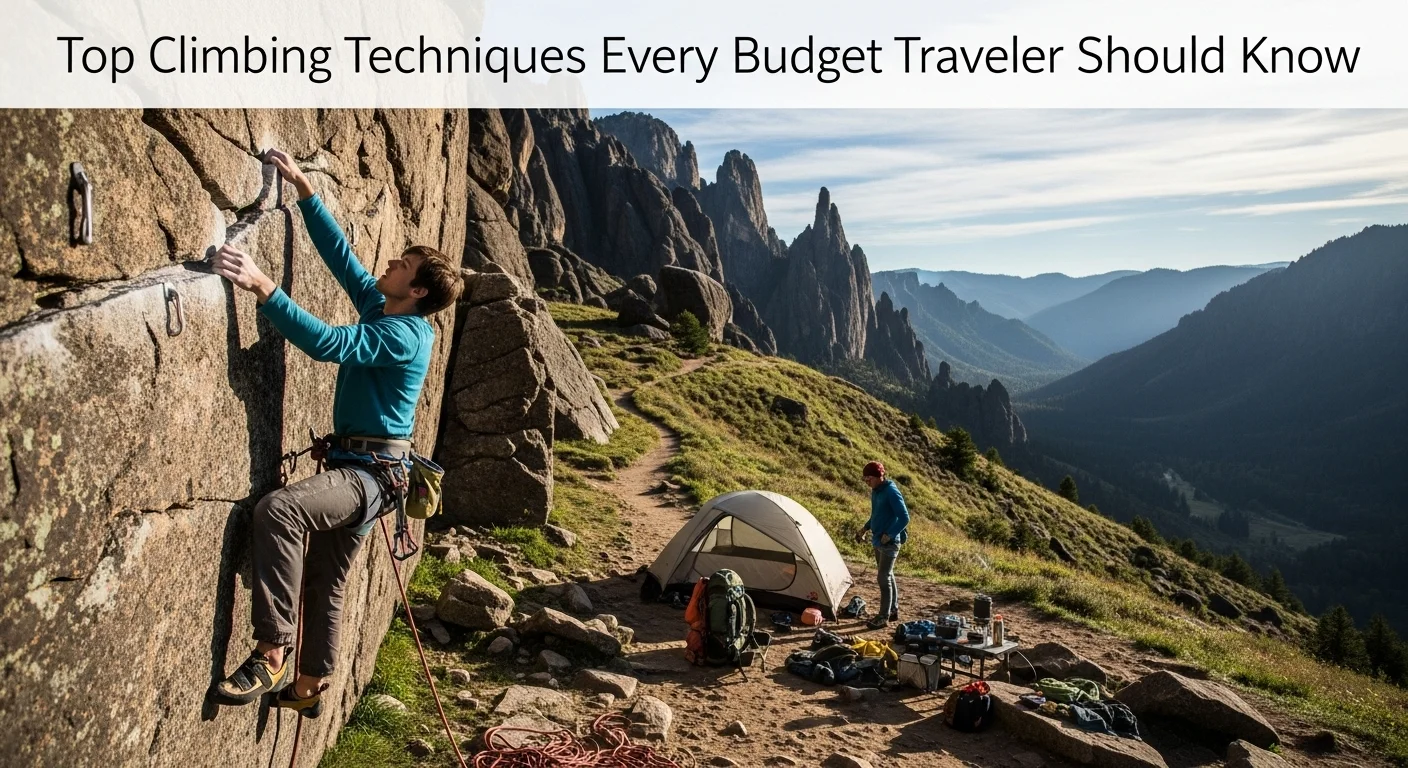
Top Climbing Techniques Every Budget Traveler Should Know

Climbing is an exhilarating adventure that can be enjoyed without breaking the bank. As a budget traveler, knowing the right techniques can make your climbing experience both thrilling and affordable! To learn more about effective climbing strategies, check out Master Essential Climbing Techniques for Budget Backpacking.

Top Climbing Techniques Every Budget Traveler Should Know

Understanding Climbing Basics

What is Climbing?

Climbing, in its simplest form, is the act of ascending steep terrains. I remember the first time I looked up at a rock face, feeling both a rush of excitement and a hint of fear. It’s not just about reaching the top; it’s about overcoming challenges, pushing boundaries, and connecting with nature. Whether you’re scaling a rocky cliff, navigating a bouldering wall, or climbing an indoor gym structure, the essence of climbing lies in both physical strength and mental fortitude.

Different Types of Climbing

As I delved deeper into the climbing world, I found that there are various styles, each with its own unique appeal. Here are some popular types:

  • Bouldering: This is climbing at lower heights without ropes, usually on shorter rock formations or climbing walls. I love it for its simplicity and the immediate feedback it offers.
  • Sport Climbing: This type involves climbing routes with fixed anchors like bolts. It’s a great way to explore vertical terrains while having safety measures in place.
  • Traditional Climbing: In this style, climbers place their own gear for protection as they ascend. It requires a deeper understanding of the rock and gear placement.
  • Ice Climbing: For the more adventurous souls, ice climbing involves ascending frozen waterfalls or ice formations. That’s a whole other level of thrill!

Understanding these types helps you choose your climbing adventure based on your skill level, interests, and available resources.

Essential Climbing Gear on a Budget

When I first started climbing, I was overwhelmed by the amount of gear available and its often hefty price tags. However, I discovered that climbing on a budget is entirely possible! Here’s what I recommend having:

  • Climbing Shoes: A good pair of climbing shoes can make a huge difference. I found that buying a used pair or looking for sales can save you a lot.
  • Chalk Bag: Keeping your hands dry is crucial for a good grip. Chalk bags are relatively inexpensive, and they’re essential for both bouldering and sport climbing.
  • Harness: Essential for sport and traditional climbing, a harness doesn’t have to be fancy. There are budget-friendly options that are safe and reliable.
  • Climbing Rope: If you plan to do sport or traditional climbing, investing in a rope is important. Look for sales or consider sharing with friends to split costs.
  • Helmet: Safety is paramount. A good helmet can protect you from falling rocks or bumps. There are affordable helmets that meet safety standards.

As I explored different shops and online platforms, I learned to prioritize what I needed versus what might be nice to have. I found that by focusing on essential gear and being open to second-hand purchases, I could save a significant amount while still enjoying climbing.

Key Climbing Techniques

Footwork: The Foundation of Climbing

One day, while climbing at my local gym, a seasoned climber pointed out that footwork is often overlooked by beginners. I started paying closer attention to how I placed my feet, and it transformed my climbing! Good footwork allows you to ascend more efficiently and with less energy. I learned to focus on precise placements and to trust my feet. It’s like dancing on the rock face; every step matters!

Body Positioning: Center of Gravity

Another critical technique I found invaluable is body positioning. I learned to keep my center of gravity close to the wall, which helped me maintain balance and stability. This not only made climbs easier but also less tiring. I often remind myself to engage my core as I climb, which helps distribute my weight and makes me feel more in control.

Handholds: Understanding Grips

When I first started climbing, I often struggled with grips. Learning to recognize different types of handholds—like crimps, slopers, and jugs—made a world of difference. Each grip requires a different technique, and understanding them can enhance your climbing experience. I found that practicing on various holds helped improve my grip strength and confidence.

Climbing Styles: Bouldering vs. Sport Climbing

Each climbing style has its own unique techniques. Bouldering emphasizes power and technique over endurance, while sport climbing requires both skill and stamina. I’ve enjoyed experimenting with both, and I realized that the skills I learned in bouldering often translated well into sport climbing. Each style helped me grow in my climbing journey.

By understanding the basics of climbing and honing these key techniques, I believe that anyone can enjoy this thrilling sport without overspending. It’s all about the experience, and with the right knowledge, we can make climbing accessible and enjoyable for everyone!

Safety Measures for Budget Travelers

Essential Safety Gear

Safety is a top priority when it comes to climbing, and I quickly learned that having the right safety gear doesn’t have to mean emptying my wallet. Here are some essential items that I find invaluable:

  • Climbing Harness: While I mentioned harnesses before, I can’t stress enough how vital they are for safety. I found a reliable budget option that has served me well. Make sure it fits snugly; a good harness can keep you safe during a fall.
  • Helmet: The first time I wore a helmet, I felt a bit silly, but it quickly became my best friend. A helmet protects you from falling debris and bumps, and you can find affordable models that meet safety standards.
  • Belay Device: This device might seem complicated at first, but learning how to use it properly is essential. I started with a simple, affordable model, and it made a world of difference in ensuring my partner’s safety during climbs.
  • First Aid Kit: Accidents happen, even to the most careful climbers. I keep a small first aid kit with me, stocked with band-aids, antiseptic wipes, and any personal medications. It’s a small investment for peace of mind.

Investing in these safety essentials is crucial, especially if you’re climbing in more remote areas. Knowing that I have the necessary gear gives me the courage to push my limits while staying safe.

Understanding Climbing Grades

As I spent more time climbing, I realized that understanding climbing grades is key to choosing the right routes for my skill level. Climbing grades indicate the difficulty of a climb, and they can vary significantly from place to place. I remember feeling puzzled when I encountered my first grading system! I did some research and discovered that there are several grading systems used worldwide, like the Yosemite Decimal System (YDS) in the U.S. and the French grading system in Europe.

To get a better grasp, I started climbing with friends who were more experienced. They explained how to interpret grades, and I began to appreciate how they reflect not just the physical difficulty but also the technical challenges of a route. For me, it was a game-changer; I learned to choose climbs that matched my abilities, allowing for a more enjoyable experience without the added stress of facing something too far beyond my skill set.

How to Assess Risk in Climbing

Every time I approach a climb, I take a moment to assess the risks involved. This has become second nature for me. I look at the route, the rock quality, and the weather conditions. I remember one particular climb where the rock looked solid, but as I got higher, I realized some holds were loose. It taught me to always be vigilant and trust my instincts. Here are some tips I use to assess risk:

  • Evaluate the Rock Quality: Before you start climbing, inspect the holds and the rock surface. If something looks questionable, it might be best to choose a different route.
  • Check the Weather: Weather can change rapidly, especially in mountainous areas. I always check the forecast before heading out, and I never underestimate the power of rain or wind.
  • Consider Your Climbing Partner: Having a reliable partner is crucial. I make sure to communicate openly about our skills and comfort levels. Climbing with someone who shares my experience level makes the ascent feel safer and more enjoyable.

By taking these steps to assess risk, I’ve felt more confident and prepared during climbs. Remember, climbing is about pushing your limits, but it’s just as important to know when to back off.

Climbing Training Techniques

Flexibility and Stretching Exercises

After a few climbing sessions, I realized that flexibility plays a huge role in my performance. I started incorporating a regular stretching routine into my training, which has significantly improved my reach and overall climbing efficiency. I remember feeling frustrated trying to reach a hold that seemed just out of grasp. Once I focused on stretching, those once-elusive holds became much more accessible!

I typically spend about 15-20 minutes before and after climbing doing dynamic stretches. Here are some of my go-to stretches:

  • Hamstring Stretch: This helps open up my legs for those high foot placements.
  • Hip Openers: I found that incorporating butterfly stretches and pigeon poses helps me maintain flexibility in my hips, which is vital for climbing.
  • Shoulder Stretches: I like to do arm circles and cross-body stretches to keep my upper body limber.

Making stretching a regular part of my routine not only prevents injuries but also enhances my climbing performance. I feel more agile and capable, which is a fantastic boost for my confidence on the wall!

Strength Training on a Budget

As much as I love climbing, I also know that building strength is essential. However, I didn’t want to spend a fortune on gym memberships or fancy equipment. Instead, I found that bodyweight exercises can be incredibly effective. I began a training regimen that I could do at home or in the park. Here are some exercises I swear by:

  • Pull-Ups: They’re fantastic for building upper body strength! I started with assisted pull-ups using a sturdy chair and gradually worked my way up.
  • Push-Ups: These help strengthen my arms and core. I like to mix in variations, like incline or decline push-ups, to keep things interesting.
  • Planks: Core strength is crucial for climbing, so I hold planks regularly to build stability.

By sticking to this budget-friendly strength training routine, I’ve seen significant improvements in my climbing abilities. It’s amazing what you can achieve with a little creativity and commitment!

Endurance Training for Long Climbs

Endurance is another critical aspect of climbing that I learned to prioritize, especially for longer routes. I discovered that incorporating cardio workouts into my training plan helped build my stamina. I started running a few times a week, gradually increasing my distance. I also found that cycling was an enjoyable way to boost my cardiovascular fitness. Not only did these workouts enhance my endurance, but they also helped me recover faster between climbs.

On climbing days, I’ve made it a point to climb multiple routes back-to-back. This practice allows me to simulate the feeling of a long climb and improve my endurance. I remember one session where I decided to tackle several 5.10 routes in a row, and by the end, I felt exhausted yet accomplished. It’s all about finding ways to challenge myself while building my stamina!

Finding Affordable Climbing Locations

Best Budget-Friendly Climbing Destinations

As I traveled more for climbing, I discovered that some incredible destinations don’t have to cost a fortune. I’ve been fortunate to explore multiple spots that offer both stunning views and challenging routes without breaking the bank. For instance, I fell in love with Joshua Tree National Park in California. The landscape is breathtaking, and the entrance fee is modest compared to the experience it offers. Plus, there are tons of bouldering opportunities that are perfect for climbers at all levels.

Another gem I found is the Red River Gorge in Kentucky. Not only does it boast amazing sport climbing routes, but camping options nearby are affordable too. I remember setting up my tent under a sky full of stars after a long day of climbing, which made the experience even more magical. If you’re willing to drive a bit, these locations can be both budget-friendly and unforgettable. For more tips on budget travel, check out How to Trek Mountains on a Budget: Tips & Tricks.

Local Climbing Gyms and Community Resources

Sometimes, the best climbing experience is closer to home than you think. I realized that local climbing gyms often offer affordable day passes or membership deals. They’re also a great way to meet fellow climbers and learn from more experienced individuals. I remember attending an introductory class at my local gym, and not only did I gain valuable skills, but I also made some lifelong friends.

Many gyms have special promotions like “bring a friend” nights or discounts for students, which can make the experience even more budget-friendly. Additionally, I discovered that community bulletin boards often have information on local climbing events, meetups, and even gear swaps. These resources are fantastic for both new and seasoned climbers looking to connect and share experiences without spending too much money.

Free Outdoor Climbing Areas

One of the most exhilarating parts of climbing is exploring the great outdoors, and I found that many areas have free or very low-cost climbing options. For instance, I’ve enjoyed climbing at places like Smith Rock State Park in Oregon, which not only has incredible routes but also offers day-use access at a minimal fee. I remember the thrill of climbing amongst towering rock formations while soaking in the beauty of nature.

When searching for free outdoor climbing areas, I recommend checking out local climbing forums or websites that list crags. I’ve found that many climbers are eager to share their favorite hidden spots, which can lead to some fantastic discoveries. Just remember, if you choose to climb in these areas, being mindful of the environment and respecting local regulations is essential!

Climbing Etiquette for Budget Travelers

Respecting Other Climbers

As I became more involved in the climbing community, I quickly learned how important it is to respect other climbers. Climbing is a shared experience, and being considerate can make a huge difference. I’ve encountered situations where routes were busy, and I noticed that taking turns and communicating clearly created a friendly and enjoyable atmosphere. I remember waiting patiently while a climber was finishing their route, and when it was my turn, their encouragement motivated me to push myself!

Additionally, being aware of the noise level and keeping the area clean is crucial. I’ve climbed in some beautiful spots where the peace of nature was a big part of the experience, and I think it’s our responsibility to preserve that tranquility for everyone.

Leave No Trace Principles

Alongside respecting other climbers, I learned about the Leave No Trace principles, which emphasize the importance of preserving the environment while enjoying outdoor activities. I always carry out what I bring in, whether it’s garbage or leftover snacks. I remember a climbing trip where I noticed some litter near a popular crag, and it motivated me to start carrying a small trash bag to pick up any debris I found during my climbs. It’s a simple way to give back to the places that bring us joy.

Additionally, sticking to established trails and climbing routes helps minimize our impact on the ecosystem. I’ve found that many climbers share this mindset, and it feels great to be part of a community that values nature just as much as the sport.

Understanding Local Climbing Rules

Lastly, one of the most important aspects of climbing etiquette is understanding and adhering to local climbing rules. I’ve been to areas with specific guidelines about route access and seasonal closures to protect wildlife. Being informed not only helps us enjoy climbing but also ensures that these beautiful locations remain accessible for future generations. I remember doing a little research before heading to a new crag and discovering it had restrictions during certain months to protect nesting birds. It was a small inconvenience, but knowing I was helping the environment made it worthwhile.

By respecting these guidelines, we contribute to a positive climbing culture that encourages sustainability and safety for everyone involved. Climbing can be an amazing adventure, and with the right mindset and respect for our fellow climbers and the environment, we can ensure the sport remains enjoyable and accessible for all.

Travel Tips for Climbing Enthusiasts

Packing Essentials for Climbers

As I prepared for climbing trips, I quickly learned that packing efficiently can make all the difference. I found that having the right gear organized and ready to go means less stress and more climbing! I always pack my essentials, including my climbing shoes, harness, chalk bag, and a water bottle to stay hydrated. I also recommend including a lightweight first aid kit and extra snacks for those long days out. It’s surprising how quickly energy can wane when you’re scaling rocks!

One of my favorite tips is to use a climbing backpack with dedicated compartments. It keeps my gear organized and easy to access, which saves time and energy. I’ve had experiences where I grabbed the wrong gear in a rush, and it was a hassle to sort it all out later. A bit of organization goes a long way!

Budget Travel Strategies

Traveling on a budget has become an art form for me. I’ve learned to look for deals on accommodations, such as camping spots or hostels, which can save a lot of money. I also try to travel during the off-peak season to avoid high prices and crowded areas. I remember a climbing trip where I camped near a crag, and not only did it save me money, but I also had the opportunity to experience the beauty of the outdoors right at my doorstep!

Using travel apps to find discounts on gas and food has also been a game-changer. I’ve saved quite a bit by planning meals ahead and cooking at the campsite, which can be a fun way to bond with fellow climbers after a great day on the rock.

Connecting with Local Climbers

Finally, one of the best parts of traveling for climbing is connecting with local climbers. I’ve found that reaching out through social media or climbing forums can lead to amazing friendships and opportunities to explore new routes. I remember joining a local climbing group during a trip and ended up climbing some incredible routes I wouldn’t have found on my own. Plus, locals usually know the best spots and can share invaluable tips about the area! If you’re looking for more adventure ideas, check out Explore Cultural Treks: Budget Adventures Await You.

Engaging with the climbing community not only enriches the experience but also fosters a sense of camaraderie that makes climbing even more enjoyable. I believe that these connections help create a supportive environment where we can all grow and thrive as climbers.

Frequently Asked Questions

What are the different types of climbing?

There are several types of climbing, including bouldering, sport climbing, traditional climbing, and ice climbing. Each style has its own unique appeal and requirements.

What essential gear do I need for climbing on a budget?

Essential gear includes climbing shoes, a chalk bag, a harness, climbing rope, and a helmet. You can save money by buying used gear or looking for sales.

How can I improve my climbing footwork?

Improving footwork involves focusing on precise placements and trusting your feet. Practicing good footwork allows for more efficient ascents and less energy expenditure.

What safety gear is important for climbing?

Key safety gear includes a climbing harness, helmet, belay device, and a first aid kit. These items are crucial for ensuring safety during climbs.

How do I assess risk before climbing?

To assess risk, evaluate the rock quality, check the weather conditions, and consider your climbing partner’s skills. Being vigilant and trusting your instincts is essential.

What are some effective strength training exercises for climbers?

Effective strength training exercises include pull-ups, push-ups, and planks. These bodyweight exercises can help build strength without needing expensive equipment.

What are some budget-friendly climbing destinations?

Budget-friendly climbing destinations include Joshua Tree National Park in California and the Red River Gorge in Kentucky. Both locations offer stunning views and affordable options.

How can I connect with local climbers while traveling?

Connecting with local climbers can be done through social media or climbing forums. Joining local climbing groups can lead to friendships and opportunities to explore new routes.

What should I pack for a climbing trip?

Packing essentials include climbing shoes, a harness, a chalk bag, water, a first aid kit, and snacks. An organized climbing backpack can also make accessing gear easier.

What are the Leave No Trace principles in climbing?

The Leave No Trace principles emphasize the importance of preserving the environment while climbing. This includes carrying out what you bring in and sticking to established trails.

Master Essential Climbing Techniques for Budget Backpacking

Have you ever felt the thrill of scaling a rocky terrain while backpacking? Mastering essential climbing techniques can transform your outdoor adventures, making them safer and more rewarding. Let’s dive into the world of climbing as part of budget backpacking!

Master Essential Climbing Techniques for Budget Backpacking

Understanding Climbing Techniques

What Are Climbing Techniques?

Climbing techniques encompass a wide range of skills that help climbers ascend various terrains efficiently and safely. These techniques include everything from how to place your feet and hands to how to manage your body weight and balance. I remember the first time I tried climbing; I was overwhelmed by how much technique mattered. It wasn’t just about brute strength; it was about finesse. Each movement counts, and understanding the fundamentals can make a significant difference in your climbing experience. 

Importance of Climbing Skills in Backpacking

When it comes to backpacking, having solid climbing skills can elevate your journey. I’ve found that many beautiful trails lead to stunning vistas that require some climbing. Knowing how to maneuver through rocky bits or steep sections not only keeps you safe but also enhances your enjoyment of the great outdoors. I believe that mastering climbing techniques transforms a challenging hike into an exhilarating experience. It allows you to tackle routes that others might shy away from, giving you access to breathtaking landscapes and untamed nature. Plus, it builds your confidence, making you more adventurous on your travels. If you’re looking for budget-friendly options, essential gear for budget mountain trekking can make a big difference.

Essential Climbing Techniques for Beginners

Footwork Fundamentals

One of the first lessons I learned about climbing was the importance of good footwork. It might seem simple, but your feet are your foundation on the rock. I started practicing various foot placements, learning to rely on my toes rather than my heels. The more precise my foot placement became, the easier my climbs felt. I recommend starting with the basics: practice placing your foot directly on holds and pushing yourself up using your legs rather than pulling with your arms. This technique not only saves energy but also allows for more extended climbs without tiring out quickly.

Grip Techniques and Handholds

Next up is grip. I remember my first climb, grappling with holds that seemed impossibly small. I quickly learned that there are different types of grips — crimp, open hand, and pinch, to name a few. Each has its place, depending on the hold and the climb. I found it helpful to practice different grips on a climbing wall, where I could experiment without the risk of falls. Understanding how to use your hands effectively can give you the extra boost you need to reach higher holds, especially when you’re feeling fatigued.

Body Positioning and Balance

Another essential aspect of climbing is body positioning. I’ve encountered times when I felt stuck, only to realize it was due to my body being out of alignment. Keeping your body close to the wall and finding the right center of balance can make all the difference. I often visualize my body as a pendulum, swinging in a way that allows me to extend my reach without compromising my stability. Practicing this can help you move fluidly and confidently, especially on steep climbs. Remember, the less you have to fight against gravity, the better!

Climbing Stances: The Basics

Lastly, let’s talk about climbing stances. I learned that changing positions can help me conserve energy and adapt to different climbing challenges. There are several stances, such as the mantle, which is useful for getting over ledges, and the drop-knee, which helps when you need to reach high holds while maintaining balance. I recommend practicing these stances on varied terrains, both in controlled environments and during actual climbs. This way, you can develop muscle memory for each stance, making it easier to execute when you need it the most.

In my journey of mastering climbing techniques, I discovered that practice is vital. The more I climbed, the more I understood how these elements worked together to create a successful ascent. I hope this gives you a solid foundation to start your climbing adventure as part of your budget backpacking experiences. Let’s continue to explore the world of climbing techniques and how you can enhance your skills further!

Advanced Climbing Techniques

Dynamic Movement Techniques

As I progressed in my climbing journey, I quickly realized that dynamic movements were key to tackling more challenging routes. Dynamic climbing involves making quick, explosive moves that allow you to reach distant holds. I remember the first time I attempted a dynamic move; it felt like a leap of faith! I had to trust my body and my technique. I learned that timing is everything—swinging my body just right to gain momentum while ensuring I had a secure grip on my current hold. Practicing these techniques on easier climbs helped me build confidence and control without the fear of falling too far. I recommend incorporating dynamic movements into your practice sessions gradually, focusing on fluidity and precision.

Static vs. Dynamic Climbing

One day while climbing with friends, we started discussing the differences between static and dynamic climbing. Static climbing is all about controlled, slow movements—making sure every foot and hand placement is deliberate before you move. I found this technique incredibly useful in situations where the holds were small or my balance was precarious. By taking my time, I could assess each move carefully, allowing my body to remain stable. In contrast, dynamic climbing often requires a burst of energy and confidence. I think both techniques have their place in climbing, and it’s good to know when to use each. I’ve learned to blend them depending on the climb, which not only improves my skills but also makes for a more enjoyable experience.

Route Reading and Planning

Route reading is another skill that I found crucial as I advanced in my climbing. Before I even start a climb, I take a moment to study the route. I look for potential holds, the best body positions, and any tricky spots that might require extra caution. I remember standing at the base of a particularly daunting climb and sketching out my approach in my mind. It felt like solving a puzzle! The more I practiced this skill, the better I became at anticipating the moves ahead. I recommend visualizing the route as you climb, which can help you stay focused and reduce any anxiety about upcoming challenges. This practice not only enhances your performance but also gives you a sense of direction that boosts your confidence.

Using Climbing Gear Effectively

Having the right gear is essential for any climber, but understanding how to use it effectively is equally important. I had my fair share of gear mishaps, like misplacing my harness or struggling with my carabiners. I learned that each piece of gear has a purpose, and knowing how to utilize them properly can make all the difference. For instance, I found that understanding how to adjust my harness correctly not only increased comfort but also ensured my safety. Additionally, I recommend familiarizing yourself with different types of climbing gear, from belay devices to quickdraws, and practicing their use in a safe environment. This way, when it’s time to tackle a climb, you won’t be fumbling with your gear, but rather, you’ll feel confident and ready to go.

Safety Measures While Climbing

Understanding Climbing Safety Gear

Safety gear is a crucial aspect of climbing that I’ve come to appreciate deeply. Initially, I thought it was all about having the latest equipment, but I soon realized that understanding what each piece does is far more important. Harnesses, helmets, ropes, and carabiners are all designed to protect us, but they must be used correctly. I remember a time I neglected to check my harness before a climb and felt uneasy the entire ascent. Now, I make it a habit to inspect my gear and ensure everything is in place. I recommend creating a checklist for your gear before every climb; it helps to keep safety at the forefront of your mind.

Risk Assessment and Management

Risk is inherent in climbing, and knowing how to manage it has been a valuable lesson for me. I always assess the climb before starting—considering the weather, the type of terrain, and my own physical condition. I learned that it’s essential to trust my instincts and not push myself beyond my limits, especially on days when I’m feeling off. I’ve found that discussing potential risks with climbing partners can also be beneficial; they might notice things you overlook. It’s all about creating a culture of safety among your climbing group, ensuring everyone feels comfortable voicing concerns.

Emergency Procedures and First Aid

Accidents can happen, no matter how cautious we are. I believe that having a basic understanding of first aid and emergency procedures is vital for all climbers. I took a first aid course, which equipped me with the knowledge to handle minor injuries and recognize when it’s time to seek professional help. Additionally, discussing emergency scenarios with climbing partners before hitting the wall can prepare everyone for the unexpected. I keep a small first aid kit in my backpack, just in case, and I recommend everyone else does the same. It’s a simple measure that can make a huge difference.

Budget Backpacking Tips

Choosing Affordable Climbing Gear

When I first started climbing, I was shocked at how expensive some gear could be. It felt overwhelming to think about investing in the right equipment while trying to keep my budget in check. I remember spending hours researching affordable options that wouldn’t compromise my safety. I discovered that many reputable brands offer budget-friendly gear without skimping on quality. For example, I found good climbing shoes and harnesses from lesser-known brands that performed just as well as the big names. I suggest checking out online marketplaces and local gear swaps, where you can often find gently used equipment at a fraction of the original price. If you can, try to rent gear for your initial climbs; this way, you can see what you really need before making any purchases. If you’re interested in more tips, check out how to trek mountains on a budget.

Cost-Effective Training Options

Training can add to the expense of climbing, but I’ve learned that there are many cost-effective ways to build your skills. I started with local climbing gyms, which often have inexpensive day passes or monthly memberships. Many gyms also provide beginner courses that are reasonably priced and offer great value. I also explored outdoor climbing meetups and community workshops, where experienced climbers share their knowledge for free or for a small fee. YouTube has become my go-to resource for learning new techniques. I can watch tutorials and practice the moves at my own pace, which has been a game-changer for my budget. If you have friends who climb, consider organizing practice sessions together; it’s not only fun, but it also allows you to learn from each other without spending a dime.

Finding Budget-Friendly Climbing Destinations

Choosing where to climb can significantly impact your budget. I’ve found that some incredible climbing locations are often overlooked because they aren’t as well-known. For example, national parks and state parks frequently have climbing routes that are both scenic and free to access. I remember a trip to a nearby state park where the limestone cliffs offered challenging climbs without any entrance fees. Researching lesser-known climbing areas can lead to hidden gems. I also recommend checking out local climbing communities online; they often share information about free or low-cost climbing spots. Plus, camping nearby can save you money on accommodation while letting you immerse yourself in nature. By seeking out these budget-friendly destinations, you can enjoy climbing without breaking the bank.

Group Climbing Discounts and Partnerships

Climbing with friends not only makes the experience more enjoyable but can also help save money. I’ve participated in group climbs where the cost of gear rentals or guided tours is significantly reduced. It’s amazing how much more affordable everything becomes when you split costs. Many climbing gyms and outdoor adventure companies offer discounts for groups, so it’s worth reaching out and asking. I’ve also found that teaming up with friends to purchase gear or share transportation can lead to substantial savings. If you’re part of a climbing club or community, you may discover additional partnerships that offer exclusive discounts on gear, rentals, or even climbing courses. By collaborating with others, you can create a supportive and cost-effective climbing network.

Combining Climbing with Backpacking

Integrating Climbing into Backpacking Trips

One of the best parts of climbing is how seamlessly it can be integrated into backpacking trips. I remember planning a multi-day hike that included some climbing routes along the way. It added a thrilling twist to our adventure. To make this work, I recommend choosing a backpacking destination known for both its trails and climbing opportunities. Before heading out, I always map out potential climbs along our route, ensuring they align with our fitness levels and time constraints. It’s essential to balance the hiking with climbing, so I make sure to leave enough time for both activities without feeling rushed. This way, we can enjoy the beauty of the outdoors while pushing our limits with climbing challenges.

Best Practices for Packing Climbing Gear

Packing efficiently for a trip that combines backpacking and climbing can be a bit of a puzzle. I’ve learned that every ounce counts, especially when you’re carrying everything on your back. I start by selecting lightweight gear that serves multiple purposes. For example, my harness doubles as a seat when I’m resting, and I look for versatile climbing shoes that are comfortable for hiking too. I also recommend using compression bags to save space in your backpack. Additionally, I create a checklist to ensure I don’t forget anything important while avoiding overpacking. This approach has helped me streamline my gear and focus on enjoying both the backpacking and climbing parts of my journey.

Planning Multi-Activity Backpacking Routes

Creating a multi-activity itinerary can be one of the most rewarding experiences. I love the thrill of exploring new terrains, and combining climbing with backpacking allows for a variety of challenges. I think the key to successful planning is to be flexible. I usually look for trails that have climbing opportunities nearby and assess the difficulty levels ahead of time. It’s helpful to read recent trip reports or reviews from other climbers and backpackers who have tackled similar routes. Additionally, I always prepare for unexpected changes in weather or trail conditions, which could affect our climbing plans. By being adaptable and open to new paths, I’ve found that we can discover even more adventurous routes than initially planned!

Resources for Further Learning

Climbing Courses and Workshops

As I delved deeper into climbing, I found that taking formal courses and workshops was incredibly beneficial. I remember signing up for a weekend climbing clinic that focused on advanced techniques and safety measures. It was an eye-opening experience! Learning from experienced instructors who provided personalized feedback helped me refine my skills significantly. I recommend checking out local climbing gyms or outdoor centers that offer courses. Many institutions provide a variety of options, from beginner to advanced levels, and they often have knowledgeable staff who are eager to teach. Plus, these courses can be a great way to meet fellow climbers and expand your network!

Online Tutorials and Videos

In today’s digital age, there’s a wealth of information available online. I often turn to YouTube for climbing tutorials and technique videos. I remember stumbling upon a series that broke down various climbing moves step-by-step, which helped me visualize and practice them at my own pace. I found channels dedicated to climbing tips, gear reviews, and even motivational climbing stories that kept my enthusiasm alive. For anyone looking to learn new skills or reinforce existing ones, searching for reputable channels or following climbing influencers can be an excellent way to gain insights without spending a dime.

Books and Guides on Climbing Techniques

Books have also been a valuable resource in my climbing journey. I have a bookshelf filled with climbing guides that cover everything from basic techniques to advanced strategies. One of my favorites is a comprehensive guide that explores various climbing styles and offers tips for different terrains. I appreciate the way books allow me to absorb information at my own pace, and I often find myself revisiting sections as I encounter new challenges. If you’re a reader, I suggest checking out local libraries or bookstores for climbing literature that resonates with your interests. Many authors also share personal stories and experiences that can inspire you on your climbing adventures.

Climbing Communities and Forums

Building connections with other climbers has been one of the most rewarding aspects of my journey. I’ve joined several online forums and social media groups where people share tips, experiences, and advice about climbing. I remember posting a question about a difficult route I wanted to tackle, and the feedback I received was invaluable. Engaging with a community of like-minded individuals fosters a sense of belonging and can lead to new climbing partners. I encourage anyone interested in climbing to seek out these communities—whether online or in person—because you never know what knowledge or friendships you might gain.

Final Thoughts

Climbing has truly transformed my outdoor experiences, and I hope to inspire others to embrace this thrilling activity. With the right techniques, safety measures, and a little creativity, we can all enjoy the beauty of nature while pushing our limits. I believe that whether you’re a beginner or an experienced climber, there’s always something new to learn and explore. As we integrate climbing into our backpacking adventures, we unlock a world filled with excitement and discovery. So, let’s keep climbing, learning, and sharing our experiences together. The mountains are calling, and I can’t wait to see where our journeys take us!

Frequently Asked Questions

What are climbing techniques?

Climbing techniques encompass a wide range of skills that help climbers ascend various terrains efficiently and safely. These techniques include foot and hand placement, body weight management, and balance, making a significant difference in the climbing experience.

Why are climbing skills important for backpacking?

Having solid climbing skills enhances the backpacking experience by allowing climbers to tackle challenging trails that lead to stunning vistas. It ensures safety and boosts enjoyment, transforming a difficult hike into an exhilarating adventure.

What are the fundamentals of good footwork in climbing?

Good footwork is essential and involves precise foot placement, focusing on using the toes rather than the heels. This technique helps conserve energy and allows for longer climbs without fatigue.

What types of grips are important in climbing?

Different types of grips, such as crimp, open hand, and pinch, are important in climbing. Each grip type is suited for different holds and climbing scenarios, and practicing these on a climbing wall can enhance grip efficiency.

How does body positioning affect climbing?

Body positioning is crucial for maintaining balance and alignment while climbing. Keeping the body close to the wall and finding the right center of balance can significantly improve climbing efficiency and stability, especially on steep climbs.

What are some basic climbing stances?

Basic climbing stances include the mantle, useful for getting over ledges, and the drop-knee, which helps reach high holds while maintaining balance. Practicing these stances on varied terrains can develop muscle memory for better execution during climbs.

How can I assess climbing routes effectively?

Route reading involves studying the route before climbing, identifying potential holds, body positions, and tricky spots. This skill helps climbers anticipate moves and reduces anxiety during the climb.

What safety measures should I take while climbing?

Safety measures include understanding and properly using climbing gear like harnesses, helmets, and ropes, as well as assessing risks related to weather, terrain, and personal condition. It’s also important to have basic first aid knowledge and to discuss emergency procedures with climbing partners.

What are some tips for budget-friendly climbing?

To stay within budget, consider choosing affordable climbing gear from reputable brands, utilizing cost-effective training options like local gyms or online resources, and exploring lesser-known climbing destinations that may have free access.

How can I integrate climbing into my backpacking trips?

Integrating climbing into backpacking trips involves selecting destinations known for both trails and climbing opportunities, mapping out potential climbs along your route, and ensuring a balance between hiking and climbing to enjoy both activities without feeling rushed.