Web Analytics

Recent Posts

Eco-Friendly Mountain Climbing: A Guide for Budget Backpackers

Mountain climbing is exhilarating, but it’s essential to embrace eco-friendly practices, especially for those of us on a budget. Let’s explore how we can enjoy nature while protecting it. Read Interesting article: Discover Hidden Gems: Budget African Safari Destinations Revealed

Eco-Friendly Mountain Climbing: A Guide for Budget Backpackers

Understanding Eco-Friendly Mountain Climbing

What is Eco-Friendly Mountain Climbing?

When I first started climbing, I didn’t think much about the impact I had on the environment. However, as I gained experience, I began to realize that eco-friendly mountain climbing isn’t just a trend—it’s a crucial mindset. Eco-friendly mountain climbing refers to practices that minimize our ecological footprint while enjoying the great outdoors. It means being conscious of the trails we take, the gear we use, and how we can leave the environment better than we found it.

For me, eco-friendly climbing is about making thoughtful choices that allow us to relish nature without causing harm. This might mean sticking to marked trails to prevent soil erosion, using sustainable gear, or packing out what we pack in. Each small decision makes a difference, and it’s empowering to know we can enjoy our adventures while being stewards of the earth.

The Importance of Sustainability in Outdoor Activities

As I reflect on my climbing journeys, I can’t help but think about the beauty of our natural spaces. These places offer us a sense of freedom and connection, and it’s our responsibility to protect them. Sustainability in outdoor activities is vital because it ensures that future generations can experience the same joy we do today.

Every year, more climbers hit the trails, and with that comes the risk of environmental degradation. From littering to trail widening, the effects of human activity can be detrimental. I’ve seen trails become less beautiful due to careless actions, and it’s disheartening. By adopting sustainable practices, we can help preserve these spaces. It brings a sense of fulfillment knowing that I’m not just climbing for myself but also for the environment we all cherish.

I believe that the more we engage with eco-friendly practices, the more we inspire others to do the same. Sharing these experiences helps build a community that values our natural playgrounds. Whether it’s educating fellow climbers on Leave No Trace principles or advocating for cleaner outdoor spaces, every effort counts. Read Interesting article: Essential First Aid Tips for Mountain Climbing Adventures

Choosing Eco-Friendly Climbing Gear

Essential Climbing Equipment for Budget Backpackers

As a budget backpacker, I know the struggle of finding quality gear without breaking the bank. It’s important to choose climbing equipment that is not only affordable but also eco-friendly. I’ve learned that investing in durable gear can save money in the long run. Gear that lasts means less waste and fewer items ending up in landfills.

When selecting climbing equipment, I prioritize items made with recycled materials or those that are designed to have a minimal environmental impact. For instance, my favorite climbing shoes are made from sustainable materials and have a longer lifespan compared to cheaper, less durable options. I’ve found that brands focusing on eco-friendliness often offer excellent performance as well, which is a win-win!

Eco-Friendly Brands to Consider

Over the years, I’ve come across several brands that align with my values. Companies like Patagonia and Mammut are great examples. They not only provide high-quality climbing gear but also prioritize sustainability in their manufacturing processes. For budget-conscious climbers, it can also be worth checking out smaller, lesser-known brands that focus on eco-friendly practices. I often scour online reviews and guides to find these hidden gems. It’s exciting to support businesses that care about the environment.

Second-Hand Gear and Rentals

If you’re looking to save money while being eco-conscious, buying second-hand gear is a fantastic option. I’ve scored some incredible deals on climbing equipment at thrift stores and online marketplaces like Facebook Marketplace or eBay. Not only does this keep gear out of landfills, but it also allows us to snag high-quality items at a fraction of the original price.

Renting gear is another excellent choice for budget backpackers. Many climbing gyms and outdoor shops offer rental services, which can be particularly helpful if you’re trying a new climbing style or route. I’ve rented everything from shoes to harnesses, allowing me to experience various climbing types without the hefty price tag of purchasing new gear. Plus, it’s a great way to gauge what I truly need before making a long-term investment.

Planning Your Climbing Trip

Best Eco-Friendly Destinations for Budget Backpackers

When planning a climbing trip, I always look for destinations that not only challenge my skills but also promote eco-friendly practices. Over time, I’ve discovered some amazing places that offer incredible climbing experiences while emphasizing sustainability. One of my favorites is Joshua Tree National Park in California. The unique rock formations and stunning desert landscapes provide a breathtaking backdrop, and the park’s commitment to conservation makes it even more appealing.

Another remarkable destination is the Red River Gorge in Kentucky. This place is known for its diverse climbing routes and beautiful natural scenery. I appreciate how the local climbing community actively participates in preserving the environment, ensuring that future climbers can appreciate the area just as we do. I also recommend checking out smaller, less-traveled destinations. They often have hidden gems that offer both great climbs and fewer crowds, allowing us to immerse ourselves in nature responsibly. Read Interesting article: How to Prepare for an Unforgettable Wildlife Safari Trip

How to Assess Trail Conditions and Environmental Impact

Before heading out on a climbing trip, I’ve learned it’s crucial to assess trail conditions and understand the environmental impact of our activities. I often check online resources or local climbing forums to find current information on trail and weather conditions. This not only helps me prepare for my climb but also allows me to choose less impacted areas. I’ve found that being mindful of when I visit certain locations can significantly reduce my ecological footprint.

While on the trail, I pay attention to signs of erosion or damage. If I notice a trail widening due to heavy foot traffic, I take a moment to reflect on how my presence might affect the environment. I think about alternatives, such as choosing a less-traveled route or waiting for a time when fewer climbers are around. This awareness not only enhances my experience but also contributes to preserving the beauty of our natural spaces.

Permits and Regulations for Sustainable Climbing

Understanding the necessary permits and regulations is an essential part of planning a climbing trip. I’ve encountered various parks and climbing areas with specific rules designed to protect the environment. For instance, some locations require climbing permits or have seasonal access restrictions to help wildlife during breeding seasons. I believe that respecting these regulations is part of being an eco-conscious climber.

Before embarking on my trips, I make it a point to research any permits I might need and familiarize myself with park regulations. Not only does this ensure a smoother experience, but it also shows respect for the local environment and community. I remember one time visiting a national park where I didn’t know I needed a permit. Thankfully, the ranger was understanding, but it reminded me of the importance of being prepared. I now carry a checklist of permits and regulations for every new destination I plan to visit.

Traveling Sustainably to Climbing Locations

Eco-Conscious Transportation Options

Traveling sustainably to climbing locations can be a rewarding challenge. I’ve found that the way I travel can significantly impact my overall carbon footprint. Instead of jumping in a car solo, I often look for options that allow me to share rides or use public transportation. It’s a great way to meet fellow climbers and share stories about our adventures.

For longer trips, I’ve started using trains or buses when possible. It’s often cheaper than flying and provides a unique opportunity to appreciate the scenery along the way. I remember taking a train to a climbing destination once, and it was such a refreshing experience. I got to unwind and soak in the views, knowing that my travel choice was more environmentally friendly.

Carpooling and Public Transport Tips

Carpooling is one of my favorite ways to travel sustainably. I’ve found that connecting with fellow climbers through social media or climbing forums can lead to great carpooling opportunities. It not only reduces our individual carbon footprints but also creates a sense of camaraderie. Plus, sharing the drive often leads to new friendships and memorable conversations.

If public transport is available, I recommend using it whenever you can. I’ve used shuttle services to reach climbing areas from nearby towns, which not only saves money but also keeps fewer cars off the road. Many climbing locations are integrating such services to promote sustainable tourism. I always check local websites for information on public transport options before setting out on a trip, ensuring I’m making the most eco-friendly choices possible.

Leave No Trace Principles for Climbers

Understanding the Seven Leave No Trace Principles

As I delved deeper into eco-friendly mountain climbing, I stumbled upon the Leave No Trace (LNT) principles. These seven guiding principles have shaped my outdoor adventures and made me more mindful of my impact on nature. To me, they’re not just rules; they are a way of showing respect for the environment we all love.

  • Plan Ahead and Prepare: This principle emphasizes the importance of research before setting out. I always check the weather, obtain necessary permits, and prepare my gear thoughtfully. A little planning can prevent accidents and minimize our impact on the environment.
  • Travel and Camp on Durable Surfaces: Sticking to established trails and campsites is vital. I’ve learned that walking on durable surfaces like rocks or trails can help prevent soil erosion and protect sensitive habitats.
  • Dispose of Waste Properly: One of the hardest lessons I learned was regarding waste disposal. I always pack out everything I bring in, including food scraps and toilet paper. I use biodegradable soaps when necessary and make sure to throw trash in designated bins or take it home with me.
  • Leave What You Find: I’ve seen firsthand how picking plants or disturbing natural features can impact ecosystems. I make it a point to leave everything as I found it—this way, others can enjoy the beauty as well.
  • Minimize Campfire Impact: Campfires can be a focal point for gatherings, but I’ve opted for alternatives like portable stoves to reduce my impact. If I do have a campfire, I only use established fire rings and ensure it’s completely extinguished before leaving.
  • Respect Wildlife: Observing wildlife is one of my favorite aspects of climbing, and I’ve learned to do so from a distance. I avoid feeding animals and keep a safe distance to ensure I don’t disturb their natural behaviors.
  • Be Considerate of Other Visitors: Sharing the trails and climbing areas means being courteous to fellow adventurers. I always make it a point to keep noise levels down and yield the trail to others when necessary.

Proper Waste Disposal and Recycling Practices

When it comes to waste disposal, I’ve had my share of eye-opening experiences. I remember one climbing trip where I encountered a beautiful spot marred by litter. It was a stark reminder of our responsibility as climbers. Now, I always carry a trash bag with me—one for my waste and another for any litter I might find along the way.

I’ve also started using reusable containers for snacks and meals. This not only reduces waste but also keeps my food fresh. For me, every little effort counts. I even researched recycling options for my climbing gear, finding local stores that accept used equipment. This helps keep unnecessary waste out of landfills and promotes a circular economy.

Minimizing Disturbance to Wildlife and Flora

One of the most magical experiences I’ve had while climbing was watching a family of deer grazing peacefully in the early morning light. It made me realize how important it is to minimize our disturbance to wildlife. I’ve learned to keep a safe distance and observe quietly, ensuring I don’t disrupt their natural habitat.

Another aspect I pay attention to is the flora around climbing areas. I’ve seen how easy it is to accidentally trample delicate plants or flowers while navigating a route. I now take a moment to choose my steps carefully and stay on marked paths. I believe that by respecting wildlife and flora, we create a more harmonious relationship with the environment.

Eco-Friendly Climbing Practices

Best Practices for Climbing Etiquette

Climbing etiquette is just as important as environmental stewardship. In my experience, being considerate of others enhances the climbing experience for everyone. I always try to communicate clearly with my climbing partners and fellow climbers on the rock. Simple things like giving a heads-up before taking a fall or letting others know when I’m about to ascend can make a big difference.

Additionally, I’ve learned the importance of not hogging routes. If I’m on a popular climb, I make sure to be efficient and respectful of others waiting to climb. It’s all about being part of a community that shares the same passion for climbing while being mindful of our surroundings.

Choosing Established Routes to Minimize Impact

One of the best decisions I’ve made as a climber is to stick to established routes. It’s tempting to create new paths, but I’ve learned that this can have a significant impact on the ecosystem. By climbing on designated routes, we help preserve the surrounding environment and maintain the integrity of the area.

I’ve often encountered signs indicating fragile ecosystems or newly established climbing areas, and I make it a point to respect these guidelines. It’s rewarding to know I’m contributing to the sustainability of climbing locations by choosing to follow established routes.

Using Eco-Friendly Chalk and Equipment

As I became more aware of my environmental impact, I started exploring eco-friendly climbing chalk options. Traditional chalk can contribute to microplastic waste, so I began using brands that offer biodegradable or sustainably sourced chalk. I’ve noticed that it performs just as well, and it feels good to use products that align with my values.

Moreover, I’ve started looking at other climbing equipment with an eco-friendly lens. For instance, choosing harnesses made from recycled materials or those produced by companies committed to sustainability has become a priority for me. I believe these small changes can collectively create a more sustainable climbing community.

Budget-Friendly Tips for Eco-Conscious Climbers

How to Save Money While Staying Eco-Friendly

Finding ways to save money while also being eco-conscious has been quite the adventure for me. I’ve discovered that small adjustments can lead to significant savings without compromising my environmental values. One of the first things I did was to create a budget for my climbing trips, including gear, travel, food, and accommodation. This helps me prioritize where to spend and where to cut back.

One effective strategy I’ve used is to plan my trips during the off-peak season. Not only are accommodation prices lower, but the trails and climbing spots are also less crowded. This not only enhances my experience but also allows me to enjoy nature without straining its resources. Additionally, I keep an eye out for discounts and deals on climbing gear and travel by subscribing to newsletters from eco-friendly brands and outdoor organizations. It’s exciting to snag a great deal while supporting companies that prioritize sustainability!

Finding Affordable Accommodations Near Climbing Areas

Finding budget-friendly accommodations has become an art form for me. I often seek out campgrounds or hostels near climbing destinations. Camping is not only cost-effective but also brings me closer to nature. I remember my first camping experience near a climbing area; I woke up to stunning views, and it felt like I was truly part of the landscape. When I can’t camp, I look for eco-friendly hostels or lodges that implement sustainable practices, like using renewable energy or supporting local businesses.

Another tip I’ve found helpful is connecting with climbing communities on social media. There are often posts about “climber-friendly” places to stay or even opportunities to stay with fellow climbers. I’ve made some fantastic friends this way and had memorable experiences sharing stories and tips around a campfire.

Cooking and Meal Prep for Budget Backpackers

Meal prep has been a game changer for my climbing trips. I’ve learned that preparing my meals not only saves money but also helps reduce waste. I typically plan my meals in advance, focusing on lightweight, nutritious options that can be easily packed. For instance, I love preparing oatmeal packets for breakfast and packing nuts or dried fruits for snacks. These options are not only budget-friendly but also keep me energized while climbing.

I’ve invested in a small camping stove, which allows me to cook simple meals at camp. Cooking outdoors is one of my favorite activities; there’s something incredibly satisfying about enjoying a warm meal after a day of climbing. Plus, using reusable containers and utensils minimizes waste and keeps my impact on the environment low. It’s all about finding that balance between enjoying the experience and being mindful of our surroundings.

Connecting with the Eco-Climbing Community

Joining Local Climbing Groups and Initiatives

Connecting with others who share my passion for climbing and sustainability has been one of the most rewarding parts of my journey. I’ve joined local climbing groups that focus on eco-friendly practices and conservation efforts. These groups often organize events like clean-up days on popular climbing routes, which not only help keep our climbing areas pristine but also foster a sense of community.

Being part of these groups has introduced me to like-minded individuals who are just as passionate about preserving the environment as they are about climbing. Whether we’re discussing the latest eco-friendly gear or sharing climbing stories, it’s inspiring to be around people who care about making a positive impact. I’ve also found that many climbing organizations host workshops on sustainability, which have equipped me with knowledge I can share with others.

Participating in Conservation Projects

One of the highlights of my climbing experience has been participating in various conservation projects. I remember volunteering for a trail-building project in a nearby national park, where I got to work alongside fellow climbers and environmentalists. It was physically rewarding and deeply fulfilling to contribute to the preservation of the trails I love climbing on.

These projects often provide opportunities to learn about local ecosystems and the challenges they face, which has deepened my appreciation for the natural world. I encourage everyone to seek out similar opportunities in their areas. It’s a great way to give back while also meeting new friends and fellow climbing enthusiasts.

Resources for Further Learning

Books and Documentaries on Sustainable Climbing

To continue my journey toward eco-friendly climbing, I’ve turned to various books and documentaries that focus on sustainability and outdoor ethics. Titles like “The Ultimate Hiker’s Gear Guide” and documentaries like “180° South” have opened my eyes to different perspectives on conservation and responsible outdoor practices. These resources not only inspire me but also provide practical tips that I can incorporate into my climbing adventures.

Online Communities and Forums for Eco-Friendly Backpackers

Lastly, I’ve found immense value in online communities and forums dedicated to eco-friendly backpacking and climbing. Platforms like Reddit and specialized Facebook groups are filled with resources, advice, and personal stories that resonate with my experiences. Engaging in discussions with others in these communities has helped me stay motivated and informed about the latest sustainable practices in climbing.

Final Thoughts

As I reflect on my journey as an eco-friendly climber, I feel grateful for the experiences and connections I’ve made along the way. It’s clear to me that by making conscious choices, we can enjoy the beauty of nature while protecting it for future generations. I hope my story inspires you to embrace eco-friendly practices on your climbing adventures. Together, we can create a community that values sustainability as much as the thrill of reaching new heights.

Frequently Asked Questions

What is eco-friendly mountain climbing?

Eco-friendly mountain climbing refers to practices that minimize our ecological footprint while enjoying the outdoors. It involves being conscious of the trails we take, the gear we use, and ensuring we leave the environment better than we found it.

Why is sustainability important in outdoor activities?

Sustainability in outdoor activities is vital to ensure that future generations can experience the joy of nature as we do today. With the increasing number of climbers, adopting sustainable practices helps preserve natural spaces and prevents environmental degradation.

What are some essential eco-friendly climbing gear options for budget backpackers?

Budget backpackers can consider climbing equipment made with recycled materials or those designed to have minimal environmental impact. Investing in durable gear saves money in the long run as it leads to less waste and fewer items in landfills.

How can I find affordable second-hand climbing gear?

Buying second-hand gear from thrift stores or online marketplaces like Facebook Marketplace or eBay is an excellent option for saving money while being eco-conscious. Renting gear from climbing gyms or outdoor shops is also a great way to try out equipment before making a purchase.

What are some eco-friendly climbing destinations?

Some eco-friendly destinations include Joshua Tree National Park in California, known for its conservation efforts, and the Red River Gorge in Kentucky, where the local climbing community actively participates in preserving the environment.

What are the Leave No Trace principles?

The Leave No Trace principles include planning ahead and preparing, traveling and camping on durable surfaces, disposing of waste properly, leaving what you find, minimizing campfire impact, respecting wildlife, and being considerate of other visitors.

How can I travel sustainably to climbing locations?

To travel sustainably, consider sharing rides, using public transportation, or opting for trains or buses instead of flying. Carpooling with fellow climbers can also reduce individual carbon footprints and foster community connections.

What are some budget-friendly tips for eco-conscious climbers?

Budget-friendly tips include planning trips during the off-peak season to save on accommodation, seeking climber-friendly places to stay, and preparing meals in advance to minimize waste and save money.

How can I connect with the eco-climbing community?

Joining local climbing groups that focus on eco-friendly practices and participating in conservation projects can help you connect with like-minded individuals who share a passion for climbing and sustainability.

What resources are available for learning about sustainable climbing?

Books and documentaries on sustainable climbing, as well as online communities and forums dedicated to eco-friendly backpacking, provide valuable insights and practical tips for incorporating sustainability into climbing adventures.
Prepare for Your Mountain Climb: Budget-Friendly Guide

Mountain climbing is an exhilarating adventure that can be both rewarding and affordable. If you’re ready to tackle the heights without breaking the bank, let’s dive into the essentials you need to know before your climb! Read Interesting article: Ultimate Guide to Cheap Mountain Climbing Adventures

Prepare for Your Mountain Climb: Budget-Friendly Guide

Understanding Mountain Climbing

What is Mountain Climbing?

Mountain climbing, to me, has always felt like a dance between nature and our physical limits. It’s not just about reaching the summit; it’s about the journey, the challenges, and the moments shared with friends or solitude in the great outdoors. It involves ascending steep terrains, often requiring specific techniques and equipment. From rocky outcrops to snowy peaks, mountain climbing can take many forms, and each climb offers unique experiences and lessons.

Different Types of Mountain Climbing

When I first started exploring mountain climbing, I was surprised to learn how diverse this activity can be. Here are a few types I’ve encountered:

  • Traditional Climbing: This involves placing your own gear, like nuts and cams, into the rock as you ascend. I found it challenging yet rewarding, as it forces you to become deeply aware of both your environment and your equipment.
  • Sport Climbing: In sport climbing, fixed anchors are already in place, making it a great entry point for beginners. I remember my first sport climb; it felt exhilarating to focus solely on my technique without worrying too much about gear placement.
  • Ice Climbing: As someone who loves winter sports, ice climbing has been a thrilling experience for me. Using crampons and ice axes, climbers ascend frozen waterfalls or icy rock faces. It’s a unique challenge that requires a different skill set.
  • Alpine Climbing: This involves climbing in high-altitude areas, often requiring a mix of rock, ice, and snow techniques. The scenery is stunning, but I’ve learned that it also demands a high level of fitness and preparation.

Essential Gear for Climbing

One of the biggest misconceptions I had about mountain climbing was that it required a fortune in gear. However, I realized that while having the right equipment is essential, it doesn’t have to drain your wallet. Here’s a list of gear that I consider essential, along with some budget-friendly tips:

  • Climbing Shoes: These are crucial for grip and comfort. I invested in a pair that was a bit more expensive but had lasted me years. Look for second-hand options or sales.
  • Harness: A good harness is essential for safety. I found that rental shops often have affordable options for beginners.
  • Helmets: Protecting your head is non-negotiable. I’ve seen lots of budget-friendly choices that still meet safety standards.
  • Ropes and Carabiners: While these can be pricey, consider splitting costs with climbing buddies or renting them if you’re just starting out.
  • Clothing: Layering is key. I’ve learned to invest in a few good quality items rather than a whole closet full of expensive gear. Look for deals on base layers and outer shells.

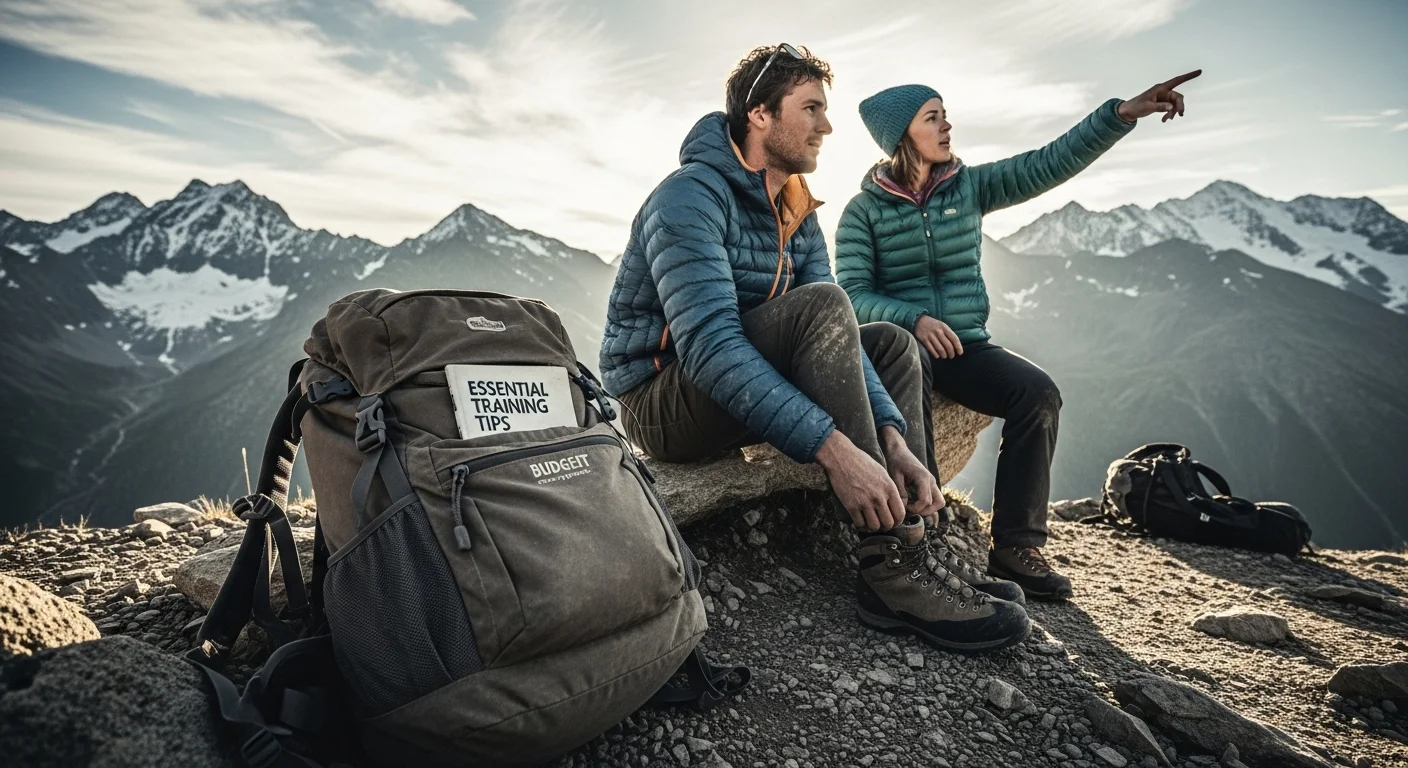
Over time, I’ve built my collection gradually, often waiting for sales or exploring local climbing shops that offer discounts. I’ve also found that joining climbing clubs can give access to shared gear, which is a fantastic way to meet others and save money. Read Interesting article: Essential Training Tips for Budget Backpacking Climbers

Choosing the Right Mountain

Popular Budget-Friendly Climbing Destinations

As I began my mountain climbing journey, I quickly realized that the location can make a huge difference in both experience and cost. Some of my favorite budget-friendly destinations include:

  • Mount Hood, Oregon: With its stunning views and varied trails, it’s a perfect spot for beginners and seasoned climbers alike. The access fees are reasonable compared to other locations.
  • Shenandoah National Park, Virginia: This park offers numerous climbing routes without the high costs associated with some national parks. The beauty of the Blue Ridge Mountains is an added bonus.
  • Joshua Tree, California: Known for its unique rock formations, Joshua Tree is famous among climbers and offers many free or low-cost camping options. Read Interesting article: Explore These 7 Affordable Mountain Climbing Spots

Factors to Consider When Selecting a Mountain

When choosing a mountain, I think about several factors that help ensure a successful climb. Here’s what I consider:

  • Experience Level: It’s essential to choose a mountain that matches your skills. I’ve made the mistake of underestimating my abilities, and it can make for a stressful experience.
  • Accessibility: Look for mountains that are within a reasonable distance to minimize travel costs. I prefer destinations where I can drive instead of fly.
  • Climbing Season: Some mountains are more accessible during certain times of the year. I’ve learned to plan my trips around these seasons to avoid additional costs.

Trail Difficulty Levels

Understanding trail difficulty is vital. I remember my first climb; I picked a trail that was way above my skill level, and it made the experience more stressful than enjoyable. Here’s a simple breakdown:

  • Easy Trails: These are great for beginners. They typically have gentle inclines and well-defined paths, allowing you to build confidence.
  • Moderate Trails: These require a bit more physical exertion and may have some rocky or steep sections. This is where I often find my sweet spot, challenging myself while still feeling safe.
  • Difficult Trails: Only attempt these if you’re experienced and fully prepared. I’ve learned to approach these with caution and respect.

Choosing the right difficulty level ensures that you have an enjoyable experience while also helping you grow as a climber.

When to Plan Your Climb

Best Seasons for Mountain Climbing

Over the years, I’ve learned that timing can make or break a climbing experience. Each season offers unique advantages and challenges. I’ve found spring and fall to be my favorite times to climb. The weather is generally mild, and the landscapes can be breathtakingly beautiful. In spring, I love witnessing the wildflowers bloom, while in fall, the vibrant colors of the leaves create a stunning backdrop. Summer can be great too, but it often comes with more crowds and the risk of afternoon thunderstorms in some regions.

Winter climbing is a different beast altogether. While I enjoy ice climbing during this season, it definitely requires more preparation and gear. Some mountains can be quite dangerous to navigate in winter, so I always check conditions ahead of time. In my experience, it’s crucial to choose a season that aligns not only with my schedule but also with my skill level and the type of climbing I want to do.

Weather Considerations

Weather is a significant factor to consider when planning a climb. I remember one trip where I didn’t check the weather thoroughly, and we ended up caught in a sudden snowstorm. It taught me a valuable lesson about being prepared. I always look for updates on temperature, wind speed, and any potential storms leading up to my climb. Apps and websites dedicated to outdoor activities have become invaluable resources for real-time weather updates.

Wind can also play a huge role in climbing safety. I’ve encountered days where the wind made routes much more challenging, even on moderate climbs. I’ve learned to assess conditions before heading out and to make sure my climbing partners are on the same page about what we can handle.

Peak vs. Off-Peak Climbing

Choosing between peak and off-peak climbing times is something we’ve debated as a group before heading out. Peak seasons bring more climbers, which can be both good and bad. I love the camaraderie that comes from sharing the mountain with others, but I also appreciate the solitude of off-peak times. When we climbed Mount Hood during a less busy time, it felt like we had the mountain to ourselves, which was magical.

However, climbing during peak season often means better trail maintenance and more open facilities. In my case, I’ve found that balancing between these two options often leads to the best experiences. It’s wise to look into local climbing communities to gauge the best times for specific routes, as they often have the insights that guidebooks might not cover.

Budgeting for Your Climb

Estimating Costs: Gear, Travel, and Accommodation

Budgeting for a climbing trip can feel overwhelming, especially when I consider all the costs involved. I usually start by estimating my gear needs. While I’ve invested in some quality items, I’ve also learned to borrow or rent when possible. Travel expenses are next on my list; I prefer exploring locations within driving distance to cut down on flight costs. Depending on where I’m headed, I might look for affordable lodging options such as hostels or campsites. I often find that camping enhances the overall experience, connecting me even more with nature.

When I budget, I like to break down the costs into categories: gear, travel, accommodation, and food. This way, I can see where I can save and where I might splurge a little. I’ve discovered that planning ahead helps me allocate funds better, allowing me to enjoy the experience without financial stress.

Finding Affordable Gear and Rentals

When I first started out, I was shocked at how much climbing gear could cost. To keep my expenses down, I learned to search for affordable options. I often check local outdoor shops for sales or clearance items. Online marketplaces have also been a treasure trove for gently used gear. I’ve picked up climbing shoes and harnesses at a fraction of the price, which has helped me build my collection without breaking the bank.

Renting gear is another great option, especially for beginners or for those trying out new activities. I remember renting gear for my first ice climbing adventure, which allowed me to experiment without the hefty price tag. Many climbing gyms also offer rentals, so I recommend checking those out to save some money.

Transportation Options to Climbing Locations

Transportation can be one of the most significant expenses when planning a climb. I usually prefer driving because it gives me the flexibility to pack everything I need without worrying about baggage fees. Plus, I like the spontaneous stops along the way. Carpooling with friends not only reduces costs but also adds to the experience, allowing us to bond before the climb.

If the destination is far, I look into public transportation options or affordable flights. I’ve even hitchhiked once or twice when I was feeling adventurous, though it’s not for everyone! The key is to plan ahead and find the best options that fit within my budget while still giving me the chance to enjoy the journey.

Food and Water Budgeting Tips

Food is another area where I’ve found ways to save while enjoying the climbing experience. I prefer packing my meals instead of eating out, which can quickly add up. I usually prepare hearty trail mixes, sandwiches, and energy bars that are easy to carry. Hydration is crucial, so I always make sure to bring enough water or a reliable water filtration system, especially on longer climbs.

I’ve also discovered that some climbing spots have water sources available, which allows me to refill my bottles during the trip. Planning meals and snacks in advance not only saves money but also ensures I have the energy to tackle the climb ahead. It’s all about balance and making choices that support both my adventure and my wallet.

Essential Preparations Before Climbing

Training and Physical Preparation

Before I embark on any climbing adventure, I always make it a point to focus on my physical preparation. Climbing is demanding, and I’ve learned that a good level of fitness can make a significant difference in my performance and enjoyment. I typically start a training regimen that includes a mix of cardio, strength training, and flexibility exercises. For me, activities like hiking, running, and even yoga have proven to be incredibly beneficial.

Building core strength is essential, as it helps with balance and stability while climbing. I often include exercises like planks, squats, and leg raises in my routine. I also find that climbing-specific workouts—like bouldering at my local gym—help me improve my technique and build the muscle groups that are crucial for climbing.

In my experience, I’ve noticed that setting a training schedule a few weeks before my climb not only prepares my body but also gives me the mental clarity I need to tackle the challenges ahead. Plus, training can be a lot of fun, especially when I can share it with friends who are also into climbing!

Acclimatization Strategies

One of the biggest lessons I’ve learned from climbing at higher altitudes is the importance of acclimatization. When I first climbed at elevation, I didn’t take the acclimatization process seriously and ended up feeling the effects of altitude sickness. Now, I always plan for it. Gradually ascending to higher altitudes allows my body to adjust to lower oxygen levels, which is crucial for a successful climb.

I usually spend a day or so at a moderate altitude before making my ascent to the summit. This allows me to gauge how my body is reacting and gives me a chance to hydrate and eat well. I’ve found that staying well-nourished and hydrated helps immensely. Electrolyte drinks are also part of my routine to ensure I maintain my energy levels.

Additionally, I pay attention to my body during the climb. If I start feeling dizzy, fatigued, or nauseous, I make it a point to descend and allow myself to acclimatize further. It’s always better to be safe than sorry, and I’ve learned that respecting my limits is key to enjoying the experience.

Creating a Climbing Plan

Having a solid climbing plan is something I’ve come to value over the years. I remember my first few climbs where I didn’t have a clear plan, and it led to confusion and stress. Now, I take the time to outline the details before heading out. This includes researching the route, understanding the terrain, and knowing potential hazards. I often consult guidebooks and online resources to gather as much information as possible.

When creating my climbing plan, I also consider the timeline. I set realistic goals for each day, keeping in mind the difficulty of the trails and the time needed for breaks and enjoying the scenery. I always include contingency plans, just in case things don’t go according to my original schedule.

Moreover, I share my climbing plan with someone who isn’t climbing with me, so they know my intended route and estimated return time. This small step adds an extra layer of safety, ensuring that someone is aware of my whereabouts.

Safety Tips for Mountain Climbing

Understanding Risks and Hazards

Climbing, while exhilarating, comes with its own set of risks and hazards. I’ve had my share of close calls that have taught me the importance of being aware of my surroundings. It’s crucial to research the specific risks associated with the mountain you’re climbing. For instance, I often check for rockfall hazards, weather changes, and wildlife encounters.

I also try to stay updated on the condition of the trails. Sometimes, routes can change due to weather or maintenance, and it’s wise to be prepared for that. Additionally, understanding the signs of altitude sickness, hypothermia, and dehydration is essential. By being aware of these risks, I feel more empowered and prepared during my climbs.

Creating a Safety Plan

Before any climb, I make it a priority to establish a safety plan. This includes ensuring that my climbing partners and I are all on the same page regarding our goals and safety protocols. I’ve learned that having a designated leader can help streamline the decision-making process, especially in challenging situations.

We also discuss emergency procedures, such as what to do in case of an injury or if we get lost. I always carry a first aid kit and ensure that at least one person in the group knows basic first aid. It gives me peace of mind knowing we’re prepared for anything that may come our way.

First Aid Essentials for Climbers

Having a well-stocked first aid kit has become a non-negotiable for me. I remember one climb where a friend twisted their ankle, and having a first aid kit on hand made all the difference. I typically include items like adhesive bandages, antiseptic wipes, gauze, and pain relievers. Additionally, I pack blister treatment supplies because blisters can ruin a climbing trip.

I’ve also started carrying a lightweight emergency blanket and a whistle. These items can be lifesavers in critical situations. I often review the contents of my first aid kit before each climb, ensuring that everything is in order and replacing any expired items. Keeping safety at the forefront is not just about being prepared; it’s about enjoying the adventure with peace of mind.

Frequently Asked Questions

What is mountain climbing?

Mountain climbing involves ascending steep terrains, often requiring specific techniques and equipment. It’s not just about reaching the summit; it’s about the journey and experiences shared in nature.

What are the different types of mountain climbing?

The different types of mountain climbing include Traditional Climbing, Sport Climbing, Ice Climbing, and Alpine Climbing, each with unique techniques and challenges.

What essential gear do I need for mountain climbing?

Essential gear for mountain climbing includes climbing shoes, a harness, helmets, ropes, carabiners, and appropriate clothing. It’s important to invest wisely and consider renting or buying second-hand options to save money.

What are some budget-friendly climbing destinations?

Popular budget-friendly climbing destinations include Mount Hood in Oregon, Shenandoah National Park in Virginia, and Joshua Tree in California, each offering unique landscapes and reasonable access fees.

How do I choose the right mountain for climbing?

When choosing a mountain, consider your experience level, accessibility, and the climbing season to ensure a successful and enjoyable climb.

What should I know about trail difficulty levels?

Trail difficulty levels range from easy trails for beginners to moderate and difficult trails for more experienced climbers. Choosing the right difficulty is vital for an enjoyable experience.

What are the best seasons for mountain climbing?

The best seasons for mountain climbing are typically spring and fall, when the weather is milder. Summer can be crowded, and winter climbing requires special preparation and gear.

How should I budget for a climbing trip?

Budgeting for a climbing trip involves estimating costs for gear, travel, accommodation, and food. Breaking down expenses into categories helps manage spending and plan effectively.

What are some essential preparations before climbing?

Essential preparations include physical training, acclimatization to altitude, and creating a detailed climbing plan that outlines the route and safety measures.

What safety tips should I follow while mountain climbing?

Safety tips include understanding risks and hazards, creating a safety plan with your climbing group, and ensuring you have a well-stocked first aid kit for emergencies.

Essential Training Tips for Budget Backpacking Climbers

Budget backpacking climbing is a thrilling adventure that allows us to explore the great outdoors without breaking the bank. With the right tips and techniques, we can enjoy the climb and the journey without overspending.

Essential Training Tips for Budget Backpacking Climbers

Understanding Budget Backpacking Climbing

What is Budget Backpacking Climbing?

When I first heard about budget backpacking climbing, I was intrigued. It’s not just about scaling mountains on a shoestring budget; it’s an approach that combines the thrill of climbing with the freedom of backpacking. Essentially, it means finding ways to explore the great outdoors while minimizing expenses. This can involve choosing less popular climbing destinations, using budget-friendly gear, and honing skills to tackle challenges more efficiently. I remember my first trip, where I learned that you don’t need to spend a fortune to have an unforgettable adventure.

Benefits of Budget Backpacking Climbing

There are so many benefits to budget backpacking climbing that I often find myself reflecting on them during my trips. For starters, it fosters creativity and resourcefulness. When you’re on a budget, you learn to think outside the box, whether it’s cooking meals with minimal ingredients or crafting makeshift gear. Plus, it encourages a deeper connection with nature. Without the distractions of luxury accommodations, I’ve found that I can truly immerse myself in the beauty around me. The camaraderie with fellow climbers on similar journeys adds to the experience; we share tips, stories, and sometimes even food!

Essential Gear for Budget Backpacking Climbers

Finding the right gear on a budget can feel overwhelming, but I’ve discovered that it’s all about knowing what you really need. Here’s a rundown of essential items that I consider must-haves for budget backpacking climbers:

  • Backpack: A durable yet lightweight backpack is crucial. I recommend checking out second-hand stores or online marketplaces for quality used options.
  • Climbing Shoes: Investing in a good pair is essential. I’ve saved money by buying last season’s models, which worked just as well.
  • Climbing Harness: A basic harness doesn’t need to be fancy. Look for one that’s comfortable and fits well, as I learned the hard way that comfort matters during long climbs.
  • Campsite Gear: A lightweight tent or hammock is perfect for overnight trips. I often opt for a hammock to save weight and enjoy a unique sleeping experience.
  • Cooking Equipment: A simple camping stove and lightweight cookware can allow us to prepare hot meals without spending much.
  • Climbing Gear: Ropes, carabiners, and quickdraws can be expensive, but buying used or borrowing from friends can save a lot. I remember borrowing gear from friends when I started out, which helped me ease into climbing without a huge upfront cost. For a deeper dive into affordable options, check out Top 10 Budget-Friendly Climbing Gear for Adventurous Souls.

Researching gear can be fun, and I often spend evenings watching reviews and reading articles to find the best budget options. The more I learn, the more confident I become in my choices.

Essential Training Techniques for Climbers

Building Endurance and Stamina

Building endurance is one of the most important aspects of budget backpacking climbing. I realized early on that long climbs can be exhausting, and having the stamina to push through is crucial. For me, a combination of hiking with a weighted backpack and interval training at the gym has worked wonders. Even simple activities like trail running can help build up that endurance. I often set small goals, like hiking a certain distance or climbing for a set amount of time, which keeps me motivated.

Strength Training for Climbing

Strength training is another key element I focus on. I discovered that it doesn’t require a fancy gym; bodyweight exercises like push-ups, pull-ups, and squats can be done anywhere. I also enjoy incorporating climbing-specific workouts into my routine, such as using a hangboard for finger strength or doing core exercises to improve my stability on the rock face. The most satisfying part is seeing the physical changes and feeling stronger with each climb. For tips on enhancing these skills, I highly recommend Unlock Your Potential with These Climbing Techniques Tips.

Flexibility and Mobility Exercises

Flexibility is often overlooked, but I’ve learned the hard way that being flexible can prevent injuries. Incorporating yoga into my routine has been a game-changer. I love how it not only helps with stretching but also calms my mind before a climb. Simple stretches targeting the hips, back, and shoulders have made a noticeable difference in my climbing performance. I often find myself feeling more agile and confident after a good stretch session.

Cardiovascular Fitness for Climbers

Lastly, cardiovascular fitness plays a significant role in how I approach climbing. Activities like cycling, swimming, and running have helped me build a strong cardio base. I try to mix it up to keep things interesting. For me, the goal is to be able to maintain a steady pace throughout the climb without feeling completely drained. I find that when I combine these cardio workouts with my climbing practice, I can tackle longer and more challenging routes with ease.

Specific Skills Development

Climbing Techniques and Strategies

Developing specific climbing techniques has been one of the most rewarding parts of my journey. I’ve found that mastering the basics can greatly improve my climbing efficiency and enjoyment. For instance, learning how to properly place my feet and shift my weight has made a significant difference in my ability to tackle challenging routes. I remember the first time I applied the concept of “outside edge” and “toeing in” while climbing—suddenly, I felt more stable and in control. I often practice techniques like flagging and drop knees during my climbs, which not only helps conserve energy but also allows me to reach holds that seemed impossible before. Watching tutorials and practicing these techniques in a safe environment has been invaluable as I continue to progress. To explore more about climbing techniques, check out Top Climbing Techniques Every Budget Traveler Should Know.

Navigational Skills for Backpacking

Alongside climbing skills, navigating the trails is another essential skill I’ve developed. When I first started backpacking, I relied too heavily on my phone’s GPS, only to find that battery power can dwindle unexpectedly. I quickly learned the importance of reading maps and using a compass. I often take the time to study the terrain before my trips, noting landmarks, trails, and potential hazards. I remember getting lost on one hike, which forced me to rely on my map-reading skills. It was a humbling experience that reinforced the importance of preparation. Now, I practice navigating by taking different routes on familiar trails, which builds my confidence and expands my knowledge of the area.

Understanding Weather Patterns and Conditions

Understanding weather patterns has also become a crucial part of my climbing adventures. I can’t count the number of times I’ve faced unexpected weather changes. Learning to read weather forecasts and recognizing signs of changing conditions has made me a more prepared climber. For example, I’ve learned that clear skies in the morning can quickly turn into thunderstorms in the afternoon, especially in mountainous areas. I remember one trip where I ignored the forecast and ended up seeking shelter from a sudden downpour. Now, I check the weather multiple times and keep an eye on the clouds while on the trail. This knowledge helps me make informed decisions about when to turn back or push forward.

Basic First Aid Training for Climbers

Finally, I can’t stress enough how important basic first aid training is for anyone who ventures into the outdoors. I took a wilderness first aid course, which equipped me with skills to handle injuries and emergencies in remote areas. I remember feeling anxious about what to do when a friend sprained their ankle during a climb. Thanks to the training, I was able to manage the situation effectively until we got back to safety. It’s given me peace of mind and confidence in my abilities. I now carry a small first aid kit on every hike, ensuring I have the essentials for treating common injuries. I also recommend familiarizing myself with techniques for communication and signaling for help if needed. Being prepared can make all the difference in an unexpected situation.

Nutrition and Hydration Strategies

Budget-Friendly Meal Planning

When it comes to nutrition, I’ve learned that planning my meals ahead of time can save both money and energy while on the trail. I love the idea of creating simple yet filling meals that don’t require a lot of ingredients. My go-to meals often include items like pasta, rice, and canned beans. I remember my first backpacking trip, where I packed a bunch of pre-packaged meals that were convenient but very expensive. After realizing how much I could save by preparing my own meals, I started experimenting with recipes that can be made at home and then dehydrated for the trip. For instance, I’ve made chili and oatmeal packets that are not only cost-effective but also delicious and satisfying after a long day of climbing.

Essential Nutrients for Climbers

Understanding the essential nutrients I need while climbing has been a game-changer. I focus on a balanced diet that includes carbohydrates for energy, proteins for muscle repair, and healthy fats for sustained energy. I try to pack snacks like nuts, dried fruits, and energy bars that are lightweight and provide a quick boost during climbs. I’ve learned to listen to my body and eat when I feel I need a pick-me-up. On one memorable trip, I neglected my nutrition and paid the price with fatigue. Since then, I ensure that I have a good mix of snacks on hand and make it a point to eat regularly throughout the day.

Hydration Tips and Tricks

Staying hydrated is another crucial aspect of my climbing adventures. I carry a reusable water bottle and ensure I have a reliable way to purify water from natural sources. I remember my first long hike where I didn’t drink enough water, and it left me feeling drained. Now, I set small reminders to sip water every hour, whether I’m on the trail or resting. I’ve also found that adding electrolyte tablets to my water can make it more enjoyable and help replenish lost minerals. Keeping my hydration levels up has significantly improved my performance and enjoyment while climbing.

Planning Your Climbing Adventures

Choosing Budget-Friendly Climbing Destinations

Choosing the right climbing destination can make or break your adventure, especially when you’re on a budget. I’ve learned that some of the best climbing spots are often hidden gems, away from the popular tourist traps. For instance, I remember being taken aback by the beauty of a lesser-known crag in a state park near my home. Not only was it less crowded, but the climbing routes were just as thrilling as the more famous locations. I recommend exploring online resources, local climbing groups, or guides that highlight budget-friendly spots. Additionally, consider areas that offer free or low-cost camping options. Planning a trip to these places can save us a lot while providing an equally enriching experience.

Creating a Training Schedule

Having a structured training schedule has been crucial in preparing for my climbing adventures. I used to just go with the flow, but I quickly realized that being intentional about my training made a big difference. I like to break my training down into weekly goals, focusing on different areas like endurance, strength, and specific climbing techniques. For example, I might dedicate two days to endurance training, followed by a day for strength workouts and another for practicing climbing techniques. I also make sure to include rest days, which are just as important for recovery. When I follow a consistent schedule, I feel more prepared and confident heading into my climbing trips.

Safety Precautions and Risk Management

Safety is something I can’t stress enough when it comes to climbing. From my experience, understanding the risks involved and how to manage them is key. Before each trip, I take time to review safety protocols and make sure I have the necessary gear. For instance, I always carry a helmet and a first aid kit, even for shorter climbs. Additionally, I’ve learned to communicate with my climbing partners about our plans, routes, and safety measures. I remember one trip where we had a climber who was new to the sport. We took the time to go over everything from belaying to emergency procedures, which not only built their confidence but also strengthened our bond as a team. Trust me, being informed and prepared can make all the difference when things don’t go as planned.

Community and Support Resources

Finding Local Climbing Groups

Connecting with local climbing groups has been one of the best decisions I’ve made in my climbing journey. I remember feeling a bit intimidated at first, but I quickly realized that these communities are full of supportive and friendly folks. Many climbing gyms host meet-ups or events for climbers of all levels, making it easy to meet people and learn from each other. I’ve made some great friends this way, and it’s reassuring to have a network of people who share my passion. Plus, climbing with experienced individuals has helped me learn new techniques and improve my skills faster than I could on my own.

Online Forums and Resources for Climbers

Online forums and social media have become invaluable resources for me as a climber. Websites like Mountain Project and Reddit’s climbing community provide a wealth of information, from route suggestions to gear reviews. I often find myself scrolling through these forums, absorbing tips and experiences from fellow climbers. It’s like having a vast library of climbing knowledge at my fingertips. Additionally, I’ve found online tutorials and videos extremely helpful, especially for visual learners like me. Watching someone tackle a specific climbing move or explaining gear can make all the difference when I’m out on the rock.

Workshops and Training Camps

Participating in workshops and training camps has been a fantastic way to deepen my skills and knowledge. I remember attending a local climbing clinic where I was able to learn from seasoned climbers and receive personalized feedback on my technique. These events often cover various aspects of climbing, from technique to safety, and they offer a chance to meet others who are just as passionate about the sport. I’ve noticed that investing in these experiences not only improves my climbing skills but also motivates me to push my limits. Many climbing organizations offer scholarships or financial assistance, making it easier to access these opportunities without breaking the bank.

Cost-Effective Climbing Techniques

DIY Gear and Equipment Solutions

One of my favorite aspects of budget backpacking climbing is finding creative, cost-effective solutions for gear and equipment. I’ve dabbled in DIY projects, like making my own chalk bag or modifying my backpack to suit my needs better. For instance, I repurposed an old backpack by adding extra padding and compartments for climbing gear, which saved me money while giving new life to something I already owned. There are countless tutorials online for making gear, and I often find that putting a little time into these projects can be rewarding, both financially and personally.

Finding Discounts and Deals

Shopping for climbing gear on a budget can feel overwhelming, but I’ve discovered some great tips for finding discounts and deals. Following brands on social media often leads to exclusive sales or promotions. I also recommend checking websites that specialize in outdoor gear sales, as they frequently have clearance items or seasonal sales. One time, I snagged a high-quality climbing harness at a fraction of the price during a flash sale. Additionally, signing up for newsletters from outdoor retailers can keep us informed about upcoming sales and promotions. It’s like being part of an insider club!

Budget Accommodation Options Near Climbing Spots

When it comes to accommodation during climbing trips, I’ve learned that there are plenty of budget-friendly options out there. Camping is often the best choice for me, as it allows me to stay close to the climbing routes while saving money. I’ve discovered that many climbing areas have established campgrounds or even free dispersed camping options. I also enjoy looking for affordable hostels or cabins when camping isn’t feasible. I remember a trip where we found a cozy cabin near a climbing area for a reasonable price. It was a perfect base camp, allowing us to relax after a long day of climbing without breaking the bank.

Frequently Asked Questions

What is budget backpacking climbing?

Budget backpacking climbing is an approach that combines the thrill of climbing with the freedom of backpacking, allowing individuals to explore the great outdoors while minimizing expenses through less popular destinations and budget-friendly gear.

What are some benefits of budget backpacking climbing?

Benefits include fostering creativity and resourcefulness, encouraging a deeper connection with nature, and creating camaraderie with fellow climbers who share tips and experiences.

What essential gear do budget backpacking climbers need?

Essential gear includes a durable backpack, climbing shoes, a comfortable climbing harness, campsite gear like a tent or hammock, cooking equipment, and climbing gear such as ropes and carabiners.

How can climbers build endurance and stamina?

Climbers can build endurance through activities like hiking with a weighted backpack, interval training at the gym, and trail running while setting small goals to stay motivated.

What nutrition strategies are recommended for climbers?

Climbers should focus on budget-friendly meal planning, ensure a balanced diet with essential nutrients, and stay hydrated by carrying a reusable water bottle and purifying water from natural sources.

How can climbers choose budget-friendly climbing destinations?

Climbers can find budget-friendly climbing destinations by exploring lesser-known crags, utilizing online resources, and seeking areas with free or low-cost camping options.

What safety precautions should climbers take?

Climbers should review safety protocols before trips, carry necessary gear like helmets and first aid kits, and communicate plans and safety measures with their climbing partners.

What resources are available for finding local climbing groups?

Local climbing groups can be found through climbing gyms that host meet-ups, online forums, and social media platforms where climbers share experiences and knowledge.

How can climbers save money on gear?

Climbers can save money by finding discounts and deals through social media promotions, clearance sales at outdoor gear websites, and signing up for newsletters from outdoor retailers.

What are some cost-effective accommodation options for climbers?

Cost-effective accommodation options include camping at established campgrounds or dispersed camping areas, as well as looking for affordable hostels or cabins near climbing spots.

Ultimate Guide to Cheap Mountain Climbing Adventures

Mountain climbing isn’t just a thrilling sport; it’s an adventure that can change your life. If you’re looking for budget-friendly ways to experience the mountains, you’ve come to the right place! Read Interesting article: Ultimate Guide to Budget-Friendly Climbing Equipment

Ultimate Guide to Cheap Mountain Climbing Adventures

Understanding Mountain Climbing

What is Mountain Climbing?

Mountain climbing, in its simplest form, is the activity of ascending mountains. It’s not just about reaching the top; it’s about the journey, the challenges, and the experiences along the way. I remember my first climb—an exhilarating mix of excitement and fear as I faced the rocky terrain. There’s something magical about conquering the heights, feeling the crisp air, and embracing nature in its rawest form. Whether you’re hiking up a gentle slope or tackling a steep rock face, mountain climbing offers a unique blend of physical challenge and mental fortitude.

Types of Mountain Climbing

Mountain climbing can be categorized into several types, each offering its own experience and challenges. I’ve dabbled in a few different styles, and I can tell you that each one has its charm.

  • Traditional Climbing: This involves placing your own gear for protection as you ascend. It’s often seen as a more adventurous and technical form of climbing.
  • Sport Climbing: This type relies on fixed anchors bolted into the rock. It’s a great way for beginners to build confidence and skills without the complexities of traditional climbing.
  • Alpine Climbing: This is a combination of climbing, hiking, and mountaineering in high-altitude environments. I found it to be the most rewarding, as it combines stunning views with the thrill of reaching a summit.
  • Ice Climbing: As the name implies, this involves climbing on ice formations. It requires specialized gear, which can be a bit pricey, but the experience is unforgettable.
  • Scrambling: This is more about hiking with some climbing involved. If you’re looking for something less intense but still adventurous, scrambling might be your best bet.

Essential Gear for Mountain Climbing

When I first started climbing, I was overwhelmed by the amount of gear available. However, I quickly learned that having the right equipment is vital for safety and enjoyment. Here’s a breakdown of the essentials:

  • Climbing Shoes: A good pair of climbing shoes can make a world of difference. They provide the grip and support needed to navigate tricky surfaces.
  • Harness: This is what keeps you safe while climbing. I found it helpful to try different styles to see what felt most comfortable.
  • Helmet: Protecting your head is crucial. I always wear a helmet, even on lower-risk climbs, just in case.
  • Ropes: Depending on the type of climbing you’re doing, you may need dynamic or static ropes. I learned the hard way that choosing the right type is essential for safety.
  • Climbing Gear: This includes carabiners, quick draws, and protection devices. I started with a basic set and added to it as I gained experience.
  • Clothing: Layering is key. I recommend investing in moisture-wicking base layers, insulating mid-layers, and a waterproof outer layer to stay comfortable in varying conditions.
  • Backpack: A good climbing backpack should be lightweight yet durable, with enough space to carry your gear. I often pack snacks and hydration, which are lifesavers on long climbs!

While the initial investment in gear can seem daunting, I found that there are budget-friendly options available. Renting gear for your first few climbs can also be a great way to save money while figuring out what you really need. For more insights, check out Best Budget Mountain Climbing Gear: Climb Smart & Save Big.

In my experience, starting with the right mindset and understanding the basics of mountain climbing can lead to unforgettable adventures without breaking the bank. The thrill of standing at a peak, taking in the breathtaking views, and recalling the journey that brought me there truly makes it all worthwhile.

Choosing Budget-Friendly Destinations

Top Affordable Mountain Climbing Locations in the US

When I think about climbing without breaking the bank, a few locations in the U.S. come to mind that I’ve personally enjoyed. These spots not only offer beautiful landscapes but also provide accessible routes for climbers of all levels.

  • Red River Gorge, Kentucky: This place is a gem for sport climbers and offers a variety of routes in a stunning natural setting. I was amazed by the variety of climbs available, from beginner-friendly to more challenging options. Plus, the camping fees are quite reasonable!
  • Joshua Tree National Park, California: Known for its unique rock formations, Joshua Tree has plenty of climbing routes without hefty permit fees. I remember spending days there, enjoying the peaceful desert atmosphere and the incredible bouldering opportunities.
  • Mount Hood, Oregon: This iconic peak provides a fantastic mix of climbing experiences. While there are costs associated with climbing permits during the summer months, they are generally affordable. The views from the summit are worth every penny!
  • New River Gorge, West Virginia: This area is famous for its impressive cliffs and diverse climbing routes. I found it to be both budget-friendly and beginner-friendly, making it a perfect spot for anyone looking to dip their toes into climbing.

International Destinations for Cheap Mountain Climbing

If you’re feeling adventurous and considering international locations, I’ve discovered some amazing and budget-friendly climbing destinations that can offer a whole new perspective. Traveling abroad for climbing can often be more affordable than you might think.

  • Chamonix, France: While it has a reputation for being a premier climbing destination, there are budget-friendly options if you plan wisely. Staying in nearby villages and enjoying the stunning views without the price tag of staying in the center can save you a lot.
  • Siurana, Spain: This climbing haven is famous for its limestone cliffs and beautiful scenery. I was pleasantly surprised at how affordable accommodations can be in the nearby villages, and the climbing routes are simply breathtaking.
  • Morocco: For those seeking a bit of adventure, climbing in the Atlas Mountains can be both exhilarating and inexpensive. I found local guides who charged reasonable rates, and the experience of climbing in such a beautiful and culturally rich country is unforgettable.

National Parks for Budget Climbers

National parks are often the first places I consider when planning a climbing trip. They usually offer beautiful, protected areas with varying routes for all skill levels, and many have affordable entry fees. Here are a few that I’ve enjoyed:

  • Yosemite National Park, California: While it’s popular and can get crowded, Yosemite has countless climbing routes. I found that camping nearby can significantly reduce costs, and the breathtaking views make it worth it.
  • Grand Teton National Park, Wyoming: This park offers stunning climbs and a chance to connect with nature without spending too much. I loved the sense of wilderness here, and the less crowded routes are a bonus!
  • Rocky Mountain National Park, Colorado: With its diverse climbing options, Rocky Mountain National Park is a climber’s paradise. I remember hiking along the trails and discovering hidden gems that weren’t on the map, providing both adventure and affordability.

By choosing the right destinations and planning ahead, I’ve found that mountain climbing can be a fulfilling adventure without costing a fortune. The joy of experiencing these incredible places and the challenges that come with climbing make every trip memorable! Next up, let’s dive into the planning aspect of our mountain climbing adventures.

Planning Your Mountain Climbing Adventure

When to Go: Seasonal Considerations

Choosing the right time for your mountain climbing adventure can make all the difference. I’ve experienced climbs in various seasons, and each offers unique challenges and rewards. For instance, summer is often the most popular time for climbing when the weather is warm and trails are accessible. I remember my summer climbs in the Rockies, where the vibrant wildflowers made the scenery even more stunning. However, it’s important to consider that summer can also mean more crowds, especially in popular areas.

Fall is another fantastic time to climb. The temperatures are cooler, making strenuous hikes more comfortable. Plus, the changing foliage creates breathtaking landscapes. I often find that climbing in late September or early October gives me the best of both worlds: fewer people and beautiful views.

Winter climbing, while more technical, can also be rewarding. I’ve enjoyed ice climbing during the colder months, and the landscape transforms into a winter wonderland. However, this requires more gear and preparation for harsh conditions. Spring can be tricky, as melting snow and rain can affect trails, but I’ve had some of my best experiences when the snow starts to melt and the paths become more visible, leading to quieter climbs.

How to Find Discounts on Climbing Permits

Many climbing destinations require permits, and these can sometimes be a significant expense. I’ve learned a few tips for finding discounts or even free climbing opportunities. First, check the official park websites for any seasonal promotions or free entry days. I often plan my trips around these dates to save money without sacrificing my climbing experience.

Additionally, consider purchasing an America the Beautiful Pass if you plan to visit multiple national parks. It’s a great investment that grants access to over 2,000 federal recreation sites. I found that it paid for itself after just a few climbs in different parks during the same year.

Another tip is to connect with climbing communities and local outdoor shops. Often, they will have information on group permits, which can lower costs when several climbers join together. I’ve participated in community climbs where the fees were significantly reduced, and I ended up making new friends along the way!

Transportation Options for Budget Travelers

Getting to your climbing destination without breaking the bank requires some clever planning. I’ve had my fair share of road trips and public transport adventures, and I can tell you that both have their perks. If you’re considering a road trip, carpooling with fellow climbers can be a fantastic way to save on gas. I remember a trip to the New River Gorge where a few friends and I split the fuel costs, making the drive budget-friendly while enjoying the journey together.

For those without access to a car, many climbing areas are accessible by bus or train. I once took a train to a national park and found a local shuttle service that catered specifically to climbers. It was a great way to meet fellow adventurers and share tips while en route to the mountains.

If you’re staying in a town near your climbing area, consider renting a bike. I’ve discovered that many climbing destinations have bike rental shops, and cycling not only saves money but also gives you a chance to explore the area at your own pace. Plus, there’s nothing quite like pedaling through a picturesque landscape on your way to the next climb!

Essential Skills for Cheap Mountain Climbing

Basic Climbing Techniques

As I began my climbing journey, I realized that mastering some basic techniques was crucial for my safety and enjoyment. I recommend starting with foot placement, which I found to be the foundation of effective climbing. Focusing on where to place my feet made a significant difference in my stability and confidence. I remember a climb where I struggled until I started to pay attention to my footwork—suddenly, the route felt more manageable.

Another essential skill is learning how to use your body efficiently. I learned about the importance of maintaining a balanced center of gravity. This helps distribute weight properly and makes climbing easier. I practiced techniques like pushing with my legs instead of pulling with my arms, which conserved energy during longer climbs.

Lastly, I found it beneficial to practice falls in a safe environment. Understanding how to fall safely can ease the fear that many new climbers face. I took a class on climbing safety and learned how to position my body and use my harness effectively during falls. It made me feel more secure and allowed me to focus on the climb rather than worrying about what could happen if I slipped.

Navigation and Route Planning

Another important aspect of mountain climbing is navigation and route planning. I can’t stress how vital it is to know your routes and understand the terrain before you start climbing. I remember a time when I set off without fully investigating the route and ended up taking a much longer and more challenging path than anticipated. Now, I always take the time to study maps and guidebooks, and I check online forums for recent climber experiences.

Using a GPS or a climbing app can also be helpful. I’ve downloaded a few apps that allow me to track my route while providing additional information about the area. However, I always carry a physical map as a backup—technology can be unreliable in the mountains!

Before heading out, I often share my climbing plan with someone who isn’t joining me. This way, someone knows my route and expected return time, which adds an extra layer of safety.

Safety Tips for Inexperienced Climbers

As I ventured into the world of climbing, I quickly learned that safety should always be a top priority. I can’t emphasize enough the importance of climbing with a partner, especially as a beginner. Having someone there not only makes the experience more enjoyable, but it also provides an extra set of eyes and hands in case of emergencies. I’ve been fortunate to have experienced climbers by my side who taught me valuable lessons while ensuring our safety.

Another key safety tip I learned was to always check my gear before each climb. I developed a habit of double-checking my harness, knots, and carabiners. I remember a time when I skipped this step in my eagerness to start climbing, and it turned out that my harness wasn’t secured properly. It was a wake-up call, and I’ve never made that mistake again!

Lastly, I believe that understanding weather conditions is crucial. Mountain weather can change rapidly, and I’ve experienced unexpected storms that turned a pleasant climb into a challenging situation. I now check the forecast before each climb and carry extra layers in my pack. It’s better to be over-prepared than to find myself caught off-guard.

Budgeting for Your Climbing Trip

Estimating Costs: Gear, Travel, and Accommodations

When planning my climbing trips, I’ve learned that budgeting is a crucial step that can make or break the experience. I remember my first trip when I didn’t account for all costs and ended up stretching my finances thin. To avoid that, I now break down my budget into three main categories: gear, travel, and accommodations.

For gear, I’ve noticed that it can range widely in price. I recommend making a list of what you need and setting a limit based on what you can afford. If you’re just starting, consider borrowing equipment or looking for sales. I’ve scored some fantastic deals at end-of-season sales, which helped me save a lot.

Travel costs can vary, especially depending on how far you’re going. Whether it’s gas or airfare, I usually check for the best deals or consider traveling during off-peak times to save a bit. I’ve also learned to factor in food expenses on the road. Packing meals or snacks can help keep costs down compared to dining out.

Accommodations can be another significant expense. I often camp to save money, but I’ve also stayed in budget hostels or motels when necessary. Researching accommodations ahead of time has saved me from overspending. I remember booking a last-minute hotel once, and the price was shocking! Planning ahead allows you to find more affordable options.

How to Save on Gear and Equipment

As I mentioned before, gear can be a hefty investment. But over the years, I’ve discovered several ways to save on climbing equipment without sacrificing quality. For me, shopping at local outdoor shops can sometimes yield surprising discounts, especially during seasonal sales. I also browse online marketplaces for used gear. Many climbers sell their gently used equipment, and I’ve found it to be a fantastic way to get quality items at a fraction of the original price.

Another tip is to join gear-sharing programs or community groups where you can rent or borrow gear instead of buying. I participated in a local climbing club where members often loaned equipment to newcomers, which helped me save significantly while trying out different gear. Plus, it’s a great way to meet fellow climbers!

Lastly, I recommend keeping an eye on gear review blogs and websites. They often have recommendations on budget-friendly alternatives to high-end gear. I’ve followed a few blogs that provided insights that guided me in purchasing reliable gear without breaking the bank. For more information, check out Affordable Climbing Gear Reviews: Climb Without Breaking Bank.

Finding Affordable Lodging Near Climbing Areas

Finding a place to stay near climbing spots doesn’t have to drain your wallet. I’ve learned to look beyond hotels and consider alternative options. Camping is my go-to choice, as it not only saves money but also immerses me in nature. Many climbing areas have affordable campgrounds that offer basic amenities, and I love falling asleep to the sounds of the wilderness.

When camping isn’t an option, I often turn to platforms like Airbnb or hostels for affordable stays. I’ve found some charming places hosted by locals who also share insider tips on climbing routes and hidden gems in the area. This has not only saved me money but also enriched my climbing experience.

Another idea is to check if the climbing area has any base lodges or shared accommodations specifically for climbers. These can often be more affordable than traditional lodging, plus they create a community atmosphere where you can connect with others who share your passion.

Local Resources and Community Support

Climbing Clubs and Organizations

Joining a climbing club has been one of the best decisions I made in my climbing journey. These organizations often provide resources, training, and a supportive community. I remember my first meeting with a local climbing club; I was nervous, but everyone was welcoming and eager to share knowledge. Being part of a club means access to group climbs, discounted gear, and even workshops that enhance your skills.

Additionally, many clubs host events or clinics where you can learn from experienced climbers. I’ve participated in several of these, and the insights I gained were invaluable. They often cater to all skill levels, making it easier to find your place in the climbing community.

Online Forums and Social Media Groups

In today’s digital age, online forums and social media groups are fantastic resources for climbers. I’ve connected with many passionate climbers through these platforms, sharing tips and advice on everything from gear to climbing techniques. I often browse forums for trip recommendations or even to find climbing partners.

Facebook groups and Instagram hashtags are also great ways to stay updated on events or meet-ups in your area. I’ve found climbing partners this way, and it’s a fantastic way to foster connections, especially if you’re traveling alone.

Finding Local Guides and Instructors

Hiring a local guide for your first climbs can be a game-changer. I once went on a guided climbing trip, and it made all the difference in my confidence and skill level. Guides can provide invaluable knowledge about the area, ensuring you’re safe while exploring the best routes. I’ve also noticed that many guides offer group rates, making it a budget-friendly option if you gather a few friends.

Additionally, local climbing gyms often have connections with qualified instructors. I’ve taken advantage of these classes to refine my skills, and they often lead to outdoor climbing opportunities organized by the gym.

Final Thoughts

Mountain climbing is not just about reaching the summit; it’s about the journey and the lessons we learn along the way. The thrill of climbing, the breathtaking views, and the community of fellow climbers make it an enriching experience that I cherish. By planning wisely, budgeting effectively, and tapping into local resources, I believe anyone can embrace this adventure without overspending. Whether you’re a beginner or an experienced climber, there’s always something new to discover in the mountains. So grab your gear, connect with others, and hit the trails—you won’t regret it!

Frequently Asked Questions

What is mountain climbing?

Mountain climbing is the activity of ascending mountains, focusing not only on reaching the top but also on the journey, challenges, and experiences along the way.

What types of mountain climbing are there?

Mountain climbing can be categorized into several types, including traditional climbing, sport climbing, alpine climbing, ice climbing, and scrambling, each offering unique experiences and challenges.

What essential gear do I need for mountain climbing?

Essential gear includes climbing shoes, a harness, a helmet, ropes, climbing gear (like carabiners and quick draws), appropriate clothing, and a durable backpack.

Can I find budget-friendly mountain climbing destinations in the US?

Yes, some budget-friendly climbing locations in the US include Red River Gorge in Kentucky, Joshua Tree National Park in California, Mount Hood in Oregon, and New River Gorge in West Virginia.

Are there affordable international climbing destinations?

Yes, affordable international climbing destinations include Chamonix in France, Siurana in Spain, and the Atlas Mountains in Morocco, where you can find reasonable accommodations and climbing options.

What are some tips for finding discounts on climbing permits?

To find discounts on climbing permits, check official park websites for promotions, consider purchasing an America the Beautiful Pass, and connect with local climbing communities for potential group permits.

How can I save on gear and equipment for mountain climbing?

You can save on climbing gear by shopping during seasonal sales, buying used equipment from online marketplaces, joining gear-sharing programs, and following gear review blogs for budget-friendly alternatives.

What types of accommodations are budget-friendly for climbers?

Budget-friendly accommodations for climbers include camping, hostels, Airbnb, and base lodges near climbing areas, which often create a community atmosphere.

What resources are available for new climbers?

New climbers can benefit from joining climbing clubs, participating in online forums and social media groups, and hiring local guides or instructors for training and guidance.

Why is safety important in mountain climbing?

Safety is crucial in mountain climbing to prevent accidents and ensure a positive experience. Climbing with a partner, checking gear and understanding weather conditions are essential safety practices.

Explore These 7 Affordable Mountain Climbing Spots

Have you ever dreamed of reaching the peak of a majestic mountain? If so, you’re in the right place. Let’s uncover some amazing, budget-friendly mountain climbing spots that can turn your dream into reality! For more ideas on affordable locations, check out our Top 10 Budget-Friendly Mountain Climbing Destinations.

Explore These 7 Affordable Mountain Climbing Spots

Understanding Mountain Climbing

What is Mountain Climbing?

Mountain climbing is much more than just a hobby; it’s an adventure that combines physical challenges with the beauty of nature. I remember my first climb vividly. The excitement and the rush of adrenaline were unlike anything I had experienced before. Essentially, it involves ascending mountains or cliffs, often requiring a mix of skills, strength, and endurance. Whether you’re scaling vertical rock faces or hiking up a series of trails, there’s something incredibly rewarding about reaching the summit. It’s not just about the destination; it’s about the journey and the experiences you gather along the way.

Types of Mountain Climbing

When people think of mountain climbing, they often picture extreme athletes scaling the highest peaks. However, there are several types of climbing that cater to different skill levels and interests. Here are a few that I’ve encountered on my journeys:

  • Scrambling: This is a mix between hiking and climbing, where you use your hands for support on steeper terrain. I find it exhilarating to traverse rocky paths without the need for technical gear.
  • Sport Climbing: This type involves climbing artificial routes with fixed anchors. I once tried sport climbing at a local gym before heading outdoors, and it gave me the confidence to tackle natural formations.
  • Trad Climbing: This is a more traditional form where climbers place protective gear as they ascend. The thrill of placing a cam into a crack and trusting it to hold my weight was a lesson in trust and skill.
  • Mountaineering: This combines trekking and climbing, often requiring special gear like ice axes and crampons. I’ll never forget the first time I stood on a glacier, feeling both excited and intimidated by the vastness around me.

Essential Gear for Mountain Climbing

Embarking on a mountain climbing adventure requires the right gear, and I’ve learned this the hard way. Packing the essentials not only ensures safety but also enhances your experience. Here’s a rundown of what I consider crucial gear:

  • Climbing Shoes: These are designed to provide grip and support on various surfaces. When I first bought my pair, I was amazed at how much easier they made climbing!
  • Harness: A good harness is vital for safety. I remember feeling much more secure after investing in a quality one that fit me well.
  • Helmet: Protecting your head is non-negotiable. I never climb without mine, especially on rocky routes.
  • Climbing Rope: This is essential for safety, especially in more technical climbs. I’ve had my share of experiences where a reliable rope proved to be a lifesaver.
  • Backpack: A comfortable backpack to carry all your gear is a must. I spent a lot of time testing different packs to find one that suited my needs.
  • Clothing: Layering is key. I’ve learned to dress in moisture-wicking clothes and always pack an extra layer for colder altitudes.

Read Interesting article: Ultimate Guide to Budget-Friendly Climbing Equipment

Why Choose Affordable Mountain Climbing Spots?

Cost-Effectiveness and Accessibility

One thing I’ve noticed over the years is how mountain climbing can sometimes be perceived as an expensive sport. However, there are plenty of affordable spots that allow us to enjoy the thrill without breaking the bank. For instance, many national parks offer free or low-cost entry, making it easy to explore stunning landscapes without worrying about hefty fees. I remember discovering a local climbing area that charged minimal access fees, which made climbing there an absolute steal.

Benefits of Exploring Lesser-Known Locations

There’s something special about climbing lesser-known mountains. I often find that these spots are less crowded, allowing for a more intimate connection with nature. The tranquility of a quiet trail can be a refreshing change from busy tourist hotspots. Plus, exploring these hidden gems often leads to unexpected discoveries. I’ve stumbled upon breathtaking views and unique wildlife that I might have missed on a more popular route. In my experience, the memories made in these lesser-known locations are some of the most cherished!

Top 7 Affordable Mountain Climbing Spots

1. Mount Hood, Oregon

Overview of Mount Hood

Mount Hood is one of those iconic peaks that seems to call out to climbers. Standing tall at over 11,000 feet, it’s not just the highest point in Oregon but also a stunning sight. I remember my first glimpse of its snow-capped summit, and it instantly ignited my desire to climb it. The mountain is part of the Mount Hood National Forest, and its accessibility makes it a favorite among both beginner and experienced climbers.

Best Climbing Routes

The most popular route is the South Side Route, which is a non-technical climb that offers a great introduction to mountaineering. I found it to be a fantastic way to test my skills while enjoying the breathtaking views. For those looking for more of a challenge, the Cooper Spur route offers a bit of everything, including some mixed climbing sections that keep things interesting!

When to Visit

The best time to visit Mount Hood is typically between late spring and early summer. I’ve found that climbing during this time means you’ll have excellent snow conditions and longer days for climbing. However, always check the weather as conditions can change quickly in the mountains!

Camping and Accommodation Options

For those who want to camp, Timberline Lodge offers camping facilities nearby, and it’s a great base for your climbing adventures. I’ve enjoyed staying there because it combines rustic charm with modern amenities, plus the breakfast buffet is unbeatable after a long day of climbing!

2. Mount Washington, New Hampshire

Overview of Mount Washington

Mount Washington is famous for having some of the worst weather in the world, but that’s what makes it such an exhilarating challenge! At 6,288 feet, it’s the highest peak in the northeastern U.S. The mountain’s rugged beauty and unpredictable conditions have always intrigued me. It is often a training ground for climbers looking to tackle bigger peaks.

Best Climbing Routes

The most common route is the Tuckerman Ravine Trail, which I found to be both challenging and rewarding. This route takes you through stunning landscapes, and the views from the summit are absolutely worth the effort. If you’re feeling adventurous, the Lion Head Trail offers a more technical ascent that can get you your adrenaline pumping!

When to Visit

Late spring through early summer is the best time to climb Mount Washington, as snow and ice can linger well into the season. However, be prepared for rapidly changing weather. I’ve learned to pack layers and be ready for anything!

Camping and Accommodation Options

For camping, the Appalachian Mountain Club’s huts provide great overnight options along the trails. I’ve stayed at the Lakes of the Clouds Hut, and it made for an unforgettable experience, waking up surrounded by the beauty of the mountains.

3. Shenandoah National Park, Virginia

Overview of Shenandoah

Shenandoah National Park is like a hidden gem for climbers. With its picturesque views and diverse terrain, it’s ideal for both hiking and climbing. I’ve loved spending time there, surrounded by the beautiful Blue Ridge Mountains. The park offers over 200,000 acres of protected lands, which means there’s plenty to explore!

Best Climbing Routes

The Old Rag Mountain loop is a standout for climbers. It combines hiking with some fun rock scrambling that keeps me on my toes. I remember laughing with friends as we navigated through the rocky sections, and the views from the summit left us speechless!

When to Visit

The fall is a stunning time to visit Shenandoah, with the leaves turning vibrant shades of orange and red. I’ve found that the cooler weather also makes climbing more comfortable. Just be sure to plan ahead, as this is a popular time for visitors.

Camping and Accommodation Options

There are several campgrounds within the park where you can set up for the night. I particularly enjoyed Big Meadows Campground for its amenities and accessibility to the trails. Plus, there’s nothing like a campfire under the stars after a long day of climbing!

4. Grand Teton National Park, Wyoming

Overview of Grand Teton

Grand Teton National Park is renowned for its dramatic mountain scenery. The Teton Range is stunning, and I still remember the awe I felt when I first saw the iconic peaks rise sharply against the sky. It’s a place where adventure meets beauty!

Best Climbing Routes

The Grand Teton itself is a challenging climb, and the Upper Exum Ridge is one of the most popular routes. I’ve tackled this route, and it was both thrilling and rewarding. The views from the top are nothing short of spectacular, making every effort worthwhile.

When to Visit

Summer is the best time for climbing here, generally from June to September. I’ve found that this is when the weather is most stable, making for safer climbing conditions.

Camping and Accommodation Options

There are several campgrounds within the park, with Jenny Lake Campground being a favorite of mine. It’s centrally located and offers beautiful views, plus it’s a great starting point for many climbing routes.

5. Rocky Mountain National Park, Colorado

Overview of Rocky Mountain National Park

Rocky Mountain National Park is pure magic for climbers. I’ve spent countless weekends exploring its rugged beauty, and there’s something for everyone, whether you’re a beginner or an experienced mountaineer. The park features over 300 miles of trails and stunning alpine lakes, making it a paradise for outdoor lovers.

Best Climbing Routes

Longs Peak is the crown jewel of the park. The Keyhole Route is a classic ascent that I’ve done, and it definitely lives up to its reputation. The sense of achievement upon reaching the top is exhilarating!

When to Visit

Late June to early September is ideal for climbing as the snow has melted, and the trails are more accessible. I always check the weather forecast before setting out, as afternoon storms can be common.

Camping and Accommodation Options

The park has several campgrounds, but I’ve particularly enjoyed staying at Moraine Park Campground. It’s a great base for accessing trails and offers stunning views of the surrounding mountains.

6. Cascade Mountains, Washington

Overview of the Cascade Mountains

The Cascade Mountains are a climber’s dream. With their towering peaks and vast wilderness, they offer a variety of climbing experiences. I’ve found that each mountain here has its own unique character, making every trip feel fresh and exciting.

Best Climbing Routes

Mount Rainier is a standout in the Cascades, and the Disappointment Cleaver route is popular for those looking to summit. I’ve heard from friends that the challenge of climbing Rainier is rewarding, and the views from the top are breathtaking.

When to Visit

Summer months are best for climbing in the Cascades, typically from late June to early September when the weather is more stable. I usually pack my gear in early summer to make the most of the longer days.

Camping and Accommodation Options

There are numerous campgrounds throughout the region. When I climbed Mount Rainier, I stayed at the White River Campground, which is conveniently located and offers access to many trails.

7. White Mountains, New Hampshire

Overview of the White Mountains

The White Mountains are a fantastic destination for climbers looking for adventure. With their rugged terrain and beautiful landscapes, I’ve always found them to be both challenging and rewarding. The area is rich with history and natural beauty, adding to the allure of climbing here.

Best Climbing Routes

The Presidential Traverse is iconic among climbers and hikers. It challenges you with its rugged terrain and offers stunning views of the surrounding peaks. I remember the sense of camaraderie with my climbing friends as we tackled this route together!

When to Visit

Summer is the prime climbing season, from late June to early September. The temperatures are milder, making it more comfortable for climbing. I always carry extra layers just in case the weather changes!

Camping and Accommodation Options

For camping, I highly recommend the Lafayette Campground. It’s a great base for exploring the surrounding trails and offers beautiful views of the mountains. Plus, it’s always nice to unwind by the campfire after a day of climbing!

Planning Your Mountain Climbing Adventure

Planning Your Mountain Climbing Adventure

How to Prepare for a Climb

Preparing for a mountain climbing adventure is one of the most exciting parts of the journey. I always like to think of it as a puzzle where each piece contributes to a successful climb. First off, I do thorough research about the route I plan to take. This means checking trail conditions, understanding the difficulty level, and figuring out what gear is necessary. I remember the time I neglected to check recent weather patterns, and it led to a very uncomfortable climb. Always, always check ahead!

Next, physical preparation is crucial. I often incorporate a mix of cardio and strength training into my routine, focusing on building endurance and leg strength. Exercises like hiking, running, and using stair climbers have worked wonders for me. Additionally, I try to go on practice climbs, which not only helps with fitness but also lets me familiarize myself with my gear and adjust anything that doesn’t feel quite right.

Nutrition plays a vital role too. I make sure to stock up on energy-rich snacks like nuts, granola bars, and dried fruit. These little pick-me-ups have kept me going during long ascents. On the day before the climb, I focus on eating a good meal and staying hydrated, which sets me up for success!

Safety Tips for Mountain Climbers

Safety is paramount when it comes to mountain climbing. I’ve learned this lesson the hard way on more than one occasion. One of my top tips is to always let someone know your plans. Before I head out, I make sure a friend or family member is informed about where I’m going and when I expect to return. This simple step adds an extra layer of security.

Another essential safety measure is to carry a map and compass, even if you plan to use a GPS. Technology can fail us, and it’s good to have a reliable backup. I once got caught in a foggy situation where my GPS signal was lost, and having a physical map helped me navigate back.

Additionally, I can’t stress enough the importance of understanding weather conditions. It’s crucial to be prepared for sudden changes in weather. I’ve been in situations where blue skies quickly turned into thunderstorms, and having the right gear, along with the knowledge to turn back if things go south, can save your life.

Lastly, always trust your instincts. If something doesn’t feel right, whether it’s the weather, the terrain, or even your physical condition, don’t hesitate to turn back. I’ve had to make that tough call, and while it’s disappointing, it’s always better to prioritize safety over reaching the summit.

Budgeting for Your Climbing Trip

When planning a mountain climbing trip, budgeting is essential. I’ve discovered that it doesn’t have to be expensive if you manage your resources wisely. For starters, I recommend creating a list of your expected expenses, which can include travel, accommodation, food, gear, and any permits or fees for climbing.

Travel costs can vary greatly based on distance and transportation mode. I often look for carpooling options or even consider public transportation where possible to save money. If you’re heading to a popular climbing spot, staying in a nearby town instead of a pricey lodge can also make a huge difference. I’ve found some charming budget-friendly motels that allowed me to spend more on climbing gear instead!

Speaking of gear, while it can be tempting to buy the latest and greatest, I recommend checking out local gear swaps or rental shops. I’ve saved a lot of money by borrowing gear for specific climbs rather than purchasing items I may only use once or twice. Plus, asking friends for equipment they’re willing to lend can be a game-changer.

Food is another area where you can save. I usually meal prep before a trip, packing easy-to-carry snacks and meals. This not only keeps costs down but also ensures I have healthy options while on the trail. I remember one trip where I packed a delicious homemade quinoa salad that kept my energy levels high throughout the hike!

Overall, with a bit of planning and creativity, it’s absolutely possible to enjoy a mountain climbing adventure without spending a fortune. I’ve found that some of my best climbs have come from thoughtful budgeting and resourcefulness, allowing me to focus on the experience rather than the expenses.

Frequently Asked Questions

What is mountain climbing?

Mountain climbing is an adventure that combines physical challenges with the beauty of nature, involving the ascent of mountains or cliffs and requiring a mix of skills, strength, and endurance.

What are the different types of mountain climbing?

There are several types of mountain climbing, including scrambling, sport climbing, trad climbing, and mountaineering, each catering to different skill levels and interests.

What essential gear is needed for mountain climbing?

Essential gear for mountain climbing includes climbing shoes, a harness, a helmet, climbing rope, a comfortable backpack, and appropriate clothing for varying weather conditions.

Why should I choose affordable mountain climbing spots?

Affordable mountain climbing spots provide cost-effectiveness and accessibility, allowing climbers to enjoy the thrill of climbing without the burden of high fees, often found in popular tourist areas.

What is the best time to visit Mount Hood for climbing?

The best time to visit Mount Hood is typically between late spring and early summer, when snow conditions are excellent and days are longer for climbing.

What climbing route is recommended for beginners at Mount Washington?

The Tuckerman Ravine Trail is the most common and recommended route for climbers at Mount Washington, offering both challenges and rewarding views from the summit.

What makes Shenandoah National Park a great climbing destination?

Shenandoah National Park is an ideal climbing destination due to its picturesque views, diverse terrain, and over 200,000 acres of protected lands for exploration.

What is the iconic climbing route in the Grand Teton National Park?

The Upper Exum Ridge is one of the most popular and challenging climbing routes in Grand Teton National Park, offering spectacular views from the top.

What should I consider when planning a mountain climbing adventure?

When planning a mountain climbing adventure, it’s important to do thorough research about the route, prepare physically through training, understand weather conditions, and ensure all necessary gear is ready.

How can I budget for my mountain climbing trip?

To budget for a mountain climbing trip, create a list of expected expenses, look for cost-effective travel and accommodation options, consider borrowing or renting gear, and meal prep to save on food costs.

Read Interesting article: Best Budget Mountain Climbing Gear: Climb Smart & Save Big

Top 10 Budget-Friendly Mountain Climbing Destinations

Embarking on a mountain climbing adventure doesn’t have to break the bank. Here, we’ll explore budget-friendly destinations that offer breathtaking views and unforgettable experiences without the hefty price tag. To make the most of your adventure, it’s essential to consider best budget mountain climbing gear that can help you save significantly.

Top 10 Budget-Friendly Mountain Climbing Destinations

Overview of Budget-Friendly Mountain Climbing

When I first started climbing, I was overwhelmed by the costs involved. However, I quickly learned that there are numerous amazing mountain climbing destinations that fit well within a budget. Choosing budget-friendly options not only allows us to experience the great outdoors but also opens up opportunities to connect with like-minded adventurers. My first budget climb gave me a sense of freedom and fulfillment that I never expected. Here’s why I believe budget mountain climbing is worth exploring.

Benefits of Budget Mountain Climbing

Mountain climbing on a budget has so many advantages. For starters, it encourages creativity in planning your trips. I remember searching for affordable flights, discovering local hostels, and even cooking my own meals. This not only saved money but also made the experience more personal and enriching. Plus, climbing on a budget often means less hype and fewer crowds, allowing us to connect more intimately with nature. We can savor the solitude and beauty of a mountain without feeling rushed or overwhelmed.

Another great benefit is that budget mountain climbing often leads to discovering lesser-known trails and locations. I’ve found some of my favorite climbs off the beaten path, where the views are just as stunning, if not more so, than those at more famous peaks. It’s a reminder that sometimes the hidden gems are where the real adventure lies.

What to Expect in Budget-Friendly Destinations

When considering budget-friendly mountain climbing destinations, we can expect a variety of experiences. While some may offer basic amenities, others can surprise us with their hospitality and local charm. For instance, I’ve encountered small villages near climbing routes where I was welcomed by friendly locals eager to share stories and tips about the area. These interactions often enrich our travels in ways that money can’t buy.

In budget destinations, the trails are usually well-marked, and the climbing community is often supportive. I’ve met fellow climbers who were more than willing to share advice and even gear. This camaraderie made my experiences even more enjoyable. Furthermore, budget destinations often have a range of difficulty levels, catering to everyone from beginners to seasoned climbers, allowing us to push our limits while staying within our financial means. Having the right gear is crucial, so don’t forget to check out essential gear for mountain climbing on a budget.

Criteria for Selecting Budget Mountain Climbing Destinations

Choosing the right budget mountain climbing destination is crucial for making the most of our adventure. Here are some key criteria I consider when planning my trips.

Accessibility and Transportation Costs

One of the first things I look at is how accessible a destination is. It’s essential to factor in transportation costs, as they can quickly add up. I prefer destinations that are reachable via public transport or those that offer affordable shuttles from nearby cities. For example, when I visited a climbing spot in the Rockies, I was thrilled to find a local bus that took me right to the trailhead without needing to rent a car.

Climbing Permits and Fees

Some climbing destinations require permits, which can be an extra expense. I always research ahead of time to find out what permits I need and their costs. For instance, I’ve climbed at locations where permits were free or had minimal fees, allowing me to save money for other aspects of my trip. Understanding these costs upfront helps me budget more effectively.

Accommodation Options

Accommodation is another major factor. I usually opt for hostels, campsites, or budget hotels. During my travels, I’ve encountered amazing hostels with a vibrant community vibe and shared spaces, which helped me connect with fellow climbers. Camping not only saves money but also enhances the overall experience as we immerse ourselves in nature. I still remember the joy of waking up to the sunrise over the mountains while camping at a scenic spot.

Food and Supply Expenses

Finally, I consider food and supply expenses. Eating out can be pricey, especially in touristy areas. I’ve learned to pack my meals and snacks, which not only saves money but allows me to fuel up with what I love. I also enjoy seeking out local markets to buy fresh ingredients and cooking in communal kitchens when possible. This approach not only helps me stay within budget but also allows me to experience local flavors in a personal way.

Top 10 Budget-Friendly Mountain Climbing Destinations

1. Mount Kilimanjaro, Tanzania

Overview of the Climb

Mount Kilimanjaro is often referred to as the “Roof of Africa.” Standing at 19,341 feet, it’s the highest peak in Africa and a bucket-list destination for many climbers. I remember the first time I saw it; the sight was breathtaking. The climb itself can be challenging, but with the right preparation, it’s accessible for most adventurous souls. The routes vary in difficulty, with the Machame Route being a popular choice for budget travelers because it provides a great balance of scenery and time spent on the mountain.

Cost Breakdown

Climbing Kilimanjaro can be done on a budget with some careful planning. The average cost for a guided trek ranges between $1,500 to $2,500, which includes permits, food, and guides. I found that booking with local operators instead of international companies often leads to significant savings. Additionally, food is generally affordable, especially if you opt for local cuisine. Remember to factor in extra costs for gear rental and tips for your guides.

Best Routes for Budget Climbers

The Machame Route is my favorite for budget climbers. It’s one of the more scenic routes and usually takes about six to seven days, which helps with acclimatization. Another option is the Rongai Route, which is less crowded and offers a unique perspective of the mountain. Both routes can be tackled without breaking the bank, especially if you organize your trip wisely.

2. Aconcagua, Argentina

Overview of the Climb

Aconcagua, the tallest mountain in South America at 22,841 feet, is another fantastic option for budget climbers. I recall standing at its base, soaking in the vastness and beauty. The climb typically doesn’t require technical skills, making it a great choice for climbers looking to challenge themselves without needing extensive experience.

Cost Breakdown

The cost of climbing Aconcagua can vary, but you can expect to spend around $700 to $1,200, which includes the permit fee, food, and base camp services. I saved a lot by bringing my own food and camping gear, which significantly cut down on expenses. With a bit of planning, it’s possible to enjoy this majestic peak without overspending.

Best Times to Visit

The best time to climb Aconcagua is during the summer months of December to February. I’ve noticed that these months not only provide the most stable weather conditions but also offer a vibrant climbing community. It’s a time when you’re likely to meet other climbers, sharing stories and tips around the campfire.

3. Mount Elbrus, Russia

Overview of the Climb

Mount Elbrus, the highest peak in Europe at 18,510 feet, is an incredible adventure. I still remember the sense of accomplishment I felt upon reaching the summit. The climb can be made easier with the use of lifts and a well-marked route, which is perfect for budget-conscious climbers. Plus, the stunning views of the Caucasus Mountains are worth every step.

Cost Breakdown

The average cost for a guided tour is around $600 to $1,000, including permits and basic accommodation. I highly recommend checking out local operators who offer packages that include everything you need while allowing you to explore more budget-friendly lodging options. The food costs are also reasonable, especially if you enjoy local delicacies.

Travel Tips

When planning your trip to Mount Elbrus, I suggest flying into mineralnye vody, which is the closest airport. From there, local buses and shared taxis can be quite affordable. I found that traveling during the off-peak season not only saved me money but also provided a more serene climbing experience.

4. Mount Fuji, Japan

Overview of the Climb

For those looking to experience a climb with cultural significance, Mount Fuji is a must. At 12,388 feet, it’s an iconic symbol of Japan. I remember how the early morning sun illuminated the peak, creating an unforgettable sight. The climb is well-maintained, making it accessible to many climbers, regardless of experience level.

Cost Breakdown

The cost to climb Fuji can be as low as $300, including the climbing fee, local transportation, and accommodation. I found that staying in a nearby guesthouse instead of on the mountain itself was a great way to save money and enjoy the local culture. Meals can be quite affordable, especially if you seek out local eateries.

Local Culture and Food

What I loved most about climbing Mount Fuji was the chance to immerse myself in Japanese culture. The food along the way is delicious, and I still crave the onigiri (rice balls) and miso soup I had at the mountain huts. Embracing the local cuisine not only enhances your experience but also keeps your budget in check!

5. Picos de Europa, Spain

Overview of the Climb

Picos de Europa is a stunning mountain range in northern Spain that offers breathtaking landscapes and a variety of climbing routes. At around 8,000 feet, it’s less intimidating than some higher peaks, but the views are just as spectacular. I was captivated by the lush greenery and sheer cliffs during my visit.

Cost Breakdown

The cost for climbing in Picos de Europa can be very budget-friendly, often around $400 to $800 for a multi-day trek. This typically includes permits and some meals. I discovered that camping was an excellent way to save money while fully experiencing the beauty of the area. Local markets also offer affordable food options, perfect for packing lunches.

Best Trails for Beginners

For beginners, I recommend the Cares Gorge Trail, which is relatively easy and offers jaw-dropping views. It’s an excellent introduction to climbing without the pressure of a strenuous ascent. I found that this was a fantastic way to build confidence while enjoying the stunning scenery.

6. Mount Toubkal, Morocco

Overview of the Climb

Mount Toubkal is the highest peak in North Africa, standing proudly at 13,671 feet. My experience climbing Toubkal was nothing short of magical. Surrounded by the stunning Atlas Mountains, the trek offers breathtaking views and a rich cultural experience. The climb is typically done over two days, allowing for a good mix of challenge and leisure. I remember the exhilaration I felt as I reached the summit, taking in the vast landscapes that stretched for miles.

Cost Breakdown

Climbing Mount Toubkal can be quite affordable. The cost for a guided trek typically ranges from $150 to $300, which usually includes accommodation, meals, and a local guide. I found that hiring a local guide not only helped me navigate the trails but also enriched my experience with insights about the area’s culture and history. Additionally, bringing your own snacks and drinks can help keep the costs down while on the trail.

Accommodation Options

In my case, I opted for the basic mountain huts, which were cozy and provided a great opportunity to meet other climbers. Staying in these huts was a fantastic way to immerse myself in the local culture. There are also options for camping if you prefer a more rugged experience. I have to say, sleeping under the stars after a long day of climbing is an unforgettable experience!

7. Mount Rinjani, Indonesia

Overview of the Climb

Mount Rinjani is an active volcano and the second-highest mountain in Indonesia, reaching 12,224 feet. The trek to the summit is stunning, offering views of the crater lake and surrounding landscapes. I remember the diverse flora and fauna I encountered along the way, which added to the adventure. The climb usually takes about two to three days, depending on the route you choose, and I found it to be a great way to experience the beauty of Indonesia’s nature.

Cost Breakdown

The cost for climbing Mount Rinjani can be very reasonable, typically around $200 to $400 for a guided tour. This price usually covers meals, camping gear, and a local guide—something I highly recommend for safety and navigation. I found that investing in a local guide not only enhanced my experience but also supported the local economy.

Local Guides and Tours

When I climbed Rinjani, I joined a small group led by a knowledgeable local guide who shared fascinating stories about the mountain and its significance to the people of Lombok. I feel that connecting with local guides enriches the climbing experience manifold. They can help us navigate tricky trails and provide insights that we might never find in a guidebook.

8. Mount Zion, USA

Overview of the Climb

Mount Zion, located in Zion National Park, Utah, is a great destination for climbers of all levels. The park is known for its stunning red rock formations, and I still remember the awe I felt while standing atop Angel’s Landing, one of the park’s most famous hikes. The elevation of 11,768 feet offers breathtaking views of the canyon below, making every step worthwhile.

Cost Breakdown

The costs for climbing at Zion are quite budget-friendly. Entrance to the park is around $35 per vehicle, and many trails are free to access. If you’re planning to stay overnight, I recommend camping in the park, which is usually around $20 per night. I found that packing my own food saved even more money, allowing me to focus on enjoying the stunning landscapes.

Best Times to Visit

In my experience, the best times to visit Mount Zion are during the spring and fall when the temperatures are mild and the crowds are thinner. I remember hiking during the early morning hours, catching the sunrise over the canyon, which was simply magical. It’s a great way to beat the heat and enjoy the park in relative solitude.

9. Table Mountain, South Africa

Overview of the Climb

Table Mountain is one of the most iconic landmarks in South Africa, rising to 3,558 feet above Cape Town. The views from the top are nothing short of spectacular. I remember hiking the Platteklip Gorge trail, which is one of the most popular routes. The climb is challenging but rewarding, and I loved every moment of it.

Cost Breakdown

The cost for climbing Table Mountain can be quite low, especially if you choose to hike rather than take the cable car. The cable car ride is around $15 each way, while hiking is free. I found that packing my own food and enjoying a picnic at the top helped me keep costs manageable while savoring the scenery.

What to Expect on the Trail

The trail can get crowded, especially on weekends, but the atmosphere is friendly and welcoming. I’ve met many fellow hikers along the way, exchanging tips and stories. The rich biodiversity on Table Mountain is a bonus, and I loved spotting unique plant species native to the region. It’s a beautiful experience that combines physical challenge with breathtaking views.

10. Torres del Paine, Chile

Overview of the Climb

Torres del Paine is a breathtaking national park in Chile, known for its stunning granite peaks and diverse ecosystems. The park offers various treks, including the famous W trek, which I had the pleasure of completing. The scenery is dramatic and varied, showcasing everything from glaciers to azure lakes.

Cost Breakdown

The average cost for trekking in Torres del Paine can range from $200 to $500, depending on the length of your stay and whether you choose to camp or stay in refugios. I found that camping was the most economical option, allowing me to experience the park’s beauty up close without overspending.

Local Cuisine and Culture

What I loved about visiting Torres del Paine was the opportunity to try local Chilean cuisine. I remember enjoying hearty meals made with fresh ingredients at the refugios. Sharing meals with other trekkers created a sense of community that made the experience even more special. Embracing local flavors is a delightful way to connect with the culture while keeping our travel costs in check. Always prioritize safety by being aware of mountain climbing safety essentials during your climbs.

Frequently Asked Questions

What are some benefits of budget mountain climbing?

Budget mountain climbing encourages creativity in planning trips, allows for more intimate connections with nature due to fewer crowds, and often leads to discovering lesser-known trails and locations.

What should I expect in budget-friendly mountain climbing destinations?

In budget-friendly destinations, you can expect a variety of experiences, including basic amenities, friendly locals, well-marked trails, a supportive climbing community, and a range of difficulty levels catering to all climbers.

How can I choose the right budget mountain climbing destination?

Key criteria for selecting a budget mountain climbing destination include accessibility and transportation costs, climbing permits and fees, accommodation options, and food and supply expenses.

What is the average cost for climbing Mount Kilimanjaro?

The average cost for a guided trek on Mount Kilimanjaro ranges between $1,500 to $2,500, which includes permits, food, and guides.

What is a recommended route for budget climbers on Mount Kilimanjaro?

The Machame Route is recommended for budget climbers as it offers a great balance of scenery and time spent on the mountain, typically taking about six to seven days.

What can I expect to pay when climbing Aconcagua?

The cost of climbing Aconcagua typically ranges from $700 to $1,200, which includes the permit fee, food, and base camp services.

What is the best time to climb Aconcagua?

The best time to climb Aconcagua is during the summer months of December to February, as these months provide the most stable weather conditions and a vibrant climbing community.

How much does it cost to climb Mount Fuji?

The cost to climb Mount Fuji can be as low as $300, which includes the climbing fee, local transportation, and accommodation.

What is the cost range for climbing in Picos de Europa?

The cost for climbing in Picos de Europa can range from around $400 to $800 for a multi-day trek, which typically includes permits and some meals.

What is the average cost for trekking in Torres del Paine?

The average cost for trekking in Torres del Paine can range from $200 to $500, depending on the length of stay and whether you choose to camp or stay in refugios.