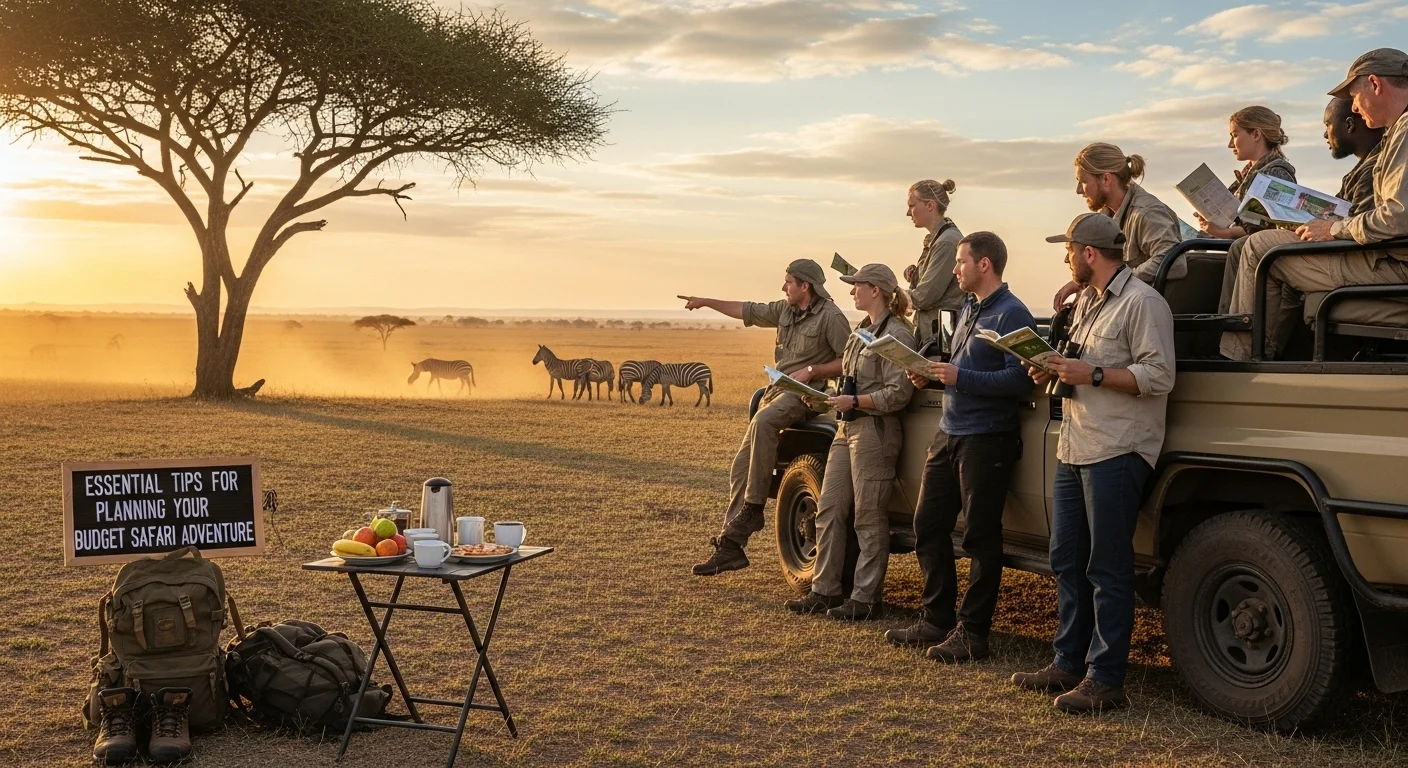
Ready for an adventure of a lifetime? A wildlife safari can immerse you in nature like never before, offering unforgettable encounters with majestic creatures. Here’s how to prepare for your own incredible journey.
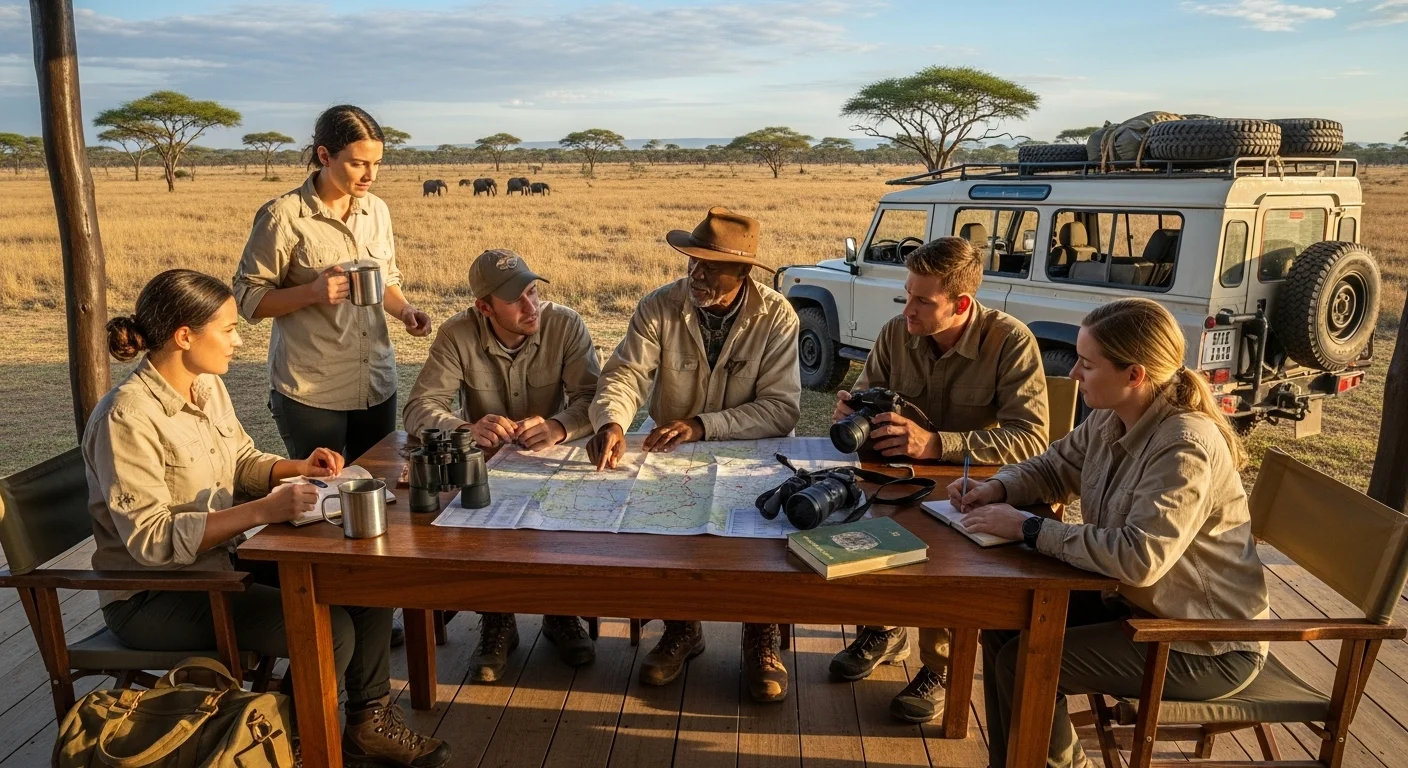
Understanding Wildlife Safaris
What is a Wildlife Safari?
When I think about wildlife safaris, I picture wide-open savannahs, stunning sunsets, and the thrill of spotting a lion lounging under a tree. A wildlife safari is essentially a journey into nature, where you get to observe animals in their natural habitat. It’s not just about seeing the Big Five—lion, leopard, elephant, buffalo, and rhinoceros—but experiencing the beauty and diversity of ecosystems. The excitement of witnessing a herd of elephants at a watering hole or hearing the roar of a lion at dawn is something I will forever cherish. Each moment on safari is filled with wonder, teaching us about the delicate balance of nature.
Types of Safaris: Vehicle, Walking, and More
There are several types of safaris to consider, each offering unique experiences. Vehicle safaris are the most popular, allowing for comfortable viewing from specially designed trucks. I remember my first vehicle safari; the guide shared fascinating stories about the animals and their behaviors, making every sighting more meaningful. Walking safaris, on the other hand, let you connect with nature on a whole different level. I had the chance to take a walking safari in Zambia, which was exhilarating. We learned to identify animal tracks and bird calls, and I felt a deeper appreciation for the land. Then there are boat safaris, where you can drift quietly along rivers and lakes, witnessing wildlife along the banks. It was such a peaceful experience spotting hippos and crocodiles from a distance. Finally, there are even hot air balloon safaris, which provide a breathtaking aerial view of the landscape. Each type of safari has its charm, and I think the best approach is to mix and match based on what excites you most. Read Interesting article: Cultural Trekking Adventures: Explore on a Budget Today
Key Wildlife Safari Destinations
Choosing the right destination for your safari can shape your entire experience, and I’ve come to realize that each location has its unique allure. Here are some of the top safari destinations that I found unforgettable:
Serengeti National Park
The Serengeti in Tanzania is iconic for a reason. It’s home to the Great Migration, where millions of wildebeest and zebras traverse the plains in search of fresh grass. Witnessing this event was one of the highlights of my travels. The vast, open landscapes are breathtaking, and you can spot predators like lions and cheetahs more easily here, too. I still remember the dramatic scenes of a lioness stalking her prey. It felt like nature’s theater.
Kruger National Park
In South Africa, Kruger National Park is another fantastic option. It’s one of the largest game reserves in Africa, and during my visit, I was amazed at how accessible wildlife viewing was. The park is well-equipped with roads and accommodations, making it perfect for both self-drive and guided tours. I saw a variety of wildlife, from elephants to colorful birds, and the park’s diverse landscapes made every day feel new.
Masai Mara
The Masai Mara in Kenya is famous for its rich wildlife and the annual migration that spills over from the Serengeti. I was fortunate to experience this vibrant ecosystem, where I saw cheetahs sprinting after gazelles and herds of elephants roaming freely. The interplay of culture and nature here is remarkable, and I loved visiting a local Maasai village to learn about their traditions.
Yellowstone National Park
While it may not be the first place that comes to mind for a safari, Yellowstone in the United States offers astonishing wildlife experiences as well. I had my breath taken away by the sight of bison roaming the fields and wolves in the wild. The geothermal features add a unique twist to the landscape, making each outing a feast for the senses. I discovered that you don’t have to travel far to encounter incredible wildlife; sometimes, it’s right in your backyard.
Understanding these destinations and the variety of safari types can help you choose the adventure that best suits you. I believe that when planning your safari, it’s important not just to think about the animals you want to see, but also the experience you want to have. Whether it’s through the thrill of a vehicle safari or the intimacy of a walking safari, each moment can be a memory you’ll hold onto forever.
When to Go on a Wildlife Safari
Best Seasons for Wildlife Viewing
Deciding when to go on safari can greatly affect what wildlife you see and how you experience it. I’ve learned that the best seasons for wildlife viewing often vary by region. In East Africa, the dry season from June to October is typically the most popular time for safaris. During this period, animals congregate around water sources, making them easier to spot. I remember being in Tanzania during this time and seeing herds of elephants gathered at a watering hole—a sight that felt like a scene from a nature documentary.
In Southern Africa, the best time is often from May to September. I visited Kruger National Park in August, and I was amazed at how the sparse vegetation made it easier to see animals roaming the landscape. However, for those who prefer the lush, green scenery and fewer tourists, the wet season from November to March can be a magical experience as well. Just be prepared for some rain!
Weather Considerations
Weather can play a significant role in your safari experience. On my first safari, I was surprised by how much the weather varied, even in a single day. Mornings were usually chilly, and I often found myself layering up. It’s essential to pack appropriately so you can enjoy every moment without discomfort. I learned to embrace the unpredictability of nature; sometimes, the rain would bring out the animals in ways I hadn’t expected. For example, I witnessed a pride of lions playing in the rain, and it was one of the most heartwarming sights I’ve ever seen.
Additionally, understanding the local climate can help you prepare for potential challenges. I remember being caught off guard by the heat in the middle of the day during my safari in the Masai Mara; it’s crucial to stay hydrated and take breaks in shaded areas whenever possible.
Peak Migration Times
One of the most spectacular events to plan your safari around is the Great Migration. If you have the chance to experience the migration, it’s worth it! The peak migration typically occurs between July and September as wildebeest and zebras move from the Serengeti to the Masai Mara. I had the incredible opportunity to witness this firsthand. The sheer number of animals was mind-blowing, and to see them cross rivers, often facing the threat of crocodiles, was both thrilling and humbling.
However, timing is everything. I found that the best time to witness river crossings is usually in July or August. If you are flexible with your travel dates, I recommend planning around these peak times to immerse yourself in this extraordinary natural spectacle.
Choosing the Right Safari Package
Guided vs. Self-Drive Safaris
When it comes to safari packages, there’s a significant choice between guided tours and self-drive options. I’ve experienced both, and each has its benefits. Guided safaris often provide expert knowledge and insights that can make your experience richer. The first time I went on a guided safari, our guide could identify animal behaviors and share stories that I would have missed entirely on my own. It felt like having a backstage pass to the natural world.
On the other hand, self-drive safaris allow for a sense of freedom. I remember taking a self-drive trip in Kruger National Park, where I could set my own pace and explore at my leisure. This type of safari can be more affordable and give you the chance to experience the thrill of spotting animals independently. However, it does require a bit more planning and navigation skills, which can be both challenging and rewarding.
Luxury vs. Budget Options
Safari experiences can range from luxurious lodges to budget-friendly camping options. I’ve had the chance to stay in both types of accommodations, and each has its own appeal. Luxurious lodges often provide an all-inclusive experience with fine dining, spa treatments, and stunning views. I felt pampered during my stay at a lodge in the Masai Mara, where I could sip coffee on my private deck while watching elephants wander by.
However, budget options can lead to equally memorable experiences. I once camped in a tented camp in the Serengeti, and while the amenities were more basic, I felt closer to nature. Falling asleep to the sounds of the wild was thrilling! I often recommend travelers to consider what aspects matter most to them—comfort or connection to the land—and choose accordingly. Read Interesting article: Essential Gear for Budget Mountain Trekking Adventures
What to Look for in a Safari Operator
Choosing a reputable safari operator is crucial for an enjoyable experience. I’ve learned to look for operators with positive reviews and a commitment to conservation. When I went on safari in Zambia, I chose a company that focused on responsible tourism. Knowing that my experience supported local communities and conservation efforts made my adventure even more rewarding.
Additionally, I recommend considering the size of the groups. Smaller groups can offer a more intimate experience and more personalized attention. On my last trip, I traveled with just a few other people, and it felt like we were all part of a special family. Whatever you decide, it’s essential to do your research to ensure your safari operator aligns with your values and expectations.
Essential Safari Gear and Packing List
Clothing: What to Wear on Safari
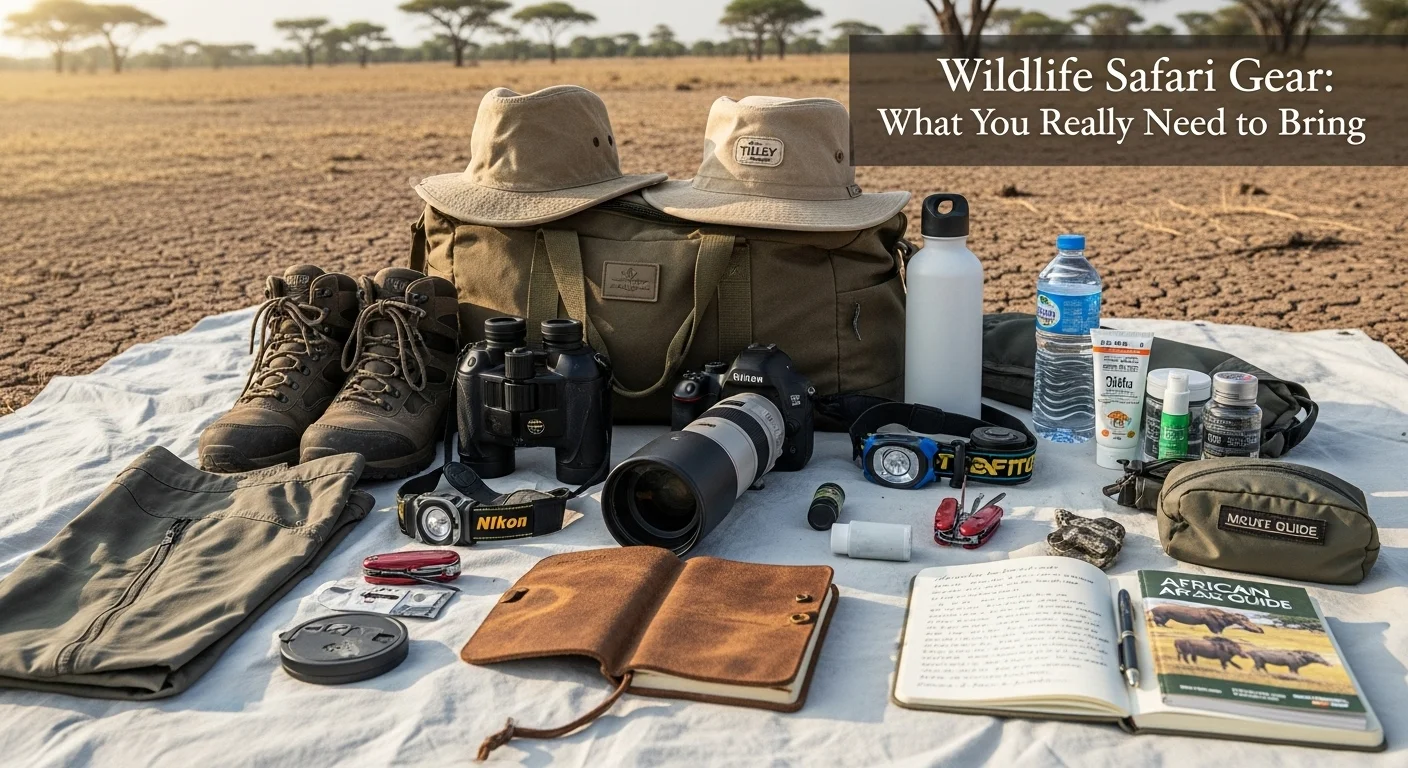
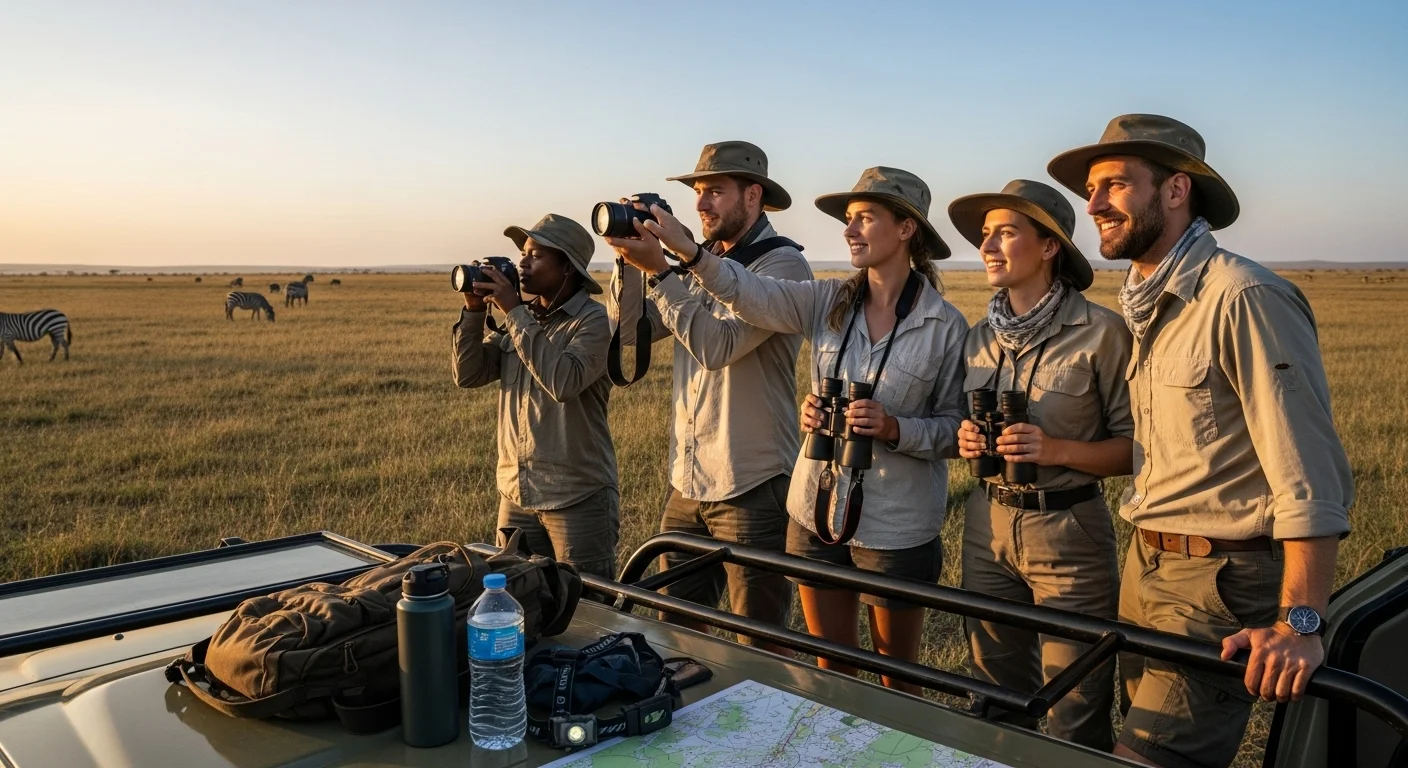
Packing the right clothing is crucial for a comfortable safari experience. I remember my first safari, where I didn’t quite understand the importance of layers. Mornings and evenings can be chilly, while the afternoons can get surprisingly hot. I learned to pack light, breathable clothing that I could layer. Neutral colors like khaki, beige, and olive green not only help you blend in with the environment but also minimize your chances of startling the wildlife.
Comfortable, sturdy shoes are a must. I found myself doing a lot of walking, especially on walking safaris, so a good pair of hiking boots helped keep my feet happy. I also recommend a wide-brimmed hat and sunglasses to protect yourself from the sun. A light rain jacket can come in handy, too, especially during the wet season. Trust me; you don’t want to get caught in unexpected rain without proper gear!
Photography Equipment
If you’re anything like me, capturing the magic of wildlife is a priority. I’ve invested in a good camera lens that allows me to zoom in on distant animals without disturbing them. A DSLR or mirrorless camera is a great option, but even a high-quality smartphone can do wonders these days. I remember some breathtaking shots I took with just my phone on a boat safari in Botswana.
Besides your camera, I recommend bringing extra batteries and memory cards. You never want to miss that perfect moment due to a dead battery or a full card. A sturdy camera bag is also essential for protecting your gear while on the move. Some safaris might offer professional photography services, which can be a great option if you want to focus more on enjoying the experience rather than worrying about capturing every moment yourself. Read Interesting article: Wildlife Photography on a Budget: Safari Tips You Need
Binoculars and Field Guides
Having a good pair of binoculars can really enhance your safari experience. I can’t tell you how many times I spotted animals at a distance that would have gone unnoticed without my binoculars. They help you appreciate the details of wildlife, whether it’s a distant herd of elephants or a bird perched high in a tree. I invested in a compact pair that fits easily into my backpack and they’ve become a staple on all my trips.
Field guides are also invaluable, especially if you’re passionate about learning more about the flora and fauna around you. I found it incredibly rewarding to be able to identify different species of birds and plants during my walks. Many safari operators provide guides, but having your own can add a personal touch to your experience.
Health and Safety Supplies
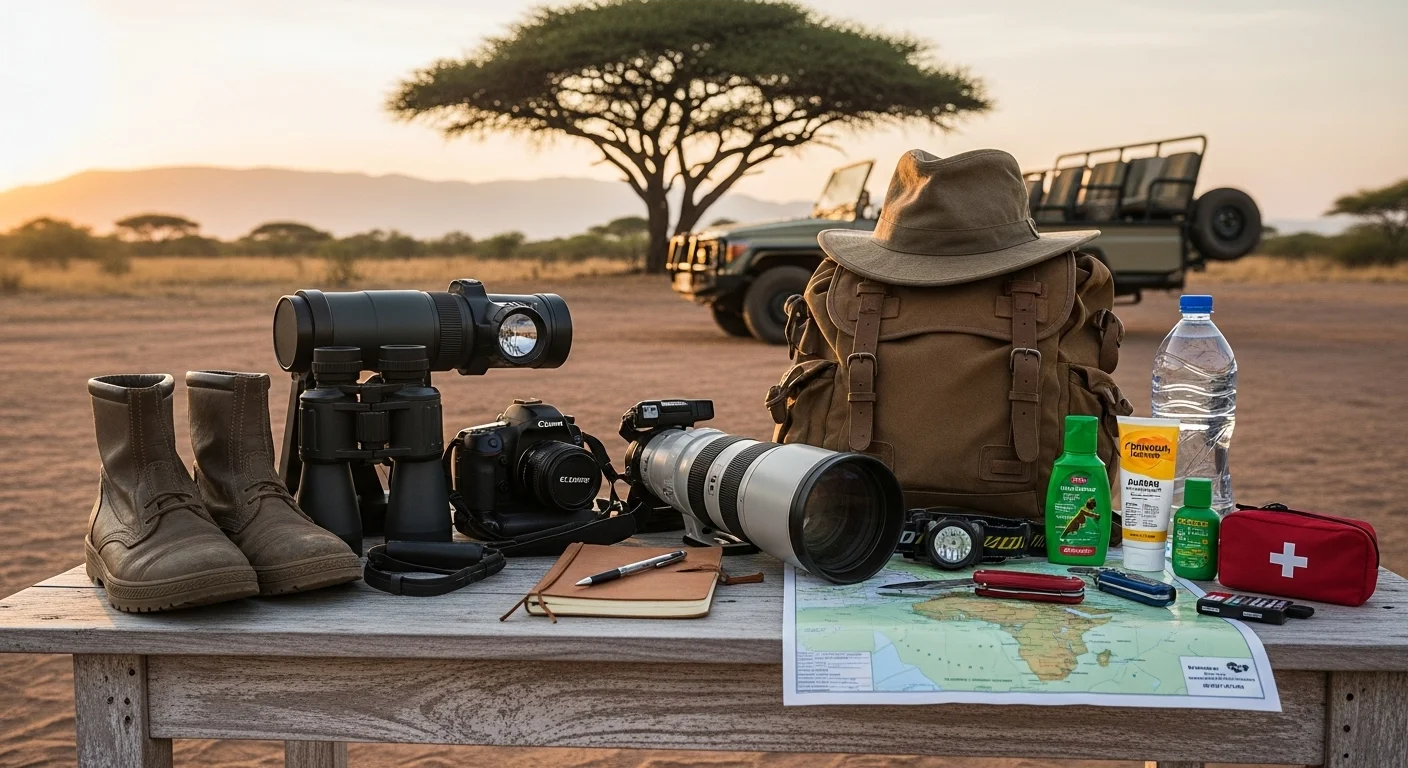
Your health and safety should always be a top priority when planning a safari. I learned this firsthand when I packed a small first-aid kit, which turned out to be a lifesaver. Basic supplies like band-aids, antiseptic wipes, and pain relievers are essential. I also recommend including any personal medications you may need, along with a good sunscreen to protect against sunburn during long days outdoors.
Insect repellent is non-negotiable; I’ve had my share of mosquito bites, and trust me, it’s not fun. I always pack a high-DEET repellent to keep those pesky bugs at bay, especially in areas where malaria is a concern. It’s also wise to have a water purification method if you’re traveling to more remote areas. Staying hydrated is key, and I’ve found that carrying a reusable water bottle with a built-in filter is convenient and eco-friendly.
As I prepared for my last safari, I realized that taking the time to pack the right gear not only enhances the experience but also ensures that I stay comfortable and safe while immersing myself in nature. Every item I packed had a purpose, and I felt better prepared to embrace the adventure ahead.
Understanding Safari Etiquette and Safety
Wildlife Viewing Guidelines
One of the most important lessons I learned during my safaris is the significance of respecting wildlife and their environment. Practicing good etiquette while on safari not only enhances our experiences but also protects the animals we come to admire. For starters, I always remember to keep a safe distance from the animals. Getting too close can stress them and disrupt their natural behaviors. I’ve found it incredibly rewarding to observe animals from a safe vantage point, where I can appreciate their actions without intruding on their space.
When in a vehicle, staying seated and keeping noise levels down is crucial. I remember being on a game drive when a guide patiently reminded us to keep our voices low as we approached a pride of lions. The experience was so much more magical when we were all quietly sharing in that moment of discovery. It’s also essential not to feed the animals; doing so can lead to dangerous situations and dependency on humans for food.
Interacting with Local Communities
Another aspect of safari etiquette I’ve come to value is the importance of engaging with local communities. Many safari destinations are home to rich cultures and traditions. I had the opportunity to visit a Maasai village during my trip, and it was eye-opening. The villagers welcomed us warmly, sharing their customs, music, and dance. It reminded me that part of our journey is about appreciating the people who live in these beautiful landscapes, too.
When interacting with local communities, I always strive to be respectful and considerate. I ask for permission before taking photos, and I try to learn a few basic phrases in their language. This small gesture often brings smiles and creates a deeper connection. My experience taught me that these interactions enrich our travels and help support local economies.
Personal Safety Tips
Personal safety is something I prioritize, especially when exploring unknown territories. When on safari, I always follow the guidelines provided by my guides and stay within designated areas. I remember a time when we were warned not to walk around our camp at night due to wildlife activity. Staying alert and being aware of my surroundings allowed me to enjoy the experience while keeping safe.
In addition, I recommend carrying a small personal safety kit that includes items like a whistle, a flashlight, and a basic first-aid kit. These items can come in handy in case of unexpected situations. I learned the hard way on one trip that having a flashlight can be a lifesaver when navigating through dark paths after sunset!
Health Preparations for Your Safari
Vaccinations and Medications
Before embarking on a safari, I always make sure to check which vaccinations are recommended for the region I’m visiting. I’ve learned that getting vaccinated not only protects me but also helps prevent the spread of diseases in wildlife and local populations. For instance, I remember getting a yellow fever vaccination before traveling to certain parts of Africa, which provided peace of mind for both myself and the travelers around me.
In addition to vaccines, I always pack essential medications, including anti-malarial prescriptions if required. During my last safari, my doctor advised me to start taking the medication a few days before departure, which I made sure to follow. It’s crucial to consult with a healthcare professional about any specific health concerns related to the region you’ll be visiting.
Preventing Insect Bites and Disease
Insect repellent is another must-have preparation. I’ve had my share of mosquito bites, and it’s no fun. I make it a habit to apply a high-DEET insect repellent before heading out for the day. Wearing long sleeves and pants during dawn and dusk when insects are most active has also proven beneficial for me. While enjoying the beauty of the wilderness, I always keep my health in check to ensure I can fully savor the experience.
Staying Hydrated and Healthy
Staying hydrated on safari is crucial, especially when exploring in hot climates. I always carry a reusable water bottle and refill it whenever I can. There’s nothing worse than feeling dehydrated while trying to enjoy a game drive. I remember one particularly hot day in Kruger National Park, where I made a point to stop and drink water whenever we paused for an animal sighting. It kept my energy levels up and allowed me to stay engaged in the adventure.
Budgeting for Your Safari Trip
Cost Breakdown: Accommodation, Transport, and Activities
Budgeting for a safari can be a bit overwhelming if you’re not careful. I’ve discovered that understanding the costs involved is key. Accommodation options can range widely in price, from luxury lodges to budget campsites. I’ve stayed in both and found that it often depends on what kind of experience you’re after. Knowing your priorities will help you allocate your budget effectively.
Transport costs can also vary, especially if you’re considering a guided safari versus a self-drive option. I personally love the added context that comes with guided tours, but self-driving can save some money if you’re comfortable navigating. Planning activities is another aspect where costs can add up, so it’s wise to research beforehand which experiences you don’t want to miss.
Saving Tips for Budget Travelers
For those traveling on a tighter budget, I have found a few strategies that can help. Traveling during the shoulder seasons can often lead to lower prices, and I’ve noticed that some safari operators offer discounts during these times. Additionally, booking in advance allows for better deals, as well as comparing different options to find what fits your budget best.
Currency and Payment Methods
When planning a safari, it’s essential to familiarize yourself with the local currency and payment methods. I always make sure to have a small amount of cash on hand for tips and small purchases, as not all places accept cards. I also recommend checking if your destination has ATM access, which can be a convenient way to withdraw cash when necessary. It’s good to be aware of potential fees associated with card transactions, so I always check with my bank before traveling.
Planning Your Itinerary
Must-See Wildlife Species
When planning my safari itinerary, I always prioritize which wildlife species I absolutely want to see. For me, spotting elephants is a must, as their majesty never fails to awe me. I also look into the best locations and times of year to see specific animals. I remember planning a trip around the best chances to see the elusive leopard in the Serengeti, and it was so worth it when we finally spotted one lounging on a branch!
Combining Activities: Cultural Tours and Adventure
I’ve found that combining different activities can greatly enrich a safari experience. Balancing wildlife viewing with cultural tours has allowed me to connect more deeply with the places I visit. In addition to game drives, I enjoy visiting local communities and learning about their traditions and lifestyles. It’s a wonderful way to gain insight into the local culture while supporting their economies.
Traveling Between Safari Destinations
When planning my itinerary, I also consider the logistics of traveling between different safari destinations. Whether by road or air, it’s essential to factor in travel times to maximize my wildlife sightings. I’ve learned to leave ample time in my schedule to avoid feeling rushed, which allows me to enjoy each moment without the pressure of the clock.
Post-Safari Considerations
How to Share Your Experience
After returning from a safari, I feel compelled to share my experiences. I often look back through my photos and journal about my adventures to capture the memories vividly. Sharing stories with friends and family helps keep the magic alive, and I enjoy encouraging others to explore the wonders of wildlife.
Wildlife Conservation Awareness
My safari experiences have also heightened my awareness of wildlife conservation issues. I’ve come to understand the importance of supporting organizations that protect endangered species and their habitats. Now, I actively seek ways to contribute, whether through donations or promoting sustainable travel practices.
Planning Your Next Adventure
Finally, after every safari, I can’t help but start dreaming about my next adventure. Each trip teaches me something new and leaves me wanting to explore more. I make notes about places I want to visit in the future, whether it’s a different safari destination or a completely new type of adventure. The world is vast, and the beauty of nature is waiting to be discovered.
Final Thoughts
Embarking on a wildlife safari is more than just a trip; it’s a life-changing experience that connects us to the natural world in profound ways. From the thrill of encountering magnificent animals to the joy of learning about different cultures, every moment spent on safari holds a special place in my heart. I hope this guide has inspired you to plan your own adventure, filled with unforgettable memories and a deeper appreciation for our planet. As you step into the wild, may you embrace the journey with open arms, ready to learn, explore, and cherish every moment.
Frequently Asked Questions
What is a wildlife safari?
A wildlife safari is a journey into nature where you can observe animals in their natural habitat. It’s about experiencing the beauty and diversity of ecosystems and not just about seeing the Big Five—lion, leopard, elephant, buffalo, and rhinoceros.
What types of safaris are available?
There are several types of safaris, including vehicle safaris, walking safaris, boat safaris, and hot air balloon safaris. Each type offers unique experiences and can be mixed and matched based on what excites you the most.
What are some key wildlife safari destinations?
Some top safari destinations include Serengeti National Park in Tanzania, Kruger National Park in South Africa, the Masai Mara in Kenya, and Yellowstone National Park in the United States, each offering unique wildlife experiences.
When is the best time to go on a wildlife safari?
The best time for wildlife viewing varies by region. In East Africa, the dry season from June to October is popular, while in Southern Africa, May to September is ideal. The wet season from November to March can also provide a magical experience with fewer tourists.
What should I consider when choosing a safari package?
When choosing a safari package, consider whether you prefer guided tours or self-drive options, luxury versus budget accommodations, and the reputation of the safari operator. Researching these factors can enhance your overall experience.
What essential gear should I pack for a safari?
Essential gear includes layered clothing suitable for varying temperatures, comfortable shoes, photography equipment, binoculars, and a small first-aid kit. Insect repellent and sunscreen are also crucial for health and safety.
What are some important wildlife viewing guidelines?
Important wildlife viewing guidelines include maintaining a safe distance from animals, staying seated and quiet in vehicles, and not feeding the wildlife. Respecting these guidelines enhances the experience and protects the animals.
How can I prepare for health and safety before my safari?
Preparation includes getting recommended vaccinations, packing essential medications, using insect repellent, and staying hydrated. It’s also wise to carry a personal safety kit for unexpected situations.
What should I budget for a safari trip?
Budgeting for a safari involves understanding costs related to accommodation, transport, and activities. Accommodation ranges from luxury lodges to budget campsites, and it’s important to research and plan ahead to maximize your budget.
How can I share my safari experience after returning home?
After a safari, you can share your experience by reviewing photos, journaling about your adventures, and sharing stories with friends and family. This helps keep the memories alive and encourages others to explore wildlife.