Embarking on an African safari doesn’t have to break the bank! For backpackers seeking adventure, there are affordable destinations offering amazing wildlife experiences and breathtaking landscapes. Let’s dive into the best options for an unforgettable journey!
Overview of African Safaris for Backpackers
What is an African Safari?
When I think of an African safari, I picture vast savannahs, herds of elephants roaming freely, and the thrill of spotting a lion in its natural habitat. An African safari is essentially a journey into the wilderness of Africa, where you can observe wildlife in their natural environment. There are various ways to experience a safari, from guided tours to self-driving adventures. For me, the idea of witnessing nature’s beauty up close is exhilarating.
Why Choose an Affordable Safari?
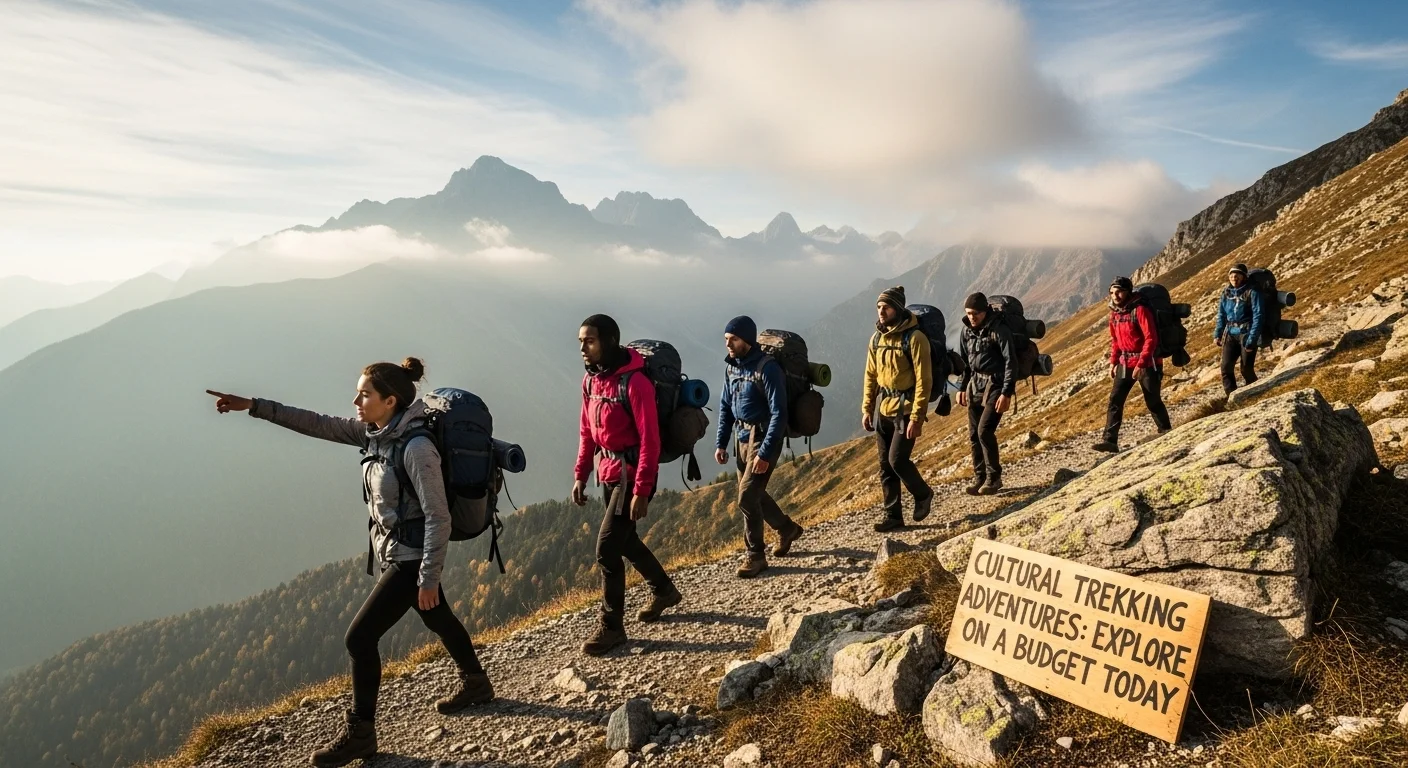
Opting for an affordable safari doesn’t mean sacrificing quality; it’s about seeking out the best experiences without overwhelming your budget. I’ve found that many backpackers often think safaris are only for those with deep pockets, but this isn’t the case! Choosing affordable options allows us to immerse ourselves in the culture and beauty of Africa while still enjoying incredible wildlife experiences. Plus, it opens the door to discovering hidden gems that might be overlooked by the mainstream tourist crowd. Cost-effective safaris often lead to more personal and unique experiences, making the adventure all the more memorable. Read Interesting article: Top Cultural Trekking Destinations for Budget Travelers
Top 5 Affordable African Safari Destinations
1. Tanzania
Key National Parks: Serengeti and Ngorongoro Crater
Tanzania is often hailed as one of the best safari destinations in Africa, and for good reason. The Serengeti National Park offers a chance to witness the Great Migration, where millions of wildebeest and zebras traverse the plains. The Ngorongoro Crater, a UNESCO World Heritage site, is another must-visit. I remember standing at the crater’s edge, feeling a sense of awe as I gazed upon this stunning natural wonder filled with diverse wildlife.
Best Time to Visit
The best time to visit Tanzania for a safari is during the dry season, from June to October. I found that wildlife is easier to spot during these months, as animals gather around water sources. However, visiting during the wet season (November to May) can also offer unique experiences, like lush landscapes and fewer tourists.
Budget Accommodation Options
While Tanzania is known for luxury lodges, backpackers can find plenty of budget-friendly options. Hostels, guesthouses, and camping sites are widely available. I’ve stayed in some fantastic hostels in Arusha that offer safari packages at reasonable prices. Camping in the national parks can also provide an incredible experience, letting us sleep under the stars while surrounded by nature.
Local Transportation Tips
Getting around Tanzania can be an adventure in itself! From my experience, using public transportation like dala-dalas (shared minibusses) is both affordable and a great way to meet locals. For safaris, consider joining group tours that split costs, making it easier to explore the parks without breaking the bank. I often found that traveling with new friends made the experience even more enjoyable!
2. South Africa
Key National Parks: Kruger National Park and Addo Elephant Park
South Africa is another fantastic choice for backpackers. Kruger National Park is one of the largest game reserves in Africa, offering immense biodiversity and excellent opportunities for wildlife spotting. Addo Elephant Park is famous for its elephants and is a must-see for any animal lover. I’ll never forget the feeling of seeing a massive elephant family up close!
Best Time to Visit
Like Tanzania, the dry season from May to September is ideal for visiting South Africa. During this time, wildlife sightings are more frequent as animals congregate around water sources. However, the shoulder months of April and October can also be great for fewer crowds and beautiful landscapes.
Budget Accommodation Options
South Africa has a variety of budget accommodations, including hostels, guesthouses, and campsites. I found that many hostels offer organized tours to Kruger and Addo, which can save money while providing convenience. Camping in the parks is another excellent option that allows us to be closer to nature.
Local Transportation Tips
South Africa has a well-developed transportation system, and I recommend using regional buses or shared taxis for getting around. For safari trips, consider joining a group tour to share costs and enjoy the experience together. Many backpackers I met found that traveling in small groups can also enhance the adventure.
3. Kenya
Key National Parks: Maasai Mara and Amboseli
Kenya is iconic for its stunning landscapes and rich wildlife. The Maasai Mara is famous for the Great Migration and is one of the most popular safari destinations. Amboseli National Park, with its breathtaking views of Mount Kilimanjaro, is another must-visit. I remember being in Amboseli, surrounded by a herd of elephants with Kilimanjaro in the background—it was pure magic!
Best Time to Visit
The ideal time to visit Kenya is during the dry months from June to October. This is when the Great Migration occurs, offering unbeatable wildlife viewing opportunities. However, visiting in the wet season can also be rewarding, with vibrant landscapes and fewer tourists.
Budget Accommodation Options
Kenya offers various affordable accommodation options, from hostels to campgrounds. I discovered that many campsites near the national parks provide budget-friendly options for staying overnight. Meeting fellow travelers at these campsites often led to shared safari experiences, which was both economical and fun.
Local Transportation Tips
Getting around Kenya can be tricky, but using matatus (shared minibuses) is a popular and budget-friendly option. For safaris, consider joining group tours to save money. I learned that sharing the experience with others not only cuts costs but also enhances the overall adventure.
Top 5 Affordable African Safari Destinations
4. Namibia
Key National Parks: Etosha National Park and Namib Desert
Namibia is a hidden gem that often flies under the radar for many backpackers, but it’s a place I highly recommend. The vast landscapes, from the salt pans of Etosha National Park to the stunning dunes of the Namib Desert, are nothing short of breathtaking. In Etosha, I had the chance to see a variety of wildlife, including lions, zebras, and rhinos, all congregating around waterholes. The experience of watching animals in their natural habitat was truly unforgettable.
Best Time to Visit
The best time to visit Namibia is during the dry season, which runs from May to October. I found this period ideal for spotting wildlife, as animals venture out to drink water, making them easier to see. Plus, the weather is cooler, which made my excursions more enjoyable. If you’re looking for a quieter experience, consider visiting during the shoulder months, where you might enjoy lush scenery and fewer crowds.
Budget Accommodation Options
While Namibia has its share of luxury lodges, there are plenty of budget-friendly options available. I often stayed in guesthouses and hostels in Windhoek, the capital, which offer affordable rates and friendly atmospheres. Camping is also popular, especially in national parks, where I enjoyed setting up my tent under a star-studded sky. It’s a great way to connect with nature and fellow travelers.
Local Transportation Tips
Getting around Namibia can be a bit of a challenge due to its vastness, but I found that renting a car was a worthwhile investment, especially for a group of friends. This way, we could explore at our own pace and stop at scenic spots along the way. Alternatively, for solo travelers, joining guided tours or using public transport can be a good way to save on costs. I met many travelers who formed groups to share transportation expenses, which helped make it more affordable.
5. Botswana
Key National Parks: Chobe National Park and Okavango Delta
Botswana is often regarded as a premier safari destination, known for its commitment to wildlife conservation. Chobe National Park is famous for its large elephant population, and I was absolutely awestruck during a boat cruise on the Chobe River. It was a surreal experience watching elephants swim and play in the water. The Okavango Delta, a UNESCO World Heritage site, is another must-see, offering unique opportunities for mokoro (traditional canoe) safaris.
Best Time to Visit
For Botswana, the dry season from May to October is the optimal time for safaris. Wildlife sightings are plentiful during this period as animals gather around water sources. I found that visiting in the wet season, although less popular, offers stunning landscapes and unique experiences, like birdwatching and lush green scenery.
Budget Accommodation Options
While Botswana does have high-end lodges, there are affordable accommodations available, especially in towns like Kasane and Maun. I discovered that many lodges offer camping options, which not only saves money but also creates a more immersive experience. Staying in community campsites can also lead to meeting fellow travelers and sharing stories around a campfire.
Local Transportation Tips
Getting around Botswana can be done through various means, but I found that local buses and shared taxis, known as “combis,” are budget-friendly and efficient. For those looking to explore the national parks, joining a group tour can cut costs significantly while enhancing the experience. I met several backpackers who enjoyed the camaraderie of group safaris, making the adventure even more special.
Planning Your Safari Experience
When to Go: Seasonal Considerations
Choosing the right time to go on safari can have a huge impact on your experience. I learned that each season offers its own unique charm. The dry season is typically the most popular for wildlife viewing, as animals are easier to spot around watering holes. However, I also enjoyed visiting during the wet season, where the landscape transforms and the wildlife behavior changes, providing new and exciting opportunities. Observing baby animals during the wet season was a highlight of my travels!
Essential Packing List for Backpackers
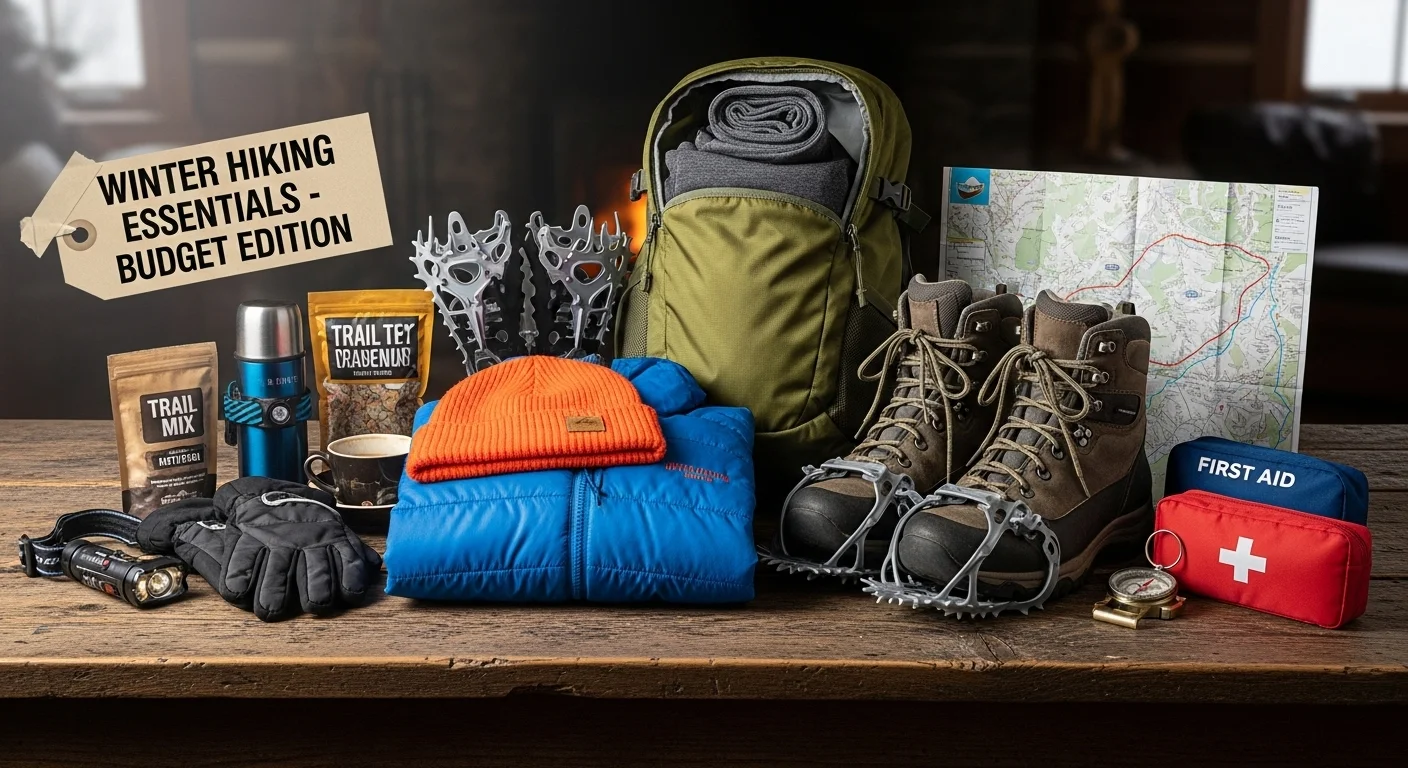
Packing for a safari is crucial to ensure comfort and enjoyment. I always made sure to include lightweight clothing, a good pair of binoculars, and a camera to capture the stunning scenery and wildlife. A hat and sunscreen are essential to protect yourself from the sun during long days out in the wild. Don’t forget a reusable water bottle to stay hydrated and snacks for those long drives between sightings. It’s also wise to bring insect repellent and a first aid kit for peace of mind.
Safety Tips for Safari Adventures
Safety should always be a priority on safari adventures. I found that listening to guides and following their instructions were crucial for a safe experience. Staying in the vehicle during game drives, especially when encountering wildlife, is essential. Additionally, keeping a safe distance from animals is a must. I also made it a point to avoid walking alone in areas where wildlife might be present. Being aware of my surroundings enhanced my experience and ensured I stayed safe while enjoying the wonders of nature.
Local Culture and Cuisine
Understanding Local Customs
Experiencing an African safari is not just about wildlife; it’s also about immersing ourselves in the vibrant local cultures. Each country has its own unique customs and traditions that add to the richness of our journey. I remember visiting a Maasai village in Kenya and learning about their fascinating way of life. The locals welcomed us with open arms, sharing their songs and dances, which truly brought their culture to life. I learned the importance of showing respect, especially when taking photos, as some communities prefer not to be photographed without permission. Being mindful of these customs not only shows respect but also enhances our overall travel experience, creating connections with local people that can last a lifetime.
Must-Try Dishes in Each Destination
One of my favorite ways to experience a new culture is through its food. Each destination offers unique culinary delights that are worth trying. In Tanzania, I enjoyed a traditional meal of ugali (a maize porridge) served with fish or meat and vegetables. The flavors were simple yet delicious, and sharing meals with locals gave me a taste of their hospitality. In South Africa, I discovered boerewors, a savory sausage often enjoyed at a braai (barbecue). The smell of it sizzling on the grill is something I’ll never forget!
In Kenya, I had the pleasure of trying nyama choma, which is grilled meat typically served with ugali and kachumber (a fresh salad). It was a highlight to enjoy this meal while sitting around a fire with friends, sharing stories and laughter. Namibia introduced me to biltong, a dried meat snack that was perfect for taking on long drives. And in Botswana, I had a chance to savor seswaa, a slow-cooked meat dish that was incredibly tender and flavorful. Each meal I enjoyed connected me deeper to the culture, and I often found myself reminiscing about those flavors long after the trip.
Budgeting for Your Safari Trip
Cost Breakdown: Transportation, Accommodation, and Activities
As backpackers, managing our budget is crucial for making the most of our safari experience. I found that a well-structured budget can help us enjoy everything Africa has to offer without overspending. For transportation, I often relied on public buses and shared taxis, which kept costs down. While they may take longer than private transport, the experience of mingling with locals made the journey worthwhile. I usually set aside around $5 to $15 per day for transport, depending on the location and distances involved.
Accommodation costs also vary widely, but I often budgeted around $10 to $30 per night for hostels or budget guesthouses. Camping was another fantastic option, allowing me to save money while enjoying nature. I recommend looking for lodges that offer package deals, as these can sometimes include meals and activities, providing good value for money.
As for activities, national park entrance fees can add up, so planning ahead is key. I typically budgeted around $20 to $60 per day for park fees and guided tours. However, joining group tours can significantly reduce costs. I remember pooling resources with fellow travelers to hire a guide, which made for a more affordable and fun experience. By keeping these costs in mind, I was able to enjoy the adventure without financial stress.
How to Save Money While Traveling
Finding ways to save money while traveling can make a huge difference in the overall experience. One tip that worked well for me was to travel during the shoulder seasons. This not only meant fewer crowds but also lower prices on accommodation and activities. I often looked for local markets to grab meals instead of dining at touristy restaurants; this was not only kinder to my wallet but also offered a more authentic taste of local cuisine.
Joining group tours or sharing costs with fellow travelers was another money-saving tip I learned. I often met people who were eager to join forces for safari excursions, making it more affordable and enjoyable. I also took advantage of free activities, like hiking in national parks or exploring local towns, which were often the most rewarding parts of my travels. Lastly, I made it a habit to review my expenses regularly; this helped me stay on track and adjust my plans when necessary, ensuring I could make the most of my adventure without exceeding my budget.
Frequently Asked Questions
What is an African safari?
An African safari is a journey into the wilderness of Africa, where you can observe wildlife in their natural environment. It can include various experiences, from guided tours to self-driving adventures.
Why should I choose an affordable safari?
Choosing an affordable safari allows you to immerse yourself in the culture and beauty of Africa without overwhelming your budget. It often leads to more personal and unique experiences, allowing you to discover hidden gems overlooked by mainstream tourists.
What are some of the top affordable safari destinations in Africa?
Some of the top affordable safari destinations include Tanzania, South Africa, Kenya, Namibia, and Botswana. Read Interesting article: Explore Exotic Jungles: Backpacking on a Budget
When is the best time to visit Tanzania for a safari?
The best time to visit Tanzania for a safari is during the dry season, from June to October, when wildlife is easier to spot as animals gather around water sources.
What budget accommodation options are available in South Africa?
In South Africa, budget accommodations include hostels, guesthouses, and campsites. Many hostels offer organized tours to national parks, which can save money while providing convenience.
How can I get around Kenya while on a budget?
Using matatus (shared minibuses) is a popular and budget-friendly option for getting around Kenya. Joining group tours can also help save money on safaris.
What should I pack for a safari adventure?
Essential items to pack for a safari include lightweight clothing, binoculars, a camera, a hat, sunscreen, a reusable water bottle, snacks, insect repellent, and a first aid kit.
What safety tips should I follow during a safari?
Key safety tips include listening to guides, staying in the vehicle during game drives, keeping a safe distance from animals, and avoiding walking alone in areas where wildlife might be present.
How can I save money while traveling on a safari?
To save money while traveling on a safari, consider traveling during the shoulder seasons, eating at local markets, joining group tours, taking advantage of free activities, and regularly reviewing your expenses.
What are some must-try dishes in African safari destinations?
Must-try dishes include ugali in Tanzania, boerewors in South Africa, nyama choma in Kenya, biltong in Namibia, and seswaa in Botswana, each offering a taste of local culture and hospitality.