
Web Analytics

Recent Posts

Discover Hidden Ancient Ruins Without Breaking the Bank

Exploring ancient ruins doesn’t have to be a costly adventure. With the right knowledge and planning, we can uncover hidden treasures from the past without breaking the bank! Read Interesting article: Your Ultimate Guide to Ancient Ruins on a Budget

Discover Hidden Ancient Ruins Without Breaking the Bank

Understanding Ancient Ruins: A Brief Overview

What Are Ancient Ruins?

When I think of ancient ruins, images of crumbling stone walls, towering temples, and sprawling cityscapes come to mind. These remnants of civilizations long gone tell stories of our history, culture, and the people who walked before us. Ancient ruins can be anything from grand structures like the Colosseum in Rome to lesser-known sites tucked away in remote areas. They remind us of our shared past and the incredible achievements of those who came before us. I often find myself pondering the lives of the people who created these marvels, and it adds a layer of depth to my travel experiences.

Importance of Ancient Ruins in History

As I delve deeper into exploring these ancient sites, I’ve realized how vital they are for understanding our world today. Ancient ruins serve as windows into different cultures and societies. They provide insights into architecture, art, religion, and daily life. For example, when visiting the ruins of Pompeii, I could almost hear the echoes of the past, learning about the lives of those who had been frozen in time by a volcanic eruption. Each site has a unique story that enriches my knowledge of history. Moreover, they are often tied to local myths and legends, giving us a glimpse into the values and beliefs of ancient peoples.

Visiting ancient ruins not only educates us but also promotes the preservation of these sites. Many of these locations are under threat from tourism, climate change, and neglect. By acknowledging their importance and supporting preservation efforts, we can help ensure that future generations will also have the chance to appreciate them. It makes me feel connected to a larger community of travelers and history enthusiasts, all working toward the same goal of respecting and conserving our shared heritage.

Top Affordable Destinations for Ancient Ruins

Mexico: Exploring Mayan Ruins

One of my favorite affordable destinations for ancient ruins is Mexico, particularly the Mayan ruins scattered throughout the Yucatán Peninsula. Sites like Tulum and Coba offer breathtaking views and rich history without the hefty price tag of more famous sites. Tulum, perched on cliffs overlooking the Caribbean Sea, is stunning and surprisingly accessible for budget travelers. I remember sitting on the beach nearby, reflecting on the Mayan civilization while feeling the warm breeze. Coba, with its towering pyramid, offers a more adventurous experience where you can even climb to the top if you’re feeling brave. The entrance fees are reasonable, and you can easily explore these sites on your own or hire a local guide for a modest fee.

Greece: Lesser-Known Archaeological Sites

Greece is another gem when it comes to ancient ruins. While everyone flocks to the Acropolis in Athens, I discovered that there are countless lesser-known archaeological sites worth visiting. Places like Delphi and the ancient city of Mystras are awe-inspiring and often far less crowded. I found myself wandering through the ruins of Delphi, imagining how it must have felt to seek wisdom from the Oracle. The entrance fees are usually low, especially if you visit during the off-peak season. Plus, exploring these sites often means fewer tourists, allowing for a more intimate experience with history.

Egypt: Hidden Gems Beyond the Pyramids

When I think of Egypt, the Pyramids of Giza immediately spring to mind. However, there are so many other incredible sites to explore that won’t strain your wallet. The temples of Karnak and Luxor are magnificent and often less crowded than their more famous counterparts. I was amazed by the intricate carvings and the sheer scale of these temples. The entrance fees are generally modest, and you can often find package deals that include transportation. I even joined a local guide who shared stories that brought the ruins to life, adding value to my experience.

Italy: Off-the-Beaten-Path Ruins

Italy is bursting with ancient ruins, but not all of them are located in the busy cities. I ventured to sites like Paestum and Herculaneum, which are often overshadowed by Pompeii. Paestum, with its well-preserved Greek temples, felt like a hidden treasure. The ticket prices were reasonable, and I reveled in the tranquility of the site. Herculaneum, buried by the same eruption that took Pompeii, offers a different perspective on ancient Roman life. The smaller crowds allowed me to explore at my own pace, making it one of my favorite discoveries in Italy. Read Interesting article: Italy Travel on a Budget: Hidden Gems and Tips to Save

Peru: Discovering Incan Sites without the Crowds

Peru is famous for Machu Picchu, but there are plenty of ancient Incan sites that are just as fascinating and far less crowded. I decided to visit Ollantaytambo and Sacsayhuamán, which were equally impressive. Ollantaytambo, with its terraced hillsides and stunning views, felt like stepping back in time. The entrance fees were quite affordable, and I found that traveling during the rainy season actually made for a more pleasant experience due to fewer tourists. I even hiked around the ruins, immersing myself in the natural beauty that surrounded these historical sites.

Planning Your Visit: Budget Tips and Tricks

When to Visit for Lower Prices

Timing can make all the difference when it comes to exploring ancient ruins on a budget. I’ve found that traveling during the shoulder seasons—just before or after peak tourist times—can save you a lot of money. For instance, visiting Greece in late spring or early fall means fewer tourists and lower prices on accommodations and activities. I remember wandering through the ruins of Delphi in September when the weather was still warm, but the crowds had thinned out significantly. This not only made the experience more enjoyable but also allowed me to soak in the history without feeling rushed.

Another tip I learned is to check for special events or local holidays that may affect prices. Many sites offer free admission on certain days or during specific months, which can be a fantastic way to save. I once stumbled upon free entry days at a museum that included ancient artifacts, allowing me to expand my knowledge without spending a dime.

Finding Affordable Accommodation

I’ve discovered that finding a place to stay near ancient ruins doesn’t have to be a financial burden. Hostels, guesthouses, and budget hotels are often available in these areas, and they can offer a cozy place to rest after a day of exploration. I remember staying in a charming guesthouse near Tulum, where the owner even provided tips on the best times to visit the ruins. It felt like I was part of the local community rather than a mere tourist.

Additionally, I often use platforms like Airbnb or Couchsurfing to find unique budget options. Staying with locals not only saves money but also gives me insights into the culture that you just can’t get from a hotel. Sometimes, I’ve even been lucky enough to score a room with a view of the ruins, which is an unforgettable experience!

Transportation Options to Save Money

Getting around can be one of the trickiest parts of planning a trip to ancient ruins, but I’ve found plenty of ways to save money. Public transportation is often a budget-friendly option. Buses and trains can take you to some of the most iconic sites, often at a fraction of the cost of taxis or rental cars. I vividly remember taking a bus from Athens to Delphi; the scenic ride added to the adventure.

If you prefer to explore at your own pace, consider renting a bicycle or using ride-sharing apps, which can be more economical than traditional taxis in many cases. I’ve discovered that many towns near archaeological sites are quite bike-friendly, allowing for a unique way to soak in the surroundings while saving on transportation costs.

Free or Low-Cost Tours and Guides

When I’m eager to learn about the history of a site, I often seek out free walking tours. Many cities with ancient ruins offer these tours, where guides work for tips rather than a set fee. I took part in one such tour in Rome, and it was one of the highlights of my trip. The guide was incredibly knowledgeable and passionate about the history, making the experience truly memorable. Plus, I was able to ask questions and engage in discussions that deepened my understanding of the ruins we visited.

Even if a site doesn’t have free tours, look for local guides who charge reasonable fees. I’ve found that hiring a local guide can enhance my experience significantly, as they often share stories and insights that you won’t find in guidebooks. It’s a small investment that pays off by bringing the ancient ruins to life.

Essential Gear for Exploring Ancient Ruins

What to Pack for Comfort and Safety

When I gear up for a day of exploring ancient ruins, I always prioritize comfort and safety. I typically pack sturdy walking shoes—trust me, you’ll thank yourself later! Exploring sites can involve a fair amount of walking and sometimes uneven terrain, so having reliable footwear is crucial. I’ve experienced the difference a good pair of shoes can make in enjoying these historical locations.

Additionally, I carry a small backpack with essentials like sunscreen, a refillable water bottle, and a hat for sun protection. Hydration is key, especially when visiting sites under the hot sun. I also recommend bringing a light jacket or sweater, as temperatures can fluctuate throughout the day, especially if you’re near the coast or in higher elevations.

Photography Tips for Capturing Ruins

If you’re like me and love capturing the beauty of ancient ruins, there are a few tips I’ve learned that can help enhance your photography. First, I always try to visit early in the morning or later in the afternoon to avoid harsh midday light. The golden hour not only makes for stunning photos but also casts a magical glow over the ruins.

Experimenting with different angles is another way to add creativity to your shots. I’ve found that stepping back to capture the entire site or getting low to the ground for unique perspectives can lead to some incredible photos. Lastly, don’t forget to take candid pictures of the people you’re traveling with—those moments often tell the most meaningful stories of your adventures.

Cultural Etiquette and Safety Considerations

Respecting Local Customs

As I travel to various ancient ruins, I’ve come to realize that respecting local customs and traditions is crucial for an enriching experience. Each country and site has its own unique set of cultural practices, and being mindful of these can deepen our connection to the places we visit. For instance, while exploring the Mayan ruins in Mexico, I learned about the importance of sacred sites and the rituals that the indigenous people still perform. I felt privileged to witness a ceremony in Tulum, which reminded me of the rich spiritual heritage tied to these ancient sites.

In Greece, I discovered that it’s customary to dress modestly when visiting religious sites, even if they are in ruins. I made sure to cover my shoulders and knees when wandering around Delphi and the monasteries of Meteora. It’s a small gesture that showed respect for the culture and made me feel more connected to the local traditions. I believe that when we show respect, we’re not just tourists; we become part of a larger narrative that honors the past and present of these places.

Another essential aspect of respecting local customs is understanding photography etiquette. While I love capturing my travel moments, I’ve learned to be cautious about taking photos, especially in places of worship or during ceremonies. Asking for permission is always a good practice and shows respect for the people and their traditions. I remember a moment in Egypt when I was able to photograph a local family near the temples of Karnak; their smiles and warmth made the image even more meaningful.

Staying Safe While Exploring

Safety is always a priority when exploring ancient ruins, and I’ve picked up some tips along the way that have helped me feel more secure during my travels. First and foremost, I always stay aware of my surroundings. Many ancient sites can be remote or have uneven terrain, so keeping an eye on my belongings while taking in the sights has been crucial. I once found myself completely engrossed in the ruins at Herculaneum, only to realize I had left my bag unattended for a moment—thankfully, it was still there, but it taught me a valuable lesson.

Another important aspect of safety is traveling in numbers whenever possible. I’ve found that exploring with friends or fellow travelers not only enhances the experience but also provides an added layer of security. We can look out for one another, share tips on navigating the sites, and create lasting memories together. I remember visiting the ruins of Ollantaytambo with a small group; we were able to share our insights and discuss our favorite parts of the site, making the experience even richer.

In addition to being mindful of my surroundings, I always check local travel advisories before heading to a specific location. Websites and apps can provide valuable information about any safety concerns or restrictions at certain sites. I once planned to visit a lesser-known site in Egypt, only to find out that it was temporarily closed for preservation work. Adjusting my plans allowed me to explore another site instead, which turned out to be a hidden gem.

Local Cuisine to Try Near Ancient Ruins

Traditional Dishes to Experience

One of my favorite parts of traveling is experiencing local cuisine, especially when I’m near ancient ruins. Food not only nourishes the body but also connects us to the culture and history of a place. In Mexico, for instance, trying authentic Mayan dishes like cochinita pibil or tamales while visiting Tulum was a highlight of my trip. I remember savoring the flavors while watching the sun set over the Caribbean, feeling grateful for the unique experience.

In Greece, I couldn’t resist indulging in moussaka and fresh Greek salads after exploring the ancient sites. The combination of flavors was not only delicious but also a nod to the agricultural practices that have existed for centuries in the region. I found a quaint taverna near Delphi where the locals gathered, and sharing a meal with them made me feel even more connected to the culture.

During my time in Egypt, I made sure to try koshari, a hearty dish made from rice, lentils, and pasta topped with spicy tomato sauce. It was a perfect meal after a long day of exploring the temples, and it gave me a taste of local life. Each bite felt like a connection to the past, as I learned that this dish has been enjoyed by generations.

Where to Eat on a Budget

Finding affordable dining options near ancient ruins can sometimes be a challenge, but I’ve picked up a few strategies that work well. Street food has often been my go-to option. In many countries, vendors sell delicious local dishes that are both tasty and budget-friendly. I remember munching on fresh tacos from a street vendor in Mexico after a day at the ruins; it was not only economical but also an authentic experience. Plus, eating where the locals do can often lead to discovering hidden culinary treasures!

Another great tip is to seek out local markets. I found that markets near archaeological sites often have a variety of food stalls offering traditional dishes at affordable prices. In Athens, I visited a vibrant market filled with fresh produce, cheeses, and baked goods. I picked up some local olives and bread, enjoying a simple picnic among the ruins of the Acropolis. It was a delightful way to savor the flavors of Greece while surrounded by history.

Lastly, don’t hesitate to ask locals for recommendations. I’ve had some of my best meals suggested by people I met while exploring ancient sites. They often know the best spots that cater to locals rather than tourists, ensuring you get a genuine taste of the culture without straining your budget. Being open to trying new things, both in food and experiences, has made my travels all the more rewarding.

Frequently Asked Questions

What are ancient ruins?

Ancient ruins are remnants of civilizations long gone, such as crumbling stone walls, temples, and cityscapes. They provide insights into history, culture, architecture, and daily life of past societies.

Why are ancient ruins important in history?

Ancient ruins serve as windows into different cultures and societies, offering insights into art, religion, and the daily lives of people from the past. They help educate us and promote the preservation of historical sites for future generations.

What are some affordable destinations for exploring ancient ruins?

Some affordable destinations include Mexico (Mayan ruins), Greece (lesser-known archaeological sites), Egypt (temples of Karnak and Luxor), Italy (off-the-beaten-path ruins), and Peru (Incan sites like Ollantaytambo and Sacsayhuamán). Read Interesting article: Affordable Adventures: Explore These Hidden Gem Beaches

When is the best time to visit ancient ruins for lower prices?

Traveling during the shoulder seasons, just before or after peak tourist times, can save you money. Visiting during these times often means fewer tourists and lower prices on accommodations and activities.

What are some tips for finding affordable accommodation near ancient ruins?

Look for hostels, guesthouses, and budget hotels. Also, consider using platforms like Airbnb or Couchsurfing to find unique, budget-friendly options that offer insights into local culture.

What are the best transportation options for visiting ancient ruins on a budget?

Public transportation, such as buses and trains, is often budget-friendly. Renting a bicycle or using ride-sharing apps can also be economical alternatives to taxis or rental cars.

How can I find free or low-cost tours of ancient ruins?

Many cities with ancient ruins offer free walking tours where guides work for tips. Additionally, hiring local guides at reasonable fees can enhance your experience with their insights and stories.

What should I pack for exploring ancient ruins?

Pack sturdy walking shoes, a small backpack with essentials like sunscreen and a refillable water bottle, and a light jacket or sweater for changing temperatures. Comfort and safety should be prioritized.

What cultural etiquette should I be aware of when visiting ancient ruins?

Respect local customs and traditions, such as dressing modestly at religious sites and being mindful of photography etiquette. Asking for permission before taking photos is a good practice to show respect.

What traditional dishes should I try when visiting ancient ruins?

Experience local cuisine by trying dishes like cochinita pibil or tamales in Mexico, moussaka in Greece, and koshari in Egypt. These dishes connect you to the culture and history of the places you visit.

Your Ultimate Guide to Ancient Ruins on a Budget

Exploring ancient ruins is a thrilling way to connect with history while embarking on a budget-friendly adventure. In this guide, I’ll share my insights and tips to help you experience these magnificent sites without breaking the bank. Read Interesting article: Ancient Ruins on a Budget: Your Ultimate Travel Guide

Your Ultimate Guide to Ancient Ruins on a Budget

Understanding Ancient Ruins: An Overview

What Are Ancient Ruins?

Ancient ruins are the remnants of structures that once held significant cultural, spiritual, or social importance in past civilizations. These sites can range from grand temples and palaces to simple dwellings and fortifications. For me, visiting these ruins feels like stepping back in time, allowing me to imagine the lives of those who walked there centuries ago. Each ruin tells a story, and exploring them can ignite a sense of wonder and curiosity about our shared human history.

The Importance of Ancient Ruins in History

Ancient ruins serve as tangible links to our past, offering insights into the architecture, art, and daily lives of ancient peoples. They help us understand how societies evolved and how they interacted with their environment. I’ve found that visiting such places deepens my appreciation for human creativity and resilience. For instance, walking through the remains of a lost civilization often makes me reflect on the triumphs and challenges that past cultures faced. It’s a powerful reminder of where we come from and the lessons history has to teach us.

Popular Ancient Ruins Around the World

There’s no shortage of ancient ruins to explore around the globe, each more fascinating than the last. Some of the most famous include:

  • Machu Picchu, Peru: Nestled high in the Andes, this Incan citadel offers breathtaking views and a glimpse into a once-flourishing civilization.
  • Chichen Itza, Mexico: A UNESCO World Heritage site, this ancient Mayan city showcases remarkable architecture and astronomical significance.
  • Petra, Jordan: Known as the Rose City, this archaeological marvel carved into rock is a testament to the ingenuity of the Nabataeans.
  • Colosseum, Italy: Standing as a symbol of ancient Rome, this amphitheater is an engineering wonder that once hosted gladiatorial contests.
  • Angkor Wat, Cambodia: This sprawling temple complex is an exquisite example of Khmer architecture and a vital part of Cambodia’s history.
  • Stonehenge, England: This prehistoric monument continues to captivate visitors with its mysterious origins and purpose.

Each of these sites has its unique charm and significance, and they’re just the tip of the iceberg. As I’ve traveled, I’ve discovered that every ruin carries its own stories and mysteries waiting to be uncovered. Read Interesting article: Explore Ancient Ruins: Top Budget Backpacking Destinations

Budget-Friendly Planning for Visiting Ancient Ruins

How to Research and Choose Destinations

When planning a trip to ancient ruins, I always start with research. There’s a wealth of information available online, including blogs, travel forums, and official tourism websites. I like to read personal experiences from other travelers, as they often share hidden gems or tips that you won’t find in guidebooks. I also consider the cultural significance and accessibility of each site. For example, I discovered that some ruins are more tourist-friendly than others, which can make a big difference in your experience and budget. Creating a list of must-see sites helps me stay organized and focused on my travel goals.

When to Visit: Timing Your Trip for Savings

Timing is crucial when it comes to visiting ancient ruins on a budget. I’ve learned that visiting during the off-peak season can save you a considerable amount of money. Not only are entrance fees often lower, but you’ll also encounter fewer crowds, making for a more enjoyable experience. I remember visiting Machu Picchu in the shoulder season, which allowed me to take in the breathtaking views without the hustle and bustle of peak tourist traffic. Plus, I found better deals on accommodation and flights, allowing me to stretch my travel budget even further.

Budget Travel Tips: Transportation to Ruins

Getting to ancient ruins can sometimes be a challenge, but I’ve discovered a few tips that help keep costs down. First, I recommend using public transportation whenever possible. Buses and trains are often much cheaper than taxis or rental cars. For instance, when I visited Chichen Itza, I took an affordable bus from Cancun, which was not only budget-friendly but also gave me a chance to meet fellow travelers along the way. Additionally, consider booking tickets in advance to secure better prices and avoid last-minute scrambles. Planning your transportation ahead of time can save you both money and stress, allowing you to focus on the adventure ahead.

Top Affordable Ancient Ruins to Explore

Machu Picchu, Peru

Machu Picchu is one of those places that truly lives up to the hype. I remember my first sight of the ancient Incan city nestled high in the Andes Mountains; it was breathtaking. The best part? You can explore this incredible site without spending a fortune. I found that the entrance fee is reasonable considering the experience you’ll have, and if you book your tickets in advance, you can save even more. Also, hiking the Inca Trail can be an affordable way to reach Machu Picchu, especially if you join a budget-friendly tour. This trek not only offers stunning views but also allows you to immerse yourself in the surrounding natural beauty.

Chichen Itza, Mexico

Chichen Itza is another must-visit site that won’t break the bank. I was amazed by the El Castillo pyramid and the impressive ball court. The entrance fee is quite reasonable, and I discovered that visiting early in the morning helped me avoid the large crowds, giving me a chance to soak in the atmosphere. One tip I picked up is to combine your visit with other nearby cenotes (natural sinkholes), which are also affordable and provide a refreshing swim after a day of exploring. This way, you can enjoy more of what the region has to offer without spending too much.

Petra, Jordan

Petra is often called the “Rose City” for its stunning red sandstone cliffs, and I can attest that it is well worth the visit. While the entrance fee can be a bit steep, I’ve learned to visit during the low season when ticket prices are lower, and the site is less crowded. Another budget tip is to stay in the nearby town of Wadi Musa, where accommodation is typically cheaper. Additionally, consider taking a guided tour from local guides, which can be more affordable and provides a richer understanding of the history behind this incredible site.

Colosseum, Italy

Visiting the Colosseum in Rome was like stepping into a time machine. I was amazed by the sheer scale of this ancient amphitheater. While the entrance fee can add up, I found that purchasing a combined ticket that includes access to the Roman Forum and Palatine Hill offers great value. Plus, I recommend going early in the day or late in the afternoon to enjoy the site with fewer visitors. As a bonus, wandering around the surrounding area, where you can find street performers and local vendors, made my experience even more memorable without spending a lot.

Angkor Wat, Cambodia

Angkor Wat is one of the largest religious monuments in the world, and it offers an extraordinary experience for travelers on a budget. I was thrilled to discover that multi-day passes are available, allowing you to explore at your own pace without feeling rushed. The landscape and intricate carvings are mesmerizing, and the best time to visit is during sunrise or sunset, when the light creates an ethereal atmosphere. I often found that sharing a tuk-tuk with fellow travelers helped cut transportation costs, making it easier to explore not just Angkor Wat but also the surrounding temples.

Stonehenge, England

When I visited Stonehenge, I was struck by its ancient mystery and cultural significance. The entrance fee is reasonable, and I appreciated that the site offers an audio guide that provides rich context while you walk around. To save on costs, I recommend taking public transport to the site rather than driving. The surrounding countryside is beautiful, and I found it enjoyable to explore the area on foot afterward. Plus, there are often seasonal events or exhibits that make the visit even more worthwhile.

Each of these ancient ruins offers a unique glimpse into history while being accessible for budget travelers. I’ve found that planning a visit to these sites can be both enriching and affordable if you take the time to explore the options available. With a little research, creativity, and a sense of adventure, we can all experience the wonders of these remarkable places without overspending.

Where to Stay Near Ancient Ruins

Budget Accommodation Options

Finding a place to stay near ancient ruins that doesn’t stretch your budget too thin can be a challenge, but I’ve discovered some great strategies. I often look for guesthouses, motels, or budget hotels that offer basic amenities without the frills. Sites like Booking.com or Airbnb can be treasure troves for affordable options. I remember booking a cozy guesthouse near Angkor Wat, where the owner shared his own stories about the ruins, adding a personal touch to my stay. Plus, it’s often more affordable than larger hotels, and you can support local businesses at the same time.

Another tip I’ve learned is to check for seasonal deals or package offers. Sometimes, accommodations around popular ruins will have discounts during off-peak months. I’ve even found that booking directly through the accommodation’s website can yield better rates than third-party sites. It’s worth a little extra time to search for the best deal, and it often pays off!

Camping Near Ruins

If you’re feeling adventurous, camping can be an exhilarating way to experience the great outdoors while keeping costs down. I’ve enjoyed the peace and tranquility of sleeping under the stars near some of these ancient sites. National parks or nearby campgrounds often have affordable options, and some even let you pitch a tent close to the ruins. Just imagine waking up to breathtaking views of Machu Picchu or the temples of Angkor Wat!

However, it’s essential to check local regulations and safety guidelines before you go. Some sites may have restrictions on camping, so I always recommend doing a bit of research. I’ve found that local camping communities often share insights and recommendations on the best spots. Plus, it can be a great way to meet fellow travelers who share your love for exploring ancient history.

Hostels and Guesthouses

Hostels are a fantastic option for budget travelers like us, especially when visiting popular ancient ruins. Not only do they offer affordable beds, but they also provide opportunities to meet other like-minded travelers. I’ve met some incredible people during my stays in hostels, and many of them had valuable tips about the sites I was planning to visit. Some hostels even organize group tours to ancient ruins, which can be both economical and enjoyable!

When I stayed at a hostel near the Colosseum, I took advantage of a free walking tour organized by the staff. It was a fun way to learn about the history of Rome, and I got to explore the city with fellow travelers. Plus, hostels often have kitchen facilities, so cooking your meals can save you money while giving you a chance to try local ingredients.

Local Food and Dining on a Budget

Street Food Near Ancient Ruins

One of my favorite parts of traveling is trying the local cuisine, and there’s no better way to do this than through street food. Near many ancient ruins, you’ll find vibrant food stalls offering delicious and affordable meals. I fondly remember savoring a plate of tacos after exploring Chichen Itza, where the flavors were as rich as the history of the site itself.

Street food not only fills your stomach but also provides a taste of everyday life in the region. It’s usually much cheaper than dining in a restaurant, and you often get to enjoy the atmosphere of local markets. Just be sure to look for busy stalls, as they often indicate fresh and popular food options. A little caution goes a long way; I’ve learned to ask locals for recommendations to find the best spots.

Local Markets: Affordable Eats

Visiting local markets is another wonderful way to experience the culture while eating on a budget. I love wandering through the stalls, taking in the sights and smells of fresh produce, spices, and prepared dishes. These markets often have a fantastic variety of foods at reasonable prices. In my experience, I’ve found that picking up some fresh fruit or a simple meal can be a great way to refuel without spending much.

For example, during my trip to Petra, I visited a nearby market where I tried local specialties like falafel and hummus at incredibly low prices. It was not only filling but also a delightful way to connect with the local culture. Plus, many markets have seating areas where you can enjoy your meal while soaking in the vibrant atmosphere.

Restaurants with Budget Menus

If you’re in the mood for a sit-down meal, many restaurants near ancient ruins offer budget menus or lunch specials that can help satisfy your cravings without straining your wallet. I often look for places that feature local dishes, as they not only provide a taste of the region but are usually priced lower than international cuisine.

During my visits, I’ve found that restaurants in less touristy areas often offer the best deals. I remember discovering a charming little eatery near Stonehenge that served hearty meals with locally sourced ingredients at a fraction of the cost of nearby tourist traps. It’s worth asking locals or checking online reviews to find hidden gems that fit your budget. Enjoying a meal in such places often adds a memorable chapter to my travel story.

Exploring Ancient Ruins: What to Expect

Guided Tours vs. Self-Guided Exploration

When visiting ancient ruins, I’ve often found myself torn between joining a guided tour and exploring on my own. Guided tours can be a fantastic way to soak up the history and context of a site. I remember when I took a guided tour at Petra; the guide shared fascinating stories and insights that brought the location to life in a way I wouldn’t have experienced on my own. However, self-guided exploration can be liberating, allowing you to set your own pace and spend more time at the spots that intrigue you the most. I often choose to do a mix of both, opting for a tour in larger, more complex sites and exploring solo in places where I feel comfortable navigating on my own.

Essential Items to Bring

Preparing for a visit to ancient ruins means packing smartly. I always make sure to bring a good pair of walking shoes, as many sites involve a lot of walking on uneven terrain. A reusable water bottle is also essential; staying hydrated is key, especially under the sun. I’ve learned to carry a small backpack with essentials like snacks, sunscreen, a hat, and a camera to capture those breathtaking views. A portable charger is also a lifesaver, as I can’t resist taking hundreds of pictures and documenting my adventure.

Respecting Historical Sites and Local Culture

As we embark on our journeys to explore these magnificent ruins, it’s crucial to respect the historical sites and the cultures we encounter. I often remind myself to tread lightly and follow the rules set by the site management. This includes not climbing on ruins, as tempting as it may be, and refraining from touching or defacing structures. Engaging with local customs and people adds depth to my travels; I try to learn a few phrases in the local language or participate in traditional practices when appropriate. This respect not only enhances my experience but also fosters goodwill between travelers and locals.

Safety Considerations When Visiting Ancient Ruins

Travel Insurance and Health Precautions

Before heading out on any adventure, I always prioritize travel insurance. It gives me peace of mind knowing that I’m covered in case of unexpected events like injuries or trip cancellations. Additionally, I make sure to check for any health precautions, like vaccinations, especially when traveling to remote areas. I’ve found that reading up on the local health guidelines ensures I’m prepared and safe during my travels.

Staying Safe in Remote Areas

Some ancient ruins are located in remote areas, and I’ve learned that staying aware of my surroundings is crucial. I try to travel during daylight hours and keep my belongings secure. If I’m in a less touristy area, I often check in with locals about any safety tips or concerns. Having a travel buddy can also enhance safety, so I usually prefer to explore with friends or fellow travelers whenever possible.

Understanding Local Laws and Regulations

Every country has its own set of laws and regulations, especially concerning historical sites. I’ve made it a habit to read up on these before I visit. For instance, some places have strict rules about photography or what you can bring onto the site. Respecting these laws not only keeps me out of trouble but also demonstrates my appreciation for the cultural heritage of the place I’m visiting.

Maximizing Your Budget: Tips and Tricks

Free Days and Discounts for Entry Fees

Many ancient ruins offer free entry on specific days or reduced prices for students and seniors. I’ve often planned my trips around these days to maximize my budget. For example, I discovered that some museums in Rome offer free admission on the first Sunday of the month, which allowed me to explore more without stretching my wallet. Keeping an eye out for these opportunities can lead to significant savings.

Utilizing Public Transportation

Using public transportation has been a game changer for me when exploring ancient sites. Not only is it budget-friendly, but it also gives me a chance to experience local life. I remember taking a bus from Athens to the ancient site of Delphi; it was an adventure in itself! Plus, public transit often drops you off closer to the ruins, saving you both time and money.

Group Tours and Discounts

Traveling with a group can bring down costs significantly. When I’ve traveled with friends or joined organized tours, I found that group discounts on entry fees or transportation can make a huge difference. Some tour companies even offer packages that include accommodation and meals, which can be an economical way to experience multiple sites while keeping everything convenient.

Final Thoughts

Exploring ancient ruins is not only a journey through history but also an opportunity to connect with different cultures while staying within a budget. With a little planning, creativity, and respect for the places we visit, we can experience these incredible sites without overspending. From the breathtaking views of Machu Picchu to the timeless aura of the Colosseum, each visit is a discovery waiting to unfold. So let’s pack our bags, grab our cameras, and set off on an adventure to uncover the stories that ancient ruins have to tell! Read Interesting article: Explore Ancient Ruins: Top Budget-Friendly Sites to Visit

Frequently Asked Questions

What are ancient ruins?

Ancient ruins are the remnants of structures that once held significant cultural, spiritual, or social importance in past civilizations. They can include temples, palaces, dwellings, and fortifications, each telling a story about the lives of those who once inhabited them.

Why are ancient ruins important in history?

Ancient ruins serve as tangible links to our past, offering insights into the architecture, art, and daily lives of ancient peoples. They help us understand societal evolution and interactions with the environment, deepening our appreciation for human creativity and resilience.

What are some popular ancient ruins to visit around the world?

Some popular ancient ruins include Machu Picchu in Peru, Chichen Itza in Mexico, Petra in Jordan, the Colosseum in Italy, Angkor Wat in Cambodia, and Stonehenge in England. Each site offers unique charm and historical significance.

How can I research and choose the best ancient ruins to visit?

Start by researching online through blogs, travel forums, and official tourism websites. Reading personal experiences can reveal hidden gems and tips, while considering the cultural significance and accessibility of each site will help you create a focused list of must-see destinations.

When is the best time to visit ancient ruins for budget savings?

Visiting during the off-peak season can save you money on entrance fees and accommodation, as well as provide a more enjoyable experience with fewer crowds. Planning your trip during shoulder seasons can also yield better deals.

What are some transportation tips for visiting ancient ruins?

Using public transportation, such as buses and trains, is often much cheaper than taxis or rental cars. Booking tickets in advance can also secure better prices and reduce last-minute stress when planning your transportation.

What budget accommodation options are available near ancient ruins?

Consider guesthouses, motels, budget hotels, or even camping near ancient ruins. Websites like Booking.com or Airbnb can provide affordable options, and checking for seasonal deals or package offers can lead to better rates.

How can I enjoy local food on a budget while visiting ancient ruins?

Street food and local markets offer delicious and affordable meals near ancient ruins. Additionally, some restaurants provide budget menus or lunch specials, often featuring local dishes at lower prices than international cuisine.

What should I pack for a visit to ancient ruins?

Essential items include comfortable walking shoes, a reusable water bottle, snacks, sunscreen, and a camera. A portable charger is also useful for keeping devices powered for photos and navigation.

What safety considerations should I keep in mind when visiting ancient ruins?

Prioritize travel insurance for unexpected events, stay aware of your surroundings, and travel during daylight hours. Understanding local laws and regulations about the historical sites can also help ensure a safe and respectful visit.

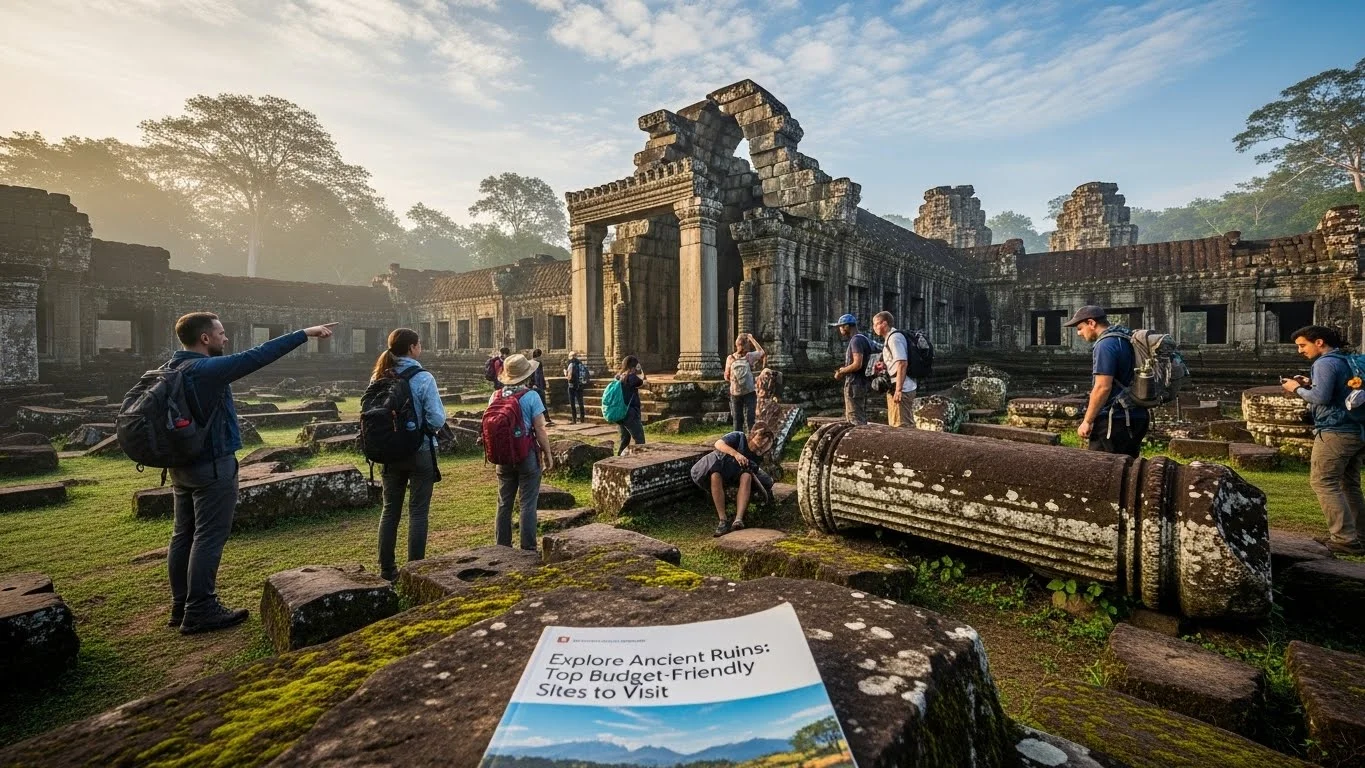
Explore Ancient Ruins: Top Budget-Friendly Sites to Visit

Exploring ancient ruins can feel like stepping back in time, and you don’t have to break the bank to do it. Let’s dive into the fascinating world of affordable sites that let you experience history without the hefty price tag. For more budget-friendly travel ideas, check out Discover Budget-Friendly Tropical Beach Escapes This Year.

Explore Ancient Ruins: Top Budget-Friendly Sites to Visit

Understanding Ancient Ruins

What are Ancient Ruins?

Ancient ruins are remnants of past civilizations that have stood the test of time, often telling the story of our ancestors. They can range from massive stone structures to intricate architectural designs, each with its unique tale. I remember my first encounter with ancient ruins at the Roman Forum in Italy; I was awed by the sheer scale and history echoing from the stones. It’s like each ruin has a personality, sharing whispers of the lives that once flourished there.

The Historical Significance of Ruins

These ruins are more than just crumbling walls; they are gateways to understanding our collective past. They remind us of the cultures that shaped our world today. I often find myself pondering the daily lives of the people who walked those same paths centuries ago. Each stone has a story, from the grandeur of the pyramids to the humble beginnings of smaller settlements. Visiting these sites helps us appreciate the artistic, social, and technological advancements of earlier civilizations.

Preservation and Archaeology

Preserving ancient ruins is a delicate balance between honoring history and accommodating modern visitors. Archaeologists work tirelessly to uncover and protect these sites, often facing challenges like weathering and urban development. When I visited Petra in Jordan, I was struck by how much effort went into preserving not just the structures but also the surrounding environment. It’s our responsibility to respect these sites during our visits, ensuring they can be enjoyed by future generations. I’ve learned that every small action counts, from sticking to marked paths to avoiding graffiti.

Top Budget-Friendly Ancient Ruins Around the World

1. Machu Picchu, Peru

Entry Fees and Budget Tips

Machu Picchu is undoubtedly one of the most iconic ancient sites in the world. The entrance fee varies depending on the time of year, but generally, it’s around $50. I’ve found that booking in advance can save you some money, especially during peak travel seasons. Additionally, consider hiking the Inca Trail, which can be a more affordable way to arrive at this breathtaking site, as well as an adventure of a lifetime!

Best Time to Visit

Visiting Machu Picchu is best done during the dry season, from May to September. However, if you’re looking to save some money, visiting in the shoulder months of April or October can give you a good balance of decent weather and fewer crowds. I went in October, and it was a magical experience with mist rolling over the ruins, adding to their mystery.

2. Chichen Itza, Mexico

Cost-effective Travel Options

Chichen Itza is one of the New Seven Wonders of the World, and you can visit it without spending a fortune. The entry fee is about $24, which is reasonable considering the historical significance. Look for group tours or local buses from Cancun, which can offer budget-friendly travel options. I took a local bus, and it was a great way to meet fellow travelers and get tips from locals.

Local Accommodations

When staying near Chichen Itza, I recommend looking for hostels or guesthouses in the nearby town of Valladolid. They often provide not just a place to sleep but also insights into local culture. The prices are typically low, and the atmosphere is friendly. I loved my stay in a quaint guesthouse where I enjoyed conversations with other travelers over breakfast.

3. Acropolis of Athens, Greece

Discounted Entry Days

The Acropolis is a must-see for anyone visiting Greece, and the entry fee is about $25. However, the good news is that there are days when entry is discounted or even free. I planned my visit for a Sunday, and it was exhilarating to be part of a crowd that shared the same awe for history. Check local tourism websites for updates on free entry days!

Nearby Budget-Friendly Attractions

After exploring the Acropolis, I discovered that many nearby sites, like the Ancient Agora, offered affordable entry. Walking around the charming streets of Plaka afterward was a delight, with many affordable eateries serving delicious Greek food. I remember indulging in souvlaki from a local vendor, and it was a culinary highlight of my trip. If you’re interested in exploring similar budget-friendly sites, consider reading Explore Sacred Sites: Budget-Friendly Religious Travel Tips.

4. Petra, Jordan

Affordable Guided Tours

Petra is a breathtaking site that showcases the ingenuity of ancient Nabateans. An entry fee of about $70 can seem steep, but I found that joining a guided tour can often lower the cost per person. Many tours include transportation from nearby towns, which is a great way to navigate the area. I remember being mesmerized by the Siq, the narrow gorge leading into Petra, and having a knowledgeable guide made the experience even richer.

Transportation Costs

Getting to Petra can be done through various means, but shared taxis or buses from Wadi Musa can be incredibly budget-friendly. I opted for a shared taxi, and it turned out to be a fun experience, chatting with fellow travelers about our plans. It’s essential to budget for transportation, as it can add up if you’re not careful.

5. Angkor Wat, Cambodia

Multi-Day Pass Options

Angkor Wat is one of the largest religious monuments in the world, and while the one-day pass can be around $37, I highly recommend the three-day pass for $62. This way, you can explore at a leisurely pace without feeling rushed. I took my time wandering through the temples, and it was such a rewarding experience to soak in the details.

Local Eating and Staying Options

Siem Reap, the nearby town, offers plenty of affordable accommodations and delicious local food. I loved eating at the night markets, where you could sample local dishes for just a few dollars. Staying in a guesthouse was not only budget-friendly but also allowed me to interact with locals who had fascinating stories to share.

6. Roman Forum, Italy

Combined Ticket Deals

The Roman Forum’s entry fee is about $16, but I found that purchasing a combined ticket for the Colosseum, Roman Forum, and Palatine Hill was a smart way to save money. It allowed me to explore multiple historical sites on one ticket. I remember feeling like I was walking through a historical novel as I wandered through the ruins.

Value of Guided Tours

While self-exploration is wonderful, I found that taking a guided tour of the Roman Forum provided insights that enriched my experience. Many local guides are passionate about the history and can share fascinating anecdotes that bring the stones to life. Plus, group tours can often reduce costs as well.

Planning Your Visit to Ancient Ruins

When is the Best Time to Visit?

Choosing the right time to visit ancient ruins can significantly enhance your experience. I’ve learned that many factors come into play, such as weather, crowds, and local events. For instance, when I visited Angkor Wat, I chose to go during the shoulder season, which was a fantastic decision. The weather was still pleasant, and the crowds were manageable. In contrast, visiting during peak tourist season can mean long lines and bustling crowds, which might dampen your experience. I recommend checking seasonal trends for each site to determine the best time for your visit. Remember, early mornings are often the most peaceful times to explore, allowing you to soak in the tranquility of these ancient spaces.

How to Get There: Transportation Options

Navigating to ancient ruins can be an adventure in itself. Depending on where you’re traveling, the options can vary widely. When I went to the Roman Forum, I found it incredibly easy to reach using public transportation in Rome. The metro is a convenient choice, and it drops you close to the site. In contrast, traveling to Machu Picchu involved a bit more planning. I took a train from Cusco to Aguas Calientes, which was a scenic journey, followed by a bus ride up the mountain. Each journey has its charm; I felt like I was part of the adventure as I approached these magnificent ruins. I suggest researching the best transportation options ahead of time and being flexible. Sometimes, the journey itself can be just as memorable as the destination.

What to Pack for Your Trip

Packing wisely for a visit to ancient ruins is essential for a comfortable experience. I’ve made my share of packing mistakes, so I can share a few tips from my journey. First and foremost, good walking shoes are a must. Many ancient sites involve a lot of walking on uneven terrain, so I always pack my most comfortable pair. I also recommend bringing a refillable water bottle to stay hydrated, especially in hotter climates. On my trip to Petra, I was grateful for the sunscreen I packed; the sun can be intense, and there are long stretches where shade is scarce. A light backpack is also handy for carrying essentials without weighing you down. Lastly, I always toss in a lightweight scarf or jacket, as temperatures can drop in the evening, particularly in desert areas. Being prepared ensures that you can fully enjoy every moment of your exploration.

Tips for Visiting Budget-Friendly Ancient Ruins

Finding Discounts and Deals

Who doesn’t love a good deal? I always keep an eye out for discounts when planning my visits to ancient ruins. Many sites offer reduced entry fees on certain days or for specific groups, such as students or seniors. When I visited Chichen Itza, I was pleasantly surprised to find that the local tourism office provided information about discounts for group tours. I also recommend checking for any city passes that might include entry to multiple sites at a reduced rate. I once got a pass that allowed me to visit several attractions in Athens, making it a cost-effective way to explore. Additionally, it’s worth looking into online resources or apps that specialize in travel deals. Sometimes, just a little research can save you a significant amount. For more travel inspiration, check out Top 10 Budget-Friendly Wildlife Safari Locations.

Safety Tips for Travelers

While exploring ancient ruins can be exhilarating, safety should always be a priority. I’ve learned a few valuable lessons during my travels. First, I always keep my belongings close and be aware of my surroundings. Some sites can attract pickpockets, especially in crowded areas. I also recommend traveling in a group whenever possible, as there’s safety in numbers. When I visited Petra, I was grateful to have a friend with me; we watched each other’s backs and shared the experience. Be sure to understand the local customs and any specific safety guidelines related to the site. For instance, some places may have restrictions on where you can walk or take photographs, and it’s crucial to respect those rules to ensure your safety and the preservation of these historical sites.

Respecting Cultural Heritage

Visiting ancient ruins is not just about sightseeing; it’s about honoring the history and culture they represent. I always remind myself to be a responsible traveler. This means following the guidelines set by the site, such as not climbing on ruins or removing artifacts. I remember feeling a profound sense of respect when I visited the Acropolis; it was a reminder of the importance of preserving these treasures for future generations. I try to always leave places better than I found them, whether it’s picking up litter or being mindful of my behavior. I believe that respecting these cultural heritage sites enriches my travel experience and underscores the profound connection we share with our history.

Local Cuisine Near Ancient Ruins

Must-Try Dishes in Peru

When I visited Machu Picchu, the culinary adventures in Peru were as memorable as the ruins themselves. One dish that stood out was ceviche, a refreshing mix of fresh fish marinated in lime juice, onions, and cilantro. I remember enjoying it at a local restaurant in Aguas Calientes after a long day of hiking. It was light yet packed with flavor, which made it perfect for re-energizing. Another must-try is lomo saltado, a stir-fried beef dish served with rice and fries; the blend of Peruvian and Chinese flavors is something I still crave. Make sure to stop by a local market to sample some street food too, as it gives you a taste of authentic Peruvian life.

Street Food in Mexico Near Chichen Itza

Chichen Itza is surrounded by vibrant street food options that are as rich as its history. Tacos al pastor is a personal favorite; the marinated pork, grilled to perfection and served with pineapple, creates a flavor explosion. When I visited, I stumbled upon a food stall selling these tacos along with fresh salsas, and it was a highlight of my trip. The vendors were friendly and eager to share their culinary secrets. I also recommend trying marquesitas, a delicious crispy crepe filled with cheese and your choice of sweet toppings like Nutella or caramel. It’s a delightful snack that I couldn’t resist grabbing every time I passed by a vendor!

Traditional Greek Food Near the Acropolis

Exploring the Acropolis left me hungry for some authentic Greek cuisine, and I wasn’t disappointed. Just a stone’s throw from the ruins, I found eateries serving mouthwatering moussaka, a baked dish layered with eggplant, ground meat, and béchamel sauce. I can still taste the warm, comforting flavors. Another local favorite is spanakopita, a flaky pastry filled with spinach and feta cheese. I remember enjoying it while sitting in a quaint café in Plaka, soaking in the atmosphere. Don’t forget to try a Greek salad topped with olives and feta; it’s fresh, healthy, and the perfect accompaniment to any meal.

Jordanian Cuisine in Petra

In Petra, I discovered that the local cuisine was just as breathtaking as the ancient site itself. One dish that truly captivated me was mansaf, the national dish of Jordan made with lamb cooked in a sauce of fermented dried yogurt and served over rice. Sharing this dish with fellow travelers at a local restaurant felt like part of the cultural experience. I also enjoyed falafel, which was crispy and perfectly seasoned, making for a satisfying snack while exploring the ruins. The hospitality of the Jordanian people made every meal special, as they were always eager to share stories about their food traditions.

Local Cambodian Delicacies

When I explored Angkor Wat, the local food scene in Siem Reap was a delightful surprise. I dined on amok, a fragrant curry steamed in banana leaves that is both flavorful and aromatic. I remember savoring the rich coconut milk and spices that danced on my palate. Another dish worth trying is kuy teav, a noodle soup that reflects the heart of Cambodian cuisine. I enjoyed it from a street vendor, where the atmosphere was lively, and the flavors were authentic. It’s amazing how food can connect you to a place, and Cambodian cuisine certainly did that for me.

Italian Cuisine Near the Roman Forum

Italy is known for its incredible food, and my time near the Roman Forum was no exception. I indulged in classic Roman dishes such as pasta alla carbonara, made with eggs, cheese, pancetta, and pepper. It was rich and comforting, perfect after a day of exploring. I also discovered supplì, which are fried rice balls filled with mozzarella – a fantastic street food snack that I couldn’t resist. I remember sitting at a small trattoria, sipping on a glass of Chianti while enjoying a hearty meal. The atmosphere was vibrant, and the food was simply unforgettable.

Frequently Asked Questions

What are ancient ruins?

Ancient ruins are remnants of past civilizations, ranging from massive stone structures to intricate architectural designs, that tell the story of our ancestors and their cultures.

Why are ancient ruins historically significant?

Ancient ruins serve as gateways to understanding our collective past, reminding us of the cultures that shaped our world today and allowing us to appreciate the artistic, social, and technological advancements of earlier civilizations.

What is the entry fee for Machu Picchu?

The entrance fee for Machu Picchu is generally around $50, and booking in advance can save money, especially during peak travel seasons.

Are there discounted entry days for the Acropolis of Athens?

Yes, the Acropolis has days when entry is discounted or even free. It is advisable to check local tourism websites for updates on these days.

What is the best way to visit Petra on a budget?

Joining a guided tour can lower the cost per person for visiting Petra, and shared taxis or buses from Wadi Musa are budget-friendly transportation options.

What local dishes should I try when visiting Machu Picchu?

When visiting Machu Picchu, must-try dishes include ceviche and lomo saltado, both of which showcase the flavors of Peruvian cuisine.

What is a popular street food option near Chichen Itza?

A popular street food option near Chichen Itza is tacos al pastor, which features marinated pork grilled and served with pineapple.

What local delicacies can I find near Angkor Wat?

Near Angkor Wat, you can try amok, a fragrant curry steamed in banana leaves, and kuy teav, a noodle soup that reflects Cambodian cuisine.

How can I save money when visiting ancient ruins?

To save money, look for discounts or reduced entry fees on certain days, consider group tours, and check for city passes that include multiple site entries at a reduced rate.

What should I pack for a visit to ancient ruins?

When visiting ancient ruins, pack comfortable walking shoes, a refillable water bottle, sunscreen, a light backpack, and a lightweight scarf or jacket for changing temperatures.

5 Stunning Budget Beaches Where You Can Enjoy Water Sports

Are you dreaming of sun-soaked shores and thrilling water sports without breaking the bank? I’ve got you covered! Here are five stunning budget beaches that offer not just scenic beauty but also fantastic water activities. Explore the Best Budget Beaches for Exciting Water Sports

5 Stunning Budget Beaches Where You Can Enjoy Water Sports

Introduction to Budget Beaches for Water Sports

Why Choose Budget Beaches?

Choosing budget beaches for your next getaway can be one of the best decisions I’ve made. Not only do you save money, but you also get to experience some hidden gems that are often overlooked. I remember my first trip to a budget beach; it was refreshing to find that paradise didn’t have to come with a hefty price tag. Local cultures, stunning landscapes, and a fun-loving atmosphere often accompany these spots, making them perfect for adventure seekers like us. Plus, your hard-earned cash can stretch further when you’re not paying high resort prices.

Benefits of Water Sports

Water sports can transform an ordinary beach day into an unforgettable experience. I’ve always loved the adrenaline rush of trying new activities—whether it’s surfing, kayaking, or paddleboarding. Engaging in water sports not only keeps you active but also allows for a deeper connection with nature. I’ve found that being out on the water, feeling the sun on my face and the wind in my hair, is one of the most liberating feelings. Plus, many water activities are perfect for all skill levels, so whether you’re a beginner or a pro, there’s something out there for everyone. There’s a sense of camaraderie, too, as you bond with fellow travelers over shared experiences. Trust me, there’s nothing quite like it!

Top 5 Budget Beaches for Water Sports

1. Myrtle Beach, South Carolina

Overview of Myrtle Beach

Myrtle Beach holds a special place in my heart. Known for its warm weather and beautiful coastline, it’s the perfect family-friendly destination. I remember walking along the 60 miles of sandy shore and feeling the excitement in the air. The boardwalk is bustling with life, with shops, restaurants, and amusement rides. It’s a vibrant spot where you can soak up the sun by day and enjoy live entertainment by night.

Water Sports Available

The water sports scene in Myrtle Beach is alive and kicking! I’ve tried everything from jet skiing to parasailing. There’s also paddleboarding and kayaking, which are great ways to explore the coastline at your own pace. If you’re feeling adventurous, you can even try your hand at surfing, with several local schools offering affordable lessons. The thrill of catching my first wave is something I’ll never forget!

Best Time to Visit

If you’re planning a visit, late spring and early fall are my favorite times. The weather is pleasant, the crowds are thinner, and prices for accommodations drop significantly. I’ve found that visiting in September offers a great balance of warm weather and fewer tourists, which is ideal for enjoying the beach.

Affordable Accommodation Options

When it comes to staying in Myrtle Beach, there are plenty of budget-friendly options. I often look for motels or beachside cabins that offer basic amenities without breaking my budget. Websites like Airbnb or booking aggregators can help you snag a good deal. I once found a charming little place just steps from the beach for a fraction of what a hotel would cost!

2. Canggu Beach, Bali, Indonesia

Overview of Canggu Beach

Canggu Beach is a slice of paradise that I stumbled upon during my travels in Bali. It’s a laid-back surfer town that has become increasingly popular in recent years, yet it still retains its charm. The rice fields, local cafes, and stunning sunsets make it feel special. I love how the beach is alive with a mix of locals and travelers, creating a vibrant atmosphere.

Water Sports Offered

The surfing here is legendary. I tried taking a surf lesson, and it was such a fun experience! Besides surfing, you can also enjoy activities like stand-up paddleboarding and kite surfing. The warm waters and consistent waves make it an ideal spot for both beginners and experienced surfers. I’ve watched people catch waves while sipping on a coconut, and it’s one of the most relaxing sights.

When to Visit Canggu

The best time to visit Canggu is during the dry season, from April to October. I visited in July, and while it was a bit busier, the weather was perfect. The sunsets are breathtaking all year round, but experiencing them after a day in the water is unforgettable!

Budget-Friendly Places to Stay

Bali is known for its affordable accommodations, and I found some great guesthouses and hostels in Canggu that fit my budget. Many offer communal spaces, perfect for meeting fellow travelers. I remember staying in a cozy hostel that had a pool and was just a short walk from the beach. It felt like a home away from home!

3. Playa del Carmen, Mexico

Overview of Playa del Carmen

Playa del Carmen is one of those places I’ve always wanted to visit, and it didn’t disappoint. The atmosphere is lively, with beautiful beaches and a rich cultural vibe. I loved walking along Fifth Avenue, where shops and restaurants line the streets, making it a perfect spot for people-watching and enjoying local cuisine.

Available Water Sports Activities

Water sports in Playa del Carmen are abundant. From snorkeling and scuba diving to kite surfing, there’s something for everyone. I remember my snorkeling trip to Cozumel; the underwater sights were mesmerizing! For adventure seekers, there are also options for deep-sea fishing and jet skiing.

Ideal Visiting Seasons

The best time to visit is between December and April. I’ve been told that the weather is pleasant, and the sea is calm, making it ideal for all types of water activities. However, if you’re looking to save some money, consider visiting during the shoulder seasons of late summer or early fall.

Cost-Effective Lodging Choices

Playa del Carmen has a wide range of accommodations. I’ve stayed in quaint hostels that offer dormitory-style rooms, as well as budget hotels that are a bit more private. Booking in advance often yields great deals. I found a charming little hotel that offered breakfast included, which was a lovely perk!

4. Gold Coast, Australia

Overview of Gold Coast

Gold Coast is a place that I’ve always dreamed of visiting. With its stunning beaches and vibrant nightlife, it’s a hotspot for both relaxation and adventure. I remember stepping onto Surfers Paradise and being greeted by golden sands and the rhythmic sound of the waves crashing. The skyline is dotted with high-rises, but the beach remains the main attraction. I loved the laid-back vibe, and there’s always something happening, from surfing competitions to beach markets. It truly feels like a playground for those who love the sun and sea!

Water Sports Activities

The water sports options in Gold Coast are practically endless. I tried my hand at surfing and, let me tell you, it’s an experience I’ll cherish forever! The surf schools are plentiful and cater to all skill levels, making it easy for anyone to join in. Besides surfing, I enjoyed jet skiing and even went parasailing, which offered breathtaking views of the coastline. One of my favorite moments was paddleboarding in the calm waters of the Broadwater; it’s a fantastic way to soak in the scenery while getting a bit of exercise. Whether you’re looking for thrills or a peaceful day on the water, Gold Coast has it all!

Best Times to Visit

If you’re planning a trip, I recommend visiting between March and May or September to November. During these months, the weather is pleasantly warm, but the crowds are more manageable. I visited in October, and it was perfect—ideal for both sunbathing and engaging in water sports without feeling overwhelmed by too many tourists.

Budget Accommodations

Gold Coast has a mix of accommodations, but I found some great budget options. Hostels and backpacker lodges are abundant and often located close to the beach. I stayed in a vibrant hostel that had a fun atmosphere and organized events, making it easy to meet fellow travelers. Additionally, I recommend checking out local Airbnb listings for unique stays that won’t hurt your wallet. I once found a lovely apartment just a short walk from the beach, which gave me the perfect home base for my adventures!

5. Algarve, Portugal

Overview of Algarve Beaches

The Algarve is a coastal paradise I discovered during my travels through Portugal. The region is famous for its breathtaking cliffs, golden beaches, and charming fishing villages. I remember driving along the coast and stopping at various beaches, each offering its own unique beauty. The atmosphere is relaxed, and the locals are friendly, which always adds to the experience. It’s the kind of place where you can spend your days sunbathing and your evenings enjoying fresh seafood at beachside restaurants.

Popular Water Sports

When it comes to water sports, the Algarve doesn’t disappoint. I had the chance to go kayaking through stunning caves and grottos, which was a highlight of my trip. The clear waters are perfect for snorkeling, and I even tried windsurfing, which was a thrilling challenge! The region is also known for its fantastic surfing spots, especially at beaches like Arrifana and Amado. No matter your preference, there’s something to keep every water enthusiast happy!

When to Travel to Algarve

The best time to visit the Algarve is during the late spring (May to June) or early fall (September to October). I visited in late September and was pleasantly surprised by the warm weather and fewer crowds. It’s the perfect time to explore and enjoy all the water activities without the peak season rush. Plus, the sunset views along the coast are absolutely magical during these months!

Affordable Places to Stay

Finding budget accommodations in the Algarve is easier than I expected. I discovered charming guesthouses and budget hotels that offer a cozy atmosphere. Additionally, there are many hostels that attract a younger crowd and provide opportunities to socialize. I remember booking a small guesthouse run by a local family, where I felt welcomed and at home. They even provided tips on the best local spots to explore, which made my stay even more special!

Comparative Analysis of Budget Beaches

Cost of Activities

When it comes to cost, I’ve noticed that each of these budget beaches offers a variety of water sports at different price points. In Myrtle Beach, for instance, rentals and lessons tend to be very affordable, which makes it a great option for families. Canggu Beach in Bali offers reasonably priced surf lessons, and the overall cost of living is low, so you can enjoy more for less. Playa del Carmen might have a few higher-priced activities like scuba diving, but the overall experience is worth every penny. Gold Coast can be a bit pricier, especially in peak season, but there are still budget-friendly options if you look carefully. Lastly, the Algarve offers some of the best deals, especially during the shoulder seasons when you can snag discounted rates on both activities and accommodations.

Accessibility and Transportation Options

Accessibility varies from beach to beach. Myrtle Beach is quite straightforward; you can drive right to the beach and find ample parking. Canggu Beach, however, is more suited for those who can rent a scooter, which gives you the freedom to explore the area. Playa del Carmen is great for walking, as many attractions are within close proximity. Gold Coast has a reliable public transportation system, including trams and buses, making it easy to get around. The Algarve can be explored by car, bike, or even public buses, which allows for a flexible travel experience along the coast.

Safety and Local Regulations

Safety is always a concern when enjoying water sports. I’ve found that all of these beaches generally prioritize safety with adequate lifeguards on duty and well-marked swimming areas. In Australia, for example, they have strict regulations regarding surfing and swimming in certain areas, which I appreciated. In Bali and the Algarve, it’s essential to be mindful of local conditions, especially regarding tides and currents. I always recommend checking local advisories and asking staff at rental shops about safety measures before diving into any activities.

General Tips for Enjoying Water Sports on a Budget

Equipment Rentals vs. Bringing Your Own

When it comes to water sports, deciding whether to rent equipment or bring your own can greatly affect your budget. From my experience, it really depends on the type of activities you plan to engage in and how often you travel. For instance, if you’re just hitting the beach for a short trip, renting can be the most convenient option. I’ve rented paddleboards and surfboards at various locations, and I found that most rental shops offer competitive prices. Plus, it saves me the hassle of transporting bulky gear. However, if you’re a frequent traveler and have the space, investing in your own gear can save you money in the long run. I’ve seen friends who own their equipment enjoy the freedom to hit the waves anytime without the additional cost. Just make sure to consider the rental rates and your travel frequency before making a decision!

Finding Deals and Discounts

Who doesn’t love a good deal? I’ve become quite the pro at finding discounts for water activities over the years. Many beach destinations have local deals, especially during the off-peak season. I recommend checking websites and apps that aggregate deals; you can often find promotions for everything from surf lessons to snorkeling tours. Also, don’t hesitate to ask locals for recommendations—they can be a treasure trove of information about hidden gems and discounts. I remember chatting with a local surf instructor in Canggu who pointed me toward a surf school that offered buy-one-get-one-free lessons on certain days. It felt great to save money while having fun! Additionally, many places offer bundled packages for activities, which can be a great way to try multiple sports at a fraction of the individual price. Top 7 Budget Beaches for Thrilling Water Sports Adventures

Staying Safe While Enjoying Water Sports

Safety is paramount when you’re having fun on the water. I’ve learned this the hard way by ignoring some basic safety measures in the past. Always check the local weather and water conditions before diving into any activity. I remember a day in Playa del Carmen when the ocean looked calm, but the currents were strong, and many tourists were caught off-guard. It’s essential to pay attention to local advisories and heed warnings from lifeguards. Additionally, ensure you wear appropriate safety gear, especially when trying something new. For example, I always made sure to wear a life vest when I went kayaking for the first time. It gave me peace of mind and allowed me to focus on enjoying the experience rather than worrying about my safety. Lastly, it’s wise to travel with a buddy or let someone know your plans for the day. This small step can make a big difference in case something unexpected happens.

Frequently Asked Questions

What are budget beaches and why should I choose them for my vacation?

Budget beaches are affordable coastal destinations that offer scenic beauty and a variety of water activities without the high costs associated with luxury resorts. Choosing budget beaches allows you to save money while experiencing local cultures, stunning landscapes, and a fun atmosphere, making them ideal for adventure seekers.

What types of water sports can I enjoy at budget beaches?

At budget beaches, you can engage in various water sports such as surfing, kayaking, paddleboarding, jet skiing, snorkeling, scuba diving, and kite surfing. These activities cater to all skill levels, ensuring everyone can find something enjoyable to do on the water.

When is the best time to visit Myrtle Beach, South Carolina?

The best times to visit Myrtle Beach are late spring and early fall, particularly in September, when the weather is pleasant, crowds are thinner, and accommodation prices drop significantly.

What water sports are popular at Canggu Beach in Bali?

Canggu Beach is known for its legendary surfing, along with activities such as stand-up paddleboarding and kite surfing. The warm waters and consistent waves make it suitable for both beginners and experienced surfers.

What are the ideal visiting seasons for Playa del Carmen, Mexico?

The best time to visit Playa del Carmen is between December and April for pleasant weather and calm seas. For budget travelers, the shoulder seasons of late summer or early fall can offer better deals.

What types of accommodations are available at Gold Coast, Australia?

Gold Coast offers a range of accommodations, including budget hostels, backpacker lodges, and Airbnb listings that are often located close to the beach, providing great options for budget travelers.

What makes Algarve, Portugal a great budget beach destination?

The Algarve is famous for its breathtaking cliffs, golden beaches, and charming fishing villages, all of which can be enjoyed at lower costs, especially during late spring (May to June) or early fall (September to October) when crowds are fewer and prices are lower.

How can I find deals and discounts for water sports activities?

To find deals and discounts for water sports activities, check local websites and apps that aggregate deals, ask locals for recommendations, and look for bundled packages that offer multiple activities at a discounted rate.

What safety precautions should I take when enjoying water sports?

Ensure to check local weather and water conditions, heed local advisories, wear appropriate safety gear, and consider traveling with a buddy. These precautions can enhance your safety while enjoying various water activities.

Is it better to rent equipment or bring my own for water sports?

Whether to rent equipment or bring your own depends on your travel frequency and the activities planned. Renting can be convenient for short trips, while owning gear may save money for frequent travelers. It’s advisable to compare rental rates and your travel habits before deciding.

Read Interesting article: Ultimate Guide to Budget-Friendly Beaches for Water Sports

Explore the Best Budget Beaches for Exciting Water Sports

Are you ready to dive into some thrilling water sports without breaking the bank? Let’s explore the best budget beaches that offer unforgettable adventures on a budget! Read Interesting article: Top 7 Budget Beaches for Thrilling Water Sports Adventures

Explore the Best Budget Beaches for Exciting Water Sports

Overview of Budget Beaches

What Defines a Budget Beach?

When I think of a budget beach, I envision a place where the sun shines bright, the waves crash gently, and the costs won’t sink my wallet. These beaches typically offer affordable access, low-priced accommodations, and an array of budget-friendly activities. For me, a budget beach is all about enjoying the beautiful ocean without having to stress over every penny spent. It’s about finding that sweet spot where fun meets affordability. I’ve discovered that many of these beaches provide beautiful surroundings, ample opportunities for water sports, and a vibrant, welcoming atmosphere that doesn’t require a luxury price tag.

Benefits of Choosing Budget Beaches for Water Sports

Choosing budget beaches for water sports has opened up new horizons for me and my friends. The first benefit I noticed is the sheer variety of activities available without the hefty price tag. Whether it’s kayaking, paddleboarding, or surfing, budget beaches can offer just as much excitement as their pricier counterparts. Plus, there’s something special about the laid-back vibe at these beaches; it feels welcoming and less commercialized. I also love that visiting budget-friendly destinations often means fewer crowds. This means we can enjoy the beach and our activities more. I remember a trip to a budget beach where we could rent a kayak for half the price of what we’d find elsewhere. We paddled out into the calm waters, and it felt like we had the entire ocean to ourselves! Additionally, the chance to connect with local communities enhances the experience. You often find quaint beachside restaurants, local shops, and friendly faces eager to share tips about the best spots for water sports. It creates a sense of belonging wherever you go. For me, the joy of exploring budget beaches is not just about saving money but about creating cherished memories filled with adventure, laughter, and the thrill of the ocean. Read Interesting article: Ultimate Guide to Budget-Friendly Beaches for Water Sports

Top Budget Beaches for Water Sports

1. Myrtle Beach, South Carolina

Water Sports Available

Myrtle Beach is a treasure trove for water sports enthusiasts. I’ve spent countless hours here jet skiing, parasailing, and trying my hand at surfing. The warm waters are perfect for swimming, and there are plenty of rental shops offering equipment at reasonable rates. I’ve also enjoyed a few exhilarating banana boat rides with friends, which are always a blast!

Best Time to Visit

The best time to visit Myrtle Beach is during the shoulder seasons—April to early June and September to October. I’ve found that during these months, the weather is still pleasant, and the crowds are significantly smaller. Plus, prices for accommodations often drop, making it even more affordable for us beach lovers.

Accommodation Options

Finding a place to stay in Myrtle Beach can be easy on the wallet. I recommend looking for beach motels or vacation rentals. Many offer fantastic views and easy beach access without the luxury prices. We’ve had great experiences at family-run motels that provide cozy rooms and a friendly atmosphere.

2. Cocoa Beach, Florida

Water Sports Available

Cocoa Beach is famous for its surf culture, and I can see why! The beach is perfect for surfing, and you can find plenty of surf schools offering lessons for beginners. I remember my first surfing lesson here; it was both challenging and thrilling! Besides surfing, paddleboarding and kayaking are popular too, and the calm waters make it a fun experience.

Best Time to Visit

To enjoy Cocoa Beach at its best, I suggest visiting during the spring or fall. The weather is warm, and the beach isn’t overcrowded. We discovered that late summer can be hot, but if you don’t mind the heat, you can snag some great deals on accommodations!

Accommodation Options

Budget-friendly hotels and motels are plentiful in Cocoa Beach. I’ve stayed at a few places that were just a short walk from the beach, offering simple amenities at a reasonable price. Booking in advance is usually a smart move I’ve found to secure the best rates.

3. San Diego, California

Water Sports Available

San Diego might sound like a splurge, but I was pleasantly surprised by its budget-friendly options. The beaches here are incredible for surfing, with spots suitable for all skill levels. I’ve also enjoyed kayaking in the picturesque La Jolla Cove, where the scenery is breathtaking. Snorkeling in the clear waters reveals a vibrant underwater world filled with colorful fish.

Best Time to Visit

If you want to get the most out of San Diego, consider going during the winter months. While it can be cool, the crowds are fewer, and prices for accommodations often dip. I’ve had some of my best beach days during this time, with clear skies and refreshing ocean breezes.

Accommodation Options

For a budget stay, I suggest checking out hostels or affordable hotels in the Mission Beach area. These places are usually close to the ocean and offer a friendly, fun atmosphere. Staying in a hostel also gives you the chance to meet fellow travelers, which enriches the experience.

4. Outer Banks, North Carolina

Water Sports Available

The Outer Banks is a hidden gem that I hold close to my heart. Here, I’ve tried kiteboarding, which was both exhilarating and a bit intimidating! The beaches also offer great conditions for surfing and paddleboarding, which I can’t recommend enough. I love the sense of freedom I feel riding the waves.

Best Time to Visit

The Outer Banks are best explored from late spring to early fall. The weather is warm, and the water is inviting. I’ve found that early June and September can provide the best combination of pleasant weather and fewer tourists.

Accommodation Options

In the Outer Banks, I’ve discovered plenty of affordable vacation rentals. Sharing a house with friends or family can be a budget-friendly way to enjoy this area, and many homes come equipped with kitchens, saving us even more money on dining out.

5. Galveston, Texas

Water Sports Available

Galveston is often underrated, but I’ve found it to be perfect for a variety of water sports. The calm waters are ideal for paddleboarding and kayaking, and the area has several rental shops that offer great deals. I remember spending an entire day kayaking while enjoying the stunning Gulf views.

Best Time to Visit

The best time to head to Galveston is during the spring and fall. The temperature is just right for beach activities, and the crowds are manageable. I love being able to enjoy the beach without feeling overwhelmed by tourists.

Accommodation Options

In Galveston, you can find affordable hotels and charming bed-and-breakfasts. I recommend looking for places that offer beach access, as it makes it easy to dive into the fun as soon as you wake up!

Water Sports Activities to Try

Surfing

Surfing has always held a special place in my heart. There’s something about the thrill of riding a wave that makes me feel alive. I remember my first attempt at surfing; it was both daunting and exhilarating. Each time I fell, I laughed it off, eager to try again. At budget beaches, I’ve found that the surf schools usually offer affordable lessons, making it accessible for beginners like me. Plus, the friendly instructors often provide valuable tips that can help you catch your first wave faster. I’ve seen everything from kids to retirees catching waves, and it’s inspiring to see how surfing can unite people of all ages.

Kayaking

Kayaking is another fantastic water sport that I’ve grown to love. The peacefulness of gliding across the water, surrounded by nature, is hard to beat. I’ve kayaked in various locations, but budget beaches often have calm waters that are perfect for beginners. I remember one sunny afternoon in Cocoa Beach, where we rented kayaks and paddled through mangroves. It was such a serene experience, spotting manatees and dolphins along the way. Plus, many rental shops offer hourly rates, so you can enjoy kayaking without overspending. I always recommend bringing along a waterproof camera to capture those unforgettable moments!

Stand-Up Paddleboarding

Stand-up paddleboarding (SUP) has become one of my favorite activities. It’s a great workout, and I love the challenge of balancing while paddling. I first tried SUP at a budget beach, and it felt like a mini adventure. The calm waters made it easy for me to get the hang of it. I’ve often found that the best way to enjoy SUP is to paddle during sunrise or sunset when the water is calm, and the scenery is breathtaking. Many places offer affordable rentals, and I usually see groups of friends or families trying it out together, which adds to the fun.

Snorkeling

Snorkeling is another activity that I always look forward to when visiting budget beaches. The thrill of exploring underwater ecosystems is simply magical. I remember snorkeling in La Jolla Cove; the vibrant marine life was astonishing! Many budget beaches have shallow waters rich in biodiversity, perfect for snorkeling. Rentals are usually affordable, and some beaches even organize guided tours, which can enhance the experience. I always recommend bringing your own gear if you can, as it can save money and ensure a better fit.

Jet Skiing

For those seeking a bit more adrenaline, jet skiing is an exhilarating option. I’ve had countless adventures racing across the water on a jet ski, feeling the wind whip through my hair. Budget beaches often have rental options that cater to all experience levels, and I’ve found that these rentals can be surprisingly affordable, especially when split among friends. Riding alongside dolphins or just zooming over the waves creates memories that last a lifetime. Just make sure to follow safety guidelines and local regulations for an enjoyable experience!

Budget Tips for Enjoying Water Sports

Finding Discounts and Deals on Rentals

One of the best ways to save money on water sports activities is by searching for discounts and deals on rentals. I always check online for promotions or coupons before my trips. Many rental shops offer deals for booking in advance or for groups, which can significantly reduce costs. I also recommend following local businesses on social media; they often post flash sales or special offers that you won’t want to miss. Asking locals for recommendations can help, too—they often know where to find the best rates!

Best Times for Off-Peak Pricing

I’ve noticed that visiting budget beaches during off-peak seasons can lead to substantial savings. Prices for rentals and accommodations tend to drop when fewer tourists are around. For example, I found that if I visited a beach in late spring or early fall, not only were the crowds smaller, but I also enjoyed lower prices on everything from water sports to dining. Plus, the weather is usually still fantastic, making it a win-win situation!

Group Discounts and Packages

If you’re traveling with friends or family, you should definitely look into group discounts and packages. Many rental shops offer special rates for larger groups, which can make activities much more affordable. I remember planning a group kayaking trip, and because we booked as a team, we ended up saving a significant amount. Plus, there’s something fun about sharing these experiences with others—it turns a day at the beach into an unforgettable adventure!

Safety Considerations for Water Sports

Understanding Local Regulations

Before diving into any water sport, I always make it a point to understand the local regulations. Each beach has its own set of rules that ensure everyone’s safety, and I’ve learned this the hard way. For instance, while visiting San Diego, I was surprised to find that certain areas had restrictions on where jet skiing was allowed. It’s essential to pay attention to posted signs and ask local rental shops about any specific laws that may apply. I remember feeling relieved after learning about the regulations because it helped me avoid potential fines and kept my adventures worry-free. In my experience, being informed not only enhances your enjoyment but also promotes safety for everyone on the water.

Safety Gear Recommendations

I can’t stress enough how important it is to wear the right safety gear while enjoying water sports. Whenever I try something new, like kiteboarding in the Outer Banks, I ensure that I have a life jacket on, and I always wear a wetsuit when the water is chilly. Many rental shops provide this gear, and I find it reassuring to know I’m protected. Also, don’t forget about sunscreen! I’ve had my fair share of sunburns, and applying sunscreen regularly while out on the water is crucial. I like to carry a waterproof bottle, so I can reapply easily after swimming. Lastly, if you’re doing activities like snorkeling, I highly recommend wearing fins and a rash guard to protect against cuts and scrapes.

Emergency Contacts and Resources

Knowing who to contact in case of an emergency can make a world of difference. I always take a moment to familiarize myself with the local emergency numbers before heading out. Most areas have lifeguards, and I always check their presence on the beach. I remember a day in Cocoa Beach when I spotted a lifeguard tower right where we were kayaking. It was comforting to know that help was nearby if we needed it. Additionally, having a basic first-aid kit on hand is a smart move. I usually pack some essentials like adhesive bandages, antiseptic wipes, and pain relievers. Being prepared not only gives me peace of mind, but it also allows me to fully enjoy my time on the water.

Local Food and Dining Options

Affordable Seafood Shacks

After a day filled with water sports, nothing hits the spot like a good meal, especially if it’s fresh seafood! I’ve discovered that budget beaches often boast fantastic seafood shacks where you can grab a bite without emptying your wallet. For instance, in Galveston, I stumbled upon a quaint little restaurant right on the beach that served the most delicious fish tacos at a reasonable price. The casual atmosphere and ocean view made it even better. I recommend trying to find places where the locals eat—they usually have the tastiest dishes and the best prices. And don’t be shy about asking locals for recommendations; they often know the hidden gems that aren’t in any travel guide!

Picnic Ideas for the Beach

One of my favorite things to do at the beach is to pack a picnic. I find it to be both fun and economical. When I’m planning a beach day, I usually prepare simple sandwiches, fresh fruit, and plenty of snacks. I’ve learned that packing a cooler with drinks and easy-to-eat foods makes for a delightful experience. On one trip to Myrtle Beach, we brought along a picnic blanket, sandwiches, and a couple of refreshing drinks. We set up right by the shore, and it felt fantastic to enjoy our meal while listening to the waves crash. Plus, it kept our costs down, allowing us to spend more on activities! I also suggest bringing a portable grill if the beach allows it; grilling some hot dogs or burgers can create a fun, memorable meal.

Transportation to and Around Budget Beaches

Getting There: Affordable Travel Options

When planning a trip to one of these budget beaches, I always look for the most affordable travel options. If I’m flying, I search for deals on flights well in advance. I’ve found that being flexible with travel dates can lead to significant savings. Additionally, considering alternate airports can sometimes yield lower fares. For instance, when heading to the Outer Banks, I once flew into Norfolk, Virginia, and drove down, which saved me quite a bit! If you’re driving, planning a road trip with friends can also cut costs. We’ve shared gas expenses and had a blast singing along to our favorite tunes on the way!

Public Transport vs. Car Rentals

Once I arrive at my destination, I weigh the options between public transportation and renting a car. I’ve noticed that many popular beach areas are well-connected by public transit, which can be a budget-friendly way to get around. For example, in San Diego, I used the trolley system to visit different beaches, and it was both economical and convenient. However, if I plan to explore more remote beaches or hidden gems, renting a car can be worth the investment. In my experience, some rental companies offer discounts if you book in advance or for longer rentals, which can help keep costs down.

Parking Tips for Beach Access

Parking can be a hassle at busy beaches, but I’ve learned a few tricks to make it easier. First, I try to arrive early in the morning to secure a good spot. Many beaches have free or low-cost parking lots, but they fill up quickly! If I can’t find parking close to the beach, I’m not above taking a short walk. Sometimes a little extra exercise is worth it, especially if it means saving money. I also recommend checking for parking apps that can help locate available spaces nearby, which can save time and reduce stress.

When to Visit Budget Beaches

Seasonal Considerations

Timing my visits to budget beaches can make all the difference in my experience. I’ve found that spring and fall are often the best times to enjoy these locations, as the weather tends to be lovely, and crowds are generally smaller. For instance, visiting Myrtle Beach in late September allowed me to enjoy warm weather without the summer rush. Plus, many accommodations offer discounts during the shoulder seasons, making it even more appealing. I’ve learned that planning my trips around these times not only enhances my enjoyment but also allows for budget-friendly options.

Weather Patterns and Their Impact on Water Sports

Keeping an eye on weather patterns is crucial for enjoying water sports. I’ve learned that certain times of the year can bring unpredictable weather. For example, summer storms can pop up unexpectedly in places like Galveston, which can put a damper on water activities. I usually check weather forecasts before heading out, and I try to plan my water sports around the calm days. I’ve found that early mornings often bring clearer skies and smoother waters, making for an ideal time to go kayaking or paddleboarding. It’s all about being prepared and flexible!

Frequently Asked Questions

What defines a budget beach?

A budget beach is characterized by affordable access, low-priced accommodations, and a variety of budget-friendly activities. It allows visitors to enjoy beautiful ocean settings without financial stress.

What are the benefits of choosing budget beaches for water sports?

Budget beaches offer a variety of activities without high costs, a laid-back vibe with fewer crowds, and opportunities to connect with local communities, enhancing the overall experience.

What are some top budget beaches for water sports?

Some top budget beaches include Myrtle Beach (South Carolina), Cocoa Beach (Florida), San Diego (California), Outer Banks (North Carolina), and Galveston (Texas).

What types of water sports can you enjoy at budget beaches?

At budget beaches, you can enjoy activities like surfing, kayaking, stand-up paddleboarding, snorkeling, and jet skiing, often with affordable rental options available.

When is the best time to visit Myrtle Beach?

The best time to visit Myrtle Beach is during the shoulder seasons, specifically from April to early June and September to October, when the weather is pleasant and crowds are smaller.

How can I find discounts on water sports rentals?

To find discounts on water sports rentals, check online for promotions, ask locals for recommendations, and follow local businesses on social media for flash sales or special offers.

What safety considerations should I keep in mind while engaging in water sports?

It’s important to understand local regulations, wear the appropriate safety gear, and know emergency contacts and resources in case of an emergency while engaging in water sports.

What are some affordable dining options near budget beaches?

Affordable dining options include seafood shacks that offer fresh meals at reasonable prices and packing a picnic with simple sandwiches and snacks to enjoy on the beach.

What are some tips for getting to budget beaches affordably?

Look for affordable travel options such as booking flights in advance, considering alternate airports, and planning a road trip with friends to share gas expenses for driving trips.

What seasonal considerations should I keep in mind when visiting budget beaches?

Spring and fall are often the best times to visit budget beaches, as the weather is pleasant and crowds are smaller, which can enhance the experience and provide better deals on accommodations.

Read Interesting article: Discover the Best Adventure Beaches on a Budget

Ultimate Guide to Budget-Friendly Beaches for Water Sports

Dreaming of sun-soaked days and thrilling water sports without breaking the bank? Let’s dive into the ultimate guide for navigating budget-friendly beaches that offer endless fun in the sun! You might also find our Ultimate Guide to Budget-Friendly Adventure Beaches helpful.

Ultimate Guide to Budget-Friendly Beaches for Water Sports

Overview of Budget-Friendly Beaches for Water Sports

When I think about the best beach experiences, my mind races to the waves, the warm sun, and the invigorating thrill of adventure. But let’s be honest—balancing our budget while seeking these experiences can be tricky. I’ve learned that there are plenty of budget-friendly beaches out there where we can enjoy our favorite water sports without emptying our wallets. But what really defines a budget-friendly beach? Let’s explore that.

What Defines a Budget-Friendly Beach?

A beach can be considered budget-friendly if it offers affordable access to activities, low-cost accommodations, and reasonably priced food options. For me, I’ve noticed that the best budget-friendly beaches often have a laid-back vibe, welcoming locals, and a variety of free or low-cost activities. Some characteristics to look for include:

  • Affordable Access: Entry fees, parking costs, and rental prices should be reasonable. I love finding beaches that either have free access or minimal fees, allowing for more splurging on activities!
  • Variety of Water Sports: A great budget beach should offer multiple water sports like surfing, kayaking, and paddleboarding, often with rental shops that provide gear at lower rates.
  • Local Amenities: Look for local eateries, markets, and shops that provide affordable dining options. A picnic on the beach can be just as good as a fancy restaurant!
  • Community Events: Many affordable beaches host free events or festivals that can enhance our experience without additional costs.

Types of Water Sports Available

When it comes to water sports, I think about all the exhilarating options available to us at these budget-friendly beaches. We can really tailor our adventures based on our preferences and skill levels. Here are some popular water sports I’ve enjoyed:

  • Surfing: This is a classic beach activity. Many budget beaches have surf schools that offer lessons and rentals at reasonable prices. I remember my first surf lesson—it was a mix of excitement and a few tumbles, but totally worth it!
  • Kayaking: Kayaking is a fantastic way to explore coastal waters. Renting a kayak is often affordable, and paddling around can lead to discovering hidden coves and marine life.
  • Snorkeling: If you’re near coral reefs or marine parks, snorkeling can be a breathtaking experience. I’ve found that many beaches offer rental gear, making it easy to jump in and enjoy the underwater world.
  • Stand-Up Paddleboarding (SUP): This low-impact sport is not only fun but also great for core strength. Many beach rental shops offer competitive rates for paddleboards, and it’s an excellent way to enjoy the scenery.
  • Jet Skiing: For those seeking a bit more speed, jet skiing is a thrilling option that’s often available at budget-friendly beaches, especially during off-peak seasons when prices can drop.

In my experience, trying out different water sports has made beach trips incredibly memorable. I often recommend that if you’re a beginner, start with a lesson or a guided tour to get the hang of things safely. The joy of gliding over the water, whether on a surfboard or a kayak, is just unmatched!

Top Budget-Friendly Beaches in the US

As we delve into specific locations, I can’t help but feel excited about the amazing beaches that offer this blend of adventure and affordability. Let me share some of my favorites, including some options you can discover for budget-friendly water sports lovers.

Outer Banks, North Carolina

The Outer Banks is one of my top picks for budget-friendly beach fun. The area offers a stunning stretch of beaches, a laid-back vibe, and plenty of water sports. I’ve rented a kayak here for a very reasonable price and spent hours exploring its gorgeous sound. Plus, the local seafood shacks serve delicious meals without hefty price tags!

South Padre Island, Texas

South Padre Island is another fantastic destination. With its warm waters and vast array of activities, this beach is perfect for every water sports lover. I remember soaking up the sun and jet skiing here while enjoying a lively atmosphere. The rental shops here are budget-friendly, and the community often hosts free events, which is always a bonus!

Siesta Key, Florida

Siesta Key is famous for its soft, white sand, but it also offers plenty of water sports. The beach is accessible and has numerous rental options for paddleboards and kayaks. I loved spending a day here, paddleboarding along the shore and even spotting dolphins in the distance. The local eateries offer fresh and affordable meals, perfect for refueling after a day on the water!

Oahu, Hawaii

While Hawaii might seem like a splurge, Oahu has budget-friendly options, especially if you know where to look. I found that some beaches, like Waikiki, offer free access and a wealth of water sports. Surfing lessons can be found at reasonable prices, and the local food trucks serve delicious meals that won’t break the bank.

These beaches open the door to thrilling experiences, making it easy to enjoy the sun, sea, and all kinds of water sports without the hefty price tag. Next, let’s explore international budget-friendly beach destinations that can add some global flair to our adventures!

International Budget-Friendly Beach Destinations

When I think about exploring beaches beyond the U.S., I get excited about the unique experiences waiting for us. Traveling internationally can be a great way to find budget-friendly beach destinations that still offer incredible water sports. Here are a few places that stand out to me, each with its own charm and adventure waiting to be uncovered.

Playa del Carmen, Mexico

Playa del Carmen is one of my favorite spots for a beach getaway. Located on the Caribbean coast, it boasts beautiful beaches and vibrant nightlife, all without a hefty price tag. I remember my first trip there, indulging in delicious street tacos and crystal-clear waters. The local beach clubs often have affordable day passes that include access to water activities like snorkeling and paddleboarding. Plus, renting equipment is usually cheaper than many U.S. locations, making it easy to dive into adventure without worrying about costs. Exploring the nearby cenotes is a must-do; swimming in these natural sinkholes was one of the highlights of my trip!

Phuket, Thailand

Phuket has long been on my travel bucket list, and for good reason. The island offers stunning beaches, a rich cultural experience, and a wide array of water sports, all at budget-friendly prices. I found that many beach areas, like Kata Beach, provide inexpensive rental options for jet skis and paddleboards. The local markets serve mouthwatering food at prices that won’t make you cringe. I particularly enjoyed visiting the beach at sunset, where the sky turned brilliant shades of orange and pink while I soaked in the atmosphere. If you’re a beginner at surfing, there are plenty of local instructors who offer lessons at reasonable rates, making it accessible for everyone.

Lisbon Coast, Portugal

The Lisbon Coast is an incredible hidden gem for beach lovers seeking budget-friendly options. Just a short train ride from the city, the beaches like Cascais and Praia Grande offer stunning views and plenty of activities. I’ve found that rentals for surfboards and bodyboards are quite affordable here, allowing for a fun day on the waves. The laid-back vibe and friendly locals make it easy to feel at home while exploring the coastal beauty. Plus, enjoying a meal at a beachside café was one of my favorite experiences—fresh seafood paired with local wine without breaking the bank! If you’re adventurous, consider trying kitesurfing; the conditions are perfect, and you can often find deals on lessons.

Activities and Water Sports to Enjoy

Finding the perfect beach is just the beginning; the real adventure comes from diving into the activities that make our trips unforgettable. Here’s a deeper look at some water sports that I’ve enjoyed and believe you’ll love too!

Surfing

Surfing is definitely on my list of top water sports experiences. There’s something about catching a wave that brings exhilarating joy. Whether you’re a seasoned surfer or just starting, budget-friendly beaches often have surf schools that offer lessons at great prices. I remember how thrilling it felt to finally ride my first wave after a few tries. It’s challenging but so rewarding, and the atmosphere at the beach adds to the fun!

Kayaking

Kayaking has become one of my favorite ways to explore coastal areas. It’s peaceful and allows for a closer look at the marine environment. Many places offer guided tours that are quite affordable, and I often find myself paddling through mangroves or along stunning coastlines. I love the sense of freedom it gives, and I’ve had some amazing wildlife encounters along the way, such as spotting dolphins or sea turtles. Renting a kayak is usually straightforward and budget-friendly.

Snorkeling

Snorkeling is another activity I highly recommend. The thrill of seeing vibrant fish and coral reefs up close can’t be beaten. Many budget-friendly beaches provide rental gear at competitive prices, which makes it easy for us to jump right in. I’ve snorkeled in some breathtaking locations, where the underwater scenery was like something out of a dream. Just make sure to check for any local guides who can show you the best spots!

Stand-Up Paddleboarding (SUP)

Stand-up paddleboarding has quickly become one of my go-to beach activities. It’s a fantastic workout and a serene way to enjoy the water. I’ve found that rental shops often offer deals for multiple hours or even full-day rentals. Gliding over the water and taking in the scenery is such a peaceful experience. Plus, it’s easy to learn, making it accessible for everyone!

Jet Skiing

If you’re looking for an adrenaline rush, jet skiing is the way to go. It’s exhilarating to zip across the waves, and many budget-friendly beaches have rental options that won’t break the bank. I recall my first time on a jet ski; the thrill of speed and the spray of saltwater was unforgettable. Just remember to check for safety guidelines and enjoy the ride!

With so many exciting activities available, our beach trips can become action-packed adventures. Exploring these budget-friendly beaches and trying out different water sports has truly enriched my travel experiences! You can also check out our list of Top 7 Budget Beaches for Thrilling Water Sports Adventures for more inspiration.

When to Visit Budget-Friendly Beaches

Timing our beach trips can greatly impact not just the experience, but also our wallets. Over the years, I’ve learned a thing or two about when it’s best to visit those budget-friendly beaches, and I’d love to share my insights with you.

Seasonal Considerations

Each beach has its own peak season, often aligned with summer vacations and holidays. For example, I’ve noticed that beaches like Siesta Key and Outer Banks get packed during the summer months. While the energy is vibrant, the prices—especially for accommodations—can skyrocket. If we’re looking to save, I recommend planning our trips during the shoulder seasons, typically late spring or early fall. I’ve found that visiting in May or September allows us to enjoy decent weather while avoiding the crowds. Plus, the rates for hotels and rental gear are usually much lower!

Weather Patterns

Understanding the weather patterns of our chosen beach destination is crucial. I remember visiting South Padre Island in early June, and while the weather was beautiful, I also experienced some unexpected rain. Researching typical weather conditions during our intended travel month can help avoid any surprises. For instance, if I’m planning a trip to Oahu, I check the rainiest months and try to schedule my visit accordingly. This way, I can fully enjoy the sun and the water sports without worrying about dark clouds looming overhead!

Off-Peak Travel Benefits

Traveling during off-peak times not only means fewer crowds but often leads to better deals. I’ve had amazing experiences visiting beaches like Playa del Carmen in late September or early October. The weather is still warm and pleasant, yet most tourists have returned home. This also means that local businesses are more inclined to offer discounts on rentals, food, and activities to attract visitors. I recall fondly how I was able to snag a great deal on snorkeling gear and even found a local guide who offered a discount for a group tour. It made for an unforgettable day exploring the reef without breaking the bank!

Accommodation Options Near Budget-Friendly Beaches

Finding a place to stay can often make or break our budget. I’ve explored various accommodation options over my beach trips, and I’ve discovered that there are plenty of affordable choices that don’t skimp on comfort. Here are some of my favorite types of accommodations near budget-friendly beaches.

Affordable Hotels and Motels

One of my go-to options is searching for affordable hotels or motels that offer beach access or are located a short walk away. I remember staying at a cozy motel near the Outer Banks that had charming beach decor and friendly staff at a fraction of what I’d pay for a resort. Many of these places provide essential amenities, and some even include breakfast, which helps keep costs down. I’ve found websites that specialize in discount hotel deals, and it’s always worth checking for last-minute offers!

Campsites and RV Parks

If you’re open to a bit of adventure, camping can be an excellent way to enjoy the beach while keeping costs low. I’ve camped at several beaches, and it offers a unique experience of waking up to the sound of waves. Many budget-friendly beaches have campsites with reasonable fees, and some even have facilities for RVs. I fondly remember a trip to Siesta Key where we set up camp just a few steps from the shore. The sunsets were breathtaking, and we saved a ton on lodging!

Vacation Rentals

For those traveling with family or friends, vacation rentals can be a great option. Websites like Airbnb or Vrbo often have listings that fit various budgets. I’ve enjoyed renting a small beach house in South Padre Island that allowed us to cook our own meals, saving even more money. Plus, having a kitchen means we could prepare picnic lunches for our water adventures, which not only kept us fueled but was also a fun part of our daily routine!

Dining on a Budget at Beach Destinations

Eating out at the beach can add up quickly, but with a little planning, it’s possible to enjoy great meals without spending too much. I’ve discovered several tips on how to savor delicious food while keeping our budget intact.

Local Eateries and Food Trucks

One of my favorite things to do when visiting a new beach is to seek out local eateries and food trucks. These spots often serve the freshest dishes at reasonable prices. I still remember finding an amazing fish taco truck in Playa del Carmen that became a daily stop for me. The food was delicious and more affordable than dining at tourist-heavy restaurants. I recommend asking locals for their favorite hidden gems—it often leads to the best meals!

Grocery Shopping Tips

Grocery shopping while on vacation might sound mundane, but I’ve found it to be a game-changer for my travel budget. For trips to places like the Lisbon Coast, I often hit the local markets to pick up fresh fruits, bread, and snacks. It’s a fun way to experience the local culture while saving money. I like to prepare simple meals back at my rental to enjoy on the beach. A picnic with local goodies can be just as delightful as dining out!

Best Budget-Friendly Restaurants

Researching budget-friendly restaurants in advance can help save time and money. I’ve found that many cities have websites or social media pages dedicated to sharing the best affordable dining options. When I visited Oahu, I discovered a few local diners that served hearty plate lunches at great prices. I often look for places that have a good reputation for quality food without the tourist markup. Dining at these spots not only fills my belly but also gives me a taste of the local culture!

Safety Tips for Water Sports Enthusiasts

While enjoying the thrill of water sports is exhilarating, staying safe is the most important part of our adventures. I’ve picked up several safety tips over my beach trips that I believe can help ensure our experiences are not only fun but also secure.

Understanding Local Regulations

Before diving into any activity, it’s essential to understand local regulations. I remember being at a beach in Phuket, and there were specific guidelines for jet skiing and surfing. Checking in with local authorities or rental shops can help us stay informed about safety requirements and protected areas. This information is crucial for not only our safety but also for preserving the beach environment.

Equipment Safety Checks

No matter what water sport I’m trying, I always make it a point to check my equipment before heading out. Whether it’s a kayak, surfboard, or snorkeling gear, ensuring everything is in working order can prevent accidents. I recall a day when I forgot to check my life jacket for proper fit before kayaking—thankfully, the rental shop caught it before I hit the water. Taking a few extra minutes to double-check can really pay off!

Sun Safety and Hydration

Being in the sun all day is a big part of beach life, but it’s crucial to protect ourselves. I always apply sunscreen generously and often, especially after swimming. Staying hydrated is equally important, and I try to keep a water bottle handy. I’ve found that drinking plenty of water not only helps prevent dehydration, but it also keeps me energized for all the adventures ahead!

Budgeting for Your Beach Trip

Packing our bags for a beach trip is exciting, but budgeting can sometimes feel daunting. I’ve honed my budgeting skills over time, and I’d love to share some tips that have helped me plan my beach adventures without financial stress.

Estimating Total Costs

Before I book anything, I like to create a rough estimate of total costs. This includes travel expenses, accommodations, meals, and activities. I often break it down into categories, which helps me see where I can save. For instance, if I know I’ll be spending more on water sports, I can adjust my dining budget accordingly. Having this overview allows me to enjoy my trip without worrying about overspending!

Finding Discounts and Deals

Another great way I save money is by hunting for discounts and deals. Websites like Groupon and local tourism boards often have promotions for activities and rentals. I remember finding a fantastic deal for a guided snorkeling tour in Playa del Carmen, which made my experience even more affordable. Signing up for newsletters from local businesses can also keep us in the loop about any upcoming specials.

Money-Saving Tips for Gear Rentals

When it comes to renting gear, I’ve learned a few tricks that can help save cash. For one, I often ask if rental shops offer package deals for multiple activities. Many places provide discounts if we rent gear for a full day instead of just a few hours. Additionally, I’ve found that renting during the off-peak season can sometimes yield even better rates. It’s always worth inquiring about any promotions before committing!

Community and Local Culture

Embracing the local culture and connecting with the community can transform our beach trips into unforgettable experiences. I’ve found that interacting with locals not only enhances my understanding of the destination but also often leads to discovering hidden gems.

Engaging with Locals

One of my favorite ways to engage with the local community is through small conversations with residents or shop owners. I remember chatting with a fisherman in South Padre Island who shared his favorite fishing spots and local history. These interactions can lead to authentic recommendations for dining and activities that aren’t on the typical tourist radar. Plus, it’s a great way to learn about the culture and traditions of the area!

Participating in Beach Events

Many budget-friendly beaches host community events that are not only fun but also free or low-cost. I’ve attended beach clean-ups, local markets, and festivals that celebrate regional culture. Participating in these events has brought me closer to the locals and given me a deeper appreciation for the destination. It’s also a wonderful opportunity to meet fellow travelers who share the same passion for adventure!

Environmental Conservation Efforts

Lastly, I believe it’s important to be conscious of our impact on the environment, especially when enjoying beautiful beaches. I’ve participated in beach clean-ups and have seen firsthand the difference we can make. Many communities appreciate visitors who help preserve their natural surroundings. Learning about local conservation efforts not only enhances our experience but also allows us to contribute positively to the places we love to visit.

Resources for Planning Your Beach Trip

When it comes to planning our beach adventures, having the right resources can make all the difference. I’ve gathered a few go-to tools that help me stay organized and informed throughout my travels.

Travel Apps for Budgeting

In today’s digital age, using travel apps can simplify budgeting. I rely on apps that help track my expenses and manage my itinerary. Apps like Mint or Trail Wallet allow me to input costs as I go, making it easy to see where I stand with my budget. I can also categorize my expenses, helping me stay aligned with my financial goals during my trip!

Websites for Water Sports Rentals

Before hitting the beach, I often check websites dedicated to water sports rentals. These platforms provide a wealth of information on prices, availability, and user reviews. I usually browse through sites like GetYourGuide or Viator, which often feature discounts for booking in advance. It’s a great way to compare options and find the best deals for activities I want to try!

Social Media Groups and Forums

Lastly, joining social media groups or forums related to travel can offer valuable insights. I’ve found that Facebook groups dedicated to budget travel often share tips, experiences, and recommendations for beaches around the world. Engaging with fellow travelers can help uncover local secrets and add a personal touch to my planning process. It’s like having a built-in community of travel buddies to rely on!

Frequently Asked Questions

What defines a budget-friendly beach?

A budget-friendly beach is characterized by affordable access to activities, low-cost accommodations, reasonably priced food options, a laid-back vibe, welcoming locals, and a variety of free or low-cost activities.

What types of water sports can I enjoy at budget-friendly beaches?

Popular water sports at budget-friendly beaches include surfing, kayaking, snorkeling, stand-up paddleboarding (SUP), and jet skiing, often with rental shops providing competitive rates.

What are some recommended budget-friendly beaches in the US?

Some top budget-friendly beaches in the US include the Outer Banks in North Carolina, South Padre Island in Texas, Siesta Key in Florida, and Oahu in Hawaii.

Are there international budget-friendly beach destinations?

Yes, international budget-friendly beach destinations include Playa del Carmen in Mexico, Phuket in Thailand, and the Lisbon Coast in Portugal, each offering unique experiences and affordable water sports.

When is the best time to visit budget-friendly beaches?

The best time to visit budget-friendly beaches is during the shoulder seasons, typically late spring or early fall, when prices are lower and crowds are fewer.

What accommodation options are available near budget-friendly beaches?

Accommodation options near budget-friendly beaches include affordable hotels and motels, campsites and RV parks, and vacation rentals, which can cater to various budgets and preferences.

How can I dine on a budget at beach destinations?

To dine on a budget at beach destinations, seek out local eateries and food trucks, shop at local markets for fresh ingredients, and research budget-friendly restaurants in advance.

What safety tips should I consider for water sports?

Safety tips for water sports include understanding local regulations, conducting equipment safety checks, and practicing sun safety and hydration to ensure a safe and enjoyable experience.

How can I budget for my beach trip?

To budget for a beach trip, estimate total costs by breaking them down into categories, find discounts and deals, and inquire about money-saving tips for gear rentals.

How can I engage with local culture while at the beach?

You can engage with local culture by interacting with residents, participating in community events, and contributing to environmental conservation efforts, which can enhance your overall experience.