Web Analytics

Recent Posts

Backpacking to Sacred Places: Affordable Religious Monuments

Backpacking to sacred places can be a transformative experience. Exploring affordable religious monuments not only deepens our understanding of different cultures but also connects us to something greater than ourselves. Read Interesting article: Explore Top 10 Budget-Friendly Religious Monuments Worldwide
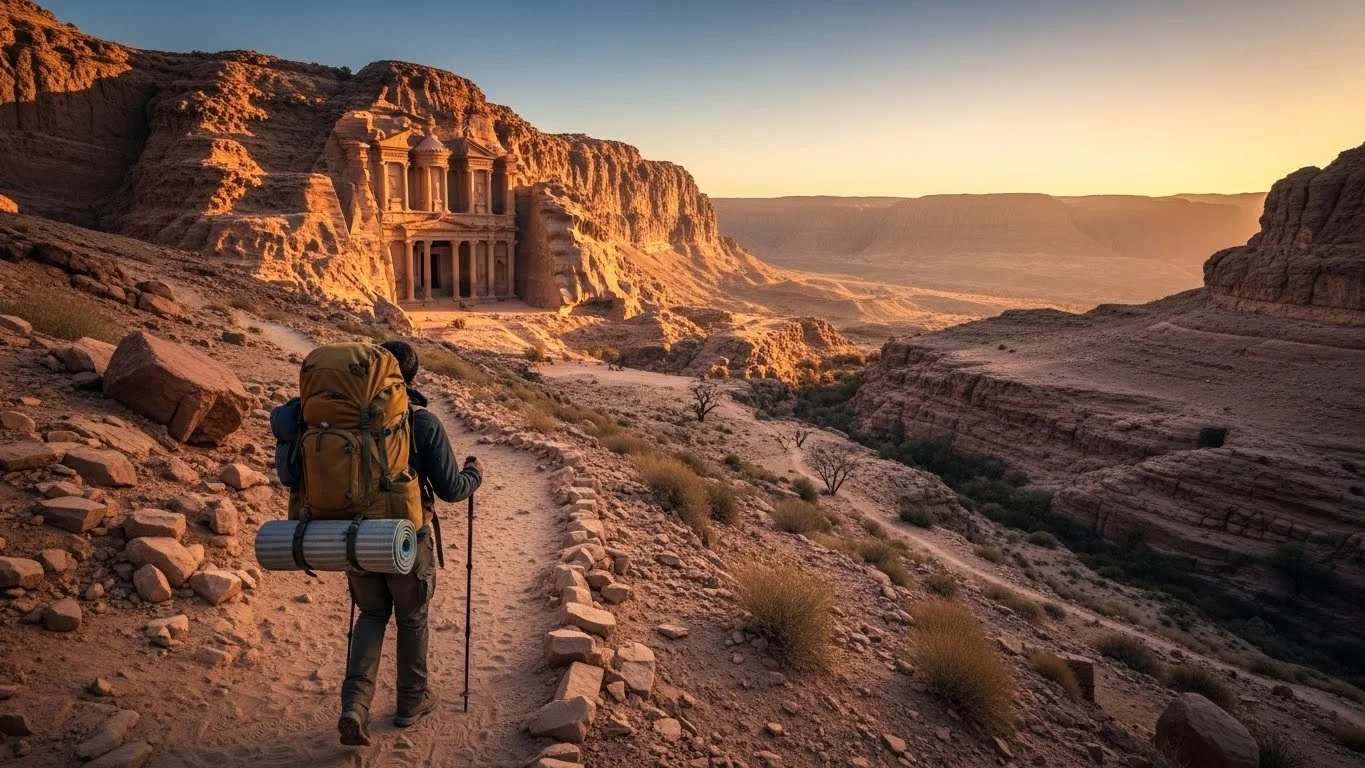
Backpacking to Sacred Places: Affordable Religious Monuments

Understanding Sacred Places

Definition and Significance of Religious Monuments

When I think about sacred places, I’m reminded of how they serve as powerful symbols of faith and community. Religious monuments are not just structures; they carry deep significance for the believers who visit them. These sites often reflect the history, art, and architecture of their respective cultures, offering a glimpse into the spiritual lives of people across different eras. I remember visiting a small temple in Asia, feeling the weight of its history in the air, and it left an indelible mark on me. The energy was palpable, and I realized that these monuments are not just for worship but are also places for reflection, peace, and connection.

The Role of Sacred Places in Various Religions

Across the globe, sacred places hold a unique role in various religions. For instance, in Christianity, places like the Vatican and ancient cathedrals serve as pilgrimage sites, drawing millions who seek spiritual renewal. I’ve seen people travel from far and wide to participate in meaningful rituals. Similarly, in Islam, the Kaaba in Mecca is a focal point of faith, with millions making the Hajj pilgrimage every year. In my travels, I’ve noticed how these sacred sites foster community, as people come together to share their beliefs and experiences. Even within less prominent religions or indigenous practices, sacred spaces often represent a connection to nature and heritage, showing how diverse and rich our spiritual experiences can be.

In Buddhism, temples nestled in serene landscapes encourage meditation and reflection. I recall visiting a tranquil temple on a mountaintop, where the view seemed almost divine. Each of these places tells a story, not only of the religion it represents but also of the people who have visited and left their mark. It’s fascinating how, regardless of faith, there’s a universal longing for connection, understanding, and peace that these sacred places fulfill.

Top Affordable Religious Monuments Around the World

The Great Wall of China: A Spiritual Journey

One of my most memorable experiences was hiking along the Great Wall of China. I never thought of it as a religious monument until I learned about its spiritual significance. The wall represents resilience, strength, and protection. As I walked the ancient stones, I felt a deep connection to the countless lives that have walked before me. The views were breathtaking, and I loved finding less touristy sections where I could reflect in solitude. Plus, visiting sections of the wall like Mutianyu is quite affordable, especially if you take public transport to get there.

Angkor Wat, Cambodia: A Blend of History and Spirituality

Angkor Wat is another incredible site that deeply moved me. Nestled in the Cambodian jungle, this temple complex is a UNESCO World Heritage site and embodies Khmer architecture and history. I spent hours exploring its vast grounds, feeling the blend of spirituality and history in every step. The intricate carvings and serene atmosphere offered a unique glimpse into both the past and the present. Visiting Angkor Wat is budget-friendly, especially if you go during the less crowded early morning hours. It’s a place where you can truly disconnect and immerse yourself in the beauty of ancient spirituality. Read Interesting article: Backpacking Through Time: Affordable Ancient Ruins to See

The Western Wall, Jerusalem: A Pilgrim’s Destination

The Western Wall in Jerusalem also left a profound impact on me. Standing before this ancient wall, the air was thick with prayer and hope. I watched as people from diverse backgrounds came together to place notes in the crevices, each one carrying a personal wish or prayer. It’s a sacred site for Jewish people, but I found it to be a place of unity and shared humanity. Visiting the wall is free, and the experience is priceless. I felt an overwhelming sense of peace and a reminder of our common struggles and aspirations.

Hindu Temples in India: Exploring Spiritual Heritage

During my travels in India, I became fascinated with the vibrant Hindu temples, each one a treasure trove of art and spirituality. Temples like the Brihadeeswarar Temple are not only architecturally stunning but also deeply revered. I remember the feeling of entering a temple during a festival; the atmosphere was electric with devotion and celebration. Exploring these temples has shown me the importance of community and tradition in religious practices. Many of these sites are accessible and affordable, allowing anyone to experience their beauty and spiritual energy.

Chichen Itza, Mexico: A Sacred Mayan Site

Lastly, Chichen Itza in Mexico captivated me with its rich Mayan history. The grand pyramid, El Castillo, is an architectural marvel, and learning about its astronomical significance added another layer of appreciation. This site is more than just a tourist attraction; it’s a testament to the spiritual and cultural beliefs of the ancient Maya. I found that visiting during the off-peak season made for a more personal experience, allowing me to connect with the site without the hustle of large crowds. The affordable entrance fee and the opportunity to explore the surrounding cenotes made for an unforgettable day.

Planning Your Backpacking Trip

How to Choose Your Destinations

Choosing where to go can sometimes feel overwhelming, especially with so many sacred places around the world. In my experience, the best approach is to start with what resonates with you personally. I remember sitting down with a map and marking places that I’d read about or felt drawn to. This method allowed me to connect emotionally with my destinations. I often consider what kind of experiences I want—whether it’s a bustling city or a serene temple in the mountains. I suggest making a list of your top three or five must-visit places and researching each one’s significance. Look into the culture and history, and see which speaks to you the most.

Another factor to think about is accessibility. For example, some sacred sites may require extensive travel or might be located in areas less frequented by tourists. I once wanted to visit a remote monastery, and while the journey was challenging, it turned out to be one of my most rewarding experiences. I encourage you to think about how adventurous you’re feeling. Sometimes, the less-traveled paths lead to the most profound moments.

Best Times to Visit Sacred Places

Timing can make all the difference in your experience. Some sites are best visited during specific seasons or festivals. I learned this firsthand when I visited a Hindu temple during Diwali. The energy was electric, and I felt a part of something much larger than myself. However, this also meant that the crowds were intense, which is something to consider.

I recommend checking local calendars for important religious events that might coincide with your travel dates. Also, consider the weather. I prefer visiting places in the shoulder seasons—just before or after peak tourist times. This way, I can enjoy more tranquil visits without the chaos of huge crowds. It’s also usually more affordable to travel during these times, which is a bonus!

Budgeting for Your Trip: Costs and Savings

Budgeting is crucial for any backpacking trip. I’ve learned to keep track of expenses from the very beginning. Start by estimating the costs of flights, accommodations, and entrance fees to sacred sites. It might seem daunting, but I found it helpful to create a spreadsheet to keep everything organized. I usually allocate a certain percentage of my budget to unexpected expenses, as things rarely go according to plan while traveling.

For instance, I once had a delightful spontaneous dinner with locals, which turned out to be one of the highlights of my trip. That said, I had set aside some extra cash for unplanned moments like these. Also, look for discounts; many places offer reduced rates for students or early bookings. Utilizing local transport instead of taxis can also save you a lot of money. In my travels, I often found that local buses or shared rides were not only cheaper but also offered a more authentic experience.

Backpacking Essentials for Sacred Places

What to Pack for Religious Sites

Packing for visits to sacred places requires some thought. I’ve learned the hard way that being respectful in my attire is just as important as having the right gear. I usually pack lightweight clothing that covers my shoulders and knees, especially for visiting temples and other religious sites. I also carry a pashmina or scarf, which can easily be wrapped around my shoulders or used as a head covering when needed.

Comfort is key, too. I recommend wearing sturdy shoes because many sacred sites involve a lot of walking, often on uneven terrain. A durable pair of sandals or hiking shoes has served me well. Additionally, I always keep a reusable water bottle with me to stay hydrated, as exploring these sites can take a toll on your energy levels.

Travel Gear Recommendations for Backpackers

Over the years, I’ve tried various travel gear, but a few items have stood out as essentials for my backpacking trips. I can’t stress enough the importance of a good backpack. I prefer one that has plenty of compartments; it makes organizing my gear much easier. A pack with a hydration system or pockets for water bottles is a huge plus. I also love packing cubes—they help keep my clothing organized and can fit easily into my bag.

For tech gear, I always travel with a portable charger. There’s nothing worse than your phone dying when you’re trying to navigate to a sacred site or capture a breathtaking moment. Lastly, a lightweight rain jacket is invaluable. I learned this the hard way when an unexpected downpour turned a hike into a soggy adventure!

Health and Safety Tips While Traveling

Health and safety should always be a priority, especially when visiting places that might be crowded or have specific health concerns. I always check if there are any vaccinations required or if health advisories are in place for the regions I plan to visit. Carrying a basic first aid kit has saved me on more than one occasion, whether it was dealing with blisters or minor scrapes.

Staying aware of my surroundings is something I’ve also learned to prioritize. It’s easy to get lost in the beauty of a sacred site, but being mindful of my belongings and who’s around me is essential. I also recommend keeping copies of important documents, like your passport and travel insurance, in a safe place. That way, if anything goes amiss, you’ll be better prepared to handle it.

Cultural Etiquette at Religious Monuments

Understanding Local Customs and Traditions

When visiting sacred places, I’ve come to realize that understanding local customs is just as important as appreciating the beauty of the site itself. Each religion and culture has its unique practices that reflect the beliefs and values of its people. For instance, I remember visiting a Buddhist temple where the locals practiced a form of meditation that involved a lot of bowing. I made it a point to observe and learn before participating, which helped me feel more connected to the experience. Researching local traditions can really enhance our visits and ensure we’re respectful guests.

In some places, like the Maasai Mara in Kenya, traditional dances and rituals are integral to the community’s identity. During my trip, I was invited to watch a dance, and I learned that it’s a celebration of life and culture. Understanding the meaning behind these rituals allows us to appreciate them more deeply and engage with the local community in a meaningful way. I believe that when we show genuine interest in their customs, it often leads to warm exchanges and new friendships.

Dress Codes for Visiting Sacred Places

Dress codes can vary significantly across different sacred sites, and I’ve learned the importance of dressing appropriately. For example, while visiting Hindu temples in India, I found it necessary to wear clothing that covered my arms and legs. Not only did it show respect, but it also allowed me to feel more comfortable among the local worshippers. I usually pack a few versatile pieces that can meet the dress codes of various religious sites. A long skirt or pants and a modest top can go a long way in ensuring that I’m appropriately dressed for any occasion.

In some places, like the Vatican or in many Middle Eastern countries, wearing a headscarf is required for women entering sacred spaces. I carry a lightweight scarf in my bag for such occasions. I’ve found that when I respect these dress codes, it enhances my experience and interaction with the local people, who appreciate the effort I make to honor their traditions.

Photography Etiquette and Restrictions

Photography can be a tricky subject at sacred sites. I’ve encountered various rules regarding when and where you can take photos. For example, in certain temples or mosques, I was surprised to find that photography was prohibited altogether. At first, I felt disappointed, but I quickly understood that these guidelines are in place to maintain the sanctity of the space. I recommend doing a little research beforehand to know the rules at each site you’re visiting.

When photography is allowed, I’ve found it’s always best to ask permission first, especially when taking pictures of people. I remember visiting a small community in Thailand where the locals were very welcoming, but I always made sure to ask before capturing their images. A simple “May I take your photo?” can go a long way in building trust and rapport. Plus, when I take the time to engage with the people, my photographs often turn out more meaningful, reflecting the stories behind the faces.

Another tip is to be mindful of your surroundings. While snapping photos, I try to avoid disrupting any rituals or ceremonies that might be happening. I often pause and observe before clicking away, allowing the moment to unfold naturally. I’ve learned that some of my favorite memories come from simply soaking in the atmosphere rather than focusing on capturing it all on camera.

Accommodation Options Near Sacred Sites

Hostels and Budget Hotels

When planning to visit sacred places, I’ve found that staying close by can really enhance the experience. Hostels and budget hotels are often ideal for backpackers like me. I remember booking a cozy little hostel near Angkor Wat, which allowed me to wake up early to catch the sunrise at the temple. The atmosphere was friendly, and I met fellow travelers who shared their own stories and tips about sacred sites.

Many hostels also offer guided tours or group trips to nearby landmarks, which can be a great way to connect with other travelers and share experiences. I love the social aspect of staying in hostels, and I’ve often found that the people I meet become lifelong friends. Plus, the cost is usually lower than traditional hotels, allowing us to save money for experiences rather than accommodations.

Campsites and Alternative Lodging

For those who enjoy a bit of adventure, camping near sacred sites can be a wonderful option. I’ve camped near the Great Wall of China, and it was one of the most memorable nights of my travels. Sleeping under the stars, I felt a profound sense of connection to the historic site. Campsites often provide a unique opportunity to enjoy nature and have a quieter experience away from the hustle of tourists. Just be sure to pack your camping gear and check local regulations regarding camping near sacred places.

Alternative lodging options, like eco-lodges or guesthouses, can also provide a more intimate experience. During my travels in Nepal, I stayed at a guesthouse run by a local family. This not only gave me a comfortable place to rest but also an opportunity to learn about their culture and traditions. I believe these experiences enrich our travels and allow us to connect with the places we visit on a deeper level.

Staying with Locals: Homestays and Guesthouses

Staying with locals through homestays can be a fantastic way to immerse yourself in the culture. I remember staying with a family near a sacred site in India, where they shared their meals and stories with me. It was more than just a place to sleep; it was a genuine cultural exchange. I learned about their daily lives and the significance of the nearby temple in their community.

These experiences often come at a reasonable price, and they can provide insight into the local customs that a hotel may not offer. Plus, supporting local families directly helps them sustain their way of life. I always look for reviews on platforms that prioritize authentic experiences to ensure I’m choosing a reliable host. From my perspective, staying with locals not only enriches my journey but also fosters a sense of global community.

Food and Dining Near Religious Monuments

Local Cuisine to Try Near Sacred Sites

Exploring local cuisine is one of my absolute favorite parts of traveling to sacred sites. Each region has its unique flavors and dishes that tell stories of the culture. I remember visiting a Hindu temple in the South of India and indulging in a traditional thali, a platter filled with a variety of flavors and textures. It was not just a meal; it felt like a celebration of the region’s culinary heritage.

When I travel, I always seek out local dining spots, especially those that are popular with residents. These eateries often serve the most authentic versions of a dish, and I’ve found that they can be much more affordable than touristy restaurants. Plus, I love asking locals for recommendations—it’s a great way to connect and discover hidden gems!

Street Food vs. Restaurants: What to Choose

Street food is another adventure in itself! I’ve enjoyed some of my best meals from street vendors, where the atmosphere is lively and the flavors burst with authenticity. In places like Thailand and Mexico, the street food scene is vibrant, and I always look for stalls that are busy with locals. This usually indicates that the food is both fresh and delicious. Just be cautious about hygiene, and if something looks off, it’s okay to skip it.

Restaurants can also offer a more comfortable dining experience, especially if you want to sit down and enjoy a meal after a long day of exploring. I often balance both options by indulging in street food for lunch and enjoying a sit-down meal for dinner. This way, I can savor a variety of flavors while respecting my budget.

Budget-Friendly Dining Options

Finding budget-friendly dining options is essential for making the most of my travel funds. I often seek out lunch specials or daily deals at local restaurants. Many places offer affordable menus for locals, and I’ve found that dining during off-peak hours can lead to lower prices. I also keep an eye out for markets or food courts, where I can sample multiple dishes without breaking the bank.

Additionally, packing snacks for my day trips has saved me money and kept my energy levels up while exploring sacred sites. I usually bring along some fruit, nuts, or granola bars, which are easy to carry and provide a quick boost when I need it. I believe that enjoying local cuisine doesn’t have to be expensive, and with a little planning, we can experience the best flavors each destination has to offer.

Frequently Asked Questions

What are religious monuments and why are they significant?

Religious monuments are powerful symbols of faith and community, carrying deep significance for believers. They reflect the history, art, and architecture of their respective cultures and offer a glimpse into the spiritual lives of people across different eras.

How do sacred places play a role in different religions?

Sacred places serve unique roles across various religions, such as pilgrimage sites in Christianity and Islam, with locations like the Vatican and the Kaaba in Mecca drawing millions seeking spiritual renewal. They foster community and represent a connection to nature and heritage in indigenous practices.

What are some affordable religious monuments to visit?

Some affordable religious monuments include the Great Wall of China, Angkor Wat in Cambodia, the Western Wall in Jerusalem, Hindu temples in India, and Chichen Itza in Mexico. These sites offer rich historical and spiritual experiences at budget-friendly prices. Read Interesting article: Ultimate Guide to Visiting Historic Religious Sites on a Budget

How can I choose the best destinations for my backpacking trip?

Start by marking places that resonate with you personally and consider the type of experience you want. Research each destination’s significance and accessibility, and make a list of your top must-visit places.

When is the best time to visit sacred places?

The best time to visit sacred places often coincides with specific seasons or religious festivals. Visiting during shoulder seasons can provide a more tranquil experience and may be more affordable.

What should I pack when visiting religious sites?

When visiting religious sites, pack lightweight clothing that covers shoulders and knees, and consider carrying a pashmina or scarf. Sturdy shoes are essential for walking on uneven terrain, and a reusable water bottle will help keep you hydrated.

What cultural etiquette should I observe at religious monuments?

Understanding local customs is crucial. Respect dress codes, such as covering arms and legs in Hindu temples, and be mindful of photography restrictions. Engaging with local traditions can enrich your experience and foster connections.

What dining options are available near sacred sites?

Local cuisine is often a highlight of visiting sacred sites. Explore local restaurants for authentic dishes and consider street food for budget-friendly meals. Balancing both options allows for a variety of culinary experiences.

What are some budget-friendly dining tips while traveling?

Look for lunch specials, daily deals, and markets or food courts for affordable dining. Packing snacks like fruit and nuts for day trips can also help you save money while keeping your energy levels up.

What accommodation options are available near sacred sites?

Accommodation options include hostels, budget hotels, campsites, and homestays. Staying close to sacred sites can enhance your experience, allowing for easier access to early morning visits and cultural exchanges with locals.
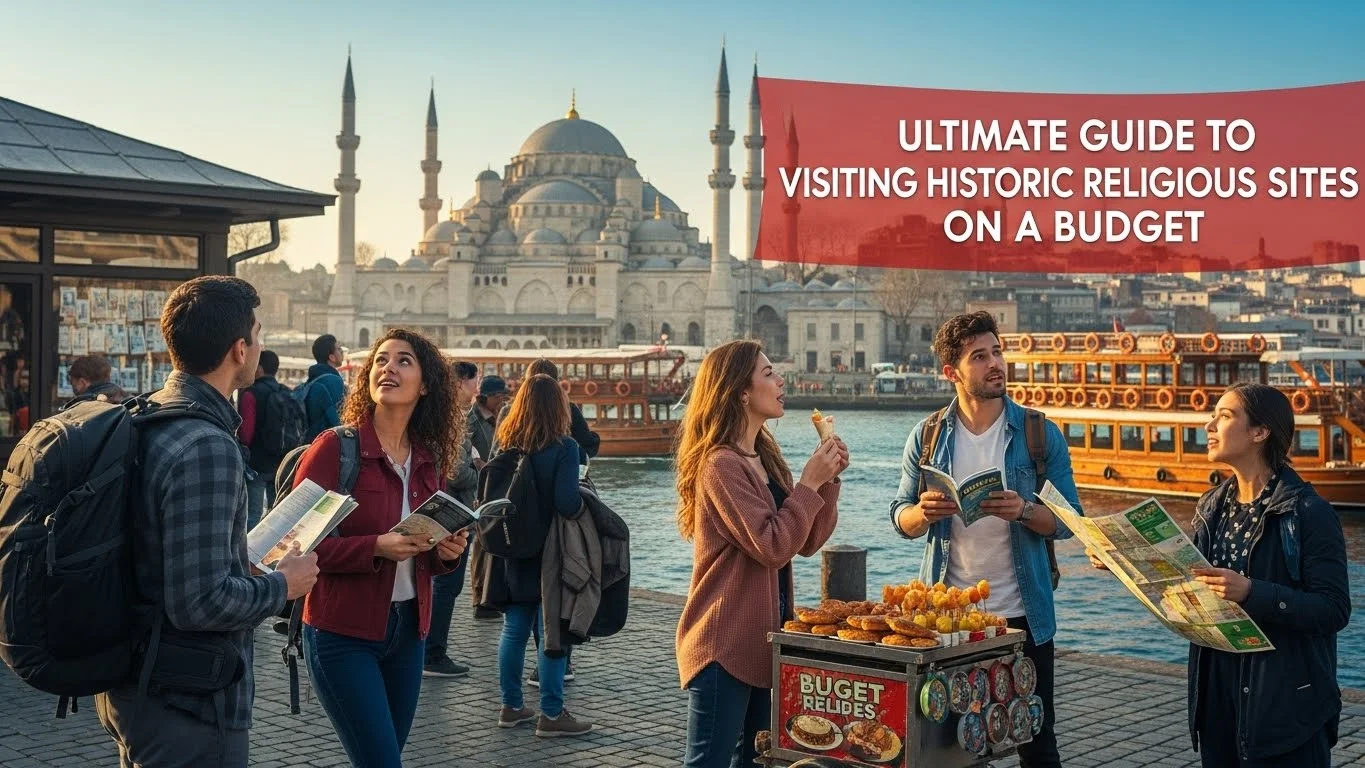
Ultimate Guide to Visiting Historic Religious Sites on a Budget

Exploring historic religious sites can be a transformative experience, offering insight into cultures and traditions. With a little planning, visiting these sacred places doesn’t have to break the bank. For those interested in more budget options, be sure to explore top 10 budget-friendly religious monuments worldwide.

Ultimate Guide to Visiting Historic Religious Sites on a Budget

Understanding Historic Religious Sites

What Defines a Historic Religious Site?

When I think about historic religious sites, I picture places that have stood the test of time, where faith and history intertwine. These sites often tell stories of devotion, resilience, and cultural significance. But what exactly defines them? Generally, a historic religious site is a location that holds spiritual importance to particular faiths, often characterized by architectural grandeur, historical events, or significant religious figures. For instance, when I visited the ancient city of Jericho, I was struck by the remnants of religious structures that date back thousands of years, making me appreciate how deeply intertwined history and faith can be.

Many of these sites are recognized not just for their spiritual value but also for their artistic and architectural brilliance. They can be temples, churches, mosques, shrines, or any space dedicated to worship. So, whether you’re standing in awe beneath the towering spires of a Gothic cathedral or walking along the ancient stones of a Buddhist temple, you’re experiencing a slice of history that has shaped societies and cultures throughout the ages.

Importance of Religious Heritage

Visiting historic religious sites is more than just a journey through time; it’s an exploration of humanity’s collective beliefs and values. I’ve seen firsthand how these places serve as reminders of where we came from and how our past informs our present. They provide a sense of connection to something greater than ourselves. I remember standing in the vast courtyard of the Great Mosque of Samarra, feeling the weight of history and spirituality all around me, which ignited a deep respect for the heritage and traditions of others.

Moreover, these sites often play a critical role in preserving cultural identity. For many communities, they are not just relics of the past; they are living expressions of faith and community. The stories told within these walls can inspire and educate, fostering understanding among diverse cultures. I believe that engaging with these sites allows us to reflect on our own beliefs while respecting those of others, creating a tapestry of shared human experience.

Additionally, for budget travelers like myself, understanding the significance of these sites can enhance the experience. Knowing the stories behind the walls transforms a simple visit into an enriching adventure. Museums often offer free or discounted entry days, so planning around these can maximize both the experience and savings. For more tips on budget travel, check out budget travel: must-see UNESCO World Heritage sites revealed.

Top Historic Religious Sites to Visit on a Budget

The Vatican City, Italy

The Vatican City is a must-visit for anyone interested in religious history, and you don’t need a fortune to enjoy it. While some attractions, like the Sistine Chapel, have entry fees, many parts of the Vatican, including St. Peter’s Basilica, are free to enter. I remember strolling through St. Peter’s Square, admiring the stunning architecture without spending a dime. Plus, if you time your visit during a Papal audience, you can experience a unique spiritual moment without paying anything—just remember to arrive early for a good spot!

St. Peter’s Basilica

Inside St. Peter’s Basilica, the sheer beauty and artistry take your breath away. I found myself captivated by Michelangelo’s Pietà and the grand dome that seems to touch the heavens. While the basilica is free to enter, I recommend climbing to the dome for breathtaking views of the city. The modest fee for the climb is worth it, and the experience left me feeling like I was on top of the world, both literally and spiritually.

The Parthenon, Greece

The Parthenon in Athens is another historic site that offers a glimpse into ancient religious practices. While there is an entrance fee, I learned that visiting during the off-peak hours can help avoid crowds and provide a more personal experience. Walking around the ruins, I felt the weight of history and marveled at the architectural genius of ancient Greeks. The surrounding area also offers plenty of free spots to enjoy beautiful views of the Acropolis.

Western Wall, Jerusalem

When I visited the Western Wall, also known as the Wailing Wall, it was an unforgettable experience. This sacred site is free to visit, and I found a sense of peace as I watched people of various faiths come together in prayer. The energy of the place is palpable, and I felt a deep connection to the myriad of prayers whispered into the ancient stones. Just remember to dress respectfully, as this is a very sacred space.

The Great Mosque of Samarra, Iraq

Though it may not be on everyone’s travel list, the Great Mosque of Samarra is a hidden gem for those looking for budget-friendly religious sites. The stunning spiral minaret is a sight to behold, and while visiting might require extra planning due to its location, the peace and spirituality of the site made the effort worthwhile. I found myself reflecting deeply as I wandered through the ruins, feeling grateful for the opportunity to connect with such an important piece of history.

Angkor Wat, Cambodia

Angkor Wat is not only a stunning architectural marvel but also an essential spiritual site for many. While there is an entrance fee, it’s relatively low compared to other world-famous sites. I recommend getting a multi-day pass to explore the vast complex without feeling rushed. Watching the sunrise over the temple was one of the most beautiful moments I’ve experienced—it felt like stepping into a postcard. Plus, there are often local markets nearby where you can grab an affordable meal after a day of exploration.

When to Visit Historic Religious Sites

Best Seasons for Budget Travelers

When I think about planning a trip to historic religious sites, timing is everything. I’ve learned that visiting during the shoulder seasons—spring and fall—can be a game-changer for budget travelers. The weather is often pleasant, and there are fewer tourists compared to the peak summer months. This means not only will you enjoy a more peaceful experience, but you’ll also likely find better deals on flights and accommodations. I remember visiting the stunning temples of Kyoto in early April, just as the cherry blossoms were blooming. The beauty was breathtaking, and the crowds were manageable!

In my experience, keeping an eye on local weather patterns can also help. For instance, visiting the ancient ruins in Rome during the cooler months can make exploring much more enjoyable. It’s a lot easier to take your time wandering through the Forum Romanum when you’re not melting under the summer sun!

Festivals and Events to Consider

Another aspect to consider when planning your visit is local festivals or religious events. These occasions can be magical, and experiencing a festival can deepen your understanding of the site. For example, I found my visit to the Western Wall during Yom Kippur to be incredibly moving. The atmosphere was charged with spirituality, and I felt honored to witness such a significant moment for so many people.

Researching festivals ahead of time can also help you save money. Many sites may have free entry or special events during these times, allowing us to experience the culture in a unique way. I recommend checking the calendars of the sites you plan to visit and see if there are any events that coincide with your travel dates.

Peak vs. Off-Peak Travel Times

Understanding the difference between peak and off-peak travel times can also save us a significant amount of money. During peak seasons, entry fees can soar, and accommodations are often at a premium. I’ve learned that some places, like the Vatican, can become incredibly crowded, especially during summer or major holidays. I remember visiting during Holy Week and feeling overwhelmed by the number of tourists. It was beautiful, yes, but I felt it would have been more impactful if I had visited during a quieter time.

On the flip side, off-peak times often mean lower prices for everything from flights to lodging. For instance, traveling to Angkor Wat during the rainy season might not seem appealing at first, but there are distinct advantages. Sure, you might encounter some rain, but the lush scenery can be stunning, and the crowds are significantly thinner. Plus, I discovered that some guesthouses offer discounts during this time to attract visitors.

Budget-Friendly Accommodation Options

Hostels and Guesthouses Near Religious Sites

Finding a good place to stay is crucial, especially when you’re traveling on a budget. I’ve always found hostels and guesthouses to be a fantastic option. They often provide not just a bed but a chance to meet fellow travelers and share experiences. For example, I stayed in a cozy guesthouse just a few blocks from the Great Mosque of Samarra. It was affordable, and the hosts shared stories about the site, which made my visit even more meaningful.

Additionally, many of these places offer kitchen facilities, allowing us to save even more by cooking some of our meals. I remember preparing a simple breakfast with other travelers and bonding over our plans for the day, which added to the experience.

Religious Retreats and Pilgrim Lodgings

If you’re looking for something a bit different, consider religious retreats or pilgrim lodgings. They often provide a unique experience that connects you to the spiritual essence of the site. I had the opportunity to stay at a monastery in Greece while visiting the Parthenon. The peaceful atmosphere allowed me to reflect and soak in the history and spirituality surrounding me. Plus, the rates were incredibly reasonable!

Camping and Budget Hotels

Camping can also be an adventurous and budget-friendly option, especially if you’re exploring national parks or sites with stunning natural backdrops. I once camped near Angkor Wat, and waking up to the sound of nature and the sight of the rising sun over the temple was unforgettable. If camping isn’t your style, look for budget hotels that offer a balance of comfort and affordability. Many times, these hotels are located conveniently near historic sites, making it easy to explore without breaking the bank.

Whatever option you choose, my advice is to book in advance when possible. This not only helps secure better rates but also gives you peace of mind as you plan your journey. I’ve learned that a well-organized lodging plan can significantly enhance my travel experience.

Transportation Tips for Visiting Religious Sites

Public Transportation Options

When planning my trips to historic religious sites, I’ve found that using public transportation can be a game-changer for both my wallet and my experience. For instance, in cities like Rome or Athens, the metro systems are not only affordable but also well-connected to major attractions. I remember hopping on a bus in Athens that took me straight to the Acropolis, allowing me to enjoy the beautiful views during the ride without worrying about parking or traffic. Plus, it’s a great way to immerse yourself in the local culture! You can often meet friendly locals who are more than willing to share tips and stories about the city.

For those visiting a larger site, like the Vatican, I recommend checking out local trams or buses. Many cities offer multi-day passes that cover various modes of transportation, which can save you money if you’re planning to explore multiple sites. I once purchased a three-day transport pass in Paris, and it allowed me to conveniently travel to the Notre-Dame Cathedral and back to my accommodation without any hassle.

Walking Tours and Accessibility

Walking is another fantastic option when exploring historic religious sites. I’ve found that many of these sites are situated in pedestrian-friendly areas, making it easy to stroll around and take in the sights at my own pace. Plus, walking allows for unexpected discoveries—like stumbling upon a hidden café or a local artisan market. For example, while exploring the streets of Jerusalem, I wandered through the vibrant Old City and found a quaint shop selling handmade crafts, which became a delightful highlight of my trip.

Accessibility is also an essential consideration. Many historic sites are working towards making their spaces accessible to everyone. I remember visiting the Western Wall, where there were ramps and accessible pathways for those who needed assistance. If you have specific needs, it’s always a good idea to check ahead to see what accommodations are available. This way, you can focus on enjoying each moment without any worries.

Affordable Car Rentals and Rideshares

If you’re planning to visit sites that are a bit off the beaten path, renting a car can be an excellent option. I’ve rented cars before in places like Italy and Spain, and it gave me the freedom to explore at my own pace. While I always keep an eye out for affordable rental deals online, I found that booking in advance often yields the best prices. For those less comfortable with driving in unfamiliar areas, rideshare apps—like Uber or Lyft—can be a convenient alternative, especially for short distances between sites. I recall using a rideshare service in Siem Reap to get to Angkor Wat at sunrise, and it was both affordable and stress-free.

However, be mindful of parking costs and regulations—some historic sites have limited parking, and fees can add up quickly. I often look for accommodations that offer free parking, which helps save money while giving me peace of mind. Planning ahead for transportation has always allowed me to focus more on the experiences rather than the logistics.

Free and Low-Cost Activities at Religious Sites

Guided Tours vs. Self-Guided Tours

When it comes to exploring historic religious sites, I’ve found that both guided and self-guided tours have their merits. Guided tours can provide valuable insights and context that enhance the experience. I remember joining a free walking tour in Barcelona that was led by a local, and it was a fantastic way to learn about the history of the city, including its many churches and cathedrals. The guide’s enthusiasm made the stories come alive, and I left feeling much more connected to the culture.

On the flip side, self-guided tours let me explore at my own pace. With just a bit of research, I’ve created my own itineraries using apps or online resources. For example, while visiting the Vatican, I used an audio guide that I downloaded onto my phone. This allowed me to pause and take in the artwork and architecture without feeling rushed by a group. Plus, many museums and religious sites now offer free downloadable guides, which makes budgeting that much easier.

Community Events and Services

Another enriching way to experience historic religious sites is to attend community events or services. Many sites hold free services or special ceremonies where visitors are welcome. I remember attending a mass at the stunning St. Peter’s Basilica. While there were many tourists, the sense of reverence and community made it feel special. Participating in these events can provide a glimpse into the living traditions that surround these sites and often leave a lasting impact.

Additionally, many religious sites host festivals or celebrations that are open to the public. I once happened upon a local celebration in Kyoto, where I was invited to participate in traditional rituals at a Shinto shrine. It’s moments like these that create unforgettable memories and foster a deeper appreciation for different cultures.

Visiting Museums and Exhibits on Free Days

Many historic religious sites also have accompanying museums or exhibits that delve deeper into their history. I’ve discovered that several of these museums offer free entry on certain days of the week or during special events. For instance, I took advantage of a free museum day at the National Gallery in London, which allowed me to explore incredible art and artifacts without spending a dime. I recommend checking the websites of the sites you plan to visit to see if they have any free admission days or special events coming up. For those interested in a deeper dive into UNESCO sites, consider backpacking through UNESCO World Heritage Sites: a budget guide.

Exploring these museums can be a perfect complement to visiting the religious sites themselves, as they often provide context and background that enhance the overall experience. I’ve learned that blending visits to historical sites with museums can create a well-rounded understanding of the culture and faith associated with the area.

Frequently Asked Questions

What defines a historic religious site?

A historic religious site is generally a location that holds spiritual importance to particular faiths, characterized by architectural grandeur, historical events, or significant religious figures. These sites often tell stories of devotion, resilience, and cultural significance.

Why is visiting historic religious sites important?

Visiting historic religious sites allows for an exploration of humanity’s collective beliefs and values. These places serve as reminders of our past and provide a sense of connection to something greater than ourselves, fostering understanding among diverse cultures.

Which historic religious site is free to visit?

The Western Wall, also known as the Wailing Wall, is free to visit. It is a sacred site where people of various faiths come together in prayer, and visitors are encouraged to dress respectfully.

What are some budget-friendly accommodation options near historic sites?

Budget-friendly accommodation options include hostels, guesthouses, religious retreats, pilgrim lodgings, and budget hotels. Many of these options offer kitchen facilities to save on meals and are conveniently located near historic sites.

When is the best time to visit historic religious sites for budget travelers?

The best times for budget travelers to visit historic religious sites are during the shoulder seasons—spring and fall—when the weather is pleasant, and there are fewer tourists, leading to a more enjoyable experience and better deals on flights and accommodations.

How can public transportation enhance visits to historic religious sites?

Using public transportation is an affordable way to reach historic religious sites, and it allows travelers to immerse themselves in local culture. Many cities have well-connected metro systems and offer multi-day passes that can save money when exploring multiple sites.

What are the benefits of guided tours versus self-guided tours?

Guided tours provide valuable insights and context, enhancing the experience through knowledgeable guides. Self-guided tours allow travelers to explore at their own pace and often utilize free downloadable guides, making them a budget-friendly option.

Are there free activities available at historic religious sites?

Yes, visitors can attend community events, services, and festivals that are often free. Many historic religious sites also have accompanying museums that may offer free entry on certain days, allowing for a deeper understanding of the site’s history.

What should travelers keep in mind when visiting during peak vs. off-peak times?

During peak seasons, entry fees can be higher, and accommodations may be more expensive. Conversely, visiting during off-peak times often results in lower prices and fewer crowds, making for a more enjoyable experience.

How can travelers save money when visiting historic religious sites?

Travelers can save money by planning visits around free or discounted entry days, using public transportation, and choosing budget-friendly accommodations. Additionally, researching local festivals or events can provide unique experiences at little to no cost.

Explore Top 10 Budget-Friendly Religious Monuments Worldwide

Traveling on a budget doesn’t mean you have to miss out on the world’s incredible religious monuments. From stunning cathedrals to serene temples, there are plenty of awe-inspiring sites that won’t break the bank. Let’s embark on this journey together! Read Interesting article: Explore Iconic Cultural Heritage Monuments on a Budget

Explore Top 10 Budget-Friendly Religious Monuments Worldwide

Overview of Budget-Friendly Religious Monuments

Definition of Religious Monuments

Religious monuments are structures built for spiritual or religious purposes, often serving as places of worship or pilgrimage. They embody the beliefs, traditions, and culture of a community, reflecting their history and values. Personally, I’ve always been fascinated by how these monuments tell stories of faith and resilience through their architecture and the rituals that occur within their walls. Each visit feels like stepping into a different world, rich with history and devotion.

Importance of Religious Sites in Culture

Religious sites are essential for many cultures around the globe. They serve not only as places of worship but also as symbols of identity and heritage. I remember visiting a local temple and feeling the weight of centuries of tradition in the air. It’s where seekers come together, share their beliefs, and find a sense of belonging. These sites can also promote peace and understanding, as they attract visitors from diverse backgrounds. They remind us of our shared humanity and the values that connect us. Read Interesting article: Budget-Friendly Historical Landmarks Around the World

Benefits of Visiting Budget-Friendly Options

Choosing budget-friendly religious monuments means you can explore more while spending less. I’ve found that these monuments often have fewer crowds, allowing for a more intimate experience. You can take your time to absorb the beauty around you, meditate, or simply enjoy the tranquility. Plus, many of these sites offer free entry or suggest donations, making them accessible to everyone. This way, we can immerse ourselves in culture and spirituality without worrying about our wallets.

Top 10 Budget-Friendly Religious Monuments Worldwide

1. The Blue Mosque, Istanbul, Turkey

Historical Significance

The Blue Mosque, or Sultan Ahmed Mosque, is a breathtaking example of Ottoman architecture. Built in the early 17th century, it boasts magnificent blue tiles that give it its name. My visit there was unforgettable; the intricate details and the sense of peace inside take your breath away. Being able to witness daily prayers added a layer of authenticity to the experience.

Visiting Information

Entry to the Blue Mosque is free, but visitors should dress modestly. When I went, there were helpful signs reminding everyone to maintain silence during prayer times. It’s best to visit earlier in the morning or later in the afternoon to avoid the crowds.

Tips for Budget Travelers

  • Take advantage of the free guided tours offered at various times throughout the day.
  • Explore the surrounding Sultanahmet area, which is rich in history and has many affordable dining options.

2. Sagrada Familia, Barcelona, Spain

Architectural Marvel

When I first saw the Sagrada Familia, I was captivated by its unique design. This basilica, designed by Antoni Gaudí, has been under construction since 1882 and is a masterpiece of modernist architecture. The intricate details and towering spires are genuinely awe-inspiring.

Entry Fees and Discounts

While there is an entrance fee, discounts are available for students and seniors. I recommend booking tickets online in advance to save time and money. They often have special rates for morning visits, which helped me avoid the rush.

Best Time to Visit

The best time to visit is during the off-peak seasons in late autumn or early spring when the weather is pleasant and crowds are smaller. I visited in early April, and it was perfect – the flowers were blooming, and the atmosphere felt alive.

3. Wat Pho, Bangkok, Thailand

Overview of the Temple

Wat Pho is one of the oldest temples in Bangkok and is home to the magnificent Reclining Buddha. The sheer size and artistry of the statue left a lasting impression on me. The temple complex itself is beautifully decorated, with colorful mosaics and serene gardens.

Cost of Admission

The admission fee is quite reasonable, especially considering the rich history and culture you get to experience. I found that the cost was well worth it for the peaceful atmosphere and the chance to meditate in such a sacred place.

Local Food Options Nearby

After exploring the temple, I found delightful street food vendors just outside. Trying pad thai and mango sticky rice was a highlight of my day. I love that I could enjoy a delicious meal without spending much at all!

4. St. Peter’s Basilica, Vatican City

Significance in Christianity

St. Peter’s Basilica is not just a religious site; it’s a symbol of the Catholic Church. I remember standing in awe beneath the massive dome, feeling the weight of history and faith around me. The beauty of Michelangelo’s Pietà left me speechless.

Free Entry and Donations

One of the best parts about visiting St. Peter’s is that entry is free! However, donations are encouraged, which is a small price to pay for such a profound experience. I suggest taking a moment to sit quietly and soak in the surroundings.

Guided Tours vs. Self-Exploration

While guided tours can enhance your understanding of the art and history, I enjoyed exploring at my own pace. There are plenty of informational plaques throughout the basilica, which helped me learn more without feeling rushed.

5. Notre-Dame Cathedral, Paris, France

Historical Background

Notre-Dame Cathedral, with its stunning Gothic architecture, is a must-visit in Paris. I felt a sense of reverence walking through its grand entrance, and the stained glass windows were mesmerizing. The history embedded in its walls tells tales of Paris through the ages.

Admission Costs and Free Viewing Options

While entry to the cathedral is free, there may be a charge for access to certain areas. I recommend checking in advance, as there are often free viewing options available on special days.

Visiting Hours and Tips

Visiting early in the morning or late in the afternoon is ideal. I found that the light streaming through the windows during those times created a magical ambiance. Be sure to take some time to wander around the Île de la Cité afterward for a lovely stroll along the Seine.

6. The Western Wall, Jerusalem, Israel

Religious Importance

The Western Wall, or Kotel, is one of the most sacred sites in Judaism. Standing in front of its ancient stones felt surreal, and I was struck by the deep spirituality surrounding the area. It’s a place of prayer, reflection, and connection to history.

No Cost for Visiting

Visiting the Western Wall is free, which makes it an accessible option for anyone. I loved being able to spend as much time as I wanted, reflecting and observing the rituals taking place around me.

Etiquette and Tips for Visitors

When visiting, it’s important to dress modestly and respect the customs of those praying. I noticed that everyone around me was engaging in a sacred practice, and it felt essential to honor that atmosphere. Also, be prepared to leave a note in the cracks of the wall – it’s a beautiful tradition!

7. Angkor Wat, Siem Reap, Cambodia

Historical Context

Angkor Wat is one of the largest religious monuments in the world and a UNESCO World Heritage site. Its grandeur and historical significance are awe-inspiring. I remember waking up early to catch the sunrise over the temple, and it was worth every moment!

Entry Fees and Multi-Day Passes

The entrance fee is reasonable, especially if you consider a multi-day pass that allows you to explore the vast area of Angkor. I found that having more time let me soak in the atmosphere without feeling rushed.

Best Time to Explore the Complex

Visiting in the cooler months of November to February is ideal. I went in December, and the weather was perfect for exploring the sprawling temple complex. Plus, the fewer tourists made it easier to find moments of solitude amongst the ancient ruins.

8. The Parthenon, Athens, Greece

Architectural Significance

The Parthenon is a symbol of Ancient Greece and a testament to classical architecture. Standing atop the Acropolis, I felt a deep connection to history. The view of Athens from there is breathtaking, making it a memorable experience.

Ticket Prices and Free Access Days

Tickets are affordable, and there are specific days when entry is free. I took advantage of one of those days, which allowed me to enjoy the site without spending a dime.

Nearby Attractions

After visiting the Parthenon, I explored nearby sites like the Ancient Agora, which enriched my experience even more. I love how these monuments are often part of a larger narrative of history.

9. Basilica of the National Shrine of the Immaculate Conception, Washington D.C., USA

Overview of the Shrine

This basilica is one of the largest in the world and features stunning mosaics and chapels. My visit felt incredibly peaceful, and I was amazed by the artistry that went into its design.

Free Admission and Donations

Entry to the shrine is free, making it accessible for everyone. Donations are welcomed, which helps maintain this beautiful space. I appreciated the opportunity to contribute to something so meaningful.

Visitor Amenities

The basilica offers guided tours and hosts regular masses. I found the staff to be incredibly friendly and knowledgeable, enhancing my experience. Don’t forget to check out the gift shop for unique religious items!

10. Temple of Heaven, Beijing, China

Historical Importance

The Temple of Heaven is a beautiful example of traditional Chinese architecture and a place where emperors once prayed for good harvests. Walking through the temple grounds, I felt a sense of serenity and connection to history.

Entry Fees and Free Visiting Times

There’s a nominal fee for entry, but certain times during the week offer free access. I made sure to visit during those hours, which allowed me to enjoy the temple without the cost.

Guided Tours and Local Insights

While I enjoyed wandering through the complex on my own, guided tours provide fascinating insights into the temple’s history and rituals. If you have the chance, I recommend joining one for an enriched experience.

When to Visit These Monuments

Best Seasons for Travel

Timing your visit to religious monuments can significantly enhance your experience. Personally, I’ve found that traveling during the shoulder seasons—like late spring and early fall—offers the best combination of pleasant weather and fewer crowds. For instance, when I visited Angkor Wat in December, the weather was cooler and perfect for exploring, but I noticed that the tourist traffic was manageable. Similarly, visiting the Sagrada Familia in early April allowed me to enjoy the beauty without being overwhelmed by crowds. I recommend checking the specific climates for each destination, as some places can be sweltering or rainy during peak summer or winter months.

Festivals and Religious Events

Experiencing a religious festival can be one of the most enriching aspects of visiting these monuments. When I traveled to Wat Pho during the Thai New Year, known as Songkran, the temple was alive with vibrant celebrations. The atmosphere was electric, and being part of the rituals gave me a deeper understanding of the local culture and traditions. Festivals often attract locals and tourists alike, creating a unique opportunity for connection. I suggest researching local festivals or religious events at your chosen destinations to experience the true spirit of the site. Just keep in mind that accommodation and travel might get busier around these times, so booking in advance can save you a lot of hassle!

Where to Stay Near Budget-Friendly Monuments

Accommodation Options

Finding a place to stay near these incredible monuments can make your visit much more enjoyable. I’ve had great experiences staying in budget-friendly hostels and charming guesthouses that offer both comfort and convenience. For example, during my time in Istanbul, I found a cozy hostel within walking distance of the Blue Mosque. It allowed me to explore at my own pace and enjoy early morning visits before the crowds arrived. Websites like Booking.com and Hostelworld are great for comparing prices and finding accommodations that fit your budget.

Hostels vs. Hotels

Deciding between hostels and hotels often comes down to personal preference. I’ve stayed in both, but I lean towards hostels, especially when traveling alone or with friends. They provide a fantastic opportunity to meet fellow travelers, share experiences, and sometimes even participate in group tours. On my trip to Barcelona, I booked a hostel near the Sagrada Familia, which not only saved me money but also connected me with other travelers heading to local attractions. Hotels can offer more privacy and amenities, but they can also be pricier, so weigh your options based on your travel style.

Airbnb and Budget Lodging

Airbnb has become a popular choice for travelers seeking unique and affordable accommodations. I’ve found some amazing spots through Airbnb, from quaint apartments in Paris to traditional houses in Jerusalem. Staying in a local neighborhood often provides a more authentic experience. I remember booking a lovely Airbnb in Rome, where I could walk to the Vatican and indulge in homemade breakfast recommendations from my host. Just be sure to read reviews and check the location to ensure easy access to the sites you want to visit. Sometimes, smaller, family-run lodgings can be found directly through local websites or travel forums, which can also be a budget-friendly option.

Local Food and Dining Options

Traditional Dishes to Try

One of my favorite parts of traveling is trying local cuisine, especially around religious monuments where food often reflects the culture and traditions. For instance, while visiting the Temple of Heaven in Beijing, I couldn’t resist sampling Peking duck at a nearby restaurant. The flavors were incredible, and it felt like I was part of a culinary tradition that has stood the test of time. During my trip to Bangkok, trying authentic Thai curry near Wat Pho was a highlight. I’ve found that asking locals for recommendations often leads to discovering hidden gems that tourists may overlook.

Budget-Friendly Restaurants

Eating on a budget doesn’t mean sacrificing quality. I’ve discovered that many cities offer delicious and affordable dining options. For example, in Barcelona, I found a small tapas bar where I could enjoy a meal for under 10 euros. The local markets are also fantastic spots to grab a bite while soaking in the atmosphere. I particularly enjoyed wandering through the Mercado de la Boqueria, where I found fresh fruits, snacks, and even quick bites that were not only budget-friendly but also authentic.

Street Food Recommendations

Street food is often my go-to for both taste and budget. I remember strolling through the streets of Jerusalem and trying a freshly made falafel; it was not only delicious but also incredibly inexpensive! In Thailand, the street vendors near Wat Pho offered the best pad thai I’ve ever had, and I loved that I could grab a quick meal while exploring. Always check where the locals are eating; it’s usually a good sign of quality and flavor. Plus, trying street food adds to the adventure of traveling and gives you an authentic taste of the local culture!

Safety Tips for Visiting Religious Monuments

General Safety Precautions

When visiting religious monuments, it’s essential to keep safety in mind. I’ve learned to stay aware of my surroundings, especially in crowded areas. Keeping my belongings secure and being cautious about photography in sensitive areas has been crucial. I also make it a habit to dress appropriately, respecting the local customs and traditions. In some places, like St. Peter’s Basilica, modest clothing is required, and I appreciated the reminders posted at the entrances. These small precautions not only ensure your safety but also show respect for the culture and beliefs of the site.

Respectful Behavior at Religious Sites

Being respectful at religious sites is vital. I always take a moment to understand the customs of the location before visiting. For instance, when I visited the Western Wall, I noticed the solemnity of the prayers and the importance of maintaining silence. Observing these customs made my experience more meaningful. I believe that being mindful of others and the spiritual nature of these places contributes to a richer visit. It’s not just about seeing the sights, but about understanding and appreciating the significance behind them.

Travel Insurance Considerations

Travel insurance has been a lifesaver for me on multiple occasions. It’s worth considering, especially when visiting places that may have a higher risk of theft or injury. I remember feeling more secure during my travels in Thailand knowing I had coverage for any unforeseen events. Additionally, it can provide peace of mind when exploring less familiar areas. I recommend looking for policies that cover both health and belongings, ensuring your adventure is worry-free!

Budget Planning for Monument Visits

Cost Breakdown: Entry Fees, Transportation, and Accommodation

When planning a budget for visiting religious monuments, I’ve learned to break down the costs into categories. Entry fees vary widely, so researching ahead can help. Some places, like the Western Wall, have no entry fee, while others, like Sagrada Familia, require a ticket. I often create a spreadsheet to track costs, including transportation and accommodation. For example, in Barcelona, I budgeted for the entry fee and set aside funds for local transport, which made planning easier and less stressful.

Money-Saving Tips for Travelers

There are plenty of ways to save money while enjoying your travels. I always look for free walking tours, which provide insights into the city and its history. Additionally, I’ve found that purchasing city passes can offer discounts on multiple attractions, which can be a smart investment. Eating at local markets instead of restaurants can also cut costs while giving you a taste of the culture. I’ve learned that being flexible with my plans often leads to unexpected savings and discoveries! Read Interesting article: Explore Ancient Ruins: Top Budget-Friendly Sites to Visit

Using Public Transportation

Public transportation is a fantastic way to save money and experience a city like a local. In many places, like Rome and Paris, subways and buses are efficient and affordable. I recall navigating the extensive metro system in Paris, which made it easy to reach Notre-Dame Cathedral without spending much on travel. I also recommend getting a transportation pass if you plan to explore multiple sites; it can save you both time and money. Plus, it’s an adventure in itself to discover how locals commute!

Frequently Asked Questions

What are religious monuments?

Religious monuments are structures built for spiritual or religious purposes, often serving as places of worship or pilgrimage. They reflect the beliefs, traditions, and culture of a community.

Why are religious sites important in culture?

Religious sites serve as symbols of identity and heritage, allowing seekers to come together, share beliefs, and find a sense of belonging. They promote peace and understanding by attracting visitors from diverse backgrounds.

What are the benefits of visiting budget-friendly religious monuments?

Budget-friendly religious monuments allow travelers to explore more while spending less. They often have fewer crowds, providing a more intimate experience, and many offer free entry or suggest donations for accessibility.

What is a notable budget-friendly religious monument in Istanbul?

The Blue Mosque, or Sultan Ahmed Mosque, is a breathtaking example of Ottoman architecture, known for its magnificent blue tiles and free entry for visitors who dress modestly.

How can I save money when visiting the Sagrada Familia in Barcelona?

While there is an entrance fee, discounts are available for students and seniors. Booking tickets online in advance and visiting during the off-peak seasons can also help save money.

What is the admission cost for Wat Pho in Bangkok?

The admission fee for Wat Pho is reasonable, especially considering the rich history and culture it offers, making it well worth the cost for the peaceful atmosphere.

Is there an entry fee for St. Peter’s Basilica in Vatican City?

Entry to St. Peter’s Basilica is free, although donations are encouraged to support the maintenance of this significant site.

What should visitors know about the Western Wall in Jerusalem?

Visiting the Western Wall is free, and it is important to dress modestly and respect the customs of those praying, as it is one of the most sacred sites in Judaism.

What is the best time to visit Angkor Wat in Cambodia?

The best time to visit Angkor Wat is during the cooler months from November to February, when the weather is ideal for exploring and there are fewer tourists.

What type of accommodation is recommended near budget-friendly monuments?

Budget-friendly hostels and guesthouses are recommended for their comfort and convenience. Websites like Booking.com and Hostelworld can help compare prices and find suitable options near the monuments.

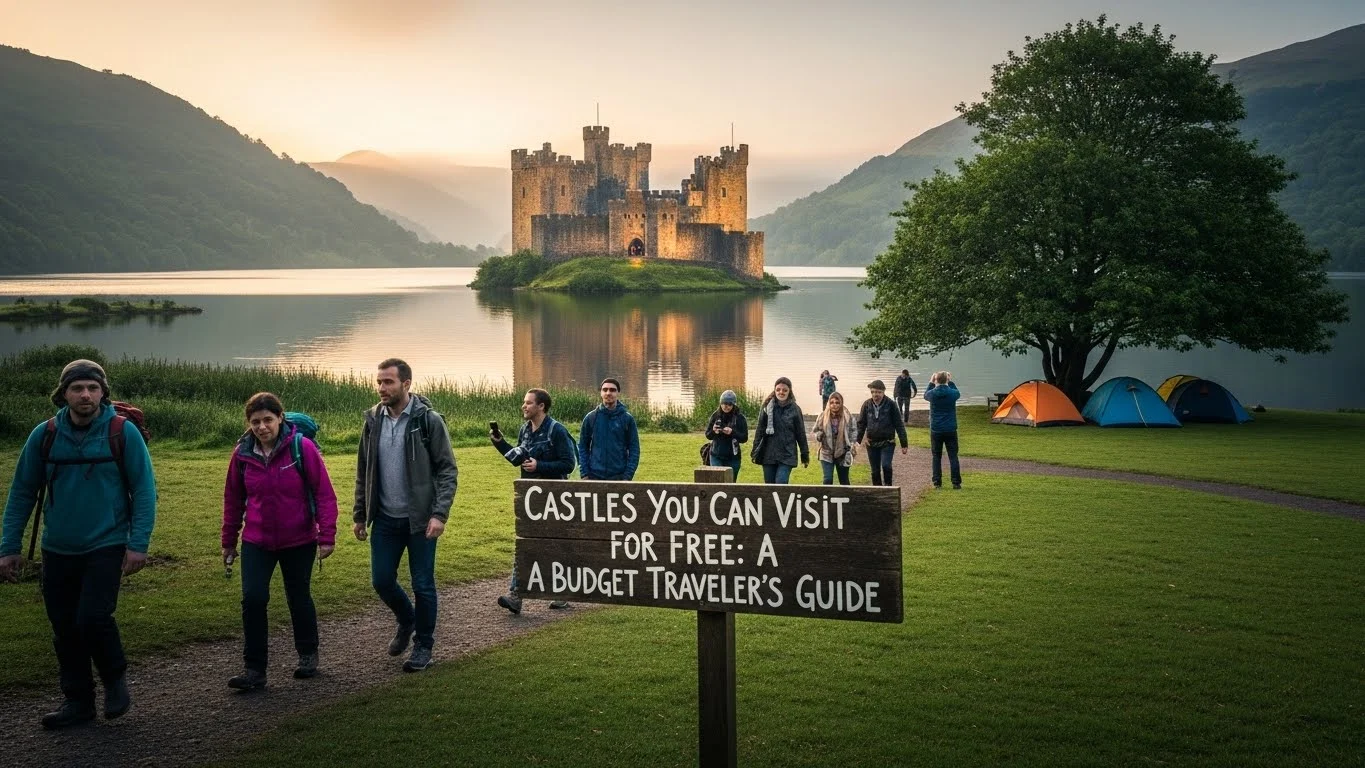
Castles You Can Visit for Free: A Budget Traveler’s Guide

Have you ever dreamed of wandering through majestic castles without breaking the bank? Get ready to explore stunning fortresses that you can visit for free, allowing your inner history buff and budget traveler to thrive! For more ideas, check out our Top 10 Must-Visit Fortresses for Budget Travelers.

Castles You Can Visit for Free: A Budget Traveler's Guide

Understanding the Appeal of Castles

Castles have a unique way of capturing our imagination. As I stroll through their grand halls and towering battlements, I often find myself lost in thought, wondering about the lives of those who once called these stone structures home. The appeal of castles goes beyond their beauty; it’s steeped in the rich history and stories they hold. Let’s dive into why these architectural wonders draw so many of us in.

Historical Significance

When I visit a castle, I can’t help but feel a connection to the past. Each castle has its own story to tell—of battles fought, kings and queens who ruled, and everyday life during different historical periods. For instance, the history behind Edinburg Castle in Scotland is fascinating, as it has been a royal residence and military stronghold. I remember standing on its ramparts, imagining the sieges that took place there centuries ago. It’s this sense of stepping back in time that makes castles so appealing. They are tangible links to our history, grounding us in the tales of yesteryear.

Architectural Styles

The architecture of castles is a feast for the eyes. Every castle reflects the era in which it was built, showcasing various styles and innovations. For example, gothic structures with their pointed arches and elaborate stone carvings contrast sharply with the sturdy, simple lines of medieval fortresses. I’ve found that each design tells its own story. The intricate details at the Château de Vincennes in France left me in awe, while the imposing walls of Castillo de San Marcos in Florida felt like a protective embrace from the past. When I explore these designs, I often think about the craftsmanship involved and the artisans who poured their hearts into every stone.

Legends and Myths

Castles are often steeped in legends and myths, which adds an element of intrigue. I’ve always been fascinated by the tales of ghosts and hidden treasures that surround many castles. For instance, I once visited the Castle of Good Hope in South Africa and learned about the ghost stories that have persisted for centuries. The folklore surrounding these sites breathes life into their history, making my visits feel like stepping into a storybook where reality meets imagination. It’s these legends that spark curiosity and inspire us to dig deeper into the lives of those who inhabited these impressive structures.

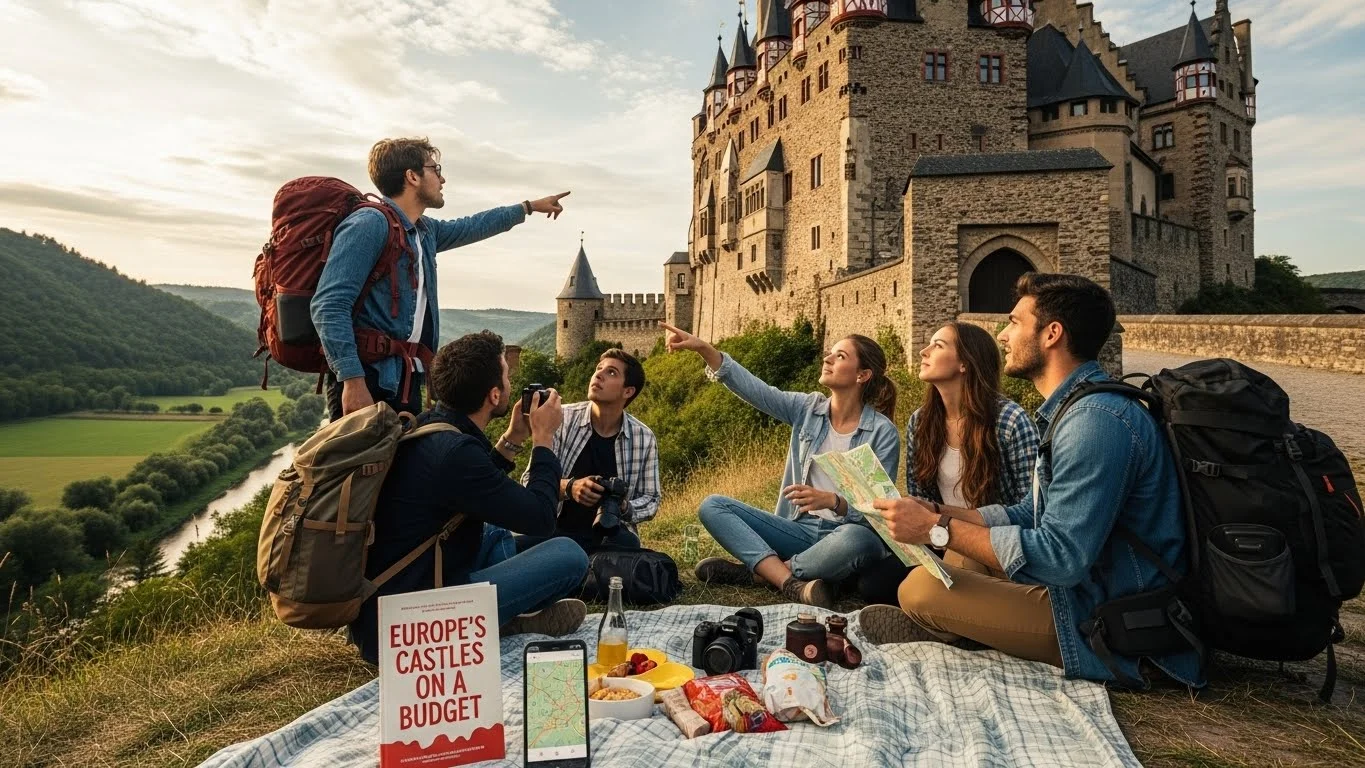
The blend of historical significance, architectural beauty, and enchanting tales makes castles irresistible to many travelers, including myself. They are not just buildings; they are symbols of our shared past. I’ve always felt a special connection when walking through their doors, as if I’m partaking in the history that shaped our world. For budget travelers like us, exploring these architectural wonders for free is an added bonus, allowing us to enrich our journeys without stretching our wallets. To further explore budget-friendly options, you may want to check out Explore Europe’s Most Stunning Castles on a Budget.

Top Castles You Can Visit for Free

Now that we’ve explored why castles are so captivating, let’s look at some of the best castles you can visit without spending a dime. I’ve discovered that these places not only offer free entry but also provide breathtaking views and fascinating stories.

Edinburgh Castle, Scotland

When I think of iconic castles, Edinburgh Castle immediately comes to mind. While there is a fee to enter the main attractions inside, the surrounding grounds and views are free to explore. The castle towers above the city, and walking along the Royal Mile, I felt the weight of history in every step. The panoramic views of Edinburgh from the castle are breathtaking, especially at sunset. It’s a perfect spot for both history lovers and photographers alike.

Cardiff Castle, Wales

Another gem on my list is Cardiff Castle. While there’s a fee for the interiors, the grounds are often free to wander. I remember spending hours exploring the beautiful gardens and the impressive walls. The mix of Roman, Norman, and Victorian architecture is a sight to behold, and I loved learning about the castle’s evolution over the centuries. Plus, it’s right in the heart of Cardiff, making it easy to combine with other local attractions.

Castle of Good Hope, South Africa

The Castle of Good Hope is a must-visit for anyone in Cape Town. I was pleasantly surprised to find that it often has free access to its grounds. This fortress is the oldest surviving building in South Africa, and walking through its historic walls felt like a step back into colonial times. I enjoyed a leisurely stroll through the courtyard, soaking up the history and taking in the views of Table Mountain in the distance.

Castillo de San Marcos, Florida, USA

In the USA, Castillo de San Marcos in St. Augustine is a fantastic stop. While there is a fee for certain areas, the fort’s grounds are free to explore. I remember wandering along the coquina walls and imagining the battles that took place there. The view of the bay from the fort is stunning, and I loved capturing the moment with my camera. It truly is a piece of history right in the heart of Florida.

Château de Vincennes, France

For those in Paris, the Château de Vincennes offers free access to its beautiful grounds. I spent an afternoon wandering through the impressive moat and admiring the massive keep. The castle has a rich history and is a great escape from the hustle and bustle of the city. Plus, the lush parks surrounding it are perfect for a picnic or a leisurely stroll.

Castillo de Alhambra, Spain

Although the interior of the Alhambra requires a ticket, the surrounding gardens and the views from the hill are often free to access. I’ll never forget the first time I saw the Alhambra in Granada. The intricate details of the architecture are mesmerizing, and the vibrant gardens provide a peaceful escape. Watching the sunset over the Alhambra with a view of the Sierra Nevada mountains was one of the highlights of my travels. If you’re also interested in wine regions, check out the Top 5 Wine Regions to Visit Without Breaking the Bank.

When to Visit Castles

Timing can make a significant difference in your castle experience. I’ve learned that the best time to visit these historical sites can vary depending on several factors, including the seasons, local festivities, and even the weather. Understanding when to go can help you avoid crowds and fully savor the moments spent in these magnificent places.

Best Seasons for Castle Visits

In my experience, the best seasons to visit castles are typically spring and fall. The weather is usually mild, and the scenery can be breathtaking. I remember visiting the Château de Vincennes in early May, surrounded by blooming flowers and vibrant greenery. The air felt fresh, and the colors were incredibly vivid, enhancing the castle’s beauty. Similarly, autumn brings stunning foliage that can make any castle backdrop even more picturesque. However, summer is also a popular time to visit, especially for family vacations, which means more visitors and longer lines. If you prefer quieter experiences, aim for the shoulder seasons.

Local Festivals and Events

Many castles host events and festivals throughout the year, and attending one can add an extra layer of excitement to your visit. For instance, I once visited Cardiff Castle during a medieval festival, where performers in period costumes brought history to life. It was thrilling to watch jousting matches and listen to live music in such an enchanting setting. Before you plan your visit, I recommend checking local calendars to see if any events coincide with your travel dates. It’s a fantastic way to immerse yourself in the culture and history of the area.

Weather Considerations

Weather can greatly influence your castle visit, and I’ve learned this the hard way. I remember touring the Castle of Good Hope on a rainy day. While the historic walls were still impressive, the damp conditions made it less enjoyable to explore the outdoor areas. Be sure to check the forecast before you go. If rain is predicted, consider bringing a light raincoat or an umbrella. On sunny days, bring water and sunscreen, especially if you plan to spend time outdoors. Keeping these weather considerations in mind can help you make the most of your trip to these stunning sites.

Travel Tips for Budget Travelers

Visiting castles can be a wonderful experience without breaking the bank. Over the years, I’ve picked up a few tips that can help budget travelers like us make the most of our visits while keeping costs low.

Transportation Options to Castles

Getting to castles can sometimes be tricky, especially if they’re located in remote areas. I’ve found that researching public transportation options can save money. Trains, buses, or even local shuttles often have routes that connect to popular sites. For instance, when I visited Castillo de San Marcos, I took a local bus from my accommodation, which was not only affordable but also allowed me to see more of St. Augustine along the way. If you prefer driving, look for free parking options nearby to avoid fees.

Nearby Attractions and Activities

Many castles are surrounded by other interesting sites worth exploring. I like to combine castle visits with nearby attractions to maximize my experience. For example, after visiting Edinburgh Castle, I wandered down the Royal Mile, popping into charming shops and local eateries. Planning your itinerary to include additional activities can help you make the most of your trip without spending too much. Plus, it often leads to delightful surprises along the way!

Pack Your Own Food vs. Local Cuisine

Food can quickly eat into your travel budget, so I’ve learned to weigh my options. Packing a picnic can be a fun way to enjoy a meal while soaking in the beautiful surroundings of a castle. I remember sitting on the grassy grounds of the Château de Vincennes, sharing a simple lunch with friends while enjoying the view. However, I also love trying local cuisine when I can. If you decide to eat out, look for small cafés or bakeries near the castle that offer affordable meals. You can enjoy a taste of the local culture without spending a fortune.

Safety and Accessibility

Ensuring a safe and accessible visit to castles is important for a smooth experience. I’ve found that being aware of safety measures and accessibility options can help make the most of our castle adventures.

General Safety Tips

When visiting castles, it’s always good to stay alert and be cautious, especially if you’re exploring older structures with uneven surfaces or steep staircases. I like to wear comfortable shoes with good grip, as I’ve encountered some slippery areas in certain castles. Also, keep an eye on your belongings, especially in crowded areas. If you’re traveling with kids, make sure they’re aware of their surroundings. These simple precautions can help ensure a safe and enjoyable visit.

Accessibility for Disabled Visitors

Many castles strive to be inclusive, but accessibility can vary greatly from one site to another. I’ve noticed that castles like the Castle of Good Hope offer accommodations for visitors with mobility challenges. Before visiting, I recommend checking the castle’s website or contacting them for information on accessibility features, such as ramps or audio guides. This way, everyone can enjoy the rich history and beauty these remarkable structures have to offer.

Where to Stay Near Free Castles

Finding a place to stay near castles can enhance your travel experience while keeping costs manageable. I’ve discovered several options that cater to budget travelers.

Budget Accommodations

Hostels and budget hotels are often plentiful in areas near popular castles. I’ve stayed in charming hostels that not only offered affordable rates but also provided a chance to meet fellow travelers. Many hostels have kitchens, which can help save on food costs too. If you’re looking for a more private stay, budget hotels can offer a comfortable place to rest without breaking the bank. Always keep an eye out for special deals or discounts.

Alternative Lodging Options (Hostels, Campgrounds)

If you’re feeling adventurous, consider alternative lodging options like campgrounds or vacation rentals. I’ve had some of my best travel experiences camping near castles, as it allows you to immerse yourself in nature while staying close to historical sites. Websites that offer vacation rentals can also be a great choice, especially if you’re traveling with friends or family. Sharing costs can lead to significant savings, making your castle adventure even more enjoyable.

Maximizing Your Castle Experience

To truly enjoy your time at castles, a few strategies can enhance your visit. I’ve found that being prepared and engaging with the history can transform a casual visit into a memorable experience.

Guided Tours vs. Self-Guided Visits

Choosing between a guided tour and a self-guided visit often depends on personal preference. I enjoy guided tours for the rich insights and stories shared by knowledgeable guides. For example, my experience at the Château de Vincennes was greatly enriched by a guided tour that explained the castle’s history in detail. However, self-guided visits can offer more flexibility to explore at your own pace. I recommend trying both approaches to see what resonates with you.

Photography Tips for Castle Visits

Capturing the beauty of castles through photography is a must! I’ve learned a few tips along the way. Early mornings or late afternoons provide the best natural light, and I often try to frame the castle with its surroundings for more dramatic shots. Additionally, don’t forget to explore different angles and perspectives. Some of my favorite photos were taken from unexpected spots, like behind a tree or from a distance. Remember, the magic of castles is often in their surroundings.

Engaging with Castle History

Lastly, I’ve found that engaging with the history of a castle can deepen your appreciation for it. Take the time to read the informational plaques or even do a little research beforehand. I often find that knowing the stories behind the walls makes my visits feel more meaningful. Imagine standing in the same spot as a historical figure and understanding their experiences—this connection can make the visit truly unforgettable.

Common FAQs About Visiting Castles for Free

As I’ve explored various castles, I’ve encountered many questions that fellow travelers often have. Here are a few common FAQs I think might be helpful:

Are all castle grounds free to enter?

Not all castle grounds are free, but many do have areas that can be explored without an entrance fee. I recommend researching each castle beforehand to understand what parts are accessible without charge.

What should I wear when visiting a castle?

Comfortable clothing and sturdy shoes are the way to go! Castles often have uneven terrain, so I suggest wearing something that allows for ease of movement. Layers can also be helpful, as temperatures can vary between the interior and exterior.

Can I bring my pet to the castle?

Pet policies vary by castle, so it’s best to check in advance if you plan to bring your furry friend. I’ve found that some castles are pet-friendly, while others may have restrictions. Always double-check to ensure a smooth visit!

Frequently Asked Questions

Are all castle grounds free to enter?

Not all castle grounds are free, but many do have areas that can be explored without an entrance fee. I recommend researching each castle beforehand to understand what parts are accessible without charge.

What should I wear when visiting a castle?

Comfortable clothing and sturdy shoes are the way to go! Castles often have uneven terrain, so I suggest wearing something that allows for ease of movement. Layers can also be helpful, as temperatures can vary between the interior and exterior.

Can I bring my pet to the castle?

Pet policies vary by castle, so it’s best to check in advance if you plan to bring your furry friend. I’ve found that some castles are pet-friendly, while others may have restrictions. Always double-check to ensure a smooth visit!

When is the best time to visit castles?

The best seasons to visit castles are typically spring and fall, as the weather is usually mild and the scenery is breathtaking. However, summer is also popular, which means more visitors and longer lines.

What are some tips for budget travelers visiting castles?

Budget travelers can save money by researching public transportation options to reach castles, packing their own food for picnics, and combining castle visits with nearby attractions to maximize the experience.

How can I enhance my castle experience?

To enhance your castle experience, consider going on guided tours for richer insights, engaging with the castle’s history through research, and capturing the beauty of the castle through thoughtful photography.

What types of accommodations are available near castles?

Budget accommodations such as hostels, budget hotels, campgrounds, and vacation rentals are often available near popular castles, allowing travelers to stay close to historical sites while keeping costs manageable.

How can I avoid crowds when visiting castles?

Aim to visit castles during the shoulder seasons, such as spring and fall, and check local calendars for any events that might attract larger crowds. Planning your visit during weekdays can also help to avoid busy weekends.

What should I do if the weather is not favorable for a castle visit?

If rain is predicted, consider bringing a light raincoat or an umbrella. For sunny days, make sure to bring water and sunscreen, especially if you plan to spend time outdoors exploring the castle grounds.

Are there any events worth attending at castles?

Many castles host events and festivals throughout the year, which can add excitement to your visit. Checking local calendars for events like medieval festivals can provide an immersive cultural experience during your trip.

Top 10 Must-Visit Fortresses for Budget Travelers

Fortresses are not just remnants of the past; they are gateways to adventure, history, and culture. For budget travelers, these majestic structures offer a fascinating glimpse into history without breaking the bank. Read Interesting article: Explore Iconic Castles: Budget-Friendly Travel Tips

Top 10 Must-Visit Fortresses for Budget Travelers

Why Explore Fortresses? The Appeal for Budget Travelers

When I first thought about visiting fortresses, I was drawn to their rich history and unique architecture. One of the things I love about traveling is the stories that each place holds. I quickly discovered that fortresses are not just awe-inspiring; they also provide a wealth of experiences for those of us trying to stick to a budget.

Historical Significance of Fortresses

Fortresses have been standing tall for centuries, acting as protective barriers and symbols of power. I remember walking through the ancient stone walls of a fortress and feeling the weight of history in every step. Each fortress tells a story, from the battles fought to the people who lived there. For anyone interested in history, exploring these sites is like stepping back in time. Not only do we get to learn about the past, but we also witness the evolution of architecture and culture. I found that many fortresses even offer free or inexpensive guided tours, providing deeper insights into their historical significance.

Architectural Wonders

The architecture of fortresses is nothing short of spectacular. From the intimidating walls to the intricate designs, each fortress is a work of art. I’ve seen everything from medieval battlements to Renaissance palaces, and each one has its own unique charm. Walking around these massive structures, I was often amazed by the craftsmanship that has stood the test of time. I realize that for budget travelers, visiting these architectural wonders can be a highlight of the journey, especially since many are free or have minimal entry fees. It’s like exploring a living museum, where every corner reveals a new marvel.

Budget-Friendly Experiences

One of the best parts about visiting fortresses is that they offer a variety of budget-friendly experiences. For instance, many fortresses have spacious grounds that are perfect for picnics or leisurely walks without needing to spend a dime. I remember sitting on a grassy hill outside a fortress, munching on snacks I had packed, while taking in the magnificent views. There are often festivals or events held at these sites, and many of them are free to attend. I’ve enjoyed local music and cultural displays that made the experience even richer. Additionally, if you do choose to pay for entry, it’s usually quite affordable compared to other attractions. Read Interesting article: Explore Ancient Ruins: Top Budget Backpacking Destinations

Top 10 Must-Visit Fortresses

1. Castillo de Alhambra (Spain)

Overview and History

Alhambra is one of Spain’s most iconic fortresses, set against the backdrop of the Sierra Nevada mountains in Granada. This stunning palace-fortress complex was originally built in the mid-13th century and showcases Islamic architecture’s intricate beauty. Walking through its gardens and halls, I felt transported to a different era, where art and culture flourished. The history of Alhambra is rich, marked by its transformation from a military fortress to a royal palace.

Visiting Tips for Budget Travelers

To make the most of your visit without overspending, I recommend booking your tickets in advance, as they can sell out quickly. You can also save some cash by visiting during the off-peak season. Plus, entrance is free on certain days, so keep an eye out for those opportunities! Bring a packed lunch to enjoy in the beautiful gardens, which allows you to soak in the atmosphere without needing to hit the pricey café.

Nearby Attractions

After exploring Alhambra, don’t miss out on the charming neighborhood of Albayzín, with its narrow winding streets and stunning views of the fortress. The nearby Generalife gardens are also worth a visit, providing a peaceful retreat filled with beautiful landscapes and fountains.

2. Fort Saint-Nicolas (France)

Overview and History

Located in Marseille, Fort Saint-Nicolas stands as a sentinel by the harbor. Constructed in the 17th century, this fortress has witnessed countless historical events. Its massive stone walls and towers tell tales of pirates and battles. I was fascinated by how it played a crucial role in defending the city and controlling maritime access.

Entry Fees and Budget Tips

Entry to Fort Saint-Nicolas is free, which is a big win for budget travelers. I recommend wandering through its grounds and taking in the breathtaking views of the Mediterranean Sea. You might also want to bring your camera; the sunset views from the fortress are nothing short of spectacular!

Local Cuisine to Try Nearby

After your visit, I suggest exploring the local cuisine. Head to the nearby Old Port and treat yourself to some authentic bouillabaisse, a traditional fish stew. Eating like a local can be quite affordable, especially if you look for small bistros or food stalls.

3. Edinburgh Castle (Scotland)

Overview and History

Perched atop Castle Rock, Edinburgh Castle is a historic fortress that has been a royal residence and military stronghold. I found myself captivated by its storied past, from being the birthplace of kings to its role during various Scottish wars. The views of the city from the castle are breathtaking, making every steep step worth it.

Best Times to Visit

To save money, consider visiting during the week or in the off-season when the crowds are thinner, and ticket prices can be lower. I visited in late autumn, and it was a splendid time with fewer tourists, allowing for a more intimate experience.

Free Attractions in Edinburgh

While at the castle, I recommend checking out the nearby Princes Street Gardens, which is free to enter. You can also explore the Royal Mile, filled with vibrant shops and street performers, offering a taste of Edinburgh’s culture without any cost.

4. Dubrovnik City Walls (Croatia)

Overview and Historical Context

Dubrovnik’s City Walls are a stunning example of medieval fortifications. Walking along these walls, I felt a sense of marvel at how they protect the city and its rich history. The views of the Adriatic Sea and the terracotta rooftops of Dubrovnik are simply breathtaking.

Affordable Entry Options

The entry fee to walk the walls is reasonable, especially considering the views and the experience you get. I found that purchasing a combined ticket for other attractions in Dubrovnik can also save money.

Budget-Friendly Dining in Dubrovnik

For dining, I recommend heading to local eateries outside the main tourist areas where you can find delicious meals at a fraction of the price. I discovered some hidden gems that offered fresh seafood and local specialties that won’t break the bank.

5. Fortress of Suomenlinna (Finland)

Overview and Significance

Suomenlinna is a UNESCO World Heritage site spread across several islands off the coast of Helsinki. This fortress was built in the 18th century to protect the city from naval attacks. Exploring its vast grounds is like stepping into a historical park, with beautiful buildings and pathways.

Transportation and Entry Fees

The ferry ride to Suomenlinna is quite affordable, and entry to the fortress is free. I found that spending a day here was not only enriching but also very budget-friendly. Just pack a lunch and enjoy the serene atmosphere.

Activities for Budget Travelers

While at Suomenlinna, take advantage of the numerous walking trails and picnic spots. I remember spending a lovely afternoon just wandering around and enjoying the peaceful surroundings.

Top 10 Must-Visit Fortresses

6. The Citadel (Jordan)

Overview and Importance

The Citadel in Amman is a historical gem that offers a glimpse into Jordan’s rich past. As I explored its ancient ruins, I was struck by the blend of Roman, Byzantine, and Islamic architecture. The site has been inhabited since the Neolithic period, and just walking among the remnants of temples and fortifications made me feel connected to centuries of history. One of the highlights for me was the stunning view from the top, where I could see the sprawling city of Amman beneath me, a mix of old and new.

Cost-Saving Tips for Entry

Entry to the Citadel is quite affordable, with a nominal fee that won’t hurt your budget. I learned that if you plan to visit multiple sites in Amman, purchasing a Jordan Pass can save you money on entry fees. Visiting early in the morning not only helps avoid crowds but also allows you to enjoy a peaceful experience while soaking in the atmosphere. Plus, don’t forget to bring water and snacks, as there are limited facilities on-site.

Local Markets to Explore

After your visit, take some time to explore the nearby downtown area of Amman. I stumbled upon the bustling Souk Jara, where local vendors sell everything from spices to handmade crafts. It was a great way to immerse myself in local culture while picking up a few unique souvenirs. Don’t miss out on trying some street food; the falafel and shawarma I found were delicious and extremely budget-friendly!

7. Fort Bourtange (Netherlands)

Overview and Unique Features

Fort Bourtange is unlike any fortress I’ve ever visited. Originally built in the 16th century as a star fort to protect the route from Germany to Groningen, it has been beautifully restored to reflect its historical significance. Walking through its quaint streets lined with traditional Dutch houses, I felt like I had stepped into a storybook. The fort’s unique layout and picturesque canals make it a truly enchanting spot.

Visiting Hours and Costs

Visiting Fort Bourtange is quite economical, with a small entry fee that allows you to explore the fort and its surroundings. I found that the fort is open year-round, but I recommend visiting in the summer months when the weather is pleasant, and various events and reenactments take place. The atmosphere during this time is lively, and it adds an extra layer of excitement to your visit!

Nearby Attractions to Explore

If you have extra time, consider visiting the nearby village of Bourtange itself. I discovered lovely cafes where I could sit and enjoy a coffee while taking in the scenery. The surrounding countryside is also perfect for biking, offering a beautiful view of the Dutch landscape.

8. Kraków Barbican (Poland)

Overview and Historical Background

The Kraków Barbican is an impressive example of medieval military architecture, originally built in the late 15th century to protect the city. As I walked through its massive stone walls and towers, I was amazed by how well-preserved it is. The Barbican is not just a fortress; it’s a reminder of Kraków’s storied past and its strategic significance in Eastern Europe.

Free Entry Days and Discounts

One of the best things about visiting the Barbican is that it often offers free entry on certain days, which I took advantage of during my trip. Even if you visit on a paid entry day, the cost is still very reasonable. I recommend checking ahead for any special events or exhibitions that might be happening, as they can provide additional value to your visit.

Local Food Specialties

After touring the Barbican, I headed to the nearby Planty Park area where I found cozy restaurants serving traditional Polish dishes. I couldn’t resist trying pierogi, which were not only delicious but also easy on my wallet. Exploring local eateries instead of tourist spots can lead to some great culinary discoveries!

9. Hohensalzburg Fortress (Austria)

Overview and Historical Context

Hohensalzburg Fortress towers over Salzburg, offering a breathtaking view of the city and surrounding mountains. As I made my way up the hill (you can also take a funicular if you prefer), I felt a rush of excitement knowing I was visiting one of the largest and best-preserved medieval castles in Europe. The fortress has a rich history and houses several museums, which I found fascinating.

Budget-Friendly Visiting Options

The entry fee for Hohensalzburg is quite reasonable, especially considering the views and the historical insights you gain. I discovered that purchasing a combined ticket for the fortress and the funicular ride was a great way to save money. Make sure to check for any discounts available for students or groups, as they can help keep costs low.

Free Things to Do in Salzburg

While in Salzburg, I also took advantage of the city’s many free attractions. Strolling through the historic Old Town, visiting the Mirabell Gardens, and enjoying the ambiance of Mozart’s birthplace added to my experience without costing a penny. Salzburg has a magical quality that I truly enjoyed.

10. Fort William Henry (USA)

Overview and Historical Context

Fort William Henry, located by Lake George in New York, is steeped in history, particularly from the French and Indian War. I was intrigued by its storied past, and as I walked through its reconstructed buildings, I could envision the events that unfolded there. The fort offers an engaging glimpse into 18th-century life, making it a worthwhile stop for history buffs like myself.

Entry Fees and Discounts

The entry fee for Fort William Henry is very reasonable, and I appreciated that they often have special events and reenactments included in the price. I found that it’s a great idea to check their website for any upcoming events that might coincide with your visit, as they often offer discounts on those days.

Nearby Attractions for Budget Travelers

After exploring the fort, I took some time to walk around Lake George. The scenic views are stunning, and I found it to be the perfect place for a budget-friendly picnic. There are also plenty of hiking trails and parks nearby, which provided me with a chance to enjoy the natural beauty of the area without spending much. Read Interesting article: Top 10 Budget Homestays Worldwide You Can’t Miss

Planning Your Fortress Visits: Tips for Budget Travelers

Best Times to Visit Fortresses

Transportation Options and Costs

Accommodation Tips Near Fortresses

Dining on a Budget While Visiting

Safety Tips for Travelers

Planning Your Fortress Visits: Tips for Budget Travelers

Best Times to Visit Fortresses

Timing can make a huge difference when exploring fortresses, especially if you’re looking to save money. I’ve learned that the off-season, typically late autumn and winter, not only brings fewer crowds but often lower entry prices. For example, visiting castles in spring or fall means I could enjoy the stunning scenery without the hustle and bustle of tourists. Some places even offer discounted rates during these times, so it’s worth checking ahead. Early mornings are also great; the light is beautiful for photos, and the atmosphere is peaceful, allowing us to soak in the history without distractions.

Transportation Options and Costs

Getting to these majestic fortresses can be another aspect where we save money. I usually prefer public transportation, which can be both economical and a great way to experience local life. Trains and buses often lead to the heart of the cities, and from there, it’s usually a short walk to the fortress. In some cases, we’ve even rented bikes to explore the area around the fortress, which adds an element of adventure to the trip. I’ve found that researching transportation options in advance helps us budget better. Apps and websites frequently provide information on discounts for travelers, especially if we’re visiting multiple attractions in one area.

Accommodation Tips Near Fortresses

Finding a place to stay near a fortress can significantly impact our travel budget. I often look for hostels or guesthouses that offer both comfort and affordability. I remember staying at a cozy hostel near Edinburgh Castle, which made early morning visits easy. Additionally, I’ve used platforms like Airbnb to find unique stays, sometimes even in historical buildings, adding to the experience. I recommend considering options a bit farther from the main tourist areas because they can be cheaper and often provide a more authentic experience of the local culture.

Dining on a Budget While Visiting

Food is a big part of any travel experience, and I’ve learned to enjoy local cuisine without overspending. Many fortresses are located near charming local markets or eateries where I’ve found delicious meals at reasonable prices. I often seek out street food, which not only satisfies my hunger but also allows me to sample local flavors. Packing snacks or a picnic lunch is another favorite approach, especially when visiting places with beautiful grounds, like the ones at Alhambra or Suomenlinna. I remember sitting on the grass with a homemade sandwich, surrounded by breathtaking views, and it felt like the perfect day. Plus, many areas near fortresses have affordable cafes where we can enjoy a meal while taking in the scenery.

Safety Tips for Travelers

While exploring fortresses, safety should always be a priority. I always keep my belongings secure and be aware of my surroundings, especially in crowded areas. Many fortresses are in historic cities, which can have different safety concerns than more modern places. I’ve found it helpful to carry a small backpack with essentials, such as water, snacks, and a first-aid kit, just in case. Also, make sure to wear comfortable shoes, as exploring these sites often means a lot of walking. I learned the hard way that sturdy footwear can make a big difference, especially on uneven surfaces. Finally, always check the local customs and regulations of the area; being respectful not only enhances our experience but ensures we stay safe as well.

Frequently Asked Questions

What is the significance of exploring fortresses for budget travelers?

Fortresses offer a fascinating glimpse into history and culture, allowing budget travelers to experience rich historical narratives and unique architecture without spending much money.

Are there any budget-friendly experiences available at fortresses?

Yes, many fortresses provide free or inexpensive entry, spacious grounds for picnics, and often host free festivals or events, making them ideal for budget travelers.

What are some tips for visiting the Alhambra in Spain on a budget?

For budget-friendly visits to Alhambra, it’s recommended to book tickets in advance, visit during the off-peak season, and take advantage of free entry days. Bringing a packed lunch to enjoy in the gardens is also a great way to save money.

Is entry to Fort Saint-Nicolas in France free?

Yes, entry to Fort Saint-Nicolas is free, making it a fantastic option for budget travelers looking to enjoy the views of the Mediterranean Sea.

What is a cost-effective way to visit Edinburgh Castle?

To save money at Edinburgh Castle, consider visiting during the week or in the off-season when ticket prices are lower and crowds are thinner. Additionally, nearby free attractions like Princes Street Gardens can enhance your experience without extra costs.

How can travelers save on dining when visiting Dubrovnik?

Travelers can save on dining in Dubrovnik by eating at local eateries outside the main tourist areas, where meals are often more affordable and feature fresh seafood and local specialties.

What are some benefits of visiting Suomenlinna in Finland?

Suomenlinna offers free entry, affordable ferry rides, and numerous walking trails and picnic spots, making it a budget-friendly destination to explore historical grounds while enjoying beautiful surroundings.

What are the entry fee considerations for visiting the Kraków Barbican?

The Kraków Barbican often has free entry on certain days, and even on paid entry days, the cost is reasonable. It’s wise to check for any special events or exhibitions that could enhance the visit.

What transportation options are available for visiting fortresses?

Public transportation is a cost-effective way to reach fortresses, with trains and buses typically leading to city centers. Renting bikes can also provide an adventurous way to explore the area around the fortress.

What safety tips should travelers keep in mind when visiting fortresses?

Travelers should secure their belongings, be aware of their surroundings, wear comfortable shoes for walking, and check local customs and regulations to ensure a safe and respectful experience.

Explore Europe’s Most Stunning Castles on a Budget

Europe is home to some of the most breathtaking castles in the world, and exploring them doesn’t have to break the bank. Join me as we uncover stunning historical sites while enjoying a budget-friendly adventure. Read Interesting article: Discover Hidden Historic Landmarks on a Budget

Explore Europe's Most Stunning Castles on a Budget

Overview of Europe’s Castles

When I think about Europe, my mind often drifts to its magnificent castles. Each castle tells a story of the past, filled with kings, queens, and epic battles. I’ve always found that there’s something magical about stepping into these historical sites, feeling the weight of history around me. Castles are not just beautiful buildings; they are a glimpse into the lives of those who lived centuries ago.

Historical Significance of Castles

Castles were once the fortified homes of nobility, serving as a defense mechanism against invasions. As I learned more about them, I realized they were also centers of power, culture, and administration. Each castle has its unique history. For instance, I was fascinated by how some castles, like the imposing Edinburgh Castle, played pivotal roles in the history of Scotland. Others, like the fairytale-like Neuschwanstein, were built in the 19th century, showcasing the romantic ideals of the time. These structures not only served military purposes but also reflected the architectural and artistic styles of their eras.

Architectural Styles and Designs

Walking through various castles, I’ve noticed the wide array of architectural styles that have evolved over the centuries. From the Gothic spires of the Château de Chambord in France to the Moorish influences seen in the Alhambra, each castle has its own identity. I remember standing before the grandeur of the Castel del Monte in Italy, with its unique octagonal shape, which set it apart from the traditional fortress designs I had seen before. This blend of styles not only showcases the creativity of the architects but also the cultural exchanges that occurred throughout history.

Why Visit Castles on a Budget?

Now, you might be wondering why I advocate for visiting these castles on a budget. When I first started traveling in Europe, I thought experiencing its history meant spending a fortune. However, I quickly discovered that many castles offer affordable entry fees, and some even have free days. I believe everyone should have the chance to explore these magnificent structures without financial stress. By planning wisely, it’s entirely possible to visit multiple castles without overspending. Plus, exploring castles often leads to discovering charming villages and local cuisine, making it a holistic travel experience. The thrill of uncovering treasures from the past while keeping my wallet happy is something I love sharing with fellow travelers. Read Interesting article: Ultimate Guide to Budget Family Travel Destinations

In my case, I often found that visiting lesser-known castles provided just as much excitement as the famous ones. These hidden gems tend to be less crowded, allowing for a more personal experience. And let me tell you, standing on the ramparts of a medieval castle, overlooking rolling hills, is an unforgettable experience that doesn’t require a hefty budget. I remember the joy of wandering through the narrow stone corridors of Bran Castle in Romania, where the legend of Dracula looms large, and I barely spent a dime compared to other tourist spots.

As you embark on your journey to explore Europe’s stunning castles, remember that each visit is an opportunity to connect with the past. I recommend doing your research on entry fees and looking out for special discounts or free entry days. Many castles also offer guided tours at reasonable prices, which can enhance your experience as you learn about the stories behind the stones. For me, the combination of history, architecture, and adventure makes castle-hopping a truly enriching experience.

Top Budget-Friendly Castles to Explore

As I’ve traveled through Europe, I’ve stumbled upon some incredible castles that won’t empty your wallet. These spots not only offer a glimpse into history but also let you soak in stunning views and unique architecture. Here are some of my favorite budget-friendly castles that I believe every traveler should visit.

Neuschwanstein Castle, Germany

Neuschwanstein Castle is often referred to as the fairytale castle, and I can see why. Nestled in the Bavarian Alps, it looks like something straight out of a storybook. The entry fee is reasonable, and while the interior tour costs a bit, the views from the surrounding areas are absolutely free! I remember taking a hike to Marienbrücke (Mary’s Bridge) for breathtaking views of the castle. Standing there, it felt like I had stepped into a dream. The beauty of the castle with the backdrop of the mountains is something that stays with you long after the trip.

Château de Chambord, France

When I visited the Château de Chambord, I was struck by its magnificent architecture and vast grounds. This castle is one of the finest examples of the French Renaissance, and exploring it felt like walking through a living painting. The entry fee is quite affordable, and I was amazed by how much of the castle grounds I could explore without additional costs. I spent hours wandering through the gardens, taking in the intricate details of the castle, and I even enjoyed a lovely picnic while soaking in the surroundings. The blend of nature and history here is simply enchanting.

Edinburgh Castle, Scotland

Edinburgh Castle holds a special place in my heart. Perched on Castle Rock, it offers stunning views of the city. While the entry fee is a bit higher than some other castles, I found it worth every penny for the history it holds. I was captivated by the Crown Jewels of Scotland and the Stone of Destiny, which have such rich significance. Plus, the castle often has events and activities going on that are included in the ticket price, making it a delightful way to spend a day. I recommend taking the time to explore the surrounding area—it’s full of charming shops and eateries!

Alhambra, Spain

The Alhambra is a unique castle and palace complex that I think is absolutely breathtaking. Located in Granada, it’s a stunning mix of Islamic architecture and beautiful gardens. I was lucky enough to visit on a weekday, which helped me avoid the large crowds. The entry fee is very reasonable, and while you need to book in advance, exploring the Alhambra’s intricate designs and lush gardens was a highlight of my trip. I spent hours wandering through the Generalife Gardens, where the views of the Sierra Nevada mountains were just spectacular. It’s a place where history and nature blend beautifully.

Castel del Monte, Italy

Castel del Monte, with its unique octagonal shape, was a fascinating visit for me. This castle, built by Frederick II, is not just visually striking but also steeped in mystery. The entry fee is quite low, and I enjoyed learning about its unusual architecture as I wandered through the halls. I’ll never forget how intrigued I was by the way the castle seemed to blend with the surrounding landscape. It’s a peaceful place to explore, and the experience felt personalized, as there weren’t huge crowds. I felt like I had discovered a hidden gem in the heart of Italy.

Bran Castle, Romania

Bran Castle is often associated with the Dracula legend, and it certainly has an air of mystery about it. When I visited, I found the entry fee to be quite affordable, making it accessible for travelers on a budget. The castle itself is charming, and exploring its narrow corridors felt like stepping back in time. I enjoyed learning about its history and the myths surrounding it while taking in the breathtaking views of the Carpathian Mountains. It’s a fun spot to visit, especially if you’re a fan of gothic tales like I am! Read Interesting article: Best Budget Destinations for Unforgettable Family Getaways

Exploring these castles has been one of the most rewarding aspects of my travels. Each one offers a unique slice of history and a chance to immerse myself in the culture of the region. Whether you’re a history lover or just looking for stunning views, these budget-friendly castles are must-visit destinations that often leave a lasting impression.

Planning Your Castle Tour

Planning a castle tour can feel overwhelming at times, but I’ve learned that a little organization goes a long way. When I set out to explore different castles, I found it helpful to map out my journey and consider factors like timing, transportation, entry fees, and where to stay. Here’s what I discovered during my travels that made my castle-hopping experience smoother and more enjoyable.

Best Times to Visit Castles

Timing is everything! From my experience, visiting castles during the shoulder seasons—late spring and early fall—can make a huge difference. The weather tends to be mild, and crowds are typically smaller than during the peak summer months. I remember visiting Château de Chambord in early September, and it felt like I had the place almost to myself! Plus, the autumn colors made the gardens even more stunning. If you can, try to visit on weekdays instead of weekends, as this can also help you avoid the larger tourist crowds.

How to Get There: Transportation Options

Getting around Europe can be an adventure in itself. I often rely on public transportation, which is both economical and efficient. Trains and buses connect many castles to nearby cities, making it easy to hop from one historical site to another. For instance, I took a train from Munich to Füssen to visit Neuschwanstein Castle, and the scenery along the route was just as enchanting as the castle itself. If you prefer driving, renting a car can offer more flexibility, allowing you to explore off-the-beaten-path treasures that aren’t always accessible by public transport.

Entry Fees and Discounts

One of the first things I do when planning a castle visit is to check entry fees. Many castles have reasonable admission prices, and I often find that buying tickets online in advance can save me both time and money. Some castles offer discounts for students, seniors, or families, which can make a significant impact on your budget. I’ve also noticed that some national heritage sites have combined tickets, allowing you to explore multiple castles or attractions for a single fee. This can be great if you’re planning a packed itinerary!

Free Days and Special Events

Don’t overlook the possibility of free entry days! Many castles have designated days when admission is free or significantly reduced. I stumbled upon a free entry day at Edinburgh Castle during my visit, which felt like pure luck! Additionally, castles often host special events, such as reenactments, fairs, or concerts that are included in the ticket price. I attended a medieval festival at Alhambra, which added an extra layer of excitement to my visit. So, keep an eye out for these opportunities—they can enhance your experience without adding to your expenses!

Where to Stay Near Castles

Finding the right place to stay during your castle tour can really make a difference in your overall experience. I’ve learned that staying close to the castles not only saves time but also allows you to soak in the atmosphere of the area. Here are some accommodation options I’ve found to be both affordable and convenient.

Affordable Accommodation Options

When I’m looking for budget-friendly accommodation, I generally search for guesthouses or B&Bs located near the castles I plan to visit. Many of them offer charming atmospheres and include breakfast, which is a huge plus. For example, I found a lovely little B&B just a short walk from Bran Castle, allowing me to explore the area early in the morning before the crowds arrived. Staying in these types of places often gives you a chance to meet fellow travelers and share stories about your adventures.

Hostels and Budget Hotels

If I’m traveling solo or with friends, hostels can be a great way to save money. I remember staying in a hostel in Edinburgh, where I got to meet travelers from all over the world. Many hostels offer private rooms at reasonable prices, which can be a good compromise if you want some privacy. Additionally, budget hotel chains are often available in major cities, providing basic but comfortable accommodations close to castle attractions.

Camping and Glamping Near Castles

For those who love nature, camping can be a fantastic option. I once camped near Château de Chambord, and it was amazing to wake up to the sounds of nature and the beautiful scenery. If camping isn’t your style, glamping might be worth considering. It combines the outdoor experience with a bit more comfort, and I’ve found several places near castles that offer unique glamping setups. It’s a fun way to connect with the environment while exploring historical sites!

Local Cuisine to Try While Castle-Hopping

As we dive deeper into our adventures, I can’t stress enough how important it is to indulge in local cuisine while exploring castles. It’s not just about the sights; it’s also about the flavors that define each region. Here are some of my favorite dishes and dining experiences that I’ve enjoyed during my castle journeys.

Traditional Dishes of Castle Regions

Every castle region has its culinary specialties that reflect its history and culture. For instance, while visiting Edinburgh, I couldn’t resist trying haggis, a traditional Scottish dish that’s a must for any visitor. The dish is hearty and flavorful, and I found that many local pubs serve excellent versions of it. Similarly, in Bavaria, I enjoyed sampling sausages and pretzels, which made my visit to Neuschwanstein Castle even more memorable. Engaging in local food culture is one of the best parts of traveling, and it adds a delicious layer to my castle experiences.

Street Food Near Popular Castles

Street food is another fantastic way to enjoy local flavors on a budget. When I visited the Alhambra, I stumbled upon a vibrant food market nearby, where I tried churros with chocolate—a delightful treat! Street food not only offers quick and affordable options but also lets you experience the local vibe. I’ve found that grabbing a bite from a local food stall while exploring castle grounds can turn into a mini-adventure, and the casual atmosphere makes it all the more enjoyable.

Budget-Friendly Dining Options

If you prefer to sit down for a meal without breaking the bank, I recommend looking for family-run restaurants or cafes in the areas surrounding the castles. I’ve discovered some hidden gems where the prices are reasonable, and the food is made with love. For example, I found a quaint café near Château de Chambord that served delicious homemade quiche and fresh salads. Dining like a local not only saves money but also enriches your travel experience, allowing you to taste the essence of each region.

Tips for Exploring Castles on a Budget

As I’ve navigated my way through various castles across Europe, I’ve picked up plenty of tips that have helped me save money and maximize my experience. Here are some of the best strategies I’ve found for exploring castles without overspending.

Using Public Transport Effectively

Public transport is one of the most economical ways to get around, and I’ve learned to utilize it to my advantage while visiting castles. Most European cities have comprehensive public transport systems, including trains, buses, and trams. For instance, during my trip to Edinburgh, I took a bus to the castle, which was both affordable and efficient. I recommend downloading transportation apps to help you plan your routes and find the best deals.

Combining Castle Visits with Other Attractions

I often look for opportunities to combine my castle visits with other attractions to get the most out of my tickets. Many castles are located near other historical sites or natural wonders. For example, when I visited Alhambra, I also explored the nearby Generalife Gardens. This way, I felt like I was making the most of my time and money, and the experiences were richer as I learned about the interconnected histories of each site.

Finding Free or Low-Cost Guided Tours

Guided tours can enhance your experience, but they don’t have to be expensive. I often search for free walking tours offered in many cities, where you can tip the guide based on your experience. For example, I found a fantastic free tour in Edinburgh that included the castle area and provided fascinating insights into the city’s history. These tours are a great way to learn while keeping costs low.

What to Pack for Castle Visits

Being prepared can make a big difference in your castle-hopping journey. I always pack comfortable walking shoes because exploring castles often involves a lot of stair climbing and wandering through expansive grounds. A reusable water bottle is also a must to stay hydrated, especially during hot days. I usually bring a light jacket, as temperatures can change quickly, especially in the evenings. And of course, a good camera is essential for capturing those stunning castle views!

Safety and Accessibility Considerations

As we explore beautiful castles, it’s essential to prioritize our safety and ensure accessibility for everyone. I’ve learned a few key points to keep in mind during my travels.

Health and Safety Tips for Travelers

Staying healthy while traveling is crucial. I always carry a small first aid kit, just in case I need it. When visiting crowded areas, like popular castles, I recommend keeping an eye on your belongings to avoid pickpockets. It’s also a good idea to familiarize yourself with the local emergency numbers in case of any unexpected situations. Lastly, I always encourage travelers to have travel insurance for peace of mind during their adventures.

Accessibility Options for Disabled Visitors

Many castles are working to improve accessibility for disabled visitors, and I’ve seen some excellent efforts in this area. Before visiting, I always check the castle’s website for information on wheelchair access, ramps, and facilities. Castles like Edinburgh have made strides toward being more accessible, ensuring that everyone can enjoy the rich history they offer. It’s important to advocate for accessibility, so we can all immerse ourselves in these incredible locations.

COVID-19 Considerations for 2023

As the world continues to adapt to changes due to COVID-19, I’ve found it essential to stay updated on the latest travel guidelines. Before visiting any castle, I check for any restrictions or requirements, such as mask mandates or capacity limits. Many places have implemented safety measures to protect visitors, and being informed allows me to enjoy my trip with confidence. It’s always a good idea to have hand sanitizer on hand and to practice good hygiene while exploring.

Frequently Asked Questions

What are some budget-friendly castles to visit in Europe?

Some budget-friendly castles to explore include Neuschwanstein Castle in Germany, Château de Chambord in France, Edinburgh Castle in Scotland, Alhambra in Spain, Castel del Monte in Italy, and Bran Castle in Romania.

Why should I visit castles on a budget?

Visiting castles on a budget allows you to explore historical sites without financial stress. Many castles offer affordable entry fees, free days, and chances to discover local cuisine and charming villages along the way.

What is the historical significance of castles?

Castles were once fortified homes for nobility and served as defense mechanisms against invasions. They also acted as centers of power, culture, and administration, reflecting the architectural and artistic styles of their eras.

What types of architectural styles can be found in European castles?

European castles showcase a wide array of architectural styles, such as Gothic spires seen in Château de Chambord, Moorish influences in the Alhambra, and unique shapes like the octagonal design of Castel del Monte.

When is the best time to visit castles?

The best times to visit castles are during the shoulder seasons, late spring and early fall, when the weather is mild and crowds are typically smaller. Weekdays are also recommended to avoid larger tourist crowds.

How can I save money on entry fees when visiting castles?

To save money on entry fees, check for discounts, buy tickets online in advance, and look for free entry days. Some castles also offer combined tickets for multiple attractions, which can be a cost-effective option.

What are some accommodation options near castles?

Affordable accommodation options near castles include guesthouses or B&Bs, hostels, budget hotels, and even camping or glamping setups that allow for a unique experience close to historical sites.

What local cuisine should I try while castle-hopping?

While exploring castles, try traditional dishes specific to the region, such as haggis in Scotland, sausages and pretzels in Bavaria, and local street food like churros with chocolate near the Alhambra.

What are some tips for exploring castles effectively?

To explore castles effectively, use public transport, combine castle visits with nearby attractions, and look for free or low-cost guided tours to enhance your experience while keeping costs low.

What safety and accessibility considerations should I keep in mind when visiting castles?

For safety, carry a first aid kit, keep an eye on your belongings in crowded areas, and have travel insurance. Many castles are improving accessibility, so check their websites for information on wheelchair access and facilities.