Web Analytics

Recent Posts

Budget Travel: Must-See UNESCO World Heritage Sites Revealed

Traveling doesn’t have to break the bank, especially when it comes to visiting the stunning UNESCO World Heritage Sites. Let’s dive into these remarkable places that stand as a testament to human creativity and nature’s beauty, all while being budget-friendly! Read Interesting article: Discover Affordable Family Beaches: A Budget Travel Guide
Budget Travel: Must-See UNESCO World Heritage Sites Revealed

Understanding UNESCO World Heritage Sites

What are UNESCO World Heritage Sites?

UNESCO World Heritage Sites are locations recognized by the United Nations Educational, Scientific and Cultural Organization for their cultural, historical, scientific, or other forms of significance. I didn’t fully appreciate what this meant until I visited my first site, where I felt the weight of history and culture surrounding me. Each site tells a story, whether it’s about ancient civilizations, breathtaking landscapes, or remarkable architecture. This designation helps protect these sites, ensuring they can be enjoyed by future generations.

The Importance of Preservation

Preservation of these sites is crucial. I’ve seen how tourism can impact local communities and environments, sometimes leading to degradation. When visiting a UNESCO site, you become part of a larger mission to protect it. I remember the moment I stood at the edge of the Grand Canyon, feeling both awe and responsibility. It made me realize that every visit contributes to ongoing conservation efforts. By choosing to visit these heritage sites, we also support local economies that rely on sustainable tourism practices. Read Interesting article: Discover the Best Street Food Tours for Budget Travelers

Criteria for Selection

UNESCO has ten selection criteria for these sites, and they’re quite stringent. For instance, a site must represent a masterpiece of human creative genius or exhibit an important interchange of human values. I learned that this selection process ensures that only the most significant sites are honored. This made my trips more meaningful, knowing that when I step foot on these grounds, I’m walking through history that has been deemed worthy of global recognition.

Top Budget-Friendly UNESCO World Heritage Sites

1. Machu Picchu, Peru

Overview

Machu Picchu is often on the bucket list for many travelers, and for good reason. Nestled high in the Andes, this ancient Incan city offers breathtaking views and a glimpse into the past. I’ll never forget the first time I saw the ruins emerge through the clouds. It felt magical! The site is not only rich in history but also surrounded by stunning landscapes that are perfect for hiking and exploring.

Best Time to Visit

The best time to visit Machu Picchu is during the dry season, from May to September. I visited in June, and while it was busy, the clear skies made for perfect photo opportunities. However, traveling during the shoulder months of April or October can save you money while still offering decent weather.

Budget Accommodation Options

When I traveled there, I found that staying in nearby towns like Aguas Calientes could be quite affordable. There are hostels and guesthouses that fit any budget. I remember staying at a cozy hostel that offered breakfast and a lovely view of the mountains for just $15 a night!

Local Transportation

Getting to Machu Picchu can be done affordably by taking the train from Cusco to Aguas Calientes. I opted for the budget train, which was comfortable and scenic. Once in Aguas Calientes, I took a local bus to the site. Walking is also an option if you’re up for the challenge!

Must-See Attractions

Besides the iconic ruins, don’t miss the Sun Gate for stunning sunrise views. I also recommend exploring the Inca Trail if you’re feeling adventurous. The breathtaking scenery along the way is something I’ll cherish forever.

2. Petra, Jordan

Overview

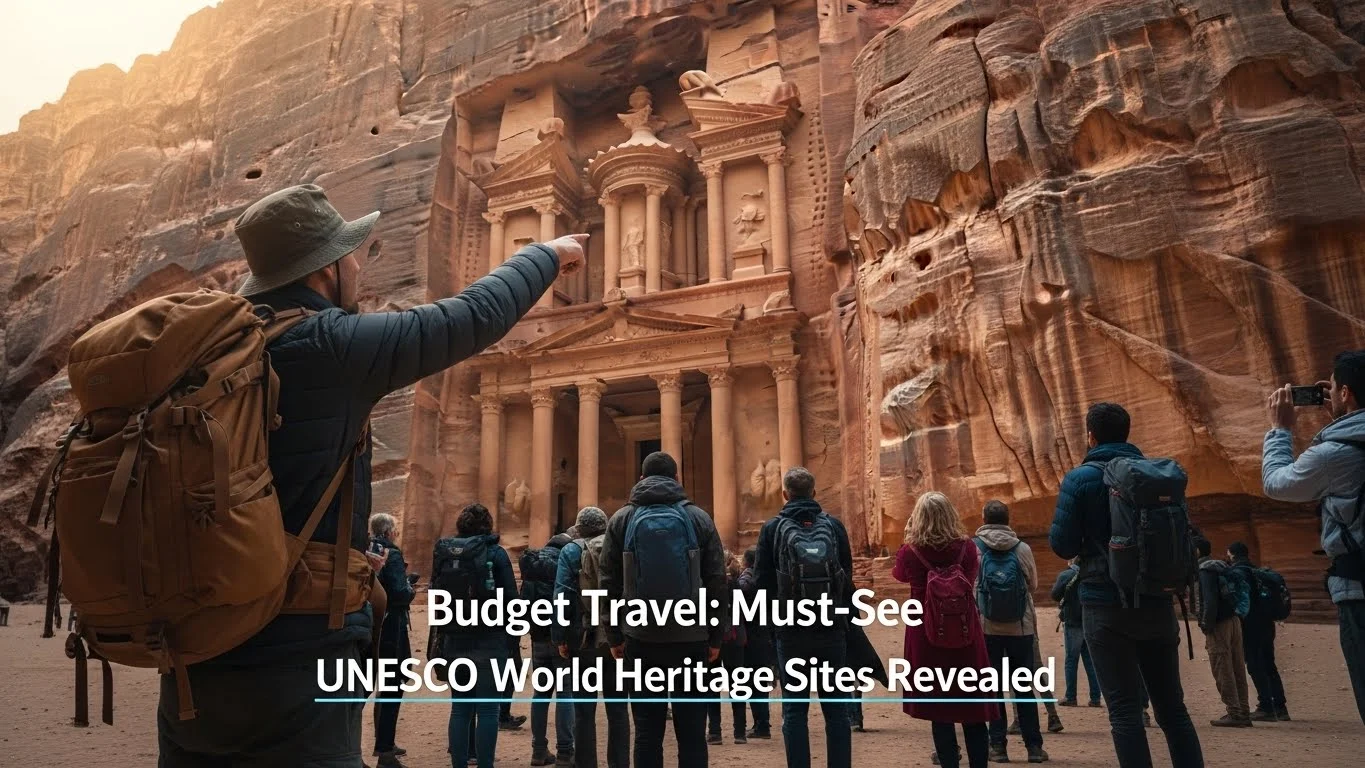
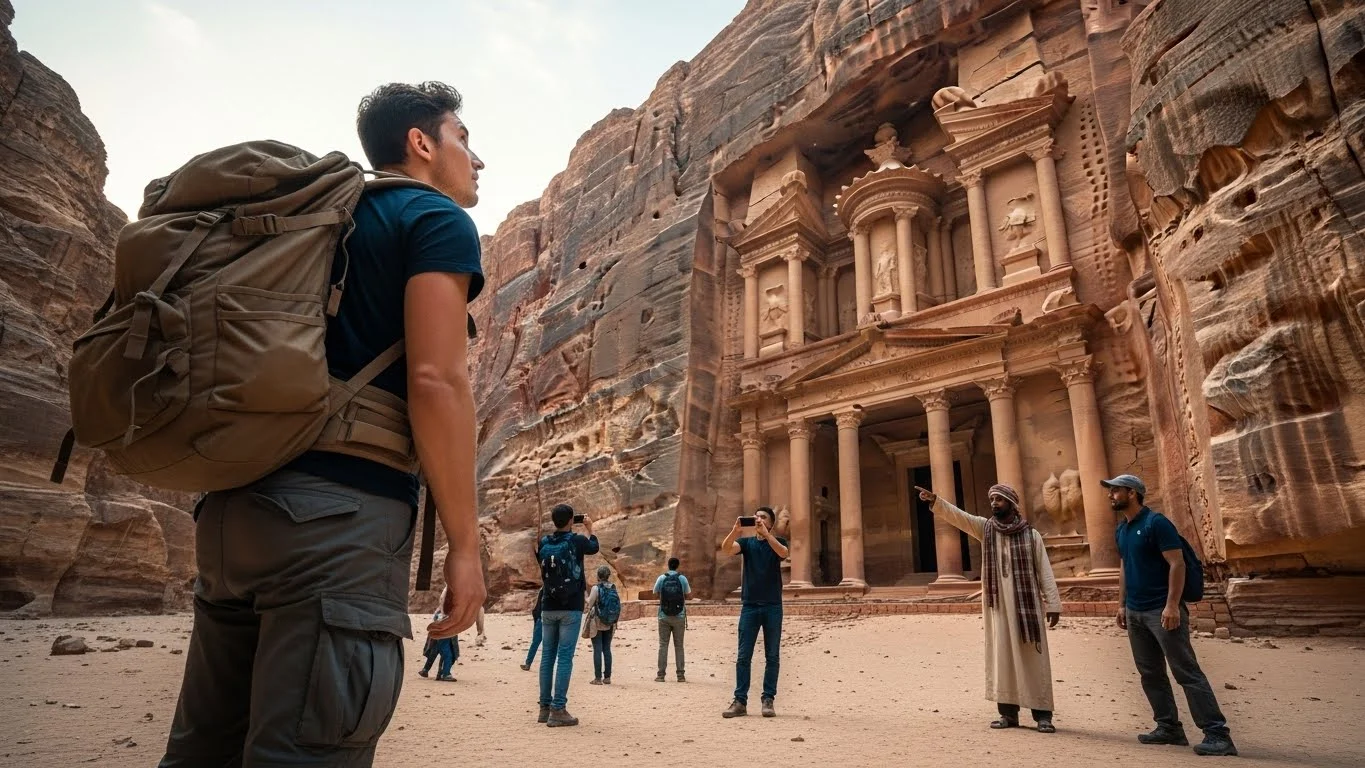
Petra, often called the “Rose City,” is a stunning archaeological site that was once a thriving trade center. The intricate carvings in the pink sandstone cliffs blew my mind when I visited. It’s a place that truly feels like stepping back in time.

Best Time to Visit

The best time to visit Petra is during spring (March to May) or fall (September to November). I found that the milder temperatures made exploring the vast site much more enjoyable. Plus, there are fewer crowds during these periods!

Budget Accommodation Options

There are plenty of budget-friendly hotels and hostels in Wadi Musa, the town adjacent to Petra. I stayed in a small family-run guesthouse that offered great hospitality for about $20 a night. The local owners even shared tips on the best times to visit the archeological site.

Local Transportation

Wadi Musa is walkable, and that’s how I got around. You can also take local taxis if you prefer. The short ride from town to the entrance of Petra is quite inexpensive. I enjoyed walking; it gave me a chance to soak in the atmosphere!

Must-See Attractions

While the Treasury is the main attraction, don’t miss the Monastery. The hike up is worth it for the view! I felt accomplished reaching the top, and the sight was breathtaking!

3. Angkor Wat, Cambodia

Overview

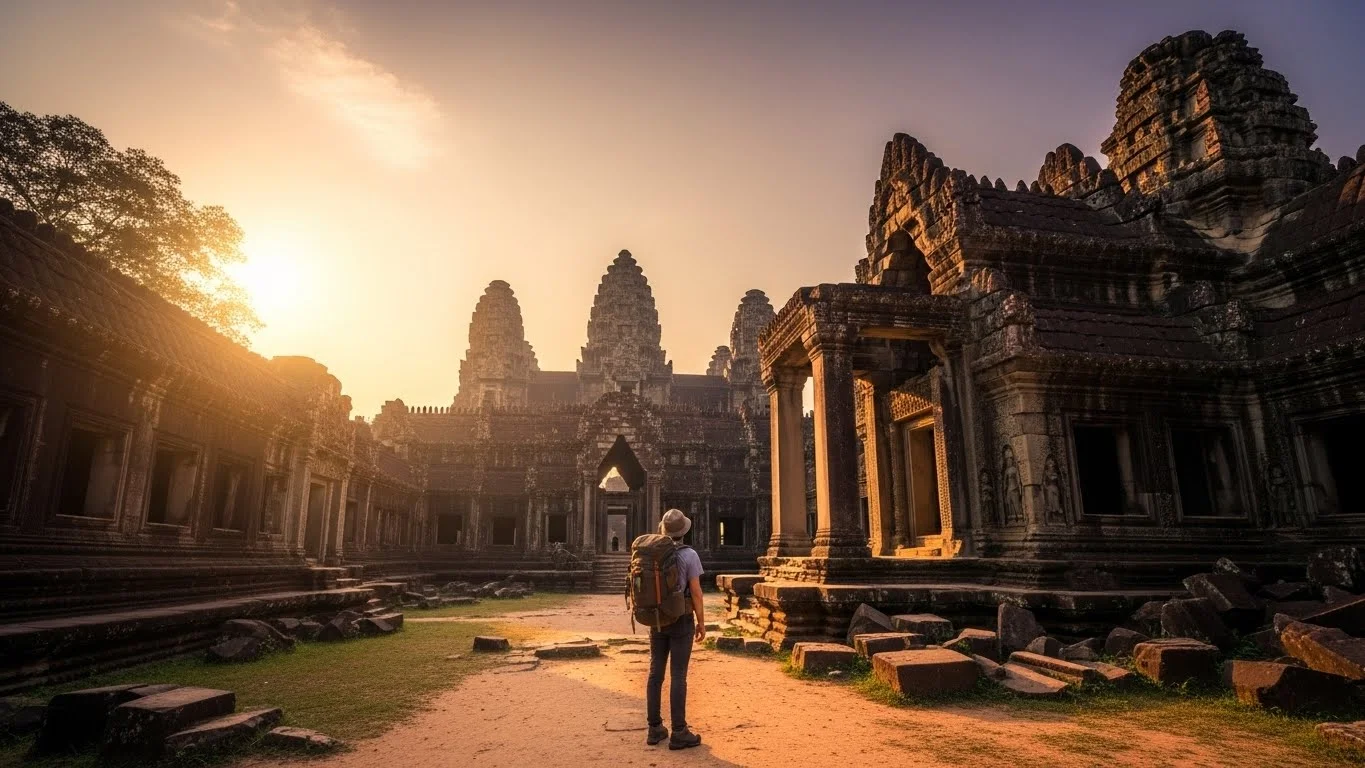
Angkor Wat is the largest religious monument in the world, and it’s a sight that’s hard to describe in words. The intricate carvings and sprawling complex left me speechless. It’s a must-see for anyone traveling through Southeast Asia.

Best Time to Visit

For me, the best time to visit Angkor Wat is between November and February when the weather is cooler and less humid. I found exploring the temples at dawn to be an incredible experience, watching the sunrise illuminate the stones.

Budget Accommodation Options

Siem Reap offers a variety of affordable accommodations. I stayed at a charming hostel close to the main attractions for about $10 a night. It was clean, comfortable, and I made some great friends there!

Local Transportation

I highly recommend renting a bicycle to explore the temple complex. The flat terrain made it easy, and it allowed me to stop wherever I wanted. There are also tuk-tuks available for hire, which can be a fun way to get around.

Must-See Attractions

Besides Angkor Wat itself, don’t miss the Bayon Temple with its smiling faces and Ta Prohm, where nature intertwines with ruins. I loved wandering through the trees and ruins, feeling like I was in a movie!

4. Historic Centre of Prague, Czech Republic

Overview

The Historic Centre of Prague is like stepping into a fairy tale. The architecture is stunning, and the vibe is lively. I spent hours wandering the cobblestone streets, admiring the beautiful buildings and charming cafés.

Best Time to Visit

The best time to visit Prague is during the spring or fall. I went in late September when the weather was still warm, and the fall colors added a magical touch to the city. Plus, it was less crowded than the summer months!

Budget Accommodation Options

There are many hostels and budget hotels in Prague. I found a lovely hostel in the Old Town for about $15 a night, complete with free breakfast. It was a great way to meet other travelers!

Local Transportation

Prague has an efficient public transportation system, including trams and metro. I bought a pass that allowed me unlimited travel for a few days, which helped me save money while exploring.

Must-See Attractions

Make sure to visit Prague Castle, Charles Bridge, and the Astronomical Clock. I loved taking a leisurely stroll across Charles Bridge at sunset – a moment I’ll never forget!

5. Great Wall of China

Overview

The Great Wall is an iconic symbol of China and a marvel of engineering. Walking along the ancient stones was a humbling experience for me. It’s hard to believe how much history this wall has seen!

Best Time to Visit

For the best experience, visit in the spring (April to June) or fall (September to October). I visited in October, and the weather was perfect for hiking. Plus, the fall foliage made the scenery even more beautiful.

Budget Accommodation Options

When I traveled to Beijing, I found budget hotels and hostels that catered to different travelers. Staying in a hostel near the wall for about $20 a night was a great choice, allowing easy access to the site.

Local Transportation

Getting to the Great Wall is relatively easy. I took a bus from Beijing to the section I wanted to visit. I recommend the Mutianyu section; it’s less crowded and offers stunning views!

Must-See Attractions

While hiking the wall, don’t miss the watchtowers. I found climbing to the top of one of the towers to be a highlight of my trip. Standing there, looking out over the vast landscape, I felt a deep sense of connection to history.

Travel Tips for Visiting UNESCO Sites on a Budget

Finding Affordable Accommodation

One of the biggest expenses when traveling is accommodation. I’ve learned that finding affordable places doesn’t mean sacrificing comfort or experience. For example, I always check platforms like Hostelworld or Booking.com to compare prices. I remember scoring a fantastic deal on a private room in a guesthouse in Siem Reap for just $10 a night. Local guesthouses often provide a more authentic experience too, with the added bonus of friendly owners who share insights about the area. I recommend looking for accommodations that include breakfast; it can help save on meal costs too!

Budget-Friendly Eating Options

Eating out can quickly eat into your travel budget, but I’ve discovered that trying local street food is not only cheap but also a delicious way to experience a culture! For instance, in Prague, I found street vendors selling trdelník, a sweet pastry. It was a treat I could enjoy for less than $2! In places like Jordan, I loved sampling falafel and shawarma from local shops. I’ve found that eating where the locals eat is often the best way to find affordable and tasty meals. Plus, don’t be shy to ask locals for their recommendations; they know the best spots! Read Interesting article: Best Tropical Beach Destinations for Budget Travelers

Using Public Transportation

When I travel, I always opt for public transportation whenever I can. It’s a great way to save money and see a city from a different perspective. For example, in Prague, I utilized the tram system, which was both efficient and affordable. I bought a multi-day pass, allowing me unlimited rides. In my experience, riding the local buses or trains gives you a chance to mingle with locals and experience the city as they do. Just be sure to familiarize yourself with the routes and schedules to make the most of your time!

Free or Low-Cost Activities

Many UNESCO sites and surrounding areas offer free or low-cost activities that can enhance your visit without breaking the bank. I’ve found that exploring nearby parks, hiking trails, or even just wandering through local neighborhoods can be incredibly rewarding. For instance, in Petra, while the entrance fee is higher, hiking to the Monastery was free after paying for the ticket. The trek itself was filled with stunning views, and I felt a sense of adventure! Always check local tourism websites for free walking tours; they’re often run by passionate locals and can provide unique insights into the area.

Planning Your Trip During Off-Peak Seasons

Traveling during off-peak seasons can dramatically lower your costs. I’ve noticed that many popular sites are less crowded in the shoulder months, which means not only cheaper accommodation but also a more enjoyable experience. For instance, visiting Machu Picchu in late April instead of July saved me a significant amount of money, and the smaller crowds allowed me to really soak in the atmosphere. Additionally, flights and train tickets are often cheaper during these times. It’s a win-win situation!

Safety and Travel Considerations

Health and Safety Tips

Staying safe while traveling is something I take very seriously. I always research the health and safety recommendations for each destination. For instance, when I traveled to Petra, I made sure to stay hydrated, especially since I was hiking in the heat. I also packed a small first-aid kit with essentials like band-aids and pain relievers. It’s been handy on several trips. I recommend registering with your country’s embassy or consulate before you travel; they can provide assistance if needed.

Travel Insurance Essentials

Having travel insurance has saved me from a lot of stress. I learned this the hard way after a friend lost their luggage during a trip. I always opt for insurance that covers health issues, trip cancellations, and lost belongings. I’ve found several affordable options online that provide good coverage. It’s a small price to pay for peace of mind, allowing me to focus on the adventure ahead instead of worrying about what could go wrong.

Respecting Local Cultures and Customs

Every destination has its own unique culture, and I believe it’s essential to respect that. Before visiting a UNESCO site, I try to learn about the local customs and traditions. For example, in Cambodia, I made sure to dress modestly when visiting temples, which is a sign of respect. I’ve found that locals appreciate when visitors show interest and respect for their culture. I also try to learn a few basic phrases in the local language; it’s a great way to connect with people and often leads to delightful interactions!

Resources for Budget Travelers

Recommended Travel Guides and Blogs

When planning my trips, I always turn to travel blogs and guides that focus on budget travel. Some of my favorites include Nomadic Matt and The Broke Backpacker. These websites provide invaluable tips on saving money while traveling and highlight hidden gems that may not be on the typical tourist radar. I often find itineraries, packing lists, and personal stories that help me plan better and avoid common pitfalls. Plus, they often feature guest posts from other travelers, which gives me fresh perspectives on destinations.

Apps for Budget Travelers

Smartphone apps can be invaluable for budget travelers like us. I’ve used apps like Skyscanner to find the cheapest flights and Hostelworld to book budget accommodations. Google Maps is a lifesaver for navigating unfamiliar places, and I’ve relied on local apps for public transport schedules. Another app I’ve found helpful is Meetup, where I can connect with other travelers or locals for budget-friendly activities. These tools have made my travels smoother and more enjoyable, and I can’t imagine traveling without them!

Budget Travel Forums and Communities

Joining budget travel forums and communities has been one of the best decisions I’ve made. I love being part of groups like Reddit’s r/travel or the Lonely Planet forum, where fellow travelers share tips, experiences, and advice. I remember posting a question about traveling through South America and received fantastic recommendations from people who had been there. It’s reassuring to know that I’m part of a community that shares the same passion for exploration and is eager to help one another. Plus, it’s a great way to make friends before you even arrive!

Resources for Budget Travelers

Recommended Travel Guides and Blogs

I can’t emphasize enough how helpful travel guides and blogs have been for my journeys. They often provide budget tips, itineraries, and insights that you might not find in a traditional guidebook. One of my go-to resources is Nomadic Matt. His articles are packed with practical advice and inspiration for traveling on a budget. I also love The Broke Backpacker, which highlights off-the-beaten-path destinations and how to save money while exploring them. I remember reading a post about hidden gems in Southeast Asia that led me to some incredible experiences that weren’t on my original itinerary!

Another fantastic resource is the Lonely Planet guidebooks. They offer detailed information about various destinations, including budget accommodation options and local cuisine recommendations. I like to check their website before I travel to get a sense of what I want to explore. Plus, their forums are great for connecting with travelers who have been to the same places and getting insider tips!

Apps for Budget Travelers

In this digital age, there are so many apps that can enhance our travel experiences and help us save money. I’ve found Skyscanner to be a lifesaver when searching for affordable flights. It compares prices across various airlines and often highlights the best times to book. I’ve managed to score some amazing deals by setting up alerts for price drops!

For accommodation, Hostelworld has been my go-to app. It allows me to filter by price, location, and amenities, which is super helpful when I’m trying to find a place that fits my budget. Google Maps is another essential tool; it helps me navigate new cities and discover nearby attractions and restaurants. I can’t imagine exploring a new place without it!

Additionally, I love using Duolingo to brush up on basic phrases in the local language. It’s amazing how much a simple “hello” or “thank you” can enhance interactions with locals. I’ve found that people appreciate when you make an effort to speak their language, and it often opens up delightful conversations!

Budget Travel Forums and Communities

Being part of travel communities has truly enriched my experiences. I often turn to Reddit’s r/travel for advice and inspiration. The community is filled with fellow adventurers sharing their journeys, tips, and recommendations. I remember posting a question about budget travel in Europe and received a flood of helpful responses that shaped my travel plans. It’s reassuring to know that there are others out there who share the same passion for exploring the world!

Another favorite of mine is the Lonely Planet Thorn Tree forum. It’s a place where travelers can ask questions and share experiences. I’ve gotten great advice about travel safety and cultural etiquette from seasoned travelers who have been in the same situations. It’s a fantastic way to learn from others and feel connected to a global network of explorers.

Facebook groups focused on budget travel are also worth exploring. I’ve found various groups dedicated to specific regions, making it easier to get tailored advice. I love seeing photos and reading stories from other travelers who have had similar experiences, and it often inspires me to visit places I hadn’t considered before!

Making the Most of Your Travel Experience

Engaging with Locals

One of my favorite aspects of traveling is the opportunity to meet locals and learn about their culture. I believe engaging with local people can enhance your experience in profound ways. I’ve found that participating in community events or workshops can be a great way to connect. For example, in Thailand, I joined a cooking class where I learned to make traditional dishes. Not only did I enjoy delicious food, but I also got to know my instructor and understand more about their way of life.

During my travels, I often seek out local markets, which are not only budget-friendly but also vibrant hubs of culture. I remember wandering through a market in Morocco, where I chatted with artisans about their crafts and learned about the significance of their work. These interactions often lead to unforgettable memories and sometimes even friendships!

Documenting Your Journey

I’ve always loved documenting my travels, whether through journaling, photography, or blogging. It helps me reflect on my experiences and keeps the memories alive. I remember starting a travel journal on my first big trip. Writing about my daily adventures, the people I met, and the food I tried allowed me to relive those moments long after returning home.

Photography is another way to capture the essence of each destination. I enjoy taking candid shots of street life and landscapes. Looking back at my photos brings back so many memories and emotions. For anyone interested in sharing their experiences, starting a travel blog can be a fulfilling way to connect with others and inspire future travelers. I’ve connected with like-minded individuals through my blog, and it’s wonderful to share tips and stories!

Embracing the Unexpected

No matter how much you plan, travel can be unpredictable. I’ve learned to embrace the unexpected twists and turns that come my way. I remember getting lost in the streets of Barcelona and stumbling upon a small, local festival. It turned into one of the most memorable days of my trip! I tried delicious food, danced with locals, and made spontaneous decisions that led to incredible experiences.

Being open to new experiences often leads to the most rewarding moments. Whether it’s trying a dish I’ve never heard of or taking a detour to explore a hidden gem, I’ve found that the best stories often come from stepping outside my comfort zone. So, I encourage fellow travelers to keep an open mind and heart; you never know what magical moments await!

Frequently Asked Questions

What are UNESCO World Heritage Sites?

UNESCO World Heritage Sites are locations recognized by the United Nations Educational, Scientific and Cultural Organization for their cultural, historical, scientific, or other forms of significance. These sites tell stories about ancient civilizations, breathtaking landscapes, or remarkable architecture and help protect these sites for future generations.

Why is the preservation of UNESCO sites important?

Preservation is crucial because tourism can impact local communities and environments, sometimes leading to degradation. Visiting these sites contributes to ongoing conservation efforts and supports local economies that rely on sustainable tourism practices.

What are some budget-friendly UNESCO World Heritage Sites?

Some budget-friendly UNESCO World Heritage Sites include Machu Picchu in Peru, Petra in Jordan, Angkor Wat in Cambodia, the Historic Centre of Prague in the Czech Republic, and the Great Wall of China.

What is the best time to visit Machu Picchu?

The best time to visit Machu Picchu is during the dry season from May to September. Traveling during the shoulder months of April or October can also save money while still offering decent weather.

How can travelers find affordable accommodation near UNESCO sites?

Travelers can find affordable accommodation by checking platforms like Hostelworld or Booking.com, looking for local guesthouses, and choosing places that include breakfast to save on meal costs.

What are some tips for budget-friendly eating options while traveling?

Trying local street food is a cheap and delicious way to experience a culture. Eating where locals eat can help find affordable meals, and asking locals for their recommendations can lead to discovering the best spots.

What transportation options are available for getting around UNESCO sites?

Public transportation is a great way to save money and see a city. Options may include local buses, trams, or renting bicycles. In some cases, walking is also a feasible way to explore nearby areas.

How can travelers engage with local cultures while visiting UNESCO sites?

Travelers can engage with local cultures by participating in community events, workshops, and visiting local markets. Learning about local customs and traditions also helps in showing respect and enhancing experiences.

What should travelers consider regarding health and safety when visiting UNESCO sites?

Travelers should research health and safety recommendations for their destinations, stay hydrated, pack a small first-aid kit, and consider registering with their country’s embassy or consulate before traveling.

What are some recommended resources for budget travelers?

Recommended resources for budget travelers include travel blogs like Nomadic Matt and The Broke Backpacker, smartphone apps like Skyscanner and Hostelworld, and joining budget travel forums and communities like Reddit’s r/travel or the Lonely Planet forum.
Discover UNESCO World Heritage Sites on a Budget Adventure

Exploring the world doesn’t have to break the bank! Discovering UNESCO World Heritage Sites can be a thrilling adventure that combines culture, history, and nature—all while staying within a budget. Let’s dive into what makes these sites special and how we can experience them affordably.

Discover UNESCO World Heritage Sites on a Budget Adventure

Understanding UNESCO World Heritage Sites

What is a UNESCO World Heritage Site?

When I first learned about UNESCO World Heritage Sites, I was fascinated. These locations are recognized for their outstanding cultural or natural importance to humanity. UNESCO, or the United Nations Educational, Scientific and Cultural Organization, officially designates these sites to promote their preservation and protection. From ancient ruins to breathtaking landscapes, each site tells a unique story about our planet’s rich heritage. I remember the excitement I felt when I visited my first site; it was like stepping into a living history book.

Significance of UNESCO Designation

The significance of a UNESCO designation goes beyond tourism; it’s about safeguarding our global heritage. These sites often attract millions of visitors, which can help raise funds for conservation efforts. I’ve seen firsthand how this designation can elevate local communities, providing jobs and promoting cultural exchange. It feels like being part of a global family, united by our shared history and appreciation for beauty. The sites often serve as a reminder of what we risk losing if we don’t take care of our planet.

Types of World Heritage Sites

UNESCO categorizes its World Heritage Sites into three main types: cultural, natural, and mixed. Each type has its own charm and significance. Cultural sites include monuments, cities, and archaeological sites that highlight the creativity and achievements of humanity. I’ve marveled at stunning architectural wonders that reflect different eras and cultures. Natural sites, on the other hand, showcase the earth’s natural beauty—think majestic mountains, vibrant coral reefs, and expansive national parks. When I hiked through a national park designated as a World Heritage Site, I felt a profound connection to nature. Finally, mixed sites contain elements of both cultural and natural significance, which makes them incredibly unique. I find that every site has its own vibe, inviting us to explore and experience its wonders.

Top UNESCO World Heritage Sites to Visit on a Budget

Historic Cities

Old City of Jerusalem

Visiting the Old City of Jerusalem was one of the most spiritually uplifting experiences for me. The streets are steeped in history, walking through them feels like a journey through time. The architecture showcases multiple cultures and religions, with sites like the Western Wall and the Church of the Holy Sepulchre nearby. What I loved most was that many historical sites can be explored for free or at a very low cost. Just roaming the narrow alleyways, sampling local street food, and soaking up the vibrant atmosphere is an adventure in itself.

City of Quito

Quito, nestled high in the Andes, is another gem worth exploring. It’s one of the best-preserved historic cities in Latin America. The blend of colonial architecture and indigenous culture amazed me. I remember wandering around Plaza Grande and indulging in some delicious local dishes. The best part? The city is quite affordable. You can find budget-friendly accommodations and enjoy free walking tours that give you a rich insight into its history. Read Interesting article: Top 10 Affordable UNESCO World Heritage Sites to Visit Now

Natural Wonders

Grand Canyon National Park

Ah, the Grand Canyon! Standing on the rim was one of those moments I’ll never forget. The sheer size and beauty of this natural wonder left me in awe. It’s a fantastic destination for nature lovers and outdoor enthusiasts. I discovered that there are plenty of budget options for exploring. Camping in the park can significantly cut costs, and hiking trails offer stunning views without a hefty price tag. I spent hours just soaking in the scenery, feeling grateful for nature’s masterpieces.

Great Barrier Reef

Diving or snorkeling in the Great Barrier Reef has always been on my bucket list. It’s like stepping into another world, filled with colorful marine life and vibrant corals. While tours can be pricey, I found that there are budget-friendly options available. Taking a ferry instead of a tour boat and exploring the coastline can save money while still allowing you to experience this natural wonder. Plus, I loved that I could take my time and explore at my own pace.

Cultural Heritage Sites

Acropolis of Athens

The Acropolis of Athens is a testament to ancient Greek civilization. Walking among the ruins, I felt as if I were part of history. What amazed me was how affordable it was to enter the site, especially considering its significance. I recommend going early in the morning to avoid crowds and enjoy a more intimate experience. The view of the city from the Acropolis is simply breathtaking.

Stonehenge

Stonehenge holds an air of mystery that I found captivating. Standing among the ancient stones, I felt an energy that was both calming and invigorating. While entry fees can be a bit steep, I discovered that walking along the nearby trails is free. You get to enjoy the landscape and see the stones from a distance without spending a dime. I even packed a picnic and spent the day enjoying the scenery, which turned out to be one of my favorite travel memories.

Budget Travel Tips for Visiting UNESCO Sites

Choosing the Right Time to Visit

One of the best ways I’ve found to save money when traveling to UNESCO World Heritage Sites is by planning my visits during the off-peak season. I remember visiting the Acropolis in early spring, and the weather was perfect, plus the crowds were much smaller. Prices for accommodations and flights often drop during these times, allowing us to stretch our budgets further. I recommend checking the peak tourist seasons for each site and trying to plan around them. Not only will you save money, but you’ll also have a more enjoyable experience without the hustle and bustle of large crowds.

Affordable Transportation Options

Getting to and around UNESCO sites can sometimes eat into your budget, but I’ve discovered that with a bit of planning, we can keep costs low. Public transportation is often an underappreciated option. I’ve taken trains and buses that not only save money but also provide a glimpse into the local lifestyle. In Italy, for example, I hopped on a regional train from Florence to Pisa to see the Leaning Tower. The fare was inexpensive, and the scenic views along the way were a bonus!

Public Transport vs. Renting a Car

While renting a car can offer freedom, it often comes with hidden costs like fuel, parking fees, and tolls. I’ve learned to weigh these options carefully. For instance, when I visited the historic cities of Europe, local trams and buses were usually more cost-effective and efficient. Plus, I could relax and enjoy the scenery instead of stressing over navigation. That said, if you do decide to rent a car, I recommend looking for deals online in advance and considering sharing the ride with friends to split costs.

Walking and Biking Opportunities

One of my favorite ways to experience UNESCO World Heritage Sites is by walking or biking. Many cities have bike rental stations or pedestrian-friendly areas that make exploring easy and enjoyable. I once rented a bike in Amsterdam and rode along the canals to visit several sites, all while taking in the charming scenery. Walking not only saves money but also allows for spontaneous discoveries. I often stumble upon local shops, cafes, or street performances that I wouldn’t have noticed otherwise.

Finding Budget Accommodation

Accommodation is often one of the biggest expenses while traveling, but there are plenty of budget-friendly options when visiting UNESCO sites. During a trip to the City of Quito, I found a cozy guesthouse that was not only affordable but also hosted travelers from around the world. This made for great conversations and friendships. I recommend looking for accommodations that offer kitchen facilities so you can prepare some of your meals, which can save a lot of money in the long run.

Hostels and Guesthouses

Staying in hostels can be a fun and social way to travel on a budget. I’ve met so many interesting people at hostels, and many offer free breakfast or activities. I remember staying at a hostel in Budapest near the Buda Castle, which made it easy to explore the area without breaking the bank. Guesthouses often provide a more local experience and can be just as affordable, especially in countries where tourism is a primary industry.

Camping Near Heritage Sites

For nature lovers, camping can be the ultimate budget-friendly accommodation. I’ve camped at places like the Grand Canyon, where the experience of sleeping under the stars added a magical touch to my visit. Many national parks near UNESCO sites have campgrounds, which often allow you to connect more deeply with the natural surroundings. Plus, it’s a great way to save money! Just remember to book in advance, especially during peak seasons, as spots can fill up quickly.

Cost-effective Activities at UNESCO World Heritage Sites

Free and Low-Cost Attractions

When exploring UNESCO World Heritage Sites, I’ve discovered that many offer free or low-cost attractions. For example, walking tours led by locals can give you a rich understanding of the site’s history without costing a fortune. In Rome, I joined a free walking tour that took us to the Colosseum and other key sites. It was a fantastic way to learn about the city while meeting fellow travelers. Always check to see if the site has special days or hours when entry is reduced or free.

Guided Tours vs. Self-Guided Exploration

Guided tours can provide valuable insights, but they often come with a price tag. I’ve learned that self-guided exploration can be just as rewarding. Using apps or downloadable guides, I’ve navigated sites at my own pace. For instance, in Kyoto, I followed a self-guided tour that took me through stunning temples and gardens. It allowed me to linger longer at places I found particularly captivating without feeling rushed.

Local Festivals and Events

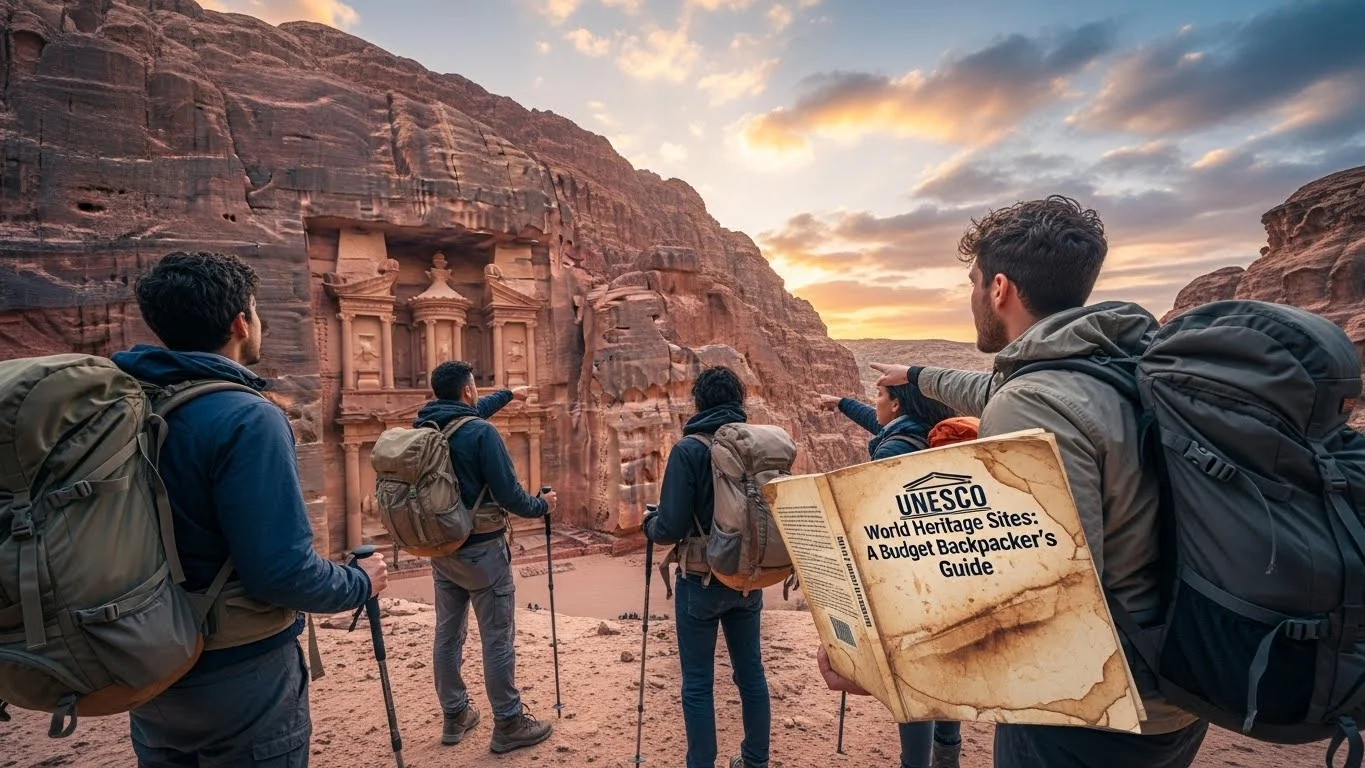
Attending local festivals can be a fantastic way to experience the culture surrounding UNESCO sites. I remember visiting the Old City of Jerusalem during a festival, and it added so much depth to my experience. There were pop-up markets, traditional music, and incredible street food. Many festivals are free to attend, and they offer a unique glimpse into local traditions and celebrations. I recommend checking local event calendars before your trip to see what might be happening during your stay. Read Interesting article: Explore UNESCO World Heritage Sites: A Budget Backpacker’s Guide

Food on a Budget While Exploring UNESCO Sites

Street Food Options

One of the best parts of traveling for me has always been trying local cuisine, especially when it comes to street food. It’s often delicious, cheap, and gives you a real taste of the culture. I remember wandering around the streets of Bangkok and indulging in mouthwatering pad thai cooked right in front of me. The flavors were vibrant, and the prices were unbelievably low! Street food stalls not only offer a variety of options but often showcase traditional dishes that reflect the region’s culinary heritage. I made it a point to eat where locals were lining up; it always led me to the tastiest discoveries. Whether it’s tacos in Mexico City or crepes in Paris, the street food scene is a delightful way to enjoy meals on a budget.

Local Markets vs. Restaurants

Visiting local markets has become one of my favorite travel rituals. They not only provide access to fresh produce and local delicacies but also allow for cultural immersion. I recall my time in Marrakech, where I explored the bustling souks filled with spices, fruits, and local treats. I picked up some fresh bread and olives and had a delightful picnic in one of the nearby gardens. Shopping at local markets can be much cheaper than dining at restaurants, and you often get to enjoy the freshest ingredients. Plus, you can learn a bit about the culinary traditions of the area. I recommend setting aside some time to wander through these markets; you never know what treasures you might find!

Cooking Your Own Meals

If you’re looking to save money, cooking your own meals can be a game-changer. I’ve found that many hostels and guesthouses offer kitchen facilities, which makes it easy to prepare some meals. During my stay in a guesthouse in Porto, I decided to whip up some pasta with local ingredients I found at the market. Not only was it cost-effective, but it also felt rewarding to create my own meal. Cooking together with fellow travelers turned out to be a fantastic bonding experience. I suggest planning a few simple meals ahead of time and picking up ingredients as you explore. It’s a great way to save money, especially if you’re visiting expensive areas.

Safety and Travel Considerations

Staying Safe While Traveling

Safety is always a priority for me when I travel, especially in unfamiliar places. I’ve learned a few tips along the way that help me feel more secure. First, I always research the area I’ll be visiting, including any local customs or potential safety concerns. For instance, during my trip to Rome, I made sure to keep my belongings close, especially in crowded areas. Being aware of your surroundings can go a long way in preventing issues. I also recommend keeping a photocopy of important documents, like your passport, which can be a lifesaver if anything gets lost.

Travel Insurance for Budget Travelers

Travel insurance might seem like an unnecessary expense, but I’ve found it to be a wise investment. I remember a time I fell ill while traveling abroad, and having insurance covered my medical expenses, which would have otherwise been a hefty bill. I suggest looking for insurance plans tailored for budget travelers, as they often offer reasonable prices and adequate coverage. It provides peace of mind knowing that I’m protected against unforeseen events like trip cancellations, medical emergencies, or lost luggage.

Health Considerations in Different Regions

Staying healthy on the road is crucial, and I’ve learned to take some precautions depending on the region I’m visiting. For instance, in Southeast Asia, I made sure to drink bottled water and avoid ice in drinks to prevent stomach issues. I also like to carry a small first aid kit with essentials like band-aids and any medications I might need. It’s a comfort to have these items on hand instead of searching for a pharmacy in a foreign place. Additionally, I try to stay updated on any vaccinations recommended for specific regions; I remember getting a few before visiting South America, which made me feel more prepared and safe.

Creating a Budget Itinerary for UNESCO World Heritage Sites

Sample Itinerary for a Week-long Trip

Planning a week-long trip to UNESCO World Heritage Sites can be exciting, and I’ve developed a sample itinerary that has worked well for me. For instance, if I were visiting Italy, I might start in Rome to see the Colosseum and Vatican City, then head to Florence for its art and architecture, and finish in Venice to explore its unique waterways. I like to allocate a few days for each destination to soak in the culture and history without feeling rushed. I’ve found that balancing sightseeing with downtime helps me recharge and enjoy the experience fully.

How to Prioritize Sites Based on Interest

When deciding which sites to visit, I often prioritize based on my interests. For instance, if I’m passionate about history, I’ll focus on ancient ruins and archaeological sites. Alternatively, if I’m in the mood for natural beauty, I’ll seek out national parks or coastal regions. I also consider the time of year and local events that might enhance my experience. I remember planning my visit to the Acropolis during a local festival, which added an extra layer of excitement and engagement with the culture.

Flexibility in Your Travel Plans

Flexibility has been key in my travels. I’ve learned to leave some room in my itinerary for spontaneous adventures or unexpected discoveries. For example, while in Greece, I stumbled upon a small island that wasn’t on my original list but turned out to be a hidden gem. Allowing time for these moments can lead to some of the best memories. I recommend keeping travel plans loose and embracing the unexpected, as it often leads to unforgettable experiences.

Frequently Asked Questions

What is a UNESCO World Heritage Site?

A UNESCO World Heritage Site is a location recognized for its outstanding cultural or natural importance to humanity, designated by UNESCO to promote preservation and protection. Each site tells a unique story about our planet’s rich heritage.

What types of UNESCO World Heritage Sites are there?

UNESCO categorizes its World Heritage Sites into three main types: cultural, natural, and mixed. Cultural sites include monuments and archaeological sites; natural sites showcase the earth’s natural beauty; and mixed sites contain elements of both cultural and natural significance.

How can I visit the Old City of Jerusalem on a budget?

Many historical sites in the Old City of Jerusalem can be explored for free or at a low cost. Roaming the narrow alleyways, sampling local street food, and soaking up the vibrant atmosphere are all budget-friendly activities.

What budget-friendly options are available for visiting the Grand Canyon?

Camping in the Grand Canyon National Park can significantly cut costs, and hiking trails offer stunning views without a hefty price tag. Visitors can enjoy the natural beauty without overspending.

Are there affordable transportation options to UNESCO sites?

Public transportation is often a cost-effective option for getting to and around UNESCO sites. Using trains and buses can save money and provide a glimpse into the local lifestyle.

What are some budget accommodation options near UNESCO sites?

Budget-friendly options include hostels, guesthouses, and camping. Hostels can be social and often provide amenities like free breakfast, while guesthouses may offer a local experience. Camping allows for a deeper connection with nature.

How can I save money on food while exploring UNESCO sites?

Eating street food, visiting local markets, and cooking your own meals can help save money. Local markets offer fresh produce and local delicacies at a lower cost than restaurants, and many accommodations provide kitchen facilities.

What safety precautions should I take while traveling?

Researching the area, keeping belongings close, and having photocopies of important documents can enhance safety while traveling. Being aware of your surroundings is also crucial to prevent issues.

How can I create a budget itinerary for visiting UNESCO sites?

Planning a week-long trip involves allocating time for each destination based on interest, prioritizing sites, and remaining flexible to spontaneous adventures. Balancing sightseeing with downtime enhances the experience.

Are there free or low-cost activities at UNESCO World Heritage Sites?

Many UNESCO sites offer free or low-cost attractions, such as walking tours led by locals. Additionally, attending local festivals can provide cultural immersion at little to no cost.

Backpacking Through UNESCO World Heritage Sites: A Budget Guide

Backpacking through UNESCO World Heritage Sites offers a unique blend of adventure and cultural immersion. It’s an opportunity to explore stunning locations while valuing the importance of our global heritage. For those looking for more insights, check out Backpacking Through UNESCO World Heritage Sites: A Guide.

Backpacking Through UNESCO World Heritage Sites: A Budget Guide

Understanding UNESCO World Heritage Sites

What is a UNESCO World Heritage Site?

When I first heard about UNESCO World Heritage Sites, I was fascinated by the idea that some places are recognized for their outstanding universal value. These sites are categorized by the United Nations Educational, Scientific and Cultural Organization (UNESCO) to promote and protect cultural and natural heritage around the world. From ancient ruins to breathtaking landscapes, each site tells a story that connects us to our shared human history.

To me, visiting a UNESCO site feels like stepping into a living museum. The Historic Centre of Rome, for example, is not just a collection of ancient buildings; it’s a vibrant city where history and modernity coexist. Every cobblestone street and piazza brings a piece of the past to life, and I can’t help but feel a sense of connection to those who walked there centuries ago.

Criteria for Selection

UNESCO has set specific criteria for selecting these remarkable sites, which I find quite interesting. There are ten criteria to qualify, and a site must meet at least one to be considered for inclusion. For instance, a site might represent a masterpiece of human creative genius or exhibit an important interchange of human values over time. This meticulous selection process ensures that only the most exceptional places earn this prestigious recognition.

As I explored various sites, I noticed that the diversity is staggering. Some are cultural, like the Great Wall of China, while others are natural, such as the Galápagos Islands. Each site’s uniqueness offers a different experience, which is part of what makes backpacking through them so exciting. I think it’s essential to take time to understand what makes each location special, as it enhances the overall experience.

Importance of Preservation

The preservation of these sites is crucial, and I’ve learned that it’s not just about protecting bricks and mortar or beautiful landscapes. It’s about safeguarding our collective memory and identity. When I visited Machu Picchu, I was struck by the efforts in place to maintain its integrity amidst the increasing number of visitors. I felt a responsibility to be a mindful traveler, respecting the rules and regulations designed to protect such a treasure.

Many UNESCO sites face challenges, from environmental damage to tourism overexploitation. I remember standing in front of Petra in Jordan and realizing that my visit was part of a larger conversation about sustainability and heritage conservation. It was a reminder that as travelers, we have a role in supporting these efforts. Engaging with local communities and understanding their perspectives can lead to a more enriching experience and positive impact.

Preserving these sites also ensures that future generations can experience them. I often think back to my own encounters with heritage sites—how they sparked my curiosity and taught me about different cultures and histories. I believe that if we value and protect these places, we’re not just preserving stones; we’re keeping alive the stories and lessons they hold.

Top UNESCO World Heritage Sites for Backpackers

Historic Centre of Rome, Italy

Rome is a dream for any backpacker. I spent days wandering through its historic center, marveling at the Colosseum, St. Peter’s Basilica, and the Vatican Museums. The energy of the city is electric, and the food—oh, don’t get me started! The gelato alone is worth the trip. I found that exploring on foot, especially in the early morning, made for a magical experience, with fewer crowds and cooler temperatures.

Great Wall of China, China

When I visited the Great Wall, I hiked a less touristy section, which allowed for breathtaking views and a deeper connection to the landscape. The Wall is more than just a structure; it’s an embodiment of Chinese history and ingenuity. I felt a mix of accomplishment and awe as I trekked along its ancient stones.

Machu Picchu, Peru

Machu Picchu has always been on my bucket list. I decided to hike the Inca Trail, which was challenging but the views were worth every step. Standing at the Sun Gate as the sun rose over the ruins was one of the most breathtaking moments of my life. It made me realize how important it is to experience these sites in their natural settings, soaking up the atmosphere and the history behind them.

Acropolis of Athens, Greece

The Acropolis holds a special place in my heart. As I stood beneath the Parthenon, I felt a connection to the philosophers and thinkers who once walked there. The surrounding areas are rich with history and local culture, making it easy to spend a few days exploring museums and trying delicious Greek food. For more affordable options, check out Top 10 Affordable UNESCO World Heritage Sites to Visit Now.

Stonehenge, England

Visiting Stonehenge was like stepping into a puzzle that has baffled historians for centuries. I remember feeling a sense of mystery as I stood among the stones, imagining the rituals that may have taken place there. The surrounding countryside is beautiful, providing great opportunities for hiking and reflection.

Petra, Jordan

Petra is often referred to as the “Rose City” for its stunning rock-cut architecture. Hiking through the Siq to reach the Treasury was one of the highlights of my travels. I took my time to appreciate the details and the craftsmanship. There’s so much to explore beyond the main attractions, and I found that engaging with local guides enriched my experience.

Galápagos Islands, Ecuador

The Galápagos Islands are unlike anywhere else on Earth. I had the chance to snorkel with sea lions and observe giant tortoises in their natural habitats. The islands’ ecosystems are fragile, and I was reminded of the importance of responsible tourism to protect these unique environments.

Angkor Wat, Cambodia

Angkor Wat is a true marvel. Watching the sunrise over the temple complex was surreal. I spent days exploring the ruins, each one telling a different story. I took the time to learn about the history and significance of the Khmer Empire, which made my visit even more meaningful. I believe every backpacker should experience the magic of Angkor Wat at least once.

Planning Your Backpacking Trip

Choosing Your Destinations

When I started planning my backpacking adventure, choosing the right destinations felt like both an exciting and daunting task. With so many UNESCO World Heritage Sites to choose from, I wanted to make sure I picked places that resonated with my interests. I often found myself daydreaming about the vibrant culture of Kyoto, Japan, or the breathtaking beauty of the fjords in Norway. I believe it’s essential to think about what experiences you want to have—whether it’s delving into ancient history, enjoying stunning natural landscapes, or immersing yourself in local traditions.

Also, I recommend researching the various sites beforehand. Reading blogs, watching travel vlogs, and checking social media posts helped me get a feel for what each site had to offer. Many people share their personal experiences, which gives you a glimpse of what to expect and what to avoid. I found that discovering lesser-known sites along with the famous ones created a more balanced experience. Sometimes, the hidden gems offer just as much—if not more—than the crowded hotspots. Read Interesting article: Explore UNESCO World Heritage Sites: A Budget Backpacker’s Guide

Best Time to Visit UNESCO Sites

Timing can make all the difference in your experience. I’ve learned that visiting popular sites during the off-peak season can drastically change your experience. For example, I visited Angkor Wat in Cambodia during the rainy season, and while I had to endure some downpours, the lush landscapes and fewer crowds made it all worthwhile. I felt a sense of tranquility walking among the temples without the bustling throngs.

Each destination has its own ideal travel window. I usually check weather patterns and local events before finalizing my travel dates. For instance, visiting the Great Wall of China in the fall was magical. The vibrant autumn colors added an extra layer of beauty to the ancient stones. I recommend exploring local festivals as well; they can enrich your understanding of the culture and often provide unique experiences.

Travel Itineraries and Routes

Creating a travel itinerary is a personal process. I like to map out the sites I want to visit, keeping in mind the distances between them and how much time I want to spend at each location. For me, the journey is just as important as the destination. When I backpacked through Europe, I made a point to travel by train, allowing me to soak in the scenery as I moved from one UNESCO site to another.

Flexibility is key, too. I remember when I spontaneously decided to change my route while traveling in Italy. Instead of rushing to Florence, I took a slight detour to visit the historic city of Siena. The medieval architecture and local food were incredible, and it turned out to be one of my favorite stops. I learned to embrace the unexpected, as sometimes the best memories come from unplanned adventures.

Budgeting for Your Adventure

Estimating Costs: Transportation, Accommodation, and Food

Budgeting for a backpacking trip can feel overwhelming, but I’ve found that breaking down costs into categories makes it manageable. Transportation can vary widely depending on how you choose to travel. I often use a mix of public transport and walking to keep costs down. For instance, using trains or buses to hop between countries was not only affordable but also gave me a chance to see the countryside.

Accommodation can be another significant expense. I’ve discovered that hostels and guesthouses offer a great way to save money while meeting fellow travelers. I also keep an eye out for homestays, which allow me to immerse myself in local culture. Eating out can add up, but I recommend trying local street food or small eateries. Not only are they budget-friendly, but they often provide some of the most authentic dining experiences.

How to Find Affordable Flights

Finding affordable flights has become somewhat of a sport for me. I use fare comparison websites and set alerts for price drops. Being flexible with your travel dates can help you snag great deals. I remember booking a flight to Ecuador just a day before the departure because the price dropped significantly. Low-cost airlines can also be a boon for backpackers, but I always check for hidden fees that could add up.

Hostel and Budget Accommodation Options

Hostels have been my go-to for budget accommodations. They’re not only affordable but also vibrant social hubs. I’ve had some of my best travel conversations in hostel common areas. Websites that specialize in budget options help me find places with good reviews and amenities. I also seek out places that offer free breakfast or cooking facilities, which can save money on meals.

Eating on a Budget: Local Street Food vs. Restaurants

For me, food is a huge part of the travel experience. I’ve often found that local street food is not just budget-friendly but also a window into the culture. In Thailand, for example, I enjoyed delicious pad thai from a street vendor for just a couple of dollars. Restaurants can be pricier, especially near tourist attractions, so I try to explore the neighborhoods where locals eat. This way, I not only save money but also get to try authentic dishes that aren’t on the typical tourist menu.

Transportation Tips for Backpacking

Getting Around: Public Transportation Options

One of the best parts of backpacking is the freedom to explore at your own pace, and I’ve found that using public transportation can be a game-changer. Public transit not only saves money but also gives you a genuine feel for local life. I remember taking the metro in Paris, where I could see locals going about their daily routines, and it felt like I was part of the city, even if just for a short time.

In many cities, buses and trams are reliable options. When I was in Barcelona, the tram system made it easy to navigate through the city’s different neighborhoods without the hassle of renting a car. I usually download local transportation apps to help me figure out routes and schedules. For me, it’s like having a local guide in my pocket. Plus, many cities offer day passes, which can be a budget-friendly option if you plan to explore extensively.

Walking and Biking: Eco-Friendly Choices

Walking and biking are two of my favorite ways to take in a new place. There’s something special about meandering through streets and discovering hidden gems that you might miss while zipping by in a car or bus. I often find that the best cafés or quirky shops are tucked away in less-traveled areas.

I also love renting bikes when I can, especially in cities with bike lanes like Amsterdam or Copenhagen. Riding alongside locals can be a fun way to see the sights, and it’s a great workout too! I remember pedaling through the beautiful parks in Amsterdam, enjoying the fresh air and the views. It felt refreshing and connected me to the environment in a way that driving never could.

Train and Bus Travel Between Sites

When it comes to traveling between UNESCO sites, trains and buses are often the most efficient and budget-friendly options. I’ve taken some incredible train journeys that have become highlights of my trips. For instance, the train ride through the Swiss Alps was breathtaking, with stunning views of mountains and lakes that made the journey just as rewarding as the destination.

Bus services, too, can offer affordable and comfortable travel. I remember taking a long-distance bus in Southeast Asia, where the journey turned into an adventure of its own. The bus stopped at local markets, allowing us to stretch our legs and grab snacks. Engaging with fellow travelers during these rides often leads to new friendships and shared stories, which is something I cherish about backpacking.

Staying Safe While Backpacking

Health Precautions and Travel Insurance

Health and safety are always at the forefront of my mind when I’m traveling. I’ve learned that investing in travel insurance is one of the best decisions I’ve made. It may seem like an extra expense initially, but it offers peace of mind, especially when exploring remote areas or participating in activities like hiking or snorkeling. I always check what my policy covers, particularly for medical emergencies and trip cancellations.

Additionally, I make it a habit to stay updated on health precautions for my destinations. Before my trip to Southeast Asia, I visited my doctor to discuss vaccinations and any necessary medications. I remember feeling more confident knowing I was taking steps to protect my health while enjoying the adventures ahead.

Safety Tips for Solo Travelers

Traveling solo can be incredibly rewarding, but it does come with its own set of challenges. I’ve found that being aware of my surroundings and trusting my instincts is crucial. For instance, when I was exploring a bustling market in Marrakech, I kept my belongings close and stayed alert. I also find it helpful to blend in with the locals as much as possible; wearing clothing that respects local customs can go a long way in helping me feel more secure.

Connecting with other travelers can also enhance safety. I often share my plans with fellow backpackers I meet at hostels, and we sometimes decide to explore together. There’s safety in numbers, and it’s a great way to make new friends while ensuring that I’m not wandering alone in unfamiliar areas at night.

Understanding Local Laws and Customs

Every country has its own laws and cultural customs, and I’ve learned that being informed can help avoid misunderstandings. Before traveling, I take time to research the local laws regarding photography, dress codes, and behavior at religious sites. For example, I remember feeling grateful I had read about the dress code for visiting mosques in Turkey; adhering to local customs made my experience all the more enriching.

Understanding local customs also helps me engage more meaningfully with the communities I visit. I enjoy learning a few basic phrases in the local language, which often brings smiles and goodwill from locals. It makes me feel more connected to the culture and more at home in the places I visit. I believe that respecting local laws and customs not only enhances my travel experience but also contributes to positive interactions with the communities I encounter.

Frequently Asked Questions

What is a UNESCO World Heritage Site?

A UNESCO World Heritage Site is a location recognized by the United Nations Educational, Scientific and Cultural Organization for its outstanding universal value. These sites promote and protect cultural and natural heritage around the world, telling stories that connect us to our shared human history.

How are UNESCO World Heritage Sites selected?

UNESCO has set ten specific criteria for selecting these sites, and a location must meet at least one to be considered for inclusion. The criteria include representing a masterpiece of human creative genius or exhibiting an important interchange of human values over time.

Why is the preservation of UNESCO sites important?

The preservation of UNESCO sites is essential for safeguarding our collective memory and identity. It ensures that future generations can experience these sites and learn from the stories and lessons they hold.

What are some top UNESCO World Heritage Sites recommended for backpackers?

Some top UNESCO World Heritage Sites for backpackers include the Historic Centre of Rome, the Great Wall of China, Machu Picchu, the Acropolis of Athens, Stonehenge, Petra, the Galápagos Islands, and Angkor Wat.

What should I consider when planning my backpacking trip to UNESCO sites?

When planning your trip, consider choosing destinations that resonate with your interests, researching various sites, and exploring both famous and lesser-known locations for a balanced experience.

What is the best time to visit UNESCO World Heritage Sites?

The best time to visit varies by location, but visiting during the off-peak season can enhance your experience by reducing crowds and allowing for a more tranquil atmosphere.

How can I budget for a backpacking trip?

Budgeting can be managed by breaking down costs into categories such as transportation, accommodation, and food. Consider using public transport, staying in hostels, and trying local street food to save money.

What are some transportation tips for backpacking?

Using public transportation is a budget-friendly way to explore cities. Walking and biking are also great eco-friendly options that allow for a more intimate experience with the local environment.

What health precautions should I take while backpacking?

Investing in travel insurance is crucial for peace of mind, especially for medical emergencies. Additionally, stay updated on health precautions for your destinations and consult a doctor for necessary vaccinations and medications before your trip.

What safety tips should solo travelers keep in mind?

Solo travelers should stay aware of their surroundings, trust their instincts, and connect with other travelers for safety. Researching local laws and customs beforehand can also help avoid misunderstandings and enhance the travel experience.

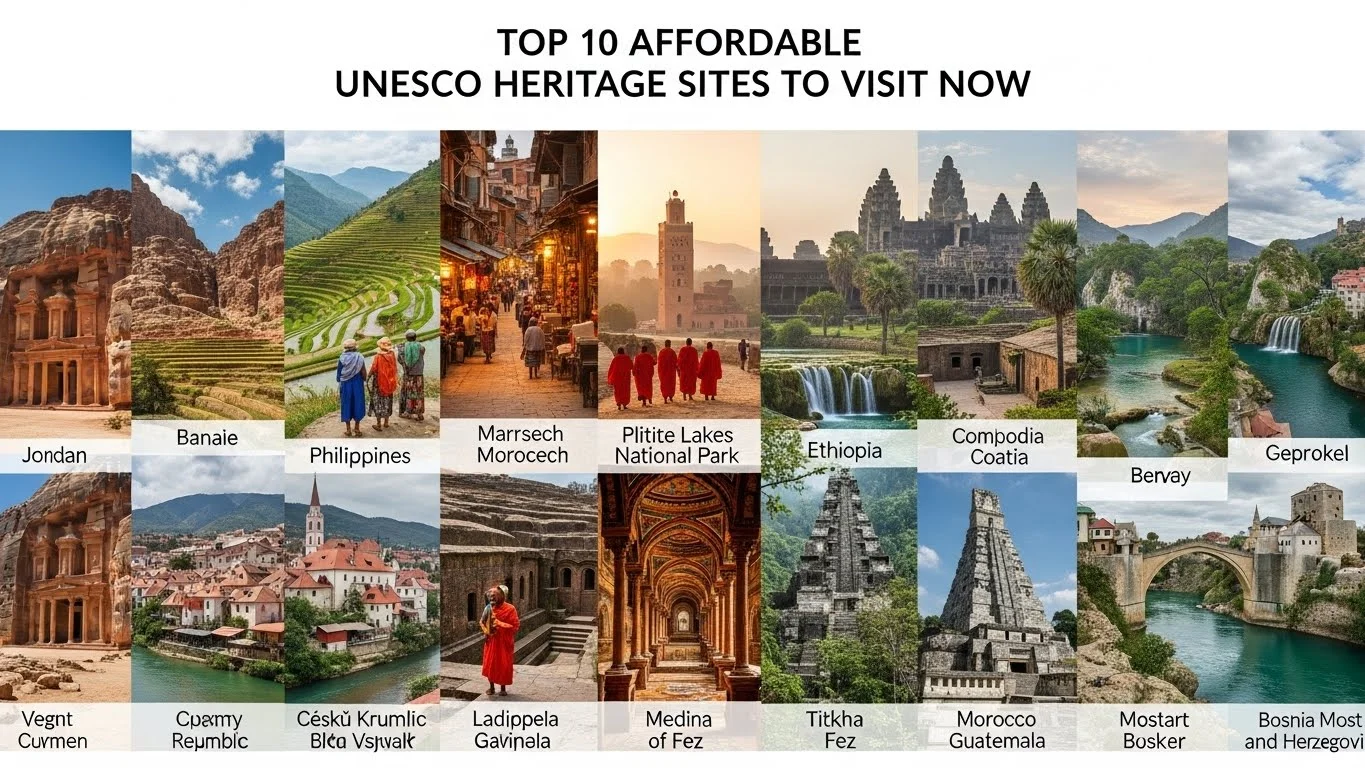
Top 10 Affordable UNESCO World Heritage Sites to Visit Now

Exploring the world doesn’t have to break the bank, especially when it comes to visiting UNESCO World Heritage Sites. These incredible locations not only offer rich history and culture but also a chance to experience affordable adventures.

Top 10 Affordable UNESCO World Heritage Sites to Visit Now

Understanding UNESCO World Heritage Sites

What is a UNESCO World Heritage Site?

When I first learned about UNESCO World Heritage Sites, I was captivated by the idea that these places hold universal significance. UNESCO, or the United Nations Educational, Scientific and Cultural Organization, designates certain sites as World Heritage to recognize their cultural, historical, scientific, or other forms of significance. These sites are often breathtaking, filled with stories and elements that reflect the diversity of our planet. For me, visiting one felt like stepping into a page of history.

Criteria for Selection

What amazed me further is the rigorous process behind the selection of these sites. UNESCO evaluates various criteria before granting this prestigious status. There are ten criteria in total, but a site must meet at least one to be considered. These can range from showcasing a masterpiece of human creative genius to representing significant stages in Earth’s history. I remember visiting a site that met the criteria for its stunning architecture and historical importance, and I felt a deep connection to the culture of that place.

Importance of Preservation

Preserving these sites is crucial. They are not just attractions; they are legacies that tell the stories of our shared human experience. I’ve seen how tourism can sometimes threaten these treasures, making it essential for us as travelers to respect and protect them. When I visited a UNESCO site, I made sure to follow the guidelines to help keep it safe for future generations. It’s a responsibility we all share, and I believe that by being mindful travelers, we can enjoy these wonders without compromising their integrity.

Top 10 Affordable UNESCO World Heritage Sites

1. Great Wall of China, China

Overview

The Great Wall is truly one of the most iconic structures in the world. Stretching over 13,000 miles, it’s not just a wall; it’s a symbol of China’s history and perseverance. I remember hiking a less touristy section, which made the experience even more magical, as I felt I was walking through history.

When to Visit

Visiting in spring or autumn is ideal. I found that the weather is comfortable, and the crowds are thinner compared to the summer months. It made my exploration a lot more enjoyable, as I could really take in the views without feeling rushed.

Where to Stay

There are many budget-friendly accommodations nearby. I stayed in a quaint guesthouse that offered stunning views of the wall. It felt like a dream to wake up with such history right outside my window!

Top Attractions

While the wall itself is the main attraction, don’t miss the nearby watchtowers and sections like Mutianyu or Jinshanling. I loved the less crowded Jinshanling, where I could roam freely and soak in the stunning landscapes.

Local Food

Try the local dishes such as Peking duck or jianbing (Chinese crepes). I found a small street vendor selling the crepes and it became my favorite snack during my visits.

2. Machu Picchu, Peru

Overview

Machu Picchu is another stunning site that blew me away. Nestled high in the Andes Mountains, this ancient Incan city is a marvel of architecture and engineering. I could hardly believe I was standing where the Incas once thrived!

When to Visit

The best time to visit is during the dry season, from May to September. I went in June, and while it was busy, the weather was perfect for hiking and exploring.

Where to Stay

There are budget hostels in Aguas Calientes, the town below Machu Picchu. I found a cozy spot that allowed me to recharge for the adventures ahead.

Top Attractions

Don’t miss the Sun Gate or the Inca Trail. I took the shorter trail and enjoyed every moment. The views were spectacular, and the sense of achievement when I reached the site was unforgettable.

Local Food

Try ceviche and alpaca steak when you’re there. I remember savoring a plate of fresh ceviche at a local restaurant, which was a delightful experience.

3. Historic Center of Prague, Czech Republic

Overview

Prague, with its stunning architecture and rich history, is like a fairy tale come to life. Walking through the historic center, I felt as if I had stepped back in time. The blend of Gothic, Baroque, and Renaissance styles is simply breathtaking.

When to Visit

The shoulder seasons of spring and fall are perfect for visiting Prague. I went in early April, and the city was vibrant with blooming flowers and fewer tourists.

Where to Stay

There are many affordable hostels and guesthouses in the city. I found a charming little place just a short walk from the Old Town Square, which made my explorations easy.

Top Attractions

Make sure to see the Astronomical Clock and Charles Bridge. I loved sitting on the bridge at sunset, soaking in the stunning views and lively atmosphere.

Local Food

Don’t leave without trying goulash and trdelník (a traditional pastry). I enjoyed goulash in a cozy pub, which became a highlight of my trip.

4. Petra, Jordan

Overview

Petra is one of the most awe-inspiring sites I’ve ever visited. Carved into rose-red cliffs, this ancient city is a testament to the ingenuity of the Nabateans. Walking through the Siq, the narrow gorge leading to Petra, was an experience I’ll never forget.

When to Visit

The best time to visit is during the spring or fall when the weather is mild. I went in March, and it was perfect for exploring all day.

Where to Stay

There are numerous affordable hotels in Wadi Musa, the town near Petra. I stayed at a budget-friendly option that offered great views of the mountains.

Top Attractions

Don’t miss the Treasury and the Monastery. I found climbing to the Monastery was worth every step; the view from the top was breathtaking!

Local Food

Try some traditional Jordanian dishes like mansaf. I had an amazing meal at a local restaurant, and it was a delightful way to learn more about the culture.

5. Acropolis of Athens, Greece

Overview

The Acropolis is a must-visit for anyone interested in history. This ancient citadel overlooks Athens and is home to remarkable structures like the Parthenon. Standing there, I felt connected to thousands of years of history.

When to Visit

Late spring or early autumn is ideal. I visited in September, and the weather was lovely, making my exploration enjoyable.

Where to Stay

There are plenty of budget accommodations in Athens. I found a nice hostel located near the city center, making it easy to explore.

Top Attractions

Besides the Parthenon, visit the Acropolis Museum. I learned so much about the history and artifacts of the site, which added depth to my visit.

Local Food

Don’t miss trying souvlaki and baklava. I had the best souvlaki from a small food stall, and it became an instant favorite!

Top 10 Affordable UNESCO World Heritage Sites

6. Old City of Dubrovnik, Croatia

Overview

Dubrovnik, often dubbed the “Pearl of the Adriatic,” is a place I can hardly forget. The Old City, with its stunning medieval architecture and crystal-clear waters, felt like a scene from a movie. As I walked along the ancient city walls, I was amazed by the sweeping views of the sea and the red-tiled roofs below. There’s something magical about exploring a city that has stood the test of time, and I found myself lost in its charm.

When to Visit

The best time to visit Dubrovnik is during the shoulder seasons of late spring or early fall. I went in early October, and it was perfect—pleasant temperatures and fewer tourists made it easier to navigate the iconic streets. I enjoyed leisurely strolls without feeling rushed, which made my experience all the more enjoyable.

Where to Stay

There are several budget accommodations around Dubrovnik. I opted for a cozy guesthouse just outside the city walls, which was both affordable and offered a great atmosphere. It felt good to come back to a friendly place after a day of exploring.

Top Attractions

Don’t miss walking the city walls; it’s a must-do! I felt like I was stepping back in time as I admired centuries-old fortifications. The Rector’s Palace and the Franciscan Monastery are also worth a visit, showcasing the rich history of the city. I could easily spend hours just taking in the sights and sounds of this enchanting place.

Local Food

Try some fresh seafood while you’re there. I found a charming little restaurant that served grilled fish, and it quickly became one of my favorite meals. Pair it with a glass of local wine, and you’ll have the perfect dining experience!

7. Chichen Itza, Mexico

Overview

Chichen Itza is one of the most well-known Mayan sites, and I was thrilled to finally see it in person. The iconic pyramid, El Castillo, is astounding and stands as a testament to the incredible ingenuity of the Mayans. Walking around the site, I felt a deep sense of awe as I imagined the lives of those who once lived and thrived here.

When to Visit

The best time to visit is during the dry season, from November to April. I went in March, and the weather was perfect for exploring the ruins. I recommend arriving early to beat the crowds and soak in the atmosphere before it gets busy.

Where to Stay

There are several budget hotels and hostels in nearby towns like Valladolid. I found a lovely hostel that offered clean accommodations and a welcoming vibe. It was a great base for my day trips to Chichen Itza.

Top Attractions

While the pyramid is the main attraction, be sure to explore the Great Ball Court and the Temple of the Warriors. I was fascinated by the intricate carvings and the stories they told. Spending time at the cenotes nearby was a refreshing way to cool off after a day in the sun.

Local Food

Don’t miss trying cochinita pibil, a traditional dish made with marinated pork. I discovered a local eatery where I enjoyed this dish, and it was one of the tastiest meals I had on my trip!

8. Stonehenge, United Kingdom

Overview

Visiting Stonehenge was a surreal experience for me. Standing among the massive stones that have been silent witnesses to history for thousands of years made me feel incredibly small yet connected to something much bigger. The mystery surrounding Stonehenge adds to its allure, making it a must-see for any traveler.

When to Visit

The best time to visit Stonehenge is during the spring or summer months. I went in late May, and the weather was lovely. I enjoyed wandering around the site and taking in the beauty of the surrounding landscape.

Where to Stay

There are plenty of budget accommodations nearby, especially in Salisbury. I stayed at a charming hostel that offered a convenient location and a friendly atmosphere. It was a great spot to relax after a day of exploring.

Top Attractions

In addition to the stones themselves, the visitor center has informative exhibits that I found fascinating. I learned so much about the history and significance of this ancient site. I also took a short walk around the area to enjoy the beautiful English countryside.

Local Food

Be sure to try a classic English breakfast or some fish and chips while you’re in the area. I stopped at a local pub that served a hearty meal, which was the perfect way to end my day.

9. Timbuktu, Mali

Overview

Timbuktu has always intrigued me, and visiting this historic city was a dream come true. Known for its ancient manuscripts and as a center of trade and culture, walking through the narrow streets felt like stepping into a different era. The architecture, especially the mud-brick mosques, is a sight to behold.

When to Visit

The best time to visit Timbuktu is during the cooler months, from November to February. I went in January, and the weather was pleasant, which made exploring the city much easier.

Where to Stay

There are a few budget-friendly guesthouses in Timbuktu. I found a comfortable place where the owners were incredibly welcoming. Staying there added a personal touch to my experience.

Top Attractions

Don’t miss visiting the famous Djinguereber Mosque and the Ahmed Baba Institute. I was fascinated by the rich history of the manuscripts and the stories behind them. Each site told a different part of Timbuktu’s glorious past.

Local Food

Try traditional Malian dishes like jollof rice or fufu. I had a memorable meal at a local eatery where I was able to taste the authentic flavors of the region.

10. Halong Bay, Vietnam

Overview

Halong Bay is a breathtaking natural wonder. The emerald waters dotted with thousands of limestone islands created a stunning landscape that I will always remember. Cruising through the bay felt like a dream, and I often found myself just staring in awe at the scenery.

When to Visit

The best time to visit is during the spring or fall, when the weather is mild. I went in September, and it was the perfect choice. I enjoyed sunny days and beautiful sunsets over the bay.

Where to Stay

There are many affordable accommodations in Halong City. I found a hostel that offered great views of the bay and was a perfect base for my boat tours. It was a great way to meet other travelers as well.

Top Attractions

Don’t miss taking a boat tour to explore the islands and caves. I loved visiting Sung Sot Cave, where I was amazed by the natural beauty inside. Kayaking through the waters was also a highlight of my trip.

Local Food

Be sure to try fresh seafood in Halong Bay. I discovered a local market that served delicious grilled squid, and it quickly became one of my favorites!

Budget Tips for Visiting UNESCO World Heritage Sites

Budget Tips for Visiting UNESCO World Heritage Sites

How to Save on Accommodation

Finding budget-friendly places to stay can make all the difference in your travel experience. I’ve discovered that hostels, guesthouses, and even homestays often provide affordable accommodations without sacrificing comfort. For instance, while planning my trip to Prague, I used online platforms to compare prices and read reviews. I found a cozy hostel that felt like a home away from home. It was a fantastic way to meet fellow travelers too, which added to the experience! I recommend booking in advance for the best rates, especially during peak travel seasons.

Affordable Transportation Options

Getting around can be one of the biggest expenses while visiting UNESCO sites, but it doesn’t have to be. I often rely on public transportation, which is usually quite affordable. Buses and trains can take you to many sites at a fraction of the cost of taxis or rental cars. For example, while visiting Chichen Itza, I took a local bus from Valladolid, which was not only cost-effective but also gave me a chance to interact with locals. I found that walking or biking around cities is another great way to save money while soaking in the scenery at the same time!

Cost-effective Dining Choices

Food can quickly add up when traveling, but I’ve learned that local markets and street food stalls often offer delicious options without the steep prices of restaurants. When I was in Athens, I stumbled upon a small street vendor selling souvlaki for a fraction of what a restaurant would charge. Eating where the locals eat not only saves money but also allows you to experience authentic flavors. I recommend asking locals for their favorite spots—often, they’ll point you to hidden gems that are both affordable and tasty!

Free or Discounted Entry Days

Many UNESCO World Heritage Sites have specific days when entry is free or offered at a discount. I made it a point to research these days before my trips. For example, during my visit to the Acropolis, I learned that the first Sunday of each month from November to March offers free entry. This little tip allowed me to explore the site without spending a dime! It’s worth checking each site’s official website for any special promotions or discounts, which can really make traveling on a budget much easier.

Frequently Asked Questions

What is a UNESCO World Heritage Site?

A UNESCO World Heritage Site is a location designated by the United Nations Educational, Scientific and Cultural Organization for its universal significance, showcasing cultural, historical, scientific, or other forms of importance.

How many criteria must a site meet to be considered a UNESCO World Heritage Site?

A site must meet at least one of the ten criteria established by UNESCO to be considered for World Heritage status.

Why is it important to preserve UNESCO World Heritage Sites?

Preserving these sites is crucial because they represent legacies that tell the stories of our shared human experience and can be threatened by tourism if not respected and protected.

What is the best time to visit the Great Wall of China?

The ideal times to visit the Great Wall of China are during the spring or autumn when the weather is comfortable and crowds are thinner.

What local foods should one try when visiting Machu Picchu?

When visiting Machu Picchu, you should try ceviche and alpaca steak, which are traditional dishes of the region.

What are some top attractions to see in the Historic Center of Prague?

Top attractions in the Historic Center of Prague include the Astronomical Clock and Charles Bridge.

What is the best time to visit Petra, Jordan?

The best time to visit Petra is during the spring or fall when the weather is mild, making it suitable for exploring.

How can travelers save on accommodations when visiting UNESCO sites?

Travelers can save on accommodations by opting for budget-friendly options such as hostels, guesthouses, and homestays, and by booking in advance to secure the best rates.

What are some cost-effective dining options when traveling?

Cost-effective dining options include eating at local markets and street food stalls, which often provide delicious meals at lower prices compared to restaurants.

Are there free or discounted entry days for UNESCO World Heritage Sites?

Yes, many UNESCO World Heritage Sites have specific days when entry is free or discounted, so it’s advisable to check their official websites for promotions before visiting.

Read Interesting article: Explore UNESCO World Heritage Sites: A Budget Backpacker’s Guide

Read Interesting article: Backpacking Through Time: Affordable Ancient Ruins to See

Explore UNESCO World Heritage Sites: A Budget Backpacker’s Guide

Exploring UNESCO World Heritage Sites opens up a world of history and culture, all while staying budget-friendly. Join me as I share tips and destinations that won’t break the bank, making your travel dreams come true! Read Interesting article: Discover UNESCO World Heritage Sites Without Breaking the Bank

Explore UNESCO World Heritage Sites: A Budget Backpacker's Guide

Understanding UNESCO World Heritage Sites

What are UNESCO World Heritage Sites?

UNESCO World Heritage Sites are places recognized by the United Nations Educational, Scientific and Cultural Organization (UNESCO) for their cultural, historical, scientific, or other forms of significance. I remember the first time I learned about these sites; it felt like a treasure map leading to some of the most incredible places on Earth. From the ancient ruins of Machu Picchu to the architectural marvel of the Great Wall of China, these sites are not just locations; they are stories waiting to be uncovered. Each site has a unique narrative and reflects the diversity and richness of our planet’s heritage.

Importance of World Heritage Status

The designation of a site as a UNESCO World Heritage Site is more than just a badge of honor. It signifies a commitment to preserving cultural heritage and promoting global awareness of historical sites. I’ve often found that when I visit these designated locations, there’s an unspoken understanding of their value. They serve as reminders of our shared human history and the need to protect our cultural landscapes. This status often brings awareness and funding for preservation, ensuring these remarkable sites can be enjoyed for generations to come. It also attracts travelers like us, eager to experience these places firsthand, which can positively impact local economies.

Criteria for Selection

UNESCO has specific criteria that a site must meet to be considered for World Heritage status. There are ten criteria in total, and a site must meet at least one to be included on the list. For example, Criteria I refers to a masterpiece of human creative genius, while Criteria V focuses on cultural landscapes. I’ve often been intrigued by how different each site is based on these criteria. When I travel to a UNESCO site, I like to research what makes it special. This not only enhances my appreciation but also enriches my experience. For instance, learning that the Acropolis in Athens represents the glory of ancient Greece adds depth to my visit.

Top UNESCO World Heritage Sites for Budget Backpackers

Historic Centre of Rome

Ah, Rome! The Historic Centre is a haven for budget backpackers. I once spent hours wandering its cobblestone streets, discovering hidden piazzas and enjoying a slice of pizza on the go. The best part? Many attractions, like the Pantheon, are free to enter. I highly recommend checking out the Vatican Museums, where you can save money by booking online in advance or visiting on free-entry days. Don’t forget to toss a coin into the Trevi Fountain for good luck!

Great Wall of China

Walking along the Great Wall of China was a highlight of my travels. It’s not just a wall; it’s a symbol of human endeavor. The best part for budget travelers is that there are multiple entry points, some of which are less touristy and more affordable. I found that visiting sections like Mutianyu or Jinshanling provided stunning views with fewer crowds and at a fraction of the cost. Plus, hiking the Wall is a fantastic way to soak in the scenery without spending much money!

Machu Picchu, Peru

Machu Picchu is often on every backpacker’s bucket list, and for good reason! I remember my first glimpse of the ruins; it took my breath away. While the Inca Trail can be pricey, there are budget-friendly alternatives, like the train from Ollantaytambo or hiking the less-traveled routes. Booking in advance can save money, and I suggest considering a guided tour for insights into the history and culture of the site. Read Interesting article: Budget Tips for Visiting UNESCO World Heritage Sites

Acropolis of Athens, Greece

The Acropolis is an awe-inspiring site that I felt lucky to visit. The entry fee is reasonable, especially if you buy a combined ticket for other archaeological sites in Athens. I loved exploring the Parthenon and taking in the panoramic views of the city. Visiting during the early morning or late afternoon not only helped me avoid crowds but also allowed me to enjoy the golden hour light for stunning photos.

Stonehenge, England

Stonehenge has always intrigued me. This prehistoric monument is iconic and offers a unique experience. While the entrance fee may seem high, I discovered that viewing from the nearby fields is free, allowing me to appreciate its beauty without spending a lot. Plus, the surrounding landscape is just as captivating. I recommend visiting during the off-peak seasons for a more peaceful experience.

Angkor Wat, Cambodia

Angkor Wat is a breathtaking temple complex that left me speechless. The ticket prices are reasonable, especially for multi-day passes, allowing you to explore at your own pace. I spent my days roaming through the ancient ruins, marveling at the intricate carvings. I suggest renting a bicycle to get around, as it’s a budget-friendly way to see the sprawling site while enjoying the beautiful scenery.

Petra, Jordan

Petra is often referred to as the “Rose City,” and for good reason. This archaeological wonder is not just about the stunning architecture but also the rich history it represents. I found that purchasing a two-day pass is a great option for budget travelers, giving you ample time to explore. Plus, walking through the Siq to the Treasury is an experience I’ll never forget. Be sure to bring plenty of water and snacks to save on food costs inside the site.

Planning Your Budget Trip to UNESCO Sites

When to Visit: Best Times for Budget Travelers

Timing can make a huge difference in both your experience and your wallet. I’ve discovered that each UNESCO site has its peak seasons, which often translate to higher prices and larger crowds. For example, visiting the Acropolis in the shoulder seasons, like late spring or early fall, offers pleasant weather and fewer tourists. I remember the thrill of walking through the ruins without the typical summer crowds. Additionally, many sites have reduced entry fees during off-peak times, so it’s worth doing a bit of research ahead of time. My rule of thumb is to aim for mid-week visits when possible, as weekends tend to draw local visitors as well.

How to Get There: Transportation Tips

Getting to UNESCO sites can vary greatly depending on where you are in the world. I’ve learned that using public transportation is often the most budget-friendly option. For instance, when I visited Angkor Wat, I took a local tuk-tuk, which not only saved me money but also gave me a chance to chat with locals. I recommend checking out local buses or trains, which can be a great way to immerse yourself in the culture. If you’re heading to more remote sites like Machu Picchu, booking a train in advance can save you money. I remember securing a ticket early saved me a nice chunk of change that I could put toward other experiences!

Budget Accommodation Options Near UNESCO Sites

Finding a place to stay doesn’t have to drain your budget. I often look for hostels or guesthouses, especially near UNESCO sites. For example, in Rome, I found a cozy hostel that was just a short walk from the Historic Centre. Staying close not only saves on transportation costs but also allows for spontaneous evening strolls. I’ve also seen many travelers use platforms like Airbnb, where you can find affordable options that feel more like home. When searching for budget accommodations, I recommend checking reviews to ensure they’re safe and comfortable. After all, the last thing you want is to compromise your experience by staying somewhere less than ideal.

Dining on a Budget: Local Food Recommendations

Food is one of the joys of travel, but it can also be a significant expense. I’ve found that enjoying local street food or markets can offer both delicious meals and savings. In Athens, for instance, I indulged in mouthwatering souvlaki from a street vendor, which was not only affordable but also authentically Greek. When exploring Angkor Wat, I discovered small local eateries serving traditional Cambodian dishes at fantastic prices. I always keep an eye out for places where locals are dining; it’s usually a good sign that the food is both fresh and budget-friendly. Plus, these meals often become some of my favorite travel memories!

Essential Tips for Visiting UNESCO World Heritage Sites

What to Pack for Your UNESCO Adventure

Packing wisely can enhance your experience at UNESCO sites. I’ve learned to prioritize comfort and convenience. A good pair of walking shoes is essential, especially if you plan to explore places like Petra or the Great Wall. I also always bring a reusable water bottle to stay hydrated while saving money. Additionally, a lightweight backpack can hold essentials like snacks, a camera for capturing memories, and a guidebook or printed materials about the sites. I always pack a light jacket or sweater because temperatures can change throughout the day, especially in places like Machu Picchu where the weather can be unpredictable.

Safety Tips for Backpackers

Safety should always be a priority, especially when traveling to unfamiliar places. I remember feeling a bit uneasy my first time visiting a busy site like the Great Wall, but I quickly learned some helpful tips. Always keep an eye on your belongings, especially in crowded areas. It’s also a good idea to familiarize yourself with local emergency numbers and the location of the nearest hospital or police station. When hiking or exploring remote sites, I recommend letting someone know your plans – this simple step can provide peace of mind. In my experience, traveling with a buddy also adds an extra layer of safety and fun!

Respecting Local Cultures and Regulations

As travelers, we have a responsibility to show respect for the cultures we encounter. I’ve found that learning a few basic phrases in the local language can go a long way. It often opens doors and shows respect. Additionally, being aware of local customs, such as dress codes at religious sites like Angkor Wat, helps foster positive interactions. I always take a moment to read about the cultural significance of each site I visit, which not only enriches my experience but also helps me appreciate the heritage I’m witnessing. Respecting rules and regulations is crucial, as they are in place to protect these incredible sites for future generations.

Staying Connected: Apps and Resources for Travelers

Staying connected while traveling can enhance your experience. I’ve found several apps to be incredibly useful. For navigation, Google Maps is fantastic, especially when exploring remote areas. Offline maps can be a lifesaver when there’s no internet connection. I also recommend using travel apps like TripAdvisor or Yelp to find dining options and activities near UNESCO sites. These tools can help you discover hidden gems and avoid tourist traps. Lastly, I’ve benefited from social media groups or forums where fellow travelers share their experiences and tips, making my planning process more enjoyable. Read Interesting article: Backpacking Through UNESCO World Heritage Sites: A Guide

Maximizing Your Experience on a Budget

Free and Low-Cost Activities Near UNESCO Sites

One of my favorite aspects of visiting UNESCO World Heritage Sites is discovering the surrounding areas and engaging in activities that don’t cost a fortune. I’ve often found that walking tours, which are often available for tips, can provide fascinating insights into the culture and history of the region. For example, in Rome, I joined a free walking tour that took me through the historic streets, revealing hidden gems and local stories I wouldn’t have encountered on my own. I realized that many cities offer these tours, and they’re a fantastic way to meet fellow travelers while learning from knowledgeable guides.

In addition to walking tours, I’ve enjoyed exploring local parks and gardens around UNESCO sites. For instance, the Villa Borghese in Rome is not only beautiful but also a great place to relax without spending a dime. Similarly, many UNESCO sites have scenic hiking trails that provide stunning views and a chance to connect with nature. I remember hiking around Angkor Wat during sunrise; it was a magical experience, and the best part? It didn’t cost anything extra!

Guided Tours vs. Self-Guided Exploration

Deciding between a guided tour and exploring on my own has been a dilemma I’ve faced on many trips. I’ve learned that both options have their merits, depending on the site and my budget. For places like Machu Picchu, guided tours can provide invaluable context about the history and significance of the ruins. However, I’ve also had incredible experiences venturing out on my own, especially in places like Petra, where I could wander at my own pace. I recommend doing a bit of research about each site. Sometimes, guided tours offer discounts for students or early bookings, so I always check for those opportunities.

Another tip I’ve discovered is to combine both approaches. For example, I might start with a guided tour to get a foundational understanding of a place, then spend the rest of the day exploring on my own. This mix allows for a deeper appreciation of the site while also giving me the freedom to discover less crowded spots that a tour might not cover.

Understanding Entry Fees and Discounts

Entry fees can vary widely between UNESCO sites, and I’ve often been surprised at how much I could save with a little planning. For example, many sites offer discounts for students, seniors, or even group rates. I’ve taken advantage of these discounts several times! When I visited the Acropolis, I learned that purchasing a combined ticket not only saved me money but also allowed access to several historical sites in Athens, making it a win-win situation.

It’s also worthwhile to look for free admission days or special events. I remember visiting the Vatican Museums on the last Sunday of the month, when admission was free. It was crowded, but the experience felt even more rewarding knowing I was part of something special. I keep an eye on each site’s official website for any announcements regarding discounts or free days, as this has saved me a considerable amount on my travels.

Backpacking Itineraries Featuring UNESCO Sites

1-Week Itinerary in Europe

If you have a week to explore Europe, I suggest an itinerary that includes a mix of history, culture, and breathtaking views. My journey began in Rome, where I immersed myself in the Historic Centre and visited the Vatican. From there, I hopped on a train to Florence to explore its Renaissance art and architecture. I highly recommend visiting the historic centre of Florence, which is also a UNESCO site. After soaking up the art, I took a day trip to Pisa to see the Leaning Tower. Then, I wrapped up my trip in Paris, where I visited the Palace of Versailles—another UNESCO site—and enjoyed a stroll along the Seine. Each location was within a short distance, making it easy to travel on a budget while experiencing the rich heritage of Europe.

2-Week Itinerary in Southeast Asia

For those with a bit more time, I’ve crafted a two-week itinerary that takes you through some of Southeast Asia’s most stunning UNESCO sites. Starting in Bangkok, I explored the Grand Palace and Wat Pho before heading to Ayutthaya for a day of temple-hopping. Then, I flew to Siem Reap to spend a few days exploring Angkor Wat and its surrounding temples. Next, I took a bus to Phnom Penh to learn about the region’s history at the Killing Fields. I then wrapped up my trip in Luang Prabang, Laos, where I enjoyed the peaceful atmosphere and visited the city’s stunning temples, many of which are UNESCO-listed. This route not only highlighted the incredible heritage of the region but also kept the travel costs manageable.

3-Week Itinerary in South America

South America is a treasure trove of UNESCO sites, and I absolutely loved my three-week adventure there. I started in Lima, Peru, enjoying its historical center before heading to Cusco to acclimatize for Machu Picchu. After exploring the Sacred Valley, I trekked to the ruins, which was a breathtaking experience! Next, I flew to Rio de Janeiro to soak up the sun at Copacabana Beach and visit the Christ the Redeemer statue. The journey continued to Salvador, where the historic center is a UNESCO site rich in Afro-Brazilian culture. Finally, I made my way to the Iguazu Falls, soaking in the natural beauty that also holds UNESCO status. This itinerary was packed with diverse experiences and memorable adventures, all without breaking the bank.

Frequently Asked Questions

What are UNESCO World Heritage Sites?

UNESCO World Heritage Sites are places recognized by the United Nations Educational, Scientific and Cultural Organization (UNESCO) for their cultural, historical, scientific, or other forms of significance. Each site has a unique narrative that reflects the diversity and richness of our planet’s heritage.

Why is World Heritage status important?

The designation of a site as a UNESCO World Heritage Site signifies a commitment to preserving cultural heritage and promoting global awareness of historical sites. It attracts travelers and can positively impact local economies while ensuring these sites can be enjoyed for generations to come.

What criteria must a site meet to be selected as a UNESCO World Heritage Site?

UNESCO has ten specific criteria for selection, and a site must meet at least one to be included on the list. For instance, Criteria I refers to a masterpiece of human creative genius, while Criteria V focuses on cultural landscapes.

What are some budget-friendly UNESCO World Heritage Sites to visit?

Some budget-friendly UNESCO World Heritage Sites include the Historic Centre of Rome, the Great Wall of China, Machu Picchu, the Acropolis of Athens, Stonehenge, Angkor Wat, and Petra. Each offers unique experiences that can accommodate budget travelers.

When is the best time to visit UNESCO sites on a budget?

The best times to visit UNESCO sites for budget travelers are during peak seasons, which often mean higher prices and larger crowds. Visiting during shoulder seasons, like late spring or early fall, can offer pleasant weather and fewer tourists, along with reduced entry fees at some sites.

What transportation options are recommended for getting to UNESCO sites?

Using public transportation is often the most budget-friendly option to reach UNESCO sites. Local buses or trains can provide an immersive cultural experience, while booking trains in advance for remote sites like Machu Picchu can save money.

What are some tips for finding budget accommodation near UNESCO sites?

Look for hostels or guesthouses near UNESCO sites to save on transportation costs. Platforms like Airbnb can also offer affordable options. Checking reviews ensures that the accommodations are safe and comfortable.

How can travelers dine on a budget while visiting UNESCO sites?

Enjoying local street food or dining at markets can provide delicious meals without breaking the bank. Eating where locals dine often indicates fresh and authentic food at reasonable prices.

What should travelers pack for visiting UNESCO World Heritage Sites?

Travelers should prioritize comfort and convenience by packing good walking shoes, a reusable water bottle, a lightweight backpack, snacks, a camera, and a light jacket or sweater to accommodate changing temperatures.

How can travelers maximize their experience at UNESCO sites on a budget?

Travelers can participate in free walking tours, explore local parks, or enjoy scenic hiking trails near UNESCO sites. Additionally, they can consider combining guided tours with self-guided exploration to enhance their understanding while maintaining budget flexibility.

Backpacking Through Time: Affordable Ancient Ruins to See

Imagine walking through history, where every stone tells a story. Backpacking through ancient ruins is a thrilling adventure, and I’m here to share some of the most affordable treasures waiting for us around the world. Read Interesting article: Uncover Ancient Ruins: Affordable Backpacking Adventures

Backpacking Through Time: Affordable Ancient Ruins to See

Understanding Ancient Ruins

What Are Ancient Ruins?

Ancient ruins are the remnants of civilizations that once flourished, showcasing their architectural brilliance and cultural heritage. These sites can range from grand temples and sprawling cities to simple dwellings and monuments, each with its own unique history. I remember the first time I stood before the towering remains of an ancient city; it felt like stepping back in time. It’s more than just seeing stones—it’s about experiencing the echoes of lives lived long ago.

Significance of Ancient Ruins in History

Throughout history, ancient ruins have served as crucial links to our past. They tell us about the societies that built them, their customs, beliefs, and daily lives. For me, visiting these sites is like reading an open book on history. I’ve often found myself pondering how people lived, loved, and thrived in places that are now just shadows of their former selves. By understanding these ruins, we gain insights into the evolution of human civilization, culture, and art.

These sites often act as a testament to human ingenuity, showcasing architectural techniques that were groundbreaking for their time. For instance, the precision of stone-cutting in ancient Egyptian pyramids is still studied today. The significance of these structures extends beyond mere aesthetics; they hold stories of conquest, trade, spirituality, and community. Visiting ancient ruins allows us not only to admire their beauty but also to reflect on our own place in the continuum of history.

My travels have shown me that many ancient ruins are surprisingly affordable to visit. Each one offers a unique experience, and I’ve found that with a bit of planning, we can explore these wonders without breaking the bank. Let’s look into some of the top affordable ancient ruins that are calling your name!

Top Affordable Ancient Ruins to Visit

Chichen Itza, Mexico

Chichen Itza is one of the most famous ancient ruins in Mexico and it’s not hard to see why. This Mayan city, with its iconic pyramid, El Castillo, is a UNESCO World Heritage Site. I remember walking among the ruins, the sun beaming down, and feeling a connection to the Mayans who once thrived here. Admission is reasonably priced, and if you go early in the morning, you can avoid the crowds. Don’t forget to explore the surrounding cenotes—natural sinkholes that are perfect for a refreshing swim!

Machu Picchu, Peru

Machu Picchu is another must-see, and while it’s often thought of as pricey, there are ways to keep costs down. I chose to hike the Inca Trail, which was not only affordable but also an unforgettable experience. The views along the trail are breathtaking, and finally arriving at the ancient citadel surrounded by misty mountains felt surreal. If hiking isn’t your thing, consider the train, which can be cheaper if booked in advance. The entrance fee gives you access to explore this incredible site at your own pace.

Petra, Jordan

Petra is often referred to as the “Rose City” for its stunning pink stone architecture. I was amazed at how well-preserved the structures are, especially the Treasury, which is a sight to behold. The entrance fee might seem steep, but it’s worth every penny. I recommend spending at least two days here to fully appreciate the sprawling ruins and stunning landscapes. Plus, the local Bedouin guides can enhance your experience with their rich cultural stories. Read Interesting article: Discover Hidden Ancient Ruins Without Breaking the Bank

Angkor Wat, Cambodia

Angkor Wat is another gem, known for being the largest religious monument in the world. I felt completely awed by its scale and intricate carvings. The ticket prices are quite reasonable, especially for a multi-day pass, allowing you to explore the vast complex without feeling rushed. I found that visiting during sunrise was magical as the sun illuminated the temple’s spires, creating a breathtaking scene I’ll never forget.

Colosseum, Italy

No trip to Rome is complete without visiting the Colosseum. This iconic structure is a symbol of ancient Roman architecture and history. I remember wandering through its arches, imagining the gladiatorial games that once took place there. The entry fee is affordable, and I found it helpful to book a guided tour to learn about the fascinating stories behind this ancient arena.

Acropolis, Greece

The Acropolis in Athens is a stunning tribute to ancient Greek civilization. Standing atop the hill and looking out over the city, I felt a deep respect for the philosophers and artists who shaped Western thought. The entrance fee is quite manageable, and I recommend exploring the nearby neighborhoods of Plaka, where the streets are lined with charming shops and local eateries.

Stonehenge, England

Stonehenge is one of the most mysterious ancient sites I’ve visited. Standing among those massive stones, I felt a sense of wonder about how and why they were built. The entry ticket is affordable, and there are well-maintained pathways that allow you to get up close to the stones. I suggest visiting during the early morning or late afternoon for a more serene experience.

Teotihuacan, Mexico

Teotihuacan, known as the “City of the Gods,” is famous for its massive pyramids, including the Pyramid of the Sun and the Pyramid of the Moon. The entry fee is very budget-friendly, and it’s easy to spend an entire day exploring the sprawling site. I found it fascinating to learn about the mysterious culture that built this city, and climbing to the top of the pyramids gave me a spectacular view of the surrounding area.

Pompeii, Italy

Visiting Pompeii was a profound experience for me. Walking through the streets of a city frozen in time, thanks to the catastrophic eruption of Mount Vesuvius, gave me chills. The ticket price is quite reasonable, and I highly recommend taking a guided tour to fully appreciate the historical context of what I was seeing. The preserved frescoes and buildings provided a vivid glimpse into daily life in ancient Rome.

Great Wall of China

The Great Wall is an iconic symbol of China and an extraordinary feat of engineering. I was fortunate to hike a less touristy section, which allowed me to truly appreciate the wall’s history. While the entrance fee varies by section, many parts of the wall are affordable to visit. I was struck by the stunning views and the sense of history that surrounded me as I walked along this ancient marvel.

These ancient ruins are more than just remnants of the past; they are affordable gateways to exploring our shared human history. Each site has its own unique charm and story to tell, making them perfect for any backpacking adventure. As I reflect on my own experiences visiting these incredible locations, I can’t help but feel grateful for the lessons they impart. Read Interesting article: Your Ultimate Guide to Ancient Ruins on a Budget

Planning Your Backpacking Trip

Best Time to Visit Ancient Ruins

Timing can make a world of difference when exploring ancient ruins. I’ve learned that visiting during the off-peak season not only reduces crowds but often leads to lower prices for accommodations and flights. For me, the months of late fall and early spring tend to be ideal; the weather is usually mild and pleasant, allowing for comfortable exploration. For instance, when I visited Chichen Itza in December, I was able to enjoy the vast site without feeling rushed or overwhelmed by hordes of tourists. Each season brings its unique charm, so I recommend researching the climate and local events for each destination before you book your trip.

Essential Gear for Backpacking

Having the right gear can make all the difference during your backpacking adventure. I remember when I first started, I packed way too much and ended up lugging around a heavy backpack. Over time, I learned to prioritize essentials. A good-quality backpack, comfortable walking shoes, and a reliable water bottle are non-negotiable for me. I also pack a lightweight rain jacket and a hat for sun protection, especially when exploring open sites like Petra or Angkor Wat. A small first-aid kit and a portable charger for my phone have proven to be lifesavers in case of emergencies. Packing wisely allows us to enjoy the journey without being burdened by excess weight.

Budgeting for Your Trip

Budgeting for a trip to ancient ruins can feel intimidating, but I’ve found it doesn’t have to be. I often start by determining my overall budget and then breaking it down into categories: transportation, accommodation, food, and activities. While some sites have entrance fees, many offer discounted rates for students or multi-day passes, which can save us a lot. I remember visiting the Acropolis and being thrilled to discover that my student ID allowed me a significant discount on my ticket. Additionally, I keep an eye out for free walking tours in cities near ancient ruins, as they often provide valuable insights without costing a dime. Planning ahead and being mindful of my expenses has helped me enjoy these experiences without financial stress.

Transportation Options to Ancient Sites

Getting to ancient ruins can be an adventure in itself. I’ve experienced various transportation methods, from buses to trains, and each has its own charm. For instance, when I traveled to Machu Picchu, I opted for a combination of train and bus, which was not only affordable but also provided stunning views of the Peruvian landscape. In contrast, visiting the ruins of Teotihuacan was made easy by the affordable public transport options available from Mexico City. I always recommend checking local transportation apps and websites for the best routes and prices. Sometimes, renting a bike or walking can add a unique perspective to the journey, allowing us to soak in the local atmosphere.

Exploring the Ruins: What to Expect

Guided Tours vs. Solo Exploration

Deciding between a guided tour and exploring solo can be a personal preference. In my experience, guided tours often provide valuable context and stories that enhance our understanding of the site. For example, while touring Pompeii, my guide shared fascinating anecdotes about daily life before the eruption that I would have missed on my own. However, I also cherish moments of quiet solitude, like when I explored the Great Wall of China at my own pace, taking time to reflect on my surroundings. I think it’s important to find a balance—perhaps joining a tour for some sites while allowing ourselves the freedom to wander at others.

Safety Tips While Visiting Ancient Ruins

Safety is always a priority when traveling, especially at ancient sites where terrain can be uneven or crowded. I’ve learned to stay aware of my surroundings and keep my belongings secure. It’s also wise to check if the site has any specific safety guidelines, such as restricted areas or recommended walking paths. For me, visiting during daylight hours and avoiding isolated areas helps me feel more secure. I also keep a copy of important documents, like my passport, in a separate place in case of emergencies. Staying alert and prepared makes for a more enjoyable and safe experience.

Respecting Local Cultures and Customs

When exploring ancient ruins, it’s crucial to remember that these sites hold significant meaning to local cultures. I always make it a point to research local customs and guidelines. For example, at the Acropolis, I was reminded to dress respectfully by covering my shoulders and knees. Taking the time to learn about the cultural significance of these sites adds depth to our experience and helps foster a respectful relationship with the communities that maintain them. I believe that traveling ethically is as important as the journey itself, allowing us to honor the history and cultures we encounter.

Accommodation Options Near Ancient Ruins

Budget Hostels and Guesthouses

Finding a place to stay near ancient ruins can be a fun part of the adventure. I’ve discovered that budget hostels and guesthouses often provide not only affordable rates but also a chance to meet fellow travelers. For instance, when I visited Petra, I stayed at a cozy guesthouse run by a local family. They not only offered comfortable beds but also shared insights about the best times to visit the ruins and even offered homemade meals. I found that hostels often organize group tours, which can be a great way to explore ancient sites together while making new friends along the way.

In places like Rome, budget hostels are plentiful, and I remember one near the Colosseum that allowed me to walk to the site in just a few minutes. The camaraderie in hostels is something I cherish; sharing stories over breakfast often leads to discovering hidden gems in the city that I wouldn’t have found on my own. Websites like Hostelworld or Booking.com can help find the right place to stay based on your budget and preferences.

Camping Near Ruins

If you’re looking for a more adventurous option, camping near ancient ruins can be an incredible experience. I remember camping near the Great Wall of China; waking up surrounded by nature and the ancient stones felt surreal. Many parks near ruins, like those around the Acropolis or Machu Picchu, offer designated camping areas. It’s essential to check local regulations and obtain any necessary permits, but the experience of sleeping under the stars with a backdrop of history is something I recommend wholeheartedly.

Camping allows for a deeper connection with the surroundings. I found that each night, as I sat by the campfire, I could reflect on my day’s adventures while listening to the sounds of nature. Plus, camping is often the most budget-friendly option, allowing us to allocate more funds toward exploring and experiencing local cultures.

Local Homestays for a Cultural Experience

For those who want to immerse themselves in local culture, consider staying in a homestay. This means living with a local family, which can be a unique way to experience their customs and daily life. I had an unforgettable experience staying in a homestay in a village near Angkor Wat. The family welcomed me warmly, and I learned how to cook traditional Cambodian dishes, which I still try to recreate at home.

Homestays often provide meals, and I found this to be a great opportunity to connect over food. Sharing stories with my host family while enjoying a homemade dinner is one of my favorite travel memories. It’s a chance to not only rest your head but also to truly understand the culture surrounding the ancient sites we visit. Websites like Airbnb offer options for homestays, and many local tourism sites can provide recommendations.

Local Cuisine to Try While Backpacking

Traditional Dishes Near Ancient Sites

One of the best parts of traveling for me is trying the local cuisine, especially when I’m near ancient ruins. Each region has its own unique flavors and dishes, often influenced by the history and culture of the area. For example, when I visited Machu Picchu, I made it a point to try ceviche and alpaca steak—both were delicious and offered a taste of Peruvian culture. Eating local dishes not only satisfies your hunger but also connects you to the place in a deeper way.

In Greece, I couldn’t resist sampling moussaka and souvlaki while exploring the streets near the Acropolis. The freshness of the ingredients and the warmth of the hospitality made the meals unforgettable. I often look for small, family-run tavernas where the locals eat, as they usually serve the most authentic dishes. In my experience, these places often have the best flavors and the most welcoming atmosphere.

Street Food Tips and Recommendations

Street food is another highlight of traveling, offering quick bites that are both tasty and affordable. I remember wandering through the markets near Petra, where I tried delicious falafel and freshly made pita bread from a local vendor. It was a simple meal, but the flavors were bursting with freshness, and I loved the atmosphere bustling with locals and travelers alike.

When indulging in street food, I always keep a few tips in mind. First, look for stalls that are busy—this usually indicates that the food is fresh and popular among locals. Also, don’t hesitate to ask for recommendations; vendors often know what’s best! Lastly, I recommend carrying a small pack of hand sanitizer for a quick clean before indulging. Street food has introduced me to some of the best meals during my travels, and I encourage everyone to embrace this delicious aspect of local culture.

Frequently Asked Questions

What are ancient ruins?

Ancient ruins are remnants of civilizations that once thrived, showcasing their architectural brilliance and cultural heritage. They include structures like grand temples, sprawling cities, and monuments, each with its own unique history.

What is the significance of ancient ruins?

Ancient ruins serve as crucial links to our past, revealing insights into the societies that built them, their customs, beliefs, and daily lives. They showcase human ingenuity and tell stories of conquest, trade, spirituality, and community.

What are some affordable ancient ruins to visit?

Some affordable ancient ruins include Chichen Itza in Mexico, Machu Picchu in Peru, Petra in Jordan, Angkor Wat in Cambodia, the Colosseum in Italy, the Acropolis in Greece, Stonehenge in England, Teotihuacan in Mexico, Pompeii in Italy, and the Great Wall of China.

When is the best time to visit ancient ruins?

The best time to visit ancient ruins is often during the off-peak season, which can reduce crowds and lower prices for accommodations and flights. Late fall and early spring are generally ideal for mild weather and comfortable exploration.

What essential gear should I take while backpacking?

Essential gear for backpacking includes a good-quality backpack, comfortable walking shoes, a reliable water bottle, a lightweight rain jacket, a hat for sun protection, a small first-aid kit, and a portable charger for your phone.

How can I budget for a trip to ancient ruins?

To budget for a trip, start by determining your overall budget and breaking it down into categories like transportation, accommodation, food, and activities. Look for discounted rates for entrance fees and consider free walking tours in nearby cities.

What transportation options are available to get to ancient sites?

Transportation options to ancient ruins can include buses, trains, and even biking or walking. Public transport often provides affordable ways to reach these sites, and each method can offer a unique perspective on the journey.

Should I take a guided tour or explore ancient ruins on my own?

Whether to take a guided tour or explore solo is a personal choice. Guided tours can provide valuable context and stories, while solo exploration allows for quiet reflection and a more personal experience with the site.

What safety tips should I keep in mind while visiting ancient ruins?

When visiting ancient ruins, stay aware of your surroundings, secure your belongings, and check for any specific safety guidelines. Visiting during daylight and avoiding isolated areas can help ensure a safe experience.

What accommodation options are available near ancient ruins?

Accommodation options near ancient ruins include budget hostels and guesthouses, camping areas, and local homestays. These options can provide affordable rates and unique cultural experiences while allowing you to connect with fellow travelers or local families.