Web Analytics

Recent Posts

Discover Culinary Delights: Top Food Cities to Explore

Food has a magical way of connecting us to cultures, stories, and experiences. Join me as I explore some of the world’s most exciting food cities and the culinary delights they offer!

Discover Culinary Delights: Top Food Cities to Explore

Overview of Culinary Travel

What is Culinary Travel?

Culinary travel is all about exploring the world through its flavors and dishes. It’s not just about eating; it’s about immersing ourselves in the culture and traditions that shape each meal. From cooking classes to street food tours, culinary travel invites us to engage with local communities and discover the stories behind the food we enjoy. I remember my first culinary trip; it opened my eyes to how food can be a bridge to understanding different ways of life. Each destination has a unique palate that reflects its history, geography, and people, making every food journey special.

Benefits of Exploring Food Cities

Exploring food cities offers a plethora of benefits that go beyond simply satisfying our taste buds. Here are a few key reasons I believe food travel is worth the effort:

  • Cultural Immersion: When we visit a new city for its culinary scene, we dive deep into its culture. I’ve found that sharing a meal with locals, learning their recipes, or even discovering where they source their ingredients creates a genuine connection that’s hard to replicate.
  • Adventure for the Senses: Culinary travel challenges our palates. I’ve tasted dishes that I never knew existed, and each bite tells a story of the region’s agricultural practices, history, and local traditions. It’s an exciting adventure, where every meal is a new experience.
  • Health Benefits: Many food cities emphasize fresh, local ingredients. During my travels, I’ve enjoyed meals that not only taste fantastic but also nourish the body. Eating fresh, seasonal produce is a delightful way to support health while indulging in local cuisine.
  • Learning Opportunities: Food cities often offer cooking classes, wine tastings, and workshops. I’ve taken several classes during my travels, each time leaving with new skills and a deeper appreciation for the culinary arts.

Top Food Cities to Explore

New Orleans, Louisiana

Culinary Highlights

New Orleans is a food lover’s paradise. The city’s unique blend of French, Spanish, and African influences creates a vibrant culinary scene. From the moment I stepped into the French Quarter, I was greeted by the tantalizing scents of Cajun and Creole cooking, which instantly drew me in. The lively atmosphere, combined with the rhythm of jazz music playing in the background, makes dining here an unforgettable experience.

Best Restaurants

Some must-visit spots include:

  • Café du Monde: Famous for its beignets and café au lait, this iconic café is a must-visit. I remember sitting there, powdered sugar dusting my fingers, enjoying the bustling vibe around me.
  • Commander’s Palace: This upscale restaurant is known for its elegant Creole dishes. The first time I tasted their turtle soup, I understood why it’s a local favorite.
  • Coop’s Place: For a more casual experience, Coop’s offers some of the best jambalaya in the city. The laid-back atmosphere made it one of my favorite spots to unwind after a day of exploring.

Local Specialties

When in New Orleans, don’t miss out on the local specialties such as gumbo, crawfish étouffée, and po’boys. I found the diversity of flavors in every dish was a reflection of the city’s rich history. Each meal felt like a celebration of the local culture.

When to Visit

The best time to visit New Orleans is during the spring when the weather is mild, and the city hosts numerous food festivals. I timed my visit with the New Orleans Jazz & Heritage Festival, which was the perfect blend of great music and fantastic food.

Tokyo, Japan

Culinary Highlights

Tokyo is another city that truly shines when it comes to food. It’s a place where tradition meets innovation, and every neighborhood offers a new culinary adventure. From sushi to ramen, the options are endless. I was amazed at how each meal I had was meticulously prepared, showcasing the skill and dedication of the chefs.

Best Restaurants

While in Tokyo, I highly recommend:

  • Sukiyabashi Jiro: This world-renowned sushi restaurant is a must for sushi lovers. The experience of tasting their omakase was unlike any I’ve had before.
  • Ichiran Ramen: If you’re a ramen fan, this spot offers a unique experience where you customize your bowl in a private booth.
  • Tsukiji Outer Market: For fresh seafood and local delicacies, wandering through this market was a highlight of my trip.

Local Specialties

Don’t leave without trying tempura, yakitori, and of course, sushi. Each dish showcases the art of Japanese cooking, and I found myself savoring every bite, appreciating the balance of flavors and textures.

When to Visit

The cherry blossom season in spring is a beautiful time to visit Tokyo. Not only is the scenery breathtaking, but the seasonal foods, such as sakura mochi, make it a delightful culinary experience.

Barcelona, Spain

Culinary Highlights

Barcelona is a city that truly knows how to celebrate food. The vibrant Catalan culture is reflected in its culinary landscape, where local markets, tapas bars, and fine dining coexist in harmony. I remember wandering through the Gothic Quarter, with its charming streets leading me to hidden gems serving some of the most delicious dishes I’ve ever tasted. The fusion of traditional and modern cuisine here is nothing short of extraordinary, making every meal a delightful experience.

Best Restaurants

If you find yourself in Barcelona, make sure to check out these fantastic dining spots:

  • Tickets: This Michelin-starred tapas bar, led by the famous Adrià brothers, offers an imaginative take on traditional Spanish dishes. The whimsical presentation alone made my visit unforgettable.
  • La Paradeta: A seafood lover’s dream, this casual eatery allows you to choose your fresh catch and have it cooked on the spot. I loved the vibrant atmosphere and the chance to enjoy incredible, fresh flavors right off the coast.
  • Can Culleretes: As one of the oldest restaurants in the city, the rich history of Can Culleretes is matched only by its delicious Catalan dishes. I still crave their duck with prunes!

Local Specialties

While in Barcelona, you can’t miss trying classic dishes like paella, escalivada, and crema catalana. Each bite tells a story of the region’s agricultural heritage and culinary traditions. I found the array of flavors in a simple plate of tapas to be a celebration of local ingredients, and I loved how sharing these dishes with friends made the experience even more memorable.

When to Visit

The best time to visit Barcelona is during the late spring and early fall when the weather is pleasant, and the city is alive with festivals. I planned my trip around La Mercè, a local festival celebrating the city’s patron saint with food, music, and cultural activities, making it a perfect backdrop for my culinary adventures.

Bangkok, Thailand

Culinary Highlights

Bangkok is a city that thrives on its food culture, where street vendors and upscale restaurants coexist beautifully. The flavors here are bold, vibrant, and truly unforgettable. I still remember the first time I tasted pad thai from a street stall – the perfect balance of sweet, salty, and sour that made my taste buds dance. Every corner of Bangkok offers something new, and that’s what makes it so exhilarating.

Best Restaurants

When exploring Bangkok, don’t miss these culinary hotspots:

  • Jay Fai: Known for her exceptional wok-fried dishes, this Michelin-starred street food vendor serves some of the best crab omelets I’ve ever tried. The wait may be long, but the flavors are worth every minute!
  • Raan Jay Fai: This hidden gem is famous for its authentic Thai curries and noodle dishes. Sitting there, sharing a meal with fellow travelers, felt like a true cultural exchange.
  • Bo.Lan: For a more upscale dining experience, Bo.Lan offers a modern take on traditional Thai cuisine, and the tasting menu was a highlight of my trip.

Local Specialties

Make sure to try tom yum goong, som tam, and mango sticky rice. Each dish was an explosion of flavors, and I loved how the freshness of the ingredients shone through. I remember savoring every bite of mango sticky rice, and it felt like a sweet ending to my day of culinary exploration.

When to Visit

The best time to visit Bangkok is between November and February when the weather is cooler and more comfortable for exploring the bustling street food scene. I found myself wandering the streets, trying different dishes and soaking up the atmosphere without feeling overwhelmed by the heat.

Florence, Italy

Culinary Highlights

Florence is a city that feels like a feast for the senses, especially when it comes to food. The rich flavors of Tuscan cuisine are deeply rooted in the region’s history and culture. My time spent enjoying fresh pasta and locally sourced wines was one of the most delightful experiences I had. The charm of the city, combined with its culinary offerings, made every meal feel like a celebration of life.

Best Restaurants

Here are a few restaurants that left a lasting impression on me:

  • Osteria Vini e Vecchi Sapori: This cozy spot serves some of the best homemade pasta I’ve ever tasted. I enjoyed their pici cacio e pepe, and it was simply divine.
  • Trattoria Mario: A local favorite, this bustling trattoria offers traditional Tuscan dishes. Dining here felt like eating at a friend’s house, and I loved the warmth and hospitality.
  • La Giostra: Known for its romantic atmosphere and exquisite dishes, this restaurant is a must-visit. The pear and cheese ravioli was an unforgettable highlight of my trip.

Local Specialties

Don’t miss out on ribollita, pappa al pomodoro, and the famous Florentine steak. Each dish spoke to the simplicity and richness of Tuscan cuisine. I remember enjoying a hearty bowl of ribollita on a chilly evening, feeling completely satisfied and at home.

When to Visit

The ideal time to visit Florence is during the spring and early fall. The weather is pleasant, and the local food festivals, like the annual Taste Florence, offer a wonderful opportunity to sample regional delicacies and wines. I experienced this firsthand, and it truly made my culinary journey unforgettable.

Mexico City, Mexico

Culinary Highlights

Mexico City is a vibrant tapestry of flavors, colors, and scents. The culinary scene here is an exciting blend of traditional and modern, where street food rivals fine dining. I remember the first time I bit into a taco al pastor – the balance of marinated pork, fresh pineapple, and cilantro was a game changer for my taste buds. Every meal felt like a celebration of the city’s rich culture and history.

Best Restaurants

While in Mexico City, these restaurants are worth a visit:

  • Pujol: This world-renowned restaurant offers an unforgettable fine dining experience, with dishes that pay homage to Mexican culinary traditions. The tasting menu was a highlight for me, showcasing a range of flavors and innovative techniques.
  • El Vilsito: For an authentic taco experience, this place is a must. The tacos were incredibly flavorful, and I loved how they kept the atmosphere casual and friendly.
  • Contramar: This seafood restaurant is famous for its fresh ceviche and tuna tostadas. Dining here was a delight, and I loved the bustling vibe.

Local Specialties

Be sure to try mole, tamales, and churros while exploring the city. Each dish was a representation of Mexico’s diverse culinary landscape. I particularly enjoyed the rich, complex flavors of mole, which made me appreciate the art of Mexican cooking even more.

When to Visit

The best time to visit Mexico City is during the dry season from November to April. The pleasant weather made my culinary adventures more enjoyable, and I loved walking through the lively markets and street fairs.

Essential Experiences in Food Cities

Culinary Tours and Classes

Culinary tours and cooking classes are some of my favorite ways to dive deep into a city’s food culture. It’s incredible how much we can learn about local traditions and techniques from those who have mastered them. On one trip to Florence, I signed up for a cooking class where a local chef taught us how to make authentic pasta from scratch. I remember the satisfaction I felt rolling out the dough and forming the shapes by hand. It was so much more than just a cooking lesson; it was a window into Tuscan life. We shared stories over our meal, and I left not only with a new recipe but with a deeper appreciation for the art of Italian cuisine.

In Bangkok, I took a street food tour that opened my eyes to the depth of flavors in Thai cooking. We visited various stalls, sampling dishes I had never heard of before. Each vendor shared their story and the history behind their recipes. I think that’s what makes culinary classes and tours so special; they create a personal connection to the food and the people behind it. I highly recommend seeking out these experiences when you travel. They add layers of meaning to every bite you take! Read Interesting article: Ultimate Guide to Street Food Tours: Savory Adventures Await

Street Food Adventures

Street food is often the heart of a city’s culinary scene, and experiencing it is a must for any food lover. I have found that some of the best meals come from small street stalls or vibrant markets. In Mexico City, for example, I wandered through the bustling streets, following my nose to a taco stand that had a line of locals waiting patiently. I joined them, eager to find out what the hype was about. The taco al pastor I had there was life-changing, with its perfectly marinated meat and fresh toppings. It was a simple meal, but the flavors were so vibrant and authentic.

In Tokyo, I discovered the joy of eating on the go. The city is dotted with street vendors offering everything from yakitori to sweet mochi. I remember stopping at a small stall that sold grilled skewers, each one perfectly charred and bursting with flavor. Eating while walking through the bustling streets made me feel in tune with the city’s rhythm. I always try to dedicate a part of my trip to street food; it’s a fantastic way to connect with locals and experience the culture in a raw and unfiltered way. Read Interesting article: Savor the World: Top Budget Destinations for Traditional Cuisine

Local Markets to Visit

Visiting local markets is another essential experience that I cherish. These markets are often the lifeblood of a city, showcasing the freshest ingredients and local specialties. In Barcelona, I spent an entire afternoon at La Boqueria, a colorful market filled with vibrant fruits, vegetables, and artisanal products. I couldn’t resist sampling fresh jamón ibérico and sipping on fresh fruit juices. The energy of the market was infectious, and I found myself engrossed in conversations with local vendors, learning about their products and traditions.

In Tokyo, the Tsukiji Outer Market was a highlight of my trip. I was in awe of the variety of seafood available, and I loved watching chefs skillfully prepare dishes right in front of me. Wandering through the stalls, tasting different items, and chatting with the vendors was a delightful way to spend the day. These markets often tell the story of a city’s food culture, and I find that spending time there allows me to connect with the local community in a meaningful way.

Planning Your Culinary Trip

Budgeting for Food Travel

When planning a culinary trip, budgeting plays a significant role. I’ve learned to balance my spending to enjoy both high-end dining experiences and local street food. In my experience, it’s worth splurging on a few memorable meals, like a fine dining experience in Mexico City or Tokyo. These meals often provide a unique perspective on the culinary scene, showcasing the chef’s creativity and local ingredients.

However, I also make sure to set aside money for street food and casual dining. A delicious street taco or a bowl of ramen can be just as satisfying, and often more affordable, than a meal at a fancy restaurant. I recommend researching popular dishes in each city and budgeting accordingly. This way, you can indulge without feeling guilty about overspending.

Finding Accommodation Near Food Hotspots

Choosing the right accommodation can enhance your culinary journey. I prefer staying in neighborhoods known for their food scenes. For instance, during my stay in Barcelona, I found a charming Airbnb in the Gothic Quarter, which put me within walking distance of numerous tapas bars and markets. It allowed me to easily explore and try different culinary delights without spending a lot of time traveling.

When looking for places to stay, I recommend checking online reviews to find options near food hotspots. There’s nothing quite like waking up and being just a short walk away from your next delicious meal!

Transportation Tips in Food Cities

Getting around food cities can vary significantly, but I’ve found that public transport and walking are often the best ways to explore. In cities like Tokyo and Barcelona, their public transit systems are efficient and easy to navigate. I’ve spent countless hours hopping on and off subways, discovering hidden culinary gems along the way.

In places where the food scene is concentrated, like New Orleans or Bangkok, I prefer walking. There’s something special about soaking in the atmosphere while making my way to my next meal. I recommend downloading maps or using a navigation app to help guide you to popular food spots while you explore.

Frequently Asked Questions

What is culinary travel?

Culinary travel is about exploring the world through its flavors and dishes, immersing ourselves in the culture and traditions that shape each meal. It includes activities like cooking classes and street food tours, allowing travelers to engage with local communities and discover the stories behind the food.

What are the benefits of exploring food cities?

Exploring food cities offers cultural immersion, sensory adventure, health benefits from fresh ingredients, and learning opportunities through cooking classes and workshops. Each meal can provide a deeper connection to the local culture and traditions.

What are some must-try local specialties in New Orleans?

When in New Orleans, don’t miss trying gumbo, crawfish étouffée, and po’boys. Each dish reflects the city’s rich history and diversity of flavors.

When is the best time to visit Tokyo for culinary experiences?

The best time to visit Tokyo is during the cherry blossom season in spring, when the scenery is beautiful and seasonal foods like sakura mochi are available, enhancing the culinary experience.

What are the culinary highlights of Barcelona?

Barcelona is known for its vibrant Catalan culture, where local markets, tapas bars, and fine dining coexist. The fusion of traditional and modern cuisine makes every meal a delightful experience.

What is a popular street food experience in Bangkok?

In Bangkok, street food is a key part of the culinary scene. Dishes like pad thai from street stalls offer bold and unforgettable flavors, making every corner of the city an exciting culinary adventure.

What local specialties should visitors try in Mexico City?

Visitors to Mexico City should try mole, tamales, and churros. Each dish showcases the city’s diverse culinary landscape and rich flavors.

What are some recommended restaurants in Florence?

Recommended restaurants in Florence include Osteria Vini e Vecchi Sapori for homemade pasta, Trattoria Mario for traditional Tuscan dishes, and La Giostra for its romantic atmosphere and exquisite dishes.

How can travelers budget for food travel?

When budgeting for food travel, it’s important to balance spending on high-end dining and local street food. Researching popular dishes and allocating funds accordingly allows travelers to indulge without overspending.

What transportation tips can help when exploring food cities?

Using public transport and walking are effective ways to explore food cities. Efficient public transit systems in cities like Tokyo and Barcelona make it easy to discover culinary gems, while walking allows travelers to soak in the atmosphere between meals.
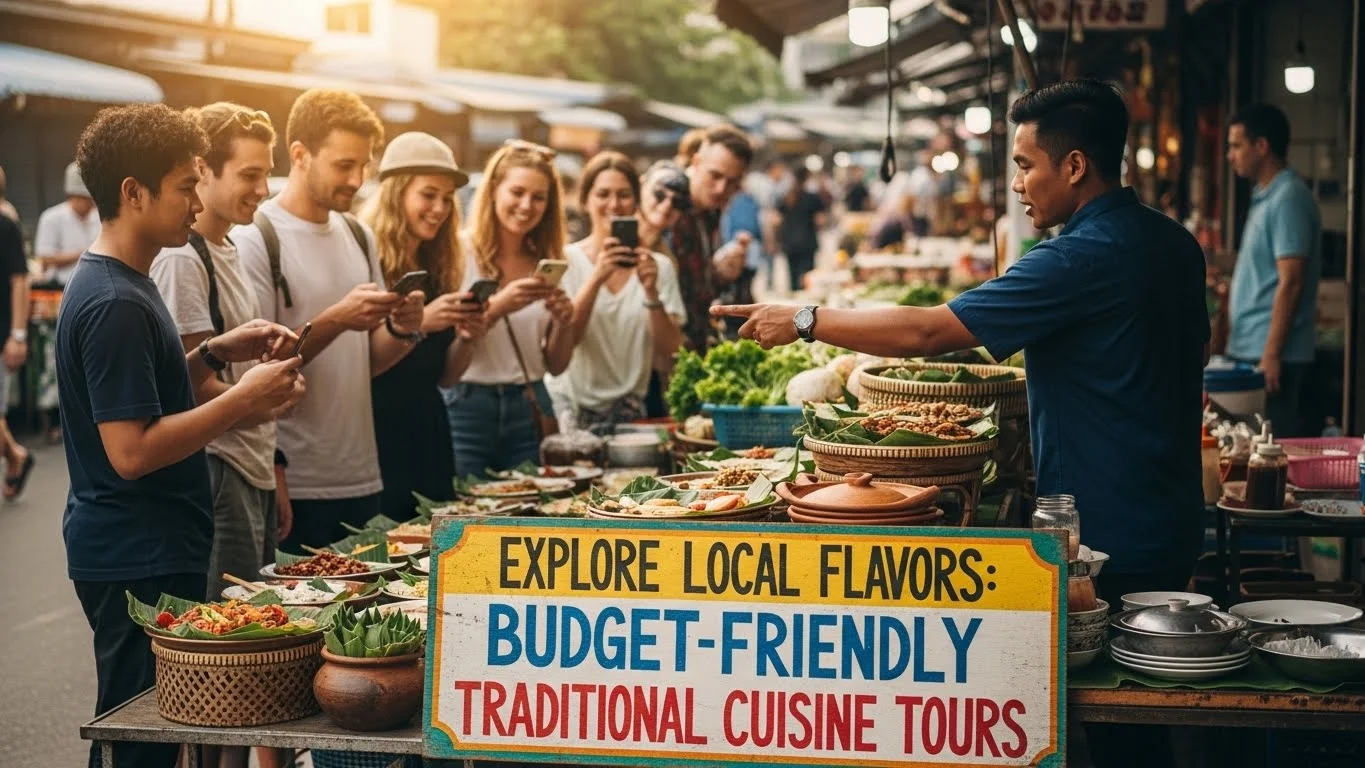
Explore Local Flavors: Budget-Friendly Traditional Cuisine Tours

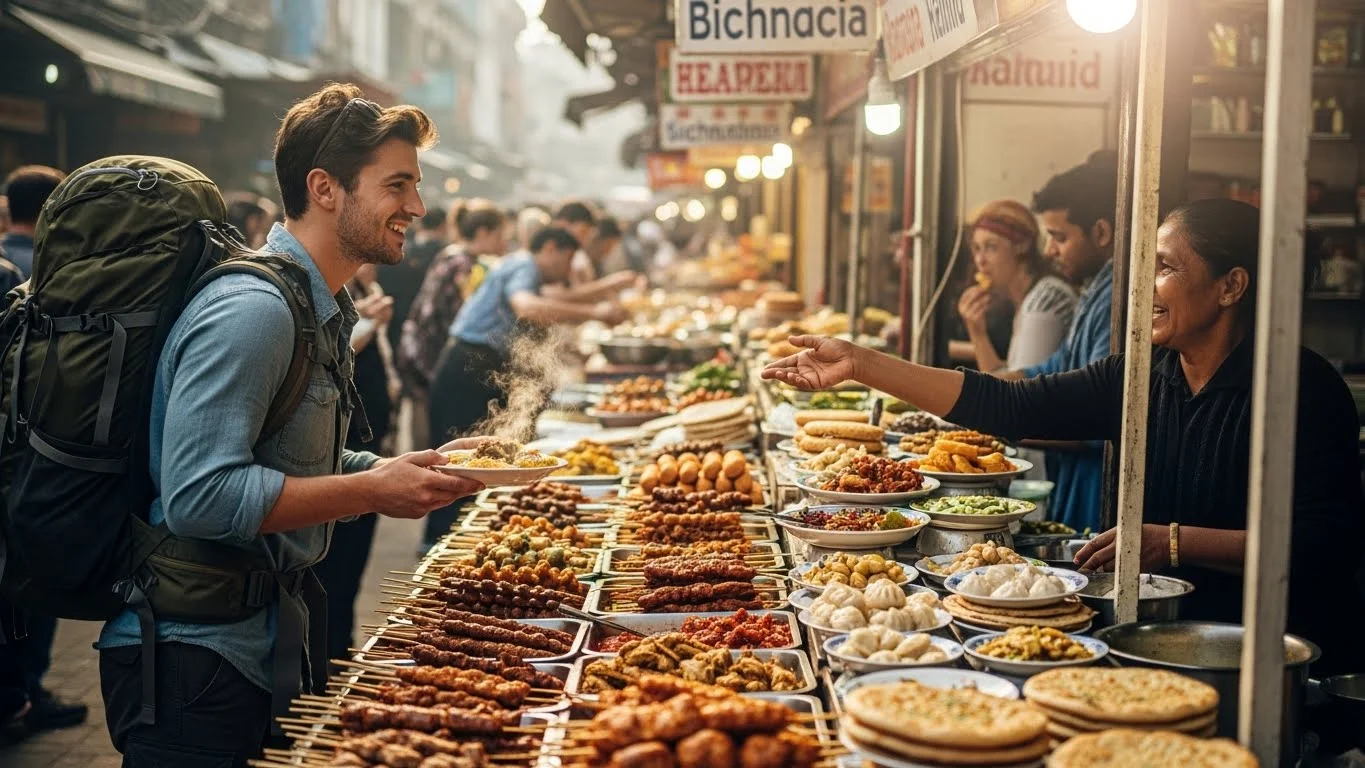
Exploring local flavors through traditional cuisine tours is an exciting journey for any food lover. These tours not only satisfy your tastebuds but also connect you to the rich culture of each destination, all without breaking the bank. For more insights, check out Budget Backpacking: Unveiling Traditional Cuisines of the World.

Explore Local Flavors: Budget-Friendly Traditional Cuisine Tours

Understanding Traditional Cuisine Tours

What is a Traditional Cuisine Tour?

When I think of traditional cuisine tours, I picture vibrant markets, the aroma of spices, and the laughter of locals eager to share their culinary heritage. A traditional cuisine tour is essentially a guided experience that allows you to explore the local food scene of a particular area. These tours can range from leisurely walks through bustling street markets to hands-on cooking classes where you learn to prepare authentic dishes yourself. I remember my first tour in a little town, where a local guide led us through narrow alleyways, stopping at various food stalls to taste everything from savory pastries to sweet desserts. Each bite was a story, a piece of culture, and a glimpse into the daily lives of the locals.

The Importance of Local Flavors

Local flavors are the heart and soul of a destination’s culture. They tell stories of history, tradition, and the people who have shaped a community over generations. For me, tasting street food in Mexico City was not just about the food; it was about understanding the deep connections between families and their recipes passed down through time. Each dish reflects the region’s climate, crops, and even the migration of people throughout history. When we savor traditional dishes, we’re not just enjoying a meal; we’re participating in a rich narrative that connects us to the past and present of a culture. That’s what makes traditional cuisine tours so special—they immerse us in the essence of a place.

Benefits of Budget-Friendly Tours

Cost-Effective Ways to Experience Local Culture

Embarking on a budget-friendly cuisine tour is a fantastic way to dive into local culture without spending a fortune. I’ve often found that some of the best experiences don’t require lavish spending. Instead, they come from seeking out affordable local operators and street vendors who offer authentic culinary experiences. For instance, in Bangkok, I joined a night market tour that cost less than I would spend on a fancy dinner back home. We tried delicious pad thai and mango sticky rice right from the source, all while mingling with locals and learning about the city’s vibrant food scene. I felt like I was living like a local, and that sense of connection enriched my experience. To explore more budget-friendly food destinations, check out Taste the Culture: Budget-Friendly Food Destinations Revealed.

Connecting with Local Communities

One of the highlights of budget-friendly tours is the opportunity to connect with local communities. I remember participating in a cooking class in Italy where the chef was also a local farmer. She shared her love for her family’s farm and how it influenced her cooking. We didn’t just learn how to make pasta; we also understood the importance of fresh, local ingredients. Engaging with locals provides a more profound appreciation for the food and the culture surrounding it. These connections are priceless and often lead to friendships that last beyond the tour. I’ve kept in touch with several chefs and tour guides I met along the way, sharing recipes and stories across borders.

Top Destinations for Budget-Friendly Cuisine Tours

Mexico City: A Culinary Adventure

Mexico City is a treasure trove for food lovers, and it’s possible to explore its vibrant culinary scene on a budget. From street tacos to local markets, every corner offers a new flavor adventure. I fondly recall my taco-hopping experience, where I munched on al pastor and carne asada tacos while learning about the history of each dish from my guide.

Bangkok: Street Food Galore

Bangkok is synonymous with street food, and it’s one of the most affordable cities to indulge in traditional cuisine. I spent an entire evening wandering the vibrant streets, sampling everything from spicy papaya salad to deep-fried insects! Each bite was a new thrill, and the best part was that my wallet hardly felt the pinch.

Lisbon: Affordable Portuguese Delicacies

Lisbon offers a delightful range of traditional dishes at budget prices. I remember tasting bacalhau (codfish) prepared in various ways, with each restaurant offering its unique twist. The locals welcomed us with open arms, eager to share their culinary secrets, making it a memorable experience.

New Delhi: Exploring Indian Street Food

In New Delhi, street food is more than a meal; it’s a way of life. I spent hours sampling chaat, parathas, and the iconic butter chicken. The flavors were bold, and the prices were incredibly low. Each vendor had a story to tell, and I felt like I was partaking in a vibrant feast of culture.

Barcelona: Tapas on a Budget

Barcelona is famous for its tapas, and you can enjoy a range of these small dishes without breaking the bank. I loved hopping from bar to bar, trying patatas bravas, jamón ibérico, and many other delights. The lively atmosphere, combined with the rich flavors, made for an unforgettable culinary exploration.

Types of Traditional Cuisine Tours

Walking Food Tours

Walking food tours are one of my favorite ways to explore a new city’s culinary landscape. There’s something magical about meandering through streets, soaking in the sights and sounds, while being guided to hidden gems. I remember one walking tour in a quaint neighborhood of Florence. Our guide took us to small, family-run trattorias that felt like a well-kept secret. We sampled bruschetta topped with fresh tomatoes and basil, followed by a handmade pasta dish that was simply out of this world. I loved how each stop came with a story, and we were often treated like family by the owners. These tours allow you to move at your own pace, engage with other food enthusiasts, and truly immerse yourself in the local vibe.

Cooking Classes and Workshops

Cooking classes and workshops provide a hands-on experience that elevates your culinary journey. I can’t emphasize enough how much I learned during a cooking class in Thailand, where I discovered the art of balancing flavors. We visited a local market to pick fresh ingredients before heading to a charming kitchen. Under the guidance of a skilled chef, we prepared classic dishes like green curry and pad see ew. I felt a sense of accomplishment when I plated my own meal, and the best part was enjoying it with my classmates, sharing our creations. Cooking classes allow you to take a piece of the culture home with you, as you bring back not just recipes but also the skills to recreate those flavors in your kitchen. For more on top budget destinations for traditional cuisine, visit Savor the World: Top Budget Destinations for Traditional Cuisine.

Market Tours and Tastings

Market tours are a fantastic way to dive deep into local ingredients and culinary traditions. I had an unforgettable experience at the Grand Bazaar in Istanbul, where the vibrant colors and fragrant spices overwhelmed my senses. Our guide navigated through stalls overflowing with fresh produce, spices, and cheeses, introducing us to local vendors who were passionate about their products. We sampled olives, honey, and baklava that were simply divine. These tours often include tastings, which is a great way to expand your palate and learn about the history behind each item. I walked away from that market not just with a full belly but also with an appreciation for the craftsmanship that goes into each product.

What to Expect on a Cuisine Tour

Typical Itinerary Overview

While every cuisine tour can differ, I’ve noticed a few common threads that make up a typical itinerary. Most tours start with a meet-and-greet, where your guide shares their passion for food and the culture you’re about to explore. I’ve found that a great itinerary usually includes a mix of tastings, cooking demonstrations, and even visits to local markets. For example, on a tour in San Francisco, we began with a coffee tasting at a local roastery, followed by a visit to a farmer’s market to gather ingredients, and ended with a cooking session to craft a seasonal dish. The structure flowed seamlessly, allowing us to connect with the food on multiple levels.

Common Dishes to Try

Each destination has its signature dishes that you’ll likely encounter on a cuisine tour. I remember being thrilled to try regional specialties — like paella in Valencia, fresh seafood in Sydney, or dim sum in Hong Kong. These iconic dishes often come with unique stories and preparation methods, and tasting them in their place of origin is a treat. I’ve also found that local guides are great at recommending lesser-known dishes that you might not find in tourist brochures. For example, in Hanoi, I discovered bún chả, a delicious grilled pork dish that quickly became a favorite. Trusting your guide to lead you to the best offerings enhances the experience.

Engaging with Local Chefs and Food Artisans

One of the most enriching aspects of cuisine tours is interacting with local chefs and food artisans. I remember a delightful interaction with a baker in Paris who passionately explained the intricate process of making croissants. Watching her work the dough, I felt a deep appreciation for her craft. Engaging with these culinary masters not only gives you insight into traditional techniques but also fosters a sense of connection to the community. Many tours include opportunities for participants to ask questions, and I’ve found that learning directly from the source can be both inspiring and educational. These connections often lead to a greater understanding of how food shapes culture.

Tips for Finding Budget-Friendly Tours

Researching Local Tour Operators

Finding budget-friendly tours often starts with a bit of research. I’ve learned that looking for local tour operators is key; they typically have a better grasp of their community and can offer unique insights. Websites, social media, and travel forums are great places to start. I once stumbled upon a small company in Lisbon that hosted walking food tours led by local chefs. Their prices were reasonable, and the personal touch made all the difference. I recommend reading reviews and checking out their websites to get a feel for their offerings and approach.

Utilizing Online Platforms and Reviews

Online platforms can be a treasure trove of information when it comes to finding budget-friendly cuisine tours. I often use sites like TripAdvisor, Airbnb Experiences, or even local Facebook groups to discover unique culinary adventures. Reading reviews from fellow travelers can help you gauge the quality of tours and find hidden gems. I remember booking a street food tour in Ho Chi Minh City through a local platform, and the experience exceeded my expectations. Engaging with the community around these tours can lead to fantastic recommendations.

Timing Your Tour for Discounts

Timing can make a significant difference in securing budget-friendly tours. I’ve found that booking during the off-peak season can lead to substantial savings. Additionally, some operators offer discounts for last-minute bookings or group rates. I once joined a cooking class in Barcelona that had a special rate for bookings made within a week of the class. Keeping an eye on promotions can result in an incredible culinary experience without stretching your budget.

Safety and Considerations

Health and Food Safety Tips

When embarking on a cuisine tour, safety is always a top priority. I’ve learned a few health and food safety tips that have enhanced my experience and kept me feeling great throughout my travels. Firstly, always observe the cleanliness of food stalls and restaurants. If a place seems busy with locals, it’s usually a good sign that the food is fresh and safe. I remember grabbing a quick bite from a street vendor in Hanoi. The stall was bustling with locals, and the food was prepared right in front of me. I felt confident about my choice, and it turned out to be one of the best meals of my trip.

Additionally, I recommend drinking bottled water, especially in places where tap water isn’t safe. During my travels in India, I made it a habit to always carry bottled water with me, and this simple practice ensured I stayed hydrated and healthy. It’s also wise to pay attention to how your body reacts to new foods. If you have a sensitive stomach, ease into eating street food; try small portions to see how you feel. I’ve had my fair share of adventurous eating, but I always listen to my body and adjust accordingly.

Cultural Etiquette While Dining

Navigating cultural etiquette while dining can greatly enhance your experience on a cuisine tour. I’ve found that a little knowledge goes a long way in making local connections. For example, in Japan, it’s customary to say “itadakimasu” before meals and “gochisousama deshita” afterward to express gratitude. I remember feeling a sense of belonging when I participated in this ritual during a meal in Tokyo. Locals appreciated my effort to respect their traditions, and it made my experience all the more enjoyable.

In many cultures, sharing food is a sign of hospitality. I’ve been invited to share dishes at communal tables in places like Spain and Italy, where food is meant to be enjoyed together. Embracing this spirit of sharing not only enriches your culinary adventure but also fosters connections with fellow diners and locals. I also learned to be mindful of dining customs, such as not tipping in certain countries where it’s not expected or even considered rude. Being aware of these nuances can help ensure a smooth and respectful dining experience.

Budgeting for Your Cuisine Tour

Average Costs of Tours

Understanding the average costs of cuisine tours can help you plan your budget effectively. From my experience, the prices can vary widely depending on the location, duration, and type of tour. For instance, walking food tours in cities like Mexico City or Bangkok can range from $20 to $50 per person, which often includes tastings at multiple stops. I remember a delightful food tour in Lisbon that was around $40, and it included samples from several local eateries. It was an absolute bargain for the amount of food and knowledge we gained!

Cooking classes can be more expensive, often ranging from $50 to $150 or more, depending on the complexity of the class and the ingredients used. I’ve participated in a few cooking classes that provided a wonderful experience, learning new skills and recipes while enjoying a meal together. While these classes may require more of an investment, I’ve found them to be worth every penny for the culinary skills I take home.

Additional Expenses to Consider

While planning your budget for a cuisine tour, it’s essential to consider additional expenses that can arise. Transportation costs can add up, especially if your tour starts in a different part of the city. I often use public transportation or walk when possible to keep costs down. Also, don’t forget to budget for snacks outside of the scheduled stops; I’ve often found myself tempted to grab an extra treat after tasting something that I absolutely loved!

Souvenirs are another potential expense to keep in mind. I like to pick up local spices or cooking utensils as reminders of my culinary adventures. These little treasures often serve as conversation starters when I share stories from my travels. Lastly, consider setting aside a small amount for tipping tour guides and chefs, as they greatly contribute to your experience. I’ve always felt that a small gesture of appreciation goes a long way in building connections and showing gratitude.

Creating Your Own Food Tour

Planning Your Route

If you want to take matters into your own hands, creating your own food tour can be an exciting endeavor! From my experience, the key is to research and plan your route wisely. Start by identifying neighborhoods known for their culinary delights. I once explored the food scene in a trendy area of San Francisco, charting a course that included hidden gems. I recommend using online maps to mark your stops, so you can easily navigate from one delicious destination to the next.

It’s also helpful to consider the time of day and the types of food you want to try. For instance, if you’re in a city famous for breakfast dishes, I suggest starting your day at a local café to fuel your adventure. I’ve often discovered that the best meals come from spontaneous stops, so leaving some flexibility in your schedule can lead to delightful surprises.

Choosing Must-Try Dishes

As you plan your route, make a list of must-try dishes that represent the local cuisine. I always look for signature dishes that are unique to the region. For example, in Barcelona, I couldn’t wait to try the classic pan con tomate and seafood paella. Researching local favorites before my travels has often led me to try dishes I might not have considered otherwise. I advise checking food blogs or social media for recommendations from locals and fellow travelers.

Engaging with Locals for Recommendations

One of the joys of creating your own food tour is the opportunity to engage with locals. I’ve had numerous conversations with shop owners and chefs who are more than happy to share their favorite spots. Don’t hesitate to ask locals where they like to eat; their insights can lead you to hidden culinary treasures. I remember chatting with a friendly vendor at a market in Bangkok, and she pointed me to a nearby stall that served the best pad see ew I had ever tasted. It’s these genuine interactions that enrich our culinary journeys and make them unforgettable.

Frequently Asked Questions

What is a traditional cuisine tour?

A traditional cuisine tour is a guided experience that allows you to explore the local food scene of a particular area. These tours can include leisurely walks through bustling markets or hands-on cooking classes where you learn to prepare authentic dishes.

Why are local flavors important?

Local flavors are the heart and soul of a destination’s culture, telling stories of history, tradition, and the people who have shaped a community. Tasting traditional dishes allows us to participate in a rich narrative that connects us to the past and present of a culture.

How can I experience local culture on a budget?

Embarking on a budget-friendly cuisine tour is an excellent way to dive into local culture without spending a fortune. Seeking out affordable local operators and street vendors can lead to authentic culinary experiences without lavish spending.

What are some top destinations for budget-friendly cuisine tours?

Some top destinations for budget-friendly cuisine tours include Mexico City, Bangkok, Lisbon, New Delhi, and Barcelona. Each location offers unique culinary experiences that can be enjoyed without breaking the bank.

What types of traditional cuisine tours are available?

Types of traditional cuisine tours include walking food tours, cooking classes and workshops, and market tours and tastings. Each type offers a unique way to experience local ingredients and culinary traditions.

What can I expect on a cuisine tour?

On a cuisine tour, you can expect a typical itinerary that includes a meet-and-greet with your guide, a mix of tastings, cooking demonstrations, and visits to local markets. You’ll likely encounter signature dishes and have the opportunity to engage with local chefs and food artisans.

How can I find budget-friendly tours?

Finding budget-friendly tours often starts with research. Look for local tour operators, utilize online platforms and reviews, and consider timing your tour for discounts during off-peak seasons.

What health and food safety tips should I keep in mind?

When on a cuisine tour, it’s important to observe the cleanliness of food stalls, drink bottled water in areas where tap water isn’t safe, and listen to your body when trying new foods, particularly if you have a sensitive stomach.

What are some average costs of cuisine tours?

The average costs of cuisine tours can vary widely. Walking food tours can range from $20 to $50 per person, while cooking classes can be more expensive, often ranging from $50 to $150 or more depending on the class complexity and ingredients used.

How can I create my own food tour?

To create your own food tour, research neighborhoods known for their culinary delights, plan your route wisely using online maps, and make a list of must-try dishes that represent the local cuisine. Engaging with locals for recommendations can also lead to hidden culinary treasures.

Budget Backpacking: Unveiling Traditional Cuisines of the World

Budget backpacking opens up a world of adventure and culinary delights. Discovering traditional cuisines allows us to connect deeply with cultures while keeping our wallets happy. For those looking to enhance their culinary experiences, consider reading about Backpacking for Foodies: Discover Culinary Delights Abroad.

Budget Backpacking: Unveiling Traditional Cuisines of the World

Understanding Budget Backpacking

What is Budget Backpacking?

When I think about budget backpacking, I picture the thrill of exploring new places without the weight of a heavy wallet. It’s about traveling on a shoestring, seeking out affordable accommodations, public transport, and, of course, delicious local food. Budget backpacking is more than just a way to save money; it’s a lifestyle that encourages authentic experiences. I often find myself wandering through bustling markets, discovering hidden gems that don’t break the bank but leave lasting memories.

Benefits of Budget Backpacking

One of the most rewarding aspects of budget backpacking for me is the sense of freedom it offers. I’ve learned that when you aren’t tied down by expensive hotel stays or fancy meals, you can be spontaneous. This means I can change my plans on a whim, follow a new lead on a local eatery, or discover a remote village just because it piqued my interest. Plus, traveling on a budget often leads to deeper interactions with locals. I recall a time in Vietnam when I was invited into a family’s home for dinner after they saw me struggling to read a menu. Experiences like these are worth more than any five-star dining experience.

Another benefit is the way it stretches my creativity. I’ve become skilled at finding deals, whether it’s through researching free walking tours or discovering the freshest street food. This resourcefulness adds an extra layer of excitement to my travels. And let’s be honest, who doesn’t love a good bargain? Budget backpacking also makes it possible to visit more places. Instead of spending all my money on one location, I can hop from city to city, sampling cuisines from different cultures. You can also explore global flavors on a budget to make the most of your culinary adventures.

Essential Gear for Budget Backpackers

Having the right gear can significantly enhance your budget backpacking experience. Let’s start with the backpack itself. I’ve tried various types, but I always recommend a lightweight, durable backpack. It should have enough compartments for organization, but it shouldn’t be too heavy. Comfort is key since you’ll be carrying it for hours. Alongside the backpack, investing in a good pair of walking shoes is a must. I learned this the hard way after a day of exploring the cobblestone streets of Prague in flip-flops—never again!

Another essential is a portable water bottle. Staying hydrated while on the move is crucial, and many places now have refill stations, which can save you money and reduce plastic waste. A portable charger is also a game-changer. I always keep mine handy to ensure my phone doesn’t die while I’m capturing memories or navigating to the next food stop.

Lastly, I can’t stress enough the importance of a good travel guide or an app. I use travel apps that include offline maps and local recommendations. This has led me to countless hidden eateries where I’ve enjoyed authentic dishes without the tourist markup. Knowledge is power, especially in the art of budget backpacking!

Exploring Traditional Cuisines

What is Traditional Cuisine?

Traditional cuisine is the heart and soul of a culture. It’s a reflection of history, geography, and the community’s way of life. For me, each meal tells a story. When I visited Mexico, I was amazed by how mole—a rich sauce—was prepared differently in each region, often using ingredients indigenous to that area. It’s incredible how traditional dishes carry the essence of a place and its people.

The Importance of Food in Cultural Experience

Food has an extraordinary power to connect us. I’ve found that sharing a meal can break down barriers that language sometimes creates. Whether it’s breaking bread with new friends or savoring a dish alone in a bustling café, food has a way of making us feel at home. It’s in these moments I learn about local customs and traditions. In Italy, for instance, I noticed how meals are often seen as a communal experience rather than just nourishment. You sit down, relax, and enjoy the company of others, which is something I cherish.

How Cuisine Reflects Local History and Culture

Every traditional dish has a history. When I was in Greece, my guide shared stories of how certain ingredients came about due to trade routes and historical events. It was fascinating to see how the local cuisine evolved from the influences of various cultures over centuries. I remember visiting a small village where the locals still practiced age-old cooking techniques, using recipes passed down through generations. Enjoying their food felt like savoring a piece of history. It made me realize that when we travel, we’re not just tasting flavors; we’re experiencing the rich tapestry of human history and culture.

Budget-Friendly Destinations for Traditional Cuisines

Asia

Thailand: Street Food and Local Markets

Thailand holds a special place in my heart for its vibrant street food scene. When I visited Bangkok, I was blown away by the variety available. From savory pad thai to sweet mango sticky rice, I discovered that eating well doesn’t have to be expensive. The street vendors were not only friendly but also proud of their dishes. I remember chatting with a vendor while he prepared my meal; he shared stories about each ingredient and why it was essential to the dish. It felt like I was getting a crash course in Thai culture with every bite.

Exploring local markets is another highlight. I spent hours wandering through Chatuchak Market, tasting everything from spicy salads to grilled meats. Each stall offered something unique, and I learned to be adventurous with my choices. Often, I found that the best meals were those I stumbled upon, guided by the delicious aromas wafting through the air. I recommend bringing a friend so you can share and sample more dishes without feeling too guilty about overindulging!

India: Diverse Regional Dishes

India is a land of incredible diversity, and its cuisine reflects that beautifully. On my travels through the country, I was impressed by how each region had its distinct flavors and specialties. In Delhi, I indulged in flavorful curries and buttery naan, while in Rajasthan, I enjoyed the spicy dishes that were a feast for the senses. Every meal was an adventure.

Street food in India is an experience unto itself. I remember trying pani puri from a local vendor, which consisted of crispy shells filled with a spicy mixture of water, tamarind, and chickpeas. It was an explosion of flavors that had me coming back for more. The best part? Most of these delicacies are incredibly affordable, allowing me to eat well without breaking the bank. I’ve learned to always keep an eye out for busy stalls; they usually indicate freshness and quality!

Africa

Morroco: Tagines and Street Vendors

Morroco is a culinary treasure trove, and its tagines are nothing short of magical. When I arrived in Marrakech, I felt like I had stepped into a food lover’s paradise. The vibrant colors and spices were intoxicating. I remember visiting a local market where I could see the spices piled high, each offering its unique aroma. It was a feast for the senses.

One evening, I joined a food tour that took us to various street vendors. Sampling different tagines, each with its own twist, was a highlight of my trip. The warmth of the spices combined with the tender meat and vegetables left me craving more. I found that most street food was not only delicious but also very budget-friendly. Sharing a meal with locals while enjoying the bustling atmosphere made the experience all the more enjoyable.

Ethiopia: Injera and Local Eateries

Ethiopia surprised me with its communal style of dining, centered around injera, a sourdough flatbread that serves as the base for various stews. During my time in Addis Ababa, I loved how meals were often shared. I remember sitting with fellow travelers and locals around a large platter, scooping up flavorful stews with injera and enjoying the camaraderie. It was heartwarming, and I felt a genuine connection to the culture.

The local eateries provided a fantastic way to experience authentic Ethiopian cuisine without spending much. I was impressed by how friendly everyone was, and it was easy to strike up a conversation. I discovered that food is a significant part of Ethiopian hospitality, and I was glad to immerse myself in it. If you ever have the chance to visit, don’t miss out on the opportunity to try doro wat, a spicy chicken stew that’s simply unforgettable.

Europe

Italy: Regional Pasta and Pizza

Italy is synonymous with food, and my travels through this beautiful country made it clear why. Each region boasts its own pasta and pizza styles, and I found myself diving into local specialties. In Naples, I enjoyed classic Margherita pizza, made with fresh mozzarella and basil, straight from a wood-fired oven. It was such a simple dish but bursting with flavor. I’ve learned that sometimes the best meals are the simplest ones.

Traveling north to Bologna, I had the chance to savor ragu alla Bolognese, a rich meat sauce that was unlike anything I had tasted before. I remember sitting at a small trattoria, soaking in the ambiance while enjoying a bowl of tagliatelle. It was a reminder of how food can be an integral part of the travel experience. I recommend seeking out family-run restaurants where the chef often takes pride in their homemade dishes.

Portugal: Petiscos and Local Wineries

Portugal is another gem that I believe everyone should explore, especially for its petiscos—small plates similar to tapas. During my time in Lisbon, I enjoyed hopping from one wine bar to another, sampling different petiscos. Each plate had a unique flavor, from garlic shrimp to chorizo, and I loved how it encouraged socializing and sharing.

One of my favorite experiences was at a local winery in the Douro Valley, where I paired traditional foods with local wines. The stunning views of the terraced vineyards added to the experience. It was a great reminder of how culinary adventures can be found in the most unexpected places. Plus, Portugal tends to be quite budget-friendly, making it easy to indulge without overspending. If you’re interested in wine, don’t miss the chance to explore the best wine regions on a budget.

South America

Peru: Ceviche and Street Vendors

Peru is famous for its ceviche, and rightly so. I remember my first taste in Lima, where the fresh fish, lime juice, and spices danced on my palate. It was refreshing and vibrant, a perfect representation of Peruvian cuisine. I found that some of the best ceviche came from street vendors, who were not only passionate about their food but also incredibly affordable.

As I wandered through the coastal markets, I was amazed at how much pride the vendors took in their craft. I learned that ceviche is often prepared in the morning and served for lunch, making it a popular midday meal. I always felt good knowing I was experiencing the culture through its food, and every bite was a small adventure in itself.

Argentina: Asado and Local Parillas

Argentina is synonymous with its asado, a traditional barbecue that brings people together. During my travels in Buenos Aires, I was lucky enough to attend a local asado with friends I made along the way. The experience was truly something special, filled with laughter, music, and, of course, mouth-watering grilled meats. I learned how the Argentineans take their grilling seriously, with various cuts of beef prepared to perfection.

Dining at local parillas (steakhouses) was another highlight. I found that many offer a range of options, allowing for budget-friendly meals while still enjoying the best that Argentine cuisine has to offer. I recommend trying the chimichurri sauce—its fresh herbs and garlic elevate any grilled dish. Plus, the communal aspect of asado fosters a sense of connection that I found heartwarming during my travels.

How to Find Authentic Local Food

Researching Before You Go

Before embarking on my travels, I always spend some time researching local food scenes and specialties. It’s amazing how much you can learn just by browsing blogs, reading guidebooks, and checking out food forums. I remember when I planned a trip to Japan; I dove into articles about regional dishes like okonomiyaki and ramen. I even created a list of must-try places that I’d read about, which made me feel more connected to the culinary culture before I even arrived. I think having some background knowledge enhances the experience and prepares you for what to expect.

I also enjoy using apps that curate food experiences. One of my favorites is Google Maps, where I pin restaurants and food stalls I want to try. This way, I can see if they’re close to where I’ll be exploring each day. I even look for photos of the dishes to get excited about what I’m about to eat! It’s like having a food treasure map that guides my adventures.

Using Local Recommendations

Once I arrive at my destination, I love tapping into local recommendations. I often ask my hosts or staff at my accommodations for their favorite eateries. I’ve found that locals know the best spots, often steering me away from tourist traps. For instance, in Barcelona, the owner of my hostel told me about a tiny tapas bar tucked away in a side street. It was there that I tasted the best patatas bravas of my life while enjoying the cozy atmosphere surrounded by locals.

During my travels, I’ve also met many fellow backpackers who are just as passionate about food. Sharing recommendations with them has led to some of my most memorable meals. I remember one evening in Thailand when I met an Australian traveler. We exchanged our favorite street food stalls and ended up spending the night sampling dishes together. It was a fun way to bond and discover hidden gems that I might not have found on my own.

Food Tours and Cooking Classes

In my experience, food tours and cooking classes are fantastic ways to dive into a culture through its cuisine. I’ve taken several food tours that not only introduced me to local dishes but also the stories behind them. For example, in Istanbul, I joined a food tour that took us through vibrant neighborhoods. We sampled everything from simit (sesame-crusted bread) to baklava. The guide shared insights about each dish’s significance, which made every bite more meaningful.

Cooking classes are another highlight of my trips. I remember taking a cooking class in Italy, where a local chef taught us how to make fresh pasta from scratch. Not only did I learn about the ingredients, but I also got to enjoy the fruits of my labor at the end of the class. The experience was so much more than just cooking; it was a connection to the Italian way of life. Since then, I’ve tried to replicate that pasta at home, and it always brings back fond memories of my time there.

Budget Tips for Enjoying Local Cuisines

Eating Like a Local: Street Food vs. Restaurants

One of the best budget tips I can share is to embrace street food. I’ve found that eating like a local often means enjoying delicious meals from street vendors rather than dining in fancy restaurants. In many places, street food is not just affordable but incredibly tasty. I remember my trip to Vietnam, where I indulged in banh mi sandwiches from a vendor for just a couple of dollars. Each bite was packed with flavor, and I loved how I could grab a meal on the go while exploring the streets.

That said, I also enjoy visiting local restaurants, especially family-run ones. They often have a more intimate atmosphere and provide a chance to try home-cooked dishes. In contrast to touristy spots, these hidden gems usually offer better prices and authentic flavors. I recommend checking reviews or asking locals for their favorites to ensure you get the best experience.

Finding Affordable Markets and Grocery Stores

Markets can be a treasure trove for budget backpackers. I often visit local markets to sample fresh produce, snacks, and prepared foods. In many countries, you can find markets filled with vendors selling everything from fruits to pastries at reasonable prices. It’s a great way to enjoy local flavors without overspending.

Sometimes, I even buy ingredients from grocery stores to prepare simple meals in hostels or shared kitchens. I discovered this during a stay in a hostel in Portugal, where I made a quick meal of local cheese, bread, and olives. It was a satisfying way to experience the local cuisine while saving money. Plus, grocery shopping can be an adventure in itself, allowing me to discover unique regional products.

When to Splurge: Special Occasions and Unique Experiences

While sticking to a budget is important, I believe there are moments when it’s worth splurging. For me, a special occasion or unique culinary experience can create lasting memories. I remember splurging on an unforgettable dinner at a rooftop restaurant in Santorini, Greece, where I watched the sunset while enjoying exquisite local dishes. It was a magical experience that was well worth the extra expense.

When considering when to splurge, I usually look for unique dining opportunities that I can’t replicate elsewhere. Whether it’s a traditional feast, a Michelin-starred restaurant, or a unique tasting menu, these experiences add richness to my travels. I try to balance my budget by saving in other areas, allowing me to indulge occasionally without feeling guilty.

Health and Safety Considerations

Food Safety Tips While Traveling

Staying healthy while enjoying local cuisines is a priority for me. I’ve learned some valuable food safety tips over the years. One of the first things I do is observe the vendor’s hygiene practices. If the stall is clean and busy, it’s usually a good sign. I also pay attention to how food is prepared and stored. When in doubt, I stick to freshly cooked dishes rather than those that have been sitting out.

Additionally, I make it a point to drink bottled water in places where tap water isn’t safe. It’s a small precaution that can save me from unpleasant stomach issues. I also carry hand sanitizer to clean my hands before eating, especially after using public transport. These little steps help me enjoy my culinary adventures without worrying about my health.

Understanding Dietary Restrictions and Allergies

Being mindful of dietary restrictions and allergies is crucial when traveling. I’ve had experiences where language barriers made it challenging to communicate my needs. I’ve learned to research local dishes beforehand and identify any ingredients I need to avoid. I also carry a card with my dietary restrictions written in the local language, which I can show to restaurant staff. This has made it easier for me to find safe options without feeling anxious while dining out.

Staying Safe While Sampling Street Food

Sampling street food is one of the highlights of my travels, but it’s essential to do so safely. I always choose stalls that are popular with locals, as it’s a sign that the food is fresh and well-loved. I also try to eat at peak hours, when vendors are busy, as it indicates a higher turnover of food. If I see a long line of customers, I know I’m likely to get a delicious meal.

I also avoid raw foods in places where food safety might be an issue. I’ve had my fair share of adventures, but I prefer my culinary experiences to be delightful rather than risky. By being cautious and informed, I can enjoy the vibrant street food scene while keeping myself safe.

Sharing Your Culinary Experiences

Documenting Your Food Journey

After traveling, I find it rewarding to document my culinary adventures. I love taking photos of the dishes I try, jotting down my thoughts, and even keeping a food journal. It allows me to relive those flavors and moments long after I’ve returned home. I often create a scrapbook or online album to share with friends and family, inviting them to experience my journey through food.

Connecting with Other Travelers

Sharing my culinary experiences with fellow travelers is also a highlight for me. Whether it’s in a hostel common area or during a food tour, I love exchanging stories about our favorite meals. It’s fascinating to hear about others’ experiences and recommendations from different parts of the world. I believe that food connects us, and sharing our journeys can lead to new friendships and unforgettable memories.

Using Social Media to Share Your Discoveries

Social media has become a fantastic platform for sharing my culinary discoveries. I often post pictures of my meals on Instagram, accompanied by a little story about where I found them. It’s fun to connect with fellow food lovers and discover new places to try in the future. I’ve also found inspiration from others’ posts, making my travel planning even more exciting.

Frequently Asked Questions

What is budget backpacking?

Budget backpacking is a way of traveling that focuses on exploring new places without spending a lot of money. It involves seeking affordable accommodations, using public transport, and enjoying local food, allowing for authentic experiences and spontaneous adventures.

What are some benefits of budget backpacking?

Budget backpacking offers a sense of freedom and spontaneity, allowing travelers to change plans easily and engage more deeply with locals. It also encourages creativity in finding deals and enables visiting multiple destinations without overspending.

What essential gear do budget backpackers need?

Essential gear for budget backpackers includes a lightweight, durable backpack, comfortable walking shoes, a portable water bottle, a portable charger, and a reliable travel guide or app for offline maps and local recommendations.

What is traditional cuisine?

Traditional cuisine reflects the history, geography, and culture of a community. Each meal tells a story and carries the essence of a place, often featuring local ingredients and cooking techniques unique to the region.

How does food connect to cultural experiences?

Food has the power to break down barriers and foster connections. Sharing meals allows travelers to learn about local customs and traditions, making them feel at home and enhancing their cultural experience.

What are some budget-friendly destinations for traditional cuisines?

Some budget-friendly destinations for traditional cuisines include Thailand for its street food, India for diverse regional dishes, Morocco for tagines, Ethiopia for injera, Italy for regional pasta and pizza, Portugal for petiscos, Peru for ceviche, and Argentina for asado.

How can travelers find authentic local food?

Travelers can find authentic local food by researching before their trip, using local recommendations from hosts and staff, and participating in food tours or cooking classes to gain insight into the local cuisine.

What are some budget tips for enjoying local cuisines?

Some budget tips include embracing street food for affordable and delicious meals, visiting local markets for fresh produce, and knowing when to splurge on unique dining experiences while balancing other expenses.

What food safety tips should travelers keep in mind?

Travelers should observe vendors’ hygiene practices, drink bottled water in areas where tap water isn’t safe, and carry hand sanitizer. It’s also important to choose freshly cooked dishes to avoid foodborne illnesses.

How can travelers share their culinary experiences?

Travelers can document their food journeys through photos and journals, connect with fellow travelers to exchange stories, and use social media to share their culinary discoveries and inspire others.

Taste the Culture: Budget-Friendly Food Destinations Revealed

Food has an incredible way of connecting us to different cultures, especially when we travel. Discovering budget-friendly food destinations lets us savor unique flavors without breaking the bank! Read Interesting article: Eat Well on a Dime: Budget-Friendly Food Tips for Travelers

Taste the Culture: Budget-Friendly Food Destinations Revealed

Understanding Budget-Friendly Food Travel

When I think about my travel experiences, one of the highlights has always been the food. It’s not just about filling my stomach; it’s about the stories, traditions, and people behind each dish. Budget-friendly food travel is all about enjoying these culinary experiences without overspending. I believe that exploring the local cuisine often reveals so much more about a place than any museum or landmark.

The Importance of Culinary Experiences

Culinary experiences have a profound way of enhancing our understanding of different cultures. I remember my trip to Thailand, where I wandered through bustling markets filled with vibrant colors and enticing aromas. Each bite of street food was a taste of the country’s rich history and traditions. Food has this unique ability to tell stories, and when we travel, we get to taste those stories firsthand. Whether it’s savoring a spicy taco in Mexico or a delicate croissant in France, each meal connects us to the culture and the people who create it.

Why Budget Matters in Culinary Travel

I’ve learned that traveling on a budget doesn’t mean sacrificing quality or experience. On the contrary, it often opens up opportunities to explore local flavors in a more authentic way. Eating where the locals eat, for example, allows us to discover hidden gems that are often overlooked by tourists. Plus, saving money on food gives us the freedom to indulge in other aspects of travel, like activities or local crafts. I’ve found that I can enjoy a delicious meal for just a few dollars in many places around the world. This balance of budget and culinary exploration encourages us to be adventurous and try new things without worrying about costs. Read Interesting article: Top 10 Budget-Friendly Foods for Backpackers

In this pursuit of budget-friendly food travel, we should be mindful of where and how we eat. Street vendors, local markets, and small family-run eateries often provide some of the most authentic meals at reasonable prices. I’ve had some of my best food experiences in these settings, where the atmosphere is lively, and the flavors are genuine. Plus, the connections made with the locals can lead to unforgettable memories. A friendly chat with a vendor over a plate of delicious noodles can enrich our travel experience beyond measure.

As we delve into the world of budget-friendly food destinations, it’s essential to remember that every culture has its unique offerings. Engaging with local cuisine not only satisfies our taste buds but also deepens our appreciation for diverse traditions. I’ve come to believe that every meal is an adventure waiting to be discovered, and with the right approach, anyone can enjoy culinary experiences that won’t empty their wallets. Read Interesting article: Savor the Flavor: Budget-Friendly Food Festivals

Top Budget-Friendly Food Destinations Around the World

Street Food in Bangkok, Thailand

Bangkok is a paradise for food lovers, and the street food scene is truly something to behold. From my experience, you can find delicious dishes like Pad Thai and Som Tam for just a couple of dollars. The city’s street vendors, with their sizzling woks and colorful displays, create an atmosphere that’s lively and welcoming. I remember standing in front of a vendor, watching as he effortlessly tossed ingredients together, and the aroma was simply irresistible. Eating in Bangkok is not just about filling your stomach; it’s a chance to immerse yourself in the hustle and bustle of the city.

Local Markets in Mexico City, Mexico

Mexico City’s local markets offer a treasure trove of culinary delights. I recall wandering through Mercado de San Juan, where I discovered everything from fresh produce to gourmet street tacos. The vibrant colors and lively vendors made it a feast for the senses. I recommend trying the local tacos al pastor, which are bursting with flavor and available at very reasonable prices. Spending an afternoon here feels like stepping into a culinary wonderland, allowing us to taste authentic Mexican flavors while mingling with locals.

Traditional Eateries in Istanbul, Turkey

Istanbul holds a special place in my heart for its incredible food culture. The traditional eateries in the city serve up dishes like kebabs and mezes that are both affordable and delightful. I remember sitting in a small, family-run restaurant, sharing a meal of grilled meats and fresh salads with locals. The flavors were rich and diverse, reflecting the city’s unique blend of cultures. Dining in Istanbul doesn’t just offer great food; it’s an experience filled with warmth and hospitality.

Authentic Dining in Ho Chi Minh City, Vietnam

Ho Chi Minh City is another destination where I found incredible food on a budget. The street food here is legendary, with options like pho and banh mi available for just a few dollars. I vividly remember sitting on a tiny plastic stool at a roadside stall, slurping up a steaming bowl of pho. The fresh herbs and spices created a symphony of flavors that I still crave. Eating in Ho Chi Minh City allows us to connect with the vibrant street life and enjoy authentic Vietnamese cuisine without spending a fortune.

Affordable Bistros in Paris, France

When I think of Paris, I think of charming bistros serving up classic dishes like coq au vin and ratatouille. While Paris can be known for its luxury, I discovered that there are plenty of affordable options if you know where to look. I remember finding a small bistro tucked away in a quiet street, where I enjoyed a hearty meal for a fraction of the price of more touristy spots. Dining in Paris can be both delightful and budget-friendly when you seek out local favorites.

Hidden Gems in Lisbon, Portugal

Lisbon is filled with hidden gems when it comes to food. I stumbled upon local tascas, small eateries that serve traditional Portuguese dishes at great prices. Sampling bacalhau à brás, a delicious cod dish, was one of my favorite experiences. The warm atmosphere and friendly service made every meal feel special. The affordability of dining in Lisbon means we can indulge in multiple dishes and truly savor the local cuisine.

Food Trucks in Austin, Texas, USA

Austin’s food truck scene is vibrant and diverse, offering everything from tacos to gourmet burgers. I remember spending a sunny afternoon at a food truck park, where I tried various dishes from different vendors. The prices were incredibly reasonable, and the quality was top-notch. Eating at food trucks in Austin allows us to enjoy tasty meals while soaking in the local culture and creativity. I’ve found that the food truck experience is a fun way to sample multiple flavors without overspending.

As we continue our culinary journey, it’s clear that savoring food doesn’t have to come with a hefty price tag. From bustling street markets to cozy local eateries, there’s a world of flavors waiting for us to explore. Each destination offers a unique taste of its culture, waiting to be discovered without breaking the bank.

Exploring Local Cuisine: Must-Try Dishes

Thai Street Food Favorites

When I think of Thai street food, my mouth waters at the thought of Pad Thai, Som Tam, and mango sticky rice. Each dish tells a story, and I remember the first time I tried a bowl of Tom Yum Goong. The combination of spicy, sour, and aromatic flavors was a revelation! I think what makes Thai street food so special is the balance of tastes, which I learned is an essential aspect of their culinary philosophy. I recommend seeking out local vendors who prepare these dishes right in front of you. It’s not just about the food; it’s about the experience of watching skilled cooks at work.

Mexican Street Tacos

In Mexico, street tacos are a rite of passage. I can still picture the first time I bit into a taco al pastor, the juicy pork marinated in a blend of spices, topped with fresh pineapple and cilantro. It was a flavor explosion! The beauty of Mexican street tacos is their simplicity and the quality of the ingredients. I’ve found that trying different variations, like tacos de lengua (beef tongue) or tacos de pescado (fish), can lead to delightful surprises. Each taco I tried felt like a little piece of art, made with love and tradition.

Turkish Kebabs and Mezes

In Istanbul, I was captivated by the flavors of traditional Turkish dishes. Kebabs are a must-try, but I especially fell in love with the mezes. These small dishes, which can include anything from hummus to stuffed grape leaves, are perfect for sharing and experiencing a variety of flavors. I remember entering a bustling eatery where the waiter brought out a platter brimming with colorful mezes. The vibrant presentation was just as delightful as the taste. I believe that sharing meals like this is a beautiful way to connect with friends, family, and even new acquaintances while traveling.

Vietnamese Pho and Banh Mi

Pho is often considered the national dish of Vietnam, and it’s easy to see why. I vividly recall my first bowl of pho, with its aromatic broth and tender noodles. Eating it on a street corner with the sounds of the city around me made it even more memorable. Then there’s banh mi, the Vietnamese sandwich that combines French and Vietnamese influences. I discovered a little shop where they made the sandwiches fresh, layering fragrant grilled meats with crunchy vegetables and mayo. I think the best part about these dishes is how they reflect Vietnam’s rich history and culture, all packed into one delicious bowl or sandwich.

French Pastries and Croissants

In France, pastries are practically an art form. My mornings often started with a flaky croissant or a delicate pain au chocolat from a local boulangerie. I learned that the secret lies in the technique and quality of ingredients used. Watching the bakers roll out dough and fill it with buttery goodness was mesmerizing. I think indulging in these pastries isn’t just about satisfying a sweet tooth; it’s about embracing the French culture of savoring life, one bite at a time. I recommend trying them with a café au lait for a truly authentic experience!

Portuguese Pastéis de Nata

When I stumbled upon pastéis de nata in Lisbon, I had no idea I was about to fall in love. These creamy custard tarts with a crispy, flaky crust are a staple in Portuguese cuisine. I remember visiting a small bakery where they pulled them fresh from the oven, and the warm, sweet aroma wrapped around me like a hug. Enjoying a pastel de nata while sipping a bica (espresso) was one of those simple pleasures that made my trip unforgettable. I think it’s essential to seek out local bakeries, as each one has its unique twist on this classic dessert.

Texas BBQ and Tacos

In Austin, I discovered that BBQ is not just a meal; it’s a way of life. The first time I tried brisket that melted in my mouth, I knew I had found something special. Eating BBQ in Texas often means standing in line at a food truck or local joint, and I’ve learned that the wait is always worth it. Alongside BBQ, I also found some fantastic tacos, blending traditional flavors with Texan flair. I remember a particularly delightful taco filled with smoked brisket and topped with fresh salsa. It was a delicious reminder of how food can evolve and adapt while still retaining its roots.

Exploring these must-try dishes is not just about satisfying hunger; it’s a journey into the heart of each culture. The stories behind each dish add layers to our travel experiences, allowing us to connect with the people and places we encounter. As we venture into the next sections, let’s delve into practical tips for finding budget-friendly food options that enhance our culinary adventures even further.

How to Find Budget-Friendly Food Options

Researching Local Food Blogs and Guides

One of my favorite ways to discover budget-friendly food options is through local food blogs and guides. I remember planning a trip to Barcelona and spending hours reading through various blogs written by locals who shared their favorite hidden gems. These resources often highlight eateries that aren’t heavily advertised and feature authentic dishes at reasonable prices. I think it’s a great idea to look for blogs that focus on street food or local markets, as they can provide insights into where to find the best deals without sacrificing quality. I also enjoy checking out travel forums where fellow travelers exchange tips and experiences. It feels like having a personal guide to the culinary landscape of the place I’m visiting!

Using Apps for Budget Dining

In this digital age, apps have become my best friends when it comes to finding budget dining options. I’ve found several apps that specialize in food and travel, helping me discover local eateries that fit my budget. For example, I often use Yelp or TripAdvisor to get a sense of where to eat based on real user reviews. Another app I love is Foursquare, which can provide personalized recommendations based on my previous dining experiences. Sometimes, I even find exclusive deals or discounts through these platforms. It’s like having a local food expert right in my pocket! I believe that utilizing technology this way can really enhance our travel experiences.

Asking Locals for Recommendations

Nothing beats the authentic advice from locals. I’ve learned that asking residents for their favorite dining spots can lead me to some of my best food discoveries. On one trip to Athens, I chatted with a shop owner who directed me to a small taverna known for its homemade moussaka. The meal was not only delicious but also incredibly affordable, proving that locals often know best! I feel that engaging with the community not only leads to great food but also deepens our travel experience. It’s a wonderful way to connect with people and learn about their culinary traditions firsthand.

Utilizing Social Media for Food Discoveries

Social media has transformed how we find food recommendations while traveling. Platforms like Instagram and Facebook can be great sources for discovering trendy eateries and food spots. I often search hashtags related to the location I’m visiting, like #FoodInTokyo or #EatsInBarcelona, to see what dishes catch my eye. It’s fun to scroll through mouthwatering photos and read captions that provide insights into the best places to eat. I’ve even followed local food influencers who share their top recommendations and tips, often highlighting budget-friendly options that I might otherwise miss. Using social media this way has added a whole new dimension to my culinary adventures.

Tips for Enjoying Culinary Experiences on a Budget

Timing Your Visits for Discounts

Timing can make a huge difference in enjoying culinary experiences without overspending. I always try to plan my meals during off-peak hours, which can sometimes lead to discounted prices or special deals. For instance, many restaurants offer lunch specials that are cheaper than their dinner menus. I remember visiting a fantastic sushi place in Tokyo that had a great lunch deal, allowing me to enjoy high-quality sushi without breaking the bank. I think being mindful of meal times can really enhance our culinary experience while keeping costs down.

Participating in Food Tours

Food tours are another fantastic way to enjoy local cuisine on a budget. Although they may seem like an upfront expense, I’ve found that they often provide great value. On one occasion in Florence, I joined a food tour that included visits to local markets and tastings of various dishes. Not only did I get to sample multiple foods, but I also learned about the history and culture behind each dish. By the end of the tour, I felt like I had not only dined well but also gained a deeper appreciation for the local culinary scene. I believe food tours can be a fun and educational way to explore a city’s flavors while being budget-conscious.

Sharing Meals to Save Costs

When traveling with friends or family, I’ve found that sharing meals can be a wonderful way to save money while enjoying a variety of dishes. I often suggest splitting larger plates or ordering several appetizers to share, letting us try more flavors without overspending. For example, in Spain, I discovered the joy of tapas, where sharing small plates is a common practice. Each dish brings a new taste experience, and I love that this approach allows us to engage in lively discussions about our favorites. Sharing meals not only makes dining more affordable but also adds a communal aspect to our culinary adventures.

Meal Prepping for Longer Stays

If I’m traveling for an extended period, I often consider meal prepping as a way to save money. I remember a trip where I rented a small apartment with a kitchen, allowing me to shop at local markets and prepare some of my meals. I enjoyed buying fresh ingredients and experimenting with local recipes, which was both fun and economical. Plus, cooking some of my meals gave me a chance to immerse myself in the local food culture. I think meal prepping can be an enjoyable way to balance dining out with cooking, especially when staying in one place for a while.

Cultural Insights: How Food Reflects Local Traditions

Food as a Social Connector

Every time I sit down to eat, I’m reminded of how food serves as a social connector. I’ve experienced firsthand how sharing a meal brings people together, whether it’s at a bustling street market or a cozy family-run restaurant. In many cultures, meals are seen as an opportunity to bond and create memories. In Italy, for instance, I found that dining is often a leisurely affair, with families gathering around the table to enjoy their food and each other’s company. I think this aspect of food not only enriches our travel experiences but also highlights the universal nature of human connection.

Celebrations and Festivals Centered on Food

During my travels, I’ve come across numerous celebrations and festivals that center around food. These events often showcase the cultural identity of a place and provide a unique opportunity to sample traditional dishes. I remember attending a food festival in Thailand, where I was able to try an array of street food from different regions. The excitement and vibrancy of the festival made the food even more enjoyable. I believe these celebrations not only allow us to savor local flavors but also help us to appreciate the traditions and customs that accompany them.

Regional Ingredients and Their Significance

Exploring local cuisine has taught me about the significance of regional ingredients. I’ve noticed that many dishes are rooted in the availability of local produce, meats, and spices. For example, while in India, I learned that the use of spices is not just for flavor but also tied to the region’s agricultural practices and climate. I think understanding the importance of these ingredients enhances our appreciation of the food we eat while traveling. It’s fascinating to see how the landscape and culture shape the culinary practices of a region, making each meal a reflection of its heritage.

Frequently Asked Questions

What is budget-friendly food travel?

Budget-friendly food travel is about enjoying culinary experiences and savoring unique flavors without overspending. It allows travelers to explore local cuisine authentically while saving money for other travel experiences.

How can culinary experiences enhance travel?

Culinary experiences enhance travel by offering insights into different cultures through food. Each dish tells a story and reveals traditions, making meals an essential part of understanding a destination beyond its landmarks.

What are some examples of budget-friendly food destinations?

Examples of budget-friendly food destinations include Bangkok, Thailand (street food), Mexico City, Mexico (local markets), Istanbul, Turkey (traditional eateries), Ho Chi Minh City, Vietnam (authentic dining), Paris, France (affordable bistros), Lisbon, Portugal (hidden gems), and Austin, Texas, USA (food trucks).

What types of dishes are must-tries in various countries?

Must-try dishes include Pad Thai and Som Tam from Thailand, tacos al pastor from Mexico, kebabs and mezes from Turkey, pho and banh mi from Vietnam, croissants from France, pastéis de nata from Portugal, and BBQ and tacos from Texas.

How can travelers find budget-friendly food options?

Travelers can find budget-friendly food options by researching local food blogs and guides, using apps for budget dining, asking locals for recommendations, and utilizing social media to discover trendy eateries.

What are some tips for enjoying culinary experiences on a budget?

Tips for enjoying culinary experiences on a budget include timing visits for discounts, participating in food tours, sharing meals to save costs, and meal prepping for longer stays.

Why is food considered a social connector?

Food is considered a social connector because sharing meals brings people together, creating bonds and memories. Many cultures view dining as an opportunity for connection and community, enhancing the travel experience.

What role do celebrations and festivals play in food culture?

Celebrations and festivals centered on food showcase a place’s cultural identity and provide opportunities to sample traditional dishes, enhancing the enjoyment of local flavors and appreciation for accompanying customs.

How do regional ingredients influence local cuisine?

Regional ingredients significantly influence local cuisine, as many dishes are rooted in the availability of local produce, meats, and spices. Understanding these ingredients enhances appreciation for the food and reflects the region’s heritage.

What are the benefits of engaging with local food communities?

Engaging with local food communities can lead to discovering hidden culinary gems, gaining authentic recommendations, and deepening the travel experience by connecting with local traditions and stories behind the food.

Culinary Adventures: Discover Affordable Traditional Dishes Abroad

Embarking on culinary adventures abroad opens up a world of flavors, textures, and traditions. Discovering affordable traditional dishes allows us to connect with cultures on a deeper level while indulging in memorable meals. Read Interesting article: Savor the World: Top Budget Destinations for Traditional Cuisine

Culinary Adventures: Discover Affordable Traditional Dishes Abroad

Understanding Culinary Adventures

What Are Culinary Adventures?

Culinary adventures are more than just trying new foods; they are about immersing ourselves in the culture, history, and stories behind each dish. I remember my first trip to Mexico, where each taco stood not just as food but as a lesson in the region’s heritage. Every bite told a story, revealing the life of the people who crafted it. Culinary adventures invite us to explore local markets, sit down at family-run restaurants, and even share a meal with locals. These experiences are what makes travel truly enriching.

The Importance of Traditional Dishes in Global Cuisine

Traditional dishes play a pivotal role in understanding a country’s culture. They reflect the local ingredients, cooking techniques, and historical influences that shaped them. For instance, in Italy, pasta is not just a meal; it’s a symbol of family gatherings and celebrations. In my experience, tasting a traditional dish often feels like tasting a piece of history. Each recipe is passed down through generations, often with unique twists that reflect regional preferences. This is why when we travel, seeking out traditional dishes connects us to the heart and soul of a place.

Choosing Your Destination

Top Countries for Affordable Traditional Dishes

When planning a culinary adventure, selecting the right destination can make all the difference. Many countries offer delicious traditional dishes at low prices, allowing us to savor their culture without breaking the bank. Here are some of my favorite destinations:

Mexico

Mexico is a paradise for food lovers, especially if you’re on a budget. Street food is everywhere, and it’s often the best representation of local cuisine. I remember indulging in street tacos filled with marinated meats, fresh cilantro, and zesty lime. Each taco cost just a couple of dollars, making it easy to try different varieties without overspending.

Thailand

Thailand is another fantastic spot for affordable traditional dishes. The vibrant street markets are a food lover’s dream. From spicy pad thai to flavorful tom yum soup, the options are endless. I felt like a kid in a candy store as I explored the bustling stalls, often spending less than $10 for a complete meal. Thai food is not just about taste; it’s an experience filled with aroma, color, and culture. Read Interesting article: Savor Local Flavors: Affordable Street Food Tours Worldwide

Italy

Italy may be famous for its cuisine, but it doesn’t have to cost a fortune. Traditional pasta dishes and pizza are often available at reasonable prices, especially in local trattorias. I recall sharing a pizza with friends in a small town, paying just a few euros for a delightful meal that we enjoyed outdoors, surrounded by beautiful scenery. Each bite of that pizza was heavenly, and the experience was priceless.

India

India’s diverse culinary landscape is rich in flavor and tradition. Delicious curry and biryani can be found at local eateries, and they are usually very affordable. During my travels in India, I discovered that eating at local dhabas (roadside restaurants) not only saved money but also provided the most authentic experiences. Sharing a thali filled with different curries, breads, and rice with friends was one of my favorite memories.

Morocco

Morocco offers a unique culinary adventure with dishes like tagine and couscous. The markets are vibrant, and the food is bursting with spices. I remember sitting in a local restaurant, enjoying a steaming bowl of tagine while watching the hustle and bustle of the market outside. The warmth of the spices and the atmosphere made it a truly memorable dining experience.

How to Select Destinations Based on Cuisine

Choosing a destination based on cuisine can enhance your travel experience. I usually start by researching local dishes that intrigue me. Websites, travel blogs, and even social media can provide insights into the best culinary hotspots. Additionally, engaging with fellow travelers can unveil hidden gems that might not be on the typical tourist path. We often discover that the best meals are found in places where locals dine, far from the usual tourist traps. Read Interesting article: Explore Culture: Affordable Adventure Travel Destinations

Exploring Affordable Traditional Dishes

Signature Dishes by Country

Mexico: Tacos and Tamales

When I think of Mexico, tacos and tamales instantly come to mind. Tacos, with their endless variety of fillings, are a staple street food that I can’t get enough of. Whether it’s al pastor, carnitas, or even vegetarian options, each taco offers a unique taste of the region. I remember standing at a taco stand, watching the vendor expertly chop the meat, toss in some fresh salsa, and sprinkle cilantro on top. It felt like a mini celebration with every bite.

Then there are tamales, which are often enjoyed during special occasions or as a hearty breakfast. Wrapped in corn husks and filled with meats, cheeses, or even sweet fillings, they are a delicious on-the-go option. I learned that many families have their own secret recipes, passed down from generation to generation, which adds a personal touch to each tamale I tasted.

Thailand: Pad Thai and Tom Yum

In Thailand, I found myself craving pad thai and tom yum soup nearly every day. Pad thai is a stir-fried noodle dish that perfectly balances sweet, salty, and savory flavors. The first time I tried it from a street vendor, I was amazed at how something so simple could taste so wonderful. The crunch of the peanuts, the zing of lime, and the fresh herbs created a symphony of flavors that danced on my palate.

Tom yum, a hot and sour soup, quickly became my go-to comfort food. Its fragrant broth, packed with lemongrass, kaffir lime leaves, and chili, warmed me up on rainy days. I loved watching the cooks at the market prepare it fresh, and I learned that it’s often made with shrimp or chicken, but can also be enjoyed vegetarian. Both dishes remind me of the vibrant energy of Thailand, which is a big part of why I fell in love with its food.

Italy: Pasta and Pizza

Italy is synonymous with pasta and pizza, and rightly so. I found that pasta isn’t just a dish; it’s a way of life. From rich ragùs in Bologna to creamy carbonara in Rome, there’s a pasta dish for every occasion. I recall sitting at a small trattoria, where I slurped up spaghetti while chatting with the friendly locals. It felt more like a family gathering than a meal.

Pizza was equally enchanting. I’ll never forget the moment I first tasted a traditional Neapolitan pizza. The crust was thin and slightly charred, with simple yet fresh toppings. Sharing a Margherita pizza with friends on a sunny terrace was one of those moments that I wished could last forever. Italy’s culinary scene is all about pleasure, and every meal felt like a celebration.

India: Curry and Biryani

India’s culinary landscape is vast and diverse, and I was eager to dive into its flavors. Curry is a staple in Indian cuisine, but the variety is mind-boggling. I remember sharing a thali, which is a platter featuring a variety of dishes, with my travel companions. Each curry had its own distinct flavor profile, and I was thrilled to mix and match them with fluffy naan and fragrant rice.

Biryani, a fragrant rice dish often made with marinated meat or vegetables, was another highlight of my trip. I vividly recall the first time I tasted it; the aroma alone was enough to make my mouth water. The spices, combined with the tender meat, created a dish that felt like a warm hug on a plate.

Morocco: Tagine and Couscous

Morocco’s culinary traditions are deeply rooted in its history, and I was excited to explore them. Tagine, a slow-cooked stew named after the earthenware pot it’s cooked in, was one of my favorite discoveries. The flavors were rich and complex, often enhanced with spices like saffron and cumin. Sitting in a bustling market, I enjoyed a lamb tagine that melted in my mouth, paired with warm, crusty bread. It was a meal that I still think about fondly.

Couscous, often served as a side dish or main course, is another Moroccan staple. I learned that it’s not just a dish; it’s a communal experience. Sharing a large platter of couscous with friends was a delightful moment, as we laughed and savored each spoonful while enjoying the vibrant atmosphere around us.

The Role of Street Food in Traditional Cuisine

Street food is an integral part of many cultures, and I believe it offers some of the most authentic culinary experiences. I’ve found that street vendors often have recipes passed down through generations, making their dishes a true reflection of local tastes. These meals are generally affordable, allowing us to try a variety of foods without straining our budgets. I remember wandering through bustling markets, sampling snacks from various stalls, and discovering hidden gems that I wouldn’t have found in a restaurant.

Street food also fosters a sense of community. Watching locals gather around food stalls, chatting and laughing while enjoying their meals made me feel connected to the culture in a meaningful way. I think it’s in these moments, sharing food with others, that we truly experience the essence of a place.

How to Find Local Eateries

Finding local eateries can elevate your culinary adventure. I often start by asking locals for recommendations. They usually know the best spots that aren’t listed in guidebooks. I also enjoy using apps and websites that focus on local dining experiences. Many of these platforms feature reviews from fellow travelers and locals alike, which can guide you to hidden gems.

Another great tip is to follow your nose. While wandering through a neighborhood, if I catch a whiff of something delicious, I’ll follow it! Often, it leads me to a small restaurant bustling with patrons, which is a good sign that the food is worth trying. From my experience, these spontaneous culinary discoveries often turn out to be the most memorable meals of my travels.

Budgeting for Culinary Adventures

Cost of Traditional Dishes Abroad

When I think about culinary adventures, budgeting is always a key consideration. The cost of traditional dishes can vary widely from country to country. For instance, while I enjoyed exquisite meals in Italy, I found that I could fill my stomach for just a few dollars in Thailand. I remember sitting at a street stall in Bangkok, where I ordered a plate of pad thai for around $2. It was delicious and filling, showing me that good food doesn’t always have to be expensive. In contrast, when dining out at traditional restaurants in Europe, I often spent more, but the experience and flavors made it worthwhile. I learned to balance my budget by mixing up my dining experiences—enjoying street food for lunch and treating myself to a nice dinner occasionally.

How to Save Money While Eating Out

Saving money while enjoying local cuisine is a skill I’ve honed over the years. One of my favorite strategies is to eat where the locals eat. I noticed that in many places, the best and most affordable meals are found in family-run restaurants or food stalls rather than touristy spots. These local joints not only offer authentic flavors but also tend to have lower prices. I often look for busy places; if a restaurant is packed with locals, that’s usually a good sign!

Eating Like a Local

To truly eat like a local, I learned to embrace the cultural norms surrounding food. For example, in some countries, sharing meals is common, so I’d order a few dishes to share with friends or fellow travelers. This way, I could taste a variety of flavors without spending too much. I remember in India, we ordered several curries and shared them family-style. The communal aspect not only made the meal more enjoyable but also allowed us to try more dishes than we could have otherwise. Additionally, I recommend looking for lunch specials, which are often less expensive than dinner menus.

Finding Discounts and Deals

Another way to save is by searching for discounts and deals online. Many cities have apps or websites dedicated to local dining offers. I recall discovering a great deal in Mexico City for a popular taco joint that offered a “buy one, get one free” taco night. It felt like a win-win! Furthermore, some restaurants offer early bird specials or set menus that are more affordable. I always recommend checking online platforms like Yelp or local food blogs for current deals before heading out. I’ve found that sometimes, just asking if there are any ongoing promotions can lead to pleasant surprises.

Understanding Currency Exchange and Pricing

Currency exchange can significantly affect how much we spend on food when traveling. I remember the first time I went to a new country and struggled with converting prices in my head. It took some time to understand the local currency and what my budget meant in their terms. I’ve learned to familiarize myself with the currency before I go, so I have a better grasp of what a meal should cost. Using currency conversion apps made it easier for me to calculate prices on the spot. I also found that withdrawing cash from ATMs often offers better exchange rates than exchanging cash at airports or currency exchange booths. This tip really helped me stretch my budget further, allowing me to indulge in more culinary experiences.

Planning Your Culinary Adventure

Best Times to Visit for Culinary Experiences

Timing is everything when it comes to culinary adventures. I’ve discovered that certain times of the year bring unique food festivals and harvest seasons that can enhance the travel experience. For example, visiting Italy during the truffle season in autumn meant I could enjoy dishes that featured these rare delicacies. I also learned that planning a trip around local festivals can lead to some fantastic culinary experiences. I vividly remember attending the Songkran Water Festival in Thailand, where street vendors served special dishes and treats that I wouldn’t have found at other times of the year. Researching when local specialties are in season can lead to incredible meals and unforgettable memories.

What to Pack for a Food-Focused Trip

When embarking on a food-focused trip, what you pack can make a big difference. I always carry a reusable water bottle, as staying hydrated is crucial, especially in warmer climates. I also pack lightweight, portable utensils—think chopsticks or a spork—because sometimes I’ve found that my favorite street food stalls don’t provide utensils. A small notebook or a food journal can also be handy for jotting down my favorite dishes and experiences along the way. Lastly, I recommend bringing a camera or a smartphone to capture those mouthwatering moments, because you’ll definitely want to remember the incredible meals you enjoyed.

How to Stay Safe While Trying Local Food

Trying new foods is one of the highlights of traveling, but I always keep a few safety tips in mind. First, I pay attention to food hygiene. If a place is busy and the food looks fresh, it’s usually a good sign. I also stick to foods that are cooked thoroughly, as they pose less risk than raw dishes in some countries. Drinking bottled water is essential in places where tap water isn’t safe. I learned this the hard way during my first trip to a tropical country! Lastly, I always trust my gut; if something feels off about a food stall or dish, I don’t hesitate to walk away. Staying safe should always come first, even on culinary adventures.

Frequently Asked Questions

What are culinary adventures?

Culinary adventures involve immersing ourselves in the culture, history, and stories behind each dish, exploring local markets, dining in family-run restaurants, and sharing meals with locals.

Why are traditional dishes important in global cuisine?

Traditional dishes reflect local ingredients, cooking techniques, and historical influences, allowing us to connect with a country’s culture and heritage.

Which countries are recommended for affordable traditional dishes?

Recommended countries for affordable traditional dishes include Mexico, Thailand, Italy, India, and Morocco, each offering unique culinary experiences at low prices.

What are some popular dishes to try in Mexico?

Popular dishes in Mexico include tacos, which come in various fillings, and tamales, often enjoyed during special occasions or as a hearty breakfast.

What are some traditional dishes from Thailand?

In Thailand, must-try dishes include pad thai, a stir-fried noodle dish, and tom yum soup, known for its hot and sour flavor profile.

What culinary experiences can one expect in Italy?

In Italy, traditional cuisine revolves around pasta and pizza, with rich ragùs and Neapolitan pizza being highlights of the culinary scene.

What are the signature dishes of India?

India is known for its diverse culinary landscape, with curry and biryani being staple dishes that showcase a variety of flavors and ingredients.

What unique dishes can be found in Morocco?

Moroccan cuisine features dishes like tagine, a slow-cooked stew, and couscous, which is often served as a communal dish, enhancing the dining experience.

How can travelers save money while enjoying local cuisine?

Travelers can save money by eating where the locals eat, looking for busy local restaurants, sharing meals, and searching for discounts and deals online.

What should one pack for a food-focused trip?

For a food-focused trip, it’s recommended to pack a reusable water bottle, portable utensils, a food journal, and a camera or smartphone to capture memorable meals.

Savor the World: Top Budget Destinations for Traditional Cuisine

Traveling on a budget doesn’t mean you have to skimp on delicious, authentic cuisine. Join me as we explore some of the world’s top budget destinations where traditional food delights await! Read Interesting article: Your Guide to Budget Wine Regions Around the Globe

Savor the World: Top Budget Destinations for Traditional Cuisine

Introduction to Traditional Cuisine and Budget Travel

Why Traditional Cuisine Matters

When I think about my travels, the first thing that comes to mind is the incredible food I’ve experienced. Traditional cuisine is often a window into the culture and history of a place. Each bite tells a story, reflecting local ingredients, customs, and the love that families pour into their recipes. For me, tasting traditional dishes is not just about satisfying hunger; it’s about connecting with the heart of a destination. I remember the warm, comforting taste of a homemade pasta in Italy or the spicy, vibrant flavors of a curry in India, and I feel transported back to those moments. It’s a culinary adventure that makes my travels unforgettable.

The Benefits of Traveling on a Budget

Traveling on a budget has its perks, especially when it comes to food. I’ve found that when I’m not shelling out big bucks for fancy restaurants, I have the freedom to explore local eateries and street food stalls that often serve the most authentic dishes. This approach not only saves money but also opens up opportunities to discover hidden gems that tourists may overlook. Plus, it allows for more spontaneous choices—sometimes, the best meals happen when you stumble upon a bustling market or a food truck that catches your eye. I love how budget travel encourages a sense of adventure and curiosity. It’s about more than just saving; it’s about enriching my travel experience.

Top Budget Destinations for Traditional Cuisine

Mexico

Mexico is undoubtedly one of my favorite destinations for food lovers. The vibrant colors, bold flavors, and the sheer variety of dishes make it a paradise. I’ve indulged in everything from street tacos to mole, and each meal has been a celebration of flavor.

Popular Dishes to Try

Some of the must-try dishes include tacos al pastor, tamales, and pozole. Each region has its specialties, and I found that every bite offered a different taste of Mexican culture. Don’t miss out on churros for dessert; they are crispy, sugary, and utterly delightful!

Best Cities for Food Lovers

Mexico City is a haven for foodies, with an array of markets and eateries to discover. While Oaxaca is famous for its culinary traditions and artisanal products. I remember wandering the streets of both cities, marveling at the food stalls overflowing with fresh ingredients and vibrant colors.

Local Markets and Street Food

Visiting local markets is one of my favorite things to do. I love the bustling atmosphere of Mercado de San Juan in Mexico City, where you can find exotic ingredients and local snacks. Street food is affordable and delicious; I often found myself snacking on elote (grilled corn) while exploring the city, and it was always a highlight of my day!

Thailand

Thailand is another destination that never fails to impress me with its food. The balance of sweet, sour, salty, and spicy flavors is nothing short of magical. My taste buds have danced with joy over the years here!

Must-Try Thai Dishes

From pad Thai to green curry, there are countless dishes to try. I was particularly enchanted by som tam (green papaya salad) and tom yum (spicy soup). These dishes are not only delicious but also give you a taste of the vibrant Thai culinary tradition.

Best Areas for Affordable Dining

Bangkok and Chiang Mai are two cities where I found amazing food without breaking the bank. Each neighborhood offers its own unique dishes and local eateries. I loved exploring the street vendors who serve up everything from grilled meats to fresh fruit smoothies.

Food Festivals and Events

Thailand is also known for its food festivals. I made it a point to attend the Chiang Mai Food Festival, and it was an experience I’ll never forget. The atmosphere was lively, and I got to sample dishes from local chefs while soaking in the rich culture.

Italy

Italy is a dream come true for anyone who loves food. I’ve traveled through this beautiful country, savoring the regional specialties that vary from one area to another. Each meal feels like a work of art.

Regional Specialties to Experience

In Naples, I devoured the most authentic pizza I’ve ever tasted. In Bologna, I enjoyed rich ragu that left me wanting more. Each region has its own flair, and I believe that trying local dishes is essential to truly understanding Italy.

Best Budget Cities for Italian Cuisine

Florence and Rome are fantastic, budget-friendly cities where I found delicious food at reasonable prices. I loved wandering the streets, stopping at small trattorias where I could enjoy a hearty meal and a glass of wine without spending a fortune. Read Interesting article: Wine Travel on a Budget: Discover Affordable Regions

Cooking Classes and Food Tours

One of my favorite experiences was taking a cooking class in Tuscany. It was not only fun but also a chance to learn about the ingredients and techniques that make Italian cuisine so special. I recommend this to anyone who wants to dive deeper into the culinary arts of Italy!

India

India is a land of flavors and spices that captivated my senses like no other place. The diversity of dishes speaks volumes about the country’s rich heritage. I’ve tasted food that varies dramatically from region to region, each meal packed with unique character.

Iconic Dishes Across Regions

From butter chicken in the north to dosa in the south, I’ve enjoyed a plethora of iconic dishes. Each meal is a journey through history and culture, showcasing the local ingredients and cooking techniques.

Street Food Hotspots

Street food is an essential part of the Indian culinary experience. I remember indulging in pani puri while exploring Mumbai and savoring chaat in Delhi. It’s affordable, delicious, and often made right before your eyes!

Local Dining Etiquette

Dining in India can also be an experience in itself. I learned the importance of eating with my hands and the custom of sharing food, which made my meals feel even more communal and special.

Greece

Greeks have an incredible way of mixing fresh ingredients with traditional recipes, and it’s a joy to experience. Every meal feels like a celebration of flavors.

Traditional Greek Foods to Savor

Some of my favorite dishes include moussaka, souvlaki, and spanakopita. Each bite is a testament to the simple yet rich flavors of Greek cuisine. I often found myself reminiscing about the stunning flavors long after my meals.

Affordable Restaurants and Taverns

In cities like Athens and Thessaloniki, there are countless grills and taverns offering hearty meals at budget-friendly prices. I loved sitting outside with a plate of grilled octopus, soaking in the local atmosphere.

Food Markets and Local Ingredients

Visiting the Central Market in Athens was a highlight for me. The fresh produce, cheeses, and meats were mesmerizing. I could have spent hours there, sampling local delicacies and chatting with vendors.

When to Visit These Destinations for the Best Culinary Experience

Seasonal Food Trends

Timing your visit can make a huge difference in what you get to taste. I’ve learned that many countries have specific food trends tied to seasons, and experiencing these can enhance your understanding of a culture. For instance, in Mexico, the fall harvest season brings a bounty of fresh produce, leading to incredible dishes made with seasonal ingredients. I remember visiting Oaxaca in late autumn and being treated to mole made from freshly harvested chilies and nuts, which felt like a true celebration of the season.

In Thailand, the rainy season can lead to unique culinary offerings, as street vendors whip up warming soups and curry dishes that are perfect for the cooler, wet weather. I tried a delicious bowl of boat noodles in Bangkok during a downpour, which was a comforting and memorable experience. Each destination has its peak season for certain dishes, and I believe it’s worth planning your trip around these culinary highlights.

Local Festivals Celebrating Cuisine

Food festivals are another fantastic way to dive into a country’s culinary scene. I’ve had the pleasure of attending several local festivals that celebrate food in all its glory. In Italy, for example, the truffle festival in Alba is a must-visit for any food lover. The scent of truffles fills the air, and local chefs showcase their best dishes featuring this luxurious ingredient. It was exciting to see cooking demonstrations and to sample everything from truffle risotto to truffle-infused cheeses.

In India, I discovered the joy of the Jaipur Literature Festival, which, besides its literary offerings, features an array of local food stalls. I remember wandering through the festival grounds, trying everything from spicy samosas to sweet gulab jamun. These festivals not only allow you to taste incredible food but also to meet locals and learn more about their cultural traditions.

In Greece, the olive oil festival in Crete is another highlight. It’s amazing to witness the traditional methods of olive oil production and to sample fresh bread drizzled with the finest local oils. Participating in these festivals has enriched my travels and offered deeper insights into the culinary heritage of each country, making my trips even more memorable. Read Interesting article: Budget-Friendly Wine Regions: Sip and Save on Travel

Where to Stay on a Budget

Recommended Budget Accommodations

Finding the right place to stay can play a significant role in your travel budget. I’ve always preferred staying in hostels, guesthouses, and budget hotels that offer a homey atmosphere without breaking the bank. These spots often have kitchens, which allows for cooking some meals, especially when local markets are nearby. I remember a cozy little hostel in Mexico City that not only had a great rooftop terrace but also organized food tours. It felt like a home away from home, and it saved me a lot of money!

In Thailand, I discovered that many guesthouses offer tours and activities that can enhance your culinary experience while keeping costs down. I stayed in one in Chiang Mai that provided cooking classes right on the premises, which was a delightful way to learn and enjoy local dishes without the high price tag of a fancy restaurant. I believe that staying in budget accommodations can provide opportunities for connecting with fellow travelers and locals, further enriching my experience.

Staying Close to Food Hotspots

One of the best tips I’ve picked up over the years is to choose accommodations that are near food hotspots. Being within walking distance of local markets and eateries can save not only money but also time. I remember booking an apartment in Rome that was just a few blocks away from a bustling market. Each morning, I would stroll down to grab fresh produce, cheeses, and bread, which made for delightful breakfasts and snacks throughout the day.

In Bangkok, I found a budget hotel that was right in the heart of street food territory. I could easily explore vibrant night markets and sample dishes from countless vendors—all within a short walk. Staying close to food hotspots means I could indulge in local cuisine without worrying about transportation costs, and it allowed me to dive headfirst into the local food scene. It’s these little choices that can make a big difference in how much I enjoy my culinary adventures.

Safety Tips for Food Travelers

Food Safety Tips in Different Cultures

When traveling for food, I’ve learned that understanding local food safety practices is essential. Some countries have different standards, and being aware can help avoid any unpleasant experiences. For instance, in India, I’ve found that it’s best to eat at places that seem busy and popular with locals. This often indicates fresher ingredients and better hygiene practices. I remember being cautious about drinking tap water, sticking to bottled water, and avoiding ice in drinks until I knew where it came from.

In Thailand, street food is a highlight, but I’ve learned to keep an eye on how food is prepared. Watching vendors cook fresh meals right in front of you is reassuring, and I always prefer stalls that have a lot of customers. It’s about trusting your instincts and being mindful of what works best for you in each destination.

Choosing Safe Dining Options

Choosing where to dine can be daunting, especially with so many options available. In my experience, I’ve found that asking locals for recommendations often leads to discovering the best and safest dining spots. I remember a time in Greece when I asked a shopkeeper where to eat, and he pointed me to a family-run taverna. The food was delicious, the atmosphere was warm, and I left feeling like I had just experienced a little slice of Greek life. It’s moments like these that stay with me long after my travels.

In addition, I always look for restaurants that have a good online presence with positive reviews. I rely on apps and websites that highlight local eateries, giving me more confidence in my choices. Ultimately, it’s about balancing adventure with safety, ensuring that I can enjoy the diverse culinary offerings without worry.

Budgeting for Your Culinary Adventure

Estimating Daily Food Costs

When planning a trip, estimating daily food costs is crucial to sticking to a budget. I usually break down my food expenses into three categories: breakfast, lunch, and dinner. For instance, in countries like Mexico, I found that breakfast can be incredibly affordable. A delicious street taco or a hearty bowl of pozole can set me back just a couple of dollars. Lunch is often similar, especially if I choose to eat at local markets. I remember enjoying a filling meal in Mexico City for under $5, which included a drink!

Dinner, on the other hand, can vary. If I decide to dine at a nice restaurant, I might spend a bit more. However, I’ve frequently found that local eateries offer fantastic meals at reasonable prices. In Thailand, for instance, I could enjoy a flavorful plate of pad Thai and a drink for about $8. By planning my meals with these averages in mind, I can maintain control over my spending and still indulge in the local cuisine.

Tips for Eating Well on a Budget

Eating well on a budget is all about being strategic with my choices. One of my go-to strategies is to seek out local street food and smaller family-run restaurants. I’ve learned that these places often serve authentic dishes at a fraction of the cost of touristy spots. For example, during my time in India, I stumbled upon a little street vendor in Delhi serving the most incredible chaat. I was blown away by the flavors, and it only cost me less than a dollar!

Another tip is to embrace the local customs regarding dining. In many cultures, sharing is common. I remember dining with friends in Greece, where we ordered several meze dishes to share. This not only allowed us to try a variety of flavors, but it also kept our individual costs down. Plus, sharing meals creates a more communal and enjoyable dining experience.

Finally, I’ve found that having a snack stash can help me save money, especially during long days of exploring. I like to pick up fresh fruit or pastries from local markets to nibble on throughout the day. It keeps my energy up and my budget intact!

Finding Discounts and Deals

One of the best parts of traveling on a budget is hunting for discounts and deals. I’ve found that many cities offer food deals or happy hour specials, especially in local bars and eateries. In Barcelona, for instance, I discovered the joy of tapas during happy hour, where I could enjoy a selection of dishes at a discounted price. It became a fun way to meet locals and other travelers while sampling various foods.

Using apps and websites that focus on local dining deals has been a game changer for me. I often check apps that feature restaurant discounts or even local food tours that offer bundled prices. In places like Thailand, I found deals on cooking classes that included market tours, allowing me to learn about the ingredients while saving a bit of money. It’s amazing how much I can discover through these resources!

Lastly, I try to keep an eye out for meal deals or coupons in local publications or tourist information centers. These can lead to significant savings, especially in tourist-heavy areas where prices can be inflated. By being proactive and searching for these opportunities, I’ve managed to enjoy great food without overspending.

Frequently Asked Questions

What is the significance of traditional cuisine when traveling?

Traditional cuisine is a window into the culture and history of a place, reflecting local ingredients, customs, and the love that families pour into their recipes. Tasting traditional dishes connects travelers with the heart of a destination.

How can traveling on a budget enhance my culinary experience?

Traveling on a budget allows you to explore local eateries and street food stalls that often serve the most authentic dishes. It opens up opportunities to discover hidden gems and encourages spontaneous choices, enriching the travel experience.

What are some must-try dishes in Mexico?

Must-try dishes in Mexico include tacos al pastor, tamales, pozole, and churros. Each region has its specialties, offering a different taste of Mexican culture.

Which cities in Mexico are best for food lovers?

Mexico City and Oaxaca are top cities for food lovers. Mexico City is known for its markets and eateries, while Oaxaca is famous for its culinary traditions and artisanal products.

What are some iconic dishes to try in Thailand?

Some iconic Thai dishes include pad Thai, green curry, som tam (green papaya salad), and tom yum (spicy soup). Each offers a taste of the vibrant Thai culinary tradition.

What is a recommended experience for food lovers in Italy?

In Italy, taking a cooking class in Tuscany is highly recommended. It’s a fun way to learn about the ingredients and techniques that make Italian cuisine special while enjoying local dishes.

What are some popular street foods in India?

Popular street foods in India include pani puri in Mumbai and chaat in Delhi. These dishes are affordable, delicious, and often made right before your eyes.

What tips can help ensure food safety while traveling?

Understanding local food safety practices is essential. Eating at busy places frequented by locals often indicates fresher ingredients and better hygiene. It’s also advisable to stick to bottled water and be cautious about street food preparation.

How can I budget for my culinary adventure while traveling?

Estimate daily food costs by breaking them down into breakfast, lunch, and dinner categories. Eating at local markets and smaller restaurants can help maintain a budget while enjoying authentic meals.

What strategies can help save money on food while traveling?

Seek out local street food and family-run restaurants, embrace dining customs like sharing meals, and keep a snack stash from local markets to save money while enjoying the local cuisine.