Web Analytics

Recent Posts

Your Guide to Budget Wine Regions Around the Globe

Discovering delicious wines doesn’t have to break the bank. Join me as we explore budget-friendly wine regions around the globe that offer incredible flavors and experiences without the hefty price tag.
Your Guide to Budget Wine Regions Around the Globe

Understanding Budget Wine Regions

What Defines a Budget Wine Region?

When I think of budget wine regions, I imagine places where I can sip quality wines without feeling guilty about my wallet. But what really defines these regions? It’s all about the combination of affordability and quality. Budget wine regions are typically not the most famous wine-producing areas, which means they often have lower price points. They might be slightly off the beaten path, but they yield some truly impressive wines that can compete with their more prestigious counterparts.

In many cases, these regions benefit from favorable climates, fertile soils, and skilled winemakers who may not have the same marketing budgets as the big names in wine. This means you can often find excellent wines at a fraction of the cost. I’ve been pleasantly surprised by many bottles from lesser-known regions that offer exceptional value. It’s like a treasure hunt for your palate!

The Importance of Affordability in Wine Selection

Affordability plays a significant role in my wine selection process. As someone who enjoys exploring different varieties and regions, I find that sticking to a budget allows me to expand my horizons without feeling financially strained. Plus, it’s fun to discover hidden gems that provide great quality without the hefty price tag. This is especially important for those of us who love to host gatherings or simply enjoy a glass after a long day.

Moreover, affordability opens up the world of wine to more people. I believe that everyone should have the chance to enjoy a good glass of wine, regardless of their budget. By focusing on budget wine regions, we can support local winemakers and discover new favorites. I remember the first time I tasted a bottle from South Australia— it was a Shiraz that had rich, bold flavors, and it was just a fraction of what I’d expect to pay for a similar bottle from Napa Valley.

Top Budget Wine Regions Around the World

California, USA

California is home to some of the most famous wine regions, but not all of them come with a hefty price tag. While Napa Valley may be the crown jewel, I often find myself drawn to the more affordable wines from Sonoma County. Here, the lush landscapes produce fantastic varietals without the Napa price point. The diversity in soil and climate allows for a wide range of flavors, making it an exciting destination for wine lovers.

Napa Valley vs. Sonoma County

Napa Valley is often associated with luxurious wine tastings and high-priced bottles, but I’ve found that Sonoma County offers just as much charm and quality. When I visit Sonoma, I feel like I’m getting a more intimate experience. The wineries are often family-owned and offer warm, welcoming atmospheres. Plus, many of them feature tastings that won’t make your bank account cry. From Zinfandels to Chardonnays, I’ve tasted some amazing wines here at prices that make my heart sing.

Best Affordable Wineries

Some of my favorite affordable wineries in Sonoma include **Benziger Family Winery**, known for their organic practices and delightful tastings, and **Chateau St. Jean**, where the beautiful grounds make for a lovely afternoon. They often have special events and tastings that fit any budget, allowing you to explore a variety of wines without overspending.

South Australia

South Australia is another stunning region that delivers incredible value. I’ve always been fascinated by how this area manages to produce exceptional wines at reasonable prices, especially from regions like Barossa Valley and McLaren Vale. The rich, fertile soils and the warm climate contribute to the robust flavors found in their wines.

Barossa Valley

Barossa Valley is famous for its bold Shiraz, and let me tell you, it’s worth every penny—even when those pennies are few. I remember walking through the vineyards, soaking in the sun and savoring the rich aromas wafting through the air. The wineries here often offer tastings that are both informative and fun. I found a few bottles that I still cherish today, all without breaking the bank.

McLaren Vale

McLaren Vale is perfect for those who love vibrant Grenache and Shiraz. The laid-back vibe of the region makes it a joy to visit, and the wineries are often family-run, enhancing the personal touch. I’ve enjoyed numerous tastings here, and I always leave with a few bottles that I can share with friends, all at prices that allow me to feel good about my choices.

Portugal

Portugal is a treasure trove for anyone looking to explore budget wines. I’ve found that this country offers fantastic value, particularly in regions like Dão Valley and Alentejo. The wines here are often full of character and depth, making them a delightful surprise every time I uncork a bottle.

Dão Valley

Dão Valley produces some of the most exceptional reds, primarily from the Touriga Nacional grape. I vividly remember tasting a bottle during a trip, and the rich, fruity flavors paired perfectly with the local cheeses. It’s one of those regions where I feel like I’m getting a taste of authentic Portugal without the tourist prices.

Alentejo Region

Alentejo has gained recognition for its affordable and quality wines. The rich, smooth reds from this area are perfect for cozy evenings at home. I’ve paired these wines with everything from grilled meats to hearty stews, and they never disappoint.

Spain

Spain is another country that caught my attention for its budget wine regions. With areas like Ribera del Duero and Priorat, I’ve discovered that I can enjoy some fantastic wines at prices that feel reasonable. The diversity of flavors and styles in Spanish wines is exciting, and I love exploring what each region has to offer.

Ribera del Duero

Ribera del Duero is renowned for its Tempranillo wines, which are rich and full-bodied. I’ve had some unforgettable tastings here that left me with a newfound appreciation for Spanish reds. The wineries tend to be welcoming, and many offer tours that enhance my understanding of the winemaking process.

Priorat

Priorat is more than just a pretty face; its wines are complex and layered, often made from old vine Garnacha and Cariñena. I remember my first sip of a Priorat—intense and fruity with a hint of minerality. It was a game-changer for me, and I was pleasantly surprised by the reasonable price for such quality.

Chile

Chile is often overlooked, but I’ve found it to be a goldmine for budget wines. The Casablanca Valley and Colchagua Valley are two regions that consistently deliver fantastic value. Each time I open a bottle, I’m reminded of the beautiful landscapes that produced it.

Casablanca Valley

Casablanca Valley is famous for its white wines, particularly Sauvignon Blanc and Chardonnay. I love the crisp, refreshing flavors that are perfect for summer gatherings. The winery visits here are often informal and relaxed, making it easy to connect with the winemakers and learn about their craft.

Colchagua Valley

Colchagua Valley is known for its rich reds, particularly Carménère. It’s a grape that I’ve come to adore for its smooth, velvety texture. I’ve enjoyed many tastings here, and the wineries often have beautiful settings that make the experience even more special.

Italy

Italy is, of course, synonymous with wine, and I’m always on the lookout for budget-friendly options. Regions like Puglia and Montepulciano d’Abruzzo offer some delightful finds that won’t leave you broke. Each glass tells a story, and I love sharing those stories over dinner.

Puglia

Puglia is known for its bold, robust wines, particularly Primitivo. I remember visiting a small vineyard where the winemaker shared his passion for the land and the grapes. The wines here are rich and flavorful, making them perfect for pairing with hearty Italian dishes.

Montepulciano d’Abruzzo

Montepulciano d’Abruzzo is another region that I have come to appreciate for its affordability. The wines here are often smooth and fruity, making them approachable for all palates. I love bringing home a bottle of Montepulciano to share with friends—it’s always a crowd-pleaser.

South Africa

Finally, South Africa has become one of my favorite places for budget wines. Regions like Stellenbosch and Paarl are known for their stunning landscapes and incredible value. I always leave South Africa with a few bottles that remind me of the vibrant culture and beautiful scenery.

Stellenbosch

Stellenbosch is famous for its Cabernet Sauvignon and Merlot, and I’ve tasted some exceptional wines here that rival more expensive options from other regions. The charm of the town combined with the quality of the wines makes it a must-visit for any wine lover.

Paarl

Paarl is a bit quieter but equally rewarding. The wineries here often offer sustainable practices and innovative winemaking techniques. I’ve discovered some lovely Chenin Blanc and Shiraz that have become staples in my wine collection.

When to Visit Budget Wine Regions

Seasonal Variations in Wine Production

I’ve learned that the best time to visit budget wine regions often depends on the season. Each season brings its own charm and opportunities for wine lovers. For example, if you’re eager to see the vineyards in full bloom, spring is a magical time. I remember visiting Sonoma in late April, and the vibrant greens and blooming flowers were simply breathtaking. It felt like the vineyards were alive with possibility, and I could taste that energy in the wines I sampled.

Summer is all about warmth and long days, which means it’s prime time for enjoying outdoor tastings and picnics. I’ve spent many evenings sipping chilled whites or rosés under the sun, surrounded by lush vineyards. However, be prepared for larger crowds, especially in popular regions. I found that booking tastings in advance helped ensure I got a spot at my favorite wineries.

As the leaves change in fall, harvest season begins, offering a unique glimpse into the winemaking process. I’ve had the pleasure of participating in a few grape harvests, and it’s an experience I would recommend to anyone. You feel connected to the land and the craft of winemaking in a way that a simple tasting can’t replicate. The wines produced during this time often have distinct characteristics, and I’ve discovered some of my favorite bottles this way.

Winter can be quieter in many wine regions, but it also has its perks. I’ve enjoyed cozy tastings by a fireplace, and some wineries offer special winter events and discounts. It’s a great time to explore the local culture without the hustle and bustle of tourists.

Best Times for Wine Festivals and Tastings

Attending wine festivals is one of my favorite ways to explore budget wine regions. These events showcase the best local wines and offer a chance to meet winemakers and fellow wine enthusiasts. I’ve enjoyed festivals in places like McLaren Vale, where the atmosphere is lively, and the tastings are plentiful. Typically, the best times for these festivals coincide with the harvest season, from late summer into early fall. I remember visiting a festival in South Australia where I tasted a wide variety of wines all in one day, paired with delicious local foods.

Additionally, many regions have specific weeks dedicated to wine celebrations, such as “Wine Month” in California. During these times, wineries often host special tastings, tours, and events that are affordable and make it easy to experience a range of wines in a short period. I’ve found that these events not only enhance my wine knowledge but also introduce me to new favorites that I might not have discovered otherwise.

Another great time to visit is during the off-season, usually in winter or early spring. I’ve taken advantage of lower prices on accommodations and fewer crowds during this time, making it easier to explore without the pressure of large tour groups. Some wineries offer special deals or exclusive tastings for those who visit during quieter months, which is a win-win for my wallet and my wine collection.

Where to Stay in Budget Wine Regions

Affordable Accommodations

Finding a comfortable place to stay doesn’t have to cost a fortune. I’ve discovered some fantastic affordable accommodations in budget wine regions that enhance my overall experience. It’s all about looking for options that fit my needs while still being wallet-friendly.

Hotels and Inns

There are plenty of charming inns and small hotels that offer cozy rooms and friendly service. I remember staying at a quaint inn in Stellenbosch that had a beautiful garden and was just a short drive from several wineries. The owners were incredibly knowledgeable about the local wine scene and even offered a complimentary breakfast that fueled my wine adventures for the day!

Many of these hotels offer package deals that include wine tastings or tours, which can save money in the long run. I often look for places that provide complimentary shuttle services to nearby wineries, allowing me to relax and enjoy my day without worrying about transportation.

Vacation Rentals

Another option I’ve enjoyed is renting a vacation home or apartment. This gives you the flexibility to cook your own meals and stock up on local wines. I remember booking a charming cottage in Portugal where I could prepare meals with local ingredients while sipping on my favorite Dão Valley reds. Plus, being able to gather with friends or family in a homey setting made the experience even more enjoyable.

Many vacation rentals are located right in the heart of wine country, making it easy to explore multiple wineries and attractions. I always check for reviews to ensure the place meets my expectations, and sites like Airbnb or Vrbo often have great options that cater to various budgets.

Budget-Friendly Wine Tours

If you want to make the most of your wine trip without overspending, I recommend looking into budget-friendly wine tours. These tours often include transportation, tastings, and sometimes even meals at a reasonable price. I’ve found that group tours can be a fun way to meet fellow wine lovers and share the experience.

Some smaller, local companies offer personalized tours that focus on budget wineries, allowing me to taste the best of what the region has to offer without the typical tourist trap prices. I remember taking a small group tour in Chile that focused on lesser-known vineyards, and it opened my eyes to so many incredible wines that I probably wouldn’t have discovered on my own.

Before booking, I always compare prices and look for deals. I’ve had great luck finding discounts on wine tour websites or through local tourism boards. This way, I can enjoy a fantastic experience without stretching my budget too thin.

Top Attractions in Budget Wine Regions

Winery Tours and Tastings

One of the highlights of visiting budget wine regions is, without a doubt, the winery tours and tastings. I’ve found that many of these wineries offer tours that are not only informative but also genuinely enjoyable. The personal touch of smaller wineries often means you get to meet the winemakers themselves, hear their stories, and understand their passion for the craft. I remember touring a family-owned vineyard in Portugal where the winemaker shared the history of the land while we strolled through the vines. It felt special to connect with the roots of the wine I was about to taste.

During these tours, you get to see the winemaking process up close, from the fermentation tanks to the barrels where the magic happens. I’ve come across many places that allow you to taste wines straight from the barrel. There’s something thrilling about getting a sneak peek of what’s to come. Plus, many wineries offer tasting flights that let you sample a variety of their wines for a very reasonable price. It’s a great way to discover new favorites without overspending.

Local Markets and Food Pairings

Exploring local markets in budget wine regions is another delightful experience. I always seek out farmers’ markets or artisan food fairs where I can find local cheeses, cured meats, and fresh produce to pair with my wine selections. There’s something magical about enjoying a picnic with regional specialties and a bottle of wine that was made just a few miles away. I remember visiting a market in South Australia where I picked up some handmade cheeses that perfectly complemented a bottle of Shiraz I had just purchased from a nearby winery.

These markets also provide a chance to chat with local vendors who are often more than happy to share their recommendations for wine pairings. I learned that a lovely goat cheese pairs beautifully with a crisp Sauvignon Blanc, and I still think about that perfect combination. Engaging with the local culinary scene adds another layer to the wine experience, making it richer and more memorable.

Scenic Views and Outdoor Activities

Wine regions are often breathtakingly beautiful, and I’ve found that taking the time to enjoy the scenery is just as important as the tastings. Whether it’s a leisurely stroll through the vineyards or a hike in the surrounding hills, I always try to soak in the views. I remember hiking in the Barossa Valley, where the rolling hills and vine-covered landscapes were nothing short of picturesque. It felt rejuvenating to be surrounded by nature while indulging my love for wine.

Many regions also offer bike tours through vineyards, which I highly recommend. Riding through the vineyards with a gentle breeze and stunning views is a fantastic way to experience the landscape. I’ve enjoyed cycling in Napa and Sonoma, where I could stop at various wineries along the way. It was the perfect mix of exercise and indulgence! Plus, many wineries have picnic areas where you can relax and savor a glass while taking in the scenery.

For those who enjoy a bit of adventure, consider looking for places that offer horseback riding through the vineyards. I had the chance to go horseback riding in South Africa, and it was an unforgettable way to explore the stunning terrain. There’s something serene about being on horseback, taking in the sights and sounds while sipping on a glass of local wine afterward.

Local Food Pairings with Budget Wines

Regional Dishes to Complement Your Wine

One of the joys of exploring budget wine regions is discovering the local cuisine that pairs beautifully with the wines. Each region has its culinary specialties, and I love incorporating these dishes into my wine experiences. For example, in Portugal, I found that local seafood dishes, like grilled sardines, are a perfect match for the crisp white wines from the Dão Valley. Sharing a meal with friends while sipping on local wines creates such a warm and inviting atmosphere.

In Spain, I’ve enjoyed pairing hearty tapas with robust reds from Ribera del Duero. The combination of flavors enhances the overall experience, and I’ve learned that the right food can elevate a good wine to something truly exceptional. I remember the first time I tried a rich Tempranillo with chorizo and manchego; it was a match made in heaven!

Best Wine and Food Pairing Tips

When it comes to pairing wine with food, I’ve picked up a few tips along the way that have served me well. First, consider the weight of the dish and the wine. Lighter wines usually pair well with lighter dishes, while full-bodied wines are better suited for heartier meals. For instance, I’ve found that a smooth Pinot Noir pairs beautifully with roasted chicken or mushroom risotto, creating a delightful harmony of flavors.

Another tip is to think about regional pairings. Often, the best matches come from the same area. If you’re enjoying a wine from a particular region, try to find local foods that complement it. This approach has led me to some incredible culinary discoveries. I also enjoy experimenting with contrasting flavors; for example, pairing a sweet wine with a spicy dish can create a delightful balance. I remember having a sweet Riesling with spicy Asian cuisine—it was a game-changer for my palate!

Finally, don’t be afraid to ask for recommendations. Whether you’re at a winery, a restaurant, or a local market, the staff often has great insights on what pairs well. I’ve had some amazing conversations with winemakers and chefs who have shared their favorite pairings, which has only enhanced my wine journey.

Frequently Asked Questions

What defines a budget wine region?

A budget wine region is characterized by the combination of affordability and quality, typically featuring lesser-known areas that produce impressive wines at lower price points. These regions benefit from favorable climates, fertile soils, and skilled winemakers who may not have large marketing budgets.

Why is affordability important in wine selection?

Affordability allows wine enthusiasts to explore different varieties and regions without financial strain. It also opens the world of wine to more people, enabling them to discover hidden gems and support local winemakers while enjoying quality wines.

What are some top budget wine regions in California?

California offers budget-friendly wines primarily from Sonoma County, which provides excellent varietals without the high prices of Napa Valley. The region is known for its family-owned wineries and warm atmospheres that enhance the tasting experience.

Which budget wine regions in Australia are recommended?

South Australia is notable for its budget wines, particularly from Barossa Valley, known for bold Shiraz, and McLaren Vale, which offers vibrant Grenache and Shiraz. Both regions provide exceptional value and enjoyable tasting experiences.

What makes Portugal a great destination for budget wines?

Portugal, especially regions like Dão Valley and Alentejo, offers fantastic value with wines full of character and depth. Dão Valley is known for its exceptional reds from Touriga Nacional, while Alentejo is recognized for its smooth, affordable reds suitable for various dishes.

How do Spanish wine regions provide budget options?

Spain features budget-friendly wine regions such as Ribera del Duero, known for rich Tempranillo wines, and Priorat, famous for complex wines made from old vine Garnacha and Cariñena. These regions offer diverse flavors and styles at reasonable prices.

What are some affordable wine regions in Chile?

Chile is celebrated for its budget wines, particularly from Casablanca Valley, known for white wines like Sauvignon Blanc, and Colchagua Valley, famous for rich reds like Carménère. Both regions consistently deliver fantastic value.

What types of accommodations are available in budget wine regions?

Affordable accommodations range from charming inns and small hotels to vacation rentals. Many places offer package deals that include wine tastings and shuttle services to nearby wineries, enhancing the wine experience without breaking the bank.

What are the best times to visit budget wine regions for festivals?

The best times to visit for wine festivals are typically during the harvest season, from late summer into early fall. Many regions also have specific weeks dedicated to wine celebrations, offering special tastings and events that are budget-friendly.

How can local food pairings enhance the wine experience?

Pairing local cuisine with budget wines enhances the overall experience by complementing the flavors of the wine. Discovering regional dishes that match well with the wines creates a richer and more memorable dining experience.

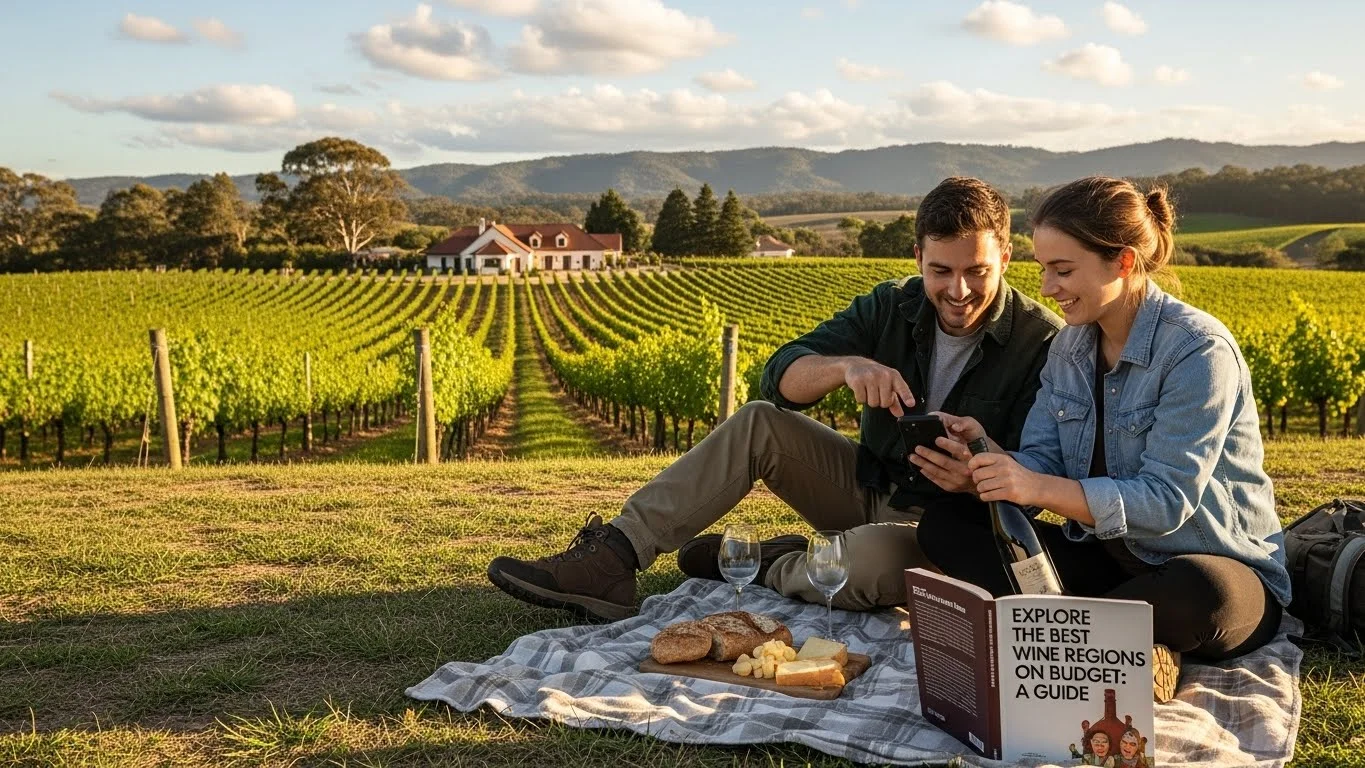
Read Interesting article: Explore the Best Wine Regions on a Budget: A Guide

Read Interesting article: Wine Travel on a Budget: Discover Affordable Regions

Wine Travel on a Budget: Discover Affordable Regions
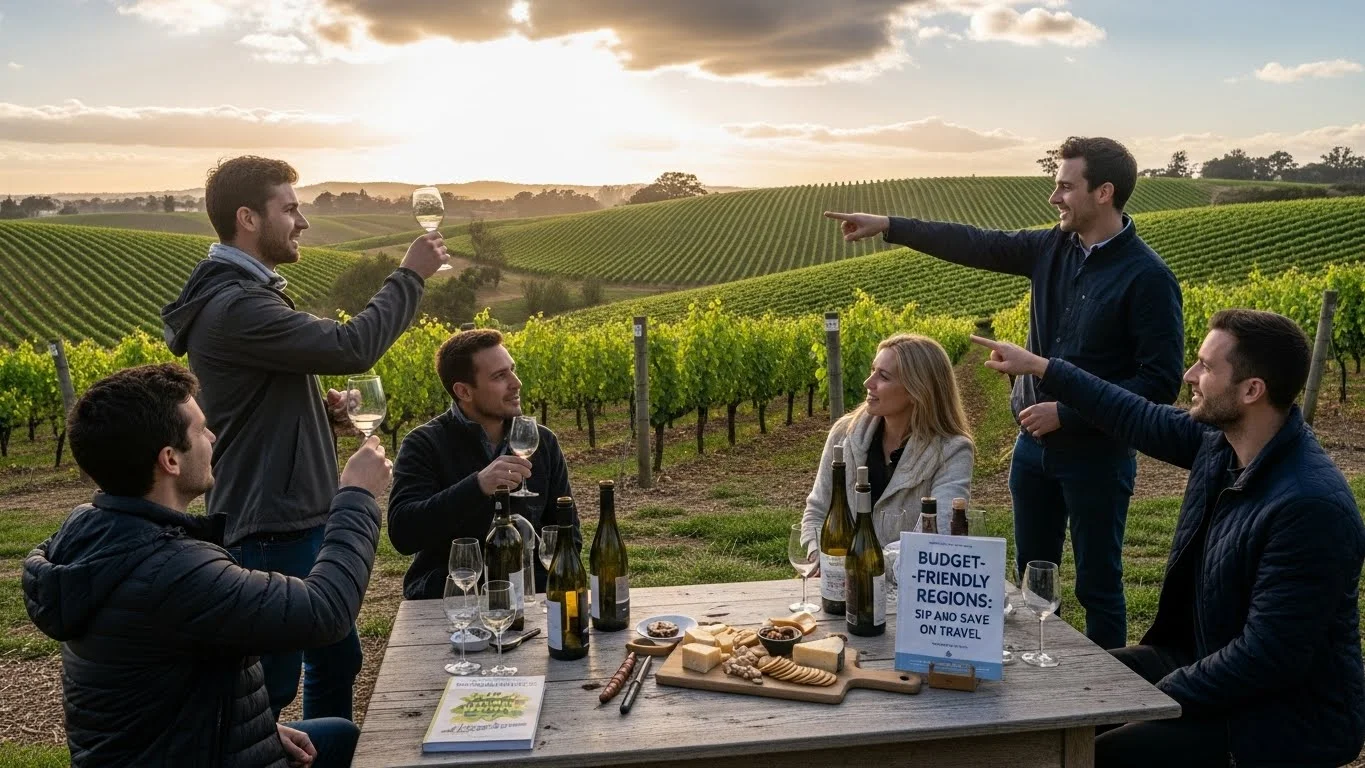
Exploring the world of wine doesn’t have to break the bank. With a little planning and insight, you can discover beautiful regions filled with rich flavors and experiences, all while keeping your budget in check. For more tips, check out Budget-Friendly Wine Regions: Sip and Save on Travel.

Wine Travel on a Budget: Discover Affordable Regions
Understanding Wine Travel on a Budget

What is Wine Travel?

Wine travel is not just about sipping on a glass of merlot or chardonnay; it’s an immersive experience that takes you deep into the heart of wine-producing regions. I remember my first trip to a vineyard—it felt like stepping into a different world, where the air is fragrant with grapes, and the rolling hills are dotted with picturesque wineries. This type of travel allows us to explore the culture, history, and landscapes that contribute to the unique flavors of the wines we love. Each vineyard has its own story, and visiting them offers a chance to taste the land and its people in every sip.

Why Choose Budget Wine Travel?

Choosing budget wine travel is a smart way to enjoy these experiences without overspending. Personally, I’ve found that some of the best memories come from unexpected places, often discovered while traveling on a budget. With a bit of research, we can find affordable regions that not only offer world-class wine but also beautiful scenery and warm hospitality. Not to mention, traveling on a budget encourages us to be creative—whether that means trying lesser-known wines or exploring small, family-owned vineyards. It’s about savoring the journey rather than just the destination.

Best Affordable Wine Regions to Explore

California Wine Country

California is often synonymous with wine, and while Napa Valley may be famous, there are plenty of affordable options that should not be overlooked. I’ve spent days wandering through the vineyards of Sonoma County, soaking in the sun and sampling delicious wines without the Napa price tag.

Napa Valley

Even in Napa, there are budget-friendly options. Consider visiting during the weekdays or during off-peak seasons when prices drop. Many smaller wineries offer tastings for less than $20, and you can often find free tastings at local events. Just remember to check for any special promotions or discounts that might be available, as I’ve often found hidden gems that way.

Sonoma County

Sonoma County is a treasure trove of affordable wineries. I discovered this during my last visit when I stumbled upon a charming family-run vineyard. They offered tastings for just $10, and the experience was one of the most authentic I’ve ever had. Plus, the scenery is stunning, with sprawling vineyards and lovely picnic spots. If you’re looking for a sweet deal, keep an eye out for wine and food pairing events, which can be surprisingly affordable and incredibly delightful.

Oregon Wine Country

Oregon’s Willamette Valley is another fabulous destination for budget-conscious wine lovers. I think it’s one of the best-kept secrets in the wine world. The valley is renowned for its pinot noir, and many wineries offer complimentary tastings or charge minimal fees. Driving through the valley is an experience in itself, with breathtaking views of vineyards against the backdrop of the Cascade Mountains.

Willamette Valley

During my exploration of Willamette Valley, I found that many wineries host free events or tastings, especially during the harvest season. I particularly enjoyed a casual afternoon where we paired wines with local cheeses at a small, welcoming winery. The laid-back atmosphere made it easy to chat with the owners and other visitors, making it a highlight of my trip.

Washington State

Washington’s Columbia Valley is another fantastic option for budget wine travel. I was amazed at the variety and quality of wines here, often at much lower prices than in California. Many wineries offer tasting fees that range from $5 to $15, and some even waive the fee if you purchase a bottle. The friendly atmosphere and stunning landscapes make this region a must-visit. For more information on great budget options, check out Top 5 Wine Regions to Visit Without Breaking the Bank.

Columbia Valley

While exploring Columbia Valley, I found that it’s also possible to join group tastings, which can significantly cut down costs. I remember attending a guided tour that included three tastings for a total of $25. It was a wonderful way to learn more about the wines and meet fellow wine enthusiasts.

Texas Hill Country

If you’re looking for something different, Texas Hill Country offers a unique wine experience. I was surprised to discover the thriving wine scene here, with many wineries showcasing exceptional blends. Tasting fees are often around $10 and frequently include a tour of the vineyard. The rolling hills and beautiful landscapes are perfect for a weekend getaway.

Finger Lakes, New York

The Finger Lakes region in New York is renowned for its Rieslings. I had a fantastic time exploring the countless wineries along the lakes. Many of them offer free tastings or charge minimal fees. Plus, the views of the lakes themselves are simply breathtaking, making it a great spot for a leisurely day of wine tasting.

Spain’s La Rioja Region

If you’re willing to travel internationally on a budget, Spain’s La Rioja region is worth considering. Known for its rich red wines, La Rioja is also home to stunning architecture and vibrant culture. I found that many wineries offer free tours with tastings, making it easy to explore without spending much.

Portugal’s Douro Valley

Portugal’s Douro Valley is another hidden gem. The valley is famous for its port wine and breathtaking terraces along the river. I remember taking a scenic train ride through the valley, stopping at small wineries that offered tastings often below $10. The friendly atmosphere and the delicious wines make this a must-visit spot for any wine lover.

South Africa’s Stellenbosch

Lastly, South Africa’s Stellenbosch offers stunning vineyards and world-class wines. I learned that many wineries here charge very reasonable tasting fees, and some even have free tastings. The scenery is magnificent, and the chance to taste unique varietals in such a beautiful setting feels like a dream come true.

When to Visit Wine Regions for Budget Travel

Peak vs. Off-Peak Seasons

Timing is everything when it comes to budget wine travel. I learned this lesson during my travels; visiting popular regions during the off-peak season can lead to significant savings. For instance, many vineyards have reduced fees or even offer complimentary tastings when the crowds have thinned out. I remember one trip to the Finger Lakes in late fall when the leaves were changing color. The scenery was stunning, and because it was just after harvest, many wineries were eager to attract visitors, leading to some delightful deals.

On the other hand, during peak seasons like summer and harvest time, prices can skyrocket, and crowds become overwhelming. This isn’t to say you shouldn’t experience these times—there’s an electric energy in the air—but if you’re looking to save, aim for late winter or early spring when the vines are just waking up and the tourists haven’t yet arrived.

Harvest Season: A Unique Experience

Speaking of harvest season, this is one of my favorite times to visit wine regions. The atmosphere is lively, and many vineyards host special events celebrating the grape harvest. I remember participating in a grape stomping event at a local vineyard in Sonoma—it was not only fun but a fantastic way to connect with other wine lovers and the vineyard staff. Plus, many wineries offer discounts on tastings during this time to encourage visitors to join in the festivities.

Harvest time often brings unique experiences like food pairings, cooking classes, and even guided vineyard tours that you might not find during quieter times. It’s an immersive way to dive deeper into the wine-making process. Just be sure to book your accommodations early, as they can fill up quickly during this popular time!

Special Events and Festivals

Attending festivals or wine-related events is another great way to experience wine regions while staying on budget. I’ve been fortunate enough to attend several wine festivals that featured tastings from various wineries for a single ticket price. It felt like a mini-adventure as I wandered from booth to booth, sampling an array of wines and discovering new favorites. These events often include food trucks or local restaurants offering bites to pair with the wines, making it an all-encompassing experience.

Each region has its own calendar of events; for example, the Oregon Wine Month in May features numerous activities across Willamette Valley. I’ve noticed that many times, these events are not only affordable but also provide a chance to meet local winemakers and learn directly from them. It’s all about deepening our appreciation for the craft and culture of wine. I recommend checking local tourism websites or winery social media pages to keep up to date with upcoming events.

Affordable Wine Tasting Tips

Finding Free or Low-Cost Tastings

One of my top tips for budget wine travel is to seek out free or low-cost tastings. Many smaller vineyards are eager to introduce their wines to a broader audience, and I’ve found that they often offer complimentary tastings to attract visitors. For example, during my explorations in Texas Hill Country, I came across a lovely little winery that not only offered free tastings but also encouraged guests to enjoy their picnic area while sipping their wine. This made for a delightful afternoon at no cost beyond the bottle I chose to take home!

Another tip is to look for “tasting passport” programs in various regions, where you pay a flat fee to visit multiple wineries. This can drastically cut down the cost of individual tastings, and I’ve enjoyed discovering unique winemakers this way. Plus, participating in group tastings can also help save money while allowing us to meet fellow travelers and share experiences.

Group Tours vs. Solo Visits

There’s something to be said for both group tours and solo visits when it comes to wine tastings. Personally, I’ve enjoyed both experiences. Group tours often come with a discount, and they can be an excellent way to learn about the region from a knowledgeable guide, who may share hidden gems that I wouldn’t have discovered on my own. I once joined a small group tour in the Columbia Valley that offered three tastings and a vineyard tour for a mere $25. It felt like a steal!

On the flip side, solo visits allow for a more personal experience. I often find that I can spend as much time as I want at each vineyard, chatting with staff and savoring the wines without feeling rushed. I remember taking a leisurely afternoon in Oregon, just enjoying the scenery and the wine at my own pace. Whatever option you choose, be sure to consider what suits your travel style and budget best.

Discounts and Membership Benefits

Lastly, don’t overlook the potential for discounts and membership benefits. Many wineries offer membership programs that provide exclusive tastings, discounts on purchases, and invitations to member-only events. I joined a wine club during one of my visits, and it was incredible to be invited to private tastings and receive discounts on bottles I loved. It felt like I was part of a special community.

Additionally, look for local wine associations that might offer deals or partnerships with wineries. I’ve found that some regions provide “passport” programs where you can get discounts at various wineries simply by purchasing a pass. It’s worth doing a little research ahead of time to maximize your savings! For more insights, don’t miss Explore the Best Wine Regions on a Budget: A Guide.

Where to Stay on a Budget

Affordable Accommodations: Hotels and B&Bs

Finding a cozy place to stay while enjoying wine country doesn’t have to be expensive. I’ve discovered that many charming bed-and-breakfasts and boutique hotels offer delightful accommodations for a fraction of the price you’d find in larger chains. During my last trip to Sonoma, I stayed at a quaint B&B nestled among the vineyards. It was an intimate experience, with the hosts sharing their insider tips on local wineries and dining spots. Plus, waking up to the gorgeous vineyard views each morning was a bonus I didn’t anticipate!

When searching for budget-friendly hotels, I often use booking sites that allow me to compare prices and read reviews. I’ve found that off-season rates can be significantly lower, so it pays to be flexible with travel dates. Some hotels even offer package deals that include wine tastings or vineyard tours, which can be a fun way to enhance the experience while saving a few bucks.

Camping and RV Options

If you’re feeling adventurous, camping can be a fantastic way to save on accommodations. I remember one summer when I camped near the Finger Lakes and had the time of my life. Not only did it keep my budget in check, but it also allowed me to connect with nature. Many parks offer campgrounds that are close to wineries, so you can easily explore the region by day and enjoy the great outdoors by night.

There are also RV parks that cater to wine enthusiasts. Renting an RV can be a bit more expensive upfront but offers the flexibility of moving from one vineyard to another. I’ve met fellow travelers who loved the freedom and camaraderie that RV camping provided, and I can see the appeal. The shared experiences and stories around the campfire after a day of wine tasting are memories that last a lifetime.

Alternative Lodging: Hostels and Airbnb

Another option I’ve enjoyed is using Airbnb, especially when traveling with friends. We once booked a spacious house in the heart of Napa that was perfect for an extended stay. It had a lovely kitchen where we could prepare meals and enjoy a glass of wine while cooking together. Sharing the cost with friends made it significantly more affordable than booking multiple hotel rooms. Plus, having that homey atmosphere made the trip feel even more special.

Hostels are another great budget lodging option. While they might not be the typical choice for wine country, I have found several that cater to travelers looking for a social atmosphere. I remember staying at a hostel in Oregon where I met a group of fellow wine enthusiasts. We ended up exploring the local wineries together and had an amazing time. The shared experience and camaraderie made the trip unforgettable.

Local Cuisine and Dining on a Budget

Wine Pairing with Local Dishes

One of my favorite parts of wine travel is exploring local cuisine. Pairing wine with regional dishes enhances the experience and lets us savor the culture. I’ve had some incredible meals that complemented the wines perfectly. In California, I enjoyed a delightful pairing of zinfandel with a hearty barbecue that left my taste buds singing. Many wineries even offer food pairings with their tastings at a reasonable price, allowing us to indulge in a complete sensory experience without overspending.

Another memorable experience was in Oregon, where I tried local cheeses paired with pinot noir. The flavors were incredible, and it felt like a true celebration of the region’s bounty. I recommend asking at wineries for suggestions on local restaurants that offer wine-friendly menus. You might be surprised at the hidden gems you discover!

Affordable Restaurants and Food Trucks

When dining out, I’ve found that exploring local restaurants can lead to some delightful discoveries. Many regions have affordable eateries that serve delicious meals without the hefty price tag. On my last trip to Washington State, I stumbled upon a fantastic food truck in the Columbia Valley that paired perfectly with the local wines. The casual vibe was refreshing, and it was a great way to enjoy the local food scene without splurging.

I also recommend checking out farmers’ markets when visiting wine regions. I’ve enjoyed picking up fresh produce, artisanal cheeses, and local bread to create my own picnic feast. Pairing these local delights with a bottle of wine from a nearby vineyard is a budget-friendly way to enjoy a meal while soaking in the scenery.

Picnics in the Vineyard

Speaking of picnics, many vineyards encourage guests to bring their own food for a leisurely day of wine tasting. I’ve spent several afternoons lounging in the sun, sipping wine, and enjoying sandwiches and snacks. It’s a wonderful way to make the most of the beautiful surroundings without spending a fortune on dining out. Just be sure to check the vineyard’s policy on outside food and drink; some may have specific rules, but many welcome picnics as part of the experience.

Creating a picnic from local fare and enjoying it among the vines can provide a relaxed atmosphere to connect with friends or family while savoring the flavors of the region. It’s those moments that I cherish the most—sipping, laughing, and soaking in the beauty of our surroundings.

Frequently Asked Questions

What is wine travel?

Wine travel is an immersive experience that allows individuals to explore wine-producing regions, tasting the unique flavors of the wines while learning about the culture, history, and landscapes that contribute to their production.

Why should I consider budget wine travel?

Budget wine travel allows you to enjoy rich experiences without overspending. It encourages creativity in wine selection and exploration of lesser-known vineyards, often leading to unexpected and memorable experiences.

Which affordable wine regions are recommended for exploration?

Some recommended affordable wine regions include California Wine Country, Sonoma County, Oregon’s Willamette Valley, Washington’s Columbia Valley, Texas Hill Country, Finger Lakes in New York, Spain’s La Rioja region, Portugal’s Douro Valley, and South Africa’s Stellenbosch.

When is the best time to visit wine regions for budget travel?

Visiting wine regions during off-peak seasons, such as late winter or early spring, can lead to significant savings. Many wineries offer reduced fees or complimentary tastings during these times when crowds are thinner.

What unique experiences can I expect during harvest season?

During harvest season, many vineyards host special events, including grape stomping, food pairings, cooking classes, and guided vineyard tours, often with discounts on tastings to encourage visitors.

How can I find free or low-cost wine tastings?

Look for smaller vineyards that offer complimentary tastings or participate in tasting passport programs that allow you to visit multiple wineries for a flat fee. Group tastings can also help reduce costs.

What are the benefits of joining group tours versus solo visits?

Group tours often provide discounts and knowledgeable guides who can share hidden gems, while solo visits allow for a more personal experience where you can take your time at each vineyard.

What types of accommodations are budget-friendly in wine regions?

Budget-friendly accommodations include charming bed-and-breakfasts, boutique hotels, camping, RV parks, hostels, and Airbnb rentals, which can offer unique experiences and cost savings.

How can I enjoy local cuisine while traveling on a budget?

Pairing wine with local dishes enhances the experience, and many wineries offer affordable food pairings with tastings. Exploring local restaurants and food trucks, as well as visiting farmers’ markets for picnic supplies, are great budget-friendly options.

Can I bring my own food to vineyards for picnics?

Many vineyards encourage guests to bring their own food for picnics. It’s a budget-friendly way to enjoy a leisurely day of wine tasting, but it’s essential to check each vineyard’s policy regarding outside food and drink.

Budget-Friendly Wine Regions: Sip and Save on Travel

Exploring the world of wine doesn’t have to break the bank. There are countless budget-friendly wine regions where you can sip on delightful vintages while saving on travel costs. For more ideas, check out the Top 5 Wine Regions to Visit Without Breaking the Bank.

Budget-Friendly Wine Regions: Sip and Save on Travel

Overview of Budget-Friendly Wine Regions

Why Choose Budget Wine Regions?

When I first set out to explore wine regions, I thought I had to splurge to enjoy good wine. I quickly learned that budget-friendly wine regions offer a wealth of experiences that don’t compromise on quality. These areas often provide a more authentic experience, allowing you to engage with local winemakers and learn about the craft of winemaking without the commercialized feel of more tourist-heavy spots. I discovered that smaller wineries often have unique stories, and the personal touch from the owners makes the experience all the more special. Plus, the prices are generally lower, giving us the chance to enjoy a wider variety of wines.

Benefits of Traveling to Affordable Wine Destinations

Traveling to budget wine regions means I can indulge in my love for wine without worrying about my bank account. One of the biggest benefits is the reduced cost of tastings and tours. I remember visiting a charming vineyard in Sonoma County where tastings were only $10, and we even got to keep the glass! Many of these regions also offer free or low-cost events, like wine festivals, where you can try a plethora of wines for a small ticket price. I’ve found that these experiences often lead to discovering hidden gems in the wine world—wines I might not have noticed if I were only limited to more expensive regions.

Another advantage is the ability to connect with the local culture. In regions that aren’t overrun with tourists, I’ve found that the locals are friendly and eager to share their knowledge. They often recommend hidden spots, including family-owned wineries and local eateries that offer delicious food pairing options at reasonable prices. I’ve had some of the best meals in these regions, where the food is fresh, seasonal, and crafted with love. And let’s not forget the stunning landscapes; many affordable wine regions boast picturesque views that are just as breathtaking as their pricier counterparts.

Top Budget-Friendly Wine Regions Around the World

California Wine Regions

California may be famous for its extravagant wine regions, but it also has some budget-friendly options that I absolutely adore. Two of my favorites are Napa Valley and Sonoma County.

Napa Valley

While Napa Valley has its share of high-end wineries, there are still many affordable options. I’ve visited several wineries that offer complimentary tastings or very low fees, particularly during off-peak times. One time, I stumbled upon a lesser-known winery that not only had great wine but also stunning views of the vineyards at sunset. The experience was intimate and memorable, and it didn’t cost me an arm and a leg.

Sonoma County

Sonoma County is another gem where I found a variety of tasting rooms that cater to budget-conscious travelers. The laid-back vibe and friendly winemakers made it easy to explore without feeling rushed. I’ve enjoyed bicycle tours through the vineyards, sampling wines along the way, and the cost was surprisingly low. Plus, the scenery is breathtaking, making for a fantastic day of adventure and discovery. If you’re looking for more tips, you can Explore the Best Wine Regions on a Budget: A Guide.

South America

If you’re looking for something a bit different, South America has amazing wine regions that won’t break the bank. Mendoza in Argentina and various Chilean wine regions offer incredible value.

Mendoza, Argentina

Visiting Mendoza was a highlight of my wine journey. The wine here is not only affordable but also world-class. I remember having a fantastic Malbec for under $10, which would have been three times that price back home. Many wineries have free tastings, and I found that the food pairing options were delicious without being overpriced. Mendoza’s stunning Andes backdrop made the experience even more magical.

Chilean Wine Regions

Similarly, the wine regions in Chile, like the Colchagua Valley, offer an excellent mix of affordability and quality. I was pleasantly surprised by how many wineries had no tasting fees, and I often left with a few bottles at a fraction of the price I would pay in the U.S. The hospitality was warm and welcoming, making me feel right at home.

Europe

Europe is filled with wine regions that provide great value. From Portugal’s Douro Valley to Spain’s La Rioja and Italy’s Veneto Region, I’ve discovered that these places are treasure troves of good wine.

Portugal’s Douro Valley

Portugal’s Douro Valley has some of the most stunning landscapes I’ve ever seen. The terraced vineyards along the river are breathtaking. Here, I found that many wineries offered free tours, and I often enjoyed tastings at very reasonable prices. They also have delicious local food to pair with the wine, making the experience even more worthwhile.

Spain’s La Rioja

La Rioja is another fantastic region for budget-conscious wine lovers. I’ve visited several wineries here where the staff were more than willing to share their passion for wine. The best part? Tasting fees were often waived if I bought a bottle, so I felt like I was getting a great deal while supporting local businesses.

Italy’s Veneto Region

In Italy’s Veneto Region, I found that wine tastings could be both affordable and delightful. The region is famous for its Prosecco, and I loved visiting smaller vineyards where I was charged a nominal fee for tastings and learned about the winemaking process directly from the owners.

Australia

Australia is another great destination for those seeking budget-friendly wine regions. My experiences in the Barossa Valley and Hunter Valley were truly memorable.

Barossa Valley

Barossa Valley is known for its Shiraz, and I’ve enjoyed numerous tastings at local wineries that were surprisingly affordable. I remember visiting one vineyard that offered a “pay what you feel” tasting, allowing me to enjoy exceptional wine and give what I thought was fair.

Hunter Valley

Hunter Valley is equally impressive, with many wineries offering free tastings and picturesque views. I spent a day biking through the valley, stopping to sample wines and enjoying the local cuisine. The relaxed atmosphere made it easy to savor each moment without feeling rushed or pressured.

When to Visit Budget Wine Regions

Best Seasons for Wine Tasting

Timing can significantly enhance your wine experience, and I’ve learned that visiting during certain seasons can make a big difference. For many regions, the best time to visit is during the harvest season, which typically falls between late summer and early fall. I remember planning my trip to Sonoma County in October, and the vibrant colors of the vineyards were absolutely stunning. The air was filled with the sweet scent of ripe grapes, and many wineries offered special tours and tastings to celebrate the harvest.

Spring is also a wonderful time to explore wine regions. I’ve visited places like Mendoza in early spring, and the weather was perfect—warm but not too hot. The blooming flowers and lush greenery made every vineyard I visited look like a postcard. Plus, during this time, the crowds are smaller, allowing for a more personal experience with the winemakers.

Winter can be a quieter time in many wine regions, but it often comes with its own charm. I found that some wineries offer cozy tastings by a fireplace, while others might have unique winter events like wine-and-chocolate pairings. In regions like the Barossa Valley, the cooler months can be a great time to enjoy robust red wines, and I often found fantastic deals on tastings and accommodations as well.

Off-Peak Travel Benefits

Traveling during off-peak times has been a game-changer for me. Not only do I often find lower prices on flights and accommodations, but the experiences can feel less rushed and more intimate. For instance, I decided to visit the Veneto Region in early November, and I was pleasantly surprised by how much personal attention I received at the wineries. The staff seemed genuinely happy to have visitors, which made the whole experience feel special.

When I visited La Rioja during the off-peak season, I noticed that I could easily book appointments at wineries without weeks of planning. Many places were more than willing to accommodate my last-minute requests, and I ended up having some delightful conversations with winemakers who were eager to share their stories without the distractions of a bustling tourist season.

Additionally, off-peak travel often means I can take advantage of special promotions or events geared toward locals rather than tourists. I remember stumbling upon a small wine festival in Mendoza during my off-peak visit, and the atmosphere was so welcoming. I was able to sample a variety of local wines at a fraction of the price, all while enjoying live music and delicious street food.

Where to Stay in Wine Regions

Affordable Accommodation Options

Finding a comfortable yet budget-friendly place to stay in wine regions is easier than I initially thought. I’ve explored a variety of accommodation types that not only suit my budget but also enhance my overall experience.

Budget Hotels

Budget hotels in wine regions can offer surprisingly good value. I often look for places that include breakfast, as starting my day with a hearty meal leaves me more energized for vineyard hopping. During my stay in Sonoma County, I found a cozy, family-run hotel that was both affordable and charming. The owners provided insider tips on which wineries to visit, and their enthusiasm for the local wine scene made my stay even more enjoyable.

Hostels and Guesthouses

For those who prefer a more communal experience, hostels and guesthouses can be great options. I’ve stayed in a lovely guesthouse in Mendoza, where I met fellow wine enthusiasts from around the world. Sharing stories over a glass of wine in the common area turned into a memorable evening, and we even planned a group outing to a nearby vineyard. It was a fantastic way to connect with others while keeping my travel costs down.

Vacation Rentals

Vacation rentals are another option I love exploring, especially when traveling with friends or family. I’ve rented charming homes right in the heart of wine regions, which allowed us to cook meals together using local ingredients. One of my favorite experiences was in the Douro Valley, where we had an entire villa overlooking the river. Each morning, we’d wake up to stunning views and enjoy breakfast on the terrace before heading out to explore the vineyards.

Unique Stays in Vineyards

Staying directly on a vineyard is a dream come true for many wine lovers, and it’s more attainable than I thought. I booked a night at a quaint vineyard in the Barossa Valley, where I had the opportunity to sip wine right from the source. I remember sitting on my balcony, watching the sun set over the vines, and it felt like a slice of heaven. Many vineyards offer accommodations ranging from rustic cottages to luxurious suites, allowing us to immerse ourselves in the wine experience fully.

These unique stays often come with perks like complimentary tastings and exclusive vineyard tours. I recall having a private tour of the winery during my stay, which added an extra layer of connection to the place. It’s one thing to taste the wine; it’s another to see where it all comes from and learn about the hard work that goes into each bottle.

Top Attractions and Activities in Budget Wine Regions

Wine Tastings and Tours

Wine tastings and tours are often the main attraction in any wine region, and I’ve found that budget-friendly areas provide some of the best experiences without the hefty price tags. One of my favorite activities is to visit a local vineyard for a tasting. I love the excitement of sampling different varietals while chatting with the winemakers about their craft. For instance, at a small family-owned winery in Sonoma County, I remember tasting a delightful Zinfandel while learning about the history of the vineyard. The personal stories behind each wine made the tasting so much more enjoyable.

In many budget regions, tastings can often be paired with a tour of the winery. I took a guided tour in Mendoza, where I walked through the vineyards and learned about the grape-growing process. The guide was passionate and knowledgeable, sharing insights that you’d miss if you were just tasting on your own. Plus, many tours include a tasting at the end, which is a lovely way to wrap up the experience.

Some wineries even offer themed tastings or seasonal events. For example, I once visited a vineyard in the Douro Valley that hosted a special tasting event featuring their latest releases paired with local cheeses. It was a fantastic way to explore both the wine and the region’s culinary delights at an affordable price.

Local Festivals and Events

Local festivals and wine events are a fantastic way to immerse yourself in the culture of a wine region while having a great time. I remember attending a wine and food festival in La Rioja that was filled with lively music, delicious food stalls, and, of course, plenty of wine tastings. The atmosphere was vibrant, and it felt like the entire community was celebrating together. I sampled numerous local wines and even made some new friends along the way.

In many regions, especially in the off-peak seasons, smaller festivals pop up regularly. In Mendoza, I discovered a harvest festival where local wineries showcased their wines, and I got to try everything from Malbec to Torrontés. The ticket price was minimal, and the experience felt exclusive. I appreciated how these events often included local artisans selling handmade crafts and foods, adding to the overall charm.

These festivals also tend to feature workshops and classes. I participated in a food pairing workshop during one of my visits, where we learned how to pair local wines with traditional dishes. It was both educational and delicious, making it a highlight of my trip!

Outdoor Activities: Hiking and Biking

Exploring wine regions doesn’t have to be limited to just tastings; outdoor activities are abundant and can be a fun way to enjoy the beautiful landscapes. I’ve had some incredible experiences hiking and biking through vineyards, which not only provides a different perspective but also helps work off some of the wine calories! In the Hunter Valley, I rented a bike and rode from one winery to another, stopping along the way for tastings. The fresh air, beautiful vistas, and exercise made the experience even more enjoyable.

Many wine regions offer marked trails that guide you through vineyards and picturesque countryside. I remember hiking in the Douro Valley, where the terraced vineyards overlooking the river created stunning backdrops for my photos. Along the trail, I came across a small winery where I was able to stop for an impromptu tasting—talk about a great reward after a hike!

In addition to biking and hiking, I’ve also enjoyed activities like horseback riding through the vineyards and even hot air balloon rides in Napa Valley. These experiences often provide unique views of the vineyards and surrounding landscapes, and they can be surprisingly affordable, especially if booked in advance.

Local Food Pairings and Dining Options

Regional Cuisine to Try

One of my favorite parts about visiting budget-friendly wine regions is indulging in the local cuisine. Each area has its specialties that pair beautifully with the local wines. In Mendoza, I couldn’t resist trying the asado, a traditional Argentine barbecue that pairs perfectly with Malbec. The smoky flavors of the grilled meats complemented the wine so well, and I found myself savoring every bite.

In Sonoma County, I loved exploring the farm-to-table dining scene. Many restaurants source their ingredients from local farms, creating fresh and flavorful dishes. I remember dining at a small bistro that offered a seasonal menu, and I was blown away by how well the chef paired the food with the local wines. It was such a treat to experience the region through its flavors!

There are also delightful street foods to try. In La Rioja, I stumbled upon food stalls during a local festival where I sampled chorizo and cheese while sipping on the region’s famous reds. Eating this way feels authentic and often costs much less than dining at a high-end restaurant.

Affordable Restaurants and Bistros

Finding affordable dining options is key to enjoying a budget-friendly trip. I’ve discovered that many wine regions have charming local bistros and casual eateries that serve delicious meals without breaking the bank. In Portugal’s Douro Valley, I enjoyed a cozy meal at a family-run restaurant, where I had a hearty dish of bacalhau à brás, a codfish dish that paired beautifully with a local white wine.

Another gem I found was a quaint café in Sonoma County that offered lunch specials featuring local ingredients. The prices were incredibly reasonable, and the food was fresh and flavorful. We even enjoyed a lovely wine pairing with our meals, making it a delightful experience overall.

When dining out in these regions, I recommend asking locals for their favorite spots. I’ve often found that the best meals come from places that aren’t heavily advertised. Plus, it’s a wonderful way to engage with the community and learn about their culinary traditions.

Food and Wine Pairing Tips

When it comes to food and wine pairings, I’ve picked up a few tips along the way that can enhance your tasting experience. First, I always consider the weight of the dish versus the weight of the wine. For example, light dishes like seafood pair wonderfully with crisp white wines, while richer dishes like steak are often best accompanied by a full-bodied red.

I also find it helpful to explore regional pairings. Each wine region typically has traditional dishes that complement their wines beautifully. In Italy, for instance, I enjoyed a lovely risotto paired with a local Pinot Grigio that was simply divine. Whenever I travel, I like to ask winery staff for their recommendations on food pairings; their insights are invaluable and often lead to delightful surprises.

Finally, don’t be afraid to experiment! I’ve discovered some unexpected pairings that turned out to be amazing. The joy of pairing food and wine is part of the adventure, and it’s all about what tastes good to you.

Transportation Options in Wine Regions

Getting There: Budget Airlines and Trains

Transportation can be one of the most daunting aspects of traveling, especially when you want to visit multiple wine regions. I’ve found that budget airlines often have great deals to popular wine destinations. A few years back, I booked a cheap flight to Mendoza, and it was such a game-changer! I remember being pleasantly surprised at how easy it was to navigate the airports and find affordable transport options into the city.

Another option I highly recommend is trains. In Europe, for example, trains can be an enjoyable way to travel between wine regions. I once took a scenic train ride from Barcelona to La Rioja, and the views of the Spanish countryside were breathtaking. Plus, it allowed me to relax and prepare for the wine-tasting adventures ahead. Many train services also offer discounts for advance bookings, which I always keep in mind when planning my travels.

Local Transportation: Buses, Taxis, and Biking

Once you reach a wine region, getting around can be just as enjoyable. Public buses are often available and can be a cost-effective way to reach various vineyards. I remember hopping on a bus in Sonoma County that took me right to a cluster of wineries. The ride was comfortable, and I met some fellow wine enthusiasts along the way, which made it even more fun.

Taxis can also be a good option, especially if you’re visiting more remote wineries that aren’t as accessible by public transport. I had a delightful experience in the Barossa Valley where I used a taxi service to get from one vineyard to another. The drivers often have insider knowledge about the best places to visit, which added a personal touch to my day.

Biking is another fantastic way to explore wine regions. Many areas have bike rental shops, and the experience of pedaling through vineyards, with the sun shining and a light breeze, is something I’ll never forget. I took a cycling tour in Hunter Valley, and it was one of the most memorable days of my trip. Stopping at different wineries to taste their wines while enjoying the beautiful landscapes made for an absolutely perfect day.

Tips for Saving Money While Traveling in Wine Regions

Wine Club Memberships and Discounts

If you’re a wine lover like me, consider joining wine clubs or signing up for newsletters from your favorite wineries. I’ve discovered some amazing deals this way! Many wineries offer discounts on tastings and even exclusive access to limited-release wines for members. I remember joining a wine club in Sonoma that granted me discounts on my visits and special invitations to members-only events. It was a great way to get more value from my trips.

Free Activities and Attractions

There are usually a variety of free activities in wine regions that can enhance your experience without costing a dime. I often seek out local farmer’s markets, art galleries, and historical sites. In Mendoza, I enjoyed wandering through the local market, sampling fresh produce and local cheeses. I also stumbled upon a beautiful public park that offered stunning views of the Andes, making it a perfect picnic spot after a morning of tastings.

Travel Insurance and Safety Tips

Travel insurance might seem like an extra expense, but it’s one I never skip. I’ve had my fair share of unexpected events while traveling, and having insurance gave me peace of mind. I recommend choosing a plan that covers cancellations, medical emergencies, and even lost luggage. It’s worth it for the security it provides, allowing me to focus on enjoying my wine adventures without worrying about the “what-ifs.”

Final Thoughts

Exploring budget-friendly wine regions has allowed me to enjoy incredible experiences without stretching my finances. From charming wineries to delicious local cuisine, I’ve discovered that some of the best memories come from these more affordable destinations. I hope my insights encourage you to embark on your own wine journey without hesitation. Embrace the adventure, savor the flavors, and enjoy the many beautiful moments that await you in these wonderful regions! Don’t forget to check out some tips on how to Eat Well on a Dime: Budget-Friendly Food Tips for Travelers.

Frequently Asked Questions

What are budget-friendly wine regions?

Budget-friendly wine regions are areas where travelers can enjoy quality wines without high costs. These regions often provide authentic experiences and opportunities to engage with local winemakers.

Why should I choose budget wine regions?

Choosing budget wine regions allows you to enjoy good wines without splurging. These areas typically offer unique experiences, lower prices, and the chance to connect with local culture and winemakers.

What benefits come with traveling to affordable wine destinations?

Traveling to affordable wine destinations means lower costs for tastings and tours, opportunities to discover hidden gems, and the ability to connect with friendly locals who can recommend great spots for food and wine pairings.

Can you provide examples of budget-friendly wine regions in California?

In California, Napa Valley and Sonoma County are notable budget-friendly wine regions. Both areas offer wineries with low-cost or complimentary tastings, especially during off-peak times.

What makes Sonoma County a great choice for budget wine travelers?

Sonoma County offers a variety of tasting rooms that cater to budget-conscious visitors, a laid-back vibe, friendly winemakers, and opportunities for affordable activities like bicycle tours through the vineyards.

What is special about Mendoza, Argentina, for wine lovers?

Mendoza, Argentina, is known for its affordable yet world-class wines. Visitors can enjoy great wines, including Malbecs under $10, along with free tastings and delicious food pairing options amidst stunning Andes views.

How do Chilean wine regions compare in terms of affordability?

Chilean wine regions, such as the Colchagua Valley, provide an excellent mix of affordability and quality, often featuring wineries with no tasting fees and warm hospitality.

What types of events can I expect in budget wine regions?

Many budget wine regions host free or low-cost events, such as wine festivals, where visitors can taste a variety of wines for a small ticket price.

What can I expect in terms of local food pairings in budget-friendly wine regions?

In budget-friendly wine regions, local eateries often offer delicious food pairings at reasonable prices, enhancing the wine tasting experience with fresh and seasonal meals.

Are there stunning landscapes to enjoy in budget wine regions?

Yes, many affordable wine regions boast picturesque landscapes that are just as breathtaking as those in pricier areas, providing a beautiful backdrop for wine exploration.

Top 5 Wine Regions to Visit Without Breaking the Bank

If you’re a wine lover like me, exploring beautiful wine regions doesn’t have to empty your wallet. Here’s a guide to enjoying stunning vineyards and delightful tasting experiences without breaking the bank! Read Interesting article: Explore the Best Wine Regions on a Budget: A Guide

Top 5 Wine Regions to Visit Without Breaking the Bank

Overview of Budget-Friendly Wine Travel

Why Visit Wine Regions on a Budget?

Traveling to wine regions can seem like a luxury that many of us can’t afford, but I’ve learned that it’s absolutely possible to explore these stunning locales on a budget. Visiting budget-friendly wine regions allows us to experience the beauty of nature, the art of winemaking, and the joy of tasting without the hefty price tag. It’s a chance to enjoy local culture, engage with winemakers, and savor incredible wines, all while making lasting memories. I’ve found that the thrill of trying a new wine or discovering a hidden gem of a vineyard can be just as rewarding, if not more so, than visiting the more famous, pricier spots.

How to Choose Affordable Wine Regions

When looking for budget-friendly wine regions, I always consider a few key factors. First, accessibility is crucial. Regions that are a bit off the beaten path often offer great deals. I remember my trip to a lesser-known vineyard area where the prices were significantly lower than more popular destinations. Next, I look for regions that have a variety of wineries within close proximity. This allows us to explore multiple places without incurring high transportation costs. Finally, try to find areas with local festivals or events, as many wineries offer special tastings or discounts during these times. My advice is to do a bit of research; by checking out online reviews and travel blogs, you can find truly affordable treasures that many overlook.

Top 5 Wine Regions to Visit

1. Sonoma Valley, California

Key Attractions and Wineries

Sonoma Valley is one of my favorite wine regions, thanks to its breathtaking landscapes and relaxed vibe. Unlike its more famous neighbor Napa Valley, Sonoma offers a more laid-back experience. The valley is dotted with charming wineries, many of which are family-owned and offer a personal touch. I loved visiting places like Benziger Family Winery, where I learned about biodynamic farming practices, and Ravenswood Winery, famous for its zinfandel. The stunning vineyards surrounded by rolling hills make for perfect photo ops, too!

Affordable Tasting Options

One of the best things about Sonoma is the variety of affordable tasting options available. Many wineries offer complimentary tastings or have low-cost options that range from $10 to $25. I remember visiting a few smaller vineyards where the tasting fees were waived if we purchased a bottle. It’s a great way to sample a variety of wines without overspending. There are also wine trails that let you experience multiple wineries in one day at discounted rates. Just be sure to check each winery’s website for any current promotions!

Local Dining and Accommodations

When it comes to dining, Sonoma has plenty of affordable options. I found local eateries that serve fresh, farm-to-table meals without the high price tags. One of my favorites was The Girl and the Fig, which offers delicious French-inspired dishes that are both filling and reasonably priced. For accommodations, consider staying in nearby towns like Santa Rosa or Petaluma, where you can find charming inns and budget-friendly hotels. I often look for Airbnb options, which can provide a homey feel at a lower price.

2. Mendoza, Argentina

Highlights of the Region

Mendoza is a hidden gem for wine lovers, offering stunning views of the Andes Mountains and some of the best Malbec in the world. I was amazed by the dramatic scenery, and the vibrant culture made the experience unforgettable. The region is filled with vineyards that range from large, well-known producers to small, family-owned wineries. I enjoyed touring the beautiful landscapes on a bike, which is a fun and budget-friendly way to explore! Read Interesting article: Pedal Your Way: Affordable Biking Tours Around the World

Budget-Friendly Wine Tours

In Mendoza, I found that wine tours can be surprisingly affordable. Many companies offer half-day or full-day tours that include transportation and tastings at several wineries for just a fraction of what you might expect to pay elsewhere. I loved joining a bike tour that let us pedal from one vineyard to the next, stopping for tastings along the way. It was a fantastic way to soak in the scenery while meeting fellow wine enthusiasts.

Where to Eat and Stay

Dining in Mendoza can be a culinary adventure without breaking the bank. I highly recommend trying local parrillas (steakhouses) where you can enjoy delicious grilled meats at very reasonable prices. For accommodations, I found charming boutique hotels and hostels that fit any budget. Plus, many places offer breakfast included, which is a bonus when trying to keep costs down. I remember staying in a lovely family-run hotel that had a great view of the vineyards and the mountains—it was magical!

3. Douro Valley, Portugal

Scenic Views and Vineyards

The Douro Valley stole my heart the moment I arrived. This UNESCO World Heritage site is stunning, with terraced vineyards that climb the hillsides, overlooking the Douro River. The views are simply breathtaking, and I often found myself just sitting in awe, soaking it all in. The valley is famous for its Port wine, and visiting the wineries here feels like stepping into a postcard. One of my favorite spots was Quinta do Crasto, where I tasted some of the best Ports while enjoying panoramic views of the river and vineyards. It made for an unforgettable experience, and I felt so lucky to be there.

Cost-Effective Wine Experiences

What I love about the Douro Valley is how accessible the wine experiences are. Many vineyards offer guided tours and tastings for around €10 to €20, which is a steal considering the quality of wine you’re sampling. I remember joining a small group at a family-owned winery where the owner shared stories about their winemaking process. It felt intimate and personal, which made the experience even more special. Some wineries also offer picnic options, where you can buy a bottle of wine and enjoy it with local cheeses and bread amidst the vines. I found this to be a fantastic way to savor the scenery without spending a fortune!

Traditional Portuguese Cuisine

When it comes to dining in the Douro Valley, I was pleasantly surprised by how many affordable options there were. I discovered local taverns serving up traditional Portuguese dishes like bacalhau à Brás (codfish) and caldo verde (green soup) at reasonable prices. One evening, we stumbled upon a rustic restaurant that offered a “menu do dia” (daily menu) for just €12, which included a hearty meal and a glass of wine. It was a delightful introduction to the local flavors, and I felt satisfied both in my stomach and my wallet!

4. Tuscany, Italy

Must-Visit Towns and Vineyards

Tuscany is a dream come true for anyone who loves wine and beautiful landscapes. I was enchanted by the rolling hills dotted with cypress trees, ancient castles, and vineyards. Towns like San Gimignano and Montepulciano are must-visits, each offering unique wines and stunning scenery. I remember visiting a small vineyard in the Chianti region where the winemaker was so passionate about his craft, sharing stories of the land and the love that goes into each bottle of wine. It felt like I was stepping into a family tradition that had been passed down through generations.

Inexpensive Wine Tastings

Many wineries in Tuscany have affordable tasting options, often starting around €5 to €15. I found that some places would waive the fee if you bought a bottle, which was a great way to try different wines without stretching my budget. Plus, many vineyards offer special events and tours that include tastings at a reduced price. I took part in a cooking class at a vineyard, where we learned to make pasta and enjoyed the meal paired with their wines. It was a fun and engaging way to experience the local culture while keeping costs manageable.

Local Food and Accommodations

Dining in Tuscany can be a delightful adventure without needing to splurge. I discovered charming trattorias where you can enjoy delicious homemade pasta dishes for under €10. One of my favorite meals was a simple but satisfying plate of pici cacio e pepe, which is just pasta with cheese and pepper. It was rich in flavor and left me wanting more! For accommodations, there are plenty of agriturismos—farm stays—that offer a cozy atmosphere and often include breakfast in the price. I stayed at a lovely one near Siena, where I could wake up to the sound of nature and enjoy the beautiful countryside.

5. Hunter Valley, Australia

What Makes Hunter Valley Special

The Hunter Valley is one of Australia’s most famous wine regions, and for good reason. When I visited, I was struck by its beauty and the warmth of the local people. The valley is known for its Shiraz and Semillon wines, and I loved exploring the various wineries scattered throughout the area. I remember visiting a winery that offered a “meet the winemaker” event, which allowed us to taste wines directly from the source and learn about their crafting process. It was a unique experience, and the personal touch made it even more memorable.

Affordable Wine Experiences

One of the biggest surprises for me was how affordable the wine tastings were in Hunter Valley. Many wineries offer complimentary tastings or charge a nominal fee of around AUD $5 to $10, which is incredibly reasonable. I found that some wineries also offered free tours of their vineyards and production facilities, giving me a comprehensive understanding of the winemaking process. I loved hopping from one vineyard to another, soaking up the sun while sampling different varietals without feeling guilty about spending too much.

Dining Options on a Budget

When it came to dining, I discovered that Hunter Valley has some fantastic options. From casual cafes to gourmet restaurants, there’s something for everyone. I enjoyed a lovely meal at a small bistro that featured locally sourced ingredients. The prices were reasonable, and the food was delicious. I also found several picnic spots where I could grab some local cheeses, fresh bread, and a bottle of wine to enjoy in the stunning surroundings. It was the perfect way to embrace the region’s laid-back vibe while keeping my budget intact.

When to Visit Wine Regions for Best Deals

Seasonal Considerations

Timing your visit to wine regions can make a huge difference in terms of costs. I’ve noticed that visiting during the shoulder seasons, which are typically spring and fall, often yields the best deals. During these times, the weather is usually pleasant, and the vineyards are still beautiful without the crowds of summer tourists. For instance, I remember visiting Sonoma in late September and found that the grape harvest was in full swing, creating a vibrant atmosphere. Plus, many wineries had lower tasting fees compared to peak summer prices.

Another aspect to consider is avoiding major holidays or local events when prices tend to spike. I made this mistake once in Tuscany when I accidentally booked a trip during the grape festival, and accommodation prices were through the roof! By planning my trips during off-peak times, I was able to save significantly on both lodging and wine tastings.

Events and Festivals to Look Out For

While some events can drive up prices, many wine regions host festivals that actually provide great opportunities for budget travelers. I’ve found that local wine festivals can be a fantastic way to taste a variety of wines for a single admission fee. For example, during my visit to Mendoza, I attended a Malbec festival where I paid a small fee to sample multiple wineries’ offerings, paired with local food. It was a wonderful way to immerse myself in the culture without spending a fortune.

Keep an eye out for harvest festivals, which often feature tastings, live music, and food vendors. These events can be a delightful way to engage with the local community and try new wines at a lower cost. I always check the local tourism websites or community boards for upcoming events before I plan my trips, just to make sure I don’t miss out on any budget-friendly experiences.

Tips for Budget Wine Travel

How to Save on Wine Tastings

One of the best secrets I’ve discovered for saving on wine tastings is to look for complimentary or discounted tasting days. Many wineries have specific days when they offer free tastings or special promotions. I remember stumbling upon a “winemaker’s weekend” in Sonoma, where several wineries offered free tastings in honor of their harvest. It felt like I hit the jackpot! Signing up for winery newsletters or following them on social media can keep you in the loop about these deals.

Another strategy is to consider joining wine clubs or tasting memberships, which can provide you with discounted or free tastings at multiple locations. I’ve signed up for a few clubs in different regions, and it’s usually worth it, especially if you plan to visit multiple wineries. Just make sure to read the fine print—some memberships require you to buy wine regularly, but I found it to be a fun way to explore new wines and support local businesses.

Traveling Off-Peak to Save Money

Traveling during off-peak times not only helps save money on accommodations but also allows for a more intimate experience when visiting wineries. I’ve often found myself in peaceful vineyards, where the staff had more time to engage in conversations and share their stories. During peak times, I noticed that many places were bustling with tourists, and it was harder to have those personal connections. By planning trips during quieter months, I discovered the beauty of really getting to know a winemaker or their process.

Moreover, many hotels and restaurants offer off-peak discounts, so it’s worth it to shop around. I’ve saved a good amount by booking my stay on weekdays rather than weekends. It’s amazing how much you can save just by adjusting your travel dates. If I can, I try to plan my trips for mid-week stays, as I’ve found that rates drop significantly.

Using Discounts and Passes

Many wine regions offer discount passes that provide access to multiple wineries for a single fee. I can’t recommend this enough! For instance, I purchased a wine trail pass in the Hunter Valley that allowed me to visit several wineries at a fraction of the cost of individual tastings. It made the experience more affordable and let me explore more of the region without worrying about the costs stacking up.

In addition to wine passes, don’t forget to check for local coupons or promotions. Websites like Groupon often feature deals for wine tours, tastings, and dining experiences in popular wine regions. I’ve snagged some fantastic deals this way, allowing me to enjoy more experiences without feeling guilty about my budget. Just a little research can go a long way in enhancing our wine journey while keeping our wallets happy!

Frequently Asked Questions

Why should I consider visiting wine regions on a budget?

Visiting budget-friendly wine regions allows you to experience the beauty of nature, the art of winemaking, and the joy of tasting wines without the hefty price tag. It’s an opportunity to engage with local culture and winemakers, while making lasting memories without overspending.

What factors should I consider when choosing affordable wine regions?

When looking for budget-friendly wine regions, consider accessibility, proximity of multiple wineries to minimize transportation costs, and local festivals or events that may offer special tastings or discounts.

What are some affordable tasting options in Sonoma Valley, California?

Sonoma Valley offers a variety of affordable tasting options, with many wineries providing complimentary tastings or fees ranging from $10 to $25. Some smaller vineyards waive tasting fees with a wine purchase, and there are wine trails that offer discounted rates for multiple winery visits.

How can I enjoy dining on a budget in Mendoza, Argentina?

In Mendoza, you can find local parrillas (steakhouses) serving delicious grilled meats at reasonable prices. Many accommodations also include breakfast, helping to keep overall costs down while exploring the region.

What should I expect in the Douro Valley, Portugal regarding wine experiences?

The Douro Valley offers guided tours and tastings at many vineyards for around €10 to €20. Some wineries provide picnic options, allowing you to enjoy local wines and cheeses amidst the beautiful scenery.

How much do wine tastings typically cost in Tuscany, Italy?

Wine tastings in Tuscany often start around €5 to €15, with some wineries waiving fees upon the purchase of a bottle. Special events and tours may also include tastings at reduced prices.

What dining options are available in Hunter Valley, Australia?

Hunter Valley features a variety of dining options, from casual cafes to gourmet restaurants. You can enjoy locally sourced meals at reasonable prices or have a picnic with local cheeses and wine in scenic spots.

When is the best time to visit wine regions for budget travel?

The shoulder seasons, typically spring and fall, are ideal for budget travel to wine regions, offering pleasant weather and fewer crowds. Avoiding major holidays or local events can also help keep costs down.

How can I save on wine tastings when visiting wineries?

Look for complimentary or discounted tasting days at wineries, sign up for newsletters to stay informed about deals, or consider joining wine clubs that offer discounted or free tastings at multiple locations.

Are there any discount passes available for wine tastings?

Many wine regions offer discount passes that provide access to multiple wineries for a single fee, making it more affordable to experience several tastings. Additionally, check for local coupons or promotions online to enhance your wine journey without overspending.

Explore the Best Wine Regions on a Budget: A Guide

If you’re dreaming of a wine getaway without breaking the bank, you’re in the right place. Join me as we explore the best wine regions that offer delightful experiences at wallet-friendly prices!

Explore the Best Wine Regions on a Budget: A Guide

Understanding Wine Regions

What Defines a Wine Region?

When I first started exploring the world of wine, I was fascinated by how different regions created such unique flavors and characteristics in their wines. A wine region is typically defined by its geographical boundaries, climate, soil types, and even cultural influences. I learned that these factors play a crucial role in shaping the grapes that grow there. For example, the warmth of the sun can enhance the sweetness of grapes, while cooler temperatures can preserve their acidity. Each wine region has its identity, making the experience of tasting wines from different areas so exciting. It’s like taking a little trip around the world with just a sip!

Key Characteristics of Wine Regions

As I delved deeper into wine exploration, I noticed several key characteristics that define these regions. Here are some aspects I found particularly interesting:

  • Climate: Different climates produce different grape varieties. For instance, warmer regions like Napa Valley are perfect for robust reds, while cooler areas like Willamette Valley are known for their delicate Pinot Noirs.
  • Soil Composition: The soil in which the grapes are grown affects their taste. I discovered that regions with volcanic soil, like parts of Italy, can impart a unique flavor to the wines. Backpacking Italy: Essential Tips for Budget Travelers offers more insights into exploring these regions.
  • Tradition and Innovation: Each region has its winemaking traditions passed down through generations. However, I also found that many winemakers are eager to innovate, creating blends and techniques that give their wines a modern twist.
  • Local Regulations: Many regions have strict regulations that dictate how wine can be produced. This can include rules about grape varieties, aging processes, and even labeling. It was intriguing to see how these regulations help maintain the integrity and reputation of the wines.

These characteristics not only inform you about the wine but also enrich your tasting experience. I remember visiting a winery where the owner shared stories about the land and its history, which made the wine taste even better!

Top Affordable Wine Regions

Napa Valley, California

Napa Valley is often the first name that comes to mind when talking about wine regions, but I was surprised to find that it can be affordable. While some wineries charge hefty tasting fees, I discovered many offer complimentary tastings or reduced fees. I recommend visiting during the week to avoid crowds and enjoy a more personal experience. Plus, there are beautiful scenic spots for picnics!

Sonoma County, California

Just a stone’s throw from Napa, Sonoma County offers a more laid-back vibe. I’ve found that many of the wineries here are family-owned and provide a warm, welcoming atmosphere. The tasting fees are generally lower, and some wineries even have free tastings. The diverse range of wines, from Zinfandels to Chardonnays, kept my palate entertained throughout my visits. Don’t miss out on their beautiful landscapes; they’re perfect for a leisurely afternoon stroll!

Willamette Valley, Oregon

Willamette Valley is known for its exceptional Pinot Noir, and I can attest to the beauty of this region. What I loved about Willamette is how many wineries focus on sustainability and organic practices. The tasting fees are usually reasonable, and the experience of tasting wine with a view of the rolling hills is unforgettable. I enjoyed the friendly atmosphere at the wineries, where the staff was always eager to share their passion for wine.

Finger Lakes, New York

The Finger Lakes region surprised me with its charm and affordability. I found that the wineries here are not just about wine; they also focus on local cuisine. Many tastings come with food pairings, which made my visits even more enjoyable. The stunning lakes and vibrant fall foliage added to the experience, making it a perfect getaway without a hefty price tag.

Texas Hill Country

Tucked away in Texas is the Hill Country, an emerging wine region that’s becoming increasingly popular. I was pleasantly surprised by the variety of wines I found there, especially the Tempranillos and Viogniers. The tasting fees are generally low, and the atmosphere is friendly and relaxed. Exploring this region felt like a hidden gem waiting to be discovered.

South Africa’s Western Cape

If international travel is on your mind, South Africa’s Western Cape is a fantastic option. It offers stunning landscapes and world-class wines at affordable prices. The wineries often provide free or low-cost tastings, and I found it easy to explore multiple locations in a day. The culture, food, and wine made for an unforgettable experience that didn’t break the bank.

Spain’s Rioja Region

Spain’s Rioja region is known for its rich reds and vibrant culture. The best part? Many wineries offer tastings that include a tour of their vineyards and cellars at a very reasonable price. I loved learning about the winemaking process while enjoying the incredible scenery. Plus, the local tapas paired perfectly with the wines, making it a delightful culinary experience.

Portugal’s Douro Valley

The Douro Valley is often overlooked but boasts some of the best-value wines in Europe. I found that many wineries offer stunning views of terraced vineyards along the river, making the experience even more special. Tasting fees are generally low, and I loved that I could enjoy a bottle of local wine with a picnic by the river. It felt like a dream and was surprisingly budget-friendly!

When to Visit Wine Regions on a Budget

Off-Peak Seasons for Wine Tourism

I’ve learned the hard way that timing can make all the difference in enjoying a wine getaway without stretching my budget. Visiting wine regions during off-peak seasons can save you a considerable amount on accommodations and tastings. For instance, I discovered that spring and fall are often less crowded compared to the summer months when tourists flock to popular spots. During these shoulder seasons, I found that wineries were more likely to offer special deals and may even provide more personalized attention since the crowds were thinner. Plus, the scenery during these times is often breathtaking, with blossoming flowers in spring and vibrant foliage in autumn adding an enchanting touch to my wine adventures.

Local Festivals and Events

Another gem I uncovered is the abundance of local festivals and events that celebrate wine and food. Many wine regions host harvest festivals, wine and food pairings, and vineyard tours that often come with reduced or even free entry fees. I remember attending a harvest festival in Sonoma County where I not only tasted fantastic wines but also enjoyed live music and delicious local food. Events like these are a wonderful way to immerse myself in the local culture while enjoying budget-friendly activities. I recommend checking the calendar for events in the region you plan to visit; you might just stumble upon something delightful!

Weather Considerations

Weather is also a key factor when planning your trip. I’ve experienced that the best weather for wine tasting is often during the spring and fall. However, if you’re okay with a little chill, visiting in winter can be a fantastic budget option, too. Many wineries offer cozy indoor tastings during colder months, and you can often find lower accommodation rates. Just make sure to pack a few warm layers! I found that the serene atmosphere of a winter vineyard has its own charm, and I enjoyed the tranquility that comes with fewer visitors. Plus, sipping a warm spiced wine while gazing at frost-kissed vines is a memory I cherish.

Budget-Friendly Accommodation Options

Wine Country Hotels and Inns

Finding the right place to stay can be a challenge, but I’ve discovered some lovely budget-friendly hotels and inns nestled in wine country. These places often provide a cozy atmosphere and sometimes even complimentary breakfast, which is a great way to start the day before heading out for tastings. I’ve stayed at charming inns that offered wine-themed decor and local hosts who shared the best insider tips. It’s worth the effort to research and book in advance, as many of these places can fill up quickly, especially during peak seasons.

Airbnb and Vacation Rentals

I’ve found that renting an Airbnb or vacation home can be an excellent way to save money, especially if I’m traveling with a group. Sharing the cost of a larger space can make the stay much more affordable. Plus, having a kitchen lets me prepare some meals, saving money on dining out. I remember one time staying in a quaint cottage in the Willamette Valley, where we cooked dinner with local ingredients and paired it perfectly with the region’s Pinot Noir. It felt like a truly authentic experience!

Camping and RV Options

If you’re feeling adventurous, camping is another budget-friendly option I highly recommend. Many wine regions offer beautiful campgrounds that put you right in the heart of nature. I once camped in the Texas Hill Country, and it was an incredible experience to wake up surrounded by vineyards. For those who prefer a little more comfort, RV rentals can be a great alternative. I’ve seen RV parks that are close to wineries, allowing for easy exploration and a fun, laid-back atmosphere. Just be sure to check the park’s amenities and proximity to the wine trails!

Transportation Tips for Wine Regions

Public Transportation Options

When it comes to navigating wine regions, I’ve found that public transportation can be a viable option, especially in more developed areas. Some regions have shuttle services that take you to popular wineries, which can be a budget-friendly way to explore without worrying about parking or driving. I remember hopping on a shuttle in Napa Valley, which allowed me to relax and savor the experience without the hassle of finding my way around. It’s definitely a convenient option if you want to enjoy multiple tastings in one day.

Car Rentals vs. Rideshare Services

If you’re planning to visit several wineries, renting a car is often the best way to go. I’ve enjoyed the freedom it gives me to explore at my own pace. When we traveled to South Africa’s Western Cape, having a rental car allowed us to stop at scenic overlooks and less-touristy wineries. However, if renting a car isn’t feasible, rideshare services can be a great alternative. I’ve used these apps to get to wineries safely, especially after tastings. Just make sure to plan your rides ahead of time if you’re in a remote area!

Biking Through Vineyards

Biking is another fantastic way to explore wine regions. I’ve rented bikes in places like Sonoma County and found it to be a wonderfully immersive experience. Pedaling through vineyards while stopping for tastings is not only fun, but it also adds an element of adventure! Many wineries are bike-friendly, and some even offer discounts if you arrive on two wheels. Just remember to wear a helmet and stay hydrated, as you’ll want to enjoy the scenery without any worries!

Wine Tasting on a Budget

Free and Low-Cost Tastings

One of the biggest surprises I encountered on my wine journey was how many wineries offer free or low-cost tastings. It’s almost like a treasure hunt for budget-savvy wine enthusiasts! I remember visiting a small, family-owned winery where they not only waived the tasting fee but also provided complimentary cheese pairings. This kind of experience made me realize that you don’t always have to spend a lot to enjoy high-quality wine. I recommend checking the winery’s website or calling ahead to find out about any special promotions or free tasting days. You might just stumble upon a hidden gem!

Wine Trails and Passes

Another way to maximize your wine-tasting experience without breaking the bank is by exploring wine trails and purchasing tasting passes. I found these passes to be incredibly valuable, especially when visiting regions with multiple wineries close together. For instance, when I traveled to Sonoma County, I purchased a wine trail pass that granted me discounted tastings at several participating wineries. It was a fantastic way to sample a variety of wines while making new discoveries along the way. Be sure to ask about these passes at the visitor center or online before your trip; they can save you quite a bit!

Group Tasting Discounts

If you’re traveling with friends or family, be sure to ask about group tasting discounts. Many wineries offer these deals, which can make tastings even more affordable. I once visited a winery with a group of friends, and we benefited from a significant discount just by booking our tasting as a group. The atmosphere was so lively, and we had a blast sharing our thoughts on each wine. It was a wonderful experience that turned into a memorable day out, all while keeping our costs down. So gather your wine-loving crew and take advantage of these discounts!

Pairing Local Food with Wine

Regional Cuisine to Try

One of the joys of visiting wine regions is indulging in the local cuisine. I’ve discovered that every wine region boasts its unique flavors and dishes that pair beautifully with the local wines. For instance, in the Finger Lakes, I relished the opportunity to try locally produced cheeses and charcuterie, which complemented the region’s crisp Rieslings perfectly. In Napa Valley, I enjoyed farm-to-table dining experiences that highlighted seasonal ingredients. I believe that exploring regional cuisine can enhance my wine tasting experience, as the right food can elevate the flavors of the wine itself.

Budget-Friendly Restaurants and Bistros

During my travels, I made it a point to seek out budget-friendly restaurants and bistros that offered delicious meals without a hefty price tag. I’ve found places where you can enjoy a fantastic meal paired with local wines at reasonable prices. For example, in the Willamette Valley, I discovered a cozy bistro that served hearty dishes featuring fresh, local ingredients. They offered a great wine list focusing on regional selections, allowing me to taste the local flavors without overspending. I recommend asking locals for their favorite budget-friendly spots; you might find a hidden gem that tourists often miss!

Picnic Ideas with Local Wines

One of my favorite ways to enjoy wine on a budget is by having a picnic with local products. I remember picking up a bottle of delicious Sauvignon Blanc from a winery in Napa Valley and pairing it with artisan bread, cheese, and fresh fruits I found at a local market. It was such a delightful experience to lay out a blanket in a scenic vineyard, sipping wine, and nibbling on tasty bites. I recommend checking if the winery allows picnics; many do, and it’s a fantastic way to relax and savor the moment. Plus, it can be a much cheaper alternative to dining out!

Wine Education and Tours

Affordable Winery Tours

For those of us who love to dive deeper into the world of wine, affordable winery tours are a must-try. I’ve enjoyed several tours where the cost was quite reasonable, and the experience was invaluable. During one memorable tour in South Africa’s Western Cape, I learned about the winemaking process from grape to glass while sampling some remarkable wines. The guides were often very knowledgeable and passionate about their craft, which added richness to the experience. I suggest looking for tours that include tastings; they often provide a more comprehensive understanding of the wines you’re enjoying.

Workshops and Classes

If you’re eager to learn more about wine, many regions offer workshops and classes at an affordable price. I took a wine blending workshop in Sonoma County that was both fun and educational. We were guided through the blending process, allowing us to create our unique mix while learning about the different varietals. Participating in these classes not only enhances your knowledge but can also be a fun group activity if you’re traveling with friends. Plus, it’s a great way to engage with the local wine community! Discover Italy on a Budget: Ultimate Backpacker’s Guide offers excellent tips for those interested in experiencing wine regions globally.

Self-Guided Tours: Maps and Resources

If you’re looking for a budget-friendly option, self-guided tours can be a fantastic way to explore at your own pace. I’ve used maps and resources provided by local visitor centers to design my own itinerary around wine trails. This approach allows flexibility to choose which wineries to visit based on our preferences and budget. Many regions have downloadable maps available online or at local visitor centers, making it easy to navigate. I often found that self-guided tours allowed for unexpected discoveries, leading me to some of my favorite wineries that might not have been on the tourist radar!

Safety Tips for Wine Tours

Staying Safe While Tasting

Safety should always be a priority when enjoying wine tours. I’ve learned to pace myself, especially when visiting multiple wineries in one day. It’s important to drink plenty of water and consider having a snack between tastings to help absorb the alcohol. I also like to designate a sober driver or have a plan for transportation to ensure everyone stays safe and enjoys the day without worry. Remember, it’s all about having fun responsibly!

Frequently Asked Questions

What defines a wine region?

A wine region is typically defined by its geographical boundaries, climate, soil types, and cultural influences. These factors play a crucial role in shaping the grapes that grow there, resulting in unique flavors and characteristics in the wines produced.

What are some key characteristics of wine regions?

Key characteristics include climate, soil composition, tradition and innovation in winemaking, and local regulations. Each of these aspects informs not only the wine produced but also enriches the tasting experience.

Which wine regions are considered affordable for travelers?

Some affordable wine regions include Napa Valley and Sonoma County in California, Willamette Valley in Oregon, Finger Lakes in New York, Texas Hill Country, South Africa’s Western Cape, Spain’s Rioja region, and Portugal’s Douro Valley.

When is the best time to visit wine regions on a budget?

Visiting during off-peak seasons, such as spring and fall, can save you money on accommodations and tastings. These shoulder seasons are often less crowded, allowing for more personalized experiences at wineries.

What budget-friendly accommodation options are available in wine regions?

Budget-friendly options include wine country hotels and inns, Airbnb and vacation rentals, as well as camping and RV options. These accommodations can offer unique experiences and often provide cost-saving amenities.

What are some transportation tips for navigating wine regions?

Public transportation options, like shuttle services, can be budget-friendly. Renting a car provides freedom to explore at your own pace, while biking through vineyards can be a fun and immersive way to experience the scenery.

How can I find free or low-cost wine tastings?

Many wineries offer free or low-cost tastings, so it’s beneficial to check their websites or call ahead for special promotions. Exploring wine trails and purchasing tasting passes can also help you maximize your tasting experience affordably.

What regional cuisines pair well with local wines?

Each wine region offers unique flavors and dishes that complement local wines. For example, the Finger Lakes region is known for its cheeses and charcuterie, while Napa Valley emphasizes farm-to-table dining experiences.

Are there affordable winery tours and workshops available?

Yes, many regions offer affordable winery tours that include tastings. Workshops and classes on wine blending or other topics are also available, providing educational and engaging experiences at reasonable prices.

What safety tips should be followed while on wine tours?

It’s important to pace yourself while tasting, drink plenty of water, and have snacks between tastings. Designating a sober driver or arranging transportation ensures everyone stays safe and enjoys the day responsibly.

Savor Local Flavors: Affordable Street Food Tours Worldwide

There’s something magical about street food. It’s more than just a meal; it’s an experience that tells the story of a place. Let’s dive into the vibrant world of affordable street food tours that let us savor local flavors from around the globe! Read Interesting article: Ultimate Guide to Street Food Tours: Savory Adventures Await

Savor Local Flavors: Affordable Street Food Tours Worldwide

Understanding Street Food Culture

Street food is a beautiful manifestation of culture, community, and creativity. It represents the heart of local culinary traditions and is often a reflection of the history and diversity of a region. I remember my first street food experience in a bustling market, surrounded by the tantalizing aromas of spices and sizzling meats. It felt like stepping into a world where every dish had a story to tell. Street food, in many places, is not just about convenience; it’s an integral part of daily life.

The Evolution of Street Food

Street food has deep roots that trace back thousands of years. Initially, it served as a quick meal option for those on the go, especially among the working class. Over time, I’ve seen it evolve into a culinary art form, with chefs and vendors showcasing their heritage and skills. Various cultures have embraced street food, adapting it to their local ingredients and flavors. Think about how tacos in Mexico differ from bánh mì in Vietnam or how a simple crepe in France can be transformed into something extraordinary. Each dish carries with it a piece of history and culture.

Why Street Food? Benefits of Eating Local

Eating street food isn’t just delicious; it’s also an opportunity to connect with local culture. When I travel, I prefer street food because it offers authentic flavors that you might miss in restaurants. For instance, I once tried a spicy noodle dish from a street vendor in Bangkok that was bursting with flavor—it was like tasting the city itself. Additionally, street food is often more affordable than dining in restaurants, allowing us to try a variety of dishes without breaking the bank. Read Interesting article: Discover the Best Street Food Tours for Budget Travelers

Another benefit is the chance to meet locals. Vendors are usually enthusiastic about sharing their culinary secrets, and I’ve had some wonderful conversations that gave me insights into their lives. Plus, supporting street vendors helps sustain local economies, which feels good too. It’s like a win-win situation; we get to enjoy amazing food while also contributing to the community.

Top Destinations for Street Food Tours

When it comes to street food, some cities are known for their vibrant scenes and diverse offerings. Let me take you through a few of my favorite destinations where street food tours can be a delicious adventure.

Bangkok, Thailand

Bangkok is often hailed as the street food capital of the world. The city is alive with street vendors selling everything from crispy spring rolls to flavorful pad thai. I remember wandering through the streets of Chinatown, where the air was thick with the smell of grilled meats and sweet desserts. A street food tour here is a must; it immerses you in the hustle and bustle of the city while letting you taste a bit of everything.

Mexico City, Mexico

If you’re a fan of bold flavors, Mexico City should be on your list. Tacos al pastor, tamales, and elotes are just the beginning. I once joined a street food tour that took us to hidden gems, where we discovered local favorites not found in tourist spots. The vibrant market atmosphere, combined with the friendly vendors, made for an unforgettable experience.

Istanbul, Turkey

Istanbul is a city where the East meets the West, and its street food reflects this blend of cultures. From savory kebabs to sweet baklava, the flavors are incredible. My favorite memory is enjoying a simit (a sesame-covered bread) while strolling along the Bosphorus. A street food tour here not only satisfies your taste buds but also allows you to explore the rich history of the city.

Hanoi, Vietnam

Hanoi’s street food scene is a treasure trove of flavors and textures. Pho, banh mi, and fresh spring rolls are just a few dishes that define this culinary paradise. I still remember the first time I slurped down a bowl of pho at a corner stall, the broth so rich and aromatic. A guided street food tour can help navigate the busy streets and introduce you to local delicacies while sharing stories about the culture.

Barcelona, Spain

In Barcelona, street food takes on a unique flair influenced by both traditional and modern tastes. I enjoyed trying churros with hot chocolate and delicious tapas from various vendors. The city’s vibrant street life, especially during festivals, makes it a fantastic place to sample local cuisine alongside the locals. A street food tour here offers a fun way to explore the culinary landscape while soaking in the lively atmosphere. Read Interesting article: Top 10 Street Food Tours You Must Experience in 2023

Types of Street Food to Savor

Asian Street Food Delights

Asian street food is a vibrant tapestry of flavors, textures, and aromas that truly excites the senses. I’ve had the pleasure of experiencing dishes that vary tremendously from one country to another, each bringing its own unique twist to the street food scene. For example, in Thailand, I couldn’t resist the crispy fried insect snacks that many locals enjoy. It was an adventure I didn’t expect but found surprisingly tasty!

Then there’s the incredible dumplings in China, particularly in places like Shanghai, where I had a chance to sample xiaolongbao—soup-filled dumplings that explode with flavor. I remember the excitement of carefully picking them up with chopsticks, trying not to let the broth escape, and taking that first delightful bite.

In Korea, I’ve been captivated by tteokbokki, which are spicy rice cakes that you can find sizzling away on a hot plate. The combination of the chewy texture and spicy sauce is a must-try. Each of these dishes not only fills your stomach but also fills your heart with the rich culture of its origin.

Latin American Street Food Classics

Moving to Latin America, the street food experience is equally thrilling. Tacos in Mexico have their own flare and uniqueness—each region offers its own take, from the grilled meats of Tijuana to the seafood tacos of Baja California. I remember sitting on a street corner in Mexico City, enjoying a taco al pastor with juicy pork, fresh pineapple, and a drizzle of spicy salsa. It was one of those moments that made me appreciate the beauty of simplicity in food.

Another favorite of mine is pupusas from El Salvador, thick corn tortillas stuffed with cheese, beans, or meat. Eating them with curtido—a spicy pickled cabbage slaw—brings everything together. I loved the communal aspect of enjoying these dishes, often surrounded by families sharing meals, creating a warm atmosphere that felt inviting and friendly.

European Street Food Specialties

In Europe, street food takes on a more artisanal approach, showcasing local produce and ingredients. I remember wandering through a bustling market in Amsterdam where I discovered stroopwafels, two thin waffles filled with caramel syrup. Watching them being made fresh was a treat; I could hardly wait to savor one.

Then there’s the classic Italian porchetta sandwiches, which I had in Rome. The aroma of the slow-roasted pork filled the air as I watched the vendor slice the meat and pile it high on crusty bread. That first bite was heavenly—a perfect balance of savory and crispy. Each country has its own specialties that encapsulate its culinary spirit, and trying them while strolling through the streets adds to the overall experience.

How to Find Affordable Street Food Tours

Researching Local Tour Options

Finding affordable street food tours doesn’t have to be a daunting task. I’ve learned that doing a bit of research ahead of time can lead to some amazing discoveries. Websites like TripAdvisor or Yelp often list local tours, complete with reviews and ratings. I once stumbled upon a fantastic tour in a small town through an online search, and it ended up being one of the highlights of my trip.

Also, consider checking social media platforms. Instagram is full of foodies sharing their experiences, and you can often find recommendations for local tours. I’ve even reached out to fellow travelers and locals over social media for advice, which has led to some incredible hidden gems.

Using Food Blogging Resources

Food blogs are another treasure trove for finding street food tours. Many bloggers share their personal experiences, complete with photos and tips on where to go. I often look for blog posts that highlight specific neighborhoods or markets known for their street food. One time, I read a blog about street food in Seoul and learned about a must-try dish, which made my visit there unforgettable.

Don’t hesitate to ask questions in the comments section of these blogs or even reach out to the bloggers directly. Many are eager to share their knowledge and might point you towards lesser-known tours or vendors.

Considering DIY Street Food Tours

If you’re feeling adventurous, why not create your own DIY street food tour? I’ve done this in cities where I felt comfortable exploring on my own. I typically research popular street food spots and map them out. This way, I can taste my way through a neighborhood at my own pace. I remember in Bangkok, I crafted my own tour by following a few food blogs and asking locals for their favorite stalls. It turned into a delightful day filled with mouthwatering bites, and I could stop whenever something caught my eye.

Plus, this method gives you the flexibility to linger longer at places you love or move on quickly from spots that don’t appeal to you. Just remember to keep an open mind and be adventurous—some of the best finds are the ones that you stumble upon unexpectedly!

What to Expect on a Street Food Tour

Typical Itinerary and Schedule

When I first joined a street food tour, I was pleasantly surprised by how organized and engaging the experience was. Typically, these tours begin with a friendly guide who introduces themselves and outlines the itinerary for the day. I’ve noticed that most tours last anywhere from two to four hours, which gives you plenty of time to sample a variety of dishes without feeling rushed.

On one memorable tour in Mexico City, we started at a bustling market where our guide explained the history of each dish we were about to try. From tacos to tamales, every stop was filled with stories that made the food taste even better. We would stroll through vibrant streets, stopping at different stalls to enjoy a few bites and learn about the ingredients and cooking methods. I loved how the guides encouraged us to ask questions, making the experience interactive.

Another aspect I appreciated was the pacing. The tours often include a mix of seated dining at small restaurants and quick bites from food stalls, allowing for a good balance. Plus, there’s usually enough time in between bites to digest and chat with fellow food lovers. I remember chatting with a couple from Canada about our favorite dishes as we savored a delicious bowl of pho in Hanoi, and that connection made the meal even more enjoyable.

Food Safety and Hygiene Practices

One question I often hear from friends who are hesitant about street food is, “Is it safe to eat?” From my experience, when participating in guided street food tours, you can generally trust that the vendors are vetted for cleanliness and food safety. Tour guides often know which stalls prioritize hygiene, and I’ve found that they typically bring us to places with a good reputation.

During my travels, I’ve learned a few simple tips for ensuring a safe street food experience. First, observe the crowds. A bustling stall is often a good sign that the food is fresh and safe. If you see locals lining up, that’s usually a great indicator that it’s worth trying. I remember watching locals enjoy skewers of grilled meat in Istanbul, and I knew I had to join in. The food was not only delicious but also safe to eat since it was cooked right in front of me.

It’s also good to pay attention to how food is stored and handled. I often look for stalls where the food is kept at the right temperature or cooked to order. Avoid dishes that have been sitting out for too long, and if something doesn’t seem right, trust your instincts. I’ve had a couple of experiences where I skipped a dish because something didn’t sit right with me, and I was grateful for it later!

Tips for Enjoying Street Food

Understanding Local Etiquette

Each country has its own unwritten rules when it comes to street food, and understanding local etiquette can enhance your experience. For instance, in many Asian cultures, it’s customary to eat with chopsticks or hands, while in Latin America, you might find it more common to use napkins or utensils. I’ve learned to observe locals and follow their lead. It not only makes me feel more connected to the culture but also adds to the authenticity of the experience.

In some countries, it’s polite to greet the vendor with a smile or a simple “thank you” after receiving your food. I remember how a friendly “gracias” in Mexico led to a warm exchange with the vendor, who then offered me a free sample of their homemade salsa! Little gestures like that can turn a simple meal into a memorable interaction.

Best Times to Eat Street Food

Timing can significantly impact your street food experience. I’ve found that early evening is a fantastic time to sample street food, especially in bustling cities. As the sun sets, vendors often set up their stalls, and the atmosphere becomes lively with locals and tourists alike. I vividly recall wandering through the night markets in Thailand, where the energy was electric, and the variety of food was dizzying.

Additionally, it can be beneficial to eat during peak hours when food turnover is high. This means you’re likely to get fresher food that’s been recently prepared. I particularly enjoy visiting food stalls around lunchtime, as this is when you’ll find many workers grabbing their meals, resulting in a vibrant and bustling atmosphere. It’s a great way to feel the city’s pulse while enjoying delicious bites!

How to Handle Dietary Restrictions

If you have dietary restrictions, don’t shy away from street food. I’ve encountered many vendors who are more than willing to accommodate dietary needs. When I traveled to Seoul, I found that many street food vendors were open to customizing dishes or offering alternatives. Communicating your preferences can lead to delightful surprises. For instance, I once had a vendor prepare a vegan version of tteokbokki just for me, and it was fantastic!

Before embarking on your street food journey, I recommend learning a few key phrases in the local language related to your dietary restrictions. Simple phrases like “no meat” or “gluten-free” can go a long way in ensuring you have safe options. I always carry a translation app on my phone, which has been incredibly helpful in navigating menus and communicating with vendors.

Frequently Asked Questions

What is street food?

Street food is a manifestation of culture, community, and creativity, representing local culinary traditions and often reflecting the history and diversity of a region. It is not just about convenience; it’s an integral part of daily life in many places.

What are some benefits of eating street food?

Eating street food offers authentic flavors that you might miss in restaurants, is often more affordable, and provides an opportunity to meet locals and learn about their culinary secrets. Supporting street vendors also helps sustain local economies.

Which cities are known for their street food tours?

Some cities known for vibrant street food scenes include Bangkok, Mexico City, Istanbul, Hanoi, and Barcelona. Each city has its unique offerings and culinary experiences.

How can I find affordable street food tours?

You can find affordable street food tours by researching local options on websites like TripAdvisor or Yelp, checking social media platforms for recommendations, or exploring food blogs that share personal experiences and tips.

What can I expect on a street food tour?

On a street food tour, you can expect a friendly guide who outlines the itinerary, typically lasting two to four hours, with a mix of seated dining and quick bites from food stalls. Tours often include storytelling about the dishes and allow for interactive experiences.

Is it safe to eat street food?

Generally, street food is safe to eat when participating in guided tours, as vendors are often vetted for cleanliness. Observing crowds at stalls and paying attention to food storage and handling can also help ensure a safe experience.

What are some local etiquette tips for enjoying street food?

Understanding local etiquette, such as using chopsticks or hands in Asian cultures or greeting vendors politely, can enhance your experience. Observing locals and following their lead adds authenticity to the dining experience.

When is the best time to eat street food?

Early evening is often a fantastic time to sample street food, as vendors set up stalls and the atmosphere becomes lively. Eating during peak hours can also result in fresher food that has been recently prepared.

Can I enjoy street food if I have dietary restrictions?

Yes, many street food vendors are willing to accommodate dietary needs. Learning key phrases in the local language related to your restrictions can help ensure you have safe options.

What types of street food can I find around the world?

Street food varies widely around the world, including Asian delights like dumplings and tteokbokki, Latin American classics like tacos and pupusas, and European specialties like stroopwafels and porchetta sandwiches. Each region offers unique flavors and culinary experiences.