Web Analytics

Recent Posts

Explore Unique Local Drinks: Backpacking for Foodies

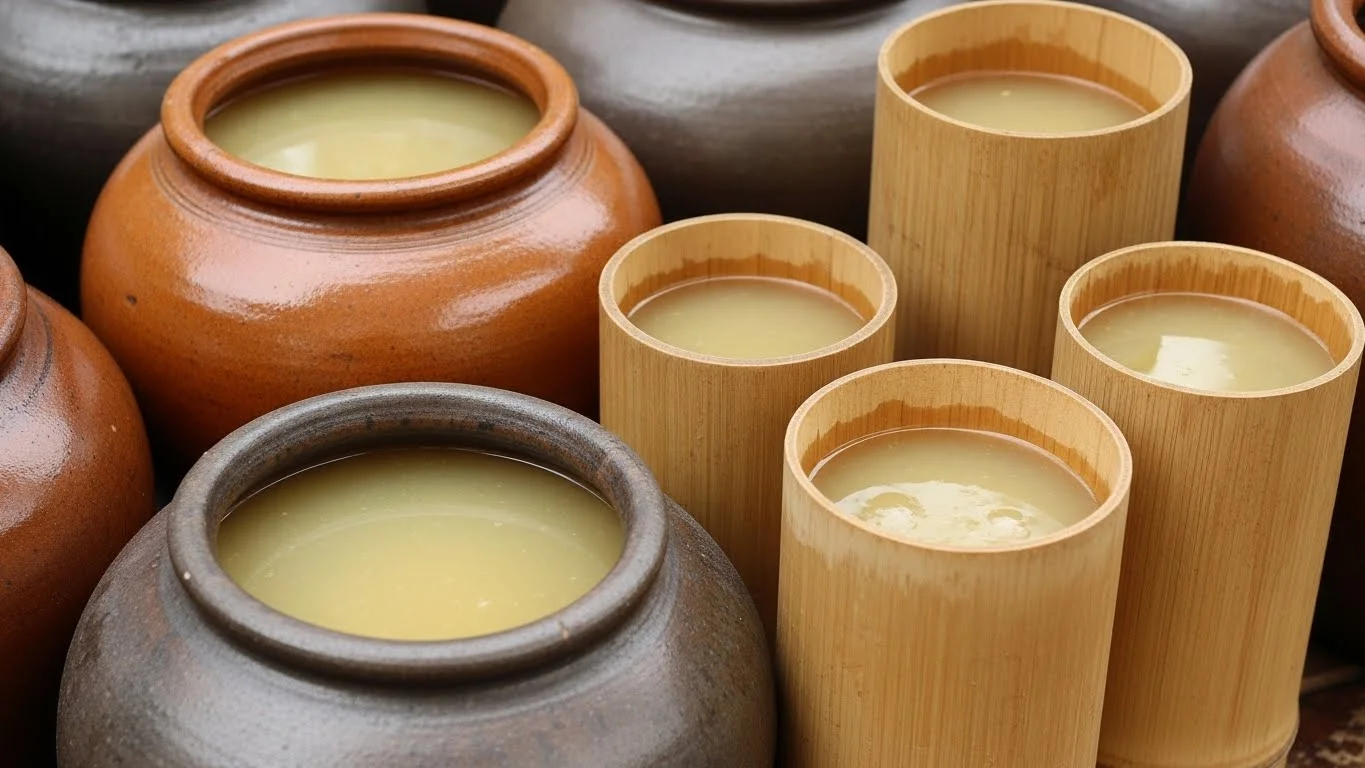
Backpacking isn’t just about the sights; it’s also about the flavors. As foodies, we have the chance to explore unique local drinks that tell stories of their cultures. Let’s dive into the refreshing world of beverages that are waiting to be discovered! Read Interesting article: Top 10 Must-Try Local Drinks on Your Next Backpacking Trip
Explore Unique Local Drinks: Backpacking for Foodies

Understanding Local Drinks: A Backpacker’s Perspective

When I first started backpacking, I thought the adventure was all about the stunning landscapes and historical sites. Little did I know, the local drinks were just as significant. Each sip I took opened a door to the culture, traditions, and history of the place I was visiting. I began to realize that local drinks are not merely beverages; they are an integral part of culinary exploration.

The Role of Local Drinks in Culinary Exploration

Drinks can enhance our understanding of a destination. For instance, I found that trying a traditional drink often led to engaging conversations with locals about their ingredients and preparation methods. Each region has its unique beverages—some are steeped in history, while others are modern twists on classics. I remember my first taste of a tangy pisco sour in Peru; it wasn’t just about the flavors but the stories shared over a table in a small, bustling bar filled with laughter and music.

Local drinks often highlight regional ingredients. For example, while traveling through the Caribbean, I discovered how rum is at the heart of many local cocktails. Each island’s version of a rum punch varies, reflecting the local fruits and spices available. I loved how something as simple as a drink could connect me to the land, its agriculture, and its people.

Why Foodies Should Embrace Local Beverages

As foodies, embracing local beverages can deepen our travel experiences. I believe that food and drink are inseparable, and enjoying local drinks can elevate a meal from ordinary to extraordinary. One evening, while dining at a small restaurant in Italy, I paired my pasta with a beautiful Chianti. The wine complemented the dish perfectly, and the waiter shared stories about the vineyard it came from. It was a reminder of how drinks can enhance our understanding of local cuisine.

Moreover, trying local drinks can also be a fun adventure. I remember my first sip of bubble tea in Taiwan; the chewy tapioca pearls combined with sweet milk tea was a delightful surprise. It was unlike anything I had ever tasted, and it opened up a whole new world of flavors I never knew existed. I quickly became a fan of trying unique beverages in every country I visited, from exotic juices to artisanal cocktails. Read Interesting article: Experience Local Beverages: A Budget Backpacker’s Adventure

Another reason to explore local drinks is the social aspect. In many cultures, enjoying a drink is a communal activity. I’ve shared countless moments with fellow travelers and locals over a pint of craft beer or a glass of traditional chai. These experiences foster connections that I cherish long after the trip ends. It’s fascinating how a drink can break down barriers and spark conversations, bridging the gap between different cultures.

Lastly, each local drink comes with its unique rituals and customs. Whether it’s the way a cocktail is prepared or the traditional toast before taking a sip, these customs can provide insight into a culture’s values and practices. While sipping on a caipirinha in Brazil, I learned about its significance during celebrations and gatherings. These moments enriched my understanding of the people and their traditions.

Popular Local Drinks Around the World

Traditional Cocktails

Mojito in Cuba

The mojito is a refreshing cocktail made with white rum, sugar, lime juice, soda water, and mint. I had my first mojito in Old Havana, and the vibrant atmosphere of the bar—complete with live music and locals dancing—made the drink even more special. The combination of mint and lime was a perfect accompaniment to the warm Cuban nights.

Caipirinha in Brazil

When I visited Brazil, I couldn’t resist trying the caipirinha. Made with cachaça, a sugarcane spirit, lime, and sugar, it’s Brazil’s national cocktail. I enjoyed it at a lively beach bar, where the sound of waves and the taste of the drink created a perfect moment of bliss.

Regional Wines

Malbec in Argentina

While in Argentina, I discovered the magnificence of Malbec wine. The rich, full-bodied flavor paired wonderfully with the local cuisine. I took a wine tour in Mendoza and learned about the vineyards’ history and the winemaking process. It was an unforgettable experience that made each sip of Malbec feel like a taste of Argentine culture.

Tempranillo in Spain

In Spain, I fell in love with the Tempranillo grape. While enjoying tapas in a quaint restaurant in Barcelona, I savored a glass of this elegant red wine. The balance of fruitiness and tannins was simply delightful, and it became one of my favorite memories of the trip.

Craft Beers

IPAs in the United States

The craft beer scene in the U.S. is booming, and I found myself exploring local breweries everywhere I went. The variety of IPAs I tried was astonishing. In Portland, Oregon, I sampled a hoppy West Coast IPA that left my taste buds dancing. Each brewery had its unique twist, and I loved how local ingredients were often used.

Belgian Ales in Belgium

Belgium is known for its rich beer culture, and I made it a point to try as many Belgian ales as I could. I remember sitting in a cozy pub in Brussels, sipping on a rich, fruity ale. The complexity of flavors was a testament to the brewing tradition that has been passed down through generations.

Unique Non-Alcoholic Drinks

Chai in India

During my travels in India, I became enamored with chai. This spiced tea, made with milk and a blend of spices, was available everywhere. I enjoyed it in bustling markets and quiet tea stalls alike. Each vendor had their secret recipe, and I loved the warmth it brought, both in flavor and in the community.

Bubble Tea in Taiwan

My introduction to bubble tea in Taiwan was a delightful surprise. The combination of chewy tapioca pearls and sweet milk tea was unlike anything I’d ever tasted. I found myself seeking out different flavors and toppings during my stay, making it a fun and interactive way to experience local culture.

When and Where to Experience Local Drinks

Seasonal Highlights: Best Times to Visit

Timing can make all the difference when it comes to experiencing local drinks. I’ve found that certain beverages are best enjoyed during specific seasons, enhancing their flavors and the overall experience. For instance, visiting Germany during Oktoberfest is a must for any beer lover. The energy in the air, the traditional music, and of course, the multitude of local brews create a festival atmosphere that’s hard to replicate at any other time of year.

In the Caribbean, sipping on rum cocktails during the summer when the fruits are fresh and ripe is simply heavenly. I remember being in Jamaica, where the sun was blazing, and I enjoyed a refreshing rum punch made with freshly squeezed pineapple and lime juice. The combination of the tropical climate and the local ingredients made the drink even more delightful.

Winter is also a fantastic time to explore local drinks, especially warm beverages. In Switzerland, I indulged in a steaming cup of Glühwein at a Christmas market. The spiced wine brought a sense of warmth and comfort amidst the chilly air, making it a memorable part of my trip. So, considering the season when planning your travels can lead to some truly special drinking experiences.

Local Festivals Celebrating Drinks

Festivals are another great way to dive deeper into local drink culture. I’ve attended several, and they’ve become some of my favorite travel memories. For example, the Fête de la Gastronomie in France celebrates French culinary traditions, including local wines and spirits. I remember wandering from stall to stall, sampling artisanal cheeses paired with exquisite wines while enjoying the vibrant atmosphere that surrounded me.

In Thailand, the Songkran Festival, which marks the Thai New Year, is a fantastic opportunity to enjoy local beverages. The festivities include water fights, street parties, and the chance to sip on refreshing Thai iced tea while soaking in the unique cultural experience. Festivals often bring together locals and travelers, creating a sense of community around shared drinks and traditions.

Recommended Bars and Local Establishments

Hidden Gems vs. Popular Spots

When exploring local drinks, I love seeking out both hidden gems and popular spots. Hidden gems can offer a more intimate and authentic experience. I remember discovering a small, family-run bar in the backstreets of Barcelona that served homemade vermouth. The owner shared the story of how his family had been making it for generations, and I felt like I was part of something special. These smaller, off-the-beaten-path places often create lasting memories that larger establishments simply can’t replicate.

On the other hand, popular spots can be equally rewarding. They often have a lively atmosphere and a wide array of drink options. During my visit to New Orleans, I couldn’t miss out on the famous Pat O’Brien’s, where I experienced the city’s signature Hurricane cocktail. The vibrant energy of the bar, filled with laughter and music, made for an unforgettable evening.

Rooftop Bars with Local Brews

One of my favorite ways to enjoy local drinks is at rooftop bars, where the views add an extra layer of enjoyment. I once visited a rooftop bar in Bangkok that offered stunning views of the city skyline. As I sipped on a refreshing Singha beer, watching the sunset over the bustling city was a moment of pure bliss. The combination of a great drink and an incredible view made it an experience to cherish.

In Istanbul, I found a rooftop terrace that served local raki, a traditional anise-flavored drink. Sharing a bottle with friends while overlooking the historic city was an unforgettable experience that perfectly blended the flavors of the drink with the beauty of the surroundings. Rooftop bars often provide a unique atmosphere to enjoy local beverages while soaking in the sights and sounds of a new place.

How to Find Unique Local Drinks While Backpacking

Researching Before You Go

Before I embark on a backpacking trip, I always do a bit of research on local drinks. Websites, blogs, and even social media can be excellent resources for discovering what beverages are popular in the area I’m visiting. I remember when I was heading to Japan; I learned about the importance of sake and its various types. This knowledge helped me seek out local sake breweries and find the best spots to enjoy it. Taking the time to research can lead to some fantastic drinking adventures!

Connecting with Locals for Recommendations

There’s something special about talking to locals and asking for their drink recommendations. I’ve found that locals often know the best places to go, and their suggestions can lead to hidden treasures. During my travels through Lisbon, I struck up a conversation with a bartender who introduced me to ginjinha, a cherry liqueur that’s a local favorite. Not only did I enjoy a delicious drink, but I also made a new friend who shared stories about the culture and history of the drink.

Using Mobile Apps to Discover Local Beverages

In this digital age, mobile apps can be incredibly helpful for finding local drinks while backpacking. I’ve used apps like Yelp and Untappd to discover nearby bars and breweries. These platforms often include reviews and recommendations from fellow travelers. I remember using an app to find a craft brewery in Portland, Oregon, and it led me to a trendy spot where I sampled some amazing local beers. Technology can be a great ally when it comes to enhancing our drinking adventures!

Budgeting for Local Drinks on Your Backpacking Trip

Estimating Costs: What to Expect

One crucial aspect of enjoying local drinks while backpacking is understanding the costs involved. I’ve learned that prices can vary greatly depending on the country and even the area within a city. For example, in Southeast Asia, I found that local beers and cocktails are often very affordable, sometimes costing less than a dollar. In contrast, sipping fine wines in France can significantly raise your budget, especially in tourist-heavy areas. In my experience, doing a bit of homework on the average prices of drinks in your destination can help set realistic expectations. I usually keep a daily budget for drinks, allowing for both splurges and budget-friendly options.

Finding Affordable Options

When I’m traveling, I’m always on the lookout for affordable options that don’t skimp on quality. Many destinations have local happy hours or special deals that can help keep costs down. In Spain, for instance, I discovered that many bars offer a “tapas and drink” deal, where you get a small plate of food with your beverage at a fantastic price. I remember stumbling upon a cozy bar in Seville where I enjoyed a glass of local wine paired with delicious olives for just a few euros. It felt like a real steal while still allowing me to experience local flavors!

Another great tip I’ve picked up is to seek out local markets or street vendors. They often have unique, affordable drink options that give a taste of the area without breaking the bank. When I was in Mexico, I tried fresh agua fresca from a street stall for just a couple of bucks, and it was refreshing and delicious! It’s moments like these that make me appreciate the local culture while keeping my wallet happy. Read Interesting article: Backpacking for Water Sports: Tips for Budget Travelers

Happy Hours and Drink Specials

Happy hours can be a backpacker’s best friend! I’ve had some of my favorite drinking experiences during these times. Many bars and restaurants offer discounts on drinks and appetizers during certain hours, making it a perfect opportunity to try multiple local beverages without overspending. I remember visiting a lively pub in Dublin, where the happy hour featured half-priced pints. I took the chance to sample various Irish stouts while enjoying the electric atmosphere around me. Not only did I save money, but I also made some great memories with fellow travelers.

In addition to happy hours, keep an eye out for themed nights or drink specials. In some places, you might find “buy one, get one free” deals on specific nights, which can be an excellent way to share a drink and conversation with new friends. I learned to ask locals about their favorite spots for these specials, and it often led me to hidden gems where I could enjoy local drinks in a more relaxed environment. For me, these moments are all part of the adventure!

Safety Tips When Trying Local Drinks

Understanding Alcohol Content in Different Regions

As a backpacker, I’ve come to appreciate the importance of understanding the alcohol content in local drinks. Some regions have stronger beverages than what I’m used to back home. For example, I once sampled a local spirit in the Andean mountains of Peru that was much more potent than I anticipated. It’s a good idea to ask about the alcohol content before diving in. I typically start with smaller servings, allowing my taste buds and body to adjust. This approach has not only helped me enjoy the flavors but also kept me safe while exploring new cultures.

Staying Hydrated and Healthy

Staying hydrated is crucial, especially when enjoying local drinks. I learned this the hard way during a hot summer trip in Thailand, when I indulged in several cocktails without balancing them with enough water. The next day, I felt the effects of dehydration, and it made me realize how important it is to drink water alongside alcohol. I usually make it a point to drink a glass of water between each drink, which not only keeps me hydrated but also prolongs my ability to enjoy the evening.

Being Aware of Local Laws and Regulations

Every country has its own laws regarding alcohol consumption, and it’s essential to be informed. I’ve noticed some places have strict regulations about when and where alcohol can be sold, while others may have specific age restrictions that are enforced. I remember being in a small town in Italy where I was surprised to find that some bars closed early in the evening. Being aware of these local customs not only helps avoid any awkward situations but also allows for a more enjoyable experience. I often ask locals when to best experience the nightlife and if there are any particular customs to be mindful of.

Frequently Asked Questions

What is the significance of local drinks for backpackers?

Local drinks are an integral part of culinary exploration, allowing backpackers to connect with the culture, traditions, and history of the places they visit. Each sip can enhance understanding and appreciation of a destination.

How can trying local drinks enhance my travel experience?

Trying local drinks can elevate meals, foster connections with locals, and provide insights into cultural rituals and customs. These experiences often lead to memorable interactions and a deeper appreciation for the local culture.

What are some popular local drinks mentioned in the article?

Popular local drinks include mojitos in Cuba, caipirinhas in Brazil, Malbec wine in Argentina, and IPAs in the United States, among others. Each drink reflects the local ingredients and traditions of its region.

When is the best time to experience local drinks?

Certain beverages are best enjoyed during specific seasons, such as enjoying rum cocktails in the Caribbean during summer or Glühwein in Switzerland during winter. Timing can greatly enhance the drinking experience.

What are some tips for finding unique local drinks while backpacking?

Researching local drinks before your trip, connecting with locals for recommendations, and using mobile apps like Yelp can help you discover unique beverages and the best places to enjoy them.

How can I budget for local drinks on my backpacking trip?

Estimating costs based on the region, seeking out happy hours or special deals, and exploring local markets or street vendors can help you find affordable drink options while traveling.

What safety tips should I consider when trying local drinks?

It’s important to understand the alcohol content in local drinks, stay hydrated by drinking water between alcoholic beverages, and be aware of local laws and regulations regarding alcohol consumption.

Why are local festivals significant for experiencing drinks?

Local festivals often celebrate drinks and provide an opportunity to experience cultural traditions while enjoying beverages. They bring together locals and travelers, fostering a sense of community around shared drinks.

What is the appeal of hidden gems versus popular spots for drinks?

Hidden gems often offer a more intimate and authentic experience, while popular spots provide a lively atmosphere and a wider array of drink options. Both can create lasting memories in different ways.

How does the article suggest connecting with locals for drink recommendations?

Engaging in conversations with locals can lead to discovering the best spots for unique drinks. Locals often have valuable insights and can introduce travelers to hidden treasures in their area.
Experience Local Beverages: A Budget Backpacker’s Adventure

Exploring local beverages while backpacking is like discovering a region’s soul. It’s an adventure filled with unique tastes and cultural connections that won’t break the bank! Read Interesting article: Top 10 Must-Try Local Drinks on Your Next Backpacking Trip

Experience Local Beverages: A Budget Backpacker's Adventure

Understanding Local Beverages

Definition and Importance of Local Beverages

When I think of local beverages, I envision the vibrant colors and flavors unique to each destination I’ve visited. Local beverages encompass anything from traditional alcoholic drinks to refreshing non-alcoholic options, each telling a story about the culture and people behind them. For me, they are more than just drinks; they’re a way to connect with the local community. Whether it’s sipping a cup of herbal tea in a bustling Asian market or enjoying a craft beer at a street festival in Europe, these beverages can provide insights into local customs and traditions. I’ve found that trying local drinks often leads to fascinating conversations with locals, enhancing my travel experience.

Cultural Significance of Drinking Local

Cultural significance plays a huge role in why drinking local is so important. Each beverage carries a history, often rooted in centuries of tradition. For instance, when I visited Mexico, I learned that pulque—a traditional alcoholic beverage made from fermented agave—has been consumed for thousands of years. It’s not just a drink; it represents the heritage of the region and its indigenous people. I remember sitting in a small tavern, surrounded by locals, as they shared stories about pulque’s history and its connection to their community. It was a powerful reminder of how drinking local can foster a deeper understanding of a place.

Similarly, in places like India, chai tea is more than just a beverage; it’s a ritual, a social experience that brings people together. I recall one rainy afternoon in a small village, where I was invited to join a family for chai. The warmth of the tea mirrored the warmth of their hospitality, and I felt truly connected to their way of life. I realized that every sip of a local beverage carries not just flavor but also the essence of the people who make it. This cultural significance is what transforms a simple drink into a meaningful experience.

Top Destinations for Local Beverages

Asia

Street Markets and Local Breweries

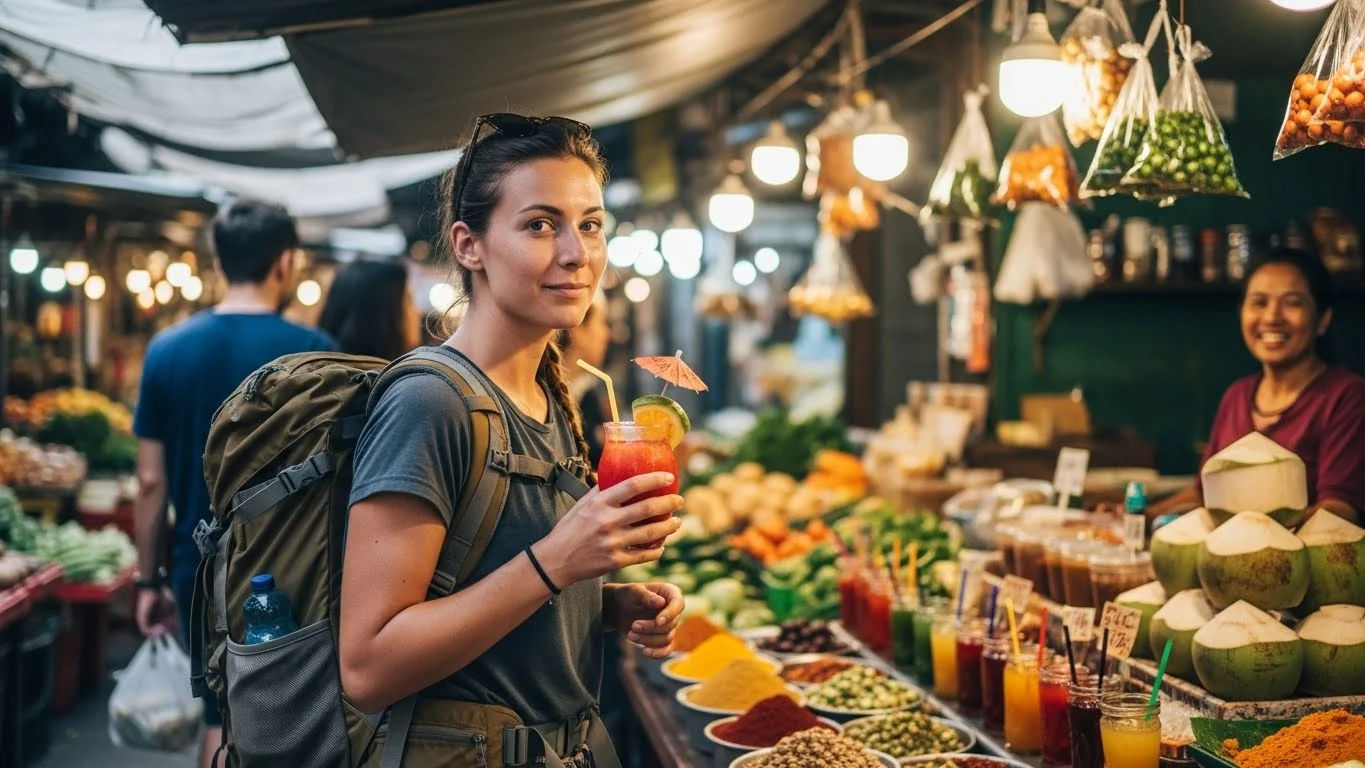
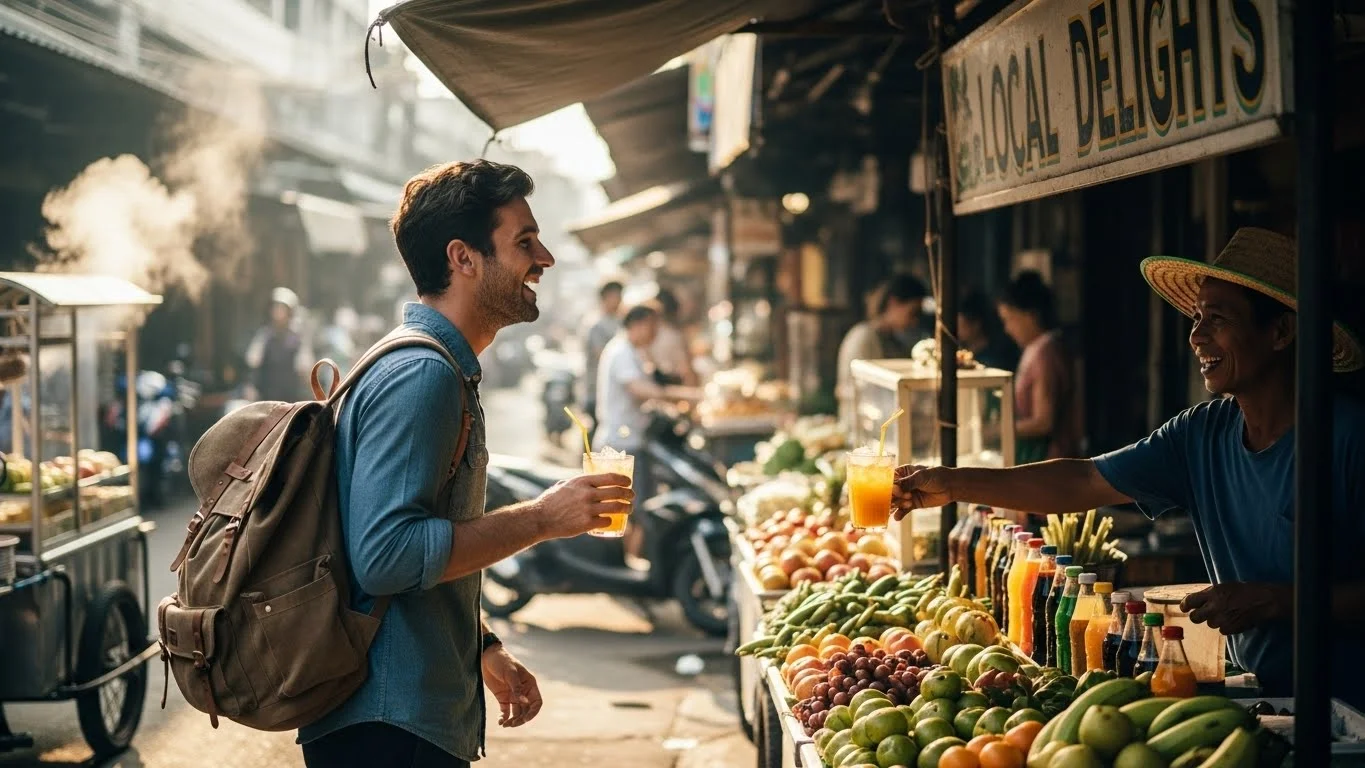
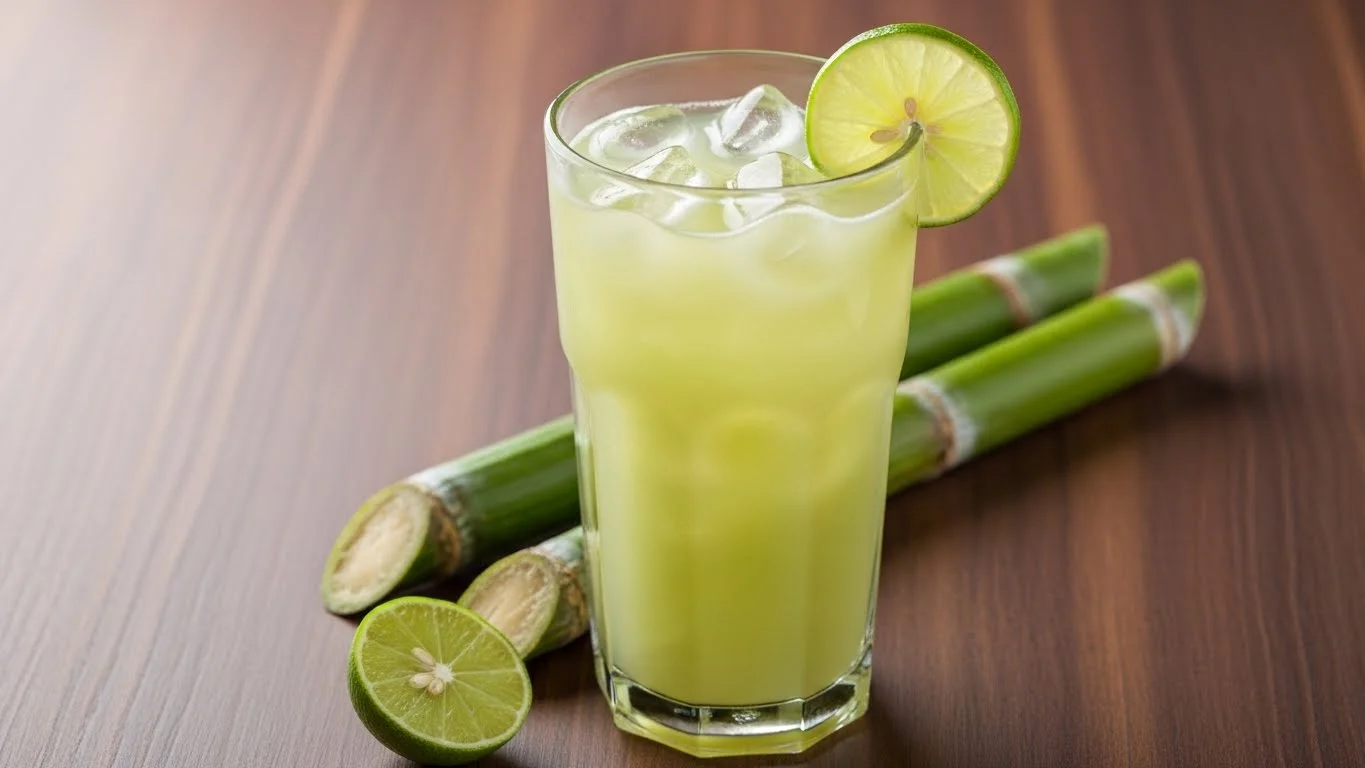
Asia is a treasure trove of local beverages, particularly in its vibrant street markets. I’ve strolled through bustling markets in Thailand, where fresh coconut water is served right from the shell, quenching my thirst as I wander. Each market has its own specialties—like the refreshing sugarcane juice in Vietnam or the spicy ginger tea in India. These drinks are often made right in front of you, showcasing the local ingredients and culinary techniques.

In addition to street vendors, I found local breweries in cities like Tokyo and Seoul that creatively blend tradition with modern twists. I remember visiting a craft brewery in Japan, where the brewers took pride in using local rice. Tasting their unique sake was an experience I won’t forget, and it gave me a newfound appreciation for how local resources can influence flavors. Read Interesting article: Sip Your Way Through Local Beverages: A Backpacker’s Guide

Africa

Traditional Drinks and Festive Beverages

Africa offers an array of traditional drinks that are often tied to festivals and celebrations. During my travels in Ethiopia, I had the opportunity to taste tej, a honey wine that’s made in a traditional way. I couldn’t help but feel a sense of belonging when I was invited to participate in a toast at a local celebration. The joy of sharing tej with new friends made the experience unforgettable.

Another memorable drink is maasai beer, a traditional brew made by the Maasai people. I had the chance to taste it during a cultural event, and I was struck by its earthy flavor. Each sip felt like a connection to the land and its people, reminding me of the rich traditions that exist within Africa’s diverse cultures.

Europe

Local Wines and Craft Beers

Europe is famous for its wines and craft beers, and I’ve had the pleasure of indulging in both. In Italy, I discovered that wine tasting is an art form. I remember visiting a vineyard in Tuscany, where I learned about the winemaking process and sampled some exquisite Chianti. The beauty of the rolling hills around us made the experience even more special. I felt like I was tasting not just wine, but the very essence of Tuscany.

Craft beer is another highlight in Europe. Countries like Belgium and Germany pride themselves on their brewing traditions. I loved exploring small breweries in Brussels, where the creativity in brewing is evident. Each beer had its own character, and I felt like I was on a journey through the flavors of the region. Cheers to that!

South America

Indigenous Drinks and Coffee Culture

South America has a rich coffee culture that I fell in love with during my travels. In Colombia, I took a coffee tour where I learned about the entire process, from bean to cup. Tasting freshly brewed coffee made from beans grown right on the farm was an eye-opener for me. The flavors were unlike anything I had ever tasted before, and it made me appreciate the hard work that goes into each cup.

Additionally, I experienced indigenous drinks like mate in Argentina. I remember sitting in a circle with friends, sharing a gourd of mate and enjoying the communal aspect of drinking together. It was a beautiful reminder of how beverages can bring people closer.

North America

Craft Sodas and Regional Beverages

North America is home to a variety of unique beverages as well. I’ve discovered craft sodas that are made with local ingredients in places like Portland, Oregon. These sodas often come in imaginative flavors that reflect the area’s culture. I tried a lavender-infused soda that was refreshing and delightful, making me feel like I was experiencing a piece of the Pacific Northwest.

Regional beverages also tell a story. In the southern United States, sweet tea is a staple, and I’ve learned that there’s a strong tradition surrounding its preparation. I remember visiting a local diner where the sweet tea was served in mason jars, and it was the perfect complement to my meal, making me appreciate the warmth of Southern hospitality.

Types of Local Beverages to Experience

Alcoholic Beverages

Local Wines

When I think of local wines, I recall my visit to the vineyards nestled in the hills of Stellenbosch, South Africa. There’s something magical about sitting among the vines, sipping on a glass of Cabernet Sauvignon as the sun sets. The flavors were rich and complex, each sip telling a story of the land and the winemakers’ passion. I appreciated how the terroir—the unique environmental conditions—shaped each bottle. I remember chatting with a local vintner who explained the importance of the soil and climate in crafting their wines. It was a delightful blend of education and indulgence, and I left with a deeper appreciation for South African wines.

Craft Beers

Craft beers have exploded in popularity, and I’ve enjoyed sampling them in various regions. One of my favorite experiences was in Portland, Oregon, where the craft beer scene is vibrant and innovative. I remember visiting a microbrewery that specialized in unique flavors, like a jalapeño-infused ale that packed a surprising punch. The brewers were always eager to share their creative processes, and I loved learning about how they sourced local ingredients. Each tasting felt like a mini-adventure, as I discovered the distinct flavors that reflected the character of the Pacific Northwest.

Traditional Spirits

Traditional spirits are another fascinating aspect of local beverages. In Peru, I had the chance to try pisco, a grape brandy that’s deeply rooted in the country’s culture. I remember visiting a distillery where they explained the meticulous process of crafting this spirit, from fermentation to distillation. Tasting a pisco sour—a cocktail made with pisco, lime juice, and egg white—was a highlight of my trip. The balance of flavors was perfect, and sipping it while overlooking the Andes was an experience I’ll never forget. It’s amazing how traditional spirits can transport you to a different time and place.

Non-Alcoholic Beverages

Herbal Teas and Infusions

Herbal teas are a wonderful non-alcoholic option that I’ve come to appreciate during my travels. In Morocco, I was introduced to mint tea, which is served with great ceremony. I remember sitting on a rooftop terrace, watching the sunset as the tea was brewed and poured from a height to create a frothy top. The combination of green tea, fresh mint, and sugar was refreshing and invigorating. It became a ritual for me, a moment to pause and savor the flavors while soaking in the vibrant atmosphere of the city.

Fresh Juices and Smoothies

Fresh juices and smoothies are often a refreshing way to experience the local produce. In Brazil, I indulged in açaí bowls and fresh coconut water that tasted like sunshine. I remember visiting a local market where vendors blended up smoothies with tropical fruits like mango and passionfruit right in front of me. Each sip was a burst of flavor, and I felt re-energized as I explored the lively streets of Rio de Janeiro. I’ve learned that these vibrant drinks not only refresh but also provide a delicious way to connect with local ingredients.

Caffeinated Beverages

Caffeine is a staple for many travelers, and I’ve experienced its cultural significance in various forms. In Italy, I enjoyed my morning espresso at a bustling café, where it’s common to stand at the bar and sip your drink quickly. I remember the strong aroma and the rich, bold flavor that kick-started my day. In contrast, in Vietnam, I discovered the joy of cà phê sữa đá, a sweet iced coffee that combined strong coffee with condensed milk. It’s a delightful treat that kept me cool while exploring the vibrant streets of Hanoi. Each caffeinated beverage has its unique charm, and they often act as a bridge to connect with locals.

Budget-Friendly Tips for Enjoying Local Beverages

Finding Local Markets and Festivals

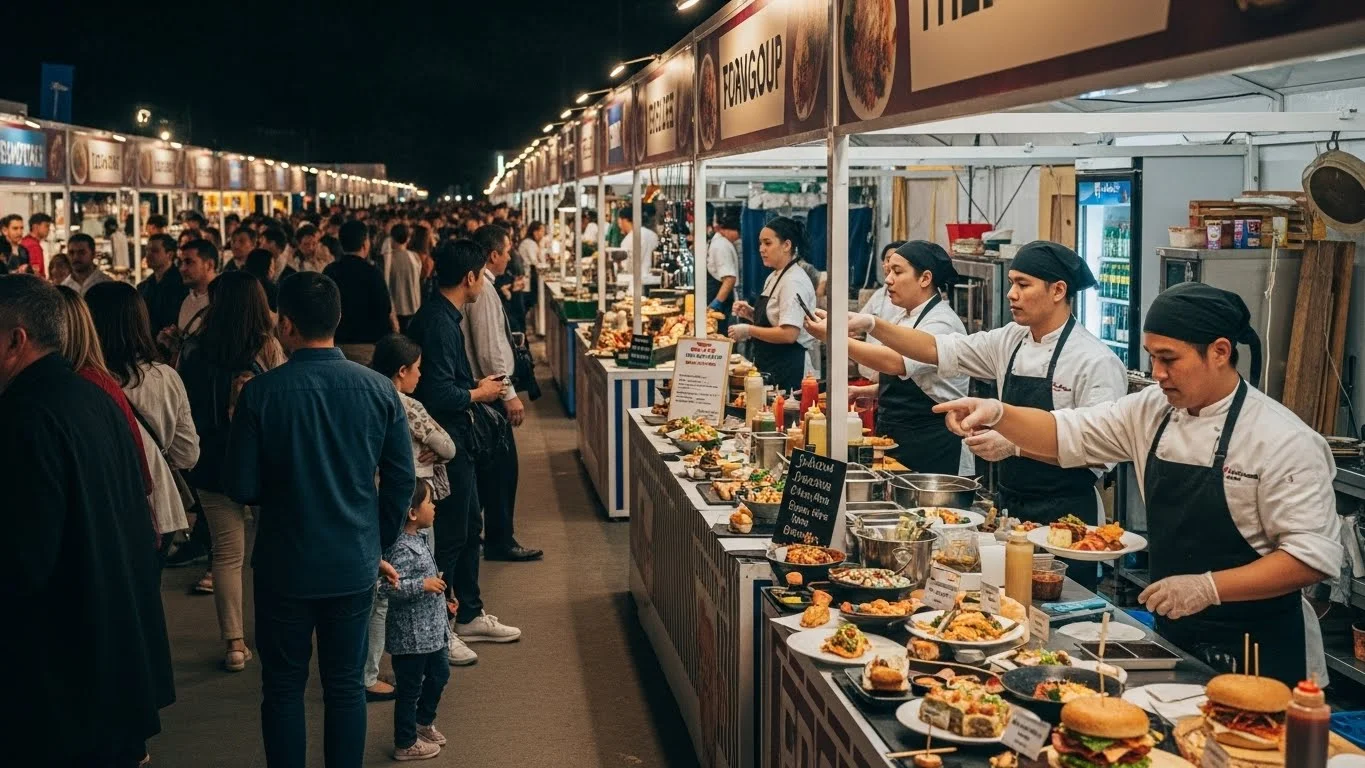
One of my favorite budget-friendly tips is to seek out local markets and festivals. These events often showcase regional beverages at a fraction of the price of restaurants. I’ve found that wandering through a street festival not only offers a chance to taste local drinks but also allows me to soak in the culture and meet locals. In Thailand, I stumbled upon a food festival where vendors offered samples of different drinks, from fruit shakes to herbal infusions. It was a fun way to try various options without breaking the bank. Read Interesting article: Local Bites on a Budget: Eat Like a Local Without Breaking Bank

Happy Hour Deals and Promotions

Another way to enjoy local beverages on a budget is by taking advantage of happy hour deals. I remember discovering an amazing happy hour at a rooftop bar in Barcelona, where local wines were half-priced during sunset. It felt special to sip on a glass of wine while enjoying breathtaking views of the city. Many places offer promotions during off-peak hours, so it’s worth exploring the local scene for these deals.

DIY Beverage Experiences

If you’re feeling adventurous, consider creating your own DIY beverage experiences. I’ve enjoyed participating in local workshops where I learned to make traditional drinks. For instance, in Thailand, I joined a cooking class that included learning to make fresh Thai iced tea. Not only did I get to enjoy my creation, but I also brought back a valuable skill to impress friends at home. This approach can be both budget-friendly and a memorable way to connect with local culture.

Safety and Health Considerations

Staying Hydrated While Exploring

While exploring new destinations, I’ve learned that staying hydrated is crucial, especially when I’m trying out different local beverages. It’s easy to get caught up in the excitement of tasting all these unique drinks, but I always make sure to drink plenty of water, too. I remember a hot day in Mexico City when I was so eager to try every flavor of agua fresca that I nearly forgot to hydrate. After a few sips of the refreshing watermelon drink, I realized I hadn’t had any water in hours. I quickly found a nearby stand and filled up my bottle. This balance between enjoying local beverages and staying hydrated has become a priority for me on all my travels. I recommend carrying a reusable water bottle to make it easier to keep track of my water intake, especially in hot climates.

Understanding Local Alcohol Laws

Understanding local alcohol laws is another important aspect of enjoying beverages responsibly. Each country has its own regulations regarding the sale and consumption of alcohol, and I’ve found that these can vary widely. For example, during my time in the Middle East, I discovered that in some areas, alcohol is restricted or not available at all. I remember being pleasantly surprised when I found a local pub in Dubai that served craft beers, but I was also aware that I had to be cautious about the legal drinking age and where I could drink. I always take a moment to research these laws before visiting a new place, which helps me avoid any awkward situations and ensures I can enjoy local drinks without any worries. It’s a simple step that can make a significant difference in how smoothly my travels go.

Food Pairings and Allergies

When exploring local beverages, I also make it a point to consider food pairings and any potential allergies I might have. I’ve had some incredible experiences where a local drink perfectly complemented my meal, enhancing the overall taste. I remember enjoying a spicy curry in Thailand paired with a sweet Thai iced tea. The combination was delightful, and it made me reflect on how important it is to consider flavor profiles when trying new foods and drinks. However, I’m also cautious about allergies. For instance, my love for trying new beverages almost backfired when I sampled a drink made with coconut milk without realizing I had a mild allergy to it. Thankfully, I noticed it before it became serious. I always ask about ingredients when I’m uncertain, and it’s become a habit to carry allergy cards in local languages when I travel. This small precaution allows me to fully enjoy my beverage experiences without compromising my health.

Planning Your Beverage Adventure

Researching Local Beverages Before You Go

Planning is key to maximizing my beverage adventures. Before I head to a new destination, I take the time to research local beverages that I should try. I often follow food and travel blogs or check out social media platforms for recommendations. For instance, when I was preparing for a trip to Italy, I stumbled upon a blog that highlighted unique regional wines and local liquors. I made a list of must-try drinks, and it turned out to be incredibly helpful. I remember discovering the regional emphasis on limoncello in the Amalfi Coast, and it became one of my favorite experiences, sipping the lemony delight while overlooking the stunning coastline. This pre-trip research not only adds excitement but also ensures that I won’t miss out on any hidden gems during my travels.

Creating an Itinerary Focused on Beverage Experiences

When I have all my research, I like to create an itinerary that focuses on beverage experiences. I’ve found that planning my days around local markets, breweries, or tastings allows me to immerse myself in the local culture fully. For example, during my last trip to Germany, I mapped out a day that included a brewery tour in the morning, followed by a visit to a local wine garden in the afternoon. Having this structure made my trip feel cohesive, and I got to enjoy a variety of flavors without feeling rushed. I also try to leave some flexibility in my schedule for spontaneous discoveries—a recommendation from a local can lead to some of the best experiences!

Connecting with Local Guides and Experts

Connecting with local guides can significantly enhance my beverage adventure. I’ve had the pleasure of meeting passionate locals who share their knowledge about traditional drinks and the stories behind them. In Ireland, I joined a whiskey tasting tour led by a knowledgeable guide who not only explained the distillation process but also shared fascinating tales of the region’s history. I left with a deeper appreciation for Irish whiskey and a few new friends. Using platforms like Airbnb Experiences or local tourism websites has opened up a world of options for me. I recommend seeking out these experiences whenever possible, as they can provide insider knowledge and unique tasting adventures that you wouldn’t find on your own.

Frequently Asked Questions

What are local beverages and why are they important?

Local beverages encompass traditional alcoholic drinks and refreshing non-alcoholic options unique to each destination. They tell a story about the culture and people behind them, providing insights into local customs and traditions, and fostering connections with the local community.

How do local beverages reflect cultural significance?

Local beverages carry a history rooted in centuries of tradition, such as pulque in Mexico or chai tea in India. These drinks can transform a simple experience into a meaningful one by connecting travelers to the heritage and social rituals of the local community.

What are some popular local beverages in Asia?

In Asia, vibrant street markets offer unique drinks like fresh coconut water in Thailand, sugarcane juice in Vietnam, and spicy ginger tea in India. Local breweries in cities like Tokyo and Seoul also create traditional beverages with modern twists.

What traditional drinks can be found in Africa?

Africa boasts traditional drinks tied to festivals, such as tej, a honey wine from Ethiopia, and maasai beer from the Maasai people. These drinks often provide a sense of connection to the local culture during celebrations.

What types of beverages are popular in Europe?

Europe is renowned for its wines and craft beers. Wine tasting in regions like Tuscany showcases the rich flavors of local wines, while craft beers in Belgium and Germany highlight innovative brewing traditions.

What beverages are significant in South America?

South America has a rich coffee culture, especially in Colombia, where coffee tours reveal the process from bean to cup. Additionally, indigenous drinks like mate in Argentina emphasize communal drinking experiences.

What unique beverages can be found in North America?

North America features craft sodas made with local ingredients, particularly in regions like Portland, Oregon, as well as regional drinks like sweet tea in the southern United States, which is deeply embedded in local traditions.

What are some budget-friendly tips for enjoying local beverages?

Travelers can explore local markets and festivals to taste regional beverages at lower prices, take advantage of happy hour deals, or participate in DIY beverage workshops to create their own drinks while connecting with local culture.

What safety considerations should travelers keep in mind when exploring local beverages?

Travelers should stay hydrated while enjoying local drinks, understand local alcohol laws to avoid legal issues, and consider food pairings and allergies to ensure a safe and enjoyable experience with beverages.

How can travelers plan their beverage adventures?

Planning involves researching local beverages before traveling, creating an itinerary focused on beverage experiences, and connecting with local guides for insider knowledge and unique tasting opportunities.

Top 10 Must-Try Local Drinks on Your Next Backpacking Trip

When you’re out backpacking, trying local drinks can be one of the most exciting ways to immerse yourself in a new culture. From refreshing beverages to unique concoctions, every sip tells a story! Read Interesting article: Backpacking for Water Sports: Tips for Budget Travelers

Top 10 Must-Try Local Drinks on Your Next Backpacking Trip

Understanding Local Drinks: Why They Matter on Your Backpacking Trip

As I’ve wandered through bustling markets and quiet villages on my travels, I quickly realized that local drinks are more than just refreshments; they’re a gateway into the heart of a culture. Each beverage I tried opened a door to local traditions and the community’s way of life. I believe that understanding the significance of these drinks enhances our travel experience immensely.

The Cultural Significance of Local Beverages

Every culture has its unique drinks that hold significant meaning. Whether it’s a traditional tea ceremony in Japan or a local brew in Belgium, these beverages often represent the identity of a community. I remember sipping a sweet tea in Morocco, where the preparation itself was almost a performance. The way the tea was poured from a height, creating a frothy head, felt like part of the country’s heritage. As I sat with locals, I learned that sharing a cup of tea is a symbol of hospitality and friendship. It’s moments like these that I cherish and carry with me long after the trip ends.

How Drinks Reflect Regional Ingredients and Traditions

Local drinks often showcase the ingredients that are abundant in their regions. I’ve seen this firsthand in places like Thailand, where fresh coconuts are turned into refreshing drinks. The taste of the coconut water, sweet and slightly nutty, is something that factory-produced drinks can never replicate. Each region’s climate and agricultural practices shape its drinks, making them unique to that area. For instance, in Mexico, I discovered the vibrant world of aguas frescas, made from fresh fruits like hibiscus and tamarind. Each sip was a burst of flavor and a reminder of the local fruits’ availability and significance.

Moreover, many local drinks are tied to celebrations and rituals. I recall stumbling upon a festival in Peru celebrating chicha morada, a sweet purple corn drink. It wasn’t just a drink; it was a part of the community’s heritage, reflecting their agricultural practices and history. Participating in these local traditions through their drinks allowed me to connect with the local people on a deeper level. I think that’s what makes backpacking so special — it’s about the experiences we accumulate along the way. Read Interesting article: Budget Backpacking: Unique Cultural Adventures Await You

Top 10 Must-Try Local Drinks

1. Mate – Argentina

In Argentina, mate is more than just a drink; it’s a social event. I found myself sitting in a circle, passing around the gourd filled with this herbal infusion. The earthy flavor might take a moment to get used to, but the experience of sharing it with friends is unbeatable. I loved how it brought everyone together, sparking conversations and laughter.

2. Lassi – India

During my travels in India, I encountered lassi, a yogurt-based drink that comes in sweet and salty varieties. I remember trying mango lassi for the first time, and it felt like a deliciously creamy hug on a hot day. The balance of flavors was incredible, and I quickly learned that it pairs beautifully with spicy food, helping to cool the palate.

3. Cachaça – Brazil

Cachaça is a spirit made from sugarcane juice, and it’s the main ingredient in the famous caipirinha. I can still taste the refreshing mix of cachaça, lime, and sugar that I enjoyed at a beach bar in Rio. It was my first taste of Brazil’s vibrant nightlife, and the drink felt like a celebration of life!

4. Chicha – Peru

This fermented corn drink surprised me with its history and cultural significance in Peru. I found chicha in various forms and flavors, depending on the region. Whether it was the sweet version or the more traditional fermented kind, I appreciated how it brought communities together. I even tried making my own during a workshop, deepening my respect for this ancient drink.

5. Sorrel – Caribbean

Sorrel is a refreshing hibiscus drink I discovered while exploring the Caribbean islands. The bright red color caught my eye, and the tart flavor was a delightful surprise. I learned that it’s often served during festive occasions, making it a perfect drink to enjoy while soaking in the vibrant culture around me.

6. Kvass – Russia

This traditional fermented drink made from rye bread was a unique find during my travels in Russia. The slightly sour flavor was unlike anything I had tasted before, and it felt like a connection to the country’s history. I enjoyed it cold on a hot summer day, and it was a great companion to local meals.

7. Pisco Sour – Peru

Another gem from Peru, the Pisco Sour, quickly became a favorite of mine. This cocktail made with pisco, lemon juice, sugar, and egg white is frothy and refreshing. I enjoyed it at a local bar while chatting with travelers and locals alike, sharing stories and laughs over this iconic drink.

8. Tinto de Verano – Spain

When I visited Spain, I discovered Tinto de Verano, a simple yet delightful mix of red wine and soda. It’s the perfect drink to enjoy on a hot day while relaxing at a plaza. I remember sipping it while people-watching, feeling the vibrant energy of the city around me.

9. Caipirinha – Brazil

Oh, the caipirinha! This cocktail captured my heart (and taste buds) with its combination of cachaça, sugar, and lime. The first time I tasted it, I was sitting on the beach, watching the sunset. It was a moment of pure bliss, reminding me of the beauty in simple pleasures.

10. Bubble Tea – Taiwan

My journey wouldn’t have been complete without trying bubble tea in Taiwan. The chewy tapioca pearls combined with sweet, milky tea created an explosion of textures. I loved how each sip felt like a mini-adventure, especially when trying different flavors.

How to Find Local Drinks on Your Backpacking Trip

Exploring Markets and Street Vendors

I’ve always found that the best way to discover local drinks is by wandering through markets and stopping at street vendors. These bustling hubs are alive with flavors and aromas, and it’s where I’ve stumbled upon some of my favorite beverages. For instance, in Thailand, I remember visiting a floating market where local sellers offered fresh coconut water straight from the fruit. The vendor handed it to me with a smile, and sipping it while floating along the river was a moment I’ll never forget.

Markets are not just about drinks; they’re also a feast for the senses. I recall the vibrant colors of fresh fruits and the sound of vendors enthusiastically chatting with customers. I recommend taking your time to explore and engage with the locals. Ask them for recommendations, and don’t be afraid to try something you’ve never heard of before. You might just discover a hidden gem! Read Interesting article: Local Bites on a Budget: Eat Like a Local Without Breaking Bank

Recommendations from Locals and Travelers

There’s something special about hearing recommendations from locals or fellow travelers. I’ve found that many of my favorite drinks came from casual conversations with people I met along the way. When I was in Mexico, I struck up a chat with a friendly bartender who insisted I try a local drink called pulque, made from the fermented sap of the agave plant. His passion for the drink was contagious, and it ended up being one of the highlights of my trip.

Social media platforms and travel blogs also serve as excellent resources. I’ve often turned to Instagram or travel forums to see what people are raving about in the area I’m visiting. Traveler reviews can guide you to local spots that may not be as well-known but offer authentic experiences. Plus, you get to see pictures of the drinks, which only makes the anticipation more exciting!

Using Apps and Online Resources

In our tech-savvy world, the right apps can enhance your search for local drinks. I’ve found that apps like Yelp or TripAdvisor are incredibly helpful for finding nearby bars and cafés that serve local specialties. When I visited Portugal, I used an app to locate small taverns known for their local wines. Following the app’s suggestions led me to a quaint little place where I enjoyed a glass of Vinho Verde while chatting with the owner about the region’s wine-making traditions.

Another great resource is Google Maps. I often search for specific drinks or keywords and look for places with high ratings and interesting reviews. This way, I can find spots that are not just popular but also beloved by locals. From my experience, these hidden gems often provide the most genuine taste of a culture and give me a sense of community.

Tips for Enjoying Local Drinks Responsibly

Understanding Alcohol Content and Local Customs

One of the most important lessons I’ve learned while trying local drinks is to be mindful of alcohol content and local customs. Every region has its own drinking traditions, which can vary significantly from what I’m used to back home. For example, in some cultures, it’s common to drink spirits straight, while in others, mixing drinks is the norm. I remember feeling a bit overwhelmed in Germany at a beer garden, where I was served a massive stein of beer. I learned to pace myself and enjoy each sip while soaking in the lively atmosphere.

It’s also essential to understand local customs regarding drinking. In Japan, for example, it’s customary to say “Kanpai!” before taking a sip. Engaging in these rituals adds depth to my experience and helps me connect with the culture. I’ve found that a little research goes a long way in ensuring I’m respectful of local practices while enjoying my drinks.

Pairing Drinks with Local Foods

Food and drink go hand in hand, and I’ve found that pairing local beverages with traditional dishes enhances the overall experience. During my time in Italy, I paired a crisp Prosecco with a plate of fresh seafood pasta. The combination was divine, and I couldn’t help but feel like I was truly savoring the essence of Italian cuisine.

When I’m exploring a new place, I always ask locals what they recommend pairing with their traditional drinks. This not only helps me appreciate the flavors but also allows me to explore a variety of dishes. I remember my experience in India, where I enjoyed a spicy curry with my sweet mango lassi. It was a match made in culinary heaven!

Staying Hydrated and Maintaining Balance

As much as I love trying local drinks, I’ve learned the importance of staying hydrated, especially during long days of exploring. I always make it a point to drink plenty of water in between trying new beverages. This helps me maintain balance and keep my energy up for more adventures.

During my travels in hot climates, I often carry a reusable water bottle with me. Not only does this help reduce plastic waste, but it also ensures I have easy access to water whenever I need it. I remember feeling grateful for this habit after a long day in the sun while hiking in Greece, where I could easily refill my bottle at local fountains. Staying hydrated allowed me to fully enjoy every drink I tried without feeling sluggish or overheated.

FAQs About Local Drinks While Backpacking

What Should I Avoid When Trying Local Drinks?

One of the biggest lessons I’ve learned while traveling is to be cautious about what I drink, especially when it comes to local beverages. I remember the first time I tried street food in a new country — I was so excited, but I quickly learned that some drinks were better left untouched. For instance, I’ve noticed that it’s wise to avoid drinks that are made with tap water unless I know it’s safe. In some places, even ice can be a no-go if it’s made from untreated water.

Additionally, I think it’s important to be wary of any drinks that are offered in very questionable hygiene situations. If a place looks unclean or if the drink preparation seems off, I tend to skip it. Health should always come first, and I’d rather enjoy the experience of local drinks that I know are safe than risk feeling unwell on my travels. I recommend using your instincts and being observant; observing how locals engage with their beverages can provide clues about what’s safe and delicious!

Are There Any Safety Concerns with Local Beverages?

Absolutely, and I think it’s essential to be aware of these when trying local drinks. For instance, I learned that some countries have varied alcohol regulations, and it’s crucial to understand the drinking age and local laws. I vividly remember visiting a country where the legal drinking age was much lower than I expected. As a result, I found myself in some fun conversations with young locals who were eager to share their favorite drinks.

Moreover, it’s vital to be cautious with alcoholic beverages, especially when it comes to potency. I once ordered a cocktail in a small bar in Eastern Europe, only to realize later that it was significantly stronger than what I was used to back home. I ended up having a great time, but I learned to ask about the drink’s strength beforehand. Asking locals or bartenders about their specialties can not only lead to delicious discoveries, but it also helps ensure that I’m not taken by surprise with a drink that has a higher alcohol content than I anticipated.

How Can I Make the Most of My Drinking Experience?

Making the most of my drinking experience often comes down to being open and adventurous. I believe that each drink has a story, and I love asking the locals about the history or tradition behind their favorite beverages. During one of my evenings in a cozy tavern in Greece, I struck up a conversation with the owner about ouzo, a traditional anise-flavored spirit. He shared tales of its origins and how it’s typically enjoyed with meze, small plates of food. This not only enriched my understanding of the drink but also made the experience feel more authentic.

Another tip I’ve found helpful is to participate in tastings or workshops. I once joined a wine-tasting tour in Tuscany, where I not only sampled exquisite local wines but also learned about the winemaking process and the unique characteristics of each variety. These experiences often provide insights that enrich my appreciation for what I’m drinking, deepening my connection to the culture.

Lastly, I recommend keeping a travel journal or a digital note on your phone. Documenting your experiences with local drinks can be a fun way to reminisce later. I’ve found that looking back at my notes and photos from different drinks I’ve tried often brings back wonderful memories and encourages me to seek out new flavors on different trips.

Frequently Asked Questions

What should I avoid when trying local drinks?

It’s wise to be cautious about what you drink, especially local beverages made with tap water unless you know it’s safe. Avoid drinks offered in questionable hygiene situations, and use your instincts by observing how locals engage with their beverages to gauge what is safe and delicious.

Are there any safety concerns with local beverages?

Yes, it’s important to be aware of safety concerns such as varying alcohol regulations and the legal drinking age in different countries. Additionally, be cautious with the potency of alcoholic beverages, as some may be stronger than what you’re used to. Always ask about the drink’s strength beforehand to avoid surprises.

How can I make the most of my drinking experience?

To enhance your drinking experience, be open and adventurous. Ask locals about the history or tradition behind their favorite beverages, participate in tastings or workshops, and keep a travel journal to document your experiences. These practices deepen your connection to the culture and enrich your appreciation for what you’re drinking.

What is the cultural significance of local drinks?

Local drinks are significant as they represent the identity of a community and reflect traditions. They often symbolize hospitality and friendship, as seen in practices like Japan’s tea ceremonies or Morocco’s sweet tea rituals.

How do local drinks reflect regional ingredients and traditions?

Local drinks often showcase ingredients that are abundant in their regions, shaped by the climate and agricultural practices. For example, fresh coconuts in Thailand are turned into refreshing drinks, and aguas frescas in Mexico use local fruits like hibiscus and tamarind.

What are some examples of must-try local drinks?

Some must-try local drinks include Mate from Argentina, Lassi from India, Cachaça from Brazil, Chicha from Peru, and Bubble Tea from Taiwan, among others. Each drink offers a unique taste of its respective culture.

How can I find local drinks while backpacking?

Exploring markets and street vendors is one of the best ways to discover local drinks. Recommendations from locals and travelers, as well as using apps like Yelp or TripAdvisor, can also help locate nearby bars and cafés serving local specialties.

What tips are there for enjoying local drinks responsibly?

Be mindful of alcohol content and local customs when trying drinks. Understanding drinking traditions and pacing yourself is crucial. Additionally, pairing drinks with local foods enhances the experience, and staying hydrated is important, especially in hot climates.

What can I learn from sharing drinks with locals?

Sharing drinks with locals often leads to meaningful conversations, stories, and insights about the culture. Engaging in these social drinking practices enriches your travel experience and creates lasting memories.

How can I document my experiences with local drinks?

Keeping a travel journal or digital notes on your phone is a great way to document your experiences. Recording details about the drinks you try helps you reminisce later and encourages you to seek out new flavors on future trips.

Sip Your Way Through Local Beverages: A Backpacker’s Guide

Exploring local beverages can transform your travels, offering a taste of culture in every sip. Let’s dive into the world of drinks that define the places we visit and make our adventures unforgettable. Read Interesting article: Local Bites on a Budget: Eat Like a Local Without Breaking Bank

Sip Your Way Through Local Beverages: A Backpacker's Guide

Understanding Local Beverage Culture

When I think of my travels, I often recall the unique flavors and aromas of local beverages that accompanied my adventures. From the bustling street markets to the quiet cafés, each drink tells a story, revealing the heart of the culture. Understanding the local beverage culture not only enhances our travel experiences but also connects us more deeply with the places we visit.

The Role of Local Beverages in Travel

From my experience, local beverages play a significant role in travel. They go beyond mere refreshment; they are an integral part of traditions, celebrations, and daily life. I remember sipping fresh coconut water while lounging on a beach in Thailand, and that moment was not just about quenching my thirst; it was about immersing myself in the local lifestyle. Each drink I tried became a chapter in my travel story, helping me connect with the locals and their way of life.

When we travel, we often seek out experiences that are authentic and unique. Local beverages offer that in abundance. Whether it’s enjoying a glass of wine in a vineyard in Italy or a cup of herbal tea in a Japanese tea house, these experiences become memorable milestones in our journeys. They evoke emotions, memories, and a sense of belonging, even if just for a fleeting moment. Read Interesting article: Master Dining Etiquette: A Backpacker’s Guide to Local Customs

Cultural Significance of Drinking Locally

Drinking locally isn’t just about the taste; it signifies respect for the culture and traditions of the land we are exploring. I’ve seen how a simple drink can bring people together, bridging gaps and fostering friendships. I once joined a group of locals in a small tavern in Greece, where we shared stories over glasses of ouzo. It was a beautiful reminder of how beverages can unite us, revealing shared humanity amidst diverse backgrounds.

In many cultures, the act of drinking is tied to rituals and customs. For instance, in Japan, the tea ceremony is a refined practice centered around respect and mindfulness. I found myself captivated by the grace and precision of the process, which transformed tea drinking into a spiritual experience, rather than a casual beverage choice. Understanding these cultural nuances has enriched my travels, and I believe it can enhance yours too.

Types of Local Beverages You’ll Encounter

As I ventured through various countries, I discovered a delightful array of local beverages, each offering something special. Let’s explore the types that are likely to make an appearance on your travels.

Traditional Alcoholic Beverages

Alcoholic beverages often reflect the history and traditions of a region. Whether you’re seeking a pint of beer or a fine wine, there’s a wealth of options to explore.

Craft Beers

Craft beer has exploded in popularity, and every region seems to have its own take. I remember visiting a local brewery in Portland, Oregon, where the brewmaster shared stories about the ingredients sourced from nearby farms. It was more than just beer; it represented the community and its passion for quality. If you’re a fan of hops and barley, seeking out craft breweries can lead to unforgettable tastings.

Local Wines

Wine regions around the world are a treasure trove for enthusiasts. I spent an afternoon in Tuscany, gliding through vineyards and tasting Chianti straight from the source. The flavors, paired with local cheeses, were an experience I’ll never forget. Each region has its specialties, and I always recommend taking the time to explore them.

Spirits and Liquors

Many cultures have signature spirits, such as tequila in Mexico or whisky in Scotland. I found myself in a local distillery in Scotland, where I learned about the meticulous process of whisky production. Tasting the rich, smoky flavors straight from the cask was a highlight of my trip. Engaging with locals about their favorite spirits often leads to interesting conversations and insights into their way of life. Read Interesting article: The Ultimate Guide to Eco-Friendly Lodging for Travelers

Non-Alcoholic Refreshments

Not every drink has to be alcoholic to be enjoyable. Non-alcoholic beverages can also provide a taste of the local culture.

Herbal Teas

Herbal teas are a comforting staple in many cultures. When I traveled to Morocco, I was welcomed into a home where I was served mint tea with a warmth that felt like family. The ritual of pouring tea from a height was mesmerizing and added to the experience. I encourage anyone to seek out local teas; they often come with fascinating stories and health benefits.

Fresh Juices and Smoothies

In tropical regions, fresh juices and smoothies can be a game-changer. I recall sipping a mango smoothie on a hot day in Bali, where the sweetness was unlike anything I’d ever tasted. Local fruits can make for refreshing beverages that not only quench your thirst but also offer a taste of the region’s bounty.

Local Soft Drinks

Every culture has its version of soft drinks. I discovered a unique soda in Colombia that was flavored with a local fruit called lulo. It was a delightful mix of sweet and tangy, and I couldn’t help but feel excited about trying something so different. Keep an eye out for these local soft drinks; they often reflect the flavors of the region.

Regions and Their Signature Drinks

As I traveled through different countries, I began to notice that each region has its own signature drinks that are deeply intertwined with its culture and history. These beverages often tell stories of the land, the people, and the traditions that have shaped them. Let’s explore some favorites from various regions around the world that I’ve had the pleasure of experiencing.

Europe

Germany: Beer Gardens and Local Brews

Germany is synonymous with beer, and my visit there truly opened my eyes to the country’s rich brewing tradition. I remember stumbling upon a local beer garden in Munich, where the atmosphere was vibrant and welcoming. It felt like I had stepped into a community celebration. I tried a refreshing Hefeweizen, a wheat beer that was perfect for the sunny day. The locals shared stories behind their favorite brews, and I learned about the Reinheitsgebot, the German Beer Purity Law. Each sip connected me to centuries of brewing expertise and local pride.

Italy: Wine Regions and Aperitivo

Italy is a treasure trove for wine lovers. During my wanderings in Tuscany, I discovered not just the famous Chianti but also lesser-known regional wines. One evening, I joined a local family for aperitivo—a pre-dinner ritual involving drinks and small bites. I was served a spritz that captured the essence of the region with its refreshing bitterness. The experience was about more than just the drink; it was an opportunity to connect with locals, share laughter, and indulge in delicious food while enjoying a beautiful sunset over the vineyards.

Asia

Japan: Sake and Matcha

Japan has a fascinating beverage culture that I found truly captivating. Sake, often referred to as rice wine, was something I was eager to try. Visiting a sake brewery in Kyoto was a highlight of my trip. I learned about the careful brewing process and the different types available. Tasting warm sake was a unique experience, and it paired beautifully with the local cuisine. Meanwhile, matcha, a finely ground green tea, became a daily ritual for me. I remember attending a traditional tea ceremony that transformed my perception of tea drinking into an art form.

India: Chai and Lassi

In India, I was introduced to chai, a spiced tea that’s a staple in many households. I loved visiting local tea stalls, where I could watch the chai being brewed and served in small cups. Each vendor had their own blend of spices, which made every cup different. I also discovered lassi, a yogurt-based drink that was refreshing on hot days. One day, I enjoyed a mango lassi in a bustling market, and the sweetness was a perfect contrast to the spicy street food.

North America

Mexico: Tequila and Horchata

Mexico’s vibrant beverage culture left a lasting impression on me. Tequila, often overshadowed by its reputation, is a beautifully complex spirit when enjoyed in its purest form. I visited a distillery in Jalisco, where I learned about the agave plant and the meticulous process of tequila production. Tasting different varieties opened my eyes to the nuances of flavor. Additionally, horchata, a sweet rice drink flavored with cinnamon, became my go-to refreshment, especially after a day of exploring. Each sip felt like a cool breeze on a hot day, and I loved how it blended seamlessly with the local cuisine.

United States: Craft Beer Revolution

The craft beer movement in the United States has genuinely transformed the drinking landscape. I remember visiting a craft brewery in Colorado, where the brewmaster took pride in using local ingredients. The variety of flavors I encountered was astonishing, from fruity IPAs to rich stouts. What struck me most was the sense of community among the patrons. Sharing a flight of beers with friends as we discussed our favorites created a memorable experience that highlighted the creativity and passion behind each brew.

South America

Brazil: Caipirinha and Guaraná

Brazil is known for its lively culture and equally vibrant drinks. The caipirinha, made with cachaça, sugar, and lime, quickly became a favorite of mine. I recall sitting on a beach in Rio de Janeiro, sipping this refreshing cocktail while enjoying the sounds of samba music in the background. It felt like the essence of Brazil in a glass. I also discovered guaraná, a soft drink made from a native Amazonian fruit. Its unique flavor was unlike anything I had tasted before, and I loved how it was a local alternative to standard colas.

Argentina: Mate Culture

In Argentina, I learned about mate, a traditional drink made from the leaves of the yerba mate plant. The ritual of sharing mate with friends is something I cherished. I remember sitting in a park with locals, passing around the gourd and sipping from the bombilla. It was a social experience that fostered connection, and I felt honored to be included in their tradition. The earthy flavor of mate was a stark contrast to my expectations, and it became a symbol of friendship for me throughout my travels in Argentina.

Africa

Morocco: Mint Tea Traditions

Morocco was a revelation in terms of beverage culture. The mint tea ritual was something I had read about, but experiencing it firsthand was magical. I was invited into a local home, where I watched as the tea was prepared with precision and care. The process of pouring the tea from a height added to the experience, and the combination of sweet mint tea was a refreshing delight after a day of sightseeing. It’s fascinating how something simple can symbolize hospitality and warmth.

South Africa: Rooibos and Local Wines

In South Africa, I encountered rooibos tea, a naturally caffeine-free herbal tea that has a unique, earthy flavor. I enjoyed it both hot and iced, and it became a comforting drink during my travels. The vineyards of Stellenbosch also beckoned, where I tasted some exceptional local wines. I remember the breathtaking views of the rolling hills while savoring a glass of Pinotage, and it was clear how deeply the land influenced the flavor of the wines. My experiences in South Africa showcased the beautiful interplay between the land and its beverages.

Where to Find Local Beverages

One of the most exciting parts of exploring local beverages is discovering where to find them. Over the years, I’ve learned that the best experiences often come from venturing off the beaten path. Let me share some of my favorite places to seek out local drinks that truly capture the essence of a destination.

Markets and Street Vendors

Markets are a treasure trove for local beverages. I vividly recall wandering through the bustling streets of Bangkok, where I stumbled upon a vibrant market. The air was filled with the sweet and spicy aromas of street food, but it was the fresh fruit juices that caught my attention. I tried a refreshing watermelon juice from a street vendor, and it was like tasting summer in a cup. Markets often showcase traditional drinks that you might not find in restaurants or cafés. I recommend taking the time to explore local markets; they offer a glimpse into the everyday lives of locals and their culinary traditions.

Local Breweries and Distilleries

Visiting local breweries and distilleries has always been a highlight of my travels. These places are not just about the drinks; they are about the passion and craftsmanship behind them. I remember my visit to a small distillery in the Scottish Highlands, where the owner passionately explained the art of whisky production. Sampling different expressions right from the barrel was an unforgettable experience. Many breweries and distilleries also offer tours, which can provide insight into the local culture and history. I think engaging with the makers adds a personal touch to the beverages we enjoy.

Cafés and Tea Houses

Whether you’re in a bustling city or a quiet village, cafés and tea houses are wonderful spots to experience local beverages. I’ve found that these places often have a unique charm and serve as community hubs. In Paris, I spent lazy afternoons sipping café au lait at a quaint little café, watching life unfold around me. In Kyoto, I visited a traditional tea house where I learned about the intricacies of matcha preparation. Cafés and tea houses often reflect the local atmosphere and are perfect for slowing down and savoring the moment.

Festivals and Events Featuring Local Drinks

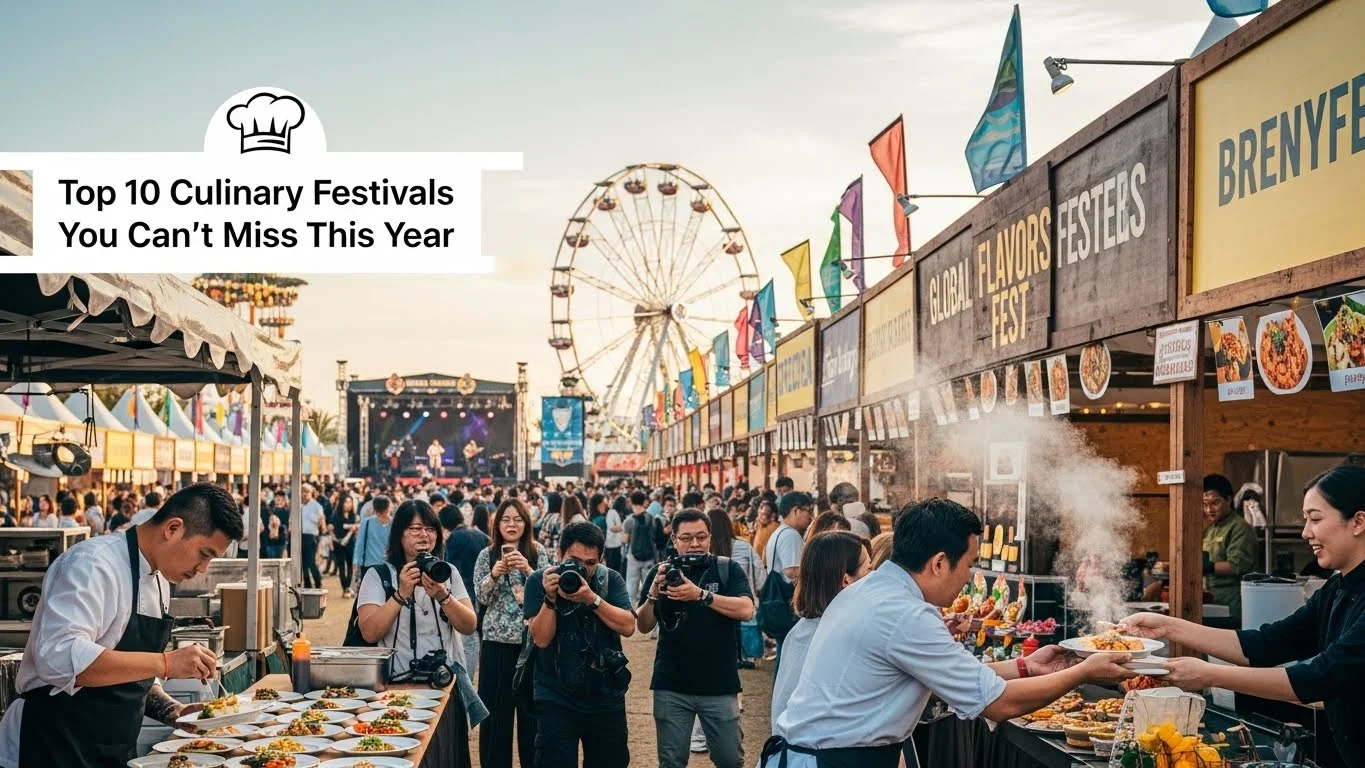
Festivals are another excellent opportunity to discover local beverages. I’ve attended numerous cultural festivals that celebrated regional drinks, from wine festivals in Italy to beer fests in Germany. These events often feature tastings, workshops, and the chance to meet local producers. I remember the excitement of a grape stomp during a harvest festival in Napa Valley, where participants crushed grapes by foot to the rhythm of live music. It was an immersive experience that deepened my appreciation for the local wine culture. Participating in these festivals can help you connect with the community and its traditions in a way that’s both fun and educational.

How to Taste Responsibly

As we dive deeper into the world of local beverages, it’s important to consider how to enjoy them responsibly. Having fun doesn’t have to come at the expense of our health or safety. I’ve learned a few valuable lessons along the way that I believe can enhance our experiences while keeping us grounded.

Understanding Alcohol Laws and Customs

Every country has its own laws regarding alcohol consumption, and being aware of them can help us navigate our drinking experiences. I remember feeling surprised when I discovered that in some places, it’s illegal to drink in public or that certain regions have restrictions on serving alcohol during specific hours. Taking the time to research local customs not only shows respect but also prevents awkward situations. I think it’s fascinating how these laws reflect the culture and values of a place.

Staying Hydrated and Safe

It’s easy to get caught up in the excitement of trying new drinks, but staying hydrated is crucial, especially in hot climates. I learned this the hard way during a summer trip to Barcelona, where I indulged in sangria without drinking enough water. I ended up feeling dizzy and regretting not prioritizing hydration. I now make it a point to alternate between alcoholic beverages and water, especially when I’m out exploring. It keeps me feeling good and allows me to fully enjoy the local offerings.

Tips for Responsible Drinking

Responsible drinking is all about moderation and awareness. I’ve found that pacing myself and savoring each drink enhances the experience. For instance, when tasting wines, I take small sips and truly focus on the flavors, rather than rushing through them. It’s also wise to have a designated driver or use public transportation if you plan on enjoying alcoholic beverages. I remember a night out in New Orleans where I fully embraced the local cocktail culture but ensured I had a safe way back to my hotel. Responsible drinking allows us to enjoy the moment while being mindful of our well-being.

Budgeting for Local Beverages

As we explore local beverages, budgeting becomes an essential aspect of enjoying our travels. I’ve learned that with a bit of planning, it’s possible to enjoy the local drink scene without breaking the bank.

Price Ranges by Region

Prices for beverages can vary greatly depending on where you are in the world. I remember being pleasantly surprised by the affordable prices of craft beers in Southeast Asia, while in Switzerland, I found myself paying a premium for a simple glass of wine. Researching the price ranges in advance can help us set a realistic budget and avoid any surprises. I often jot down a few local drink recommendations and their approximate prices to guide my spending.

Finding Affordable Options

It’s entirely possible to enjoy local beverages without overspending. I often seek out happy hours or local specials that offer discounts on drinks. For example, while in Chicago, I discovered a rooftop bar that had a fantastic happy hour with half-priced cocktails. I also found that many markets sell local beverages at lower prices than restaurants. It’s a fun way to try different drinks while saving money. I recommend asking locals for their favorite spots to find affordable options; they often know the best-kept secrets!

Special Deals and Happy Hours

Take advantage of special deals and happy hours to maximize your beverage experiences. Many establishments offer discounts during specific times or have “two-for-one” specials. I once stumbled upon a bar in Lisbon that had a fantastic happy hour with local wines at a fraction of the regular price. These deals can make it easier to sample a variety of drinks while staying within your budget. I’ve found that planning my outings around these specials not only saves money but also allows for more relaxed socializing.

Frequently Asked Questions

What is the significance of local beverages in travel?

Local beverages play a significant role in travel as they are an integral part of traditions, celebrations, and daily life, enhancing the overall travel experience and connecting travelers with the local culture.

How can drinking locally enhance my travel experience?

Drinking locally signifies respect for the culture and traditions of the land, fostering connections with locals and creating memorable experiences that bridge gaps between diverse backgrounds.

What types of local beverages can I expect to encounter while traveling?

You can expect to encounter various types of local beverages, including traditional alcoholic beverages like craft beers, local wines, and spirits, as well as non-alcoholic options such as herbal teas, fresh juices, and local soft drinks.

What are some examples of traditional alcoholic beverages from different regions?

Examples include beer from Germany, Chianti wine from Italy, sake from Japan, tequila from Mexico, and caipirinha from Brazil, each reflecting the history and traditions of its region.

What are some unique non-alcoholic beverages to try while traveling?

Unique non-alcoholic beverages include herbal teas like Moroccan mint tea, fresh tropical juices like mango smoothies, and local soft drinks that showcase regional flavors, such as Colombia’s lulo soda.

Where can I find authentic local beverages during my travels?

Authentic local beverages can be found in markets and street vendors, local breweries and distilleries, cafés and tea houses, and at festivals and events that celebrate regional drinks.

What should I know about alcohol laws and customs while traveling?

It’s important to understand the local laws regarding alcohol consumption, as they can vary significantly by country, with some places having restrictions on public drinking or specific serving hours.

How can I enjoy local beverages responsibly while traveling?

To enjoy local beverages responsibly, stay hydrated, understand your limits, pace yourself, and consider using public transportation or having a designated driver if consuming alcohol.

What budgeting tips can help me enjoy local beverages without overspending?

Research the price ranges for beverages in advance, seek out happy hours or local specials, and ask locals for affordable options to maximize your beverage experiences without breaking the bank.

Why are local festivals a good opportunity to explore beverages?

Local festivals often celebrate regional drinks and provide tastings, workshops, and the chance to meet local producers, enhancing your connection to the community and its traditions.

Explore the World: Best Culinary Festivals for Foodies

Food is more than just sustenance; it’s a celebration of culture, creativity, and community. For food lovers, culinary festivals offer an exciting opportunity to indulge in unique flavors and experiences from around the world. Read Interesting article: Top 10 Culinary Festivals You Can’t Miss This Year

Explore the World: Best Culinary Festivals for Foodies

Understanding Culinary Festivals

Definition of Culinary Festivals

Culinary festivals are vibrant events that showcase a variety of food and drink, celebrating local cuisines, international dishes, and innovative culinary trends. They can range from large-scale events that attract thousands of visitors to intimate gatherings featuring local chefs and artisans. These festivals often include tastings, cooking demonstrations, workshops, and competitions, allowing attendees to immerse themselves in the culinary arts.

The Importance of Culinary Festivals for Foodies

As a self-proclaimed foodie, I can say that culinary festivals are like a playground for our taste buds. They bring together people who share a passion for food, creating a sense of community among attendees. At these events, we have the chance to explore new flavors, discover hidden gems, and learn from talented chefs. I remember attending my first culinary festival; I was overwhelmed by the rich scents wafting through the air and the vibrant sights of beautifully presented dishes. It was a feast for the senses and opened my eyes to the diverse world of gastronomy.

Culinary festivals also provide a platform for local chefs and producers to showcase their talents and products. Many of these events emphasize farm-to-table practices, highlighting the importance of supporting local agriculture and sustainability. I’ve seen firsthand how these festivals can create a ripple effect in the community, encouraging consumers to seek out fresh, local ingredients in their everyday cooking.

Moreover, culinary festivals often feature renowned chefs and culinary influencers, offering us foodies a rare opportunity to meet and learn from the best in the industry. Whether it’s attending a workshop or simply chatting with a chef about their creative process, the knowledge and inspiration gained from these interactions can be invaluable. I still treasure the advice I received from a chef at a festival on how to elevate my own cooking at home.

In short, culinary festivals are not just about the food; they’re about the connections we make, the experiences we share, and the joy of discovering new culinary horizons together. They remind us that food is a universal language, capable of bridging cultures and creating lifelong memories.

Top Culinary Festivals Around the World

World Gourmet Summit (Singapore)

One of the premier culinary festivals, the World Gourmet Summit, is held annually in Singapore. This event is a true celebration of fine dining, featuring internationally acclaimed chefs and Michelin-starred restaurants. I found myself captivated by the exquisite dishes presented at this festival, where each plate tells a story of artistry and passion. The festival also includes masterclasses, wine tastings, and gourmet dinners, making it a must-visit for any foodie.

La Tomatina (Spain)

If you’re looking for a fun and messy culinary experience, La Tomatina in Buñol, Spain, is the place to be! This iconic festival is famous for its tomato fight, where thousands of participants hurl ripe tomatoes at each other. While it may not be a traditional culinary festival, it’s a unique celebration of food that brings together locals and tourists alike. I remember diving into the tomato chaos and laughing with strangers, all while enjoying the essence of Spanish culture.

Oktoberfest (Germany)

No culinary festival list would be complete without mentioning Oktoberfest in Munich, Germany. This world-renowned beer festival also celebrates traditional German cuisine, featuring hearty dishes like pretzels, sausages, and schnitzels. I loved wandering through the various beer tents, tasting different brews, and savoring the local delicacies. The atmosphere is electric, filled with laughter, music, and a sense of camaraderie among festival-goers.

Salon du Chocolat (France)

If chocolate is your passion, the Salon du Chocolat in Paris is a dream come true. This festival is dedicated to all things chocolate, showcasing the best chocolatiers and pastry chefs from around the globe. I remember being in awe of the chocolate sculptures and indulging in divine tastings. The event also hosts workshops where you can learn the art of chocolate-making, which I found incredibly rewarding.

Food & Wine Festival (USA)

The Food & Wine Festival, held in various locations across the United States, is a celebration of culinary excellence and innovative cooking. I’ve had the pleasure of attending this festival in Napa Valley, where I was treated to exquisite wine pairings and delicious dishes prepared by top chefs. The festival features tastings, cooking demonstrations, and even panels discussing the latest food trends. It’s an immersive experience that every foodie should consider. Read Interesting article: Experience Culinary Delights at These Budget-Friendly Festivals

Melbourne Food and Wine Festival (Australia)

Australia’s culinary scene shines at the Melbourne Food and Wine Festival, which attracts food enthusiasts from around the world. The festival is known for its diverse offerings, from pop-up restaurants to unique dining experiences. I remember participating in a long-table lunch in a picturesque setting, sharing food and conversation with fellow attendees. The vibrant atmosphere and the celebration of local produce made this festival truly special.

Bangkok Street Food Festival (Thailand)

For those who love street food, the Bangkok Street Food Festival is a must-visit. This festival showcases the rich flavors of Thai cuisine, featuring street vendors and local chefs serving up delicious dishes. I was amazed by the variety of flavors and the creativity of the vendors. It was a delightful experience to explore the bustling streets, sampling everything from pad thai to mango sticky rice.

San Sebastián Gastronomika (Spain)

San Sebastián is known for its incredible culinary scene, and the San Sebastián Gastronomika festival highlights this perfectly. This festival brings together chefs, food experts, and enthusiasts to celebrate Basque cuisine. I found the workshops and talks invaluable, and the tastings were some of the best I’ve ever experienced. The focus on local ingredients and traditional cooking techniques made it an enriching experience for anyone passionate about food.

What to Expect at Culinary Festivals

Types of Events and Activities

When attending a culinary festival, you can expect a whirlwind of activities that cater to every type of food lover. From tastings to workshops, these events are designed to engage our senses and deepen our appreciation for culinary arts. I remember feeling giddy with excitement as I navigated through a festival filled with booths showcasing everything from artisanal cheeses to exotic spices. Each corner I turned brought new surprises, and I felt like a kid in a candy store. There are often themed areas dedicated to specific culinary trends or regional cuisines, which allows us to explore a variety of flavors within a single event.

Many festivals also host competitions, where chefs go head-to-head to impress judges and attendees alike. I’ve had the chance to witness some fierce cooking competitions, where the energy in the air was palpable. The creativity and skill on display were truly inspiring, and I found myself cheering for my favorites as they plated their dishes with flair. The atmosphere during these competitions is electric, making it one of the highlights of my festival experiences.

Workshops and Cooking Demonstrations

One of the best ways to learn and get inspired at culinary festivals is through workshops and cooking demonstrations. I recall attending a hands-on workshop where a renowned chef taught us how to make homemade pasta. It was an intimate setting, allowing for plenty of interaction and personal tips. I cherished the chance to roll out the dough and shape it with my own hands, feeling a sense of accomplishment with each step.

Cooking demonstrations are equally captivating, as they often feature chefs sharing their secrets and techniques while preparing dishes right before our eyes. I’ve learned so much from these sessions, from knife skills to plating techniques. Watching a professional chef in action can ignite a passion in us to try new things in our own kitchens. Plus, there’s something special about tasting a dish right after it’s been made, as the flavors are often at their peak.

Tastings and Pairings

Tastings are undoubtedly the heart of culinary festivals. They offer a chance to sample a wealth of flavors without committing to a full dish. I can still remember the excitement of moving from booth to booth, trying a variety of cuisines. From savory bites to sweet treats, every taste was an adventure. I’ve encountered dishes I’d never heard of before, which made the experience even more exciting.

Pairing events also take tastings to the next level. Imagine savoring a perfectly cooked dish alongside a carefully selected wine or cocktail. At one festival, I attended an incredible pairing session featuring local wines and gourmet cheeses. The way the flavors complemented each other was nothing short of magical. I walked away with a newfound appreciation for how thoughtfully paired food and drink can elevate a meal.

Meet the Chefs and Influencers

One of the most thrilling aspects of attending culinary festivals is the chance to meet legendary chefs and culinary influencers. I’ve been fortunate enough to chat with some of my culinary idols, and those conversations have left a lasting impression on me. Whether it’s a quick handshake or an in-depth discussion about their culinary journey, these interactions are opportunities to learn directly from the best.

Many festivals also have designated meet-and-greet sessions or book signings, which can be exciting for fans and aspiring chefs alike. I remember standing in line to get my cookbook signed, feeling a mix of nerves and excitement. When it was my turn, I was able to ask a question about a recipe that had stumped me for ages. The chef’s encouragement and tips made my day, and it was a reminder that culinary artistry is not just about the food but also about the community and connections we build.

These opportunities to mingle with industry professionals not only enhance the festival experience but also inspire us to push our culinary boundaries. I believe that the connections made at these events can lead to lasting friendships and collaborations in the future, further enriching our love for food.

Planning Your Visit to Culinary Festivals

When to Attend: Seasonal Considerations

Timing can make all the difference when it comes to culinary festivals. I’ve learned that many festivals are held during specific seasons, which can enhance the overall experience. For example, summer festivals often feature fresh produce at its peak, while autumn events may showcase seasonal favorites like pumpkins and apples. I vividly remember attending a fall festival where everything was infused with the warm spices of the season—it truly felt magical!

Some festivals are tied to local harvests or cultural celebrations, so it’s important to check the calendar. I’ve found that attending a festival during its traditional season often adds a layer of authenticity and excitement. Plus, the weather can impact the experience; enjoying food al fresco under a warm sun is quite different from braving the cold in winter. Planning ahead allows us to maximize our enjoyment and appreciate the unique flavors that each season brings.

How to Choose the Right Festival for You

With so many culinary festivals around the globe, choosing the right one can feel overwhelming. I recommend starting by considering what type of cuisine excites you the most. If you’re a fan of Italian food, attending a festival that highlights that cuisine can be incredibly rewarding. I remember when I focused on finding festivals that featured my favorite dishes; it led me to some unforgettable experiences!

Another factor to consider is the festival size. Some people thrive in bustling, large-scale events, while others prefer the intimacy of smaller gatherings. Personally, I’ve enjoyed both types for different reasons. Large festivals often have a wider variety of food and activities, while smaller ones can offer more personal interactions with chefs and vendors. I think it’s essential to reflect on your own preferences when making a decision.

Lastly, don’t forget to look at the festival agenda. Many festivals offer specific events like workshops or cooking demonstrations that may align with your interests. I’ve attended festivals where the schedule was packed with must-see events, and it made the experience all the more enjoyable. Read Interesting article: Budget-Friendly Food Festivals: A Culinary Traveler’s Guide

Booking Accommodations and Travel

Once you’ve chosen a festival, it’s time to think about travel and accommodations. I’ve learned that booking early can save you both time and money. Many festivals attract visitors from far and wide, so hotels can fill up quickly. I remember scrambling to find a place to stay at the last minute for a festival, which added unnecessary stress to what should have been a fun experience.

Consider staying close to the festival venue to make commuting easier. I’ve found that being just a short walk away allows for a more relaxed experience, especially after indulging in all that incredible food and drink. Additionally, look for local accommodations that might offer festival packages; sometimes, you can score a great deal that includes tickets or special discounts.

If you’re traveling from outside the city, planning your route and considering transportation options is essential. I often prefer public transportation for festivals as it takes the stress out of parking and traffic. Plus, it can be fun to chat with fellow attendees on the way!

What to Pack for a Culinary Festival

As I’ve attended various culinary festivals, I’ve realized that packing smart can significantly enhance the experience. Comfort is key! I recommend wearing comfortable shoes since you’ll likely be doing a lot of walking and standing. I made the mistake of wearing stylish but uncomfortable shoes at my first festival, and it turned into a long day with sore feet!

Bringing a reusable water bottle is another essential item. Staying hydrated is vital, especially if you’re sampling different foods and drinks throughout the day. Many festivals provide refill stations, which means you can help the environment while keeping yourself hydrated.

It’s also a good idea to bring a small bag or backpack for any goodies you might want to take home, whether it’s snacks, cookbooks, or artisanal products. I’ve learned to plan for a little extra space to carry things I discover along the way. Lastly, don’t forget sunscreen and a hat if the festival is outdoors; I can’t tell you how many times I wished I had packed those essentials!

By planning ahead and packing wisely, we can fully enjoy the culinary festival experience and create lasting memories centered around our love for food. Each festival can become a cherished chapter in our culinary journey, filled with flavors, inspiration, and connections. Let’s get ready to dive into the next section where we’ll explore the exciting food trends showcased at these vibrant gatherings!

Food Trends Showcased at Festivals

Local and Regional Cuisines

One of the most exciting aspects of culinary festivals is the opportunity to dive into local and regional cuisines. I’ve always been fascinated by how food reflects the culture and history of a place. When I attended a festival in New Orleans, I was thrilled to sample classic dishes like gumbo and jambalaya, each prepared with a unique twist by local chefs. It felt like a celebration of heritage, with each bite telling a story of traditions passed down through generations.

These festivals often feature local ingredients, showcasing what the region has to offer. At a recent farm-to-table event, I experienced firsthand the vibrant flavors of seasonal produce picked just hours before being served. It’s a reminder of the importance of supporting local farmers and the incredible bounty they provide. I believe that when we savor a dish made from local ingredients, we connect with the land and the community in a meaningful way.

Sustainable and Farm-to-Table Practices

As awareness around sustainability grows, many culinary festivals are now focusing on eco-friendly practices. I’ve noticed a significant shift toward farm-to-table offerings, where chefs source their ingredients from local farms, reducing the carbon footprint of transportation. At one festival, I participated in a session about sustainable seafood practices, which opened my eyes to the importance of choosing responsibly sourced ingredients.

During these discussions, I’ve learned how local chefs are committed to minimizing waste and using every part of an ingredient. For instance, I encountered a chef who creatively transformed vegetable scraps into delicious stock, which not only reduces waste but also adds depth to dishes. These practices inspire us to think about our own cooking habits and how we can make more sustainable choices in our everyday meals.

Innovative Cooking Techniques

Culinary festivals are also a hotbed for innovation, showcasing the latest cooking techniques that push the boundaries of traditional cuisine. I remember attending a festival where chefs demonstrated sous-vide cooking, a method that involves vacuum-sealing food and cooking it at a precise temperature for an extended period. Watching this technique in action was mesmerizing, and tasting the perfectly cooked dishes was a revelation!

Another trend I’ve encountered is the use of molecular gastronomy. Chefs play with textures and flavors, creating dishes that not only taste incredible but also look like pieces of art. I once tried a dish that featured a foam made from avocado, which added a light and airy element to the meal. These innovative approaches encourage us to experiment in our own kitchens, making cooking a more exciting and creative endeavor.

Budgeting for Culinary Festivals

Entrance Fees and Ticket Prices

When planning to attend a culinary festival, it’s essential to consider the cost of entrance fees and ticket prices. I’ve seen a wide range of ticket options, from one-day passes to VIP packages. It’s always a good idea to purchase tickets in advance, as many festivals offer early bird discounts. I’ve learned the hard way that waiting until the last minute can mean missing out on better pricing or even sold-out events!

Costs of Food and Beverages

While festival tickets cover general admission, sampling food and beverages often comes at an additional cost. I usually budget a specific amount for tasting tickets or tokens, which can be used at various booths. In my experience, it’s easy to get carried away with all the delicious options, so I recommend setting a spending limit beforehand. I’ve found that having a plan helps me prioritize which dishes I really want to try.

Transportation and Accommodation Expenses

Don’t forget to factor in transportation and accommodation expenses when budgeting for a culinary festival. Depending on the location, I’ve found that driving or using public transportation can save money. If I’m traveling from out of town, I always look for deals on hotels or consider booking a vacation rental nearby. I remember finding a cozy Airbnb just a short walk from a festival, which not only saved money but also added to the overall experience.

Safety Tips for Attending Culinary Festivals

Health and Hygiene Considerations

As we all navigate the importance of health and hygiene, attending culinary festivals requires some extra mindfulness. I always carry hand sanitizer to keep my hands clean, especially before sampling food. Many festivals also provide handwashing stations, which I appreciate. It’s a simple step that makes us feel safer while enjoying all the delicious offerings!

Staying Safe in Crowded Spaces

Festivals can get crowded, which can sometimes feel overwhelming. I’ve learned to stay aware of my surroundings and keep my belongings secure. Choosing a meeting spot with friends can help if we get separated. It’s also essential to stay hydrated, as it can be easy to forget amidst all the excitement. I usually take breaks to sit down and recharge to ensure I can enjoy the festival to the fullest.

Local Laws and Regulations

Each city or region may have specific laws and regulations regarding food and alcohol service at festivals. I make it a point to check these details ahead of time to avoid any surprises. Understanding local laws also ensures that we respect the community hosting the festival, which is crucial for fostering good relationships between attendees and local residents.

Connecting with Other Foodies

Networking Opportunities at Festivals

One of the most rewarding aspects of attending culinary festivals is the chance to connect with fellow food lovers. I’ve met so many interesting people, from aspiring chefs to culinary bloggers, who share my passion for food. These networking opportunities can lead to friendships, collaborations, and even valuable insights into the food industry. I remember striking up a conversation with someone who shared their experiences, which inspired me to try new recipes when I got home!

Social Media and Food Blogging

Social media plays a significant role at culinary festivals, allowing us to share our experiences in real time. I love capturing the beautiful dishes and vibrant atmosphere on my Instagram. Many festivals even encourage attendees to use specific hashtags, making it easy to connect with other festival-goers online. I’ve enjoyed following others’ journeys through their posts, discovering new food trends and recipes that I can try myself.

Sharing Your Festival Experience

Don’t underestimate the power of sharing your festival experience with friends and family. I often encourage those around me to attend culinary festivals after I’ve returned home, sharing my favorite moments and dishes. Whether it’s through social media, a blog post, or a simple conversation, sharing our passion for food can inspire others to explore the culinary world as well. It’s all about building a community of food lovers who appreciate the joy that culinary festivals bring!

Final Thoughts

As I reflect on my experiences at culinary festivals, I’m reminded of the vibrant tapestry of culture, creativity, and connection that these events offer. They are not just about tasting amazing food; they are about celebrating the artistry behind each dish and the people who bring these culinary delights to life. Festivals allow us to explore new flavors, learn from talented chefs, and meet fellow food enthusiasts who share our passion. I believe that every culinary festival we attend leaves us with cherished memories and newfound inspirations, igniting our love for food and enriching our culinary journeys. So, let’s dive into these incredible experiences, savor the flavors, and continue to explore the endless possibilities that food has to offer.

Frequently Asked Questions

What are culinary festivals?

Culinary festivals are vibrant events that showcase a variety of food and drink, celebrating local cuisines, international dishes, and innovative culinary trends. They include tastings, cooking demonstrations, workshops, and competitions, allowing attendees to immerse themselves in the culinary arts.

Why are culinary festivals important for food lovers?

Culinary festivals create a sense of community among food enthusiasts, providing opportunities to explore new flavors, learn from talented chefs, and support local agriculture. They also allow attendees to connect with renowned chefs and culinary influencers, enhancing their culinary knowledge and inspiration.

What types of events and activities can I expect at culinary festivals?

At culinary festivals, attendees can expect tastings, workshops, cooking demonstrations, and competitions. These events engage the senses and deepen appreciation for culinary arts, while offering themed areas dedicated to specific culinary trends or regional cuisines.

What are some notable culinary festivals around the world?

Some notable culinary festivals include the World Gourmet Summit in Singapore, La Tomatina in Spain, Oktoberfest in Germany, Salon du Chocolat in France, Food & Wine Festival in the USA, Melbourne Food and Wine Festival in Australia, Bangkok Street Food Festival in Thailand, and San Sebastián Gastronomika in Spain.

How should I plan my visit to a culinary festival?

When planning a visit to a culinary festival, consider the season, the type of cuisine you enjoy, the festival size, and the agenda of events. Booking accommodations early and planning your travel route can enhance your experience.

What should I pack for a culinary festival?

When attending a culinary festival, pack comfortable shoes, a reusable water bottle, a small bag for goodies, sunscreen, and a hat if the event is outdoors. This preparation will help you enjoy the festival more fully.

How can I budget for a culinary festival?

When budgeting for a culinary festival, consider entrance fees, the cost of food and beverages, and transportation and accommodation expenses. It’s wise to set a spending limit for tasting tickets to avoid overspending.

What safety tips should I keep in mind at a culinary festival?

At culinary festivals, prioritize health and hygiene by carrying hand sanitizer and using handwashing stations. Stay aware of your surroundings in crowded spaces, and familiarize yourself with local laws and regulations regarding food and alcohol service.

How can I connect with other food lovers at festivals?

Culinary festivals provide excellent networking opportunities, allowing attendees to meet fellow food lovers, aspiring chefs, and culinary bloggers. Sharing experiences on social media can also help connect with others and build a community of food enthusiasts.

What food trends are often showcased at culinary festivals?

Culinary festivals often highlight local and regional cuisines, sustainable and farm-to-table practices, and innovative cooking techniques. These trends reflect the current culinary landscape and inspire attendees to explore new flavors and cooking methods.

Top 10 Culinary Festivals You Can’t Miss This Year

If you’re a foodie like me, there’s nothing quite like the excitement of a culinary festival. These events not only celebrate amazing food but also create vibrant communities where flavors and cultures collide. Let’s dive into the delicious world of culinary festivals you won’t want to miss this year! Read Interesting article: Experience Culinary Delights at These Budget-Friendly Festivals

Top 10 Culinary Festivals You Can't Miss This Year

What Are Culinary Festivals?

Definition and Purpose

Culinary festivals are events that bring together food lovers from all walks of life to celebrate the art of cooking, regional specialties, and innovative culinary techniques. These festivals usually feature a wide variety of food vendors, chefs, cooking demonstrations, tastings, and entertainment. From local street food to gourmet dining experiences, culinary festivals serve as a tasty gateway to explore different cuisines and food cultures.

Importance in Food Culture

From my experience, culinary festivals play a crucial role in food culture. They not only highlight local ingredients and traditional dishes but also foster a sense of community among chefs, food producers, and attendees. I’ve seen how these gatherings can spark conversations about sustainability, health, and the importance of supporting local agriculture. Plus, they often introduce new culinary trends and techniques that push the boundaries of our palates. Festivals like these are the heartbeat of food culture, connecting us through shared experiences and flavors.

Top 10 Culinary Festivals You Can’t Miss This Year

1. Taste of Chicago

Overview

Taste of Chicago is a celebration of the city’s diverse food scene, featuring a range of dishes from well-known restaurants and local vendors. From deep-dish pizza to gourmet hot dogs, this festival is a food lover’s dream. I remember my first visit; the aroma of sizzling street food and the buzz of excited crowds filled the air, making it an unforgettable experience.

When to Visit

This festival usually takes place in mid-July, spanning several days. It’s the perfect summer outing, where you can enjoy the city’s parks while savoring amazing food.

Featured Dishes and Chefs

Some of the standout dishes include Italian beef sandwiches, Polish sausages, and an array of desserts. Notable chefs from the area often participate, showcasing their signature dishes. I once tried a spicy chicken wing from a lesser-known food truck that became my new favorite!

Tips for Attendees

Wear comfortable shoes, as you’ll be walking and standing a lot. I recommend buying a tasting card to sample several dishes without breaking the bank. Also, get there early to avoid long lines and ensure you try everything on your must-have list!

2. San Francisco Street Food Festival

Overview

This vibrant festival celebrates the city’s eclectic street food scene, bringing together food trucks and local vendors. It’s a feast for the senses, with cuisines from around the world represented. I’ve spent hours wandering this festival, discovering new flavors that I never knew existed.

When to Visit

The festival typically occurs in August, transforming the streets into a culinary wonderland. It’s a great way to explore the city while enjoying its affordable and diverse street food. Read Interesting article: Budget-Friendly Food Festivals: A Culinary Traveler’s Guide

Local Vendors and Specialties

Expect to find everything from gourmet tacos to artisanal ice cream. The variety is astounding! I’ve had some of the best banh mi sandwiches here, all prepared fresh right in front of me.

Activities and Entertainment

Beyond the food, the festival features live music and cooking demonstrations, which add to the lively atmosphere. I always enjoy watching chefs create dishes on the spot—it’s both entertaining and educational!

3. New Orleans Food and Wine Experience

Overview

New Orleans is known for its rich culinary heritage, and this festival showcases the best of its food and wine scene. The vibrant culture, music, and flavors make it a must-visit. I still remember the first time I tasted gumbo there; it was like a party in my mouth!

When to Visit

This festival is usually held in late May, coinciding with the lovely spring weather in New Orleans. It’s a fantastic time to explore the city.

Signature Dishes and Pairings

Expect to indulge in classics like jambalaya, crawfish étouffée, and beignets, all paired with exquisite wines. Each dish tells a story, and tasting them is like taking a journey through the city’s history.

Workshops and Tastings

Participants can dive deeper into the culinary world through workshops and tastings led by renowned chefs. I learned how to make a perfect étouffée during one of these sessions, which has become a favorite dish in my household!

4. Aspen Food & Wine Classic

Overview

This festival attracts food and wine enthusiasts from around the globe. Set against the stunning backdrop of the Rockies, it’s more than just a culinary event; it’s a luxury experience. I felt like I was in a food paradise when I attended a few years back!

When to Visit

Typically held in June, the festival spans three days filled with tastings, seminars, and exclusive dinners.

Celebrity Chefs and Events

Many celebrity chefs participate, offering insights into their cooking philosophies. It’s not uncommon to rub elbows with some of the best in the business. I had the chance to chat with a chef I admired, and it inspired me to try new cooking techniques at home.

Attendee Information

Tickets can sell out quickly. I recommend booking in advance and considering VIP packages for an enhanced experience. Bring layers, as mountain weather can be unpredictable!

5. Epcot International Food & Wine Festival

Overview

This iconic festival at Disney World offers a global culinary experience, showcasing dishes from around the world. Even if you’re not a Disney fan, the food alone is worth the trip. I’ve enjoyed walking through the different pavilions, tasting my way around the globe!

When to Visit

The festival runs from late September to mid-November, making it a popular fall destination.

Global Marketplaces and Signature Events

With numerous global marketplaces, you can sample everything from sushi to poutine. Don’t miss the themed events, like wine pairings and chef demonstrations. My favorite was trying a unique dessert from the France pavilion that I still dream about!

Family-Friendly Activities

The festival also offers activities for kids, making it a fantastic family outing. I loved seeing families bond over food, creating memories that will last a lifetime.

6. The Great American Beer Festival

Overview

The Great American Beer Festival (GABF) is a celebration of all things beer, held annually in Denver, Colorado. It showcases a stunning array of breweries from across the United States, featuring thousands of craft beers. I remember stepping into the venue for the first time; the energy was electric! There’s just something about a room filled with fellow beer enthusiasts that makes the experience so enjoyable. The festival not only highlights traditional brewing methods but also encourages creativity, allowing for unique flavors and styles to emerge.

When to Visit

This festival usually takes place in late September. It lasts for three days, providing ample opportunity to explore the incredible variety of beers available. I always look forward to this time of year, as it marks the arrival of fall and the perfect excuse to indulge in seasonal brews.

Food Pairing Opportunities

One of the best parts of GABF is the food pairing opportunities. Local food vendors set up shop alongside the breweries, offering delicious bites that complement the beers. I’ve had the pleasure of trying everything from spicy barbecue to gourmet cheese plates, all thoughtfully paired with specific craft brews. It’s a delightful way to explore how food and beer can enhance each other’s flavors.

Breweries and Tastings

You can expect to find over 800 breweries participating, each showcasing their best beers. I’ve enjoyed sampling a wide range—from hoppy IPAs to rich stouts. The tasting tickets allow you to try various beers, and I always find myself discovering new favorites. The festival also features a competition where beers are judged, so you’ll be able to taste award-winning brews!

7. Nashville Hot Chicken Festival

Overview

Nashville is famous for its hot chicken, and this festival is a true homage to that spicy delight. The Nashville Hot Chicken Festival celebrates this iconic dish, bringing together local chefs and vendors who serve up their own takes on the classic. The first time I tried hot chicken at this festival, I was blown away by the perfect balance of heat and flavor. It’s definitely a must-visit for anyone who loves spicy food!

When to Visit

This festival typically occurs in July, making it a great summer event. It’s held in Nashville’s East Park, where you can enjoy the sun and the company of fellow spice lovers.

Local Vendors and Competitions

The festival features numerous local vendors, each with their unique recipes and spins on hot chicken. I’ve seen everything from traditional fried hot chicken to creative dishes like hot chicken sliders and even hot chicken tacos! There’s also a competition for the best hot chicken, and the energy during the judging is palpable. I once had the chance to taste a competitor’s dish that won the crowd over—and let’s just say, I was hooked!

Visitor Tips

If you plan to attend, prepare for the heat! I recommend bringing plenty of water to stay hydrated, as the spicy flavors can be intense. Also, get there early to secure a good spot, as the festival tends to draw a large crowd. Lastly, wear comfortable clothing, as you’ll want to enjoy every delicious bite without feeling restricted!

8. North Carolina BBQ Festival

Overview

The North Carolina BBQ Festival is a celebration of one of America’s favorite culinary traditions—barbecue! Known for its unique styles and flavors, this festival showcases some of the best barbecue from across the state. My first visit was unforgettable, as the smoky aroma filled the air and made my mouth water instantly.

When to Visit

This festival usually takes place in early November, just in time for the cooler weather that makes outdoor cooking even more enjoyable. It’s a perfect way to welcome the fall season.

Types of BBQ and Cooking Styles

At the festival, you’ll find a variety of BBQ styles, including Eastern and Western North Carolina flavors. I’ve enjoyed everything from succulent pulled pork to tangy mustard-based sauces. Each vendor often has their interpretation of traditional dishes, which is fascinating to explore. You can really taste the passion and history behind each recipe!

Events and Competitions

The festival features competitions for the best BBQ, attracting pitmasters from around the state. Watching them work their magic is a spectacle in itself! I once got to judge a BBQ competition, which was one of the highlights of my food journey. The camaraderie among competitors is heartwarming, and you can feel the pride each has in their craft.

9. Miami Beach Food Festival

Overview

The Miami Beach Food Festival is a vibrant celebration of culinary talent, blending Miami’s diverse food scene with a beachy vibe. I’ve attended this festival several times, and each year, I’m amazed by the innovative dishes that come out of this thriving culinary hub. It’s truly a paradise for food lovers!

When to Visit

This festival typically occurs in early February, right before the spring break crowds arrive. It’s an excellent time to enjoy the warm weather and indulge in delicious food.

Featured Chefs and Restaurants

The festival features renowned chefs and restaurants from the area, each showcasing their signature dishes. I’ve had the chance to sample everything from fresh seafood to exquisite desserts. One of my favorite experiences was a rooftop dinner featuring a multi-course meal prepared by a local celebrity chef—it was unforgettable!

Activities and Nightlife

In addition to the food, the festival offers various activities, including cooking classes and live music. The nightlife aspect is also incredible; after a day of feasting, you can enjoy vibrant evening parties that reflect Miami’s lively culture. I’ve danced the night away under the stars, surrounded by delicious food and great company.

10. Pizzafest in Naples, Italy

Overview

Pizzafest in Naples is a dream come true for pizza lovers. This festival is dedicated to celebrating the pizza culture of its birthplace, showcasing authentic Neapolitan pizzas. I remember the first slice I had; it was everything I had imagined and more! The festival embodies the passion for pizza that the locals have.

When to Visit

Pizzafest typically takes place in September, coinciding with the harvest season in Italy. It’s the perfect time to enjoy the freshest ingredients in your pizza.

Traditional Neapolitan Pizza

You can expect to taste some of the best traditional Neapolitan pizzas at the festival, made with high-quality ingredients and cooked in wood-fired ovens. I’ve savored classic Margherita pizzas topped with fresh basil and creamy mozzarella, and each bite transported me straight to pizza heaven!

Cultural Events and Competitions

The festival features competitions for the best pizza makers, showcasing their skills and creativity. I loved watching the dough tosses and the meticulous attention to detail that goes into each pizza. There are also cultural events that celebrate Italian traditions, making it a delightful experience beyond just the food.

What to Expect at Culinary Festivals

Food Tastings and Samples

One of the most exciting aspects of any culinary festival is the chance to taste a wide variety of dishes. I love how vendors often offer small samples, allowing us to try numerous flavors without committing to a full meal right away. It’s like a food adventure! I remember at the San Francisco Street Food Festival, I hopped from one vendor to another, sampling everything from gourmet sliders to exotic desserts. Each bite felt like a new discovery, and I found myself wanting to come back for more of my favorites.

Cooking Demonstrations

Cooking demonstrations are another highlight that I genuinely look forward to. Watching talented chefs whip up dishes in front of a live audience is both inspiring and educational. I’ve learned so much just by observing their techniques and getting tips on how to elevate my own cooking. At the New Orleans Food and Wine Experience, I watched a renowned chef prepare a traditional gumbo, and they shared insider secrets about ingredient choices and cooking times. It felt like I was getting a private cooking class right there!

Live Entertainment and Activities

Most culinary festivals don’t just revolve around food; they also feature live entertainment that adds to the festive atmosphere. From live music to cooking competitions, there’s always something happening. I remember at the Aspen Food & Wine Classic, the atmosphere was electric with musicians playing while we sampled exquisite dishes and wines. It’s a great way to relax and soak in the ambiance while enjoying great flavors. Plus, the combination of good food and great music always makes for an unforgettable experience!

Workshops and Masterclasses

Many festivals offer workshops and masterclasses, which can be a fantastic way to dive deeper into specific culinary topics. I participated in a sushi-making workshop at the Epcot International Food & Wine Festival, and it was one of the best experiences I’ve ever had. The instructor was a sushi chef who shared not only the techniques but also the cultural significance behind the dishes. I walked away not just with new skills, but with a deeper appreciation for the craft. If you have the chance to take a workshop, I highly recommend it!

How to Prepare for a Culinary Festival

Planning Your Itinerary

When heading to a culinary festival, planning is key to maximizing your experience. I like to look up the festival schedule ahead of time to see which chefs are presenting and when. This way, I can prioritize the dishes I want to try and the events I don’t want to miss. For example, at the Great American Beer Festival, I made sure to catch the talks by brewers I admired and the food pairings that intrigued me. It’s all about making the most of your time while indulging in deliciousness!

What to Bring

Being prepared with the right items can significantly enhance your festival experience. I always bring a reusable water bottle to stay hydrated, especially if the weather is warm. Comfortable shoes are a must since you’ll be walking a lot, and I often pack a light backpack to hold my purchases or any extra goodies I pick up while exploring. A portable phone charger is also a game-changer; I want to capture all those tasty moments without worrying about my battery dying!

Budgeting for the Event

Food festivals can be a little pricey, so I find it helpful to set a budget before I go. I usually have a rough idea of how much I want to spend on food, drinks, and any extra activities like workshops. This helps me prioritize what I want to taste while ensuring I don’t go overboard. I’ve learned the hard way that it’s easy to get carried away with all the delicious options, but having a budget keeps things manageable. I recommend also looking for tasting tickets or packages, which can often save you some money. Read Interesting article: Explore Global Culinary Delights at These Affordable Festivals

Health and Safety Tips

Lastly, it’s important to keep health and safety in mind while attending a festival. I always make sure to wash my hands regularly, especially before trying different foods. If you have any food allergies, be sure to check with vendors about ingredients before sampling. It’s also wise to pace yourself—eating too much too quickly can lead to discomfort. I’ve found that taking breaks between tastings not only helps my stomach but also gives me a chance to enjoy the atmosphere and digest all the wonderful flavors!

Frequently Asked Questions

What are culinary festivals?

Culinary festivals are events that bring together food lovers to celebrate cooking, regional specialties, and innovative culinary techniques. They typically feature a variety of food vendors, chefs, cooking demonstrations, tastings, and entertainment.

Why are culinary festivals important in food culture?

Culinary festivals highlight local ingredients and traditional dishes, fostering a sense of community among chefs, food producers, and attendees. They spark conversations about sustainability, health, and support for local agriculture while introducing new culinary trends and techniques.

When does the Taste of Chicago festival take place?

The Taste of Chicago festival usually occurs in mid-July and spans several days, making it a perfect summer outing for food lovers.

What types of cuisines can be found at the San Francisco Street Food Festival?

The San Francisco Street Food Festival features a diverse range of cuisines, including gourmet tacos, artisanal ice cream, and more, representing the eclectic street food scene of the city.

What signature dishes are featured at the New Orleans Food and Wine Experience?

At the New Orleans Food and Wine Experience, attendees can indulge in classic dishes such as jambalaya, crawfish étouffée, and beignets, often paired with exquisite wines.

What should attendees wear to the Aspen Food & Wine Classic?

Attendees are advised to wear layers to the Aspen Food & Wine Classic, as mountain weather can be unpredictable. Comfortable shoes are also recommended due to the event’s activities.

What is the focus of the Great American Beer Festival?

The Great American Beer Festival focuses on celebrating craft beer, showcasing thousands of breweries and offering food pairing opportunities with local vendors. It features over 800 breweries and includes a competition where beers are judged.

What activities are available at the Miami Beach Food Festival?

The Miami Beach Food Festival offers various activities such as cooking classes, live music, and vibrant nightlife events, making it a lively and engaging experience for attendees.

What types of BBQ styles can be found at the North Carolina BBQ Festival?

The North Carolina BBQ Festival showcases various BBQ styles, including Eastern and Western North Carolina flavors, featuring dishes like pulled pork and tangy mustard-based sauces.

How can attendees prepare for a culinary festival?

Attendees can prepare for a culinary festival by planning their itinerary, bringing essential items like a reusable water bottle and comfortable shoes, budgeting for the event, and keeping health and safety in mind by washing hands and checking for allergies.