Web Analytics

Recent Posts

Ultimate Japan Travel Guide: Explore on a Budget

Japan is a remarkable blend of ancient traditions and cutting-edge modernity, making it a must-visit destination. If you’re dreaming of exploring this beautiful country without breaking the bank, you’re in the right place!

Ultimate Japan Travel Guide: Explore on a Budget

Overview of Japan as a Travel Destination

Geography and Culture

Japan is an archipelago made up of over 6,800 islands, with the main four being Honshu, Hokkaido, Kyushu, and Shikoku. This diverse geography offers everything from bustling cities to serene rural landscapes. I remember being amazed by how quickly the scenery changed as I traveled from one city to another. One moment, I was in the vibrant streets of Tokyo, and the next, I was surrounded by the tranquil beauty of the countryside. Japan’s culture is equally rich, deeply rooted in its history while embracing contemporary influences. Traditional arts like tea ceremonies, calligraphy, and flower arranging still thrive, while technology and pop culture continue to shape the modern lifestyle. It’s this unique combination that draws travelers like us to explore its many facets. Read Interesting article: Experience Local Culture: Affordable City Guide Insights

Why Visit Japan?

There are countless reasons to visit Japan. First and foremost, the food is incredible. From sushi to ramen, the culinary experiences are endless and often affordable. I can’t tell you how many different types of ramen I tried! Besides food, Japan offers stunning historical sites, beautiful natural landscapes, and a welcoming culture. I felt a strong sense of respect and politeness from everyone I met, which made my travel experience even more enjoyable. Whether you’re an anime fan, a history buff, or someone who simply loves nature, Japan has something for everyone. Plus, traveling on a budget is entirely possible with some planning and local knowledge.

When to Visit Japan

Best Seasons for Budget Travel

Timing your trip can significantly impact your experience and expenses. Generally, the best times to visit Japan are during the spring (March to May) and autumn (September to November). These seasons not only showcase breathtaking natural beauty—like cherry blossoms in spring and vibrant fall foliage—but they also tend to have milder weather. However, if you want to travel on a budget, consider going during the off-peak winter months (December to February). I visited in January, and while it was chilly, I found fewer crowds and lower accommodation prices. Plus, many attractions were still open, and I got to experience the beautiful winter landscape.

Major Festivals and Events

Japan is known for its lively festivals, many of which take place throughout the year. Some major events include Hanami (cherry blossom viewing) in spring and the Gion Matsuri in Kyoto during July. Participating in these festivals offered me a fantastic opportunity to immerse myself in local culture while enjoying street food and traditional performances. Just be mindful that these events can draw large crowds, so planning ahead is essential if you want to visit during these times.

Weather Considerations

The weather in Japan varies significantly by region and season. Winters can be harsh with heavy snowfall in the north, while summers can be hot and humid, particularly in urban areas. I remember feeling overwhelmed by the heat in Tokyo during the summer, so I recommend dressing in lightweight, breathable clothing if you plan to travel during those months. Also, keep an eye on the weather forecast, as Japan is prone to sudden changes in weather, especially during the rainy season in June.

Getting to Japan

Flight Options and Budget Airlines

Getting to Japan can be an adventure in itself, and if you’re watching your budget, there are plenty of options. Major cities like Tokyo and Osaka have international airports that are well-connected worldwide. I found that booking my flight several months in advance helped me secure a better deal. Additionally, there are budget airlines that operate within Asia, making it easier to reach Japan from nearby countries like South Korea or Taiwan. I flew from Seoul, and it was both quick and affordable!

Visa Requirements

Visa requirements for Japan vary depending on your nationality. Many travelers from countries like the U.S., Canada, and European Union members can enter Japan without a visa for short stays. I remember the ease of immigration when I arrived; it made the whole travel experience feel welcoming. However, always double-check the latest visa information based on your home country before planning your trip.

Traveling from Nearby Countries

If you’re already traveling in Asia, Japan is quite accessible. There are numerous ferries and budget flights available. I took a ferry from South Korea, which was not only cost-effective but also an enjoyable experience. Seeing the coastline from the water added a unique perspective to my trip. Just factor in travel time, as ferries can take several hours, but it’s worth it for the views!

Transportation Within Japan

Public Transportation Overview

Getting around Japan is surprisingly easy, thanks to its efficient public transportation system. I was genuinely impressed by how clean and punctual everything was. Trains and subways connect major cities and rural areas seamlessly, making it simple to explore without a car. I remember standing on a platform in Osaka, watching as the Shinkansen (bullet train) zoomed past. It was a sight to behold! For me, the best part was the convenience—trains run frequently, and schedules are typically reliable.

In cities like Tokyo, the subway network is extensive, and I found it beneficial to download a navigation app that helped me decipher the routes and schedules. Most stations have English signage, which made things even easier for travelers like us. Just be prepared for the occasional rush hour, when trains can get a bit crowded. But honestly, it was all part of the experience!

Japan Rail Pass: Is It Worth It?

If you’re planning to travel between cities, the Japan Rail Pass can be a fantastic option. I purchased one for my trip, and it allowed me unlimited travel on most JR trains, including the Shinkansen. I found it valuable because it saved me money and gave me the freedom to hop on and off trains as I pleased. Just remember that the pass needs to be purchased before you arrive in Japan, and it’s available for various durations, like 7, 14, or 21 days.

The only downside I encountered was that the pass doesn’t cover some private rail lines or buses, but that was manageable. Overall, I felt it was worth the investment, especially since I wanted to visit multiple cities like Kyoto, Hiroshima, and Nagoya. The experience of traveling at such high speeds while enjoying the beautiful countryside was unforgettable.

Local Buses and Trains

While trains are the star of the show in Japan, local buses also play a crucial role in getting around, especially in rural areas. I found that many cities have their own bus networks, which can take you to places that trains might not reach. For example, in Nara, I took a local bus to get to the famous Nara Park, where I met the friendly deer that roam freely. The buses were easy to navigate, and I appreciated having the option to explore places off the beaten path.

Additionally, I discovered that many tourist sites offer discounted bus passes, making travel even more budget-friendly. It’s worth checking out information at tourist centers or online before your trip. Local trains are also efficient and a great way to experience the scenery. I remember taking a scenic train ride through the mountains, and it was one of the highlights of my trip!

Biking and Walking Tours

For a more personal and intimate experience, biking and walking around cities can be a fantastic way to explore. I tried renting a bike in Kyoto, and it was such a fun way to see the city! Cycling along the Philosopher’s Path and stopping at various temples offered a unique perspective that I wouldn’t have gotten from a bus or train. Plus, it felt great to be outdoors and active.

Many cities also offer guided walking tours, which can be a great way to learn about the history and culture firsthand. I joined a free walking tour in Tokyo, and it was a highlight. The guide was incredibly knowledgeable and shared stories and insights that I wouldn’t have found in a guidebook. Best of all, it was a great way to meet fellow travelers and locals.

Overall, transportation in Japan is straightforward and user-friendly, which made my travel experience all the more enjoyable. Whether you prefer the speed of the trains, the scenic views from buses, or the freedom of biking, Japan has something for everyone. I believe that immersing ourselves in the local transportation options allowed us to truly connect with the culture and scenery, making our adventure even more memorable.

Accommodations on a Budget

Accommodations on a Budget

Hostels and Guesthouses

When it comes to budget accommodations in Japan, hostels and guesthouses are some of my favorite options. They are not only affordable but also a great way to meet fellow travelers. I stayed at a cozy guesthouse in Kyoto, and it quickly became a home away from home. I loved chatting with other guests over breakfast and swapping travel stories. Most hostels offer dormitory-style rooms or private rooms at reasonable prices, and many even provide kitchen facilities, which is a huge plus for saving on meals.

What surprised me was how clean and well-maintained the hostels were. I remember walking into the common area and finding a welcoming atmosphere, complete with comfy couches and a relaxed vibe. It’s easy to find hostels that cater to different styles—some focus on social interactions, while others provide a quieter, more serene experience. Websites like Hostelworld and Booking.com are great resources for finding the right place that fits your needs.

Capsule Hotels

If you’re looking for a uniquely Japanese experience, capsule hotels are a must-try! I stayed in one during my time in Tokyo, and it was both an adventure and a practical solution for budget travel. The concept is simple: you get a small, self-contained sleeping pod. I found it surprisingly comfortable and loved the futuristic feel of it all. The communal areas often have amenities like lockers, showers, and lounges, making it easy to socialize or relax.

While capsule hotels are typically male-only, many now offer female-only floors or pods, making them accessible to all travelers. I enjoyed the novelty, and it certainly freed up my budget for other experiences. Just be aware that these hotels can get busy, especially in tourist-heavy areas, so booking in advance is always a good idea!

Airbnb and Alternatives

Airbnb has really grown in popularity throughout Japan, and for good reason. I found a charming little apartment in Osaka for a fraction of the cost of a hotel. Staying in an Airbnb allows you to experience the city like a local. I appreciated having my own space, a kitchen to cook some meals, and the unique character of each place. Plus, many hosts offer valuable tips about the neighborhood, which helped me discover hidden gems that I might have missed otherwise.

There are also other alternatives like vacation rentals and guest suites, which can be economical, especially for groups or families. I noticed that some listings come with bicycles, which makes it easier to explore the area at your own pace. Just remember to read reviews and check the location to ensure it’s convenient for your travel plans!

Traditional Ryokan Stays

For those looking to immerse themselves in Japanese culture, staying at a ryokan can be an unforgettable experience. While they can be pricier than other options, I found some reasonably priced ryokan, especially in rural areas. Staying in a ryokan allowed me to enjoy traditional tatami-mat rooms and futon bedding, which felt like a true Japanese experience. I remember the warm hospitality of the staff, who treated us like family.

Many ryokan offer meals included in the price, and I highly recommend trying the kaiseki dinner, a multi-course meal that showcases seasonal ingredients. It was one of the best meals I had during my trip! The atmosphere and attention to detail made it feel special. If you’re keen on experiencing Japan’s traditions, I believe a night at a ryokan is worth considering. Just keep an eye out for deals, especially during weekdays or the off-peak season.

Overall, Japan has a fantastic range of budget-friendly accommodation options to suit every traveler’s needs. No matter where you decide to stay, I believe that choosing the right place can enhance your experience and allow you to connect more deeply with the culture. I was always on the lookout for places that not only fit my budget but also offered a unique glimpse into Japan’s charm, and I never came away disappointed.

Top Budget-Friendly Attractions

Historical Sites and Temples

Japan is filled with incredible historical sites and temples that don’t require a hefty entrance fee. I was amazed at how much culture and history I could soak up while sticking to my budget. One of my favorite experiences was visiting Fushimi Inari Shrine in Kyoto. The thousands of vibrant torii gates winding up the mountain were breathtaking, and the best part? It was completely free! I spent hours hiking up, enjoying the peaceful atmosphere and snapping photos along the way.

Fushimi Inari Shrine

Fushimi Inari Shrine is famous for its thousands of vermilion torii gates that create stunning pathways through the forest. I remember the sense of tranquility as I walked the trails, occasionally bumping into locals offering prayers. It’s a great spot for photography, and I highly recommend visiting early in the morning to avoid crowds and really soak in the serene environment.

Himeji Castle

Another historical gem is Himeji Castle, often regarded as Japan’s most spectacular castle. I was lucky to visit on a day when the entrance fee was reduced, making it an even better deal! The castle’s architecture is stunning, and wandering through its grounds felt like stepping back in time. The view from the top was worth every step, with a panoramic view of the surrounding area.

Parks and Nature Spots

If you’re a nature lover, Japan has plenty of parks and natural spots that are either free or have a minimal entry fee. I spent a lovely afternoon at Arashiyama Bamboo Grove, where I felt like I was in another world. The towering bamboo stalks swayed gently in the breeze, creating a beautiful atmosphere that I still think about today. Read Interesting article: Ultimate Guide to Free Outdoor Activities in Urban Destinations

Arashiyama Bamboo Grove

Walking through the Arashiyama Bamboo Grove was a highlight of my trip. The light filtering through the bamboo created a magical atmosphere, perfect for a leisurely stroll. Many people visit, but I found that early morning or late afternoon offered a quieter experience. Plus, nearby attractions like the Iwatayama Monkey Park added a bit of excitement for those willing to hike a bit further.

Yoyogi Park

In the heart of Tokyo, Yoyogi Park is a fantastic place to relax and people-watch. I loved spending my afternoons here, especially on weekends when locals gathered for picnics, music, and even dance performances. The park is free, and it’s a wonderful escape from the bustling city streets.

Museums and Cultural Experiences

Japan’s museums are also quite affordable and offer unique insights into the country’s rich culture and history. I visited the National Museum of Nature and Science in Tokyo, where I learned so much about Japan’s natural history without spending much. The exhibitions were well-curated and engaging.

National Museum of Nature and Science

This museum is perfect for families and curious travelers alike. The interactive exhibits made my visit memorable, and I found myself spending hours exploring everything from geological displays to ancient artifacts. Plus, the museum offers discounts on certain days, so it’s worth checking their schedule before you go.

Ghibli Museum

As a fan of Studio Ghibli, visiting the Ghibli Museum was a dream come true. While tickets can be a bit pricier than other attractions, I felt it was worth it for the magical experience. The museum is charming, filled with exhibits on the making of their beloved films. Just make sure to book your tickets in advance, as they sell out quickly!

Local Cuisine Without Breaking the Bank

Street Food to Try

One of the best parts of traveling in Japan is indulging in the delicious street food. I made it my mission to try as much as I could without overspending. The snacks I discovered were not only affordable but also bursting with flavor.

Takoyaki

Takoyaki, or octopus balls, are a popular street food that I couldn’t resist. I remember stopping at a small vendor in Osaka and watching the vendor expertly craft these savory treats. They were served hot and drizzled with sauce and bonito flakes. Delicious! It was a filling snack that didn’t put a dent in my wallet.

Okonomiyaki

Another must-try dish is okonomiyaki, a savory pancake filled with various ingredients. There are many places in Hiroshima and Osaka where you can watch your meal being made right in front of you. I enjoyed trying different toppings and flavors, and it was a fun and interactive way to experience local cuisine.

Affordable Restaurants and Chains

While street food is fantastic, I also discovered great budget-friendly restaurants. Many chains offer delicious meals at reasonable prices, making it easy to enjoy authentic Japanese cuisine without overspending.

Conveyor Belt Sushi

Conveyor belt sushi (kaiten-zushi) was one of my favorite dining experiences. I loved picking plates of sushi as they passed by on the conveyor belt, and the prices were incredibly reasonable. It was a fun way to try different types of sushi, and I often found myself going back for more!

Ramen Shops

Ramen shops are another staple in Japan, and you can find countless options that cater to all budgets. I remember indulging in a steaming bowl of ramen for less than $10, and the flavors were outstanding. Each shop has its unique style, so I made it a point to try as many as possible!

Convenience Store Meals

Lastly, don’t underestimate Japan’s convenience store meals. I found myself grabbing onigiri (rice balls) or instant noodles from convenience stores for quick, cheap meals. They were surprisingly delicious and convenient, especially on days when I was on the go exploring.

Free and Low-Cost Activities

Walking Tours in Major Cities

One of the best ways to experience Japan is by joining free or low-cost walking tours. I joined a couple of these in Tokyo and Kyoto, and it was an excellent way to learn about the cities from knowledgeable locals. The guides were passionate about their culture and history, which made the tours engaging and informative.

Free Festivals and Events

Japan hosts numerous free festivals throughout the year. I stumbled upon a local matsuri (festival) during my stay in Takayama, where I enjoyed traditional dances and music. These events are a wonderful way to immerse yourself in Japanese culture without spending a dime!

Exploring Local Markets

Visiting local markets is another budget-friendly activity. I wandered through Ameya-Yokocho in Tokyo, where the vibrant stalls offered everything from fresh produce to handmade crafts. The atmosphere was electric, and I loved shopping for souvenirs while savoring street snacks.

Safety and Travel Tips

General Safety in Japan

Japan is one of the safest countries I’ve ever traveled to. I felt secure walking around even late at night, and the locals were always willing to help if I needed directions. I think the overall respect and politeness of the culture contributed to a sense of safety.

Emergency Contacts and Services

It’s always wise to have emergency numbers handy. I saved the contact details for local police and hospitals in my phone, just in case. The Japan National Tourism Organization website provides valuable information about emergency services, which I found reassuring.

Travel Insurance Options

Travel insurance is something I always prioritize. It gave me peace of mind during my trip, knowing I was covered in case of unexpected events. I recommend researching different options and finding a plan that suits your travel needs.

Budgeting for Your Trip

Daily Expenses Overview

Understanding daily expenses can help you plan your budget. I generally budgeted around $50 to $100 per day, depending on my activities. This included accommodation, food, transportation, and attractions. It was helpful to keep track of my spending to avoid overspending.

Saving Tips for Accommodation and Food

I found that booking accommodations in advance often led to better deals. For food, I relied on a mix of street food, convenience store meals, and occasional dining at restaurants. This balance allowed me to enjoy various cuisines without breaking the bank.

Managing Currency and Payments

Cash is still king in Japan, so I made sure to carry enough yen for smaller purchases. However, many places accept credit cards, especially in larger cities. I used a travel-friendly card to avoid high foreign transaction fees, which helped me save in the long run.

Helpful Resources and Apps for Travelers

Must-Have Travel Apps

There are several apps I found invaluable during my travels in Japan. Google Maps was a lifesaver for navigating public transport, and I also downloaded translation apps to help communicate when needed. These tools made my experience much smoother.

Useful Websites for Planning

Websites like Japan National Tourism Organization helped me find information on attractions, events, and travel tips. I also used blogs and travel forums to get personal recommendations from other travelers.

Travel Forums and Communities

Engaging with fellow travelers on forums like Reddit or travel Facebook groups was a fantastic way to gather insights and tips. I appreciate the sense of community, and it often led to discovering lesser-known attractions and experiences.

Final Thoughts

Traveling in Japan on a budget is not only possible but can also be incredibly rewarding. From the stunning landscapes and rich culture to the delicious cuisine and welcoming people, every moment spent in this beautiful country felt like an adventure. I believe that with a little planning and an open heart, anyone can experience the magic of Japan without overspending. As I reflect on my journey, I feel grateful for the memories I made and the lessons I learned, and I can’t wait to share my experiences with fellow travelers. I hope this guide helps you make the most of your own Japanese adventure!

Frequently Asked Questions

What are the main islands of Japan?

Japan is an archipelago made up of over 6,800 islands, with the main four being Honshu, Hokkaido, Kyushu, and Shikoku.

What is a unique feature of Japan’s culinary scene?

Japan offers incredible food experiences, ranging from sushi to ramen, which are often affordable and diverse.

When is the best time to visit Japan for budget travelers?

The best times to visit Japan for budget travel are during the off-peak winter months (December to February) or during spring (March to May) and autumn (September to November) for milder weather and beautiful scenery.

How can I travel around Japan efficiently?

Traveling around Japan is easy due to its efficient public transportation system, including trains, subways, and buses that connect major cities and rural areas.

Is the Japan Rail Pass worth it?

The Japan Rail Pass can be a fantastic option for traveling between cities, allowing unlimited travel on most JR trains, including the Shinkansen, and can save money if used wisely.

What types of budget accommodations are available in Japan?

Budget accommodations in Japan include hostels, guesthouses, capsule hotels, Airbnb, and traditional ryokan stays, catering to various preferences and budgets.

What are some free or low-cost attractions in Japan?

Some notable free or low-cost attractions include historical sites like Fushimi Inari Shrine and Himeji Castle, parks like Yoyogi Park, and museums such as the National Museum of Nature and Science.

What are some popular street foods to try in Japan?

Popular street foods in Japan include takoyaki (octopus balls) and okonomiyaki (savory pancakes), both of which are affordable and delicious.

How safe is it to travel in Japan?

Japan is considered one of the safest countries for travelers, with a strong sense of respect and politeness among locals contributing to a secure environment.

What budgeting tips should I consider for a trip to Japan?

When budgeting for a trip to Japan, it’s advisable to plan daily expenses around $50 to $100, book accommodations in advance for better deals, and balance meals between street food and restaurants to save money.
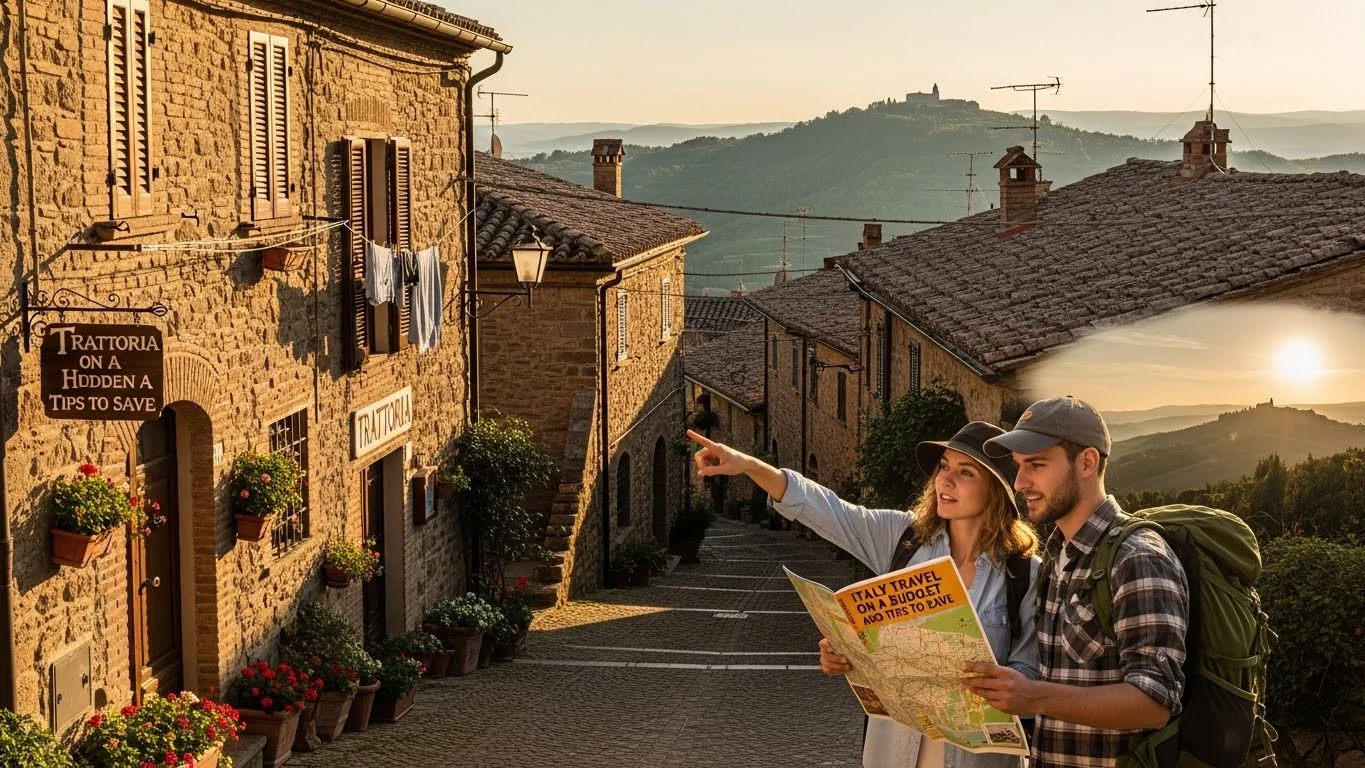
Italy Travel on a Budget: Hidden Gems and Tips to Save

Italy is a dream destination, even for those on a budget. With its rich history, stunning landscapes, and mouth-watering cuisine, you can explore its hidden gems without breaking the bank. If you’re planning your trip, be sure to check out Backpacking Italy: Essential Tips for Budget Travelers for valuable insights.

Italy Travel on a Budget: Hidden Gems and Tips to Save

Overview of Budget Travel in Italy

Why Choose Italy for Budget Travel?

When I first considered traveling to Italy on a budget, I was amazed by how many options were available. The allure of its art, architecture, and food often makes you think it’s an expensive trip, but I quickly discovered that with some planning, we could enjoy a wealth of experiences without overspending. Italy is not just about Rome, Florence, and Venice; it’s a treasure chest of lesser-known towns, breathtaking natural landscapes, and local traditions that are surprisingly affordable. From the vibrant streets of Bologna to the serene beaches of Tropea, Italy invites budget travelers to explore and enjoy.

Understanding the Cost of Travel in Italy

One of the first things I learned when traveling in Italy is that costs can vary significantly depending on where you go and when you visit. Major tourist hotspots can be pricier, especially in peak seasons. However, I found that many smaller towns offer similar experiences for a fraction of the price. For instance, I remember enjoying a delicious meal in a small trattoria in Matera, where the prices were incredibly reasonable compared to those in Milan. In my experience, it’s all about knowing where to look and when to go. Flights can also be found at bargain prices, particularly if you book in advance or are flexible with your travel dates. If you want more detailed information on budget-friendly options, consider reading Top 10 Budget-Friendly Destinations in Italy You Must Visit.

When to Visit Italy for Budget Travel

Off-Peak Seasons and Their Benefits

If you want to stretch your budget further, I highly recommend visiting Italy during its off-peak seasons, which typically include late fall and winter months. The weather may be cooler, but the savings can be significant. I traveled to Florence in late November and found that not only were hotel prices slashed, but the major attractions were also less crowded. This allowed us to take our time exploring, soaking in the beauty without the hustle and bustle of summer tourists. Plus, many cities have a different charm in the off-peak months, with local events and a more authentic feel.

Festivals and Events to Consider

Italy is known for its vibrant festivals, and attending these can add a unique twist to your budget travel experience. I remember stumbling upon the Venice Carnival during my travels, and the atmosphere was electric! Although some events can be pricey, others are free or low-cost. Visiting during a local festival not only allows you to immerse yourself in Italian culture but also provides opportunities to taste local foods, see traditional performances, and perhaps even snag some unique souvenirs. Just be sure to check the calendar before your trip, as events can vary year to year.

Getting Around Italy on a Budget

Public Transportation: Trains and Buses

Getting around Italy doesn’t have to be expensive. I discovered that Italy boasts an efficient public transport system, with trains and buses linking major cities and towns. For instance, I took a train from Rome to Florence for less than 30 euros, which saved me both time and money compared to renting a car. Plus, the scenic views from the train windows were a bonus! I recommend checking out regional train passes or booking in advance for the best deals. Buses can also be a cost-effective option, especially for reaching smaller towns, and I found the bus services in rural areas to be quite reliable.

Walking and Biking in Italian Cities

One of my favorite ways to explore Italian cities was simply by walking. Each step revealed hidden gems, from quaint little cafes to stunning architecture. I often found myself wandering the streets of Bologna, where I could easily spend hours just soaking in the atmosphere. Many cities also offer bike rental services, which is not only budget-friendly but also a fun way to see the sights. I rented a bike in Florence and pedaled through the lush countryside, making memories along the way. It’s a fantastic way to explore at your own pace while enjoying the beautiful landscapes.

Car Rentals vs. Public Transport Costs

While renting a car may seem like a convenient option, I’d advise weighing the costs carefully. In my travels, I found that parking fees in cities can add up quickly, and navigating the narrow streets can be challenging. Public transport is often more economical, especially if you’re sticking to urban areas. However, if you plan to explore the countryside, a rental might be worthwhile. Just remember to consider the total costs, including fuel and insurance, before making your decision. I personally preferred using trains and buses, which allowed me to relax and enjoy the journey without the stress of driving.

Affordable Accommodations in Italy

Hostels and Budget Hotels

When I think about where to stay in Italy on a budget, hostels and budget hotels immediately come to mind. I remember my first hostel experience in Florence, which was not only affordable but also incredibly social. I met fellow travelers from around the world, shared stories over pasta at communal dinners, and even got tips on the best local spots to check out. Many hostels offer private rooms at reasonable rates, which can be a great option if you want a bit more privacy without shelling out for a hotel. Budget hotels can also be a good choice, especially if you’re looking for amenities like breakfast included in the price. I found some charming budget hotels in Bologna that were located close to the city center, allowing easy access to all that the city has to offer.

Vacation Rentals and Homestays

If you’re traveling with friends or family, exploring vacation rentals can be a fantastic way to save money while enjoying a homelike experience. I once booked an apartment in the heart of Rome for a week, which turned out to be much cheaper than booking several hotel rooms. Having a kitchen allowed us to prepare some meals, which not only saved money but also gave us a chance to experience the local markets. Homestays are another wonderful alternative, often providing a more authentic feel of Italian life. I stayed with a lovely family in a small village near Naples, where they shared delicious homemade meals and local insights that made my trip truly special.

Camping and Alternative Lodging Options

For the adventurous spirit, camping can be a budget-friendly and fun lodging option in Italy. There are numerous campsites along the coast and in national parks, where you can immerse yourself in nature without spending much. I camped near Lake Garda, and it was one of the highlights of my trip. Waking up to stunning views and the sound of nature was magical. Plus, many campsites offer amenities like swimming pools and communal kitchens, making your stay comfortable. If camping isn’t for you, consider alternative lodging like agriturismo—staying on a farm. I found this experience incredibly enriching, with opportunities to learn about local farming and enjoy fresh produce directly from the source.

Hidden Gems in Italy Worth Visiting

Underrated Cities: Bologna and Matera

Bologna is often overshadowed by other Italian cities, but it quickly became one of my favorites. Known for its rich culinary tradition, I found myself indulging in tagliatelle al ragù and freshly made tortellini without the tourist crowds. Wandering through its medieval streets and vibrant markets felt like stepping back in time. Matera, with its unique cave dwellings, was another hidden gem. I remember exploring the Sassi di Matera and marveling at how this ancient city has transformed into a UNESCO World Heritage site. The best part? Both cities are much more affordable than the major tourist hotspots.

Beautiful Coastal Towns: Cinque Terre and Tropea

While Cinque Terre is becoming more popular, I still found that it offers beautiful views and experiences without breaking the bank, especially if you stay in nearby La Spezia and take the train in. The colorful villages perched on the cliffs are stunning, and hiking between them is an unforgettable adventure. Tropea, on the other hand, is a lesser-known spot along the Calabria coast. I was blown away by the stunning beaches and the charming town perched above the sea. Eating fresh seafood at a beachside restaurant while watching the sunset was one of the most memorable moments of my travels.

Charming Villages: Civita di Bagnoregio and San Gimignano

Civita di Bagnoregio is often called the “dying town” due to its precarious position atop a hill, but it’s a must-visit for its breathtaking views and enchanting atmosphere. I remember walking across the footbridge to reach the village, feeling like I was entering a fairy tale. San Gimignano, famous for its medieval towers, offers a rich history, local wines, and delicious gelato. I enjoyed a leisurely stroll through its cobblestone streets, soaking in the sights and flavors. Both villages are relatively affordable and provide a perfect escape from the busier tourist routes.

Eating on a Budget in Italy

Street Food and Local Markets

One of the highlights of my travels in Italy was discovering the incredible street food scene. I remember wandering the streets of Palermo, where I stumbled upon a food market filled with mouthwatering options. Arancini, or stuffed rice balls, became my go-to snack, and I was amazed at how inexpensive they were. Local markets are another great way to eat well on a budget. I found that picking up fresh produce, cheeses, and cured meats for a picnic was not only affordable but also a delightful way to enjoy a meal outdoors. I often ended my days by indulging in gelato from a local vendor, treating myself without feeling guilty about my budget.

Affordable Restaurants and Pizzerias

For dining out, I learned that some of the best meals can be found in small trattorias or pizzerias away from the main tourist paths. I remember enjoying a simple yet delicious pizza in a cozy restaurant in Naples, where the locals gathered. The prices were reasonable, and the atmosphere was filled with laughter and conversation. Many places offer lunch specials, which can be a great way to enjoy a nice meal at a fraction of the dinner price. I also discovered that some restaurants have a “Menu del Giorno” (menu of the day), which is not only budget-friendly but often features some of the freshest ingredients available.

Tips for Enjoying Italian Cuisine Without Breaking the Bank

To truly appreciate Italian cuisine without overspending, I recommend eating like a local. Try to avoid tourist traps with flashy menus and instead follow the locals to hidden gems. I found that exploring side streets often led to discovering amazing food at lower prices. Additionally, consider dining during off-peak hours, as some restaurants offer discounts for early dinner guests. Lastly, don’t be shy about asking the waitstaff for recommendations—many times, they pointed me toward budget-friendly dishes that turned out to be some of the best meals of my trip!

Free and Low-Cost Attractions in Italy

Exploring Museums with Free Entry Days

One of the biggest surprises during my travels in Italy was discovering how many world-class museums offer free entry days. For instance, I remember visiting the Uffizi Gallery in Florence on the first Sunday of the month, when admission was free. It felt exhilarating to walk through the halls filled with masterpieces by artists like Botticelli and Michelangelo without spending a dime. Many cities have similar programs, so I made it a point to check local museum websites before my visits. Even if you’re not there on a free day, many museums have discounted tickets after certain hours or offer reduced rates for students and seniors. I found this to be an excellent way to enjoy Italy’s rich art heritage without stretching my budget too thin.

Outdoor Activities: Parks, Beaches, and Hiking Trails

Italy’s landscape is a treasure trove of natural beauty, and I embraced it fully by seeking out parks, beaches, and hiking trails. I remember hiking in the Cinque Terre National Park, where the trails between the villages offered breathtaking views of the coastline. The best part? Access to the trails was free! We packed a picnic and spent the day soaking in the sun and views, making memories that were priceless. Whether it’s lounging on the stunning beaches of Tropea or exploring the lush greenery of Villa Borghese in Rome, there are countless outdoor spots to enjoy without spending much. I recommend bringing a camera, as every turn offers a picture-perfect moment.

Historical Sites and Churches with No Entrance Fees

Italy is rich in history, and many historical sites and churches can be visited for free. I often found myself wandering into beautiful cathedrals, like the Duomo in Milan, where entry was free. The architecture and the atmosphere inside were awe-inspiring, and I spent hours just absorbing the beauty. Additionally, many smaller towns have charming churches and ruins that are free to explore. I remember a delightful afternoon spent at a lesser-known Roman ruin, where I was the only visitor, allowing me to imagine the past in peace. It’s these experiences that made my trip feel authentic and memorable without the price tag of major attractions.

Money-Saving Tips for Traveling in Italy

Using City Passes and Discount Cards

Before my travels, I did some research on city passes, which can be a fantastic way to save money if you plan on visiting several attractions. I purchased the Roma Pass during my time in Rome, which included free public transport and discounted entry to various sites. This pass not only streamlined my travel but also allowed me to skip long lines at popular destinations. I found it especially helpful for museums and archaeological sites, as I was able to spend more time enjoying the culture rather than waiting in queues. If you’re planning to hop around various cities, check for regional passes that offer similar benefits.

Finding Free Walking Tours and Local Guides

One of the best ways to learn about a city is through its history, and I’ve found free walking tours to be a fantastic option. During my travels, I joined a few of these tours led by passionate locals who shared insider tips and stories that I would have otherwise missed. These tours operate on a tip-based system, so you pay what you can afford. I remember one particular guide in Florence who took us through hidden alleyways, showing us local art and sharing fascinating anecdotes about the city’s past. It felt authentic, and I got a great overview of the city without spending a lot!

Budgeting for Souvenirs and Shopping

Shopping in Italy can be tempting, especially with all the beautiful crafts and local products. I learned the hard way that it’s essential to budget wisely for souvenirs. Instead of splurging at tourist shops, I found local markets to be the best spots for unique finds. For instance, I picked up some gorgeous hand-painted ceramics in a small shop in Amalfi for a fraction of the price compared to larger retailers. I also made a point to look for local artisans and craftspeople, as their work often came at a more reasonable price and carried a story behind it. This way, I could bring home meaningful souvenirs without overspending.

Frequently Asked Questions

Why is Italy considered a dream destination for budget travelers?

Italy offers a wealth of experiences, including rich history, stunning landscapes, and mouth-watering cuisine, making it possible to explore hidden gems without overspending.

What are the benefits of visiting Italy during off-peak seasons?

Traveling during off-peak seasons, such as late fall and winter, can lead to significant savings on hotel prices and reduced crowds at major attractions, allowing for a more relaxed exploration.

How can I get around Italy without spending much money?

Italy has an efficient public transport system with trains and buses linking major cities and towns. Walking and biking are also budget-friendly ways to explore cities, often revealing hidden gems along the way.

What types of accommodations are recommended for budget travelers in Italy?

Budget travelers can consider hostels, budget hotels, vacation rentals, and even camping as affordable lodging options. Many hostels offer private rooms, and vacation rentals can be cost-effective for groups or families.

What are some hidden gem cities in Italy worth visiting?

Bologna and Matera are often underrated but offer rich culinary traditions and unique cave dwellings, respectively, making them more affordable alternatives to major tourist hotspots.

What are some budget-friendly dining options in Italy?

Street food and local markets provide affordable meal options, while small trattorias and pizzerias away from tourist paths often offer delicious meals at reasonable prices. Look for lunch specials and “Menu del Giorno” for additional savings.

How can travelers enjoy free or low-cost attractions in Italy?

Many museums offer free entry days, while parks, beaches, and hiking trails provide outdoor activities at no cost. Historical sites and churches often have no entrance fees, allowing for authentic experiences without high costs.

What are city passes and how can they help with budgeting?

City passes, like the Roma Pass, can save money by providing free public transport and discounted entry to various attractions, streamlining travel and reducing costs for multiple site visits.

Are there ways to find free walking tours in Italy?

Free walking tours, typically led by passionate locals, are available in many cities and operate on a tip-based system, offering an authentic insight into the city’s history without a large financial commitment.

How can travelers budget for souvenirs while in Italy?

It’s essential to budget wisely for souvenirs. Local markets are often the best spots for unique finds at reasonable prices, and purchasing from local artisans can provide meaningful items that tell a story without overspending.

“`

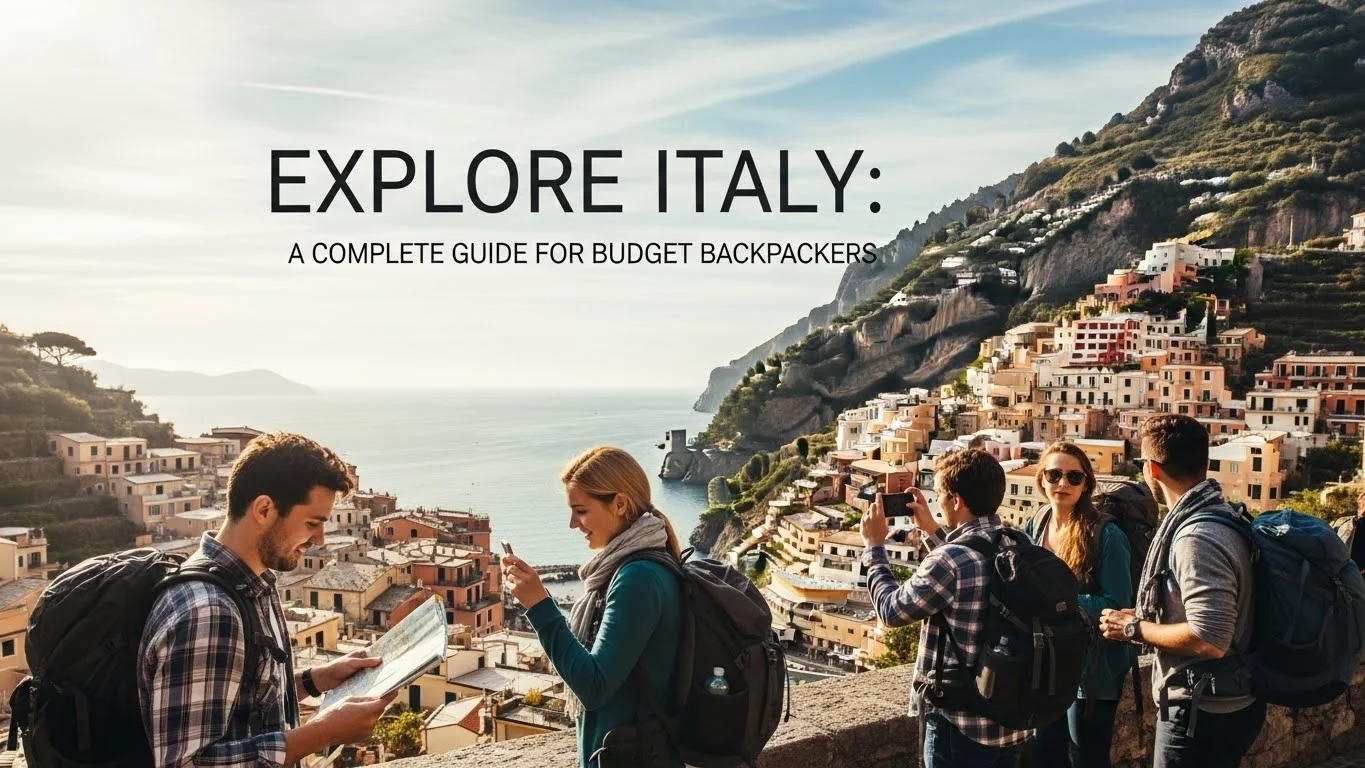
Explore Italy: A Complete Guide for Budget Backpackers

Italy is a dream destination for backpackers, offering stunning scenery, rich history, and delicious cuisine—all without breaking the bank. Join me as we explore how to experience Italy on a budget! Read Interesting article: Backpacking Italy: Essential Tips for Budget Travelers

Explore Italy: A Complete Guide for Budget Backpackers

Overview of Backpacking in Italy

Why Choose Italy for Backpacking?

When I first thought about backpacking through Europe, Italy immediately topped my list. I felt drawn to its vibrant culture, diverse landscapes, and historical depths. From the bustling streets of Rome to the serene countryside of Tuscany, there’s something for every type of traveler. What truly sets Italy apart, in my opinion, is its ability to blend ancient traditions with modern life seamlessly. I remember wandering the cobblestone streets, savoring gelato, and discovering hidden gems that felt like they had been preserved through time.

Backpacking in Italy is not just about seeing famous landmarks. It’s about immersing yourself in a lifestyle where food is celebrated, art is cherished, and every corner has a story to tell. Italy’s rich history and diverse regions mean that each place offers a unique experience, making it perfect for backpackers who want to explore without the confines of a typical tourist route. Read Interesting article: Top 10 Budget-Friendly Destinations in Italy You Must Visit

Backpacking vs. Traditional Travel in Italy

Backpacking in Italy provides a different experience than traditional travel. When I traveled with a guided tour, I felt rushed, often missing out on the little details that make a trip memorable. Backpacking allowed me to take my time, soak in the atmosphere, and truly connect with locals. I learned that asking for recommendations led me to the best pizzerias and coffee shops, which I might have otherwise overlooked.

Traveling this way also means you can adjust your plans based on what you discover. If I found a street market or a local festival, I could change my itinerary on a whim. It’s this freedom that makes backpacking so appealing. I believe that embracing spontaneity can lead to some of the best travel stories!

When to Visit Italy

Best Seasons for Budget Travelers

Choosing the right time to visit Italy can significantly impact your budget. After traveling there in both the summer and spring, I can confidently say that the shoulder seasons—spring (April to June) and fall (September to October)—are ideal for budget backpackers. During these months, you’ll find fewer crowds, pleasant weather, and often better rates on accommodation and attractions.

I visited in September and found that the weather was still warm enough to enjoy outdoor activities without the summer heat. Plus, many accommodations offer discounts during the off-peak times, allowing for more savings!

Major Festivals and Events

If you enjoy local culture, consider timing your visit with one of Italy’s many festivals. Events like Venice Carnival or the Palio di Siena can be spectacular to witness, but they also attract large crowds and higher prices. I attended a smaller local festival in a town near Florence, which provided a genuine experience without the chaos. Participating in these local celebrations made me feel like I was a part of the community, and I recommend looking for such events during your travels.

Weather Considerations

Weather can also vary significantly across regions. I learned that the northern parts, like the Dolomites, can get cold and snowy during winter, while southern regions like Sicily enjoy milder temperatures. I found that bringing layers was essential, as temperatures could change throughout the day, especially in places like Rome, where the sun can be quite strong during the day, but evenings might be chilly.

Budget Travel Tips for Italy

How to Save on Accommodation

Finding budget accommodation is key for backpackers. I often used platforms like Hostelworld and Booking.com to find affordable hostels, which not only saved me money but also provided a chance to meet fellow travelers. Staying in dorms can be a fun way to connect and share stories. I’ve found that some hostels even offer free breakfasts or cooking classes, which are fantastic bonuses!

Affordable Transportation Options

Getting around Italy can be inexpensive if you plan wisely. I discovered that trains are often the best mode of transport between cities. The regional trains are not only affordable but also a great way to see the countryside. I also recommend booking train tickets in advance, as this can save you a substantial amount. For city travel, I often walked or used public transport options like buses and trams, which are much cheaper than taxis.

Money-Saving Tips on Food and Dining

Food is one of my favorite parts of traveling, and Italy did not disappoint! I learned that eating like a local can help you save money. I often opted for “trattorias” or small family-owned restaurants rather than touristy spots. Also, don’t shy away from street food! I had some of the best arancini and pizza from vendors that made eating on a budget a delicious affair. Remember, many Italians eat their main meal during lunch, so consider enjoying a hearty meal during that time when prices are typically lower.

Free or Low-Cost Attractions

Italy is filled with free or low-cost attractions. Many museums have free entry days, and I found that simply wandering through towns like Florence or Venice can be just as rewarding as visiting their famous sites. I spent hours just exploring local neighborhoods, soaking in the architecture and atmosphere. Parks and public squares are great for lounging and people-watching too. I recommend checking local tourism websites for free events happening during your visit! Read Interesting article: Discover Italy on a Budget: Ultimate Backpacker’s Guide

Where to Stay: Budget Accommodation Options

Hostels in Major Cities

When I think about budget accommodation in Italy, hostels immediately come to mind. They’re not just a place to sleep; they’re a hub of camaraderie and shared experiences. In cities like Rome, Florence, and Venice, I’ve found some fantastic hostels that offer not only affordable beds but also a vibrant atmosphere. Many of these hostels organize events like pub crawls or walking tours, making it easy to meet fellow travelers and share adventures.

For me, staying in hostels meant more than just saving money; it provided a chance to connect with people from all over the world. I remember one night in Florence where I joined a group of travelers for a rooftop barbecue hosted by the hostel. It was an unforgettable experience, filled with laughter, good food, and new friendships. I recommend looking for hostels that have good reviews on platforms like Hostelworld or Booking.com to ensure you have a great experience.

Couchsurfing and Homestays

If you’re looking for an even more immersive experience, consider Couchsurfing or homestays. This option not only saves money but also allows you to connect with locals in a way that traditional accommodations do not. I’ve had the pleasure of staying with hosts who shared their favorite local spots and even invited me to family dinners, which added a personal touch to my travels.

Couchsurfing can be a bit intimidating at first, but I found that most hosts are genuinely interested in sharing their culture and meeting new people. It’s essential to read reviews and profiles carefully to find the right match for your stay. I remember staying with a lovely family in Naples, who introduced me to homemade pasta and local traditions. That experience remains one of my fondest memories from my travels in Italy.

Camping and Alternative Lodging

For those who love the outdoors, camping can be a fantastic way to experience Italy’s natural beauty while staying on a budget. I camped near the Amalfi Coast one summer, and the views were absolutely breathtaking. There are many campsites around Italy, often located near beautiful beaches or scenic parks. They often provide basic amenities like showers and cooking facilities, making it a comfortable option for backpackers.

Additionally, alternative lodging options like guesthouses, agriturismos, or even small bed-and-breakfasts can be affordable. I found that agriturismos, which are working farms that offer lodging, provide not only a unique experience but also a taste of authentic Italian life. I stayed at one in Tuscany that served meals made from ingredients grown right on the property, which was an incredible experience. These types of accommodations often allow you to escape the tourist crowds and connect with the local way of life.

Top Destinations for Budget Backpackers

Rome: A Backpacker’s Paradise

Rome is often considered the heart of Italy, and for good reason. The city is a backpacker’s paradise filled with history, art, and culture. I was amazed at how many iconic sites I could explore for free, like the stunning Trevi Fountain and the expansive Roman Forum (which has free entry on the first Sunday of every month). Walking around the city, I felt like I was stepping back in time, surrounded by ancient ruins and beautiful architecture.

Public transport is also affordable, with metro and bus passes that allow easy access to various neighborhoods. Plus, I discovered that many neighborhoods, like Trastevere, are just as beautiful as the well-known attractions. Getting lost in those charming streets led me to some of the best food experiences, including local trattorias that offered hearty meals at reasonable prices.

Florence: Art and History on a Budget

Florence is a treasure trove of art and history, and I found that backpacking here was incredibly rewarding. The city is home to masterpieces from the Renaissance, and many museums offer discounted or free entry on certain days. I remember visiting the Uffizi Gallery during free admission hours and marveling at works by Michelangelo and Da Vinci without spending a dime!

The city is also small enough to explore on foot, which is my favorite way to discover hidden gems. I stumbled upon local artisan shops and quaint cafes that offered delicious pastries and coffee at a fraction of the price of touristy spots. One of my favorite memories is enjoying a gelato by the Ponte Vecchio, soaking in the atmosphere and watching the world go by.

Venice: Exploring the Canals Without Breaking the Bank

Venice is often seen as an expensive destination, but I learned that it’s possible to enjoy this magical city on a budget. Instead of splurging on gondola rides, I opted for walking along the canals and exploring the lesser-known neighborhoods, like Cannaregio and Dorsoduro. I found that wandering through the narrow streets led me to some truly enchanting sights, away from the crowded tourist areas.

I also discovered that there are several free walking tours available, which provide great insight into the city’s history without costing a penny. Plus, I recommend grabbing a sandwich or cicchetti (Venetian tapas) from a local bacaro instead of dining at a sit-down restaurant. It’s a tasty and affordable way to experience the local cuisine!

Naples: Affordable Eats and Cultural Riches

Naples is known for its vibrant street life and culinary delights, making it a fantastic stop for budget travelers. I was blown away by the incredible pizza—often touted as the best in the world—served at prices that made my wallet happy. Eating like a local is easy here; just grab a slice from a street vendor, and you’re set!

The city also provides a rich cultural experience with its historic sites, many of which are free to enter. I spent a day exploring the Naples National Archaeological Museum, which is filled with artifacts from Pompeii and Herculaneum, and I was amazed at the vast collection. Plus, the views from the hilltops overlooking the Bay of Naples are breathtaking and completely free!

Milano: Fashion and Finance for Less

While Milan is famous for being a fashion capital, it also has plenty to offer budget-conscious travelers. I found that many of the city’s museums and galleries have discounted entry fees, especially on certain days. The stunning Duomo di Milano is a must-see, and you can enjoy the view from the rooftop for a small fee.

In terms of food, I discovered that Milan has some great street food options, from panzerotti to gelato. I also recommend checking out local markets, where you can pick up fresh produce and ready-made meals at reasonable prices. The vibrant atmosphere of the Navigli district, with its canals and unique shops, is another highlight that I cherished without spending much.

Smaller Cities and Hidden Gems

Venturing beyond the major cities can lead to some of the best experiences. I remember discovering towns like Lucca and Matera, which offered stunning scenery, historical significance, and far fewer tourists. These smaller cities often have lower accommodation costs and authentic dining options. I found that I could indulge in local cuisine without worrying about inflated prices.

In my opinion, exploring Italy’s hidden gems can provide a richer and more personal experience. I encourage you to take the time to wander off the beaten path and discover the unique beauty that each region has to offer. Whether it’s a quaint village in the countryside or a coastal town with stunning views, there’s so much to see beyond the tourist hotspots.

Local Cuisine: Eating Well on a Budget

Street Food and Quick Bites

One of the best parts of my travels in Italy was discovering the incredible street food scene. Each region has its own specialties, and I found that trying these quick bites not only filled my stomach but also introduced me to authentic local flavors. For instance, in Naples, I indulged in a classic pizza slice from a street vendor, which was both delicious and affordable. I remember standing on the sidewalk, savoring the gooey mozzarella and fresh basil while soaking in the lively atmosphere around me.

In Rome, you can’t miss out on “supplì,” which are fried rice balls filled with mozzarella. They were a satisfying snack on the go! I also found that many cities have open-air markets where you can grab fresh produce, cheeses, and meats for a picnic. It’s a wonderful way to enjoy a meal while soaking in the sights and sounds of the local culture.

Budget-Friendly Restaurants

While street food is fantastic, sitting down at a local restaurant can be just as rewarding and budget-friendly. I learned to look for places that were bustling with locals, as that usually meant the food was both authentic and reasonably priced. I remember one evening in Florence, where I stumbled upon a small trattoria filled with locals enjoying their meals. I decided to give it a try, and I was rewarded with a simple yet flavorful pasta dish that quickly became one of my favorites.

Many of these family-run establishments offer “menu del giorno” (menu of the day), which is often a great deal for a full meal. I also found that eating “alla carta” (from the menu) rather than opting for tourist-centric set menus could save me a good chunk of change. Don’t hesitate to ask locals for their recommendations; it’s one of the best ways to discover hidden culinary gems!

Grocery Shopping Tips

If you really want to stretch your budget, grocery shopping is a fantastic option. I often visited local markets or supermarkets to pick up fresh ingredients for meals. This not only saved me money but also became a fun part of my experience. I enjoyed venturing into different markets, trying to learn a few Italian phrases to communicate with the vendors. One of my fondest memories was buying fresh tomatoes and basil to make a simple caprese salad in a hostel kitchen.

Look for grocery stores that have ready-made meals, which can be both delicious and affordable. In many cities, you can find pre-packaged pasta dishes, salads, or even pizzas that won’t break the bank. Plus, it’s a nice change of pace to prepare your own meals occasionally, especially if you’re traveling for an extended period.

Must-Try Dishes for Backpackers

There are so many iconic dishes to try while in Italy, and as a backpacker, I found that sampling local cuisine was an essential part of my journey. Here are a few must-try dishes that won’t hurt your wallet:

  • Pizza Napoletana: This classic Neapolitan pizza, with its thin crust and fresh ingredients, is a must. You can find slices at reasonable prices all around Naples.
  • Pasta Cacio e Pepe: Simple yet delicious, this Roman dish made with just cheese and pepper is a budget-friendly option found in many trattorias.
  • Arancini: These fried rice balls are popular in Sicily and can often be found at street vendors or local eateries.
  • Frittata: An Italian-style omelet that can be found in many cafes, perfect for breakfast or a light lunch.
  • Gelato: I can’t talk about budget eating in Italy without mentioning gelato! Treat yourself to this creamy delight, and don’t forget to sample local flavors.

For me, discovering Italy through its food has been one of the most rewarding experiences of my travels. Eating well doesn’t have to be expensive, and with a little exploration and curiosity, you can enjoy the best the country has to offer without straining your budget. I encourage you to dive into the local cuisine and embrace the flavors of Italy!

Frequently Asked Questions

1. Why is Italy considered a great destination for backpackers?

Italy offers stunning scenery, rich history, and delicious cuisine, making it perfect for backpackers. It allows travelers to immerse themselves in a vibrant culture where food and art are celebrated, and every corner has a story to tell.

2. What are the best seasons for budget travelers to visit Italy?

The shoulder seasons of spring (April to June) and fall (September to October) are ideal for budget backpackers, as these months feature fewer crowds, pleasant weather, and often better rates on accommodations and attractions.

3. How can I save on accommodation while backpacking in Italy?

Backpackers can save on accommodation by using platforms like Hostelworld and Booking.com to find affordable hostels. Staying in dorms can also provide opportunities to meet fellow travelers, and some hostels offer free breakfasts or cooking classes.

4. What are some affordable transportation options in Italy?

Trains are often the best mode of transport between cities, as they are affordable and provide a scenic view of the countryside. Booking train tickets in advance can save money, and walking or using public transport within cities is cheaper than taxis.

5. How can I eat well on a budget in Italy?

Eating like a local at trattorias or opting for street food can help you save money. Many locals eat their main meal during lunch, which is typically cheaper, and exploring local markets for fresh produce is also a great way to enjoy affordable meals.

6. What are some must-try dishes for backpackers in Italy?

Must-try dishes include Pizza Napoletana, Pasta Cacio e Pepe, Arancini, Frittata, and Gelato. These iconic dishes are not only delicious but also budget-friendly options available throughout Italy.

7. What are some tips for finding free or low-cost attractions in Italy?

Many museums have free entry days, and simply wandering through towns can be rewarding. Parks and public squares are great for lounging and people-watching, and checking local tourism websites for free events can enhance your experience.

8. What are some budget accommodation options besides hostels?

In addition to hostels, budget accommodation options include Couchsurfing, homestays, camping, and alternative lodging like guesthouses or agriturismos, which offer unique experiences and are often affordable.

9. How can I enjoy Venice without breaking the bank?

Instead of splurging on gondola rides, walk along the canals and explore lesser-known neighborhoods. Free walking tours are available, and grabbing a sandwich or cicchetti from a local bacaro is a tasty and affordable way to experience the local cuisine.

10. What are some hidden gems in Italy worth exploring?

Smaller cities like Lucca and Matera offer stunning scenery and historical significance with fewer tourists. Exploring these hidden gems can provide a richer experience and lower accommodation costs, allowing you to indulge in local cuisine without inflated prices.

Top 10 Budget-Friendly Destinations in Italy You Must Visit

If you’re dreaming of exploring Italy without breaking the bank, you’re in for a treat! This beautiful country offers charm, history, and delicious food at prices that won’t empty your wallet. For additional inspiration, check out Budget-Friendly Destinations for Family Backpacking Trips.

Top 10 Budget-Friendly Destinations in Italy You Must Visit

Overview of Budget-Friendly Travel in Italy

Why Italy is a Great Value Destination

Italy is one of those magical places that seems to have it all. From stunning landscapes and rich history to mouth-watering cuisine, it’s a dream destination for many. I’ve always felt that Italy is particularly friendly to budget travelers. You can soak in the culture, enjoy scenic views, and indulge in fantastic food without feeling guilty about your spending. My travels in Italy taught me that it’s not just about the big cities; many hidden gems offer incredible experiences at lower prices. This means you can explore more while spending less!

Best Times to Visit for Budget Travelers

Timing your visit can significantly impact your budget. I found that traveling during the shoulder seasons—late spring (April to June) and early autumn (September to October)—is ideal. The weather is still pleasant, and the crowds are smaller than in the peak summer months. This means you get to enjoy popular sites without the long lines and inflated prices. Plus, many accommodations and flights often offer lower rates during these times. I remember visiting Florence in September; the weather was perfect, and the city felt alive without being overcrowded. For more tips, check out Top 10 Budget-Friendly Destinations for Solo Travelers.

Top 10 Budget-Friendly Destinations in Italy

1. Rome

Ah, Rome! The Eternal City is a classic destination that I believe everyone should experience. What surprised me most was how many attractions you can visit for free. The Colosseum and the Roman Forum are iconic sites that, while they have entrance fees, I found that just walking around the outside and soaking in the ambiance was rewarding. I recommend visiting on the first Sunday of the month when many museums offer free entry!

Free Attractions: The Colosseum and Roman Forum

Even if you don’t pay to enter these structures, viewing them from the outside is stunning. I spent hours exploring the area, snapping pictures and imagining the history that unfolded within those walls. The atmosphere is electric, and I could almost hear the echoes of the past. If you’re up for it, consider heading to the Palatine Hill for some breathtaking views over the Forum.

Affordable Dining Options: Trattorias and Pizzerias

When it comes to food, you can eat well in Rome without spending a fortune. I discovered that local trattorias and pizzerias often serve delicious meals at reasonable prices. For a truly authentic experience, I recommend trying a slice of Roman-style pizza at a local bakery or grabbing a plate of pasta at a small eatery off the beaten path. I remember a tiny trattoria where I had the best carbonara of my life, all for under 10 euros!

2. Florence

Florence is a city that truly stole my heart. Known as the cradle of the Renaissance, it’s packed with art, culture, and history. While you might think you need a hefty budget to explore the Uffizi Gallery, I found there are ways to enjoy Florence without spending a fortune.

Exploring the Uffizi Gallery on a Budget

If you plan carefully, you can enjoy the Uffizi without the hefty admission fee. I learned that the gallery offers free entry on the first Sunday of every month. Just make sure to arrive early, as lines can get long. Alternatively, I found that visiting smaller galleries can be just as enriching and often much cheaper.

Local Markets: Mercato Centrale

No trip to Florence is complete without a visit to Mercato Centrale. This bustling market is a feast for the senses, with fresh produce, local cheeses, and mouth-watering street food. I spent hours wandering through the stalls and sampling local delicacies. You can easily grab a delicious panini or fresh pasta for less than 5 euros, making it a budget-friendly dining option!

3. Venice

Venice is like stepping into a painting. The canals, bridges, and stunning architecture are mesmerizing. I’ve heard people say it’s an expensive city, but I found plenty of ways to enjoy it without draining my wallet.

How to Enjoy the Grand Canal Without Spending a Fortune

Instead of splurging on a gondola ride, I hopped on a vaporetto (water bus) to explore the Grand Canal. It was an affordable way to see the sights from the water and feel like a local. I loved sitting outside on the deck, taking in the views, and enjoying the fresh air while saving money.

Free Walking Tours in Venice

Another fantastic way to discover the city is through free walking tours. I joined one during my visit and learned so much about the history and culture. It’s a great way to meet fellow travelers and get insider tips from knowledgeable guides. Just remember to tip the guide what you feel is fair for the experience!

4. Bologna

Bologna is often overshadowed by its more famous neighbors, but I found this city to be a true hidden gem. Known for its rich culinary tradition, Bologna offers a wealth of experiences without a steep price tag.

Historical Sites and Their Low Entrance Fees

The city is home to several historical sites, many of which have low entrance fees. I visited the Basilica di San Petronio, and while there’s a small fee for certain areas, the main part of the basilica is free. I was amazed by the stunning architecture and the history woven into every corner.

Street Food: Best Budget Eats in Bologna

When it comes to food, Bologna has some of the best street food in Italy. I munched on delicious tortellini and arancini from various stalls for just a few euros each. Eating like a local is one of the best ways to experience a city, and Bologna did not disappoint!

5. Naples

Ah, Naples! A city bursting with energy, culture, and, of course, pizza. Naples offers a fantastic experience for budget travelers like us.

Exploring Pompeii: Budget-Friendly Tips

Visiting Pompeii is a must if you’re in Naples. While the entry fee isn’t too high, I found that you can save by purchasing tickets in advance online. This allows you to avoid long lines and make the most of your time exploring the ancient ruins. Remember to bring water and snacks to keep costs down while you’re there.

Affordable Pizza: The Best Pizzerias in Naples

Speaking of pizza, Naples is the birthplace of this beloved dish! I discovered that you can enjoy authentic Neapolitan pizza for just a few euros at local pizzerias. I still crave the margherita pizza I had at a small family-owned spot. Eating in Naples is not just about the food; it’s about the experience!

6. Cinque Terre

Cinque Terre is one of the most picturesque places I’ve ever visited. The colorful villages perched on cliffs along the coast are simply breathtaking. Fortunately, there are plenty of budget-friendly options here too.

How to Hike Between the Villages for Free

The best way to experience Cinque Terre is by hiking between the villages. The trails offer some of the most stunning views I’ve ever seen. Thankfully, many of the hiking trails are free, making it a great way to explore without spending much. I remember feeling so accomplished after trekking from Monterosso to Vernazza while soaking in the beauty around me.

Budget Accommodations in Cinque Terre

While accommodations can get pricey, I found that staying in nearby towns and taking the train in can save a lot. I stayed in La Spezia, which is just a short train ride away. It was a perfect base for my adventures in Cinque Terre, and I enjoyed exploring the local charm without the high prices. For more budget options, you can also refer to Top 10 Budget-Friendly Destinations for Backpackers 2023.

7. Palermo

Palermo, the capital of Sicily, is another incredible destination for budget travelers. The vibrant culture, history, and food make it a must-visit.

Historic Markets: Ballarò and Vucciria

The markets in Palermo are alive with activity, and I found them to be the perfect place to experience local life. Ballarò and Vucciria are bustling markets where you can find fresh foods and traditional street food at very low prices. I loved trying various snacks while wandering through the stalls, immersing myself in the local culture.

Affordable Accommodation Options

Palermo also offers a range of budget-friendly accommodations. I discovered several hostels and guesthouses that provided a great experience without breaking the bank. Staying in these places allowed me to meet fellow travelers and share tips about the city.

8. Verona

Verona is often known as the city of Romeo and Juliet, but it offers so much more. I found it to be an enchanting city that’s easy to explore on a budget.

Visiting Juliet’s House on a Budget

While Juliet’s House has a small entry fee, I discovered that you can still enjoy the outside and the surrounding area for free. The courtyard is beautiful, and I loved taking pictures with the famous balcony. Plus, the atmosphere is filled with romance and history!

Free Events and Festivals in Verona

Verona hosts various free events and festivals throughout the year. I stumbled upon a local festival during my visit, which offered live music, food stalls, and cultural events. It was a fantastic way to experience the local culture without spending any money.

9. Matera

Matera is a UNESCO World Heritage site famous for its ancient cave dwellings. I was amazed by its unique landscape and rich history.

Exploring the Sassi di Matera for Free

Walking through the Sassi di Matera, the ancient cave dwellings, was one of my favorite parts of my trip. I found that wandering the streets and exploring the architecture was completely free. The views of the canyon are stunning, and I felt like I was stepping back in time.

Affordable Local Cuisine to Try

Matera’s local cuisine is worth trying, and I found several eateries offering traditional dishes at reasonable prices. I had a fantastic meal of orecchiette pasta that was both delicious and budget-friendly!

10. Turin

Turin is often overlooked, but it’s a city rich in history and culture. I was pleasantly surprised by how much I enjoyed my time there.

Free Museums and Attractions

One of the best parts of visiting Turin is the number of free museums and attractions. I visited the Museo Nazionale del Cinema, which offers free entry on certain days. Exploring the history of cinema in such a stunning location was an unexpected highlight of my trip.

Best Budget-Friendly Cafés in Turin

Tasting the local coffee is a must, and I found numerous cafés where you can enjoy a delicious cup without spending too much. I remember sitting in a little café, sipping my coffee, and watching the world go by—it was the perfect way to experience Turin.

Practical Tips for Traveling on a Budget in Italy

Transportation: Affordable Ways to Get Around

Getting around Italy on a budget is easier than I initially thought. I learned that Italy has an extensive public transportation network, making it simple to travel between cities and explore the local area. Trains are my go-to option, especially since they can be surprisingly affordable if you book in advance. I remember taking a high-speed train from Florence to Venice for a fraction of what I expected. I also discovered regional trains, which are slower but often much cheaper, and can offer a scenic view of the countryside.

For shorter distances within cities, I found that walking is the best way to soak in the sights and sounds. Rome, for example, is a city that begs to be explored on foot. I enjoyed wandering through charming streets, discovering little shops and cafes along the way. Additionally, public buses and trams are available in many cities and are a cost-effective choice. Just make sure to validate your ticket before boarding! And if you’re feeling adventurous, renting a bike or scooter can be a fun way to explore urban areas.

Accommodation: Finding Budget-Friendly Places to Stay

Finding affordable places to stay in Italy doesn’t have to be a challenge. I often sought out hostels, guesthouses, or budget hotels, which offered comfortable settings without the high price tag. Websites like Hostelworld and Booking.com helped me find great deals. I remember my stay in a cozy hostel in Bologna where I not only had a comfortable bed but also met other travelers who became friends during my trip.

Another tip is to consider booking accommodations outside the main tourist areas. I found that staying in lesser-known neighborhoods often provided a more authentic experience at a lower cost. In Florence, I opted for a quaint little apartment just a short bus ride from the city center, allowing me to enjoy local life while still being close enough to explore the main attractions. Additionally, Airbnb can be a good option if you prefer a home-like atmosphere, and sometimes you can even negotiate a better rate for longer stays.

Dining: Saving Money on Food

When it comes to food, Italy is a paradise for budget travelers, but there are definitely ways to save even more. I learned to embrace the local culture of aperitivo, which is a pre-dinner tradition where you buy a drink and enjoy a buffet of snacks for free or at a minimal cost. It’s a great way to sample various local delicacies without spending a fortune. I remember one evening in Florence where I enjoyed a spritz while munching on bruschetta and olives, all for the price of my drink.

Another great tip is to eat like a local. I found that smaller family-run trattorias and osterias often provide delicious, authentic meals at much better prices than touristy spots. I once stumbled upon a small café in Naples that served the best pizza I had ever tasted, and it was only 4 euros! Additionally, shopping at local markets is a fantastic way to save money. I often picked up fresh bread, cheese, and fruit to create my own picnic, which I enjoyed in one of the many beautiful piazzas.

Activities: Free and Low-Cost Things to Do

Italy is filled with activities that won’t cost you a cent. I quickly realized that many cities offer free walking tours, which are a fantastic way to learn about the history and culture while enjoying the sights. I joined a couple of these tours in Rome and Venice, and they provided great insight and were super entertaining! Just remember to tip your guide, as it’s a common practice.

Additionally, take advantage of free museum days or discounted entry times. I made it a point to check museum schedules ahead of time, and I was pleasantly surprised by how many places offered free admission on certain days. Parks and public gardens are also abundant in Italy, providing beautiful spots to relax and enjoy a moment of peace. I loved spending time in the Boboli Gardens in Florence, where I could wander through the breathtaking landscapes without spending a dime.

Overall, I discovered that having a budget while traveling in Italy doesn’t mean sacrificing experiences. With a little planning and a willingness to explore, we can enjoy this beautiful country without breaking the bank!

Frequently Asked Questions

Why is Italy considered a budget-friendly travel destination?

Italy is considered budget-friendly due to its charm, rich history, and delicious food that can be enjoyed without significant spending. There are many hidden gems and affordable experiences available beyond the popular tourist spots.

What are the best times to visit Italy for budget travelers?

The best times to visit Italy for budget travelers are during the shoulder seasons of late spring (April to June) and early autumn (September to October). During these times, the weather is pleasant, crowds are smaller, and prices for accommodations and flights are often lower.

What are some free attractions to visit in Rome?

In Rome, some free attractions include the Colosseum and the Roman Forum, where visitors can enjoy the ambiance from the outside. Additionally, many museums offer free entry on the first Sunday of the month.

How can I visit the Uffizi Gallery in Florence on a budget?

You can visit the Uffizi Gallery on a budget by going on the first Sunday of the month when it offers free entry. Alternatively, consider visiting smaller galleries that are often cheaper and equally enriching.

What is a cost-effective way to explore Venice?

A cost-effective way to explore Venice is by using the vaporetto (water bus) instead of taking a gondola ride. Additionally, joining free walking tours can provide valuable insights into the city’s history and culture at little to no cost.

What are some budget-friendly dining options in Bologna?

Bologna offers budget-friendly dining options such as street food, where you can enjoy delicious tortellini and arancini from various stalls for just a few euros each. Visiting local markets for fresh produce and snacks is also a great choice.

How can I save money while visiting Pompeii in Naples?

To save money while visiting Pompeii, purchase tickets in advance online. This helps you avoid long lines and allows you to maximize your time exploring the ancient ruins.

What are some affordable activities in Cinque Terre?

In Cinque Terre, hiking between the villages is a free activity that offers stunning views. Additionally, staying in nearby towns and taking the train can save on accommodation costs while still allowing access to the picturesque villages.

What budget accommodations are available in Palermo?

Palermo offers a range of budget accommodations, including hostels and guesthouses that provide a good experience without high costs. Staying in these places can also facilitate meeting fellow travelers.

What are some tips for saving money on food while traveling in Italy?

To save money on food in Italy, embrace the local culture of aperitivo, where you buy a drink and enjoy a buffet of snacks for free or at minimal cost. Eating at smaller family-run trattorias and shopping at local markets for picnic supplies are also great ways to save.

Backpacking Italy: Essential Tips for Budget Travelers

Backpacking through Italy is a dream for many travelers, offering stunning landscapes, rich culture, and delicious food—all without breaking the bank. If you’re ready for an adventure, let’s dive into the essentials! Read Interesting article: Discover Italy on a Budget: Ultimate Backpacker’s Guide

Backpacking Italy: Essential Tips for Budget Travelers

Overview of Backpacking in Italy

Why Choose Italy for Backpacking?

Italy is a treasure trove of experiences waiting to be discovered. I remember my first trip; it felt like stepping into a living museum, where every street corner had a story to tell. From the ancient ruins of Rome to the romantic canals of Venice, there’s something for everyone. For budget travelers like us, Italy offers a fantastic blend of history, art, and culinary delights without requiring a hefty wallet. I was amazed at how much I could see and do without overspending.

One thing that stood out to me was the warmth of the locals. Interacting with them not only made my journey more enjoyable but also opened up opportunities for affordable local dining options and hidden gems off the beaten path. The sense of community in Italy is palpable, making it a welcoming destination for backpackers. Read Interesting article: Backpacking Etiquette: Communicating with Locals Effectively

Best Regions for Budget Travelers

When planning a backpacking trip in Italy, it helps to know which regions are the most budget-friendly. In my experience, the following areas stand out:

  • Tuscany: Known for its rolling hills and vineyards, Tuscany is not just for wine lovers. Towns like Florence and Siena offer a rich cultural experience, and many museums have discounted entry days.
  • Southern Italy: The Amalfi Coast may seem pricey, but exploring towns like Salerno or Sorrento can be more affordable. Plus, the food is cheaper and just as delicious!
  • Rome: As the capital, Rome has plenty of free attractions, including the iconic Trevi Fountain and the Spanish Steps. I spent hours wandering around these sites, soaking in the atmosphere without spending a dime.
  • Liguria: This coastal region is home to the stunning Cinque Terre. While it can be touristy, I found that staying in nearby La Spezia was a budget-friendly option that provided easy access to hiking and breathtaking views.

Each of these regions has its unique charm. I found that by traveling during off-peak times and exploring lesser-known towns, I could stretch my budget even further while still enjoying the Italian experience.

When to Visit Italy on a Budget

Understanding Seasonal Trends

Timing is everything when planning a budget-friendly trip to Italy. I’ve learned that visiting during the shoulder seasons—April to June and September to October—can lead to better prices and fewer crowds. During these months, the weather is usually pleasant, and popular attractions are less congested. I remember wandering through the streets of Florence in late September, enjoying the mild climate and beautiful autumn colors without the summer tourist rush.

Off-Peak Travel Benefits

Off-peak travel has its perks. Not only are flight prices more affordable, but accommodations also tend to be cheaper. I found that by booking hostels or guesthouses a few months in advance, I could save a substantial amount. Plus, traveling during these times often leads to more authentic experiences, as locals are more likely to be available to engage with travelers.

Additionally, many attractions often lower their admission fees during off-peak months. I discovered that some museums offer free entry on specific days, allowing me to explore cultural sites without any guilt about spending. These experiences taught me to be flexible and plan my itinerary around these opportunities.

Budget-Friendly Transportation Options

Using Trains for Intercity Travel

Getting around Italy is relatively easy, especially with its extensive train network. I made the most of my travels by opting for trains, which are not only affordable but also a great way to see the countryside. I purchased an Italian Rail Pass, which allowed me to hop on and off trains at my leisure. The scenic views from the train window were an unexpected bonus! I remember crossing the rolling hills of Tuscany and feeling grateful for the convenience and comfort of train travel.

Booking your train tickets in advance can lead to even bigger savings. I learned that regional trains are often cheaper than high-speed trains, and they can still take you to beautiful destinations. If you’re planning to visit multiple cities, consider traveling during off-peak hours to score better prices.

Public Transportation in Major Cities

Once in the cities, public transportation is your friend. I found buses and trams in cities like Milan and Naples to be reliable and budget-friendly. Purchasing a day pass allowed me unlimited rides, making it easy to explore without worrying about individual ticket costs. I often used public transport to reach lesser-known neighborhoods, where I tasted authentic local cuisine and experienced the true essence of Italian life.

Tips for Renting a Bike or Scooter

Renting a bike or scooter is another fantastic way to explore Italy on a budget. I remember cycling through the winding streets of Bologna, enjoying every moment of freedom. Many cities offer affordable rental shops, and some even have bike-sharing programs. It felt exhilarating to navigate through the streets at my own pace, stopping whenever a charming café caught my eye or a picturesque view called out to me.

Before renting, always check for local regulations and safety gear. I learned the hard way to always wear a helmet and be aware of traffic rules to ensure a safe adventure. With a bike or scooter, you can cover more ground while saving money on transportation costs!

Where to Stay: Accommodation Tips

Hostels: The Best Budget Options

When it comes to budget-friendly places to stay in Italy, hostels are a fantastic option. I remember my first night in a bustling hostel in Rome, where I met fellow travelers from all over the world. The atmosphere was lively, and it felt great to share stories and experiences over breakfast in the common area. Many hostels offer dormitory-style rooms, which are not only economical but also a great way to meet new friends.

What I love about hostels in Italy is that they often provide additional amenities, like free Wi-Fi, kitchen facilities, and organized tours. I found cooking my own meals in the hostel kitchen to be a fun and budget-friendly way to enjoy Italian cuisine. Plus, some hostels even offer discounts on local attractions, which can save you money during your travels. Read Interesting article: Budget Backpacking: Dive into Cultural City Experiences

Airbnb and Couchsurfing Alternatives

If hostels aren’t your thing, Airbnb can be a stellar alternative. I’ve used it several times, and I was always surprised by the range of options available—from cozy apartments in the heart of the city to charming homes in quieter neighborhoods. Staying in an Airbnb allowed me to experience life as a local, which added a unique flavor to my travels.

Another option to consider is Couchsurfing. This platform connects travelers with locals who offer free accommodations, often in exchange for stories and cultural exchange. I had a fantastic experience staying with a family in Florence, sharing meals, and even learning how to cook a traditional dish! It was a wonderful way to dive deeper into Italian culture while keeping my budget intact.

Staying in Shared Accommodations

Shared accommodations are another excellent choice for budget travelers. This could mean renting a room in a shared apartment or staying in a guesthouse. I remember staying in a shared apartment in Venice, where the host not only provided a comfortable place to sleep but also valuable local tips that helped me navigate the city more efficiently.

When searching for shared accommodations, look for places with good reviews and a friendly host. I always found that personal touches, like a welcoming note or a homemade breakfast, made my stay even more special. Plus, shared living spaces often encourage interaction with other travelers, fostering a sense of community that I cherish during my trips.

Top Attractions and Activities for Budget Travelers

Free and Low-Cost Attractions

Italy is brimming with attractions that won’t cost you a cent—or very little at all. I was amazed at how many free sights I encountered. For instance, walking around the historic center of Florence is like taking a stroll through an art gallery. The architecture, the street performers, and the vibrant atmosphere made every step feel worthwhile. I spent hours just wandering and soaking it all in!

In cities like Rome, you can take advantage of free walking tours. I joined a couple of these during my stay, and they turned out to be some of the highlights of my trip. Not only did I learn about the city’s fascinating history, but I also connected with other travelers sharing the experience. Many of these tours operate on a tip-based model, so you can pay what you think the experience was worth, making it a flexible option for budget travelers.

Must-See Historical Sites

While some historical sites have entry fees, many offer discounted or free admission on certain days. I discovered that the Vatican Museums have a free entry day each month! I made sure to plan my visit around that date, and it was a game changer. Exploring the stunning art and history of the Vatican without spending a dime was a surreal experience.

Beyond the well-known attractions, I recommend visiting smaller historical sites that often fly under the radar. For example, the ancient ruins in Ostia Antica were just as captivating as those in Pompeii, but far less crowded and more budget-friendly. Exploring places like these often leads to unique discoveries and a deeper appreciation of Italy’s rich history.

Nature and Outdoor Activities

Italy is not just about cities and historical sites; it also offers stunning natural beauty. Hiking is one of the best ways to experience this while keeping costs low. I found myself hiking in the Cinque Terre, where the breathtaking coastal views took my breath away. The trails between the five villages are free to access, and the experience of walking along the cliffs with the Mediterranean Sea sparkling below was unforgettable.

Additionally, national parks like Gran Paradiso or the Dolomites offer incredible hiking trails and breathtaking scenery at no cost. I loved packing a simple lunch and spending the day in nature, breathing in the fresh air and enjoying the tranquility away from the hustle and bustle of the cities.

Exploring Italian Cuisine on a Budget

Street Food and Local Delicacies

One of the best parts of traveling in Italy is the food! I found that indulging in street food is both delicious and budget-friendly. From my experience, I can’t recommend trying a classic slice of pizza al taglio, which is sold by the slice and often costs just a couple of euros. I remember wandering the streets of Rome, savoring a warm slice topped with fresh ingredients while soaking in the vibrant atmosphere around me.

Another must-try is the arancini, which are stuffed rice balls that are usually fried to perfection. I stumbled upon a small vendor in Sicily where I got a couple for less than five euros, and they were the best I’ve ever tasted! Exploring local markets also unveiled a treasure trove of regional delicacies, such as fresh focaccia in Liguria and cannoli in Sicily. Each bite was a delightful reminder of Italy’s rich culinary heritage, and the prices were surprisingly affordable.

Affordable Restaurants and Trattorias

While street food is great, I also found several affordable restaurants and trattorias that offered authentic Italian dishes without breaking the bank. I remember dining at a family-run trattoria in Florence, where the homemade pasta was not only fresh but also very reasonably priced. The warm hospitality of the owners made the experience even more special. They shared stories about the dishes, which made every bite feel like a part of Italy’s culinary history.

I learned that lunch is often cheaper than dinner in many places, so I started to adjust my meal times accordingly. Many restaurants offer a “pranzo” menu, which includes a set number of courses for a fixed price. This can be a fantastic way to enjoy a full meal for less. I also discovered that some eateries have a “menu del giorno” or daily special that is usually quite affordable and showcases seasonal ingredients. Don’t be shy about asking locals for their recommendations; I found some of my favorite spots this way!

Grocery Shopping and Picnicking Tips

If you’re looking to save even more, I highly recommend hitting local grocery stores or markets. I found that shopping for fresh ingredients was not only budget-friendly but also a fun way to experience local culture. During one of my trips to a market in Bologna, I picked up some delicious cheeses, cured meats, and fresh bread for a picnic. Not only did I save money by avoiding pricey restaurants, but I also enjoyed a relaxing afternoon in one of the city’s beautiful parks.

When packing for a picnic, I suggest bringing a reusable bag and a bottle of water. Many towns have public fountains where you can refill your bottle for free, allowing you to stay hydrated without spending a penny. I loved finding a scenic spot to lay out my spread—it turned into a delightful feast with a view! Plus, it felt great to eat like a local and try out regional specialties in a relaxed setting.

In my opinion, experiencing Italian cuisine on a budget enhances your travel experience. It allows you to taste the authentic flavors while connecting with the culture in a unique way. Embrace the street food, seek out local eateries, and don’t forget to explore the markets. You’ll find that some of the best meals come from unexpected places, and your taste buds will thank you!

Cultural Etiquette and Communication

Common Italian Phrases for Travelers

While many Italians speak English, I found that learning a few basic Italian phrases can go a long way in showing respect and appreciation for the culture. Simple greetings like “Ciao” (Hello) and “Grazie” (Thank you) helped me connect with locals. I remember the smile on a shopkeeper’s face when I greeted him in Italian—it felt like an instant bond.

Here are a few phrases that I found particularly useful:

  • Per favore – Please
  • Mi scusi – Excuse me
  • Dove si trova…? – Where is…?
  • Quanto costa? – How much does it cost?
  • Parla inglese? – Do you speak English?

These phrases helped me navigate various situations, from ordering food to asking for directions. I found that even a little effort in speaking their language was often met with warm responses and helpfulness.

Understanding Italian Customs and Etiquette

Understanding cultural customs is essential for a smooth experience while backpacking in Italy. For instance, I learned that Italians take their meal times seriously. Lunch is typically enjoyed leisurely, and it’s common to see locals sitting for hours over their meals. I made it a point to slow down and enjoy my food, which truly enhanced my dining experience.

Another thing I noticed is that greetings are essential in Italian culture. When entering a shop or restaurant, a friendly “Buongiorno” (Good morning) or “Buonasera” (Good evening) is expected. I realized that taking a moment to acknowledge the staff made my interactions much warmer.

Additionally, tipping is appreciated but not always obligatory. In restaurants, leaving small change or rounding up the bill is customary. I remember leaving a few coins at a café after enjoying a cappuccino, and the barista smiled appreciatively. It’s these little gestures that make the travel experience more rewarding.

Embracing the local culture and etiquette not only enriched my travels but also fostered deeper connections with the people I met along the way. Understanding and respecting customs can turn a simple trip into a memorable adventure filled with authentic experiences. So, learn a bit of the language and be open to the delightful quirks of Italian culture!

Frequently Asked Questions

Why should I choose Italy for backpacking?

Italy offers a fantastic blend of history, art, culinary delights, and stunning landscapes, making it a perfect destination for budget travelers. The warmth of the locals enhances the experience, providing opportunities for affordable dining options and hidden gems off the beaten path.

What are the best regions for budget travelers in Italy?

The best regions for budget travelers include Tuscany, Southern Italy, Rome, and Liguria. Each area has unique attractions, with cities like Florence and Siena offering cultural experiences, while Rome features many free attractions.

When is the best time to visit Italy on a budget?

The shoulder seasons—April to June and September to October—are ideal for budget travel. During these times, prices are lower, crowds are fewer, and the weather is generally pleasant.

How can I save money on transportation in Italy?

Utilizing the extensive train network for intercity travel is a cost-effective option. Booking train tickets in advance and considering regional trains can lead to significant savings. Additionally, public transportation in major cities is reliable and affordable.

What accommodation options are available for budget travelers?

Budget travelers can consider staying in hostels, which often provide dormitory-style rooms and amenities like free Wi-Fi and kitchen facilities. Alternatives include Airbnb and Couchsurfing for unique local experiences and shared accommodations for more interaction with other travelers.

What are some free or low-cost attractions in Italy?

Italy has numerous free attractions, including walking tours and historic centers. Many cities offer free admission to museums on specific days, allowing travelers to explore cultural sites without spending money.

How can I experience Italian cuisine on a budget?

Street food is a delicious and budget-friendly option, with items like pizza al taglio and arancini often costing just a few euros. Affordable restaurants and trattorias also offer authentic Italian dishes, especially during lunch hours.

What should I know about cultural etiquette in Italy?

Understanding Italian customs is important. Greetings are essential, and meal times are taken seriously. Tipping is appreciated but not obligatory, and small gestures like saying “Grazie” can enhance your interactions with locals.

What common Italian phrases should I learn before traveling?

Useful phrases include “Ciao” (Hello), “Grazie” (Thank you), “Per favore” (Please), “Mi scusi” (Excuse me), “Dove si trova…?” (Where is…?), and “Quanto costa?” (How much does it cost?). These can help in navigating various situations during your travels.

How can I enjoy nature and outdoor activities on a budget in Italy?

Hiking is a great way to experience Italy’s natural beauty without spending much. Many trails, such as those in Cinque Terre and national parks, are free to access, allowing you to enjoy breathtaking scenery at no cost.

Discover Italy on a Budget: Ultimate Backpacker’s Guide

Italy is a dream destination for many travelers, and exploring it on a budget can be an adventure of a lifetime. Join me as we uncover the secrets to experiencing Italy without breaking the bank. Read Interesting article: Top 10 Must-See Historical Landmarks for Budget Travelers

Discover Italy on a Budget: Ultimate Backpacker’s Guide

Overview of Backpacking in Italy

Why Choose Italy as a Backpacking Destination?

When I think of Italy, my mind races with images of stunning landscapes, rich history, and mouthwatering cuisine. Italy is a place where every corner tells a story. From the ancient ruins of Rome to the romantic canals of Venice, this country offers an incredible variety of experiences. What truly sets it apart for backpackers is its accessibility and affordability. You can hop from city to city, soaking in the culture, art, and food without spending a fortune. I’ve met countless travelers who say that Italy feels like a treasure trove waiting to be discovered, and I wholeheartedly agree.

Benefits of Backpacking on a Budget

Backpacking in Italy allows you to immerse yourself in the local culture while keeping your expenses in check. I learned that traveling on a budget doesn’t mean sacrificing experiences. Instead, it forces you to seek out hidden gems, talk to locals, and find the best street food. Plus, the sense of freedom you get from carrying your life on your back is exhilarating! By budgeting wisely, you can extend your trip, explore more regions, and even splurge a little on those unforgettable experiences, like a cooking class in Tuscany or a wine tasting in the vineyards. Read Interesting article: Explore Local Cuisine: A Backpacker’s Guide to Budget Meals

When to Visit Italy on a Budget

Best Seasons for Budget Travelers

Timing your trip can drastically affect your budget. I found that traveling during the shoulder seasons—spring (April to June) and fall (September to October)—is ideal. The weather is still pleasant, but the crowds are thinner, and accommodation prices drop significantly. I remember visiting Florence in late September; the warm sun bathed the cobblestone streets, and I could enjoy the sights without feeling rushed by hordes of tourists. Going during these months can save you a significant amount on flights and lodging.

Major Festivals and Events

Italy is famous for its vibrant festivals, and attending one can be a budget-friendly way to experience culture. Events like the Venice Carnival or the Palio di Siena are not only visually stunning but also allow you to mingle with locals and participate in unique traditions. I wandered onto the streets of Siena during the Palio and felt the energy; it was electric. Just keep in mind that popular festivals can drive up accommodation prices, so plan ahead if you’re heading to one!

Budget-Friendly Transportation Options

Getting to Italy: Cheapest Flights and Airports

Finding affordable flights to Italy can be a game-changer for your budget. I often use comparison websites to hunt for the best deals, and I’ve found that flying into lesser-known airports, like Bologna or Pisa, can save money compared to major hubs like Rome or Milan. When I traveled to Italy, I discovered that some budget airlines offer fantastic rates, especially if you book in advance and are flexible with your travel dates. Pro tip: always keep an eye out for flash sales!

Public Transportation in Cities

Once you’re in Italy, public transportation is generally efficient and economical. I remember navigating the metro in Rome; it was simple and quick! Each city has its own transport system, with buses, trams, and metros. Buying a day pass can be a wise choice if you plan on exploring extensively. I usually recommend walking whenever possible, as it allows you to discover charming streets and hidden corners that you might miss while sitting on a bus.

Train Travel Across Italy

Train travel is an integral part of experiencing Italy, and it’s also a beautiful way to see the countryside. I’ve taken countless train journeys, from the rolling hills of Tuscany to the dramatic cliffs of the Amalfi Coast. The high-speed trains are not only comfortable but can also be budget-friendly if booked in advance. I’ve found that using regional trains, which are slower but cheaper, can be a relaxing way to soak in the scenery. Plus, I love the thrill of hopping on a train and heading to my next adventure with no strict agenda!

Budget Car Rentals and Biking

If you’re feeling adventurous and want to explore the countryside, renting a car can be a great option, especially if you’re traveling with friends. I rented a car for a week in Tuscany, and it allowed us to visit quaint villages and vineyards that we would have otherwise missed. Alternatively, biking is becoming increasingly popular in cities like Florence and Lucca. I remember biking through the picturesque streets of Lucca, stopping for gelato and enjoying the slower pace. It’s both fun and budget-friendly!

Where to Stay: Affordable Accommodations

Hostels: Top Picks Across Major Cities

Staying in hostels is often one of the best ways to save money while traveling in Italy. I remember my first experience at a hostel in Rome, which turned out to be a social hub. I met fellow travelers from all over the world, sharing stories and tips over breakfast. Some of my favorite hostels include The Beehive in Rome, known for its cozy atmosphere and helpful staff, and Plus Florence, which offers a rooftop pool and a vibrant social scene. Many hostels also provide free walking tours and cooking classes, which can add value to your stay. If you’re open to meeting people and sharing spaces, hostels can be a fantastic budget-friendly option!

Budget Hotels and Guesthouses

If hostels aren’t your style, budget hotels and guesthouses can be a great alternative. I’ve found charming little guesthouses in Florence that felt like home, complete with friendly hosts who shared local dining recommendations. In Venice, I stayed at a family-run hotel that offered cozy rooms at an affordable rate. Websites like Booking.com or Agoda often have great deals on budget accommodations, and I recommend filtering by price and checking reviews. Being slightly outside the main tourist areas can also lead to better rates and a more authentic experience.

Alternative Stays: Couchsurfing and Airbnb

For those looking to immerse themselves in the local culture even more, Couchsurfing and Airbnb can be excellent options. I tried Couchsurfing in Bologna and ended up staying with a local who took me around the city, showing me places I would have missed otherwise. It’s a unique way to connect with locals and save money on accommodations. On the other hand, Airbnb can offer a homey experience, especially if you’re traveling with a group. I once booked an apartment in the heart of Milan, where we cooked meals together after a day of exploring. Just remember to read reviews and communicate with hosts for the best experience!

Top Budget Destinations in Italy

Rome: Must-See Attractions on a Budget

Rome is a treasure trove of history, and luckily, many of its best attractions are free or low-cost. I was blown away by the beauty of the Vatican Gardens, which you can visit for a small fee. Walking around the city, I often found myself at iconic spots like the Trevi Fountain and the Spanish Steps without spending a dime. I recommend taking advantage of the free first Sunday of the month when many museums waive their entrance fees. Make sure to pack a picnic and enjoy it in one of Rome’s beautiful parks, like Villa Borghese—one of my favorite moments of my trip!

Florence: Affordable Art and Culture

Florence is often seen as an expensive city, but there are plenty of ways to enjoy its art and culture on a budget. I discovered that many museums, like the Uffizi Gallery, offer reduced prices on specific days or times. I scored a ticket to the Accademia Gallery (home to Michelangelo’s David) for a fraction of the price because I went during a weekday morning. Also, don’t miss the free art exhibits in the Oltrarno neighborhood, and be sure to wander through the local markets for affordable eats and a taste of Florentine life. Read Interesting article: Indulge in Local Flavors: Best Budget-Friendly City Foods

Venice: Exploring the Canals for Less

Venice can be pricey, but I found that wandering the canals and exploring the lesser-known islands was pure magic and cost-effective. Instead of taking a gondola ride, I hopped on a vaporetto (water bus) to see the city from the water without overspending. Visiting the colorful island of Burano was a highlight for me, where I strolled through vibrant streets and enjoyed a local fish dish at a small café. The best part? The canals are free to explore, and every turn reveals something stunning, from charming bridges to picturesque squares.

Milan: Fashion on a Budget

Milan is known for its fashion, but I found plenty of budget-friendly experiences. I strolled through the Galleria Vittorio Emanuele II, taking in the stunning architecture without needing to spend a dime. For a unique experience, I recommend visiting the free exhibit spaces that pop up throughout the city, showcasing young designers and artists. Plus, taking a day trip to nearby lakes like Lake Como allows you to enjoy natural beauty without a hefty price tag. I remember grabbing a delicious panini at a local café and soaking in the scenery—one of my most cherished memories!

Naples: Street Food and Historical Sites

Naples is a city that truly embraces its culinary roots, and I think it’s one of the best places for food lovers on a budget. I indulged in authentic Neapolitan pizza for just a few euros from a local pizzeria, and it was hands down one of the best meals I’ve ever had. Exploring the historic center, a UNESCO World Heritage site, is free, and wandering through its narrow streets felt like stepping into a different era. The warmth of the locals and the vibrant atmosphere made Naples an unforgettable stop on my journey.

Free and Low-Cost Activities

Exploring Italy’s Natural Wonders

Italy isn’t just about its cities; it’s also home to some breathtaking natural landscapes. I’ve always believed that experiencing nature can be as rewarding as exploring urban settings. From the stunning coastal views of the Amalfi Coast to the serene beauty of the Dolomites, there’s so much to discover without spending a dime. One of my favorite experiences was hiking the Path of the Gods along the Amalfi Coast. The views were absolutely breathtaking, and it was completely free! I remember feeling a mix of exhilaration and peace as I took in the dramatic cliffs and azure waters.

In addition to coastal trails, there are incredible national parks like Gran Paradiso, where I spent a day hiking and enjoying the fresh mountain air. Even if you’re not a seasoned hiker, there are many accessible trails that lead to picturesque spots perfect for a picnic. Nature in Italy is an experience that I feel everyone should enjoy, especially when it’s so budget-friendly!

Visiting Museums on Discount Days

Museums are a vital part of Italy’s rich history and culture, and luckily, there are plenty of ways to enjoy them without emptying your wallet. I discovered that many museums in Italy have specific days or times when entrance fees are reduced or even free. For example, the Galleria degli Uffizi in Florence often has free entry on the first Sunday of every month. I took advantage of this and was pleasantly surprised by the lack of crowds. Exploring art masterpieces while sharing the space with fewer people made the experience even more special.

Also, keep an eye out for city museum passes that offer discounted entry to multiple sites. I found that investing a small amount in a pass saved me money while allowing me to visit places I wouldn’t have prioritized otherwise. With a little planning, you can dive deep into Italy’s art and history without feeling guilty about your budget.

Walking Tours and Local Experiences

One of the best ways to learn about a city is through walking tours, and many of them are offered for free or at a pay-what-you-wish basis. I remember joining a free walking tour in Rome, where our guide shared fascinating stories about the city’s history and culture while bringing us to hidden gems. It was a great way to get oriented and meet fellow travelers. Plus, tipping at the end based on your experience allows you to maintain control over your budget.

In addition to guided tours, I also recommend exploring the neighborhoods on foot. Each area in Italy has its own unique charm and character. I enjoyed wandering through the quaint streets of Trastevere in Rome, where I stumbled upon local artisan shops and tiny trattorias. These local experiences often lead to the most memorable moments of your trip!

Italian Cuisine on a Budget

Best Street Foods to Try

Italy is a food lover’s paradise, and the best part is that you can indulge in delicious cuisine without spending a fortune. Street food is a fantastic way to sample authentic Italian flavors at a low cost. I vividly remember trying arancini (fried rice balls) from a street vendor in Palermo; it was a delightful explosion of flavors and only a couple of euros! Each region has its own specialty, so don’t hesitate to explore and taste local dishes.

Another favorite of mine is the classic panini, found almost everywhere. I often grabbed one filled with fresh mozzarella, tomatoes, and basil for a quick, affordable lunch. Eating like a local not only saves money but also offers a genuine taste of Italian culture.

Inexpensive Restaurants and Cafés

If you’re looking for a sit-down meal, Italy has plenty of eateries that won’t break the bank. I often sought out trattorias and osterias that are off the beaten path. These places usually offer hearty portions of traditional dishes at much lower prices than the tourist traps. I remember enjoying a plate of homemade pasta in a tiny restaurant in Bologna, where the owner shared stories about his grandmother’s recipes. It was a meal I won’t forget, and it cost far less than I expected.

Don’t forget to check out lunch specials, which often include a full meal for a fraction of the dinner price. I found that many restaurants feature “menu del giorno” (menu of the day), which is a great way to enjoy a three-course meal at a budget-friendly rate.

Cooking Classes and Market Tours

For those who enjoy cooking or are interested in learning more about Italian cuisine, taking a cooking class can be a fun and memorable experience. I participated in a pasta-making class in Florence, where we learned to make fresh pasta from scratch. The cost was reasonable, and it came with a delicious meal afterward! Not only did I learn a new skill, but I also made friends in the process.

Additionally, visiting local markets can be a delightful experience. I loved wandering through the Mercato di Testaccio in Rome, where I sampled cheeses, cured meats, and fresh produce. Whether you’re cooking in a hostel kitchen or simply enjoying the atmosphere, markets provide insight into local life and can be a cost-effective way to gather ingredients if you decide to whip up your own meals.

Frequently Asked Questions

Why is Italy a popular backpacking destination?

Italy is a dream destination for many travelers due to its stunning landscapes, rich history, and mouthwatering cuisine. It offers an incredible variety of experiences and is accessible and affordable for backpackers, allowing them to explore different cities and cultures without spending a fortune.

When is the best time to visit Italy on a budget?

The best seasons for budget travelers to visit Italy are during the shoulder seasons: spring (April to June) and fall (September to October). During these times, the weather is pleasant, crowds are thinner, and accommodation prices drop significantly.

What are some budget-friendly transportation options in Italy?

Budget-friendly transportation options in Italy include using public transportation, such as buses, trams, and metros, which are generally efficient and economical. Additionally, train travel across Italy is a beautiful and affordable way to see the countryside, especially if booked in advance.

What types of accommodations are recommended for budget travelers in Italy?

Budget travelers can consider staying in hostels, budget hotels, guesthouses, or alternative stays like Couchsurfing and Airbnb. Hostels are social hubs and often provide free walking tours, while Couchsurfing allows for immersive local experiences.

What are some must-see budget attractions in Rome?

In Rome, many attractions are free or low-cost, such as the Vatican Gardens, Trevi Fountain, and Spanish Steps. Visiting on the first Sunday of the month allows for free entry to many museums, and enjoying a picnic in parks like Villa Borghese is also a budget-friendly option.

How can travelers enjoy Florence on a budget?

Travelers can enjoy Florence on a budget by visiting museums on reduced price days, exploring free art exhibits in the Oltrarno neighborhood, and wandering through local markets for affordable eats. Tickets for major attractions like the Accademia Gallery can be cheaper during weekdays.

What are some economical ways to experience Venice?

In Venice, travelers can explore the canals for free and take a vaporetto (water bus) instead of a gondola ride to save money. Visiting lesser-known islands like Burano also offers a magical experience without overspending.

What budget-friendly food options are available in Naples?

Naples is known for its street food, including authentic Neapolitan pizza, which can be found for just a few euros. Exploring the historic center is free, and the local atmosphere and culinary roots make it a fantastic destination for food lovers on a budget.

What are some free activities to enjoy in Italy’s natural landscapes?

Travelers can explore Italy’s natural wonders by hiking scenic trails like the Path of the Gods along the Amalfi Coast or visiting national parks like Gran Paradiso. Many accessible trails lead to picturesque spots ideal for picnics, all without spending money.

How can travelers save on museum visits in Italy?

Many museums in Italy offer specific days or times when entrance fees are reduced or even free. Travelers can take advantage of these discounts or consider city museum passes for reduced entry to multiple sites, allowing for budget-friendly exploration of Italy’s art and history.