Web Analytics

Recent Posts

Backpacking South Africa: Affordable Adventures Await You

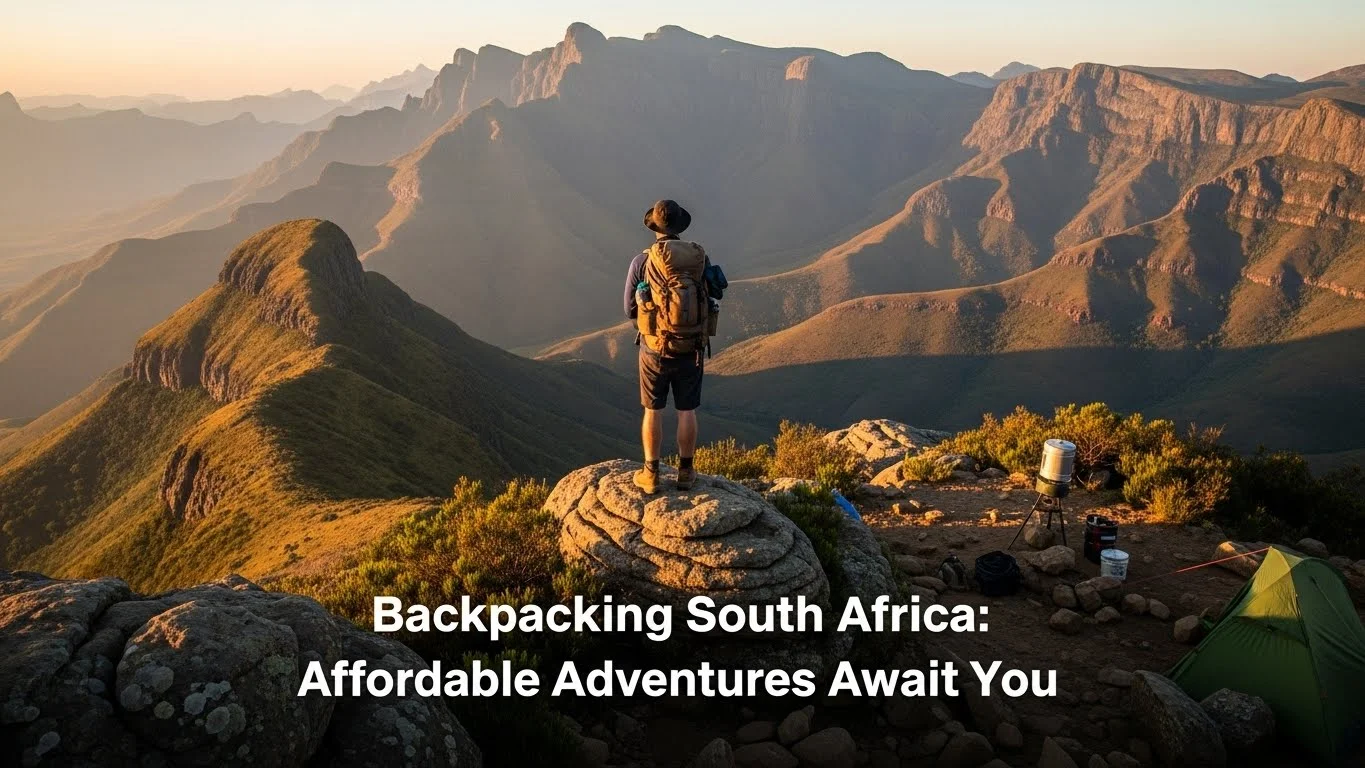
Backpacking in South Africa is a thrilling adventure filled with diverse landscapes, vibrant cultures, and unforgettable experiences—all on a budget! Let’s explore what makes this destination a backpacker’s paradise. Read Interesting article: Explore South Africa: Your Ultimate Budget Travel Guide
Backpacking South Africa: Affordable Adventures Await You

Overview of Backpacking in South Africa

The Allure of South Africa for Backpackers

When I think about backpacking, South Africa instantly comes to mind. The country offers an incredible mix of natural beauty, rich history, and warm hospitality that draws travelers from all over the globe. From breathtaking coastal views to the iconic wildlife of Kruger National Park, I felt as if every corner I turned revealed something new and exciting. The diverse landscapes—ranging from sunny beaches to rugged mountains—made it easy to find my own little piece of paradise. Plus, the affordability of traveling here makes it even more attractive for those of us looking to stretch our travel dollars.

Types of Backpacking Experiences Available

One of the things I loved most about backpacking in South Africa was the variety of experiences available. Whether you’re into adventure sports, cultural explorations, or simply soaking up the sun, there’s something for everyone. I remember meeting fellow backpackers who were diving with sharks, while others were hiking the famous Otter Trail along the Garden Route. We shared stories around the campfire, each with our unique adventures. From urban exploration in Johannesburg to serene hikes in the Drakensberg mountains, the options seemed endless. I found that I could easily create a unique and fulfilling itinerary tailored to my interests and budget. Read Interesting article: Backpacking Brazil: Essential Tips for Budget Travelers

When to Visit South Africa

Best Seasons for Backpacking

The timing of your visit can greatly influence your experience, and I quickly learned that South Africa has distinct seasons. I found that the best time to go is during the dry winter months from May to September. This period not only boasts pleasant weather, but it’s also the prime time for spotting wildlife, particularly in national parks. However, if you prefer warmer temperatures and blooming landscapes, visiting during spring (September to November) can also be magical. I remember hiking in the Cederberg mountains in spring, surrounded by wildflowers—it was simply stunning!

Weather Considerations by Region

South Africa’s weather varies significantly depending on where you are. If you’re exploring the coastal regions, like Cape Town, expect mild temperatures year-round. I remember sipping wine at outdoor cafés in the summer sun—what a treat! In contrast, the interior regions, such as Johannesburg and Pretoria, can get quite hot during summer. But no matter where you go, pack layers because evenings can get chilly, especially in the mountains. I also learned it’s wise to check the forecast for rain, particularly if you plan to hike or camp.

Festivals and Events to Experience

South Africa is a melting pot of cultures, and the festivals are a true reflection of this diversity. During my travels, I had the chance to experience the Cape Town International Jazz Festival—a vibrant celebration that brought together artists from all over the world. Attending local festivals is a fantastic way to immerse yourself in the culture, taste delicious food, and hear incredible music. There’s also the National Arts Festival in Grahamstown, which I’ve heard is a must-visit for any arts enthusiast. Planning your trip around these events can enhance your experience immensely!

Budgeting for Your Backpacking Trip

Average Costs for Accommodation

One of the biggest advantages of backpacking in South Africa is the affordability of accommodation. I found that hostels were plentiful, with dorm beds averaging around $10 to $20 per night. Many offer great amenities, including kitchens where I could whip up a meal to save money. I also discovered that camping is a popular option, with many campsites available in national parks at low rates. Just remember to book in advance, especially during peak season!

Food and Dining on a Budget

Eating on a budget doesn’t mean you have to compromise on taste. I loved trying local street food, which is both delicious and affordable. A bunny chow—hollowed-out bread filled with curry—was a delicious and satisfying meal I enjoyed for under $5. Many towns also host vibrant markets where you can sample a variety of dishes. And don’t forget about cooking for yourself! Shopping at local grocery stores can save a ton of money, allowing you to enjoy more adventures.

Transportation Options and Costs

Getting around South Africa can be done affordably with various transportation options. In cities, I found that using public transport, like the Gautrain in Johannesburg or MyCiTi buses in Cape Town, was efficient and budget-friendly. For longer journeys, I recommend checking out Greyhound or Baz Bus services, which cater specifically to backpackers. While renting a car can be pricier, it allows for more flexibility, especially if you want to explore the scenic Garden Route at your own pace.

Activities and Excursions Pricing

The variety of activities available in South Africa is staggering, and many are surprisingly affordable. I remember going on a self-guided hike in Table Mountain National Park, which was free and offered jaw-dropping views. On the other hand, guided tours, like safaris in Kruger National Park or wine tasting in Stellenbosch, can range from modest to expensive. I found that setting a budget for activities before my trip helped me prioritize what I wanted to do and kept my spending in check.

Where to Stay: Affordable Accommodation Options

Hostels and Budget Hotels

When it comes to finding a place to crash, hostels quickly became my go-to choice while backpacking in South Africa. They’re not just affordable; they’re a gateway to meeting fellow travelers. I remember checking into a hostel in Cape Town that had a vibrant communal area where people shared stories, tips, and even travel plans. Prices typically ranged from $10 to $25 per night, depending on the city and time of year. Many hostels also offer free Wi-Fi and kitchen facilities, which made it easy for me to prep my meals and save cash. Budget hotels are another option, often providing private rooms at reasonable rates. I found that booking through apps or websites focused on backpackers often yielded great deals!

Campsites and Backpacker Lodges

Campsites became one of my favorite places to stay when exploring the more rugged areas of South Africa. There’s something magical about falling asleep under the stars, and I loved waking up to the sound of birds chirping. Many national parks featured well-maintained campgrounds with basic amenities, and prices were usually around $5 to $15 per night. Backpacker lodges are another great option, particularly in popular areas like the Drakensberg. They often offer a more social atmosphere than traditional hotels, and I found it easy to make new friends while sharing a meal or planning the next day’s adventure.

Unique Stays: Homestays and Guesthouses

If you’re looking for something a little different, consider homestays or guesthouses. During my travels, I had the pleasure of staying with a local family in a small village near the Garden Route. It was a fantastic way to immerse myself in the culture and learn about daily life in South Africa. The experience was heartwarming, and I felt welcomed in a way that hotels or hostels couldn’t match. Prices for homestays can vary widely, but I found many options that were still affordable, often around $20 to $40 per night. Plus, the home-cooked meals were a delicious perk!

Top Backpacking Destinations in South Africa

Exploring Cape Town

Cape Town is often the highlight of many backpackers’ journeys, and for good reason. There’s so much to see and do! I spent an entire week just soaking up the vibrant atmosphere, and I still felt like I needed more time. The city is surrounded by stunning landscapes, from beaches to mountains, and there’s a mix of cultures that makes it unique.

Table Mountain

One of the first places I visited was Table Mountain. I decided to hike up, and let me tell you, the views from the top were worth every step! The trail was well-marked, making it accessible for most hikers. Once at the top, I sat there for hours just taking in the panoramic views of the city and coastline. It’s a popular spot, so I recommend starting early to avoid the crowds.

Cape of Good Hope

Another must-see is the Cape of Good Hope. I joined a day tour that took me through the beautiful landscapes of the Cape Peninsula. Standing at the southern tip of the Cape felt exhilarating, and the sight of the waves crashing against the cliffs was breathtaking. I also had the chance to visit the adorable African penguins at Boulders Beach—definitely a highlight of my trip!

Adventures in the Garden Route

The Garden Route is a gem for backpackers, with its picturesque landscapes and charming towns. I rented a bike in Knysna and rode along the coast, stopping at various viewpoints to snap photos. The fresh air and stunning scenery made it one of my favorite experiences.

Knysna and Plettenberg Bay

Knysna is known for its lagoon and forests, and I enjoyed a boat tour that allowed me to see the famous Knysna heads. Plettenberg Bay is another great stop, famous for its beautiful beaches and outdoor activities. I went whale watching there, which was an unforgettable experience! I felt so lucky to see these magnificent creatures up close.

Safari Experiences in Kruger National Park

No trip to South Africa would be complete without a safari, and Kruger National Park is the place to be. I opted for a budget-friendly camping safari, which allowed me to experience the wildlife without breaking the bank. Early morning and late afternoon game drives were my favorite times to see the animals.

Budget Safari Options

I discovered that there are many budget safari options available. Some companies offer shared tours, which can significantly reduce costs while still providing an amazing experience. I remember the thrill of spotting elephants, lions, and even a leopard during our drives. It’s like being in a real-life documentary!

Cultural Immersion in Johannesburg

Johannesburg might not be as popular as Cape Town, but it has its own unique charm. I spent a couple of days exploring the city’s rich history and vibrant culture. The Apartheid Museum was a must-visit, offering deep insights into South Africa’s past. It was a powerful experience that I believe everyone should have.

Visit Soweto and Apartheid Museum

A tour of Soweto was another highlight. I walked through the streets, learning about the struggles and triumphs of the people who lived there. The lively atmosphere, combined with the rich history, made it a memorable experience. Plus, I got to try local delicacies from street vendors, which was a delicious bonus!

Must-Do Activities for Backpackers

Hiking Trails and National Parks

Hiking in South Africa is an experience that I’ll never forget. The country is dotted with stunning national parks and trails that cater to all skill levels. One of my favorite hikes was the Amphitheatre in the Drakensberg Mountains. The breathtaking views at the top made every step worthwhile. I remember feeling a sense of accomplishment as I stood on the edge, looking out over the dramatic cliffs and valleys below. For those who enjoy a challenge, the Tugela Falls hike is a must-do; it’s one of the highest waterfalls in the world and the journey to get there is just as exhilarating.

Another memorable hike was in the Tsitsikamma National Park, where I explored the Otter Trail. This five-day hike offered lush forests, dramatic coastlines, and the opportunity to spot local wildlife. I met fellow travelers along the way, and we shared stories of our adventures while enjoying the beauty of nature. Hiking in these parks not only allowed me to connect with the stunning landscapes but also to bond with fellow backpackers over shared experiences.

Surfing and Water Sports

If you love the ocean like I do, South Africa is a surfer’s paradise. I tried my hand at surfing in Jeffrey’s Bay, known for its incredible waves. Surf rentals were affordable, and I took a lesson with a local instructor who was super patient. Paddling out into the waves was intimidating at first, but the thrill of catching my first wave was unforgettable! Even if surfing isn’t your thing, there are plenty of other water sports to enjoy, such as kayaking or snorkeling along the coast. I had an amazing time diving in Sodwana Bay, where the coral reefs are vibrant and teeming with marine life.

Cultural and Historical Tours

Exploring South Africa’s rich history and diverse cultures was one of the most rewarding aspects of my journey. I found that many cities offer affordable walking tours that highlight the local heritage. In Cape Town, I joined a tour that took us through the Bo-Kaap neighborhood, famous for its colorful houses and Cape Malay culture. The guide shared fascinating stories about the area’s history, which helped me appreciate the rich tapestry of cultures that make up South Africa.

I also visited Robben Island, where Nelson Mandela was imprisoned for many years. Touring the island and listening to the stories from former political prisoners gave me a deeper understanding of South Africa’s struggle for freedom. It was a powerful experience that I believe everyone should have when visiting.

Wine Tasting in the Cape Winelands

If you’re a wine lover, you absolutely must venture into the Cape Winelands. I decided to take a day trip to Stellenbosch, where I visited several vineyards. The landscapes were nothing short of magical, with rolling hills covered in grapevines. I joined a wine-tasting tour that included sampling some of the best local wines, and I found it to be both delightful and educational. The hosts were friendly and eager to share their knowledge about wine production. For me, sipping a glass of Shiraz while overlooking stunning mountains was a highlight of my trip.

Many wineries also have picnic facilities, so I packed a lunch and enjoyed it surrounded by vineyards, which felt like a scene from a movie. If you’re on a budget, consider renting a bike to explore the region; it’s a great way to enjoy the scenery and visit multiple wineries at your own pace.

Tasting Local Cuisine on a Budget

Popular South African Dishes to Try

One of my favorite parts of traveling is exploring the local cuisine, and South Africa is no exception. The country is a culinary melting pot, with influences from various cultures. I made it a point to try a variety of traditional dishes during my travels. One iconic dish I absolutely loved was bobotie, a spiced minced meat bake topped with egg custard. I remember savoring it at a cozy restaurant in Cape Town, where the flavors danced on my palate. Another must-try is biltong, a type of dried cured meat that’s perfect for snacking on during hikes.

Street Food and Local Markets

Street food in South Africa is not only delicious but also incredibly budget-friendly. I found that exploring local markets was the best way to sample different foods. At the Neighbourgoods Market in Cape Town, I enjoyed various treats—from gourmet sandwiches to mouthwatering pastries. One of my favorite street foods was koeksisters, a sweet, syrupy doughnut that was both sticky and utterly delightful. I remember treating myself to one after a long day of exploring, and it was such a satisfying reward!

Affordable Restaurants and Cafés

While street food is fantastic, I also discovered some hidden gems in the form of affordable restaurants and cafés. Many local eateries offer hearty meals without emptying your wallet. I loved visiting small family-run places where the staff greeted me with warm smiles and a sense of community. One memorable meal was at a little café in Port Elizabeth, where I enjoyed a plate of chakalaka—a spicy vegetable relish—served with pap (a cornmeal dish). It was not only filling but also a great way to connect with the local flavors. I recommend asking locals for their favorite spots, as they often lead you to the best-kept secrets.

Safety Tips for Backpackers in South Africa

Staying Safe in Urban Areas

Safety is something that I always keep in mind when traveling, and South Africa is no different. While it’s a beautiful country, I found that exercising caution, especially in urban areas like Johannesburg and Cape Town, is essential. I made it a habit to avoid walking alone at night and always kept my belongings secure. Using reputable transportation methods, such as licensed taxis or rideshare apps, helped me feel safer while exploring. I also stuck to well-lit areas and busy streets, which made a difference in my overall peace of mind.

Health Precautions and Vaccinations

Before my trip, I did a bit of research on health precautions and vaccinations. I made sure to get the recommended shots, including those for hepatitis A and typhoid, which helped me feel more secure while indulging in local cuisine. I also packed a basic first-aid kit for any minor injuries or ailments that might arise during my adventures. Staying hydrated and using sunscreen was a must, especially during my hikes!

Travel Insurance Recommendations

Travel insurance is an essential part of any trip for me, especially when backpacking in a foreign country. I opted for a plan that covered medical emergencies, trip cancellations, and theft. Knowing that I had support in case of unexpected events took a lot of stress off my shoulders. I recommend shopping around for different policies to find one that suits your needs and budget. It’s a small investment for the peace of mind it provides.

Transportation Tips for Backpackers

Public Transport Options

Getting around South Africa can be a breeze with the right knowledge. I found that public transport options, such as buses and trains, are quite affordable. In cities like Cape Town, I relied on the MyCiTi bus system, which was efficient and safe. I remember hopping on the bus to visit the V&A Waterfront, where I enjoyed stunning views of Table Mountain while keeping my travel costs low.

Renting a Car vs. Using Buses

While public transport is great, I also loved the freedom of renting a car for certain parts of my trip, especially along the Garden Route. Having my own wheels allowed me to explore at my own pace and discover hidden gems along the way. I found that rental prices were reasonable, and the scenic drives made the experience all the more enjoyable. However, if you prefer not to drive, using long-distance bus services like Baz Bus can be a fantastic option for backpackers.

Domestic Flights and Their Affordability

For longer distances, I discovered that domestic flights can be surprisingly affordable if booked in advance. I decided to take a flight from Cape Town to Durban, which saved me time and allowed me to maximize my adventures. I recommend keeping an eye on flight deals and considering budget airlines that often have promotions, making domestic travel more accessible.

Connecting with Other Backpackers

Online Platforms and Communities

One of the best parts of backpacking is connecting with other travelers. I found that social media groups and online platforms, such as Facebook and Couchsurfing, were fantastic for meeting fellow backpackers. I joined a community group before my trip, and it helped me find travel buddies and even plan meet-ups in various cities.

Hostel Events and Social Activities

Hostels are not only a place to sleep; they often organize events and social activities that facilitate meeting new people. I remember joining a pub crawl organized by my hostel in Cape Town, which was a fun way to explore the nightlife and make friends. Participating in group activities also made me feel more comfortable during my travels.

Volunteer and Work Exchange Opportunities

If you’re looking to immerse yourself more deeply into local culture and meet like-minded individuals, consider volunteer opportunities or work exchanges. I volunteered at a local wildlife rehabilitation center, which allowed me to give back while meeting other travelers who shared my passion for conservation. It was an unforgettable experience that enriched my journey and provided lasting friendships.

Final Thoughts

Backpacking in South Africa was a journey of a lifetime for me. The blend of breathtaking landscapes, rich culture, and warm-hearted people made every moment unforgettable. I encourage anyone considering this adventure to embrace the spirit of exploration and connect with the diverse experiences this beautiful country has to offer. Whether you’re hiking the majestic mountains, savoring local cuisine, or making new friends along the way, South Africa truly has something special for every backpacker. Read Interesting article: Mastering Communication Styles When Backpacking Abroad

Frequently Asked Questions

What makes South Africa a popular destination for backpackers?

South Africa is popular among backpackers due to its incredible mix of natural beauty, rich history, and warm hospitality. The diverse landscapes, from coastal views to iconic wildlife, combined with affordability, make it an attractive destination for budget travelers.

When is the best time to backpack in South Africa?

The best time to visit South Africa for backpacking is during the dry winter months from May to September, which offers pleasant weather and prime wildlife spotting opportunities. Spring (September to November) is also a great time due to warmer temperatures and blooming landscapes.

What are some budget accommodation options in South Africa?

Backpackers can find various affordable accommodation options, including hostels (average $10 to $25 per night), camping sites in national parks (around $5 to $15 per night), and budget hotels. Homestays and guesthouses are also available for those seeking cultural immersion.

How can I get around South Africa on a budget?

Backpackers can use public transport like buses and trains, which are affordable. In cities, options like the Gautrain in Johannesburg and MyCiTi buses in Cape Town are efficient. For longer journeys, Greyhound and Baz Bus services cater specifically to backpackers.

What are some must-try local dishes in South Africa?

Popular South African dishes include bobotie (a spiced minced meat bake), biltong (dried cured meat), and bunny chow (hollowed-out bread filled with curry). Street food and local markets are also great places to explore diverse culinary offerings.

What activities should backpackers not miss in South Africa?

Backpackers should not miss hiking trails like the Otter Trail and the Amphitheatre in the Drakensberg Mountains, surfing in Jeffrey’s Bay, visiting the Apartheid Museum in Johannesburg, and exploring the Cape Winelands for wine tasting.

How can I stay safe while backpacking in South Africa?

To stay safe, backpackers should exercise caution in urban areas, avoid walking alone at night, and use reputable transportation methods. Keeping belongings secure and sticking to well-lit areas can also enhance overall safety.

Are there any health precautions recommended for travelers to South Africa?

Travelers are advised to get recommended vaccinations, such as those for hepatitis A and typhoid, and to pack a basic first-aid kit. Staying hydrated and using sunscreen, especially during hikes, is also important.

What are some ways to connect with other backpackers in South Africa?

Backpackers can connect through online platforms like Facebook and Couchsurfing, join hostel events and social activities, or participate in volunteer and work exchange opportunities to meet like-minded individuals.

What are some budget-friendly options for safaris in Kruger National Park?

Budget-friendly safari options include shared tours that reduce costs while providing an amazing experience. Camping safaris are also a great way to experience wildlife without breaking the bank, allowing for memorable game drives at a lower price.
Explore South Africa: Your Ultimate Budget Travel Guide

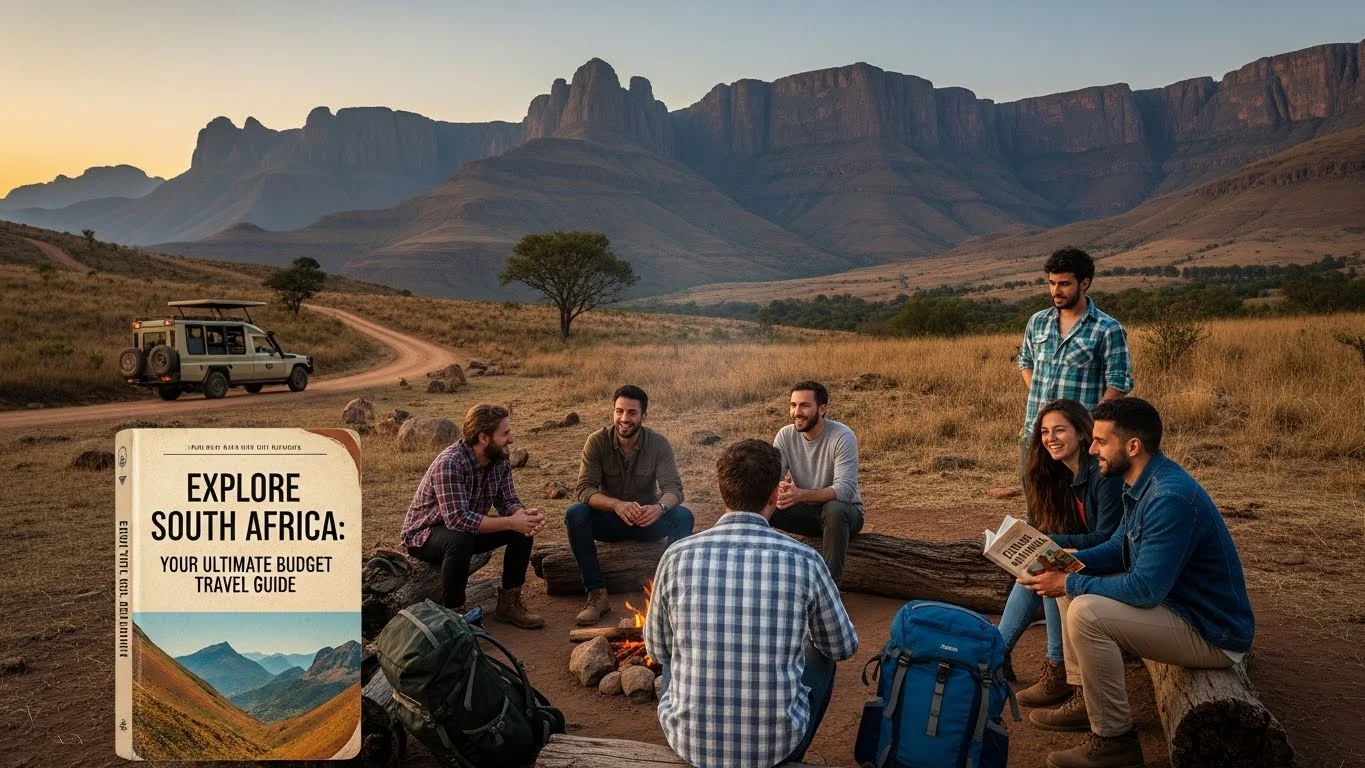
South Africa is an incredible blend of vibrant cities, stunning landscapes, and rich cultural heritage. If you’re dreaming of exploring this captivating country on a budget, you’ve come to the right place! Read Interesting article: Backpacking Brazil: Essential Tips for Budget Travelers

Explore South Africa: Your Ultimate Budget Travel Guide

Overview of South Africa as a Travel Destination

South Africa has always held a special place in my heart. From the thrilling wildlife in its national parks to the breathtaking scenery along its coastlines, there’s something for everyone. The country’s geographical diversity is astounding, and I truly believe it’s one of the main reasons why so many travelers are drawn here.

Geographical Diversity

When I first arrived in South Africa, I was amazed by the various landscapes. The country boasts everything from arid deserts to lush forests and stunning coastlines. The iconic Table Mountain in Cape Town stands tall, offering panoramic views of the city and ocean. The Drakensberg Mountains, another gem, are perfect for hiking enthusiasts like myself. I remember trekking through these mountains, surrounded by breathtaking vistas that felt like I was in another world.

Then there’s the coastline! The Garden Route, with its dramatic cliffs and charming towns, is something I will never forget. I felt so alive driving along this route, with the ocean on one side and mountains on the other. Whether you’re into adventure sports, beach lounging, or just soaking in nature, South Africa has it all. Read Interesting article: Explore Brazil on a Budget: Ultimate Travel Guide 2023

Climate and Weather Patterns

Understanding the climate was essential for planning my trip. South Africa’s weather varies greatly across regions and seasons. For instance, the Western Cape has a Mediterranean climate, with wet winters and dry summers. I visited during the summer months (December to February), which was perfect for beach outings and exploring the vineyards in Stellenbosch.

On the other hand, if you’re heading to Kruger National Park, the best time is during the dry winter months (May to September). I experienced this firsthand; spotting wildlife was much easier when the vegetation was less dense. Just remember to pack accordingly, as the temperatures can swing from hot during the day to chilly at night.

Language and Culture

One of the most fascinating aspects of South Africa is its cultural diversity. With eleven official languages, it’s a melting pot of cultures, traditions, and stories. I found it so enriching to engage with locals and learn about their customs. English is widely spoken, which made it easy for me to connect with people and navigate through different areas.

During my travels, I made it a point to learn a few basic phrases in Zulu and Afrikaans. I believe this small effort went a long way in building rapport with the locals. South Africa’s culture is expressed through music, art, and dance, and participating in local festivals can be a fantastic way to immerse yourself. I remember attending a vibrant street festival in Cape Town, where the energy was infectious, and the food was delicious! Read Interesting article: Explore Local Cuisine: A Backpacker’s Guide to Budget Meals

When to Visit South Africa

Timing your visit can greatly affect your experience, especially if you’re on a budget. I learned that some seasons offer unique opportunities for wildlife sightings while others are ideal for enjoying outdoor activities.

Best Time for Wildlife Viewing

If you’re looking to spot the Big Five, the dry winter months are your best bet. I visited Kruger National Park in July, and it was incredible. The animals congregate around watering holes, making it easier to spot them. Plus, the cooler weather was perfect for long days of game viewing.

Seasonal Events and Festivals

South Africa is alive with festivals throughout the year. From the Cape Town International Jazz Festival in March to the Durban International Film Festival in July, there’s always something happening. I planned my trip around a food festival in Johannesburg, which was a highlight of my journey. Trying local dishes while enjoying live music was an unforgettable experience!

Traveling During Off-Peak Seasons

Traveling during the off-peak season can really save you money. I visited in September, just before the summer rush, and found that accommodation prices were significantly lower. Plus, there were fewer crowds at popular tourist spots, which allowed for a more relaxed experience. If you’re flexible with your travel dates, I highly recommend considering this option!

Getting to South Africa

Major International Airports

Getting to South Africa is relatively straightforward, thanks to its major international airports. When I planned my trip, I flew into OR Tambo International Airport in Johannesburg, which is the busiest airport in Africa. I found it to be well-organized and easy to navigate. Another popular entry point is Cape Town International Airport, which is equally modern and connects to various destinations worldwide. If you’re heading to Durban, King Shaka International Airport will be your go-to. Each airport is well-equipped with amenities, which made my arrival smooth and stress-free.

Flight Costs and Budget Airlines

Flight costs can vary significantly depending on when you book. I remember booking my flight about three months in advance, and it saved me quite a bit. I also discovered that several budget airlines operate within South Africa, making it easier to travel between cities after arriving. For instance, I used FlySafair and Kulula for domestic flights, which were affordable and reliable. I recommend keeping an eye on flight comparison websites and setting up alerts to snag the best deals, especially if you’re flexible with your travel dates.

Visa Requirements and Entry Regulations

Visa requirements can vary based on your nationality. I was fortunate that as a U.S. citizen, I didn’t need a visa for stays up to 90 days. However, it’s essential to check the latest entry regulations before your trip. I remember being relieved to have all my travel documents in order before boarding my flight. Ensure your passport is valid for at least six months after your intended departure, and keep an eye on any health regulations, such as vaccinations for yellow fever if you’re coming from certain countries. Doing this homework made my entry into South Africa seamless.

Budget Accommodation Options

Hostels and Guesthouses

For travelers on a budget, hostels and guesthouses are fantastic options. I loved staying at a cozy hostel in Cape Town, where I met fellow travelers from around the world. The atmosphere was friendly, and I enjoyed sharing stories over breakfast. Guesthouses often provide a more local experience, and I found one in Johannesburg that felt like home. They often include breakfast, which saved me some money and made it easier to get an early start exploring.

Camping and Eco-Lodges

If you’re an outdoor enthusiast, camping can be one of the most budget-friendly and memorable ways to experience South Africa. I tried camping at Kruger National Park, and it was one of my favorite experiences. Falling asleep to the sounds of nature and waking up to the sunrise over the bush was magical. Eco-lodges are another great option, blending comfort with sustainability. They often have lower rates compared to hotels and provide a unique way to connect with nature.

Affordable Hotels in Major Cities

If you prefer hotels, don’t worry! I searched for affordable options and found several in major cities that were budget-friendly yet comfortable. Websites like Booking.com and Airbnb helped me compare prices and find deals. I stayed at a nice hotel in Durban that gave me easy access to the beach without breaking the bank. Many hotels offer discounts for longer stays, which can help you save even more.

Transportation in South Africa

Public Transport Systems

Getting around South Africa can be a breeze if you know your options. I used public transport quite a bit, especially in cities like Cape Town and Johannesburg. The MyCiTi bus system in Cape Town is efficient and safe, and I found it easy to navigate. I also used the Gautrain in Johannesburg, which connects the airport to the city center and is a great way to avoid traffic. While public transport is a cost-effective choice, do keep an eye on your belongings.

Car Rentals and Road Trips

Renting a car was one of the best decisions I made during my trip. South Africa is incredibly scenic, and I wanted to explore at my own pace. I found that car rental prices were reasonable, especially if you book in advance. Driving along the Garden Route was a highlight; I stopped at various viewpoints and hidden gems along the way. Just remember to drive on the left side of the road, and be cautious of wildlife crossing roads in rural areas!

Ride-Sharing and Local Taxis

If you’re not keen on public transport or renting a car, ride-sharing services like Uber are widely available in major cities. I relied on Uber during my stay in Johannesburg, and it was convenient and affordable. Local taxis are also an option, but I found it best to use rideshare apps for safety and ease. Just make sure to confirm your driver’s details before getting in.

Top Attractions to Visit on a Budget

Kruger National Park

Visiting Kruger National Park was one of the highlights of my trip, and I found it to be incredibly budget-friendly. One of the best parts is that you can self-drive through the park, which allows you to have a unique experience without the cost of a guided tour. I remember waking up early to catch the sunrise and setting off in my rental car. The thrill of spotting lions, elephants, and rhinos in their natural habitat was unforgettable. The park has several rest camps where you can stay at reasonable rates and enjoy the sounds of nature at night.

Cape Town’s Table Mountain

Table Mountain is another must-see that won’t break the bank. I opted for the hike up instead of taking the cable car, which saved me some money and offered a workout! The views from the top were absolutely worth it. I felt a sense of accomplishment reaching the summit, and I spent hours taking in the stunning panoramas. If hiking isn’t your thing, the cable car is a fantastic option too, and you can enjoy the view on the way up. Plus, if you go later in the day, the lines are often shorter.

Durban’s Beaches and Promenade

Durban’s beachfront is a lively spot that offers fun without much expense. I loved strolling along the Golden Mile, soaking in the sun and the vibrant atmosphere. The beaches are beautiful, and there’s no cost to enjoy the sandy shores. I also discovered that many beachside restaurants offer affordable meals, and some even have happy hour deals. I remember grabbing a quick bite and watching surfers catching waves—pure bliss!

The Garden Route

The Garden Route is renowned for its breathtaking scenery, and I found it to be one of the most beautiful drives I’ve ever experienced. While renting a car is essential for exploring this area, I discovered plenty of free or low-cost attractions along the way. Places like Knysna and Plettenberg Bay offer stunning beaches, nature reserves, and hiking trails that are either free or have minimal entrance fees. I particularly enjoyed walking through the Knysna Forest, feeling completely immersed in nature.

Historical Sites in Johannesburg

Johannesburg is rich in history, and many of its attractions are affordable or even free. I visited the Apartheid Museum, which, while it had a small entrance fee, was worth every cent. It provided such a deep insight into South Africa’s history. I also wandered through Soweto, where I found a vibrant community filled with stories and culture. The Nelson Mandela House is another site that’s worth visiting, and the cost of admission is quite low. I felt it was essential to understand the history of this incredible nation while being conscious of my budget.

Local Food and Dining on a Budget

Street Food Delights

One of my favorite ways to experience South Africa was through its street food. I remember diving into the bustling markets in cities like Cape Town and Johannesburg, trying local delicacies. Bunny chow, a hollowed-out loaf filled with curry, became an instant favorite. I also enjoyed boerewors rolls, which are affordable and packed with flavor. I found that eating street food not only saved money but also allowed me to connect with local vendors and learn about their culture.

Local Eateries and Cafés

If you’re looking for a sit-down meal without the high price tag, local eateries and cafés are the way to go. I discovered many hidden gems that served hearty portions at reasonable prices. One of my favorite spots was a small café in Johannesburg that offered traditional dishes like pap and chakalaka. The ambiance was cozy, and I loved chatting with the friendly staff. I think seeking out these local places can lead to some of the best meals and experiences.

Traditional South African Dishes

Sampling traditional South African cuisine is a must-do, and many dishes can be found at budget-friendly prices. I made it a goal to try as many local dishes as possible. From potjies (a stew) to braai (barbecue), I delighted in the flavors that reflect the country’s diverse heritage. I recommend looking for restaurants that specialize in these traditional foods, as many offer “daily specials” at a lower cost. Eating like a local not only fills your stomach but also enriches your travel experience.

Free and Low-Cost Activities

Hiking Trails and Nature Reserves

South Africa is a haven for hikers, and countless trails are waiting to be explored. I enjoyed several hikes that were free of charge, like the trails in the Drakensberg Mountains and various nature reserves. Each hike offered stunning views and a chance to connect with nature. The feeling of accomplishment after reaching the top made the effort worthwhile. I think hiking is one of the best ways to appreciate the beauty of the country, and it really doesn’t have to cost a dime.

Cultural Experiences and Community Tours

Immersing myself in local culture was a highlight of my trip, and many cultural experiences are affordable. I joined a community tour in a township, where I learned about the history and daily lives of the residents. The tour was reasonably priced, and the money went directly to the local community. I felt a deep connection to the people and their stories, which I believe enriched my understanding of South Africa.

Beaches and Parks

South Africa’s beaches and parks are often free or have minimal entrance fees. I spent many days lounging on the beaches, swimming, and soaking up the sun. I also found several public parks in cities like Pretoria, which provided a peaceful retreat from the hustle and bustle. Whether it was enjoying a picnic or taking a leisurely walk, these moments were some of the most relaxing parts of my trip.

Safety Tips for Budget Travelers

General Safety Precautions

Traveling is all about adventure, but safety is key, especially when you’re on a budget. I learned a few essential precautions that I’d like to share. First, always stay aware of your surroundings. I remember walking through busy markets and feeling the vibrant energy, but I also kept my belongings close. Using a cross-body bag helped me feel secure. It’s also wise to avoid displaying valuables like expensive cameras or jewelry. Blending in with the locals made my experience richer and safer.

Areas to Avoid

While many parts of South Africa are welcoming, there are areas where caution is necessary. During my stay, I made sure to research neighborhoods before venturing out, especially at night. I found that some areas of Johannesburg and Cape Town have higher crime rates; however, I learned that there’s safety in numbers. Traveling with friends or joining group tours often provided a sense of security. It’s essential to trust your instincts—if something feels off, don’t hesitate to leave the area.

Health Tips and Vaccinations

Staying healthy while traveling is crucial. I made it a point to visit my doctor before my trip to discuss any necessary vaccinations. For South Africa, I received the recommended shots, which included hepatitis A and typhoid. I also packed a small first-aid kit with essentials like band-aids and pain relievers. Staying hydrated was key during my adventures, especially under the sun. I remember carrying a refillable water bottle, which not only saved money but also helped reduce plastic waste.

Managing Your Budget

Daily Expense Estimates

Keeping track of daily expenses can help you stay on budget. I found that my daily costs in South Africa varied based on activities and locations. On average, I spent about $50 to $70 a day, which included accommodation, meals, and transportation. I kept a travel journal to log my spending, which helped me see where I could cut back if needed. For instance, I noticed that I could save by eating street food instead of dining in restaurants every day.

Saving on Transportation and Meals

To stretch my budget, I made smart choices regarding transportation and meals. I took advantage of public transport whenever possible. For instance, using the MyCiTi bus system in Cape Town saved me a lot compared to taxi fares. I also sought out local eateries for meals; I found that not only were they cheaper, but the food was often more authentic and delicious. I remember one evening enjoying a hearty meal for under $10—definitely a win!

Finding Discounts and Deals

Before traveling, I scoured the internet for deals and discounts. I discovered websites that offered special rates for attractions, and I often used mobile apps to look for flash sales on accommodations. One day, I scored a last-minute deal at a beautiful guesthouse in the heart of Stellenbosch! Additionally, joining local tourism boards’ mailing lists often provided me with exclusive offers. It’s worth doing a little research to maximize your budget.

Travel Insurance and Health Considerations

Importance of Travel Insurance

Travel insurance might seem like an additional expense, but I learned firsthand how invaluable it can be. Before my trip, I opted for coverage that included health emergencies, trip cancellations, and lost belongings. It gave me peace of mind knowing that I was protected against unforeseen circumstances. I remember a fellow traveler who fell ill and was grateful for their insurance when they needed medical care. It’s a small investment for a much more enjoyable experience.

Health Care Facilities in South Africa

Accessing healthcare in South Africa is generally straightforward, with various clinics and hospitals available in major cities. During my travels, I had to visit a pharmacy for a minor ailment, and I found the staff to be helpful and knowledgeable. I also made sure to have the contact information for my travel insurance provider on hand, just in case. Familiarizing myself with local health facilities beforehand made me feel more secure during my adventure.

Emergency Contacts and Services

Before departing, I compiled a list of emergency contacts, including local police, medical services, and my country’s embassy. I kept this information in my phone and also printed a copy to carry with me. This simple step proved invaluable; during my stay, I witnessed a minor incident and was glad to know the local emergency numbers. It’s always better to be prepared!

Final Thoughts

Exploring South Africa on a budget is entirely possible and incredibly rewarding. From the stunning landscapes to the vibrant culture, every moment spent in this beautiful country can be both affordable and unforgettable. I’ve shared my experiences and tips to help you plan your own adventure while keeping costs low. Remember to stay safe, embrace local customs, and immerse yourself in the rich heritage that South Africa has to offer. With careful planning and an open heart, I believe you’ll create lasting memories just as I did. Happy travels!

Frequently Asked Questions

What are some of the main attractions to visit in South Africa on a budget?

Some budget-friendly attractions include Kruger National Park, Table Mountain in Cape Town, Durban’s beaches and promenade, and the scenic Garden Route. These sites offer incredible experiences without breaking the bank.

When is the best time to visit South Africa for wildlife viewing?

The best time for wildlife viewing is during the dry winter months from May to September, particularly in Kruger National Park, where animals congregate around watering holes, making them easier to spot.

What types of budget accommodations are available in South Africa?

Budget accommodations in South Africa include hostels, guesthouses, camping, eco-lodges, and affordable hotels in major cities. These options provide various experiences while keeping costs low.

How can I save money on food while traveling in South Africa?

You can save money on food by trying street food, dining at local eateries and cafés, and sampling traditional South African dishes that are often available at lower prices. Eating like a local is not only economical but also enriching.

What are the climate and weather patterns like in South Africa?

South Africa’s climate varies greatly across regions. The Western Cape has a Mediterranean climate with wet winters and dry summers, while other areas might experience different weather patterns. It’s essential to check the climate for your specific destination before traveling.

What is the best way to get around South Africa?

Getting around South Africa can be done via public transport systems like the MyCiTi bus in Cape Town and the Gautrain in Johannesburg. Renting a car is also popular for exploring scenic routes, while ride-sharing services like Uber are available in major cities.

Are there any safety tips I should be aware of while traveling in South Africa?

General safety precautions include staying aware of your surroundings, avoiding displaying valuables, and researching neighborhoods before venturing out. Traveling in groups can also enhance safety.

What are some free or low-cost activities to enjoy in South Africa?

Free or low-cost activities include hiking trails in the Drakensberg Mountains, visiting beaches and parks, and participating in community tours to immerse yourself in local culture.

What should I know about visa requirements for visiting South Africa?

Visa requirements vary based on nationality. For instance, U.S. citizens do not need a visa for stays up to 90 days. It’s essential to check the latest entry regulations prior to traveling.

Why is travel insurance important when visiting South Africa?

Travel insurance is important as it provides coverage for health emergencies, trip cancellations, and lost belongings, offering peace of mind and protection against unforeseen circumstances during your travels.

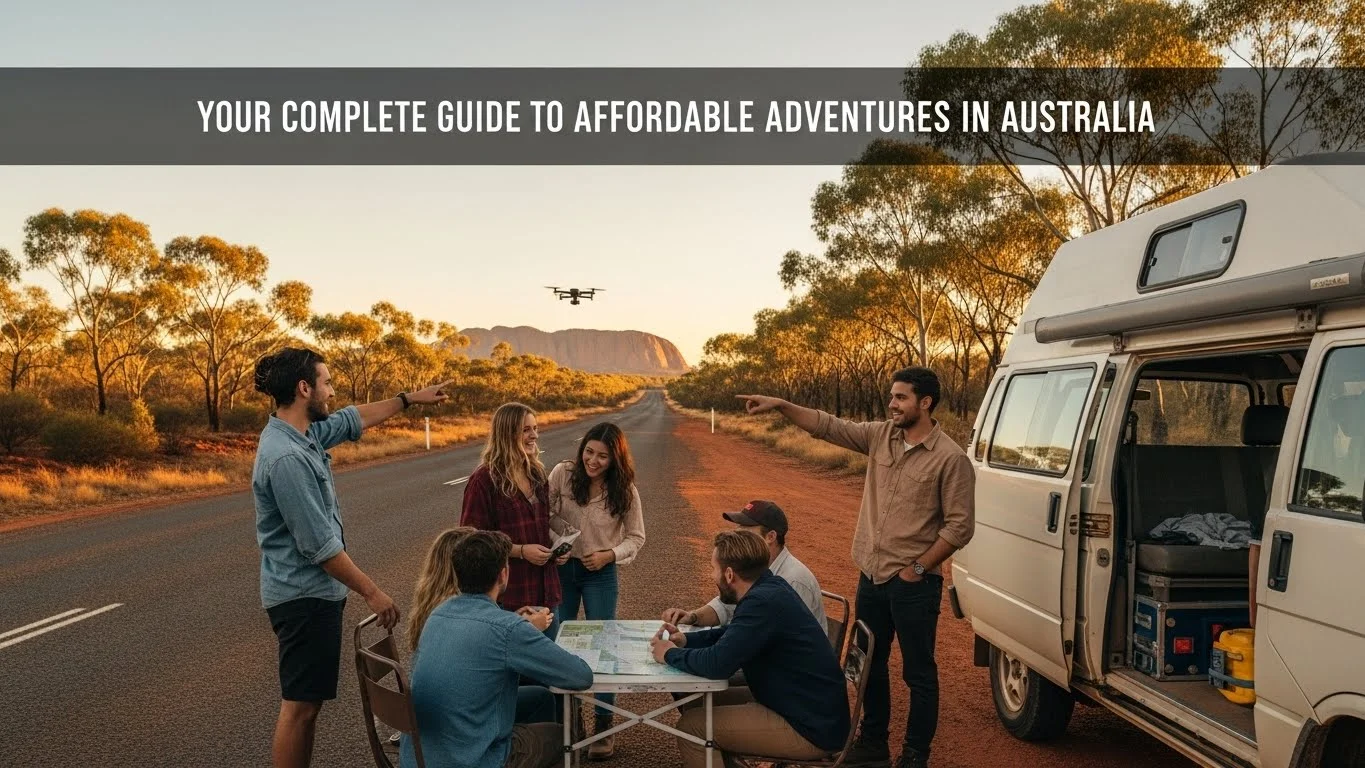
Your Complete Guide to Affordable Adventures in Australia

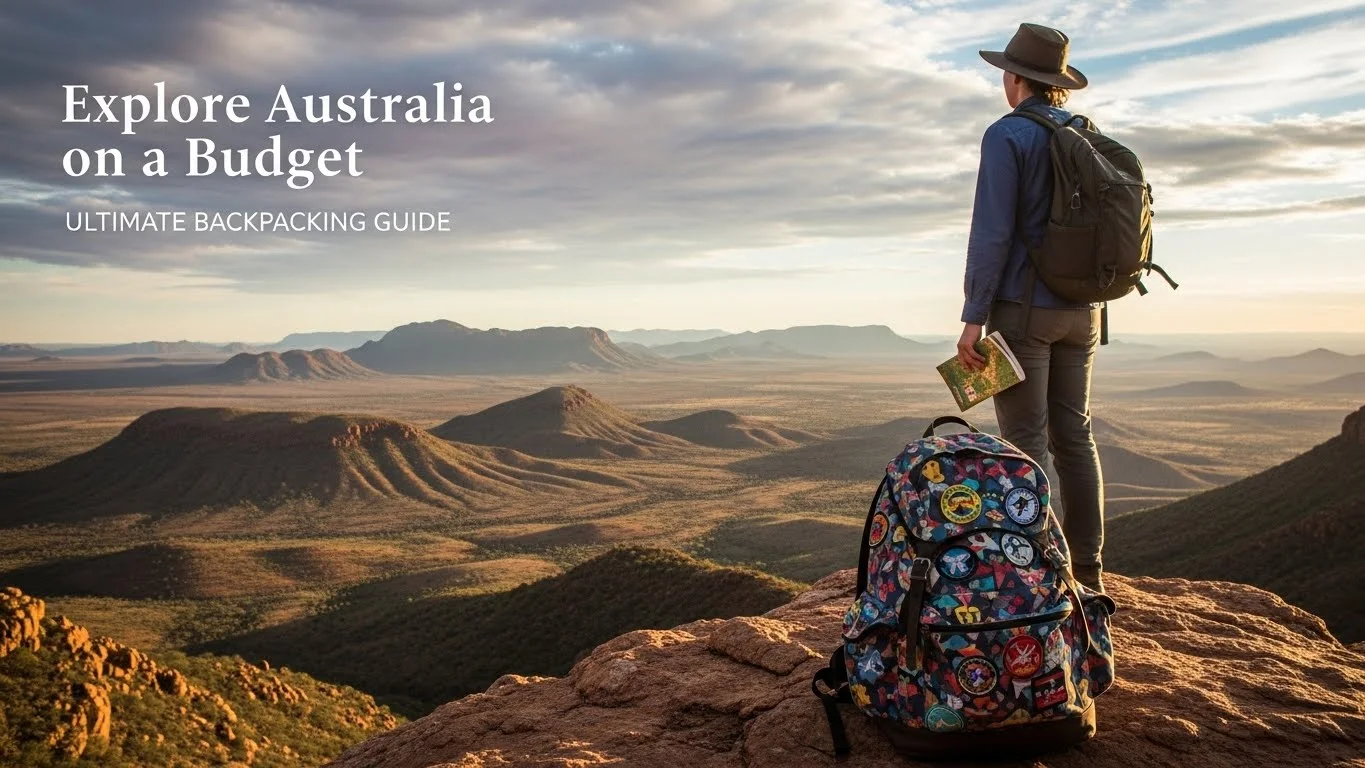
Australia is a treasure trove of adventure waiting to be explored without breaking the bank. From stunning landscapes to vibrant cities, there’s something for everyone on a budget. For those looking to dive deeper into budget travel, check out Backpacking Australia: Essential Tips for Budget Travelers.

Your Complete Guide to Affordable Adventures in Australia

Overview of Affordable Adventures in Australia

What to Expect from Your Adventure

When I first visited Australia, I was overwhelmed by the diverse landscapes and activities available. I realized that you don’t need to be a millionaire to experience its wonders. Affordable adventures are all about embracing the outdoors, connecting with nature, and exploring vibrant local cultures. Whether you’re hiking through national parks, snorkeling in crystal-clear waters, or enjoying lively urban festivals, there are countless ways to have a fulfilling and budget-friendly experience.

Australia offers a variety of activities that cater to all types of adventurers. I’ve discovered that many incredible experiences don’t require a hefty price tag. From scenic hikes to free beach days, the country’s natural beauty is often accessible without spending much. Plus, the local culture is rich with events and gatherings that invite you to join in the fun without splurging. I remember my own adventures filled with laughter, new friends, and unforgettable moments—all while keeping my wallet happy.

Types of Adventures Available

Australia is perfect for those who crave adventure, and the types of activities you can enjoy are as varied as the landscape itself. In my travels, I’ve participated in everything from adrenaline-pumping activities to serene nature excursions. Here’s a closer look at some of the types of adventures you can embark on:

  • Outdoor Adventures: If you’re an outdoor enthusiast like me, you’ll love the numerous hiking trails, national parks, and beaches. I’ve trekked through lush rainforests, climbed rugged mountains, and lounged on some of the most beautiful beaches. The great outdoors is calling!
  • Water Activities: Being surrounded by ocean means there are endless opportunities for water-based fun. I’ve tried snorkeling, surfing, and even kayaking in stunning lagoons. The best part is that many of these activities are often affordable or even free!
  • Cultural Experiences: Engaging with the local culture adds a unique flavor to any trip. I’ve enjoyed visiting local markets, attending festivals, and learning about Indigenous traditions. These experiences are often low-cost or even free, allowing for deep connections with the community.
  • Wildlife Encounters: Australia is home to some of the most unique wildlife on the planet. I’ve had the joy of spotting kangaroos in their natural habitat, watching dolphins play in the surf, and even meeting koalas up close—all without a hefty price tag.

In my experience, the key to enjoying affordable adventures is to be open to trying new things and to seek out local knowledge. Chatting with locals often leads to discovering hidden gems that aren’t in the guidebooks. The warmth and friendliness of Australians made my adventures even more memorable, as they were always eager to share their favorite spots. If you’d like to discover more about budget-friendly destinations, check out Top 10 Budget-Friendly Destinations in Australia Revealed.

Best Destinations for Affordable Adventures

Exploring the Great Barrier Reef

One of the most iconic destinations in Australia is the Great Barrier Reef. I still remember the thrill of snorkeling among the colorful coral and vibrant marine life. There are several affordable options for exploring this natural wonder. You can join a day tour or even rent gear to go on your own. The views are breathtaking, and the experience is unforgettable.

Hiking in the Blue Mountains

The Blue Mountains are a hiker’s paradise. I spent a weekend there, surrounded by stunning scenery and fresh air. The trails range from easy strolls to challenging hikes, and many are free to access. I recommend packing a picnic and enjoying lunch with a view. It’s an adventure that won’t cost you much, but it will reward you with memories and beautiful photos.

Camping in Tasmania

Tasmania is a hidden gem for affordable adventures. I camped in several national parks, surrounded by pristine nature. The parks have affordable campgrounds with facilities, and waking up to breathtaking views was worth every cent. I enjoyed hiking, wildlife spotting, and even cooking over a campfire. It was a simple, yet enriching experience that brought me closer to nature.

Urban Adventures in Melbourne

Melbourne is a vibrant city filled with a mix of culture, food, and art. I loved wandering through its laneways, discovering street art and cozy cafés. There are plenty of free events, such as markets and festivals, where you can experience the local vibe without spending a dime. Plus, many museums have free entry days, which I took advantage of during my visit.

Road Trips along the Great Ocean Road

The Great Ocean Road is one of the most scenic drives in the world. I decided to rent a car and explore at my own pace. Stopping at picturesque beaches, quirky towns, and viewpoints made for an unforgettable journey. It’s an adventure that can be done on a budget if you plan your stops wisely and pack your meals. The stunning coastlines and natural beauty are absolutely worth it.

In summary, Australia is a playground for adventurers of all kinds, and there are plenty of ways to enjoy its many wonders without spending a fortune. I hope my experiences inspire you to explore this incredible country and create your own unforgettable memories! For a comprehensive guide on budget travel, consider checking out Explore Australia on a Budget: Ultimate Backpacking Guide.

When to Visit Australia for Budget Travel

Best Seasons for Outdoor Adventures

Timing your visit to Australia can greatly enhance your adventures while keeping costs down. Based on my own experiences, I found that visiting during the shoulder seasons—spring (September to November) and autumn (March to May)—offers the best weather with fewer crowds. This means more opportunities to explore without the hustle and bustle of peak tourist seasons. During these months, I enjoyed pleasant temperatures for hiking and outdoor activities, and I noticed that many attractions offered special deals or discounts.

For example, in the Blue Mountains, the wildflowers bloom beautifully in spring, making hikes even more enchanting. I remember walking along the trails surrounded by vibrant colors and not having to share the paths with too many other hikers. Similarly, autumn brings stunning foliage, especially in Tasmania, where the changing leaves create a picturesque landscape. The combination of beautiful weather and fewer tourists made my trips feel more intimate and connected to nature.

Off-Peak Travel Tips

Traveling during off-peak times can save you a lot of money. I learned that flights and accommodations are often cheaper when schools are in session, which is typically from late January to early December. If you can avoid school holidays and major events or festivals, you’ll find more affordable options. I remember booking a trip to Melbourne in early May, and I was pleasantly surprised by the lower rates on hotels and flights. Plus, I had the chance to explore the city at a leisurely pace without the crowds.

Another tip from my travels is to keep an eye on local events. Sometimes, visiting during a festival or special occasion can be more affordable since many activities are free or have low entry fees. For instance, I visited Sydney during the Vivid Festival, where the city lights up with amazing light installations and performances. The entire event was free to enjoy, allowing me to soak in the local culture while saving money.

Budget-Friendly Accommodation Options

Hostels and Backpacker Lodges

When it comes to finding budget-friendly places to stay in Australia, hostels and backpacker lodges are fantastic options. I’ve met some of my closest travel friends in these shared spaces while saving money on accommodations. Many hostels offer dormitory-style rooms that are very affordable, and they often have communal kitchens where you can prepare your meals. This not only keeps costs down but also gives you a chance to bond with fellow travelers over shared meals.

In my experience, choosing a hostel in a central location can also save you on transportation costs. I remember staying in a vibrant hostel in Melbourne that was just a short walk from many attractions. This allowed me to explore the city without needing to spend on public transport every day.

Campsites and Caravan Parks

Campsites and caravan parks are another excellent way to experience Australia on a budget. I had the pleasure of camping in several national parks, and each time I did, I felt more connected to the beautiful landscapes. The rates for campsites are typically much lower than hotels, and many parks offer amenities like fire pits and picnic tables. It’s a perfect way to immerse yourself in nature and enjoy stargazing at night.

I remember one night camping in Tasmania, where the stars were so bright, it felt like I could reach out and touch them. The experience was not only budget-friendly but also incredibly memorable. Additionally, caravan parks often have cabins for rent at reasonable prices, which can be a great option for families or groups wanting a little more comfort.

Affordable Hotels and Motels

If hostels and camping aren’t your style, there are plenty of affordable hotels and motels throughout Australia. I discovered that many smaller, family-run establishments offer cozy accommodations at a fraction of the price of larger hotels. I’ve found charming motels with friendly staff who were eager to share local tips and recommendations. Booking in advance can also help snag better rates, especially during off-peak seasons.

One of my favorite stays was in a quaint motel in Byron Bay, where I enjoyed a beautiful beach just a short walk away. The price was surprisingly low, and the welcoming atmosphere made my stay even more enjoyable. Websites and apps that compare hotel prices can also help you find the best deals, ensuring you get the most bang for your buck.

Transportation on a Budget

Public Transport Options

Getting around Australia on a budget can be quite easy, thanks to the extensive public transportation system available in many cities. I’ve always appreciated the convenience and affordability of buses, trains, and trams. In cities like Melbourne and Sydney, public transport is not only reliable but also relatively low-cost. During my visits, I made use of transport cards that offer unlimited travel for a day, which allowed me to explore without worrying about expenses. It was a great way to save money while seeing all that these vibrant cities have to offer.

For instance, I vividly remember hopping on a tram in Melbourne and cruising through the city, hopping off to explore quirky neighborhoods and street art. The bus systems in places like Brisbane and Perth were equally impressive, making it easy to reach popular attractions and beaches without breaking the bank. I often found myself chatting with locals during my rides, which added an extra layer of joy to my journey.

Car Rentals and Road Trip Tips

If you’re looking for a bit more freedom, renting a car can be a fantastic option, especially for exploring more remote areas. I decided to rent a car for my trip along the Great Ocean Road. While it’s an upfront cost, I discovered that it allowed me to access stunning viewpoints and hidden beaches that public transport couldn’t reach. It was definitely worth it! I also found that sharing the rental cost with friends made it even more affordable.

When renting a car, I recommend booking in advance to snag the best deals. I’ve learned that many companies offer discounts for early bookings, which can help keep costs low. Also, make sure to check for hidden fees that can sometimes catch you off guard. One tip from my experience is to pick up the car from an airport location; I found it to be cheaper than city-center rentals.

Bike Rentals and Walking Tours

Exploring on two wheels or by foot can be one of the most enjoyable and budget-friendly ways to see a destination. I’ve really enjoyed renting bikes in cities like Melbourne and Sydney. Cycling through local parks and along the coastline offered a unique perspective and allowed me to cover more ground while staying active. Plus, many cities have dedicated bike paths, making it a safe and pleasant experience.

Walking tours are another fantastic way to immerse yourself in the local culture without spending much. I remember joining a free walking tour in Sydney, where a passionate guide shared fascinating stories about the city’s history and culture. Although these tours are often free, tips for the guide are appreciated, and it felt good to contribute to someone’s passion. I ended up discovering hidden gems and local favorites that I wouldn’t have found on my own.

Top Affordable Activities and Experiences

Free and Low-Cost Attractions

One of the best things about Australia is the abundance of free and low-cost attractions that are available. I was amazed at how much I could see and do without spending a fortune. For example, visiting national parks is often inexpensive or even free, and they offer some of the most breathtaking views and experiences. I spent a day hiking in a national park just outside of Brisbane, surrounded by stunning landscapes and wildlife, and it cost me nothing but my water bottle and snacks.

Many cities host free events throughout the year, from art exhibitions to outdoor concerts. During my time in Melbourne, I stumbled upon a free outdoor movie screening in a park, which turned out to be a delightful evening with locals. I recommend keeping an eye on community calendars and local social media pages to find these amazing opportunities.

Local Markets and Festivals

Exploring local markets is one of my favorite ways to experience a destination while saving money. I remember visiting the Queen Victoria Market in Melbourne, where I could sample delicious street food, artisan products, and even local produce. It was a feast for the senses, and I loved chatting with the vendors about their offerings. Plus, you can often find unique souvenirs that are much more memorable than something you would buy in a store.

Festivals are another great way to immerse yourself in the local culture without spending too much. I attended the annual Sydney Festival, where many events were free to the public. It was an incredible experience to be part of the festivities, enjoying performances and art installations without any cost. I found that participating in such events allowed me to connect with the community and create lasting memories.

Outdoor Activities: Surfing, Snorkeling & More

Australia is renowned for its outdoor activities, and many are accessible on a budget. For surfing enthusiasts, beaches like Bondi and Manly offer rental options for surfboards at reasonable prices. I decided to take a surfing lesson in Byron Bay, which was not only affordable but also an exhilarating experience! Even if you’re a beginner, it’s worth trying, and there are often group discounts available.

Snorkeling is another fantastic and affordable way to explore Australia’s underwater wonders. I found several locations along the coast where you can rent snorkeling gear for a day at a low cost. Some of the best spots I discovered were near the Whitsundays and the Great Barrier Reef, where I marveled at the vibrant marine life without having to pay for an expensive tour. Just remember to bring your own snacks and water, and you’re set for an adventure!

Frequently Asked Questions

What are some affordable outdoor adventures in Australia?

Australia offers numerous outdoor adventures such as hiking through national parks, visiting beaches, and camping in beautiful locations. Many trails and parks are free to access, allowing you to enjoy the great outdoors without spending much.

How can I explore the Great Barrier Reef on a budget?

You can explore the Great Barrier Reef affordably by joining a day tour or renting snorkeling gear to go on your own. This allows you to experience the stunning marine life and coral without a hefty price tag.

What are the best times to visit Australia for budget travel?

The best times to visit Australia for budget travel are during the shoulder seasons—spring (September to November) and autumn (March to May). These months offer pleasant weather, fewer crowds, and potential discounts on attractions.

What types of budget accommodations are available in Australia?

Budget accommodations in Australia include hostels, backpacker lodges, campsites, caravan parks, and affordable hotels or motels. These options provide a range of prices and experiences suitable for travelers on a budget.

How can I save money on transportation while traveling in Australia?

You can save money on transportation by using public transport options such as buses and trains, which are affordable and reliable in major cities. Renting a car and sharing costs with friends or using bike rentals and walking tours are also great budget-friendly alternatives.

What are some free or low-cost attractions in Australia?

Australia has many free or low-cost attractions, such as national parks, local markets, and community festivals. These experiences allow you to enjoy the local culture and breathtaking views without spending a fortune.

How can I engage with local culture during my travels in Australia?

Engaging with local culture can be done by visiting local markets, attending festivals, and learning about Indigenous traditions. Many of these experiences are low-cost or even free, providing deep connections with the community.

Are there any specific outdoor activities that are budget-friendly?

Yes, outdoor activities like surfing and snorkeling are budget-friendly in Australia. Beaches like Bondi and Manly offer affordable surfboard rentals, and many coastal locations have low-cost snorkeling gear rentals available.

What are some tips for booking accommodations in Australia?

When booking accommodations, consider staying in hostels or family-run hotels for better rates. Booking in advance, especially during off-peak seasons, can also help you snag better deals on rooms.

How can I find free events while traveling in Australia?

To find free events, keep an eye on community calendars and local social media pages. Many cities host free events throughout the year, like outdoor concerts or art exhibitions, allowing you to enjoy local culture without spending much.

Backpacking Australia: Essential Tips for Budget Travelers

Backpacking through Australia is an adventure like no other! From stunning landscapes to vibrant cities, it’s a dream destination for budget travelers eager to explore without breaking the bank. Read Interesting article: Explore Australia on a Budget: Ultimate Backpacking Guide

Backpacking Australia: Essential Tips for Budget Travelers

Overview of Backpacking in Australia

What is Backpacking?

Backpacking, for me, is more than just a way to travel; it’s about experiencing different cultures, meeting new people, and embracing the thrill of adventure. It involves carrying everything you need in a backpack, allowing for a spontaneous and immersive experience. You get to roam freely, choose your own paths, and create unforgettable memories along the way. I remember my first backpacking trip; the anticipation was electric as I packed my bag, knowing I was headed toward the unknown.

Why Choose Australia for Backpacking?

Australia has always held a special place in my heart. The vastness of its landscapes, from sun-soaked beaches to rugged outback, is simply breathtaking. The friendly locals and diverse wildlife add to its charm. I found that traveling in Australia can be incredibly budget-friendly, especially if you’re willing to embrace the backpacker lifestyle. The country offers a wealth of experiences, from the iconic Sydney Opera House to the serene beauty of the Great Barrier Reef. Plus, there’s a unique blend of cultures here, which makes the experience all the richer. For more insights on budget travel, check out Top 10 Budget-Friendly Destinations in Australia Revealed.

Best Time to Backpack in Australia

Seasonal Considerations

Timing your backpacking trip can significantly impact your experience. Australia is vast, and its climate varies widely. I’ve learned that the best time for backpacking generally falls between late spring (November) and early autumn (April). This period usually offers pleasant weather and plenty of outdoor activities. If you visit during the peak summer months, be prepared for crowds, especially in tourist hotspots. On the flip side, visiting during the winter months might mean lower accommodation costs but can lead to chilly temperatures in many areas.

Weather Patterns Across Regions

When I traveled along the east coast, I was greeted by warm, inviting weather perfect for beach hopping and exploring the Great Barrier Reef. However, as I ventured into the northern regions, I discovered a tropical climate that brought the occasional rain. I quickly learned that researching the weather patterns of the specific regions I planned to visit made a huge difference. For instance, the southern parts of Australia can experience cooler temperatures and even snow in winter, while the northern areas are hot and humid.

Major Events and Festivals

One of the best ways to immerse yourself in the local culture is to attend festivals. Australia has a vibrant calendar full of events year-round. I made it a point to arrange my travels around a few key festivals, like the Sydney Festival in January or the Melbourne International Comedy Festival in April. Not only did these events make my trip more memorable, but they also allowed me to connect with locals and other travelers, creating a sense of community that I truly cherished.

Budget Planning for Your Trip

Estimating Daily Expenses

Budgeting was one of the crucial steps I took before my trip. I found that having a rough estimate of daily expenses helped me stay on track financially. In Australia, I generally budgeted around $70-$100 per day, which included accommodation, food, activities, and transportation. Of course, this can vary widely based on location and personal choices. For instance, while a night at a hostel in Melbourne may cost around $30, in more remote areas, it could be significantly less or more, depending on the amenities offered.

Cost Breakdown: Accommodation, Food, and Activities

During my travels, I kept a close eye on where my money was going. Accommodation, food, and activities were my primary expenses. Hostels, which I love for their social atmosphere, typically range from $20 to $50 per night. Cooking my meals in hostel kitchens helped save money, as did frequenting local markets. I discovered that street food is often delicious and affordable, letting me indulge without guilt. As for activities, I learned to seek out free or low-cost options, like hiking in national parks or attending local community events.

Currency and Payment Methods

Understanding the currency was another essential aspect of my budget planning. Australia uses the Australian Dollar (AUD), and I quickly learned how to exchange my money wisely. I recommend using a travel debit card to minimize fees. It’s convenient, and I found that it allowed me to keep better track of my spending. I also carried some cash for smaller purchases, especially in more remote areas where card facilities might be limited.

Accommodation Options

Hostels: The Backpacker’s Haven

Hostels have always been my go-to accommodation option while backpacking. For me, they offer not just a bed to sleep in but a vibrant community atmosphere. I’ve met some of my best travel buddies in hostels, sharing stories and planning adventures together. In Australia, hostels are abundant, and I found that they cater to all kinds of travelers, whether you’re looking for a party vibe or a quieter place to recharge. Some of my favorites had cozy lounges, organized activities, and even rooftop terraces with stunning views. Prices vary, but you can typically expect to pay between $20 and $50 per night, depending on the city and the time of year.

Campsites and Nature Parks

If you’re a nature lover like me, camping is a fantastic way to experience the great outdoors in Australia. The country is home to numerous campsites, many of which are located in breathtaking national parks. I remember pitching my tent under the stars in the outback, surrounded by the sounds of nature—it was magical. Camping not only cuts costs but also immerses you in the beauty of Australia’s landscapes. Some campsites are free, while others might charge a small fee, but in my experience, the views are worth every cent. Just be sure to check the facilities available, as some may offer basic amenities, while others are quite remote.

Budget Hotels and Guesthouses

On occasion, I opted for budget hotels and guesthouses when I wanted a bit more privacy or comfort. I found that these options can be surprisingly affordable, especially if booked in advance. Many guesthouses have a homey feel, and I often enjoyed the personal touches from the owners. In cities like Melbourne and Sydney, I discovered that staying slightly outside the main tourist areas could save me quite a bit on accommodation. Whether it was a small family-run guesthouse or a budget hotel chain, I appreciated the extra space to spread out my gear and recharge for the next day’s adventures.

Transportation Tips for Budget Travelers

Public Transport: Buses, Trains, and Trams

Getting around Australia doesn’t have to be expensive. I found that using public transport was one of the best ways to explore both cities and rural areas. In cities like Sydney and Melbourne, the public transport systems are efficient and easy to navigate. I used trains, trams, and buses, often opting for an Opal card in Sydney or a Myki card in Melbourne to save on fares. I’ve had some memorable experiences on public transport, from chatting with locals to enjoying the scenic views on train rides. It’s also a great way to travel like a local, which I truly enjoy.

Car Rentals and Campervans

For those longer trips or when I wanted to explore off the beaten path, renting a car or a campervan was ideal. I loved the freedom it provided—being able to stop wherever I wanted and take in the sights. I found that companies often offer competitive rates, especially if you book in advance. Traveling by campervan turned into an adventure of its own, with the added perk of having my accommodation on wheels. One of my favorite trips was driving along the Great Ocean Road, where I could pull over at any moment to snap photos or enjoy a beach picnic.

Ridesharing and Hitchhiking

Ridesharing apps like Uber are available in many Australian cities, making it easy and affordable to get around without a car. I’ve used ridesharing to reach destinations that were not easily accessible by public transport, and it often felt safer than hailing a cab. As for hitchhiking, it’s a more adventurous option that I tried once on a remote stretch of road. I was nervous at first, but I met some incredibly kind locals who offered me rides and shared their stories. Hitchhiking can be hit or miss, but it can lead to unexpected experiences and connections.

Top Destinations for Backpackers

Eastern Australia: Sydney and the Great Barrier Reef

Eastern Australia is a backpacker’s paradise. Sydney, with its iconic skyline and stunning beaches, was one of my first stops. I spent days wandering around the harbor, soaking up the sun at Bondi Beach, and exploring the historic Rocks district. The Great Barrier Reef was another highlight; snorkeling among the vibrant coral and fish was an unforgettable experience. I recommend booking a day tour that fits your budget and schedule, as it’s a must-see destination for any backpacker.

Western Australia: Perth and The Outback

Western Australia was a bit off the beaten path, but I loved the adventure it offered. Perth surprised me with its laid-back vibe and beautiful beaches. I took a day trip to Rottnest Island to meet the adorable quokkas, which are known as the happiest animals on Earth! While I was in this region, I also ventured into the Outback, where I experienced the raw beauty of the landscape. Exploring places like Karijini National Park was a highlight, with stunning gorges and waterfalls that made for epic hikes.

Southern Australia: Melbourne and Tasmania

Melbourne quickly became one of my favorite cities. I loved the art scene, the coffee culture, and the diverse food options. I spent hours wandering through the laneways, discovering hidden cafes and street art. From Melbourne, I took a ferry to Tasmania, where I found pristine wilderness and incredible hiking trails. The stunning landscapes of Freycinet National Park and the historic charm of Hobart are experiences I highly recommend. For tips on effective communication while traveling, consider reading Mastering Communication Styles When Backpacking Abroad.

Northern Australia: Cairns and Darwin

Northern Australia is where I truly felt the tropical vibe. Cairns was my base for exploring the Great Barrier Reef and the nearby Daintree Rainforest. The lush greenery and warm weather were a refreshing change. In Darwin, I enjoyed the multicultural atmosphere and visited the amazing national parks nearby, such as Litchfield National Park. Swimming in the natural pools and witnessing the stunning waterfalls was a highlight of my trip!

Must-See Attractions and Activities

National Parks and Nature Reserves

One of the highlights of my backpacking journey was exploring Australia’s stunning national parks and nature reserves. Each park offers a unique slice of the country’s diverse landscapes. I was in awe of the breathtaking beauty of Uluru-Kata Tjuta National Park, where I watched the sunrise over the iconic Uluru rock formation. The colors shift dramatically, and it’s a sight that stays with you long after you’ve left. I also trekked through the lush rainforests of Daintree National Park, where unique flora and fauna thrive. Hiking the trails here felt like stepping into a different world, filled with the sounds of nature that made every step worthwhile.

Another remarkable experience was my visit to Grampians National Park in Victoria. The rugged mountains, stunning waterfalls, and Aboriginal rock art created a sense of connection to the land that I found deeply moving. I recommend taking the time to research different trails and lookout points, as each offers something special—from panoramic views to hidden waterfalls. For those who love wildlife, Kangaroo Island is a must-visit, where I encountered sea lions, kangaroos, and even koalas in their natural habitat.

Beaches and Coastal Adventures

Australia is famous for its incredible beaches, and as a beach lover, I made it a priority to soak up the sun wherever I could. Bondi Beach in Sydney was my first stop, and I instantly fell in love with the vibrant atmosphere. I spent lazy afternoons lounging on the sand and even tried my hand at surfing. The waves were a bit intimidating at first, but with a little encouragement from local surfers, I managed to catch a few!

Further up the coast, I discovered the Whitsunday Islands, where I went sailing and swimming in the crystal-clear waters. Whitehaven Beach, with its soft, white silica sand, felt like a slice of paradise. I remember sitting on the beach, soaking up the sun and marveling at the beauty surrounding me. Snorkeling in the Great Barrier Reef was also an unforgettable experience. Swimming alongside vibrant coral and colorful fish made me appreciate the underwater world in a whole new way.

City Landmarks and Cultural Sites

Every city I visited in Australia had its own unique charm and landmarks that I couldn’t miss. In Melbourne, I took the time to explore Federation Square, where stunning architecture meets vibrant culture. Art galleries, museums, and street performers filled the area with life, making it a perfect place to relax and people-watch. I also loved visiting the Royal Botanic Gardens, where I could escape the city’s hustle and bustle amid beautiful greenery.

In Sydney, the Sydney Opera House and Sydney Harbour Bridge were top of my list. I took a guided tour of the Opera House, and the architecture left me speechless. Watching the sunset from the bridge was a bucket-list moment I still cherish. I also ventured to historic sites like The Rocks, where I wandered through cobblestone streets and learned about the city’s history from the friendly locals. Each city offered a blend of culture, history, and modernity that kept me engaged and eager to explore more.

Local Food and Dining on a Budget

Street Food and Market Finds

One of the joys of backpacking in Australia is diving into the local food scene without spending a fortune. I found that street food and local markets offered some of the best culinary experiences. For me, markets like the Queen Victoria Market in Melbourne were a treasure trove of affordable eats. I couldn’t resist trying a variety of delicious options, from fresh seafood to gourmet sandwiches. I especially remember devouring a mouthwatering meat pie from a stall—simple, yet packed with flavor. These markets not only provide great food but also a lively atmosphere where you can mingle with locals and fellow travelers.

In Sydney, the food trucks around the city offered everything from tacos to vegan delights. I often grabbed a quick bite while exploring, and it was refreshing to see the variety of cuisines available. I recommend checking out food festivals, too, which often pop up in various cities. They’re a fantastic way to sample multiple dishes in one place, and it’s usually quite budget-friendly!

Affordable Restaurants and Cafés

While I loved the hustle and bustle of street food, I also enjoyed sitting down at affordable restaurants and cafés. I discovered that many cities have eateries that cater to budget-conscious travelers. In Melbourne, I found a cozy little café in a laneway that served a delicious breakfast for under $10. It became my go-to spot for a hearty start to my day. I think it’s important to seek out local spots instead of tourist traps; not only will you save money, but you’ll also get a taste of authentic Australian cuisine.

In Sydney, I stumbled upon a small diner that served the most incredible fish and chips I’ve ever tasted. The atmosphere was casual, and the prices were surprisingly reasonable given the location. I learned that asking locals for recommendations often led me to hidden gems that weren’t in the guidebooks.

Grocery Shopping Tips

When I wanted to stretch my budget even further, I turned to grocery stores for supplies. I found that shopping at places like Coles or Woolworths allowed me to prepare my own meals, which saved a lot of money. I would often buy fresh fruits, bread, and other essentials for breakfast and lunch. Making my own meals in hostel kitchens became a part of my routine, and it was a fun way to connect with other travelers as we shared recipes and cooking tips.

One tip I learned was to look for “reduced” sections where items nearing their expiration date were heavily discounted. This not only helped me save money, but I also discovered some great products I wouldn’t have tried otherwise. Plus, packing snacks for day trips became a breeze when I had a stash of trail mix and fruit! Cooking my meals gave me a sense of accomplishment and kept my travel costs in check.

Safety and Health Tips

Staying Safe While Traveling

Safety is always a priority when traveling, and I felt generally safe while backpacking in Australia. However, I took some simple precautions to ensure my well-being. I kept my valuables close and used a money belt when necessary. I also made a habit of letting someone know my travel plans, especially when heading to more remote areas. It’s reassuring to have a backup plan in case something goes awry.

I found that being aware of my surroundings and trusting my instincts went a long way. In busy places, I kept my backpack zipped and in view, and I was cautious at night, especially in unfamiliar areas. I remember a few times when I opted for a rideshare rather than walking alone after dark, and I never regretted that decision.

Health Precautions and Insurance

Health-wise, I made sure to carry a basic first aid kit with essentials like band-aids, pain relievers, and any personal medications. I also researched whether I needed any vaccines before my trip. Having travel insurance was a must for me; it gave me peace of mind knowing I was covered for unexpected events. I learned the hard way how important it is when I twisted my ankle while hiking. Thankfully, my insurance helped me get medical attention without financial stress.

Emergency Contacts and Services

Before heading out, I took the time to save important emergency contacts in my phone. I noted down local emergency numbers, the nearest hospital, and my country’s embassy information. It felt reassuring to have this information at my fingertips. In Australia, dialing 000 connects you to emergency services, and I noted down local numbers for non-emergencies, too. This preparation made me feel more confident in case of any mishaps.

Essential Packing List for Backpackers

Clothing and Gear Essentials

Packing for a backpacking trip can be tricky, but I found that sticking to the essentials was key. I packed lightweight clothing that could be layered, as the weather can change quickly. A good pair of walking shoes is non-negotiable. I still remember how blistered my feet got on my first trip because I didn’t bring the right shoes. I also packed a waterproof jacket for unexpected rain showers and a hat for sun protection.

Technology and Travel Gadgets

In today’s digital age, I realized how handy it is to have some tech gear. I brought a portable charger to keep my phone and camera powered up while I was out exploring. I also downloaded travel apps for navigation and local attractions, which made it easier to find my way around. My camera was essential for capturing memories, but I also made sure to pack a lightweight laptop for writing and organizing my travel experiences.

First Aid and Personal Care Items

First aid supplies, as mentioned before, were crucial for me. I also made sure to pack personal care items like sunscreen, insect repellent, and toiletries. I discovered that buying these items in bulk before my trip could save me money. I always carried a refillable water bottle to stay hydrated, especially during hikes or long travel days.

Cultural Etiquette and Tips

Understanding Australian Culture

Australia is known for its friendly and laid-back culture, which I appreciated immensely. It’s important to respect local customs, such as greeting people with a friendly “G’day” or saying “thank you” often. I noticed that Australians value politeness and straightforwardness, so being open and friendly helped me connect with locals.

Common Phrases and Slang

Learning a few common phrases can be a fun way to engage with locals. I found that picking up some Aussie slang added a layer of enjoyment to my conversations. Words like “arvo” for afternoon and “brekkie” for breakfast made me feel a little more like a local. I remember laughing with a barista when I tried to order a “flat white” and accidentally asked for a “long black.” It’s those little moments that made my trip memorable!

Respecting Indigenous Cultures and Lands

Australia has a rich Indigenous culture that I made a point to learn about. Visiting sites like Uluru and understanding their cultural significance deepened my appreciation for the land. I learned that respecting the wishes of Indigenous peoples, such as not climbing Uluru, is important. Engaging with local Aboriginal communities and participating in cultural tours was a rewarding way to connect with the history and stories of the land.

Final Thoughts

Backpacking through Australia was an adventure that left an indelible mark on my heart. From the breathtaking landscapes to the vibrant culture and friendly locals, every moment was an opportunity to grow and learn. I believe that embracing the spirit of backpacking—being open to new experiences and connecting with others—led to some of the most memorable moments of my life. Whether you’re lounging on a beach, hiking through a national park, or sharing a meal with newfound friends, Australia is a place that offers something for every traveler. I hope my experiences inspire you to embark on your own journey through this stunning country. Each moment is waiting to be discovered, and I can’t wait for you to create your own unforgettable memories!

Frequently Asked Questions

What is backpacking?

Backpacking is more than just a way to travel; it’s about experiencing different cultures, meeting new people, and embracing the thrill of adventure. It involves carrying everything you need in a backpack, allowing for a spontaneous and immersive experience.

Why is Australia a popular destination for backpackers?

Australia offers breathtaking landscapes, friendly locals, diverse wildlife, and a wealth of experiences. It is also budget-friendly, especially for those willing to embrace the backpacker lifestyle, making it an ideal destination for budget travelers.

When is the best time to go backpacking in Australia?

The best time for backpacking in Australia generally falls between late spring (November) and early autumn (April), offering pleasant weather and plenty of outdoor activities. However, peak summer months can be crowded, while winter months may bring lower accommodation costs but cooler temperatures.

What is a typical daily budget for backpacking in Australia?

A rough estimate for daily expenses in Australia is around $70-$100, which includes accommodation, food, activities, and transportation. This can vary widely based on location and personal choices.

What types of accommodation are available for backpackers in Australia?

Backpackers can choose from hostels, campsites, nature parks, budget hotels, and guesthouses. Hostels generally range from $20 to $50 per night, while campsites can be free or charge a small fee.

What transportation options are available for budget travelers in Australia?

Public transport, including buses, trains, and trams, is a cost-effective way to get around cities. Renting a car or campervan is ideal for longer trips, while ridesharing apps like Uber and hitchhiking are also options for budget travelers.

What are some must-see attractions for backpackers in Australia?

Some top destinations include Sydney and the Great Barrier Reef in Eastern Australia, Perth and the Outback in Western Australia, Melbourne and Tasmania in Southern Australia, and Cairns and Darwin in Northern Australia.

How can backpackers enjoy local food on a budget?

Backpackers can enjoy local food through street food and market finds, affordable restaurants and cafés, and grocery shopping. Markets like Queen Victoria Market in Melbourne offer a variety of affordable eats, while cooking meals from grocery stores can save money.

What safety and health precautions should backpackers take while traveling in Australia?

Backpackers should keep their valuables close, be aware of their surroundings, and let someone know their travel plans. Carrying a basic first aid kit, researching necessary vaccines, and having travel insurance are also recommended for health and safety.

What essential items should backpackers pack for their trip to Australia?

Backpackers should pack lightweight clothing, walking shoes, a waterproof jacket, personal care items, a first aid kit, and tech gear like a portable charger. A refillable water bottle is also essential for staying hydrated.

Top 10 Budget-Friendly Destinations in Australia Revealed

Australia is an incredible destination for budget travelers, offering stunning landscapes, vibrant cities, and rich culture. I can’t wait to share my top picks for budget-friendly hotspots that will make your Aussie adventure both memorable and affordable! Read Interesting article: Top 10 Budget-Friendly Destinations in Brazil You Must Visit

Top 10 Budget-Friendly Destinations in Australia Revealed

Overview of Budget Travel in Australia

Why Choose Australia for Budget Travel?

When I think of Australia, I often recall the breathtaking beaches, the diverse wildlife, and the vibrant cities full of life. But what might surprise you is just how accessible this beautiful country can be for those of us on a budget. With so many free and low-cost activities, Australia truly caters to budget-conscious travelers. From the bustling streets of Melbourne to the natural wonders of Cairns, there’s a treasure trove of experiences that won’t break the bank. I’ve discovered that with a little planning, it’s entirely possible to enjoy a fantastic trip without spending a fortune. For more inspiration, check out my article on Budget-Friendly Destinations for Family Backpacking Trips.

Traveling on a Budget: Key Considerations

As I began my journey of budget travel in Australia, there were a few important considerations that popped into my mind. First, I learned the significance of timing. Traveling during the shoulder seasons can lead to significant savings. For instance, visiting in spring or autumn often means fewer crowds and better deals on accommodations. I also realized that public transportation is a traveler’s best friend. Using buses, trains, and ferries can cut costs while allowing you to see the sights from a local perspective. Finally, I found that embracing the local food scene—eating at markets or casual eateries—was not only more affordable but also provided a chance to truly experience the culture. Each of these factors helped shape my approach to budget travel in Australia.

Top 10 Budget-Friendly Destinations

1. Melbourne

Affordable Attractions

Melbourne is a city that stole my heart. With its rich arts scene and countless festivals, there’s always something happening that won’t cost a dime. My favorite free attraction? The Royal Botanic Gardens! Wandering through these beautifully manicured gardens was a peaceful escape from the city buzz. I also enjoyed the vibrant street art in the laneways, which is like a free outdoor gallery. Exploring the Melbourne Museum on a Wednesday offers free entry, which I took full advantage of!

Public Transportation Options

Getting around Melbourne is a breeze, especially with the iconic tram system. I found the myki card to be a lifesaver—allowing unlimited travel on trams, buses, and trains for a day at a very reasonable price. Plus, many of the city’s main attractions are within walking distance, so I saved money while getting my steps in too.

Budget Accommodation

For places to stay, I discovered that hostels and budget hotels in Melbourne often offer great deals, especially if you book in advance. I stayed at a cozy hostel in the city center that provided friendly vibes and helpful travel tips. It was a great way to meet fellow travelers, and I often found myself sharing stories and making plans for adventures together.

2. Sydney

Free and Low-Cost Activities

Sydney, with its stunning harbor and iconic landmarks, is a must-visit. I can’t stress enough how many free activities are available! Walking across the Sydney Harbour Bridge was a highlight of my trip. The views were absolutely breathtaking and completely free! I also enjoyed spending lazy afternoons at Bondi Beach, soaking up the sun and watching surfers ride the waves.

Budget-Friendly Dining

When it came to food, I discovered that Sydney has a fantastic food truck scene. I indulged in delicious street food that was both budget-friendly and incredibly tasty. Markets like the Bondi Farmers Market offered fresh produce and local delicacies at reasonable prices, allowing me to experience local flavors without overspending.

Where to Stay on a Budget

As for accommodations, I found several budget hostels located just a short distance from the city center. They offered great amenities and often featured community events like movie nights and group outings, which helped me connect with other travelers.

3. Brisbane

Parks and Nature Experiences

Brisbane quickly became a favorite of mine due to its warm weather and outdoor lifestyle. I loved exploring the city’s numerous parks, especially South Bank Parklands, where I could relax by the river or take a swim in the man-made beach. It felt like a little piece of paradise without any entry fee!

Local Markets and Events

I also enjoyed visiting local markets, like the Brisbane City Markets, where I could browse unique crafts and enjoy tasty food at great prices. The vibrant atmosphere at these markets gave me a taste of local life and culture.

Cheap Accommodation Options

For my stay, I found several affordable guesthouses and hostels that offered comfortable rooms and friendly service. The city has plenty of options that cater to budget travelers, making it easy to find a place to rest after a day of exploring.

4. Adelaide

Art and Culture on a Budget

Adelaide is often overlooked, but I found it to be a hidden gem for budget travelers. The city is rich in arts and culture, and many galleries offer free entry. I spent an afternoon at the Art Gallery of South Australia, admiring incredible works without spending a cent.

Dining at Affordable Eateries

When it came to dining, I enjoyed discovering small cafés and eateries serving delicious meals at reasonable prices. The Central Market was a treasure trove of fresh produce and local delicacies, and I loved sampling various foods while sticking to my budget.

Where to Stay in Adelaide

In terms of accommodations, I found several budget hotels and hostels that provided excellent value for money. Staying in the city center made it easy to walk to attractions, saving on transportation costs.

5. Hobart

Exploring Nature for Free

Hobart, with its stunning landscapes and proximity to nature, was another highlight of my travels. I spent hours hiking in the nearby Mount Wellington, soaking in breathtaking views over the city without spending a dollar. Nature truly can be the best part of a budget trip!

Local Markets and Festivals

The Salamanca Market is a must-visit. I sampled local produce, crafts, and delicious food, all while enjoying the lively atmosphere. I remember feeling the excitement in the air, and it was a great way to experience the local culture.

Budget Hotels and Hostels

I found a charming hostel in the heart of Hobart, where I felt at home. It had a friendly atmosphere and was perfect for meeting other travelers. Plus, I was just minutes away from the waterfront and other attractions!

Top 10 Budget-Friendly Destinations

6. Perth

Beaches and Outdoor Activities

Perth was a delightful surprise for me. I remember stepping onto its golden beaches and feeling instantly at home. Cottesloe Beach quickly became one of my favorite spots, where I spent lazy afternoons swimming and soaking up the sun—all for free! The sunset views over the Indian Ocean are simply magical and a must-see. I also enjoyed exploring Kings Park, which offers stunning city views and beautiful walking trails. The best part? Most of it is free! Just walking around and taking in the sights felt like a mini-adventure for me.

Affordable Dining Choices

When it comes to food, I discovered that Perth has a thriving café scene that won’t empty my wallet. I loved checking out local markets, especially the Fremantle Markets, where I could sample fresh produce and delicious street food without breaking the bank. I often found myself grabbing a bite from the food stalls and enjoying it while watching the vibrant market life unfold around me. It felt like a festival every time!

Staying Cheap in Perth

For accommodations, I found plenty of budget-friendly hostels and guesthouses in Perth. One place I stayed had a rooftop terrace where we could relax in the evenings, share stories, and enjoy the city skyline. It was such a friendly atmosphere that I quickly made new friends. Plus, being centrally located made it easy to explore the city on foot, which saved me even more money.

7. Cairns

Great Barrier Reef on a Budget

Cairns is often dubbed the gateway to the Great Barrier Reef, which was on my bucket list. I was thrilled to learn there are budget-friendly tour options available if you do a bit of research. I found a local company offering half-day snorkeling trips at a fraction of the price of the big operators. Swimming among the colorful fish and coral was an experience I still cherish, and it didn’t cost me a fortune!

Free Attractions in Cairns

I also enjoyed the Cairns Esplanade, which is a beautiful waterfront area perfect for walking and relaxing. There’s a lagoon for swimming, which is free to access and is a fantastic spot to cool off on hot days. I remember spending hours just lounging there, chatting with fellow travelers, and enjoying the laid-back atmosphere. The Esplanade Markets on night markets days also offered local crafts and tasty food, adding to my favorite experiences without hurting my budget.

Hostels and Budget Accommodation

Accommodation in Cairns is pretty varied, but I found some excellent hostels that were comfortable and close to the action. The one I chose had a pool, which was perfect for relaxing after a day of exploring. I loved meeting travelers from all over the world and sharing tips about the best budget spots in town. It was a truly enriching experience, both socially and financially!

8. Darwin

National Parks and Outdoor Adventures

Darwin is another destination that captivated me. The nearby Kakadu National Park and Litchfield National Park are must-visit spots for those who love nature. I took a day trip to Litchfield, where I marveled at stunning waterfalls and went for a refreshing swim. There’s something so invigorating about being surrounded by nature, and the best part is that entry to the parks is reasonably priced, making it accessible for budget travelers like us.

Local Cuisine at Affordable Prices

When it comes to food in Darwin, I highly recommend trying the local eateries and food markets. I discovered a fantastic food market that offered everything from fresh seafood to delicious Asian-inspired dishes. I remember indulging in a plate of barramundi, which was not only delicious but also affordable. Dining at these local spots allowed me to savor the flavors of the region without overspending.

Where to Find Budget Stays

In Darwin, I found several budget accommodations, including hostels and guesthouses. One place I stayed had communal kitchens, which was great for cooking my meals and saving some money. Plus, it was an excellent way to meet fellow travelers who shared cooking tips and meal ideas. Staying in a social environment like this added a special touch to my trip.

9. Gold Coast

Free Beaches and Parks

The Gold Coast is famous for its stunning beaches, and I made the most of that! I spent my days lounging on the beach, soaking up the sun, and enjoying the surf—all for free! I also explored some of the beautiful parks along the coast, such as Burleigh Heads National Park, where I could hike and enjoy breathtaking views without spending a dime. It’s a paradise for nature lovers and beach bums alike!

Budget-Friendly Entertainment

For entertainment, I discovered that there are plenty of free events happening throughout the year. I stumbled upon a local music festival that featured up-and-coming artists, and it was a blast! I loved mingling with locals and travelers alike, enjoying great music without having to buy a ticket. It felt like I was truly part of the community during my time there.

Affordable Lodging Options

Finding a place to stay in the Gold Coast was easy. I came across several affordable hostels close to the beach that offered great amenities. I appreciated that many had communal areas where we could cook, hang out, and share stories with other travelers. This made my experience even more memorable and budget-friendly!

10. Alice Springs

Exploring the Outback on a Budget

Alice Springs was a unique experience for me, offering a glimpse into Australia’s stunning outback. I took a walking tour to learn about the local culture and history, which was very reasonably priced. I felt a deep connection to the land and the stories shared by the local guides. It was an eye-opening experience that I wouldn’t trade for anything.

Local Culture and Attractions

One of my favorite attractions was the Alice Springs Desert Park. The entry fee was low, and it allowed me to explore the incredible flora and fauna of the region. I particularly enjoyed the free flying display of birds of prey. It was a beautiful showcase of the unique wildlife that thrives in the outback, and I left feeling more connected to the Australian wilderness.

Cheap Accommodation Choices

For accommodation, I found a few budget-friendly hostels and motels. One place I stayed was a converted homestead with a cozy atmosphere, and the staff was incredibly welcoming. We gathered around a communal fire pit in the evenings, sharing stories and laughter, which made my stay even more special.

When to Visit Australia for Budget Travel

Best Seasons for Affordable Travel

Timing can make all the difference when it comes to budget travel in Australia. From my experience, the best seasons to visit are the shoulder seasons—spring (September to November) and autumn (March to May). During these times, you’ll find fewer crowds and more affordable accommodations. I remember visiting Sydney in early spring, and the weather was perfect for exploring without the hustle and bustle of peak tourist season. Additionally, traveling during these months often means you can enjoy festivals and local events without the premium prices that come with the summer rush.

Seasonal Discounts and Offers

Another tip I picked up along the way is that many attractions and accommodations offer seasonal discounts. I was pleasantly surprised to find deals on tours and accommodations when I booked ahead for my autumn trip to Melbourne. Websites and apps dedicated to travel deals often showcase limited-time offers that can help you save big. I recommend subscribing to newsletters for your favorite travel sites to stay informed about these specials. Being flexible with your travel dates can lead to significant savings, and it’s a great way to make the most out of your budget! Read Interesting article: Top 10 Budget-Friendly Destinations in Italy You Must Visit

Tips for Traveling on a Budget in Australia

Transportation Tips

Getting around Australia without breaking the bank is definitely possible if you plan ahead. I found that using public transportation, like buses and trains, was a fantastic way to explore without the high costs of renting a car. In cities like Melbourne and Sydney, the public transport systems are extensive and easy to navigate. I often used apps to check schedules and routes, which made my travels smooth and straightforward. If you’re planning to travel between cities, consider looking into budget airlines or overnight buses. I took an overnight bus from Brisbane to Sydney, which saved me the cost of accommodation for that night! It’s a win-win.

Eating on a Budget

Let’s talk food—one of my favorite topics! I realized that trying local foods doesn’t have to be an expensive endeavor. Wherever I went, I made it a point to check out food markets and street food stalls. These places were not only pocket-friendly but also offered a chance to taste authentic local cuisine. I remember hitting up the Night Noodle Markets in Sydney, where I tried a little bit of everything, all for a reasonable price. Cooking for yourself is also a great option. Many hostels have communal kitchens, and I often joined other travelers in preparing meals, which made for fun and cost-effective dinners!

Finding Deals and Discounts

One of the most helpful things I discovered was how to find deals and discounts. Websites like Groupon or local tourism boards often have promotions for various activities and attractions. I saved quite a bit on entry fees to various museums and tours by keeping an eye on these platforms. Additionally, tourist information centers are a goldmine for budget travelers. They often have brochures and flyers with special deals and coupons that you might not find online. I remember walking into a center in Cairns and walking out with several vouchers that allowed me to enjoy a day of activities for less!

Safety Tips for Budget Travelers

While I was busy exploring and enjoying all the budget-friendly activities, I also made sure to keep safety in mind. It’s essential to stay aware of your surroundings, especially in busy tourist areas. I often kept my belongings secured and made sure to use a money belt or a hidden pouch for my valuables. Using public transport during the day is generally safe, but I always recommended checking local advice about which areas to avoid after dark. Connecting with fellow travelers and locals can also give you a sense of safety and community, which is crucial for a positive experience.

Frequently Asked Questions

1. Why should I choose Australia for budget travel?

Australia offers stunning landscapes, vibrant cities, and rich culture with many free and low-cost activities, making it accessible for budget-conscious travelers.

2. What are the best seasons for affordable travel in Australia?

The best seasons for budget travel are the shoulder seasons—spring (September to November) and autumn (March to May) due to fewer crowds and more affordable accommodations.

3. How can I save money on transportation while traveling in Australia?

Using public transportation like buses and trains is a fantastic way to explore without high costs. Additionally, consider budget airlines or overnight buses for intercity travel.

4. What budget-friendly activities can I enjoy in Sydney?

In Sydney, you can enjoy free activities such as walking across the Sydney Harbour Bridge and spending time at Bondi Beach, along with a vibrant food truck scene for affordable dining.

5. Where can I find budget accommodation in Melbourne?

Melbourne offers hostels and budget hotels that often provide great deals, especially if booked in advance, making it easy to find affordable places to stay.

6. Are there free attractions in Brisbane?

Yes, Brisbane has numerous free attractions, including South Bank Parklands, where you can relax by the river or swim in the man-made beach.

7. What should I expect from dining in Adelaide on a budget?

In Adelaide, you can find small cafés and eateries serving delicious meals at reasonable prices, especially at the Central Market, which offers fresh produce and local delicacies.

8. Can I explore nature for free in Hobart?

Yes, Hobart offers beautiful landscapes where you can hike in nearby areas like Mount Wellington without spending any money, allowing you to enjoy nature for free.

9. How can I find deals and discounts for activities in Australia?

Websites like Groupon, local tourism boards, and tourist information centers often have promotions for various activities and attractions, helping you save on entry fees and tours.

10. What safety tips should budget travelers keep in mind?

Stay aware of your surroundings, keep your belongings secured, and consider using a money belt for valuables. It’s also advisable to check local advice on safe areas, especially after dark.

Explore Australia on a Budget: Ultimate Backpacking Guide

Exploring Australia on a budget can be an adventure of a lifetime. With stunning landscapes and vibrant cities, this guide will help you make the most of your backpacking experience without breaking the bank. For tips on how to navigate cultural differences, check out Mastering Communication Styles When Backpacking Abroad.

Explore Australia on a Budget: Ultimate Backpacking Guide

Overview of Backpacking in Australia

What is Backpacking?

Backpacking, for me, has always been about adventure and exploration. It’s the kind of travel where you pack your essentials in a backpack, hit the road, and immerse yourself in new cultures, foods, and environments. I love the freedom it offers—you can change your plans on a whim, meet fellow travelers, and discover hidden gems that you wouldn’t find in a guidebook. In Australia, backpacking has its unique flair, with a diverse range of landscapes from deserts to beaches and bustling cities to serene bushland.

Why Choose Australia for Backpacking?

When I first thought about backpacking in Australia, I was drawn by its natural beauty and vibrant culture. Australia is a land of contrasts, offering everything from the iconic Sydney Opera House to the stunning Great Barrier Reef. The locals, known for their friendly nature, create a warm atmosphere that makes it easy to connect with others. Plus, the country’s well-developed infrastructure means getting around is relatively straightforward, making it perfect for budget travelers like us. I discovered that with a little planning, I could explore everything from the rocky outback to lively coastal towns without spending a fortune.

Best Time to Visit Australia on a Budget

Seasons and Weather Considerations

Choosing the right time to visit Australia can make a big difference in your experience and budget. The country’s summer season runs from December to February, which brings warmer temperatures and school holidays. However, I found that spring (September to November) and autumn (March to May) are often the best times to visit, as the weather is still pleasant but the crowds are thinner. During these shoulder seasons, flights and accommodation can be cheaper, which is a huge bonus for anyone traveling on a budget.

Off-Peak vs. Peak Travel Seasons

Traveling during off-peak times is one of the best strategies I’ve learned for saving money. Peak travel seasons in Australia usually correspond with school holidays and major events. I’ve noticed that prices for accommodations and flights skyrocket during these times. By planning my trips outside of these peak periods, I was able to enjoy the sights without the hassle of large crowds and inflated prices. For example, visiting popular destinations like Sydney or the Great Barrier Reef in late autumn or early spring can mean better deals and a more enjoyable experience overall.

Festivals and Events to Consider

Australia hosts a variety of exciting festivals and events throughout the year, and attending these can also enhance your backpacking experience. I remember stumbling upon the Sydney Festival in January, where there were free concerts, art exhibitions, and performances happening all over the city. Similarly, the Melbourne International Comedy Festival in April is another fantastic event that attracts visitors from all over the world. Not only do these festivals provide amazing entertainment, but they often feature free or low-cost activities, which can be a perfect way to experience local culture while sticking to your budget.

Budget Travel Tips for Australia

How to Save on Flights

Finding affordable flights to Australia can be done with a little savvy. I always make it a point to compare prices on different travel websites and sign up for fare alerts; this way, I’m notified when prices drop. Traveling during the off-peak season can also help, as I’ve often found cheaper tickets if I’m flexible with my travel dates. Additionally, considering flights into major hubs like Sydney or Melbourne and then traveling domestically can save quite a bit of money.

Affordable Accommodation Options

Accommodation can be one of the biggest expenses while backpacking, but I’ve discovered plenty of budget-friendly options in Australia. Hostels are a great choice, as they offer not only affordable rates but also the chance to meet fellow travelers. I’ve stayed in several hostels that had kitchen facilities, allowing me to save money by cooking my meals. Camping is another fantastic option, especially if you’re exploring the great outdoors. National parks often have campgrounds at very low prices, and being surrounded by nature is a bonus I always cherish.

Transportation on a Budget

Getting around in Australia doesn’t have to hurt your wallet. I’ve found that using buses and trains is a cost-effective way to travel between cities. Greyhound buses offer various passes for unlimited travel over a certain number of days, which can be a great deal if you plan to cover a lot of ground. Additionally, I’ve tried car rentals for road trips with friends, which allowed us to explore off-the-beaten-path destinations at our own pace without spending too much on individual transportation. Domestic flights can also be a good option if you’re looking to cover long distances quickly. I always keep an eye out for deals through budget airlines, which can make traveling across the vast country more accessible.

Buses and Trains

Traveling by bus or train is one of my favorite ways to see Australia. I love the scenery along the way, and it’s often more affordable than flying. Train services like the Tilt Train in Queensland or the Indian Pacific can offer unique experiences, and I’ve enjoyed the journey as much as the destination.

Car Rentals and Road Trips

There’s something special about road tripping in Australia. I’ve rented a car multiple times, and it always leads to unexpected adventures. Whether it’s a trip along the Great Ocean Road or a drive through the Outback, having a car gives you the freedom to stop wherever you want and explore hidden spots.

Domestic Flights

For longer distances, I’ve sometimes opted for domestic flights. They can be a bit pricier, but with budget airlines, I’ve managed to snag some great deals. Just be sure to book early and keep an eye out for promotions.

Essential Backpacking Gear for Australia

Packing List for Australian Backpackers

Packing for a backpacking trip in Australia can feel overwhelming, but I’ve learned to keep it simple and practical. First, I always make a list before I start packing to ensure I don’t forget anything essential. My go-to items include lightweight clothing suitable for varying weather conditions, a good pair of walking shoes, and a reliable rain jacket. I also recommend a sturdy backpack that’s comfortable to carry, as you’ll be wearing it for long periods.

In Australia, the sun can be intense, so I can’t stress enough the importance of sun protection. A wide-brimmed hat, sunglasses, and sunscreen are must-haves. I also pack a refillable water bottle to stay hydrated, especially during hikes. Depending on your activities, a swimsuit is also a great addition since there are plenty of beautiful beaches and swimming spots to enjoy.

For technology, I bring a portable charger for my phone, as I rely on it for navigation and connecting with other travelers. A camera is also a good idea if you want to capture the stunning landscapes and memories along the way. And don’t forget a few basic toiletries and a first-aid kit; it’s always better to be prepared for minor scrapes or headaches.

Camping Gear and Essentials

If camping is on your agenda, I highly recommend investing in some quality gear. I’ve experienced the magic of sleeping under the stars in Australia, and it’s something I’ll never forget. A lightweight tent or hammock is essential for staying comfortable and protected from the elements. I also suggest a sleeping bag suitable for the season, as temperatures can drop at night, especially in the Outback.

In addition to the tent and sleeping bag, I always bring a portable stove and lightweight cookware. Cooking outdoors can be a fun part of the experience, and it saves money compared to eating out. Plus, nothing beats a hot meal after a long day of exploring! I also pack a compact cooler for keeping food fresh and snacks at hand.

Lastly, I recommend a headlamp or flashlight for navigating after dark. Most campsites have limited lighting, and it’s incredibly handy for late-night bathroom trips or cooking under the stars. With the right gear, camping can become one of the highlights of your trip.

Safety and Health Items to Bring

Staying safe and healthy while backpacking in Australia is crucial, and I’ve learned the hard way about what to take. First, I always pack a well-stocked first-aid kit with band-aids, antiseptic wipes, pain relievers, and any personal medications I might need. This kit has been a lifesaver on a few occasions, especially when I accidentally scraped my knee while hiking.

Another important item is insect repellent. I’ve had my fair share of mosquito bites, especially in warmer months, and a good repellent can make a big difference in comfort. It’s also wise to carry a small bottle of hand sanitizer, as you never know when you might need it while on the go.

If you have any specific health concerns or allergies, I recommend bringing along a note with essential information. This can help in case of emergencies when you might need medical assistance. Lastly, keep a copy of important documents, like your passport and travel insurance, both digitally and physically. Having these on hand has provided me peace of mind during my travels.

Top Budget Destinations in Australia

Sydney

Sydney is a must-visit when backpacking in Australia, and there are plenty of budget-friendly ways to explore this iconic city. I remember wandering through the Royal Botanic Garden, which is free to enter and offers stunning views of the Sydney Opera House and Harbour Bridge. Another favorite spot of mine was Bondi Beach, where I enjoyed the sun and the vibrant atmosphere without spending a dime.

Free Attractions and Activities

One of the best things I discovered in Sydney was the free walking tours. They offer a fantastic way to learn about the city’s history and culture while meeting other travelers. I also enjoyed taking walks along the coastal paths, like the Bondi to Coogee walk, which boasts breathtaking views of the ocean. Exploring the various markets, like The Rocks, is another budget-friendly option that allows you to soak in the local vibe without overspending.

Melbourne

Melbourne quickly became one of my favorite cities in Australia, especially for its vibrant arts scene and coffee culture. There’s something special about wandering through the many laneways filled with street art, quirky shops, and cozy cafés. One of the best parts? Many of these experiences are completely free!

Backpacker-Friendly Neighborhoods

Fitzroy and St Kilda are areas I loved exploring. They have a laid-back vibe and plenty of budget-friendly accommodation options. I often found myself in local parks or at the beach, soaking up the atmosphere without spending a lot. Plus, Melbourne has a fantastic public transport system, which made getting around easy and affordable.

Brisbane

Brisbane surprised me with its warm climate and friendly locals. I discovered that the South Bank Parklands is a beautiful place to relax, with its lush gardens and man-made beach. It’s a popular spot for locals and tourists alike, and best of all, it’s free to enjoy!

Outdoor and Free Events

Brisbane hosts many free events, especially during the warmer months. I stumbled upon outdoor movie nights and festivals that showcased local music and food. These events were not only a great way to experience the culture but also an opportunity to meet new friends.

Cairns and the Great Barrier Reef

Cairns is often referred to as the gateway to the Great Barrier Reef, and I couldn’t resist the allure of snorkeling in this breathtaking world. There are many affordable tour options that cater to backpackers, and I found that some companies offer discounts for larger groups.

Affordable Tours and Activities

In addition to the reef, I enjoyed exploring the nearby Daintree Rainforest, where I found budget tours that included guided walks and visits to beautiful waterfalls. Just being in such a unique ecosystem was worth every penny, and I was able to take in the stunning views without overspending. For more on budget-friendly dining experiences, check out Dining Etiquette Around the World: Tips for Budget Travelers.

Byron Bay

Byron Bay is a haven for backpackers, known for its laid-back vibe and stunning beaches. I loved the welcoming atmosphere, where everyone seemed to share a love for nature and adventure. There are plenty of budget accommodations, from hostels to campgrounds, making it easy to find a place to stay.

Budget-Friendly Accommodation

I found that staying in hostels in Byron Bay not only helped me save money but also allowed me to connect with fellow travelers. Many hostels organize social events and outings, which made it easy to meet others and share experiences. Plus, being close to the beach meant I could spend my days soaking up the sun without spending anything extra.

Local Food and Dining on a Budget

Street Food and Food Markets

One of the best parts of traveling is indulging in local cuisine, and I’ve found that street food and food markets in Australia offer a delicious and budget-friendly way to eat. I remember visiting the Queen Victoria Market in Melbourne, where the vibrancy of the stalls was as enticing as the food itself. I sampled fresh produce, gourmet cheeses, and even tasted some authentic Aussie meat pies—all at reasonable prices. Street food vendors often have unique offerings that reflect the local culture, and I loved trying items like kangaroo burgers or fresh fish tacos from food trucks scattered around cities like Sydney and Brisbane.

In my experience, markets often have not just food but also a lively atmosphere. I’ve wandered through them, soaking in the sights and sounds, and it’s a great way to interact with locals and fellow travelers. Plus, many of these markets have live music or events that add to the experience without costing anything extra. If you’re interested in culinary adventures, consider looking into Savor the World: Budget Culinary Journeys for Backpackers.

Affordable Restaurants and Cafés

If you’re looking for a sit-down meal, don’t overlook the small, local eateries and cafés. I’ve found that some of the best bites often come from family-run places rather than high-end restaurants. In cities like Melbourne, I discovered cozy cafés offering hearty breakfasts for under $10, which often included fresh coffee—a must-have for me.

Another tip that worked well for me was to seek out lunch specials. Many restaurants offer great deals during lunchtime, and I’ve enjoyed some of my favorite meals at a fraction of the dinner price. Additionally, look for places that cater to the backpacker crowd, as they often have meal deals or discounts to attract travelers.

Grocery Shopping Tips

For those days when I wanted to stretch my budget even further, grocery shopping became a go-to strategy. Picking up ingredients to prepare my meals not only saved money but also gave me a chance to experience local foods in a different way. I often visited supermarkets like Coles or Woolworths, where I could find affordable staples like pasta, rice, canned goods, and fresh produce.

I typically focused on buying items that could be used in multiple meals, such as veggies that I could toss into stir-fries or sandwiches. One of my favorite quick meals became a simple salad with fresh greens, avocado, and whatever protein I could find at a reasonable price. Eating in also allowed me to enjoy some downtime in my hostel or campsite, which was a welcomed break from constant exploring.

For snacks, I loved grabbing some local treats like Tim Tams or Anzac biscuits, which were not only delicious but also an essential part of experiencing Australian culture. Plus, keeping a few snacks on hand while traveling made long days more enjoyable without the temptation to splurge on expensive convenience foods.

Activities and Experiences Under $50

Outdoor Adventures (Hiking, Beaches)

Australia is a haven for outdoor lovers, and I’ve found that many of the best adventures don’t require a hefty budget. For instance, hikes like the Blue Mountains in New South Wales offer breathtaking views and can be enjoyed for free. I remember spending an entire day wandering through the trails, taking in scenic vistas, and even spotting some kangaroos along the way. The beauty of these natural sites is something I wouldn’t trade for any high-priced attraction.

Beaches are another fantastic way to spend a day without breaking the bank. I loved lounging on the golden sands of places like Byron Bay and Manly Beach. The best part? Swimming and sunbathing are completely free! Bringing along a picnic made for a perfect beach day, and I felt grateful for the beautiful surroundings and sunshine.

Free Cultural Experiences (Museums, Festivals)

I’ve also been amazed by how many cultural experiences are available for little to no cost. Many cities in Australia have free entry to museums and galleries on specific days or times. I took advantage of this in Melbourne, where the National Gallery of Victoria often has free exhibitions that showcase incredible local and international artists.

Additionally, keep an eye out for local festivals, markets, and events. I’ve had a fantastic time at street festivals that showcase music, art, and food, all while being completely free to attend. These events are perfect opportunities to immerse yourself in local culture and meet new people, all while keeping expenses low.

Wildlife Encounters and Nature Parks

No trip to Australia would be complete without experiencing its unique wildlife. I discovered that many national parks offer reasonably priced entry fees and are home to some of the country’s most iconic animals. Places like Kangaroo Island or the Daintree Rainforest have affordable admission, and I’ve seen kangaroos, koalas, and countless bird species in their natural habitats.

If you’re lucky, some wildlife parks offer discounted rates for students or backpackers, making it easier to connect with Australia’s incredible fauna without breaking the bank. I remember visiting a wildlife sanctuary in Queensland, where I not only got to see animals up close but also learned about their conservation efforts. Experiences like these have become some of my most cherished memories.

Frequently Asked Questions

What is backpacking in Australia?

Backpacking in Australia is about adventure and exploration, where travelers pack essentials in a backpack to immerse themselves in new cultures, foods, and environments. It offers the freedom to change plans, meet fellow travelers, and discover hidden gems.

Why should I choose Australia for backpacking?

Australia boasts natural beauty and vibrant culture, featuring iconic landmarks like the Sydney Opera House and the Great Barrier Reef. The friendly locals and well-developed infrastructure make it easy for budget travelers to explore diverse landscapes without overspending.

When is the best time to visit Australia on a budget?

The best times to visit Australia on a budget are during the shoulder seasons of spring (September to November) and autumn (March to May), when the weather is pleasant, crowds are thinner, and accommodations are often cheaper.

What are some budget travel tips for flights to Australia?

To save on flights, compare prices on different travel websites, sign up for fare alerts, travel during off-peak seasons, and consider flying into major hubs like Sydney or Melbourne before traveling domestically.

What affordable accommodation options are available while backpacking in Australia?

Budget-friendly accommodation options include hostels, which offer affordable rates and opportunities to meet fellow travelers, and camping in national parks, which can be very inexpensive and provides a chance to connect with nature.

How can I get around Australia on a budget?

Using buses and trains is cost-effective for traveling between cities, with services like Greyhound offering unlimited travel passes. Car rentals for road trips can also be economical when shared with friends, and budget airlines can provide affordable domestic flights for longer distances.

What essential gear should I pack for backpacking in Australia?

Essential packing items include lightweight clothing, good walking shoes, a rain jacket, sun protection (hat, sunglasses, sunscreen), a refillable water bottle, and a sturdy backpack. Additionally, a first-aid kit and basic toiletries are recommended.

What are some top budget destinations in Australia?

Top budget destinations include Sydney, with free attractions like the Royal Botanic Garden and Bondi Beach; Melbourne, known for its arts scene and affordable cafés; Brisbane, featuring the free South Bank Parklands; and Cairns, the gateway to the Great Barrier Reef.

How can I enjoy local food while traveling on a budget in Australia?

Enjoy local cuisine by exploring street food and food markets, dining at small, family-run eateries, and taking advantage of lunch specials. Grocery shopping for meal preparation can also save money and provide a chance to experience local foods.

What outdoor activities can I do in Australia for under $50?

Outdoor adventures include free hikes like those in the Blue Mountains and enjoying beaches such as Byron Bay. Many cities also offer free cultural experiences, including museums with free entry days and local festivals showcasing art and music.