Web Analytics

Recent Posts

Best Cheap Hotels and Hostels in Major Cities

Traveling doesn’t have to break the bank! Exploring major cities while saving money is possible with the right budget accommodations. Let’s dive into the world of cheap hotels and hostels that can make your journey memorable without emptying your wallet. Read Interesting article: Secret Tips for Booking Budget Hotels Without Breaking the Bank

Best Cheap Hotels and Hostels in Major Cities

Overview of Budget Accommodations

Definition of Cheap Hotels and Hostels

When I think of cheap hotels and hostels, I picture comfortable places that offer a good night’s sleep without the luxury price tag. Cheap hotels are typically budget-friendly establishments with basic amenities like free Wi-Fi and breakfast options. On the other hand, hostels are often more communal, offering shared rooms and facilities, which is a great way to meet fellow travelers. I’ve stayed in both, and each has its charm and benefits, depending on what I’m looking for in a trip.

Benefits of Staying in Budget Accommodations

Choosing budget accommodations has been a game-changer for me, especially during my travels to bustling cities. Here are some benefits I’ve experienced:

  • Affordability: By opting for budget hotels or hostels, I’ve saved a ton of money that I could spend on experiences, like trying local foods or going on city tours.
  • Location: Many budget options are strategically located near public transport or popular attractions, making it easy to explore without spending too much on travel.
  • Social Opportunities: Staying in a hostel often means interacting with other travelers. I’ve made friends from all over the world, shared stories, and sometimes even explored together.
  • Unique Experiences: Many budget accommodations have character and charm that upscale hotels lack. I’ve found myself in quirky places that tell a story of their own.

Best Cheap Hotels in Major Cities

New York City

Top Affordable Hotels

New York City can be quite expensive, but I discovered some great affordable hotels that don’t skimp on comfort. Places like the Pod 51 Hotel offer compact, stylish rooms at reasonable prices, perfect for resting after a day of sightseeing. The Yotel New York is another favorite of mine, with its futuristic design and modern amenities at a budget-friendly rate.

Hostel Recommendations

If you’re open to hostels, I highly recommend the HI NYC Hostel. It’s clean, safe, and has a fantastic location on the Upper West Side. I loved the communal kitchen, which allowed me to cook a few meals and save even more money during my stay. Another great option is HI New York City Hostel, where I met fellow travelers and enjoyed group activities.

Los Angeles

Top Affordable Hotels

Los Angeles is known for its glamour, but I found some budget-friendly hotels that offer comfort without the Hollywood prices. The Hotel Angeleno has stunning views of the city and a lovely pool area. Another gem is the Best Western Plus LA Mid-Town Hotel, which is conveniently located and offers great amenities.

Hostel Recommendations

For a hostel experience in LA, HI Los Angeles Santa Monica Hostel is perfect. It’s a short walk from the beach, making it ideal for sun-seekers. I loved the laid-back vibe and the chance to meet other travelers who were soaking up the California sun.

Chicago

Top Affordable Hotels

Chicago has a vibrant culture, and I was pleased to find the Freehand Chicago, which offers a stylish hotel experience at a budget price. The location is fantastic, right in the heart of the city. The Holiday Inn Express Chicago-Magnificent Mile is another solid choice, providing great amenities and easy access to major attractions.

Hostel Recommendations

The HI Chicago Hostel is a highlight for me. It’s clean, safe, and has a communal kitchen, which I always appreciate. The staff was friendly and offered tips on local hotspots, making my visit even more enjoyable.

Miami

Top Affordable Hotels

In Miami, I found the The Goodtime Hotel, which balances affordability with style, offering a vibrant atmosphere and access to the beach. The Hotel Shelley is another excellent option, located near South Beach, providing a comfortable stay at a reasonable cost.

Hostel Recommendations

If you’re considering a hostel, Miami Beach International Hostel is a great choice. I appreciated the social atmosphere, and it was just a short walk to the beach. I met so many interesting people there.

London

Top Affordable Hotels

London can be pricey, but I discovered the lovely Point A Hotel in Paddington, which offers modern rooms at affordable prices. The Travelodge London Central City Road is another solid option, known for its great location and comfort.

Hostel Recommendations

For an unforgettable hostel experience, St Christopher’s Inn in Camden is a must-visit. It has a lively bar and often hosts events, which made it easy to meet fellow travelers. Another favorite is Generator London, with its funky decor and vibrant atmosphere.

Paris

Top Affordable Hotels

In Paris, I stumbled upon the Hôtel des Arts, which offers cozy rooms with a Parisian flair at budget rates. The Hôtel La Comtesse is another charming choice, providing stunning views of the Eiffel Tower from some rooms.

Hostel Recommendations

The Generator Paris has a great rooftop terrace that offers breathtaking views of the city. It’s perfect for socializing and meeting fellow adventurers. I cherished my time there with other travelers.

Tokyo

Top Affordable Hotels

Tokyo can be overwhelming, but I found the Shinjuku Granbell Hotel, which is stylish and offers affordable rates. Another excellent option is Hotel Gracery Shinjuku, known for its unique Godzilla theme and great location.

Hostel Recommendations

For hostels, I recommend UNPLAN Shinjuku. The vibe is friendly, and I appreciated the spacious common areas and events that helped foster connections with other travelers.

Barcelona

Top Affordable Hotels

In Barcelona, the Hotel Jazz is a stylish yet affordable option, located near the city center. The Hotel 1898 offers a unique experience with a rooftop pool and beautiful views, all while being budget-friendly.

Hostel Recommendations

For a fun hostel experience, St Christopher’s Inn Barcelona is fantastic. I loved the social atmosphere and the convenient location near major attractions, making it easy to explore the city.

How to Choose the Right Budget Accommodation

Location Considerations

When it comes to choosing budget accommodations, location is everything for me. I’ve often found that staying in a prime area can save me both time and money. For instance, I remember a trip to Paris where I stayed near the Metro. It was so convenient because I could easily hop on a train and be at any landmark in no time. I recommend looking for places that are close to public transport, restaurants, and attractions you want to explore. The less time you spend traveling, the more time you have to enjoy the city!

Safety and Security

Safety is another crucial factor when I select where to stay. I always check for things like secure entry points, in-room safes, and good lighting in the surrounding area. During my travels, I’ve stayed in some vibrant neighborhoods that felt a bit sketchy at night. It’s always a good idea to read reviews about safety from previous guests. I once chose a hostel based on glowing reviews, and I was relieved to find it was in a well-lit area with friendly staff who were always around to help.

Facilities and Amenities

When I’m on a budget, I still look for certain amenities that can enhance my stay. Free Wi-Fi is a must for me, as I love to share my travel experiences with friends and family. I also appreciate places with kitchens, especially hostels, because cooking some meals can save a lot of money. I remember staying in a hostel in Barcelona with a fully equipped kitchen; it was fun to cook and share meals with other travelers. Some budget hotels also offer free breakfast, which I find to be a huge perk. It’s a great way to kick-start my day without spending extra cash! Read Interesting article: How to Score Affordable Hostels: Tips for Budget Travelers

Guest Reviews and Ratings

Reading guest reviews has become a routine part of my accommodation selection process. It’s like getting the inside scoop from people who have been there. I tend to rely on platforms like TripAdvisor or Booking.com to see what others are saying. I recall booking a hotel in Tokyo based on one enthusiastic review about the staff’s hospitality. When I arrived, I found that the staff really did go above and beyond to make my stay enjoyable. Seeing patterns in reviews can help you spot any red flags, too. If multiple reviews mention cleanliness or noise issues, it’s something to consider carefully.

Tips for Booking Cheap Hotels and Hostels

Best Time to Book

I’ve learned that timing can make a huge difference in the price of accommodations. Generally, booking several months in advance can yield better rates. However, I’ve also found that last-minute deals can be a goldmine if you’re flexible. During one spontaneous trip to Miami, I used an app to find a last-minute deal at a hotel right by the beach. I saved a bundle and ended up enjoying a fantastic location! I recommend keeping an eye on trends and peak seasons for the cities you plan to visit.

Using Price Comparison Websites

Price comparison websites have been my secret weapon when searching for budget accommodations. I often start my search on sites like Kayak, Trivago, or Google Hotels. They help me see a range of prices across different platforms, making it easier to find the best deal. I also love using filters to narrow down my options based on location, amenities, and price range. One time, I saved over 30% just by comparing rates across a few websites!

Last-Minute Deals and Discounts

While planning ahead is great, I’ve found that some of the best deals pop up last minute. Apps like HotelTonight specialize in offering steep discounts on unsold rooms. I’ve used this approach when my travel plans changed unexpectedly and ended up with a fantastic deal. Don’t be afraid to embrace spontaneity! Just be aware that availability can be limited, so it’s a gamble that may not always pay off.

Loyalty Programs and Memberships

Many hotel chains offer loyalty programs that can be worth signing up for, especially if you travel frequently. I once joined a program for a budget hotel chain and, after just a few nights, I earned points that I could use towards free nights. It’s a nice little bonus that can help stretch your travel budget even further. Additionally, memberships like AAA or AARP often come with discounts at various hotels and hostels. It’s worth checking to see if you qualify for any discounts before you book! Read Interesting article: Ultimate Guide to Finding Cheap Places to Stay While Traveling

Frequently Asked Questions

What is the difference between a hotel and a hostel?

The main difference between a hotel and a hostel is the style of accommodation. Hotels typically provide private rooms with en-suite bathrooms and a range of amenities, while hostels often offer shared dormitory-style rooms with communal facilities. I remember staying in a hostel where I shared a room with several other travelers; it was a unique experience that opened up opportunities for social interactions. Hotels are more about privacy and comfort, whereas hostels aim to create a communal atmosphere that can be budget-friendly. Both have their benefits, and the choice really depends on the type of experience I’m looking for during my travels.

Are hostels safe for solo travelers?

In my experience, hostels can be very safe for solo travelers. I’ve stayed in quite a few and found that many prioritize safety with secure entry points, lockers for valuables, and well-lit common areas. I always check reviews to gauge the safety of a place before booking. Moreover, hostels often attract other solo travelers, which can make it easier to meet new friends. I remember my first solo trip; I was a bit nervous, but connecting with others in the hostel made me feel at home. Just like any accommodation, it’s important to trust your instincts and choose a place that feels right for you.

How can I find the best deals on budget accommodations?

Finding the best deals on budget accommodations has become a bit of an art for me over the years. I usually start with price comparison websites to get an idea of the range of prices. I also subscribe to newsletters from travel booking sites, as they often send out exclusive deals. On a recent trip, I snagged a great deal just by being part of a mailing list. Additionally, I keep an eye on social media for flash sales and promotional codes. Flexibility in travel dates can also lead to significant savings; sometimes shifting my stay by a day can dramatically reduce costs.

What amenities should I look for in a cheap hotel?

When I’m searching for budget hotels, there are a few amenities I always look for to make my stay more enjoyable. Free Wi-Fi is a must, as I love to stay connected and share my adventures. I also appreciate hotels that provide breakfast options, as it saves both time and money. A good shower and comfortable bedding are also high on my list because after a day of exploring, I want to relax and recharge. I remember staying in a budget hotel that had a cozy lounge area; it became my go-to spot to unwind after sightseeing. So, I suggest looking for those little touches that can enhance your experience.

Are there any hidden fees I should be aware of?

Yes, hidden fees can catch you off guard if you’re not careful. I’ve learned to read the fine print before booking. Some hotels charge additional fees for amenities like parking, Wi-Fi, or even resort fees in certain areas. During one trip, I was surprised to find a hefty “cleaning fee” added to my bill at checkout, which I hadn’t anticipated. To avoid surprises, I always check the total cost during the booking process and confirm what’s included. It’s worth asking the hotel directly about any potential extra charges before I finalize my reservation. Being informed can help us budget more accurately and avoid unexpected costs.

Final Thoughts

Traveling on a budget doesn’t mean sacrificing comfort or the joy of exploring new places. From my own experiences, I’ve learned that choosing the right budget accommodations can enhance my journey and allow me to immerse myself fully in the local culture. I’ve shared some of my favorite affordable hotels and hostels across major cities, and I hope they inspire you to explore without worrying too much about costs.

When planning your next adventure, remember that the best accommodation is one that fits your needs and budget. It’s about finding a place that feels right to you, whether it’s a cozy hotel or a lively hostel. I’ve found that the people I meet, the stories I hear, and the experiences I create in these budget-friendly places often become the highlights of my travels.

So, whether you’re a solo traveler, a couple on a romantic getaway, or a family on a fun-filled vacation, there are plenty of options out there. Embrace the adventure of discovering affordable gems, and don’t hesitate to step outside your comfort zone. After all, travel is not just about the destinations; it’s about the journey, the memories we create, and the connections we make along the way. Happy travels!
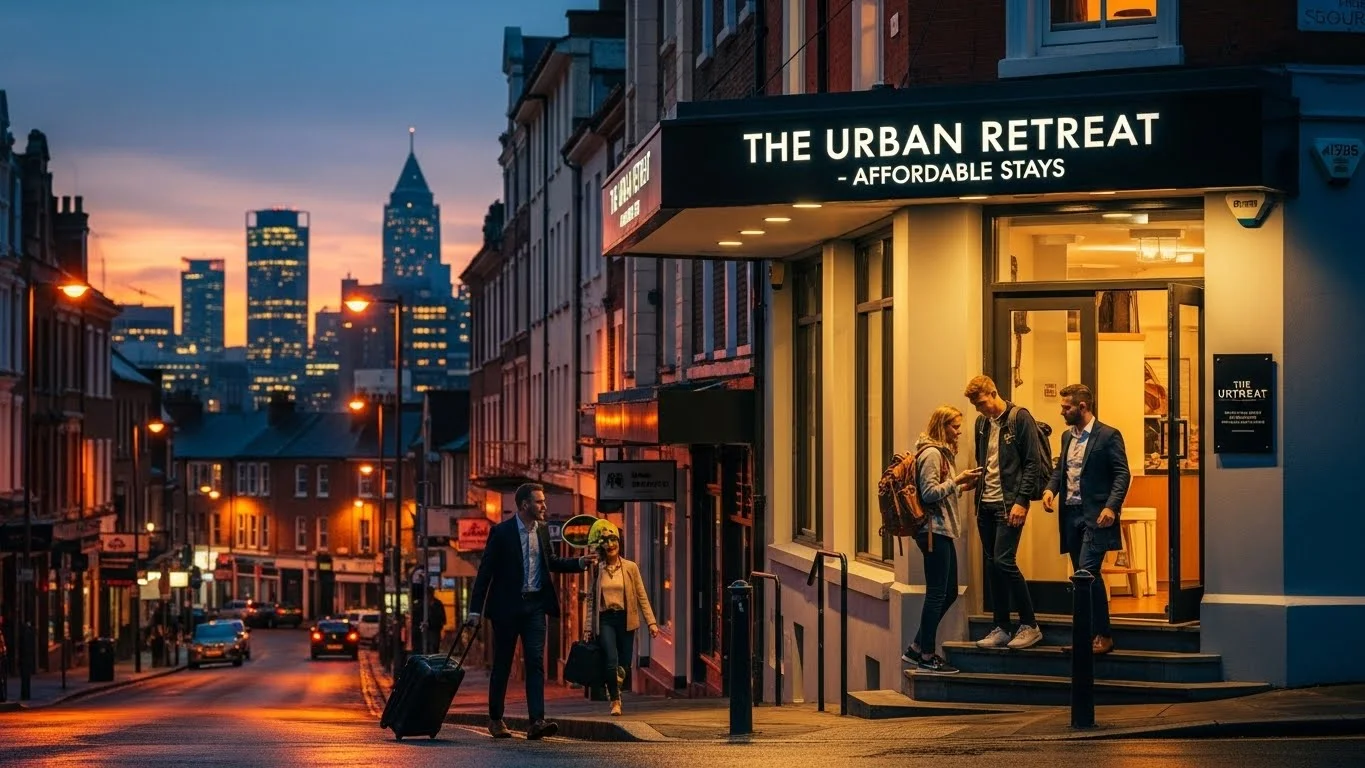
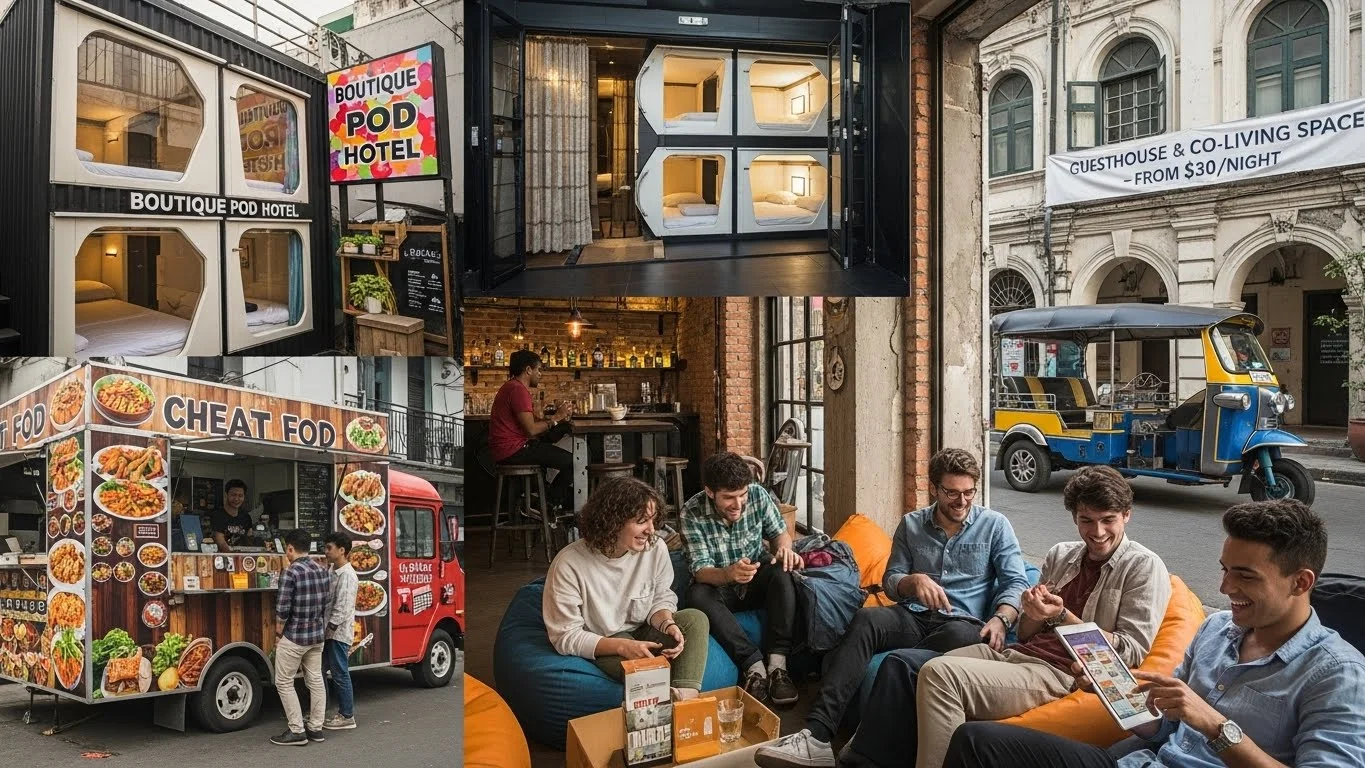
Affordable Places to Stay: City Accommodation Guide

Finding affordable places to stay while traveling doesn’t have to be a daunting task. With the right information and resources, you can enjoy a comfortable experience without breaking the bank. For more insights, check out Top Budget Accommodation Options for City Backpackers.

Affordable Places to Stay: City Accommodation Guide

Understanding Affordable Accommodation

What Defines Affordable Accommodation?

When I think about affordable accommodation, I often reflect on my own travel experiences. For me, affordable means finding a place that fits my budget while still offering a sense of comfort and safety. Typically, I define affordable accommodation as anything that costs less than the average market rate for a given destination, but the specifics can vary widely based on location and time of year. When I travel, I often set a price range in mind that allows me to enjoy my trip without financial stress. This number can shift based on how much I plan to spend on activities, food, and other experiences.

Benefits of Staying in Budget-Friendly Places

One of the biggest perks I’ve discovered about choosing budget-friendly places is the extra money it saves for experiences. I remember a trip to Europe where I opted for a cozy hostel instead of a pricey hotel. The money I saved allowed me to indulge in local cuisine and explore more attractions. Budget accommodations often have a unique charm, too. They can provide a more local feel and connect you with fellow travelers, which is something I genuinely cherish. Plus, I’ve found that staying in affordable places often leads to unexpected adventures and friendships. I think this is one of the best benefits of traveling on a budget; you open yourself up to experiences that are often missed in more upscale settings.

Types of Affordable Accommodations

Hostels: A Social Experience

Hostels hold a special place in my heart. They’re often the go-to option for budget travelers like me who are looking to meet new people. I remember my first hostel experience in Barcelona; it was a shared room, and although I was nervous at first, I ended up making lifelong friends. Hostels usually provide dorm-style rooms, which can be a great way to save money. Many hostels also have common areas where travelers can hang out, cook meals together, and share stories. I’ve learned that the social atmosphere can enhance your travel experience, making it more enjoyable.

Budget Hotels: Comfort on a Budget

Budget hotels are another fantastic option. I’ve stayed in several across different cities, and while they might not have the luxury of high-end hotels, they often provide essential amenities. Clean sheets, a safe place to store my belongings, and a comfortable bed are usually what I look for. I remember one time in New Orleans, I found a budget hotel that not only offered a great rate but also was conveniently located near the French Quarter. It allowed me easy access to explore the vibrant nightlife without worrying about transportation costs.

Short-Term Rentals: Flexibility and Independence

Short-term rentals, like those found on platforms such as Airbnb, can offer a unique blend of comfort and affordability. I’ve often opted for a small apartment when traveling with friends or family. It provides a homier feel and allows us to cook some of our meals, which saves money on dining out. I recall a trip to San Francisco where we rented a cozy studio. Having a kitchen meant we could enjoy breakfast at our leisure, and it made our mornings less rushed and more enjoyable. Plus, the freedom to come and go without strict check-in or check-out times is a huge plus for me.

Bed and Breakfasts: Local Charm

Staying at a bed and breakfast can be one of the most delightful experiences. I’ve enjoyed many beds and breakfasts that not only provide a comfy place to sleep but also breakfast to fuel my day of exploring. The personal touch is often evident in these establishments, as owners usually share their favorite local spots and stories, giving me a deeper understanding of the area. One memorable B&B experience was in the quaint town of Asheville, North Carolina, where the owner had a beautiful garden that inspired my own gardening interests!

Couchsurfing: A Unique Experience

Couchsurfing is another option I’ve explored. It’s about staying on someone’s couch or spare room for free in exchange for cultural exchange. I was initially hesitant, but I found it to be one of the most enriching experiences of my travels. I stayed with a lovely couple in Berlin who introduced me to their favorite local cafes and helped me navigate the city like a local. The connections I made through Couchsurfing have added depth to my travels that I wouldn’t trade for anything.

How to Find Affordable Places to Stay

Using Accommodation Booking Websites

When I set out to find affordable accommodations, I always turn to booking websites. They’re like treasure maps for budget travelers! Websites like Booking.com, Expedia, and Agoda have saved me countless hours of searching. They allow you to filter results by price, location, and amenities, which makes it easier to find what fits my needs. I remember planning a trip to Thailand and using these sites to discover some hidden gems. I found a charming guesthouse on a quiet street that was both affordable and just a short walk to the beach. The thrill of finding a great deal is something I cherish, and these platforms make it possible.

Exploring Local Listings and Forums

Another strategy I’ve adopted is exploring local listings and forums. Websites like Craigslist or even local Facebook groups can provide opportunities that traditional sites miss. I recall a time when I was looking for a place in Lisbon. I stumbled upon a local Facebook group where hosts listed available rooms. I ended up staying in a lovely apartment owned by a friendly local who shared tips about the city that I wouldn’t have discovered otherwise. This approach not only helps in finding affordable places but also fosters a sense of community.

Leveraging Social Media for Deals

Social media can be a powerful tool for finding deals on accommodations. I often follow travel blogs and pages on Instagram and Twitter. Many influencers share exclusive discount codes or promotions for stays. I remember seeing a post about a stunning boutique hotel in Mexico City that offered a limited-time discount. I jumped on it and got an amazing rate! Additionally, platforms like Twitter can be helpful for real-time updates and deals. Engaging with these communities can lead to discovering incredible places to stay that I would have otherwise overlooked. You can also find great deals on outdoor activities by checking out City Escapes: Best Outdoor Activities for Budget Travelers.

Timing Your Booking for the Best Prices

Timing is everything when it comes to booking accommodation. From my experience, booking a few months in advance often yields the best rates, especially during peak travel seasons. However, I’ve also found that waiting until the last minute can lead to fantastic deals if you’re flexible. I once booked a last-minute stay in Prague and got a beautiful hotel at half the price! It feels like a little gamble, but if you’re willing to take that risk, you might just score a fabulous deal. It’s all about knowing your travel style and what works best for you.

Top Affordable Destinations

Budget-Friendly Cities in Europe

Europe can often feel like a pricey destination, but I’ve discovered some budget-friendly cities that are worth exploring. For instance, I fell in love with Budapest, Hungary. The thermal baths, stunning architecture, and delicious street food made it an unforgettable experience without breaking the bank. I also found that places like Lisbon and Prague offer affordable accommodations, amazing food, and rich history. The key is to do a bit of research and be open to exploring less touristy areas for even better deals. For more about exploring these cities, check out Budget-Friendly City Guides: Discover Historical Landmarks.

Affordable Cities in Asia

Asia is brimming with affordable travel options. I’ve traveled through Vietnam, and the cost of living there is incredibly low compared to many Western countries. I enjoyed delicious meals for just a couple of dollars and stayed in comfortable hostels for even less! Cities like Chiang Mai in Thailand also offer a mix of budget accommodations and rich cultural experiences. I remember sipping coffee while overlooking the mountains, all without putting a dent in my wallet.

Cost-Effective Options in North America

In North America, I’ve found that cities like New Orleans and Austin provide a vibrant atmosphere with affordable accommodation options if you know where to look. I once stayed in a quaint guesthouse in New Orleans that was not only budget-friendly but also immersed me in the local culture. I loved waking up to the sound of jazz music playing in the streets. Plus, both cities are known for their lively communities, making it easy to connect with locals.

Hidden Gems in South America

South America has some of the best-kept secrets for budget travelers. I remember visiting Medellín, Colombia, where I found a beautiful hostel in a vibrant neighborhood. The cost for a night was remarkably low, and it came with a rooftop terrace that offered stunning views of the city. Additionally, cities like Cusco, with its proximity to Machu Picchu, provide affordable accommodations and rich cultural experiences. The warmth of the locals and the incredible landscapes make this continent a must-visit for budget-conscious travelers.

Factors to Consider When Choosing Accommodation

Location: Proximity to Attractions

When I choose where to stay, location is always at the top of my list. I love being close to the attractions I want to explore. During my trip to Paris, I opted for a small hotel in Montmartre, which allowed me to wander the charming streets and visit iconic sites like the Sacré-Cœur without needing to rely on public transport. A well-located accommodation can save time and money while enhancing the overall travel experience.

Safety: Researching Neighborhoods

Safety is a major concern when I travel, and I always take the time to research neighborhoods. I’ve learned that some areas, while cheap, may not be the safest for travelers. Reading reviews and checking travel forums can provide insight into safe places to stay. For example, during my time in Buenos Aires, I made sure to choose accommodations in neighborhoods known for being tourist-friendly and safe. It brought me peace of mind, allowing me to focus on enjoying my trip.

Amenities: What to Expect for Your Budget

Understanding what amenities are important to me helps narrow down my options. Sometimes, I prioritize a kitchen over a swimming pool, especially if I’m traveling for an extended period. I’ve found that having access to a kitchen can significantly cut down on food expenses. I remember staying in a rental with a full kitchen in Barcelona, which allowed my friends and me to prepare meals rather than dine out every meal, freeing up funds for activities instead.

Reviews and Ratings: How to Evaluate Options

Finally, I always check reviews and ratings before booking. I trust fellow travelers to share their experiences, and sites like TripAdvisor can provide valuable insights. I remember finding a budget hotel in Rome that had glowing reviews for its cleanliness and friendly staff. When I arrived, it exceeded my expectations! It’s all about doing the research to find accommodations that align with my values and needs.

Tips for Saving Money on Accommodation

Booking in Advance vs. Last-Minute Deals

Deciding whether to book in advance or wait for last-minute deals has always been a bit of a balancing act for me. When planning longer trips, I often lean towards booking in advance to secure the best rates. However, I’ve also found that being flexible with my travel schedule can lead to fantastic last-minute deals. I remember a spontaneous trip to Seattle where I booked a room just a day before arriving and ended up getting a great rate that allowed me to indulge in more experiences while I was there.

Utilizing Loyalty Programs and Discounts

I believe that utilizing loyalty programs is a smart way to save money on accommodations. Many hotel chains offer rewards programs that can lead to free nights or discounts. I’ve signed up for a few over the years and have enjoyed the benefits, especially when I find myself returning to the same place. It feels rewarding to stay somewhere familiar and get a little extra for my loyalty!

Staying During Off-Peak Seasons

Traveling during off-peak seasons can significantly reduce accommodation costs. I’ve taken a few trips in the shoulder seasons, and the savings have been incredible. For example, visiting Iceland in early spring not only saved me money on accommodation but also gave me the chance to experience fewer crowds at popular attractions. It’s a win-win situation!

Negotiating Rates for Longer Stays

When I plan longer stays, I’ve found that negotiating rates can be a valuable tactic. Many places are open to offering discounts for extended stays. I remember when I stayed at a guesthouse in Thailand for two weeks; I simply asked if they could provide a better rate for my duration, and they happily obliged. It can feel intimidating to ask, but the potential savings are worth it!

Local Experiences: Enhancing Your Stay

Connecting with Locals for Insider Tips

One of my favorite things about traveling is connecting with locals. They often have the best recommendations for restaurants, attractions, and hidden gems that aren’t in the guidebooks. I remember in Rome, I struck up a conversation with a local at a café, and he pointed me to a little trattoria that served the best pasta I’ve ever had! Those genuine interactions can add so much richness to my travel experiences.

Participating in Community Events

Participating in community events has become an integral part of my travels. I’ve attended local festivals, markets, and workshops, which not only provide insight into the culture but often come free or at a minimal cost. I once joined a cooking class in Thailand, where we learned to make traditional dishes from a local chef. It was an experience that created lasting memories and friendships!

Exploring Local Cuisine on a Budget

Food is such an essential part of travel for me, and exploring local cuisine doesn’t have to break the bank. I always seek out street food and local markets for authentic flavors at lower prices. During a trip to Mexico City, I discovered the joy of tacos from a street vendor that were not only delicious but also incredibly affordable. Eating like a local not only saves money but also enriches the travel experience.

Common Misconceptions About Affordable Accommodation

Quality vs. Price: Debunking Myths

There’s a common misconception that affordable accommodations mean sacrificing quality. From my experiences, I’ve found that’s not necessarily true. I’ve stayed in budget hotels and hostels that were just as clean and comfortable as pricier options. For example, my stay at a hostel in Edinburgh was an unexpected delight – it had spacious rooms and friendly staff, proving that you don’t always have to pay top dollar for a fantastic stay.

Safety Concerns in Budget Stays

Many people worry about safety when it comes to budget accommodations. I understand the concern, but I’ve often found that with a bit of research, I can find safe options that fit my budget. Checking reviews and getting recommendations from fellow travelers has helped me avoid any unsafe situations. In fact, I felt safer in some hostels than in certain hotels, as they often have security measures in place.

Perceptions of Hostels and Shared Spaces

Lastly, there’s a stereotype that hostels are just for young backpackers and that shared spaces are uncomfortable. I used to think the same way until my own experience shattered that myth. I’ve met people of all ages in hostels, and the shared spaces often create a sense of community that enhances the travel experience. I’ve enjoyed sharing meals and stories with fellow travelers, which has enriched my journey in ways I never expected.

Frequently Asked Questions

What defines affordable accommodation?

Affordable accommodation typically refers to places that cost less than the average market rate for a given destination, while still offering a sense of comfort and safety. The specifics can vary based on location and time of year, and travelers often set a price range that allows them to enjoy their trip without financial stress.

What are the benefits of staying in budget-friendly places?

Staying in budget-friendly places saves money for experiences, allows for a unique local feel, and connects travelers with fellow adventurers. It often leads to unexpected adventures and friendships, enhancing the overall travel experience.

What types of affordable accommodations are available?

Types of affordable accommodations include hostels, budget hotels, short-term rentals, bed and breakfasts, and couchsurfing. Each option offers unique benefits, such as social experiences in hostels or the local charm of bed and breakfasts.

How can I find affordable places to stay while traveling?

You can find affordable places by using accommodation booking websites, exploring local listings and forums, leveraging social media for deals, and timing your booking for the best prices.

Which cities are considered budget-friendly destinations in Europe?

Budget-friendly cities in Europe include Budapest, Hungary; Lisbon, Portugal; and Prague, Czech Republic. These destinations offer affordable accommodations, amazing food, and rich history.

What are some affordable travel options in Asia?

Asia offers many affordable travel options, such as Vietnam, where the cost of living is low, and Chiang Mai in Thailand, which provides a mix of budget accommodations and rich cultural experiences.

What factors should I consider when choosing accommodation?

When choosing accommodation, consider location (proximity to attractions), safety (researching neighborhoods), amenities (what you expect for your budget), and reviews and ratings to evaluate options.

How can I save money on accommodation?

To save money on accommodation, consider booking in advance or waiting for last-minute deals, utilizing loyalty programs and discounts, staying during off-peak seasons, and negotiating rates for longer stays.

What are some misconceptions about affordable accommodations?

Common misconceptions include the belief that affordable accommodations sacrifice quality, concerns about safety in budget stays, and the stereotype that hostels are only for young backpackers. Many budget options can be clean, safe, and comfortable, offering enriching travel experiences.

How can connecting with locals enhance my travel experience?

Connecting with locals can provide insider tips on restaurants, attractions, and hidden gems. Participating in community events and exploring local cuisine can also lead to memorable experiences that enhance your travel journey.

Top Budget Accommodation Options for City Backpackers

Finding budget accommodation is key for city backpackers looking to explore without breaking the bank. Let’s dive into the best options that let us experience the world while keeping our wallets happy! Read Interesting article: Top 10 Budget Accommodation Options for Backpackers

Top Budget Accommodation Options for City Backpackers

Overview of Budget Accommodation for City Backpackers

Defining Budget Accommodation

When I think about budget accommodation, I envision places that allow us to travel without spending exorbitant amounts. Budget accommodation typically refers to options that are affordable yet comfortable enough for backpackers. This could range from hostels with shared dormitories to cozy guesthouses and even budget hotels. The main idea is to find a place that suits our needs while not draining our travel funds. I remember my first backpacking trip; I was amazed at how many comfortable and affordable options there were, making travel much more accessible.

Importance of Budget Travel for Backpackers

For many of us, budget travel is crucial. It allows us to stretch our money further, so we can spend more on experiences rather than just a place to sleep. I’ve realized that when we travel on a budget, we often find ourselves in a better position to meet fellow travelers and engage with local cultures. We can allocate our savings towards excursions, food, and activities that truly enrich our journey. Plus, it brings a sense of adventure—searching for the best deals and discovering hidden gems is part of the fun! I remember wandering through unfamiliar neighborhoods, finding a charming guesthouse that wasn’t listed in the usual travel guides. Those spontaneous moments often become the highlights of our trips.

Types of Budget Accommodation

Hostels

Hostels are like the heart of backpacker culture. They offer dormitory-style rooms, which can be a great way to meet new people. I’ve stayed in many hostels, and each one had its own vibe. Some were lively, with organized activities, while others were quieter, perfect for a good night’s rest. The best part? They are incredibly affordable, often ranging from $10 to $30 a night, depending on the city. Many hostels also provide amenities like free Wi-Fi, communal kitchens, and lounges, making them excellent places to relax after a day of exploration. I remember one hostel in Berlin where we shared a kitchen with travelers from all over the world. We cooked meals together and exchanged stories about our adventures.

Guesthouses

If you’re looking for a cozier atmosphere, guesthouses might be the way to go. They tend to be smaller, family-run operations, which gives them a personal touch. I’ve found that staying in a guesthouse often leads to friendly interactions with the owners, who usually have great local tips. Prices can vary, but you can often find guesthouses for around $20 to $50 per night. I once stayed in a lovely guesthouse in Thailand where the owner prepared breakfast for us every morning. It felt like home away from home, and I still keep in touch with them!

Hotels

While hotels can sometimes be pricier, there are budget-friendly options out there. Many budget hotels offer basic amenities and comfortable beds without the frills. I’ve managed to find good deals on hotels in less touristy areas, which can save money while providing a quality stay. It’s all about doing a bit of research and being flexible with our plans. I once booked a budget hotel in Mexico City that ended up being a fantastic find, located near public transport and local eateries. The comfort and privacy were worth every penny!

Airbnb and Vacation Rentals

Airbnb and similar platforms have changed the way we think about accommodation. They offer a wide range of options, from shared rooms to entire apartments. I’ve used Airbnb multiple times, and it’s often a cost-effective way to stay in more residential neighborhoods. This allows us to experience a city like a local. I remember booking an apartment in Barcelona that had a small kitchen, which saved us a lot on meals. Plus, we could enjoy the local markets and cook our own dishes!

Couchsurfing and Hospitality Networks

Couchsurfing is a unique option that allows travelers to stay with locals for free. It’s a great way to connect with people and experience the city from a local’s perspective. I’ve couchsurfed a few times, and I can say it’s one of the most enriching ways to travel. You get to share stories, learn about the culture, and sometimes even enjoy homemade meals. The only cost is a good attitude and a willingness to socialize. I found that the friendships I made through Couchsurfing often turned into lasting connections.

In my experience, choosing the right type of budget accommodation can really enhance our travels. Whether we prefer the social environment of hostels, the warmth of guesthouses, or the local feel of a rented apartment, there’s something for everyone. Each option offers a different way to experience the city, and I’ve found that the journey is just as important as the destination. As we explore various accommodations, we open ourselves up to new adventures, friendships, and unforgettable memories. Read Interesting article: Top 10 Affordable Accommodation Options for Budget Travelers

Top Destinations for Backpackers

Europe

Popular Cities: Barcelona, Berlin, Prague

Europe is a dream destination for many backpackers, and I can totally understand why. With its rich history, diverse cultures, and vibrant cities, there’s something for everyone. Barcelona is a personal favorite of mine; the unique architecture by Gaudí and the lively atmosphere at La Rambla make it an unforgettable place. Plus, I’ve found several budget-friendly hostels near the beach that allow us to enjoy the sun without spending a fortune.

Berlin, on the other hand, is a hub of creativity and history. When I visited, I stayed in a hostel that offered free walking tours, which helped me dive deeper into the city’s fascinating past. And then there’s Prague, with its stunning medieval architecture. I remember finding a cozy guesthouse tucked away from the main tourist routes, where I enjoyed a peaceful stay without breaking the bank. Exploring its cobblestone streets is a journey in itself!

Asia

Popular Cities: Bangkok, Hanoi, Tokyo

Asia is another fantastic continent for budget travelers. Bangkok is a bustling city that never sleeps, and I was blown away by how affordable the accommodation was. I found a vibrant hostel in the Khao San Road area, perfect for meeting fellow backpackers. The street food was delicious and cheap, allowing me to save money for exploring the stunning temples.

In Vietnam, Hanoi captivated me with its charming streets and rich culture. I found a family-run guesthouse that was incredibly accommodating and affordable. They even offered free bicycles for exploring the city, which turned out to be one of the highlights of my trip. And then there’s Tokyo, where I was surprised to find reasonably priced capsule hotels. They were compact but surprisingly comfortable, giving me a unique experience as I dove into the bustling life of this megacity.

South America

Popular Cities: Buenos Aires, Rio de Janeiro, Lima

South America has this electric energy, and I felt it right away in Buenos Aires. The city is known for its rich European heritage and vibrant culture, and I found affordable hostels in the Palermo district that were full of life. They often organized tango nights, which made for a memorable experience!

In Rio de Janeiro, I stayed in a guesthouse that felt like a home away from home. The owner was incredibly friendly and shared tips about the best local spots. Plus, I was just a short walk from Copacabana Beach, which was fantastic for soaking up the sun. Lima, on the other hand, surprised me with its culinary scene. I found a great hostel that connected me with other food enthusiasts, and we explored the city’s food markets together, making it a budget-friendly gourmet adventure.

North America

Popular Cities: New York City, Mexico City, Toronto

When it comes to North America, New York City can be a bit daunting in terms of prices, but I’ve discovered some hidden gems. Staying in hostels in Brooklyn or even budget hotels in Queens can save a lot while still being close to the action. I remember wandering through Central Park and then heading back to my hostel to share stories with fellow travelers from around the world.

Mexico City is a treasure trove of culture, and I was amazed by the affordable accommodations available. I found a charming guesthouse in the Coyoacán neighborhood, where Frida Kahlo lived. Exploring the markets and tasting local street food was a thrilling part of my experience. Toronto, with its friendly vibe, also has plenty of budget options. I loved staying in a hostel near Kensington Market, which was filled with quirky shops and diverse food options. It felt like a little world of its own!

Exploring these top destinations has shown me that backpacking can open up incredible opportunities for adventure. Each city has its unique charm and experience, and I’ve loved discovering both popular sites and hidden gems while staying within my budget. As we plan our next trips, these cities offer a perfect mix of culture, fun, and affordability that keeps the backpacking spirit alive! Read Interesting article: City Escapes: Best Outdoor Activities for Budget Travelers

Key Factors to Consider When Choosing Accommodation

Location: Proximity to Attractions and Public Transport

One of the most vital factors when selecting budget accommodation is its location. I’ve learned that being near public transport can save us a lot of time and stress while exploring a new city. For instance, during my trip to Paris, I stayed in a hostel just a short walk from the metro. This made it incredibly easy to hop on a train and reach iconic spots like the Eiffel Tower or Montmartre without breaking a sweat. I also appreciate accommodation that’s close to local attractions, restaurants, and shops because it allows me to immerse myself in the city’s culture more easily. Walking through vibrant neighborhoods filled with local cafés and street vendors is one of my favorite travel experiences.

Price Comparison: Finding the Best Deals

When I’m on the hunt for budget accommodation, I always take the time to compare prices across different platforms. There are so many websites and apps out there, and they all have their unique deals and offers. I remember trying to book a hostel in Lisbon and found prices varying wildly from one site to another. By checking a few different places, I managed to snag a fantastic deal that saved me quite a bit. It’s worth spending a little time to ensure we get the best bang for our buck!

Amenities: Wi-Fi, Kitchen Facilities, and Security

Amenities can make a significant difference in our overall experience. I’ve found that having access to free Wi-Fi is almost a necessity for me, especially when I want to keep friends and family updated on my travels or plan my next move. Having kitchen facilities can also be a game changer. During a trip to Budapest, I stayed at a hostel with a communal kitchen, and it allowed me to cook my own meals. This not only saved me money but also gave me the chance to try cooking some local dishes. Additionally, I always check for security features like lockers or 24-hour reception, as feeling safe in our accommodation is paramount.

Hostel Atmosphere: Social Opportunities and Events

The atmosphere of a hostel can really influence our travel experience. I remember arriving at a hostel in Sydney and instantly being welcomed by fellow travelers. They had organized a barbecue that evening, which turned into one of the best nights of my trip. Many hostels offer social events, tours, or communal areas where we can meet others. If you’re someone who enjoys socializing, look for hostels that promote a fun and friendly vibe. On the flip side, if you prefer some quiet time, I suggest checking reviews to find a hostel that matches your desired atmosphere.

Reviews and Recommendations

Before booking any accommodation, I always take a moment to read reviews. Hearing about other travelers’ experiences can give us valuable insights. I recall booking a guesthouse in Istanbul that had glowing reviews about the owner’s hospitality. When I arrived, I was pleasantly surprised to find the reviews were spot on. The owner not only provided a comfortable stay but also took the time to show me around the local area. I feel that relying on recommendations from fellow travelers or backpacker communities can also lead to discovering hidden gems that aren’t widely advertised.

Budget Accommodation Tips and Tricks

Booking in Advance vs. Last-Minute Deals

When it comes to booking accommodations, I’ve tried both strategies—planning ahead and booking last minute. Booking in advance often gives us access to better prices and a wider selection of options. I remember planning a trip to Rome and snagging a stylish hostel well ahead of time, which ended up being a highlight of my journey. On the other hand, sometimes waiting until the last minute can yield unexpected deals, especially if you’re flexible with your plans. During a spontaneous trip to Budapest, I found an excellent last-minute deal that put me right in the heart of the city.

Using Comparison Websites and Apps

Comparison websites and apps have become my go-to tools for finding the best accommodation deals. I love that they allow me to filter options based on my preferences, such as price range, amenities, and location. Apps like Hostelworld or Booking.com have been lifesavers in my travels. I often find that using these platforms can help uncover deals I might not have found otherwise. Plus, it’s satisfying to watch the prices drop as I compare different options!

Traveling During Off-Peak Seasons

Traveling during off-peak seasons can make a significant difference in accommodation costs. I’ve experienced this firsthand during my visit to Thailand. By traveling just before the peak season, I found lower rates on both accommodations and flights. Not only do we score better deals, but the destinations are often less crowded, allowing us to explore at our own pace. I’ve discovered that some of my favorite travel memories have come from these quieter times.

Joining Backpacker Communities for Recommendations

Being part of backpacker communities, whether online or in person, has opened doors to amazing recommendations. I’ve met fellow travelers through forums and social media groups who shared tips about accommodation and experiences. These personal insights often lead to discovering places I might not have considered before. I once joined a Facebook group for travelers in Southeast Asia, and I received countless suggestions for budget-friendly places that turned out to be fantastic. It’s like having a network of travel buddies to tap into!

Utilizing Loyalty Programs for Discounts

If you find yourself frequently booking budget accommodations, consider joining loyalty programs. Many hostels and hotel chains offer points for every stay, which can eventually lead to free nights or upgrades. I remember joining a hostel loyalty program while traveling through Europe, and it helped me save on my future stays. It’s a great way to make our money work smarter, especially if we travel often!

Frequently Asked Questions

What is budget accommodation?

Budget accommodation refers to affordable yet comfortable lodging options suitable for backpackers. This includes hostels, guesthouses, and budget hotels that allow travelers to explore without spending excessively.

Why is budget travel important for backpackers?

Budget travel is crucial as it helps travelers stretch their money further, allowing them to spend more on experiences rather than just accommodation. It also encourages interactions with fellow travelers and local cultures.

What types of budget accommodation are available?

There are several types of budget accommodation, including hostels, guesthouses, budget hotels, Airbnb and vacation rentals, and Couchsurfing options, each offering unique experiences and price ranges.

How much do hostels typically cost?

Hostels often range from $10 to $30 a night, depending on the city, making them an affordable option for backpackers.

What amenities do budget accommodations usually offer?

Budget accommodations may offer amenities like free Wi-Fi, communal kitchens, lounges, and security features such as lockers or 24-hour reception, which can enhance the overall experience.

What factors should I consider when choosing budget accommodation?

Key factors include location (proximity to attractions and public transport), price comparison across different platforms, available amenities, hostel atmosphere, and reading reviews from other travelers.

How can I find the best accommodation deals?

To find the best deals, consider using comparison websites and apps, traveling during off-peak seasons, and joining backpacker communities for recommendations.

Is it better to book accommodation in advance or last-minute?

Booking in advance typically offers better prices and a wider selection, while last-minute deals can sometimes yield unexpected savings for flexible travelers.

Can I save money through loyalty programs?

Yes, joining loyalty programs for hostels or hotel chains can lead to discounts, free nights, or upgrades, making it a smart option for frequent travelers.

What are some popular backpacker destinations mentioned in the article?

Popular backpacker destinations include Barcelona, Berlin, Prague in Europe; Bangkok, Hanoi, and Tokyo in Asia; Buenos Aires, Rio de Janeiro, and Lima in South America; and New York City, Mexico City, and Toronto in North America.

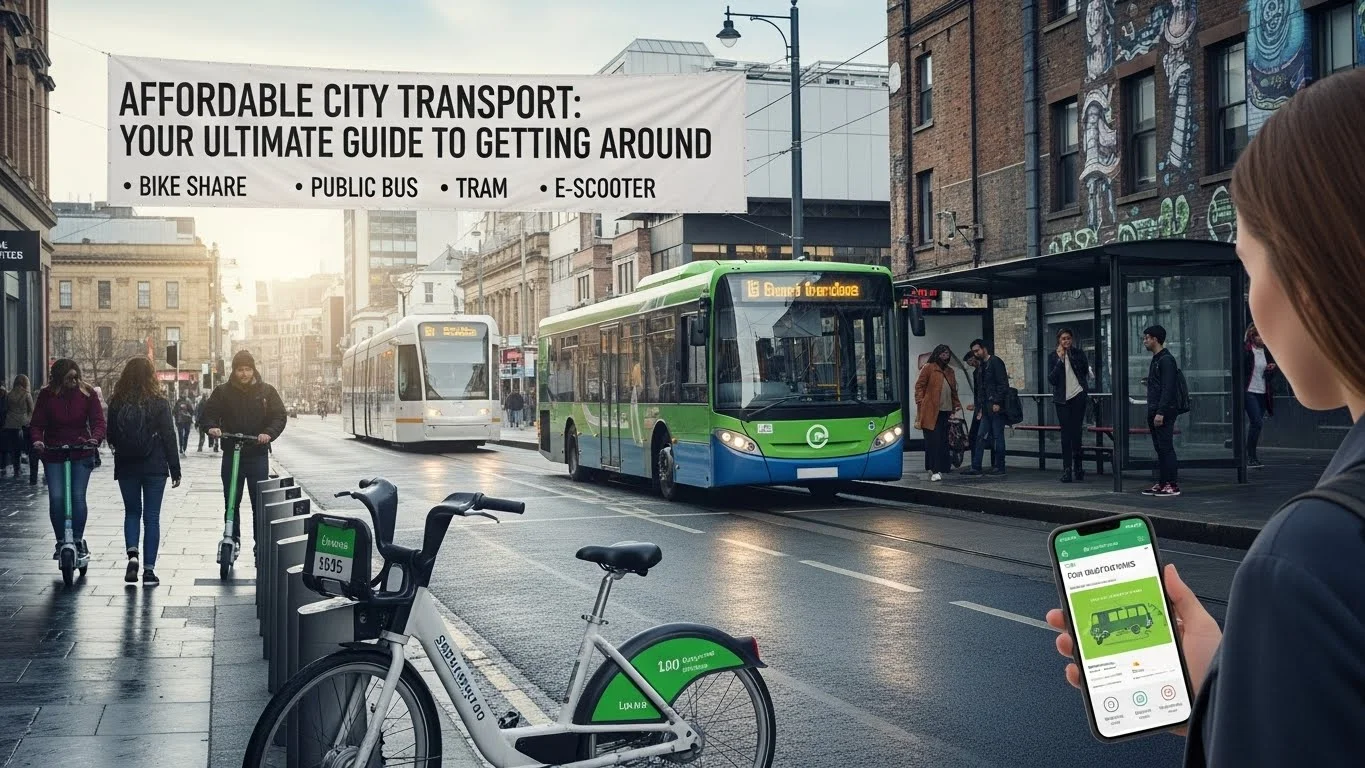
Affordable City Transport: Your Ultimate Guide to Getting Around

Getting around the city doesn’t have to break the bank. In this guide, I’ll share tips and insights on affordable transport options that make city travel efficient and budget-friendly. Read Interesting article: City Escapes: Best Outdoor Activities for Budget Travelers

Affordable City Transport: Your Ultimate Guide to Getting Around

Understanding Affordable City Transport

What is City Transport?

City transport refers to the various means of traveling within urban areas. It encompasses a range of options, from public transit systems like buses and subways to more individual methods like biking and walking. Each city has its unique transport network, tailored to its residents’ needs, which plays a crucial role in daily commuting and overall urban mobility.

Importance of Affordable Transport Options

I’ve found that having affordable transport options is vital for city dwellers. It not only helps people save money but also reduces congestion and pollution. When transport is accessible and inexpensive, more people tend to opt for public transit instead of driving, which can lead to less traffic and a cleaner environment. I remember when I first moved to a bustling city, the thought of paying for parking every day made me anxious. Discovering affordable transport options eased my mind and encouraged me to explore more of what the city had to offer.

Types of Affordable City Transport

Public Transit Systems

One of the most cost-effective ways to travel around the city is through public transit systems. These systems vary by city but generally include buses, subways, and light rail services. I’ve relied heavily on public transit, and it has made my life so much easier.

Buses

Buses are often the backbone of public transportation. They cover extensive routes, making it easy to reach various neighborhoods. I remember getting my first bus pass—it felt like a key to endless possibilities! With relatively low fares, buses provide an economical way to navigate the city. Most cities have schedules available online or via apps, which I found incredibly helpful when planning my day.

Subways/Metro

If you’re in a city with a subway or metro system, you’re in luck! I’ve always enjoyed the efficiency of subways; they can whisk you from one end of the city to the other in no time, especially during rush hour when buses can get stuck in traffic. Subways often offer daily and monthly passes, making them a convenient and affordable choice for regular commuters.

Trams and Light Rail

Trams and light rail systems are another fantastic option for getting around. They often operate on designated tracks, which means they’re generally quicker than buses. I’ve loved hopping on a tram to explore a new part of the city without worrying about parking. They’re usually equipped with comfortable seating and can be a scenic way to travel.

Bike Sharing Programs

Bike sharing has become increasingly popular in urban areas. I remember the first time I tried a bike-sharing program; it felt liberating to pedal around town at my own pace. Many cities now have bike lanes and stations where you can rent a bike for a few hours or even a day. It’s not only affordable but also a great way to stay active while exploring the city. Plus, you can often find discounts for longer rental periods. Read Interesting article: Explore Nature: Affordable Outdoor Adventures in City Parks

Walking Tours

Sometimes, the best way to experience a city is on foot. I’ve discovered hidden gems while wandering through neighborhoods, and walking is completely free! Many cities offer guided walking tours for a small fee, which can be a great way to learn about the history and culture of the area. I recommend checking out local tourism websites for any free walking tours; you’ll be surprised at what you can see.

Carpooling and Ridesharing Services

Carpooling and ridesharing services like Uber and Lyft are excellent options for those times when public transport isn’t convenient. I’ve used ridesharing frequently, especially late at night or when I’m carrying heavy bags. While it can be a bit pricier than public transit, splitting the fare with friends makes it more affordable. Plus, many ridesharing apps offer discounts or promotions that can help keep costs down.

Affordable Taxis and Minicabs

If you prefer traditional taxis, many cities have affordable taxi services. I’ve found that booking a taxi through an app can often be more economical than hailing one on the street. Minicabs, which are usually booked in advance, can also offer competitive rates and are often a reliable choice for getting to your destination safely and on time.

Comparing Costs of Different Transport Options

Daily and Monthly Passes for Public Transport

When it comes to public transit, I’ve learned that investing in daily or monthly passes can save a significant amount of money. If you’re planning to use public transport frequently, these passes can be a game-changer. For instance, I remember my first month in the city; I was unsure about how often I’d take the bus or subway, so I bought single tickets. As the days passed, I realized that a monthly pass would have saved me nearly half of what I spent! Most cities offer options that allow for unlimited travel within a specific timeframe, which is perfect for daily commuters. I recommend checking the local transport authority’s website for pricing details and any available discounts for students or seniors.

Bike Rental Costs vs. Public Transit Fares

Biking can be an incredibly economical way to get around, especially when comparing the costs of bike rentals to public transit fares. I often find myself weighing the costs between hopping on a bike or catching a bus. In many cities, renting a bike for a few hours is often cheaper than purchasing multiple bus tickets. For example, I’ve discovered that a bike rental can cost around $5 for a two-hour period, while a single bus fare might be close to $3. If you plan on biking for longer, many bike-sharing programs offer daily passes that can be even more affordable. Plus, there’s the added benefit of getting some exercise while enjoying the fresh air!

Cost of Ridesharing vs. Traditional Taxis

Another important comparison is between ridesharing services and traditional taxis. I remember the first time I used a ridesharing app; it felt like such a convenient option for getting around. While ridesharing can sometimes be more economical, especially when you factor in the ability to split fares with friends, traditional taxis can sometimes offer flat rates for longer distances. I’ve noticed that if I’m traveling during peak hours, ridesharing prices can spike due to increased demand, making taxis a better choice. It’s always wise to check both options before requesting a ride. I recommend downloading both taxi and ridesharing apps on your phone, so you can compare costs in real-time.

How to Navigate City Transport Systems

Understanding Maps and Schedules

Learning how to read transport maps and schedules can be a bit daunting at first, but I’ve found it’s a skill worth mastering. Most public transit systems have maps available both online and at stations. I remember feeling overwhelmed when I first looked at a subway map, but once I started to familiarize myself with the lines and stops, it became second nature. I suggest taking a few minutes to study the map before heading out. It helps to know which lines connect and where transfers are located. Many cities also offer printed schedules at bus stops and train stations, which can be a handy resource when planning your journey.

Using Transport Apps for Easy Navigation

In today’s digital age, transport apps have changed the game for city travel. I’ve found that using apps like Google Maps or local transit apps can simplify navigating the public transport system. They provide real-time information about arrivals, delays, and even suggest the best routes. I particularly love how some apps allow you to track the location of your bus or train, so you’re not left waiting in uncertainty. I remember one hectic morning when I was running late; I opened my transit app and saw that the next train would arrive in just two minutes. It saved me from a long wait and got me to my destination on time!

Accessibility Features in Public Transport

One aspect of city transport that is often overlooked is accessibility. I’ve come to appreciate how many cities are working to improve accessibility for all residents. Many public transit systems now have features like ramps, elevators, and announcements for the visually impaired. If you or someone you know requires assistance, I recommend checking the transport authority’s website for detailed information on accessibility services. I’ve seen firsthand how these features can make a huge difference. A friend of mine who uses a wheelchair was thrilled to discover that her local subway had fully accessible stations, opening up a whole new world for her urban adventures.

City-Specific Transport Solutions

New York City Transport Options

New York City is famous for its extensive public transport network. I remember stepping into the subway for the first time; it was like being part of a bustling hive. The MTA offers a variety of passes, and the subway can take you almost anywhere in the city. Plus, with the addition of bike lanes, cycling is becoming more popular. I love that you can ride a bike across the Brooklyn Bridge and enjoy stunning views of the skyline!

San Francisco’s Affordable Transport

San Francisco has its iconic cable cars, which I couldn’t resist trying during my visit. They’re a fun way to travel, but I found the Muni system (buses and light rail) to be a more budget-friendly option. I was surprised to learn about the free Muni for low-income residents, which makes getting around the hilly city much easier. I also enjoyed the Ferry service, which offers beautiful views of the bay and is often a relaxing alternative to the bus.

Chicago’s Public Transit System

Chicago has a fantastic public transit system known as the “L.” I remember riding the elevated trains and being amazed by how quickly I could travel from one neighborhood to another. The city offers a Ventra card that allows you to easily tap in and out of the system. I appreciated how easy it was to get around, especially when I wanted to explore different areas of this vibrant city.

London’s Transport Network

London’s transport system is another great example of how to navigate a large city. The Oyster card is a must-have for anyone traveling through the city. I found it incredibly convenient, as it provides discounted fares on buses, trains, and the Underground. I loved hopping on a double-decker bus to see the sights, and the Tube is a fast way to get around. Plus, London has special accessibility services for those who need them, making it easier for everyone to enjoy the city.

Other Notable Cities and Their Transport Options

There are so many cities around the world with their unique transport solutions. In Tokyo, the subway system is known for its punctuality and efficiency, while in Amsterdam, biking is the preferred mode of transport. I’ve learned that each city has its transport quirks, and figuring them out can enhance your travel experience immensely. I always recommend doing some research before visiting a new city, looking into the best transport options that suit your travel style. Read Interesting article: Budget-Friendly City Guides: Discover Historical Landmarks

Tips for Saving Money on City Transport

Choosing the Right Transport Pass

One of the best ways I’ve found to save money on city transport is by choosing the right transport pass. Each city typically offers various options tailored to different commuting needs. For instance, in New York City, there’s the option of a 7-Day Unlimited MetroCard, which can be a lifesaver if you plan to ride the subway frequently. I remember my first week in the city; I was unsure how much I would travel, so I bought single fares. By the end of the week, I realized that an unlimited card would have saved me a chunk of change. Researching your city’s transport authority can help you find the best deal tailored to your travel habits.

Off-Peak Travel Benefits

Traveling during off-peak hours can also lead to significant savings. I’ve learned that many public transit systems offer lower fares or discounts for rides taken during less busy times. For example, if I needed to catch a subway in the evening, I would often wait until after rush hour to avoid the crowds and save some money. Plus, there’s something refreshing about riding when it’s less hectic. It’s nice to find a seat and enjoy a more peaceful commute. Keep an eye out for your city’s off-peak hours and any promotions that might be available.

Student and Senior Discounts

If you’re a student or a senior, don’t forget to ask about discounts! I’ve taken advantage of student passes in several cities, which can offer up to 50% off regular fares. I remember applying for a student travel card during my college years, and it was a game-changer for my budget. Seniors often have similar benefits, making travel much more affordable. It’s worth checking with your local transport authority for eligibility and the required documentation.

Using Multi-Modal Transport Strategies

Combining different transport modes can be another great way to save money while getting around the city. I’ve found that using a mix of biking, walking, and public transport can be both economical and enjoyable. For instance, I often bike to a subway station instead of taking the bus, which saves me a fare and gives me a little exercise. Additionally, using apps that help plan multi-modal trips can save time and money. I love how certain apps can show me bike lanes, bus routes, and subway stops all in one go, making it easier to choose the most affordable and efficient way to reach my destination.

Safety and Security in City Transport

General Safety Tips for Public Transport

Safety is always a top priority when navigating city transport. I’ve learned a few tips along the way that help me feel more secure during my travels. For starters, I try to stay aware of my surroundings, especially when waiting at a bus stop or in a subway station. I avoid using my phone too much in these situations, as it can make me an easy target for pickpockets or distractions. Additionally, I prefer to sit near the conductor or in well-lit areas of the vehicle, which gives me extra peace of mind.

How to Stay Aware and Alert

Staying alert is crucial while using public transport. I always make it a habit to keep my belongings secure and close to me. I remember once I was on a crowded bus, and I felt a little uneasy when someone bumped into me. It reminded me to be vigilant and keep my backpack on my lap rather than on the floor. I also recommend listening to your intuition; if something feels off, it’s okay to move to a different area of the vehicle or wait for the next train.

Reporting Issues and Seeking Help

If you ever find yourself in a situation where you feel unsafe or notice something suspicious, don’t hesitate to report it. Most transit systems have personnel on-site or emergency contact numbers displayed clearly. I once witnessed someone acting erratically on the subway, and I alerted a station attendant. They handled the situation promptly, which made me feel more secure knowing that help was readily available. Familiarizing yourself with the transport authority’s procedures for reporting issues can be incredibly beneficial.

Environmental Impact of City Transport

Benefits of Using Public Transport

Using public transport is not only budget-friendly but also immensely beneficial for the environment. I’ve learned that every time I choose to take the subway or a bus instead of driving my car, I’m contributing to reducing traffic congestion and lowering greenhouse gas emissions. I often think about how many people can fit in a single bus compared to individual cars. It’s a small choice I can make that has a big impact on the planet. Cities that prioritize public transit create cleaner air and healthier living conditions for all.

Reducing Carbon Footprint through Alternatives

Aside from public transport, I’ve discovered other alternatives to help reduce my carbon footprint. Carpooling is a great way to share rides and cut down on the number of vehicles on the road. I’ve also started using bike-sharing programs more often, which not only keep me fit but also eliminate the emissions associated with cars. When I ride my bike, I feel connected to my community and the environment, and it’s a great way to explore the city’s hidden corners.

Future Trends in Sustainable Transport

Looking ahead, I’m excited about the future of sustainable transport options. Many cities are investing in electric buses, expanding bike lanes, and improving public transit infrastructure. I’ve seen some cities introducing micro-mobility options like electric scooters, which can be a fun and eco-friendly way to travel short distances. It’s thrilling to think that urban transport can evolve to be more efficient and environmentally friendly. I believe that as more people recognize the benefits of sustainable options, we’ll see even greater changes in how we navigate our cities.

Frequently Asked Questions

What is city transport?

City transport refers to the various means of traveling within urban areas, including public transit systems like buses and subways, as well as individual methods like biking and walking.

Why are affordable transport options important?

Affordable transport options are vital for city dwellers as they help save money, reduce congestion, and decrease pollution, encouraging more people to opt for public transit instead of driving.

What are some types of affordable city transport?

Types of affordable city transport include public transit systems (buses, subways, light rail), bike sharing programs, walking tours, carpooling and ridesharing services, and affordable taxis and minicabs.

How can I save money on city transport?

You can save money on city transport by choosing the right transport pass, traveling during off-peak hours, taking advantage of student and senior discounts, and using multi-modal transport strategies.

What is the benefit of using public transport?

Using public transport is budget-friendly and environmentally beneficial, as it helps reduce traffic congestion and greenhouse gas emissions, promoting cleaner air and healthier living conditions.

How can I navigate city transport systems effectively?

To navigate city transport systems effectively, learn to read maps and schedules, and utilize transport apps for real-time information about arrivals and best routes.

What are bike-sharing programs?

Bike-sharing programs allow users to rent bikes for a few hours or a day, providing an affordable and active way to explore the city.

What safety tips should I follow while using public transport?

Stay aware of your surroundings, keep your belongings secure, sit in well-lit areas, and trust your intuition if something feels off while using public transport.

What accessibility features are available in public transport?

Many public transit systems now offer accessibility features such as ramps, elevators, and announcements for the visually impaired, making it easier for all residents to use city transport.

What are some city-specific transport options mentioned in the article?

City-specific transport options include New York City’s extensive subway system, San Francisco’s Muni and iconic cable cars, Chicago’s “L” transit system, and London’s Oyster card for discounted fares.

Top 10 Budget Transportation Tips for City Travel

Traveling in the city doesn’t have to break the bank! With a little planning and savvy choices, you can explore urban areas affordably and efficiently. Read Interesting article: Top Eco-Friendly Transportation Tips for Budget Travelers

Top 10 Budget Transportation Tips for City Travel

Understanding City Transportation Options

When I first started navigating city transportation, I was overwhelmed by the options available. Each city has its own unique mix of public transport, ride-sharing, and even biking paths. I quickly learned that understanding these options is the first step to budget-friendly travel. Let’s dive into the main transportation methods I encountered on my journeys.

Public Transportation: Buses and Subways

Public transportation is often the backbone of city travel. Buses and subways can take you almost anywhere at a fraction of the cost of using a car or ride-sharing service. My first experience with a subway system was eye-opening. I remember standing at the station, trying to decipher the maps and schedules, but once I got the hang of it, I found it to be incredibly efficient.

Most cities offer a variety of ticketing options, including single rides, day passes, and monthly subscriptions. I usually recommend getting a day pass if you plan to make multiple trips. It saves time and money, allowing you to hop on and off as you explore. Many public transit systems now have apps that make it easier to track routes and arrival times, which can be a game-changer for new travelers.

Ride-Sharing Services

Ride-sharing services like Uber and Lyft have transformed how we think about getting around. They are super convenient, especially late at night or in areas where public transport may not be available. I remember using a ride-sharing app during a particularly rainy day when waiting for the bus seemed daunting. While these services can get pricey during peak hours, they often provide a promo code or discount for first-time users, so I always check for those before booking a ride.

It’s also wise to compare prices between different ride-sharing apps. I’ve noticed that sometimes one service is significantly cheaper than the other, depending on the time of day or demand. So, it pays to shop around a little before confirming your ride. Read Interesting article: Top 10 Budget-Friendly Outdoor Activities in Popular Cities

Walking and Biking

Walking and biking are two of my favorite ways to explore a new city. There’s something special about wandering through local neighborhoods and discovering hidden gems that you might miss while zooming by in a car or on public transit. Plus, it’s free! I often plan my day around walking routes that allow me to take in the sights, stop for coffee, or pop into a local shop.

Biking is another fantastic option, especially in cities known for their bike-friendly infrastructure. Many cities offer bike-sharing programs where you can rent a bike for a few hours or even a full day. I find this to be a fun way to cover more ground while still feeling connected to my surroundings.

Car Rentals and Car-Sharing Services

While I usually prefer public transport or biking, car rentals can sometimes be a necessity, especially if you’re planning to venture outside the city. It’s essential to weigh the costs, though. In my experience, renting a car can quickly add up when you factor in gas, parking fees, and potential tolls. I often recommend looking into car-sharing services like Zipcar or Turo as a budget-friendly alternative. They allow you to rent a car for just a few hours, which is perfect for short trips or errands.

Before you decide to rent or share a car, take some time to research parking options at your destination. Some cities have limited parking, and the last thing you want is to be stressed out searching for a spot or paying exorbitant fees. I learned this the hard way during my first car rental experience!

In summary, understanding the transportation options available in a city is crucial for budgeting and planning your travel. Each method has its pros and cons, and I encourage you to find the mix that works best for your personal style and itinerary. Whether it’s hopping on a bus, sharing a ride, biking around, or renting a car, being aware of these options can make your city travel both enjoyable and cost-effective.

Top 10 Budget Transportation Tips

1. Plan Your Routes in Advance

One of the best lessons I learned was the importance of planning my routes ahead of time. Before heading out, I usually take a few moments to check my map or transportation app to see the most efficient way to get to my destination. This not only helps me save time but also money by avoiding unnecessary detours or missed connections. I’ve found that understanding the layout of a city can really enhance your experience. I remember one time, I planned my route through a local park instead of taking the bus, and I stumbled upon a beautiful street fair I would have missed otherwise!

2. Use City Passes for Public Transport

City passes can be a fantastic way to save money on public transport. Many cities offer passes that allow unlimited travel on buses and subways for a set period. I remember purchasing a city pass during a trip to San Francisco, and it opened up so many options for me. I could hop on and off without worrying about buying individual tickets. Plus, it included discounts to several attractions, making my itinerary even more budget-friendly.

3. Take Advantage of Free Transit Days

Some cities have designated free transit days, and I always keep an eye out for those! It’s a no-brainer; I can explore without spending a dime on transportation. I recall a trip where I happened to be in town during such a day, and I was able to visit multiple museums and attractions at no cost. It felt like a little gift from the city, and it allowed me to stretch my budget even further.

4. Opt for Off-Peak Travel

Traveling during off-peak times is another great way to save money. I’ve noticed that public transport fares can sometimes be cheaper during less busy hours. Additionally, ride-sharing apps often have lower rates during these times. I always try to plan my outings around these hours. For instance, I once visited a popular tourist spot early in the morning, and not only did I save on transportation, but I also avoided the crowds!

5. Consider Walking for Short Distances

Walking is my go-to option for short distances. Not only is it free, but it also gives me a chance to soak up the local vibe. I love the small interactions I have with locals, and I often discover charming cafes or shops I wouldn’t have noticed from a bus or car. In fact, I remember walking through a quaint neighborhood in Chicago and finding a hidden bakery that served the best pastries I’ve ever had. It turned a simple stroll into a delightful adventure!

6. Explore Bike-Sharing Programs

Many cities have bike-sharing programs that are budget-friendly and fun. I encourage you to look into these options, especially if you enjoy biking. I’ve used bike shares in several cities, and it’s always an exhilarating way to explore. For a small fee, I can rent a bike for a few hours and ride around at my leisure. I once spent an afternoon biking along the waterfront in Seattle, and the views were absolutely stunning.

7. Use Ride-Sharing Apps Wisely

While I mentioned ride-sharing services earlier, I think it’s essential to highlight that using them wisely can save you money. I’ve learned to be strategic about when and how I book rides. For example, I always check the surge pricing before confirming a ride. If the rates are high, I’ll either wait a bit or consider public transport instead. Sometimes, I even share rides with friends to split the cost, which makes it a budget-friendly choice.

8. Keep an Eye on Discounts for Students and Seniors

If you’re a student or senior, don’t forget to look for discounts! Many public transportation systems and attractions offer reduced fares for students and seniors. I remember visiting a museum in New York City and being pleasantly surprised when my student ID got me a significant discount. It’s always worth asking about discounts wherever you go because you never know what savings you might uncover.

9. Familiarize Yourself with Local Transportation Apps

Getting to know the local transportation apps can enhance your travel experience. I often download these apps when I arrive in a new city. They provide real-time updates, directions, and sometimes even special offers. For example, in London, I used the Citymapper app, which was a lifesaver for navigating the bus and tube systems. It helped me find the fastest routes and even alerted me when I was getting close to my stop. Read Interesting article: City Escapes: Best Outdoor Activities for Budget Travelers

10. Don’t Forget About Carpooling Opportunities

Carpooling can be an excellent way to save money, especially if you’re traveling with a group. I’ve used carpooling services to share rides to events or sightseeing areas, and it cuts costs for everyone involved. Plus, it’s a great way to meet new people and make friends on the road. I remember sharing a ride with some fellow travelers to a concert, and we ended up having a fantastic time together!

Budgeting for Transportation Costs

Estimating Daily Transportation Expenses

When planning a trip, I found that estimating daily transportation expenses is crucial. It helps me stay on track and avoid unpleasant surprises. I usually start by considering how many trips I’ll take in a day. For instance, if I plan to explore multiple attractions, I might need to use public transport several times. I often jot down my expected transportation costs, whether it’s the price of a day pass for the subway, ride-sharing fees, or even the cost of renting a bike. This way, I can easily adjust my budget if I find I need to spend more time in a specific area or if I decide to treat myself to a ride-sharing service instead of walking.

To get a better feel for daily expenses, I sometimes check online forums or travel blogs to see what other travelers typically spend on transportation in the city I’m visiting. I remember a trip to Boston where I calculated my transportation costs based on others’ experiences, and it helped me allocate my budget more accurately for food and sights. Estimating expenses in advance also gave me peace of mind, allowing me to focus more on enjoying my trip rather than worrying about my wallet.

Comparing Costs of Different Transportation Methods

One of the most enlightening parts of my travel was learning to compare costs between different transportation methods. I quickly realized that what works best can vary greatly depending on the city and my plans. For example, in some cities, a day pass for public transport is incredibly economical, while in others, ride-sharing might be more cost-effective, especially if I’m traveling with friends. I often take a moment to weigh the options before committing to a method.

During a visit to Los Angeles, I faced this dilemma head-on. I initially planned to rent a car since the city is known for its sprawling layout. However, after researching, I discovered that using a combination of public transit and ride-sharing saved me a significant amount of money. I remember one day specifically where I took the Metro to a beach and then used a ride-sharing service to get to a restaurant for dinner. This mix not only fit my budget but also allowed me to experience the city from multiple angles.

Hidden Fees to Watch Out For

As I embarked on my adventures, I learned that hidden fees can sneak up on you if you’re not careful. I made it a habit to read the fine print, especially when it came to ride-sharing services and car rentals. For instance, some ride-sharing apps have additional charges for booking during peak hours or for longer rides. I once booked a ride without checking the estimated fare, only to find a surprise surge charge added to my bill. It was a lesson learned, and since then, I’ve made it a point to always check for additional fees before confirming any transport bookings.

Car rentals can also come with their own set of hidden costs. I remember being shocked at the amount of money I was charged for insurance that I didn’t even need. I also encountered unexpected fees for fuel and tolls, which added up quickly. Now, I always clarify everything with the rental company before taking the car out. Knowing these potential pitfalls has saved me from overspending and helped me keep my travel budget intact.

Safety Tips While Traveling on a Budget

Staying Aware of Your Surroundings

While exploring new cities on a budget, safety is always on my mind. I’ve found that staying aware of my surroundings is key to enjoying my travels. I make a conscious effort to pay attention, especially when I’m using public transport or walking through unfamiliar neighborhoods. There have been times when I felt a bit uneasy, but a simple adjustment—like moving to a well-lit area or avoiding distractions like my phone—made a huge difference.

I often remind myself to be aware of my belongings too. I’ve had moments where I was so engrossed in my surroundings that I nearly left my backpack behind on the bus! Keeping my bag close and being cautious about where I place it has helped me avoid any potential issues. Plus, I’ve learned to travel light, which makes it easier to keep an eye on my things. A small crossbody bag is my go-to; it’s secure and convenient.

Using Safe Transportation Options at Night

Traveling at night can be a bit daunting, but I’ve found ways to feel more secure. When I know I’ll be out after dark, I opt for safer transportation options. For example, I prefer ride-sharing services over public transport late at night. I recall one night in New Orleans when I was out enjoying live music. Instead of taking the bus back to my hotel, I used a ride-sharing app to get a safe and direct ride. It gave me peace of mind, and I was able to relax and enjoy the ride without worrying about missing my stop.

Keeping Your Belongings Secure

Lastly, keeping my belongings secure is a top priority while traveling. I’ve adopted a few strategies that work well for me. I always use a money belt for important documents and cash, which I wear under my clothes. This way, I don’t have to worry about pickpockets when I’m in crowded areas or bustling markets. Additionally, I tend to carry a small lock for my backpack when I’m using public transport, just as an extra precaution. It’s a small step that gives me peace of mind while I enjoy my adventure. Taking these safety measures has allowed me to focus more on the experiences rather than potential worries, making my travels much more enjoyable.

Frequently Asked Questions

What are the main transportation options for traveling in the city?

The main transportation options include public transportation (buses and subways), ride-sharing services (like Uber and Lyft), walking, biking, car rentals, and car-sharing services.

How can I save money using public transportation?

You can save money by purchasing day passes or city passes for unlimited travel, taking advantage of free transit days, and planning your routes in advance to avoid unnecessary trips.

What is a bike-sharing program?

A bike-sharing program allows you to rent a bike for a few hours or a full day, making it a budget-friendly option for exploring the city while enjoying the local scenery.

What tips can help me use ride-sharing apps wisely?

To use ride-sharing apps wisely, check for surge pricing before confirming a ride, consider sharing rides with friends to split costs, and always look for promo codes or discounts.

How can I ensure my safety while traveling on a budget?

To stay safe, be aware of your surroundings, choose safer transportation options at night (like ride-sharing over public transit), and keep your belongings secure with strategies like using a money belt and a small lock for your backpack.

What should I consider when renting a car?

When renting a car, consider the costs of gas, parking fees, and tolls. Additionally, research parking options at your destination to avoid stress and high fees.

How can walking benefit my city exploration?

Walking is free and allows you to soak up the local atmosphere, interact with locals, and discover hidden gems that you might miss while using public transit or driving.

Are there discounts available for students and seniors on public transport?

Yes, many public transportation systems and attractions offer reduced fares for students and seniors, so it’s always worth asking about discounts wherever you go.

What are the hidden fees I should watch out for in transportation?

Hidden fees can include surge charges on ride-sharing services during peak hours, unexpected charges for insurance or fuel on car rentals, and additional fees for longer rides. Always read the fine print before booking.

What are some budget-friendly tips for estimating transportation costs?

Estimate daily transportation expenses by considering how many trips you’ll take, check online forums or travel blogs for typical transportation costs in your destination city, and keep track of your expected expenses to adjust your budget as needed.

Ultimate Guide to Free Outdoor Activities in Urban Destinations

Urban life can sometimes feel a bit overwhelming, but there’s a world of free outdoor activities waiting for you to explore. Let’s dive into how we can enjoy the great outdoors without spending a dime!

Ultimate Guide to Free Outdoor Activities in Urban Destinations

Understanding Urban Outdoor Activities

What Are Free Outdoor Activities?

When I think about free outdoor activities, I picture everything from leisurely strolls in beautiful parks to community yoga sessions on a sunny afternoon. Free outdoor activities encompass any recreational endeavors available at no cost, allowing us to connect with nature and our communities without worrying about our wallets. These can range from simple walks in urban green spaces to engaging in group sports, attending local festivals, or even participating in guided nature walks. I’ve found that these activities not only bring joy but also foster a sense of belonging within the urban landscape.

Benefits of Engaging in Outdoor Activities

Engaging in outdoor activities has countless benefits that I’ve personally experienced. For starters, spending time outdoors provides a refreshing break from the hustle and bustle of city life. I often feel rejuvenated after a day spent in the fresh air, surrounded by greenery. Physically, these activities can improve our health by promoting exercise and reducing stress. I remember discovering a local park where I could run or practice yoga, and it significantly enhanced my mood and mental clarity. Plus, it’s a great way to meet people who share similar interests. I believe that outdoor activities help us connect not just with nature, but with each other, creating a vibrant community spirit.

Popular Urban Destinations for Outdoor Activities

There are so many urban destinations that offer fantastic free outdoor activities. I’ve had the pleasure of exploring a few that truly stood out. Places like New York City, with its Central Park and the High Line, are perfect examples. These areas provide a unique blend of urban culture and natural beauty. Similarly, cities like San Francisco, Chicago, and Los Angeles boast incredible parks and waterfronts that invite us to spend time outside. Whenever I visit a new city, I make it a point to research these areas because they often become the highlight of my trip. It’s amazing how a simple walk through an urban park can unveil the history and culture of a place. Read Interesting article: City Escapes: Best Outdoor Activities for Budget Travelers

In my experience, urban outdoor activities offer a refreshing escape while also enhancing our understanding of the city. Next, let’s explore the different types of free outdoor activities that are available in these urban settings.

Types of Free Outdoor Activities

Parks and Green Spaces

Parks are the heart of urban outdoor activities. I love finding local parks where I can unwind, have a picnic, or catch up on some reading. These spaces often have walking trails, playgrounds, and sometimes even community gardens. I remember discovering a hidden gem in my city that had a lovely lake surrounded by trees; it quickly became my go-to spot for relaxation. Parks not only provide a place to escape the concrete jungle but also host numerous free events like movie nights and concerts in the summer.

Walking and Biking Trails

Walking and biking trails are fantastic ways to explore urban environments while staying active. I often utilize these trails to get my daily exercise, but I also enjoy the opportunity to discover new neighborhoods. Many cities have dedicated paths that lead through parks or along waterfronts, offering beautiful scenery. I’ve even joined a few friends for biking excursions, enjoying the thrill of exploring together. Whether it’s a solo walk to clear my mind or a biking adventure with friends, these trails have enriched my urban experience.

Community Events and Festivals

Community events and festivals are a vibrant expression of local culture, and I always look forward to participating in them. Many cities host free events throughout the year, such as art walks, cultural festivals, and farmers’ markets. I remember attending a street fair where local artists showcased their work, and I had the chance to sample delicious food from local vendors. These gatherings are not only fun but also provide an opportunity to meet new people and learn about the community.

Outdoor Sports Facilities

Outdoor sports facilities, such as basketball courts, soccer fields, and skate parks, offer an excellent way to stay active without spending money. I’ve spent countless hours playing basketball in my local park, where I’ve met friends and enjoyed some friendly competition. Many cities maintain these facilities to encourage residents to engage in physical activities, and they’re often bustling with life. Just showing up with a ball or a skateboard can lead to a fun afternoon with others who share my interests.

Art Installations and Outdoor Exhibitions

Art installations and outdoor exhibitions bring a unique flair to urban landscapes. I love wandering through city streets and stumbling upon stunning murals or sculptures that tell a story. Many cities host outdoor art exhibitions or installations in parks or along popular walking paths. It’s a fantastic way to appreciate creativity and culture while enjoying the outdoors. I often take my camera along to capture these moments, adding a bit of adventure to my day. Read Interesting article: Explore Nature: Affordable Outdoor Adventures in City Parks

Top Urban Destinations for Outdoor Activities

New York City

Central Park

Ah, Central Park. It’s hard not to feel the magic emanating from this iconic space. I still remember my first visit; the sheer size of it took my breath away. With sprawling lawns, serene lakes, and winding paths, it’s the perfect escape from the urban chaos surrounding it. I often find myself wandering along the picturesque paths, stopping to watch street performers or simply enjoying a good book on a bench. The park is also home to free events throughout the year, like Shakespeare in the Park, which adds an extra layer of charm. I thought I knew New York, but Central Park opened my eyes to a whole different side of the city.

The High Line

The High Line is another gem that I absolutely adore. This elevated park, built on a former railway line, runs through the heart of Manhattan and offers stunning views of the city and the Hudson River. I remember walking along it one sunny afternoon, surrounded by beautiful gardens and fascinating art installations. It feels like a hidden oasis amidst the concrete jungle. What’s even better is that it’s a hub for free community events, from yoga classes to art exhibitions. Each visit reveals something new, making it a place I can’t resist returning to.

San Francisco

Golden Gate Park

Golden Gate Park is a treasure trove of activities. I had the chance to explore this sprawling park during a trip to San Francisco, and I was blown away by its beauty. With lush gardens, lakes, and even a bison paddock, it’s a slice of nature in the city. I spent a lovely day renting a bike and cruising through the park’s many paths. Plus, there are always free events happening, like outdoor concerts and guided tours that let you delve deeper into the park’s history. It’s one of those places where you can easily spend an entire day without getting bored.

Embarcadero Waterfront

The Embarcadero is another must-see spot in San Francisco. Walking along the waterfront, I was treated to breathtaking views of the Bay Bridge and the bustling activity along the piers. I found myself lost in the vibrant atmosphere, especially during the weekend farmers’ market at the Ferry Building. Sampling fresh produce and homemade goodies while soaking in the sun was pure bliss. The area often has free events and festivals, which makes it a lively place to explore, whether you’re with friends or just enjoying some solo time.

Chicago

Millennium Park

Millennium Park is a highlight of any Chicago visit. I remember the first time I laid eyes on the famous Cloud Gate, affectionately known as “The Bean.” It’s not just about the art, though; the park hosts numerous free concerts and events throughout the summer. I’ve enjoyed picnics on the Great Lawn while listening to live music, creating memories that are hard to forget. The mix of modern architecture and green spaces makes it a perfect spot for relaxation and socializing—it’s a true heart of the city.

Lakeshore Trail

If you love being near the water, the Lakeshore Trail is an absolute must. I’ve spent hours biking or walking along the shores of Lake Michigan, taking in the stunning skyline views. It’s a long trail that stretches for miles, making it ideal for those who want to escape the city’s hustle and bustle while still being close to it all. Along the way, I’ve found many quiet spots to sit and reflect, and I’ve even joined friends for a sunset picnic. There’s something magical about watching the sun dip below the horizon over the lake.

Los Angeles

Griffith Park

Griffith Park is a sprawling urban oasis that never ceases to impress me. It’s one of the largest urban parks in North America, and I’ve spent many weekends hiking its trails. The views of the Hollywood sign from the park are breathtaking. I once decided to go for an early morning hike, and the sunrise over the city was an unforgettable sight. With so many trails and spots to explore, it’s like an adventure waiting to be discovered. Plus, the park often offers free programs and events, like outdoor movie nights, which are a fun way to connect with the community.

Venice Beach Boardwalk

The Venice Beach Boardwalk is a lively blend of beach culture, street performers, and vendors. I love the energy there; it’s infectious. Strolling along the boardwalk, I’ve encountered everything from skateboarders to artists showcasing their work. I often grab a bite from a local food truck and set up on the beach to enjoy the sun and surf. The free outdoor gym is also a great spot to see some impressive fitness feats! This area embodies the laid-back Californian lifestyle, and it’s a fantastic way to soak in the local vibe.

Planning Your Outdoor Activities

Best Times to Visit Urban Destinations

When I plan my outdoor adventures, timing can be everything. I’ve found that spring and fall are often the best seasons to explore urban areas. The weather is usually mild, making it comfortable to spend hours outside. I remember one unforgettable autumn day in Chicago when the leaves were a vibrant mix of reds and golds, and I couldn’t resist strolling through Millennium Park, soaking in the beautiful scenery. Summer can be fun too, but it often gets sweltering, especially in cities like Los Angeles. I like to make my outdoor plans in the early morning or later in the afternoon to avoid the heat. This way, I can enjoy the best of what the city has to offer without sweating buckets!

What to Bring for a Day Outdoors

Over the years, I’ve learned that being prepared can enhance my outdoor experience. I recommend bringing a small backpack with essentials like water, snacks, sunscreen, and a hat for those sunny days. I can’t tell you how many times I’ve been grateful for a good bottle of water after a long walk! If I plan to spend the day at a park, I’ll often throw in a blanket for picnicking and a book to enjoy while lounging. Depending on the activity, I might also pack a frisbee or a ball to play with friends. It’s all about making the most of the day and being ready for anything!

Safety Tips for Outdoor Activities

Safety is something I take seriously when exploring urban outdoor spaces. I always make sure to stay aware of my surroundings, especially in busy areas. It’s easy to get lost in the beauty of a park or an outdoor event, but keeping an eye on my belongings and being mindful of my environment helps me stay safe. I also try to stick to well-lit paths and avoid isolated areas, particularly if I’m out alone. And don’t forget about the importance of hydration! I’ve experienced the effects of dehydration firsthand, so I make it a point to drink plenty of water, especially during warmer months.

Finding Local Resources and Guides

Finding reliable resources can lead you to hidden gems in any city. I often check community boards, local tourism websites, or social media groups dedicated to outdoor activities. Sometimes, I stumble upon free guided tours or workshops that allow me to explore the area in a new light. I remember discovering a local organization that hosted free guided nature walks through a nearby park. Joining their group not only enriched my experience but also connected me with fellow nature lovers. I believe that tapping into local resources can elevate your outdoor adventures and help you discover experiences you might not have found on your own.

Engaging with Local Communities

Joining Community Groups and Clubs

One of the best ways to enhance my outdoor experience is by engaging with local communities. I’ve found that joining community groups or clubs focused on outdoor activities can lead to wonderful friendships and shared experiences. Whether it’s a hiking club, a running group, or even a gardening club, these groups often organize events and outings that make it easy to connect with others. I remember joining a local biking group, and what started as a simple ride turned into a weekly adventure with new friends. There’s something special about sharing the joy of the outdoors with others who have similar interests.

Volunteer Opportunities in Urban Parks

Volunteering is another fantastic way to get involved with local communities while giving back. I’ve participated in several park clean-ups and community gardening projects that not only beautified the area but also allowed me to meet some incredible people. It’s heartwarming to see how many others care about keeping our urban spaces vibrant and clean. Plus, volunteering often provides unique insights into the local history and ecology, enriching my understanding of the area. I’ve learned so much about the flora and fauna of my city while working alongside passionate individuals dedicated to making a difference.

How to Connect with Other Outdoor Enthusiasts

Connecting with fellow outdoor enthusiasts can enhance our experiences significantly. I’ve found that social media platforms and apps specifically designed for outdoor activities can help me meet like-minded individuals. I often use platforms like Meetup to find local events or groups focusing on activities I enjoy, such as hiking, cycling, or even photography. Participating in these gatherings has led to memorable adventures and friendships. I’ve discovered that there’s a sense of camaraderie among people who share a love for the outdoors, and it’s always exciting to bond over our shared experiences.

Maximizing Your Experience

Creating an Itinerary for Outdoor Activities

To truly maximize my outdoor adventures, I’ve learned that creating an itinerary can be beneficial. I like to map out a rough plan of where I want to go and what I want to do. For instance, if I’m planning a day in Golden Gate Park, I’ll note the best spots to check out, like the Japanese Tea Garden or the Conservatory of Flowers. Having a plan keeps my day organized and helps me make the most of my time outdoors. But I also allow for some spontaneity—some of my best memories come from unplanned detours!

Combining Free Activities with Local Attractions

Combining free outdoor activities with local attractions can create a well-rounded experience. I often look for ways to blend my outdoor time with visits to museums or historical landmarks. For example, after exploring a park, I might head to a nearby museum that offers free admission on certain days. This approach not only enriches my understanding of the city but also keeps my day exciting and diverse. I’ve found that every city has its unique blend of nature and culture, and exploring both is a great way to capture the essence of a place.

Using Technology to Enhance Your Outdoor Experience

In today’s tech-driven world, I’ve discovered that using technology can significantly enhance my outdoor experiences. There are numerous apps available that provide information on trails, parks, and activities in urban areas. For instance, I often use navigation apps to find the best routes for biking or walking. I also enjoy photography, and apps that help me discover the best spots for capturing sunsets or cityscapes have made my adventures more fulfilling. Plus, sharing my experiences on social media not only allows me to document my journeys but also connect with friends who share my interests.

Frequently Asked Questions

What are free outdoor activities?

Free outdoor activities encompass any recreational endeavors available at no cost, allowing individuals to connect with nature and their communities. These activities can include leisurely strolls in parks, group sports, community yoga sessions, local festivals, and guided nature walks.

What are the benefits of engaging in outdoor activities?

Engaging in outdoor activities provides a refreshing break from city life, improves physical health, reduces stress, and enhances mood and mental clarity. It also fosters connections with others, creating a vibrant community spirit.

What are some popular urban destinations for outdoor activities?

Popular urban destinations for outdoor activities include New York City (Central Park and the High Line), San Francisco (Golden Gate Park and the Embarcadero Waterfront), Chicago (Millennium Park and Lakeshore Trail), and Los Angeles (Griffith Park and Venice Beach Boardwalk).

What types of free outdoor activities can I participate in?

Types of free outdoor activities include visiting parks and green spaces, utilizing walking and biking trails, attending community events and festivals, using outdoor sports facilities, and exploring art installations and outdoor exhibitions.

When is the best time to visit urban destinations for outdoor activities?

The best times to visit urban destinations for outdoor activities are typically during spring and fall, as the weather is usually mild. Early mornings or later afternoons in summer are also recommended to avoid the heat.

What should I bring for a day outdoors?

For a day outdoors, it’s advisable to bring a small backpack with essentials such as water, snacks, sunscreen, a hat, a picnic blanket, and possibly a frisbee or ball for playing with friends.

How can I ensure my safety during outdoor activities?

To ensure safety during outdoor activities, stay aware of your surroundings, keep an eye on your belongings, stick to well-lit paths, avoid isolated areas, and stay hydrated, especially during warmer months.

How can I find local resources and guides for outdoor activities?

You can find local resources and guides by checking community boards, local tourism websites, or social media groups dedicated to outdoor activities. These resources can lead you to hidden gems, guided tours, or workshops.

What are the benefits of joining community groups and clubs?

Joining community groups and clubs can enhance outdoor experiences by fostering friendships and shared adventures. These groups often organize events that make it easy to connect with others who have similar interests.

How can technology enhance my outdoor experience?

Technology can enhance outdoor experiences through various apps that provide information on trails, parks, and activities. Navigation apps help find the best routes, while photography apps assist in discovering spots for capturing memorable moments.