Web Analytics

Recent Posts

Budget-Friendly Destinations for Family Backpacking Trips

Exploring new places as a family can be an incredible adventure without breaking the bank. Backpacking offers a unique way to experience the world together while staying mindful of our budget.
Budget-Friendly Destinations for Family Backpacking Trips

Overview of Budget-Friendly Family Backpacking

What is Backpacking?

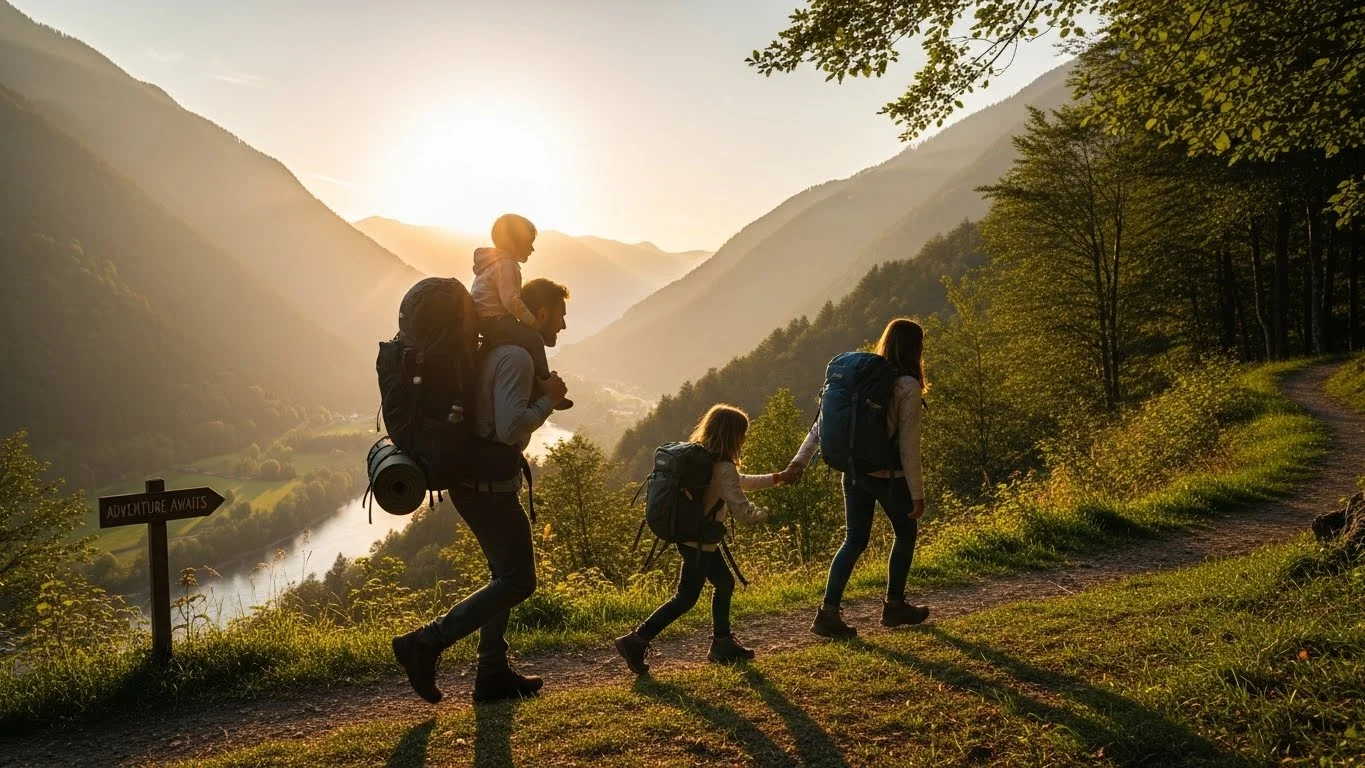
Backpacking, in its simplest form, is traveling with just what you can carry on your back. It often involves camping, hiking, and experiencing nature up close. I remember the first time I went backpacking—it was exhilarating! We packed our essentials into sturdy backpacks and set off on an adventure where every step led us to new discoveries. It’s not just about the destination; it’s about the journey, the sights, and the experiences we share along the way.

Benefits of Backpacking with Family

Backpacking as a family can be rewarding in so many ways. First, it strengthens bonds. I’ve noticed that the challenges we face together—from setting up tents to navigating trails—bring us closer. It’s a chance to unplug from our busy lives and reconnect with one another amidst nature’s beauty. Plus, it encourages teamwork and communication. Each family member can contribute, whether it’s planning meals or picking hiking routes. And let’s not forget about the physical benefits! Hiking keeps us active and healthy, all while enjoying the great outdoors.

Budgeting for Family Trips

When it comes to planning a budget-friendly backpacking trip, having a solid plan is key. I’ve learned that setting a budget before a trip can help us make smarter choices. Start by estimating costs for transportation, food, accommodations, and activities. I often use spreadsheets to track our expenses, which keeps everything organized. For us, camping is usually the most affordable lodging option, but we also keep an eye out for family-friendly hostels if we’re exploring cities. I also recommend setting a daily spending limit to avoid overspending. Remember, it’s not just about saving money; it’s about making the most of our experiences together.

Top Budget-Friendly Destinations for Family Backpacking

National Parks

National parks are among the best places for family backpacking. They offer stunning landscapes, diverse wildlife, and countless trails that cater to all skill levels. I can’t tell you how many memories we’ve made in these beautiful parks.

Yellowstone National Park

Yellowstone is a family favorite of mine. The park is known for its geothermal features, like Old Faithful, and the wildlife is simply breathtaking. We spent hours watching bison and elk while hiking the trails. The park offers affordable camping sites, and we found that cooking our meals at the campsite was both fun and budget-friendly. Plus, the evening campfire chats under the stars? Priceless.

Yosemite National Park

Yosemite holds a special place in my heart. The towering granite cliffs, majestic waterfalls, and beautiful meadows make it a fantastic backdrop for family adventures. We’ve hiked the Mist Trail to Vernal Falls, which is a bit challenging but so worth it. The park has numerous campgrounds that are budget-friendly, and the experience of waking up to the sound of nature is unbeatable.

International Destinations

If you’re considering venturing beyond U.S. borders, there are plenty of international destinations that offer budget-friendly family backpacking opportunities.

Mexico: Exploring the Riviera Maya

The Riviera Maya is not only stunning but also budget-friendly. We spent ten days exploring ancient ruins, swimming in cenotes, and soaking up the sun on beautiful beaches. The local food is affordable and delicious—my kids loved trying tacos from street vendors. Plus, many of the natural attractions, like cenotes, have very low entrance fees.

Portugal: The Algarve Coast

Portugal has quickly become one of my favorite destinations for family travel. The Algarve Coast is known for its breathtaking cliffs and beautiful beaches. We found that accommodations can be quite reasonable, especially if you book in advance. There are plenty of affordable outdoor activities, from hiking trails to swimming in hidden coves. Visiting the local markets for fresh produce and snacks also keeps our food budget in check.

Thailand: Northern Thailand Adventures

Northern Thailand is an amazing place to explore as a family. The lush landscapes, rich culture, and affordable prices make it a backpacker’s paradise. My family and I enjoyed visiting local villages, trying street food, and even taking a cooking class together. The cost of living is low, so we were able to stretch our budget while enjoying unique experiences.

Local Hidden Gems

Sometimes, the best adventures are right in our own backyard. Exploring local hidden gems can save money and create lasting memories.

Appalachian Trail

The Appalachian Trail offers a range of backpacking opportunities. We spent a weekend on a section of the trail, soaking in the beauty of the mountains and sharing stories around the campfire. The trail is well-marked and has many accessible entry points, making it easy to tailor our trip to fit our family’s experience level.

Pacific Northwest Trails

The Pacific Northwest is another fantastic area for family backpacking. The lush forests, stunning coastlines, and mountain ranges make it a dream destination. I remember hiking along the Washington coast, where we encountered tide pools filled with starfish and other sea creatures. It was educational and fun, and we loved every moment spent together immersed in nature.

Planning Your Family Backpacking Trip

When to Go: Seasonal Considerations

Choosing the right time for our backpacking trip can make all the difference. I’ve found that each season offers its own unique charm and challenges. For instance, summer is popular for family trips, with warm weather and longer days. However, it can also mean crowded parks and higher prices. I remember one summer when we hiked at Yellowstone and had to navigate around large groups. It was bustling but still beautiful. On the other hand, early fall or late spring can be magical. The weather is often mild, and the crowds are thinner. We’ve experienced stunning fall foliage on our hikes, which added a splash of color to our adventures. Winter can also be an option for those who enjoy snow sports, but it requires different gear and preparation.

What to Pack for Family Backpacking

Packing can be daunting, especially when considering the needs of my family. I’ve learned that a well-thought-out packing list can save us from carrying unnecessary weight. We try to pack light while ensuring we have all the essentials. It’s like a game of Tetris—fitting everything we need into our backpacks! For more details on what to include, check out the Ultimate Family Packing Guide for Budget Backpacking Trips.

Clothing Essentials

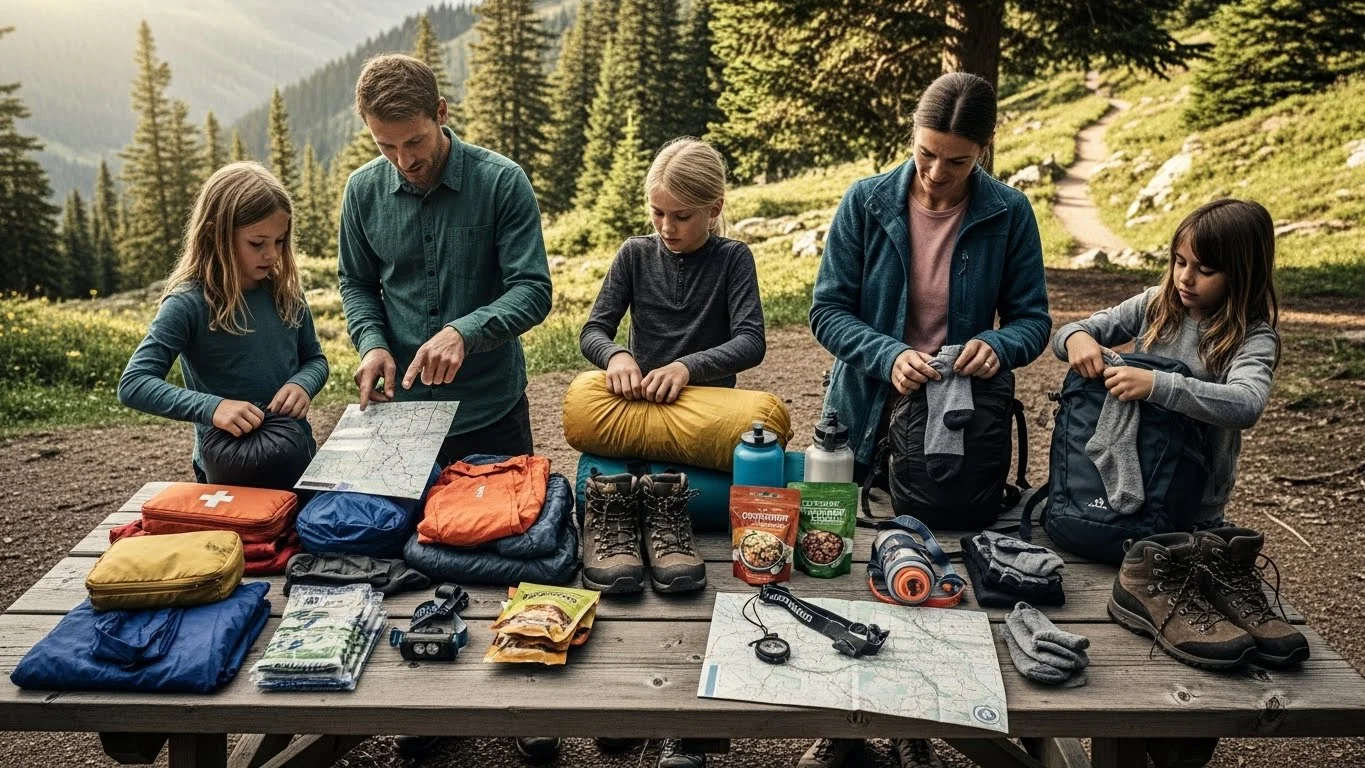
When it comes to clothing, layering is key. I often remind my kids to dress in layers, as temperatures can change quickly. We usually start with moisture-wicking base layers, followed by insulating layers like fleece, and finish with waterproof jackets. I always make sure to pack a spare set of clothes, just in case. And let’s not forget about sturdy hiking boots! I learned the hard way that blisters can ruin a trip, so investing in good footwear is a must. Finally, we pack hats and gloves if we’re heading into cooler areas, as they can really help keep everyone comfortable.

Camping Gear

For camping gear, we focus on lightweight options that don’t sacrifice comfort. Our tent is spacious enough for our family but still easy to carry. I remember the first time we set it up—it took a while, but now we have it down to a science! We also bring sleeping bags rated for the season and a sleeping pad for added comfort. Cooking gear is another essential. A compact camping stove, reusable utensils, and a lightweight pot allow us to prepare meals easily. I’ve found that cooking together at the campsite can be a fun bonding experience. Plus, sharing meals outdoors adds a special touch to our adventures.

Choosing Accommodations

Making the right choice for accommodations can shape our entire trip. While camping is often our preferred option, I’ve learned that flexibility can lead to great experiences.

Campsites vs. Hostels

Campsites are usually the most budget-friendly option. I love the feeling of settling down at a campsite, surrounded by nature. We often seek out sites with amenities like restrooms and water access, which can make our stay more comfortable. I remember a campsite we stayed at near a lake—waking up to the sound of water lapping against the shore was simply magical. However, if we’re exploring a city or need a break from camping, hostels can be a great alternative. They often have family rooms and communal spaces, which allow us to meet other travelers and share stories.

Family-Friendly Lodging Options

Another option I’ve discovered is looking for family-friendly lodges or cabins. These can provide a unique experience while still being budget-conscious. Sometimes, we find deals on family suites that feel like a home away from home. I recall one trip where we stayed in a cabin nestled in the woods. The kids loved having their own space, and we enjoyed our evenings together on the porch, listening to the sounds of nature. It’s those little moments that truly make our trips memorable.

Activities for Families on a Budget

Outdoor Adventures

One of the best parts about backpacking is the variety of outdoor adventures available. My family and I always look for activities that fit our interests and budget.

Hiking Trails for All Ages

Hiking is a fantastic way to explore together, and I’ve found that there are trails for every skill level. We often choose shorter, easier trails for younger kids, which allows them to build confidence and enjoy the journey. I remember our first hike with the kids—it was a short loop, but they were so proud of themselves when we completed it! As they grew older, we gradually increased the difficulty, tackling more challenging hikes. There’s a sense of accomplishment that comes with reaching the summit together, and those shared experiences are priceless.

Water Sports and Beach Activities

When we’re near a body of water, we love to incorporate activities like kayaking, swimming, or even snorkeling. Renting gear can be an affordable option, and it often leads to unforgettable moments. I have fond memories of a beach day where we rented kayaks and explored hidden coves together. My kids laughed and splashed around, and it was heartwarming to see them so engaged. If you’re near lakes or rivers, consider fishing or paddleboarding—these activities can bring the family together while staying budget-friendly.

Cultural Experiences

In addition to outdoor adventures, we always seek cultural experiences that are often free or low-cost.

Local Festivals and Events

One of the best ways to immerse ourselves in a new place is through local festivals. I’ve noticed that many towns host events that celebrate their culture, food, and traditions. They often include free activities, like music, dance, and crafts. Attending a local festival is a fantastic way to connect with the community, and my kids love participating in fun activities. I remember stumbling upon a small town festival where we learned traditional dances and tried local delicacies, and it was definitely a highlight of our trip.

Museums with Free Admission

We also look for museums that offer free admission days or discounted rates for families. Many places have interactive exhibits that are perfect for kids. I find that learning about history or science outside of the classroom setting can be incredibly enriching. One of our favorite museum visits was to a local science center where the kids could engage with hands-on activities. It was educational and entertaining, making it a win-win for all of us.

Local Cuisine on a Budget

Street Food Options

One of my favorite parts of traveling is tasting the local cuisine, and street food is often the best way to experience it without emptying our wallets. There’s something special about enjoying a meal prepared right in front of you, often using fresh, local ingredients. I remember wandering through the streets of Mexico, where we stumbled upon a vibrant food market. The kids were thrilled to try tacos, elotes (grilled corn), and churros, all for just a few dollars. It was delicious and a fun way to immerse ourselves in the culture.

In many countries, street food is not just affordable but also a reflection of the local lifestyle. Whether it’s the banh mi in Vietnam or gelato in Italy, these meals often come with a story. I recommend asking locals for their favorite spots; they usually know the hidden gems that are not in the tourist guides. Plus, eating where the locals eat often means the food is fresher and more authentic.

Grocery Shopping Tips

When we’re backpacking, we also make a point to visit local grocery stores or markets. I find that shopping for our own meals can drastically cut costs while allowing us to experiment with the local cuisine. We typically start by creating a simple meal plan based on what’s available in the area. For example, I remember a trip to Portugal where we bought fresh bread, cheese, and local olives. We prepared a picnic lunch to enjoy at a scenic viewpoint, and it was one of the highlights of our trip.

To save even more, I recommend looking for stores with bulk sections. We often buy snacks, nuts, and grains in bulk, which can be more economical. Plus, we enjoy selecting our own mix of trail mix for our hikes! When possible, I try to find places that offer discounts or sales for families, as this can help stretch our food budget even further.

Cooking in Campsites

Cooking at campsites is another way to keep our meal costs down and have some fun together. I’ve learned that bringing a few key items makes a big difference. A lightweight camping stove, a pot, and some utensils can allow us to whip up simple yet satisfying meals. I remember one rainy evening when we cooked pasta with fresh veggies we’d bought at a local market. It was cozy, and the kids loved helping with the cooking. We even made s’mores for dessert, which became a cherished memory.

To make meal prep easier, I often plan our meals ahead of time. I create a list of simple recipes that require minimal ingredients, like stir-fries or foil packet meals. This not only saves us money but also makes cooking a fun bonding activity. I encourage my kids to take an active role in the kitchen, whether it’s chopping vegetables or stirring the pot. It’s amazing how a shared cooking experience can bring us together as a family.

Safety Tips for Family Backpacking

Staying Safe in Nature

Safety is always a top priority when we’re out backpacking. I’ve learned that being prepared can make all the difference in having a stress-free adventure. Before we head out, I make sure everyone knows the basic safety rules. We talk about staying on trails, not approaching wildlife, and the importance of keeping our campsite clean.

One thing I always carry is a first-aid kit. It might seem like overkill, but I can’t tell you how many times it has come in handy. From scrapes and cuts to insect bites, having that kit means we can handle little mishaps without a hitch. I also recommend having a map or a GPS device to ensure we always know our location, especially in unfamiliar areas.

Travel Insurance Considerations

While we hope for the best, it’s wise to prepare for the unexpected. Travel insurance has become a must-have for us. It’s a small investment that gives me peace of mind knowing that if something goes wrong—like a medical emergency or a canceled trip—we’re covered. I remember our last trip when one of my kids got sick unexpectedly. Thankfully, our insurance helped with the medical expenses, which allowed us to focus on getting back to normal instead of worrying about costs.

Emergency Preparedness

We also discuss what to do in emergencies. I find it helpful to have a plan in place, especially when hiking in remote areas. We go over protocols like staying together, signaling for help, and identifying landmarks. I encourage my kids to memorize important phone numbers and keep a whistle on them—this can be crucial if they ever get separated from the group. It’s all about making sure we feel secure and confident, allowing us to focus on enjoying our adventure together. For more safety tips, check out our article on Must-Know Travel Safety Tips for Family Backpacking Trips.

Frequently Asked Questions

What is backpacking?

Backpacking is traveling with just what you can carry on your back, often involving camping, hiking, and experiencing nature up close. It focuses on both the journey and the shared experiences along the way.

How does backpacking benefit families?

Backpacking strengthens family bonds, encourages teamwork and communication, and provides physical benefits through hiking and outdoor activities. It allows families to unplug from busy lives and reconnect with nature.

What are some tips for budgeting a family backpacking trip?

Setting a budget before a trip is crucial. Estimate costs for transportation, food, accommodations, and activities. Using spreadsheets to track expenses and setting a daily spending limit can help manage the budget effectively.

What are some budget-friendly destinations for family backpacking?

National parks like Yellowstone and Yosemite, as well as international destinations such as Mexico’s Riviera Maya, Portugal’s Algarve Coast, and Northern Thailand, offer budget-friendly family backpacking opportunities.

What should families pack for a backpacking trip?

Families should pack light, focusing on essentials like moisture-wicking base layers, insulating layers, waterproof jackets, sturdy hiking boots, a spacious yet lightweight tent, and cooking gear for campsite meals. For tips on packing light, see our guide Ultimate Guide to Packing Light for Family Trips on a Budget.

How can families choose accommodations during backpacking trips?

Campsites are usually the most budget-friendly option, but families can also consider hostels or family-friendly lodges. Flexibility in accommodations can lead to unique experiences and comfort during the trip.

What outdoor activities can families do while backpacking?

Families can enjoy hiking trails suitable for all ages, engage in water sports such as kayaking and snorkeling, and participate in cultural experiences like local festivals and museum visits with free admission.

What are some affordable food options while backpacking?

Street food is a great way to experience local cuisine affordably. Additionally, visiting grocery stores for meal preparation, cooking meals at campsites, and planning simple recipes can help keep food costs down.

What safety tips should families consider while backpacking?

Families should know basic safety rules, carry a first-aid kit, and have a map or GPS device. It’s also important to prepare for emergencies by having a plan and ensuring everyone knows emergency protocols.

Why is travel insurance important for backpacking trips?

Travel insurance provides peace of mind by covering unexpected events like medical emergencies or canceled trips, allowing families to focus on enjoying their adventure without financial worries.
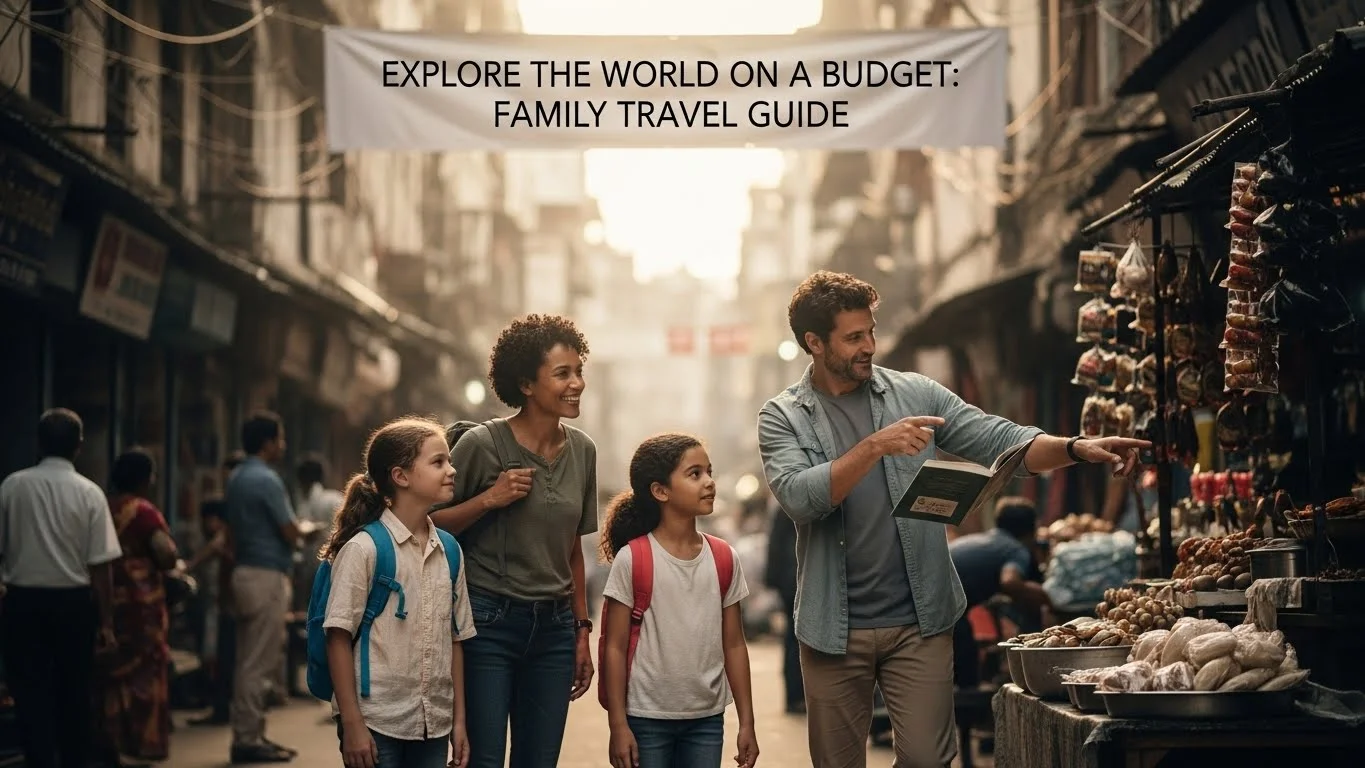
Explore the World on a Budget: Family Travel Guide

Traveling as a family doesn’t have to break the bank. With the right planning and smart choices, we can explore the world and create unforgettable memories together, all while staying within a budget. For more ideas, check out the Ultimate Guide to Budget Family Travel Destinations.

Explore the World on a Budget: Family Travel Guide

Overview of Family Travel on a Budget

Traveling with family can be a rewarding experience, but it often comes with concerns about finances. I remember the first time I took my kids on a trip; I was overwhelmed by the costs. However, after some research and planning, I found ways to make family travel affordable without compromising fun. Understanding our family travel needs is crucial, and I’ve learned that when we budget smartly, we can enjoy amazing experiences without the financial stress.

Understanding Family Travel Needs

Every family is unique, and so are our travel needs. For example, I found that traveling with young kids requires a different approach than traveling with teenagers. We need to consider factors like accommodations, transportation, and activities that cater to everyone’s interests. I remember a trip where we chose a destination with a mix of outdoor adventures and cultural experiences—it kept everyone engaged and happy. When I focus on our specific needs, I can plan a trip that everyone will enjoy.

Benefits of Traveling on a Budget

Traveling on a budget has opened my eyes to so many benefits beyond just saving money. For one, it encourages creativity and resourcefulness. I’ve learned to seek out hidden gems—local restaurants, free parks, and unique attractions that aren’t in the typical tourist brochures. Plus, traveling on a budget often means we step out of our comfort zones and engage more with the local culture. I’ve had some of the best experiences by simply chatting with locals, exploring off-the-beaten-path areas, and trying new things that don’t cost much but create lasting memories.

Planning Your Family Adventure

Planning is crucial when traveling as a family on a budget. I’ve realized that a bit of time spent on preparing can lead to big savings and a more enjoyable trip. Here are some strategies I’ve found helpful when planning our family adventures.

Setting a Realistic Budget

When planning my trips, I always start with a realistic budget. I sit down with my family and list out what we want to do and how much we can afford. From transportation to meals, accommodations, and activities, every detail counts. I like to include a little wiggle room for unexpected expenses, too. By breaking down costs, we understand where we can save and where we might want to splurge a bit. I remember budgeting for a fun outing during our last trip, and it really enhanced our experience.

Choosing the Right Destination

Choosing the right destination can make a huge difference in our travel budget. I’ve found that some places are inherently more affordable for families than others. For instance, national parks often offer family-friendly activities and stunning scenery at a low cost. Conversely, major cities can be more expensive, but they often have free attractions. I usually research destinations that not only fit our interests but also offer a range of affordable accommodations and activities. Additionally, I often refer to resources like Explore Budget Family Travel Packages for Amazing Adventures for ideas.

Traveling During Off-Peak Seasons

Traveling during off-peak seasons is one of my favorite budget tips. I’ve noticed that prices drop significantly outside of the main tourist season. This not only saves money on flights and accommodations but also means fewer crowds, which can make for a more enjoyable experience. For instance, we traveled to a beach destination in late September and found that we had the place almost to ourselves, plus we saved a ton on lodging!

Finding Family-Friendly Activities

Before I travel, I always look for family-friendly activities that won’t break the bank. I’ve discovered that many cities offer free or low-cost events and attractions. For example, local parks, museums with free admission days, or community festivals can provide a lot of fun without the hefty price tag. I remember stumbling upon a local art festival during one of our trips, which turned out to be a highlight for my kids and me. It was a great way to immerse ourselves in the local culture!

In our experience, planning ahead while being mindful of our budget can lead to some of the most memorable family trips. As we continue this journey of exploring the world, I can’t wait to share more tips and tricks to ensure that family adventures remain both exciting and affordable. Don’t forget to check out Maximize Fun with Budget Family Travel Tips for Memorable Trips for additional insights!

Budget-Friendly Transportation Options

Transportation can often be one of the biggest expenses when it comes to family travel. I’ve learned that with a little creativity and planning, we can save a significant amount on getting from point A to point B. Here are some budget-friendly transportation options that have worked well for us.

Flying on a Budget: Tips and Tricks

When it comes to flying, I’ve picked up a few tricks along the way. First, I always book our flights well in advance. This not only gives us more options but also allows us to snag better deals. I’ve noticed that checking multiple travel sites can help find the best prices. I also make it a habit to sign up for fare alerts from different airlines; sometimes, they offer flash sales that can save us a ton. Another tip is to be flexible with our travel dates. Traveling mid-week rather than on weekends can lead to significant savings, and I’ve found that being flexible with our destination can also yield some great deals!

Driving vs. Flying for Family Trips

Deciding whether to drive or fly can be a tricky balance. In my experience, road trips can be a fantastic way to bond as a family. We often opt for driving when our destination is within a reasonable distance. It allows us to take scenic routes, stop whenever we want, and explore hidden gems along the way. Plus, it’s generally cheaper than flying, especially when you factor in baggage fees and car rentals at the destination. We’ve had some memorable moments singing songs and playing games during long drives that I wouldn’t trade for anything.

Public Transportation: Saving Money on Travel

I’ve found that using public transportation can be an excellent way to save money while also getting a taste of local life. When we travel to cities, I often look into their public transit options. Buses and trains are usually much cheaper than taxis or rideshares and can take us to many attractions. I remember taking the subway in New York City with my kids; they were fascinated by the experience! Plus, it’s a great way to teach them about navigating a new place. I always recommend checking for day passes or family discounts, which can make it even more affordable.

Car Rentals: How to Get the Best Deals

If we need to rent a car, I’ve developed a strategy to find the best deals. First, I always compare prices from various rental companies online and book in advance. It’s surprising how much prices can vary! I also look into picking up the car from locations outside of the airport, as they often have lower fees. I’ve learned to read the fine print—some companies have hidden charges that can add up quickly. For us, opting for a smaller car has also been a great money-saver, and it’s easier to park in busy areas.

Where to Stay: Budget Accommodations

Finding the right place to stay is just as important as choosing how we get there. I’ve come to appreciate that there are plenty of budget-friendly accommodation options that cater to families. Here’s what I’ve found works best for us.

Family-Friendly Hotels vs. Hostels

When looking for accommodations, I often weigh the pros and cons of family-friendly hotels against hostels. Hotels usually provide more privacy and amenities like pools and breakfast, which can be a big plus for kids. However, hostels can be an excellent option for families on a budget, especially those that offer private family rooms. I remember staying in a hostel during a trip abroad, and my kids loved meeting other travelers from around the world. It was a unique experience that added to our adventure!

Vacation Rentals: Pros and Cons

Vacation rentals are another fantastic option, especially if we’re staying for a longer period. I enjoy the feeling of having a home away from home, where we can cook our meals and spread out a bit. I’ve found platforms like Airbnb or Vrbo to be quite helpful for finding family-friendly rentals. However, I always check reviews to ensure the place is as advertised. One time, we rented a cozy cottage that came with a kitchen—being able to cook some of our meals saved us money and made our stay more comfortable.

Camping as a Cost-Effective Option

Camping is something I’ve always wanted to try with my family, and I finally decided to give it a shot last summer. It turned out to be one of our best experiences! Camping allows us to enjoy the great outdoors while keeping costs down. We found a local campground that offered affordable sites and amazing hiking trails. The kids loved roasting marshmallows at the campfire and sleeping under the stars. Plus, it’s a fantastic way to connect with nature and each other, free from distractions.

Finding Deals on Accommodation Websites

Finally, I always keep an eye out for deals on accommodation websites. I’ve signed up for newsletters from travel sites like Booking.com and Hotels.com, which often send exclusive discounts. I also look for last-minute deals if we’re flexible on where to stay. I can’t tell you how many times I’ve booked a great place at a fraction of the usual price just because I was vigilant. A little patience and research can go a long way!

Top Budget-Friendly Family Destinations

When I think about planning a family trip, choosing the right destination can be the biggest factor in staying within our budget. There are so many incredible places that offer fun, adventure, and unforgettable experiences without draining our wallets. Based on my travels, here are some of my favorite budget-friendly family destinations.

National Parks: Nature’s Playground

National parks are a treasure trove of natural beauty and adventure, and they often come at a fraction of the cost of other vacation spots. I remember visiting Yellowstone with my family; we were all in awe of the geysers, hot springs, and wildlife. The entrance fees are reasonable, and many parks offer free days throughout the year. Plus, camping or staying in nearby towns can save a lot on accommodations. We explored hiking trails, had picnics surrounded by nature, and even spotted bison! The experience was not only wallet-friendly but also a great way to bond as a family.

Beach Destinations for Families

Beach trips can be incredibly affordable if you choose the right location. I’ve found that lesser-known beaches are often just as beautiful as their more popular counterparts but without the high prices. For instance, we discovered a hidden gem along the coast that had stunning views and minimal crowds. We set up our beach umbrella, packed our own snacks, and enjoyed a day of swimming and building sandcastles. By avoiding the typical tourist areas, we saved money and had a more relaxed atmosphere to enjoy together.

Historic Cities with Free Attractions

Visiting historic cities can be both educational and fun, especially when many attractions are free. I’ve taken my kids to places like Philadelphia and Washington D.C., where we explored landmarks and museums that don’t charge admission. Walking tours can be an excellent way to learn about the area’s history while getting some exercise. We spent a day wandering around D.C., soaking in the sights of the monuments and memorials, which turned out to be one of the highlights of our trip. I’ve realized that immersing ourselves in history can be incredibly enriching and budget-friendly!

Theme Parks on a Budget: Tips for Savings

We all know theme parks can be pricey, but with some planning, they can still fit into a budget. I’ve learned that looking for discount tickets is key. Many sites offer deals for families, especially if you buy in advance. I remember a trip where we managed to snag discounted tickets for a popular amusement park. We also chose to visit during a weekday to avoid long lines and higher prices. Packing our lunches instead of buying food inside the park helped us save a lot, too. The thrill of the rides and the joy on my kids’ faces made every penny worth it!

Eating on a Budget While Traveling

Eating out while traveling can quickly add up, but I’ve discovered some great strategies to keep those costs down while still enjoying delicious meals. Food is such a big part of the travel experience, and there are ways to keep it budget-friendly.

Cooking Your Own Meals: Kitchen Tips

Whenever we stay in a vacation rental, I make it a priority to utilize the kitchen. I’ve found that cooking some of our meals not only saves money but also allows us to enjoy family time together. I often plan a few simple recipes before we leave, and I bring along my favorite spices and snacks. Grocery shopping in local markets can be a fun way to experience the culture, and I love letting my kids pick out some local ingredients to try. One memorable meal was a pasta night we had, complete with fresh veggies and a little (okay, a lot) of cheese—all for a fraction of what we would have paid at a restaurant.

Finding Affordable Family-Friendly Restaurants

When we do eat out, I always research family-friendly restaurants with good reviews that won’t break the bank. I’ve found that many places offer kids’ menus at lower prices. I usually look for local diners or smaller eateries instead of big chains. I remember one evening in a small coastal town where we enjoyed fresh seafood at a local restaurant. The atmosphere was relaxed, and the prices were incredibly reasonable. Plus, the kids were thrilled about trying something new!

Street Food: A Delicious and Inexpensive Option

Street food can be an adventure in itself and a fantastic way to eat on a budget. I’ve discovered that trying local street food is not only affordable but often gives us a taste of the culture we’re visiting. I remember sampling delicious tacos from a food cart in Mexico, which turned out to be one of the best meals we had on that trip! Keeping an eye out for busy vendors usually indicates good food, and I love involving my kids in the decision-making process about what to try.

Grocery Shopping in Foreign Countries

Grocery shopping in a foreign country can be a fun experience. I find that it allows us to immerse ourselves in the local culture while also saving money. I usually look for local supermarkets or farmers’ markets, where we can pick up fresh fruits and snacks. I’ve made it a game with my kids to see who can find the weirdest snack or fruit. On one trip, we discovered a tasty new fruit that we’d never seen before. It became a highlight and a great conversation starter with locals!

Frequently Asked Questions

1. How can families travel on a budget without compromising fun?

With the right planning and smart choices, families can explore the world and create unforgettable memories while staying within a budget. Understanding family travel needs and budgeting smartly can lead to enjoyable experiences without financial stress.

2. What factors should families consider when planning their travel needs?

Families should consider accommodations, transportation, and activities that cater to everyone’s interests. Different approaches are required when traveling with young kids versus teenagers to ensure that everyone is engaged and happy.

3. What are some benefits of traveling on a budget?

Traveling on a budget encourages creativity and resourcefulness, allowing families to discover hidden gems such as local restaurants and free attractions. It also promotes engagement with local culture and provides opportunities for unique experiences.

4. How can families set a realistic travel budget?

Families can set a realistic budget by listing desired activities and expenses, including transportation, meals, accommodations, and activities. It’s essential to include some wiggle room for unexpected expenses and to break down costs to understand where savings can be made.

5. What are the advantages of choosing the right destination for a budget trip?

Choosing the right destination can significantly affect the travel budget. Some places, like national parks, offer affordable family-friendly activities, while major cities might have free attractions. Researching destinations that fit interests and budget is crucial.

6. Why is traveling during off-peak seasons beneficial?

Traveling during off-peak seasons usually results in lower prices for flights and accommodations, as well as fewer crowds. This combination can enhance the travel experience, making it more enjoyable and affordable.

7. What are some budget-friendly transportation options for families?

Families can consider flying on a budget by booking well in advance, being flexible with travel dates, and using fare alerts. Driving can be a cost-effective option for nearby destinations, while public transportation offers an affordable way to experience local life.

8. How can families find budget accommodations?

Families can find budget-friendly accommodations by comparing prices online, considering vacation rentals for longer stays, or exploring hostels that offer family rooms. Camping is another cost-effective option that provides a unique experience.

9. What are some affordable family-friendly dining options while traveling?

Families can save money by cooking their meals in vacation rentals, finding affordable family-friendly restaurants, trying street food for local flavor, and grocery shopping in foreign countries to experience local culture while saving money.

10. What are some budget-friendly family destinations?

National parks, lesser-known beach destinations, historic cities with free attractions, and theme parks with discounted tickets are all budget-friendly options for families seeking fun and adventure without overspending.

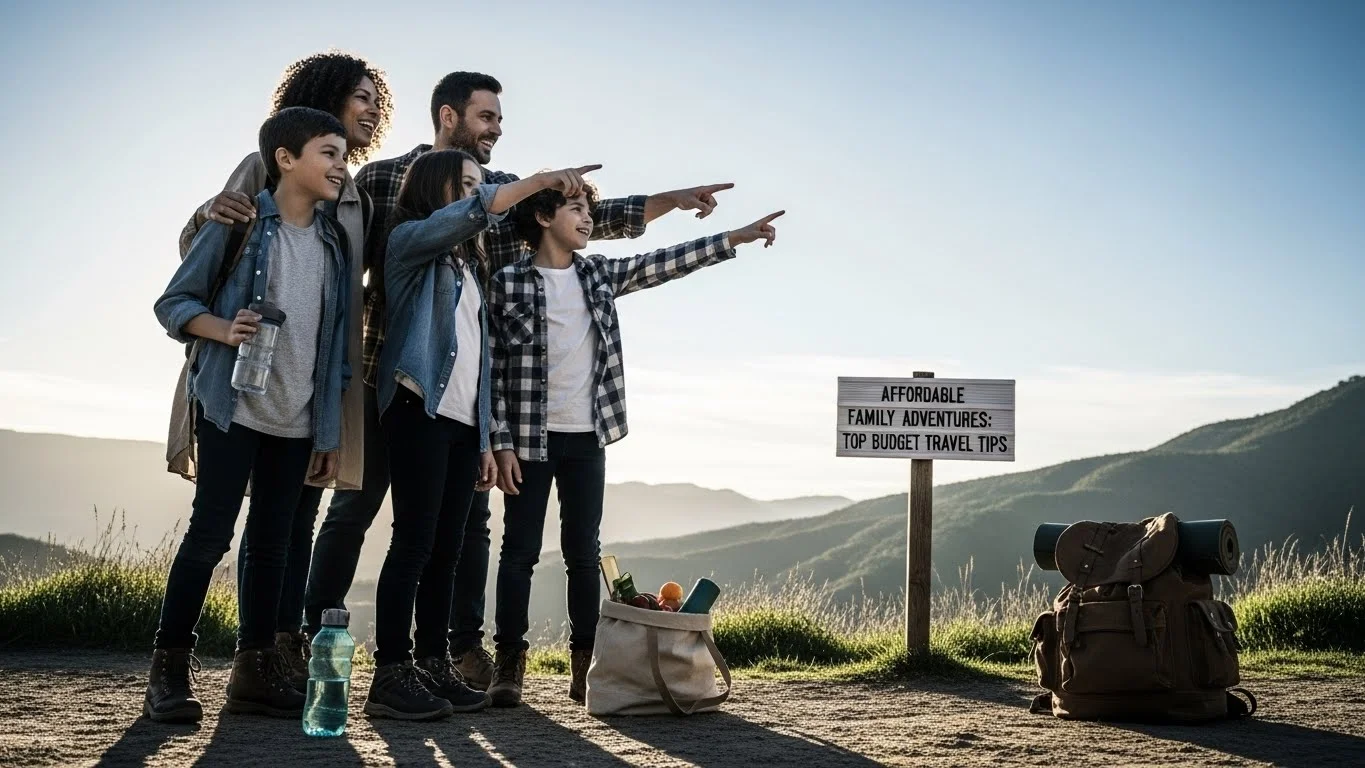
Affordable Family Adventures: Top Budget Travel Tips

Family adventures don’t have to break the bank! With some thoughtful planning and smart tips, you can create unforgettable memories without overspending. Let’s dive into the world of affordable family travel.

Affordable Family Adventures: Top Budget Travel Tips

Understanding Affordable Family Travel

The Importance of Budgeting for Family Adventures

When my family and I began our travel journey, I quickly realized that having a budget was crucial. It gave us a clear picture of what we could afford and what sacrifices we might need to make. I remember sitting down with my partner and kids, explaining how budgeting works. We discussed our priorities: Do we splurge on a hotel or enjoy more activities? We decided to balance our spending, which ultimately led to richer experiences. Budgeting helps us understand our financial limits and gives us a sense of control over our adventures together.

Benefits of Traveling on a Budget with Family

Traveling on a budget can be a blessing in disguise. Not only does it prevent stress about money, but it also encourages creativity. I’ve found that some of our most memorable experiences came from budget-friendly choices. For instance, instead of dining at fancy restaurants, we discovered local food trucks or markets. Eating with locals provided us with a taste of the culture that we wouldn’t have gotten in a tourist trap. Plus, many free activities, like hiking or visiting parks, allowed us to bond over shared adventures without spending a dime.

Additionally, budget travel allows us to explore more destinations. By cutting costs in one area, we could allocate that money elsewhere. Maybe it meant a longer trip or an extra day of activities. My kids learned to appreciate the value of money and the joy of experiences over things. Every dollar saved was another opportunity to discover something new together. Read Interesting article: Budget Travel Tips for Families: Explore Without Breaking the Bank

Planning Your Family Adventure

Setting a Realistic Budget

Setting a realistic budget can feel daunting, but it’s all about breaking it down into manageable parts. Start by listing all potential expenses: transportation, accommodations, food, activities, and souvenirs. I remember when we planned our last family trip, I created a simple spreadsheet. It wasn’t fancy, but it helped us visualize our spending. We allocated funds based on our priorities, ensuring that we left room for unexpected expenses.

Once we had our budget, I encouraged my kids to participate in the planning process. We talked about how much we could spend daily and what activities were worth splurging on. This not only made them feel involved but also taught them real-life budgeting skills. Over time, it has become a family tradition to review and tweak our budget together, making it a fun, collaborative effort.

Choosing Family-Friendly Destinations

Choosing the right destination can make all the difference. I’ve learned that some locations are more family-friendly and budget-conscious than others. For instance, we discovered that national parks often offer free entry days and affordable camping options. My kids loved exploring the outdoors, and we found that nature can provide endless entertainment. We also looked for places that had plenty of free or low-cost activities, like museums with free admission days or festivals in the local community.

When we chose our last destination, I also considered how easy it would be to navigate. A city with good public transportation or walkable neighborhoods can save us a lot of money on rentals or parking fees. I recommend checking travel blogs or family-oriented websites for insights into family-friendly locations and activities. These resources can be a treasure trove of information, helping you plan an itinerary that fits your budget while keeping everyone engaged and happy. Read Interesting article: Budget Travel Tips for Cultural Heritage Enthusiasts

Best Times to Travel for Budget-Friendly Prices

Timing is everything! I’ve found that traveling during off-peak times significantly reduces costs. For example, visiting popular tourist destinations in the shoulder seasons, like early spring or late fall, often means fewer crowds and cheaper prices. I remember one trip to a theme park in early September when the lines were short, and our tickets were half the price. We had so much fun without the stress of massive crowds.

Another tip I discovered is to keep an eye on school calendars and holidays. If you have flexibility, consider planning around these times. Traveling during off-peak weeks can save you a considerable amount on flights, accommodations, and even activities. I usually set reminders for when to book flights and accommodations, making sure I’m aware of deals that pop up during these times. I’ve learned that some of the best adventures come from being strategic about our travel timings.

By understanding the importance of budgeting and planning thoughtfully, we can create amazing family adventures that don’t drain our wallets. In the next sections, we’ll explore transportation tips, affordable accommodations, and other ways to make our travels enjoyable without overspending. My family and I have discovered that the journey is just as rewarding as the destination, especially when we do it together on a budget.

Transportation Tips for Budget Travelers

Finding Affordable Flights

When it comes to family travel, finding affordable flights can be one of the biggest challenges. I remember planning a trip to visit my sister in another state, and the ticket prices kept rising. I decided to get strategic about it. One of the best tips I learned is to be flexible with your travel dates. If you can, try searching for flights on different days or times. I found that flying mid-week often offered the best prices. Also, using flight comparison websites really opened my eyes to how much I could save just by being a little patient and persistent.

I also set up price alerts on several travel websites. This way, I could get notifications when fares dropped. It’s like having a personal assistant keeping an eye on deals for me! I also started considering nearby airports, which sometimes had lower fares. For example, we found that flying into a smaller airport about an hour away from our destination saved us a significant amount of money. It felt like a mini adventure, driving to our final destination while enjoying the scenery together.

Cost-Effective Road Trip Options

Road trips have become a family favorite for us, and they can be incredibly budget-friendly. I remember our last family road trip; we packed the car with snacks, games, and our favorite playlists. It felt like our own little mobile adventure! The first step in planning was mapping out our route and finding points of interest along the way. I found that stopping at local attractions or quirky roadside stops not only broke up the drive but also created lasting memories.

To save on fuel, I made sure to use apps that help find the cheapest gas prices along our route. I also set a daily budget for food and activities while traveling, which kept us from overspending. Packing lunches instead of eating out for every meal was a game changer. It was fun to have picnics at scenic spots, and my kids loved helping to prepare their own meals on the road. Plus, we could tailor our meals to everyone’s preferences, which meant no food waste!

Using Public Transportation for Family Adventures

Exploring a new city using public transportation can be an adventure in itself. I remember when we visited a bustling city for the first time, and I was initially hesitant about navigating public transport. However, we decided to give it a shot. We bought day passes for the subway, which allowed us unlimited rides for a flat fee. It was not only budget-friendly but also a fun experience for the kids to see the city from a different perspective.

I made sure to do some research ahead of time on the transit system, including maps and schedules. This helped us feel more confident about where we were going. We even turned our trips into mini scavenger hunts, where the kids had to spot things from our list while riding the train or bus. It turned out to be a fantastic way to engage them while we traveled, and it created a sense of adventure that made our trip even more enjoyable.

Using public transportation also encouraged us to walk more, which was a bonus! Exploring on foot allowed us to stumble upon hidden gems like street performers, local shops, and parks. I’ve learned that sometimes the best experiences happen when you step off the beaten path. By being open to different transportation methods, we were able to stretch our budget while having a blast together.

Affordable Accommodations for Families

Best Budget Hotels for Families

Finding a good place to stay without breaking the bank can feel overwhelming, but I’ve discovered some fantastic budget hotel chains that cater specifically to families. I remember during one trip, we stayed at a hotel that offered spacious family rooms and complimentary breakfasts. This not only saved us money on meals but also made mornings much easier, allowing us to fuel up before starting our adventures.

Another tip I found helpful is to book hotels that offer free cancellation. It gives you the flexibility to adjust your plans if necessary. I also recommend checking for family deals or packages that include discounted tickets to local attractions. I’ve seen hotels partner with nearby theme parks or museums, which can save us a bundle.

Alternative Accommodations: Vacation Rentals and Hostels

Vacation rentals have become our go-to option when traveling as a family. They often provide more space and amenities than a hotel room. I recall renting a cozy cabin during one of our trips, which had a full kitchen. It allowed us to cook some of our meals, which was a great way to save money and enjoy a relaxing evening together after a long day of exploring.

Hostels are another underrated option. While they might seem more suitable for solo travelers, many hostels now offer private family rooms at a fraction of the price of hotels. I remember staying at a hostel in a vibrant city; it was clean, welcoming, and had a communal kitchen where we met other families. It turned into a great way to share travel tips and experiences with others.

Camping as a Budget-Friendly Option

Camping is an adventure my family loves, and it’s one of the most budget-friendly options available. I remember our first camping trip; we were a bit nervous about it, but it turned out to be one of our most memorable experiences. We found a beautiful campground near a national park that offered affordable rates. Setting up our tent in nature and roasting marshmallows over the campfire was magical.

Camping allowed us to explore the great outdoors while also saving money on accommodation. I recommend checking for campgrounds that have amenities like picnic tables, fire pits, and bathrooms. It makes the experience more comfortable, especially with kids. Plus, we discovered that many parks have free or low-cost activities, such as ranger-led programs, which added another layer of fun to our trip.

Saving on Food and Dining

Cooking Your Own Meals: Tips and Tools

One of the best ways my family and I save money while traveling is by cooking our own meals. It adds a fun twist to our trips and allows us to experience local markets and ingredients. I remember when we stayed at a vacation rental with a fully-equipped kitchen. We made it a family activity to plan our meals together. My kids loved picking out fresh produce and local specialties at the farmer’s market. Cooking together not only saved us money but also created a deeper connection to the places we visited.

To make cooking easier, I recommend packing a few essential tools. A small travel knife set and a cutting board can go a long way. I also bring a collapsible cooler for groceries, which helps keep perishables fresh while we’re on the road. We often prepare simple dishes like pasta, stir-fries, or tacos—meals that are quick to make and can be customized to everyone’s taste. Plus, cooking at “home” means we can sit down together, enjoying our meals without the rush of a restaurant.

Finding Affordable Restaurants and Local Eateries

While cooking is great, we still love to explore local dining options. I’ve learned that some of the best meals can be found in small, family-owned restaurants or food stalls. For instance, I remember discovering a tiny taco stand that served the best street food in the city during our last trip. Eating where the locals go not only gives you a taste of authentic cuisine but often comes at a fraction of the price of touristy spots.

As we explore new places, I recommend asking locals for their restaurant recommendations. We’ve often found hidden gems this way. Additionally, using apps or websites that specialize in finding budget-friendly dining options has been a game changer for us. Many of these services offer reviews and price ranges, helping us decide where to eat without overspending. I find it’s also helpful to look for lunch specials, which can be a great way to enjoy a nice meal for less.

Packable Snacks for Family Travel

Keeping everyone fueled during our adventures is key, and packing snacks has become a staple for us. I remember one trip when we were hiking and realized we had forgotten to pack enough snacks. We ended up buying overpriced chips at a gas station, which was a bummer. Since then, I’ve made it a point to prepare snack bags ahead of time. I like to pack nuts, granola bars, dried fruits, and even some cut-up veggies. Not only do these snacks save us money, but they also keep our energy levels up throughout the day.

We also like to involve our kids in packing snacks. It’s a fun way to teach them about healthy eating and planning ahead. On road trips, we sometimes create “snack boxes” filled with a variety of treats that everyone can pick from. This helps avoid the temptation of fast food stops and keeps our travel budget intact. Plus, having snacks on hand means we can enjoy a picnic at a scenic spot or satisfy cravings without having to search for the nearest café.

Free and Low-Cost Activities for Families

Exploring Nature: Parks and Outdoor Activities

Navigating new places as a family often leads us to nature, which is both free and fun. I remember one vacation where we visited a national park, and it turned out to be the highlight of our trip. The park offered ranger-led programs that were not only educational but also engaging for my kids. We learned about local wildlife, went on scavenger hunts, and even participated in a campfire storytelling session.

Finding parks and nature reserves wherever we go has become a priority for us. I’ve found that many cities have beautiful parks that are free to enter. We enjoy hiking, biking, or simply having a picnic. Nature has a way of bringing us closer, and it’s an incredible way to unwind after a day of sightseeing. I recommend checking local tourism websites for listings of parks and their amenities, as well as any scheduled events.

Free Museums and Cultural Attractions

Many cities have free admission days for museums or cultural attractions, which is another way we get to experience a destination without spending much. I’ll never forget our visit to an art museum that had free admission on Sundays. We spent the day exploring the exhibits, and my children even participated in a guided tour that was both fun and informative. It blew my mind how much they absorbed from the experience!

Before we travel, I usually do a little research to find out which museums or cultural sites offer free or discounted days. Some places even have free outdoor exhibits or installations that are just as enriching. I recommend looking for local events, too, as many communities host free festivals or cultural fairs that can be a fun way to immerse ourselves in the local culture without spending a dime.

Local Events and Festivals: Fun for the Whole Family

Attending local events and festivals has become one of our favorite ways to enjoy a destination. I remember stumbling upon a local fair during one of our trips, complete with live music, crafts, and delicious food stalls. It was such a great way to experience the local culture and meet new people. Plus, many festivals are free or have a very low admission fee.

When planning our trips, I always check local calendars or tourism sites for upcoming events. We’ve found everything from farmers’ markets to cultural festivals, and each has provided unique experiences for our family. I’ve learned that these events often include activities for kids, making it easy to keep everyone entertained. It’s a wonderful way to create memories that are tied to the places we visit, all while keeping our budget in check.

Frequently Asked Questions

What is the importance of budgeting for family adventures?

Budgeting is crucial as it provides a clear picture of what a family can afford and what sacrifices may need to be made. It helps families understand their financial limits, allowing for balanced spending that leads to richer experiences.

What are the benefits of traveling on a budget with family?

Traveling on a budget reduces stress about money and encourages creativity. Families can have memorable experiences through budget-friendly choices, such as dining at local food trucks or engaging in free activities like hiking. It also allows for exploring more destinations by reallocating funds saved in one area.

How can families set a realistic budget for travel?

Families can set a realistic budget by breaking it down into manageable parts, listing all potential expenses like transportation, accommodations, food, activities, and souvenirs. Involving children in the planning process can also teach them budgeting skills and make it a collaborative effort.

What are some family-friendly destinations to consider?

Family-friendly destinations include national parks that offer free entry days and affordable camping options. Additionally, looking for locations with free or low-cost activities, such as museums with free admission days or local festivals, can enhance the travel experience.

When are the best times to travel for budget-friendly prices?

Traveling during off-peak times, such as shoulder seasons like early spring or late fall, can significantly reduce costs. Families should also keep an eye on school calendars and holidays to find cheaper flights and accommodations.

What tips can help find affordable flights for family travel?

To find affordable flights, be flexible with travel dates, use flight comparison websites, and set up price alerts. Considering nearby airports can also lead to significant savings, making the journey feel like an adventure in itself.

How can families save money on accommodations while traveling?

Families can save money by choosing budget hotel chains that offer family rooms and complimentary breakfasts, considering vacation rentals for more space and amenities, or even opting for hostels that provide private family rooms. Camping is also a budget-friendly accommodation option.

What are some ways to save on food while traveling?

Cooking meals in vacation rentals can save money, allowing families to enjoy local ingredients and create meals together. Finding affordable restaurants and local eateries, and packing snacks for outings can also help keep food costs down.

What free or low-cost activities can families enjoy during travel?

Families can explore nature through parks and outdoor activities, visit museums on free admission days, and attend local events and festivals. These activities provide enriching experiences without significant expenses.

How can families engage children in the travel planning process?

Involving children in the travel planning process can be done by discussing budget allocations, encouraging them to help choose activities, and making it a fun, collaborative effort. This approach teaches them valuable budgeting skills while ensuring everyone feels included.

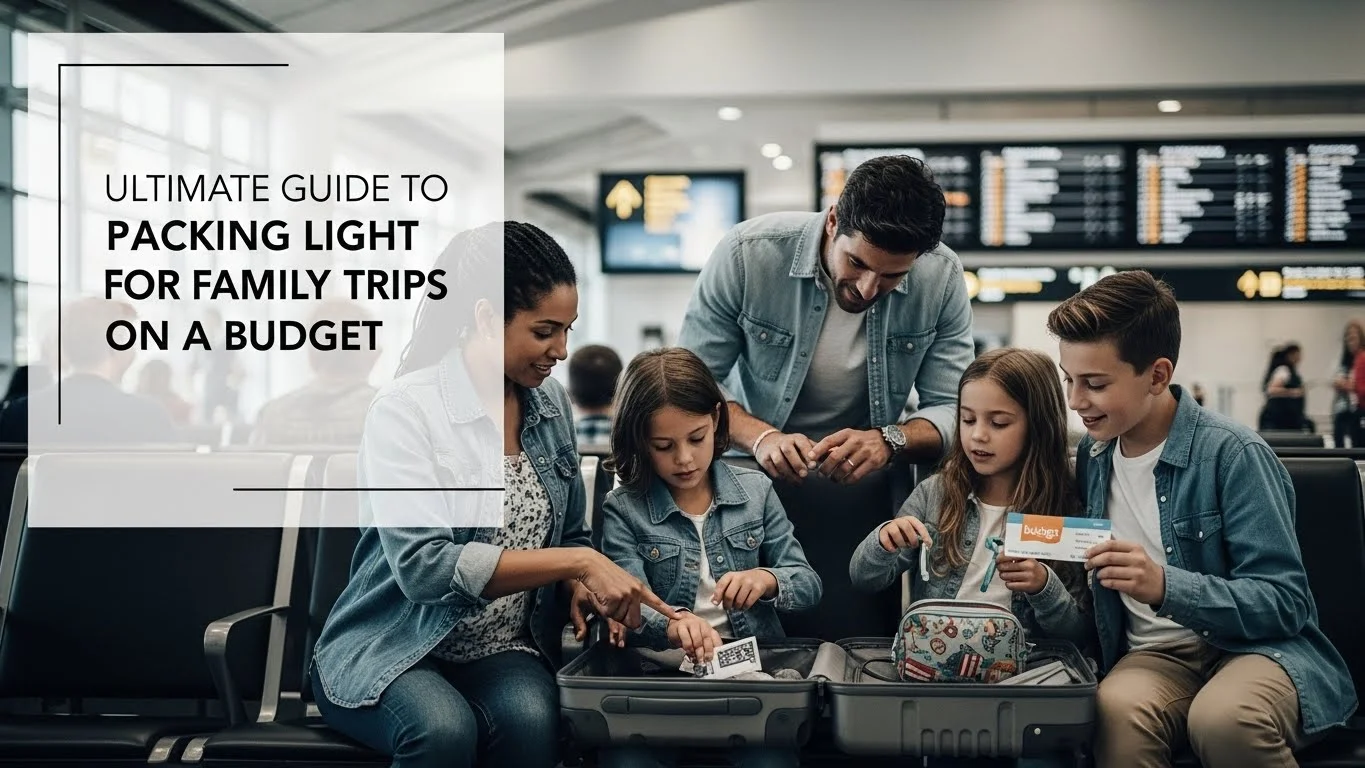
Ultimate Guide to Packing Light for Family Trips on a Budget

Packing light for family trips can feel daunting, but it transforms the travel experience! With the right strategies, we can have fun adventures without breaking the bank or our backs. Read Interesting article: Pack Smart: Light Packing Tips for Family Trips

Ultimate Guide to Packing Light for Family Trips on a Budget

Understanding the Importance of Packing Light

I remember the first family trip we took with our kids. We had packed everything but the kitchen sink! As we struggled through the airport lugging oversized bags, I realized packing light was key to a smoother, more enjoyable journey. The importance of packing light extends beyond just convenience; it can truly enhance our overall travel experience.

Benefits of Packing Light for Family Trips

Packing light can feel liberating. When we travel with fewer items, we experience a sense of freedom that allows us to enjoy our trip without unnecessary stress. I’ve noticed several benefits that packing light offers:

  • Ease of Movement: Navigating through airports, train stations, or city streets with bulky luggage can be exhausting. By packing light, we can move freely, making connections and exploring new places much more enjoyable.
  • Less Stress: The more we pack, the more we worry about losing items or managing our luggage. I found that when I travel with less, I can focus more on creating memories with my family instead of stressing over keeping track of our bags.
  • More Room for Souvenirs: When we pack light, we leave space for those little treasures we pick up along the way. I love bringing back unique items that remind me of our adventures!

How Packing Light Saves Money

It’s not just about convenience; packing light can also save us money. Here’s how I’ve seen it work for my family:

  • Avoiding Baggage Fees: Many airlines now charge for checked luggage. By packing everything into carry-ons, we can sidestep these fees. We’ve saved a considerable amount by simply traveling with our essentials.
  • Less Need for Transportation: When we only have a few bags, we can often take public transport instead of needing a shuttle or taxi. I remember one trip where we hopped on a bus instead of renting a car, and it turned into a fun adventure!
  • Access to Discounts: Some accommodations offer discounts for families who arrive with fewer bags. I’ve found that mentioning our light packing when checking into hotels sometimes earns us a perk or upgrade. Read Interesting article: Family Travel Made Easy: Smart Packing Tips for Parents

Preparing for Your Family Trip

Preparation is a huge part of successful packing light. I’ve learned that the more organized we are before the trip, the easier it is to pack efficiently. Here are some strategies that have worked well for me:

Choosing the Right Luggage

The type of luggage we choose plays a significant role in how well we can pack light. I’ve switched to using soft-sided carry-ons with wheels, which are easy to maneuver. I look for options with multiple compartments to keep everything organized. I also love bags that can expand if needed, so we have flexibility on our return trip. Choosing luggage that fits the airline’s size restrictions is crucial to avoid extra fees!

Essential Packing Tools and Accessories

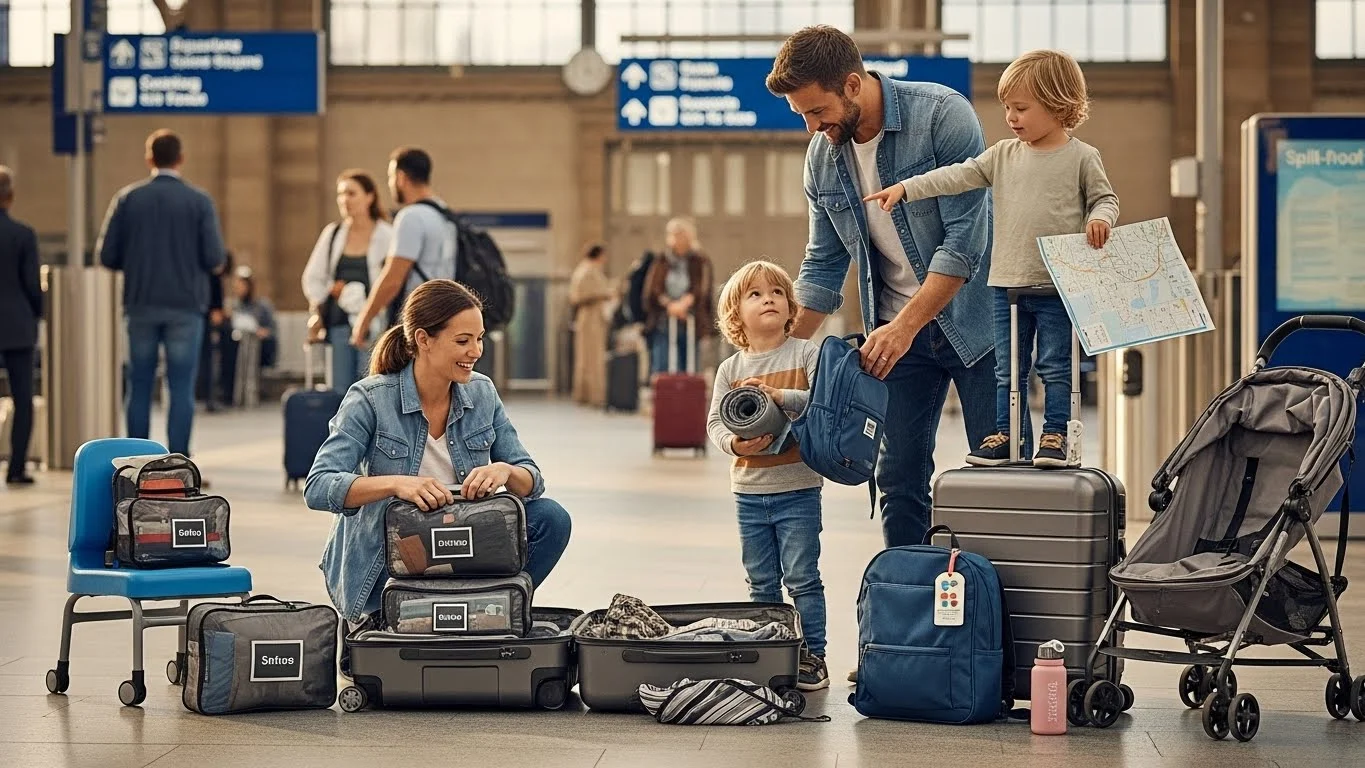
Having the right packing tools has changed how we approach family trips. I can’t live without packing cubes. They help me organize clothes by family member or type, making it easy to find what we need when we arrive. I also keep a small, portable laundry bag in my suitcase to separate dirty clothes, saving space and keeping things organized. Another essential I’ve added is a travel-size scale; I can weigh our luggage before heading to the airport, ensuring we meet the required limits.

Creating a Packing List

Creating a packing list is one of the best decisions I’ve made. It not only reduces the chances of forgetting something important, but it also helps me visualize what we really need. I sit down a few days before the trip and jot down everything we might need, then prioritize the essentials. I involve my kids in this process, letting them choose a few favorite items to bring along. It makes them feel included and lessens the chance of them feeling like they’re missing out on anything.

When packing for family trips, I’ve found it helpful to stick to a theme or color palette for clothing. This way, all outfits can mix and match, and we can create different looks with fewer pieces. I also try to plan outfits that can work for both daytime excursions and evening dinners. This has really helped my family minimize our packing while maximizing our style!

Clothing Essentials for Family Trips

Choosing Versatile Clothing

One of the most effective strategies I’ve found for packing light is choosing versatile clothing. I remember packing a bunch of outfits for my kids on one trip, only to find they wore the same few favorite pieces repeatedly. Now, I focus on bringing items that can be mixed and matched. For example, I’ll pack a couple of pairs of neutral shorts and a few colorful tops that coordinate well with each other. This way, we can create multiple outfits with minimal pieces.

Another tip is to prioritize clothing that can serve multiple purposes. I love packing a lightweight sundress that can be worn on a day out or dressed up for an evening dinner. My kids also enjoy wearing quick-dry swim trunks that double as casual shorts. This approach not only saves space but also keeps our packing list short and sweet!

Weather Considerations and Layering

When planning our trips, I always check the weather forecast to prepare appropriately. I’ve learned the hard way that being underprepared for weather changes can lead to uncomfortable experiences. Layering is a fantastic way to adapt to varying temperatures, especially if we’re traveling to places with fluctuating climates.

I often pack lightweight, breathable base layers that can be easily added or removed. A light jacket is a must-have for cooler evenings or sudden rain showers. My kids have a blast picking out colorful sweaters or hoodies that they can wear while still looking stylish. By layering, we not only stay comfortable but also maintain a light packing load.

Footwear: Comfort vs. Space

Choosing the right footwear can be a game-changer for our family trips. I used to pack multiple pairs of shoes, thinking we’d need them for different occasions. However, I quickly realized that this just added unnecessary weight. Now, I focus on bringing versatile shoes that can work for various activities.

For our trips, I typically pack a pair of comfortable walking shoes for sightseeing and a pair of sandals that can double as casual wear. I’ve found that a good pair of sneakers can take us from hiking trails to city strolls without missing a beat. It’s also essential to break in new shoes before the trip to avoid blisters and discomfort while we’re on the go.

Toiletries and Personal Care Items

Travel-Sized Products vs. Full-Sized

When it comes to toiletries, I’ve learned that travel-sized products are a lifesaver. I used to bring full-sized bottles of shampoo and body wash, which took up precious space in our luggage. Now, I opt for travel-sized options or even refillable containers that I can fill with our favorite products. This not only saves space but also keeps our luggage light.

In our case, I’ve also found that some hotels provide basic toiletries like shampoo and conditioner, so I don’t always need to bring these from home. I check ahead to see what’s available at our accommodations, which helps me streamline our packing.

Shared Toiletries for Families

Another packing hack I’ve adopted is sharing toiletries among family members. Instead of each of us packing our own shampoo or toothpaste, we consolidate our personal care items. I often bring a single tube of toothpaste for the whole family and a shared deodorant. This not only cuts down on the number of items we take but also fosters a sense of teamwork as we share and help each other remember to use them.

Eco-Friendly Options

As I’ve become more conscious of our environmental footprint, I’ve started incorporating eco-friendly toiletries into our travel routine. I love using shampoo bars and reusable makeup remover pads, which take up less space and reduce plastic waste. Not only do these options help us pack lighter, but they also align with my values of sustainability.

When we travel, I also try to bring along a reusable water bottle for each family member. It encourages us to stay hydrated while reducing our reliance on single-use plastic bottles. Plus, I’ve found that refilling our bottles is often cheaper than buying drinks at tourist spots!

Tech and Gadgets on a Budget

Choosing Multi-Purpose Devices

In today’s tech-savvy world, I think it’s essential to pack smart devices that serve multiple purposes. I used to bring a separate camera, tablet, and e-reader, but now I rely on my smartphone for most of our tech needs. It captures quality photos, keeps us connected, and offers plenty of entertainment options all in one device.

For our family trips, I also consider packing a portable charger. Keeping our devices charged is vital since we rely on them for navigation, communication, and capturing memories. A single portable charger can power multiple devices, which helps us avoid bringing along extra chargers.

Essential Travel Gadgets for Families

There are a few gadgets I never leave home without. A universal travel adapter is a must, especially for international trips. I’ve learned the hard way that different countries have different plug types, so having an adapter saves us from scrambling for a way to charge our devices. Additionally, I always include a small Bluetooth speaker. It’s perfect for family movie nights in our hotel room or for playing music during picnics.

I also recommend a compact tablet or e-reader for family entertainment during travel. It keeps the kids engaged and can be a lifesaver on long flights or car rides. Plus, I can load it up with games, books, and movies ahead of time to keep everyone entertained without needing to pack extra items.

Entertainment for Kids During Travel

Digital vs. Physical Entertainment

Keeping the kids entertained during travel can feel like a challenge. I remember long road trips where my children would get restless after just a short while. I’ve learned that balancing digital and physical entertainment can create a more enjoyable experience for everyone. For instance, I download movies and shows on our tablet before a trip. This way, we have plenty of options to keep the kids engaged, especially during long flights or car rides.

At the same time, I like to include physical activities that don’t rely on screens. I often pack some coloring books and crayons or a small travel game like a magnetic chess set. This not only provides a fun distraction but also encourages creativity. The key is to have a mix so that when one form of entertainment starts to lose its charm, we can easily switch to another.

Compact Board Games and Activities

Board games have always been a favorite in our family, but I quickly realized that bringing full-sized games can be impractical when packing light. I’ve shifted to choosing compact or travel-sized versions of our favorites. For example, a small deck of cards or a travel bingo game can provide hours of entertainment without taking up too much space. I also love bringing along a small notebook for journaling or sketching, which my kids have found to be a fun way to document our adventures.

Another great idea I discovered is using printable travel games. I print out scavenger hunt lists or trivia questions before our trip. These activities are easy to pack, and they spark excitement as we explore new places together. Plus, it’s a great way to bond and have conversations along the way!

Apps and E-Books for Travel

In our tech-filled world, I’ve found that utilizing apps and e-books can be a game-changer for travel entertainment. I love having a library of e-books ready on our tablet. This allows my kids to dive into different stories during the trip and easily switch between books. They often choose titles based on our travel destination, adding an extra layer of excitement to their reading experience.

There are also fantastic educational apps that keep the kids engaged while learning something new. I’ve downloaded language learning apps that are perfect for getting them excited about the local language before we arrive at our destination. This not only entertains them but also helps them connect with the culture we’re about to explore.

Food and Snacks for Family Trips

Packable Snack Ideas

When it comes to food, I’ve learned that having snacks on hand can make a world of difference for our family. I like to pack a mix of healthy and fun options. For road trips, I often include items like granola bars, trail mix, and fruit leather, which are easy to grab and eat on the go. I also love packing some cut veggies and hummus for a nutritious snack that keeps our energy up.

For flights, I usually pack small bags of popcorn or rice cakes, which are light and satisfying. I’ve found that keeping the kids well-fed reduces crankiness and helps them stay entertained longer. Plus, having our own snacks saves money and ensures we’re eating things we enjoy.

Storing Food Safely While Traveling

Storing food safely while traveling is crucial, especially when we’re on the move. I utilize resealable bags to portion out snacks, which are not only convenient but also help minimize waste. If we’re traveling longer distances, I bring a small insulated cooler bag with ice packs to keep perishables fresh, like yogurt or cheese sticks.

During our trips, I always check if our accommodations have a fridge. If they do, I often buy fresh fruit or other perishable snacks once we arrive. This way, we can enjoy healthy options without worrying about spoilage during transit.

Budget-Friendly Dining Options

Dining out can quickly add up, so I’ve learned to be strategic about our meals. I love exploring local markets or grocery stores to find budget-friendly options. It’s a fun adventure for the kids, who enjoy picking out local snacks and treats to try! Whenever possible, I look for accommodations with kitchen facilities, which allows us to prepare simple meals and save money.

On our last trip, we discovered a delightful little market near our hotel. We bought fresh bread, cheese, and local fruits for a picnic. Not only was it cost-effective, but it also became one of our favorite family memories. Eating like locals can enhance our travel experience while keeping us within budget.

Tips for Packing Light Efficiently

Rolling vs. Folding Clothes

One of the best tips I’ve discovered for maximizing space in our luggage is rolling clothes instead of folding them. I remember the first time I tried this method; I was amazed at how much more I could fit in my suitcase! Rolling not only saves space but also helps reduce wrinkles, keeping our clothes looking neat upon arrival. I typically roll shirts, pants, and even dresses, while I fold bulkier items like jackets. It’s become a little game for my family to see how many items we can fit into our bags using this method.

Utilizing Every Space in Your Luggage

I’ve learned to be creative about using every nook and cranny in our luggage. For instance, I tuck small items like socks and undergarments inside shoes to take advantage of empty spaces. I also pack my kids’ swim gear into their shoes to keep everything organized and save space at the same time. Another trick I use is filling in gaps with rolled-up belts or scarves. It’s incredible how much more we can fit when we think outside the box!

Using Compression Bags

Compression bags have been a game-changer for us. I was a bit skeptical at first, but after trying them, I can’t imagine packing without them! These bags allow us to compress our clothes, significantly reducing their volume. I usually pack out-of-season clothes or bulkier items in these bags. They’re especially useful for family trips where we have a lot to bring. Just be sure to pack them strategically, as they can take up a bit more space if not compressed properly. Read Interesting article: Essential Packing Tips for Family Backpacking Adventures

Maximizing Budget While Traveling Light

Finding Affordable Accommodation

Finding budget-friendly accommodations has become second nature for me. I love exploring options like vacation rentals or family-friendly hostels that offer kitchen facilities. This not only saves us money on meals but also allows us to experience local living. I often check sites that provide ratings and reviews to ensure we find a safe and comfortable place for our family. By planning ahead and researching, we’ve discovered hidden gems that made our trips even more enjoyable.

Budget-Friendly Transportation Options

Transportation costs can add up quickly, so I’ve learned to be strategic in this area as well. Instead of relying solely on taxis or rental cars, I frequently look for public transportation options. In many cities, we’ve found that using buses or subways is not only cheaper but also a great way to see the sights. On one trip, we hopped on a local train and ended up exploring neighborhoods we wouldn’t have seen otherwise. It turned into an unexpected adventure!

Cost-Effective Family Activities

Finding fun yet affordable activities is essential for keeping our travel budget in check. I often search for free or low-cost attractions in the areas we visit. Parks, museums with free admission days, or local festivals can provide hours of entertainment for our family without breaking the bank. I also find that a little research goes a long way; many cities offer free walking tours or events that allow us to explore while learning about the culture.

Common Mistakes to Avoid When Packing Light

Packing Too Much vs. Packing Too Little

One of the biggest challenges I’ve faced is finding the right balance between packing enough and packing too much. I’ve made the mistake of overpacking, thinking I needed every possible outfit or item, only to realize I wore the same favorites over and over. I’ve also had moments when I packed too little and ended up feeling uncomfortable. Over time, I’ve learned to evaluate what we genuinely need for our trips and stick to those essentials.

Overlooking Important Items

In my eagerness to pack light, I’ve occasionally forgotten essential items, like chargers or necessary medications. To avoid this, I always double-check my packing list before we leave. I’ve also discovered that creating a master list for each family member helps ensure we don’t overlook anything important. It’s all about being prepared while still keeping our luggage manageable!

Being Unprepared for Weather Changes

Weather can be unpredictable, and I’ve learned this lesson the hard way. I once packed for sunny beach days only to encounter unexpected rain. Now, I always check the forecast before our trips and bring lightweight layers or a compact poncho in case of sudden weather changes. It’s about being adaptable and prepared while still maintaining a light packing routine.

Final Thoughts

Embracing the art of packing light has transformed our family trips into more enjoyable experiences. It’s not just about the physical act of packing; it’s about the mindset that comes with it. When we travel light, we can focus on what truly matters—making memories together. I encourage families to try out these tips, adapt them to your unique style, and make packing light a habit. You might just find that less really is more, leading to richer experiences and fewer worries as you embark on your next adventure!

Frequently Asked Questions

What are the benefits of packing light for family trips?

Packing light offers several benefits, including ease of movement through airports and cities, reduced stress about managing luggage, and more room for souvenirs collected during the trip.

How can packing light save money while traveling?

Packing light can save money by avoiding baggage fees for checked luggage, reducing the need for transportation costs by using public transport, and potentially accessing discounts from accommodations for arriving with fewer bags.

What strategies can help in preparing for a family trip?

Preparation strategies include choosing the right luggage, using packing tools like packing cubes, creating a packing list, and involving family members in the packing process to ensure essentials are included.

What type of clothing should be packed for family trips?

It is advisable to pack versatile clothing that can be mixed and matched, prioritize multi-purpose items, and consider weather conditions by layering clothes for varying temperatures.

How can toiletries be packed efficiently for family trips?

Using travel-sized products, sharing toiletries among family members, and opting for eco-friendly options can help pack toiletries efficiently and save space in luggage.

What tech gadgets are recommended for family trips?

Multi-purpose devices like smartphones, portable chargers, universal travel adapters, and compact tablets or e-readers are recommended for keeping the family connected and entertained during trips.

What are some good food and snack ideas for traveling with family?

Packable snack ideas include granola bars, trail mix, cut veggies with hummus, and light snacks like popcorn for flights. It’s also important to store food safely using resealable bags and insulated cooler bags.

What are some effective packing techniques to maximize space?

Effective packing techniques include rolling clothes instead of folding them, utilizing every space in luggage by tucking small items into shoes, and using compression bags to reduce the volume of clothes.

How can families find budget-friendly activities while traveling?

Families can discover budget-friendly activities by searching for free or low-cost attractions, such as parks, museums with free admission, local festivals, and free walking tours.

What common mistakes should be avoided when packing light?

Common mistakes include packing too much or too little, overlooking important items like chargers or medications, and being unprepared for unexpected weather changes, which can lead to discomfort during the trip.

Family Travel Made Easy: Smart Packing Tips for Parents

Family travel can be a thrilling adventure, but packing can often feel overwhelming. I’ve learned that with a few smart strategies, we can make the packing process not just manageable, but even enjoyable! Read Interesting article: Maximize Fun with Budget Family Travel Tips for Memorable Trips

Family Travel Made Easy: Smart Packing Tips for Parents

Understanding Family Travel Needs

When planning a family trip, there’s so much to think about. I’ve often found myself staring at a mountain of clothes and gear, wondering how to fit everything into our luggage without losing my sanity. Understanding the unique needs of family travel can help us face those challenges head-on. What I’ve realized is that preparation is key, and that starts with knowing what we need to pack and how to pack it efficiently.

Common Challenges Faced by Parents

One of the biggest challenges I’ve encountered when traveling with my family is the sheer amount of stuff we need. Kids come with toys, clothes, and a whole array of other necessities, making it easy to feel overwhelmed. I remember our first family trip; I packed so much that I could barely close the suitcase! It was a lesson learned about overpacking. Another common challenge is keeping everyone happy and entertained during travel, especially on long flights or road trips. Our kids can get restless fast, so I’ve had to adopt strategies to keep boredom at bay. Read Interesting article: Explore Cultures: Budget-Friendly Family Travel Tips

Benefits of Smart Packing

Smart packing can transform our travel experience. I’ve discovered that when I pack thoughtfully, it reduces stress and allows us to enjoy our trip more. Less clutter in our luggage means easier navigation through airports and fewer arguments about whose turn it is to carry the heavy bags. With strategic packing, I’ve also found that we have more room for souvenirs and special finds from our travels. Plus, knowing exactly what I have packed helps me keep the kids comfortable and happy, which is always a win!

Essential Packing Tips for Family Travel

Now that we understand the challenges and benefits, let’s dive into some essential packing tips that make family travel a breeze. I’ve tried various methods, and these tips have worked wonders for us!

Creating a Family Packing List

One of the most effective strategies I’ve adopted is creating a family packing list. Before every trip, I sit down and jot down everything we need, categorized by each family member. I’ve found that lists help me visualize what we’ll need and prevent last-minute packing panic. I often include a “must-have” section for items like medications and chargers, which are easy to forget in the chaos. Involving the kids in this process can also be fun; they can help add their favorite items to the list, ensuring they don’t feel left out.

Choosing the Right Luggage

Choosing the right luggage can make a significant difference in our travel ease. I used to opt for the biggest suitcase, thinking it would fit everything, but I learned that it’s about smart organization, not just size. I now prefer lightweight, durable luggage with wheels, which makes maneuvering through airports much easier. I also use smaller bags for each kid so they can be responsible for their own items. This way, they feel included in the process, and it lightens my load as well!

Utilizing Packing Cubes and Organizers

Packing cubes have been a game-changer for us! I can’t stress enough how much organizing our clothes into cubes helps. Each family member gets a different color or size cube, making it easy to find what we need without rummaging through piles of clothes. I also use smaller pouches for accessories, electronics, and toiletries. This system not only keeps everything tidy but also allows us to maximize space in our luggage, which is crucial when packing for a family.

Smart Use of Space: Rolling vs. Folding Clothes

When I first heard about rolling clothes instead of folding them, I was skeptical. However, after trying it out, I was amazed at how much more I could fit into our suitcases! Rolling clothes minimizes wrinkles and maximizes space, allowing me to pack efficiently. I’ve also learned that placing rolled clothes in packing cubes further optimizes our luggage space. For thicker items like jackets, I might still fold them, but for the most part, rolling has become my go-to method.

Traveling as a family is an exciting adventure, and with smart packing, we can make the journey smoother and more enjoyable. These tips have not only helped me pack effectively but have also made our trips more fun and less stressful. I look forward to sharing more insights in the next sections, where we’ll dive deeper into packing essentials for kids, technology that simplifies our travel, and much more! Read Interesting article: Family Travel Tips: Top Affordable Destinations to Visit

Must-Have Items for Kids

Packing for kids can feel like a juggling act, but I’ve learned that having a list of must-have items really helps streamline the process. When I travel with my children, there are a few essentials I always pack to ensure that we’re ready for anything. These items are not just about comfort; they also help keep the kids entertained and safe during our adventures.

Travel-Friendly Clothing

When it comes to clothing, comfort is key. I always opt for travel-friendly outfits for my kids. I’ve found that stretchy fabrics and breathable materials are best, as they make it easy for the kids to move around and stay comfortable in various settings. I also recommend packing clothes that are easy to layer because we often encounter changing weather conditions. For instance, I usually pack a light jacket or hoodie for cooler evenings, and I make sure to include a pair of comfortable shoes that are great for walking. My kids love shoes that they can easily slip on and off, especially when going through airport security!

Entertainment Options for Kids

Let’s face it, keeping kids entertained during travel can be challenging. I’ve learned that it’s crucial to have a bag filled with entertainment options. I usually bring along a mix of books, coloring supplies, and small travel games. Tablets loaded with their favorite shows or movies are a lifesaver, especially during long flights. I also download a few educational apps that can keep their minds engaged. I’ve noticed that having a variety of activities not only keeps them entertained but also makes the travel experience more enjoyable for everyone. A little planning goes a long way!

Snacks and Easy Meals on the Go

When we’re on the move, hunger can strike at any moment. I always make sure to pack a stash of healthy snacks that are easy to munch on. Granola bars, dried fruit, and nut packs are some of our favorites. I also try to include a few treats, like small bags of popcorn or chocolate-covered pretzels, for a little excitement during our travels. I’ve found that having snacks on hand helps avoid meltdowns and keeps everyone’s spirits high. Plus, it can save us money and time since we won’t have to buy snacks at overpriced airport kiosks!

Health and Safety Essentials

Nothing puts a damper on a trip like a minor illness or injury. That’s why I always pack a small health kit for the kids. It includes essentials like band-aids, antiseptic wipes, and any medications they might need, such as allergy medicine or a fever reducer. I also carry hand sanitizer and wipes to keep their hands clean while we’re out and about. I’ve found that being prepared helps ease my mind, knowing that we can handle any little hiccups that come our way. It gives me peace of mind to know that I have the basics covered, which allows us to focus on making memories instead of worrying about what ifs.

Technology to Simplify Travel

In today’s tech-savvy world, I’ve discovered that there are so many tools and gadgets that can make family travel smoother. Embracing technology has transformed the way we plan and experience our trips, and I’m always on the lookout for new apps and devices that can make our travel easier.

Apps for Packing and Travel Planning

There are tons of apps out there designed to help with travel planning and packing. I’ve found packing apps particularly useful; they allow me to create lists for everything we need and even send reminders for items I might forget. Some of my favorites allow me to customize lists based on our destination or trip type. I also enjoy using travel itinerary apps that keep all our reservation details in one place. This way, I can access everything from flight information to hotel bookings at the touch of a button. It has truly made our trips feel more organized and less chaotic!

Travel Gadgets: Chargers and Adapters

With all the devices we take along, having the right gadgets is essential. I recommend investing in a good power bank to keep our phones and tablets charged, especially during long travel days. I’ve experienced the panic of a dying battery while trying to navigate through an airport, and trust me, it’s not fun! Additionally, I make sure to pack universal travel adapters if we’re heading overseas. This little device has saved us from many awkward moments when we couldn’t plug in our devices.

Using E-Tickets and Digital Boarding Passes

Gone are the days of fumbling with paper tickets, and I can’t say I miss them. I now use e-tickets and digital boarding passes for all our flights. It’s incredibly convenient to have everything on my phone, and I’ve found that it streamlines the check-in process. No more worrying about lost tickets or searching for them in my bag. It also saves on paper, which feels good to me. This tech-savvy approach allows us to move through airports more quickly and efficiently, which is a huge win when traveling with kids.

Traveling with Infants and Toddlers

Packing for little ones can feel like preparing for an expedition! I’ve learned that the more I can anticipate their needs, the smoother our travels go. Here are some insights I’ve gathered while traveling with infants and toddlers that have made our adventures much more manageable.

Diaper Bag Essentials

When it comes to diaper bags, I believe that being prepared is the name of the game. I always pack enough diapers for the journey, plus a few extras just in case. It’s surprising how quickly they can go through them! I also include wipes for quick clean-ups, a changing mat, and a small pack of plastic bags for any soiled items. Alongside those essentials, I make sure to add a couple of changes of clothes, as spills and accidents are inevitable. I’ve also found that having a few small toys or books on hand can help keep little ones entertained during travel delays. Remember, a well-stocked diaper bag makes for a stress-free trip!

Strollers vs. Baby Carriers

Choosing between a stroller and a baby carrier can be a tough decision, but I’ve found that both have their advantages depending on our destination. For airport travel, I appreciate a lightweight, foldable stroller that can easily be maneuvered through crowds and stored in overhead bins. However, when we’re exploring new places, I often prefer a baby carrier for its convenience. It allows me to keep my hands free while ensuring that my toddler feels secure and close. I’ve also learned to check in advance whether our destination is stroller-friendly or if we might need to navigate stairs or rough terrain, which can help us decide what to bring along.

Tips for Flying with Young Children

Flying with young children can be both exciting and nerve-wracking. I’ve found that the key is to plan for the unexpected. I always ensure that our travel day includes plenty of snacks and entertainment options. I also like to arrive at the airport early, giving us enough time to handle any unexpected hiccups. I remember a time when we nearly missed a flight because of a last-minute diaper change! Keeping a flexible mindset helps; kids can be unpredictable, so I try to go with the flow. I also check for family boarding options that allow us to board early, making it easier to settle in without the rush.

Saving Space and Weight in Your Luggage

Finding ways to save space and keep our luggage light has become a fun challenge for me. I’ve picked up some great strategies over the years that have really helped us maximize our packing without feeling like we’re lugging around the entire house.

Choosing Multi-Functional Gear

One of my favorite tricks is choosing multi-functional gear. For instance, I love packing clothes that can serve double duty, like a dress that can work for both casual outings and nicer dinners. I also look for gear that can adapt to different uses. For example, a blanket that can be used for picnics, a beach cover-up, or a stroller cover can save us space and weight in our luggage. I’ve found that being intentional about the items I choose makes a huge difference in how much we can fit in our bags!

Minimizing Toiletries: Travel-Sized Products

Toiletries have a sneaky way of taking up space in our luggage. I’ve learned to minimize them by opting for travel-sized products or even using refillable containers. I also try to consolidate items; for example, a shampoo and conditioner combo saves space while still keeping our hair clean and manageable. If I can, I purchase some toiletries at our destination, especially bulky items like sunscreen or baby lotion. This way, I don’t have to worry about liquids spilling in our bags, and it lightens our overall load.

Layering Clothing for Versatility

Layering has become my go-to packing strategy, especially when we’re traveling to different climates. I love packing lightweight, versatile pieces that I can mix and match. For example, I usually include a couple of basic t-shirts, a lightweight sweater, and a light jacket that can be easily combined for varying temperatures. This way, I can create multiple outfits without taking up too much space. Plus, it’s also helpful for kids, as they tend to get hot or cold quickly. Layering allows them to adjust easily to changing conditions while keeping our packing light and efficient.

Preparing for Different Destinations

Every destination has its unique requirements, and I’ve discovered that tailoring our packing can make a significant difference in our overall experience. Whether we’re headed to the beach, the mountains, or exploring a city, I’ve found that a little foresight in packing can save us from unnecessary stress.

Beach Vacation Packing List

When we go to the beach, I make a point to pack the essentials: swimsuits, beach towels, sunscreen, and hats. I also love bringing along a lightweight beach umbrella or a pop-up tent for shade. If my kids are anything like mine, they can spend hours playing in the sand, so I also pack a small beach toy set. I like to include some easy snacks and plenty of water to keep everyone hydrated. Preparing for beach days has taught me that having a designated beach bag makes packing easier and helps keep everything organized.

Mountain Getaway Essentials

Heading to the mountains is another adventure altogether. I’ve learned the importance of packing layers for varying temperatures, especially since it can be warm during the day and chilly at night. I always include sturdy hiking shoes, hats, and a first-aid kit for any scrapes or bumps. It’s also essential to have plenty of snacks and water on hand, especially if we’re planning on hitting the trails. I’ve found that packing a small backpack for day hikes helps keep our gear organized and allows us to carry essentials without feeling weighed down.

City Exploration Must-Haves

When we’re city-hopping, comfort is critical. I always pack comfortable walking shoes, as we usually cover a lot of ground. I also bring a light backpack for daily outings to carry snacks, water, and a compact umbrella or poncho just in case of rain. A portable phone charger is essential for keeping our devices powered during long days of exploration. I’ve also found that having a small travel guide or map can be super helpful for navigating unfamiliar areas while keeping the kids engaged.

Frequently Asked Questions

What should I include in a family packing list?

When creating a family packing list, include everything needed for each family member, categorized by individual. It’s helpful to add a “must-have” section for items like medications and chargers, which are easy to forget.

How can I choose the right luggage for family travel?

Opt for lightweight, durable luggage with wheels for easier maneuvering through airports. Consider smaller bags for each child, allowing them to be responsible for their own items while lightening your load.

What are packing cubes and how do they help?

Packing cubes are organizational tools that help you sort clothes by family member or item type. They keep everything tidy and maximize space in your luggage, making it easier to find what you need without rummaging through piles.

Should I roll or fold clothes when packing?

Rolling clothes is generally more space-efficient than folding. It minimizes wrinkles and allows you to fit more into your suitcase. For thicker items like jackets, folding may still be appropriate, but rolling is recommended for most clothing.

What essentials should I pack for kids during travel?

Pack travel-friendly clothing, entertainment options such as books and games, healthy snacks, and a small health kit with essentials like band-aids and medications to ensure comfort and safety during travel.

How can technology assist with family travel planning?

Utilize apps for packing and travel planning, which help create lists and keep all reservation details organized. Gadgets like power banks and universal travel adapters are also essential for maintaining device functionality during travel.

What should I include in a diaper bag for infants and toddlers?

A well-stocked diaper bag should include enough diapers, wipes, a changing mat, plastic bags for soiled items, a couple of changes of clothes, and small toys or books for entertainment during travel delays.

What are some tips for flying with young children?

Plan for the unexpected by packing plenty of snacks and entertainment options. Arrive early at the airport to handle any hiccups and check for family boarding options to settle in without rushing.

How can I save space and weight in my luggage?

Choose multi-functional gear, minimize toiletries by using travel-sized products, and layer clothing for versatility. These strategies help maximize packing efficiency without feeling overloaded.

What should I pack for different types of vacations?

For beach vacations, pack swimsuits, towels, sunscreen, and snacks. For mountain getaways, include layers, hiking shoes, and a first-aid kit. For city exploration, bring comfortable shoes, a light backpack for essentials, and a portable charger.

Essential Packing Tips for Family Backpacking Adventures

Backpacking with family can be one of the most rewarding adventures, filled with laughter, exploration, and unforgettable memories. Here’s how to make the most of your family backpacking trips with essential tips on packing and preparation. Read Interesting article: Eco-Friendly Packing Tips for Budget Backpackers

Essential Packing Tips for Family Backpacking Adventures

Understanding Family Backpacking

What is Family Backpacking?

Family backpacking is a unique way to spend quality time together while exploring the great outdoors. It involves carrying all your gear in backpacks, allowing you to hike to various campsites, enjoy nature walks, and immerse yourselves in beautiful landscapes. I remember my first family backpacking trip; we packed our essentials, hit the trails, and felt an incredible sense of freedom as we wandered through the woods, discovering new places together. It was a bonding experience, one that I cherish to this day.

Benefits of Family Backpacking

There are countless benefits to family backpacking that I have come to appreciate over the years. First and foremost, it encourages family bonding. With no distractions from technology, we found ourselves connecting in ways we hadn’t before. Hiking together, setting up camp, and cooking meals as a family fostered teamwork and communication.

Moreover, spending time outdoors has immense health benefits. We were more active, breathing fresh air and soaking in the beauty of nature, which uplifted our spirits. I noticed how my kids became more curious about their surroundings, asking questions about plants, animals, and ecosystems. This sparked a love for nature that I hope they carry with them for a lifetime.

Lastly, family backpacking promotes resilience and adaptability. We learned to face challenges together—whether it was a sudden rainstorm or a long hike uphill. Overcoming these obstacles taught us valuable lessons about patience and perseverance.

Recommended Destinations for Family Backpacking

Choosing the right destination can make or break your family backpacking adventure. When we first started, we opted for locations that were kid-friendly and offered various trail options to suit different skill levels. Here are a few recommendations based on my experiences:

  • Great Smoky Mountains National Park: This park offers numerous trails ranging from easy to moderate. The scenic views and diverse wildlife make it a perfect spot for families.
  • Yosemite National Park: Known for its breathtaking beauty, Yosemite has family-friendly trails like the Mirror Lake Trail, which is relatively easy and showcases stunning landscapes.
  • Shenandoah National Park: With plenty of short hikes and beautiful vistas, Shenandoah is ideal for families looking to enjoy a weekend getaway.
  • Acadia National Park: This park combines both the mountains and the sea. The Jordan Pond Path is a great choice for families with its flat terrain and picturesque views.

These destinations not only offer beautiful trails but also provide facilities and resources that cater to families, making it easier to prepare for your backpacking trip. Additionally, if you’re looking for more ideas on packing, check out Essential Green Packing Tips for Budget Backpackers.

Essential Gear for Family Backpacking

Choosing the Right Backpack

Finding the right backpack is crucial for a successful family backpacking trip. I remember the first time I bought backpacks for my family; I didn’t realize how important it was to choose the right size and fit. For adults, look for packs with good support and plenty of storage. For kids, I recommend a smaller, lighter pack to ensure they can carry their essentials without getting overwhelmed.

When selecting backpacks, consider features such as adjustable straps, hip belts for weight distribution, and rain covers. I found that involving my kids in the selection process made them more excited about the trip and more willing to carry their own gear.

Family-Friendly Tent Options

A good tent can make all the difference in your camping experience. We discovered that family tents should be spacious enough to accommodate everyone comfortably, with enough room for gear. I recommend looking for tents that are easy to set up; after a long day of hiking, the last thing you want is to grapple with complicated instructions. Consider options with multiple entrances for easy access, especially when kids need to trot out for a moment!

Sleeping Bags for All Ages

Choosing the right sleeping bags is essential for a good night’s sleep. I learned early on that the temperature rating matters—especially in cooler climates. For kids, I found that sleeping bags with fun designs helped them feel more excited about bedtime. Ensure that everyone’s sleeping bag is appropriate for the season, and don’t forget to bring sleeping pads for extra comfort.

Cooking Equipment and Utensils

Cooking on the trail can be a fun family activity, but it requires the right gear. I prefer using a lightweight camping stove, as it makes meal prep quick and easy. Don’t forget to pack a set of collapsible utensils, a pot for boiling water, and a small cutting board. I also recommend bringing along a few simple recipes that everyone can help with, making mealtime an enjoyable experience for the whole family. For additional packing strategies, check out Top Packing Tips for Solo Travelers on a Budget.

Clothing Essentials for All Weather Conditions

Weather can be unpredictable when you’re out in nature, so packing the right clothing is vital. I always make sure to include moisture-wicking base layers, insulating mid-layers, and waterproof outer layers. For my kids, I prefer clothing that is easy to put on and take off, allowing them to adapt quickly to changing temperatures. It’s essential to pack extra socks, as wet feet can ruin a day of fun!

Clothing and Footwear Packing Tips

Layering Techniques for Different Weather

When it comes to dressing for family backpacking trips, I’ve learned that layering is key. The weather can change unexpectedly, so having options allows us to adapt without lugging around a ton of clothes. I usually start with a moisture-wicking base layer, followed by an insulating mid-layer for warmth, and finish with a waterproof outer layer. This way, if it gets chilly, we can add the mid-layer, and if it warms up, we can easily strip down to the base layer. I remember on one hike, we started with a cool morning, but by midday, we were all peeling off layers like they were a second skin! It kept us comfortable and ready for whatever nature threw our way.

Footwear Recommendations for Kids and Adults

Choosing the right footwear is just as important as the clothing we wear. For my family, I always look for sturdy, well-fitting hiking shoes or boots. They need to provide good ankle support, especially for the kids, as they tend to be a bit less stable on uneven terrain. I recommend breaking in new shoes before the trip; I once made the mistake of letting my kids wear brand new boots on our first day, and let’s just say, it wasn’t the best idea! We learned that comfortable socks are equally crucial, so I pack a few pairs of moisture-wicking ones to avoid blisters.

Durable vs. Lightweight Fabrics

In my experience, both durability and weight are crucial when it comes to choosing clothing fabrics. I favor lightweight materials for comfort and ease of movement, but they also need to stand up to wear and tear. For example, I love using synthetic fabrics that dry quickly and resist stains, which is a must when you have kids who seem to find every mud puddle on the trail. I remember one trip when a little slip left my daughter splattered with mud, but her quick-dry pants saved the day. They looked brand new again in no time!

Kid-Friendly Clothing Options

When it comes to dressing my kids for backpacking, I always look for clothing that’s fun and practical. Bright colors or fun patterns not only make them excited to wear their gear but also help me keep track of them on the trail! I’ve found that clothes with built-in sun protection are also a great choice, so the kids can explore without the worry of getting sunburned. Plus, I always pack an extra set of clothes in case of spills or unexpected rain. It’s amazing how a little preparation can go a long way in keeping spirits high during our adventures!

Food and Nutrition Planning

Choosing Portable and Nutritious Snacks

Food is an essential part of our backpacking experience, and I make it a priority to pack nutritious snacks that are easy to carry. I usually opt for a mix of trail mix, granola bars, and fresh fruits like apples or bananas. These snacks keep everyone energized without weighing us down. I remember the first time I packed peanut butter and jelly sandwiches; they were a hit, but they also turned into a sticky mess by lunchtime! Now, I prefer to keep things simple and pack items that are less likely to get squished.

Meal Planning for Family Backpacking Trips

Meal planning has become one of my favorite parts of preparing for a trip. I usually plan for simple, one-pot meals that everyone can help make. Pasta with a light sauce, instant rice with veggies, and even dehydrated meals have become staples in our menu. I’ve found that involving my kids in the meal planning process not only teaches them about cooking but also makes them more excited about eating what we prepare together. After all, there’s something magical about a warm meal after a long day of hiking!

Water Filtration and Hydration Strategies

Staying hydrated is vital, especially during a backpacking trip. I always pack a reliable water filtration system, like a filter pump or a gravity filter, to ensure we have access to clean water. We’ve had some great experiences filling our bottles from mountain streams, and the kids love the idea of drinking “nature’s water.” I also encourage everyone to drink regularly, setting reminders if needed. I’ve noticed that when we’re busy hiking, it’s easy to forget to hydrate, so keeping water easily accessible helps.

Safety and First Aid Essentials

First Aid Kits for Families

Safety is paramount when we venture into the wilderness, so I always pack a well-stocked first aid kit. I’ve learned the hard way that it’s not just about having band-aids and antiseptic; we need to include items like insect repellent, allergy medication, and blister treatment. Preparing for the unexpected helps us focus on enjoying our time outdoors. I usually go through the kit with my kids before the trip, teaching them what each item is for. This not only prepares us for accidents but empowers them to be responsible.

Emergency Contact Information and Safety Plans

It’s essential to have a safety plan in place. Before we set off, I make sure everyone knows our route and the estimated time we’ll be out. I also carry a map and a compass, even if I often rely on GPS. I’ve realized that it’s better to have a backup plan in case technology fails. We discuss what to do if someone gets separated from the group, and I always make sure to have emergency contact information accessible for everyone.

Understanding Wildlife Safety

Wildlife encounters can be thrilling, but they also require caution. I talk to my kids about how to behave if we see animals like bears or snakes. We’ve learned to make noise while hiking, so we don’t startle any wildlife. I find it’s important to instill a sense of respect for nature in my kids, so they understand that while animals are fascinating, we must admire them from a safe distance. This education has helped us feel both excited and secure in our adventures.

Organizational Tips for Packing

How to Efficiently Pack a Backpack

Packing a backpack efficiently can make a world of difference in how comfortable and enjoyable our family backpacking trips are. I learned early on that weight distribution is key. I always start by organizing our gear into categories: sleeping, cooking, clothing, and personal items. This way, I can easily find what I need without rummaging through everything. I place heavier items like cooking gear closer to my back for better balance, while lighter items like sleeping bags go towards the bottom of the pack. I also make it a habit to keep snacks and a water bottle easily accessible. This little trick keeps everyone happy and hydrated during our hikes!

Using Packing Cubes for Family Gear

Packing cubes have become my best friends while organizing our gear. I remember the first time I used them; it transformed our packing experience. Each family member gets their own cube for clothing, and I have a separate one for cooking supplies. This not only saves space but also makes unpacking at our campsite a breeze. With the kids helping, they can quickly grab their cubes and set up their own sleeping areas. I’ve noticed that having designated spots for everyone’s gear reduces the chaotic search for lost items, making our overall experience smoother.

Checklist for Family Backpacking Essentials

Creating a checklist has been a game-changer for me. I sit down a few days before our trip and list out everything we need, breaking it down into categories like food, gear, and clothing. I involve my kids in this process, allowing them to contribute their favorite snacks or items they want to bring. Having a physical checklist helps keep us organized and ensures we don’t forget essentials. On our last trip, we made sure to include items like a camera to capture memories and a small notebook for the kids to jot down their thoughts about our adventures. It’s a simple practice that adds a touch of excitement to our packing routine!

Involving Kids in the Packing Process

Age-Appropriate Packing Tasks

Getting kids involved in packing is not only fun but also instills a sense of responsibility. For my younger kids, I assign tasks like choosing their favorite clothes or selecting snacks for the trip. I find that letting them pick out their gear makes them more excited about the adventure ahead. For older kids, I encourage them to help pack their own gear, ensuring they understand the importance of what they’re carrying. This not only teaches them valuable skills but also gives them a sense of ownership over the trip. I remember when my son proudly packed his own bag for the first time; he was so excited to show me he had everything he needed!

Teaching Kids About Outdoor Responsibility

Involving our kids in the packing process also provides a perfect opportunity to teach them about outdoor responsibility. I take the time to explain why we need to pack out what we bring in and the importance of Leave No Trace principles. This conversation has led to some fantastic discussions about respecting nature and wildlife. On one trip, we even had a mini scavenger hunt where the kids had to find and identify certain plants and animals while also understanding the need to protect their environment. It’s moments like these that make the packing process more meaningful and educational, deepening their connection with nature.

Tips for a Successful Family Backpacking Experience

Setting Realistic Expectations

One of the most valuable lessons I’ve learned while backpacking with my family is the importance of setting realistic expectations. I remember our first trip, where I planned an ambitious itinerary with long hikes each day. It didn’t take long for us to realize that we needed to adjust our plans. Now, I keep our daily distances manageable, allowing for plenty of breaks and time to enjoy the scenery. We’ve learned to embrace the journey rather than just focusing on the destination. It’s all about creating joyful experiences for everyone, especially the kids, who may tire out more quickly than adults.

Importance of Flexibility in Plans

Flexibility has become a key ingredient in our family backpacking adventures. Whether it’s a sudden rain shower or a tired little one who needs a break, I’ve learned that being adaptable makes the trip much more enjoyable. I remember one hike where we encountered a muddy trail that was almost impassable; instead of pushing through, we chose to explore a nearby area instead. That unexpected detour led us to a beautiful lake where we spent the afternoon. It turned out to be one of the highlights of our trip! Embracing spontaneity has allowed us to create special memories we might have otherwise missed.

Engaging Kids During the Journey

Keeping kids engaged during hikes can sometimes be challenging, but I’ve discovered a few tricks that work wonders. I often play games like “I Spy” or make up stories about the wildlife we encounter. I also take frequent breaks to allow them to explore and collect interesting rocks or leaves. Sometimes, we even bring along a nature journal for the kids to sketch or write about their experiences. This not only keeps them entertained but also encourages their curiosity about the world around them. The more involved they feel, the more they’ll appreciate the beauty of our surroundings.

Frequently Asked Questions

What is family backpacking?

Family backpacking is a unique way to spend quality time together while exploring the great outdoors. It involves carrying all your gear in backpacks, allowing you to hike to various campsites and enjoy nature walks.

What are the benefits of family backpacking?

Family backpacking encourages bonding, promotes health through outdoor activity, sparks curiosity about nature, and teaches resilience and adaptability through overcoming challenges together.

What are some recommended destinations for family backpacking?

Some recommended destinations include Great Smoky Mountains National Park, Yosemite National Park, Shenandoah National Park, and Acadia National Park, all of which offer family-friendly trails and facilities.

What should I consider when choosing a backpack for family backpacking?

When choosing a backpack, consider the size and fit, support features, and storage capacity. For kids, a smaller, lighter pack is recommended to ensure they can carry their essentials comfortably.

What type of tent is best for family backpacking?

A family tent should be spacious enough for everyone and easy to set up. Look for tents with multiple entrances for easy access and enough room for gear.

How can I keep kids engaged during a backpacking trip?

To keep kids engaged, play games like “I Spy,” take frequent breaks for exploration, and bring along a nature journal for them to sketch or write about their experiences.

What are some food and nutrition planning tips for backpacking?

Pack portable and nutritious snacks like trail mix and granola bars, plan simple one-pot meals, and ensure a reliable water filtration system for hydration.

What should be included in a family first aid kit for backpacking?

A well-stocked first aid kit should include band-aids, antiseptic, insect repellent, allergy medication, and blister treatment to prepare for various situations.

How can I efficiently pack a backpack for family trips?

To pack efficiently, organize gear into categories (sleeping, cooking, clothing), distribute weight properly, and keep snacks and water easily accessible.

Why is it important to set realistic expectations for family backpacking trips?

Setting realistic expectations helps manage daily hiking distances, allows for breaks, and emphasizes enjoying the journey, especially for kids who may tire more quickly.