Web Analytics

Recent Posts

Unlock Asian Flavors: Top Culinary Classes for Backpackers

Are you ready to embark on a mouthwatering adventure? Exploring Asian culinary traditions through hands-on classes can transform your travel experience, allowing you to unlock flavors and connect with local cultures like never before. For those looking for additional culinary experiences, consider checking out Savor the World: Budget Culinary Journeys for Backpackers.

Unlock Asian Flavors: Top Culinary Classes for Backpackers

Understanding Asian Culinary Traditions

Asian cuisine is a rich tapestry woven from diverse cultures, histories, and ingredients. Each country boasts its unique flavors and cooking techniques that reflect its people and traditions. I remember the first time I tasted authentic Thai food; it was a symphony of sweet, sour, salty, and spicy notes that danced on my palate. This experience inspired me to delve deeper into the culinary traditions of Asia. Let’s explore the diversity of these cuisines, the common ingredients that define them, and how regional styles differ across the continent.

The Diversity of Asian Cuisines

It’s fascinating to think about how Asia encompasses such a wide variety of culinary styles. From the fiery street food of India to the delicate sushi of Japan, there’s a flavor profile for everyone. I’ve noticed that each cuisine tells a story—whether it’s the use of fresh herbs and spices in Vietnamese dishes or the emphasis on umami in Japanese cooking, every meal has its history.

For instance, Chinese cuisine is incredibly diverse, varying significantly from region to region. In the north, you might find hearty noodle dishes and dumplings, while southern provinces focus more on rice and seafood. Each region has its techniques and traditional dishes, making it a joy to discover something new wherever you go.

Common Ingredients in Asian Cooking

As I ventured into Asian cooking, I quickly learned that certain ingredients are staples across many cuisines. Rice is, of course, a fundamental base, but other ingredients like soy sauce, fish sauce, and various spices also play key roles. I remember the first time I opened a jar of fish sauce; the aroma was potent, yet it added such depth to my cooking once I learned how to use it properly.

Fresh herbs like cilantro, basil, and mint are often used to enhance dishes, adding brightness and flavor. I’ve found that incorporating these ingredients into my meals not only adds authenticity but also makes the cooking process more enjoyable. Every chop and stir feels connected to the culture I’m exploring.

Regional Cooking Styles: East vs. Southeast Asia

The contrast between East and Southeast Asian cooking styles is something I’ve come to appreciate deeply. In East Asia, particularly Japan and Korea, there’s a focus on presentation and balance. The dishes are often minimalistic yet packed with flavor. I remember attending a sushi-making class in Tokyo, where the instructor emphasized the importance of each ingredient’s quality and how it contributes to the overall harmony of the dish.

On the other hand, Southeast Asian cuisines, like those in Thailand and Vietnam, tend to feature bolder flavors and a greater variety of herbs and spices. I recall a cooking class in Chiang Mai, where we created a spicy green curry that was bursting with flavor from fresh ingredients. The communal aspect of cooking is also more pronounced here, where sharing food is a significant cultural practice.

Understanding these regional differences can make a culinary class feel even more enriching. It’s like opening a door to not just the food, but the culture surrounding it. I’ve found that local instructors often share stories behind the recipes, which adds a personal touch to the experience.

Why Take Culinary Classes as a Backpacker?

As I traveled through Asia, I discovered that taking culinary classes was not just about learning to cook; it was about enhancing my entire travel experience. The hands-on nature of these classes gave me a deeper appreciation for the cultures I was exploring. I often recommend this to fellow backpackers because it’s a unique way to engage with the local community, and it’s incredibly rewarding to replicate these dishes back home. If you’re interested in culinary travel, you might also enjoy Culinary Adventures: Explore Global Flavors on a Budget.

Enhancing Your Travel Experience

Participating in a cooking class helped me connect with the places I visited in a way that merely sightseeing never could. It’s one thing to eat street food; it’s another to learn how to make it. I remember standing in a bustling market in Bangkok, learning about the ingredients that make up a perfect pad thai. The sights, sounds, and smells were overwhelming, yet in that moment, I felt a sense of belonging and connection.

Connecting with Local Cultures

Taking culinary classes allowed me to interact with locals in a meaningful way. I often found that instructors were eager to share their stories, and I learned so much about their lives and traditions. During a class in Ho Chi Minh City, the chef shared his family recipes, passed down through generations. It felt like a privilege to be part of that legacy, even for a short time.

Learning Practical Cooking Skills

Beyond the cultural experience, I gained practical skills that I still use today. Each class taught me techniques that transformed my cooking. I learned how to balance flavors, use spices effectively, and even present my dishes beautifully. It’s empowering to know that I can recreate those flavors at home, bringing a piece of my travels back with me. I often invite friends over for a cooking night, sharing the recipes I learned and the stories behind them. It’s a fantastic way to relive those experiences.

Top Destinations for Culinary Classes in Asia

Thailand: A Haven for Food Lovers

When I think of culinary adventures in Asia, Thailand always comes to mind first. The vibrant street food scene is a treasure trove of flavors, and taking a cooking class here can be incredibly rewarding. I remember my first class in Chiang Mai, where I learned not just how to cook but also about the philosophy of Thai cuisine. We explored the importance of balance—sweet, sour, salty, and spicy—all coming together in perfect harmony.

Classes often begin with a visit to a local market, where you can see the fresh ingredients firsthand. I found it fascinating to watch vendors selling bright, colorful produce and aromatic herbs. The instructors shared insights into how to select the best ingredients, which truly added to my appreciation of the cooking process. Plus, the fact that you can make dishes like pad thai and green curry in the comfort of your own kitchen is a bonus!

Vietnam: Culinary Tours and Classes

Vietnam offers a culinary experience that is both enriching and delicious. I had the chance to join a cooking class in Ho Chi Minh City, where we not only cooked but also toured the city’s bustling food scene. The class started with a market visit where we picked up fresh herbs, rice paper, and other local staples. I learned how to make spring rolls from scratch, wrapping them with fresh vegetables and herbs.

The emphasis on fresh ingredients in Vietnamese cooking is something I truly admire. The dishes are often light yet flavorful, which makes the cooking process feel like a celebration of the bounty of the land. I remember sitting down to enjoy my creations, surrounded by fellow travelers and locals, and it was one of those moments where I felt completely at peace, sharing flavors and stories over a meal.

Japan: Mastering Sushi and Ramen

Japan is another incredible destination for culinary classes, especially if you’re interested in sushi and ramen. My sushi-making class in Tokyo was a highlight of my trip. I was amazed at how much precision goes into each roll. The instructor shared the art of sushi-making, explaining the importance of rice texture and fish quality. I never realized how much thought was put into something that seemed so simple at first glance.

Beyond sushi, I also took a ramen class in Kyoto, where we crafted our own noodles from scratch. It was a hands-on experience that allowed me to understand the complexities behind this comforting dish. I remember the satisfaction of slurping up my own homemade ramen, topped with fresh ingredients and a rich broth. It felt like I was transporting a piece of Japan back home with me.

India: Spice and Flavor Workshops

India is a land of spices, and taking a cooking class here can be an eye-opening experience. I had the pleasure of cooking in a traditional home in Jaipur, where the host introduced me to the world of Indian spices. I learned how to make masalas from scratch, using techniques passed down through generations. The smells alone were intoxicating!

What I loved most was the communal aspect of cooking in Indian culture. We gathered around the kitchen, sharing stories, laughter, and of course, delicious food. I found that making dishes like biryani and butter chicken became almost meditative, as I focused on blending the right spices and flavors. Each bite of the dishes we prepared brought back memories of the warmth and hospitality I experienced during the class.

Indonesia: Balinese Cooking Experiences

Indonesia offers a unique culinary landscape that’s often underrated. My cooking class in Ubud was a delightful journey into Balinese cuisine. We started with a visit to a local market, where I was introduced to exotic ingredients like lemongrass, galangal, and coconut. The vibrant colors and scents filled the air, making the experience feel magical.

In class, we learned to prepare traditional dishes such as nasi goreng and satay, while also discovering the cultural significance of each ingredient. I appreciated how the cooking process felt like a celebration of the local culture. It was not just about the food, but also about connecting with the land and its people. Sharing our finished meals with the group felt like a feast, filled with laughter and stories exchanged over flavors that captured the essence of Bali.

Each of these destinations offers a unique window into the culinary world of Asia, making it easier to connect with the local culture. I’ve found that the stories behind the dishes often resonate with the history and traditions of the region, enriching my travel experience in ways I could never have imagined. Whether you’re a seasoned chef or a beginner, there’s a culinary adventure waiting for you in Asia that’s sure to leave a lasting impression.

Types of Culinary Classes Available

Hands-On Cooking Workshops

One of my favorite types of culinary classes is the hands-on cooking workshop. These classes usually immerse you in the cooking process from start to finish. I remember the excitement of chopping vegetables, stirring pots, and blending spices under the watchful eye of a skilled instructor. It’s not just about following a recipe; it’s about understanding the techniques and the ‘why’ behind them.

During a class in Thailand, we prepared a full course meal, and I was amazed by how much I learned in just a few hours. Each step was broken down so that even beginners could grasp the concepts. I found myself gaining confidence as I sautéed, grilled, and plated my dishes. The atmosphere was vibrant, filled with laughter and the sounds of sizzling pans. These workshops often promote a collaborative environment where you can share tips with fellow participants and taste their creations too.

Market Tours and Cooking Classes

Combining a market tour with a cooking class is a fantastic way to deepen your culinary experience. I had the chance to participate in one in Vietnam, and it was such a highlight of my trip. We began our day by wandering through a local market, and I felt like I was in the heart of the culinary universe. The vibrant colors, the smells of spices, and the energetic chatter of vendors created a backdrop that was a feast for the senses.

Learning to select the freshest ingredients with guidance from our instructor was both informative and fun. I remember picking out fresh herbs, vegetables, and proteins while chatting with local vendors. After our market adventure, we headed back to the kitchen to prepare dishes using our freshly purchased ingredients. It made the cooking feel more authentic, and I truly appreciated the connection between the market and the meal we created.

Cultural Immersion Programs

If you’re looking for a deeper engagement with local culture, consider enrolling in a cultural immersion culinary program. These classes often include a bit of history and cultural education along with cooking. During my time in India, I joined a program that didn’t just focus on cooking but also delved into the significance of food in Indian society.

We learned about the variety of spices and their uses in different regions, and I was blown away by how food is intertwined with festivals and daily life in India. The instructor shared stories about family traditions and the role of food in celebrations, making the experience feel rich and meaningful. Cooking together with locals while absorbing these cultural insights made me feel like I was truly part of the community, rather than just a traveler passing through.

What to Expect in a Culinary Class

Class Structure and Duration

Culinary classes can vary widely in structure and duration, but I’ve found that most are designed to be approachable and fun. Typically, classes last anywhere from two to four hours, depending on what you’re learning. For instance, during a ramen-making class in Japan, we spent a wonderful afternoon crafting noodles and preparing broth from scratch.

Classes usually start with an introduction to the ingredients and techniques we’ll be using. I appreciate how instructors often share tips on how to handle knives, manage heat, and taste as you go. The best part is that each class wraps up with a communal meal where everyone enjoys the dishes they’ve created together. It’s a chance to relax, share stories, and celebrate the fruits of our labor.

Skill Levels: Beginners to Advanced

No matter your skill level, there’s something for everyone. I’ve seen classes tailored specifically for beginners, where the focus is on basic techniques and simple recipes. These classes tend to be very encouraging and supportive, perfect for those just starting their culinary journey.

On the other hand, if you’re more experienced, you might find advanced classes that dive into complex techniques or regional specialties. I once took a class that focused on traditional Indian cooking techniques, and it challenged me in all the right ways. I learned to make my own chapatis and explore balancing flavors, which pushed me to expand my culinary repertoire.

Typical Dishes You Will Learn

The dishes you’ll learn in a culinary class often highlight the local cuisine’s best features. In Thailand, for example, you might create classics like green curry or pad Thai, while in Italy, pasta-making would be the star of the show. I remember making pho in Vietnam, and the process of simmering broth for hours was both labor-intensive and incredibly rewarding.

Many classes also focus on seasonal dishes, which adds an element of freshness and relevance to what you’re learning. I found that understanding the ingredients’ seasonality not only enhances the flavor of the dishes but also connects you more deeply to the local culture. It’s a delightful experience to savor the flavors of a dish you’ve just crafted, knowing that you’ve learned something truly authentic and meaningful.

Overall, culinary classes in Asia promise exciting adventures, delicious memories, and new skills that you can take home. Each class is an opportunity to explore a region’s culture through its food, and I encourage everyone to dive in and experience this unique aspect of travel. If you’re looking for more culinary experiences, don’t forget to check out Savor the World: Budget-Friendly Culinary Cruise Adventures.

Frequently Asked Questions

What is the significance of taking culinary classes while traveling in Asia?

Taking culinary classes enhances the travel experience by allowing individuals to connect with local cultures and communities, gain practical cooking skills, and appreciate the culinary traditions of the region.

What types of cuisines can be explored in Asian culinary classes?

Asian culinary classes cover a wide range of cuisines, including Thai, Vietnamese, Japanese, Indian, and Indonesian, each with its unique flavors and cooking techniques.

What are some common ingredients used in Asian cooking?

Common ingredients in Asian cooking include rice, soy sauce, fish sauce, fresh herbs like cilantro, basil, and mint, as well as various spices that enhance the flavors of the dishes.

How do East and Southeast Asian cooking styles differ?

East Asian cooking, particularly in Japan and Korea, focuses on presentation and balance, while Southeast Asian cuisines, such as Thai and Vietnamese, feature bolder flavors and a greater variety of herbs and spices.

What is a market tour and cooking class?

A market tour and cooking class combines a visit to a local market to select fresh ingredients with a cooking session where participants prepare dishes using those ingredients, enhancing the authenticity of the culinary experience.

What can participants expect in terms of class structure and duration?

Culinary classes typically last between two to four hours and include an introduction to ingredients and techniques, hands-on cooking, and conclude with a communal meal featuring the dishes prepared during the class.

Are culinary classes suitable for beginners?

Yes, many culinary classes are tailored for beginners, focusing on basic techniques and simple recipes while providing a supportive environment for those starting their culinary journey.

What types of dishes might be learned in Asian culinary classes?

Participants can expect to learn how to prepare classic dishes specific to the region, such as pad Thai and green curry in Thailand or pho in Vietnam, often focusing on seasonal ingredients.

How does taking a culinary class enhance cultural immersion?

Culinary classes often include storytelling and insights from local instructors about their culinary traditions, making the experience feel rich and meaningful while fostering connections with the local community.

What is the communal aspect of cooking in Asian cultures?

The communal aspect of cooking in Asian cultures emphasizes sharing food and experiences, often involving collaboration and storytelling during the cooking process, which enriches the overall experience.

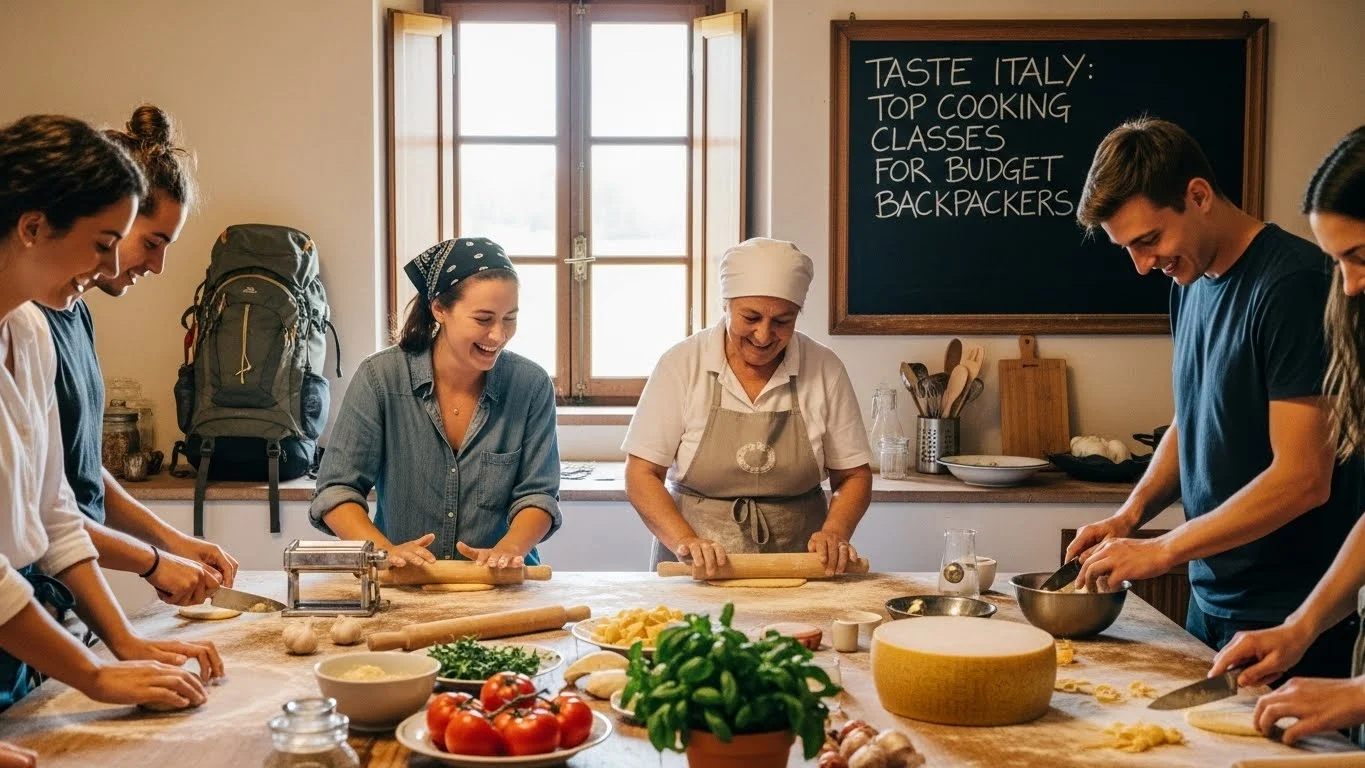
Unlock Italian Flavors: Budget-Friendly Cooking Classes

Italian cuisine is a delightful journey of flavors, and what better way to explore it than through cooking classes that won’t break the bank? Let’s dive into this culinary adventure together! Read Interesting article: Taste Italy: Top Cooking Classes for Budget Backpackers

Unlock Italian Flavors: Budget-Friendly Cooking Classes

Understanding Italian Cuisine

When I think about Italian cuisine, my mind instantly fills with vivid memories of shared meals, fragrant herbs, and the rich history behind each dish. Italian cooking is more than just food; it’s a celebration of ingredients, techniques, and regional variations that reflect the country’s diverse culture. From the bustling streets of Rome to the serene landscapes of Tuscany, Italian cuisine offers something for everyone. In this section, let’s explore the key elements that make Italian cooking so special.

Key Ingredients in Italian Cooking

One of the first things I learned about Italian cooking is that it relies heavily on a few key ingredients that serve as the backbone of most dishes. Fresh, high-quality ingredients are essential. Think of ripe tomatoes, aromatic basil, excellent olive oil, and a variety of cheeses like Parmigiano-Reggiano and mozzarella. When I started cooking Italian food, I realized that the best dishes come from simple ingredients used thoughtfully.

For instance, I remember my first attempt at making Caprese salad. With just fresh tomatoes, mozzarella, basil, a drizzle of good olive oil, and a sprinkle of salt, I was amazed at how something so simple could be so delicious. The freshness of the ingredients truly makes a difference. I find that sourcing local produce or high-quality pantry staples can elevate any dish I prepare.

Traditional Cooking Techniques

Alongside the ingredients, traditional cooking techniques play a crucial role in Italian cuisine. Techniques like sautéing, braising, and slow cooking allow the flavors to develop beautifully. I’ve spent countless weekends experimenting with these methods, and I can genuinely say that patience is key. For example, when I make a ragu, I let it simmer for hours, allowing the flavors to meld and deepen. The result is a rich, hearty sauce that perfectly complements pasta.

Another technique I’ve found essential is the art of making fresh pasta. I took a cooking class where the instructor emphasized the importance of kneading the dough until it’s smooth and elastic. The satisfaction of rolling out pasta dough and cutting it into fettuccine or ravioli is unmatched. Each time I incorporate this technique, I feel a deeper connection to the Italian culinary tradition.

Regional Variations of Italian Dishes

Italian cuisine is also incredibly diverse, with each region boasting its own specialties. I’ve always been fascinated by how ingredients and cooking styles vary from one area to another. For instance, Northern Italy is known for its creamy risottos and polenta, while Southern Italy shines with its vibrant tomato-based dishes and fresh seafood. When I traveled to Sicily, I was blown away by the use of citrus and fresh fish in their cooking, something I hadn’t encountered before.

Learning about these regional variations has inspired me to experiment with different flavors and techniques in my own kitchen. I remember trying my hand at making a Sicilian caponata, which is a sweet and sour eggplant dish. The combination of flavors—sweet raisins, tangy capers, and savory eggplant—was a revelation. It’s fascinating how each region’s history and geography shape its culinary identity.

Through cooking classes, I’ve gained a better understanding of these regional nuances. During one class, we focused solely on Tuscan cuisine, highlighting the use of local olive oil, hearty legumes, and rustic bread. It enriched my appreciation for how geography influences food choices and preparation methods.

Benefits of Taking Cooking Classes

Taking cooking classes has become one of my favorite activities. Besides the joy of learning, these classes offer numerous benefits that go beyond just cooking. I’ve discovered that immersing myself in Italian cooking not only enhances my culinary skills but also connects me to the culture and community. Let’s explore some of these benefits.

Enhancing Culinary Skills

Every time I step into a cooking class, I feel a mix of excitement and nervousness. I know I’m about to learn something new. The hands-on experiences help me refine my skills, whether it’s perfecting my knife techniques or mastering the art of sauce-making. The instructors are usually passionate about what they teach, and their tips and tricks have been invaluable. For me, it’s not just about following a recipe but truly understanding the techniques behind it.

I still remember a class focused on making homemade gnocchi. At first, I struggled with the dough’s consistency, but with the instructor’s guidance, I finally got it right. The feeling of making something from scratch, knowing I could recreate it at home, was incredibly fulfilling.

Understanding Italian Culture Through Food

Cooking classes also provide a unique window into Italian culture. I’ve learned that food is an integral part of Italian life, often associated with family gatherings and celebrations. During one class, we discussed the significance of Sunday dinners in Italy and how food brings people together. This cultural context has deepened my appreciation for each dish I prepare.

Incorporating traditional recipes into my cooking has allowed me to share a piece of Italian culture with my friends and family. I love hosting dinner parties where I recreate the meals I’ve learned in class, telling stories about the dishes and their origins. It feels like I’m bridging the gap between my kitchen and Italy.

Social Aspects of Cooking Classes

Beyond the cooking skills and cultural insights, the social aspect of cooking classes is something I cherish. I’ve met incredible people who share my love for food. The shared experience of cooking and dining together fosters a sense of community. I remember one class where we all worked together to prepare a full Italian meal, from antipasti to dessert. The laughter, stories, and delicious food created bonds that often extended beyond the class itself.

Cooking together not only enhances my skills but also forms lasting friendships. I’ve even joined a cooking club with some classmates, where we regularly gather to cook and explore new recipes. These connections have made my culinary journey all the more enjoyable.

Finding Budget-Friendly Cooking Classes

When I first decided to dive deeper into Italian cooking, I was a bit concerned about the cost of classes. Cooking classes can vary widely in price, and I wanted to make sure I could find options that wouldn’t strain my budget. Thankfully, I discovered several avenues to explore that offered fantastic learning experiences without breaking the bank. Let me share some of the options I found that worked for me. Read Interesting article: Explore Italy: Best Budget Cooking Classes for Travelers

Online Platforms for Cooking Classes

One of the best discoveries I made was the variety of online platforms offering cooking classes. Websites like Udemy, Skillshare, and MasterClass provide a range of courses in Italian cooking at reasonable prices. I remember stumbling upon a pasta-making class on Udemy that was on sale for just $10! It was a steal, and the instructor was incredibly engaging. I was able to watch the videos at my own pace, pausing and replaying them as needed. This flexibility made it much easier to practice the techniques at home.

Another great resource is YouTube. There are countless cooking channels dedicated to Italian cuisine. I often found myself watching tutorials while cooking, taking notes on tips and tricks that I could apply immediately. Some of my favorite channels have hosted complete series on Italian cooking, focusing on everything from sauces to desserts—all for free!

Local Community Centers and Their Offerings

Don’t underestimate the value of local community centers! I discovered that many of them offer cooking classes at very affordable rates. When I checked out my local community center, I was delighted to find a series of Italian cooking classes scheduled for just $20 each. They provided a wonderful opportunity to learn new recipes while connecting with others in my neighborhood. I remember attending a class on making gnocchi, and not only did I learn to make it from scratch, but I also met some lovely people who shared my passion for cooking.

Many community centers also provide a chance to explore various cuisines, so it’s worth checking the schedule regularly to see what classes might be coming up. You might just find a hidden gem that sparks your culinary creativity!

Cooking Schools with Affordable Packages

Some culinary schools offer short courses or workshops at lower prices compared to their full programs. I decided to reach out to a nearby cooking school, and to my surprise, they had a special deal on Italian cooking classes. They offered a series of three classes focused on different aspects of Italian cuisine for a fraction of the price of their standard courses. It felt like a mini-investment in my culinary education.

Attending these classes was a game-changer for me. The instructors were professional chefs who shared their expertise and insights, making the experiences both educational and enjoyable. The hands-on nature of these classes helped reinforce what I had learned online, and I appreciated the immediate feedback from the instructors.

When searching for cooking schools, I recommend keeping an eye out for seasonal discounts or promotions, especially around holidays. You never know when you might find an amazing deal that offers a fantastic culinary experience! Read Interesting article: Savor Local Cuisine: Budget-Friendly Food Journeys

Types of Cooking Classes Available

Now that I’ve shared how to find budget-friendly cooking classes, let’s explore the different types of classes available. Each format has its unique benefits, and I’ve had my fair share of experiences with them.

Hands-On Cooking Experiences

Hands-on classes are my absolute favorite! There’s something so rewarding about getting your hands dirty and creating a dish from scratch. In these classes, you get to actively participate in the cooking process. I vividly remember a hands-on class where we prepared a classic Italian meal together—everything from the appetizer to dessert. It was exhilarating to chop, sauté, and plate our dishes while receiving guidance from skilled chefs. I love that these classes allow for experimentation and learning through doing.

These experiences also give you the opportunity to ask questions in real-time, which is something I find invaluable. The camaraderie that develops among participants while cooking together makes it feel like a celebration, and I often leave with not just new skills but new friends, too.

Virtual Cooking Classes

Virtual cooking classes gained popularity recently, and I was skeptical at first. However, I decided to give one a try, and I was pleasantly surprised! These classes allow you to cook from the comfort of your kitchen while connecting with instructors and fellow participants via video. I joined a virtual class focused on Italian sauces, and it was fascinating to see how others approached the same recipes from their own kitchens.

What I love about virtual classes is their convenience. I can log on from anywhere and not worry about travel time or logistics. Plus, I can always revisit the recorded sessions if I want to brush up on techniques later. They’re an excellent way to stay engaged with cooking, especially when time or distance is a factor.

Specialty Classes Focused on Regional Dishes

Another wonderful type of class I’ve explored is those focused specifically on regional dishes. I sought out a class dedicated to Sicilian cuisine and was amazed at the depth of knowledge shared by the instructor. Learning about the unique ingredients and techniques native to specific regions felt like unlocking a treasure chest of culinary wisdom. I remember making Sicilian arancini, which are stuffed rice balls, and discovering how to infuse flavors that are characteristic of the region.

These specialty classes often dive deeper into the history and culture behind the dishes, making the experience even richer. It’s a fantastic way to broaden your culinary horizons and celebrate the diversity of Italian cuisine.

Popular Dishes to Learn in Cooking Classes

As I dove deeper into Italian cooking, I found that certain dishes not only formed the backbone of Italian cuisine but also offered a fantastic learning experience in classes. Each dish has its unique story and technique. Here are a few favorites that I believe every aspiring cook should explore.

Pasta Making: From Scratch to Sauce

Pasta making is a rite of passage for anyone interested in Italian cooking. I remember my first class dedicated entirely to pasta—it felt like a celebration! We started with simple ingredients: flour, eggs, and a pinch of salt. The joy of mixing, kneading, and rolling out the dough was exhilarating. I learned that the key to perfect pasta lies in the texture; it should be smooth yet firm.

What really transformed my understanding was learning how to pair the pasta with different sauces. I experimented with a classic marinara, rich with garlic and basil, and even tried my hand at a creamy Alfredo. It was incredible to see how the right sauce can elevate the simplest of pastas. This experience taught me that cooking is about balance and harmony, where each element complements the others beautifully.

Pizza: The Art of Neapolitan Style

Who doesn’t love pizza? I’ve always been a fan, but learning to make traditional Neapolitan pizza was a game changer. I enrolled in a class that focused on the entire process—from making the dough to selecting the freshest toppings. The instructor taught us that the dough should be allowed to rise slowly to develop flavor and texture. I remember forming the dough into a perfect circle, a task that required some finesse!

One of the highlights was learning how to use a wood-fired oven. The intense heat creates a unique crust that’s crispy on the outside yet soft and chewy on the inside. I experimented with classic Margherita toppings: fresh mozzarella, basil, and a drizzle of olive oil. The taste was out of this world! This class made me appreciate the simplicity and quality of ingredients that make Italian pizza so special.

Risotto: Techniques for Perfect Texture

Risotto is another dish that I found particularly enjoyable to learn. It’s often seen as a comfort food, and I could see why after making my first batch. The key to a creamy risotto lies in patience and technique. I remember standing over the stove, slowly adding broth and stirring continuously. It felt almost meditative.

In class, we tried various risotto recipes, but my favorite was the classic Risotto alla Milanese, infused with saffron. The instructor emphasized the importance of toasting the rice before adding the liquid, which deepens the flavor. Each grain absorbed the broth beautifully, resulting in a creamy, luxurious dish. I left that class not just with a delicious recipe but also with the confidence to experiment with my variations at home.

Tips for Making the Most of Your Cooking Class

Having attended several cooking classes, I’ve gathered some insights that can help anyone looking to enhance their experience. Cooking classes can be a whirlwind of activity, and with a few tips, you can make the most of them.

Preparation Before Attending

Before attending a class, I always try to familiarize myself with the recipes we’ll be making. Sometimes the class outlines are shared in advance, which gives me a chance to read about the dishes and even watch a few tutorials online. This preparation helps me feel more confident and ready to engage during the class. I also suggest wearing comfortable clothes and closed-toed shoes since you’ll be on your feet quite a bit!

Engaging with Instructors and Peers

One of the best parts of cooking classes is the opportunity to interact with instructors and fellow food enthusiasts. I always make it a point to ask questions, share my thoughts, and engage in discussions. The instructors often have a wealth of knowledge and personal stories that enrich the experience. Plus, connecting with classmates can lead to friendships that extend beyond the kitchen, which is something I cherish.

Practicing Skills at Home

After each class, I make it a priority to practice the skills I learned at home. Whether it’s recreating a dish or trying out new techniques, this practice is essential for solidifying what I learned. I keep my notes from class handy and refer back to them to ensure I’m following the techniques correctly. The more I practice, the more confident I become in my cooking abilities, and I find joy in the process.

How to Incorporate Italian Flavors at Home

Bringing the essence of Italian cuisine into my home has been one of the most rewarding aspects of my culinary journey. I’ve discovered that with the right tools, ingredients, and simple recipes, I can recreate the magic of Italian cooking in my own kitchen.

Essential Tools and Utensils

Having the right tools makes a significant difference in cooking. I’ve invested in a few essential items that I can’t live without when preparing Italian dishes. A good quality chef’s knife is a must for chopping herbs and vegetables, while a sturdy cutting board makes prep work easier. I also recommend investing in a pasta machine if you intend to make fresh pasta regularly. It’s a game changer!

Other tools I’ve found useful include a reliable pot for making risotto and a pizza stone for achieving that perfect crust at home. I’ve learned that having the right equipment can make cooking more enjoyable and efficient.

Shopping for Authentic Ingredients

Authenticity is key when it comes to Italian cooking. I always try to source high-quality ingredients. Fresh herbs, premium olive oil, and authentic Italian cheeses can elevate any dish. I love visiting local Italian markets or specialty grocery stores where I can find these items. It’s also a great chance to chat with knowledgeable staff who can recommend new ingredients to try out.

Simple Recipes to Try After Class

After each cooking class, I’ve made it a habit to try at least one or two new recipes at home. Simple dishes like Caprese salad or spaghetti aglio e olio can be whipped up quickly using fresh ingredients. I often find that the simplest recipes can be the most satisfying. I encourage you to explore and have fun with flavors—Italian cuisine is all about enjoyment and sharing meals with loved ones!

Cost Considerations for Cooking Classes

While cooking classes can be a fantastic investment in your culinary journey, it’s essential to be mindful of the costs involved. Understanding what to expect can help you plan better and make the most of your experience.

Average Class Prices and What to Expect

The price of cooking classes can vary greatly depending on the location, instructor, and duration. In my experience, most classes range from $25 to $150. I’ve found that hands-on classes are often more expensive due to the ingredients and materials provided, but they tend to offer the best learning experiences. It’s worth doing a bit of research to find classes that fit your budget and offer quality instruction.

Additional Costs: Ingredients and Equipment

While some cooking classes include ingredient costs in their fees, others may require you to bring certain items or contribute to a shared ingredient pool. It’s always good to clarify this when signing up. I always budget a little extra for any unexpected costs or materials that might be necessary for the class.

Finding Discounts and Promotions

Keep an eye out for discounts or promotions, especially if you’re planning to take multiple classes. Many cooking schools offer package deals, and I’ve found some community centers have seasonal sales. Signing up for newsletters from local cooking schools can also alert you to special offers and last-minute deals. Taking advantage of these options can make attending classes much more affordable!

Reviews and Recommendations

As I ventured into the world of cooking classes, I found that reviews and recommendations from fellow food lovers were invaluable. They often provided insights that helped me choose the best classes to attend.

Top-Rated Budget Cooking Classes

After researching and attending various classes, I compiled a list of top-rated budget cooking classes. These classes often received glowing reviews for their instructors, content, and overall experience. I remember taking a beginner’s Italian cooking class that had fantastic feedback. The instructor was not only knowledgeable but also made the class fun and engaging. Hearing others’ experiences helped me find classes that truly delivered on their promises.

Student Testimonials and Experiences

Reading student testimonials can give you a glimpse of what to expect. I often find that testimonials highlight not just the skills learned but also the overall environment of the class. I came across a review that mentioned how welcoming and supportive the instructor was, which made me feel more confident about signing up. Hearing real-life experiences made it easier to choose classes that would be a good fit for me.

Comparing Different Class Formats and Pricing

Lastly, I recommend comparing different class formats and pricing before committing. Some schools offer a variety of options, including hands-on, virtual, and specialty classes. I’ve taken the time to weigh the pros and cons of each format, considering factors like convenience, availability, and my personal learning style. This approach allowed me to find classes that aligned with my goals while fitting my budget.

Frequently Asked Questions

What are the key ingredients commonly used in Italian cooking?

Italian cooking relies heavily on fresh, high-quality ingredients such as ripe tomatoes, aromatic basil, excellent olive oil, and various cheeses like Parmigiano-Reggiano and mozzarella.

What traditional cooking techniques are important in Italian cuisine?

Key techniques include sautéing, braising, and slow cooking, which help develop the flavors of the dishes. Making fresh pasta by kneading dough until smooth and elastic is also essential.

How do regional variations influence Italian dishes?

Each region in Italy has its own specialties, with Northern Italy known for creamy risottos and polenta, while Southern Italy is famous for tomato-based dishes and fresh seafood. The history and geography of each region shape its culinary identity.

What benefits do cooking classes offer beyond cooking skills?

Cooking classes enhance culinary skills, provide cultural insights into Italian life, and foster social connections with fellow cooking enthusiasts.

How can I find budget-friendly cooking classes?

Budget-friendly options include online platforms like Udemy and Skillshare, local community centers offering affordable classes, and culinary schools that provide short courses at lower prices.

What types of cooking classes are available?

There are various types of cooking classes, including hands-on cooking experiences, virtual cooking classes, and specialty classes focused on regional dishes.

What popular Italian dishes should I learn in cooking classes?

Popular dishes include pasta making, traditional Neapolitan pizza, and risotto, each offering unique techniques and flavors that are central to Italian cuisine.

What tips can help enhance my experience in cooking classes?

Preparation before attending, engaging with instructors and peers, and practicing skills at home are crucial for maximizing the learning experience in cooking classes.

How can I incorporate Italian flavors into my cooking at home?

To bring Italian flavors home, invest in essential tools, shop for authentic ingredients, and try simple recipes like Caprese salad or spaghetti aglio e olio using fresh ingredients.

What should I consider regarding the costs of cooking classes?

Costs can vary widely, typically ranging from $25 to $150. It’s important to clarify whether ingredient costs are included, budget for additional materials, and look for discounts or promotions.

Taste Italy: Top Cooking Classes for Budget Backpackers

Italy is a treasure trove of culinary delights, and what better way to experience its rich culture than through cooking classes? For budget backpackers, these classes offer an affordable and immersive way to taste the heart of Italian cuisine. Explore Italy: Best Budget Cooking Classes for Travelers can help you find the perfect fit.

Taste Italy: Top Cooking Classes for Budget Backpackers

Why Cooking Classes Are Essential for Backpackers in Italy

When I first ventured into the vibrant streets of Italy, I was captivated not just by the sights but by the tantalizing aromas wafting from every corner. Cooking classes quickly became my go-to experience, and I believe they should be on every backpacker’s itinerary. Here’s why.

The Experience of Authentic Italian Cuisine

Let’s face it; there’s a big difference between grabbing a pizza at a tourist trap and learning to make one from scratch in a local’s kitchen. I remember my first cooking class in Rome. We gathered around a rustic kitchen table, surrounded by fresh ingredients. I felt like I was stepping into a family gathering rather than just a formal class. Our instructor shared stories about each dish, making it feel personal. From kneading pasta dough to rolling it out, every step was a delicious adventure. I can still taste the homemade marinara sauce we whipped up together, bursting with flavors that no restaurant could replicate.

Cooking classes allow us to dive headfirst into authentic Italian cuisine. It’s about more than just cooking; it’s about understanding the ingredients, the techniques, and the love that goes into each dish. I found that learning to prepare traditional meals not only expanded my culinary skills but also deepened my appreciation for Italian culture. Every bite I took afterward felt richer, knowing I had made it myself. Master Italian Cuisine: Affordable Cooking Classes Abroad to explore more about enhancing your cooking journey.

Meeting Locals and Other Travelers

One of the most rewarding aspects of cooking classes is the people you meet. During my time in Florence, I had the pleasure of meeting fellow travelers from all over the world. As we chopped vegetables and shared kitchen tips, I realized how universal food can be. Connecting with locals was another highlight. In my class, the chef wasn’t just teaching us; he was sharing his family recipes, passed down through generations. It felt like I was gaining insider knowledge, something you can’t find in guidebooks.

These interactions created a unique bond among us. We swapped travel stories while waiting for our pasta to cook, and I made friends I’ll cherish for years to come. I truly believe that food brings people together, and cooking classes are a fantastic way to foster those connections. They create an atmosphere of camaraderie, where laughter and learning go hand in hand.

Best Cities in Italy for Cooking Classes

Italy is filled with culinary hotspots, each offering a unique twist on cooking classes. If you’re planning your trip, here are some of the best cities to consider.

Rome: Capital Flavors

Rome is a fantastic starting point. The city’s rich history and diverse cuisine make it a prime spot for cooking classes. I took a class in Trastevere, where I learned to make classic Roman dishes like Carbonara and Saltimbocca. The vibrant atmosphere of the neighborhood added to the experience, as we shared our meals with beautiful views of cobblestone streets. The instructors were passionate about their city, and their enthusiasm was infectious.

Florence: Tuscan Traditions

Florence is another city I can’t recommend enough for cooking classes. Here, I discovered the art of Tuscan cooking, which emphasized fresh, seasonal ingredients. I learned to make Pici, a hand-rolled pasta that was surprisingly simple. The experience felt intimate, as we worked in a small kitchen filled with the scent of basil and olive oil. I remember how proud I felt rolling out my pasta, knowing it was a traditional dish that had been made in Tuscany for centuries.

Naples: The Birthplace of Pizza

Naples is a haven for pizza lovers, and taking a cooking class here is a must. I vividly remember being taught how to create a Neapolitan pizza. The simplicity of the ingredients—just flour, water, salt, and yeast—was an eye-opener. We mixed and kneaded the dough before tossing it in a wood-fired oven. The thrill of watching my pizza bubble and char was exhilarating! Plus, eating it right out of the oven was the cherry on top.

Bologna: Culinary Capital of Italy

Bologna is often called the culinary capital of Italy, and for good reason. The city is known for rich sauces and hearty pastas like Ragù. During my visit, I joined a cooking class that focused on making traditional Bolognese dishes. The instructors guided us through the process of making fresh pasta and the famous sauce. As we stirred the pot, they shared stories about the history of Bolognese cuisine, making it an unforgettable experience.

Each city offers something special in terms of cuisine and cooking experiences. I believe incorporating cooking classes into your travels will not only enhance your culinary skills but also deepen your connection with Italy’s culture and people. Whether you’re a beginner or a seasoned cook, these classes are a delightful way to explore Italy—one dish at a time. Experience Local Flavors: Cheap Cooking Classes Worldwide for more options around the globe.

Types of Cooking Classes Available

As I explored different regions of Italy, I discovered that cooking classes come in a variety of formats, each offering a unique experience. I found that choosing the right type of class can enhance the overall adventure, turning a simple cooking session into a memorable journey. Here are some popular types of cooking classes I encountered during my travels.

Hands-On Cooking Workshops

One of my favorite types of classes was the hands-on cooking workshop. In these sessions, you get to actively participate in every step of the cooking process, from preparing the ingredients to plating the final dish. I vividly remember a workshop in Florence where we made traditional Tuscan dishes. The instructor guided us as we chopped vegetables, kneaded dough, and stirred sauces. It was exhilarating to see how my effort transformed simple ingredients into a beautiful meal. By the end of the class, I felt a sense of accomplishment as we sat down to enjoy the fruits of our labor together.

These workshops often have a relaxed atmosphere, which encourages creativity and experimentation. I appreciated the chance to ask questions and learn directly from skilled chefs. Plus, the immediate feedback I received helped me improve my techniques on the spot. If you love getting your hands dirty in the kitchen, these workshops might just be your perfect fit!

Market Tours with Cooking Classes

Another fantastic experience I had was taking part in market tours combined with cooking classes. These classes typically start at a local market, where you learn about the freshest ingredients and how to select the best produce. I remember wandering through a bustling market in Naples, surrounded by vibrant colors and enticing aromas. Our instructor shared tips on choosing ripe tomatoes and the best herbs for our dishes.

After the market tour, we headed back to the kitchen to prepare a meal using the very ingredients we had just selected. This connection to the source of our food made the dishes even more special. It was a full-circle moment that deepened my appreciation for the flavors and traditions of Italian cuisine. I think market tours are a wonderful way to immerse yourself not just in cooking, but in the culture of the region.

Specialty Classes (Pasta, Pizza, etc.)

If you have a specific dish in mind that you want to master, specialty classes are the way to go. During my travels, I signed up for a pizza-making class in Naples, which was an absolute highlight. Here, the focus was solely on perfecting the art of making authentic Neapolitan pizza. The instructor was a local pizzaiolo, and he shared family secrets, from the dough to the sauce.

Specialty classes are usually shorter, lasting just a few hours, making them perfect for travelers on a tight schedule. I found that these focused sessions allow for a deeper dive into particular techniques and cuisines. Whether you’re interested in crafting fresh pasta, making gelato, or mastering the art of risotto, there’s likely a class out there that caters to your culinary desires.

Top Budget-Friendly Cooking Classes in Italy

As a budget backpacker, I was thrilled to find that many cooking classes in Italy are not only enriching but also affordable. Here are some budget-friendly options that I discovered during my travels, offering amazing value without skimping on experience.

Rome Cooking Class Recommendations

In Rome, I found a charming cooking class that offered a pasta-making workshop for under fifty euros. The small group size allowed for personalized attention, and we even enjoyed a meal afterward, tasting the dishes we created. I highly recommend searching for classes that include dinner, as it often enhances the experience, allowing you to savor your creations in a lovely setting.

Florence Cooking Class Recommendations

Florence has numerous affordable cooking classes, but one that stood out to me was a market-to-table experience. For a reasonable price, we explored the local markets and then cooked a meal together. The emphasis on fresh ingredients and local flavors made it a memorable experience, and the price included everything from the market tour to the meal. I felt like I was getting a full Florentine experience for my money!

Naples Cooking Class Recommendations

In Naples, I couldn’t resist joining a pizza-making class that was held in a local pizzeria. It was surprisingly budget-friendly, and the atmosphere was electric. We learned to make authentic Neapolitan pizza, and the class included unlimited tastings. I left feeling satisfied and with a newfound love for pizza that I could replicate back home.

Bologna Cooking Class Recommendations

Bologna offers a variety of cooking classes, but one that I absolutely loved was focused on making traditional tortellini. For a reasonable fee, we were shown the techniques behind this iconic dish. The instructor encouraged us to embrace our creativity, which made the experience even more enjoyable. Plus, we enjoyed a delicious meal at the end, which made every euro spent worthwhile.

Each of these classes provided incredible value and allowed me to connect deeply with Italian cuisine and culture, all while keeping my budget in check. I think finding budget-friendly options is crucial for backpackers who want to enrich their travel experiences without breaking the bank.

What to Expect from a Cooking Class

Typical Class Structure

Walking into my first cooking class, I wasn’t sure what to expect. Would it be formal? Would I be the only beginner? As it turned out, the atmosphere was warm and inviting, much like a dinner party at a friend’s house. Typically, these classes start with a friendly introduction from the chef. I remember how our instructor in Florence welcomed us with a glass of local wine, instantly easing any nerves. This set the tone for the day ahead; it felt less like a rigid lesson and more like an enjoyable gathering.

Most classes I attended usually began with a brief overview of the day’s menu. The instructor would explain the dishes we were going to prepare, often sharing anecdotes about their personal experiences with each recipe. I found that this storytelling added a layer of richness to the cooking process. After that, we would dive right in—chopping, mixing, and cooking side by side. There was a wonderful rhythm to the experience, with everyone engaged and learning from one another.

Ingredients and Equipment Used

One of the things that struck me was how much emphasis was placed on using fresh, high-quality ingredients. I remember being in a class in Bologna where we used locally sourced vegetables and artisanal pasta. The chef explained the importance of ingredient quality, which resonated with me. They often provided a rundown of the tools and equipment we’d be using, which ranged from simple knives to traditional Italian cooking gadgets. I felt empowered as I learned how to handle each tool, especially the pasta machine that seemed intimidating at first!

In many classes, there’s also an opportunity to learn about regional specialties and where to find the best ingredients in local markets. I took a class in Naples where the chef introduced us to the best tomatoes for pizza sauce—San Marzano tomatoes, and oh, how they made a difference! This hands-on experience with quality ingredients was enlightening, and I often found myself thinking about how I could replicate these practices at home.

What You Will Learn (Techniques and Recipes)

The educational aspect of cooking classes is something I truly valued. Each session was packed with practical skills and techniques that I could apply long after my travels. During my pizza-making class in Naples, I learned the art of dough making—how to get the perfect elasticity and texture. It was fascinating to see how a few simple ingredients could come together to create something so delicious.

Beyond just following recipes, I appreciated how the chefs took the time to explain the ‘why’ behind each step. In one class, for instance, I learned why it’s important to let pasta rest before rolling it out. This kind of knowledge deepened my understanding of cooking as a craft rather than just a series of steps to follow.

Classes often cover a range of classic recipes, from pasta and sauces to desserts like tiramisu or panna cotta. I remember making fresh gelato in Florence, and it was a game changer for me! The joy I felt when tasting my own creation was immense. I think what I loved most was that the skills I gained were transferable; I could recreate these dishes back home and share my Italian experiences with family and friends.

In short, cooking classes in Italy are not just about food; they are immersive learning experiences that connect you to the culture and traditions of the country. Whether you’re a novice cook or someone looking to refine your skills, there’s something for everyone. The blend of hands-on participation, quality ingredients, and the joy of cooking together creates lasting memories—one that I will cherish forever.

Tips for Finding Affordable Classes

Online Platforms for Booking

I found that the internet is a treasure trove when it comes to finding cooking classes in Italy. There are so many online platforms where you can book classes ahead of time, which not only gives you a chance to compare prices but also to read reviews from fellow travelers. Websites like Viator and Airbnb Experiences are fantastic for discovering local cooking classes at various price points. I remember scrolling through countless options, finding classes that fit my budget while still promising an authentic experience. Booking online also gives you the advantage of seeing what’s included—like meals, wine, or market tours—so you can plan accordingly. Plus, having a reservation gives you peace of mind, knowing you have a spot secured in that cozy kitchen!

Local Recommendations and Word of Mouth

While online searches are helpful, some of my best finds came from chatting with locals or fellow travelers. I remember having a coffee in a small café in Bologna when I struck up a conversation with the barista. She mentioned a hidden gem of a cooking class that wasn’t advertised online. I took her advice and ended up having one of the most memorable cooking experiences of my trip! I always recommend asking for suggestions from people who live in the area. They often know of classes that might not be on the big websites, and you might even uncover some fantastic deals.

Off-Peak Season Discounts

If your travel dates are flexible, consider visiting during the off-peak season. I noticed that many cooking schools offered discounts during quieter months, which made it easier on my wallet. I traveled to Italy in late fall, and I was able to join a pasta-making workshop in Florence for a fraction of the usual price. The smaller crowds meant I also received more personal attention from the chef, enhancing my learning experience. So, if you can swing it, timing your trip can make a significant difference in what you get for your money!

Budgeting for Cooking Classes in Italy

Average Costs of Classes

As I navigated through various cooking classes, I discovered that prices can vary widely based on location, class length, and what’s included. On average, I found that most classes ranged from 50 to 150 euros. For a hands-on experience with a meal included, I think spending around 70 to 100 euros is often a sweet spot. However, you can also find shorter classes or specialty workshops that are budget-friendly, sometimes even under 50 euros. I loved the thrill of finding great value while still indulging in authentic Italian culture!

Additional Expenses to Consider (Ingredients, Tools, etc.)

While many cooking classes include ingredients in the price, it’s wise to ask if there are any additional costs, especially for specialty classes. Some might have extra charges for specialized ingredients or tools you might want to use. I learned this the hard way during a gelato-making class where we were encouraged to buy unique flavors. It was a worthwhile splurge, but knowing about it beforehand would have helped me budget better. Other expenses, like transportation to the class or any additional meals, should also be factored in. I usually set aside a little extra cash for spontaneous experiences, which often turned out to be the highlights of my travels!

Combining Cooking Classes with Travel in Italy

Suggested Itineraries for Cooking Class Tours

One of the most enriching ways to experience Italy is by combining cooking classes with your travel itinerary. For instance, if you’re planning to visit Florence and Bologna, consider taking a class in each city, focusing on Tuscan and Bolognese cuisine respectively. I crafted an itinerary that allowed me to take a class in the morning, then spend the afternoon exploring the local sights. This mix of food and culture made my trip unforgettable. I suggest mapping out your classes based on the regions you’ll be visiting, allowing you to learn about local specialties while exploring each area.

Other Cultural Experiences to Pair with Cooking Classes

Cooking classes are just one of many cultural experiences to enjoy in Italy. I made it a point to pair my classes with wine tastings or food tours. For example, after a cooking class in Bologna, I took a guided food tour of the city, sampling local cheeses and cured meats. This not only expanded my culinary knowledge but also satisfied my taste buds. I believe that immersing myself in various experiences deepened my understanding of Italian culture and enhanced my overall travel experience. Plus, the stories and flavors I encountered intertwined beautifully with each cooking lesson I attended!

Final Thoughts

Embarking on a culinary journey through Italy is not just about learning to cook; it’s about connecting with the heart and soul of the culture. From the vibrant markets to the rustic kitchens, every cooking class I attended enriched my understanding of Italian traditions and flavors. I discovered that food has the magical ability to bring people together, creating bonds that transcend language and geography. Whether you’re a novice cook or a seasoned chef, there’s a world of flavors waiting for you in Italy. So, grab your apron, and let the aroma of fresh basil and simmering sauces lead you on an adventure you won’t forget!

Frequently Asked Questions

Why are cooking classes essential for backpackers in Italy?

Cooking classes provide an affordable and immersive way for backpackers to experience authentic Italian cuisine, allowing them to learn techniques, understand ingredients, and connect with local culture.

What can I expect from a typical cooking class in Italy?

Most cooking classes begin with a friendly introduction from the chef, followed by an overview of the day’s menu. Participants engage in hands-on cooking, learning about ingredients and techniques while enjoying a warm, inviting atmosphere.

What type of experiences do cooking classes offer?

Cooking classes offer various experiences, including hands-on workshops, market tours combined with cooking, and specialty classes focused on specific dishes like pasta or pizza, allowing participants to engage deeply with Italian culinary traditions.

Which cities in Italy are best for cooking classes?

Some of the best cities for cooking classes in Italy include Rome, Florence, Naples, and Bologna, each known for its unique culinary styles and experiences.

Are there budget-friendly cooking class options in Italy?

Yes, many cooking classes in Italy are affordable. Options can range from pasta-making workshops under fifty euros to market-to-table experiences in Florence that provide great value while enhancing the overall experience.

What should I look for when booking a cooking class?

When booking a cooking class, consider checking online platforms for reviews and prices, seeking local recommendations, and looking for discounts during off-peak seasons to find the best deals.

What kind of ingredients and tools are typically used in cooking classes?

Cooking classes emphasize using fresh, high-quality ingredients sourced locally. Participants will also learn about various tools and equipment used in traditional Italian cooking, enhancing their hands-on experience.

What types of dishes will I learn to make in cooking classes?

Participants can expect to learn a variety of classic Italian dishes, including pasta, sauces, pizza, and desserts like tiramisu or gelato, gaining practical skills that they can replicate at home.

How can I combine cooking classes with other cultural experiences in Italy?

Combining cooking classes with other cultural experiences, such as wine tastings or food tours, enriches the travel experience and deepens understanding of Italian culture.

What are some tips for budgeting for cooking classes in Italy?

When budgeting for cooking classes, consider the average costs ranging from 50 to 150 euros, ask about any additional expenses for specialty ingredients, and set aside extra cash for transportation or spontaneous experiences.

Explore Italy: Best Budget Cooking Classes for Travelers

Italy is a treasure trove of culinary delights, and what better way to experience it than through cooking classes? These classes not only teach you recipes but also immerse you in the rich culture of Italian cuisine. Read Interesting article: Top 10 Budget Cooking Classes to Elevate Your Travels

Explore Italy: Best Budget Cooking Classes for Travelers

Why Choose Cooking Classes in Italy?

When I think about traveling to Italy, the first thing that comes to mind is the food. From the vibrant street markets to the cozy trattorias, Italian cuisine is more than just meals; it’s a way of life. Taking a cooking class while exploring this beautiful country allows us to understand the cultural significance behind each dish. We don’t just learn to cook; we engage in a tradition that has been passed down through generations.

The Cultural Significance of Italian Cuisine

Italian cuisine is steeped in history and tradition. Each region in Italy boasts its own unique flavors, ingredients, and cooking techniques. I remember my first cooking class in Florence, where the instructor passionately explained how certain dishes reflect the local agricultural practices and seasonal availability of ingredients. It was fascinating to learn that the rich flavors of a Tuscan ragu come from centuries of culinary practice, each adding a layer of depth to the dish. The pride Italians take in their food is palpable, and being able to participate in this cultural experience is something I’ll cherish forever.

Benefits of Learning to Cook While Traveling

Learning to cook while traveling offers numerous benefits. For one, it allows us to connect with the local culture on a deeper level. I found that cooking classes often provide insights into the traditions and customs of the region. Plus, there’s a certain joy in preparing a meal from scratch, especially when we get to enjoy it afterward! I remember sitting down with my classmates to share our creations, and it felt like a celebration of the day’s hard work.

Moreover, cooking classes can save us money in the long run. By learning how to make traditional dishes, we can recreate them at home, impressing friends and family with our newfound skills. I often reminisce about the time I made homemade pasta for my friends back home. Sharing that experience with them made me feel closer to my Italian adventure. Read Interesting article: Taste the World: Best Cooking Classes for Budget Travelers

Top Destinations for Cooking Classes in Italy

Italy is filled with incredible destinations for cooking classes, and each place offers a unique culinary perspective. I’ve had the pleasure of exploring several of these locations, and I can confidently say that each one is worth a visit.

Florence: The Heart of Tuscan Cuisine

Florence is a dream for food lovers. The city is known for its rustic and hearty Tuscan dishes. During my time there, I immersed myself in a local cooking class where we learned to make classic dishes like pici pasta and ribollita soup. The experience was enriched by the fresh, local ingredients we used, sourced from nearby markets. Standing in the kitchen, the aroma of garlic and herbs wafting through the air, I felt connected to the heart of Tuscany.

Bologna: The Culinary Capital of Italy

Bologna is often referred to as the culinary capital of Italy, and for good reason. The city is famous for its rich sauces, like the iconic ragù alla bolognese. I took a class here that focused on making this traditional sauce, and I was amazed at how a few simple ingredients could create such depth of flavor. The instructors were enthusiastic and knowledgeable, sharing tips and tricks that I still use today.

Rome: Traditional Roman Dishes

In Rome, I found myself in a bustling kitchen learning to prepare beloved classics like carbonara and cacio e pepe. These dishes are deceptively simple, yet mastering them is an art. The cooking class emphasized the importance of using quality ingredients, and I remember how the creamy sauce clung perfectly to the pasta, creating a delightful balance of flavors. It was an experience that made me appreciate the simplicity and elegance of Roman cuisine.

Venice: Seafood and Local Specialties

Venice offers a different culinary landscape, heavily influenced by its proximity to the sea. I participated in a cooking class that focused on seafood, learning how to prepare dishes like risotto al nero di seppia (squid ink risotto). The freshness of the ingredients was astonishing, and the instructors shared stories about the local fishing traditions, which added another layer of appreciation to the meal. Cooking in Venice felt like a journey through the city’s rich maritime history.

Each of these destinations offers a unique opportunity to dive into Italian cooking, making the experience both educational and enjoyable. Whether you’re a novice or a seasoned cook, I believe there’s something for everyone in the world of Italian cuisine. The memories we create while learning and exploring together are truly priceless, and I can’t recommend it highly enough.

Budget-Friendly Cooking Classes

When I first considered taking cooking classes in Italy, I was a bit concerned about the costs. Traveling can add up quickly, and I wanted to ensure I was making a wise investment. However, I was pleasantly surprised to discover that there are plenty of budget-friendly options available, making it possible to enjoy these culinary experiences without breaking the bank. Read Interesting article: Master Italian Cuisine: Affordable Cooking Classes Abroad

Affordability in Italian Cooking Classes

Many cooking classes in Italy cater to various budgets, offering everything from affordable group sessions to more luxurious private experiences. I learned that local cooking schools often provide classes at lower prices compared to tourist-centric venues. For instance, I found a lovely class in Bologna for a fraction of what some of the more commercialized options were charging. The instructors were just as passionate and knowledgeable, proving that you don’t need to spend a fortune to enjoy an authentic culinary experience.

Additionally, some classes include a market tour, which not only helps us understand the local ingredients but also provides a chance to shop for fresh produce at reasonable prices. I remember visiting a local market with my class, where I was able to buy fresh basil and ripe tomatoes for our dishes. The experience was enriching and economical at the same time.

Comparing Prices: Group Classes vs. Private Lessons

Throughout my journey, I found that group classes tend to be more budget-friendly than private lessons. Participating in a group setting not only cuts costs but also allows for a fun, social atmosphere. I recall a cooking class in Florence where we were a group of ten, and the camaraderie made the experience even more enjoyable. We shared laughter, tips, and stories as we learned to roll out our pasta dough.

On the other hand, private lessons can be a great option if you’re looking for a more tailored experience. They often come with a higher price tag, but if you’re celebrating a special occasion or want to focus on specific dishes, it can be worth the splurge. I tried a private lesson in Venice where the chef customized the menu to match my preferences, and it felt incredibly special.

Types of Cooking Classes Available

As I delved deeper into the culinary world during my travels, I realized there are various types of cooking classes to choose from, each offering unique experiences. It’s fascinating to see how these classes can cater to different interests and skill levels.

Hands-On Cooking Experiences

Hands-on cooking classes are my favorite. There’s something magical about getting your hands dirty while learning to create mouthwatering dishes. In my experience, these classes often emphasize practical techniques. I remember making gnocchi from scratch, using just potatoes and flour. The instructor patiently guided us, and I loved how we all ended up with our personalized versions of the dish. The sense of accomplishment I felt when I served my gnocchi to my fellow class members was fantastic.

Market Tours and Cooking Combo Classes

Market tours combined with cooking classes are another great option. They offer a unique insight into local food culture and ingredient sourcing. I had the pleasure of joining a market tour in Naples, where we browsed vibrant stalls filled with fresh produce, seafood, and spices. After selecting our ingredients, we headed back to the kitchen to prepare a meal together. This combo experience not only taught me about the food but also allowed me to appreciate the community aspect of cooking.

Specialty Classes: Pasta-Making, Pizza, and More

Specialty classes focusing on specific dishes or techniques can also be a delightful way to enhance your skills. I took a pizza-making class in Rome that was an absolute blast. We learned the secrets behind the perfect dough and how to balance toppings for an authentic flavor. The pride I felt when I pulled my pizza from the oven, perfectly bubbly and golden, was something I’ll always remember. Specialty classes like these allow us to hone in on specific skills and truly master them.

What to Expect from a Cooking Class

When stepping into a cooking class in Italy, there’s a sense of excitement and anticipation. I’ve taken quite a few classes, and here’s what I found to be typical.

Class Structure: From Ingredients to Final Dish

The structure of a cooking class usually follows a straightforward format. It often begins with an introduction to the ingredients and dishes we’ll be preparing. I especially enjoyed the detailed explanations about the origins of each dish, which helped me appreciate the recipes even more. Then, we dive into the hands-on part, where we chop, sauté, and mix our way to creating something delicious. By the end of the class, everyone gathers around to enjoy the fruits of our labor, sharing stories and laughter over the meal we’ve all contributed to.

Common Techniques to Learn

Throughout my cooking classes, I learned various techniques that are essential to Italian cuisine. From mastering the perfect pasta shape to understanding the right way to balance flavors, these skills have served me well back home. One technique that stood out was how to properly season food. I remember an instructor emphasizing the importance of tasting as we went along, which has completely changed how I approach cooking. It’s all about building layers of flavor, and I’ve carried that lesson with me since.

What to Bring and Wear

Essential Items for Cooking Classes

When I signed up for my first cooking class in Italy, I didn’t really think about what I should bring along. I just assumed everything would be provided. However, as I quickly learned, there are a few essentials that can make your experience even better. I recommend bringing a small notebook and pen to jot down tips and recipes that you want to remember. I found this especially helpful when the instructor shared little secrets that didn’t make it into the official recipe.

Another item on my list was a reusable water bottle. Cooking classes can be surprisingly physically demanding, especially if you’re kneading dough or chopping vegetables for a while. Staying hydrated is crucial, and having water on hand kept me energized throughout the class. If you wear glasses, don’t forget to bring those, too. I experienced a bit of splatter while cooking, and I’m thankful I had my glasses to protect my eyes.

Some classes may provide aprons, but it doesn’t hurt to bring your own. I personally love my apron because it has pockets for my phone and a few utensils. Plus, it adds a little bit of personality to the cooking experience. Just make sure it’s something you don’t mind getting a little messy!

Dress Code and Safety Precautions

Regarding what to wear, I found it’s best to dress comfortably but also practically. I usually opt for fitted clothes that I can move around in easily. Loose-fitting clothes can be a bit of a hazard in the kitchen—trust me, I had a close call with a boiling pot of water once because my shirt got a little too close! Closed-toe shoes are essential as well. You never know when someone might accidentally drop a knife or spill something hot.

Many instructors emphasize safety precautions as we cook, which I really appreciated. They often remind us to handle knives carefully and to be aware of our surroundings. I remember one instructor explaining the importance of keeping our workstations tidy to prevent accidents. It was a good reminder to stay focused and be mindful while cooking, especially in a bustling kitchen environment.

Another thing I learned was to be prepared for the unexpected. Sometimes, classes can run long, especially if everyone gets caught up in conversation while cooking. I recommend wearing layers, as kitchens can get hot, and you might find yourself sweating a bit while stirring a pot. At the same time, if you’re in a cooler part of the year, it’s nice to have a light sweater on hand for when you’re just sitting and enjoying the meal afterward.

Tips for Finding the Best Cooking Classes

Researching Reviews and Recommendations

Finding the right cooking class can feel overwhelming with so many options available in Italy. From my experience, doing a little research goes a long way. I began by browsing online reviews, checking out travel blogs, and asking fellow travelers for their recommendations. I found that reading about others’ experiences helped narrow down my choices significantly.

One of the best tips I picked up was to look for classes that emphasize local ingredients. This not only enhances the learning experience but also allows us to taste the true essence of the region. I discovered some hidden gems this way, and I loved the classes that offered insight into local markets and product sourcing.

Social media can also be a great resource. I often checked Instagram to see posts from previous participants showcasing their delicious creations. It gave me a feel for the atmosphere and quality of the class. I also appreciated seeing authentic images, which helped me gauge if the experience was genuine or more tourist-focused.

Booking in Advance vs. Last-Minute Options

When I planned my cooking classes, I found that booking in advance was often a smart move, especially during peak tourist seasons. Many popular classes fill up quickly, and I learned the hard way when I missed out on a fantastic pizza-making class in Naples because I procrastinated. That said, if you’re more spontaneous or traveling during the off-season, last-minute options can lead to some delightful surprises. I stumbled upon a fantastic impromptu class in Rome that turned out to be one of the highlights of my trip!

Many cooking schools offer online booking, which made my life a lot easier. I could compare prices and read reviews without the need to travel around looking for classes. In my experience, the flexibility of online reservations allows for better planning and ensures that you get the experience you truly want.

Sample Itineraries Including Cooking Classes

Day Trip Itinerary: Florence and Cooking

If you’re planning a day in Florence, I highly recommend starting with a visit to the iconic Uffizi Gallery in the morning. The art there is breathtaking, and you can soak in the history before diving into your culinary adventure. After a few hours of art appreciation, head to a local cooking school for an afternoon class focusing on Tuscan cuisine. I suggest a class that includes making fresh pasta and classic dishes like pici with a homemade tomato sauce. After cooking, enjoy the meal you prepared while sharing stories with your classmates. It’s a wonderful way to unwind after a busy morning!

To round out your day, take a leisurely stroll through the streets of Florence, perhaps stopping for gelato at one of the many gelaterias. I remember the joy of savoring a scoop of pistachio while wandering along the Arno River, reflecting on a day well spent.

Weekend Getaway: Bologna and Culinary Delights

If you have a weekend to spare, Bologna is the perfect destination for a culinary retreat. I recommend arriving on a Friday and checking into a charming bed and breakfast. Spend your Friday evening exploring the vibrant food scene; the Mercato di Mezzo is a great spot to sample local cheeses, cured meats, and fresh bread.

On Saturday, dedicate your day to a cooking class focused on traditional Bolognese dishes. The day could start with a market tour where you gather fresh ingredients, followed by a hands-on cooking session. Learning how to prepare ragù alla bolognese was a highlight of my trip, and it’s a dish I still recreate back home. After enjoying the meal, take some time to explore Bologna’s beautiful architecture, including the famous Two Towers.

Wrap up your weekend with a relaxed Sunday brunch at a local café, where you can enjoy an espresso and a slice of torta di riso, a traditional rice cake that will leave you wanting more. This itinerary is not only about food; it’s about immersing yourself in the culture and enjoying the simple pleasures of life in Italy.

Local Ingredients to Explore in Cooking Classes

Fresh Herbs and Vegetables

One of the most delightful parts of cooking classes in Italy is the emphasis on fresh, local ingredients. I can’t stress enough how much more vibrant dishes become when they’re made with ingredients that are in season. In many of my classes, we used fresh basil, arugula, and tomatoes, which made every bite burst with flavor. I remember using fragrant basil while making pesto, and it truly transformed the dish. It’s a reminder of how important local sourcing is in Italian cuisine.

Cheeses and Meats of Italy

Another aspect that thrilled my palate was exploring Italy’s diverse cheeses and cured meats. Each region has its specialties, and during one class in Bologna, we learned about the different types of Parmigiano-Reggiano and how to properly pair them with various meats. I loved sampling prosciutto di Parma alongside fresh mozzarella—it was a match made in heaven! This exploration of local ingredients not only enhanced my cooking but also deepened my appreciation for the culinary artistry of Italy.

How Cooking Classes Enhance Your Travel Experience

Connecting with Locals and Other Travelers

Cooking classes in Italy provide a unique opportunity to connect with locals and fellow travelers. I’ve met so many interesting people during these classes, each with their own stories and culinary experiences. Sharing laughter and learning together creates an instant bond. I fondly recall a moment in a class where we all collaborated to create a meal, and it felt like a celebration of cultures coming together. These connections often lead to friendships that continue long after the class ends.

Tasting and Pairing Italian Wines

No Italian culinary experience would be complete without exploring wine pairings. In many of my cooking classes, we had the chance to taste various wines that complemented our dishes. I learned about regional wines and how to choose the right one for different types of pasta and sauces. For me, understanding the nuances of Italian wines added another layer to my cooking experience, making it truly immersive. I’ve found that sharing a meal with friends, paired with a lovely Chianti or a refreshing Vermentino, elevates the entire experience.

Frequently Asked Questions about Cooking Classes in Italy

What is the average cost of cooking classes?

The cost of cooking classes can vary widely depending on the location, duration, and type of class. On average, you can expect to pay anywhere from €50 to €150 per person. I’ve noticed that group classes tend to be more affordable, while private lessons can be pricier but often offer a customized experience.

Are classes available in English?

Most cooking classes in Italy cater to English speakers, especially in popular tourist areas. I never had trouble finding classes where the instructors spoke English fluently. It made learning so much easier and more enjoyable!

Can dietary restrictions be accommodated?

Many cooking schools are happy to accommodate dietary restrictions, but it’s always a good idea to communicate your needs when booking. I’ve seen instructors adjust recipes for gluten-free or vegetarian students, ensuring everyone can enjoy the culinary experience.

Final Thoughts

Taking cooking classes in Italy has been one of the most enriching experiences of my travels. The blend of culture, community, and cuisine makes each class memorable and unique. For anyone considering a trip to Italy, I wholeheartedly recommend immersing yourself in the culinary scene. Not only will you learn to cook delicious dishes, but you’ll also create lasting memories and connections that will stay with you long after your journey ends. So, pack your bags and your appetite, and get ready for an adventure that tantalizes your taste buds and warms your heart!

Frequently Asked Questions

What is the average cost of cooking classes in Italy?

The cost of cooking classes can vary widely depending on the location, duration, and type of class. On average, you can expect to pay anywhere from €50 to €150 per person. Group classes tend to be more affordable, while private lessons can be pricier but often offer a customized experience.

Are classes available in English?

Most cooking classes in Italy cater to English speakers, especially in popular tourist areas. It is common to find classes where the instructors speak English fluently, making learning easier and more enjoyable.

Can dietary restrictions be accommodated in cooking classes?

Many cooking schools are happy to accommodate dietary restrictions, but it’s advisable to communicate your needs when booking. Instructors can often adjust recipes for gluten-free or vegetarian students to ensure everyone can enjoy the culinary experience.

What are the benefits of taking cooking classes while traveling in Italy?

Taking cooking classes while traveling allows you to connect with local culture on a deeper level. You gain insights into traditions and customs while preparing meals from scratch, which enhances your travel experience and creates lasting memories.

What types of cooking classes are available in Italy?

There are various types of cooking classes available, including hands-on cooking experiences, market tours combined with cooking, and specialty classes focusing on specific dishes like pasta-making or pizza. Each type offers unique experiences tailored to different interests and skill levels.

What should I bring to a cooking class in Italy?

It’s recommended to bring a small notebook and pen for jotting down tips and recipes, a reusable water bottle to stay hydrated, and possibly your own apron. If you wear glasses, don’t forget to bring those as well for protection during cooking.

What is typically included in a cooking class?

A cooking class usually begins with an introduction to the ingredients and dishes being prepared, followed by hands-on cooking. Participants typically gather to enjoy the meal they’ve created together, sharing stories and experiences.

How can I find the best cooking classes in Italy?

Research online reviews, ask fellow travelers for recommendations, and check social media for posts from previous participants. Look for classes emphasizing local ingredients to enhance the learning experience.

Do I need to book cooking classes in advance?

Booking in advance is often a smart move, especially during peak tourist seasons, as popular classes can fill up quickly. However, last-minute options may be available, particularly during the off-season, leading to delightful surprises.

What are some top destinations for cooking classes in Italy?

Top destinations for cooking classes in Italy include Florence, known for Tuscan cuisine; Bologna, the culinary capital; Rome, famous for traditional Roman dishes; and Venice, which focuses on seafood and local specialties. Each location offers unique culinary perspectives.

Master Italian Cuisine: Affordable Cooking Classes Abroad

Are you ready to dive into the rich world of Italian cooking? Mastering Italian cuisine through affordable cooking classes abroad can be a delicious adventure waiting for you!

Master Italian Cuisine: Affordable Cooking Classes Abroad

Understanding Italian Cuisine

Italian cuisine holds a special place in my heart. There’s something magical about the combination of fresh ingredients, regional flavors, and age-old techniques. When I first started exploring this culinary landscape, I was amazed at how deeply rooted the cooking traditions are in the culture and lifestyle of Italy. Each dish tells a story, and every region has its own unique twist on classic flavors. Let’s dive into the essentials of Italian cuisine!

Key Ingredients in Italian Cooking

One of the first things I noticed when I began my culinary journey was the importance of using high-quality, fresh ingredients. Italian cooking revolves around a few key staples that form the backbone of many recipes. Here are some must-haves:

  • Olive Oil: Extra virgin olive oil is a cornerstone of Italian cooking. Its rich flavor enhances everything from salads to pasta dishes. I remember drizzling it over my homemade bruschetta, and it elevated the dish to a whole new level.
  • Tomatoes: Fresh or canned, tomatoes are ubiquitous in Italian cuisine. They bring a vibrant, tangy flavor that complements so many dishes. I’ve experimented with different varieties, like San Marzano and cherry tomatoes, each providing a unique taste.
  • Cheese: Italy is famous for its cheeses. From creamy mozzarella to sharp Parmigiano-Reggiano, cheese plays a key role in creating depth of flavor. I often find myself topping my pasta dishes with a generous amount of freshly grated cheese.
  • Herbs: Fresh herbs like basil, oregano, and parsley add fragrance and flavor. I learned to appreciate how just a handful of fresh basil can brighten up a simple tomato sauce.
  • Pasta: Homemade pasta is a labor of love. I remember the first time I tried making it from scratch; the texture and flavor were unlike anything store-bought. It’s a skill worth mastering!

These ingredients form the foundation of countless Italian dishes, and learning how to use them effectively is crucial for anyone looking to master this cuisine.

Regional Variations of Italian Cuisine

Something that truly fascinates me about Italian cooking is the regional diversity. Each area of Italy has its own culinary style, influenced by local ingredients and traditions. I’ve explored several regions, and each time, it felt like a whole new world of flavors opened up to me.

  • Tuscany: Known for its rustic, hearty dishes, Tuscan cuisine often highlights local meats and beans. I loved trying ribollita, a thick vegetable soup, which felt like a warm hug on a chilly evening.
  • Emilia-Romagna: This region is famous for its rich pasta dishes like lasagna and tortellini. When I had the chance to visit Bologna, I couldn’t resist trying the authentic ragù alla Bolognese.
  • Campania: Home to Naples, where pizza was born, Campanian cuisine is vibrant and full of flavor. I remember indulging in a classic Margherita pizza right from a wood-fired oven – it was unforgettable!
  • Sicily: Sicilian cuisine showcases a mix of influences, including Arabic and Spanish. Dishes like caponata and arancini are bursting with flavor and creativity. I found that the use of sweet and savory ingredients together is a hallmark of Sicilian cooking.

Understanding these regional variations not only enriches your cooking experience but also brings you closer to the culture and history behind each dish. Read Interesting article: Experience Local Flavors: Cheap Cooking Classes Worldwide

Traditional Cooking Techniques

In my cooking classes, I learned that traditional Italian cooking emphasizes techniques that have been passed down through generations. Mastering these techniques is essential for anyone serious about Italian cuisine. Here are a few key methods I encountered:

  • Handmade Pasta: Making pasta by hand became one of my favorite activities. Kneading the dough and rolling it out felt therapeutic, and the end result was worth every bit of effort.
  • Slow Cooking: Many Italian dishes benefit from slow cooking, allowing flavors to meld and develop over time. I loved the aroma that filled my kitchen when simmering a rich sauce for hours.
  • Roasting: Roasting vegetables and meats brings out their natural sweetness. I remember a simple roasted vegetable dish that transformed into a gourmet experience with just a drizzle of olive oil and a sprinkle of sea salt.
  • Grilling: Grilling is a popular method, especially in the summer. I recall enjoying grilled vegetables and meats during outdoor gatherings, where food became a centerpiece of social interactions.

These traditional techniques not only enhance the flavors of the dishes but also connect us to the rich history of Italian cooking. As I practiced these methods, I felt a deep appreciation for the artistry involved in creating authentic Italian meals.

Why Choose Cooking Classes Abroad?

When I first considered taking cooking classes abroad, I was unsure if it would be worth the investment. However, looking back, I can say it was one of the best decisions I made. There’s something incredibly enriching about learning to cook in the country where the cuisine originated. Here’s why I believe choosing cooking classes abroad, especially in Italy, is a fantastic opportunity.

Benefits of Learning in Italy

Learning to cook in Italy offers a unique blend of educational and experiential benefits. For one, the authenticity of Italian cooking is hard to replicate elsewhere. I found that being surrounded by the very ingredients and techniques that define Italian cuisine made the learning process so much more immersive. The instructors, often Italian chefs themselves, bring a wealth of knowledge and passion to the table. I remember one chef who shared stories of his grandmother’s recipes and cooking methods, which added a personal touch to the lessons.

Additionally, the quality of ingredients available in Italy is outstanding. Visiting local markets and picking out fresh produce, cheeses, and meats was an experience in itself. I noticed how the flavors of the dishes I prepared were enhanced by using ingredients that were freshly harvested or locally sourced. Cooking with the best ingredients made me appreciate the art of Italian cuisine even more.

Experience Local Culture and Traditions

Participating in cooking classes abroad isn’t just about the food; it’s also about the culture. Every class I took was infused with local traditions and customs that shaped the way people cook and eat. I remember learning about the significance of certain dishes tied to festivals or family gatherings. These insights provided a deeper understanding of how food is woven into the fabric of daily life in Italy.

Moreover, I had the chance to experience some of the cultural practices, such as how families gather around the table for meals. It reinforced my belief that food is not just sustenance; it’s a way to connect with others and celebrate life. I felt like I was part of something bigger, sharing in the joy of cooking and eating with locals who have been doing it for generations.

Networking with Other Food Enthusiasts

Another benefit of cooking classes abroad is the incredible people you meet along the way. I’ve forged friendships with fellow cooking enthusiasts from all over the world. In my classes, we shared not only our passion for food but also our backgrounds, experiences, and culinary journeys. These connections have turned into valuable networks that I still cherish today.

Often, we would collaborate on recipes, exchanging tips and tricks, which enriched my learning experience. I also had the opportunity to join group outings, such as wine tasting or visiting local farms, which further deepened our bonds and made the experience even more enjoyable. I believe that the friendships made in these classes have been just as rewarding as the cooking skills I acquired.

Finding Affordable Cooking Classes

Now that you’re excited about the prospect of cooking classes in Italy, you might be wondering how to find options that fit your budget. Luckily, there are plenty of ways to explore affordable cooking classes without breaking the bank. I’ve done some research and want to share my findings to help you get started.

Comparison of Class Prices Across Regions

Class prices can vary significantly depending on the region you choose to study in. I initially thought that popular tourist destinations would be the most expensive, but I discovered that smaller towns often have hidden gems offering classes at a fraction of the cost. For instance, I found that classes in Tuscany ranged from €70 to €150, while in less touristy areas, I could enroll for as low as €50.

It’s a good idea to compare prices and offerings across different regions. I found that some classes included meals, local excursions, or even a market tour, which added value to the experience. I recommend doing thorough research and reading reviews to ensure that you’re getting the most bang for your buck! Read Interesting article: Learn to Cook Like a Chef: Best Luxury Classes Worldwide

Scholarships and Discounts for Culinary Programs

Many culinary schools and organizations offer scholarships or discounts for their programs. During my search, I stumbled upon a few websites that listed various culinary scholarships specifically for international students. These opportunities can significantly reduce the cost of taking classes abroad. I applied for a couple of scholarships and was thrilled to receive a partial grant that made my experience more accessible.

Additionally, keep an eye out for seasonal discounts or group rates, especially during the off-peak tourism months. Many cooking schools are eager to fill classes and offer price reductions to attract students. I’ve found that contacting schools directly can sometimes lead to unexpected deals!

Online Platforms for Class Listings

In the digital age, finding cooking classes abroad has become much easier with various online platforms. Websites like Viator, Airbnb Experiences, and local culinary schools’ websites have tons of options. I remember using these platforms to compare reviews and prices quickly. Each platform has user-generated content that provides insight into the experience, which helped me make informed decisions.

Moreover, I found that many platforms allowed booking classes in advance, which can help secure your spot and sometimes even lock in lower rates. Reading testimonials from previous participants gave me confidence that I was choosing classes that would be both educational and enjoyable.

Top Destinations for Cooking Classes in Italy

When I think about the best spots to take cooking classes in Italy, a few regions always come to mind. Each destination offers a unique flavor, both in the kitchen and in the culture surrounding it. I had the pleasure of visiting several, and I can’t wait to share my experiences with you!

Tuscany: The Heart of Italian Cuisine

Tuscany is often considered the epicenter of Italian cooking, and for a good reason. The region is rich in history, art, and, of course, food. My cooking class in a rustic farmhouse overlooking the rolling hills was nothing short of magical. The focus was on local, seasonal ingredients like fresh vegetables and high-quality olive oil. We made hearty dishes like pici pasta and ribollita, which captured the essence of Tuscan cooking.

What I loved most was the emphasis on simplicity. The chefs taught us how to let the ingredients shine without overcomplicating things. I remember experiencing the joy of crafting a simple tomato sauce with just a handful of ingredients, and it tasted divine! Plus, the stunning landscapes made every moment feel like a scene from a movie.

Rome: Cooking in the Capital

Rome offers a vibrant culinary scene that blends tradition with innovation. During my time there, I enrolled in a class that took place in a charming kitchen tucked away in a bustling neighborhood. The instructor was a passionate Roman chef who shared his family recipes, handing down stories that added a personal touch to each dish.

We made classic Roman dishes like cacio e pepe and carbonara, and I especially appreciated learning the history behind them. There’s something special about cooking meals that have been enjoyed for generations in the heart of the city. After our cooking session, we gathered around a large table to savor the fruits of our labor, and I remember feeling a deep connection to the people and the culinary heritage of Rome.

Amalfi Coast: Seafood and Mediterranean Flavors

The Amalfi Coast is renowned for its stunning vistas, but the food is equally breathtaking. I had the pleasure of taking a cooking class in a seaside village, where we focused on fresh seafood and the Mediterranean diet. The experience began with a visit to a local fish market, where we learned how to select the freshest catch. I was amazed by the abundance of flavors, from lemons to olives, that define this region.

In class, we prepared dishes like spaghetti alle vongole (spaghetti with clams) and grilled fish drizzled with lemon and olive oil. The coastal air and the sound of the waves made it an unforgettable experience. I have to say, the freshness of the ingredients made all the difference. I still dream about that dish!

Sicily: Unique Regional Dishes

Sicily is a culinary treasure trove that showcases a blend of cultures. I was fortunate enough to take a class in a quaint town where the chef introduced us to the island’s unique flavors, influenced by Arab, Spanish, and Italian traditions. From caponata to arancini, I discovered how diverse Sicilian cuisine is.

One of the highlights was making cannoli from scratch. It was a bit of a challenge, but the thrill of filling those crispy shells with sweet ricotta was worth every moment. I recall sitting down to enjoy the treats with my fellow classmates, and it felt like we were celebrating something special together. The charm of Sicily is indeed reflected in its food, and I left feeling inspired to recreate those flavors back home.

Exploring these incredible destinations not only taught me how to cook but also deepened my appreciation for the culture and history behind each dish. If you’re considering cooking classes in Italy, these regions are definitely worth a spot on your itinerary!

Types of Cooking Classes Available

Hands-On Workshops

One of the most exciting aspects of cooking classes abroad is the opportunity to engage in hands-on workshops. I remember my first hands-on workshop, where we were guided step-by-step through the process of making fresh pasta. It was a thrilling experience as we rolled out the dough, cut it into shapes, and prepared the sauce from scratch. The satisfaction of creating something delicious from basic ingredients is something I cherish deeply. These workshops often focus on specific skills or dishes, allowing you to dive deep into a particular aspect of Italian cooking. The hands-on approach really makes you feel like a chef in the making!

Full-Day Culinary Experiences

Full-day culinary experiences are an amazing way to immerse yourself completely in Italian cooking. I participated in a full-day class that included market visits, cooking, and dining together. We started at a local market, choosing fresh ingredients while learning about their significance in Italian cuisine. It was fascinating to see how seasonal and local produce influenced our cooking. We then spent hours in the kitchen, crafting multiple dishes and sharing stories along the way. At the end of the day, we sat down to enjoy a beautiful meal we had prepared, celebrating our hard work and the flavors we had created. It was a day filled with learning, laughter, and delicious food.

Short Courses vs. Extended Programs

Depending on your time and budget, you can choose between short courses and extended programs. Short courses, typically lasting a few hours or a day, are perfect for those with limited time. I remember taking a short course focused on making risotto, which was both informative and fun! However, if you have more time, an extended program can offer a deeper dive into Italian cooking techniques and cuisines. I took part in a week-long course that allowed me to explore various regional dishes, meet different chefs, and truly immerse myself in the culinary culture of Italy. I came away with a wealth of knowledge and a sense of accomplishment that I still carry with me today.

What to Expect from a Cooking Class

Class Structure and Duration

When you sign up for a cooking class, it’s good to know what to expect regarding structure and duration. Most classes begin with an introduction from the chef, who outlines the dishes we’ll be making. I found that this initial guidance helped set the tone for the day. Classes can vary in length; some may last just a couple of hours, while others can take an entire day. I enjoyed the longer classes because they provided ample time to ask questions, practice techniques, and truly absorb the culinary knowledge being shared.

What You’ll Learn: Recipes and Techniques

Each cooking class offers a unique set of recipes and techniques. You might learn to make traditional sauces, pasta, or desserts. I was thrilled to discover that many classes also teach essential cooking techniques, such as how to properly season food or the importance of cooking at the right temperature. I remember learning how to emulsify a sauce, which opened up a whole new world of flavor for me. The hands-on experience coupled with expert guidance is invaluable when it comes to mastering Italian cuisine.

Dining Experience: Enjoying Your Creations

One of the highlights of any cooking class is the opportunity to enjoy the fruits of your labor. After spending hours crafting delicious dishes, sitting down to taste what we had prepared was incredibly rewarding. I cherished these moments of camaraderie with fellow classmates as we shared stories and savored each bite. It felt like a celebration of our hard work and the culinary journey we had embarked on together. These dining experiences created lasting memories and a profound appreciation for the food we had created.

Preparation for Your Cooking Class

What to Pack: Essential Items

Before heading off to your cooking class, it’s essential to pack wisely. I found that bringing a few key items made my experience even more enjoyable. Comfortable shoes are a must since you’ll be on your feet a lot. I also recommend bringing a notepad to jot down tips and recipes. Some classes may provide aprons, but having your own can be handy. Additionally, don’t forget your enthusiasm and a willingness to learn! It’s the perfect opportunity to embrace new experiences.

Language Considerations and Communication Tips

While many Italian chefs speak English, knowing a few basic Italian phrases can go a long way. I found that locals appreciate the effort, and it helps create a more immersive experience. Simple greetings or cooking-related terms can come in handy. If you’re unsure about something, don’t hesitate to ask for clarification. Most instructors are eager to help and share their knowledge.

Culinary Etiquette in Italy

Every culture has its culinary etiquette, and Italy is no exception. During my classes, I learned the importance of savoring food and taking the time to enjoy meals. Italians believe that food is a celebration, and rushing through a meal is frowned upon. I remember being encouraged to appreciate the flavors and textures of each dish, which deepened my connection to the food. Understanding these traditions made my cooking experience even more meaningful.

Tips for Making the Most of Your Experience

Engaging with Instructors and Peers

One of the best ways to enhance your cooking class experience is to actively engage with your instructors and peers. I made it a point to ask questions and share my thoughts during classes, which led to wonderful conversations and learning opportunities. Connecting with fellow participants allowed us to bond over our shared passion for cooking, making the entire experience more enriching.

Exploring Local Markets for Fresh Ingredients

If your class includes a market visit, take full advantage of it! I loved wandering through local markets, discovering seasonal produce, and learning about regional specialties. Engaging with local vendors added a personal touch to my culinary journey. It’s a fantastic way to understand the ingredients that define Italian cuisine and to gather inspiration for your cooking.

Documenting Your Culinary Journey

Finally, I highly recommend documenting your culinary journey. Take photos of your creations, jot down recipes, and reflect on your experiences. I created a little cooking journal to keep track of my favorite dishes and techniques. It’s a wonderful way to remember the skills you’ve gained and the memories you’ve made. Plus, it inspires you to continue cooking and experimenting with Italian flavors at home!

Success Stories: Alumni Experiences

Testimonials from Previous Participants

Hearing from other participants can be incredibly inspiring. I often read testimonials before signing up for classes, and it helped me choose the right ones. Many alumni share stories of how these classes have transformed their cooking skills and even influenced their career paths. One participant I met had turned her newfound passion for cooking into a successful catering business!

Career Opportunities After Culinary Classes

Taking cooking classes abroad can open doors to various career opportunities. Some participants have gone on to work in restaurants, food writing, or even starting their culinary ventures. I learned how a strong foundation in Italian cooking can be a stepping stone to a fulfilling career in the food industry. The skills and connections I gained from my classes continue to benefit me!

Impact of Cooking Classes on Personal Skills

Beyond technical skills, cooking classes can significantly impact your personal growth. I found that my confidence in the kitchen soared after attending classes. It taught me patience, creativity, and the joy of experimentation. These qualities extend beyond cooking; they’ve positively influenced other areas of my life as well. Embracing challenges and celebrating successes in the kitchen has made me more resilient and adventurous.

Final Thoughts

Choosing to learn Italian cooking through classes abroad is more than just about mastering recipes; it’s a journey into the heart of Italian culture and tradition. Each class has the potential to transform your understanding of food and its role in our lives. From the thrill of hands-on workshops and engaging with local communities to savoring the fruits of your labor, every moment is a celebration. I believe that no matter your skill level, the experience will enrich your life in ways you may not even anticipate. So, if you’re contemplating embarking on this culinary adventure, I wholeheartedly encourage you to seize the opportunity. You may find that the flavors of Italy become a cherished part of your own cooking repertoire.

Frequently Asked Questions

What are the key ingredients essential for Italian cooking?

The key ingredients in Italian cooking include extra virgin olive oil, tomatoes (fresh or canned), various cheeses, fresh herbs (such as basil, oregano, and parsley), and homemade pasta.

What are some regional variations of Italian cuisine?

Italian cuisine varies by region. For example, Tuscany is known for rustic dishes, Emilia-Romagna is famous for rich pasta dishes, Campania is home to pizza, and Sicily showcases a blend of influences with unique dishes like caponata and arancini.

What traditional cooking techniques are emphasized in Italian cooking?

Traditional Italian cooking techniques include making handmade pasta, slow cooking to meld flavors, roasting to enhance natural sweetness, and grilling, especially during summer gatherings.

Why should one consider taking cooking classes in Italy?

Cooking classes in Italy offer an authentic experience where you can learn from local chefs, use high-quality ingredients, and immerse yourself in the culture and traditions that shape Italian cuisine.

How can one find affordable cooking classes in Italy?

To find affordable cooking classes, compare prices across different regions, look for scholarships and discounts, and utilize online platforms like Viator and Airbnb Experiences for class listings.

What types of cooking classes are available?

Available types of cooking classes include hands-on workshops, full-day culinary experiences that combine market visits and cooking, and short courses versus extended programs for deeper learning.

What should you expect from a cooking class?

In a cooking class, you can expect an introduction from the chef, a structured lesson on recipes and techniques, and the opportunity to enjoy the meals you have prepared with fellow participants.

What essentials should you pack for a cooking class?

When attending a cooking class, it’s recommended to pack comfortable shoes, a notepad for tips and recipes, an apron (if not provided), and a positive attitude to learn and engage.

How can participants enhance their cooking class experience?

Participants can enhance their experience by engaging with instructors and peers, exploring local markets for fresh ingredients, and documenting their culinary journey through photos and notes.

What impact can cooking classes have on personal growth?

Cooking classes can boost confidence in the kitchen, teach patience and creativity, and encourage a spirit of experimentation, all of which positively affect other areas of life.

Top 10 Must-Visit Food Festivals for Budget Travelers

Food festivals are a delightful way to explore different cultures while enjoying delicious bites. For budget travelers, these events offer a unique opportunity to sample local flavors without breaking the bank. Explore the Best Food Festivals: A Backpacker’s Guide to find tips on how to make the most of your experience.

Top 10 Must-Visit Food Festivals for Budget Travelers

Overview of Food Festivals for Budget Travelers

Importance of Food Festivals

I’ve always believed that food is one of the best ways to connect with a culture. Food festivals provide a vibrant setting where you can experience local traditions, taste various cuisines, and meet fellow food lovers. Whether it’s the lively atmosphere of Oktoberfest in Germany or the bustling streets during the New Orleans Jazz & Heritage Festival, each event tells a rich story through its culinary offerings. I remember visiting a food festival in my hometown and discovering a local dish that I had never tasted before. It was an eye-opener for me, and I think that’s the magic of these festivals. They allow us to explore the heart and soul of a place through its food. Top 10 Must-Visit Food Festivals for Budget Travelers can guide you to the best culinary experiences.

Benefits of Attending Food Festivals on a Budget

One of the best parts about food festivals is how affordable they can be. Many festivals offer free admission or charge a nominal fee that covers a day full of activities, entertainment, and tastings. I’ve found that budget travelers can savor gourmet dishes without spending a fortune. As someone who loves to try new foods, I often plan my trips around these festivals because they allow me to taste a variety of dishes for a fraction of what I would pay at a restaurant. Plus, the ability to sample smaller portions means you can try more items, which is always a win in my book!

Criteria for Selecting Food Festivals

Location and Accessibility

When I’m choosing a food festival to attend, location is key. I’ve traveled to festivals that were easy to get to, and those that required hours of planning and travel. Accessibility can greatly affect your experience. I recommend picking festivals that are either in a major city or have good public transport options. This way, you can spend more time enjoying the food rather than worrying about how to get there. I once attended a festival in a small town, and while the food was amazing, the limited transport options made it a bit challenging to fully enjoy my stay.

Cost of Admission and Activities

Cost is a major factor for many of us budget travelers. I always check the admission fees before planning my trip. Some festivals, like the Taste of Chicago, have a free entry, while others might charge a fee that includes tasting samples. Look for festivals that offer a range of free activities or entertainment. I remember one festival where the entry fee included a free drink and several tasting tickets, which made the overall experience much more enjoyable.

Variety of Food Options

Another aspect to consider is the diversity of food offered. I love festivals where I can find everything from local delicacies to international cuisines. It makes for a more enriching experience. For instance, when I attended the San Francisco Street Food Festival, I found food trucks serving everything from tacos to gourmet doughnuts! It’s a great way to explore different cultures without leaving the city. Always look at the festival’s lineup and see what kind of food vendors are participating. You can also Explore the Best Street Food Festivals for Budget Travelers to discover more exciting options!

Local Culture and Experience

Food is not just about taste; it’s also about culture. I enjoy festivals that celebrate local traditions and crafts alongside the food. This gives me a deeper understanding of the community. For example, at the Melbourne Food and Wine Festival, I learned about the local wine-making process while enjoying exquisite food pairings. I always try to engage with the locals, as they can share stories and traditions that I wouldn’t find in guidebooks.

Top 10 Must-Visit Food Festivals

Now that we’ve covered the essentials for selecting food festivals, let’s dive into some of the top events I believe every budget traveler should consider. Each festival not only offers a feast for the taste buds but also provides a unique cultural experience. Here are my top picks:

Top 10 Must-Visit Food Festivals

1. New Orleans Jazz & Heritage Festival, USA

Overview

The New Orleans Jazz & Heritage Festival, affectionately known as Jazz Fest, is a celebration of the city’s rich music and culinary traditions. Held annually, usually in late April to early May, the festival draws music lovers and foodies alike. It’s a vibrant melting pot of culture where you can enjoy live jazz, blues, and rock performances while indulging in the best Creole and Cajun dishes. I remember the first time I stepped into this festival—the energy was infectious, and the aroma of gumbo and jambalaya wafted through the air. It felt like stepping into a different world.

Budget Tips

To make the most of your budget at Jazz Fest, consider buying tickets in advance. The prices tend to go up as the event date approaches. I also recommend going during weekdays, as tickets are generally cheaper, and the crowds are lighter. Additionally, bring some snacks and water to avoid spending too much on festival food and drinks. Trust me; you’ll want to save your money for the delicious dishes!

Must-Try Foods

  • Gumbo: A classic Louisiana dish that’s a must-try!
  • Jambalaya: Spicy rice dish packed with flavors.
  • Beignets: Light, fluffy pastries covered in powdered sugar.

2. La Tomatina, Spain

Overview

La Tomatina is one of the most famous food festivals in the world, celebrated in the town of Buñol. This unique festival takes place on the last Wednesday of August and involves a massive tomato fight! I’ve watched videos of this event, and it seems like pure joy mixed with a bit of chaos. While the tomato fight is the main attraction, the festival also showcases local cuisine and music, making it an unforgettable cultural experience.

Budget Tips

The entry fee for La Tomatina is quite minimal, but plan ahead for accommodations, as prices can spike during the festival week. I suggest booking a place to stay well in advance. You can also find free public events around the festival that include music and local dishes, which makes it easier to enjoy the festivities without overspending.

Must-Try Foods

  • Paella: A traditional Spanish rice dish that’s flavorful and filling.
  • Churros: Fried dough pastries, often served with chocolate.
  • Local wines: Sample some of the region’s best wines to accompany your meal.

3. Oktoberfest, Germany

Overview

Oktoberfest in Munich is the world’s largest beer festival, attracting millions each year. Running from mid-September to the first weekend in October, it’s not just about the beer; the festival features a variety of traditional German foods, carnival rides, and live music. I vividly recall the first time I sunk my teeth into a pretzel bigger than my head, and I can assure you, it was divine!

Budget Tips

One way to save money at Oktoberfest is to bring your own snacks into the festival grounds. While you can’t bring in beverages, I’ve found that having a few snacks handy can help curb hunger without shelling out a fortune. Additionally, consider attending events outside the main festival area for more affordable food options.

Must-Try Foods

  • Bratwurst: Juicy sausages served in a bun.
  • Giant pretzels: Soft, salty, and a perfect pairing with beer.
  • Weißwurst: Traditional Bavarian sausages made from minced veal.

4. Melbourne Food and Wine Festival, Australia

Overview

The Melbourne Food and Wine Festival is a culinary celebration that takes place each March. It showcases the best of Australia’s food and wine scene through workshops, tastings, and events across the city. I love how this festival emphasizes local produce and sustainable cooking, making it a feast for both the palate and the mind. Attending a cooking class there was one of my highlights!

Budget Tips

Keep an eye out for free events and tastings that occur during the festival. I also recommend purchasing a festival pass that allows access to multiple events at a discounted rate. Plus, exploring Melbourne’s vibrant food scene outside the festival can lead to some delicious discoveries without breaking the bank.

Must-Try Foods

  • Lamingtons: Sponge cake coated in chocolate and rolled in coconut.
  • Vegemite: A quintessential Australian spread that’s an acquired taste!
  • Local wines: Sample fine wines from the nearby Yarra Valley.

5. PoutineFest, Canada

Overview

PoutineFest, celebrated in Montreal, is a festival dedicated to the beloved Canadian dish, poutine. Typically held in late summer, the festival features poutine from various vendors, showcasing the dish’s many variations. I’ve had the pleasure of attending this festival and trying poutine topped with everything from pulled pork to truffle oil—it was a dream come true for any food lover!

Budget Tips

The admission to PoutineFest is often free, but be prepared to purchase food tickets. I recommend sampling smaller portions from different vendors, allowing you to taste as much as possible without overspending. Also, keep an eye on special promotions and combo deals that vendors might offer during the festival.

Must-Try Foods

  • Classic poutine: Fries topped with cheese curds and gravy.
  • BBQ pulled pork poutine: A twist on the classic with hearty toppings.
  • Truffle oil poutine: A gourmet take on this traditional dish.

6. Street Food Festival, Italy

Overview

The Street Food Festival in Italy is a haven for food lovers. Various cities host their own versions, celebrating local street foods and culinary traditions. I was lucky enough to explore this festival in Florence, where food trucks and stalls lined the streets, each offering delicious bites. The vibrant atmosphere and the smell of fresh pasta, pizza, and gelato filled the air; it was an experience I’ll never forget!

Budget Tips

Many street food festivals have free entry, and the prices of food can vary. I suggest bringing cash, as some vendors may not accept cards. Small bites are usually affordable, allowing you to try multiple dishes without spending too much. Don’t forget to explore the local market stalls for additional treats!

Must-Try Foods

  • Arancini: Fried rice balls stuffed with cheese or meat.
  • Pizza al taglio: Roman-style pizza sold by the slice.
  • Gelato: Indulge in Italy’s famous creamy frozen dessert.

7. Food & Wine Festival, USA

Overview

The Food & Wine Festival, typically held at Disney World in Orlando, Florida, showcases culinary talents from around the world. The festival runs from late summer to early fall, offering a fantastic mix of food, wine, and entertainment. I’ve attended this festival multiple times, and every year it offers something fresh and exciting. The combination of themes and flavors is simply mouthwatering!

Budget Tips

While the festival takes place in a theme park, you can still enjoy it on a budget. I’ve found that purchasing a one-day park ticket can provide access to the festival without needing an expensive multi-day pass. Additionally, look for food samples that offer great value for your money and share dishes with friends to try more flavors without overspending.

Must-Try Foods

  • Charcuterie boards: A delightful assortment of meats and cheeses.
  • Gourmet sliders: Mini burgers with unique toppings.
  • Craft beers: Local brews to complement your meals.

8. Taste of Chicago, USA

Overview

Taste of Chicago is a beloved summer festival that showcases the city’s diverse culinary offerings. Held in Grant Park, it features food from many local restaurants and food trucks. I’ve enjoyed wandering through the park, sampling everything from deep-dish pizza to Italian beef sandwiches. The festival is a true celebration of Chicago’s food scene!

Budget Tips

The entry to Taste of Chicago is free, but food tickets are required for sampling dishes. I suggest going with a group so that you can share different items and make your ticket purchases go further. Don’t miss out on the free entertainment and live music that adds to the festival’s charm!

Must-Try Foods

  • Deep-dish pizza: Chicago’s iconic pizza style.
  • Italian beef: A flavorful sandwich that’s a local favorite.
  • Garrett Popcorn: A sweet and savory snack perfect for sharing.

9. San Francisco Street Food Festival, USA

Overview

This festival celebrates the vibrant street food culture of San Francisco. Held in August, it features local food vendors, chefs, and food trucks offering a variety of cuisines. I’ve visited this festival and was blown away by the creativity of the dishes on offer. The eclectic mix of flavors made it easy to spend a whole day tasting my way through the festival!

Budget Tips

Most vendors offer small portions at reasonable prices, allowing you to sample a variety of foods without breaking the bank. I recommend going with friends, as sharing plates can help you explore more options. Keep an eye out for local food booths that offer free samples too!

Must-Try Foods

  • Tacos: A wide range of flavors and fillings.
  • Gourmet doughnuts: Unique toppings and flavors that are hard to resist.
  • Asian fusion dishes: A mix of cultures reflected in delicious food.

10. Bangkok Street Food Festival, Thailand

Overview

Bangkok is known for its street food scene, and the Bangkok Street Food Festival is a celebration of this culinary treasure. Typically held in December, the festival showcases the best street food vendors in the city. I’ve experienced the electric atmosphere of this festival, where the vibrant lights and sounds of Bangkok come alive. The array of flavors is simply unparalleled!

Budget Tips

Street food in Bangkok is already affordable, but the festival offers even better deals on popular dishes. I suggest bringing cash, as many vendors only accept it. Also, don’t hesitate to try the food sold from mobile carts along the streets outside the festival; you can find some hidden gems!

Must-Try Foods

  • Pad Thai: Stir-fried noodles that are a crowd-pleaser.
  • Som Tum: A spicy green papaya salad that’s refreshing and zesty.
  • Mango Sticky Rice: A delectable dessert that’s a must-try!

Planning Your Food Festival Trip

When to Visit

Timing is everything when it comes to food festivals. I’ve learned that visiting during the festival’s peak days can mean larger crowds and longer lines, which can take away from the experience. If possible, try planning your visit during the first day or weekday events for a more relaxed atmosphere. I also keep an eye on the local calendar to see if there are smaller events happening around the same time that I can check out.

How to Save on Travel and Accommodation

Finding budget-friendly travel options can be a game changer. I often use travel comparison websites to scout the best deals on flights and accommodations. Booking in advance can also help me save a significant amount. I usually look for hostels or guesthouses that are close to the festival location, which not only saves money but also provides easy access to the festivities.

Best Ways to Experience Local Cuisine

To truly immerse myself in the local food scene, I often seek out food tours or cooking classes during my travels. These experiences have allowed me to connect with chefs and vendors personally, gaining insights that I wouldn’t have found on my own. I find that the stories behind the dishes often make them taste even better!

Frequently Asked Questions

What are food festivals, and why are they important for budget travelers?

Food festivals are events that celebrate local cuisines and culinary traditions, providing a vibrant setting for travelers to connect with different cultures. They are important for budget travelers as they offer affordable opportunities to sample various dishes without breaking the bank.

How can attending a food festival benefit budget travelers?

Attending food festivals allows budget travelers to enjoy gourmet dishes at a fraction of restaurant prices. Many festivals offer free admission or nominal fees, making it possible to savor a variety of foods by sampling smaller portions.

What should I consider when selecting a food festival to attend?

When selecting a food festival, consider the location and accessibility, cost of admission and activities, variety of food options, and the local culture and experience. These factors will enhance your overall festival experience.

What are some budget tips for attending the New Orleans Jazz & Heritage Festival?

To save money at Jazz Fest, consider buying tickets in advance, attending on weekdays for cheaper prices, and bringing snacks and water to avoid high food and drink costs at the festival.

What is La Tomatina, and how can I budget for it?

La Tomatina is a famous festival in Buñol, Spain, known for its massive tomato fight. Budget travelers should plan ahead for accommodations and look for free public events that include local cuisine and music to enjoy the festivities without overspending.

What are some must-try foods at Oktoberfest in Germany?

Some must-try foods at Oktoberfest include bratwurst, giant pretzels, and weißwurst. These traditional German foods enhance the festival experience alongside the beer offerings.

How can I save money while attending the Melbourne Food and Wine Festival?

At the Melbourne Food and Wine Festival, look for free events and tastings, and consider purchasing a festival pass for discounted access to multiple events. Exploring Melbourne’s food scene outside the festival can also lead to budget-friendly dining options.

What is PoutineFest, and how can I enjoy it on a budget?

PoutineFest in Montreal is dedicated to the Canadian dish poutine, featuring various vendors. Enjoy it on a budget by sampling smaller portions, looking for special promotions, and being aware that admission is often free, but food tickets are required.

What are some key foods to try at the San Francisco Street Food Festival?

At the San Francisco Street Food Festival, key foods to try include tacos, gourmet doughnuts, and Asian fusion dishes. The variety reflects the city’s diverse culinary culture.

What is the best way to plan a visit to a food festival?

To plan a visit to a food festival, consider going during off-peak days for a more relaxed experience, keep an eye on local calendars for related smaller events, and find budget-friendly travel and accommodation options close to the festival location.