Web Analytics

Recent Posts

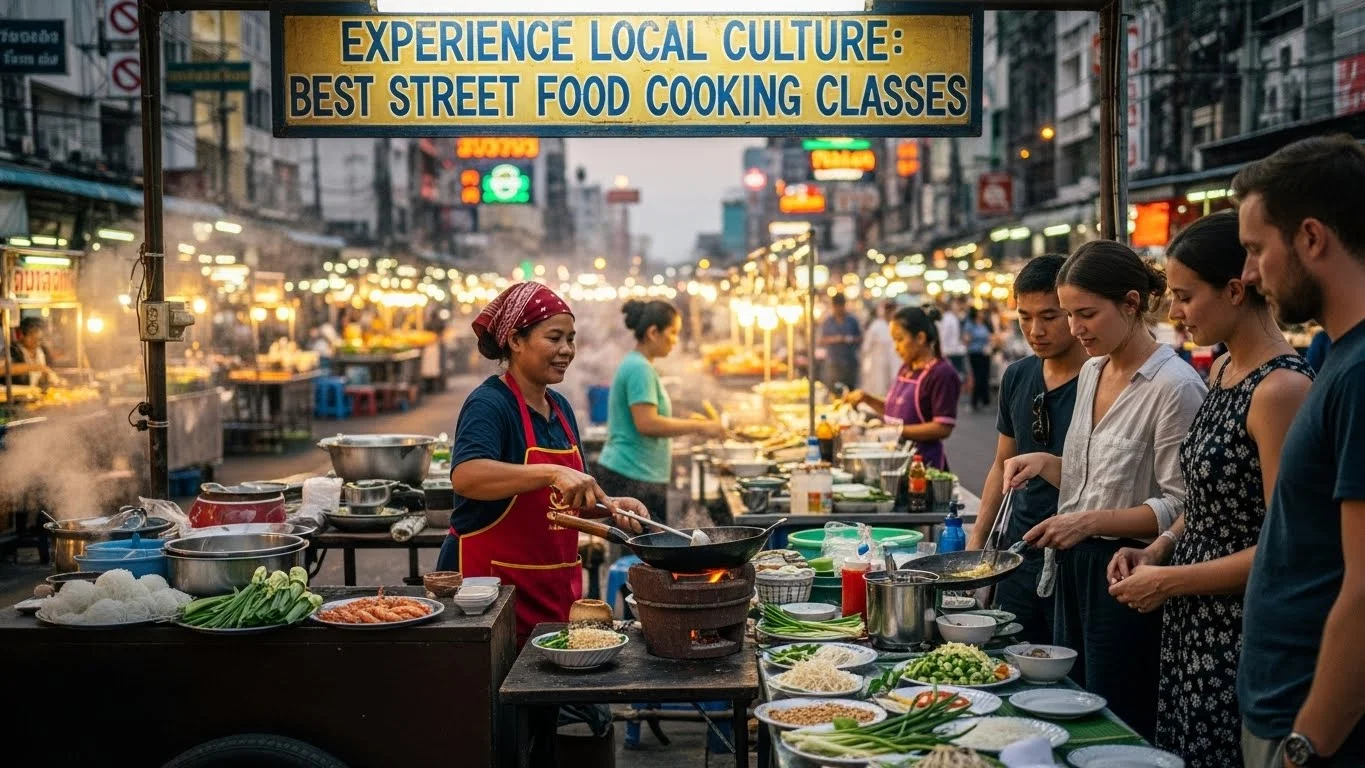
Experience Local Culture: Best Street Food Cooking Classes

Street food isn’t just about tasty bites; it’s a gateway to understanding a culture deeply. Taking a cooking class focused on local street food elevates that experience, allowing us to connect with traditions, flavors, and people in a truly memorable way. Read Interesting article: Experience Asia: Affordable Cooking Classes for Food Lovers

Experience Local Culture: Best Street Food Cooking Classes

Understanding the Importance of Local Cuisine

Whenever I travel, one of the first things I want to explore is the local cuisine. I believe that food tells a story about a place and its people. Local cuisine, especially street food, is often the most authentic representation of a culture. It reflects the history, traditions, and daily lives of the locals. Through street food, we get to taste and experience the heart and soul of a city.

The Role of Street Food in Cultural Identity

Street food has a unique way of uniting people. I remember walking through the bustling markets of Bangkok, where vendors sold everything from spicy papaya salad to grilled meats. Each bite was a little piece of the local culture. Street food often has roots in family recipes passed down through generations. When I tried making pad Thai in a cooking class, I learned not just the technique, but also the history behind the dish. Street food is a cultural identity, often reflecting the region’s agriculture and culinary practices.

In many countries, street food also represents accessibility. It’s affordable and allows people from all walks of life to enjoy delicious meals. I’ve seen families gather around a food cart, sharing laughter and meals, creating a sense of community. This shared experience is what makes street food so special; it’s not just about eating, it’s about connecting with others.

Health and Safety Considerations in Street Food

While exploring street food is exciting, I learned early on to be mindful of health and safety. Not every street food vendor has the same standards, and it’s essential to choose wisely. I remember a time in Hanoi when I hesitated to try a particular dish because the stall looked less than clean. Thankfully, I opted for a vendor bustling with customers, and I was rewarded with delicious bánh mì. It’s crucial to look for stalls that are busy, as high turnover usually indicates fresh ingredients and good hygiene practices.

When taking a cooking class, instructors often emphasize the importance of food safety. They guide you on sourcing ingredients from reliable vendors and preparing them safely. I found this to be a great way to learn not just cooking skills, but also how to appreciate the importance of food safety in the culinary world.

What to Expect in a Street Food Cooking Class

When I decided to take a street food cooking class, I wasn’t sure what to expect. The excitement of getting hands-on experience with local flavors was thrilling. Every class I’ve taken has a unique structure, but there are common elements I’ve noticed that can help anyone prepare for their own culinary adventure.

Typical Class Structure and Duration

Most street food cooking classes last anywhere from a few hours to a full day. In my experience, they usually begin with a market visit where we’d source fresh ingredients. This part of the class is crucial because it immerses you in the local culture. I remember walking through a vibrant market in Mexico City, selecting avocados and tomatoes, and chatting with local vendors. It felt like a mini-adventure!

After the market, we returned to the kitchen, often at a local home or a community center. Here, we’d learn to prepare several dishes. The atmosphere was always lively, filled with laughter and the sizzling sounds of cooking. I appreciated that the classes often included not just the cooking process, but also cultural anecdotes, making the experience richer and more meaningful. Read Interesting article: Top Budget-Friendly Baking Classes Across Europe to Try

Skill Levels: Beginners to Advanced

No matter your cooking level, street food classes cater to everyone. I’ve taken classes with complete beginners and seasoned cooks, and the instructors always adapt. For me, the beginner classes were perfect because they focused on foundational skills, like chopping, seasoning, and understanding flavor profiles. If you have experience, look for advanced classes that delve deeper into techniques or specific dishes.

Ingredients: Sourcing Local Produce

One of the most thrilling parts of any cooking class is working with local ingredients. I’ve often found that local produce has a vibrancy and flavor that’s hard to replicate elsewhere. In Barcelona, I learned how to make paella from scratch, using fresh seafood and locally sourced vegetables. The instructors emphasized the importance of choosing seasonal ingredients, which really made a difference in the final dish. There’s something special about using what’s available in the region—it’s a taste of the local environment.

In cooking classes, we not only learn how to cook but also how to appreciate the ingredients. I felt a deeper connection to the meals I made, knowing they were rooted in the local soil and culture. It’s an experience that goes beyond just eating; it’s about understanding the essence of a place through its food.

Top Destinations for Street Food Cooking Classes

Traveling is one of my greatest passions, and when it comes to street food cooking classes, I’ve discovered some truly amazing destinations around the world. Each place offers a unique culinary experience, allowing us to dive deep into their local flavors and techniques. Here are some of my favorite spots that I believe you should consider for your next culinary adventure.

Asia

Bangkok, Thailand

Bangkok is like a dream come true for anyone who loves street food. The city buzzes with energy, and the streets are lined with vendors offering everything from spicy curries to sweet desserts. I remember my first cooking class here, where we learned to make classic dishes like green curry and mango sticky rice. The instructors were passionate locals who shared not only the recipes but also the stories behind each dish, which made the experience even richer. If you’re in Bangkok, definitely check out the bustling markets and the famous cooking schools that take you on a food journey.

Hanoi, Vietnam

Hanoi holds a special place in my heart, especially when it comes to its street food. The city is famous for its dishes like pho and bánh mì, and taking a cooking class here is an absolute delight. I recall wandering through the vibrant streets, stopping at various stalls to taste the local flavors before heading to the kitchen. The instructors taught us how to balance flavors perfectly, and I was amazed at how simple ingredients could create such complex tastes. If you’re looking to immerse yourself in Vietnamese cuisine, Hanoi is the place to be.

Latin America

Mexico City, Mexico

Mexico City is a culinary paradise, and street food is at its heart. I found myself surrounded by colorful stalls selling tacos, tamales, and churros. During my cooking class, I learned how to make authentic tacos al pastor, complete with homemade tortillas. The energy in the kitchen was contagious, with laughter and delicious aromas filling the air. Not only did I gain cooking skills, but I also made connections with the local instructors who were eager to share their culinary heritage. If you want to learn about Mexican street food, this city should be at the top of your list. Read Interesting article: Master European Baking: Affordable Classes for Travelers

São Paulo, Brazil

São Paulo surprised me with its diverse food culture, influenced by the many cultures that have settled in the city. I took a cooking class that highlighted Brazilian street food, including the famous coxinha and pão de queijo. The vibrant atmosphere of the kitchen made it easy to soak up the techniques we were learning. As we cooked, the instructor shared personal anecdotes about the cultural significance of each dish, making it a truly enriching experience. If you’re interested in blending different culinary traditions, São Paulo is a fantastic destination.

Africa

Marrakech, Morocco

Marrakech is a feast for the senses, with its fragrant spices and lively markets. I had the opportunity to participate in a cooking class focused on traditional Moroccan street food, including tagine and pastilla. The experience started with a visit to the local souks, where we picked out spices and fresh ingredients. The whole process felt like a celebration of food and culture. The instructors were incredibly knowledgeable, and I left with not just recipes, but also a deeper appreciation for Moroccan culinary traditions. If you love spices, this city is a must-visit.

Cape Town, South Africa

Cape Town captivated me with its stunning scenery and vibrant food scene. I remember taking a cooking class that emphasized the flavors of South African street food. We explored dishes like bunny chow and biltong, and the instructor explained the cultural significance behind each dish. The blend of indigenous ingredients with influences from various cultures made the cooking experience unforgettable. If you’re looking to explore a unique culinary landscape, Cape Town is an excellent choice.

Europe

Barcelona, Spain

Barcelona is not only known for its art and architecture but also for its incredible food. I indulged in a cooking class that focused on preparing traditional tapas and paella. The vibrant kitchen atmosphere was infectious, and I loved learning how to recreate these beloved dishes. The instructors were passionate about their culinary heritage, and they made sure we understood the importance of using fresh, local ingredients. If you want to immerse yourself in Spanish flavors, Barcelona should definitely be on your radar.

Rome, Italy

Rome is a city steeped in history, and its street food is a reflection of that rich heritage. I took a cooking class where we learned to make classic Roman dishes like supplì and pizza al taglio. The instructors emphasized the importance of quality ingredients, and I loved experiencing the simplicity and authenticity of Italian cooking. There’s something magical about making food from scratch in a city that values its culinary traditions. If you’re a fan of Italian cuisine, Rome offers a delightful culinary adventure.

Types of Street Food to Learn How to Cook

Asian Street Foods

Pad Thai and Spring Rolls

When I think about Asian street food, Pad Thai is one of the first dishes that comes to mind. This flavorful stir-fried noodle dish is a staple in Thailand and holds a special place in my heart. During one of my cooking classes in Bangkok, I learned how to balance the sweet, salty, and sour flavors that make Pad Thai so addictive. I remember the instructor showing us how to achieve that perfect texture with the rice noodles and how to create a rich sauce using tamarind, fish sauce, and chili powder. It was an eye-opening experience to see how simple ingredients could come together to create something so delicious.

Spring rolls were another highlight of my Asian street food cooking journey. I found the process of rolling the delicate wrappers around fresh vegetables and herbs to be both fun and satisfying. During the class, we also learned about the various dipping sauces that could elevate these little bites. Each bite of a homemade spring roll reminded me of the importance of freshness in Asian cuisine. The crispiness of the wrapper combined with vibrant fillings really captured the essence of street food.

Banh Mi and Pho

Vietnamese cuisine is another favorite of mine, and nothing screams street food like a good Banh Mi or a steaming bowl of Pho. I had the pleasure of taking a cooking class in Hanoi, where I learned about the art of making Banh Mi. The combination of crispy baguette, savory meats, and fresh veggies is a work of art. I’ll never forget the moment I took my first bite of my creation; the flavors just exploded in my mouth, and I felt a deep appreciation for the harmony of textures and tastes.

Then there’s Pho, which is more than just a dish; it’s a cultural experience. In my class, we spent time perfecting the broth, which is the heart of Pho. I learned how to simmer beef bones for hours, allowing flavors to develop beautifully. The aromatic herbs and spices that went into the broth, such as star anise and cinnamon, filled the kitchen with an enticing aroma. Sipping on my homemade bowl of Pho was a rewarding moment that connected me to the culinary traditions of Vietnam.

Latin American Street Foods

Tacos and Tamales

Latin America has a rich tapestry of street food, and I can confidently say that tacos and tamales are two of my favorites. During my time in Mexico City, I dived into the world of tacos al pastor. The cooking class was a lively affair, with the aroma of marinated pork filling the air as it cooked on the spit. I learned how to slice the meat perfectly and prepare homemade tortillas that were soft and warm. Each bite was like a burst of flavor; the combination of the spicy meat, fresh cilantro, and tangy pineapple was simply incredible.

Tamales, on the other hand, offer a different kind of experience. When I learned to make tamales, it was a communal effort. I remember gathering with others in the class, each of us spreading masa on corn husks and filling them with various ingredients. It felt like a celebration of culture and tradition. The anticipation as they steamed was exhilarating, and when we finally tasted them, I was hooked. The layers of flavor and the texture of the masa made for a wonderful treat.

Empanadas and Arepas

Empanadas and arepas are other beloved Latin American delicacies that I had the pleasure of learning to make. In Buenos Aires, I took a class focused on empanadas, where I learned about the different fillings, from savory meat to cheesy spinach. The best part? Shaping them! It was fun to create the fluted edges, and I felt a sense of pride when I popped them into the oven. The smell that filled the kitchen was indescribable.

Arepas, a staple in Venezuelan and Colombian cuisine, were another class that stood out for me. The simplicity of the corn dough combined with endless filling options made cooking them a joy. I remember trying various combinations, like cheese and avocado or pulled chicken, and savoring the flavors of each bite. The experience was not just about cooking; it was about understanding the cultural significance behind these foods.

African Street Foods

Tagine and Biltong

African street food is a treasure trove of flavors, and two dishes that truly captured my heart were tagine and biltong. In Marrakech, I had the chance to learn how to make a traditional tagine, which is both a cooking vessel and a dish. The slow-cooking process allowed the spices to infuse the meat and vegetables beautifully. I remember being amazed by the complexity of flavors that arose from the combination of spices like cumin, coriander, and saffron. Cooking tagine felt like a ritual, and sharing it with others made it even more special.

Biltong, the South African dried meat, was another fantastic experience. In my class, I learned about the different cuts of meat and how to properly season them before drying. I appreciated how biltong is not just a snack; it’s part of the country’s heritage. Sampling my homemade biltong was rewarding, and I felt a connection to the local culture that I hadn’t anticipated.

Bobotie and Bunny Chow

Bobotie, a dish from South Africa, is another culinary gem I discovered. I learned that it’s a savory dish made with spiced minced meat and topped with an egg mixture, giving it a unique texture. The class was filled with laughter as we experimented with the spices, and I loved the combination of sweet and savory flavors. It was a dish that felt like home, even though I was far away.

Bunny chow, originally from Durban, is unique in its presentation—a hollowed-out loaf of bread filled with curry. I found the concept so creative and fun. During the class, we prepared the curry from scratch, using a variety of spices that filled the air with fragrant goodness. Eating my bunny chow was a delightful experience that filled me with a sense of adventure.

European Street Foods

Paella and Tapas

In Europe, street food has its own charm, and I fell in love with the Spanish favorites: paella and tapas. In Barcelona, during my cooking class, I learned that paella isn’t just a dish; it’s a celebration. The vibrant colors of saffron-infused rice and the variety of seafood made it a feast for the eyes. I remember the thrill of cooking it in a traditional paellera, and the satisfaction of serving it fresh from the stove. The communal aspect of sharing paella with my classmates made it even more enjoyable.

Pizza al Taglio and Focaccia

Pizza al taglio, or “pizza by the cut,” was a delightful discovery in Rome. I learned how to make the dough from scratch, and the process felt almost meditative. After allowing it to rise, we topped it with fresh ingredients, and I enjoyed experimenting with various toppings. The moment I took my first bite of my homemade pizza, I was transported to the streets of Rome.

Focaccia, on the other hand, was another highlight. I remember the aroma of olive oil and herbs wafting through the kitchen as we pressed the dough and added toppings. It was comforting to create something so simple yet so flavorful. Sharing slices with my classmates felt like a true Italian experience, and I knew I would cherish those memories for a long time to come.

Frequently Asked Questions

What is the significance of street food in understanding a culture?

Street food serves as an authentic representation of a culture, reflecting its history, traditions, and daily lives of locals. It allows us to taste and experience the heart and soul of a city.

How does street food contribute to cultural identity?

Street food unites people by providing accessible and affordable meals, often rooted in family recipes passed down through generations. It fosters a sense of community as families gather around food carts, sharing laughter and meals.

What health and safety considerations should be made when trying street food?

It’s important to choose street food vendors wisely, looking for busy stalls that indicate high turnover and fresh ingredients. Cooking classes often emphasize food safety and sourcing ingredients from reliable vendors.

What can one expect in a street food cooking class?

Street food cooking classes typically last a few hours to a full day, starting with a market visit to source fresh ingredients, followed by hands-on cooking in a lively kitchen atmosphere. Cultural anecdotes are often included to enrich the experience.

Are street food cooking classes suitable for all skill levels?

Yes, street food cooking classes cater to all skill levels, from beginners focusing on foundational skills to advanced classes that explore deeper techniques and specific dishes.

What is the importance of local ingredients in cooking classes?

Using local ingredients enhances the flavor and authenticity of dishes. Cooking classes emphasize seasonal produce, allowing participants to connect with the local environment and culinary traditions.

What are some top destinations for street food cooking classes?

Some of the top destinations include Bangkok, Hanoi, Mexico City, São Paulo, Marrakech, Cape Town, Barcelona, and Rome, each offering unique culinary experiences centered around local street food.

What are some popular Asian street foods to learn how to cook?

Popular Asian street foods include Pad Thai, spring rolls, Banh Mi, and Pho, each offering a unique taste experience and cultural significance.

What Latin American street foods can be learned in cooking classes?

Latin American street foods include tacos, tamales, empanadas, and arepas, which highlight the rich culinary traditions and communal aspects of cooking in this region.

What European street foods are featured in cooking classes?

European street foods featured in cooking classes include paella and tapas from Spain, as well as pizza al taglio and focaccia from Italy, each showcasing the region’s culinary heritage and flavors.

Top 10 Street Food Cooking Tours for Budget Backpackers

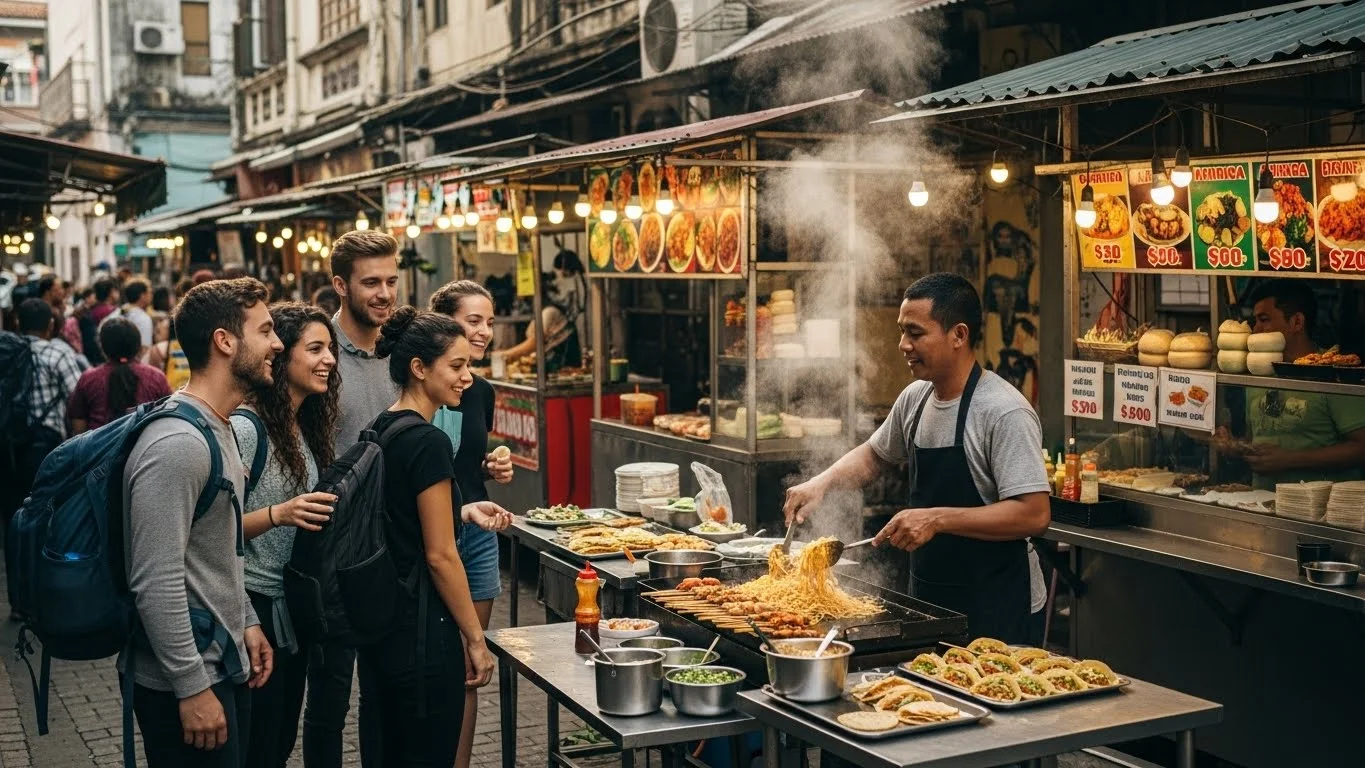
Are you ready to explore the vibrant world of street food while connecting with local cultures? Street food cooking tours offer an exciting way to indulge in authentic culinary experiences without breaking the bank. Savor Local Flavors: Affordable Street Food Tours Worldwide provides insights into various options available.

Top 10 Street Food Cooking Tours for Budget Backpackers

Understanding Street Food Cooking Tours

What is a Street Food Cooking Tour?

Street food cooking tours are unique culinary experiences where travelers get to explore local markets, learn about traditional cooking methods, and sample delicious street foods. I remember my first street food tour in Bangkok; it was like stepping into a living cookbook. The vibrant colors, the sizzling sounds, and the tantalizing aromas filled the air as we wandered through bustling streets. Each stop introduced us to locals eager to share their passion for food. These tours often combine tasting various dishes with hands-on cooking lessons, giving participants a well-rounded experience of the local cuisine.

Why Choose a Cooking Tour as a Backpacker?

As someone who has traveled on a budget, I know how important it is to maximize every dollar spent. Cooking tours are a fantastic option for backpackers for several reasons. First, they often include several meals in the price, which means you’re getting great value. Instead of dining in pricey restaurants, I found that learning to cook local dishes not only saved me money but also enriched my travel experience. Plus, it’s a chance to connect with locals in a way that’s deeper than just eating their food. I made friends with other travelers and local chefs, bonding over the shared love of cooking and tasting. You can find more about the benefits of these tours in Discover the Best Street Food Tours for Budget Travelers.

Benefits of Experiencing Local Cuisine

Experiencing local cuisine is one of the best ways to understand a culture. When I traveled to Mexico City, for instance, I discovered that food is not just fuel; it’s a celebration. Each dish tells a story, rooted in history and tradition. By joining a cooking tour, I learned not just how to prepare tacos but also the significance of each ingredient and the history behind it. This cultural immersion is one of the most rewarding aspects of travel. We get to appreciate the creativity and passion that goes into each meal. Plus, the friendships formed over chopping vegetables and stirring pots often lead to unforgettable memories.

Top 10 Street Food Cooking Tours Around the World

1. Bangkok, Thailand

Overview of Tour Options

Bangkok is a paradise for food lovers, and the street food cooking tours here are plentiful. I recommend looking for tours that start with a visit to local markets, where you can see fresh ingredients in their natural setting. Many tours also include a cooking class in a local family’s home, making it a fantastic way to see how locals cook every day.

Must-Try Dishes

While in Bangkok, you can’t miss dishes like Pad Thai, Som Tam (papaya salad), and Mango Sticky Rice. Each dish is bursting with flavor and is relatively simple to prepare. I’ll never forget learning how to make a perfect Pad Thai; the combination of sweet, salty, and tangy flavors never fails to excite my taste buds.

Budget Considerations

The cost of street food cooking tours in Bangkok can vary, but many options start around $30. This price often includes all ingredients and meals, making it an excellent choice for budget-conscious travelers like us.

2. Mexico City, Mexico

Overview of Tour Options

Mexico City offers a rich tapestry of flavors and culinary traditions, and street food cooking tours are readily available. I found that some tours incorporate a historic walk through the city, stopping at various food stalls. It’s a delightful mix of history and gastronomy.

Must-Try Dishes

Make sure to try Tacos al Pastor, Chiles en Nogada, and Elote (grilled corn on the cob). Each bite tells a part of Mexico’s story. I still dream about the Tacos al Pastor I learned to make, marinated in rich spices and served with fresh pineapple.

Budget Considerations

Prices for tours in Mexico City typically range from $40 to $70, but they often include a few meals and local drinks, making it a worthwhile investment. You’ll leave not just with a full belly but also new skills to impress friends back home.

3. Hanoi, Vietnam

Overview of Tour Options

Hanoi is famous for its street food, and cooking tours here often include a guided market visit followed by a hands-on cooking session. I particularly loved the personal touch of small group tours, where we interacted closely with our guides.

Must-Try Dishes

Don’t miss Pho, Banh Mi, and Goi Cuon (spring rolls). Learning to make Pho was a highlight of my trip; it’s a labor of love that involves simmering beef bones for hours to create that rich, flavorful broth.

Budget Considerations

Hanoi offers tours that start around $25, which is a steal considering the amount of food you get to enjoy and the skills you learn. I found it to be one of the most affordable and rewarding experiences during my travels.

4. Istanbul, Turkey

Overview of Tour Options

Istanbul’s street food scene is vibrant and full of history. Cooking tours often feature a mix of walking and cooking, allowing participants to experience the city’s rich culinary heritage. I was amazed at how many different dishes I could learn in just one tour.

Must-Try Dishes

Be sure to try Simit (sesame bagels), Kumpir (stuffed baked potatoes), and Meze (small plates). The flavors are incredible, and I especially loved making my own Meze with fresh ingredients from the market.

Budget Considerations

In Istanbul, you can find cooking tours starting at around $50. This includes all meals and often a few drinks, making it a budget-friendly way to experience the local food scene.

5. Marrakech, Morocco

Overview of Tour Options

Marrakech offers a unique blend of flavors and spices. Cooking tours typically start with a visit to the souks, where you can buy spices and fresh ingredients. I found this part of the tour enchanting, surrounded by vibrant colors and intoxicating scents.

Must-Try Dishes

Don’t miss tagine, a slow-cooked stew, and pastilla, a sweet and savory pie. Learning to prepare a traditional tagine was one of the highlights of my cooking tour in Marrakech.

Budget Considerations

Prices for cooking tours in Marrakech start around $40, including everything you’ll need for a delicious meal and a memorable experience.

This first part of the article offers a glimpse into street food cooking tours that are perfect for budget backpackers. Each destination has something unique to offer, making your travel experience richer and more flavorful!

Top 10 Street Food Cooking Tours Around the World

6. Mumbai, India

Overview of Tour Options

Mumbai is a bustling metropolis known for its incredible street food. I found cooking tours here to be a blend of vibrant city life and rich culinary experiences. Many tours start in the local markets, where you can see the freshest ingredients being sold and get a feel for the city’s lively atmosphere. I loved how the guides shared stories about the history of each dish while we navigated through the colorful chaos of the streets.

Must-Try Dishes

During my tour, I got to savor delights like Vada Pav, Pav Bhaji, and Bhel Puri. Each dish has a unique flavor profile that reflects Mumbai’s diverse culture. Learning to make Vada Pav was a personal highlight; the spicy potato filling wrapped in a bun is a simple yet satisfying treat. I’ll never forget the crunch of the chutney and the crispy fried green chili that added an extra kick!

Budget Considerations

Cooking tours in Mumbai generally start around $30, which is incredibly reasonable, considering how much food is included. I felt it was a steal, especially when you think about the skills gained and the taste experiences that linger long after the trip.

7. Lisbon, Portugal

Overview of Tour Options

Lisbon’s culinary scene is a delightful mix of tradition and innovation. Street food cooking tours here often take you through local markets, where you can discover fresh seafood and artisanal products. On my tour, I was captivated by the charm of the city, and the guides passionately shared the stories behind each dish. It felt more like a friend showing you around rather than a formal tour!

Must-Try Dishes

You can’t leave Lisbon without trying Bacalhau à Brás, a delicious codfish dish, and Pastéis de Nata, the iconic custard tart. I remember watching in awe as we learned to make these tarts; the flaky pastry and creamy custard are to die for. Each bite reminded me of the warm hospitality of the locals.

Budget Considerations

Most cooking tours in Lisbon range from $40 to $60, and they typically include tastings of multiple dishes. I found it a great investment, as it not only filled my belly but also enriched my knowledge about Portuguese cuisine.

8. Jakarta, Indonesia

Overview of Tour Options

Jakarta’s street food culture is vibrant and diverse. My cooking tour in this city started with a market visit, allowing us to select fresh ingredients for our cooking session. I loved the energy of the city, and the guides were incredibly friendly and informative, making the experience even more enjoyable.

Must-Try Dishes

One of the standout dishes I learned to prepare was Nasi Goreng, Indonesia’s famous fried rice. The blend of spices and aromatics was a revelation to me. I also got to make Sate, the delicious skewered meat served with peanut sauce. The flavors were intense and made my taste buds dance!

Budget Considerations

In Jakarta, tours usually start around $25, making it an excellent choice for budget travelers. The experience you get for the price is fantastic, especially considering the amount of food you prepare and enjoy!

9. Seoul, South Korea

Overview of Tour Options

Seoul is another city that is a food lover’s dream. My cooking tour here was a delightful blend of street food tasting and hands-on cooking. I really enjoyed how the tours often included visits to traditional markets, where you could see the bustling life of the city unfold. The guides were always eager to share their knowledge about Korean culinary traditions, which made me appreciate the culture even more.

Must-Try Dishes

During my time in Seoul, I got to learn how to make Kimchi, Bulgogi, and Tteokbokki. The process of fermenting vegetables for Kimchi was fascinating, and I loved how it is deeply rooted in Korean culture. Making Bulgogi was another highlight; the marinated beef just melts in your mouth!

Budget Considerations

Prices for cooking tours in Seoul start around $40, which I found to be quite reasonable for the level of engagement and the amount of food we enjoyed. It’s a small price to pay for such an enriching experience.

10. New Orleans, USA

Overview of Tour Options

New Orleans combines a rich history with a vibrant food scene. I was thrilled to take a cooking tour that emphasized the unique blend of cultural influences in Creole cuisine. The guides were fantastic storytellers, sharing the history of New Orleans while we explored the lively streets filled with music and art.

Must-Try Dishes

No visit to New Orleans is complete without trying Gumbo, Jambalaya, and Beignets. I loved learning how to make Gumbo; the combination of spices and the slow cooking process created an explosion of flavors. And of course, the Beignets were a sweet finish to the meal, dusted with powdered sugar and so fluffy!

Budget Considerations

Cooking tours in New Orleans generally range from $50 to $80, which includes a full meal and drinks. It’s a bit pricier, but the experience and the flavors of the Big Easy make it worth every penny.

What to Expect on a Street Food Cooking Tour

Typical Itinerary

When I signed up for my first street food cooking tour, I didn’t really know what to expect. However, I quickly learned that most itineraries follow a similar format, making it easy for travelers to know what they’re getting into. Generally, the day starts with a visit to a local market, where participants can see fresh produce, spices, and other ingredients that are integral to the local cuisine. I loved the vibrancy of the markets—the colors, the sounds, and the smells were an experience in themselves.

After gathering ingredients, we typically moved on to a cooking space, sometimes a local chef’s home or a community kitchen. There, the real fun began! I found that hands-on cooking sessions are often structured around a few selected dishes, allowing us to learn techniques while creating a meal that we would eventually enjoy together. This structure kept things engaging, and I appreciated the balance of instruction and autonomy. It felt like a blend of a cooking class and a friendly gathering, which made the experience even more enjoyable.

Types of Experiences Offered

Each cooking tour is different, offering a unique flavor of local culture. Some focus more on street food, allowing you to sample various stalls before learning to recreate those dishes. Others may delve deeper into traditional home cooking, emphasizing family recipes that have been passed down through generations. I once joined a tour in Morocco that included not only cooking but also a tea ceremony, which gave me insights into the importance of tea in local hospitality. Whether it’s a bustling street market or a serene home kitchen, the experiences can vary widely, but they all aim to connect you to the culture through food.

Another exciting aspect is the possibility of themed tours. For example, I participated in a seafood-focused tour in Lisbon, which took us to the coast to learn about the best fishing practices and how they influence local cuisine. The variety of experiences available means there’s something for every palate and interest, making it easy to find a tour that resonates with you.

Interaction with Local Chefs and Vendors

One of the highlights of any street food cooking tour is the chance to interact with local chefs and vendors. I remember chatting with a street vendor in Bangkok who shared the story behind her famous som tam recipe. Her passion for food was infectious, and I felt like I was getting a glimpse into her life through her cooking. These interactions often go beyond just learning recipes; they provide a deeper understanding of the cultural significance of the food.

Many tours encourage questions and conversations, allowing us to learn about local customs and culinary traditions. I found that the chefs were often eager to share tips and tricks, making the experience feel personal and intimate. This connection with locals is one of the most rewarding aspects of cooking tours, as it turns a simple meal into a shared experience of culture and community.

Whether you’re learning about the spices that define a region or the history of a dish, these conversations enrich the cooking process and create lasting memories. In my case, I still keep in touch with some of the friends I made on those tours, and we often reminisce about the meals we shared and the stories we heard.

Tips for Budget Backpackers

How to Choose the Right Tour

When I set out to find the perfect cooking tour, I learned that not all tours are created equal. It’s essential to consider what interests you the most. Do you want to focus on street food, or are you more curious about traditional home cooking? I often recommend reading reviews from other travelers, as their experiences can provide valuable insights. I found that platforms like TripAdvisor and local travel blogs often have honest feedback on various tours. Another tip is to look for small group tours. I enjoyed being part of a smaller group because it allowed for more interaction with our guide and the local chefs.

Saving Money on Tours

As a budget traveler, I’ve picked up a few tricks to save money on cooking tours. One strategy that worked for me was booking my tours during off-peak times. Not only did I score better deals, but the tours were often less crowded, allowing for a more personal experience. Signing up for newsletters from local tour companies can also be a game-changer. I’ve received discount codes and early-bird specials that made the tours even more affordable. Additionally, I noticed that many places offer discounts for booking in advance or for group bookings, so it’s worth considering if you’re traveling with friends or family.

Essential Packing Tips for Cooking Tours

Packing wisely can enhance your cooking tour experience. I learned the hard way that wearing comfortable shoes is a must—navigating bustling markets can be a workout! Lightweight and breathable clothing is also key, especially in warmer climates. I always bring a reusable water bottle to stay hydrated, and if you’re like me and love taking photos, don’t forget your camera or smartphone. A small notebook can be handy for jotting down recipes and tips from your tour, and I often pack a few snacks for when hunger strikes between meals. Lastly, consider bringing a lightweight apron if you’re concerned about getting messy while cooking!

Safety and Health Considerations

Food Safety Tips

Food safety is crucial when indulging in street food and cooking tours. I always make sure to choose tours that emphasize safety and hygiene practices. One simple rule I follow is to drink bottled water, especially in countries where tap water isn’t safe. During my tours, I noticed that fresh ingredients were a priority, and I made it a point to observe how food was handled. If you’re ever in doubt, ask your guide about their safety protocols. They usually love sharing their knowledge and can put your mind at ease!

Health Precautions While Traveling

Health precautions should be on every traveler’s radar. I make it a habit to check with my healthcare provider about any necessary vaccinations or medications before heading out. It’s also wise to pack a small first aid kit with essentials like band-aids, pain relievers, and any personal medications. Additionally, I try to maintain a balance between indulging in local delicacies and sticking to familiar foods, especially right after arriving in a new country. My body appreciates the gradual transition to new cuisines!

Travel Insurance Recommendations

Having travel insurance gives me peace of mind, especially during culinary adventures. I always look for a policy that covers health emergencies and trip cancellations. When I traveled to Southeast Asia, I was grateful for my insurance when I faced a minor health issue. It allowed me to focus on enjoying my tours without worrying about potential costs. Researching different options can help you find a plan that suits your travel style and budget.

Frequently Asked Questions

What is the average cost of street food cooking tours?

From my experience, the average cost for street food cooking tours typically ranges from $25 to $80, depending on the location and inclusions. Most tours cover meals, ingredients, and sometimes drinks, which makes them a fantastic value!

How do I find reputable cooking tours?

Finding reputable cooking tours can be done through online platforms like TripAdvisor, Yelp, or local travel blogs. I also recommend reaching out to fellow travelers for recommendations based on their experiences!

Are cooking tours suitable for vegetarians and vegans?

Absolutely! Many cooking tours cater to dietary restrictions. When I attended a tour in Vietnam, there were vegetarian options available, and the guides were more than willing to accommodate preferences.

What if I have food allergies?

If you have food allergies, it’s crucial to communicate this to your tour provider before booking. They can often tailor the experience to meet your needs. I’ve seen many guides go above and beyond to ensure that everyone can safely enjoy the culinary adventures.

Final Thoughts

Street food cooking tours are not only a way to indulge in mouthwatering dishes but also an opportunity to forge connections with local cultures and communities. My experiences have shown me that these tours can create lasting memories, whether it’s the friendships I made or the skills I learned in the kitchen. As I reminisce about the diverse flavors and stories shared, I encourage you to embark on your cooking tour adventure. Embrace the sights, sounds, and tastes of the world, and let your culinary journey unfold! For more information on these exciting experiences, check out Ultimate Guide to Street Food Tours: Savory Adventures Await.

Discover Street Food Cooking Tours: A Budget Traveler’s Guide

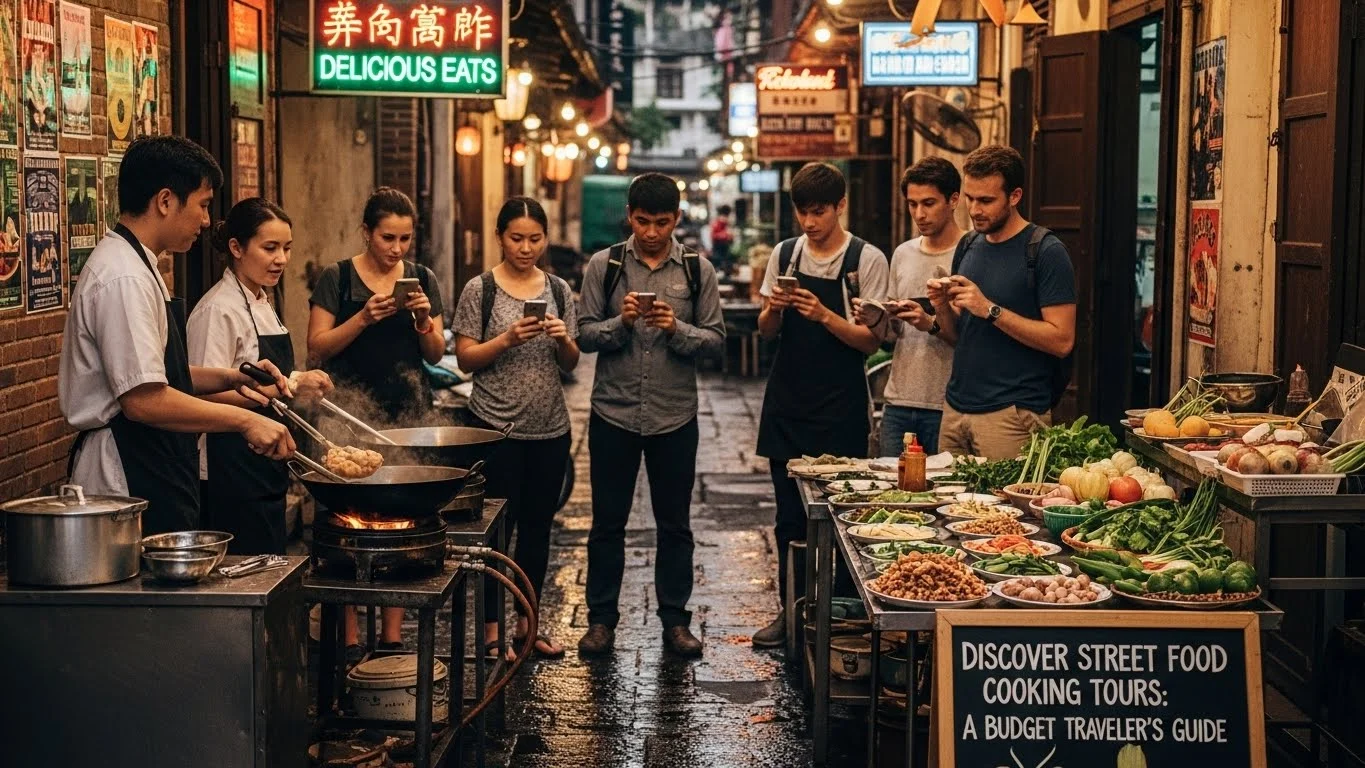
If you’re a budget traveler looking to immerse yourself in local culture, street food cooking tours are a delicious way to explore new places. Let’s dive into the world of these culinary adventures!

Discover Street Food Cooking Tours: A Budget Traveler's Guide

Overview of Street Food Cooking Tours

What are Street Food Cooking Tours?

Street food cooking tours are immersive experiences where you not only get to sample local street food but also learn how to prepare it yourself. I remember my first cooking tour in Bangkok, where I wandered through bustling markets, filled with the tantalizing smells of spices and grilled meats. The atmosphere was electric and inviting, and I couldn’t wait to dive into the culture through its cuisine. These tours often guide you through the process of cooking traditional dishes, led by local chefs who share their secrets and techniques along the way. It’s truly a feast for both the stomach and the soul! Savor Local Flavors: Affordable Street Food Tours Worldwide can provide more insights on this topic.

Benefits of Participating in Cooking Tours

Taking part in a street food cooking tour offers numerous benefits. Firstly, you get to taste authentic dishes that you might not find in restaurants. I’ve found that street vendors often use family recipes passed down through generations, making the food extra special. Secondly, cooking tours provide an opportunity to meet locals and learn about their culture firsthand. This was particularly true during my trip to Mexico City when I bonded with a vendor over a shared love of food. Lastly, these tours can be educational. I discovered new cooking techniques and ingredients I had never encountered before, which expanded my culinary horizons and made my own cooking at home more exciting. If you’re interested in more details, check out the Ultimate Guide to Street Food Tours: Savory Adventures Await.

How to Choose the Right Tour for You

Choosing the right street food cooking tour can feel overwhelming, especially with so many options out there. One of the key factors I consider is the guide’s experience. I love to hear stories and insights about the culture, so I always look for tours led by knowledgeable locals. Reading reviews can also help; I often check platforms like TripAdvisor or social media for recommendations. Additionally, consider the group size. Smaller tours tend to offer a more intimate experience, allowing for better interaction with the chef and vendors. Lastly, think about the dishes you want to learn. Some tours focus on specific cuisines or types of food, so it’s crucial to find one that aligns with your culinary interests.

It’s also wise to think about your budget. I’ve discovered that prices can vary widely based on the location and the complexity of the dishes being taught. Some tours include market visits, while others might focus solely on cooking. I recommend doing a bit of research to find the best value for your travel experience. Remember, the goal is to savor the food while learning something new, and sometimes that means investing a little more into a quality tour. Your tummy and your travel experience will thank you! If you’re looking for budget-friendly options, you might want to Discover the Best Street Food Tours for Budget Travelers.

Ultimately, street food cooking tours are not just about the food; they are about connecting with a place and its people through the shared love of cooking. Whether you’re wandering through the vibrant streets of Ho Chi Minh City or the colorful markets of Istanbul, every experience is an adventure waiting to happen. I can’t wait to share more about the top destinations for these tours and how you can enjoy them on a budget—stay tuned!

Top Destinations for Street Food Cooking Tours

Bangkok, Thailand

Bangkok is often considered the street food capital of the world, and my experience there certainly affirmed that reputation. The city is alive with vibrant markets and food stalls, each offering a unique taste of Thai culture. I remember my cooking tour started at a bustling market where we picked fresh ingredients, learning about their significance in Thai cuisine. We then moved to a local kitchen where we crafted dishes like Tom Yum soup and Green Curry. The flavors were fresh and bold, and the camaraderie with fellow travelers made it even more memorable. If you’re looking to dive deep into the heart of Thai street food, Bangkok is a must-visit destination.

Mexico City, Mexico

Mexico City holds a special place in my heart for its incredible street food scene. I was lucky to stumble upon a cooking tour that took us through the historic streets, stopping at local taquerías and markets. I was amazed by the variety of dishes we cooked, especially Tacos al Pastor, which involves marinating pork with spices and cooking it on a vertical spit. The flavors were incredible. Beyond just the food, I appreciated learning about the history of each dish and how it reflects the country’s diverse culture. If you’re a fan of vibrant flavors and rich culinary heritage, Mexico City should be next on your travel list.

Ho Chi Minh City, Vietnam

When I visited Ho Chi Minh City, I was eager to explore its renowned street food offerings. The cooking tour I joined took us through busy streets filled with scooters and stalls that seemed to buzz with energy. We learned how to make Pho, a dish I had always wanted to master. It was fascinating to hear the chef share tips about the perfect broth, which is the heart of the dish. We also tried our hands at making fresh spring rolls, which were as fun to create as they were to eat! The combination of flavors, the techniques, and the local stories made this tour unforgettable. Ho Chi Minh City is definitely a hot spot for street food cooking enthusiasts.

Lisbon, Portugal

Lisbon may not be the first city that comes to mind for street food, but I found it to be a hidden gem. On my cooking tour here, I discovered the unique flavors of Portuguese cuisine. One of the highlights was learning to make Bacalhau à Brás, a classic codfish dish that’s a staple in many Portuguese households. The tour included a visit to a local food market where we picked out the freshest ingredients. The locals’ passion for their culinary traditions shone through, making it an enriching experience. If you’re into exploring lesser-known food scenes, Lisbon’s street food cooking tours are worth considering.

Istanbul, Turkey

Istanbul is another city that took my breath away, especially when it came to its street food. I had the opportunity to join a cooking tour that began with a visit to a bustling bazaar. The spices and aromas were intoxicating! We learned to prepare dishes like İskender kebab, which involved layering tender meat, yogurt, and tomato sauce. I loved how the local guide shared stories about the cultural significance of each dish while we cooked. The experience was vibrant, and the food was absolutely delicious. Istanbul’s rich history and diversity are reflected in its street food, making this city a must-visit for food lovers.

As I reflect on these experiences, it’s clear that each destination offers its unique flavors, techniques, and cultural insights. Whether you’re a seasoned traveler or planning your first culinary adventure, these cities promise immersive experiences filled with food, learning, and connection. I can’t wait to share more about how to budget for these incredible street food cooking tours!

Budget Considerations for Street Food Cooking Tours

Average Costs of Tours in Different Regions

Budgeting for a street food cooking tour can vary widely depending on the destination. In my experience, tours in Southeast Asia, like those in Bangkok or Ho Chi Minh City, tend to be more affordable, often ranging from $30 to $80 per person. This usually includes market visits, ingredients, and sometimes even a meal at the end! On the other hand, in cities like Lisbon or Istanbul, you might find prices closer to $100 or more, especially if the tour includes special ingredients or unique experiences. I learned that it’s helpful to plan ahead and set a budget that considers not just the tour itself, but also additional expenses like transportation and souvenirs.

How to Save Money on Cooking Tours

Saving money on cooking tours is definitely possible with a few strategies. One of my favorite tips is to look for package deals, especially when booking multiple activities in one trip. Sometimes, tour companies offer discounts for booking directly through their websites rather than third-party platforms. I’ve also found that joining local food groups on social media can lead to exclusive promotions or last-minute discounts. Another option is to consider tours during off-peak seasons when prices might be lower, and there are fewer tourists. I tried this once in Mexico City, and it was a win-win; not only did I save money, but I also enjoyed a more personalized experience!

Best Times to Find Discounts and Deals

If you’re like me and love a good deal, timing can be everything. I’ve noticed that many tour operators offer discounts during shoulder seasons, which is the period between peak and off-peak seasons. Additionally, holidays and local festivals can lead to special promotions as businesses try to attract more visitors. Signing up for newsletters from your favorite tour companies is also a great way to stay in the loop about upcoming sales. I remember getting a fantastic deal for a cooking tour in Lisbon just by being on a mailing list. It’s worth taking a few minutes to explore these options, as it can make a big difference in your overall travel budget!

What to Expect on a Street Food Cooking Tour

Typical Itinerary of a Cooking Tour

When you join a street food cooking tour, you can generally expect a well-organized itinerary. In my experience, most tours start with a market visit where you’ll meet local vendors and get an introduction to the ingredients you’ll be using. After gathering supplies, we usually headed to a kitchen or cooking space to get our hands dirty. Each stop often included lessons on cooking techniques and cultural anecdotes, making every moment exciting and informative. I found that the structure of these tours balanced fun and learning beautifully, allowing me to soak in the experiences without feeling rushed.

Hands-On Cooking Experiences

The hands-on aspect of cooking tours is what truly makes them special. For me, the thrill of chopping vegetables, stirring sauces, and plating dishes alongside fellow travelers creates a unique bond. I remember the joy of mastering the art of rolling fresh spring rolls in Vietnam. The chefs were always encouraging, providing tips and tricks that added flair to our dishes. It felt like a collaborative adventure, with everyone sharing laughs and stories while cooking. These moments not only make for great memories but also empower you to recreate these dishes at home!

Tasting Local Street Food

After the cooking comes one of my favorite parts—tasting! Often, we would sit together to enjoy the fruits of our labor, sharing the dishes we created. During my tour in Mexico City, we feasted on Tacos al Pastor, and I can still remember the explosion of flavors with every bite. It’s a communal experience that fosters connections over food, allowing us to appreciate the hard work that goes into each dish we’ve made. Plus, tasting local street food from vendors during the tour adds another layer of authenticity—it’s like experiencing the culture through the palate!

Meeting Local Chefs and Vendors

Meeting local chefs and street food vendors is one of the highlights of any cooking tour. They often share their passion for culinary arts and stories about their backgrounds. I still recall how a vendor in Ho Chi Minh City excitedly narrated the history of Pho while demonstrating how to create the perfect broth. These interactions enrich the experience, giving you insights that you wouldn’t find in a guidebook. The warmth and hospitality of these locals remind us of the cultural ties that food can create. It’s not just about cooking; it’s about forging connections that linger long after the tour ends.

Essential Tips for Enjoying Your Tour

What to Bring on Your Cooking Tour

Being well-prepared can make all the difference on a cooking tour. I’ve learned that bringing the right items can enhance the experience significantly. First and foremost, a good pair of comfortable shoes is essential, as you’ll likely be walking a lot. I remember how sore my feet felt after a day of exploring markets and kitchens, so I always bring my trusty sneakers now. Also, consider carrying a reusable water bottle. Staying hydrated is important, especially in warm climates. I often fill mine up at the beginning of the tour to keep myself refreshed.

Don’t forget to bring a small notepad or a digital device to jot down tips and recipes from the chefs. I find that it’s easy to forget specific instructions, especially when you’re caught up in the excitement of cooking. Lastly, if photography is your thing, a good camera or a smartphone with a decent camera is a must for capturing those delicious dishes and vibrant market scenes!

Language and Cultural Tips

Language barriers can sometimes be a challenge, but that doesn’t have to stop you from fully enjoying your cooking tour. I’ve had great success with a few basic phrases in the local language, and it often leads to delightful interactions. Simple greetings or expressions of thanks can go a long way in building rapport with locals. I remember using a few Spanish phrases to connect with vendors in Mexico City, and it made our exchanges feel much warmer and more personal.

Additionally, being aware of cultural norms can enrich your experience. For instance, in some cultures, it’s customary to remove your shoes before entering a home or kitchen. I always pay attention to these little nuances, as they show respect and appreciation for the local customs. It’s all about embracing the culture and showing that you’re eager to learn and enjoy!

Food Safety Considerations

Food safety is crucial when indulging in street food, especially in a new country. I’ve learned to trust my instincts and observe the environment around me. If a food stall is busy and popular with locals, that’s usually a good sign! I also pay attention to how the food is prepared and served. During my travels, I’ve often opted for freshly cooked items over pre-made ones, just to be on the safe side.

Another tip is to ensure that the cooking tour you choose follows safety standards, especially regarding hygiene practices. I appreciate when guides explain the importance of using clean utensils and proper cooking techniques. If you’re ever in doubt, don’t hesitate to ask questions. A good guide will be happy to share their knowledge about food safety and hygiene practices, ensuring you have a worry-free experience!

Popular Street Food Dishes to Learn and Try

Thai Pad Thai

Pad Thai is a classic dish that showcases the balance of flavors in Thai cuisine. I remember learning to prepare this stir-fried noodle dish during a cooking tour in Bangkok. The combination of tamarind paste, fish sauce, and a hint of sugar creates a mouthwatering harmony that’s hard to resist. It was a joy to toss the ingredients together and watch them transform into something so delicious!

Mexican Tacos al Pastor

Tacos al Pastor are a highlight of any Mexican street food experience. The marinated pork cooked on a vertical spit is a sight to behold. When I tried my hand at making these tacos, the fusion of flavors—from the spicy marinade to the fresh toppings—was incredible. It’s definitely a dish I recommend mastering!

Vietnamese Pho

Pho is not just a dish; it’s an experience. I learned that crafting the perfect broth takes time and care. The aromatic herbs and spices create a depth of flavor that’s simply irresistible. My cooking tour in Ho Chi Minh City included a lesson on making this beloved soup, and I can still recall the satisfaction of slurping up my homemade bowl of Pho!

Portuguese Pastéis de Nata

These custard tarts are a sweet treat I couldn’t resist trying in Lisbon. While on a cooking tour, we learned how to make the flaky pastry and creamy filling. The moment we pulled them out of the oven, the aroma was heavenly! I highly encourage anyone with a sweet tooth to try their hand at this delightful pastry.

Turkish Kebabs

Kebabs are synonymous with Turkish street food. During my cooking adventure in Istanbul, I learned about the various marinades and grilling techniques that make these dishes special. Preparing kebabs alongside locals gave me great insight into their culinary traditions. The smoky flavor, combined with fresh ingredients, left me craving more!

Solo Travel and Group Tours: Which is Right for You?

Advantages of Solo Cooking Tours

Solo cooking tours can be incredibly rewarding. I’ve found that traveling alone allows for a more personalized experience. You can mix and mingle with locals and fellow travelers without the distraction of a group dynamic. Plus, you can choose a tour that aligns perfectly with your interests. I remember one time, I was able to join a smaller group during a solo trip, which meant more opportunities for interaction with the chef and hands-on experience in the kitchen.

Benefits of Group Tours for Budget Travelers

Group tours can often be more budget-friendly. When I traveled with friends, we were able to split costs and often found group discounts. It’s always fun to share food experiences with others, and cooking together can create lasting friendships. I’ve met some incredible people during group tours, and we still share recipes and cooking tips with each other!

How to Find the Right Tour Group

Finding the right tour group can take a bit of research. I recommend checking online reviews and asking for recommendations from fellow travelers. It’s important to choose a group that aligns with your cooking interests and values. I often look for tours that emphasize local ingredients and authentic recipes, as this enhances the overall experience.

Local Etiquette and Customs to Keep in Mind

Dining Etiquette in Different Cultures

Understanding dining etiquette can enhance your experience. For example, in many Asian cultures, it’s polite to wait for your host to begin eating. I’ve found that observing these customs helps foster a sense of respect and appreciation for the local culture. It’s also great conversation starter!

Respecting Local Food Traditions

Each culture has its food traditions, and I believe it’s important to respect them. I’ve learned to be curious and open-minded about different practices, whether it’s how food is served or the way people enjoy their meals. This respect creates a deeper connection to the culture and enriches your travel experience.

Understanding Tipping Practices

Tipping customs vary greatly from country to country. I usually do a little research beforehand to understand what’s expected. In some places, tipping is almost mandatory, while in others, it might be seen as rude. I remember feeling a bit out of my depth in Istanbul until I learned that tipping is appreciated but not always expected. This knowledge made my interactions feel more comfortable.

Resources for Planning Your Street Food Cooking Tour

Online Platforms for Booking Tours

There are several online platforms where you can find and book cooking tours. I’ve had success with websites like Viator and Airbnb Experiences, where I can read reviews and get a feel for what each tour offers. It’s a great way to compare options and find something that resonates with my interests.

Travel Blogs and Guides for Street Food

Travel blogs are a treasure trove of information about street food cooking tours. I often turn to blogs where fellow travelers share their experiences and tips. It’s inspiring to read about what others have loved and to discover hidden gems I wouldn’t have found otherwise!

Social Media Groups and Forums

Joining social media groups focused on travel and food can lead to fantastic recommendations. I’ve found that asking questions in these groups often results in personal stories and advice from seasoned travelers. It’s a great way to tap into a collective knowledge base and find the perfect cooking tour for your next adventure.

Final Thoughts

Street food cooking tours have become one of my favorite ways to experience a new destination. The combination of learning, tasting, and connecting with locals creates unforgettable memories. Each city I’ve visited has left a mark on my culinary journey, from the bustling streets of Bangkok to the vibrant markets of Istanbul. I encourage you to embrace these experiences, as they truly allow you to savor the essence of a place through its food. Remember to be open, flexible, and ready to dive into the rich cultures that await you. Happy cooking and traveling!

Frequently Asked Questions

What are street food cooking tours?

Street food cooking tours are immersive experiences where participants sample local street food and learn how to prepare it themselves, often guided by local chefs who share their secrets and techniques.

What are the benefits of participating in cooking tours?

Benefits include tasting authentic dishes not typically found in restaurants, meeting locals and learning about their culture firsthand, and gaining educational insights into new cooking techniques and ingredients.

How can I choose the right street food cooking tour?

Consider the guide’s experience, read reviews on platforms like TripAdvisor, think about group size for intimacy, and ensure the tour aligns with your culinary interests. Also, factor in your budget, as prices can vary widely.

What are some top destinations for street food cooking tours?

Top destinations include Bangkok, Thailand; Mexico City, Mexico; Ho Chi Minh City, Vietnam; Lisbon, Portugal; and Istanbul, Turkey, each offering unique culinary experiences and local flavors.

What is the average cost of street food cooking tours?

Average costs vary by region; tours in Southeast Asia typically range from $30 to $80, while tours in places like Lisbon or Istanbul can be $100 or more, depending on the experiences included.

How can I save money on cooking tours?

Look for package deals, book directly through tour company websites, join local food groups on social media for discounts, and consider tours during off-peak seasons for lower prices.

What can I expect on a street food cooking tour?

You can expect a well-organized itinerary that usually includes a market visit, hands-on cooking experiences, tasting your creations, and meeting local chefs and vendors for cultural insights.

What should I bring on my cooking tour?

Bring comfortable shoes, a reusable water bottle, a notepad or device for notes, and a camera for capturing the experience. Staying hydrated and taking notes can enhance your experience significantly.

What are popular street food dishes to learn on these tours?

Popular dishes to learn include Thai Pad Thai, Mexican Tacos al Pastor, Vietnamese Pho, Portuguese Pastéis de Nata, and Turkish Kebabs, each showcasing unique flavors and cooking techniques.

What are the advantages of solo cooking tours versus group tours?

Solo cooking tours offer a more personalized experience and allow for deeper connections, while group tours can be more budget-friendly and provide opportunities to share experiences and make lasting friendships.

Experience Authentic Cuisine: Budget Farm-to-Table Classes

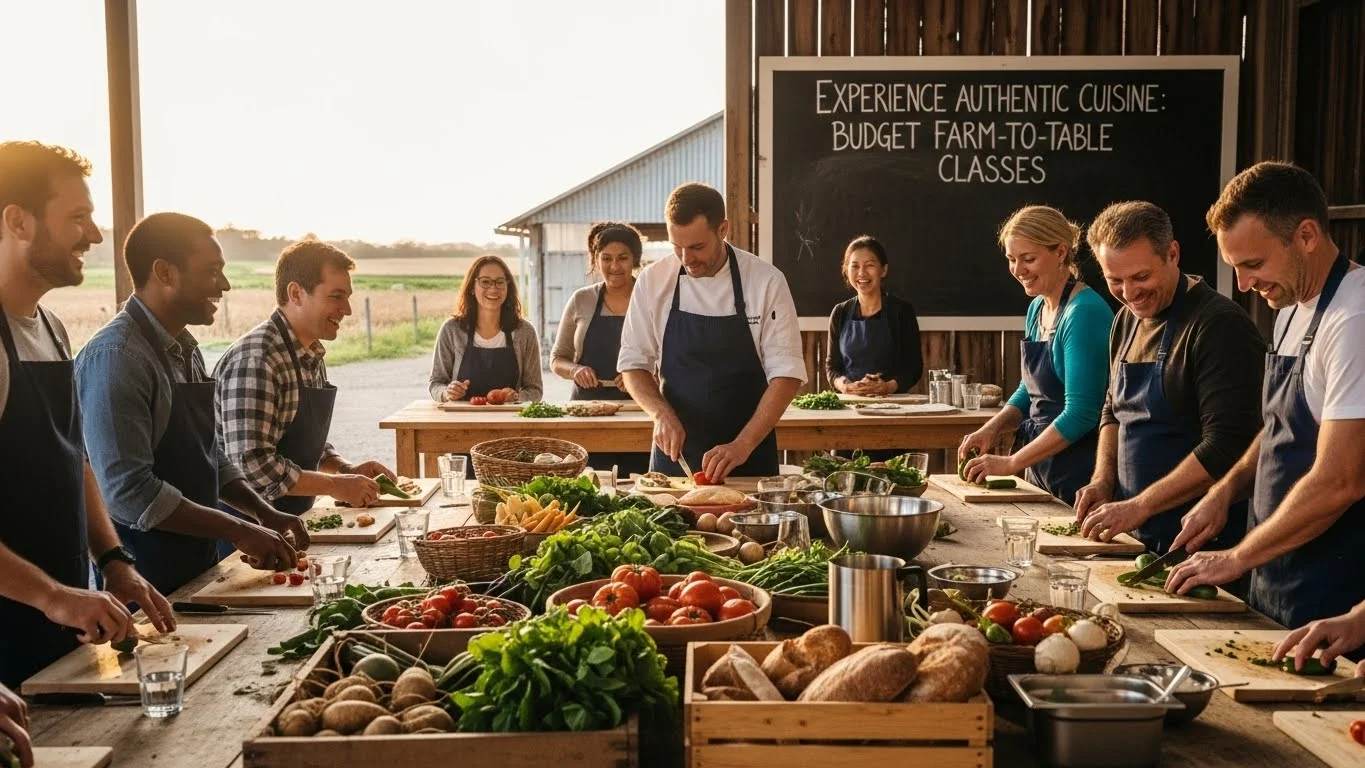
Imagine stepping into a sunlit kitchen, the aroma of fresh herbs and ripe vegetables filling the air. That’s the magic of authentic farm-to-table cuisine, and the best part? You can experience it all through budget-friendly cooking classes! Read Interesting article: Budget Backpacking: Best Farm-to-Table Cooking Classes

Experience Authentic Cuisine: Budget Farm-to-Table Classes

Understanding Farm-to-Table Cuisine

What is Farm-to-Table?

Farm-to-table is more than just a trendy phrase; it represents a movement that emphasizes sourcing food directly from local farms to create wholesome meals. I remember the first time I truly understood what farm-to-table meant. I visited a local farmer’s market and was amazed by the vibrant colors and fresh smells of the produce. I felt this immediate connection between the land and the food on my plate. It’s about knowing where your food comes from and appreciating the journey it takes before it reaches your table.

This culinary approach minimizes the time between harvest and consumption, ensuring that ingredients are as fresh as possible. It often involves seasonal and organic produce, which means the dishes you create in a farm-to-table class reflect what’s currently available. This not only makes for tastier meals but also supports sustainable farming practices. When I started attending these classes, I discovered that the relationships built with local farmers added an enriching layer to the cooking experience.

Benefits of Farm-to-Table Eating

Eating farm-to-table offers numerous benefits that made my culinary journey all the more rewarding. First and foremost, the flavor. Fresh produce harvested at its peak ripeness simply tastes better. I’ve made dishes at home using supermarket ingredients, and while they were good, nothing compared to the burst of flavor I experienced when using freshly harvested items from local farms.

Another benefit is the nutritional value. Seasonal ingredients are often richer in nutrients since they are picked at their prime. I’ve noticed that meals prepared with farm-fresh ingredients not only taste better but also leave me feeling more energized and satisfied. Plus, cooking with whole foods can inspire healthier eating habits.

Finally, there’s a sense of community that comes with farm-to-table eating. By attending these classes, I’ve met incredible people who share a passion for cooking and sustainable living. We all want to make conscious choices about what we eat, and that connection creates an inviting atmosphere where ideas and recipes are shared freely. It feels great to support local farmers and know that my choices are making a difference.

Seasonal Ingredients and Their Importance

One of the most fascinating aspects of farm-to-table cuisine is the focus on seasonal ingredients. I can’t stress enough how transformative it is to cook with produce that is in season. For example, when I took a class in the summer, we used sun-ripened tomatoes and sweet corn, which made our dishes come alive with flavor. In contrast, winter classes introduced me to hearty root vegetables and greens that are perfect for warming soups and stews.

Learning to cook with what’s in season taught me to appreciate the natural cycles of food. I remember making a vibrant spring salad with asparagus and strawberries—two ingredients that taste like they were meant to be together. It’s amazing how seasonal cooking can elevate a simple dish and connect you more deeply to the time of year.

Another layer to this is the environmental impact. Seasonal eating supports local agriculture and reduces the carbon footprint associated with transporting foods long distances. I found that when I became more aware of this, it changed my shopping habits. Now, I try to plan my meals around what’s in season, which also adds a creative twist to my cooking!

Why Choose Budget Farm-to-Table Classes?

Affordability and Value

Now, let’s talk about why budget farm-to-table classes are a fantastic option for anyone looking to dive into this culinary experience. One of my biggest concerns when starting my cooking journey was the cost. I was surprised to find that many local farms and culinary schools offer classes at surprisingly affordable rates. These classes often provide all the ingredients, which means you don’t have to worry about making a big investment upfront.

In my experience, these classes offer incredible value. Not only do you learn valuable cooking techniques, but you also gain insights into local farming practices and can often take home the meals you prepare. I’ve found that the knowledge I gained during these classes far exceeded what I would have learned through a typical cooking class at a higher price point. Read Interesting article: Discover Farm-to-Table Cooking Classes on a Budget

Learning Culinary Skills on a Budget

For those of us wanting to improve our cooking skills without breaking the bank, budget farm-to-table classes provide an excellent opportunity. I remember walking into one class feeling a bit intimidated, but the supportive environment allowed me to experiment and make mistakes without fear. The instructors often share tips and tricks that I’ve carried with me, and I’ve become more confident in the kitchen.

Moreover, these classes often focus on simple techniques that can be replicated at home. I’ve learned to make sauces from scratch and experiment with new flavor combinations, all while using affordable, fresh ingredients. With the skills I’ve gained, I can now create delicious meals without needing expensive gadgets or exotic ingredients. It’s all about working with what’s available!

Supporting Local Farmers and Communities

Choosing budget farm-to-table classes also means supporting local farmers and communities. I’ve seen firsthand how much passion these farmers have for their craft. When you take a class, you often get to meet these farmers and hear their stories, which adds a personal touch to the experience. I’ve walked away from classes not just with new recipes but with a deeper appreciation for the effort that goes into producing our food.

Supporting local agriculture strengthens our communities, and it’s a way to ensure that our food systems are sustainable. I feel good knowing that my participation in these classes is contributing to a larger movement aimed at promoting healthy eating and environmental stewardship. It’s a win-win situation for everyone involved!

Types of Farm-to-Table Classes Available

Cooking Classes at Local Farms

One of my absolute favorite ways to dive into farm-to-table cooking is by attending classes right at local farms. The experience is truly unique; I remember stepping into a vibrant kitchen surrounded by fields of fresh produce, knowing that the ingredients I was about to cook with were just harvested a short distance away. These classes usually focus on using whatever is currently in season, which means the dishes are filled with the freshest flavors possible.

During one memorable class, we gathered fresh basil and tomatoes directly from the garden. It was a magical moment to pluck those ingredients with my own hands, and then transform them into a delicious caprese salad. Being in the heart of a farm not only enhances the cooking experience but also deepens the connection to the food we eat. I think it brings a certain respect for nature and the hard work that goes into growing our food.

Online Farm-to-Table Cooking Workshops

For those who may not have access to local farms or prefer the comfort of their own kitchen, online farm-to-table workshops are a fantastic alternative. I’ve participated in several of these virtual classes, and I was pleasantly surprised by how engaging and informative they could be. Many chefs and local farmers host these sessions, sharing their knowledge while guiding participants through the cooking process.

What I loved about the online experience was the flexibility it offered. I could select classes that fit my schedule, and the recipes often focused on easily accessible ingredients, meaning I didn’t have to scramble to find specialty items. I remember one particular workshop where we made a seasonal vegetable stir-fry, and even though I was cooking from my small apartment kitchen, the sense of community was palpable. It was heartwarming to see fellow participants sharing their creations over Zoom, a testament to how food can bring people together, even virtually.

Hands-On Experiences in Community Gardens

Another delightful way to learn about farm-to-table cooking is through hands-on experiences in community gardens. I stumbled upon a local community garden offering workshops, and it quickly became one of my favorite activities. These sessions usually involve planting, harvesting, and of course, cooking with the produce we gathered. Being outdoors, surrounded by greenery and fellow garden enthusiasts, made the experience even more enjoyable.

During one of our sessions, we harvested a bounty of greens and herbs, which we then used to prepare a fresh pesto. The laughter and camaraderie among participants made it feel like a celebration of food and community. I found that working together in the garden fostered friendships and a shared appreciation for the effort that goes into growing food. Plus, it’s an excellent way to learn about gardening principles and sustainable practices that can be applied at home.

Top Destinations for Farm-to-Table Classes

Farm Classes in California

California is a treasure trove for farm-to-table enthusiasts. The state’s diverse climate allows for a wide variety of crops, making it a dream for anyone interested in seasonal cooking. I once attended a class in the Sonoma Valley, where we crafted gourmet meals using freshly harvested herbs, vegetables, and even fruits from the orchard. The backdrop of rolling hills and vineyards made for an unforgettable experience. I recommend checking out local farms in Napa and Santa Barbara as well, where you can find classes tailored to different skill levels.

New York’s Best Culinary Workshops

In New York, the farm-to-table movement is alive and vibrant, especially in the Hudson Valley. I’ve taken classes in charming little towns where local chefs showcase the bounty of regional farms. One such workshop involved making artisan bread paired with seasonal spreads. The instructors often emphasize sustainable practices, and I learned so much about the importance of supporting local agriculture. If you’re in the city, there are also fantastic opportunities to take classes that focus on ingredients sourced from nearby farms.

Midwest Farm-to-Table Experiences

The Midwest offers a unique perspective on farm-to-table dining, with a strong focus on hearty crops and traditional cooking methods. I experienced this firsthand during a workshop in Wisconsin, where we used locally sourced grains to make homemade pasta. The instructors shared stories about sustainable farming practices and their dedication to supporting the local economy. It was a wonderful way to connect with the culture and history of the region, all while enjoying delicious, freshly prepared food.

Southern Cooking Classes with Local Ingredients

Down south, farm-to-table classes often highlight the rich culinary traditions of the region. I took a class in Charleston, South Carolina, where we prepared traditional dishes using fresh seafood and seasonal vegetables. The sense of hospitality and warmth from the instructors made it feel like a gathering of friends rather than a formal class. I discovered how to infuse local flavors into my cooking, creating dishes that celebrate the essence of Southern cuisine. The experience opened my eyes to the significance of using local ingredients in recipes that have been passed down through generations.

What to Expect in a Farm-to-Table Class

Typical Class Structure and Duration

When I first signed up for a farm-to-table class, I wasn’t quite sure what to expect. I soon learned that most classes follow a similar structure, which makes the experience enjoyable and engaging. Typically, classes begin with a brief introduction to the local ingredients we’ll be using that day. I remember feeling a sense of excitement and anticipation as the instructor shared stories about each ingredient’s origin and unique characteristics.

Generally, classes last between two to four hours, depending on the complexity of the dishes we’re preparing. I found the hands-on approach incredibly rewarding; we often started by washing and prepping the ingredients together, which created a collaborative atmosphere. Then, we dove into cooking, with the instructor guiding us step by step. I appreciated how they encouraged questions and provided tips along the way. By the end of each class, we not only created delicious meals but also forged connections with fellow participants, making the experience all the more memorable.

Types of Dishes You Will Learn to Prepare

The dishes you’ll learn to prepare in a farm-to-table class can vary widely based on the season and local ingredients. I’ve had the pleasure of making everything from rustic vegetable tarts to vibrant salads bursting with color and flavor. For instance, during one summer class, we crafted a delightful heirloom tomato salad with a homemade vinaigrette that I still make to this day. The combination of flavors was simply out of this world!

In winter months, I found that classes often focused on hearty soups and stews that showcased root vegetables and legumes. I remember one particular evening when we made a warming butternut squash soup, learning how to enhance its natural sweetness with spices and herbs. That dish has become a staple in my winter cooking repertoire. The beauty of these classes is that they teach you how to adapt recipes based on what’s available, allowing for endless creativity in your own kitchen.

Interaction with Local Chefs and Farmers

One of the most enriching aspects of farm-to-table classes is the opportunity to interact with local chefs and farmers. I’ve met some incredibly passionate individuals who share their knowledge and love for food with such enthusiasm. In one class, a local farmer joined us to discuss the importance of sustainable farming practices. I found myself hanging on their every word; the stories about how they grow their crops and the challenges they face made me appreciate my food on a deeper level.

Chefs often share personal anecdotes about their culinary journey, adding a layer of authenticity to the experience. I remember a chef telling us about their journey from working in fine dining to embracing the farm-to-table movement, highlighting how it transformed their cooking philosophy. That kind of insight is invaluable and inspires me to think more critically about the food I prepare and consume. These interactions create a sense of community that makes learning all the more enjoyable.

Tips for Finding Affordable Classes

Researching Local Opportunities

Finding affordable farm-to-table classes can feel daunting, especially if you’re just starting your culinary journey. From my experience, the best place to start is by researching local farms and culinary schools in your area. Many farms offer workshops during peak seasons, and local culinary schools often have community outreach programs that provide budget-friendly classes. I remember stumbling upon a small community farm that was hosting classes at a fraction of the cost of traditional cooking schools—it turned out to be a hidden gem!

Additionally, local food co-ops and community centers frequently offer classes as well. They often aim to promote healthy eating and sustainable living, making them a great resource for finding affordable options. I found that the more I explored, the more opportunities I discovered, allowing me to expand my culinary skills without breaking the bank.

Utilizing Social Media and Community Boards

Social media can be a treasure trove of information when looking for budget-friendly classes. I started following local farms, chefs, and culinary schools on platforms like Instagram and Facebook. They often post about upcoming classes, promotions, and even special events. I’ve been able to take advantage of early bird discounts and last-minute deals simply by keeping an eye on their posts.

Community boards, both online and in-person, can also be a fantastic resource. Websites like Meetup and local Facebook groups often feature posts about cooking classes. I joined a local food group where members share their experiences, and I’ve discovered many affordable options through their recommendations. It’s a great way to connect with fellow food enthusiasts while finding new classes to try.

Discounts and Promotions to Look For

Many cooking schools and farms offer discounts for first-time participants or group rates. I always ask if there are any special promotions available when I’m signing up for a class. Additionally, subscribing to newsletters from local farms or culinary schools can keep you in the loop about upcoming classes and exclusive discounts. I’ve enjoyed several classes at a discounted rate just by being proactive and staying informed.

Some farms even have loyalty programs where you can earn discounts on future classes or receive special offers after attending a certain number of workshops. I found that this not only made the classes more affordable but also encouraged me to continue my culinary journey. Making connections and building relationships within the farm-to-table community has truly enriched my cooking experience!

Frequently Asked Questions

What is farm-to-table cuisine?

Farm-to-table cuisine is a movement that emphasizes sourcing food directly from local farms to create wholesome meals. It minimizes the time between harvest and consumption, ensuring ingredients are as fresh as possible while often involving seasonal and organic produce.

What are the benefits of eating farm-to-table?

Eating farm-to-table offers numerous benefits including enhanced flavor, higher nutritional value, and a sense of community. Fresh produce tastes better and is often richer in nutrients, while cooking with whole foods promotes healthier eating habits.

Why should I consider budget farm-to-table cooking classes?

Budget farm-to-table cooking classes are an affordable option that provides value by teaching valuable cooking techniques, insights into local farming practices, and often allowing participants to take home the meals they prepare.

What types of farm-to-table classes are available?

Available types of farm-to-table classes include cooking classes at local farms, online cooking workshops, and hands-on experiences in community gardens, each offering unique and engaging learning opportunities.

What can I expect in a typical farm-to-table class?

Most farm-to-table classes begin with an introduction to the local ingredients being used and typically last between two to four hours. Participants engage in hands-on cooking, guided by an instructor, and often enjoy a collaborative atmosphere.

What types of dishes will I learn to prepare in these classes?

The dishes you learn to prepare can vary widely based on the season and local ingredients, ranging from vibrant salads and rustic vegetable tarts in the summer to hearty soups and stews in the winter.

How do farm-to-table classes support local farmers and communities?

Farm-to-table classes support local farmers and communities by promoting sustainable agriculture, allowing participants to connect with farmers, and fostering a sense of appreciation for the effort that goes into producing food.

How can I find affordable farm-to-table classes?

To find affordable classes, research local farms and culinary schools, utilize social media to follow local chefs and farms, and check community boards or groups that share information about cooking classes.

Are there any discounts or promotions for cooking classes?

Many cooking schools and farms offer discounts for first-time participants, group rates, and loyalty programs. Subscribing to newsletters can also keep you informed about special promotions and upcoming classes.

What is the importance of seasonal ingredients in farm-to-table cooking?

Seasonal ingredients are crucial in farm-to-table cooking as they enhance flavor, provide higher nutritional value, and support local agriculture while reducing the carbon footprint associated with transporting foods long distances.

Read Interesting article: Savor Local Flavors: Farm-to-Table Classes Abroad

Savor Local Flavors: Farm-to-Table Classes Abroad

Embarking on a culinary adventure that connects us to the land and its flavors can be transformative. Farm-to-table classes abroad invite us to savor the essence of local cuisine while learning from passionate chefs and farmers. For those looking to explore these experiences without breaking the bank, Budget Backpacking: Best Farm-to-Table Cooking Classes offers some great insights.

Savor Local Flavors: Farm-to-Table Classes Abroad

Understanding Farm-to-Table Philosophy

What is Farm-to-Table?

The farm-to-table philosophy is more than just a trend; it’s a way of life that emphasizes the importance of sourcing food directly from local farms and producers. I remember the first time I heard about this approach; it was during a food festival in my hometown. I was captivated by the idea of knowing where my food came from, and it sparked my curiosity to explore it further. Essentially, farm-to-table means that the ingredients used in cooking are grown and harvested close to where they are served, fostering a deep connection between the consumer, the environment, and the community.

Benefits of Farm-to-Table Practices

One of the most significant benefits I’ve noticed about farm-to-table practices is the unparalleled freshness of the ingredients. When you bite into a ripe tomato picked just hours before your meal, the flavor is simply divine. Additionally, supporting local farmers helps strengthen the local economy and promotes sustainable agriculture, which is something I feel strongly about. I’ve seen firsthand how communities thrive when they prioritize local resources, creating a ripple effect that benefits everyone involved—from farmers to consumers.

Moreover, farm-to-table dining often means fewer carbon emissions since the food travels shorter distances. I find this incredibly important, especially in an age where climate change is a pressing issue. Knowing that my meal has a lower environmental impact makes me feel good about my choices. It’s like I’m doing my part to help the planet while enjoying a delicious meal!

Local Ingredients and Seasonal Cooking

Cooking with local ingredients is not just about freshness; it’s also about celebrating the seasons. I’ve had the joy of participating in classes where the menus change based on what’s available in the fields. For instance, during my visit to a farm in Tuscany, we crafted dishes around the ripe tomatoes and fragrant basil of late summer. This seasonal focus is something I’ve come to appreciate deeply; it encourages creativity in the kitchen and fosters a deeper relationship with the food we eat.

Incorporating seasonal ingredients into our meals allows us to experience the unique flavors of different regions and cultures. I remember experimenting with artichokes during a spring class in Provence, and the taste was unlike anything I’d had before. It was a reminder that food is always evolving, reflecting the local climate and traditions. This aspect of farm-to-table cooking has inspired me to embrace what’s available at my local farmers’ market, encouraging me to try new recipes and flavors. For tips on budget-friendly options, check out Discover Farm-to-Table Cooking Classes on a Budget.

Popular Destinations for Farm-to-Table Classes

Tuscany, Italy

Tuscany, with its rolling hills and picturesque vineyards, is a paradise for food lovers. The farm-to-table classes here often take place in beautiful rustic settings, surrounded by olive groves and vineyards. I had the pleasure of attending a class in a villa where we prepared homemade pasta using ingredients sourced directly from the estate. It was an unforgettable experience, and I still use those recipes at home!

Provence, France

Provence offers a rich tapestry of flavors bursting with herbs, fruits, and vegetables. I found that the farm-to-table classes in this region often emphasize the use of local herbs like lavender and rosemary. One of my favorite moments was learning how to create a ratatouille from scratch, using vegetables freshly picked from nearby gardens. The vibrant colors and flavors of the dish were a true reflection of the region’s bounty.

California, USA

California is known for its innovative farm-to-table movement. I’ve seen how chefs here focus on sustainability, often incorporating organic produce into their menus. During a class in Napa Valley, we toured local farms and learned how to pair fresh ingredients with wines produced right in the region. The experience taught me so much about flavor combinations and the importance of sourcing ingredients thoughtfully.

Tokyo, Japan

In Tokyo, farm-to-table classes take on a unique twist, merging traditional Japanese techniques with local ingredients. I was amazed at how chefs emphasized seasonal produce and local fish in their cooking. The attention to detail and respect for ingredients made each dish truly special. I left with a deeper appreciation for umami and how it can be highlighted by fresh, local foods.

Melbourne, Australia

Melbourne’s culinary scene is vibrant and eclectic, often influenced by its diverse cultures. I participated in a farm-to-table workshop where we crafted dishes inspired by various cuisines, using ingredients sourced from local markets. The experience opened my eyes to the idea that farm-to-table doesn’t have to be limited to one style of cooking, but can instead celebrate a fusion of global flavors. For those looking to explore unique experiences, Top 5 Affordable Farm-to-Table Experiences Worldwide is a great resource.

Types of Farm-to-Table Classes Offered

Cooking Classes

Cooking classes are one of the most popular ways to immerse ourselves in the farm-to-table philosophy. I remember taking a class in a charming kitchen overlooking a vineyard in Tuscany. We learned to make traditional Italian dishes using ingredients sourced from the surrounding farms. The hands-on experience was incredible; I enjoyed chopping fresh herbs, rolling out pasta, and blending flavors. It was not just about following a recipe; it was about understanding the essence of the ingredients and how they come together to create something magical.

These classes often cater to various skill levels, so whether you’re a beginner or an experienced cook, there’s something for everyone. I’ve found that the best classes encourage experimentation, allowing us to put our own spin on classic dishes. In one memorable session, we were taught how to create sauces from scratch, which added a new dimension to my cooking. It was empowering to see how a few fresh ingredients could transform a dish!

Gardening Workshops

Gardening workshops offer another fantastic way to connect with the farm-to-table philosophy. I participated in a workshop at an organic farm where I learned about growing my own herbs and vegetables. The experience was enlightening; I realized how much work goes into cultivating food and how rewarding it is to harvest your produce. I still remember the joy of picking fresh basil and using it in the pasta I made at home!

These workshops often include information on soil health, pest management, and seasonal planting. I found it incredibly valuable to learn from experienced farmers who shared their wisdom and techniques. It deepened my appreciation for the food I eat, as I could now envision the journey from garden to plate. Plus, getting my hands dirty in the soil was therapeutic and fun!

Wine and Cheese Pairing Events

Wine and cheese pairing events are another delightful aspect of the farm-to-table experience. I attended a pairing session in Napa Valley that opened my eyes to the art of combining flavors. We tasted local cheeses alongside wines produced from the same region, discovering how the characteristics of each complemented one another. The sommelier explained the importance of sourcing ingredients locally, and I learned how the terroir influences both the wine and the cheese.

For me, this was not just a tasting; it was an education in flavor profiles and the science behind pairing. I’ve since applied what I learned in my own gatherings at home, impressing friends with my newfound knowledge. The key takeaway for me was that great food and drink can create unforgettable memories, and sharing that experience with others made it even more special.

Market Tours and Tastings

Market tours are a fantastic way to explore local produce and meet the farmers behind the food. On my travels, I took part in a guided tour of a bustling farmers’ market in Melbourne. It was vibrant and filled with colors, scents, and sounds that energized me. The guide introduced us to various vendors, sharing their stories and the unique offerings of their farms. I loved sampling fresh fruits, artisanal bread, and homemade jams, all while learning about the people who grow and produce them.

During these tours, we often get tips on selecting the best seasonal ingredients, which is something I’ve found invaluable when shopping at my local market. It’s an incredible feeling to know the story behind what we eat, and it inspires us to make more conscious choices. Plus, tasting the local specialties right at the source is a treat that we can’t replicate back home!

What to Expect from a Farm-to-Table Class

Class Structure and Duration

Farm-to-table classes typically vary in structure and duration, catering to different interests and schedules. I’ve been in classes that lasted a few hours, while others spanned several days, immersing participants deeply into the local culinary scene. The shorter classes often focus on specific skills or techniques, allowing us to quickly learn and apply what we’ve discovered.

Longer classes tend to include multiple sessions, covering everything from sourcing ingredients to cooking and even plating. I found that the more time we spent together, the more comfortable I felt experimenting with flavors and techniques. It creates an atmosphere of camaraderie, where we can share our experiences, learn from each other, and enjoy our creations together at the end.

Typical Dishes and Techniques Learned

In farm-to-table classes, the dishes and techniques taught are generally reflective of the local cuisine and seasonal ingredients. I’ve made everything from fresh pasta and risottos in Italy to vibrant vegetable dishes and savory tarts in France. Each class emphasizes using local ingredients, which not only enhances the flavor but also connects us to the culture of the region.

I’ve also learned various cooking techniques, such as knife skills, sauce making, and baking bread. The hands-on approach has helped me feel more confident in my cooking abilities. I remember the excitement of mastering the art of making fresh mozzarella—it felt like I was unlocking a culinary secret that I could share with friends and family.

Interaction with Local Chefs and Farmers

One of the most rewarding aspects of farm-to-table classes is the opportunity to interact with local chefs and farmers. Their passion for food and sustainability shines through in every lesson. I’ve had the chance to ask questions, hear their stories, and gain insights into their philosophies on cooking and farming.

This interaction adds depth to the experience, as we learn not just about the food itself, but also the values and traditions that shape the local cuisine. It’s been inspiring to hear how they overcome challenges and innovate in their practices. Establishing a personal connection with these experts has made my culinary journey all the more meaningful.

How to Choose the Right Farm-to-Table Class

Skill Level Considerations

When I first started exploring farm-to-table classes, I wasn’t sure how to gauge my skill level. I remember feeling a mix of excitement and nerves as I considered whether I was ready for a professional class or if a beginner session would be better. I’ve learned that it’s essential to choose a class that matches your cooking experience. Most classes provide a brief overview of what to expect, which helps in making that decision.

For beginners, I recommend starting with classes that focus on basic techniques, such as knife skills or simple cooking methods. These foundational skills can boost your confidence and make the experience more enjoyable. I took a beginner class that introduced me to essential cooking techniques, and it was a game-changer. On the other hand, if you’re more experienced, look for advanced classes that dive deeper into specific cuisines or advanced techniques. The challenge can be invigorating and push your culinary boundaries!

Class Size and Atmosphere

The size of the class can significantly impact your experience. I’ve attended both small intimate classes and larger, more bustling ones. I personally prefer smaller groups, as they allow for more hands-on instruction and interaction with the chef. In a cozy setting, it felt like we were all friends cooking together, which made the learning process more relaxed and enjoyable.

On the flip side, larger classes can be fun and energetic, filled with diverse perspectives and experiences. If you thrive in a lively environment, a larger class might be the right fit for you. When choosing, consider the atmosphere you enjoy most, as it can enhance the overall experience. I found that a supportive and friendly learning environment helps me absorb the material better and feel more comfortable experimenting with new ingredients.

Location and Accessibility

The location of the class is another factor I consider when planning my culinary adventure. I’ve discovered that taking a class in a scenic area, like a vineyard or near a bustling farmers’ market, adds to the experience. It’s not just about the cooking; it’s about the entire environment that surrounds you. I remember one class in Napa Valley that included a tour through the vineyards, which made the food we prepared feel even more connected to the land.

Accessibility is also important. If you’re traveling, you might want to choose classes that are easy to reach from your accommodation. I’ve learned the hard way that spending too much time traveling can eat into the experience itself. I recommend checking public transport options or even considering classes that offer transportation if you’re in a remote area. It makes the entire experience smoother and more enjoyable!

Cost and Value

Cost is often a significant consideration when choosing a class. I’ve noticed a wide range of prices depending on the location, duration, and inclusivity of the class. While some classes seem pricey, I’ve learned that it’s essential to weigh the value against what’s offered. A higher cost might include all ingredients, take-home recipes, or even a meal at the end, which can make it worthwhile.

Before signing up, I suggest checking for reviews or testimonials from previous participants. This feedback can provide insight into whether the experience aligns with your expectations and budget. I once took a class that seemed a bit expensive, but the knowledge I gained and the connections I made were invaluable. It was a reminder that investing in experiences can lead to personal growth and lasting memories.

Essential Tips for Savoring Local Flavors

Researching Local Ingredients

To truly immerse yourself in the farm-to-table philosophy, I’ve found that researching local ingredients is crucial. Before attending a class, I like to familiarize myself with what’s in season and the unique offerings of that region. I often browse local food blogs, check farmers’ market schedules, or even look for regional cookbooks that highlight local ingredients. This way, I feel more connected to the food I’ll be preparing.

During one of my classes in Provence, I discovered the significance of certain herbs and vegetables that are staples in the local cuisine. Having that background knowledge enriched my cooking experience and allowed me to appreciate the dishes we created even more. Understanding the ingredients makes every meal feel like a story, connecting me to the culture and traditions of the area.

Understanding Cultural Influences on Cuisine

Every region has its culinary story shaped by history, geography, and culture. I love diving into the cultural influences on local cuisine before I travel. I’ve found that understanding these elements enhances my experience in the kitchen. For example, during my time in Italy, I learned about the Mediterranean diet and how it emphasizes fresh ingredients, healthy fats, and a shared dining experience.

This cultural lens has helped me appreciate not just the flavors but also the traditions behind the cooking methods. I remember feeling a deep sense of connection when I learned how certain dishes reflected the lifestyles and values of the community. It made me realize that food is a language of its own, telling stories of the people and places that create it.

Engaging with Local Communities

Engaging with local communities can be one of the most rewarding aspects of a farm-to-table experience. I’ve found that striking up conversations with farmers, chefs, or even fellow class participants can lead to incredible insights and friendships. When I attended a market tour in Melbourne, chatting with the vendors about their growing practices opened my eyes to the hard work and passion behind each product.

Being present in the community also allows for unexpected discoveries, like finding a hidden gem of a restaurant or a local festival celebrating seasonal produce. I believe that these interactions deepen our connection to the food and the culture, making each meal more meaningful. It’s like becoming a part of the story rather than just an observer.

Frequently Asked Questions

What is the farm-to-table philosophy?

The farm-to-table philosophy emphasizes sourcing food directly from local farms and producers, fostering a connection between the consumer, the environment, and the community.

What are the benefits of farm-to-table practices?

Farm-to-table practices offer unparalleled freshness of ingredients, support local farmers, promote sustainable agriculture, and contribute to lower carbon emissions due to reduced transportation distances.

What types of classes are offered in farm-to-table experiences?

Farm-to-table experiences typically include cooking classes, gardening workshops, wine and cheese pairing events, and market tours that allow participants to explore local produce.

What can participants expect from a farm-to-table class?

Participants can expect varying class structures and durations, typical dishes reflective of local cuisine and seasonal ingredients, and opportunities to interact with local chefs and farmers.

How can one choose the right farm-to-table class?

Choosing the right class involves considering skill level, class size and atmosphere, location and accessibility, as well as cost and value.

What should participants research before attending a farm-to-table class?

Participants should research local ingredients to familiarize themselves with what’s in season and the unique offerings of the region, enhancing their connection to the food they will be preparing.

How can understanding cultural influences enhance the farm-to-table experience?

Understanding cultural influences on cuisine helps participants appreciate the flavors and traditions behind cooking methods, making the culinary experience more meaningful.

What role does engaging with local communities play in farm-to-table experiences?

Engaging with local communities can provide insights and friendships, deepening the participants’ connection to the food and culture, and making each meal more meaningful.

What are some popular destinations for farm-to-table classes?

Popular destinations include Tuscany, Italy; Provence, France; California, USA; Tokyo, Japan; and Melbourne, Australia, each offering unique culinary experiences.

What techniques can be learned in farm-to-table cooking classes?

Participants can learn various cooking techniques such as knife skills, sauce making, baking bread, and creating traditional dishes that emphasize the use of local ingredients.

Budget Backpacking: Best Farm-to-Table Cooking Classes

Embarking on a budget-friendly backpacking adventure can be an exhilarating way to explore new places, especially when you combine it with the joy of cooking. Farm-to-table cooking classes offer not just culinary skills, but also a deeper connection to local cultures and ingredients. For tips on enjoying gourmet experiences while traveling on a budget, check out Budget Backpacking: Enjoy Fine Dining on a Dime.

Budget Backpacking: Best Farm-to-Table Cooking Classes

Understanding Farm-to-Table Cooking

What is Farm-to-Table Cooking?

Farm-to-table cooking is a movement that emphasizes using fresh, seasonal ingredients sourced directly from local farms. This approach not only supports local agriculture but also ensures that the food we prepare is at its peak flavor and nutritional value. I remember my first experience with farm-to-table cooking; it was thrilling to learn how the ingredients on my plate had been harvested just hours before. It creates a special bond between the cook and the food, making every bite more meaningful.

Benefits of Farm-to-Table Practices

The benefits of farm-to-table practices extend beyond taste. For me, one of the most significant advantages is the environmental impact. By sourcing ingredients locally, we reduce our carbon footprint and support sustainable farming practices. In a cooking class I took, the instructor explained how local farms often use fewer pesticides and fertilizers, which contributes to healthier ecosystems. Plus, learning about these practices deepened my appreciation for the food we consume.

Another benefit is the boost to local economies. I’ve seen firsthand how supporting local farmers can create jobs and foster community connections. When we choose to cook with local ingredients, we’re not just feeding ourselves; we’re investing in our communities. It was enlightening to hear stories from farmers during a class I attended, about their challenges and triumphs in the industry. This added a layer of understanding to my cooking experience that I hadn’t anticipated.

Local Ingredients and Sustainability

Using local ingredients in our cooking isn’t just a trend—it’s a lifestyle that promotes sustainability. When I started incorporating local produce into my meals, I noticed a significant difference in flavor and quality. It feels good to know where my food comes from, and it fosters a sense of responsibility for the environment. In one cooking class, we worked with ingredients that were harvested that very morning. The freshness was palpable, and it made me realize how much the quality of ingredients can elevate a dish.

Moreover, local ingredients often come with fewer miles traveled, which means less energy consumption for transportation. I feel proud to be part of a movement that champions sustainability and supports the concept of eating what’s in season. This not only enhances the taste of our meals but also helps us connect more intimately with the seasons and the land. I still think back to that class when we cooked with heirloom tomatoes and fresh basil—it was a true testament to how amazing food can be when it’s fresh and local.

Budget Backpacking Essentials

How to Travel on a Budget

Traveling on a budget can seem daunting, but I’ve found that with some planning, it can be incredibly rewarding. One of the first tips I learned is to always keep an eye out for deals on flights and accommodations. Websites like Skyscanner or Google Flights can help you find the best prices, and I often set price alerts to catch the best deals. When I planned my last trip, I found an amazing flight deal that saved me quite a bit!

Another essential tip is to choose destinations that are known for being budget-friendly. For instance, countries in Southeast Asia or Central America often have lower costs for food and lodging. I’ve explored local markets in Thailand and Mexico on a shoestring budget, and I was amazed at how far my money went. Plus, exploring local cuisine is part of the adventure! It’s all about immersing yourself in the culture, and food is a huge part of that experience. For more insights on exploring local cultures while traveling, read Capturing Cultures: Ethical Tips for Budget Travelers.

Choosing Affordable Accommodations

When it comes to accommodations, I’ve found that hostels, guesthouses, and even Airbnb can be excellent options for budget backpackers. Staying in a hostel not only saves money, but it also opens up opportunities to meet fellow travelers. I remember bonding with some amazing people over shared meals in a hostel kitchen, which turned into friendships that lasted well beyond the trip.

Additionally, consider staying a bit outside the main tourist areas. I’ve discovered that some of the best experiences come from exploring lesser-known neighborhoods. By opting for affordable accommodations that are a little off the beaten path, I’ve not only saved money but also stumbled upon hidden gems—like local cafes and markets that tourists often miss.

Packing Tips for Budget Backpackers

Packing efficiently is crucial for budget backpackers like us. I used to overpack, but I learned the hard way that less is more. My go-to strategy now is to pack versatile clothing that I can mix and match. A couple of pairs of comfortable shoes, a lightweight jacket, and some quick-dry clothes have served me well on various trips.

Also, I recommend bringing your own reusable water bottle and snacks. Not only does this save money, but it ensures you always have something healthy on hand. During my last backpacking trip, I filled my water bottle with fresh local water and carried energy bars for hikes. It made a big difference in keeping my budget on track while still enjoying wonderful experiences.

Top Destinations for Farm-to-Table Cooking Classes

United States

California

California is undoubtedly one of the top destinations for farm-to-table cooking classes. With its diverse climate and rich agricultural landscape, it offers a plethora of fresh produce year-round. I remember my trip to Napa Valley where I took a cooking class that focused on local ingredients. We cooked with freshly picked tomatoes, sweet corn, and fragrant herbs from nearby farms. The instructor shared fascinating stories about the region’s agricultural history, which made the experience even more enriching. If you ever get the chance, I highly recommend looking into classes offered in Sonoma County as well; they often incorporate wine pairings, which adds a delightful twist to the culinary experience.

New York

New York also shines in the farm-to-table cooking scene. The Finger Lakes region, known for its wineries and farms, is a fantastic spot for culinary exploration. I took a class in a quaint little town where we prepared dishes using ingredients sourced from local farms. It was thrilling to know that the apples we diced for our crisp had been harvested just days before. Plus, many classes in New York City focus on incorporating seasonal ingredients, making it a dynamic place to learn the art of cooking with what’s fresh. I especially loved how diverse the food culture is in NYC; you can find classes that cater to different cuisines, all while emphasizing local sourcing.

Europe

Italy

Italy is a dream destination for anyone interested in farm-to-table cooking. The emphasis on fresh, high-quality ingredients is embedded in Italian culture. When I traveled to Tuscany, I was fortunate enough to join a hands-on cooking class in a rustic farmhouse. We harvested vegetables from the garden and learned to make traditional pasta from scratch. The connection to the land and the simplicity of the dishes we created truly showcased the beauty of farm-to-table cooking. I’ve always believed that the love for food is best expressed through the meals we prepare together, and this class emphasized that through communal cooking and dining.

France

France, particularly the Provence region, is another fantastic option for farm-to-table cooking enthusiasts. I was captivated by the vibrant markets overflowing with fresh produce, artisanal cheeses, and fragrant herbs. During a cooking course in a charming village, we explored local markets and later used our finds to prepare a delightful meal. The instructor taught us about the importance of seasonality in French cuisine, and I still remember the rich flavors we achieved with just a few, fresh ingredients. If you’re looking for a culinary adventure that combines stunning scenery with exquisite food, France is a perfect choice.

Asia

Thailand

When it comes to vibrant flavors and fresh ingredients, Thailand stands out for its farm-to-table cooking classes. I spent time in Chiang Mai, where I learned to cook traditional Thai dishes using ingredients sourced from local markets and farms. The cooking class I attended included a visit to a nearby farm where we picked herbs and vegetables. The experience of cooking with fresh ingredients made every bite of my Pad Thai burst with flavor. I loved how the instructors shared their knowledge about Thai cooking traditions and ingredients, enhancing my understanding of the cuisine beyond just the recipes.

Japan

Japan offers a unique spin on farm-to-table cooking with its focus on seasonal ingredients and presentation. During my visit to Kyoto, I participated in a cooking class that highlighted the beauty of kaiseki cuisine, which emphasizes fresh and seasonal ingredients. We visited a local market to gather our ingredients, and I was amazed at the variety of produce available, even in the winter months. The meticulous attention to detail in preparing each dish taught me that cooking is not just about flavor but also about aesthetics. In Japan, cooking classes are an opportunity to immerse yourself in the culture and to appreciate the connection between food, nature, and tradition.

Best Budget Farm-to-Table Cooking Classes

Class Options in the United States

Los Angeles Cooking Classes

Los Angeles is a fantastic city for those looking to dive into farm-to-table cooking without breaking the bank. I discovered several cooking schools that offer classes focused on local ingredients and seasonal produce. One of my favorites was a class I took at a small culinary school in the heart of the city. We prepared dishes using fresh herbs and vegetables sourced from local farmers’ markets. The atmosphere was relaxed, and the instructors were passionate about sharing their knowledge. Plus, the cost was surprisingly reasonable compared to other culinary experiences I’ve had. If you’re ever in LA, I highly recommend checking out classes that focus on the diverse culinary influences that make the city so unique.

New York City Culinary Experiences

New York City is another hotspot for budget-friendly farm-to-table cooking classes. I remember signing up for a workshop in Brooklyn that centered around seasonal cooking. The instructor took us to a nearby market to select our ingredients, which made the experience more interactive and lively. We prepared a delicious dinner that night, and the whole process felt like a celebration of local food culture. Many classes in NYC also offer group discounts, so if you’re traveling with friends or family, it could be a great way to save some money while enjoying a memorable experience together.

Affordable Classes in Europe

Tuscany Cooking Schools

Tuscany is synonymous with incredible food, and thankfully, there are plenty of affordable cooking classes available. During my visit, I took a class in a charming farmhouse that focused on traditional Tuscan dishes. We learned about the importance of using local ingredients, and it was fascinating to see how the region’s culinary traditions have evolved over time. The class was reasonably priced, especially considering the quality of the experience. Plus, the stunning countryside views were a bonus! If you’re thinking of a culinary trip to Italy, Tuscany should be at the top of your list.

Paris Culinary Workshops

Who wouldn’t want to learn to cook in the culinary capital of the world? Paris offers a range of workshops that can fit a budget. I participated in a half-day class that focused on creating classic French dishes using fresh, local ingredients. The instructor was a local chef who shared not only the recipes but also tips on how to navigate the markets and select the best ingredients. It was an intimate setting, allowing for personal attention, which is something I truly valued. Plus, many of these workshops also include a meal at the end, so you get to enjoy the fruits of your labor in a delightful setting.

Inexpensive Asian Culinary Schools

Bangkok Cooking Classes

Bangkok is a treasure trove for food lovers, and I found that farm-to-table cooking classes here are both affordable and enriching. I took a cooking class that began with a visit to a local market, where we picked fresh ingredients to use in our dishes. The experience of cooking with these ingredients was incredible. The instructors were friendly and knowledgeable, and they made the class not just educational but a lot of fun. I remember making a green curry that was bursting with flavor, all thanks to the fresh produce we had just sourced. If you’re looking for an authentic culinary experience in Thailand, you won’t be disappointed.

Tokyo Culinary Experiences

In Tokyo, the emphasis on high-quality, seasonal ingredients is evident in the cooking classes offered throughout the city. I joined a workshop that introduced me to kaiseki cuisine, which is all about balance and harmony in flavors. The class was surprisingly affordable, especially considering the level of expertise of the chefs. We prepared a series of small dishes that highlighted different seasonal vegetables. I loved how the class combined cooking with a deep appreciation for Japanese culture and traditions. It’s a unique experience that I think anyone visiting Japan should consider.

Exploring these budget-friendly cooking classes not only helped me learn new culinary skills but also enriched my travels. Each class brought me closer to understanding local cultures through the lens of food, and I cherish the memories created in these kitchens. Whether you’re in the United States, Europe, or Asia, there are so many opportunities to dive into farm-to-table cooking without stretching your budget. It’s an adventure that can truly enhance your travels and leave you with lasting skills and delicious recipes to share with friends and family back home. For an exciting way to experience local cuisine, consider Explore Local Flavors: Budget-Friendly Traditional Cuisine Tours.

What to Expect from a Farm-to-Table Cooking Class

Class Structure and Duration

When I signed up for my first farm-to-table cooking class, I wasn’t entirely sure what to expect. I had visions of a long, tedious day in the kitchen, but I quickly realized that these classes are typically structured to be engaging and informative. Most classes begin with a brief introduction, where the instructor outlines the day’s activities. I remember feeling excited as we gathered around to discuss the local ingredients we would be using.

Classes usually last anywhere from a few hours to a full day, depending on the depth of the curriculum. I found that it’s a mix of demonstration and hands-on cooking. Some instructors take the time to show us traditional techniques, while others let us dive right in. I appreciated that we could learn at our own pace, with plenty of opportunities to ask questions. It was refreshing to see how everyone’s learning style was accommodated, making the experience enjoyable for all participants.

Types of Dishes You Will Learn

One of the most thrilling aspects of farm-to-table cooking classes is the variety of dishes you can learn to prepare. I’ve taken classes that focused on everything from hearty rustic dishes to elegant, simple presentations. Depending on the region and season, the dishes can vary widely. In one class in California, we prepared a colorful salad using heirloom tomatoes, while in Tuscany, we made a traditional ragu that simmered for hours.

What stands out to me is the creativity involved in using local ingredients. I remember a class where we were challenged to create our own dishes based on the ingredients available that day. It was a fun exercise that encouraged us to think outside the box and experiment. I realized how versatile ingredients can be, and it was a great way to build confidence in my cooking skills.

Interaction with Local Farmers

One of the most rewarding parts of my farm-to-table cooking experiences has been the opportunity to meet local farmers. Many classes include a farm visit, and I can’t stress how impactful this was for me. During one memorable outing, we toured a small family-owned farm and learned about their sustainable practices directly from the farmers themselves. It was inspiring to hear their dedication to quality and their passion for the land.

This connection to the source of our food added an entirely new dimension to my cooking. When we returned to the kitchen to prepare our meal, I felt a newfound appreciation for the ingredients we were using. I think this interaction is what makes farm-to-table cooking so special; it creates a story behind each dish that you prepare. Knowing the hands that tended to the crops not only enhances your culinary experience but also creates a deeper respect for the food we eat.

Tips for Budget-Friendly Cooking Classes

Finding Discounts and Promotions

As someone who loves to explore cooking classes while traveling, I’ve learned a few tricks to find discounts and promotions. I often check social media pages of local cooking schools, as they sometimes post limited-time offers. Additionally, subscribing to newsletters from culinary schools can lead to exclusive deals. I once stumbled across a flash sale for a class I’d been eyeing, and I was thrilled to secure my spot at half the price!

Booking in Advance vs. Last-Minute Deals

I’ve experienced both sides of the coin when it comes to booking cooking classes. If you have your heart set on a particular class, I recommend booking in advance. I’ve found that popular classes tend to fill up quickly, especially in tourist-heavy areas. However, if you’re a bit more flexible, waiting until the last minute can sometimes yield great deals. I’ve snagged last-minute spots in a few classes at discounted rates, but it does require a bit of luck and spontaneity.

Group Discounts and Packages

If you’re traveling with friends or family, consider looking for group discounts. Many cooking schools offer a reduced rate for groups, which can significantly lower your overall costs. I once booked a class for a group of five, and we ended up enjoying a wonderful experience at a great price. It’s also a fantastic way to bond with your travel companions as you share the joy of cooking together.

Complementing Your Cooking Class Experience

Exploring Local Markets

After a cooking class, I love to visit local markets. These markets are often buzzing with energy, showcasing the region’s freshest produce and artisanal goods. During my travels, I’ve spent countless hours wandering through stalls, chatting with vendors, and sampling tasty treats. It enhances the farm-to-table experience, as you gain a deeper understanding of local ingredients and culinary traditions.

Dining at Farm-to-Table Restaurants

Another way to complement your cooking adventure is by dining at farm-to-table restaurants. I’ve found that many of these establishments take pride in sourcing their ingredients locally. It’s a way to taste the flavors of the region while supporting local farmers. I remember dining at a restaurant in Provence where the chef’s menu changed daily based on what was fresh and in season. It was a delightful culmination of my cooking experience, and I couldn’t help but appreciate the dishes even more.

Participating in Local Food Festivals

Food festivals are a fantastic way to immerse yourself in a region’s culinary culture. I love seeking out local food festivals during my travels. These events often highlight local farms and feature cooking demonstrations, tastings, and workshops. Attending a food festival in Tuscany introduced me to local cheeses and wines, and I even participated in a pasta-making workshop that further enriched my understanding of Italian cuisine.

Safety and Health Considerations

Food Safety Guidelines

When we’re diving into the world of cooking, food safety is paramount. I always make sure to follow basic food safety guidelines, especially when working with fresh ingredients. This includes properly washing fruits and vegetables and keeping raw ingredients separate from cooked foods. Many cooking classes emphasize these practices, and I’ve learned how critical they are in maintaining quality and preventing foodborne illnesses.

Travel Insurance for Cooking Classes

While I often focus on the excitement of cooking classes, I also believe it’s wise to consider travel insurance. This can cover any unexpected cancellations or health issues that might arise. I’ve had peace of mind knowing that I’m protected in case of unforeseen circumstances, allowing me to fully enjoy my culinary adventures without stress.

Final Thoughts

Farm-to-table cooking classes have not only enriched my culinary skills but also deepened my appreciation for the food we eat and the cultures surrounding it. Each class has been an adventure, filled with learning, connection, and creativity. Whether you’re traveling across the globe or exploring local options, these experiences can transform the way you view food. I encourage you to step outside your comfort zone, seek out these classes, and immerse yourself in the wonderful world of farm-to-table cooking. You’ll come away with new recipes, lasting memories, and a greater connection to the ingredients you use every day.

Frequently Asked Questions

What is farm-to-table cooking?

Farm-to-table cooking is a movement that emphasizes using fresh, seasonal ingredients sourced directly from local farms. This approach supports local agriculture and ensures that food is at its peak flavor and nutritional value.

What are the benefits of farm-to-table practices?

The benefits include enhanced taste, reduced carbon footprint, support for sustainable farming practices, and a boost to local economies. It fosters community connections and provides a deeper appreciation for the food we consume.

How can I travel on a budget while attending cooking classes?

To travel on a budget, keep an eye out for deals on flights and accommodations, choose budget-friendly destinations, and opt for affordable accommodations like hostels or guesthouses. Additionally, packing efficiently and bringing your own snacks can help save money.

What are some top destinations for farm-to-table cooking classes in the United States?

Top destinations include California, particularly Napa Valley and Sonoma County, as well as New York, especially the Finger Lakes region and New York City, which offers a variety of classes focusing on local ingredients.

What is the typical structure and duration of a farm-to-table cooking class?

Classes usually last from a few hours to a full day, beginning with an introduction to the day’s activities. They typically involve a mix of demonstration and hands-on cooking, allowing participants to learn at their own pace.

What types of dishes can I learn to prepare in these cooking classes?

You can learn to prepare a variety of dishes, from rustic meals to elegant presentations, depending on the region and season. Classes often encourage creativity and experimentation with local ingredients.

How can I find discounts for cooking classes?

To find discounts, check social media pages of local cooking schools for limited-time offers, subscribe to their newsletters for exclusive deals, and consider booking in advance or looking for group discounts if traveling with friends.

What can I do to complement my cooking class experience?

You can explore local markets, dine at farm-to-table restaurants, and participate in local food festivals to enhance your culinary adventure and deepen your understanding of regional ingredients and culinary traditions.

What are some food safety guidelines to follow during cooking classes?

Basic food safety guidelines include properly washing fruits and vegetables, keeping raw ingredients separate from cooked foods, and following any specific safety practices emphasized by the cooking instructors.

Should I consider travel insurance for cooking classes?

Yes, considering travel insurance is wise as it can cover unexpected cancellations or health issues, allowing you to enjoy your culinary adventures with peace of mind.