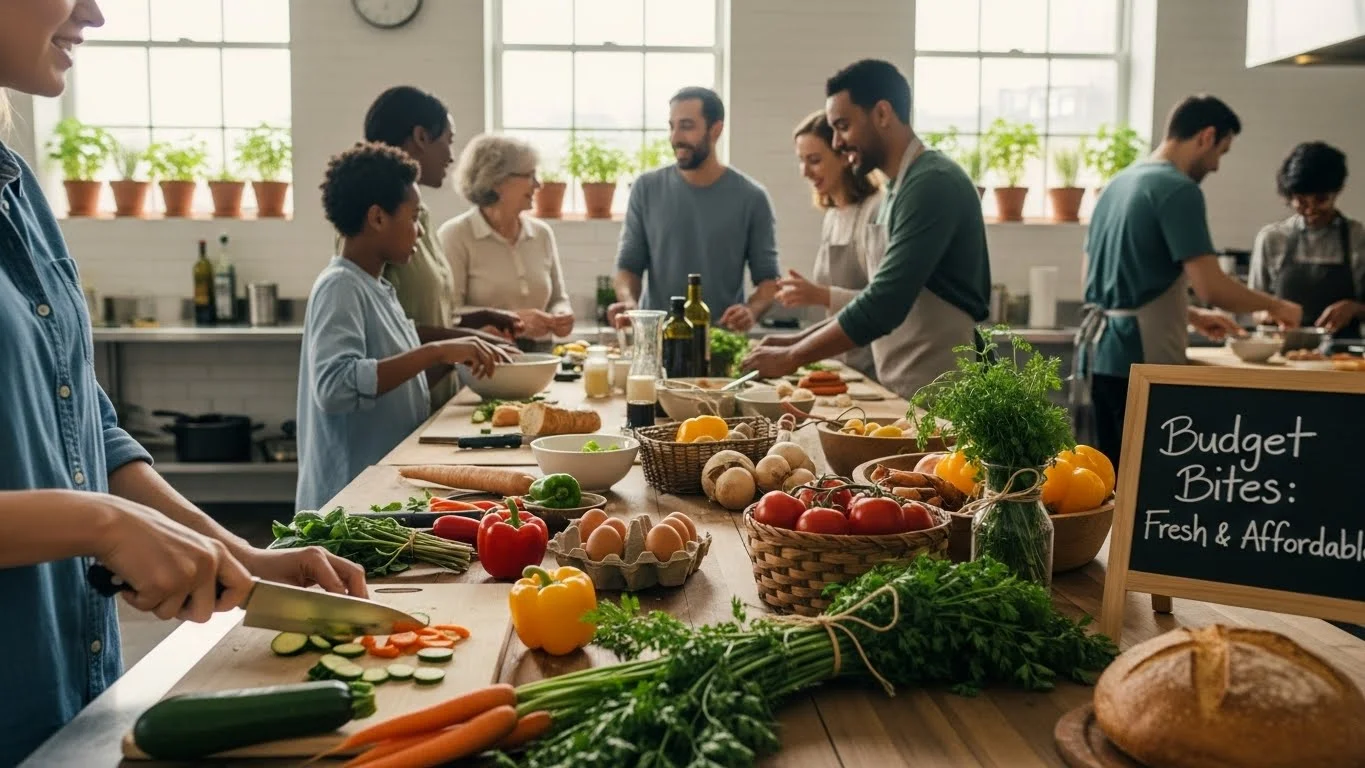
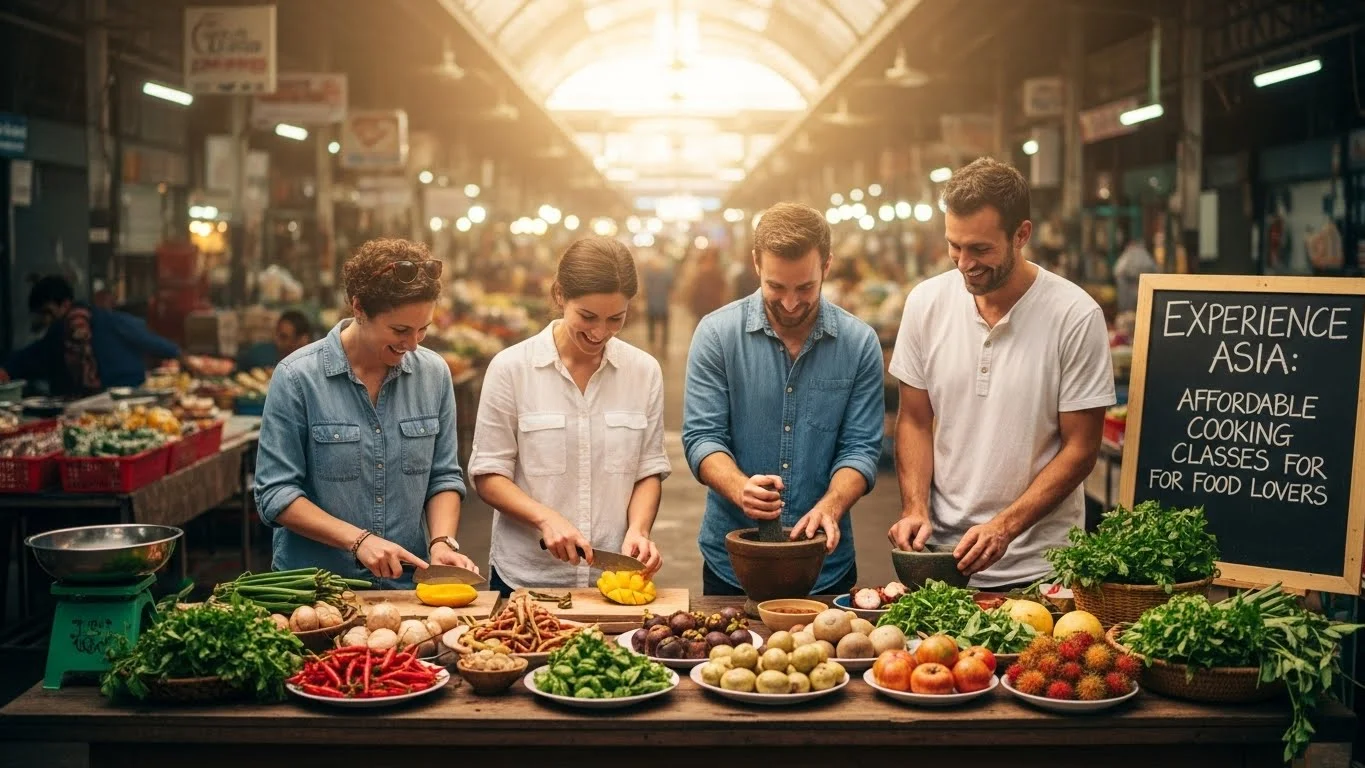
Farm-to-table experiences are not just a dining trend; they are a journey into the heart of local cuisine. If you’re curious about fresh, authentic meals that connect you to the land and the people, you’re in for a treat! Read Interesting article: Discover Farm-to-Table Cooking Classes on a Budget
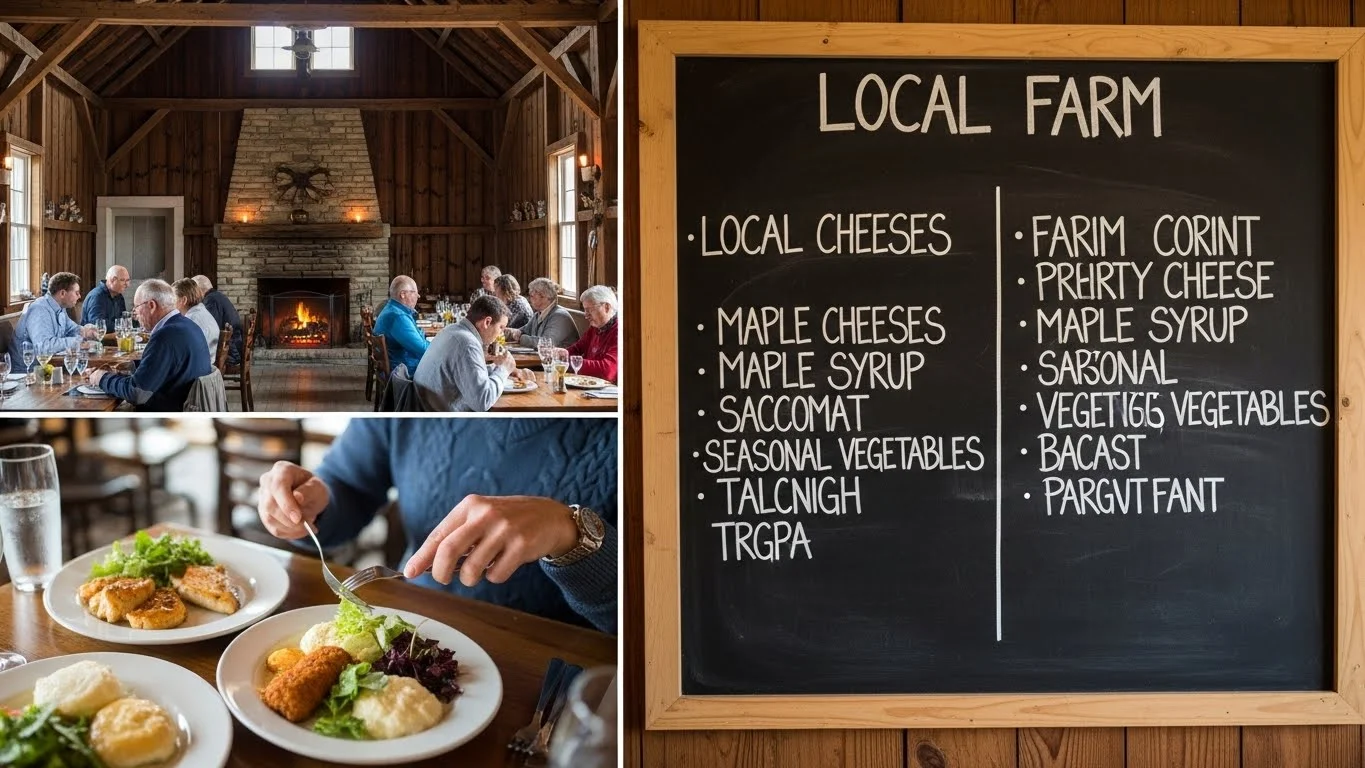
Understanding Farm-to-Table Concept
Definition and Importance
When I first heard the term “farm-to-table,” I was intrigued. It represents a movement in the culinary world that emphasizes sourcing food directly from local farms. This means that the ingredients in your meal are fresh, seasonal, and often organic. I’ve come to appreciate how this concept supports local economies and gives diners a direct link to the sources of their food. It’s not just about eating; it’s about understanding where our meals come from and the stories behind them.
The importance of farm-to-table eating goes beyond just the plates we fill. I believe it nurtures a deeper connection to our food. When I eat at a farm-to-table restaurant, I feel like I am participating in a community that values sustainability, health, and the rich flavors of local produce. It’s a reminder that food is a reflection of culture and the environment it comes from. Read Interesting article: Top Affordable Wine Regions to Visit on a Budget Adventure
Health Benefits of Farm-to-Table Eating
One of the most compelling reasons for choosing farm-to-table dining, in my experience, is the health benefits. Fresh ingredients are often packed with nutrients because they haven’t traveled long distances or been stored for extended periods. I’ve noticed a significant difference in how I feel after eating meals made from fresh, local produce compared to those made with pre-packaged or processed foods.
Moreover, many farm-to-table restaurants prioritize organic and pesticide-free ingredients, which means fewer chemicals in our meals. The vibrant colors and flavors of fresh vegetables and fruits are not just delicious; they also provide essential vitamins and minerals that contribute to our overall well-being. I often feel more energized and satisfied after a meal made from local ingredients.
Environmental Impact of Local Sourcing
In my journey towards more sustainable living, I’ve learned that farm-to-table eating can significantly reduce our carbon footprint. When food is sourced locally, it doesn’t have to travel thousands of miles to reach our plates, which means fewer emissions from transportation. I’ve found that supporting local farms not only benefits my health but also helps to protect the environment.
Additionally, local farms often use sustainable practices that preserve the land and promote biodiversity. By choosing to eat at farm-to-table restaurants, I feel like I’m supporting a movement that prioritizes the health of our planet. There’s something incredibly rewarding about knowing that my dining choices contribute to a greener future. Read Interesting article: Ultimate Guide to Affordable Food Festivals Worldwide
Criteria for Affordable Farm-to-Table Experiences
Cost Considerations
When I’m looking for affordable farm-to-table experiences, I always start with the cost. While some farm-to-table restaurants can be pricey, there are many that offer fantastic meals at reasonable prices. I’ve learned to look for places that focus on local, seasonal ingredients rather than elaborate menus that can drive up costs. It’s all about finding that balance between quality and affordability.
Accessibility and Location
Accessibility is another key factor I consider. I prefer experiences that are easy to reach, whether they’re within walking distance or a short drive away. Some of my favorite farm-to-table spots are in rural areas, allowing me to enjoy not just the food but the scenic beauty of the countryside as well. I recommend checking local tourism websites for hidden gems that might not be well-known but offer incredible experiences.
Quality of Ingredients
Quality is paramount when it comes to farm-to-table dining. I always ask about the sourcing of ingredients to ensure they come from local farms. I’ve found that many restaurants are proud to share their farmers’ stories, and this connection makes the meal even more enjoyable. It’s amazing how much of a difference it makes when the ingredients are fresh and of high quality.
Dining Atmosphere
The dining atmosphere plays a huge role in my overall experience. I love places that feel warm and inviting, where I can relax and enjoy my meal. Many farm-to-table restaurants have a rustic charm, often decorated with local artwork or even elements from the farm itself. It creates a sense of community and makes the dining experience feel special. I always look for places that offer not just good food but a memorable ambiance as well.
Top 5 Affordable Farm-to-Table Experiences Worldwide
1. Experience in Italy
Location and Overview
Italy is a dream destination for food lovers, especially if you’re seeking authentic farm-to-table experiences. I remember visiting a small agriturismo in Tuscany, surrounded by rolling hills and vineyards. The charm of this place was undeniable, with its rustic farmhouse and fields of fresh produce right outside the door. Agriturismos are essentially working farms that offer lodging and meals, and they focus on using their own ingredients, which makes the experience even more special.
Signature Dishes
During my stay, I was treated to homemade pasta, fresh cheeses, and rich tomato sauces that were bursting with flavor. I also enjoyed bruschetta topped with ripe tomatoes, basil, and olive oil—all sourced from their gardens. The highlight was a traditional Tuscan feast, complete with local wines that paired perfectly with the dishes. Each bite was a celebration of the region’s culinary heritage.
Average Cost
What surprised me was that meals at the agriturismo were quite affordable, often ranging between $20 to $40 per person, depending on the menu. For the quality and experience, it felt like a steal!
2. Experience in Mexico
Location and Overview
In Mexico, I discovered that farm-to-table dining is deeply rooted in tradition, especially in places like Oaxaca. The vibrant markets and local farms create a unique culinary scene where chefs collaborate with farmers to bring authentic flavors to the table. I visited several local eateries that made it a point to highlight their fresh ingredients, often displayed prominently on their menus.
Signature Dishes
The food was a feast for the senses. I savored mole sauces made from locally sourced chilies and spices, along with tamales filled with fresh vegetables and meats. The street food scene also offers farm-to-table options, like tacos filled with organic meats and vegetables, which I found utterly delicious and often enjoyed while chatting with local vendors.
Average Cost
The average cost for a meal in Oaxaca is quite budget-friendly, ranging from $10 to $25 per person. I was amazed at how much flavor and freshness I received for such a reasonable price.
3. Experience in Australia
Location and Overview
Australia offers some incredible farm-to-table experiences, particularly in regions like Tasmania and the Barossa Valley. I had the chance to visit a vineyard restaurant in Barossa, where they pride themselves on using organic ingredients sourced from local farmers. The experience was not only about the food but also the breathtaking views of the vineyards and hills surrounding the restaurant.
Signature Dishes
I enjoyed a delightful lunch that included grilled kangaroo with a side of seasonal vegetables and a fresh salad drizzled with homemade dressing. Every dish highlighted the fresh produce available in the region, and the wine pairings were simply exquisite. I loved how the food was a reflection of the land and culture.
Average Cost
Prices in this region can vary, but I found that a meal typically costs between $30 and $60, which is reasonable considering the quality of the ingredients and the dining experience.
4. Experience in Japan
Location and Overview
Japan’s farm-to-table scene is fascinating, particularly in areas like Kyoto, where traditional kaiseki dining is a way of life. I remember visiting a local restaurant that focused on seasonal ingredients, using vegetables and fish sourced from nearby farms and fishermen. The attention to detail and presentation was incredible and made me appreciate the artistry involved in Japanese cuisine.
Signature Dishes
The meal I experienced was a multi-course affair, offering fresh sashimi, beautifully arranged vegetable pickles, and delicate tofu made the same day. Each dish told a story of the season and the locale, and I felt like I was truly tasting Japan.
Average Cost
For such an authentic dining experience, the cost ranged from $50 to $100 per person, which I thought was reasonable considering the quality and craftsmanship of the meal.
5. Experience in the USA
Location and Overview
In the U.S., I discovered an abundance of farm-to-table restaurants, especially in places like California, Vermont, and New York. One notable experience was at a farm-to-table bistro in California’s Napa Valley, where the focus was on fresh, local ingredients from surrounding farms. The atmosphere was relaxed, and the staff was enthusiastic about sharing the stories behind the food.
Signature Dishes
My meal included a stunning avocado toast topped with heirloom tomatoes and a sprinkle of fresh herbs, followed by a seasonal vegetable risotto. It was enlightening to see how the chefs incorporated local flavors and ingredients into their dishes, creating a unique taste that embodied the region.
Average Cost
Dining at this bistro set me back around $30 to $50 per person, making it a fantastic option for anyone looking to enjoy high-quality, fresh meals without breaking the bank.
Planning Your Farm-to-Table Journey
Best Times to Visit
Booking Tips and Recommendations
What to Expect During the Experience
Planning Your Farm-to-Table Journey
Best Times to Visit
When planning my farm-to-table adventures, I’ve realized that timing can significantly enhance the experience. Each season brings its own bounty, and I’ve found that visiting during peak harvest times can offer the freshest and most vibrant dishes. For instance, summer is fantastic for experiencing juicy tomatoes, sweet corn, and an array of berries. I remember visiting a farm in late summer, where the produce was not only abundant but bursting with flavor.
In the fall, I enjoy the earthy richness of squash and root vegetables. I’ve even participated in harvest festivals, where local farms celebrate their yields with meals made from freshly picked ingredients. Spring brings a delightful array of greens and herbs, while winter can be a bit trickier but still offers unique dishes featuring preserved goods and hearty ingredients. I’ve learned that checking seasonal calendars for local farms can help me plan the perfect trip.
Booking Tips and Recommendations
Booking a farm-to-table experience can sometimes feel overwhelming, especially with so many options available. I’ve found that doing a little research ahead of time can go a long way. First, I recommend checking online for reviews and recommendations from fellow diners. Websites that focus on local dining often feature hidden gems that might not pop up in general searches.
Another tip I’ve learned is to reach out directly to the restaurants or farms. I’ve had great conversations with chefs and owners who are happy to share their philosophy and menu highlights. This not only gives me a better sense of the experience but also helps me secure a reservation, especially at popular spots that fill up quickly.
For those traveling during busy seasons, I suggest making reservations well in advance. I’ve missed out on some amazing experiences simply because I waited too long! And if a place doesn’t take reservations, I try to arrive early to snag a spot. Lastly, don’t forget to ask about any special events or tasting menus that might be happening during my visit. These can add a unique twist to the experience!
What to Expect During the Experience
One of the things I love most about farm-to-table dining is the sense of authenticity that permeates the experience. When I arrive at a farm-to-table restaurant, I expect to be greeted by friendly staff who are genuinely passionate about the food they serve. I remember my first time stepping into a farm-to-table bistro; the atmosphere was lively, with an open kitchen where I could see chefs preparing meals with fresh ingredients. It felt like a celebration of food right from the start.
During the meal, I often enjoy the opportunity to learn about the sourcing of my food. I’ve noticed that many places take pride in sharing stories about the farmers and producers they work with. This personal touch makes the experience feel more intimate and connected. I’ve even been lucky enough to meet some local farmers during special events, which has added a whole new layer of appreciation for the meal.
Another aspect I’ve come to appreciate is the creativity that chefs bring to their dishes. I’ve been surprised by how they can transform simple ingredients into something extraordinary. Whether it’s through unique flavor combinations or artistic presentations, I always leave feeling inspired. And let’s not forget the chance to try seasonal specials that are only available for a limited time; it’s like a culinary treasure hunt!
Ultimately, I expect to leave feeling satisfied not just in my stomach but also in my heart. Knowing that I’ve supported local agriculture and enjoyed a meal that embodies the essence of the area is incredibly fulfilling. I truly believe that these experiences are about more than just food; they’re about connecting with the community, the land, and the stories that make each bite special.
Benefits of Choosing Farm-to-Table
Supporting Local Farmers
Freshness and Taste
Cultural Connection through Food
Benefits of Choosing Farm-to-Table
Supporting Local Farmers
One of the most fulfilling aspects of choosing farm-to-table dining is the opportunity to support local farmers directly. I’ve always believed that our food choices can have a significant impact on our communities. When I dine at a farm-to-table restaurant, I feel like I’m not just enjoying a meal; I’m contributing to the livelihood of local farmers and their families. It’s heartwarming to think that my dollars are going to those who work tirelessly to produce the food I eat.
I’ve had the pleasure of visiting many local farms and meeting the farmers behind the food. Their passion for agriculture and commitment to sustainable practices truly inspires me. By supporting these farmers, I know I’m helping to preserve local landscapes and agricultural heritage. It feels rewarding to be part of a movement that values and respects the people who grow our food.
Freshness and Taste
There’s simply nothing like the taste of fresh, seasonal ingredients. I’ve experienced firsthand how the flavor of my meals dramatically improves when I choose farm-to-table options. The difference is often night and day! Fruits and vegetables that are picked at their peak ripeness have an explosion of flavor and nutrients that store-bought produce simply can’t match. I remember biting into a perfectly ripe heirloom tomato at a local bistro, and it was like tasting summer itself.
Additionally, many farm-to-table restaurants take pride in their cooking techniques that highlight the freshness of their ingredients. I’ve noticed that chefs focus on simplicity and allow the natural flavors to shine. This approach doesn’t just satisfy my taste buds; it also makes me appreciate the craftsmanship of cooking. Each meal feels like a celebration of the ingredients, and I often leave wanting to recreate those flavors at home.
Cultural Connection through Food
Food has an incredible way of connecting us to culture and community. When I indulge in farm-to-table dining, I feel a link to the traditions and histories of the place I’m in. Many farm-to-table restaurants embrace local culinary traditions, showcasing unique dishes that reflect regional flavors and stories. It’s fascinating to learn about the cultural significance of certain ingredients or preparations during my meals.
For instance, during a meal in Oaxaca, I learned about the ancient methods of making mole and how it ties back to the region’s history. This kind of storytelling enriches the dining experience and helps me feel more connected to the place and its people. I believe that every meal tells a story, and when I dine at a farm-to-table establishment, I feel like I’m part of that narrative. It fosters a deeper appreciation for the food and the community that produces it.
Final Thoughts
As I reflect on my journey through the world of farm-to-table dining, I find myself grateful for the experiences and connections I’ve made. Choosing farm-to-table options not only enhances my culinary adventures but also supports local economies, promotes sustainability, and deepens my appreciation for the food on my plate. I encourage you to explore the farm-to-table movement in your own way, whether through dining out or cooking with local ingredients. Each bite is an opportunity to connect with the land, the community, and the rich flavors that define our culinary heritage. Together, we can celebrate the beauty of food that nourishes not just our bodies but also our souls.
Frequently Asked Questions
What does the term “farm-to-table” refer to?
The term “farm-to-table” represents a movement in the culinary world that emphasizes sourcing food directly from local farms, ensuring that ingredients are fresh, seasonal, and often organic.
What are the health benefits of farm-to-table dining?
Farm-to-table dining offers health benefits because fresh ingredients are often packed with nutrients, having not traveled long distances or been stored for extended periods. Many restaurants prioritize organic and pesticide-free ingredients, leading to meals with fewer chemicals.
How does farm-to-table dining impact the environment?
Farm-to-table dining can significantly reduce our carbon footprint by sourcing food locally, which minimizes transportation emissions. Local farms often use sustainable practices that help preserve the land and promote biodiversity.
What should I consider when looking for affordable farm-to-table experiences?
When seeking affordable farm-to-table experiences, consider the cost of the meals, the accessibility and location of the restaurants, the quality of ingredients, and the overall dining atmosphere.
What are some affordable farm-to-table experiences around the world?
Some affordable farm-to-table experiences include agriturismos in Italy ($20 to $40 per person), local eateries in Oaxaca, Mexico ($10 to $25 per person), vineyard restaurants in Australia ($30 to $60 per person), kaiseki dining in Japan ($50 to $100 per person), and bistros in Napa Valley, USA ($30 to $50 per person).
When is the best time to visit for farm-to-table dining?
The best time to visit for farm-to-table dining is during peak harvest seasons, as each season offers different fresh produce. For example, summer is great for tomatoes and berries, while fall focuses on squash and root vegetables.
What are some tips for booking a farm-to-table experience?
To book a farm-to-table experience, it’s helpful to research online for reviews, reach out directly to restaurants or farms for information, make reservations in advance during busy seasons, and inquire about any special events or tasting menus.
What can I expect during a farm-to-table dining experience?
During a farm-to-table dining experience, you can expect to be greeted by passionate staff, learn about the sourcing of your food, enjoy creatively prepared dishes, and leave feeling satisfied while knowing you supported local agriculture.
How does farm-to-table dining support local farmers?
Farm-to-table dining supports local farmers by providing a direct market for their produce, contributing to their livelihoods, and preserving local agricultural practices and landscapes.
What role does cultural connection play in farm-to-table dining?
Cultural connection in farm-to-table dining allows diners to engage with local traditions and histories through food, enriching the dining experience and fostering appreciation for regional flavors and culinary stories.