Web Analytics

Recent Posts

How Carbon Offsetting Programs Are Changing Eco-Tourism

Carbon offsetting is transforming eco-tourism by empowering travelers to make a positive impact on the environment. These programs allow us to support sustainability while enjoying our adventures. Let’s dive into how this works! Read Interesting article: Unlocking Eco-Tourism Potential Through Carbon Offsetting Strategies
How Carbon Offsetting Programs Are Changing Eco-Tourism

Understanding Carbon Offsetting in Eco-Tourism

What is Carbon Offsetting?

When I first heard about carbon offsetting, I was curious but a bit confused. Essentially, carbon offsetting is a way for individuals and businesses to compensate for their carbon emissions by funding projects that reduce greenhouse gases elsewhere. This means that if we take a flight or drive a car, we can contribute to initiatives like reforestation or renewable energy to balance out our carbon footprint. It’s like planting a tree for every mile we drive, creating a more sustainable way of living and traveling.

The Role of Carbon Offsetting in Eco-Tourism

In the realm of eco-tourism, carbon offsetting plays a crucial role. As someone who loves to explore nature, I’ve often felt a pang of guilt about the carbon emissions associated with travel. Eco-tourism aims to minimize that impact, and carbon offsetting is a key strategy. By participating in these programs, we can ensure that our adventures contribute positively to the environment rather than harm it.

For example, many eco-tourism operators now offer carbon offset options at the time of booking. This allows us travelers to take responsibility for our carbon emissions upfront. It’s a small step that can lead to a larger movement towards sustainable travel. I remember booking a trip to Costa Rica and being given the choice to offset my carbon emissions. It felt empowering to know that I could contribute to preserving the beautiful landscapes I was about to explore. Carbon Offsetting’s Impact on Eco-Tourism: What You Need to Know

Key Entities in Carbon Offsetting Programs

Several key entities work together to make carbon offsetting in eco-tourism a reality. These include non-profits, governmental organizations, and private companies that develop and manage offsetting projects. I’ve come across organizations like the Gold Standard and Verified Carbon Standard, which ensure that projects are legitimate and effective. They set strict guidelines and verification processes to ensure that the projects funded truly make a difference.

Additionally, travel companies are increasingly partnering with these organizations to offer us more sustainable travel options. I’ve seen major airlines and hotel chains invest in carbon offset projects, which not only enhances their brand image but also contributes to a more sustainable future for the travel industry. It’s heartening to see these companies recognize their role in combating climate change and take steps to offset their impact.

The Impact of Carbon Offsetting on Eco-Tourism

Benefits for Tourists

As travelers, we want to enjoy our experiences while being mindful of our environmental impact. Carbon offsetting presents us with a unique opportunity to do just that. When I decided to offset my carbon emissions during a recent trip to the mountains, I felt a sense of relief knowing I was part of something bigger. It’s not just about feeling good; there are tangible benefits to us as tourists.

Many eco-tourism companies that offer carbon offset programs often provide additional educational resources. I remember on one trip, the tour guide explained how the offset funds were used to support local conservation projects. This enhanced my experience, as I felt more connected to the places I visited and understood the importance of preserving them. Exploring Carbon Offsetting: A Game Changer for Eco-Tourism

Benefits for Local Communities

Carbon offsetting doesn’t just help tourists; it significantly benefits local communities as well. I’ve seen firsthand how funding from these programs can support sustainable development initiatives. For instance, in a small village I visited in Africa, the funds from carbon offsets were used to install solar panels, providing clean energy and reducing dependence on fossil fuels. It was inspiring to witness how travel can foster positive change in communities.

Moreover, when local communities engage in these projects, they often develop a sense of ownership and pride in their environment. I remember chatting with locals who were actively involved in reforestation efforts. Their passion was infectious, and it added a deeper layer to my travel experience, knowing that my visit contributed to their livelihoods.

Environmental Impact and Sustainability

The environmental benefits of carbon offsetting in eco-tourism cannot be overstated. It’s a proactive approach to combat climate change and supports biodiversity. By funding projects that restore ecosystems, we help ensure that future generations can enjoy the natural wonders we cherish today.

From my experience, seeing the positive changes firsthand can be quite moving. On a recent hike, I stumbled upon a reforestation project funded by carbon offsets. It was a beautiful sight to see young trees planted in an area that had suffered from deforestation. Knowing that I had a hand in supporting that effort made my hike even more meaningful.

As we embrace carbon offsetting in eco-tourism, I believe it brings us closer to a more sustainable future. We not only get to explore the world but also play a role in protecting it. And that’s something I find incredibly rewarding.

How Carbon Offsetting Programs Work

Carbon Credits Explained

One of the most interesting aspects of carbon offsetting is the concept of carbon credits. When I first learned about this, I found it fascinating how a simple idea could have such a vast impact. Essentially, a carbon credit represents one ton of carbon dioxide or an equivalent amount of a different greenhouse gas that has been reduced or removed from the atmosphere. So, when we purchase a carbon credit, we’re essentially funding a project that contributes to this reduction.

I remember attending a workshop where the speaker explained how these credits are calculated and sold. It made me realize that every time I offset my travel emissions, I’m not just making a contribution; I’m supporting a measurable effort in the fight against climate change. By understanding carbon credits, I felt more empowered to make informed choices about my travel habits and their impact on the planet.

Types of Projects Funded by Offsetting Programs

When I think about the various projects funded by carbon offsetting programs, it’s incredible to see the diversity of initiatives out there. Some of the most common types of projects include reforestation, renewable energy development, and energy efficiency improvements. I’ve had the opportunity to visit several of these projects, and each experience brought its own unique flavor to my travels.

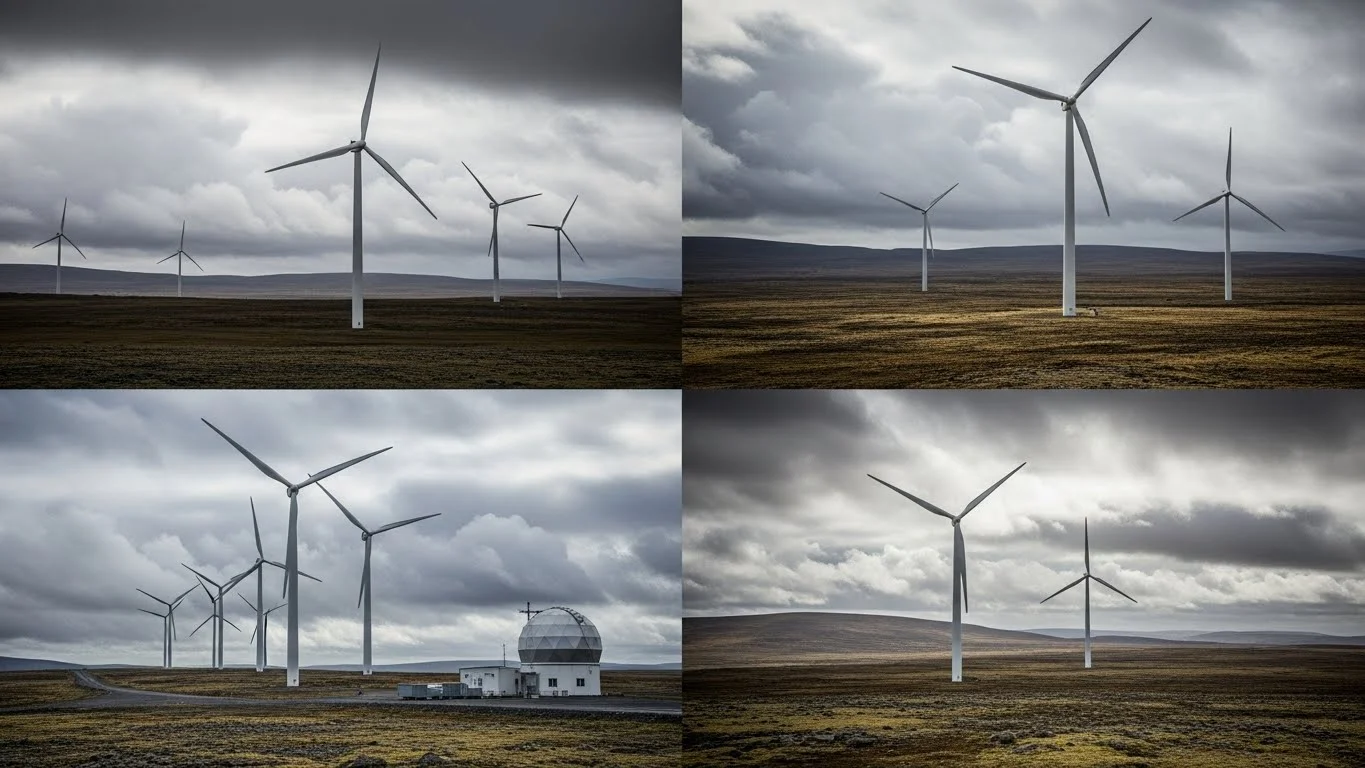
For instance, during a trip to South America, I visited a wind farm that was funded by carbon offsets. Standing there, watching the turbines spin effortlessly in the wind, I felt a profound connection to the way clean energy can be harnessed sustainably. It was a tangible representation of how our travel choices can lead to positive environmental impacts. I’ve also seen reforestation projects where local communities work to plant trees, restoring ecosystems and creating habitats for wildlife. Each project has a story, and I believe that learning about them can enhance our travel experiences.

Verification and Certification Processes

Verification is a critical part of carbon offsetting programs. I know it can be easy to feel skeptical about whether our contributions are making a real difference. However, reputable organizations implement strict verification processes to ensure that projects are legitimate and effective. Organizations like Verra and the Gold Standard have developed robust frameworks to evaluate projects before they can sell carbon credits.

When I purchased carbon credits for my travels, I always made it a point to check the certification. Knowing that an independent third party had verified the project gave me peace of mind. For example, I once offset my flight emissions through a project that had been certified for its impact on preserving rainforests. Understanding the verification process helped me feel confident that my contributions were genuinely making a positive impact rather than just being a drop in the ocean.

Popular Carbon Offsetting Programs in Eco-Tourism

Examples of Leading Programs

As I explored the world of carbon offsetting, I came across several programs that stood out for their effectiveness and reach. One of my favorites is the Carbon Fund, which supports a variety of projects ranging from renewable energy to reforestation. Their transparency and commitment to sustainability really resonated with me during my travels.

Another program that caught my attention is the Atmosfair, which calculates the carbon footprint of flights and offers tailored offsetting options. I remember using their service when booking a flight to Southeast Asia. Knowing that my contribution would support clean cookstove projects in developing countries felt rewarding, as it not only offset my carbon emissions but also helped improve health and reduce deforestation.

Partnerships Between Travel Companies and Offsetting Initiatives

It’s heartening to see how many travel companies are stepping up to partner with carbon offsetting initiatives. I’ve noticed that airlines, hotels, and tour operators are increasingly offering carbon offset options to their customers. When I booked a recent trip with an airline that offered an offsetting program, I felt a sense of pride in supporting their efforts to combat climate change.

Some companies even include carbon offsets as part of their corporate responsibility strategies. I’ve seen hotels that invest a percentage of their profits into local conservation projects or sustainable community initiatives. By choosing these companies, I know that I’m not only enjoying my travel experience but also contributing to something greater. It’s a win-win situation that makes my adventures feel even more meaningful.

Challenges and Criticisms of Carbon Offsetting

Effectiveness of Offsetting Mechanisms

While I love the idea of carbon offsetting, I’ve also come across some criticisms that make me rethink how effective these mechanisms really are. One of the major concerns is whether offsetting truly compensates for the carbon emissions we produce. Sometimes, it feels like we’re just paying a fee to continue our habits rather than making real changes in our travel behavior. I remember a time when I was faced with a dilemma: should I buy carbon credits for my upcoming trip or focus on reducing my overall travel footprint instead? I learned that offsetting can sometimes create a false sense of security, where we think we can travel guilt-free without considering other sustainable practices.

Furthermore, I discovered that not all carbon offset projects are created equal. Some may not deliver the promised reductions in emissions, which makes it crucial for us as consumers to do our homework. I learned to seek projects that have rigorous verification standards, but I’ve often wondered how many travelers take the time to investigate the effectiveness of the offsets they purchase. It’s a reminder that while offsetting can play a role in eco-tourism, it shouldn’t be the only solution we rely upon.

Greenwashing Concerns

Another point that struck me is the issue of greenwashing. It’s disheartening to realize that some companies may use carbon offsetting as a marketing tool rather than a genuine commitment to sustainability. I remember reading about some airlines that advertised their carbon-neutral flights while still engaging in practices that significantly harm the environment. It made me think about how easy it is to be misled by catchy slogans and impressive claims. As travelers, we need to be vigilant and question the authenticity of the claims being made.

In my experience, I’ve found that supporting companies that are transparent about their practices and committed to real change can help combat greenwashing. I’ve prioritized booking with brands that provide clear information about their offsetting programs and the projects they support. This has not only made me feel more connected to the impact of my travel choices but also empowered me to advocate for change in the industry.

Limitations of Current Programs

Despite the good intentions behind carbon offsetting, I’ve noticed that there are limitations to what current programs can achieve. One major challenge is that many offset projects focus on short-term solutions rather than long-term sustainability. For instance, while planting trees is a fantastic way to absorb carbon dioxide, I’ve realized that it takes years for those trees to mature and start making a substantial impact. I often think about how we need to balance immediate offsetting solutions with long-term strategies to combat climate change effectively.

Additionally, access to quality offset programs can be a barrier. Not every traveler has the same access to information or resources, which can lead to disparities in who can effectively participate in carbon offsetting. I’ve found myself in situations where I wanted to offset my emissions, but the options available were limited or not well-communicated. This discrepancy highlights the need for more inclusive programs that educate and empower all travelers to make sustainable choices.

Future Trends in Carbon Offsetting and Eco-Tourism

Innovations in Carbon Offsetting Technologies

Looking ahead, I’m excited about the innovations in carbon offsetting technologies that could change the game for eco-tourism. I’ve been reading about advancements in measuring and tracking emissions more accurately, which can help both consumers and companies make better-informed decisions. For instance, some tech companies are developing apps that allow travelers to calculate their carbon footprints in real-time, making it easier to understand the impact of their choices. I can only imagine how powerful it would be if every traveler had access to tools that helped them offset their emissions instantly.

Additionally, I’ve come across discussions about integrating blockchain technology into carbon offsetting. This could enhance transparency and traceability in offset projects, ensuring that funds are used effectively. I believe that as these technologies evolve, they could create a more robust framework for carbon offsetting that benefits both travelers and the planet.

Policy Changes and Government Involvement

Another area where I see potential for growth is in policy changes and government involvement. I’ve noticed that as awareness around climate change increases, more governments are beginning to recognize the importance of carbon offsetting in their environmental strategies. This could lead to incentives for companies that invest in sustainable practices or even regulations that require transparency in offsetting claims. I think that a collaborative effort between governments, businesses, and travelers can create a more effective carbon offsetting landscape.

In my own travels, I’ve found myself supporting regions that prioritize sustainability through local policies. This connection between government initiatives and eco-tourism is something I believe we should advocate for more actively. By backing policies that promote sustainable tourism, we can all be part of a larger movement towards a healthier planet.

Potential Growth of Eco-Tourism Markets

As I look to the future, I’m optimistic about the potential growth of eco-tourism markets. I’ve seen a shift in consumer preferences towards more sustainable travel options. More travelers are seeking experiences that align with their values, which bodes well for the future of carbon offsetting. I believe that as more people become aware of their environmental impact, the demand for carbon offsetting programs will increase.

This growth could lead to more innovative projects and partnerships, making it easier for us as travelers to contribute meaningfully. I’ve already noticed an increase in eco-friendly travel options across various destinations, and I’m excited to see how this trend evolves. With a collective effort, we can pave the way for a sustainable future in travel, where every adventure contributes to preserving the beauty of our planet for generations to come.

Frequently Asked Questions

What is carbon offsetting?

Carbon offsetting is a way for individuals and businesses to compensate for their carbon emissions by funding projects that reduce greenhouse gases elsewhere, such as reforestation or renewable energy initiatives.

How does carbon offsetting impact eco-tourism?

Carbon offsetting plays a crucial role in eco-tourism by allowing travelers to take responsibility for their carbon emissions, ensuring that their adventures contribute positively to the environment rather than harm it.

What types of organizations are involved in carbon offsetting programs?

Key entities involved in carbon offsetting programs include non-profits, governmental organizations, and private companies that develop and manage offsetting projects, such as the Gold Standard and Verified Carbon Standard.

What are the benefits of carbon offsetting for tourists?

Carbon offsetting allows tourists to enjoy their experiences while being mindful of their environmental impact, often providing additional educational resources about how offset funds support local conservation projects.

How does carbon offsetting benefit local communities?

Carbon offsetting supports sustainable development initiatives in local communities, such as funding solar panel installations, which provide clean energy and foster a sense of ownership and pride in their environment.

What are carbon credits?

A carbon credit represents one ton of carbon dioxide or an equivalent amount of a different greenhouse gas that has been reduced or removed from the atmosphere, allowing individuals to fund projects contributing to this reduction.

What types of projects are funded by carbon offsetting programs?

Common types of projects funded by carbon offsetting programs include reforestation, renewable energy development, and energy efficiency improvements.

How are carbon offsetting projects verified?

Reputable organizations implement strict verification processes to ensure that offset projects are legitimate and effective, using frameworks developed by organizations like Verra and the Gold Standard to evaluate projects before they can sell carbon credits.

What are some challenges associated with carbon offsetting?

Challenges include concerns about the effectiveness of offsetting mechanisms, potential greenwashing by companies, and limitations in current programs, such as a focus on short-term solutions and access to quality offset options.

What future trends are expected in carbon offsetting and eco-tourism?

Future trends may include innovations in carbon offsetting technologies, increased government involvement and policy changes, and potential growth in eco-tourism markets driven by consumer preferences for sustainable travel options.
Top 5 Inspiring Case Studies of Carbon Offsetting Success

Carbon offsetting is gaining traction as a powerful tool for combating climate change. This article will explore five inspiring case studies that highlight successful carbon offsetting initiatives and their remarkable impacts. Read Interesting article: Carbon Offsetting or Footprint Reduction: Which to Choose for Travel?

Top 5 Inspiring Case Studies of Carbon Offsetting Success

Understanding Carbon Offsetting

What is Carbon Offsetting?

When I first heard about carbon offsetting, I found it to be a fascinating concept. Simply put, carbon offsetting allows individuals and organizations to compensate for their greenhouse gas emissions by investing in projects that reduce emissions elsewhere. This could be anything from reforestation efforts to renewable energy projects. The idea is that while we can’t completely eliminate our carbon footprints, we can balance them out by supporting initiatives that do. For a deeper dive, check out Understanding Carbon Offsetting vs. Reducing Your Footprint.

How Carbon Offsetting Works

Carbon offsetting involves calculating the amount of carbon dioxide (CO2) emissions produced and then finding a way to neutralize that impact. For instance, if I fly from New York to Los Angeles, I can estimate the CO2 emissions from that trip. To offset it, I might invest in a project that plants trees, which absorb CO2 from the atmosphere. This process often includes purchasing carbon credits that represent a specific amount of carbon reduction achieved through these projects. I remember the first time I purchased carbon offsets for a trip; it felt empowering to know I was contributing to a greener planet.

The Importance of Carbon Offsetting in Climate Change Mitigation

In my experience, the urgency of addressing climate change cannot be overstated. Carbon offsetting plays a critical role in mitigating its effects. It encourages businesses and individuals to take responsibility for their carbon emissions. By investing in sustainable projects, we can collectively work towards a healthier planet. I’ve seen how organizations that embrace carbon offsetting not only reduce their environmental impact but also inspire others to follow suit. It’s a ripple effect, and every small action counts. The more we engage in these practices, the more significant the potential impact on global warming and climate change.

Criteria for Success in Carbon Offsetting

Measurable Impact on Carbon Emissions

One of the first things I consider when evaluating any carbon offset project is its measurable impact. Successful programs can demonstrate how much CO2 has been reduced or sequestered. For me, seeing tangible results is crucial. It reassures me that my contributions are genuinely making a difference. Programs with clear metrics enable us to understand their effectiveness and guide future investments.

Community Engagement and Support

Community involvement is another key factor. I’ve found that projects that engage local communities not only gain support but also enhance their effectiveness. When people feel they have a stake in the outcome, they are more likely to contribute positively. For instance, I remember volunteering for a tree-planting initiative that involved local residents. The sense of community was palpable, and everyone was motivated to see the project succeed. This engagement leads to a more sustainable approach, as it fosters a sense of ownership that can last long after the project is completed.

Transparency and Accountability

Transparency is vital in carbon offsetting. I appreciate when organizations openly share their processes, outcomes, and challenges. Knowing where my money is going and how it’s being used creates trust. Projects that provide regular updates and detailed reports on their progress are more likely to win my support. It’s about holding ourselves accountable and ensuring that the offsetting efforts are genuinely contributing to our climate goals.

Long-Term Sustainability

Lastly, sustainability is at the heart of effective carbon offsetting projects. I’ve learned that initiatives need to be designed for the long haul. Quick fixes simply won’t cut it in the fight against climate change. For example, I once attended a conference where a speaker emphasized the importance of creating lasting change rather than temporary solutions. Projects that plan for the future and have strategies in place to continue their work are more likely to succeed over time. I believe that this approach not only benefits the environment but also provides ongoing opportunities for economic growth and community development.

Case Study 1: The Airline Industry and Carbon Offsetting

Overview of the Airline’s Carbon Offset Program

Let’s dive into one of the most prominent industries taking on carbon offsetting: airlines. Many airlines, including major players like Delta and British Airways, have launched carbon offset programs to mitigate the impact of air travel. I remember being intrigued when I first learned that these companies were acknowledging their carbon footprints and taking steps to offset them. Each time I book a flight, I now have the option to contribute to these programs, which can fund renewable energy projects or forest conservation efforts.

Success Metrics Achieved

These airline programs have set ambitious goals. For example, I read that Delta aims to become the first carbon-neutral airline globally. They have made significant investments in sustainable aviation fuels and have partnered with various environmental organizations. The success of these initiatives is often measured by the amount of CO2 offset per passenger mile, which I find impressive. Seeing these metrics helps me understand the progress being made.

Partnerships with Environmental Organizations

Partnerships are crucial in these offset programs. Airlines collaborate with various environmental organizations to ensure their projects are credible and effective. I’ve noticed that the best programs are often those that have established relationships with well-respected NGOs. These partnerships provide not just funding but also expertise, which boosts the overall impact of the initiatives. Personally, I feel more confident supporting programs that have these alliances in place.

Lessons Learned and Future Plans

As I reflect on the airline industry’s journey with carbon offsetting, it’s clear that continuous improvement is vital. From my perspective, these companies are learning from their experiences, adjusting their strategies, and setting bolder goals. They are paving the way for others in the industry and demonstrating that meaningful change is possible. I’ve seen how public interest in sustainability is influencing corporate practices, and it gives me hope for a greener future. Read Interesting article: Carbon Offsetting vs. Carbon Footprint Reduction: What’s Best?

Case Study 2: Corporate Carbon Neutrality Initiatives

Company Profile and Commitment to Offsetting

One company that has truly inspired me in its commitment to carbon neutrality is Microsoft. When I first read about their ambitious goal to be carbon negative by 2030, I was genuinely impressed. They are not just offsetting their emissions but actively working to remove more carbon from the atmosphere than they emit. This kind of commitment is refreshing and sets a powerful example for other corporations. I admire how they’ve integrated sustainability into their business model, and their transparency about their carbon footprint has made them a leader in the tech industry.

Implemented Strategies and Projects

Microsoft has launched several initiatives to reach their carbon neutrality goals. I was particularly captivated by their investment in renewable energy projects. They’ve committed to using 100% renewable energy in their data centers, which is no small feat given the energy demands of those facilities. Additionally, they’re investing heavily in carbon capture technology. I recall reading about one project where they partnered with companies to develop innovative solutions to capture and store carbon. This proactive approach not only helps in offsetting their emissions but also promotes advancements in technology that can benefit various sectors.

Impact on Brand Reputation and Customer Loyalty

From my perspective, Microsoft’s dedication to sustainability has significantly enhanced its brand reputation. I’ve seen how consumers are increasingly making purchasing decisions based on a company’s environmental impact. When I learned about Microsoft’s sustainability goals, I felt more inclined to support their products. It seems that many customers share this sentiment. By positioning themselves as a leader in corporate responsibility, they’ve not only attracted environmentally conscious consumers but also inspired other companies to follow suit. The ripple effects of such initiatives can foster a culture of sustainability that extends beyond one organization.

Challenges Faced and Overcome

No journey is without its challenges, and Microsoft has certainly faced its share. I remember reading about some of the difficulties they encountered when trying to source sustainable materials for their products. They needed to strike a balance between cost and environmental impact. However, rather than shying away from these challenges, they embraced them. For example, they’ve worked diligently to establish a supply chain that prioritizes sustainability. In doing so, they’ve shown that overcoming obstacles is part of the process towards a greener future. Their journey has taught me that persistence pays off, and it’s important to keep pushing through difficulties to achieve meaningful goals.

Case Study 3: Community-Based Carbon Offsetting Projects

Overview of Community Initiatives

Community-based projects have a unique charm because they bring people together for a common cause. I remember discovering a fantastic initiative in my local area focused on reforestation. The project was driven by volunteers from the community who wanted to enhance local green spaces while combating climate change. I felt a sense of pride seeing people come together, planting trees, and fostering a commitment to sustainability. Community initiatives not only offset carbon emissions but also create bonds among residents, making it a win-win situation.

Stakeholder Involvement and Benefits

One of the most impressive aspects of community projects is the involvement of multiple stakeholders. In the reforestation initiative I participated in, local schools, businesses, and environmental groups collaborated to make it a reality. I remember how students were excited to learn about trees and the environment, while businesses provided resources and funding. This shared responsibility made the project even more meaningful, and I believe it reinforced the idea that everyone has a role to play in fighting climate change. The benefits of community engagement extend beyond just planting trees; they build a sense of ownership and pride in one’s environment.

Quantifiable Environmental and Social Impacts

Measuring success in community projects can be incredibly rewarding. I learned that the initiative I was involved in not only aimed to plant a certain number of trees but also tracked CO2 reductions over time. Seeing the tangible impacts made me feel that our efforts were worthwhile. Beyond environmental benefits, community projects often lead to social improvements, such as increased awareness about climate change and enhanced community spirit. I noticed that as people became more engaged, they started adopting more sustainable practices in their daily lives, creating a positive feedback loop.

Replication Opportunities in Other Communities

What I found particularly exciting about community-based projects is their potential for replication. If one community can successfully implement a reforestation initiative, why can’t others? I’ve seen how sharing experiences and best practices can inspire similar programs elsewhere. For instance, after our project gained attention, neighboring communities expressed interest in launching their own initiatives. The model of collaboration and engagement can easily be adapted and applied in different settings, making it a scalable solution to carbon offsetting. It reinforces my belief that grassroots efforts can spark significant change when shared widely.

Case Study 4: Innovative Technology and Carbon Offsetting

Technological Solutions for Carbon Tracking

When I think about the role of technology in carbon offsetting, I can’t help but feel excited. Technology has evolved in ways that make tracking carbon emissions more accurate and efficient. One tool that stands out is blockchain technology, which ensures transparency for carbon credits. I remember when I first learned about this; the idea that every transaction related to carbon credits could be securely recorded made me feel more confident in supporting these initiatives. Companies can now provide real-time tracking of their emissions and offsets, which creates a level of accountability that I believe is crucial in this fight against climate change.

Successful Implementation in Various Industries

I’ve seen how different industries are adopting innovative technologies to enhance their carbon offsetting efforts. For instance, in agriculture, companies are using precision farming techniques to reduce their emissions while increasing crop yields. I read about a farm that utilized IoT devices to monitor soil health and moisture levels, which helped them reduce their dependency on fertilizers and water. This not only contributed to their carbon offset goals but also improved their operational efficiency. Every time I come across these success stories, I feel encouraged that technology and sustainability can go hand in hand.

Impact on Carbon Footprint Reduction

The impact of these technological advancements on carbon footprint reduction is impressive. I learned that organizations employing smart technology have reported significant decreases in their overall emissions. For example, a logistics company I followed started using AI to optimize delivery routes, which drastically reduced fuel consumption. This not only cut costs but also contributed to their carbon offsetting initiatives. Knowing that businesses can leverage technology to make a real difference gives me hope. It reminds me that innovation doesn’t just happen in a vacuum; it’s often driven by a shared goal of creating a more sustainable future.

Future of Technology in Carbon Offsetting

Looking ahead, I believe the future of technology in carbon offsetting is incredibly promising. As I read more about advancements in carbon capture and storage (CCS) technologies, I feel optimistic. These technologies have the potential to remove significant amounts of CO2 from the atmosphere. I remember discussing with friends how breakthroughs in CCS could transform entire industries and lead to a more substantial reduction in greenhouse gases. It’s exciting to think that our technological capabilities could one day allow us to not just offset emissions but actively reverse some of the damage we’ve done. I can’t wait to see how these innovations unfold and contribute to our climate goals.

Case Study 5: Government-Led Carbon Offsetting Programs

Overview of Government Initiatives

Government-led carbon offsetting programs have always intrigued me. I’ve noticed how these initiatives can set the tone for national policies on climate change. In many cases, governments are stepping up and committing to ambitious carbon neutrality goals. For instance, I remember reading about a country that launched a national reforestation program aimed at planting millions of trees over a decade. Being part of such a large-scale effort made me realize how vital governmental support is in coordinating and funding carbon offsetting projects. It’s a reminder that when the public sector gets involved, the potential for impact can be massive.

Collaboration with Private Sector and NGOs

What’s particularly inspiring is how these government initiatives often collaborate with the private sector and NGOs. I recall a case where a government partnered with local businesses to create a carbon credit marketplace. This collaboration allowed companies to invest in local sustainability projects while also achieving their emissions targets. I found it fascinating to see how these partnerships foster community engagement and drive economic growth. It’s a win-win situation that not only addresses climate change but also stimulates local economies.

Success Metrics and Achievements

Measuring the success of government-led initiatives can sometimes be complex, but I’ve seen many examples where clear metrics have been established. For instance, after implementing their reforestation program, one country reported a significant increase in biodiversity and improved air quality. I remember feeling proud when I learned about the tangible benefits that arose from these efforts. Success metrics not only highlight achievements but also help secure ongoing support for future initiatives. It demonstrates to the public that their government is making strides in addressing climate issues.

Policy Recommendations and Future Directions

From my perspective, there are several policy recommendations that could enhance the effectiveness of government-led carbon offsetting programs. First, I believe increasing funding for research into innovative carbon offsetting methods is crucial. Additionally, encouraging public participation in these initiatives can lead to greater community support and involvement. I’ve seen how grassroots movements can thrive when given the right platform. Lastly, creating policies that incentivize businesses to invest in sustainable practices would not only benefit the environment but also stimulate economic growth. It’s exciting to envision how governments can lead the way in shaping a sustainable future through thoughtful policies and collaboration.

Frequently Asked Questions

What is carbon offsetting?

Carbon offsetting is a method that allows individuals and organizations to compensate for their greenhouse gas emissions by investing in projects that reduce emissions elsewhere, such as reforestation or renewable energy projects.

How does carbon offsetting work?

Carbon offsetting involves calculating the amount of carbon dioxide (CO2) emissions produced and finding ways to neutralize that impact, often by purchasing carbon credits that represent a specific amount of carbon reduction achieved through various projects.

Why is carbon offsetting important in climate change mitigation?

Carbon offsetting encourages businesses and individuals to take responsibility for their emissions, collectively working towards a healthier planet and inspiring others to engage in sustainable practices, thus contributing to efforts against climate change.

What criteria determine the success of carbon offsetting projects?

Successful carbon offsetting projects are evaluated based on their measurable impact on carbon emissions, community engagement and support, transparency and accountability, and long-term sustainability.

Can you provide an example of carbon offsetting in the airline industry?

Many airlines, like Delta and British Airways, have launched carbon offset programs to mitigate the impact of air travel, setting ambitious goals such as Delta’s aim to become the first carbon-neutral airline globally through investments in sustainable aviation fuels.

What has Microsoft done to achieve carbon neutrality?

Microsoft has committed to being carbon negative by 2030, investing in renewable energy projects and carbon capture technology while integrating sustainability into their business model and maintaining transparency about their carbon footprint.

How do community-based carbon offsetting projects operate?

Community-based projects engage local stakeholders in initiatives such as reforestation, fostering a sense of ownership and pride while measuring both environmental and social impacts, leading to increased awareness and sustainable practices in the community.

What role does technology play in carbon offsetting?

Technology aids in tracking carbon emissions more accurately and efficiently, with advancements like blockchain ensuring transparency in carbon credits and innovations in various industries that contribute to reducing emissions while enhancing operational efficiency.

How do government-led carbon offsetting programs contribute to sustainability?

Government initiatives can set national policies on climate change, often collaborating with the private sector and NGOs to implement large-scale programs like reforestation, which can yield significant environmental benefits and economic growth.

What future directions can enhance government-led carbon offsetting programs?

Future enhancements could include increasing funding for innovative carbon offsetting research, encouraging public participation, and creating policies that incentivize businesses to invest in sustainable practices, fostering a collaborative approach to sustainability.

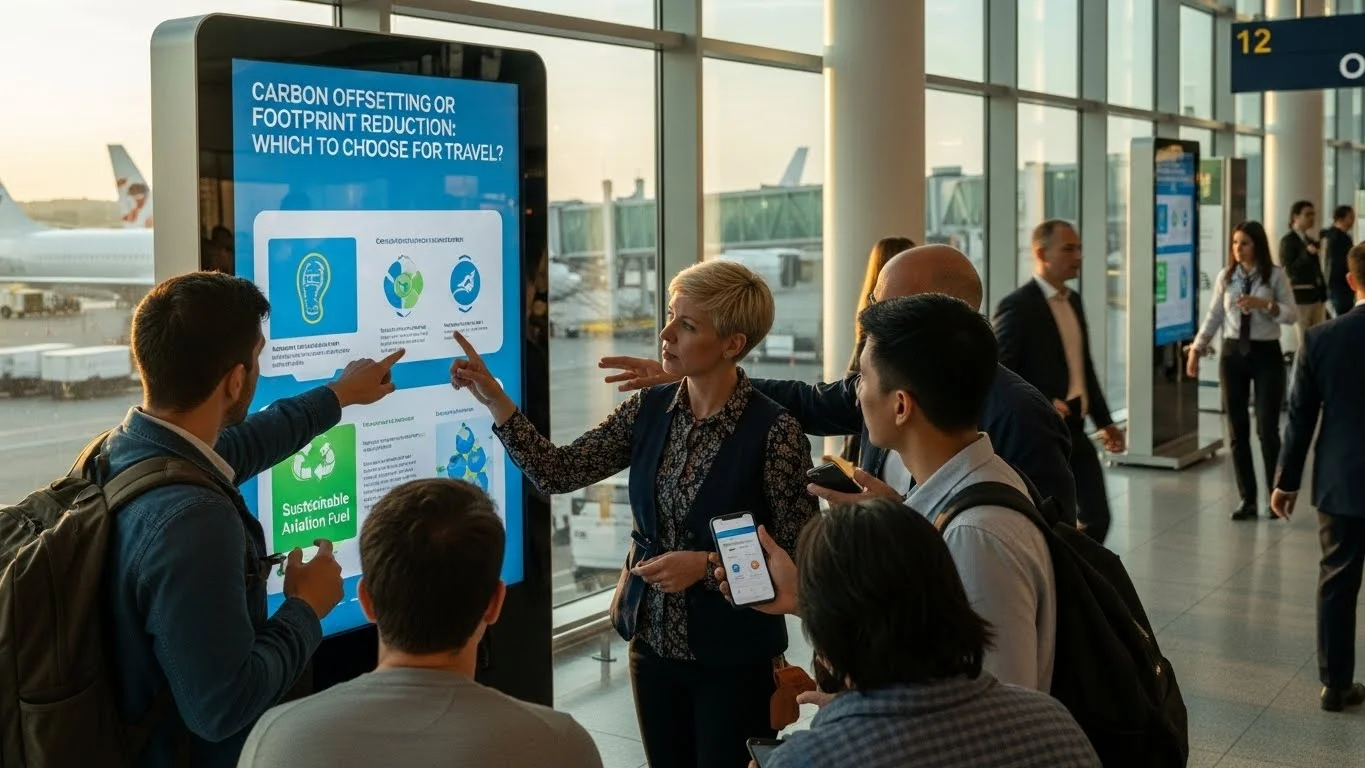
Carbon Offsetting or Footprint Reduction: Which to Choose for Travel?

When it comes to our travels, making eco-friendly choices can feel overwhelming. Should we offset our carbon emissions or focus on reducing our footprint? Let’s dive into the world of carbon offsetting and explore its nuances. Read Interesting article: Discover the Best Carbon Offsetting Programs for Your Travels

Carbon Offsetting or Footprint Reduction: Which to Choose for Travel?

Understanding Carbon Offsetting

Definition of Carbon Offsetting

Carbon offsetting refers to the practice of compensating for the carbon emissions produced during activities, like traveling, by investing in projects that reduce or capture an equivalent amount of carbon dioxide from the atmosphere. I remember the first time I learned about carbon offsetting; it was during a discussion with friends about our increasing travel plans and the importance of mitigating our environmental impact. The idea that I could “balance out” my carbon footprint sounded both appealing and empowering.

How Carbon Offsetting Works

Essentially, when you travel—whether it’s by plane, car, or train—you generate carbon emissions. To offset these emissions, you can purchase carbon credits, which fund projects designed to reduce greenhouse gases. These projects could range from reforestation efforts to renewable energy installations. I’ve personally invested in a few offset programs, and it felt rewarding to know that my travel emissions were being balanced by positive environmental actions elsewhere. However, I also learned that not all offset projects are created equal, and it’s crucial to ensure they’re credible and effective. For more information on this, check out Top Carbon Offsetting Organizations for Eco-Conscious Travelers.

Types of Carbon Offset Projects

There are several types of projects that carbon offset initiatives support, each with its unique approach to reducing emissions. Here are a few I’ve come across:

  • Reforestation and Afforestation: Planting trees to absorb CO2 from the atmosphere. I’ve even participated in local tree-planting events, which felt like a hands-on way to contribute.
  • Renewable Energy: Supporting wind, solar, or hydroelectric projects that replace fossil fuel energy sources. Investing in renewable energy has a dual benefit—it promotes sustainable energy while displacing harmful emissions.
  • Energy Efficiency Projects: Upgrading facilities or homes to use less energy, which directly reduces emissions. I’ve seen firsthand how energy-efficient appliances can lower electricity bills and reduce carbon footprints.
  • Methane Capture: Projects that capture methane emissions from landfills or agricultural practices, preventing this potent greenhouse gas from entering the atmosphere.

Benefits of Carbon Offsetting for Travelers

Choosing to offset my carbon footprint when I travel has brought a range of benefits. Firstly, it allows me to continue exploring the world without feeling guilty about my environmental impact. I’ve noticed that many travelers, like myself, appreciate the ability to take responsibility for their emissions. Additionally, carbon offsetting can foster a sense of community. When I participate in offset programs, I feel connected to a larger movement aimed at combating climate change.

Moreover, many companies now offer carbon offset options at the point of sale when booking flights or other travel arrangements. This convenience makes it easy for us to include sustainability in our travel plans. However, I do think it’s essential to approach offsetting with a critical eye. Some travelers might view it as a “get out of jail free” card, using offsets as an excuse to continue high-emission travel habits. I believe that offsetting should complement, not replace, genuine efforts to reduce our travel emissions.

From my experience, the most impactful aspect of carbon offsetting is that it encourages awareness and dialogue around climate change. Talking about my offsets with friends often leads to deeper conversations about sustainability and how we can collectively make a difference. Engaging in these discussions has inspired me to seek other ways to enhance my eco-friendly travel habits.

As I’ve explored the world of carbon offsetting, I’ve realized it’s not just about balancing the scales; it’s about fostering a mindset that prioritizes sustainability. Understanding how our travel choices impact the planet can motivate us to seek solutions that align with our values. In the next section, we’ll shift gears and explore footprint reduction, another powerful way to make a positive impact during our travels.

Understanding Footprint Reduction

Definition of Footprint Reduction

Footprint reduction is all about minimizing the amount of carbon emissions we produce in our daily activities, especially while traveling. It involves making conscious choices that lead to lower energy consumption and less waste. I remember the first time I consciously tried to reduce my footprint during a trip; I was on a road trip with friends and realized how much driving we were doing. It hit me that we could make more thoughtful choices, like carpooling or using public transit, to lessen our impact. Understanding footprint reduction helped me see that every small decision contributes to a larger goal of sustainability.

Strategies for Reducing Your Carbon Footprint While Traveling

When I set out to reduce my carbon footprint, I discovered several effective strategies that have worked wonders for me. Here are some of my favorites:

  • Choose Direct Flights: If flying is unavoidable, I try to book direct flights whenever possible. Takeoffs and landings generate the most emissions, so fewer stops mean less carbon released into the air.
  • Use Public Transportation: Instead of renting a car or using rideshare services, I often opt for trains, buses, or trams. It’s a great way to explore a new city, and I’ve found it can be a fun adventure of its own!
  • Limit Luggage: I’ve learned that packing light not only makes traveling easier but also reduces the plane’s weight, which can help lower fuel consumption. Using a carry-on whenever I can has become a habit for me.
  • Support Local Businesses: Eating at local restaurants and purchasing products from local artisans not only supports the community but also cuts down on the carbon footprint associated with transporting goods over long distances.
  • Reduce Water Usage: Whether it’s taking shorter showers or using less water for cleaning, I’ve found that being mindful about water usage while traveling can significantly contribute to footprint reduction, especially in areas where water is scarce.

These strategies have become second nature to me over time, and I genuinely feel a sense of accomplishment when I incorporate them into my travels. I believe that when we make these conscious choices, we’re not only benefiting the environment but also enriching our experiences.

Benefits of Footprint Reduction for Travelers

Reducing our carbon footprint while traveling comes with a plethora of benefits. For me, one of the most significant perks has been the connection I’ve felt to the places I visit. By engaging in sustainable practices, I’ve found that I am more aware of my surroundings and the communities I’m part of. This deeper connection has made my travel experiences far more meaningful.

Moreover, I’ve noticed that adopting eco-friendly habits often leads to cost savings. For instance, using public transportation instead of taxis or rental cars can significantly cut travel expenses. Plus, frequenting local eateries instead of tourist traps can not only be more affordable but also provide a more authentic taste of the local culture.

Another benefit I’ve experienced is the sense of community that comes with making sustainable choices. I’ve met fellow travelers who share similar values, and we’ve formed connections that extend beyond just our travels. Engaging in discussions about sustainability with others has helped me learn new practices and grow in my efforts to be a responsible traveler.

Additionally, reducing our carbon footprint contributes to a larger movement toward environmental sustainability. Knowing that I am part of a collective effort to combat climate change brings me joy and motivation. It reminds me that even small actions can lead to significant change over time. I’ve also found that being vocal about my commitment to footprint reduction inspires others to consider their own choices. It’s a beautiful ripple effect that I’m proud to be a part of.

Overall, embracing footprint reduction has transformed how I travel. It’s about so much more than just numbers and data; it’s about creating a legacy that respects our planet for future generations. As we move forward, I’m excited to discuss how footprint reduction and carbon offsetting compare and how we can navigate the complexities of both approaches in our travels.

Comparing Carbon Offsetting and Footprint Reduction

Key Differences Between the Two Approaches

When I first started exploring carbon offsetting and footprint reduction, I found it helpful to understand the key differences between the two. Carbon offsetting allows us to compensate for the emissions we can’t avoid, almost like a safety net. It feels good to know that I can take a flight and still contribute to environmental projects that counteract my impact. On the other hand, footprint reduction is about actively changing our habits to produce less carbon in the first place. This approach feels more direct and personal. I often think of it as taking responsibility for my actions rather than just balancing them out.

For example, if I choose to take a train instead of a flight, I’m reducing my emissions from the get-go. But if I do fly, I can then offset that choice by investing in renewable energy projects. Both strategies are valuable, but they serve different purposes in our journey toward sustainability.

Effectiveness in Combatting Climate Change

I’ve come to realize that both carbon offsetting and footprint reduction play crucial roles in combatting climate change, but they do so in different ways. Footprint reduction often has a more immediate and tangible effect on our personal carbon emissions. By choosing sustainable travel options, I not only reduce my impact but also inspire others to consider their choices. I see this as a grassroots approach to change, one that strengthens the collective effort toward a greener future.

Meanwhile, carbon offsetting can have a significant, albeit indirect, impact. The projects we fund can create long-term benefits, like restoring ecosystems or providing clean energy to communities. However, I’ve learned that the effectiveness of these projects can vary widely. It’s essential to support credible initiatives to ensure that our offsets are genuinely making a difference. This is an area where I think we need to be vigilant as travelers. It’s about being informed and choosing wisely.

Cost Implications for Travelers

Cost is another aspect where I’ve seen differences between the two approaches. Generally, footprint reduction can save money in the long run. For instance, using public transportation or choosing accommodations that support sustainability often comes with lower costs than traditional options. I remember one trip where I opted for a local bus instead of a taxi. Not only did it save me money, but it also enriched my experience as I chatted with locals along the way.

On the flip side, carbon offsetting usually involves a financial commitment upfront. Buying carbon credits can add a bit to our travel expenses, depending on the distance we travel and the offset program we choose. However, I’ve found that many airlines and travel companies now include offset options in the booking process, making it easier to factor into our budgets. I think it’s important to weigh these costs against our values. If we prioritize sustainability, then investing in offsets may feel worthwhile, even if it requires a little extra cash.

Long-term Impacts on Sustainability

As I reflect on the long-term impacts, it becomes clear that both carbon offsetting and footprint reduction contribute to a sustainable future, but in different ways. Footprint reduction fosters a culture of environmental awareness and responsibility among travelers. It encourages us to think critically about our choices and their consequences. I’ve noticed that the more I engage in sustainable practices, the more I talk about them with my friends and family, creating a ripple effect of awareness.

Carbon offsetting, while it can sometimes feel like a one-time action, can also drive significant change through the projects we support. I’ve learned that many offset initiatives not only focus on carbon reduction but also contribute to social and economic benefits for communities involved. For example, a reforestation project might provide jobs in a local area while also helping the environment. That connection between social impact and environmental sustainability feels powerful to me.

Overall, the journey of understanding these two approaches has opened my eyes to the complexities of sustainability in travel. It’s not just about picking one method over the other but finding a balance that feels right for us as individuals and as travelers. As we move forward, I’m eager to dive deeper into when to choose carbon offsetting and when to focus on footprint reduction specifically in our travel plans.

When to Choose Carbon Offsetting

Best Situations for Offsetting Your Travel Emissions

There are specific scenarios where carbon offsetting feels like the best choice for me. For instance, when I’m booking a long-haul flight, I know that the emissions will be significant. In those moments, I opt for carbon offsetting because it allows me to take responsibility for my travel while still enjoying the journey. Additionally, if I’m traveling to remote areas where my carbon footprint is higher due to limited transportation options, offsetting seems like a fitting way to balance that out.

I’ve also found that offsetting is a great option if I have to travel for unavoidable reasons, like work commitments or family emergencies. It gives me peace of mind knowing that I can still contribute positively to the environment, even if I can’t avoid the emissions altogether. In these situations, I think of offsetting as a way to mitigate the environmental impact of travel that feels necessary.

How to Calculate Your Travel Emissions for Offsetting

When I first started looking into carbon offsetting, I was unsure how to calculate my travel emissions. There are various online calculators that make this process easier. I usually look for a calculator that allows me to input details like the mode of transport, distance traveled, and the number of passengers. This helps me get a clearer picture of my carbon footprint.

I remember the first time I used a calculator; it was eye-opening to see the numbers laid out in front of me. It motivated me to be more mindful about my travel choices. Once I have my emissions calculated, it’s straightforward to find suitable offset programs that align with my values and contribute to impactful projects. For insights on the role of carbon offsetting, check out The Role of Carbon Offsetting in Sustainable Travel Growth.

Choosing a Reputable Offset Provider

Finding a trustworthy carbon offset provider has been an important part of my journey. I make it a habit to research different organizations and look for transparency in their operations. I prefer providers that detail how they use funds and the specific projects they support. I once supported a program that funded a wind energy project, and I loved seeing updates on how my contributions were making a difference.

It’s also crucial to check for third-party certifications that validate the effectiveness of the projects they support. I tend to lean towards organizations that have been certified by recognized standards to ensure that my investment is genuinely contributing to reducing carbon emissions. This gives me confidence that I’m making a positive impact.

When to Choose Footprint Reduction

Best Situations for Reducing Your Footprint

Footprint reduction often feels like the more proactive approach to sustainability for me. I think of it as a mindset rather than just a set of actions. When I’m planning a trip, I always look for opportunities to reduce my footprint first, especially during shorter trips or within urban areas where public transport is accessible. I’ve found that the smaller trips often present more opportunities to make sustainable choices.

For example, if I’m traveling within my country, I might choose to drive less and instead explore by biking or using public transport. This way, I am not only reducing emissions but also immersing myself in the local culture and scenery. It gives me a chance to connect with my surroundings in a genuine way.

Practical Steps for Footprint Reduction in Travel

Over time, I’ve developed a set of practical steps that help me minimize my carbon footprint while traveling. One of the first things I do is plan my itinerary to include destinations that are close to each other. This reduces the need for multiple modes of transportation. I also prioritize accommodations with sustainable practices, like energy-efficient systems or those that implement waste reduction strategies.

Another step I take is to be mindful of my consumption. I try to avoid single-use plastics by bringing my reusable water bottle and shopping bags. These small actions have a cumulative effect, and I feel like every bit counts toward reducing my overall footprint.

Examples of Footprint Reduction Practices

I’ve seen many effective footprint reduction practices during my travels that I can easily incorporate into my trips. For instance, I love to visit local markets and purchase fresh foods instead of dining at chain restaurants. Not only does this support local economies, but it also minimizes the carbon footprint associated with transporting food over long distances.

I’ve also engaged in eco-friendly activities, like hiking or kayaking, that leave a minimal footprint while allowing me to connect with nature. These experiences enrich my travels immensely. I think it’s about making choices that align with my values and contribute positively to the environment.

Popular Carbon Offset Programs and Initiatives

Overview of Leading Carbon Offset Organizations

As I dove deeper into carbon offsetting, I found that several leading organizations stood out for their credibility and impact. Programs like Gold Standard and Verified Carbon Standard provide robust frameworks for ensuring that projects are both effective and beneficial to communities. These organizations have been instrumental in guiding my choice of where to invest my offset contributions.

Another initiative that caught my attention is Cool Effect, which focuses on simple transparency and easily accessible projects. They have a range of projects from reforestation to clean cookstoves, and I appreciate how they present information clearly, allowing me to see exactly where my money goes. This kind of transparency is essential for building trust.

How to Get Involved in Carbon Offset Programs

Getting involved in carbon offset programs has been an empowering experience for me. I usually start by checking the websites of the organizations I’m interested in to see how I can contribute. Many offer options for individuals and businesses alike, making it flexible for various situations.

I’ve also found that some travel companies partner with offset programs, allowing travelers to easily add offsets into their bookings. This streamlined process makes it simple for me to contribute while planning my trips. I recommend looking for these options when booking your next adventure!

Popular Footprint Reduction Practices for Travelers

Choosing Eco-Friendly Transportation Options

Transportation decisions are at the heart of footprint reduction during travel. I often opt for trains or buses instead of flying when possible, which not only minimizes emissions but also provides a scenic way to experience new regions. I remember one train journey through the mountains that was breathtaking and far more relaxing than a flight.

Accommodations That Support Sustainability

In my travels, I’ve sought out accommodations that prioritize sustainability. This includes seeking out hotels with green certifications or eco-friendly practices, such as solar power or water conservation initiatives. Staying in these places not only feels good, but it also supports businesses committed to making a difference.

Local and Sustainable Dining Options

Dining in a responsible way has become a highlight of my travels. I love exploring local markets and trying out eateries that source ingredients from nearby farms. This not only reduces emissions from food transport but also enhances my culinary experience. I’ve enjoyed discovering unique flavors and recipes that reflect the local culture.

Responsible Travel Activities

Engaging in responsible travel activities has enriched my experiences. I’ve participated in community clean-up events, wildlife conservation projects, and local workshops that foster a connection to the places I visit. These activities not only contribute to sustainability but also allow me to give back to the communities I explore.

Case Studies: Travelers Who Have Made a Choice

Success Stories of Carbon Offsetting

During my research, I came across inspiring stories of travelers who have successfully utilized carbon offsetting. One couple shared their journey of committing to offset every flight they took for their honeymoon. They invested in several projects focused on reforestation and renewable energy, and they felt a sense of fulfillment knowing they were doing their part for the planet.

Success Stories of Footprint Reduction

Similarly, I’ve read about solo travelers who transformed their trips through footprint reduction. One person documented their journey of traveling by bike across Europe, prioritizing local accommodations and food. They reported not only having an incredible adventure but also connecting deeply with the communities they visited and making lifelong friends along the way.

Expert Opinions and Research Findings

Insights from Environmental Scientists

As I delved into this topic, I came across various insights from environmental scientists. Many emphasize the importance of both carbon offsetting and footprint reduction, advocating for a holistic approach to sustainability in travel. They often highlight the need for travelers to be informed and engaged in their choices, as small individual actions can lead to significant collective impact.

Travel Industry Perspectives on Sustainability

Industry professionals have also weighed in on the matter, noting that there’s a growing demand for sustainable travel options. They believe that as travelers become more aware of their impact, businesses will be forced to adapt and offer greener choices. This shift is exciting to me, as it reflects a broader societal change toward sustainability.

FAQs About Carbon Offsetting and Footprint Reduction

What is the best choice for frequent travelers?

For frequent travelers, I believe a combination of both carbon offsetting and footprint reduction can work best. By actively seeking ways to reduce emissions and investing in offsets for unavoidable travel, one can create a more balanced approach to sustainability.

Can I do both carbon offsetting and footprint reduction?

Absolutely! I think it’s beneficial to pursue both strategies simultaneously. While reducing your footprint through mindful choices, you can offset the emissions that are unavoidable. It’s about creating a comprehensive plan that aligns with your values.

How do I track my progress in reducing my carbon footprint?

Tracking progress can be as straightforward as keeping a journal or using apps that help monitor your habits. I often reflect on my decisions and analyze how they contribute to my overall footprint. This reflection has been a powerful tool in my journey toward sustainability.

Final Thoughts

Embarking on this journey of understanding carbon offsetting and footprint reduction has been enlightening. I’ve realized that every choice we make as travelers can contribute to a more sustainable future. By balancing both approaches, we can create a meaningful impact that resonates beyond our individual experiences. Let’s continue to explore the world with mindful hearts, embracing the responsibility we hold for our planet. Together, we can inspire change and foster a love for our beautiful Earth that lasts for generations to come.

Frequently Asked Questions

“`html

What is carbon offsetting?

Carbon offsetting refers to the practice of compensating for the carbon emissions produced during activities, like traveling, by investing in projects that reduce or capture an equivalent amount of carbon dioxide from the atmosphere.

How does carbon offsetting work?

When you travel, you generate carbon emissions. To offset these emissions, you can purchase carbon credits, which fund projects designed to reduce greenhouse gases, such as reforestation or renewable energy installations.

What are some types of carbon offset projects?

Types of carbon offset projects include reforestation and afforestation, renewable energy projects, energy efficiency upgrades, and methane capture initiatives.

What are the benefits of carbon offsetting for travelers?

Carbon offsetting allows travelers to explore without guilt about their environmental impact, fosters a sense of community, and encourages awareness and dialogue around climate change.

What is footprint reduction?

Footprint reduction is about minimizing the amount of carbon emissions produced in daily activities, especially while traveling, by making conscious choices that lead to lower energy consumption and less waste.

What strategies can travelers use to reduce their carbon footprint?

Effective strategies for reducing carbon footprints while traveling include choosing direct flights, using public transportation, limiting luggage, supporting local businesses, and reducing water usage.

How do carbon offsetting and footprint reduction differ?

Carbon offsetting compensates for emissions we can’t avoid, while footprint reduction focuses on actively changing habits to produce less carbon. Both strategies are valuable but serve different purposes in sustainability efforts.

When is it best to choose carbon offsetting?

Carbon offsetting is best for long-haul flights, unavoidable travel for work or emergencies, or trips to remote areas where emissions are higher due to limited transportation options.

How can travelers calculate their travel emissions for offsetting?

Travelers can use online calculators to input details like mode of transport, distance traveled, and number of passengers to get a clearer picture of their carbon footprint.

What are some popular carbon offset programs and initiatives?

Leading carbon offset organizations include Gold Standard, Verified Carbon Standard, and Cool Effect, which offer credible projects focused on effective carbon reduction and community benefits.

“`

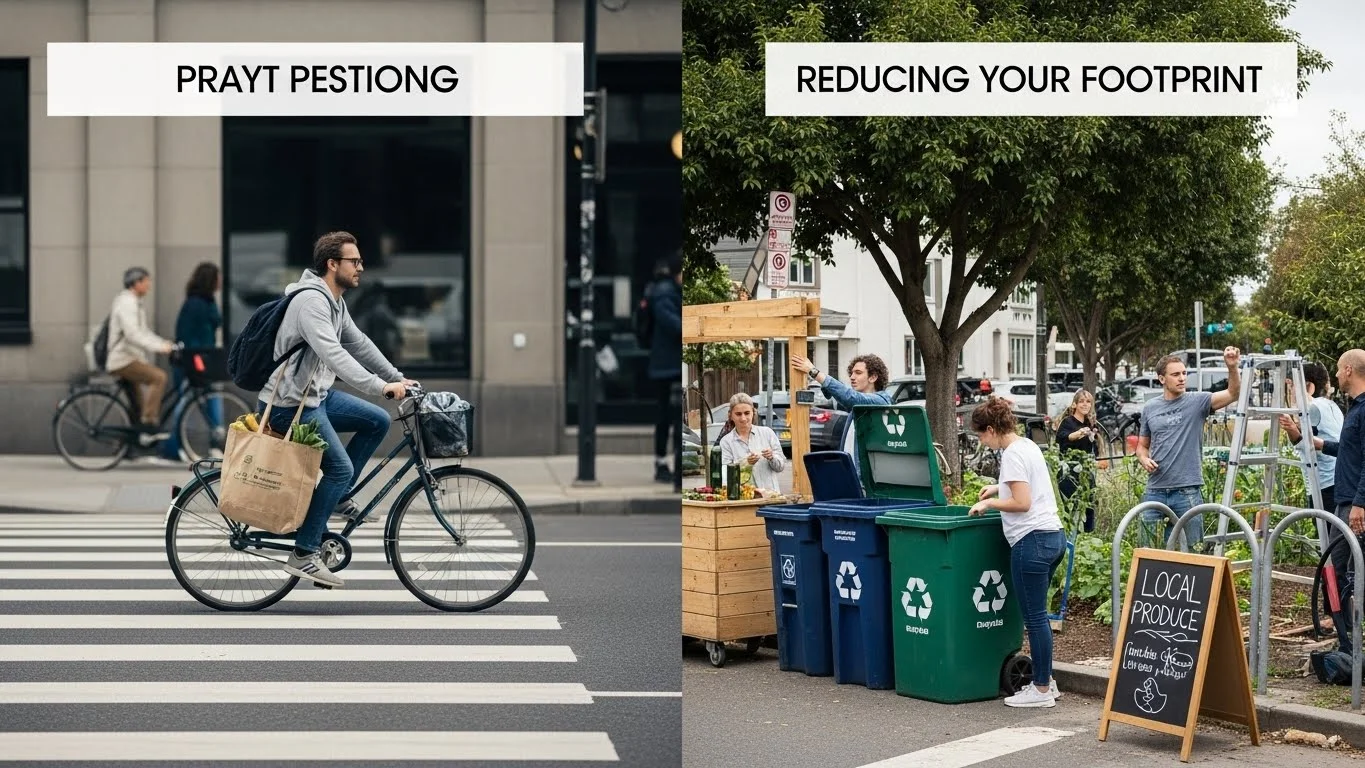
Understanding Carbon Offsetting vs. Reducing Your Footprint

As climate change becomes a pressing issue, many of us are searching for ways to make a difference. Two popular strategies have emerged: carbon offsetting and reducing our carbon footprint. But how do they differ, and how can we effectively use them?

Understanding Carbon Offsetting vs. Reducing Your Footprint

Overview of Carbon Offsetting and Footprint Reduction

Definition of Carbon Offsetting

Carbon offsetting is a process where individuals or companies compensate for their greenhouse gas emissions by supporting projects that reduce or remove carbon dioxide (CO2) from the atmosphere. This can include initiatives like reforestation, renewable energy projects, or energy efficiency improvements. By investing in these projects, we can counterbalance the emissions we produce, effectively “offsetting” our carbon footprint.

Definition of Reducing Your Footprint

Reducing your footprint, on the other hand, involves taking direct actions to decrease the amount of greenhouse gases you personally emit. This can be achieved through various lifestyle changes, such as using energy-efficient appliances, driving less, adopting a plant-based diet, and minimizing waste. Essentially, it’s about changing our habits and choices to minimize our impact on the planet.

Importance of Both Strategies

In my journey toward sustainability, I’ve found that both carbon offsetting and footprint reduction are essential. While reducing our footprint is crucial for making immediate and tangible changes, carbon offsetting can serve as a practical stopgap for the emissions we can’t eliminate right away. For instance, despite my best efforts to bike to work and cut back on plastic, there are still unavoidable emissions from things like flying or driving longer distances. In these cases, carbon offsetting provides a way to take responsibility for those emissions while I work on further reducing my footprint.

Understanding how these strategies complement each other can empower us to make informed decisions about our environmental impact. I believe that integrating both approaches can lead to a more sustainable future, where we actively work to lower our emissions while also supporting projects that help heal our planet.

Key Concepts in Carbon Offsetting

Carbon Credits and Trading

One of the central concepts in carbon offsetting is the idea of carbon credits. A carbon credit represents a reduction or removal of one metric ton of CO2 or its equivalent in other greenhouse gases. These credits can be bought and sold in a marketplace, allowing companies and individuals to invest in emission-reducing projects that they may not be able to implement themselves. I’ve seen firsthand how companies can use carbon credits to fulfill regulatory requirements or achieve sustainability goals, and I often wonder how this trading can drive larger-scale changes.

Types of Carbon Offsetting Projects

There are various types of carbon offset projects, and understanding their differences can help us choose wisely. Some popular categories include:

  • Reforestation: Planting trees to absorb CO2 from the atmosphere.
  • Renewable Energy: Investing in solar, wind, or hydroelectric projects that replace fossil fuel energy.
  • Energy Efficiency: Supporting initiatives that help reduce energy consumption.
  • Methane Capture: Projects that capture methane emissions from landfills or agricultural operations.

In my experience, I find that investing in local projects can often feel more rewarding. It creates a sense of community and connection to the efforts I’m supporting.

Verification and Certification Standards

Not all carbon offset projects are created equal, which is why verification and certification standards are so important. Various organizations, such as the Verified Carbon Standard (VCS) and the Gold Standard, evaluate and ensure that projects deliver real, measurable benefits. When I decided to offset my emissions last year, I made sure to look for projects that were certified. It gave me peace of mind knowing my contributions were genuinely making a difference.

Understanding Your Carbon Footprint

What is a Carbon Footprint?

Your carbon footprint is the total amount of greenhouse gases you produce, usually measured in carbon dioxide equivalents (CO2e). It encompasses all aspects of your life, from your energy use at home to your travel habits and the food you consume. I remember the first time I calculated mine; I was shocked at how quickly those emissions added up, especially from activities I hadn’t considered, like the production of my favorite foods.

Methods to Calculate Your Carbon Footprint

Calculating your carbon footprint can be quite enlightening. There are many online calculators available that require you to input details about your energy usage, transportation, and lifestyle choices. I found it helpful to go through this process; it made me more aware of my habits and where I could improve. Some of the key factors included:

  • Energy consumption (electricity, gas, etc.)
  • Transportation methods (car, public transport, flights)
  • Dietary choices (meat consumption, local vs. imported food)

Components of a Carbon Footprint

Understanding the components of our carbon footprint can help identify where we can make the most significant impact. For me, the largest contributors were travel and home energy use. Recognizing these areas allowed me to prioritize my efforts toward footprint reduction. I started looking into renewable energy sources for my home and sought alternatives for my travel plans, like carpooling or choosing trains over flights whenever possible.

Comparing Carbon Offsetting and Footprint Reduction

Effectiveness of Each Approach

When I started my sustainability journey, I often found myself wondering which approach—carbon offsetting or reducing my footprint—was more effective. From my experience, both have their strengths. Reducing our footprint often leads to more immediate and visible changes in our daily lives. For instance, when I switched to energy-efficient appliances, I immediately saw a drop in my energy bills, which was incredibly satisfying. On the other hand, carbon offsetting allows us to address emissions that are harder to eliminate. It’s like a complementary strategy where one fills the gaps left by the other. I’ve come to appreciate that effectiveness can vary from person to person, depending on individual lifestyles and values.

Long-term vs. Short-term Impact

In my opinion, the long-term impact of reducing your carbon footprint tends to be more sustainable. When we commit to changing our habits, we develop a deeper understanding of our environmental impact. I remember the sense of accomplishment I felt when I reduced my meat consumption. Not only did it feel good, but it also prompted me to explore new cooking techniques and recipes. However, carbon offsetting can be an excellent short-term solution for those who may not be ready or able to make significant lifestyle changes right away. For example, if you need to fly for work but want to take responsibility for those emissions, investing in carbon offsets is a practical way to do that while you work on longer-term changes.

Cost Considerations

Cost is another factor I’ve had to consider. While reducing my carbon footprint can sometimes require an upfront investment—like buying energy-efficient appliances or installing solar panels—over time, these choices often save money on utility bills. In contrast, carbon offsetting can be more affordable in the short term. I’ve noticed that many carbon offset programs offer options for different budgets, making it accessible for most people. However, I think it’s essential to realize that while offsetting can provide immediate relief for emissions, it shouldn’t replace the commitment to reducing our carbon footprint. Balancing both strategies can be the most cost-effective and impactful approach.

Strategies for Reducing Your Carbon Footprint

Energy Efficiency at Home

One of the first steps I took to reduce my footprint was focusing on energy efficiency at home. Little changes can make a big difference. For example, I replaced incandescent bulbs with LED lights, which not only last longer but also use a fraction of the energy. I also made a habit of unplugging devices when they’re not in use, which has helped lower my energy consumption significantly. I’ve learned that investing in smart thermostats can also optimize energy use and keep my bills in check. These small adjustments have turned into a rewarding experience, both financially and environmentally.

Sustainable Transportation Options

Transportation is a significant contributor to my carbon footprint, so I explored sustainable options. I started biking to work whenever possible and noticed how invigorating it felt to be active while reducing emissions. I’ve even joined a carpool with some colleagues, which not only cuts down on gas usage but also fosters a sense of community. Public transportation is another great choice; it’s amazing how much less carbon I emit when I choose trains or buses instead of driving. Sharing my transportation choices with friends has also inspired others to consider similar options, making it a collective effort.

Waste Reduction and Recycling

Reducing waste has become a priority for me as well. I’ve embraced practices like composting and using reusable bags, bottles, and containers. I think the most eye-opening experience was when I did a waste audit at home. It made me acutely aware of how much single-use plastic I was consuming. Since then, I’ve made a conscious effort to choose products with less packaging and to recycle more diligently. It’s a learning curve, but seeing the amount of waste I’ve reduced has been incredibly motivating.

Conscious Consumerism

Finally, conscious consumerism has played a vital role in my journey. I’ve learned to evaluate the brands I support and their environmental impact. Choosing to buy local products not only supports my community but also reduces the carbon emissions associated with transportation. I’ve started to prioritize companies that are committed to sustainability and transparency. This shift in my purchasing habits has not only made me feel good about my choices but has also encouraged companies to adopt more eco-friendly practices.

How to Offset Your Carbon Emissions

Choosing the Right Offsetting Projects

When I first started exploring carbon offsetting, I quickly realized that not all projects are created equal. Choosing the right offsetting projects is crucial to ensure that my contributions make a genuine impact. I recommend looking for projects that align with your personal values and interests. For instance, if I’m passionate about wildlife conservation, I might opt for reforestation projects that not only absorb CO2 but also create habitats for endangered species. I also consider factors like the project’s location and community involvement. Supporting local initiatives can create a stronger sense of connection and accountability. It’s essential to do a bit of research to understand how a project operates and what metrics they use to measure success.

How to Purchase Carbon Offsets

Purchasing carbon offsets can be a straightforward process, which I found surprisingly empowering. Many organizations and platforms make it easy to buy offsets online. I started by comparing various providers to ensure they offered verified projects. After selecting a project, I simply followed the steps on the site to purchase my offsets. Some platforms allow you to offset specific activities, such as flights or home energy use, which can be reassuring. I also appreciate that many programs provide options for recurring contributions, making it easier to keep my commitment to offsetting my emissions over time. It’s like making sustainability a regular part of my budget!

Evaluating the Impact of Your Offsets

One of the aspects I enjoy most about carbon offsetting is the opportunity to evaluate the impact of my contributions. After purchasing offsets, I often return to the project’s website to see updates on their progress. Many organizations provide reports or newsletters that detail how contributions are being used, which gives me a sense of satisfaction and reassurance. I remember one particular project I supported that included a reforestation initiative in my state. Seeing photos of the newly planted trees and reading about the local communities benefiting from the project made my investment feel even more worthwhile. Evaluating the effectiveness of my offsets has also pushed me to continue learning and adapting my approach to sustainability.

Common Misconceptions about Carbon Offsetting and Footprint Reduction

Offsetting as a ‘Get Out of Jail Free’ Card

One misconception I often encounter is the idea that carbon offsetting is a “get out of jail free” card for environmental responsibility. I used to think that by simply purchasing offsets, I could continue with my high-emission habits without any guilt. However, I’ve learned that offsetting should complement, not replace, efforts to reduce my carbon footprint. It’s essential to recognize that while offsets can mitigate some emissions, they don’t excuse us from making necessary lifestyle changes. Focusing on reducing our emissions first allows us to take more substantial responsibility for our impact on the planet.

Footprint Reduction is Always More Effective

Another common misconception is that reducing your footprint is always more effective than carbon offsetting. While I wholeheartedly believe in the importance of reducing emissions at the source, I also see the value in offsetting, especially for those who may not have the means to make significant changes right away. For instance, if someone relies on a car to commute to work and cannot switch to public transportation, offsetting could provide a way to take responsibility for those emissions while they explore other avenues for reduction. I think both strategies have their place, and it’s beneficial to understand how they can work together for a more comprehensive approach to sustainability.

The Role of Individual Actions vs. Systemic Change

Lastly, I’ve often heard the argument that individual actions are insignificant compared to systemic change needed to combat climate change. While it’s true that larger policy changes are crucial, I believe that individual actions can create a ripple effect. When we take personal responsibility for our carbon footprint and engage in carbon offsetting, we can inspire others to join us. I’ve seen this firsthand through conversations with friends and family. When I share my experiences and strategies, it often sparks interest and motivates others to reconsider their habits. Collective action can drive demand for systemic change, making our individual efforts valuable in the larger fight against climate change.

Case Studies and Examples

Successful Carbon Offsetting Initiatives

Some remarkable success stories highlight the potential of carbon offsetting. For instance, I came across a project in Africa that focuses on clean cookstoves. By providing these stoves to local communities, they reduce reliance on traditional firewood, which decreases deforestation and lowers greenhouse gas emissions. I was amazed by how a simple shift in technology could lead to multiple benefits, including improved health and economic opportunities for families. Such projects inspire me to consider how diverse and innovative carbon offset initiatives can be.

Impact of Footprint Reduction in Communities

On the flip side, some communities have made impressive strides in reducing their carbon footprints through collective efforts. I remember hearing about a town that implemented a comprehensive recycling program and invested in renewable energy sources. As a result, they managed to cut their emissions significantly while also creating green jobs. Their story illustrates how community engagement and shared goals can lead to meaningful change. It’s inspiring to see how people can rally together to make a substantial difference in their environment.

Comparative Analysis of Both Approaches

In my personal journey, I’ve found that both carbon offsetting and footprint reduction have unique advantages and challenges. For example, I’ve experienced the immediate satisfaction of reducing my energy consumption at home, but I also appreciate the peace of mind that comes from offsetting those emissions I can’t avoid. It’s a balancing act that requires continual reflection and adaptation. I believe that analyzing successful case studies can guide individuals and communities in implementing these strategies effectively, ultimately leading to a more sustainable future.

Future Trends in Carbon Offsetting and Footprint Reduction

Technological Innovations

Looking ahead, I’m excited about the role that technological innovations will play in both carbon offsetting and footprint reduction. For instance, advancements in carbon capture technologies could revolutionize how we approach emissions. I recently read about new methods that involve capturing CO2 from industrial processes and safely storing it underground. As these technologies become more refined and accessible, I believe they will provide powerful tools to help us tackle our carbon footprints at a larger scale.

Policy Changes and Regulations

Policy changes are another area where I see potential for significant impact. Governments worldwide are beginning to recognize the urgency of climate action, and I hope to see more comprehensive regulations that promote both carbon offsetting and footprint reduction. For example, incentivizing renewable energy adoption through tax credits or grants could encourage individuals and businesses alike to make the switch. I think public support for these policies can drive the necessary changes and hold larger corporations accountable for their emissions.

Corporate Responsibility and Sustainability

Lastly, corporate responsibility is becoming increasingly important in the conversation around sustainability. I’ve noticed many companies are now setting ambitious emissions reduction targets and investing in carbon offset projects. This shift in corporate culture can lead to more innovative solutions and encourage responsible practices across entire industries. When I support businesses that prioritize sustainability, I’m contributing to a larger movement toward eco-friendly practices, reinforcing my belief that we all have a role to play in this journey.

Resources for Further Learning

Books and Articles

For those looking to deepen their understanding of carbon offsetting and footprint reduction, there’s a wealth of information available. I’ve found a few books particularly insightful, such as “This Changes Everything” by Naomi Klein and “The Uninhabitable Earth” by David Wallace-Wells. These texts challenge conventional thinking and encourage us to consider the broader implications of our choices. Online articles and blogs can also provide updated information on new projects and trends in sustainability.

Websites and Organizations

I recommend exploring reputable websites and organizations dedicated to carbon offsetting and environmental sustainability. Websites like Carbon Footprint, EcoAct, and the Gold Standard offer valuable resources, project listings, and tools for calculating your impact. Connecting with these organizations can help you stay informed about best practices and exciting new initiatives in the field.

Tools for Measuring Your Footprint and Offsetting

There are numerous tools available to help measure your carbon footprint and facilitate the offsetting process. I’ve had a great experience with calculators like the Global Footprint Network or the Nature Conservancy’s carbon footprint calculator. These tools can provide personalized insights and encourage you to take actionable steps toward reducing your emissions. Additionally, many carbon offset providers offer user-friendly platforms for purchasing offsets, making it easier to integrate offsetting into your sustainability journey.

Frequently Asked Questions

What is carbon offsetting?

Carbon offsetting is a process where individuals or companies compensate for their greenhouse gas emissions by supporting projects that reduce or remove carbon dioxide (CO2) from the atmosphere, such as reforestation and renewable energy projects.

How does reducing your carbon footprint differ from carbon offsetting?

Reducing your carbon footprint involves taking direct actions to decrease the amount of greenhouse gases you personally emit through lifestyle changes, while carbon offsetting compensates for emissions by supporting projects that mitigate greenhouse gases.

Why are both carbon offsetting and footprint reduction important?

Both strategies are essential for sustainability; reducing our footprint leads to immediate changes, while carbon offsetting serves as a stopgap for emissions that cannot be eliminated immediately.

What are carbon credits?

A carbon credit represents a reduction or removal of one metric ton of CO2 or its equivalent in other greenhouse gases, which can be bought and sold to invest in emission-reducing projects.

What types of projects are involved in carbon offsetting?

Common types of carbon offset projects include reforestation, renewable energy initiatives, energy efficiency improvements, and methane capture projects.

How can I calculate my carbon footprint?

You can calculate your carbon footprint by using online calculators that require information about your energy usage, transportation methods, and dietary choices.

What misconceptions exist about carbon offsetting?

One misconception is that carbon offsetting is a “get out of jail free” card for environmental responsibility, while another is that reducing your footprint is always more effective than offsetting. Both strategies have their place in sustainability.

How can I choose the right carbon offsetting projects?

To choose the right projects, look for those that align with your personal values and interests, consider the project’s location, community involvement, and ensure they are verified for effectiveness.

What role do individual actions play in combating climate change?

Individual actions can create a ripple effect, inspiring others to make changes and driving demand for systemic change, which is essential in the larger fight against climate change.

What resources are available for further learning about carbon offsetting and footprint reduction?

Books, reputable websites, and online tools for measuring your footprint and offsetting are excellent resources. Suggested books include “This Changes Everything” by Naomi Klein and websites like Carbon Footprint and EcoAct.

Carbon Offsetting vs. Carbon Footprint Reduction: What’s Best?

With climate change becoming an ever-pressing issue, the conversation around carbon offsetting and carbon footprint reduction is more critical than ever. Understanding these concepts can help us make informed choices to benefit our planet. For travelers, it’s essential to know how to find the perfect carbon offsetting program that aligns with your values and travel habits.

Carbon Offsetting vs. Carbon Footprint Reduction: What's Best?

Understanding Carbon Footprints

Definition of Carbon Footprint

When I first learned about carbon footprints, it struck me how simple yet profound the concept is. A carbon footprint measures the total greenhouse gas emissions, especially carbon dioxide (CO₂), that are directly or indirectly associated with an individual, organization, or activity. This includes everything from how we heat our homes to the food we eat and the transportation we use. Essentially, it reflects our impact on the environment and climate change.

Components of Carbon Footprint

Understanding the components of our carbon footprint really opened my eyes to how interconnected our daily choices are with the environment. The main components include:

  • Energy Use: This is typically the largest part of our footprint, stemming from electricity and heating.
  • Transportation: Whether it’s driving, flying, or using public transit, our travel habits greatly contribute to emissions.
  • Food: The production, transportation, and waste of food, especially meat and dairy, have significant carbon impacts.
  • Goods and Services: Everything we buy—from clothes to gadgets—carries an embedded carbon cost through its production and distribution.

Calculating Your Carbon Footprint

Calculating my carbon footprint was an enlightening experience. There are online calculators available that take into account your lifestyle choices, such as energy consumption, travel habits, and dietary preferences. I remember entering my details and feeling a mix of surprise and concern about my numbers. It really highlighted the areas where I could improve and make a difference.

Tools for Measuring Carbon Footprint

There are several tools available to help measure your carbon footprint, and I found them incredibly useful. Some of my favorites include:

  • Carbon Footprint Calculators: Websites like CarbonFootprint.com and WWF’s Carbon Footprint Calculator are user-friendly and provide a detailed breakdown.
  • Mobile Apps: Apps like MyCarbon and Capture offer on-the-go tracking and tips for reducing emissions.
  • Personal Finance Tools: Some budgeting apps now include features for tracking carbon emissions associated with spending.

Using these tools made me realize how my everyday choices stack up against my environmental goals. It was empowering to see tangible data that I could use to create a more sustainable lifestyle.

What is Carbon Offsetting?

Definition and Overview

Carbon offsetting was a term I came across while trying to navigate my own responsibility toward climate change. It refers to compensating for emissions produced by investing in projects that reduce or capture an equivalent amount of carbon dioxide elsewhere. This can include funding renewable energy projects or tree planting initiatives. While I think it’s an interesting concept, it often raised questions for me about whether offsetting is enough without making personal changes.

How Carbon Offsetting Works

In my research, I discovered that carbon offsetting works by buying credits that represent a reduction or removal of one metric ton of CO₂. This can be a straightforward way to claim neutrality regarding your emissions. I remember the first time I purchased carbon credits; I felt like I was doing something positive, but I couldn’t shake the feeling that I was also avoiding addressing my direct contributions to carbon emissions.

Types of Carbon Offsetting Projects

There are various types of carbon offset projects, each with unique benefits. Here are a few I found particularly interesting:

Renewable Energy Projects

Investing in wind, solar, and hydroelectric power reduces reliance on fossil fuels. I was amazed to learn that these projects not only cut emissions but can also create jobs and boost local economies.

Reforestation Initiatives

Planting trees is a classic method of carbon offsetting. Each tree absorbs CO₂ as it grows, making reforestation a natural way to combat climate change. I remember participating in a local tree-planting event, which felt like I was directly contributing to a healthier planet.

Energy Efficiency Programs

Supporting programs that improve energy efficiency in homes and businesses can lead to significant emissions reductions. I’ve seen firsthand how small changes, like better insulation and energy-efficient appliances, can make a big difference in energy consumption.

Reflecting on these projects helped me understand the potential impact of offsetting, but I also realized the importance of balancing it with personal efforts to reduce emissions directly. It’s a complex but essential part of the climate conversation. If you’re looking for more information, check out your guide to choosing an effective carbon offsetting program.

What is Carbon Footprint Reduction?

Definition and Overview

Carbon footprint reduction refers to the proactive steps we can take to decrease the amount of greenhouse gases we release into the atmosphere. I find it empowering to think about how, as individuals and communities, we can actually make a difference. It’s not just about offsetting emissions; it’s about minimizing them in the first place. This involves making conscious choices in our daily lives, whether it’s through our energy consumption, transportation methods, or the products we buy. I believe that understanding and actively engaging in carbon footprint reduction is a crucial part of being a responsible global citizen.

Strategies for Reducing Carbon Footprint

Over the years, I’ve come across various strategies to help reduce my carbon footprint. Some have been easier to implement than others, but I’ve noticed that even small changes can add up to make a significant impact. Here are a few strategies I think everyone can consider:

Energy Conservation

One of the most effective ways I’ve found to reduce my carbon footprint is through energy conservation. I started by switching off lights when leaving a room and unplugging devices that aren’t in use. I also made a commitment to use energy-efficient appliances and light bulbs whenever possible. These small changes seemed insignificant at first, but I soon realized how much they contributed to reducing my overall energy consumption. Moreover, I felt good knowing I was doing my part to lessen my impact on the planet.

Waste Reduction Techniques

Another area where I’ve focused my efforts is waste reduction. I began by practicing the three Rs: Reduce, Reuse, and Recycle. I made it a habit to bring my reusable bags when shopping and to carry a reusable water bottle instead of buying plastic bottles. I’ve also tried to cut down on single-use plastics and food waste by planning meals and composting organic materials. These practices not only help lower my carbon footprint but also encourage a more sustainable lifestyle overall.

Sustainable Transportation Options

Transportation was another aspect that I realized played a significant role in my carbon footprint. I used to rely heavily on my car for short trips, but I’ve since made a conscious effort to walk, bike, or use public transportation when possible. I can’t express how liberating it feels to leave the car behind and enjoy a leisurely bike ride through my neighborhood. Not only does it reduce emissions, but it also allows me to connect with my surroundings in a way that driving never could. For longer trips, I try to carpool or use trains instead of flying, which has a much lower carbon impact.

Eco-friendly Lifestyle Choices

Lastly, I’ve embraced eco-friendly lifestyle choices that align with my values. This includes supporting local and organic food producers, which often have a lower carbon footprint than mass-produced items. I’ve learned to read labels carefully, choosing products with minimal packaging and sustainable materials. Additionally, I’ve incorporated more plant-based meals into my diet, as I discovered that reducing meat consumption can significantly lower individual carbon emissions. I feel more connected to my food choices now and appreciate the positive impact they can have on the environment.

Comparing Carbon Offsetting and Carbon Footprint Reduction

Effectiveness of Each Approach

Through my exploration of carbon offsetting and footprint reduction, I’ve often found myself pondering which approach is more effective. While carbon offsetting allows us to compensate for our emissions, reducing our carbon footprint directly addresses the root of the problem. I believe both methods have their place, but focusing on reduction leads to more sustainable behavior changes. I’ve noticed that the more I concentrate on reducing my footprint, the more mindful I become in other areas of my life.

Long-term vs. Short-term Impact

When weighing the long-term and short-term impacts of these approaches, I’ve realized that carbon footprint reduction offers lasting benefits. By changing our habits, we create a ripple effect that can influence friends, family, and our communities. Carbon offsetting can provide immediate relief for emissions, but without lasting changes in our habits, it can feel like a temporary fix. I’ve found that committing to a sustainable lifestyle has more profound effects in the long run.

Cost Analysis of Offsetting vs. Reducing

Cost is another important factor in this discussion. While purchasing carbon offsets can sometimes feel like an easy way to address emissions, I’ve learned that investing in personal changes can often be more cost-effective over time. For example, opting for energy-efficient appliances may have a higher upfront cost, but the long-term savings on energy bills can be significant. I’ve found that many sustainable choices, like using public transport or reducing waste, can also lead to financial savings in the long run.

Personal Responsibility vs. Systemic Change

Finally, I’ve come to understand the balance between personal responsibility and the need for systemic change in addressing climate change. While I believe it’s crucial for each of us to take responsibility for our carbon footprints, I also recognize that larger systemic changes—like government policies and corporate practices—are vital for significant progress. I often think about how our individual actions can inspire broader change, motivating communities and organizations to adopt sustainable practices.

When to Choose Carbon Offsetting

Situations that Favor Offsetting

There have been moments in my life when carbon offsetting seemed like the best choice for me. For instance, if I’m planning a long-distance flight, I often look into offsetting my emissions. It’s not that I want to ignore my carbon footprint; rather, I recognize that air travel has a significant impact that I may not be able to reduce through personal changes alone. In such cases, purchasing carbon offsets allows me to balance out the emissions from my journey by supporting projects that remove or reduce CO₂ elsewhere. I’ve found this approach particularly helpful when I’m attending important events, like family reunions, where flying is often the only viable option.

Another situation that often calls for carbon offsetting is when I’m participating in activities that are inherently high in emissions, such as a road trip with friends. We usually share the driving and make the most of our time together, but I still feel the responsibility to offset the emissions from the trip. By investing in renewable energy projects or tree-planting initiatives, I can feel more at ease knowing that I’m taking a step toward mitigating the environmental impact of my fun adventures. For more insights on this, refer to top tips to select the right carbon offsetting program today.

Benefits of Carbon Offsetting

One of the biggest benefits I’ve found with carbon offsetting is the ability to make a tangible difference without needing to drastically change my lifestyle. It feels good to know that, even when I have to travel or engage in activities that generate emissions, I can still contribute positively to the environment. This form of compensation gives me peace of mind and adds a layer of responsibility that I appreciate.

Additionally, I’ve noticed that many offsetting projects promote sustainability beyond just reducing carbon emissions. For example, by supporting reforestation initiatives, I’m not only helping to absorb CO₂ but also contributing to biodiversity and the health of ecosystems. I’ve learned that some projects also focus on empowering local communities, which aligns with my values of supporting ethical practices and social responsibility.

Moreover, carbon offsetting projects often provide educational resources that can deepen my understanding of climate issues. I love reading about how specific initiatives make a difference and how they fit into a broader context of environmental sustainability. This knowledge not only enriches my experience but also inspires me to advocate for more sustainable practices in my daily life.

When to Focus on Carbon Footprint Reduction

Situations that Favor Reduction

While I value carbon offsetting, I’ve come to realize that there are countless situations where focusing on carbon footprint reduction is not only more impactful but also necessary. For instance, in my daily routines, I prioritize reducing my carbon emissions over offsetting them. This is especially true when it comes to energy consumption at home. By making changes like using LED bulbs and unplugging devices, I can directly lessen my impact without needing to rely on offsets.

Another area where I emphasize reduction is in transportation. As I mentioned before, I try to walk, bike, or use public transit whenever possible. This approach not only reduces my emissions but also encourages a healthier lifestyle. I find that these habits have become part of my identity, and they help me feel connected to my community and environment.

Additionally, I believe that during times when I have the ability to influence others—like when I’m hosting gatherings—I focus on reducing our collective carbon footprint. For example, I encourage friends to carpool, bring their own reusable containers for leftovers, and source local food for our meals. These small group efforts can lead to a more significant cumulative impact, and I’ve noticed that my friends are often inspired to adopt similar practices in their own lives.

Benefits of Carbon Footprint Reduction

The benefits of reducing my carbon footprint are numerous and far-reaching. I find that making conscious choices not only helps the environment but also enhances my quality of life. For instance, using less energy leads to lower electricity bills, which is a win-win. Moreover, making eco-friendly choices often leads to discovering new products and brands that are more aligned with my values.

Additionally, I’ve noticed that reducing my carbon footprint fosters a sense of community. When I engage with others about sustainability and share tips on reducing emissions, I feel a strong connection to like-minded individuals. It’s heartwarming to see how we can motivate each other and create a ripple effect of positive change, which ultimately makes a more significant impact on our environment.

In essence, focusing on carbon footprint reduction has become a fulfilling journey for me, and I believe it leads to a more sustainable future for all of us. The more I invest in these practices, the more I feel empowered to make a difference—not just for myself, but for generations to come.

Case Studies and Examples

Successful Carbon Offsetting Initiatives

As I looked deeper into carbon offsetting, I stumbled upon several inspiring case studies that showcase successful initiatives. One that stood out to me was the Gold Standard, an organization that certifies projects that produce carbon offsets. They focus on projects that not only reduce emissions but also contribute to sustainable development goals. I found it fascinating that they support renewable energy projects in developing countries, providing communities with clean energy while also reducing reliance on fossil fuels. This dual impact felt like a win-win scenario, and it made me realize how powerful carbon offsetting can be when done right.

Another example that captured my attention was the reforestation project in Madagascar. I read about how local communities are being engaged in planting trees to restore their forests. Not only does this help absorb CO₂, but it also provides jobs and supports biodiversity. I remember feeling hopeful knowing that carbon offsetting could lead to such positive social and environmental outcomes. It reminded me that our individual contributions to these projects, even if small, can collectively lead to significant change.

Successful Carbon Footprint Reduction Examples

On the flip side, the journey of reducing carbon footprints has equally compelling stories. One example that resonated with me was a small city in Denmark that committed to becoming carbon neutral by 2025. They focused on integrating renewable energy sources, improving public transportation, and encouraging cycling. I was amazed to see how a community could come together to embrace sustainable practices. Their success was not just about reducing emissions; it also fostered a sense of pride and unity among residents.

Another inspiring case is a local cafe I frequent that took significant steps to lower its carbon footprint. They started sourcing ingredients from local farmers, reducing food miles, and minimizing packaging waste. I love how they share their journey with customers, encouraging them to bring their own containers for takeout. This not only reduces waste but also raises awareness about sustainability in everyday life. Witnessing such initiatives reinforces my belief that collective efforts, no matter how small, can lead to meaningful change in our communities.

FAQs on Carbon Offsetting and Footprint Reduction

Is Carbon Offsetting Effective?

In my experience, carbon offsetting can be effective if done thoughtfully. It provides a way to balance out emissions. However, I believe it should complement direct efforts to reduce emissions rather than replace them. I think the key is finding a balance between offsetting and making personal changes.

Can I Offset My Entire Carbon Footprint?

While it’s possible to offset a significant portion of your carbon footprint, I’ve learned that it’s essential to focus on reduction first. Offsetting can be a helpful tool, but it shouldn’t be seen as a catch-all solution. It’s important to understand your impact and make efforts to reduce it wherever possible.

How Can I Start Reducing My Carbon Footprint?

Starting to reduce my carbon footprint was easier than I initially thought. I began by identifying areas in my daily life where I could make changes, like conserving energy and reducing waste. I recommend looking at your transportation habits and food choices, as these are often significant contributors to emissions. Small, incremental changes can lead to a more sustainable lifestyle over time.

Are There Certifications for Carbon Offsetting Projects?

Yes, there are several certifications that ensure carbon offsetting projects are legitimate and effective. Organizations like Verra and the Gold Standard verify projects to ensure they meet specific criteria. I always feel better knowing that my contributions are going toward certified projects that genuinely make a difference.

Final Thoughts

Reflecting on my journey through understanding carbon offsetting and footprint reduction, I find it inspiring how interconnected our actions are with the health of our planet. Each small choice can accumulate into significant change, and I believe that both carbon offsetting and direct reduction efforts play critical roles in the fight against climate change. It’s about finding a balance that works for each of us, allowing us to contribute positively while also holding ourselves accountable. As I continue to learn and grow in my sustainability journey, I’m hopeful that together, we can create a more sustainable future for generations to come.

Frequently Asked Questions

What is a carbon footprint?

A carbon footprint measures the total greenhouse gas emissions, particularly carbon dioxide (CO₂), associated with an individual, organization, or activity. It reflects our impact on the environment and climate change.

What are the main components of a carbon footprint?

The main components include energy use (electricity and heating), transportation (driving, flying, public transit), food production and waste (especially meat and dairy), and goods and services (clothes and gadgets).

How can I calculate my carbon footprint?

You can calculate your carbon footprint using online calculators that consider your lifestyle choices, such as energy consumption, travel habits, and dietary preferences. These tools provide a breakdown of your emissions and highlight areas for improvement.

What is carbon offsetting?

Carbon offsetting refers to compensating for emissions produced by investing in projects that reduce or capture an equivalent amount of carbon dioxide elsewhere, such as renewable energy projects or tree planting initiatives.

How does carbon offsetting work?

Carbon offsetting works by purchasing credits that represent a reduction or removal of one metric ton of CO₂, allowing individuals or organizations to claim neutrality regarding their emissions.

What are some types of carbon offsetting projects?

Types of carbon offsetting projects include renewable energy projects (wind, solar, hydroelectric), reforestation initiatives (planting trees), and energy efficiency programs that improve energy use in homes and businesses.

What is carbon footprint reduction?

Carbon footprint reduction refers to proactive steps taken to decrease greenhouse gas emissions. This involves making conscious choices in energy consumption, transportation, and product purchases to minimize emissions.

What strategies can I use to reduce my carbon footprint?

Strategies include energy conservation (using energy-efficient appliances), waste reduction techniques (practicing the three Rs: Reduce, Reuse, Recycle), sustainable transportation options (walking, biking, using public transit), and embracing eco-friendly lifestyle choices (supporting local and organic food producers).

When should I consider carbon offsetting?

Consider carbon offsetting when engaging in high-emission activities like long-distance flights or road trips. It allows you to balance out your emissions while still participating in these activities.

What are the benefits of reducing my carbon footprint?

Reducing your carbon footprint can lead to lower electricity bills, enhance quality of life, foster a sense of community, and create a positive ripple effect that inspires others to adopt sustainable practices.

Discover the Best Carbon Offsetting Programs for Your Travels

Traveling the world is an adventure I cherish deeply, but I also feel the weight of my carbon footprint. Discovering carbon offsetting programs has opened my eyes to how I can travel responsibly while still exploring new horizons. Read Interesting article: Top Carbon Offsetting Programs That Make Travel Greener

Discover the Best Carbon Offsetting Programs for Your Travels

Understanding Carbon Offsetting

What is Carbon Offsetting?

When I first heard the term “carbon offsetting,” I was curious about what it really meant. Essentially, carbon offsetting involves compensating for the greenhouse gas emissions produced by our activities, particularly travel. When we fly, drive, or take any form of transport, we release carbon dioxide (CO2) into the atmosphere. This CO2 contributes to climate change. By purchasing carbon offsets, I can support projects that reduce or capture an equivalent amount of CO2, effectively balancing out my emissions.

How Carbon Offsetting Works

Understanding how carbon offsetting works can be quite eye-opening. Here’s how it usually goes: I calculate my carbon footprint from my travels, which can vary based on factors like distance traveled and the type of transportation used. Once I have this number, I can purchase offsets equivalent to that amount from various programs. These programs fund projects such as reforestation, renewable energy, or energy efficiency initiatives. The idea is that for every ton of CO2 I emit, I support an initiative that either prevents or removes that same amount of CO2 from the atmosphere. It’s a way of taking responsibility for my impact while contributing to positive change.

The Importance of Carbon Offsetting for Travelers

For travelers like me, carbon offsetting is more than just a trend; it’s a necessary practice. I’ve realized that our love for travel doesn’t have to conflict with our responsibility to the environment. Carbon offsetting helps mitigate the effects of climate change and encourages sustainable practices in tourism. I’ve noticed that many travelers are becoming more aware of their environmental impact, and carbon offsetting is a tangible way to engage in responsible travel. By participating in these programs, we support projects that improve our planet, all while still enjoying the journeys that enrich our lives.

Moreover, as I interact with different cultures and environments, I feel a growing responsibility to protect these places. By offsetting my travel emissions, I’m contributing to the protection of the very destinations I love. It’s a cycle of giving back that makes my travels feel more meaningful. I have learned that being a conscious traveler doesn’t just mean reducing my emissions; it also means ensuring that I leave the places I visit better than I found them.

Benefits of Carbon Offsetting for Travelers

Reducing Your Travel Carbon Footprint

One of the most immediate benefits I’ve experienced from carbon offsetting is the reduction of my travel carbon footprint. It’s easy to feel overwhelmed by the environmental impact of flying, especially when I think about long-haul flights. Yet, knowing that I can directly contribute to projects that counteract my emissions gives me a sense of empowerment. I’ve chosen to offset flights for vacations and business trips alike, and I always feel a sense of relief knowing I’m doing my part.

Supporting Sustainable Development

Another aspect I appreciate about carbon offsetting is its role in supporting sustainable development. Many offset programs fund projects in developing countries, which not only help reduce carbon emissions but also provide jobs, improve local infrastructure, and promote sustainable practices. I remember supporting a project in a rural community that focused on building clean cookstoves. Not only did it reduce deforestation, but it also improved health conditions for families. This kind of impact makes my contribution feel even more significant. Read Interesting article: Discover 5 Types of Carbon Offsetting Programs for Travelers

Enhancing Your Travel Experience

On top of all that, I’ve found that carbon offsetting can actually enhance my travel experience. It adds a layer of purpose to my trips. Knowing I am contributing to environmental sustainability gives me a deeper appreciation for the places I visit. I often seek out local tours or activities that align with these values, enriching my travels. I’ve met inspiring people who are dedicated to conservation and sustainability, which has taught me so much about the importance of preserving our planet.

In my experience, taking the initiative to offset my carbon footprint has transformed how I view travel. Instead of seeing it merely as an escape, I now approach it as an opportunity to engage with the world responsibly. It’s about creating a balance between exploration and stewardship, and I believe that every small step can lead to significant changes.

Types of Carbon Offsetting Programs

Project-Based Offsetting Programs

When I started looking into carbon offsetting, I discovered that project-based programs are among the most popular options. These programs invest in specific projects aimed at reducing carbon emissions. I remember reading about reforestation efforts in countries like Brazil and Kenya, where trees are planted to absorb CO2. What really struck me is how these projects not only help combat climate change but also support communities by providing jobs and fostering biodiversity. Every time I offset my travel emissions through these programs, I feel connected to something much larger than myself—it’s about contributing to a healthier planet.

Technology-Based Offsetting Programs

Another avenue I explored is technology-based offsetting programs, which leverage innovative technologies to reduce emissions. For example, I learned about programs that capture methane from landfills or harness solar energy to replace fossil fuels. These initiatives often use cutting-edge technology to make a significant impact. I find it fascinating how science and creativity come together to tackle climate change. By supporting these programs, I feel like I’m helping pioneer solutions that could reshape our future. It’s exciting to be part of a movement that embraces innovation for sustainability.

Community-Based Offsetting Programs

Community-based programs are close to my heart because they focus on local initiatives and empower communities directly. I recall a project that provided clean energy solutions in rural areas, allowing families to move away from traditional, polluting energy sources. This not only reduces emissions but also improves health and quality of life for those communities. I believe that by supporting these programs, I’m investing in the resilience and sustainability of the communities I visit. It’s a beautiful reminder that travel can be a force for good, and I love the idea of leaving a positive impact wherever I go.

Top Carbon Offsetting Programs for Travelers

1. Gold Standard

Gold Standard is one of the most respected names in carbon offsetting. I appreciate how they focus on projects that create tangible benefits for local communities, along with environmental benefits. They offer a wide range of projects, from renewable energy to sustainable agriculture. When I offset my carbon footprint through Gold Standard, I feel confident knowing that my contribution supports high-quality initiatives.

2. Verified Carbon Standard (VCS)

The Verified Carbon Standard is another program I find impressive. They have rigorous standards for projects to ensure they deliver real and measurable emission reductions. I love that VCS projects often include a variety of approaches, such as forestry and renewable energy, allowing me to choose where my contributions go. It makes the process feel more personal, and I enjoy learning about the different projects I’m supporting.

3. ClimateCare

ClimateCare is a program I discovered while researching carbon offsetting options. They focus on creating climate-friendly projects that also tackle poverty. I was particularly moved by their work in creating clean water solutions and clean energy for communities in need. It’s inspiring to see how my contributions can help improve lives while also addressing the climate crisis.

4. TerraPass

TerraPass is another option that resonates with me. They offer a variety of projects, including renewable energy and methane capture. I appreciate how they are transparent about their projects and provide clear information on the impact of my contributions. Knowing where my money goes helps me feel more connected to the projects I support.

5. Cool Effect

Cool Effect stands out for its unique approach of allowing me to choose specific projects to support. I remember browsing through their platform and discovering a project that focused on protecting mangroves, which are crucial for carbon sequestration. I love how Cool Effect connects me directly with projects that I can engage with personally, making my contributions feel even more meaningful.

6. NativeEnergy

Lastly, NativeEnergy focuses on community-driven projects, particularly in the U.S. and indigenous communities. I appreciate their commitment to social justice and sustainability. Supporting projects that empower local populations aligns with my values, and I believe it’s essential to uplift communities while addressing climate change. Read Interesting article: Top Carbon Offsetting Organizations for Eco-Conscious Travelers

How to Choose the Right Carbon Offsetting Program

Assessing Credibility and Certification

As I delved deeper into carbon offsetting, I realized that not all programs are created equal. It’s crucial to assess the credibility of the programs I consider. I look for certifications from reputable organizations that verify the projects meet specific standards. This ensures that my contributions are truly making a difference. It gives me peace of mind knowing that I’m supporting initiatives that are legitimate and impactful.

Understanding Project Impact and Transparency

I’ve learned the importance of understanding the specific impacts of the projects I support. I make it a point to research the outcomes of various initiatives to ensure they align with my values. Transparency is key for me; I want to know how my money is being used and what results are being achieved. Many reputable programs provide detailed reports on their projects, and I find this information empowering. It allows me to make informed choices about where to direct my contributions.

Evaluating Cost and Convenience

Lastly, I consider the cost and convenience of the offsetting programs. While I want to support effective initiatives, I also need to find options that fit within my budget. Some programs offer flexible pricing based on the amount of emissions I need to offset, which I appreciate. I’ve found that many programs are user-friendly, making it easy for me to calculate my footprint and contribute. This convenience encourages me to make offsetting a regular part of my travel routine.

Steps to Offset Your Travel Emissions

Calculating Your Travel Carbon Footprint

When I first decided to offset my travel emissions, the first step was calculating my carbon footprint. This process might seem daunting, but I found it surprisingly straightforward. There are numerous online calculators that can help me estimate my emissions based on factors like the type of transportation I use, the distance I travel, and even my accommodation choices. I remember using a calculator where I input my flight details, including the number of passengers, which really helped me understand the impact of my travel. I think this step is essential because it not only highlights my personal impact but also sets a baseline for how much I need to offset. It’s a bit of a wake-up call, but also a great starting point for making more informed decisions in the future.

Selecting an Offsetting Program

Once I had my carbon footprint calculated, the next step was choosing the right offsetting program. With so many options available, I found it helpful to revisit the criteria I had previously established. I considered the types of projects that resonated with me the most, whether they focused on reforestation, renewable energy, or community initiatives. I remember spending some time browsing through different programs and reading reviews from other travelers. This research made me feel more connected to the projects I would support. Ultimately, I chose a program that aligned with my values and provided transparency about their initiatives. I believe selecting the right program is crucial because it enhances the overall experience of offsetting my emissions.

Making Your Contribution

Making my contribution was a rewarding experience in itself. After choosing a program, I simply followed their process for purchasing offsets. It was as easy as making an online purchase. I appreciated that many programs allow you to offset emissions based on specific trips or even monthly contributions. I decided to offset my flight to a beautiful island getaway, and it felt great to know that my contribution would support a project aimed at restoring coastal ecosystems. I also learned that I could offset my everyday activities, like driving or using electricity at home, which encouraged me to think about my overall lifestyle. Each contribution, no matter how small, felt significant, and I loved the idea that my actions could contribute to a larger impact.

Tracking Your Impact

After offsetting my emissions, I wanted to see the impact of my contributions. Many programs provide updates or reports on the projects funded by my offsets. I remember receiving an email about the progress of the reforestation project I supported. It included information about the number of trees planted and how they were helping to restore biodiversity in the area. This feedback was incredibly satisfying and made me feel like I was part of something bigger. Tracking the impact of my contributions is essential because it keeps me motivated and engaged in my sustainability journey. It also reinforces the idea that every effort counts, encouraging me to continue offsetting my emissions in the future.

Frequently Asked Questions about Carbon Offsetting

Is Carbon Offsetting Effective?

One question I often hear is whether carbon offsetting is truly effective. From my experience, I believe it can be an impactful tool in the fight against climate change, but it’s not a silver bullet. Carbon offsetting works best when combined with efforts to reduce emissions at the source, like choosing sustainable travel options or minimizing unnecessary trips. While I appreciate that offsetting allows me to balance my carbon footprint, I also strive to be conscious of my travel choices. It’s about creating a holistic approach to sustainability.

Can I Offset My Whole Trip?

Absolutely! I’ve offset entire trips, including flights, accommodations, and even activities. Many offsetting programs allow you to calculate and offset the total emissions from your journey. This comprehensive approach not only eases my mind but also amplifies the positive impact of my travels. I love the idea of leaving every destination I visit in a better state than I found it, and offsetting my entire trip is a meaningful way to do just that.

How Much Should I Offset?

The amount to offset can vary based on personal choices and travel habits. I usually offset the emissions calculated from my trips, but I’ve also chosen to contribute a bit more when I feel particularly inspired or when supporting a project that resonates with me. It’s important to remember that every little bit helps. I’ve learned that it’s more about the commitment to offsetting than the exact amount. The key is to find a balance that aligns with my travel frequency and sustainability goals.

Are There Alternatives to Carbon Offsetting?

While carbon offsetting is a significant step, there are several alternatives worth exploring. I’ve become more aware of actions like reducing travel frequency, choosing direct flights, and opting for trains over planes when possible. Supporting local businesses and participating in eco-friendly tours can also make a difference. I find that integrating these practices into my travel routine not only minimizes my carbon footprint but also enhances my overall experience. It’s all about making conscious choices that contribute to a sustainable future.

Resources for Further Learning

Books on Sustainable Travel

For anyone interested in diving deeper into sustainable travel, there are some fantastic books that I’ve found insightful. Titles like “The Sustainable Travel Handbook” and “How to Travel the World on $50 a Day” offer practical tips and inspiring stories. These books have enriched my understanding of the impact of travel on our planet and how we can make more responsible choices. I highly recommend checking them out!

Websites and Blogs on Carbon Offsetting

The internet is full of resources dedicated to carbon offsetting and sustainable travel. Websites like Carbon Footprint and Eco Warrior Princess provide valuable information and personal experiences. I often find inspiration in the blogs of fellow travelers who share their journeys toward sustainability and carbon offsetting. Connecting with these communities has motivated me to continue on my path.

Documentaries and Videos

Lastly, watching documentaries can be a powerful way to learn about climate change and the importance of offsetting. Films like “Before the Flood” and “Our Planet” have inspired me to take action. They highlight the urgent need for change and showcase the beauty of our planet, reminding me why I want to protect it. These visual narratives can be incredibly moving and educational, making them a great addition to anyone’s learning resources.

Frequently Asked Questions

“`html

What is carbon offsetting?

Carbon offsetting involves compensating for the greenhouse gas emissions produced by our activities, particularly travel. By purchasing carbon offsets, individuals can support projects that reduce or capture an equivalent amount of CO2, effectively balancing out their emissions.

How does carbon offsetting work?

To offset carbon emissions, travelers calculate their carbon footprint based on factors like distance traveled and type of transportation used. They can then purchase offsets equivalent to that amount from various programs that fund projects such as reforestation and renewable energy initiatives.

Why is carbon offsetting important for travelers?

Carbon offsetting is crucial for travelers as it helps mitigate the effects of climate change and encourages sustainable practices in tourism. It allows travelers to take responsibility for their impact while supporting projects that improve the planet.

What are the benefits of carbon offsetting for travelers?

Benefits include reducing one’s travel carbon footprint, supporting sustainable development, and enhancing the travel experience by adding purpose to trips. It allows travelers to engage with local communities and contribute positively to the environments they visit.

What types of carbon offsetting programs are available?

There are several types of carbon offsetting programs, including project-based programs that invest in specific initiatives, technology-based programs that leverage innovative technologies, and community-based programs that focus on empowering local communities.

What are some top carbon offsetting programs for travelers?

Top programs include Gold Standard, Verified Carbon Standard (VCS), ClimateCare, TerraPass, Cool Effect, and NativeEnergy. Each program focuses on different aspects of sustainability and community support.

How do I choose the right carbon offsetting program?

When choosing a program, it’s important to assess its credibility and certification, understand the impact and transparency of the projects, and evaluate the cost and convenience of the offsetting options available.

What steps should I take to offset my travel emissions?

To offset travel emissions, first calculate your carbon footprint, then select an appropriate offsetting program, make your contribution, and finally track the impact of your offsets to stay engaged with your sustainability journey.

Is carbon offsetting effective?

Carbon offsetting can be an impactful tool in the fight against climate change, especially when combined with efforts to reduce emissions at the source. It is not a standalone solution but works best as part of a holistic approach to sustainability.

Can I offset my whole trip?

Yes, travelers can offset entire trips, including flights, accommodations, and activities, allowing for a comprehensive approach to balancing the emissions generated from their journeys.

“`