Web Analytics

Recent Posts

Master Packing for Any Climate: Essential Tips for Travelers

Traveling to different climates can be both exciting and challenging. Mastering the art of packing for any climate ensures comfort and joy on your adventures. Let’s dive into strategies that will help you prepare for whatever weather awaits! Read Interesting article: Top Packing Tips for Solo Travelers on a Budget
Master Packing for Any Climate: Essential Tips for Travelers

Understanding Different Climate Types

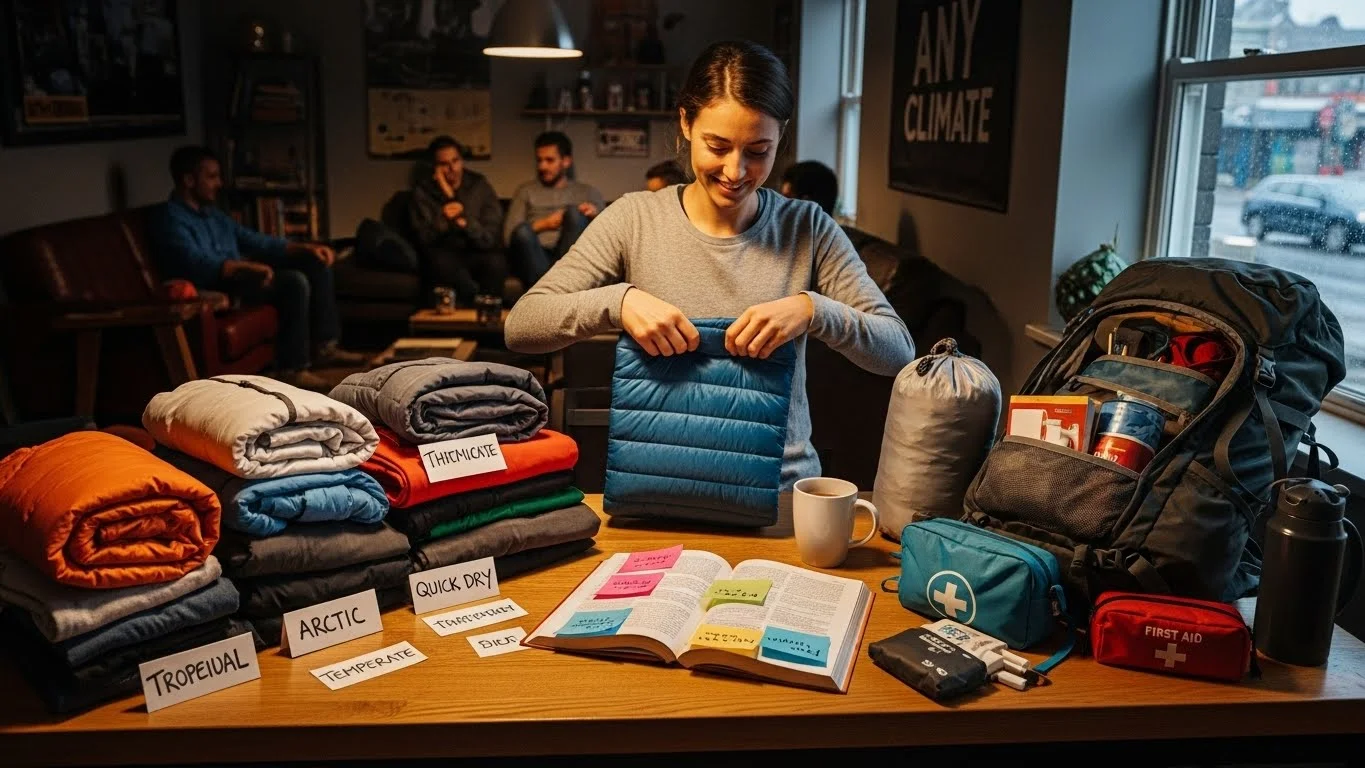
When I started traveling, I quickly realized that packing isn’t just about throwing clothes into a suitcase. It’s about understanding the climate of your destination and preparing accordingly. Over the years, I’ve learned how important it is to tailor my packing strategy to the specific climate I’ll be facing. Let’s break down the four main climate types to help you pack smarter.

Tropical Climates

Ah, tropical climates! They promise sunshine, lush greenery, and vibrant cultures. However, they also bring humidity and heat. I remember stepping off the plane in Bali, instantly drenched in sweat. To prepare for tropical destinations, I recommend packing lightweight and breathable clothing. Fabrics like cotton and linen are your best friends here.

Opt for loose-fitting clothes that allow air circulation. I’ve found that quick-dry materials are essential, especially for beach days or unexpected rain showers. A good pair of sandals and a wide-brimmed hat can make all the difference. Don’t forget a lightweight rain jacket; you never know when a tropical storm might hit!

Dry Climates

Traveling to places like the deserts of Arizona or the dry plains of Patagonia? Dry climates can be deceiving. While the days can be hot, the nights can get surprisingly chilly. I’ve learned to pack layers for these regions. Light long-sleeve shirts can shield you from the sun during the day, and a warmer jacket is crucial for cool evenings.

Moisturizing is essential in dry climes. I always carry a good lotion and lip balm to combat the arid air. You’ll also want to pack breathable fabrics that wick moisture away from your skin, as it helps keep you cool. A solid pair of hiking boots is a must if you plan on exploring, as these terrains can be rocky and rugged. Read Interesting article: 10 Essential Backpacking Tips for Budget Solo Travelers

Temperate Climates

Temperate areas, like much of Europe, offer moderate temperatures, but they can change rapidly. I remember walking through London one moment, basking in sunlight, and suddenly needing an umbrella as clouds rolled in. For these destinations, layering is key. I recommend packing a mix of short-sleeve and long-sleeve shirts, along with a light jacket.

Don’t forget a good pair of jeans or pants that can transition from day to night. Scarves can be both a stylish accessory and an extra layer when the weather gets brisk. I also suggest packing a light rain jacket; it’s a lifesaver when those sudden showers hit. If you’re visiting during the shoulder seasons, be prepared for temperature swings by including warmer accessories like a beanie or gloves.

Cold Climates

When heading to colder regions, like the snowy streets of Reykjavik or the mountains of Colorado, the packing list changes dramatically. I’ve learned to focus on insulation and waterproofing. Start with thermal base layers; they trap heat while wicking moisture away from your skin. I usually pack a couple of pairs of these for maximum comfort.

A good-quality insulated jacket is essential. I remember one trip where I didn’t pack my down jacket, and I regretted it as soon as I stepped outside! Waterproof gear is crucial, especially if you’re going to be in snowy or rainy conditions. I always include waterproof pants and a sturdy pair of insulated boots that can handle slippery surfaces.

Accessories like gloves, hats, and scarves are vital for keeping warm. I’ve found that layering my clothing not only helps in staying warm but also allows me to adjust based on my activity level throughout the day. Never underestimate the power of warmth in cold climates!

Understanding these climate types has transformed the way I pack. It’s not just about the clothes; it’s about feeling comfortable while enjoying my travels. With this knowledge, I hope you feel better equipped to tackle any climate and enjoy every moment of your journey!

Essential Packing Strategies

Creating a Packing List

One of the most crucial steps I’ve learned in my travel journey is the importance of creating a packing list. It might sound simple, but I can’t tell you how many times I’ve forgotten essential items because I didn’t plan ahead. I usually start my packing list a few days before my trip, adding items as I think of them. This way, I can ensure I don’t overlook anything important. I like to categorize my list by clothing, toiletries, and other essentials. When I create my clothing section, I reflect on the climate and activities I’ll engage in. For example, if I’m heading to a tropical destination, I jot down all the lightweight clothing I’ll need. If it’s a colder region, I focus on layers and warm gear. I also make a note of any tech gadgets, like chargers and cameras, that I want to bring along. This organized approach not only saves time but also reduces stress as I prepare for my adventures.

Choosing the Right Luggage

Selecting the right luggage can make or break a trip. I remember the first time I traveled with a suitcase that was too heavy and cumbersome; it was exhausting maneuvering through the airport! Now, I carefully consider my luggage choices based on the duration of my trip and the climate. For short trips, I often opt for a carry-on. It’s compact and forces me to stick to my packing list, which I find really helps avoid overpacking. For longer trips, I lean toward a medium-sized suitcase that provides enough space without being too unwieldy. I also love backpacks for their versatility, especially when I’m exploring cities or hiking. They allow me to keep my hands free, which is a game-changer when navigating crowded places.

Utilizing Packing Cubes and Organizers

Packing cubes have changed my packing game! I was skeptical at first, but once I tried them, I was hooked. They help keep my suitcase organized, making it easy to find what I need without digging through a chaotic mess. I usually dedicate one cube for clothing, another for accessories, and a smaller one for electronics. Additionally, I’ve found that using smaller pouches for toiletries and other essentials is incredibly helpful. It keeps everything in its place and prevents spills. I remember one trip where my shampoo leaked all over my clothes. Since then, I’ve been diligent about using leak-proof containers and packing them in designated pouches. It’s all about creating a system that works for me, and packing cubes are a big part of that.

Clothing Essentials for Various Climates

Lightweight and Breathable Fabrics for Tropical Areas

When it comes to tropical climates, I can’t stress enough the importance of lightweight and breathable fabrics. I’ve experimented with different materials, and I always find myself reaching for cotton, linen, and performance fabrics that wick moisture away. I usually pack a couple of quick-dry shirts and shorts that keep me cool and comfortable, even in the sweltering heat. Dresses are also a fantastic option for women traveling to tropical destinations. They’re easy to pack, offer versatility, and can transition from beach days to dinner outings. I remember wearing a light sundress in Thailand that kept me feeling fresh while exploring the local markets. Plus, they’re stylish and require minimal effort!

Layering Techniques for Temperate Weather

Layering is an art form I’ve come to appreciate, especially when traveling to temperate climates. I’ve had days where I started in a t-shirt and ended up in a sweater by afternoon. For this reason, I always pack items that can easily be layered. My go-to is a light long-sleeve shirt combined with a cardigan or a denim jacket. I also choose clothing in neutral colors, which allows me to mix and match. Scarves are another favorite of mine; they add warmth and can completely change an outfit. I remember one trip to Paris where my scarf was a lifesaver during those unexpected chilly evenings. It’s all about flexibility and being prepared for whatever Mother Nature throws at you.

Insulated and Waterproof Gear for Cold Climates

Cold climates require serious planning when it comes to clothing. I’ve learned that investing in good-quality insulated and waterproof gear is essential. My thermal base layers are my best friends during winter trips. I usually pack a couple of pairs to keep warm under my clothes. A waterproof jacket is non-negotiable for me, especially since I’ve had my share of wet and cold experiences in places like Iceland. I also recommend durable, insulated boots that provide traction and warmth. On my last trip to the mountains, I found a pair that kept my feet warm and dry, which made all the difference as I trekked through snow. Accessorizing is also vital in cold weather. I’ve found that a good pair of gloves, a warm hat, and a thick scarf can significantly enhance comfort levels. I remember one day skiing where my hands got cold because I forgot my gloves; it was a lesson I won’t forget! These clothing essentials tailored to different climates have been game-changers for me. They not only keep me comfortable but also allow me to enjoy my travels to the fullest.

Footwear Considerations

Sandals vs. Hiking Boots for Different Terrains

When it comes to choosing the right footwear for my travels, I’ve learned that the terrain can make all the difference. I’ve tried to get by with just a pair of sandals on trips, but after a few misadventures, I realized how essential it is to have the right shoes for the specific activities I plan on doing. For tropical climates, I usually pack a sturdy pair of sandals. I remember wandering through the beautiful streets of Thailand, where breathable sandals were a lifesaver in the heat and humidity. They allow my feet to stay cool, and I often look for styles with arch support so I can walk around without discomfort. However, I’ve learned that sandals aren’t always suitable for every situation. If I’m planning on hiking or exploring rugged landscapes, I always opt for a good pair of hiking boots. They provide the necessary support and grip when navigating rocky trails or uneven surfaces. In dry climates, I’ve found that lightweight hiking shoes work perfectly. They keep my feet cool during the day while still providing enough protection for longer hikes. On a trip to the Grand Canyon, I discovered the importance of wearing shoes with good traction, especially when the trails can be steep and challenging. I remember slipping a bit on loose gravel, which taught me to be mindful of my footwear choices.

Waterproof Shoes for Wet Conditions

When I travel to places where rain is a possibility, waterproof shoes are a must. I’ve been caught in unexpected downpours, and trust me, soggy shoes can ruin a day of exploring. During my last trip to Seattle, I wore waterproof sneakers that kept my feet dry while I navigated the city’s famous coffee shops and markets in the rain. If I know I’m heading somewhere particularly wet, like a tropical destination during the rainy season, I’ll pack a pair of waterproof sandals as well. They’re great for keeping my feet comfortable while splashing through puddles or enjoying a day at the beach during a light shower. I’ve learned that having the right footwear can turn a wet day into a fun adventure rather than a miserable experience. Investing in high-quality waterproof shoes is worth it, especially for cold climates. I’ve found that my insulated, waterproof boots not only keep my feet warm but also prevent moisture from seeping in when trudging through snow. It’s a game-changer when you’re out exploring winter wonderlands!

Accessories that Make a Difference

Sun Protection: Hats and Sunglasses

One of the most underrated accessories I’ve found essential for my travels is a good hat and a pair of sunglasses. Sun protection has always been a priority for me, especially when I’m heading to tropical destinations. I remember one trip to the Caribbean where I didn’t pack a wide-brimmed hat and regretted it after several days in the sun. My face got a bit too much sun, and I quickly realized that a hat not only keeps the sun off my face but also helps keep me cool. Sunglasses are equally important. I’ve experienced glare off water that made it hard to see, so investing in a good pair of polarized sunglasses has made my adventures much more enjoyable. They protect my eyes while also adding a stylish touch to my outfits. In colder climates, I also make sure to pack a beanie or a warm hat. I often wear a snug-fitting hat when I’m out and about to keep my head warm. I’ve had days where the wind chill made it feel much colder, and having that extra layer on my head made a noticeable difference in my comfort level.

Travel-Friendly Umbrellas and Rain Gear

Having a travel-friendly umbrella has saved me on more than one occasion. I remember exploring London when it started pouring suddenly, and I was grateful to have a compact umbrella tucked away in my bag. It’s light and easy to carry, so I can always have it on hand without adding bulk to my luggage. Along with an umbrella, I recommend packing a lightweight, foldable rain jacket. I often choose one that can easily fit into my daypack. It acts as a barrier against unexpected rain showers and can also provide a bit of warmth when the temperature drops. I’ve noticed that having these items ready can make all the difference in enjoying my time outdoors, regardless of the weather.

Scarves and Gloves for Cold Weather

When it comes to accessories for cold climates, I’ve learned that scarves and gloves are essential. I love how a cozy scarf not only keeps me warm but also adds a pop of style to my outfit. I have a few scarves that are versatile and can be worn in different ways, making them perfect for layering. Gloves are equally important, especially if I’m spending time outdoors. I’ve had experiences where I underestimated how cold it could get, and my fingers turned numb because I didn’t pack a good pair of gloves. Now, I always bring a pair that’s warm, lightweight, and easy to pack. I even have a pair that allows me to use my phone without taking them off—super handy for capturing travel memories! These accessories have become staples in my packing list, and they help ensure I’m prepared for whatever weather challenges I might face during my travels.

Frequently Asked Questions

What should I pack for tropical climates?

For tropical climates, you should pack lightweight and breathable clothing made of fabrics like cotton and linen. Loose-fitting clothes that allow air circulation, quick-dry materials, sandals, a wide-brimmed hat, and a lightweight rain jacket are also recommended.

How should I prepare for dry climates?

When traveling to dry climates, it’s important to pack layers, including light long-sleeve shirts for daytime and a warmer jacket for cooler evenings. Moisturizing products like lotion and lip balm are essential due to the arid air, and breathable fabrics that wick moisture away will help keep you cool.

What clothing is best for temperate climates?

In temperate climates, layering is key. Pack a mix of short-sleeve and long-sleeve shirts, a light jacket, jeans or pants, and scarves for added warmth. A light rain jacket is also advisable for unexpected showers.

What should I include in my packing list?

Creating a packing list is crucial. Categorize your list by clothing, toiletries, and other essentials, considering the climate and activities planned. Include tech gadgets like chargers and cameras as well.

How can I choose the right luggage for my trip?

Choose luggage based on the duration of your trip and the climate. For short trips, a carry-on is ideal, while medium-sized suitcases work for longer trips. Backpacks are great for exploring cities or hiking.

What are packing cubes and how can they help?

Packing cubes help keep your suitcase organized, making it easy to find items without digging through everything. They can be designated for clothing, accessories, and electronics, and prevent spills when used with leak-proof containers.

What type of footwear should I pack for different terrains?

For tropical climates, pack sturdy sandals for comfort in heat. In dry climates, lightweight hiking shoes are recommended, while waterproof shoes are essential for wet conditions. Insulated boots are necessary for cold climates to keep your feet warm and dry.

What accessories are important for sun protection?

A good hat and polarized sunglasses are essential for sun protection in tropical destinations. They help keep the sun off your face and protect your eyes from glare, enhancing your travel experience.

Why are scarves and gloves important for cold weather?

Scarves and gloves are vital in cold weather as they provide warmth and comfort. A cozy scarf can add style, while gloves protect your hands from the cold, especially during outdoor activities.

How can I stay dry during unexpected rain?

Having a travel-friendly umbrella and a lightweight, foldable rain jacket can help keep you dry during unexpected rain. These items are easy to carry and can make a significant difference in your outdoor experience.
Top 10 Carry-On Essentials Every Backpacker Needs

Backpacking is an adventure that opens up a world of experiences, but packing wisely is essential. With the right carry-on essentials, you can travel light and still have everything you need at your fingertips. Read Interesting article: Ultimate Guide to Packing Carry-On Essentials for Travel

Top 10 Carry-On Essentials Every Backpacker Needs

Understanding the Importance of Carry-On Essentials for Backpackers

Why a Well-Packed Carry-On Matters

When I first started backpacking, I was overwhelmed by what to pack. I remember standing in my room staring at my gear, wondering how I would fit everything into my backpack. Over time, I learned that a well-packed carry-on is crucial for several reasons. First, it allows you to have quick access to important items without rummaging through your entire backpack. Imagine arriving at a bustling airport or a crowded bus station, and all you want is to grab your travel documents or a snack—having them easily accessible makes the experience so much smoother.

Additionally, a smartly packed carry-on can help you stay organized. I discovered that by categorizing my items, I could find what I needed without the stress. For instance, I kept my electronics in one section and my toiletries in another. This organization not only saves time but also prevents the frustration of losing important items along the way.

Benefits of Minimizing Luggage

Traveling light has been a game-changer for me. I used to overpack, thinking I needed every single item I owned. However, I quickly realized that unnecessary weight can be a burden. Minimizing luggage has its perks; it makes traveling easier, especially when navigating public transportation or moving between accommodations. I remember the first trip where I packed light—I felt so free! I could hop on and off buses without struggling with heavy bags, and I had more energy to explore my destinations.

Moreover, fewer items mean less to keep track of, decreasing the chances of losing something valuable. I’ve had friends who lost their expensive gear because they were carrying too much. By packing only what I truly needed, I felt more secure and focused on enjoying the journey instead of worrying about my belongings. Read Interesting article: Must-Have Carry-On Essentials for Budget Backpackers

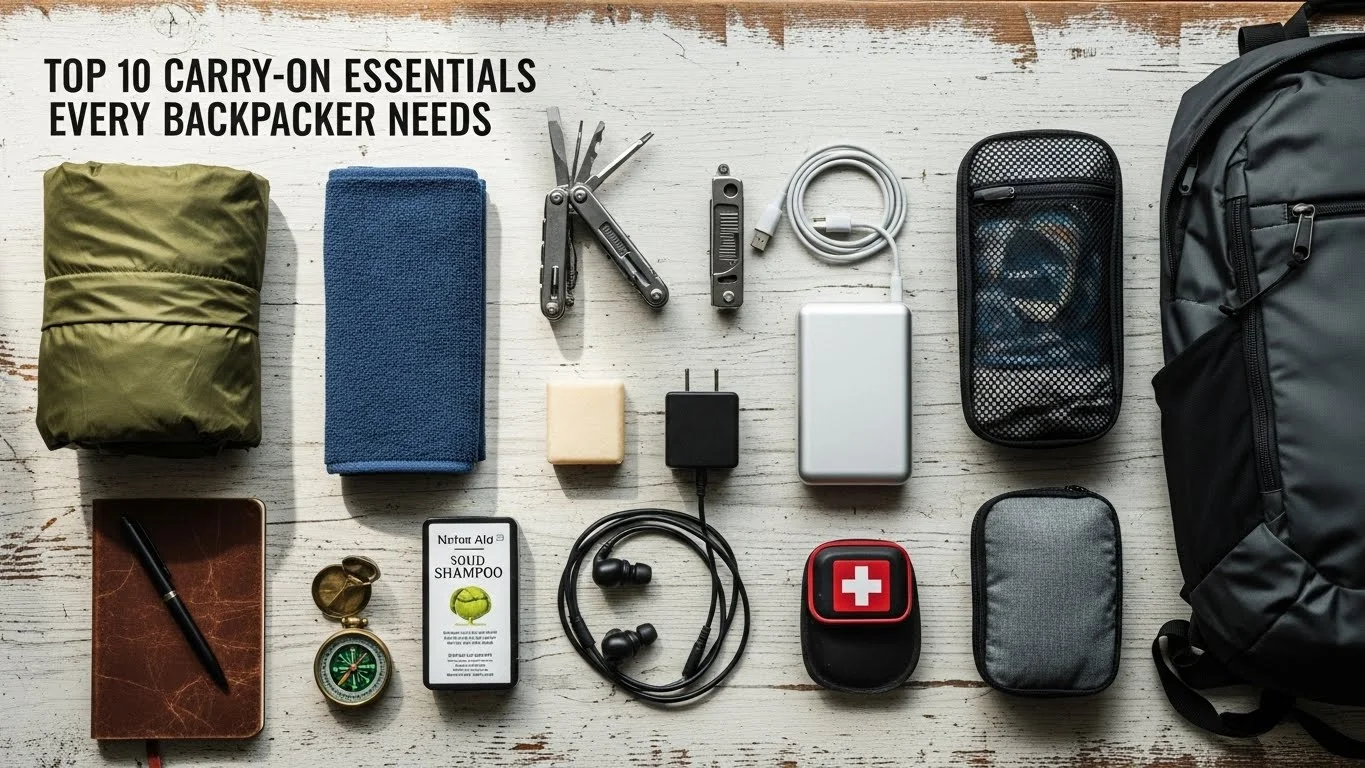
Top 10 Carry-On Essentials for Backpackers

1. Travel Backpack: Choosing the Right Size and Style

The first and perhaps most important item on my list is the travel backpack itself. I can’t stress enough how vital it is to choose one that fits your needs. I’ve experimented with various sizes and styles, and I found that a 40-50 liter backpack strikes the perfect balance. It’s spacious enough to carry essential gear but compact enough to fit in overhead compartments or under bus seats.

When selecting a backpack, consider features like padded straps, compartments, and water resistance. I remember my first backpack was a bit too large and had no organizational pockets. It made finding things a hassle. On my next trip, I opted for a backpack with multiple compartments, which helped me stay organized and find items quickly while on the go.

2. Packing Cubes: Organizing Your Gear

Packing cubes are a lifesaver! I can’t believe I ever traveled without them. These little organizers keep my clothes and gear neatly separated, making it easy to pull out what I need without emptying my entire bag. I typically have one cube for clothes, another for electronics, and a smaller one for toiletries. It keeps everything tidy and prevents my backpack from turning into a chaotic mess. Plus, I’ve found it makes unpacking at hostels or hotels so much quicker.

3. Portable Charger: Staying Powered on the Go

In today’s digital world, a portable charger is non-negotiable. I remember being stuck in a foreign city with a dying phone, trying to navigate without GPS. It taught me a valuable lesson. Now, I always carry a reliable portable charger to keep my devices powered. Look for one with multiple charges and compatibility with various devices. It’s one of those essentials that you’ll be grateful for, especially on long travel days.

4. Travel Toiletry Bag: Keeping Your Hygiene Essentials

A travel toiletry bag is another essential that I learned to appreciate. I used to stuff my toiletries into any random bag, which led to spills and leaks. Now, I have a dedicated toiletry bag with compartments for all my hygiene products. It keeps everything organized and makes passing through security much easier. I also recommend choosing a bag with a hook, so you can hang it up in shared bathrooms for convenience.

5. Reusable Water Bottle: Staying Hydrated Responsibly

Staying hydrated while traveling is crucial, and a reusable water bottle is an eco-friendly way to do it. I’ve seen too many plastic bottles wasted in tourist areas, and I want to do my part to reduce waste. I opt for a lightweight, collapsible water bottle that easily fits into my backpack. Having it on hand means I can refill at fountains or restaurants and stay hydrated without spending extra money.

6. First Aid Kit: Essential Health Supplies

Health comes first, and carrying a small first aid kit has saved me on numerous occasions. I usually include band-aids, antiseptic wipes, pain relievers, and any personal medications. On one trip, a friend had a nasty cut, and having supplies on hand was a lifesaver. It’s one of those items that you hope you won’t need but are grateful to have just in case.

7. Lightweight Travel Towel: Quick-Drying Convenience

A lightweight travel towel is another must-have. I’ve used various types over the years, and I’ve found that microfiber towels are the best. They dry quickly, pack down small, and are super absorbent. I always keep one in my bag for impromptu swims or when I need to freshen up after a long day of exploring. Plus, it’s handy for drying off after unexpected rain showers!

8. Travel Documents Organizer: Important Papers and IDs

Keeping important documents organized is essential for stress-free travel. I use a travel documents organizer to keep my passport, tickets, and other important papers together. I’ve learned the hard way that losing a passport can turn a trip upside down. By keeping everything in one place, I can easily grab what I need when checking in or going through security.

9. Snacks: Easy Energy Boosters for the Road

Snacks are my fuel when I’m on the move. I always pack a few bars or trail mix to keep my energy up during long travel days. I learned that relying on airport or bus station food often leads to unhealthy options or overpriced items. Having my own snacks means I can munch on something healthy while I explore.

10. Multi-tool or Swiss Army Knife: Versatile Utility

Finally, a multi-tool or Swiss Army knife is an invaluable addition to my backpack. It has come in handy for everything from opening packages to making quick repairs. Just be sure to check regulations before packing it in your carry-on. I’ve found that the versatility of this tool is worth its weight in my bag.

How to Pack Efficiently for Your Backpacking Trip

Tips for Maximizing Carry-On Space

Packing efficiently has been a journey in itself for me. One of the first lessons I learned was how to maximize every inch of space in my carry-on. I discovered that rolling my clothes instead of folding them saves a surprising amount of room. It also helps reduce wrinkles, which is a nice bonus! I typically roll my t-shirts, pants, and even my lightweight sweater. I remember the first time I tried this method; I was able to fit in two more outfits than I thought I could!

Another trick that works wonders is using the empty spaces in my backpack. For instance, I tuck socks or small items inside my shoes instead of letting them take up valuable packing space. I also squeeze in my toiletries bag between my clothes. These little adjustments can make a big difference in keeping everything compact and organized.

Lastly, I’ve found that packing my heaviest items close to my back helps with weight distribution. This not only makes carrying my backpack easier but also ensures I’m not top-heavy, which can throw off my balance while walking. It’s all about making the most of what you have!

Strategies for Packing Light

Learning to pack light has been one of the most liberating experiences for me as a backpacker. The first step was recognizing what truly qualifies as essential. Before any trip, I take a moment to lay out everything I think I’ll need and then ask myself if I can live without certain items. More often than not, I can! I’ve learned to leave behind things that I think I might use but realistically won’t.

Another strategy I implement is to choose versatile clothing items. I’ve learned to pack clothes that can easily mix and match. For instance, a pair of neutral pants can be worn multiple times with different tops, and a lightweight scarf can double as a wrap for cooler evenings. I remember packing a single dress that could be dressed up for a night out or dressed down for a day of exploration. This kind of flexibility reduces the number of items I need.

Lastly, I encourage you to embrace laundry during your travels. On my longer trips, I’ve found that doing laundry once a week can significantly lighten my load. This not only saves space in my bag but also keeps my wardrobe fresh. It’s become a part of my travel routine that I actually enjoy!

Common Mistakes to Avoid When Packing

Over the years, I’ve made my fair share of packing mistakes, and I’ve learned from each one. One common pitfall is underestimating the power of a checklist. I used to throw things into my bag last minute, only to remember key items I had forgotten later. Now, I create a packing list well in advance, ensuring I have everything I need before I get to the airport.

Another mistake I made was overpacking “just in case” items. I used to bring extra shoes or clothing for every possible situation, which only added unnecessary weight. I learned to trust that I can usually find what I need on the road or adapt to circumstances as they arise. Embracing a more minimalist mindset has made my travels much smoother.

Lastly, I’ve been guilty of not checking the weather or my destination’s culture before packing. This has led to awkward situations, like bringing a heavy jacket to a tropical climate. Now, I always research my destination ahead of time to ensure I’m equipped for the weather and cultural expectations. This simple step has helped me pack more thoughtfully and effectively!

Travel Accessories to Enhance Your Backpacking Experience

Compression Bags: Saving Space

Compression bags have been a game-changer for me! I discovered them when packing for a long-term trip. These bags allow me to reduce the bulk of my clothes significantly. By squeezing out the air, I can create more space in my pack, which is essential when you’re working with limited carry-on room. I usually pack my bulkier items, like jackets or sweaters, in these bags, and it feels like I’m fitting a whole extra outfit into my backpack!

Using compression bags also helps keep my clothes organized. I can separate my clean clothes from my dirty ones, which is super convenient. When I’m on the road, I want to keep things simple, and these bags definitely help with that.

Travel Pillow: Ensuring Comfort During Transit

Comfort is key during travel, and a good travel pillow can make a world of difference. I remember my first long flight without one; I ended up with a stiff neck and a headache. Since then, I always carry a travel pillow with me. I prefer the inflatable kind because it’s easy to pack and doesn’t take up much space.

Having a travel pillow has allowed me to catch some much-needed rest during long journeys. Whether I’m on a bus, a train, or a plane, I find that a bit of extra support makes those transit times more bearable. It’s one of those small things that can really enhance the overall travel experience!

Noise-Canceling Headphones: Enhancing Your Travel Experience

Noise-canceling headphones have become a staple in my travel gear. I often find myself in noisy environments, whether it’s the hustle and bustle of an airport or the chatter on a bus. When I invested in a good pair of noise-canceling headphones, it was like opening a whole new world of peace. I can listen to music, podcasts, or simply enjoy some quiet time while I travel.

These headphones have also been a lifesaver during long flights. They help drown out the engine noise, making it easier to relax or sleep. Plus, I love being able to enjoy my favorite shows or audiobooks without interruptions. For anyone who travels frequently, I highly recommend considering them—they’ve certainly enhanced my travel experiences!

Considerations for Different Types of Backpacking Trips

Urban Backpacking: Essentials for City Travel

Urban backpacking has its own unique set of challenges and experiences. I’ve found city environments can be exciting, but they also require a different mindset when it comes to packing. For me, the essentials for urban travel include items that enhance convenience, safety, and comfort. One of my top priorities is a sturdy daypack. It’s perfect for short excursions and offers enough space for my camera, water bottle, and snacks without taking up too much room.

Another essential I never forget is a portable Wi-Fi hotspot. Many cities have spotty free Wi-Fi, which can be frustrating when I need directions. With my own hotspot, I can stay connected wherever I go, making navigating the urban jungle a lot easier. I also recommend packing a good pair of comfortable walking shoes. I remember one trip where I underestimated the amount of walking involved—my feet were sore by the end of the day! A pair of shoes that provide support can make a world of difference.

Lastly, a compact umbrella or a lightweight rain jacket is essential for unpredictable city weather. I learned this the hard way when I got caught in a downpour during a sightseeing tour. Now, I always check the forecast and pack accordingly, which has saved me from a soggy adventure!

Wilderness Backpacking: Gear for Outdoor Adventures

When it comes to wilderness backpacking, the focus shifts entirely. My experiences in the great outdoors have taught me the importance of being prepared for various conditions. First and foremost, a reliable tent and sleeping bag are non-negotiable. I typically choose a lightweight, waterproof tent that’s easy to set up. I learned the hard way that a good night’s sleep can make or break a hiking trip—especially after a long day on the trails.

Additionally, packing a portable water filter is a game-changer. Hydration is critical, and I’ve hiked through areas where water sources are limited. Having a filter allows me to fill up my water bottle from streams or lakes without worrying about contamination. I also advise bringing a portable cooking system or lightweight camping stove. Cooking my own meals not only saves money but also enhances the overall camping experience. I remember cooking pasta under the stars on one trip; it was one of the highlights of my adventure!

Lastly, good navigation tools are essential. I always carry a physical map and a compass, even if I plan to use my phone’s GPS. Technology can fail, and I’ve had my phone die on a remote trail before. Having backup options ensures I don’t get lost in nature!

International Backpacking: Adapting to Different Cultures

Traveling internationally brings a whole new layer of considerations. I’ve discovered that being culturally sensitive and prepared can greatly enhance the experience. One of the first things I do is research the customs of the country I’m visiting. For example, I always pack a scarf or sarong for countries where modesty is valued. This simple addition has allowed me to visit temples and sacred sites without feeling out of place.

Language barriers can also be a challenge, so I recommend downloading a translation app or carrying a phrasebook. I remember one trip where I relied heavily on gestures to communicate, which was often amusing but not always effective! Having a few key phrases can go a long way and often opens doors to more meaningful interactions with locals.

Another essential is a universal travel adapter. I’ve learned that different countries have different plug types, and being able to charge my devices is crucial. I always double-check that my power bank and charger can handle the voltage of the destination to avoid damaging my electronics.

Finally, I recommend keeping a small stash of local currency for situations where credit cards aren’t accepted. On one trip, I found myself in a beautiful market but couldn’t buy anything because I didn’t have cash. Now, I make it a point to have some local currency on hand for those unexpected moments. Read Interesting article: Packing Smart: Family Travel Essentials for Every Trip

FAQs About Carry-On Essentials for Backpackers

What are the best materials for travel gear?

Choosing the right materials for travel gear is crucial for durability and weight management. I typically look for lightweight, water-resistant fabrics, especially for backpacks and jackets. Nylon and polyester are popular choices; they’re resilient and dry quickly. Additionally, breathable materials for clothing can enhance comfort, especially in warmer climates.

How can I make sure my carry-on meets airline regulations?

Every airline has different regulations regarding carry-on size and weight, so I always check the specific airline’s guidelines before packing. I recommend investing in a lightweight carry-on that fits within the standard dimensions. I’ve seen friends get stuck paying extra fees for oversized bags, which can be avoided with a little research.

Are there age-specific essentials for backpackers?

Absolutely! Age can definitely influence what you pack. For families with kids, I suggest bringing lightweight games or books to keep them entertained during downtime. Older travelers might prioritize comfort items, like supportive shoes and travel pillows. Regardless of age, I believe everyone should pack according to their unique needs and travel style.

Frequently Asked Questions

Why is a well-packed carry-on important for backpackers?

A well-packed carry-on allows quick access to important items, which makes the travel experience smoother. It also helps keep you organized, allowing you to categorize items and find what you need without stress.

What are the benefits of minimizing luggage while backpacking?

Minimizing luggage makes traveling easier, especially when using public transportation or moving between accommodations. It reduces the burden of carrying heavy bags and decreases the chances of losing valuable items.

What is the recommended size for a travel backpack?

A 40-50 liter backpack is recommended as it strikes the perfect balance between spaciousness for essential gear and compactness to fit in overhead compartments or under bus seats.

What are packing cubes and why are they useful?

Packing cubes are organizers that keep clothes and gear neatly separated, making it easy to access what you need without emptying the entire bag. They help maintain order and make unpacking quicker.

Why is a portable charger essential for backpackers?

A portable charger is essential to keep devices powered, especially while navigating unfamiliar places. It ensures that phones and other electronics remain functional during long travel days.

What items should be included in a travel toiletry bag?

A travel toiletry bag should include hygiene products, and it is recommended to choose a bag with compartments to keep everything organized and make passing through security easier.

How can a reusable water bottle benefit backpackers?

A reusable water bottle helps backpackers stay hydrated while reducing environmental waste from single-use plastic bottles. It can be easily refilled at fountains or restaurants.

What should be in a first aid kit for backpacking?

A small first aid kit should include band-aids, antiseptic wipes, pain relievers, and any personal medications. It is essential for handling minor health issues during travels.

What strategies can help maximize carry-on space?

Maximizing carry-on space can be achieved by rolling clothes instead of folding them, using empty spaces in shoes for small items, and packing heavier items close to the back for better weight distribution.

Why is it important to check the weather before packing?

Checking the weather before packing ensures that you bring appropriate clothing for your destination’s climate, preventing awkward situations like packing heavy jackets for warm locations.

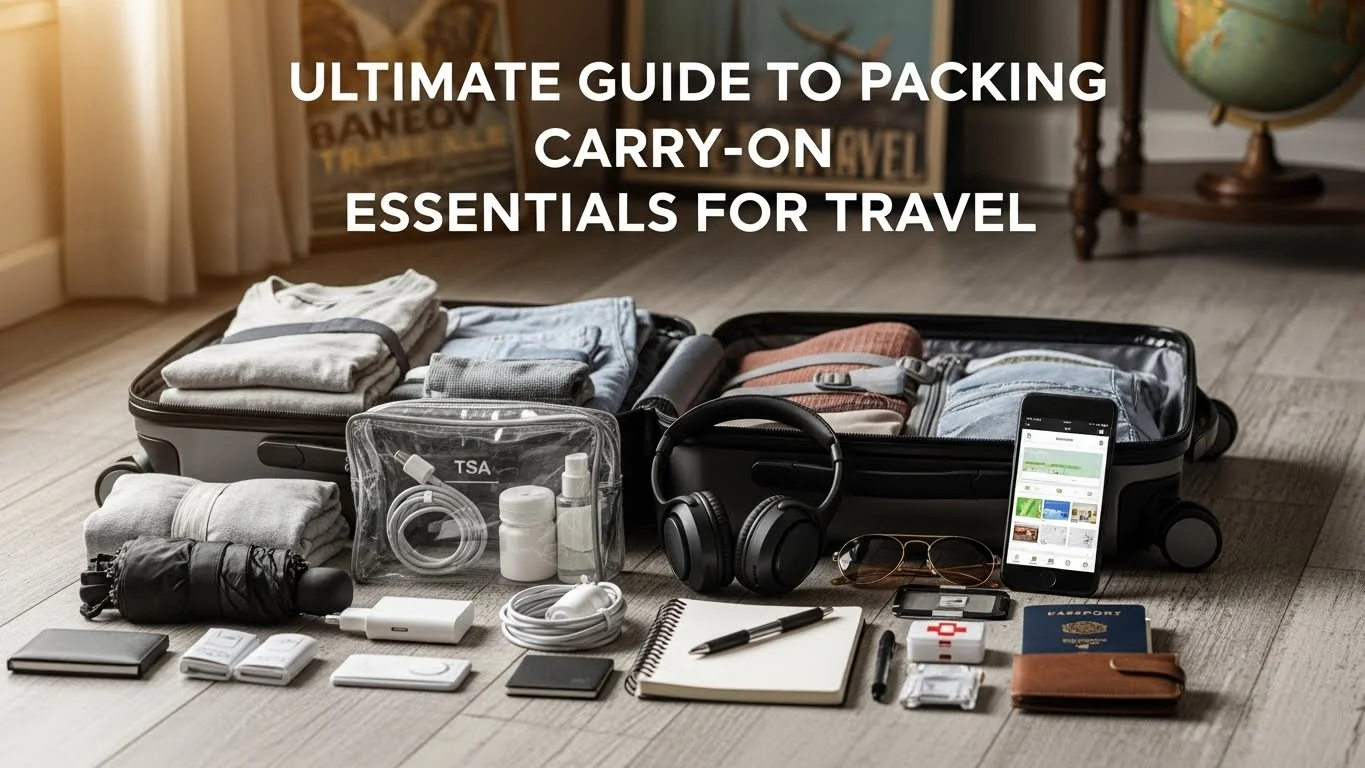
Ultimate Guide to Packing Carry-On Essentials for Travel

Traveling can be exhilarating, but packing can often feel like a daunting task. Understanding what to include in your carry-on can make your journey smoother and more enjoyable. Read Interesting article: Must-Have Carry-On Essentials for Budget Backpackers

Ultimate Guide to Packing Carry-On Essentials for Travel

Understanding Carry-On Essentials

What is a Carry-On Bag?

A carry-on bag is a small piece of luggage that you can take with you on the airplane, typically stored in the overhead compartment or under the seat in front of you. I remember the first time I boarded a flight with a carry-on; it felt liberating to have everything I needed at my fingertips. Generally, airlines have size restrictions, so it’s crucial to know what fits their guidelines. Most airlines allow bags around 22 x 14 x 9 inches, but it’s always best to check with your specific airline for their rules.

Benefits of Carrying a Carry-On

There are so many advantages to traveling with just a carry-on. For one, you can skip the long lines at baggage claim, which is a game-changer, especially after a long flight. I’ve found that having my essentials close at hand reduces stress and keeps my travel routine smoother. Additionally, it encourages me to pack only what I truly need, which, in turn, leads to lighter and more efficient travel. Plus, you can avoid the risk of lost luggage, which has happened to a friend of mine during a connecting flight. It can really throw a wrench in your plans!

Airline Regulations for Carry-On Baggage

Each airline has its own set of regulations regarding carry-on baggage, and these can vary by destination. I remember once flying with a budget airline and being surprised by their strict policies. It’s essential to do a little research before you pack. Most airlines allow one main carry-on and one personal item, like a purse or a laptop bag. Be sure to check the weight limit as well; some airlines have strict weight restrictions, and I’ve seen people scrambling to remove items from their bags at the check-in counter. Knowing the rules ahead of time can help avoid unnecessary stress.

Essential Items to Pack in Your Carry-On

Travel Documents and Identification

The first thing I always pack in my carry-on is my travel documents. This includes my passport, boarding pass, and any necessary visas. I keep these documents in a dedicated travel wallet so they’re easy to access. I once misplaced my boarding pass while digging around my bag, and it made me realize how important it is to keep everything organized. Don’t forget to include any hotel reservations and itineraries, especially if you’re traveling internationally. Having all of these documents in one spot can save you a lot of headaches.

Electronics and Chargers

Next up are my electronics. I can’t travel without my phone, tablet, and chargers. It’s amazing how much I rely on my devices for navigation, entertainment, and communication while traveling. I recommend packing your electronics in an easily accessible pocket. Also, consider bringing a portable charger; I learned the hard way that long flights can drain your battery fast, and having a backup can be a lifesaver. The last thing you want is to land in a new city with a dead phone!

Clothing and Footwear

When it comes to clothing, I always pack a change of clothes and a light jacket or sweater. Planes can get chilly, and having an extra layer can keep you comfortable. I’ve found that packing versatile clothing items that can be mixed and matched helps minimize space. For footwear, I usually wear my bulkiest pair to save space in my bag. Sneakers or comfortable shoes are ideal, especially if you have a layover and want to explore the airport or stretch your legs. Read Interesting article: Essential Packing List for Your Solo Adventure

Toiletries and Personal Care Items

Toiletries can easily become a packing nightmare if you’re not careful. I use travel-sized containers for my shampoo, conditioner, and other personal care items. Remember the TSA regulations regarding liquids: containers must be no larger than 3.4 ounces and packed in a quart-sized bag. I learned this the hard way after having to toss my favorite lotion at security! It’s also wise to include essentials like a toothbrush, deodorant, and any medication you might need during your journey.

Snacks and Hydration

I can’t emphasize enough how important snacks can be during travel. Airplane food isn’t always the best, and having a few snacks on hand can keep my energy up. I usually pack granola bars, nuts, or dried fruit. Also, remember to stay hydrated. I love bringing an empty water bottle that I can fill up after passing through security. It’s a simple way to make sure I’m drinking enough water, especially on longer flights.

Entertainment Options (Books, Magazines, etc.)

Finally, I like to pack some form of entertainment. Whether it’s a good book, a couple of magazines, or download a few shows on my tablet, having something to occupy my time can make the flight feel much shorter. I’ve learned that having a mix of activities helps to keep me engaged during long flights or layovers. If you’re traveling with kids, be sure to pack their favorite toys or games to keep them entertained as well.

Organizing Your Carry-On for Efficiency

Best Packing Techniques (Rolling vs. Folding)

Packing techniques can make a huge difference in how much you can fit into your carry-on. I’ve tried both rolling and folding clothes, and I’ve found that rolling tends to save more space. It also minimizes wrinkles, which is a bonus! When I roll my clothes, I can easily see everything I’ve packed. I often roll items like t-shirts and pants, while I fold bulkier items like jackets. I remember once packing for a weekend trip and being amazed at how much I could fit into my bag just by rolling everything up. It felt like a little victory!

Using Packing Cubes and Organizers

Packing cubes have been a game-changer for me. I love how they help keep everything organized and easy to find. I usually designate one cube for my clothes, another for toiletries, and a third for electronics. This way, I don’t have to dig through my entire bag to find something. I once had a flight where I was in such a hurry that I couldn’t find my charger until I finally pulled everything out. Now, I can reach into my bag, grab the right cube, and instantly find what I need. Plus, packing cubes can squish down, helping to maximize space!

How to Maximize Space in Your Carry-On

Maximizing space in your carry-on goes beyond just packing techniques. I’ve learned to utilize every nook and cranny of my bag. For instance, I often stuff socks or small items inside my shoes. This not only saves space but also helps keep the shape of my shoes. I also like to place heavier items at the bottom of my bag for better balance. I’ve found that a well-balanced bag is easier to carry and maneuver through the airport. Also, don’t forget about the exterior pockets! They’re perfect for quick-access items like snacks or my travel documents.

Securing Liquids and Gels: TSA Regulations

When it comes to liquids and gels, TSA regulations are something I’ve learned to respect. I always keep my liquids in a clear, quart-sized bag, ensuring each container is 3.4 ounces or smaller. I remember the panic I felt when I had to toss my favorite face wash at security because it was too big. To avoid that situation, I make a checklist of all my liquids before packing. I even keep my toiletries in a separate compartment in my bag, making it easy to pull out during security checks. Keeping it organized means I can breeze through and not get caught up in unnecessary stress!

Special Considerations for Different Types of Travelers

Family Travel: Packing for Kids

Packing for kids can be a whole different ball game. I recall a family trip where I had to pack not just for myself, but for my two little ones as well. I’ve found that packing a few favorite toys or games can keep them entertained during the flight. I usually pack a small backpack for each child filled with their essentials—snacks, a water bottle, a book, and a travel pillow. It’s also helpful to include a change of clothes for each child in case of spills or accidents. Kids can be unpredictable, and being prepared makes the journey smoother for everyone!

Business Travel: Essentials for Professionals

For business travelers, packing efficiently is key. I often travel for work, and I’ve learned to prioritize my essentials. I make sure to bring a laptop, chargers, and any necessary presentation materials. I usually keep my work documents in a separate, easily accessible folder. One tip I’ve picked up is to choose wrinkle-resistant clothing to keep my professional appearance intact. It’s also wise to have a small toiletry bag with just the basics to freshen up after a long flight. I remember one business trip where I had back-to-back meetings, and being organized made all the difference in how I felt and performed!

Adventure Travel: Gear and Equipment

If you’re an adventure traveler, packing the right gear is essential. I love hiking and exploring new places, so I always pack my essentials like a lightweight jacket, sturdy shoes, and a reusable water bottle. I often bring a compact first-aid kit, just in case. When I went climbing last summer, I made sure to include my climbing gear in my carry-on. I was so glad I did because of the unexpected delays in getting my checked luggage. I learned just how crucial it is to have my adventure essentials easily accessible!

Long-Haul Flights: Tips for Comfort

Long-haul flights can be exhausting, and I’ve discovered some tips to make them more comfortable. I always pack a travel pillow and a cozy blanket or shawl to keep warm during the flight. Compression socks have also become a must-have for me; they help with circulation and reduce swelling after sitting for long periods. I like to bring a small toiletry bag with face mist and moisturizer to keep my skin hydrated, as the cabin air can be really drying. Overall, adding a few comfort items can turn a long flight into a more pleasant experience.

What to Leave Behind: Avoiding Overpacking

Common Carry-On Packing Mistakes

Overpacking is something that I’ve struggled with more times than I can count. I remember one trip where I brought three pairs of shoes for a short weekend getaway! It seemed like a good idea at the time, but I ended up wearing just one pair the entire time. One common mistake I’ve noticed is packing too many outfits—often with the thought that “just in case” I might need them. I’ve learned that a few versatile pieces can go a long way, allowing for various combinations without taking up too much space. Another mistake is not considering the weather at your destination. I once packed a heavy jacket for a trip to a warm climate and regretted it the entire time. Being mindful of the weather can help minimize unnecessary items in your carry-on.

Items You Can Buy at Your Destination

There are plenty of items that you can easily purchase at your destination, so there’s no need to pack them. I’ve found that toiletries like shampoo, conditioner, and even some snacks can be bought once I arrive. This realization has helped me lighten my load significantly. For example, I love to pack a reusable water bottle for the journey, but I often buy bottled water or drinks once I land. It’s not only easier but also allows me to explore local shops and markets. Remember, most places have convenience stores or pharmacies where you can easily find essentials if you run out or forget something. It’s nice to know I don’t have to cram everything into my carry-on when I can just grab what I need when I get there!

How to Decide What to Bring

Deciding what to bring can be challenging, especially when you want to be prepared for anything. I’ve found that a helpful strategy is to create a packing list tailored to the specific activities I’ll be doing. For instance, if I’m going hiking, I’ll make sure to pack my lightweight jacket and sturdy shoes, but I won’t bother with fancy clothes. I also recommend considering how many days you’ll be gone—if it’s just a weekend trip, I try to limit myself to one or two pairs of pants and a few tops. When I pack, I ask myself, “Will I actually use this?” If the answer is no, it’s an immediate candidate for my “leave behind” list. Lastly, I keep in mind that laundry facilities or laundromats are often available, so packing fewer clothes and washing them during the trip can be a lifesaver!

Final Tips for a Smooth Travel Experience

Arriving at the Airport: Timing and Preparation

Arriving at the airport can be a breeze if you plan ahead. I’ve learned that getting there early reduces the stress of rushing through security or worrying about missed flights. For domestic flights, I try to arrive at least two hours in advance, and for international flights, I give myself at least three hours. I remember one time arriving late and nearly missing a flight because the lines were longer than I expected. I find it helpful to check in online before I go, which can save time at the airport. Also, having my travel documents and boarding passes readily accessible in my carry-on means I can breeze through the check-in process.

Security Checkpoint Tips

Going through security can sometimes feel like a hassle, but I’ve developed a routine that helps me get through smoothly. I always wear slip-on shoes to make the process faster and keep my laptop and liquids in designated compartments for easy access. I’ve noticed that if I prepare for security before I get in line—like removing my shoes and belt—I can keep the flow moving. It’s helpful to familiarize myself with the TSA guidelines beforehand, so I know what to expect. Also, I avoid bringing items that could raise red flags, like large electronics or unusual foods, which can cause delays during security checks.

Staying Calm During Delays and Layovers

Delays and layovers are practically a rite of passage in air travel, and I’ve learned to embrace them rather than stress out. I usually bring along a good book or download a few episodes of my favorite shows. This way, I can keep myself entertained while waiting. I’ve also found it’s helpful to have a small list of activities to occupy my mind, like journaling or planning out my itinerary. If I have a layover, I take the opportunity to explore the airport. Many airports have shops, restaurants, and even art installations to enjoy. Staying calm and finding ways to make the wait enjoyable has made my travel experiences much more pleasant!

Final Thoughts

Traveling with a carry-on can truly transform your journey. I’ve learned that the freedom of having everything I need within reach not only makes the flight smoother but also sets a positive tone for the trip ahead. Each time I venture out with just my carry-on, I feel a sense of empowerment, knowing that I’ve curated my belongings to suit my needs while minimizing excess.

As I reflect on my own travel experiences, I notice how the art of packing has evolved for me. I remember the days of overstuffed bags and last-minute packing chaos. Now, I approach packing with intention and a strategic mindset. This shift not only reduces my stress but also enhances my overall travel experience. I believe that with each trip, we become more adept at identifying what truly matters and what can be left behind.

Moreover, being prepared for various scenarios—whether it’s a layover, a sudden flight delay, or even unexpected weather—can make a significant difference. I find comfort in knowing that I have my essentials sorted, allowing me to focus on enjoying the journey rather than fretting over what I might have forgotten.

Ultimately, the most important takeaway for me is that traveling should be about embracing the adventure and experiences that come our way. With a well-packed carry-on, we can navigate airports with ease, explore new destinations without the burden of excess baggage, and create lasting memories. I encourage everyone to embrace this approach and find joy in the simplicity of travel.

So as you prepare for your next adventure, remember to keep it simple, stay organized, and make the most of every moment. Happy travels!

Frequently Asked Questions

What is a carry-on bag?

A carry-on bag is a small piece of luggage that you can take with you on the airplane, typically stored in the overhead compartment or under the seat in front of you. Most airlines allow bags around 22 x 14 x 9 inches, but it’s always best to check with your specific airline for their size guidelines.

What are the benefits of traveling with a carry-on?

Traveling with a carry-on allows you to skip long lines at baggage claim, reduces stress by keeping your essentials close at hand, encourages efficient packing, and helps avoid the risk of lost luggage.

Are there specific airline regulations for carry-on baggage?

Yes, each airline has its own set of regulations regarding carry-on baggage, which can vary by destination. Most airlines allow one main carry-on and one personal item, and it’s important to check the weight limit as well.

What essential items should I pack in my carry-on?

Essential items to pack in your carry-on include travel documents and identification, electronics and chargers, a change of clothes and a light jacket, toiletries and personal care items, snacks and hydration, and entertainment options like books or magazines.

How should I organize my travel documents in my carry-on?

It’s recommended to keep your travel documents, such as passport, boarding pass, and necessary visas, in a dedicated travel wallet for easy access. Keeping all documents organized can save you a lot of headaches during your journey.

What toiletries should I pack in my carry-on?

For toiletries, it’s best to use travel-sized containers for items like shampoo and conditioner. Remember that containers must be no larger than 3.4 ounces and packed in a quart-sized bag as per TSA regulations.

What types of snacks should I bring on a flight?

It’s a good idea to pack snacks like granola bars, nuts, or dried fruit, as airplane food may not always be desirable. Staying hydrated is also important, so consider bringing an empty water bottle to fill up after passing through security.

What packing techniques can help maximize space in my carry-on?

Packing techniques such as rolling clothes instead of folding them can save space and minimize wrinkles. Packing cubes can also help keep everything organized and easy to find within your carry-on.

How can I keep my electronics organized in my carry-on?

It’s advisable to pack your electronics in an easily accessible pocket or use a packing cube designated for electronics. This ensures you can quickly find your devices and chargers when needed.

What should I do to entertain myself during the flight?

To keep yourself entertained during a flight, consider packing a good book, magazines, or downloading shows on your tablet. A mix of activities can help make long flights or layovers feel shorter.

What are some top packing tips for solo travelers on a budget?

For solo travelers on a budget, it’s essential to maximize space and minimize costs. Read Interesting article: Top Packing Tips for Solo Travelers on a Budget

Must-Have Carry-On Essentials for Budget Backpackers

Traveling on a budget doesn’t mean sacrificing comfort or convenience. Knowing what to pack in your carry-on can enhance your journey and keep expenses low. Let’s explore the must-have essentials for budget backpackers!

Must-Have Carry-On Essentials for Budget Backpackers

Understanding Carry-On Essentials for Budget Backpackers

The Importance of a Well-Packed Carry-On

When I first started backpacking, I underestimated the power of a well-packed carry-on. I thought I could toss in a few items and be on my way. However, I quickly learned that my carry-on is my lifeline during travel. It’s not just about what I bring; it’s about how I organize everything for easy access. Having essentials on hand makes travel smoother and less stressful. Imagine being on a long flight and needing a sweater because the cabin is chilly, only to realize it’s packed deep in your suitcase. Trust me, I’ve been there!

A well-packed carry-on can also save you time during airport security checks. The more organized my bag is, the quicker I can get through, and the less likely I am to forget important items. Plus, if you’re ever in a situation where your checked luggage gets lost or delayed, having your essentials close by can make all the difference. I’ve had my share of close calls, and I always felt more secure knowing I had what I needed right at my fingertips.

How Carry-On Packing Saves Money

One of the greatest benefits of packing a carry-on is the money I save. Many airlines charge fees for checked bags, especially on budget carriers. By fitting everything I need into my carry-on, I avoid those unnecessary costs. I still remember my first backpacking trip when I paid extra for checked luggage, thinking I needed more than I actually did. After that, I made it a goal to pack smartly and efficiently. Packing smart is key for every trip.

Another way carry-on packing saves money is by allowing me to travel light, which means fewer constraints on public transport and a more flexible itinerary. I can hop on buses or trains without worrying about lugging around heavy bags. It opens up opportunities for spontaneous adventures. I’ve discovered hidden gems simply because I could travel freely without a bulky suitcase holding me back.

Moreover, having my carry-on essentials keeps my travel costs lower. I can bring my snacks and refillable water bottle instead of buying overpriced airport food. I’ve learned that small savings add up, especially on longer trips where every penny counts.

Top Must-Have Carry-On Essentials

Travel Documents and IDs

When it comes to travel documents, I can’t stress enough how important it is to keep these organized and accessible. I use a travel wallet to store my passport, boarding passes, and any required visas. This way, I know exactly where everything is, and I can quickly present them at security checkpoints. I also keep a digital copy of my important documents on my phone, just in case. It’s a simple trick that has saved me a lot of anxiety during my travels.

Budget-Friendly Clothing Options

Choosing the right clothing can drastically affect my travel experience. I prefer packing versatile clothing that I can mix and match. For instance, I might bring a couple of basic tops, a pair of lightweight pants, and a dress that can be dressed up or down. Fabrics that are quick-drying and wrinkle-resistant are my go-to. I remember packing a bunch of clothes for my last trip, only to wear the same few outfits repeatedly! Now, I stick to a color palette that makes it easy to create different looks with fewer pieces.

Portable Electronics and Chargers

In today’s digital age, staying connected while traveling is essential for me. I always pack my smartphone, a portable charger, and any necessary cables. My phone isn’t just for social media; it’s my navigation tool, my camera, and my connection to the outside world. Having a portable charger is a lifesaver on long travel days when I need to keep my devices powered up. I learned this the hard way when my phone died right before a crucial train connection!

Toiletries Under TSA Regulations

When it comes to toiletries, I stick to the TSA regulations to avoid any hassles at security. I pack travel-sized containers of my favorite products, but I also make sure to check if my accommodation provides some essentials. This little tip has saved me space and weight in my carry-on. I also recommend packing a resealable plastic bag for liquids; it keeps everything organized and easy to access during security checks. I can’t tell you how many times I’ve seen people frantically searching for their liquids while holding up the line.

Snacks for Long Journeys

Long travel days can be rough, especially when it comes to food. I always bring a stash of snacks, like granola bars, nuts, or dried fruits, to keep me energized. Airplane food can be hit or miss, and I like having something I enjoy on hand. Plus, it helps me save money since I’m not forced to buy overpriced snacks at the airport. I remember one trip where I was stuck on a delayed flight, and my snacks were a lifesaver!

Reusable Water Bottle

A reusable water bottle is a must for me. Not only is it eco-friendly, but it also saves me money. I can fill it up after passing through security and stay hydrated throughout my journey. Hydration is key, especially on long flights or bus rides. I’ve noticed that when I travel with my water bottle, I feel better overall and have more energy for exploring once I reach my destination. Traveling green with a reusable bottle is a great way to reduce waste.

Lightweight Backpack or Daypack

Finally, I always bring a lightweight backpack or daypack in my carry-on. This serves multiple purposes: it’s my carry-on bag, and it transforms into my daypack for exploring once I arrive. I love having a bag that’s easy to fold and pack away when I don’t need it. I’ve found that having a reliable daypack makes it easier to carry my essentials while I’m on the move without weighing me down.

Organizing Your Carry-On Efficiently

Using Packing Cubes for Space Management

One of the game-changers for my packing routine has been using packing cubes. At first, I was skeptical about them, thinking they would take up more space than they saved. But after trying them out, I realized how wrong I was! These little pouches help keep my clothes organized and compressed. I usually dedicate one cube for tops, another for bottoms, and a third for my miscellaneous items like socks and undergarments.

When I arrive at my destination, I can easily pull out a cube instead of rummaging through my entire bag. It also makes repacking for the return journey a breeze. I remember a trip where I haphazardly stuffed my clothes back into my bag, only to find a wrinkled mess on the way home. Now, I swear by packing cubes for keeping everything neat and tidy.

Strategies for Maximizing Space

Maximizing space is essential for budget backpackers, and I’ve picked up a few strategies over the years that really make a difference. One method I love is rolling my clothes instead of folding them. Rolling not only saves space but also reduces wrinkles. I often find that I can fit more into my carry-on this way.

Another tip that has worked wonders for me is to fill every nook and cranny. For instance, I pack my shoes with smaller items like socks or chargers inside them, making use of the empty space. I also tuck my toiletries into shoes or pockets at the top of my bag. This not only saves room but also keeps things organized and easy to find.

Lastly, I recommend packing heavier items at the bottom of my carry-on. This way, the weight is distributed evenly, making it easier to carry. I’ve found that these little tricks help me travel with just a carry-on, which is so liberating.

Essential Packing Techniques for Backpackers

As a backpacker, I’ve learned to be strategic with my packing techniques. One essential technique is to create a packing list before I start. It sounds simple, but it helps me visualize what I need and prevents me from overpacking. I usually categorize my list into clothing, toiletries, electronics, and travel documents. This method keeps me focused and organized.

Another packing technique I swear by is the “one bag” rule. I aim to fit everything into one carry-on. This not only keeps things simple but also means I won’t have to deal with multiple bags while navigating airports or public transport. I remember feeling overwhelmed on a trip where I had too many bags to manage. Now, I stick to just one carry-on and a daypack, and it’s made my travels so much easier.

Lastly, I always pack items that I might need during the flight on top or in an easily accessible compartment. That way, I’m not digging through my bag mid-flight to find my headphones or a book. I think it’s all about being smart with how I pack and anticipating my needs while traveling.

Safety and Security Tips for Your Carry-On

How to Secure Your Belongings

Keeping my belongings secure while traveling has become a top priority for me. One of the first things I do is invest in a quality lock for my carry-on. I remember a time when I was in a crowded train station and felt uneasy about my bag. A simple lock gave me peace of mind. I also recommend using bags with anti-theft features, like lockable zippers or cut-resistant straps.

Additionally, I keep a close eye on my bag at all times, especially in crowded places. I’ve seen too many travelers distracted by their phones while their bags are left unattended. I always make it a point to be mindful of my surroundings and ensure that my bag is either in front of me or secured at my side. I think being aware is half the battle when it comes to security.

Travel Insurance Considerations

While I hope to never need it, having travel insurance has been a smart decision for me. It covers lost or stolen belongings, which gives me peace of mind. When I’m packing my carry-on, I make sure to keep my insurance information easily accessible, either in a physical copy or on my phone. I’ve read too many stories of travelers facing unexpected challenges, and those who had insurance were so much better off.

Before I book a trip, I always check what my travel insurance covers, especially regarding carry-on items. It helps me feel secure in knowing that my essentials are protected during my travels.

Keeping Valuables Safe While Traveling

When I travel, I always keep my valuables close. This includes my passport, money, and electronics. I like to use a money belt or a hidden pouch that I can wear under my clothing. It may feel a bit odd at first, but it’s so comforting to know my essentials are safe and out of sight.

Another tip I’ve found useful is to keep copies of my important documents in a separate location from the originals. This way, if anything gets lost or stolen, I have a backup to help with replacements. I also recommend keeping a small amount of cash in various places in case of emergencies. I’ve seen how quickly things can turn, and being prepared makes all the difference.

Budgeting for Carry-On Essentials

Affordable Options for Essential Gear

When I started out on my backpacking adventures, I quickly realized that I didn’t need to break the bank to get quality travel gear. There are plenty of affordable options out there that don’t skimp on quality. For example, I found that checking out local thrift stores or online marketplaces can yield some fantastic gems. I once scored a barely-used travel backpack for a fraction of the retail price. It was durable, spacious, and perfect for my needs.

Another strategy I use is to look for multi-functional items. A good example is a travel towel that can be used as a beach towel, picnic blanket, or even a cover-up. These versatile items save space and money, and I often find they serve multiple purposes during my trips. I’ve also discovered that many brands offer budget-friendly lines specifically designed for travelers. Investing in a few of these essentials can really elevate my travel experience without emptying my wallet. Traveling sustainably is also budget-friendly!

Where to Buy Budget Travel Gear

Finding budget travel gear is easier than I initially thought. Online retailers often have sales or discounts, especially during off-peak travel seasons. I frequently browse sites like Amazon or eBay, where I can compare prices and read reviews from other travelers. I also look at specific travel retailers, like REI or Patagonia, as they sometimes have clearance sections with incredible deals on carry-on essentials.

Don’t sleep on local outdoor stores either. I visited a small shop in my hometown and was pleasantly surprised by their selection of affordable travel gear. The staff there was knowledgeable and helped me find exactly what I needed without spending a fortune. I believe supporting local businesses is also a great way to get personalized advice and discover products that suit my travel style.

Cost-Saving Tips for Choosing Essentials

One of the best cost-saving tips I’ve learned is to prioritize durability over price. Sometimes, spending a bit more upfront on high-quality products can save money in the long run because they last longer. For instance, I invested in a sturdy water bottle that can withstand years of travel. It was pricier than the plastic ones, but it has never leaked or cracked, and I’ve saved money by avoiding disposable bottles.

It’s also smart to research brands before making a purchase. I often look for brands that are known for their durability and customer service. If I know I’m buying from a reputable company, I feel more confident in the investment, even if it’s slightly higher than a cheaper option. Additionally, I always keep an eye out for online reviews and recommendations from fellow travelers. Their insights can help me avoid products that are not worth the money.

Lastly, I think it’s vital to be realistic about what I truly need. I’ve found that making a detailed packing list helps me focus on essentials rather than impulse buys. It’s easy to get carried away at a store, but referring back to my list keeps my purchases in check. This way, I ensure that every item I buy serves a purpose in my travels.

Common Mistakes to Avoid When Packing a Carry-On

Packing Too Much vs. Packing Too Little

One of the biggest mistakes I made early on was overpacking. I thought the more I brought, the better prepared I’d be. But I quickly learned that packing too much only made my journey cumbersome. I remember struggling to lift my carry-on into an overhead compartment while my fellow travelers breezed through with their lighter bags. Now, I stick to a strict packing list based on my itinerary, which helps me avoid taking unnecessary items.

On the flip side, I’ve also experienced the frustration of packing too little. I once forgot to bring a sweater on a chilly flight, and it made for a very uncomfortable trip. I think finding the right balance is crucial. Now, I’ve developed a habit of making sure I pack key items that can be mixed and matched while ensuring I leave room for any unique needs of the destination.

Ignoring Airline Regulations

Understanding airline regulations can be a maze, and I’ve definitely tripped up before. Each airline has different rules regarding size and weight limits for carry-on bags. I once showed up at the gate only to find that my carry-on was slightly larger than allowed, and I had to check it in at the last minute. It was a frustrating experience that I learned from. Now, I always check the airline’s website before packing to ensure my bag complies with their regulations.

It’s not just the bag size I keep an eye on; I also pay attention to the restrictions on liquids and prohibited items. I’ve seen travelers delay the boarding process by trying to bring items that aren’t allowed. I think it’s better to be informed and prepared, which allows me to breeze through security without any hiccups.

Overlooking Multi-Use Items

One of the smartest packing decisions I made was to focus on multi-use items. I used to pack separate items for every need, which took up unnecessary space. For example, I now bring a lightweight scarf that can serve as a blanket, a wrap, or even a beach cover-up. This simple change has made packing way more efficient, and it’s fun to find creative uses for the same item during my travels.

Learning to embrace multi-use items not only saves space but also encourages me to think critically about what I truly need. I’ve found that the more I simplify my packing, the more freedom I have to enjoy my journey. It’s about being resourceful and making the most out of what I have on hand.

Frequently Asked Questions

What are the benefits of packing a well-organized carry-on?

A well-packed carry-on enhances travel by providing essentials for easy access, saving time during airport security checks, and ensuring that important items are available if checked luggage is lost or delayed.

How can packing light with a carry-on save money?

Packing light allows travelers to avoid fees for checked bags, enables easier public transport navigation, and helps save money by bringing snacks and a refillable water bottle instead of purchasing overpriced food at the airport.

What should I include in my travel documents and IDs when packing?

It’s important to keep travel documents organized and accessible, including a passport, boarding passes, and any required visas, preferably stored in a travel wallet and accompanied by digital copies on a smartphone.

What type of clothing is recommended for budget backpackers?

Budget backpackers should pack versatile clothing that can be mixed and matched, using quick-drying and wrinkle-resistant fabrics to minimize space and maximize outfit options.

What are some essential toiletries to pack for air travel?

Pack travel-sized containers of toiletries in compliance with TSA regulations, and consider checking if accommodations provide some essentials. A resealable plastic bag for liquids is also recommended for organization.

Why is it beneficial to bring a reusable water bottle while traveling?

A reusable water bottle is eco-friendly and cost-effective, allowing travelers to fill it up after security and stay hydrated without purchasing bottled water or expensive drinks during their journey.

What packing techniques can help maximize space in a carry-on?

Techniques include using packing cubes for organization, rolling clothes instead of folding them, filling shoes with smaller items, and packing heavier items at the bottom of the bag for even weight distribution.

How can travelers keep their belongings secure during their journeys?

Investing in a quality lock for the carry-on, using bags with anti-theft features, and being mindful of surroundings help keep belongings secure while traveling, especially in crowded areas.

What are some cost-saving tips for choosing travel essentials?

Prioritize durability over price, research brands known for quality, and create a detailed packing list to avoid impulse buys, ensuring that every item serves a purpose during travels.

What common mistakes should travelers avoid when packing a carry-on?

Common mistakes include overpacking, ignoring airline regulations regarding size and weight limits, and overlooking multi-use items that can serve multiple functions, leading to a more efficient packing experience.

Discover Successful Carbon Offsetting Programs in Travel

As travel becomes increasingly important in our lives, so does the need for sustainability. Discovering successful carbon offsetting programs in travel can help us all contribute to a healthier planet while enjoying our adventures. Read Interesting article: Discover the Best Carbon Offsetting Programs for Your Travels

Discover Successful Carbon Offsetting Programs in Travel

Understanding Carbon Offsetting in Travel

What is Carbon Offsetting?

I remember the first time I heard the term “carbon offsetting.” I was sitting in a travel seminar, and the speaker explained how every flight, car ride, and hotel stay contributes to greenhouse gas emissions. Carbon offsetting is a way to balance out these emissions by investing in projects that reduce or capture greenhouse gases elsewhere. Essentially, when we travel and emit carbon, we can “offset” our carbon footprint by supporting initiatives that either absorb carbon (like planting trees) or avoid emissions (like renewable energy projects). It felt empowering to know that my travels could be more sustainable, and I wanted to learn more about how to make that happen.

How Carbon Offsetting Works

The mechanics of carbon offsetting can seem a bit complex at first, but I found it fascinating once I started diving into it. When you purchase carbon offsets, you’re funding projects designed to either reduce future emissions or remove existing carbon from the atmosphere. For example, if I fly from New York to Los Angeles, I can calculate the carbon emissions of that flight and purchase offsets equivalent to that amount. The funds typically go to projects like reforestation, renewable energy, or energy efficiency improvements. This not only helps tackle climate change but also supports local communities and economies. Read Interesting article: How Carbon Offsetting Programs Are Changing Eco-Tourism

The Importance of Carbon Offsetting in the Travel Industry

In my travels, I’ve often reflected on the environmental impact of tourism. The travel industry is a significant contributor to global carbon emissions, and as more people explore the world, the need for sustainable practices becomes critical. Carbon offsetting is vital because it allows travelers to take responsibility for their carbon footprints while still enjoying the experiences they love. I believe that as we become more aware of our impact, we can transform the way we travel, making it not just about seeing new places but also about preserving them for future generations.

Key Components of Successful Carbon Offsetting Programs

Project Types and Their Impact

As I explored various carbon offset projects, I discovered that they fall into several categories, each with unique benefits. Understanding these project types can help us choose the right offsets when we travel.

Reforestation Projects

One of my favorite types of projects is reforestation. Planting trees not only absorbs carbon dioxide but also restores habitats and supports biodiversity. I once participated in a tree-planting event during a trip to Costa Rica, and it was incredible to see how a simple act could have such a positive environmental impact. These projects often engage local communities, providing them with jobs and helping to protect their ecosystems.

Renewable Energy Initiatives

Renewable energy initiatives are also crucial in the fight against climate change. I learned that by funding wind, solar, or hydropower projects, we can significantly reduce carbon emissions. For example, supporting a solar energy project in a developing country not only helps the environment but also provides electricity to communities that may not have reliable energy sources. It feels good knowing my travel choices can help empower others.

Community-Based Projects

Community-based projects focus on sustainable development and often address social issues alongside environmental ones. I’ve seen firsthand how these projects create jobs, improve local economies, and invest in education. When we choose to support these initiatives through carbon offsetting, we’re not just tackling climate change; we’re also promoting social equity and improving lives.

Verification Standards and Certifications

As I dug deeper into carbon offsetting, I realized the importance of credibility. Not all carbon offset programs are created equal, and knowing which ones are trustworthy is critical for making informed choices.

Verified Carbon Standard (VCS)

The Verified Carbon Standard (VCS) is one of the most widely recognized certifications in the industry. It ensures that projects meet strict criteria for measuring and reducing carbon emissions. When I look for offsets, I always check if the projects are VCS certified, as it gives me confidence in their effectiveness.

Gold Standard

The Gold Standard takes it a step further by not only focusing on carbon reduction but also on sustainable development. They prioritize projects that contribute to the UN Sustainable Development Goals, which resonate with my values. Whenever I see a project carrying the Gold Standard label, I feel reassured that my contributions are making a positive impact on both the environment and the community.

Case Studies of Successful Carbon Offsetting Programs

Airlines Implementing Carbon Offsetting

When I think about carbon offsetting in travel, airlines are often the first industry that comes to mind. After all, flying is one of the biggest contributors to carbon emissions for travelers. It was eye-opening to learn how some airlines are stepping up to tackle this issue.

Delta Air Lines

I was impressed to discover that Delta Air Lines has committed to becoming carbon neutral by 2030. This goal is ambitious, but what caught my attention were the specific steps they’re taking. Delta has invested in sustainable aviation fuel, which significantly reduces emissions compared to traditional jet fuel. The airline also offers travelers the option to purchase carbon offsets when they book their flights. This means that I can contribute to projects aimed at reducing emissions, such as reforestation or renewable energy initiatives, simply by choosing to offset my flight. It feels great knowing that I can play a part in their sustainability efforts while still enjoying my travels.

United Airlines

Another airline making strides is United Airlines, which has set a goal of reducing its greenhouse gas emissions by 50% by 2035, compared to 2005 levels. What stood out to me was their commitment to investing in carbon capture technology. This innovative approach not only helps offset emissions but also paves the way for future advancements in sustainability. United also offers a carbon offset program, allowing travelers to invest in various projects while booking their flights. It gives me peace of mind that my travel choices can contribute to a larger movement towards a more sustainable future.

Hotel Chains Committing to Carbon Neutrality

Staying in eco-friendly accommodations can greatly enhance our travel experiences. Many hotel chains are recognizing the importance of sustainability and are making significant commitments to carbon neutrality.

Marriott International

One hotel chain that stands out is Marriott International. They’ve set an ambitious target to reduce their carbon emissions by 50% by 2025 and to achieve carbon neutrality by 2030. I’ve seen that they’re investing in energy efficiency measures, like using LED lighting and smart heating systems in their hotels. Additionally, Marriott is partnering with various carbon offset programs, allowing guests to offset their stay’s emissions easily. Knowing that I can enjoy a comfortable hotel while also contributing to sustainability makes my travel experience even more rewarding.

Hilton Hotels

Hilton Hotels is another player dedicated to sustainability. Their “Travel with Purpose” initiative aims to halve their environmental footprint by 2030. I was particularly impressed by their focus on sourcing renewable energy for their properties. They also encourage guests to participate in their carbon offset program, which supports various projects like reforestation and clean water access initiatives. It’s inspiring to see a global brand taking such strong actions towards sustainability, and it motivates me to choose Hilton when planning my trips.

Tour Operators Leading the Way

Tour operators also play a crucial role in promoting sustainable travel practices. They have the unique ability to influence how travelers engage with the environment and local communities.

Intrepid Travel

Intrepid Travel is a company I admire for its commitment to responsible tourism. They’ve pledged to be carbon neutral since 2010 and continue to invest in carbon offset projects. What I love about Intrepid is their focus on small group travel, which reduces the overall carbon footprint per traveler. Their itineraries often include local guides, which not only supports the local economy but also ensures that travelers engage meaningfully with the cultures they visit. I feel that choosing a tour operator like Intrepid enhances my travel experience while also being mindful of my impact on the planet.

Trafalgar Tours

Trafalgar Tours is another example of a company leading the charge in sustainable travel. They’ve embraced carbon offsetting as part of their business model and have established partnerships with various environmental organizations. Their initiative called “Trafalgar’s Carbon Footprint Program” allows travelers to contribute to specific projects aimed at reducing carbon emissions. I appreciate knowing that my travel with Trafalgar is not just about exploration but also about making a positive impact on the environment. Read Interesting article: Top Carbon Offsetting Programs That Make Travel Greener

How to Choose a Carbon Offsetting Program

Evaluating the Credibility of Programs

When I first started exploring carbon offsetting programs, I realized that not all options are created equal. It can be overwhelming to sift through various projects and organizations, especially when you want to ensure your efforts are genuinely making a difference. I’ve learned a few key indicators that help me evaluate the credibility of a program.

First, I look for transparency in their operations. A reputable carbon offset program should clearly outline how they measure and verify their emissions reductions. I often check if they publish annual reports detailing their accomplishments and financials. This openness gives me confidence that my contributions are being put to good use.

Another essential factor is third-party validation. Programs that are verified by independent organizations like the Verified Carbon Standard (VCS) or the Gold Standard are typically more trustworthy. These certifications mean that the projects have undergone rigorous assessments and meet specific criteria for effectiveness. Whenever I find a program with these certifications, I feel reassured about my investment in their initiatives.

Understanding Your Carbon Footprint

One of the most enlightening experiences for me in my journey was learning how to calculate my carbon footprint. It’s easy to think of travel as just a flight or a road trip, but the reality is that our carbon emissions can come from countless sources. I realized that understanding my own carbon footprint helps me make more informed choices when it comes to offsetting.

There are various online calculators available that can help you estimate your carbon emissions based on your travel habits, lifestyle, and consumption patterns. I used one to get a sense of how much carbon I was responsible for during a typical year of travel. This insight allowed me to identify areas where I could reduce my emissions, like taking public transportation instead of renting a car or choosing direct flights when possible.

By having a clearer picture of my carbon footprint, I felt more empowered to choose offsetting programs that matched my personal impact. I recommend starting with a carbon calculator to get familiar with your contributions and then explore how you can offset them effectively.

Making Informed Choices When Booking Travel

Once I understood my carbon footprint and evaluated offsetting programs, it became easier to make conscious decisions when booking my travels. I’ve learned to ask specific questions and seek out options that prioritize sustainability. For instance, when I’m booking a flight, I now always check if the airline offers an option to purchase carbon offsets during the booking process. This simple step allows me to contribute to meaningful projects without much extra effort.

Hotels are another area where I focus my sustainability efforts. I look for accommodations that emphasize green practices, such as energy-efficient systems, waste reduction initiatives, and direct carbon offset programs. Many websites now allow you to filter your searches based on eco-friendly certifications, which has made my life so much easier. Knowing that I’m staying at a place that aligns with my values enhances my travel experience.

Additionally, I’ve become more intentional about the tours and activities I choose once I arrive at my destination. Supporting local businesses that prioritize sustainable practices not only helps the environment but also enriches my travel experience. I remember booking a guided tour with a local company committed to minimizing their environmental impact and providing fair wages to their employees. It felt rewarding to know my choices were benefiting the community while also contributing to sustainability.

Challenges and Criticisms of Carbon Offsetting in Travel

Greenwashing Concerns

While I’ve found many inspiring carbon offset programs, I’ve also become aware of the challenges that come with them. One of the most significant concerns I’ve encountered is greenwashing. Some companies might advertise themselves as eco-friendly without taking substantial action to back it up. I’ve learned to be cautious of flashy marketing that promises to offset carbon without providing transparency or verifiable results.

It’s important to do my homework and research the claims made by companies. I often look for reviews or reports from independent organizations that assess their sustainability efforts. This helps me discern whether a program is genuinely committed to reducing its environmental impact or just using buzzwords to attract eco-conscious travelers.

Effectiveness of Offsetting vs. Reducing Emissions

Another challenge I’ve faced is grappling with the effectiveness of carbon offsetting itself. While offsetting is a valuable tool, I’ve realized that it shouldn’t be the only solution. In my journey, I learned that reducing emissions at the source is far more impactful than simply compensating for them afterward. I often remind myself that while I can offset my travel emissions, I also have a responsibility to minimize them wherever possible.

For example, I now try to choose trains over flights when traveling short distances, as train travel typically has a lower carbon footprint. I also advocate for digital meetings when feasible, cutting down on the need for unnecessary travel. These small changes can collectively make a significant difference in reducing our overall impact on the planet.

Regulatory and Market Challenges

Lastly, I’ve noticed that there are still regulatory and market challenges surrounding carbon offsetting. The landscape is evolving, and policies can vary widely by region, which sometimes creates confusion for travelers like us. I think it’s essential for governments and organizations to establish clear and consistent guidelines for carbon offset programs to ensure accountability and effectiveness.

As I navigate the world of carbon offsetting, I feel a sense of responsibility to stay informed and engaged. By understanding the challenges and actively seeking solutions, we can all contribute to a more sustainable travel industry. It’s about making conscious choices that not only benefit our experiences but also protect the planet we love to explore.

Future Trends in Carbon Offsetting for Travel

Technological Innovations in Carbon Measurement

As I’ve delved deeper into sustainable travel, I’ve been excited by the technological innovations emerging in carbon measurement. I learned that advancements in software and data analytics are enabling travelers and companies to calculate their carbon footprints more accurately than ever before. For example, some startups are utilizing AI to create real-time carbon calculators that consider various factors, such as route efficiency and the type of aircraft used. This kind of technology makes it easier for us to understand our travel impact and adjust our choices accordingly.

Moreover, blockchain technology is beginning to play a role in carbon offsetting as well. I found it fascinating to see how blockchain can enhance transparency and traceability in carbon offset programs. By using this technology, companies can provide verifiable proof of their emissions reductions and offset projects, giving travelers like me a stronger sense of trust in where our money is going.

Shifts in Consumer Preferences

It has also become clear to me that consumer preferences are rapidly changing. More and more travelers, including myself, are seeking sustainable options, and companies are responding to this demand. I’ve noticed that eco-friendly accommodations and carbon offset programs are becoming increasingly popular. In fact, some travel agencies now offer exclusive deals for those who choose to book sustainable travel options. This shift in consumer behavior has encouraged companies to prioritize sustainability in their business models, and I find that incredibly inspiring.

Additionally, social media plays a significant role in shaping these preferences. I see many influencers and travelers sharing their sustainable travel experiences, which encourages others to consider their impact. It feels like we’re creating a community of conscious travelers, and it’s exciting to be a part of this movement.

Government Policies and Incentives

Government policies are also evolving to support carbon offsetting in travel. I’ve been following how various countries are starting to implement regulations that require airlines and hotels to disclose their carbon emissions. Some regions even offer incentives for businesses that invest in sustainability initiatives. For example, I read about tax breaks for companies that invest in renewable energy or commit to carbon neutrality. These policies not only encourage businesses to adopt better practices but also empower travelers to make informed choices.

Through my experiences, I’ve come to realize that the travel industry is at a pivotal moment. With the right support from consumers and governments, we can pave the way for a more sustainable future in travel. It’s about collective action, and I feel optimistic about the direction we’re heading.

How Travelers Can Get Involved

Choosing Carbon Neutral Travel Options

As travelers, we have the power to make choices that support sustainability. I’ve made it a habit to seek out carbon neutral travel options whenever possible. This includes booking flights with airlines that offer carbon offset programs and choosing hotels that prioritize eco-friendly practices. I even look for rental car companies that use hybrid or electric vehicles. By making these conscious decisions, I feel like I’m doing my part to mitigate the impact of my travels.

Supporting Local Offsetting Initiatives

Another way I’ve gotten involved is by supporting local offsetting initiatives at my travel destinations. I love finding local organizations that focus on reforestation, conservation, or renewable energy and contributing to their efforts. When I visited a small island in Greece, I participated in a beach cleanup organized by a local group. It was such a fulfilling experience to give back to the community while enjoying the beautiful surroundings. I encourage fellow travelers to seek out similar opportunities; it not only helps the environment but also enriches our travel experiences.

Advocating for Sustainable Travel Practices

Finally, I believe we can all be advocates for sustainable travel practices. Whether it’s educating friends and family about carbon offsetting or sharing our experiences on social media, every little bit helps. I’ve started conversations about sustainability with fellow travelers and even reached out to travel companies to express my support for their eco-friendly initiatives. It’s amazing to see how our voices can influence change in the industry.

Final Thoughts

As I reflect on my journey into the world of carbon offsetting in travel, I feel a blend of hope and responsibility. While challenges exist, the growing awareness around sustainability is incredibly encouraging. By making informed choices, supporting credible programs, and advocating for change, we can all contribute to a brighter future for our planet. It’s not just about reducing our carbon footprints; it’s about embracing a new way of thinking about travel—one that values the places we visit and the people we meet along the way. I’m excited about the potential we have to create a more sustainable travel experience for ourselves and future generations.

Frequently Asked Questions

What is carbon offsetting in travel?

Carbon offsetting in travel is a method of balancing out the greenhouse gas emissions produced by activities such as flights, car rides, and hotel stays. Travelers can “offset” their carbon footprint by investing in projects that reduce or capture greenhouse gases elsewhere, such as planting trees or supporting renewable energy projects.

How does carbon offsetting work?

When you purchase carbon offsets, you fund projects designed to reduce future emissions or remove existing carbon from the atmosphere. For example, if you fly from New York to Los Angeles, you can calculate the carbon emissions of that flight and purchase offsets equivalent to that amount, typically supporting projects like reforestation or renewable energy.

Why is carbon offsetting important in the travel industry?

The travel industry significantly contributes to global carbon emissions. Carbon offsetting allows travelers to take responsibility for their carbon footprints while still enjoying their travel experiences, promoting sustainability and awareness of environmental impact.

What types of projects are involved in carbon offsetting?

Carbon offset projects generally fall into several categories, including reforestation projects, renewable energy initiatives, and community-based projects. Each category has unique benefits, such as restoring habitats, providing electricity to communities, and promoting sustainable development.

What certifications should I look for in carbon offsetting programs?

Key certifications to look for in carbon offsetting programs include the Verified Carbon Standard (VCS) and the Gold Standard. These certifications ensure that projects meet strict criteria for measuring and reducing carbon emissions and contribute to sustainable development.

Which airlines are implementing carbon offsetting programs?

Delta Air Lines has committed to becoming carbon neutral by 2030 and offers travelers the option to purchase carbon offsets. United Airlines aims to reduce its greenhouse gas emissions by 50% by 2035 and also has a carbon offset program for travelers.

What initiatives are hotel chains taking towards carbon neutrality?

Marriott International has set a target to reduce its carbon emissions by 50% by 2025 and achieve carbon neutrality by 2030. Hilton Hotels aims to halve their environmental footprint by 2030 through their “Travel with Purpose” initiative and encourages guests to participate in carbon offset programs.

How can travelers calculate their carbon footprint?

Travelers can calculate their carbon footprint using various online calculators that estimate emissions based on travel habits, lifestyle, and consumption patterns. Understanding one’s carbon footprint helps in making informed choices about offsetting emissions.

What challenges exist in carbon offsetting?

Challenges in carbon offsetting include concerns about greenwashing, the effectiveness of offsetting compared to reducing emissions, and regulatory and market challenges that create confusion for travelers regarding credible programs.

How can travelers support sustainable travel practices?

Travelers can support sustainable practices by choosing carbon neutral travel options, participating in local offsetting initiatives, and advocating for sustainable travel practices by educating others and engaging with travel companies about their eco-friendly initiatives.

Real-World Examples of Effective Carbon Offsetting Initiatives

Carbon offsetting is a powerful way to combat climate change, enabling individuals, businesses, and governments to balance their carbon footprints. Let’s explore its significance and how it works.

Real-World Examples of Effective Carbon Offsetting Initiatives

Understanding Carbon Offsetting

Definition of Carbon Offsetting

Carbon offsetting refers to the practice of compensating for greenhouse gas emissions by investing in projects that reduce or remove an equivalent amount of carbon dioxide (CO2) from the atmosphere. It allows us to counterbalance our environmental impact by supporting activities like reforestation, renewable energy, and energy efficiency. I remember the first time I learned about carbon offsetting; it struck me how something as simple as planting trees could help mitigate the effects of my own carbon emissions.

Importance of Carbon Offsetting in Climate Action

As we face the daunting realities of climate change, carbon offsetting becomes crucial. It provides a way for individuals and organizations to take responsibility for their emissions. I’ve seen how many companies, large and small, are now including carbon offsetting in their sustainability strategies. This not only helps the environment but also enhances their brand image and builds trust with consumers. It makes me hopeful to see such initiatives gaining traction, showing that collective action can lead to significant change. How Carbon Offsetting Programs Are Changing Eco-Tourism illustrates some of these impacts.

How Carbon Offsetting Works

The process of carbon offsetting typically involves calculating your carbon footprint—this includes all the CO2 emissions produced from activities like driving, flying, and using electricity. Once you understand your impact, you can purchase carbon offsets from certified projects that reduce or remove carbon from the atmosphere. For instance, I found that investing in a project that plants trees can offset my travel emissions from a recent vacation. It feels rewarding to know that I’m contributing to a better future while enjoying my life today.

Types of Carbon Offsetting Initiatives

Reforestation Projects

Reforestation is one of the most popular types of carbon offset projects. Planting trees not only absorbs CO2 but also restores ecosystems and promotes biodiversity. I recall volunteering for a reforestation project in my local community. Seeing the saplings grow into trees over the years made me realize the long-term benefits of such initiatives. It’s a tangible way to combat climate change, and I believe it’s something we can all support.

Renewable Energy Projects

Investing in renewable energy projects like wind, solar, and hydroelectric power significantly reduces reliance on fossil fuels. I often think about how my energy choices impact the environment. Supporting renewable energy projects allows me to contribute to the transition to a greener energy system. When I learned that purchasing offsets from a solar farm could help clean energy reach more homes, I felt empowered to make a difference.

Energy Efficiency Programs

Energy efficiency programs aim to reduce energy consumption and waste. These initiatives can range from upgrading appliances to improving building insulation. I remember when I decided to replace old light bulbs with energy-efficient ones in my home. It was a small change, but I noticed a difference in my energy bill and felt good about reducing my carbon footprint. Programs that promote such changes can be incredibly effective in offsetting emissions.

Sustainable Agriculture Initiatives

Sustainable agriculture focuses on practices that reduce emissions while promoting biodiversity and soil health. I’ve always been passionate about food and how it connects to our environment. Supporting farmers who implement sustainable practices, like crop rotation and organic farming, can lead to significant carbon savings. It’s amazing to think that by simply choosing where and how we buy our food, we can support these initiatives.

Waste Management and Reduction Strategies

Waste management initiatives, including recycling and composting programs, play a crucial role in carbon offsetting. I’ve noticed that being more mindful of my waste—like composting food scraps—has not only reduced my carbon footprint but also helped me feel more connected to my community. Organizations that focus on waste reduction strategies can help divert waste from landfills, ultimately leading to lower greenhouse gas emissions.

Real-World Examples of Effective Carbon Offsetting Initiatives

Corporate Initiatives

Microsoft’s Carbon Negative Commitment

Microsoft has made headlines with its commitment to becoming carbon negative by 2030. This means they plan to remove more carbon from the atmosphere than they emit. I find it inspiring to see a tech giant taking such bold steps. They are investing in renewable energy, carbon capture technology, and reforestation projects, making a significant impact on climate change.

Google’s Carbon-Free Energy Goals

Google aims to run its data centers and campuses on 24/7 carbon-free energy by 2030. I admire how they are pushing the boundaries of what’s possible in the tech industry. By investing in wind and solar farms, they are not only working towards offsetting their emissions but also leading the way for other companies to follow suit.

Nonprofit Organizations

Gold Standard’s Certification for Carbon Projects

The Gold Standard certifies carbon offset projects that meet rigorous sustainability criteria. I appreciate how this organization ensures that projects create real environmental and social benefits. Knowing that my contributions go toward initiatives that genuinely make a difference gives me peace of mind.

Planting Trees with One Tree Planted

One Tree Planted is a nonprofit organization that focuses on global reforestation. For every dollar donated, they plant a tree, which is an initiative I love supporting. It’s a simple yet effective way to contribute to carbon offsetting and restore natural habitats.

Government Programs

California’s Cap-and-Trade Program

California has implemented a cap-and-trade program that limits greenhouse gas emissions from various sectors. I admire how this program encourages businesses to innovate and reduce emissions while allowing them to trade emissions permits. It’s an intriguing approach to carbon offsetting that has shown promise in driving substantial reductions.

UK’s Carbon Trust Initiatives

The UK’s Carbon Trust works with organizations to help them reduce their carbon footprint and transition to low-carbon technologies. I’ve seen how governments can play a pivotal role in encouraging sustainable practices through support and resources. Their initiatives inspire businesses to take action and be part of the solution.

Community-Led Efforts

Local Carbon Offset Programs in Urban Areas

Many cities have begun implementing their own carbon offset programs, often involving tree planting, energy efficiency, and sustainable transportation initiatives. I love seeing communities come together to tackle climate change on a local level. It creates a sense of belonging and collective responsibility that is so vital.

Indigenous-Led Conservation Projects

Indigenous communities worldwide have been managing land sustainably for generations. Supporting their conservation projects not only helps offset carbon but also honors their traditional knowledge. I believe that involving indigenous perspectives in carbon offsetting is crucial for achieving meaningful and lasting change.

Measuring the Impact of Carbon Offsetting

Carbon Footprint Calculators

One of the first steps in understanding how effective carbon offsetting can be is measuring our own carbon footprint. I remember when I first used a carbon footprint calculator; it opened my eyes to just how much my daily activities contribute to greenhouse gas emissions. These calculators typically ask about various aspects of our lives—like how much we drive, the energy we use, and even our diet. After inputting my information, I was shocked to see the number of tons of CO2 I was responsible for each year. It made me realize that offsetting isn’t just a nice-to-have; it’s a necessity if I want to make a tangible impact. I recommend taking advantage of these tools, as they can guide us in making informed decisions about how to offset effectively.

Metrics for Measuring Effectiveness

Once we start offsetting our carbon emissions, it’s essential to track the effectiveness of our efforts. I’ve learned that metrics such as CO2 reduction, biodiversity improvement, and community benefits are crucial for understanding the real impact of offset projects. For instance, when I invested in a reforestation project, I kept an eye on the number of trees planted and the area of land restored. Knowing that my contributions were actively helping the environment brought me immense satisfaction. Additionally, some projects provide regular updates and reports on their progress, which can be incredibly motivating. I believe that transparency in metrics not only builds trust but also encourages more people to get involved.

Case Studies of Successful Offsetting Programs

Exploring successful case studies can inspire us and illustrate the real-world impact of carbon offsetting. I came across a fascinating example involving the reforestation project in Madagascar, which aimed to combat deforestation while supporting local communities. This program not only restored thousands of acres of forest but also provided jobs and education for residents. Hearing stories like this makes me feel connected to a bigger movement, showing that my small actions can be part of something much larger. Additionally, I learned about a solar energy initiative in India that provided clean energy access to rural communities. The success of these programs reminds me that effective carbon offsetting can lead to sustainable development and improved quality of life for many. For more inspiring stories, check out Top 5 Inspiring Case Studies of Carbon Offsetting Success.

Challenges and Criticisms of Carbon Offsetting

Common Misconceptions

Despite the growing popularity of carbon offsetting, there are still misconceptions that can deter people from participating. One common myth is that buying offsets allows individuals or companies to continue polluting without consequence. I used to think this way too, but I learned that offsets should complement, not replace, efforts to reduce emissions at the source. For me, understanding this distinction was key in reshaping how I approach my own carbon footprint. It’s essential to recognize that while offsets play a significant role, they should encourage us to adopt more sustainable habits in our daily lives.

Accountability and Transparency Issues

Another challenge is accountability in the carbon offset market. I’ve noticed that not every project delivers on its promises. It’s crucial to choose certified programs that adhere to strict standards. When I first started offsetting my emissions, I spent time researching different organizations to ensure my contributions were making a genuine impact. Organizations like the Verified Carbon Standard (VCS) and the Gold Standard provide certification, helping to ensure that projects are effective and transparent. This diligence gives me peace of mind knowing that I’m supporting initiatives that truly contribute to climate solutions.

Balancing Offsetting with Direct Emission Reductions

I’ve come to realize that while carbon offsetting is valuable, it shouldn’t be the only strategy we rely on. It’s about finding a balance between offsetting and reducing direct emissions. For instance, I’ve made changes in my lifestyle, such as using public transportation and reducing energy consumption at home. These actions, combined with offsetting, create a more holistic approach to combating climate change. I encourage everyone to assess their own habits and strive for both reduction and offsetting. Together, they can create a powerful dynamic in the fight against climate change.

How to Get Involved in Carbon Offsetting

Choosing a Carbon Offset Program

Finding the right carbon offset program can feel overwhelming, but it doesn’t have to be. I started by identifying what matters most to me—whether it’s reforestation, renewable energy, or supporting local initiatives. From there, I researched different organizations and their projects. I recommend looking for programs that are transparent about their processes and outcomes. Reading reviews and testimonials can also provide insight into the effectiveness of a program. Ultimately, choosing a program that resonates with you can make your offsetting journey more personal and impactful.

Personal Carbon Offset Strategies

Incorporating carbon offsetting into our lives doesn’t have to be a huge commitment. I’ve found that even small changes can make a difference. For example, I decided to offset my travel emissions by contributing to a local tree-planting initiative every time I fly. It has become a part of my routine, and I’ve even involved my friends and family in the process. Encouraging others to think about their carbon footprints can foster a sense of community and shared responsibility. I believe that every effort counts, and together, we can contribute to a healthier planet.

Corporate Responsibility and Offsetting

For businesses, engaging in carbon offsetting can enhance their corporate social responsibility initiatives. I’ve seen many companies implement strategies that not only reduce emissions but also support community development. As a consumer, I appreciate companies that take this commitment seriously. It shows that they care about their impact on the world. If you’re part of a business, consider how carbon offsetting can align with your values and mission. Investing in sustainable practices can not only attract customers but also foster a positive work environment.

The Future of Carbon Offsetting Initiatives

Innovative Technologies in Carbon Offsetting

As I look to the future, I’m excited about the innovative technologies that are emerging in the carbon offsetting space. From advancements in carbon capture and storage to new methodologies in measuring carbon impacts, the possibilities seem endless. I recently read about startups developing software to enhance tracking and verification of carbon offset projects, making it more accessible for individuals and organizations alike. It’s inspiring to witness how technology can play a pivotal role in our fight against climate change.

Global Trends and Policies Impacting Offsetting

Global trends and policies will undoubtedly shape the future of carbon offsetting. I’ve noticed a growing emphasis on carbon neutrality commitments among countries and corporations. This shift creates an environment where carbon offsets will become even more essential. Policies that support sustainable practices can encourage more projects, allowing for a broader range of options for those looking to offset their emissions. I believe that as awareness grows, so will our collective action, leading to positive change for the planet.

Frequently Asked Questions

What is carbon offsetting?

Carbon offsetting refers to the practice of compensating for greenhouse gas emissions by investing in projects that reduce or remove an equivalent amount of carbon dioxide (CO2) from the atmosphere. It helps counterbalance environmental impact through activities like reforestation, renewable energy, and energy efficiency.

Why is carbon offsetting important in climate action?

Carbon offsetting is crucial as it provides a way for individuals and organizations to take responsibility for their emissions. It helps the environment, enhances brand image, and builds trust with consumers, demonstrating that collective action can lead to significant change.

How does carbon offsetting work?

The process typically involves calculating your carbon footprint from activities like driving and using electricity. Once you understand your impact, you can purchase carbon offsets from certified projects that reduce or remove carbon from the atmosphere.

What are some types of carbon offsetting initiatives?

Types of carbon offsetting initiatives include reforestation projects, renewable energy projects, energy efficiency programs, sustainable agriculture initiatives, and waste management strategies.

Can you provide examples of effective carbon offsetting initiatives?

Examples include Microsoft’s commitment to becoming carbon negative by 2030, Google’s goal of using carbon-free energy, the Gold Standard’s certification for carbon projects, One Tree Planted’s reforestation efforts, California’s cap-and-trade program, and the UK’s Carbon Trust initiatives.

How can individuals measure their carbon footprint?

Individuals can measure their carbon footprint using carbon footprint calculators, which typically ask about various aspects of daily life, such as driving, energy use, and diet, to estimate their CO2 emissions.

What challenges does carbon offsetting face?

Challenges include common misconceptions that offsets allow continued pollution without consequence, accountability and transparency issues regarding project effectiveness, and the need to balance offsetting with direct emission reductions.

How can someone get involved in carbon offsetting?

To get involved, individuals can choose a carbon offset program that aligns with their values, incorporate personal carbon offset strategies into their lives, and engage in corporate responsibility initiatives if part of a business.

What role does technology play in carbon offsetting?

Technology plays a significant role in enhancing carbon offsetting efforts through advancements like carbon capture and storage, blockchain for transparency, and mobile applications for tracking carbon footprints and offsetting actions.

What are the future trends in carbon offsetting?

Future trends include a growing emphasis on carbon neutrality commitments, supportive global policies for sustainability, and an increasing focus on corporate social responsibility, all of which are likely to drive innovation and investment in carbon offsetting projects.