Web Analytics

Recent Posts

Master Your Packing: Tips for Organized Luggage

Traveling can be one of life’s greatest joys, yet packing can feel like a daunting task. Mastering the art of organized luggage can transform your travel experience, making it smoother and more enjoyable. Read Interesting article: Master Packing for Any Climate: Essential Tips for Travelers
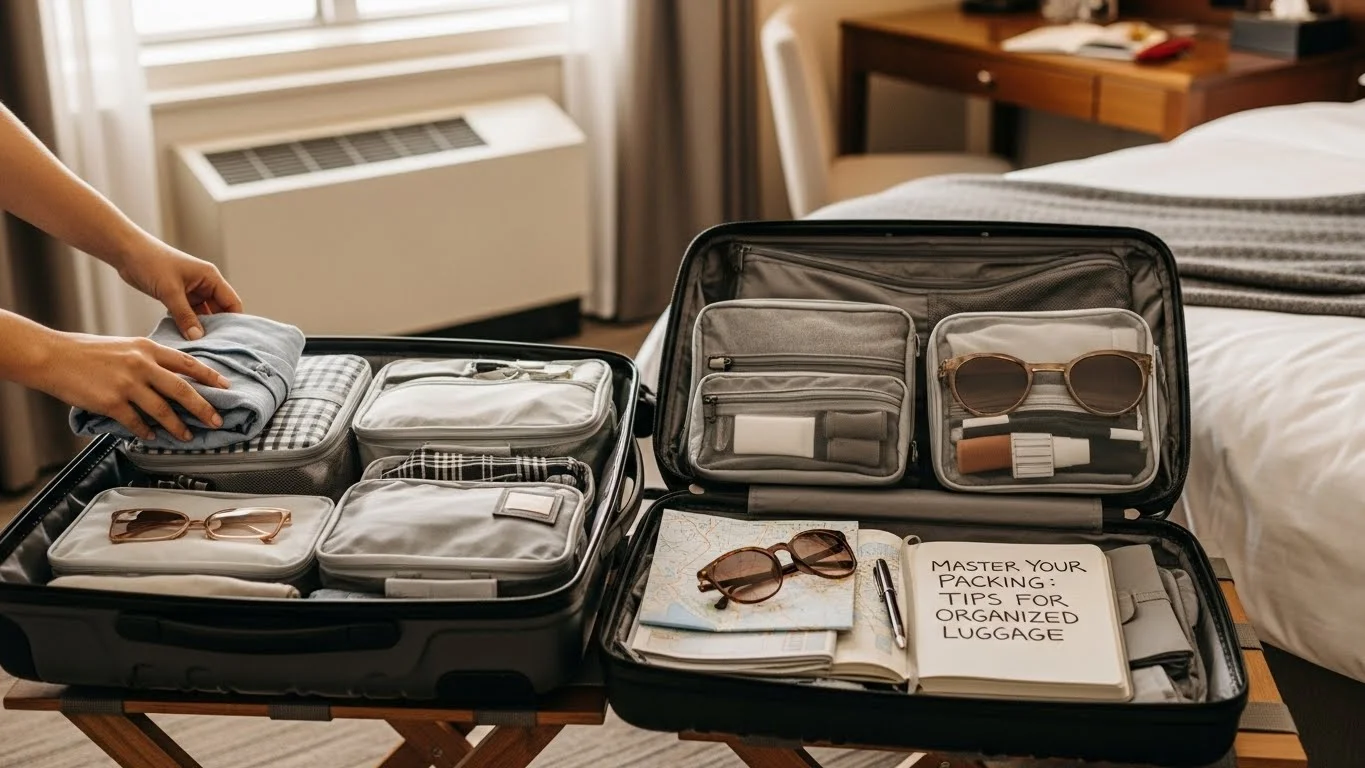
Master Your Packing: Tips for Organized Luggage

Understanding the Importance of Organized Packing

When I first started traveling, I thought packing was just about throwing things into a bag. Over time, I learned that organized packing can truly change the game. It’s not just about fitting everything in; it’s about how we manage our belongings while on the go. An organized suitcase means less stress during travel, easier access to essentials, and a more enjoyable trip overall. Let’s dive into why it’s vital to pack smartly.

Benefits of Organized Luggage

One of the first benefits I noticed was the difference in my travel mood. When my luggage was organized, I felt more in control and less frazzled. I could find what I needed without rummaging through a chaotic mess. This simplicity allowed me to focus more on enjoying my journey rather than stressing about where I put my favorite sweater or that crucial charger.

Another benefit is efficiency. Organized packing saves time, whether you’re at the airport or settling into your hotel room. I remember one trip where I had my toiletries neatly packed in a designated bag. Instead of searching through my suitcase, I could simply pull out the entire bag and have everything I needed right in front of me. This is especially important for solo travelers on a budget.

Finally, there’s the satisfaction that comes from knowing you’ve covered all your bases. With an organized approach, you’re less likely to forget important items. I’ve been there—standing in a hotel room with no clean socks or realizing I’d left my phone charger at home. By organizing my packing, I’ve found that these little mishaps happen far less frequently.

Common Packing Mistakes to Avoid

Now that I’ve shared the benefits, let’s discuss some common mistakes that I’ve seen—and made—over the years. One mistake I often encountered was overpacking. I used to think that bringing an abundance of clothing would prepare me for any situation. However, I quickly learned that packing too much often leads to added stress and a heavier suitcase. I recommend making a list of essential items and sticking to it.

Another mistake is ignoring the luggage itself. I’ve packed in bags that were too big, making it challenging to navigate through crowded airports. Choosing the right luggage is key, and I’ll cover more on that soon. I also used to underestimate the importance of packing according to the trip type—business trips demand a different strategy than family vacations or adventure travel.

Finally, I often neglected to create a packing list. It felt like an extra step, but once I started using one, my trips became smoother. I could cross off items as I packed them, ensuring I didn’t forget anything important.

Essential Packing Strategies

After learning about organized packing, I began implementing strategies that made my travels easier. Here are a few essentials I’ve gathered over the years that I think can help anyone looking to master their packing.

The Right Luggage for Your Trip

Choosing the right luggage can feel overwhelming, but it doesn’t have to be. I’ve found that different trips require different bags. For instance, a lightweight carry-on is perfect for a quick weekend getaway, while a larger suitcase is necessary for longer trips. I remember agonizing over which bag to bring on a week-long journey to Europe and ultimately decided on a medium-sized suitcase with good compartments. It was a game-changer.

How to Choose the Best Carry-On Size

When selecting a carry-on, I always check the airline’s size restrictions. I’ve learned the hard way that not all carry-ons are created equal. A bag that fits perfectly in one airline’s overhead bin might be too large for another. I recommend a carry-on that’s versatile and easy to maneuver, especially in crowded spaces. Look for features like wheels and comfortable handles, as they can make a big difference during travel.

Finding the Perfect Checked Bag

For those longer trips, finding the perfect checked bag is crucial. I’ve found that a suitcase with a hard shell is great for protecting fragile items, while a soft-sided bag offers more flexibility. Think about what you plan to pack—do you need extra compartments for shoes or clothing? I’ve learned that investing in a quality suitcase can save money in the long run, as it often lasts through many trips.

In my experience, it’s beneficial to look for bags with good warranty policies too. I once had a zipper break mid-trip, and having a warranty saved me from a lot of hassle.

Packing Techniques for Maximum Efficiency

Packing efficiently can significantly enhance our travel experience, and I’ve discovered that the techniques I use when packing can make or break my trip. Over the years, I’ve experimented with various methods and found some that work wonders for keeping my luggage organized. Here are the techniques I swear by.

Rolling vs. Folding Clothes

When it comes to packing clothes, the debate between rolling and folding is a classic one. Personally, I’ve leaned towards rolling my clothes. Rolling not only helps save space but also reduces wrinkles, which is a huge plus. I remember a trip where I rolled all my outfits tightly and managed to fit a week’s worth of clothing in my carry-on with ease. I like to roll my t-shirts, pants, and even lightweight dresses. However, I’ve noticed that for bulkier items like sweaters or jackets, folding works better. It’s all about finding a balance and figuring out what works best for your specific wardrobe.

Utilizing Packing Cubes

One of the best investments I made for my packing routine was using packing cubes. I still remember the first time I tried them; it felt like I had discovered a secret weapon for organization. Each cube can hold a specific category of clothing, like tops, bottoms, or even activewear. This way, when I reach my destination, I can quickly find what I need without having to dig through everything. It’s like having mini-suitcases inside my suitcase! Plus, they help compress my clothing a bit more, maximizing space. If you haven’t tried packing cubes yet, I highly recommend giving them a go.

Compression Bags for Space Saving

Compression bags are another game-changer in my packing strategy. I remember a trip where I had to pack bulky jackets and sweaters. I used compression bags to vacuum-seal these items, which saved so much space! It allowed me to fit in extra clothes or even souvenirs I picked up along the way. The downside is that they can add a bit of weight, but for those long trips where every inch of space counts, they are incredibly useful. Just be sure to bring a regular bag for items you might need to access quickly!

Layering and Organizing by Outfit

One technique I’ve adopted is organizing my packing by outfits rather than individual pieces. I find it so much easier to think about what I’m wearing each day instead of wondering which shirt goes with which pants. I usually lay out my outfits on my bed before packing them. This way, I can visualize my trip and ensure that everything matches. On a trip to a sunny beach destination, I coordinated my swimwear, cover-ups, and evening outfits this way, and it worked like a charm. Plus, it helps keep my suitcase tidy when I’m not rummaging around for mismatched pieces.

Organizing Your Luggage: Step-by-Step Guide

Now that I’ve covered some packing techniques, let’s dive into how to organize your luggage step-by-step. Having a structured approach has made my packing not only easier but also more effective.

Creating a Packing List

The first step I always take is creating a packing list. I know it might seem tedious, but it’s become an essential part of my preparation. I start by listing out everything I think I’ll need, and then I refine it based on the type of trip. I’ve learned to categorize items into essentials, clothing, toiletries, and tech to ensure I don’t miss anything. Plus, there’s something satisfying about checking items off my list as I pack them! This step has saved me from many last-minute panics over forgotten items.

Sorting Items by Category

Next, I sort items into categories. I often group clothes by type, toiletries in a separate bag, and tech gadgets together. This way, when I arrive at my destination, I can easily pull out a specific category without having to dig through my entire suitcase. For me, this organization saves time and keeps things stress-free. I’ve found that when I keep things categorized, I can unpack much quicker, especially after a long day of traveling.

How to Pack for Different Types of Trips

When it comes to packing, I’ve learned that each trip type requires a different strategy. Here’s how I approach packing for three common travel scenarios.

Packing for Business Travel

For business trips, I focus on packing versatile clothing that can mix and match. A couple of pairs of dress pants and a few blouses or shirts can go a long way. I also make sure to pack a blazer because it can instantly elevate any outfit. I find that packing a small pouch with my tech accessories (chargers, adapters) helps me stay organized and ready for meetings.

Packing for Family Vacations

Packing for family vacations is a different ballgame. I’ve learned to involve the whole family in the process. We make a collective list, ensuring everyone has what they need. I also pack extra snacks and entertainment for the kids. Packing cubes come in handy here for each family member, making it easier to find things in a hurry.

Packing for Adventure Travel

Adventure travel requires strategic packing. For hiking trips, I prioritize lightweight and breathable clothing. I also make sure to pack my gear in a way that keeps it protected and organized. I often bring a daypack for excursions, which I pack separately with essentials like my water bottle, snacks, and first-aid supplies. This way, I’m always ready for whatever spontaneous adventure comes my way!

Travel Accessories to Enhance Organization

As I delved deeper into the world of organized packing, I discovered that having the right travel accessories can make a significant difference. These items not only help keep everything in place but also save time and reduce stress during my travels. Here are a few accessories that I believe are essential for any organized traveler.

Best Packing Cubes and Organizers

Packing cubes have become a staple in my travel routine. There’s something incredibly satisfying about having my clothes neatly organized in designated spaces. I’ve experimented with different brands and sizes, and I have to say, not all packing cubes are created equal. I prefer those with sturdy zippers and breathable fabric. One of my favorite sets has a variety of sizes, allowing me to customize my packing based on the trip length. I often use the larger cubes for bulkier items like pants and sweaters, while the smaller ones are perfect for undergarments and accessories.

Additionally, I’ve found some amazing organizers specifically designed for shoes and electronics. Having a separate bag for my shoes keeps my clothes clean and makes it easy to find what I need without sifting through my entire suitcase. For my tech gadgets, I’ve got a pouch that holds chargers, cords, and adapters neatly, preventing any tangles or damage. These little touches can elevate your packing game, making it feel far less daunting. Smart safety tips are also essential for solo travelers.

Travel Toiletry Bags and Solutions

Toiletries can be one of the trickiest parts of packing. I used to just toss everything into a plastic bag, which led to spillage and chaos. Since switching to a proper travel toiletry bag, my life has changed for the better. I’ve learned to choose one with multiple compartments, as it helps me keep my items organized and accessible. My current bag even has a waterproof lining, so I no longer worry about leaks ruining my clothes.

One tip I swear by is to decant larger bottles into smaller travel-sized containers. This not only saves space but also keeps my bag lightweight. Just make sure to label each container, so you know exactly what’s inside. I can’t tell you how many times I grabbed what I thought was conditioner only to find that it was my face wash instead! Keeping all my toiletries in one place has made my packing process so much smoother.

Tech Gadgets for Travelers

Traveling with tech can be a double-edged sword. While I love having my devices with me, managing all the cables and chargers can quickly turn into a mess. That’s why I’ve invested in a tech organizer. It’s a compact pouch with elastic bands and pockets that keep everything from my laptop charger to my headphones neatly stored. I simply grab the organizer whenever I need to work or unwind with music during my travels.

Additionally, power banks have become crucial for me. I can’t tell you how many times I’ve been in a situation where my phone was about to die, and I was nowhere near an outlet. A reliable power bank ensures I stay connected, whether I’m navigating through a new city or capturing memories with my camera. I also recommend looking into universal adapters if you’re traveling abroad. Having the right adapter can save you from frustration and keep your devices charged and ready to go!

Tips for Keeping Your Luggage Organized During Travel

It’s one thing to pack efficiently, but keeping that organization intact while traveling is another challenge altogether. Over the years, I’ve developed a few strategies that help me maintain that organized bliss even when I’m on the move.

Managing Dirty Clothes

One of the biggest challenges I faced was dealing with dirty clothes while traveling. I used to just toss everything back into my suitcase, which led to a messy situation by the end of the trip. Now, I’ve adopted the practice of using a separate laundry bag. I found a compact, foldable bag that I can easily pack and unfold when needed. This keeps my clean clothes separate from the dirty ones and helps me stay organized throughout the trip.

What’s more, I try to pack a few laundry detergent sheets or pods in my bag. If I’m in a position to do laundry during my travels, it’s incredibly convenient to wash my clothes without having to buy a whole bottle of detergent. This way, I can maximize the freshness of my wardrobe without taking up too much space!

Using Ziploc Bags for Small Items

When it comes to small items like jewelry, chargers, or even snacks, I’ve found that Ziploc bags are lifesavers. They’re lightweight, inexpensive, and help keep everything organized. I typically use a few different sizes to cater to various items. For example, I have a small bag for my daily jewelry and a larger one for tech accessories. This not only keeps everything accessible, but it also prevents any small items from getting lost in the depths of my suitcase.

Keeping Important Documents Accessible

One of my pet peeves while traveling is fumbling through my bag for important documents. I’ve learned that having a designated travel wallet makes all the difference. I keep my passport, boarding passes, and any necessary travel documents in this wallet, so they’re always easy to find. I recommend choosing one that can fit in your carry-on or even a pocket, so you can access it quickly during airport security or boarding.

Additionally, I’ve started using digital copies of my important documents. I take photos or scan them and save them on my phone or a secure cloud service. This way, if I ever lose my wallet or passport, I have a backup that can help me navigate the situation more smoothly.

Frequently Asked Questions

What is the importance of organized packing while traveling?

Organized packing is vital as it reduces stress during travel, allows easier access to essentials, and enhances the overall enjoyment of the trip. It helps travelers manage their belongings effectively while on the go.

What are the benefits of having organized luggage?

The benefits of organized luggage include improved travel mood, efficiency in packing and unpacking, and reduced likelihood of forgetting important items. An organized suitcase allows travelers to focus more on enjoying their journey rather than stressing over their belongings.

What common packing mistakes should travelers avoid?

Common packing mistakes include overpacking, using inappropriate luggage sizes, and neglecting to create a packing list. Overpacking can lead to added stress and heavier bags, while the right luggage is essential for easy navigation during travel.

What strategies can help with efficient packing?

Strategies for efficient packing include rolling clothes to save space, using packing cubes to categorize items, utilizing compression bags for bulky items, and organizing clothing by outfits rather than individual pieces.

How can travelers choose the right luggage for their trip?

Travelers should consider the type of trip when choosing luggage. A lightweight carry-on is ideal for weekend getaways, while a larger suitcase is necessary for longer trips. Features like compartments and warranty policies are also important factors to consider.

What are packing cubes and how do they help?

Packing cubes are organizational tools that help categorize clothing and other items within a suitcase. They make it easier to find specific items when reaching a destination, keep luggage tidy, and help maximize space.

What techniques can be used to keep luggage organized during travel?

To maintain organization during travel, use a separate laundry bag for dirty clothes, Ziploc bags for small items, and a designated travel wallet for important documents. These strategies help prevent clutter and ensure easy access to needed items.

How should toiletries be packed for travel?

Toiletries should be packed in a proper travel toiletry bag with multiple compartments. Decanting larger bottles into smaller travel-sized containers can save space and keep items organized, while labeling each container helps avoid confusion.

What should travelers do to pack for different types of trips?

Travelers should tailor their packing strategies based on the trip type. For business travel, focus on versatile clothing; for family vacations, involve everyone in the planning; and for adventure travel, prioritize lightweight gear and a daypack for excursions.

How can travelers keep important documents accessible while on the go?

Travelers can keep important documents accessible by using a designated travel wallet to store their passport, boarding passes, and other necessary documents. Additionally, having digital copies saved on a phone or cloud service is recommended as a backup.

Essential Packing Techniques for Safe Budget Travel Adventures

Embarking on a budget travel adventure can be thrilling! With the right packing techniques, we can ensure our essentials are secure, organized, and ready for any experience that comes our way. For those looking to enhance their skills, Master Essential Climbing Techniques for Budget Backpacking offers valuable insights.

Essential Packing Techniques for Safe Budget Travel Adventures

Understanding Budget Travel

Definition of Budget Travel

Budget travel, in my experience, is all about exploring new destinations while keeping our expenses in check. It often means prioritizing experiences over luxury, seeking out affordable accommodations, and looking for deals on transportation and activities. It’s a mindset that encourages creativity and resourcefulness. I remember my first budget trip; I was nervous but excited, knowing I had to make the most of every dollar. Every penny saved could mean an extra meal, a local tour, or a unique souvenir.

Benefits of Budget Travel

There are numerous perks to traveling on a budget. One of the biggest benefits I’ve noticed is the opportunity to immerse myself in local culture. When I used to splurge on high-end hotels and dining, I often missed out on authentic experiences. Staying in hostels or guesthouses often led me to meet fellow travelers and locals who shared their stories and recommendations. Additionally, budget travel encourages us to explore alternative attractions that are often just as memorable as the popular tourist sites. I’ve discovered hidden gems off the beaten path, and these experiences are often the highlights of my journeys. For more tips on packing effectively, check out Pack Smart: Tips for Backpacking in Varied Climates.

Common Challenges in Budget Travel

However, budget travel is not without its challenges. One of the most significant hurdles I’ve encountered is finding reliable information. It can be tough to discern which deals are genuine and which are simply traps. I’ve learned to rely on trustworthy travel blogs and forums, where seasoned travelers share their insights. Another challenge is the discomfort that sometimes accompanies budget accommodations. I remember a time when I stayed in a hostel that was much noisier than I expected. It taught me the importance of reading reviews and choosing my lodging wisely. Lastly, balancing my budget while still enjoying my trip is an ongoing learning experience. I’ve found that planning ahead and keeping track of expenses helps immensely.

Essential Packing Techniques

Choosing the Right Luggage

When it comes to choosing the right luggage, I always recommend considering the type of travel you’ll be doing. A sturdy, lightweight backpack can be a game-changer for budget travelers. It allows for flexibility, especially when navigating public transport or taking on hiking trails. I prefer backpacks with multiple compartments because they help me stay organized. I can easily access travel documents, snacks, and my camera without rummaging through everything. If you’re traveling by air, a carry-on suitcase can save you money on baggage fees, and it can be surprisingly spacious if packed wisely.

Maximizing Space with Packing Cubes

Maximizing space is crucial for budget travel, and packing cubes are my secret weapon. They keep my clothes organized and compressed, allowing me to fit more in my suitcase or backpack. I categorize my packing cubes by type—one for tops, another for bottoms, and a small one for accessories. This system not only saves space but also makes it easier to find what I need without unpacking everything. I remember a trip where I learned this technique; I was able to pack for ten days in just a carry-on, which was a proud moment for me!

Roll vs. Fold: Which is Better?

The age-old debate of rolling versus folding clothes is one I’ve wrestled with many times. Personally, I’ve found that rolling often allows me to save more space. It minimizes creases and allows me to pack clothes tightly together. When I roll my outfits, I can fit them into every available nook and cranny of my luggage. However, I do still fold certain items, especially those that are more prone to wrinkling. It’s all about finding the right balance based on the clothing I’m bringing.

Utilizing Compression Bags for Clothing

Compression bags have been a lifesaver for me, particularly for longer trips or when packing bulky items like jackets. These bags remove air, making my clothing take up less space. I’ve used them for my winter gear, and it’s incredible how much I can fit into a suitcase. It’s also a great way to keep my clothes clean and dry if I’m traveling in unpredictable weather. Just remember to pack them strategically so they’re easy to access if needed!

Clothing Essentials for Budget Travelers

Versatile Clothing Choices

When it comes to packing clothes for my budget travels, versatility is key. I’ve learned that choosing pieces that can be mixed and matched really enhances my wardrobe options without taking up too much space. For example, a simple black dress can be dressed up for a night out or paired with a denim jacket for a casual day look. I tend to stick with neutral colors and classic styles that won’t go out of fashion. This way, I feel confident and stylish, no matter where I am. I also make sure to bring a lightweight scarf; it can add a splash of color, keep me warm, or even double as a blanket on chilly flights!

Layering for Different Weather Conditions

Layering is another essential technique I’ve adopted for my travels, especially since weather can be unpredictable. I remember a trip where I faced both sunny days and unexpected rain; having layers saved the day! I usually start with a base layer like a breathable t-shirt and then add a lightweight long-sleeve shirt. A packable rain jacket is a must-have; it folds down easily and can be pulled out when the clouds roll in. I also like to bring a warm sweater or fleece for chilly evenings. Layering not only keeps me comfortable but also allows me to adapt quickly to changing temperatures. For further guidance, my go-to resource is the Ultimate Guide to Packing for Different Weather Conditions.

Quick-Dry Fabrics for Hygiene and Convenience

Quick-dry fabrics have become my go-to for budget travel. I remember feeling frustrated during a trip when I couldn’t find a laundromat, and my clothes were damp and uncomfortable. Now, I opt for moisture-wicking shirts and quick-dry pants that can be washed in the sink and ready to wear by morning. This approach not only keeps me feeling fresh but also lightens my packing load since I can wash and reuse items easily. Plus, they often take up less space in my bag, allowing room for other essentials!

Travel Accessories to Enhance Safety

Money Belts and Anti-Theft Bags

Safety is always on my mind when I travel, and I can’t recommend money belts and anti-theft bags enough. On my first trip to Europe, I was taken aback by how many people were carrying their bags in ways that made them easy targets. I decided to invest in a money belt that I wore under my clothes. It was so reassuring to know my cash and cards were secure while I explored busy markets. I also love my anti-theft backpack, which features lockable zippers and cut-resistant straps. It gives me peace of mind, especially when I’m in crowded areas.

Portable Chargers and Power Banks

In today’s world, staying connected is crucial, especially while traveling. I can’t tell you how many times I’ve been saved by my portable charger. There have been moments when I relied on my phone for directions or translations, and it was draining fast. Having a power bank means I can keep my devices charged without having to hunt for an outlet. I make sure to charge it fully before my trip, and I always keep it in an easily accessible spot in my bag.

First Aid Kits for Emergencies

I’ve had my fair share of scrapes and bumps during my travels, so packing a small first aid kit is something I do without fail. I remember a hike where I ended up with blisters, and having some band-aids and antiseptic wipes made a huge difference. I typically include items like pain relievers, motion sickness medication, and allergy pills. It’s comforting to know that I have what I need for minor emergencies, and it’s a small addition to my luggage that offers great peace of mind.

Travel Insurance Documentation

While it’s not a physical item I pack, having travel insurance is something I always prioritize. I learned the hard way during a trip when a friend had to cancel at the last minute due to a family emergency. Thankfully, she had travel insurance, which helped her recoup some of the costs. Now, I always carry a copy of my insurance documents and keep them both digitally and physically in my travel folder. It’s one of those things that seems like a hassle until you really need it, and I want to be prepared for any unexpected situations.

Toiletries and Personal Care Items

Travel-Sized Toiletries vs. Full-Sized

When it comes to packing toiletries, I’ve learned that travel-sized items can be a lifesaver. I used to stuff my bag with full-sized bottles, thinking I needed my favorite shampoo or face wash. But then I realized that many brands offer travel-sized versions, which not only save space but also lighten my load. I often visit my local drugstore to stock up on these mini essentials before a trip. Another tip I picked up is to refill small containers with my go-to products. This way, I get to keep my favorites without sacrificing space in my luggage. Plus, it’s a fun little ritual that helps me feel more prepared for my adventures!

Eco-Friendly Alternatives

As I’ve become more conscious of my environmental impact, I’ve started to seek out eco-friendly toiletries. I remember the first time I tried shampoo bars; they were surprisingly effective! Not only do they reduce plastic waste, but they also last longer than traditional bottles. I’ve also switched to biodegradable toothbrushes and reusable cotton pads for my skincare routine. These small changes make me feel good about my choices, and they often come in compact sizes perfect for travel. It’s incredible how being mindful of our planet can enhance our travel experiences!

Essential Medications and Health Supplies

Having a well-stocked health kit is something I’ve learned to prioritize on my travels. I make sure to carry essential medications like pain relievers, allergy meds, and any prescriptions I need. I recall a trip where I underestimated allergies, and having my antihistamines saved me from a miserable day. It’s also a good idea to pack basic supplies like band-aids, antiseptic wipes, and a thermometer. I like to keep everything organized in a small pouch so I can easily grab it when needed. This way, I’m prepared for minor health bumps that can happen on the road!

Packing for Different Types of Adventures

Urban Travel Packing Tips

Packing for urban travel is a bit different compared to other adventures. I’ve found that comfort is key, especially if I’m planning to walk a lot. I tend to pack my favorite pair of stylish yet comfortable sneakers; they’ve served me well while exploring city streets. Layering is also crucial in urban settings, where the weather can change quickly. I usually opt for breathable fabrics that allow me to move freely. Also, I make sure to bring a lightweight foldable tote bag for shopping or carrying around snacks and water. Being in a bustling city often calls for spontaneous adventures, so I like to be ready for anything!

Outdoor and Hiking Essentials

For outdoor adventures, packing wisely can make all the difference. I remember my first hiking trip where I didn’t bring enough water or snacks, and it turned into a tough day. Now, I always pack a durable water bottle and lightweight snacks like trail mix or energy bars. Proper clothing is also essential; I make sure to bring moisture-wicking shirts, sturdy hiking pants, and a breathable hat. Layering is also important, so I pack a light jacket that can handle wind or rain. I’ve learned that being prepared can turn a challenging hike into an enjoyable experience!

Beach Vacation Packing Guide

Beach vacations are a whole different ballgame when it comes to packing. I absolutely love the feeling of sand between my toes and the sound of waves crashing. My beach packing essentials include a good quality swimsuit, a wide-brimmed hat, and plenty of sunscreen. I also bring a lightweight beach towel and a good book or two for those lazy afternoons on the sand. I’ve found that packing a small cooler is great for keeping snacks and drinks cold while I soak up the sun. Planning for beach outings always feels like preparation for relaxation, and I can’t wait to dive into the ocean!

Food and Snacks for Budget Travel

Healthy Snack Options to Pack

During my budget travels, I’ve discovered that packing healthy snacks can really help me save money and keep my energy levels up. I often bring nuts, dried fruits, or granola bars that are easy to carry and nutritious. I remember a long bus ride where I was so grateful to have packed my favorite trail mix—much better than the overpriced snacks at rest stops! I also try to bring a reusable water bottle to stay hydrated. Filling it up throughout the day not only saves money but also reduces plastic waste.

Portable Cooking Gear for Self-Catering

In certain destinations, being able to prepare my own meals has saved me a lot of money. I’ve invested in a compact camping stove and lightweight cookware for these occasions. I remember cooking pasta in a hostel kitchen once, and it was such a fun way to eat on a budget. Plus, it allows me to try cooking local ingredients, which adds another layer to my travel experience. I keep my cooking gear minimal—just the essentials—so it doesn’t take up too much space in my bag.

Storing Food Safely During Travel

Storing food safely during travel is something I take seriously. I’ve had my fair share of mishaps with food going bad in my bag. To avoid this, I always use airtight containers for perishable items, like leftovers from a meal. I also make sure to check the local rules about food transport to avoid any issues at borders or on transit. Keeping my snacks in a cooler bag not only helps them stay fresh but also prevents spills and messes. Knowing that I have safe, tasty food on hand makes my travel experience much more enjoyable!

Tech Gear for Modern Travelers

Smartphone Apps for Budget Travel

In today’s digital age, I can’t stress enough how helpful smartphone apps can be for budget travelers. I’ve discovered a variety of apps that make planning, navigating, and budgeting so much easier. For instance, I love using Google Maps for directions and finding nearby attractions. It’s saved me countless times when I got lost in a new city! Another app I rely on is Skyscanner, which helps me find the best deals on flights. I also use travel budgeting apps like Trail Wallet to keep track of my expenses. It’s amazing how just a few taps on my phone can help me stay organized and save money.

Portable Wi-Fi and Connectivity Options

Staying connected while traveling can be tricky, especially when trying to avoid high roaming charges. I’ve learned that investing in a portable Wi-Fi device can be a game-changer. It allows me to access the internet without relying on cafés or public Wi-Fi, which can sometimes be unreliable or unsafe. I usually rent one before my trips, and it’s great for sharing with travel companions too. There are also local SIM cards available in many countries that can save you a lot on data. Just make sure to check compatibility with your phone!

Photography Gear for Capturing Memories

Capturing moments during my travels is important to me, and having the right photography gear makes a difference. I used to carry around a bulky camera, but I’ve switched to a lightweight mirrorless camera that still delivers excellent quality. For those quick snaps, my smartphone does the trick. I also recommend packing a small tripod, especially if you’re traveling solo and want some photos of yourself in iconic spots. The key is to find a balance between quality and portability, making sure my gear doesn’t weigh me down.

Tips for Efficient Packing

Creating a Packing List

Before every trip, I find that creating a packing list is essential. It helps me streamline my packing process and ensures I don’t forget anything important. I usually start with categories: clothing, toiletries, tech gear, and travel documents. I often find myself tweaking this list based on the destination, but having a baseline makes it so much easier. Plus, there’s a certain satisfaction in checking items off as I pack!

Prioritizing Items Based on Destination

When it comes to packing, I’ve learned to prioritize items based on the specific destination and activities I plan. For example, if I’m heading to a beach destination, I’ll focus on swimsuits, sunscreen, and lightweight clothing. On the other hand, a city trip might require more versatile outfits and comfortable shoes. This approach helps me avoid overpacking and ensures I have everything I need for the experiences I’m looking forward to.

Last-Minute Packing Tips and Tricks

As my departure date approaches, I always have a few last-minute packing tricks up my sleeve. One of my favorites is to wear my bulkiest shoes and jacket on the plane to save space in my luggage. I also leave a little room for any last-minute items I might remember or pick up before I go. Lastly, I double-check my travel documents to ensure everything is in order. This small step can save me a lot of stress at the airport!

Preparing for Unexpected Situations

Emergency Contact Information

No one wants to think about emergencies while traveling, but I’ve learned that being prepared is crucial. I always keep a list of important contact numbers, including local emergency services, my country’s embassy, and a trusted friend or family member back home. This list goes into my travel folder, and I also save it on my phone for easy access. In case something goes wrong, it’s comforting to know I have this information at hand.

Backup Copies of Important Documents

There’s nothing worse than losing important documents while on the road. I’ve had friends experience this firsthand, and it’s a nightmare. To avoid similar situations, I make photocopies of my passport, travel insurance, and any other crucial documents. I store these copies separately from the originals and also keep digital versions in my email or a secure cloud storage. This extra layer of security gives me peace of mind while exploring new places.

Understanding Local Customs and Safety Precautions

Before embarking on any adventure, I do a little research about local customs and safety precautions. I’ve noticed that understanding cultural norms can enhance my experience and allow me to connect more meaningfully with locals. Whether it’s dress codes, tipping practices, or greetings, being informed helps me navigate new environments respectfully. Additionally, I always check for any travel advisories or safety tips related to my destination. It’s better to be informed than to find myself in an awkward or unsafe situation!

Final Thoughts

Budget travel has taught me so much about resourcefulness, creativity, and embracing experiences over extravagance. With the right planning, packing, and mindset, I believe anyone can enjoy incredible adventures without breaking the bank. Each trip brings new lessons and memories, and I can’t wait to see where the journey takes us next. Whether it’s learning to navigate a bustling city, hiking through breathtaking landscapes, or simply enjoying a quiet beach, the world is full of opportunities waiting to be explored. Let’s continue to travel smart and savor every moment!

Frequently Asked Questions

What is budget travel?

Budget travel is about exploring new destinations while keeping expenses in check, prioritizing experiences over luxury, and seeking affordable accommodations and deals on transportation and activities.

What are the benefits of budget travel?

Some benefits of budget travel include the opportunity to immerse oneself in local culture, the chance to meet fellow travelers and locals, and the ability to discover alternative attractions that may be just as memorable as popular tourist sites.

What are common challenges faced in budget travel?

Common challenges in budget travel include finding reliable information about deals, dealing with discomfort in budget accommodations, and balancing a budget while enjoying the trip.

What packing technique can help maximize space in luggage?

Packing cubes are an effective technique for maximizing space as they keep clothes organized and compressed, allowing travelers to fit more items into their luggage.

What clothing essentials should budget travelers consider?

Budget travelers should consider versatile clothing choices that can be mixed and matched, layering for different weather conditions, and quick-dry fabrics for hygiene and convenience.

What safety accessories are recommended for travelers?

Travelers are recommended to use money belts and anti-theft bags for security, portable chargers for keeping devices charged, and first aid kits for emergencies.

How can travelers save money on food while traveling?

Travelers can save money by packing healthy snacks, using portable cooking gear for self-catering, and storing food safely during travel using airtight containers and coolers.

What tech gear can assist modern travelers?

Smartphone apps for budgeting, portable Wi-Fi devices for connectivity, and lightweight photography gear can greatly assist modern travelers in enhancing their experience.

What should travelers do to prepare for unexpected situations?

Travelers should keep a list of emergency contact information, create backup copies of important documents, and understand local customs and safety precautions before embarking on their journey.

What is the overall mindset required for successful budget travel?

The overall mindset required for successful budget travel involves being resourceful, creative, and embracing experiences over extravagance while being well-prepared and organized.

Master Travel-Safe Packing: Tips for Budget Backpackers

Mastering travel-safe packing can transform your backpacking adventures, making them stress-free and enjoyable. With the right strategies, you can travel light while ensuring you have everything you need for an unforgettable journey. Read Interesting article: Essential Packing List for Your Solo Adventure

Master Travel-Safe Packing: Tips for Budget Backpackers

Understanding Travel-Safe Packing

The Importance of Packing Light

When I first started traveling, I was that person who packed everything but the kitchen sink. I filled my backpack with clothes for every occasion and every “what if” scenario. It took only one trip to realize that packing light is not just a trendy idea; it’s essential for a smooth travel experience. Carrying a heavy bag can lead to physical exhaustion, especially when navigating through crowded transport hubs or uneven terrain. I remember struggling to lift my backpack onto a bus and wishing I had left half of my belongings behind.

Packing light allows for greater flexibility. I can hop on a train or a bus without worrying about lugging around a massive bag. I’ve learned to focus on essentials, which has helped me enjoy my travels more. With fewer items, I can move more freely and spontaneously, embracing the adventure of discovering new places without the burden of excess weight.

Key Benefits of Travel-Safe Packing

Travel-safe packing goes beyond just reducing the number of items in your backpack. It also involves ensuring that what you bring is practical, secure, and suited to your travel style. I’ve discovered several key benefits through my experiences that have made my trips more enjoyable:

  • Ease of Movement: A lighter backpack means I can easily navigate through airports, train stations, and city streets. I’ve had the freedom to explore without the constant worry of my bag getting in the way.
  • Improved Safety: Packing smartly allows me to keep my belongings organized and accessible. I’ve found that when my gear is organized, I can keep a better eye on it, reducing the chances of losing something important.
  • Less Stress: Knowing I have everything I need without excess baggage reduces anxiety. I can focus on enjoying the moment rather than worrying about what I might have forgotten.
  • Cost Efficiency: By choosing to pack only the essentials, I save on baggage fees and can even avoid costs associated with items I won’t use.

Ultimately, I believe that travel-safe packing is about striking a balance between having what you need and keeping your load manageable. It may take some practice, but the payoff is worth it. I can say from my experience that with a little planning, I’ve become a more efficient packer.

Essential Packing Tips for Budget Backpackers

Choosing the Right Backpack

Choosing the right backpack is one of the most critical decisions I’ve made as a backpacker. When I first started, I didn’t realize that not all backpacks are created equal. I learned that the right fit can make a world of difference in comfort and functionality. A good backpack should not only fit my body well but also have enough compartments to keep everything organized.

For me, comfort is key. I look for backpacks with padded shoulder straps, a hip belt, and adjustable features that allow me to customize the fit. I’ve also found that a backpack with a rain cover is a lifesaver when unexpected weather hits. I remember one trip where I was caught in the rain, and my gear stayed dry thanks to the cover!

Size matters, too. I typically opt for a backpack in the 40-50 liter range for budget travel. It’s spacious enough to fit essentials without encouraging overpacking. I’ve experimented with larger bags, but they often lead to bringing unnecessary items. I recommend trying on various sizes and styles to find what feels right for you. Read Interesting article: Top Packing Tips for Solo Travelers on a Budget

How to Maximize Space in Your Backpack

Maximizing space in my backpack has been a game-changer for my travels. I remember my first few trips when I struggled to fit everything in and ended up sitting on my bag to zip it closed. But over time, I picked up some tricks that have made packing much easier.

  • Rolling Clothes: Instead of folding, I roll my clothes. It not only saves space but also helps reduce wrinkles. I was surprised by how much I could fit this way!
  • Stuff Sacks: I use stuff sacks for different categories like clothing, toiletries, and electronics. This keeps everything organized and allows me to find what I need quickly.
  • Utilizing Every Nook: I’ve learned to pack items inside my shoes or in the gaps of my backpack, which helps ensure no space goes wasted.

Must-Have Packing Cubes and Organizers

Packing cubes and organizers have transformed the way I pack. I used to dig through my bag searching for a specific shirt or pair of socks, which was frustrating. Now, I can categorize my items, making them easy to access. I’ve found that using different colored packing cubes for different categories (like tops, bottoms, and undergarments) allows me to quickly locate what I need.

When choosing packing cubes, I recommend looking for lightweight, durable options that can compress down. I’ve even found cubes with mesh panels that allow me to see what’s inside without having to open them. This small feature has saved me so much time on my trips!

In my experience, investing in good packing organizers makes a significant difference. They not only help keep me organized but also streamline my packing and unpacking process, allowing me to spend more time enjoying my travels.

Clothing Essentials for Backpackers

Choosing Versatile Clothing Items

When it comes to clothing, I’ve learned that versatility is key. I used to pack a different outfit for every day, but then I realized that I could get by with a few well-chosen pieces that mix and match easily. For instance, I always bring a pair of neutral-colored pants that can be dressed up or down depending on where I’m headed. A good tip I discovered is to look for items made from quick-drying, moisture-wicking fabrics. These types of clothes are not only comfortable but can be washed and dried overnight, which is a game-changer when you’re on the road.

I typically pack two or three tops that can be layered. A simple tank, a long-sleeve shirt, and a lightweight sweater are my go-to options. I remember one trip where I layered my tank under the long-sleeve shirt for chilly evenings, and it worked perfectly. I also recommend packing a versatile dress if you’re someone who likes that style. It can be worn during the day for sightseeing and then dressed up for a night out with just a change of shoes and accessories.

Weather Considerations: Packing for Different Climates

Weather can be unpredictable, and I’ve found that being prepared for different climates makes a huge difference in my comfort during travels. I always check the forecast before I leave and pack accordingly. For warm destinations, lightweight and breathable fabrics are essential. I love packing a wide-brimmed hat and a lightweight scarf, which provide sun protection and can also be used as a wrap if the temperature drops unexpectedly.

For colder climates, I make sure to include thermal layers. I often pack a good-quality puffer jacket that can be compressed into a small size, which helps save space in my backpack. I learned the hard way that a good rain jacket is worth its weight in gold when it started pouring during a hike. Having a waterproof layer kept me dry and comfortable, allowing me to continue exploring without worrying about getting soaked.

Footwear: The Best Shoes for Travel

Choosing the right footwear has been one of the most critical decisions in my packing strategy. I’ve made the mistake of bringing shoes that looked good but were not practical for walking. Now, I make sure to bring two pairs: a comfortable pair of walking shoes or sneakers and a versatile pair of sandals or flip-flops. The sneakers are my go-to for city exploration, while sandals come in handy at the beach or for lounging around hostels.

When selecting shoes, I look for lightweight options with good support. I remember my first trip when I packed a pair of stylish but uncomfortable boots. By the end of the day, my feet were sore, and it dampened my spirits. As a tip, I always wear my bulkiest shoes on the plane to save space in my pack. It’s a little trick I learned that frees up more room for other essentials.

Travel Safety Gear and Devices

Secure Your Belongings: Anti-Theft Backpacks and Locks

As much as I love traveling, I’ve encountered my fair share of concerns regarding safety. One of the most significant changes I made to my packing strategy was investing in an anti-theft backpack. These bags come with features like lockable zippers, cut-resistant straps, and RFID-blocking pockets, which provide me peace of mind when I’m on crowded trains or exploring busy streets.

I also pack a small travel lock. I’ve found that using it on hostel lockers or securing my bag to a fixed object when I’m out and about is a smart way to deter potential thieves. I vividly remember a trip where I had to leave my bag unattended for a bit, and having that lock gave me a sense of security that allowed me to relax and enjoy my surroundings.

Portable Safety Devices for Solo Travelers

Traveling alone can be exhilarating, but it comes with its own set of challenges. For solo travelers like me, I recommend bringing a personal safety device, such as a whistle or a small pepper spray (if legal in the destination). These small items can provide an additional layer of security. I also downloaded a safety app on my phone that shares my location with a trusted friend or family member. It gives me peace of mind knowing that someone is aware of where I am, especially when I’m trekking through less populated areas. Read Interesting article: Backpacking Solo? Here’s How to Ensure Your Safety

First Aid Kits: What to Include

Having a first aid kit has become a staple in my travel packing. I’ve learned the hard way that it’s always better to be prepared. I pack basic items like adhesive bandages, antiseptic wipes, pain relievers, and any personal medications I might need. I also include a few extras, like motion sickness tablets or allergy medication, depending on my destination.

During one trip, I developed a cold while traveling, and having some cold medicine on hand made my journey much more bearable. It’s easy to overlook these small items, but they can save your trip from taking a turn for the worse. I recommend using a compact, waterproof pouch to keep everything organized and protected from moisture.

Budget-Friendly Packing Strategies

Using Multi-Functional Items to Save Space

One of the best lessons I’ve learned over the years is the power of multi-functional items. Instead of packing a separate towel, blanket, and beach cover-up, I now bring a lightweight sarong that serves all three purposes. It’s amazing how much space you can save by choosing items that can do double duty. I’ve also swapped out traditional pajamas for a comfortable set of leggings and a tank top, which I can wear for lounging at night or as workout gear during the day.

Another great example is my travel jacket. I found a versatile jacket with multiple pockets that not only keeps me warm but also provides storage for essentials like my phone and passport. This way, I don’t always need to pull out my backpack for quick access to my belongings. I find that packing items that can transition from one function to another really lightens my load and simplifies my packing process.

How to Pack Snacks and Food Safely

I’ve come to realize that packing snacks is essential, especially when I’m on long travel days or exploring new cities. I prefer to bring my own snacks rather than relying on finding something healthy on the go. I usually opt for energy bars, nuts, and dried fruit, as they provide a great energy boost without taking up much space. I remember a trip where my snack stash saved the day during a long train ride when food options were limited.

To pack snacks safely, I use resealable plastic bags or small containers. This not only helps keep them fresh but also prevents any potential mess in my backpack. I make sure to check the regulations regarding bringing food into different countries, as some places have strict rules. I love the convenience of having snacks on hand, and it often saves me money too!

Finding Affordable Travel Toiletries

Toiletries can easily become one of the heaviest parts of my packing, so I’ve learned to be very strategic about what I bring. Instead of carrying full-sized bottles, I now invest in travel-sized containers or purchase travel toiletries. I remember the first time I attempted to bring my regular shampoo and conditioner; it took up so much space! Now, I refill small bottles with my favorite products, ensuring I have what I need without the bulk.

I also look for solid toiletries, like shampoo bars and soap bars, which are not only compact but also eco-friendly. They last longer and don’t count against liquid restrictions at the airport. When it comes to my skincare routine, I’ve streamlined it to just a few essentials that can double as moisturizer and sunscreen. This way, I can keep my face fresh without a ton of products weighing me down.

Technology and Packing

Essential Gadgets for Budget Backpackers

As a tech enthusiast, I can’t resist bringing a few gadgets along on my travels. However, I’ve learned to keep it minimal and only bring what I truly need. My must-haves include a smartphone, a compact camera, and a lightweight laptop or tablet for journaling or planning my next moves. I used to lug around a bulky laptop, but switching to a tablet has been a game-changer for me.

Another gadget I always take is a portable Wi-Fi hotspot. It helps me stay connected without having to rely on potentially sketchy public Wi-Fi. I remember a time when I was in a remote area and found myself disconnected. Having my own hotspot made me feel secure and allowed me to stay in touch with family and navigate through unfamiliar places.

Apps for Managing Packing Lists and Travel Plans

In the age of technology, I’ve discovered countless apps that help simplify my travel experience. I use a packing list app to keep track of what I need to bring, which has saved me from forgetting essentials. I love the thrill of checking off items as I pack! Additionally, I rely on travel planning apps to organize my itinerary, book accommodations, and navigate public transport.

Some of my favorite apps even allow me to read reviews and find local spots to eat, making my travel experience richer and more enjoyable. Keeping everything in one place has been a lifesaver and helps reduce the stress of planning. I’ve learned that a little technology can go a long way in enhancing my travel experience.

Power Banks and Charging Solutions

Nothing can be more frustrating than running out of battery while traveling, especially when I rely on my phone for navigation. That’s why I always pack a power bank. Opting for a lightweight, high-capacity power bank has been essential for me, ensuring I can charge my devices on the go. I remember one trip where my phone battery died right before I needed to check directions. Having a power bank saved me from getting lost!

I also carry a multi-port charger, which allows me to charge multiple devices at once. This is particularly handy when I’m sharing a room with fellow travelers who also need to charge their gadgets. Keeping my electronics powered up means I can fully enjoy my adventures without worrying about battery life.

Frequently Asked Questions

What is the importance of packing light for travel?

Packing light is essential for a smooth travel experience as it reduces physical exhaustion, allows for greater flexibility, and enables easier navigation through crowded transport hubs or uneven terrain.

What are the key benefits of travel-safe packing?

Key benefits include ease of movement, improved safety through organization, reduced stress by having only essential items, and cost efficiency by avoiding baggage fees.

How can I maximize space in my backpack?

You can maximize space by rolling clothes instead of folding them, using stuff sacks to organize categories, and utilizing every nook by packing items inside shoes or gaps in the backpack.

What should I consider when choosing a backpack?

When choosing a backpack, consider comfort, fit, compartments for organization, and the size, ideally in the 40-50 liter range for budget travel.

What are some essential clothing items for backpackers?

Versatile clothing items are essential, such as neutral-colored pants, quick-drying tops, and a lightweight sweater. Layering is also recommended for varying climates.

What safety gear should solo travelers consider bringing?

Solo travelers should consider bringing personal safety devices like a whistle or pepper spray, as well as a safety app that shares their location with a trusted contact.

What should be included in a travel first aid kit?

A travel first aid kit should include adhesive bandages, antiseptic wipes, pain relievers, personal medications, and extras like motion sickness tablets or allergy medication.

How can I pack snacks safely for travel?

Pack snacks in resealable plastic bags or small containers to keep them fresh and prevent mess. Always check regulations regarding bringing food into different countries.

What are some budget-friendly strategies for packing toiletries?

Use travel-sized containers or solid toiletries like shampoo bars and streamline your skincare routine to just a few essentials to save space and weight.

What technology gadgets are recommended for budget backpackers?

Recommended gadgets include a smartphone, a compact camera, a lightweight laptop or tablet, and a portable Wi-Fi hotspot for connectivity while traveling.

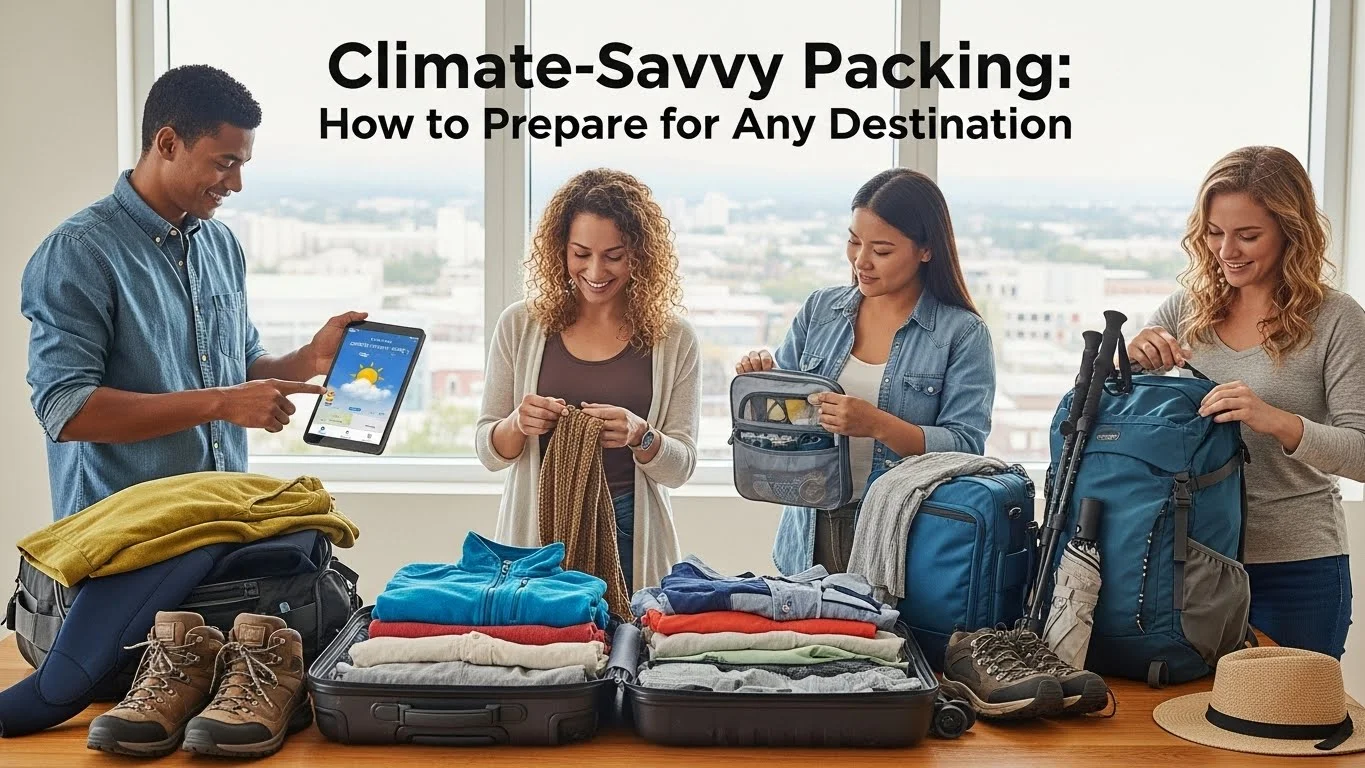
Climate-Savvy Packing: How to Prepare for Any Destination

Traveling is one of life’s greatest joys, but packing for your adventures can be daunting. With climate change altering weather patterns, preparing wisely for any destination has never been more important. Read Interesting article: Eco-Friendly Cycling: Tips for Sustainable Adventures

Climate-Savvy Packing: How to Prepare for Any Destination

Understanding Climate-Savvy Packing

The Importance of Sustainable Travel

When I first started traveling, I didn’t give much thought to how my choices impacted the environment. I remember packing my bags without considering where my clothes were made or how they would affect the planet. As I learned more about sustainable travel, I realized that every trip I took was an opportunity to make a positive impact. Sustainable travel isn’t just a trend; it’s a responsibility we all share. By making eco-friendly choices, we can help protect our planet for future generations. I feel empowered by the idea that through mindful packing and travel, we can leave a smaller footprint.

How Climate Affects Packing Choices

Climate plays such a vital role in determining what we should pack. I’ve been in situations where I packed for a sunny beach vacation, only to arrive and find it raining for days. I learned the hard way that understanding the climate of my destination is key. Each climate zone—whether tropical, temperate, or cold—requires different considerations in terms of clothing, gear, and accessories. I’ve come to appreciate the diversity of environments we can encounter and how they shape our experiences. It’s fascinating to see how the weather can influence not just what we wear, but also how we feel and interact with the world around us. Read Interesting article: Explore Exotic Destinations with Budget-Friendly Villas

Assessing Your Destination’s Climate

Tropical Destinations

Packing for a tropical destination is probably one of my favorite experiences. The thought of sun, sand, and sea always gets me excited. However, I learned that the tropics can be humid and unpredictable. One thing I always remember is to check for the rainy season. Lightweight, breathable fabrics are essential. I usually opt for quick-drying clothes that can handle sudden downpours. I also pack a compact rain jacket and a wide-brimmed hat for sun protection. And let’s not forget sunscreen! I’ve had my fair share of sunburns, and I think we can all agree that preventing them is much better than dealing with the aftermath.

Temperate Regions

Traveling to temperate regions is a bit of a balancing act. I’ve found that packing for these areas means preparing for variable weather. Layering is key! I typically bring a mix of short and long-sleeved shirts, along with a light jacket. This way, I can adapt to whichever mood Mother Nature decides to show. I also carry a versatile scarf or shawl that can double as warmth or a stylish accessory. The charm of visiting temperate climates is that you get to experience the beauty of changing seasons, but it does require a bit of foresight in packing.

Cold Weather Locations

I remember my first trip to a cold weather destination—it was a real eye-opener. Packing for freezing temperatures requires thoughtful preparation. I learned that layering is crucial, but so is the quality of the gear. I always invest in a good quality insulated jacket and thermal undergarments. Wool socks and waterproof boots have become staples in my packing list. I’ve experienced the discomfort of cold feet, and it’s not something I want to repeat. Gloves and hats are also non-negotiables; a warm beanie can make all the difference in feeling cozy while exploring snowy landscapes.

As I’ve traveled more, I’ve discovered that understanding the climate is only the first step. Packing is an art, and with each trip, I refine my approach. The beautiful thing about climate-savvy packing is that it not only enhances our travel experience but also allows us to be more mindful of our impact on the environment. The next time I pack my bags, I’ll keep these lessons close to heart as I prepare for my next adventure.

Essential Packing Strategies for Different Climates

Layering for Temperature Variability

One of the biggest lessons I’ve learned about packing is the art of layering. Whether I’m heading to the mountains or exploring a city with unpredictable weather, layers can make all the difference. I remember a trip I took to San Francisco, where the weather changed from sunny to foggy in the blink of an eye. I found myself grateful for my decision to wear a tank top under a light sweater, topped with a jacket. This way, I could easily adapt to whatever the day threw at me. I recommend starting with a base layer, like a moisture-wicking shirt, then adding a mid-layer for warmth, and finishing off with an outer layer that provides wind and water protection. This strategy not only keeps me comfortable but also helps me pack lighter, as I can mix and match my layers throughout my trip.

Choosing Breathable Fabrics for Humidity

Humidity can be a challenge, especially in tropical destinations. I remember stepping off a plane in a humid climate and instantly feeling the weight of the air. It was uncomfortable, and I quickly learned that the right fabrics can make all the difference. I’ve found that lightweight, breathable materials like cotton, linen, and moisture-wicking synthetic fabrics are best for keeping cool and dry. I typically pack a couple of quick-drying shirts and shorts that can handle sweat while still looking stylish. Additionally, I’ve started to choose lighter colors, which reflect sunlight rather than absorbing it. Packing a few airy dresses or flowy pants has also become a favorite because they keep me comfortable while allowing for maximum airflow.

Insulating Gear for Cold Climates

When it comes to cold weather, I can’t stress enough the importance of quality insulating gear. During my first winter trip to the Rockies, I froze more than I’d like to admit because I underestimated the cold. Now, I opt for thermal base layers made from materials like merino wool, which provide excellent insulation without adding bulk. I also make sure to have a sturdy, insulated jacket that can withstand wind and snow. I’ve learned to invest in good-quality gloves and hats, as they can significantly enhance my comfort level. On top of that, I always carry hand warmers in my pockets for those extra chilly moments. Being prepared for the cold has turned my winter adventures from a test of endurance into enjoyable experiences.

Eco-Friendly Packing Essentials

Sustainable Clothing Brands

As I’ve become more mindful of my travel impact, I’ve sought out sustainable clothing brands that align with my values. I remember discovering brands that use recycled materials or organic cotton, and it’s made a big difference in how I shop for travel clothes. Some of my favorites include Patagonia and Tentree, both of which focus on environmentally friendly practices. I feel good knowing that my clothes are not only stylish but also made with care for the planet. When packing, I try to choose versatile pieces that I can wear in multiple settings, reducing the need for extra items. This way, I can travel light and still look good while being eco-conscious.

Reusable Travel Accessories

One of the best decisions I’ve made is to switch to reusable travel accessories. I used to rely on single-use items, but I realized how much waste that created. Now, I always pack a reusable water bottle, which has saved me money and reduced plastic waste. I also carry a set of reusable utensils and a straw, which has come in handy more times than I can count. Not only do these items help the environment, but they also make me feel like I’m doing my part to promote sustainability on my travels. I’ve discovered that small changes can lead to significant impacts, and it feels great to contribute positively.

Biodegradable Toiletries and Supplies

Bathroom supplies are another area where I’ve made more eco-friendly choices. I used to stock up on travel-sized toiletries without thinking about their environmental impact. Now, I opt for biodegradable toiletries, like shampoo bars and solid lotions, which are not only better for the planet but also lightweight and compact for packing. I’ve found that many eco-friendly brands offer refillable containers, which I can use again and again, reducing waste. Plus, these products often have fewer chemicals, making them kinder to my skin. It’s a win-win! Read Interesting article: Top 10 Budget-Friendly Religious Festivals to Experience

Traveling Light: The Art of Minimal Packing

Benefits of a Capsule Wardrobe

Embracing a capsule wardrobe has transformed my packing experience. I used to struggle with overpacking, always worried that I’d need options for every occasion. However, I discovered that having a limited number of versatile pieces made my travel both simpler and more enjoyable. By curating a capsule wardrobe filled with items that mix and match easily, I can create multiple outfits without taking up much space. I like to choose a color palette that allows me to coordinate my clothing effortlessly. This approach not only lightens my load but also gives me peace of mind, knowing that I have everything I need without excess.

Multi-Functional Clothing Items

Multi-functional clothing items are a game changer for travelers like me. I’ve found great joy in packing clothes that serve more than one purpose. For instance, I own a dress that can be dressed up for an evening out or worn casually during the day. Similarly, I’ve come across pants that convert into shorts, which is perfect for those unexpected temperature changes. Packing these kinds of items allows me to be prepared for different situations without overloading my luggage. Plus, they often save space, giving me room for other essentials like souvenirs or snacks!

Tools and Gadgets for Climate-Savvy Travelers

Portable Water Purifiers

When I first started traveling, I didn’t think much about the water I was drinking. I would rely on bottled water, which I quickly realized was not only expensive but also generated a lot of plastic waste. That’s when I discovered portable water purifiers, and they completely changed my travel experience. I remember being in a remote area where access to clean water was limited, and having my purifier gave me peace of mind. It’s a small gadget that can filter out impurities, making it safe to drink water from streams or taps. This not only saves money but also helps reduce plastic waste. I always carry mine, and I feel empowered knowing I can stay hydrated while being eco-friendly. It’s one of those tools that I think every traveler should have in their packing arsenal.

Solar Chargers and Eco-Friendly Tech

In our tech-driven world, staying connected while being mindful of energy consumption is essential. I’ve found that solar chargers are a fantastic addition to my travel gear. On my last hiking trip, I relied on my solar charger to keep my devices powered without drawing from the grid. It was incredible to see how the sun could fuel my electronics while I was out enjoying nature. I recommend looking for solar chargers that are compact and lightweight, making them easy to pack. Additionally, I’ve started using eco-friendly tech, like energy-efficient power banks and devices made from sustainable materials. These gadgets not only help reduce my carbon footprint but also enhance my travel experience by keeping me connected to loved ones and useful travel apps.

Destination-Specific Packing Lists

Packing for a Beach Vacation

Beach vacations are all about relaxation and fun in the sun, but packing wisely can really enhance the experience. I usually start with the essentials: a good swimsuit, a beach towel, and flip-flops. I also make sure to pack a cover-up that can transition from beach to boardwalk effortlessly. One thing I’ve learned is to include a waterproof phone case or a dry bag to protect my valuables. Sun protection is a priority for me; that means packing both sunscreen and a wide-brimmed hat. I’ve learned the hard way that staying protected from the sun can make or break a beach day. If I plan on being active, I also throw in a pair of water shoes and a lightweight backpack for easy carrying. My beach packing list is all about ensuring I have what I need to enjoy my time without worrying about what I forgot.

Packing for a Mountain Adventure

When I think about mountain adventures, I get excited about the beauty and the thrill of exploring the great outdoors. But packing for these trips can be a bit more complex. I always start with sturdy hiking boots; I’ve learned that a good pair can make all the difference in comfort and safety on the trails. I also prioritize moisture-wicking clothing and layering options. It’s so important to be prepared for changing weather conditions in the mountains. On one hike, I experienced sunny skies in the morning and a sudden snowstorm by afternoon! Now, I always pack a waterproof jacket, thermal layers, and a hat to keep warm. Finally, I make sure to have a decent backpack with enough capacity to hold water, snacks, and a first-aid kit. Preparation has turned my mountain adventures from stressful to enjoyable.

Packing for a City Exploration

Cities offer a unique travel experience, and packing for urban exploration requires a different approach. I like to focus on comfort while still looking stylish. I usually pack a pair of comfortable walking shoes because I know I’ll be on my feet all day. I also choose versatile clothing that can transition from day to night. A nice pair of jeans can be dressed up or down, which is perfect for hitting museums during the day and enjoying dinner later. I’ve learned to pack a compact umbrella, too. City weather can be unpredictable, and it’s better to be prepared. Lastly, I always carry a small bag for essentials like my phone, wallet, and reusable water bottle. This keeps everything I need within easy reach as I explore the sights and sounds of the city.

How to Stay Informed About Climate Conditions

Weather Apps and Resources

Staying informed about the climate conditions of my destination is essential for a successful trip. I’ve found that weather apps are invaluable tools. I typically check multiple sources to prepare properly. My favorite app not only provides current temperatures but also forecasts for the week ahead, which helps me plan my outfits accordingly. I also look for apps that offer real-time alerts for severe weather, so I can stay safe while traveling. Alongside that, I read online forums or travel blogs where other travelers share their experiences with local weather patterns. These resources give me a clearer picture of what to expect and help me adapt my plans as needed.

Local Climate Trends and Seasonal Considerations

Understanding the local climate trends can greatly influence my packing decisions and travel experience. I remember planning a trip to a city known for its unpredictable weather and realizing that I needed to pack for all four seasons. I’ve learned to research seasonal trends in advance, including average temperatures and rainfall. Some destinations have unique weather patterns that can catch travelers off guard. I like to check historical weather data to see what similar times of year have looked like. This gives me a better idea of what to expect and helps me pack more efficiently. Understanding these nuances has turned my trips into smoother, more enjoyable journeys.

Frequently Asked Questions

What is the significance of sustainable travel?

Sustainable travel is not just a trend; it’s a responsibility we all share. By making eco-friendly choices, we can help protect our planet for future generations and leave a smaller footprint through mindful packing and travel.

How does climate affect packing choices?

Climate plays a vital role in determining what to pack for a trip. Each climate zone—whether tropical, temperate, or cold—requires different considerations in terms of clothing, gear, and accessories, influencing not just what we wear but also how we feel and interact with our environment.

What should I pack for a tropical destination?

For a tropical destination, pack lightweight, breathable fabrics, quick-drying clothes, a compact rain jacket, a wide-brimmed hat for sun protection, and sunscreen to prevent sunburn.

What are the packing tips for temperate regions?

Packing for temperate regions requires layering. Bring a mix of short and long-sleeved shirts, a light jacket, and a versatile scarf or shawl to adapt to changing weather conditions.

What essentials should I consider for cold weather locations?

When packing for cold weather, focus on layering with high-quality insulated jackets, thermal undergarments, wool socks, waterproof boots, gloves, and hats to stay warm and comfortable.

What are some eco-friendly packing essentials?

Eco-friendly packing essentials include sustainable clothing from brands that use recycled materials or organic cotton, reusable travel accessories like a water bottle and utensils, and biodegradable toiletries such as shampoo bars and solid lotions.

How can a capsule wardrobe benefit my travel packing?

A capsule wardrobe simplifies packing by allowing travelers to curate versatile pieces that mix and match easily, reducing the number of items needed and making it easier to travel light while still looking good.

What are multi-functional clothing items, and why are they useful?

Multi-functional clothing items serve more than one purpose, such as a dress that can be dressed up for an evening or worn casually during the day. They allow for packing efficiently for different situations without overloading luggage.

What tools can help with climate-savvy packing?

Useful tools for climate-savvy packing include portable water purifiers for clean drinking water, solar chargers for keeping devices powered sustainably, and eco-friendly tech like energy-efficient power banks.

How can I stay informed about climate conditions at my destination?

To stay informed, utilize weather apps that provide current temperatures and forecasts, and check local climate trends and seasonal considerations through online forums or travel blogs for a clearer picture of what to expect.

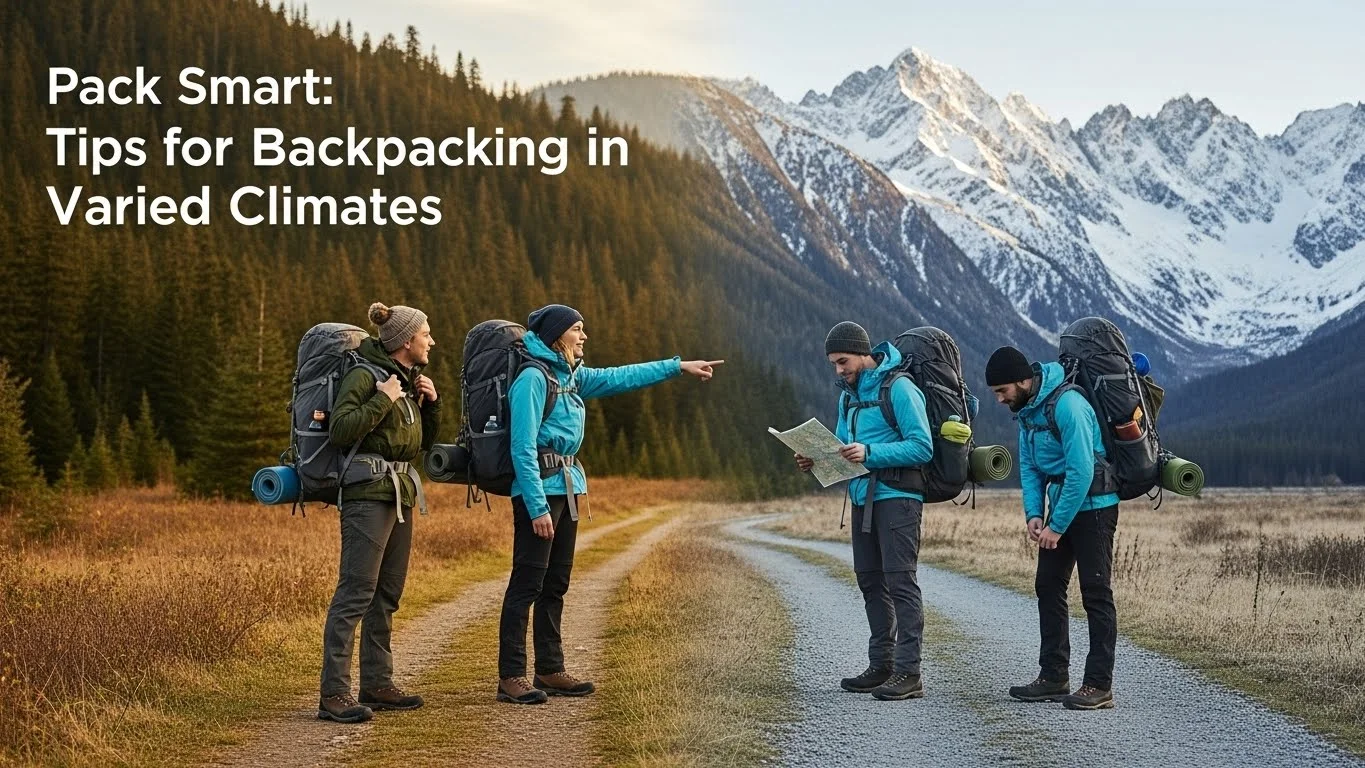
Pack Smart: Tips for Backpacking in Varied Climates

Backpacking in diverse climates can be an exhilarating adventure, but it requires smart packing strategies. Let’s explore how to prepare for the unique challenges presented by different weather conditions. Read Interesting article: Budget Backpacking Tips for the Savvy Solo Traveler

Pack Smart: Tips for Backpacking in Varied Climates

Understanding Varied Climates for Backpacking

When it comes to backpacking, understanding the climate of your destination is crucial. I’ve learned that each climate has its unique challenges and joys. Knowing what to expect can make all the difference in your experience. Let’s dive into the four main types of climates you might encounter on your journey.

Tropical Climates

Backpacking in tropical climates can feel like stepping into a paradise filled with lush greenery and vibrant wildlife. However, the heat and humidity can be intense. I remember my first tropical hike; I was completely unprepared for the sweat-soaked days ahead. I learned that lightweight, moisture-wicking clothing is essential. This type of fabric helps keep your body cool and dry, which is important when temperatures soar.

Another thing to consider is rain. Tropical regions often have sudden downpours. A waterproof backpack cover and a good quality rain jacket became my best friends on those trips. I found that packing a quick-dry towel and extra pairs of moisture-wicking socks also made my experience much more comfortable. The key is to stay dry and cool to avoid discomfort and potential health risks like heat exhaustion.

Arid Climates

In arid climates, the sun is relentless. I vividly recall hiking through a beautiful desert landscape, but the heat was brutal. Staying hydrated is paramount. I always carry a water reservoir, which allows me to drink hands-free while hiking. I learned that planning your water sources ahead of time is essential, as they can be few and far between.

I also discovered the importance of protective clothing in these climates. A wide-brimmed hat and long sleeves can shield you from the harsh sun. I’ve found that lightweight, breathable fabrics are great for keeping cool while still providing some protection. Sunblock is a must, too; I’ve regretted many a trip where I forgot to reapply! Read Interesting article: Solo Backpacking Tips: Travel Smart and Save Money

Temperate Climates

When I think of temperate climates, I think of the perfect hiking weather: mild temperatures and occasional rain. However, just because it’s pleasant doesn’t mean you can be careless. I’ve experienced sudden weather changes in these areas, so packing layers became essential for me. Starting with a moisture-wicking base layer, then adding insulating layers like fleece, and finishing with a waterproof outer layer has worked well for me.

In temperate regions, I also pay attention to the ground. Mud can be a challenge after rain, and having the right footwear is important. I recommend waterproof boots that provide traction; this can make all the difference in your footing and safety. And don’t forget to pack a pair of breathable shoes for relaxing at camp!

Polar Climates

Backpacking in polar climates is an entirely different beast. I recall my first experience in a snowy landscape, and it was both breathtaking and challenging. The key is warmth and insulation. I found that investing in a quality down jacket and insulated pants was crucial. Layering is a technique that works wonders here, too; I often wear thermal base layers under my regular clothing.

Footwear is another area where I learned the hard way. Insulated, waterproof boots are a must, as well as warm socks. My toes have never forgiven me for wearing light socks in the cold! It’s also essential to protect your extremities—good gloves and hats can help prevent frostbite in extreme conditions.

In polar climates, staying dry is just as important as staying warm. I always check my gear for water resistance, as any moisture can lead to chilling. I’ve learned that a good quality, waterproof pack is essential for keeping my gear dry.

Understanding these varied climates has transformed my backpacking adventures. Each climate poses its own unique challenges, but with the right preparation and gear, I’ve been able to enjoy breathtaking views and unforgettable experiences. Whether you’re heading to the tropics, deserts, temperate forests, or icy terrains, being mindful of the climate can help ensure a successful adventure.

Essential Gear for Different Climates

When I started backpacking, I quickly realized that having the right gear is just as important as knowing the climate. Each climate demands specific items to keep us protected, comfortable, and safe. I’ve had my share of gear mishaps, and through those experiences, I’ve learned what essentials I can’t live without. Let’s look at the gear that can make or break your trip in varying climates. Read Interesting article: 10 Essential Backpacking Tips for Budget Solo Travelers

Backpacks

The backpack is our home away from home when we’re on the trail. I’ve spent countless hours choosing the perfect pack, and I’ve learned that the size and features matter a lot. For tropical climates, I often opt for a lightweight, ventilated backpack. The last thing I want is for my back to feel like it’s on fire from the heat. A pack with mesh panels helps with airflow, which is crucial in humid conditions.

In arid climates, I prefer packs that have hydration reservoirs built-in. This way, I can sip water without stopping. For temperate and polar climates, I find that durability is key. A backpack with a water-resistant coating is essential to protect my gear from unexpected rain or snow. I also recommend looking for features like adjustable straps and hip belts to ensure a comfortable fit, especially when carrying heavier loads.

Clothing Layers

Clothing layers can make or break your comfort level. I remember one hike where I misjudged the temperature, and I ended up freezing because I didn’t have enough layers. For me, the best approach is to start with a moisture-wicking base layer. This helps pull sweat away from the skin, keeping me dry, especially in tropical and temperate climates.

In colder conditions, I layer up with insulating materials like fleece or wool. I’ve found that these materials keep me warm without adding unnecessary bulk. The outer layer should be waterproof and windproof, especially in polar or temperate climates. I’ve learned that investing in high-quality gear pays off in comfort and safety during those chilly nights or unexpected rainstorms.

Shelter Options

Choosing the right shelter is vital for your backpacking adventure. I’ve set up my tent in countless locations, and I’ve realized that the type of shelter depends on the climate. In tropical areas, I prefer a lightweight, breathable tent that allows for ventilation. I’ve experienced condensation inside tents due to humidity, so going for a model with good airflow can make a huge difference.

In arid regions, I often choose a tent that provides adequate shade and keeps the interior cooler during the day. I’ve also experimented with hammocks in these areas, which can allow for a cool breeze while giving me a good view of the stars at night. For polar climates, a sturdy four-season tent is a must. I remember my first winter camping experience where a flimsy tent left me shivering throughout the night; a strong, insulated tent can protect against the harsh winds and cold.

Footwear Considerations

Footwear is one of the most critical aspects of our gear. I’ve made the mistake of choosing style over function, and let me tell you, sore feet can ruin an adventure. In tropical climates, I often go for lightweight, breathable shoes that allow my feet to stay cool. Hiking sandals are great but usually have limited support for long treks, so I tend to stick with breathable hiking shoes.

In arid environments, I learned the hard way that sturdy, supportive boots are worth the investment. The terrain can be rocky and uneven, so having good ankle support helps prevent injuries. For temperate climates, waterproof boots with good traction are essential—mud can easily cause slips and falls, as I discovered on more than one occasion!

When it comes to polar climates, insulated and waterproof boots are a must. I remember my toes going numb after a long day in the cold because I didn’t have the right pair. Now, I make sure to choose boots that not only keep my feet warm but also have a good grip on icy surfaces.

Sleeping Gear

Last but not least, let’s talk about sleeping gear. Getting a good night’s sleep while camping can be challenging but is essential for an enjoyable trip. I’ve tried several sleeping bags, and I’ve found that the right one depends on the climate. For tropical climates, a lightweight sleeping bag or even just a sleeping liner is often enough, as it can get quite warm at night.

In contrast, I have a bulky, insulated sleeping bag for polar conditions that keeps me toasty during those freezing nights. I also pack a sleeping pad for insulation and comfort—nothing like a rocky ground to ruin your sleep! For my temperate adventures, I opt for a versatile, three-season sleeping bag that adapts to varying temperatures.

By understanding the essentials for different climates and choosing the right gear, I’ve made my backpacking trips much more enjoyable. These items not only enhance comfort but also play a crucial role in safety during our adventures. With the right preparations, we can focus more on the experiences we cherish and less on the discomforts we want to avoid.

Clothing Tips for Varied Conditions

Choosing the Right Fabrics

When it comes to choosing clothing for backpacking, I’ve learned that fabric selection can make a huge difference in my comfort and performance. For tropical climates, I swear by lightweight, breathable materials. Fabrics like polyester and nylon wick moisture away from the skin, which helps in the high humidity. I remember wearing a cotton shirt on a hot day, and I felt like I was wearing a wet towel by the end of the hike! Switching to synthetic fabrics was a game changer for me.

In arid climates, I’ve found that UPF-rated fabrics are worth the investment. They offer sun protection, which is essential when you’re exposed to those harsh rays all day long. The same goes for polar climates—merino wool is my go-to for base layers. It keeps me warm, dries quickly if I get sweaty, and doesn’t hold odors, which is a big plus during multi-day hikes. Choosing the right fabric not only enhances comfort but also helps regulate my body temperature in extreme conditions.

Layering Techniques

Layering is an art that I’ve perfected over the years. I remember my first hiking trip in a temperate climate when I underestimated how cold it could get at night. Since then, I’ve become a layering enthusiast! For tropical hikes, I usually start with a moisture-wicking base layer, add a lightweight long-sleeve shirt for sun protection, and then bring along a light jacket for cooler evenings.

In colder climates, layering becomes even more vital. My go-to strategy is to wear a thin thermal base layer, followed by an insulating mid-layer, like fleece or down, and finish with a waterproof and windproof outer layer. I’ve learned to always carry an extra layer, just in case the weather takes a turn. The beauty of layering is that it allows me to adapt to changing conditions throughout the day, keeping me comfortable and focused on the journey.

Weather Adaptability

I’ve had my fair share of weather surprises while backpacking, and I can’t stress enough the importance of being adaptable. In temperate zones, I learned to pack a light rain shell that can easily fit in my pack. On one trip, I was caught in an unexpected downpour, and my quick-dry jacket saved me from getting soaked. I’ve also discovered that having a packable windbreaker is essential for those chilly, breezy days.

In polar climates, I find that it’s all about having versatile pieces that can be adjusted based on the temperature. I often wear a thick beanie and a neck gaiter that can be pulled up or down as needed. It’s surprising how much warmth can escape from our heads, and I’ve learned to keep mine well covered!

Accessories for Climate Control

Accessories often make the biggest difference in comfort on the trail. I’ve come to appreciate the value of a good hat, especially in tropical and arid climates. A wide-brimmed hat not only provides shade but also keeps sweat out of my eyes. I remember hiking in the desert without one and regretting it as I squinted against the sun.

In colder conditions, investing in quality gloves and thermal socks has been a lifesaver. I’ve experienced numb fingers while trying to set up my tent in the snow, which taught me to always carry an extra pair of gloves. Balaclavas are also fantastic for protecting my face against biting winds in polar regions. I love how these small items can dramatically improve my overall comfort and keep me focused on enjoying the adventure.

Packing Strategies for Backpacking

Weight Distribution

When it comes to packing, I’ve learned that how I distribute weight in my backpack can significantly impact my hiking experience. I like to keep the heavier items close to my back and centered, which helps maintain balance. I remember a trip where I packed my sleeping bag at the bottom of my pack and struggled a lot on uneven trails. Now, I place it higher up, along with my cooking gear for easy access.

Another tip I’ve picked up is to pack frequently used items, like snacks and my water bottle, in external pockets. This way, I can grab them without having to dig through my entire pack. It’s all about finding that sweet spot where I feel balanced and comfortable during my hike.

Maximizing Space

Maximizing space in my backpack has become a skill I constantly refine. I remember my first hikes when I used to overpack and ended up with a bulging backpack. Now, I’ve become a master at compressing my gear. Stuff sacks are my best friends; they keep my sleeping bag compact and make it easier to fit everything in. When packing clothing, I roll instead of fold—this not only saves space but also minimizes wrinkles.

Using Packing Cubes

Packing cubes are another great tool that I’ve found immensely helpful. They keep my gear organized and make it easier to find what I need without unpacking everything. I use different colored cubes for different types of gear—one for clothing, another for cooking supplies, and one for toiletries. This way, I can quickly identify what I’m looking for, which saves time and keeps my campsite tidy.

Essential vs. Non-Essential Items

Finally, deciding what’s essential versus non-essential has been a learning curve for me. I used to pack items that I thought I might need, only to realize I didn’t use half of them. Now, I focus on multi-functional gear. For example, a lightweight scarf can serve as a neck warmer, a headband, or even a makeshift towel. I also consider the duration of my trip; for longer hikes, I prioritize essential items and leave behind anything that’s purely for comfort but not necessary for survival.

By honing my packing strategies, I feel more prepared for any backpacking adventure. The right organization and careful consideration of what to bring can transform a challenging hike into an enjoyable experience. It’s all about maximizing comfort and efficiency, allowing us to immerse ourselves in the beauty of nature.

Frequently Asked Questions

What should I wear for backpacking in tropical climates?

For tropical climates, it is essential to wear lightweight, moisture-wicking clothing made from fabrics like polyester and nylon. These materials help keep your body cool and dry in the intense heat and humidity.

How can I prepare for sudden rain in tropical regions?

A waterproof backpack cover and a good quality rain jacket are crucial for handling sudden downpours in tropical regions. Additionally, packing a quick-dry towel and extra moisture-wicking socks can enhance your comfort.

What hydration strategies are recommended for arid climates?

In arid climates, staying hydrated is paramount. Carrying a water reservoir allows for hands-free drinking while hiking, and planning your water sources ahead of time is essential as they can be scarce.

What type of footwear is best for temperate climates?

For temperate climates, waterproof boots with good traction are essential, especially since muddy conditions can be prevalent after rain. Having breathable shoes for relaxing at camp is also recommended.

What insulation is necessary for backpacking in polar climates?

In polar climates, a quality down jacket and insulated pants are crucial for warmth. Layering thermal base layers under your regular clothing is also important to stay warm in freezing temperatures.

How do I choose the right backpack for different climates?

For tropical climates, opt for a lightweight, ventilated backpack with mesh panels for airflow. In arid climates, a pack with built-in hydration reservoirs is beneficial, while durability is key for temperate and polar climates with water-resistant coatings.

What is the best way to layer clothing for cold weather hiking?

For cold weather hiking, start with a thin thermal base layer, followed by an insulating mid-layer like fleece or down, and finish with a waterproof and windproof outer layer. Always carry an extra layer for adaptability.

What accessories can improve comfort while backpacking?

A wide-brimmed hat can provide shade and keep sweat out of your eyes in tropical and arid climates. In colder conditions, quality gloves and thermal socks are important for warmth and comfort.

How can I effectively distribute weight in my backpack?

To effectively distribute weight in your backpack, keep heavier items close to your back and centered to maintain balance. Frequently used items like snacks and water bottles should be packed in external pockets for easy access.

What should I consider when packing for a backpacking trip?

When packing, focus on essential items and consider multi-functional gear to save space. Using stuff sacks and packing cubes can help maximize space and keep your gear organized.

Ultimate Guide to Packing for Different Weather Conditions

Packing for a trip can feel overwhelming, especially when the weather is unpredictable. But don’t worry—I’m here to guide you through the essentials for packing based on different weather conditions, so you can enjoy your adventures without a hitch. Read Interesting article: Master Packing for Any Climate: Essential Tips for Travelers

Ultimate Guide to Packing for Different Weather Conditions

Understanding Weather Conditions

Types of Weather Conditions

Weather can vary widely depending on where you are, and understanding the types of weather conditions you might encounter is crucial for effective packing. There are four main categories to consider: hot, cold, rainy, and windy. Each of these conditions has its own unique challenges and requires specific items to ensure comfort and protection.

Hot weather is often characterized by high temperatures and plenty of sunshine. This can mean spending time outdoors, so packing for sun protection is key. Cold weather, on the other hand, presents the challenge of staying warm and layered. Rainy weather can be unpredictable, often arriving without warning, so having the right waterproof gear is essential. Lastly, windy weather can not only be uncomfortable but also hazardous, especially if you’re traveling with loose items.

How Weather Affects Packing Choices

When I plan a trip, I always consider the weather forecast. The choices I make about what to pack can significantly affect my comfort and enjoyment. For instance, for hot weather, I prioritize lightweight, breathable fabrics that wick away moisture. I remember one trip where I packed a heavy jacket for what I thought would be a cool evening, only to find myself sweating profusely. Instead, I learned to pack light layers that I could easily remove if the temperature rose unexpectedly.

In cold weather, I often opt for thermal layers and insulated outerwear. I’ve found that layering is the best strategy, allowing me to adjust to changing conditions throughout the day. Rainy weather requires a different mindset altogether; packing waterproof clothing and gear has saved me from getting drenched and uncomfortable in unexpected downpours. Windy conditions, too, necessitate specialized clothing that can block the chill and keep me protected from the elements.

Essential Packing Tips for Different Climates

Packing for Hot Weather

Clothing Essentials

When it comes to hot weather, I always focus on packing lightweight, breathable clothing. Fabrics like cotton and linen are my go-to choices because they allow my skin to breathe. I also love to bring along a mix of short-sleeved and sleeveless tops, along with lightweight shorts or skirts. However, I’ve learned that packing a long-sleeve shirt can be helpful too—especially for sun protection during the hottest parts of the day.

Footwear Recommendations

For shoes, I typically opt for sandals or breathable sneakers. I’ve made the mistake of bringing heavy shoes, which ended up being uncomfortable during long walks. A good pair of lightweight sandals is perfect for beach days or casual outings. I also recommend packing flip-flops for the pool or beach, as they’re easy to slip on and off.

Accessories for Sun Protection

Sun protection is crucial in hot weather, so I always pack a wide-brimmed hat, sunglasses, and sunscreen. I remember one particularly sunny trip where I didn’t bring enough sunscreen—I ended up with a painful sunburn! Now, I make it a point to carry sunscreen that’s at least SPF 30, and I reapply it throughout the day.

Packing for Cold Weather

Layering Techniques

Cold weather packing requires a different strategy. I’ve learned that layering is the best approach, as it allows me to adjust based on activity level and temperature shifts. I start with a thermal base layer, then add a fleece or wool mid-layer for warmth. Finally, I finish with a waterproof and windproof outer layer. This method has always kept me warm and comfortable, no matter how chilly it gets.

Winter Accessories

Accessories play a huge role in staying warm. I never forget to pack a warm hat, scarf, and gloves. I’ve found that mittens are often warmer than gloves since they keep my fingers together. In especially cold conditions, I recommend packing thermal socks to ensure my toes stay cozy.

Choosing the Right Outerwear

Finding the right outerwear has been a journey for me. I usually look for a coat that’s both insulated and water-resistant. I remember purchasing a heavy winter coat that was stylish but not practical; it wasn’t waterproof, and I regretted it during a snowstorm. Now, I prioritize functionality over fashion when it comes to outerwear.

Packing for Rainy Weather

Waterproof Clothing

When rain is in the forecast, I make sure to pack waterproof and quick-drying clothing. A good rain jacket is essential. I recommend one that’s lightweight and can be easily packed away when not in use. This way, I’m always prepared for an unexpected shower without adding too much bulk to my luggage.

Footwear for Wet Conditions

For footwear, waterproof shoes or rubber boots are a must. I once wore sneakers during a rainy trip, which left my feet soaked and uncomfortable. Now, I always opt for shoes that will keep my feet dry, even if that means sacrificing style for practicality.

Umbrellas and Rain Gear

Lastly, I never leave home without a compact travel umbrella. It’s a lifesaver in unexpected downpours. I’ve also learned to carry a rain cover for my backpack, ensuring that my belongings stay dry no matter how wet it gets outside.

Packing for Windy Weather

Windbreakers and Lightweight Jackets

Windy weather can be particularly challenging, especially if you’re outside for extended periods. I’ve found that a good windbreaker can make all the difference. It doesn’t have to be heavy—just something that blocks the wind and provides a little warmth. I usually pack one that’s lightweight and easy to fold into my bag.

Securing Your Belongings

In windy conditions, it’s important to secure your belongings. I remember a day at the beach when my hat flew away in the wind! Now, I always make sure to use bags with zippers and closures, and I avoid carrying loose items that could easily be blown away. Keeping everything secure not only protects my belongings but also gives me peace of mind.

Seasonal Packing Considerations

Spring Packing Tips

Springtime brings a mix of weather that can change unexpectedly. I’ve often found myself in the middle of a sunny morning that suddenly turns into a chilly afternoon shower. Because of this, I recommend packing layers. A light sweater or jacket is perfect for those brisk mornings, while a breathable long-sleeve shirt can keep you comfortable when the sun is out.

One of my favorite spring packing tips is to include a lightweight waterproof jacket. This has saved me more than once from getting soaked during surprise rain showers. I also love to add a few pairs of versatile shoes, such as sneakers and slip-on shoes, which are perfect for long walks in the park or casual outings. And don’t forget accessories like a light scarf—it can keep you warm while also adding a pop of color to your outfit!

Summer Packing Strategies

Summer brings long days of sunshine and outdoor fun. I usually pack a variety of lightweight clothing, focusing on comfort and breathability. Dresses, shorts, and tank tops are staples for me. I also like to bring a few pieces that can transition from day to evening, like a casual sundress that can be dressed up with a nice necklace.

Swimwear is essential for summer trips, whether I’m heading to the beach or just lounging by the pool. I recommend packing a cover-up and flip-flops, which are easy to slip on and off. One summer, I forgot to pack a beach towel and ended up drying off with a tiny hand towel. Lesson learned! Now, I always include a large, quick-drying towel that’s perfect for beach days.

Autumn Packing Essentials

Autumn is one of my favorite seasons, but it can be tricky when it comes to packing. The weather can vary from warm afternoons to chilly evenings. I usually start with layering options—a mix of short-sleeve and long-sleeve shirts, along with a cozy sweater or cardigan. One thing I’ve noticed is that having a good pair of jeans is a must; they’re versatile and can be worn in almost any situation.

As the leaves start to change, I also like to incorporate earthy tones into my wardrobe. It’s fun to match my outfits with the beautiful autumn scenery! A light jacket is crucial as well; I often opt for something that’s both stylish and functional, like a denim or leather jacket. And don’t forget to pack some comfortable shoes for those autumn hikes or strolls through pumpkin patches!

Winter Packing Guidelines

Winter packing is all about staying warm while also being prepared for potential snowfall. I typically pack a heavy-duty winter coat that can handle the cold and keep me dry. Thermal layers are my best friends during this season. I layer up with long underwear, a warm top, and a fleece pullover before putting on my coat. This way, I can adjust based on the climate throughout the day.

Winter accessories are necessary for keeping cozy. I always bring a knitted hat, a thick scarf, and gloves or mittens. I remember one winter trip when I forgot my gloves; my hands got so cold that I could hardly enjoy the snowy landscape! Now, I make sure to have a good pair of gloves that are both warm and functional.

Another tip I’ve learned is to pack waterproof boots. They make all the difference when trudging through snow or slush. I also like to carry a small packable backpack for day trips, as it’s handy for carrying extra layers or even a thermos of hot cocoa!

Special Considerations for Specific Activities

Packing for Beach Vacations

When I’m heading to the beach, I go all out with my packing. Besides swimwear and cover-ups, I always pack a beach bag filled with essentials like a good book, snacks, and a portable speaker for music. I love including a waterproof phone case, which gives me peace of mind while taking pictures near the water.

Beach days can get hot, so I also bring along a beach umbrella for some shade. I’ve spent too many afternoons getting overheated without one. Don’t forget a small cooler filled with refreshing drinks and snacks to keep everyone hydrated and energized!

Packing for Ski Trips

Ski trips require specialized packing. I typically start with my ski gear, including waterproof ski pants and a jacket that can withstand cold and wet conditions. Layering is essential here, too; I usually wear a thermal base layer underneath my ski outfit.

Accessories are just as important on the slopes. Ski gloves, goggles, and a beanie are must-haves. I also recommend packing a pair of comfortable shoes for après-ski activities. After a long day on the slopes, I love to slip into something cozy!

Packing for Hiking Adventures

Hiking requires thoughtful packing to ensure comfort and safety. I always start with sturdy hiking boots, which are essential for navigating different terrains. I also like to wear moisture-wicking clothing to keep me dry during hikes. Layering is key, as temperatures can fluctuate throughout the day.

In addition to my clothing, I make sure to pack a good backpack with essentials like water, snacks, and a first-aid kit. A lightweight rain jacket is also a must-have, just in case the weather changes. I’ve learned the hard way that being unprepared can put a damper on an otherwise beautiful hike!

Packing for City Breaks

When I’m headed to a city, comfort and style become my focus. I usually pack a pair of versatile walking shoes because I love exploring on foot. Comfortable shoes make a world of difference when you’re wandering through museums or walking from cafe to cafe.

I also like to include outfits that can be easily mixed and matched. A couple of stylish tops and bottoms that can transition from day to night work well. A light jacket or cardigan is great for layering, especially if the evenings turn chilly. And of course, I always pack a reusable water bottle to stay hydrated while I’m out and about!

Tools and Accessories to Enhance Your Packing

Travel Packing Cubes

Packing cubes have been a game-changer for me. They help keep my suitcase organized and make it easy to find what I need without digging through everything. I remember my first trip with packing cubes; I was able to separate my clothes by type and avoid the chaos I usually face when I unpack. They come in various sizes, so I can use smaller cubes for accessories and larger ones for clothes. This way, I can maximize my space and keep everything neat, which is especially helpful when I’m on the go.

Compression Bags for Space Saving

Compression bags are another favorite tool of mine, especially when I’m traveling for an extended period or need to pack bulky items. These bags allow me to remove excess air, reducing the volume of my clothing. I once packed for a two-week trip and managed to fit everything into my suitcase by using compression bags. It was amazing! I recommend rolling your clothes before placing them in these bags; it not only saves space but also minimizes wrinkles. Plus, I love that I can keep my suitcase lighter, which is always a win.

Multi-Purpose Travel Gear

When I travel, I always look for items that serve multiple purposes. For example, a sarong can function as a beach cover-up, a blanket for chilly evenings, or even a lightweight towel. I’ve found that multi-purpose travel gear not only saves space but also reduces the number of items I need to carry. Packing a versatile jacket that can transition from day to night is another smart move. I remember one vacation where I had a lightweight jacket that zipped up and had a hood; it kept me warm on a cool evening and protected me from unexpected rain. It’s those kinds of items that make packing easier and more efficient!

Weather Apps for Packing Preparation

Technology plays a big role in my packing process. I rely on weather apps to give me accurate forecasts before I leave home. I check the expected temperatures and conditions a few days in advance, which helps me decide what to bring. I’ve learned the hard way that being prepared for unexpected weather can make a huge difference. One time, I packed for sunny skies only to find myself in the middle of a rainstorm. Now, I always check the weather right before I pack and adjust my choices accordingly. It’s saved me from making last-minute scrambles at the airport!

Packing Checklists

General Packing Checklist

Having a general packing checklist is a lifesaver. I can’t tell you how many times I’ve forgotten essential items. I created my own checklist that I customize for each trip but always includes the basics. Here’s what I usually include:

  • Clothing (tops, bottoms, underwear, pajamas)
  • Footwear (casual, formal, and activity-specific)
  • Toiletries (toothbrush, toothpaste, shampoo, conditioner, deodorant)
  • Electronics (phone, charger, camera)
  • Travel documents (ID, tickets, itinerary)
  • Snacks and water bottle

Having this checklist has made my packing process smoother and less stressful. I can quickly go through the list and check off items as I pack them, ensuring nothing gets left behind.

Weather-Specific Packing Checklists

Hot Weather Checklist

For hot weather trips, I’ve developed a specific checklist to ensure I have everything I need. Here’s what I typically include:

  • Lightweight clothing (shorts, tank tops, sundresses)
  • Sun protection gear (hat, sunglasses, sunscreen)
  • Breathable footwear (sandals, flip-flops)
  • Swimwear and cover-up
  • Light layers for cooler evenings

This checklist helps me stay focused on the essentials without overpacking.

Cold Weather Checklist

When preparing for cold weather, I rely on a different set of essentials:

  • Thermal base layers
  • Insulated mid-layers (fleece or wool)
  • Waterproof outer layer (coat and pants)
  • Winter accessories (hat, gloves, scarf)
  • Warm footwear (boots)

This ensures I’m well-equipped to handle chilly temperatures and stay comfortable throughout my trip.

Rainy Weather Checklist

For rainy weather, I make sure to pack the right gear:

  • Waterproof jacket
  • Quick-drying clothing
  • Waterproof footwear
  • Compact umbrella
  • Backpack rain cover

This checklist keeps me dry and prepared for any sudden showers.

Windy Weather Checklist

In windy conditions, I focus on items that will protect me from the elements:

  • Windbreaker or lightweight jacket
  • Secure bags with zippers
  • Sturdy shoes
  • Accessories that won’t fly away (like a fitted hat)

Having this checklist helps me enjoy my time outdoors without worrying about getting too chilly or losing my belongings.

Frequently Asked Questions

What should I pack for hot weather?

For hot weather, it’s essential to pack lightweight, breathable clothing such as cotton and linen. Include a mix of short-sleeved and sleeveless tops, lightweight shorts or skirts, and a long-sleeve shirt for sun protection. Don’t forget sun protection accessories like a wide-brimmed hat, sunglasses, and sunscreen.

How do I prepare for cold weather when packing?

When packing for cold weather, layering is key. Start with a thermal base layer, add a fleece or wool mid-layer for warmth, and finish with a waterproof and windproof outer layer. Accessories like a warm hat, scarf, gloves, and thermal socks are also important for staying warm.

What are the essentials for packing during rainy weather?

For rainy weather, pack waterproof and quick-drying clothing, a lightweight rain jacket, waterproof shoes or rubber boots, and a compact travel umbrella. Additionally, consider a rain cover for your backpack to keep your belongings dry.

What should I consider when packing for windy weather?

In windy weather, it’s important to pack a lightweight windbreaker to block the wind. Ensure your belongings are secure by using bags with zippers and avoiding loose items that could blow away. This will help keep you comfortable and protect your items.

What are some packing tips for spring trips?

For spring trips, pack layers such as a light sweater or jacket for chilly mornings, and breathable long-sleeve shirts for warmer afternoons. A lightweight waterproof jacket is also recommended to prepare for sudden rain showers.

What should I include in my summer packing strategy?

In summer, pack a variety of lightweight clothing like dresses, shorts, and tank tops. Don’t forget swimwear, a cover-up, and flip-flops. Include a large, quick-drying beach towel to avoid using a small hand towel.

What are the key items for autumn packing?

For autumn packing, include a mix of short-sleeve and long-sleeve shirts, a cozy sweater or cardigan, and a light jacket. Comfortable jeans are essential, and you may want to incorporate earthy tones into your wardrobe to match the autumn scenery.

How should I pack for a ski trip?

When packing for a ski trip, include waterproof ski pants and a jacket, as well as thermal base layers. Don’t forget accessories like ski gloves, goggles, and a beanie, along with comfortable shoes for après-ski activities.

What should I bring for hiking adventures?

For hiking, pack sturdy hiking boots, moisture-wicking clothing, and layers to adjust to changing temperatures. A good backpack with essentials like water, snacks, and a first-aid kit, as well as a lightweight rain jacket for unexpected weather, are also necessary.

How can packing cubes help with organization?

Packing cubes help keep your suitcase organized by allowing you to separate your clothes and accessories, making it easy to find what you need without rummaging through your bag. They come in various sizes, helping you maximize space and keep everything neat.

What are the essentials for carry-on packing?

When preparing for a trip, it’s crucial to pack efficiently for your carry-on. I recommend including your travel documents, a change of clothes, and any necessary toiletries in travel-sized containers. Read Interesting article: Ultimate Guide to Packing Carry-On Essentials for Travel