Web Analytics

Recent Posts

Experience Wildlife Safaris on a Budget: Tips & Tricks

Embarking on a wildlife safari is an exhilarating adventure many dream of, but it doesn’t have to break the bank. With careful planning and a few insider tips, we can experience the thrill of the wild without overspending. Read Interesting article: Explore Budget Wildlife Safaris for Eco-Conscious Travelers

Experience Wildlife Safaris on a Budget: Tips & Tricks

Understanding Wildlife Safaris

What is a Wildlife Safari?

When I first heard the term “wildlife safari,” I imagined massive elephants roaming under the African sun, lions lounging in the shade, and the sweet sound of nature all around. A wildlife safari is essentially a journey into the natural habitats of wild animals. It’s an opportunity to observe wildlife in their natural environment, often in stunning landscapes that vary from open savannas to dense forests. Safaris can take many forms and offer a range of experiences, from thrilling game drives to serene walking adventures. They provide an unforgettable connection with nature that truly enriches our lives.

Types of Safaris

There are several types of safaris to choose from, and each offers its own unique experience. Here are some of the most popular types that I found particularly thrilling:

Game Drives

Game drives are perhaps the most iconic safari experience. Imagine being in an open-top vehicle, bouncing along dirt roads, with the wind in your hair and the excitement of spotting wildlife around every corner. These drives typically take place in the early morning or late afternoon when animals are most active. I remember my first game drive; the anticipation as we approached a watering hole was electric. We encountered a family of elephants, and I was in awe of how close we could get to such magnificent creatures.

Walking Safaris

For those craving a more intimate experience with nature, walking safaris are a fantastic option. It’s one thing to see animals from a vehicle, but to be on foot, tracking wildlife with a knowledgeable guide is a whole different level of adventure. I did a walking safari in South Africa, and it was exhilarating to learn about animal tracks, plants, and the ecosystem. Walking allows you to engage all your senses and fully immerse yourself in the environment.

Boat Safaris

Boat safaris offer a unique perspective and are often conducted in riverine areas or lakes. Cruising along the water, I was amazed by the different wildlife encounters. Hippos lounging in the sun and crocodiles basking on the banks were sights I’ll never forget. Plus, being on the water often provides a respite from the heat, making it a refreshing way to enjoy a safari.

Popular Safari Destinations

Deciding where to go on safari can be as thrilling as the experience itself. There are several renowned destinations that I believe are must-visits for any wildlife lover:

Kenya

Kenya is often hailed as the heart of safari country. The Maasai Mara is famous for the Great Migration, where millions of wildebeest and zebras cross the plains in search of greener pastures. I visited during migration season, and witnessing this natural spectacle was something I’ll cherish forever. Each moment was filled with raw energy and excitement.

Tanzania

Right next door, Tanzania offers the Serengeti and Ngorongoro Crater, two of the most iconic safari spots. The Serengeti’s vast landscapes are perfect for game viewing, and the Ngorongoro Crater is a unique ecosystem teeming with wildlife. I was taken aback by how diverse the landscape was; it felt like driving through different worlds.

South Africa

South Africa is home to Kruger National Park, one of the largest game reserves in Africa. I found it incredibly accessible, with numerous options for self-drive safaris. There’s something empowering about being behind the wheel and deciding your own adventure. The park is known for its rich wildlife and stunning scenery.

Namibia

For a more arid experience, Namibia’s landscapes are breathtaking. The Namib Desert and Etosha National Park offer some unique wildlife viewing opportunities. I was amazed by how the stark, dry environment could host such a variety of life. The sunsets here are truly magical, painting the sky in vibrant hues.

As I reflect on my experiences, I realize that understanding the different aspects of wildlife safaris can greatly enhance our journey. With so many types of safaris and stunning destinations available, we can craft our adventure based on our interests and budget. This journey into the wild doesn’t just offer a chance to see animals; it opens up a whole new world to explore. I can’t wait to share more about how to budget for these incredible experiences in the next section.

Budgeting for Your Safari

Average Costs of Wildlife Safaris

When I first started planning my safari, I quickly realized that understanding the costs involved was crucial. Depending on where you go, the type of safari you choose, and the level of luxury you desire, prices can vary significantly. On average, a budget safari can range anywhere from $150 to $500 per person per day. This typically includes accommodation, meals, and some activities. I remember being shocked at how much the prices fluctuated based on the destination and time of year. For instance, safaris in Kenya during the peak migration season tend to be pricier than those in the off-season.

For a more luxurious experience, costs can escalate to $1,000 or more per day, especially in high-end lodges or exclusive private tours. I found that understanding these averages helped me narrow down my options and focus on what fit my budget best. Researching the typical costs in my chosen destinations made planning much easier and allowed me to get a clearer picture of what to expect. Read Interesting article: Ultimate Guide to Budget-Friendly Wildlife Safaris

Defining Your Budget

Before diving into the planning process, it’s wise to sit down and define your budget. I found it helpful to break down my expenses into categories: travel, accommodation, activities, food, and souvenirs. This way, I had a clear view of how much I was willing to spend in each area. I remember allocating a larger portion for activities because I wanted to maximize my wildlife encounters. Setting aside a little extra for unexpected expenses or last-minute opportunities is also a smart strategy. It’s all about making those thrilling moments possible without stressing about finances.

Understanding Safari Packages

Safari packages can be a great way to simplify your planning. They often include accommodation, meals, and planned activities, which can save you time and money in the long run. I learned that there are two main types of packages: all-inclusive and DIY, and each has its pros and cons.

All-Inclusive vs. DIY

All-inclusive safari packages can be appealing because they cover all your needs in one price. I’ve seen packages that include everything from transfers to meals and guided tours. This was super convenient for me, as I didn’t have to worry about booking each component separately. However, I also discovered that opting for a DIY approach can be more budget-friendly if you’re willing to put in the extra effort. It allows for more flexibility and the chance to customize every aspect of the trip, which I found incredibly rewarding.

Group vs. Private Tours

Choosing between group and private tours can also impact your budget. Group tours tend to be more economical, as the costs are shared among participants. I joined a group safari once, and it was a blast meeting new people and sharing the experience. However, I also found that private tours offer a more personalized experience, allowing for greater flexibility in scheduling and activities. They can be pricier, but if you’re traveling with family or friends, splitting the cost can make it more manageable.

When to Go on a Wildlife Safari

Best Seasons for Safari

The timing of your safari can greatly influence not only what you see but also your overall experience and budget. I learned that different seasons provide unique opportunities for wildlife viewing.

Dry Season Advantages

The dry season is often considered the best time to go on safari. Animals tend to gather around water sources, making them easier to spot. I went during the dry season once, and the game drives were incredible; we saw lions, elephants, and even cheetahs! However, this peak season can also mean higher prices and larger crowds, which is something to keep in mind.

Wet Season Considerations

On the other hand, the wet season brings its own set of advantages. While animal spotting might be more challenging due to the lush vegetation, this time also offers the beauty of blooming landscapes and fewer tourists. I had a fantastic experience during the wet season when the parks felt more intimate and serene. Plus, prices for accommodations and tours tend to drop, making it a great budget-friendly option.

Off-Peak Travel Benefits

Traveling during off-peak times can significantly reduce costs. I found that some parks offer discounts during these quieter months. Fewer tourists meant more personal attention from guides and a chance to connect with nature on a deeper level. I remember sitting by a watering hole, completely alone with a herd of zebras, something I doubt would happen during the high season. If you’re flexible with your travel dates, consider planning your safari during these less popular times to enjoy both savings and a more peaceful experience.

Finding Affordable Safari Options

Researching Budget Safari Companies

When I set out to find a budget-friendly safari, I quickly learned that not all safari companies are created equal. I spent hours online researching different operators, reading reviews, and comparing offerings. It became clear that the right company could make all the difference in terms of experience and cost. I focused on local operators, as they often provide more authentic experiences at a lower price compared to international companies. I remember stumbling upon a small company run by passionate locals who knew the ins and outs of the area. Their enthusiasm and knowledge about wildlife made my safari even more special.

Using Online Platforms for Deals

Online platforms can be incredibly helpful for finding good deals on safaris. I made it a routine to check various travel sites and forums for discounts and package deals. Websites like TripAdvisor and SafariBookings allowed me to compare prices and read firsthand accounts from other travelers. I found that joining travel groups on social media was particularly beneficial, as I often came across exclusive promotions shared by fellow safari enthusiasts. These connections not only helped me save money but also provided tips and tricks that I wouldn’t have discovered on my own.

Comparison Websites

Using comparison websites was a game-changer for me. By entering my travel dates and desired destinations, I quickly got a sense of the pricing landscape. I remember being surprised at how much prices could vary between companies for the same experience. One of my favorite tools was a website that allowed me to filter options based on my budget, which saved me a lot of time. Armed with this information, I could make a more informed decision and confidently choose a safari that fit my budget while not compromising on quality.

Social Media Promotions

Social media is a treasure trove for finding deals. I began following various safari companies and tourism boards on platforms like Instagram and Facebook. It’s amazing how many special offers pop up, especially if you engage with their posts or subscribe to their newsletters. I remember one company had a limited-time promotion that offered a significant discount for bookings made within a week. I was lucky to jump on that deal, and it made my safari feel even more rewarding!

Choosing Less Popular Destinations

While iconic places like the Serengeti and Maasai Mara are breathtaking, I found that opting for less popular destinations can lead to significant savings. For example, I discovered lesser-known parks that offered fantastic wildlife experiences without the hefty price tag. I visited a smaller reserve in Tanzania, where the wildlife was abundant but the crowds were minimal. It was refreshing to have the space to enjoy the sights without feeling rushed or jostled by other tourists. Oftentimes, these hidden gems provide equally stunning scenery and wildlife encounters, making them a perfect option for budget travelers like us. Read Interesting article: Budget-Friendly African Safaris: Explore Wildlife Without Breaking Bank

Accommodation on a Budget

Types of Lodging

Finding affordable accommodation during a safari can be a bit of a challenge, but there are plenty of options if you know where to look. I explored various types of lodging that fit my budget and preferences.

Campsites

Campsites are an excellent choice for those wanting to embrace the wild atmosphere. I’ve stayed in a few campsites, and the experience was both thrilling and economical. Falling asleep under a blanket of stars, listening to the sounds of the African night, was something I’ll never forget. Many campsites offer basic amenities and communal cooking spaces, which can help save on food costs as well. Just remember to bring your own gear or rent it locally to keep expenses down.

Hostels

If you’re traveling solo or with friends, hostels can be a fantastic option. I found several hostels near safari locations that not only provided affordable lodging but also a chance to meet fellow travelers. The communal atmosphere offered opportunities to share experiences and tips, which enhanced my overall safari journey. Plus, some hostels even organize group tours, which can be a budget-friendly way to explore the area.

Budget Lodges

For a bit more comfort without breaking the bank, budget lodges can be a great compromise. I stayed in a cozy lodge that had basic amenities but didn’t skimp on hospitality. The staff was incredibly welcoming, and I felt like I was part of a family. Often, these lodges will include meals or offer packed lunches for safari days, which can be a real money-saver.

Booking Tips for Affordable Stays

When it comes to booking accommodation, I picked up a few strategies that helped me save money while securing a comfortable place to stay.

Last-Minute Deals

I learned that sometimes waiting until the last minute can pay off. Many accommodations offer discounts to fill empty rooms, especially during the off-peak season. I remember booking a lodge just a few days before my arrival and snagging an amazing deal. While this method can be risky, it can lead to some fantastic surprises if you’re flexible with your plans.

Package Deals with Safaris

Another tip I found helpful was looking for package deals that combined accommodation with safari tours. Many companies offer discounted rates when you book both together. I took advantage of a package that included my stay and a few guided tours, which made my planning straightforward and budget-friendly. It was a relief to have everything sorted out in advance, allowing me to focus on enjoying my adventure.

Food and Dining on a Budget

Eating at Camps and Lodges

One of the most delightful aspects of a safari is experiencing the local cuisine, and I found that dining at camps and lodges can be both enjoyable and budget-friendly. Many lodges offer meal packages that are included in your stay, making it easy to save money while savoring local dishes. I remember enjoying freshly prepared meals made with local ingredients, which not only supported the community but also introduced me to flavors I had never tried before. Dinner under the stars, with the sounds of the wild surrounding us, was an unforgettable experience. Just be sure to check what meals are included in your package to avoid any surprise expenses.

Buying Groceries vs. Eating Out

Another way to save on food costs is to buy groceries and prepare your own meals, especially if you are staying in a campsite or a self-catering lodge. I enjoyed visiting local markets, where I could buy fresh produce and snacks at a fraction of the price of restaurant meals. Preparing a meal over a campfire with friends was not only budget-friendly but also added to the adventure. If you prefer eating out, look for local eateries where you can enjoy authentic meals at reasonable prices. I found some of the best meals off the beaten path, in small restaurants run by families who took pride in their cooking.

Local Cuisine to Try

Trying local dishes is a must on any safari. Each country has its specialties, and I made it a point to sample as much as I could. In Kenya, I loved trying ugali, a stiff porridge made from maize, often served with stews or vegetables. In Tanzania, I was introduced to nyama choma, which is grilled meat, and I can still taste the smoky flavors. Each meal was a chance to connect with the culture and people of the region. Don’t hesitate to ask locals for their recommendations; they often know the best spots that don’t appear in guidebooks.

Essential Packing Tips for Budget Safaris

What to Pack for a Safari

Packing wisely is crucial for a successful safari, especially when you’re trying to save money. I learned that bringing the right gear can make a significant difference in comfort and convenience.

Clothing Essentials

When preparing for my safari, I opted for lightweight, breathable clothing that could handle the heat during the day and the cooler temperatures at night. Neutral colors work best for blending in with the environment and not startling the wildlife. I packed a good sun hat, sunglasses, and a light jacket for chilly evenings. Layering is key! I also made sure to bring comfortable walking shoes for those exciting walking safaris.

Photography Gear

If you’re a photography enthusiast like me, don’t forget to pack a good camera. I made sure to bring a zoom lens to capture those distant animals without disturbing them. A sturdy camera bag is essential to protect your gear while moving around. I also recommend packing extra batteries and memory cards—trust me, you don’t want to miss a single moment!

Health and Safety Items

Health and safety are important aspects to consider when packing. I always carry a basic first-aid kit with essentials like band-aids, antiseptic wipes, and any personal medications. It’s also wise to pack insect repellent and sunscreen, as you’ll be spending a lot of time outdoors. Don’t forget any necessary vaccinations or medications for malaria if you’re traveling to areas where it’s prevalent.

Travel Insurance Considerations

Lastly, I cannot stress enough the importance of travel insurance. I learned the hard way how beneficial it is to have coverage that includes medical emergencies, trip cancellations, and lost luggage. Before my safari, I spent some time comparing different policies to find one that suited my needs without breaking the bank. Having that peace of mind allowed me to relax and fully enjoy my adventure.

Maximizing Your Safari Experience

Making the Most of Your Time

To truly make the most of your safari, I found that it’s important to have a flexible itinerary. Allow some time for spontaneous experiences—those unexpected moments often become the most memorable. I remember taking an unplanned detour during a game drive, which led us to a pride of lions lounging by a waterhole. That was a highlight of my trip!

Guided vs. Self-Guided Safaris

While guided safaris come with the advantage of expert knowledge, self-guided safaris can be a rewarding adventure, allowing you to explore at your own pace. I tried both and discovered that a mix of the two worked best for me. Guided tours offered insights I wouldn’t have gained alone, while self-driving days gave me the freedom to stop at any sight that caught my eye. It’s about finding what feels right for you.

Engaging with Local Communities

Engaging with local communities not only enriches your experience but also supports the economy. I made it a point to visit local villages and learn more about their culture and lifestyle. Participating in community-led projects or cultural exchanges was a highlight for me. The warmth and hospitality I received made my safari much more meaningful.

Safety Tips for Budget Travelers on Safari

Understanding Wildlife Safety

Safety should always be a priority during your safari. Respect the wildlife by keeping a safe distance and never approaching animals on foot. I remember being in awe of the elephants but stayed calm and composed, ensuring I respected their space. Understanding animal behavior can be vital in ensuring your safety.

Health Precautions

Staying healthy is crucial, especially when traveling in remote areas. Always drink bottled or purified water, and be mindful of food hygiene. I often carried snacks from trusted sources, which helped avoid potential stomach issues while out in the bush.

Traveling Responsibly

Finally, I believe in the importance of responsible travel. Supporting local businesses, respecting cultural practices, and minimizing our ecological footprint can enhance our safari experience. It’s about leaving the environment and communities we visit better than we found them. Every small effort counts!

Final Thoughts

Reflecting on my safari experiences fills me with joy and gratitude. I’ve learned that a wildlife safari is not only about spotting animals but also about immersing ourselves in nature, connecting with local cultures, and creating lasting memories. By following these tips and being mindful of our budget, we can have an incredible adventure without compromising on quality. I encourage anyone considering a safari to take the plunge—it’s a journey that will open your eyes to the wonders of our world!

Frequently Asked Questions

What is a wildlife safari?

A wildlife safari is essentially a journey into the natural habitats of wild animals, providing an opportunity to observe wildlife in stunning landscapes. It can take various forms, including game drives, walking safaris, and boat safaris.

What are the different types of safaris?

There are several types of safaris, including game drives, walking safaris, and boat safaris. Game drives involve traveling in an open-top vehicle, walking safaris allow for a closer connection to nature on foot, and boat safaris provide a unique perspective from the water.

What are some popular safari destinations?

Some popular safari destinations include Kenya, known for the Maasai Mara and the Great Migration; Tanzania, home to the Serengeti and Ngorongoro Crater; South Africa with Kruger National Park; and Namibia, featuring the Namib Desert and Etosha National Park.

What is the average cost of a wildlife safari?

The average cost of a budget safari can range from $150 to $500 per person per day, while luxurious experiences can exceed $1,000 per day. Prices vary based on destination, type of safari, and time of year.

How can I budget for a safari?

To budget for a safari, it’s helpful to define expenses into categories such as travel, accommodation, activities, food, and souvenirs. Setting aside extra funds for unexpected expenses is also a good strategy.

What are all-inclusive safari packages?

All-inclusive safari packages cover all needs in one price, including accommodations, meals, and guided tours. They can simplify planning but may be more expensive than a DIY approach, which offers flexibility and customization.

How does the timing of a safari affect the experience?

The timing of a safari can greatly influence wildlife viewing opportunities and costs. The dry season is often better for spotting animals, while the wet season provides beautiful landscapes but can make spotting wildlife more challenging. Off-peak travel can reduce costs and enhance the experience.

What are some tips for finding affordable safari options?

To find affordable safari options, research budget safari companies, use online platforms for deals, compare prices on comparison websites, and follow social media promotions. Choosing less popular destinations can also lead to significant savings.

What types of accommodation are available on a budget during a safari?

Affordable accommodation options during a safari include campsites, hostels, and budget lodges. Campsites offer a wild atmosphere, hostels provide a communal experience, and budget lodges offer comfort at a lower cost.

What should I pack for a wildlife safari?

When packing for a safari, include lightweight clothing, comfortable walking shoes, photography gear, health and safety items such as a first-aid kit and insect repellent, and consider travel insurance for emergencies and cancellations.

Ultimate Guide to Budget-Friendly Wildlife Safaris

Embarking on a wildlife safari doesn’t have to break the bank. With a bit of planning and the right choices, we can experience the thrill of nature while keeping our budgets in check. Let’s dive into the essentials of budget-friendly wildlife safaris!

Ultimate Guide to Budget-Friendly Wildlife Safaris

Understanding Wildlife Safaris

What is a Wildlife Safari?

When I think of a wildlife safari, I picture vast landscapes teeming with wildlife, exhilarating moments spent observing animals in their natural habitats, and the thrill of adventure. A wildlife safari is essentially a journey or expedition into natural areas where we can observe animals in the wild. This experience varies widely depending on the region, the animals we hope to see, and the type of safari we choose. Whether it’s a jeep safari, a walking tour, or a boat expedition, the goal remains the same: to connect with nature and witness the beauty of wildlife up close.

Types of Safaris

There are so many options when it comes to choosing the right type of safari for us! Each type offers unique experiences and opportunities to connect with wildlife. Here are some of the most popular types of safaris I’ve encountered:

  • Jeep Safaris: These are perhaps the most common and accessible. Riding in an open vehicle, we can cover a lot of ground and spot a diverse range of animals.
  • Walking Safaris: For those who love to immerse themselves in nature, walking safaris allow us to explore wildlife on foot, guided by experienced rangers who share insights about the ecosystem.
  • Boat Safaris: These are fantastic for observing animals near rivers or lakes. It’s a different perspective, often leading to unique wildlife sightings.
  • Camping Safaris: This option allows us to stay within the parks or reserves, getting a closer experience with nature at night, listening to the sounds of the wild.
  • Photographic Safaris: If photography is our passion, these safaris cater specifically to capturing stunning wildlife shots, often with expert guides.

Wildlife Safari Destinations

Choosing a destination can be overwhelming, but it’s also one of the most exciting parts of planning a safari! I’ve seen some of the world’s most stunning wildlife experiences in locations like:

  • East Africa: Countries like Kenya and Tanzania are famous for the Great Migration, where millions of wildebeest and zebras traverse the Serengeti.
  • Southern Africa: South Africa, Botswana, and Namibia offer diverse landscapes and rich wildlife, with Kruger National Park being a top spot for sightings.
  • Madagascar: Home to unique species such as lemurs, Madagascar is perfect for those looking for something different.
  • India: For a different kind of wildlife experience, India’s national parks offer chances to see tigers and other exotic animals in their natural habitats.

Why Choose Budget-Friendly Safaris?

Cost-Effective Travel Options

Choosing a budget-friendly safari doesn’t mean sacrificing quality; it’s about being smart with our choices. From my experience, there are numerous ways to save money while still enjoying an amazing adventure. Opting for self-drive safaris, where we rent a vehicle and explore at our own pace, is often more economical than guided tours. Additionally, many parks and reserves offer discounted entrance fees during off-peak seasons, allowing us to enjoy the same breathtaking landscapes and wildlife without the crowds. Budget-friendly African safaris can help you explore wildlife without breaking the bank.

Conservation and Ethical Considerations

Budget-friendly safaris often promote sustainable tourism. I believe it’s crucial to support options that prioritize conservation and respect for local communities. Many of these safaris contribute to wildlife preservation efforts and engage in ethical practices, ensuring that our experience helps rather than harms the environment. By choosing budget-friendly options, we can have meaningful experiences while supporting the conservation of these incredible ecosystems.

Planning Your Budget-Friendly Wildlife Safari

When to Visit: Seasonal Considerations

Timing can be everything! I’ve found that visiting during the shoulder or off-peak seasons not only helps in avoiding large crowds but also often leads to lower prices for accommodations and activities. Researching the best times to visit specific destinations can enhance our wildlife viewing experiences, as certain animals are more active during different seasons.

Choosing the Right Destination for Your Budget

Some destinations are more budget-friendly than others. I remember when I was planning my first safari; I realized that while some countries might seem pricier, they often offer more affordable options once you’re there. Researching various destinations and comparing costs for accommodations, food, and activities can help us find the perfect fit for our budget. If you’re looking for great deals, check out the Top Budget-Friendly Luxury Safaris for Your Next Trip.

How to Research Safari Companies

When I started looking into safari companies, I was surprised at the variety available. Online reviews, travel forums, and social media can provide insights into the best budget-friendly options. I also recommend reaching out directly to companies to ask about discounts, group rates, or special packages that might not be advertised. Personal connections can lead to great deals!

Budget-Friendly Safari Options

Camping Safaris

Camping safaris hold a special place in my heart. There’s something magical about sleeping under the stars, surrounded by the sounds of the wilderness. I remember my first camping safari vividly. We set up our tents in a remote area of a national park, and the experience felt so intimate. We had the chance to cook our meals over a campfire, sharing stories and laughter with fellow travelers. This option is often significantly cheaper than staying in luxury lodges, yet it offers a unique connection to nature. Plus, falling asleep to the calls of wildlife is an experience I wouldn’t trade for anything!

Self-Drive Safaris

Self-drive safaris can be an incredible way to explore at our own pace. I found that having the freedom to choose where to go and when to stop made my journey more personal. Renting a 4×4 vehicle allowed me to navigate various parks without the constraints of a guided tour. We created our own itinerary, finding hidden gems along the way. I recommend researching the routes and ensuring that you’re comfortable with the local driving conditions. It’s also essential to have a reliable map or GPS to navigate the sometimes-remote areas. This option not only saves money but also gives us the thrill of adventure!

Group Tours vs. Private Tours

When deciding between group and private tours, I think about what kind of experience I want. Group tours can be a fantastic budget-friendly option since costs are shared among participants. I joined a group safari once, and it was a great way to meet fellow adventurers. The camaraderie made the experience all the more enjoyable, and we shared our excitement over animal sightings together. However, if you prefer a more personalized experience, private tours might be worth the investment. They allow for flexibility in timing and destination, which can enhance the overall experience. We should weigh the pros and cons based on our preferences and budget.

Volunteering with Wildlife Organizations

One of the most rewarding ways to experience a safari is by volunteering with wildlife organizations. I discovered this option while searching for ways to give back during my travels. Many conservation projects offer opportunities to work directly with animals, and in return, they often provide accommodation and meals. This not only helps us save money but also allows us to contribute to the conservation efforts. I’ve met passionate individuals who dedicate their time to protecting wildlife, and their stories have inspired me. If you’re looking for a meaningful experience that combines adventure with purpose, I highly recommend considering this option!

Accommodations on a Budget

Affordable Lodges and Camps

When it comes to accommodations, I’ve learned that there are plenty of budget-friendly lodges and camps that don’t skimp on experience. Places that offer basic amenities can still provide comfort after a long day of exploring. I remember staying at a charming lodge nestled in the bush, where I could hear animals moving in the night. These spots often come with knowledgeable staff who can guide us on local attractions. Plus, some of these lodges are eco-friendly, allowing us to enjoy nature while minimizing our impact.

Hostels and Guesthouses

Hostels and guesthouses can also be excellent choices for budget travelers. I’ve often found cozy guesthouses that feel like home. They’re great for meeting other travelers, sharing tips, and sometimes planning adventures together. I remember staying in a guesthouse that had a beautiful garden, where I could unwind after a day of safari. Prices are usually much lower than hotels, and we often get the chance to experience local culture through interactions with the hosts. If you’re looking for an authentic feel, this is definitely the way to go.

Camping vs. Glamping

If you want to experience the great outdoors but with a touch of comfort, glamping might be the perfect option. I discovered glamping while searching for unique accommodations, and it’s a fantastic blend of luxury and nature. Imagine staying in a tent with a comfy bed, private bathroom, and even air conditioning! While glamping can be pricier than traditional camping, it often offers a more comfortable experience without completely blowing the budget. It’s a wonderful way to enjoy the wilderness while still having some of the luxuries we might want after a long day of adventure.

Transportation Tips for Budget Safaris

Public Transport Options

When it comes to getting around in safari destinations, I discovered that public transport can be a fantastic budget-friendly option. In many regions, there are buses or shared minivans that connect popular wildlife parks and cities. I remember hopping on a local bus in Kenya, and although it was a bit crowded, the experience allowed me to interact with locals and get a real feel for the culture. Plus, these options are usually much cheaper than hiring a private vehicle or taking a guided tour. Just be sure to check the schedule and routes ahead of time, as they can sometimes be a bit irregular.

Renting a Vehicle

If you’re considering a self-drive safari, renting a vehicle can be a great way to save money and explore at your own pace. I found that renting a 4×4 was an adventure in itself! It allowed me to visit more remote areas that are often less crowded and just as breathtaking. Before renting, I recommend doing some research on the rental companies and comparing prices. Some places offer discounts for longer rentals, and if you’re traveling with friends, splitting the cost can make it even more affordable. Just be sure to familiarize yourself with local driving rules and road conditions, as they can vary greatly.

Flight Deals and Discounts

Airfare can be one of those expenses that takes a big chunk out of our budget, but I’ve learned that there are strategies to find great deals. Signing up for travel deal alerts and following airlines on social media can help us catch promotions. I once snagged a fantastic deal by being flexible with my travel dates. Flying mid-week rather than on weekends often leads to lower fares. Additionally, considering nearby airports, rather than just the main ones, can sometimes yield better prices. I genuinely believe that being a little flexible can lead to significant savings!

What to Pack for a Budget Safari

Essential Gear for Wildlife Viewing

Packing for a safari can feel overwhelming, but I’ve learned that keeping it simple is key. I always make sure to bring binoculars, as they enhance the experience of seeing wildlife from a distance. A good pair of binoculars can help us spot animals that we might miss otherwise. Additionally, I like to carry a lightweight backpack with essentials like water, snacks, a first-aid kit, and a reusable water bottle to stay hydrated without constantly buying plastic bottles. Trust me, having these items handy while out on the safari can make the day much more enjoyable!

Clothing Tips for Different Climates

The right clothing can make a huge difference in comfort during a safari. I remember packing layers for my trip, as temperatures can fluctuate throughout the day. Lightweight, breathable fabrics are ideal for daytime, while a warm jacket is a must for cooler evenings. Neutral colors are also a good choice, as they help us blend into the environment and don’t scare off the wildlife. And let’s not forget sturdy shoes! I can’t tell you how often I’ve been grateful for my comfortable hiking boots when trekking through the bush.

Photography Equipment on a Budget

For those of us who love capturing memories, bringing the right photography gear can be a game-changer. I recommend investing in a decent zoom lens, as it allows us to take stunning photos without getting too close to the animals. If you’re on a budget, consider buying second-hand equipment or borrowing from a friend. I’ve also found that using a smartphone with a good camera can yield impressive results. Just remember to bring extra batteries and memory cards, as we will likely take more photos than we expect!

Local Culture and Food

Eating on a Budget: Local Markets and Street Food

One of the most delightful aspects of traveling is experiencing local cuisine, and I’ve found that exploring local markets and street food stalls can be a fantastic way to do this on a budget. I remember wandering through a bustling market in Tanzania, where the aromas of spices and grilled meats filled the air. Trying local dishes not only saved me money but also gave me a taste of the culture. Street food is often fresh, flavorful, and incredibly affordable. I suggest asking locals for their recommendations; they usually know the best spots!

Dining Experiences in Safari Regions

While dining out at restaurants can be enjoyable, I realized that it can add up quickly. I often look for places that offer traditional meals at a reasonable price. Some lodges and camps even provide meal packages that can help us save money. I once stayed at a lodge that offered communal dining, and it turned into a wonderful experience. Sharing meals with fellow travelers allowed us to swap stories and tips, making the dining experience even more memorable.

Respecting Local Customs and Practices

As we venture into new cultures, it’s vital to respect local customs and practices. I’ve learned that a little cultural awareness goes a long way. Simple gestures, like greeting locals in their language or being mindful of dress codes, can help foster positive interactions. I remember visiting a village where the community invited us to join in their traditional dance. Participating was such an enriching experience, and it reminded me of how much joy there is in learning about others. Showing respect not only enhances our experience but also helps us build connections with the local community.

Safety and Health Considerations

Health Precautions for Safari Travelers

When planning a safari, I quickly learned that health precautions are essential for a smooth experience. Vaccinations for diseases like yellow fever, hepatitis A, and typhoid are often recommended, depending on the region we’re visiting. I remember feeling a bit overwhelmed by all the health advice at first, but it helped to consult with a travel clinic well before my trip. They provided me with a tailored list of vaccinations and medications like antimalarials, which gave me peace of mind. Staying up to date with our vaccines and carrying a small first-aid kit can help us stay healthy and ready for adventure!

Safety Tips for Wildlife Encounters

Safety should always be a priority during our safari adventures. I’ve learned that maintaining a respectful distance from wildlife is crucial. Animals are unpredictable, and getting too close can lead to dangerous situations. When on a guided safari, I always listened to the ranger’s advice about approaching animals. They know the behavior of the wildlife and can help us have a safe yet thrilling experience. Additionally, staying calm and quiet while observing wildlife can enhance both our safety and the animals’ comfort. We should also remember to secure our belongings to avoid attracting unwanted attention from curious critters!

Travel Insurance Recommendations

Investing in travel insurance is something I now consider a must-have for any trip, especially a safari. I’ve seen how unpredictable travel can be, from flight delays to unexpected medical needs. Finding a policy that covers safari-specific activities—like wildlife viewing and any potential emergencies—gives me peace of mind. I recommend comparing different policies and reading reviews to find one that fits our needs. Knowing we’re protected can help us relax and fully enjoy our adventure!

Maximizing Your Safari Experience

Tips for Wildlife Watching

One of the most exhilarating parts of a safari is wildlife watching, and I’ve picked up some great tips to enhance this experience. Early mornings and late afternoons are often the best times to see animals in action. I realized that planning our safari outings during these times can really pay off. Additionally, being patient is key; sometimes, the best sightings happen when we least expect them. I remember quietly waiting with my group and suddenly spotting a family of elephants crossing the river. Those moments are unforgettable and make the wait worthwhile!

Engaging with Local Guides

Having a knowledgeable local guide can transform our safari experience. I’ve found that engaging with guides not only provides us with invaluable insights about the wildlife and ecosystems but also enriches our understanding of the culture. They often share stories and history that connect us deeper to the land. I once had a guide who taught us about local flora and fauna while leading us to hidden wildlife spots. Taking the time to build a relationship with our guides can enhance the overall journey and create lasting memories.

Responsible Wildlife Tourism Practices

As travelers, I believe it’s our responsibility to practice sustainable tourism. Supporting eco-friendly lodges and tours helps ensure that our adventures benefit the wildlife and local communities. I’ve learned that simple actions, like minimizing waste and respecting wildlife habitats, can have a positive impact. When we choose to travel responsibly, we contribute to the preservation of these incredible places for future generations. It makes our trips not just about adventure, but also about making a difference!

Final Thoughts

Embarking on a budget-friendly wildlife safari is not only possible but can also be an enriching experience. By planning carefully, being mindful of our choices, and embracing the adventure, we can connect with nature while respecting our wallets. The thrill of witnessing wildlife in their natural habitats is something that stays with us forever. I hope these insights inspire you to explore the incredible world of wildlife safaris without overspending. Let’s take the plunge and create unforgettable memories in the wild!

Frequently Asked Questions

What is a wildlife safari?

A wildlife safari is a journey or expedition into natural areas where we can observe animals in their wild habitats. The experience varies widely depending on the region, the animals we hope to see, and the type of safari chosen, such as jeep safaris, walking tours, or boat expeditions.

What types of safaris are available?

The most popular types of safaris include jeep safaris, walking safaris, boat safaris, camping safaris, and photographic safaris. Each type offers unique experiences and opportunities to connect with wildlife.

Which destinations are popular for wildlife safaris?

Some popular wildlife safari destinations include East Africa (Kenya and Tanzania), Southern Africa (South Africa, Botswana, and Namibia), Madagascar, and India, each offering unique wildlife experiences.

How can I save money on a wildlife safari?

Choosing budget-friendly safaris can involve options like self-drive safaris, visiting during off-peak seasons for discounted entrance fees, and researching affordable accommodations and activities to keep costs down.

What are some budget accommodation options for a safari?

Budget accommodation options include affordable lodges and camps, hostels, guesthouses, and glamping options for those who want a touch of comfort while still being in nature.

What transportation methods are recommended for budget safaris?

Public transport options, such as buses or shared minivans, can be a great budget-friendly way to get around. Renting a vehicle for a self-drive safari is also recommended for those who want to explore at their own pace.

What should I pack for a budget safari?

Essential gear includes binoculars for wildlife viewing, a lightweight backpack with water and snacks, and appropriate clothing that accommodates temperature changes. Photography enthusiasts should also consider bringing a decent zoom lens and extra batteries.

How can I engage with local culture during my safari?

Engaging with local culture can be done by exploring local markets for food, respecting local customs and practices, and participating in cultural experiences such as traditional dances.

What health precautions should I consider for a safari?

Health precautions include getting recommended vaccinations, consulting a travel clinic for tailored advice, and carrying a small first-aid kit to ensure a safe and healthy safari experience.

How can I enhance my wildlife watching experience?

To enhance wildlife watching, plan outings during early mornings or late afternoons when animals are more active, be patient while waiting for sightings, and consider engaging with local guides for deeper insights into the ecosystems.

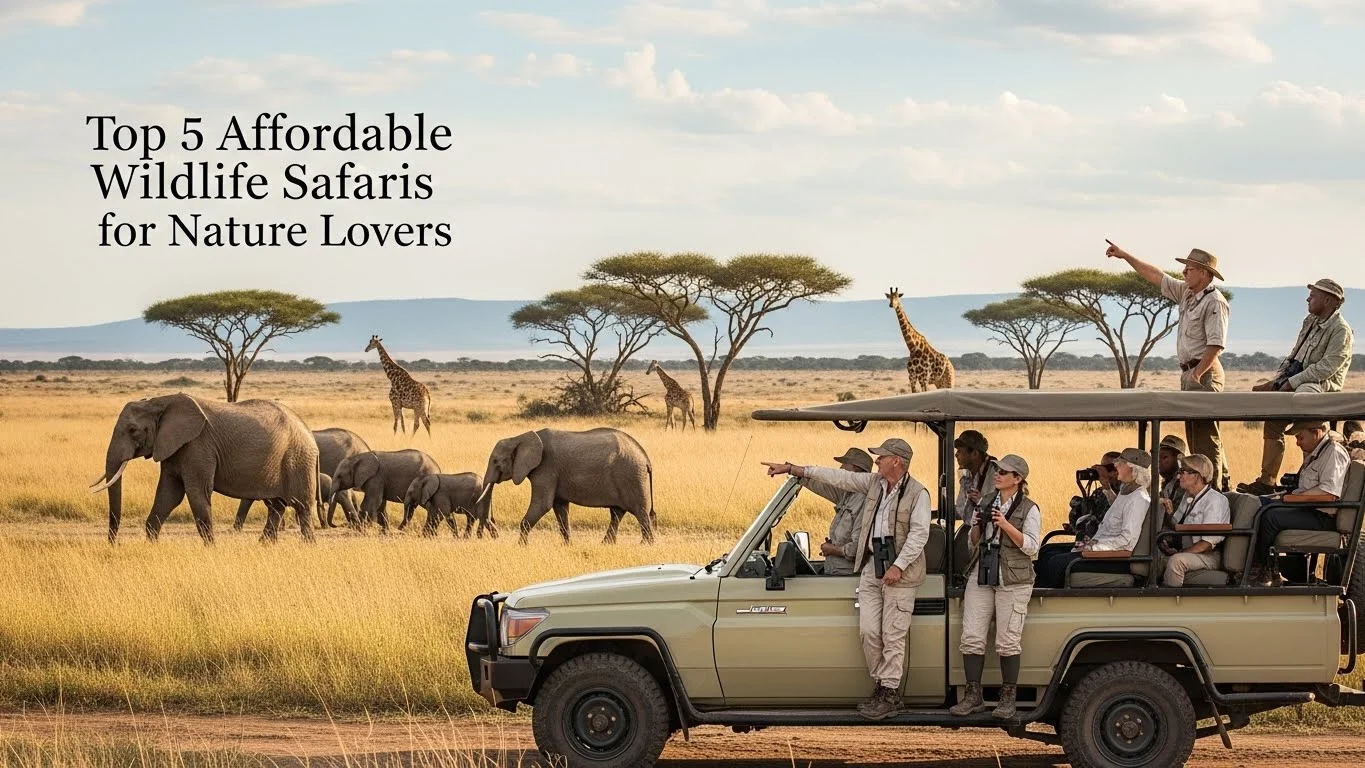
Top 5 Affordable Wildlife Safaris for Nature Lovers

For nature lovers like us, wildlife safaris are the ultimate adventure! They offer a unique chance to connect with animals in their natural habitats without breaking the bank. Let’s dive into the amazing world of affordable wildlife safaris!

Top 5 Affordable Wildlife Safaris for Nature Lovers

Understanding Wildlife Safaris

What is a Wildlife Safari?

When I think of a wildlife safari, I imagine vast landscapes, the sound of nature, and the thrill of spotting animals in their own environment. A wildlife safari is essentially an expedition to observe animals in the wild. This experience can range from a day trip to an extended journey through national parks. It’s an opportunity to witness the beauty of nature up close, and for many of us, it becomes a life-changing adventure. I remember my first safari; the rush of seeing elephants in the wild was unforgettable!

Types of Wildlife Safaris

There are several types of wildlife safaris, each offering a unique perspective on the natural world. I’ve had the pleasure of experiencing a few, and I can tell you that each one has its charm. Here are some popular types:

  • Game Drives: These are usually conducted in open vehicles, allowing for great visibility and comfort. I love the excitement of being in an open jeep, searching for wildlife.
  • Walking Safaris: For those who want a more immersive experience, walking safaris allow you to explore the landscape on foot. The feeling of being so close to nature is exhilarating.
  • Boat Safaris: These take you through rivers and lakes, providing a different view of wildlife. I found it quite peaceful to glide quietly along a river, watching hippos and crocodiles.
  • Camping Safaris: If you’re looking for an authentic experience, camping under the stars can be magical. It’s a chance to connect with nature intimately.

Importance of Wildlife Conservation

As much as I adore wildlife safaris, I’ve come to understand the critical role of wildlife conservation. These safaris help fund conservation efforts, protecting the habitats and species that we love to see. By participating in these experiences, we contribute to the preservation of wildlife. It’s about more than just witnessing animals; it’s about ensuring their survival for future generations. From my experience, when we support sustainable tourism, we can help maintain the delicate balance between humans and wildlife. Affordable wildlife conservation tours are a great way to combine adventure with a purpose.

Top 5 Affordable Wildlife Safaris

1. Maasai Mara, Kenya

Overview of Maasai Mara

Ah, Maasai Mara! This place holds a special spot in my heart. Known for its stunning landscapes and rich wildlife, the Maasai Mara is a must-visit. I was mesmerized by its rolling savannahs and the iconic acacia trees. It’s famous for the Great Migration, where millions of wildebeest and zebras travel in search of greener pastures. The sight is something that every nature lover should experience at least once!

Best Time to Visit

The best time to visit Maasai Mara is between July and October. During these months, the Great Migration occurs, bringing an explosion of wildlife to the area. I remember visiting during this time and being in awe of the sheer number of animals around. It’s like nature’s grand spectacle!

Wildlife to See

In Maasai Mara, you can see the Big Five: lions, leopards, elephants, buffaloes, and rhinoceros. My favorite moment was watching a lion pride lounge under a tree, oblivious to our presence. Besides the Big Five, you can also spot cheetahs, hyenas, and countless bird species, making it a paradise for wildlife enthusiasts.

Affordable Safari Options

For those on a budget, there are plenty of affordable safari options in Maasai Mara. I found that joining group tours significantly cuts down costs. Many local operators offer budget camping safaris, where you can experience the wilderness without spending a fortune. Additionally, choosing to visit during the shoulder seasons can help you save on accommodation and safari costs, while still offering great wildlife viewing opportunities. Read Interesting article: Explore Budget Wildlife Safaris for Eco-Conscious Travelers

2. Serengeti National Park, Tanzania

Overview of Serengeti

Serengeti National Park is another iconic destination that I absolutely adore. It’s renowned for its vast ecosystems and abundance of wildlife. The park stretches over 5,700 square miles, and each corner reveals something new. My first visit left me awestruck; the immense beauty is hard to put into words!

Best Time to Visit

Similar to Maasai Mara, the best time to visit Serengeti is during the Great Migration. From January to March, you can see the wildebeest calving, and from June to September, the herds move north. Each season offers a unique experience, and I’ve found that planning around these migrations can lead to some magical encounters.

Wildlife to See

Serengeti is home to an incredible array of wildlife. In addition to the Big Five, you can spot giraffes, hippos, and cheetahs. I’ll never forget the moment I saw a cheetah sprinting after its prey—it was a mix of thrill and awe. The birdlife is also exceptional; I always bring my binoculars to catch a glimpse of the stunning avian species.

Affordable Safari Options

Budget travelers can find affordable safari options in Serengeti by staying in nearby towns like Arusha and taking day trips into the park. Camping safaris are also popular, providing an excellent way to experience the park’s beauty without splurging. Make sure to shop around and compare prices before committing; I had the best deals when I did a bit of research!

3. Kruger National Park, South Africa

Overview of Kruger National Park

Kruger National Park is one of the most famous wildlife destinations in South Africa, and for good reason. Stretching over 7,500 square miles, it’s a treasure trove of biodiversity. I remember my first trip there; the park is so expansive that it feels like you’re in a completely different world. The landscapes vary from dense bush to open savannahs, making each drive a new adventure. What struck me the most was the sheer number of animals you can see in one day!

Best Time to Visit

The best time to visit Kruger is during the dry winter months from May to September. I found that, during this time, the animals congregate around water sources, making it easier to spot them. The weather is also milder, which makes for a more comfortable experience. I remember one particular morning, the crisp air was refreshing as we set out for an early game drive, and the excitement in the air was palpable.

Wildlife to See

Kruger National Park boasts an incredible array of wildlife. The Big Five are present, but beyond that, I was amazed by the number of different species I encountered. From majestic elephants to elusive leopards, and even the smaller creatures like the adorable meerkats, there’s so much to see. One evening, I was lucky enough to witness a pride of lions on the hunt, and it was one of the most thrilling moments of my life. Don’t forget to keep an eye out for the park’s vibrant birdlife too; I always bring my camera just in case!

Affordable Safari Options

Traveling on a budget in Kruger is definitely doable. There are several self-drive options available, which I highly recommend. This way, you can explore at your own pace without the added costs of a guide. The park also has a variety of camps that offer affordable accommodation. When I visited, I opted for a basic bungalow at one of the rest camps, and it provided a perfect base for my adventures. Additionally, consider visiting during the shoulder season to find better deals on lodging and activities!

4. Chobe National Park, Botswana

Overview of Chobe National Park

Chobe National Park is a hidden gem that often gets overshadowed by its more famous neighbors, but it holds a special place in my heart. Known for its large elephant population, the park offers a unique blend of landscapes, from savannahs to riverfronts. I still vividly remember the sight of elephants bathing in the Chobe River; it felt like a scene straight out of a nature documentary!

Best Time to Visit

The dry season from May to October is the best time to visit Chobe. During these months, wildlife congregates around the river, making it easier to observe them. I recall visiting during this time and being amazed at how many animals we could see from the riverbank. The sunsets over the river were equally breathtaking, creating unforgettable moments.

Wildlife to See

Chobe is famous for its elephants, and I can confirm that seeing them up close is a must! But the park is home to so much more. From lions and leopards to hippos and crocodiles, the diverse wildlife keeps you on your toes. I once had an exhilarating experience watching a herd of buffalo cross the river while being stalked by a pride of lions. The drama of nature unfolds right before your eyes!

Affordable Safari Options

For budget-conscious travelers, Chobe offers great options. I found that staying in nearby towns like Kasane and joining day tours into the park can save a significant amount of money. There are also camping options available within the park for those who want to immerse themselves in nature. One tip I learned is to book your safari activities in advance; this can often lead to discounts when you plan ahead!

5. Etosha National Park, Namibia

Overview of Etosha National Park

Etosha National Park is a unique and breathtaking destination that I absolutely fell in love with. The park is known for its massive salt pan, which creates a striking contrast against the surrounding savannah. I was captivated by the stark beauty of the landscape, which feels almost otherworldly. The diverse habitats support an amazing array of wildlife, and each visit brings something new.

Best Time to Visit

The dry season from May to October is the best time to visit Etosha. During this period, the waterholes attract a plethora of animals, and I remember spending hours parked at a waterhole, watching as various species came and went. It was thrilling to see everything from giraffes to springboks quenching their thirst. The weather is also pleasant, making it a perfect time for exploring.

Wildlife to See

Etosha is home to a wide variety of wildlife, including the elusive black rhino, which I was fortunate enough to spot during my visit. The park also features a rich birdlife, with over 340 species recorded. I was particularly excited to see the magnificent ostrich and the vibrant lilac-breasted roller. The thrill of encountering animals is a key part of the safari experience, and Etosha never disappoints!

Affordable Safari Options

Traveling in Etosha can be budget-friendly. I found that self-driving is a fantastic way to explore the park without breaking the bank. The park has well-maintained roads and several campsites. I opted for a mix of camping and staying in basic lodges, which helped me enjoy the best of both worlds. Plus, being able to set out on my own schedule was a huge bonus!

Planning Your Safari

When to Go: Seasonal Considerations

Planning a wildlife safari involves some careful thought about when to go. I’ve learned that timing can significantly affect your experience. Each destination has its own peak seasons, which often coincide with animal migration patterns and weather conditions. For example, I remember planning my trip to Maasai Mara during the Great Migration, and it was simply breathtaking to see thousands of wildebeest cross the plains. However, traveling during the off-peak season can provide a more serene experience with fewer tourists, which is something I appreciate. In my opinion, visiting during shoulder seasons not only saved me money on accommodations but also allowed for more intimate wildlife encounters. It’s all about finding that sweet spot that balances cost, wildlife visibility, and personal preference!

What to Pack for a Wildlife Safari

Packing for a safari can be a bit of an art. I’ve made the mistake of overpacking in the past, only to find out that some items were unnecessary. I recommend bringing lightweight, breathable clothing in neutral colors—this helps keep you comfortable and not too conspicuous to the animals. A good pair of binoculars is essential for spotting wildlife from a distance, and I can’t stress enough the importance of a reliable camera; you’ll want to capture those unforgettable moments! Don’t forget sunscreen and a hat to protect yourself from the sun while out in the field. In my experience, a small daypack to carry snacks, water, and essentials makes for a much more enjoyable safari outing. Oh, and a good pair of walking shoes is crucial, especially if you plan on going on walking safaris!

Safety Tips for Safari Goers

Safety is paramount on any wildlife safari, and there are a few tips I’ve picked up along the way that I believe every safari-goer should know. First and foremost, always listen to your guide. They have extensive knowledge about the animals and the environment, and their guidance ensures your safety. I remember one time, while on a walking safari, our guide emphasized staying quiet and calm to avoid startling the wildlife. It was a nerve-wracking but thrilling experience! Another tip is to stay in the vehicle during game drives unless instructed otherwise. Animals can be unpredictable, and observing them from the safe confines of your vehicle is the best way to experience their beauty up close. Lastly, remain aware of your surroundings—be it the weather, local wildlife, or even other safari-goers. It’s all part of the adventure!

Budgeting for Your Safari Adventure

Budgeting for a wildlife safari can feel overwhelming, but I’ve found that it helps to break it down into different categories. First, consider the costs of transportation. Whether you’re flying into a major city and driving to the park or joining a guided tour, that can take a hefty chunk of your budget. I always recommend looking for package deals that include transportation, accommodation, and meals. Then, think about accommodations. As I mentioned before, camping or staying in basic lodges can be much more affordable than luxury lodges, and they often provide a more immersive experience. Don’t forget to set aside funds for park entrance fees and any guided tours you might want to take; these can vary widely in price. In my case, I found that planning ahead and researching options online saved me a lot of money. It’s all about prioritizing what experiences you want and finding ways to make them happen without breaking the bank!

Final Thoughts

Reflecting on my wildlife safari experiences, I can say that these adventures are not just about seeing animals; they are about connecting with the earth and understanding our place within nature. Every safari I’ve been on has taught me something new—about wildlife, ecosystems, and even about myself. I remember one particular moment in the Serengeti, where I sat quietly during a sunset, surrounded by the sounds of nature. It struck me how important it is to preserve these incredible environments for future generations.

Planning a wildlife safari can seem daunting, but it doesn’t have to be. With careful research and preparation, we can find the right destination and experience that fits our budget and interests. I’ve learned that the best adventures often come from a little flexibility and an open mind. Whether you’re camping under the stars or taking a guided tour, the thrill of witnessing wildlife in its natural habitat is something truly special. I encourage everyone to embrace the joys of nature, as it can foster a deeper appreciation for our planet.

As you plan your safari, remember to take your time. Each destination has unique offerings and experiences that can leave lasting impressions. Don’t hesitate to immerse yourself fully in the surroundings, whether it’s through a walking safari or simply sitting quietly and observing. I’ve found that the moments of stillness often yield the most extraordinary memories.

In the end, our wildlife safaris are a blend of adventure, education, and connection. They challenge us to consider our role in conservation and inspire us to advocate for the wonderful creatures we share this planet with. I hope that you find the same joy and wonder that I have on your own safari journey. So grab your binoculars, pack your bags, and get ready for an unforgettable adventure in the wild!

Frequently Asked Questions

What is a wildlife safari?

A wildlife safari is an expedition to observe animals in their natural habitats, ranging from a day trip to extended journeys through national parks. It offers a chance to witness the beauty of nature up close and is often described as a life-changing adventure.

What are the different types of wildlife safaris?

There are several types of wildlife safaris including game drives, walking safaris, boat safaris, and camping safaris. Each type offers a unique perspective on the natural world, from the comfort of an open vehicle to the immersive experience of walking through the landscape.

How do wildlife safaris contribute to conservation efforts?

Wildlife safaris help fund conservation efforts, protecting the habitats and species that are vital for wildlife preservation. By participating in these experiences, travelers contribute to the sustainability of wildlife and their environments.

When is the best time to visit Maasai Mara?

The best time to visit Maasai Mara is between July and October, during the Great Migration when millions of wildebeest and zebras travel through the area, offering spectacular wildlife viewing opportunities.

What kind of wildlife can be seen in Serengeti National Park?

Serengeti National Park is home to an incredible array of wildlife, including the Big Five (lions, leopards, elephants, buffaloes, and rhinoceros), as well as giraffes, hippos, and a rich variety of bird species.

What are some affordable safari options in Kruger National Park?

Budget travelers can explore Kruger National Park through self-drive options, which allow for exploration at one’s own pace. The park also offers various camps for affordable accommodation, and visiting during the shoulder season can provide better deals on lodging and activities.

What is Chobe National Park known for?

Chobe National Park is known for its large elephant population and diverse landscapes, including savannahs and riverfronts. It offers excellent wildlife viewing opportunities, particularly during the dry season when animals congregate around the river.

What wildlife can be seen in Etosha National Park?

Etosha National Park is home to a wide variety of wildlife, including the elusive black rhino, as well as over 340 bird species. Visitors can also see animals like giraffes and springboks at the park’s waterholes.

What should I pack for a wildlife safari?

When packing for a wildlife safari, it’s recommended to bring lightweight, breathable clothing in neutral colors, binoculars for wildlife spotting, a reliable camera, sunscreen, a hat, and a good pair of walking shoes. A small daypack for snacks and essentials is also helpful.

How can I budget for a wildlife safari?

Budgeting for a wildlife safari involves considering transportation costs, accommodation options (like camping or basic lodges), park entrance fees, and potential guided tours. Researching options and looking for package deals can help save money and prioritize experiences.

Explore Budget Wildlife Safaris for Eco-Conscious Travelers

Embarking on a wildlife safari doesn’t have to break the bank. For eco-conscious travelers, budget wildlife safaris offer an exciting way to connect with nature while supporting conservation efforts and local communities.

Explore Budget Wildlife Safaris for Eco-Conscious Travelers

Understanding Wildlife Safaris

What is a Wildlife Safari?

When I think of a wildlife safari, I picture vast landscapes, thrilling animal encounters, and the sweet sounds of nature. A wildlife safari is an adventure where travelers observe animals in their natural habitat. It’s not just about spotting the Big Five; it’s about immersing ourselves in the beauty of the environment and appreciating the diversity of life. From the majestic elephants roaming the savannahs to the delicate birds flitting through the trees, every moment is a reminder of the incredible planet we call home.

Types of Wildlife Safaris

There are several types of safaris, each offering unique experiences. Here are a few that I think are particularly interesting:

  • Game Drives: These are the most common, where you travel in a vehicle through parks and reserves, often led by knowledgeable guides. I remember my first game drive – the excitement of seeing a lion lounging in the sun was unforgettable!
  • Walking Safaris: For those who crave a more intimate experience, walking safaris allow you to explore the landscape on foot. I found this to be a wonderful way to connect with the environment and notice details I might have missed from a vehicle.
  • Boat Safaris: Offered in many regions, these safaris give you a different perspective as you glide along rivers and lakes. Seeing hippos and crocodiles from the water was a thrilling experience for me.
  • Camping Safaris: These combine adventure with the joy of sleeping under the stars. I loved the sense of community that developed around the campfire as we shared stories of the day’s adventures.

Benefits of Wildlife Safaris for Eco-Conscious Travelers

For eco-conscious travelers like me, wildlife safaris can be a way to promote conservation and support local communities. Here’s why I believe they are so important:

  • Wildlife Conservation: Many safari operators contribute to conservation efforts directly. When we choose to go on a safari, we’re not just enjoying nature; we’re also supporting programs that protect endangered species and their habitats. For example, I learned that entrance fees often go towards park maintenance and anti-poaching initiatives. Affordable wildlife conservation tours are a great way to experience this firsthand.
  • Community Support: Safaris can provide significant economic support to local communities. I once visited a village that benefited from tourism, and it was heartening to see how the income from safaris provided education and healthcare. It felt good to know that my travel decisions could make a positive impact.
  • Education and Awareness: Being on a safari opens our eyes to the challenges wildlife faces. With knowledgeable guides sharing their insights, I felt more informed about the delicate balance of ecosystems and the importance of preserving them. It truly deepened my appreciation for our planet.
  • Sustainable Practices: Many safari companies are adopting eco-friendly practices, from using solar-powered vehicles to implementing waste reduction strategies. It’s inspiring to see how the industry is transforming to protect the very nature we want to explore. I believe that traveling responsibly should be a priority for all of us.

In my experience, a wildlife safari is not just about watching animals; it’s about forming a connection with nature and understanding our role in preserving it. The memories I’ve made on these adventures have shaped my perspective on travel, and I hope to inspire others to seek out these budget-friendly options that do good for our planet.

Budget-Friendly Wildlife Safari Destinations

Africa: The Best Budget Safari Countries

Africa is the go-to continent for wildlife safaris, and I can’t stress enough how many budget-friendly options are available. After exploring various countries, I found that each place offers a unique charm and abundant wildlife. Here are a few countries that stood out during my travels:

Kenya

Kenya holds a special place in my heart. The Maasai Mara is famous for the Great Migration, where wildebeests and zebras cross the plains, and witnessing this spectacle was a dream come true for me. I discovered that entering national parks like the Maasai Mara can be affordable, especially if you plan your visit during the low season. I stayed in budget lodges and even camped under the stars, which made the experience even more memorable without breaking the bank.

Tanzania

Tanzania is another fantastic destination, with the Serengeti and Ngorongoro Crater being must-visit spots. The wildlife here is breathtaking, and I remember being in awe when I first saw a pride of lions lounging in the sun. There are numerous budget safari packages available that include shared game drives, and I found that traveling with a group helped reduce costs significantly. Plus, local guides provided rich insights into the wildlife and ecosystems, making my experience even more rewarding.

South Africa

South Africa combines stunning landscapes with a variety of wildlife experiences. Kruger National Park is known for its affordable self-drive safaris, which is what I chose to do. Driving through the park at my own pace allowed me to stop and take in the sights whenever I wanted. I also found that many private reserves near Kruger offer budget-friendly options, especially if you book in advance. The friendly locals and rich culture added another layer to my adventure.

Alternative Destinations Worldwide

While Africa is the classic choice for wildlife safaris, I’ve discovered some alternative destinations that offer unique experiences as well.

India: Tiger Safaris

If you’re looking to see majestic tigers in the wild, India is the place to be. Places like Ranthambore National Park offer budget-friendly safari options that allow you to venture out in search of these beautiful creatures. I was lucky enough to catch a glimpse of a tiger lounging by a waterhole, and it was one of the highlights of my travels. The rich biodiversity and vibrant culture make it an unforgettable experience.

South America: Amazon Rainforest Tours

The Amazon rainforest might not be the first place you think of for a safari, but it’s a fantastic alternative. I took a budget tour that included guided hikes and canoe rides through the jungle, where I spotted exotic birds, monkeys, and even caimans. Staying in eco-lodges or camping in the rainforest helped keep costs down while supporting conservation efforts. The experience of being surrounded by such incredible biodiversity was nothing short of magical. Explore nature for more great destinations for wildlife tours on a budget.

Planning Your Budget Wildlife Safari

Planning a budget wildlife safari can be an exciting yet daunting task. I learned a lot through my own experiences, and I’d love to share what I discovered to help make the process smoother for you.

When to Go: Best Seasons for Wildlife Viewing

Timing is everything when it comes to wildlife safaris. I found that traveling during the shoulder seasons—not peak tourist times—can save you money and provide a more intimate experience. For example, in Kenya, visiting just after the rainy season can mean fewer crowds and vibrant landscapes. I also noticed that animals are often more active during cooler parts of the day, so planning early morning or late afternoon outings can enhance your chances of spotting wildlife.

Choosing Affordable Safari Packages

There are countless safari packages available, and sifting through them can be overwhelming. I recommend looking for packages that offer shared accommodations and group tours, as these options typically lower costs. I’ve often found that bundling accommodations, meals, and activities into one package not only simplifies planning but also helps me stay within my budget. I remember booking a package that included a walking safari and a local cultural experience, which added value without stretching my wallet.

How to Find Eco-Friendly Tour Operators

Finding a tour operator that aligns with your values can enhance your experience significantly. I often do my research on operators that prioritize sustainability and community engagement. Reading reviews, checking for certifications, and asking questions about their practices can help. I remember connecting with a local operator who was passionate about conservation, and it made my safari feel even more meaningful knowing I was supporting responsible tourism.

Wildlife Safari Experiences on a Budget

Camping vs. Lodging: Cost-Effective Options

When I was planning my safaris, one of the biggest decisions I faced was whether to camp or stay in lodges. Camping definitely has its charm and can be a more budget-friendly option. I remember the thrill of sleeping under the stars, listening to the sounds of the African night. It felt like I was truly part of the wilderness. Some campsites even offer basic amenities, giving you the best of both worlds: adventure and comfort.

On the other hand, staying in budget lodges can also be an excellent choice. I found that lodges often provide meals and guided tours as part of the package, which can save money in the long run. Plus, after a long day of exploring, having a comfortable bed to return to was a welcome luxury. Each option has its pros and cons, and it really depends on what kind of experience you’re after. For me, a mix of both camping and lodging throughout my travels added variety and excitement to my safari adventures.

Self-Driving Safaris: Pros and Cons

I’ll never forget my self-driving safari experience in South Africa. Driving through Kruger National Park at my own pace felt liberating. I could stop whenever I wanted to take pictures or simply soak in the beauty around me. This option is often more affordable since you save on guided tour costs. Plus, I found that self-driving allowed for a more personal connection with the land and its inhabitants.

However, there are some challenges to consider. Navigating unfamiliar roads and keeping track of wildlife can be tricky. I once missed a lion sighting because I was too focused on the map! It’s important to weigh the pros and cons based on your comfort level with driving in a wildlife area. If you decide to go this route, make sure to familiarize yourself with park rules and safety guidelines. Overall, I think self-driving can be an incredible adventure if approached with the right mindset.

Group Tours vs. Private Safaris

One of the choices I faced was whether to join a group tour or opt for a private safari. Group tours are typically more budget-friendly because costs are shared among participants. I joined a small group for one of my safaris, and it turned out to be a fantastic decision. The camaraderie we shared enhanced my experience, and I loved hearing everyone’s stories and perspectives. Plus, it’s comforting to know that costs are kept lower, which allowed me to allocate more funds toward activities and souvenirs.

On the flip side, private safaris offer a more tailored experience. I had the chance to try a private safari on another trip, and the flexibility was amazing. My guide adjusted the itinerary based on our interests, and we spent more time observing specific animals or landscapes that captivated us. While this option may be pricier, the personalized touch was worth it for me at times. Ultimately, each choice has its merits, and I think it depends on what kind of experience you hope to achieve. Sometimes, mixing both group and private experiences can provide a well-rounded adventure.

Wildlife Conservation and Eco-Consciousness

Understanding the Importance of Conservation Efforts

Throughout my safari experiences, I became increasingly aware of the vital role conservation plays in preserving wildlife and their habitats. I’ve seen firsthand how poaching and habitat destruction threaten many species. Each time I encountered a majestic animal, I felt a sense of urgency to protect them. Many safari operators actively contribute to conservation projects, which is something I always look for when choosing my adventures. It’s rewarding to know that my travel dollars are making a difference in protecting these magnificent creatures.

One memorable moment was witnessing a local conservationist discuss their efforts to rehabilitate injured animals. It opened my eyes to the challenges these organizations face and the importance of supporting them. I realized that by participating in wildlife safaris, I am part of a larger movement that prioritizes the well-being of our planet. I strongly believe that eco-consciousness should be at the forefront of all travel experiences, and it’s something I strive to embody with every trip I take.

How Budget Safaris Support Local Communities

When I traveled to different safari destinations, I was struck by how budget safaris can significantly benefit local communities. Many safari companies employ local guides and staff, which provides jobs and income to families. I remember visiting a community-run lodge where locals shared their culture and traditions with us. The experience was enriching, and it felt good to know that my presence was supporting their livelihoods.

Moreover, some operators invest in community projects, such as schools and health clinics. Witnessing this firsthand made me realize the importance of choosing tourism that has a positive impact. I often recommend researching the local communities connected to the safari experience you choose. It’s a beautiful way to ensure that your adventure not only enriches your life but also contributes to the well-being of others.

Responsible Wildlife Viewing Practices

As I ventured into various wildlife habitats, I quickly learned that responsible viewing practices are crucial for the safety of both animals and us as travelers. It’s essential to respect the wildlife and their environment. I remember a guide emphasizing the importance of keeping a safe distance from animals and not approaching them. This respect for wildlife not only protects them but also enhances the experience. Observing animals in their natural behavior is much more rewarding than trying to get a close-up photo.

Additionally, I discovered that leaving no trace is a principle I live by on safaris. Whether it’s disposing of trash properly or sticking to marked trails, I feel it’s our responsibility to minimize our impact. Engaging in responsible wildlife viewing ensures that future generations can also experience the magic of nature. I encourage fellow travelers to embrace this mindset, as it makes our adventures more meaningful and sustainable.

What to Pack for Your Budget Wildlife Safari

Essential Clothing and Gear

Packing for a wildlife safari can be a fun yet challenging task. I remember feeling overwhelmed by the thought of what to bring, but over time, I’ve learned to keep it simple. The key is to pack clothing that’s comfortable, practical, and suitable for the climate. I typically opt for lightweight, breathable fabrics that dry quickly since I’ve experienced sudden rain showers in the bush. Neutral colors like khaki, beige, and olive green help me blend into the environment and keep me cooler under the African sun.

One of my go-to items is a good pair of binoculars. Nothing beats the thrill of spotting wildlife from afar, and having a pair with me always enhances my experience. A wide-brimmed hat and a pair of polarized sunglasses are also essential to protect myself from the sun. I always pack a lightweight jacket, as temperatures can drop significantly at night. Finally, sturdy hiking boots are a must for walking safaris, ensuring my comfort as I explore the terrain.

Photography Equipment on a Budget

I believe photography is one of the best ways to capture the magic of a safari. However, I didn’t want to spend a fortune on equipment. Instead, I invested in a decent zoom lens that allowed me to get close-up shots of wildlife without disturbing them. A good quality point-and-shoot camera is also a great option if you’re not ready to dive into the world of DSLR photography. I recommend bringing extra batteries and memory cards, as you never know when you might stumble upon a once-in-a-lifetime moment!

For those on a tighter budget, many smartphones now have excellent camera capabilities. I often use my phone to snap quick photos and share them with friends and family. Just remember to bring a portable charger to keep your devices powered, especially on long days out in the bush.

Health and Safety Supplies

Staying healthy while on safari is crucial, and I learned this the hard way. I always pack a basic first aid kit that includes items like band-aids, antiseptic wipes, and pain relievers. It’s also smart to carry any personal medications I might need, as access to pharmacies can be limited in remote areas.

Another important aspect is to safeguard myself against insect bites. I never leave home without a good insect repellent, especially in areas known for mosquitoes. Additionally, I’ve found that bringing along sunscreen is vital to protect my skin from sunburns during those long days outdoors. Lastly, I recommend checking with a travel doctor about any vaccinations that may be required before your trip, as this knowledge can prepare you for a safe adventure.

Top Wildlife Species to See on a Budget Safari

The Big Five: Lions, Elephants, Buffalos, Leopards, Rhinos

The Big Five are often the highlight of any safari, and seeing these majestic animals in their natural habitats is a thrill like no other. I remember the sense of awe I felt when I first spotted a lion lounging in the sun, a sight I had only seen in documentaries before. Each encounter brings a new level of excitement, and the stories shared among fellow travelers about their sightings only heighten the anticipation.

While the Big Five are impressive, I think it’s equally important to appreciate the smaller species and their roles in the ecosystem. Every animal has its own story, and the more we learn, the more we understand the intricate web of life.

Unique Species to Look For: Giraffes, Cheetahs, Hippos

In addition to the Big Five, I’ve come to love spotting unique species like giraffes, cheetahs, and hippos. Watching giraffes gracefully munch on leaves from tall acacia trees is a sight that never fails to take my breath away. I had an unforgettable experience witnessing a cheetah sprint after its prey; the speed and elegance of these cats are mesmerizing. And let’s not forget about hippos! I had a blast watching them wallow in the water during a boat safari, their playful nature adding a lighthearted touch to the day.

Birdwatching Opportunities

For bird enthusiasts like myself, a wildlife safari can be an incredible opportunity to spot a variety of bird species. Whether it’s the striking colors of a lilac-breasted roller or the majestic flight of an eagle, the diversity of avian life is truly remarkable. I often find myself captivated by the sounds of birdsong while on a walking safari. Carrying a field guide to birds can enhance the experience, allowing me to identify species as I spot them. Birdwatching during a safari is an adventure in itself and adds another layer to the journey.

Tips for a Successful Budget Wildlife Safari

Creating a Realistic Budget

Setting a budget for your safari is crucial to ensure you can enjoy the experience without financial stress. I recommend breaking down costs into categories: transportation, accommodation, meals, activities, and souvenirs. This way, I can see where I can save and where I might want to splurge, such as on a special guided tour or an extra night in a stunning lodge.

Staying Flexible with Travel Plans

I’ve learned that flexibility can be a game-changer on safari. Wildlife is unpredictable, and sometimes plans need to change based on animal movements or weather conditions. Embracing this unpredictability has led to some of my most memorable experiences. For example, I once found a pride of lions unexpectedly resting on the road, which led to an impromptu stop and a truly unforgettable encounter.

Making the Most of Your Safari Experience

To truly make the most of your safari, I highly recommend engaging with your guides and fellow travelers. They often share invaluable information and stories that enhance the experience. I’ve found that asking questions and being genuinely curious about the wildlife and environment adds depth to my journey. Documenting my experiences in a travel journal has also allowed me to reflect on my adventures and cherish the memories long after returning home.

Final Thoughts

Wildlife safaris have a unique way of connecting us with nature and reminding us of our responsibility toward our planet. With careful planning and a focus on eco-conscious choices, it’s entirely possible to embark on an unforgettable adventure without breaking the bank. I’ve cherished every moment I’ve spent in the wild, from breathtaking animal encounters to the connections with local communities. My hope is that you, too, find joy in exploring these beautiful landscapes and take part in the conservation efforts that protect them. Each safari has not only been a journey through incredible wildlife but also a journey of self-discovery and growth. Happy travels!

Frequently Asked Questions

What is a wildlife safari?

A wildlife safari is an adventure where travelers observe animals in their natural habitat, immersing themselves in the beauty of the environment and appreciating the diversity of life.

What types of wildlife safaris are available?

There are several types of wildlife safaris, including game drives, walking safaris, boat safaris, and camping safaris, each offering unique experiences for travelers.

How do wildlife safaris support conservation efforts?

Many safari operators contribute to conservation efforts by supporting programs that protect endangered species and their habitats, with entrance fees often going towards park maintenance and anti-poaching initiatives.

Which African countries are recommended for budget wildlife safaris?

Some recommended budget-friendly safari countries in Africa include Kenya, Tanzania, and South Africa, each offering unique wildlife experiences and affordable options.

What are alternative destinations for wildlife safaris outside of Africa?

Alternative destinations for wildlife safaris include India for tiger safaris and South America for Amazon rainforest tours, both offering unique wildlife experiences.

What should I consider when planning a budget wildlife safari?

When planning a budget wildlife safari, consider the best seasons for wildlife viewing, choosing affordable safari packages, and finding eco-friendly tour operators that align with your values.

What are the pros and cons of camping versus lodging on a safari?

Camping can be more budget-friendly and adventurous, allowing for a closer connection to nature, while budget lodges offer comfort and often include meals and guided tours as part of the package.

What are some essential items to pack for a wildlife safari?

Essential items to pack for a wildlife safari include comfortable clothing, binoculars, a wide-brimmed hat, polarized sunglasses, a lightweight jacket, sturdy hiking boots, and a basic first aid kit.

What are the Big Five animals to see on a safari?

The Big Five animals to see on a safari are lions, elephants, buffalos, leopards, and rhinos, which are often the highlight of any safari experience.

How can I create a realistic budget for my safari?

Creating a realistic budget involves breaking down costs into categories such as transportation, accommodation, meals, activities, and souvenirs to see where you can save or splurge.

Support Wildlife: Best Conservation Organizations to Back

Every creature on our planet plays a vital role in maintaining the delicate balance of nature. Supporting wildlife conservation is crucial, and there are many organizations dedicated to this cause. Let’s explore what wildlife conservation is and why it matters.

Support Wildlife: Best Conservation Organizations to Back

Understanding Wildlife Conservation

What is Wildlife Conservation?

Wildlife conservation refers to the efforts and strategies employed to protect and preserve the diverse forms of life on Earth. I remember the first time I learned about this concept; it was during a school field trip to a nature reserve. The guides talked passionately about the importance of every species, from the tiniest insects to the largest mammals. This sparked my interest in how interconnected we all are. Wildlife conservation encompasses everything from protecting endangered species to restoring habitats and advocating for sustainable practices. It is about recognizing that our survival is intertwined with the health of our planet. Read Interesting article: Top Wildlife Conservation Organizations You Can Support Today

The Importance of Supporting Wildlife

Supporting wildlife is crucial for several reasons. Firstly, it promotes biodiversity, which is essential for a balanced ecosystem. I’ve seen firsthand how diverse ecosystems thrive compared to those that are depleted. Healthy wildlife populations contribute to the stability of our environment, which directly affects human lives. For example, bees and other pollinators are vital for food production. Without them, our food supply would be at risk. Furthermore, wildlife reserves and national parks provide recreational opportunities that enhance our quality of life. I often find solace in nature, and knowing that these spaces are protected makes me appreciate them even more. Exploring the Benefits of Eco-Tourism for Wildlife Protection is another way to support these efforts.

Challenges Facing Wildlife Today

Despite the importance of wildlife conservation, numerous challenges threaten these efforts. Habitat destruction is one of the most pressing issues we face. Urban expansion, agriculture, and mining often lead to the loss of natural habitats. I’ve visited areas where forests have been cleared for development, and it’s heartbreaking to see the impact on local wildlife. Climate change is another significant threat, causing shifts in habitats and food sources, leading to increased endangerment of species. I remember reading about polar bears struggling to find food as their ice habitats melt away. Additionally, poaching and illegal wildlife trade continue to decimate many species. It’s hard to believe that even in our modern world, these practices persist, fueled by demand for exotic pets and traditional medicines.

Top Conservation Organizations to Support

World Wildlife Fund (WWF)

The World Wildlife Fund, or WWF, is one of the most recognized conservation organizations globally. They focus on a variety of issues, from climate change to wildlife protection. I admire their holistic approach, which not only aims to protect endangered species but also addresses the root causes of environmental degradation. Their campaigns and educational programs have reached millions, raising awareness about sustainability.

The Nature Conservancy

The Nature Conservancy works to protect ecologically important lands and waters for nature and people. I’ve always been impressed by their science-based approach to conservation. They partner with local communities to ensure that conservation efforts are sustainable and beneficial to both nature and the people who rely on it. Their projects range from restoring forests to protecting marine habitats, making them a versatile choice for supporters.

Wildlife Conservation Society (WCS)

The Wildlife Conservation Society focuses on saving wildlife and wild places worldwide through science, conservation action, education, and inspiring people to value nature. What I love about WCS is their commitment to research. They work in some of the most remote areas on the planet, gathering crucial data that informs conservation strategies. Their focus on education also helps engage communities in the importance of wildlife conservation.

Oceana

Oceana is dedicated to protecting the world’s oceans and the abundant wildlife that inhabits them. As someone who loves the ocean, I find their mission particularly inspiring. They campaign for policy changes that promote sustainable fishing practices and protect marine habitats. I’ve seen how important healthy oceans are for our climate and biodiversity, so supporting Oceana feels like a way to protect our planet’s future.

National Audubon Society

If you’re a bird lover like me, the National Audubon Society is an excellent organization to support. Their mission is to protect birds and their habitats through science, advocacy, education, and on-the-ground conservation. The joy of birdwatching has always been a part of my life, and knowing that the Audubon Society works tirelessly to preserve the environments that birds depend on makes me feel connected to their efforts.

Defenders of Wildlife

Defenders of Wildlife advocates for the protection of all native animals and plants in their natural communities. They work to protect endangered species and their habitats through various legal and political avenues. I’ve often found their campaigns to be informative and passionate, reminding us all of the importance of preserving our planet’s natural heritage.

International Union for Conservation of Nature (IUCN)

IUCN is a global authority on the status of the natural world and the measures needed to safeguard it. They are known for their Red List of Threatened Species, which provides critical information on the conservation status of various species. I appreciate that they bring together governments, non-governmental organizations, and scientists to create strategies for conservation. Their collaborative approach emphasizes that we all have a role in protecting our planet.

How to Choose the Right Organization to Support

Researching Organizational Impact

Choosing the right conservation organization to support can feel overwhelming, especially with so many dedicated groups out there. I’ve learned that one of the first steps is to research the impact of each organization. Look for success stories and statistics that demonstrate their effectiveness. For instance, when I was looking into various groups, I stumbled upon reports that showcased how certain organizations had successfully increased the population of endangered species, restored habitats, or influenced policy changes. This kind of information can help me feel confident that my support is making a difference.

Understanding Their Mission and Goals

It’s essential to align with an organization whose mission resonates with your values. I remember sifting through the websites of various conservation groups, and I found that each had a unique focus. Some prioritize marine life, while others emphasize terrestrial wildlife or specific ecosystems. By understanding their mission and goals, I was able to find an organization that matched my passion for protecting ocean habitats. It felt good to know that my support would contribute directly to something I genuinely care about.

Evaluating Financial Transparency

Financial transparency is another critical factor to consider. I’ve noticed that reputable organizations often provide detailed financial reports that outline how donations are used. I always look for information on their spending priorities, such as how much goes directly to conservation efforts versus administrative costs. This transparency gives me peace of mind knowing that my contributions are being used effectively. Websites like Charity Navigator can also provide insights into an organization’s financial health and accountability.

Looking for Local vs. Global Focus

Deciding whether to support a local or a global organization can also influence my choice. Local organizations tend to have a more direct impact on wildlife and habitats in my community, which I find rewarding. I’ve participated in local conservation efforts, such as beach clean-ups and habitat restoration projects, and it felt gratifying to see immediate results. On the other hand, global organizations often tackle larger issues that affect wildlife across borders, which can be equally compelling. I think it’s important to consider where I want my support to go and what kind of impact I want to be part of.

Ways to Support Wildlife Conservation

Monetary Donations

One of the most straightforward ways to support wildlife conservation is through monetary donations. I’ve found that even small contributions can make a significant impact. Many organizations offer options for one-time donations, monthly sponsorships, or even making a donation in honor of someone. I often choose to donate to specific projects that resonate with me, like a program focused on protecting sea turtles or restoring wetlands. Knowing that my donation goes directly to a cause I believe in feels rewarding.

Volunteering Opportunities

Volunteering is another fantastic way to get involved. I’ve had some of my most rewarding experiences by rolling up my sleeves and participating in local conservation projects. Whether it’s helping with habitat restoration, participating in wildlife surveys, or assisting in educational programs, the experience can deepen my understanding of conservation efforts. Plus, it’s a great way to meet like-minded individuals who share my passion for wildlife and the environment.

Advocacy and Awareness Campaigns

Raising awareness about wildlife conservation issues is something I genuinely enjoy. I often participate in advocacy campaigns, sharing information on social media or attending local events. Writing letters to policymakers or signing petitions are other ways I can contribute. I’ve witnessed firsthand how collective voices can lead to meaningful change. When I see a community come together to support wildlife, it inspires me to keep advocating for those who cannot speak for themselves. How Eco-Tourism Supports Wildlife Conservation Initiatives is a great example of this.

Sustainable Practices and Lifestyle Choices

Lastly, incorporating sustainable practices into my daily life is a simple yet powerful way to support wildlife conservation. I’ve learned that small changes, like reducing plastic use, choosing sustainable food options, or supporting eco-friendly products, can have a ripple effect on wildlife. For example, I now make an effort to buy from companies that prioritize sustainability and environmental responsibility. Knowing that my lifestyle choices reflect my commitment to conservation is incredibly fulfilling.

Success Stories in Wildlife Conservation

Revived Populations of Endangered Species

One of the most uplifting aspects of wildlife conservation is hearing success stories about revived populations of endangered species. I remember reading about the efforts taken to save the California condor. Through breeding programs and habitat protection initiatives, their numbers have increased significantly from just a few individuals to over 400 today. It’s a testament to what dedicated efforts can achieve, and it encourages me to continue supporting conservation initiatives.

Successful Habitat Restoration Projects

Another heartwarming success story I came across was the restoration of the Everglades in Florida. After years of concerted efforts to reverse the damage caused by urban development and pollution, the restoration efforts have led to improved water quality and increased wildlife diversity. I think about how the resurgence of native species, like the American crocodile and various birds, signifies hope for other restoration projects worldwide. These stories remind me that positive change is possible when we come together for a common cause.

Community Involvement in Conservation Efforts

Community involvement is often at the heart of successful conservation initiatives. I’ve seen how local communities in places like Kenya have collaborated with organizations to protect elephants and other wildlife. By creating sustainable practices that benefit both the community and wildlife, they’ve reduced human-wildlife conflict and promoted coexistence. This kind of grassroots involvement not only empowers communities but also fosters a sense of stewardship for the natural world. It inspires me to think about how I can engage my community in conservation efforts, too.

Common Questions About Wildlife Conservation

What Are the Most Endangered Species?

When I think about endangered species, I often feel a mix of sadness and urgency. There are many animals that are on the brink of extinction due to various threats. Some of the most endangered species include the Amur leopard, with its population dwindling to fewer than 100 individuals, and the vaquita, a small porpoise found in the Gulf of California, with only about 30 remaining. I remember reading about the plight of the Sumatran orangutan, which faces habitat loss due to deforestation. Learning about these species drives home the importance of conservation efforts. Each name on the list represents not just an animal but a significant part of our ecosystem that could be lost forever if we don’t act.

How Does Wildlife Conservation Benefit Humans?

This question often comes up in conversations about wildlife conservation, and I believe it’s crucial to highlight the benefits to humans. Protecting wildlife is not just about saving animals; it’s about safeguarding our own future. Healthy ecosystems provide services that directly impact our lives, like clean air and water, fertile soil, and pollination of plants. For instance, I’ve learned that bees and other pollinators contribute to about one-third of the food we consume. Additionally, many medicines are derived from plants and animals that thrive in diverse ecosystems. When we protect wildlife, we’re also protecting our health and well-being. It’s a reminder that we are part of a complex web of life where every thread matters.

Can I Volunteer for Wildlife Conservation Efforts?

Absolutely! Volunteering for wildlife conservation is one of the most rewarding experiences I’ve had. There are numerous opportunities available, both locally and internationally. Many organizations offer programs where you can help with field research, habitat restoration, or community education. For example, I once volunteered with a local group that worked on a project to protect nesting sea turtles. I spent evenings on the beach, helping to monitor nests and educate visitors about the importance of these magnificent creatures. It was an eye-opening experience that not only deepened my appreciation for the turtles but also allowed me to engage with others who share my passion for wildlife. If you’re considering volunteering, I recommend looking for organizations that resonate with your interests and values.

What Are the Best Practices for Supporting Wildlife at Home?

Supporting wildlife conservation can start right at home, and I’ve found that small changes can lead to significant impacts. One of my favorite practices is creating a wildlife-friendly garden. Planting native species not only attracts pollinators but also provides food and shelter for local animals. I’ve seen how a little patch of native flowers can bring butterflies and bees buzzing into my garden. Additionally, I try to reduce my plastic usage, which helps minimize pollution that harms wildlife. Composting food scraps and reducing waste are also great ways to support the environment. I also encourage anyone interested to educate friends and family about wildlife issues. Sharing knowledge can inspire others to take action, creating a ripple effect in our communities.

Incorporating wildlife-friendly practices into our daily lives can be fulfilling and empowering. Whether it’s participating in local cleanup efforts or simply being mindful of our consumption choices, every little bit helps. I’ve learned that when we all contribute in our own ways, we can create a larger impact on wildlife conservation.

Final Thoughts

Wildlife conservation is a journey that each of us can embark on, no matter how small our steps may seem. I’ve come to realize that it’s not just about the large organizations and high-profile projects; it’s also about the little things we do every day that add up to make a difference. When I look back at my own experiences, I see how my passion for wildlife and the environment has been shaped by both my involvement and my learning. It’s a reminder that every effort counts, and by supporting wildlife conservation, we are investing in the future of our planet.

In my opinion, the most rewarding part of this journey is the connections we forge along the way. Whether it’s meeting fellow volunteers, engaging with local communities, or simply sharing our love for nature with friends and family, these relationships amplify our impact. I’ve often found that discussing wildlife conservation with others helps spread awareness and inspires them to take action, too. Together, we can create a community of advocates who not only care about wildlife but also actively contribute to preserving it.

I believe that every small action—be it planting native flowers, reducing waste, or participating in local clean-up efforts—can lead to significant change. I’ve seen how individuals coming together for a common goal can turn the tide in wildlife conservation. It gives me hope for the future. Whenever I feel overwhelmed by the challenges facing our planet, I remind myself that change is possible, and it often begins with us.

As we continue to learn, grow, and advocate for wildlife, let’s carry the message forward: conservation is not just a responsibility; it’s a privilege. I encourage you to explore ways to get involved, whether through donations, volunteering, or simply spreading the word. Together, we can make a lasting impact and ensure that the incredible diversity of life on our planet thrives for generations to come.

Let’s keep the conversation going, share our experiences, and inspire one another. After all, when it comes to wildlife conservation, we are all in this together. I’m excited about what we can accomplish as a united force, and I hope my journey inspires you to take your own steps towards making a difference.

Frequently Asked Questions

What is wildlife conservation?

Wildlife conservation refers to the efforts and strategies employed to protect and preserve the diverse forms of life on Earth. It encompasses everything from protecting endangered species to restoring habitats and advocating for sustainable practices.

Why is supporting wildlife conservation important?

Supporting wildlife conservation is crucial because it promotes biodiversity, which is essential for a balanced ecosystem. Healthy wildlife populations contribute to the stability of our environment, directly affecting human lives, such as through the role of pollinators in food production.

What are some challenges facing wildlife today?

Challenges facing wildlife today include habitat destruction due to urban expansion, agriculture, and mining, as well as climate change, which causes shifts in habitats and food sources. Poaching and illegal wildlife trade also continue to threaten many species.

What are some top organizations dedicated to wildlife conservation?

Some top organizations include the World Wildlife Fund (WWF), The Nature Conservancy, Wildlife Conservation Society (WCS), Oceana, National Audubon Society, Defenders of Wildlife, and the International Union for Conservation of Nature (IUCN).

How can I choose the right conservation organization to support?

To choose the right conservation organization, research their impact, understand their mission and goals, evaluate their financial transparency, and consider whether you prefer to support local or global efforts.

What are some ways I can support wildlife conservation?

You can support wildlife conservation through monetary donations, volunteering for local projects, participating in advocacy and awareness campaigns, and incorporating sustainable practices into your daily life.

Are there success stories in wildlife conservation?

Yes, success stories include the revival of populations of endangered species like the California condor and successful habitat restoration projects such as the Everglades in Florida, which have led to improved wildlife diversity.

What are the most endangered species?

Some of the most endangered species include the Amur leopard, with fewer than 100 individuals remaining, and the vaquita, a small porpoise with about 30 left. The plight of the Sumatran orangutan is also notable due to habitat loss from deforestation.

How does wildlife conservation benefit humans?

Wildlife conservation benefits humans by safeguarding healthy ecosystems that provide essential services such as clean air and water, fertile soil, and pollination of plants, which are crucial for food production and health.

Can I volunteer for wildlife conservation efforts?

Absolutely! There are numerous volunteering opportunities available, both locally and internationally, where you can participate in field research, habitat restoration, or community education related to wildlife conservation.

Top Wildlife Conservation Organizations You Can Support Today

Wildlife conservation is more crucial than ever as our planet faces unprecedented challenges. Supporting organizations dedicated to this cause can make a meaningful impact on the future of our planet’s biodiversity. Read Interesting article: Exploring the Benefits of Eco-Tourism for Wildlife Protection

Top Wildlife Conservation Organizations You Can Support Today

Understanding Wildlife Conservation

Importance of Wildlife Conservation

From my perspective, wildlife conservation is not just about saving animals; it’s about preserving the delicate balance of our ecosystems. Each species plays a unique role in its habitat, contributing to the health of the environment. I remember learning that the decline of a single species can trigger a domino effect, impacting countless others. For example, when bees are threatened, it directly affects our food supply. Thus, conservation efforts help maintain biodiversity, which is essential for the sustainability of our planet.

Threats to Wildlife Populations

It’s heart-wrenching to think about the various threats wildlife faces today. I’ve read about habitat loss due to urbanization, agriculture, and deforestation, which are significant contributors to the decline in wildlife populations. I feel that it’s crucial to recognize that these threats often stem from human activities. Additionally, climate change is altering habitats at an alarming rate, affecting migration patterns and breeding seasons. The illegal wildlife trade, which I find particularly disturbing, has led to the rapid decline of many species, including elephants and rhinos, pushed to the brink of extinction for their tusks and horns. I realized that raising awareness about these issues is a vital step in combating them.

How Conservation Organizations Make a Difference

Through my exploration of various wildlife conservation efforts, I’ve discovered how these organizations are at the forefront of protecting our planet’s wildlife. They work tirelessly to create protected areas, enforce laws against poaching, and conduct research to better understand the challenges animals face. I’ve learned that many organizations engage with local communities, helping them find sustainable livelihoods that do not rely on harming wildlife. It’s inspiring to see how these groups educate and empower people to take action. I believe that by supporting these organizations, we contribute to a larger movement for change, fostering a world where wildlife can thrive alongside humans. Read Interesting article: How Eco-Tourism Supports Wildlife Conservation Initiatives

One of the most impactful ways conservation organizations operate is through habitat restoration projects. I remember reading about initiatives where entire ecosystems were revitalized, allowing native species to return and flourish. This shows that when we invest in conservation, we are not just saving individual species; we are restoring the health of our entire planet. Additionally, these organizations often collaborate with governments to create policies that protect wildlife. I feel that this partnership is crucial in ensuring that conservation efforts are sustainable in the long run.

Moreover, I’ve noticed that many conservation organizations leverage technology to enhance their efforts. From using drones for monitoring protected areas to employing camera traps for studying wildlife behavior, these advancements are making a significant difference. I think about the impact of citizen science, where everyday people can contribute to data collection and awareness. It’s empowering to know that we can all play a role in conservation, whether through financial support, volunteering, or simply spreading the word.

As I delve deeper into the world of wildlife conservation, I’ve come to appreciate the interconnectedness of all living things. The health of our planet truly relies on the health of its wildlife. By understanding the importance of conservation, acknowledging the threats that exist, and recognizing the impact of dedicated organizations, we can better appreciate the critical role we each play in this effort. I’ve learned that change is possible, and I’m hopeful for the future of wildlife when we unite to support these invaluable organizations.

Top Wildlife Conservation Organizations

The World Wildlife Fund (WWF)

One of the first organizations that come to mind when I think about wildlife conservation is the World Wildlife Fund (WWF). I remember my fascination growing up as I learned about their iconic panda logo and the impactful campaigns they’ve launched worldwide. WWF focuses on protecting endangered species and their habitats through science-based initiatives. I’ve seen how they work on various fronts, from tackling climate change to reducing pollution, all while collaborating with local communities. For me, their efforts in promoting sustainable practices resonate deeply, as they align with my belief in finding harmony between human activity and nature.

The Nature Conservancy

The Nature Conservancy has also caught my attention. Their approach to conservation focuses heavily on land and water conservation, which I find essential. I’ve come to appreciate their method of working with communities, businesses, and governments to create solutions that benefit both nature and people. I remember reading about their success in protecting vital ecosystems like wetlands and forests, which not only provide a home for wildlife but also play a crucial role in our planet’s health. It’s inspiring to see how they prioritize science and collaboration in their efforts, making a lasting impact that I feel can lead to sustainable change.

Wildlife Conservation Society (WCS)

Another organization I’ve learned about is the Wildlife Conservation Society (WCS). They focus on saving wildlife across the globe, with a particular emphasis on preserving biodiversity in critical regions. Their dedication to scientific research and conservation education really strikes a chord with me. I’ve read about their work in protecting habitats such as coral reefs and savannas, and I admire their commitment to addressing the root causes of wildlife decline. Their global reach ensures that they tackle issues in various ecosystems, which I believe is vital for a holistic approach to conservation.

International Union for Conservation of Nature (IUCN)

Then there’s the International Union for Conservation of Nature (IUCN), an organization I find fascinating because of its role in assessing the conservation status of various species. They maintain the Red List of Threatened Species, which I believe is crucial for raising awareness about species at risk of extinction. I’ve seen how their research and data collection inform global conservation strategies and policies. This connection between science and action resonates with me, as I feel informed decisions can lead to effective conservation efforts.

Defenders of Wildlife

Defenders of Wildlife holds a special place in my heart. Their focus on protecting endangered species and their habitats in the United States speaks to my passion for local conservation efforts. I admire their advocacy work, which aims to ensure that wildlife protection laws are upheld. I remember reading about their campaigns to protect wolves and grizzly bears, and how they work tirelessly to promote coexistence between people and wildlife. Their commitment to education and outreach is something I believe is essential for fostering a culture of conservation.

Wildlife Alliance

Wildlife Alliance has an intriguing approach that I’ve come to appreciate. They emphasize hands-on conservation, working directly in the field to protect endangered species and their habitats in Southeast Asia. I’ve learned about their innovative community-based programs, which engage local populations in conservation efforts. I find it inspiring how they combine wildlife protection with sustainable livelihoods, showing that conservation and community well-being can go hand-in-hand. This holistic view of conservation really resonates with me, as I believe sustainable practices are the way forward.

Fauna & Flora International

Fauna & Flora International is another organization that stands out to me. They focus on protecting threatened species and ecosystems around the world. I love how they blend science and local knowledge to develop conservation strategies that are culturally sensitive and effective. Their projects often involve community engagement, which I think is vital for long-term success. I remember feeling inspired by their commitment to protecting not just species, but the intricate web of life that supports them.

Oceana

Lastly, I have to mention Oceana, which focuses specifically on ocean conservation. I’ve always felt a deep connection to the ocean, and their work to protect marine ecosystems resonates with me. I’ve read about their campaigns to reduce overfishing, protect critical habitats, and advocate for sustainable fishing practices. Their passion for ensuring the health of our oceans is something I believe is crucial, especially as we face the impacts of climate change. Supporting their initiatives feels like a way to protect not just marine life, but the future of our planet. Read Interesting article: Eco-Tourism: A Game Changer for Wildlife Conservation

How to Support Wildlife Conservation Organizations

Monetary Donations

I believe one of the simplest and most effective ways to support wildlife conservation organizations is through monetary donations. When I decided to contribute to these efforts, I was surprised to learn how even small donations could have a significant impact. Many organizations rely heavily on these funds to carry out their vital work. For instance, my contribution to the World Wildlife Fund helped support their initiatives to protect endangered species and their habitats. The feeling of knowing that my financial support can help fund research, on-the-ground projects, and community outreach is incredibly fulfilling. I always recommend that people consider setting up a monthly donation, as it provides organizations with a steady stream of income to plan their long-term projects more effectively.

Volunteering Opportunities

Volunteering is another fantastic way to get involved. I remember my first experience volunteering with a local wildlife rescue organization, and it was eye-opening. Not only did I get to work directly with animals, but I also learned so much about the challenges they face. There are countless opportunities, from helping out at wildlife sanctuaries to participating in field research. I’ve found that volunteering allows you to connect with like-minded individuals who share a passion for conservation. Plus, it can be a great way to gain hands-on experience if you’re considering a career in this field. I think about how rewarding it is to be part of a team working towards a common goal, and that sense of community can be incredibly motivating.

Awareness Campaigns and Advocacy

Another way I support wildlife conservation organizations is by participating in awareness campaigns and advocacy efforts. I’ve seen how powerful awareness can be in driving change. Social media platforms have made it easier than ever to spread the word about important conservation issues. I often share posts from organizations I support, and I’ve participated in campaigns that aim to educate the public about endangered species. It’s amazing how a single post can reach a wide audience, generating discussions and encouraging others to take action. In my opinion, advocacy is not just about raising awareness but also about urging policymakers to implement laws that protect wildlife. I feel that every voice counts, and by speaking out, we can influence positive change.

Corporate Sponsorships and Partnerships

Corporate sponsorships and partnerships can play a crucial role in supporting wildlife conservation organizations, and this is an area that I find particularly interesting. Many companies are recognizing the importance of corporate social responsibility, and as a result, they are partnering with conservation organizations to fund specific projects. I’ve noticed that when businesses get involved, it can lead to innovative solutions and increased resources for conservation work. I remember reading about a company that donated a portion of its profits to help protect endangered species, and how that not only benefited the wildlife but also enhanced their brand image. If you work for a company, I recommend exploring ways your organization can partner with a conservation group. It’s a win-win situation where both parties can achieve their goals while contributing to a greater cause.

Choosing the Right Organization to Support

Researching Organizational Impact

When it comes to supporting wildlife conservation, choosing the right organization is essential. I’ve learned that researching an organization’s impact can provide valuable insights into how effectively they use their resources. I often look for organizations that share measurable outcomes, such as species recovery statistics or habitat restoration successes. For me, it’s important to know that my support is directed toward initiatives that make a real difference. I’ve found that many reputable organizations publish annual reports detailing their projects and accomplishments, which can be a great resource for potential supporters.

Evaluating Transparency and Financial Health

Another critical factor I consider is the transparency and financial health of the organization. I feel more comfortable donating to groups that are open about their finances and operations. I often check websites like Charity Navigator, which evaluates organizations based on their financial health, accountability, and transparency. Seeing a high rating gives me confidence that the organization is using donations wisely. It’s reassuring to know that my support is going towards meaningful conservation work rather than administrative costs or inefficiencies.

Personal Connection to Conservation Causes

Finally, I think it’s essential to choose an organization that resonates with you personally. For me, my passion for sea turtles led me to support organizations focused on marine conservation. I think about how our personal experiences can shape our motivations for supporting specific causes. If you’ve had a memorable encounter with a particular animal or habitat, that connection can drive your desire to make a difference. I recommend exploring organizations that align with your interests and values, as this connection can fuel your commitment to supporting their efforts.

Success Stories from Wildlife Conservation Organizations

Species Recovery Programs

I find it incredibly inspiring to read about species recovery programs that have successfully brought animals back from the brink of extinction. One of the most heartwarming examples I’ve come across is the story of the American bison. Once nearly extinct due to overhunting and habitat loss, dedicated efforts by organizations like the National Park Service and various conservation groups helped to restore bison populations across North America. I remember seeing footage of bison roaming free in Yellowstone National Park, and it filled me with hope. This recovery not only benefited the bison but also helped revive the ecosystems they inhabit, proving that targeted conservation efforts can yield remarkable results.

Habitat Restoration Projects

Habitat restoration is another area where I’ve seen real changes take place. I was fascinated to learn about the restoration of the Everglades in Florida. This unique ecosystem has faced threats from urban development and pollution, but I’ve read about how various organizations are working to restore its natural flow and improve water quality. I can hardly imagine the difference it must make for the diverse wildlife that calls the Everglades home. It’s a perfect example of how investing in habitat restoration can lead to thriving ecosystems, benefiting both wildlife and people who rely on these natural resources.

Community Involvement and Education Initiatives

Community involvement is essential for the success of conservation efforts, and I’ve come to appreciate how educational initiatives have empowered local populations. I remember reading about a project in Kenya where local communities were engaged in wildlife tourism. By educating locals about the value of wildlife and the benefits of conservation, they were able to shift perspectives. I was impressed to see how this led to reduced poaching and increased wildlife protection. It showed me that when communities are involved in conservation, they often become the best stewards of their environment. This empowers individuals and creates a sense of ownership over their natural resources.

Challenges Facing Wildlife Conservation Today

Climate Change Impacts

As I dive deeper into the world of wildlife conservation, I can’t ignore the daunting challenge of climate change. I’ve read numerous reports detailing how rising temperatures and changing weather patterns are affecting habitats and species. For instance, polar bears are losing their sea ice habitat, which is crucial for hunting seals. The thought of these magnificent creatures struggling to survive due to human-induced changes is a heavy reality to contemplate. It’s a stark reminder that climate change is not just an environmental issue; it’s a wildlife crisis that requires urgent action.

Illegal Wildlife Trade

The illegal wildlife trade is another heartbreaking challenge. I’ve seen statistics showing that thousands of elephants and rhinos are killed each year for their ivory and horns. The sheer scale of this black market is staggering, and it’s frustrating to think about how it thrives despite the efforts of many dedicated organizations. I’ve learned that raising awareness and supporting anti-poaching initiatives are essential in combating this issue. It’s disheartening, but I believe that with continued advocacy and education, we can help turn the tide against illegal wildlife trade.

Habitat Loss and Fragmentation

Habitat loss and fragmentation are ongoing threats that I’ve come to recognize as critical issues in conservation. Urban development and agricultural expansion are encroaching on natural habitats at an alarming rate. I remember visiting a nature reserve only to learn that, in recent years, its borders had shrunk due to construction nearby. This not only affects the animals that live there but also disrupts the entire ecosystem. It’s essential for us to advocate for responsible land use and support organizations working to create wildlife corridors that connect fragmented habitats.

Funding Limitations for Conservation Efforts

Finally, funding limitations are a significant barrier to effective conservation efforts. Many organizations rely on donations and grants to operate, and I’ve noticed that during economic downturns, these funds often dwindle. It’s frustrating to think that a lack of financial resources can hinder vital conservation work. I believe that increasing public awareness about the importance of wildlife conservation can help inspire more people to donate and support these essential organizations.

Future of Wildlife Conservation

Innovative Conservation Strategies

The future of wildlife conservation is filled with potential for innovative strategies that can make a real difference. I’ve read about initiatives that incorporate traditional ecological knowledge with modern science, creating a holistic approach to conservation. For instance, integrating indigenous practices into modern conservation efforts can lead to more sustainable outcomes. This blending of knowledge systems is something I feel passionate about, as it honors the wisdom of those who have lived in harmony with nature for generations.

The Role of Technology in Conservation

As technology continues to advance, its role in conservation efforts cannot be overlooked. I’ve seen how organizations are using satellite imagery to monitor deforestation and track wildlife movements. Drones are also being deployed to patrol protected areas, making it easier to detect poaching activities. It’s amazing to think about how these tools can enhance conservation efforts and improve our understanding of wildlife. I feel optimistic about the possibilities that technology brings to the field.

Global Collaboration for Wildlife Protection

Finally, I believe that global collaboration is crucial for effective wildlife conservation. As I’ve learned more about the interconnectedness of ecosystems, it’s clear that wildlife protection transcends borders. I’ve been inspired by international agreements like the Convention on Biological Diversity, which aims to unite countries in their conservation efforts. By sharing resources, knowledge, and strategies, we can create a stronger front against the challenges facing wildlife today.

Final Thoughts

Reflecting on my journey through the world of wildlife conservation, I feel a sense of hope mixed with urgency. The stories of success remind me that change is possible, but the challenges we face remind us that our work is far from over. I believe that each of us can play a role in supporting wildlife conservation efforts, whether through donations, volunteering, or simply advocating for change. The interconnectedness of all living things is a profound reminder of our responsibility to protect the planet. Together, with dedication and compassion, we can work towards a future where wildlife thrives, ecosystems are restored, and our planet remains vibrant for generations to come.

Frequently Asked Questions

What is the importance of wildlife conservation?

Wildlife conservation is crucial for preserving the delicate balance of ecosystems. Each species plays a unique role, and the decline of a single species can trigger a domino effect, impacting countless others. Conservation helps maintain biodiversity, which is essential for the sustainability of our planet.

What are some threats to wildlife populations?

Wildlife faces several threats, including habitat loss due to urbanization, agriculture, and deforestation. Climate change is also altering habitats, affecting migration patterns and breeding seasons. Additionally, the illegal wildlife trade has led to the rapid decline of many species, such as elephants and rhinos.

How do conservation organizations make a difference?

Conservation organizations create protected areas, enforce laws against poaching, and conduct research to understand the challenges wildlife face. They engage with local communities to promote sustainable livelihoods and often collaborate with governments to create policies that protect wildlife.

What are some examples of top wildlife conservation organizations?

Some notable organizations include the World Wildlife Fund (WWF), The Nature Conservancy, Wildlife Conservation Society (WCS), International Union for Conservation of Nature (IUCN), Defenders of Wildlife, Wildlife Alliance, Fauna & Flora International, and Oceana.

How can individuals support wildlife conservation organizations?

Individuals can support wildlife conservation through monetary donations, volunteering, participating in awareness campaigns, and advocating for wildlife protection. Corporate sponsorships and partnerships can also play a crucial role in supporting these organizations.

What should one consider when choosing a wildlife conservation organization to support?

When choosing an organization, it’s essential to research its impact, evaluate its transparency and financial health, and consider a personal connection to the conservation causes it supports. This ensures that your support is directed towards initiatives that make a real difference.

What are some success stories from wildlife conservation organizations?

Success stories include the recovery of the American bison due to conservation efforts, habitat restoration projects like the revitalization of the Everglades, and community involvement initiatives that educate locals about the value of wildlife, leading to reduced poaching.

What challenges does wildlife conservation face today?

Challenges include the impacts of climate change, the illegal wildlife trade, habitat loss and fragmentation due to urban development, and funding limitations for conservation efforts. These issues require urgent action and continued advocacy.

What is the role of technology in wildlife conservation?

Technology plays a significant role in conservation by using tools like satellite imagery to monitor deforestation, drones for patrolling protected areas, and citizen science to enhance data collection. These advancements improve understanding and effectiveness in conservation efforts.

What is the future of wildlife conservation?

The future of wildlife conservation holds potential for innovative strategies that incorporate traditional knowledge with modern science. Global collaboration and advancements in technology will be crucial in addressing the challenges facing wildlife and enhancing conservation efforts.