Web Analytics

Recent Posts

Top 10 Budget-Friendly Destinations for Solo Female Travelers

Traveling alone as a woman can be both empowering and exhilarating. If you’re looking for budget-friendly destinations that offer safety, culture, and unforgettable experiences, you’ve come to the right place! Read Interesting article: Family Road Trips: Discover Budget-Friendly Destinations
Top 10 Budget-Friendly Destinations for Solo Female Travelers

Overview of Budget-Friendly Travel for Solo Female Travelers

When I first started exploring the world solo, I quickly realized how rewarding it could be. Traveling alone allows for a unique form of self-discovery and adventure. For me, budget-friendly travel is not just a necessity but a fantastic way to stretch my experiences while still enjoying all that a destination has to offer. I’ve learned that there are plenty of amazing places to visit that won’t break the bank, especially for women traveling solo.

Benefits of Solo Travel

One of the most significant benefits of solo travel, especially for women, is the freedom it offers. I remember my first solo trip; I could go wherever I wanted, try anything I felt like, and meet new people without having to coordinate with anyone else. This level of independence is incredibly liberating. I could spend an entire afternoon in a museum or wander through a local market without feeling rushed. Plus, solo travel often leads to unexpected connections. I’ve met so many fascinating people who shared their stories and recommendations, enriching my travel experience.

Moreover, traveling alone can boost your confidence. I believe that navigating a new city, trying out local cuisines, and overcoming challenges alone can be both empowering and transformative. I often find that I’m more open to new experiences and adventures when I’m by myself, leading to some of my most memorable travel stories.

Why Budget Matters

Traveling can be expensive, but I’ve found that setting a budget doesn’t mean sacrificing fun or adventure. In fact, budgeting has taught me to prioritize my spending and seek out unique experiences that I might have overlooked otherwise. When I started to focus on budget-friendly destinations, I discovered vibrant cultures, breathtaking landscapes, and delicious food that I could enjoy without overspending. Budget travel allows you to make the most of your trip without the stress of financial strain. Plus, with so many affordable options out there, it’s easier than ever to find a destination that fits both your interests and your budget. Read Interesting article: Top 10 Budget-Friendly Destinations for Families with Toddlers

Criteria for Selecting Budget-Friendly Destinations

Choosing the right destination is crucial, especially when traveling alone. Here are some criteria that I consider when selecting a budget-friendly spot:

Affordability

Affordability is probably the first thing that comes to mind when planning a trip. I usually look for places where my dollars will stretch further. This includes low-cost accommodations, inexpensive dining options, and affordable activities. For example, I’ve found that Southeast Asia offers incredible value for money, with everything from meals to lodging being very budget-friendly. It’s also helpful to check the local currency exchange rates before booking my trip, as some destinations may offer better value than others.

Safety for Solo Female Travelers

Safety is another top priority for me. I always do a bit of research on the safety of a destination, focusing on aspects like crime rates, cultural attitudes towards women, and local customs. I have found that many places are incredibly welcoming to solo female travelers. In my experience, cities like Lisbon, Portugal, and Chiang Mai, Thailand, are known for their friendly locals and overall safety, making them ideal options for women traveling alone.

Accessibility and Transportation

When I travel, I prefer destinations that are easy to navigate and offer reliable transportation options. Public transportation can be a lifesaver and can help me save money. I usually check if there are good bus or train systems and if walking is safe and enjoyable. I remember visiting Budapest and loving their metro system, which made getting around the city a breeze. Walkable cities like this not only allow me to save money but also give me the chance to explore hidden gems that I might miss if I were using a car.

Local Culture and Activities

Finally, I look for destinations that offer rich cultural experiences and activities that excite me. I enjoy immersing myself in local traditions, trying new foods, and discovering what makes a place unique. Whether it’s attending a local festival, taking a cooking class, or simply exploring a bustling market, I love finding ways to connect with the culture. Each destination has its special charm, and I believe that engaging with local culture can lead to some of the most rewarding travel experiences. Read Interesting article: Top 10 Budget-Friendly Destinations for Family Adventures

Top 10 Budget-Friendly Destinations

1. Lisbon, Portugal

Attractions and Activities

Lisbon holds a special place in my heart. Walking through its colorful streets feels like stepping into a postcard. The iconic tram rides up the hills are a must-do, providing stunning views of the city. I loved exploring the historic neighborhoods of Alfama and Bairro Alto, wandering through narrow alleys filled with street art and local charm. The Belem Tower and Jerónimos Monastery are two highlights that took my breath away, showcasing Portugal’s rich history. Plus, there are many free walking tours that offer a great way to learn more about the city.

Local Cuisine

The food scene in Lisbon is delightful and surprisingly affordable. I can’t recommend trying the pastéis de nata (custard tart) enough; they are a sweet treat that I indulged in at every corner bakery. Enjoying fresh seafood at a local tasca (a small restaurant) was another highlight of my trip. The delicious grilled sardines paired with a glass of Portuguese wine made each meal memorable without draining my wallet.

Accommodation Options

When it comes to places to stay, Lisbon offers a range of budget-friendly accommodations, from hostels to guesthouses. I found a cozy hostel in the heart of the city that provided a welcoming atmosphere and the chance to meet fellow travelers. Many hostels also offer private rooms, which can be a great option for solo female travelers looking for a bit more privacy.

2. Bali, Indonesia

Attractions and Activities

Bali is a dream destination for solo travelers. From the serene beaches of Uluwatu to the lush rice terraces of Ubud, there’s so much to see and do. I spent my days exploring temples, like Uluwatu Temple with its breathtaking ocean views, and participating in yoga classes that left me feeling rejuvenated. The vibrant art scene in Ubud is also worth exploring, with many galleries and local crafts to discover.

Local Cuisine

The local cuisine in Bali is a feast for the senses. I loved trying dishes like Nasi Goreng (fried rice) and Babi Guling (suckling pig) at local warungs (small family-owned restaurants), which are not only budget-friendly but also delicious. Don’t miss out on the fresh fruits and smoothies that are widely available—they make for a refreshing treat after a day of exploring.

Accommodation Options

Bali offers a variety of affordable lodging options, from guesthouses to hostels nestled in rice fields. I found a charming guesthouse where I could unwind after a day of adventure. Many places also offer communal spaces, making it easy to meet other travelers and share experiences.

3. Mexico City, Mexico

Attractions and Activities

Mexico City is a vibrant metropolis full of culture and history. I was amazed by the blend of old and new, from the ancient ruins of Teotihuacan to the bustling streets filled with street vendors. Visiting the Frida Kahlo Museum was one of my favorite experiences, and I enjoyed wandering through the historic center, soaking up the atmosphere. There are also plenty of parks where I could unwind and people-watch.

Local Cuisine

The food in Mexico City is a highlight on its own. Tacos al pastor became a staple for me, and I loved trying different types of street food. I remember sitting at a local eatery, savoring a plate of enchiladas while chatting with friendly locals. Dining out is budget-friendly, so I could indulge without feeling guilty.

Accommodation Options

Accommodation in Mexico City ranges from chic hostels to affordable hotels. During my stay, I opted for a hostel in the Roma neighborhood, which was vibrant and safe, making it easy to walk around and explore.

4. Budapest, Hungary

Attractions and Activities

Budapest is a stunning city that captivated me from the moment I arrived. The thermal baths were a highlight of my visit, offering a relaxing escape. I also enjoyed taking a stroll along the Danube River, admiring the views of the Parliament building and Buda Castle. The ruin bars in the Jewish Quarter are something I’d recommend experiencing—they’re quirky, unique, and a lot of fun to explore.

Local Cuisine

The food scene in Budapest is rich and affordable. I tried traditional dishes like goulash and chimney cake at local markets, which were both delicious and filling. Eating out in Budapest felt like a treat, as I discovered many eateries offering hearty meals at great prices.

Accommodation Options

Budapest has a variety of budget-friendly accommodation options, including hostels and guesthouses. I stayed in a lovely hostel that offered both dorm and private rooms, giving me the flexibility to choose what suited my needs best.

5. Prague, Czech Republic

Attractions and Activities

Prague is simply enchanting with its fairy-tale architecture and rich history. I remember walking across the Charles Bridge at sunrise, taking in the stunning views of the city. The Old Town Square, with its Astronomical Clock, is a must-visit. I also loved exploring the local markets and parks, where I could relax and enjoy the vibrant atmosphere.

Local Cuisine

The local gastronomy is hearty and affordable. I enjoyed traditional Czech dishes like svíčková (a creamy sauce with beef) and trdelník (a sweet pastry). Dining out in Prague was enjoyable, with many cafes and bistros offering delicious meals at reasonable prices.

Accommodation Options

Prague offers a range of budget accommodations, from hostels to cozy guesthouses. I stayed in a charming hostel that was centrally located, making it easy to explore the city on foot.

6. Thailand (Chiang Mai)

Attractions and Activities

Chiang Mai is a haven for solo travelers with its laid-back vibe and stunning scenery. I loved visiting the ancient temples and engaging in local experiences like a Thai cooking class. The Sunday Walking Street Market was a fantastic experience, filled with crafts, food, and entertainment. It was the perfect place to soak up the local culture.

Local Cuisine

Thai food is undoubtedly one of my favorites. In Chiang Mai, I found myself enjoying dishes like Khao Soi (coconut curry noodles) from local street vendors. Dining at the night markets allowed me to try a variety of flavors without spending much.

Accommodation Options

Chiang Mai has an array of affordable guesthouses and hostels. I found a lovely place with a garden where I could relax after a day of exploring. Many accommodations also offer social atmospheres, making it easy to meet fellow travelers.

7. Sofia, Bulgaria

Attractions and Activities

Sofia is a hidden gem in Europe that I was pleasantly surprised by. The city has a rich history, evident in its churches and monuments. I enjoyed visiting Alexander Nevsky Cathedral and strolling through the city parks. The vibrant arts scene and street art added a unique touch to my experience.

Local Cuisine

The food in Sofia is delicious and easy on the wallet. I sampled traditional dishes like banitsa (cheese pastry) and shopska salad. Eating at local eateries meant I could enjoy hearty meals without breaking the bank.

Accommodation Options

In Sofia, there are plenty of budget-friendly accommodation options, from hostels to boutique hotels. I stayed in a cozy hostel where I met travelers from all over the world, sharing stories and experiences.

8. Medellín, Colombia

Attractions and Activities

Medellín is a vibrant city that has transformed remarkably over the years. I was impressed by the innovative metro system and enjoyed visiting the Comuna 13 neighborhood, where street art tells the city’s story. Exploring the Botanical Garden and Plaza Botero was a joy, filled with color and life.

Local Cuisine

The food scene is diverse and affordable. I tried arepas and bandeja paisa at local restaurants, which were both filling and delicious. The casual dining atmosphere made every meal enjoyable.

Accommodation Options

Medellín offers a range of budget accommodations, from hostels to boutique hotels. I found a great hostel that not only offered comfortable beds but also organized group activities, making it easy to connect with other travelers.

9. Hanoi, Vietnam

Attractions and Activities

Hanoi’s bustling streets and rich culture captivated me. The Old Quarter is a maze of shops and street food stalls, making it a lively place to explore. I loved visiting Hoan Kiem Lake and the Temple of Literature, both beautiful spots that reflect the city’s history.

Local Cuisine

The food in Hanoi is a highlight. Pho became my go-to dish, and I enjoyed trying various types of street food. Eating in Vietnam is incredibly affordable, allowing me to indulge without feeling guilty.

Accommodation Options

In Hanoi, there are numerous budget-friendly hostels and guesthouses. I stayed in a centrally located hostel that offered a mix of private and shared rooms, perfect for solo travelers.

10. Athens, Greece

Attractions and Activities

Athens is a city steeped in history and culture. I was awed by the Acropolis and spent hours wandering through the ancient ruins. The vibrant neighborhoods of Plaka and Monastiraki offered a mix of shopping, dining, and local experiences that truly showcased the city’s spirit.

Local Cuisine

The Greek cuisine is fresh and flavorful. I loved trying moussaka and souvlaki at local tavernas. Eating out in Athens was a pleasure, with many affordable options available.

Accommodation Options

Athens provides a variety of budget accommodations, from hostels to small hotels. I found a great hostel where I could meet other travelers, share stories, and plan adventures around the city.

Safety Tips for Solo Female Travelers

General Safety Precautions

As a solo female traveler, safety is always at the forefront of my mind. I’ve learned to trust my instincts and stay aware of my surroundings. One of the first things I do upon arriving in a new place is to familiarize myself with the area. I usually spend some time walking around my neighborhood during the day to get a feel for it. This helps me know where the local shops, restaurants, and transportation hubs are located. I also make it a habit to stay in well-lit areas and avoid walking alone late at night whenever possible.

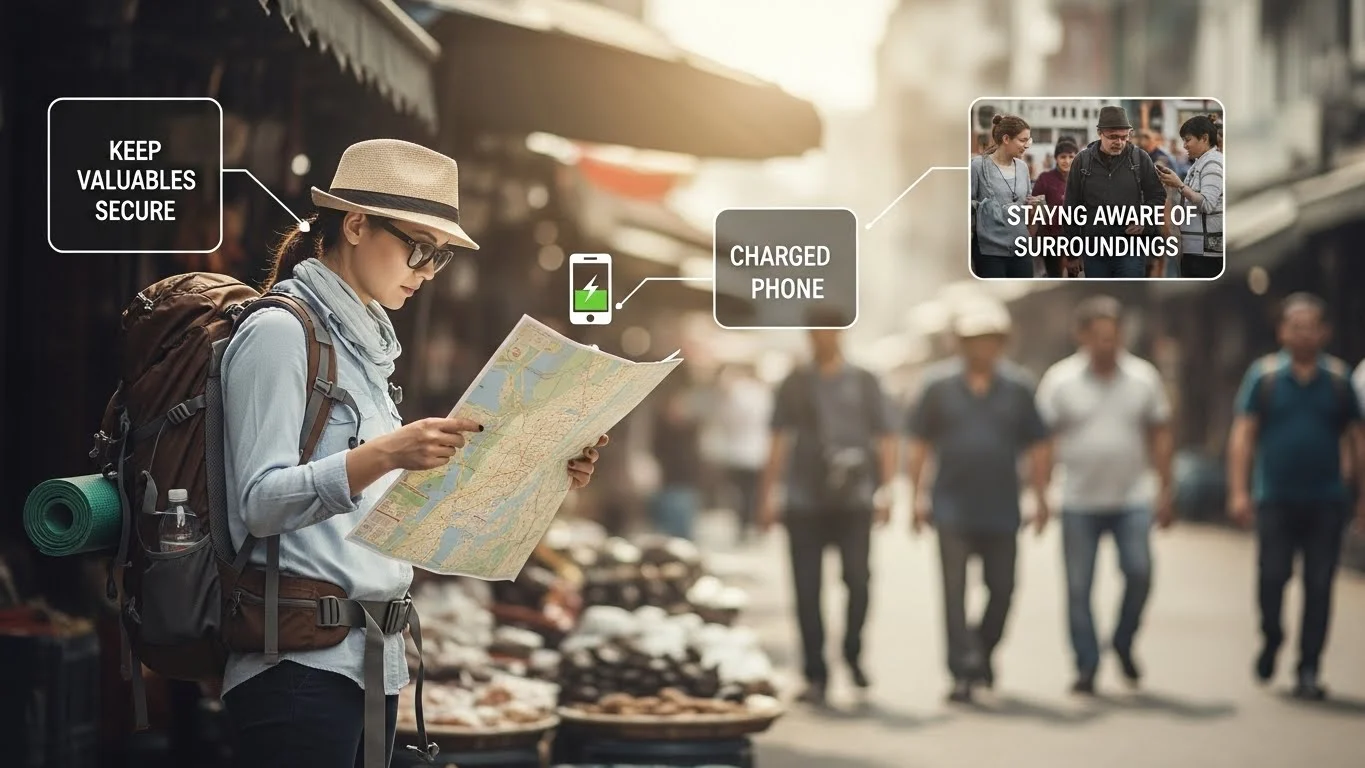
Another important tip is to keep my belongings secure. I’ve found that using a crossbody bag allows me to keep my essentials close while keeping my hands free. I always carry a small bag for my important documents, cash, and phone, and I make sure it stays within my sight. I’ve also taken to using a money belt when I’m traveling in crowded areas; it’s an easy way to keep my valuables safe without drawing attention to them.

Staying Connected

Being connected is crucial while traveling alone. I’ve experienced moments where having access to the internet made all the difference. I recommend getting a local SIM card or an international data plan to stay connected. This way, I can use maps and communicate with friends or family back home. Before each trip, I also download offline maps and important information, so I can access them even without a data connection.

I like to check in with someone regularly, whether it’s a friend or family member. I’ll share my itinerary and let them know when I’ve arrived at my destination safely. This simple practice not only provides peace of mind but also makes me feel more secure during my travels.

Choosing Safe Accommodations

Finding the right place to stay is key to having a safe and enjoyable trip. I always look for accommodations with positive reviews from other solo female travelers. Websites like Hostelworld or Airbnb allow me to filter by safety features, such as 24-hour reception and secure access. I prefer places that are located in safe neighborhoods and have good public transportation options nearby.

Hostels can be a great choice for solo travelers, as they often provide communal areas and organized activities that allow me to meet other travelers. I remember staying in a hostel in Bali where I made lifelong friends and felt completely at ease. I also prioritize places with good security measures, such as lockers for my belongings and staff who are attentive and helpful.

Budgeting Tips for Solo Travel

Creating a Travel Budget

When it comes to budgeting for my trips, I’ve learned that the first step is to set a realistic travel budget. I typically start by determining how much I can afford to spend overall, then break that down into daily costs for accommodation, food, activities, and transportation. This approach helps me allocate my funds wisely and avoid overspending.

I keep a daily log of my expenses to track my spending. It’s surprising how quickly little things can add up, so being mindful of my purchases has been helpful. I also set aside a small emergency fund, just in case something unexpected comes up during my travels. This safety net has given me peace of mind, allowing me to enjoy my adventures without worrying about finances constantly.

Finding Affordable Flights

Finding budget-friendly flights is another essential part of my travel planning. I usually start my search early and have found that being flexible with my travel dates can lead to significant savings. Websites like Skyscanner and Google Flights allow me to compare prices across different airlines and find the best deals available. I’ve also set price alerts for specific routes, so I get notified when there’s a drop in fares.

Another tip I’ve discovered is to consider flying into less popular airports nearby. Sometimes, taking a short bus or train ride can save me money on flights while opening up new destination possibilities.

Saving on Accommodation

Accommodation costs can add up quickly, so I’m always on the lookout for deals. I’ve found that booking directly through hotel websites sometimes offers better rates or special promotions. Additionally, using apps like HotelTonight can help me find last-minute deals on accommodations if my plans change.

I also consider alternative accommodations, such as house-sitting or couch-surfing, which can be both budget-friendly and provide a unique local experience. I’ve had wonderful experiences staying with locals who shared their culture and insights, making my travels even more enriching.

Budget-Friendly Dining Options

Eating can be one of the biggest expenses while traveling, so I’ve learned to seek out budget-friendly dining options. I love exploring local markets and street food stalls, where I can find delicious and authentic meals at a fraction of the cost of restaurants. I remember discovering a fantastic street food vendor in Mexico City that served tacos al pastor for just a couple of dollars; it was one of the best meals I had during that trip!

I also try to eat where the locals do. Often, smaller family-run restaurants or cafes offer tasty meals at great prices. Plus, I’ve discovered that many places have lunch specials or deals, allowing me to enjoy a hearty meal without overspending. It’s one of my favorite ways to experience a destination’s culture while keeping my budget intact.

Frequently Asked Questions

1. What are the benefits of solo travel for women?

Solo travel offers women the freedom to explore without coordinating with others, leading to independence and unexpected connections. It can also boost confidence through navigating new cities and trying local cuisines on their own.

2. Why is budgeting important for solo female travelers?

Budgeting allows travelers to prioritize spending and seek unique experiences without financial strain. It helps in discovering vibrant cultures and delicious food while making the most of the trip.

3. What criteria should I consider when selecting budget-friendly destinations?

Key criteria include affordability, safety for solo female travelers, accessibility and transportation options, and the richness of local culture and activities.

4. Which destinations are recommended for budget-friendly travel for solo female travelers?

Some recommended budget-friendly destinations include Lisbon, Bali, Mexico City, Budapest, Prague, Chiang Mai, Sofia, Medellín, Hanoi, and Athens.

5. What safety tips should solo female travelers keep in mind?

Solo female travelers should trust their instincts, stay aware of their surroundings, keep belongings secure, and familiarize themselves with their neighborhood upon arrival. It’s also important to stay connected with someone back home and choose accommodations with positive reviews.

6. How can I create a travel budget?

To create a travel budget, start by determining an overall spending limit, then break it down into daily costs for accommodation, food, activities, and transportation. Keeping a daily log of expenses can help track spending effectively.

7. What are some tips for finding affordable flights?

Search for flights early, be flexible with travel dates, and use comparison sites like Skyscanner or Google Flights. Setting price alerts for specific routes can also help find the best deals.

8. How can I save on accommodation while traveling?

Look for deals by booking directly through hotel websites, using apps like HotelTonight for last-minute deals, or considering alternatives like house-sitting or couch-surfing for unique experiences.

9. What dining options should solo travelers consider to stay within budget?

Solo travelers should explore local markets and street food stalls for affordable and authentic meals. Eating where locals do, such as family-run restaurants, can also provide delicious meals at great prices.

10. How can solo female travelers connect with other travelers?

Staying in hostels can provide opportunities to meet other travelers through communal areas and organized activities. Engaging in local experiences and attending events can also facilitate connections.
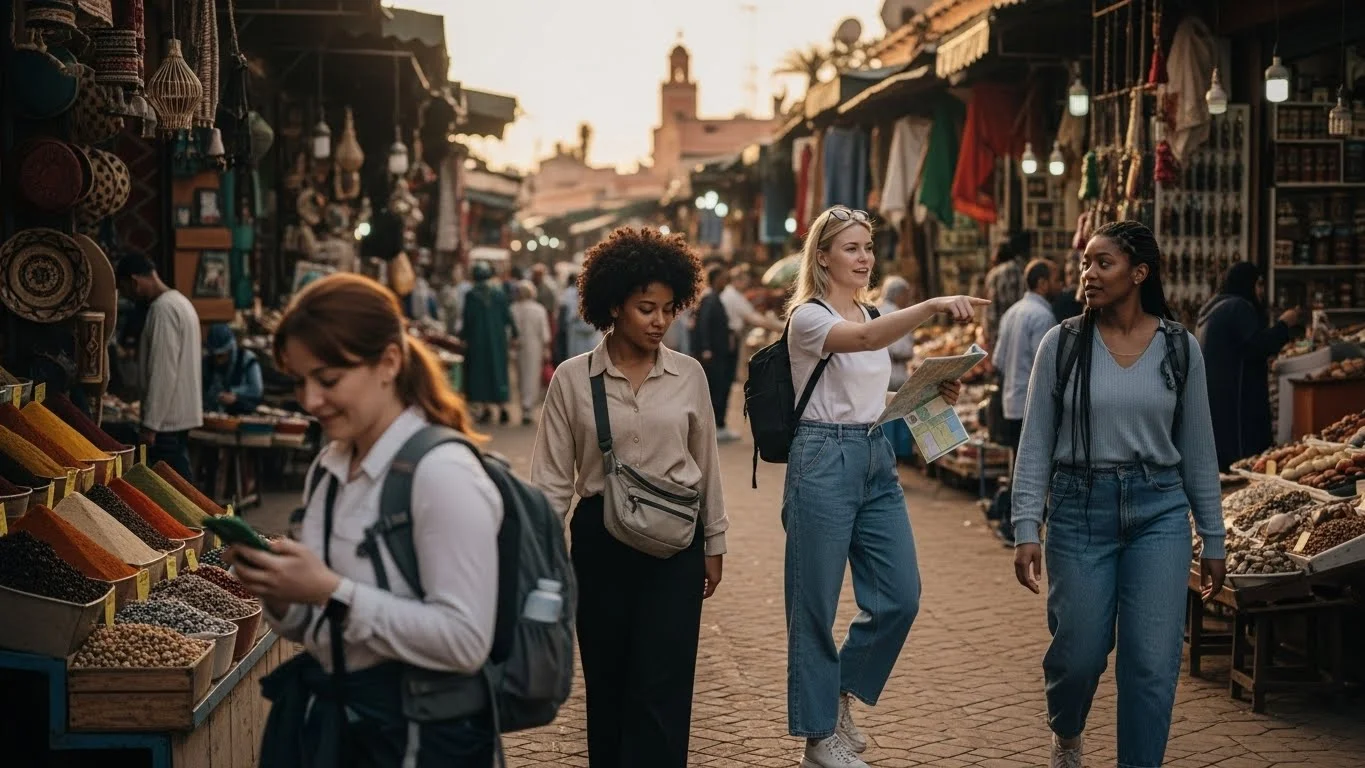
Traveling Alone? Essential Safety Tips for Women Travelers

Traveling alone can be an exhilarating journey, especially for women seeking adventure and self-discovery. However, ensuring your safety is paramount. Here are essential tips to navigate the world confidently and securely. Read Interesting article: Smart Safety Tips Every Solo Female Traveler Should Follow

Traveling Alone? Essential Safety Tips for Women Travelers

Understanding the Risks of Traveling Alone as a Woman

Traveling alone can be one of the most enriching experiences, but it comes with its own set of challenges, especially for women. From my own travels, I’ve learned that being aware of potential risks can make a significant difference in how you navigate unfamiliar places. Understanding these risks is the first step towards a safer, more enjoyable adventure.

Common Safety Concerns

One of the primary concerns for women traveling solo is the fear of harassment or unwanted attention. I remember when I first started traveling alone; I was anxious about walking in busy areas or how to handle unwanted advances. It’s crucial to stay aware of your surroundings and trust your instincts. If something doesn’t feel right, it probably isn’t. Other common concerns include theft, scams, and getting lost, especially in unfamiliar cities. Taking simple precautions can help mitigate these risks.

Statistics on Solo Female Travelers

Statistics highlight that the number of women traveling alone has been steadily increasing. According to recent studies, about 72% of women plan to travel solo at least once in their lifetime. This increase shows a shift in how women view travel, with many embracing the freedom and empowerment that comes with it. However, it’s essential to recognize that while the world is becoming more accommodating, risks still exist. I’ve found that sharing my travel experiences with other women often leads to helpful tips and reassurance, reminding us that we’re not alone in this journey. Read Interesting article: Solo Female Travel Safety: What You Need to Know

Preparing for Your Trip

Preparation can play a crucial role in ensuring a safe and successful trip. With a little planning, you can minimize risks and focus on creating memories. Here are some steps I always take before embarking on a new adventure.

Researching Your Destination

Before I travel, I dive deep into researching my destination. I look into local customs, popular tourist spots, and areas to avoid. Knowing the layout of the city, public transport options, and emergency contacts can be a lifesaver. I’ve found that forums, travel blogs, and social media groups can provide real insights from other travelers. This research not only helps me feel more prepared but also allows me to immerse myself in the local culture.

Understanding Local Customs and Culture

Understanding local customs and culture can prevent misunderstandings and help you blend in more easily. I remember when I traveled to Asia for the first time; I researched everything from dress codes to dining etiquette. This knowledge helped me avoid unintentionally offending anyone. Additionally, I made sure to learn a few basic phrases in the local language; even a simple “thank you” can go a long way in building rapport.

Choosing Safe Accommodations

When it comes to choosing accommodations, safety should be a top priority. I recommend booking places with good reviews, especially regarding safety and cleanliness. Websites that specialize in female travelers often highlight women-friendly hostels and hotels. I prefer places that are centrally located, well-lit at night, and have reliable security measures. After all, it’s essential to feel at ease in your own space while you explore.

Travel Insurance: Why It Matters

Travel insurance might seem like an added expense, but I can’t stress enough how beneficial it can be. I once had a minor accident abroad, and having insurance saved me from a hefty medical bill. It’s not just about health; insurance can cover theft or trip cancellations as well. Before any trip, I always research and compare different policies to find one that meets my needs. Your peace of mind is worth the investment.

Packing Essentials for Safety

Packing wisely can enhance your safety while traveling. I’ve learned the hard way that what you carry can either protect or expose you. Here are some essentials I never leave home without.

Personal Safety Devices

I always carry some personal safety devices when I travel. Items like a whistle, pepper spray, or a personal alarm can provide an extra layer of security. I remember feeling more confident after attaching a small alarm to my bag. If I ever felt uncomfortable, I could activate it to draw attention. It’s a simple tool that can make a huge difference.

Essential Documents and Copies

Keeping essential documents secure is crucial. I always make copies of my passport, travel insurance, and other important documents. I store one set in my luggage and keep another on me in a secure place. This way, if something gets lost or stolen, I have the information I need to report it. I also recommend using apps that store digital versions of your documents for easy access.

Clothing Choices for Safety

The clothing I choose can impact how safe I feel while traveling. I prefer outfits that are comfortable yet discreet, allowing me to blend in rather than stand out. I’ve found that dressing modestly in certain cultures shows respect and can reduce unwanted attention. Additionally, I always opt for shoes that are easy to walk in, especially when exploring new cities.

Traveling alone as a woman can be both empowering and daunting. By being aware of risks and preparing adequately, we can navigate our adventures with confidence. I’ve learned that the world has so much to offer, and with the right mindset and precautions, we can enjoy our solo journeys to the fullest. Read Interesting article: Stay Safe: Top Tips for Women Traveling Alone

Staying Safe While Traveling

Once you’re on your trip, staying safe is just as important as the preparation you did beforehand. I remember that feeling of excitement mixed with a bit of anxiety when I first arrived in a new city alone. It’s crucial to keep that awareness going, even after you’ve landed. Here are some tips that I’ve found helpful for staying safe while traveling solo.

Tips for Navigating Public Transportation

Using public transportation can be a fantastic way to experience a new place, but it can also present unique challenges. I always make it a point to familiarize myself with the public transport options available before I arrive. Apps like Google Maps can be lifesavers in helping you navigate local transit systems.

When using buses or trains, I always keep my belongings close and avoid showing large amounts of cash or expensive items. I usually opt for a crossbody bag that I can securely hold. If possible, I choose seats near the driver or in well-populated areas. I’ve also found that traveling during daylight hours feels much safer and more comfortable than later in the evening.

Staying Aware of Your Surroundings

Being aware of my surroundings has become second nature to me when traveling. I try to avoid getting too absorbed in my phone or other distractions. Instead, I make it a habit to look around and take in my environment. I remember a time when I was walking through a bustling market, and I noticed a group of locals chatting energetically. Instead of rushing past them, I slowed down, listened, and even joined in on a friendly conversation. This not only made me feel more connected to the place but also kept me alert to any potential risks.

Another thing I’ve learned is to trust my gut. If something feels off, I don’t hesitate to change my route or seek a different path. Staying alert and knowing when to trust my instincts has kept me safe and allowed me to enjoy my travels to the fullest.

How to Handle Unwanted Attention

Unfortunately, unwanted attention can happen, no matter where you are. I remember my first experience dealing with unwanted advances while traveling alone. It was uncomfortable, but I learned a lot from it. If someone approaches me in a way that makes me uncomfortable, I try to remain calm and assertive. A firm “no” can often be enough to deter unwanted attention.

I’ve also found that using body language can be effective. Walking with confidence and purpose can send a message that I’m not someone to mess with. If the situation escalates, I look for nearby shops, cafes, or even other travelers to seek help or support. It’s important to remember that you have the right to feel safe and respected. I always keep my phone handy, just in case I need to call for help or assistance.

Using Technology for Safety: Apps and Tools

In today’s digital age, technology can be a great ally in staying safe while traveling. I’ve discovered several apps that I consider essential. For instance, I use safety apps like bSafe or Life360, which allow friends or family to track my location in real-time. This gives me peace of mind, knowing that someone always knows where I am.

I also find it helpful to download offline maps, so I’m never completely lost, even without an internet connection. A travel emergency app can provide a list of local emergency numbers, which is crucial if I find myself in a tight spot. In my experience, having these tools at my fingertips makes me feel more secure and self-sufficient while exploring.

Connecting with Others While Traveling

Traveling alone doesn’t mean you have to be lonely. I’ve found that connecting with others can enhance my experience and even provide an extra layer of safety. Here are some ways I’ve built connections while on the road.

Joining Group Tours or Classes

One of my favorite ways to meet people is by joining a group tour or class related to something I’m interested in, like cooking or art. I remember taking a cooking class in Italy where I not only learned how to make pasta but also met fellow travelers who shared similar interests. It was a fantastic way to bond with others in a safe environment. Plus, having a group can provide an extra layer of security while exploring unknown areas.

Finding Trusted Local Guides

Hiring a local guide can be a great way to experience a destination through the eyes of someone who knows it well. I’ve had some incredible experiences with local guides who not only showed me the must-see spots but also shared their culture and stories. I always check reviews and ask for recommendations from fellow travelers to ensure I’m choosing someone reliable. A good guide can enhance safety by navigating you through less familiar areas and sharing valuable insights about the culture and customs.

Meeting Other Travelers Safely

Whether it’s in hostels, cafes, or local events, I always keep an open mind to meeting fellow travelers. I’ve found that shared experiences can lead to great friendships. However, I remain cautious and trust my instincts when deciding who to connect with. I usually prefer to meet in public spaces and during daylight hours, especially if I’m just getting to know someone. It’s always a good idea to let someone know where I am or who I’m with, especially if I’m meeting someone for the first time.

Emergency Preparedness

Even with all the planning and precautions, emergencies can still happen while traveling. I’ve had a couple of close calls that reminded me how important it is to be prepared for the unexpected. Having an emergency plan can make a huge difference in how we handle tricky situations.

Creating an Emergency Plan

Before I head out on any trip, I create a basic emergency plan. This involves knowing the local emergency numbers for police, fire, and medical assistance. I often write these down and keep them in my wallet, just in case my phone dies or I lose service. I also take a moment to familiarize myself with the nearest hospital and how to get there from my accommodation. This simple step has given me a sense of security, knowing I have a plan in place should anything go wrong.

Another aspect of my emergency plan is establishing a check-in routine with friends or family back home. I usually set times when I’ll send a quick text or call to let them know I’m safe. This way, if I miss a check-in, someone will know to reach out to me. I feel more at ease knowing that someone is keeping tabs on my whereabouts, especially when I’m exploring new places.

Local Emergency Contacts and Resources

While traveling, I make it a point to gather local emergency contacts and resources upon arrival. This includes not just emergency services but also contacts for my country’s embassy or consulate. I remember when I was in a foreign city and had my wallet stolen; having the embassy’s contact information readily available made the process of getting help so much smoother. Not only did I feel more in control, but I also made a connection with locals who were incredibly supportive.

In addition to emergency contacts, I sometimes look up local resources such as shelters or hotlines for women in distress. Knowing these resources exist can give me a sense of comfort and safety. It’s always better to be informed than to be caught off-guard, and I’ve learned the hard way that being prepared can save a lot of stress in a crisis.

What to Do If You Feel Unsafe

There have been instances during my travels where I’ve felt uneasy in certain situations. Trusting my instincts has been crucial. If something doesn’t feel right, I’ve learned to remove myself from that situation as quickly and calmly as possible. I remember walking through a quiet alley late in the evening and just getting a strange vibe from it. Instead of pushing through, I turned around and took a safer route. It’s these small decisions that have kept me safe.

If I ever find myself in a situation where I genuinely feel threatened, I immediately look for safe havens—like shops, restaurants, or groups of people. I’ve also found that acting confidently, even if I’m scared, can deter unwanted attention. I try to project an air of assurance and purpose in my movements, as if I know exactly where I’m going, even if I don’t.

In the rare case that I feel truly unsafe, I don’t hesitate to call local authorities or seek help from trustworthy locals. I’ve found that most people are willing to help, and having a plan for these moments has been a game-changer. I keep my phone at the ready, and I always have a few phrases in the local language that can help me ask for assistance. Just knowing I have options makes me feel more empowered and less anxious.

Emergency preparedness isn’t just about having a plan; it’s about cultivating a mindset that prioritizes safety and awareness. Through my travels, I’ve learned that a little preparation can go a long way, allowing us to enjoy our adventures while feeling secure and confident.

Frequently Asked Questions

What are the primary safety concerns for women traveling alone?

Common safety concerns include the fear of harassment or unwanted attention, theft, scams, and the risk of getting lost in unfamiliar cities. Staying aware of surroundings and trusting instincts can help mitigate these risks.

What percentage of women plan to travel solo at least once in their lifetime?

According to recent studies, about 72% of women plan to travel solo at least once in their lifetime, indicating a shift in how women view travel and the empowerment it brings.

How can I prepare for my trip to ensure safety?

Preparation involves researching your destination, understanding local customs and culture, choosing safe accommodations, and securing travel insurance. Knowing local transport options and emergency contacts is also crucial.

What should I consider when choosing accommodations?

When choosing accommodations, prioritize safety by booking places with good reviews regarding safety and cleanliness. Opt for centrally located, well-lit areas with reliable security measures.

What personal safety devices should I carry while traveling?

Essential personal safety devices include items like a whistle, pepper spray, or a personal alarm, which can provide an extra layer of security and help deter unwanted attention.

How can I stay aware of my surroundings while traveling?

To stay aware, avoid distractions like excessive phone use, look around to take in your environment, and trust your instincts. If something feels off, change your route or seek help if needed.

What should I do if I experience unwanted attention while traveling?

If you receive unwanted attention, remain calm and assertive. A firm “no” can deter advances, and using confident body language can also help. Seek nearby shops or groups for support if necessary.

How can technology assist in ensuring my safety while traveling?

Technology can aid safety through apps like bSafe or Life360 for location tracking, offline maps for navigation, and travel emergency apps that provide local emergency numbers and resources.

What steps should I take for emergency preparedness while traveling?

Create an emergency plan that includes local emergency numbers, familiarize yourself with the nearest hospital, and establish a check-in routine with friends or family back home to ensure someone knows your whereabouts.

What should I do if I feel unsafe during my travels?

If you feel unsafe, trust your instincts and remove yourself from the situation. Look for safe havens like shops or groups of people, and don’t hesitate to call local authorities or seek help from trustworthy locals.

Smart Safety Tips Every Solo Female Traveler Should Follow

Traveling solo as a woman can be one of the most empowering experiences, but it’s essential to prioritize safety. Here are smart safety tips that every solo female traveler should follow, ensuring your journey is enjoyable and secure. Read Interesting article: Essential Safety Tips for Solo Female Travelers Abroad

Smart Safety Tips Every Solo Female Traveler Should Follow

Understanding the Risks of Solo Travel

Whenever I think about solo travel, I reflect on the thrill of exploring new places independently. However, it’s crucial to understand the risks involved, especially as a woman traveling alone. I remember my first solo trip, feeling both excited and anxious. It made me realize how important it is to stay aware and prepared.

Common Safety Concerns for Solo Female Travelers

One of the most significant concerns for solo female travelers is personal safety. I’ve faced situations where I felt uneasy simply walking down a street or taking public transport. It’s not just about physical safety; there are also emotional and psychological aspects to consider. Harassment, theft, and the fear of being stranded are common worries. In my experience, I learned that having a plan can ease a lot of these fears.

Another concern is finding safe accommodations. When I traveled alone, I made it a priority to research places beforehand. I found that hostels often had mixed reviews, and while some were friendly and welcoming, others were not as safe. I’ve realized that reading recent reviews and choosing well-rated places can make a significant difference. Read Interesting article: Solo Female Travel Safety: What You Need to Know

Statistics on Female Solo Travel Safety

Statistics can be eye-opening. According to various studies, women travelers often face higher rates of harassment than men. It’s not uncommon to hear stories of unfortunate incidents occurring in popular tourist areas. I remember reading about a female travel blogger who experienced theft while taking pictures in a bustling market. Her story reinforced the need for vigilance. Understanding these statistics can help us prepare better and avoid risky situations.

Planning Your Trip with Safety in Mind

Planning is one of my favorite parts of traveling, and I believe it’s also one of the most crucial steps for ensuring safety. When I meticulously plan my trips, I feel more confident and in control. Here’s how I do it.

Choosing Safe Destinations

Choosing the right destination is vital. I often consider places that have a reputation for being safe for solo female travelers. Countries like Japan, New Zealand, and Iceland are known for their hospitality and low crime rates. I remember when I decided to travel to a less popular destination; I made sure to check online forums and read experiences from other female travelers. It gave me peace of mind and helped me feel more secure about my choice.

Researching Local Laws and Customs

Understanding local laws and customs is another essential aspect of safe travel. I’ve learned that what seems normal in my country may not be the same elsewhere. For example, dressing conservatively in certain cultures can help avoid unwanted attention. I always look up local customs, such as greeting etiquette, dress codes, and any specific laws that might affect me as a woman. This knowledge can help me blend in and feel more comfortable.

Creating an Itinerary with Safety Considerations

When I create an itinerary, I always incorporate safety into my plans. I’ve found that having a flexible schedule is key. If I feel uneasy about a particular area or activity, I allow myself to change plans. I also make it a point to share my itinerary with a trusted friend or family member. This way, someone knows my whereabouts, adding an extra layer of security.

Packing Essentials for Safety

Packing can sometimes feel overwhelming, but I focus on essentials that enhance my safety. This is something I’ve become passionate about over my travels.

Personal Safety Devices and Gadgets

I always carry personal safety devices, like a whistle or pepper spray. On one trip, I brought along a small personal alarm that I could easily attach to my bag. It gave me peace of mind knowing I had a way to signal for help if needed. I recommend researching locally available safety devices too; they can differ from country to country.

Travel Insurance: Why It’s Essential

Travel insurance is something I never leave home without. I once encountered a situation where a close friend had her wallet stolen while traveling. The insurance helped her replace her belongings and provided peace of mind during a stressful time. I learned that insurance isn’t just about theft; it also covers medical emergencies, trip cancellations, and more. It’s worth the investment for safety and reassurance.

Smart Packing Tips for Female Travelers

When it comes to packing, I believe in the power of smart choices. I use packing cubes to keep my belongings organized and easily accessible. I also pack clothes that can be layered and are versatile for different occasions. I make sure to include a small first aid kit, which I find invaluable in case of minor injuries. Over the years, I’ve discovered that being prepared with the right gear allows me to focus on enjoying my travels rather than worrying about what I might need.

Staying Safe During Your Travels

Accommodation Safety Tips

When I arrive at a new destination, one of my top priorities is ensuring that my accommodation is safe. I’ve learned that checking in during daylight hours can make a big difference. Arriving at a hotel or hostel when the sun is up not only gives me a better sense of my surroundings but also allows me to gauge the vibe of the place. I feel more secure when there are people around and I can see if the entrance is well-lit and welcoming.

I also make it a habit to use a doorstop or a travel lock whenever I’m in my room. It sounds simple, but I find that extra layer of security comforting, especially when I’m staying in a shared space. Additionally, I double-check that my room is equipped with a safe to store my valuables. I remember feeling relieved when I found a secure place for my passport and extra cash, especially during my travels in bustling cities where pickpocketing can be common.

Safe Transportation Options

Navigating a new city can be thrilling, but I’ve learned the importance of choosing safe transportation options. I prefer to use official taxis or rideshare apps like Uber or Lyft, especially when traveling at night. I remember one evening in a foreign city, I opted for a rideshare instead of public transport, and it made me feel much safer as I was dropped off directly at my accommodation.

When using public transport, I always keep my belongings close and stay aware of my surroundings. I try to avoid traveling during peak hours when trains and buses are crowded. I’ve found that it’s easier to manage my luggage and maintain personal space when the crowds are thinner. Plus, I enjoy the chance to observe the local culture without feeling rushed or cramped.

Understanding Local Emergency Numbers

Knowing the local emergency numbers is something I never overlook. Before I travel, I take a few moments to research the numbers for police, fire, and medical assistance in the country I’m visiting. I always jot them down in my phone notes and keep a hard copy in my wallet. During my last trip, having this information at my fingertips gave me peace of mind. I felt empowered, knowing that I could quickly access help if needed.

Aside from emergency numbers, I also familiarize myself with the location of the nearest hospital or police station. It’s a simple step, but I find that it helps me feel more grounded in unfamiliar places. In case something unexpected arises, I know where to go, and that knowledge is invaluable.

Staying Aware of Your Surroundings

Trusting Your Instincts

One of the most important lessons I’ve learned while traveling solo is to trust my instincts. There were times on my journeys when I felt a little uneasy about a situation or person. I’ve learned not to ignore that feeling. If something doesn’t feel right, I’ve found that it’s best to take a step back and reassess. On one occasion, I was approached by someone in a market who seemed overly friendly. I politely excused myself and moved on, and later, I was glad I did.

Listening to my gut has guided me away from potential trouble. I’ve also noticed that when I’m more aware and engaged with my surroundings, my instincts are sharper. Whether it’s avoiding poorly lit streets or stepping away from a group that feels off, trusting my instincts has become a key part of my travel safety strategy.

Recognizing Potential Red Flags

Part of staying safe involves recognizing red flags. I’ve trained myself to look for subtle signs that might indicate something is wrong. For instance, if someone isn’t respecting personal space or if a situation feels unusually tense, I take it as a cue to remove myself from it. I remember one night when I was out exploring a new city and noticed a group of people acting aggressively toward each other. Instead of sticking around to see what would happen, I turned around and headed in the opposite direction.

It’s also important to notice how people respond to me. If a seller in a market becomes overly pushy or aggressive, I’ve learned that it’s okay to walk away. It’s all about creating boundaries and ensuring I’m in control of my experience. Recognizing these red flags helps me navigate my travels with more confidence.

Practicing Situational Awareness

Situational awareness is something I actively practice while traveling. I try to stay present and observe my surroundings, whether I’m sitting in a café or walking through a busy street. I’ve found that being aware of who is around me and what’s happening can help me catch potential issues before they escalate. For example, I often glance at the people nearby to see if anyone is acting suspiciously or if there’s something unusual about the environment.

Moreover, I limit distractions. I avoid looking at my phone too much when I’m out and about. It helps me stay focused on my surroundings rather than getting lost in social media or maps. I also make an effort to look confident and purposeful, even when I’m lost. It’s amazing how much this simple act can deter unwanted attention.

Overall, maintaining situational awareness has allowed me to enjoy my solo adventures while feeling secure. It’s become a natural part of my travel routine, and I believe it can make a world of difference for any solo female traveler. Read Interesting article: Stay Safe: Top Tips for Women Traveling Alone

Communicating for Safety

Sharing Your Itinerary with Trusted Contacts

One of the best practices I’ve adopted while traveling solo is sharing my itinerary with trusted friends or family members. I always send them details about where I’ll be staying, my daily plans, and how I can be reached. This simple act gives me peace of mind, knowing that someone is aware of my movements. I remember a particular trip where I had a packed schedule, and I felt more relaxed knowing my sister could check in on me if I hadn’t updated her for a while. It makes a huge difference to have that safety net in place.

Additionally, I encourage my contacts to reach out if they haven’t heard from me in a while. This creates a system of accountability that helps me stay aware of my surroundings and encourages me to check in regularly. I usually set reminders on my phone to send updates, especially if I’m traveling to different cities or countries. This connection to home helps me feel grounded, even when I’m exploring the world alone.

Staying Connected with Mobile Apps

In today’s tech-savvy world, I find that mobile apps play a critical role in travel safety. There are numerous apps designed specifically for travelers that help keep us connected and informed. For example, I use apps like WhatsApp to communicate with family and friends, sharing my location if I feel uncertain. It’s reassuring to know that I can reach out instantly, whether to seek advice or just to chat.

Another app I find useful is Google Maps, which helps me navigate without looking lost. I often download maps offline before heading to a new city, ensuring that I can access directions even without Wi-Fi. This has saved me from feeling vulnerable when I’m trying to figure out public transportation or navigate unfamiliar streets. There are also safety-specific apps, like bSafe, which allow users to share their location in real-time with trusted contacts and send alerts in emergencies.

I also recommend checking if your destination has local apps that provide information about safety alerts or travel advisories. Staying informed about any regional issues can help us avoid potentially unsafe situations.

Making Friends While Staying Safe

Joining Group Tours or Classes

When I travel solo, I often look for opportunities to connect with others through group tours or classes. This has been a fantastic way for me to meet fellow travelers and locals while also enjoying the added layer of safety that comes with being part of a group. I remember joining a cooking class in Italy where I met several other solo female travelers. We shared our experiences and explored the city together afterward, making me feel less alone and adding an extra layer of security.

Group tours are often led by knowledgeable guides who can offer insight into the area while ensuring that we stay safe. They know the best spots to visit and the ones to avoid, which is a huge advantage for solo travelers. Plus, being in a group can deter unwanted attention, making it easier for me to relax and enjoy the experience.

Meeting Locals Responsibly

While I love meeting new people, I always prioritize safety when interacting with locals. I’ve learned to approach these encounters with caution. Engaging with locals can provide unique insights into their culture, but I always pay attention to my gut feelings about individuals. When I was in Southeast Asia, I made a fantastic friend at a local café, but I ensured that I met him in public places where I felt comfortable and safe.

Using platforms like Couchsurfing or Meetup can be a great way to find local events or activities while also connecting with trustworthy individuals. I’ve used these platforms to find walking tours or local meetups that emphasize safety and group dynamics, making the experience enjoyable without compromising my security.

It’s also wise to avoid sharing personal information, like my accommodation details or travel plans, too soon with new acquaintances. Keeping conversations light and enjoyable while setting clear boundaries has helped me cultivate friendships without feeling vulnerable.

Handling Emergencies Effectively

What to Do in Case of Theft or Loss

No one wants to think about theft or loss when traveling, but I’ve learned to be prepared just in case. I always keep copies of important documents, like my passport and travel insurance, stored separately from the originals. This way, if something goes missing, I have a backup to make the process smoother. I remember when a friend of mine had her wallet stolen; having her documents organized made it much easier to report the theft and get replacements.

If I ever find myself in a situation where my belongings are stolen, I’ve learned to stay calm and follow these steps: first, I report the theft to the local police as soon as possible. Having a police report is often necessary for insurance claims. Then, I contact my bank or credit card companies to freeze my accounts if necessary. Being proactive can reduce the stress that comes with unexpected situations.

Emergency Contacts and Resources

Before heading to a new destination, I make a habit of researching local emergency contacts and resources. I create a list of important numbers, such as local police, hospitals, and my country’s embassy. I keep this list on my phone and in my wallet for easy access. This preparation has made me feel empowered and ready to handle unexpected situations, knowing that help is just a call away.

Additionally, I familiarize myself with local customs and practices regarding emergencies. For example, in some countries, it might be more effective to approach a shopkeeper for help rather than calling the police. Understanding the local approach to emergencies can guide me in making the right decisions when I need assistance.

First Aid Kit Essentials for Travelers

Having a well-stocked first aid kit is another essential part of my travel preparation. I always include items like adhesive bandages, antiseptic wipes, pain relievers, and any personal medications I might need. I remember a time when I rolled my ankle while hiking, and having a small first aid kit allowed me to address the injury immediately. It’s a reminder that being prepared can help mitigate risks and enhance my travel experience.

I also consider adding items like insect repellent and sunscreen, especially when traveling to tropical climates. Over the years, I’ve learned that taking care of my health contributes to my overall safety and enjoyment during my travels. Having these essentials on hand means I can focus on the adventure rather than worrying about potential health issues.

Frequently Asked Questions

What are some common safety concerns for solo female travelers?

Common safety concerns include personal safety, harassment, theft, and the fear of being stranded. Emotional and psychological aspects also play a role in the overall experience.

How can I choose safe destinations for solo travel?

Choosing safe destinations involves considering places known for their hospitality and low crime rates, such as Japan, New Zealand, and Iceland. Researching online forums and experiences from other female travelers can also provide peace of mind.

Why is it important to research local laws and customs before traveling?

Understanding local laws and customs can help avoid unwanted attention and ensure respectful behavior. Knowing about dress codes and greeting etiquette is crucial for blending in and feeling comfortable.

What personal safety devices should I carry while traveling?

Personal safety devices such as a whistle, pepper spray, or a personal alarm can enhance safety. Researching locally available safety devices is also recommended, as they may differ from country to country.

Why is travel insurance essential for solo female travelers?

Travel insurance is essential as it covers theft, medical emergencies, trip cancellations, and provides peace of mind during stressful situations. It can be a valuable investment for safety and reassurance.

What should I do to ensure my accommodation is safe?

Check in during daylight hours, use a doorstop or travel lock in your room, and ensure your accommodation has a safe for valuables. Arriving when it’s light can help gauge the safety of the area.

How can I stay safe while using public transportation?

Opt for official taxis or rideshare apps when traveling at night, keep belongings close, and stay aware of your surroundings. Avoiding peak hours can also help manage personal space and luggage.

What steps should I take in case of theft or loss?

Stay calm, report the theft to local police, and contact your bank or credit card companies to freeze accounts if necessary. Keeping copies of important documents separate from the originals can also simplify the process.

How can I improve situational awareness while traveling?

Practice situational awareness by staying present and observing surroundings, limiting distractions like phone usage, and looking confident and purposeful, even when lost. This can help catch potential issues before they escalate.

What are some effective ways to communicate for safety while traveling?

Share your itinerary with trusted friends or family, use mobile apps like WhatsApp to stay connected, and familiarize yourself with local emergency contacts. This creates a safety net and helps keep you informed.

Solo Female Travel Safety: What You Need to Know

Traveling solo as a female can be an empowering and enriching experience. Understanding how to navigate safety while exploring new destinations is key to making the most of your journey. For instance, Essential Safety Tips for Solo Female Travelers Abroad can be incredibly helpful.

Solo Female Travel Safety: What You Need to Know

Understanding Solo Female Travel

Why Travel Solo as a Female?

When I first decided to embark on a solo trip, I felt a mix of excitement and anxiety. The idea of exploring new places, meeting new people, and challenging myself was thrilling. Traveling solo as a female allows for a unique sense of freedom and self-discovery. I could go wherever I wanted, eat whatever I craved, and engage in activities that interested me without having to compromise with anyone else. It was liberating! I think for many women, traveling alone is a chance to reclaim their independence and embrace their adventurous spirit.

Moreover, solo female travel can foster personal growth. I realized that stepping out of my comfort zone helped me build confidence. Each new experience taught me something about myself. I learned to navigate unfamiliar cities, interact with locals, and make decisions on the fly. Every trip I took helped me grow, and the memories forged in those moments became cherished stories I still share today.

Common Misconceptions About Solo Female Travelers

Despite the growing trend of solo female travel, misconceptions often linger. One common belief is that it’s too dangerous for women to travel alone. While safety is a valid concern, I’ve learned that with preparation and awareness, many women travel solo without issues. In my travels, I met countless women who felt empowered and safe while exploring the world on their own. It’s crucial to challenge the narrative that women should be afraid and instead focus on the skills and knowledge needed to thrive.

Another misconception is that solo female travelers are lonely or desperate. I found the opposite to be true! Traveling alone often means you’re more open to connecting with others. I’ve forged friendships with fellow travelers and locals, creating bonds that were often deeper than those formed in group settings. It’s amazing how a shared experience, like getting lost in a new city or sharing a meal, can bring people together.

Lastly, some people think solo travel is only for the young or adventurous. I remember meeting women of all ages on my journeys, each with their own reasons for traveling alone. Some were taking a much-needed break, while others were celebrating milestones or simply seeking adventure. The beauty of solo travel is that it can fit anyone’s life stage, and it’s never too late to start exploring the world on your terms.

Essential Safety Tips for Solo Female Travelers

Research Your Destination

Before I set out for a new place, I spend time researching my destination. This not only includes the must-see tourist spots but also understanding the local culture, customs, and safety norms. I recall a trip to a country where I learned about local dress codes, which helped me blend in and respect the culture. This made me feel more comfortable and safe while exploring. I often check resources like travel blogs, forums, and even social media for firsthand accounts from other female travelers. Their stories often contain valuable insights that guide my decision-making. I also look into any areas to avoid, especially after dark, and pay attention to current travel advisories. The more informed I am, the more confident I feel navigating a new place.

Understanding Local Laws and Customs

Understanding local laws is crucial. I once assumed that common practices in my home country would be accepted everywhere. I quickly learned that not all places share the same values. Being aware of local traditions and laws helped me avoid awkward or potentially dangerous situations. For instance, in some countries, public displays of affection might not be well-received, and knowing that in advance helped me adjust my behavior accordingly.

Additionally, customs can impact how women are treated while traveling. I’ve found that in some cultures, women traveling alone are viewed differently than in others. Adapting to these cultural norms can help me navigate social situations more smoothly. I feel it’s about striking a balance between staying true to myself while being respectful of my surroundings.

Staying Connected: Mobile Apps and Safety Tools

In today’s world, technology can be a solo traveler’s best friend. I rely on mobile apps for navigation, communication, and even safety. Apps like Google Maps help me find my way around, while messaging apps keep me connected with family and friends. I usually share my itinerary with someone back home, so they know where I am. This simple act provides an extra layer of security for me.

There are also specific safety apps designed for travelers. I’ve used apps that allow me to share my location in real-time with trusted contacts or alert them if I feel unsafe. These tools give me peace of mind, knowing that help is just a tap away. I encourage fellow solo female travelers to explore these options and find what works best for them. For more tips, check out Stay Safe: Top Tips for Women Traveling Alone.

Emergency Contacts: What You Need to Know

Having emergency contacts readily available is vital for any traveler, especially solo female travelers like myself. I always jot down important numbers like local emergency services, my embassy or consulate, and nearby hospitals. This information is often included in my travel journal or saved on my phone for quick access. I remember a time when I had to use the local emergency number, and having it saved made all the difference in that stressful moment.

Additionally, I recommend creating a list of contacts back home who can provide support in case of emergencies. Sharing your travel plans with family or friends can also be a great safety net. If anything goes awry, they know where to look for you or who to contact.

Choosing Safe Accommodations

Types of Accommodations: Hostels, Hotels, and Rentals

When it comes to choosing accommodations, I’ve found that my options can greatly affect my travel experience. Each type of accommodation offers a different vibe and level of comfort, especially for solo female travelers. Hostels are often my go-to for budget travel. Not only are they affordable, but they provide an opportunity to meet other travelers. I remember my first solo trip to Europe, where staying in a hostel allowed me to bond with fellow adventurers over shared stories and experiences. The common areas often foster a sense of community, which can make being alone feel less isolating.

Hotels, on the other hand, offer privacy and security. I generally prefer mid-range hotels because they usually have better amenities and more stringent security measures. I recall staying at a small boutique hotel in Thailand, where I felt welcomed and safe. The staff was friendly and accommodating, which added to my overall sense of ease during my stay.

Vacation rentals, like those found on platforms such as Airbnb, can be a great alternative as well. I often opt for rentals that are centrally located, making it easier to explore. However, I always read reviews and look for hosts with high ratings to ensure a good experience. I remember a particular stay where I had the entire place to myself, allowing me to unwind after a long day of exploration.

How to Evaluate Accommodation Safety

Safety is always at the forefront of my mind when choosing where to stay. I look for places in well-lit, busy neighborhoods, as this makes me feel more secure. I also check the security features of the accommodation, such as locks on doors, a safe for valuables, and whether there’s a 24-hour front desk. A memorable trip to Barcelona taught me the importance of these details. I chose a hotel with good security measures, which allowed me to explore the city without constantly worrying about my belongings.

Reading reviews from other travelers can be incredibly insightful. I often focus on comments from solo female travelers, as their experiences can shed light on what I might encounter. If I see consistent feedback about safety concerns, I take that seriously and look for alternatives. Additionally, I recommend checking platforms that specifically cater to women travelers, as they often provide recommendations for safe accommodations. For more guidance, refer to How to Find Safe Places to Stay When Traveling Solo.

Popular Safe Destinations for Solo Female Travelers

Over the years, I’ve discovered that some destinations are particularly welcoming to solo female travelers. Countries like Japan, for instance, have a reputation for their safety and hospitality. I remember wandering the streets of Tokyo, feeling completely at ease, even while exploring late at night. The public transportation system is efficient, and I never felt uncomfortable during my time there.

Another destination that stands out is New Zealand. The locals are incredibly friendly, and the natural beauty is breathtaking. I spent a few weeks traveling around the South Island, and the trail systems made it easy to explore on foot while meeting fellow travelers along the way. I felt a sense of camaraderie among those on the same journey.

Lastly, Scandinavia is often hailed as a safe region for solo female travelers, particularly countries like Sweden and Norway. I remember enjoying a solo trip to Norway, where I felt empowered by the culture of equality and respect for women. The scenic fjords and charming cities provided a beautiful backdrop for self-reflection and adventure.

In my experience, knowing that I’ve chosen a safe destination gives me the freedom to enjoy my travels fully. I encourage every solo female traveler to research and consider these factors while planning their next adventure.

Transportation Safety Tips

Public Transportation: Dos and Don’ts

Public transportation can be an incredible way to explore a new city, but I’ve learned that it comes with its own set of challenges, especially as a solo female traveler. One essential tip I always follow is to plan my routes ahead of time. Knowing which bus or train to take and when it arrives helps me feel more secure and less vulnerable. I remember a time in Paris when I confidently boarded the right metro line, and it felt empowering to navigate the city like a local.

When using public transportation, I make sure to keep my belongings close. I often use a crossbody bag that I can easily reach while standing. I’ve seen other travelers place their bags on their laps or in the aisle, which can lead to theft. It’s crucial to stay aware of my surroundings and to look for fellow travelers who seem trustworthy. I often choose to sit near families or other women, as I find that makes me feel more at ease.

Another important point is to avoid traveling during late hours when the public transport system may be less crowded or more vulnerable. If I find myself in a situation where I must use public transport at night, I carefully choose well-lit and populated routes. In cities like Tokyo, I felt comfortable riding the trains at night, but in others, I’ve opted for a taxi instead.

Using Rideshare Apps Safely

Rideshare apps have become a staple for many travelers, including myself. I love the convenience of booking a ride with just a few taps on my phone. However, I always take certain precautions to ensure my safety. Firstly, I confirm the driver’s details before getting into the car. I check the license plate and the driver’s name against the information provided in the app, which gives me peace of mind.

Before getting in, I often wait in a well-lit area, away from crowds, to avoid drawing unnecessary attention. It also helps to share my ride details with someone back home or a fellow traveler. This simple act allows someone else to track my journey, which makes me feel less isolated.

Additionally, I avoid riding alone late at night whenever possible. If I ever feel uneasy or uncomfortable during a ride, I trust my instincts and ask the driver to drop me off in a familiar area, even if it’s not my final destination. I’ve learned that my safety should always come first, no matter how inconvenient it may seem.

Walking and Biking: Staying Aware of Your Surroundings

Walking is one of my favorite ways to explore a new city. It allows me to soak in the sights and sounds while also feeling more connected to my surroundings. Before I head out, I usually map out my route and mark any landmarks along the way. This helps keep me on track and reduces the chances of getting lost, which can be stressful when traveling alone.

While walking, I always stay aware of my surroundings. I avoid distractions like texting or looking at my phone excessively. Instead, I often keep my head up, observing the locals and taking in the atmosphere. This not only enhances my experience but also allows me to detect any unusual situations before they escalate.

When biking, I stick to bike lanes and avoid busy streets whenever possible. I make sure to wear a helmet and follow local traffic laws. I’ve found that biking can be a fantastic way to cover more ground while still allowing me to immerse myself in the destination. My biking adventure in Amsterdam was one of my highlights, where I felt safe and free as I pedaled along the canals.

Overall, transportation can play a significant role in the comfort and safety of solo female travelers. By being proactive and mindful of my choices, I can enjoy the freedom that comes with exploring new places while minimizing potential risks.

Personal Safety Strategies

How to Blend In and Avoid Drawing Attention

One of the best pieces of advice I ever received was to blend in when traveling solo. I’ve found that adopting the local style of dress not only helps me feel more comfortable but also makes me less noticeable as a tourist. For instance, when I visited Italy, I noticed that locals dressed elegantly, even for casual outings. I opted for stylish yet comfortable outfits that matched the local vibe, which allowed me to navigate the streets with more confidence and ease.

Additionally, I always try to stay aware of my surroundings and adjust my behavior accordingly. For example, if I’m in a quieter area, I avoid loud conversations or drawing attention to myself. Instead, I choose to engage in low-key activities, like enjoying a coffee at a local café while people-watching. This not only keeps me connected to the culture but also helps me feel more secure.

Self-Defense Techniques and Resources

While I hope never to find myself in a dangerous situation, I believe it’s essential to be prepared. I took a self-defense class a while ago, and it was an eye-opening experience. Learning simple techniques to protect myself gave me a sense of empowerment that I carry with me during my travels. I recommend finding a local class or online resources that can teach you some basic self-defense moves.

Moreover, carrying a personal safety device, like a whistle or a personal alarm, can be a good idea. I usually keep one in my bag, so I have it on hand if I ever feel threatened. It’s a small precaution that can provide peace of mind while I’m exploring new places.

What to Do if You Feel Unsafe

If I ever feel uncomfortable or unsafe, I trust my instincts. I’ve learned to listen to that little voice inside me. For example, there was a time when I felt uneasy in a crowded market. Instead of ignoring my feelings, I chose to step back and find a more open area where I felt more secure. I always remind myself that it’s okay to change plans or leave a situation that doesn’t feel right.

Reaching out for help is also important. I keep the contact information for local services and embassies handy in case I ever need assistance. I’ve found that locals are often more than willing to help if you approach them politely. I recall feeling lost in a foreign city, and a shopkeeper went out of her way to help me find my way back to my accommodation. Building that connection can make all the difference.

Health and Wellness Considerations

Staying Healthy While Traveling Alone

Maintaining my health while traveling is something I prioritize. I make it a point to stay hydrated, especially during long days of exploration. I always carry a reusable water bottle, which helps me save money and reduce waste. Eating well is also important to me, so I try to balance indulgent meals with healthier options. I love trying local cuisine, but I also seek out fresh fruits and veggies to keep my energy levels up.

Staying active is another way I focus on my health. I often incorporate walking or biking into my daily routine, which not only allows me to explore but also keeps me fit. I’ve enjoyed walking tours in various cities, where I can learn about local culture while getting my daily exercise.

Managing Mental Health and Loneliness

Traveling solo can sometimes feel lonely, and I’ve experienced my fair share of those moments. When I feel that way, I remind myself that it’s okay to take a break and recharge. I often find a quiet park or café where I can reflect on my experiences and gather my thoughts. Journaling has become a valuable tool for me during my travels. Writing about my adventures helps me process my feelings and stay connected to my journey.

Connecting with other travelers can also alleviate feelings of loneliness. I’ve found that sharing a meal with someone I met on the road can be incredibly fulfilling. I often strike up conversations with fellow travelers or locals, and those connections often lead to lasting friendships.

Travel Insurance for Solo Female Travelers

Importance of Travel Insurance

Travel insurance is something I never overlook before embarking on a trip. I’ve learned from experience that unexpected situations can arise, whether it’s a canceled flight or a sudden illness. Having insurance gives me peace of mind, knowing that I’m protected in case of emergencies. I always choose a policy that covers medical expenses, trip cancellations, and lost belongings, as these are the most common concerns I’ve encountered.

What to Look for in a Policy

When selecting a travel insurance policy, I pay attention to the coverage limits and exclusions. I’ve found that it’s worth spending a bit more for comprehensive coverage. Reading reviews and seeking recommendations from other travelers helps me find reputable companies. Additionally, I always keep a digital copy of my insurance policy and contact information readily available on my phone, just in case I need it while on the road.

Community and Support Networks

Online Communities for Solo Female Travelers

One of the best aspects of solo female travel is the sense of community among women. I’ve discovered numerous online platforms dedicated to connecting solo female travelers. These communities provide valuable resources, tips, and encouragement. I often turn to social media groups where women share their experiences, recommend safe destinations, and offer support to one another. It’s comforting to know that I’m not alone in this journey.

How to Find Local Female Traveler Groups

When I arrive at a new destination, I often seek out local female traveler groups. I’ve found that many cities have meet-up events or organizations that cater specifically to women. These gatherings allow me to connect with like-minded individuals and share travel experiences. I remember attending a local event in Barcelona, where I met a group of inspiring women who shared their adventures and insights. It was a fantastic way to build connections and form friendships that extend beyond borders.

Real-Life Experiences and Stories

Inspirational Stories from Solo Female Travelers

Over the years, I’ve come across countless stories of solo female travelers who have inspired me. One story that resonated with me was about a woman who hiked across New Zealand alone. Her journey was filled with challenges, but she persevered, ultimately discovering her strength and resilience. These stories remind me that we’re capable of so much more than we often believe.

Lessons Learned from Travel Experiences

Every trip I take teaches me something new. I’ve learned the importance of adaptability and keeping an open mind. Not everything will go as planned, and that’s okay! I’ve faced unexpected challenges, like missed flights or language barriers, but each experience has shaped me. Embracing the unknown has become one of my favorite aspects of travel, and I encourage other women to welcome the lessons that come with each adventure.

Resources and Tools for Solo Female Travelers

Recommended Reading: Books and Blogs

To enrich my travel experiences, I often turn to books and blogs written by fellow female travelers. I’ve discovered incredible stories and practical advice that resonate with me. Some of my favorite reads include memoirs that share personal journeys, as well as blogs that offer tips on safety, destinations, and cultural insights. These resources not only inspire me but also prepare me for my own adventures.

Useful Websites and Apps

There are fantastic websites and apps tailored for solo female travelers. I often rely on platforms that provide safety ratings, accommodation reviews, and travel tips. Connecting with fellow travelers through forums can also yield helpful insights. I encourage everyone to explore these resources, as they can enhance your travel experience and help you navigate the challenges of solo travel.

Final Thoughts

Traveling solo as a female has been one of the most rewarding experiences of my life. It has taught me about independence, resilience, and the beauty of human connections across cultures. While safety is always a priority, I believe that with preparation and an open heart, we can explore the world in ways that feel authentic and fulfilling. I hope that sharing my experiences and tips encourages other women to embrace their adventurous spirit and embark on their own journeys. Together, we can create a community of empowered female travelers who support and uplift one another, inspiring each other to explore the world one destination at a time.

Frequently Asked Questions

Why is traveling solo empowering for women?

Traveling solo as a female allows for a unique sense of freedom and self-discovery. It provides opportunities for personal growth, builds confidence, and enables women to reclaim their independence while exploring new places and engaging in activities that interest them without compromise.

What common misconceptions exist about solo female travelers?

Common misconceptions include the belief that it’s too dangerous for women to travel alone, that solo female travelers are lonely or desperate, and that solo travel is only for the young or adventurous. Many women find empowerment and connection while traveling alone, regardless of age or experience.

What essential safety tips should solo female travelers consider?

Solo female travelers should research their destinations thoroughly, understand local laws and customs, stay connected using mobile apps and safety tools, have emergency contacts readily available, and choose accommodations wisely, prioritizing safety and comfort.

How can solo female travelers choose safe accommodations?

When selecting accommodations, solo female travelers should look for well-lit and busy neighborhoods, check security features such as locks and safes, read reviews from other travelers, especially solo female travelers, and consider options that cater specifically to women.

What transportation safety tips should solo female travelers follow?

Travelers should plan routes ahead of time, keep belongings close while using public transportation, avoid late-night travel when possible, confirm rideshare driver details, and stay aware of their surroundings while walking or biking.

How can solo female travelers manage feelings of loneliness?

To combat loneliness, travelers can take breaks to recharge, connect with other travelers, share meals, and engage in conversations with locals. Journaling can also help process feelings and stay connected to their journey.

Why is travel insurance important for solo female travelers?

Travel insurance is crucial because it provides protection against unexpected situations, such as canceled flights or sudden illnesses. It offers peace of mind, ensuring travelers are covered for medical expenses, trip cancellations, and lost belongings.

What resources and tools can assist solo female travelers?

There are numerous online communities, websites, and apps tailored for solo female travelers. These resources offer valuable tips, safety ratings, accommodation reviews, and opportunities to connect with fellow travelers for support and advice.

What strategies can help solo female travelers stay safe?

Travelers should blend in with local customs and dress, practice self-defense techniques, trust their instincts if they feel unsafe, and keep contact information for local services and embassies readily available for assistance.

What are some popular safe destinations for solo female travelers?

Popular safe destinations include Japan for its hospitality and safety, New Zealand for its friendly locals and natural beauty, and Scandinavian countries like Sweden and Norway, known for their culture of equality and respect for women.

Stay Safe: Top Tips for Women Traveling Alone

Traveling alone as a woman can be a thrilling experience filled with adventure and personal growth. However, it’s essential to stay safe while exploring new places. Here are some top tips to ensure a smooth journey.

Stay Safe: Top Tips for Women Traveling Alone

Understanding Travel Safety for Women

The Importance of Travel Safety

Travel safety is not just about avoiding danger; it’s about empowering ourselves to explore the world confidently. I remember my first solo trip. I was excited yet anxious, wondering if I would be safe. Over time, I’ve learned that being informed and prepared can make all the difference. When we prioritize safety, we can focus on enjoying our travels instead of worrying about potential risks. It’s crucial to understand that while the world is mostly welcoming, certain precautions can enhance our travel experiences. For more detailed strategies, consider reading Essential Safety Tips for Solo Female Travelers Abroad.

Common Concerns for Solo Female Travelers

While the thrill of solo travel often outweighs the fears, there are specific concerns that many women encounter. I’ve had conversations with friends who expressed worries about personal safety, harassment, and navigating unfamiliar environments. These fears are valid, but they shouldn’t deter anyone from embarking on their journey. From my experience, it’s vital to acknowledge these concerns and equip ourselves with knowledge and strategies to combat them.

Common worries include how to deal with unwanted attention, what to do in emergencies, and how to avoid risky situations. In many cases, these fears can be alleviated through preparation and awareness. I’ve discovered that developing a travel safety mindset can enhance our confidence and make our adventures more enjoyable.

Planning Your Trip: Safety Starts Early

Choosing a Safe Destination

Picking the right destination is the first step in ensuring a safe travel experience. I often start by researching places that have a reputation for being safe for solo female travelers. Websites, travel blogs, and forums can provide insights into recent experiences from others. I remember choosing a destination that was highly rated for its safety, and it made all the difference in my overall enjoyment. It’s not just about avoiding dangerous areas; it’s also about finding places where I felt welcomed and appreciated.

Researching Local Laws and Customs

Understanding the local laws and customs of your destination can help you navigate situations more smoothly. I’ve learned the hard way that what may be acceptable in one country can be frowned upon in another. For instance, dress codes or social behaviors might differ greatly. When I traveled to a conservative country, I made sure to adapt my wardrobe accordingly, which not only helped me blend in but also made me feel more comfortable. Take the time to read up on cultural norms; it’s a way of showing respect to your hosts and enhances your safety. For more insights, check out Top Cultural Awareness Tips for Safe Solo Travel.

Booking Accommodations Wisely

The place you choose to stay can greatly impact your safety. I recommend staying in well-reviewed hotels or hostels that cater specifically to women. These accommodations often have additional security measures in place. I personally prefer places that have good lighting, are located in safe neighborhoods, and offer 24-hour reception. Additionally, I always check for reviews from fellow female travelers, as they often provide valuable insights into how safe and welcoming a place truly is.

Travel Insurance: Why It Matters

Travel insurance is something I never overlook. I learned its importance after a friend faced a medical emergency abroad that cost her a fortune. Travel insurance can cover unexpected events like trip cancellations, medical emergencies, or even theft. It gives you peace of mind knowing that you’re protected. I always read the fine print to understand what is covered, and I recommend opting for a policy that specifically addresses the concerns of travelers. Knowing I have that safety net allows me to adventure with a more relaxed mindset.

Before You Go: Essential Preparations

Sharing Your Itinerary with Trusted Friends

Before heading out, I make it a habit to share my travel itinerary with a trusted friend or family member. This simple step provides an extra layer of security. I often include details like my flight information, hotel addresses, and planned activities. It’s reassuring to know that someone is aware of my whereabouts, and in case of an emergency, they have the information needed to help. I encourage everyone to keep communication lines open while traveling, and I frequently check in with those I’ve shared my plans with.

Emergency Contacts and Local Resources

Having a list of emergency contacts is crucial. I always save important numbers, like local emergency services and my country’s embassy, on my phone and carry a physical copy as well. During one trip, I encountered a minor health issue, and knowing how to reach local medical services quickly made all the difference. It’s also beneficial to familiarize myself with local resources such as hospitals, police stations, and even the closest friends’ or family members’ contacts for added security.

Packing Smart: What to Bring for Safety

Packing can be a challenge, but I prioritize safety items in my luggage. I always carry a small first aid kit, a personal alarm, and a portable charger for my phone. I also invest in a good quality anti-theft bag to keep my valuables secure. I remember traveling to a bustling city where pickpockets were common, and having that extra layer of security allowed me to focus on exploring rather than constantly worrying about my belongings. Think about what makes you feel safe and pack accordingly.

Understanding Cultural Norms

Each destination has its own culture, and understanding these norms can significantly enhance your experience. I find that being aware of and respecting local traditions not only helps avoid misunderstandings but also enriches my travels. From greetings to dining etiquette, knowing what’s appropriate can prevent awkward situations. During my travels, I’ve often engaged with locals who appreciated my efforts to respect their customs, leading to more authentic and rewarding experiences.

Staying Safe While Traveling

General Safety Tips for Solo Female Travelers

As I’ve traveled solo, I’ve picked up a few general safety tips that have served me well. One of the first things I learned is to always trust my gut. If something doesn’t feel right, it probably isn’t. I remember walking in a new city and getting a strange vibe from a particular street. I decided to take a different route, and I felt so much better. It’s crucial to listen to that inner voice. Additionally, I suggest blending in as much as possible. Wearing clothes that match the local style can help you feel less like a target. I’ve noticed that when I dress like the locals, I attract less attention and can enjoy my surroundings more freely.

Staying Aware of Your Surroundings

Being aware of my surroundings has become second nature during my travels. I’ve found that it’s essential to stay off my phone when walking around, as it can be a distraction that makes me an easy target. I try to take in the sights, sounds, and people around me. I learned that keeping my head up and making eye contact with those around me can also act as a deterrent to unwanted attention. In busy places, I always scan for exits and notice where other travelers are. This awareness not only helps me feel safer but also enhances my overall travel experience.

Keeping Valuables Secure

When it comes to valuables, I take extra precautions. I carry a small amount of cash and only keep my credit cards and important documents in a secure, anti-theft bag. I often use a money belt or a hidden pouch for my passport and extra cash. I remember visiting a crowded market where pickpocketing was common, and I was so grateful for my anti-theft bag. It allowed me to wander freely without constantly worrying about my belongings. I also recommend keeping a digital copy of essential documents on my phone or a cloud service, just in case something gets lost or stolen.

Using Technology for Safety (Apps, GPS, etc.)

Technology can be a fantastic ally when it comes to travel safety. I’ve found several apps that help me stay safe while on the road. For instance, I use navigation apps not just to find my way but also to check the safety of neighborhoods before I go exploring. I’ve also downloaded apps that allow me to share my location with a trusted friend or family member, which offers another layer of security. Additionally, I’ve discovered apps designed for solo female travelers that provide tips and connect you with others in the area. Knowing I have digital support brings me comfort and allows me to explore new places with confidence. If you are interested in luxury travel, consider reading about Navigating Safety in Luxury Solo Travel Destinations.

Navigating Transportation Safely

Public Transportation Tips

Using public transportation can be a great way to experience a new city, but I’ve learned to be extra cautious while doing so. I always try to familiarize myself with the transportation system before I arrive. Studying maps and routes helps me feel more confident. When using buses or trains, I keep my belongings close, preferably in front of me, and avoid standing near the doors when they open. I remember one time on a crowded subway, and I felt a bit anxious. But I made sure to stay alert and near other passengers, which made me feel a bit more secure.

Choosing Reliable Taxi Services

When I need a taxi, I prefer using rideshare apps instead of hailing one off the street. This way, I can track the route in real-time and know the driver’s details before I get in. I always double-check the car’s license plate and ensure that the driver matches the profile in the app. I once took a rideshare in a new city, and it felt so much safer knowing I could share my ride details with a friend. Additionally, I make it a habit to sit in the backseat, which provides me with a little extra space and privacy.

Renting Vehicles and Safety Considerations

If I decide to rent a vehicle, I carefully choose a reputable rental company. I always check the car for any damage before driving away, and I make sure to familiarize myself with the local driving laws. Safety features like GPS and emergency road assistance are also important to me. I remember renting a car in a foreign country and felt a little nervous driving on the opposite side of the road. But having a reliable GPS made navigating so much easier. I also ensure that I have a fully charged phone, just in case I need to reach out for help while on the road.

Meeting People and Making Connections

Joining Group Tours and Activities

One of the best parts of traveling solo is the opportunity to meet new people. I love joining group tours or activities that interest me. Not only do I get to explore new places, but I also meet fellow travelers who share similar interests. I’ve made some great friends this way! I always choose reputable tour companies with good reviews, and I try to engage with the group. I remember taking a cooking class abroad, and it turned out to be one of my favorite experiences. Not only did I learn to make traditional dishes, but I also connected with others who were just as eager to explore the local culture.

How to Approach Strangers Safely

Approaching strangers can be daunting, but I’ve found it can lead to wonderful experiences. I always try to be friendly and open while also being aware of body language—both mine and theirs. If someone seems approachable and friendly, I might strike up a conversation. I’ve had locals offer me valuable tips and hidden gems in their city just by asking a simple question. However, I always trust my instincts; if someone makes me uncomfortable, I don’t hesitate to walk away. Being polite but assertive has served me well in these situations.

Using Social Media and Apps to Connect

Social media has become a powerful tool for solo travelers like me. I often use platforms and travel apps to connect with others. Whether it’s finding a travel buddy or joining local meet-ups, I find it incredibly helpful. I remember using a travel app to connect with another solo female traveler in the same city. We ended up exploring together, and it was a fantastic experience. I recommend looking for local events or groups that align with your interests; it’s a great way to meet people and feel more connected while traveling.

Handling Difficult Situations

Recognizing Red Flags

As we embark on our adventures, it’s crucial to be aware of the potential red flags that can arise during travel. I’ve learned to trust my instincts when something feels off. For instance, if someone approaches me too aggressively or tries to involve me in a situation that seems suspicious, I don’t hesitate to remove myself from that scenario. I remember being in a bustling market where a vendor was overly persistent in trying to sell me something. At first, I thought it was just his sales technique, but the intensity of his approach raised my alarm bells. I politely declined and moved on, realizing that it’s always better to prioritize my comfort and safety over politeness.

Some common red flags include overly friendly strangers who ask too many personal questions, people who are part of larger groups that seem to be targeting tourists, or anyone who tries to distract you while another person gets too close to your belongings. It’s essential to stay vigilant and trust those gut feelings. By being proactive and aware, we can often avoid uncomfortable or dangerous situations before they escalate.

What to Do in Case of Emergency

No one wants to think about emergencies while traveling, but it’s essential to prepare for them. I always have a plan in place for various scenarios. Whether I’m dealing with a medical issue, losing my wallet, or finding myself in a precarious situation, knowing how to act can make a significant difference. I recommend keeping local emergency numbers saved on my phone and carrying a physical copy in my wallet. This way, if I face any challenges, I can act quickly.

During one trip, I lost my phone, and it felt like my lifeline was cut off. I had to rely on the kindness of strangers to guide me to a local police station where I reported the loss. I felt fortunate that I had taken the time to familiarize myself with the local area and had the essential contacts saved. In moments like these, having a plan and being prepared can help maintain some sense of control over the situation.

Dealing with Harassment or Unwanted Attention

Experiencing harassment or unwanted attention while traveling can be distressing. I’ve had my share of uncomfortable encounters, and I’ve learned a few strategies to handle them. First and foremost, I believe in setting clear boundaries. If someone is being disrespectful or invasive, I confidently assert myself and let them know that their behavior is unacceptable. I remember a time in a crowded café where someone wouldn’t stop staring. I made eye contact and gave a firm look, which seemed to communicate my discomfort effectively.

Additionally, I’ve found it helpful to have a few go-to phrases ready to use if I need to deflect unwanted attention. Phrases like, “I’m not interested,” or “Please leave me alone,” can be simple yet powerful in signaling to someone that their advances are unwelcome. If the situation escalates or doesn’t feel safe, I don’t hesitate to seek help from nearby authorities or other travelers. Remember, we are not alone in these situations, and reaching out for assistance can lead to a safer outcome.

Trusting Your Instincts

The Power of Intuition in Travel

Trusting our instincts is one of the most valuable skills we can develop as travelers. I often remind myself that our intuition is a powerful tool. If something feels off, it probably is. There have been moments when I felt uneasy in a certain area, and even if there wasn’t an obvious reason, I chose to listen to that intuition. I remember a time when I was exploring a neighborhood that seemed charming at first, but something felt wrong. I decided to turn back and explore a different path, which ultimately led me to a delightful local café where I met some wonderful people.

Understanding that our instincts can guide us safely through unfamiliar situations is empowering. I encourage everyone to cultivate that inner voice and recognize that it’s completely okay to change plans or avoid certain situations based on how we feel. We shouldn’t feel guilty for prioritizing our safety and comfort.

Making Decisions Based on Comfort Levels

As I continue my travels, I’ve learned that making decisions based on my comfort level is crucial. Whether it’s about where to eat, what activities to participate in, or whom to trust, always considering how I feel can lead to a more enjoyable experience. For example, if I’m invited to join a group for an activity but I don’t feel comfortable with the people involved, it’s perfectly fine to decline. I remember declining an invitation to a night out in a foreign city because I felt uneasy about the group’s dynamic. Instead, I opted for a quiet evening exploring a local market, which turned out to be a much more fulfilling experience.

Ultimately, every traveler has their unique comfort thresholds, and it’s important to respect those boundaries. Making informed and conscious decisions based on our feelings can enhance our travels and lead to more positive experiences. Remember, it’s your journey, and you have the power to shape it according to your needs and comfort levels.

Frequently Asked Questions

What should a solo female traveler prioritize for safety?

A solo female traveler should prioritize understanding travel safety, choosing a safe destination, researching local laws and customs, booking accommodations wisely, and obtaining travel insurance.

How can I choose a safe destination for my travels?

To choose a safe destination, research places with a good reputation for solo female travelers, utilizing websites, travel blogs, and forums that provide insights from other travelers’ experiences.

What precautions should I take when booking accommodations?

When booking accommodations, opt for well-reviewed hotels or hostels that cater specifically to women, ensuring they have good lighting, are located in safe neighborhoods, and offer 24-hour reception.

Why is travel insurance important for solo female travelers?

Travel insurance is important because it can cover unexpected events such as trip cancellations, medical emergencies, or theft, providing peace of mind and a safety net while traveling.

What are some essential preparations before traveling alone?

Essential preparations include sharing your travel itinerary with trusted friends, saving emergency contacts, familiarizing yourself with local resources, and packing safety items such as a first aid kit and a personal alarm.

How can solo female travelers stay aware of their surroundings?

Solo female travelers can stay aware by avoiding distractions like their phones while walking, keeping their heads up, making eye contact with those around them, and being mindful of exits and other travelers in busy areas.

What should I do if I encounter harassment while traveling?

If you encounter harassment, assert clear boundaries by confidently stating that the behavior is unacceptable. Use go-to phrases like “I’m not interested,” and seek help from authorities or other travelers if necessary.

How can technology assist in ensuring travel safety?

Technology can assist by utilizing navigation apps to check the safety of neighborhoods, sharing your location with trusted friends, and connecting with other travelers through apps designed for solo female travelers.

What should I do in case of an emergency while traveling?

In case of an emergency, have local emergency numbers saved on your phone and carry a physical copy. Familiarize yourself with the area and know how to reach local services quickly to maintain control over the situation.

How can I trust my instincts while traveling alone?

Trusting your instincts involves listening to your intuition and being aware of your comfort levels. If something feels off, it’s okay to change your plans or avoid certain situations to prioritize your safety and comfort.

Essential Safety Tips for Solo Female Travelers Abroad

Traveling solo as a woman can be an empowering experience filled with adventure and self-discovery. However, it’s essential to stay aware of safety tips to ensure a smooth journey.

Essential Safety Tips for Solo Female Travelers Abroad

Understanding the Risks of Traveling Solo as a Woman

When I first started traveling solo, I felt a mix of excitement and anxiety. I knew there were risks involved, especially as a woman. Over time, I learned that understanding these risks helped me navigate my travels more safely. So, let’s dive into what you should consider before embarking on your journey.

Common Safety Concerns for Female Travelers

As a solo female traveler, the concerns often revolve around personal safety, harassment, and theft. I remember my first trip to a bustling city where I constantly felt eyes on me. It wasn’t just paranoia; I realized that women often attract unwanted attention. This can range from harmless stares to more aggressive behaviors. I learned that being aware of my surroundings was crucial. For instance, I always kept my phone in my bag rather than in my hand, which minimized the chances of it being snatched while walking through crowded streets.

Another significant worry is theft. I’ve had friends who faced pickpocketing situations or had their bags stolen from them on public transport. These experiences made me more cautious about how I carried my belongings. I started using anti-theft bags and learned to secure my essentials close to me. It’s all about being proactive rather than reactive. For more information on choosing safe accommodations, check out How to Find Safe Places to Stay When Traveling Solo.

Psychological Aspects of Solo Travel

Traveling alone is as much a mental journey as it is a physical one. I found that the fear of what could happen often loomed larger in my mind than the actual risks. The first time I landed in a foreign country by myself, I felt a wave of vulnerability wash over me. I had to remind myself that many women travel solo successfully every day. I began to view my fear not as an obstacle, but as a motivator to be more vigilant and prepared.

Additionally, I discovered that confidence plays a huge role in how I was perceived. When I walked with purpose, dressed appropriately for the culture, and engaged positively with locals, people treated me with respect. It became clear that projecting confidence could dissuade potential threats. I remember one night when I got lost in a new city. Instead of panicking, I took a deep breath, consulted my map, and confidently asked locals for directions. The kindness I received in return was heartwarming.

Pre-Travel Preparations

Preparation is key for any traveler, but for solo female travelers, it takes on an added dimension. I’ve found that laying the groundwork for a trip can significantly enhance my safety and peace of mind.

Researching Your Destination

Before any trip, I spend hours researching my destination. I want to know about the local culture, customs, and, most importantly, any safety concerns. Through forums, blogs, and social media, I’ve gathered insights from other female travelers that have been invaluable. For example, I learned which neighborhoods were safe to explore and which to avoid after sunset. This type of research has often made me feel more at ease when I arrive at my destination.

Understanding Local Laws and Customs

Every country has its own set of laws and cultural norms, and understanding these can be a game-changer. I remember feeling out of place in a country where women dressed conservatively. By knowing ahead of time what was expected, I was able to blend in better and avoid unwanted attention. I recommend checking government travel advisories and reading up on etiquette to ensure you are respectful and safe.

Creating an Itinerary and Sharing It

I always create a rough itinerary before I leave home. It helps me stay organized and gives me a sense of direction. I also share this itinerary with a trusted friend or family member. Knowing that someone has my plans and can check in on me offers an extra layer of security. For me, it’s about creating a connection to home, even when I’m thousands of miles away.

Health and Vaccination Requirements

Health is another crucial aspect of pre-travel preparations. I’ve learned the hard way that some destinations require vaccinations or have specific health risks to consider. I always check with my healthcare provider to ensure I have all the necessary vaccinations well in advance. Additionally, I carry a basic first-aid kit with me, just in case. It’s a small thing, but it gives me peace of mind to know that I’m prepared for minor health issues while traveling.

Packing Essentials for Safety

Packing for a solo trip as a woman involves more than just choosing the right outfits; it’s about ensuring my safety and comfort throughout the journey. I’ve learned to pack strategically with safety in mind, and I’d love to share some of my essential packing tips that have made a difference for me.

Travel Insurance: Why It’s Crucial

One of the first things I always do before any trip is to purchase travel insurance. I remember a trip where my luggage got lost, and I was grateful to have insurance that covered the essentials I had to buy in the meantime. Travel insurance gives me peace of mind knowing that I’m protected against unexpected events like cancellations, medical emergencies, or lost belongings. I usually compare different policies to find one that fits my needs and budget. It’s definitely an investment that I recommend to any traveler.

Emergency Contacts and Important Documents

Before I head out, I make a list of emergency contacts and keep it handy. This includes the local embassy, emergency services, and contacts back home. I usually take a photo of my passport, visa, and any important documents and store them securely in my phone. This way, if anything gets lost, I have a backup. I also recommend making a physical copy to keep in a different part of my bag. There’s something comforting about being prepared for any situation that could arise.

Choosing the Right Luggage and Anti-Theft Bags

The type of luggage I choose can greatly influence my travel experience. I’ve transitioned to using a sturdy backpack with anti-theft features. These bags often come with lockable zippers and cut-resistant straps, which give me a sense of security while exploring. I also prefer a bag that allows me to carry my essentials close to my body, so I can keep an eye on my belongings. I’ve found that using a crossbody bag instead of a backpack for day trips helps me blend in more with locals and keeps my hands free for taking pictures or consulting maps.

Staying Safe During Your Journey

Once I’m on the road, staying vigilant and making smart choices is crucial. I’ve learned that my safety is not just about being cautious but also about being proactive. Here are some strategies I use to ensure my safety during my travels.

Airport and Transportation Safety Tips

The airport can be overwhelming, especially when I’m traveling alone. I always make sure to stay alert while navigating through busy terminals. I keep my passport and boarding passes in an easily accessible but secure spot. If I’m taking a taxi or rideshare, I check the license plate and driver’s information before getting in. I’ve also found it helpful to share my ride details with a friend or family member, so someone knows my whereabouts.

Choosing Safe Accommodation

Finding safe accommodation can make all the difference in my travel experience. I prefer staying in well-reviewed hostels or hotels in safer neighborhoods. I always read reviews from other female travelers, looking for mentions of safety and security. When I check in, I often ask the staff about safe areas to explore and those to avoid at night. I also try to book accommodations that have 24-hour reception to ensure I can get assistance if needed. For insights on navigating safety in luxury destinations, read Navigating Safety in Luxury Solo Travel Destinations.

Using Technology to Enhance Safety

Technology can be a great ally in keeping safe while traveling. I’ve downloaded safety apps that allow me to share my location with friends and family. I also use offline maps so I can navigate even without Wi-Fi. Additionally, I keep my phone charged and have a portable charger in my bag. I remember a time when I was out exploring a new city and my phone died. Having a backup charger would have saved me from feeling vulnerable. Now, I make it a point to keep my devices powered up.

Behavioral Tips for Solo Female Travelers

To me, how I carry myself while traveling is just as important as the safety measures I take. I’ve found that my behavior can influence how I’m perceived and treated. Here are some behavioral tips that have helped me feel more secure during my travels.

Trusting Your Instincts

Listening to my gut feelings has been invaluable during my travels. There were times I felt uncomfortable in certain situations or with certain individuals. I’ve learned to trust those instincts. If a place feels off or I sense something isn’t right, I don’t hesitate to leave or change my plans. For instance, I once left a café that felt too quiet and eerie, opting for a busier spot instead. It’s all about prioritizing my comfort and safety.

Engaging with Locals Safely

One of the best parts of traveling solo is meeting new people. I enjoy engaging with locals, but I do so cautiously. I prefer initiating conversations in public places during the day and usually in groups rather than alone. I’ve learned to ask open-ended questions, which often leads to more meaningful interactions. I always keep an eye on my surroundings and ensure I’m in a comfortable situation. Most people are friendly and willing to help, but being smart about whom I engage with is essential.

How to Handle Unwanted Attention

Unfortunately, unwanted attention can happen. I’ve experienced it myself, and it was uncomfortable. In those moments, I remind myself to stay calm and confident. I’ve used techniques like ignoring the unwanted attention or firmly but politely telling someone to back off. I’ve found that walking confidently and maintaining eye contact with people around me often discourages inappropriate behavior. It’s about creating a personal bubble that others respect.

Emergency Situations: What to Do

Despite all the precautions we take, emergencies can still happen while traveling. I’ve been in a couple of tricky situations myself, and I learned that knowing how to respond can make all the difference. Here are some strategies I found helpful when faced with unexpected events.

Dealing with Theft or Loss of Belongings

One of the most unsettling experiences I had while traveling was when my wallet was stolen while I was on a crowded bus. I remember the rush of panic that washed over me, but I knew I had to act quickly. First, I reported the theft to the local authorities. Although it was a daunting experience, I found that many police officers were understanding and willing to help. I recommend keeping a copy of local emergency numbers handy, so you know who to call in such situations.

After reporting the theft, I contacted my bank to freeze my cards and prevent any unauthorized transactions. This step was crucial because it gave me peace of mind knowing I was doing everything possible to protect myself. I also learned to keep a small stash of emergency cash in a separate location, like a hidden pocket or my hotel safe. This way, if something happens, I’ll have a backup to get me through until I sort everything out.

Reporting Incidents to Local Authorities

In the unfortunate event that you find yourself in a situation where you need to report something to local authorities, I found it helpful to be as calm and clear as possible. During my travels, I had to file a report for a minor incident, and I discovered that speaking slowly and using simple words helped bridge any language gaps. If you have a friend or fellow traveler with you, having them assist can provide additional support, especially if there’s a language barrier.

Something I learned is to always ask for a copy of the police report. This documentation can be useful for insurance claims or if you need to explain the situation to your embassy. I also made it a habit to write down the names and badge numbers of the officers I spoke with, just in case I needed to follow up later. It feels empowering to know that you can take action if things go awry.

Accessing Help: Local Resources for Women Travelers

Before heading to a new destination, I like to research local resources that specifically support women travelers. This includes women’s shelters, helplines, and organizations that offer guidance and assistance. I’ve found that having these contacts saved on my phone can be incredibly reassuring. For instance, I once encountered a situation where I felt uncomfortable with someone, and I was able to quickly locate a nearby women’s organization that provided a safe space. Knowing that such resources exist gave me confidence while navigating unfamiliar places.

Additionally, many cities have specific initiatives aimed at making travel safer for women, like women-only transport options or designated safe zones. It’s worth checking if such services are available at your destination. I believe that being aware of local resources can be a game-changer in ensuring your well-being while traveling solo.

Destination-Specific Safety Considerations

Each destination comes with its own set of challenges and considerations, especially for female travelers. Over the years, I’ve learned that tailoring my awareness based on where I am significantly enhances my travel experience.

Popular Destinations for Solo Female Travelers

Some places are notoriously friendly and safer for solo female travelers. I’ve enjoyed my time in countries like Japan and New Zealand, where I felt comfortable exploring on my own. In Japan, I was amazed by how respectful and helpful the locals were. I even had strangers go out of their way to help me find my way when I looked lost. Similarly, New Zealand is known for its stunning landscapes and friendly people, making it an ideal destination for women traveling solo.

While these locations are generally safe, it’s still essential to stay vigilant and follow local customs. I remember being in a beautiful park in Kyoto late in the evening, and though I felt safe, I made sure to leave before it got too dark. I recommend checking travel forums or blogs for current experiences from other female travelers to gauge safety in specific areas.

Regions to Approach with Caution

On the other hand, some regions require a bit more caution. I’ve had friends who traveled to parts of South America and faced challenges with safety. I learned that in certain areas, it’s better to stick to well-populated tourist spots and avoid going out alone at night. Researching recent traveler experiences can provide insight into which areas to avoid or what to be aware of.

During my travels, I’ve also found it helpful to reach out to local expats or travel groups online. They often have up-to-date information about safety and can provide tips unique to the area. I believe that being informed and prepared is key to enjoying your travels while minimizing risks. For those interested in budget travel, I recommend reading the Ultimate Guide to Budget Backpacking: Tips for Solo Adventurers.

Frequently Asked Questions

What are some common safety concerns for solo female travelers?

Common safety concerns for solo female travelers include personal safety, harassment, and theft. Women often attract unwanted attention in various forms, ranging from harmless stares to more aggressive behaviors.

How can I prepare for a solo trip as a woman?

Preparation involves researching your destination, understanding local laws and customs, creating and sharing an itinerary, and checking health and vaccination requirements well in advance.

Why is travel insurance important for solo female travelers?

Travel insurance is crucial as it provides protection against unexpected events like cancellations, medical emergencies, or lost belongings, giving travelers peace of mind during their journeys.

What should I do if I experience theft while traveling?

If you experience theft, report it to local authorities immediately, contact your bank to freeze your cards, and keep a stash of emergency cash in a secure location as a backup.

How can I enhance my safety while traveling alone?

Enhancing safety while traveling alone can include staying alert in crowded areas, choosing safe accommodations, using technology like safety apps, and trusting your instincts regarding uncomfortable situations.

What are some behavioral tips for solo female travelers?

Behavioral tips include projecting confidence, engaging with locals in public places during the day, and knowing how to handle unwanted attention calmly and assertively.

What should I know about local resources for women travelers?

Before traveling, research local resources like women’s shelters, helplines, and organizations that assist female travelers, ensuring you have these contacts saved for emergencies.

What destinations are considered safe for solo female travelers?

Countries like Japan and New Zealand are often regarded as friendly and safe for solo female travelers, characterized by respectful locals and welcoming environments.

Which regions should solo female travelers approach with caution?

Regions such as certain areas in South America may require more caution. It is advisable to stick to well-populated tourist spots and to avoid going out alone at night.

How can technology enhance safety during solo travel?

Technology can enhance safety by allowing travelers to share their location with friends and family, using offline maps for navigation, and keeping devices charged with portable chargers.