Web Analytics

Recent Posts

Safety-First Packing Essentials for Solo Backpackers

Solo backpacking can be one of the most exhilarating experiences of your life. Yet, with great adventure comes the need for great safety precautions. Let’s explore essentials to keep you safe while you roam the world on your own.
Safety-First Packing Essentials for Solo Backpackers

Understanding the Importance of Safety in Solo Backpacking

Why Safety Matters for Solo Travelers

When I first set out on my solo backpacking journey, I was filled with excitement and a sprinkle of nerves. I quickly learned that safety should always be at the forefront of any adventure. For me, it’s not just about protecting myself physically, but also about ensuring peace of mind. Knowing that I had everything I needed to stay safe allowed me to fully immerse myself in the experience.

Safety is crucial for solo travelers because we often find ourselves in unfamiliar places without the immediate help of friends or family. For instance, when I hiked through the mountains of Peru alone, I felt vulnerable at times. It was comforting to know I had packed smartly and was prepared for any situation. From my experience, I believe that being aware of your surroundings and having the right safety gear can significantly enhance your adventure. Essential Packing Tips for Safe Solo Travel Adventures can provide additional insights into this topic.

Common Risks Faced by Solo Backpackers

While every adventure has its risks, some concerns are more prevalent for solo backpackers. I’ve encountered a few, including getting lost, theft, and even injuries. I remember one instance in a bustling market where I was so captivated by the vibrant atmosphere that I didn’t notice someone trying to pickpocket me. Luckily, I felt their tug and was able to secure my belongings just in time. This taught me the importance of being vigilant.

Another risk is getting injured while hiking or exploring. When I ventured into the remote trails of the Appalachian Mountains alone, I was cautious about my footing and the environment. I knew that if something went wrong, I needed to be prepared to handle it on my own. That’s why understanding these risks is the first step to mitigating them and enjoying a safe journey.

Essential Packing Checklist for Safety

Personal Safety Items

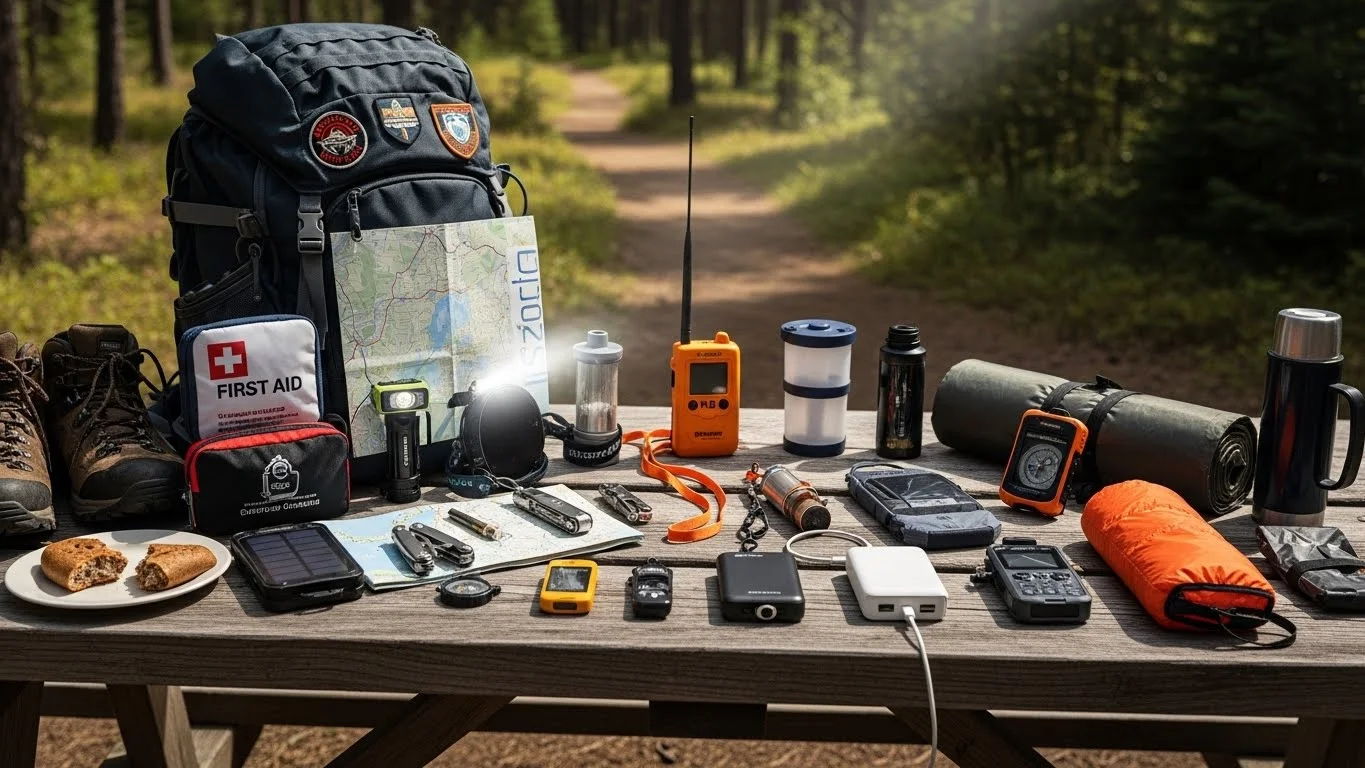
As I got deeper into my solo backpacking adventures, I realized that certain personal safety items are non-negotiable. Here are some essentials that I always pack.

First Aid Kit

A first aid kit is a must-have. I always carry a compact kit that includes band-aids, antiseptic wipes, pain relievers, and any personal medications. Once, when I scraped my knee on a rocky path, having my kit on hand made all the difference. I was able to clean and bandage my injury right away, which allowed me to continue exploring without worrying.

Personal Alarm

A personal alarm can be a lifesaver. I invested in a small, portable alarm that can emit a loud sound when activated. If I ever feel threatened or am in a precarious situation, I can use it to alert others. It gives me peace of mind, especially when I’m navigating cities or areas that feel less secure.

Whistle

Similarly, carrying a whistle is a simple yet effective safety measure. I keep mine attached to my backpack, so it’s always accessible. If I’m ever in a tight spot or lost in the woods, I know I can use it to signal for help. It’s a small item but incredibly powerful for solo travelers.

Travel Documents and Identification

Keeping your travel documents safe is crucial. I learned this the hard way during my first solo trip abroad.

Passport and Copies

Always carry your passport, but also have photocopies stored separately. I’ve found that a scanned copy on my phone can be a lifesaver if I lose my physical passport. It’s easier to report a loss and get a replacement when you have proof of your identity.

Travel Insurance Information

Speaking of my experiences, travel insurance has saved me more than once. I always carry a printed copy of my policy details, including emergency numbers. If something goes wrong, knowing I have support is a huge relief. I’ve had to use it for minor medical issues abroad, and I felt secure knowing I was covered.

Emergency Contacts List

Lastly, I keep an emergency contacts list in my wallet. This includes family, friends, and even local emergency services. Should I find myself in a sticky situation, having this information readily available is incredibly reassuring.

Navigation and Communication Tools

Getting lost can be one of the biggest fears for solo backpackers. I’ve been there, and it’s not a fun experience.

Portable Charger

Having a portable charger is essential. I can’t tell you how many times my phone’s battery has drained unexpectedly. I typically bring a charger that can power my phone multiple times. Staying connected is vital for safety, especially if I need to call for help or use GPS.

Offline Maps and GPS

I also download offline maps before heading out. This has helped me navigate unfamiliar areas without relying solely on my phone’s data. I remember exploring a small village in Thailand and being able to find my way back to my hostel without a hitch.

Local SIM Card or Wi-Fi Hotspot

Finally, I recommend getting a local SIM card or having a portable Wi-Fi hotspot. Staying connected allows me to communicate, share my whereabouts, and access information quickly. It’s a small investment for the security it provides.

Emergency Gear

Lastly, I always pack some emergency gear to ensure I’m prepared for anything.

Multi-tool or Swiss Army Knife

A multi-tool has been invaluable during my travels. It’s handy for everything from food preparation to repairs. I remember once needing to fix a broken strap on my backpack, and having my multi-tool saved the day.

Flashlight or Headlamp

A flashlight or headlamp is another must-have. I’ve often found myself hiking back after sunset, and having a reliable light source is crucial for navigating safely. I can’t tell you how many times it helped me avoid stumbling over rocks or roots.

Emergency Blanket

An emergency blanket is lightweight and takes up almost no space, yet it can be a lifesaver in unexpected situations. I always pack one in case I find myself cold or needing to signal for help. It’s a simple precaution that I never regret having.

Clothing Choices for Safety and Comfort

Weather-Appropriate Gear

One of the most important lessons I learned while backpacking solo was the significance of wearing the right clothing. Trust me, I’ve faced everything from scorching sun to unexpected downpours, and having the right gear can make all the difference in your comfort and safety.

Layering for Temperature Changes

When I started my journey, I often made the mistake of underestimating how quickly weather can change. I remember hiking in the Rockies where the temperature swung dramatically throughout the day. Layering became my best friend. I typically wear a moisture-wicking base layer, a warm mid-layer, and a windproof outer layer. Not only does this keep me comfortable, but it also allows me to adapt to various conditions without being weighed down by bulky clothing. I found that being able to strip down or add layers quickly helped me stay focused on enjoying the scenery rather than shivering or overheating.

Waterproof Jacket and Pants

I can’t stress enough how critical it is to have waterproof gear. On one of my trips to Iceland, I encountered a sudden downpour that soaked everyone around me, but I was prepared. My waterproof jacket and pants kept me dry and comfortable, allowing me to continue exploring without a hitch. I recommend investing in high-quality gear that not only repels water but also allows for breathability. This way, you stay dry and don’t end up feeling sweaty and uncomfortable.

Footwear for Different Terrains

Your choice of footwear can make or break your solo backpacking experience. I’ve learned this lesson the hard way on more than one occasion.

Hiking Boots vs. Trail Runners

When I first began hiking, I relied heavily on traditional hiking boots. While they offer great support and protection, I found them to be a bit heavy and cumbersome on longer treks. After trying out trail runners, I felt a noticeable difference in my agility and comfort. Trail runners are lighter and provide adequate grip on various terrains, making them ideal for day hikes or less rugged paths. However, for more challenging hikes, I still prefer the ankle support of hiking boots. It’s all about figuring out what works best for you based on your destination.

Comfortable Sandals for Off-Time

After a long day of hiking, my feet always appreciate some time in comfortable sandals. I usually pack a lightweight pair that allows my feet to breathe and relax. I’ve often found myself strolling through a beach town or heading to a local market in my sandals, which not only feels good but also helps me connect more with the surroundings. Plus, they’re easy to pack and versatile enough for a variety of settings.

Visibility and Identification

As a solo traveler, being visible and identifiable is crucial for my safety.

Bright or Reflective Clothing

I’ve learned that wearing bright or reflective clothing can be a game-changer, especially in low-light situations. There have been times when I was hiking at dusk, and I felt much safer wearing bright colors. It not only makes me visible to others but also adds an extra layer of safety when I’m exploring busy city streets. I often look for gear specifically designed for visibility, like jackets with reflective strips, to ensure I stand out.

Personal Identification Tags

While it might seem a bit over the top, I always carry personal identification tags with me. I keep a tag on my backpack with my name, emergency contact, and any medical information that could be relevant. This small detail can be crucial in case of an accident or emergency. I remember a time when I met a fellow traveler who had a similar tag, and it made me realize how important it is to be prepared for any situation.

Safe Packing Techniques

Organizing Your Backpack

Packing efficiently can enhance not only your safety but also your overall enjoyment while backpacking. I’ve spent countless hours trying to find the best way to organize my gear.

Weight Distribution for Balance

One thing I’ve found essential is distributing weight properly in my backpack. Keeping heavier items close to my back and lighter items at the bottom helps me maintain balance. I remember feeling incredibly off-balance during a steep climb because my pack wasn’t organized well. After that experience, I carefully plan my packing strategy, and it has made a world of difference in my stability and comfort while hiking.

Securing Valuables

Also, I always make sure to secure my valuables in a way that’s not only safe but also easily accessible. I use a small, lockable pouch for my passport, cash, and other important items. This way, I can rest assured knowing they’re protected while still being able to access them when needed. It’s a small step, but it significantly reduces the stress of worrying about losing something important.

Using Packing Cubes and Compression Bags

Packing cubes and compression bags have transformed the way I pack. I can’t recommend them enough! Top 10 Packing Tips for Solo Backpacking Adventures can further enhance your packing experience.

Maximizing Space and Accessibility

Packing cubes help me stay organized by categorizing my clothing and gear, making it easy to find what I need without rummaging through my entire backpack. I often pack my clothes in one cube, my toiletries in another, and my electronics in a third. This way, I save time and keep my packing neat and tidy.

Keeping Essentials Within Reach

For items I need daily, like my water bottle, snacks, and first aid kit, I use the outer pockets of my backpack for easy access. This allows me to grab what I need quickly without having to dig around. I learned that being organized not only helps me stay efficient but also adds to my overall peace of mind while traveling.

Health and Hygiene Essentials

Travel Medications and Supplements

Health is something we often take for granted until we’re far from home and feeling unwell. I learned the hard way that being prepared with the right travel medications can save you from a lot of discomfort. I always carry a small pouch with essential medications like pain relievers, antihistamines, and anything specific I might need, such as motion sickness tablets or stomach remedies.

For me, packing a few basic vitamins and supplements has also become a part of my routine. On long trips, I take vitamin C and probiotics to keep my immune system strong. I remember one trip when I didn’t take my probiotics, and I ended up catching a cold in the middle of a hiking trip. It was not fun! Now, I never leave without my health essentials. It’s a small effort that makes a big difference in how I feel while traveling.

Personal Hygiene Products

Staying clean and comfortable while backpacking is crucial, especially when you’re on the road for an extended period. I always pack travel-sized personal hygiene products like biodegradable soap, toothpaste, a toothbrush, and deodorant.

One product I swear by is a quick-dry microfiber towel. It’s lightweight and takes up almost no space in my pack. I can dry off after a swim or freshen up after a long day on the trails. Plus, having a reusable water bottle is essential; I fill it up regularly to stay hydrated, which is key for maintaining my energy levels. I also bring along hand sanitizer and wet wipes—they can be lifesavers when clean water isn’t readily available.

Water Purification Solutions

Access to clean drinking water is vital, and I’ve found that having a reliable water purification solution can make all the difference. I always carry a portable water filter or purification tablets. I remember hiking in a remote area where water sources were scarce, and being able to drink from streams felt like a game-changer.

Using a filter allowed me to refill my water supply safely. It also meant I didn’t have to worry about carrying large quantities of water with me. I recommend researching the best options for your travels, whether that’s a filter, UV purifier, or tablets. Knowing I can hydrate safely gives me peace of mind while exploring remote areas.

Safety Tips While Backpacking Solo

Staying Aware of Your Surroundings

One of the most important lessons I’ve learned while solo backpacking is the value of staying aware of my surroundings. I make it a habit to regularly observe my environment. Whether I’m walking through a bustling city street or hiking in the woods, I try to stay alert to what’s happening around me.

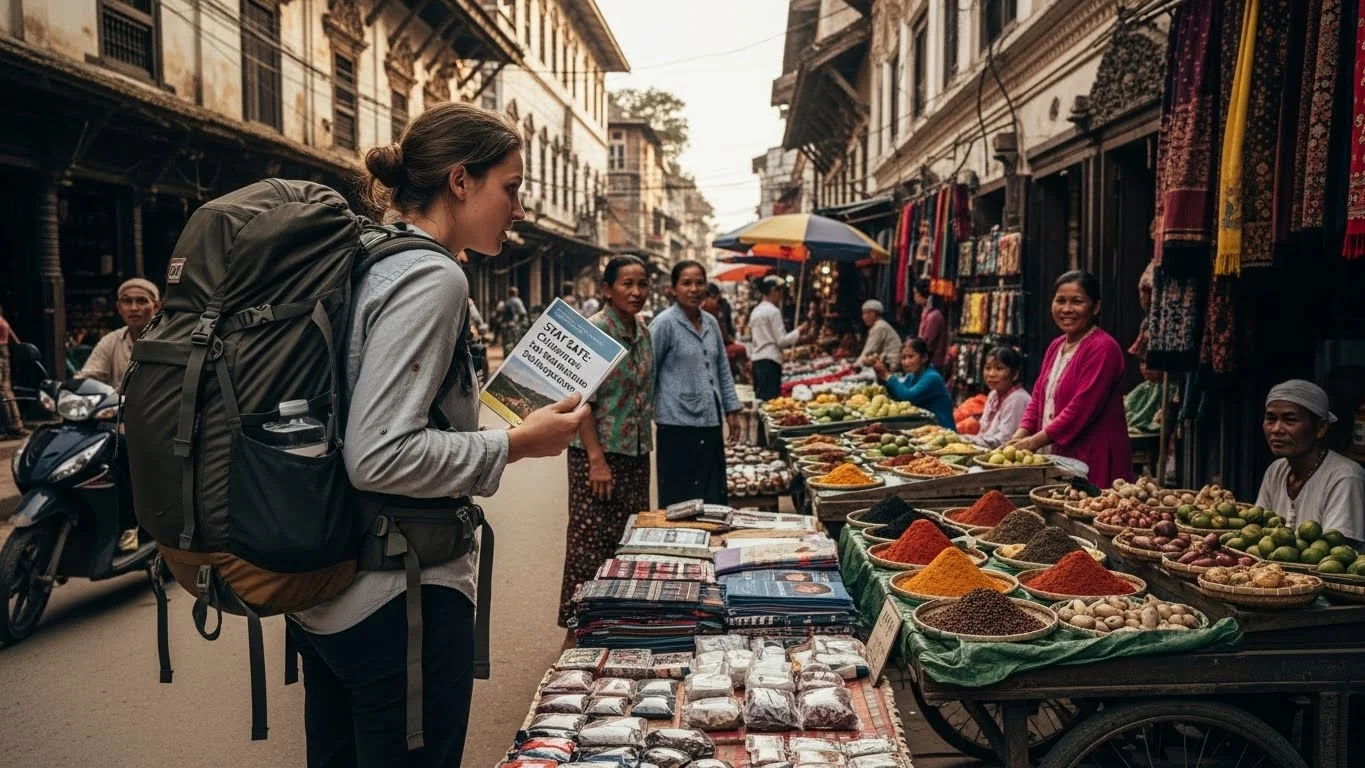
For example, I remember walking through a busy market in Morocco. There were so many distractions—the colors, the sounds, the smells—but I kept reminding myself to pay attention. I felt much more secure knowing I was aware of potential risks or changes in my environment. Trusting my instincts has often guided me in avoiding tricky situations.

Communicating Your Itinerary

Before embarking on any trip, I always share my itinerary with a trusted friend or family member. This practice not only keeps them informed but also adds an extra layer of security for me. I usually text them my planned route, accommodation details, and any significant stops along the way.

It gives me peace of mind knowing that someone is aware of my movements. If anything were to go wrong, they would have the information needed to help. I’ve also found that checking in regularly boosts my confidence when I’m on my own. A simple message saying “I made it safely” can help ease the minds of those who care about me.

Choosing Safe Accommodation

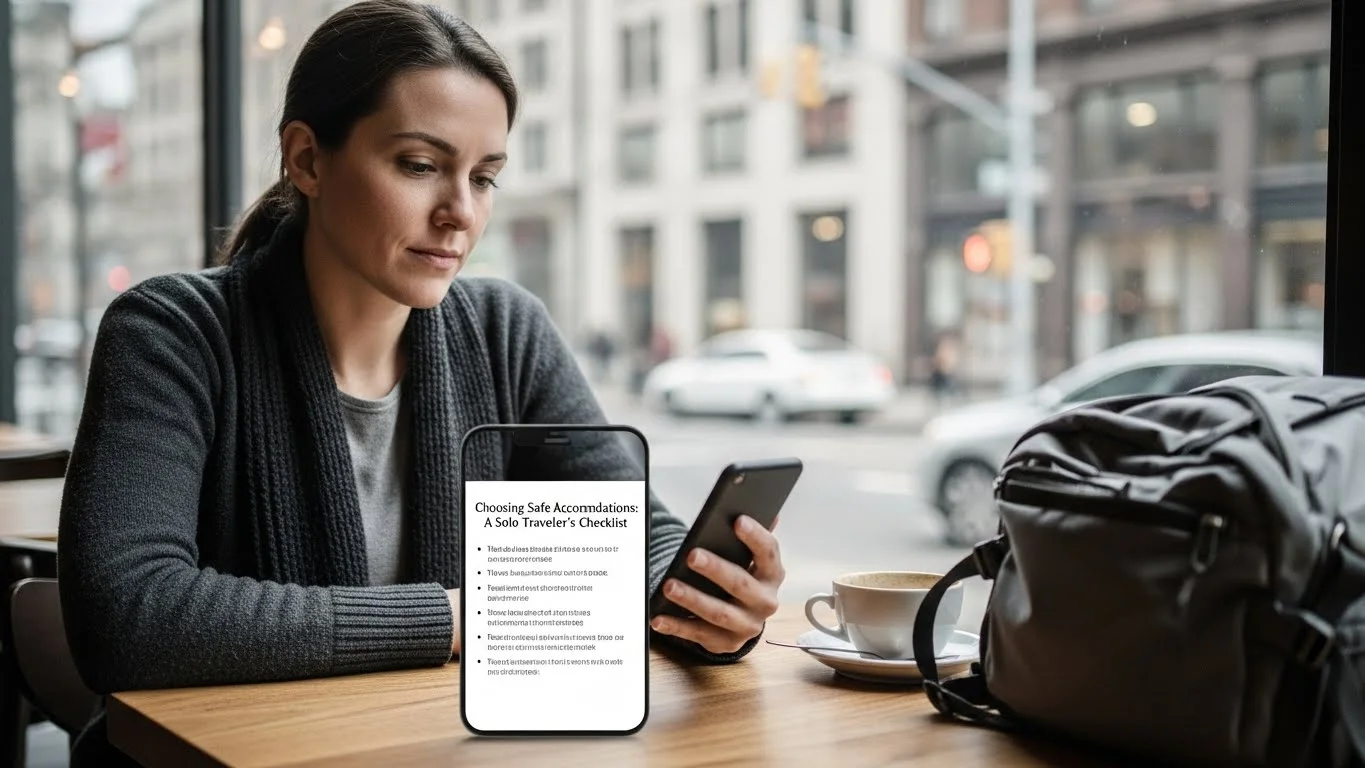
Finding the right place to stay is essential for solo backpackers. I prefer hostels or guesthouses that have positive reviews and a good reputation for safety. Before I book anywhere, I always read reviews from other travelers, specifically looking for comments about security and staff helpfulness.

I remember staying at a hostel in Barcelona that had a great vibe but also had a solid security system in place—secure lockers, key card access, and helpful staff who were always around. It made me feel at ease, knowing I could safely store my belongings and have a supportive environment. I also look for places located in well-lit, populated areas, which adds to my comfort level when returning at night.

Frequently Asked Questions

Why is safety important for solo backpackers?

Safety is crucial for solo travelers as they often find themselves in unfamiliar places without immediate help from friends or family. Being aware of surroundings and having the right safety gear enhances the adventure and ensures peace of mind.

What are common risks faced by solo backpackers?

Common risks include getting lost, theft, and injuries. Solo backpackers may face situations where they feel vulnerable, like being pickpocketed in busy markets or getting injured on remote trails.

What essential personal safety items should I pack for solo backpacking?

Essential personal safety items include a first aid kit, personal alarm, whistle, travel documents and identification, travel insurance information, and an emergency contacts list.

How can I navigate safely while backpacking alone?

To navigate safely, carry a portable charger for your phone, download offline maps and GPS, and consider getting a local SIM card or portable Wi-Fi hotspot to stay connected.

What clothing choices are recommended for safety and comfort?

Wear weather-appropriate gear, including moisture-wicking base layers, warm mid-layers, and windproof outer layers. Waterproof jackets and pants are essential, as well as appropriate footwear like hiking boots or trail runners.

How should I pack my backpack for safety?

Organize your backpack by distributing weight properly, securing valuables in a lockable pouch, and utilizing packing cubes for better organization. Keeping essentials within easy reach enhances efficiency while traveling.

What health and hygiene essentials should I bring while backpacking?

Health essentials include travel medications and supplements, personal hygiene products (like biodegradable soap and a quick-dry towel), and water purification solutions to ensure access to clean drinking water.

What safety tips should I follow while backpacking solo?

Stay aware of your surroundings, communicate your itinerary to a trusted friend or family member, and choose safe accommodations with good reviews and security measures.

What is the importance of carrying a first aid kit?

A first aid kit is essential for handling minor injuries promptly, allowing you to continue your adventures without worrying about untreated wounds.

How can I ensure visibility while traveling alone?

Wearing bright or reflective clothing can enhance visibility in low-light situations, and carrying personal identification tags can help in emergencies by providing crucial information to others.
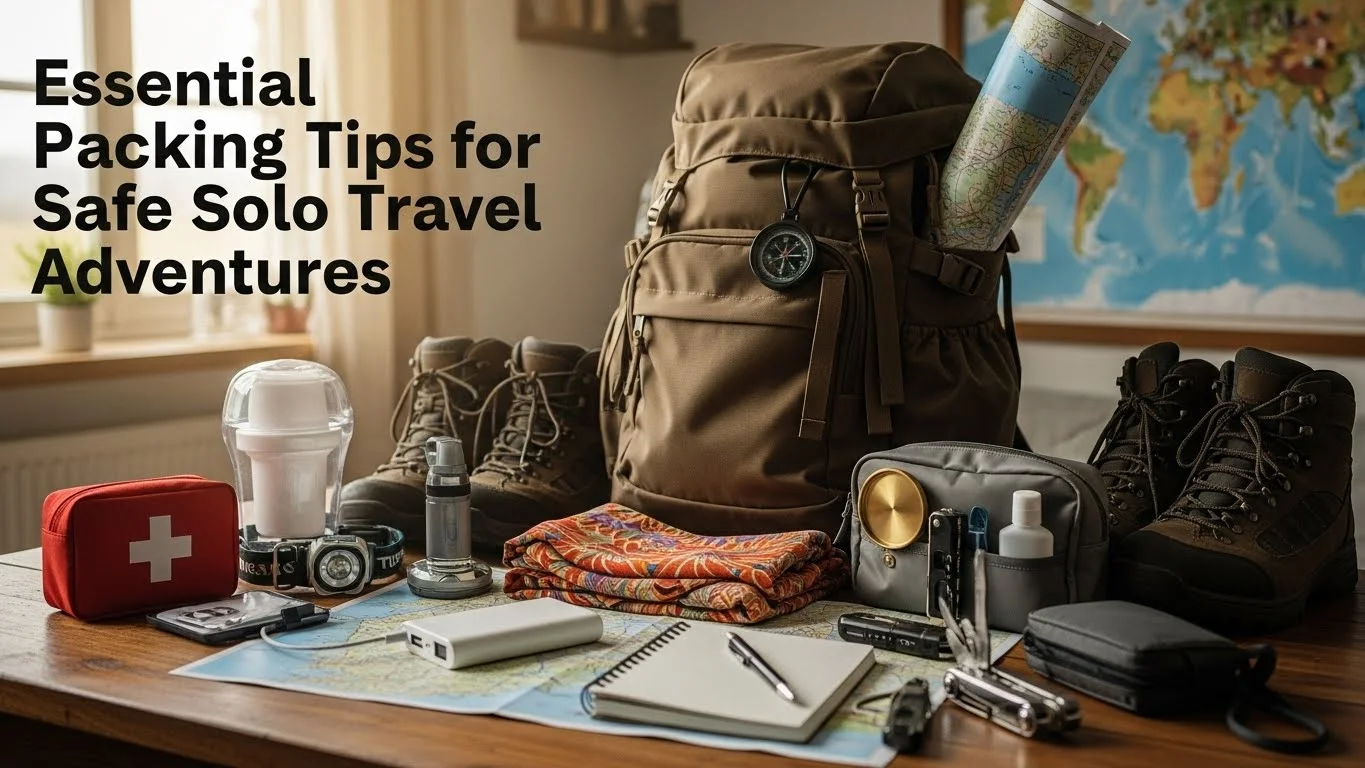
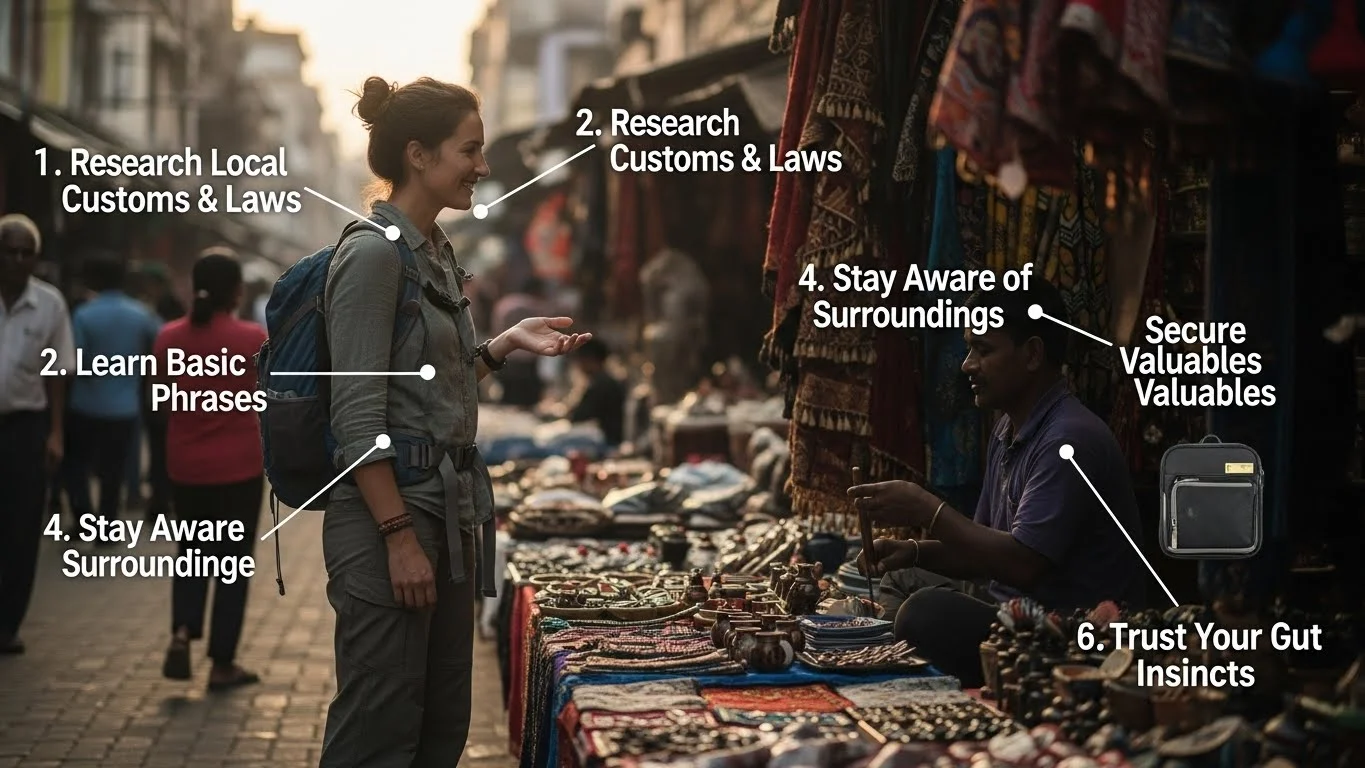
Essential Packing Tips for Safe Solo Travel Adventures

Embarking on a solo travel adventure is exhilarating, yet packing can feel overwhelming. Having the right essentials not only enhances your experience but also ensures your safety and comfort on the road. For more insights, check out Top 10 Packing Tips for Solo Backpacking Adventures.

Essential Packing Tips for Safe Solo Travel Adventures

Understanding the Importance of Packing for Solo Travel

When I first started traveling alone, I quickly learned that packing is more than just throwing clothes into a suitcase. It’s a vital part of the travel experience that directly influences our safety and enjoyment throughout the journey. The way we pack can determine how well we adapt to different situations and environments. For me, packing became a ritual that helped ease my travel anxiety and set the tone for the adventures to come.

The Role of Packing in Travel Safety

One of the biggest lessons I’ve learned from my travels is that packing smart enhances my safety. It’s crucial to have all the necessary items on hand to respond to unexpected situations. Imagine being in a foreign city and needing a first aid kit but finding it buried under a pile of clothes. I’ve been there, and it’s not a fun scenario. By organizing my packing list and ensuring I have safety items easily accessible, I feel more in control when exploring new places.

For instance, I always pack a basic first aid kit, which includes band-aids, antiseptic wipes, and pain relievers. This not only gives me peace of mind but also allows me to handle minor injuries without seeking help immediately. Additionally, I make sure to keep my emergency contact information in an easily accessible spot, so I can act quickly if needed.

Benefits of Packing Light

Over the years, I’ve also realized that packing light is a game changer. When I traveled with heavy luggage, I often felt weighed down, both physically and mentally. It’s liberating to move around easily without dragging a suitcase everywhere. I remember one trip where I had to navigate a crowded train station. With just a small backpack, I felt agile and free, allowing me to focus on the adventure instead of my baggage.

Packing light also encourages creativity in my wardrobe choices. I’ve learned to mix and match essentials, making it easier to adapt to different environments without needing a vast array of clothing. My go-to strategy is to choose versatile pieces that can be dressed up or down and layered for varying temperatures. This way, I have fewer items, but I still feel stylish and comfortable throughout my travels. For budget-conscious travelers, I recommend checking out Budget Backpacking Tips for the Savvy Solo Traveler.

Essential Packing List for Solo Travelers

Now that we understand the importance of packing, let’s dive into the essentials every solo traveler should consider. Having a well-thought-out packing list can make a huge difference in your travel experience.

Clothing Essentials

When I think about clothing for my trips, I prioritize comfort and versatility. I usually opt for lightweight, breathable fabrics that can handle different weather conditions. Here’s my go-to list of clothing essentials:

  • 2-3 Tops: I prefer a mix of short and long sleeves.
  • 1-2 Pairs of Pants: One casual pair and one dressier option work well.
  • 1-2 Dresses: Perfect for versatility and can be easily dressed up or down.
  • Lightweight Jacket: A packable rain jacket or windbreaker is essential.
  • Underwear and Socks: 5-7 pairs should suffice for a week-long trip.

I always make sure my clothing choices align with the destination’s climate. If I’m heading somewhere warm, I stick with lighter fabrics, while colder destinations require layering options. I’ve learned the hard way that being unprepared for the weather can put a damper on my plans.

Footwear: Choosing the Right Shoes

Footwear is another critical aspect of my packing strategy. I can’t stress enough how much the right shoes can impact your travel experience. I usually pack two pairs: one comfortable pair for walking and exploring, and another pair that’s a bit dressier for evenings out. I remember a trip where I only brought one pair of shoes. By the end of the week, my feet were sore, and I wished I had made better footwear choices!

When choosing shoes, I look for options that provide good support and are easy to clean. I’ve found that breathable materials are best for keeping my feet comfortable during long days of exploration. Investing in a good pair of walking shoes has always paid off for me.

Travel Accessories

Travel accessories might seem trivial, but they can make a world of difference. For me, packing a reusable water bottle is a must. Staying hydrated while traveling can be a challenge, and having my own bottle helps me save money and reduce waste. I also carry a travel pillow, especially for long flights or bus rides. It’s a simple addition that has improved my comfort immensely.

  • Reusable Water Bottle
  • Travel Pillow
  • Daypack: Great for daily excursions and carrying essentials.
  • Travel Umbrella: A must-have for unpredictable weather.

These accessories not only improve my day-to-day travel experience but also make me feel prepared for whatever comes my way.

Toiletries: What to Bring and What to Leave

When it comes to toiletries, I’ve learned to pack only the essentials. I like to keep it simple, usually opting for travel-sized containers to save space. Here’s what I typically include:

  • Toothbrush and Toothpaste
  • Travel-sized Shampoo and Conditioner
  • Body Wash
  • Deodorant
  • Skincare Basics: Sunscreen and moisturizer are non-negotiable.

I’ve found that many accommodations provide basic toiletries, so it’s wise to check ahead. This way, I can avoid packing unnecessary items and lighten my load even more.

Electronics and Gadgets

Last but not least, I can’t forget about electronics. Staying connected while traveling is important for safety and convenience. My must-haves include:

  • Smartphone: For navigation, communication, and capturing memories.
  • Charger and Portable Battery Pack: To ensure my devices are always powered up.
  • Adaptors: Depending on the country, having the right plug adaptor is crucial.

I also carry a lightweight laptop or tablet to document my travels and keep in touch with family. I’ve experienced times when I wished I had these gadgets handy, especially when planning my next destination or needing to book accommodations on the go.

By following these packing tips and keeping my list organized, I feel confident heading off on my solo adventures. Each trip presents new opportunities, and I’ve learned that the way I pack can significantly influence my experience. As I continue to explore the world, I’m excited to share more insights on packing strategies and essentials that have worked for me. Additionally, for more tips, check out Solo Backpacking Tips: Travel Smart and Save Money.

Safety Gear for Solo Travelers

Travel Insurance: Why It’s Crucial

When I started traveling solo, I didn’t think much about travel insurance. It felt like an unnecessary expense. However, as I delved deeper into my adventures, I quickly realized its importance. Travel insurance provides a safety net that can protect us from unexpected events—like flight cancellations, medical emergencies, or lost belongings. I remember a time when my luggage went missing on a trip, and having insurance eased my worries about replacing essential items.

Choosing the right travel insurance can be overwhelming, but I found it helpful to look for plans that cover emergency medical expenses and trip cancellations. I always read reviews and compare different policies to find one that fits my needs. I feel much more secure knowing that, should something go wrong, I have support. It’s a small investment for peace of mind during my travels.

Emergency Contact Information

One of the first things I do before any trip is create an emergency contact list. I include important phone numbers, such as local emergency services, the nearest embassy or consulate, and contacts back home. I keep this information in a variety of places—stored on my phone, printed out in my travel wallet, and even tucked in my luggage. This way, if I find myself in a tight spot, I can act quickly.

Additionally, I make sure my family and friends know my itinerary, including where I’ll be staying and significant travel dates. It’s comforting to have them in the loop, and it adds another layer of safety. In today’s digital age, sharing my location with someone I trust is another effective way to keep connected while traveling solo.

Personal Safety Devices

Personal safety devices have become essential in my solo travel toolkit. I’ve invested in a few items that provide peace of mind, such as a whistle, pepper spray, and a personal alarm. These tools are small and lightweight, so they don’t add much to my packing load, but they can be invaluable in a pinch.

I remember one time when I felt uneasy walking back to my hotel late at night. I had my personal alarm on hand, and just knowing it was there made me feel more secure. It’s a simple device that can deter potential threats and draw attention if needed. While I hope I never have to use these devices, having them offers reassurance that I’m prepared for any situation.

First Aid Kit Essentials

Putting together a first aid kit is one of the most practical steps I’ve taken for my solo travels. I’ve learned that the right supplies can make a huge difference in minor accidents. My first aid kit typically includes adhesive bandages, antiseptic wipes, pain relievers, and any personal medications I might need. I also pack items like blister pads and anti-nausea medication, especially for longer trips where I might be more susceptible to discomfort.

Whenever I restock my first aid kit, I take a moment to review what I’ve used in previous travels. This helps me tailor it to my needs and ensures I’m not overpacking unnecessary items. I also make sure my kit is easily accessible in my bag so that I can quickly grab it when needed. Having these supplies on hand allows me to handle minor mishaps without needing to rush to a pharmacy or clinic.

Smart Packing Techniques

Rolling vs. Folding Clothes

As I refined my packing skills, I discovered the age-old debate of rolling vs. folding clothes. Personally, I’ve found rolling to be my preferred method. Not only does it save space, but it also helps minimize wrinkles. I remember the first time I rolled my clothes for a trip; I was amazed at how much I could fit into my suitcase while keeping everything organized.

When I roll my clothes, I ensure that I start with the larger pieces and work my way to smaller items, which creates a sort of “clothing burrito.” It’s fun, and it’s become a ritual I look forward to. Plus, I can easily see everything I packed without digging through layers of folded clothing.

Using Packing Cubes

In my quest for better organization, I came across packing cubes, and they’ve changed how I pack. These cubes allow me to compartmentalize my items, making it easier to find things without unpacking my entire bag. I typically use one cube for tops, another for bottoms, and a smaller one for accessories. This system not only keeps my luggage neat but also helps me maximize space.

I initially hesitated to invest in packing cubes, thinking they might be an unnecessary expense. However, after using them, I can confidently say they’re worth it. I love how they help me stay organized and make it simple to switch between destinations without a hassle.

Maximizing Space in Your Luggage

Maximizing space is an art form, and I’ve learned several tricks over the years. One of my favorites is to stuff smaller items, like socks or chargers, inside my shoes. This not only saves space but also helps maintain the shape of my shoes while in transit. I also make use of every nook and cranny in my luggage, including pockets and compartments.

Another technique I use is to pack heavier items, like shoes and toiletries, at the bottom of my suitcase. This keeps my bag balanced and makes it easier to carry. I also try to leave a bit of room for souvenirs I might pick up along the way. Each trip is a new opportunity to collect memories, and I want to make sure I have space for them!

How to Choose the Right Luggage for Solo Travel

Backpacks vs. Suitcases

Choosing the right luggage has been a significant factor in my travel experience. I’ve experimented with both backpacks and suitcases, and I can honestly say each has its advantages. Backpacks are my go-to for a lot of reasons. They allow for hands-free travel, which is fantastic when navigating crowded places or hopping on and off public transport. I remember one trip where I had to make a quick transfer between trains, and having my backpack on made it so much easier to maneuver through the station.

On the other hand, I’ve also appreciated the organized space of a suitcase. When I travel for longer periods or to destinations with less mobility, a suitcase can provide more structure and ease of access. I often use a suitcase when I know I’ll be staying in one place for a while, as it allows me to unpack easily without rummaging through a backpack. Ultimately, I’ve found that the choice between a backpack and a suitcase depends on the type of trip I’m taking and how much I plan to move around.

Durability and Weight Considerations

Durability and weight are critical factors I consider when selecting luggage. I’ve learned the hard way that lightweight luggage can save a lot of hassle, especially when navigating airport terminals or city streets. I remember dragging a heavy suitcase through cobblestone streets in Europe, and it was exhausting! Now, I always opt for luggage that is both lightweight and sturdy. Materials like nylon or polycarbonate have served me well because they strike a good balance between durability and weight.

It’s also important to think about how much wear and tear my luggage will face. I’ve had suitcases that fell apart after just a few trips, so I make it a point to invest in quality brands known for their reliability. Additionally, checking reviews has helped me find options that last longer and withstand the rigors of travel. I believe that investing in good luggage pays off in the long run, making my travel experience more enjoyable.

Security Features in Luggage

In today’s world, security features in luggage are more crucial than ever. I’ve become more aware of how important it is to keep my belongings safe while traveling. I look for luggage with lockable zippers or built-in TSA locks, which give me peace of mind when I’m away from my bags. There was a time when I felt uneasy leaving my luggage unattended, but knowing I have secure options allows me to relax a bit more.

I also appreciate luggage that has RFID-blocking compartments. With identity theft on the rise, having my passport and cards protected is a priority for me. I remember reading about someone who had their information stolen while traveling, and it made me realize how essential these features can be. I feel much better equipped for solo travel with luggage designed to keep my items safe.

Tech Tips for Solo Travelers

Apps for Packing and Travel Organization

As I dove deeper into the world of solo travel, I discovered a plethora of apps that help streamline the packing process and keep my travels organized. One of my favorites is a packing list app that lets me create custom lists. I use it to keep track of what I’ve packed and what I still need. This way, I don’t have to rely on memory alone, which can be tricky when preparing for a trip.

Additionally, I’ve found apps that help with itinerary management invaluable. They allow me to pull together all my reservations in one place, making it easy to access important information on the go. I remember one time while traveling in a foreign city; my itinerary was all in one app, and I could quickly find my hotel address and transport options without flipping through papers or emails. It’s a game changer for solo travelers who want to stay organized!

Staying Connected: Mobile Plans and Wi-Fi Options

Staying connected while traveling solo is vital for both safety and convenience. I’ve learned that having a reliable mobile plan can save me a lot of headaches. I often opt for local SIM cards when I arrive at my destination, as they usually provide better rates for data and calls. I remember the first time I didn’t do this and ended up with exorbitant roaming charges. Now, I do my research ahead of time to find the best options available.

Wi-Fi is another aspect I can’t overlook. I make a habit of downloading maps and important information before heading out for the day, just in case I can’t find a reliable connection. Many places offer free Wi-Fi, but I’ve also invested in a portable Wi-Fi hotspot for times when I need to ensure I’m connected. This way, I can stay in touch with family and friends and access vital information whenever I need it.

Portable Chargers and Power Banks

Portable chargers and power banks have become essential companions on my solo journeys. I can’t tell you how many times my phone battery has died while I was out exploring. Having a power bank on hand gives me the freedom to use my phone without worrying about running out of juice. I usually carry a lightweight, high-capacity charger that can recharge my devices multiple times in a day.

There was one memorable day when I was out and about for over twelve hours. My phone was my lifeline for navigation and communication, and having that power bank meant I could keep using it without stress. I recommend finding a power bank that’s compact enough to fit in your daypack but powerful enough to give you the boost you need when you’re on the go. It’s a small piece of tech that makes a big difference!

Frequently Asked Questions

Why is packing important for solo travel?

Packing is crucial for solo travel as it directly influences safety and enjoyment throughout the journey. It helps travelers adapt to different situations and environments, easing travel anxiety and setting the tone for the adventure.

What are the benefits of packing light?

Packing light allows for easier movement and less mental burden, making it liberating to navigate crowded places without heavy luggage. It also encourages creativity in wardrobe choices, promoting the use of versatile pieces that can be easily mixed and matched.

What should be included in a solo traveler’s packing list?

A solo traveler’s packing list should include clothing essentials like tops, pants, dresses, a lightweight jacket, and sufficient underwear and socks. Footwear, travel accessories, toiletries, and electronics should also be considered to enhance comfort and convenience during the trip.

What kind of footwear is recommended for solo travelers?

It is recommended to pack two pairs of shoes: one comfortable pair for walking and exploring, and another dressier pair for evenings out. Shoes should provide good support and be easy to clean for maximum comfort during long days of exploration.

What travel accessories are essential for solo travelers?

Essential travel accessories for solo travelers include a reusable water bottle, travel pillow, daypack for daily excursions, and a travel umbrella for unpredictable weather. These items enhance the travel experience and help travelers feel prepared for various situations.

What toiletries should a solo traveler pack?

A solo traveler should pack essential toiletries, including a toothbrush and toothpaste, travel-sized shampoo and conditioner, body wash, deodorant, and skincare basics like sunscreen and moisturizer. It’s wise to check accommodations for provided items to avoid overpacking.

Why is travel insurance important for solo travelers?

Travel insurance is important as it provides a safety net for unexpected events, such as flight cancellations, medical emergencies, or lost belongings. It offers peace of mind and financial protection during travels.

What safety measures should solo travelers consider?

Solo travelers should create an emergency contact list, invest in personal safety devices (like a whistle or personal alarm), and assemble a well-stocked first aid kit. These measures enhance safety and preparedness while traveling alone.

What packing techniques can help maximize space?

Techniques to maximize packing space include rolling clothes instead of folding them, using packing cubes for organization, and stuffing smaller items inside shoes. Packing heavier items at the bottom of the suitcase helps maintain balance and makes for easier transportation.

How can technology assist solo travelers in their packing and organization?

Technology can assist solo travelers through apps for creating custom packing lists and managing itineraries in one place. Staying connected with reliable mobile plans and portable chargers ensures access to important information and communication while on the go.

Essential Safety Tips for Culturally Aware Solo Travelers

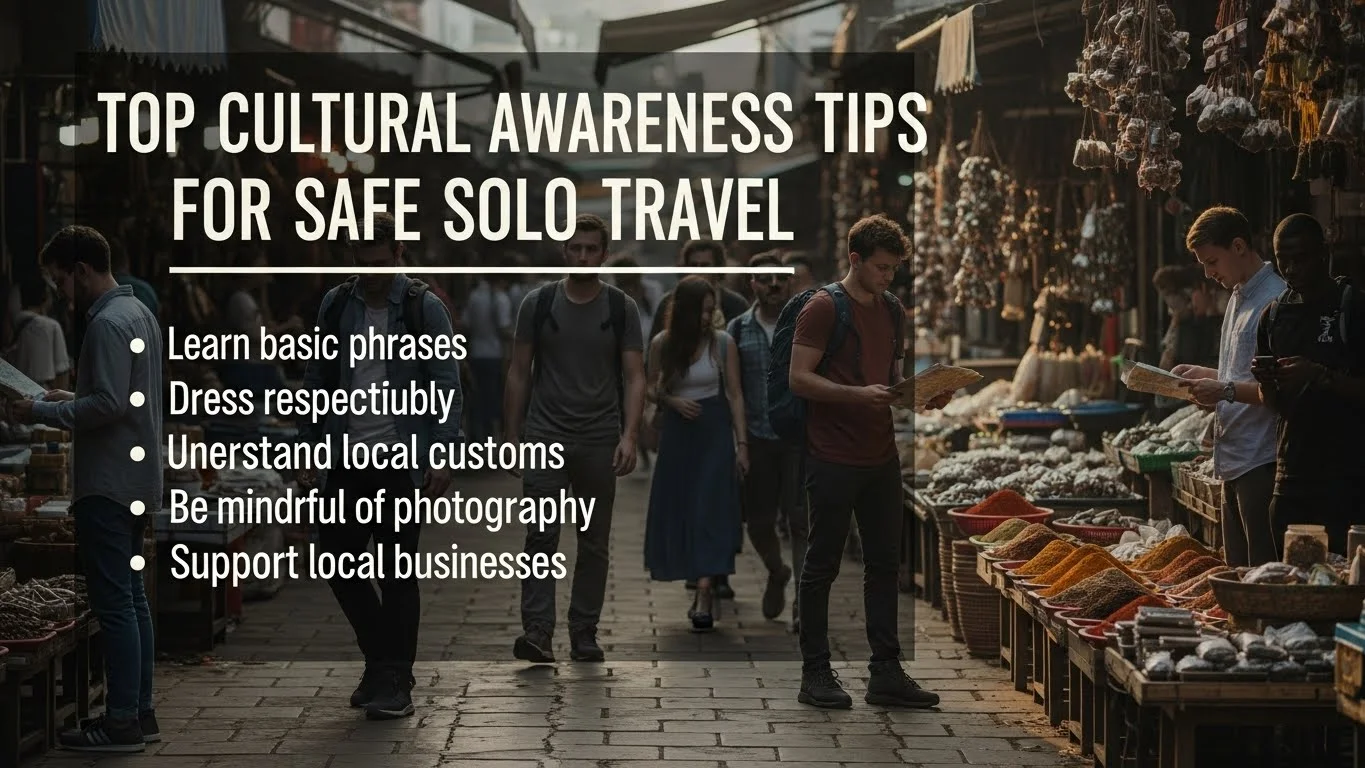
Traveling solo can be one of the most enriching experiences, but it comes with its own set of challenges. Having a culturally aware approach not only enhances your journey but also ensures your safety. Here are essential tips for culturally aware solo travelers. Read Interesting article: Top Cultural Awareness Tips for Safe Solo Travel

Essential Safety Tips for Culturally Aware Solo Travelers

Understanding Cultural Sensitivity in Travel

The Importance of Cultural Awareness

I remember the first time I traveled solo to a foreign country. I was excited but also a bit nervous, worried about how I would fit in and respect the local culture. Cultural awareness is crucial for any traveler, especially those venturing out on their own. It’s not just about observing etiquette but understanding the values and traditions that shape everyday life in different places.

Being culturally aware helps us avoid misunderstandings and fosters genuine connections with locals. When we show respect for their customs, we create a more welcoming environment for ourselves and others. It can be as simple as learning a few basic phrases in the local language or knowing the appropriate dress code when visiting sacred sites. I’ve found that these small gestures can go a long way in making my travels more enjoyable.

Common Cultural Misunderstandings

During my travels, I’ve encountered several situations where cultural misunderstandings could have easily arisen. For instance, in some countries, direct eye contact is a sign of confidence, while in others, it can be seen as disrespectful. Similarly, gestures that are friendly in one culture might be offensive in another. I once waved goodbye to a local vendor, only to realize later that it was considered a rude gesture in that culture.

To avoid these pitfalls, I encourage fellow travelers to research common cultural norms before arriving at their destination. Understanding these nuances not only helps to avoid faux pas but also enriches the travel experience. I’ve learned that the more I understand about a culture, the more I can appreciate its beauty and complexity. Read Interesting article: Top Destinations for Cultural Experiences Solo Travelers

Pre-Travel Preparations

Researching Your Destination

Before any trip, I take the time to thoroughly research my destination. This means not only learning about the tourist attractions but also delving into the local customs, history, and current events. I typically start with travel blogs, documentaries, and reputable travel guides. I find personal stories and experiences particularly enlightening as they often highlight aspects of culture that you won’t find in guidebooks.

Another great resource for me has been social media platforms where locals share their day-to-day lives. Engaging with these communities can provide insights and tips that make my travels smoother and more respectful. I once found a local’s Instagram account dedicated to food in a city I was visiting, which led me to some fantastic hidden gems that tourists might overlook.

Understanding Local Laws and Customs

It’s essential to know the local laws and customs of your destination. I’ve learned the hard way that what is acceptable in my home country may not be in another. For instance, in some nations, strict laws govern behaviors like public displays of affection or drinking alcohol in public spaces. Ignoring these laws can lead to serious consequences, including fines or even imprisonment. I remember a trip where I was blissfully unaware of a local law regarding photography in certain public areas. A friendly local helped me realize my error before it turned into a problem.

I recommend checking government travel advisories and local resources for updated information on laws that could affect your visit. This preparation can save you from unnecessary trouble and enhance your overall travel experience.

Health and Safety Precautions

Taking care of my health while traveling is a top priority. Before I head out, I always make sure to check if any vaccinations are required or recommended for my destination. I’ve learned that some regions have specific health risks, and I want to protect myself as much as possible. I also carry a basic first aid kit with essential items like band-aids, antiseptic wipes, and any medications I may need.

In addition to health precautions, I focus on general safety measures. Researching areas known for higher crime rates and understanding how to navigate them is key. I often talk to fellow travelers or locals about safe neighborhoods and transportation options. I remember a trip where I was advised to avoid certain train stations after dark, which helped me plan my outings more safely.

These pre-travel preparations have transformed my solo trips from anxiety-filled ventures into rewarding experiences. By understanding the culture and being aware of the local laws and health precautions, I feel empowered to explore the world with confidence and respect. It’s an ongoing learning experience that enriches my journey and helps me connect with the places I visit on a deeper level.

Packing Essentials for Solo Travelers

Appropriate Clothing for Different Cultures

Packing for a trip can be both exciting and daunting. I’ve learned that choosing the right clothing for my destination is crucial, not just for comfort but also for cultural sensitivity. I remember a trip to a Southeast Asian country where I underestimated the importance of modest attire. When I arrived at a local temple in shorts and a tank top, I was met with disapproving looks. It was a wake-up call for me to understand the cultural expectations surrounding dress codes.

Now, I always research what is considered appropriate attire in the places I plan to visit. For instance, in many Middle Eastern countries, covering shoulders and knees is not just respectful but often required. I’ve found that packing versatile pieces, like long skirts or lightweight shawls, can help me adapt to different settings. I also recommend checking the weather, as it can vary greatly depending on the region and season. This way, I can dress comfortably and appropriately, allowing me to blend in with the locals instead of standing out as a tourist.

Travel Safety Gear

When I travel solo, safety gear becomes a part of my packing list. Over the years, I’ve discovered a few essentials that help me feel more secure during my adventures. Consider investing in a good travel lock for your luggage, especially if you’ll be staying in shared accommodation. I remember a time when I was in a hostel and saw some travelers leave their bags unattended. It made me realize how easy it is for things to go missing if we’re not careful.

Another item I swear by is a money belt or a hidden pouch. I like to keep my passport, cash, and cards close to my body, especially when I’m in crowded places. It’s a small precaution that offers me peace of mind. I also recommend packing a portable phone charger. While traveling, I often rely on my phone for maps and communication, and having a charged device can be a lifesaver. In my experience, being prepared with the right gear makes exploring new places feel a lot less daunting.

Essential Documents and Copies

As someone who has traveled extensively, I can’t stress enough how important it is to keep my travel documents organized. I always make copies of my passport, visa, travel insurance, and any other critical documents before I leave. One time, I misplaced my passport while exploring a bustling market, and having a copy saved me a lot of stress when I needed to report it lost.

I recommend keeping both physical and digital copies. I usually store digital copies on a secure cloud service, so I can access them from anywhere if needed. Additionally, I keep a list of important contacts, including my country’s embassy and local emergency services, in case something goes wrong during my travels. By having these essentials in order, I can focus on enjoying my trip instead of worrying about what might happen if something goes awry.

Staying Safe While Traveling Solo

Choosing Safe Accommodations

Finding the right place to stay is essential for any solo traveler. I’ve learned that the right accommodation can make a huge difference in my overall experience. I often look for places with good reviews, especially those that highlight safety. Websites like Airbnb and Booking.com allow me to filter my search based on safety features, such as security cameras and 24-hour reception.

During a recent trip, I chose a hostel that was highly rated for its security. I felt much more at ease knowing that I could trust the environment. It’s also a good idea to stay in neighborhoods that are known for being safe, even if they are a bit pricier. I’ve found that the peace of mind that comes with staying in a secure area is worth the extra cost. Plus, I often discover that these neighborhoods have great local spots to explore.

Using Technology for Safety

I’m a huge fan of utilizing technology to enhance my travel safety. Before I leave, I download local maps and translation apps to help me navigate unfamiliar areas. I remember getting lost in a city once and feeling overwhelmed, but having Google Maps installed made it easier to find my way back.

Additionally, sharing my itinerary with friends or family can be a great safety measure. I often send a quick message to someone close to me, outlining where I’ll be and when I expect to check in. This simple step has provided comfort to both me and my loved ones. I also recommend using apps that allow you to share your location in real-time, so someone always knows where you are in case of an emergency.

Staying Alert and Aware

Staying aware of my surroundings is crucial when I travel alone. I’ve learned to trust my instincts; if something feels off, I pay attention. One time, I was approached by a group of overly friendly locals who seemed too eager to show me around. Trusting my gut, I politely declined and moved on. It turned out to be the right decision when I later heard from other travelers about scams in that area.

Being present in the moment is important too. I try to limit distractions, especially when I’m walking in busy areas or using public transport. I’ve found that keeping my phone in my pocket and being aware of the people around me helps me stay safe. Additionally, I often keep my valuables out of sight to avoid drawing attention. It’s all about being mindful and cautious, which allows me to enjoy my travels without unnecessary worry.

Navigating Local Transportation

Understanding Public Transport Systems

Navigating a new city can be both thrilling and daunting, especially when it comes to understanding the local public transport system. I’ve had my fair share of experiences, some of which were humorous and others that were a tad stressful. Before I travel, I always look up the available public transport options, whether it’s buses, trains, or trams. I find that many cities have apps or websites that provide schedules and routes, which I make sure to download before I arrive.

On one trip to Europe, I was amazed at how efficient the train system was in countries like Germany and Switzerland. I remember standing at a busy train station, watching the clock and trying to decipher the signs. I felt a bit overwhelmed, but it helped that I had planned ahead. I learned how to read the schedule and even picked up some local phrases related to transport. This not only eased my anxiety but also helped me blend in with the locals who seemed to navigate so effortlessly.

I also recommend checking if the public transport system offers day passes or travel cards, which can be more economical if you plan to explore the city extensively. Understanding how to use the public transport system not only saves money but also gives you a chance to see the city from a local’s perspective.

Using Rideshare Services Safely

In addition to public transport, I’ve often relied on rideshare services like Uber or Lyft, especially late at night or in areas that seemed less accessible by public transit. I’ve found these services to be incredibly convenient. However, I always take safety precautions when using them. For instance, I make sure to confirm the driver’s details before getting into the car. I usually check the license plate number and the driver’s name to ensure I’m getting into the right vehicle.

One time, I was in a bustling city and requested a ride late in the evening. I noticed that the app showed a different car than what the driver had initially described. Rather than taking any chances, I politely declined the ride and re-requested another one. I felt more comfortable waiting a few extra minutes rather than risking my safety. It’s always better to err on the side of caution, and I think that’s a lesson every solo traveler should keep in mind.

Additionally, I recommend sharing your ride details with a friend or family member. Most rideshare apps allow you to share your trip in real-time, so someone always knows your location. This small step can provide extra peace of mind, especially when you’re in unfamiliar territory.

Walking and Biking Tips

Walking and biking are fantastic ways to truly immerse yourself in a new city. I’ve always loved exploring on foot or by bike. It allows me to discover hidden gems that I might miss while driving or taking public transport. However, I’ve learned a few essential tips along the way to ensure that I stay safe and aware while doing so.

First, I always make sure to stay aware of my surroundings. When I’m walking, I try to avoid distractions like my phone or loud music. I remember once, while exploring a beautiful coastal city, I was so engrossed in taking photos that I didn’t notice a cyclist coming up behind me. Thankfully, I heard them ring their bell just in time! It taught me the importance of being present and aware, especially in busy areas.

When biking, I make it a point to follow local traffic rules and wear a helmet whenever possible. I’ve seen many tourists hop on bikes without considering the traffic laws of the area. In some countries, biking on sidewalks is frowned upon, while in others, it’s completely acceptable. I suggest checking local regulations before you ride, as it can prevent misunderstandings with locals and ensure your safety.

Additionally, I love using bike-sharing services when they’re available. It’s an easy and eco-friendly way to get around. I remember a time when I rented a bike in Amsterdam; I had so much fun exploring the city’s famous canals at my own pace, which wouldn’t have been possible without that option. Just remember to lock your bike securely when you park it, as bike theft can be common in some areas.

Building Connections with Locals

Engaging in Respectful Communication

Connecting with locals can transform your travel experience from ordinary to extraordinary. I’ve had some of my most memorable moments during my travels when I took the time to engage with the people of the places I visited. The key is to approach conversations with respect and openness. I always try to learn a few greetings and polite phrases in the local language, which seems to break the ice and shows that I appreciate their culture.

I remember one instance in a small village where I attempted to speak the local language while ordering food. The vendor’s face lit up with a smile, and that small effort opened the door to a delightful conversation about the region’s cuisine. It made my meal even more enjoyable, knowing there was a story behind the food I was eating.

However, it’s essential to be mindful of cultural differences in communication styles. In some cultures, direct questions might come off as intrusive, while in others, they are welcomed. I’ve learned to observe how locals interact and mirror their communication style to ensure I engage respectfully. This attentiveness helps foster genuine connections, leading to richer experiences during my travels.

Understanding Social Norms

Alongside communication, understanding local social norms can greatly enhance my interactions with locals. I’ve realized that different cultures have unique customs that dictate how people greet each other, express gratitude, or even show affection. For instance, in some Asian cultures, bowing is a common greeting, while in others, a firm handshake is preferred. I remember feeling a bit awkward when I misread a situation in a new culture, but I used it as a learning experience to be more observant next time.

Observing how locals interact in social settings can provide valuable clues. I often sit in cafes or parks, just watching and learning how people engage with one another. It’s a simple yet effective way to grasp the nuances of social interactions in a new place. I’ve found that this awareness not only helps in making friends but also shows respect for the culture I’m immersing myself in.

Using Local Guides and Tours

Using local guides or joining tours can be an excellent way to connect with the culture while ensuring a deeper understanding of the area. I’ve participated in several local tours, ranging from food tastings to historical walking tours. These experiences have enabled me to learn from people who know the history and culture intimately. Plus, I often find that local guides are eager to share their stories and insights, which adds so much richness to the experience.

For instance, on a trip to Italy, I joined a cooking class led by a local chef. Not only did I learn how to make traditional pasta, but I also gained insight into the significance of family and food in Italian culture. The chef shared personal stories that made the experience so much more meaningful. I genuinely believe that engaging with locals through guided experiences can create lasting memories and friendships.

When choosing tours, I recommend looking for those that support local businesses. This way, I know my money is going back into the community, which feels rewarding. It’s a win-win situation: I get to learn and enjoy, and the locals benefit from my visit. Read Interesting article: Top Cultural Trekking Destinations for Budget Travelers

Frequently Asked Questions

What is the importance of cultural awareness for solo travelers?

Cultural awareness is crucial for solo travelers as it helps avoid misunderstandings and fosters genuine connections with locals. It’s not just about observing etiquette but understanding the values and traditions that shape everyday life in different places.

How can travelers prepare for cultural differences before their trip?

Travelers can prepare for cultural differences by researching common cultural norms, local customs, and laws of their destination. This preparation helps avoid faux pas and enriches the travel experience.

What health precautions should solo travelers take before traveling?

Solo travelers should check if any vaccinations are required or recommended for their destination, carry a basic first aid kit, and research areas known for higher crime rates to ensure their health and safety.

What are some essential packing tips for culturally sensitive travel?

Travelers should pack appropriate clothing that aligns with cultural expectations, versatile pieces for different settings, and safety gear such as travel locks and money belts to enhance security while traveling.

How can solo travelers ensure their accommodations are safe?

Solo travelers can ensure their accommodations are safe by looking for places with good reviews highlighting safety features, using platforms that allow filtering based on security, and choosing neighborhoods known for their safety.

What technology can help enhance travel safety for solo travelers?

Travelers can enhance their safety by downloading local maps and translation apps, sharing their itinerary with friends or family, and using apps that allow real-time location sharing to keep loved ones informed.

What should travelers consider when navigating local transportation?

Travelers should research available public transport options, familiarize themselves with schedules and routes, and check if public transport systems offer economical day passes or travel cards for extensive city exploration.

How can travelers engage respectfully with locals during their travels?

Travelers can engage respectfully with locals by learning a few greetings in the local language, being mindful of cultural differences in communication styles, and observing how locals interact to mirror their communication methods.

What are the benefits of using local guides or joining tours?

Using local guides or joining tours allows travelers to connect with the culture deeply, gain insights from locals, and support the community by ensuring that money spent goes back into local businesses.

What safety measures should solo travelers take when using rideshare services?

When using rideshare services, travelers should confirm the driver’s details before getting in, share their ride details with a friend or family member, and err on the side of caution if something feels off.

Stay Safe: Cultural Insights for Solo Backpackers

Solo backpacking can be an exhilarating journey filled with adventure and self-discovery. However, ensuring your safety while exploring unknown territories is crucial for an enriching experience. Read Interesting article: Backpacking Solo? Hereu2019s How to Ensure Your Safety

Stay Safe: Cultural Insights for Solo Backpackers

Understanding the Solo Backpacking Experience

The Appeal of Solo Backpacking

When I first set out on my solo backpacking adventure, I was drawn by the sheer freedom it promised. The idea of wandering through vibrant markets, hiking breathtaking trails, and meeting people from all walks of life was incredibly appealing. I remember my first trip to Southeast Asia; the thrill of navigating a new city alone made me feel alive. There’s something uniquely liberating about making your own decisions, whether it’s the direction you choose to walk or the food you decide to try. I found that solo backpacking allowed me to immerse myself deeply in different cultures, creating memories that I still cherish today.

Another aspect of solo backpacking that I loved was the opportunity for personal growth. Each trip pushed me out of my comfort zone, teaching me resilience and adaptability. I learned how to communicate effectively, solve problems on the fly, and navigate unfamiliar environments. These experiences have shaped my perspective on travel and life, making me more confident in my ability to face challenges.

Challenges Faced by Solo Backpackers

Despite the excitement, I quickly discovered that solo backpacking comes with its own set of challenges. One of the biggest hurdles I faced was loneliness. While I relished my independence, there were moments when the weight of solitude pressed down on me. I found myself longing for companionship, especially during meals or when exploring unfamiliar places. I often sought out other travelers in hostels or cafes, where I could share stories and make connections.

Another challenge that I encountered was safety. As a solo traveler, I became acutely aware of my surroundings. I learned to be cautious, especially in crowded places or areas that felt sketchy. There were times when I felt nervous walking alone at night or when I was approached by strangers asking for help. It was during these moments I realized the importance of trusting my instincts and being prepared.

Financial management was another issue that loomed large over my travels. I had to keep my budget in check, which sometimes limited my experiences. Balancing the desire to indulge in local cuisine and attractions with the need to save money was a constant tug-of-war. I had to learn how to prioritize my spending and find affordable yet safe options for food and accommodation.

Essential Safety Tips for Solo Backpackers

Choosing Safe Destinations

One of the first steps I took when planning my trip was to carefully choose my destinations. I researched places that had good safety records and were known for being friendly to solo travelers. Websites, travel blogs, and forums became my go-to resources. I discovered that some countries have a reputation for being safer than others, which helped me narrow down my options.

Additionally, I often looked for areas with a vibrant backpacking community. Popular spots often have a wealth of information available, making it easier to find reliable accommodations and activities. I remember feeling a sense of relief when I arrived in a city bustling with other travelers; it felt like I was part of a community, even if I was on my own. Read Interesting article: Top Cultural Awareness Tips for Safe Solo Travel

Staying Aware of Your Surroundings

One lesson I learned quickly was the importance of staying aware of my surroundings. I made it a point to keep my head up and be mindful of my environment, especially in crowded areas. I also adopted the habit of not wearing headphones while walking, which allowed me to stay alert to my surroundings. I found that being aware not only kept me safer but also helped me appreciate the beauty around me. I noticed little details I might have otherwise missed while lost in my own world.

Keeping my belongings secure was another priority. I invested in anti-theft bags and made sure to always keep my valuables close. I often used money belts for important documents and a lock for my backpack while staying in shared accommodations. These small precautions made a big difference in my peace of mind.

Emergency Contacts and Local Laws

Before embarking on my journey, I compiled a list of emergency contacts, including local authorities, my country’s embassy, and a few friends back home. I stored this information on my phone and wrote it down in a notebook, just in case my phone ran out of battery. Knowing whom to contact in case of an emergency gave me a sense of security.

Understanding local laws was another critical factor in staying safe. I made it a point to familiarize myself with the laws of the countries I visited, especially regarding behavior in public spaces and local customs. I found that respecting these laws not only helped me avoid trouble but also enriched my travel experience. It felt good to engage respectfully with the cultures I was exploring.

Cultural Insights to Enhance Safety

Understanding Local Customs and Etiquette

One thing I found incredibly enriching during my solo backpacking trips was learning about local customs and etiquette. Each country has its own set of unwritten rules that can significantly affect how I was perceived as a traveler. For instance, when I traveled to Japan, I quickly learned the importance of bowing and removing my shoes before entering homes or certain restaurants. I remember feeling a bit awkward at first, but once I embraced these customs, I found that locals were more welcoming and open to conversation. It’s this kind of understanding that not only enhances safety but also deepens the travel experience.

In some cultures, gestures that I might take for granted could be offensive. I once made the mistake of pointing at someone while giving directions in a Southeast Asian country, only to realize later that it was considered rude. I learned to use my whole hand to gesture instead. By being mindful of these differences, I avoided potential misunderstandings and built better relationships with the locals.

Language Barriers and Communication

Language barriers can be daunting for solo travelers, but I discovered a few tricks that helped me navigate through them. Before any trip, I made it a point to learn a few key phrases in the local language—simple greetings, thank yous, and questions about directions. I remember how a simple “hello” in the local language would often break the ice and open up conversations. Locals appreciated the effort, which made my interactions more enjoyable and meaningful.

In addition to learning phrases, I also downloaded translation apps on my phone. These apps came in handy when I found myself in situations where communication was essential, like ordering food or asking for help. However, I learned to rely on them wisely; there were times when the translation was a bit off, leading to some humorous misunderstandings. But that’s all part of the adventure, right?

Dress Codes and Cultural Sensitivity

Understanding appropriate dress codes in different cultures was another crucial aspect of my solo backpacking experience. I remember visiting a temple in Thailand where modest clothing was not just recommended but required. I had to be mindful of my clothing choices, opting for outfits that respected local customs. This not only helped me blend in but also showed respect for the places I was visiting. I made it a habit to pack versatile clothing that could easily adapt to various cultural settings.

In some regions, I discovered that wearing revealing clothing could attract unwanted attention. I once wore shorts in a more conservative area and felt uncomfortable due to the stares I received. From that moment onward, I became more cautious about my attire, ensuring that I dressed appropriately for each destination. It helped me feel more at ease and allowed me to focus on enjoying my adventures without worrying about standing out.

Accommodation Safety for Solo Travelers

Hostels vs. Hotels: Which is Safer?

Choosing the right accommodation was a significant part of my safety strategy while backpacking solo. I often found myself debating between hostels and hotels. While hostels offered a social atmosphere and were budget-friendly, I noticed that they could sometimes feel less secure, especially when it came to shared dorms. I experienced this firsthand when I stayed in a bustling hostel in Barcelona. The energy was amazing, but the open dorm setup made me a bit anxious about my belongings.

On the other hand, hotels often provided more privacy and security. They typically had better locks and security measures in place, allowing me to relax more. I found that a mixed approach worked best—staying in hostels to meet people while booking a quieter hotel for a couple of nights to recharge. Ultimately, it’s about finding what feels right for me and aligning that with the safety measures each option provides.

How to Choose Safe Accommodations

When selecting accommodations, I learned the importance of doing thorough research. I read reviews on multiple platforms and paid close attention to comments about safety and cleanliness. Sometimes, I found that a place might have glowing reviews for its social atmosphere but had complaints about theft or safety. I always made sure to weigh these factors carefully before making a booking. Read Interesting article: Your Guide to Safe Accommodations for Solo Backpackers

Another tip I picked up was to look for accommodations located in safer neighborhoods. Areas with active nightlife might seem fun, but they could also be riskier late at night. I preferred places that were close to public transportation and well-lit streets. I remember feeling much more comfortable when my hostel was situated in a bustling neighborhood where I could easily find my way back after a long day of exploring.

Staying in Touch with Family and Friends

Staying connected with family and friends back home was essential for my peace of mind. Before my trips, I would share my itinerary with them, including where I’d be staying and my planned routes. I also set up regular check-ins, whether through a quick text or video call, to let them know I was safe. This not only kept them informed but also gave me an extra layer of safety. They knew where I was supposed to be, which was reassuring for both parties.

Using social media, I sometimes shared my adventures with close friends and family, allowing them to follow along with my journey. It created a sense of connection, even when I was thousands of miles away. I found comfort in knowing that they were rooting for me from afar, and it gave me a boost of confidence to take on new challenges during my travels.

Navigating Public Spaces and Transportation

Public Transport Safety Tips

Using public transportation became an integral part of my solo backpacking adventures. I found it to be a great way to save money while experiencing the local culture. However, I learned that staying safe while using buses, trains, or subways is crucial. My first lesson came when I boarded a crowded train in Rome. With so many people around, I felt a little overwhelmed, but I quickly figured out a few strategies to stay secure.

First and foremost, I always kept my belongings close. I used a crossbody bag that I could easily grip with one hand while navigating through crowds. I also made it a habit to avoid peak hours if possible; the last thing I wanted was to be squished between a sea of strangers. On quieter rides, I felt more comfortable, allowing me to enjoy the scenery without the anxiety of a crowded space.

Researching local transport systems was another valuable step. I downloaded transit apps to help me navigate routes and schedules effortlessly. These apps not only provided real-time updates but also offered insights into safety ratings for different lines. Knowing which areas to avoid, especially at night, helped me plan my outings more strategically.

Walking vs. Using Rideshare Services

While walking can be one of the best ways to explore a new city, I found that rideshare services offered a great balance of convenience and safety, especially after dark. During one of my late-night outings in Bangkok, I decided to use a rideshare app to get back to my hostel. The ease of booking a ride and tracking my driver gave me peace of mind.

However, I always took precautions. Before getting into a car, I would double-check the driver’s details and make sure the vehicle matched the app description. In addition, I would share my ride details with a friend or family member, letting them know where I was headed. This simple act made me feel more secure, knowing someone was aware of my whereabouts.

On the flip side, walking around during the day allowed me to soak in the environment. I loved discovering hidden gems and local shops that I might have missed otherwise. I learned to trust my instincts when deciding whether to walk or use a rideshare. If an area felt off or I was unsure of my surroundings, opting for a rideshare was the best choice.

Using Maps and Navigation Apps Wisely

With the rise of smartphones, navigation apps have become my best friends while traveling. I remember getting lost in Lisbon, and instead of panicking, I opened my maps app and felt a surge of relief. However, I made sure to be cautious while using it in public places to avoid looking too much like a tourist. I learned to step aside, find a quieter spot, and check directions without drawing attention to myself.

Downloading offline maps was another game-changer. There were times when I found myself in areas with spotty internet connections. Having a backup plan with offline maps saved me from wandering aimlessly. I also discovered that using landmarks helped me navigate better. Instead of solely relying on street names, I began to familiarize myself with key sites, making it easier to find my way around.

One particular experience stands out: I was exploring the streets of Paris and decided to take a detour. I stumbled upon a charming café that wasn’t on any of the popular tourist maps. It became one of my favorite spots, where I enjoyed a delicious pastry while soaking in the ambiance. This is why I believe a balance between using apps and allowing for spontaneity is essential. Sometimes, getting lost can lead to the best adventures.

Building Connections with Locals

Meeting Other Travelers Safely

While solo backpacking offers a sense of independence, I found that connecting with other travelers enriched my experience. Hostels became my go-to places for meeting like-minded individuals. I remember one evening in a cozy hostel in Prague where I joined a group of travelers for dinner. We shared stories, exchanged tips, and even planned a day trip together. It felt great to bond over our shared love of adventure.

However, I learned to be discerning about who I spent time with. Not everyone I met had good intentions. I always trusted my gut feelings; if something felt off, I made sure to keep my distance. I often opted to join group activities or tours, which provided a safer environment to meet new people while enjoying guided experiences.

Finding Local Guides and Tours

One of the best ways I found to connect with locals was by seeking out guided tours led by residents. These experiences not only provided valuable insights but also created opportunities to meet fellow travelers and locals. I remember a food tour in Bangkok where the guide shared stories about the city’s history while leading us through bustling markets. It felt like a privilege to see the city through their eyes.

Using platforms like Airbnb Experiences or local tourism websites helped me find reputable guides. I always checked reviews and opted for those that highlighted safety and positive experiences. These tours often included small groups, making it easier to form connections without feeling swallowed up by a crowd.

Using Social Media for Local Connections

Social media has been a powerful tool in my solo travels, helping me connect with locals and fellow travelers. I often joined travel-related groups on Facebook or followed local influencers on Instagram. This way, I could stay updated on events happening in the area or meet up with fellow adventurers. I remember connecting with a local photographer in Buenos Aires who offered to show me around the city, giving me a firsthand look at some hidden gems.

However, I always approached these connections with caution. I made sure to meet in public spaces during daylight and let someone know where I was going. Building friendships through social media can be rewarding, but safety must always come first. The thrill of discovering new places through local perspectives is immeasurable, and it’s a great way to enhance the solo backpacking experience.

Frequently Asked Questions

What is the appeal of solo backpacking?

The appeal of solo backpacking lies in the freedom it offers to explore new places, immerse in different cultures, and make personal decisions about travel. It is also an opportunity for personal growth, teaching resilience, adaptability, and effective communication.

What challenges do solo backpackers face?

Challenges faced by solo backpackers include loneliness, safety concerns, and financial management. Travelers often long for companionship during meals or exploration, need to remain cautious about their surroundings, and must balance their budget with travel experiences.

How can solo backpackers choose safe destinations?

Solo backpackers can choose safe destinations by researching places with good safety records and vibrant backpacking communities. Resources such as travel blogs and forums can provide valuable information about safety and accommodations.

What are some essential safety tips for solo backpackers?

Essential safety tips include staying aware of your surroundings, keeping belongings secure with anti-theft bags, compiling emergency contacts, and understanding local laws and customs to avoid misunderstandings and enhance safety.

How important is understanding local customs when backpacking solo?

Understanding local customs is crucial as it can affect how travelers are perceived and can enhance their experiences. Respecting these customs fosters better relationships with locals and promotes a safer travel environment.

What should solo backpackers consider when choosing accommodations?

When choosing accommodations, solo backpackers should consider safety, read reviews focusing on cleanliness and security, and ensure the location is in a safer neighborhood with access to public transportation.

How can solo travelers stay connected with friends and family?

Solo travelers can stay connected by sharing their itineraries, setting up regular check-ins, and using social media to keep family and friends informed about their adventures and safety.

What are some public transport safety tips for solo backpackers?

Public transport safety tips include keeping belongings close, avoiding peak hours, and researching local transport systems through apps that provide real-time updates and safety ratings for different lines.

How can solo backpackers meet other travelers safely?

Solo backpackers can meet other travelers by staying in hostels, joining group activities or tours, and being discerning about whom they spend time with, trusting their instincts to maintain safety.

What role does social media play in solo backpacking?

Social media can connect solo backpackers with locals and fellow travelers, providing information about local events and opportunities for guided experiences. However, safety precautions should always be followed when meeting new people.

Top Cultural Awareness Tips for Safe Solo Travel

Traveling solo can be one of the most rewarding experiences, but it also requires a deep understanding of the cultures we encounter. Embracing cultural awareness can make our journeys safer and more enriching. For those seeking more guidance, check out Navigating Cultural Norms: Solo Travel Etiquette Essentials.

Top Cultural Awareness Tips for Safe Solo Travel

Understanding Cultural Awareness in Travel

The Importance of Cultural Sensitivity

When I first started my solo travel adventures, I quickly realized that each destination had its own unique culture, customs, and social norms. Understanding these differences is crucial for several reasons. First and foremost, cultural sensitivity fosters respect, which can open doors and create positive interactions with locals. I’ve often found that a simple smile or greeting in the local language can lead to unexpected friendships and incredible experiences. It’s not just about being polite; it shows that you value their culture and are willing to learn.

Moreover, being culturally sensitive helps avoid misunderstandings that could lead to uncomfortable or even dangerous situations. I recall one time in a small village in Thailand where my casual attire was considered disrespectful. If I hadn’t taken the time to learn about local customs beforehand, I would have likely embarrassed myself and offended my hosts. Instead, my awareness allowed me to connect with the community in a respectful way, enhancing my overall experience.

How Cultural Awareness Enhances Solo Travel Experiences

As I ventured into various countries, I discovered that cultural awareness not only keeps us safe but also enriches our travel experiences. Each culture has its own stories, traditions, and ways of life that can teach us so much. For instance, I remember visiting a market in Morocco where I learned about the significance of spices in their cuisine. Engaging with local vendors and understanding the history and uses of what they sold brought depth to my travels that I never anticipated.

Additionally, cultural awareness allows us to navigate social situations with confidence. When I attended a traditional festival in India, being aware of the appropriate behaviors—like not interrupting ceremonies and understanding the significance of certain rituals—made me feel more integrated into the celebrations. I was welcomed warmly, and it felt amazing to witness such vibrant traditions up close. The more we learn about the cultures we visit, the more meaningful our connections become.

Researching Your Destination

Understanding Local Customs and Traditions

Before heading to a new country, I always invest time in researching its customs and traditions. This preparation has saved me from potential faux pas more times than I can count. For instance, in Japan, it’s customary to bow when greeting someone. Knowing this simple gesture made a big difference in how I was received by locals. I felt a deeper connection, and they appreciated my effort to engage respectfully.

Another interesting custom I learned about was in Brazil, where personal space is different compared to what I was used to. Understanding that Brazilians are more physically expressive helped me navigate social interactions smoothly. By familiarizing myself with local customs, I’ve been able to participate actively in local life rather than standing on the sidelines as an outsider.

Learning Key Phrases in the Local Language

One of my favorite travel hacks is learning a few key phrases in the local language. Even a simple “hello,” “thank you,” or “please” can go a long way. In my experience, locals often appreciate the effort, and it can lead to warmer interactions. For example, while traveling through Spain, I learned to say “por favor” and “gracias.” This small effort helped me connect with shopkeepers and locals, who often smiled and responded enthusiastically.

Using language apps or phrasebooks is a great way to prepare. I remember using a language app to learn basic greetings before my trip to Italy. When I arrived, I was pleasantly surprised by how much more open and friendly the locals were once I greeted them in Italian. This not only enhanced my experience but also led to some fascinating conversations and cultural exchanges.

Identifying Cultural Norms and Taboos

Every culture has its own norms and taboos, and understanding these can be essential for a respectful and enjoyable visit. For instance, I learned that in certain Middle Eastern cultures, it’s considered disrespectful to show the soles of your feet. Being aware of such nuances allows us to avoid accidental offenses. I remember feeling nervous when visiting a mosque for the first time, but knowing the importance of modest dress and respectful behavior made the visit meaningful and memorable.

Researching taboos also helped me navigate social interactions. In some cultures, discussing personal topics too soon can be seen as intrusive. I once overheard a tourist asking very personal questions that made locals uncomfortable. Learning about these social boundaries can help us avoid such situations and foster more genuine connections.

In my travels, I’ve found that taking the time to understand these cultural norms not only keeps us safe but also enriches our experiences. It shows a level of respect that locals appreciate, and it opens up a world of possibilities for connection and learning. As we dive deeper into our journeys, let’s keep these cultural awareness tips in mind, ensuring our solo adventures are not just safe, but also meaningful and transformative. For more tips, check out Top 10 Packing Tips for Solo Backpacking Adventures.

Preparing for Solo Travel

Choosing a Safe Destination

Choosing a safe destination is one of the most critical steps I take when planning my solo trips. I remember my first solo adventure to Southeast Asia; I was both excited and nervous. To ease my mind, I spent several evenings researching which countries and cities were deemed safe for solo travelers. Websites, travel blogs, and online forums provided valuable insights from fellow travelers. I found it helpful to filter out places with high crime rates or political instability. Ultimately, I chose Thailand, a destination known for its friendly locals and vibrant culture.

One of my favorite resources during this process was the travel advisory from my government. It provided up-to-date information on safety and health precautions. Additionally, I reached out to friends who had traveled solo to these areas, asking about their experiences. Their personal stories reassured me and helped me better understand the local environment. I believe that feeling safe boosts our confidence to explore and engage with the world around us.

Planning Your Itinerary with Cultural Considerations

When I plan my itinerary, I always keep cultural considerations in mind. I’ve learned that some destinations have specific days when certain activities or attractions are closed. For example, when I was in Jerusalem, I discovered that many sites close early on Fridays for the Sabbath. By planning accordingly, I maximized my experience without missing out on must-see places.

I also find it helpful to mix well-known tourist spots with local experiences. I remember visiting a beautiful temple in Bali that wasn’t on the usual tourist maps. This hidden gem was recommended by a local, and it turned out to be one of the highlights of my trip. Engaging with locals for recommendations not only enriches my travels but also keeps me connected to the culture in a meaningful way.

Additionally, I’ve learned to build in some flexibility in my itinerary. Some of my best experiences came from spontaneous decisions. For instance, while in Vietnam, I met a group of travelers who invited me to join them for a cooking class. This detour turned into a fantastic afternoon filled with laughter, learning, and delicious food! Planning thoughtfully while allowing for spontaneity has made my trips even more rewarding.

Travel Insurance: Why It’s Essential

Travel insurance is something I never overlook. On my first solo trip, I thought it would be an unnecessary expense, but that changed after I met a fellow traveler who had lost all their belongings due to theft. Hearing their story made me realize that accidents and unexpected situations can happen anywhere. Now, I always make it a priority to have adequate travel insurance before heading out.

I’ve used travel insurance for various situations, from minor issues like delayed flights to more serious matters like medical emergencies. I remember needing to see a doctor while in Thailand due to a stomach bug. Thankfully, my insurance covered the costs, which relieved a lot of stress during a tough time. I also appreciate how some insurance plans offer 24/7 support, which provides peace of mind when traveling alone.

Before purchasing a policy, I research different options to find the one that suits my travel plans best. I usually look for coverage that includes trip cancellations, medical emergencies, and lost belongings. It’s a small investment for the protection and reassurance it provides while I’m exploring the world. For more on staying safe, check out Essential Safety Tips for Luxury Solo Travelers.

Engaging with Local Communities

Respectful Interaction with Locals

Engaging with locals is one of the most enriching parts of my travels. I’ve found that respectful interactions create opportunities for genuine connections. When I’m in a new place, I always try to approach conversations with openness and humility. I remember when I visited a small village in Peru; I was invited into a local family’s home. Instead of just observing, I took the time to ask questions about their way of life and share stories of my own. These exchanges not only deepened my understanding of their culture but also forged friendships that lasted beyond my trip.

I’ve learned that small gestures, like asking about local customs or expressing gratitude for their hospitality, can go a long way. I try to remember that even though I’m a guest in their culture, I can still contribute positively to the interaction. This mindset has helped me build connections that are often more meaningful than any guided tour could provide.

Participating in Cultural Events and Activities

No matter where I travel, I always seek out local cultural events and activities. These experiences provide a window into the heart of the community. For instance, I was fortunate enough to attend a traditional dance performance in Bali. The vibrant colors, intricate movements, and the passion of the performers captivated me. Being part of such events allowed me to appreciate the rich heritage of the region.

I also try to engage in activities that locals participate in. When I was in Mexico, I joined a cooking class where we prepared traditional dishes using local ingredients. Not only did I learn new skills, but I also got to know other travelers and locals who shared their culinary secrets and stories with me. These interactions helped me feel more integrated into the culture and made my experience all the more fulfilling.

Understanding the Role of Gender in Different Cultures

As a solo traveler, understanding the role of gender in different cultures has been incredibly important. I’ve noticed that gender dynamics can vary widely from one place to another. For example, in some countries, women are expected to dress modestly, while in others, gender roles are more relaxed. I remember feeling a bit out of my element in a conservative region of the Middle East, but by dressing appropriately and respecting local customs, I was able to navigate my surroundings more comfortably.

I also pay attention to how gender influences interactions. In some cultures, men and women may not engage in conversation freely. During my travels in Jordan, I found it helpful to be aware of these dynamics. I approached interactions with sensitivity, respecting the boundaries set by the local culture. This awareness not only helped me avoid awkward situations but also allowed me to build respectful and meaningful connections.

Safety Tips for Solo Travelers

Staying Aware of Your Surroundings

One of the most crucial aspects of solo travel is staying aware of my surroundings. I’ve learned that being alert can make a significant difference in ensuring my safety. I remember walking through the bustling streets of Bangkok, where the energy was palpable, but I kept my senses sharp. I noticed the little things: the sounds, the movement of people, and the overall vibe of the area. This awareness helped me identify when something felt off, allowing me to adjust my route or find a safer space if needed.

Another tip I often share is to trust my instincts. If I feel uneasy about a situation or a person, I don’t hesitate to change my plans. There was a time in a crowded market where I felt someone was following me. Instead of panicking, I stepped into a nearby shop to regain my composure and reassess the situation. Sometimes, just taking a moment to breathe and think can clarify what to do next. I’ve found that being aware and trusting my gut feelings helps me navigate unfamiliar environments confidently.

Using Technology for Safety: Apps and Resources

In our tech-savvy world, leveraging technology can significantly enhance my safety as a solo traveler. I rely on several apps that help me stay informed and safe while exploring new places. For instance, I use Google Maps not only to navigate but also to familiarize myself with the neighborhoods I’ll be in. It allows me to plan my routes before I head out, which is particularly useful in cities with complex layouts.

I’ve also found safety apps like “bSafe” and “Life360” to be incredibly helpful. These apps allow me to share my location with friends or family, and some even have features that let me send alerts if I feel threatened. Knowing that someone is aware of my whereabouts adds a layer of security, especially in unfamiliar areas. Additionally, I always download offline maps of the places I visit. This way, I can find my way back even without internet access.

Emergency Contacts and Local Laws to Know

Preparing for emergencies is something I take seriously when I travel alone. Before each trip, I make a list of essential emergency contacts, including local emergency services, my country’s embassy, and a few trusted friends or family members back home. I keep this information easily accessible on my phone and in a small notebook that I carry with me. Having these contacts readily available gives me peace of mind, knowing that I can reach out for help if needed.

Understanding local laws and regulations is equally important. Each country has its own set of laws, and some may be quite different from what I’m used to. For instance, I learned the hard way about the strict rules surrounding public behavior in Singapore, where chewing gum is banned. Being aware of such regulations can help me avoid unintentional violations that could lead to fines or worse. I usually do a bit of research on local laws, especially regarding safety and personal conduct, before I arrive at a new destination.

Adapting to Local Etiquette

Dining Etiquette Around the World

Dining is one of my favorite ways to immerse myself in a culture, but I’ve learned that understanding local dining etiquette is essential for a respectful experience. For example, I recall my first meal in Italy, where I was eager to try all the delicious foods. However, I quickly learned that it’s customary to wait for everyone to be served before starting my meal. Observing this etiquette made the dining experience feel more communal and respectful.

In Japan, I discovered that slurping my noodles is considered a compliment to the chef. This was a fun revelation, as it allowed me to enjoy my meal fully while embracing the local customs. Each country has unique dining practices, from how to hold utensils to the appropriate way to toast. I make it a point to research these nuances ahead of time, which not only enhances my experience but also shows my appreciation for the culture.

Dress Codes: What to Wear and When

Dressing appropriately is another vital aspect of adapting to local etiquette. I’ve encountered various dress codes during my travels that reflect cultural values and norms. For instance, when visiting sacred sites in Bali, I learned that wearing a sarong and a sash is a sign of respect. I remember feeling a bit apprehensive when I first wore traditional attire, but it made me feel more integrated into the local customs.

In contrast, when I traveled to Scandinavia, I noticed that casual clothing was the norm, even in nicer restaurants. Understanding these expectations helped me pack more thoughtfully and feel at ease in different environments. I also think it’s important to dress modestly in conservative regions, which not only shows respect but also helps me blend in better.

Gift Giving: Cultural Significance and Guidelines

Gift-giving customs vary widely around the world, and I’ve learned that understanding these practices can enhance my interactions with locals. When visiting someone’s home, I often bring a small gift as a gesture of appreciation. In some cultures, flowers are a popular choice, while in others, sweets or local specialties are more appropriate. I remember being invited to a dinner in Brazil, where I brought a box of chocolates. The host was delighted, and it sparked a lovely conversation about local treats.

However, I’ve also learned that certain gifts carry specific meanings, and what might be acceptable in one culture could be frowned upon in another. For example, in some Asian cultures, giving a clock as a gift is associated with funerals. Doing a bit of research on gift-giving etiquette before my travels has helped me avoid any accidental faux pas and deepened my connections with the people I meet. It’s amazing how such small gestures can convey respect and appreciation across cultures.

Frequently Asked Questions

What is cultural awareness in travel?

Cultural awareness in travel refers to understanding and respecting the unique cultures, customs, and social norms of the destinations we visit. It enhances our travel experiences and fosters positive interactions with locals.

Why is cultural sensitivity important for solo travelers?

Cultural sensitivity is important because it fosters respect and helps avoid misunderstandings that could lead to uncomfortable or dangerous situations. It allows travelers to connect meaningfully with the local community.

How can learning local customs enhance my travel experience?

Learning local customs can enhance your travel experience by helping you navigate social interactions smoothly, participate actively in local life, and create deeper connections with the people you meet.

What are some effective ways to prepare for cultural interactions while traveling?

Effective ways to prepare include researching local customs and traditions, learning key phrases in the local language, and understanding cultural norms and taboos to avoid unintentional offenses.

Why is travel insurance essential for solo travelers?

Travel insurance is essential because it provides protection against unexpected situations such as theft, medical emergencies, or trip cancellations, giving travelers peace of mind while exploring new places.

How can technology improve safety for solo travelers?

Technology can improve safety by providing navigation apps, safety apps for sharing locations, and offline maps, which help travelers stay informed and connected while exploring unfamiliar environments.

What should I consider regarding gender norms while traveling?

While traveling, it’s important to be aware of gender norms, as they can vary greatly between cultures. This awareness helps travelers navigate interactions respectfully and avoid misunderstandings.

What dining etiquette should I be aware of when traveling?

Dining etiquette varies by culture. It’s important to research practices such as when to start eating, how to hold utensils, and specific customs like slurping noodles in Japan, which is considered a compliment.

How should I approach dressing for different cultures?

Dressing appropriately involves understanding local dress codes, such as wearing modest clothing in conservative areas or specific attire like sarongs in sacred sites, to show respect for cultural values.

What is the significance of gift-giving in different cultures?

Gift-giving customs vary widely, and understanding these practices can enhance interactions. Bringing a small gift when visiting someone’s home is often appreciated, but it’s essential to be aware of what is culturally appropriate.

Choosing Safe Accommodations: A Solo Traveler’s Checklist

Traveling solo can be one of the most liberating experiences, but ensuring your safety while on the road is crucial. Choosing the right accommodation is a key part of that journey. Read Interesting article: Essential Safety Tips for Family Road Trips on a Budget

Choosing Safe Accommodations: A Solo Traveler's Checklist

Understanding the Importance of Safe Accommodations

Why Safety Matters for Solo Travelers

As someone who has taken my fair share of solo trips, I can tell you that feeling safe in your accommodation is everything. It’s not just about having a roof over your head; it’s about creating a sense of security that allows you to enjoy your adventure. When I think back to my travels, the places where I felt secure were always the ones that let me relax and fully embrace the experience. Whether it’s a bustling city or a quiet countryside, knowing that I have a safe place to return to at the end of the day brings immense peace of mind.

Common Safety Concerns for Solo Travelers

During my travels, I’ve encountered various safety concerns that solo travelers often face. Some of these include theft, scams, and even issues with the accommodation itself, like cleanliness or safety standards. I remember one time in a bustling city, I had a close call when a stranger tried to distract me while another reached for my bag. It was a wake-up call that made me realize how important it is to choose an accommodation that not only feels safe but has a good reputation. Knowing others have had positive experiences can help ease that nagging worry as you settle into a new space.

Additionally, I’ve noticed that the atmosphere of the neighborhood can greatly impact your safety. Some areas are vibrant and lively, filled with friendly locals and other travelers, while others may feel a bit sketchy at night. Always trust your instincts; if something feels off, it’s worth considering a different option.

Key Factors to Consider When Choosing Accommodations

Location and Accessibility

Location is one of the first things I look at when choosing where to stay. Is it close to public transportation? Are there any essential services nearby, like grocery stores or pharmacies? On one trip, I picked a place that was a bit off the beaten path, thinking it would be quieter. While it was peaceful during the day, I found myself isolated at night, which was a little unsettling. Accessibility is crucial for solo travelers; being able to get around easily can save you a lot of stress.

Type of Accommodation (Hotels, Hostels, Rentals)

The type of accommodation you choose can also play a big role in your safety and comfort. I’ve stayed in everything from hotels to hostels to vacation rentals, and each has its own vibe. Hotels often offer more security features and a professional staff, which can provide an extra layer of safety. On the other hand, hostels can be a great way to meet fellow travelers, but I’ve learned that they can vary greatly in terms of safety and cleanliness. I suggest doing a little research on the specific place to see what previous guests have to say.

Reviews and Ratings

Reading reviews is one of my go-to strategies when selecting accommodations. I remember one time I overlooked some negative comments about a place I was eager to book. When I finally arrived, it was evident that the concerns were valid. That taught me to really pay attention to what others have experienced. Look for patterns in reviews—if multiple guests mention safety issues or unresponsive staff, it’s probably best to steer clear. Read Interesting article: Essential Checklist for Stress-Free Family Road Trip Planning

Security Features (Locks, Safes, Surveillance)

When I enter a new accommodation, I always scope out the security features. Are there strong locks on the doors? Is there a safe for valuables? I once stayed in a place that had a keypad entry system, and it made me feel much more secure than a simple key. Additionally, I appreciate when accommodations have visible security measures like cameras in common areas. These features can make a world of difference in how safe I feel during my stay.

Staff Presence and Responsiveness

The presence of staff can also impact your sense of security. I prefer places where staff is on-site and available to assist, especially if I have questions or concerns. I recall an instance where my accommodation had a 24-hour front desk, which provided me with a sense of reassurance. A friendly and responsive staff can make all the difference, and it’s nice to know you have someone to turn to if you need help.

Researching Accommodations: Tools and Resources

Trusted Booking Platforms (Airbnb, Booking.com)

When it comes to booking accommodations, I’ve found that using trusted platforms can make a world of difference in ensuring safety. Websites like Airbnb and Booking.com not only offer a wide range of options but also provide user-friendly interfaces and helpful filtering tools. I remember being overwhelmed by choices during one of my trips, but once I focused on reputable platforms, I felt more at ease. These sites often have built-in security measures, like verified hosts and secure payment methods, which are reassuring for solo travelers like us. Plus, many of them allow you to read reviews from past guests, giving you insights into what to expect.

Online Reviews and Recommendations

I can’t stress enough how valuable online reviews are when selecting your accommodations. After a few trips where I ignored the red flags in reviews, I learned my lesson. Now, I spend time reading through comments on various platforms. I look for recent reviews and pay attention to mentions of safety, cleanliness, and the overall experience. Sometimes, even a single review can provide crucial insights. If someone mentions a lack of security or uncomfortable staff interactions, I take note and usually move on to the next option. It’s all about gathering as much information as possible to make an informed decision.

Social Media and Travel Forums

In addition to traditional review sites, I’ve found social media and travel forums to be fantastic resources. Platforms like Instagram can showcase real experiences from travelers, while forums on sites like Reddit or specialized travel sites give you the chance to ask questions and get direct feedback from others. One time, I joined a travel group on Facebook specifically for solo travelers. The recommendations I received were invaluable, and I discovered hidden gems that I wouldn’t have found otherwise. Engaging with fellow travelers can provide tips and warnings that ultimately help in choosing a safe place to stay. Read Interesting article: Top Safety Hacks for Family Travel with Babies and Toddlers

Creating Your Checklist for Safe Accommodations

Essential Questions to Ask Before Booking

Before I hit the ‘book’ button, I’ve developed a list of essential questions that I ask myself about the accommodation. For instance, I always consider: What is the neighborhood like? Is there a safe way to get there from the airport? Do they have 24-hour security? I remember asking these questions before my last trip, and it led me to an accommodation that was not only in a safe area but also had easy access to public transport. It’s a small effort that really pays off in ensuring a stress-free stay.

Red Flags to Watch Out For

Over time, I’ve become more aware of red flags that signal I should keep looking. If the listing has limited pictures, vague descriptions, or an unusually low price, it raises my eyebrows. I’ve seen a couple of places that looked nice in photos but turned out to be in sketchy neighborhoods or poorly maintained. Trust your gut—if something feels off, it probably is. I recall a time when a place seemed too good to be true, and it turned out to be a huge letdown. Those experiences have taught me to be vigilant.

Safety Certifications and Ratings

Many accommodations boast safety certifications or ratings, and I always look for these when booking. They can indicate that a place meets certain safety standards, which can be quite reassuring. I once stayed at a hotel that had a good safety rating and strict health standards, which made me feel much more comfortable, especially since I was traveling alone. If you see badges or certifications on a listing, take a moment to understand what they mean. Knowing that a place takes safety seriously can enhance your peace of mind.

Tips for Staying Safe During Your Solo Trip

Communicating Your Itinerary

I always share my travel itinerary with a trusted friend or family member before I leave. It’s a simple step that adds an extra layer of safety. I remember telling my best friend about my plans for a solo trip to Europe, and she appreciated being in the loop. This way, if anything goes awry, someone knows where I should be. It also helps to keep in touch during my travels, letting them know when I arrive at my accommodation safely. It’s a small gesture, but it gives both of us peace of mind.

Staying Connected (Mobile Apps, Local SIM Cards)

Staying connected while traveling solo is crucial for safety. I often download travel apps that let me navigate and find my way around without relying solely on Wi-Fi. In some countries, I’ve opted for local SIM cards to have data on the go. This way, I can use maps, contact accommodations, or even reach out for help if needed. I remember getting lost in a new city once, but because I had data, I could quickly find my way back without feeling anxious. Being connected truly makes a difference.

Emergency Contacts and Resources

Before I embark on any trip, I make it a point to gather emergency contacts and resources. This includes saving local emergency numbers, the address of my country’s embassy, and the nearest hospital. I even write down essential phrases in the local language just in case. There was a moment during my travels when I needed assistance, and having this information on hand made a stressful situation much more manageable. I felt empowered knowing that I had resources to rely on if things didn’t go as planned.

Special Considerations for Unique Destinations

Urban vs. Rural Accommodations

When I think about choosing accommodations, the type of destination plays a huge role. Urban settings often come with their own unique vibes and challenges. In cities, I’ve noticed that the variety of accommodations can be overwhelming, from high-rise hotels in bustling downtowns to charming boutique stays tucked away in quieter neighborhoods. I remember a trip to a large city where I opted for a downtown hotel. While it was convenient for sightseeing, I felt a bit lost in the crowd. I realized that sometimes, a rural accommodation can offer a more intimate experience. In the countryside, I’ve found cozy bed-and-breakfasts that felt like home and made me feel safe and welcomed.

In rural areas, the challenge can be finding accommodations that are up to safety standards. I once stayed at a charming cabin that looked perfect online but had some concerning issues when I arrived, like a broken lock on the door. It taught me the importance of being diligent with research, even in seemingly peaceful settings. No matter where I go, I always remind myself that safety should be a priority, whether in a vibrant city or a tranquil countryside.

Traveling in Different Cultures

Traveling solo also means navigating through different cultures, which can impact the safety of accommodations. I remember visiting a country with customs that were completely different from my own. I had to be mindful of local norms regarding gender, dress codes, and behavior, which could affect how I interacted with my accommodation’s staff or other guests. For example, in some cultures, it’s common for men to be more dominant in social settings, and I learned to be respectful of that dynamic.

Before I travel, I always do a little research on the cultural expectations of my destination. This insight has helped me choose accommodations that align with my values and have staff who are sensitive to different backgrounds. One time, I stayed at a guesthouse that embraced cultural diversity, and it was a beautiful experience to learn and share stories with people from all over the world. Being aware of cultural nuances helps in selecting a place that feels welcoming and safe, which makes my solo travels even more enriching.

Seasonal Safety Factors (Weather, Events)

Seasons can greatly influence the safety of your accommodation choice. I remember traveling during the rainy season in Southeast Asia and booking a lovely-looking hut close to the beach. While it was picturesque, I didn’t consider the potential for flooding or how it would impact travel. The rain made navigating the area challenging, and I sometimes felt uneasy about my surroundings when the water levels rose.

On the other hand, I’ve found that some destinations host events like festivals or major holidays, which can either enhance my experience or complicate my stay. In one instance, I booked accommodations last minute during a local festival and ended up in a crowded area that was a bit overwhelming. It was exciting for a day, but the noise and chaos made me yearn for a quieter environment. I learned to check local events and weather patterns before my trips, which has become an integral part of my planning process. This way, I can choose accommodations that are not only safe but also comfortable for the time of year I’m visiting.

Post-Booking Safety Measures

Confirming Reservations

After I finalize my booking, I always make it a point to confirm my reservation a few days before my trip. I remember a time when I assumed everything was set, only to arrive and find out there was a mix-up with my reservation. Thankfully, I had a backup plan, but it was a stressful experience. Now, I double-check with the accommodation to ensure everything is in order. I send a quick email or call to verify my booking details, which gives me peace of mind. Plus, it’s a great opportunity to ask any last-minute questions about my stay.

Preparing for Arrival (Transport, Local Customs)

Getting to my accommodation safely is just as important as where I’m staying. I always research the best transport options from the airport or train station to my accommodation. I’ve had experiences where I took the wrong bus or taxi, leading to unnecessary confusion. I usually opt for well-reviewed services, like shuttle services or ride-sharing apps, which are often more reliable.

Understanding local customs is crucial as well. When I traveled to Japan, I learned about the etiquette surrounding public transport and how to navigate the city. It made my arrival smooth and helped me feel more comfortable when I checked in at my accommodation.

Understanding Accommodation Policies (Cancellations, Refunds)

Before I finalize my booking, I always review the accommodation’s policies regarding cancellations and refunds. Life is unpredictable, and plans can change. I recall a trip where I needed to cancel last minute due to an emergency, and understanding the accommodation’s policy helped me navigate that situation better. I prefer places with flexible cancellation policies, which provide a safety net should anything go awry. This awareness not only protects my finances but also alleviates potential stress.

Frequently Asked Questions

Why is safety important for solo travelers when choosing accommodations?

Feeling safe in your accommodation is crucial for solo travelers as it creates a sense of security that allows for a more enjoyable adventure. A safe space helps travelers relax and fully embrace their experiences.

What common safety concerns should solo travelers be aware of?

Common safety concerns for solo travelers include theft, scams, and issues related to the accommodation itself, such as cleanliness and safety standards. Trusting your instincts and being aware of the neighborhood atmosphere are also important.

What factors should be considered when choosing accommodations?

Key factors to consider include location and accessibility, the type of accommodation (hotels, hostels, rentals), reviews and ratings, security features, and the presence and responsiveness of staff.

How can online reviews help in selecting accommodations?

Reading online reviews is essential as they provide insights into the experiences of previous guests. Patterns in reviews can reveal safety issues or unresponsive staff, helping travelers make informed decisions.

What security features should travelers look for in accommodations?

Travelers should look for strong locks on doors, safes for valuables, and visible security measures such as surveillance cameras in common areas to feel more secure during their stay.

Why is it important to communicate your travel itinerary?

Sharing your travel itinerary with a trusted friend or family member adds an extra layer of safety, ensuring someone knows your plans and can help if anything goes awry during your travels.

What are some essential questions to ask before booking an accommodation?

Essential questions include what the neighborhood is like, whether there is a safe way to get there from the airport, and if there is 24-hour security available at the accommodation.

How can seasonal factors influence accommodation safety?

Seasons can impact safety; for example, traveling during the rainy season may lead to flooding, while local events or festivals can affect the environment around the accommodation, potentially complicating the stay.

What post-booking measures should travelers take for safety?

Travelers should confirm their reservations a few days before the trip, research transport options for arrival, and understand the accommodation’s policies regarding cancellations and refunds to ensure a smooth experience.

What should solo travelers consider regarding cultural differences when choosing accommodations?

Travelers should research cultural expectations of their destination, as this can influence their interactions with accommodation staff and impact their overall safety and comfort during their stay.