Web Analytics

Recent Posts

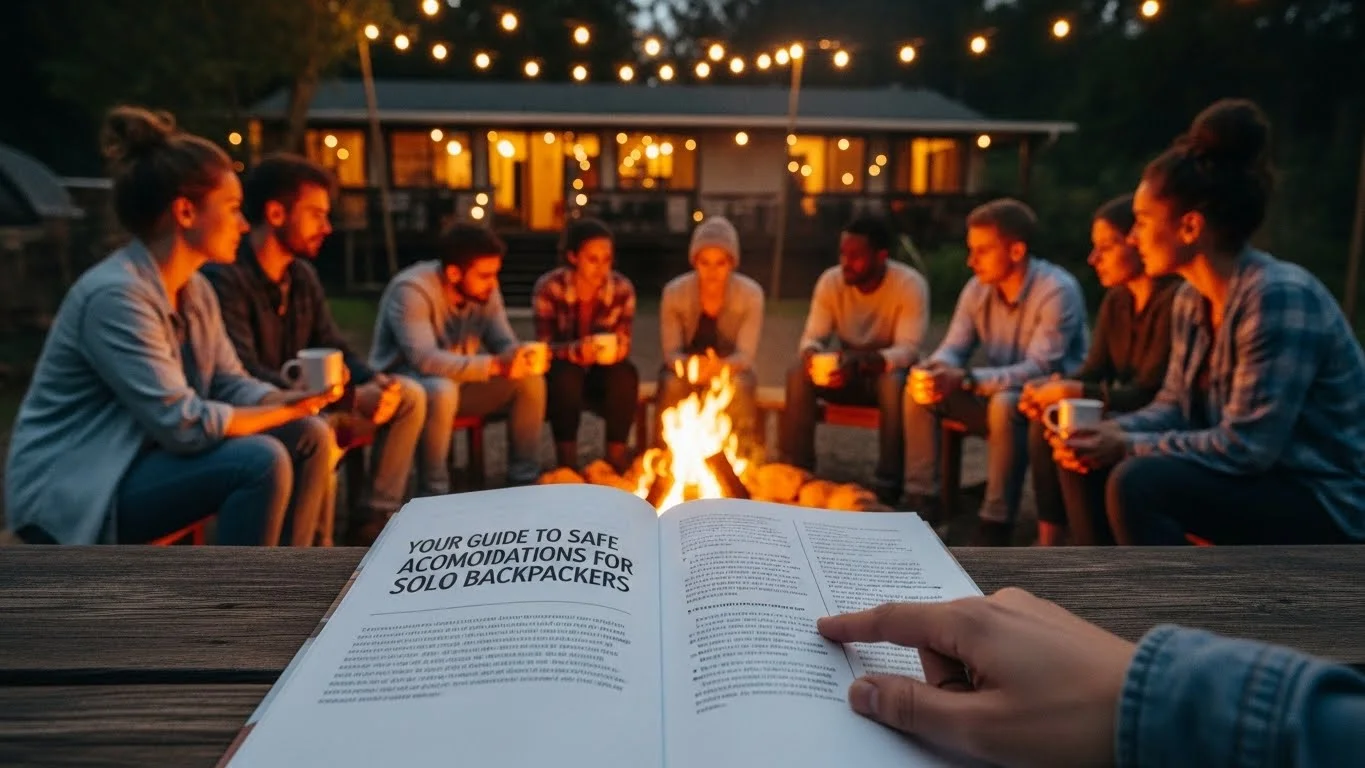
Your Guide to Safe Accommodations for Solo Backpackers

Solo backpacking can be a thrilling adventure, filled with new experiences and personal growth. Let’s dive into making your journey safe and enjoyable as we explore the essential aspects of accommodations for solo travelers.
Your Guide to Safe Accommodations for Solo Backpackers

Understanding Solo Backpacking

The Rise of Solo Travel

In recent years, I’ve noticed a significant rise in the number of people choosing to travel alone. There’s something incredibly liberating about setting out on your own, making decisions without the need to consult others, and embracing the freedom of the road. I remember my first solo trip; the excitement was palpable as I stepped into the unknown, eager to experience different cultures and landscapes. More and more individuals are recognizing the joy and independence that comes with solo travel. Whether it’s for self-discovery or simply wanting to explore at your own pace, the trend is growing, and it’s easy to see why.

Benefits of Backpacking Alone

Backpacking solo offers a myriad of benefits. For me, one of the most rewarding aspects is the opportunity to meet new people. When you’re alone, you’re often more approachable. I’ve made friendships with fellow travelers and locals simply because I was open to conversation. It’s incredible how many connections you can make when you’re on your own. Additionally, traveling alone allows for complete flexibility; you can change your plans on a whim without worrying about anyone else’s schedule. I’ve taken spontaneous detours that turned out to be some of my favorite memories. And let’s not forget about personal growth! Backpacking alone challenges you to step outside your comfort zone, fostering independence and self-reliance.

Common Concerns for Solo Backpackers

Despite the exciting benefits, I understand that many people have concerns when it comes to solo backpacking. Safety is often at the forefront of these worries. I’ve felt that anxiety myself, especially when navigating new cities or staying in unfamiliar accommodations. It’s essential to acknowledge these fears, but also to remember that with some preparation and awareness, we can significantly reduce risks. Another common concern is loneliness. I’ve had moments where I felt isolated, especially during long stretches of travel. However, I’ve learned various ways to connect with others, whether through social media, local events, or simply striking up a conversation with someone at a café. Lastly, there’s the issue of budget—traveling alone can sometimes feel more expensive, but with the right strategies, it doesn’t have to be. We’ll explore budget-friendly options later on.

Types of Accommodations for Solo Backpackers

Hostels: The Backpacker’s Haven

When I think of accommodations for solo backpackers, hostels immediately come to mind. Hostels have a unique charm that’s hard to resist. They’re often budget-friendly and filled with like-minded travelers. I remember my first night in a hostel; I was nervous but excited. The communal atmosphere made it easy to meet people, and I found myself sharing stories over dinner with new friends from different corners of the world. Most hostels offer dormitory-style rooms, which are a fantastic way to save money. However, if you prefer privacy, many hostels also provide private rooms. I recommend checking out the common areas where you can relax, socialize, or even join in on planned activities. It’s a great way to immerse yourself in the travel community.

Guesthouses and Homestays: Local Experience

If you’re looking for a more intimate experience, guesthouses and homestays are wonderful options. I’ve stayed in several homestays where the hosts treated me like family. They often provide insight into local culture, cuisine, and hidden gems that you might not discover otherwise. I remember one homestay where the owner taught me how to cook traditional dishes, and I left feeling like I had gained a second family. It’s those personal touches and connections that make these stays so special.

Hotels: Comfort and Safety

Hotels can offer a sense of comfort and security that’s sometimes hard to find elsewhere. I find peace of mind in knowing that I have a private space to retreat to after a long day of exploring. While they tend to be more expensive than hostels or guesthouses, I’ve discovered that there are plenty of budget-friendly hotels that still provide excellent service and safety features. When I choose a hotel, I look for ones with good reviews regarding safety and cleanliness. It’s worth doing a little research to find a place that fits within your budget while still offering the amenities you desire.

Airbnb: Unique Stays

Airbnb has become a popular choice among solo travelers looking for unique accommodations. I’ve had some incredible experiences staying in quirky apartments or cozy homes that reflect the local flavor of a city. The variety is amazing, and sometimes you can find places that are more affordable than traditional hotels. I’ve found that Airbnb hosts often go above and beyond to make your stay enjoyable, providing local tips and recommendations. Just be sure to read the reviews and check for safety features to ensure a pleasant experience.

Campsites: Embracing Nature

If you’re a nature enthusiast like me, campsites can be a fantastic option. There’s nothing like sleeping under the stars and waking up to the sounds of nature. I’ve camped in national parks and beautiful scenic areas where I felt completely at peace. Campsites often have communal areas and facilities, making it easy to meet fellow adventurers. Just remember to bring the necessary gear and check the campsite’s rules and regulations. Camping also allows for a budget-friendly option while immersing yourself in the great outdoors.

Choosing Safe Accommodations

Location: Proximity to Attractions and Transport

When I think about choosing accommodations while backpacking solo, location is often my first consideration. I’ve realized that being close to attractions and public transport can make a huge difference in my travel experience. On one trip, I found a cozy hostel just a short walk from the main square and public transit. This allowed me to explore without the hassle of long commutes. I recommend looking for places that are well-connected to local buses or train stations. Not only does it save time, but it also helps you avoid getting lost in unfamiliar areas. Plus, being in a lively neighborhood can add to your overall experience, giving you easy access to eateries, shops, and local culture.

Security Features: Locks, Safes, and Surveillance

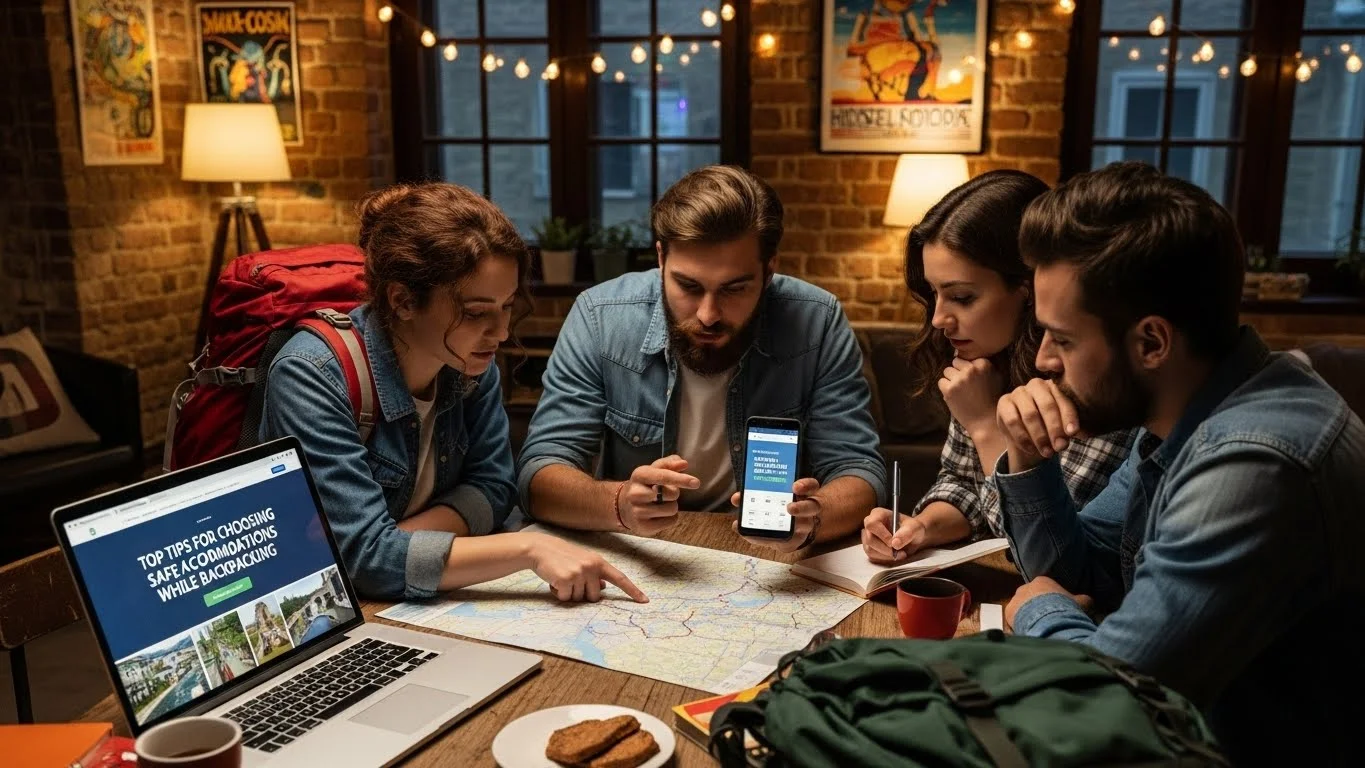
Safety is paramount, especially for solo travelers. When choosing where to stay, I always check for security features. Most hostels and hotels provide lockers for your belongings, which is a must for me. I remember staying at a hostel where I felt completely at ease because they had secure storage for my backpack, allowing me to explore the city without worrying about my things. Additionally, I look for accommodations that have good security practices, like keycard access and well-lit areas. Some places even have surveillance cameras in common areas, which adds an extra layer of comfort. It’s worth taking the time to research these aspects before booking. For more information, check out Top Tips for Choosing Safe Accommodations While Backpacking.

Reviews and Ratings: Researching Your Options

Reading reviews has become a vital part of my accommodation selection process. I’ve learned the hard way that not all photos or descriptions are accurate. I often turn to platforms like TripAdvisor or Booking.com to read fellow travelers’ experiences. I pay attention to comments regarding cleanliness, safety, and the overall vibe of the place. Sometimes, I find hidden gems that don’t have the most luxurious amenities but are beloved for their friendly staff or community atmosphere. It’s all about finding a balance that fits your needs. I also appreciate when reviews include tips about areas to explore nearby, which can be extremely helpful.

Social Atmosphere: Meeting Fellow Travelers

For me, one of the joys of solo backpacking is the chance to connect with others. So, when I choose accommodations, I look for places that promote a social atmosphere. Hostels often have communal kitchens, lounges, or organized events where you can meet fellow travelers. On one trip, I stayed at a hostel that held a group dinner every week, and it was one of the highlights of my journey. I made friends from different countries, and we still keep in touch today. I think it’s important to choose a place that encourages interaction, as it can make your solo experience feel much less lonely.

Essential Safety Tips for Solo Backpackers

Trusting Your Instincts: The Importance of Gut Feelings

Over the years, I’ve learned that trusting my instincts is crucial when traveling alone. There have been moments when I felt uneasy about a situation or a location. I remember walking down a dimly lit street in a new city when something just didn’t feel right. Instead of pushing through, I chose to turn back and take a different route. Listening to that inner voice can make all the difference in keeping you safe. I believe that if something feels off, it’s always better to play it safe and trust your gut.

Staying Connected: Mobile Apps and Communication

In today’s digital age, staying connected while traveling solo is easier than ever. I always download local maps and translation apps before arriving at a new destination. Google Maps has saved me on numerous occasions, especially when navigating public transport in a foreign language. I also keep in touch with friends and family back home, sharing my itinerary and checking in regularly. It not only keeps my loved ones informed but also gives me a sense of security. I’ve even joined local travel groups on social media where I can connect with other travelers and share tips.

Managing Valuables: Keeping Your Belongings Safe

Keeping my valuables safe while traveling solo is a top priority. I’ve learned a few tricks over time, like using a money belt or a hidden pouch for important documents and cash. I also make it a habit to keep copies of my passport and travel documents stored online or in a secure cloud service. When I’m out exploring, I usually carry just what I need for the day and leave the bulk of my belongings secured in my accommodation. It’s these little precautions that give me peace of mind and allow me to focus on enjoying my trip.

Emergency Protocols: Know Before You Go

Before heading out on a new adventure, I always take a few moments to familiarize myself with emergency protocols. I look up the local emergency numbers, find the nearest hospital, and note the location of my country’s embassy, just in case. Having this information on hand can make a stressful situation feel a little less overwhelming. I remember when a fellow traveler had a minor health issue while we were abroad, and knowing where to go made all the difference in resolving the situation quickly. I think being prepared is key to feeling at ease during solo travels.

Budget-Friendly Accommodation Options

Finding Deals: Websites and Apps for Discounts

As someone who has frequently traveled on a budget, I know how important it is to find good deals on accommodations. There are so many websites and apps out there that can help us save money. I often use platforms like Hostelworld, Booking.com, and Agoda to compare prices and find the best rates. I remember discovering a fantastic deal on a hostel in Budapest through Hostelworld—it was clean, well-located, and the price was unbeatable. I also recommend setting up price alerts on these sites; it’s a great way to snag the best deals as soon as they become available. Additionally, don’t forget to check out last-minute booking apps like HotelTonight, which can offer significant discounts for same-day reservations.

Understanding Hostel Etiquette: Saving Money

Having stayed in my fair share of hostels, I’ve learned that being mindful of hostel etiquette can also save money and enhance my experience. For instance, many hostels have kitchens where you can prepare your meals, which is a huge cost saver. I’ve made it a habit to cook a few meals instead of dining out for every meal. Plus, it’s a fun way to bond with other travelers. I remember one night when a group of us pooled our ingredients and had a potluck dinner; it turned into an unforgettable evening filled with laughter and stories. Additionally, being respectful of quiet hours and cleaning up after myself not only keeps the place nice but also fosters a friendly atmosphere, which can lead to new friendships.

Volunteer Opportunities in Exchange for Accommodation

One of the most rewarding experiences I’ve had while traveling was volunteering in exchange for accommodation. Platforms like Workaway and WWOOF (World Wide Opportunities on Organic Farms) connect travelers with hosts who offer a place to stay in exchange for work. I remember a time when I volunteered at a small hostel in Costa Rica, where I helped with reception and cleaned common areas. In return, I got a free bed and meals. It was an incredible way to immerse myself in the local culture while also making new friends. I think these opportunities provide a unique perspective on a destination and can be a fantastic way to stretch your budget. For more insights, check out Your Guide to Safe Budget Solo Travel Experiences.

Popular Destinations for Solo Backpackers

Europe: Top Cities for Solo Travelers

When it comes to solo travel, Europe is a top contender for many backpackers, including myself. Cities like Amsterdam, Barcelona, and Prague are incredibly welcoming to solo travelers. I fondly remember my time in Amsterdam, where the canals and vibrant culture made it easy to meet people. The numerous hostels and cafes provide great opportunities to connect with fellow travelers. I also found that many locals and fellow backpackers were eager to share recommendations. Barcelona, with its stunning architecture and lively atmosphere, was another highlight—there were always events and activities to join, making it easy to feel part of the community.

Asia: Unique Solo Backpacking Experiences

Asia is a treasure trove of unique experiences for solo backpackers. I’ve had some of my most memorable adventures in countries like Thailand and Vietnam. In Thailand, the islands are perfect for meeting fellow travelers, especially on places like Koh Phi Phi. I remember making lifelong friends while sharing a beachside bungalow. Vietnam, with its rich history and delicious food, offered countless opportunities to explore and meet locals. I joined group tours that allowed me to connect with other travelers while learning about the culture. I think the affordability of travel in Asia also makes it an attractive option for solo backpackers.

South America: Safe and Affordable Options

South America is often overlooked, but it holds some incredible destinations for solo backpackers. Countries like Colombia and Peru have become increasingly popular due to their friendly locals and vibrant cultures. I’ve traveled through Colombia and felt an overwhelming sense of hospitality. In Medellín, I joined a free walking tour that was both informative and a great way to meet other travelers. Peru’s Machu Picchu is a must-see, and I found that traveling with a small group made the experience even more enjoyable. I believe that with a little research and awareness, South America can be safe and affordable for solo travelers.

Australia and New Zealand: Adventure Awaits

Australia and New Zealand offer some of the best adventures for solo backpackers. I’ve explored both countries and found them to be incredibly friendly and accommodating. In Australia, cities like Sydney and Melbourne boast thriving backpacker communities. I remember meeting fellow travelers while hiking the Blue Mountains and sharing stories over a campfire. New Zealand’s breathtaking landscapes and outdoor activities make it a paradise for adventure seekers. Whether it’s bungee jumping in Queenstown or hiking the Tongariro Alpine Crossing, there’s never a dull moment. I think the laid-back vibe in both countries encourages connection among travelers, making it easy to forge new friendships.

Frequently Asked Questions

What are the benefits of solo backpacking?

Backpacking solo offers numerous benefits including the opportunity to meet new people, complete flexibility in travel plans, and personal growth through stepping outside one’s comfort zone.

What are some common concerns for solo backpackers?

Common concerns for solo backpackers include safety, feelings of loneliness, and budget constraints. However, these concerns can be managed with preparation and awareness.

What types of accommodations are best for solo backpackers?

Solo backpackers can choose from various accommodations such as hostels, guesthouses, hotels, Airbnb, and campsites, each offering unique experiences and benefits.

How can I ensure my accommodation is safe while solo traveling?

When choosing accommodations, look for safety features such as locks, safes, and surveillance, as well as reading reviews and considering the location’s proximity to attractions and transport.

What should I consider when selecting the location of my accommodation?

Choose accommodations that are close to attractions and public transport to save time and avoid getting lost. Being in a lively neighborhood can enhance your overall travel experience.

How can I stay connected while traveling alone?

Staying connected can be achieved by downloading local maps and translation apps, keeping in touch with friends and family, and joining local travel groups on social media.

What are some budget-friendly accommodation options for solo travelers?

Budget-friendly options include using websites and apps for discounts, understanding hostel etiquette to save money, and volunteering in exchange for accommodation through platforms like Workaway.

What are popular destinations for solo backpackers in Europe?

Popular European destinations for solo backpackers include Amsterdam, Barcelona, and Prague, known for their welcoming atmospheres and opportunities to connect with other travelers.

Which Asian countries are ideal for solo backpacking?

Thailand and Vietnam are highlighted as unique destinations for solo backpacking in Asia, offering rich experiences and opportunities to meet fellow travelers.

What experiences can solo backpackers expect in Australia and New Zealand?

Australia and New Zealand provide adventurous experiences for solo backpackers, with friendly communities and activities like hiking and bungee jumping that encourage connections among travelers.
Essential Safety Tips for Booking Solo Travel Accommodations

Booking solo travel accommodations can be thrilling yet daunting. Safety should always be a priority to ensure a worry-free adventure. Here are essential tips to help you navigate your solo journey confidently.

Essential Safety Tips for Booking Solo Travel Accommodations

Understanding the Importance of Safety in Solo Travel

When I first decided to embark on solo travel, I felt a mix of excitement and apprehension. The thought of exploring new places alone was exhilarating, but I quickly realized that safety needs to be at the forefront of my planning. The rise of solo travel has become a popular trend, with more people opting to explore the world on their own. However, this independence comes with its own set of challenges, especially regarding safety.

The Rise of Solo Travel

Solo travel has seen a significant increase in popularity over the past few years. Many of us, including myself, are drawn to the idea of discovering new cultures, meeting new people, and finding freedom in our travels. I’ve met countless solo travelers who have shared their inspiring stories, and it’s clear that traveling alone can be a transformative experience. However, with this new wave of adventurous souls, it’s essential to take the necessary precautions to ensure our safety.

Common Safety Concerns for Solo Travelers

From my experience, some common safety concerns for solo travelers include theft, scams, and simply feeling isolated in an unfamiliar environment. I remember the first time I arrived in a foreign city, feeling overwhelmed by the hustle and bustle around me. It’s crucial to be aware of your surroundings and to have a plan in place to tackle potential risks. I’ve learned that being proactive about safety can make a world of difference in how we experience our travels.

Choosing the Right Type of Accommodation

One of the most vital aspects of solo travel is selecting the right accommodation. The type of place you stay can significantly impact your overall safety and comfort. I’ve stayed in various types of accommodations, and each offers unique pros and cons. Let’s dive deeper into the options available to us.

Hotels vs. Hostels: Pros and Cons

Hotels often provide a sense of security, with established check-in procedures and staff available to assist you. In my travels, I’ve found that hotels tend to have better security features, such as key card access and 24-hour front desk services. However, they can also be more expensive, which can be a downside for budget-conscious travelers. If you’re interested in budget options, check out the Top 10 Budget Accommodations for Solo Travelers.

On the other hand, hostels can be a fantastic choice for solo travelers looking to meet others. I’ve made lifelong friends in hostels, sharing stories and adventures. However, they come with their own set of challenges, such as shared rooms that may not feel as secure. I recommend reading reviews and choosing a hostel that has good security measures in place.

Vacation Rentals: Safety Considerations

Vacation rentals, like those found on platforms such as Airbnb, can offer a more home-like experience. I’ve enjoyed staying in unique spaces that give me a sense of the local culture. However, it’s crucial to vet the property and host carefully. I’ve encountered situations where the reality didn’t match the online pictures. Always check for safety features, such as smoke detectors and secure locks.

Guesthouses and B&Bs: A Personal Touch

Guesthouses and bed-and-breakfasts can provide a cozy atmosphere and personalized service. I remember staying at a lovely B&B where the owner shared local tips and made me feel like part of the family. However, it’s essential to ensure that these places have proper safety measures in place, such as fire exits and a secure environment. Engaging with hosts can often give you a good sense of safety and comfort, so don’t hesitate to ask questions before booking.

Researching Accommodations Effectively

Once you’ve decided on the type of accommodation you’d like, the next step is to research your options thoroughly. I’ve learned that taking the time to do proper research can save you from potential issues later on. To help with this, you might find useful tips in the article How to Find Safe Places to Stay When Traveling Solo.

Reading Reviews and Ratings

Reading reviews is one of my favorite parts of the research process. I find it reassuring to hear about other travelers’ experiences. Look for consistent themes in the feedback, particularly regarding safety and cleanliness. I tend to favor places with recent, high ratings, as they often reflect current conditions. Be wary of those with multiple negative reviews; they may signal underlying issues.

Verifying Hosts and Property Owners

When booking a vacation rental or a guesthouse, verify the host. I’ve come across hosts with glowing profiles, but a quick search can sometimes reveal troubling information. Platforms usually allow you to see a host’s ratings and reviews, which is a great way to gauge their reliability. If a host has numerous positive reviews, I feel more at ease booking their property.

Understanding Location Safety

The location of your accommodation plays a significant role in your safety. I always take the time to research the neighborhood before booking. Look for areas that are well-lit and have good access to public transportation. I’ve noticed that choosing a place in a safer area can help ease my mind as I navigate a new city. Additionally, I recommend checking local crime rates and talking to locals if possible, as they can provide valuable insights.

Key Safety Features to Look For

As I’ve continued my adventures in solo travel, I’ve realized that certain safety features can significantly enhance our peace of mind while staying away from home. Knowing what to look for when booking accommodations has become a vital part of my travel preparation. Let’s explore the key safety features that I now prioritize when choosing where to stay.

Security Measures in Hotels and Hostels

When I check into a hotel or hostel, the first thing I look for is how secure the place feels. Hotels typically have a range of security features, such as surveillance cameras, safe deposit boxes, and key card access to guest rooms. I remember a particular hotel I stayed in that had a visible security presence, which made me feel much more at ease. In hostels, while the atmosphere is more relaxed, I still pay attention to their security protocols. I’ve found that hostels with individual lockers for belongings offer a great level of comfort, especially when sharing a room with strangers.

Additionally, I’ve learned to ask about the emergency exits and safety plans. Knowing where the exits are and having a plan can make all the difference in an unexpected situation. For me, comfort often comes from understanding my environment and knowing I can get help quickly if needed.

Safety Features in Vacation Rentals

With vacation rentals, I always make sure to check for safety features that might not be obvious at first glance. Things like smoke detectors, carbon monoxide alarms, and secure locks on doors and windows are crucial. I remember staying in a charming little cottage once but was taken aback when I realized there was no smoke detector. It’s a lesson learned! Now, I make it a point to inquire about these safety features before booking.

In addition to the basics, I also look for reviews that mention how responsive the host is to safety concerns. If previous guests have felt safe and secure, it reassures me that the host takes these matters seriously. I often find that hosts who are proactive about safety tend to be more accommodating and communicative.

Emergency Procedures and Contact Information

Having a clear understanding of emergency procedures is something I can’t stress enough. I always make it a habit to ask what the protocols are in case of fire, medical emergencies, or other unforeseen incidents. I’ve found that properties that take the time to provide this information make me feel much safer during my stay.

Additionally, I keep a list of important contact numbers handy, such as the local emergency services, my country’s embassy, and even the nearest hospital. Making this list has been a game-changer for me. The peace of mind it brings, knowing that I have these resources at my fingertips, can’t be overstated. I keep this list saved in my phone and also written down in my travel journal, just in case my phone dies.

Trustworthy Booking Platforms

Finding a reliable booking platform can make a world of difference in ensuring a safe and comfortable stay. I’ve tried various websites and apps for booking accommodations, and I’ve learned which ones I can trust and which ones to avoid.

Popular Accommodation Booking Websites

Some of my go-to platforms include Airbnb, Booking.com, and Hostelworld. I’ve had great experiences with these sites, as they offer extensive reviews and ratings from other travelers. It’s reassuring to read about other people’s experiences before making my decision. I particularly appreciate how platforms like Airbnb allow you to communicate with hosts directly before booking, providing a chance to gauge their hospitality and attentiveness.

Red Flags to Watch Out For

While booking online, I’ve learned to watch out for red flags. If a listing has very few reviews or all of them seem overly positive, my instincts tell me to dig deeper. I also avoid properties that seem too good to be true, especially if they have unusually low prices compared to similar accommodations. Another thing I’ve noticed is that listings without clear cancellation policies can lead to headaches down the line. I always look for properties that are transparent about their terms and conditions.

Customer Service and Support Availability

Lastly, I can’t emphasize enough the importance of good customer service. In my travels, I’ve encountered situations where I needed assistance, whether it was to clarify a booking issue or to address a concern about my stay. Having access to responsive customer support can make all the difference. I’ve found that reputable platforms usually offer 24/7 support, which gives me peace of mind knowing I can reach out for help anytime.

By focusing on these key features and utilizing trustworthy booking platforms, I feel more equipped to handle any surprises that may arise during my travels. My experiences have taught me that being prepared and aware goes a long way in ensuring a safe and enjoyable journey.

Preparing for Your Stay

As I get ready for another adventure, I realize that preparation is key to ensuring a smooth and safe experience. There are several practical steps I always take before I arrive at my accommodation, and I believe these can make a world of difference in how relaxed and secure I feel during my trip.

Communication with Hosts

Before I head out, I always make it a point to communicate with my hosts. I remember a time when I was traveling to a bustling city and had some specific questions about check-in procedures and local tips. Reaching out to my host allowed me to not only clarify details but also establish a rapport. I’ve found that many hosts are eager to help and provide additional insights about their area, which can enhance my experience. If you’re unsure about anything—from transportation options to nearby attractions—don’t hesitate to ask! A good host is usually more than happy to assist, and this communication can provide an extra layer of comfort.

Sharing Your Itinerary with Friends or Family

Another important step I always take is sharing my travel itinerary with close friends or family. I remember a trip where I sent my itinerary to my sister, including details about my accommodation, flight information, and the activities I had planned. This not only kept her informed but also gave me peace of mind knowing that someone else was aware of my whereabouts. In my opinion, it’s a simple yet effective way to enhance safety. If something unexpected happens, having someone who knows where you are can be invaluable.

Local Emergency Contacts and Resources

Before I leave, I make sure to research local emergency contacts and resources. I typically jot down contact numbers for local emergency services, the nearest hospital, and the location of my country’s embassy. During my travels, I’ve learned that knowing these details can be a lifesaver in emergencies. I once found myself in a situation where a friend suffered a minor injury, and having the local hospital’s address on hand helped us navigate the situation quickly. I also keep this information saved in my travel journal and on my phone, so it’s easily accessible whenever I need it.

On Arrival: Safety Practices

Once I arrive at my accommodation, I’ve found that implementing safety practices right away sets the tone for my stay. Here are a few habits I’ve developed over time that help keep me secure.

Checking In: What to Do

During check-in, I always pay attention to the environment. I like to observe how the staff interacts with guests and the overall vibe of the place. If I sense anything off during check-in, I trust my instincts. I once checked into a hostel where the staff seemed distracted and disinterested; I ended up finding a different place to stay. Additionally, I make sure to take note of emergency exits and the layout of the accommodation. It might seem a bit excessive, but knowing where to go in case of an emergency can really help ease any anxiety I might have.

Securing Your Belongings

When it comes to securing my belongings, I’ve learned to be proactive. I always use the safe provided in hotels or secure my valuables in a locker in hostels. I remember staying in a shared room once, and I felt much more at ease knowing my passport and extra cash were locked away. Additionally, I keep a close eye on my bags when I’m out and about. Using a crossbody bag or a money belt helps me feel more secure, especially in crowded areas. I try to keep my valuables out of sight to avoid drawing attention.

Being Aware of Your Surroundings

Lastly, I can’t stress the importance of being aware of my surroundings enough. On my first solo trip, I remember feeling overwhelmed by the new sights and sounds. Now, I consciously remind myself to stay alert, especially in busy places or when using public transportation. I’ve found that staying aware helps me feel more confident and less vulnerable. Whether it’s observing other people or familiarizing myself with the local culture, being engaged with my surroundings enhances my overall experience and keeps me safe.

Technology and Safety

In today’s digital age, technology plays a crucial role in enhancing our safety during travel. I’ve discovered various tools and apps that help me stay connected and informed while on the go.

Using Apps for Safety and Navigation

Using navigation apps has been a game-changer for me. I rely on Google Maps or Citymapper when exploring new cities, as they help me navigate public transportation and find my way around. I remember getting lost in a foreign city, and having these apps made it easy to retrace my steps. Additionally, some apps provide safety alerts, which can be particularly useful in unfamiliar areas. I often download local safety apps or emergency hotlines specific to the country I’m visiting, as they can provide critical information about local risks.

Staying Connected: Mobile Plans and Wi-Fi

Staying connected while traveling is another essential aspect of my safety strategy. I’ve found that having a reliable mobile plan or a local SIM card can make all the difference. It allows me to access maps, communicate with my host, and stay in touch with family and friends back home. When I traveled to Europe, I opted for a local SIM, which not only saved me money but also ensured I had internet access wherever I went. I also look for accommodations that offer free Wi-Fi, allowing me to keep my devices charged and connected, which is especially important for emergencies.

Frequently Asked Questions

What should be prioritized when planning for solo travel?

Safety should always be a priority to ensure a worry-free adventure when planning for solo travel.

What are some common safety concerns for solo travelers?

Common safety concerns for solo travelers include theft, scams, and feelings of isolation in unfamiliar environments.

What types of accommodations are recommended for solo travelers?

Recommended accommodations for solo travelers include hotels, hostels, vacation rentals, guesthouses, and bed-and-breakfasts, each with its own pros and cons regarding safety and comfort. For a luxurious option, check out the Top 10 Luxury Accommodations for Solo Travelers.

How can I research accommodations effectively for safety?

You can research accommodations effectively by reading reviews and ratings, verifying hosts and property owners, and understanding the safety of the location.

What key safety features should I look for in accommodations?

Key safety features to look for include security measures like surveillance cameras and key card access in hotels, smoke detectors and secure locks in vacation rentals, and clear emergency procedures.

Why is it important to communicate with hosts before arrival?

Communicating with hosts before arrival can clarify details about check-in procedures and local tips, and help establish a rapport that enhances your overall experience.

What should I do upon arriving at my accommodation to ensure safety?

Upon arrival, you should check in carefully, observe the environment, secure your belongings, and be aware of your surroundings to ensure safety.

How can technology enhance safety while traveling solo?

Technology can enhance safety through navigation apps that help you find your way, and by staying connected with reliable mobile plans or local SIM cards to access maps and communicate.

What red flags should I watch out for when booking accommodations online?

Red flags to watch out for include listings with very few reviews, properties that seem too good to be true, and those lacking clear cancellation policies.

What steps can I take to prepare for emergencies while traveling?

To prepare for emergencies, research local emergency contacts, jot down important numbers, and share your travel itinerary with friends or family.

How to Find Safe Places to Stay When Traveling Solo

Traveling solo can be an exhilarating adventure, but ensuring your safety is crucial. Finding safe places to stay while exploring new destinations is key to enjoying your journey without worry. For more insights, check out our Top Tips for Choosing Safe Accommodations While Backpacking.

How to Find Safe Places to Stay When Traveling Solo

Understanding Safety When Traveling Solo

The Importance of Safety in Solo Travel

As someone who has ventured into the world alone many times, I can’t stress enough how vital safety is when you’re traveling solo. The thrill of discovering new cultures, meeting new people, and stepping out of your comfort zone can easily be overshadowed by safety concerns. When planning my trips, I prioritize finding secure accommodations to ensure I can fully immerse myself in my travels without constant worry. For me, feeling safe makes the difference between a good trip and a great one.

Common Safety Concerns for Solo Travelers

During my travels, I’ve encountered a range of safety concerns that solo travelers often face. From petty theft to more serious issues, it’s important to be aware of the risks. One of the first things I noticed was the vulnerability that comes with being alone. In crowded areas, it’s easy to lose track of your belongings, and I’ve heard countless stories of travelers who’ve had their bags snatched or valuables stolen. I learned to keep my important items close and to blend in with the locals to avoid drawing attention to myself.

Another concern is the safety of the accommodation itself. I remember a time when I booked a seemingly perfect hostel but later learned that it was located in a sketchy neighborhood. I felt uneasy and wished I had researched better. Understanding the area and the type of people who frequent it can help mitigate these risks. Also, I’ve found that some destinations have higher crime rates than others, which is something to consider when choosing where to stay.

Transportation can also pose safety challenges, especially when navigating unfamiliar places. I’ve had experiences where public transportation was unreliable or felt unsafe, especially at night. This is why I always try to stay somewhere that’s easy to access and close to public transport options. Additionally, using travel apps can enhance safety while traveling alone; for more information, check out our Guide to Staying Connected During Solo Adventures.

Researching Destinations

Choosing Safe Destinations for Solo Travelers

When I plan a trip, I like to start by researching destinations that are known for being safe for solo travelers. Some places, like Japan and Iceland, consistently rank high in safety. I remember how reassuring it felt walking around Tokyo, where the locals were friendly and willing to help. I often read blog posts and travel guides to find recommendations for solo-friendly locations. I’ve learned that choosing a destination with a reputation for safety can significantly enhance your travel experience.

Using Travel Forums and Reviews

Travel forums have been a treasure trove of information for me. Websites like TripAdvisor or Lonely Planet can provide insights into the experiences of other solo travelers. I often dive into discussions or read reviews to gauge the safety of various neighborhoods and accommodations. These platforms are filled with firsthand accounts that can help you make informed decisions. I remember reading about a traveler who had a negative experience in a hostel, which helped me steer clear of that place during my visit to Barcelona.

Consulting Safety Resources and Travel Advisories

Before heading out, I also check government travel advisories. These resources are incredibly helpful in understanding the current safety situation in certain areas. Websites such as the U.S. State Department provide detailed information on crime rates and safety concerns. When I was planning a trip to Mexico, I found the advisories vital in determining which areas to avoid and which were considered safer for tourists. Having this information allowed me to enjoy my travels without unnecessary anxiety.

In addition to these resources, I’ve found that local news websites often provide updates on safety issues or events happening in the area. It’s a good way to stay informed and adjust your plans as needed. By doing thorough research before my trips, I feel more prepared and less anxious about what awaits me.

Overall, understanding the importance of safety and taking proactive steps to research your destination can significantly enhance your solo travel experience. Trust me, investing time in this process will pay off, allowing you to explore with confidence and peace of mind.

Types of Accommodations

Hotels: Benefits and Considerations

When it comes to accommodations, I’ve often found that hotels can be a safe bet for solo travelers. They usually have a professional staff that can assist with any issues. I remember checking into a hotel in Prague that had 24-hour front desk service. This not only made me feel secure but also gave me the confidence to explore the city without worrying about returning late. However, I’ve also learned that not all hotels are created equal. Some might be located in less desirable areas or have hidden safety concerns. Researching the area’s reputation before booking is a must. I tend to check reviews specifically mentioning safety and cleanliness, which can provide a clearer picture of what to expect.

Hostels: Finding the Right One

Hostels can be a fantastic option for solo travelers looking to meet others while keeping costs down. My experiences in hostels have varied widely, but I’ve always made sure to choose ones with good security features. I remember staying at a hostel in Lisbon that had key card access to rooms and lockers for personal belongings. This gave me peace of mind, knowing my things were safe. I also look for hostels that have reviews from solo travelers; it helps to find places that are welcoming and friendly for those exploring alone. Additionally, checking if the hostel offers activities or social events can enhance your chances of connecting with fellow travelers.

Vacation Rentals: Safety Tips

Vacation rentals, like those found on platforms such as Airbnb or Vrbo, can provide a unique experience. I’ve enjoyed staying in local neighborhoods, which often gives you a more authentic taste of the area. However, I always approach these with caution. I make sure to read reviews thoroughly, looking for comments about the safety of the neighborhood and the responsiveness of the host. I had a great experience in a rental in Buenos Aires, where the host provided a detailed guide on nearby attractions and safety tips. Also, I check the cancellation policy and whether the rental has proper safety features like smoke detectors and secure locks. This way, I can feel more at ease during my stay.

Bed and Breakfasts: A Cozy Option

Bed and breakfasts can offer a charming and homey atmosphere for solo travelers. My experience at a cozy B&B in New Orleans was delightful. The owner was incredibly welcoming and shared local insights that I wouldn’t have found in a guidebook. B&Bs often have a smaller number of guests, which can make it feel safer. I’ve found that it’s easier to get to know the host and other visitors, creating a sense of community. However, I always check if they have adequate safety measures, like smoke alarms and secure entry points. I recommend reading reviews to see if other solo travelers felt comfortable during their stay.

Safety Features to Look For

Location: Proximity to Attractions and Public Transport

One of the first things I consider when booking my stay is the location. I prefer accommodations that are close to attractions I want to visit and near reliable public transportation. I learned the hard way when I booked a place too far from the city center in Rome; it turned out to be inconvenient and a bit unsettling at night. Being in a lively area usually means less chance of feeling isolated or unsafe. I often look for places that have good reviews on their location; it often makes the experience more enjoyable and manageable.

Security Measures: Locks, Cameras, and Staff

Security features are another vital aspect. I always pay attention to safety measures like deadbolts on doors, security cameras, and a presence of staff, especially at night. In my experience, places with a visible security presence tend to be safer. I once stayed at a hotel where they had a security guard on duty at night, and it really put my mind at ease. Additionally, I prefer accommodations that offer in-room safes for my valuables. This way, I can explore freely without worrying about my important belongings.

Reviews: What to Look For

Reading reviews is one of my favorite parts of the booking process. It’s like getting insider information from fellow travelers. I focus on comments about safety, cleanliness, and overall experience. I’ve noticed that if multiple reviewers mention feeling unsafe or uncomfortable, it’s a red flag. I also look for specifics, like whether the staff was helpful and if the area felt secure at night. I once avoided a hostel in Barcelona based on a review where someone mentioned a break-in incident. Trusting this collective wisdom has helped me choose accommodations that enhance my travel experience.

Utilizing Technology for Safety

Travel Apps for Finding Safe Places

In today’s tech-savvy world, I find that using travel apps can significantly enhance safety while traveling alone. Apps like Google Maps not only help me navigate but also allow me to explore nearby attractions. I remember using an app to find a café in Paris that was highly rated for its welcoming atmosphere. Additionally, there are apps specifically designed for solo travelers, like Solo Traveler, which offer safety tips and suggestions for safe accommodations. These tools have made it easier for me to stay informed and connected while on the road. For more on this topic, check out our article on How to Stay Connected Safely While Traveling Solo.

Emergency Contact Apps

Having emergency contact apps on my phone gives me an extra layer of security. I use apps like bSafe, which allow me to share my location with trusted friends and family, and even send alerts if I feel unsafe. I remember a time in a foreign city when I got lost and felt a bit uneasy. It was comforting to know I could quickly alert someone if needed. Setting up these apps before my trip has made me feel more secure and connected, especially when I’m exploring solo.

Using Maps and GPS for Navigation

Lost in a new city? I think we’ve all been there. I’ve learned how essential it is to have a reliable GPS app on my phone. It not only helps me find my way around but also keeps me off less safe paths. I’ve had experiences where I ventured into unfamiliar neighborhoods, and using GPS helped me redirect to safer areas. I also download maps offline before my trip; this way, I’m never completely stranded if I lose signal. I feel that being prepared in this way enhances my overall confidence while exploring.

Trusting Your Instincts

Listening to Your Gut Feeling

Throughout my travels, I’ve learned that trusting my instincts can be one of the most crucial safety measures. There have been moments where I just felt uneasy about a situation or a place, and I’ve learned not to ignore those feelings. I remember being in a bustling market in a foreign city, and as friendly as the vendors were, something about the atmosphere felt off. Instead of brushing it aside, I decided to leave and explore a different area. It turned out to be a wise choice; I later heard from other travelers that the neighborhood wasn’t the safest for solo explorers. Listening to that little voice inside can be your best defense.

Recognizing Red Flags in Accommodations

When searching for a place to stay, I’ve become adept at spotting red flags that signal potential safety issues. For instance, if I arrive at a hostel and notice that the exterior is poorly maintained or that the staff seems indifferent, it’s a cause for concern. I once checked into a place where the front desk was rarely staffed, and the entrance was not secure. I quickly decided to leave, even though it meant losing my deposit. In my opinion, it’s better to take that hit than to compromise my safety. Always trust your gut when something feels off; there are plenty of other options out there.

Local Resources and Support

Connecting with Local Solo Travel Groups

One of the best ways I’ve found to enhance my safety while traveling solo is by connecting with local solo travel groups. These groups often host meet-ups or activities where you can meet other travelers and share experiences. I remember joining a solo female travelers’ group in Barcelona, and it was incredibly reassuring to meet others who understood the unique challenges we face. We shared tips, formed travel plans, and even explored the city together, making the experience not only safer but also more enjoyable. If you’re traveling alone, I highly recommend seeking out these communities online or through social media platforms.

Finding Local Emergency Contacts

Before heading to a new destination, I always take the time to find out the local emergency contacts. Knowing who to call in case of an emergency can save valuable time. I usually jot down the local police, fire department, and medical services numbers in my travel journal or keep them saved in my phone. Once, while in Thailand, I had a minor accident while exploring. Thankfully, I was able to refer to my notes and contact the local emergency services quickly. I felt a sense of relief knowing I was prepared, and I encourage everyone to do the same when traveling solo.

Using Social Media for Safety Updates

Social media can be a powerful tool for staying updated about safety in a particular area. I’ve found that following local news outlets or travel groups on platforms like Twitter or Facebook helps me stay in the loop regarding any incidents or alerts. During a recent trip to Mexico City, I noticed a spike in reports about protests in certain neighborhoods. By keeping an eye on my social media feed, I was able to adjust my plans and avoid those areas, ultimately ensuring my safety. Engaging with local communities online can provide real-time information that enhances our travel experiences.

Preparation Before You Go

Planning Your Itinerary with Safety in Mind

When I prepare for a trip, I always consider safety in my itinerary planning. I like to map out not only the attractions I want to see but also the safest routes and transportation methods. During one of my trips to New Orleans, I made sure to stick to well-lit streets and avoid certain neighborhoods after dark. By organizing my days around known safe areas, I felt more relaxed and could enjoy the sights without constantly worrying about my surroundings. I recommend taking a little time to familiarize yourself with the layout of the city and the safest ways to get around.

Sharing Your Travel Plans with Friends or Family

Before I head off on any solo adventure, I always share my travel plans with close friends or family. This practice not only keeps my loved ones informed, but it also provides an extra layer of security. I usually send them my itinerary, including where I’m staying, and update them on my movements. Once, during a trip to Lisbon, I found myself in a situation where my phone died, and I couldn’t access maps or my travel details. Thankfully, my sister had a copy of my itinerary, and she was able to help me out. It’s a simple step that can make a huge difference in case of unforeseen circumstances.

Keeping Copies of Important Documents

Finally, I always make sure to keep copies of important documents, such as my passport, travel insurance, and accommodation confirmations. I typically save digital copies on my phone and email them to myself, just in case I lose the originals. Once, while traveling in Italy, I misplaced my wallet, and having those copies saved me a lot of stress. I was able to report the loss and get help without feeling completely lost. I can’t stress enough how beneficial this small preparation step can be for solo travelers.

Frequently Asked Questions

Why is safety important when traveling solo?

Safety is crucial when traveling solo because it allows you to fully immerse yourself in your travels without constant worry. Feeling safe can significantly enhance your travel experience, making the difference between a good trip and a great one.

What are common safety concerns for solo travelers?

Common safety concerns for solo travelers include petty theft, safety of accommodations, and transportation challenges. Being alone can make you more vulnerable, especially in crowded areas where belongings can be lost or stolen.

How can I choose safe destinations for solo travel?

To choose safe destinations, research places known for their safety, such as Japan and Iceland. Reading travel blogs and guides can provide recommendations for solo-friendly locations.

What resources can help me assess the safety of accommodations?

Travel forums like TripAdvisor and Lonely Planet, as well as government travel advisories, are valuable resources. They provide insights into safety experiences from other solo travelers and information on current safety situations in certain areas.

What types of accommodations are considered safe for solo travelers?

Hotels, hostels, vacation rentals, and bed and breakfasts can all be safe options. It’s important to research the area, check reviews for safety features, and assess the overall reputation of the accommodation.

What safety features should I look for when booking accommodations?

Look for accommodations with good security measures such as deadbolts, security cameras, staff presence, and in-room safes. Also, consider the location’s proximity to attractions and reliable public transport.

How can technology enhance my safety while traveling alone?

Using travel apps can help you navigate and find nearby attractions. Emergency contact apps allow you to share your location with trusted contacts, and GPS apps help you avoid unsafe areas.

What should I do if I feel uneasy in a situation while traveling?

Trusting your instincts is crucial. If you feel uneasy about a situation or place, it’s best to leave and explore a different area, as ignoring those feelings can lead to unsafe situations.

How can I connect with local resources for safety while traveling?

Connecting with local solo travel groups can enhance your safety. These groups often share experiences and tips, making your travels more enjoyable and secure. Additionally, knowing local emergency contacts is essential.

What preparations should I make before going on a solo trip?

Before your trip, plan your itinerary with safety in mind, share your travel plans with friends or family, and keep copies of important documents. These steps can help ensure your safety and preparedness during your travels.

Top Tips for Choosing Safe Accommodations While Backpacking

Traveling as a backpacker is exhilarating, but choosing safe accommodations can make or break your adventure. Let’s dive into the essential tips that will help you find a secure place to rest your head after a day of exploration. Read Interesting article: How to Create a Safety Plan for Solo Travel Adventures

Top Tips for Choosing Safe Accommodations While Backpacking

Understanding the Importance of Safety in Backpacking Accommodations

Why Safety Should Be a Priority

When I first started backpacking, I quickly realized that safety needed to be at the forefront of my mind. I remember arriving in a new city, exhausted and eager to explore, only to feel anxious about where I would sleep that night. It became clear that a good night’s rest in a secure environment is crucial for enjoying my travels. I believe that feeling safe allows us to truly soak in the experiences of a new place.

Prioritizing safety while selecting accommodations not only protects our belongings but also enhances our overall travel experience. It’s about peace of mind, so we can focus on creating memories rather than worrying about potential risks. Whether you’re a seasoned backpacker or just starting, understanding the importance of safety in accommodations is essential.

Common Risks Associated with Backpacking

Backpacking is thrilling, but it does come with its fair share of risks. I’ve encountered various issues during my travels, from petty theft to uncomfortable living conditions. Here are some common risks I’ve noticed and how to prepare for them.

  • Theft: This is one of the most common dangers. It can happen anywhere, whether in a hostel or a hotel. I once had a friend lose her backpack in a busy hostel, and it taught me the importance of keeping valuables secure.
  • Uncleanliness: Not all accommodations maintain high hygiene standards. I’ve walked into places that looked great online but were grimy in person. It’s disheartening and can even lead to health issues.
  • Unfamiliar Environments: When we’re in a new city, it’s easy to overlook local customs or safety protocols. I found myself in an area that felt unsafe late at night just because I didn’t research properly.

Recognizing these risks has helped me make better decisions about where to stay. It’s essential to understand that safety is not just about avoiding danger but also about being prepared and informed.

Types of Accommodations for Backpackers

Hostels: Pros and Cons

Hostels are often the first choice for backpackers, and for good reason. They’re budget-friendly and provide a chance to meet fellow travelers. I’ve made some incredible friends at hostels over the years. However, they do come with their drawbacks. Privacy can be limited, and noise levels can be high. Plus, safety can vary greatly depending on the hostel’s location and management.

Hotels: Budget vs. Luxury

Hotels can range from budget to luxury, and both have their own appeal. While I’ve occasionally splurged on a nicer hotel for comfort, I’ve also enjoyed affordable options that offer good security and cleanliness. It’s all about finding a balance that works for your travel style and budget. For those interested in luxury options, Top 10 Luxury Accommodations for Solo Travelers provides some fantastic insights.

Guesthouses and Homestays

Staying in guesthouses or homestays can be a fantastic opportunity to immerse yourself in the local culture. I remember staying with a family in Vietnam, and it was one of my favorite experiences. However, be sure to research and read reviews to ensure they maintain safety standards.

Campsites and Outdoor Options

For the adventurous spirits, campsites offer a unique way to experience nature. I’ve camped in some beautiful spots, but safety should always be a priority. It’s vital to choose established campsites with good reviews to avoid potential issues.

Understanding the various types of accommodations available can help us make informed choices that prioritize our safety while enhancing our travel experiences. I encourage you to think about what suits your needs best as you plan your next adventure.

Key Factors to Consider When Choosing Accommodation

Location: Safety and Accessibility

When I think about my travels, the location of my accommodations often stands out as a game-changer. I’ve learned that choosing a place that balances safety and accessibility can significantly impact my experience. For instance, I once booked a hostel that was a bit off the beaten path because it was cheaper, but I quickly regretted it when I realized I had to navigate dark streets alone at night. Since then, I always look for places that are in safer neighborhoods, close to public transportation, and within walking distance to popular attractions.

It’s not just about feeling safe; it’s about convenience too. Being near local cafes, restaurants, and shops can make your trip more enjoyable. I remember staying just a few blocks from a beautiful beach in Thailand, which made my mornings absolutely magical. So, consider the location carefully; it can add so much to your trip!

Reviews and Ratings: Trustworthy Sources

Over the years, I’ve become a big believer in the power of reviews. Reading about other travelers’ experiences has saved me from some potentially unpleasant situations. I often turn to platforms like Hostelworld, Booking.com, and Airbnb to get a feel for what to expect. I also pay attention to the ratings—anything below 4 stars usually raises a red flag for me.

Of course, it’s important to read beyond the ratings. I look for detailed reviews that talk about safety, cleanliness, and the overall atmosphere of the place. Sometimes, I find hidden gems in the comments that make all the difference. For example, I once discovered a cozy guesthouse in Portugal because someone raved about its friendly staff and secure environment. Those personal touches can often guide us to the best spots.

Security Features: Locks, Safes, and Surveillance

As I started to prioritize safety more, I began to pay close attention to the security features offered by accommodations. When I check in, I look for things like secure locks on doors, in-room safes, and overall building security. I remember staying at a hostel once that had a 24-hour front desk and surveillance cameras in common areas. It gave me an instant sense of relief, knowing that there were measures in place to protect guests.

It’s also wise to inquire if the place has lockers for your belongings, especially in shared dorms. I’ve had a couple of experiences where I felt uneasy about leaving my things unattended, so knowing there were secure lockers made a huge difference. Always ask about these features before booking; it’s a small detail that can significantly enhance your peace of mind.

Staff and Management: Importance of Hospitality

The staff can make or break your experience when you’re traveling. I can’t emphasize enough how important it is to choose accommodations with friendly and helpful management. I’ve encountered some amazing hosts who not only provided a safe environment but also shared tips on local culture and hidden gems in the area. Their insights often led me to experiences I wouldn’t have found on my own.

On the flip side, I’ve also had a couple of experiences where the staff were dismissive or unhelpful. It left me feeling uneasy and disconnected from the place. I always recommend reaching out to the accommodation before booking to gauge their responsiveness. A quick email exchange or a phone call can give you a good sense of the hospitality you can expect during your stay.

Researching Safe Accommodations

Using Online Platforms Effectively

With so many online platforms available today, I’ve learned how to navigate them effectively to find safe accommodations. Websites like Agoda, Expedia, and TripAdvisor offer a wealth of information, and I often use filters to narrow down my search based on safety ratings and traveler reviews. I also like to check the cancellation policies, just in case plans change.

When searching, I always look for places that have clear descriptions of their amenities and policies. Photos can be deceiving, so I try to find accommodations that showcase their security features and cleanliness. I also appreciate when hosts provide detailed information about the surrounding area, as it helps me get a better feel for the neighborhood.

Checking Local Travel Forums and Blogs

In my travels, I’ve found that local travel forums and blogs can be treasure troves of information. Websites like Lonely Planet’s Thorn Tree forum or even Reddit’s travel communities often provide firsthand accounts and recommendations that you won’t find elsewhere. I remember stumbling upon a blog post about a charming boutique hostel in Budapest that was perfect for solo travelers, and it ended up being one of my favorite stays.

Participating in discussions and asking questions can also yield great advice. I’ve often reached out to seasoned travelers for their insights about specific locations, and their recommendations have led me to discover formidable accommodations that felt safe and welcoming.

Social Media Insights: Finding Real Experiences

Social media has changed the way we research travel. I frequently browse platforms like Instagram and Facebook to see real experiences from fellow travelers. Hashtags can lead me to posts featuring accommodations, and I often find stories or comments that highlight the safety of a place. It’s like getting a sneak peek before booking!

I also use travel groups on Facebook where members share their recent experiences. It feels more authentic because the feedback is coming from everyday travelers, not just reviews on a booking site. I remember finding a community recommendation for a cozy and secure guesthouse in Ecuador through a Facebook group, and it became one of my most cherished stays. Engaging with others online can provide a wealth of information and instill confidence in your choices.

Red Flags to Watch Out For

Poor Reviews or Negative Feedback

As I navigated my backpacking journey, I learned the hard way how critical it is to pay attention to reviews. There was one hostel I almost booked that had several negative comments about safety issues and bad management. I hesitated, thinking it might be an isolated case, but after doing a bit more digging, I found that multiple travelers had similar experiences. This taught me a valuable lesson: if you notice a pattern of negative feedback, it’s usually a good idea to steer clear. Trust your gut! If a place sounds too good to be true because of its low price, but the reviews are off, I recommend looking elsewhere.

Unclear Safety Protocols

When I’m looking for a place to stay, I appreciate transparency. If an accommodation doesn’t clearly outline its safety protocols on their website or in their listings, it raises a red flag for me. I remember staying at a guesthouse that made no mention of fire safety, emergency exits, or even basic security features like locks and surveillance. The lack of information made me uneasy. Always look for places that are upfront about their safety measures. Knowing there’s a plan in place gives me peace of mind while I enjoy my travels.

Location in High-Crime Areas

Choosing the right location can truly make or break your trip. I’ve had experiences where I saved a few bucks by booking a place in a less-desirable neighborhood, only to find myself feeling anxious every time I stepped outside. I learned to research the safety of the area and even ask locals or fellow travelers about their experiences. Once, I stayed in a city where the accommodation was beautiful, but it was surrounded by high-crime areas. I felt on edge every time I ventured out. Understanding the safety of the area means I can enjoy my surroundings without constant worry.

Budgeting for Safety: Finding Affordable Options

Comparing Prices Across Platforms

Budgeting is a crucial part of backpacking, and it’s easy to get caught up in the search for the cheapest accommodation. I’ve found that comparing prices across different platforms can help me find places that are not only affordable but also safe. Websites like Kayak and Trivago allow me to see multiple options at a glance. I remember finding an amazing deal on a hostel that was well-reviewed and had great safety features simply by taking a few extra minutes to compare prices. It’s worth the effort to ensure that you’re spending your money wisely while keeping safety in mind.

Understanding the Impact of Seasonality on Prices

One thing I’ve noticed during my travels is how the season can greatly affect accommodation prices. When I went to Europe in the summer, I was shocked by how much the prices surged. However, I also discovered that traveling during the off-peak season not only saved me money but also allowed me to enjoy accommodations that might usually be out of my budget. I remember finding a lovely guesthouse in Italy during the fall, and it was both affordable and incredibly charming. The key is to be flexible with your travel dates and plan ahead to snag the best deals while still prioritizing safety.

Safety Tips While Staying at Accommodations

Securing Your Belongings

Once I’ve settled into my accommodation, securing my belongings becomes a top priority. I always make sure to use lockers if they’re available, especially in hostels. I’ve had a few close calls where I was grateful for the peace of mind that came from knowing my valuables were locked away. I also recommend using a travel lock for your suitcase and being mindful of where you place your items. If I ever leave the room, I try to take my important items with me or at least keep them out of sight. It’s a small extra step, but it can save a lot of heartache in the long run.

Staying Aware of Your Surroundings

While I travel, I try to keep my awareness heightened, especially in unfamiliar areas. I’ve had moments where I felt a little too relaxed and let my guard down, only to realize later that I should have been more cautious. Whether I’m walking back to my accommodation or exploring a new neighborhood, I remind myself to stay alert and trust my instincts. If a place feels off, I don’t hesitate to turn back or take a different route. It’s all about listening to that inner voice and staying safe.

Emergency Contacts and Procedures

Before I settle into a new place, I always make a point to familiarize myself with emergency contacts and procedures. I remember a time in a foreign city when I needed to know how to contact local authorities in case of an emergency. I found that having a local SIM card with data made it easy to look up important numbers. I also take a screenshot of the location of my accommodation and have it saved on my phone, just in case I need assistance. Knowing what to do in an emergency helps ease my mind and allows me to enjoy my travels more fully.

Resources for Backpackers

Useful Apps for Booking Accommodations

In today’s digital age, I’m thankful for the apps available that make booking accommodations easier and safer. I often use Booking.com for its user-friendly interface and extensive filtering options. There’s also Hostelworld, which is great for finding hostels with verified reviews from fellow travelers. I’ve even found Airbnb to be a trustworthy source for unique stays, especially in more residential areas. Having these apps on hand means I can quickly check options and book on the go, ensuring I always find a safe place to stay.

Travel Safety Websites and Hotlines

Lastly, I can’t stress enough the importance of having access to travel safety resources. Websites like Travelers’ Health or the State Department’s travel advisories can provide crucial information about safety concerns in various countries. I also keep local emergency hotlines saved in my phone for peace of mind. It’s always better to be prepared and informed than to find myself in a tough situation without the right contacts. With a little preparation, I can focus on enjoying the adventure ahead! Read Interesting article: Navigating Safety in Luxury Solo Travel Destinations

Frequently Asked Questions

Why is safety a priority when choosing accommodations for backpacking?

Safety is crucial when selecting accommodations as it protects your belongings and enhances your overall travel experience. Feeling safe allows you to focus on creating memories rather than worrying about potential risks.

What common risks should backpackers be aware of?

Common risks include theft, uncleanliness, and unfamiliar environments. Theft can happen anywhere, unclean accommodations can lead to health issues, and not researching local customs may put you in unsafe situations.

What types of accommodations are popular among backpackers?

Popular accommodations for backpackers include hostels, hotels (both budget and luxury), guesthouses, homestays, and campsites. Each type has its pros and cons regarding safety, cost, and experience.

What key factors should I consider when choosing accommodation?

Key factors include the location’s safety and accessibility, reviews and ratings from other travelers, security features like locks and safes, and the hospitality of the staff and management.

How can online platforms help in researching safe accommodations?

Online platforms like Agoda, Expedia, and TripAdvisor provide reviews, safety ratings, and detailed descriptions of accommodations. They help you compare options effectively and find places that meet safety standards.

What are some red flags to watch out for when booking accommodations?

Red flags include poor reviews or negative feedback about safety and management, unclear safety protocols, and locations in high-crime areas. These can indicate potential risks during your stay.

How can I budget for safety while finding affordable accommodations?

To budget for safety, compare prices across different platforms and be flexible with travel dates to take advantage of off-peak pricing. This way, you can find affordable yet safe accommodation options.

What safety tips should I follow while staying at accommodations?

Safety tips include securing your belongings using lockers or travel locks, staying aware of your surroundings, and familiarizing yourself with emergency contacts and procedures in the area.

What resources are available for backpackers to ensure safety during travels?

Useful resources include apps like Booking.com and Hostelworld for finding accommodations, travel safety websites for advisories, and local emergency hotlines that can provide crucial information in case of emergencies.

How important is the hospitality of the staff in ensuring a safe experience?

The hospitality of the staff is important as friendly and helpful management can provide a safe environment and valuable local insights. A responsive staff can enhance your overall experience and sense of security.

Guide to Staying Connected During Solo Adventures

Solo adventures can be thrilling and liberating, but staying connected is crucial for safety and fun. Here’s how to maintain that connection while exploring the world on your own. Read Interesting article: Top Tips for Staying Connected While Traveling Solo

Guide to Staying Connected During Solo Adventures

Understanding the Importance of Staying Connected

When I first ventured out on a solo trip, I was filled with excitement and a bit of nervousness. I wanted to explore new places, meet new people, and experience freedom like never before. However, I quickly realized that staying connected while traveling alone wasn’t just a convenience; it was essential. Being able to share my experiences, get help in emergencies, and connect with loved ones made all the difference.

The Role of Technology in Solo Adventures

Technology has transformed the way we travel. I remember the days when I relied on paper maps and travel guides. Now, my smartphone is my travel companion, helping me navigate, find accommodations, and keep in touch with friends and family back home. Whether it’s a GPS app guiding me through a foreign city or a messaging app allowing me to share my location, technology plays a vital role in enhancing the solo travel experience. Read Interesting article: Essential Apps to Stay Connected When Traveling Alone

During my travels, I often found myself in situations where I needed to access information quickly. I would use my phone to look up local attractions, find the nearest coffee shop, or even check the weather. I can’t emphasize enough how reassuring it is to have that kind of access and support at my fingertips.

Benefits of Staying Connected While Traveling Alone

The benefits of staying connected during solo adventures are numerous. For me, the most significant advantage is safety. I’ve heard countless stories about travelers getting into uncomfortable situations, and I always felt a sense of security knowing I could reach out for help if needed. Whether it’s notifying someone about my whereabouts or having a quick way to call for assistance, being connected gives peace of mind.

Additionally, staying in touch with friends and family enriches the travel experience. I love sharing my adventures in real-time through photos and updates. It not only keeps my loved ones engaged but also allows me to receive encouragement and support from them as I navigate new experiences. I remember one trip where I posted a photo of a beautiful sunset; my friends’ comments made me feel less alone and more connected to home.

Moreover, technology allows for spontaneity. I’ve met fellow travelers who became instant friends, and staying connected meant that I could easily share my plans with them or coordinate meet-ups. It made the adventure feel even more alive and engaging, as I could instantly invite friends to join me for an impromptu hike or a local event.

But, of course, connectivity isn’t just about socializing; it’s also about gathering information. Accessing maps, local events, and travel advice enhances the overall experience. I often find hidden gems that aren’t in the guidebooks simply by searching online or through recommendations from fellow travelers I meet along the way.

Lastly, staying connected also enables me to document my journey. I love looking back at the photos and messages I’ve shared, and it often inspires me to keep traveling and exploring. The ability to capture and share memories instantly adds another layer to my adventures, allowing me to reflect on experiences and share them with those who matter to me.

Essential Tools for Staying Connected

Smartphones and Mobile Apps

Having a reliable smartphone is probably my most essential tool for staying connected during solo adventures. I’ve found that downloading useful mobile apps before my trip makes everything smoother. Apps like Google Maps for navigation, Yelp for finding places to eat, and WhatsApp for messaging friends are always on my home screen. I always recommend downloading any necessary apps before leaving home, especially if you’re heading to a place where Wi-Fi may be limited.

Portable Wi-Fi Devices

Another great option I’ve tried is using portable Wi-Fi devices. These little gadgets allow me to access the internet wherever I go, which is incredibly helpful in remote areas where public Wi-Fi isn’t available. I remember traveling through the countryside in Italy, and my portable Wi-Fi kept me connected and able to share beautiful photos of rolling hills and quaint villages with my friends back home.

Global SIM Cards vs. Local SIM Cards

When it comes to maintaining connectivity, I’ve debated between using global SIM cards and local ones. Global SIM cards can be convenient, especially if you’re traveling to multiple countries, but I often find that local SIM cards provide better coverage and data rates. I usually do a little research on the best options for each destination before I leave. This way, I can make an informed decision that allows me to stay connected without breaking the bank.

Communication Apps (WhatsApp, Skype, etc.)

Communication apps like WhatsApp, Skype, and FaceTime have revolutionized how we connect while traveling. I’ve used them to video chat with my family and friends back home, which makes me feel less lonely. Sharing my experiences in real-time creates an emotional link that helps combat the isolation I sometimes feel on solo trips. Plus, it’s a great way to keep my loved ones updated on my adventures! Read Interesting article: How to Stay Connected Safely While Traveling Solo

In my experience, staying connected during solo adventures enhances the journey in ways I never expected. It allows me to explore new places while feeling safe and supported. With the right tools and mindset, we can enjoy our travels while keeping those we care about close, no matter the distance.

Choosing the Right Internet Connection

Public Wi-Fi: Pros and Cons

Public Wi-Fi can be a lifesaver when I’m traveling solo. I often find myself in cafes or libraries, sipping coffee while I catch up on emails or share photos from my latest adventure. The convenience of connecting to the internet at no cost is tempting, but I’ve learned that relying solely on public Wi-Fi has its drawbacks. On one hand, it’s a great way to stay connected with friends and family while saving on data costs. On the other hand, I’ve encountered slow connections, and at times, I struggled to log in as the network was overloaded with other users.

Another aspect to consider is security. I remember a time in a bustling city where I connected to a public Wi-Fi network at a popular tourist spot. The connection was fast, but I later learned that public networks can be breeding grounds for cyber threats. It’s vital to weigh the pros and cons before connecting. For me, I usually opt for public Wi-Fi when I need quick access, but I make sure to limit sensitive tasks, like online banking or entering personal information, during those moments.

Staying Safe on Public Networks

Staying safe on public networks is something I prioritize. After hearing stories about travelers falling victim to hacking, I realized I needed to take precautions. One of the simplest measures I take is to avoid accessing sensitive accounts when I’m on public Wi-Fi. Instead, I stick to browsing social media or sending messages to friends. I also ensure that my devices are updated with the latest security patches.

When I connect to a public network, I always double-check that the network is legitimate. I’ve seen plenty of fake networks that mimic popular cafes or airports. It’s a good idea to ask staff for the correct network name to avoid falling into that trap. Additionally, I turn off sharing settings on my devices and use the “forget” feature on networks I’ve connected to after using them. This way, I minimize any risks associated with automatic connections in the future.

Using VPNs for Secure Browsing

One of the best decisions I made for my solo travels was investing in a VPN (Virtual Private Network). With a VPN, I can securely browse the internet, even on public Wi-Fi. I noticed a significant difference in my peace of mind when I started using one. It encrypts my data, making it much harder for anyone to intercept my information. This was particularly comforting during my trip to Southeast Asia, where I frequently relied on public networks.

Setting up a VPN is straightforward, and I love how user-friendly most apps are. I typically connect to the VPN before logging onto any public Wi-Fi. This way, I feel more secure sharing my experiences online, whether I’m posting on social media or communicating with family. Plus, having a VPN allows me to access websites that may be restricted in certain countries.

Maintaining Communication with Friends and Family

Setting Up Regular Check-Ins

During my solo adventures, I’ve found that setting up regular check-ins with friends and family is essential for my peace of mind and theirs. I remember one trip when my family was understandably concerned about my safety. To ease their worries, I decided to schedule a quick video call every few days. It was a great way to share my experiences and reassure them that I was doing well.

Whether it’s a quick text message or a longer chat, maintaining that connection helps me feel grounded. I also encourage my loved ones to check in with me, so I know they care. It’s a two-way street that strengthens our bond while I’m away. I’ve learned to be transparent about my plans, which not only keeps them informed but also allows them to share in my excitement.

Sharing Your Itinerary

Sharing my itinerary with my family and friends has become a routine part of my travel preparation. Before I leave, I send them a detailed plan of where I’ll be each day, including any accommodations or activities I have lined up. I remember one trip where I traveled through multiple cities in Spain, and sharing my journey helped alleviate my parents’ concerns. They appreciated having a rough idea of my whereabouts, and it made my solo travels feel less solitary.

It’s also helpful for me; having a plan keeps me organized and allows me to focus on enjoying my trip rather than worrying about how to communicate my movements. I usually include local contact numbers, like the hotel I’m staying at or the tour company I’m using, making it easy for anyone to reach out if they need to. Plus, sharing my itinerary often sparks conversations with friends who may have traveled to similar places, leading to helpful tips and suggestions!

Using Social Media to Stay in Touch

Social media is another fantastic tool for staying connected while I’m on the road. I love sharing snippets of my journey on platforms like Instagram and Facebook. It’s amazing how quickly I can post updates and photos, allowing my friends and family to follow along in real-time. I feel a sense of connection to home, even when I’m miles away. I remember posting a photo from a bustling market in Thailand, and my friends chimed in with recommendations and questions, which made me feel engaged and supported.

However, I’ve also learned to manage my social media presence. While I want to stay connected, I make it a point to enjoy my experiences without being glued to my phone. I try to balance sharing moments with actually living them. After all, the memories I create are more valuable than the likes or comments I receive online!

Using Technology for Navigation and Safety

Essential Navigation Apps (Google Maps, Waze)

When I think about my solo travels, one of the first things that comes to mind is how essential navigation apps are to my experience. Google Maps has been my trusty guide in many unfamiliar cities. I can’t tell you how many times I’ve found myself lost, only to pull out my phone and pinpoint my location with ease. It’s remarkable how just a few taps can lead me to hidden gems that I would have otherwise missed.

I remember one particular day in Paris when I decided to wander off the beaten path. I stumbled upon a quaint little café that wasn’t in any of the guidebooks. Thanks to Google Maps, I was able to navigate my way there without a hitch. Plus, the app allows me to save locations, making it easy to create a list of places I want to visit later. Waze is another great option, especially when I’m exploring areas by car. Its real-time traffic updates help me avoid delays and find the quickest routes.

Emergency Contacts and Local Resources

Before embarking on any trip, I always take a moment to gather emergency contacts and local resources. I typically create a list on my phone that includes local police, hospitals, and even my country’s embassy. This simple step gives me peace of mind, knowing that I have the information I need at my fingertips in case something goes wrong. I remember feeling anxious during one trip when I had a minor medical issue. Being able to quickly reference my list and find the nearest hospital was incredibly reassuring.

Additionally, I often download local maps or brochures from tourism websites that provide vital information about the area. Many cities have official apps that include safety tips and emergency contacts. Taking the time to familiarize myself with these resources before I leave helps me navigate new environments confidently.

Finding Local Help: Apps and Numbers

I’ve learned that connecting with locals can be one of the most rewarding aspects of solo travel. Using local help apps or platforms, like Meetup or Couchsurfing, has helped me meet friendly faces who are willing to share their knowledge and recommendations. I remember arriving in Lisbon and using the Meetup app to join a walking tour led by a local. Not only did I get to explore the city through someone else’s eyes, but I also made friends who I still keep in touch with today.

Having access to local resources can also save me when I’m in a bind. For instance, I once misplaced my wallet while exploring a market in Thailand. I downloaded a local app that helped me find the nearest police station. The experience taught me that being connected can lead to support and resources I might not have found otherwise.

Documenting Your Solo Adventure

Blogging and Vlogging: Sharing Your Journey

One of my favorite ways to document my travels is through blogging. I enjoy writing about my experiences, sharing tips, and reflecting on the lessons I’ve learned. It’s like a digital diary that allows me to relive my adventures and connect with others who share my passion for travel. I remember starting my blog during a month-long trip through Southeast Asia, and it quickly became a way for me to process my experiences and create lasting memories.

Vlogging is another fantastic option for those who prefer video. I’ve dabbled in it myself, capturing moments that photos can’t quite convey. I love the idea of sharing my journey in real-time, allowing viewers to feel as if they’re right there with me. Whether it’s a breathtaking sunrise or a funny mishap, vlogging adds a personal touch to my adventures.

Photo Sharing Apps and Cloud Storage

Photos are an essential part of my travel experience. I use apps like Instagram and Google Photos to store and share my favorite moments. I remember one night in Barcelona, surrounded by the stunning architecture of Gaudí, when I took a series of photos that I knew my friends would love. Instantly sharing those images made me feel connected, even though I was miles away from home.

Cloud storage is another crucial tool for me. It serves as a backup for all my travel photos and documents. I can’t tell you how relieved I was when I accidentally dropped my phone in the ocean during a trip to Bali, only to find that all my pictures were safely stored on Google Drive. Knowing that my memories are secure gives me the freedom to explore without worrying about losing them.

Using Social Media Platforms Effectively

While social media allows me to share my journey, I’ve learned to use it wisely. It’s easy to fall into the trap of spending too much time curating the perfect post rather than experiencing the moment. I try to set boundaries, allowing myself to enjoy my surroundings fully while still capturing memories to share later. One strategy I’ve adopted is to take photos during the day and reserve time in the evening to reflect and post. This way, I’m fully present during my adventures.

In my experience, social media can also be a powerful way to connect with fellow travelers. I’ve met incredible people through Instagram and Facebook groups dedicated to travel. Engaging with these communities has provided me with invaluable tips and even friendships that last beyond the trip. It’s truly inspiring to share our journeys and support one another along the way.

Frequently Asked Questions

Why is staying connected important during solo adventures?

Staying connected during solo adventures is essential for safety, sharing experiences, and connecting with loved ones. It provides peace of mind knowing that help is accessible in emergencies and allows for real-time updates with friends and family.

What role does technology play in solo travel?

Technology enhances the solo travel experience by providing tools for navigation, communication, and information access. Smartphones and apps have replaced traditional maps, allowing travelers to easily find accommodations, attractions, and stay in touch with others.

What are some benefits of staying connected while traveling alone?

The benefits include enhanced safety, enriched travel experiences through sharing real-time updates, fostering spontaneity in meeting new people, and the ability to gather information about local attractions and resources.

What essential tools should I have for staying connected during solo adventures?

Essential tools include a reliable smartphone, useful mobile apps (like Google Maps and WhatsApp), portable Wi-Fi devices for internet access in remote areas, and either global or local SIM cards for connectivity.

How can I use public Wi-Fi safely while traveling?

To use public Wi-Fi safely, avoid accessing sensitive accounts, verify the legitimacy of the network, and limit personal information sharing. It’s also advisable to use a VPN for added security while connected to public networks.

What precautions should I take when using public networks?

Precautions include avoiding sensitive tasks like online banking, ensuring devices are updated with security patches, confirming the network name with staff, and turning off sharing settings on devices.

How can I maintain communication with friends and family while traveling alone?

Maintaining communication can be done by setting regular check-ins, sharing your itinerary, and using social media to provide updates and engage with loved ones during your travels.

What strategies can I use for documenting my solo adventures?

Blogging and vlogging are great ways to document travels. Additionally, using photo sharing apps and cloud storage ensures that memories are captured and safely backed up, allowing for easy sharing and reflection later.

How can social media be effectively used while traveling solo?

Social media can be effectively used by sharing experiences while setting boundaries to enjoy the moment. Engaging with travel communities online can also provide valuable tips and foster connections with fellow travelers.

What are some recommended navigation apps for solo travelers?

Recommended navigation apps include Google Maps for general navigation and Waze for real-time traffic updates. These apps help travelers find their way and discover local attractions more easily.

How to Stay Connected Safely While Traveling Solo

Traveling solo can be one of the most exhilarating experiences, but staying connected is crucial for safety and peace of mind. Let’s dive into how we can ensure our connectivity while exploring new places on our own.

How to Stay Connected Safely While Traveling Solo

Understanding the Importance of Staying Connected While Traveling Solo

When I first traveled solo, I remember feeling a rush of excitement and freedom. Yet, that thrill was often coupled with a twinge of anxiety about staying connected. I quickly learned how vital it is to have reliable communication while exploring unfamiliar places. Staying connected not only helps maintain a sense of security, but it also enhances the overall travel experience. Read Interesting article: Top Tips for Staying Connected While Traveling Solo

Benefits of Connectivity for Solo Travelers

Staying connected offers numerous benefits, especially for those of us wandering alone. First and foremost, it provides a safety net. Knowing I can reach someone in case of an emergency gives me peace of mind. Whether I’m navigating a new city or facing unexpected challenges, having my phone handy to call for help is invaluable.

Beyond safety, connectivity enriches our experiences. I’ve found that being able to share updates with friends and family enhances my travels. They can follow along with my journey, which makes me feel less isolated. Plus, it allows me to get real-time recommendations from friends or online groups about local eateries or attractions, leading to more memorable experiences. For more on this, check out Essential Apps to Stay Connected When Traveling Alone.

Risks of Being Disconnected

On the flip side, there are significant risks associated with being disconnected. I once traveled to a remote area without proper connectivity, and it was nerve-wracking. I felt vulnerable and isolated, and I quickly realized how easily things could go wrong. Misunderstanding directions, losing my way back to my accommodation, or even facing a health issue without a way to call for help were all very real fears.

Additionally, being offline can make it difficult to access information about local customs, language barriers, or emergency services. I’ve experienced this firsthand when I got lost in a bustling market. Not having access to maps or translation apps made a simple task feel daunting. Therefore, the risks of being disconnected far outweigh the temporary feeling of independence it might bring.

Essential Tools and Apps for Staying Connected

Now that we understand the importance of connectivity, let’s explore some essential tools and apps that can make a world of difference during our travels. I always ensure I’m equipped with a reliable set of applications that cater to communication, navigation, travel safety, and privacy.

Communication Apps (WhatsApp, Telegram, etc.)

Communication apps like WhatsApp and Telegram have become my lifelines while traveling. They allow me to send messages, make calls, and even share my location with friends and family without incurring hefty international charges. I like to set up group chats with my loved ones, so they can stay updated on my whereabouts. I also find it helpful to connect with fellow travelers through these platforms, which often leads to new friendships or travel buddies.

Navigation Apps (Google Maps, Citymapper)

Getting lost is part of the adventure, but I prefer to minimize that risk with navigation apps. Google Maps has saved me countless times. I can search for directions, find nearby attractions, and even check public transportation schedules. In some cities, I also rely on Citymapper, which provides detailed transit information tailored to locals. Knowing I can navigate confidently allows me to explore more freely without the worry of losing my way.

Travel Safety Apps (bSafe, Life360)

Safety apps like bSafe and Life360 are also essential for solo travelers. bSafe has unique features like a “fake call” option, which can be a lifesaver in uncomfortable situations. Life360 allows me to share my real-time location with trusted contacts, offering an extra layer of security. I appreciate knowing that someone is always aware of my whereabouts, especially when I’m venturing into less populated areas.

VPN Services for Secure Internet Access

Using public Wi-Fi can be risky, which is why I always connect to a VPN (Virtual Private Network) when accessing the internet. A good VPN protects my personal information and ensures that my online activities remain private. This is particularly important when I need to access sensitive information, like banking details or personal emails. I’ve learned the hard way that not all Wi-Fi networks are secure, and a VPN is now a non-negotiable part of my travel toolkit.

Choosing the Right Communication Methods

Local SIM Cards vs. International Roaming

When I travel, one of the first things I consider is how to stay connected without breaking the bank. I remember my first trip abroad where I relied on international roaming. The thrill of being connected quickly turned into a shock when I saw my phone bill! Since then, I’ve learned that getting a local SIM card is often a smarter option. It usually offers better rates and more reliable data coverage. Plus, it allows me to immerse myself in the local culture a bit more. I love going into a local store, picking out a SIM card, and chatting with the staff about the best places to visit. It often leads to unexpected recommendations and a more authentic experience.

However, I know that not everyone wants to fiddle with changing their SIM card. If you’re like me and prefer the convenience of international roaming, just make sure to check the rates beforehand. I often reach out to my carrier and ask about any travel plans they offer. Sometimes, they have packages that can save us a lot of money. In my experience, weighing the pros and cons of each option helps me stay connected without stress.

Wi-Fi Options: Cafés, Hotels, and Public Hotspots

My travels have taught me that Wi-Fi is everywhere, but not all hotspots are created equal. I’ve had fantastic experiences in cafés where the Wi-Fi is fast and reliable, allowing me to upload photos or check in with family. I often seek out local coffee shops because they’re usually a hub for other travelers and locals, making it a great place to relax and recharge. I love sipping a cup of coffee while planning my next adventure, all the while connected to the internet.

Hotels usually offer Wi-Fi, but I’ve found that the speed can vary significantly. Some places charge extra for better connectivity, which is frustrating. I’ve had nights where I struggled to connect my devices, and it dampened my experience. I recommend checking reviews online before booking to see what other travelers have said about the Wi-Fi situation. And remember to ask the staff for the best spots in the hotel where the connection is strongest.

Public Wi-Fi hotspots can be a mixed bag. While I appreciate having access in parks or airports, I’ve learned to be cautious. Sometimes, I’ll do a bit of research ahead of time to find secure networks or avoid places that have a reputation for poor security. I find it’s always a good idea to have a backup plan, like knowing where the nearest café with reliable Wi-Fi is located.

Using Portable Wi-Fi Hotspots

If I’m heading to a destination with spotty internet or if I’m traveling in a group, I lean towards using a portable Wi-Fi hotspot. These little gadgets have saved me on more than one occasion. I remember a trip where I traveled through rural areas, and my phone’s signal was nonexistent. Having a portable hotspot allowed me to stay connected while exploring remote spots. It’s also a fantastic way to share connectivity with friends or fellow travelers.

Before purchasing or renting a hotspot, I recommend checking coverage maps to ensure it works in the areas I plan to visit. I’ve learned that some providers offer better service in certain regions, so doing this homework pays off. Plus, having a portable hotspot gives me the flexibility to work on the go or share my travel updates without worrying about finding a café or a spot with public Wi-Fi.

Staying Safe While Connected

Protecting Your Personal Information

As much as I love staying connected, I’ve come to realize that we need to be vigilant about protecting our personal information. I remember a time when I connected to a public Wi-Fi network and didn’t think twice about entering my login details for various accounts. It wasn’t until later that I learned about the risks involved. Now, I make it a point to avoid accessing sensitive information, like banking apps, when I’m on public Wi-Fi.

In my experience, using apps with two-factor authentication adds an extra layer of security. Whenever I log in to my email or social media accounts while traveling, I feel more at ease knowing that it’s harder for someone to access my personal information. I also recommend being cautious about what I share on social media during my travels. I often wait until I am back in my accommodation to post about my adventures, which helps ensure my safety and privacy.

Using Strong Passwords and Two-Factor Authentication

It might sound basic, but I can’t stress enough the importance of strong passwords. I’ve learned the hard way that using simple passwords can leave us vulnerable. I now use a password manager to help create and store complex passwords, which has been a game-changer. It allows me to have unique passwords for each account without the hassle of remembering them all.

Two-factor authentication is another tool I swear by. Whenever I log into an account, it’s reassuring to know I’ll receive a code on my phone or email. This extra step, though sometimes a bit inconvenient, gives me peace of mind, especially when I’m in unfamiliar places. I believe taking these precautions while traveling ensures I can focus more on enjoying my journey instead of worrying about my online security.

Recognizing and Avoiding Public Wi-Fi Risks

Using public Wi-Fi can be convenient, but I’ve learned to tread carefully. I remember a day spent in a bustling café, and I connected to the free Wi-Fi without a second thought. A few hours later, I noticed some unusual activity on my accounts. It dawned on me that it may have been due to that connection. Since then, I’ve been much more cautious. I always check for secure connections, indicated by a padlock symbol in the URL, before sharing any personal information.

I’ve found that using a VPN is essential. It encrypts my data and makes it significantly harder for anyone to intercept it. I can’t emphasize enough how much safer I feel when I’m connected to a VPN, especially in crowded tourist areas where cybercriminals may be lurking.

How to Report and Handle Cybersecurity Issues

In the rare event that I encounter a problem, I’ve learned how crucial it is to know how to report it. I make sure to keep a list of important contacts, including my bank and the local tech support services. If I notice anything suspicious, I don’t hesitate to change my passwords immediately and report the issue to the relevant authorities. I believe being proactive can help prevent further issues and ensure that I can continue enjoying my travels without unnecessary stress.

Keeping Loved Ones Updated

Setting Check-In Schedules

One of the most comforting practices I’ve adopted while traveling solo is setting up regular check-in schedules with my family and friends. When I embark on a new adventure, I always let my loved ones know roughly when they can expect to hear from me. I remember my friend suggesting this after a solo trip where I’d gone two days without communication. The worry it caused for my family made me realize that even a simple message to say I’m safe can ease their minds. Now, I usually send a quick text or voice message at least once a day to keep them in the loop.

To make it easier, I try to align this with my routine. For instance, I’ll send an update after breakfast or before heading out for the day’s activities. This way, it becomes part of my travel habit, and my loved ones can look forward to my messages without feeling anxious. A quick update doesn’t take long, and it strengthens our connection while I’m away.

Sharing Location with Trusted Contacts

I’ve found that sharing my real-time location with a trusted contact is an excellent way to stay connected, especially when I’m exploring less familiar areas. Apps like Google Maps and Life360 allow me to share my location easily. I remember a time when I was wandering through a remote village, and I felt a sense of security knowing that someone I trust could see where I was. It’s like having a safety net while I’m off exploring.

When I share my location, I also make sure to communicate any changes in my plans. If I decide to change my itinerary or explore a different area, I send a quick message to let my contact know. This little act of communication goes a long way, providing both me and my loved ones with peace of mind. It’s comforting to know that if anything were to happen, someone would have an idea of where I was last seen.

Using Social Media Wisely

Social media has become a huge part of how we stay connected, but I’ve learned to use it wisely while traveling solo. I enjoy sharing my experiences through photos and stories, but I’m also cautious about what I post and when. I remember a time when I posted a picture from a remote beach without considering the implications. It hit me that announcing my location in real-time might not be the safest choice. Now, I often wait to share my adventures until I’m back in my accommodation. This way, I can enjoy the moment without the potential risks that come with broadcasting my location.

Another aspect I’ve found helpful is using private messaging features on social media. When I want to share updates with my friends, I often create a private album or story for them. This keeps my travels more personal and allows me to share my experiences without broadcasting them to the entire world. It’s a great way to maintain a sense of connection with my loved ones while also being mindful of my safety.

Managing Connectivity in Different Destinations

Urban Areas vs. Rural Locations

When it comes to staying connected, I’ve noticed a significant difference between urban and rural locations. In cities, I usually find that there are plenty of options for connectivity, from cafés to public hotspots. I remember exploring Paris and being amazed at how many places offered free Wi-Fi. It made it easy for me to share updates and navigate the city. However, in rural areas, the connectivity can be a bit more challenging.

During a trip to the countryside in Italy, I discovered that my usual apps were not as reliable. There were times when I struggled to find a decent signal or any Wi-Fi at all. That experience taught me the importance of planning ahead. I started downloading maps and travel guides before heading out, ensuring I had offline options. I also made a habit of taking screenshots of important information, like addresses or emergency contacts, so I wouldn’t be left in the dark.

Connectivity in Different Countries

Another factor I’ve learned to consider is that connectivity can vary greatly from one country to another. For example, during my travels in Southeast Asia, I found that many countries offered affordable local SIM cards with excellent data plans. This made staying connected easy and economical. Conversely, in some European countries, I encountered much higher prices for data and roaming services. I’ve found that researching the connectivity landscape of my destination before I go can save me a lot of headaches and money.

In my experience, it’s helpful to check forums or travel blogs for the latest information on mobile data and Wi-Fi availability in different countries. I often look for insights from fellow travelers who have recently visited my destination. This way, I can be better prepared and find the best options for staying connected while I explore.

Understanding Local Regulations on Communication

Something I never considered before my travels was the local regulations regarding communication technology. Different countries have different rules, and it’s essential to be informed. I remember visiting a country where certain messaging apps were restricted. I had to adapt quickly to find alternative ways to stay connected, which sometimes felt frustrating.

I now make it a point to research local regulations around internet use and communication before traveling. Understanding what’s allowed and what’s not helps me avoid potential issues. If I’m unsure, I’ll often reach out to locals or fellow travelers through forums to gain insight. This simple step can make a significant difference in how smoothly I can navigate my communication needs while abroad.

Frequently Asked Questions

Why is staying connected important for solo travelers?

Staying connected is crucial for solo travelers as it provides a safety net, allowing them to reach someone in case of an emergency. It also enhances the overall travel experience by enabling them to share updates and receive real-time recommendations.

What are the risks of being disconnected while traveling?

Being disconnected can lead to feelings of vulnerability and isolation. Risks include misunderstanding directions, losing one’s way, facing health issues without a way to call for help, and difficulties in accessing information about local customs or emergency services.

What communication apps are recommended for solo travelers?

Recommended communication apps for solo travelers include WhatsApp and Telegram, which allow users to send messages, make calls, and share locations without incurring international charges.

How can navigation apps assist solo travelers?

Navigation apps like Google Maps and Citymapper help solo travelers find directions, locate nearby attractions, and check public transportation schedules, minimizing the risk of getting lost.

What safety apps should solo travelers consider using?

Safety apps such as bSafe and Life360 are essential for solo travelers. bSafe offers a “fake call” option for uncomfortable situations, while Life360 allows users to share their real-time location with trusted contacts.

What are the benefits of using a VPN while traveling?

A VPN (Virtual Private Network) protects personal information and ensures online activities remain private when accessing the internet, especially important on public Wi-Fi networks.

What is the advantage of using local SIM cards over international roaming?

Local SIM cards typically offer better rates and more reliable data coverage compared to international roaming, allowing travelers to immerse themselves in local culture and often leading to unexpected recommendations.

How should travelers manage Wi-Fi connectivity in different locations?

Travelers should seek reliable Wi-Fi in cafés, hotels, and public hotspots, but be cautious about security. It’s recommended to check reviews for hotel Wi-Fi and have a backup plan for secure connections.

What precautions should travelers take to protect their personal information?

Travelers should avoid accessing sensitive information on public Wi-Fi, use apps with two-factor authentication, and be cautious about sharing personal information on social media during their travels.

How can solo travelers keep their loved ones updated while on the road?

Setting regular check-in schedules and sharing real-time locations with trusted contacts can help solo travelers keep their loved ones informed, providing peace of mind for both parties.

Read Interesting article: How to Create a Safety Plan for Solo Travel Adventures