Web Analytics

Recent Posts

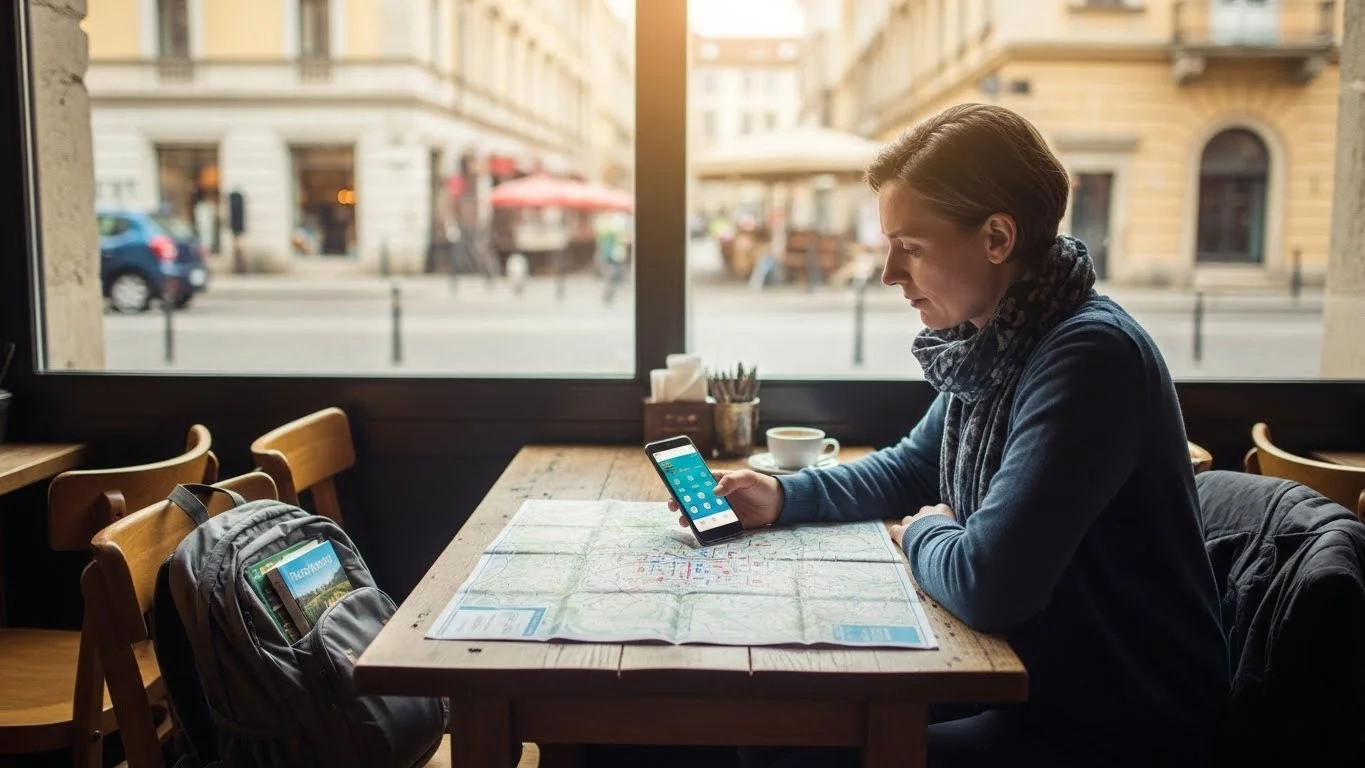
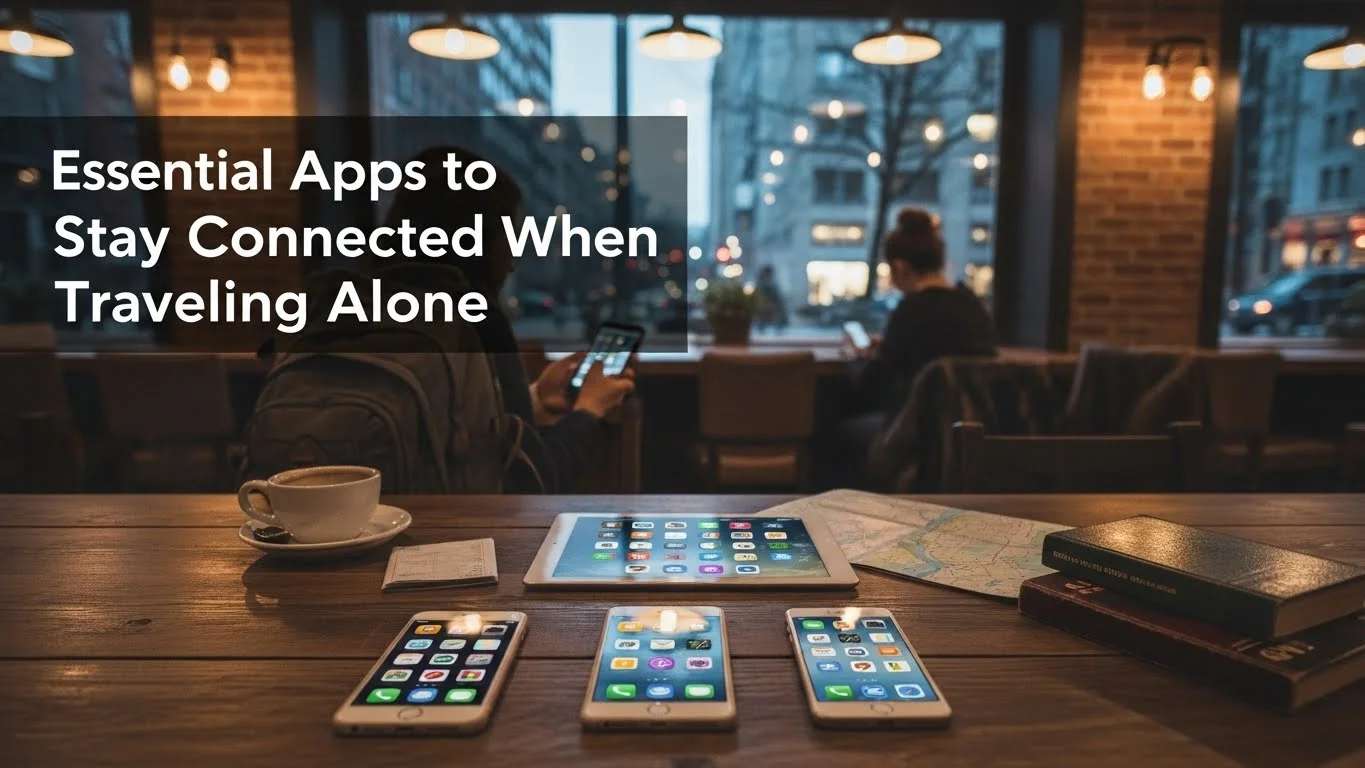
Essential Apps to Stay Connected When Traveling Alone

Traveling alone can be an exhilarating experience, but staying connected is crucial for safety and enjoyment. With the right apps, we can navigate new places, keep in touch with loved ones, and ensure our adventures are as smooth as possible. Read Interesting article: Top Tips for Staying Connected While Traveling Solo
Essential Apps to Stay Connected When Traveling Alone

Why Staying Connected is Important When Traveling Alone

When I set off on my first solo trip, I quickly realized how vital staying connected was to my overall experience. I didn’t just want to share my adventures; I needed to ensure my safety and maintain a sense of normalcy. Being connected while traveling alone is essential for several reasons, and I’d like to share my insights based on personal experiences.

Safety and Security

Safety is always a top concern when we’re wandering in unfamiliar territory. I remember feeling a bit anxious during my first day in a new city, especially when I thought about getting lost or finding myself in a tricky situation. Having the ability to communicate with friends or family at any time not only eased my worries but also provided a safety net. Apps like WhatsApp and Facebook Messenger allowed me to share my location with trusted contacts, ensuring someone always knew where I was. This added layer of security was invaluable, and I recommend it to anyone considering solo travel.

Maintaining Relationships

Traveling can be isolating, particularly when you’re alone in a foreign land. I found that staying connected through social media and messaging apps allowed me to maintain my relationships back home. It felt good to share moments of my journey with friends and family, whether it was a stunning sunset or a delicious meal. I used Facebook Messenger to send quick updates and photos, and I found that my loved ones appreciated feeling included in my adventures. It turned solitary moments into shared memories, which made the experience even richer.

Accessing Information

Another important aspect of staying connected is the access to information. I often found myself needing quick answers, whether it was the location of a nearby restaurant or the hours of the local museum. With the internet at my fingertips, I could easily research anything I needed. Using apps like Google Maps not only helped me navigate but also showed me nearby attractions and local reviews. It felt empowering to be able to find information effortlessly, enhancing my travel experience. Plus, when I stumbled upon an unexpected event or festival, I could quickly share it with friends, adding spontaneity to my journey.

Essential Communication Apps

As I journeyed through different countries, I discovered that specific apps made communicating much easier. Here are some of my go-to communication apps that I believe are essential for anyone traveling alone.

WhatsApp

WhatsApp has become one of my favorite apps for staying in touch while abroad. It allows for free messaging and voice calls over Wi-Fi or data, making it an excellent option for communicating without incurring international fees. I appreciated how easy it was to send photos and updates during my travels. Whenever I explored a new city, I would share snapshots instantly with my family, making them feel part of my adventure.

Facebook Messenger

Facebook Messenger is another great tool that I leaned on during my travels. If you’re already connected with friends on Facebook, it’s seamless to share messages and even video calls. I loved being able to have face-to-face conversations with my family, which made it feel like they were right there with me, even if they were thousands of miles away.

Signal

If privacy is a concern for you, I highly recommend Signal. It’s a secure messaging app that offers end-to-end encryption, ensuring that your conversations remain private. I used it when I wanted to discuss sensitive topics with friends, knowing that our chats were safe from prying eyes. It’s a comforting feeling, especially when you’re sharing personal experiences while traveling alone.

Telegram

Telegram is another messaging app worth mentioning. I found it particularly useful for joining groups based on interests or travel locations. It’s a great way to gather travel tips from locals or fellow travelers, which can be incredibly helpful when exploring a new city. Plus, it allows for larger file sharing, which came in handy when I wanted to send videos or larger photo files to friends.

Overall, staying connected while traveling alone has been pivotal for my safety, relationships, and access to information. I can’t stress enough how much these tools have enriched my travel experiences. As we move forward, I’ll share more essential apps tailored to different aspects of traveling solo, ensuring you’re well-equipped for your adventures.

Navigation and Transportation Apps

When I think back to my solo travels, one of the biggest challenges I faced was navigating unfamiliar places. I remember stepping off a train in a new city, feeling a mix of excitement and confusion. Thankfully, the right navigation and transportation apps made a world of difference. They helped me find my way, avoid getting lost, and explore with confidence.

Google Maps

Google Maps has been my go-to navigation app since I started traveling. Its ability to provide accurate directions, whether I was walking, driving, or using public transport, was invaluable. I loved how I could search for nearby attractions, restaurants, and even read reviews while on the move. One feature I found particularly helpful was the ability to download maps for offline use. This came in handy when I was in areas with limited internet connectivity. I remember wandering through the charming streets of a historic town, and being able to refer to my downloaded map made the experience seamless. It felt liberating to explore without constantly worrying about losing my way.

Citymapper

Citymapper is another app that I wish I had discovered sooner. It’s perfect for navigating public transportation in major cities. The first time I used it in London, I was amazed at how easy it was to understand the complex network of buses and subways. The app provided real-time updates on schedules and routes, which made getting around a breeze. I remember standing at a bus stop, unsure of which line to take, and Citymapper guided me effortlessly. It even suggested the quickest routes, which saved me a lot of time and stress. If you find yourself in a big city, I highly recommend giving Citymapper a try.

Uber and Lyft

For times when I needed to get somewhere quickly and public transportation wasn’t an option, I relied on rideshare apps like Uber and Lyft. They offered a safe and convenient way to travel, especially at night or in areas where I felt uneasy. I vividly recall one evening when I was returning to my hotel after dinner, and the local buses had stopped running. I ordered an Uber, and the driver arrived within minutes. The ride was comfortable, and I appreciated knowing that I could track my driver in real-time. Having these options available made me feel more secure while exploring alone.

Local Public Transportation Apps

While I loved using global apps, I also discovered that many cities have their own public transport apps that provide valuable information. For example, in Paris, I downloaded the RATP app, which helped me navigate the metro system easily. I found it super helpful for checking schedules and planning my routes ahead of time. In some cases, these local apps offered insights into transport delays or service changes that a global app might not cover. I learned that researching local resources can enhance my travel experience significantly, ensuring I was well-prepared for any journey.

Social Networking Apps for Meeting People

One of the most rewarding aspects of traveling alone is the opportunity to meet new people. I’ve always believed that connecting with locals or fellow travelers can lead to some of the best memories. Social networking apps have played a crucial role in helping me build these connections during my trips.

Meetup

Meetup was one of my favorite apps for finding events and activities that matched my interests. I remember arriving in a new city and wanting to meet fellow travelers or local enthusiasts. By browsing through various groups, I discovered hiking clubs, language exchange meetups, and even cooking classes. Joining a group hike not only allowed me to explore the beautiful scenery but also led to friendships that have lasted long after the trip. For anyone traveling solo, I highly recommend checking out Meetup to find like-minded individuals and enhance your travel experience.

Couchsurfing

Couchsurfing opened up a whole new world of opportunities for me. While it’s primarily known for finding free accommodations, I found that it was also a fantastic way to meet locals. I often connected with hosts who were eager to share their city’s culture and hidden gems. On one occasion, a host took me on a tour of their favorite spots, and we ended up sharing stories and laughs over dinner. Couchsurfing not only provided a place to stay but also created meaningful connections that I cherish. If you’re open to meeting new people, give Couchsurfing a try!

Facebook Groups for Travelers

Facebook Groups dedicated to travelers are another great resource I found during my journeys. Being part of these communities allowed me to ask for advice, share experiences, and connect with fellow travelers. I remember asking for recommendations on local cuisine in a group before heading to a country I had never visited. The responses poured in, and I felt better equipped to explore the local food scene. These groups foster a sense of community, and I often found travel buddies for day trips or activities. If you’re looking to connect with others while traveling alone, joining these groups can make a significant difference.

Travel Planning and Organization Apps

As I ventured out on my solo journeys, I quickly learned that planning and organization could make or break my travel experience. Keeping everything in one place, from bookings to itineraries, was essential for me. That’s where travel planning apps came into play. They helped me stay organized and made my trips flow more smoothly.

TripIt

TripIt has been a game-changer for me. This app allows you to forward all your confirmation emails for flights, hotels, and activities to a designated TripIt email address. I remember the first time I used it; I felt like I had my entire trip at my fingertips. The app automatically compiled my itinerary, making it easy to access all my plans in one place without digging through my email. I found the ability to view my itinerary offline particularly useful when I was in areas with spotty internet. It’s like having a personal travel assistant, and I highly recommend it for anyone who wants to keep their travel plans organized.

Google Keep

Google Keep has also been one of my favorites for jotting down quick notes and reminders. Whether it was a local dish I wanted to try or a small detail about a place I wanted to visit, I could capture my thoughts instantly. I loved how I could create checklists, which helped me keep track of what I wanted to do during my trip. On one occasion, while exploring a bustling market, I created a list of souvenirs I wanted to buy. This simple tool kept me focused and ensured I didn’t forget anything important. I appreciate how Google Keep syncs across devices, so my notes were always accessible, whether I was on my phone or laptop.

Evernote

Evernote is another fantastic app that I found to be invaluable for travel planning. I used it to save articles, travel tips, and destination guides. I remember preparing for a trip to a new country, and I spent hours researching everything from local customs to must-try foods. With Evernote, I could organize all that information in one place and even add images or links. It’s also great for creating a travel journal. I’ve documented my experiences in the app, and looking back at those memories has been incredibly rewarding. If you want a versatile tool for planning and documenting your travels, Evernote is worth checking out.

Emergency and Safety Apps

When traveling alone, having the right emergency and safety apps installed can provide peace of mind. It’s comforting to know that you have options in case something unexpected happens. I’ve learned from experience that being prepared is always better than scrambling in a stressful situation.

Find My Friends

Find My Friends (now part of the Find My app) has been a lifesaver for me. I used it to share my location with a close friend or family member, especially when traveling to unfamiliar places. I recall a time when I was visiting a large city and planned to wander off to explore. I shared my location with a friend, and it made me feel safer knowing someone could check in. It’s a simple yet effective way to keep tabs on one another, and I recommend this app for solo travelers who want an extra layer of security.

Emergency Services Apps

Having access to emergency services apps can be crucial during a trip. I found apps that list local emergency numbers and provide information on nearby hospitals, pharmacies, and police stations. For instance, in some countries, dialing emergency services may not be the same as back home. Having this information pre-downloaded helped me feel more secure. I remember a time in a remote area where I was concerned about a minor accident. Knowing I could quickly access emergency contacts and services gave me peace of mind. I suggest researching the local emergency numbers and downloading relevant apps before your trip.

Travel Insurance Apps

Travel insurance is something I always prioritize now. I learned the hard way that things can go wrong, whether it’s lost luggage or unexpected cancellations. Having a travel insurance app on my phone has allowed me to manage my policy, file claims, and access customer support at any time. I recall a situation where my flight got canceled, and I needed to file a claim. The app made it easy to submit the necessary documentation and track the process. If you’re planning a trip, make sure to invest in travel insurance and have the app handy for peace of mind.

Language Translation Apps

Language barriers can be a challenge when traveling solo, but language translation apps have made communication much easier for me. I’ve had some memorable exchanges with locals that would have been impossible without these handy tools.

Google Translate

Google Translate is my go-to app for translating languages on the fly. I remember walking through a market and wanting to ask a vendor about the ingredients in a dish. With Google Translate, I could quickly type in my question, and the app provided a translation in real-time. The photo translation feature is also incredible—I’ve used it to decipher menus or signs by simply pointing my camera. It has opened up a world of conversation and exploration for me, and I think every traveler should download it before heading abroad.

iTranslate

iTranslate is another app I’ve found useful. It offers a voice translation feature that I used in conversations with locals. I remember trying to ask for directions in a small town where English wasn’t widely spoken. Using iTranslate, I could speak my question, and the app translated it aloud. The locals were often amused and appreciative, which led to some great interactions. If you want to enhance your experience and connect with locals more effectively, iTranslate is worth downloading.

Duolingo for Basic Phrases

Duolingo has been a fantastic resource for picking up basic phrases before my trips. I’ve enjoyed using it to learn greetings, common expressions, and essential vocabulary in the language of the country I was visiting. I remember feeling proud when I could say “thank you” in the local language and see the smiles on people’s faces. It’s a fun and interactive way to prepare for a trip, and even if you only learn a few words, it shows respect for the local culture. I highly recommend using Duolingo or similar apps to brush up on language skills before you travel.

Frequently Asked Questions

Why is staying connected important when traveling alone?

Staying connected while traveling alone is crucial for safety, maintaining relationships, and accessing information. It ensures that you can communicate with loved ones, share your location for security, and easily find information about your surroundings.

What are some communication apps recommended for solo travelers?

Some essential communication apps for solo travelers include WhatsApp, Facebook Messenger, Signal, and Telegram. These apps facilitate messaging, voice calls, and sharing photos, enhancing the travel experience while keeping you connected with others.

How can navigation apps assist solo travelers?

Navigation apps like Google Maps and Citymapper help solo travelers find their way in unfamiliar places, provide directions for various modes of transport, and offer real-time updates on public transportation, making it easier to explore new cities confidently.

What role do social networking apps play in meeting new people while traveling?

Social networking apps like Meetup and Couchsurfing allow travelers to connect with locals and fellow travelers. They provide opportunities to join activities, find events, and create meaningful connections during solo journeys.

What travel planning apps can help keep itineraries organized?

Travel planning apps such as TripIt, Google Keep, and Evernote are invaluable for organizing travel itineraries, jotting down notes, and saving important information, ensuring a smoother travel experience.

What emergency apps should solo travelers consider using?

Solo travelers should consider using emergency services apps that provide local emergency numbers and information about nearby hospitals and police stations, as well as travel insurance apps to manage policies and file claims in case of unexpected incidents.

How do language translation apps benefit solo travelers?

Language translation apps like Google Translate and iTranslate help solo travelers communicate with locals by translating text and speech in real-time, breaking down language barriers and enhancing the travel experience.

What is the benefit of using Duolingo before traveling?

Duolingo is beneficial for learning basic phrases and vocabulary in the local language before traveling. It helps travelers show respect for the culture and enhances interactions with locals, making the journey more enjoyable.

How can staying connected improve a solo traveler’s experience?

Staying connected improves a solo traveler’s experience by providing a sense of security, allowing for the sharing of experiences with loved ones, and enabling easy access to information about local attractions and events.

What personal experiences highlight the importance of staying connected while traveling alone?

The author shares personal experiences of feeling anxious in new cities, using communication apps to share locations for safety, and enjoying moments with friends and family through updates on social media, emphasizing the overall enrichment of the travel experience.

Read Interesting article: Indulge Alone: Luxury Dining for the Solo Explorer

Read Interesting article: Experience Luxury Alone: Best Solo Travel Stays
Top Tips for Staying Connected While Traveling Solo

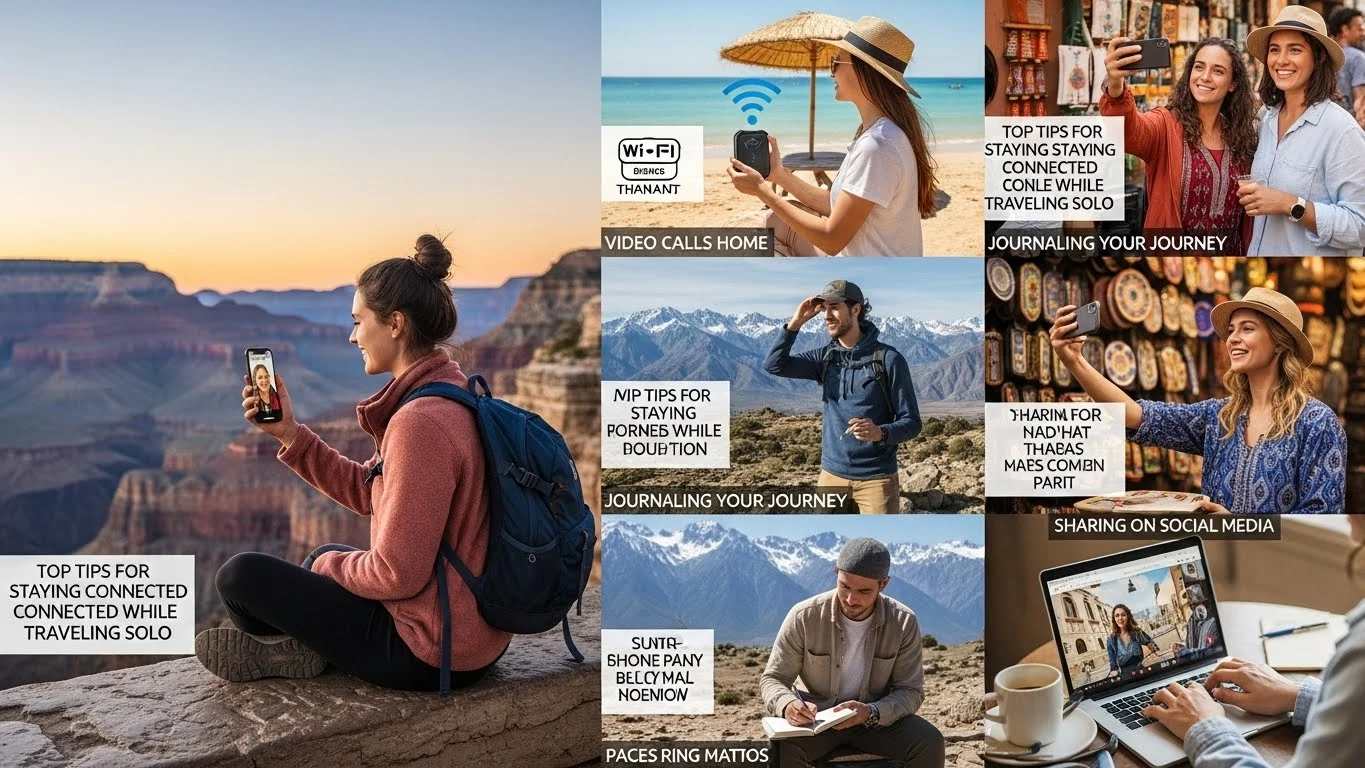
Traveling solo can be an exhilarating experience, but staying connected is crucial for both safety and enjoyment. Here are some top tips to help you maintain those important connections while exploring the world on your own.

Top Tips for Staying Connected While Traveling Solo

Understanding the Importance of Staying Connected While Traveling Solo

When I decided to embark on my first solo adventure, I quickly realized that staying connected was not just a luxury; it was a necessity. Communication plays a pivotal role in the solo travel experience, enhancing not only safety but also enriching our journeys. In this section, I’ll share why staying connected matters so much during solo travels. For further insights, check out How to Create a Safety Plan for Solo Travel Adventures.

The Role of Communication in Solo Travel

Communication is vital for various reasons when traveling alone. First and foremost, it provides a safety net. Knowing that my friends and family are just a message away gives me peace of mind. I remember one time when I found myself lost in a bustling city. I was able to quickly message a friend who helped guide me back to my hotel. Without that connection, I might have felt overwhelmed and anxious.

Moreover, sharing experiences in real-time can enhance your journey. Whether it’s sending a photo of a stunning sunset or sharing a funny travel mishap, these interactions make me feel connected to my loved ones, even when miles apart. For me, it’s like having a little piece of home wherever I go.

Benefits of Staying Connected

Staying connected while traveling solo offers numerous benefits. One of the most significant advantages is the ability to access information quickly. Need to find a local restaurant? Want to know the best tourist attractions? With the internet at your fingertips, you can get all the information you need, which can save you time and enhance your experience.

Additionally, staying connected allows for spontaneous adventures. I remember exploring a new city and discovering a local festival through a social media post. If I hadn’t been connected, I would have missed out on that amazing experience. It’s these little surprises that make solo travel truly special. Furthermore, knowing essential emergency contacts every solo traveler needs can provide peace of mind during your travels.

Another advantage is the ability to document your journey. I love capturing moments and sharing them through social media or with friends. It creates a sense of belonging and makes my travels feel more meaningful. By sharing my experiences, I also inspire others to embark on their own adventures.

Lastly, staying connected is essential for emergencies. Whether it’s a natural disaster or a personal emergency, having a reliable way to communicate can make all the difference. I’ve learned the importance of keeping local emergency numbers saved in my phone, along with the contact information for my country’s embassy.

Essential Tools for Staying Connected

Now that we’ve explored why staying connected is important, let’s dive into the tools that can help us do just that. From smartphones to portable Wi-Fi hotspots, there are plenty of options available. I’ve tried a few different tools myself, and here’s what I’ve found most effective.

Smartphones and Mobile Apps

First and foremost, having a reliable smartphone is crucial. It’s not just a communication device; it’s also your camera, map, and information hub. I rely heavily on various mobile apps to stay connected. Apps like Google Maps have been lifesavers, especially when navigating unfamiliar territories. I also use messaging apps to stay in touch with friends and family.

Moreover, it’s important to download the necessary applications before you head out. For instance, I always download my travel apps, translation apps, and any local guides for the destinations I plan to visit. This way, I’m prepared and can hit the ground running as soon as I arrive.

Portable Wi-Fi Hotspots

Another essential tool for staying connected is a portable Wi-Fi hotspot. I invested in one for my last trip, and it was a game changer. It allowed me to connect multiple devices without relying on public Wi-Fi, which can sometimes be unreliable. Plus, it gave me the freedom to explore without constantly searching for internet access.

Local SIM Cards vs. International Roaming

When it comes to connectivity, you’ll also need to decide between using a local SIM card or opting for international roaming. I’ve tried both, and my personal preference is to get a local SIM card. It’s usually more cost-effective and often provides better coverage. I remember getting a local SIM in Thailand, and it allowed me to stay connected without breaking the bank. Just be sure to check your phone’s compatibility before you go!

How to Choose the Right Communication Apps

Messaging Apps: WhatsApp, Telegram, and More

When it comes to staying connected while traveling solo, choosing the right messaging app can make a world of difference. Personally, I have relied heavily on WhatsApp during my travels. It not only allows for quick messaging but also makes it easy to share photos and videos with friends and family. I remember sending a hilarious video of a street performer I encountered in Barcelona, and my friends loved being a part of that moment, even from afar.

Telegram is another messaging app I’ve come to appreciate. It offers features like channels and groups, which can be handy for organizing travel plans with fellow travelers or even joining local communities. I once joined a group of travelers in Vietnam through Telegram, and it led to some amazing adventures I wouldn’t have experienced otherwise. Depending on your needs, exploring other options like Signal or Facebook Messenger can also be beneficial.

Video Calling Options: Zoom, Skype, FaceTime

Video calling has become essential for maintaining connections while I’m on the road. I often use FaceTime to stay in touch with my family. There’s something special about seeing their faces and having a real-time conversation that messaging just can’t replicate. On one trip, I Facetimed my sister while visiting a breathtaking viewpoint in New Zealand. Sharing that moment with her made the experience even more memorable.

Zoom and Skype are great options, particularly if I want to catch up with a larger group of friends or family. I’ve even had virtual family dinners where everyone joins from different locations. It’s a fun way to share what I’m up to and hear about their lives too. Just make sure you have a good internet connection when planning to video call; I’ve learned the hard way that a weak signal can lead to frustrating dropped calls!

Social Media for Sharing Experiences

Social media can be a fantastic way to stay connected while traveling solo. For me, sharing my travel experiences on Instagram has not only kept my friends updated but also allowed me to document my adventures visually. I love posting stories and photos that capture the essence of the places I’m visiting. Recently, I posted a stunning sunset photo from Santorini, which sparked a conversation with a friend who had been there years ago. We reminisced about our travels, which made me feel even closer to home.

Facebook is also useful for connecting with like-minded travelers or joining travel groups where I can ask for recommendations. I’ve found hidden gems through group suggestions that I would have never discovered on my own. While it’s easy to get caught up in the online world, I believe it’s important to balance sharing experiences with actually being present in the moment.

Planning Ahead: Connectivity Before You Go

Researching Internet Availability at Destinations

Before I embark on any solo journey, I always do a bit of research on internet availability at my destination. Knowing whether my hotel has Wi-Fi or if certain areas have good coverage can save me a lot of headaches. For example, during my trip to Iceland, I read that many rural areas had limited connectivity, so I made sure to download necessary maps and apps before heading into the countryside. This preparation allowed me to fully enjoy the stunning landscapes without constantly worrying about finding a signal.

Downloading Offline Maps and Content

Another essential step for me is downloading offline maps and content. I use Google Maps to download specific areas, which helps me navigate even without a data connection. I remember exploring Paris and effortlessly finding my way to hidden cafes and charming neighborhoods, all thanks to my pre-downloaded maps. Additionally, downloading music, podcasts, or even eBooks keeps me entertained during long journeys or downtime.

Setting Up Emergency Contact Plans

I believe it’s crucial to have a plan for emergencies before I travel. I make sure to share my itinerary with a trusted friend or family member, so they know where I’ll be and how to reach me. I also save important contact numbers, like local emergency services and my country’s embassy, in my phone. This way, I feel more secure knowing I have a plan in place if something unexpected happens. I’ve found that simply being prepared can alleviate a lot of travel anxiety. For more tips on this subject, refer to essential emergency contacts every solo traveler needs.

Staying Connected with Friends and Family

Scheduling Regular Check-Ins

One of my favorite strategies for staying connected while traveling solo is scheduling regular check-ins with friends and family. I set aside time each week to catch up with my loved ones. It gives me something to look forward to and keeps our connections strong. During one trip, I made a habit of calling my mom every Sunday. Hearing her voice and sharing my experiences made me feel connected to home, even when I was far away.

Sharing Your Itinerary

Another practice I’ve found helpful is sharing my itinerary with a close friend or family member. By doing this, I’m not only keeping them informed but also creating a sense of accountability. If they know where I am, it offers an extra layer of safety. I remember sharing my itinerary while exploring Southeast Asia, and my friends would often check in to see how things were going. It felt reassuring to know they were following along on my journey.

Using Location Sharing Features

Finally, I utilize location-sharing features on my phone to keep my loved ones updated on my whereabouts. It’s comforting for both me and my family to know that they can see my location if they ever need to reach me. During my travels in South America, I shared my live location with a friend, which helped ease their worries. It’s a small thing, but it makes a big difference in maintaining that connection while I’m on the go.

Local Connectivity Options While Traveling

Finding Wi-Fi Hotspots in Public Places

Once I arrive at my destination, one of the first things I do is seek out public Wi-Fi hotspots. In many cities, cafes, libraries, and transportation hubs provide free Wi-Fi, which can be a lifesaver. I remember wandering through Lisbon and discovering that almost every café had Wi-Fi available. I would grab a coffee, pull out my laptop, and catch up on emails or share my latest adventures on social media. It felt great to stay connected without draining my mobile data or searching for a reliable signal.

To make the most of public Wi-Fi, I’ve learned to do a bit of research beforehand. Websites and apps like WiFi Map can help pinpoint hotspots in your area. When I traveled to Tokyo, I found a few local parks that offered free Wi-Fi, allowing me to enjoy the beautiful scenery while staying connected. Just remember to be mindful of your surroundings and choose busy places where you feel safe connecting to the internet.

Using Cafés and Restaurants for Internet Access

Restaurants and cafés are fantastic places to connect, not just for the Wi-Fi, but also for the opportunity to mingle with locals and other travelers. I’ve had some of my best experiences sitting in a bustling café, sipping on a local beverage while chatting with the person next to me. During my time in Buenos Aires, I discovered a charming little café that had free Wi-Fi and served the most delicious empanadas. I ended up spending several hours there, connecting with fellow travelers and even sharing tips on must-see spots in the city.

When looking for places to eat or relax, I often use review apps like Yelp or TripAdvisor to find spots with good Wi-Fi. I find that reading reviews can lead me to hidden gems where I can not only enjoy a meal but also get my connectivity fix. Plus, supporting local businesses while enjoying their offerings makes the experience even more rewarding.

Staying Safe on Public Wi-Fi Networks

While public Wi-Fi is incredibly convenient, it’s essential to prioritize your online safety. I’ve learned a few tricks to keep my information secure when using these networks. First, I always check for a secure connection (look for “https://” in the URL) before entering sensitive information. I also make it a habit to avoid accessing my bank accounts or sharing personal details while on public Wi-Fi.

Using a VPN (Virtual Private Network) is another great way to protect my data. I started using a VPN on my travels, and it has made me feel much more secure when connecting to public networks. It encrypts my internet connection, making it much harder for anyone to intercept my information. I remember feeling a sense of relief while using Wi-Fi in a crowded airport after turning on my VPN, knowing that my data was protected.

Managing Your Digital Footprint

Balancing Connectivity with Privacy

While I love staying connected, I’ve also realized the importance of managing my digital footprint. Traveling solo can sometimes feel isolating, and I’ve noticed that I tend to reach for my phone to fill that void. However, I’ve learned to strike a balance between staying connected and being mindful of my privacy. It’s easy to overshare on social media, and I try to be selective about what I post. I prefer to share experiences after I’ve left a location, which also adds an element of surprise for my friends and family.

Additionally, I’ve found that disabling location tracking for my social media apps helps maintain my privacy. I remember feeling uneasy when I noticed my location was being tagged in every post. Now, I can share my adventures without worrying about broadcasting my exact whereabouts in real-time. This approach allows me to enjoy my experiences more fully, focusing on the moment rather than on what I need to share.

Best Practices for Online Safety

In a world where we’re constantly connected, ensuring our online safety is more critical than ever. I’ve adopted several best practices to safeguard my information while traveling. Besides using a VPN, I always make sure my devices have the latest software updates to protect against vulnerabilities. I also enable two-factor authentication for my important accounts, adding an extra layer of security.

Another practice I’ve found helpful is using unique passwords for different accounts. I use a password manager to keep track of them, which saves time and boosts security. I can’t stress enough how important it is to stay vigilant about online safety, especially while navigating unfamiliar networks. I remember a time when I wasn’t as cautious, and it led to a frustrating situation where my accounts were compromised. Since then, I’ve made it a point to prioritize my digital security.

Maintaining Mental Well-Being While Staying Connected

The Importance of Digital Detox

As much as I appreciate the connectivity that technology offers, I’ve also realized the importance of unplugging occasionally. It’s easy to get caught up in the online world, especially when I’m traveling solo. I believe taking a digital detox can rejuvenate both my mind and spirit. During my travels in Costa Rica, I made a conscious decision to go offline for a full day while exploring the lush jungles. The experience was transformative; I was fully present in the moment, taking in the sights and sounds around me without distractions.

Since then, I’ve tried to incorporate regular digital detoxes into my trips. Whether it’s setting aside a few hours each day to go without my phone or designating specific days to unplug, I find these moments refreshing. They allow me to connect with my surroundings and the people I meet, enhancing my travel experiences in ways that technology simply can’t.

Creating Boundaries for Device Use

Another crucial aspect of maintaining mental well-being while staying connected is setting boundaries for device use. I’ve learned to create dedicated times for checking my messages or social media, rather than letting my phone dictate my day. For instance, I try not to check my phone during meals or while engaging in activities. This practice helps me be more present and makes my experiences more enjoyable. I remember one evening in Barcelona, sitting at a beautiful restaurant, and instead of scrolling through my phone, I focused on the ambiance and the conversations around me. It made the evening much more fulfilling.

Engaging with Local Culture vs. Constant Connectivity

While staying connected is important, I feel it’s equally crucial to engage with local culture. I’ve had moments where I found myself lost in my phone instead of soaking in the atmosphere around me. I strive to balance my digital interactions with authentic experiences. When I traveled to Morocco, I made a pact with myself to limit my phone use in markets and bustling streets. Instead, I immersed myself in conversations with locals, trying new foods, and absorbing the vibrant culture. Those memories are some of the most precious from my journey, and I believe that being present made all the difference. For luxury solo travelers, consider exploring top exclusive experiences to enrich your journey.

Frequently Asked Questions

Why is staying connected important while traveling solo?

Staying connected while traveling solo is crucial for safety and enjoyment. It provides a safety net, enhances communication with loved ones, allows for quick access to information, and helps document your journey, making the experience more meaningful.

What are some benefits of staying connected while traveling alone?

Staying connected offers benefits such as quick access to information about local attractions, the ability to document and share experiences, and a reliable way to communicate during emergencies.

What tools can help maintain connectivity when traveling solo?

Essential tools for staying connected include reliable smartphones, portable Wi-Fi hotspots, local SIM cards, and various mobile apps for messaging, navigation, and information access.

Which messaging apps are recommended for solo travelers?

Recommended messaging apps for solo travelers include WhatsApp for quick messaging and photo sharing, and Telegram for organizing travel plans and connecting with local communities.

How can I ensure my online safety while using public Wi-Fi?

To ensure online safety on public Wi-Fi, check for secure connections (look for ‘https://’ in URLs), avoid accessing sensitive accounts, and consider using a VPN to encrypt your internet connection.

What steps should I take to prepare for connectivity before traveling?

Before traveling, research internet availability at your destinations, download offline maps and content, and set up emergency contact plans by sharing your itinerary with someone you trust.

How can I maintain connections with friends and family while traveling?

Maintain connections by scheduling regular check-ins with loved ones, sharing your itinerary for accountability, and using location-sharing features on your phone to keep them updated on your whereabouts.

What are some best practices for managing my digital footprint while traveling?

To manage your digital footprint, be selective about what you post on social media, disable location tracking for social media apps, and share experiences after leaving a location to maintain privacy.

How can I balance staying connected with engaging in local culture?

Balancing connectivity with local culture involves setting boundaries for device use, such as limiting phone usage during meals or activities, and making an effort to engage with locals and soak in the environment.

What is a digital detox, and why is it important while traveling?

A digital detox involves unplugging from technology for a period, allowing you to fully experience your surroundings and enhance your mental well-being. It helps rejuvenate your mind and spirit by reducing distractions.

How to Create a Safety Plan for Solo Travel Adventures

Solo travel can be an exhilarating journey of self-discovery, but it also comes with its own set of challenges. Crafting a solid safety plan can help ensure your adventures remain thrilling and worry-free.

How to Create a Safety Plan for Solo Travel Adventures

Understanding the Importance of a Safety Plan for Solo Travel

When I first ventured out on my solo travel adventures, I quickly realized that it was essential to have a safety plan in place. The freedom of exploring new places alone was exciting, but it also came with risks that I hadn’t fully considered. From my experience, a well-thought-out safety plan not only protects you but also enhances your confidence as you navigate unfamiliar territories.

Why Solo Travel Requires a Unique Safety Approach

Traveling alone is a unique experience that brings joy and challenges in equal measure. I learned early on that when you’re on your own, you can’t rely on a travel buddy to keep an eye on your surroundings or help you make quick decisions. This reality means that I had to be more vigilant and proactive about my safety. Having a safety plan helped me stay prepared for unexpected situations, from minor inconveniences like losing my way to more serious issues like medical emergencies.

Moreover, solo travelers often attract more attention, both positive and negative. In some cultures, being a solo traveler can draw curiosity, while in others, it might raise concerns. I’ve found that understanding these dynamics has been crucial for navigating my interactions and maintaining my safety.

Statistics on Solo Travel Risks

It’s not just intuition that tells us solo travel has its risks; there are statistics to back it up. According to various travel safety studies, solo travelers face higher chances of encountering theft, scams, or even physical harm than those traveling in groups. For instance, a survey revealed that nearly 30% of solo travelers reported experiencing theft in foreign countries. These numbers remind me of the importance of being prepared and staying alert. By creating a safety plan, we can significantly reduce our vulnerability and enjoy our travels with more peace of mind.

Key Components of a Safety Plan

Researching Your Destination

Before any trip, I make it a point to thoroughly research my destination. This involves more than just looking at popular tourist spots. I dive deep into understanding the local culture, customs, and even the social dynamics at play. For instance, I’ve learned that certain neighborhoods might be safer than others and that local laws can differ significantly from what I’m used to at home. Websites, forums, and blogs from fellow travelers provide invaluable insights that help me feel prepared for what to expect.

Identifying Safe Areas vs. Risky Areas

As part of my research, I always map out which areas are considered safe and which ones I should avoid. I’ve found that most cities have online resources or travel guides that highlight these zones. For example, when I traveled to a new country, I spent an afternoon walking around the city to get a feel for the neighborhoods, which helped me identify where to stay and explore. This way, I can plan my routes accordingly and avoid getting lost or wandering into areas that may not be safe.

Local Emergency Contacts and Resources

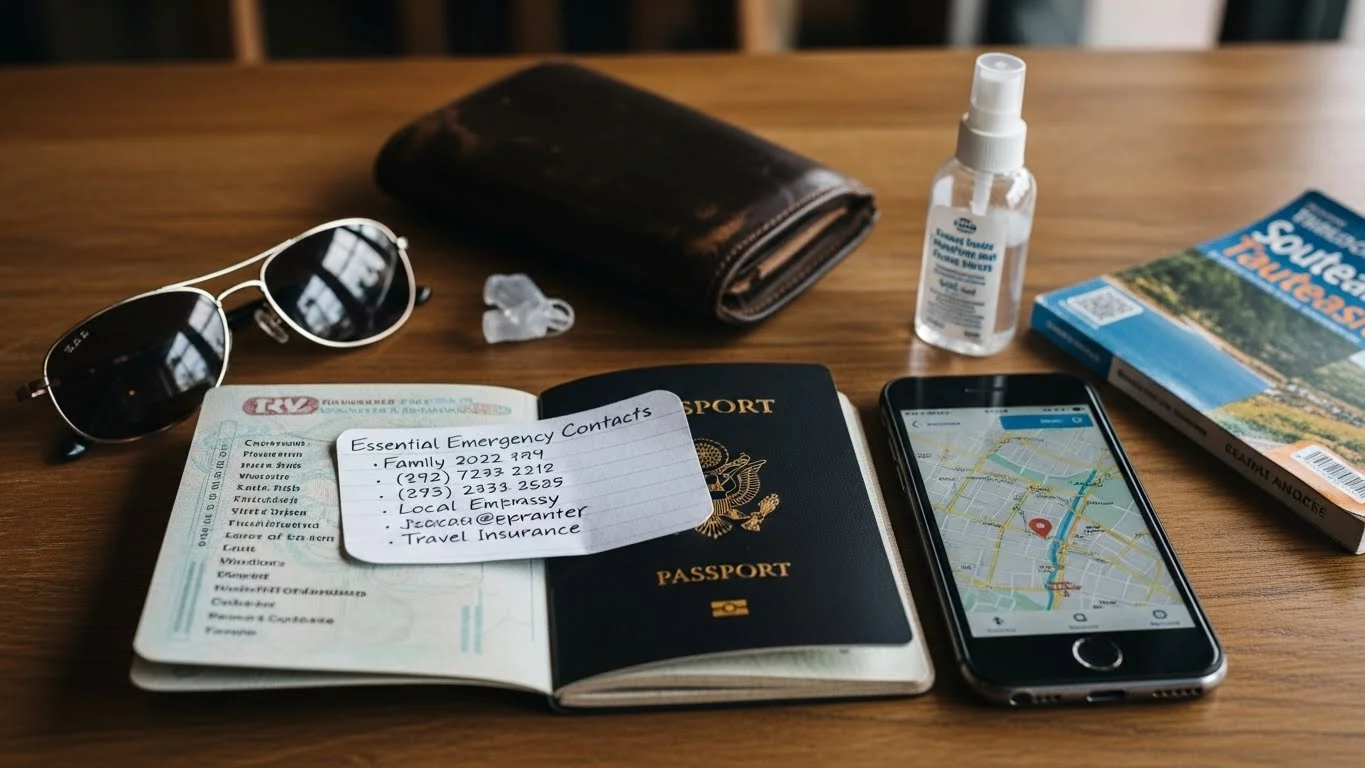
Having a list of local emergency contacts is a crucial part of my safety plan. I always jot down the address and contact information for the nearest hospital, police station, and my country’s embassy. This small step gives me comfort knowing that I have a plan in case things go sideways. Additionally, I’ve found it helpful to save these contacts in my phone, as well as writing them down in a travel journal. This way, even if I lose my phone, I still have access to important information.

Health and Medical Considerations

Health concerns can often take a backseat when we’re caught up in the excitement of travel, but I learned the hard way how important it is to prioritize them. Before I travel, I make sure I have all necessary vaccinations and pack a basic first-aid kit tailored to my destination. For instance, when I went to a tropical location, I made sure to bring mosquito repellent and any medications I might need. I also recommend looking into health care options available at your destination, just in case you need medical assistance. Being prepared can make all the difference in ensuring a safe and enjoyable trip.

Creating a safety plan for solo travel is an empowering step that enhances our travel experiences. By understanding the importance of safety, researching our destinations, and preparing for potential health risks, we can embark on our adventures with confidence and excitement. Remember, the more prepared we are, the more we can enjoy our journey, knowing we have taken steps to protect ourselves.

Pre-Travel Preparations

Creating an Itinerary

One of the first things I do when planning a solo trip is to create a detailed itinerary. This doesn’t just mean listing where I’ll go and when; it’s about crafting a roadmap for my journey. I include all my major activities, but I also leave room for spontaneity, because let’s face it, some of the best travel experiences happen when we least expect them. During my last trip to Spain, I mapped out must-see attractions, local eateries, and even a couple of off-the-beaten-path gems I discovered through research. Having this plan provided a sense of structure, helping me balance exploration with safety.

While planning, I also highlight any potential risks associated with my activities. For example, if I wanted to hike in a national park, I researched trail conditions and safety tips for solo hikers. Understanding these elements ahead of time has helped me feel more secure when I’m out and about, especially in unfamiliar environments.

Sharing Your Travel Plans with Trusted Contacts

Another essential step in my pre-travel preparations is sharing my itinerary with trusted friends or family. I believe this is crucial for safety, especially when traveling solo. By letting someone know my whereabouts, they can keep track of me, which brings peace of mind for both parties. I usually send a quick email or text, detailing where I’ll be and when I expect to check in. During my last trip to Italy, I made sure to keep my sister updated on my plans. It not only gave her comfort, but it also allowed her to share my excitement and be part of my journey, even from afar.

If I know I’ll be in an area with limited connectivity, I let my contacts know in advance that they may not hear from me for a while. This way, they aren’t left worrying if they don’t receive an update. I also provide them with emergency contact numbers and the hotel where I’m staying, just in case they need to get in touch with me or send help.

Setting Up Communication Plans

In my experience, staying connected while traveling is incredibly important, especially when I’m exploring new places alone. I usually set up a communication plan before I leave. This can include purchasing a local SIM card or ensuring my international phone plan is active. I’ve found that having access to data helps me navigate, stay in touch with friends, and access safety apps. On my last solo trip to Thailand, I got a local SIM card right at the airport, which made a world of difference. I felt more confident knowing I could reach out if I needed assistance.

Additionally, I download messaging apps that work over Wi-Fi, like WhatsApp or Viber, to keep in touch with my loved ones. It’s comforting to know that I can easily share updates or check in with family and friends, regardless of where I am in the world.

Understanding Local Laws and Customs

Before I set foot in a new country, I always take the time to understand local laws and customs. This may seem tedious, but trust me, it’s worth it. I’ve encountered situations where knowing the local etiquette made a significant difference in how I was perceived as a traveler. For example, I learned that in some countries, it’s considered disrespectful to take photos of certain religious sites or to wear inappropriate clothing. I remember visiting a temple in Bali, where I was grateful that I had researched the dress code beforehand. Observing local customs not only keeps me safe but also enriches my travel experience.

I also familiarize myself with local laws that might differ from what I’m used to, such as alcohol consumption, public behavior, or transportation regulations. Understanding these can help me avoid misunderstandings or even legal troubles. It’s all part of being a responsible traveler, and I believe it shows respect for the communities I’m visiting.

Essential Safety Gear and Technology

Travel Insurance: What You Need to Know

As someone who has traveled solo, I cannot stress enough the importance of having travel insurance. Before each trip, I research different plans and choose one that suits my needs. I’ve had experiences where travel insurance saved me from significant financial loss, especially when I had to cancel a trip due to unforeseen circumstances. It gives me peace of mind, knowing that I’m covered in case of emergencies like trip cancellations, medical issues, or lost luggage.

When selecting a travel insurance policy, I recommend looking for coverage that includes medical emergencies, evacuation, and personal liability. Additionally, check for 24/7 support, so you can get help whenever you need it. My last trip was to Central America, and having insurance allowed me to explore more freely, knowing I had a safety net in place if something went wrong.

Choosing the Right Travel Gear

Having the right travel gear can make a huge difference in my safety and overall experience. I carefully select my luggage and accessories, prioritizing items that are durable and secure. For example, my favorite travel backpack has lockable zippers, which gives me a sense of security when I’m out in busy areas. I’ve learned the hard way that keeping my belongings secure is crucial; during a previous trip, I had a close call with a pickpocket in a crowded market.

In addition to securing my bag, I invest in lightweight, versatile clothing that allows me to blend in with locals rather than standing out as a tourist. I’ve found that wearing neutral colors and avoiding flashy accessories helps me feel more comfortable and less conspicuous. Plus, I pack a small personal safety alarm, which I can easily carry. It’s a small device, but knowing I have it in case of an emergency makes me feel more at ease.

Essential Safety Gear and Technology

Apps and Tools for Safety

In today’s tech-savvy world, I’ve found that my smartphone can be an invaluable tool for ensuring my safety while traveling solo. There’s a plethora of apps out there designed specifically for travelers. For instance, I always download maps that work offline, like Google Maps or Maps.me, which have saved me more than once when I lost cell service. Having access to these offline maps allows me to navigate confidently without the fear of getting lost in unfamiliar places.

Another app I swear by is a personal safety app, such as bSafe or Life360. These apps allow me to share my location with trusted friends and family, which provides an extra layer of security. For instance, I can send a quick message or alert if I ever feel uneasy or if something doesn’t feel right. I remember using one of these apps while wandering through a market alone in a foreign country; just knowing that someone could track my location gave me peace of mind.

Additionally, I make sure to have local emergency numbers saved in my phone. Some apps, like SafetyNet, offer emergency services tailored to the country you’re in, which can be a lifesaver if you find yourself in a tough situation. Having these resources at my fingertips allows me to act quickly if needed.

Portable Safety Devices

While technology is fantastic, I also believe in the value of physical safety devices. One of my must-haves is a portable door lock. I’ve found that using one of these locks in hotel rooms or hostels adds an extra layer of security, especially when I’m not completely confident in the safety of my accommodations. I remember a time in a shared hostel where I attached this lock, giving me peace of mind while I slept. It’s a simple but effective way to feel a little more secure when I’m in an unfamiliar place.

Furthermore, I carry a personal alarm. This small device can emit a loud sound when activated, drawing attention in case of an emergency. I’ve never had to use it, but just knowing it’s there makes me feel safer. I remember a moment while walking back to my hotel late one evening when I felt uneasy due to some suspicious activity nearby. Having that personal alarm ready gave me the confidence to navigate my way back without fear.

Another device that I find essential is a portable charger. It’s easy to underestimate how quickly our phones can drain, especially when we are using them for navigation and communication. I always carry a power bank with me to ensure that I can keep my phone charged and ready for use. I once found myself in a situation where I was out later than expected, and my phone battery was lower than I liked. Thankfully, my portable charger saved the day, allowing me to stay connected and safe.

Staying Safe While Traveling

Situational Awareness and Personal Safety

One of the most important lessons I’ve learned about solo travel is the significance of situational awareness. Staying aware of my surroundings has helped me avoid potentially dangerous situations. I’m always mindful of where I am, who is around me, and how I feel in those surroundings. If something feels off, I trust my instincts and make adjustments. Whether it’s changing my route or stepping into a crowded café for a moment, I’ve learned to prioritize my gut feelings.

I also try to blend in as much as possible. Dressing like a local can help me avoid drawing unwanted attention. I often research common clothing styles in the area I’m visiting and adjust my wardrobe accordingly. This simple change has made a noticeable difference in how I’m perceived by others. When I visited Morocco, for instance, I opted for loose-fitting clothing that aligned with local customs, which helped me feel more at ease.

Transportation Safety Tips

Transportation safety is another crucial aspect of solo travel. I always choose reputable transport options, whether I’m using taxis, rideshare apps, or public transportation. For me, researching the safest and most reliable transportation methods before I arrive is essential. When I traveled to Mexico City, I opted for authorized taxi services rather than hailing a cab on the street, which gave me more confidence in my safety.

When using public transport, I make sure to sit near the driver or in well-lit areas. I’ve also learned to be strategic about my arrival times; traveling during daylight hours is always safer. I remember a time when I had to take a late bus. It wasn’t ideal, but I stuck to the well-trafficked areas and kept my valuables hidden, making sure I stayed alert throughout the journey.

Accommodation Safety Precautions

Choosing the right accommodations is another key element of my safety plan. I always opt for places with good reviews that highlight their safety features. For instance, I look for accommodations that have 24/7 reception or security. I remember booking a hotel in a bustling city where the front desk was manned at all hours; it made me feel more secure knowing help was always available if needed.

When I check into a hostel or hotel, I always familiarize myself with the emergency exits and safety protocols. I also keep my valuables in a secure location, like a locked suitcase or a hotel safe. I’ve learned the hard way not to leave important items out in the open. During one trip, I had a near miss when I left my wallet on the dresser. Thankfully, I caught it just in time, but it taught me to be more vigilant about my belongings.

Staying Connected with Friends and Family

Finally, staying connected with loved ones while traveling is essential for my safety. I often schedule regular check-ins via text or video calls, which keeps me accountable and reassures my family. I usually set a specific time to touch base, so they know when to expect an update. This practice not only keeps my loved ones in the loop but also lets me share my travel experiences and adventures with them.

In my experience, maintaining open lines of communication helps foster a sense of security. I’ve found that when my family knows I’m safe and enjoying my travels, it enhances the experience for all of us. Sharing stories and photos after my adventures always brings smiles, and it’s a great way to feel connected despite the distance.

Frequently Asked Questions

What is the importance of having a safety plan for solo travel?

A safety plan is essential for solo travel as it protects travelers and enhances their confidence when navigating unfamiliar territories. It prepares them for unexpected situations and helps mitigate risks associated with traveling alone.

Why does solo travel require a unique safety approach?

Traveling alone means that travelers cannot rely on a companion for support or safety, making it necessary to be more vigilant and proactive. A safety plan helps solo travelers stay prepared for various challenges, from minor inconveniences to serious emergencies.

What are some common risks faced by solo travelers?

Statistics indicate that solo travelers face higher chances of encountering risks such as theft, scams, and physical harm. Nearly 30% of solo travelers reported experiencing theft in foreign countries, underscoring the importance of preparation and alertness.

What should be included in a safety plan for solo travel?

A safety plan should include thorough destination research, identifying safe and risky areas, local emergency contacts, health considerations, and pre-travel preparations like creating an itinerary and setting up communication plans.

How can travelers research their destination effectively?

Travelers should look into local culture, customs, and social dynamics, as well as mapping out safe and risky areas. Online resources, travel guides, and personal experiences from other travelers can provide valuable insights.

Why is it important to share travel plans with trusted contacts?

Sharing travel plans with trusted friends or family enhances safety as it allows them to keep track of the solo traveler’s whereabouts. It provides peace of mind for both the traveler and their loved ones.

What role does situational awareness play in solo travel safety?

Situational awareness is crucial for avoiding potentially dangerous situations. Travelers should stay aware of their surroundings and trust their instincts, making adjustments to their plans when something feels off.

What transportation safety tips should solo travelers follow?

Solo travelers should choose reputable transportation options, sit near the driver or in well-lit areas on public transport, and travel during daylight hours whenever possible. Researching safe transportation methods before arrival is also essential.

What are essential safety gear and technology for solo travelers?

Essential safety gear includes travel insurance, portable safety devices like door locks and personal alarms, and technology such as offline maps and personal safety apps. These tools enhance safety and ensure travelers can stay connected.

How can solo travelers stay connected with their loved ones while traveling?

Travelers can maintain communication by scheduling regular check-ins via text or video calls. This practice keeps loved ones informed about their safety and allows travelers to share their experiences and adventures.

Essential Emergency Contacts Every Solo Traveler Needs

Traveling solo can be one of the most exhilarating experiences, but it also comes with its own set of challenges. Being prepared with essential emergency contacts can make all the difference in ensuring a safe trip. For those seeking a more refined journey, exploring top exclusive experiences for the luxury solo traveler can enhance your adventure.

Essential Emergency Contacts Every Solo Traveler Needs

Understanding the Importance of Emergency Contacts for Solo Travelers

Why Emergency Contacts Are Crucial

When I first traveled alone, I remember feeling excited yet a bit anxious. I quickly realized that being in a new place, far from familiar faces, made it essential to have a solid plan in case of emergencies. Emergency contacts are not just safety nets; they are lifelines. Knowing whom to call can save time and reduce panic in stressful situations. Whether it’s a minor health issue or a more serious incident, having the right contacts can provide peace of mind during your adventures.

Types of Emergencies Solo Travelers Might Face

Traveling solo exposes you to various unexpected situations. From my experience, I’ve faced everything from missed flights to sudden illnesses. Here are some common emergencies solo travelers might encounter:

  • Medical Emergencies: Illness or injury can happen anywhere, and knowing how to access medical help is crucial.
  • Lost or Stolen Belongings: Losing your passport or wallet can be overwhelming, especially in a foreign country.
  • Accidents: These can range from minor injuries to serious incidents requiring immediate assistance.
  • Natural Disasters: Earthquakes, floods, or storms can disrupt travel plans and pose safety risks.
  • Legal Issues: Getting into trouble with local authorities might require legal assistance or contacting your embassy.

Recognizing these potential emergencies helps us prepare and ensures we’re not caught off guard when things go awry.

Essential Emergency Contacts to Have

Local Emergency Services

Before embarking on your journey, familiarize yourself with local emergency services. This knowledge can be a game-changer when every second counts.

Police

Having the local police number saved in your phone is vital. If you encounter any crime or feel threatened, knowing whom to contact can provide a significant sense of security. I remember needing the police once when I witnessed a minor accident, and it was reassuring to have quick access to their number.

Fire Department

Fires can happen anywhere, and knowing how to reach the fire department can be lifesaving. Make sure to note their contact details and even the local emergency number, as it often varies by country.

Medical Emergencies

Being prepared for medical emergencies is crucial. I always save hospital contacts and the nearest urgent care facilities on my phone. This way, if I need immediate medical attention, I know where to go and who to call. It’s also helpful to learn about pharmacies in the area for any over-the-counter medications you might need.

Embassy or Consulate Contacts

Your embassy can be a significant resource if you find yourself in trouble abroad. Having their contact details can help you navigate tricky situations.

How to Find Your Country’s Embassy

Before I travel, I research my country’s embassy locations in the places I’m visiting. This way, I always know where to go or who to contact if necessary. A quick Google search or a visit to your country’s official government website can provide this information.

What Services Embassies Offer

Embassies assist with a range of issues, from replacing lost passports to providing legal help. They can also offer guidance on local laws and customs, which I found invaluable during my travels. I remember needing assistance when my passport was misplaced, and the embassy made the process a lot smoother than I anticipated.

Travel Insurance Provider

Travel insurance is often overlooked, but it’s one of the best investments a solo traveler can make.

Importance of Travel Insurance

Having travel insurance can cover anything from medical expenses to trip cancellations. It’s comforting to know that if something goes wrong, I have a safety net. I learned the hard way after a trip cancellation left me out of pocket, and I vowed never to travel without insurance again.

How to Contact Your Provider

Keep your travel insurance policy number and contact details handy. Most providers offer 24/7 assistance, so having that information accessible can help in urgent situations. I always save these details in my phone and also keep a printed copy in my travel wallet—just in case.

Accommodation Contact Information

Your hotel or hostel can be your first point of contact in an emergency. Make sure you have their details saved.

Hotel or Hostel Details

Knowing how to reach your accommodation can be crucial if you get lost or need assistance. I often take a picture of the hotel’s card or write down their address and phone number in my notes. This has helped me many times when navigating a new city.

Alternatives for Last-Minute Stays

Sometimes, plans change unexpectedly. Knowing alternative places to stay, like nearby hotels or hostels, can save you a lot of stress. I’ve found that apps like Booking.com or Airbnb can help find accommodations quickly, even at odd hours. Additionally, for those seeking more luxurious options, consider checking out luxury solo travel accommodations that offer ultimate comfort.

Personal Emergency Contacts

Family and Friends

One of the most important aspects of traveling solo is ensuring that your loved ones know where you are. I always make it a point to share my itinerary with family and close friends before I leave. This way, they can keep track of my travels and know when to expect updates. It’s comforting to know there’s someone back home who is aware of my plans and can be my point of contact if anything goes wrong.

Choosing the Right Contacts

When deciding who to list as emergency contacts, I think about those who can handle potential emergencies calmly. I often choose my siblings or close friends who are level-headed and can think on their feet. I also remind them to keep their phones charged and accessible, just in case I need to reach out. They may not be able to help me physically, but just knowing they are there for me emotionally makes a huge difference.

Setting Up a Communication Plan

Before I head out, I set up a simple communication plan. I let my emergency contacts know how often they can expect to hear from me, whether it’s daily check-ins or just updates after certain activities. This not only keeps them informed but also helps me feel more secure knowing that someone is awaiting my messages. I’ve found that using messaging apps like WhatsApp or Viber can be incredibly helpful, as they work over Wi-Fi and can save me money on international texting.

Local Contacts (If Any)

If you have friends or acquaintances in the area you’re visiting, having their contact information can be invaluable. I’ve occasionally traveled to places where I knew someone, even if it was just a casual acquaintance from school or work. These contacts can provide local insights and may be able to help in emergencies.

Friends or Acquaintances in the Area

Before my last trip, I reached out to an old college friend who had moved to the city I was visiting. Having her number saved as a contact made me feel more secure. Not only did I have someone to reach out to in case of an emergency, but she also shared local tips that enriched my travel experience. It’s amazing how a familiar face in a foreign place can lighten your load.

Travel Groups or Communities

Joining travel groups or communities can also be beneficial. I’ve been part of several Facebook groups focused on solo travel. These communities often share vital local contacts and can provide recommendations or support if issues arise. If I encounter a problem, I can post in these groups to seek advice or assistance from fellow travelers who may be nearby. It’s a great way to expand your network and feel connected while on the road.

Creating a Comprehensive Emergency Contact List

How to Organize Your Contacts

Creating an organized emergency contact list is essential. I keep mine on my phone, but I also have a printed copy tucked safely in my travel wallet. My list includes categories like local emergency services, my accommodation details, family and friends, and any local contacts I may have. I find that color-coding or labeling these contacts can help me access the information quickly.

Apps and Tools to Store Emergency Contacts

There are several apps available that can help store and organize emergency contacts. I’ve used apps like Google Keep and Evernote to create a quick reference guide I can access offline. Some travel-specific apps even allow you to save emergency info, including medical conditions or allergies, which can be a lifesaver in a medical emergency. I think it’s worth exploring these options to find what works best for you!

Preparing for Emergencies Before Traveling

Researching Local Emergency Numbers

Before I travel anywhere, I make it a point to research local emergency numbers. It’s surprising how different they can be from country to country! For example, in the United States, 911 is the go-to number for emergencies, while in the UK, it’s 999. I often jot these numbers down in my travel journal or save them in my phone. Knowing who to call during an emergency can save precious time.

Understanding Local Laws and Customs

In my travels, I’ve learned that understanding local laws and customs can help prevent emergencies in the first place. For instance, in some countries, it’s illegal to drink alcohol in public spaces. Knowing these regulations can help avoid unwanted run-ins with local authorities. I usually read a bit about the culture and norms of the destinations I visit, which not only enriches my experience but also keeps me safer.

Apps for Safety and Emergency Alerts

Using technology to enhance safety while traveling is a smart move. I recommend downloading local emergency apps or even global safety apps like SmartTraveler, which provide alerts and updates on safety conditions in your area. These apps can be a great resource for solo travelers, offering real-time information on natural disasters, health alerts, and other emergencies. Staying informed has been a lifesaver on more than one occasion for me. Furthermore, understanding how to navigate safety in luxury solo travel destinations can further enhance your travel experience.

What to Do in Case of an Emergency

Steps to Take When Contacting Emergency Services

When faced with an emergency, the first step is to remain as calm as possible. I know it can be incredibly difficult to stay composed when your heart is racing, but taking a deep breath can help you think more clearly. I remember once when I was in a foreign city, I needed to call for help after witnessing a minor accident. The first thing I did was assess the situation to ensure I was safe before contacting anyone. Here’s a simple guide on how to approach this:

  1. Assess Your Situation: Before making any calls, take a moment to evaluate your surroundings. Are you in a safe place? Is anyone else in danger? This can help you determine your next steps.
  2. Contact Local Emergency Services: Use the emergency number for the country you’re in and clearly state the nature of the emergency. I’ve found that speaking slowly and clearly helps, especially if there’s a language barrier.
  3. Provide Necessary Details: When you reach the operator, provide them with your location, the nature of the emergency, and any other pertinent details. I always try to have a few key phrases in the local language ready, which can be very helpful in these situations.
  4. Stay on the Line: Don’t hang up until you’re told to do so. The operator may have additional questions or instructions.
  5. Follow Up: If necessary, ask for updates or the expected arrival time of emergency personnel. Having a clear understanding of what’s happening can help ease anxiety.

These steps have helped me navigate emergencies more effectively, and I hope they offer you some guidance as well.

How to Reach Your Embassy

If you find yourself in a situation that requires your embassy’s assistance, knowing how to contact them can be crucial. I’ve had to do this once, and it was a relief to have their support. Here’s how to approach it:

  1. Know Your Embassy’s Contact Info: Make sure to have your embassy’s phone number and address saved in your contacts. I also write this information down on a piece of paper that I keep in my wallet for quick access.
  2. Visit Their Website: Many embassies have emergency hotlines or specific instructions for travelers in distress. Checking their website can provide helpful information.
  3. Be Clear and Concise: When you contact the embassy, explain your situation clearly. State your nationality, the nature of your issue, and any immediate assistance you may need.
  4. Follow Their Instructions: Embassies are experienced in handling emergencies, so listen to their advice and follow their instructions carefully.

In my experience, being prepared with this information can save a lot of time and stress if you ever need help abroad.

Communicating with Family and Friends

During an emergency, it’s essential to keep your loved ones informed. I’ve found that they can provide emotional support and even practical help from afar. Here’s how to keep them in the loop:

  1. Contact Your Emergency Contacts: As soon as you’re able, reach out to your designated emergency contacts. Let them know what’s happening and reassure them that you are safe if possible.
  2. Use Messaging Apps: Apps like WhatsApp or Viber can be great for quick updates, especially if you have limited phone service. I often use these platforms to send a quick message to my family or friends, letting them know I’m okay.
  3. Set Up a Group Chat: If you have multiple people you want to update, consider creating a group chat. This way, you can keep everyone informed without repeating the same information over and over.
  4. Share Your Location: If you’re in a situation where you’re unsure of your safety, sharing your location with loved ones can provide reassurance and help them know where you are.

Staying connected with family and friends during tough moments can make all the difference, offering both support and a sense of security.

Safety Tips for Solo Travelers

Staying Aware of Your Surroundings

As a solo traveler, I’ve learned that staying aware of my surroundings is one of the best ways to ensure my safety. It might sound simple, but I always make a conscious effort to be present. Here are a few things I do:

  • Trust Your Instincts: If something doesn’t feel right, it probably isn’t. I’ve learned to listen to my gut feelings, whether it’s avoiding a particular street at night or not engaging with suspicious individuals.
  • Stay Off Your Phone: I often see travelers glued to their phones while walking. While it’s tempting to check messages or take photos, I try to keep my phone away when navigating unfamiliar areas.
  • Observe Locals: Watching how locals behave can provide valuable insights. If everyone seems to move with purpose, that’s a good sign to me. If I see people loitering or acting oddly, I tend to steer clear.

Being aware of my surroundings has helped me avoid uncomfortable situations and feel more secure while exploring new places.

Utilizing Technology for Safety

In today’s digital age, technology can be a great ally for solo travelers. I’ve come to rely on various tools and apps to enhance my safety:

  • GPS and Maps: I use apps like Google Maps to familiarize myself with the area before heading out. It’s also helpful for finding the fastest route to my destination.
  • Safety Apps: As I mentioned earlier, apps like SmartTraveler can alert you to emergencies in your area. I also recommend apps that allow you to share your location with friends or family.
  • Emergency Contacts in Your Phone: Always have your emergency contacts easily accessible. I save them under a specific label, so I can find them quickly if needed.

Technology, when used wisely, can provide an extra layer of security that I find comforting on my journeys.

Trusting Your Instincts

Above all, trusting your instincts has been my guiding principle while traveling solo. If I feel uneasy about a situation, I don’t hesitate to remove myself from it. I’ve learned that it’s far better to be cautious than to regret not acting on a feeling. I encourage fellow travelers to cultivate this inner voice; it often knows best. When we trust our instincts, we empower ourselves to navigate the world with confidence and safety.

Frequently Asked Questions

Why are emergency contacts crucial for solo travelers?

Emergency contacts are essential for solo travelers as they provide a safety net and lifeline in stressful situations. Having the right contacts can save time and reduce panic during emergencies, giving travelers peace of mind.

What types of emergencies might solo travelers face?

Common emergencies for solo travelers include medical emergencies, lost or stolen belongings, accidents, natural disasters, and legal issues with local authorities.

What local emergency services should solo travelers familiarize themselves with?

Solo travelers should familiarize themselves with local police, fire department contacts, and medical emergency services to ensure quick access to help in case of emergencies.

How can solo travelers prepare for medical emergencies?

Travelers can prepare for medical emergencies by saving hospital contacts and the nearest urgent care facilities on their phones, as well as learning about local pharmacies for medication needs.

What role does travel insurance play for solo travelers?

Travel insurance is crucial as it covers a range of issues, including medical expenses and trip cancellations. It acts as a safety net for travelers, providing reassurance during uncertain situations.

How should solo travelers organize their emergency contacts?

Solo travelers should create an organized emergency contact list that includes local emergency services, accommodation details, personal contacts, and any local acquaintances. This list can be stored on their phone and also in a printed format.

What steps should travelers take in case of an emergency?

In an emergency, travelers should remain calm, assess their situation, contact local emergency services, provide necessary details, and stay on the line until instructed otherwise.

How can solo travelers stay connected with family and friends during emergencies?

Travelers can keep their loved ones informed by contacting emergency contacts, using messaging apps for quick updates, setting up group chats, and sharing their location if necessary.

What safety tips should solo travelers follow?

Solo travelers should stay aware of their surroundings, trust their instincts, avoid distractions like phones while walking, and observe the behavior of locals to enhance their safety.

How can technology assist solo travelers in ensuring their safety?

Technology can assist solo travelers through GPS and maps for navigation, safety apps for emergency alerts, and saving emergency contacts in easily accessible formats on their phones.

Choosing the Right Travel Insurance for Solo Adventures

Embarking on a solo adventure is thrilling, but it also comes with its own set of challenges. One essential aspect that often gets overlooked is travel insurance. Let’s explore why it’s crucial and how to choose the right policy for your journey. Read Interesting article: Why Solo Travelers Need Travel Insurance Now More Than Ever

Choosing the Right Travel Insurance for Solo Adventures

Understanding Travel Insurance

What is Travel Insurance?

Travel insurance is a safety net for travelers, designed to protect against unexpected events that may occur before or during a trip. It covers a range of incidents, from trip cancellations and medical emergencies to lost luggage and personal liability. I remember my first solo trip to Europe; I was overwhelmed with excitement, but I quickly realized how essential travel insurance was when a friend’s flight got canceled last minute, leaving her scrambling for alternatives. Having the right coverage can mean the difference between a minor hiccup and a major financial loss.

Types of Travel Insurance Policies

There are several types of travel insurance policies, each catering to different needs. Here’s a breakdown of the most common ones:

  • Trip Cancellation Insurance: This covers non-refundable costs if you need to cancel your trip due to unforeseen events.
  • Medical Insurance: This provides coverage for medical expenses incurred while traveling, which is especially important for solo travelers who may find themselves in unfamiliar healthcare systems.
  • Emergency Evacuation Insurance: This covers transportation to the nearest medical facility in case of an emergency.
  • Flight Insurance: This protects you against accidents during your flight, which could include death or injury.
  • Comprehensive Travel Insurance: This combines multiple coverages, including trip cancellation, medical expenses, and lost baggage, into one policy.

When I traveled to Southeast Asia, I opted for comprehensive travel insurance, and it was comforting to know I was protected from various potential pitfalls.

Why Travel Insurance is Essential for Solo Travelers

Traveling solo can be liberating, but it also means you’re solely responsible for your safety and well-being. I’ve found that having travel insurance gives me peace of mind, knowing that if something goes wrong, I have support. Here are a few reasons why it’s particularly important for solo adventurers:

  • Increased Risk: As a solo traveler, you might be in unfamiliar environments, which can sometimes lead to accidents or mishaps. Travel insurance can help you navigate these challenges.
  • Access to Emergency Services: If you encounter a medical emergency, having insurance ensures you can seek help without worrying about the costs.
  • Flexibility in Travel Plans: Solo travel often means spontaneous decisions. If plans change unexpectedly, having trip cancellation coverage can save you money and stress.
  • Support in Crisis Situations: Whether it’s a natural disaster or political unrest, travel insurance can provide assistance and resources to get you out safely.

During one of my solo trips, a natural disaster struck my destination. Thanks to my travel insurance, I was able to get emergency assistance and return home safely without incurring huge costs.

Key Considerations When Choosing Travel Insurance

Destination-Specific Coverage

When selecting a travel insurance policy, it’s crucial to consider the specific destination. Different regions have varying risks and healthcare capabilities. For instance, I learned that when traveling to certain countries, specific coverage for adventure activities might be necessary, as some insurers exclude activities common in those areas unless you pay extra for it.

Duration of Travel

The duration of your trip can also influence your travel insurance choice. Some policies offer limited coverage for short trips, while others might be more suitable for extended travels. I once traveled for three months, and I found that a long-term policy not only provided better coverage but also saved me money compared to purchasing separate policies for each segment of my journey.

Activities Covered (Adventure Sports, etc.)

If you plan on engaging in adventure sports like scuba diving, rock climbing, or skiing, make sure your policy covers these activities. I recall a friend who went skiing without checking her coverage; when she had an accident, her insurance wouldn’t cover her medical expenses because she hadn’t opted for the adventure sports add-on.

Medical Coverage and Emergency Services

Medical emergencies can happen anywhere, and as a solo traveler, having adequate medical coverage is vital. I remember traveling to a place where the healthcare system was not up to par with what I was used to. Knowing I had insurance eased my worries about needing medical attention.

Trip Cancellation and Interruption Policies

Life is unpredictable, and sometimes you may need to cancel or cut short your trip. Trip cancellation coverage can help mitigate the financial losses from non-refundable expenses. I once had to cancel a trip due to an unexpected family emergency, and my insurance policy helped me recover a significant amount of my costs.

Personal Liability Coverage

Personal liability coverage protects you if you accidentally injure someone or damage property while traveling. This is something I always consider, especially when traveling in crowded places where accidents can happen. It’s a comfort knowing I have support if needed.

Comparing Travel Insurance Providers

Top Travel Insurance Companies for Solo Travelers

When it comes to choosing a travel insurance provider, I’ve learned that not all companies are created equal. Some are specifically geared towards solo travelers, offering flexible policies that cater to our unique needs. I’ve found that companies like World Nomads, Allianz Travel, and InsureMyTrip often provide comprehensive coverage options that are beneficial for solo adventurers. World Nomads, for example, is popular for its flexibility and coverage for adventure sports, which is a huge plus if you’re planning to hike, dive, or explore off the beaten path. Allianz Travel also offers robust customer service, which I find comforting when I’m traveling alone. Read Interesting article: Essential Travel Insurance Tips for Solo Travelers

Customer Reviews and Ratings

While researching providers, I always take the time to read customer reviews and ratings. It’s amazing how much you can learn from others’ experiences. Websites like Trustpilot and ConsumerAffairs are great resources for gauging customer satisfaction. I remember reading about how one traveler had trouble reaching customer service during an emergency. That feedback influenced my decision to opt for a provider known for responsive support. Trust me, when you’re in a tight spot, having access to reliable customer service can make all the difference.

How to Compare Quotes and Policies

Comparing quotes and policies can sometimes feel overwhelming, but I’ve developed a few strategies to simplify it. First, I list out my must-have coverage options based on my travel plans. Then, I use comparison websites like Squaremouth or InsureMyTrip to get a side-by-side view of different policies. This allows me to easily spot the best value for my needs. I also recommend checking for any hidden fees or conditions. During one trip, I found an amazing deal, but it turned out the coverage had several exclusions that wouldn’t have helped me at all. It pays to dig deeper!

Understanding Policy Exclusions and Limitations

Policy exclusions can be a tricky part of travel insurance, and I’ve learned to pay close attention to them. Each policy will have specific circumstances under which coverage is not applicable. For example, many providers won’t cover injuries incurred while engaging in extreme sports unless you’ve specifically added that coverage. This happened to a friend of mine who went zip-lining without confirming her policy’s limitations; she ended up paying out-of-pocket for her medical expenses. I always find it helpful to ask my insurer directly about any gray areas I’m unsure of. It’s better to be safe than sorry!

Common Questions About Travel Insurance for Solo Travelers

Do I Need Travel Insurance for Domestic Travel?

It’s a common misconception that travel insurance is only necessary for international trips. From my experience, I believe it’s just as important for domestic travel. Accidents, cancellations, and unexpected events can happen anywhere. I once had to cancel a domestic flight due to a family emergency, and my travel insurance helped recover my non-refundable costs. Think of it as a safety net, no matter where you’re headed.

What to Do if I Need to File a Claim?

Filing a claim can be daunting, but it doesn’t have to be. I remember feeling anxious about it during my last trip. The first step is to gather all necessary documentation—receipts, police reports, or medical records—whatever supports your claim. Most insurers provide a straightforward process on their websites for submitting claims, often allowing you to do it online or through an app. I found it helpful to keep notes on everything throughout the journey in case I needed to reference them later. Being organized made the process much smoother for me.

Can I Purchase Insurance After I’ve Started My Trip?

This is a question I’ve had myself. Generally, you can’t retroactively purchase travel insurance for the current trip. However, some providers offer a “cancel for any reason” option if you buy the insurance shortly after booking your trip. I recommend checking the specific terms of any policy you’re considering. While it’s always best to secure your insurance before you travel, knowing your options is valuable.

What Happens if I Get Sick Abroad?

Getting sick while traveling is one of those fears that often lurks in the back of my mind. Thankfully, having travel insurance can ease some of that worry. If you fall ill, seek the nearest medical help as quickly as possible. Most travel insurance policies will cover the costs, and some even provide 24/7 assistance to help you find appropriate care. I recall a time when I had a stomach bug in a foreign country; my travel insurance helped me locate a reputable clinic and covered the treatment costs. It’s a relief knowing you’re not alone in these situations.

Tips for Buying Travel Insurance

Reading the Fine Print: What to Look For

One of the most crucial steps in purchasing travel insurance is reading the fine print. I can’t stress this enough. The policy details will tell you exactly what is covered and what isn’t. When I first started buying travel insurance, I skimmed through the documents and missed some major exclusions. I learned the hard way that not all policies cover pre-existing conditions, and some have very specific definitions of what constitutes a “medical emergency.” Now, I take my time to look for important details like coverage limits, deductibles, and any exclusions related to the activities I plan on doing. Understanding these aspects can save you from unexpected surprises later on.

When to Buy Travel Insurance

Timing is everything when it comes to travel insurance. I’ve found that the best time to purchase insurance is right after booking your trip. Many policies offer benefits like “cancel for any reason” coverage if you buy within a certain timeframe after making your first payment. I remember securing travel insurance for a trip to South America just a week after booking my flights. When a family emergency arose, I was grateful to have that safety net in place. It’s tempting to think you can wait until closer to your departure date, but that can limit your options.

Bundling Insurance with Travel Packages

Sometimes, I’ve noticed that travel agencies or platforms offer bundled insurance with the purchase of travel packages. While this can seem convenient, it’s essential to evaluate whether the bundled policy meets your needs. I once booked a trip that included insurance, only to find out that it didn’t cover certain activities I planned to do. I ended up needing to purchase additional coverage separately, which was a hassle. So, before opting for a bundled package, I recommend comparing it with standalone policies to ensure you’re getting the best coverage for your specific situation.

Checking for Discounts or Membership Benefits

Many travelers overlook the potential savings from discounts or membership benefits. If you belong to certain organizations—like AAA, AARP, or frequent flyer programs—you might find exclusive offers on travel insurance. I remember discovering a substantial discount through a travel group I’m a member of, which significantly reduced my insurance costs for a trip to Japan. Always take a moment to ask about discounts or special offers when purchasing insurance. It’s a little detail that can lead to big savings!

Real-Life Scenarios: When Travel Insurance Saves the Day

Medical Emergencies While Traveling Solo

One of my most memorable experiences with travel insurance happened when I was in Thailand. I had just finished a scenic hike when I suddenly felt unwell. It turned out to be a severe case of food poisoning, and I needed medical attention fast. Thankfully, my travel insurance provided me with 24/7 assistance. I was not only covered for the hospital visit, but they even helped me find a reputable clinic nearby. I can’t describe the relief I felt knowing I had that support. Instead of panicking, I was able to focus on getting better.

Trip Cancellations Due to Unexpected Events

Another time, I had planned a trip to Italy that I was incredibly excited about. Just days before my departure, a close family member fell seriously ill. I was devastated, not only for my family but also for my travel plans. Fortunately, because I had trip cancellation coverage, I was able to recover most of my non-refundable expenses. The whole process was surprisingly smooth, and it reminded me how important it is to have that safety net. It’s a small price to pay for peace of mind during unpredictable situations like these.

Lost or Stolen Belongings: How Insurance Helps

While traveling, I’ve always been cautious with my belongings, but accidents can happen. During a trip to Spain, I had my backpack stolen while I was enjoying a local market. Inside were my passport, some cash, and my camera. I remember feeling completely panicked. Thankfully, my travel insurance covered the loss of my belongings. I was able to file a claim quickly, and they guided me through the process of replacing my passport and recovering some of the costs for my stolen items. It was a stressful situation, but having insurance made it much easier to handle.

Final Thoughts on Travel Insurance for Solo Adventures

Reflecting on my travels, I can’t emphasize enough the importance of travel insurance for solo adventurers like us. It’s not just about protecting yourself from unforeseen accidents or illnesses; it’s about having the confidence and freedom to explore the world on your own terms. With travel insurance, I’ve navigated everything from lost passports to medical emergencies, and each time, having that safety net allowed me to focus on what truly matters—enjoying the journey. Read Interesting article: Top Exclusive Experiences for the Luxury Solo Traveler

I’ve learned that every trip is unique, and so are our individual needs. That’s why taking the time to choose the right policy tailored to your plans can make all the difference. Whether you’re backpacking through Europe, hiking in the mountains, or simply taking a weekend getaway, having appropriate coverage ensures you’re prepared for whatever comes your way.

As I look back on my experiences, each trip has taught me something valuable. The times I’ve felt the most at ease were when I knew I had comprehensive travel insurance backing me up. This peace of mind lets me immerse myself in new cultures and meet new people without the constant worry of what could go wrong.

So, before your next adventure, I encourage you to take a moment to reflect on your travel plans and consider the best travel insurance options available. Compare policies, read the fine print, and ensure you choose the coverage that best suits your needs. In doing so, you empower yourself to embrace the unknown fully. After all, travel is about creating memories, and with the right insurance, you can make those memories without the shadow of uncertainty looming over you.

Happy travels, and may your adventures be safe and unforgettable!

Frequently Asked Questions

What is travel insurance?

Travel insurance is a safety net for travelers, designed to protect against unexpected events that may occur before or during a trip. It covers incidents such as trip cancellations, medical emergencies, lost luggage, and personal liability.

Why is travel insurance essential for solo travelers?

Travel insurance is particularly important for solo travelers due to increased risks, access to emergency services, flexibility in travel plans, and support in crisis situations. It provides peace of mind knowing that help is available if something goes wrong.

What types of travel insurance policies are available?

Common types of travel insurance policies include trip cancellation insurance, medical insurance, emergency evacuation insurance, flight insurance, and comprehensive travel insurance, which combines multiple coverages into one policy.

Do I need travel insurance for domestic travel?

Yes, travel insurance is important for domestic travel as well. Unexpected events such as accidents and cancellations can occur anywhere, and having insurance can help recover non-refundable costs.

Can I purchase travel insurance after I’ve started my trip?

Generally, you cannot retroactively purchase travel insurance for the current trip. However, some providers may offer a “cancel for any reason” option if you buy the insurance shortly after booking your trip.

What should I consider when choosing travel insurance?

When choosing travel insurance, consider destination-specific coverage, the duration of travel, activities covered (especially adventure sports), medical coverage and emergency services, trip cancellation and interruption policies, and personal liability coverage.

How can I compare travel insurance providers?

To compare travel insurance providers, read customer reviews and ratings, use comparison websites to get side-by-side views of different policies, and check for any hidden fees or conditions.

What happens if I get sick while traveling abroad?

If you get sick while traveling, seek medical help immediately. Most travel insurance policies will cover the costs and may provide 24/7 assistance to help you find appropriate care.

How do I file a claim with my travel insurance?

To file a claim, gather all necessary documentation such as receipts, police reports, or medical records. Most insurers have a straightforward process for submitting claims, often allowing you to do it online or through an app.

What should I look for in the fine print of a travel insurance policy?

When reading the fine print, look for coverage details, limits, deductibles, exclusions, and any conditions related to activities you plan to engage in. Understanding these aspects can prevent unexpected surprises.

Why Solo Travelers Need Travel Insurance Now More Than Ever

Traveling solo is an exhilarating experience that opens up a world of adventure. However, the importance of travel insurance for solo travelers has never been more critical.

Why Solo Travelers Need Travel Insurance Now More Than Ever

Understanding Travel Insurance

What is Travel Insurance?

Travel insurance is a safety net designed to protect travelers against unexpected events that can disrupt their trips. I remember my first solo trip and thinking I was invincible; the world was my oyster! However, I quickly learned that accidents and mishaps can happen anywhere, and that’s where travel insurance comes in. It provides financial protection and peace of mind against potential risks, ranging from medical emergencies to trip cancellations.

Types of Travel Insurance

When diving into travel insurance, it’s essential to know the different types available. Each type serves a unique purpose, so understanding them can help you choose the right coverage for your needs.

Trip Cancellation Insurance

Trip cancellation insurance reimburses you for non-refundable expenses if you need to cancel your trip for specific reasons like illness or a family emergency. I’ve heard stories of travelers who had to cancel their trips last minute due to unforeseen circumstances, and having this type of insurance saved them from losing hundreds, if not thousands, of dollars.

Medical Coverage

Medical coverage is one of the most crucial types of travel insurance, especially for solo travelers who may find themselves in unfamiliar situations. It covers medical expenses if you become ill or injured while abroad. I once met a traveler who ended up with a broken leg in a remote area. Thankfully, she had medical coverage that took care of her hospital bills and ensured she was flown back home safely. Without it, the financial burden could have been overwhelming.

Emergency Evacuation

Emergency evacuation insurance covers costs associated with transporting you to a medical facility or back home if you’re in a critical situation. This is particularly important for solo travelers exploring remote destinations where medical facilities may be limited. I can’t stress enough how vital this coverage is; it can mean the difference between life and death in extreme situations.

Lost or Stolen Belongings

Lost or stolen belongings coverage protects your personal items during your travels. Whether it’s your laptop, camera, or valuable documents, this insurance can reimburse you for their loss. I can recall a time when I misplaced my passport while exploring a bustling market. Thankfully, my travel insurance helped me replace it and cover the costs of any necessary documentation. This aspect of insurance can truly alleviate some of the stress that comes with traveling alone.

The Rise of Solo Travel Trends

Statistics on Solo Travelers

In recent years, solo travel has gained immense popularity. According to various surveys, almost 30% of travelers prefer to explore the world alone. I’ve noticed this trend firsthand, as I often meet like-minded individuals who are on their journeys of self-discovery. It’s inspiring to see so many people embracing the freedom of solo travel.

Popular Destinations for Solo Travelers

There are countless destinations that cater to solo travelers. From vibrant cities like Tokyo and Barcelona to tranquil islands like Bali and Santorini, options are limitless. I remember my trip to Costa Rica, where I felt safe exploring jungles and relaxing on beaches. The welcoming atmosphere made it easy to connect with other travelers, proving that solo doesn’t mean lonely.

Reasons for Choosing Solo Travel

Many people choose solo travel for various reasons. For some, it’s about seeking adventure and independence, while others might aim to find themselves or escape their daily routines. I’ve often felt that traveling solo allows for deeper personal growth and the opportunity to connect with oneself. I’ve learned that being alone in a new place can lead to the most profound experiences and memories.

As more people embrace the freedom and adventure that solo travel brings, the need for adequate protection through travel insurance becomes increasingly evident. In my experience, being prepared has made my journeys less stressful and more enjoyable. It’s about enjoying the moment without worrying about what could go wrong.

Risks Faced by Solo Travelers

Health Risks

Traveling solo can be thrilling, but it also comes with its own set of health risks, especially if you’re in a foreign country with different standards of healthcare. I’ve had my share of health scares while traveling, and I’ve learned the hard way that it’s best to be prepared. I remember a trip to Thailand when I didn’t take precautions against foodborne illnesses. I ended up spending a day in bed, regretting my choices. Having travel insurance that covered medical expenses allowed me to seek treatment without worrying about the cost. It’s crucial to recognize that even minor health issues can escalate quickly when you’re away from home, so having that safety net is vital for solo travelers.

Safety and Security Concerns

When I first started traveling solo, I was nervous about my safety. The truth is, risks like theft, scams, or even assault can happen anywhere, and being alone can sometimes make you feel more vulnerable. I’ve heard stories of travelers who had their belongings stolen right under their noses in crowded places or who were targeted by scammers. I’ve learned to remain vigilant and trust my instincts. However, even with all the precautions, accidents can happen, and this is where travel insurance can be a lifesaver. It helps you recover financially if something goes wrong and allows you to focus on your safety rather than the potential financial fallout.

Travel Disruptions

Travel disruptions are another significant concern for solo travelers. From missed connections to sudden changes in flight schedules, I’ve faced my fair share of travel hiccups. These disruptions can be frustrating and can even lead to unexpected expenses. That’s why I’ve come to appreciate travel insurance that covers such situations.

Flight Cancellations

Flight cancellations can throw a wrench in the best-laid plans. I remember one time when a snowstorm grounded flights across the country, leaving many travelers stranded. Those with travel insurance were able to recoup some of their non-refundable expenses or rearrange their travel plans with more ease. It’s a relief to know that if a canceled flight affects your trip, you won’t be left high and dry.

Natural Disasters

Natural disasters are another risk that can impact travel plans. I once found myself in the Caribbean during hurricane season. Thankfully, I had travel insurance that covered trip interruptions caused by natural disasters. I felt a sense of security knowing that I was protected if the situation escalated. Unfortunately, not everyone thinks about these risks until they’re caught in them, but I can tell you from experience that having coverage during such events is not only wise, but essential.

Why Travel Insurance is Essential for Solo Travelers

Financial Protection

For anyone traveling alone, financial protection is a major consideration. I’ve often found myself in situations where unexpected costs arose—like needing to extend my stay due to a flight cancellation or facing an unexpected medical expense. Travel insurance can cover these costs and ensure that a small setback doesn’t turn into a financial disaster. Knowing that I’m protected gives me peace of mind, allowing me to enjoy my travels without constantly worrying about potential financial pitfalls.

Peace of Mind While Traveling Alone

Traveling solo can be an emotional journey in itself, filled with moments of joy, solitude, and sometimes, anxiety. I’ve realized that having travel insurance adds a layer of comfort. It’s like having a safety blanket that allows me to explore new places without the constant nagging worry of what could go wrong. I’ve been in situations where I felt anxious about being alone, but knowing I had the right insurance coverage made a world of difference. It allowed me to focus on the beauty of my surroundings and the excitement of new experiences.

Access to Emergency Services

Access to emergency services is another crucial aspect of travel insurance that I deeply appreciate. While traveling solo, being in an unfamiliar place can be daunting, especially if a medical emergency arises. I remember a time in a remote part of Europe when I fell ill. I was grateful to have travel insurance because it provided access to local hospitals and care without the added stress of navigating the healthcare system alone. The reassurance of knowing that I could get the help I needed, when I needed it, made all the difference in my experience.

Choosing the Right Travel Insurance

Factors to Consider

When it comes to selecting the right travel insurance, there are several factors I always consider to ensure I have the best coverage for my adventures.

Coverage Limits

Understanding coverage limits is essential. I’ve learned that not all policies are created equal. Some may have high limits for medical expenses but low limits for lost belongings. I always make sure to read the fine print to know exactly what I’m getting.

Exclusions and Conditions

It’s crucial to be aware of exclusions and conditions that may affect your policy. I remember a friend who thought they were covered for all medical emergencies, only to find out that their specific condition was excluded. I always ask questions and clarify anything I’m unsure about to avoid surprises later.

Price vs. Value

Lastly, I consider the balance between price and value. While it’s tempting to go for the cheapest option, I’ve found that paying a little more for comprehensive coverage can save me a lot in the long run. I prefer insurance that offers me peace of mind rather than just a low price.

Recommended Insurance Providers

When it comes to choosing an insurance provider, I’ve had great experiences with a few companies that offer solid coverage for solo travelers. Providers like World Nomads and Allianz are often recommended in travel circles for their flexibility and comprehensive plans. I suggest taking the time to compare different options and find a provider that aligns with your travel needs and style. For more insights on luxury travel insurance, check out Top Exclusive Experiences for the Luxury Solo Traveler.

Common Misconceptions About Travel Insurance

“I don’t need insurance if I’m healthy”

Many people, especially those who consider themselves healthy, often think they can skip travel insurance. I used to feel that way, believing my good health would shield me from any issues while abroad. However, I quickly learned that health can be unpredictable. I remember meeting a fellow traveler who felt perfectly fine until a sudden allergic reaction landed her in a hospital in a foreign country. She wished she’d had insurance to cover the unexpected medical expenses. It’s a misconception that health guarantees safety; accidents happen, and being prepared with insurance is wise no matter how healthy you feel.

“Travel insurance is too expensive”

I’ve certainly heard this one multiple times, and I admit, I used to think the same way. When I first started traveling, I hesitated to purchase insurance because I was concerned about the extra cost. However, I learned that the peace of mind it offers is worth every penny. I started to look at it as a necessary investment in my travel experience rather than just another expense. In my experience, the cost of insurance is often a fraction of what I could lose if something goes wrong. Plus, there are many affordable options tailored to different budgets. It’s about finding the right balance and understanding the value that insurance brings.

“I’ll be fine without it”

This mindset can be tempting, especially for seasoned travelers who feel confident in their ability to handle any situation. I remember thinking that I could just wing it, that I could navigate any challenges that came my way. But traveling solo can be unpredictable, and even the most seasoned traveler can encounter unforeseen issues. I’ve seen friends get caught in tricky situations where having insurance would have made a world of difference. It’s easy to assume that “nothing will happen,” but life has a way of throwing curveballs. I’ve learned that it’s better to be safe than sorry and to travel with the assurance that I’m covered if things don’t go as planned.

Real-Life Scenarios Where Travel Insurance Saved Solo Travelers

Case Study: Medical Emergency Abroad

One of the most eye-opening experiences I’ve encountered was a story from a solo traveler I met in a hostel. She was exploring South America when she suddenly fell ill. It turned out to be a severe case of food poisoning. Because she had travel insurance, she was able to receive immediate medical attention without worrying about the financial burden. The insurance covered her hospital bills and even provided her with a translator to help navigate the healthcare system. Listening to her relief as she recounted the story made me realize how invaluable travel insurance can be in a medical emergency.

Case Study: Trip Cancellation Due to COVID-19

With the world still recovering from the pandemic, many travelers faced sudden cancellations. I heard about a woman who had planned a solo trip to Italy just as travel restrictions were announced. Thankfully, she had purchased travel insurance that included coverage for pandemics. When her trip was canceled, she was reimbursed for her non-refundable expenses, which included flight tickets and hotel reservations. Witnessing her frustration turn into gratitude once she realized her insurance would help her recover her costs reinforced the importance of being prepared for the unexpected.

Case Study: Lost Luggage and Valuables

I also remember a friend who had a nightmare experience with lost luggage while backpacking across Europe. His bag, filled with essential items and cherished souvenirs, went missing during a layover. He was devastated and worried about how he would manage without his belongings. Fortunately, he had travel insurance that covered lost luggage. After filing a claim, he was quickly reimbursed for the contents of his bag, which allowed him to buy essentials and continue enjoying his trip without being held back by the loss. Hearing his story reminded me of the peace of mind that comes with knowing my belongings are protected while I explore the world.

Taking the Next Steps

How to Purchase Travel Insurance

Purchasing travel insurance doesn’t have to be complicated. I usually start by comparing various providers online to find the best plan that suits my travel needs. I recommend checking sites that allow you to compare coverage and prices easily. It’s helpful to read reviews and see what other travelers have experienced with different companies. Once I find a plan I like, I make sure to read the fine print carefully, noting any exclusions or specific conditions. I believe taking the time to understand the policy is essential for ensuring I’m fully covered during my travels.

Final Tips for Solo Travelers

For solo travelers like us, I can’t stress enough the importance of being prepared. Beyond just purchasing insurance, I’ve learned to keep copies of important documents and contact information for my insurance provider handy. In case of any issues, having quick access to this information can save time and stress. I also recommend sharing my travel itinerary with a family member or friend back home, so they know where I am at all times. It’s all about planning ahead and making sure we can enjoy our adventures without unnecessary worries.

Frequently Asked Questions

What is travel insurance?

Travel insurance is a safety net designed to protect travelers against unexpected events that can disrupt their trips, providing financial protection and peace of mind against potential risks, ranging from medical emergencies to trip cancellations.

What types of travel insurance are available for solo travelers?

There are several types of travel insurance, including trip cancellation insurance, medical coverage, emergency evacuation insurance, and lost or stolen belongings coverage. Each type serves a unique purpose in protecting travelers.

Why is medical coverage important for solo travelers?

Medical coverage is crucial for solo travelers as it covers medical expenses if they become ill or injured while abroad, ensuring they can receive necessary treatment without facing overwhelming financial burdens.

How does trip cancellation insurance work?

Trip cancellation insurance reimburses travelers for non-refundable expenses if they need to cancel their trip for specific reasons, such as illness or a family emergency, helping them avoid losing significant amounts of money.

What are some risks faced by solo travelers?

Solo travelers may encounter health risks, safety and security concerns, travel disruptions, flight cancellations, and natural disasters, making it essential to have protective measures like travel insurance in place.

How can travel insurance provide peace of mind for solo travelers?

Travel insurance adds a layer of comfort for solo travelers, allowing them to explore new places without constant worry about potential problems, knowing they have coverage if unexpected issues arise.

What factors should be considered when choosing travel insurance?

When selecting travel insurance, travelers should consider coverage limits, exclusions and conditions, and the balance between price and value to ensure they have adequate protection for their needs.

What are common misconceptions about travel insurance?

Common misconceptions include the belief that insurance is unnecessary if someone is healthy, that travel insurance is too expensive, and the assumption that one will be fine without it, all of which can lead to inadequate preparation.

Can you provide examples of real-life scenarios where travel insurance was beneficial?

Examples include a traveler who fell ill and received medical attention without financial worry due to insurance, a woman reimbursed for trip cancellations due to COVID-19, and a friend who was compensated for lost luggage, showcasing the importance of having coverage.

How do you purchase travel insurance?

To purchase travel insurance, travelers can compare various providers online, read reviews, select a suitable plan, and ensure they understand the policy’s fine print to be fully covered during their travels.

Read Interesting article: Navigating Safety in Luxury Solo Travel Destinations