Web Analytics

Recent Posts

Essential Packing Hacks for Budget Solo Travelers

Traveling solo on a budget can be exhilarating, but packing efficiently can make or break the experience. With a few clever hacks, you can save money and space while ensuring you have everything you need for your adventure. One great resource to check out is Affordable Transportation Hacks for Budget Solo Travel.

Essential Packing Hacks for Budget Solo Travelers

Understanding the Basics of Budget Packing

The Importance of Packing Light

When I first started traveling solo, I remember feeling overwhelmed by the amount of stuff I thought I needed. My suitcase was crammed with clothes, gadgets, and what felt like all my belongings. Over time, I’ve learned that less is truly more. Packing light not only makes traveling easier but also saves you money—especially on budget airlines that charge for checked baggage.

Packing light means being strategic about what you bring. Think about the activities you’ll be doing and choose versatile pieces that can serve multiple purposes. I found that if I pack only what I absolutely need, I can easily move from place to place without being weighed down. This also allows for more spontaneous adventures, as I’m not tied to a heavy bag.

Common Mistakes to Avoid

One of the biggest mistakes I made was overpacking, thinking that I would need an outfit for every occasion. I quickly realized that most of my trip was spent in the same few comfortable clothes. Another common mistake is not considering the weight of your luggage. It’s easy to underestimate how heavy everything can get when you’re lugging it around an airport or train station.

I also used to bring multiple pairs of shoes, thinking that each would serve a different purpose. However, I found that one good pair of comfortable shoes could handle almost any situation. Another tip I learned the hard way is to avoid bringing items that you can easily buy at your destination, like toiletries. It’s often cheaper and more convenient to purchase these things once you arrive.

Essential Packing Hacks for Solo Travelers

Choose the Right Luggage

Choosing the right luggage has a significant impact on your travel experience. I used to think bigger was better, but I’ve learned that a good-sized carry-on or a well-designed backpack is often all you need. Look for luggage that is both lightweight and durable. I recommend something with multiple compartments for organization, as it helps me find things quickly without digging through my entire bag.

Wheeled luggage can be a lifesaver in airports or cities with smooth surfaces, but if you’re heading to places with uneven terrain, a sturdy backpack might be the way to go. I’ve found that backpacks with adjustable straps and a hip belt make carrying heavy loads more manageable.

Utilize Packing Cubes

One of my favorite packing hacks is using packing cubes. These handy little compartments help keep everything organized and make it easy to find what I need without unpacking everything. I like to use different colors for different types of clothing—like one for tops, another for bottoms, and a separate one for undergarments. This way, I can easily see where everything is at a glance.

Packing cubes also help to compress my clothing, saving space in my bag. I remember the first time I tried them; I was amazed at how much more I could fit into my suitcase. It also makes repacking a breeze when I’m on the move. For more tips on how to enhance your travel experience, check out Top Historical Destinations for the Solo Backpacker.

Roll vs. Fold: Which is Better?

There’s a long-standing debate about rolling versus folding clothes, and I’ve tried both methods. I’ve found that rolling clothes tends to save more space than folding, plus it helps reduce wrinkles. When I roll my clothes, I can fit more into my packing cubes or suitcase. However, for items like dress shirts or blazers, I still prefer folding them to keep them looking sharp.

Another benefit of rolling is that it allows me to see my clothes easily, making it simpler to find what I want without rummaging through everything. It’s a small change, but it’s made a big difference in how I pack.

How to Maximize Space in Your Backpack

Maximizing space in your backpack is essential for any solo traveler. I’ve learned to stuff small items, like socks or chargers, into shoes to utilize every inch. Another trick is to place heavier items at the bottom of the backpack for better weight distribution. This not only makes it easier to carry but also helps maintain balance while walking.

Additionally, I always take advantage of external pockets for items I need quick access to, like water bottles, snacks, or travel documents. This way, I’m not constantly digging around inside my backpack, and I can stay organized on the go.

Ultimately, packing efficiently has made my solo travels so much more enjoyable. The less I carry, the more freedom I feel to explore, and I hope these tips help you enjoy your adventures just as much as I have!

Clothing Strategies for Budget Travelers

Versatile Clothing Choices

When it comes to packing for my solo adventures, I always prioritize versatile clothing choices. I’ve learned that selecting items that can be mixed and matched is a game-changer. For example, a simple pair of black leggings can be dressed up with a nice top for a night out or worn casually during the day. I also love packing a lightweight cardigan or a denim jacket that can transition between different settings effortlessly.

Another tip I picked up is to choose neutral colors when possible. This way, I can create multiple outfits from just a few pieces. I remember one trip where I packed a white t-shirt, a black tank, and a pair of jeans, and I was able to create a week’s worth of outfits just by rotating accessories and shoes. It made packing so much easier and kept my bag light!

Layering Techniques for Different Climates

Layering is one of my favorite techniques for adapting to various climates without overpacking. I’ve experienced everything from chilly evenings to warm afternoons, so I always start with a base layer, like a moisture-wicking shirt, and then add layers as needed. A lightweight, packable down jacket has become a staple in my travel wardrobe. It keeps me warm without taking up much space at all.

I also find that scarves can serve multiple purposes. They can act as a warm layer, a beach cover-up, or even a makeshift pillow on long journeys. I remember one trip where I used a scarf both to keep warm during a cold night and to dress up my outfit for a nice dinner out. It’s these small items that can make a huge difference!

Travel-Friendly Fabrics to Consider

The type of fabric I pack has a significant impact on my travel experience. I’ve learned to choose travel-friendly fabrics that are lightweight, wrinkle-resistant, and quick-drying. For example, I often opt for clothes made from synthetic fibers like polyester or nylon. These materials tend to dry faster than cotton, which is a lifesaver if I need to wash something in my hotel sink.

Merino wool has also become a favorite of mine. It’s surprisingly breathable and odor-resistant, which means I can wear the same item for several days without it smelling funky. I remember hiking in the rain while wearing my merino wool shirt, and it kept me warm and dry the entire time. I was so impressed that I ended up buying more travel-friendly items made from similar fabrics!

Gadgets and Gear for Solo Travel

Must-Have Travel Accessories

When it comes to gadgets and gear, I’ve discovered that having the right travel accessories can enhance my adventures significantly. One of my absolute must-haves is a power bank. I can’t tell you how many times I’ve been out exploring, only to realize my phone battery is running low. Having a portable charger ensures I can keep my devices powered up for navigation or capturing memories.

Another accessory I never leave home without is a travel-sized umbrella. Weather can be unpredictable, and I’ve found that being prepared can save me from a soggy day. I remember one trip when a sudden downpour hit while I was exploring a new city; my tiny umbrella protected me, and I was able to continue my adventure without missing a beat!

Essential Tech for Budget Travelers

Tech can be a lifesaver when I’m traveling solo on a budget. I always bring a reliable smartphone loaded with useful apps. For me, having a travel app that helps with itineraries and maps is essential. Google Maps has been a lifesaver, especially when I’m navigating unfamiliar streets. I often download maps for offline use, so I’m not reliant on Wi-Fi or data.

Another tech item that I find invaluable is noise-canceling headphones. They make long flights or train rides much more enjoyable. I remember one time I was on a packed bus, and the noise was overwhelming. With my headphones on, I could zone out and relax, which made the journey feel so much shorter.

Safety Gear for Solo Adventures

Safety is always a top priority for me when traveling alone. I’ve invested in a few pieces of safety gear that give me peace of mind. A personal alarm can be a great tool to carry, especially in unfamiliar places. It’s lightweight and easy to pack, and having it gives me an extra sense of security.

I also recommend carrying a small first-aid kit. I once had a minor mishap while hiking and was grateful to have some band-aids and antiseptic wipes on hand. It’s the little things that can make a big difference when you’re on the road. Plus, it saves money on buying overpriced items from tourist shops.

Frequently Asked Questions

What is the importance of packing light when traveling solo?

Packing light makes traveling easier and saves money, especially on budget airlines that charge for checked baggage. It allows for more spontaneous adventures as you’re not weighed down by heavy luggage.

What are common mistakes to avoid when packing for a solo trip?

Common mistakes include overpacking, underestimating the weight of your luggage, bringing multiple pairs of shoes, and packing items that can be easily purchased at your destination, like toiletries.

How can I choose the right luggage for solo travel?

Opt for a good-sized carry-on or a well-designed backpack that is lightweight and durable. Look for luggage with multiple compartments for organization, and consider wheeled luggage for smooth surfaces or a sturdy backpack for uneven terrain.

What are packing cubes and how can they help?

Packing cubes are compartments that help keep everything organized and make it easy to find items without unpacking everything. They also compress clothing, saving space in your bag.

Is it better to roll or fold clothes when packing?

Rolling clothes tends to save more space and helps reduce wrinkles, while folding is preferable for items like dress shirts or blazers. Rolling also allows for easier visibility of clothes in your bag.

What strategies can I use to maximize space in my backpack?

Stuff small items into shoes, place heavier items at the bottom for better weight distribution, and utilize external pockets for quick access to essentials like water bottles and travel documents.

What are some versatile clothing choices for budget travelers?

Selecting items that can be mixed and matched, such as black leggings or lightweight cardigans, can help create multiple outfits from a few pieces, making packing easier and keeping your bag light.

How can I layer clothing for different climates while traveling?

Start with a base layer, like a moisture-wicking shirt, and add layers as needed, such as a lightweight down jacket. Scarves can serve multiple purposes, including warmth and style.

What travel-friendly fabrics should I consider for my clothing?

Look for lightweight, wrinkle-resistant, and quick-drying fabrics like polyester or nylon. Merino wool is also a good choice due to its breathability and odor resistance.

What essential gadgets and gear should I bring for solo travel?

Must-have travel accessories include a power bank for charging devices, a travel-sized umbrella for unpredictable weather, a reliable smartphone with useful apps, and noise-canceling headphones for a more enjoyable travel experience. Don’t forget to Speak Like a Local: Language Hacks for Solo Travelers to enhance your journey!
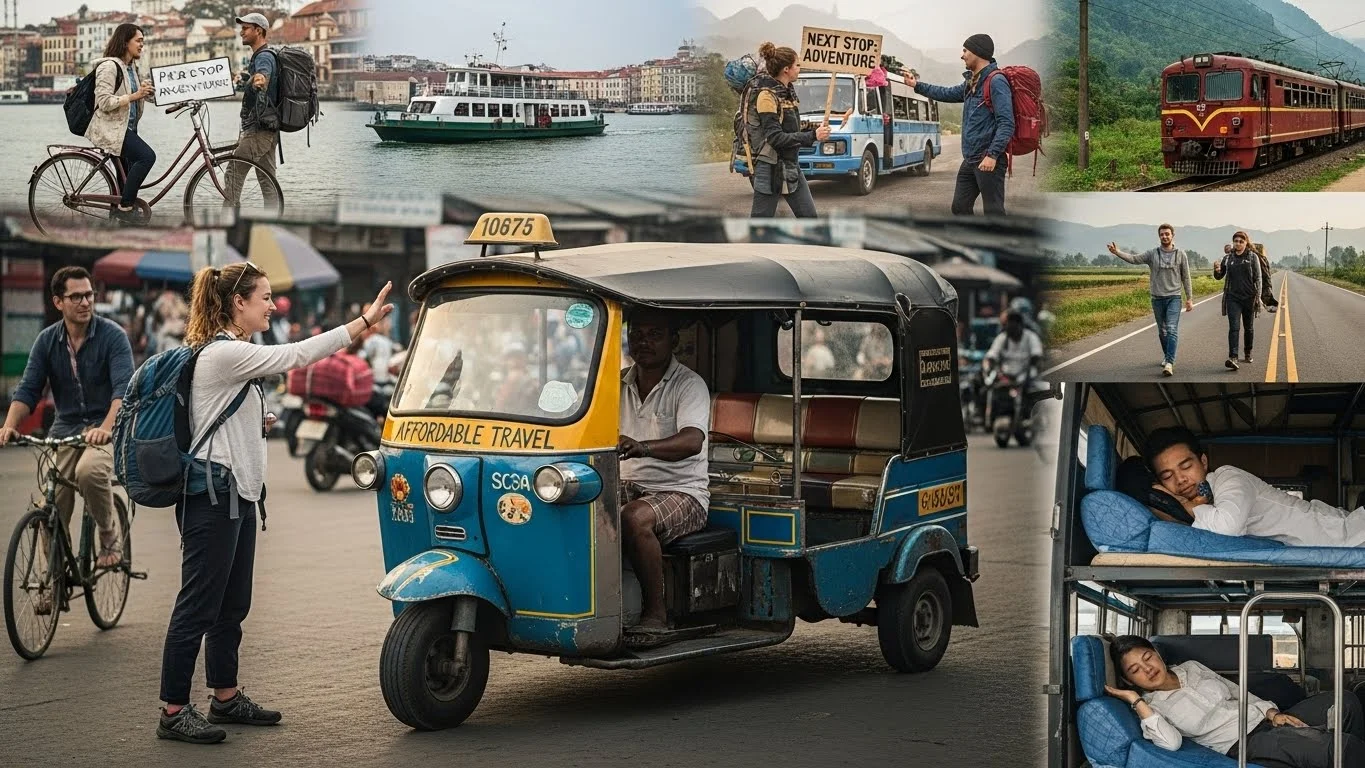
Best Cheap Transport Options for Solo Backpackers

Traveling solo as a backpacker is an adventure like no other, especially when you find ways to save money on transportation. Let’s explore the best cheap transport options that make solo travel exciting and affordable! Read Interesting article: Top 10 Cheapest Transportation Options for Backpackers

Best Cheap Transport Options for Solo Backpackers

Understanding Budget Transportation for Solo Backpackers

The Importance of Affordable Travel

When I first started my journey as a solo backpacker, I quickly learned that affordable transportation could make or break my experience. I wanted to explore as many places as possible without breaking the bank. I remember standing in a bustling train station, looking at ticket prices, and realizing how important it was to be resourceful. It was in those moments that I discovered the myriad of budget transportation options available to us wanderers. Understanding these options became crucial for my travels.

Benefits of Budget Transport Options

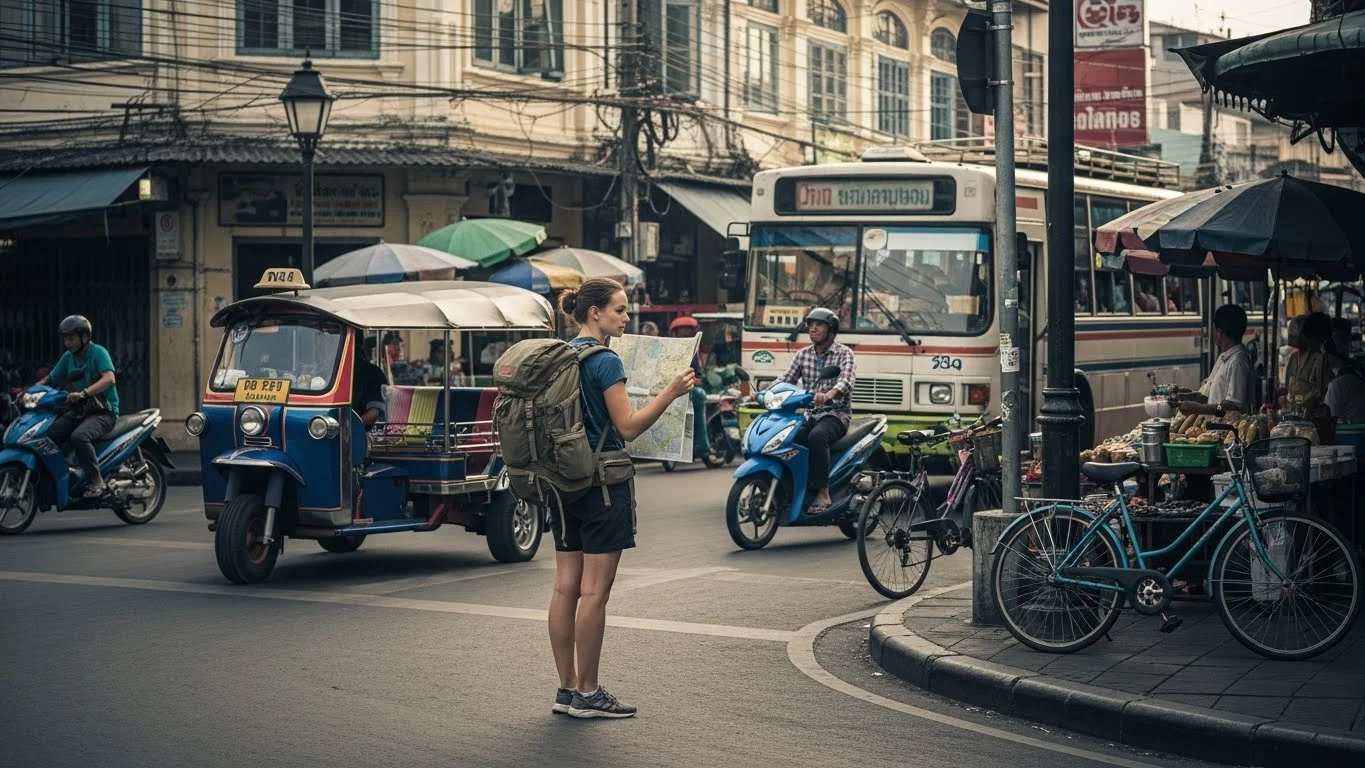
Choosing budget transport options not only saves money but also enhances the travel experience. I’ve found that public transport often takes you through local neighborhoods, allowing you to see the real side of a city. Riding a bus or train filled with locals can introduce you to unique cultures and stories that you might miss in a taxi. I remember taking a crowded bus in Bangkok, where I met a friendly local who shared tips about hidden gems in the city. These connections make travel more enriching and memorable. For more insights, check out Budget Backpacker’s Guide to Cheap Public Transport Options.

Types of Cheap Transport Options

Public Transportation

Public transportation is often the backbone of budget travel. It’s reliable, cost-effective, and, in many cases, the best way to explore a new city. My experience with public transport has been overwhelmingly positive, as it often connects you to areas you wouldn’t typically visit. Let’s break down some of the most common forms of public transport.

Buses

Buses are a fantastic way to get around, especially in cities where they are frequent and affordable. I’ve traveled across numerous cities just by hopping on local buses. They usually have extensive networks, allowing for easy exploration. In places like Mexico City, I remember using the Metrobus system, which is not only cheap but also avoids heavy traffic, making it a smart choice for getting around. Plus, there’s something refreshing about seeing the city unfold through the window as you ride along.

Trains

Trains can be a bit pricier than buses, but they are often faster, especially for longer distances. I took a train across the countryside in Italy, and it was one of the highlights of my trip. The views were breathtaking! I recommend checking for special deals or passes that can significantly reduce costs, like the Eurail Pass if you’re in Europe. This way, you can travel across multiple countries without paying individual fares each time.

Subways and Metro Systems

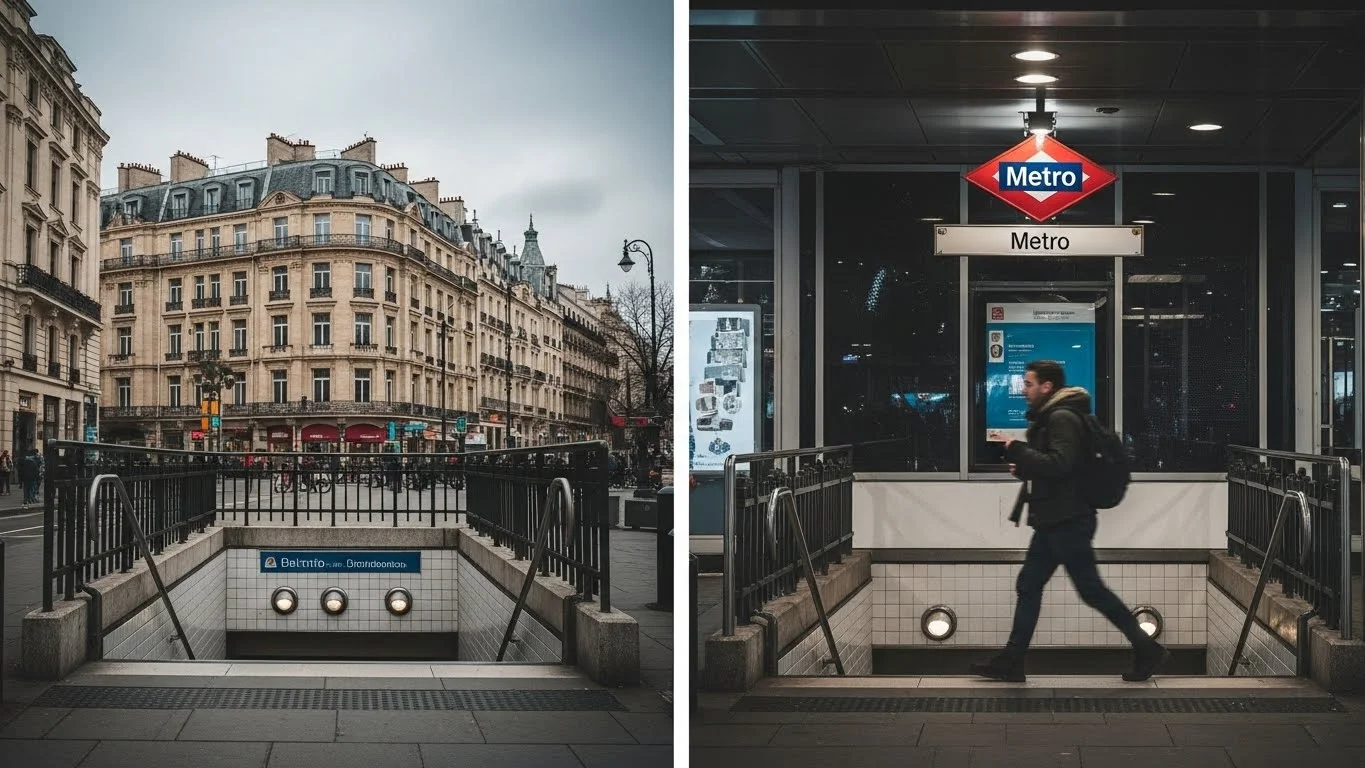
Subways are usually the quickest way to navigate busy cities. For instance, the London Underground, or the Tube, is efficient and connects you to nearly every part of the city. I found that purchasing an Oyster card saved me a ton on fares. When I explored New York City, I quickly learned that the subway was my best friend, allowing me to zip around without the expense of taxis.

Ridesharing Services

Ridesharing apps like Uber and Lyft have changed the way we travel. While they can be more expensive than public transport, they still offer a budget-friendly alternative compared to traditional taxis. I often use rideshare services late at night when public transport isn’t running. It’s also great for getting to those harder-to-reach spots.

Popular Apps (Uber, Lyft, etc.)

Using ridesharing services is straightforward, but I recommend checking for promo codes or discounts available in the app. I remember using a promo code my friend shared, which saved me a significant amount on my first ride, making it even more affordable. Plus, these apps often allow you to split fares with friends, which can further reduce costs.

Cost-Effective Tips

To make the most of ridesharing, try to travel during off-peak hours. I’ve noticed that fares spike during rush hours or late-night weekends. Also, consider sharing rides with fellow travelers; it’s a great way to meet new people and save a few bucks. In my travels, I’ve made some amazing friends this way!

Bicycle Rentals

Biking is not only a fantastic way to explore a city but also an eco-friendly option. I remember renting a bike in Amsterdam, and it was one of the best decisions I made. The city is designed for cyclists, and I felt the freedom of pedaling through picturesque canals and parks.

Bike-Sharing Programs

Many cities now have bike-sharing programs that allow you to rent bikes for short periods. I found these to be super convenient. In places like Paris, you can find bikes at almost every corner, making it easy to explore at your own pace. Just be sure to return the bike on time to avoid extra fees!

Local Bike Rentals

If you prefer a more personal experience or plan to bike for an extended period, local bike rentals can be a great option. I once rented a bike from a local shop in San Francisco, where the owner gave me a map with recommendations on the best routes to take. This personal touch made my biking adventure even more enjoyable.

Walking and Hiking

One of the simplest and cheapest ways to explore a new place is by walking. I’ve discovered so much by simply wandering the streets—charming cafes, street vendors, and unique architecture that you might miss while riding in a vehicle. Walking allows you to take your time and soak in the local culture.

Urban Exploration

In many cities, the best spots are hidden in plain sight. I remember getting lost in the streets of Prague, which led me to stumble upon a quaint little square filled with street performers. Walking can create unexpected adventures, and it’s often the best way to connect with a city’s vibe.

Hiking Trails Accessibility

If you’re in a more natural setting, don’t underestimate the beauty of hiking. I’ve explored breathtaking trails in national parks, where I could take in stunning views and enjoy nature. Many parks have free or low-cost access, making it an affordable option for solo backpackers. Just make sure to research trails that match your skill level and pack accordingly!

Carpooling and Hitchhiking

For the more adventurous at heart, carpooling and hitchhiking can be thrilling ways to travel cheaply. I’ve met fellow travelers who’ve had incredible experiences hitchhiking across countries, and it can be a great way to meet locals.

Using Carpooling Apps

Carpooling apps like BlaBlaCar have become popular in many regions. I’ve used these platforms to share rides with others traveling the same route, which not only cuts costs but also often leads to fascinating conversations along the journey.

Safety Tips for Hitchhiking

If you decide to hitchhike, always prioritize your safety. I recommend choosing well-lit areas and trusting your instincts. It’s wise to have a backup plan in case a ride doesn’t come along quickly. I’ve had friends who’ve managed to hitch rides successfully, but they always made sure to stay cautious and aware of their surroundings.

Best Cheap Transport Options by Region

Europe

When I think of Europe, I immediately recall the incredible variety of cheap transport options available. Each country has its unique charm and efficient systems that make getting around a breeze. In my travels, I found that trains and budget airlines often offer the best deals for crossing borders, but let’s dive into some of the key cities where I made the most of my travel budget.

Key Cities (Barcelona, Amsterdam, etc.)

Barcelona is a city where public transport shines. I loved using the metro and buses, which are not only affordable but also cover almost every corner of the city. The T10 ticket allows you ten journeys at a reduced price, making it a smart choice for a few days of exploration. I remember visiting the stunning Park Güell and then hopping on a bus to the beach – all at a fraction of what a taxi would have cost.

In Amsterdam, the bike culture reigns supreme. I rented a bike, but the city’s trams are also a fantastic way to cover more ground. The GVB day pass was a game changer for me, as it provided unlimited access to trams, buses, and ferries. I spent a delightful day cruising around the canals, stopping at cafes and museums along the way.

Asia

Asia is a treasure trove of budget travel options. I’ve enjoyed some of the most memorable experiences here, often thanks to the local transport systems that are both cheap and efficient.

Key Destinations (Bangkok, Tokyo, etc.)

In Bangkok, I quickly learned that the BTS Skytrain is my best friend. It’s fast, affordable, and offers great views of the bustling streets below. I remember riding it to the Chatuchak Weekend Market, where I sampled street food that I’ll never forget. The river taxis were another highlight, allowing me to navigate the city’s canals while enjoying a refreshing breeze.

Tokyo is another city that deserves mention. The subway system can seem daunting at first, but once I got the hang of it, I found it to be one of the most efficient ways to get around. I purchased a prepaid Suica card, which made hopping on and off trains a breeze. I absolutely loved getting lost in the city’s neighborhoods, finding hidden cafes and quirky shops that I wouldn’t have discovered otherwise.

North America

Traveling through North America, I’ve found that while some cities can be pricey, there are still plenty of affordable options to consider.

Key Cities (New York, San Francisco, etc.)

New York City is a classic example. The subway system is extensive and relatively inexpensive. I can’t tell you how many times I relied on my MetroCard to get to iconic spots like Times Square and Central Park. I also enjoyed walking through neighborhoods like Williamsburg and Greenwich Village, where the culture truly comes alive.

In San Francisco, I discovered the charm of the historic cable cars, which were a fun way to explore the hilly city. I recommend getting a Muni pass, which covers buses, trams, and cable cars. One of my fondest memories is riding the cable car while chatting with a local about the best spots to catch the sunset over the Golden Gate Bridge.

South America

South America is an incredible region for budget backpackers, with various cheap transportation options to explore.

Key Countries (Brazil, Argentina, etc.)

In Brazil, I found intercity buses to be a popular and affordable choice. I remember taking an overnight bus from Rio de Janeiro to Salvador, which saved me both money and a night’s accommodation. The buses were comfortable, and I enjoyed meeting fellow travelers along the way.

Argentina is another highlight. In Buenos Aires, the Subte (subway) is an excellent way to navigate the city without spending much. I bought a rechargeable SUBE card, which made traveling easy and accessible. I had a fantastic time exploring the vibrant neighborhoods of La Boca and Palermo, soaking in the local atmosphere.

Comparing Transport Costs

Cost-Effective Routes and Passes

When I travel, I’ve found that comparing transport costs can lead to significant savings. For example, while planning a trip across Europe, I discovered that certain routes were much cheaper than others. I remember traveling from Vienna to Budapest; instead of taking a high-speed train, I opted for a budget bus service. The journey took a bit longer, but the fare was only a fraction of the train price, and I enjoyed the scenic views along the way. I now always make it a point to check various modes of transport—buses, trains, and even flights—to see which offers the best deal. Online comparison tools or travel apps can be incredibly helpful for this! I usually look for routes that offer flexible booking options, just in case my plans change. Sometimes, the extra effort pays off big time.

Daily and Weekly Pass Options

Another strategy I’ve employed to save money is taking advantage of daily or weekly transport passes. Many cities offer these, and I learned they can save a lot of cash if you plan to do a lot of sightseeing. For instance, while staying in London, I bought an Oyster card and loaded it with a week-long travel pass. It allowed unlimited travel on the Tube and buses, which saved me both time and money. I found myself hopping on and off the Tube as I explored different neighborhoods, and it felt great knowing I wasn’t racking up costs with every journey. I recommend checking local transport websites for special deals; some cities even have discounts for tourists that can make a big difference.

Budgeting for Transportation

Budgeting for transportation is an essential part of my travel planning. I like to allocate a specific amount for transport in my overall budget. By doing this, I can have a clearer picture of how much I can spend on experiences and food without feeling guilty. I often keep track of my transport expenses in a travel journal or an app, which has helped me stick to my budget and avoid overspending. When traveling through countries with fluctuating currencies, I make sure to convert costs and keep an eye on exchange rates. It’s a small effort that helps me manage my finances better. I’ve learned that being mindful of my transport expenses allows me to enjoy my trips with peace of mind. For more tips, check out Affordable Transportation Hacks for Budget Solo Travel.

Tips for Using Cheap Transport Safely

Staying Aware in Public Transport

Safety is always a priority when using public transport. I’ve been in situations where I felt a bit uneasy, especially in crowded places. One of the best pieces of advice I’ve received is to stay aware of my surroundings. I remember once on a bus in Rio de Janeiro, feeling a little too relaxed while staring out the window. Suddenly, I noticed someone suspiciously close to my belongings. I quickly adjusted my bag to the front of me, and I felt much better. It’s all about being aware without being paranoid. Keeping your valuables close, and using money belts or hidden pouches can also help you feel more secure.

Choosing Reliable Services

Choosing reliable transport services can make a huge difference in your travel experience. It’s essential to research and read reviews before using ridesharing apps or local taxis. I remember arriving in a new city and using a rideshare service that had mixed reviews. I was hesitant, but I went ahead and was pleasantly surprised. The driver was friendly and shared local tips along the way. However, I always check the ratings and the number of rides completed before booking. Additionally, if I’m using public transport, I stick to well-known and recommended services. Local advice from fellow travelers or online forums can be invaluable in finding safe options.

What to Do in Case of Emergencies

No one wants to think about emergencies while traveling, but being prepared can make a world of difference. I’ve learned to keep important contact numbers handy, such as the local embassy or consulate, just in case I need assistance. If I ever lose my wallet or important documents, I know whom to contact and what steps to take. I also recommend having a backup plan, like ensuring someone knows my travel itinerary. In a past trip to Thailand, I misplaced my phone while hopping between buses. I was fortunate enough to have a note with emergency contacts and details of where I was staying. It gave me peace of mind knowing I could reach out for help. Always have a plan in case things don’t go as expected; it can save you time and stress!

Real-Life Experiences and Testimonials

Interviews with Solo Backpackers

Hearing real-life experiences from fellow solo backpackers has always inspired me. I enjoy chatting with others during my travels, sharing stories about our adventures and the transport options we’ve used. One unforgettable conversation I had was with a backpacker named Mia in a hostel in Prague. She shared her journey of hitchhiking across Europe, emphasizing the kindness of strangers and the incredible stories she collected along the way. I remember her saying how each ride taught her something new about the local culture. Hearing her experiences motivated me to step outside my comfort zone and try hitchhiking during my next trip.

Success Stories and Tips

Many backpackers I’ve met have shared success stories that highlight the importance of budget transport. I recall meeting a young man who traveled from Argentina to Chile using only buses and hitchhiking. He had saved a considerable amount, allowing him to extend his trip. His advice to me was to be open to meeting people and making connections during these journeys. He even suggested using social media groups to find travel buddies or locals willing to share rides. His story reminded me that, sometimes, the best experiences come from being adaptable and resourceful in our travels.

Frequently Asked Questions

What is the importance of affordable transportation for solo backpackers?

Affordable transportation is crucial for solo backpackers as it allows them to explore more places without exceeding their budget. Resourcefulness in finding budget transport options can significantly enhance the travel experience.

What are some benefits of using budget transport options?

Choosing budget transport not only saves money but also enriches the travel experience by providing opportunities to connect with locals and see the authentic side of a city. Using public transport can lead to unique cultural encounters and memorable stories.

What types of public transportation are suitable for budget travel?

Common forms of public transportation suitable for budget travel include buses, trains, subways, and metro systems. Each offers a reliable and cost-effective way to navigate new cities and explore various areas.

How can ridesharing services be a budget-friendly alternative?

Ridesharing services like Uber and Lyft can be more affordable than traditional taxis, especially when using promo codes or sharing rides with fellow travelers. They are particularly useful when public transport is unavailable, such as late at night.

What are some cost-effective tips for using ridesharing services?

To save money on ridesharing, travelers should consider traveling during off-peak hours, sharing rides with others, and checking for available promo codes in the app to reduce fares further.

What are the advantages of biking as a mode of transport while traveling?

Biking is an eco-friendly and enjoyable way to explore a city. Many cities have bike-sharing programs that offer convenient access to bicycles for short periods, allowing travelers to experience local sights at their own pace.

How can walking enhance the travel experience?

Walking is one of the simplest and cheapest ways to explore a new place. It allows travelers to discover charming cafes, unique architecture, and hidden spots that they might miss while using other modes of transport.

What safety tips should solo backpackers follow when using public transport?

Travelers should stay aware of their surroundings, keep valuables close, and choose reliable transport services. Researching reviews and recommendations can help ensure a safer travel experience.

What should travelers do in case of emergencies while using budget transport?

It’s important to keep important contact numbers handy, such as those for local embassies or consulates. Having a backup plan, like sharing your travel itinerary with someone, can also provide peace of mind in case issues arise.

How can comparing transport costs save money for backpackers?

Comparing transport costs can lead to significant savings, as certain routes or modes of transport may be cheaper than others. Using online comparison tools or travel apps can help identify the best deals and flexible booking options.

Affordable Transportation Hacks for Budget Solo Travel

Traveling solo on a budget can be an exhilarating experience, but figuring out how to get around without breaking the bank is crucial. Let’s dive into the world of budget solo travel and discover some affordable transportation hacks!

Affordable Transportation Hacks for Budget Solo Travel

Understanding Budget Solo Travel

What is Solo Travel?

Solo travel, in my experience, is about embracing independence while exploring new places. It’s when you take the leap to venture out on your own, without the comfort of friends or family by your side. I remember my first solo trip—it was both thrilling and nerve-wracking. I learned to rely on myself, connect with locals, and immerse myself in the culture like never before. Each journey teaches us something unique, and the freedom to create our own itinerary is utterly liberating. Read Interesting article: Your Guide to Safe Budget Solo Travel Experiences

Benefits of Traveling Alone

Traveling alone opens up a world of opportunity. For starters, I found that I could do whatever I wanted, whenever I wanted. No compromises were necessary. Want to wake up early to catch a sunrise? Go for it! Prefer to sleep in and explore a local café instead? That’s perfectly fine too. I also discovered that solo travel often leads to unexpected friendships. When you’re alone, you’re more approachable, and I’ve met some of the most fascinating people during my travels. Plus, it boosts your confidence, as you learn to navigate new environments and challenges on your own.

Why Budgeting is Important for Solo Travelers

When I first started traveling alone, I quickly realized that budgeting is essential. Without a travel partner to share costs, expenses can add up fast—especially when it comes to transportation. I learned the hard way that a little planning goes a long way. By keeping my transportation budget in check, I’ve been able to stretch my funds and enjoy more experiences, like trying that amazing local dish or taking a guided tour. A well-planned budget can also help you avoid stress, allowing you to focus on the incredible journey ahead.

Essential Transportation Options for Budget Travelers

Public Transportation Systems

Public transportation is often the best friend of budget travelers. I can’t stress enough how much money I’ve saved by using buses, subways, and trams instead of taxis. Each city has its own public transport system, and I’ve found them to be quite efficient. For instance, in cities like Paris and Tokyo, the metro systems are not only affordable but also easy to navigate. I recommend doing a little research before your trip to find out what kind of transit passes are available. They often offer unlimited rides for a set number of days, which can save you a bundle in the long run.

Walking and Biking as Alternatives

One of my favorite ways to explore a new city is by walking or biking. It’s budget-friendly, healthy, and allows for a deeper connection to the area. I once spent an entire day wandering the streets of Lisbon, discovering hidden gems I would have missed if I had taken public transport. Many cities offer bike-sharing programs, which are usually affordable and a great way to cover more ground. Plus, biking gives you the chance to see the sights at your own pace, and you can stop whenever something catches your eye!

Car Rentals and Ride-Sharing Services

While I usually prefer public transport, renting a car or using ride-sharing services like Uber or Lyft can be practical in certain situations. If you’re traveling to a place with limited public transport options, I’ve found that renting a car can be a cost-effective solution, especially if you plan to visit multiple locations. I recommend comparing prices and checking for discounts or deals online. I’ve also used ride-sharing apps for short trips, often finding them more economical than traditional taxis. Just be mindful of surge pricing during peak hours!

Hitchhiking: Pros and Cons

Hitchhiking can be a thrilling option for adventurous solo travelers. I’ve met some fascinating people who’ve shared incredible stories of their hitchhiking experiences. It’s usually free, which is a big plus. However, I’ve also heard plenty of cautionary tales. Safety is a major concern, especially for solo travelers. If you consider hitchhiking, always trust your instincts. I recommend sticking to well-traveled routes and avoiding rides late at night or with people who seem off. In my case, I’ve always preferred more structured methods of getting around, but if you’re feeling bold, it could lead to some unforgettable encounters!

Affordable Transportation Hacks

Utilizing Local Transit Passes

One of the smartest moves I made while traveling was learning to utilize local transit passes. Many cities have special passes for tourists that cover buses, subways, and trams for a set number of days. For instance, in Barcelona, I used a T-10 ticket that allowed me ten rides at a discounted rate. I found it incredibly convenient and cost-effective. If you’re planning to explore a city extensively, these passes can save you a significant amount of money. I always recommend checking the local transit website before your trip to find out what passes are available and how they work.

Timing Your Travel for Discounts

Timing can make a big difference in how much you spend on transportation. I’ve learned that traveling during off-peak hours often leads to cheaper fares. For example, if I needed to take a train or bus, I’d try to plan my trips during mid-morning or early afternoon when prices were lower. Additionally, some cities offer discounts or free rides on specific days of the week or during certain hours. I made it a habit to check local transport schedules and even spoke to locals to find out the best times to travel. Sometimes, even a little tweak in my schedule saved me quite a bit!

Using Apps for Budget-Friendly Rides

We live in a world where apps can be our best friends, especially when it comes to transportation. I discovered several apps that help find budget-friendly rides, like Uber, Lyft, and traditional taxi apps that offer promotions. I’ve found that these services often provide discounts for new users or special promotions during specific times. For instance, I once got a significant discount for scheduling a ride during a non-peak hour. I recommend downloading a few relevant apps before your trip and keeping an eye out for any deals. It’s amazing how much you can save just by being a little tech-savvy!

Finding Free Walking Tours

One of the most enjoyable and budget-friendly ways to learn about a new city is by joining a free walking tour. I remember stumbling upon one in Prague that was led by a passionate local. Not only was it informative, but it also gave me the chance to meet other travelers. Typically, these tours operate on a tips-only basis, which means you can pay what you feel the experience was worth. I’ve found that joining these tours not only saves money but also gives you a deeper understanding of the city’s history and culture. So, don’t hesitate to look up free walking tours in the places you visit!

Traveling Overnight to Save on Accommodation

Overnight travel has become one of my favorite hacks for saving money on accommodations. Instead of booking a hotel for the night, I often opt for overnight buses or trains. This way, I can travel to my next destination while sleeping, effectively saving on a night’s lodging. I remember taking an overnight train from Venice to Florence—it was quite an adventure! Not only did I save money, but I also arrived fresh and ready to explore a new city. If you’re open to it, check the schedules for overnight options; you might find this to be a great way to stretch your budget!

Exploring City Passes for Transportation Savings

City passes can be real game-changers for budget travelers. They often include public transport fare along with discounts for various attractions. I once bought a city pass in Amsterdam that provided unlimited access to trams, buses, and ferries, along with discounted entry to museums. It allowed me to hop on and off easily, making sightseeing a breeze. Before purchasing, I recommend taking a moment to calculate whether the pass will save you money based on your planned activities. They can be a fantastic way to combine transportation and experiences while keeping costs down!

Destination-Specific Transportation Tips

Getting Around New York City on a Budget

When I first set foot in New York City, I was overwhelmed by the sheer volume of options available for getting around. The subway system is truly the backbone of the city, and I quickly learned that getting a MetroCard was my key to saving money. A pay-per-ride card is great, but if you’re planning to explore extensively, I suggest the unlimited ride option for a week. I loved hopping on and off the subway, which allowed me to visit iconic spots like Central Park, the Statue of Liberty, and the Brooklyn Bridge without worrying about accumulating transportation costs. Plus, walking around the city is free and incredibly rewarding. Each neighborhood has its own vibe, and I remember finding hidden gems just by strolling around!

Public Transport in London: Oyster Card vs. Contactless

London is another city where I found efficient and budget-friendly transport options. The Oyster Card is a fantastic choice for tourists, as it offers discounted fares compared to cash prices. I decided to get an Oyster Card upon arrival, which saved me quite a bit during my stay. However, I also discovered that using a contactless payment card works just as well, allowing me to tap in and out of the tube without needing to top up a card. I loved how simple it was! Just be aware that some zones are pricier than others, so I planned my outings accordingly. The buses are equally great, and riding on the iconic double-decker bus was an experience in itself—plus, it’s a scenic way to see the city!

Affordable Travel in Southeast Asia: Buses and Trains

Southeast Asia has a special place in my heart, especially for its affordable transportation options. During my travels through countries like Thailand and Vietnam, I found that buses and trains offer cost-effective ways to get around. For instance, in Thailand, I took a sleeper train from Bangkok to Chiang Mai. It was not only budget-friendly but also a memorable experience. I recommend booking tickets ahead of time, especially during peak travel seasons. I also discovered that many cities have local buses or tuk-tuks, which can be negotiated for a fair price. Just be sure to ask locals for advice on how much a ride should cost to avoid overpaying!

Budget Transportation in European Cities

Traveling through Europe can sometimes feel expensive, but I found that each city has its own affordable transportation options. In cities like Budapest and Prague, public transport is both efficient and cheap. I was amazed at how easy it was to navigate using trams and buses. Purchasing a multi-day pass saved me a lot compared to single tickets. I remember taking an evening tram ride in Budapest, where I felt completely immersed in the local culture, surrounded by friendly locals. Additionally, many European cities are bike-friendly, so bike rentals can be a fun and budget-conscious way to explore. I always kept an eye out for bike-sharing programs, which I found to be both affordable and convenient.

Safety Tips for Solo Travelers Using Public Transport

Staying Aware of Your Surroundings

Safety is always on my mind when traveling alone, especially when using public transport. I’ve learned that staying aware of my surroundings is vital. For example, I make it a habit to avoid getting lost in my phone while waiting for a train or bus. Keeping my belongings secure and close to me is also crucial, as crowded areas can attract pickpockets. I try to study the map beforehand, so I have a good sense of where I’m going. It gives me confidence and allows me to engage more with the environment around me. Read Interesting article: Top Safety Strategies for Budget Solo Travelers

Choosing Safe Routes and Times

Choosing safe routes and times is another aspect of traveling that I pay close attention to. During my travels, I often check local advice regarding safe transportation options during nighttime. In some cities, it’s wise to avoid certain areas after dark. I’ve found that asking locals for their recommendations not only helps me choose safe routes but also offers valuable insights into their city. When it comes to using public transport, I prefer to travel during busier hours when there are more people around, which always gives me a sense of security.

Using Technology for Safety: GPS and Location Sharing

In this tech-savvy age, I’ve discovered that using my smartphone can enhance my safety while traveling. GPS apps have been my best friend for navigating new cities. I usually download offline maps just in case I don’t have internet access. Additionally, I’ve found that sharing my location with a friend or family member back home can provide peace of mind. I often update them on my whereabouts, especially when I’m heading somewhere unfamiliar. Knowing that someone is aware of my location makes me feel more secure and connected.

Resources for Budget Transportation Planning

Travel Apps That Help Save Money

With so many travel apps available, I’ve personally curated a list of my favorites that help save money on transportation. Apps like Rome2rio are fantastic for comparing different modes of transport to see which is best for your budget. Additionally, Hopper has helped me find cheaper flights by predicting price changes. I also recommend downloading local transport apps when you arrive at your destination; they often provide real-time updates and fare information, which can be incredibly useful.

Websites for Comparing Transportation Costs

I’ve found several websites invaluable for comparing transportation costs, especially when planning multi-city trips. For example, Skyscanner is excellent for checking flight prices, while Trainline can help you find the best train fares in Europe. Each time I plan a trip, I make it a habit to check these sites to ensure I’m getting the best deal possible. It always pays to do a little research!

Travel Blogs and Forums for Tips

Engaging with travel blogs and forums has been a game-changer for me. Websites like Lonely Planet and travel-specific subreddits often provide insider tips that you won’t find in guidebooks. I remember reading about a lesser-known bus route that saved me both time and money during my trip to Italy. Connecting with other travelers and sharing experiences has enriched my travel journey and offered me countless hacks along the way. Read Interesting article: 10 Essential Backpacking Tips for Budget Solo Travelers

Frequently Asked Questions about Budget Transportation

How can I save money on transportation while traveling solo?

Saving money on transportation as a solo traveler is all about being resourceful and planning ahead. I’ve found that using public transport is one of the most effective ways to cut costs. Buying local transit passes can give you unlimited travel for a set period, making it easier to hop on and off as you explore. I also recommend walking and biking whenever possible, as not only is it free, but it allows you to soak in the sights at your own pace. Additionally, timing your travel during off-peak hours can lead to significant savings on fares. Lastly, keeping an eye on apps and local promotions can help you snag discounts on rideshare services.

What are the best apps for finding cheap transport options?

There are quite a few apps that I’ve found helpful in my travels for finding cheap transport options. For ride-hailing, Uber and Lyft often have promotional codes that can lower your fare. I also like using Rome2rio, which shows various transportation methods between locations and their costs. Downloading local transit apps can be a game-changer as they provide real-time information on schedules, prices, and even alerts for delays. Google Maps is also great for routing and provides information on public transport options, so you can pick the most efficient—and budget-friendly—route.

Is it safe to use public transportation as a solo traveler?

From my experience, public transportation can be safe for solo travelers if you stay vigilant and follow some simple precautions. I always pay attention to my surroundings, avoid traveling during late hours when the crowds thin out, and keep my belongings close. Choosing routes that locals recommend as safe is vital, and it helps to travel during busy times. I also trust my instincts; if a situation feels off, I’ll wait for the next bus or train. Overall, public transport is a fantastic way to experience local life, as long as you’re aware and prepared.

How do I find the best transportation deals in a new city?

Finding the best transportation deals often starts with research before you even arrive at your destination. I typically look at travel blogs, forums, and social media groups dedicated to the city I’m visiting. Many times, locals share tips on where to find discounts and the most economical ways to get around. Once I arrive, I don’t hesitate to ask locals or fellow travelers for suggestions—they often have great insider info! Additionally, I’ve found that comparing prices through apps and websites like Skyscanner and Trainline can help me grab the best deals on transportation.

Final Thoughts

Traveling solo on a budget can be both challenging and rewarding, especially when it comes to navigating transportation. I’ve learned that with a little research and a willingness to adapt, we can make the most of our journeys without overspending. Whether it’s hopping on public transport, renting a bike, or taking advantage of city passes, there are countless ways to explore new destinations while keeping our finances in check. I encourage you to embrace the adventure, stay open to new experiences, and enjoy each moment of your travel journey. Remember, it’s not just about the destination, but the stories we gather along the way that make our travels truly memorable.

Frequently Asked Questions

“`html

How can I save money on transportation while traveling solo?

Saving money on transportation as a solo traveler is all about being resourceful and planning ahead. Using public transport is one of the most effective ways to cut costs. Buying local transit passes can give you unlimited travel for a set period, making it easier to hop on and off as you explore. Additionally, walking and biking whenever possible allows you to soak in the sights at your own pace. Timing your travel during off-peak hours can lead to significant savings on fares, and keeping an eye on apps and local promotions can help you snag discounts on rideshare services.

What are the best apps for finding cheap transport options?

There are quite a few apps that are helpful for finding cheap transport options. For ride-hailing, Uber and Lyft often have promotional codes that can lower your fare. Rome2rio shows various transportation methods between locations and their costs. Downloading local transit apps can provide real-time information on schedules, prices, and alerts for delays. Google Maps is great for routing and provides information on public transport options, allowing you to pick the most efficient—and budget-friendly—route.

Is it safe to use public transportation as a solo traveler?

Public transportation can be safe for solo travelers if you stay vigilant and follow some simple precautions. It’s important to pay attention to your surroundings, avoid traveling during late hours when crowds thin out, and keep your belongings close. Choosing routes that locals recommend as safe is vital, and it helps to travel during busy times. Trusting your instincts is also key; if a situation feels off, waiting for the next bus or train is advisable.

How do I find the best transportation deals in a new city?

Finding the best transportation deals often starts with research before you arrive at your destination. Looking at travel blogs, forums, and social media groups dedicated to the city you’re visiting can provide valuable tips. Asking locals or fellow travelers for suggestions once you arrive can yield great insider info. Additionally, comparing prices through apps and websites like Skyscanner and Trainline helps in grabbing the best deals on transportation.

What are some affordable transportation options for budget travelers?

Budget travelers can utilize several affordable transportation options, including public transportation systems like buses, subways, and trams. Walking and biking are also excellent alternatives, providing a deeper connection to the area. Renting a car may be practical in places with limited public transport options, while ride-sharing services can be economical for short trips. Lastly, exploring options like hitchhiking can be thrilling but should be approached with caution.

How can local transit passes help save money?

Local transit passes can be a smart move while traveling, as many cities offer special passes for tourists that cover buses, subways, and trams for a set number of days. These passes often allow for unlimited rides at a discounted rate, which can save a significant amount of money, especially if you’re planning to explore a city extensively.

What is the benefit of timing travel for discounts?

Timing your travel for discounts can make a big difference in transportation costs. Traveling during off-peak hours often leads to cheaper fares, and some cities offer discounts or free rides on specific days of the week. Planning trips during mid-morning or early afternoon can help you save money, as can being aware of local transport schedules and speaking to locals about the best times to travel.

What are free walking tours, and how can they benefit travelers?

Free walking tours are enjoyable and budget-friendly ways to learn about a new city. They typically operate on a tips-only basis, allowing you to pay what you feel the experience is worth. These tours provide informative insights and the chance to meet other travelers, often enriching your understanding of the city’s history and culture while keeping costs down.

How can overnight travel save on accommodation costs?

Overnight travel can save money on accommodations by allowing you to travel to your next destination while sleeping. Instead of booking a hotel for the night, opting for overnight buses or trains enables you to save on lodging costs while arriving fresh and ready to explore. This method can be an effective way to stretch your budget while maximizing your travel experiences.

What resources can help with budget transportation planning?

Several resources can assist with budget transportation planning, including travel apps that help save money, websites for comparing transportation costs, and engaging with travel blogs and forums. Apps like Rome2rio and Hopper can help find the best deals, while websites like Skyscanner and Trainline allow for price comparisons. Connecting with other travelers through blogs and forums can also provide insider tips and hacks for navigating transportation costs effectively.

“`

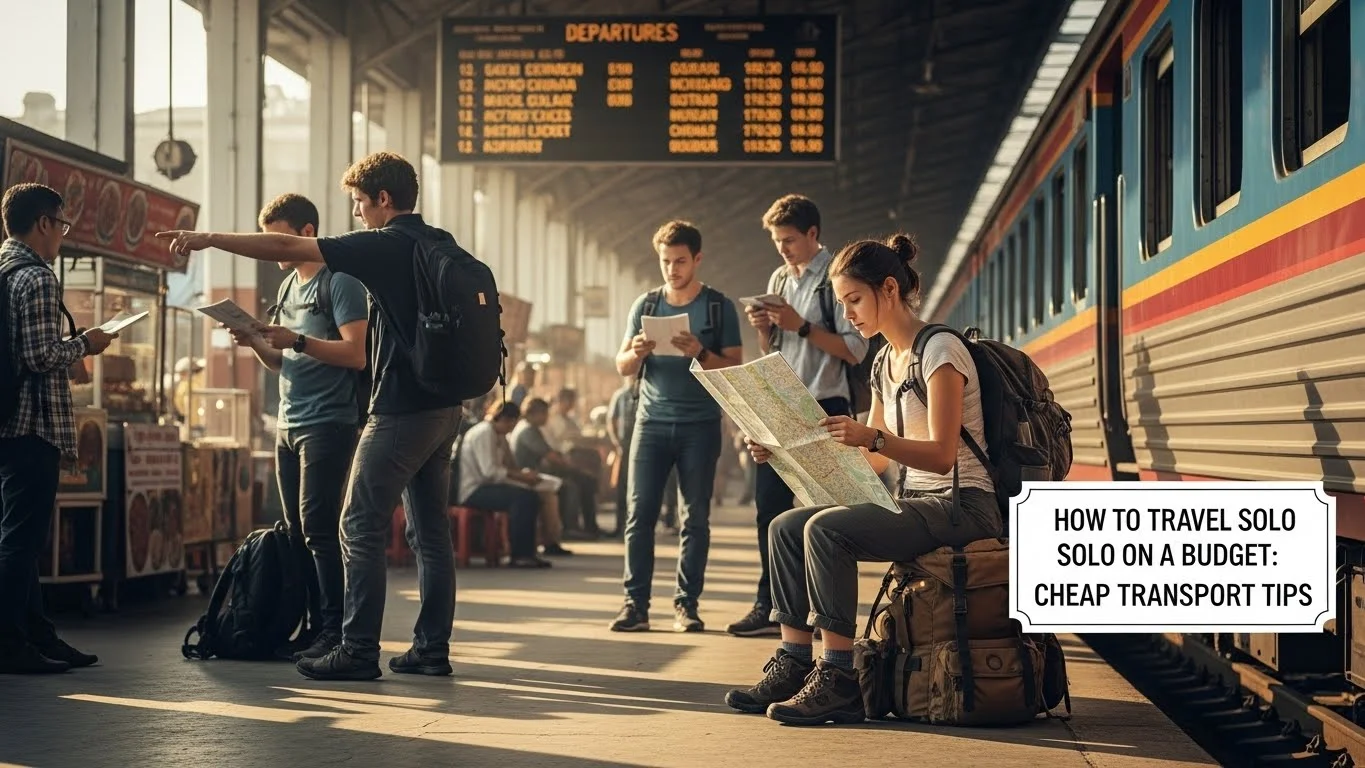
How to Travel Solo on a Budget: Cheap Transport Tips

Traveling solo can be an exhilarating adventure, especially when you know how to do it on a budget. Embracing the freedom of solo travel without breaking the bank is entirely possible with the right tips and tricks! For instance, understanding safety measures is crucial; you can find helpful advice in our Essential Solo Travel Safety Tips for Budget Backpackers.

How to Travel Solo on a Budget: Cheap Transport Tips

Understanding Solo Travel on a Budget

The Benefits of Traveling Alone

Traveling alone has a unique charm that I’ve come to appreciate deeply. First and foremost, it offers a sense of freedom that’s hard to replicate. I remember my first solo trip; I could wake up whenever I wanted, choose my itinerary, and explore at my own pace. There’s something empowering about navigating a new place by yourself, making instant decisions, and following your own whims. I think it also allows for deeper connections with locals and fellow travelers. When I traveled solo, I found it easier to strike up conversations, share meals, and experience the culture in a way that felt more personal.

Another benefit is the opportunity for self-discovery. Traveling solo forces you to step out of your comfort zone. I learned to be resourceful, solve problems independently, and trust my instincts. It’s a journey that fosters personal growth, and those lessons are invaluable. Plus, there’s a certain thrill in overcoming challenges on your own, whether it’s navigating a new city or finding the best local food.

Common Misconceptions About Solo Travel

Despite the many positives, solo travel often comes with misconceptions that can deter potential adventurers. One common belief is that it’s lonely to travel alone. I can honestly say that, while I had moments of solitude, I also experienced a lot of connection. I met people from around the world, shared stories, and sometimes even formed lasting friendships. It’s interesting how often you find yourself in great company when you’re open to it.

Another misconception is that solo travel is inherently dangerous. While safety is a concern for any traveler, I’ve found that with a bit of common sense and preparation, I felt perfectly secure wandering alone. I always researched my destinations, avoided risky areas, and kept my belongings close. It’s about being smart and aware of your surroundings rather than letting fear hold you back.

Essential Budgeting Tips for Solo Travelers

Setting a Realistic Travel Budget

When I first started traveling solo, I learned that setting a realistic budget was crucial. I made a list of all my expected expenses: flights, accommodation, food, activities, and transportation. I also factored in some extra cash for unexpected costs. I think it’s essential to be honest with myself about how much I’m willing to spend, and I recommend setting a daily budget. This way, I could enjoy my trip without constantly worrying about money.

I also learned to prioritize my spending. I love trying local food, so I allocated a larger part of my budget for meals and cut back on things like fancy accommodations. Finding a balance that allows for fun experiences while staying within budget is key. It’s all about making choices that align with what you value most during your travels. For more tips, check out our Budget Backpacking Tips for the Savvy Solo Traveler.

Tracking Expenses While Traveling

Keeping track of expenses is a game-changer. I started using budgeting apps that helped me monitor my spending in real time. This way, I could adjust my plans if I noticed I was going over budget. I remember one trip where I indulged a bit too much on dining out. By tracking my expenses, I realized I needed to eat more street food instead of fancy restaurants for the rest of the trip. It was a great way to experience the local culture while saving money.

Finding Affordable Accommodation

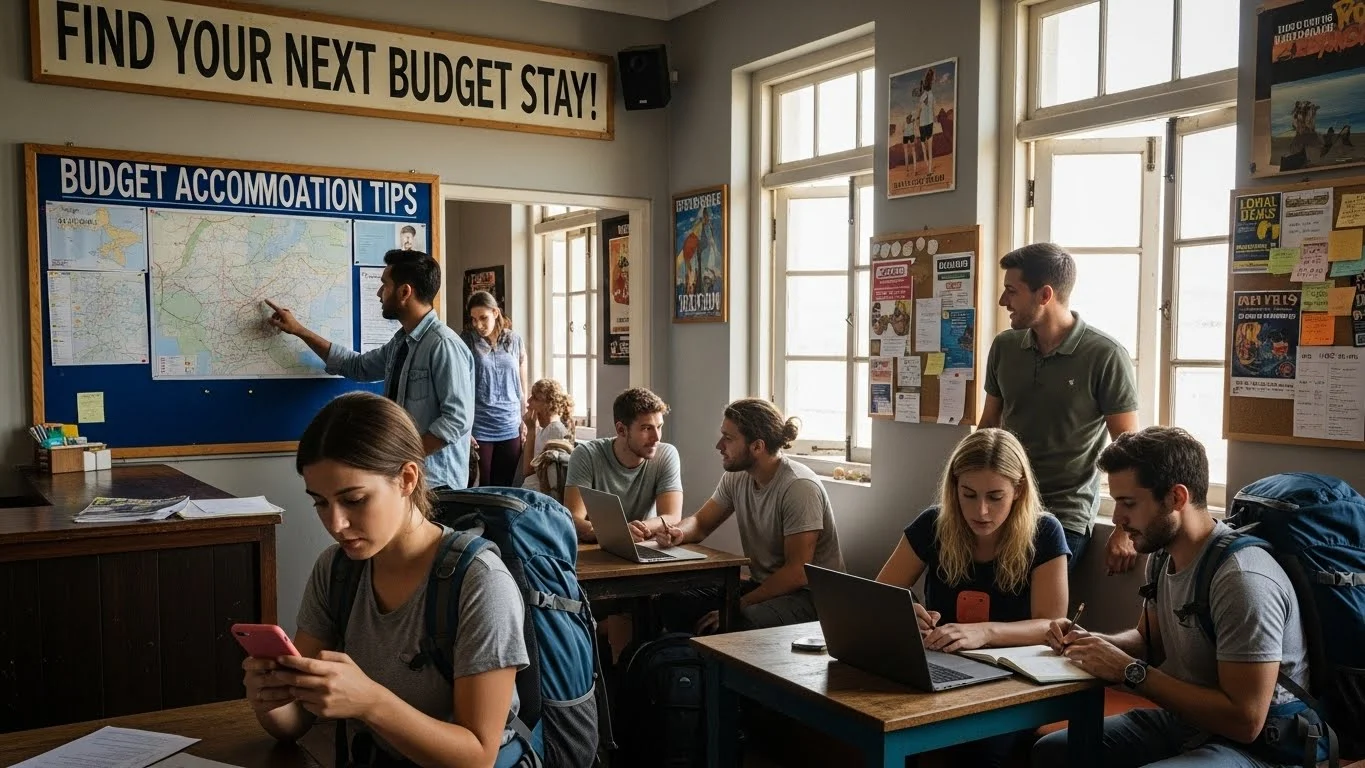
Accommodation can eat up a significant portion of your budget, but there are plenty of ways to save here. I’ve had great experiences staying in hostels, which not only offer lower rates but also opportunities to meet fellow travelers. I remember bonding with people from different countries over breakfast and planning day trips together. It added a social aspect to my travels that I really enjoyed.

If hostels aren’t your thing, consider alternatives like budget hotels or vacation rentals. Websites like Airbnb often have affordable options. I’ve found that booking in advance can also yield better prices, especially in popular tourist destinations. And don’t forget to check for discounts or special deals that may be available during certain seasons.

Choosing the Right Transportation Options

Types of Transportation for Solo Travelers

When it comes to getting around, I’ve learned that there are various transportation options available that can fit any budget. Public transportation, like buses and trains, is often the most economical choice. I’ve used local metro systems, which are usually affordable and efficient. It’s a great way to immerse myself in the local culture while saving money.

If you’re traveling within a city or between nearby towns, consider options like shared rides or carpooling. Services like BlaBlaCar can connect you with others heading in the same direction, making it both cheaper and a chance to meet someone new.

Public Transport: Buses and Trains

Buses and trains have become my go-to for budget travel. They often offer scenic routes, and I’ve found that it can be more comfortable than flying. For example, on a recent trip to Europe, I took a train through the countryside that was absolutely breathtaking. I booked my tickets in advance to snag the best prices, and it was a wonderful way to see the landscape while being budget-friendly.

Walking and Biking: The Cheapest Ways to Explore

One of the best parts of traveling solo is that I can choose to explore on foot or by bike. I’ve discovered so many hidden gems just by wandering around. Many cities have bike rental services, making it easy to cover more ground. I remember biking through Amsterdam’s scenic canals; it was both economical and exhilarating. Plus, walking allows me to savor the sights and sounds of a new place at my own pace.

Ridesharing and Carpooling Services

Lastly, ridesharing apps can be a convenient option when public transport isn’t available. They’re especially useful late at night or in areas where getting a taxi is tough. I’ve used them to get back to my accommodation after a long day of exploring, and while it’s a bit pricier than public transport, I still found it affordable, especially when sharing rides with others.

Finding Cheap Flights

Using Flight Comparison Websites

Finding a good deal on flights can sometimes feel like searching for a needle in a haystack, but I’ve discovered that using flight comparison websites can make the process much easier. Websites like Skyscanner and Google Flights allow you to compare prices across multiple airlines and dates. I remember planning a trip to Southeast Asia and, after spending a bit of time on these sites, I found a fantastic deal that saved me hundreds of dollars. Not only can you see the prices, but you can also set up alerts for specific routes, which means you’ll be notified when prices drop. This feature has saved me on several occasions!

When to Book for the Best Deals

Timing is everything when it comes to booking flights. From my experience, booking flights about two to three months in advance often yields the best prices. I’ve also noticed that flying on weekdays, especially Tuesdays and Wednesdays, tends to be cheaper than weekend flights. I once booked a flight to Spain on a Tuesday and saved a significant amount compared to the weekend fares. Additionally, being flexible with your travel dates can lead to even better deals. I find it helpful to check prices on a whole month view to see the best options.

Airline Loyalty Programs and Discounts

If you travel frequently, signing up for airline loyalty programs can be a game changer. I initially hesitated to enroll in a program, thinking it wouldn’t be worth it, but I was pleasantly surprised by the benefits. Accumulating points can lead to free flights, upgrades, and even discounted rates. I remember redeeming my points for a domestic flight that I would have otherwise found too expensive. Additionally, some credit cards offer travel rewards, allowing you to earn points on everyday purchases. It’s a great way to maximize your spending and save on future trips.

Using Budget Airlines Effectively

Understanding Budget Airline Policies

Budget airlines can be a fantastic option for solo travelers looking to save money. However, I’ve learned that it’s crucial to understand their policies before booking. Each airline has different rules regarding baggage, check-in, and cancellations. I once booked a flight with a budget airline and was caught off guard by their strict baggage policy. I ended up paying extra for my carry-on! Now, I always make sure to read the fine print and know exactly what I can and cannot bring. It’s also wise to check if they charge for seat selections or other services that could add to your overall cost.

Hidden Fees to Watch Out For

Speaking of fees, I’ve found that budget airlines can sometimes have hidden costs that aren’t immediately obvious. Things like fuel surcharges, fees for checking luggage, and even charges for onboard snacks can add up quickly. My friend once booked what seemed like a great deal on a budget flight, only to find out the total cost nearly doubled by the time she added in all the extras. To avoid this, I always calculate the total cost of the flight before purchasing and compare it to traditional airlines. Sometimes, the price difference isn’t as significant as it seems!

Tips for Affordable Local Transportation

Understanding Local Transport Passes and Discounts

Once I arrive at my destination, I’ve learned that local transport passes can save a lot of money. Many cities offer passes that provide unlimited travel on public transport for a set number of days. For example, in London, I bought an Oyster card, which made getting around much more affordable than buying individual tickets. I was able to use it on buses and trains, and I loved the convenience it offered. I recommend checking online for any tourist passes that include local transportation, as they often come with additional perks like discounts to attractions.

Using Apps for Navigation and Transport

Technology has made navigating new cities much easier. I rely heavily on apps like Google Maps and Citymapper to find my way around. They provide real-time information on public transport schedules and routes, which has saved me so much time. I remember getting lost in a new city, and I was stressed until I pulled out my phone. These apps guided me straight to my destination, and I felt a wave of relief wash over me. Plus, they often show walking directions, which is perfect for those days when I prefer to explore on foot!

When to Use Taxis or Rideshares

While public transport is often the most budget-friendly option, there are times when taxis or ridesharing services are more convenient, especially late at night or in areas with limited transport options. I’ve used ridesharing apps like Uber or Lyft when I was in a hurry or simply exhausted after a long day of exploring. I’ve found splitting the fare with fellow travelers can also be a fun way to meet new people while saving money. Just be sure to compare the prices between rideshare services and traditional taxis; sometimes, I’ve found that one is significantly cheaper than the other!

Traveling by Train or Bus: Cost-Effective Options

Long-Distance Bus Services

Long-distance bus services have become one of my favorite ways to travel on a budget. They are often much cheaper than flying, and I’ve found that they can provide a unique travel experience. For instance, I took a long bus ride through the mountains once, and the views were absolutely stunning. I remember gazing out the window and feeling grateful for the chance to see such beautiful landscapes without stretching my budget.

Companies like Greyhound in the U.S. or FlixBus in Europe offer extensive routes at affordable prices. I always make sure to check their schedules and book my tickets in advance, as fares can often skyrocket closer to the travel date. Plus, many of these services offer amenities like Wi-Fi and power outlets, which makes the journey more enjoyable.

Train Travel Tips for Solo Travelers

Train travel is another fantastic option that I’ve come to appreciate. Trains can be more comfortable than buses, especially for longer journeys. I’ve found that traveling by train allows me to stretch my legs and move around a bit, which is a nice change from sitting in one place for too long. I remember taking an overnight train from Italy to France, and it was such a fun experience! The scenery was beautiful, and I even met some interesting people in my cabin.

In many countries, trains are a quintessential part of the travel experience. I recommend looking into rail passes, like the Eurail pass in Europe, which can save you money if you plan to visit multiple destinations. Booking train tickets in advance can also unlock better rates, so I always keep an eye out for promotions.

Booking in Advance for the Best Rates

One thing I’ve learned is that booking transportation in advance is key to scoring the best prices, whether it’s for buses or trains. I often set reminders for myself to check pricing a few months ahead of my trips. Websites and apps that track fare changes can be incredibly helpful, too. I remember once, I booked a train ticket in advance and saved nearly 50% compared to buying it on the day of travel. It feels amazing to snag a great deal!

Additionally, being flexible with my travel dates can lead to significant savings. I try to avoid peak travel times, like holidays and weekends, when prices tend to soar. Traveling mid-week is often much cheaper, and I’ve found it can also lead to a more relaxed journey, as my fellow travelers are fewer. Taking the time to plan and research has always paid off for me when it comes to budgeting for transportation.

Staying Safe While Traveling Solo

Safety Tips for Public Transport

Staying safe while traveling solo is something I take seriously. Public transport can be a bit intimidating, especially in unfamiliar places, but I’ve developed some tips that help me feel secure. First, I always keep my belongings close. I prefer wearing a crossbody bag or a money belt that I can easily access. I learned the hard way during one trip to always be aware of my surroundings, especially in crowded areas.

Another tip is to travel during the daytime whenever possible. I feel much more comfortable navigating a new city when the sun is shining, and I can see everything clearly. If I have to take public transport at night, I make sure to stick to well-lit areas and pay attention to the people around me. Trusting my instincts has also been crucial; if something feels off, I don’t hesitate to change my plans.

Emergency Contacts and Local Resources

Before I embark on any trip, I always compile a list of emergency contacts and local resources. I save important phone numbers, like the local embassy, police, and hospital, in my phone and even write them down on a piece of paper that I keep with me. It’s a small step, but it helps me feel prepared for anything that might happen.

Additionally, I make it a point to familiarize myself with the local customs and laws of the destination. It’s essential to understand what is considered acceptable and what might attract unwanted attention. This knowledge has often helped me avoid misunderstandings and stay out of trouble. Being informed makes me feel more confident and secure while exploring new places.

Maximizing Your Experience on a Budget

Free and Low-Cost Attractions

One of the best ways to experience a new place without breaking the bank is by seeking out free and low-cost attractions. I always do a bit of research ahead of time to find parks, museums, and cultural sites that don’t charge an entry fee. Many cities offer free walking tours, which I can’t recommend enough! I’ve participated in some fantastic tours where the guides share local history and hidden gems, all while meeting fellow travelers.

Another great tip is to check if there are any free days for museums and attractions. I remember visiting a famous art museum in Paris that had free admission on the first Sunday of each month. It was packed, but I felt so lucky to experience the art without paying a dime! Taking advantage of these opportunities not only saves money but also enriches my travel experience.

Networking with Other Travelers for Shared Transport

During my travels, I’ve discovered that networking with other travelers can lead to some fun and cost-effective options. I often chat with fellow backpackers in hostels or at cafes, and sometimes we decide to share transportation costs for day trips or longer journeys. For instance, I once teamed up with a few travelers to rent a car for a day, which allowed us to explore the countryside at a fraction of the cost.

Using social media platforms or travel forums can also help connect with others looking to share rides or accommodations. I’ve found that being open to collaboration not only saves money but also creates lasting friendships. These shared experiences often become my favorite memories from my trips, proving that traveling on a budget doesn’t mean sacrificing adventure or connection. Additionally, for more solo travel tips, check out our Solo Backpacking Tips: Travel Smart and Save Money.

Frequently Asked Questions

What are the benefits of traveling alone?

Traveling alone offers a unique sense of freedom, allowing you to wake up whenever you want, choose your itinerary, and explore at your own pace. It also fosters deeper connections with locals and fellow travelers, and provides opportunities for self-discovery and personal growth.

Are there misconceptions about solo travel?

Yes, one common misconception is that solo travel is lonely. In reality, many solo travelers find connections and friendships along the way. Another misconception is that solo travel is inherently dangerous, but with common sense and preparation, many travelers feel safe exploring on their own.

How can I set a realistic travel budget?

To set a realistic travel budget, list all expected expenses such as flights, accommodation, food, activities, and transportation. It’s important to be honest about how much you’re willing to spend and to set a daily budget to enjoy your trip without worrying constantly about money.

What tips can help in tracking expenses while traveling?

Using budgeting apps to monitor spending in real-time can help you adjust your plans if you go over budget. Keeping track of your expenses allows you to make informed choices about dining and activities, optimizing your budget throughout your trip.

What are some affordable accommodation options for solo travelers?

Hostels are a great option for budget-conscious travelers, offering lower rates and opportunities to meet others. Alternatives include budget hotels and vacation rentals, with websites like Airbnb providing affordable choices. Booking in advance and looking for discounts can also yield better prices.

What are the best transportation options for solo travelers?

Public transportation, such as buses and trains, is often the most economical choice. Shared rides, carpooling, or using ridesharing apps can also be affordable options, especially late at night or when public transport isn’t available.

How can I find cheap flights?

Using flight comparison websites like Skyscanner and Google Flights can help you find deals. Booking flights two to three months in advance, flying on weekdays, and being flexible with travel dates can also lead to significant savings.

What should I know about budget airline policies?

It’s essential to understand the specific policies of budget airlines regarding baggage, check-in, and cancellations. Hidden fees may apply, such as charges for checked luggage or onboard services, so it’s important to calculate the total cost before purchasing a ticket.

How can I stay safe while traveling solo?

To stay safe, keep your belongings close, travel during the daytime when possible, and trust your instincts if something feels off. Compiling emergency contacts and familiarizing yourself with local customs can further enhance your safety while traveling.

What are some ways to maximize my travel experience on a budget?

Look for free and low-cost attractions, such as parks and museums with free admission days. Networking with other travelers can also lead to shared transport options, reducing costs while creating memorable experiences together.

Top 7 Budget Transportation Options for Solo Travelers

Traveling solo can be a thrilling adventure, but finding affordable transportation can sometimes feel overwhelming. Luckily, I’ve discovered some fantastic budget options that make it easier to explore the world without breaking the bank. Read Interesting article: Top 10 Affordable Transportation Options for Budget Travelers

Top 7 Budget Transportation Options for Solo Travelers

Understanding Budget Transportation for Solo Travelers

Why Budget Transportation Matters

When I first started traveling solo, I quickly realized that transportation costs could add up faster than I expected. Every penny counts, especially when you’re on your own and trying to stretch your budget. Choosing budget transportation is not just about saving money; it’s also about maximizing your travel experience. By opting for economical methods, I’ve been able to allocate more of my funds towards experiences, like trying local cuisine or visiting attractions that really matter to me.

Common Challenges Faced by Solo Travelers

Traveling alone provides a sense of freedom that can be exhilarating, but it also comes with its own set of challenges. One of the biggest hurdles I’ve faced is navigating unfamiliar transportation systems. Whether it’s figuring out a bus route in a foreign city or understanding train schedules, it can feel daunting at times. I’ve also encountered issues like safety concerns, especially when traveling late at night or in areas that feel less secure. Balancing cost, safety, and convenience is essential for solo travelers, and this is where understanding budget transportation options becomes crucial.

Top 7 Budget Transportation Options

1. Public Buses

Public buses are one of my go-to options when traveling solo. They are often the most affordable way to get around a city or town. I remember hopping on a bus in Lisbon for just a couple of euros, and it took me to some incredible sights that I might have missed otherwise.

Benefits of Using Public Buses

Not only are public buses cost-effective, but they also offer a unique opportunity to immerse yourself in local culture. I’ve had some of my best conversations with locals while sharing a bus ride. Plus, buses tend to have extensive networks that can take you almost anywhere you want to go. They often run more frequently than you might expect, which makes it easy to fit into your itinerary.

How to Navigate Public Bus Systems

Navigating public bus systems can be tricky, especially if you don’t speak the language. I recommend downloading local transit apps or checking Google Maps for real-time bus schedules. When I was in Tokyo, I found it super helpful to have a translation app handy to understand the bus signs. Most importantly, don’t be afraid to ask for help; locals are usually more than willing to assist a traveler in need.

2. Trains

For anyone traveling between cities or countries, trains can be a fantastic option—especially in Europe. I’ve taken trains from Paris to Amsterdam, and it was not only budget-friendly but also an enjoyable experience. The views from the train window were just breathtaking!

Types of Train Services Available

There are generally three main types of train services: local trains, long-distance trains, and high-speed trains. Local trains are perfect for shorter distances, while long-distance trains connect cities. High-speed trains can be pricier but save time, which is invaluable when you have a packed itinerary. I usually check the train service’s website beforehand to see what options are available and to compare prices.

Tips for Booking Train Tickets

Booking train tickets in advance can save you a significant amount of money. I learned this the hard way when I had to pay a premium for a last-minute ticket! Many train companies offer discounts for early bookings, and some even have special passes for unlimited travel for a certain period. I always make it a point to research these options before planning my route.

3. Ridesharing Services

Ridesharing services like Uber and Lyft can be super convenient, especially when public transportation isn’t an option. I often use these services when I’m in a hurry or when I’m traveling late at night. They provide a direct route to my destination without the hassle of navigating public transport.

Popular Ridesharing Platforms

In my experience, the most popular ridesharing platforms tend to vary by country. In the U.S., I stick with Uber or Lyft, but in Europe, I’ve found services like Bolt or Free Now to be equally reliable. It’s always worth checking which services are available in the area you’re visiting.

Cost-Effective Strategies for Ridesharing

To save money, I usually share rides with other travelers when possible. Many ridesharing apps offer a carpool option, which can cut costs significantly. I also keep an eye out for promotions or discounts available through the app. During one trip, I snagged a promo code that gave me a hefty discount on my first ride, which was a delightful surprise!

4. Bicycles

Renting a bicycle can be a fun and efficient way to explore a new city. I’ve rented bikes in places like Amsterdam and Copenhagen, where cycling is deeply integrated into the culture. It’s a great way to see more in less time.

Bicycle Rentals: What to Know

Most cities have bike rental shops or even bike-sharing programs. I usually check online for the best options, as some cities offer free first-hour rentals. Always remember to wear a helmet and be aware of traffic rules in the area to ensure a safe ride.

Benefits of Cycling in Urban Areas

Cycling not only saves money but also allows you to experience a city at your own pace. I love stopping at local cafés or parks along the way, making spontaneous discoveries that I wouldn’t have encountered while driving or taking public transport. Plus, it’s a fantastic workout!

5. Walking

Walking is one of the best ways to truly explore a new place. Whenever I’m in a city, I try to walk as much as possible. It allows me to connect with my surroundings in a way that no other transportation method can.

Advantages of Exploring on Foot

For me, walking is not just a means of getting from one place to another; it’s an adventure. I’ve discovered hidden gems, quirky shops, and stunning street art by simply wandering around. Plus, it’s completely free! It also gives me the chance to immerse myself in the local culture, as I often find myself engaging with locals along the way.

Best Walking Routes for Solo Travelers

Before I travel, I often research walking routes that are popular among solo travelers. Many cities have guided walking tours that can be a great way to meet others and learn more about the area. I’ve found that downloading offline maps can be a lifesaver when navigating unfamiliar streets. Cities like Paris or Barcelona are best explored on foot, and the experience is genuinely rewarding.

6. Car Rentals

While car rentals can be a bit pricier, they offer unmatched flexibility, especially if you’re planning to venture into rural areas or smaller towns. I rented a car during a road trip through the California coastline, and it allowed me to stop at breathtaking spots along the way.

Finding Affordable Car Rental Options

To find the best deals on car rentals, I always compare prices across multiple sites. I’ve often found the best rates by booking directly through the rental company’s website instead of third-party sites. Timing can also play a significant role; booking well in advance usually results in better prices.

Tips for Solo Drivers

As a solo driver, I recommend being aware of the local driving laws and parking regulations. I’ve had my fair share of parking challenges, especially in busy cities. Always take note of parking zones and fees to avoid fines. I usually take screenshots of parking signs just to be safe!

7. Shared Vans or Shuttles

Shared vans or shuttles are another practical option, especially for airport transfers. I’ve used this method numerous times, and it’s often more affordable than a taxi or rideshare. They can also be a great way to meet fellow travelers.

Where to Find Shared Shuttle Services

Most airports have shuttle services, and they can often be booked in advance online. I usually check online reviews to ensure I’m using a reputable service. In some cities, you can find shared shuttle services that operate between major tourist spots, which can be a cost-effective way to get around.

Cost vs. Convenience Analysis

The cost of shared shuttles can vary, but they are generally cheaper than personal taxis. However, they may take longer due to multiple stops. For me, the convenience of being dropped off directly at my hotel often outweighs the extra time, especially after a long flight.

Factors to Consider When Choosing Transportation

Cost Analysis

When I’m planning a trip, the first thing I look at is how much transportation will cost. I can’t tell you how many times I’ve been surprised by hidden fees or unexpected expenses that popped up during my travels. For example, when I rented a car in a foreign country, I overlooked fuel costs and tolls, which added up quickly. That experience taught me to factor in all potential costs rather than just the base price of transportation. I often create a budget spreadsheet that includes everything, from rental fees to public transit tickets. This way, I get a clearer picture of how much of my budget is going to transportation versus activities.

Safety Considerations for Solo Travelers

Safety is always top of mind for me when I’m choosing transportation. Traveling alone can sometimes make you feel vulnerable, so I’ve learned to trust my instincts. For instance, I prefer ridesharing services over public transportation late at night, as it feels safer to me. I also take the time to read reviews and check local travel advisories. In cities where I’m unsure about the safety of public transport, I might opt for a taxi or rideshare even if it’s a bit pricier. I’ve found that knowing the safest options ahead of time puts my mind at ease, allowing me to focus on enjoying my trip.

Accessibility and Convenience

When exploring new places, convenience plays a huge role in my choice of transportation. I’ve had experiences where the nearest bus stop was a mile away, which made me rethink my options. I often search for accommodations that are close to public transport hubs or within walking distance of major attractions. Additionally, I consider how easy it is to navigate the transportation system in the area. In places like Paris, I found the metro system incredibly user-friendly, while in other cities, I felt overwhelmed by the complexity. I usually download maps or apps before I go, so I can easily access information on the go. This preparation helps me maximize my time and minimizes stress.

Tips for Maximizing Your Budget on Transportation

Booking in Advance

One of the best lessons I’ve learned is the importance of booking transportation in advance. I vividly remember planning a trip to Italy and waiting too long to book train tickets. The prices skyrocketed just a week before my travel dates! Now, I always try to book my transportation as early as possible. Whether it’s trains, buses, or even flights, the early bird often gets the best deals. I’ve found that setting reminders for myself to check for deals a few weeks out can really help keep costs down. Plus, knowing I have everything lined up in advance gives me peace of mind.

Utilizing Travel Apps

In this digital age, travel apps have become my best friends. I can’t count how many times I’ve relied on apps like Google Maps or Citymapper to navigate public transportation. These tools not only provide directions but also real-time updates on delays or changes in service. I also use apps to compare prices for ridesharing, bike rentals, and public transport tickets. During a trip to Barcelona, I discovered an app that offered discounts on public transport passes, which saved me a ton of money. I recommend exploring app stores for local travel apps specific to the area you’re visiting!

Looking for Discounts and Promotions

Finding discounts is like uncovering hidden treasures during my travels. I’ve made it a habit to seek out deals on transportation before and during my trips. Many cities have tourist cards that offer free or discounted transportation, and I try to take advantage of these. Additionally, I’ve found that following transportation services on social media can lead to flash sales or promotions. On one occasion, I stumbled upon a promo code for a rideshare service that gave me a 50% discount on my first ride in a new city, which was an amazing win! Keeping an eye out for these opportunities can stretch my budget much further. Read Interesting article: How to Find Cheap Solo Accommodation on a Budget

Frequently Asked Questions

Why is budget transportation important for solo travelers?

Budget transportation is crucial for solo travelers because it helps save money and allows for better allocation of funds towards experiences, such as trying local cuisine or visiting attractions that are meaningful to them.

What are some common challenges solo travelers face regarding transportation?

Solo travelers often struggle with navigating unfamiliar transportation systems, safety concerns when traveling late at night, and finding a balance between cost, safety, and convenience.

What is one of the most affordable transportation options for solo travelers?

Public buses are often the most affordable way to get around a city or town and provide an opportunity to immerse oneself in local culture while being cost-effective.

How can solo travelers effectively navigate public bus systems?

To navigate public bus systems, travelers can download local transit apps or use Google Maps for real-time bus schedules. It’s also helpful to ask locals for assistance if needed.

What types of train services are available for travelers?

There are three main types of train services: local trains for shorter distances, long-distance trains connecting cities, and high-speed trains which save time but may be pricier.

What are some cost-effective strategies for using ridesharing services?

Travelers can save money on ridesharing services by sharing rides with other travelers, utilizing carpool options, and keeping an eye out for promotions or discounts offered through the apps.

What should solo travelers know about renting bicycles?

When renting bicycles, travelers should check for local bike rental shops or bike-sharing programs, be aware of traffic rules, and always wear a helmet for safety.

Why is walking an advantageous method of transportation for solo travelers?

Walking allows travelers to connect with their surroundings, discover hidden gems, and immerse themselves in local culture, all while being a completely free mode of transportation.

What factors should be considered when choosing transportation?

Travelers should consider cost, safety, accessibility, and convenience when choosing transportation options to ensure a smooth travel experience.

What tips can help maximize a travel budget on transportation?

To maximize a travel budget, travelers should book transportation in advance, utilize travel apps for navigation and price comparison, and look for discounts and promotions during their trips. Read Interesting article: Affordable Hostels: Perfect Budget Stays for Solo Adventurers

How to Find Cheap Solo Accommodation on a Budget

Finding cheap solo accommodation can feel like a daunting task, but it doesn’t have to be. With some insider tips and a bit of research, we can discover budget-friendly options that suit our travel style. For more ideas, check out Top 10 Budget Accommodations for Solo Travelers.

How to Find Cheap Solo Accommodation on a Budget

Understanding Solo Travel Accommodation

What is Solo Accommodation?

When I think about solo accommodation, I picture a cozy space where I can unwind after a long day of exploration. Solo accommodation is essentially any lodging option that caters to individuals traveling alone. This can range from shared rooms in hostels to private rentals in vacation homes. The beauty of solo accommodation is that it offers flexibility and personal space, allowing us to recharge and reflect on our journey. Whether I’m staying in a bustling city or a quiet countryside, finding a good place to stay has always been a priority for me.

Benefits of Solo Accommodation

There are so many perks to booking solo accommodation. First and foremost, it allows for greater freedom. I remember my first solo trip; I was able to choose where I wanted to go, what I wanted to do, and when to gather my thoughts without worrying about others’ schedules. Plus, solo accommodation often comes at a lower price point compared to standard hotels. This means I can save money for experiences and activities instead of splurging on a place to sleep. Additionally, I’ve found that it’s a great way to meet fellow travelers. In hostels or shared spaces, I’ve had the chance to connect with people from all over the world, sharing stories and travel tips.

Types of Cheap Accommodation Options

Hostels

Hostels are often the go-to option for budget travelers, and for good reason. They usually offer dormitory-style rooms that are significantly cheaper than private rooms in hotels. I’ve stayed in hostels where the atmosphere was vibrant and welcoming. Not only do I save money, but I also get to meet other solo travelers. Many hostels organize events or tours, which can be a fun way to explore the area while making new friends. My favorite part? The communal kitchens where we can all cook together and share meals. It’s a great way to bond and share travel hacks!

Motels

If you’re road-tripping or traveling in the countryside, motels can be a fantastic option. They are typically budget-friendly and provide all the essentials: a bed, bathroom, and sometimes even a small kitchenette. I’ve found that motels are often located near major highways, making them convenient stops during a long journey. The ambiance might be more straightforward than a hostel, but I appreciate the privacy and the ease of coming and going as I please.

Budget Hotels

While budget hotels may not offer the same communal vibe as hostels, they can be a comfortable option for solo travelers. I’ve had good experiences with budget hotel chains that provide basic amenities at a fair price. The key is to look for deals or discounts online. Many budget hotels have loyalty programs that can provide additional savings. I remember booking a hotel in advance during my recent trip and getting a fantastic rate that allowed me to enjoy my stay without breaking the bank.

Vacation Rentals

Vacation rentals, such as those found on Airbnb, have become increasingly popular among solo travelers. They offer a home-like environment, often with kitchen facilities that allow for cooking meals. I love having the flexibility to prepare my own breakfast before heading out for the day. Plus, staying in a residential area can immerse me in the local culture. I often choose rentals that are near public transportation, making it easy to explore the city without hassle.

Bed and Breakfasts

For a more intimate experience, bed and breakfasts can be a wonderful choice. They usually provide a cozy atmosphere and a home-cooked breakfast, which always feels like a treat. I’ve stayed in charming B&Bs run by lovely hosts who go above and beyond to make guests feel welcome. It’s a perfect way to dive deeper into local customs and cuisine. I’ve even received invaluable tips about hidden gems in the area from my hosts, which enhanced my travel experience.

Popular Platforms for Booking Budget Accommodation

Hostelworld

When it comes to finding the perfect hostel, I can’t recommend Hostelworld enough. This platform specializes in hostels, offering a wide range of options for solo travelers like us. What I love about it is the user-friendly interface that allows me to filter searches based on my budget, location, and amenities. I often find detailed reviews, which help me gauge the vibe of each hostel before I book. Plus, I appreciate that they offer a Best Price Guarantee, ensuring I get the best possible deal. During my last trip, I found a gem of a hostel through Hostelworld that had an amazing rooftop terrace and organized events each night. It turned out to be a highlight of my travels!

Airbnb

Airbnb has revolutionized the way we think about accommodations, especially for solo travelers. I frequently use it to find unique vacation rentals that give me a taste of local life. With options ranging from shared rooms to entire homes, I can choose what fits my budget and preferences. The platform also provides user reviews that help me feel confident about my choice. I remember booking an Airbnb in a quaint neighborhood where I could walk to local markets and cafes, making my stay feel more authentic. Plus, being able to cook my own meals saved me money and allowed me to experiment with local ingredients!

Booking.com

Booking.com is another favorite of mine, especially for those last-minute trips. The platform offers a diverse selection of accommodations, including hotels, hostels, and apartments. One feature I particularly appreciate is the ability to see free cancellation options, which gives me peace of mind when plans change unexpectedly. I often find great deals on Booking.com, particularly during off-peak times. During a recent journey, I managed to book a charming budget hotel with a fantastic location through this site, which really enhanced my travel experience.

Expedia

Expedia has been a go-to for me when planning trips that include flights and accommodations. The platform often bundles deals, allowing me to save money on both. I love their user-friendly interface; it makes comparing various options straightforward. Additionally, the travel package deals they offer can be a lifesaver. On one occasion, I booked a flight and hotel package that saved me a significant amount, allowing me to enjoy more activities once I arrived at my destination.

Agoda

If I’m traveling in Asia, Agoda is usually my first stop. This platform specializes in Asian destinations, offering a wide range of hotels, hostels, and guesthouses at competitive prices. I’ve found some great hidden gems here, especially in cities where traditional hotel chains might not have a presence. The platform often features exclusive deals that aren’t available on larger booking sites, so it’s worth checking out. I remember discovering a quaint guesthouse in Thailand through Agoda that offered an unbeatable price and was close to the beach, making my solo getaway even more enjoyable.

Strategies for Finding Cheap Solo Accommodation

Timing Your Booking

Timing is everything when it comes to finding cheap accommodations. From my experience, booking in advance can often secure the best rates, especially during peak travel seasons. I try to plan my travels around off-peak times, which not only helps me find lower prices but also allows me to enjoy popular tourist spots without the crowds. I remember booking my accommodation for a summer trip in the winter months; the savings were substantial!

Last-Minute Deals

On the flip side, I’ve also had success with last-minute deals. Sometimes, waiting until closer to my travel dates can lead to unexpected discounts. Many hotels and hostels drop their prices to fill empty rooms. I’ve used apps that specialize in last-minute bookings to get great rates. One time, I found a beautiful hotel in a prime location just a day before my stay, which made my trip feel even more spontaneous and exciting.

Early Bird Discounts

Early bird discounts are another strategy I often rely on. Many accommodations offer reduced rates for those who book well in advance. I’ve taken advantage of this while planning trips several months ahead. It’s a great way to lock in a price and not have to worry about rising costs as the travel date approaches. Plus, it gives me more time to focus on planning the fun aspects of the trip!

Flexible Travel Dates

Having flexible travel dates can open up a world of budget-friendly options. I’ve noticed that minor adjustments to my travel dates can lead to significant savings. For example, traveling mid-week rather than during the weekend can often slash accommodation costs. When I’m planning a trip, I like to use search engines that display prices on a calendar, making it easier to pinpoint the best days to book. This flexibility has allowed me to stay in nicer places without stretching my budget.

Using Reviews and Ratings to Make Informed Choices

How to Read Reviews

Reading reviews is one of my favorite parts of the booking process. I’ve learned that not all reviews are created equal; I look for detailed, thoughtful comments rather than just star ratings. I focus on recent reviews to gauge how the accommodation is currently performing. If I see multiple reviews mentioning cleanliness or comfort, it’s a good sign that I can expect a positive experience. I also appreciate when reviewers share tips about the area or the best rooms to book—those personal insights can be invaluable.

Understanding Star Ratings

Star ratings can be a quick way to assess the quality of accommodation, but I’ve come to realize they don’t tell the whole story. A three-star rating might offer exactly what I need, while a four-star might not. I pay attention to the breakdown of amenities and read the specifics in reviews. For example, a place with great reviews about friendly staff and a vibrant atmosphere might be a better fit for a solo traveler than a more luxurious but lonely-feeling hotel. Understanding what matters to me helps make the choice clearer.

Essential Tips for Solo Travelers on a Budget

Setting a Daily Accommodation Budget

One of the first things I learned while planning my solo trips was the importance of setting a daily accommodation budget. It’s like having a financial map for my travels. I usually start by determining how much I can afford to spend on lodging each day based on my overall travel budget. This helps me prioritize where I want to stay. For instance, if I plan to spend more on experiences like tours or dining, I might opt for budget-friendly accommodation. I remember on one trip, I set a strict limit but ended up finding a fantastic hostel that offered great amenities without breaking the bank. Establishing that budget made my decisions easier and kept my finances in check throughout the trip!

Location Considerations

The location of my accommodation can make or break my travel experience. I’ve found that staying central often allows me to walk to many attractions, saving money on transportation. For example, during my last city adventure, I chose a hostel right in the heart of downtown. Not only did I save on transit costs, but I also discovered hidden gems just a stone’s throw away. I always check public transportation options nearby too, as this can help me reach further attractions without spending too much. Making a list of must-see places and then finding accommodation nearby has become my go-to strategy!

Safety and Security Tips

As a solo traveler, safety is always on my mind when choosing accommodation. I’ve learned to look for places that prioritize security features such as 24-hour reception, secure lockers, and good lighting around the property. I often check reviews specifically for mentions of safety and whether other travelers felt secure during their stay. Additionally, I make a habit of keeping my valuables close and using a travel lock for my suitcase. I also take the time to familiarize myself with the area, as knowing which neighborhoods are safe can greatly enhance my comfort levels. Safety shouldn’t be an afterthought; it’s crucial for enjoying my trip to the fullest! For more on this topic, read Your Guide to Safe Budget Solo Travel Experiences.

Local Transportation Options

Understanding local transportation options can save me both time and money. When I research accommodations, I always look at how easy it is to access public transit. This might include buses, trains, or even bike rentals. I remember one trip where I stayed near a major subway line, which allowed me to explore the city without the hassle of driving or parking. Additionally, I often look for places that provide bike rentals or have good walking paths. Knowing that I can easily navigate the area without relying solely on taxis or rideshares has allowed me to dive deeper into the local culture without feeling restricted.

Alternative Accommodation Solutions

House Sitting

House sitting has become one of my favorite alternative accommodation options. I discovered this gem while searching for ways to save on lodging costs. Essentially, I take care of someone’s home (and often their pets) while they’re away. In exchange, I get to stay at their place for free or at a minimal cost. I remember my first house-sitting experience; it was in a lovely neighborhood with a beautiful garden. I had the run of the house, which felt like a mini-vacation! The key is to sign up for trusted house-sitting websites where I can find opportunities that match my travel plans. It’s a win-win situation—I get a home away from home, and the homeowners have peace of mind knowing their property is cared for.

Couchsurfing

Couchsurfing is another unique way to experience travel on a budget. It connects travelers with locals who are willing to offer a free place to stay. I was a bit hesitant at first, but I’ve had some of my best travel experiences through this platform. Staying with local hosts not only saves money but also provides me with insider knowledge about the area. I remember one time I stayed with a family in a vibrant neighborhood, and they took me to their favorite local spots. It felt like getting a backstage pass to the city! Of course, I always check reviews and profiles to ensure I feel comfortable before committing.

Work Exchange Programs

Work exchange programs offer a fantastic way to travel inexpensively while immersing myself in local culture. Through platforms like Workaway or WWOOF, I can exchange a few hours of work each day for free accommodation and meals. I’ve participated in several work exchanges, from helping on a farm to assisting in a hostel. These experiences have enriched my travels and allowed me to meet incredible people. I often find that the tasks are enjoyable and provide a sense of purpose during my stay. Plus, it’s a great opportunity to learn new skills and make lasting connections! For safety tips, check out Top Safety Strategies for Budget Solo Travelers.

How to Make the Most of Your Stay

Networking with Other Travelers

During my solo travels, I’ve realized the value of networking with other travelers. Whether I’m in a hostel common room or a local café, I always strike up conversations with fellow explorers. I’ve met amazing people from different backgrounds and exchanged travel tips that have shaped my journey. I remember one evening in a hostel where I joined a group for dinner, and we ended up planning a day trip together. Sharing experiences with others not only enhances my trip but often leads to lifelong friendships.

Joining Local Events and Meetups

Local events and meetups are another great way to connect with others and make the most of my travels. I often check social media platforms or websites like Meetup for gatherings that align with my interests. I’ve joined hiking groups, cooking classes, and even language exchanges during my travels. These experiences have not only allowed me to learn something new but also meet locals and fellow travelers who share similar passions. The memories created during these events are some of the highlights of my trips!

Learning About the Local Culture

Finally, immersing myself in the local culture is essential for making my stays memorable. I always take the time to learn about the customs, traditions, and history of the places I visit. I’ve attended cultural festivals, tried local cuisine, and even participated in traditional ceremonies. I find that these experiences help me gain a deeper understanding of the destination and create a more authentic travel experience. Plus, it often leads to unexpected adventures that I would never have encountered otherwise!

Frequently Asked Questions

What is solo accommodation?

Solo accommodation refers to any lodging option that caters to individuals traveling alone, including shared rooms in hostels and private rentals in vacation homes. It provides flexibility and personal space for solo travelers to unwind after a day of exploration.

What are the benefits of choosing solo accommodation?

Choosing solo accommodation offers greater freedom, lower price points compared to standard hotels, and opportunities to meet fellow travelers. It allows travelers to save money for experiences and connect with others in communal settings.

What types of cheap accommodation options are available for solo travelers?

Cheap accommodation options for solo travelers include hostels, motels, budget hotels, vacation rentals, and bed and breakfasts. Each type offers a different atmosphere and amenities to suit various preferences and budgets.

How can I find budget accommodation using booking platforms?

Popular booking platforms for budget accommodations include Hostelworld for hostels, Airbnb for unique vacation rentals, Booking.com for last-minute deals, Expedia for bundles, and Agoda for Asian destinations. Each platform has its own features to help travelers find suitable options.

What strategies can I use to find cheap solo accommodation?

Strategies for finding cheap accommodation include booking in advance, taking advantage of last-minute deals, using early bird discounts, and having flexible travel dates. These tactics can often lead to significant savings.

How should I read reviews when selecting accommodation?

When reading reviews, focus on detailed, thoughtful comments rather than just star ratings. Look for recent reviews that mention cleanliness and comfort, and consider personal insights shared by other travelers to gauge the experience.

What should I consider when setting a daily accommodation budget?

Setting a daily accommodation budget involves determining how much you can afford to spend on lodging based on your overall travel budget. This helps prioritize spending on experiences and ensures financial control during your trip.

Why is location important when choosing accommodation?

The location of your accommodation can significantly impact your travel experience. Staying centrally can save money on transportation and allow easy access to attractions, enhancing the overall convenience and enjoyment of your trip.

What safety tips should solo travelers keep in mind when selecting accommodation?

Solo travelers should look for accommodations with security features like 24-hour reception and secure lockers. Checking reviews for mentions of safety and familiarizing oneself with the area can enhance comfort and security during the stay.

What alternative accommodation solutions are available for budget travelers?

Alternative accommodation solutions include house sitting, Couchsurfing, and work exchange programs. These options can provide unique experiences while saving on lodging costs and allowing travelers to immerse themselves in local culture.