Web Analytics

Recent Posts

Your Guide to Affordable Indigenous Festivals This Year

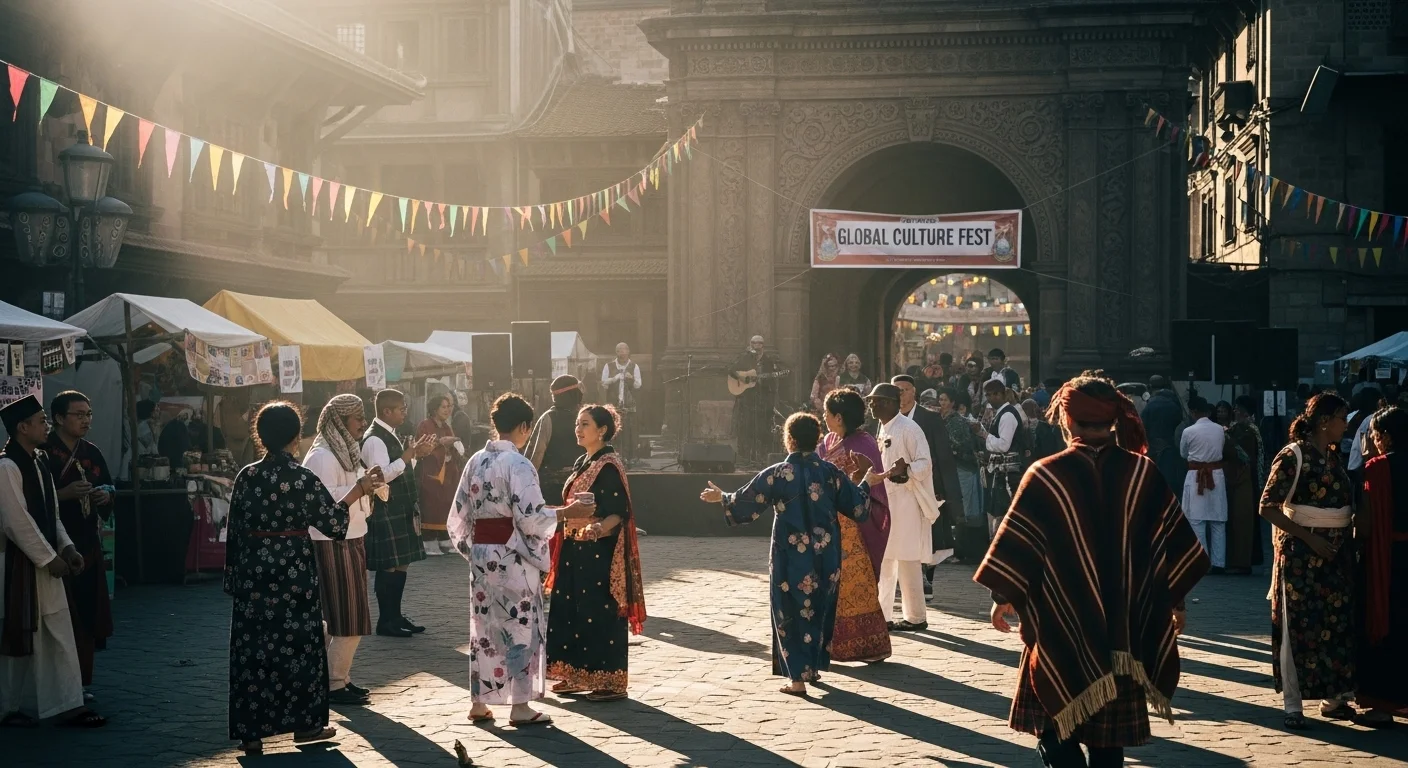
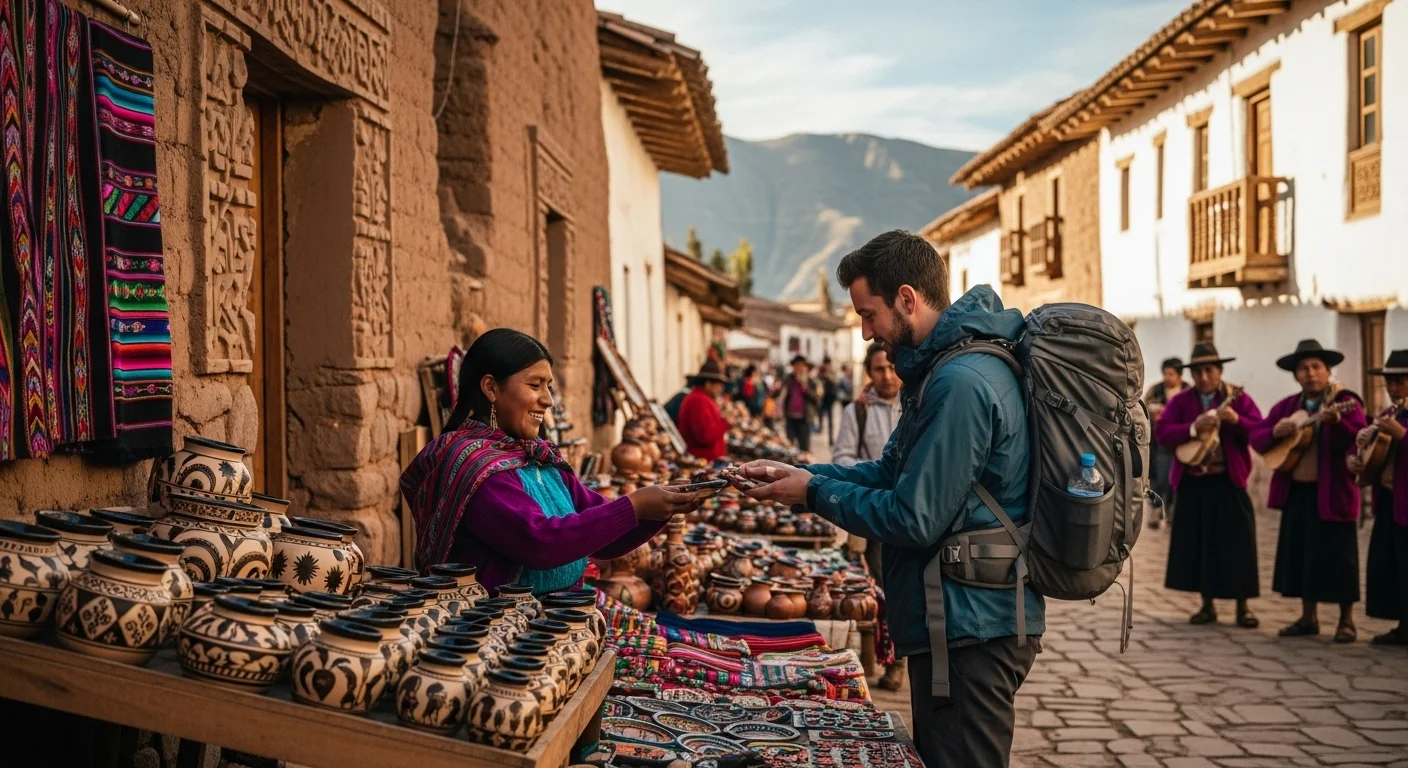
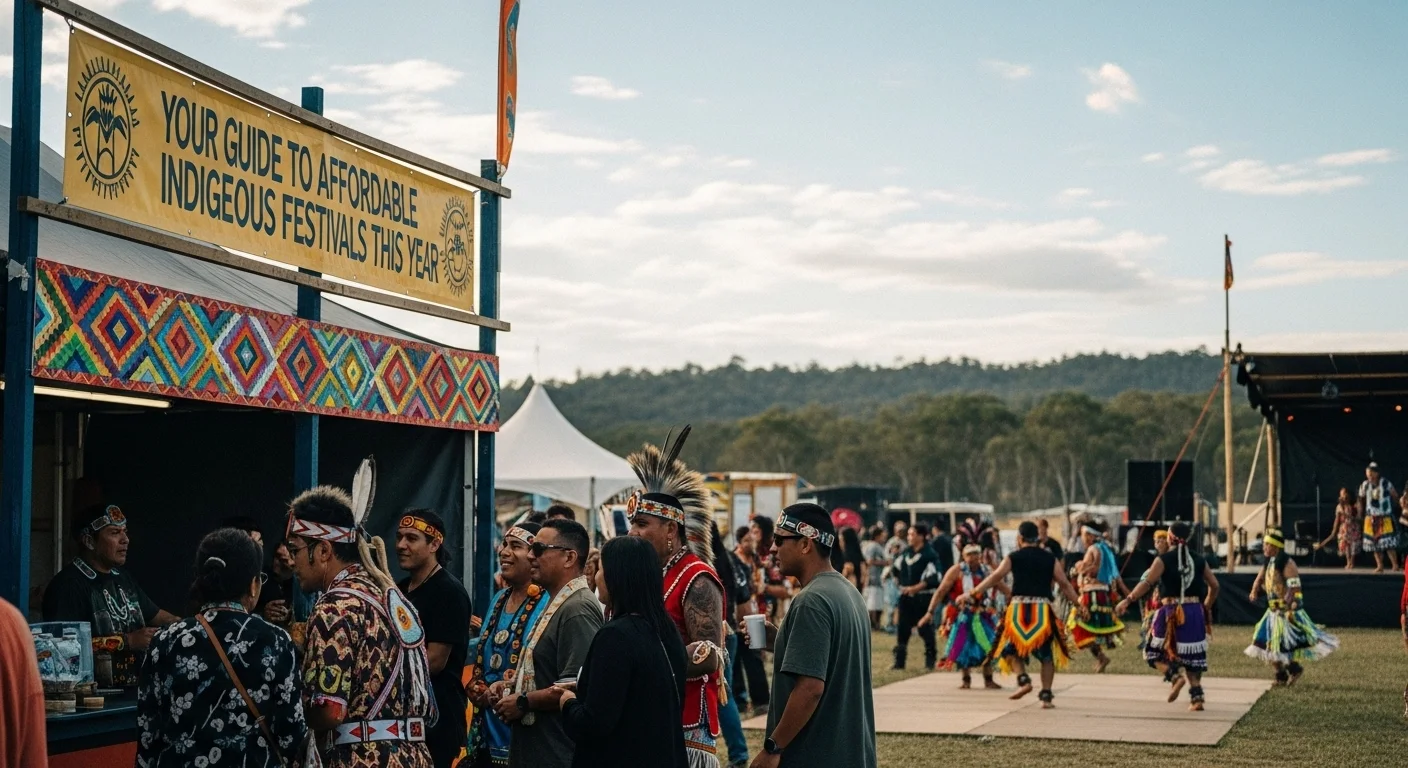
This year, immerse yourself in the vibrant cultures of Indigenous peoples by attending affordable festivals. These events offer a unique opportunity to celebrate heritage while enjoying diverse activities, delicious food, and enriching experiences. For those looking to explore more, check out our Top Indigenous Art Destinations for Budget Travelers.
Your Guide to Affordable Indigenous Festivals This Year

Understanding Indigenous Festivals

Definition and Significance

Indigenous festivals are vibrant celebrations that honor the traditions, arts, and cultures of Indigenous peoples around the world. These festivals often showcase music, dance, storytelling, and other artistic expressions that have been passed down through generations. I’ve attended several Indigenous festivals, and each experience has been a powerful reminder of the rich histories and cultural resilience of these communities. The significance of these events extends beyond mere entertainment; they serve as a platform for education, preservation, and cultural exchange.

Types of Indigenous Festivals

From my experience, Indigenous festivals come in various forms, each reflecting the unique cultural heritage of the community hosting it. Some focus on traditional ceremonies, while others emphasize contemporary Indigenous art and innovation. For example, powwows in North America are dynamic events where different tribes gather to celebrate through dance competitions, drum circles, and storytelling. On the other hand, festivals like Inti Raymi in Peru honor historical events and agricultural cycles, showcasing the deep connection between Indigenous peoples and their land.

In Australia, NAIDOC Week celebrates the history, culture, and achievements of Aboriginal and Torres Strait Islander peoples, featuring activities like art workshops, community festivals, and educational seminars. Each type of festival offers a unique lens into the diverse expressions of Indigenous culture, and I believe participating in them is an enriching experience. Additionally, you can learn more about the cultural context of these events in our A Guide to Indigenous Traditional Practices While Traveling.

Key Cultural Elements

When you attend an Indigenous festival, you’ll notice several key cultural elements that are celebrated. Music and dance are often at the forefront, with performances that tell stories of creation, community, and struggle. I’ve found that these performances are not just for entertainment; they embody the spirit and identity of the people.

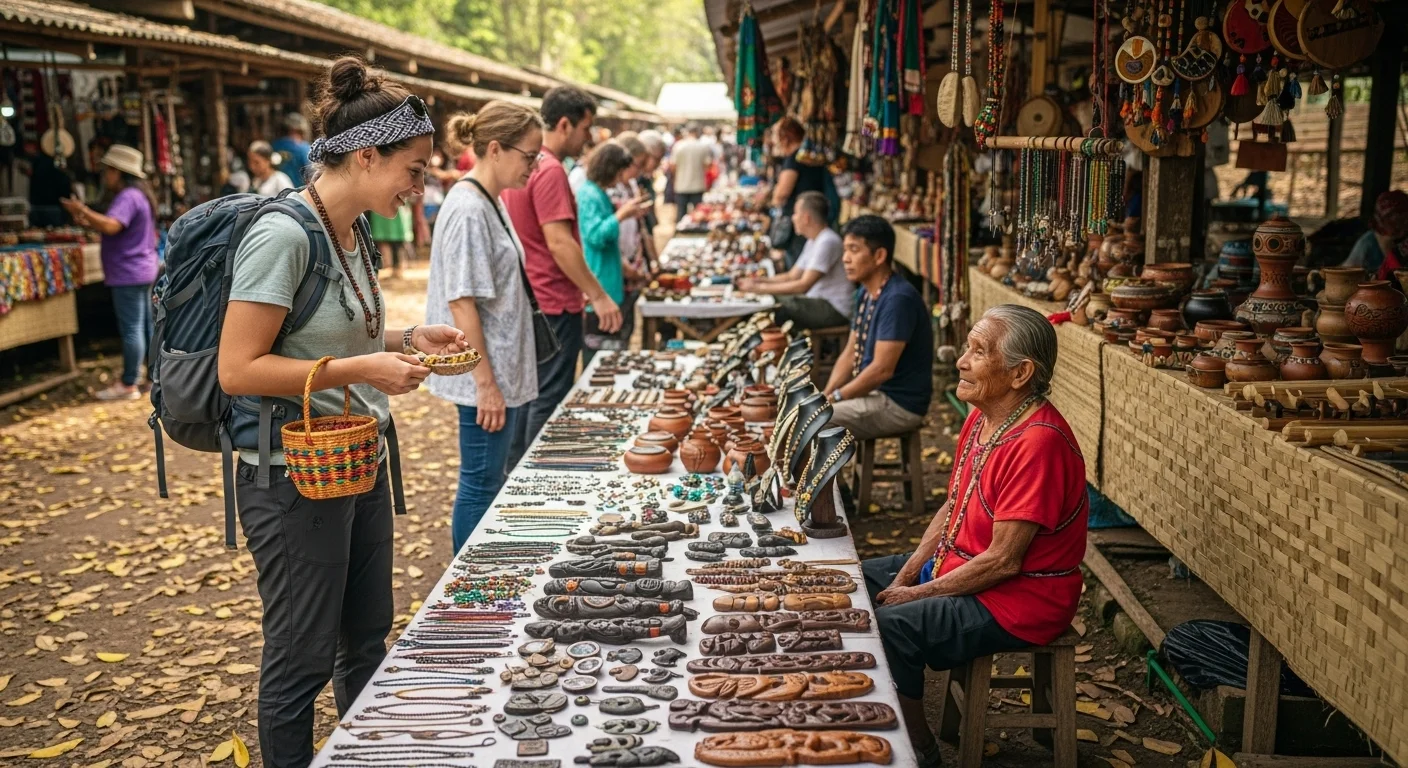
Another important element is storytelling. Oral traditions play a vital role in preserving history and passing knowledge from one generation to the next. During festivals, you might hear elders share tales of their ancestors, which adds a personal touch to the communal experience. Art is also a significant aspect, with many festivals featuring artisan markets where you can purchase handmade crafts, jewelry, and artwork that reflect the culture’s unique aesthetics.

Food is an essential part of the festival experience as well. Traditional dishes often highlight native ingredients and cooking methods, offering a taste of the land’s bounty. I remember savoring dishes I had never tried before, each bite connecting me to the history and traditions of the Indigenous peoples.

Why Attend Indigenous Festivals?

Cultural Education and Awareness

Attending Indigenous festivals is not only an enjoyable experience, but it’s also an opportunity for cultural education. I’ve learned so much about the histories, struggles, and achievements of Indigenous communities by immersing myself in their celebrations. These events often include workshops, discussions, and demonstrations, allowing attendees to gain a deeper understanding of Indigenous cultures. It’s a chance to break down stereotypes and foster a greater appreciation for the diversity of human experience.

Support for Indigenous Communities

When you participate in Indigenous festivals, you’re also supporting the communities that host them. Many festivals are organized by local tribes or organizations that rely on the funds generated from these events to sustain their cultural practices and initiatives. I always feel good knowing that my attendance contributes to the preservation of heritage and helps empower Indigenous voices. Purchasing crafts, food, and other goods from vendors at these festivals directly benefits the artists and community members, making it a meaningful way to engage.

Unique Experiences and Activities

Every Indigenous festival offers a unique blend of experiences that you won’t find anywhere else. From interactive workshops where you can learn traditional crafts to live music performances that get everyone dancing, there’s something for everyone. I remember participating in a drum circle at a festival, which was not only fun but also a powerful way to connect with others through rhythm and movement. These activities allow you to engage with the culture in a hands-on way, creating lasting memories and connections.

Whether you’re interested in art, music, or simply exploring new cultures, Indigenous festivals provide a rich tapestry of experiences that are both enjoyable and enlightening. They remind me of the importance of community, identity, and the shared human experience. For those looking to explore further, consider our article on Budget Backpacking: Discover Traditional Indigenous Practices.

Affordable Indigenous Festivals by Region

North America

Gathering of Nations (Albuquerque, NM)

The Gathering of Nations is one of the largest powwows in North America, held annually in Albuquerque, New Mexico. I remember attending this festival and being overwhelmed by the vibrant colors and sounds. Over 500 tribes come together to celebrate their cultures through dance competitions, music, and arts. What I found particularly special was the way the festival honors both traditional and contemporary Indigenous expressions. Plus, the food vendors offer tasty Native American dishes that truly reflect the culinary diversity of the tribes present. Tickets are reasonably priced, and the experience is unforgettable.

Toronto Indigenous Festival (Toronto, ON)

If you find yourself in Toronto during the summer, the Toronto Indigenous Festival is a must-visit. Held at Harbourfront Centre, this festival showcases Indigenous art, culture, and performances from various Indigenous communities across Canada. I loved wandering through the artisan market, where I met local artists and bought unique pieces that I still cherish. Admission is free, making it an accessible option for anyone wanting to learn more about Indigenous cultures while enjoying captivating performances and workshops.

South America

Inti Raymi (Cusco, Peru)

Inti Raymi, or the Festival of the Sun, is a spectacular celebration in Cusco, Peru. This festival, dating back to the Inca Empire, takes place in June and honors the sun god, Inti. I was fortunate enough to witness the reenactment of ancient ceremonies, complete with traditional costumes and music. The energy in the crowd was electric, and it felt like stepping back in time. This festival is not just a visual feast; it also serves as a reminder of the deep spiritual connection Indigenous peoples have with nature. Tickets are quite affordable, and the cultural significance is profound.

Festival of the Dead (Oaxaca, Mexico)

Oaxaca is famous for its vibrant Day of the Dead celebrations, which blend Indigenous traditions with Catholic influences. During the Festival of the Dead, I saw beautifully decorated altars honoring deceased loved ones, filled with marigolds, candles, and food. The atmosphere was both festive and reverent. The city comes alive with parades, music, and dance, showcasing the rich heritage of the Zapotec and Mixtec peoples. Attending this festival was a unique way to immerse myself in the local culture while honoring the memories of those who have passed. The cost of attending various events is quite reasonable, allowing everyone to participate.

Australia

NAIDOC Week Celebrations

NAIDOC Week, celebrated across Australia, is a time to recognize and celebrate the history, culture, and achievements of Aboriginal and Torres Strait Islander peoples. I experienced the energy of this celebration in my local community, where events included art exhibitions, workshops, and cultural performances. The sense of pride and unity among participants was palpable. Many events are free or low-cost, making it accessible for everyone to learn and celebrate. I recommend checking local listings to find events that resonate with you.

Woodford Folk Festival

The Woodford Folk Festival is another unique event that features Indigenous artists and performers alongside a diverse array of folk music and arts. I attended this festival and was amazed at how it fosters cross-cultural connections. The festival runs for six days and offers a plethora of workshops, performances, and discussions. It’s a beautiful opportunity to see Indigenous culture celebrated in a broader context. While tickets might be a bit more expensive, the range of experiences and the community atmosphere make it worthwhile.

Europe

European Indigenous Peoples’ Festival (Various Locations)

In Europe, the European Indigenous Peoples’ Festival is held in various locations, showcasing Indigenous cultures from around the continent. While I haven’t attended this event yet, I’ve heard from friends that it highlights the rich traditions of Indigenous peoples in Europe, including their music, dance, and crafts. Various events are often free, allowing attendees to explore and learn without breaking the bank. It’s an excellent way to engage with diverse cultures and make connections with people who share a passion for celebrating Indigenous heritage.

When to Visit Indigenous Festivals

Seasonal Considerations

Timing is everything when it comes to attending Indigenous festivals. Each event is typically tied to seasonal changes or significant cultural dates that hold deep meaning for the respective communities. I’ve learned that spring and summer are popular times for festivals, as the weather is generally warmer, allowing for outdoor activities and performances. For instance, I experienced the vibrancy of the Gathering of Nations in the spring, where the energy of the powwow was amplified by the blooming flowers and sunny skies.

In contrast, some festivals occur in the fall or winter, which can bring a unique atmosphere. I remember attending the Festival of the Dead in Oaxaca during the fall, where the streets were alive with the colors of marigolds and the warmth of community gatherings, even as the air turned cooler. It’s a great reminder that each season can offer a different perspective on Indigenous culture, so I encourage you to consider what kind of experience you’re looking for when planning your visit.

Key Dates and Events

Each festival has its own set of dates, and many are annual events that locals and visitors alike eagerly anticipate. I’ve found that doing a bit of research beforehand can enhance your experience tremendously. For example, Inti Raymi in Cusco is celebrated on June 24th each year, marking the winter solstice in the Southern Hemisphere. Being there on the exact day felt special, like I was part of something truly significant.

Sometimes, festivals may also coincide with other local events, which can make your trip even more exciting. For example, I once planned my trip to Toronto to align with the Toronto Indigenous Festival, which overlapped with a local arts fair. This allowed me to experience a wider variety of Indigenous and contemporary arts. It’s worth checking local calendars or community websites to ensure you don’t miss out on any special events during your visit.

Where to Stay Near Indigenous Festivals

Budget Accommodation Options

Finding affordable places to stay near festival venues can seem daunting, but I’ve discovered some fantastic options over the years. Many towns and cities have budget accommodations like hostels, motels, or community guesthouses that offer a cozy place to rest after a day of festivities. I often lean towards hostels because they not only save money but also provide a chance to meet fellow travelers who share similar interests. During my stay at a hostel near the Gathering of Nations, I met people from different backgrounds, which added to the richness of my experience.

Camping and RV Options

If you’re feeling adventurous, camping might be the perfect choice for certain festivals. I’ve camped at several events, and it was a great way to immerse myself in the atmosphere. At events like NAIDOC Week, some local parks offer tent camping or RV spots at reasonable rates. It’s a unique way to enjoy nature while being part of the festival vibe. Just make sure to check in advance, as spots can fill up quickly!

Local Hotels and Inns

For those looking for a bit more comfort, local hotels and inns often provide convenient access to festival venues. I remember booking a small inn near the Toronto Indigenous Festival that not only offered comfortable beds but also a lovely communal area where I met other festival-goers. Staying at local establishments can also give you insight into the culture and history of the area, as many owners are eager to share their stories and recommendations.

Top Attractions at Indigenous Festivals

Cultural Performances

Cultural performances are one of the main highlights of Indigenous festivals, and I can’t stress enough how captivating they are. Whether it’s traditional dance, music, or theater, these performances are windows into the soul of the community. I was mesmerized by a dance troupe during the Woodford Folk Festival, who beautifully expressed their connection to the land and ancestors through their movements. Each performance tells a story, and I found myself deeply moved by the passion and talent on display.

Artisan Markets and Craft Exhibits

Another must-see at these festivals is the artisan markets. I often spend hours wandering through the stalls, admiring handmade crafts, jewelry, and artwork that reflect the unique culture of the Indigenous peoples. Each piece tells its own story, and I love finding items that resonate with me personally. At the Toronto Indigenous Festival, I picked up a beautiful piece of pottery that still sits proudly in my living room, reminding me of that special trip.

Workshops and Interactive Experiences

Workshops and interactive experiences are fantastic opportunities to engage directly with Indigenous cultures. I remember taking part in a traditional crafting workshop at a festival, where I learned the techniques behind making a woven basket. It was not only fun but also enlightening to understand the significance behind each step. These immersive experiences allow you to appreciate the skills and traditions that have been passed down through generations, and I always come away feeling inspired.

Local Food and Cuisine at Festivals

Traditional Indigenous Dishes

One of my favorite aspects of attending Indigenous festivals is the food. Traditional Indigenous dishes offer a delightful journey through flavors and history. I’ve sampled everything from fry bread to smoked salmon, and each dish provides insight into the land and culture. At the Gathering of Nations, I was introduced to a deliciously spicy chili stew that left me craving more. I believe food is a powerful connector, and sharing a meal can lead to meaningful conversations about culture and heritage.

Food Vendors and Stalls

Each festival typically features a variety of food vendors selling both traditional and contemporary dishes. I’ve discovered hidden gems at these stalls that I wouldn’t find anywhere else. At the Festival of the Dead in Oaxaca, I enjoyed tamales filled with interesting ingredients I had never tried before, which truly enhanced my cultural experience. I recommend trying different vendors and exploring the diverse offerings, as each bite tells a story of its own.

Tips for Trying Local Cuisine

When it comes to trying local cuisine at festivals, I’ve learned a few tips along the way. First, don’t be afraid to ask vendors about their dishes; they often love to share the stories behind their food. I’ve found that engaging with the people behind the stalls can lead to recommendations for must-try items. Additionally, consider sharing dishes with friends or fellow festival-goers to sample a wider variety without breaking the bank. This way, you can experience a multitude of flavors and dishes in one visit!

Safety and Accessibility

Health and Safety Tips

Attending festivals can be an overwhelming experience, so prioritizing safety is essential. I always make sure to stay hydrated, especially during outdoor events where the sun can be intense. It’s also wise to have a small first-aid kit on hand for minor injuries. Additionally, keep your belongings secure and be mindful of your surroundings, especially in crowded areas. I’ve found that being aware of my surroundings enhances my festival experience, allowing me to fully enjoy the festivities without worries.

Accessibility for All Attendees

Many Indigenous festivals strive to be inclusive, ensuring that everyone can participate. I’ve noticed that events often provide accessible pathways and facilities for people with disabilities. If you have specific needs, it’s worth checking with the festival organizers ahead of time to understand the resources available. I believe that celebrating culture should be accessible to all, and I appreciate when festivals make efforts to accommodate everyone.

Budgeting for Indigenous Festivals

Entry Fees and Costs

While many Indigenous festivals are free to attend, some may have entry fees, especially larger events. I’ve found that these fees are often minimal, considering the range of activities and performances included. It’s helpful to budget for these costs ahead of time so you can fully enjoy the experience without financial stress. Additionally, some festivals offer discounted rates for students or families, which can help make the experience more affordable.

Transportation Options

Getting to festivals can vary in cost depending on your location. I often prefer to drive when possible, as it gives me the freedom to explore the surrounding area. However, when attending festivals in larger cities, public transportation can be a fantastic option. I’ve taken advantage of local buses and trains, which often offer economical fares. It’s also worth looking into rideshare options or carpooling with friends to save on costs while enjoying the journey together.

Money-Saving Tips

To stretch my budget further, I always keep an eye out for money-saving tips. I recommend packing snacks and water to avoid high food prices at festivals, as well as looking for local grocery stores where you can grab affordable meals. Additionally, purchasing items like crafts and souvenirs from local vendors instead of large commercial stalls can often save money while also supporting Indigenous artisans directly. These small strategies can make a big difference in how much you enjoy your festival experience.

Frequently Asked Questions

What are Indigenous festivals?

Indigenous festivals are vibrant celebrations that honor the traditions, arts, and cultures of Indigenous peoples around the world. They showcase music, dance, storytelling, and other artistic expressions that have been passed down through generations, serving as a platform for education, preservation, and cultural exchange.

What types of activities can I expect at Indigenous festivals?

At Indigenous festivals, attendees can expect a variety of activities including traditional ceremonies, dance competitions, drum circles, storytelling, art workshops, community festivals, and educational seminars. Each festival offers unique experiences that reflect the community’s cultural heritage.

Why should I attend Indigenous festivals?

Attending Indigenous festivals provides an opportunity for cultural education and awareness, supports Indigenous communities, and offers unique experiences and activities. These festivals allow participants to learn about the histories and struggles of Indigenous peoples while engaging with their cultures in a meaningful way.

Can you give examples of Indigenous festivals in North America?

Examples of Indigenous festivals in North America include the Gathering of Nations in Albuquerque, New Mexico, which is one of the largest powwows, and the Toronto Indigenous Festival in Toronto, Ontario, which showcases Indigenous art and culture through various performances and artisan markets.

What is Inti Raymi?

Inti Raymi, or the Festival of the Sun, is a spectacular celebration held in Cusco, Peru, that honors the sun god, Inti. This festival, dating back to the Inca Empire, features reenactments of ancient ceremonies and showcases the spiritual connection Indigenous peoples have with nature.

What should I consider when planning to visit an Indigenous festival?

When planning to visit an Indigenous festival, consider the seasonal timing of the event, key dates, and any overlapping local events. Researching ahead can enhance your experience and ensure you don’t miss out on any special activities or ceremonies.

What accommodation options are available near festival venues?

Accommodation options near festival venues include budget accommodations like hostels and motels, camping and RV options, and local hotels and inns. Budget accommodations often provide opportunities to meet fellow travelers, while local hotels can offer insights into the area’s culture.

What are some highlights to look for at Indigenous festivals?

Highlights at Indigenous festivals often include cultural performances, artisan markets showcasing handmade crafts, and interactive workshops where attendees can engage directly with Indigenous cultures. These experiences provide a deeper appreciation for the skills and traditions of Indigenous peoples.

How can I try local cuisine at festivals?

To try local cuisine at festivals, don’t hesitate to ask vendors about their dishes, share meals with fellow attendees to sample a variety, and explore different food stalls. Traditional Indigenous dishes often offer a window into the culture’s history and flavors.

What safety and accessibility measures are in place at Indigenous festivals?

Many Indigenous festivals prioritize safety by providing hydration stations, first-aid kits, and accessible pathways for individuals with disabilities. It’s advisable to check with festival organizers in advance to understand the resources available for attendees with specific needs.
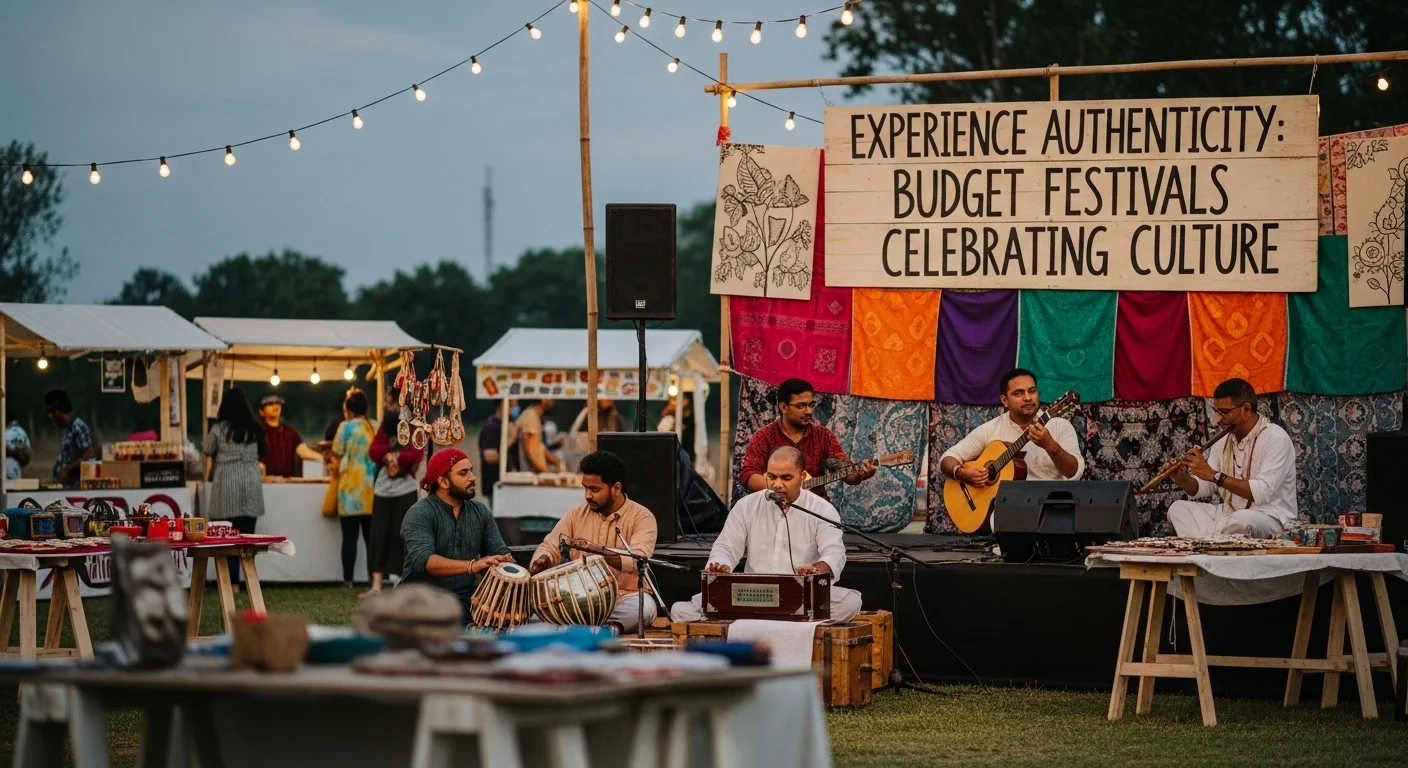
Experience Authenticity: Budget Festivals Celebrating Culture

Experiencing authentic culture doesn’t have to break the bank. Budget festivals around the world offer vibrant celebrations that immerse you in local traditions, music, food, and art. If you’re interested in learning more, check out Discover Budget-Friendly Cultural Festivals Around the World.

Experience Authenticity: Budget Festivals Celebrating Culture

Understanding Budget Festivals

What are Budget Festivals?

Budget festivals are community-driven events that prioritize affordable access to cultural experiences. They usually feature local artists, musicians, and food vendors, allowing attendees to enjoy rich traditions without the high price tag of larger, commercial festivals. I’ve found that these festivals are often organized by local communities or non-profits, aiming to showcase their heritage and foster connections among attendees. They might not have the glitz and glamour of major festivals, but they offer something much more valuable: authenticity.

During my travels, I’ve stumbled upon several budget festivals that have left a lasting impression on me. Whether it’s a small-town gathering or a larger city celebration, these festivals often create an inviting atmosphere where everyone feels welcome. I remember attending a local arts festival where the community came together to celebrate their heritage. The heartfelt performances and genuine laughter made it truly unforgettable. It’s these kinds of connections that make budget festivals so special.

Importance of Authentic Cultural Experiences

In today’s fast-paced world, it’s easy to overlook the importance of authentic cultural experiences. We often find ourselves drawn to commercialized events that, while entertaining, can lack the genuine essence of the culture they aim to represent. From my perspective, authentic cultural experiences offer a deeper understanding of the people and traditions behind them. They provide a glimpse into the everyday lives of locals, rather than a curated version for tourists.

I believe that being part of a community celebration fosters a sense of belonging. When we engage with the culture in its purest form, we open ourselves to understanding different perspectives and lifestyles. For instance, at a small festival I attended in a quaint town, I was invited to participate in traditional dances and even learned how to cook a local dish. This hands-on experience enriched my travels and created memories that I cherish to this day.

Moreover, attending budget festivals can also support local economies. By participating in these events, we help sustain artisans and vendors who might otherwise struggle to compete with larger, more commercialized festivals. I remember purchasing handmade crafts and local delicacies, feeling not just satisfied, but also proud to contribute to the community’s livelihood. It’s rewarding to know that my presence at these festivals directly impacts the people who work so hard to preserve their traditions.

In my travels, I’ve also learned that these festivals often encourage a sense of collaboration among attendees. People from various backgrounds come together, united by a shared appreciation for culture. I’ve found that conversations sparked at these events often lead to friendships and new connections, enriching my travel experience in ways I never anticipated. It’s these moments—interacting with locals and sharing stories—that truly highlight the beauty of cultural festivals.

So, if you’re considering attending a budget festival, I wholeheartedly recommend it. Not only will you enjoy authentic experiences, but you’ll also contribute positively to communities around the world. The joy of discovery, the thrill of participation, and the warmth of community are all waiting for you at these incredible events.

Top Budget Festivals Around the World

Cultural Festivals in the United States

New Orleans Jazz & Heritage Festival

One of my absolute favorites is the New Orleans Jazz & Heritage Festival. Held annually in the vibrant city of New Orleans, this festival is a celebration of the music and culture inherent to the region. What makes it budget-friendly is that while some main stage performances may charge, there are plenty of free activities throughout the festival grounds. You can explore local art, savor delicious Cajun and Creole food, and listen to emerging musicians who are just as talented as the headliners. I remember wandering through the different stages, soaking in the sounds of jazz, blues, and even gospel music, all while enjoying a beignet from a nearby vendor. It was a feast for the senses that didn’t require a hefty budget to appreciate.

Santa Fe Indian Market

The Santa Fe Indian Market is another gem that I’ve had the pleasure of attending. This festival celebrates Native American art and culture, showcasing the incredible work of artists from various tribes. The atmosphere is electric, filled with the sounds of traditional music and the aroma of local delicacies. Admission is typically affordable, and the market is an excellent place to find unique handmade crafts and artwork. I recall chatting with artists about their work, learning about their traditions, and even getting a glimpse of live demonstrations. Supporting these artisans while enjoying a vibrant celebration of culture felt incredibly rewarding. If you’re looking for more tips, check out the Budget-Friendly Guide to Global Cultural Festivals.

Festivals in Europe

Edinburgh Festival Fringe

When it comes to festivals in Europe, the Edinburgh Festival Fringe stands out. Often touted as the world’s largest arts festival, it offers thousands of performances across various genres, from theater to comedy. While some shows can be pricey, there are many free and low-cost performances available, especially if you explore the street performances and smaller venues. I remember wandering the cobblestone streets of Edinburgh, stumbling upon a hilarious improv group performing in a park. It was spontaneous and delightful, proving that you don’t have to spend a lot to experience world-class talent. The festival’s vibrant energy is infectious, and you’ll find yourself immersed in a creative atmosphere that celebrates artistic expression in all its forms.

La Tomatina in Spain

Then there’s La Tomatina in Buñol, Spain, which is simply one of the most fun and messy festivals I’ve ever experienced. Held annually, this festival involves a massive tomato fight, and believe me, it’s as chaotic as it sounds! The cost to participate is quite reasonable, and you can easily join in on the fun. I joined in on the tomato-throwing madness with a group of fellow travelers, and the laughter and camaraderie were unforgettable. Although it might not be for everyone, the sheer joy of tossing tomatoes with strangers turned friends was a highlight of my travel adventures in Spain.

Festivals in Asia

Diwali in India

In Asia, Diwali, the Festival of Lights, has captured my heart. Celebrated across India and beyond, this festival signifies the victory of light over darkness and good over evil. While lavish parties can be found, many locals celebrate with stunning displays of homemade decorations and sweets, creating a warm and joyous atmosphere. I remember being invited into a local home to share in the festivities, enjoying traditional Indian sweets, and participating in the lighting of diyas (oil lamps). The sense of community and sharing was palpable, making this experience one I will carry with me forever. Plus, the splendor of fireworks lighting up the night sky was simply magical.

Songkran Water Festival in Thailand

Another remarkable festival is Songkran, the Thai New Year celebration. This festival is famous for its water fights, where locals and tourists alike splash each other with water to symbolize cleansing and renewal. I had the time of my life joining in on the street battles, armed with a water gun and a bucket. The best part? It’s completely free to participate! The energy in the streets during Songkran is unlike anything I’ve ever experienced, filled with laughter, music, and smiles. It truly embodies the spirit of fun and community, and I felt so lucky to be a part of it.

African Cultural Festivals

Durbar Festival in Nigeria

Moving on to Africa, the Durbar Festival in Nigeria is a spectacular celebration that I have always dreamed of witnessing. This festival takes place during Eid al-Fitr and Eid al-Adha and showcases the rich heritage of the Northern Nigerian states. Horse riders dressed in traditional attire parade through the streets, accompanied by drummers and dancers. Although it’s easy to get caught up in the vibrant spectacle, I found the festival to be a great opportunity to engage with the local culture. I remember watching the riders perform intricate maneuvers while sharing stories with friendly locals who were eager to explain the significance of the event. It’s an experience that highlights the beauty of cultural pride in a way that feels accessible and meaningful.

Fes Festival of World Sacred Music in Morocco

Lastly, the Fes Festival of World Sacred Music in Morocco is a breathtaking celebration of music and spirituality. This festival brings together artists from around the globe, showcasing a variety of sacred music traditions. While some performances might have a ticket fee, the sense of community and connection is felt throughout the city. I found myself wandering the streets, catching snippets of music and dance pouring from open doors and alleyways. The ambiance was warm and inviting, and I was able to meet people from different backgrounds who shared their stories and cultural perspectives with me. Attending this festival felt like a heartwarming reminder of the unifying power of music.

Key Elements of Authentic Cultural Festivals

Local Music and Dance

One of the most captivating aspects of budget festivals is the local music and dance that bring the cultural experience to life. During my travels, I have often found myself swept away by the rhythms and melodies unique to each region. Whether it’s the lively folk dances at a community gathering or the soulful performances of local musicians, these elements create an atmosphere that is both vibrant and deeply rooted in tradition. I remember attending a colorful festival where dancers performed in traditional attire, their movements telling stories of their heritage. It was a beautiful reminder of how music and dance can unite people and convey emotions that words often cannot.

Participating in these cultural expressions has allowed me to connect on a deeper level with locals. I once joined in a circle dance at a festival in Eastern Europe, surrounded by smiling faces and laughter. It felt like being part of something greater, a collective celebration of life and culture. These moments remain etched in my memory, and I believe they are what make budget festivals truly unforgettable.

Traditional Cuisine

Food is another crucial element of any cultural festival, and budget festivals often showcase a delightful array of traditional dishes. I’ve discovered that local vendors take great pride in serving up authentic flavors, allowing festival-goers to savor the essence of the region without breaking the bank. At one festival in Mexico, I indulged in homemade tamales and fresh churros, each bite bursting with flavor and history. If you’re a food lover, you can’t miss out on Cultural Food Festivals You Can’t Miss on a Budget.

Trying new foods is one of my favorite parts of attending these festivals. I remember chatting with a vendor at a street fair who shared the story behind a particular dish. The connection I felt while learning about the ingredients and preparation methods enhanced my appreciation for the meal. I’ve found that food can bridge cultural gaps, and sharing a meal with locals often leads to memorable conversations and new friendships.

Artisan Crafts and Local Markets

Another highlight of budget festivals is the opportunity to explore artisan crafts and local markets. I love wandering through stalls filled with handmade goods that reflect the culture and artistry of the community. These markets often feature everything from intricate textiles to beautiful pottery, and I find joy in supporting local artisans by purchasing unique souvenirs. Each item I bring home tells a story and reminds me of the experiences I’ve had.

During my visit to a crafts fair in a small town, I struck up a conversation with a potter who shared his techniques and inspirations. I was fascinated by the passion he had for his craft, and I left with not only a beautiful bowl but also a deeper understanding of the artistry that goes into each piece. It’s these personal interactions that truly enrich the festival experience and help me appreciate the local culture even more.

Community Involvement and Participation

Perhaps one of the most rewarding aspects of budget festivals is the sense of community involvement and participation. These events often thrive on the support and enthusiasm of locals, and I’ve noticed that they frequently encourage attendees to get involved in activities. From learning traditional dances to participating in workshops, there’s usually something for everyone.

I recall attending a folk festival where we were invited to join in a storytelling session led by a local elder. It was a humbling experience to hear tales passed down through generations, and I felt honored to be included in such an important tradition. The festival atmosphere was filled with laughter and connection, and I walked away with a renewed appreciation for the power of storytelling in preserving culture.

Moreover, I’ve seen how these festivals serve as a platform for fostering collaboration among community members. Volunteers play a significant role in organizing events, and their passion is infectious. I remember meeting a group of young locals who were dedicated to promoting their culture through music and dance. Their enthusiasm inspired me to get involved, and I ended up helping them set up for a performance. This sense of belonging and shared purpose is what makes budget festivals feel like a family reunion, where everyone is welcome and valued.

Planning Your Visit to Budget Festivals

When to Attend: Seasonal Considerations

Timing is everything when it comes to experiencing budget festivals, and understanding the seasonal considerations can make a big difference. Many festivals are held during specific times of the year, often aligned with local harvests, holidays, or cultural celebrations. I’ve learned that researching the best times to visit a particular destination can enhance my experience. For example, attending a harvest festival in the fall not only showcases local produce but also creates a cozy atmosphere filled with seasonal flavors and traditions.

When planning my travels, I often look for festivals that coincide with my visit. I’ve found that festivals in spring and summer tend to offer more outdoor activities and lively celebrations, while winter festivals can be magical with holiday lights and seasonal festivities. Keeping an eye on local calendars helps ensure I don’t miss out on the best experiences the community has to offer.

How to Get There: Transportation Tips

Getting to a budget festival can be an adventure in itself. Depending on the location, I’ve discovered various modes of transportation that can enhance my journey. In many cases, local public transport is affordable and efficient, allowing me to immerse myself in the local culture even before I arrive at the festival. I remember taking a train to a rural festival in Italy, enjoying the scenic views along the way while chatting with fellow travelers.

For festivals in more remote areas, renting a bike or car can be a great option. It gives you the flexibility to explore the surroundings and discover hidden gems along the way. I once rented a bicycle for a festival in a picturesque coastal town, which allowed me to visit nearby attractions and meet locals who were more than happy to share their favorite spots.

Where to Stay: Budget Accommodation Options

Finding budget accommodation near festival locations can greatly enhance your experience. I’ve had success with local guesthouses and hostels that allow me to connect with fellow travelers while saving money. Staying with locals through platforms like Airbnb can also provide unique insights into the culture and community. I remember one festival where I stayed with a lovely family who not only offered me a comfortable room but also shared their holiday traditions, making my experience even more enriching.

What to Bring: Essentials for Festival-Goers

Preparing for a budget festival involves packing a few essentials to ensure I have a memorable time. Comfortable shoes are a must, as I often find myself walking a lot while exploring different activities. I also pack a reusable water bottle to stay hydrated, especially during hot summer festivals. And let’s not forget a portable phone charger; capturing all the fun moments is important to me! Lastly, I recommend bringing a small backpack to carry any souvenirs or snacks I pick up along the way.

Frequently Asked Questions

What are budget festivals?

Budget festivals are community-driven events that prioritize affordable access to cultural experiences. They typically feature local artists, musicians, and food vendors, allowing attendees to enjoy rich traditions without the high price tag of larger, commercial festivals.

Why are authentic cultural experiences important?

Authentic cultural experiences offer a deeper understanding of the people and traditions behind them. They provide a glimpse into the everyday lives of locals, fostering a sense of belonging and allowing for meaningful interactions and connections.

How do budget festivals support local economies?

By attending budget festivals, participants help sustain artisans and vendors who may struggle to compete with larger, commercialized events. Purchasing handmade crafts and local delicacies contributes positively to the community’s livelihood.

What types of activities can attendees expect at budget festivals?

Attendees can expect local music and dance performances, traditional cuisine, artisan crafts, and opportunities for community involvement and participation. These activities create a vibrant atmosphere that celebrates the local culture.

Can you provide an example of a budget festival in the United States?

One example is the New Orleans Jazz & Heritage Festival, which features free activities alongside paid performances. Attendees can enjoy local art, food, and music without a hefty budget.

What is La Tomatina, and why is it notable?

La Tomatina is an annual festival in Buñol, Spain, known for its massive tomato fight. It is notable for its fun and chaotic atmosphere, where participants can join in the festivities at a reasonable cost.

What should visitors consider when planning to attend a budget festival?

Visitors should consider seasonal factors that may affect the festival experience, transportation options to reach the festival, budget accommodation nearby, and essential items to bring for a comfortable visit.

How can attendees engage with locals at budget festivals?

Attendees can engage with locals by participating in traditional dances, attending storytelling sessions, and purchasing artisan crafts, which fosters connections and enriches the overall experience.

What are some essential items to bring to a budget festival?

Essential items to bring include comfortable shoes, a reusable water bottle, a portable phone charger, and a small backpack for carrying souvenirs or snacks.

Why are community involvement and participation important at budget festivals?

Community involvement and participation are important because they create an inclusive atmosphere where attendees feel welcome and valued. These festivals thrive on the support of locals, enhancing the overall cultural experience.

Top 10 Indigenous Cultural Festivals You Can’t Miss

Exploring Indigenous cultural festivals offers a vibrant glimpse into rich traditions and community spirit. From mesmerizing dances to mouthwatering cuisine, these events celebrate the diversity and resilience of Indigenous peoples worldwide. For those interested in learning more about the artistic side of these cultures, Top Indigenous Art Destinations for Budget Travelers is a great resource.

Top 10 Indigenous Cultural Festivals You Can't Miss

Understanding Indigenous Cultural Festivals

Significance of Indigenous Cultures

Indigenous cultures are the heartbeats of their respective communities, each with a unique history, language, and tradition. I’ve come to appreciate that these cultures are not just remnants of the past but living legacies that continue to thrive today. Festivals serve as a platform for these cultures to be celebrated, preserved, and shared. They are gatherings where stories are told, traditions are passed down, and kinships are strengthened. When I attend these festivals, I feel a deep connection to the land and its people, as well as a shared sense of responsibility to honor and respect their heritage.

Common Themes in Indigenous Festivals

Many Indigenous festivals revolve around common themes that connect people to their land, ancestors, and cultural practices. I’ve noticed that themes of community, celebration of life, and remembrance of ancestors frequently emerge. For instance, ceremonies often include music, dance, and art, all of which reflect the community’s values and beliefs. I remember attending a festival where storytelling played a crucial role; it felt like I was transported back in time, witnessing the vibrant history being brought to life. Festivals often also incorporate local cuisine, showcasing traditional recipes that have been passed down through generations. This culinary aspect not only nourishes but also unites people around shared customs and tastes. Additionally, if you’re interested in exploring the artistic expressions of these cultures, Discover Authentic Indigenous Crafts on a Budget Trip can guide you.

Top 10 Indigenous Cultural Festivals You Can’t Miss

1. Navajo Nation Fair

Overview and History

The Navajo Nation Fair, held annually in Window Rock, Arizona, is the largest Native American fair in the United States. I learned that it originated in 1935 as a way to celebrate the Navajo culture and community. Over the years, it has grown into a week-long celebration featuring a variety of events that highlight Navajo traditions. It’s amazing to see how the fair brings together families and friends from all over the nation to celebrate their heritage.

When and Where to Attend

The fair typically takes place in early September. If you plan to go, mark your calendar for this vibrant celebration. The fairgrounds are located in the heart of the Navajo Nation, making it accessible to those eager to dive into the rich culture.

Key Attractions and Events

One of my favorite parts of the fair is the rodeo, which showcases the talents of local cowboys and cowgirls. Additionally, the Miss Navajo Nation Pageant is a must-see event that highlights the beauty and strength of Navajo women. There’s also traditional singing and dancing, which truly brings the community together. I felt the energy and excitement around me as the dancers in their colorful regalia performed, captivating everyone in attendance.

Local Cuisine

No festival is complete without delicious food! At the Navajo Nation Fair, I recommend trying frybread, which is a beloved dish among the Navajo community. It can be served sweet or savory, and I found it hard to resist the sweet version topped with honey. The food stalls offer a variety of traditional dishes, providing a great opportunity to taste the flavors of Navajo cuisine.

2. Pow Wow Festival

Overview and History

Pow Wows are gatherings held by many Native American communities across North America, celebrating their cultures through dance, music, and art. I discovered that these events date back centuries, originally serving as a way to gather tribes for trade and socializing. Today, they are vibrant celebrations of culture and community where everyone is welcomed to join in the festivities.

When and Where to Attend

Pow Wows occur throughout the year, with some of the largest being the Gathering of Nations in Albuquerque, New Mexico, typically held in late April. If you get a chance to attend, I promise you won’t regret it!

Key Attractions and Events

What I love most about Pow Wows is the variety of dance competitions, where participants wear stunning traditional attire that reflects their heritage. The drum circles are another highlight, with rhythmic beats that resonate deep within. It’s a truly immersive experience; I felt completely enveloped in the sounds and sights surrounding me.

Local Cuisine

Food is an integral part of any Pow Wow, and you can find a range of eats from frybread to Indian tacos. During my visit, I indulged in some traditional dishes that left me craving more. Sharing a meal with friends at the Pow Wow created a sense of unity and joy.

3. Kamehameha Day Celebration

Overview and History

The Kamehameha Day Celebration in Hawaii honors King Kamehameha I, who united the Hawaiian Islands in the late 18th century. I’ve learned that this day is a significant cultural event where locals celebrate Hawaiian history and identity.

When and Where to Attend

This celebration occurs on June 11th, with festivities taking place across the islands, especially in Honolulu. Attending the parade is a spectacular way to witness the love and pride the community has for their heritage.

Key Attractions and Events

During the celebration, I found the royal parade to be breathtaking, featuring traditional Hawaiian music, hula performances, and floats adorned with flowers. It’s a visual feast that showcases the beauty of Hawaiian culture.

Local Cuisine

Hawaiian cuisine is a treat! I remember enjoying poke and poi during the festivities; every bite connected me to the unique flavors of the islands.

4. Sundance Film Festival

Overview and History

The Sundance Film Festival, held annually in Park City, Utah, is not only one of the largest independent film festivals in the U.S. but also a unique platform for Indigenous filmmakers. I’ve learned that it began in 1978 as a way to showcase new films, but over the years, it has expanded to include Indigenous stories and perspectives. It’s amazing to see how the festival celebrates the voices of Indigenous artists, offering them a space to share their narratives and experiences through the medium of film.

When and Where to Attend

The festival typically takes place in January, making it a cozy winter getaway for film lovers. If you’re thinking of attending, I recommend booking accommodations early, as the town fills up quickly with attendees eager to catch a glimpse of the latest films and engage in discussions about Indigenous representation in cinema.

Key Attractions and Events

What I find particularly captivating about the Sundance Film Festival is the variety of screenings, panels, and workshops. I remember attending a panel discussion featuring Indigenous filmmakers who shared their experiences and the importance of telling authentic stories. The energy in the room was electric, and it felt empowering to hear how these artists were breaking barriers in the film industry. Plus, the festival often includes special events like Q&A sessions after screenings, giving audiences a chance to connect with the filmmakers directly.

Local Cuisine

While the focus is undoubtedly on film, I can’t emphasize enough how much I enjoyed exploring the local food scene during my time at Sundance. Park City has a mix of dining options, and I found myself indulging in hearty comfort food that was perfect for the winter chill. From cozy cafes to fine dining, there’s something for everyone, and I highly recommend trying out some local dishes that reflect the flavors of the region.

5. Toronto Indigenous Fashion Week

Overview and History

Toronto Indigenous Fashion Week is a groundbreaking event that highlights the work of Indigenous fashion designers and artists. I was thrilled to learn that the first event took place in 2017, aiming to present contemporary Indigenous fashion in a way that celebrates culture and challenges stereotypes. The creativity and innovation on display are truly inspiring, and it’s a fantastic opportunity to witness how fashion can serve as a means of storytelling.

When and Where to Attend

This vibrant fashion week usually occurs in the fall, bringing together designers, models, and fashion enthusiasts in downtown Toronto. If you’re in the area, it’s definitely worth checking out; I suggest keeping an eye on their official website for specific dates and ticket details!

Key Attractions and Events

One of my favorite aspects of Toronto Indigenous Fashion Week is the runway shows that showcase unique designs blending traditional elements with modern styles. I remember attending a show where a designer incorporated beadwork and motifs from their heritage into contemporary outfits, creating a stunning visual narrative. Additionally, there are workshops and discussions that delve into the importance of sustainability and ethical practices in fashion, which I found particularly enlightening.

Local Cuisine

While fashion takes center stage, the food scene during the week is equally exciting. I enjoyed sampling various Indigenous-inspired dishes at local food vendors, and I remember one standout dish was a delicious venison taco that was both flavorful and satisfying. It’s a great way to fuel up while exploring the creativity on display!

6. Gathering of Nations

Overview and History

The Gathering of Nations is North America’s largest Pow Wow, held annually in Albuquerque, New Mexico. I’ve come to appreciate that this event has been celebrated for over three decades, bringing together thousands of Indigenous people and spectators from all over the continent. It’s a powerful reminder of the rich tapestry of cultures that exist within Indigenous communities.

When and Where to Attend

This incredible gathering usually takes place in late April, so if you’re planning to attend, it’s a good idea to look for accommodations in advance. The event is held at the University of New Mexico, making it accessible to those who want to immerse themselves in the festivities.

Key Attractions and Events

What I love most about the Gathering of Nations is the sheer scale of it. There are dance competitions, live music, and a marketplace featuring Indigenous crafts and art. I remember the excitement I felt watching the dancers in their vibrant regalia; each movement told a story, and I felt privileged to witness it all. The energy is infectious, making it a must-see event for anyone interested in Indigenous culture.

Local Cuisine

At the Gathering, the food is as diverse as the people attending. I highly recommend trying traditional dishes like frybread tacos and buffalo stew. Sharing meals with friends while enjoying the festivities is a fantastic way to deepen connections and celebrate the spirit of community.

7. National Indigenous Peoples Day

Overview and History

National Indigenous Peoples Day, observed in Canada on June 21, is a day dedicated to celebrating the diverse cultures of Indigenous peoples across the nation. I find it inspiring that this day encourages everyone to participate in cultural events, fostering a greater understanding of Indigenous histories and traditions.

When and Where to Attend

Festivities are held in various locations throughout Canada, so wherever you are, you might find local events taking place. In my experience, it’s a wonderful opportunity to engage with Indigenous communities and learn more about their rich heritage.

Key Attractions and Events

During National Indigenous Peoples Day, I’ve enjoyed attending events that feature traditional music, dance performances, and art displays. It’s amazing to see communities come together to share their culture with pride. I remember catching a beautiful performance of traditional drumming and singing that resonated deeply within me.

Local Cuisine

Food is a central part of the celebrations, and I’ve always enjoyed sampling a variety of traditional dishes at local events. From bannock to wild game, there’s a richness to the cuisine that reflects the land and its resources. Sharing these meals with friends and family enhances the sense of community and belonging.

8. Hobiyee Festival

Overview and History

The Hobiyee Festival is a beautiful celebration of the Nisga’a Nation in British Columbia, Canada. I remember my first encounter with this festival, which takes place every February and marks the beginning of the new year in the Nisga’a calendar. This festival is deeply rooted in the community’s traditions and is a time for reflection, renewal, and celebration. The festival’s origins go back centuries, and it is a time when families gather to share stories, enjoy cultural performances, and honor their ancestors. The vibrant atmosphere and sense of unity I felt during this event were truly unforgettable.

When and Where to Attend

The Hobiyee Festival usually occurs in late February, specifically on the weekend closest to the new moon. It is held in the Nisga’a community of Gitlaxt’aamiks (New Aiyansh), making it easily accessible for those eager to experience this remarkable celebration. If you plan to attend, I recommend checking the festival’s official website for specific dates and event details, as each year brings a unique lineup of activities.

Key Attractions and Events

One of the highlights of the Hobiyee Festival is the stunning traditional dance performances. I was mesmerized by the dancers adorned in intricate regalia, showcasing their rich heritage. The ceremonial aspects of the festival, including the blessing of the new year and the feast, are also significant. I vividly recall participating in a community feast, where we shared delicious traditional dishes and stories, reinforcing the bond among attendees. The festival also features craft markets, allowing local artisans to showcase their artwork, which adds to the cultural experience.

Local Cuisine

Indigenous cuisine is a significant part of the Hobiyee Festival. I remember indulging in delicious dishes like smoked salmon, traditional stews, and baked goods made using local ingredients. Sharing meals with others at the festival created a sense of togetherness that I deeply appreciated. If you have the chance to attend, be sure to try the traditional Nisga’a dishes; each bite is a testament to the rich culinary traditions of the community.

9. The Big Drum Ceremony

Overview and History

The Big Drum Ceremony, celebrated by various Indigenous communities in Canada and the United States, is a powerful expression of cultural identity through music and dance. My experience attending this event was nothing short of transformative. The ceremony holds deep spiritual significance, as the big drum represents the heartbeat of Mother Earth and is a symbol of unity among the people. This event serves not only as a celebration but also as a reminder of the resilience and strength of Indigenous cultures.

When and Where to Attend

The Big Drum Ceremony usually takes place in the spring or summer, with various communities hosting their own events throughout the season. I suggest looking into specific dates and locations in your area or nearby communities, as this can vary widely depending on local traditions and schedules.

Key Attractions and Events

The highlight of the Big Drum Ceremony is the drumming and singing that takes place. I felt an overwhelming sense of joy as people gathered in circles to dance and celebrate. The communal aspect of this ceremony is what struck me most; it’s not just a performance but an invitation for everyone to participate. There are often workshops and teachings about the significance of the drum and its role in Indigenous culture, which I found incredibly enlightening.

Local Cuisine

Food plays an essential role in the Big Drum Ceremony as well. Attendees often share traditional dishes, and at the events I attended, I was fortunate to enjoy foods like wild rice, fish, and various meats prepared in traditional ways. The communal meals foster a sense of kinship and celebration that is palpable in the air, making it a feast for both the body and spirit.

10. Festival of Lights

Overview and History

The Festival of Lights, celebrated by Indigenous communities, particularly in the Pacific Northwest, marks the winter solstice and the return of light. I was fascinated to learn how this festival symbolizes hope, renewal, and the connection to the cycles of nature. Each year, various events include storytelling, music, and art that reflect the traditions and values of the community. My experience at this festival left me with a sense of warmth and belonging that lingers in my memory.

When and Where to Attend

This enchanting festival typically takes place around the winter solstice in December. The specific locations can vary, with many communities hosting their own versions of the celebration. If you’re interested in attending, I recommend checking local Indigenous organizations for information on events in your area.

Key Attractions and Events

During the Festival of Lights, I loved participating in the processions that light up the night with lanterns and candles. The storytelling sessions were also a highlight for me, as elders shared tales that illuminated the values and lessons of their culture. The atmosphere was filled with laughter, music, and a sense of togetherness that was truly uplifting.

Local Cuisine

Food at the Festival of Lights is often a reflection of the season, with comforting dishes being shared among attendees. I enjoyed warming soups, roasted root vegetables, and baked goods that brought a festive flair to the gathering. Sharing these meals while celebrating the return of light felt like a perfect way to connect with others and embrace the spirit of the season.

Frequently Asked Questions

What are Indigenous cultural festivals?

Indigenous cultural festivals are vibrant events that celebrate the rich traditions and community spirit of Indigenous peoples worldwide. They feature elements such as dances, cuisine, storytelling, and cultural practices that connect people to their heritage.

Why are Indigenous cultures significant?

Indigenous cultures are significant as they represent the heartbeats of their respective communities, each with unique histories, languages, and traditions. They are living legacies that thrive today, and festivals serve as platforms for celebrating, preserving, and sharing these cultures.

What common themes are found in Indigenous festivals?

Common themes in Indigenous festivals include community, celebration of life, and remembrance of ancestors. These themes are often reflected through music, dance, art, and local cuisine, which unite people around shared customs and values.

When does the Navajo Nation Fair take place?

The Navajo Nation Fair typically occurs in early September in Window Rock, Arizona, and it is the largest Native American fair in the United States.

What are some key attractions at the Pow Wow Festival?

Key attractions at the Pow Wow Festival include dance competitions where participants wear traditional attire, drum circles with rhythmic beats, and a variety of traditional foods, creating an immersive cultural experience.

What is the significance of the Kamehameha Day Celebration?

The Kamehameha Day Celebration honors King Kamehameha I, who united the Hawaiian Islands. It is a significant cultural event that showcases Hawaiian history and identity through parades, music, and hula performances.

What types of films are featured at the Sundance Film Festival?

The Sundance Film Festival features independent films, with a unique focus on Indigenous stories and perspectives, providing a platform for Indigenous filmmakers to share their narratives and experiences.

What can attendees expect at the Gathering of Nations Pow Wow?

Attendees at the Gathering of Nations can expect a large-scale event featuring dance competitions, live music, a marketplace for Indigenous crafts, and a vibrant atmosphere celebrating Indigenous cultures.

What is the Big Drum Ceremony?

The Big Drum Ceremony is a cultural celebration among various Indigenous communities that uses music and dance to express cultural identity. It holds spiritual significance and emphasizes unity among the people.

What type of food is typically served at Indigenous festivals?

Indigenous festivals often feature traditional dishes that reflect local cultures, such as frybread, poke, wild game, and seasonal comfort foods, fostering a sense of community and belonging among attendees.

Read Interesting article: Explore Indigenous Art: A Backpacker’s Guide to Culture

Discover Budget-Friendly Cultural Festivals Around the World

Exploring cultural festivals around the world is an exhilarating way to immerse ourselves in diverse traditions, vibrant colors, and unforgettable experiences—all without breaking the bank! Let’s dive into the fascinating world of cultural celebrations that are both enriching and affordable. For more information on various festivals, check out our Budget-Friendly Guide to Global Cultural Festivals.

Discover Budget-Friendly Cultural Festivals Around the World

Overview of Cultural Festivals

Definition and Importance of Cultural Festivals

Cultural festivals are gatherings that celebrate the unique traditions, art, and practices of various communities around the globe. I’ve always found these events to be a beautiful tapestry that weaves together the history, values, and stories of people from different backgrounds. For many, these festivals are a chance to showcase their heritage and share it with the world. They often feature music, dance, food, and art that reflect the essence of the culture being celebrated.

Cultural festivals hold significant importance, not just for the communities that host them, but also for visitors like us. They provide a platform for cultural exchange, promoting understanding and appreciation among different peoples. When I attend these festivals, I feel a sense of connection, not just to the culture on display but also to the people who have dedicated their lives to preserving their traditions. This shared experience fosters community and unity, making the world feel a little smaller and more interconnected.

Benefits of Attending Festivals

Attending cultural festivals offers a myriad of benefits that go beyond just having fun. Personally, I’ve found that these events are perfect opportunities for learning and growth. Here are a few advantages that stand out to me:

  • Experiential Learning: There’s no substitute for learning through experience. Being part of a festival allows you to witness and participate in cultural practices firsthand. I remember dancing at a local festival, and it was such a joyful way to understand their customs.
  • Connecting with Locals: Festivals often bring together community members, making it easy to engage with locals. I’ve made friends from different backgrounds just by striking up conversations at these events. They often share stories and insights that you won’t find in guidebooks.
  • Affordable Adventure: Many cultural festivals are free or have low entry fees, making them budget-friendly. You can experience rich cultures without spending a fortune. I discovered that trying street food at these festivals can be not only economical but also a delicious way to explore local flavors.
  • Inspiration and Creativity: Being surrounded by creativity—whether it’s through art, music, or dance—can be incredibly inspiring. I often leave festivals with a renewed sense of motivation, excited to embrace my own creative endeavors.

Top Budget-Friendly Cultural Festivals by Continent

North America

New Orleans Mardi Gras

New Orleans Mardi Gras is one of the most famous cultural festivals in the world, and it’s an experience like no other. While the big parades and extravagant balls can be costly, attending Mardi Gras on a budget is totally doable! I found that simply enjoying the street parades, soaking in the vibrant atmosphere, and sampling local street food can be a fabulous experience without spending much. The energy is contagious, and the colorful costumes are a feast for the eyes.

Santa Fe Indian Market

The Santa Fe Indian Market is a celebration of Native American arts and culture held annually in August. It’s the largest market of its kind in the world, and the best part? Admission is relatively inexpensive! I love wandering the stalls, admiring handcrafted jewelry, pottery, and textiles. Many artists are more than happy to share their stories and the meanings behind their work, making it a truly enriching experience. For more insights on local music festivals, check out the Ultimate Guide to Budget-Friendly Local Music Festivals.

South America

Inti Raymi in Peru

Inti Raymi, or the Festival of the Sun, is a vibrant celebration held in Cusco, Peru, to honor the Incan sun god. I was captivated by the colorful costumes and traditional rituals during my visit. The festival is free to attend, and it offers an incredible chance to witness cultural performances and experience the rich history of the Incan civilization firsthand.

Festa Junina in Brazil

This festival celebrates the harvest season in Brazil and is filled with lively music, dance, and food. The best part is that it takes place throughout June, with celebrations happening in various towns. I remember trying delicious traditional foods like corn cakes and sweet treats while enjoying the lively atmosphere. It’s a perfect time to connect with locals and embrace Brazilian culture.

Europe

Edinburgh Festival Fringe

The Edinburgh Festival Fringe is a massive arts festival held every August in Scotland. While some shows can be pricey, there are plenty of free performances and street acts that make it accessible to everyone. I’ve spent hours just wandering the streets, soaking up the incredible talent on display. The atmosphere is electric, and you never know what amazing performances you might stumble upon!

La Tomatina in Spain

La Tomatina is a unique festival where people throw tomatoes at each other in a playful food fight. Held on the last Wednesday of August in Buñol, it’s a great way to let loose and have fun. The entry fee is nominal, and the thrill of participating in this messy tradition is well worth it. I’ve never felt so liberated and carefree as I did while covered in tomatoes!

Asia

Diwali in India

Diwali, the Festival of Lights, is celebrated across India and is a breathtaking experience. The best part is that many of the festivities are free to join, from lighting diyas (lamps) to enjoying fireworks. I remember the warmth of community spirit as families come together to celebrate. The streets are filled with colorful decorations, and the atmosphere is just magical.

Songkran Water Festival in Thailand

Songkran marks the Thai New Year and is celebrated with massive water fights across the country. The best part? It’s a free-for-all! I loved the excitement of splashing water on strangers and being drenched in return. It’s a refreshing way to beat the heat and celebrate together, and it’s a cultural experience that I will cherish forever.

Top Budget-Friendly Cultural Festivals by Continent

Africa

Timkat in Ethiopia

Timkat, or the Ethiopian Orthodox celebration of Epiphany, is one of the most vibrant festivals I’ve ever attended. This festival is held every January and celebrates the baptism of Jesus in the River Jordan. When I experienced Timkat in Lalibela, I was struck by the colorful processions filled with priests in traditional robes and the community’s joyous spirit. What truly amazed me was how the entire event is free to attend! The highlight for me was witnessing the reenactment of the baptism, where participants immerse themselves in the water, bringing everyone together in a moment of shared faith and culture.

Fes Festival of World Sacred Music in Morocco

The Fes Festival of World Sacred Music is a unique cultural gathering that takes place every June in the ancient city of Fes. I remember walking through the historic streets, surrounded by the aroma of spices and the sounds of enchanting music from various cultures. The festival features performances from artists around the globe, showcasing sacred music traditions that resonate deeply. While some concerts have ticket fees, many events are free or low-cost, making it accessible for all. I was especially moved by the concerts held in historic venues, where the ambiance added to the spiritual experience.

Oceania

Woodford Folk Festival in Australia

The Woodford Folk Festival is one of Australia’s largest and most beloved festivals, held every year between Christmas and New Year’s. I had the pleasure of attending this festival, and it felt like stepping into a magical realm of music, art, and creativity. While it does have an entry fee, there are many free activities and performances throughout the festival grounds. I enjoyed everything from puppet shows to spontaneous jam sessions with fellow festival-goers. The sense of community and shared passion for the arts made it an unforgettable experience. Plus, the stunning natural surroundings of Woodford made it all the more enchanting!

Pasifika Festival in New Zealand

The Pasifika Festival, held annually in Auckland, is a vibrant celebration of Pacific Island cultures. I remember attending this festival and being dazzled by the colorful displays of traditional dress, food, and performances. Best of all, it’s completely free to enter! The festival features a variety of cultural performances, art exhibitions, and delicious food stalls where you can sample dishes from different Pacific nations. I tried fresh seafood and coconut desserts that were simply divine. Engaging with locals and learning about their heritage made me appreciate the depth of culture each island brings to the table.

When to Visit: Best Times for Each Festival

Seasonal Considerations

Timing is everything when it comes to enjoying cultural festivals. For many festivals, the dates are fixed according to cultural calendars or seasonal changes. For instance, festivals like Carnival in Brazil occur just before Lent, while others, like Diwali in India, follow the lunar calendar. I’ve learned that checking the specific dates in advance is crucial to ensure you don’t miss out on the festivities. Additionally, many festivals have different events happening throughout the day, so planning ahead can help you catch the best experiences.

Weather and Climate

Weather can greatly impact your festival experience. For example, attending the Edinburgh Festival Fringe in August means you should be prepared for unpredictable weather—bring layers and an umbrella just in case! Conversely, enjoying a warm, sunny day at the Festa Junina in Brazil in June is delightful, as the celebrations extend outdoors. I recommend checking the weather forecast and packing accordingly to ensure you’re comfortable, no matter where your cultural exploration takes you.

How to Attend on a Budget

Transportation Tips

Getting to these amazing festivals can be budget-friendly with a bit of planning. I often look for local transportation options like buses or trains, which can save money compared to taxis or rideshares. In many cities, public transport provides easy access to festival locations. When I attended Timkat in Ethiopia, local buses were not only affordable but also offered a chance to mingle with locals heading to the same event. Additionally, I’ve found that walking or biking in festival areas can be both enjoyable and cost-effective!

Accommodation Options

Finding affordable places to stay during cultural festivals can be a challenge, but I’ve discovered some great strategies. Booking accommodations well in advance usually yields better prices. I’ve had luck finding hostels or guesthouses that not only fit my budget but also create opportunities to meet fellow travelers. During the Edinburgh Festival Fringe, I opted for a shared room, which cut costs while allowing me to share stories and experiences with others who were also there for the festival. Camping is another option for some festivals, like the Woodford Folk Festival, where the communal atmosphere can enrich your overall experience.

Food and Drink Budgeting

Food is such an integral part of cultural festivals, and I believe it’s worth budgeting for. However, I’ve found that street food stands often provide delicious and affordable options. I remember savoring the local delicacies at the Pasifika Festival without spending a fortune. I usually set a daily budget for meals and prioritize trying different foods over fancy dining experiences. Packing snacks and water can also help save money and keep my energy up while exploring all the festival activities!

Local Experiences and Activities

Workshops and Cultural Immersion

One of the most rewarding aspects of attending cultural festivals is the chance to dive deeper into the local traditions through hands-on workshops. I remember at the Santa Fe Indian Market, I got to participate in a pottery workshop led by a local artisan. It was fascinating to learn about the techniques and symbolism behind the pottery, and I left with a newfound appreciation for the craft. I often find that these experiences allow us to connect with the culture on a more personal level. Whether it’s learning a traditional dance at a festival or trying your hand at local cuisine, it’s all about immersing ourselves in the unique practices that make each festival special.

In my experience, many festivals offer workshops that are either free or very low-cost. For instance, during the Diwali celebrations in India, I joined a rangoli-making workshop. The intricate designs made from colored powders were stunning, and it felt so rewarding to create my own piece of art that I could take home as a memory. These workshops not only teach us about the culture but also create opportunities to meet fellow attendees who share a similar interest in learning.

Community Engagement Opportunities

Another incredible way to enhance our festival experience is by engaging with the local community. I’ve often found that volunteering during a festival can be both fulfilling and an eye-opener. For example, at the Fes Festival of World Sacred Music, I volunteered to help set up stages and assist performers. This behind-the-scenes glimpse allowed me to appreciate the effort that goes into organizing such grand events. Plus, I made lasting friendships with locals and other volunteers from around the world.

Volunteering can also help us to learn about the cultural significance behind various activities. I recall at the Woodford Folk Festival, I helped with children’s activities, which introduced me to the rich folklore and stories that are woven into the festival’s fabric. Engaging with locals not only provides insight into their traditions but also fosters a sense of belonging. It’s a beautiful reminder that festivals are more than just celebrations; they’re about community spirit and shared joy.

Safety and Travel Tips

Health and Safety Precautions

Attending cultural festivals is fantastic, but it’s essential to keep safety in mind. I’ve learned that staying aware of my surroundings can make a big difference in ensuring a smooth experience. For instance, during the Songkran Water Festival in Thailand, I made sure to protect my belongings from getting wet and secured my phone in a waterproof pouch. It’s all part of the fun, but being prepared helps me enjoy the festivities without worrying about my gear.

Another safety tip I often follow is to stay hydrated, especially during outdoor festivals where I’m on my feet all day. I remember the heat during Festa Junina in Brazil was intense, but carrying my water bottle and taking breaks helped me keep my energy up. It’s also wise to familiarize myself with local healthcare options in case of emergencies. I usually check out nearby pharmacies or hospitals ahead of time, just in case.

Local Customs and Etiquette

Understanding local customs and etiquette can significantly enhance our festival experience. I’ve found that being respectful of cultural practices is crucial. For example, during Timkat in Ethiopia, I learned about the importance of modest dress and respectful behavior while participating in the ceremonies. Adhering to these customs not only shows respect but also helps us to blend in and be accepted by the community.

I often take the time to research the customs associated with the festivals I plan to attend. For instance, at the Edinburgh Festival Fringe, I discovered that tipping performers is common and appreciated. Knowing these little details can make a big difference in how I’m perceived by locals and fellow festival-goers. It’s all about being open-minded and embracing the differences while enjoying the rich tapestry of cultures.

Frequently Asked Questions

What is the definition of cultural festivals?

Cultural festivals are gatherings that celebrate the unique traditions, art, and practices of various communities around the globe. They provide a platform for cultural exchange and promote understanding among different peoples.

What are some benefits of attending cultural festivals?

Attending cultural festivals offers experiential learning, the opportunity to connect with locals, affordable adventure, and inspiration and creativity through art, music, and dance.

Can you name a few budget-friendly cultural festivals in North America?

Notable budget-friendly cultural festivals in North America include the New Orleans Mardi Gras, where one can enjoy street parades and local street food, and the Santa Fe Indian Market, which celebrates Native American arts and culture with relatively inexpensive admission.

What is Inti Raymi, and where is it celebrated?

Inti Raymi, or the Festival of the Sun, is a vibrant celebration held in Cusco, Peru, to honor the Incan sun god. It is free to attend and includes colorful costumes and traditional rituals.

What is the best time to visit cultural festivals?

Timing can vary as many festivals are fixed according to cultural calendars or seasonal changes. It’s important to check specific dates and events in advance to ensure you don’t miss the festivities.

How can I attend cultural festivals on a budget?

To attend cultural festivals on a budget, consider using local transportation options, booking accommodations in advance, and budgeting for food by opting for street food stands, which often provide delicious and affordable options.

What kind of local experiences can I participate in during cultural festivals?

Many festivals offer hands-on workshops and cultural immersion opportunities, such as traditional dance lessons or pottery workshops, which allow attendees to connect with the culture on a more personal level.

How can volunteering enhance my festival experience?

Volunteering during a festival can provide a behind-the-scenes glimpse into the event, foster friendships with locals and other volunteers, and offer insights into the cultural significance behind various activities.

What health and safety precautions should I take when attending festivals?

It’s important to stay aware of your surroundings, protect your belongings, stay hydrated, and familiarize yourself with local healthcare options in case of emergencies.

Why is it important to understand local customs and etiquette at festivals?

Understanding local customs and etiquette enhances your festival experience by showing respect for cultural practices, helping you blend in and be accepted by the community, and improving interactions with locals and fellow festival-goers.

Top Indigenous Art Destinations for Budget Travelers

Exploring Indigenous art can be a transformative experience, especially for budget travelers eager to immerse themselves in rich cultures and traditions. Here are some insights into Indigenous art and the best destinations to experience it without breaking the bank. Read Interesting article: Budget Backpacking: Discover Traditional Indigenous Practices

Top Indigenous Art Destinations for Budget Travelers

Understanding Indigenous Art

Definition and Significance of Indigenous Art

Indigenous art encompasses a wide range of artistic expressions created by the original inhabitants of a region. This art form is not merely decorative; it serves as a deep reflection of cultural identity, history, and spirituality. I’ve often found that each piece tells a story, connecting us to the beliefs and practices of the people who created it. Whether it’s through painting, sculpture, or textile work, Indigenous art offers a unique window into the traditions and worldviews of various communities.

Key Indigenous Art Forms and Techniques

During my travels, I’ve encountered various Indigenous art forms, from intricate beadwork and weaving to vibrant murals and pottery. Each community has its distinctive styles and techniques that have been passed down through generations. For instance, I remember visiting a gallery where local artists showcased their clay pottery, each adorned with symbols and patterns that represented their lineage and stories. It’s fascinating to see how these techniques not only preserve culture but also adapt to modern influences, creating a dialogue between past and present.

The Role of Culture and Tradition in Indigenous Art

Culture and tradition are the lifeblood of Indigenous art. In my experience, visiting art exhibits often reveals the rituals, celebrations, and daily life of the artists’ communities. For instance, I attended a workshop led by Indigenous artists who shared their stories and traditions. Through their art, they expressed their connection to the land, ancestors, and community. I learned that every brushstroke or bead placement carries meaning. This cultural significance makes Indigenous art not just an aesthetic experience, but a profound one that fosters understanding and respect for diverse heritages.

Top Indigenous Art Destinations for Budget Travelers

1. Santa Fe, New Mexico

Overview of Indigenous Art Scene

Santa Fe is a treasure trove for Indigenous art lovers. The city has a vibrant scene, influenced heavily by Native American cultures, especially the Pueblo tribes. Walking through the streets, I noticed numerous galleries showcasing stunning works—from traditional pottery to contemporary pieces that challenge cultural narratives. The annual Santa Fe Indian Market, which I attended, is a must-see event, featuring hundreds of artists and their works.

Affordable Galleries and Exhibitions

One of my favorite experiences in Santa Fe was visiting the Museum of Indian Arts and Culture. The entry fee was quite reasonable, and the exhibits were both educational and inspirational. Many smaller galleries also offer free entry or affordable viewing options. I recommend checking local listings for special events or free exhibition nights to make the most of your visit. Read Interesting article: Affordable Indigenous Pilgrimages: A Traveler’s Guide

Local Markets for Artisan Goods

Don’t miss the local markets where artisans sell their crafts. I stumbled upon a small market that featured handmade jewelry, textiles, and pottery. Prices were reasonable, and I loved knowing that my purchases supported local artists. It felt rewarding to bring home authentic pieces that held cultural significance.

Where to Stay on a Budget

When it comes to accommodations, I found plenty of budget options in Santa Fe. From cozy hostels to affordable inns, there’s something for everyone. One gem I discovered was a quaint guesthouse that offered not only a comfortable stay but also a chance to meet fellow travelers interested in art and culture. Sharing stories over breakfast was one of the highlights of my trip.

2. Vancouver, Canada

Indigenous Art in Public Spaces

Vancouver is another fantastic destination where Indigenous art thrives in public spaces. Walking around the city, I was captivated by the large murals and totem poles that tell stories of the local First Nations. I made it a point to visit Stanley Park, where I encountered several installations that celebrated Indigenous history and culture.

Affordable Cultural Centers and Museums

The Museum of Anthropology at UBC is a must-visit. With its affordable admission fees, I found myself immersed in the rich history of Indigenous peoples in the Pacific Northwest. I appreciated that the museum showcased both historical artifacts and contemporary works, bridging the gap between past and present.

Local Art Events and Festivals

Vancouver hosts various art events throughout the year. I attended the Coastal Dance Festival, which featured Indigenous performances and art showcases. It was a great way to experience the culture firsthand, and I was amazed by the talent and creativity on display. Read Interesting article: Explore Indigenous Spiritual Journeys on a Budget

Budget Accommodation Options

For budget accommodations, I recommend checking out hostels or Airbnb options in the city. I found a charming hostel that not only offered affordable rates but also organized art walks and cultural tours that enriched my understanding of Indigenous art.

3. Melbourne, Australia

Exploring Aboriginal Art Galleries

Melbourne is a vibrant city with a thriving Aboriginal art scene. I was excited to visit several galleries dedicated to showcasing Indigenous artists. One gallery I loved featured contemporary Aboriginal art that challenged stereotypes and celebrated cultural heritage. The diversity of styles was inspiring, and I felt connected to the artists’ stories through their work.

Community Art Projects to Visit

During my stay, I discovered several community art projects that invited participation. I joined a mural-painting workshop where local artists guided us through the process. It was a unique experience, allowing me to connect with the community while learning about their art and culture.

Budget-Friendly Tours and Workshops

Melbourne offers budget-friendly art tours that highlight Indigenous culture. I participated in a walking tour that took us through the city’s historical Indigenous sites while discussing their significance. The tour was informative and engaging, making it easy to appreciate the depth of Indigenous art.

Where to Stay on a Shoestring Budget

For accommodation, I found several affordable hostels in the city center. They provided not only a bed but also opportunities to meet other travelers interested in art and culture. Sharing experiences with others made my stay even more memorable.

4. Oaxaca, Mexico

Traditional Crafts and Artisans

Oaxaca is a rich cultural hub known for its traditional crafts and Indigenous art scene. I was enchanted by the vibrant colors and intricate designs found in the textiles and pottery. Visiting artisan workshops was a highlight for me, as I learned about the techniques and stories behind each piece.

Markets to Find Indigenous Art

The local markets are a treasure trove for Indigenous art. I spent hours exploring the bustling stalls filled with handmade crafts. The prices were incredibly reasonable, and I loved knowing that my purchases were supporting local artisans directly. I still cherish the handmade rug I bought there!

Affordable Cultural Experiences

Oaxaca is not just about shopping; it’s also about experiencing culture. I attended a local festival that celebrated Indigenous heritage, filled with music, dance, and art showcases. It was an enriching experience that deepened my appreciation for the local culture.

Budget Accommodation Recommendations

In Oaxaca, I found a charming guesthouse that was both affordable and welcoming. The owner was incredibly friendly and provided insights into the local art scene, making my stay even more special. Staying in such places allows you to connect with the community on a deeper level.

5. Alaska, USA

Native Alaskan Art and Culture

Alaska offers a fascinating glimpse into Native Alaskan art and culture. I was amazed by the intricate carvings and textiles, which often reflect the unique relationship between the Indigenous people and their environment. Visiting local galleries provided insight into the cultural significance of each piece.

Affordable Art Galleries and Studios

There are several art galleries in Alaska that showcase Native Alaskan artists. Many of these galleries are free to enter, allowing visitors to appreciate the art without any pressure. One gallery I visited featured a range of artworks, from traditional to contemporary, and I left feeling inspired and educated.

Local Festivals Celebrating Indigenous Art

Attending local festivals is a wonderful way to experience Indigenous art in Alaska. I participated in a cultural festival where artisans showcased their work alongside performances. This immersive experience allowed me to connect with the community and learn about their traditions firsthand.

Where to Stay for Less

For budget accommodations in Alaska, I found that hostels and local inns offered great rates. Staying in a community-oriented place not only saved me money but also provided opportunities to meet local residents and fellow travelers, enriching my experience.

Tips for Budget Travelers Visiting Indigenous Art Destinations

Researching Local Art Communities

One of the best pieces of advice I can offer is to do some research on the local art communities before you go. I’ve found that engaging with local artists and learning about their practices can greatly enhance your experience. Many communities have social media pages or websites where they showcase upcoming events and exhibitions. I remember spending hours online, exploring local artists’ profiles and discovering hidden gems. This not only helped me plan my itinerary but also connected me to the stories behind the art I would later see in person.

Finding Free or Low-Cost Art Events

During my travels, I always kept an eye out for free or low-cost events. I discovered that many Indigenous art communities host regular events, such as gallery openings, art walks, or cultural festivals that are free to attend. For instance, while in Oaxaca, I stumbled upon an art walk organized by local artists that showcased their work in various galleries. The excitement of exploring the city and interacting with the artists was unforgettable. I suggest checking local calendars or community boards for such events. You never know what unique experiences you might find!

Utilizing Public Transportation

Getting around can sometimes be a challenge, especially in unfamiliar cities. I found that utilizing public transportation is not only budget-friendly but also a great way to immerse myself in the local culture. In Vancouver, for example, I used the SkyTrain and buses to navigate the city, which allowed me to see more of the neighborhoods and their art. Plus, the conversations I overheard on public transport often gave me insights into local culture and art. I recommend downloading transportation apps to make navigating easier and more efficient.

Connecting with Local Artists

One of my favorite experiences was when I connected with local artists through workshops and community events. In Melbourne, I attended a clay workshop where I had the chance to create my own piece alongside talented Aboriginal artists. Not only did I learn about their techniques, but I also made meaningful connections and gained a deeper understanding of their culture. I suggest seeking out workshops or artist talks in the areas you visit. Engaging with artists can provide invaluable insights and often leads to lasting friendships.

When to Visit Indigenous Art Destinations

Seasonal Events and Festivals to Consider

Timing your visit can significantly enhance your experience. I’ve learned that many Indigenous art destinations have seasonal events and festivals that celebrate their culture and traditions. For example, Santa Fe’s Indian Market happens every August and attracts artists and visitors from all over. The vibrant atmosphere, coupled with the opportunity to see a plethora of art in one place, is something I’ll never forget. Other destinations, like Vancouver, host events like the Coastal Dance Festival, showcasing performances and art that celebrate Indigenous heritage. I recommend researching these events ahead of time so you can align your travel plans accordingly.

Best Times for Budget Travel

Traveling off-peak can save you a lot of money, which I discovered during my trips. For many destinations, the shoulder seasons—spring and fall—offer great weather without the crowds. I found that visiting places like Oaxaca in late September allowed me to enjoy the Festival of Guelaguetza without the high summer prices. Accommodations were cheaper, and the locals were more relaxed, making it easier to interact and learn about their art. I suggest looking into the best times to visit each destination and planning around those to maximize both your budget and experience.

Local Food and Cultural Experiences

Indigenous Cuisine to Try

Food is an integral part of any culture, and Indigenous cuisines offer a unique taste of local traditions. I’ve always made it a point to explore local dishes wherever I go. In Alaska, I tried reindeer sausage and salmon prepared using traditional methods, which was an unforgettable experience. In Oaxaca, the mole sauce made with local ingredients is a must-try; it’s rich, flavorful, and steeped in history. I believe that food tells a story, and experiencing Indigenous cuisine can deepen your appreciation for the culture.

Budget-Friendly Dining Options

Finding budget-friendly dining options doesn’t mean sacrificing quality. I often sought out local markets or street food vendors, which often serve authentic dishes at a fraction of restaurant prices. For instance, in Santa Fe, I enjoyed delicious tamales from a small vendor—simple, yet bursting with flavor. I also recommend asking locals for their favorite spots, as they can lead you to hidden culinary treasures that might not be in guidebooks. Eating where the locals eat not only saves money but also enhances your cultural immersion.

Participating in Local Traditions

Engaging in local traditions can be one of the most rewarding experiences during your travels. I participated in a weaving workshop in Oaxaca, which allowed me to learn about the intricate techniques and cultural significance behind each pattern. These hands-on experiences foster a deeper connection to the community and their art. Whether it’s joining in a local dance, attending a storytelling session, or partaking in a cooking class, I highly encourage you to embrace these opportunities. They enrich your understanding and appreciation of Indigenous cultures, making your travel experience truly unforgettable.

Safety Tips for Travelers

Understanding Cultural Sensitivities

As I’ve traveled to various Indigenous art destinations, I’ve learned that understanding cultural sensitivities is crucial. Each Indigenous community has its unique traditions, beliefs, and history, and approaching these with respect is essential. I remember visiting an art gallery in Alaska where the curator emphasized the importance of not taking photos without permission. This simple act of respect made me more aware of the artists’ desires to protect their work and cultural narratives. I recommend researching the customs of the communities you’re visiting, as well as being open to learning from locals about what is appropriate and what is not. This respect fosters goodwill and deepens your travel experience.

General Travel Safety Tips

Traveling to new places can be exciting, but it’s important to keep safety in mind. I always take basic precautions, such as keeping my belongings secure and being aware of my surroundings. In some of the less touristy areas I visited, I found it helpful to travel in groups or buddy up with fellow travelers. This not only enhanced my sense of security but also added to the fun of exploring new destinations together. Additionally, I recommend keeping copies of important documents, like your passport, and having a plan for emergencies. Knowing where the nearest hospital or police station is can give you peace of mind as you explore.

Resources for Emergency Assistance

During my travels, I found that having access to emergency assistance resources is vital. Before heading to a new destination, I make a note of local emergency numbers and have them saved on my phone. It’s also wise to familiarize yourself with the nearest embassy or consulate, especially if you’re traveling outside your home country. On one trip, I experienced a minor mishap when my wallet was lost. Luckily, I had the contact information for my embassy, which provided me with guidance on how to proceed. I recommend downloading travel apps that can help you find emergency contacts and resources in the area, ensuring you’re prepared for anything that comes your way.

Frequently Asked Questions

What is Indigenous art and why is it significant?

Indigenous art encompasses a wide range of artistic expressions created by the original inhabitants of a region. It reflects cultural identity, history, and spirituality, offering a unique window into the traditions and worldviews of various communities.

What are some key forms and techniques in Indigenous art?

Key forms include intricate beadwork, weaving, murals, and pottery. Each community has its distinctive styles and techniques that have been passed down through generations, often preserving their culture while adapting to modern influences.

What are the top Indigenous art destinations for budget travelers?

Top destinations include Santa Fe, New Mexico; Vancouver, Canada; Melbourne, Australia; Oaxaca, Mexico; and Alaska, USA. Each location offers unique art experiences and budget-friendly options for travelers.

What affordable galleries and exhibitions can be found in Santa Fe?

The Museum of Indian Arts and Culture offers reasonable entry fees, and many smaller galleries provide free entry or affordable viewing options. Local listings often feature special events or free exhibition nights.

What Indigenous art can be found in Vancouver?

Vancouver showcases Indigenous art in public spaces, including large murals and totem poles. The Museum of Anthropology at UBC is a must-visit for its affordable admission and diverse displays of historical and contemporary works.

How can travelers experience Aboriginal art in Melbourne?

Travelers can visit several galleries dedicated to Aboriginal artists, participate in community art projects, and join budget-friendly tours that highlight Indigenous culture and historical sites.

What traditional crafts and markets are available in Oaxaca?

Oaxaca is known for its vibrant textiles and pottery, with local markets featuring handmade crafts at reasonable prices. Visitors can also attend cultural festivals celebrating Indigenous heritage.

What insights does Alaska offer into Native Alaskan art and culture?

Alaska features intricate carvings and textiles that reflect the relationship between Indigenous people and their environment. Many local galleries showcase Native Alaskan artists, often with free entry.

What tips can help budget travelers visiting Indigenous art destinations?

Travelers should research local art communities, seek free or low-cost events, utilize public transportation, and connect with local artists through workshops and community events to enhance their experience.

What cultural sensitivities should travelers be aware of when visiting Indigenous art destinations?

Understanding cultural sensitivities is crucial. Each Indigenous community has unique traditions and beliefs, so it’s important to approach these with respect, such as seeking permission before taking photos and being open to learning from locals.

Discover Authentic Indigenous Crafts on a Budget Trip

Exploring authentic Indigenous crafts can be a deeply enriching experience, connecting us to diverse cultures while staying mindful of our budgets. Let’s dive into the world of these crafts and discover how to appreciate them without overspending. Read Interesting article: Explore Indigenous Art: A Backpacker’s Guide to Culture

Discover Authentic Indigenous Crafts on a Budget Trip

Understanding Indigenous Crafts

Definition of Indigenous Crafts

Indigenous crafts are handmade goods created by native peoples, reflecting their cultural heritage, traditions, and artistic expressions. Each piece tells a story and embodies the unique identity of the community that produced it. I’ve always found it fascinating how a simple object can carry the weight of history and culture. Whether it’s a woven basket or a carved figurine, these crafts serve as a tangible connection to the artisans’ ancestors and their way of life.

Importance of Indigenous Crafts in Culture

The significance of Indigenous crafts extends beyond aesthetics. They often play crucial roles in rituals, ceremonies, and daily life. I remember visiting a craft fair where an artisan explained how certain patterns in her textiles symbolize important cultural narratives. Learning about the meanings behind these crafts made me appreciate them so much more. For many Indigenous communities, crafts are not only a source of income but also a way to preserve their history and pass down traditions to future generations. Read Interesting article: A Guide to Indigenous Traditional Practices While Traveling

Types of Indigenous Crafts

When it comes to Indigenous crafts, the variety is astounding. I’ve seen everything from intricate beadwork and pottery to beautifully woven textiles and wood carvings. Some common types include:

  • Textiles: These can range from blankets to clothing, often showcasing traditional weaving techniques and vibrant patterns.
  • Pottery: Handcrafted pots and dishes, typically adorned with unique designs that reflect local traditions.
  • Jewelry: Many Indigenous cultures create stunning jewelry using natural materials, like stones and metals, often featuring symbolic designs.
  • Woodworking: Carvings and sculptures made from local woods, often depicting animals or figures important to the culture.

Each craft type offers a glimpse into the community’s values and lifestyle, making them more than just objects; they are pieces of living culture. I’ve found that exploring different types of crafts helps me understand the diverse ways Indigenous peoples express their identities.

Where to Find Authentic Indigenous Crafts

Local Markets and Artisans

If you’re eager to find authentic Indigenous crafts, local markets are often the best place to start. I discovered this firsthand while visiting a small town known for its artisan community. Strolling through the market, I was captivated by the vibrant colors and unique designs. What stood out to me were the artisans themselves, eager to share their stories and the meanings behind their crafts. It felt like an intimate exchange, and I really appreciated that I was supporting their livelihoods directly.

Cultural Centers and Museums

Cultural centers and museums are another excellent resource for finding Indigenous crafts. They often feature exhibitions showcasing local artisans and may even have gift shops where you can purchase authentic pieces. I recall visiting a cultural center where I learned about the history of the crafts on display. It added so much value to my purchases, knowing I was taking home a piece of that culture’s legacy. Plus, many of these centers offer workshops, allowing you to create your own crafts, which is a fun way to immerse yourself in the art form.

Online Platforms for Indigenous Crafts

In this digital age, finding Indigenous crafts online has become easier than ever. I’ve turned to platforms that specialize in Indigenous-made goods, where I can shop from the comfort of my home. Websites like Etsy feature a range of artisans selling their crafts, and I often find unique items that I wouldn’t see in local stores. However, I always make sure to do my research to confirm the authenticity of the sellers and the products. Supporting Indigenous creators online not only broadens my options but also connects me with communities across the globe. Read Interesting article: Budget Backpacking: Discover Traditional Indigenous Practices

Budget-Friendly Tips for Craft Shopping

Setting a Budget for Craft Purchasing

When I first started exploring Indigenous crafts, I quickly realized how easy it is to get carried away. There are so many beautiful pieces that tug at my heartstrings! To keep my spending in check, I found it helpful to set a budget before I start shopping. I usually take some time to think about how much I’m willing to spend without feeling guilty later. This way, I can enjoy the process without the stress of overspending. I recommend making a list of what you’re looking for and allocating specific amounts for each item. This strategy has not only helped me stay within my means, but it also allows me to prioritize what’s most important to me.

Negotiating Prices with Artisans

One of the most memorable experiences I had while shopping for Indigenous crafts was learning the art of negotiation. In many cultures, bargaining is a traditional practice, and I found that artisans often expect some back-and-forth. I remember visiting a local market where I fell in love with a beautifully woven basket. The artisan and I engaged in a friendly conversation about her work, and I felt comfortable asking if she could lower the price a bit. To my surprise, she did! It felt like a win-win; I got a great deal, and she appreciated my genuine interest in her craft. Just be sure to approach negotiations respectfully, as artisans pour their hearts into their work, and their prices reflect that dedication.

Looking for Discounts and Sales

As a craft enthusiast, I’m always on the lookout for discounts and sales. I’ve learned that many artisans and shops have seasonal sales or special promotions during cultural events. For example, I remember visiting a craft fair during the summer, and several booths offered discounts on their items. It was a fantastic way to score beautiful pieces at a fraction of the price! I also recommend signing up for newsletters from your favorite artisans or shops. They often share exclusive deals and upcoming events, which can be a great way to save money while exploring new crafts. Keeping an eye on social media platforms can also lead to flash sales or limited-time offers that I wouldn’t want to miss.

Regions Known for Indigenous Crafts

North America: Native American Crafts

North America is rich in Indigenous cultures, each with its unique craft traditions. I’ve always been intrigued by Native American crafts, particularly the stunning beadwork and pottery. During a trip to the Southwest, I visited a Navajo community where I saw artisans creating intricate jewelry and textiles. The vibrant colors and patterns captured my attention, and I felt a deep connection to the stories behind each piece. It’s amazing how certain regions specialize in specific crafts, such as the Pueblo pottery known for its distinctive black and white designs. I encourage anyone interested in Indigenous crafts to explore these regional specialties; it’s like taking a mini-tour of history through art!

South America: Andean Textiles and Pottery

Traveling to South America opened my eyes to the rich tapestry of Andean crafts. I remember visiting Peru and being mesmerized by the vibrant textiles woven by local artisans. The intricate patterns often tell stories of the Andes, and each piece can take days or even weeks to complete. Pottery is another significant craft in the region, with communities like the Quechua and Aymara creating beautiful ceramics that reflect their cultural heritage. I found that purchasing these crafts not only supports local artisans but also helps me bring a piece of their culture home. It’s heartwarming to know that when I wear a handmade textile, I’m honoring the traditions and skills of those who created it.

Australia: Aboriginal Art and Crafts

Australia’s Indigenous crafts are equally fascinating, particularly Aboriginal art, which is renowned for its unique styles and deep cultural significance. I once attended an art exhibition in Melbourne showcasing contemporary Aboriginal artists, and I was struck by the way traditional techniques blend with modern expressions. From dot painting to bark art, each piece tells a story of connection to land, culture, and identity. When I picked up a small piece of Aboriginal art, I felt a sense of responsibility to respect and share its meaning. Supporting Aboriginal artists not only allows me to own a beautiful work of art but also contributes to the ongoing preservation of their culture.

Asia: Indigenous Handicrafts

Asia is home to various Indigenous communities, each with its own craft traditions. I’ve had the pleasure of exploring some of these artistic expressions, such as the stunning textiles of the indigenous hill tribes in Thailand. The craftsmanship and vibrant colors are breathtaking. Additionally, I’ve seen beautiful pottery and woodwork from Indigenous artisans in Indonesia, showcasing their deep connection to nature. Each purchase I made felt like a step toward honoring their stories and supporting their communities. I believe that learning about these crafts can foster a greater appreciation for the diversity of cultures around the world.

Understanding the Crafting Process

Materials Used in Indigenous Crafts

One of the things that intrigues me the most about Indigenous crafts is the variety of materials that artisans use. I’ve seen everything from natural fibers and locally sourced clay to stones, wood, and even recycled materials. Each material has its own story, deeply rooted in the environment and traditions of the community. For instance, I remember visiting a market where a potter demonstrated how she uses clay from a nearby riverbank, which gives her pottery a unique texture and color. It’s fascinating how these materials are often chosen not just for aesthetics but also for their significance within the culture. Knowing that a piece of jewelry is made from a stone sacred to a particular community adds so much depth to its beauty.

Traditional Techniques and Methods

Learning about the techniques used in Indigenous crafts has been incredibly eye-opening for me. I’ve had the privilege of watching artisans at work, and it’s clear that these methods have been passed down through generations. For example, when I visited a weaving workshop, I saw firsthand how intricate patterns are created using traditional looms. The artisan shared that each pattern has a specific meaning, often reflecting stories from their culture. I was in awe of the patience and skill involved in crafting each piece. In my experience, understanding these traditional methods gives me a newfound appreciation for the time and effort that goes into every item. It’s not just about the final product; it’s about the journey of creation that connects us to the past.

Ethical Considerations in Purchasing Crafts

As I’ve explored more about Indigenous crafts, I’ve recognized the importance of ethical purchasing. It’s crucial to ensure that we support artisans fairly and respect their cultural heritage. I’ve learned to ask questions about where items come from and how they’re made. When I purchased a piece of pottery from a local artisan, I made sure to engage with her about her craft and the materials she used. This not only enriched my understanding but also reinforced that my purchase directly benefited her community. I believe we all have a responsibility to be mindful consumers, seeking out crafts that are made with authenticity and respect for cultural traditions. It feels good knowing that my purchases contribute positively to the artisans’ lives.

Experiences to Enhance Craft Shopping

Workshops with Local Artisans

Participating in workshops with local artisans has been one of my favorite ways to deepen my connection to Indigenous crafts. I remember signing up for a pottery class led by a skilled artisan in a small community. Not only did I learn the basics of shaping clay, but I also heard stories about her family’s pottery tradition. I felt a sense of pride when I completed my first bowl, knowing that I was engaging in a practice that has historical significance. Workshops offer a hands-on experience that brings the craft to life, allowing us to appreciate the skills and dedication that go into each piece. I highly recommend seeking out these opportunities; they can transform the way you view and value Indigenous crafts.

Cultural Events and Festivals

I’ve found that attending cultural events and festivals is an exciting way to immerse myself in the world of Indigenous crafts. These gatherings showcase a wide variety of artisans and their work, often featuring demonstrations, performances, and storytelling. I remember visiting a cultural festival where I watched a traditional dance performance, followed by artisans displaying their crafts. It was a vibrant atmosphere filled with creativity and cultural pride. I walked away with not only beautiful pieces but also a deeper understanding of the culture behind them. These events are more than just markets; they’re celebrations of heritage and community, and they create lasting memories.

Guided Tours of Craft Production Sites

Exploring craft production sites with a guide has been an enriching experience for me. I once joined a tour of an Indigenous community known for its weaving traditions. As we walked through the workshop, the guide explained the entire process, from sourcing materials to the final product. Seeing artisans at work, surrounded by their tools and creations, helped me appreciate the craftsmanship involved. I learned about the challenges they face and the values they uphold in their work. This kind of immersive experience not only enhances my understanding of the craft but also fosters a personal connection to the artisans and their stories. I truly believe that guided tours can transform our shopping experiences into meaningful journeys.

How to Care for Indigenous Crafts

Cleaning and Maintenance Tips

Once I bring home an Indigenous craft, I want to ensure it lasts for years to come. I’ve learned that different materials require different care. For example, I have a beautiful woven basket that I keep for decorative purposes, and I discovered that it’s best to avoid exposure to moisture. Regular dusting keeps it looking fresh, but I also learned to avoid harsh cleaning products that could damage the fibers. When it comes to pottery, I make sure to wash it gently with mild soap and avoid sudden temperature changes. Taking the time to care for these pieces not only preserves their beauty but also honors the artisans who created them.

Preservation Techniques for Long-Term Care

To ensure the longevity of my Indigenous crafts, I’ve explored some preservation techniques. For textiles, I learned that storing them in a cool, dry place away from direct sunlight helps prevent fading. I also use acid-free tissue paper to wrap delicate items, which protects them from dust and moisture. For wooden crafts, applying natural oils occasionally can enhance their appearance and protect the wood. I’ve found that being proactive about preservation not only extends the life of my crafts but also allows me to enjoy them fully, knowing I’m taking steps to maintain their integrity.

Supporting Indigenous Communities Through Crafts

Impact of Purchasing on Local Economies

When I make a purchase from Indigenous artisans, I feel a sense of connection to their community and its economy. I’ve learned that buying crafts can have a significant impact, providing artisans with income to support their families and local initiatives. For instance, during my travels, I witnessed how craft sales helped fund educational programs for children in the community. I believe that every time I choose to buy handmade crafts, I’m contributing to a larger effort to sustain these rich cultures. It’s a powerful reminder that our choices in what we buy can resonate far beyond our own lives.

Promoting Cultural Heritage through Crafts

I feel a profound sense of responsibility to promote and respect cultural heritage when purchasing Indigenous crafts. Each piece I buy represents a story, a tradition, and a way of life. By sharing these crafts with friends and family, I’m not just showcasing beautiful items but also spreading awareness about the rich histories behind them. I often find myself sharing the stories of the artisans and the meaning of their work, which can inspire others to appreciate and support Indigenous crafts. It’s heartwarming to see how a simple object can spark conversations about culture, identity, and tradition.

Resources for Further Learning and Support

To further support Indigenous communities, I’ve discovered several resources that promote awareness and education about Indigenous crafts. Websites dedicated to Indigenous artisans often provide insights into their work, as well as links to support their endeavors. I also recommend books and documentaries that explore Indigenous cultures and their craft traditions. Engaging with these resources has deepened my understanding and appreciation of the crafts I love. I believe that the more we learn, the better equipped we are to support and uplift Indigenous artisans and their communities.

Frequently Asked Questions

What are Indigenous crafts?

Indigenous crafts are handmade goods created by native peoples, reflecting their cultural heritage, traditions, and artistic expressions. Each piece tells a story and embodies the unique identity of the community that produced it.

Why are Indigenous crafts important in culture?

The significance of Indigenous crafts extends beyond aesthetics; they often play crucial roles in rituals, ceremonies, and daily life, helping preserve history and pass down traditions to future generations.

What types of Indigenous crafts are commonly found?

Common types of Indigenous crafts include textiles (like blankets and clothing), pottery (handcrafted pots and dishes), jewelry (using natural materials), and woodworking (carvings and sculptures).

Where can I find authentic Indigenous crafts?

Authentic Indigenous crafts can be found at local markets and artisan fairs, cultural centers and museums, and online platforms that specialize in Indigenous-made goods, such as Etsy.

How can I shop for Indigenous crafts on a budget?

To shop on a budget, set a spending limit before shopping, negotiate prices respectfully with artisans, and look out for discounts and sales during cultural events or seasonal promotions.

What should I consider regarding ethical purchasing of Indigenous crafts?

When purchasing Indigenous crafts, it’s crucial to ensure that artisans are supported fairly and that their cultural heritage is respected. Engaging with artisans about their work can enrich your understanding and support their communities.

What experiences can enhance my understanding of Indigenous crafts?

Participating in workshops with local artisans, attending cultural events and festivals, and taking guided tours of craft production sites can deepen your connection and appreciation for Indigenous crafts.

How should I care for Indigenous crafts once I bring them home?

Care for Indigenous crafts varies by material; for instance, woven baskets should be kept dry and dusted regularly, while pottery should be washed gently with mild soap. Knowing the right care techniques helps preserve their beauty and integrity.

How do purchases of Indigenous crafts impact local communities?

Purchasing Indigenous crafts provides artisans with income, helping to support their families and local initiatives, which can positively impact the community’s economy and cultural preservation efforts.

What resources are available for further learning about Indigenous crafts?

Resources for further learning include websites dedicated to Indigenous artisans, books, and documentaries that explore Indigenous cultures and their craft traditions, which can deepen your understanding and appreciation of these crafts.