Web Analytics

Recent Posts

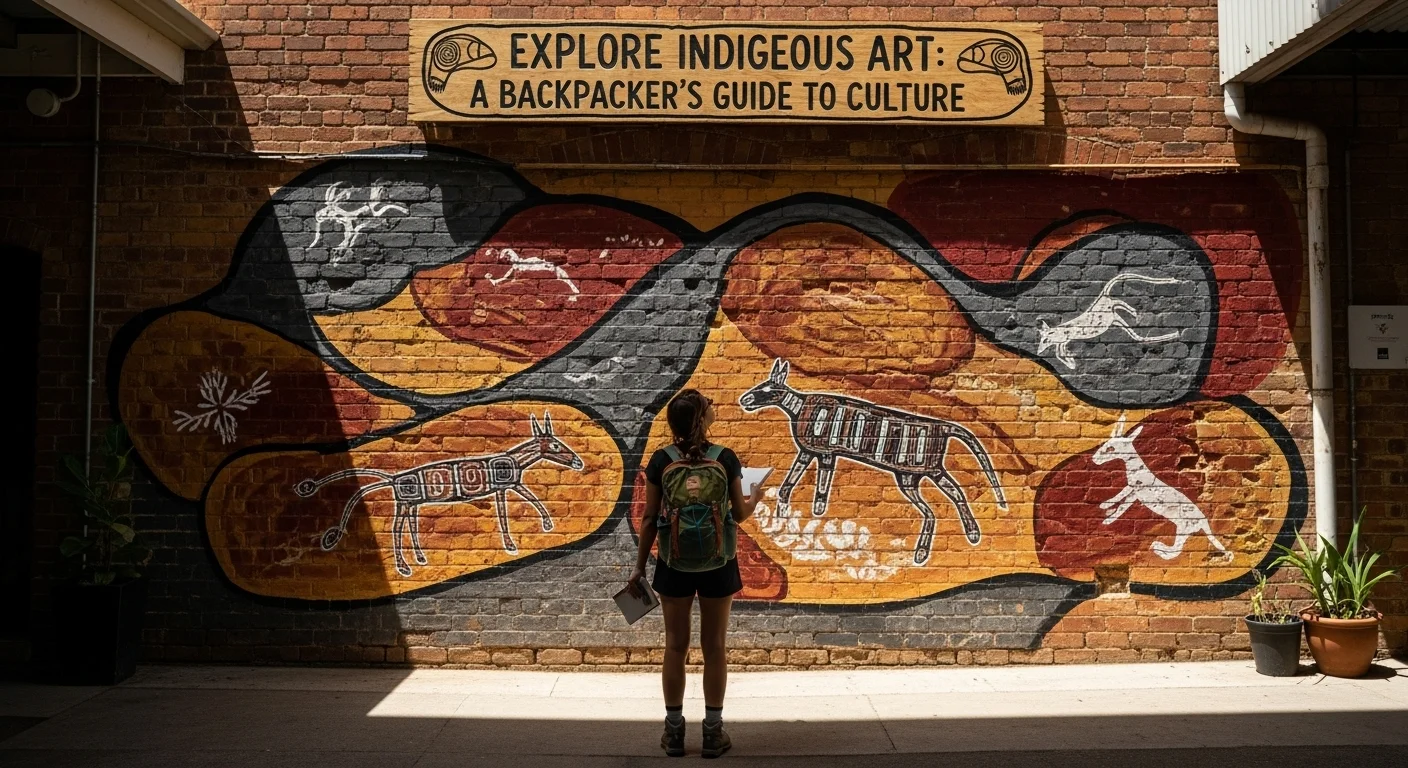
Explore Indigenous Art: A Backpacker’s Guide to Culture

Indigenous art is a vibrant expression of culture and history, inviting us to explore the stories and traditions of diverse communities. As a backpacker, immersing yourself in this art form can enrich your travel experience immeasurably. Read Interesting article: Experience Authenticity: Indigenous Cultures and Their Practices
Explore Indigenous Art: A Backpacker's Guide to Culture

Understanding Indigenous Art

Definition and Significance

Indigenous art encompasses a wide range of artistic expressions created by native peoples around the world. It reflects their cultural identities, histories, and spiritual beliefs. I remember my first encounter with Indigenous art; I was captivated by the colors and stories woven into each piece. This art serves not only as a visual spectacle but also as a powerful medium for storytelling, preserving traditions and history that have been passed down through generations.

The significance of Indigenous art lies in its ability to convey deep connections to the land, ancestors, and community. For instance, I learned that many Indigenous artists use their work to comment on contemporary issues, such as environmental challenges and social justice. This art is a reflection of resilience and a means of advocating for the rights and recognition of their cultures. It’s essential for us to approach this art with respect and understanding, acknowledging the stories behind each creation.

Different Forms of Indigenous Art

When I began to explore Indigenous art, I was amazed by the diversity of its forms. Each region has its unique styles, techniques, and materials. From the intricate beadwork of Native American tribes to the dot paintings of Aboriginal Australians, every piece tells a story. I remember visiting an art gallery in the Southwest U.S., where I saw stunning pottery made by Pueblo artisans. It was not just about beauty; each swirl and color had significance, reflecting the artist’s cultural heritage.

In my travels, I encountered various forms of Indigenous art, including:

  • Painting: Often using natural pigments, these works can be both traditional and contemporary, depicting everything from spiritual themes to everyday life.
  • Sculpture and Carving: This includes everything from wooden masks to stone carvings that often illustrate historical legends or important figures.
  • Textiles and Weaving: I’ve seen beautiful woven baskets and blankets that not only serve practical purposes but also showcase intricate designs that represent tribal symbols.
  • Beadwork: This is a prominent form of expression in many Indigenous cultures, where beads are used to create jewelry, clothing, and ceremonial items.

Historical Context and Evolution

To truly appreciate Indigenous art, it’s crucial to understand its historical context. Many Indigenous cultures have faced colonization, which has significantly impacted their artistic expressions. I remember learning about the struggles of the Native American tribes in the U.S. and how their art evolved as a form of resistance against assimilation. Artists began using traditional techniques to revitalize their heritage while also blending contemporary styles, creating a unique fusion that resonates today.

Throughout the years, Indigenous art has evolved, often reflecting the changing world around it. For instance, during my travels in Australia, I saw how Aboriginal artists are now using modern materials and techniques while still honoring their traditional practices. This evolution is a testament to the resilience of Indigenous cultures and their ability to adapt while maintaining their identity.

Moreover, the global appreciation for Indigenous art has surged in recent years, leading to more recognition and opportunities for Indigenous artists. I’ve noticed how art exhibitions and festivals dedicated to showcasing Indigenous art have become increasingly popular, providing a platform for artists to share their stories with a broader audience. Read Interesting article: A Guide to Indigenous Traditional Practices While Traveling

In my experience, understanding the historical context of Indigenous art enhances our appreciation of its beauty and significance. It’s not merely art for art’s sake; it’s a living expression of culture, history, and identity. By engaging with this art form, we can promote greater awareness and respect for Indigenous communities and their rich cultural heritage.

Key Indigenous Art Regions to Explore

North America

North America is rich in Indigenous art, with each tribal community offering unique styles and stories. I remember walking through a Native American reservation in Arizona, where I was mesmerized by the vibrant pottery and intricate woven baskets. The art was not just for display; it was a part of daily life and held deep cultural significance. From the Navajo rugs that tell tales of their ancestors to the totem poles of the Pacific Northwest that honor nature and heritage, there’s so much to discover. For me, visiting these communities and seeing the artists at work provided a deeper understanding of their traditions and the meanings behind their art.

Australia

Australia boasts a rich tapestry of Indigenous art, especially from the Aboriginal and Torres Strait Islander peoples. I was fortunate enough to witness a traditional dot painting workshop in the Northern Territory, where local artists shared their techniques and stories. The use of natural pigments and symbols reflects their deep connection to the land. I found it fascinating how these artworks often depict Dreamtime stories, which are vital to their culture. Exploring galleries and outdoor installations, I felt the powerful energy of the land infused in every piece, making it a must-visit for anyone interested in Indigenous art.

New Zealand

In New Zealand, the Māori culture is vibrant and alive, especially in their art forms. I vividly recall visiting a marae (a Māori community center) and being welcomed with a traditional pōwhiri ceremony. The intricate carvings and tukutuku (woven panels) in their meeting houses told stories of their ancestors and significant events. I learned that each carving has its own meaning, often representing genealogies and tribal history. The Māori are also known for their weaving techniques, which are both functional and artistic. Exploring this region opened my eyes to the beauty of their heritage and the importance of their art in contemporary society.

South America

South America is home to numerous Indigenous cultures, each with distinct artistic styles. I was lucky to travel through Peru, where I encountered the stunning textiles of the Quechua people. The vibrant colors and patterns of their weavings symbolize their connection to nature and their ancestors. I also found the pottery and metalwork of the Aymara and other tribes to be exceptional, each piece telling a unique story of the Andes. Visiting local markets allowed me to interact with artisans directly, learning about their techniques and the cultural significance of their crafts. This experience not only deepened my appreciation for their art but also connected me to their vibrant communities.

Africa

Africa’s Indigenous art is incredibly diverse, reflecting the continent’s rich cultural heritage. I remember visiting a village in Ghana, where I saw artisans creating beautiful kente cloth—a traditional woven fabric with intricate patterns. Each design has a specific meaning, often representing proverbs or historical events. I also had the chance to explore the wood carvings of the Makonde people from Tanzania, which often depict human figures and stories from their folklore. The experience of learning about the significance behind each piece made me realize how deeply intertwined art is with identity and community in Africa. There’s a sense of pride and history in every artwork that captures the heart of the culture.

Top Indigenous Art Styles and Techniques

Painting

Painting is a significant medium in Indigenous art across various regions. In my travels, I discovered that many artists use nature as their canvas, employing traditional techniques. For instance, Aboriginal dot painting employs tiny dots of color to create intricate designs that carry significant meaning. I remember watching an artist work on a large canvas, each dot telling a part of a larger story that connected to their Dreamtime. In North America, I saw how Indigenous artists blend traditional motifs with contemporary styles, creating a dynamic expression that feels both modern and rooted in heritage.

Weaving and Textiles

Weaving is another prominent form of Indigenous art that I found particularly fascinating. The techniques vary widely, from the intricate basket weaving of the Native American tribes to the colorful textiles of the Andean regions. I had the chance to try my hand at weaving during a workshop with Indigenous artisans in Bolivia, and I was amazed at the skill required to create even simple patterns. Each piece often tells a story or holds cultural significance, making the art not just functional but also a means of preserving heritage. The tactile quality and vibrant colors of these textiles added a beautiful depth to the art experience.

Carving and Sculpture

Carving and sculpture are powerful forms of expression in Indigenous art. I’ve seen stunning wooden sculptures in various cultures, each piece telling its own story. In New Zealand, Māori carvings often adorn their meeting houses and canoes, representing ancestors and tribal histories. I remember feeling a sense of reverence as I stood before a large carved figure that had stood for generations. In Africa, the intricate masks and sculptures carry significant cultural symbolism, often used in ceremonies or rituals. Experiencing these artworks in their cultural context really highlighted the deep connection between art and identity.

Beadwork and Jewelry

Beadwork is a highlight of Indigenous art for many communities. I recall a visit to a market in South Africa, where I was surrounded by colorful beaded necklaces and bracelets created by local artisans. Each piece is meticulously crafted, often carrying personal or cultural stories. In the Native American tradition, beadwork is not only decorative but also serves as a form of storytelling, reflecting the artist’s identity and heritage. I found it fascinating how such a small element could convey such deep meaning and connection to one’s culture.

Storytelling through Art

Storytelling is at the heart of Indigenous art, weaving narratives into every piece. Whether through painting, carving, or textiles, each artwork is imbued with stories of ancestors, the land, and cultural traditions. I’ve often experienced this firsthand, as artists share the tales behind their creations, adding layers of meaning that go beyond what meets the eye. This aspect of Indigenous art resonates deeply with me, as it invites us to connect, reflect, and appreciate the rich histories and experiences of different cultures. Read Interesting article: Budget Backpacking: Discover Traditional Indigenous Practices

When to Visit: Festivals and Events

Annual Art Festivals

One of the best ways to immerse yourself in Indigenous art is by attending festivals that celebrate this vibrant culture. I’ve had the privilege of participating in several annual art festivals, and each experience has been unforgettable. For instance, the Santa Fe Indian Market in New Mexico is a highlight for many artists and art lovers. It’s the largest gathering of Native American artists in the world, showcasing a range of art forms from pottery to painting. Walking through the market, I felt the excitement in the air, with artists proudly presenting their work and sharing their stories with visitors. I recommend setting aside time to attend workshops and panel discussions, where you can learn directly from the artists.

Another festival that left a lasting impression on me is the Indigenous Peoples’ Day celebration in various cities across North America. These events often feature art exhibitions, performances, and cultural activities that highlight Indigenous contributions to society. Participating in such festivals not only deepens your understanding of Indigenous art but also connects you with the community in a meaningful way.

Local Market Days

Visiting local markets is another fantastic way to engage with Indigenous art. I remember stumbling upon a market in a small town in Canada, where local artisans displayed their handmade crafts. The energy of the market was contagious, and I found myself drawn to the vibrant beadwork, stunning textiles, and unique sculptures. Engaging with the artists directly allowed me to appreciate the stories and techniques behind their work. Many of these markets take place weekly or monthly, so it’s worth checking the local schedule when you’re traveling.

What I loved most was the sense of community at these markets. You could see families working together, passing down skills and traditions. It felt like a living museum, where art and culture were not just on display but actively practiced and celebrated. I encourage you to take your time at these markets, converse with the artisans, and perhaps even ask if you can watch them work. This interaction adds a personal touch to your experience and supports the local economy.

Special Exhibitions and Shows

Throughout the year, many galleries and cultural institutions host special exhibitions focused on Indigenous art. I recently attended an exhibition featuring contemporary Indigenous artists in a prominent gallery, and it was a transformative experience. The pieces on display challenged my perceptions and showcased the diverse voices within Indigenous communities. I was particularly struck by how these artists integrated traditional themes with modern techniques, creating works that felt both timeless and relevant.

These exhibitions often include artist talks and guided tours, which can enhance your understanding of the artwork. I found that listening to the artists discuss their inspirations and processes brought new layers of meaning to the pieces. It’s a wonderful opportunity to gain insights into their cultural backgrounds and the issues they address through their art. I recommend keeping an eye on local galleries and cultural centers for upcoming exhibitions, as they can provide a more profound connection to the art and its creators.

Where to Experience Indigenous Art

Museums and Galleries

Museums and galleries dedicated to Indigenous art are treasure troves of knowledge and inspiration. I’ve visited several museums that focus on Indigenous cultures, and each one offered a unique perspective on history and contemporary issues. The National Museum of the American Indian in Washington, D.C., is a standout for its vast collection of art and artifacts. I spent hours wandering through the exhibits, marveling at the diversity of cultures and the artistry on display. What struck me most was how the museum emphasized storytelling, allowing visitors to connect personally with the histories represented through art.

Another memorable experience was at the Auckland Art Gallery in New Zealand, which features a significant collection of Māori art. The exhibits are thoughtfully curated, showcasing both traditional and contemporary works. I remember being captivated by the way the gallery integrated Māori narratives into its presentations, enriching my understanding of the cultural significance of the pieces. If you’re traveling, I recommend researching museums and galleries in your destination to ensure you don’t miss out on these invaluable experiences.

Cultural Centers

Cultural centers often serve as a hub for Indigenous arts and education. I discovered a cultural center in a small community that offered workshops, performances, and art exhibitions. It was an incredible way to experience Indigenous culture firsthand. I participated in a pottery class led by a local artisan, who shared stories about the techniques and materials used in their work. The sense of connection I felt to the community was profound, and it highlighted how art is intertwined with daily life.

Visiting cultural centers also often leads to opportunities for deeper engagement. I’ve found that many of them host events like storytelling nights, traditional dance performances, and art shows. These events provide a platform for Indigenous voices and create a welcoming space for visitors to learn and appreciate the culture. Make sure to check out local calendars for any events happening during your visit.

Art Studios and Workshops

If you’re looking to get hands-on with Indigenous art, visiting art studios and participating in workshops is a fantastic option. I remember taking a carving workshop with a local Indigenous artist, who not only taught us techniques but also shared the cultural significance behind the motifs we were working on. It was an enriching experience to learn from someone who carries the traditions of their ancestors. I left with a newfound respect for the artistry involved and a piece I created that I still cherish today.

These workshops are often tailored for all skill levels, so don’t worry if you’re a beginner. What matters is the willingness to learn and engage with the culture. I highly recommend seeking out these opportunities; they create lasting memories and connections that can enhance your understanding of Indigenous art.

Outdoor Installations and Land Art

Outdoor installations and land art present a unique way to experience Indigenous art in its natural context. I encountered breathtaking examples during a hike in a national park that featured installations created by Indigenous artists. The pieces were designed to blend harmoniously with the landscape, often incorporating natural materials and reflecting the cultural significance of the land. Walking among these installations allowed me to appreciate the connection between art, nature, and Indigenous beliefs.

These outdoor experiences often spark conversations about environmental stewardship and cultural preservation. I felt a sense of responsibility to reflect on my own relationship with nature as I engaged with the art. Searching for outdoor installations or public art projects during your travels can lead to unexpected discoveries and a deeper appreciation for Indigenous perspectives on land and community.

Frequently Asked Questions

What is Indigenous art?

Indigenous art is a vibrant expression of culture and history created by native peoples around the world. It reflects their cultural identities, histories, and spiritual beliefs, serving as a powerful medium for storytelling and preserving traditions.

Why is Indigenous art significant?

The significance of Indigenous art lies in its ability to convey deep connections to the land, ancestors, and community. It often addresses contemporary issues such as environmental challenges and social justice, advocating for the rights and recognition of Indigenous cultures.

What are some forms of Indigenous art?

Indigenous art encompasses various forms, including painting, sculpture and carving, textiles and weaving, and beadwork. Each form showcases unique techniques and materials specific to different Indigenous cultures.

How has Indigenous art evolved over time?

Indigenous art has evolved in response to colonization and contemporary influences, with artists blending traditional techniques with modern styles. This evolution demonstrates the resilience of Indigenous cultures and their ability to adapt while maintaining their identity.

What regions are known for their Indigenous art?

Key regions known for Indigenous art include North America, Australia, New Zealand, South America, and Africa, each offering unique artistic styles and cultural narratives.

What role do festivals play in experiencing Indigenous art?

Festivals celebrate Indigenous art and culture, providing opportunities to engage with artists, attend workshops, and learn about the community’s contributions. Events like the Santa Fe Indian Market and Indigenous Peoples’ Day highlight the vibrancy of Indigenous art.

How can I personally engage with Indigenous art?

You can engage with Indigenous art by visiting local markets, attending art festivals, participating in workshops, and exploring cultural centers. These experiences allow for direct interaction with artists and a deeper understanding of their work.

What are some key techniques used in Indigenous art?

Key techniques in Indigenous art include painting—such as Aboriginal dot painting, weaving, carving, and beadwork. Each technique carries cultural significance and tells a story related to the artist’s heritage.

Where can I find Indigenous art exhibitions?

Indigenous art exhibitions can be found in museums, galleries, and cultural centers. These venues often host special exhibits, artist talks, and workshops that provide insights into Indigenous cultures and contemporary issues.

What is the importance of storytelling in Indigenous art?

Storytelling is central to Indigenous art, as it weaves narratives into each piece. Artists share stories of ancestors, the land, and cultural traditions, inviting viewers to connect and reflect on the rich histories represented in the artwork.

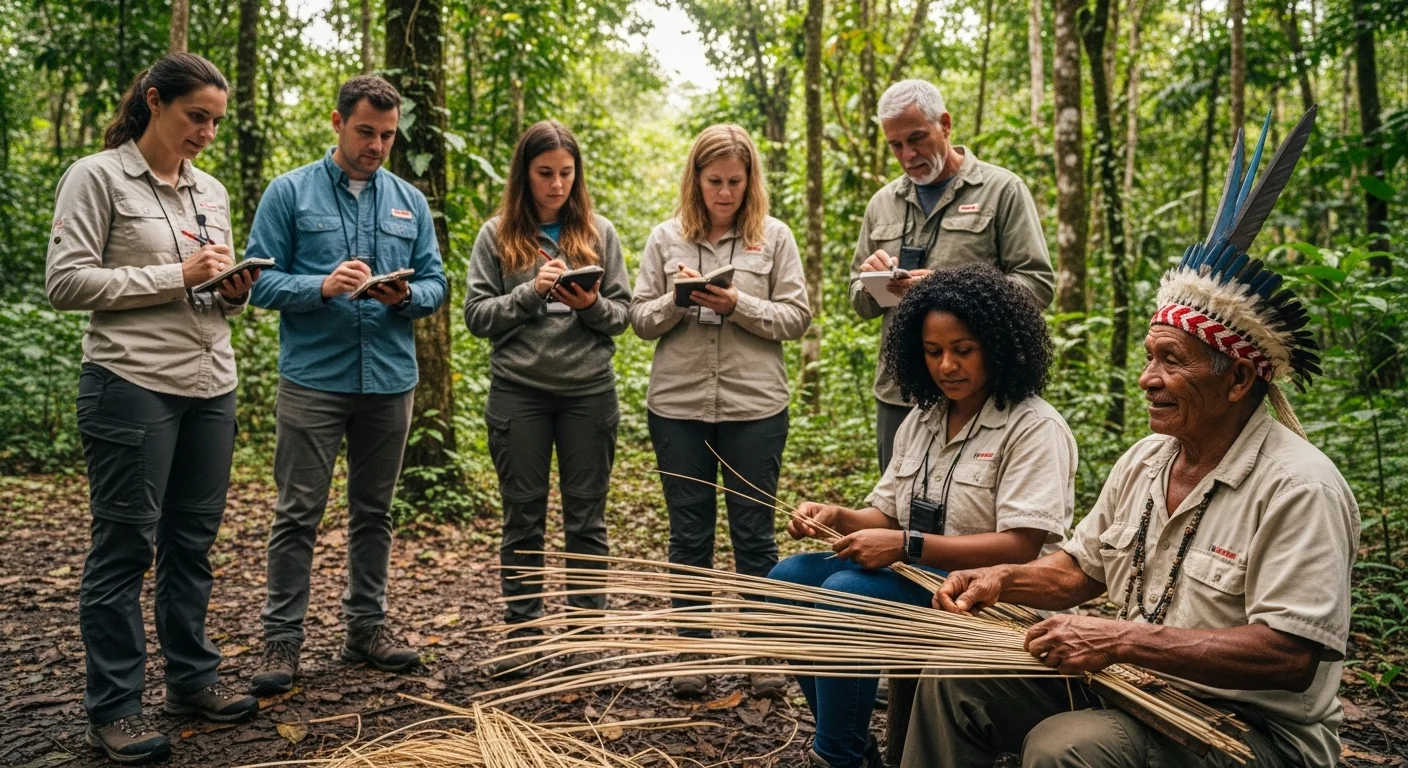
Experience Authenticity: Indigenous Cultures and Their Practices

Exploring Indigenous cultures is like stepping into a vibrant world filled with rich histories, profound beliefs, and unique practices. In this journey, we experience authenticity in ways that connect us deeply to our shared humanity. Read Interesting article: Explore Indigenous Cultures: Traditional Practices Uncovered

Experience Authenticity: Indigenous Cultures and Their Practices

Understanding Indigenous Cultures

Definition and Importance of Indigenous Cultures

Indigenous cultures refer to the traditions, practices, and beliefs of the original inhabitants of a region. These cultures hold immense importance as they represent a vast repository of knowledge, history, and spirituality. For me, learning about these cultures feels like tapping into the roots of humanity itself. They offer insights into how communities have thrived in harmony with nature for centuries, preserving wisdom that can guide us in today’s rapidly changing world.

One thing I’ve noticed is that Indigenous cultures emphasize the interconnectedness of all life. This perspective is often starkly different from the more individualistic views prevalent in many modern societies. By understanding Indigenous practices, we can appreciate not only their unique contributions but also the valuable lessons they offer regarding sustainability, community, and reverence for the earth. Read Interesting article: Backpacking Through Indigenous Cultures: A Traveler’s Guide

Historical Context of Indigenous Peoples

Looking back at history, I realize that Indigenous peoples have faced immense challenges, particularly through colonization. The arrival of European settlers drastically altered their ways of life, often leading to displacement and cultural erasure. I remember reading about how Indigenous communities fought hard to retain their traditions despite these overwhelming pressures. Their resilience is truly inspiring.

Throughout history, many Indigenous groups have been subjected to oppression and marginalization, which has led to a struggle for recognition and rights. Understanding this historical context helps put into perspective the ongoing challenges that Indigenous communities face today. It’s a reminder of the importance of listening to their experiences and honoring their voices as we engage with their cultures.

Geographical Distribution of Indigenous Cultures

Indigenous cultures are found all around the globe, from the Arctic to the Amazon, each with its distinct practices and traditions. I’ve always been fascinated by the diversity of these cultures, such as the Navajo in North America, the Maori in New Zealand, and the Sami in Northern Europe. Each group has unique stories and ways of understanding the world, shaped by their specific environments.

For instance, I learned about the Inuit’s incredible adaptation to the Arctic climate, which includes practices like hunting seals and utilizing every part of the animal for survival. In contrast, the lush rainforests of the Amazon house the Yanomami, whose relationship with the land is deeply spiritual and intertwined with their identity. This geographical diversity highlights how Indigenous cultures have evolved in response to their surroundings, creating a rich tapestry of human expression.

Core Practices of Indigenous Cultures

Spiritual Beliefs and Practices

One of the most profound aspects of Indigenous cultures is their spiritual beliefs and practices. I’ve found that these beliefs often emphasize a strong connection to nature, which is something I truly resonate with. Many Indigenous groups view the earth as a living being, deserving of respect and care. This approach has led me to reflect on my own relationship with nature, urging me to cultivate a deeper appreciation for the environment.

Connection to Nature

In many Indigenous cultures, nature is not merely a backdrop for human activity but a vital part of their community and identity. I remember attending a ceremony where participants spoke about the spirit of the trees and the wisdom of the rivers. It was a beautiful reminder that we are part of a larger ecosystem. This connection to nature manifests in various practices, from seasonal rituals to sustainable hunting and gathering methods that honor the earth.

Rituals and Ceremonies

Rituals play a significant role in Indigenous cultures, marking important life events and seasonal changes. I’ve been lucky enough to witness some of these ceremonies firsthand, and they are unlike anything I’ve experienced. The way communities come together to celebrate births, marriages, and even the changing of seasons is incredibly moving. These rituals often involve music, dance, and storytelling, all of which strengthen community bonds and reinforce shared values.

Traditional Arts and Crafts

Another aspect of Indigenous cultures that captivates me is their traditional arts and crafts. Each piece often tells a story, whether it’s through intricate weaving, beautiful pottery, or stunning sculptures. I remember visiting a gallery that showcased Indigenous art; each piece seemed to breathe the history and culture of its maker.

Weaving and Textiles

Weaving is a significant practice in many Indigenous cultures, often using materials sourced from their environment. I was amazed to learn that each pattern has meaning, reflecting aspects of life, history, or spirituality. It’s a form of storytelling that transcends language, allowing me to connect with the artist’s heritage in a profound way.

Pottery and Sculpture

Similarly, pottery and sculpture serve as vital expressions of cultural identity. In a workshop I attended, an artisan shared how the designs on pots are inspired by ancestral knowledge. This connection to the past made me appreciate the thought and care put into every creation. These art forms not only serve practical purposes but also act as vessels for cultural continuity.

Indigenous Music and Dance

Music and dance are integral to Indigenous cultures, often used in ceremonies and storytelling. I’ve found that they can convey emotions and histories that words sometimes fail to express. The rhythm, movement, and melody create a powerful connection to the past and the community.

Instruments Used in Indigenous Music

Instruments vary widely among cultures, from drums to flutes, each with its significance. I recall hearing the haunting sound of a Native American flute, which transported me to another time and place. The way these instruments are crafted is often steeped in tradition, with specific materials and techniques passed down through generations.

Significance of Dance in Ceremonies

Dance is another vibrant expression of culture, often performed during rituals. I’ve watched dancers adorned in traditional attire, their movements telling stories of their ancestors and the natural world. The energy in the air during these performances is palpable, reminding me of the collective spirit that binds the community together.

Language and Storytelling

The Role of Language in Culture

Language is a fundamental aspect of any culture, and I’ve come to appreciate how Indigenous languages carry deep meanings and connections to the land and community. Each language is not just a means of communication but also holds a unique worldview that shapes how speakers perceive their environment. I remember visiting a workshop where elders shared their language with younger members, emphasizing the importance of passing down not just words but the values and stories intertwined with them.

In many cases, Indigenous languages are rich with words for natural elements and phenomena that may be absent in dominant languages. For instance, I learned about the many words the Inuit have for snow, each describing a different type or condition. This reflects their relationship with the land and highlights how language helps define cultural identity. I believe that when we honor and learn about Indigenous languages, we also honor the cultures and histories they represent.

Oral Traditions and Storytelling Practices

Storytelling has been a core practice in Indigenous cultures for generations. I’ve seen firsthand how these narratives are not just entertainment; they are vital tools for teaching and preserving history. I recall sitting around a fire, captivated by an elder sharing stories that intertwined lessons about respect for nature, community values, and ancestral wisdom. Each tale seemed to transport me to another time, allowing me to experience the world through their eyes.

Oral traditions often involve a rich tapestry of myth, history, and moral lessons. I’ve found that these stories serve to strengthen community bonds and ensure that younger generations remain connected to their heritage. Participating in these storytelling moments made me realize how powerful narratives can be in maintaining cultural identity in the face of adversity.

Preservation of Indigenous Languages

As I’ve explored Indigenous cultures, I became increasingly aware of the challenges facing Indigenous languages today. Many of them are endangered due to colonization, modernization, and the dominance of global languages. I remember reading about initiatives where communities actively work to revitalize their languages through education and cultural programs. It’s inspiring to see young people learning their ancestral languages and using them in everyday life.

I’ve also come across resources like language apps and community classes that aim to bridge the generational gap. Engaging with these efforts feels crucial not just for preserving a language, but for keeping the culture alive. I think that supporting Indigenous language preservation is key to honoring the rich heritage that these communities embody. Read Interesting article: Experience Authentic Indigenous Cultures While Backpacking

Food and Traditional Recipes

Significance of Traditional Foods

Food is often at the heart of any culture, and Indigenous cuisines are no exception. I’ve discovered that traditional foods are not just about sustenance; they are deeply tied to identity, history, and the land. Learning about Indigenous foods has opened my eyes to the way these communities use their local resources to create meals that are both nutritious and culturally significant.

For many Indigenous people, food is a way of maintaining a connection to their ancestors and their land. I remember visiting a community event where people shared dishes made from locally sourced ingredients. Each dish had a story, whether it was about the harvest, the seasons, or family traditions, and it reminded me of the power of food as a cultural expression.

Common Ingredients in Indigenous Cuisine

As I explored different Indigenous cuisines, I became fascinated by the ingredients that are staples in various cultures. Many Indigenous diets are based on what is available in their specific environments. For example, I learned that the Navajo people utilize corn, beans, and squash—often referred to as the “Three Sisters”—which hold significant nutritional and cultural value. Similarly, I discovered how the Inuit rely heavily on fish and game, utilizing every part of the animal in their cooking.

Seeing how these ingredients are woven into everyday meals made me appreciate the resourcefulness and respect for nature inherent in Indigenous food traditions. I’ve tried my hand at preparing some of these traditional dishes, and each recipe has been a small yet meaningful way to connect with these cultures.

Popular Indigenous Dishes and Recipes

Through my exploration, I stumbled upon some incredible Indigenous dishes that I think everyone should try. One of my favorites is frybread, which has a rich history and varies from region to region. I remember attending a powwow where frybread was served in various forms, from sweet to savory, and it was delicious! Each piece of frybread seemed to come with a story, often linked to the community’s history of resilience.

Another dish that caught my attention is the traditional salmon bake practiced by coastal Indigenous peoples. I was fortunate enough to witness this method of cooking, where salmon is grilled over an open flame. The experience was not only about the food but also about the gathering of community, sharing stories, and honoring the fish as a vital part of their culture.

Every dish I’ve encountered in my journey has been infused with meaning, reflecting the deep connections between food, land, and culture. I believe that by appreciating and trying these traditional foods, we can gain a better understanding of Indigenous cultures and foster respect for their culinary heritage.

Challenges Faced by Indigenous Communities

Colonization and Its Impact

One of the most significant challenges Indigenous communities face today stems from the long-lasting effects of colonization. I’ve learned that colonization didn’t just change the physical landscape; it also altered the very fabric of Indigenous societies. The imposition of foreign governance and systems disrupted traditional ways of life, leading to loss of land, resources, and cultural practices. I remember reading stories of resilience, where communities fought against these changes to preserve their cultural heritage, but the scars of colonization are still evident today.

For instance, many Indigenous groups have been stripped of their ancestral lands. This loss isn’t just about territory; it’s about losing a vital connection to their identity and history. I was particularly moved by accounts of Indigenous nations who are actively working to reclaim their land and revive their cultural practices. Their determination is a testament to their strength and the importance of land in their spiritual and cultural beliefs. I feel that understanding this history is crucial for anyone looking to engage with Indigenous cultures authentically.

Modernization and Cultural Erosion

As I explored further, I realized that modernization poses another significant threat to Indigenous cultures. Rapid technological advancements and globalization have introduced new lifestyles that sometimes overshadow traditional practices. I’ve seen how young people in some Indigenous communities, influenced by modern media and urbanization, may drift away from their cultural roots. This shift can lead to a kind of cultural erosion where unique languages, traditions, and knowledge systems are at risk of disappearing.

During a visit to a community center, I spoke with youth who expressed a desire to reconnect with their heritage. They shared how they felt caught between traditional ways and the pressures of contemporary life. It was eye-opening for me to witness their efforts to blend the old with the new, creating art and music that reflects both worlds. I believe that this kind of cultural fusion can be a powerful way to keep traditions alive while also embracing change. Still, it’s essential to support these communities in their efforts to maintain their unique identities amidst the tide of modernization.

Land Rights and Environmental Issues

Land rights are another pressing issue for Indigenous peoples, closely tied to their cultural survival. I’ve learned that many Indigenous communities are on the front lines of environmental struggles, advocating for their right to land and natural resources. The fight against extractive industries—such as mining, logging, and oil drilling—often leads to direct confrontations with government and corporate interests. I found it deeply concerning to learn how these actions not only threaten the environment but also undermine the cultural practices tied to the land.

For example, I read about the struggle of the Standing Rock Sioux Tribe against the Dakota Access Pipeline. This movement was a powerful reminder of how Indigenous peoples are often at the forefront of environmental activism. Their connection to the land is not just about ownership; it’s about stewardship and respect for the earth. I was inspired by the unity and determination shown by Indigenous communities advocating for their rights, not just for themselves but for future generations as well.

As I reflect on these challenges, I realize that supporting Indigenous rights and environmental justice is crucial. I believe that we all have a role to play in amplifying Indigenous voices and standing in solidarity with their efforts. We can educate ourselves about their struggles and advocate for policies that respect their rights and cultures. It’s a vital step towards fostering a more just and equitable world, one where Indigenous communities can thrive and preserve their rich cultural heritage.

How to Experience Indigenous Cultures Authentically

Participating in Cultural Events and Festivals

One of the best ways to engage with Indigenous cultures is by participating in cultural events and festivals. I remember attending a local powwow, where I was welcomed into a vibrant celebration of dance, music, and food. It was a beautiful opportunity to witness the richness of Indigenous cultures firsthand. I felt honored to be part of such a significant event, where the community came together to share traditions and stories.

These events often showcase traditional performances, arts, and crafts, and they provide a chance to connect with community members. I’ve learned that attending these gatherings with an open heart and mind fosters respect and understanding. It’s essential to approach these experiences with humility, recognizing that we are guests in their cultural spaces. I recommend taking the time to learn about the significance of the events and the stories behind the practices, as it deepens the experience.

Visiting Indigenous Communities Responsibly

When it comes to visiting Indigenous communities, I think it’s vital to do so with a respectful mindset. My experiences have taught me that building relationships based on trust and mutual respect is key. Before visiting, I always make sure to educate myself about the culture, history, and current challenges facing the community. I appreciate how many communities offer guided tours or experiences led by Indigenous people, which can provide invaluable insights.

For instance, I recall visiting a community where an elder shared stories about their history and traditions. This personal connection made the experience much more meaningful than a typical tourist visit. I believe that by supporting Indigenous-led tourism, we can contribute positively to their economies while also learning about their way of life. It’s a win-win that promotes cultural exchange and understanding.

Supporting Indigenous Artisans and Businesses

Another impactful way to engage with Indigenous cultures is by supporting Indigenous artisans and businesses. I’ve found that purchasing handmade crafts, art, and food directly from Indigenous creators not only helps sustain their livelihoods but also fosters cultural preservation. I remember visiting a market where artisans showcased their work, each piece telling a unique story of their culture and heritage.

By choosing to buy from Indigenous businesses, we show appreciation for their craftsmanship and encourage the continuation of traditional practices. I feel it’s important to approach this support with authenticity; understanding the significance behind the art and respecting the cultural heritage it represents enhances the experience. I’ve learned that when we support Indigenous artisans, we become part of a larger movement to honor and celebrate these incredible cultures.

Frequently Asked Questions

What are Indigenous cultures?

Indigenous cultures refer to the traditions, practices, and beliefs of the original inhabitants of a region. They hold immense importance as they represent a vast repository of knowledge, history, and spirituality.

How do Indigenous cultures emphasize interconnectedness?

Indigenous cultures emphasize the interconnectedness of all life, often contrasting with the more individualistic views prevalent in many modern societies. This perspective offers valuable lessons regarding sustainability, community, and reverence for the earth.

What historical challenges have Indigenous peoples faced?

Indigenous peoples have faced immense challenges, particularly through colonization, which altered their ways of life, leading to displacement and cultural erasure. They have struggled for recognition and rights while fighting to retain their traditions.

Where can Indigenous cultures be found?

Indigenous cultures are found all around the globe, from the Arctic to the Amazon, each with distinct practices and traditions shaped by their specific environments, such as the Navajo in North America and the Maori in New Zealand.

What role do rituals and ceremonies play in Indigenous cultures?

Rituals and ceremonies mark important life events and seasonal changes, often involving music, dance, and storytelling. They strengthen community bonds and reinforce shared values.

How is language significant in Indigenous cultures?

Language is fundamental to Indigenous cultures as it carries deep meanings and connections to the land and community. Indigenous languages often include unique words for natural elements, reflecting the speakers’ relationship with their environment.

What challenges do Indigenous languages face today?

Many Indigenous languages are endangered due to colonization, modernization, and the dominance of global languages. Communities are working to revitalize their languages through education and cultural programs to preserve their heritage.

How do traditional foods relate to Indigenous cultures?

Traditional foods are deeply tied to Indigenous identity, history, and the land. They reflect a connection to ancestors and local resources, with each dish often carrying cultural significance and stories.

What impact has colonization had on Indigenous communities?

Colonization has led to the loss of land, resources, and cultural practices, disrupting traditional ways of life. The scars of colonization are still evident, but many communities continue to fight to preserve their cultural heritage.

How can individuals experience Indigenous cultures authentically?

Individuals can engage authentically with Indigenous cultures by participating in cultural events and festivals, visiting Indigenous communities responsibly, and supporting Indigenous artisans and businesses, fostering respect and understanding.

A Guide to Indigenous Traditional Practices While Traveling

Traveling is not just about seeing new places; it’s about connecting with diverse cultures. When exploring Indigenous communities, understanding traditional practices is essential to fostering respect and appreciation. For more insights, check out Budget Backpacking: Discover Traditional Indigenous Practices.

A Guide to Indigenous Traditional Practices While Traveling

Understanding Indigenous Cultures

What are Indigenous Peoples?

Indigenous peoples are the original inhabitants of a region, often with distinct languages, cultures, and traditions. They have rich histories that predate colonial influences and continue to thrive today, despite facing numerous challenges. I’ve always been fascinated by how these communities maintain their identity while navigating a rapidly changing world. Each Indigenous group has its unique customs, stories, and relationships with the land, which can be deeply insightful for travelers like us.

Significance of Traditional Practices

Traditional practices among Indigenous peoples are not merely relics of the past; they’re vibrant expressions of identity, spirituality, and community. When I first learned about the significance of rituals and ceremonies, I realized how deeply intertwined they are with the natural world and collective memory. For example, many Indigenous cultures see the land as a living entity, deserving of respect and care. This perspective influences their practices, from hunting and gathering to storytelling and art. By engaging with these traditions, we not only enrich our travel experiences but also contribute to their preservation and appreciation. To learn more about these traditions, you can Explore Indigenous Cultures: Traditional Practices Uncovered.

Planning Your Trip: Engaging Responsibly

Researching Indigenous Communities

Before embarking on a journey to Indigenous lands, I recommend doing thorough research. Understanding the specific community’s history, culture, and current issues is crucial. I remember planning a trip to the Southwest U.S. and taking time to learn about the Navajo Nation. I found it enlightening to understand their struggles and triumphs, which helped me appreciate their culture more deeply. Many communities have websites or social media pages where they share news and events, making it easier to connect and learn.

Understanding Cultural Sensitivity

Cultural sensitivity is vital when traveling to Indigenous areas. I’ve observed that what might seem ordinary to us can be sacred to others. For instance, I once visited a site significant to a tribe’s spiritual beliefs and learned that certain areas were off-limits to visitors. Respecting these boundaries is part of being a responsible traveler. I believe it’s essential to listen, observe, and ask questions when appropriate. This approach helps us build trust and rapport with the community.

Choosing Ethical Tour Operators

With so many tour options available, selecting ethical operators is key to ensuring your visit benefits the community. I’ve found that local guides often provide the best insights, as they have a personal connection to the land and its stories. When I traveled to a tribal reservation, I chose a tour guided by a member of the tribe. This choice not only supported the local economy but also offered me an authentic experience that a standard tour couldn’t provide. Look for operators who are transparent about their practices and give back to the communities they represent.

Traditional Practices to Experience

Spiritual Ceremonies and Rituals

One of the most enriching experiences I’ve had while traveling was participating in a traditional ceremony. I was invited to a sweat lodge ceremony led by an Indigenous elder. The experience was deeply moving, filled with prayers, songs, and storytelling. I learned that such ceremonies are often meant for healing and connection, both with oneself and the community. If you’re fortunate enough to be invited to such events, approach them with respect and an open heart, understanding their significance.

Traditional Arts and Crafts

Exploring Indigenous arts and crafts has always been a passion of mine. I remember visiting a local artisan who created beautiful pottery using ancient methods. It was fascinating to see how she incorporated traditional designs that had been passed down through generations. Supporting these artisans not only allows us to take home unique souvenirs but also helps preserve their culture. I’ve collected several pieces over the years, each one telling a story that connects me to the land and its people.

Local Culinary Traditions

Food is a universal language, and trying local dishes can be a delightful way to connect with Indigenous cultures. I recall tasting traditional dishes made from ingredients sourced directly from the land, like wild game and native plants. Each meal was not just about sustenance; it was a way to honor the earth and the community’s history. I encourage everyone to seek out Indigenous culinary experiences, whether through community feasts or local restaurants that highlight traditional recipes. Additionally, for those looking for unique travel opportunities, check out Affordable Indigenous Pilgrimages: A Traveler’s Guide.

Storytelling and Oral Histories

Storytelling is a powerful tradition among Indigenous peoples. I have always been captivated by the stories shared around the fire, where elders recount tales of their ancestors, the land, and the natural world. These narratives often carry lessons, morals, and a sense of belonging. I’ve learned that listening attentively to these stories fosters a deeper understanding of the culture and creates a bond with the storyteller. Whenever I travel, I make it a point to seek out opportunities for storytelling, as they enrich my journey immeasurably.

Key Locations for Indigenous Experiences

National Parks with Indigenous Significance

One of the most impactful ways to engage with Indigenous cultures is through national parks that hold deep significance to these communities. I remember visiting Glacier National Park in Montana, where I learned about the Blackfeet Nation’s connection to the land. The mountains and lakes are not just beautiful; they are sacred sites filled with stories and history. I recommend taking guided tours led by Indigenous people who can share their perspective on the land’s significance. It’s a powerful experience to stand in a place that has been revered for generations, and it helps to deepen our appreciation for both nature and Indigenous traditions.

Indigenous Cultural Centers and Museums

Visiting cultural centers and museums is another enriching way to learn about Indigenous histories and traditions. During a trip to the Pacific Northwest, I explored the Museum of the American Indian in Washington, D.C., and I was amazed by the artifacts and exhibits that showcased the diversity of Indigenous cultures throughout North America. These spaces often feature art, music, and storytelling that reflect the community’s values and teachings. I felt a sense of responsibility to support these institutions as they play a crucial role in preserving and sharing Indigenous narratives. I encourage travelers to spend time in these spaces, as they can serve as a bridge to understanding and appreciating the cultures we are visiting.

Festivals Celebrating Indigenous Heritage

Attending festivals celebrating Indigenous heritage is a vibrant way to immerse yourself in the culture. I had the joy of experiencing the Gathering of Nations Powwow in Albuquerque, New Mexico, and it was nothing short of breathtaking. The colors, music, and dance were alive with energy and meaning. Each performer shared their unique story through their dance and attire, and I felt honored to witness it. Festivals like these not only showcase the beauty of Indigenous traditions but also foster a sense of community and pride. They provide an opportunity for us to engage respectfully and learn firsthand about the customs and values that shape these cultures.

Respecting Indigenous Customs While Traveling

Dress Code and Attire Recommendations

When visiting Indigenous communities, I’ve learned that being mindful of dress code is important. Traditional clothing often holds significant meaning, and wearing it without understanding its context can be seen as disrespectful. I remember choosing my outfits carefully during my travels, opting for modest clothing that respected local customs. I believe it’s best to err on the side of conservatism, especially in ceremonial spaces or during community events. If you’re unsure, I recommend asking locals about appropriate attire or checking community guidelines. This small consideration can go a long way in showing respect.

Photography Etiquette

Photography is another area where respect is crucial. I’ve found that some Indigenous communities have strict guidelines regarding photography, especially during ceremonies or in sacred spaces. I recall a moment when I was photographing a beautiful landscape that held cultural significance, and I noticed a sign asking for no photography. I immediately put my camera away. It’s essential to ask for permission before taking photos of people or ceremonies, as it ensures that we honor their privacy and the sacredness of their practices. Respecting these boundaries not only protects the community’s customs but also enriches our understanding of their world.

Participating vs. Observing

There’s often a fine line between participating and observing in Indigenous communities. During my travels, I’ve learned that being a respectful observer is sometimes the best approach, especially in ceremonies or events that are meant for community members. I remember attending a gathering where I was invited to observe but chose not to participate in certain rituals, as I felt it was important to honor the space and let the community engage fully. If you’re ever in doubt, I recommend asking beforehand. This approach can create trust and respect, allowing us to engage in meaningful and authentic ways.

Engaging with Indigenous Communities

Volunteering Opportunities

Volunteering in Indigenous communities can be an impactful way to give back and engage meaningfully. I once participated in a community garden project on a reservation, and it was an eye-opening experience. I learned about the importance of traditional farming practices and their connection to food sovereignty. The relationships I built with community members were invaluable, and it felt rewarding to contribute to a project that supported their goals. If you’re considering volunteering, look for programs that prioritize community needs and values. This way, you’re participating in a way that is genuinely beneficial to the community.

Support Local Economies through Responsible Tourism

Supporting local economies is another essential aspect of engaging with Indigenous communities. I’ve always made it a point to seek out locally-owned businesses, whether it’s dining at Indigenous-run restaurants or purchasing crafts directly from artisans. I remember visiting a small shop where a woman sold beautifully woven baskets, each telling a story of her family’s history. By purchasing directly from creators, we help sustain their livelihoods and encourage the continuation of their traditions. I believe that responsible tourism can empower communities, allowing them to thrive while sharing their culture with us.

Building Genuine Relationships

Building genuine relationships with Indigenous communities can lead to rewarding experiences. I’ve found that taking the time to connect with individuals, learning their stories, and showing a sincere interest in their culture opens many doors. I remember having a heartfelt conversation with a local elder who shared wisdom about the land and its history. These moments of connection have enriched my travels in ways I never expected. I encourage everyone to approach these relationships with humility, respect, and an open heart. When we engage authentically, we not only learn but also contribute to a mutual exchange of knowledge and respect.

Safety and Comfort Considerations

Health and Safety Tips

When visiting Indigenous communities, I’ve learned that being mindful of health and safety is crucial for a positive experience. For instance, many rural areas may not have access to the same medical facilities we might expect in urban settings. I always make sure to pack a basic first-aid kit with essentials like band-aids, antiseptic wipes, and any personal medications I might need. It’s also wise to stay informed about the nearest healthcare facilities in case of emergencies. During one trip, I encountered a minor injury while hiking, and I was grateful to have my kit on hand.

Additionally, I’ve found that understanding local health practices can be helpful. Some Indigenous communities may have traditional healing practices that are different from what we are used to. I remember meeting a medicine person who shared insights about the healing properties of local plants. This experience opened my eyes to alternative approaches and enhanced my respect for their traditions. Always be open to learning while prioritizing your health and safety.

Transportation Options in Indigenous Regions

Navigating transportation can vary significantly when visiting Indigenous lands. I’ve found that rental cars can be a great option for more remote areas, as public transportation may be limited. During my travels, I often rely on maps and GPS, but I also recommend getting familiar with the local roads and conditions, especially if you’re exploring national parks or reservations.

On one memorable trip, I opted for a guided tour that included transportation. It was not only convenient, but the guide also shared valuable stories along the way, which deepened my understanding of the landscape. I recommend considering local options, as they can provide insights that enhance your journey. Whether you’re taking a scenic drive or joining a tour, being aware of your surroundings and maintaining a flexible schedule can lead to unexpected adventures.

Communication and Language Barriers

Communication can sometimes pose challenges when engaging with Indigenous communities. I’ve experienced moments where language differences might hinder understanding, but I’ve also found that gestures and smiles can go a long way. In some regions, Indigenous languages are still spoken alongside English, which can make interactions richer. I remember attempting to learn a few basic phrases in the local language before a trip. It was met with smiles and appreciation, showing that a little effort goes a long way in building rapport.

Using translation apps on my phone has also been a lifesaver. I found that having these tools handy helped bridge gaps in communication. However, I believe it’s essential to approach conversations with patience and respect, especially if someone seems hesitant to engage. Listening attentively and being open to non-verbal cues can lead to meaningful exchanges that transcend language barriers.

Environmental Considerations

Sustainable Practices to Follow

As travelers, I think we have a responsibility to protect the environments we visit, especially in Indigenous territories where the land holds significant cultural value. I’ve made it a point to practice Leave No Trace principles during my travels, ensuring I leave natural spaces as I found them. Simple actions, like minimizing waste and staying on designated trails, can make a big difference. On one hike in a national park, I picked up litter left by others, hoping to inspire more mindful behavior in the community.

Additionally, I’ve discovered that many Indigenous communities actively engage in sustainable practices, such as community-led conservation efforts. I felt inspired by a project I visited that focused on restoring native plant species. Participating in these initiatives not only helps the environment but also supports the community’s cultural connection to the land. I encourage everyone to seek out ways to contribute positively to the places we explore, ensuring that we honor and protect these beautiful landscapes for future generations.

Understanding Land Rights and Conservation Efforts

Understanding land rights is essential when traveling to Indigenous areas. I’ve learned that many Indigenous communities have fought for recognition and protection of their ancestral lands. Taking the time to educate myself about these issues has deepened my appreciation for the struggles and triumphs of these communities. For instance, I remember visiting a cultural center where the staff provided insights into their ongoing efforts to reclaim land and preserve their traditional ways of life.

During my travels, I’ve also witnessed inspiring conservation efforts led by Indigenous peoples. These initiatives often blend traditional ecological knowledge with modern practices, promoting biodiversity and sustainability. Engaging in conversations about land rights and conservation not only enriches our understanding but also empowers communities to share their stories and advocate for their futures. I encourage everyone to be aware of these issues and consider how our travel choices can support Indigenous communities in their efforts to protect their land and culture.

Frequently Asked Questions

What are Indigenous Peoples?

Indigenous peoples are the original inhabitants of a region, often with distinct languages, cultures, and traditions. They have rich histories that predate colonial influences and continue to thrive today, despite facing numerous challenges.

Why are traditional practices significant among Indigenous peoples?

Traditional practices are vibrant expressions of identity, spirituality, and community. They are deeply intertwined with the natural world and collective memory, influencing aspects such as hunting, gathering, storytelling, and art.

How can travelers engage responsibly with Indigenous communities?

Travelers can engage responsibly by researching Indigenous communities’ history, culture, and issues, practicing cultural sensitivity, and choosing ethical tour operators who support the local economy and communities.

What should travelers know about cultural sensitivity?

Cultural sensitivity involves recognizing that what may seem ordinary to outsiders can be sacred to Indigenous peoples. It’s important to respect boundaries, especially in areas significant to their spiritual beliefs.

What types of traditional experiences can travelers seek out?

Travelers can seek spiritual ceremonies, traditional arts and crafts, local culinary traditions, and storytelling sessions to enrich their understanding of Indigenous cultures.

Why should travelers support local economies when visiting Indigenous communities?

Supporting local economies through responsible tourism helps sustain Indigenous livelihoods and encourages the continuation of their traditions, such as dining at Indigenous-run restaurants and purchasing crafts directly from artisans.

What are some health and safety tips for visiting Indigenous communities?

Travelers should pack a basic first-aid kit, stay informed about local healthcare facilities, and be open to learning about traditional healing practices that may differ from their own.

How can travelers show respect regarding photography in Indigenous areas?

Travelers should always ask for permission before taking photos of people or ceremonies and be aware of any guidelines regarding photography, especially in sacred spaces.

What should travelers consider when it comes to transportation in Indigenous regions?

Travelers should consider renting cars for remote areas, as public transportation may be limited, and they should familiarize themselves with local roads and conditions for a smoother experience.

What are sustainable practices travelers can follow in Indigenous territories?

Travelers should practice Leave No Trace principles, minimize waste, stay on designated trails, and seek opportunities to participate in community-led conservation efforts that support the cultural connection to the land.

Budget Backpacking: Discover Traditional Indigenous Practices

Budget backpacking opens up a world of adventure, especially when we dive into the rich traditions of indigenous cultures. Exploring these practices not only enriches our travels but also fosters respect for the heritage we encounter. Read Interesting article: Budget Backpacking: Discovering Traditional Dance Cultures

Budget Backpacking: Discover Traditional Indigenous Practices

Understanding Indigenous Practices

Definition of Indigenous Practices

When I first started learning about indigenous practices, I was fascinated by how diverse and rich they are. Indigenous practices refer to the cultural customs, beliefs, and traditions that have been passed down through generations within native communities. These practices often encompass a wide range of activities, including art, storytelling, spirituality, and subsistence methods like hunting, gathering, and agriculture. For me, it was eye-opening to discover how these traditions are not just artifacts of the past, but living practices that continue to evolve and adapt to modern challenges.

Importance of Cultural Heritage

As I traveled and interacted with various indigenous communities, I came to understand the profound importance of cultural heritage. Each practice is tied to the land, language, and history of the people. They provide a sense of identity and continuity, helping individuals connect with their ancestors and community. I remember sitting around a fire with a group of elders, listening to their stories about the land and how it shaped their culture. It struck me that these narratives are not just stories; they are crucial lessons about sustainability, resilience, and respect for nature.

In our fast-paced, modern world, where technology often overshadows traditional knowledge, I believe it’s vital that we recognize and support these indigenous practices. They offer valuable insights into living in harmony with the environment, which is something I think we all need to embrace today. Understanding these traditions can inspire us to rethink our own lifestyles and how we engage with the earth.

Budget Backpacking Essentials

Choosing the Right Gear

When I planned my first budget backpacking trip, choosing the right gear felt overwhelming. I wanted to find equipment that was affordable yet reliable. After some research and personal trial and error, I learned a few key things. First, I recommend investing in a good quality backpack. It’s the piece of gear that will carry your essentials, and comfort is crucial. Look for one that fits well and has enough space for your needs without being too bulky.

Next, consider your clothing. Layering is your best friend. I found that packing lightweight, moisture-wicking fabrics keeps me comfortable in various weather conditions. Don’t forget sturdy footwear! My hiking boots have taken me on countless adventures, and I can personally attest that the right shoes make a world of difference. I also suggest packing a small first-aid kit, a reliable water filter, and lightweight cooking gear. There’s something special about cooking a simple meal in the wild, and it’s often a great way to connect with the land you’re exploring. Read Interesting article: Budget Backpacking: Artisans and Workshops You Can’t Miss

Budgeting for Your Trip

Budgeting can be a daunting task, but it’s essential for a successful backpacking trip. I learned to break down my expenses into categories: transportation, food, accommodations, and activities. For transportation, I found that using public transit or rideshares can save a lot of money. In many places, there are also options for renting bikes or walking, which not only saves cash but also allows for a more immersive experience.

When it comes to food, cooking my meals was a game changer. I discovered local markets where I could buy fresh produce and cook simple dishes. Eating out can quickly eat into your budget, so I recommend planning ahead. In my experience, this approach not only saves money but also allows for deeper engagement with the local culture. Preparing meals with local ingredients felt like a small way to honor the traditions of the land.

Finding Affordable Accommodations

Finding budget-friendly places to stay can be one of the biggest challenges of backpacking. I’ve had incredible experiences staying at hostels, camping, and even trying Couchsurfing. Hostels are a great option because they often have kitchens, common areas, and opportunities to meet fellow travelers. Camping, when possible, offers a chance to immerse myself in nature, and I’ve learned to appreciate the quiet beauty of sleeping under the stars.

Couchsurfing can be a fantastic way to save money and connect with locals. I remember my first Couchsurfing experience in the mountains; my host shared stories about local indigenous practices and took me to hidden spots few tourists ever see. This kind of engagement enriched my understanding of the culture and made my trip unforgettable. In my opinion, seeking out unique accommodations not only saves money but also enhances the overall travel experience.

In my journey through budget backpacking and exploring indigenous practices, I’ve learned that preparation and an open mind go hand in hand. Each step of the way is an opportunity to connect with the world around us, appreciate different cultures, and create memories that last a lifetime.

Top Indigenous Destinations for Backpackers

North America

Native American Reservations

During my travels in North America, I found the experience of visiting Native American reservations to be profound. Each reservation offers a unique glimpse into the traditions and lifestyles of indigenous peoples. For instance, I spent some time on the Navajo Nation in Arizona, where I learned about their rich culture, art, and the importance of land. I remember sitting with a Navajo elder as he explained the significance of their connection to the earth and the stories behind their intricate jewelry.

Visiting these reservations often means engaging with community members who share their knowledge and experiences. I recommend checking out local events or festivals, as they frequently host cultural demonstrations, traditional dances, and art showcases. Not only does this provide insight into their heritage, but it also supports local economies. I feel that every moment spent there deepened my appreciation for their customs and resilience.

Indigenous Cultural Centers

Another incredible way to connect with indigenous cultures is to visit cultural centers. I remember stepping into the Heard Museum in Phoenix, which is dedicated to the preservation and interpretation of Native American art and culture. The exhibits were not just visually stunning; they told stories of history, struggle, and survival that resonated with me on a personal level. I found that many cultural centers offer workshops, allowing visitors to learn traditional crafts like pottery or weaving. Participating in these activities was both educational and fulfilling, making me feel like I was truly part of the experience.

South America

Andean Communities

Traveling through South America, I felt drawn to the Andean communities in Peru and Bolivia. These regions are rich in history and deeply rooted in indigenous practices. I had the chance to trek the Inca Trail to Machu Picchu, and along the way, I encountered local Quechua people who shared their agricultural techniques, including traditional methods of potato farming. It was inspiring to see how they maintain their ancestral ways of life while also adapting to modern times.

In towns like Ollantaytambo and Chinchero, I participated in community markets where I was able to buy handmade crafts and textiles directly from artisans. The experience taught me about the significance of these crafts, as each piece often tells a story and reflects the rich cultural heritage of the Andes. I recommend taking the time to sit down with artisans and learn about their craft; it’s a rewarding way to engage with the culture and support local communities.

Amazônia Indigenous Tribes

Exploring the Amazon rainforest was another eye-opening experience. I had the opportunity to visit indigenous tribes, like the Ticuna and Huitoto, who have lived harmoniously with nature for centuries. Staying in a community lodge allowed me to immerse myself in their daily lives. I learned about their sustainable practices, medicinal plants, and how they protect their environment. The stories about their deep respect for the forest and its resources left a lasting impression on me.

One highlight was participating in a guided canoe tour through the river, where I saw firsthand the biodiversity of the Amazon. The guides were incredibly knowledgeable and shared their insights into the delicate balance of their ecosystem. I believe that this kind of experience not only enriches our travels but also helps to raise awareness about the challenges these communities face.

Australia

Aboriginal Cultural Experiences

In Australia, I found myself captivated by the rich traditions of Aboriginal cultures. I joined guided tours led by Aboriginal people who shared their stories, Dreamtime legends, and connection to the land. These experiences felt authentic and gave me a deeper understanding of their spiritual relationship with nature. One memorable moment was learning about bush tucker—the native plants and animals used for food. I even tried my hand at traditional painting, guided by an Aboriginal artist, which was a special way to connect with their art and culture.

Visiting places like Uluru (Ayers Rock) is also a must. I took a walking tour around the base, learning about the significance of the site to the Anangu people. The way they honor the land and their traditions left me in awe. I believe that engaging with Aboriginal cultures not only enhances our travel experience but also fosters mutual respect and understanding.

New Zealand

Māori Tribal Experiences

My journey wouldn’t be complete without mentioning the Māori culture in New Zealand. I took part in a traditional pōwhiri (welcome ceremony) in a local marae (meeting place), which was both humbling and enlightening. I learned about their customs, language, and communal values that emphasize family and connection to the land. The warmth and hospitality I experienced were truly special, making me feel like I was part of something larger than just a tourist.

One of my favorite experiences was enjoying a hāngī, a traditional feast where food is cooked underground. Sharing this meal with the community was not just about the food itself; it was about coming together, sharing stories, and celebrating our differences. I think such experiences offer invaluable insights into the culture and traditions of the Māori, reminding us of the importance of connection and respect in every interaction.

Engaging with Indigenous Cultures

Participating in Traditional Ceremonies

One of the most enriching experiences I had while traveling was participating in traditional ceremonies of indigenous cultures. These events are more than just cultural displays; they are deep, spiritual gatherings that connect the community to their heritage. I remember attending a powwow with Native American tribes, where I witnessed vibrant dances and heard powerful songs that echoed through the air. The energy was palpable, and I felt honored to be part of such a sacred space.

During the ceremony, I learned about the significance of each dance and song. It was a beautiful reminder of how traditions are not only for celebration but also for healing and community bonding. I believe that taking part in these ceremonies fosters mutual respect and understanding. It’s essential to approach these experiences with an open heart and mind, respecting the customs and practices that have been passed down for generations.

Learning Indigenous Crafts and Skills

Another amazing way I engaged with indigenous cultures was by learning traditional crafts and skills. In my travels, I sought out workshops that offered hands-on experiences in weaving, pottery, and beadwork. I remember being in a small village in Peru, where local artisans taught me how to weave using techniques that had been shared among their ancestors. The process was not only a creative outlet but also a way to connect with the community and their history.

Through these workshops, I realized that each craft carries a story. For instance, when I crafted a piece of pottery, I learned about the significance of the symbols used in their designs. Each symbol held meaning, often reflecting the natural world around them. I found this approach not only educational but deeply fulfilling, as I felt I was keeping a part of their culture alive through my creations. I recommend seeking out these opportunities; they can truly enhance your travel experience by providing a deeper understanding of the culture you’re exploring.

Indigenous Culinary Experiences

Food is such a vital part of culture, and I’ve found that engaging with indigenous culinary traditions can be one of the most delicious ways to connect with a community. During my travels, I made it a point to seek out traditional meals prepared by indigenous families. I vividly remember sitting down for a hāngī feast with a Māori family in New Zealand, where the food was cooked underground with heated stones. The flavors were incredible, and it felt special to share a meal that had deep cultural significance.

I also enjoyed learning about the local ingredients and techniques used in indigenous cooking. For example, while in the Andes, I was introduced to various types of potatoes, which are a staple in Quechua cuisine. I was lucky enough to join a cooking class where I learned to prepare traditional dishes with fresh, local produce. It not only satisfied my taste buds but also gave me insight into the agricultural practices and cultural values surrounding food in that community.

Engaging with indigenous culinary experiences goes beyond just eating; it’s about understanding the land, the people, and the stories behind the food. I believe that sharing a meal with locals can create meaningful connections and foster respect for their traditions. So, if you have the chance, don’t hesitate to dive into the local cuisine! Read Interesting article: Budget Backpacking: Unveiling Modern Architectural Gems

Respectful Travel Practices

Understanding Cultural Sensitivity

As travelers, I think it’s essential for us to approach indigenous cultures with respect and sensitivity. I’ve learned that understanding the cultural context is crucial before participating in any activities or ceremonies. Simple things, like asking permission before taking photos or being mindful of local customs, can go a long way in showing respect. I remember visiting a sacred site where photography was prohibited, and I was grateful that I had taken the time to understand those guidelines beforehand.

Being aware of how our presence can impact a community is also important. For instance, some areas may be struggling with the effects of tourism, and it’s our responsibility to tread lightly. I’ve found that engaging in conversations with locals about their views on tourism can provide valuable insights. This dialogue helps create a more respectful and enriching travel experience for everyone involved.

Engaging with Local Communities

Engagement goes beyond passive observation—it’s about actively participating in the life of the community. I learned that one of the best ways to build connections is through volunteering. In various places I visited, there were opportunities to help with community projects, whether it was assisting in local schools or participating in conservation efforts. I volunteered on a small farm run by an indigenous family, and it was one of the most rewarding experiences of my travels.

Through volunteering, I got to know the community on a deeper level, and it was inspiring to witness their dedication to preserving their culture and environment. I believe that these interactions can break down barriers and foster genuine friendships, which enrich our travel experiences and broaden our perspectives.

Responsible Wildlife and Environmental Practices

When exploring indigenous territories, it’s crucial to practice responsible wildlife and environmental habits. I’ve seen firsthand how sensitive ecosystems can be easily disrupted by careless actions. During a trip to the Amazon rainforest, I learned the importance of leaving no trace, especially in habitats that are home to unique species and fragile environments. Following guidelines like avoiding single-use plastics, respecting wildlife, and staying on marked trails helps protect these precious areas for future generations.

Engaging in sustainable practices not only benefits the environment but also aligns with many indigenous cultures’ values of stewardship and respect for nature. I believe that by adopting these responsible habits, we can contribute to the preservation of the ecosystems that are vital to the indigenous communities we visit. It’s a small way to give back and show appreciation for the land and the cultures that call it home.

Frequently Asked Questions

What are indigenous practices?

Indigenous practices refer to the cultural customs, beliefs, and traditions that have been passed down through generations within native communities. They include activities such as art, storytelling, spirituality, and subsistence methods like hunting, gathering, and agriculture.

Why is cultural heritage important in indigenous communities?

Cultural heritage provides a sense of identity and continuity for individuals, helping them connect with their ancestors and community. It embodies lessons about sustainability, resilience, and respect for nature, which are crucial in today’s fast-paced world.

What essentials should I consider for budget backpacking?

Key essentials for budget backpacking include a good quality backpack, clothing suitable for layering, sturdy footwear, a small first-aid kit, a reliable water filter, and lightweight cooking gear.

How can I budget effectively for a backpacking trip?

To budget effectively, break down expenses into categories such as transportation, food, accommodations, and activities. Utilize public transit or rideshares, cook your meals using local ingredients, and plan ahead to save money.

What are some affordable accommodation options for backpackers?

Affordable accommodation options include hostels, camping, and Couchsurfing. Hostels often provide kitchens and common areas, camping allows for immersion in nature, and Couchsurfing connects you with locals.

What are notable indigenous destinations for backpackers in North America?

Notable indigenous destinations in North America include Native American reservations, such as the Navajo Nation in Arizona, and indigenous cultural centers like the Heard Museum in Phoenix.

What experiences can I have with Andean communities in South America?

In Andean communities, backpackers can trek the Inca Trail to Machu Picchu, learn about traditional agricultural techniques, and participate in community markets to buy handmade crafts and textiles directly from artisans.

How can I engage with indigenous cultures while traveling?

Engaging with indigenous cultures can include participating in traditional ceremonies, learning indigenous crafts and skills, and enjoying indigenous culinary experiences that provide insight into their culture and traditions.

What are respectful travel practices when visiting indigenous communities?

Respectful travel practices include understanding cultural sensitivity, engaging with local communities, and practicing responsible wildlife and environmental habits, such as leaving no trace and respecting local customs.

How can volunteering enhance the travel experience with indigenous communities?

Volunteering allows travelers to actively participate in community life, build connections, and witness the dedication of indigenous communities to preserving their culture and environment, enriching the overall travel experience.

Explore Indigenous Cultures: Traditional Practices Uncovered

Exploring Indigenous cultures opens a door to rich traditions, vibrant histories, and a deep connection to the land. Join me as we uncover the beautiful practices that have shaped these communities over generations. Read Interesting article: Backpacking Through Indigenous Cultures: A Traveler’s Guide

Explore Indigenous Cultures: Traditional Practices Uncovered

Understanding Indigenous Cultures

Definition of Indigenous Cultures

When I think about Indigenous cultures, I envision a tapestry woven with diverse threads from around the world. Indigenous peoples are those who are the original inhabitants of a place, often maintaining distinct languages, customs, and social practices that have been passed down through generations. I’ve learned that these cultures are not monolithic; they vary widely, each with unique histories and traditions. For instance, Native American tribes in North America have their own languages, spiritual beliefs, and social structures, while Aboriginal Australians possess ancient stories and practices connected to their land that date back tens of thousands of years. Read Interesting article: Experience Authentic Indigenous Cultures While Backpacking

Importance of Cultural Preservation

Cultural preservation is something I hold close to my heart, especially when it comes to Indigenous cultures. Over the years, I’ve come to understand that preserving these traditions is not just about keeping the past alive. It’s also about providing future generations with a sense of identity and belonging. Many Indigenous communities are actively working to revive languages and customs that were suppressed or lost due to colonization. This revival is a powerful statement of resilience and pride. In my opinion, it’s essential for all of us to support these efforts, ensuring that the unique voices of Indigenous peoples continue to resonate in our world.

Common Misconceptions

During my journey of learning about Indigenous cultures, I’ve come across several misconceptions that often cloud public understanding. One common belief is that Indigenous cultures are static and unchanging. However, I’ve discovered that these communities are dynamic and evolving, adapting their traditions to contemporary life while still honoring their roots. Another misconception is that all Indigenous peoples share the same beliefs and practices. In reality, I’ve found that there is a beautiful diversity among Indigenous cultures, each with its own customs, languages, and histories. Recognizing these differences helps foster a deeper appreciation for the richness of Indigenous traditions.

Traditional Practices in Indigenous Cultures

Spiritual Beliefs and Rituals

As I delve deeper into the heart of Indigenous cultures, I am often struck by their profound spiritual beliefs and rituals. For many Indigenous peoples, spirituality is intertwined with nature and the land. I remember attending a ceremony where participants connected with their ancestors through songs and offerings. It was a humbling experience that showcased a deep respect for the Earth and the interconnectedness of all living things. Rituals often mark significant life events, such as birth, coming of age, marriage, and death. Each ceremony is filled with symbolic meaning, designed to honor the past and celebrate the present.

Art and Craftsmanship

Art has always been a vital form of expression for Indigenous cultures. I’ve had the pleasure of seeing stunning examples of craftsmanship, from intricate beadwork to vibrant paintings that tell stories of creation. Each piece of art is steeped in cultural significance. I remember visiting a gallery showcasing Indigenous art, where the artists shared the stories behind their work. This connection to their heritage added layers of meaning that I had never considered before. I believe supporting Indigenous artisans helps sustain their cultural practices and promotes appreciation for their unique perspectives.

Traditional Music and Dance

Music and dance are another vital aspect of Indigenous cultures that I find captivating. Each dance has specific meanings and is often performed during ceremonies or celebrations. I’ve participated in a few cultural festivals where I was mesmerized by the rhythmic drumming and colorful costumes. The energy in the air was palpable, and I felt a profound connection to the history being shared through movement and sound. Traditional songs often carry stories, teachings, and wisdom, passed down orally through generations. I’ve learned that these musical traditions are not just entertainment; they are a vital part of cultural identity.

Storytelling and Oral Traditions

Storytelling has always been a cherished practice in Indigenous cultures, serving as a way to pass down knowledge, history, and values. I’ve spent evenings around campfires listening to elders share stories that taught important lessons about life and nature. These narratives are often filled with lessons about respect, community, and the environment. I’ve come to realize that oral traditions play a crucial role in keeping cultural identities alive. They allow for a personal touch, connecting the teller and the listener in a shared experience that transcends time.

Key Indigenous Groups and Their Practices

Native American Tribes

I’ve always been fascinated by the diversity among Native American tribes. Each tribe has its own unique customs, languages, and practices that reflect their histories and environments. For instance, I’ve learned that the Navajo people have a rich tradition of weaving beautiful rugs, which not only serve as functional items but also as pieces of art filled with stories and symbolism. On the other hand, the Lakota Sioux have a strong connection to the buffalo, which has been central to their culture for centuries. I remember hearing about the sacred significance of the buffalo in their ceremonies, emphasizing respect for the animals that sustain them. Experiencing these varying traditions has truly opened my eyes to the complexity and beauty of Native American cultures.

Aboriginal Australians

My exploration of Indigenous cultures wouldn’t be complete without mentioning Aboriginal Australians. Their connection to the land is perhaps one of the most profound I’ve encountered. I recall a visit to Australia where I had the opportunity to learn about the Dreamtime stories, which explain the creation of the world and the cultural laws that guide Indigenous life. These stories are not just tales; they are teachings that provide a framework for understanding life and our connection to nature. I was moved by the art of dot painting, which serves as a means of storytelling and cultural expression, representing both the land and the people. The profound respect for the environment and the ancestors felt alive in everything the Aboriginal people shared with me.

First Nations of Canada

The First Nations peoples of Canada also have distinct cultures that are rich with history and traditions. I remember attending a Powwow in Canada, where various tribes came together to celebrate their heritage through music, dance, and storytelling. It was an exhilarating experience, and I felt honored to witness the vibrant regalia worn by dancers, each piece reflecting the tribe’s unique identity. The Haudenosaunee, or Iroquois Confederacy, is particularly notable for its sophisticated social and political organization. I was struck by their longhouse tradition, which serves as a communal space for families to gather, echoing the importance of community in their lives.

Indigenous Peoples of South America

Traveling to South America opened up an entirely new perspective on Indigenous cultures for me. The Amazonian tribes, such as the Yanomami and the Ashaninka, have a deep spiritual connection to the rainforest. I learned about their sustainable practices of agriculture, which include shifting cultivation and the use of diverse crops to maintain the health of their ecosystems. It was eye-opening to recognize how their way of life is intertwined with the natural world, and I felt a sense of urgency to understand and support their struggles against deforestation. I remember participating in a traditional ceremony where the community gathered to honor the spirits of the forest, reinforcing their belief in the interconnectedness of all living things. These experiences have left a lasting impression on my understanding of culture and nature.

Food and Agriculture

Traditional Farming Techniques

Food is such an essential part of culture, and Indigenous agricultural practices are often steeped in wisdom and sustainability. I’ve come across fascinating farming techniques that have been passed down through generations. For instance, the Three Sisters method used by some Native American tribes involves planting corn, beans, and squash together. I learned that each plant benefits from the others’ growth, creating a symbiotic relationship that is not only efficient but also enhances the soil’s health. It’s incredible to see how these practices reflect a deep understanding of the land and ecology, reminding me of the importance of working with nature rather than against it.

Unique Ingredients and Dishes

When I think about Indigenous cuisines, I can’t help but get excited about the unique ingredients and dishes that reflect their cultural heritage. I remember trying frybread for the first time at a Native American festival—it’s a simple yet delicious food that carries deep cultural significance. Each bite was a reminder of resilience and community. I’ve also discovered that Indigenous peoples use local ingredients in their cooking, which varies from region to region. For example, seafood is prevalent in Coastal tribes, while game meat is more common among tribes in the Great Plains. I believe that trying these foods offers a glimpse into the history and identity of each community.

Seasonal and Sustainable Practices

The seasonal practices of Indigenous peoples are something I’ve come to admire greatly. They often align their agricultural activities with nature’s rhythms, cultivating crops based on the seasons and the land’s needs. I learned about the harvesting practices that respect the environment, such as the careful gathering of plants and animals to ensure populations remain sustainable. For instance, the Inuit have traditional hunting practices that honor the animals they rely on for food. The respect for the land and its resources resonates deeply with me, and it serves as a powerful reminder of the importance of sustainable living in our modern world.

Clothing and Fashion

Traditional Attire and Its Significance

As I explored Indigenous cultures, I became fascinated by the traditional attire that holds so much meaning. Each piece of clothing often tells a story, reflecting the individual’s community, status, and cultural heritage. I remember witnessing a powwow where dancers donned elaborate regalia adorned with feathers, beads, and intricate designs. It struck me how vibrant and rich these garments were, each element carefully chosen to represent cultural identity. For many Indigenous peoples, clothing is not just functional; it serves as a powerful expression of identity and connection to their ancestors. I learned that traditional attire can also vary for different occasions, marking celebrations, ceremonies, or even mourning. It’s a beautiful reminder of the deep respect for culture that is woven into every thread.

Materials Used in Indigenous Clothing

In my journey to learn about Indigenous clothing, I discovered the various materials that play a crucial role. Many Indigenous communities utilize natural resources available in their environment. For example, I encountered beautiful garments made from animal hides, plant fibers, and even shells. The Inuit, for instance, traditionally use animal skins and furs to create warm clothing suited for their harsh Arctic climates. I remember touching a beautifully crafted parka made of seal fur, which highlighted both skill and necessity. Additionally, Indigenous artisans often dye these materials using natural pigments from plants, creating colors that are not only stunning but also deeply connected to the land. This resourcefulness and respect for nature truly reflect the values of sustainability embedded in many Indigenous practices.

Modern Influences on Traditional Dress

It’s intriguing to see how traditional dress has evolved over time while still maintaining its cultural significance. I’ve noticed that contemporary Indigenous fashion often blends traditional elements with modern styles, showcasing a unique fusion that honors heritage while appealing to current trends. I remember visiting a fashion show featuring Indigenous designers who incorporated modern cuts and fabrics, yet retained the symbolism and artistry of traditional attire. Many of these designers are reclaiming their narratives, using fashion as a platform to raise awareness of cultural issues and promote pride in their heritage. I believe this evolution is essential, as it allows younger generations to connect with their roots while expressing themselves in a contemporary context.

Connection to Nature

Land Stewardship and Environmental Practices

One of the most profound lessons I’ve learned from Indigenous cultures is their strong connection to nature and land stewardship. Many Indigenous peoples view themselves as caretakers of the environment rather than owners. This perspective deeply resonated with me during a visit to a community that practices sustainable agriculture and fishing. I was struck by their commitment to preserving natural resources and maintaining the balance of ecosystems. I learned about concepts like “seven generations,” which emphasizes making decisions with the well-being of future generations in mind. Witnessing this dedication to the land has inspired me to reflect on my own relationship with nature and consider how I can contribute to environmental stewardship in my community.

Medicinal Plants and Traditional Healing

As I delved into the healing practices of Indigenous cultures, I was amazed by their extensive knowledge of medicinal plants. I remember sitting with a local healer who shared stories about the various plants used for different ailments. It was enlightening to hear how they utilize nature’s pharmacy, often relying on plants that have been used for generations. For example, I learned about the use of sage for cleansing and sweetgrass for healing. This holistic approach to health emphasizes a deep respect for the natural world and showcases the wisdom passed down through oral traditions. I found myself reflecting on the importance of integrating these practices into modern health and wellness, recognizing the value that Indigenous knowledge brings to our understanding of medicine.

Cultural Significance of Animals and Nature

Animals hold profound cultural significance for many Indigenous communities, symbolizing various virtues and teachings. I was fortunate enough to participate in a cultural event where we learned about the spiritual connection between Indigenous peoples and animals. For instance, the wolf is often seen as a symbol of loyalty and teamwork, while the eagle represents strength and freedom. Each animal carries lessons about life and survival, deeply woven into the fabric of their stories and ceremonies. This connection to animals extends beyond symbolism; it also influences their practices in hunting and conservation. I believe that fostering this respect and understanding of animals can teach us valuable lessons about coexistence and harmony with nature.

Challenges Facing Indigenous Cultures Today

Impact of Colonization

The effects of colonization on Indigenous cultures are profound and long-lasting. I’ve learned that colonization disrupted traditional ways of life, leading to loss of land, language, and cultural practices. I remember speaking with an elder who shared stories of their childhood, where cultural teachings and languages were suppressed in residential schools. This painful legacy has created generational trauma that many Indigenous peoples continue to navigate today. It’s heartbreaking to see how these historical events have shaped identities and community structures. In my opinion, acknowledging this impact is essential for understanding the resilience of Indigenous cultures and the ongoing struggle for recognition and rights.

Modernization and Cultural Erosion

As I explored various Indigenous communities, I noticed how modernization poses challenges to cultural preservation. While technology and globalization can offer new opportunities, they can also dilute traditional practices. I’ve seen how younger generations may feel torn between embracing modern lifestyles and honoring their cultural heritage. I remember attending a workshop where the elders emphasized the importance of keeping traditions alive in the face of such pressures. They spoke passionately about teaching the youth the values and practices that have sustained their communities for centuries. This balancing act is not easy, but it’s crucial for the vitality of Indigenous cultures in a rapidly changing world.

Legal Rights and Land Issues

The struggle for land rights is another pressing issue facing Indigenous peoples today. I’ve learned that many Indigenous communities are still fighting for recognition of their land rights, often facing legal battles against corporations and governments looking to exploit resources. I attended a rally where Indigenous leaders spoke about the importance of their ancestral lands, not just for economic reasons but as a vital part of their identity and culture. It was inspiring to see such unity and determination. I believe that supporting these movements is essential for ensuring that Indigenous voices are heard and respected in discussions about land use and conservation. Read Interesting article: Top Heritage Tours: Discover Indigenous Cultures on a Budget

How to Support Indigenous Cultures

Engaging with Indigenous Communities

One of the most impactful ways to support Indigenous cultures is to engage directly with their communities. I’ve found that attending cultural events, workshops, or festivals can provide valuable insights into their traditions and values. Listening to their stories and experiences fosters a deeper understanding and connection. I remember visiting a cultural center where Indigenous people welcomed visitors and shared their crafts, stories, and teachings. It was a powerful reminder of the importance of building relationships based on respect and mutual learning. Approaching these experiences with an open heart and mind allows for meaningful interactions.

Supporting Indigenous Artisans and Businesses

Supporting Indigenous artisans and businesses is another way to contribute positively. I’ve discovered that purchasing crafts, art, or food directly from Indigenous creators helps sustain their cultural practices and provides economic support. I remember purchasing a beautiful piece of pottery from a local artisan at a market. Knowing that my purchase helped support their livelihood and cultural expression felt incredibly rewarding. I think it’s essential to seek out and uplift Indigenous voices in the marketplace, celebrating their creativity and contributions.

Advocacy for Indigenous Rights

Advocacy plays a critical role in supporting Indigenous cultures. I’ve learned that being informed about Indigenous rights issues and standing in solidarity with these communities can create meaningful change. I remember participating in a letter-writing campaign to advocate for Indigenous land rights. It felt empowering to contribute to a cause that directly impacts the lives of Indigenous peoples. I believe that raising awareness about these issues among friends and family can help foster a broader understanding of the challenges Indigenous cultures face today and encourage others to take action.

Resources for Further Exploration

Books and Literature on Indigenous Cultures

If you’re interested in learning more, I recommend exploring books that delve into Indigenous histories and perspectives. Authors like Robin Wall Kimmerer and Thomas King offer insightful narratives that challenge mainstream understandings and celebrate Indigenous knowledge.

Documentaries and Films

Documentaries can be a powerful medium for understanding Indigenous cultures. I’ve enjoyed films that showcase Indigenous stories, like “Rumble: The Indians Who Rocked the World,” which highlights the impact of Indigenous musicians on popular culture. These films often provide a more personal glimpse into the lives and experiences of Indigenous peoples.

Websites and Online Resources

There are numerous websites dedicated to Indigenous issues and cultures. Organizations like the National Museum of the American Indian and the Australian Institute of Aboriginal and Torres Strait Islander Studies offer valuable resources for anyone looking to deepen their understanding. Engaging with these resources can help broaden our perspectives and enhance our appreciation for the rich tapestry of Indigenous cultures.

Final Thoughts

Reflecting on my journey through Indigenous cultures, I am left with a profound sense of respect and admiration for these resilient communities. Each encounter has taught me something invaluable about connection, identity, and the importance of cultural preservation. I believe that by sharing their stories and supporting their rights, we can contribute to a more inclusive understanding of our shared world. It’s a responsibility I take to heart, and I hope to inspire others to engage with and appreciate the beauty of Indigenous cultures.

Frequently Asked Questions

What defines Indigenous cultures?

Indigenous cultures are defined as the traditions and practices of the original inhabitants of a place, often characterized by distinct languages, customs, and social practices that have been passed down through generations. They vary widely, each with unique histories and traditions.

Why is cultural preservation important for Indigenous peoples?

Cultural preservation is vital for Indigenous peoples as it provides future generations with a sense of identity and belonging. It is not only about keeping traditions alive but also about reviving languages and customs that were suppressed due to colonization.

What are some common misconceptions about Indigenous cultures?

One common misconception is that Indigenous cultures are static and unchanging. In reality, these cultures are dynamic and evolving. Another misconception is that all Indigenous peoples share the same beliefs and practices, when in fact there is a rich diversity among them.

What role do spiritual beliefs and rituals play in Indigenous cultures?

Spiritual beliefs and rituals are deeply intertwined with nature and the land for many Indigenous peoples. They often mark significant life events and showcase respect for the Earth and the interconnectedness of all living things.

How do Indigenous peoples express their cultures through art?

Art is a vital form of expression for Indigenous cultures, with each piece often reflecting cultural significance and storytelling. Artworks can range from beadwork to paintings, and supporting Indigenous artisans helps sustain their cultural practices.

What significance do music and dance hold in Indigenous cultures?

Music and dance are integral to Indigenous cultures, often performed during ceremonies or celebrations. They carry stories, teachings, and wisdom passed down orally, serving as a vital part of cultural identity.

What are some traditional farming techniques used by Indigenous peoples?

Traditional farming techniques, such as the Three Sisters method used by some Native American tribes, involve planting corn, beans, and squash together. This method creates a symbiotic relationship among the plants and enhances soil health.

How do modern influences impact traditional Indigenous dress?

Traditional dress has evolved over time, often blending traditional elements with modern styles. Contemporary Indigenous fashion showcases a unique fusion that honors heritage while appealing to current trends, allowing younger generations to connect with their roots.

What challenges do Indigenous cultures face today?

Indigenous cultures face several challenges, including the impacts of colonization, modernization, and struggles for legal rights and land issues. These factors can contribute to cultural erosion and generational trauma.

How can individuals support Indigenous cultures?

Individuals can support Indigenous cultures by engaging with their communities, purchasing from Indigenous artisans and businesses, and advocating for Indigenous rights. Building relationships based on respect and mutual learning is essential for meaningful support.

Budget-Friendly Secular Pilgrimages: Discover Unique Paths

Imagine embarking on a journey that nourishes your spirit without the confines of religious doctrine. Budget-friendly secular pilgrimages offer unique paths that allow us to explore, reflect, and connect with the world around us. If you’re interested in exploring more about spiritual journeys, you might also want to check out Experience Spirituality: Budget-Friendly Islamic Pilgrimages.

Budget-Friendly Secular Pilgrimages: Discover Unique Paths

Understanding Secular Pilgrimages

Defining Secular Pilgrimages

When I first heard the term “secular pilgrimage,” I was intrigued. It felt like a fresh take on the traditional concept of pilgrimage, usually tied to faith and spirituality. In essence, secular pilgrimages are journeys undertaken for personal growth, reflection, or simply the joy of exploration, without a religious framework guiding them. They can be as varied as hiking a famous trail, walking through historical towns, or taking a road trip across a country. What I’ve found is that these journeys allow us to connect with ourselves and the world, in ways that are just as profound as any spiritual trek.

The Concept of Spiritual Journeys without Religious Context

In my experience, the beauty of a secular pilgrimage lies in its flexibility. It’s not about dogma or doctrine; it’s about the journey itself. I remember walking through the serene landscapes of a national park, feeling a deep sense of peace and connection to nature. I didn’t need a religious narrative to give my journey meaning. Instead, I found spiritual fulfillment in the quiet moments of solitude, the breathtaking views, and the stories shared with fellow travelers. These paths can lead us to new insights about ourselves and our place in the universe, without the need for religious labels.

Historical Background of Secular Pilgrimages

As I delved deeper into the history of secular pilgrimages, I discovered intriguing stories. The idea of journeying for personal transformation isn’t new; it has roots in various cultures throughout history. Ancient Greeks traveled to Delphi to seek oracles, while others ventured across vast terrains for knowledge and self-discovery. Even the modern concept of backpacking can be seen as a secular pilgrimage in its quest for adventure and experience. I often think of how these journeys reflect our innate human desire to explore, learn, and grow. Each step we take on these paths can be a form of pilgrimage, regardless of its origin or purpose.

In contemporary society, secular pilgrimages have gained popularity, especially as people seek deeper meaning and connection in their lives. Whether it’s walking the Camino de Santiago in Spain or hiking the Appalachian Trail in the USA, these journeys allow us to step away from our daily routines and immerse ourselves in new environments. I’ve found that engaging with nature or traversing unique landscapes has a transformative effect on my mindset and well-being.

What really excites me is the variety of secular pilgrimage routes available today. They cater to different interests—historical, cultural, or natural—making it easy for anyone to find a path that resonates with them. Each journey is unique, shaped by the landscape, the people, and the experiences we encounter along the way. It’s a reminder that pilgrimage can be a personal journey, a quest for understanding, or simply an adventure waiting to unfold. Along these routes, I’ve discovered not only stunning vistas but also the richness of human connection and shared stories. It’s these experiences that transform a simple walk into a meaningful pilgrimage.

So, if you’ve ever thought about embarking on a journey that goes beyond the ordinary, consider a secular pilgrimage. It’s a chance to explore, reflect, and connect with both the world and yourself. Whether you’re seeking solitude, adventure, or a deeper understanding of your place in the world, these routes invite you to step out of your comfort zone and embrace the adventure that awaits.

Top Budget-Friendly Secular Pilgrimages Around the World

The Camino de Santiago, Spain

I’ve always been fascinated by the Camino de Santiago. This ancient pilgrimage route, leading to the shrine of Saint James in Santiago de Compostela, is more than just a walk; it’s a journey of self-discovery. What really struck me was how accessible it is for everyone, regardless of budget. Many pilgrims opt for albergues, which are hostels specifically for walkers, offering beds at incredibly low rates. I remember sharing stories and laughs with fellow travelers over simple meals, creating bonds that made the experience even more memorable. As I walked through the lush landscapes and charming towns, I felt a sense of community that enriched my journey.

The Appalachian Trail, USA

The Appalachian Trail has always held a special place in my heart. Stretching over 2,000 miles from Georgia to Maine, it offers diverse landscapes and a sense of adventure that is hard to match. I decided to hike a section of it a few years ago, and it was one of the most rewarding experiences of my life. The beauty of the mountains, the serenity of the forests, and the excitement of meeting fellow hikers made it an unforgettable journey. I found that many spots along the trail have free campsites, which helps keep costs down. Plus, the local towns near the trail often offer cheap accommodations and delicious, hearty meals that fill you up after long days of hiking.

Route 66, USA

Exploring Route 66 was a spontaneous decision for me, but it turned out to be a delightful adventure. Known as the “Main Street of America,” this historic highway runs from Chicago to Santa Monica and is packed with quirky attractions and breathtaking scenery. I remember stopping at roadside diners, vintage motels, and even some ghost towns. The beauty of this journey is that it can be done on any budget. We made the most of our trip by camping and cooking our meals, which allowed us to stretch our dollars while immersing ourselves in the local culture. The stories I gathered from the people I met along the way were worth their weight in gold, adding an enriching layer to my experience.

The Inca Trail, Peru

When I think about iconic hikes, the Inca Trail immediately comes to mind. Trekking through the beautiful Andes Mountains to Machu Picchu was a dream come true for me. While it may seem pricey at first glance, there are budget-friendly options available. I opted for a basic trekking package that included camping gear and meals, which kept costs manageable. What I loved most was the sense of achievement I felt upon reaching the Sun Gate, watching the sunrise illuminate the ancient ruins. It was a moment of pure magic that I will cherish forever. I highly recommend researching different tour companies to find one that aligns with your budget while still offering a rich experience.

The Camino de Norte, Spain

If you’re looking for a less crowded alternative to the classic Camino de Santiago, the Camino de Norte might be for you. This northern route hugs the coastline and offers stunning views of the Atlantic Ocean. I was pleasantly surprised by the variety of landscapes—from rugged cliffs to lush forests. The smaller towns along the way provided a more intimate experience, and I enjoyed connecting with local residents who shared their stories and culture. The albergues along this route are also quite affordable, making it an excellent choice for budget travelers seeking a spiritual or reflective experience. Additionally, if you’re interested in exploring other spiritual journeys, I recommend checking out Top Budget-Friendly Buddhist Pilgrimages You Must Experience.

The Trans-Siberian Railway, Russia

While not a traditional pilgrimage by any means, the Trans-Siberian Railway is a journey that offers an adventure like no other. I had the opportunity to take this epic train ride across Russia, and it felt like a pilgrimage of exploration. The vastness of the Siberian landscape was breathtaking, and it made me reflect on the sheer scale of our world. You can travel in a budget-friendly manner by choosing the simpler train classes, which still provide a comfortable experience. Along the way, I met fellow travelers and locals who shared not only meals but also rich conversations that deepened my appreciation for the culture.

Each of these routes represents more than just a physical journey; they symbolize a quest for self-discovery, connection, and understanding. There’s something incredibly fulfilling about stepping outside our comfort zones and exploring new paths, whether they lead us through nature, history, or vibrant communities. If you’re considering a pilgrimage, I encourage you to reflect on what you hope to gain from the experience, and let that guide your choice of route. There’s an adventure waiting, and I can’t wait for you to discover it.

Planning Your Secular Pilgrimage

Choosing the Right Destination

When it comes to planning a secular pilgrimage, the first step is choosing the right destination. I’ve learned that this decision often boils down to what resonates with us personally. For some, it might be the allure of a historical route, while for others, it could be the breathtaking beauty of nature. I remember the excitement of choosing the Camino de Santiago; it felt like a rite of passage filled with promise and discovery. Think about your interests and passions. Do you enjoy mountains, beaches, or cultural sites? I recommend making a list of what you want from your journey—be it solitude, adventure, or cultural immersion—so you can find a route that aligns with your desires.

Best Times to Go: Seasonal Considerations

Timing can make a world of difference in your pilgrimage experience. I’ve discovered that certain destinations shine in specific seasons. For instance, walking the Camino de Santiago in late spring can offer pleasant weather and fewer crowds, which I found made the journey more intimate. On the flip side, some routes, like the Appalachian Trail, can be quite challenging in winter due to snow and icy conditions. I recommend researching the best times to visit your chosen destination, considering both weather and the local events that might enrich your experience. Also, being flexible with your dates can lead to unexpected adventures, like stumbling upon a local festival or fair.

Essential Gear and Packing Tips

Now, let’s talk about packing! When I hiked the Inca Trail, I quickly learned that less is more. I aimed for light, versatile gear that wouldn’t weigh me down. A good backpack, sturdy hiking shoes, and weather-appropriate clothing were essentials for me. I also packed a reusable water bottle, as staying hydrated is crucial on long walks. I found that packing a small first-aid kit and some snacks, like trail mix, made a big difference during those long stretches between meals. It’s important to strike a balance between being prepared and not overpacking. I suggest laying everything out and asking yourself, “Will I actually use this?” It’s a great way to avoid carrying unnecessary weight.

Travel Insurance and Safety Considerations

Safety should always be a priority when embarking on a pilgrimage. I’ve made it a habit to purchase travel insurance for my trips, which gave me peace of mind knowing I was covered in case of unforeseen events. When planning your pilgrimage, consider the risks involved—such as weather changes, physical challenges, or health issues. Research your chosen route to understand its safety record and any specific concerns. I also recommend letting someone know your itinerary, whether it’s a friend or family member, just to keep your loved ones in the loop. I’ve found that having a safety plan in place allows me to focus on enjoying the journey rather than worrying about what could go wrong.

Budgeting for Your Pilgrimage

Estimating Costs: Transportation, Accommodation, and Food

Budgeting is a vital part of planning any pilgrimage, and I’ve learned that it doesn’t have to be overwhelming. Start by estimating the costs of transportation to your starting point. I often use budget airlines or local buses, which can save a lot of money. Once on the trail, I usually allocate my budget into three main categories: accommodation, food, and any entrance fees for attractions. For accommodation, I love staying in albergues or hostels because they’re affordable and often have a communal vibe that enhances the experience. Food can be budget-friendly too. I’ve found that local markets and street food often provide delicious options without breaking the bank. Keeping a close eye on these expenses helps ensure I stay within my budget while still enjoying the journey.

Money-Saving Tips for Travelers

Throughout my travels, I’ve picked up some handy money-saving tips that can make a significant difference. One of my favorites is to travel during the shoulder seasons—spring and fall—when prices for accommodations and flights are usually lower. I also try to book in advance, especially for popular routes, as this can lead to cheaper options. Another trick I’ve learned is to buy food from grocery stores instead of dining out for every meal. Packing a picnic or cooking in hostel kitchens has saved me a lot of money while allowing me to enjoy the local produce. Finally, I love meeting fellow travelers; sometimes, they share tips on hidden gems or cheaper alternatives that I wouldn’t have found otherwise. Additionally, if you are interested in Christian journeys, you can explore Budget-Friendly Christian Pilgrimages You Must Experience.

Finding Affordable Places to Stay

When it comes to finding budget-friendly accommodations, flexibility is key. I often rely on platforms like Hostelworld or Airbnb, which offer a range of options that fit various budgets. In my experience, staying in local guesthouses or family-run lodgings not only saves money but also gives a glimpse into the culture of the area. I remember staying with a lovely family in a small town along the Camino de Santiago, where they shared stories and traditional meals with me. It was one of the highlights of my journey and made for a truly memorable experience.

Local Cuisine on a Budget

Food is an essential part of any pilgrimage, and I’ve found that exploring local cuisine can be an adventure in itself. I love seeking out local eateries or street vendors instead of tourist traps, as they usually offer authentic dishes at lower prices. Don’t be afraid to ask locals for recommendations; they often know the best spots! I’ve enjoyed some of the tastiest meals in seemingly unassuming places. Plus, trying local foods is a wonderful way to immerse myself in the culture of each region. Whenever I embark on a new journey, I make it a point to discover local specialties, as they often become cherished memories of the trip.

Unique Experiences Along the Routes

Connecting with Local Communities

One of the most rewarding aspects of my secular pilgrimages has been the opportunity to connect with local communities. When I hiked the Appalachian Trail, I made it a point to stop in small towns along the way. I remember the warm welcomes from locals who were more than happy to share stories and recommendations. They often opened their homes for overnight stays or invited me to community dinners. These moments made me feel like I was part of something bigger, a tapestry woven with countless lives and experiences. I believe that engaging with locals not only enriches our journey but also fosters a sense of understanding and connection that transcends cultural differences.

Exploring Nature and Scenic Views

For me, nature has always been a source of inspiration and peace. During my travels, I’ve encountered some breathtaking landscapes that left me in awe. Hiking the Inca Trail, I was surrounded by majestic mountains and ancient ruins that spoke of a rich history. Every turn revealed new vistas, from verdant valleys to craggy peaks. There’s something about being immersed in nature that awakens our senses and allows us to reflect. Whether it’s the sound of rustling leaves or the sight of a sunset over a tranquil lake, these experiences remind me of the beauty of our world and the importance of preserving it. I often found that taking a moment to pause and soak in the scenery brought clarity and peace to my mind.

Participating in Local Festivals and Events

Experiencing local culture through festivals and events is another highlight of my pilgrimages. While walking the Camino de Santiago, I stumbled upon a small town celebrating its annual harvest festival. The streets were alive with music, laughter, and delicious food. I joined in the festivities, dancing with locals and trying traditional dishes. It was a spontaneous experience that deepened my appreciation for the culture surrounding me. I’ve learned that these moments often happen when we least expect them. I encourage you to keep an open mind and be willing to embrace the unexpected joys that come with traveling. Whether it’s a small town fair or a unique cultural event, these experiences can become some of the most cherished memories of your journey.

Resources for Pilgrimage Planning

Books and Guides

As I planned my pilgrimages, I found that having the right resources was essential. There are countless travel books and guides dedicated to secular pilgrimages, offering insights on routes, accommodations, and tips for travelers. A few of my favorites include “A Pilgrim’s Guide to the Camino de Santiago” and “The Appalachian Trail Guide.” These books provide not only practical information but also personal stories that inspire and motivate. I often refer back to them as I prepare for new adventures, reminding me of the magic that awaits on the trail.

Useful Websites and Apps

In today’s digital age, I’ve discovered that there are many helpful websites and apps that can simplify the planning process. Websites like AllTrails and CaminoWays provide detailed trail maps, user reviews, and suggestions for itineraries. I also love using apps like Google Maps for navigation and to find nearby accommodations and eateries. I remember relying on these tools during my travels to ensure I stayed on track and made the most of my time exploring. Embracing technology can enhance our experiences and help us stay connected.

Community Forums and Support Groups

Connecting with fellow pilgrims through online forums and social media groups has been invaluable for me. Communities like the Camino de Santiago Forum and various Facebook groups allow travelers to share experiences, tips, and encouragement. I’ve found that sharing my thoughts and asking questions in these spaces has helped me feel more prepared and excited about my journeys. It’s comforting to know that there’s a community out there ready to support and inspire one another on this shared path of exploration.

Frequently Asked Questions

What is a secular pilgrimage?

A secular pilgrimage is a journey taken for personal growth and reflection, without a religious framework. It can involve exploring nature, culture, or history in a meaningful way.

How do I choose a pilgrimage route?

Choosing a route boils down to your personal interests and what you hope to gain from the experience. Consider factors like scenery, cultural significance, and your physical abilities.

What should I pack for my pilgrimage?

Pack light and focus on essentials like comfortable clothing, sturdy shoes, a reusable water bottle, and a small first-aid kit. Don’t forget snacks to keep your energy up!

Are there any health considerations for long-distance walking?

It’s important to consult with a healthcare professional before starting a long-distance trek, especially if you have existing health conditions. Listen to your body, stay hydrated, and take breaks as needed.

What are some popular budget-friendly secular pilgrimages?

Some popular budget-friendly secular pilgrimages include the Camino de Santiago in Spain, the Appalachian Trail in the USA, Route 66 in the USA, the Inca Trail in Peru, and the Trans-Siberian Railway in Russia.

What is the best time to go on a pilgrimage?

The best time to go on a pilgrimage depends on the destination and can vary by season. Researching the weather and local events can help enhance your experience.

How can I save money while traveling on a pilgrimage?

Money-saving tips include traveling during shoulder seasons, booking in advance, eating from grocery stores, and seeking local recommendations for affordable dining and accommodations.

What type of accommodations should I consider during my pilgrimage?

Consider staying in budget-friendly accommodations such as albergues, hostels, local guesthouses, or family-run lodgings, which can provide cultural insights and save money.

How can I connect with local communities during my pilgrimage?

Engaging with locals can enhance your pilgrimage experience. Stop in small towns, participate in community events, and be open to sharing stories and meals with residents.

What resources can help me plan my pilgrimage?

Useful resources include travel books and guides focused on secular pilgrimages, websites and apps for trail maps and itineraries, and community forums where fellow travelers share insights and tips.

Final Thoughts

Embarking on a secular pilgrimage has the power to transform our perspectives and deepen our connections with ourselves and the world around us. I’ve experienced firsthand the richness that these journeys offer, from the serenity of nature to the warmth of local communities. Whether you’re seeking adventure, solitude, or cultural immersion, I believe there’s a uniquely personal path waiting for you to explore. As you set out on your own pilgrimage, remember to embrace the unexpected, cherish the moments of connection, and allow each step to lead you toward self-discovery. I can’t wait for you to find the adventure that calls to your spirit!