Web Analytics

Recent Posts

Top Secular Pilgrimages: Journey Beyond Religion on a Budget

Secular pilgrimages offer the thrill of adventure, self-discovery, and connection to nature and culture without the ties of religious tradition. These journeys invite us to explore the world while deepening our understanding of ourselves and others. Read Interesting article: Explore Secular Pilgrimages: Affordable Routes for Travelers

Top Secular Pilgrimages: Journey Beyond Religion on a Budget

Understanding Secular Pilgrimages

Definition and Significance

When I first stumbled upon the concept of secular pilgrimages, I was intrigued. Unlike traditional religious pilgrimages, which are often undertaken for spiritual reasons, secular pilgrimages are more about personal growth, adventure, and connection with nature. They allow us to embark on journeys that challenge us physically and mentally, all while exploring beautiful landscapes and engaging with diverse cultures. For many, it’s a chance to step away from the hustle and bustle of everyday life, reflect on their experiences, and perhaps even find a renewed sense of purpose.

Historical Context of Secular Pilgrimages

The roots of secular pilgrimages can be traced back to ancient times. While people have always traveled for religious reasons, the modern idea of a pilgrimage has expanded beyond spiritual quests. I remember reading about the early explorers and adventurers who set out to discover new lands, often documenting their journeys in journals. These explorations laid the groundwork for many of today’s secular routes. Over time, places like the Camino de Santiago in Spain and the Appalachian Trail in the USA have become symbols of personal exploration and communal experience, attracting millions of travelers from all walks of life.

Differences Between Secular and Religious Pilgrimages

One of the key distinctions I’ve noticed between secular and religious pilgrimages lies in their motivations and experiences. Religious pilgrimages often focus on reaching a sacred site, engaging in rituals, or fulfilling obligations. In contrast, secular pilgrimages place a greater emphasis on the journey itself, the people you meet, and the personal insights you gain along the way. For example, while hiking the Pacific Crest Trail, I found that my encounters with fellow hikers were just as significant as the breathtaking views. We shared stories, dreams, and even fears, creating a sense of community that transcended any single destination.

Another difference is the approach to the journey. On a religious pilgrimage, the path may be filled with sacred symbols, prayers, and rituals. In secular pilgrimages, the focus shifts to the natural world, cultural heritage, and the personal experiences that shape us. I think this makes secular pilgrimages uniquely enriching, as they encourage us to reflect on our values and connect with our surroundings in deeper ways.

Many secular pilgrims seek a sense of challenge and adventure. The physical demands of these journeys can lead to transformative experiences. I remember the first time I hiked a long-distance trail; the initial discomfort of sore muscles was soon replaced by a profound sense of accomplishment and clarity. Each step became a metaphor for overcoming life’s obstacles, and I realized that sometimes, the most profound insights come from simply putting one foot in front of the other.

In my experience, secular pilgrimages can foster a sense of mindfulness. As we immerse ourselves in nature or navigate winding paths, we become more aware of our thoughts and feelings. There’s something refreshing about disconnecting from technology and embracing the present moment. I’ve often found that away from the distractions of daily life, I can hear my inner voice more clearly, guiding me to reflect on my journey, both literally and metaphorically.

Moreover, secular pilgrimages allow for a diverse range of experiences. Whether exploring the ancient ruins along the Inca Trail or taking in the stunning vistas of the John Muir Trail, there’s an abundance of opportunities to learn and grow. I’ve found that the stories of the places we visit can be just as powerful as any religious narrative. Each location has its own history and significance, which can deepen our appreciation for the world around us.

Ultimately, engaging in a secular pilgrimage can bring about profound personal transformation. The combination of physical exertion, connection with nature, and interaction with others can lead to moments of clarity and insight that you might not find elsewhere. I often think back to my own experiences on various trails and realize that each journey shaped who I am today.

In conclusion, secular pilgrimages are about more than just the destination; they are about embracing the journey and finding meaning in our experiences. Whether you’re seeking adventure, personal growth, or simply a break from the ordinary, these journeys can offer a unique opportunity to explore the world and discover more about ourselves in the process.

Top Secular Pilgrimages Around the World

The Camino de Santiago, Spain

The Camino de Santiago holds a special place in my heart. This ancient pilgrimage route in Spain is not just a trail; it’s a tapestry of stories woven together through centuries. As I walked along the path, I was struck by the varying landscapes, from rolling hills to quaint villages. Each step felt like peeling back layers of history. I remember stopping at local cafés, sipping on strong espresso while listening to fellow travelers share their own reasons for embarking on this journey. Some were searching for clarity, while others simply wanted an adventure. The sense of camaraderie was palpable, and it reminded me that we’re all on our own paths of discovery, even if they take us in different directions.

The Appalachian Trail, USA

The Appalachian Trail has a rugged beauty that captivated me the moment I set foot on it. Spanning over 2,190 miles from Georgia to Maine, it offers a diverse array of experiences that can be both challenging and rewarding. I recall my initial days on the trail, feeling overwhelmed but exhilarated as I navigated the rocky terrain. Each shelter and campsite became a hub for stories and laughter. I found myself bonding with fellow hikers over campfires, sharing not just meals but our dreams and fears. The trail teaches resilience, and I think it’s fascinating how nature can strip away the noise of life, allowing us to focus on what truly matters.

The John Muir Trail, USA

The John Muir Trail is a jewel in the Sierra Nevada mountain range. For me, hiking this trail was like stepping into a postcard. The towering granite peaks, sparkling lakes, and lush meadows created a stunning backdrop for introspection. I remember one evening, sitting by a lake as the sun set, painting the sky in hues of orange and pink. It was a moment of pure serenity. The trail is not just about the physical challenge; it’s about connecting with the wild and experiencing the raw beauty of nature. I encourage anyone considering this pilgrimage to take their time, soak in the surroundings, and allow the landscape to inspire reflection.

The Inca Trail, Peru

The Inca Trail is more than just a hike; it’s a journey through history. As I trekked towards Machu Picchu, I felt like I was walking in the footsteps of ancient Incas. The trail is steeped in rich culture and breathtaking views. I vividly recall reaching the Sun Gate at dawn, watching the first light illuminate the ruins below. It was a moment of pure magic. The journey itself was filled with challenges, but those moments of struggle only made the reward more satisfying. I also appreciated how the trail connected me with other travelers from around the globe, all of us united in our quest to explore this incredible site.

The Great Wall of China, China

Walking along the Great Wall of China was an experience I’ll never forget. This monumental feat of human engineering stretches over 13,000 miles, and I felt a rush of excitement as I began my ascent. I remember standing on a watchtower, taking in the winding path of the wall as it snaked over the mountains. The air was crisp, and I felt a sense of awe at the history that unfolded in this very place. Along the way, I encountered locals who shared stories about the wall’s significance. Each brick held a tale, and I found myself reflecting on the resilience of those who built it—an inspiring reminder of the strength that lies within us all.

The Pacific Crest Trail, USA

The Pacific Crest Trail is another adventure that holds a special place in my heart. Stretching from Mexico to Canada, this trail showcases the stunning diversity of the western United States. I remember my first days on the trail, where the desert landscapes gave way to lush forests and snow-capped mountains. Each section of the trail brought new challenges and breathtaking views. I particularly enjoyed the sense of freedom that came with camping under the stars, with nothing but the sounds of nature surrounding me. The Pacific Crest Trail taught me about the importance of perseverance and the joy of discovery, both of the landscape and of oneself.

These secular pilgrimages, with their unique landscapes, cultures, and communities, not only provide adventure but also invite deeper engagement with ourselves and the world around us. Each journey carries its own lessons, and I’ve come to realize that it’s not just about the destination; it’s about the experiences and connections we cultivate along the way.

Planning Your Secular Pilgrimage on a Budget

Budgeting for Your Journey

When I first started planning my secular pilgrimages, I was surprised by how quickly costs can add up. I remember feeling a bit overwhelmed but realized that with some careful budgeting, I could still embark on incredible adventures without breaking the bank. I found it helpful to start by making a detailed list of expected expenses, including transportation, food, accommodation, and gear. By setting a clear budget, I could prioritize what was most important to me. I learned to be flexible, too; if a particular destination was out of my price range, I explored alternatives that offered similar experiences at a lower cost. For instance, instead of the more popular trails, I sought out lesser-known paths that still provided breathtaking views and meaningful connections. Read Interesting article: Top 5 Christian Pilgrimages for Budget Backpackers

Choosing Affordable Accommodation

Accommodation can often be one of the largest expenses when planning a pilgrimage. However, I’ve discovered a range of affordable options that not only save money but also enhance the experience. Hostels are a fantastic choice, fostering a sense of community among travelers. I remember staying in a cozy hostel while hiking the Appalachian Trail, where I met a diverse group of fellow adventurers. Sharing stories over breakfast created a bond that made the trip even more memorable. Additionally, I’ve tried camping along certain routes, which not only cuts costs but also allows you to immerse yourself in nature. I recommend checking out local camping sites or even wild camping where permitted; there’s something magical about falling asleep under the stars.

Transportation Options for Budget Travelers

Getting to and from your pilgrimage can also be a major expense, but there are plenty of ways to save. I’ve found that researching transportation options ahead of time is key. For instance, when planning my trip to the Camino de Santiago, I discovered that using budget airlines or taking buses can significantly lower travel costs. I also took advantage of rideshare programs and local transit systems, which not only saved me money but gave me a chance to mingle with locals. If you have the time, consider traveling by foot or bike to your starting point; this can be a part of the pilgrimage experience itself and a way to stretch your travel budget!

Savvy Packing Tips to Save Money

Packing wisely is another way to keep costs down during your pilgrimage. I learned early on that bringing my own food could save a lot of money, especially on longer treks. I made it a habit to pack lightweight, nutritious snacks like nuts, dried fruits, and energy bars. On my last hike, I even prepped some simple meals to take along, which not only filled my stomach but also kept my spirits high during those long days on the trail. Additionally, I recommend investing in a good water filtration system. This way, I could refill my water bottles along the journey, avoiding the need to buy expensive bottled water. Every little bit helps, and staying prepared ensures that I can focus more on the adventure and less on my budget.

Essential Gear and Supplies for Pilgrimages

Footwear and Clothing Recommendations

Choosing the right gear for a pilgrimage can make a world of difference. I can’t stress enough how important good footwear is. I remember my first long hike when I didn’t invest in proper hiking boots. The blisters I had by the end were a painful reminder that it’s worth spending a little extra for comfort and support. I’ve since learned to prioritize footwear that is well-fitted and broken in before hitting the trails. Along with sturdy shoes, breathable clothing is essential. I found that wearing moisture-wicking fabrics keeps me comfortable and helps prevent chafing. Layering is also key; it allows for adjustments based on changing weather conditions, which can be quite unpredictable in the mountains.

Camping vs. Hostels: What to Bring

Deciding between camping and staying in hostels often comes down to personal preference and budget. When I camped, I learned the importance of a lightweight tent and a good sleeping bag. I recommend investing in a compact, weather-resistant tent that’s easy to set up. It’s also wise to carry a portable stove for cooking meals; this way, I could enjoy warm food even in the wilderness. When opting for hostels, I packed a smaller bag with essentials like a travel towel, toiletries, and a lock for my belongings. Regardless of the choice, I found that having a solid packing list tailored to my specific journey made all the difference in ensuring I had everything I needed without overpacking.

Health and Safety Supplies

Health and safety should always be a priority when planning a pilgrimage. I learned from experience to carry a well-stocked first aid kit that includes band-aids, antiseptic wipes, pain relievers, and any personal medications I might need. Hydration is crucial, so I always bring a refillable water bottle and a means to purify water when necessary. I’ve also found it helpful to familiarize myself with basic navigation skills, whether it’s using a map or a GPS app on my phone. I believe that knowing how to read a trail and having a backup plan can make a big difference, especially when exploring unfamiliar territories. Lastly, don’t forget about sun protection; packing sunscreen and a hat can protect you from harmful rays during long days outside.

Experiencing Local Culture Along the Way

Engaging with Local Communities

One of the most enriching aspects of secular pilgrimages is the opportunity to engage with local communities. I remember hiking the Camino de Santiago and stopping in small towns along the way. The warmth of the locals was incredible; they welcomed us with open arms and often shared snippets of their lives. I had the chance to participate in a traditional Spanish dance one evening, which was a spontaneous decision that led to laughter and new friendships. Engaging with locals not only enhances the experience but also allows us to gain a deeper understanding of the culture. I believe it’s these interactions that transform a simple hike into a tapestry of shared humanity.

Tasting Local Cuisine on a Budget

Food is another wonderful way to connect with the culture of the places we visit. During my travels, I discovered that local markets often offer the best flavors at wallet-friendly prices. For instance, while trekking in Peru, I made it a point to try local dishes like ceviche and lomo saltado at small eateries. Not only was the food delicious, but I also enjoyed chatting with the vendors, who shared stories about their culinary traditions. I’ve found that tasting local cuisine doesn’t have to be expensive; street food or meals from local markets can be just as memorable. I always recommend embracing the local flavors, as they often tell stories of their own.

Participating in Local Festivals and Events

Another delightful way to immerse yourself in the local culture during a pilgrimage is to participate in festivals and events. I was fortunate enough to experience a harvest festival while walking through Tuscany. The streets were alive with music, dancing, and the aroma of freshly baked bread. I remember joining in the festivities, laughing with locals, and learning about their traditions. These moments of celebration can be a highlight of any journey, offering a glimpse into the heart of the community. I think it’s important to keep an eye out for local events when planning your pilgrimage; they can add a rich layer of experience to your travels.

Safety Tips for Secular Pilgrimages

Staying Safe While Traveling Alone

Traveling alone on a pilgrimage can be an empowering experience, but safety should always be a priority. I’ve learned to trust my instincts; if something feels off, I seek out other pilgrims or locals for advice. Staying in well-populated areas and avoiding less traveled paths at night has helped me feel secure. Also, I always share my itinerary with someone back home, just in case. I believe that being prepared and aware of your surroundings goes a long way in ensuring a smooth journey. Additionally, carrying a personal safety alarm can provide peace of mind while on the trail.

Emergency Preparedness

No one likes to think about emergencies, but being prepared can make all the difference. I learned this the hard way when I twisted my ankle during a hike. Thankfully, I had a basic first aid kit with me, which included bandages and pain relievers. I always recommend carrying a well-stocked kit and knowing how to use its contents. It’s also wise to have a plan in place for emergencies, whether it’s knowing the location of the nearest hospital or having an emergency contact. I’ve found that having this knowledge can alleviate stress and allow me to focus on enjoying the journey.

Understanding Local Laws and Customs

Before embarking on a pilgrimage, I make it a point to familiarize myself with the local laws and customs of the regions I’ll be visiting. I remember feeling a bit lost in cultural nuances during my travels in Asia, but taking the time to learn about local etiquette made a huge difference. It’s essential to respect local traditions, whether it’s dress codes for temples or greeting customs. I believe that showing respect fosters positive interactions with the locals and enriches the overall experience. A little knowledge goes a long way in bridging cultural gaps.

When and Where to Go: Best Times for Pilgrimages

Seasonal Considerations

Choosing the right time for a pilgrimage can greatly affect the experience. I’ve found that spring and fall are often the best seasons for many trails, offering milder weather and fewer crowds. For example, hiking the Appalachian Trail in the fall allowed me to witness the stunning foliage while enjoying a more tranquil environment. Planning ahead and checking seasonal weather patterns can help maximize the enjoyment of the journey.

Weather Patterns and Their Impact

Weather can be unpredictable, especially in mountainous regions. I remember hiking in the Sierra Nevada and being caught in an unexpected snowstorm. It taught me to always check forecasts before heading out. Preparing for varying weather conditions by packing appropriate clothing and gear can make a significant difference in comfort and safety. Keeping an eye on weather patterns not only helps in planning but also ensures that you’re well-equipped for whatever nature throws your way.

Finding Less Crowded Routes

If you’re seeking a more solitary experience, I recommend looking into lesser-known trails or sections of popular pilgrimages. I once hiked a quieter part of the Pacific Crest Trail and was amazed by the peace it offered. Fewer crowds often lead to a deeper connection with nature and more opportunities for introspection. I believe that finding those hidden gems can enhance the pilgrimage experience, allowing for moments of reflection and personal growth.

Inspirational Stories from Pilgrims

Life-Changing Experiences on the Camino de Santiago

Many pilgrims have shared stories of transformation along the Camino de Santiago. I remember meeting a woman who had walked the trail after facing a personal loss. She spoke about how the journey helped her find healing and a renewed sense of purpose. These kinds of stories resonate deeply, reminding us of the power of shared experiences and the impact of nature on our emotional well-being. It’s these narratives that inspire me to continue exploring and seeking connection.

Adventures on the Appalachian Trail

The Appalachian Trail is filled with tales of adventure and resilience. I often think back to the hikers I met who were tackling the trail as a way to challenge themselves. One young man I met had quit his job to hike the entire trail. His determination and passion were contagious. I believe that these personal stories of overcoming obstacles can motivate others to embark on their own journeys, no matter how big or small.

Reflections from the Inca Trail

The Inca Trail is another place where profound experiences unfold. I recall sharing a campfire with fellow trekkers who each had unique reasons for hiking. One woman shared how the journey gave her a sense of connection to her ancestors, who had walked similar paths centuries ago. This sense of history and community is what makes pilgrimages so powerful. I think we all seek that sense of belonging, and these trails often provide that opportunity to connect with something greater than ourselves.

Resources for Planning Your Secular Pilgrimage

Useful Websites and Apps

In today’s digital age, there are plenty of resources available to help plan a pilgrimage. I’ve found websites like AllTrails and Komoot to be invaluable for trail information and route planning. Additionally, apps that provide maps and navigation can be lifesavers when exploring unfamiliar paths. I always recommend downloading offline maps before heading out, just in case you find yourself in an area with limited service.

Guidebooks and Maps

While technology is great, I still love having a physical guidebook or map on hand. I often refer to guidebooks that offer insights into local culture, history, and practical tips for the journey. I remember flipping through a guidebook for the John Muir Trail and discovering hidden gems along the route that I wouldn’t have found otherwise. It’s a wonderful blend of the old and new that enriches the pilgrimage experience.

Online Communities and Forums

Connecting with other travelers through online communities can provide incredible insight and support. I’ve turned to forums like Reddit and Facebook groups focused on specific trails for tips and shared experiences. These platforms foster a sense of camaraderie among pilgrims and can be a great source of motivation and encouragement. I believe that sharing our journeys can inspire others and help us all grow together. Read Interesting article: Master Essential Climbing Techniques for Budget Backpacking

Final Thoughts

Embarking on a secular pilgrimage is a deeply personal journey that offers opportunities for connection, reflection, and adventure. It’s about more than just the trails we walk; it’s about the moments we create, the people we meet, and the stories we carry with us. Each journey shapes us in profound ways, allowing us to discover not just the world around us, but also who we are at our core. I encourage anyone considering a pilgrimage to take that first step—embrace the adventures that await and allow yourself to be transformed by the experience.

Frequently Asked Questions

What are secular pilgrimages?

Secular pilgrimages are journeys undertaken for personal growth, adventure, and connection with nature, without the ties of religious tradition. They focus on the experience and self-discovery rather than reaching a sacred site.

How do secular pilgrimages differ from religious pilgrimages?

Secular pilgrimages emphasize the journey itself, personal insights, and connections with people, while religious pilgrimages often focus on reaching a sacred site and engaging in rituals. The motivation behind secular pilgrimages is more about personal growth and adventure.

Can secular pilgrimages lead to personal transformation?

Yes, engaging in a secular pilgrimage can lead to profound personal transformation. The combination of physical exertion, connection with nature, and interaction with others can foster moments of clarity and insight.

What are some popular secular pilgrimage routes?

Some popular secular pilgrimage routes include the Camino de Santiago in Spain, the Appalachian Trail in the USA, the John Muir Trail in the USA, the Inca Trail in Peru, the Great Wall of China, and the Pacific Crest Trail in the USA.

How can I budget for a secular pilgrimage?

To budget for a secular pilgrimage, it’s helpful to create a detailed list of expected expenses, including transportation, food, accommodation, and gear. Being flexible with choices and seeking alternatives can also help manage costs.

What are some affordable accommodation options during a pilgrimage?

Affordable accommodation options include hostels, which foster a sense of community, and camping, which allows for immersion in nature. Both options can help reduce costs while enhancing the overall experience.

What should I pack for a secular pilgrimage?

Essential packing items include good footwear, breathable clothing, a lightweight tent or a travel bag for hostels, health and safety supplies, and a well-stocked first aid kit. It’s also wise to bring a refillable water bottle and nutritious snacks.

How can I engage with local cultures during my pilgrimage?

Engaging with local cultures can be done by interacting with local communities, tasting local cuisine, and participating in local festivals and events. These experiences enrich the journey and provide deeper insights into the culture.

What safety tips should I consider while on a pilgrimage?

Safety tips include trusting your instincts, staying in well-populated areas, sharing your itinerary with someone at home, carrying a personal safety alarm, and being prepared for emergencies with a first aid kit and knowledge of local laws and customs.

What resources are available for planning a secular pilgrimage?

Useful resources for planning include websites and apps for trail information, physical guidebooks for cultural insights, and online communities and forums where travelers can share tips and experiences.
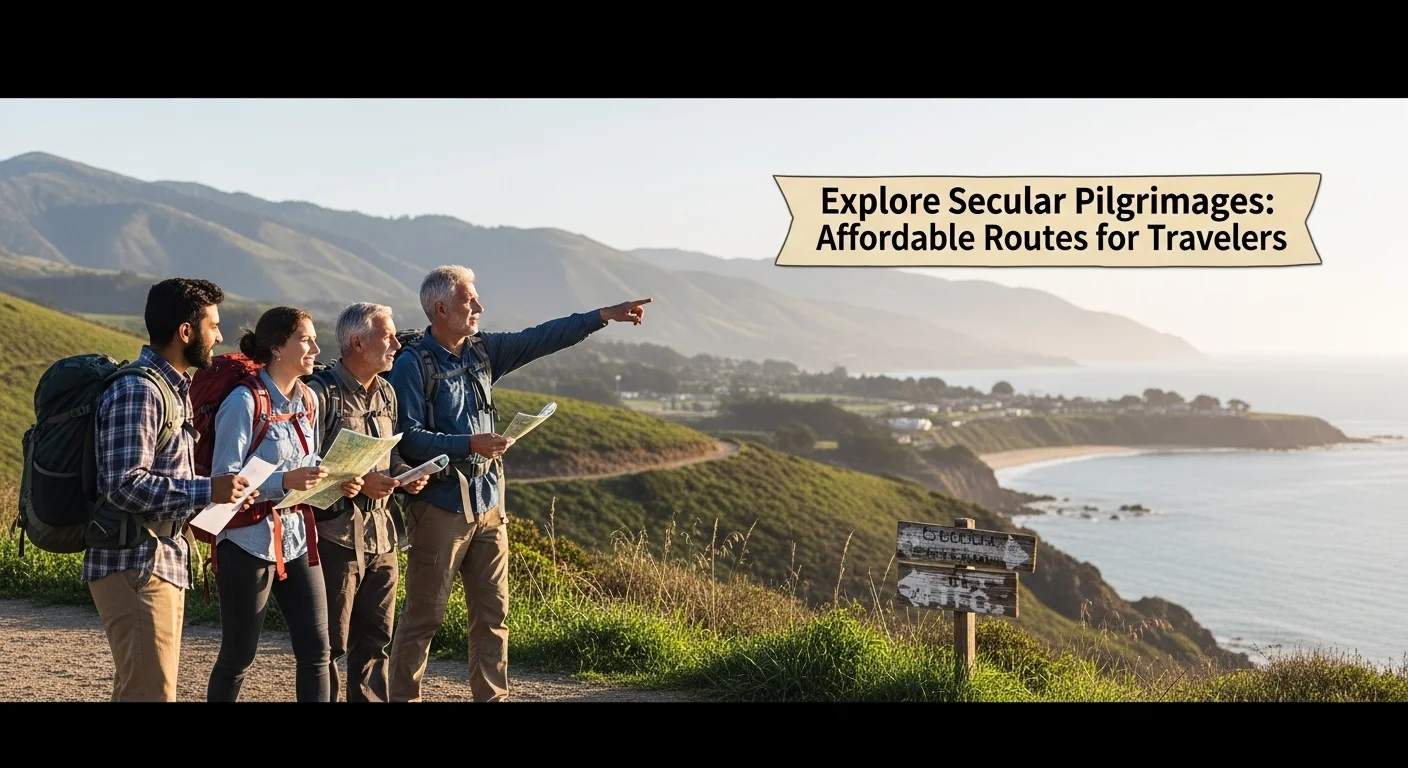
Explore Secular Pilgrimages: Affordable Routes for Travelers

Embarking on a secular pilgrimage is more than just a journey; it’s an adventure of self-discovery and cultural immersion. Let’s dive into the world of secular pilgrimages and explore affordable routes that can transform your travel experience.

Explore Secular Pilgrimages: Affordable Routes for Travelers

Understanding Secular Pilgrimages

Definition and Concept of Secular Pilgrimages

Secular pilgrimages are fascinating routes that deviate from traditional spiritual journeys. In my experience, these paths lead us not just to physical destinations, but also to personal insights and connections with the world around us. Unlike religious pilgrimages that focus on spiritual enlightenment, secular pilgrimages often emphasize cultural exploration, historical significance, and personal growth. They invite us to step out of our daily routines and immerse ourselves in the stories, landscapes, and communities we encounter along the way. For me, the beauty of secular pilgrimages lies in their inclusivity—everyone can find meaning in the journey, regardless of their beliefs.

Historical Context and Evolution

The idea of pilgrimage is not new; its roots stretch back through centuries and cultures. While many think of pilgrimages as inherently religious, we see that secular journeys have evolved over time. Historically, routes like the Camino de Santiago have attracted travelers for various reasons—some for devotion, others for adventure, and many for both. As societies have transformed, so have the meanings we attach to these paths. My exploration of different routes has shown me how the motivations behind these journeys have broadened, reflecting our changing values and pursuits. Today, secular pilgrimages encompass a rich tapestry of experiences, from hiking ancient trails to participating in communal events, all while fostering a sense of connection with fellow travelers and the places we visit.

Reasons for Undertaking Secular Pilgrimages

Why do we choose to undertake secular pilgrimages? For me, it often comes down to a yearning for adventure, self-discovery, and a break from the hustle and bustle of everyday life. Many people embark on these journeys with a desire to reconnect with nature, explore new cultures, or simply challenge themselves physically and mentally. I remember my first long-distance trek; it was an eye-opening experience that taught me more about resilience and my own capabilities than I ever expected. Others may seek to commemorate significant life events, honor loved ones, or simply explore the world around them in a meaningful way. Each person’s reason is unique, but the shared experience often fosters deep connections with fellow travelers and a greater appreciation for the diverse cultures and histories that shape our world.

As I continued my journey through various secular routes, I found that each step taken was not just about the destination, but about the stories, the people, and the moments that unfolded along the way. The beauty of secular pilgrimages is that they invite us to reflect on our lives, our paths, and the shared human experience. Whether it’s walking the Camino de Santiago, hiking the Appalachian Trail, or exploring the Via Francigena, these journeys offer us a chance to step outside of ourselves and engage with the world in a wonderfully profound way.

Popular Secular Pilgrimage Routes

Camino de Santiago (Way of St. James)

The Camino de Santiago is perhaps the most famous secular pilgrimage route, and for good reason. I remember when I first heard about it from a friend who had just returned from her journey. She spoke of stunning landscapes, vibrant towns, and the camaraderie among fellow pilgrims. Intrigued, I decided to explore this path myself. The Camino offers various routes, each with its unique charm and challenges, but all lead to the shrine of Saint James in Santiago de Compostela, Spain. Walking this trail is not just about reaching the destination; it’s about the journey itself. Along the way, I met people from all walks of life, each sharing their stories and reasons for walking. The shared experience created bonds that felt timeless, and it reminded me that we are all part of something larger than ourselves.

The Appalachian Trail

The Appalachian Trail is another remarkable secular pilgrimage that stretches over 2,190 miles, winding through 14 states from Georgia to Maine. It was during a summer hike in the Smoky Mountains that I truly grasped the beauty of this trail. It offers an incredible variety of landscapes, from dense forests to breathtaking mountain vistas. Many choose to hike sections of the trail, while others embark on the challenge of a thru-hike, which can take several months to complete. I’ve met hikers who started with the intention of spending time in nature but ended up finding clarity in their lives amid the quiet and solitude of the woods. The sense of achievement upon reaching the end of the trail is profound, and the friendships formed along the way are often lifelong.

The El Camino de Santiago de Compostela

It seems fitting that I mention the El Camino de Santiago de Compostela again, as many people often refer to it simply as “El Camino.” This route not only offers spiritual insights but also serves as a canvas for cultural exchange. When I walked the Portuguese Way of the Camino, I encountered beautiful coastal scenery and quaint fishing villages. Each day presented new opportunities to taste local cuisine, like fresh seafood, and engage with locals who passionately shared their culture. Every step became a celebration of life, and I found myself appreciating the simple pleasures, like savoring a warm pastry or sharing a laugh with fellow travelers over a communal meal. Read Interesting article: Top 10 Budget Food Festivals Around the World

The Via Francigena

The Via Francigena is a lesser-known but equally captivating secular pilgrimage that runs from Canterbury, England, to Rome, Italy. I was drawn to this route because of its rich history and the chance to explore parts of Europe that aren’t always on the tourist radar. As I walked through the rolling hills of Tuscany, I encountered charming villages and medieval architecture that made me feel like I was stepping back in time. The journey along the Via Francigena offers a blend of physical challenge and cultural immersion, reminding me that each step can lead to new discoveries. The warmth of the local communities I encountered made it clear that the spirit of hospitality is alive and well in this part of the world.

Other Notable Routes

While the above routes are some of the most popular, there are many other notable secular pilgrimages worth exploring. I’ve been fascinated by the Pacific Crest Trail, which runs from Mexico to Canada and offers stunning views of the Sierra Nevada and Cascade mountain ranges. Then there’s the John Muir Trail, a challenging trek in California that showcases some of the most breathtaking scenery in the Sierra Nevada. Each of these paths offers unique experiences and challenges, allowing us to connect with nature, history, and ourselves in ways that can be deeply transformative.

As I reflect on my experiences along these various routes, I realize that every journey has its own story to tell. Whether it’s the camaraderie of fellow pilgrims or the breathtaking landscapes encountered along the way, secular pilgrimages offer us opportunities to grow and connect. The adventure isn’t just about where we’re going; it’s also about who we become in the process. Each path I’ve walked has left me with a sense of wonder and a greater appreciation for the diversity of the world around us.

Planning Your Secular Pilgrimage

Best Times to Go: Seasonal Considerations

Choosing the right time for your secular pilgrimage can make a significant difference in your experience. From my own travels, I’ve learned that each season offers a unique perspective. For instance, spring brings blooming flowers and mild temperatures, making trails like the Camino de Santiago particularly inviting. I remember walking through fields of wildflowers, which added a touch of magic to my journey. However, spring can also bring unpredictable weather, so it’s wise to be prepared.

Summer is another popular time, especially for long routes like the Appalachian Trail. The days are long, which means more time to walk and explore. I found that the vibrant energy during summer encourages camaraderie among fellow travelers, and the chance to swim in refreshing lakes after a long day’s hike is a bonus. On the flip side, summer can be hot, especially in areas like Southern California or the southern states. Hydration and sun protection become essential during this time.

Fall, in my opinion, is one of the most beautiful seasons for a pilgrimage. The changing colors of the leaves create stunning landscapes that are hard to forget. I did a short trek in the autumn once, and the crisp air invigorated my spirit. However, as temperatures begin to drop, it’s important to dress in layers and prepare for chilly nights. Winter can be a challenging time for most routes, but it also brings a serene quietness. If you’re an adventurous soul, a winter trek can offer solitude and reflective moments, but only if you’re equipped for the conditions.

Choosing Your Route: Factors to Consider

When it comes to selecting a pilgrimage route, I’ve found that personal interests and physical abilities play a crucial role. Consider what motivates you: Are you drawn to historical sites, natural beauty, or vibrant cultures? Personally, I love a blend of all three. I chose the Via Francigena for its rich history and cultural diversity, and the experience did not disappoint.

Another important factor is your fitness level. Some routes are more demanding than others. For example, the Appalachian Trail is known for its rugged terrain and can be challenging, especially for beginners. I started with shorter sections before tackling longer hikes, and that helped build my confidence and stamina. It’s also wise to consider the amount of time you have available. Some routes can be completed in a few days, while others may require weeks or even months. I learned that planning is crucial, as it helps to set realistic goals and expectations.

Lastly, I recommend thinking about the kind of experience you want. Do you prefer solitude or social interaction? Some routes, like the Camino, are popular among pilgrims, fostering a sense of community. Others may be more remote, offering a chance for reflection. I’ve enjoyed both types of experiences; it really depends on what you’re looking to gain from your journey.

Essential Gear and Packing Tips

Having the right gear can make or break your secular pilgrimage. I remember my first long hike; I overpacked and struggled with a heavy backpack. Afterward, I learned the importance of packing light while ensuring I had all the essentials. A good backpack that fits comfortably is crucial, as well as sturdy hiking shoes. I invested in a pair that offered great support, and it made a world of difference.

Clothing should be functional and adaptable to changing weather conditions. I often opt for moisture-wicking fabrics, which help keep me comfortable during long days of walking. Layering is key; I typically carry a light jacket and a rain poncho, just in case. Don’t forget to bring a refillable water bottle to stay hydrated, as well as snacks like trail mix or granola bars for energy boosts along the way. Read Interesting article: Essential Training Tips for Budget Backpacking Climbers

First aid supplies are also essential. I’ve learned this the hard way after a minor blister turned into a painful distraction on one of my treks. A small kit with band-aids, antiseptic wipes, and pain relievers can be a lifesaver. I also recommend bringing a journal. I love documenting my thoughts and experiences, and it adds a deeper layer to the journey.

Health and Safety Considerations

Health and safety should always be a priority during your pilgrimage. Before my first long trek, I made sure to consult with my doctor, especially since I had some previous knee issues. They helped me devise a plan for proper stretching and strengthening exercises to prepare my body.

Staying safe on the trail is also crucial. I always inform someone of my itinerary, especially if I’m venturing into less populated areas. I’ve found that keeping a small emergency kit handy and knowing basic first aid is incredibly beneficial. Additionally, it’s wise to be aware of your surroundings, stay on marked trails, and trust your instincts. If something feels off, don’t hesitate to turn back or seek help.

Lastly, remember to listen to your body. On one of my hikes, I pushed myself too hard one day and ended up feeling exhausted. I learned that it’s okay to take breaks and adjust your plans if needed. The journey is about enjoying the experience, and sometimes that means slowing down and savoring each moment.

Affordability and Budgeting for Your Journey

Cost Breakdown: Accommodation, Food, and Transportation

Budgeting for a secular pilgrimage can be a game-changer in making your journey not only enjoyable but also financially manageable. From my experience, it’s essential to break down the costs into three main categories: accommodation, food, and transportation. Accommodation can vary widely depending on your route and preferences. I’ve found that staying in albergues or hostels along the Camino de Santiago, for example, is both affordable and a great way to meet fellow pilgrims. Prices can range from as low as $10 to around $30 per night, depending on the amenities available.

When it comes to food, I’ve learned that eating like a local not only saves money but enriches the experience. Many traditional meals are surprisingly affordable, especially when you choose to eat at local markets or small eateries. I remember enjoying delicious regional dishes for just a few euros, which provided me with both nourishment and cultural insight. A rough estimate for daily food expenses can be around $20 to $40, but this can vary based on personal choices. Read Interesting article: Top 10 Budget Food Festivals Around the World

Transportation can also add up, especially if your route requires shuttles or trains to reach trailheads. I usually rely on public transportation, which tends to be more budget-friendly. For instance, using buses to reach the starting point of a hike can save a considerable amount compared to private transfers. Overall, with good planning, I’ve managed to keep my total daily expenses within $50 to $70, making my trips more accessible and less stressful financially.

Budget-Friendly Accommodation Options

Finding budget-friendly accommodations is crucial for a successful pilgrimage. I recommend looking into hostels, guesthouses, or even camping options along your chosen route. If you’re on the Camino, the albergue system is a fantastic way to save money while also immersing yourself in the communal spirit of the journey. I’ve had some of my best moments sharing stories and laughter with fellow travelers in these cozy, dormitory-style settings.

If you prefer a bit more privacy, consider checking out local bed-and-breakfasts or small inns, which can still be affordable compared to larger hotels. Another option I’ve seen becoming increasingly popular is booking through platforms like Airbnb, where you can often find unique stays at reasonable prices. Just make sure to read reviews and check the location to ensure it fits your travel plans.

Eating on a Budget: Local Cuisine and Affordable Eats

One of the joys of traveling is indulging in local cuisine, but it doesn’t have to break the bank. I’ve discovered that street food and local markets often offer the best and most authentic meals. I still remember savoring a warm, freshly made empanada in a small village during my travels; it was cheap but delicious and filled with local flavors.

Many towns along popular pilgrimage routes also have “menu del día” options, which are fixed-price meals that provide a good amount of food for a reasonable cost. These meals typically include a starter, main course, dessert, and sometimes even a drink. For me, these dining experiences not only filled my belly but also introduced me to local customs and flavors. Keeping your meals simple and focusing on local specialties can turn eating into a delightful part of your pilgrimage experience.

Transportation Tips for Cost-Effective Travel

Transportation can quickly add up during a pilgrimage, but there are plenty of ways to keep it economical. I prefer to use public transport whenever possible, as it’s often much cheaper than hiring a car or taking taxis. Buses and trains are usually reliable, and the connections in many regions are quite good. I also recommend looking into multi-ride tickets or passes if you plan to travel frequently, as these can offer significant savings.

In some cases, I’ve opted for ridesharing options or local carpools, which not only save money but also make for interesting conversations with locals. If you’re traveling between towns on foot, consider hitchhiking or simply walking if the distance isn’t too great; it adds to the adventure and allows for spontaneous interactions along the way. Overall, planning your transportation in advance and being flexible with your choices can lead to a cost-effective journey.

Experiencing Local Cultures Along the Route

Engaging with Local Communities

One of the most rewarding aspects of a secular pilgrimage is the opportunity to engage with local communities. I’ve always believed that immersing ourselves in the cultures we encounter enriches our journey. Whether it’s sharing a meal with locals or participating in community events, these interactions can leave a lasting impact. I recall a memorable night spent in a small village where the locals invited us to join in a traditional dance. The warmth and hospitality I felt were unmatched, and those moments of connection are what I cherish the most.

Festivals and Events to Experience

Timing your pilgrimage to coincide with local festivals can enhance your experience significantly. I learned this firsthand when I found myself in a town celebrating a harvest festival. The vibrant atmosphere, with music, dance, and local delicacies, made for an unforgettable evening. Many regions have their own unique festivals that reflect their culture and history, so I recommend researching events happening along your route before you go. It’s a fantastic way to witness local traditions and create lasting memories.

Local Customs and Etiquette

Being mindful of local customs and etiquette can go a long way in fostering positive interactions with residents. I always try to learn a few basic phrases in the local language, which not only helps in communication but also shows respect for the culture. Simple gestures like greeting locals with a smile or asking for permission before taking photos can open doors to deeper connections. I remember how a simple “thank you” in Spanish led to a heartwarming conversation with a shopkeeper who later shared recommendations for hidden gems in the area.

Challenges and Rewards of Secular Pilgrimages

Physical and Mental Challenges

No journey is without its challenges, and secular pilgrimages are no exception. I’ve faced physical hurdles, such as blisters and fatigue, which tested my resolve. But I discovered that these challenges often brought the greatest rewards. They forced me to slow down, listen to my body, and fully appreciate the journey. Mental challenges can arise as well, from loneliness to self-doubt. On a particularly tough day, I found that talking to fellow travelers helped lift my spirits and reminded me of the shared nature of our experiences.

Personal Growth and Reflection

Throughout my pilgrimages, I’ve experienced profound personal growth. The time spent alone on the trail allowed me moments of reflection that I didn’t realize I needed. I often found myself contemplating life decisions and considering my path forward. I believe that these moments of solitude are where some of the most significant insights occur. I’ve come to appreciate the value of stepping away from the noise of everyday life to reconnect with my thoughts and feelings.

The Sense of Accomplishment

Reaching the end of a pilgrimage brings an unparalleled sense of accomplishment. After days or weeks of walking, I’ve felt a rush of pride as I crossed the finish line, whether it was the cathedral in Santiago or another destination. That moment is often filled with joy, relief, and a bit of disbelief. I’ve learned to celebrate these milestones, not just for the physical achievement but for the journey that led me there. Each step is a testament to my determination and the memories created along the way.

Resources for Secular Pilgrims

Books and Guides

When I prepare for a pilgrimage, I always turn to books and guides for inspiration and practical information. There are countless resources available that detail routes, accommodations, and personal stories. I’ve found that reading about others’ experiences helps me set realistic expectations and fuels my excitement. Many guidebooks also offer invaluable insights into local history and culture, enriching my understanding of the places I visit.

Online Communities and Forums

Connecting with fellow pilgrims before and during my journey has been incredibly helpful. Online communities and forums provide a platform for sharing advice, stories, and tips. I’ve often turned to these virtual groups to ask questions or seek recommendations, and the support I received was heartwarming. Knowing that others have walked the same paths makes the experience feel even more connected.

Apps and Tools for Navigation and Planning

In today’s digital age, many apps and tools can simplify the planning process for secular pilgrims. I personally rely on navigation apps to stay on course, especially in unfamiliar areas. These apps often include information on accommodations and points of interest, making it easy to plan my days. I also recommend downloading offline maps, as sometimes cell service can be spotty in remote areas. Technology can be a great ally in ensuring a smooth journey.

Final Thoughts

Secular pilgrimages have a unique way of opening our eyes to the world and ourselves. The journeys we undertake—filled with challenges, triumphs, and connections—leave a lasting mark on our souls. As I look back on my travels, I realize that these experiences have transformed me in ways I never anticipated. Each path taken has taught me about resilience, empathy, and the beauty of humanity. I encourage anyone considering a pilgrimage to embrace the adventure wholeheartedly. It’s not just about reaching a destination; it’s about the stories written along the way and the connections forged with every step. So, lace up your boots, pack your essentials, and prepare to embark on a journey that could change your life forever.

Frequently Asked Questions

What is a secular pilgrimage?

A secular pilgrimage is a journey that emphasizes cultural exploration, historical significance, and personal growth, rather than spiritual enlightenment. It invites travelers to immerse themselves in the stories, landscapes, and communities they encounter along the way.

What are some popular secular pilgrimage routes?

Some popular secular pilgrimage routes include the Camino de Santiago, the Appalachian Trail, the Via Francigena, and other notable routes like the Pacific Crest Trail and the John Muir Trail.

Why do people undertake secular pilgrimages?

People undertake secular pilgrimages for various reasons, including a yearning for adventure, self-discovery, reconnecting with nature, exploring new cultures, or commemorating significant life events. Each individual’s reason is unique, often leading to deep connections with fellow travelers.

What are some considerations for planning a secular pilgrimage?

When planning a secular pilgrimage, consider factors such as the best time to go based on seasonal conditions, your personal interests and physical abilities, the route you choose, and what kind of experience you are seeking, whether solitude or social interaction.

What essential gear should I pack for a secular pilgrimage?

Essential gear for a secular pilgrimage includes a comfortable backpack, sturdy hiking shoes, moisture-wicking clothing, a refillable water bottle, snacks, a first aid kit, and a journal for documenting your experiences.

How can I budget for a secular pilgrimage?

To budget for a secular pilgrimage, break down your costs into accommodation, food, and transportation. Look for affordable lodging options like hostels, eat like a local to save on food, and use public transportation to keep costs low.

What are some budget-friendly accommodation options during a pilgrimage?

Budget-friendly accommodation options include hostels, guesthouses, albergues (particularly along the Camino de Santiago), bed-and-breakfasts, and platforms like Airbnb for unique stays at reasonable prices.

How can I engage with local cultures along my pilgrimage route?

You can engage with local cultures by sharing meals with residents, participating in community events, and timing your pilgrimage to coincide with local festivals. Learning a few basic phrases in the local language can also enhance interactions.

What are some common challenges faced during secular pilgrimages?

Common challenges during secular pilgrimages include physical hurdles like blisters and fatigue, as well as mental challenges such as loneliness and self-doubt. Overcoming these challenges often leads to personal growth and reflection.

What resources can help me prepare for a secular pilgrimage?

Resources for preparing for a secular pilgrimage include books and guides detailing routes and personal stories, online communities and forums for sharing advice and experiences, and apps for navigation and planning your journey.

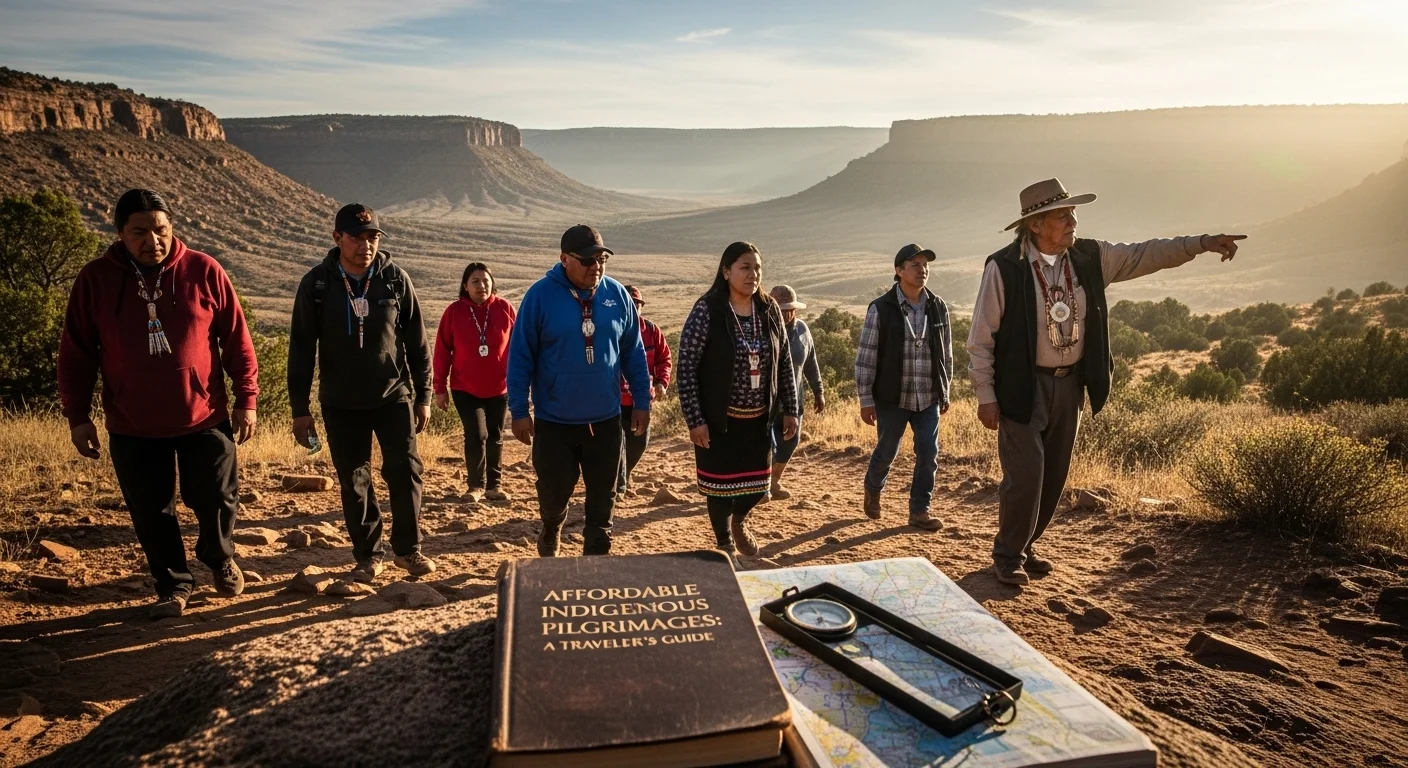
Affordable Indigenous Pilgrimages: A Traveler’s Guide

Embarking on an Indigenous pilgrimage can be a transformative journey, connecting us to the rich cultural heritage of Native communities. Let’s explore how to experience these sacred travels without breaking the bank. Read Interesting article: Backpacking Through History: Affordable Heritage Site Adventures

Affordable Indigenous Pilgrimages: A Traveler's Guide

Understanding Indigenous Pilgrimages

What is an Indigenous Pilgrimage?

An Indigenous pilgrimage is more than just a journey; it’s a profound exploration of spirituality, culture, and community. These pilgrimages often lead to sacred sites, where travelers can connect with the land and the stories of Indigenous peoples. I’ve come to understand that each pilgrimage is unique, reflecting the traditions and beliefs of the community it represents. For instance, visiting a sacred mountain or participating in a ceremony can open doors to experiences that deepen our understanding of Indigenous cultures.

The Cultural Significance of Pilgrimages in Indigenous Communities

In many Indigenous communities, pilgrimage holds deep cultural significance. It’s often seen as a rite of passage or a way to honor ancestors and the natural world. I remember attending a ceremony where elders shared stories of their ancestors, imparting wisdom that connected the past to the present. These stories are central to the identity of the community and are often shared during pilgrimages. For example, among the Lakota Nation, the annual Wiping of the Tears ceremony reflects a journey of healing and remembrance. Experiencing these moments firsthand has left a lasting impact on me, reminding me of the importance of respecting and honoring these traditions.

Participating in an Indigenous pilgrimage also provides an opportunity to witness how these communities maintain their cultural practices in a modern world. I’ve seen how they blend traditional knowledge with contemporary issues, making their practices relevant and accessible. This connection to the past helps preserve their identity and fosters a sense of belonging among community members and visitors alike.

Top Affordable Indigenous Pilgrimage Destinations

The Sacred Sites of the Lakota Nation

One of my favorite pilgrimage experiences was visiting the Lakota Nation’s sacred sites in South Dakota. Places like Bear Butte and the Black Hills are not just breathtakingly beautiful; they are also steeped in cultural history. I remember standing on the hills, feeling the energy of the land and the stories that have been passed down through generations. These sites often offer guided tours that are affordable, making it easier for travelers like us to connect with the land and its significance. I recommend checking local listings for community-led tours, as they often provide authentic insights that are hard to find in guidebooks.

Exploring the Powwow Circuit

The powwow circuit is another fantastic, budget-friendly option for those looking to engage with Indigenous cultures. I’ve attended several powwows across the country, and each one was a vibrant celebration of music, dance, and community. These events often welcome visitors, showcasing traditional dances and crafts. The best part? Many are free or have a small entry fee. It’s a great way to immerse yourself in the culture while supporting local artisans. Plus, I always leave feeling energized and inspired by the unity and pride of the participants.

Journey to the Sacred Mountains of the Navajo

The Navajo Nation offers a unique pilgrimage experience through its sacred mountains. I had the opportunity to hike around the San Francisco Peaks, which are considered sacred by the Navajo people. The beauty of the landscape is awe-inspiring, and the connection to the spiritual stories of the land adds depth to the experience. Make sure to check for guided hikes that are led by Navajo guides, as they share stories that are not only educational but also deeply moving. The cost is often reasonable, especially when compared to other tourist experiences. I felt a sense of peace and understanding as I walked the trails, connecting with both nature and the rich cultural history of the Navajo people. Read Interesting article: Essential Gear for Budget Mountain Trekking Adventures

Visiting the Ancestral Lands of the Hopi Tribe

The Hopi Tribe’s ancestral lands in Arizona are another incredible destination for an Indigenous pilgrimage. I was fortunate enough to visit during a traditional ceremony, and the experience was unforgettable. The Hopi people have a deep connection to their land, and they share this through ceremonies that celebrate their history and spirituality. I recommend checking the Hopi Cultural Center for information on upcoming events, which often include affordable entry fees. Engaging with the Hopi community allowed me to see their resilience and strength, and I left with a greater appreciation for their way of life.

As we explore these affordable Indigenous pilgrimage destinations, we uncover not only beautiful landscapes but also deep connections to culture, history, and community. These journeys remind us of the importance of honoring and respecting the traditions that have shaped many Indigenous peoples for generations. I encourage anyone interested in travel to consider these experiences, as they can be both enriching and enlightening. Read Interesting article: Explore Cultural Treks: Budget Adventures Await You

Planning Your Indigenous Pilgrimage

When to Visit: Seasonal Considerations

Timing your pilgrimage can greatly enhance your experience. I’ve learned that different seasons bring unique opportunities and challenges. For example, summer is often packed with festivals and ceremonies, making it an exciting time to visit. I remember attending a summer powwow that was filled with colorful regalia and lively dances, which made for an unforgettable experience. However, be prepared for larger crowds during peak season.

On the other hand, visiting during spring or fall can offer a quieter and more reflective atmosphere. I found that springtime in the Southwest brings vibrant wildflowers and the chance to witness traditional planting ceremonies. Fall is often a time for harvest celebrations, which are equally rich in cultural significance. If you’re interested in specific ceremonies or events, make sure to check the community calendars ahead of time so you don’t miss out on anything special.

How to Choose the Right Pilgrimage Experience

Choosing the right pilgrimage can feel overwhelming, given the many beautiful options available. From my experience, it’s essential to reflect on what you’re hoping to gain from the journey. Are you looking for spiritual growth, cultural education, or simply an adventure in nature? I found that clarifying my intentions helped narrow down the choices significantly.

Sometimes, talking to people who have done similar pilgrimages can provide insight. I remember speaking with fellow travelers who had visited the Pueblo communities in New Mexico, and their stories inspired me to plan my own trip. Additionally, researching communities and understanding their specific practices and beliefs can help align your pilgrimage experience with your personal values.

Budgeting for Your Trip

Budgeting is a crucial aspect of planning any pilgrimage, and I’ve discovered that with some careful thought, it can be done affordably. While some experiences may have entry fees, many community events, like powwows or local festivals, are free or donation-based. I recommend setting a budget for transportation and accommodations before diving into activities.

Another tip is to reach out to local Indigenous organizations for information on scholarships or sliding scale fees for certain events. I did this once, and it opened up opportunities I didn’t even know existed. Also, consider the cost of meals; while it’s tempting to eat at restaurants, I’ve found that local markets often have delicious and affordable options that allow you to taste authentic Indigenous cuisine.

Transportation Options for Pilgrimages

Getting to your chosen destination is another important consideration. I’ve traveled by car, bus, and even plane, depending on where I was headed. Road trips can be an adventure in themselves, allowing for spontaneous stops and the chance to explore the beautiful landscapes along the way. I remember driving through the desert on my way to a ceremony, marveling at the stunning scenery that surrounded me.

If you’re considering public transportation, many areas have reliable bus services that connect to Indigenous communities. However, do keep in mind that schedules can be limited, especially in rural areas. I’ve learned to plan ahead and check transportation options well in advance to avoid any last-minute surprises. Carpooling with friends or fellow travelers can also be a fun way to share costs and make new connections.

Accommodation and Amenities

Affordable Lodging Options

Finding a place to stay that fits your budget is key to enjoying your pilgrimage. I’ve stayed in everything from cozy motels to community-run lodges. Local guesthouses often provide an intimate experience, allowing you to connect with the host community. I remember staying at a small lodge run by a Native family, learning about their culture over shared meals. It was a highlight of my trip!

Another option is to look for hostels or campsites if you’re open to a more adventurous experience. Camping can be a fantastic way to immerse yourself in nature. I’ve camped near sacred sites, and waking up to the sounds of nature each morning was an experience I’ll never forget. Always check for availability, especially during peak seasons, as these spots can fill up quickly.

Camping and Outdoor Experiences

Camping has a special place in my heart, particularly when it comes to Indigenous pilgrimages. It allows for a deeper connection to the land and provides a unique opportunity to reflect on the teachings and stories shared during the day. I’ve found that many Indigenous communities have designated camping areas that are both affordable and rich in cultural significance.

When camping, I always make sure to respect the land and follow any guidelines provided by the local community. I remember once being invited to a sacred fire ceremony while camping, which added a profound layer to my experience. These outdoor experiences can be transformative, allowing you to engage with nature and community on a deeper level.

Local Food and Dining Experiences

Food is such an integral part of cultural experiences, and I’ve been fortunate to enjoy many local Indigenous dishes during my travels. I always recommend trying traditional foods when visiting Indigenous communities. Not only are they delicious, but they often come with stories and connections to the land. I remember savoring frybread and blue corn pancakes at a local café, learning about their significance to the community while enjoying every bite.

Many Indigenous communities also have farmers’ markets or local food festivals that showcase fresh produce and traditional cooking techniques. Participating in these events was one of the most enjoyable aspects of my journey, as I met local artisans and learned about their farming practices. Plus, it’s a great way to support the community and take home some unique flavors from your pilgrimage!

Respectful Travel Practices

Understanding Indigenous Etiquette

As I’ve navigated my own journey through various Indigenous communities, I’ve learned that understanding and respecting the local etiquette is crucial. Each community has its own customs and practices, and being aware of these can make a significant difference in how you’re received. For example, when visiting sacred sites, I always make sure to ask permission before taking photos. I remember a moment when I was at a sacred site and saw a group of tourists snapping pictures without considering the implications. It made me realize that respect is not just about being polite; it’s about honoring the significance of what you’re experiencing.

Another important aspect of etiquette is being mindful of language and gestures. I’ve noticed that using respectful terms when addressing community members, and avoiding stereotypes, goes a long way in building trust. I often remind myself that I’m a guest in their space, and it’s my responsibility to show appreciation for their culture. When in doubt, I’ve found that simply asking questions and showing genuine curiosity can lead to meaningful conversations and experiences.

Engaging with Local Communities

Engaging with local communities has been one of the most rewarding parts of my pilgrimages. I’ve learned that many Indigenous people appreciate when visitors take the time to learn about their culture and traditions. During my travels, I’ve participated in workshops where I learned traditional crafts or cooking techniques. I remember spending an afternoon with a local artisan who taught me how to weave a simple basket. Not only did I leave with a beautiful piece, but I also gained insight into the significance of weaving in their community.

Being open to conversations with local residents can lead to unforgettable experiences. I’ve often found myself invited to share meals or attend community events simply because I showed interest in their way of life. These moments have enriched my journey, allowing for a deeper understanding of their stories and struggles. I believe that when we engage respectfully with local communities, it fosters mutual respect and friendship.

Supporting Indigenous Businesses

Supporting Indigenous businesses is another way to show respect and appreciation for the culture while enhancing your travel experience. I’ve discovered that many Indigenous artisans, farmers, and entrepreneurs offer products and services that reflect their heritage. During my travels, I always make it a point to visit local markets and shops. I remember finding stunning handcrafted jewelry made from local materials, and the stories behind each piece added to their charm.

By purchasing goods from Indigenous artists, I felt I was contributing to the sustainability of the community. It’s not just about shopping; it’s about recognizing and valuing the hard work and creativity that goes into these products. Whenever I buy something, I make sure to ask about the story behind it. Those moments often lead to fascinating discussions about their cultural practices and the meanings behind the art. Plus, I always come home with unique gifts that carry a piece of their culture with me.

Safety and Preparation

What to Pack for Your Pilgrimage

Preparing for an Indigenous pilgrimage involves thoughtful packing. I’ve learned that the right gear can make all the difference in ensuring a comfortable and enjoyable experience. Depending on your destination, I recommend packing layers of clothing, as temperatures can vary greatly, especially in mountainous or desert regions. I remember hiking in the early morning when it was chilly, only to find myself shedding layers as the sun warmed the day.

Essential items I always bring along include a good pair of walking shoes, a refillable water bottle, and sun protection like hats and sunscreen. I also pack a small notebook or journal to jot down my thoughts and reflections during the journey. Documenting my experiences has become a cherished practice; it allows me to revisit the lessons I’ve learned and the connections I’ve made.

Health and Safety Tips

Health and safety should always be a priority when embarking on a pilgrimage. I’ve found it helpful to research the health services available in the area I’m visiting. Some remote communities may have limited access to medical facilities, so I make sure to have a basic first aid kit on hand. When I was in a rural area once, I was grateful for the kit when a fellow traveler had a minor scrape. It’s these little things that can make a big difference in your comfort and peace of mind.

Additionally, I recommend staying hydrated and maintaining a balanced diet, especially if you’re engaging in physical activities like hiking. I’ve felt the effects of altitude sickness during high-altitude pilgrimages, so I always take it slow and allow my body to acclimate. Paying attention to my body and listening to its needs has been a valuable lesson during my travels.

Emergency Contacts and Resources

Having a plan for emergencies is vital for any pilgrimage. I usually compile a list of important contacts, including local emergency services, nearby hospitals, and community resources. It’s also a good idea to inform someone about your travel plans, especially when venturing into remote areas. I once had a friend who got separated from our group during a hike; luckily, we had shared our itineraries, and we were able to reunite without too much worry.

Before heading out, I also research the local customs and laws of the area. Understanding the cultural nuances can help avoid misunderstandings and ensure a respectful experience. I find that being prepared not only enhances my trip but also allows me to focus on the spiritual and cultural aspects of the pilgrimage without unnecessary stress.

Frequently Asked Questions

What is an Indigenous pilgrimage?

An Indigenous pilgrimage is a profound exploration of spirituality, culture, and community that often leads to sacred sites, allowing travelers to connect with the land and the stories of Indigenous peoples.

Why are pilgrimages significant in Indigenous communities?

In many Indigenous communities, pilgrimage holds deep cultural significance as a rite of passage or a way to honor ancestors and the natural world, often sharing central stories of identity during these journeys.

What are some affordable Indigenous pilgrimage destinations?

Some affordable Indigenous pilgrimage destinations include the sacred sites of the Lakota Nation in South Dakota, the powwow circuit across the country, the sacred mountains of the Navajo Nation, and the ancestral lands of the Hopi Tribe in Arizona.

When is the best time to visit for an Indigenous pilgrimage?

Timing your pilgrimage can enhance your experience; summer is filled with festivals and ceremonies, while spring and fall offer quieter atmospheres and opportunities to witness traditional planting and harvest celebrations.

How can I budget for an Indigenous pilgrimage?

Budgeting for your trip can be done affordably by setting a budget for transportation and accommodations, researching free or donation-based community events, and reaching out to local organizations for scholarships or sliding scale fees.

What transportation options are available for Indigenous pilgrimages?

Travelers can choose from various transportation options including cars, buses, or planes, with road trips offering scenic views and public transportation being available in many areas, though schedules may be limited in rural regions.

What types of accommodations are recommended for Indigenous pilgrimages?

Recommended accommodations include local guesthouses, hostels, camping sites, or community-run lodges, which provide intimate experiences and opportunities to connect with the host community.

What should I pack for my Indigenous pilgrimage?

When packing for an Indigenous pilgrimage, bring layers of clothing for varying temperatures, good walking shoes, a refillable water bottle, sun protection, and a notebook or journal for reflections.

What health and safety tips should I consider?

It’s important to research available health services, carry a basic first aid kit, stay hydrated, maintain a balanced diet, and pay attention to altitude changes during physical activities.

How can I engage respectfully with local Indigenous communities?

Engaging respectfully involves understanding local etiquette, participating in community events, and supporting Indigenous businesses, while showing genuine interest in their culture and traditions.

Explore Indigenous Spiritual Journeys on a Budget

Embarking on an Indigenous spiritual journey can be a transformative experience, allowing us to connect with ancient wisdom and nature’s beauty. But what if we could explore these spiritual paths without breaking the bank? Read Interesting article: Backpacking Through Indigenous Cultures: A Traveler’s Guide

Explore Indigenous Spiritual Journeys on a Budget

Understanding Indigenous Spirituality

Indigenous spirituality is a rich tapestry woven from diverse beliefs and practices that vary across cultures. I remember when I first began to delve into this topic, and I was amazed by the depth and variety of traditions that exist. Each Indigenous community has its unique worldview, which often includes a profound connection to the land, the cosmos, and the interwoven relationships among all living beings. This connection is the foundation of their spirituality and shapes their rituals, stories, and daily lives.

Core Beliefs and Practices

At the heart of Indigenous spirituality lies a deep reverence for the Earth and the interconnectedness of all life. Many Indigenous cultures believe that everything has a spirit, including animals, plants, and even inanimate objects. I’ve learned that this belief fosters a sense of respect and responsibility toward nature, urging individuals to live in harmony with their surroundings. For instance, rituals often incorporate elements from nature, such as offering tobacco or sage during prayers. This practice not only honors the spirits but also acknowledges the importance of maintaining balance in our environment.

Another core aspect I found fascinating is the use of storytelling. Elders in many Indigenous communities share stories that pass down wisdom, history, and cultural values. I remember attending a gathering where an elder recounted tales of the ancestors, and I felt a profound sense of connection to something greater than myself. These stories often serve as guides for living a life that aligns with community values and spiritual beliefs. Read Interesting article: Experience Authentic Indigenous Cultures While Backpacking

The Role of Nature in Indigenous Spirituality

Nature plays an integral role in Indigenous spirituality. From my experiences, I’ve noticed how landscapes, such as mountains, rivers, and forests, are not just backdrops but vital components of spiritual practices. They are viewed as sacred places that hold stories and lessons. For example, many communities have specific locations where ceremonies are held, believed to be imbued with spiritual energy. I found this perspective refreshing, as it encourages us to appreciate and protect our natural surroundings.

As I became more curious about this relationship, I learned that seasonal changes often dictate spiritual practices. In some cultures, specific ceremonies are held to mark the changing seasons, which serve to honor the cycles of nature. I remember attending a spring ceremony that celebrated renewal and growth. It was a beautiful reminder of how deeply connected we are to the Earth and its rhythms.

Importance of Ancestors and Community

Another vital aspect of Indigenous spirituality is the emphasis on ancestors and community. The connection to ancestors is often viewed as a guiding force in individuals’ lives. I’ve seen this firsthand in various communities, where ancestors are honored through rituals, songs, and even everyday conversations. It felt powerful to witness people expressing gratitude to their forebears, recognizing their sacrifices and wisdom. This connection to the past helps to shape identity and fosters a sense of belonging.

Community plays a pivotal role in Indigenous spirituality as well. I’ve often felt that the strength of these cultures lies in their emphasis on collective well-being rather than individualism. Many spiritual practices involve group participation, whether in ceremonies, storytelling, or community events. I remember participating in a communal feast, where everyone contributed a dish. It was a beautiful experience, reinforcing the idea that we thrive together, supporting one another in our spiritual journeys.

In my exploration of Indigenous spirituality, I’ve come to appreciate the profound wisdom it offers. It encourages us to connect with ourselves, our communities, and the natural world. Whether through rituals, storytelling, or the deep respect for nature, these teachings invite us to reflect on our place within the web of life. As I continue to learn and experience, I realize that these spiritual journeys need not be costly. With the right planning and mindset, we can explore these profound traditions while staying within our budget. Read Interesting article: Discover the Cultural Significance of Music in Travel

Planning Your Spiritual Journey

Choosing the Right Indigenous Community

When I first started thinking about planning my spiritual journey, I quickly realized that choosing the right Indigenous community to engage with is crucial. Each community has its own unique traditions and practices, so doing a bit of research became essential for me. I remember spending hours online, reading about different tribes and their spiritual beliefs. It was fascinating to discover how deeply each community’s connection to their land influenced their practices and rituals.

I found that it’s helpful to look for communities that offer educational programs or cultural exchanges. This not only enriches the experience but also promotes mutual understanding. For instance, I discovered that some tribes host open events or gatherings that welcome outsiders. Attending these events allowed me to learn directly from community members, and I felt a genuine sense of belonging, even as an outsider.

In my experience, reaching out to community leaders or cultural centers can provide valuable insights. I once sent an email to a tribal council, inquiring about upcoming events. I was pleasantly surprised by their warm response and eagerness to share their traditions. This interaction made me feel respected and welcomed, which is important when planning to participate in someone else’s culture.

Key Rituals and Ceremonies to Experience

Engaging in rituals and ceremonies is one of the most profound ways to connect with Indigenous spirituality. I vividly recall my first experience attending a traditional powwow. The energy was electric, filled with music, dance, and vibrant cultural expressions. Each dance told its own story, and witnessing this was incredibly moving for me. I learned that these gatherings are not just performances; they are deeply spiritual ceremonies that celebrate community, heritage, and connection to the Earth.

There are various rituals worth experiencing, such as sweat lodges, vision quests, and seasonal celebrations. The sweat lodge ceremony, for instance, is one that many Indigenous cultures practice as a form of purification and healing. I participated in one, and the experience was transformative. The heat, the prayers, and the communal sharing created a profound sense of connection to myself and those present.

Participating in seasonal ceremonies is also a wonderful way to align with nature’s rhythms. I remember attending a harvest festival that celebrated the changing of the seasons. It was a beautiful reminder of gratitude and respect for the land. These ceremonies often include offerings and prayers, reinforcing the bond between the community and their environment. I felt privileged to take part in such sacred moments, which are often passed down through generations.

When to Visit: Seasonal Considerations

Timing your visit is just as important as choosing the right community. I learned that different seasons bring various ceremonies and practices, each offering unique insights into Indigenous spirituality. For example, spring is often seen as a time of renewal and rebirth, while autumn is associated with gratitude and harvest.

I remember planning my trip around a summer solstice celebration, which is significant for many Indigenous cultures. The community I visited held a series of rituals that honored the sun and its life-giving energy. Being part of these events gave me a deeper understanding of their connection to the cycles of nature. It’s essential to check the community’s calendar of events, as many rituals are tied to specific dates or natural occurrences.

Additionally, I noticed that visiting during quieter seasons can provide more intimate experiences. In the winter, for instance, some communities host storytelling nights around the fire, allowing for deeper connections with individuals. I highly recommend considering the seasonal aspect in your planning, as it can greatly enhance your spiritual journey.

Budget-Friendly Travel Tips

Finding Affordable Accommodations

Traveling on a budget doesn’t mean you have to compromise on the experience. I found that there are plenty of affordable accommodation options that can help keep costs down while still providing a comfortable place to stay. One of my favorite approaches was to look for local guesthouses or lodges run by Indigenous families. Staying with them not only supports the community financially but also immerses you in their culture.

Another option I discovered is camping. Many Indigenous lands have designated camping areas that offer a unique way to connect with nature. I remember pitching my tent near a river, and the tranquility of the surroundings was unlike anything I had experienced before. Just be sure to check local regulations and guidelines to ensure you’re respecting the land.

Transportation Options for Budget Travelers

Getting to your destination can also be budget-friendly if you plan ahead. I found that using public transportation, such as buses or trains, often saved me significant money compared to renting a car. Many Indigenous communities are accessible by public transit, which allowed me to meet locals and even share stories during my travels.

For those who prefer a more adventurous route, carpooling with fellow travelers or even joining a local tour can be a fun way to split costs. I once joined a small group heading to a ceremony, and the ride was filled with laughter and excitement as we shared our reasons for visiting. This not only saved money but also enriched my experience.

Cost-Effective Meal Options

Food is an important part of any journey, and there are plenty of ways to eat well without breaking the bank. I discovered that many Indigenous communities have farmers’ markets or local shops where you can find fresh produce and traditional foods at reasonable prices. Cooking for myself in the guesthouse I stayed at became a delightful part of my experience, allowing me to try my hand at preparing traditional meals.

Additionally, participating in communal meals during ceremonies can provide delicious food while also fostering connection. I fondly remember sharing a meal during a harvest festival, where everyone brought a dish to share. The variety of flavors and stories exchanged over dinner created a sense of unity that I will always treasure. Plus, these meals often reflect the community’s culture, offering a taste of their heritage that you can’t find in a restaurant.

Top Indigenous Destinations for Spiritual Journeys

North America: Native American Reservations

When I think about Indigenous spiritual journeys, North America immediately comes to mind. The Native American reservations offer a profound connection to the land and culture. I had the opportunity to visit the Navajo Nation in Arizona, which is one of the largest reservations in the U.S. The vast landscapes were breathtaking, and each turn revealed a story waiting to be told. I remember standing at Monument Valley, feeling a sense of peace and connection that I had never experienced before.

Many reservations host cultural events and ceremonies open to visitors. For example, attending the Navajo Nation Fair was a highlight of my trip. The vibrant colors, the sounds of traditional music, and the warmth of the community made me feel welcomed. It was a living expression of their culture, filled with dance, art, and storytelling. I highly recommend checking the calendar of events for various reservations, as many host seasonal ceremonies that invite outsiders to participate.

Australia: Aboriginal Cultural Experiences

Australia is another incredible destination for those interested in Indigenous spirituality. The Aboriginal culture is one of the oldest continuing cultures in the world, and their deep connection to the land is evident everywhere. I once joined an Aboriginal-owned tour in the Northern Territory, where I learned about the Dreamtime stories that shape their worldview. It was an enlightening experience, and I felt grateful to learn directly from the Indigenous guides who shared their knowledge with such passion.

During my visit, I participated in a traditional smoking ceremony, which is meant to cleanse the spirit and create a positive environment. I remember the fragrant smoke swirling around us as we gathered in a circle, listening to the stories of the land and its significance. The connection to nature, ancestors, and community came alive in those moments, and I felt a part of something much larger than myself. I encourage anyone to seek out authentic Aboriginal cultural experiences to gain a deeper understanding of their spirituality.

South America: Indigenous Tribes of the Amazon

South America offers an entirely different but equally enriching spiritual journey. The Amazon Rainforest is home to numerous Indigenous tribes, each with their own beliefs and practices. I had the privilege of visiting a Shuar tribe in Ecuador, where I learned about their deep respect for the forest and all its inhabitants. The Shuar people believe that everything in nature is interconnected, and they practice sustainable living that reflects this belief.

One of the most memorable experiences was participating in a traditional Ayahuasca ceremony. This spiritual practice is often used for healing and self-discovery. I remember feeling a mix of excitement and apprehension as I prepared for the ceremony. The Shuar leaders guided us through the process, emphasizing respect for the medicine and the importance of setting intentions. It was an intense journey, but the insights and clarity I gained were invaluable. I learned that many tribes offer similar ceremonies, and approaching them with respect and an open heart can lead to transformative experiences.

While visiting these tribes, I also discovered the importance of supporting their communities through responsible tourism. Engaging in activities that empower local people and promote cultural exchange fosters a positive impact on their way of life. I recommend researching the tribes you’re interested in visiting and seeking out eco-tours or homestays that prioritize Indigenous-led initiatives.

Participating in Spiritual Practices

Guided Ceremonies and Sweat Lodges

Participating in guided ceremonies is a wonderful way to immerse yourself in Indigenous spirituality. One experience that left a lasting impression on me was attending a sweat lodge ceremony. I had heard about these rituals as a form of purification, and my curiosity led me to seek out a community offering this practice. I remember feeling a bit nervous as I entered the lodge, surrounded by the warmth and the scents of herbs and steam.

The ceremony involved prayers, sharing, and a deep sense of community. As the heat enveloped us, I found myself reflecting on my life and the connections I have with those around me. It was a humbling experience that reminded me of the importance of letting go and embracing vulnerability. I wholeheartedly recommend seeking out guided ceremonies wherever you travel, as they provide a safe space for personal and spiritual exploration.

Workshops on Traditional Healing and Crafts

Another enriching aspect of participating in Indigenous practices is attending workshops on traditional healing and crafts. I remember signing up for a beading workshop led by a local artisan. I was amazed by the intricate designs and the stories behind each piece of jewelry. As I crafted my own, I felt a connection to the culture and traditions being passed down through generations. It was a beautiful way to honor their heritage while learning a skill that I could take home with me.

Many Indigenous communities offer workshops on various crafts, such as pottery, weaving, or traditional cooking. I found that these experiences not only help preserve cultural practices but also foster understanding and appreciation for the richness of Indigenous art forms. If you have the chance, I encourage you to participate in these workshops, as they often provide insights into the spiritual significance behind the crafts.

Volunteering Opportunities in Indigenous Communities

Volunteering is an excellent way to engage with Indigenous cultures while giving back to the communities. I discovered various programs that focus on cultural preservation, environmental stewardship, or education. One of my most rewarding experiences was volunteering at a cultural center, where I helped organize events that showcased Indigenous art and traditions. It was fulfilling to contribute to the community while also learning from the people around me.

I found that volunteering not only allows you to build relationships with community members but also deepens your understanding of their beliefs and practices. By participating in hands-on projects, you can witness the resilience and strength of Indigenous cultures firsthand. It’s a unique way to connect and learn, and I highly recommend seeking out volunteer opportunities that align with your interests and values during your spiritual journey.

Frequently Asked Questions

What is Indigenous spirituality?

Indigenous spirituality encompasses diverse beliefs and practices that vary across cultures, emphasizing a profound connection to the land, the cosmos, and the interrelationships among all living beings.

What are some core beliefs of Indigenous spirituality?

Core beliefs include a deep reverence for the Earth and the interconnectedness of all life. Many Indigenous cultures believe that everything has a spirit, fostering respect and responsibility towards nature.

How does nature play a role in Indigenous spirituality?

Nature is integral to Indigenous spirituality, with landscapes viewed as sacred places that hold stories and lessons. Seasonal changes often dictate spiritual practices and ceremonies, reinforcing the connection to the Earth.

Why are ancestors important in Indigenous spirituality?

Ancestors are seen as a guiding force, and rituals often honor them, fostering a sense of identity and belonging within the community.

How can one plan a spiritual journey with an Indigenous community?

Researching different Indigenous communities, looking for educational programs or cultural exchanges, and reaching out to community leaders can help in planning a meaningful spiritual journey.

What types of rituals and ceremonies can one experience in Indigenous spirituality?

Rituals such as powwows, sweat lodges, vision quests, and seasonal celebrations provide profound ways to connect with Indigenous spirituality and community.

What are some budget-friendly travel tips for exploring Indigenous spirituality?

Consider affordable accommodations like local guesthouses or camping, use public transportation for travel, and seek out local markets for cost-effective meals.

What are some recommended destinations for Indigenous spiritual journeys?

North America, particularly Native American reservations, Australia with its Aboriginal cultural experiences, and South America’s Indigenous tribes of the Amazon are notable destinations for exploring Indigenous spirituality.

How can one participate in Indigenous spiritual practices?

Engaging in guided ceremonies, attending workshops on traditional healing and crafts, and seeking volunteering opportunities are excellent ways to immerse oneself in Indigenous spirituality.

What is the significance of storytelling in Indigenous spirituality?

Storytelling serves to pass down wisdom, history, and cultural values, often guiding individuals to live in alignment with community values and spiritual beliefs.

Plan Your Journey: Budget Islamic Pilgrimage Destinations

Embarking on a pilgrimage is one of the most profound experiences for Muslims around the globe. Planning your journey to budget-friendly destinations can make this spiritual adventure more accessible and enriching. Experience Spirituality: Budget-Friendly Islamic Pilgrimages offers insights into making the most of your journey.

Plan Your Journey: Budget Islamic Pilgrimage Destinations

Overview of Islamic Pilgrimage

When I first began exploring the world of Islamic pilgrimage, I was fascinated by the rich traditions and deep spiritual significance behind these journeys. Pilgrimage in Islam is not just about the destination; it’s about the personal transformation and connection to faith that occurs along the way. Understanding the two main types of pilgrimage, Hajj and Umrah, helps frame the journey that many of us aspire to undertake.

What is Hajj?

Hajj is one of the Five Pillars of Islam and stands as a sacred obligation for all Muslims who are physically and financially able to undertake it at least once in their lifetime. Taking place during the Islamic month of Dhu al-Hijjah, Hajj involves a series of rituals that commemorate the actions of the Prophet Ibrahim (Abraham) and his family. I remember reading about the rituals—standing at Arafat, throwing stones at the pillars representing evil, and the symbolic sacrifice of an animal. Each act serves as a profound reminder of humility and devotion.

What is Umrah?

Unlike Hajj, Umrah is a non-mandatory pilgrimage that can be performed at any time of the year. I’ve personally found that many Muslims choose to perform Umrah as a way to seek forgiveness and spiritual renewal. The rituals of Umrah are shorter than those of Hajj but still carry great significance. Walking around the Kaaba (Tawaf) and performing the Sa’i (walking between the hills of Safa and Marwah) are experiences that leave an indelible mark on one’s heart.

Importance of Pilgrimage in Islam

For me, the importance of pilgrimage transcends the physical act of traveling to a holy site. It’s a time for reflection, prayer, and community. Pilgrimage serves to strengthen one’s faith and fosters a sense of unity among Muslims worldwide. I remember feeling a deep sense of belonging when I met fellow pilgrims from diverse backgrounds, all gathered for the same purpose. It’s a reminder that despite our differences, we share a common bond through our faith.

Top Budget Islamic Pilgrimage Destinations

As I planned my own pilgrimage, I quickly realized that budget-friendly options do exist! Here are some of the top destinations that offer spiritual fulfillment without breaking the bank. Top Budget Tips for Your Next Islamic Pilgrimage Adventure can help you maximize your experience.

Mecca, Saudi Arabia

Hajj and Umrah Overview

Mecca is the heart of Islamic pilgrimage. Performing Hajj here is an obligation, but even for Umrah, millions flock to the city. I remember the feeling of awe as I approached the Kaaba for the first time. The experience is surreal and worth every penny spent to get there.

Cost-effective Accommodation Options

Finding a place to stay can be daunting, but I discovered numerous budget hotels and hostels within walking distance of the Masjid al-Haram. Many of these accommodations offer basic amenities at reasonable prices. I recommend booking in advance, especially during peak pilgrimage seasons to secure the best rates.

Transportation Tips

Getting around Mecca can be challenging, especially with the crowds. I found that using local buses and shared taxis was not only more affordable but also a great way to mingle with fellow pilgrims. Walking is also a viable option, and trust me, the fresh air and sense of community is invigorating.

Medina, Saudi Arabia

Historical Significance

Medina holds a special place in the hearts of Muslims. It’s where the Prophet Muhammad built his community and where the famous Masjid al-Nabawi is located. Visiting Medina after Mecca was a spiritual journey in itself. I felt a deep connection walking through the same streets where the Prophet once walked.

Affordable Stay and Dining Options

In Medina, I found a range of budget accommodations, from guesthouses to affordable hotels. Eating local cuisine is also a delight! Street food stalls and small restaurants serve delicious meals at low prices. I recommend trying the local kabsa; it’s both filling and flavorful.

Jerusalem, Palestine

Visiting Al-Aqsa Mosque

Jerusalem is a city steeped in history and spirituality. Visiting the Al-Aqsa Mosque was one of the most unforgettable experiences of my life. Standing in such a sacred space, I felt a profound connection to my faith.

Budget-Friendly Activities

Exploring Jerusalem doesn’t have to be expensive. I enjoyed walking through the Old City, visiting markets, and appreciating the rich history around me. Many sites have free or low-cost entry, so I made sure to plan my visits accordingly. Explore the Best Islamic Pilgrimage Destinations on a Budget for more insights on affordable options.

Egypt (Cairo and Giza)

Visiting Islamic Historical Sites

Cairo is a treasure trove of Islamic architecture and history. I loved visiting the Citadel, the Mosque of Muhammad Ali, and the Historic Islamic Cairo district. Each location is steeped in stories that brought history to life.

Affordable Local Cuisine

Food is one of the best parts of traveling! I indulged in local delicacies like koshari and falafel. Street vendors offer delicious meals at a fraction of what restaurants charge, making it easy to eat well on a budget.

Turkey (Istanbul)

Islamic Heritage Sites

Istanbul is a city where East meets West, and its Islamic heritage is rich and diverse. Visiting the Blue Mosque and Hagia Sophia was a highlight of my travels. The architecture and history are mesmerizing.

Cost-Saving Travel Tips

Getting around Istanbul is easy and affordable thanks to their public transportation system. I recommend getting an Istanbulkart for discounted fares. Additionally, many attractions offer free entry days or discounted rates, so it’s worth checking ahead.

When to Plan Your Pilgrimage

Best Time for Hajj

Hajj takes place during the Islamic month of Dhu al-Hijjah, and the dates vary each year due to the lunar calendar. I remember feeling the excitement build as the month approached, with millions of Muslims preparing for this monumental journey. If you’re planning to perform Hajj, it’s crucial to keep in mind that this season is the busiest time in Mecca. As such, travel costs can increase significantly. I found that booking flights and accommodations as far in advance as possible helped ease some financial burdens, allowing me to focus on the spiritual aspect of the pilgrimage.

Ideal Time for Umrah

Umrah can be performed at any time of the year, which gives us the flexibility to choose a time that works best for us. I’ve found that many pilgrims prefer to visit during the months of Ramadan, as performing Umrah during this holy month is highly rewarding. However, keep in mind that it can also be crowded during this time. For a quieter experience, I recommend planning your trip during the off-peak seasons, such as after Ramadan or during the summer months. This way, you can enjoy a more intimate experience at the holy sites.

Seasonal Considerations

The climate can greatly affect your pilgrimage experience, especially in Saudi Arabia. My visit during the cooler months, from October to March, made my journey much more comfortable. The intense heat of the summer can be overwhelming, making it vital to consider your comfort when choosing your travel dates. Additionally, I noticed that prices for flights and accommodations tend to vary depending on the season, so it’s a good idea to do some research and plan accordingly.

Budgeting for Your Pilgrimage

Estimating Total Costs

Budgeting for a pilgrimage can feel daunting, but breaking down the costs helped me gain a clearer perspective. I found that estimating the total expenses for my journey involved considering several key components.

Flight Costs

Flights can be one of the largest expenses when planning a pilgrimage. I recommend comparing prices across various airlines and booking well in advance. I used several travel websites to search for the best deals, and I found that being flexible with my travel dates significantly lowered my flight costs. It’s amazing how a day or two can make a difference!

Accommodation Expenses

As I mentioned earlier, accommodation can vary greatly in price. While I sought budget hotels and hostels, I also made sure to check for deals or discounts. I found that some hotels offered packages that included meals or transportation, which helped me save money overall. Booking through reputable travel sites or directly through hotel websites often provided better rates and transparency about amenities.

Local Transportation

Getting around in Mecca and Medina can add up, especially during Hajj when demand for taxis and transportation services surges. I discovered that using local buses and shared rides was not only cost-effective but also a fantastic way to interact with other pilgrims. Walking is also a great option, and it allowed me to soak in the local atmosphere while keeping my budget in check.

Food and Miscellaneous Expenses

Food is one area where I could stick to my budget while enjoying delicious local cuisine. I loved trying street food and local restaurants. In addition to meals, I made sure to set aside some budget for miscellaneous expenses, like souvenirs or small gifts for family and friends. Keeping a small diary of my spending helped me stay on track and avoid any surprises.

Money-Saving Tips

Travel Packages

Considering a travel package can be a smart move if you’re looking to save some money. Many travel agencies offer packages that include flights, accommodation, and guided tours. When I looked into these options, I found that they often came at a lower price than booking everything separately. Be sure to read reviews and check the reputation of the agencies to ensure a smooth experience.

Group Discounts

Traveling with a group can lead to significant savings, especially when it comes to accommodation and transportation. I remember coordinating with a few friends, and we ended up booking a large room in a guesthouse, which was both cozy and affordable. Plus, sharing the experience with friends made it even more memorable.

Off-Peak Travel

If you have the flexibility to travel during off-peak times, you can find better deals on flights and accommodations. As I mentioned before, visiting during the cooler months or avoiding Ramadan can lead to lower costs and a more serene experience. I found that being patient and doing thorough research really paid off.

What to Prepare Before Your Journey

Documents and Visas

Before embarking on my pilgrimage, I learned the importance of preparing my documents well ahead of time. Ensuring that my passport was valid and obtaining the appropriate visa for Saudi Arabia was a top priority. I remember how relieved I felt once everything was organized, allowing me to focus on the spiritual aspects of my journey.

Health and Vaccination Requirements

Health precautions are essential for any pilgrimage, especially considering the crowds. I made a trip to my healthcare provider to discuss vaccinations and recommended medications. I also made sure to pack a small first-aid kit, just in case. Feeling secure about my health made my pilgrimage much more enjoyable.

Essential Packing List

Creating a packing list was a game changer for me. I focused on lightweight clothing that adhered to modesty guidelines, comfortable shoes for walking, and basic toiletries. I also packed a reusable water bottle, which helped me stay hydrated and save money. It’s always helpful to check the weather forecast for your travel dates to ensure you’re prepared.

Religious Preparations and Knowledge

Before my pilgrimage, I spent time learning about the rituals and prayers associated with Hajj and Umrah. I found that having this knowledge deepened my understanding and connection to the experience. I even practiced some prayers that I wanted to recite during my journey. For me, preparation wasn’t just about the physical aspects; it was also about nurturing my spirit for the journey ahead.

Safety and Etiquette During Pilgrimage

Safety Tips for Pilgrims

Safety is a priority during any pilgrimage. I made a point to stay aware of my surroundings and keep my belongings secure. Traveling with a buddy or group can enhance safety, as you look out for one another. I also found it helpful to have emergency contact numbers saved in my phone, just in case.

Respecting Local Customs

Understanding and respecting local customs is essential, especially when visiting sacred sites. I made an effort to research cultural norms and practices before arriving. I discovered that small gestures, like greeting locals with a smile and being polite, went a long way in fostering positive interactions.

Health Precautions

Health is a significant concern during large gatherings, especially during Hajj. I made sure to carry hand sanitizer and practice good hygiene. Staying hydrated was also crucial, so I always had water on hand. I encourage fellow pilgrims to be proactive about their health to ensure a smooth and enjoyable experience.

Resources for Pilgrims

Online Communities and Forums

Connecting with fellow pilgrims online can be an invaluable resource. I discovered various forums and social media groups where I could ask questions, share experiences, and gather tips. These communities create a sense of belonging, making the pilgrimage feel even more special.

Travel Agencies Specializing in Islamic Pilgrimages

There are several travel agencies dedicated to helping Muslims plan their pilgrimage. I found that working with a reputable agency not only simplified the logistics but also provided me with valuable insights into the rituals and experiences. Their expertise made my journey more enriching.

Mobile Apps for Pilgrims

In this digital age, mobile apps can be a great tool for pilgrims. I downloaded a few apps that provided prayer times, Qur’an readings, and guidance on the rituals of Hajj and Umrah. Having these resources at my fingertips was incredibly helpful, and I recommend exploring the options available to enhance your pilgrimage experience.

Frequently Asked Questions

What is the significance of pilgrimage in Islam?

Pilgrimage in Islam is a profound experience that transcends the physical act of traveling to holy sites. It serves as a time for reflection, prayer, and community, strengthening one’s faith and fostering a sense of unity among Muslims worldwide.

What are the two main types of Islamic pilgrimage?

The two main types of Islamic pilgrimage are Hajj and Umrah. Hajj is a mandatory pilgrimage that occurs during the Islamic month of Dhu al-Hijjah, while Umrah is a non-mandatory pilgrimage that can be performed at any time of the year.

What is Hajj, and when does it take place?

Hajj is one of the Five Pillars of Islam and is a sacred obligation for Muslims who are physically and financially able to perform it at least once in their lifetime. It takes place during the Islamic month of Dhu al-Hijjah.

What is Umrah, and how does it differ from Hajj?

Umrah is a non-mandatory pilgrimage that can be performed at any time of the year. Unlike Hajj, which has specific rituals and a set time, Umrah’s rituals are shorter and can be conducted at the pilgrim’s convenience.

What are some budget-friendly destinations for Islamic pilgrimage?

Some budget-friendly destinations for Islamic pilgrimage include Mecca and Medina in Saudi Arabia, Jerusalem in Palestine, Cairo and Giza in Egypt, and Istanbul in Turkey. These locations offer spiritual fulfillment without significant financial burdens.

What are some cost-effective accommodation options in Mecca?

In Mecca, budget hotels and hostels are available within walking distance of the Masjid al-Haram. It is advisable to book accommodations in advance, especially during peak pilgrimage seasons, to secure the best rates.

How can pilgrims save money on transportation during their pilgrimage?

Pilgrims can save money on transportation by using local buses and shared taxis, which are more affordable options than private transport. Additionally, walking can be a viable and invigorating choice to experience the community atmosphere.

What should pilgrims prepare before their journey?

Before embarking on a pilgrimage, it is essential to prepare documents and visas, discuss health and vaccination requirements with a healthcare provider, create an essential packing list, and gain knowledge about the rituals and prayers associated with Hajj and Umrah.

What safety precautions should pilgrims take during their pilgrimage?

Pilgrims should stay aware of their surroundings, keep their belongings secure, travel with a buddy or group, and have emergency contact numbers saved on their phones. Understanding and respecting local customs is also crucial to ensure a smooth experience.

Are there resources available for pilgrims to enhance their experience?

Yes, there are various resources available for pilgrims, such as online communities and forums, travel agencies specializing in Islamic pilgrimages, and mobile apps that provide prayer times and guidance on rituals for Hajj and Umrah.

Experience Spirituality: Budget-Friendly Islamic Pilgrimages

Exploring spirituality through Islamic pilgrimages can be a rewarding experience, even on a budget. Join me as we uncover affordable ways to embrace this sacred journey and deepen our connection to faith. Read Interesting article: Essential Guide to Affordable Islamic Pilgrimages Worldwide

Experience Spirituality: Budget-Friendly Islamic Pilgrimages

Understanding Islamic Pilgrimages

When I first learned about Islamic pilgrimages, I was amazed at how central they are to the faith. Every Muslim is encouraged to embark on these journeys, which hold profound spiritual significance. There are two main types of pilgrimages: Hajj and Umrah. Each has its unique elements, purpose, and impact on the lives of believers.

What is Hajj?

Hajj is one of the Five Pillars of Islam, which makes it obligatory for Muslims who are physically and financially able to perform it at least once in their lifetime. This pilgrimage takes place during specific dates in the Islamic month of Dhu al-Hijjah, drawing millions of Muslims from around the world to the holy city of Mecca in Saudi Arabia. I remember hearing stories about the grandeur of Hajj—the rituals, the overwhelming sense of community, and the deep spirituality that envelops the experience.

The rituals of Hajj include standing at Arafat, where pilgrims pray and seek forgiveness, and the Tawaf, which involves circling the Kaaba seven times. Each act holds significant meaning, allowing pilgrims to reflect on their faith and seek closeness to Allah. I’ve seen how Hajj can change lives, providing a sense of purpose and renewal.

What is Umrah?

Umrah, often called the “lesser pilgrimage,” is not obligatory but highly recommended for Muslims. It can be performed at any time of the year, making it a more flexible option for those who cannot participate in Hajj. I’ve learned that many people choose to perform Umrah as a spiritual journey to cleanse their hearts and minds.

Like Hajj, Umrah involves rituals such as Tawaf and Sa’i, which can be equally profound for those who undertake it. In my experience, the intimacy and personal reflection that come with Umrah can be incredibly moving, allowing for a deep connection to one’s faith without the enormous crowds typical of Hajj.

Significance of Pilgrimages in Islam

The significance of these pilgrimages goes beyond mere rituals; they embody the essence of Islamic teachings about unity, submission, and devotion. Each pilgrimage offers a unique opportunity for introspection and spiritual growth. I often reflect on how these journeys can ground us, connecting us with our history and with the global Muslim community.

Participating in Hajj or Umrah fosters a sense of belonging. When you stand shoulder to shoulder with fellow pilgrims from diverse backgrounds, the shared faith and purpose can be a powerful reminder of our collective identity as Muslims. I feel that this unity is one of the most beautiful aspects of the pilgrimage experience.

Additionally, these journeys serve as a reminder of humility and gratitude. The physical demands of walking long distances and engaging in rituals can be a challenge, but they also encourage us to appreciate our blessings and the comforts of daily life. I’ve found that pilgrims often return home with a renewed sense of purpose and a commitment to living out their faith more fully.

For many, the pilgrimage is a transformative experience that leaves lasting impressions. It’s a time to seek forgiveness, make heartfelt prayers, and reflect on personal goals and spiritual aspirations. I can only imagine how it must feel to complete such a profound journey. The stories I’ve heard from friends and family who have undertaken Hajj or Umrah resonate with a sense of accomplishment and deep emotional satisfaction.

As we explore budget-friendly options for these pilgrimages, it’s essential to remember that the significance of the experience doesn’t solely rely on the financial investment. The spiritual journey, the connections we make, and the personal growth we achieve are invaluable. I believe that with careful planning and research, anyone can embark on this life-changing journey without breaking the bank. Read Interesting article: Explore the Best Islamic Pilgrimage Destinations on a Budget

Budget-Friendly Pilgrimage Options

Affordable Hajj Packages

Embarking on Hajj can feel like a daunting task, especially when considering the costs involved. However, I’ve discovered that there are several affordable Hajj packages available that can make this sacred journey more accessible. Many travel agencies offer Hajj packages that include transportation, accommodation, and meals at varying price points. When I was researching my options, I found that the key was to book early. Many agencies provide early bird discounts, which can significantly lower the overall cost. I remember feeling relieved when I stumbled upon a package that fit my budget — it included shared accommodation and group transportation, which not only saved money but also created a sense of camaraderie with fellow pilgrims. Don’t hesitate to explore different travel agencies and compare their offerings. Some packages may include additional services, such as guided tours of historical sites, which can enrich the overall experience without adding too much to the cost. In my opinion, investing in a well-reviewed package can enhance your journey, allowing you to focus on your spiritual experience rather than the logistics.

Cost-Effective Umrah Packages

Umrah, being a more flexible pilgrimage, also presents various budget-friendly options. I found that many agencies offer tailored Umrah packages that cater to different budgets. Some include basic accommodation and transport, while others might offer more luxurious stays. One thing I recommend is looking for packages that allow you to customize your experience. For instance, I chose a package that offered the option of upgrading my lodging at an additional cost, which allowed me to save money while still enjoying a comfortable stay. Additionally, traveling during non-peak seasons can lead to lower prices. I remember how much I saved by opting for a trip in the off-season; it allowed me to experience the sanctity of the pilgrimage with fewer crowds. If you’re planning Umrah, consider reaching out to local mosques or Islamic centers. They often have information on group bookings or can connect you with trusted travel agents who offer affordable packages.

Local Pilgrimage Sites

While Hajj and Umrah are the most recognized pilgrimages, there are also local pilgrimage sites worth exploring, especially if you are on a tight budget or unable to travel to Saudi Arabia. I’ve realized that these sites can offer equally profound spiritual experiences. For example, visiting local mosques that are known for their historical significance or places where important events in Islamic history occurred can be an enriching experience. I remember visiting a beautifully preserved mosque in my city that was founded by early Muslim settlers. The ambiance and history made me feel connected to my faith in a deeply personal way. In addition to mosques, many countries have local shrines and sites dedicated to esteemed Islamic figures. Exploring these places not only saves money but also helps foster a deeper understanding of one’s faith. I’ve learned that sometimes the most meaningful spiritual experiences can be found right in our own backyards. Read Interesting article: Savor the Streets: Top Budget-Friendly Street Foods Worldwide

Top Budget-Friendly Pilgrimage Destinations

Mecca: The Heart of Islamic Faith

Mecca, of course, is the ultimate destination for many Muslims. While the costs can be high, I’ve found ways to make the experience more affordable. Beyond the pilgrimage itself, there are numerous budget accommodations and eateries around the city. Staying slightly further away from the Kaaba can lead to significant savings, and with the availability of local transportation, getting to and from the holy sites becomes manageable. I remember walking through the streets of Mecca, taking in the sights and sounds, and it felt like a part of the pilgrimage in itself. There’s something special about immersing yourself in the city’s energy, which enhances the overall experience.

Medina: The City of the Prophet

Medina holds its own charm and significance. The city is home to the Prophet’s Mosque, and many pilgrims choose to visit before or after Hajj. I found that Medina often provides a more relaxed atmosphere compared to the hustle and bustle of Mecca. While visiting, I suggest exploring affordable places to stay and eat. Many local restaurants offer delicious and budget-friendly meals. I remember sitting down with fellow pilgrims at a small diner, sharing stories and laughter over traditional Saudi dishes. It was a lovely way to connect with others while also enjoying the local culture.

Local Shrines in Different Countries

I’ve also discovered that many countries have notable Islamic shrines and pilgrimage sites. For example, Turkey, Egypt, and Indonesia all offer rich histories and spiritual significance. Visiting local shrines not only fosters a sense of community but also allows for a more personal exploration of faith. Each site has its unique story and significance, which adds depth to the experience. I recall visiting a historic shrine in Turkey and being moved by the beauty and tranquility of the surroundings. It was an opportunity to reflect on my own spiritual journey in a different context, proving that pilgrimage can happen anywhere. As we continue our exploration of budgeting for spiritual journeys, I’m excited to delve deeper into planning your pilgrimage, including the best travel tips and considerations for health and safety.

Planning Your Pilgrimage

Best Times to Undertake Pilgrimages

Choosing the right time to undertake a pilgrimage can greatly enhance the overall experience. I’ve discovered that both Hajj and Umrah have specific seasons that can impact everything from crowd sizes to weather conditions. For Hajj, it takes place during Dhu al-Hijjah, and because it’s obligatory for those who can afford it, the crowds can be overwhelming. However, I learned that planning to go during the early days of Hajj can sometimes offer slightly fewer crowds, allowing for a more personal experience. For Umrah, the flexibility is a blessing. I’ve noticed that traveling during the off-peak months, like after Ramadan or during the summer months when many people are busy with their own routines, provides a more serene atmosphere. I remember visiting in late spring and being able to enjoy the rituals with fewer people around. It felt intimate, and I was able to connect more deeply with my prayers and reflections.

Travel Tips for Pilgrims

Planning a pilgrimage requires careful consideration, and I’ve learned a few travel tips that can make the journey smoother. First, I always recommend creating a checklist of essentials—this can include travel documents, prayer items, comfortable clothing, and any medications you might need. I once forgot my prayer rug on a trip, and while I managed, it taught me to be better prepared. Next, consider joining online groups or forums for pilgrims. These communities are a treasure trove of information, offering insights into the best travel itineraries, personal experiences, and even packing tips. I remember finding a group where members shared their stories and suggestions on how to navigate the busy streets of Mecca and Medina, making my experience much more enjoyable. Lastly, I can’t stress enough the importance of keeping an open mind and heart. Every pilgrimage is unique, and sometimes things don’t go as planned. I’ve learned to embrace the unexpected moments during my travels—they often lead to the most memorable experiences.

Health and Safety Considerations

Taking care of your health while on pilgrimage should be a top priority. I’ve experienced firsthand how overwhelming the heat can be in Mecca, especially during the summer months. Staying hydrated is crucial, so I recommend carrying a water bottle and refilling it as needed. I found that drinking plenty of water not only kept me energized but also helped me focus on my spiritual practices without distraction. Furthermore, it’s wise to check in with your healthcare provider before embarking on the journey. I remember getting vaccinations and ensuring I had any necessary medications well in advance. This preparation gave me peace of mind, allowing me to focus on my spiritual goals rather than worrying about health issues. Safety is another important consideration. I always advise fellow pilgrims to keep an eye on their belongings, especially in crowded places. I once misplaced my phone in the hustle and bustle of a prayer session, which was a reminder to stay vigilant. Using a crossbody bag that I could easily access but also secure made a world of difference. I also recommend familiarizing yourself with emergency protocols in the area. Knowing where to go for help or how to contact local authorities can be reassuring, especially in an unfamiliar environment.

Accommodation for Pilgrims

Budget Hotels in Mecca

Finding affordable accommodations in Mecca can be a challenge, but it’s definitely possible. I’ve learned that there are numerous budget hotels and guesthouses that provide basic amenities without breaking the bank. During my last pilgrimage, I stayed at a modest hotel a bit further from the Kaaba. While it was a bit of a walk, the lower price allowed me to allocate more funds towards experiences and meals. When searching for budget hotels, I recommend checking online travel sites and reading reviews from fellow pilgrims. I found that certain hotels offer special deals during peak pilgrimage seasons, which can significantly reduce costs. It’s also worthwhile to call the hotel directly to see if they have any unpublished rates or offers. Another tip is to book accommodations that provide shuttle services to the holy sites. This can save both time and money, making for a more convenient pilgrimage experience. I remember the relief of having a shuttle service; it made traveling to and from the sacred sites so much easier, allowing me to focus on my spiritual journey.

Affordable Lodging in Medina

Just like in Mecca, Medina offers a variety of affordable lodging options. I’ve found that many hotels provide solid accommodations at reasonable prices, especially when booked in advance. Staying close to the Prophet’s Mosque can be ideal for pilgrims, but I also suggest considering places slightly further away for better rates. When I visited Medina, I stayed in a cozy hotel that offered free breakfast and a lovely view of the mosque. It was a peaceful place to unwind after a long day of prayers and exploration. Additionally, I recommend looking for family-run guesthouses, which can provide a more personal touch and often come with insider tips about the best local spots to visit.

Hostels and Guesthouses Near Sacred Sites

Hostels and guesthouses can be great alternatives for budget-conscious pilgrims. I remember my experience in a hostel that was filled with fellow travelers from around the world. It not only saved me money but also allowed me to connect with people who shared similar spiritual goals. Many hostels are conveniently located near the sacred sites, making it easy to participate in prayers and rituals. I found that the communal atmosphere fostered a sense of unity and camaraderie among the guests. Sharing meals and stories with fellow pilgrims created a supportive environment that enhanced the overall experience. When looking for hostels, I recommend checking online booking platforms for reviews and ratings. I always pay attention to the cleanliness and safety of the establishment, as these are crucial factors for a comfortable stay. As we explore the transportation options available for pilgrims, I’m eager to dive into the various ways to navigate Mecca and Medina efficiently while keeping costs low.

Frequently Asked Questions

What are the two main types of Islamic pilgrimages?

The two main types of Islamic pilgrimages are Hajj and Umrah. Hajj is obligatory for Muslims who are physically and financially able, while Umrah is highly recommended but not mandatory.

When does Hajj take place?

Hajj takes place during specific dates in the Islamic month of Dhu al-Hijjah, drawing millions of Muslims to the holy city of Mecca in Saudi Arabia.

What rituals are involved in Hajj?

The rituals of Hajj include standing at Arafat, where pilgrims pray and seek forgiveness, and the Tawaf, which involves circling the Kaaba seven times.

Is Umrah obligatory for Muslims?

No, Umrah is not obligatory but is highly recommended for Muslims and can be performed at any time of the year.

What are some budget-friendly options for Hajj?

Affordable Hajj packages are available through various travel agencies that include transportation, accommodation, and meals at varying price points. Booking early can also help secure discounts.

How can I find cost-effective Umrah packages?

Many agencies offer tailored Umrah packages that cater to different budgets. It’s recommended to look for customizable options and consider traveling during non-peak seasons for lower prices.

What are some local pilgrimage sites I can explore?

Local mosques with historical significance and shrines dedicated to esteemed Islamic figures can offer profound spiritual experiences, especially for those on a tight budget or unable to travel to Saudi Arabia.

What travel tips should I consider for my pilgrimage?

Creating a checklist of essentials, joining online groups for insights, and keeping an open mind are key travel tips that can enhance the pilgrimage experience.

How can I ensure my health and safety during the pilgrimage?

Stay hydrated, check in with a healthcare provider before the journey, keep an eye on belongings, and familiarize yourself with emergency protocols in the area to ensure health and safety during the pilgrimage.

What types of accommodations are available for pilgrims?

There are numerous budget hotels, guesthouses, hostels, and family-run accommodations available in Mecca and Medina that provide basic amenities at reasonable prices.