Web Analytics

Recent Posts

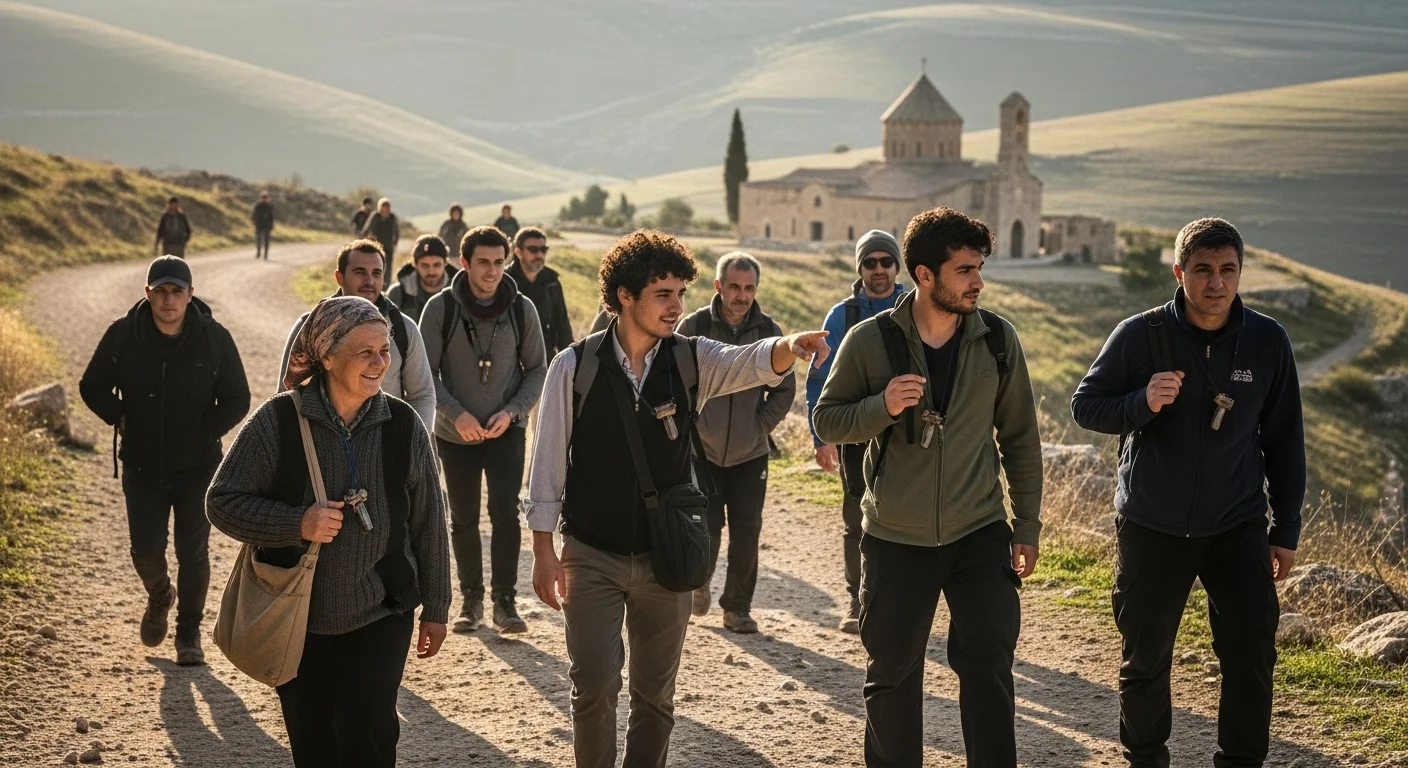
Transformative Christian Pilgrimages for the Thrifty Traveler

For those seeking spiritual growth without breaking the bank, transformative Christian pilgrimages offer a perfect opportunity. Let’s explore how these journeys can change our lives while being kind to our wallets. Read Interesting article: Discover Hidden Gems: Budget African Safari Destinations Revealed
Transformative Christian Pilgrimages for the Thrifty Traveler

Understanding Christian Pilgrimages

What is a Christian Pilgrimage?

A Christian pilgrimage is a journey to a sacred place, undertaken for spiritual purposes. It’s more than just a trip; it’s a quest for spiritual growth, reflection, and connection with God. I remember my first pilgrimage vividly; it was more than just visiting beautiful sites. It was about seeking answers, finding peace, and deepening my faith. I think many people might resonate with that feeling of wanting to connect with something greater on these journeys.

Historical Significance of Pilgrimages

Historically, pilgrimages hold a rich tapestry woven into the fabric of Christianity. They date back to the early days of the Church when believers traveled to holy sites that held significant meaning in their faith, like Jerusalem or Rome. I’ve always found it fascinating to think about the countless souls who walked these paths before me, each with their hopes and dreams. Pilgrimages provided a way to express devotion, seek forgiveness, or fulfill vows, and they continue to do so today.

Throughout history, these journeys have also been tied to various events and figures in Christianity, showcasing the evolving landscape of faith. For instance, the Camino de Santiago, which I had the pleasure of walking, has been a pilgrimage since the Middle Ages, attracting millions each year. This rich history is a reminder that we’re part of a much larger narrative. I often feel a sense of belonging knowing that others have walked these paths with similar intentions over centuries.

Spiritual Benefits of Pilgrimage

The spiritual benefits of a pilgrimage are profound. Personally, I’ve experienced moments of clarity and reflection that are hard to find in my daily routine. Walking a pilgrimage often puts life into perspective; you leave behind the constant buzz of everyday life and immerse yourself in simplicity. I’ve found that the rhythm of walking, praying, and reflecting can lead to some of the most profound spiritual experiences. It’s like a reset button for the soul.

Moreover, pilgrims often find a sense of community on these journeys. Sharing experiences with fellow travelers creates bonds that can last a lifetime. I remember meeting people from different backgrounds during my pilgrimage, sharing meals, stories, and prayers. There’s something incredibly beautiful about coming together with a shared purpose and faith, even if we come from different walks of life.

Engaging with the history and spirituality of a place often brings a deeper understanding of faith. As I visited the sites, I felt an immense sense of gratitude and connection. Each stone I touched and each prayer I offered felt like a part of my journey, not just a checklist of places to see. It’s this immersive experience that can stir something deep within us, prompting spiritual growth and reflection.

Top Christian Pilgrimage Destinations

The Camino de Santiago, Spain

The Camino de Santiago is perhaps one of the most well-known pilgrimages. Stretching across Northern Spain, it offers stunning landscapes and a rich tapestry of history. I found that each step on the Camino was more than just physical; it felt like a step closer to my faith. The warm hospitality of the locals and the camaraderie among fellow pilgrims added layers to the experience that I still cherish.

The Holy Land, Israel

Visiting the Holy Land is a transformative experience that many Christians aspire to undertake. Walking where Jesus walked, visiting places like Bethlehem and Jerusalem, brings the Bible to life in a way I never expected. The spiritual weight of being there, surrounded by history and faith, is something that I believe every Christian should experience at least once in their life. Read Interesting article: Savor Authentic Flavors: Budget Traditional Cuisine Tours

Canterbury, England

Canterbury, known for its cathedral and the story of Thomas Becket, is a vibrant pilgrimage site. I’ve read about its rich history and felt drawn to walk the path that many have taken for centuries. There’s something incredibly grounding about visiting such a significant location.

Rome, Italy

Rome, the heart of Catholicism, is filled with sacred sites, including St. Peter’s Basilica and the Vatican. The experience of walking through this ancient city while reflecting on its spiritual significance is nothing short of awe-inspiring. I can still recall the feeling of standing in St. Peter’s Square, surrounded by the history and majesty of the Catholic Church.

Lourdes, France

Lourdes is famous for its healing waters and the story of Bernadette Soubirous. Many pilgrims go seeking physical healing or spiritual renewal. I have friends who have visited Lourdes and returned with stories of profound transformation. The atmosphere there is charged with faith and hope, making it a special destination for many.

Assisi, Italy

Assisi, the birthplace of St. Francis, is a serene place that embodies peace and simplicity. Walking through its narrow streets and visiting the basilica dedicated to St. Francis was one of my favorite experiences. The town’s charm and the spirit of St. Francis invite you to reflect on your own life and how you can live more simply and compassionately.

Medjugorje, Bosnia and Herzegovina

Medjugorje is known for reported apparitions of the Virgin Mary. Many pilgrims visit in search of peace, conversion, and healing. I’ve heard testimonies of lives changed through visits to this small village. It’s a place where many experience deep spiritual renewal and connection with their faith.

Planning Your Pilgrimage on a Budget

Choosing the Right Time to Travel

Timing can make a significant difference when planning a pilgrimage, especially if we want to keep costs down. I’ve learned that traveling during the shoulder seasons—spring and fall—often results in fewer crowds and better prices. For instance, I decided to walk the Camino de Santiago in early May, and it was perfect. The weather was mild, and I didn’t have to jostle with tons of tourists. Not only did this enhance my experience, but it also allowed me to find more affordable accommodations and meals. I recommend checking local festivals or religious events too; they can offer unique experiences, but they might also increase prices if you’re not careful.

How to Find Affordable Flights

Finding budget-friendly flights can feel like a daunting task. I remember spending hours searching for the best deals, but I found a few tricks that really helped. Using flight comparison websites can be a game-changer. I often look at Google Flights or Skyscanner to compare prices across different airlines and dates. Also, booking in advance generally gives us a better chance of snagging a good deal. I’ve noticed that flying mid-week tends to be cheaper than weekend flights. If you’re flexible with your travel dates, be sure to take advantage of that flexibility!

Budget Accommodation Options

When it comes to places to stay, there are plenty of budget options for pilgrims. Hostels are often the go-to choice, and I’ve met many fellow travelers who have shared memorable experiences in them. Staying in refugios or albergues along the Camino was one of my favorite parts. They’re not only affordable but also foster a sense of community among pilgrims. I’ve also used platforms like Airbnb to find affordable rooms in locals’ homes, which can sometimes give us a more personal touch to our stay. Plus, many hostels and guesthouses offer communal kitchens that can help us save on meals.

Transportation Tips for Thrifty Travelers

Getting around can add to our travel expenses, but there are ways to keep costs low. I often rely on public transportation, which can be both economical and a great way to immerse myself in local culture. Buses and trains are generally more affordable than taxis or rideshares. For example, during my pilgrimage in Italy, I used regional trains to get from one city to another, which allowed me to see more of the countryside. I’ve also found that walking, when feasible, not only saves money but adds to the pilgrimage experience, allowing us to soak in the scenery and reflect on our journey.

Essential Packing Tips for Pilgrims

Packing smart can make a world of difference on a pilgrimage, especially if we want to minimize expenses. I’ve learned from experience that less is often more. I pack only the essentials, focusing on lightweight clothing and sturdy footwear. A good pair of walking shoes is crucial; I still remember the discomfort of my first pilgrimage due to poor footwear. I also recommend packing a refillable water bottle to save on hydration costs. Many places along the routes have fountains where we can refill. Another tip is to bring lightweight snacks like nuts or energy bars; they can satisfy hunger during long days of walking without the need to stop for expensive meals.

Cost-Effective Pilgrimage Experiences

Free or Low-Cost Religious Sites

One of the beautiful aspects of pilgrimages is that many sites we visit have free or low-cost entry. I often found myself in awe of the stunning cathedrals and chapels that didn’t charge a fee. For instance, during my time in Rome, I visited several lesser-known churches that were just as magnificent as the famous landmarks but without the tourist traps. I believe that taking time to explore these hidden gems enriches our spiritual journey and deepens our connection to the faith.

Community Meals and Fellowship Opportunities

Another great way to save money and enhance the pilgrimage experience is by taking part in community meals or fellowship opportunities. I remember attending a communal dinner at a hostel during my Camino journey. It was one of the highlights of my trip! Sharing a meal with fellow pilgrims allowed us to bond over our journeys, and it was often much cheaper than dining out. Many local churches and organizations also host potluck dinners or offer free meals to pilgrims. I’ve found that these gatherings foster a sense of belonging and support among us travelers.

Volunteer Pilgrimage Programs

Volunteering during a pilgrimage can be a rewarding way to keep costs down while giving back. I’ve seen programs where pilgrims can help out at hostels or community centers in exchange for food and lodging. This approach not only saves us money but also deepens our connection with the local community. I once volunteered at an albergue on the Camino, and the experience was enriching. I met wonderful people and learned so much about the culture while contributing to something meaningful. Plus, it feels great to give back while on our pilgrimage journey. Read Interesting article: Plan Your Next Budget Whitewater Rafting Expedition Here!

Local Culture and Cuisine

Traditional Foods to Try on Your Pilgrimage

One of the highlights of my pilgrimage experiences has been indulging in local cuisine. Food tells a story, and each region has its unique flavors and dishes that reflect its culture and history. For instance, while walking the Camino de Santiago, I discovered the joy of trying tapas in Spain. From the savory jamón ibérico to the delightful patatas bravas, each bite was a little piece of the culture. I remember sitting at a small café, sharing dishes with fellow pilgrims, and reminiscing about our day’s journey. It felt like a celebration of our shared experiences.

In the Holy Land, the food is equally remarkable. I had the chance to taste traditional dishes like hummus, falafel, and shawarma. The spices and flavors were vibrant, and I loved how they complemented the rich history surrounding me. I still recall the feeling of breaking bread with locals in Bethlehem, where hospitality was woven into every meal. Trying local foods not only satisfies hunger but also deepens our connection to the places we visit.

Assisi offered another culinary delight with its famous olive oil and truffles. I remember being invited to a small trattoria where the owner shared his family recipes. It was such an enriching experience to taste the local dishes while learning about their significance and history. I believe that trying traditional foods during a pilgrimage adds a delicious layer to the spiritual journey.

Local Customs and Practices

Embracing local customs can enhance our pilgrimage experience and allow us to connect with the culture on a deeper level. Each destination has its practices, and participating in them can be both enlightening and enjoyable. For example, in many parts of Spain, I noticed the tradition of the siesta, where shops close in the afternoon for a few hours. I found this fascinating and took the opportunity to rest my weary feet. It reminded me that slowing down is essential, especially on a journey focused on reflection and spirituality.

In the Holy Land, I experienced the rich customs surrounding religious observances. Attending Mass in Jerusalem brought me face to face with centuries of tradition. I was moved by the solemnity and significance of the rituals, and being part of that experience made me feel connected not only to the people there but also to the broader Christian community worldwide.

During my pilgrimage in Canterbury, I was privileged to witness the local practice of walking the labyrinth at the cathedral. This ancient practice is meant to symbolize a journey of faith. I found it to be a beautiful metaphor for my pilgrimage, and as I walked, I reflected on my own spiritual path. Engaging with local customs invites us to see the world through a different lens, enriching our journey.

Meeting Fellow Pilgrims and Locals

One of the most rewarding aspects of any pilgrimage is the opportunity to meet fellow travelers and locals. I’ve often found that the people we encounter along the way can profoundly impact our experience. Each person has a unique story, and I love hearing about why they embarked on their pilgrimage. During my time on the Camino de Santiago, I met pilgrims from all walks of life—each with their own reasons for making the journey. From shared meals to late-night conversations, these connections quickly became some of my fondest memories.

In Medjugorje, I met locals who welcomed pilgrims with open arms. Their warmth and kindness made the experience even more special. I recall a woman who invited me into her home for coffee. As we chatted about our lives, I learned about her faith and experiences, which added depth to my understanding of the place. These personal interactions help to create a sense of community that extends beyond our own journey.

I believe it’s essential to embrace these opportunities to connect with others. Whether through shared stories, meals, or simple conversations, building relationships enriches our pilgrimage experience. The bonds we create can serve as reminders of our shared humanity and faith long after we return home. I often reflect on my pilgrimages and how those connections have influenced my spiritual journey, reminding me that we are never truly alone in our quest for meaning.

Safety and Health Considerations

Staying Safe While Traveling

Safety is always a top priority when embarking on a pilgrimage. I’ve learned that being aware of our surroundings and trusting our instincts can make a huge difference. Before my trips, I often research the areas I’ll be visiting and stay updated on local customs and safety tips. I remember during my time in Medjugorje, I was advised to stay in well-lit areas at night and to be cautious with my belongings. It’s always a good idea to keep important documents, like your passport, in a safe place and to have copies stored separately. Establishing a contact person back home can also provide peace of mind. I believe that by taking these simple precautions, we can focus more on our spiritual journey rather than worrying about safety issues.

Health Tips for Pilgrims

Your health should be a major focus when planning a pilgrimage. I’ve encountered my fair share of aches and pains after long days of walking, and I learned the hard way about the importance of preparation. One essential tip is to train your body before the pilgrimage. I started walking longer distances leading up to my trip, which helped me build stamina and avoid injuries. Staying hydrated is crucial as well; I always carry a reusable water bottle and make it a habit to refill it whenever I can. I also recommend packing a basic first aid kit with essentials like band-aids, pain relievers, and blister treatments. These small steps can make a significant difference in ensuring we stay healthy and enjoy our time on the road.

Insurance Options for Pilgrimage Travel

Getting travel insurance is something I wish I had considered earlier on my pilgrimages. It might seem like an extra expense, but it can save us from unexpected costs due to cancellations, medical emergencies, or lost belongings. I’ve learned that there are specific policies tailored for pilgrims that cover typical risks associated with long-distance walking. When researching insurance options, I recommend looking for plans that cover medical expenses, trip cancellations, and lost luggage. This added layer of security allows us to focus on our spiritual journey, knowing that we’re protected in the event of unforeseen circumstances.

Personal Transformation Through Pilgrimage

Spiritual Reflection and Growth

The journey of a pilgrimage is often as much about the internal changes we experience as it is about the physical journey. Personally, I’ve found that the solitude and time for reflection during my travels have led to significant spiritual growth. I remember sitting quietly in a chapel in Assisi, allowing my thoughts to settle. In those moments, I often found clarity and resolution to questions I had been grappling with. I think it’s essential for all of us to embrace these quiet moments; they can provide insight into our lives and our faith that we might not find in our busy daily routines.

Building Community and Connections

The connections we form during our pilgrimages can be some of the most impactful experiences. I’ve made friends from all over the world, sharing our journeys and encouraging each other along the way. There’s a certain camaraderie that develops as we walk together, sharing stories and faith. I remember one evening on the Camino when we all gathered around a fire, sharing our hopes and dreams. That moment of vulnerability and community became a treasured memory for me. I believe that these relationships remind us of the power of community in our spiritual lives and that we’re never truly alone in our journey.

Returning Home Changed: How to Integrate Your Experience

After returning home from a pilgrimage, I often find myself reflecting on how to integrate the lessons learned into my everyday life. It can be a challenge to hold on to that spiritual connection once we’re back in the hustle and bustle of daily life. I encourage everyone to carve out time for reflection, whether through journaling, prayer, or simply quiet contemplation. For me, I’ve implemented small practices that remind me of my experiences, like lighting a candle during my evening prayers or keeping a small memento from the pilgrimage on my desk. These reminders help me carry the spirit of the journey with me, enriching my everyday existence.

Final Thoughts

Embarking on a Christian pilgrimage is more than just a journey to sacred places; it’s an opportunity for profound personal growth and connection. I believe that through careful planning, open-hearted engagement with local culture, and a focus on our spiritual and physical well-being, we can create unforgettable experiences that resonate deeply within us. As we navigate our paths, we discover not only the beauty of the world around us but also the strength and faith within ourselves. I hope that anyone considering a pilgrimage finds it as transformative and enriching as I have. Let’s continue to walk these paths together, allowing our journeys to shape us and our faith.

Frequently Asked Questions

What is a Christian pilgrimage?

A Christian pilgrimage is a journey to a sacred place, undertaken for spiritual purposes. It involves seeking spiritual growth, reflection, and connection with God.

What are some historical significance of Christian pilgrimages?

Historically, pilgrimages date back to the early days of the Church when believers traveled to holy sites like Jerusalem or Rome. They provided a way to express devotion, seek forgiveness, or fulfill vows, and continue to do so today.

What are the spiritual benefits of going on a pilgrimage?

Pilgrimages offer profound spiritual benefits, including moments of clarity and reflection. They provide a reset for the soul, foster a sense of community among pilgrims, and deepen one’s understanding of faith through immersive experiences.

What are some top Christian pilgrimage destinations?

Some top pilgrimage destinations include the Camino de Santiago in Spain, the Holy Land in Israel, Canterbury in England, Rome in Italy, Lourdes in France, Assisi in Italy, and Medjugorje in Bosnia and Herzegovina.

How can I plan a pilgrimage on a budget?

To plan a pilgrimage on a budget, consider traveling during the shoulder seasons, using flight comparison websites for affordable flights, opting for budget accommodations like hostels, and relying on public transportation to keep costs down.

What should I pack for a pilgrimage?

Packing smart is essential for a pilgrimage. Focus on lightweight clothing, sturdy footwear, and a refillable water bottle. Packing lightweight snacks can also help avoid expensive meal stops during your journey.

Are there cost-effective experiences during pilgrimages?

Yes, many religious sites have free or low-cost entry. Participating in community meals and fellowship opportunities can also help save money while enhancing the pilgrimage experience.

How can I meet fellow pilgrims and locals during my journey?

Meeting fellow travelers and locals is a rewarding aspect of pilgrimage. Engaging in conversations, sharing meals, and participating in local customs can create lasting connections and enrich your experience.

What safety and health considerations should I keep in mind?

Prioritize safety by being aware of your surroundings and trusting your instincts. It’s also important to train your body beforehand, stay hydrated, and consider travel insurance for unexpected situations.

How can I integrate my pilgrimage experience once I return home?

Integrating your pilgrimage experience can involve carving out time for reflection, journaling, or maintaining practices that remind you of your journey, such as lighting a candle during evening prayers.
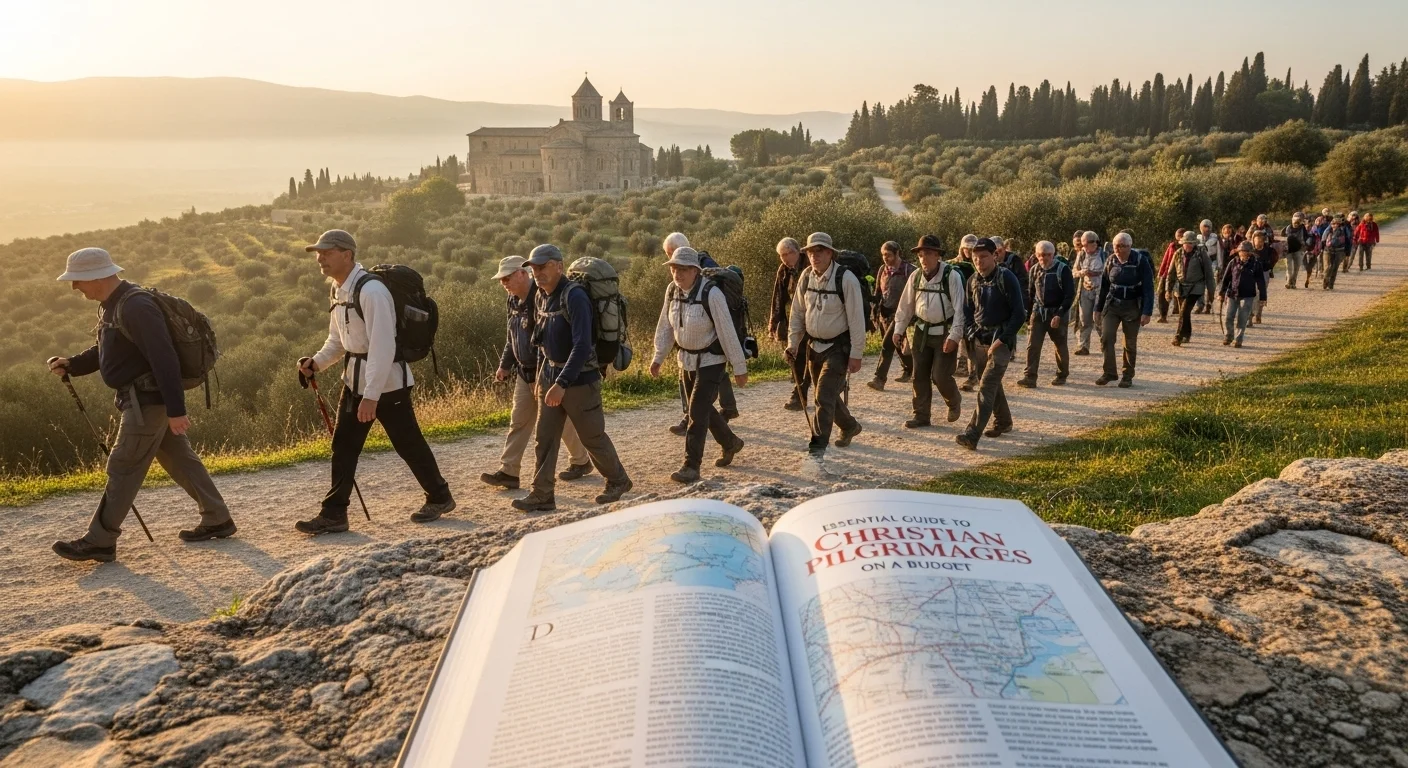
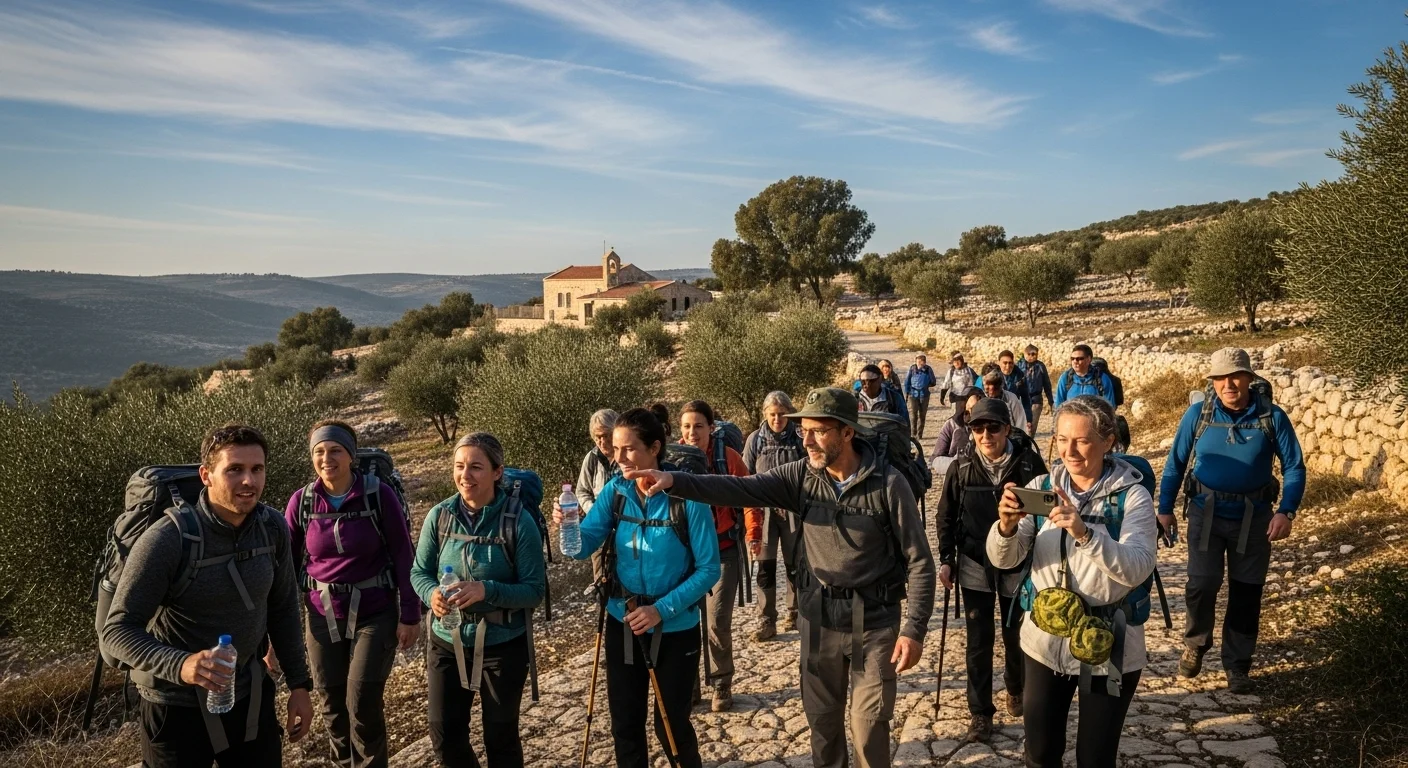
Essential Guide to Christian Pilgrimages on a Budget

Exploring Christian pilgrimage sites can be a deeply enriching experience, even on a budget. Let’s dive into the world of affordable spiritual journeys and discover how to make the most of your pilgrimage without breaking the bank. Read Interesting article: Budget-Friendly Christian Pilgrimages You Must Experience

Essential Guide to Christian Pilgrimages on a Budget

Understanding Christian Pilgrimages

What is a Christian Pilgrimage?

When I first heard the term “Christian pilgrimage,” I imagined people trekking through beautiful landscapes with the goal of reaching a holy site. That’s essentially what it is—a journey to a sacred location that holds spiritual significance. Pilgrimages often involve physical challenges, reflection, and a sense of community. They are about seeking a deeper connection to faith, God, and oneself. Whether on foot, by bus, or through any other means, each step is a part of a spiritual quest.

Historical Significance of Pilgrimages

Historically, pilgrimages date back to ancient times, with the act of traveling to sacred places rooted deep in many cultures, particularly within Christianity. I’ve learned that these journeys were often undertaken to seek forgiveness, healing, or enlightenment. Some of the most famous pilgrimages, like the Camino de Santiago in Spain, have been walked for centuries, connecting travelers with the past and their spiritual heritage. Reflecting on these traditions enhances the experience, making each step feel like a part of a much larger story.

Popular Christian Pilgrimage Sites

As I began researching pilgrimage sites, I felt overwhelmed by the rich variety available. Some of the most popular include:

  • Santiago de Compostela: This iconic site in Spain marks the end of the Camino route, drawing thousands each year to its stunning cathedral.
  • Jerusalem: A holy city for Christians, Jews, and Muslims, walking where Jesus once walked is a profound experience.
  • Canterbury: The shrine of Thomas Becket has attracted pilgrims for centuries and is a significant site in England.
  • Rome: With its numerous basilicas and the Vatican, Rome is a spiritual center overflowing with history.
  • Assisi: The birthplace of St. Francis offers a beautiful backdrop for reflection and spiritual growth.

Each of these sites tells a unique story, and I found myself enchanted by the richness each location offers. They are not just destinations; they are stepping stones into a deeper understanding of faith. Read Interesting article: Top 5 Christian Pilgrimages for Budget Backpackers

Different Types of Pilgrimages

As I delved deeper, I discovered that not all pilgrimages are the same. There are various types, each serving different spiritual needs:

  • Spiritual Pilgrimages: Focused on personal growth and experiencing faith, these can be done individually or in groups.
  • Cultural Pilgrimages: Often include visits to historical sites that carry religious significance, merging culture with spirituality.
  • Religious Retreats: These may involve structured programs or guided experiences aimed at deepening one’s faith.
  • Communal Pilgrimages: Walking or traveling with a group can foster a sense of community and shared purpose.

From my experience, understanding the type of pilgrimage that resonates with you is essential. It shapes the journey, influences who you meet along the way, and affects how you engage with the places you visit.

In conclusion, Christian pilgrimages are more than just a physical journey; they’re deeply spiritual experiences that connect us to our faith and history. Understanding what a pilgrimage is, its significance, and the different forms it can take is crucial as we prepare for our own transformative journeys. This exploration ignited my desire to embark on a pilgrimage of my own, and I hope it inspires you too.

Planning Your Budget-Friendly Pilgrimage

Setting a Budget for Your Trip

One of the first things I learned when planning my pilgrimage was the importance of setting a budget. It can be tempting to let excitement take over and start booking everything at once, but I found that taking a step back and planning my finances made a huge difference. I started by listing all the potential expenses: travel, accommodation, food, and activities. Then, I allocated a specific amount for each category. This way, I could prioritize what was most important to me and where I could save. For instance, I decided to splurge a little on local experiences while keeping accommodations simple. Having that budget in mind kept me grounded throughout my planning process.

Choosing Affordable Destinations

Not all pilgrimage sites have to be expensive. I discovered that some places are more budget-friendly than others. For example, lesser-known pilgrimage routes often have fewer tourists, which can translate to lower costs for accommodations and meals. I remember stumbling upon a small village in Portugal that offered a beautiful route with stunning landscapes and a rich history for a fraction of the cost of a popular site like Santiago. Researching off-the-beaten-path locations not only saved me money but also provided a more intimate experience.

Best Times to Go for Budget Travelers

I learned that timing can make a world of difference in costs. Traveling during off-peak seasons often means lower prices for flights and accommodations. I remember planning my trip to Assisi in early spring instead of summer, which not only avoided the crowds but also allowed me to appreciate the beauty of the blossoming flowers without the hustle and bustle. Many pilgrimage sites have specific times of the year when they are less crowded and more affordable. Doing a little research in advance can help you find those hidden gems.

Traveling Off-Peak vs. Peak Seasons

Being aware of peak seasons is crucial for budget travelers. I once made the mistake of booking a trip to Jerusalem during Easter, and let me tell you, it was not the most budget-friendly experience! Prices were sky-high, and the crowds made it hard to enjoy the sites. In contrast, I found that traveling in late fall or early winter offered a much more peaceful experience and significant savings. While the weather might be a bit cooler, the spiritual atmosphere remained warm and inviting. I think that choosing the right time not only helps in saving money but also allows for a more meaningful pilgrimage.

Getting There: Transportation Options

Finding Cheap Flights

When it came to booking flights, I learned a few tricks to snag the best deals. First, I signed up for fare alerts from various airlines and travel websites. This way, I was notified of price drops, and I was able to book my flight to Rome at a fraction of the expected cost. I also found traveling mid-week often yields cheaper fares compared to weekends. Flexibility with dates made a huge difference for me, allowing me to save enough money to splurge on a guided tour of the Vatican.

Using Public Transportation

Once I arrived at my destination, embracing public transportation was a game changer. I remember navigating the metro in Paris to reach my starting point for the Camino de Santiago. It was not only economical but also a real experience of local life. Buses and trains are often well-connected to pilgrimage routes, making them ideal for budget travelers. Plus, I found that mingling with locals and fellow travelers on public transport added a layer of richness to my journey.

Car Rentals and Ridesharing Services

For those times when public transport wasn’t an option, I explored car rentals and ridesharing services. I found that renting a car can be a great choice if you’re traveling with a group, as splitting the costs made it much more affordable. However, I also learned to compare prices from various rental companies and read the fine print to avoid unexpected fees. On one of my trips, I used a ridesharing app to get to a remote pilgrimage site, and it was both convenient and budget-friendly.

Walking Routes for Pilgrimages

Of course, one of the most profound ways to experience a pilgrimage is to walk it yourself. I’ve found walking routes not only save on transportation costs but also create an intimate connection with the journey. Each step allows for reflection, prayer, and a deeper appreciation of the landscape. I remember my time on the Camino de Santiago, where the journey was as much about the walk as the destination. We met fellow pilgrims, shared stories, and formed lasting friendships, all while saving money by relying on our own two feet.

Where to Stay on a Budget

Types of Accommodations

Finding the right place to stay during a pilgrimage can significantly impact your experience and budget. I’ve discovered that there are several types of accommodations to consider, each with its own benefits. From my travels, I’ve noticed that hostels and guesthouses are often the most budget-friendly options, especially in popular pilgrimage areas. They not only save money but also allow you to meet fellow travelers, which can enhance your journey. Additionally, don’t overlook campgrounds; some pilgrimage routes offer camping facilities, providing a unique way to connect with nature and reflect on your spiritual journey.

Hostels vs. Hotels vs. Guesthouses

When I first started my pilgrimage adventures, I was unsure whether to book hostels or hotels. I quickly learned that hostels are a fantastic way to save money. They often have shared kitchens, allowing you to prepare your own meals, which can be a significant cost-saving measure. Guesthouses, on the other hand, tend to offer a cozy, home-like atmosphere. I remember staying in a quaint guesthouse in a small village along the Camino de Santiago, where the owner shared stories about the area’s history and culture. It made my stay feel personal and enriching. Hotels can be pricier, but they may offer added comforts that are worth the expense if you’re looking for a little more privacy or luxury after a long day of walking.

Staying with Local Families or Religious Institutions

One of my most memorable experiences came from staying with local families and religious institutions. Many pilgrimage routes have options for staying in monasteries or convents, which often provide simple, affordable lodging with meals included. This not only supports the local community but also immerses you in the spiritual atmosphere of your pilgrimage. I found that sharing a meal with the nuns at a convent in Assisi was one of the highlights of my trip. They welcomed us with open arms and shared their wisdom, creating a profound connection that went beyond just a place to sleep.

Booking Strategies for the Best Rates

To get the best rates on accommodations, I’ve developed a few strategies that worked well for me. First, I recommend booking as early as possible, especially during peak seasons when places fill up quickly. Websites that specialize in pilgrimages or budget travel often offer discounts, so I made it a habit to compare multiple sites before finalizing my reservations. I also learned the value of being flexible with my travel dates; adjusting my schedule by just a day or two could lead to significant savings. Lastly, if you’re comfortable, consider reaching out to accommodations directly. Sometimes, they offer better rates or special deals that aren’t advertised online.

Essential Packing Tips

What to Bring for a Pilgrimage

Packing for a pilgrimage can feel overwhelming, especially when you’re trying to balance comfort and necessities. I’ve found that it’s crucial to pack light, as carrying heavy bags while walking can quickly become a burden. Essential items for me include a good pair of walking shoes—preferably ones that are broken in and comfortable—and a lightweight backpack to carry my belongings. I also recommend bringing a reusable water bottle to stay hydrated and snacks for those long stretches between meals. A small first-aid kit is also a must; it’s always better to be prepared for any minor injuries or blisters that might occur during your journey.

Budget-Friendly Gear and Supplies

Finding budget-friendly gear can make a big difference. I’ve learned that you don’t need to spend a fortune on high-end brands to have a successful trip. Stores that specialize in outdoor or travel gear often have sales or second-hand options that are just as good. On my last pilgrimage, I picked up a lightweight rain jacket and quick-dry clothing from a local discount store, which served me well without breaking the bank. Plus, when I shared my purchases with fellow travelers, many were surprised at how little I spent while still getting quality items.

Clothing Considerations for Different Climates

Understanding the climate of your pilgrimage route is essential for packing appropriately. I remember my trek in Spain, which had varying temperatures, so I layered my clothing. I packed a mix of short and long sleeves, along with a hat and sunglasses for sun protection. It’s important to consider breathable fabrics, especially if you’re walking a lot. On cooler days, I found that a lightweight fleece jacket was perfect for keeping warm without being bulky. I also recommend packing a small laundry kit; being able to wash clothes on the go can really lighten your load and keep your packing minimal.

Food and Dining on a Budget

Finding Affordable Local Cuisine

Exploring local cuisine is one of the highlights of any pilgrimage. I’ve learned that you can find delicious and affordable food if you know where to look. Street vendors and small cafes often offer authentic meals at reasonable prices. I remember savoring a bowl of hearty soup from a street stall in Portugal that was not only filling but also cost less than a cup of coffee! I recommend asking locals for their favorite spots; they often know hidden gems that are off the tourist path and much friendlier to your wallet.

Self-Catering Options

Self-catering became one of my favorite budget strategies during my pilgrimages. Many hostels and guesthouses offer kitchen facilities, which allow you to prepare your own meals. During one of my trips, I would often buy fresh ingredients from local markets and whip up simple yet satisfying meals. Not only did this save money, but it also became a fun part of my daily routine. Cooking together with other pilgrims created a sense of community and sharing that enriched our experiences.

Street Food vs. Restaurants

When it comes to dining, I’ve found street food to be a wonderful way to taste local flavors without spending a fortune. While some restaurants can be quite pricey, street food stalls often offer meals that are both cheap and delicious. I remember trying a variety of local dishes from vendors along my route, each bite telling a story of the culture and traditions of the area. Eating where locals eat not only saved me money but also provided a more authentic culinary experience, making my pilgrimage even more memorable.

Spiritual Preparation and Activities

Setting Spiritual Goals for Your Pilgrimage

Before embarking on my pilgrimage, I found it incredibly helpful to set spiritual goals. This gave my journey a purpose beyond just visiting sites. I took time to reflect on what I wanted to achieve—whether it was deepening my faith, seeking forgiveness, or simply reconnecting with myself. I remember writing down my intentions in a journal, which I carried with me throughout the trip. This practice not only kept me focused but also allowed me to reflect on my progress along the way. I believe that having clear goals can transform a pilgrimage from a mere travel experience into a profound spiritual journey.

Engaging in Local Religious Practices

One of the most beautiful aspects of a pilgrimage is the opportunity to engage in local religious practices. I discovered that participating in Mass or local prayer rituals can enrich your experience immensely. For instance, while in Assisi, I attended a service at the Basilica of St. Francis, which was not only spiritually uplifting but also allowed me to connect with the local community. I felt welcomed and included in a tradition that spans centuries. Engaging in these practices helped me immerse myself in the culture and deepen my spiritual experience.

Participating in Community Events and Services

During my pilgrimage, I found that participating in community events was a rewarding way to connect with others on similar journeys. In many towns along the Camino de Santiago, I joined local gatherings, from communal meals to prayer services. I remember one particular evening where pilgrims and locals shared stories around a fire. It created a sense of unity that made the experience unforgettable. I encourage anyone embarking on a pilgrimage to seek out these community events; they often provide a sense of belonging and can lead to meaningful connections.

Top Budget-Friendly Christian Pilgrimages

Santiago de Compostela, Spain

Santiago de Compostela is perhaps one of the most famous pilgrimage destinations, and I found it to be quite budget-friendly as well. The Camino de Santiago has various routes, some of which can be walked without spending much on accommodations or food. The community of pilgrims is incredibly supportive, often sharing tips on where to find the best budget meals and spots to rest without spending a fortune.

Canterbury, England

The journey to Canterbury is steeped in history, and it’s quite accessible for budget travelers. I discovered that there are numerous walking routes leading to the city, allowing for a personal and intimate experience. Many local inns and hostels offer affordable stays, and the overall atmosphere is welcoming, making it easy to connect with fellow pilgrims.

Jerusalem, Israel

While Jerusalem might seem like a more expensive destination, I found that with careful planning, it can be budget-friendly. There are various hostels and guesthouses that cater to pilgrims. Plus, many sites, such as the Western Wall or Church of the Holy Sepulchre, are free to visit. Engaging with local communities and participating in free events also helped enrich my experience without added costs.

Rome, Italy

Rome is overflowing with spiritual significance, and I was pleasantly surprised by how affordable it could be. Many of the city’s basilicas and churches, including St. Peter’s Basilica, do not charge an entrance fee. I often found local trattorias where I could enjoy authentic Italian cuisine without overspending. Walking around the city was a joy in itself, allowing me to soak in the history and spirituality in every corner.

Assisi, Italy

Assisi, known as the birthplace of St. Francis, is another gem for budget-conscious pilgrims. The town offers numerous affordable accommodation options, from guesthouses to monasteries. The peaceful environment and beautiful scenery made it a perfect place for reflection and spiritual growth. Many of the sites, like the Basilica of St. Francis, are free to enter, allowing you to experience the deep spirituality without breaking the bank. Read Interesting article: Explore Sacred Routes: Affordable Christian Pilgrimages

Safety and Travel Tips

Staying Safe While Traveling

Safety is always a priority when traveling. I’ve learned to trust my instincts and stay aware of my surroundings. Keeping my belongings secure and knowing emergency contacts made me feel more at ease. I also recommend having a photocopy of important documents, just in case. For me, traveling with a buddy added an extra layer of safety and companionship.

Health Considerations on Pilgrimages

Staying healthy during a pilgrimage is crucial. I made sure to stay hydrated and eat well, fueling my body for long walks. I also packed a small first-aid kit, which came in handy more than once. Listening to my body and taking breaks when needed allowed me to enjoy the journey without exhaustion. I believe that taking care of myself physically contributed to my spiritual experience.

Emergency Contacts and Resources

Before heading out, I made a list of emergency contacts and resources for each destination. Knowing where to find help in case of an emergency gave me peace of mind. I also downloaded local apps that provided information on health services and emergency numbers. It’s a small step, but it’s a good practice to ensure a safe and enjoyable pilgrimage.

Final Thoughts

Embarking on a pilgrimage is a journey that not only connects us to our faith but also to ourselves and others. Throughout my experiences, I have discovered that with careful planning and an open heart, a pilgrimage can be both spiritually fulfilling and budget-friendly. I hope that by sharing my insights, you feel inspired to take your own spiritual journey. Remember, it’s not just the destination that matters; it’s the journey itself that transforms us. So lace up your walking shoes, set your intentions, and prepare for a life-changing adventure.

Frequently Asked Questions

What is a Christian pilgrimage?

A Christian pilgrimage is a journey to a sacred location that holds spiritual significance, often involving physical challenges, reflection, and a sense of community. It is about seeking a deeper connection to faith, God, and oneself.

What are some popular Christian pilgrimage sites?

Some popular Christian pilgrimage sites include Santiago de Compostela in Spain, Jerusalem, Canterbury in England, Rome, and Assisi in Italy. Each of these sites offers a unique story and spiritual experience.

What types of pilgrimages are there?

There are various types of pilgrimages, including spiritual pilgrimages focused on personal growth, cultural pilgrimages that combine history with spirituality, religious retreats for deepening faith, and communal pilgrimages that foster a sense of community.

How can I set a budget for my pilgrimage?

Setting a budget involves listing potential expenses such as travel, accommodation, food, and activities, and then allocating specific amounts for each category. This helps prioritize important aspects and identify where savings can be made.

When is the best time to travel for budget-conscious pilgrims?

Traveling during off-peak seasons can lead to lower prices for flights and accommodations. Early spring or late fall are often ideal times to avoid crowds and enjoy a more peaceful experience.

What transportation options are available for pilgrims?

Cheap flights can be found through fare alerts and booking mid-week. Public transportation is economical and provides a local experience, while car rentals can be a good option for groups. Walking routes are also a profound way to experience a pilgrimage.

What types of accommodations are best for budget travelers?

Budget travelers can consider hostels, guesthouses, campgrounds, or staying with local families or religious institutions. Each offers unique benefits and can enhance the pilgrimage experience while saving money.

What should I pack for a pilgrimage?

Essential items for a pilgrimage include a good pair of walking shoes, a lightweight backpack, a reusable water bottle, snacks, and a small first-aid kit. Packing light is crucial for comfort during the journey.

How can I find affordable local cuisine while on a pilgrimage?

Look for street vendors and small cafes for authentic meals at reasonable prices. Self-catering in hostels or guesthouses and trying street food can also help keep dining costs low.

What should I consider for health and safety during a pilgrimage?

Stay hydrated, eat well, and listen to your body during the pilgrimage. Keeping belongings secure, knowing emergency contacts, and having a photocopy of important documents can enhance safety while traveling.

Budget-Friendly Christian Pilgrimages You Must Experience

Embarking on a pilgrimage is a transformative journey that enriches the spirit. Discovering budget-friendly Christian pilgrimages allows us to explore our faith without breaking the bank. For those looking for more ideas, check out Top 5 Christian Pilgrimages for Budget Backpackers.

Budget-Friendly Christian Pilgrimages You Must Experience

Understanding Christian Pilgrimages

What is a Christian Pilgrimage?

When I first learned about Christian pilgrimages, I was fascinated. A pilgrimage is a journey, often to a sacred site, that holds deep spiritual significance. It’s a chance to step away from our busy lives and connect with our faith on a more profound level. Whether it’s walking the Camino de Santiago or visiting the Holy Land, these journeys help us reflect, pray, and grow spiritually. For many, a pilgrimage isn’t just about the destination; it’s about the entire experience—the people we meet, the lessons we learn, and the moments we cherish.

Historical Significance of Pilgrimages in Christianity

Throughout history, Christians have undertaken pilgrimages for various reasons. I remember reading about how, during the Middle Ages, vast numbers of believers traveled to holy sites like Jerusalem and Rome, often facing perilous conditions. Pilgrimages were not just personal journeys; they were communal experiences that strengthened faith and community ties. They served as a way to seek forgiveness, healing, and a deeper connection with God. The traditions surrounding pilgrimages have evolved, but their essence remains intact. They remind us of our shared faith and the universal quest for spiritual fulfillment.

Benefits of Undertaking a Pilgrimage

Taking a pilgrimage can be life-changing. I’ve noticed how stepping away from everyday distractions allows for personal reflection and growth. It’s an opportunity to deepen our relationship with God, gain new perspectives, and even find clarity in our lives. Many people find that walking in the footsteps of those who have come before us fosters a sense of belonging and connection. Moreover, pilgrimages often encourage a sense of community as we meet fellow travelers who share similar beliefs and experiences. I’ve seen friendships blossom on these journeys, and the shared stories become part of our faith journey. Read Interesting article: Explore Sacred Routes: Affordable Christian Pilgrimages

Top Budget-Friendly Christian Pilgrimages

The Camino de Santiago (Spain)

The Camino de Santiago is one of the most famous pilgrimages, attracting thousands each year. I remember hearing inspiring stories of friends who walked the Camino, sharing their experiences of camaraderie and spiritual renewal. The route varies in length and difficulty, making it accessible for many. You can find affordable accommodations in albergues (hostels) along the way, and the local cuisine is delicious yet budget-friendly. Walking through the stunning landscapes of northern Spain while reflecting on life can be a truly transformative experience.

Holy Land Pilgrimage (Israel and Palestine)

Visiting the Holy Land is a dream for many Christians. I’ve found that there are affordable options available, especially if you travel during the off-peak season. Exploring sites like Jerusalem, Bethlehem, and Nazareth can deepen your understanding of the Bible and your faith. Group tours can also help reduce costs, and many organizations offer scholarships or discounts for those in need. The emotional and spiritual impact of walking where Jesus walked is something I believe every Christian should experience at least once.

Assisi Pilgrimage (Italy)

Assisi is a beautiful town known as the birthplace of St. Francis. I was captivated by its charm during my visit. The pilgrimage here can be quite budget-friendly, especially if you stay in smaller guesthouses or utilize the local transport. The serene atmosphere and the stunning basilicas are perfect for spiritual reflection. I recall spending hours wandering the cobblestone streets, soaking in the beauty and peace of the place. It’s a location that feels infused with spirituality and history.

Medjugorje (Bosnia and Herzegovina)

Medjugorje has become a significant pilgrimage site for many who seek spiritual renewal. I was surprised to learn how affordable it can be to visit. Accommodations are often inexpensive, and food can be quite affordable as well. Many pilgrims report powerful spiritual experiences here, and the community welcomes visitors warmly. The simplicity of the area allows you to focus on prayer and reflection. I felt a deep sense of peace during my time there, which made the journey all the more worthwhile.

Mount Athos (Greece)

Mount Athos is unique as it’s an autonomous monastic state. For those who seek a more contemplative experience, this pilgrimage can be incredibly enriching. It’s a bit more challenging to access, but once there, you can find budget accommodations within the monasteries. I believe the tranquility and spiritual depth of Mount Athos make it a worthwhile pilgrimage for anyone interested in deepening their faith. The breathtaking views and the chance to meet dedicated monks add to the experience.

Canterbury (England)

Canterbury has been a pilgrimage site for centuries, thanks to its connection to Thomas Becket. The city is rich in history and offers affordable lodging options. I found the journey to Canterbury emotionally fulfilling, as I took the time to reflect and connect with the stories of those who walked before me. Exploring the magnificent cathedral and the surrounding town can be both enlightening and budget-friendly, especially if you visit during quieter times.

The Shrine of Our Lady of Guadalupe (Mexico)

This pilgrimage site is incredibly important for many Catholics. I was amazed at how accessible it is for travelers. The shrine is both beautiful and spiritually uplifting, with many pilgrims gathering to pay their respects. The costs of travel, food, and lodging can be quite reasonable, especially compared to other pilgrimage sites. I felt a profound sense of connection to my faith while visiting, which made the journey incredibly meaningful.

El Camino de San Juan (Puerto Rico)

The El Camino de San Juan offers a unique and culturally rich pilgrimage experience. I discovered that it’s not as well-known, making it a hidden gem for those looking for a budget-friendly option. The route takes you through beautiful landscapes and historic sites, allowing for reflection and connection with the local culture. Accommodations are often affordable, and the warmth of the local people adds to the experience. I found the sense of community and the beauty of the island made this pilgrimage unforgettable.

Planning Your Pilgrimage

Choosing the Right Time to Go

One of the first things I learned while planning my pilgrimage was the importance of timing. Each pilgrimage site has its own best seasons to visit, and I’ve found that going during the off-peak months can not only save money but also provide a more serene experience. For example, walking the Camino de Santiago in early spring or late autumn meant fewer crowds and more opportunities for reflection. I remember how tranquil those moments felt, with just the sound of my footsteps and the gentle rustling of the trees. It’s worth researching the climate and local events that might affect your journey. I recommend checking online forums or social media groups dedicated to your pilgrimage for firsthand advice from fellow travelers.

How to Prepare Spiritually and Physically

Preparing for a pilgrimage goes beyond just packing your bags. I discovered that physical preparation was key to truly enjoying the experience. I started walking regularly weeks before my journey, gradually increasing my distance to build stamina. This not only helped my body but also gave me a chance to meditate and reflect on my upcoming journey. Spiritually, I found it beneficial to engage in prayer and read scriptures related to my pilgrimage. This practice helped me set intentions for my trip and grounded me in my faith. I’ve seen others benefit from journaling their thoughts and prayers in the weeks leading up to the pilgrimage, creating a personal connection to the journey. Read Interesting article: Cultural Immersion on a Budget: Top Community Tours

Budgeting for Your Trip

Creating a budget is essential for any pilgrimage, especially when we’re aiming to keep costs down. I remember sitting down with a notebook and breaking down my estimated expenses, which helped me feel more in control of my finances. Here are some specific areas to consider:

Travel Costs

Transportation can be one of the largest expenses. I found that booking flights well in advance and being flexible with travel dates made a significant difference in cost. I also looked into trains and buses, which often provided cheaper options to reach my destination. In some cases, carpooling with fellow pilgrims can save money and create a sense of community right from the start of the journey. I’ve even seen pilgrims use rideshare apps or local transportation to navigate once they arrive at their destination.

Accommodation Options

Finding budget-friendly accommodations was a fun part of the planning process. I’ve always preferred staying in hostels or guesthouses, as they not only save money but also allow for interaction with other travelers. Many pilgrimages offer albergues or similar lodging, where the prices are kept low specifically for pilgrims. I recall a particularly cozy albergue along the Camino where I met kindred spirits, and we shared stories over dinner. Researching online for reviews and recommendations can help you find the best places that fit your budget.

Food and Daily Expenses

Food expenses can add up quickly, but I discovered simple strategies to keep costs under control. Eating where the locals eat instead of tourist spots often led to delicious meals at lower prices. I also made it a habit to buy groceries and prepare my own meals when possible, which not only saved money but also allowed me to connect with the local culture. I remember enjoying a lovely picnic with fellow pilgrims one afternoon, sharing bread, cheese, and local fruits that we had picked up from a market. It turned into one of my favorite memories of the trip.

Best Practices for Budget-Friendly Pilgrimages

Traveling Off-Peak

Traveling during off-peak times can significantly reduce costs and enhance the overall pilgrimage experience. I’ve noticed that many popular pilgrimage routes are less crowded during the shoulder seasons, making it easier to find quiet moments for reflection. Not only does this help with budgeting, but it also allows for a deeper connection with the spiritual essence of the journey.

Utilizing Group Discounts

When I traveled with a group, I was pleasantly surprised by the discounts we received. Whether it was for accommodations, tours, or transportation, many places offer group rates that make it more affordable. If you can gather a few friends or family members to join you, not only will you save money, but you’ll also create shared experiences that can deepen your connection with each other and your faith.

Finding Affordable Accommodations

As I mentioned before, hostels and local guesthouses can be a great way to save money. I also discovered online platforms that cater specifically to pilgrims, offering economical lodging options. Some monasteries and convents provide lodging at low prices, and it often comes with the added benefit of a peaceful environment conducive to reflection.

Cooking Your Own Meals

Cooking your own meals may seem daunting at first, especially if you’re on the go, but I found it to be rewarding. Many hostels have kitchen facilities, allowing us to prepare simple meals. Plus, shopping at local markets was an adventure in itself! I loved trying out local ingredients and experimenting with recipes from the regions I visited.

Walking vs. Transportation Costs

Walking is not only the essence of a pilgrimage but also the most budget-friendly option. I often chose to walk rather than use public transport whenever possible, which allowed me to connect more deeply with the surroundings. The sense of accomplishment I felt after a long day of walking was indescribable. It also provided opportunities for spontaneous encounters and moments of grace along the way.

Local Experiences and Cultural Insights

Interacting with Local Communities

One of the most enriching aspects of my pilgrimage experiences has been the opportunity to interact with local communities. I vividly remember arriving in a small village during my journey on the Camino de Santiago. The warm smiles of the locals, who welcomed us with open arms, made a lasting impression. We shared stories and laughter over a simple meal. It reminded me that while we may come from different backgrounds, our shared faith and humanity connect us all. Engaging with locals can offer profound insights into their culture, traditions, and the spiritual significance of the sites we visit. I encourage fellow pilgrims to take the time to immerse themselves in the local way of life; whether it’s attending a community event, visiting a family-run café, or simply striking up a conversation, these moments can greatly enrich your pilgrimage experience.

Participating in Religious Ceremonies

Experiencing local religious ceremonies can be incredibly moving. During my visit to the Shrine of Our Lady of Guadalupe, I was fortunate enough to participate in a mass that celebrated the feast day of the Virgin Mary. The atmosphere was electric with devotion, and I felt a deep spiritual connection with the many pilgrims gathered around me. These ceremonies often incorporate local customs and music, making them unique and memorable. I believe participating in such events helps us feel more connected to the communities we are visiting and allows us to witness the living faith of others. If you have the chance, I highly recommend attending local masses or special celebrations while on your pilgrimage.

Exploring Historical Sites Along the Route

As I walked along various pilgrimage routes, I found that each step brought me closer to the rich history surrounding these sacred paths. Historical sites are abundant, often nestled in the heart of pilgrimage routes. For instance, while walking towards Assisi, I stumbled upon ancient ruins and charming chapels. I took the time to read the plaques that narrated stories of saints and events, deepening my understanding of the area’s spiritual significance. I learned that many of these sites have been places of worship for centuries, and they hold stories that resonate with our faith today. Exploring these historical landmarks not only enhances the pilgrimage experience but also allows us to connect with the broader narrative of Christianity. I encourage fellow pilgrims to research historical sites along their route and take the time to engage with them. Each site has its own story to tell and can profoundly impact our journey.

Safety and Accessibility Considerations

Health and Safety Tips for Pilgrims

Safety is something I always consider when planning my pilgrimage, and it’s essential for everyone. I remember feeling a mix of excitement and nerves as I prepared for my first long-distance walk. To ensure a safe journey, I took some basic health precautions. Staying hydrated was a top priority, especially during hot days on the trail. I carried a reusable water bottle and made it a habit to refill it whenever I had the chance. I also packed a small first-aid kit with essentials like band-aids, antiseptic wipes, and pain relievers. Another important tip is to listen to your body. If you feel fatigued, it’s okay to take a break or adjust your pace. I learned that self-care is vital to fully enjoy the journey. Lastly, I always kept a mobile phone handy for navigation and emergencies, as it provided peace of mind knowing I could reach out for help if needed.

Accessibility for Different Mobility Levels

As I’ve traveled, I’ve noticed that not all pilgrimage routes are designed with accessibility in mind. However, I believe there are options available for everyone. For those with mobility challenges, it’s essential to research routes in advance. Some popular paths, like the Camino de Santiago, offer alternatives that are more accessible. I’ve seen travelers using adapted wheelchairs or walking aids along certain sections, and it was inspiring to see their determination and spirit. It’s also a good idea to reach out to local organizations that specialize in accessible travel; they can provide valuable guidance and support. Remember, a pilgrimage is about the journey of the heart, and there are many ways to embark on that journey.

Insurance and Emergency Contacts

Before setting off on my pilgrimage, I made sure to look into travel insurance. While it may seem like an added expense, I found it invaluable when unexpected situations arose. Accidents can happen, and having coverage for medical emergencies or trip cancellations can alleviate a lot of stress. I also made a list of emergency contacts, including local hospitals and my accommodation details, keeping a copy in my backpack and a digital version on my phone. Knowing I had a plan in place helped me feel more secure as I traveled. I recommend fellow pilgrims do the same—being prepared can make all the difference in ensuring a smooth and enjoyable pilgrimage experience.

Frequently Asked Questions

What is a Christian pilgrimage?

A Christian pilgrimage is a journey to a sacred site that holds spiritual significance, allowing individuals to connect with their faith on a deeper level. It often involves reflection, prayer, and personal growth, emphasizing the overall experience rather than just the destination.

What are some historical reasons for undertaking pilgrimages in Christianity?

Historically, Christians have undertaken pilgrimages for forgiveness, healing, and a deeper connection with God. During the Middle Ages, many believers traveled to holy sites like Jerusalem and Rome, strengthening their faith and community ties through these communal experiences.

What are some benefits of going on a pilgrimage?

Pilgrimages can lead to personal reflection, a deeper relationship with God, and the opportunity to meet fellow travelers who share similar beliefs. Many find that these experiences foster a sense of belonging and connection, making them life-changing.

What is the Camino de Santiago?

The Camino de Santiago is a famous pilgrimage route in Spain that attracts thousands of pilgrims each year. It offers various paths of different lengths and difficulties, affordable accommodations, and beautiful landscapes, making it a popular choice for spiritual renewal.

How can I budget for my pilgrimage?

Budgeting for a pilgrimage involves considering travel costs, accommodations, and daily expenses. Booking flights in advance, staying in hostels, and eating local food can help keep costs down. Creating a detailed budget plan can provide better control over finances.

What is the significance of traveling during off-peak times?

Traveling during off-peak times can reduce costs and enhance the pilgrimage experience by avoiding crowds. This allows for more serene moments for reflection and a deeper connection to the spiritual essence of the journey.

What are some tips for preparing spiritually and physically for a pilgrimage?

Preparing for a pilgrimage involves physical training, such as regular walking to build stamina, and engaging in spiritual practices like prayer and scripture reading. Journaling thoughts and prayers can also create a personal connection to the journey.

How can I interact with local communities during my pilgrimage?

Engaging with local communities can enrich your pilgrimage experience. This can include attending community events, visiting local cafés, or participating in religious ceremonies, which can offer profound insights into their culture and traditions.

What safety measures should I take while on a pilgrimage?

Safety measures include staying hydrated, carrying a first-aid kit, listening to your body, and having a mobile phone handy for navigation and emergencies. It’s essential to prioritize self-care to fully enjoy the pilgrimage journey.

Are there accessible options for pilgrims with mobility challenges?

Some pilgrimage routes offer accessible options for those with mobility challenges, such as adapted wheelchairs or walking aids. Researching routes in advance and reaching out to local organizations can provide valuable guidance for accessible travel.

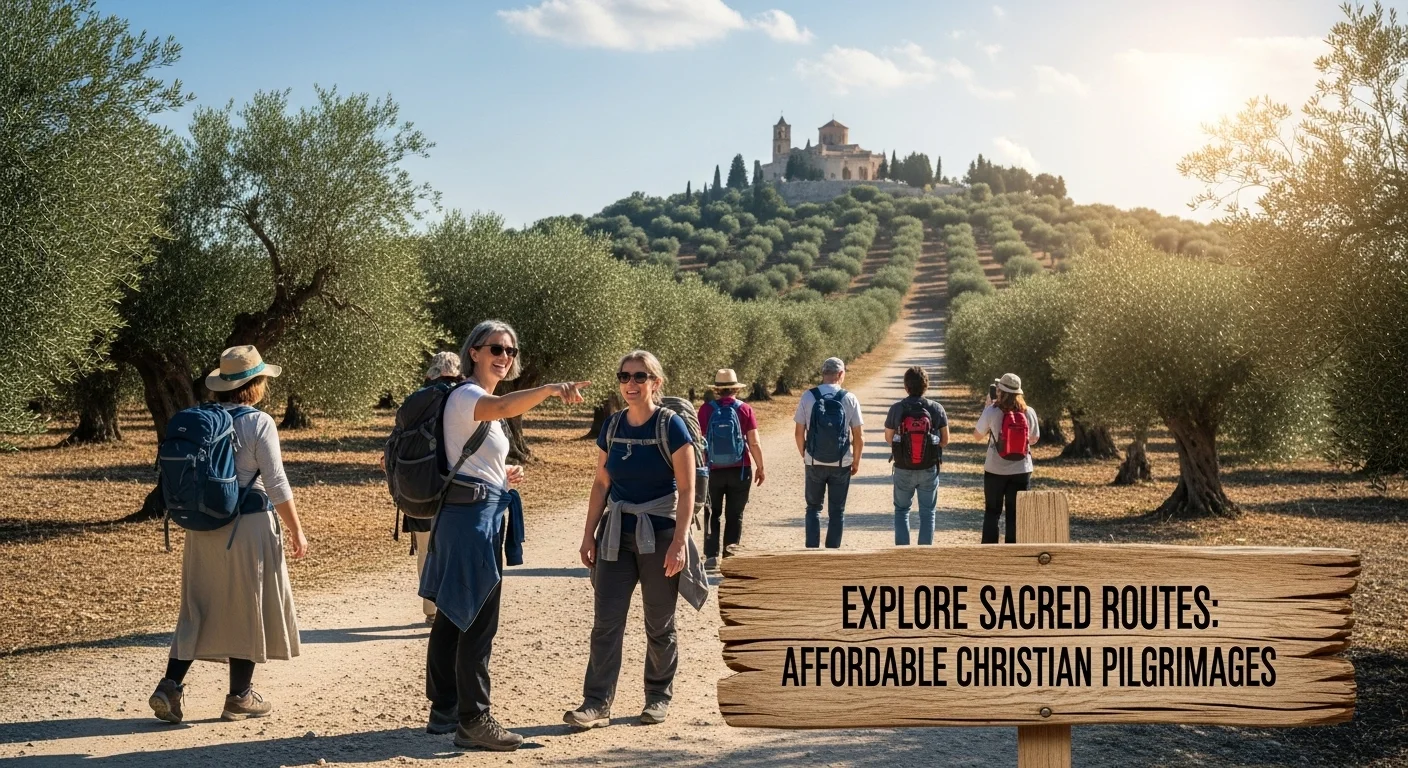
Explore Sacred Routes: Affordable Christian Pilgrimages

Christian pilgrimages offer a profound journey, connecting faith and adventure. Whether seeking spiritual growth or cultural exploration, these sacred routes can be both meaningful and affordable. Top 5 Christian Pilgrimages for Budget Backpackers provide great insights into how to embark on these journeys without overspending.

Explore Sacred Routes: Affordable Christian Pilgrimages

Overview of Christian Pilgrimages

Definition and Purpose of Pilgrimages

For me, a pilgrimage is more than just a trip; it’s a deeply personal journey that combines travel with spiritual reflection. Pilgrimages have historically been undertaken for various reasons: to seek healing, deepen one’s faith, or fulfill a religious obligation. The purpose can vary greatly from individual to individual, and I believe that each person’s journey is uniquely meaningful. Many people set out to find peace, connect with God, or simply step away from their daily routines to reflect on their lives. In essence, it’s about searching for something greater than ourselves.

Historical Significance of Christian Pilgrimages

When I look back on the history of Christian pilgrimages, I see a rich tapestry woven with stories of devotion and courage. The tradition can be traced back to the early days of Christianity, with pilgrims traveling to significant sites like Jerusalem, Rome, and Santiago de Compostela. These journeys were often fraught with challenges, yet they symbolized a deep commitment to faith. I remember reading about how early pilgrims faced dangers from bandits or harsh weather, yet their resolve was unwavering. This historical significance is a reminder of how faith can guide us through difficulties, a lesson that resonates even today.

Modern Trends in Pilgrimage Travel

In recent years, I’ve noticed a shift in how people approach pilgrimages. They are no longer just reserved for the devout; many travelers now embrace the journey for its cultural and personal growth aspects. Modern pilgrims often seek out experiences that blend spirituality with adventure, like hiking the Camino de Santiago or walking the Via Francigena. Social media plays a role too, as I’ve seen many share their experiences online, inspiring others to embark on their own journeys. I believe this trend has helped make pilgrimages more accessible and appealing to a broader audience. Nowadays, it’s not uncommon to see groups of friends or families choosing to walk these routes together, creating shared memories and deepening their bonds along the way. Cultural Immersion on a Budget: Top Community Tours can also enhance the experience.

Popular Christian Pilgrimage Routes

The Camino de Santiago

The Camino de Santiago, or the Way of St. James, is one of the most famous pilgrimage routes in the world. I remember the first time I heard about it; the stories of countless pilgrims walking across Spain really struck a chord with me. The journey can take various paths, but they all lead to the Cathedral of Santiago de Compostela, where it’s believed the remains of St. James are buried. What I find most fascinating is the community that develops along the route. Travelers from all backgrounds come together, sharing stories and experiences. I believe this sense of camaraderie adds another layer of richness to the journey.

The Via Francigena

Another route I find intriguing is the Via Francigena, which stretches from Canterbury in England to Rome. I’ve always loved the idea of connecting two significant religious centers. This route offers a blend of stunning landscapes, historical sites, and delicious food. Walking through Tuscany, for example, is a feast for the senses. I think that the diversity of experiences along the Via Francigena makes it a unique pilgrimage. It’s not just about the destination; it’s about the journey and what you encounter along the way.

The Holy Land Trails

Walking the Holy Land Trails is a profound experience that many choose for their pilgrimage. For me, the thought of walking in the footsteps of Christ is incredibly moving. This pilgrimage offers a unique opportunity to visit significant biblical sites like Jerusalem, Bethlehem, and Galilee. Each step taken in this sacred land feels like a connection to biblical history. The emotional weight of such a journey cannot be overstated. It’s a place where faith and history intersect, allowing pilgrims to reflect on their beliefs in a deeply impactful way.

The Way of St. Francis

The Way of St. Francis is another route that resonates with me. This pilgrimage runs through Italy, following the path of St. Francis of Assisi. The scenery is breathtaking, with lush hills and charming villages dotting the landscape. I find it inspiring to think about how St. Francis embraced simplicity and nature. Walking this route offers a chance to reflect on those values and perhaps rediscover what truly matters in life. It’s a journey of both physical and spiritual renewal, which I believe many people are seeking today.

The Canterbury Trail

The Canterbury Trail, rooted in the famous pilgrimage to Canterbury Cathedral, has always captured my imagination. It’s a route that not only offers spiritual enrichment but also a glimpse into medieval history. I love how this trek allows pilgrims to engage with both history and faith simultaneously. The journey to Canterbury is filled with beautiful countryside and interesting towns, making it a wonderful experience for anyone looking to combine their love of walking with a sense of purpose.

Affordability in Pilgrimage Travel

Budgeting for Your Pilgrimage

When I started planning my pilgrimage, one of my biggest concerns was the cost. I quickly realized that with some careful budgeting, I could embark on this journey without breaking the bank. I recommend starting with a clear budget that outlines all potential expenses, including travel, accommodation, food, and any entrance fees for sites you want to visit. I found it helpful to break down the costs into daily spending, which made it feel more manageable. Setting priorities also played a crucial role; I decided early on what experiences were most important to me, allowing me to allocate funds accordingly. For instance, I chose to spend a little more on local experiences and less on luxury accommodations, which turned out to enrich my journey in unexpected ways.

Cost-Effective Accommodation Options

Accommodation can significantly impact your overall pilgrimage budget. Personally, I sought out hostels, guesthouses, and even local monasteries along my route, which not only saved money but also added a unique flavor to my experience. Many hostels offer shared rooms, making it easy to meet fellow pilgrims, and some even provide communal kitchens where you can prepare your meals. I remember staying in a quaint guesthouse run by a lovely family who shared stories and local insights over breakfast. Additionally, depending on the route, there are often opportunities to camp or find pilgrim-specific lodgings that cater to budget travelers. This way, you can focus more on the journey and less on your wallet.

Affordable Transportation Choices

Getting to and from your pilgrimage route can also add to your expenses, but there are plenty of affordable options. When planning my trips, I found that buses and trains often offered the best deals. I like to book tickets in advance whenever possible, as this can save a good amount of money. For instance, taking a local bus to the starting point of my pilgrimage not only cut costs but also allowed me to interact with locals, enhancing my travel experience. Plus, many routes have convenient public transportation that can get you to scenic spots along the way without the need for a car. If you’re feeling adventurous, consider bike rentals or walking as part of the journey; after all, it’s all about embracing the experience!

Meals on a Budget

Food is one of life’s great pleasures, but it doesn’t have to be expensive. I learned that sampling local cuisine can be done affordably if you know where to look. Markets and street vendors often serve delicious, authentic meals at a fraction of the cost of sit-down restaurants. I remember discovering a small market in a quaint town along my route, where I indulged in fresh bread, local cheese, and fruits — all at incredibly reasonable prices. Plus, many towns feature “pilgrim menus” at local eateries that offer hearty meals at a fixed price, making it easy to plan for dining costs. I also suggest packing some snacks like nuts or energy bars for those long walking days; it’s a good way to keep your energy up without spending a lot.

Planning Your Pilgrimage

Choosing the Right Route for You

Choosing the right pilgrimage route can be exciting yet daunting, especially with so many options available. From my experience, it helps to reflect on what you’re hoping to achieve through your journey. Are you seeking solitude, community, or perhaps a scenic adventure? I’ve found that aligning your personal goals with a route can lead to a more fulfilling experience. For example, if you enjoy nature and solitude, the Way of St. Francis might resonate with you. But if you’re looking for camaraderie and shared stories, the Camino de Santiago is an excellent choice. I encourage you to research each route thoroughly, consider the terrain, the duration, and the cultural experiences that await you.

Timing Your Pilgrimage: Best Seasons to Visit

The timing of your pilgrimage can greatly influence your experience. I’ve encountered pilgrims during various seasons, and I can say that each has its pros and cons. Spring and early fall are often ideal, with mild weather and fewer crowds. I’ve walked during the fall, and the changing leaves added a beautiful backdrop to my journey. However, summer can be hot and crowded, especially on popular routes like the Camino. Take into account local festivals or events that might enrich your experience; I once stumbled upon a local harvest festival while on the Via Francigena, which created lasting memories. Ultimately, I recommend weighing your personal preferences for weather and company when deciding when to embark on your pilgrimage.

Essential Packing List for Pilgrims

Packing for a pilgrimage can feel overwhelming, but I’ve found that less is often more. I like to start with the essentials: sturdy walking shoes, breathable clothing, a reliable backpack, and a water bottle. I remember packing too much on my first journey, only to regret it as I trudged along the trail. I’ve learned to pack light by including multi-purpose items, like a lightweight jacket that works both as warmth and rain protection. Don’t forget a small first aid kit and some basic toiletries. I also recommend bringing a journal; writing down your thoughts and experiences can be incredibly rewarding. Each item in your pack should serve a purpose, making your journey more enjoyable and less cumbersome.

Health and Safety Considerations

As I prepared for my pilgrimage, I realized that health and safety are paramount. Staying hydrated and listening to my body were crucial aspects of my journey. I learned the hard way about the importance of wearing sunscreen and taking breaks when needed. Familiarizing myself with the route beforehand also added a layer of comfort. I remember having a small map, but I also downloaded offline maps just in case I lost service. It’s wise to research any health requirements or travel advisories for the areas you’ll be visiting. Most importantly, trust your instincts; if something doesn’t feel right, don’t hesitate to adjust your plans.

Spiritual Preparation for Pilgrimage

Setting Intentions and Goals

Before embarking on a pilgrimage, I’ve found that it’s essential to set clear intentions and goals. This practice has helped me gain focus and direction during my journeys. I remember taking the time to reflect on what I wanted to achieve; whether it was to seek clarity, heal from past wounds, or simply connect more deeply with my faith. I often write down my intentions in a journal, which serves as a touchstone throughout the pilgrimage. When I reflect on those goals during my journey, it helps me remain grounded and reminds me of the purpose behind my steps. I believe that having a clear intention can transform the experience into something profound and personal.

Resources for Spiritual Growth

Throughout my pilgrimages, I’ve discovered various resources that enhance spiritual growth. I often carry a small book of prayers or scripture verses that resonate with me. Having this in my backpack offers comfort during solitary moments on the trail. I also enjoy listening to podcasts or audiobooks focused on spirituality while I walk. This way, I can immerse myself in inspiring stories or teachings that encourage reflection. Additionally, I’ve found that engaging with local religious communities can provide enriching perspectives. Attending a mass or service in a foreign town can deepen my understanding of shared faith and traditions, bringing a sense of connection that transcends borders.

Connecting with Fellow Pilgrims

One of the most beautiful aspects of pilgrimage is the opportunity to connect with fellow travelers. I remember striking up conversations with others along the way, sharing our stories, and discussing our reasons for walking. Sometimes, these interactions would lead to profound friendships that lasted beyond the journey. I believe that these connections are not just coincidences; they are part of the pilgrimage experience. I encourage fellow pilgrims to be open to these encounters, as they can provide invaluable insights and support. Whether it’s sharing a meal, walking together for a stretch, or exchanging stories at a guesthouse, these moments of connection are truly special and add layers to our journeys.

Local Culture and Attractions Along the Routes

Historic Churches and Shrines

As I walked various pilgrimage routes, I was continually amazed by the historic churches and shrines that dotted the landscape. Each one tells a story, and visiting them has often felt like stepping back in time. I remember exploring a small chapel along the Camino de Santiago, where I lit a candle and took a moment to reflect. The serene atmosphere and beautiful art were incredibly moving. These sacred spaces serve not only as resting points but also as places of deep spiritual significance. I recommend taking the time to learn about each site’s history; it adds depth to the experience and allows us to appreciate the rich traditions woven into the fabric of these journeys.

Local Festivals and Events

Experiencing local festivals can be an unforgettable part of a pilgrimage. I stumbled upon a vibrant festival during my walk on the Via Francigena. The streets were filled with music, laughter, and delicious food. It felt like a celebration of life, and I was grateful to be part of it, even if just for a day. These events not only enrich your experience but also offer a glimpse into the local culture and traditions. I believe that participating in such festivities can create lasting memories and help pilgrims feel more connected to the communities they pass through.

Food and Local Cuisine to Experience

Food has a way of bringing people together, and on my pilgrimages, I’ve found that trying local cuisine is a delightful adventure in itself. I remember savoring hearty meals made with fresh, regional ingredients, which often felt like a reflection of the land and its people. Each meal became a chance to connect with local traditions; for example, I enjoyed homemade pasta in Italy and fresh seafood along the coast of Spain. I recommend asking locals for their favorite spots; sometimes, the best meals come from small, family-run establishments off the beaten path. Embracing the local flavors not only nourishes the body but also enriches the soul as you savor the experiences of the journey.

Testimonies and Experiences from Pilgrims

Inspirational Stories from Recent Pilgrims

Hearing the stories of other pilgrims often inspires me as I prepare for my own journeys. I remember sitting around a table with fellow travelers, sharing our reasons for undertaking such a meaningful path. One woman spoke of how her pilgrimage helped her heal from the loss of a loved one, while another shared how walking the Camino reconnected him with his faith after years of doubt. These testimonies serve as powerful reminders of the transformative nature of pilgrimage. I encourage anyone considering a pilgrimage to seek out these stories, whether through blogs, books, or conversations with fellow travelers. Each narrative adds to the understanding of what it means to embark on such a journey.

Lessons Learned on the Journey

Every pilgrimage, for me, has been an opportunity for personal growth and learning. I’ve gained insights that have shaped how I view life and my faith. One lesson that stands out is the importance of patience; some days the trail felt endless, and I learned to appreciate the journey rather than just the destination. I’ve also come to understand the value of community; sharing moments with fellow pilgrims often leads to deep conversations and reflections. I believe these lessons are universal, and they resonate with anyone willing to embark on their own pilgrimage. I encourage fellow travelers to stay open to the teachings that each journey brings, as they can lead to profound transformations in the heart and spirit.

Resources for Planning Your Pilgrimage

Books and Guides on Pilgrimage Routes

As I began planning my pilgrimages, I found that having the right resources made a world of difference. There are countless books and guides available that cater to various routes and experiences. I’ve often relied on these resources for practical tips, historical insights, and personal testimonies from fellow pilgrims. Some of my favorites include detailed route descriptions, maps, and recommendations for accommodation and food along the way. I recommend checking your local library or bookstore for these valuable guides; they can help create a clearer picture of what to expect on your journey.

Online Communities and Discussion Forums

In today’s digital age, connecting with fellow pilgrims has never been easier. I’ve discovered numerous online communities and forums where I can ask questions, share experiences, and gather advice from others who have walked similar paths. These platforms are invaluable, especially for first-time pilgrims. I often browse through discussions about gear, itineraries, and personal stories that provide insights into the pilgrimage experience. Joining these communities not only helps with planning but also fosters a sense of camaraderie as you prepare to embark on your journey.

Travel Agencies Specializing in Pilgrimages

For those who prefer a more guided approach, I understand that travel agencies specializing in pilgrimages can offer comprehensive packages. I’ve seen agencies that provide everything from transportation and accommodation to guided tours along the route. While I enjoy the freedom of planning my own journey, I can see the benefits of having a structured itinerary, especially for first-time pilgrims or those who may feel overwhelmed by the logistics. If you’re considering this option, I recommend researching reputable agencies that have good reviews and experience with the specific routes you’re interested in.

Frequently Asked Questions

What is the purpose of a Christian pilgrimage?

A Christian pilgrimage is a deeply personal journey that combines travel with spiritual reflection. It can serve various purposes, such as seeking healing, deepening one’s faith, or fulfilling a religious obligation, and is often about searching for something greater than ourselves.

What are some popular Christian pilgrimage routes?

Some popular Christian pilgrimage routes include the Camino de Santiago, the Via Francigena, the Holy Land Trails, the Way of St. Francis, and the Canterbury Trail. Each offers unique experiences and opportunities for spiritual growth.

How can I budget for my pilgrimage?

To budget for a pilgrimage, start with a clear budget that outlines all potential expenses, including travel, accommodation, food, and entrance fees. Breaking down costs into daily spending and setting priorities can make the budget feel more manageable.

What are some cost-effective accommodation options for pilgrims?

Cost-effective accommodation options include hostels, guesthouses, local monasteries, and even camping. Many hostels offer shared rooms and communal kitchens, which can enhance the experience by allowing you to meet fellow pilgrims.

What should I pack for my pilgrimage?

Essential items for packing include sturdy walking shoes, breathable clothing, a reliable backpack, a water bottle, and a small first aid kit. It’s also recommended to pack light and include multi-purpose items, as well as a journal for reflecting on your experiences.

When is the best time to undertake a pilgrimage?

The best times to undertake a pilgrimage are often in spring and early fall, when the weather is mild and crowds are fewer. However, each season has its pros and cons, so it’s important to consider personal preferences for weather and local events.

How can I connect with fellow pilgrims during my journey?

Connecting with fellow pilgrims can happen through shared experiences, conversations along the route, or communal meals. Being open to these interactions can lead to meaningful friendships and insights during your pilgrimage.

What role do local festivals play in the pilgrimage experience?

Local festivals can significantly enrich the pilgrimage experience by providing a glimpse into local culture and traditions. Participating in these events can create lasting memories and deepen the connection to the communities along the route.

What resources can help with spiritual growth during a pilgrimage?

Resources that can enhance spiritual growth include carrying a small book of prayers or scripture, listening to spirituality-focused podcasts or audiobooks, and engaging with local religious communities through services or events.

How can I prepare spiritually for my pilgrimage?

Setting clear intentions and goals before embarking on a pilgrimage can provide focus and direction. Reflecting on what you wish to achieve and possibly writing down these intentions in a journal can deepen the overall experience.

Top 5 Christian Pilgrimages for Budget Backpackers

Exploring the world through a spiritual lens can be both enriching and affordable. If you’re a budget backpacker seeking meaningful journeys, these Christian pilgrimages offer the perfect blend of faith, adventure, and cost-effectiveness.

Top 5 Christian Pilgrimages for Budget Backpackers

Overview of Christian Pilgrimages

Definition and Purpose of Pilgrimages

When I first heard about pilgrimages, I was intrigued. I learned that these journeys aren’t just about visiting sacred places; they hold deep personal and spiritual significance. A pilgrimage is defined as a journey to a holy site, often undertaken as an act of devotion. For many, including myself, these travels serve as a way to reconnect with faith, seek inner peace, or even search for life’s answers. Pilgrimages can be transformative experiences, offering not just a physical journey but also a profound spiritual adventure.

The Spiritual Journey of Pilgrims

Every pilgrim walks their own path, both literally and metaphorically. I’ve found that the journey is often as important as the destination. Along the way, you encounter breathtaking landscapes, meet diverse people, and reflect on personal beliefs. There’s something special about setting out on foot, feeling the earth beneath your feet, and embracing the rhythm of your surroundings. Each step brings new insights, and I often discover that the challenges faced along the way lead to the greatest growth. Whether it’s through prayer, meditation, or simple reflection, the spiritual journey becomes a vital part of the pilgrimage experience.

Top 5 Budget-Friendly Christian Pilgrimages

1. Camino de Santiago, Spain

Overview and Historical Significance

The Camino de Santiago, or the Way of St. James, is one of the most famous pilgrimages in the world. For centuries, people have walked this route, believing it leads to the burial site of St. James the Apostle. I was captivated by its rich history and the stories of those who have walked before me. The trail winds through beautiful landscapes, quaint villages, and bustling towns, making every step a new adventure. It’s not just a walk; it’s a journey through culture, history, and spirituality.

Best Routes for Budget Backpackers

As a budget traveler, I recommend the Camino Frances, which starts in St. Jean Pied de Port, France. This route is well-marked and offers numerous amenities. If you’re short on time, the last 100 kilometers from Sarria to Santiago are also popular and manageable for all fitness levels. Each route provides a unique experience, and I found myself enjoying the company of fellow pilgrims, sharing stories and laughter along the way.

Accommodation Options

One of the best parts of the Camino is the wide array of accommodation options. Albergues, or hostels, are prevalent and often cost around 10-15 euros per night. I loved the communal atmosphere they provided, where I could connect with other travelers. Booking a bed in advance can be a smart move, especially during peak season. Additionally, I discovered many private guesthouses and budget hotels that offer a comfortable stay for a bit more.

Food and Local Cuisine

Food on the Camino is not only affordable but also delicious. I remember stopping in local cafes for a “Pilgrim’s Menu,” which typically includes a hearty meal for about 10 euros. Trying regional specialties like pulpo a la gallega (octopus) and local wines added another layer to my experience. I often packed snacks like bread and cheese from local markets to save money while on the trail.

Tips for Budget Travelers

To save even more, I recommend walking with a group. Not only can you share accommodation costs, but you can also split meals. Always have a refillable water bottle and snacks to avoid frequent stops. Most importantly, take your time to enjoy the journey; rushing can lead to exhaustion and missed experiences.

2. The Pilgrimage to Lourdes, France

Overview and Religious Importance

Lourdes is a place of healing and spiritual renewal, famous for the apparitions of the Virgin Mary to Saint Bernadette in 1858. I found the atmosphere here to be incredibly uplifting, filled with hope and faith. Many pilgrims visit Lourdes seeking miracles or solace, and the experience is deeply moving.

Best Time to Visit

The best time to visit Lourdes is during the spring and fall when the weather is pleasant and the crowds are smaller. I experienced a quieter pilgrimage in May, allowing for more personal reflection and connection with fellow pilgrims.

Affordable Accommodation and Food

Accommodation in Lourdes ranges from budget hotels to hostels. I found several options priced around 20-30 euros per night. Dining is also affordable; cafes offer a range of options, and many places have meal deals for pilgrims. Eating local dishes like confit de canard (duck confit) was a delightful treat without breaking the bank.

Free Activities and Attractions

The Sanctuary of Our Lady of Lourdes is free to explore, and I spent hours wandering its beautiful grounds. The grotto where Bernadette saw the Virgin Mary is breathtaking. I also enjoyed participating in the nightly candlelight processions, which were free and incredibly moving. These experiences added depth to my pilgrimage without costing a thing.

Travel Tips for Backpackers

Pack light and wear comfortable shoes; you’ll be doing a lot of walking. I also recommend bringing a small backpack for day trips to nearby sites. Engaging with local volunteers and fellow pilgrims can enhance the experience, so don’t hesitate to strike up a conversation.

3. The Holy Land: Israel and Palestine

Key Destinations to Visit

The Holy Land is a dream destination for many pilgrims, and I can see why. Places like Jerusalem, Bethlehem, and Nazareth hold profound significance for Christians. Walking the streets of Jerusalem, I felt a deep connection to the history and faith that shaped the world. The Western Wall, the Church of the Holy Sepulchre, and the Mount of Olives were some highlights that resonated with me. In Bethlehem, visiting the Church of the Nativity was particularly moving—it was surreal to stand where it all began. I also loved exploring the serene beauty of the Sea of Galilee, where I could almost hear the stories of Jesus walking on water. Each site tells a story, and I felt truly blessed to be part of this sacred journey.

Cost-Effective Travel Options

Traveling through Israel and Palestine can be budget-friendly if you plan wisely. I found that using public transportation, like buses and shared taxis called ‘sheruts,’ was both economical and efficient. The bus system is well-connected, and I often made friends with locals and fellow travelers during my rides. For instance, taking a bus from Jerusalem to Bethlehem was not only affordable but also an opportunity to see the landscapes outside the city. Additionally, I discovered that many tour companies offer group rates for visits to key sites, which can help lower costs further.

Budget Accommodation Options

Finding a place to stay that fits your budget is definitely possible in the Holy Land. I remember staying in hostels and guesthouses that charged around $20-$40 per night. Some of these accommodations even offered communal kitchens, which helped me save on meals. In Jerusalem, I found a lovely hostel in the Old City that gave me the chance to meet other pilgrims and share experiences, which added so much to my journey. Booking in advance, especially during high seasons, can secure you better rates.

Local Food Experiences

Food is an essential part of any travel experience, and the Holy Land did not disappoint. I loved trying local dishes like falafel, shawarma, and hummus, which were not only delicious but also quite affordable. Street food vendors offered a variety of options, and I enjoyed dining in local markets where I could savor freshly made meals. One of my favorite memories was sharing a meal with fellow pilgrims at a small eatery in Jerusalem, exchanging stories over a plate of warm pita bread and flavorful dips.

Safety and Travel Tips

Safety is always a priority for me when traveling, especially in regions with complex histories like the Holy Land. I found that staying aware of my surroundings and following local advice made a significant difference. It’s essential to respect local customs and regulations. I also learned that dressing modestly, particularly when visiting religious sites, is a sign of respect. Keeping my travel documents secure and having a local SIM card for navigation helped me feel more at ease. Connecting with other travelers for tips and advice can also provide valuable insights into navigating the area safely.

4. Assisi, Italy

Historical and Spiritual Background

Assisi is a gem in Italy, known for its deep ties to Saint Francis. I felt the spirituality in the air as I wandered through the cobbled streets. The Basilica of San Francesco, with its stunning frescoes, left me in awe. Exploring the town brought me closer to the life and teachings of Saint Francis, who is known for his love of nature and commitment to humility. Walking through the quiet hills surrounding Assisi, I found moments of peace and reflection, truly embodying the essence of a pilgrimage.

Best Budget Accommodation

In Assisi, I discovered several budget-friendly accommodations that fit perfectly within my travel plan. Many hostels and guesthouses offered rates between 25-50 euros per night. I stayed at a charming family-run guesthouse that provided a cozy atmosphere and a lovely breakfast. Booking ahead of time can help secure good deals, especially in peak tourist months, and I often found that smaller places offered a more personal touch to my experience.

Local Transportation Tips

Assisi is a small town, making it easy to explore on foot. I enjoyed walking from site to site, soaking in the beautiful scenery. However, if you want to venture outside the town, local buses are available and quite affordable. I found it handy to keep track of bus schedules, which helped me plan day trips to nearby towns like Gubbio and Spello. Embracing the slower pace of travel allowed me to appreciate the journey just as much as the destinations.

Affordable Dining Options

Dining in Assisi can be both delightful and budget-friendly. I loved trying local specialties like truffle pasta and porchetta in small trattorias. Many restaurants offer a “menu del giorno” (daily menu) for a reasonable price, which was a perfect way to sample traditional dishes without overspending. I also discovered that grabbing a slice of pizza or a panini from local bakeries made for a quick and inexpensive meal while exploring.

Must-See Churches and Sites

No visit to Assisi would be complete without exploring its stunning churches and spiritual sites. Besides the Basilica of San Francesco, I recommend visiting the Basilica of Santa Chiara and the Eremo delle Carceri, where Saint Francis retreated for prayer. Each location offers a unique atmosphere for reflection and worship. I found that taking my time to enjoy these sacred spaces made my pilgrimage even more meaningful.

5. Mount Sinai, Egypt

Religious Significance of Mount Sinai

Mount Sinai holds a special place in religious history as the site where Moses received the Ten Commandments. I remember the excitement I felt as I approached the mountain, knowing I was walking the same path that countless pilgrims had taken for centuries. The mix of spiritual significance and natural beauty created an atmosphere that was both humbling and inspiring. Standing at the summit, I felt a profound sense of connection to my faith and the history of humankind.

Best Times to Visit for Budget Travelers

The best times to visit Mount Sinai are during the spring and fall, when the weather is milder. I took my trip in October, and the cool evening air made for a pleasant hike. It’s also wise to start your ascent in the early hours of the morning to witness the breathtaking sunrise from the summit—it was truly a once-in-a-lifetime experience. I found that visiting during these off-peak seasons not only made the journey more enjoyable but also helped me avoid large crowds.

Camping and Accommodation Options

When it comes to accommodations near Mount Sinai, I found affordable options ranging from simple hostels to camping sites. I opted for a nearby guesthouse that offered basic amenities for around $15 per night. Camping is another exciting option, especially for those who want to immerse themselves in nature. Just be sure to bring proper gear and prepare for cooler nights. The starry sky above Mount Sinai is something I’ll never forget.

Local Food and Dining Tips

Dining options can be limited near Mount Sinai, but I discovered local eateries offering hearty meals that won’t break the bank. I enjoyed traditional Egyptian dishes like koshari and falafel, which were not only delicious but also filling after long hikes. Many places provide a “meal deal” for pilgrims, allowing you to refuel without overspending. I recommend packing snacks for the hike to keep your energy levels up!

Safety Considerations and Travel Tips

While visiting Mount Sinai, safety should always be a priority. I found that hiking in groups or with a guide is the best way to ensure a safe experience. Staying hydrated and wearing good hiking shoes is essential, especially on the rocky terrain. I also made sure to inform someone of my plans before heading out, which provided an extra layer of security. Embracing the adventure with caution allowed me to fully enjoy my pilgrimage.

Budgeting for Your Pilgrimage

Estimating Costs for Each Pilgrimage

One of the first things I learned when planning my pilgrimages was the importance of budgeting. Each journey has its unique costs, and estimating these can help you plan better. For instance, on the Camino de Santiago, I found that daily expenses, including accommodation, food, and travel, averaged around 30-50 euros. In contrast, a trip to Lourdes might set you back a bit less, especially if you’re savvy about where to stay and eat, with daily costs typically around 50 euros. The Holy Land can be a bit pricier due to accommodation and transportation; I spent around $75 a day, but I felt every penny was worth it for the spiritual experience. I learned that having a rough estimate allows you to adjust your itinerary without stressing over finances.

Budgeting Tips for Backpackers

From my experience, budgeting effectively means being mindful of your expenses but also flexible. Here are a few tips I found helpful: Start by setting a total budget for your pilgrimage. Break it down into categories like accommodation, food, transportation, and activities. I often used travel apps to track my spending, and I found it helpful to have a daily limit. It’s also a good idea to keep some cash on hand, especially in places where card payments are not accepted. Another tip is to allow for a little wiggle room in your budget for unexpected experiences or souvenirs that might catch your eye along the way. Some of my favorite memories came from spontaneous moments that were worth every cent.

Finding Discounts and Deals

Who doesn’t love a good deal? I certainly do! During my travels, I discovered some fantastic ways to save money. Many pilgrim routes, like the Camino, offer discounts for those walking certain distances or for students and seniors. Research ahead of time to find pilgrim passports or cards that can give you access to discounts on accommodation and meals. I also found that booking accommodations in advance often led to better rates, especially during peak times. Lastly, don’t overlook local markets for meals; they often have fresh produce and homemade goods at a fraction of the price of restaurants, and eating there can feel like an authentic part of your pilgrimage experience.

Essential Packing List for Pilgrimages

Clothing and Footwear Recommendations

Packing wisely is crucial for any pilgrimage, and I can’t stress enough the importance of comfortable footwear. I remember the blisters I got on my first long trek because I didn’t invest in a good pair of hiking shoes. I recommend lightweight, breathable shoes designed for walking. As for clothing, I opted for moisture-wicking fabrics that kept me dry and comfortable. Layering is key, especially if your pilgrimage spans different climates. I often packed a light rain jacket and a warm layer for the evenings. Packing versatile clothing that can be mixed and matched helped me travel lighter while still being prepared for various situations.

Travel Gear and Essentials

As I packed for my pilgrimages, I discovered a few essential items that made a world of difference. A sturdy backpack is a must; I found one with good support and compartments to be invaluable. I also carried a refillable water bottle to stay hydrated on the go. A travel-sized first aid kit was something I never regretted bringing, as minor scrapes and blisters are common on long walks. I also packed a lightweight sleeping bag liner, which came in handy when staying in albergues. Lastly, don’t forget portable chargers for your devices; having access to navigation and communication was reassuring during my travels.

Health and Safety Supplies

Your health and safety should always be a priority while on a pilgrimage. I made sure to bring a basic first-aid kit that included items like band-aids, antiseptic wipes, and pain relievers. Sunscreen was essential for long days outdoors, and I learned this the hard way after a few too many sunburns. Additionally, I packed insect repellent for areas where bugs could be a nuisance. Keeping a small stash of any personal medications handy was crucial. I also found it helpful to have a copy of my important documents stored in the cloud, just in case something was lost or stolen.

Personal Safety and Cultural Etiquette

Staying Safe While Traveling

Safety is a major concern for many travelers, and I’ve learned a few lessons on how to stay safe while on pilgrimage. I always kept my valuables secure and close to me, especially in crowded areas. I felt more at ease when I traveled in groups or met fellow pilgrims along the way. Also, being aware of my surroundings helped me avoid potential issues. In some places, it’s important to respect local customs, which can help you blend in and avoid drawing unwanted attention.

Cultural Sensitivity and Respect

Respecting the cultures you encounter is an essential part of any pilgrimage. I made an effort to learn a few basic phrases in the local language, which often led to warm interactions with locals. I also researched cultural norms, especially regarding dress code when visiting religious sites. For instance, covering shoulders and knees was necessary in many sacred places I visited. I found that showing respect for local customs not only enhanced my experience but also deepened my connection with the communities along my pilgrimage route.

Frequently Asked Questions

“`html

What is the definition and purpose of a pilgrimage?

A pilgrimage is a journey to a holy site, often undertaken as an act of devotion. It serves as a way for many to reconnect with faith, seek inner peace, or search for life’s answers, becoming a transformative experience that offers both physical and spiritual adventures.

What is the Camino de Santiago, and why is it significant?

The Camino de Santiago, or the Way of St. James, is one of the most famous pilgrimages in the world, believed to lead to the burial site of St. James the Apostle. It has rich historical significance and offers a journey through culture, history, and spirituality.

What are some budget-friendly accommodation options on the Camino de Santiago?

On the Camino, albergues, or hostels, are prevalent and typically cost around 10-15 euros per night. Additionally, there are private guesthouses and budget hotels that offer comfortable stays for a bit more.

What is the best time to visit Lourdes for a pilgrimage?

The best time to visit Lourdes is during the spring and fall when the weather is pleasant and the crowds are smaller, allowing for more personal reflection and connection with fellow pilgrims.

What are some cost-effective travel options for the Holy Land?

Using public transportation, such as buses and shared taxis called ‘sheruts,’ is both economical and efficient for traveling through Israel and Palestine. Group rates offered by many tour companies can also help lower costs for visits to key sites.

What should backpackers consider when budgeting for their pilgrimage?

Backpackers should set a total budget, break it down into categories like accommodation, food, transportation, and activities, and track their spending using travel apps. Keeping some cash handy and allowing wiggle room in the budget for unexpected experiences can also be beneficial.

What essential items should be packed for a pilgrimage?

Essential items for a pilgrimage include a sturdy backpack, comfortable footwear, a refillable water bottle, a travel-sized first aid kit, a lightweight sleeping bag liner, and portable chargers for devices.

How can pilgrims stay safe while traveling?

Pilgrims can stay safe by keeping their valuables secure, traveling in groups, staying aware of their surroundings, and respecting local customs to blend in and avoid drawing unwanted attention.

What cultural etiquette should be observed during a pilgrimage?

Respecting local cultures is essential, which includes learning basic phrases in the local language and adhering to dress codes when visiting religious sites, such as covering shoulders and knees in sacred places.

What are some affordable dining options along the Camino de Santiago?

On the Camino, food is affordable and delicious, with options like local cafes offering a “Pilgrim’s Menu” for about 10 euros. Packing snacks from local markets is also a great way to save money while on the trail.

“`

Experience Spirituality: Budget Hindu Pilgrimages Revealed

Embarking on a spiritual journey through Hindu pilgrimages can be a transformative experience. It opens up a world of rich culture, deep-rooted traditions, and profound spirituality—all while being budget-friendly. Read Interesting article: Discover India’s Hidden Hindu Pilgrimages on a Budget

Experience Spirituality: Budget Hindu Pilgrimages Revealed

Understanding Hindu Pilgrimage

Definition of Pilgrimage in Hinduism

When I first started exploring Hinduism, I was curious about what a pilgrimage truly meant. In Hinduism, a pilgrimage, or “tirtha yatra,” involves traveling to sacred sites that hold spiritual significance. These places are believed to be imbued with the presence of deities or divine energy. Pilgrimages can vary in length and purpose, ranging from short visits to local temples to long journeys across the country to the holiest sites. I learned that for many Hindus, embarking on a pilgrimage is not just about the destination; it’s a way to cleanse the soul, seek blessings, and connect with their faith.

Significance of Pilgrimage in Spiritual Practice

For me, understanding the significance of pilgrimage opened my eyes to its deeper meaning. Pilgrimages allow individuals to step away from their daily lives and immerse themselves in spiritual practices. It’s a time for reflection, meditation, and devotion. I’ve met countless people on their journeys, and many shared how these experiences brought them closer to their faith and helped them find clarity in their lives. The act of traveling to these sacred places is often seen as a way to attain spiritual merit, purify oneself, and fulfill religious duties. I remember chatting with a fellow pilgrim who described their trip as a “soul-stirring adventure,” and I couldn’t agree more.

Common Pilgrimage Destinations in India

As I began to delve deeper into Hindu pilgrimages, I discovered some of the most prominent destinations that attract millions each year. Each place has its unique charm and significance, making them must-visit locations for any spiritual seeker. Here are a few that stood out to me:

  • Varanasi: Known as the spiritual capital of India, Varanasi is famous for its ghats along the Ganges River. Watching the sunrise while witnessing the Ganga Aarti ceremony was one of the most moving experiences of my life.
  • Rishikesh: Touted as the yoga capital of the world, Rishikesh offers tranquility and spiritual teachings amidst the beautiful backdrop of the Himalayas. I found myself captivated by the numerous ashrams and yoga retreats.
  • Haridwar: This sacred city is considered a gateway to the gods. The Kumbh Mela held here is a major draw, where millions gather to take a holy dip in the Ganges.
  • Amritsar: Home to the Golden Temple, it’s a beautiful symbol of peace and brotherhood. The community kitchen serving meals to thousands was an experience I will never forget.
  • Kedarnath: Nestled in the mountains, this shrine dedicated to Lord Shiva is an arduous trek away but worth every step. I appreciated the serenity and spiritual energy surrounding the temple.
  • Pushkar: Famous for its sacred lake, Pushkar is a great spot for those seeking to connect with spirituality in a relaxed environment.

These destinations not only offer spiritual enrichment but also a chance to immerse oneself in the vibrant culture and traditions of India. Each pilgrimage I’ve taken has allowed me to form a deeper connection with my spirituality.

It’s fascinating how these destinations resonate with people from all walks of life. Whether you’re seeking answers, blessings, or simply an escape from the chaos of everyday life, there’s something profoundly beautiful about visiting these sacred sites. I still remember my first pilgrimage experience; it was not just a journey to a place but a journey within myself. As I walked among the faithful, I felt a sense of belonging and purpose that I hadn’t experienced before.

In my experience, understanding the significance of these pilgrimages can enhance the overall journey. It’s about appreciating the culture, history, and spirituality that comes alive in these sacred spaces. As we continue to explore budget-friendly Hindu pilgrimages, we’ll uncover more about the best destinations to visit and how to make the most of our experiences without breaking the bank. Read Interesting article: Top 7 Budget-Friendly Hindu Pilgrimages to Explore

Top Budget-Friendly Hindu Pilgrimage Destinations

Varanasi: The Spiritual Capital

Varanasi holds a special place in my heart. It’s not just a city; it’s a living embodiment of spirituality. Walking through its narrow alleys filled with ancient temples and vibrant markets, I felt as if I was stepping back in time. The Ganges River, with its flowing waters, seems to cradle the city in its embrace. I remember staying at a modest guesthouse that overlooked the river, where I could wake up to the sound of temple bells and the sight of early morning rituals. For me, Varanasi is incredibly budget-friendly, offering affordable lodging and street food that’s bursting with flavor. Eating a simple plate of chaat while watching the locals perform their rituals was an experience I cherish deeply.

Rishikesh: The Yoga Capital

Rishikesh was another gem I stumbled upon during my explorations. Nestled in the foothills of the Himalayas, it felt like a sanctuary from the bustle of everyday life. I joined a few yoga classes that were surprisingly affordable, and the instructors were both knowledgeable and welcoming. The serene environment made it the perfect place for introspection and personal growth. I found peace sitting by the banks of the Ganges, where I could meditate while taking in the breathtaking views of the mountains. Plus, the local eateries served delicious vegetarian meals at such reasonable prices that I often treated myself to a second serving!

Haridwar: The Gateway to the Gods

Haridwar is often referred to as the gateway to the gods, and after my visit, I understood why. The energy in the air, especially during the Ganga Aarti, is palpable. I remember being part of a massive crowd, all chanting and singing together, which felt like an ocean of devotion. Accommodations here can be quite affordable, with many dharamshalas (pilgrim rest houses) that offer basic amenities at low rates. I enjoyed exploring the local market, where I could buy beautiful religious items and souvenirs to take back home without spending too much.

Amritsar: Home of the Golden Temple

Amritsar was a highlight of my journey, primarily because of the Golden Temple. The temple’s beauty is breathtaking, especially when it’s illuminated at night. I was fortunate enough to stay at a nearby guesthouse that was both economical and comfortable. One of the most heartwarming experiences was the community kitchen at the temple, known as the langar. It serves free meals to thousands of visitors daily, and I felt truly humbled to sit and share a meal with people from all walks of life. The atmosphere was incredibly welcoming, and I found solace in the simplicity and generosity of this practice.

Kedarnath: A Journey to the Divine

Kedarnath is a bit more challenging to access, but I can confidently say it’s worth every effort. The journey involves a trek that can be tough, but the stunning views of the mountains made it memorable. I chose to go in the off-peak season, which not only meant fewer crowds but also better deals on accommodations. When I reached the temple, the tranquility enveloped me. Standing in front of the shrine dedicated to Lord Shiva, I felt a sense of connection that is hard to describe. The experience of being there, surrounded by nature’s beauty, is something I will always treasure.

Pushkar: The Sacred Lake

Pushkar offered a peaceful retreat from my more intense pilgrimages. Known for its sacred lake, I found it a perfect place to relax and reflect. The town has a laid-back vibe, and I often wandered through the colorful streets, soaking in the culture. I discovered that Pushkar is also famous for its annual camel fair, which draws visitors from all over the world. I didn’t attend during the festival, but even in the quieter months, the local cafes served tasty food that didn’t strain my budget. I enjoyed sipping chai while chatting with friendly locals, who shared fascinating stories about the lake and its significance.

These destinations not only offer spiritual journeys but also allow us to experience the beauty of India’s culture while being mindful of our budgets. Each place has its unique charm, and I’ve found that with a little planning, it’s possible to create unforgettable memories without overspending. As I reflect on my travels, I realize that these sacred sites have been more than just destinations; they’ve been stepping stones on my path to understanding and connecting with my spirituality. Read Interesting article: Essential Guide to Affordable Hindu Pilgrimages in India

When to Visit: Best Times for Pilgrimage

Seasonal Considerations

As I planned my pilgrimages, one of the key factors I considered was the season. India’s climate varies greatly, and it can dramatically impact your experience. I learned that the best time for most pilgrimages is during the cooler months, from October to March. The weather during this period is generally pleasant, making it much more enjoyable to explore the sacred sites. I remember visiting Varanasi in December, and the crisp air added to the spiritual atmosphere. However, each destination has its own peak season, and it’s essential to research the specific site you plan to visit. For instance, Rishikesh comes alive during the yoga season, attracting many seekers and teachers alike.

Major Festivals and Their Impact on Visits

Experiencing local festivals can be the highlight of any pilgrimage. I remember coinciding my visit to Haridwar with the Kumbh Mela, one of the largest religious gatherings in the world. While it was bustling and crowded, the energy was electric. All around, there were celebrations, rituals, and a sense of community that was palpable. However, it’s important to note that during major festivals, accommodations can be scarce, and prices may rise. I found that planning ahead, booking in advance, and being flexible with my travel dates allowed me to enjoy these events without hassle. If you can, try to experience a festival that resonates with your journey; it adds a layer of depth and richness to your spiritual exploration.

Weather Conditions and Travel Tips

Weather can play a significant role in your pilgrimage experience. I’ve experienced the sweltering heat of summer in India, which can be challenging, especially in places like Varanasi and Pushkar. If you must travel during the summer months (April to June), I highly recommend staying hydrated and planning your sightseeing in the early mornings or late afternoons when temperatures are more bearable. During the monsoon season (July to September), some areas can become difficult to navigate due to heavy rains. I remember one rainy day in Rishikesh where the Ganges swelled and disrupted transportation, reminding me to always check the weather forecast ahead of time. It’s wise to pack accordingly, bringing layers for cooler evenings and quick-drying clothing for unexpected rain. Keeping a flexible itinerary can help you adapt to changing weather conditions.

Planning Your Budget Hindu Pilgrimage

Transportation Options: How to Get There

Getting to your pilgrimage destination can be an adventure in itself! I’ve tried a variety of transportation methods, each offering its unique charm. Trains are often the best option for budget travelers; they’re affordable and can provide a glimpse into daily life in India. I took an overnight train to Varanasi, sharing a compartment with friendly locals who were eager to share stories. Buses are another economical choice, and they can connect you to remote areas. However, I recommend checking the bus schedule ahead of time, as they can be less reliable. For shorter distances, rickshaws and app-based cabs are convenient and budget-friendly. I often found myself bargaining for the best fares, which became part of the fun! Just remember to stay patient and polite, as it’s all part of the experience.

Accommodation: Affordable Staying Options

Finding affordable accommodation is essential for budget-conscious pilgrims. When I first started traveling, I opted for dharamshalas, which are guesthouses specifically for pilgrims. They often offer simple rooms at minimal costs, and many have shared facilities. I appreciated the communal atmosphere and the chance to meet fellow travelers. Hostels are also becoming popular in pilgrimage cities, providing dormitory-style rooms that are both fun and cost-effective. I remember swapping stories with other backpackers over chai in a cozy hostel in Rishikesh. For those preferring more privacy, budget hotels are available, but I found that some of the best experiences came from staying in simpler accommodations. Don’t hesitate to check online reviews and book in advance during peak seasons!

Food on a Budget: Where to Eat

Food is a significant part of the pilgrimage experience, and I always sought out local eateries that offered delicious meals without breaking the bank. Street food is often a highlight for me; I’ve enjoyed everything from spicy chaat in Varanasi to fresh fruit salads in Rishikesh. I found that small, family-run restaurants typically have the most authentic flavors at reasonable prices. Don’t be afraid to ask locals for recommendations; they often lead you to hidden gems that are not in tourist guides. Additionally, many temples offer free meals or ‘langar,’ which is a communal dining experience. I remember the taste of the simple, wholesome food at the Golden Temple in Amritsar, where sharing a meal with strangers felt like a celebration of humanity. Eating like a local not only supports the community but also enriches your pilgrimage.

Entry Fees and Donations: What to Expect

While many temples and pilgrimage sites are free to enter, some may charge modest entry fees. I’ve encountered this in places like Kedarnath, where a small fee helps maintain the site. It’s always good to check beforehand and set aside a little extra for these costs. Additionally, donations are welcomed in many temples, and I learned that contributing can enhance your spiritual experience. I remember leaving a small offering at the Golden Temple, feeling a sense of connection to something greater than myself. It’s important to give what you can, but I’ve also found that your presence and intention matter just as much, if not more.

Must-See Temples and Spiritual Sites

Overview of Key Temples in Each Destination

As I ventured deeper into my pilgrimages, I discovered that each destination is home to temples and sites that are not only significant in Hinduism but also breathtakingly beautiful. In Varanasi, the Kashi Vishwanath Temple stood out to me with its intricate architecture and serene atmosphere. The devotion I witnessed there was palpable, as people queued to offer their prayers. In Rishikesh, the Parmarth Niketan Ashram caught my eye; its peaceful gardens and the Ganga Aarti ceremonies held every evening drew me in. The lavishly adorned Golden Temple in Amritsar didn’t just dazzle me with its beauty; it also radiated a sense of peace and community that was truly heartwarming.

During my trek to Kedarnath, the temple devoted to Lord Shiva amazed me with its rugged mountain backdrop, making the journey feel even more sacred. Pushkar’s Brahma Temple was another gem; standing by the sacred lake and witnessing pilgrims perform rituals left a lasting impression on me. Each temple was a testament to the rich tapestry of faith and devotion that permeates these sacred sites.

Unique Rituals and Practices at Each Site

Experiencing the rituals at these temples took my understanding of spirituality to another level. In Varanasi, I participated in the Ganga Aarti, a beautiful ceremony where lamps are floated on the river, symbolizing the surrender of worries to the divine. I was entranced by the chants, the flickering flames, and the collective energy of devotion. In Haridwar, the ritual of taking a holy dip in the Ganges during the Kumbh Mela was both exhilarating and humbling. The sheer number of people gathered for this spiritual act was awe-inspiring.

At the Golden Temple, I was fortunate enough to partake in the langar, the communal meal served to all visitors. Sharing food with strangers from various backgrounds truly exemplified the spirit of equality and togetherness in Sikhism. Each site had its unique practices, and witnessing them firsthand brought me closer to the essence of these spiritual traditions.

Local Guides and Pilgrimage Tours

To enrich my experience, I often relied on local guides who offered invaluable insights into the history and significance of the temples. I remember one particular guide in Rishikesh who spoke passionately about the philosophy behind yoga and meditation. He led us on a tour that included quiet spots by the river and lesser-known temples, which felt like hidden treasures. Joining group pilgrimage tours can also be a great way to meet fellow travelers and share experiences. I found that having a guide not only lent depth to my travels but also made navigating the sometimes overwhelming atmosphere of these bustling sites more manageable.

Safety and Travel Tips for Pilgrims

Health and Hygiene Considerations

Staying healthy while navigating these spiritual journeys is crucial. I always packed a small first-aid kit with essentials like band-aids, pain relievers, and any personal medications. I found it wise to drink only bottled or purified water to avoid any stomach issues, especially since the street food is tempting but can sometimes be a gamble. Carrying hand sanitizer and wet wipes also helped me feel more comfortable in crowded areas, allowing me to focus on my spiritual experience rather than my worries about hygiene.

Respecting Local Customs and Traditions

One of the most important lessons I learned was the need to respect local customs and traditions. Each temple had specific rules regarding dress codes and behavior. I always ensured to dress modestly, covering my shoulders and knees, particularly in sacred sites. Observing the respectful silence during rituals and ceremonies also helped me feel more connected to the spiritual atmosphere. I found that approaching locals with humility and asking for permission before taking photos was appreciated and often led to deeper interactions and insights.

Emergency Contacts and Resources

Having a list of emergency contacts can bring peace of mind while traveling. I kept a note of local emergency numbers, the nearest hospitals, and the addresses of my accommodations. In cities like Varanasi and Rishikesh, there are often tourist information centers that can assist with queries or unexpected situations. I also made sure to have a fully charged mobile phone and downloaded offline maps, which proved to be a lifesaver when exploring unfamiliar areas.

Experiencing Spirituality: Activities Beyond Pilgrimage

Participating in Local Festivals

Engaging in local festivals drastically enhanced my spiritual experience. I remember attending the Diwali festival in Rishikesh, where the entire city lit up with diyas and fireworks. The joy and sense of community during that time were palpable, and it felt like the perfect way to immerse myself in the local culture. Festivals often include rituals, music, and dances that allow you to connect with the essence of the place in a way that goes beyond typical sightseeing.

Yoga and Meditation Retreats

In Rishikesh, I took advantage of the numerous yoga and meditation retreats. These experiences were transformative, allowing me to delve deeper into my spiritual practice. The serene surroundings, combined with the guidance of experienced instructors, helped me find inner peace and develop a consistent practice that I continue to cherish today. I highly recommend trying a few classes or workshops to truly embrace the spiritual atmosphere of the destinations.

Volunteer Opportunities in Pilgrimage Cities

Volunteering in local communities can provide a unique perspective on your pilgrimage. I spent some time helping out at an orphanage in Varanasi, where my time and effort felt rewarding. Not only did I contribute to the community, but I also forged connections that enriched my journey. Many pilgrimage cities offer opportunities for travelers to give back, whether through teaching, helping with community projects, or participating in temple services. It’s a beautiful way to experience the culture while making a positive impact.

Final Thoughts

Reflecting on my journey through these sacred sites, I realize that each pilgrimage has been an opportunity for personal growth and spiritual exploration. From the bustling streets of Varanasi to the tranquil banks of the Ganges in Rishikesh, each experience has deepened my understanding of Hinduism and the profound connections we share as seekers of truth. I believe that anyone embarking on a pilgrimage can find their own path to enlightenment, discovering not just the beauty of these places, but also a richer understanding of themselves. Making these journeys budget-friendly is entirely possible, and I encourage everyone to consider a pilgrimage, regardless of their financial situation. It’s about the journey, the connections we make, and the lessons we learn along the way that truly count.

Frequently Asked Questions

What is the definition of pilgrimage in Hinduism?

A pilgrimage in Hinduism, or “tirtha yatra,” involves traveling to sacred sites that hold spiritual significance, believed to be imbued with the presence of deities or divine energy. It is a way for many Hindus to cleanse the soul, seek blessings, and connect with their faith.

Why are pilgrimages significant in spiritual practice?

Pilgrimages allow individuals to step away from daily life and immerse themselves in spiritual practices, reflection, meditation, and devotion. They are seen as opportunities to attain spiritual merit, purify oneself, and fulfill religious duties.

What are some common pilgrimage destinations in India?

Common pilgrimage destinations in India include Varanasi, Rishikesh, Haridwar, Amritsar, Kedarnath, and Pushkar, each offering unique spiritual experiences and cultural significance.

What makes Varanasi special for pilgrims?

Varanasi is known as the spiritual capital of India, famous for its ghats along the Ganges River. It offers affordable lodging, vibrant markets, and experiences like the Ganga Aarti ceremony, making it a deeply spiritual place for visitors.

How can I travel to pilgrimage destinations affordably?

Traveling by trains is often the best option for budget travelers as they are affordable. Buses are another economical choice, while rickshaws and app-based cabs can be used for shorter distances. It is advisable to check schedules and bargain for the best fares where possible.

What types of accommodation are available for budget travelers?

Budget travelers can find affordable accommodation in dharamshalas (pilgrim rest houses), hostels, and budget hotels. Dharamshalas often have communal atmospheres, while hostels provide dormitory-style rooms for cost-effective stays.

What should I consider when planning the timing of my pilgrimage?

The best time for most pilgrimages in India is during the cooler months, from October to March. Additionally, experiencing local festivals can enhance the pilgrimage experience, although it may lead to higher accommodation costs and crowded conditions.

How can I stay healthy during my pilgrimage?

To stay healthy, travelers should pack a small first-aid kit, drink only bottled or purified water, and carry hand sanitizer. Being mindful of hygiene, especially in crowded areas, can help maintain comfort during the journey.

What unique rituals can be experienced at pilgrimage sites?

Each pilgrimage site has unique rituals, such as the Ganga Aarti in Varanasi, taking a holy dip during Kumbh Mela in Haridwar, and participating in the community meal (langar) at the Golden Temple in Amritsar, which embody the spiritual traditions of the area.

How can volunteering enhance my pilgrimage experience?

Volunteering in local communities allows travelers to contribute positively while forging meaningful connections. Opportunities may include teaching, helping with community projects, or participating in temple services, enriching the overall pilgrimage experience.