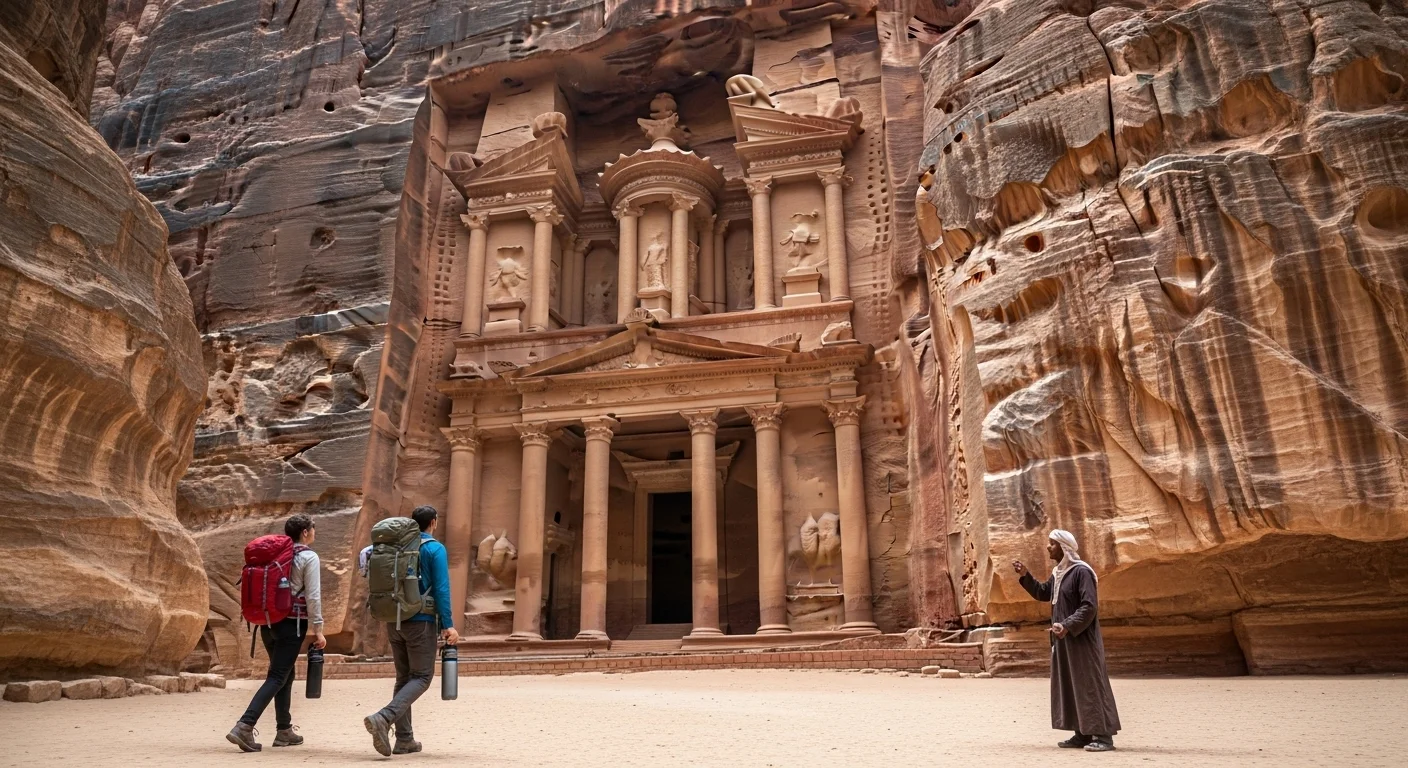
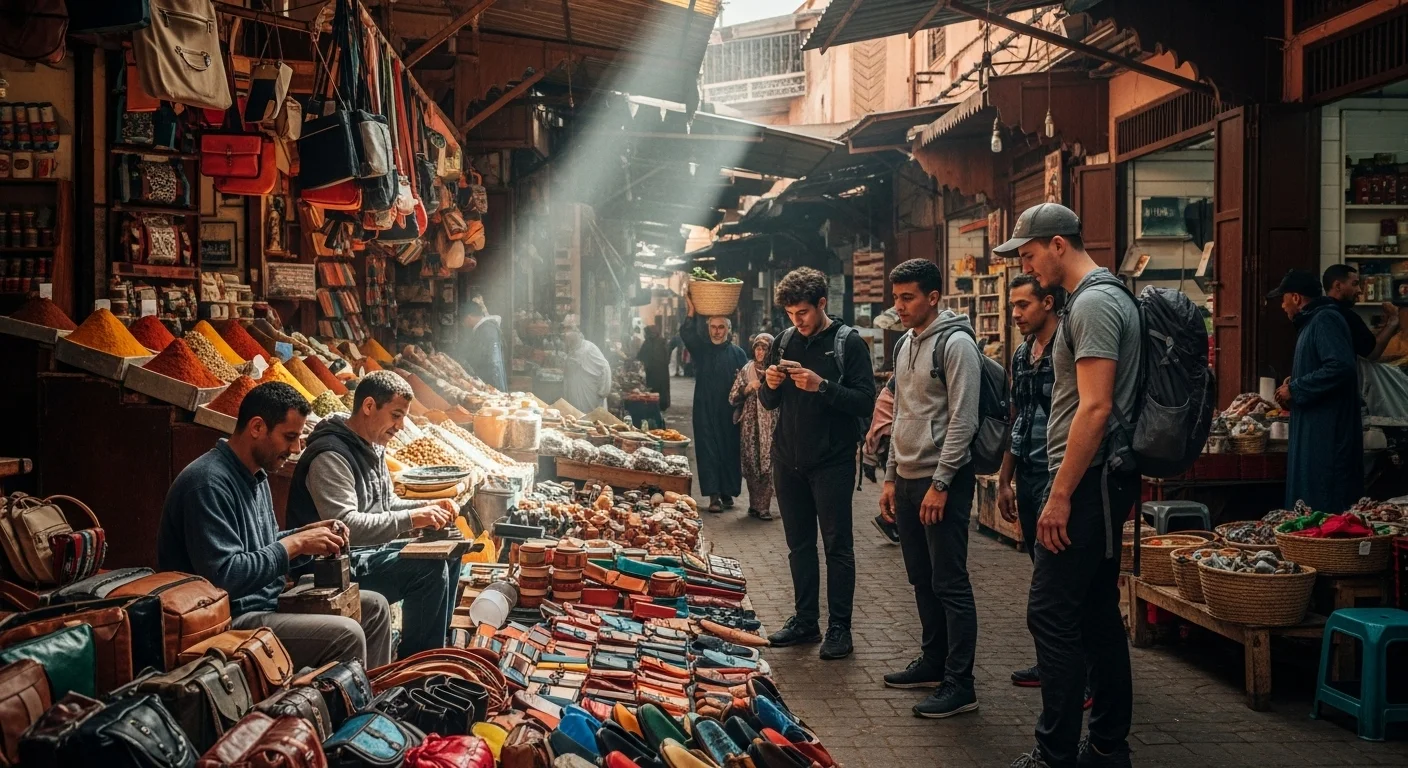
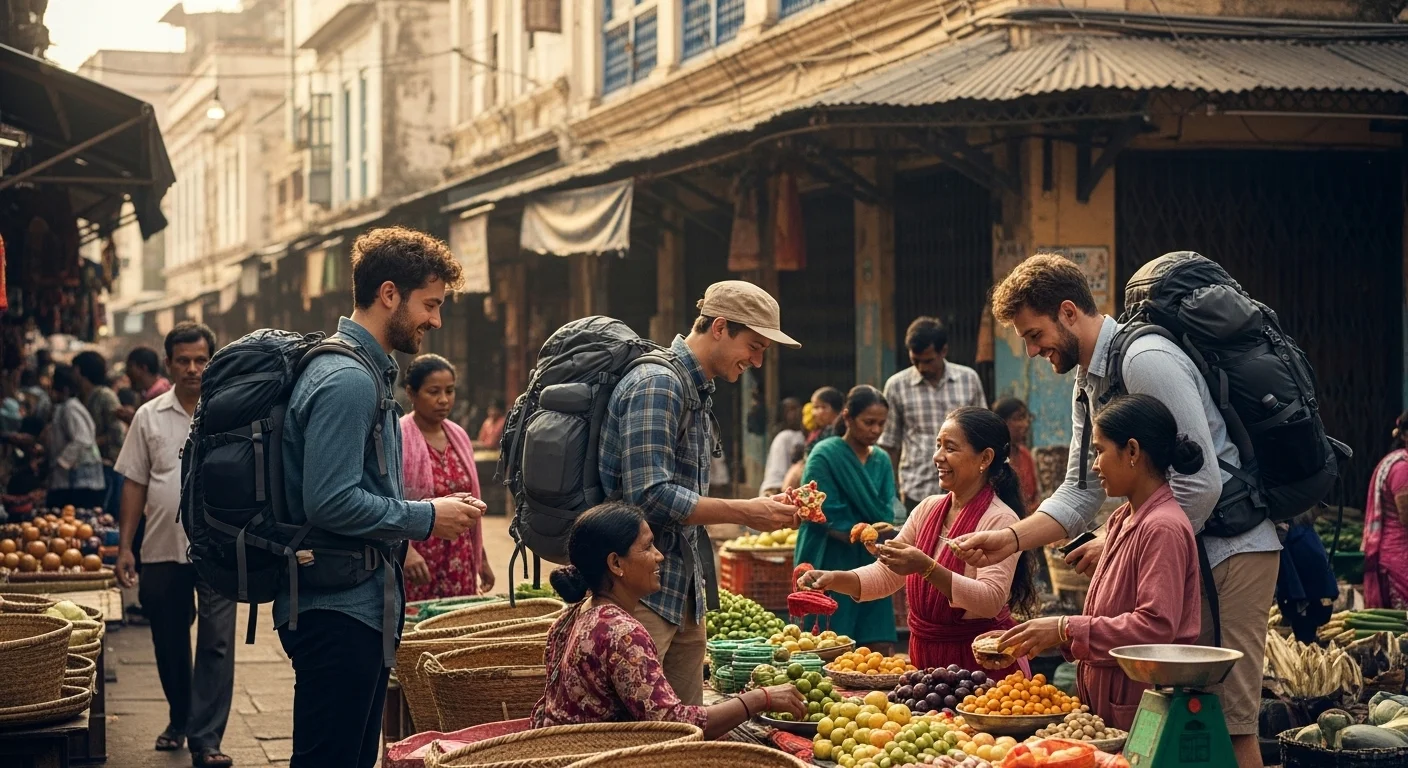
Exploring heritage sites on a budget can be one of the most fulfilling travel experiences. Join me as we uncover the joys of visiting these remarkable locations without breaking the bank! Read Interesting article: Explore Heritage Sites: Budget Backpacking Tips & Tricks
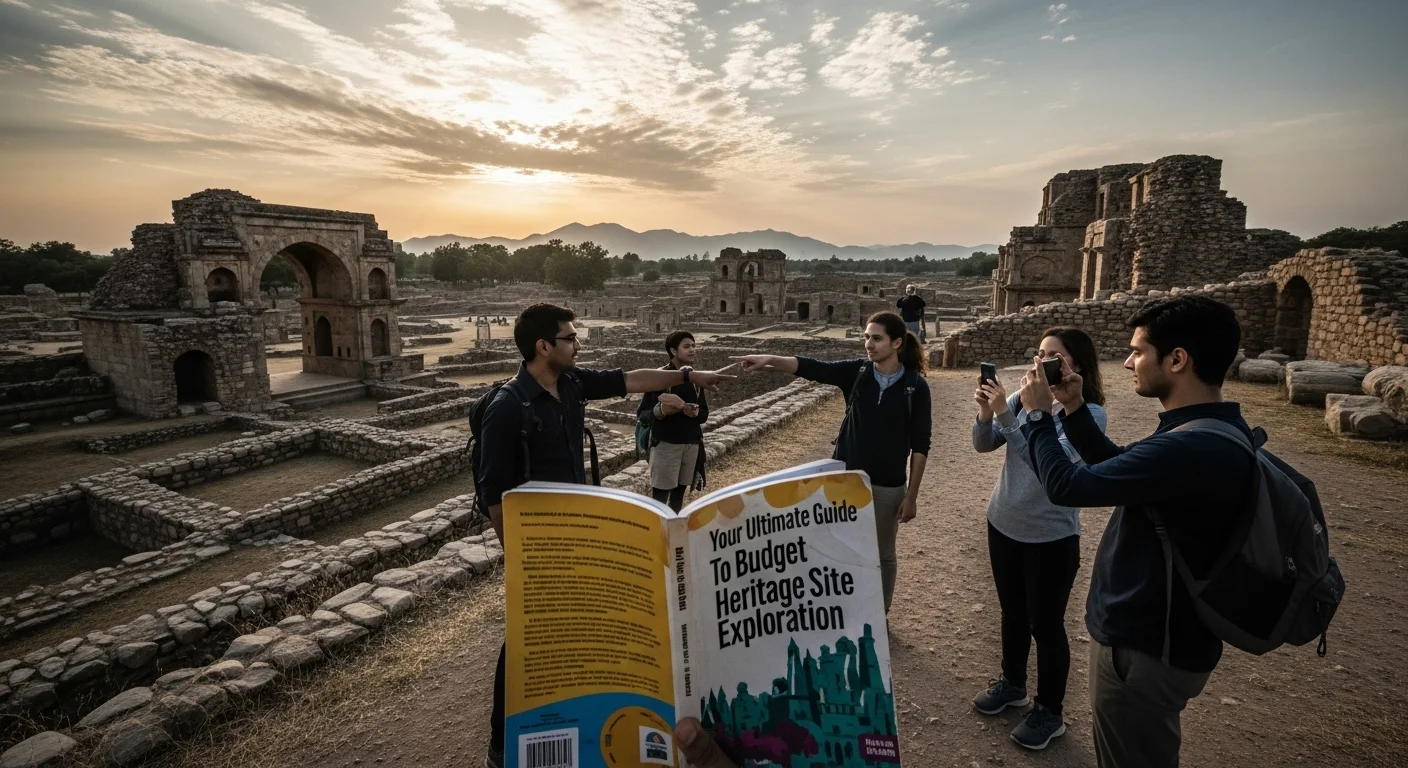
Understanding Heritage Sites
When I first started learning about heritage sites, I was struck by how they weave together stories of our past and present. Heritage sites are special places that hold cultural, historical, or natural significance. They are like living museums, offering us a glimpse into the rich tapestry of human history and our planet’s wonders. However, not all heritage sites are created equal, and understanding their different types can help us appreciate their importance even more.
Definition of Heritage Sites
A heritage site is typically recognized for its cultural, historical, scientific, or other forms of significance. These sites are preserved for their unique contributions to our understanding of human civilization and the environment. UNESCO (the United Nations Educational, Scientific and Cultural Organization) plays a big role in designating and protecting these sites worldwide. The designation helps ensure that these treasures are preserved for future generations while also promoting tourism and education.
Types of Heritage Sites
As I explored more about heritage sites, I discovered that they can be categorized into different types, each with its own charm and significance. Understanding these categories can enhance our travel experience and give us more insight into the stories they tell.
Cultural Heritage
Cultural heritage sites include monuments, buildings, and cities that reflect the history and achievements of a particular group of people. I remember visiting the ancient ruins of Machu Picchu in Peru, a site that speaks volumes about the Inca civilization’s ingenuity. The intricate stone structures and breathtaking landscapes left me in awe, and I felt a deep connection to the history that unfolded there. Other notable cultural sites include the Pyramids of Giza in Egypt, the Great Wall of China, and the historic centers of various European cities. Read Interesting article: Top Heritage Sites for Cultural Immersion on a Budget
Natural Heritage
Natural heritage sites, on the other hand, showcase the beauty and significance of our natural environment. These sites are often protected due to their unique ecosystems, biodiversity, and geological features. A personal favorite of mine is Yellowstone National Park in the U.S. The geysers, hot springs, and diverse wildlife create a stunning backdrop for outdoor adventures. These places remind us of the immense beauty our planet holds and the importance of preserving it for future generations.
Mixed Heritage
Some sites fall into both categories, known as mixed heritage sites. They hold both cultural and natural significance. A great example is the Historic Sanctuary of Machu Picchu, which is both an archaeological wonder and a stunning natural landscape. This blend of cultural and natural elements can create a truly unique experience, allowing travelers like us to appreciate the interconnectedness of humanity and nature.
Why Explore Heritage Sites on a Budget?
As much as I love exploring new places, I also understand the importance of keeping an eye on my expenses. Traveling on a budget doesn’t mean sacrificing experiences; it means finding smart ways to enjoy what the world has to offer. Here’s why I believe exploring heritage sites on a budget is not only possible but also rewarding.
Benefits of Budget Travel
One of the most significant benefits of budget travel is that it forces us to be creative. I’ve learned that some of my most memorable experiences come from unexpected places or activities I found while exploring on a budget. For instance, instead of opting for a pricey guided tour, I joined a free walking tour in a new city and met locals who shared stories and insights about their culture. This approach often leads to a richer travel experience, as we connect with the places and people we encounter.
Environmental Impact of Heritage Tourism
Traveling on a budget often encourages us to be more conscious of our environmental impact. When we explore heritage sites without overspending, we tend to favor local transportation and accommodations, reducing our carbon footprint. I’ve noticed that choosing to stay in a local hostel or using public transport not only saves money but also allows me to experience the destination more authentically. It’s a win-win!
Supporting Local Economies
Budget travel can also have a positive impact on local economies. When we spend money at local markets, dine in neighborhood eateries, or hire local guides, we’re contributing directly to the community. I’ve found that this connection enriches my travel experience and creates a sense of shared responsibility for preserving the heritage sites we love to explore. In my opinion, being a mindful traveler is one of the best ways to honor these incredible places.
Top Budget Heritage Sites to Explore
I’ve always believed that some of the most enriching experiences don’t have to come with a hefty price tag. Visiting heritage sites on a budget is entirely possible, and there are countless locations around the world that allow us to dive deep into history and culture without spending a fortune. Here are some of my favorite budget-friendly heritage sites that truly stand out.
UNESCO World Heritage Sites
UNESCO World Heritage Sites are some of the most recognized and celebrated places on our planet. While many may seem expensive to visit, I’ve discovered that there are numerous affordable options that offer incredible experiences.
Affordable Sites in Europe
- Acropolis of Athens, Greece: The Acropolis is not only a symbol of ancient Greece but also a relatively inexpensive site to explore. I remember wandering through its historic pathways, taking in the Parthenon and the surrounding ruins. The entry fee was quite reasonable, and the views of the city below were priceless!
- Historic Center of Prague, Czech Republic: This charming city is filled with stunning architecture and rich history. I found that simply strolling through the streets of the Old Town was one of the best ways to soak in the culture. Plus, many of its most beautiful sites can be enjoyed for free!
- Stonehenge, England: While the entry fee to Stonehenge is modest, I found that visiting during sunset offered a magical experience. The site itself is powerful, and the surrounding landscape is equally impressive, making it worth the trip.
Affordable Sites in Asia
- Angkor Wat, Cambodia: I visited Angkor Wat during my travels in Southeast Asia, and it was absolutely breathtaking. The entry fee is reasonable, especially considering the vast number of temples in the area. I spent hours exploring and was captivated by the intricate carvings and stunning architecture.
- Hampi, India: This UNESCO site is filled with ancient ruins, and the best part is that many of these sites have no entry fee. I spent my days wandering through the colorful bazaars and enjoying the serene landscapes dotted with temples.
- Forbidden City, Beijing, China: The allure of the Forbidden City is undeniable, and while there is an admission fee, it’s quite affordable considering its historical significance. Wandering through the vast courtyards and admiring the imperial architecture was an unforgettable experience for me.
Affordable Sites in the Americas
- Chichen Itza, Mexico: This iconic Mayan site is impressive and relatively affordable to visit. I remember the awe I felt standing before the Pyramid of Kukulcan. The surrounding jungle and wildlife added to the experience, making it a highlight of my trip.
- Old Town of San Juan, Puerto Rico: This colorful historic area is free to explore, and I loved wandering through its cobblestone streets, soaking in the vibrant architecture and rich Puerto Rican culture.
- Monticello, Virginia, USA: The home of Thomas Jefferson is steeped in history, and while there’s an entry fee, it’s quite reasonable. The gardens surrounding the estate are lovely to walk through, and learning about Jefferson’s life and contributions was fascinating.
National Parks and Historic Landmarks
National Parks and historic landmarks often offer breathtaking beauty and rich history at little to no cost. These are some of my favorites that I think every budget traveler should consider.
Notable US National Parks
- Yosemite National Park: I’ve hiked through Yosemite’s stunning vistas, and the park’s natural beauty is simply unbeatable. The entry fee is reasonable, and the opportunities for hiking, photography, and wildlife watching are endless.
- Grand Canyon National Park: Standing at the rim of the Grand Canyon took my breath away. Although there is an entry fee, it’s worth every penny. I spent hours hiking along the trails and soaking in the awe-inspiring views.
- Zion National Park: This park is a gem of the Southwest, and the entry fee allows access to some of the most stunning hiking trails in the country. I found tranquility while exploring its majestic canyons and towering cliffs.
Historic Landmarks with Free Admission
- The Lincoln Memorial, Washington D.C.: This iconic landmark is free to visit and is a powerful reminder of history. I felt a sense of reverence while standing before the statue of Lincoln and reflecting on the significant events that took place in our nation’s capital.
- The Freedom Trail, Boston, Massachusetts: This 2.5-mile trail takes you through 16 historical sites in Boston. Walking the trail is free, and I enjoyed immersing myself in the rich history of the American Revolution.
- The Alamo, San Antonio, Texas: Visiting the Alamo is essential for anyone wanting to learn about Texas history. Entry is free, and I loved exploring the grounds and absorbing the stories of bravery and sacrifice.
Exploring these incredible heritage sites has not only deepened my appreciation for history and culture but has also shown me that we don’t need to spend a lot to have meaningful travel experiences. Whether it’s a UNESCO site, a national park, or a historic landmark, there are so many opportunities to discover our world while keeping our budget in check. Read Interesting article: Connect and Discover: Budget Backpacking Cultural Tours
When to Visit Heritage Sites
Timing can make a huge difference when it comes to visiting heritage sites on a budget. Over the years, I’ve learned that understanding the best times to travel can help us save a significant amount of money and enhance our overall experience. Here are a few insights I’ve gathered about when to visit these incredible places.
Best Seasons for Budget Travelers
In my experience, traveling during the shoulder seasons—spring and fall—can be a game-changer for budget travelers. These times often offer milder weather and fewer crowds, allowing us to explore at a leisurely pace. For instance, I visited the Colosseum in Rome during late September, and I found that the lines were much shorter compared to the peak summer months. Plus, the weather was perfect for wandering around the ancient streets of the city without the sweltering heat!
Additionally, many heritage sites offer discounted rates during off-peak seasons. For example, visiting national parks in the U.S. during the early spring or late fall often means lower admission fees, and the natural scenery can be just as stunning as in the summer. I remember hiking in the Great Smoky Mountains in early April, surrounded by blooming wildflowers and fewer fellow hikers, which made the experience even more special.
Off-Peak Travel Benefits
Traveling during off-peak times not only saves us money but also enhances our immersion in the culture. When I visited the Alhambra in Spain during the winter months, I was able to enjoy the intricate architecture and peaceful gardens without the usual throngs of tourists. It felt like I had the place almost to myself, which allowed me to truly absorb the beauty and history of the site. Plus, I found that local businesses were more willing to engage with travelers, sharing their stories and recommendations without the rush that comes with peak tourist seasons.
Another benefit of off-peak travel is the potential for last-minute deals on accommodations and flights. I discovered this while planning a trip to the Acropolis. By booking my hotel just a few weeks in advance during the quieter season, I snagged a fantastic deal that allowed me to stay right near the historic site, making early morning visits much easier.
Special Events and Festivals
One of the most exciting ways to experience heritage sites is by timing your visit with local festivals or events. I’ve found that many cities host events that celebrate their culture and history, often at little to no cost. For example, I attended the Fiestas de San Isidro in Madrid, which allowed me to explore the city’s rich heritage through music, dance, and traditional food without spending much money. The energy filled the streets, and I felt like I was part of something truly special.
Researching local festivals can open up opportunities for unique experiences that go beyond the standard tourist offerings. I once stumbled upon a traditional tea ceremony while visiting a cultural heritage site in Kyoto, Japan. The event was free, and I was able to learn about the significance of the ritual while enjoying the serene atmosphere of the temple grounds. It was a moment I’ll never forget and one that added immense value to my travel experience.
In summary, being mindful of when to visit heritage sites can greatly enhance our travel experience while keeping our budget in check. Whether it’s enjoying the tranquility of off-peak seasons or immersing ourselves in local festivities, the right timing can lead to unforgettable adventures.
How to Save on Travel Costs
When it comes to traveling on a budget, every little bit counts. Over the years, I’ve learned various tips and tricks to save money without missing out on experiences, especially when exploring heritage sites. Here are some strategies that have worked well for me.
Finding Affordable Transportation
Transportation costs can take a big chunk out of our travel budget, but there are plenty of ways to keep these expenses down. I’ve found that planning ahead and being flexible can lead to significant savings.
Budget Airlines and Trains
When I travel within Europe, I often explore budget airlines like Ryanair and EasyJet. I remember booking a flight from Barcelona to Rome for a mere $30! Similarly, I’ve discovered that train travel can be both affordable and scenic, especially with passes like the Eurail Pass. There’s something incredibly freeing about hopping on a train and watching the landscapes change as we move between cities.
Car Rentals and Public Transport
Renting a car can be a great option if we’re exploring more remote heritage sites. I’ve rented a car in Iceland to visit places like Þingvellir National Park, allowing me to explore at my own pace. However, I always compare prices and read reviews to find the best deals. For city exploration, I usually rely on public transport. Buses and subways are not only cost-effective but also allow me to interact with locals. I’ve had some of the best conversations while squeezed next to someone on a crowded train!
Accommodation Options
Where we stay can dramatically impact our travel budget. I’ve learned that being open to different types of accommodations can save us a lot of money while still providing unique experiences.
Hostels and Budget Hotels
Staying in hostels has turned out to be one of my favorite travel hacks. Not only are they budget-friendly, but they also offer opportunities to meet fellow travelers. I’ve shared stories over breakfast in hostels in Amsterdam and made lifelong friends while exploring together. Even budget hotels can offer comfort without breaking the bank if we book in advance and read reviews.
Camping and Alternative Lodging
Camping is another fantastic way to save money, especially near national parks. I’ve camped under the stars in both Yosemite and Joshua Tree National Park, and the experience was nothing short of magical. There are also websites that connect travelers with locals willing to host them, which can provide a unique and personal experience. I once stayed with a family in a small village in Italy, and they welcomed me with home-cooked meals and stories of their heritage. It was one of the highlights of my trip!
Food and Dining on a Budget
Food is a significant part of any travel experience, but it doesn’t have to be expensive. I’ve discovered that being adventurous with food can lead to delicious and budget-friendly meals.
Local Cuisine vs. Tourist Traps
Eating where the locals eat is one of my top tips. I’ve had some of the best meals in small, family-run restaurants, often at a fraction of the price of touristy spots. For instance, in Lisbon, I found a tiny café serving traditional Portuguese dishes, and it was the best meal I had during my trip—without the hefty price tag!
Street Food Experiences
Street food is another favorite of mine. It’s often affordable, and it gives us a taste of local culture. I remember trying various street foods in Bangkok, from delicious pad thai to sweet mango sticky rice, all while chatting with friendly vendors. Not only did I save money, but I also had authentic experiences that I wouldn’t trade for anything.
With a bit of planning and an open mind, we can navigate our travel budgets effectively while exploring incredible heritage sites. Whether it’s through transportation, accommodation, or food choices, there are countless ways to make the most of our adventures without overspending.
Frequently Asked Questions
What are heritage sites?
Heritage sites are special places that hold cultural, historical, or natural significance. They are preserved for their unique contributions to our understanding of human civilization and the environment, often recognized by organizations like UNESCO.
What types of heritage sites exist?
Heritage sites can be categorized into three main types: cultural heritage sites, which include monuments and cities; natural heritage sites, which showcase the natural environment; and mixed heritage sites, which encompass both cultural and natural significance.
Why is it important to explore heritage sites on a budget?
Exploring heritage sites on a budget allows travelers to be creative, supports local economies, and reduces environmental impact. It can lead to more authentic experiences and deeper connections with the places visited.
What are some budget-friendly heritage sites in Europe?
Some budget-friendly heritage sites in Europe include the Acropolis of Athens in Greece, the Historic Center of Prague in the Czech Republic, and Stonehenge in England, all of which offer reasonably priced entry fees or unique experiences.
Can you name some affordable heritage sites in Asia?
Affordable heritage sites in Asia include Angkor Wat in Cambodia, Hampi in India, and the Forbidden City in Beijing, China. These sites often have reasonable entry fees and rich cultural experiences.
Which US national parks are recommended for budget travelers?
Notable US national parks for budget travelers include Yosemite National Park, Grand Canyon National Park, and Zion National Park. Their entry fees are reasonable, and they offer stunning natural beauty and recreational opportunities.
What are some historic landmarks that offer free admission?
Historic landmarks with free admission include the Lincoln Memorial in Washington D.C., the Freedom Trail in Boston, Massachusetts, and the Alamo in San Antonio, Texas. These sites provide rich historical experiences without any cost.
When is the best time to visit heritage sites to save money?
The best time to visit heritage sites to save money is during the shoulder seasons of spring and fall. These times often offer milder weather, fewer crowds, and discounted rates at many sites.
What are some tips for saving on travel costs?
To save on travel costs, consider using budget airlines and public transportation, staying in hostels or budget hotels, and eating at local restaurants or trying street food. These strategies can help keep expenses down while enhancing the travel experience.
How can local festivals enhance the experience of visiting heritage sites?
Local festivals can enhance the experience of visiting heritage sites by providing unique cultural insights and opportunities to engage with locals. Attending these events often comes at little to no cost and can lead to memorable experiences.