Web Analytics

Recent Posts

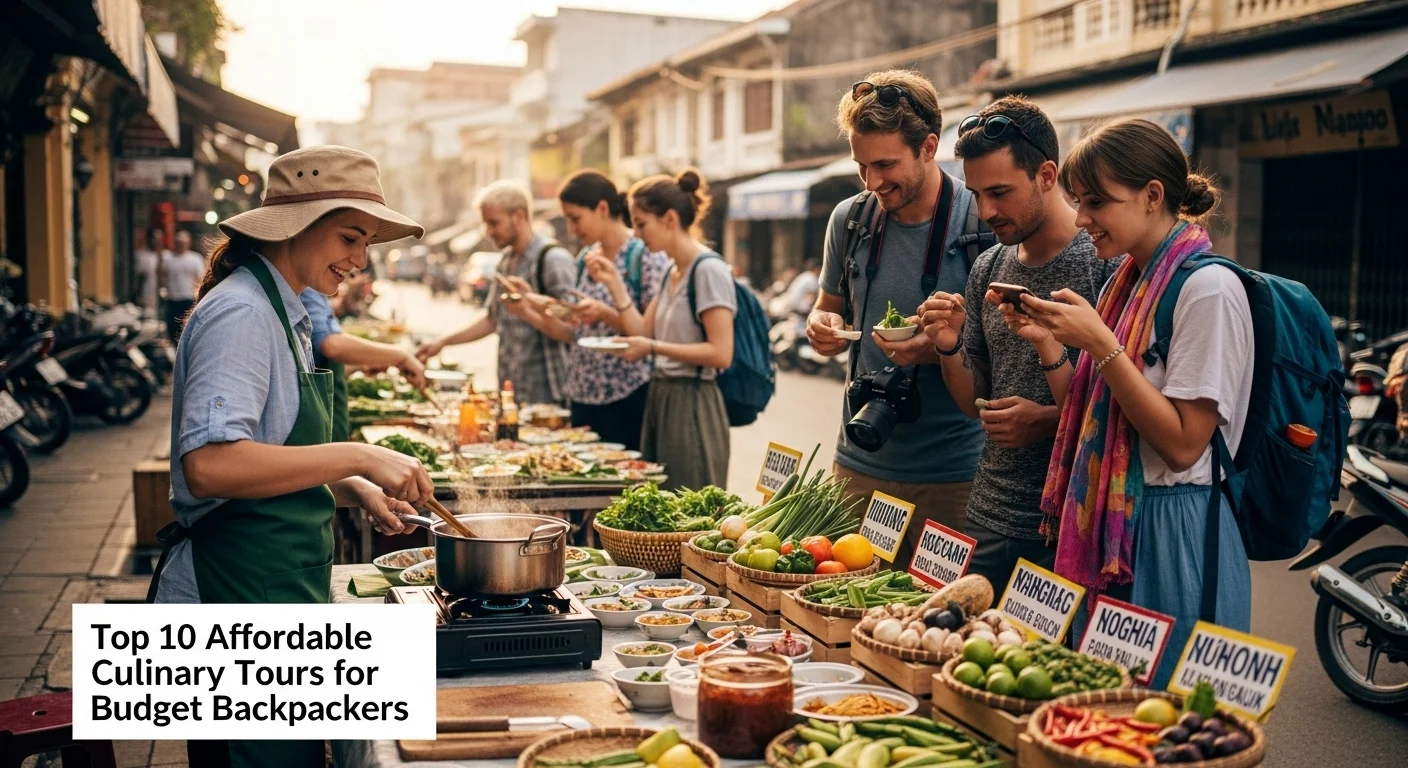
Top 10 Affordable Culinary Tours for Budget Backpackers

Imagine savoring the rich flavors of a new culture as you explore bustling markets and hidden eateries. Culinary tours offer an exciting way to experience local cuisine without breaking the bank. Let’s dive into the world of affordable culinary adventures! Read Interesting article: Savor the World: Budget Culinary Experiences You Can’t Miss

Top 10 Affordable Culinary Tours for Budget Backpackers

Understanding Culinary Tours

What is a Culinary Tour?

A culinary tour is more than just a meal; it’s a journey through the heart of a region’s food culture. These tours often include visits to local markets, cooking classes, and tastings at various eateries. From my experience, culinary tours allow us to connect with local traditions, meet passionate chefs, and learn the stories behind the dishes. Whether you’re sampling street food or indulging in a multi-course meal, every bite tells a story.

Benefits of Culinary Tours for Backpackers

For backpackers, culinary tours can be a fantastic way to stretch your travel budget while enjoying authentic experiences. I’ve found that these tours not only provide delicious food but also unique insights into the local culture and history. Here are some benefits I’ve noticed:

  • Affordability: Many culinary tours are reasonably priced, making them accessible for budget travelers. You often get a lot for what you pay, including meals and experiences that might cost more if done individually.
  • Social Interaction: These tours are a great way to meet fellow travelers and locals. I’ve made friends on tours that I still stay in touch with today!
  • Culinary Skills: Some tours offer hands-on cooking classes, which not only enhance your skills but also allow you to recreate your favorite dishes back home.
  • Expert Guidance: Having a local guide means you get insider knowledge about places to eat and drink, which I’ve often found to be invaluable in new cities.

How to Choose an Affordable Culinary Tour

Factors to Consider: Price, Duration, and Inclusions

Choosing the right culinary tour can feel overwhelming, especially with so many options out there. From my experience, there are a few key factors to consider:

  • Price: Set a budget before you start looking. I recommend comparing different tours to see what fits your price range. Keep in mind that sometimes a slightly higher price means a better experience!
  • Duration: Think about how much time you want to spend on the tour. A half-day tour might offer a great quick experience, while a full-day tour could provide a deeper dive into the local culinary scene.
  • Inclusions: Check what’s included in the price. Does it cover meals, drinks, transportation, and any cooking classes? I’ve learned the hard way that unexpected costs can add up quickly, so knowing what’s included helps avoid surprises.

Researching Local Tour Operators

Once you’ve defined your preferences, it’s time to research local tour operators. I usually start with a simple search online, but I also value word-of-mouth recommendations. If you’re traveling, ask fellow backpackers or locals for their suggestions. I once stumbled upon a fantastic tour in Vietnam just by chatting with someone at my hostel!

Look for operators that specialize in culinary tours. Often, these companies have a deep understanding of local cuisine and culture, which enhances the experience. I find it beneficial to check their websites for detailed itineraries and pricing, which helps in comparing options. You might also find helpful insights on Top 5 Affordable African Safari Destinations for Backpackers that can complement your culinary explorations.

Reading Reviews and Testimonials

Before committing to a tour, I always take the time to read reviews and testimonials. Websites like TripAdvisor and Yelp can offer valuable insights from travelers who have experienced the tours firsthand. I look for reviews that mention the quality of food, the guide’s knowledge, and the overall experience.

However, I’ve learned to approach reviews with a critical eye. Sometimes, people have different expectations or experiences. I like to look for patterns in the feedback rather than getting swayed by a single negative review. If a tour has consistently positive reviews, it’s often a safe bet!

In summary, understanding what culinary tours are and how to choose the right one can make a world of difference for budget backpackers like us. Each tour is a chance to taste and learn, helping us create lasting memories on our travels. With the right research and preparation, we can embark on unforgettable culinary adventures without straining our budgets. Next, we’ll explore some of the top affordable culinary tours around the world that promise delicious experiences at reasonable prices.

Top 10 Affordable Culinary Tours

1. Street Food Tour in Bangkok, Thailand

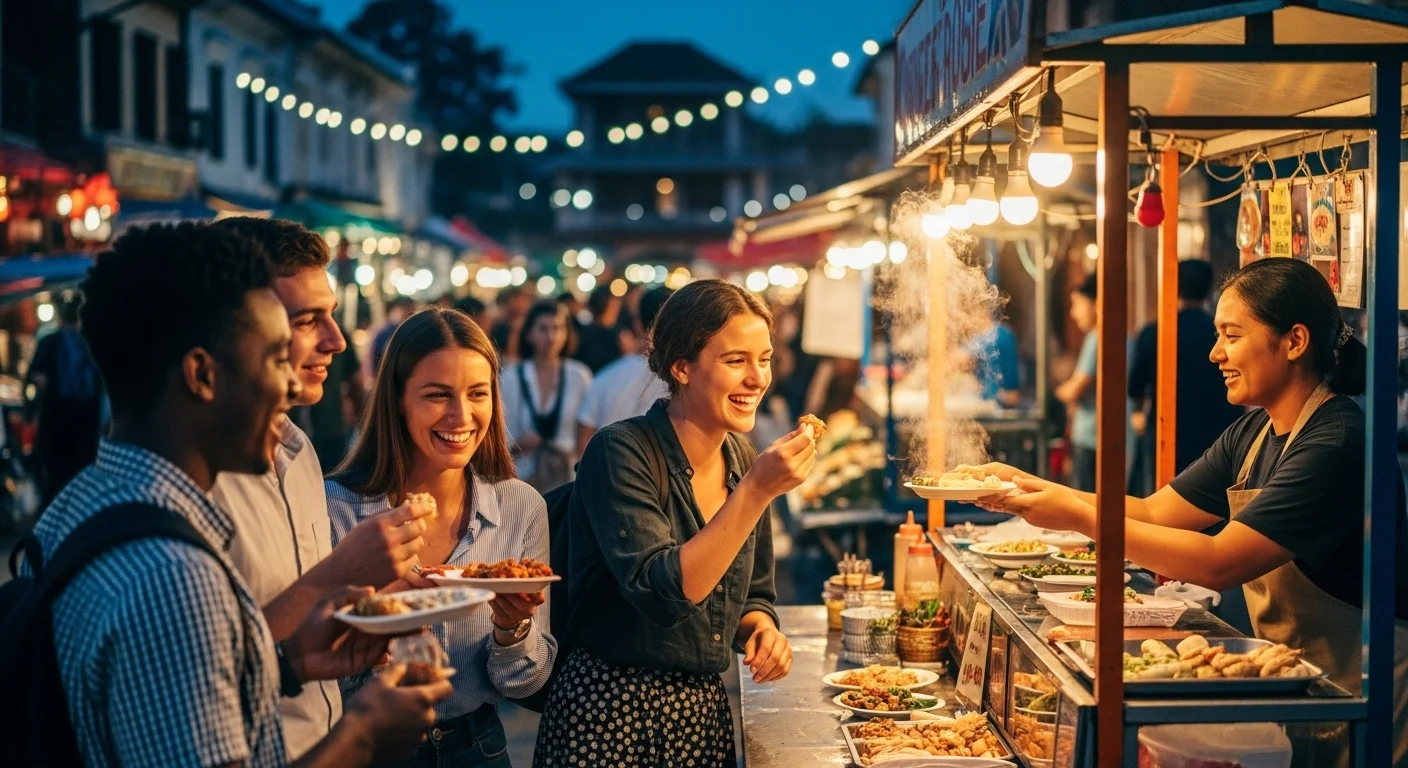
Bangkok is a city that truly awakens your senses. I remember my first street food tour here, and it was nothing short of spectacular. Picture bustling streets filled with vibrant food stalls, each serving up mouthwatering dishes. On this tour, we sampled everything from spicy papaya salad to savory satay skewers. The best part? It was all incredibly affordable, with most dishes costing less than a couple of dollars. I felt like I was getting a genuine taste of Thai culture with every bite, and my wallet didn’t take a hit!

2. Tapas Tour in Barcelona, Spain

Barcelona is famous for its tapas, and what better way to experience them than with a guided tour? During my time there, I joined a tapas tour that took us through the charming streets of the Gothic Quarter. We hopped from bar to bar, enjoying delicious small plates of jamón ibérico, patatas bravas, and fresh seafood. I loved learning about the history of each dish and the art of sharing food in Spanish culture. Plus, the lively atmosphere made it easy to connect with fellow travelers, which is always a bonus!

3. Cooking Class in Chiang Mai, Thailand

If you’re looking to dive deeper into Thai cuisine, a cooking class in Chiang Mai is a must. I took part in a half-day class where we visited a local market to gather fresh ingredients. It was such an eye-opening experience to see the vibrant produce and spices up close! Back in the kitchen, we learned to make classic dishes like green curry and pad Thai. I still use the recipes I learned during that class at home, and every time I do, I’m transported back to that sunny day in Thailand.

4. Wine Tasting in Mendoza, Argentina

Mendoza is known for its stunning vineyards and delicious Malbec wines. I joined a wine tasting tour that included visits to several wineries, where we sampled exquisite wines paired with traditional Argentinian snacks. The guides shared fascinating stories about the winemaking process and the region’s history. The picturesque views of the Andes Mountains made the experience even more unforgettable. For anyone who enjoys wine, this tour is an absolute steal considering the quality and abundance of tastings!

5. Pasta Making in Bologna, Italy

Bologna is often referred to as the food capital of Italy, and when I participated in a pasta-making workshop there, I understood why. The class was hands-on, allowing us to knead our own dough and create fresh pasta from scratch. I remember feeling a sense of accomplishment when I rolled out my tagliatelle! At the end of the class, we enjoyed our creations with homemade sauces. Trust me, nothing beats the taste of fresh pasta! This culinary experience was worth every penny and made for a delightful afternoon.

6. Market Tour and Cooking Workshop in Mexico City, Mexico

Mexico City is a treasure trove of flavors, and my market tour combined with a cooking workshop was one of the highlights of my trip. We started by exploring a local market, where the vibrant colors and aromas were intoxicating. I enjoyed sampling fresh salsas and local cheeses while learning about the ingredients we’d be using. After shopping, we headed to a cozy kitchen where we cooked up traditional dishes like mole and tacos. This immersive experience not only taught me new cooking techniques but also deepened my appreciation for Mexican cuisine.

7. Cheese and Wine Tour in Amsterdam, Netherlands

Amsterdam’s cheese scene is something to behold! I joined a cheese and wine tour that took us to several local cheese shops, where we sampled everything from aged goudas to creamy bries. The pairing with Dutch wines was a delightful surprise! I loved hearing about the cheese-making process and the history behind each variety. This tour was not just about tasting; it was a genuine exploration of Dutch culture through its culinary offerings.

8. Local Food Tour in Hanoi, Vietnam

Hanoi is a paradise for food lovers, and my local food tour was an incredible way to uncover its culinary gems. We navigated through narrow streets, stopping at hidden eateries to taste dishes like pho and banh mi. I remember chatting with the locals and learning about the significance of each dish in Vietnamese culture. The experience was so immersive that I felt like I was a part of the community rather than just a tourist. For anyone visiting Vietnam, this tour is a must-do!

9. Seafood Tour in Lisbon, Portugal

Lisbon is a coastal city famous for its seafood, and I couldn’t resist joining a seafood tour. We visited various restaurants and markets, sampling dishes like grilled sardines and octopus salad. The freshness of the seafood was unmatched, and I appreciated the locals’ passion for their culinary traditions. The tour also included a visit to a local fish market, where I learned about the importance of sustainable fishing practices. This experience opened my eyes to the richness of Portuguese cuisine!

10. Culinary Walking Tour in New Orleans, USA

New Orleans is a city that knows how to celebrate food and culture. On my culinary walking tour, I indulged in classic dishes like gumbo, jambalaya, and beignets. The guide shared the rich history behind each dish and its cultural significance. I loved exploring the vibrant neighborhoods while tasting some of the best local cuisine. This tour was not just about food; it was an adventure through the heart and soul of NOLA. For anyone looking for a flavorful experience in the U.S., this tour is a fantastic option!

Budget Tips for Culinary Tours

How to Save Costs on Tours

Saving money while enjoying a culinary tour can be a balancing act, but I’ve discovered a few strategies that work wonders. First, consider joining group tours instead of private ones. Group tours often provide the same experiences at a fraction of the cost, and I’ve found it’s a great way to meet other travelers. Plus, sharing the experience with others can enhance the fun!

Another tip I swear by is to look for meal plans that allow you to pay upfront for multiple experiences. Often, tour operators offer package deals that can save you money in the long run. For instance, I once booked a series of cooking classes in one transaction, which not only gave me a discount but also guaranteed my spot in each class. It felt like a win-win!

Timing also plays a crucial role in savings. If you’re flexible with your schedule, consider traveling during the off-peak season. I remember visiting Italy in late fall, and many culinary tours had lower rates with fewer crowds. It allowed for a more intimate experience, and I felt like I got so much more out of it!

Finding Discounts and Packages

Finding discounts can be a game-changer for budget travelers like us. I often turn to websites like Groupon or Viator that list various culinary tours at discounted rates. These sites sometimes feature last-minute deals that can be significantly lower than regular prices. I once snagged a wine tasting tour for almost half the price just by keeping an eye on these platforms!

Another strategy I recommend is signing up for newsletters from local tour operators or culinary schools. They often send out promotions, discounts, or early bird specials to subscribers. So, if you’re planning a trip, it can be beneficial to subscribe ahead of time. I’ve received exclusive offers that made my culinary adventures even more affordable!

Additionally, don’t hesitate to ask tour operators directly about any available discounts. They might have special rates for students, seniors, or even group bookings. I learned this firsthand while booking a market tour in Mexico City when the operator offered me a discount simply for inquiring!

Using Public Transportation vs. Private Transfers

When it comes to getting to your culinary tour, the choice between public transportation and private transfers can impact your budget significantly. I always opt for public transport when possible. Not only is it cheaper, but it also offers a chance to interact with locals and soak up the atmosphere. I remember taking the metro in Barcelona to reach a tapas tour, and the experience of the bustling city was just as memorable as the food itself!

If a tour starts in a more remote location or if you’re pressed for time, a private transfer may be worth considering. However, I advise checking to see if the tour operator offers a shuttle service as part of the package. This can sometimes save you the hassle and cost of arranging your own transport. I’ve found that many operators provide convenient pick-up points that make things easier.

In my experience, knowing how to navigate public transport options not only saves money but also immerses you deeper into the culture. Be sure to check local apps or maps for transit routes, and don’t shy away from asking locals for directions if you get lost — they often love to help!

When to Book Culinary Tours

Best Times of Year for Culinary Experiences

Timing your culinary adventures can enhance the experience dramatically. From what I’ve seen, the best times to book culinary tours often coincide with local festivals or harvest seasons. For instance, visiting Tuscany during the olive oil or wine harvest is magical. I took part in a truffle festival once, and it was an unforgettable experience filled with tastings and cooking demonstrations that celebrated the local bounty.

Another great time to explore culinary tours is during shoulder seasons, which typically fall between peak and off-peak travel times. For example, spring and fall in many countries see fewer tourists, lower prices, and a vibrant array of seasonal produce to enjoy. I found that tours in these months often feel more relaxed and personal, allowing for deeper connections with the guides and locals.

Booking in Advance vs. Last-Minute Deals

When it comes to booking culinary tours, I’ve learned that both advance bookings and last-minute deals have their advantages. If you have a specific tour in mind, especially if it’s a popular one, I recommend booking in advance. This ensures you secure your spot and often gives you the best selection of times and dates. During my travels, I’ve had to scramble for spots last minute, and it can be stressful!

On the flip side, if you’re flexible, waiting until the last minute can lead to some fantastic deals. Tour operators often discount remaining spots to fill up their groups. I succeeded in finding a spontaneous cooking class in Rome by checking online just a day before, and it turned out to be one of my favorite experiences! Just be prepared for the possibility that your first choice may not be available.

Ultimately, the timing of your booking should align with your travel style and preferences. I think it’s all about finding that sweet spot between being prepared and leaving room for spontaneity! Read Interesting article: Cultural Trekking Adventures: Explore on a Budget Today

Frequently Asked Questions

What is a culinary tour?

A culinary tour is a journey through the heart of a region’s food culture, often including visits to local markets, cooking classes, and tastings at various eateries. It allows travelers to connect with local traditions and learn the stories behind the dishes.

What are the benefits of culinary tours for backpackers?

Culinary tours provide affordability, social interaction, culinary skills through hands-on classes, and expert guidance from local guides. They enable backpackers to stretch their travel budgets while enjoying authentic experiences.

How should I choose an affordable culinary tour?

When choosing an affordable culinary tour, consider factors such as price, duration, and inclusions. Set a budget, think about the time you want to spend, and check what is included in the tour price.

How can I research local tour operators for culinary tours?

Research local tour operators by performing online searches and seeking word-of-mouth recommendations from fellow travelers or locals. Look for operators that specialize in culinary tours and check their websites for detailed itineraries and pricing.

Why is it important to read reviews and testimonials before booking a culinary tour?

Reading reviews and testimonials helps you gain insights from travelers who have experienced the tours firsthand. Look for patterns in feedback regarding the quality of food, guide knowledge, and overall experience to make an informed decision.

What are some tips for saving costs on culinary tours?

To save costs, consider joining group tours instead of private ones, look for meal plans that offer discounts for multiple experiences, and travel during the off-peak season for lower rates and fewer crowds.

How can I find discounts for culinary tours?

Finding discounts can be done through websites like Groupon or Viator, subscribing to newsletters from local tour operators, and directly asking tour operators about any available discounts for students, seniors, or group bookings.

What is the best time of year to book culinary experiences?

The best times to book culinary tours often coincide with local festivals or harvest seasons, as well as during shoulder seasons that see fewer tourists and vibrant seasonal produce.

Should I book culinary tours in advance or look for last-minute deals?

Booking in advance is advisable for popular tours to secure your spot, while last-minute deals can lead to great discounts if you are flexible. Both methods have their advantages depending on your travel style.

Can culinary tours enhance cultural experiences while traveling?

Yes, culinary tours enhance cultural experiences by allowing travelers to engage with local traditions, meet passionate chefs, and learn about the history behind the dishes, creating lasting memories on their travels.

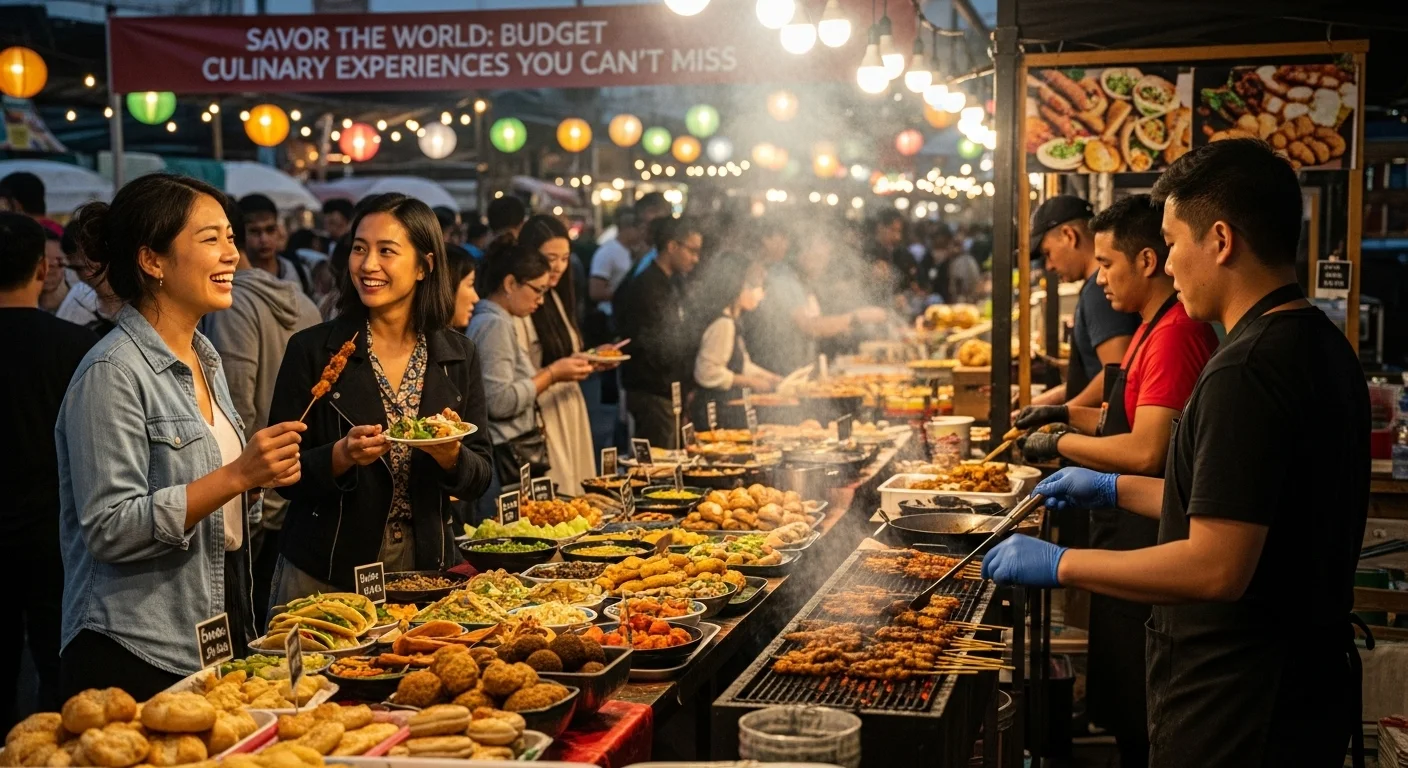
Savor the World: Budget Culinary Experiences You Can’t Miss

Traveling the world through its flavors is a thrilling adventure, and you don’t need a hefty budget to indulge in it. Join me as we discover unforgettable culinary experiences that are easy on the wallet! If you’re interested in combining food with adventure, consider reading about Cultural Trekking Adventures: Explore on a Budget Today.

Savor the World: Budget Culinary Experiences You Can't Miss

Understanding Budget Culinary Experiences

What Are Culinary Experiences?

Culinary experiences are more than just meals; they’re immersive journeys into a culture’s heart and soul. I remember my first culinary adventure in a small village in Italy, where I learned to make homemade pasta from a local nonna. It was about the flavors, the stories she shared, and the connections I made with the community. Each bite transported me to a different world, filled with history and tradition. Culinary experiences can include anything from street food tastings and market tours to cooking classes and food festivals. They allow us to savor local ingredients and techniques that define a place’s cuisine.

The Importance of Budget-Friendly Options

Now, let’s be honest: traveling can be expensive. I’ve often found myself torn between trying a fancy restaurant and exploring local food stalls that offer incredible meals at a fraction of the price. Budget-friendly options allow us to enjoy a rich culinary landscape without breaking the bank. These experiences often lead to discovering authentic flavors and connecting with locals in a way that high-end dining might not. I feel that when we seek out budget culinary experiences, we embrace the true essence of travel—meeting new people, exploring new cultures, and creating memories that last a lifetime. For more insights on budget-friendly options, check out Budget-Friendly Cultural Trekking: Tips and Destinations.

Top Destinations for Budget Culinary Experiences

Street Food in Bangkok

Bangkok is a food lover’s paradise, and its street food scene is legendary. I remember the first time I wandered through the vibrant streets, the sizzling sounds and mouth-watering aromas wrapping around me like a warm blanket. Dishes like pad Thai, papaya salad, and mango sticky rice are not only delicious but also incredibly affordable. I would often grab a plate from a bustling food stall and enjoy it at a nearby park, soaking in the lively atmosphere. It’s an experience that combines great food with the vibrant energy of the city.

Tapas in Barcelona

If you find yourself in Barcelona, tapas are a must-try. I discovered that hopping from bar to bar, sampling small plates, is not just a meal; it’s part of the social fabric of Spanish life. Dishes like patatas bravas, croquetas, and jamón ibérico allow you to taste a variety of flavors without spending too much. My friends and I often made a game of finding the best tapas bars, and those evenings turned into some of my fondest memories of Spain.

Markets in Mexico City

Mexico City’s markets are a feast for the senses. I vividly remember visiting Mercado de San Juan, where I tasted exotic fruits, artisan cheeses, and traditional Mexican dishes all in one place. Each stall felt like a mini-experience, with vendors eager to share their stories and samples. Eating tacos from a street vendor in the Mercado de la Merced was one of the best decisions I ever made. The vibrant colors and flavors brought the culture to life, and my wallet stayed intact.

Local Dishes in Hanoi

Hanoi is a city where food is not just sustenance; it’s an art form. I was captivated by the food stalls serving phở, the aromatic noodle soup that warms the soul. Slurping on a bowl while sitting on a small plastic stool on the street is an experience I highly recommend. I learned that exploring local food spots in Hanoi can lead to delicious finds at unbelievably low prices. Plus, every bowl of phở comes with a side of history, as I learned about its origins and regional variations from the locals.

Food Trucks in Portland

Portland’s food truck scene is vibrant and diverse, offering a smorgasbord of options. I spent an afternoon at one of the many food cart pods, where I sampled everything from gourmet grilled cheese to fusion tacos. The best part? I could try multiple dishes without feeling guilty about my budget. I remember discovering a little taco truck that served the best fish tacos I’ve ever had, all while sitting on a picnic bench surrounded by friendly strangers. It felt like a communal feast, and I loved every minute of it.

How to Find Affordable Dining Options

Researching Local Food Blogs and Guides

One of my favorite ways to unearth budget-friendly dining options is by diving into local food blogs and guides. Before I set off on my travels, I spend hours scrolling through posts written by locals who know their city’s culinary scene inside and out. I remember stumbling upon a blog dedicated to secret eats in Tokyo, where I found recommendations for hole-in-the-wall sushi spots that offered incredible meals at a fraction of what I’d pay at a fancy restaurant. These blogs often provide insights into the best times to visit, special deals, and unique dishes to try. I think this kind of research helps me feel more connected to the culture and gives me a sense of belonging wherever I go. If you’re looking for more ways to explore culinary adventures, consider Explore Cultural Treks: Budget Adventures Await You.

Using Food Apps for Great Deals

In our tech-savvy world, food apps have become my go-to resource for finding amazing deals. Apps like Yelp, TripAdvisor, and even local favorites often highlight budget-friendly options that I might not have discovered otherwise. I recall using an app in San Francisco that featured daily discounts at various restaurants. I found a fantastic little cafe offering a free drink with the purchase of a sandwich, which turned out to be a delicious and filling lunch! These apps not only help me save money but also connect me with eateries that prioritize quality without the hefty price tag.

Exploring Social Media for Hidden Gems

Social media has transformed the way we discover food. I often scroll through Instagram and TikTok, where food influencers showcase their favorite local spots. One of my best finds was a tiny taco stand in Los Angeles featured in a TikTok video. I was immediately drawn in by the vibrant colors and mouth-watering visuals, so I rushed over to try it for myself. I was greeted with the most tender, flavorful tacos—all for under ten dollars! From my experience, social media platforms are treasure troves for hidden gems, allowing us to see real people enjoying real food, which is often a more genuine reflection of what to expect.

Must-Try Budget Dishes Around the World

Phở in Vietnam

Phở, Vietnam’s iconic noodle soup, is an absolute must-try. When I first tasted it on the bustling streets of Hanoi, I was blown away by the depth of flavor in the broth. The best part? It typically costs just a couple of dollars! I remember slurping my bowl while chatting with a local vendor, who shared stories about the origins of the dish. It was more than just a meal; it was a warm, comforting experience that I cherish to this day.

Tacos in Mexico

In Mexico, tacos are not just food; they are a way of life. I’ve enjoyed everything from al pastor to fish tacos, each with its own unique twist. The magic of street tacos is that you can find them everywhere, often for less than a dollar each! I recall one night in Oaxaca, where I tried a taco stand renowned for its homemade tortillas. The flavors were fresh and vibrant, and I couldn’t help but go back for seconds—what a delicious indulgence without breaking my budget.

Pizza in Italy

When in Italy, pizza is a rite of passage. I learned that the best pizza is often found in small pizzerias off the beaten path. During my visit to Napoli, I discovered a pizzeria that served authentic Neapolitan pizza for about five euros. The crust was perfectly chewy, and the toppings were simple yet fresh. Sitting on a bench with a slice in hand while overlooking the bustling streets was one of the simplest joys I experienced in Italy.

Street Noodles in Thailand

Thailand is famous for its street noodles, and I can’t recommend them enough. I remember wandering through Chiang Mai’s night market, where I stumbled upon a vendor selling pad see ew. The sweet and savory flavors danced on my palate, and for just a few dollars, I had a hearty meal that filled me up and warmed my heart. Eating noodles from a street cart, surrounded by locals, made me feel truly immersed in the culture.

Fish and Chips in the UK

While exploring the UK, I discovered that fish and chips can be both affordable and delicious. I found a local chippy in London that served up crispy battered fish and fluffy chips for a reasonable price. I remember enjoying my meal sitting by the Thames, with a cool breeze and the sound of the river in the background. It was such a classic British experience, and the best part was how satisfying it felt to enjoy this comfort food without spending much.

How to Enjoy Culinary Experiences on a Budget

Dining During Happy Hours

Dining during happy hours can be a game-changer for budget travelers. I’ve often taken advantage of restaurants that offer discounted appetizers and drinks during specific hours. In Seattle, I found a waterfront restaurant with stunning views that had a happy hour menu featuring amazing small plates. I remember sharing a couple of dishes with friends while enjoying the sunset, all at a fraction of the normal price. It’s a perfect way to enjoy the ambiance without emptying your wallet.

Taking Advantage of Lunch Specials

Lunch specials are another great way to enjoy culinary experiences without overspending. I’ve learned that many restaurants offer smaller portions at lower prices during lunch hours. This is particularly common in cities like New York, where I once enjoyed a lavish multi-course meal for less than half the dinner price. It’s a fantastic opportunity to try different dishes and savor the local cuisine without the dinner rush.

Sharing Plates with Friends

When dining out with friends, I find that sharing plates can be a delightful way to experience more flavors while keeping costs down. I often suggest we order several dishes to share, which allows us to sample a variety of tastes. I remember a night in Barcelona where we shared several tapas, each offering a glimpse into the local culinary scene. Not only did it enhance our experience, but it also made the meal feel like a communal feast.

Cooking Classes and Workshops That Are Affordable

Taking part in a cooking class can be an enriching and budget-friendly way to dive deep into a culture’s cuisine. I’ve participated in classes that were surprisingly affordable, especially in countries like Thailand and Italy. Learning to cook a traditional dish from a local chef not only saves you money on meals but also gives you skills to recreate those dishes at home. I remember feeling a sense of pride when I made my own pasta in Italy, and the taste was even more rewarding knowing I had crafted it myself.

Tips for Budget-Friendly Travel and Dining

Traveling Off-Peak Season

One of the best decisions I made while traveling was to plan my trips during the off-peak season. Not only did I enjoy fewer crowds, but I also found that prices for accommodations and dining were significantly lower. I remember visiting Europe in late autumn, when the summer tourists had gone home. The cities felt alive but not overcrowded, and I could easily snag a table at popular restaurants without a long wait. Plus, many places offered special deals to attract locals who were looking for a good meal without the tourist prices. Traveling during these quieter times can lead to unexpected culinary gems, and I highly recommend keeping this in mind when planning your next adventure.

Staying in Hostels or Budget Accommodations

Choosing budget accommodations has always been a game-changer for me. I’ve stayed in hostels, guesthouses, and budget hotels that not only save money but often come with kitchens. I remember cooking meals with fellow travelers in a hostel kitchen in Lisbon, where we shared ingredients and local recipes. It was a fun and sociable experience that allowed us to bond over food while keeping our expenses down. Many hostels also organize community dinners or food tours, which can be a fantastic way to explore local culinary delights without spending a fortune. Staying somewhere budget-friendly can enhance your travel experience and allow you to prioritize your culinary adventures.

Using Public Transportation for Food Tours

Public transportation has been my trusty sidekick whenever I explore a new city. I love hopping on a bus or subway to reach local neighborhoods where authentic food experiences await. In Tokyo, I took the train to a lesser-known district and stumbled upon a small ramen shop that quickly became one of my favorites. The short trip was worth it, and the meal was budget-friendly, too. I believe that using public transit not only saves money but also encourages you to explore areas off the beaten path. It’s amazing how much local flavor you can find just a train ride away from the touristy spots, offering a whole new perspective on the culinary landscape.

Safety and Hygiene Considerations

Eating Street Food Safely

Street food is often at the heart of a city’s culinary scene, but it’s essential to be mindful of safety and hygiene. I learned this firsthand while enjoying delicious meals from street vendors in various countries. My golden rule is to observe the vendor’s setup: if they are busy and have a steady stream of customers, it’s usually a good sign. I remember enjoying a plate of pad thai from a bustling street stall in Bangkok, where the chef was cooking right in front of me, using fresh ingredients. Trust your instincts—if something doesn’t feel right, it’s okay to keep looking. Eating street food can be a thrilling experience, and with a little caution, it can be both safe and delicious!

Checking Reviews and Ratings

Before diving into a new dining experience, I always check reviews and ratings on platforms like Yelp, TripAdvisor, or even Google. It’s amazing how much information you can gather from other diners’ experiences. I recall visiting a small eatery in Florence that I found through a quick search. The reviews praised the handmade pasta, and I was not disappointed! The key is to look for recent reviews and pay attention to common themes in the feedback. This simple step can save you from dining disappointments and guide you to the hidden culinary treasures.

Understanding Local Food Safety Standards

Each country has its own food safety regulations, and I’ve found that understanding these can enhance my culinary adventures. In some places, like Japan, the standards are incredibly high, and you can eat almost anything without worry. However, in other regions, it’s wise to be cautious about where you choose to eat. I remember traveling in Southeast Asia and learning about the importance of ensuring food was cooked thoroughly and served hot. Familiarizing myself with local customs around food safety has helped me enjoy my travels while keeping health concerns at bay. I’ve found that asking locals about their recommendations for safe dining is often the best way to gather insights.

Maximizing Your Culinary Experience

Engaging with Local Chefs and Food Enthusiasts

One of my favorite ways to dive deeper into a destination’s culinary scene is by engaging with local chefs and food enthusiasts. I’ve attended cooking demos at markets and participated in food workshops where local chefs shared their secrets and stories. In Thailand, I met a passionate chef who taught me how to prepare traditional dishes using ingredients sourced from the local market. These interactions made my experience richer and gave me a profound appreciation for the culture. I believe that when we connect with the people behind the food, we not only learn about the cuisine but also create lasting memories and friendships.

Participating in Food Festivals

Food festivals are another fantastic way to maximize your culinary experience. I’ve attended several food events around the world, each time discovering new flavors and dishes that I might not have tried otherwise. I remember strolling through a street food festival in Mexico City, sampling everything from tacos to tamales, while enjoying live music and vibrant performances. These festivals often showcase local chefs and highlight regional specialties, making them a perfect opportunity to taste a variety of cuisines in one place. Plus, they usually offer affordable tasting options, allowing you to experience a lot without overspending.

Documenting Your Culinary Journey

As I travel, I love to document my culinary journey through photos and notes. Not only does this help me remember the incredible meals I’ve had, but it also allows me to share my experiences with friends and family. I like to keep a travel journal where I jot down my favorite dishes, the stories behind them, and any interesting conversations I had with locals. This habit has deepened my appreciation for the food I’ve encountered and has sparked many delightful conversations once I return home. Plus, looking back at my culinary adventures often inspires future trips and dining experiences.

Frequently Asked Questions

What are culinary experiences?

Culinary experiences are immersive journeys into a culture’s heart and soul, encompassing activities like street food tastings, market tours, cooking classes, and food festivals that allow individuals to savor local ingredients and techniques that define a place’s cuisine.

Why are budget-friendly culinary options important?

Budget-friendly options allow travelers to enjoy rich culinary landscapes without overspending, often leading to the discovery of authentic flavors and connections with locals, enhancing the overall travel experience.

What are some top destinations for budget culinary experiences?

Some top destinations include Bangkok for its legendary street food, Barcelona for tapas, Mexico City for its vibrant markets, Hanoi for its local dishes, and Portland for its diverse food truck scene.

How can I find affordable dining options while traveling?

Travelers can find affordable dining options by researching local food blogs and guides, using food apps for great deals, and exploring social media for hidden gems that showcase local spots.

What is a must-try dish in Vietnam?

Phở, Vietnam’s iconic noodle soup, is a must-try dish known for its depth of flavor and typically costs just a couple of dollars.

How can I enjoy culinary experiences on a budget?

Enjoying culinary experiences on a budget can be achieved by dining during happy hours, taking advantage of lunch specials, sharing plates with friends, and participating in affordable cooking classes and workshops.

What are some tips for budget-friendly travel and dining?

Tips include traveling during the off-peak season, staying in budget accommodations like hostels, and using public transportation to reach local neighborhoods for authentic food experiences.

How can I eat street food safely?

To eat street food safely, observe the vendor’s setup for cleanliness, choose busy stalls with a steady stream of customers, and trust your instincts about the food’s appearance and smell.

How can engaging with local chefs enhance my culinary experience?

Engaging with local chefs and food enthusiasts can enrich your culinary experience by providing deeper insights into the cuisine, sharing cooking secrets, and fostering connections that create lasting memories.

What is the benefit of participating in food festivals?

Participating in food festivals allows travelers to discover new flavors and dishes, often showcasing local chefs and offering affordable tasting options to experience a variety of cuisines in one place.

Explore Amazing Stand-Up Paddleboarding Spots on a Budget

Stand-up paddleboarding (SUP) is an exhilarating way to explore water while staying active. If you’re looking to discover amazing spots without breaking the bank, you’re in the right place! Check out our guide on Top 10 Budget-Friendly Stand-Up Paddleboarding Locations for more tips.

Explore Amazing Stand-Up Paddleboarding Spots on a Budget

Understanding Stand-Up Paddleboarding (SUP)

What is Stand-Up Paddleboarding?

Stand-up paddleboarding, or SUP, is a water sport that involves standing on a large board and using a paddle to propel yourself across the water. I remember the first time I tried it—it was a sunny day, and I felt like I was gliding on a serene lake, with a gentle breeze at my back. Unlike surfing, where you ride waves, SUP offers a more relaxed experience. You can paddle in lakes, rivers, or oceans, and the beauty of the sport is that it welcomes everyone, from beginners to advanced paddlers.

Benefits of SUP as a Recreational Activity

One of the reasons I fell in love with paddleboarding is the multitude of benefits it offers. First off, it’s a fantastic workout! Paddling engages your core, legs, and arms, giving you a full-body exercise without the intensity of some gym workouts. I noticed that even after a short session, my muscles felt pleasantly sore, a reminder of the active fun I’d just enjoyed.

Aside from the physical benefits, SUP is a great way to connect with nature. Whether it’s gliding through calm waters at sunrise or paddling alongside playful dolphins, I’ve experienced moments of pure tranquility that are hard to replicate elsewhere. Plus, it’s a social activity—my friends and I often plan paddleboarding trips together, making memories and sharing laughter on the water.

Essential Gear for Budget SUP

Getting started with paddleboarding doesn’t have to cost a fortune. Here’s my personal take on the essential gear you need without overextending your budget:

  • Paddleboard: Inflatable paddleboards are often more affordable and easier to transport than rigid boards. I bought my first inflatable board for under $300, and it has served me well. They’re also great for beginners since they provide more stability.
  • Paddle: A lightweight paddle is crucial. I recommend looking for adjustable paddles that can fit your height and preference. They usually cost around $50 to $100.
  • Leash: A leash keeps your board attached to you, which is vital for safety. I learned this the hard way when my board floated away during my first outing! Leashes are inexpensive, usually around $20 to $30.
  • Personal Flotation Device (PFD): Many places require you to have a PFD, and it’s always a good idea for safety. You can find budget-friendly options starting at $30.
  • Safety Gear: Sunscreen, hats, and water shoes are also must-haves. I always carry a dry bag for my valuables, just in case.

With these essentials, you can enjoy paddleboarding without feeling financially strained. I often check local second-hand stores or online marketplaces for gently used gear, which can save even more money. For more on budgeting gear, consider reading about Essential Gear for Mountain Climbing on a Budget.

Top Budget-Friendly SUP Spots in the U.S.

Best Coastal Locations

Florida Keys

The Florida Keys are a dream for paddleboarders. I was lucky enough to paddle through the crystal-clear waters around Key Largo, where the vibrant marine life kept me company. There are numerous spots to launch, and many local businesses offer budget-friendly rentals. Plus, the breathtaking sunsets are worth every penny!

Outer Banks, North Carolina

I had an unforgettable experience paddleboarding in the Outer Banks. The calm waters of the sound are perfect for beginners, and the scenery is stunning with views of the dunes. Many companies offer rental packages, and I found it easy to split costs with friends, making it an economical adventure.

Scenic Lakes and Rivers

Lake Tahoe, California/Nevada

Lake Tahoe is another gem for paddleboarders. The lake’s vibrant blue water is inviting, and the surrounding mountains create a picturesque backdrop. When I went there, I found several rental shops that offered competitive prices. Plus, the area is full of free public launch spots, so we didn’t have to worry about extra fees.

Lake Powell, Arizona

Paddleboarding on Lake Powell feels like exploring a different world. The stunning rock formations and canyons provide a spectacular setting. I recommend taking a guided tour if you’re new to the area to learn about the local geology and history. Rentals are available on-site, and I often found deals if I booked ahead.

Urban SUP Experiences

Chicago River, Illinois

For a unique urban experience, I suggest trying the Chicago River. Paddling amidst the city skyline was surreal; I felt like I was in a movie! There are several rental spots that cater to budget-conscious paddlers, and you can often find discounts for group bookings.

San Francisco Bay, California

Paddleboarding in San Francisco Bay offers the chance to paddle past iconic landmarks like Alcatraz and the Golden Gate Bridge. The views are breathtaking, and I loved the feeling of being in the heart of the city while on the water. Rentals can be found at reasonable prices, especially if you go during off-peak times.

Planning Your SUP Adventure

When is the Best Time to Paddleboard?

Choosing the right time for paddleboarding can make all the difference in your experience. From my adventures, I’ve learned that early mornings are often the best. The water is usually calm, and the sun rising over the horizon creates a magical atmosphere that I always look forward to. I remember one particular sunrise at Lake Tahoe that left me in awe—mist hovering over the water, and absolute serenity all around. Plus, fewer people are out, so you can enjoy the peace and quiet of nature.

As for seasons, summer is the prime time for paddleboarding, but late spring and early fall can also offer great conditions with fewer crowds. I find that the weather is still pleasant, and the scenery can be even more beautiful with changing leaves or blooming flowers. Just keep in mind that in some areas, wind conditions can vary greatly throughout the day, so checking local forecasts is key.

Local Weather Considerations

Weather plays a significant role in a successful paddleboarding trip. I’ve had to adjust my plans based on unexpected weather changes more times than I can count! It’s crucial to keep an eye on wind speeds and potential storms. I recommend checking apps like Windy or local weather websites for real-time updates. I remember one time at the Outer Banks, the winds picked up unexpectedly, and we had to paddle back against strong currents. It turned into quite the workout!

Humidity and temperature are also factors to consider. Hot days can make for a sweaty outing, so bringing plenty of water is essential. On cooler days, I often wear a light wetsuit or a rash guard to keep warm while paddling. Each location has its quirks, so it’s worth doing a little research based on your chosen spot. I like to use local Facebook groups where paddleboarding enthusiasts share their experiences and tips about the best times to hit the water.

Choosing the Right Paddleboard Rental

If you’re new to paddleboarding or don’t want to invest in your own board yet, renting is a great option. I’ve rented from several places during my travels, and I’ve learned a few things that can help you choose the right rental shop. First, I always look for places that allow you to test the boards before you commit. That way, you can find a board that suits your comfort level and paddling style.

Don’t forget to ask about the condition of the boards. I once rented a board that looked great but had a tiny leak, and I ended up with a very soggy experience! I’ve found that local shops often provide better-maintained boards than larger chain stores. Also, check for any package deals, especially if you’re going with friends. Many shops offer discounts for group rentals, which can make your adventure even more affordable.

Finally, don’t hesitate to ask questions! The staff at rental places usually have plenty of knowledge and can offer tips on the best paddling routes and safety considerations in the area. I remember chatting with a rental shop owner in San Francisco who shared an amazing route that took us right past Alcatraz, which turned out to be one of the highlights of my trip.

Budgeting for Your SUP Trip

Cost of Rentals vs. Purchasing Gear

This is a common question for those new to paddleboarding: Is it better to rent or buy? From my experience, it really depends on how often you plan to paddleboard. If you’re just dipping your toes in the water (pun intended!), renting is a great way to start without a big investment. Rental prices can vary but usually range from $30 to $50 for a few hours, which I think is reasonable for trying out the sport.

However, if you find yourself heading out multiple times a season, it might be worth considering purchasing gear. I did this after my first summer of paddleboarding when I realized how much I loved it. I invested in a good-quality inflatable board, which has paid off in the long run. Plus, having my own gear means I can spontaneously head to the water whenever the mood strikes!

Affordable Accommodation Options Nearby

Finding a budget-friendly place to stay can enhance your paddleboarding experience. I’ve discovered that looking for accommodations near the water can save you time and money on transportation. For instance, while exploring Lake Powell, we found a cozy budget motel that was just a short drive from the launch site. It made getting out on the water early in the morning a breeze!

Consider options like hostels, motels, or even camping if you’re feeling adventurous. I’ve camped along shorelines at various lakes, and waking up to the sound of water lapping against the shore is a memory I cherish. Websites like Airbnb or VRBO also often have affordable rental options that can fit a variety of budgets.

Transportation Tips to Save Money

Getting to your SUP location can sometimes be a hidden cost that sneaks up on you. I’ve learned a few tricks to keep transportation costs low. If you’re traveling with friends, carpooling is a great way to save on gas and parking fees. I remember a paddleboarding trip where we all packed into one car, and it turned into a fun road trip experience, complete with snacks and music!

Public transportation can also be a viable option in some areas, particularly in cities like San Francisco or New York, where you can take a bus or train to get closer to the water. I’ve used public transport to get to rental shops, which often saves me the hassle of parking. If you’re flying in, look for rental car companies that offer daily deals or discounts for longer rental periods. I’ve found that comparing prices online can lead to some excellent savings!

Safety Tips for Paddleboarding on a Budget

Essential Safety Gear Recommendations

When it comes to paddleboarding, safety should always be a top priority, especially if you’re on a budget. I learned this the hard way during my early outings. While it’s tempting to skip some gear to save money, investing in essential safety items can prevent costly accidents. Here’s what I recommend:

  • Personal Flotation Device (PFD): I can’t stress enough how important it is to wear a PFD, especially if you’re paddling alone or in unfamiliar waters. There are affordable options out there, and wearing one can save your life in an emergency.
  • Leash: As mentioned earlier, a leash is essential. Not only does it keep your board close, but it also helps you stay safe in windy conditions or choppy waters. I know from experience that chasing after a drifting board can be exhausting and frustrating!
  • Whistle: A whistle is a small but mighty tool for your safety kit. It’s lightweight and inexpensive, making it easy to carry. If you find yourself in trouble, a whistle can alert nearby paddlers or boaters to your situation.
  • Dry Bag: Keeping your belongings safe from water is crucial. A dry bag is perfect for storing your phone, wallet, snacks, and anything else you might need on the water. I always carry one to avoid soggy mishaps!

Understanding Local Water Conditions

Before I head out, I always take some time to understand the local water conditions. Each paddling spot has its unique characteristics, and knowing what to expect can make a huge difference in your experience. I usually check the following:

  • Current and Tides: If you’re paddling in an area with tides or strong currents, it’s essential to plan your trip accordingly. I made the mistake of paddling against the tide once, and it turned into quite the workout that I hadn’t mentally prepared for!
  • Wind Conditions: Wind can significantly impact your paddling experience. On days when the wind is stronger, I opt for calmer waters or shorter trips. If you’re unsure, local paddleboarding groups on social media can be a great resource for real-time conditions.
  • Wildlife Awareness: Being aware of local wildlife is important. I’ve seen everything from playful otters to curious seals while paddling. However, it’s essential to respect their space. I remember a time when I got a little too close to a curious sea lion, and while it was exciting, it’s crucial to keep a safe distance.

First Aid and Emergency Preparedness

No one wants to think about emergencies when they’re out enjoying the water, but being prepared is key. I’ve learned to carry a small first aid kit when I paddle. Here’s what I keep in mine:

  • Basic First Aid Supplies: Band-aids, antiseptic wipes, and gauze are essential for treating minor cuts or scrapes. I once had a small accident while launching my board and was grateful to have my kit on hand.
  • Emergency Contact Information: I always keep a piece of paper with my emergency contacts stashed in my dry bag. In case something happens, it’s handy for any rescuers or fellow paddlers.
  • Cell Phone: I often take my phone with me in a waterproof pouch. It’s great for taking photos, but in case of an emergency, I can call for help. Just remember to keep it securely fastened!

Being prepared doesn’t mean you’ll encounter trouble, but it gives you peace of mind. I find that having these safety measures in place allows me to enjoy my paddleboarding adventures even more.

Enhancing Your SUP Experience

Local Food and Dining Options on a Budget

After a long day on the water, nothing beats a good meal. I’ve found that exploring local eateries can add a whole new layer to my paddleboarding adventures. I love seeking out budget-friendly dining options that allow me to taste the local cuisine without breaking the bank. For instance, while in the Florida Keys, I stumbled upon a small seafood shack that offered fresh catch tacos at a great price. The atmosphere was laid-back, and the views of the sunset over the water were just the cherry on top.

In places like Lake Tahoe, I enjoyed grabbing sandwiches from local delis to take with me for a picnic. Eating by the water after paddleboarding is such a rewarding way to celebrate the day. I often check Yelp or local food blogs for recommendations, which has led me to some hidden gems.

Combining SUP with Other Activities

One of the best parts about paddleboarding is how versatile it can be. I’ve learned that combining SUP with other activities can make for a fuller experience. For example, after a morning paddle, I love to hike nearby trails to explore the beautiful landscapes. In Lake Powell, we spent the afternoon paddling and then hiking around the stunning rock formations. The contrast of being on the water and then scaling a trail was exhilarating!

Another fun combination is paddleboarding and yoga. I’ve participated in classes that take place right on the water. Balancing on the board while practicing yoga poses was challenging yet incredibly calming. I’ve found that many places offer these types of experiences, which can be a unique way to connect with nature and enhance our physical practice.

Community Events and Paddleboarding Meetups

Connecting with fellow paddleboarding enthusiasts has enriched my adventures. I’ve discovered that many local communities host events or meetups that not only promote the sport but also offer a chance to meet new people. I participated in a paddleboarding race last summer, and it was such a thrill to be part of a group that shared my passion for the water. It also pushed me to improve my skills in a fun, competitive way.

Additionally, I’ve joined social media groups dedicated to paddleboarding, where people share tips, organize group paddles, and announce local events. This sense of community has made my experiences even more enjoyable. Whether it’s a casual meetup or a planned event, these gatherings are a fantastic way to learn and bond over shared interests.

Resources for Budget-Savvy Paddleboarders

Online Communities and Forums

The internet has become a treasure trove of resources for paddleboarders. I often turn to online forums and communities where paddlers share advice, trip reports, and gear recommendations. Websites like Reddit and specialized paddleboarding forums offer a wealth of information from seasoned paddlers. I’ve received great tips from others who have already explored my desired destinations, helping me avoid common pitfalls and making my trips more enjoyable.

Paddleboarding Apps and Websites

There are several apps and websites that can enhance my paddleboarding experience. For instance, I use apps that provide information on local waterways, including details about launch sites, water conditions, and safety tips. I particularly enjoy using apps like Paddle Logger, which tracks my paddling routes and allows me to share my adventures with friends. It’s a fun way to document my journeys and keep pushing my limits!

Discount Programs and Memberships

Many paddleboarding shops and organizations offer discounts or membership programs for frequent paddlers. I’ve signed up for a local paddleboarding group that provides discounted rentals and access to exclusive events. This not only saves me money but also keeps me engaged with the community. If you’re a regular paddler, I recommend looking into similar programs where you live, as they can greatly enhance your experience while keeping costs down.

Final Thoughts

Paddleboarding has opened up a world of adventure for me, blending the joy of exploring the water with the thrill of being active outside. I believe that with a little planning and creativity, anyone can enjoy this fantastic sport without breaking the bank. From finding budget-friendly spots to connecting with fellow paddlers, every aspect adds to the richness of the experience. I hope my insights inspire you to grab a board, hit the water, and create your own paddleboarding memories. The water is waiting for you!

Frequently Asked Questions

What is stand-up paddleboarding (SUP)?

Stand-up paddleboarding, or SUP, is a water sport that involves standing on a large board and using a paddle to propel yourself across the water. It can be enjoyed in lakes, rivers, or oceans and is suitable for everyone, from beginners to advanced paddlers.

What are the benefits of paddleboarding?

Paddleboarding offers a fantastic workout that engages your core, legs, and arms, providing full-body exercise. It also allows you to connect with nature and can be a social activity enjoyed with friends.

What essential gear do I need for budget-friendly SUP?

Essential gear includes an inflatable paddleboard (which is often more affordable and stable for beginners), a lightweight adjustable paddle, a leash, a personal flotation device (PFD), and safety gear like sunscreen and water shoes.

What are some budget-friendly SUP spots in the U.S.?

Some budget-friendly SUP spots include the Florida Keys, Outer Banks in North Carolina, Lake Tahoe in California/Nevada, Lake Powell in Arizona, the Chicago River in Illinois, and San Francisco Bay in California.

When is the best time to go paddleboarding?

The best time to paddleboard is typically early mornings when the water is calm, and the scenery is beautiful. Summer is ideal, but late spring and early fall can also provide great conditions with fewer crowds.

How should I choose a paddleboard rental?

When choosing a paddleboard rental, look for places that allow you to test the boards, check their condition, and ask about package deals for group rentals. Staff at local shops can also provide valuable tips on paddling routes and safety.

Is it better to rent or buy paddleboarding gear?

It depends on how often you plan to paddleboard. Renting is a good option for beginners or those trying it out, while purchasing gear is worth considering for those who paddle multiple times a season.

What safety gear is recommended for paddleboarding?

Essential safety gear includes a personal flotation device (PFD), a leash, a whistle, and a dry bag to keep belongings safe from water.

How can I enhance my paddleboarding experience?

You can enhance your paddleboarding experience by exploring local food options after paddling, combining SUP with other activities like hiking or yoga, and participating in community events or paddleboarding meetups.

What online resources are available for paddleboarders?

Online communities and forums, paddleboarding apps, and discount programs offered by local shops can provide valuable information, tips, and savings for paddleboarders.

Top 10 Budget-Friendly Stand-Up Paddleboarding Locations

Stand-up paddleboarding (SUP) is an exhilarating way to explore beautiful waterways without breaking the bank. Whether you’re a seasoned paddler or just starting, there are budget-friendly spots waiting for you to discover. For more adventurous options, check out the Essential Guide to Affordable Jungle Trekking Adventures.

Top 10 Budget-Friendly Stand-Up Paddleboarding Locations

Understanding Stand-Up Paddleboarding (SUP)

What is Stand-Up Paddleboarding?

Stand-up paddleboarding, commonly known as SUP, is a water sport that involves standing on a large board and using a paddle to navigate across water. I vividly remember the first time I tried it—balancing on that board was a challenge, but once I found my footing, it felt like gliding over the water. It’s a sport that combines elements of surfing and kayaking, making it accessible and enjoyable for almost everyone. From serene lakes to bustling ocean waves, there’s a perfect spot for every level of paddler.

Benefits of Paddleboarding

Paddleboarding offers numerous benefits that go beyond the sheer joy of being out on the water. For me, it became a fantastic way to stay active while enjoying nature. Here are some of the benefits I’ve found:

  • Full-body workout: Paddleboarding engages your core, arms, and legs, providing a great workout without feeling like exercise. I often paddle for hours without realizing how much effort I’m putting in!
  • Stress relief: There’s something incredibly calming about being on the water. It’s a perfect escape from the hustle and bustle of daily life. I always feel rejuvenated after a session.
  • Connection with nature: Paddleboarding allows you to explore beautiful landscapes and observe wildlife up close. I’ve spotted everything from dolphins to vibrant birds during my outings.

Essential Equipment for Beginners

If you’re just starting out, you don’t need to invest in a lot of expensive gear. Here’s what I found essential when I began my paddleboarding journey:

  • Paddleboard: Depending on where you’ll be paddling, you can choose between different types of boards. Inflatable boards are great for beginners because they’re easy to transport and store.
  • Paddle: A good paddle can make a significant difference. I recommend a lightweight paddle that’s adjustable to your height for comfort.
  • Life jacket: Safety first! Wearing a life jacket is crucial, especially if you’re not a strong swimmer. I always wear mine, just in case.
  • Leash: A leash keeps you connected to your board in case you fall off, preventing it from drifting away. I learned this the hard way!
  • Sun protection: Sunscreen, a hat, and sunglasses are a must since you’ll be out in the sun for a while. I always apply sunscreen liberally before heading out.

Criteria for Budget-Friendly Locations

Affordability Factors

When looking for budget-friendly paddleboarding locations, I consider several affordability factors. It’s not just about the cost of rentals; it’s also about the overall expenses involved. From my experience, here are some key factors to keep in mind:

  • Rental Prices: Look for areas where rental prices are reasonable. I’ve found that smaller towns often have better rates compared to tourist hotspots.
  • Cost of Living: Locations with a lower cost of living tend to have more affordable accommodations and dining options, making your trip easier on the wallet.
  • Parking Fees: Be mindful of parking costs if you’re driving to your location. Some places offer free parking, which can save you a lot.

Accessibility and Transportation

Accessibility plays a big role in choosing the right spot for paddleboarding. I’ve noticed that locations that are easy to reach by public transport or have ample parking make for a much more enjoyable experience. If you’re renting a board, being close to rental shops is a bonus. Sometimes, a short walk from your accommodation can save you time and hassle.

Availability of Rentals and Lessons

Having rental options nearby is crucial. I’ve found that locations with multiple rental shops often have competitive prices, making it easier to find a great deal. Additionally, if you’re new to paddleboarding, look for places that offer lessons. I took a lesson during my first outing, and it helped me gain confidence on the board. For those interested in wildlife, consider checking out Wildlife Adventures: Best Budget-Friendly African Safari Spots for more exploration ideas.

Safety and Regulations

Safety should never be overlooked. Before heading to a new location, I always check local regulations regarding paddleboarding, as some areas may have specific rules. It’s important to know about life jacket requirements, designated paddleboarding zones, and any other safety measures. I once missed this step and found myself in a restricted area, which was nerve-wracking!

Top 10 Budget-Friendly Stand-Up Paddleboarding Locations

1. Lake Tahoe, California

Overview and Accessibility

Lake Tahoe is a stunning destination that offers crystal-clear waters surrounded by majestic mountains. I remember my first visit—it felt like stepping into a postcard. Getting to Lake Tahoe is pretty straightforward, whether you’re driving from nearby cities like Reno or Sacramento. There are plenty of scenic routes that make the journey just as enjoyable as the destination itself.

Rental Options

When it comes to rentals, Lake Tahoe has a range of options. Local shops offer everything from inflatable boards to guided tours, often at reasonable prices. I found a shop that not only had great rates but also provided helpful tips on the best spots to paddle. Plus, many places offer multi-day rental deals, which can save you even more money.

Best Times to Visit

The best time to paddleboard at Lake Tahoe is during the summer months, from June to September. The weather is perfect, and the water is warm enough for a comfortable experience. I’ve paddled in the early morning when the lake is like glass, and it’s truly magical.

2. Key West, Florida

Overview and Accessibility

Key West is known for its laid-back vibe and stunning sunsets. The waters surrounding the island are calm and perfect for paddleboarding. I found that getting to Key West is easy, whether by car or plane. The drive down the scenic Overseas Highway is part of the adventure!

Rental Options

There are several rental shops in Key West that cater to paddleboarders. I loved the convenience of being able to rent right near the beach. Some shops even offer delivery to your accommodation, which is a huge bonus. The prices are quite affordable, especially considering the breathtaking views you get while paddling.

Best Times to Visit

Visit between March and May or September to November for the best rates and fewer crowds. I’ve enjoyed paddling during these shoulder seasons, where the weather is still lovely but the beaches are a bit less packed.

3. Austin, Texas

Overview and Accessibility

Austin’s vibrant culture and beautiful lakes make it an ideal place for SUP. Lady Bird Lake is centrally located and easily accessible, which was a pleasant surprise for me. I love how you can paddle right in the heart of the city, surrounded by lush parks and the iconic skyline.

Rental Options

Rental shops around Lady Bird Lake provide affordable options, and some even offer hourly rates that are budget-friendly. During my trip there, I discovered a company that had a special deal for first-time renters, which was a nice touch. Plus, many rentals come with all the necessary gear included!

Best Times to Visit

The ideal time for paddleboarding in Austin is from April to October. The summer months can be hot, but early mornings or late afternoons are perfect for a paddle while avoiding the midday heat.

4. San Juan Islands, Washington

Overview and Accessibility

The San Juan Islands boast breathtaking scenery, with wildlife and stunning coastlines. I was blown away by the tranquility of the waters and the beauty of the surroundings. Getting to the islands usually involves a ferry ride, adding to the adventure.

Rental Options

Once there, you’ll find several rental shops offering paddleboards at reasonable prices. I loved that many of them are located near popular launch spots, making it easy to get on the water. I recommend checking for package deals if you’re planning to rent for multiple days.

Best Times to Visit

The best months for paddleboarding are late spring through early fall, from May to September. I went in August, and the weather was fantastic—perfect for a day on the water.

5. Outer Banks, North Carolina

Overview and Accessibility

The Outer Banks is a unique place where you can paddle in both the ocean and sound waters. I loved feeling the gentle waves while paddling along the beautiful coastline. Accessibility is great, with several routes leading to different parts of the islands.

Rental Options

There are numerous rental shops along the Outer Banks, and I found the prices to be quite affordable. Many places offer guided tours as well, which can be a fun way to explore if you’re unsure about where to go. I appreciated the personal touch and local knowledge these guides provided.

Best Times to Visit

June through September are the best months to visit for warm weather and water conditions. I’d suggest visiting in early June or late September to avoid the heaviest crowds while still enjoying pleasant temperatures.

6. Miami, Florida

Overview and Accessibility

Miami is not just about the nightlife; its vibrant waterways provide excellent paddleboarding opportunities. I found the combination of city skylines and serene waters captivating. Getting around is easy with public transportation, and parking is available near many launch sites.

Rental Options

In Miami, you have many rental options, especially around Biscayne Bay. I discovered a few shops that offered great deals, and some even had sunset paddleboarding tours that were breathtaking. The affordability of the rentals surprised me considering the lively atmosphere.

Best Times to Visit

The best time to paddleboard in Miami is from November to April, when the temperatures are cooler, and the crowds are thinner. I loved paddling during these months when the weather was just perfect.

7. Vancouver Island, Canada

Overview and Accessibility

Vancouver Island offers stunning landscapes, with lush forests and rugged coastlines. I found the variety of paddling options amazing, from calm bays to more adventurous ocean routes. The island is accessible by ferry from the mainland, making it a fun trip.

Rental Options

There are various rental shops on the island, especially in cities like Victoria and Tofino. I was pleased to find that many shops offered eco-tours, which allowed me to learn more about the local marine life while paddling.

Best Times to Visit

Summer, from June to September, is the best time for paddleboarding here. I remember experiencing the warm sun and clear skies, making it a perfect backdrop for my paddling adventures.

8. Charleston, South Carolina

Overview and Accessibility

Charleston is rich in history, and paddleboarding here lets you explore its waterways while soaking in the charm of the city. I loved gliding past historic sites and picturesque marshlands. The city is easy to navigate, whether you’re driving or using public transport.

Rental Options

There are several rental outfits in Charleston, many of which offer competitive prices. I found a local shop that had great hourly rates, and they even provided guided tours of the nearby marshes. It was a great way to learn about the area while enjoying the water.

Best Times to Visit

The ideal months for paddleboarding in Charleston are from March to October. I enjoyed paddling in the spring when the weather was warm but not too hot, making it a pleasant experience.

9. Lake Powell, Arizona

Overview and Accessibility

Lake Powell is a stunning desert oasis with dramatic landscapes. Paddling here was like exploring a different world for me. The lake is accessible by car, and there are multiple launch points around the area.

Rental Options

There are several rental shops around Lake Powell, and I found the prices to be reasonable, especially for multi-day rentals. I loved the flexibility of being able to paddle in different areas of the lake throughout my stay.

Best Times to Visit

The best time to visit Lake Powell for paddleboarding is from late spring to early fall. I paddled in late September and found the weather to be ideal for spending time on the water.

10. Galveston, Texas

Overview and Accessibility

Galveston offers beautiful beaches and calm waters, making it a great spot for paddleboarding. I enjoyed the combination of beach culture and water sports. Getting to Galveston is easy, whether by car or public transit.

Rental Options

There are several rental spots along the beach, and I discovered they offer competitive pricing. Many places have special promotions, especially during the off-peak season, which can save you a bit of money.

Best Times to Visit

The best times for paddleboarding in Galveston are from April to October. I loved how vibrant the beach scene was during these months, with lots of activities happening around the area.

Tips for Budget-Friendly Paddleboarding

Finding Affordable Rentals

One of the best ways to enjoy paddleboarding without breaking the bank is by finding affordable rental options. During my adventures, I’ve learned that local shops often have better prices than those in touristy areas. I recommend doing a little research before your trip. Websites like Yelp and Google Maps can help you find highly-rated rental shops, and you might even come across some special deals. I once stumbled upon a family-owned shop that offered discounts for first-time renters. It felt great to support local businesses while saving money!

Group Discounts and Packages

If you’re planning to paddle with friends or family, look for group discounts. Many rental shops offer reduced rates for groups, making it a more cost-effective way to enjoy the experience together. I remember organizing a paddleboarding day with a few friends, and we managed to get a significant discount just for renting several boards at once. Additionally, some places offer packages that include rentals and guided tours—these can be a great value and provide a fun, structured experience. I always appreciate when I can combine learning with saving!

Timing Your Visit for the Best Rates

The timing of your visit can greatly affect rental prices. I’ve noticed that paddleboarding tends to be more affordable during the shoulder seasons—those times just before or after peak tourist seasons. For instance, I visited a popular beach destination in early June, right before the summer rush, and I found that rental prices were lower, and the crowds were thinner. Plus, the weather was still delightful, which made for a perfect paddling experience. If your schedule allows, consider planning your trip during these off-peak times to enjoy both savings and a more peaceful atmosphere on the water.

Safety Tips for Budget Paddleboarding

While saving money is important, safety should always come first. I learned this firsthand when I forgot to check weather conditions before heading out. Paddleboarding in inclement weather can quickly turn dangerous, even for experienced paddlers. Always check the forecast and plan accordingly. Additionally, familiarize yourself with the local safety regulations, as some areas require specific gear or have designated paddling zones. I recommend downloading a weather app that provides real-time updates, so you’re always informed. Also, consider investing in a basic first-aid kit to take along—it’s a small cost that can provide peace of mind during your adventures.

Local Attractions and Activities Near Paddleboarding Locations

Exploring Nearby Beaches

Part of the fun of paddleboarding is the opportunity to explore beautiful beaches and coastal areas. I’ve often found that after a great session on the water, I enjoy taking time to relax on the shore. Many paddleboarding locations are near stunning beaches that offer a variety of activities, such as swimming, sunbathing, or beach volleyball. For instance, after paddling in the Outer Banks, I loved taking a stroll along the beach, feeling the sand between my toes while watching the waves crash. Be sure to check out any nearby beaches when planning your paddleboarding trips, as they can add an extra layer of enjoyment to your experience.

Dining Options on a Budget

Food is essential when you’re out enjoying a day of paddleboarding, but dining can often add up quickly. I usually seek out local eateries that offer fresh, delicious food at reasonable prices. Food trucks are often a great option—they frequently provide tasty meals at a fraction of the cost of sit-down restaurants. I remember grabbing some local seafood at a food truck after a day of paddling in Key West, and it was both affordable and delicious. Additionally, consider packing a picnic to enjoy after your paddleboarding session; it can be a fun way to relax and refuel without spending too much.

Other Outdoor Activities to Consider

Paddleboarding is just one of many outdoor activities you can enjoy at your destination. I’ve found that many locations offer opportunities for hiking, biking, or exploring nature trails nearby. For example, after a paddleboarding session in Lake Tahoe, I took a scenic hike that provided breathtaking views of the lake and surrounding mountains. It was a perfect way to extend my outdoor adventure. When planning your trip, check out the local attractions to see what else you can explore. Combining different activities not only enhances your experience but can also make the most of your travel budget.

Frequently Asked Questions

What is stand-up paddleboarding (SUP)?

Stand-up paddleboarding, commonly known as SUP, is a water sport that involves standing on a large board and using a paddle to navigate across water. It combines elements of surfing and kayaking, making it accessible and enjoyable for almost everyone.

What are the benefits of paddleboarding?

Paddleboarding offers numerous benefits, including a full-body workout that engages your core, arms, and legs, stress relief from being on the water, and a connection with nature by allowing you to explore beautiful landscapes and observe wildlife.

What essential equipment do beginners need for paddleboarding?

Beginners need a paddleboard, an adjustable lightweight paddle, a life jacket for safety, a leash to keep the board connected, and sun protection like sunscreen, a hat, and sunglasses.

What factors should I consider when looking for budget-friendly paddleboarding locations?

When searching for budget-friendly locations, consider rental prices, the cost of living in the area, and parking fees. Smaller towns often have better rates and lower overall expenses.

What are some recommended budget-friendly paddleboarding locations?

Some recommended budget-friendly paddleboarding locations include Lake Tahoe, Key West, Austin, San Juan Islands, Outer Banks, Miami, Vancouver Island, Charleston, Lake Powell, and Galveston.

When is the best time to paddleboard in Lake Tahoe?

The best time to paddleboard in Lake Tahoe is during the summer months, from June to September, when the weather is perfect and the water is warm enough for a comfortable experience.

Are there group discounts available for paddleboarding rentals?

Yes, many rental shops offer group discounts, making it more cost-effective to paddle with friends or family. Some places also provide packages that include rentals and guided tours.

What should I do to ensure safety while paddleboarding?

To ensure safety while paddleboarding, always check weather conditions before heading out, familiarize yourself with local safety regulations, and consider bringing a basic first-aid kit.

What activities can I enjoy near paddleboarding locations?

Nearby activities often include exploring beautiful beaches, dining at local eateries, and engaging in other outdoor activities such as hiking or biking, which can enhance your overall experience.

How can I find affordable paddleboarding rentals?

To find affordable paddleboarding rentals, look for local shops that often have better prices than touristy areas. Websites like Yelp and Google Maps can help you find highly-rated rental shops and special deals.

Read Interesting article: Essential Safari Equipment: Your Ultimate Packing List

Snorkeling on a Budget: Tips for Affordable Underwater Adventures

Snorkeling offers a thrilling way to explore underwater worlds without breaking the bank. With the right tips and tricks, you can enjoy vibrant marine life and stunning coral reefs on a budget. For more information on affordable locations, check out Top Budget-Friendly Snorkeling Destinations for Adventurous Travelers.

Snorkeling on a Budget: Tips for Affordable Underwater Adventures

Understanding Snorkeling: Basics and Benefits

What is Snorkeling?

Snorkeling is one of my favorite ways to experience the ocean up close. It’s a water activity where you float on the surface while wearing a mask and a snorkel, allowing you to breathe while observing sea life beneath you. Unlike scuba diving, which requires extensive training and equipment, snorkeling is accessible to nearly everyone, making it an ideal choice for those of us who want to explore without the complexity.

The beauty of snorkeling lies in its simplicity. You don’t need to be a seasoned diver to enjoy it—just a sense of adventure and a willingness to immerse yourself in the ocean. I remember my first snorkeling experience; I was a bit nervous but excited to see what lay beneath the waves. After donning my gear and taking a deep breath, I floated above a vibrant reef, and the world below took my breath away. Schools of colorful fish darted around, and I felt a connection to nature that was profound.

Health Benefits of Snorkeling

Beyond the awe-inspiring sights, snorkeling also brings several health benefits that I’ve come to appreciate over the years. First, it’s an excellent form of exercise. Swimming works out your entire body, improving your cardiovascular health and building muscle strength. Each time I paddle through the water, I feel not just physically invigorated but mentally refreshed as well.

Moreover, spending time in nature, especially near water, has been linked to reduced stress levels. I often find that after a good snorkeling session, my mind feels clearer, and my worries seem to drift away with the tide. There’s something incredibly calming about being immersed in a serene underwater landscape. It’s a great way to practice mindfulness and disconnect from the hustle and bustle of daily life.

Environmental Awareness through Snorkeling

Snorkeling also fosters a deeper appreciation for our oceans and the importance of preserving marine ecosystems. The first time I saw a coral reef up close, I was struck by its beauty but also by its fragility. It made me realize how vital it is to protect these underwater habitats. Through snorkeling, I’ve learned about the different species that inhabit our oceans and the threats they face, from pollution to climate change.

Many snorkeling tours emphasize environmental education, encouraging participants to respect marine life and minimize their impact on ecosystems. I often find myself participating in beach clean-ups after a snorkeling trip, motivated to give back to the ocean that has given me so much joy. This connection to the environment has inspired me to share my experiences with others, raising awareness about ocean conservation.

Choosing the Right Location for Budget Snorkeling

Top Affordable Snorkeling Destinations

When it comes to snorkeling on a budget, choosing the right location can make all the difference. Some of my favorite affordable snorkeling destinations include places like Mexico’s Cozumel, the Florida Keys, and the Bahamas. These spots offer stunning underwater experiences without the hefty price tag of more tourist-heavy areas. I’ve found that by doing a little research, I can discover hidden gems that are just as breathtaking and far less crowded. For a comprehensive guide, check out the Top Budget-Friendly Snorkeling Destinations for Adventurous Travelers.

For instance, in Cozumel, I was able to find a local operator who took us to less commercialized reefs. The experience felt intimate, and the vibrant sea life was just as impressive as the more touristy spots. Additionally, many beaches offer excellent snorkeling right off the shore, allowing you to dive in without needing an expensive boat tour.

Comparing Tropical vs. Coastal Locations

It’s interesting to compare tropical versus coastal snorkeling locations. Tropical locations often feature crystal-clear waters and diverse marine life, but they can be pricier. Coastal areas, on the other hand, may have unique ecosystems and are typically more budget-friendly.

I’ve snorkeled in both types of environments and found joys in each. Tropical spots often boast coral reefs teeming with fish, while coastal locations can surprise you with kelp forests and unique tidal pools. I remember a coastal trip where I discovered a small cove filled with vibrant sea stars and curious crabs—it felt like an adventure right out of a storybook.

Local vs. Popular Tourist Spots

While it’s tempting to flock to popular tourist destinations, I’ve learned that local spots often provide the best experiences at a fraction of the cost. Not only do you avoid the crowds, but you also get a chance to engage with local culture and communities.

On a recent trip to Belize, I sought out local recommendations for snorkeling sites. I ended up at a secluded beach where the water was just as beautiful, and the marine life was thriving. The locals shared their knowledge about the area, enriching my experience, and I left feeling more connected to the place than I would have if I had just followed the usual tourist routes.

Essential Gear for Budget Snorkeling

Best Affordable Snorkeling Gear

When I first started snorkeling, I quickly realized that having the right gear can make a huge difference in the experience. Thankfully, getting good quality equipment doesn’t have to cost a fortune. My first piece of advice is to invest in a good mask and snorkel. I remember how uncomfortable it was to wear a cheap mask that leaked. It was distracting, and I missed out on enjoying the underwater sights. A well-fitting mask makes all the difference; it should create a good seal around your face without pinching. I found brands that offer affordable options that still provide a comfortable fit.

As for the snorkel, look for one with a dry top. This feature prevents water from entering, and it’s a game-changer, especially if you’re in choppy waters. Fins are another essential item. While you can snorkel without them, I can tell you from experience that wearing fins makes swimming easier and more enjoyable. I appreciated how they helped me glide effortlessly through the water, allowing me to cover more ground and see more fish. I recommend looking for fins that are comfortable yet snug; you don’t want them falling off while you’re exploring!

Where to Buy or Rent Snorkeling Equipment

Finding snorkeling gear can be quite an adventure on its own! I often browse local sporting goods stores, especially when I’m visiting a new area. Some stores even offer rental options, which can be great if you want to try snorkeling without a big investment. On my last trip to Hawaii, I rented gear from a local shop for a reasonable price, and it saved me the hassle of traveling with my own equipment. The staff was super helpful and made sure I had the right fit, which added to my confidence as I prepared for my snorkeling excursion.

Another option is to buy gear online. There are many affordable snorkeling packages available that include a mask, snorkel, and fins. Just make sure to read reviews before purchasing. I remember buying a set that came highly recommended, and it turned out to be fantastic—lightweight and durable. If you’re unsure, check return policies as well. It’s nice to have the option to return items that don’t meet your expectations. For me, having my own gear has made my snorkeling experiences feel more personal and enjoyable.

DIY Snorkeling Gear Solutions

If you’re really trying to save money, there are even DIY solutions you can consider. I’ve seen creative folks make their own snorkeling gear using basic materials. For example, you can use a simple plastic bottle attached to a snorkel as a makeshift flotation device. I haven’t tried this myself, but I heard from a friend that it worked for them in calmer waters. Just remember that safety is key; you don’t want to compromise on equipment that could put you at risk.

Additionally, if you have access to any old swimming goggles, you can repurpose them as a snorkeling mask in a pinch. Just be sure they create a good seal around your face. While it might not be the ideal solution, it’s all about creativity and making the best of what you have. I appreciate when fellow snorkelers share their tips for getting by on a budget; it fosters a sense of community and resourcefulness. Always remember, though, that good gear can enhance your experience, so if you can, prioritize quality when you can!

Planning Your Snorkeling Trip

When is the Best Time to Go Snorkeling?

Timing your snorkeling trip can be as crucial as your gear. I’ve learned that the best times to snorkel are typically during the warmer months when water temperatures are comfortable. For example, I had an unforgettable snorkeling experience in the Caribbean during the summer. The water was not only warm but also crystal clear, allowing me to see everything vividly. I noticed that many marine species are more active during these months, making it a prime time for wildlife encounters.

Doing a little research on weather patterns can also help. I remember checking weather forecasts for potential storms or high winds that might affect visibility. I’ve snorkeled when the water was choppy, and it wasn’t as enjoyable as when conditions were calm. I recommend looking into local guidance on the best months to visit since different regions have their own peak snorkeling seasons. It can mean the difference between a breathtaking underwater experience and a murky one.

Duration of Snorkeling Trips: Day Trips vs. Multi-Day Trips

Another factor to consider is how long you want to snorkel. Day trips are great for those of us who want to dip our toes in without committing to a longer excursion. I’ve taken several day trips that were organized by local tour operators, which allowed me to see multiple snorkeling spots in one go. These trips often include all the gear and sometimes even a guide who can show you the best spots and marine life.

If you have more time, multi-day snorkeling trips can offer a more immersive experience. I once went on a three-day liveaboard trip in the South Pacific, and it was incredible to explore different reefs and islands every day. Spending more time on the water gives you a chance to connect with the environment and really appreciate the beauty around you. Plus, it often allows for deeper dives into marine ecosystems and more opportunities to spot unique creatures. Just keep in mind that these trips can be pricier, so budget wisely!

How to Find Budget-Friendly Accommodations

Finding a place to stay while snorkeling doesn’t have to break the bank either. I often look for budget-friendly accommodations like hostels or guesthouses, especially in areas known for diving and snorkeling. On a recent trip to Thailand, I stayed at a cozy beachfront bungalow that was affordable and had a fantastic view of the ocean. I loved waking up to the sound of the waves and being just a short walk from great snorkeling spots.

Additionally, consider using travel apps and websites that specialize in budget lodging. I’ve found some hidden gems that way, and often the hosts can offer great local tips for snorkeling. Another option is to check for camping sites near good snorkeling locations. I’ve enjoyed camping by the beach, which not only saves money but also lets me experience the beauty of nature up close. Just remember to prepare accordingly, as camping gear can add to your costs if you don’t already have it!

Money-Saving Tips for Snorkeling Adventures

Finding Discounts and Deals

One of the most exciting parts of planning a snorkeling trip is hunting for discounts and deals. I’ve learned that if you look around a bit, you can often find fantastic savings. Websites that specialize in travel deals, such as Groupon or local tourism boards, frequently have promotions for snorkeling tours and equipment rentals. I remember finding a half-off deal for a guided snorkeling tour in Mexico, which allowed me to explore some beautiful reefs without emptying my wallet.

Additionally, signing up for newsletters from snorkeling companies or local dive shops can keep you in the loop about discounts and special offers. They often send out promotions to loyal customers, and I can’t tell you how many times I’ve snagged a last-minute deal by simply being on the list. Social media is another great platform; following local businesses can sometimes lead to flash sales or exclusive online promotions.

Group vs. Individual Bookings

When it comes to booking snorkeling excursions, I’ve found that going with a group can significantly reduce costs. Many tour operators offer discounts for larger parties, so if you’re traveling with friends or family, it’s worth inquiring about group rates. I recall a snorkeling trip with a few friends where the tour operator gave us a nice discount just for booking together. Not only did we save money, but it also turned the whole experience into a memorable adventure with those I cared about.

If you’re traveling solo, look for local dive shops that offer “meet-up” snorkeling trips. These groups often consist of solo travelers and can be a great way to connect with others while saving money. I’ve met some wonderful people this way, and it always adds a sense of camaraderie to the experience. Plus, sharing the costs of gas or boat rentals can further help stretch your budget.

Utilizing Local Guides and Tours

Another excellent way to save money while ensuring a great snorkeling experience is to use local guides. I’ve discovered that choosing to go with a local operator instead of a big tourist company often results in a more personalized experience at a better price. Local guides tend to be very knowledgeable about the best spots, and they often have more flexible pricing structures tailored for budget travelers.

On my recent trip to Belize, I was lucky enough to find a local snorkeling guide who not only took us to some hidden gems but also shared fascinating stories about the marine life we encountered. This connection to the local culture made the experience even more enriching. Plus, I felt good knowing that my money was supporting the local economy. I always recommend checking online reviews to find reputable local guides; there’s something special about snorkeling with someone who knows the waters intimately.

Safety Tips for Budget Snorkeling

Essential Safety Gear to Have

While snorkeling can be an exhilarating adventure, safety should always be a priority. I’ve learned that having the right safety gear is essential, even on a budget. A well-fitted life jacket is a must, especially if you’re not a strong swimmer. I remember the first time I snorkeled in deeper waters; I felt much more secure wearing a life jacket, which allowed me to focus on enjoying the underwater sights without worrying about my safety.

Another important item is a whistle or signaling device. This little gadget can be a lifesaver in case you need assistance or want to alert someone. I keep one attached to my gear, just in case. Sunscreen is also crucial; choose reef-safe options to protect marine life while keeping your skin safe from harmful UV rays. I’ve learned the hard way that getting sunburnt can put a damper on the whole experience!

Understanding Ocean Conditions

Before diving into the water, it’s vital to check the ocean conditions. I always make it a habit to assess the weather and tide reports. Strong currents and high waves can turn a fun day into a dangerous situation. I remember one particular outing where I decided to skip snorkeling because the water looked choppy. It felt disappointing at the time, but I later realized it was the right decision when I heard from others how difficult it was to navigate the rough waters.

Additionally, look for any warnings about jellyfish or other potential hazards in the area. Understanding local wildlife helps prepare you for what to expect. I’ve come across jellyfish on some occasions, and it’s always good to know what to look out for. Observing the behavior of other snorkelers can also provide insight into current conditions. If people are struggling or exiting the water quickly, it’s worth investigating further before jumping in.

First Aid Tips for Snorkelers

Even with the best planning, accidents can happen. I always carry a small first aid kit when I go snorkeling, just in case. Having essentials like antiseptic wipes, adhesive bandages, and pain relief can make a significant difference if someone gets a scrape or sting. I once witnessed a fellow snorkeler get a minor cut from coral, and having those supplies on hand helped ease the situation.

It’s also a good idea to familiarize yourself with basic first aid procedures for common snorkeling injuries, like stings or minor cuts. I recommend taking a quick online course or reading up on first aid information before your trip. Knowing what to do in an emergency can not only make you feel more prepared but can also be a reassuring thought while out exploring. Plus, it’s a great way to bond with fellow snorkelers—sharing knowledge and tips makes for a supportive environment.

Frequently Asked Questions

What is snorkeling?

Snorkeling is a water activity where you float on the surface while wearing a mask and a snorkel, allowing you to breathe while observing sea life beneath you. It is accessible to nearly everyone and doesn’t require extensive training or equipment like scuba diving.

What are the health benefits of snorkeling?

Snorkeling is an excellent form of exercise that improves cardiovascular health and builds muscle strength. Additionally, spending time in nature, especially near water, has been linked to reduced stress levels and can promote mental clarity and mindfulness.

What are some budget-friendly snorkeling destinations?

Some affordable snorkeling destinations include Mexico’s Cozumel, the Florida Keys, and the Bahamas. These locations offer stunning underwater experiences without the high costs associated with more tourist-heavy areas.

What essential gear is needed for snorkeling?

Essential snorkeling gear includes a good mask and snorkel, preferably one with a dry top to prevent water from entering, and fins to make swimming easier. Investing in quality gear can enhance the overall snorkeling experience.

How can I find or rent snorkeling equipment?

You can find snorkeling equipment at local sporting goods stores, which may offer rental options. Buying online is also an option, where many affordable snorkeling packages are available. Just ensure to read reviews and check return policies before purchasing.

When is the best time to go snorkeling?

The best times to snorkel are typically during warmer months when water temperatures are comfortable. Researching local weather patterns can help determine the best times to visit for optimal visibility and marine activity.

What are some money-saving tips for snorkeling adventures?

To save money on snorkeling trips, look for discounts on travel deal websites, consider group bookings for reduced rates, and choose local guides instead of larger tourist companies for a more personalized experience at a better price. For more tips, see Ultimate Snorkeling Guide: Explore Underwater Wonders Affordably.

What safety gear is essential for snorkeling?

Essential safety gear includes a well-fitted life jacket, a whistle or signaling device, and reef-safe sunscreen to protect both yourself and marine life. These items are crucial for ensuring a safe snorkeling experience.

What should I check before snorkeling regarding ocean conditions?

Before snorkeling, it’s vital to check weather and tide reports for strong currents or high waves. Being aware of local wildlife hazards, such as jellyfish, is also important for ensuring a safe experience.

What should I include in a first aid kit for snorkeling?

A small first aid kit for snorkeling should include essentials like antiseptic wipes, adhesive bandages, and pain relief. Familiarizing yourself with basic first aid procedures for common snorkeling injuries can also be beneficial.

Top Budget-Friendly Snorkeling Destinations for Adventurous Travelers

Snorkeling is an adventure like no other, bringing you face-to-face with the wonders of the underwater world without breaking the bank. Let’s dive into some exciting budget-friendly snorkeling destinations that every adventurous traveler should consider! Read Interesting article: Ultimate Guide to Low-Cost Scuba Diving Adventures Abroad

Top Budget-Friendly Snorkeling Destinations for Adventurous Travelers

Overview of Budget-Friendly Snorkeling

What is Snorkeling?

Snorkeling is one of my favorite activities when I want to explore the ocean without the complexities of scuba diving. It involves swimming on or near the water’s surface while wearing a mask and a snorkel, allowing you to breathe while being submerged. You get to observe marine life, coral reefs, and underwater landscapes up close, and let me tell you, it’s an experience that can be both thrilling and serene at the same time.

Benefits of Snorkeling for Adventurous Travelers

As an adventurous traveler, snorkeling offers numerous benefits. First, it’s accessible to almost anyone, regardless of skill level. I remember my first time; I was nervous but quickly found my groove. It’s a fantastic way to connect with nature, and the tranquility beneath the waves is something I’ve never encountered anywhere else. Snorkeling also allows you to explore vibrant ecosystems and witness marine life in its natural habitat, which can be a humbling experience. Plus, it’s generally less expensive than other water sports, making it an ideal choice for budget-conscious adventurers like us. If you’re interested in other water adventures, check out Scuba Diving on a Budget: Best Destinations for Backpackers.

Why Choose Budget-Friendly Destinations?

Choosing budget-friendly destinations for snorkeling opens up a world of opportunities without emptying your wallet. From my experience, some of the best snorkeling adventures can be found in less touristy areas. These spots often have more pristine environments and a chance to encounter less crowded waters. Plus, saving money on travel costs means you can spend more on unforgettable experiences, whether that’s indulging in local cuisine or trying other adventures. I’ve found that embracing these budget options often leads to the most memorable journeys, filled with unexpected surprises and authentic encounters.

Top Budget-Friendly Snorkeling Destinations

1. Belize

Best Snorkeling Spots in Belize

Belize has captured my heart with its stunning coral reefs and diverse marine life. One of the highlights is the Great Blue Hole, which is famous for its unique geological formations. I was overwhelmed with the beauty of the underwater caves and the colorful fish darting around. Other great spots include Hol Chan Marine Reserve and Shark Ray Alley, where you can swim alongside gentle nurse sharks and rays. I highly recommend taking a guided tour to truly appreciate the beauty of these locations.

Cost of Travel and Accommodation

Traveling in Belize can be quite affordable, especially if you choose to stay in local guesthouses or hostels. I found some charming places for under $50 a night, and many of them offered easy access to snorkeling tours. Public transportation is also handy, with buses and water taxis available at reasonable prices. If you’re willing to cook some meals yourself, you can save even more.

Local Cuisine to Try

When in Belize, you have to try the local dishes. I remember tasting the delicious rice and beans, served with stewed chicken and fried plantains. The seafood is fresh and flavorful, and I particularly enjoyed the conch fritters. Don’t forget to sip on some local Belikin beer while you’re at it!

2. Mexico’s Yucatán Peninsula

Popular Snorkeling Locations (Cenotes, Cozumel)

The Yucatán Peninsula is known for its unique cenotes—natural sinkholes filled with fresh water—where snorkeling is an absolute must. I was blown away by the clear waters and the incredible rock formations. Cozumel is another hotspot, famous for its vibrant coral reefs and diverse marine life. I spent an entire day snorkeling there, and it was one of the best experiences of my life.

Travel Tips and Budget Accommodation

Staying in hostels or budget hotels in towns like Playa del Carmen can save you a ton of money. I usually look for places that offer free breakfast and are close to public transport. Renting snorkeling gear is also affordable if you’re not looking to purchase your own. Plus, many tour operators offer combined deals for transportation and snorkeling trips at a discount.

Delicious Local Dishes

Mexican cuisine is one of my favorites. While in the Yucatán, I recommend trying cochinita pibil, which is slow-cooked pork wrapped in banana leaves. Tacos al pastor are also a must! I found little taco stands that serve delicious food for just a couple of dollars.

3. The Philippines

Top Snorkeling Areas (El Nido, Coron)

The Philippines is a paradise for snorkelers. I fell in love with El Nido and Coron, where the crystal-clear waters and stunning limestone cliffs create an unforgettable backdrop. The marine biodiversity is simply breathtaking, with a chance to see everything from vibrant coral gardens to sea turtles. Each snorkeling trip felt like stepping into a world of color and wonder.

Affordability of Travel and Stay

Traveling around the Philippines can be very affordable. I often used local transport, like jeepneys, to get around. Accommodation ranges from budget hostels to mid-range hotels, and I found many options for under $30 a night. Booking in advance can help secure better deals, especially in popular areas.

Traditional Filipino Foods

Don’t miss out on trying adobo, a savory stew that’s a staple in Filipino cuisine. I also enjoyed sinigang, a sour soup that’s perfect after a long day of snorkeling. Street food is a must-try, with options like lumpia (spring rolls) and taho (sweet silken tofu) available everywhere.

4. Thailand

Best Snorkeling Sites (Koh Tao, Similan Islands)

Thailand’s islands offer some of the best snorkeling experiences I’ve ever had. Koh Tao is particularly famous for its vibrant marine life and coral reefs. The Similan Islands are equally stunning, with crystal-clear waters that feel like a dream. I remember floating above schools of fish, utterly mesmerized.

Budget Travel Options

Getting around in Thailand is easy and affordable. I often took the ferry between islands, and hostels or budget hotels are widely available, sometimes for as low as $10 a night. Local markets offer delicious meals at a fraction of restaurant prices, allowing you to stretch your budget.

Must-Try Thai Street Food

Thai street food is legendary! My favorites include pad thai and som tam (green papaya salad). Don’t skip the mango sticky rice for dessert—it’s a treat you won’t forget. I loved exploring the night markets for a taste of everything.

5. Hawaii

Affordable Snorkeling Locations (Hanauma Bay, Molokini)

Hawaii might seem pricey, but there are budget-friendly snorkeling spots that make it worthwhile. Hanauma Bay is a fantastic choice, and it’s a marine conservation area, so the water is teeming with life. Molokini Crater is another must-see, offering incredible visibility and diverse marine species. I could spend hours floating in those waters!

Cost of Living and Accommodation

While Hawaii can be expensive, I found that camping or staying in hostels can significantly cut costs. Many beaches allow you to set up camp, and you can enjoy the beautiful sunsets without spending much. Look for food trucks for affordable and delicious meals; they’re often better than many restaurants.

Local Hawaiian Dishes

When in Hawaii, try poke bowls and loco moco. I loved the fresh fish in poke, and loco moco, a rice dish topped with hamburger, gravy, and a fried egg, is comfort food at its finest. Don’t forget to grab some shave ice to cool off!

6. Florida Keys

Best Snorkeling Spots in the Keys

The Florida Keys offer some incredible snorkeling opportunities, especially in places like John Pennekamp Coral Reef State Park. I was captivated by the underwater sights, and the diverse marine life made every snorkel trip a new adventure. I also enjoyed the calm waters, which made it easy for beginners.

Budget-Friendly Travel Tips

Staying in the Keys can be pricey, but there are budget options like camping or staying in motels. I always look for deals on local tours that include snorkeling and equipment rentals. Eating at local diners and food trucks can also save you money.

Florida Cuisine to Experience

Try conch fritters or a classic Cuban sandwich when you’re in the Keys. I loved the fresh seafood and tropical flavors. And, of course, don’t miss out on key lime pie for dessert—it’s a local favorite that I couldn’t resist!

When to Visit These Destinations

Best Seasons for Snorkeling

Choosing the right time to visit snorkeling destinations can make all the difference. From my experience, many places have peak seasons when the weather is perfect, and the waters are calm and clear. For example, Belize and the Yucatán Peninsula are best visited from late fall to early spring, when the weather is dry and marine visibility is at its highest. I remember snorkeling in Belize during this time, and it felt like swimming in an aquarium! The Philippines is also fantastic from November to May, avoiding the rainy season. The waters are warm, and the chance of encountering vibrant marine life is significantly higher. If you’re interested in learning more about water adventures, check out Explore Affordable Scuba Diving Spots for Adventure Seekers.

Weather Considerations

Weather can be unpredictable, especially in tropical regions. I’ve learned to check weather forecasts before planning my snorkeling trips. For instance, in Thailand, the monsoon season can lead to rough waters and limited visibility, which isn’t ideal for snorkeling. Generally, I try to avoid the rainy months, which vary by region. In Hawaii, for instance, I found that late spring and early fall offer the best conditions. The waters are usually calmer, and the ocean is teeming with sea life. Making sure to visit during the right season can help ensure that my snorkeling experiences are nothing short of amazing.

Local Festivals and Events

Experiencing local festivals can add a whole new dimension to your snorkeling adventure. While visiting the Philippines, I discovered the Pahiyas Festival in May, where the locals celebrate with colorful displays and delicious food. It was a joy to immerse myself in the culture after a day of snorkeling. Similarly, in Mexico, the Day of the Dead celebrations in early November are a beautiful cultural experience. I found this to be a perfect time to explore both the underwater beauty and the vibrant traditions of the local communities. I love how combining snorkeling with local festivities enriches my travels and gives me a deeper appreciation for the places I visit.

What to Pack for Budget-Friendly Snorkeling

Essential Snorkeling Gear

When it comes to snorkeling gear, packing smart can save you both money and hassle. I usually bring my own mask and snorkel, as they fit better than rental gear. A good pair of fins is also essential, as they help with swimming efficiency. I once rented fins that were too big, and it made my snorkeling experience far less enjoyable! If you plan on snorkeling often, investing in your gear is worth it. Don’t forget a rash guard or wetsuit to protect yourself from sunburn and jellyfish stings. A waterproof bag is also a must-have to keep your belongings dry while you’re out in the water.

Budget Packing Tips

For budget travelers like us, it’s essential to pack wisely to avoid extra costs. I’ve learned to roll my clothes to save space and bring versatile pieces that can mix and match. Lightweight, quick-dry clothing is perfect for both beach days and exploring local towns. I also recommend packing reusable water bottles and snacks to save on buying overpriced food and drinks. Sometimes, I’ll bring granola bars or dried fruit to keep my energy up while I’m out snorkeling. Keeping my gear lightweight and portable has made my adventures much easier and more enjoyable.

Safety Equipment and First Aid

Safety should always be a priority, especially when snorkeling. I always carry a basic first aid kit that includes band-aids, antiseptic wipes, and any personal medications. Sunscreen is crucial, too, but I prefer reef-safe options to protect marine life. I remember a time when I forgot to apply enough sunscreen, and I ended up with a nasty burn. It really put a damper on my snorkeling experience! Additionally, a whistle or signaling device can be handy in case of an emergency. Having these essentials on hand not only makes me feel more prepared but also allows me to focus on enjoying the underwater world without worry.

Safety Tips for Snorkeling

Understanding Marine Life

One of the joys of snorkeling is encountering diverse marine life, but it’s essential to know what to expect. I’ve learned to educate myself about the local species before I dive in. Some creatures, like jellyfish and certain types of corals, can be dangerous if provoked. I remember being fascinated by a vibrant lionfish but quickly realized they can be venomous. Understanding the local ecosystem not only enhances my experience but also helps me respect the marine environment. I always recommend checking in with local guides or doing a little research to know what to look out for and how to interact safely with the wildlife.

Snorkeling Safety Protocols

Staying safe while snorkeling is crucial. I always make sure to snorkel with a buddy and establish a meeting point in case we get separated. It’s also important to stay close to the shore and be aware of currents. I make it a point to check the weather and sea conditions before heading out. When in deeper waters, I try to keep my eye on the boat or my exit point. I’ve found that wearing a bright-colored life vest not only makes me more visible to others but also gives me extra confidence when I’m in the water.

Emergency Contacts and Local Laws

Knowing emergency contacts and local laws is part of being a responsible snorkeler. Before heading out, I always ensure I have local emergency numbers saved on my phone. It’s also wise to understand the regulations regarding marine life and snorkeling in the area. For example, some places have restrictions on touching coral or feeding fish, which helps protect the ecosystem. I remember being surprised to see signs explaining these rules in Belize, which reminded me of our responsibility to preserve these beautiful environments. By being informed, we can enjoy our adventures while also being good stewards of nature.

When to Visit These Destinations

Best Seasons for Snorkeling

Timing your snorkeling trip can truly enhance the experience. From what I’ve gathered, many top destinations have specific seasons that offer the best conditions. For instance, Belize and the Yucatán Peninsula are particularly inviting from late fall to early spring. During this period, the waters are usually calm, and the visibility is at its peak. I remember snorkeling in Belize during January; the colors of the coral were so vivid, and the fish were abundant!

The Philippines shines brightest from November to May, avoiding the rainy season and offering warm waters teeming with marine life. When I visited Coron in April, it felt like I was exploring a living aquarium. Thailand is best from November to February, as the weather is cooler and the ocean is less choppy. Knowing these peak seasons can help us not only enjoy better snorkeling but also appreciate the local culture since many festivals and events coincide with these times.

Weather Considerations

Weather can really shape our snorkeling adventures. I always check local forecasts before I head out, especially in tropical regions where conditions can change rapidly. For example, in Thailand, I learned the hard way that the monsoon season can lead to rough seas and poor visibility. It’s usually best to avoid those months, as I did once and ended up stuck on the shore instead of exploring the vibrant underwater life.

In Hawaii, my favorite snorkeling times were late spring and early fall. During these months, the waters are generally calm, and the sea life is especially active. I remember floating in Hanauma Bay during this period; it felt safe and peaceful, with gentle waves washing over me. By keeping an eye on the weather, I can ensure that my snorkeling experiences are safe and enjoyable.

Local Festivals and Events

Experiencing local festivals can add so much richness to our snorkeling trips. For instance, during my time in the Philippines, I stumbled upon the Pahiyas Festival in May, where the vibrant displays and delicious food created a festive atmosphere. After a day of snorkeling, it was exciting to experience the local culture in such a lively setting.

In Mexico, I managed to catch the Day of the Dead celebrations in early November. The combination of underwater exploration and cultural immersion made for a balanced trip. Local events often highlight the community’s traditions and customs, allowing us to connect on a deeper level with the places we visit. I always look for festivals happening when I’m traveling; they tend to make the journey so much more memorable.

What to Pack for Budget-Friendly Snorkeling

Essential Snorkeling Gear

Having the right snorkeling gear can make all the difference in our underwater adventures. I typically bring my own mask and snorkel because they fit me better than the rentals. A good pair of fins is a game changer too! I remember one time I rented fins that were too big; it made swimming a real challenge, and I ended up feeling frustrated instead of enjoying myself. If you plan to snorkel frequently, I think it’s worth investing in a good-quality set.

Another essential is a rash guard or wetsuit. Not only do they protect me from the sun, but they also guard against unexpected jellyfish stings. A waterproof bag is also a must for keeping my belongings dry while I’m in the water. Over the years, I’ve come to appreciate the importance of having quality gear that makes my snorkeling experience comfortable and enjoyable.

Budget Packing Tips

Packing smart can save us money and hassle, especially on a budget. I’ve learned that rolling my clothes not only saves space but also helps minimize wrinkles. Versatile clothing that can transition from beach to town is perfect; lightweight, quick-dry materials are my go-to. I also make it a habit to bring reusable water bottles and snacks. This way, I can avoid overpriced food and drinks while soaking up the sun. Granola bars or dried fruit are my favorites for energy boosts during long days of snorkeling!

Keeping my packing lightweight and portable has significantly enhanced my travel experience. I can navigate through crowded markets or hop on public transport without feeling weighed down. Plus, it gives me more freedom to explore and enjoy my adventures.

Safety Equipment and First Aid

Safety is something I never take lightly, especially when snorkeling. I always pack a basic first aid kit that includes essentials like band-aids, antiseptic wipes, and any personal medications I might need. Sunscreen is a must too; I prefer reef-safe options to protect the marine environment. I once forgot to reapply my sunscreen and ended up with a nasty sunburn, which unfortunately put a damper on my snorkeling plans for a few days. Lesson learned!

Carrying a whistle or signaling device is also a good idea in case of emergencies. Knowing that I have these essentials allows me to dive into my adventures with confidence, knowing I’m prepared for unexpected situations. Having the right gear is about keeping myself safe while fully enjoying the beauty that lies beneath the waves.

Frequently Asked Questions

What is snorkeling?

Snorkeling is an activity that involves swimming on or near the water’s surface while wearing a mask and a snorkel, allowing you to breathe while being submerged. It provides an opportunity to observe marine life, coral reefs, and underwater landscapes up close.

What are the benefits of snorkeling for travelers?

Snorkeling is accessible to almost anyone, regardless of skill level. It connects travelers with nature, offers a chance to explore vibrant ecosystems, and is generally less expensive than other water sports, making it an ideal choice for budget-conscious adventurers.

Why should I choose budget-friendly snorkeling destinations?

Budget-friendly destinations often provide pristine environments with less crowded waters, allowing for more memorable experiences. Saving money on travel costs means you can spend more on other adventures, such as indulging in local cuisine.

What are some top budget-friendly snorkeling destinations?

Top budget-friendly snorkeling destinations include Belize, Mexico’s Yucatán Peninsula, the Philippines, Thailand, Hawaii, and the Florida Keys. Each location offers unique underwater experiences and affordable options for travel and accommodation.

When is the best time to visit these snorkeling destinations?

The best seasons for snorkeling often align with local weather patterns. For example, Belize and the Yucatán Peninsula are best visited from late fall to early spring, while the Philippines shines from November to May. Checking local weather forecasts is also crucial for planning your trip.

What should I pack for budget-friendly snorkeling?

Essential snorkeling gear includes a mask, snorkel, fins, and a rash guard or wetsuit. Additionally, packing lightweight and quick-dry clothing, reusable water bottles, and snacks can enhance your experience while keeping costs down.

What safety equipment should I carry while snorkeling?

A basic first aid kit, reef-safe sunscreen, and a signaling device like a whistle are important safety items to carry while snorkeling. Being prepared helps ensure a safe and enjoyable experience in the water.

How can I stay safe while snorkeling?

Staying safe while snorkeling involves knowing about the local marine life, snorkeling with a buddy, staying close to shore, and checking the weather and sea conditions before heading out. Understanding local regulations is also important for protecting the ecosystem.

What are some recommended local dishes to try while snorkeling in these destinations?

In Belize, try rice and beans with stewed chicken; in Mexico’s Yucatán, cochinita pibil and tacos al pastor are must-tries. The Philippines offers adobo and sinigang, while in Thailand, enjoy pad thai and mango sticky rice. In Hawaii, don’t miss poke bowls and loco moco.

What should I know about marine life before snorkeling?

Understanding the local marine life is essential for a safe snorkeling experience. Some species can be dangerous if provoked, so it’s wise to educate yourself about them and consult local guides to know how to interact safely with wildlife.