Web Analytics

Recent Posts

Surfing Adventures: Best Affordable Spots Worldwide

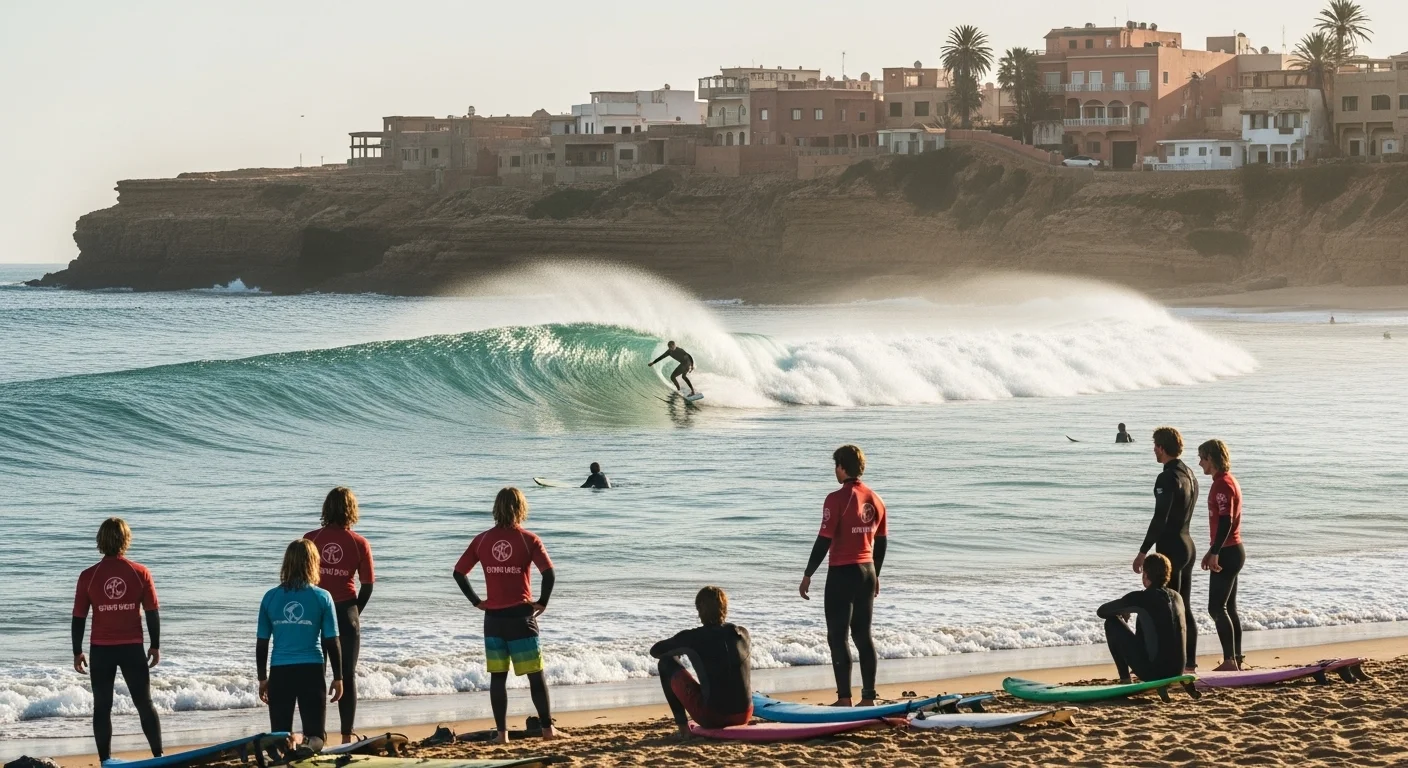
Surfing isn’t just a sport; it’s a thrilling adventure that connects us to nature and ourselves. Whether you’re a seasoned pro or just starting out, there are incredible, budget-friendly spots around the globe waiting for you. Read Interesting article: Top 10 Budget Surfing Hotspots You Can’t Miss
Surfing Adventures: Best Affordable Spots Worldwide

Understanding Surfing as a Global Adventure

The Appeal of Surfing

When I first caught a wave, I felt an exhilarating rush that I had never experienced before. Surfing is more than just riding the ocean; it’s about the thrill of the chase and the connection with the water. The sound of crashing waves, the warmth of the sun on your skin, and the community spirit among surfers are what keep me coming back to the beach time and time again. It’s a lifestyle that embraces freedom and adventure, and I’ve found that every surf session is unique, offering new challenges and experiences.

For many, surfing is also a way to escape the daily grind. I know I always feel a sense of peace when I’m out in the water, surrounded by nature. It’s a chance to unwind, clear my mind, and focus solely on the present moment. The appeal of surfing transcends borders; it’s a universal language spoken by millions around the world. Every surfer has a story, and sharing these experiences creates a bond that can last a lifetime.

Surfing Culture Around the World

Diving into the surfing culture is like stepping into a vibrant tapestry woven with threads of different styles, traditions, and communities. I’ve been fortunate enough to travel to various surfing hotspots and witness just how diverse this culture can be. In Hawaii, surfing is considered an ancient art form, steeped in history and respect for the ocean. In Australia, it’s often seen as a laid-back lifestyle, where the beach is an integral part of daily life.

In places like Indonesia and the Philippines, the surfing culture is deeply intertwined with local communities, where surfers and locals often share the waves and stories. I remember sitting around a fire in Bali, listening to fellow surfers share tales of their best rides and the magical moments they experienced in the water. Each culture brings its own flavor to surfing, creating a rich tapestry that is as exciting as the sport itself.

Connecting with other surfers during my travels has always enriched my experience. I’ve made friends from all over the globe, and we’ve bonded over shared stoke for the ocean. Whether we were discussing board shapes or the best places to catch waves, these interactions have shaped my journey as a surfer.

Criteria for Choosing Affordable Surfing Spots

Cost of Living and Travel Expenses

One of the first things I consider when choosing a surfing destination is the cost of living. I remember planning a surf trip to a popular spot and quickly realizing that the expenses could add up fast. From flights to accommodations and food, I needed to be strategic about my budget. I’ve learned that some regions offer a great balance of quality waves and affordable living. Central America, for example, has been a standout for me. The combination of reasonable travel costs and cheap local food allows for extended stays without breaking the bank. Read Interesting article: How to Trek Mountains on a Budget: Tips & Tricks

Accessibility and Transportation

Another crucial factor is accessibility. I’ve found that places with good transportation options make life so much easier for surfers. I remember traveling to Nicaragua, where the local buses were a bit rusty but got me exactly where I needed to go. Having reliable transportation means you can explore different surf breaks without much hassle. Some of my favorite spots were just a short ride away from my hostel, which made it easy to catch morning sessions and still have time for lunch and relaxation.

Quality of Waves and Surf Conditions

Of course, the quality of waves is paramount. I’ve been to places that looked great on paper, but the conditions just didn’t deliver. That’s why I recommend researching the surf seasons before you go. For instance, Bali is known for its consistent waves, but knowing the best time to visit can save you from crowded beaches and less-than-ideal conditions. I’ve found that some of the best surfing experiences come from lesser-known spots where the waves are perfect but the crowds are minimal.

In my experience, it’s also helpful to connect with local surfers who know the ins and outs of the area. They can guide you to those hidden gems that aren’t listed in tourist guides, and sometimes, that’s where the best adventures happen.

Top Affordable Surfing Destinations

Central America

Central America is one of my absolute favorite regions for surfing. The perfect combination of stunning coastlines, consistent waves, and warm weather creates an inviting atmosphere for surfers of all levels. I’ve spent countless hours riding the waves here, and each country offers its own unique charm.

El Salvador

El Salvador is often overlooked by surfers, but I think it deserves more attention. The laid-back vibe and beautiful beaches like Punta Roca and El Zonte are perfect for catching some fantastic waves. The cost of living is incredibly low, making it easy to enjoy a week or two without spending a fortune. I remember sharing a beachfront cabana with friends, enjoying fresh pupusas at local eateries, and surfing until sunset. It felt like a slice of paradise that was both affordable and enriching.

Nicaragua

Nicaragua has become a go-to spot for many surfers, and for good reason. With places like San Juan del Sur and Playa Maderas, the waves are both challenging and fun. I found that the local surf scene is welcoming, with many surfers willing to share tips and tricks. What’s more, accommodations are incredibly budget-friendly. I enjoyed staying in a cozy hostel where I met fellow surfers from around the globe. We bonded over our favorite surf spots and shared stories around the fire at night. The friendly atmosphere makes every surf session a memorable experience.

South America

South America has some hidden gems for surfers and is often less crowded than other parts of the world. I’ve spent time in both Peru and Chile, and each offers unique waves and experiences.

Peru

Peru is famous for its long left-hand waves, especially at spots like Punta Hermosa and Mancora. I was blown away by how affordable it was. The local seafood is fresh and delicious, and enjoying ceviche after a surf session quickly became one of my favorite post-surf rituals. The culture is rich, and I loved visiting local markets and chatting with the vendors. Surfing in Peru not only challenged my skills but also deepened my appreciation for South American culture.

Chile

Chile boasts an incredibly diverse coastline, with spots like Pichilemu and Arica being some of the best in the country. I remember traveling to Pichilemu and finding a quiet beach where I could surf without the crowds. Chile’s unique geography means you can find great waves year-round. Plus, the cost of living is reasonable, allowing for both adventure and comfort. I spent evenings at local cafés tasting different wines and pastries, which made my surfing trip even more delightful. Read Interesting article: Wildlife Photography on a Budget: Safari Tips You Need

Asia

Asia is another region that has captured my heart with its incredible waves and vibrant cultures. Bali and Siargao are two hotspots that I can’t recommend enough.

Bali, Indonesia

Bali is often seen as the ultimate surf destination, and I can attest that it lives up to its reputation. The warm waters and consistent surf make it ideal for both beginners and experienced surfers. I particularly enjoyed surfing at Kuta Beach and Uluwatu, where the views were just as stunning as the waves. The affordability of food and accommodations is what keeps me returning. I’ve met amazing locals and fellow travelers, sharing stories and learning about Balinese culture while enjoying delicious meals made with fresh ingredients.

Siargao, Philippines

Siargao has become increasingly popular, and for good reason. Known for its famous Cloud 9 wave, it’s a place where I learned to push my limits. The island vibe is relaxed, and the community is welcoming to surfers. What I loved most was the affordability – I could find delicious food at local markets for a fraction of the cost. Plus, the natural beauty of the island, with its palm trees and pristine beaches, made every surf break feel like a mini-vacation.

Africa

Africa offers some incredible surfing options, particularly in Morocco and South Africa. I’ve had some unforgettable experiences in both places.

Morocco

Morocco is an exotic choice that surprised me with its vibrant culture and amazing wave conditions. Taghazout is a well-known surf town with great spots like Anchor Point and Killer Point. I was captivated by the local surf culture, where I could enjoy traditional Moroccan dishes while discussing the best surfing spots with locals. The cost of living is quite low, and I found charming accommodations that added to the overall experience.

South Africa

South Africa’s coastline is breathtaking, with places like Jeffrey’s Bay drawing surfers from around the world. I remember experiencing the thrill of catching a wave at J-Bay, which is known for its perfect right-hand point break. The vibe was friendly, and the local community was incredibly supportive. The cost of living varies, but you can find budget-friendly accommodations if you do a little research. It’s a surfing destination that offers not just waves, but also incredible wildlife and stunning landscapes.

Europe

Europe isn’t typically the first place that comes to mind for surfing, but I’ve found some fantastic spots in Portugal and Spain.

Portugal

Portugal has gained popularity among surfers for its consistent waves and amazing surf culture. Places like Ericeira and Nazaré offer thrilling surf experiences. I found that the food was not only delicious but affordable, especially the local seafood. The friendly locals made me feel at home, and I quickly fell in love with the vibrant surf community. I spent evenings enjoying music and laughter with new friends after a long day in the water.

Spain

Spain, particularly the Basque Country and the Canary Islands, has a lot to offer surfers. I remember surfing in Mundaka, where the left-hand river mouth wave is known worldwide. The atmosphere was electric, and the local cuisine was an additional treat. I discovered that Spain has a rich surf culture, and engaging with locals made my experience even more enjoyable. From tapas to traditional music, every moment spent there felt like an adventure.

When to Visit These Surfing Spots

Seasonal Variations in Surf Conditions

Timing your surf trip can make a world of difference when it comes to wave quality. I’ve learned that each destination has its own surf season, and knowing the best times to go is crucial. For example, the dry season in Nicaragua runs from November to April, which means consistent waves and less rain. I remember my trip during this time; the mornings were filled with perfectly glassy conditions that made for some of my best rides ever.

In Bali, the best surfing conditions are typically from April to October. I found that visiting during this time allowed me to catch the famous barrels at Uluwatu without the overwhelming crowds that come during peak season. Conversely, during the wet season, the waves can still be good, but the weather can be unpredictable, which might not be ideal for some surfers.

In South America, Peru has its prime surf season from April to October, where the swells are more consistent. I’ve surfed Punta Hermosa during this season, and the vibe was electric, with surfers from all over the world gathering to ride the waves. Keeping seasonal variations in mind can help ensure you get the most out of your surfing adventure.

Local Climate and Weather Patterns

Understanding the local climate is just as important as knowing the surf season. I remember my trip to Morocco, where the summer months can get quite hot, but the coastal breeze makes it bearable. The best time to surf there is from September to April when the temperatures are cooler, and the waves are more consistent. I cherished those crisp mornings where I would wake up to the sound of the ocean and head out for an early session.

In contrast, while South Africa has great surfing conditions year-round, I’ve found that the best time to hit the waves at Jeffrey’s Bay is during the winter months (June to August). The weather can be chilly, but the waves are legendary. I enjoyed layering up in the mornings, knowing that it would be worth it once I was paddling out to catch some of the best waves of my life.

Before planning your trip, I always recommend checking surf forecasts and local weather reports. This way, you can prepare for any unexpected changes and pack accordingly. A little research goes a long way in making your surfing experience as enjoyable as possible.

Accommodation Options for Budget Travelers

Hostels and Budget Hotels

Finding the right place to stay can greatly impact your surfing experience, especially when traveling on a budget. I’ve spent many nights in hostels, and I can say that they often provide a great atmosphere for meeting fellow surfers. In Central America, I stayed at a hostel in San Juan del Sur, where the communal vibe made it easy to connect with other travelers. We would share meals, plan surf sessions together, and often end the night with some good tunes and laughter.

In places like Bali, budget hotels can also be a good option. I remember finding a cozy guesthouse just a short walk from the beach. The owners were incredibly friendly, and they offered tips on the best surf spots. Plus, having breakfast included made it easier to save money for more surf gear or excursions. Look for places that provide not just a bed but a community feel—you’ll be glad you did!

Surf Camps and Shared Housing

Surf camps can be a fantastic option for those looking to immerse themselves in the surfing lifestyle. I once joined a surf camp in Costa Rica, which included accommodations, meals, and daily surf lessons. It was an incredible way to improve my skills while making new friends from around the world. The camaraderie was palpable as we cheered each other on during our sessions.

If you’re up for it, shared housing can also be a budget-friendly alternative. I’ve rented a room in a shared house with a group of surfers before, and it turned out to be one of my favorite experiences. We cooked meals together, shared tips about the local surf breaks, and enjoyed evening bonfires on the beach. It felt like a mini-surf community, and I still keep in touch with some of my housemates.

Local Surf Schools and Rentals

Finding Affordable Surf Lessons

For those just starting out or looking to sharpen their skills, finding affordable surf lessons is key. I remember taking my first surf lesson in Nicaragua, and it was worth every penny. The instructor was patient and knowledgeable, helping me get comfortable on the board. Many surf schools offer packages that include equipment rental and lessons at a discounted rate, making it easier to dive in.

In Bali, I found a surf school that catered to all levels of surfers. They had a flexible pricing structure, which made it easy to take multiple lessons without straining my budget. I appreciated how they focused on individual progression, allowing me to work at my own pace while still being challenged. Plus, the instructors often shared local tips that can enhance your surf experience.

Surfboard Rentals: What to Expect

Renting a surfboard can vary greatly depending on the location. I’ve found that many surf shops offer rental packages that include everything from soft-top beginner boards to high-performance shortboards. In places where surfing is a major tourist attraction, like Bali, you’ll find a plethora of rental shops offering competitive prices. I suggest trying out different boards to see what feels right for you—this trial and error can make a significant difference in your performance.

In more remote areas, like some beaches in Peru, rentals may not be as plentiful, but I’ve always managed to find a local shop that had decent boards at reasonable prices. It’s also a good idea to check for any damage to the board before you hit the waves, ensuring a safe and fun experience. Plus, many local shops will be happy to give you tips on where the best surf spots are, making the experience even more enriching.

Frequently Asked Questions

What is the appeal of surfing?

The appeal of surfing lies in the exhilarating rush it provides, the connection with the ocean, and the sense of community among surfers. It’s a thrilling adventure that allows individuals to escape the daily grind and unwind in nature.

What are some budget-friendly surfing destinations?

Some budget-friendly surfing destinations include Central America, particularly El Salvador and Nicaragua, as well as South America with spots in Peru and Chile. Additionally, Bali in Indonesia and Siargao in the Philippines are also great affordable options.

How does the cost of living affect surfing trips?

The cost of living can significantly impact surfing trips by affecting expenses related to accommodations, food, and travel. Regions like Central America offer a great balance of quality waves and low living costs, making it easier to enjoy extended stays on a budget.

What factors should be considered when choosing a surfing destination?

Factors to consider include the cost of living, accessibility and transportation options, and the quality of waves and surf conditions. Researching these aspects can help ensure a more enjoyable surfing experience.

What is the best time to surf in Nicaragua?

The best time to surf in Nicaragua is during the dry season, which runs from November to April. This period offers consistent waves and less rain, making it ideal for surfing.

What are some tips for finding affordable surf lessons?

Look for surf schools that offer packages including equipment rental and lessons at discounted rates. Local surf schools often have flexible pricing structures to accommodate different skill levels, ensuring you can find lessons that fit your budget.

What types of accommodations are recommended for budget travelers?

Budget travelers are encouraged to stay in hostels or budget hotels that offer a community feel, as well as surf camps and shared housing options. These types of accommodations often provide opportunities to connect with other surfers and enhance the overall experience.

What should you expect when renting a surfboard?

When renting a surfboard, expect a variety of options from soft-top beginner boards to high-performance shortboards. It’s advisable to check the condition of the board before use and seek local shop recommendations for the best surf spots.

What is the surfing culture like in Hawaii and Australia?

In Hawaii, surfing is considered an ancient art form with deep respect for the ocean, while in Australia, it is often viewed as a laid-back lifestyle integral to daily life. Each culture brings its own unique flavor to the surfing experience.

How important is the local climate when planning a surf trip?

The local climate is crucial when planning a surf trip, as it affects surf conditions and overall comfort. Understanding seasonal variations and local weather patterns can help ensure the best surfing experience possible.
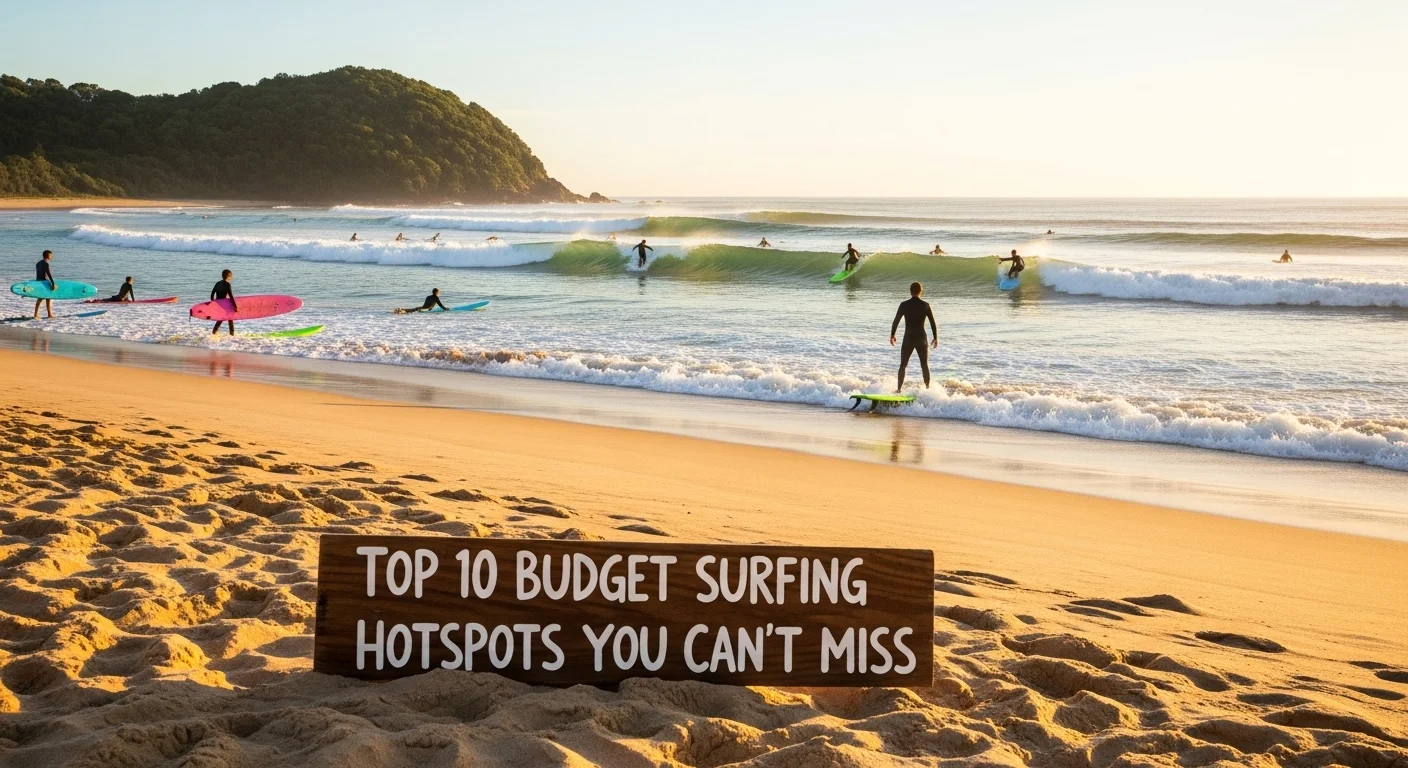
Top 10 Budget Surfing Hotspots You Can’t Miss

Surfing doesn’t have to break the bank! Discovering budget-friendly surf spots around the world can lead to unforgettable adventures. Let’s dive into some amazing destinations that offer stellar waves without draining your wallet. Read Interesting article: Top 10 Budget-Friendly Mountain Trekking Destinations

Top 10 Budget Surfing Hotspots You Can't Miss

Overview of Budget Surfing Hotspots

What to Expect from Budget Surfing

When I first started surfing, I assumed I’d need to spend a fortune on trips to catch some good waves. However, I quickly learned that there are incredible spots around the globe where the waves are perfect and the prices are low. Budget surfing hotspots often provide a unique charm, drawing in a mix of locals and travelers who share a passion for the ocean. From laid-back beach towns to vibrant surf cultures, these destinations are welcoming to surfers of all skill levels. Whether you’re a beginner or a seasoned pro, you can expect friendly faces, local surf schools, and a community vibe that makes you feel right at home.

Benefits of Surfing on a Budget

Surfing on a budget has been a game changer for me. I’ve discovered that saving money on travel often means I can spend more time in the water and less on my expenses. One major benefit is the chance to meet other like-minded surfers. When you’re in budget-friendly places, you’re likely to encounter fellow travelers who are just as passionate about the waves. This leads to friendships that can last a lifetime.

Additionally, many of these budget hotspots have a relaxed atmosphere that allows you to truly enjoy the experience. You’re not caught up in the hustle of a high-end resort; instead, you’re immersed in local culture. I remember my trip to Bali, where I spent my mornings surfing and my afternoons exploring the vibrant markets. The balance between surfing and local experiences is something I cherish and I believe it’s one of the greatest advantages of budget surfing. Read Interesting article: Essential Wildlife Photography Tips for Budget Safari Travelers

Top 10 Budget Surfing Destinations

1. Bali, Indonesia

Best Surf Spots

Bali is often the first destination that comes to mind for surfers on a budget. The island is famous for its stunning beaches and incredible waves, with spots like Kuta Beach and Uluwatu being favorites among surfers. I spent hours riding the waves at Kuta, where the atmosphere is lively and the surf culture is thriving.

When to Visit

The best time to visit Bali for surfing is during the dry season, from April to October. I found that the waves are consistently good during these months, making it an ideal time for both beginners and experienced surfers. The crowds can be larger, but the vibrant energy of the beach is worth it.

Accommodation Options

Bali offers a range of accommodations that fit every budget. I stayed in a cozy guesthouse in Canggu, where I found affordable rates and a welcoming atmosphere. Hostels, homestays, and budget hotels are plentiful, allowing you to choose a place that suits your needs without breaking the bank.

2. Taghazout, Morocco

Best Surf Spots

Taghazout has become a favorite destination for budget surfers. The beaches here, such as Anchor Point and Panoramas, provide fantastic waves and stunning coastal views. I remember catching my first real wave here, feeling the thrill as I carved through the water.

When to Visit

The best time for surfing in Taghazout is from October to April. This is when the swells are at their peak, and the weather is mild. I enjoyed the pleasant temperatures, which made my surf sessions even more enjoyable.

Accommodation Options

Taghazout is full of affordable surf camps and hostels. I opted for a surf camp that offered lessons and meals included in the package, which was a fantastic way to immerse myself in the local surf culture while keeping costs low.

3. Puerto Escondido, Mexico

Best Surf Spots

Known for its powerful waves, Puerto Escondido is a must-visit for surfers. Zicatela Beach is famous for its big waves, while La Punta is perfect for beginners. I loved spending my evenings watching the sunset at La Punta, surrounded by other surfers sharing their stories.

When to Visit

The ideal time for surfing in Puerto Escondido is from April to October when the waves are consistent and the weather is warm. I found that this was the perfect time to explore the area and connect with fellow surfers.

Accommodation Options

Puerto Escondido has a variety of budget accommodations, from hostels to guesthouses. I stayed in a beachfront hostel that allowed me to wake up to the sound of the waves, which was pure bliss!

4. Ericeira, Portugal

Best Surf Spots

Ericeira is a hidden gem in Portugal and one of the first World Surfing Reserves. The beaches like Praia de Ribeira d’Ilhas are fantastic for surfers of all levels. I was amazed at the community feel and the stunning coastal scenery. Surfing in Ericeira was one of the highlights of my travels.

When to Visit

The best time to hit the waves in Ericeira is in the fall, particularly from September to November. The water is still warm, and the waves are ideal for surfing. I appreciated the less crowded beaches during this time, which made for a more intimate surf experience.

Accommodation Options

In Ericeira, you’ll find an array of budget-friendly accommodations like surf hostels and guesthouses. I chose a small surf hostel that was vibrant and filled with other surfers, making it easy to make new friends.

5. G-land, Indonesia

Best Surf Spots

G-land, or G-Land, is a legendary surf destination in Bali, known for its powerful waves. The spot features several breaks, including the famous Tiger Tracks. I experienced some of the best surf of my life here, with waves that seemed to go on forever.

When to Visit

The best time to surf in G-land is from April to October, coinciding with Bali’s dry season. I remember the excitement of surfing here during this perfect season; the waves were consistent and the atmosphere electric.

Accommodation Options

Staying in G-land is a unique experience, with options ranging from basic bungalows to surf camps. I opted for a surf camp that organized daily sessions and provided meals, which helped me focus on surfing without worrying about logistics.

6. Durban, South Africa

Best Surf Spots

Durban boasts some amazing surf spots like Jeffreys Bay and Umhlanga. The warm water and consistent waves make it a favorite for surfers. I loved the laid-back vibe of the Durban beaches, where I felt welcomed instantly.

When to Visit

The best time to surf in Durban is during the winter months, from May to September, when the waves are at their best. I found this timing perfect for both surfing and enjoying the local culture.

Accommodation Options

Durban has various budget accommodations, including beachfront hostels and guesthouses. I found a great spot close to the beach that allowed me to walk to the surf with ease.

7. Santa Teresa, Costa Rica

Best Surf Spots

Santa Teresa is a beautiful surf destination with stunning scenery and great waves. The beach here accommodates surfers of all levels, from beginners to advanced. I found my rhythm in the water here, surrounded by lush jungle and breathtaking sunsets.

When to Visit

The dry season from December to April is the best time to visit Santa Teresa for surfing. I loved the sunny days and consistent waves during this period, which made for unforgettable sessions.

Accommodation Options

Santa Teresa offers affordable accommodations like hostels and budget hotels. I stayed in a charming hostel where I met fellow surfers, sharing tips and experiences that enriched my stay.

8. Hossegor, France

Best Surf Spots

Hossegor is known for its powerful beach breaks and is a hotspot for surfers. Spots like La Gravière attract surf competitions and are excellent for experienced surfers. I was amazed by the energy of the surf culture here and how friendly everyone was.

When to Visit

The best time to surf in Hossegor is during the autumn months, especially September and October, when the swells are more consistent. I found this season to be perfect for enjoying both the waves and the local cuisine.

Accommodation Options

Hossegor offers various budget accommodations, including surf camps and affordable hotels. I had a great experience at a surf camp where I enjoyed lessons and met surfers from around the world.

9. Pismo Beach, California, USA

Best Surf Spots

Pismo Beach is a charming surf town known for its consistent waves. The Pismo Pier is a popular spot for surfers, and I found the local vibe to be welcoming and fun. I loved spending my afternoons surfing and savoring fresh seafood at nearby restaurants.

When to Visit

The best time to surf in Pismo Beach is during the fall months, from September to November. The water is still warm, and the waves are perfect. I cherished the serene beach atmosphere during my visit.

Accommodation Options

Pismo Beach has a range of budget-friendly accommodations, including motels and beachside hostels. I found a cozy place with easy access to the beach, which made my surfing experience even more enjoyable.

10. Nias, Indonesia

Best Surf Spots

Nias is a haven for surfers looking for perfect waves without the crowds. The Lagundri Bay is famous for its right-hand break, attracting surfers from all over. I felt a sense of freedom as I rode the waves here, surrounded by stunning landscapes.

When to Visit

The best time to surf in Nias is from May to September, during Indonesia’s dry season. I remember the thrill of tackling the waves during this period, when the conditions were ideal.

Accommodation Options

Nias has a variety of budget accommodations, from guesthouses to surf camps. I stayed at a surf camp that offered lessons and meals, allowing me to immerse myself in the local surf culture while keeping costs low.

Budgeting Tips for Surf Trips

Transportation Costs

One of the first things I realized when planning my budget surf trips was how crucial transportation costs could be. I learned to be strategic about my travel plans to keep expenses down. For starters, I always looked for flights that offered good deals during off-peak seasons. Websites that track flight prices became my best friends, and I often found myself booking tickets well in advance to snag the best rates. I remember my trip to Costa Rica; I used a flight comparison site that helped me save a significant amount, which I could later spend on surf lessons and local cuisine.

Once I arrived at my destination, I usually opted for public transportation over taxis or rental cars. In many surf towns, local buses or shuttles are not only budget-friendly but also give you a chance to mingle with locals. I found this especially true in places like Bali, where the local transportation was an adventure in itself!

Affordable Food Options

Eating out can quickly add up, especially in touristy areas, but I discovered that there are plenty of ways to enjoy delicious meals without spending too much. Street food became my go-to option; I experienced some of the best flavors while munching on local delicacies from food stalls. In Taghazout, I remember savoring fresh seafood from a beachside vendor for just a few dollars—far cheaper than a restaurant meal!

Another tip is to shop at local markets. I often bought fresh fruits, bread, and snacks, which not only saved money but also allowed me to taste the local produce. Plus, preparing a few meals myself in hostel kitchens or at guesthouses added a fun twist to my travel experience. Cooking with friends I met during my travels became a cherished memory, and we all enjoyed sharing recipes with one another.

Equipment Rentals vs. Buying

When it comes to surfboards and gear, I’ve been in both camps—renting and buying. Early on, I decided to rent equipment while traveling to avoid the hassle of carrying my board around. This strategy worked perfectly for me, especially in locations where I wasn’t sure about the surf conditions. Places like Ericeira had surf shops that offered daily or weekly rentals at reasonable prices. I remember the excitement of picking out a new board that fit my skill level and the waves I was about to tackle.

However, if you plan to surf frequently or at multiple destinations, it could be worth investing in your own gear. I eventually bought a board that I loved, and I felt a deeper connection to it every time I paddled out. To save money, I recommend checking out second-hand boards or looking for deals at local surf shops. I found that some shops offer trade-in programs, which can be a great way to upgrade your gear without breaking the bank. Read Interesting article: Essential Gear for Mountain Climbing on a Budget

Surfing Culture and Community

Meeting Other Surfers

One of the most rewarding aspects of budget surfing is the community. I’ve met so many incredible people along the way, from fellow travelers to local surfers. When I arrived in Santa Teresa, I was a bit shy at first, but I quickly found that striking up conversations with surfers on the beach or in local cafes was the best way to connect. I remember one evening, sitting around a bonfire with a group of surfers who shared stories about their favorite surf spots and tips on local conditions. It was in those moments that I felt like I was part of a bigger family.

Joining group surf lessons or camps is another fantastic way to meet others. I took a few lessons during my travels, and it was amazing how quickly friendships formed. Sharing the excitement of catching waves with others created an instant bond, and I still keep in touch with some of those friends today. I believe that the surfing community is incredibly welcoming, and we often look out for one another while enjoying the ocean.

Surf Schools and Lessons

If you’re a beginner or looking to improve your skills, budget surf schools can be a lifesaver. During my first trip to Puerto Escondido, I signed up for lessons, which were very affordable and well worth the investment. I remember the thrill of having an instructor guide me through the basics, and the instant gratification of riding my first wave. Surf schools often provide equipment, so you don’t have to worry about renting boards separately.

Even as I became more experienced, I continued to take lessons occasionally. I found that learning from local instructors brought valuable insights about the surf conditions and the specific breaks. They can help you navigate the waves more effectively and offer tips tailored to the spots you’re surfing. I always left my lessons feeling more confident and excited about my progress.

Safety Tips for Budget Surfing

Understanding Local Conditions

One of the first things I learned while budget surfing is the importance of understanding local surf conditions. Each surf spot has its unique features—currents, tides, and wave patterns. Before I hit the water, I always make it a point to check local surf reports, which can often be found online or at local surf shops. I remember my first time surfing in Durban; I didn’t fully grasp how the tides affected the waves, and it led to a challenging session. Luckily, a friendly local surfer took the time to explain the conditions to me, which made a world of difference.

When I arrive at a new surf destination, I often spend some time observing the waves before paddling out. Watching how other surfers interact with the waves helps me gauge the right spots to enter and exit the water. Additionally, I recommend chatting with locals or surf instructors. They can offer invaluable insights into the conditions, including the best times to surf and any potential hazards, such as rocks or strong currents.

Health and Safety Precautions

Staying safe while surfing on a budget is crucial. During my travels, I’ve learned a few essential health and safety tips that have kept my surf trips enjoyable. First and foremost, always wear sunscreen, even on cloudy days. I remember one trip to Taghazout where I underestimated the sun, and I ended up with a nasty sunburn that put a damper on my surfing. I now make it a habit to apply waterproof sunscreen before heading out and reapply it throughout the day.

Additionally, I always make sure to pack a basic first-aid kit when I travel. Minor injuries can happen, whether it’s a scraped knee from a wipeout or a pesky sting from a jellyfish. Having some antiseptic wipes, band-aids, and pain relievers on hand has saved me from having to hunt down supplies in unfamiliar places.

It’s also wise to be aware of local wildlife. Before my trip to G-land, I learned about the possibility of encountering jellyfish or sea urchins. Taking the time to understand what to watch out for not only keeps you safer but allows you to enjoy the ocean with peace of mind.

Making Connections While Surfing

Joining Local Surf Communities

Surfing is all about community, and I’ve found that joining local surf groups can enhance my experience immensely. In many budget-friendly surf destinations, there are often organized meetups or events where surfers can connect. I remember joining a beach cleanup in Santa Teresa that attracted both locals and travelers. Not only did I contribute to the environment, but I also met some fantastic people who shared my love for the ocean.

Social media has also played a big role in helping me connect with other surfers. I’ve joined Facebook groups and Instagram communities focused on specific destinations. These platforms are great for finding out about local events, surf sessions, and even buddying up with someone for a session. I recall finding a surf buddy through an Instagram post in Puerto Escondido, and we ended up sharing tips and experiences that enriched both our trips.

Participating in Surf Competitions

Another opportunity to meet like-minded surfers is by participating in local surf competitions, regardless of your skill level. I decided to enter a friendly competition in Ericeira, and although I didn’t win, the experience was incredible. The atmosphere was supportive and fun, and it gave me a chance to challenge myself. I met surfers from various backgrounds, and we exchanged stories about our favorite surf spots and techniques. Competitions like these often have categories for different skill levels, making them accessible to everyone.

Long-Term Surfing Opportunities

Volunteer Programs and Surf Camps

If you have more time to spare, consider looking into volunteer programs or extended surf camps. Many of these programs provide accommodation and meals in exchange for helping with local surf initiatives or camps. I stumbled upon a volunteer opportunity in Bali that focused on beach conservation while integrating surf lessons. It was a win-win—I got to improve my skills and contribute to a cause I care about.

Similarly, surf camps often offer extended stays at a reduced rate, making it an economical way to deepen your surfing experience. I was fortunate to spend a week at a surf camp in Hossegor, where I immersed myself in both the surf community and French culture. Not only did I improve my surfing, but I also forged lasting friendships with fellow campers.

Embracing the Journey

Ultimately, budget surfing is about embracing the journey. I’ve realized that every experience, whether it’s a triumph on a wave or a lesson learned from a wipeout, adds to the richness of my travels. Each destination has its unique charm, and the connections I’ve made along the way have enriched my life in ways I never expected. I encourage anyone interested in budget surfing to dive in—there’s a whole world of waves waiting for you!

Frequently Asked Questions

What are some budget-friendly surf destinations mentioned in the article?

The article mentions several budget-friendly surf destinations, including Bali, Taghazout, Puerto Escondido, Ericeira, G-land, Durban, Santa Teresa, Hossegor, Pismo Beach, and Nias.

When is the best time to surf in Bali?

The best time to visit Bali for surfing is during the dry season, from April to October, when the waves are consistently good.

What type of accommodation options are available in Taghazout?

Taghazout offers a variety of affordable surf camps and hostels, allowing travelers to experience local surf culture while keeping costs low.

How can budget surfing enhance a travel experience?

Budget surfing allows travelers to save money, spend more time in the water, meet like-minded surfers, and immerse themselves in local culture without the hustle of high-end resorts.

What are some budgeting tips for surf trips mentioned in the article?

Some budgeting tips include being strategic about transportation costs, opting for public transport, enjoying street food, shopping at local markets, and considering equipment rentals instead of buying.

What should surfers know about local conditions before hitting the water?

Surfers should understand local surf conditions, including currents, tides, and wave patterns, and it’s advisable to check local surf reports and chat with locals or surf instructors for insights.

What safety precautions should surfers take while budget surfing?

Surfers should always wear sunscreen, pack a basic first-aid kit, and be aware of local wildlife to ensure a safe surfing experience.

How can surfers connect with the local surfing community?

Surfers can connect with local surf communities by joining organized meetups, participating in beach cleanups, and engaging with social media groups focused on surf destinations.

What opportunities exist for long-term surfing experiences?

Long-term surfing opportunities include volunteer programs and extended surf camps, which often provide accommodation and meals in exchange for helping with local surf initiatives.

What is the overall message about budget surfing in the article?

The overall message is that budget surfing is about embracing the journey, connecting with others, and enjoying the unique experiences each destination offers, making it an enriching travel experience.

Uncover Hidden Gems: Budget Scuba Diving Locations to Visit

Scuba diving doesn’t have to break the bank! Let’s uncover some hidden gems around the world where you can dive without draining your wallet. For more information, check out Scuba Diving on a Budget: Best Destinations for Backpackers.

Uncover Hidden Gems: Budget Scuba Diving Locations to Visit

Understanding Budget Scuba Diving

What is Budget Scuba Diving?

Budget scuba diving is all about enjoying the underwater world without the hefty price tag often associated with it. Over the years, my passion for diving led me to explore various spots that offer breathtaking experiences without charging an arm and a leg. Budget diving usually involves choosing less touristy destinations, finding affordable dive shops, and taking advantage of package deals. It’s about making smart choices while still enjoying the thrill of exploring the ocean depths.

Benefits of Scuba Diving on a Budget

One of the biggest perks of budget scuba diving is the opportunity to explore stunning dive sites that are often overlooked. For instance, I remember my trip to Utila, Honduras, where I found vibrant coral reefs and diverse marine life without the crowds. Diving on a budget allows us to connect with nature in a more intimate way. It also provides the chance to meet fellow divers who share similar interests and experiences, making the journey even more enriching.

Furthermore, budget diving means we can stretch our travel funds further. Instead of spending all our cash on diving alone, we can explore local cultures, enjoy delicious food, and even participate in other activities without feeling guilty. I’ve learned that diving is not just about the underwater experience; it’s about the entire adventure, from land to sea. For more tips, check out the Top 10 Budget-Friendly Scuba Diving Destinations Worldwide.

Essential Gear for Budget Divers

When diving on a budget, it’s crucial to have the right gear. I often recommend investing in your own essential equipment rather than renting, as rentals can add up quickly. Here are some must-have items:

  • Mask and Snorkel: A good-fitting mask and snorkel are key. I’ve spent hours choosing the right one, and it’s worth it for comfort and visibility.
  • Fins: Comfortable fins help you navigate through water easily. I’ve tried various types, and I prefer those that offer excellent propulsion but don’t tire me out.
  • Wetsuit: Depending on the location, a wetsuit might be necessary to keep warm. I’ve found that having my own suit saves money in the long run.
  • BC and Regulator: While these can be pricier, they are essential for safety. Renting can be tempting, but I always feel better using my own trusted gear.

It’s also wise to consider buying second-hand gear. I’ve found great deals on lightly used equipment from fellow divers or online marketplaces. Just ensure everything is in good condition and fits well.

Another tip is to check if dive schools offer discounts for students or group bookings. I remember taking a course in Bali where the package included gear rental at a fraction of the cost. These small savings can add up, allowing us to dive more and explore more!

Ultimately, budget scuba diving requires some planning and research, but the rewards are tremendous. Each dive can lead to unforgettable memories and a deeper appreciation for our planet’s oceans. I can’t wait to share with you some of my favorite budget-friendly dive spots around the world in the next section. Stay tuned for those hidden gems that are just waiting to be explored!

Top Budget Scuba Diving Locations Worldwide

1. Cozumel, Mexico

Best Dive Sites

Cozumel is often at the top of my list when I think about budget-friendly diving locations. The crystal-clear waters and vibrant coral reefs are absolutely breathtaking. One of my favorite dive sites is Palancar Reef, where I was mesmerized by the colorful marine life and stunning underwater formations. Another great spot is Columbia Reef, known for its wall dives and a variety of fish species. Each dive felt like a magical journey, and I couldn’t help but feel grateful for such incredible experiences.

Cost of Diving

The cost of diving in Cozumel is quite reasonable compared to many other destinations. I’ve seen dives priced anywhere from $30 to $80 per dive, depending on the site and the dive shop. Many operators offer package deals, which is a great way to save money if you plan to dive multiple times. I always recommend checking out local dive shops for the best prices and personalized service.

Accommodation Options

Cozumel has a range of accommodation options to suit different budgets. I’ve stayed in cozy hostels that were easy on the wallet as well as charming boutique hotels. You can find places like the Hotel Mary Carmen, which is budget-friendly and conveniently located near dive shops. Plus, staying near the waterfront allows for stunning sunset views, which is a bonus after a day of diving.

2. Utila, Honduras

Marine Life and Dive Sites

Utila is another gem that I stumbled upon during my travels. This small island boasts some of the best diving in the Caribbean, particularly known for its whale shark sightings. I remember diving at the site called Black Hills, where I encountered a vibrant underwater world filled with colorful corals and schools of fish. The experience of swimming alongside a whale shark was unforgettable, and it felt surreal to be in such close proximity to these gentle giants.

Average Prices

Diving in Utila is incredibly affordable, with prices typically ranging from $25 to $50 per dive. Many dive shops offer discounts for multiple dives or package deals that include accommodations, which can further help you save. I’ve also seen some schools offer free dives if you sign up for an open water certification course, making it a perfect opportunity for new divers.

Where to Stay

When it comes to accommodations, Utila has options for every budget. I enjoyed staying in a local guesthouse where I met fellow divers and shared stories about our underwater adventures. There are also hostels that cater to backpackers, making it easy to find a place to crash after a day of diving.

3. Bali, Indonesia

Popular Diving Spots

Bali is known for its stunning landscapes and rich culture, but the diving here is equally spectacular. One of my favorite dive sites was Tulamben, where the famous USAT Liberty wreck lies. Exploring the wreck was like stepping back in time, surrounded by marine life that has made it their home. Another must-visit spot is Amed, where the coral gardens are colorful and teeming with life.

Budget-Friendly Diving Schools

Many diving schools in Bali are very budget-friendly, offering courses and dives at competitive prices. I remember signing up for a dive package that included multiple dives and gear rental for a fraction of what I had expected to pay. It’s always a good idea to shop around and compare prices, as I found some schools offered promotions during the off-peak season.

Local Accommodations

Bali offers a wide variety of accommodations, from affordable guest houses to more luxurious resorts. I often opt for homestays, which allow me to immerse myself in local culture while saving money. Staying close to dive sites can also save on transportation costs, and I’ve found that many places offer discounts for longer stays.

4. Dahab, Egypt

Unique Dive Experiences

Dahab holds a special place in my heart for its laid-back vibe and stunning dive spots. The Blue Hole is a world-renowned dive site that I was thrilled to experience. The thrill of diving into a deep blue expanse was exhilarating. I also enjoyed diving at the Canyon, where I was surrounded by fascinating rock formations and vibrant marine life. Each dive felt like an adventure into the unknown.

Price Breakdown for Divers

Diving in Dahab is very affordable, with prices ranging from $20 to $50 per dive. I found that many dive centers offered package deals that included accommodations, meals, and dives, which made budgeting a breeze. It’s also common to negotiate prices, especially if you’re diving for several days.

Affordable Places to Stay

For accommodations, Dahab has plenty of options that cater to budget travelers. I often stayed in budget-friendly hostels or beach huts, which gave me that perfect mix of comfort and adventure. Being close to the beach meant I could enjoy breathtaking sunrises before heading off for a dive.

5. The Philippines

Must-Visit Dive Locations

The Philippines is an archipelago with countless diving spots, each offering unique underwater experiences. I was particularly fond of Apo Island, where the vibrant corals and diverse marine life left me in awe. Another favorite was Coron, known for its stunning wreck dives and beautiful lagoons. I felt like I was exploring a hidden world with every dive.

Cost Considerations

Diving in the Philippines can be incredibly budget-friendly, with prices typically ranging from $30 to $60 per dive. Many dive shops also offer discounts for groups or multiple dives, so it’s worth asking around. I’ve seen some operators even offer free dives if you were to take a diving course with them, which is a fantastic way to learn while experiencing some great dives.

Where to Find Budget Lodging

When it comes to accommodations, the Philippines offers a range of options from budget hostels to mid-range hotels. I loved staying in local guesthouses, where I was always welcomed with open arms and could enjoy home-cooked meals. It’s a great way to connect with local culture while keeping costs low.

When to Visit These Diving Locations

Best Times for Diving

Timing is everything when it comes to diving adventures, especially if you’re trying to stick to a budget. I’ve found that knowing the best times to visit these locations can dramatically cut costs while maximizing my diving experience. For instance, diving in Cozumel is best between December and April when the water is clear and the sea life is abundant. I’ve seen prices spike during peak season, so if you can plan your trip around the shoulder months, like late November or May, you can often score better deals on accommodations and dive packages.

Similarly, Utila sees great diving conditions year-round, but the best time is from March to June. During this period, the chances of spotting whale sharks increase, which is an experience you definitely don’t want to miss! I remember diving there in late spring and being enthralled by the sight of these majestic creatures. Not only does diving in the off-peak seasons often mean lower prices, but it also tends to be less crowded, allowing for a more serene underwater experience.

Seasonal Considerations

Every destination has its unique seasonal quirks. For example, Bali’s dry season, which runs from April to October, is ideal for diving. During this time, visibility is often at its best, and I’ve personally enjoyed clear waters and vibrant marine life. However, I’ve also found that diving during the wet season can offer some interesting benefits, such as fewer divers and the chance to experience a more lush landscape on land. Just be prepared for occasional rain, which can be refreshing after a long day in the sun!

In Dahab, the winter months can bring cooler temperatures, but the diving remains excellent. I remember diving during the cooler months and discovering unique marine life that is more active in the chillier waters. The trade-off for diving in such conditions is that you might need a thicker wetsuit, but the experience is well worth it.

Weather Impact on Diving Conditions

The weather can play a significant role in diving conditions. I’ve learned that factors like wind, currents, and visibility can vary greatly depending on the season. For example, in the Philippines, the best diving conditions often coincide with the dry season from November to May. I’ve seen firsthand how a sudden rainstorm can impact visibility and make the diving experience less enjoyable.

It’s always a good idea to check the local weather forecasts and speak with dive operators to get a sense of the current conditions. I remember diving in Amed, Bali, when a sudden storm rolled in, and while the visibility wasn’t great, the experience of diving in the rain added a unique charm to it. However, always prioritize safety and consider rescheduling if conditions seem unfavorable.

Planning Your Diving Trip on a Budget

How to Find Affordable Dive Packages

Finding the right dive package can make all the difference in staying within budget while maximizing your dive experiences. I’ve often relied on local dive shops, which frequently offer various packages tailored for budget travelers. One of my favorite strategies is to book directly with the dive operator rather than going through larger travel sites, as it often leads to better rates and personalized service. I remember discovering a fantastic deal in Utila that included accommodations and dives, and I was able to save a considerable amount while connecting with the local dive community.

Additionally, I’ve found social media and dive forums to be invaluable resources. Many dive shops post special offers or discounts on their platforms. Joining dive groups on Facebook or following local dive schools on Instagram has led me to some amazing deals. It’s also worth asking about group discounts if you’re traveling with friends; I’ve managed to negotiate some great rates simply by inquiring! For more insights, check out the Ultimate Guide to Low-Cost Scuba Diving Adventures Abroad.

Budgeting for Your Trip

Creating a budget for a diving trip might seem daunting, but I’ve found that breaking it down into categories makes it manageable. I typically start with accommodation, diving costs, food, and transportation. For instance, I remember my trip to Dahab where I allocated funds for local meals, and I was pleasantly surprised at how affordable and delicious the street food was. Setting aside a small portion of my budget for unexpected adventures or souvenirs also helped me feel flexible and stress-free during my travels.

Don’t forget to factor in travel insurance as well. It might seem like an added expense, but I’ve learned that it’s essential, especially when engaging in activities like diving. Knowing that I’m covered in case of emergencies gives me peace of mind, allowing me to fully enjoy my time underwater.

Saving on Flights and Transportation

Finding affordable flights can significantly reduce overall travel costs. I often use flight comparison websites to track prices and find the best deals. Flexibility in travel dates can lead to huge savings—I’ve saved hundreds by adjusting my travel plans by just a few days. For example, flying midweek rather than on weekends often yields cheaper flights.

Once I reach my destination, I like to use local transportation options, such as buses or shared shuttles, instead of taxis. In Bali, I discovered that renting a scooter was not only cost-effective but also a fun way to explore the island. I remember the thrill of dodging traffic while feeling the warm breeze on my face, all while keeping my budget in check.

Local Attractions Beyond Diving

Exploring Underwater Parks and Reserves

One of the most exciting aspects of budget scuba diving is the opportunity to explore underwater parks and reserves. During my travels, I’ve often found that these protected areas offer some of the best diving experiences while remaining affordable. For instance, in the Philippines, the Tubbataha Reefs Natural Park is a UNESCO World Heritage site. I was blown away by the marine biodiversity and pristine coral reefs. The entrance fee is reasonable, and it feels great to know that my diving supports conservation efforts.

Similarly, in Belize, the Hol Chan Marine Reserve is a fantastic spot where I encountered sea turtles and nurse sharks. The park’s affordable entrance fee allows divers to enjoy these incredible experiences while helping to protect the marine environment. I think exploring these underwater parks enriches our dives and deepens our connection to the ocean.

Land Activities to Enjoy

After a day of diving, it’s essential to unwind and experience the local culture. I’ve discovered that many diving destinations offer exciting land activities that allow us to immerse ourselves in the surroundings. For instance, while in Bali, I took a day to hike Mount Batur for a breathtaking sunrise view. The hike was affordable, and standing at the summit was an experience that I’ll cherish forever.

In Cozumel, I spent a day exploring the island’s beautiful beaches and indulging in local cuisine. I remember finding a small taco stand that served the most delicious tacos I’ve ever had, all while keeping my budget intact. Each destination has something unique to offer, so I recommend setting aside time to explore and engage with the local culture.

Cultural Experiences in Dive Locations

Engaging with the local culture is one of my favorite ways to enrich my travel experience. I’ve learned that many dive destinations have vibrant cultures just waiting to be explored. In Dahab, I experienced local Bedouin hospitality by spending an evening around a campfire, enjoying traditional food and music. It was a beautiful way to connect with the community and learn about their way of life.

Additionally, in Utila, I took part in a local festival, where I enjoyed traditional music and danced with the locals. These cultural experiences often come at little or no cost and create lasting memories that go beyond the dive itself. I feel it’s essential to take the time to appreciate not just the underwater world but also the vibrant cultures that surround it.

Safety Tips for Budget Divers

Choosing Reputable Dive Operators

When diving on a budget, safety should always be a priority. One of the most important things I’ve learned is to choose reputable dive operators. I always check online reviews and ask fellow divers for recommendations. It’s essential to ensure that the dive school follows safety protocols and maintains their equipment properly. I remember feeling much more at ease diving with a company that was well-reviewed and had knowledgeable instructors, which made my experience enjoyable.

Essential Safety Gear

Having the right safety gear is crucial, even when diving on a budget. I’ve seen many divers underestimate the importance of safety equipment. I always carry my dive computer, a safety whistle, and a surface marker buoy. These items may seem like extra costs, but they’re worth it for the peace of mind they provide. I once had a situation where the current changed unexpectedly, and having a surface marker buoy made it easier for my boat to locate me. It’s those little things that can make a big difference in ensuring a safe diving experience.

Understanding Local Diving Regulations

Each diving destination has its own set of regulations, and it’s important to familiarize ourselves with them. I remember diving in Indonesia and learning about specific marine protection rules that restricted certain fishing practices. Understanding these regulations not only helps us respect the local environment but also allows us to dive safely and responsibly. I recommend always checking with local dive shops for any specific rules before heading out.

Final Thoughts

Diving on a budget doesn’t mean sacrificing adventure or beauty. From my experiences, I’ve learned that with a little research and planning, we can discover breathtaking underwater worlds without overspending. Whether it’s exploring vibrant coral reefs, connecting with friendly locals, or enjoying delicious local cuisine, the essence of diving is in the journey itself. I can’t wait to hear about your adventures, the hidden gems you’ve found, and the memories you’ve created along the way. Remember, the ocean is vast and full of wonders just waiting for us to explore!

Frequently Asked Questions

What is budget scuba diving?

Budget scuba diving is about enjoying the underwater world without the high costs often associated with it. It involves choosing less touristy destinations, finding affordable dive shops, and taking advantage of package deals.

What are the benefits of scuba diving on a budget?

Budget scuba diving allows you to explore stunning dive sites that are often overlooked, connect with nature more intimately, meet fellow divers, and stretch your travel funds further for other local experiences.

What essential gear should I invest in for budget scuba diving?

Essential gear for budget divers includes a good-fitting mask and snorkel, comfortable fins, a wetsuit, and a BC and regulator. It’s often recommended to buy rather than rent, and considering second-hand gear can also save money.

What are some budget-friendly scuba diving locations mentioned in the article?

Some budget-friendly scuba diving locations include Cozumel in Mexico, Utila in Honduras, Bali in Indonesia, Dahab in Egypt, and various spots in the Philippines.

How much does diving cost in Cozumel?

Diving in Cozumel typically costs between $30 to $80 per dive, depending on the site and the dive shop. Many operators offer package deals to save money for multiple dives.

What is the average price range for diving in Utila?

In Utila, diving prices range from $25 to $50 per dive, with many dive shops offering discounts for multiple dives or package deals that can include accommodations.

When is the best time to dive in these locations?

The best times to dive vary by location. For example, Cozumel is best from December to April, Utila from March to June, and Bali during its dry season from April to October.

How can I find affordable dive packages?

To find affordable dive packages, consider booking directly with local dive shops, checking social media for special offers, and asking about group discounts if traveling with friends.

What safety tips should budget divers keep in mind?

Budget divers should choose reputable dive operators, invest in essential safety gear like a dive computer and surface marker buoy, and understand local diving regulations to ensure a safe experience.

What local attractions can I explore beyond diving?

Many diving destinations offer land activities such as hiking, exploring local cuisine, and engaging with cultural experiences. These activities enrich your travel experience while keeping costs manageable.

Ultimate Guide to Low-Cost Scuba Diving Adventures Abroad

Scuba diving is an incredible adventure that opens up a world beneath the waves. If you’ve ever dreamed of exploring vibrant coral reefs and the mysteries of the ocean, this guide will help you dive in without breaking the bank. Read Interesting article: Kayaking on a Budget: Tips for Affordable Water Adventures

Ultimate Guide to Low-Cost Scuba Diving Adventures Abroad

Understanding Scuba Diving

What is Scuba Diving?

Scuba diving is a method of underwater diving where divers use a self-contained underwater breathing apparatus (scuba) to breathe underwater. It gives us a chance to be part of an incredible aquatic world, surrounded by marine life that’s often hard to see from the surface. I remember my first dive vividly—floating weightlessly and observing colorful fish darting around coral formations was like stepping into another universe. The thrill of discovering this underwater paradise is truly unmatched.

Different Types of Scuba Diving

There are several types of scuba diving, each offering unique experiences. Recreational diving is the most common, where divers explore natural sites for leisure. Wreck diving, on the other hand, allows for exploration of sunken ships and planes, which can be both eerie and fascinating. I’ve tried both types, and each has its own charm—wreck diving felt like a treasure hunt full of history!

Technical diving involves deeper dives, often requiring special training, equipment, and techniques. For those looking for adventure beyond traditional scuba, cave diving or ice diving can offer thrilling challenges. I’ve always been intrigued by cave diving, with its surreal formations and mysterious pathways. Each type of diving presents a new way to engage with the ocean, and I encourage you to try as many as you can!

Essential Equipment for Scuba Diving

Before diving, it’s crucial to understand the essential equipment needed for a safe and enjoyable experience. At a minimum, you’ll need a mask, fins, a wetsuit or drysuit (depending on the water temperature), and of course, a tank filled with air. I remember how nervous I was gearing up for my first dive, making sure every piece fit right. It was a little overwhelming, but once I was in the water, I realized how important each item was to my comfort and safety.

Other gear includes a buoyancy control device (BCD) to help manage your buoyancy, a regulator to breathe from the tank, and a dive computer or depth gauge to track your depth and time underwater. Some divers opt for additional gadgets like underwater cameras to capture stunning shots of marine life. I’m often torn between focusing on the dive and snapping pictures! Investing in quality gear, or renting from reputable shops, can make a big difference in your overall experience. Read Interesting article: The Best Affordable Safari Gear for Budget Travelers

Choosing Affordable Scuba Diving Destinations

Top Low-Cost Scuba Diving Locations

If you’re looking to dive abroad without emptying your wallet, consider destinations known for affordable scuba diving. Places like Thailand, Belize, and the Philippines offer fantastic diving experiences at a fraction of the cost compared to diving in the U.S. I found that in Thailand, not only were the dive sites breathtaking, but the local food and accommodations were also incredibly budget-friendly. I’ve enjoyed diving in the clear waters of Koh Tao, where the marine life is abundant and the vibes are relaxed.

Central America is another hotspot for divers on a budget. Countries like Honduras and Nicaragua have stunning coral reefs and dive shops that provide competitive pricing. I remember diving in Roatan, where I was amazed by the vibrant colors of the reef and the friendly local dive instructors. They made the experience feel personal and welcoming.

Comparison of Popular Scuba Diving Countries

When comparing popular diving countries, it’s essential to look beyond just the cost of diving. I’ve realized that factors like accessibility, local culture, and safety play a significant role in choosing the right destination. For instance, while Belize is known for its Great Blue Hole, which is a must-see, it also offers a rich cultural experience. I was surprised at how much I enjoyed exploring the local towns and learning about the Garifuna culture after my dives.

On the other hand, the Philippines is an island-hopping paradise, with each island offering unique dive sites. I remember bouncing between islands, each one presenting different marine life and topography. It felt like an adventure wrapped in an adventure!

Cost of Living in Various Diving Destinations

Understanding the overall cost of living in your chosen destination is just as crucial as dive prices. In many popular diving spots, the local economy can greatly affect your expenses. I often look for accommodations that offer deals for divers, which can significantly lower costs. For instance, in Thailand, I found a cozy guesthouse that included breakfast and dive packages, making my budget stretch further.

When planning, I recommend researching meal prices, transportation, and activities outside of diving. In some places, street food is not only delicious but also incredibly affordable, allowing you to enjoy local flavors without overspending. I’ve had some of the best meals right from food stalls near the beach, which added to the authenticity of my trip.

When to Go: Best Times for Scuba Diving

Seasonal Considerations for Diving

Timing can greatly impact your scuba diving experience. I’ve learned that each destination has its peak and off-peak seasons, which can affect not only the weather but also the marine life you encounter. For instance, I found the best time to dive in the Caribbean is generally from December to April when the weather is dry and the visibility is crystal clear. However, I’ve also dived during the off-peak months, and while the weather can be a bit unpredictable, the dive sites are often less crowded, allowing for a more personal experience with the underwater world.

In Southeast Asia, such as in Thailand and the Philippines, the dive season typically runs from November to May. I remember diving in Koh Phi Phi in February when the waters were calm and the marine life was vibrant. It felt like the ocean was putting on a show just for us! However, I’ve also been to these spots during the rainy season, which taught me that while visibility can be lower, the underwater life is still thriving and the experience is still rewarding.

Weather Patterns and Visibility

Weather plays a crucial role in scuba diving. I’ve realized that understanding the seasonal weather patterns in your chosen destination helps plan a successful dive trip. For example, in the Maldives, the southwest monsoon typically brings rough seas from June to August, making diving challenging. On the flip side, the calm seas from November to April are ideal for diving and snorkeling.

Visibility can make or break your dive experience. I remember diving in the clear waters of the Red Sea in Egypt, where visibility stretched for over 30 meters! However, I’ve also been in conditions where visibility dropped to just a few meters, which can be disorienting. I recommend checking local dive shop reports and forums for the best times to experience clear waters and the best marine life sightings.

Local Events and Diving Festivals

Some places host local diving festivals and events that are worth timing your trip around. I was lucky enough to attend a diving festival in Bonaire, where divers from all over the world gathered to celebrate marine conservation and enjoy discounted diving rates. It was a wonderful chance to meet other divers and learn more about the local efforts to protect marine ecosystems.

In other regions, like the annual Whale Shark Festival in Mexico, I found that timing my trip around such events not only enhances the diving experience but also immerses you in the local culture. There’s something special about being part of a community that shares the same passion for diving and preserving our oceans. I encourage you to look for local events when planning your diving adventure—they can add a rich layer to your experience!

Planning Your Diving Adventure

How to Choose a Diving School or Operator

Choosing the right diving school or operator can significantly impact your diving experience. I remember my first diving class; I was a bundle of nerves, but the instructor made all the difference. I highly recommend researching local dive shops, reading reviews, and asking for recommendations from fellow divers. A reputable dive shop not only ensures safety but also provides a supportive environment that makes diving enjoyable.

Look for schools that offer personalized training and small group sizes. I’ve found that the more attention I received from my instructor, the more comfortable I felt in the water. It’s also wise to check if they have the necessary certifications from recognized organizations like PADI or SSI. They often have good safety records and experienced instructors, which can put your mind at ease as you prepare for your dives.

Understanding Dive Packages and Prices

Dive packages can vary widely in terms of pricing and inclusions. I’ve been on trips where the package covered everything from gear rental to accommodations, which made my life so much easier. When considering dive packages, I recommend breaking down the costs to see what’s included. Sometimes it’s cheaper to book a package than to pay for everything a la carte.

Also, keep an eye out for any special deals or discounts for multiple dives. For example, I once booked a three-dive package in Belize that came with a free lunch between dives, which was a nice bonus! Be sure to ask about any hidden fees, such as park entrance fees or equipment rental costs, so you can budget accordingly.

Booking Flights and Accommodations

Once you’ve sorted your diving plans, it’s time to think about flights and accommodation. I often use travel comparison websites to find the best deals, but I also like to check directly with airlines for any special offers. I remember scoring a fantastic deal on a flight to Fiji that allowed me to splurge a little more on my dive experiences!

When it comes to accommodations, I suggest looking for places that cater specifically to divers. Many offer packages that include diving, meals, and transportation to dive sites, which can save you time and stress. I’ve stayed in some amazing dive resorts where I could literally roll out of bed and into the water, and it made for such a relaxing experience. Plus, being around other divers creates a great community vibe!

Safety and Regulations in Scuba Diving

Understanding Dive Certifications

Before diving, it’s essential to understand dive certifications and what they mean for your safety. I remember feeling a mix of excitement and nervousness when I signed up for my first certification course. There are various certification agencies out there, with PADI and SSI being the most widely recognized. Completing a certification not only equips you with the necessary skills but also gives you confidence in your ability to dive safely.

The certification process typically includes both classroom learning and practical training in the water. I found the classroom sessions invaluable, learning about dive physics, the marine environment, and safety protocols. The hands-on practice was where the magic happened. I still recall my instructor guiding us through our first confined water session in a pool. It felt surreal to put theory into practice. Once I completed my open water dives, I felt a sense of accomplishment that was truly rewarding.

Always check if the dive operator you choose recognizes your certification level. When traveling, I’ve discovered that some dive shops have specific requirements based on the dive sites, so it’s good to be prepared. If you’re new to diving, consider starting with an Open Water Certification, which allows you to dive with a buddy to a certain depth. From my experience, once you have your certification, new diving adventures open up like never before!

Health and Safety Precautions

Safety is paramount when it comes to scuba diving. I’ve learned this lesson firsthand. Before each dive, I always conduct a thorough pre-dive safety check, often referred to as a buddy check. This involves checking each other’s gear to ensure everything is functioning correctly. This ritual not only boosts safety but also builds a sense of teamwork with my dive buddy.

Additionally, I always make sure I’m aware of my physical condition before diving. I remember a dive where I didn’t feel 100% due to a slight cold. I decided to skip that dive, and I’m glad I did. It’s crucial to listen to your body and not push yourself. Diving while feeling unwell can increase risks, especially with equalization and buoyancy control.

Staying hydrated and avoiding alcohol before diving is another lesson I’ve taken to heart. Dehydration can lead to more severe issues while diving, and I’ve seen friends struggle with it. I always carry a reusable water bottle with me to ensure I’m drinking enough, especially in sunny locations. And remember to allow enough time between diving and flying home to avoid decompression sickness. From experience, I usually plan for at least 24 hours before boarding a flight after my last dive.

Local Laws and Regulations for Divers

Every country has its own set of laws and regulations regarding scuba diving, and it’s essential to familiarize yourself with them. I’ve often found that the local dive shops are great resources for understanding these regulations. For example, in some countries, specific marine protected areas restrict diving to protect fragile ecosystems. I remember being informed about no-take zones in Belize, where we were encouraged to appreciate marine life without disturbing it. This respect for nature has become a core principle of my diving adventures.

Additionally, some locations require divers to follow specific guidelines, such as diving with a certified guide or maintaining particular depths. I experienced this firsthand in Indonesia, where the dive operator emphasized the importance of following the rules to protect the delicate coral reefs we were exploring.

Understanding local laws not only enhances your diving experience but also contributes to the conservation of marine environments. I encourage all divers to take the time to educate themselves about regulations, as it helps preserve the beauty of our oceans for future generations.

Budgeting for Your Scuba Diving Trip

Estimating Costs: Diving, Travel, and Accommodation

When planning a diving trip, budgeting is crucial. I remember how overwhelming it felt to estimate my costs for my first big trip. Diving expenses can add up quickly, so breaking it down into categories can help. Start with diving costs, which usually include certification fees, equipment rentals, and dive packages. I’ve found that packages that bundle dive days with accommodations often provide the best value, and it’s easier to manage finances this way.

Next, consider travel expenses. Depending on where you’re heading, flights can be a significant part of your budget. I usually set price alerts on travel websites to snag the best deals. For accommodations, I recommend looking for dive resorts or hostels that cater to divers, as they often offer discounts or packages.

Lastly, don’t forget to factor in daily expenses like food, transportation, and activities outside of diving. I’ve been surprised by how much I’ve spent on meals when I didn’t plan ahead, so I always try to allocate a daily budget for food. In many dive destinations, local cuisine is both delicious and affordable, which can help stretch your budget further!

Tips for Saving Money on Diving Trips

Finding ways to save money on diving trips has become a skill of mine over the years. One of the best ways to save is by traveling during the off-peak season. I’ve enjoyed some fantastic dives during quieter months, and the cost savings on accommodations and dive packages can be significant.

Another tip is to look for dive shops that offer loyalty programs or discounts for repeat customers. I’ve been lucky enough to return to a few dive shops that provided generous discounts after my first visit. It’s also worth asking about group rates if you’re traveling with friends, as many shops are willing to provide a better deal for larger parties.

Lastly, consider renting gear instead of purchasing it, especially if you’re new to diving or only planning to dive a few times a year. I’ve rented gear from reputable shops and found it to be well-maintained and reliable. Plus, it saves me from the hassle of transporting heavy equipment. If you do decide to invest in your own gear, keep an eye out for sales, especially during diving expos or seasonal promotions.

Affordable Dive Gear: Renting vs. Buying

When it comes to dive gear, one of the biggest decisions is whether to rent or buy. I’ve done both, and each option has its pros and cons. Renting gear is often convenient, especially when traveling. I remember diving in Thailand and being grateful I didn’t have to lug my equipment halfway around the world. The rental gear I used was in excellent condition, and it allowed me to focus on enjoying the dives.

However, if you find yourself diving frequently, investing in your own gear can be a game-changer. Having your own equipment means you’re familiar with it, and you can ensure it fits correctly. I’ve bought my own mask, fins, and wetsuit, which have improved my comfort underwater. Plus, once you make the initial investment, you save money in the long run by not having to rent every time.

Ultimately, I think it boils down to your diving frequency and personal preferences. For new divers, renting is a great way to try different gear before committing to a purchase. For those of us who are hooked on diving, owning quality gear can enhance the entire experience. Just remember to maintain your equipment properly to ensure it lasts for many dives to come!

Frequently Asked Questions

What is scuba diving?

Scuba diving is a method of underwater diving where divers use a self-contained underwater breathing apparatus (scuba) to breathe underwater, allowing them to explore the aquatic world and observe marine life closely.

What types of scuba diving are there?

There are several types of scuba diving, including recreational diving, wreck diving, technical diving, cave diving, and ice diving. Each offers unique experiences and challenges, catering to different interests and skill levels.

What essential equipment do I need for scuba diving?

Essential equipment for scuba diving includes a mask, fins, a wetsuit or drysuit, a tank filled with air, a buoyancy control device (BCD), a regulator, and a dive computer or depth gauge. Additional items like underwater cameras can also enhance your diving experience.

What are some affordable scuba diving destinations?

Affordable scuba diving destinations include Thailand, Belize, the Philippines, Honduras, and Nicaragua. These locations offer fantastic diving experiences at lower costs compared to diving in the U.S.

When is the best time to go scuba diving?

The best time for scuba diving varies by destination. Generally, the Caribbean is best from December to April, while Southeast Asia sees optimal conditions from November to May. Off-peak months can also provide less crowded dive sites.

How do I choose a diving school or operator?

To choose a diving school or operator, research local dive shops, read reviews, and ask for recommendations. Look for schools with recognized certifications, small group sizes, and personalized training to ensure a safe and enjoyable experience.

What should I consider when budgeting for a scuba diving trip?

When budgeting for a scuba diving trip, consider diving costs (certification fees, equipment rentals, dive packages), travel expenses (flights), accommodations, and daily expenses (food and transportation). Breaking costs into categories can help manage your budget effectively.

How can I save money on diving trips?

To save money on diving trips, consider traveling during off-peak seasons, looking for loyalty programs or group rates at dive shops, renting gear instead of buying, and being mindful of meal and daily activity costs.

Should I rent or buy scuba diving gear?

Whether to rent or buy scuba diving gear depends on your diving frequency and preferences. Renting is convenient for occasional divers, while owning gear can enhance comfort and familiarity for frequent divers. Consider renting first to try different equipment before purchasing.

What are the health and safety precautions for scuba diving?

Health and safety precautions for scuba diving include conducting pre-dive safety checks, being aware of your physical condition, staying hydrated, avoiding alcohol, and allowing adequate time between diving and flying to prevent decompression sickness.

Scuba Diving on a Budget: Best Destinations for Backpackers

Scuba diving doesn’t have to break the bank! With the right tips and destinations, we can explore the underwater world without emptying our wallets. For more information on affordable options, check out Top 10 Budget-Friendly Scuba Diving Destinations Worldwide.

Scuba Diving on a Budget: Best Destinations for Backpackers

Understanding Scuba Diving on a Budget

What is Budget Scuba Diving?

When I first thought about scuba diving, I imagined luxurious resorts and expensive gear. But, budget scuba diving is about finding affordable ways to experience the thrill of diving without compromising on fun or safety. This means looking for less-traveled destinations, local dive shops, and even group discounts that make diving more accessible for backpackers like us. I learned that with a little planning, diving can be both an incredible adventure and easy on our pockets.

Benefits of Budget Scuba Diving

There are so many reasons to dive on a budget! For one, it allows us to travel more and explore multiple dive spots without feeling strapped for cash. I remember my trip to Thailand, where I could dive in beautiful locations while also enjoying the local culture and cuisine. Budget diving often leads us to hidden gems, lesser-known dive sites, and a chance to connect with local divers who share their tips and stories. Plus, it gives us a sense of accomplishment when we dive without overspending. We get to enjoy the same breathtaking underwater landscapes, colorful marine life, and unforgettable experiences without the price tag that comes with popular tourist destinations. If you’re looking for more affordable diving spots, be sure to Explore Affordable Scuba Diving Spots for Adventure Seekers.

Key Considerations for Budget Travelers

Planning a budget-friendly diving trip isn’t just about finding cheap flights or inexpensive accommodations. I found that there are a few key considerations that can make or break our diving adventure. First, always check the diving conditions at your chosen destination. Some places are seasonal, and diving during the off-peak times can save money but might impact visibility or accessibility. Secondly, research local dive shops and reviews. I’ve come across some fantastic dive operators that offer great deals and personalized experiences, while others might cut corners on safety. Lastly, don’t forget about equipment. Renting gear can save cash and space in our backpacks, but it’s essential to ensure that the rental equipment is well-maintained and safe to use.

Now, let’s dive into some of my favorite budget-friendly scuba diving destinations that I believe every backpacker should consider.

Top Budget-Friendly Scuba Diving Destinations

1. Thailand

Best Locations: Koh Tao, Phuket

Thailand is a mecca for budget divers. Koh Tao, in particular, is known for its cheap dive courses and vibrant underwater scenery. I spent a week on this small island, diving with turtles and colorful reefs. Many dive shops offer affordable packages, especially for beginners looking to get their PADI certification. Phuket is another great option, with opportunities to explore beautiful spots like the Similan Islands. Both locations have plenty of hostels and guesthouses that keep our accommodation costs low, which is a big win!

Cost Breakdown: Dive Courses and Equipment Rental

In Koh Tao, I found dive courses ranging from $300 to $400 for a full certification. If you’re already certified, expect to pay around $30 to $40 per dive, which often includes gear rental. I loved that I could rent high-quality equipment directly from the dive shops, which made things more convenient. In Phuket, dive packages can vary, but I found some great deals for around $150 to $250 for multiple dives. It’s wise to shop around and compare prices before booking.

2. Indonesia

Best Locations: Bali, Komodo National Park

Indonesia is another fantastic option for budget divers. Bali is not just about beaches and parties; it also offers some amazing diving experiences. I remember diving with manta rays off Nusa Penida, and the thrill was unforgettable! Komodo National Park, while a bit pricier, can provide incredible diving experiences if you book well in advance and look for last-minute deals on liveaboards.

Cost Breakdown: Liveaboards vs. Day Trips

In Bali, day trips can cost around $60 to $100, including gear rental, while liveaboard trips in Komodo can range from $300 to $600 for a few days. I noticed that if you’re flexible with your dates, you can often snag last-minute deals for liveaboards, which can bring the price down significantly. It’s all about timing and a little bit of luck!

3. Belize

Best Locations: Ambergris Caye, Great Blue Hole

Belize is famous for its incredible diving, especially the Great Blue Hole. While it can seem pricey at first, I found several local dive shops in Ambergris Caye offering competitive rates. Diving in Belize offers a chance to see stunning coral reefs and diverse marine life without having to break the bank.

Cost Breakdown: Local Dive Shops and Packages

Most dive shops offer packages that can range from $250 to $400 for several dives, but I found that booking directly with local shops allowed for better rates than going through larger tour companies. Plus, supporting local business always feels good!

4. Mexico

Best Locations: Cozumel, Cancun

Mexico has some incredible diving spots that cater to budget-conscious travelers. Cozumel is famous for its clear waters and vibrant reefs, while Cancun offers easy access to several dive sites. I experienced amazing drift diving in Cozumel, and the underwater scenery was breathtaking.

Cost Breakdown: All-Inclusive Resorts vs. Hostels

Diving in Cozumel usually costs around $40 to $70 per dive, while some all-inclusive resorts offer diving packages that can save money if you plan to dive frequently. If you’re traveling on a tight budget, staying in hostels or local guesthouses is a great way to keep costs down.

5. Philippines

Best Locations: Apo Reef, Malapascua

The Philippines is nothing short of a diving paradise. I found that places like Apo Reef and Malapascua not only provide stunning dive experiences but also tend to be budget-friendly. The chance to see thresher sharks in Malapascua is something I will never forget!

Cost Breakdown: Group Discounts and Dive Packages

Prices for diving in the Philippines can vary widely, but expect to pay around $25 to $50 per dive. I discovered that many dive shops offer group discounts, which can significantly cut costs if you’re traveling with friends or other divers. Booking dive packages is also a smart way to save money while experiencing multiple dive sites.

When to Visit These Destinations

Seasonal Changes and Weather Considerations

Timing can make a huge difference when planning a budget scuba diving trip. I’ve learned that each destination has its own peak seasons, and understanding these can help us save money while ensuring we get the best diving experience. For example, in Thailand, the dry season from November to April is ideal for diving, but it’s also when prices are highest. If we choose to visit during the shoulder season, like October or May, we might find cheaper accommodation and dive packages, even if the weather can be a little unpredictable. Similarly, in Indonesia, the best diving conditions are often found between April and November, but last-minute deals during the rainy season can be very tempting for those willing to take a risk with the weather.

Best Months for Diving

After traveling to various diving spots, I’ve noticed that certain months are particularly great for diving. For instance, in Belize, the months of April to June provide excellent visibility and calm seas, making it popular among divers. In the Philippines, I’ve found that visiting between March and June offers the best conditions for experiencing marine life. I remember diving in Malapascua during this time, and the underwater scenes were stunning! Exploring these places during the optimal months can enhance our experience and often leads to better deals as well, as some dive shops offer discounts to attract divers during slower periods.

Local Festivals and Events Related to Diving

Another way I’ve found to save money and enrich my diving experience is by timing my trips around local festivals or events. In Thailand, for example, the Full Moon Party is famous for attracting tourists, but I discovered that the local diving community often organizes events or competitions around this time, which can lead to special rates or group dives. In the Philippines, the annual Malapascua Dive Festival features various activities and promotions, making it a fantastic time to dive while enjoying the festivities. I think participating in these events not only saves money but also enriches our travel experience, allowing us to connect with locals and other divers who share our passion for the underwater world.

Where to Stay: Budget Accommodation Options

Hostels and Guesthouses

When it comes to finding a place to stay, I always look for hostels or guesthouses that cater to budget travelers. These options not only save money but often provide a great opportunity to meet fellow divers. I’ve stayed in some charming guesthouses in places like Koh Tao and Bali, where the owners were incredibly friendly and even offered diving tips. Hostels often organize group dives or social events, making it easy to connect with others who share our interests. Plus, you can find dormitory-style accommodations that keep costs low while offering a fun and social atmosphere.

Camping and Budget Lodges

If we’re really looking to tighten our budget, camping can be a fantastic option in some regions. I remember staying at a campsite in Komodo National Park, where I could fall asleep to the sound of the ocean and wake up ready for an early dive. While it’s not for everyone, camping allows us to experience nature up close and save money at the same time. There are also budget lodges that offer basic amenities without the frills, ideal for divers who just need a comfortable place to rest between dives.

Airbnb and Alternative Housing Options

In recent years, I’ve also turned to Airbnb when looking for budget accommodation. This option often provides unique and affordable places to stay. I’ve found cozy rooms in locals’ homes or entire apartments at a fraction of the cost of hotels. The added benefit is that many hosts can offer insider tips on diving and local spots to explore. For example, I once stayed with a host in Belize who not only provided a great place to rest but also connected me with some local divers who shared their favorite spots. It’s a win-win!

Top Attractions Beyond Diving

Local Culture and Experiences

Diving is just one part of the adventure; the local culture adds richness to our travels. I love immersing myself in the culture of the places I visit. In Thailand, I took the time to explore the night markets, trying delicious street food, and visiting temples. In Belize, I went on a cultural tour that introduced me to the Garifuna people and their vibrant music and dance. These experiences not only broaden my horizons but also often come with a lower price tag compared to dive excursions.

Natural Attractions: Beaches and Parks

Beyond diving, many of these destinations boast stunning natural attractions. I remember taking a day off from diving in the Philippines to hike to a breathtaking viewpoint over a turquoise lagoon. These moments of exploration often come at little or no cost, allowing us to enjoy nature and recharge for our next dive. Beaches are usually free and offer a relaxing place to unwind after a long day underwater. Plus, spending time at the beach can lead to spontaneous adventures, like snorkeling or beach volleyball with new friends.

Nightlife and Dining on a Budget

Every destination has its own nightlife, and I’ve found that eating like a local can save a lot of money. Instead of dining at touristy restaurants, I often seek out street vendors or local eateries. In Mexico, I discovered some of the best tacos from a tiny stand—my friends and I couldn’t believe how delicious they were! Exploring the nightlife can also be affordable, with many places offering happy hour specials or free live music events. I cherish those nights spent sharing stories with other travelers while enjoying local brews and music.

Scuba Diving Equipment: Rental vs. Purchase

What Gear You Can Rent

When it comes to diving, one of the biggest questions is whether to rent or buy gear. From my experience, renting is often the best option for budget travelers, especially if we’re just starting out or only diving occasionally. Most dive shops offer quality gear for reasonable prices. I’ve rented everything from wetsuits to tanks, and it’s great not to worry about lugging heavy equipment around. Plus, renting from local shops means we can also support the local economy.

When It’s Worth Buying Your Own Equipment

However, there are times when buying your own gear makes sense. If we dive frequently or plan to travel extensively, investing in equipment can save money in the long run. I’ve found that having my own mask and snorkel is particularly helpful for spontaneous snorkeling adventures. Plus, when you invest in gear, you can choose equipment that fits perfectly and suits your diving style. Just be sure to research and try different brands before making a purchase!

How to Save on Equipment Costs

To save on equipment costs, I recommend keeping an eye out for sales or discounts at dive shops. Some shops offer package deals when buying multiple items, like a wetsuit and BCD. I also found that buying second-hand gear can lead to significant savings. I once scored a barely-used dive computer on an online marketplace for a fraction of the retail price. Just ensure that you check the condition and functionality before purchasing. Additionally, many dive shops provide maintenance services, so we can keep our gear in top shape without breaking the bank.

Safety Tips for Budget Scuba Diving

Choosing Reputable Dive Shops

Safety should always be a priority, especially when diving on a budget. I cannot stress enough the importance of choosing reputable dive shops. I often look for shops that are well-reviewed and have certified instructors. It’s worth spending a few extra dollars to ensure we’re diving with professionals who prioritize safety. I’ve learned that asking questions and observing the shop’s operations can give us a good sense of their commitment to safety and quality.

Understanding Dive Insurance Options

Diving insurance is another important aspect that often gets overlooked when budgeting for a trip. I’ve experienced the peace of mind that comes with having dive insurance, as it covers emergencies and accidents. While it might seem like an additional cost, I believe it’s worth it, especially for international trips. I recommend comparing different insurance providers to find a plan that fits our diving needs and budget.

Health and Safety Precautions

Finally, being mindful of health and safety precautions while diving is crucial. I always make sure to stay hydrated, avoid alcohol before diving, and listen to my body. If I feel tired or unwell, I take a break. It’s also essential to ensure that we’re diving within our skill level and experience. Pushing ourselves too hard can lead to accidents and ruin our diving experience. Remember, diving is about enjoyment, and we want to make the most of our underwater adventures!

Budgeting for Your Diving Trip

Estimating Total Costs: Diving, Accommodation, and Food

Budgeting for a diving trip can seem overwhelming, but breaking it down into categories makes it manageable. I usually start by estimating the costs of diving, accommodation, and food. For diving, I calculate the number of dives I want to do and the average cost per dive. Accommodation can vary widely, so I look at both hostels and guesthouses to find a balance between comfort and cost. Food expenses can also add up, but I love exploring local markets, which often provide affordable and delicious options.

Money-Saving Tips for Travelers

One of the best money-saving tips I’ve learned is to take advantage of package deals. Many dive shops offer discounts for multiple dives, and sometimes, combining accommodation with dive packages can lead to significant savings. I also recommend being flexible with travel dates, as prices can fluctuate based on demand. Traveling during the off-peak season can save us a lot of money while providing a more relaxed diving experience.

How to Find Deals and Discounts

Finding deals and discounts requires a bit of research but can pay off significantly. I often browse local dive shop websites or social media pages for promotions. Additionally, signing up for newsletters or joining diving forums can lead to exclusive deals. I’ve even scored last-minute discounts by booking directly with dive shops when they have open slots. It’s always worth asking if they have any ongoing promotions!

Frequently Asked Questions

What is budget scuba diving?

Budget scuba diving is about finding affordable ways to experience diving without compromising on fun or safety. This includes seeking less-traveled destinations, local dive shops, and group discounts to make diving more accessible.

What are some benefits of budget scuba diving?

Budget scuba diving allows travelers to explore multiple dive spots without overspending, discover hidden gems, connect with local divers, and enjoy breathtaking underwater landscapes while maintaining a sense of accomplishment.

What key considerations should budget travelers keep in mind when planning a diving trip?

Travelers should check diving conditions, research local dive shops and their reviews, and consider renting well-maintained equipment to save money and ensure safety.

What are some top budget-friendly scuba diving destinations?

Some top budget-friendly destinations include Thailand (Koh Tao and Phuket), Indonesia (Bali and Komodo National Park), Belize (Ambergris Caye and Great Blue Hole), Mexico (Cozumel and Cancun), and the Philippines (Apo Reef and Malapascua).

How much can I expect to pay for diving in Thailand?

In Koh Tao, dive courses range from $300 to $400, while certified divers can expect to pay around $30 to $40 per dive, including gear rental. In Phuket, dive packages can cost around $150 to $250 for multiple dives.

What are the best months for diving in the Philippines?

The best months for diving in the Philippines are between March and June, as this period offers optimal conditions for experiencing marine life.

What budget accommodation options are available for divers?

Budget accommodation options for divers include hostels, guesthouses, camping, budget lodges, and Airbnb rentals. These options provide affordable stays and opportunities to connect with fellow divers.

How can I save on scuba diving equipment costs?

To save on equipment costs, travelers can rent gear, look for sales or discounts, buy second-hand equipment, and take advantage of package deals offered by dive shops.

What safety tips should budget divers keep in mind?

Budget divers should choose reputable dive shops, understand dive insurance options, and follow health and safety precautions, including staying hydrated and diving within their skill level.

What are some effective money-saving tips for budget divers?

Effective money-saving tips include taking advantage of package deals, being flexible with travel dates, and traveling during the off-peak season to reduce costs while enhancing the diving experience.

Explore Affordable Scuba Diving Spots for Adventure Seekers

Scuba diving opens up a world of adventure beneath the waves, and you don’t need to break the bank to experience it. Let’s dive into the essentials and discover some of the most affordable diving spots around the globe!

Explore Affordable Scuba Diving Spots for Adventure Seekers

Understanding Scuba Diving: An Overview

What is Scuba Diving?

Scuba diving is an exhilarating activity that allows us to explore underwater ecosystems while breathing underwater using a self-contained underwater breathing apparatus (SCUBA). I remember my first dive vividly—it was like entering another world, filled with vibrant colors and life that I had only seen in documentaries. For those of us who are adventure seekers, scuba diving offers not only a chance to witness marine life up close but also the thrill of exploring mysterious underwater landscapes.

Essential Scuba Diving Equipment

Before we embark on our diving adventures, it’s important to know the gear that makes it all possible. Here’s a breakdown of the essential equipment you’ll need:

  • Mask: This allows you to see underwater clearly. A good fit is crucial for comfort.
  • Snorkel: Useful for surface swimming, it lets you breathe while floating on the water’s surface.
  • Diving Suit: Depending on the water temperature, you might need a wetsuit or drysuit to keep warm.
  • Regulator: This device delivers air from your tank, letting you breathe underwater.
  • BCD (Buoyancy Control Device): This helps you manage your buoyancy, ensuring you can float or sink as needed.
  • Tank: The air tank is your lifeline underwater, so make sure it’s always filled and in good condition.

When I started diving, I rented gear initially, which is a great way to test out different equipment before making a purchase. As I got more into diving, I invested in my own gear, and it made a world of difference in comfort and safety.

Basic Diving Techniques and Safety

Safety is paramount in scuba diving, and learning basic techniques is essential for a successful dive. Here are some key points to keep in mind:

  • Equalizing: As you descend, the pressure increases. You’ll need to equalize your ears regularly to avoid discomfort.
  • Buoyancy Control: Mastering your buoyancy is crucial. Practice adjusting your BCD to maintain a safe depth.
  • Buddy System: Never dive alone! Always have a buddy and keep close track of each other.
  • Safety Stops: When ascending, make safety stops to allow your body to eliminate nitrogen buildup. This can prevent decompression sickness.

From my experience, the best way to learn these techniques is through hands-on practice during training courses. I took a few classes, and they helped me feel much more confident when I finally dove into the ocean.

Now that we’ve covered the basics, I can’t wait to guide you through some of my favorite affordable scuba diving destinations. These spots are not only budget-friendly but also offer incredible underwater experiences that every adventure seeker will cherish. Let’s explore these stunning locations together and start planning our next dive trip! For more options, check out my list of Top 10 Budget-Friendly Scuba Diving Destinations Worldwide.

Top Affordable Scuba Diving Destinations Worldwide

1. Belize: The Great Blue Hole

Belize is famous for its stunning underwater landscapes, and the Great Blue Hole is a must-see for any diver. This giant marine sinkhole offers a unique dive experience where you can explore impressive stalactites and a variety of marine life. I remember hovering above the deep blue, marveling at the sheer size of it all. The visibility is excellent, and we often spotted sharks and colorful fish. Plus, the cost of diving in Belize is relatively low compared to other touristy spots, making it perfect for budget-conscious adventurers.

2. Thailand: Koh Tao

Koh Tao, often dubbed the “Turtle Island,” is another fantastic and affordable diving destination. The island is renowned for its crystal-clear waters and vibrant coral reefs. I spent a week there, and it was one of the best diving experiences of my life! The dive schools are plentiful, and many offer packages that include accommodation and training. I met so many friendly people while diving, and the atmosphere was incredibly welcoming. Whether you’re a beginner or an experienced diver, Koh Tao has something to offer for everyone.

3. Mexico: Cozumel and the Riviera Maya

Cozumel is known for its beautiful reefs and rich marine biodiversity. Diving here is a revelation! I remember my first dive in Cozumel, where the water was a brilliant shade of turquoise. The reefs are alive with colorful fish, and the underwater currents make for an exhilarating experience. The cost of diving in Cozumel is reasonable, especially if you book in advance. Plus, there are countless dive shops offering packages that suit all levels of divers. The Riviera Maya, with its cenotes and coastal reefs, is also a fantastic spot to explore.

4. Indonesia: Bali and Komodo National Park

Indonesia is a diver’s paradise, and Bali is just the tip of the iceberg. While Bali offers great dive sites, I highly recommend venturing out to Komodo National Park. The diving here is spectacular, with opportunities to see manta rays and vibrant coral gardens. I was blown away by the biodiversity! The cost of diving in Indonesia can be very affordable, especially with the various dive centers offering competitive prices. Plus, the local culture and stunning landscapes make it a destination that offers more than just underwater adventures.

5. The Philippines: El Nido and Cebu

The Philippines is home to some of the best diving spots in the world, and El Nido and Cebu stand out. El Nido has breathtaking scenery above and below the surface, with limestone cliffs and lush jungles framing the water. I found the underwater scenery equally captivating, teeming with life. Cebu, on the other hand, offers an array of dive sites, from wreck dives to vibrant reefs. The costs for diving packages in the Philippines are quite reasonable, making it an excellent choice for budget travelers.

6. Honduras: Utila and Roatan

Utila and Roatan are the two main islands in Honduras that attract divers from all over. Utila is particularly known for its laid-back vibe and affordable diving courses. When I visited, I noticed that many dive schools offer courses at a fraction of the cost you’d find elsewhere. Roatan, with its stunning barrier reef, provides incredible diving opportunities. I remember seeing an abundance of sea turtles and even dolphins during my dives! Both islands create a relaxed atmosphere where you can dive without breaking the bank.

7. Egypt: Red Sea Diving

The Red Sea in Egypt is renowned for its stunning coral reefs and diverse marine life. Places like Sharm El Sheikh and Dahab are popular among divers looking for budget-friendly options. I had the chance to dive in Dahab, and I was amazed by the thriving marine ecosystems. The water temperatures are warm year-round, and the visibility is often fantastic. Plus, diving in the Red Sea is surprisingly affordable, especially if you book with local operators. I loved every moment, from the vibrant reefs to the fascinating wreck dives.

8. Florida: Key Largo and the Florida Keys

The Florida Keys are famous for their beautiful diving spots, and Key Largo is a great place to start. The coral reefs are stunning, and I remember being surrounded by schools of fish during my dives. The underwater parks and marine sanctuaries ensure that you see plenty of wildlife. Diving here can be affordable, especially if you opt for package deals that include multiple dives. Plus, the proximity to the mainland makes it a convenient option for many divers. I often recommend it as a great starting point for those new to scuba diving!

When to Visit: Seasonal Insights

Best Times for Diving in Each Location

Timing can make a huge difference in our diving experiences. When I started planning my trips, I quickly realized that each destination has its peak diving seasons. Here’s what I’ve learned about the best times to dive in some of my favorite spots:

  • Belize: The best time to dive in Belize is from April to June. During this period, the weather is warm, and visibility is at its peak, especially in the Great Blue Hole.
  • Koh Tao, Thailand: I found that the ideal time to visit Koh Tao is from January to April, when the seas are calm and the visibility is superb. It’s also when the dive schools host many fun events!
  • Cozumel, Mexico: The diving conditions are excellent from March to June. I’ve seen some of the clearest waters during these months, making it easier to spot marine life.
  • Bali and Komodo National Park, Indonesia: The dry season from April to November offers the best conditions for diving. I remember diving in Komodo during this time, and it was simply breathtaking.
  • El Nido and Cebu, Philippines: The dry season runs from November to May, making it the perfect window for diving adventures. I loved exploring the vibrant underwater life during my visits during these months!
  • Utila and Roatan, Honduras: The best time to dive is between March and June, when the weather is pleasant, and the water is warm.
  • Red Sea, Egypt: The best diving conditions can be found between March and May, as well as September to November. I had a fantastic time diving in Dahab during these months, enjoying the warm water and abundant marine life.
  • Florida Keys, USA: The summer months from June to September are ideal for diving. I remember diving in Key Largo during this time and being surrounded by schools of tropical fish!

Weather Considerations and Water Conditions

Weather can really impact our diving experiences, and I’ve learned a few things about how different conditions can affect visibility and comfort. For instance, I’ve found that diving in tropical locations is generally best during the dry season. Rain can lead to reduced visibility and even rough seas, which can make diving less enjoyable.

When planning my trips, I always check the local weather forecasts. The water temperature is also an important factor. In places like Belize and Cozumel, the water is warm year-round, but I’ve dived in cooler waters in places like the Red Sea and needed a thicker wetsuit. It’s crucial to consider whether I’ll need a wetsuit based on the destination and time of year. I remember my first dive in cooler waters—I was unprepared and felt pretty chilly!

Another thing to keep in mind is the ocean currents. I’ve experienced dives with strong currents, which can be thrilling but also challenging. In locations like Bali, currents can vary greatly depending on the time of year, so knowing when to go can make a huge difference in our diving experience. Always ask local dive shops about the expected conditions to ensure we’re fully prepared.

Scuba Diving Costs: Budgeting for Your Adventure

Average Cost of Scuba Diving Trips

One of the first things I wondered about when diving for the first time was how much it would cost. From my experience, the average cost of scuba diving trips can vary widely depending on the destination and the type of diving we want to do. Here’s a quick breakdown:

  • Daily Dive Trips: In popular destinations like Belize and Cozumel, expect to pay around $60 to $150 per dive. This usually includes the boat ride, guide, and sometimes equipment rental.
  • Liveaboard Trips: For a more immersive experience, liveaboards can range from $300 to $2,000 for a week, depending on luxury and itinerary. I once did a liveaboard in Indonesia, and it was worth every penny for the breathtaking dives!
  • Diving Courses: If you’re looking to get certified or take a course, expect to invest around $300 to $600, which often includes training materials and equipment rental.

While these prices might seem daunting, I’ve found that with a bit of planning, we can find great deals. Many dive shops offer package deals that can lower the overall costs, especially if we dive multiple times or take a course.

Equipment Rental vs. Purchasing Your Gear

When it comes to diving, one of the big decisions is whether to rent gear or invest in our own. I remember wrestling with this choice myself. Renting is a great way to start, especially for beginners. Most dive shops offer rental gear at reasonable prices, typically around $30 to $50 per day. This allows us to try different gear without committing to a purchase.

However, as I became more experienced, I decided to invest in my own equipment. I found that having my own gear not only improves comfort but also makes me feel more confident underwater. I recommend starting with the basics, like a mask and snorkel, before gradually adding other pieces like a wetsuit and BCD. While the initial investment can be high—think $1,000 or more for a full set—it pays off in the long run, especially if we dive frequently.

Tips for Saving Money on Diving Trips

Saving money while enjoying our diving adventures is always a plus! Over the years, I’ve discovered a few tips that helped make diving more affordable:

  • Book in Advance: I’ve noticed that many dive shops offer discounts for early bookings. Planning ahead not only saves money but also secures spots during peak seasons.
  • Look for Package Deals: Combining accommodation and diving in package deals can often lead to significant savings. I did this in Thailand, and it was a fantastic way to meet fellow divers!
  • Join Dive Clubs: Many dive clubs offer discounts for members. I joined a local club, and it opened up opportunities for group dives at reduced rates.
  • Travel Off-Peak: Diving during the shoulder season can lead to lower prices and fewer crowds. I’ve had some of my most memorable dives during these less busy times!

With a little creativity and planning, diving can be an enjoyable experience without stretching our budgets too thin. The underwater world is waiting for us, and I’m excited for all the adventures ahead!

Where to Stay: Accommodation Options

Budget-Friendly Hotels and Hostels

Finding the right place to stay can be just as important as choosing where to dive. I’ve stayed in various accommodations, from hostels to budget hotels, and I’ve learned that there are plenty of wallet-friendly options that don’t compromise comfort. In locations like Koh Tao, I found cozy hostels that not only offered affordable rates but also had vibrant atmospheres perfect for meeting other divers. In Belize, I discovered charming guesthouses near the coast, where I could relax after a long day of diving. Often, these budget-friendly places provide amenities like free Wi-Fi and breakfast, which can help save even more money during our trips.

Liveaboards: An Affordable Alternative

If you’re considering a diving trip that immerses you in the underwater world, a liveaboard might be the way to go. I’ve had the pleasure of experiencing liveaboard trips in places like Indonesia, and they were incredible! While the upfront cost can seem high, I found that it often includes meals, accommodations, and multiple dives each day. This can make the overall cost comparable to staying at a hotel while paying for separate dive trips. Plus, living on a boat means you can access more remote dive sites and enjoy the beauty of the ocean right from your doorstep. It’s a unique experience I highly recommend for divers looking to maximize their underwater adventures.

Choosing the Right Location for Your Stay

When selecting where to stay, I always consider proximity to dive shops and the dive sites themselves. Staying close to where I’d be diving saves time and often cuts down on transportation costs. In places like the Florida Keys, I found that being near the marina made it easy to get out on the water early in the morning. In contrast, I’ve also stayed further from the action, only to regret the long drives to the dive sites. Additionally, choosing a location with good dining options can enhance the experience—after a day of diving, indulging in local cuisine is one of my favorite parts of traveling!

Top Dive Schools and Operators

How to Choose a Reputable Dive School

Choosing the right dive school is crucial for a safe and enjoyable diving experience. I remember feeling overwhelmed by the options at first, but I found that doing a little research made a big difference. I look for schools that are well-reviewed and have experienced instructors. It’s also a good idea to check for certifications from organizations like PADI or SSI, which ensure that the school meets industry standards. One tip I learned is to visit the school beforehand if possible; the atmosphere and staff can say a lot about the quality of training you’ll receive.

Recommended Dive Operators in Each Destination

Each destination has its standout dive operators that I’ve come to trust over my diving journeys. In Cozumel, I had a fantastic experience with a local operator known for small group sizes, which made my dives feel more personalized. In Bali, I found an operator that not only focused on safety but also offered a great selection of dive sites. It’s worth asking fellow divers for recommendations or checking online forums for the latest updates on operators in your chosen destination.

Certifications and Courses Available for Beginners

If you’re just starting out, you’ll be happy to know that many dive schools offer beginner courses that are both affordable and comprehensive. I took my Open Water certification course in Thailand, and it was an incredible experience! These courses typically include both classroom training and practical dives, allowing you to build confidence before heading into deeper waters. Some schools even offer combo packages that include accommodation and additional dives after certification, which is a fantastic way to maximize your time underwater.

Local Culture and Attractions

Exploring Local Marine Life and Ecosystems

One of the joys of diving is not just the underwater experience but also the chance to learn about the local marine life. I’ve had the pleasure of diving in areas with unique ecosystems, like the coral gardens in the Philippines and the wrecks in Cozumel. Many dive operators offer guided tours that include insights into the biodiversity we encounter, which enriches the experience. I genuinely believe that understanding the marine life we see can foster a deeper appreciation for our oceans.

Land-Based Activities and Sightseeing

When I’m not diving, I love exploring the local culture and attractions. In Bali, I enjoyed visiting temples and relaxing at beautiful beaches, and in Belize, I explored ancient Mayan ruins. Many diving destinations also offer fantastic hiking, snorkeling, and wildlife encounters, so I always try to plan some land-based activities between dives. This way, I can experience more of the local flavor and create well-rounded adventures.

Sampling Local Cuisine: What to Eat

Food is another exciting part of traveling. After a dive, there’s nothing better than enjoying fresh local seafood. In Mexico, I indulged in some of the best fish tacos, while in Thailand, the street food was a highlight of my trip. I often ask locals for recommendations on where to eat; these hidden gems often serve the tastiest dishes! Trying local cuisine is a delightful way to immerse myself in the culture and end each diving day on a high note.

Safety Considerations for Scuba Diving

Health Precautions Before Diving

Before diving, it’s essential to take certain health precautions. I always make it a point to complete a medical questionnaire and consult with a dive professional if I have any concerns. Staying hydrated is another crucial aspect; I learned this the hard way after feeling fatigued during a dive. Proper nutrition and rest leading up to diving trips can significantly impact our performance and enjoyment.

Understanding Dive Tables and Safety Stops

Understanding dive tables is key to ensuring a safe diving experience. I remember the first time I studied them; it seemed overwhelming at first. However, they are invaluable for planning dives and ensuring we stay within safe limits. I also learned the importance of safety stops on ascents. Taking a few minutes at a certain depth allows nitrogen to safely dissipate, reducing the risk of decompression sickness.

Emergency Protocols and Insurance Recommendations

Having a plan for emergencies is vital. I always carry a safety buoy and let someone know my dive plan. Additionally, getting dive insurance is one of the best decisions I’ve made for peace of mind. It covers potential medical evacuation and other emergencies related to diving, which is essential for any serious diver. Knowing that I’m protected allows me to focus on the adventure ahead!

Tips for First-Time Divers

Preparing for Your First Dive

Your first dive is an unforgettable experience. I remember the mix of excitement and nervousness I felt! To prepare, I recommend familiarizing yourself with your gear and practicing basic skills in shallow water. This helped build my confidence before venturing deeper.

What to Expect During Your First Dive Experience

During the first dive, I was amazed by how different the underwater world looked. It’s not uncommon to feel a bit overwhelmed, but remember to take it slow. I found that focusing on my breathing and enjoying the scenery helped calm my nerves. Plus, having an experienced buddy can make all the difference in ensuring a safe and enjoyable experience.

Post-Dive Activities and Recovery

After diving, I like to take it easy. Relaxing on the beach or enjoying a post-dive meal is a great way to unwind. Hydration and good nutrition are key to recovery, as diving can be physically demanding. I’ve also found that sharing stories with fellow divers helps extend the fun and creates lasting memories.

Final Thoughts

Diving has truly enriched my life in ways I never anticipated. From exploring stunning underwater landscapes to meeting incredible people along the way, each dive has offered new adventures and lessons. I hope this guide inspires you to discover the beauty of scuba diving without worrying about your budget. Remember, the underwater world is waiting for you, and every dive is an opportunity to connect with nature in its purest form. I can’t wait to see where your diving adventures take you!

Read Interesting article: Responsible Safari Guide: Travel Smart and Protect Wildlife

Frequently Asked Questions

What is scuba diving?

Scuba diving is an exhilarating activity that allows individuals to explore underwater ecosystems while breathing underwater using a self-contained underwater breathing apparatus (SCUBA).

What essential equipment do I need for scuba diving?

Essential scuba diving equipment includes a mask, snorkel, diving suit, regulator, buoyancy control device (BCD), and an air tank.

What are some basic safety techniques in scuba diving?

Basic safety techniques in scuba diving include equalizing your ears as you descend, mastering buoyancy control, always diving with a buddy, and making safety stops when ascending to prevent decompression sickness.

What are some affordable scuba diving destinations worldwide?

Some affordable scuba diving destinations include Belize (Great Blue Hole), Thailand (Koh Tao), Mexico (Cozumel and Riviera Maya), Indonesia (Bali and Komodo National Park), the Philippines (El Nido and Cebu), Honduras (Utila and Roatan), Egypt (Red Sea), and Florida (Key Largo and the Florida Keys).

When is the best time to go scuba diving in these locations?

The best times for diving vary by location; for example, Belize is best from April to June, Koh Tao from January to April, Cozumel from March to June, and the Red Sea between March to May and September to November.

What is the average cost of scuba diving trips?

The average cost of scuba diving trips can vary widely, with daily dive trips costing around $60 to $150 per dive, liveaboard trips ranging from $300 to $2,000 for a week, and diving courses costing between $300 to $600.

Should I rent scuba diving equipment or buy my own?

Renting scuba diving equipment is a great way to start, especially for beginners, while investing in your own gear can offer improved comfort and confidence as you become more experienced.

What tips can help save money on scuba diving trips?

To save money on scuba diving trips, consider booking in advance for discounts, looking for package deals that combine accommodation and diving, joining dive clubs for member discounts, and traveling during off-peak seasons.

How can I choose a reputable dive school?

To choose a reputable dive school, look for well-reviewed schools with experienced instructors and check for certifications from organizations like PADI or SSI. Visiting the school beforehand can also help assess the quality of training.

What health precautions should I take before diving?

Before diving, complete a medical questionnaire, consult with a dive professional about any concerns, and ensure you stay hydrated, as well as maintain proper nutrition and rest leading up to your dives.

Read Interesting article: Explore Unique Wildlife Experiences on a Budget Safari