Web Analytics

Recent Posts

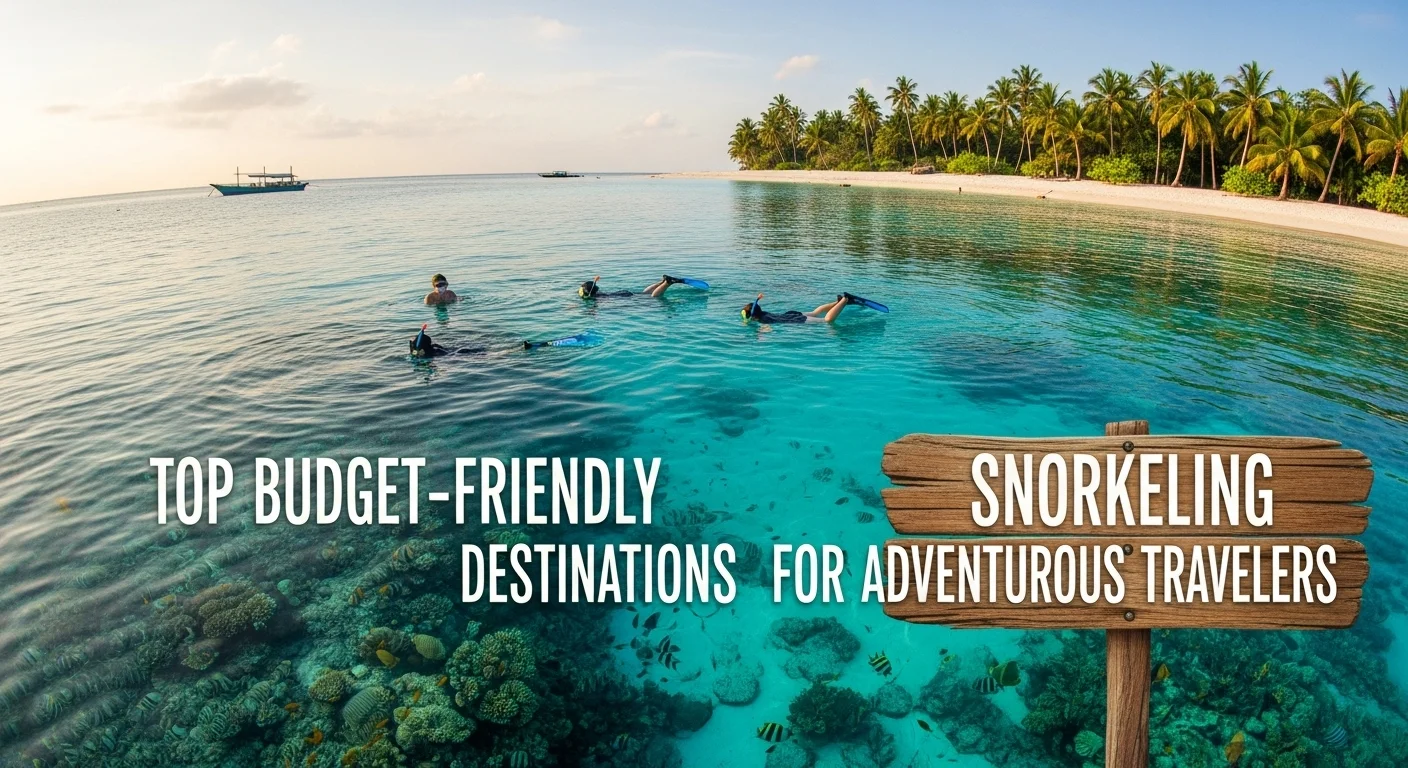
Ultimate Snorkeling Guide: Explore Underwater Wonders Affordably

Ready to dive into an underwater adventure? Snorkeling offers a thrilling way to explore the beauty beneath the waves without breaking the bank. Let’s uncover the essentials you need to know before you jump in! Read Interesting article: Ultimate Guide to Low-Cost Scuba Diving Adventures Abroad
Ultimate Snorkeling Guide: Explore Underwater Wonders Affordably

Understanding Snorkeling: The Basics

What is Snorkeling?

Snorkeling is a popular water activity that allows you to explore underwater environments while floating on the surface. It’s simple: you wear a mask and snorkel, which lets you breathe while your face is in the water. This means you can enjoy the vibrant marine life without needing extensive training or equipment like scuba diving. I remember my first snorkeling experience; it felt magical to glide over colorful corals, observing fish darting around me. It’s truly a window into a whole new world.

Benefits of Snorkeling

One of the greatest benefits of snorkeling is accessibility. You don’t need to be a professional diver or invest in expensive training. Many locations offer guided tours, making it easy for beginners to join in. Plus, snorkeling is a fantastic way to connect with nature. I’ve found that being surrounded by marine life can be incredibly calming and rejuvenating. Not to mention, it’s a great form of exercise! Swimming while observing beautiful creatures not only strengthens your muscles but also enhances your cardiovascular health. Explore Affordable Scuba Diving Spots for Adventure Seekers

Another major perk is the affordability. Compared to scuba diving, snorkeling typically requires much less gear, and many destinations have rental options that won’t drain your wallet. I’ve often rented gear at local shops, allowing me to travel light while still enjoying this amazing experience. And let’s not forget, it’s a perfect family-friendly activity. I’ve taken my kids snorkeling, and seeing their excitement when they spot a clownfish is a memory I’ll cherish forever.

Essential Snorkeling Gear

Before you set off on your snorkeling journey, it’s important to have the right gear. Here’s a breakdown of the essentials:

  • Snorkel Mask: A good mask provides a clear view and a snug fit. I’ve learned the hard way that an improper fit can lead to leaks, so it’s worth trying a few on before selecting one. Look for masks with tempered glass lenses for durability and visibility.
  • Snorkel: Choose a snorkel with a comfortable mouthpiece and a purge valve for easy clearing of water. I prefer dry snorkels that prevent water from entering, especially when I’m diving under waves.
  • Fins: Fins come in various styles, but I find open-heel fins are easier to take on and off. They provide great propulsion while keeping my legs from getting tired too quickly.
  • Wet Suit or Rash Guard: Depending on the water temperature, you may need a wetsuit to keep warm. I personally love wearing a rash guard for sun protection and to prevent scratches from coral.
  • Safety Gear: A whistle, safety buoy, or life jacket can be crucial for safety, especially in unfamiliar waters. I always carry a whistle just in case I need to signal for help.

In my experience, investing in good-quality gear can significantly enhance your snorkeling experience. I’ve tried renting gear, but having my own makes me feel more comfortable and ready to explore. Plus, I know the equipment is well-maintained and fits me perfectly.

Ultimately, the essence of snorkeling is about enjoying the beauty of nature. With the right knowledge and gear, we can create unforgettable memories beneath the waves. So, whether you’re a beginner or an experienced snorkeler, these basics will set you up for a fantastic underwater adventure. I can’t wait to share more about some of the best snorkeling destinations and tips for planning your next trip in the following sections!

Top Snorkeling Destinations Around the World

The Great Barrier Reef, Australia

When I think of snorkeling destinations, the Great Barrier Reef always tops my list. Stretching over 1,400 miles, it’s the largest coral reef system in the world. I had the chance to snorkel there a few years ago, and it was simply breathtaking. The colors of the corals and the diversity of marine life left me in awe. I remember swimming side by side with a friendly sea turtle, which felt like a scene from a dream. There are plenty of tour operators offering guided snorkeling trips, so it’s easy to find a suitable option, whether you’re a beginner or an experienced snorkeler.

Hanauma Bay, Hawaii

If you’re ever in Hawaii, Hanauma Bay is a must-visit spot. This nature preserve is known for its stunning underwater landscape and vibrant marine life. I recall my visit vividly; the bay’s clear waters made it easy to spot colorful fish swimming around the coral. They have a small entrance fee, but it’s well worth it for the pristine environment. I also appreciated the educational videos they provide before you enter the water, helping visitors understand the ecosystem and the importance of preserving it. Just be sure to arrive early, as the park can get crowded!

Belize Barrier Reef

Belize is another phenomenal snorkeling destination I’ve had the pleasure of exploring. The Belize Barrier Reef is the second-largest reef system in the world, and it’s home to countless species of fish and marine plants. One of my favorite spots there is Shark Ray Alley, where I had the thrilling experience of snorkeling alongside nurse sharks and stingrays. It was exhilarating! The warm waters and diverse ecosystems make Belize a fantastic place for both snorkeling and diving, and I know I’ll be returning to explore even more of its underwater treasures.

Maldives: A Snorkeler’s Paradise

The Maldives is often referred to as a snorkeler’s paradise, and I couldn’t agree more. The crystal-clear waters and vibrant coral reefs make it a dream destination. I spent my days exploring the lagoons, where I encountered colorful parrotfish and beautiful sea anemones. The best part? Many resorts have house reefs right off the beach, meaning you can snorkel anytime you like without having to travel far. Just put on your gear, step into the water, and you’re in for a treat. I found it to be an incredible way to unwind, surrounded by such natural beauty.

Cozumel, Mexico

Cozumel is often on the radar for anyone looking for a great snorkeling spot in the Caribbean. I remember hopping on a boat from Playa del Carmen and heading to Cozumel for the day. The reefs here are teeming with life, and I was fortunate enough to see everything from tropical fish to sea turtles. The clarity of the water makes it easy to see everything, and there are plenty of guided tours available. If you’re a fan of drift snorkeling, Cozumel’s currents offer a fun and unique experience. Don’t forget your underwater camera; you’ll want to capture all those vibrant colors!

Key Largo, Florida

Key Largo is often dubbed the “Diving Capital of the World,” but it’s also a fantastic snorkeling destination. I’ve spent a few days there, and the underwater parks are absolutely stunning. One of my favorite spots was John Pennekamp Coral Reef State Park, where I snorkeled through lush coral gardens. The variety of marine life is astonishing, and I loved how accessible everything is. It’s a great place for families too, as you can easily find guided tours that cater to snorkelers of all skill levels. Plus, the laid-back vibe of the Keys makes it a perfect getaway.

As I reminisce about these snorkeling adventures, I realize how each destination offers its own unique charm and experiences. Whether you’re swimming with turtles in Australia or exploring vibrant coral reefs in the Caribbean, there’s a whole world waiting to be discovered beneath the surface. The memories I’ve created while snorkeling are truly priceless, and I hope you feel inspired to explore these fantastic locations for yourself! Top 10 Budget Jungle Expeditions for Thrill Seekers

How to Choose the Right Snorkeling Gear

Types of Masks and Snorkels

Choosing the right mask and snorkel is crucial for a comfortable snorkeling experience. I’ve tried different types over the years, and I’ve found that the fit and comfort can make or break your adventure. When it comes to masks, I prefer those with a wide view; they not only enhance visibility but also let you soak in the beauty around you. There are two main types: full-face masks that cover your entire face and traditional masks that only cover your eyes and nose. While full-face masks can be more comfortable for some, I still lean towards traditional ones because they allow me to clear my snorkel easily if any water gets in.

As for snorkels, I recommend looking for one with a comfortable mouthpiece. I’ve had my fair share of sore jaws from poor-quality mouthpieces, so trust me when I say comfort is key! I also look for snorkels with purge valves, which make it easy to clear any water that might enter. Another option is a dry snorkel, which prevents water from entering altogether when I dive under waves. This feature gave me peace of mind during some of my more adventurous snorkeling trips.

Fins: Choosing the Right Fit

Fins are another vital component of your snorkeling gear. They help you move efficiently through the water, and choosing the right fit can save you from a lot of discomfort. I’ve learned that there are two main types of fins: open-heel and closed-heel. Open-heel fins are adjustable and often allow me to wear booties, which I find helpful for added warmth and comfort. Closed-heel fins fit snugly and usually provide a more streamlined experience. I recommend trying on both types at a store to see which feels best, as comfort is essential for longer snorkeling sessions.

When trying on fins, I always ensure they fit snugly without being too tight. You should be able to wiggle your toes but not have too much movement in the heel. If they slip off while swimming, it can be frustrating! I’ve had fins that were too loose, and believe me, it’s not a pleasant experience when you’re trying to enjoy the underwater scenery.

Wet Suits vs. Rash Guards

Depending on where you’re snorkeling, a wetsuit or rash guard may be necessary. I’ve snorkeled in various climates, and I quickly realized that water temperature can greatly affect my comfort level. In cooler waters, a wetsuit can keep you warm and protect your skin from the sun and any sharp coral. I remember my first time snorkeling in slightly chilly waters; wearing a wetsuit made all the difference, allowing me to focus on the marine life instead of shivering!

On the other hand, rash guards are perfect for warmer waters. They provide sun protection and can prevent scratches from coral. I often wear a rash guard when snorkeling in hot tropical locations. They’re lightweight and comfortable, making them my go-to for those sunny days spent floating in the ocean. Just remember to choose one that fits well and offers UV protection, so you can enjoy your time in the water without worrying about sunburn.

Buying vs. Renting Gear

When it comes to snorkeling gear, I’ve gone through the debate of buying versus renting countless times. Renting can be convenient, especially if you’re traveling and don’t want to lug a bunch of gear around. I’ve often rented gear at local shops, which made it easy to dive into the water without the hassle of carrying everything. However, I’ve found that the quality and fit of rented gear can sometimes be hit-or-miss. A poorly fitting mask or snorkel can ruin the experience, as I learned during one of my trips!

On the flip side, investing in your own gear can enhance your snorkeling experiences. I’ve purchased my own mask, snorkel, and fins over the years, and I appreciate having equipment that I know fits me well and is in good condition. Plus, having my own gear means I can easily be ready for spontaneous snorkeling adventures without needing to search for a rental shop. It’s also a great way to ensure that I’m using quality equipment that I feel comfortable with.

Ultimately, the decision between buying and renting depends on how often you plan to snorkel. If it’s a one-time trip, renting might be the best option. But if you find yourself falling in love with snorkeling—like I did—investing in your own gear will only enhance your underwater experiences!

Best Time to Go Snorkeling

Understanding Weather Patterns

Timing can significantly impact your snorkeling experience, and understanding weather patterns is key. From my adventures, I’ve noticed that calm weather is generally best for snorkeling. Windy days can create choppy waters, making it tough to see underwater and potentially increasing the risk of seasickness. I usually check local weather forecasts before heading out, and I’ve learned that the early morning is often the most serene time to snorkel. The water is usually calmer, and the visibility tends to be better. Plus, watching the sunrise over the ocean is a breathtaking experience that I highly recommend!

Optimal Water Temperature

Water temperature plays a significant role in how comfortable your snorkeling experience will be. I’ve found that most people enjoy snorkeling in water temperatures between 70°F and 85°F. When the water is warmer, I feel more relaxed and can spend longer periods exploring without feeling cold. On cooler days, I’ve opted for a wetsuit to keep warm, which makes a noticeable difference. If you’re visiting a new location, it’s worth checking the typical water temperatures for that time of year to ensure you’re prepared.

Seasonal Considerations

Each destination has its peak snorkeling seasons, which can depend on various factors like marine life activity and weather conditions. For instance, I’ve learned that many tropical destinations have dry and wet seasons. Visiting during the dry season often means clearer waters and more opportunities to see vibrant marine life. I remember snorkeling in Belize during the dry season and being amazed at the sheer number of fish and corals I encountered. It’s beneficial to research the best times to visit specific locations, as this can enhance your overall experience.

Planning Your Snorkeling Trip

Budgeting for Your Snorkeling Adventure

Planning a snorkeling trip can be thrilling, but budgeting is essential. I’ve found that setting a budget helps me prioritize what aspects of the trip are most important. For instance, I usually allocate funds for gear rental, tours, and accommodations. Having a clear idea of what I’m willing to spend allows me to enjoy the experience without financial stress. I often look for package deals that include accommodations and snorkeling tours, as they can sometimes save money in the long run.

Finding Affordable Snorkeling Tours

Finding an affordable snorkeling tour can make all the difference in your adventure. I always recommend researching various tour operators in advance. I’ve discovered that reading reviews can help me find reputable companies that offer great experiences at reasonable prices. Sometimes, booking directly through the tour operator’s website can yield discounts or promotions. If you’re traveling with a group, many operators offer group rates, which can make the experience even more affordable.

Accommodation Options Near Snorkeling Spots

Choosing the right accommodation can enhance your snorkeling experience. I prefer staying close to snorkeling spots, as it allows for easy access to the water and saves time on travel. Many resorts and hotels cater specifically to snorkelers, offering guided tours and equipment rentals on-site. I’ve stayed in beachfront bungalows where I could literally walk out and snorkel right from my doorstep. It’s an experience that adds to the magic of a snorkeling trip!

Safety Tips for Snorkeling

Pre-Trip Safety Checks

Safety should always be a priority when snorkeling. Before I head out, I make it a point to check my gear thoroughly. I inspect my mask for any cracks, ensure my snorkel is clear, and check that my fins fit snugly. I also review the area where I’ll be snorkeling, looking for any potential hazards like strong currents or rocky areas. It’s always good to have a plan and know the limits of my abilities.

In-Water Safety Guidelines

Once in the water, I follow a few simple safety guidelines. I try to stay close to my snorkeling buddy and keep an eye on each other throughout the experience. Being mindful of my surroundings is crucial—watching for currents, boats, and other snorkelers helps prevent accidents. I also avoid touching coral or marine life, which can be harmful to both the environment and myself. Staying calm and collected in the water enhances the enjoyment and safety of the experience.

What to Do in Case of Emergency

No one likes to think about emergencies, but it’s important to be prepared. I’ve taken the time to learn basic first aid and CPR, which gives me peace of mind while snorkeling. If I ever find myself in a tricky situation, I know to signal for help by waving my arms or using a whistle if I have one. It’s crucial to have a plan and make sure I’m aware of the nearest boat or shore in case I need assistance. Knowing what to do in an emergency can make a world of difference.

Marine Life to Look Out For

Common Fish Species

One of the joys of snorkeling is encountering marine life. I’ve had the pleasure of seeing a variety of fish species during my adventures. From the vivid colors of parrotfish to the graceful movements of angel fish, each encounter feels special. I often bring a small underwater guidebook with me to help identify different species I see, which adds an educational aspect to the experience. It’s exciting to learn more about the creatures that inhabit the waters I’m exploring!

Coral Reefs and Their Importance

Coral reefs are vital ecosystems that support numerous marine species. I’ve spent hours floating above these underwater gardens, marveling at their beauty. I’ve learned that coral reefs are not just beautiful; they provide essential habitats for fish and other marine life. Understanding their importance makes me more aware of the need to protect them. Being part of the snorkeling community means we also have a responsibility to preserve these fragile ecosystems.

Endangered Marine Life

During my snorkeling trips, I’ve encountered some endangered species, and it’s always a humbling experience. Whether it’s a sea turtle or a majestic manta ray, seeing these creatures in their natural habitats is awe-inspiring. I often take a moment to appreciate their beauty and reflect on the conservation efforts needed to protect them. I believe that by sharing our experiences, we can foster a greater appreciation for marine life and inspire others to help protect these vulnerable species.

Snorkeling Etiquette and Best Practices

Respecting Marine Environments

When snorkeling, respecting marine environments is crucial. I’ve made it a point to minimize my impact on the ecosystems I explore. This means avoiding touching coral and being mindful of where I swim. I always remind myself that I’m a guest in these underwater worlds, and it’s my responsibility to treat them with care. I’ve noticed that many destinations have guidelines for snorkelers, and I always take the time to read them before diving in.

Guidelines for Interaction with Wildlife

Interacting with marine life can be thrilling, but it’s important to do so responsibly. I’ve learned to observe from a distance and never attempt to feed or touch the creatures I encounter. This helps maintain their natural behaviors and keeps them safe from harm. I often carry a waterproof camera to capture memories without disturbing the wildlife, allowing me to cherish those moments while also respecting their space.

Group Snorkeling Etiquette

When snorkeling with a group, maintaining good etiquette is essential for everyone’s enjoyment. I try to stay organized and communicate with my group members. Whether it’s signaling when I want to dive down or simply keeping a safe distance from others, these little gestures go a long way. I’ve found that being considerate of other snorkelers ensures that we all have a fun and safe experience in the water.

Snorkeling Photography Tips

Best Equipment for Underwater Photography

Capturing the beauty of the underwater world has become one of my favorite aspects of snorkeling. I recommend investing in a good underwater camera or a waterproof housing for your smartphone. I’ve had great success with both types, and each has its advantages. Cameras designed for underwater use often have better image quality, while waterproof housings for phones are convenient and portable.

Techniques for Capturing Marine Life

When it comes to photographing marine life, patience is key. I’ve learned to be still and observe before snapping photos. Many fish and creatures can be skittish, so allowing them to get used to my presence often leads to better shots. I also try to get close to my subjects while respecting their space, which can create stunning images. It’s all about finding the right balance!

Editing Your Snorkeling Photos

After my snorkeling trips, I love to edit my photos to highlight the vibrant colors and details I captured. I’ve found that simple editing tools can enhance my images quite a bit—adjusting brightness and contrast can make the underwater world come alive. Sharing these edited photos with friends and family allows me to relive the experiences and inspire others to explore the wonders beneath the waves!

Final Thoughts

Snorkeling has opened up a whole new world for me, filled with breathtaking sights and unforgettable experiences. As I reflect on my adventures, I realize that with the right gear, respect for marine life, and a bit of planning, anyone can enjoy this incredible activity. I hope my stories and tips resonate with you, inspiring you to embark on your own snorkeling adventures. The ocean is waiting for you, filled with wonders just waiting to be discovered. So, let’s grab our gear and dive in—there’s a whole underwater paradise out there just for us!

Frequently Asked Questions

What is snorkeling?

Snorkeling is a popular water activity that allows you to explore underwater environments while floating on the surface. You wear a mask and snorkel to breathe while your face is in the water, making it accessible and enjoyable without needing extensive training or equipment like scuba diving.

What are the benefits of snorkeling?

Snorkeling offers various benefits including accessibility, affordability, and the ability to connect with nature. It’s a great form of exercise that helps strengthen muscles and enhances cardiovascular health. It is also a family-friendly activity that can create cherished memories.

What essential gear do I need for snorkeling?

The essential snorkeling gear includes a snorkel mask, snorkel, fins, a wetsuit or rash guard, and safety gear such as a whistle or life jacket. Each piece of equipment plays a crucial role in ensuring a comfortable and safe snorkeling experience.

What are some top snorkeling destinations around the world?

Some of the top snorkeling destinations include the Great Barrier Reef in Australia, Hanauma Bay in Hawaii, the Belize Barrier Reef, the Maldives, Cozumel in Mexico, and Key Largo in Florida. Each location offers unique marine life and stunning underwater landscapes.

How do I choose the right snorkeling gear?

When choosing snorkeling gear, focus on finding a well-fitting mask and snorkel, comfortable fins, and deciding between a wetsuit or rash guard based on water temperature. Trying on different options and considering your comfort level is essential for an enjoyable experience.

What is the best time to go snorkeling?

The best time to go snorkeling is during calm weather, particularly in the early morning when the water is usually calmer and visibility is better. Additionally, the optimal water temperature for most snorkelers is between 70°F and 85°F.

What safety tips should I follow while snorkeling?

Safety tips for snorkeling include checking your gear before heading out, staying close to your buddy while in the water, being mindful of your surroundings, and knowing what to do in case of an emergency. It’s also important to avoid touching coral and marine life.

What marine life can I expect to see while snorkeling?

While snorkeling, you can expect to see a variety of marine life, including vibrant fish species like parrotfish and angel fish, as well as beautiful coral reefs. Observing marine life can be an exciting and educational part of the snorkeling experience.

What is the etiquette for snorkeling with others?

When snorkeling with a group, it’s important to maintain good etiquette by staying organized, communicating with group members, and being considerate of others’ space. This ensures a fun and safe experience for everyone involved.

How can I capture photos while snorkeling?

To capture photos while snorkeling, invest in a good underwater camera or a waterproof housing for your smartphone. Patience is key when photographing marine life; observe before shooting and respect the animals’ space for the best results.

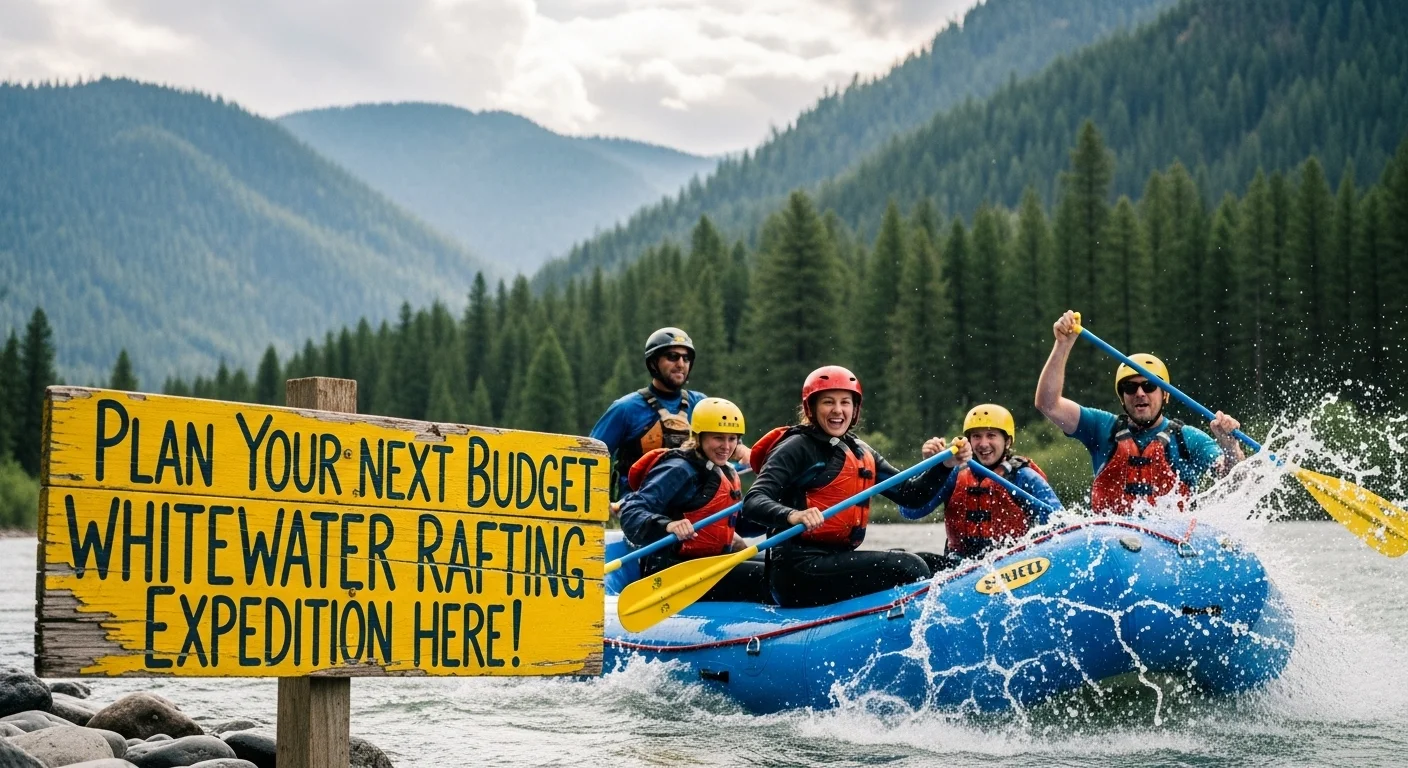
Plan Your Next Budget Whitewater Rafting Expedition Here!

Ready for an exhilarating adventure? Planning a budget whitewater rafting expedition can be an unforgettable experience, filled with thrills and camaraderie. Let’s dive into what you need to know to make it happen! Read Interesting article: Experience Thrills: Best Whitewater Rafting on a Budget

Plan Your Next Budget Whitewater Rafting Expedition Here!

Understanding Whitewater Rafting

What is Whitewater Rafting?

Whitewater rafting is a thrilling water sport where individuals navigate through turbulent river waters in inflatable rafts. I remember my first experience; the rush of adrenaline as my friends and I paddled through the rapids felt incredible! This sport is not only about navigating the water but also about teamwork, communication, and sometimes, a little bit of strategy. Each rapid presents its own set of challenges, making every rafting trip unique and exciting.

Types of Whitewater Rafting Classes

Whitewater is classified into six levels, ranging from Class I (easy) to Class VI (extremely difficult). Understanding these classes can help you choose the right experience for your skill level and comfort.

  • Class I: Gentle currents, perfect for beginners and families. My first class was a Class I, which helped me build confidence.
  • Class II: Slightly more challenging, with small waves and potential obstacles. I found this class to be a nice step up from Class I!
  • Class III: Moderate rapids that require some maneuvering. This was where things started to get really exciting for me!
  • Class IV: Difficult rapids that require precise paddling and teamwork. It’s an adrenaline rush!
  • Class V: Extremely difficult; only for experienced paddlers. I’ve seen plenty of videos of this class, and it looks intense!
  • Class VI: Unrunnable by conventional means; reserved for extreme adventurers.

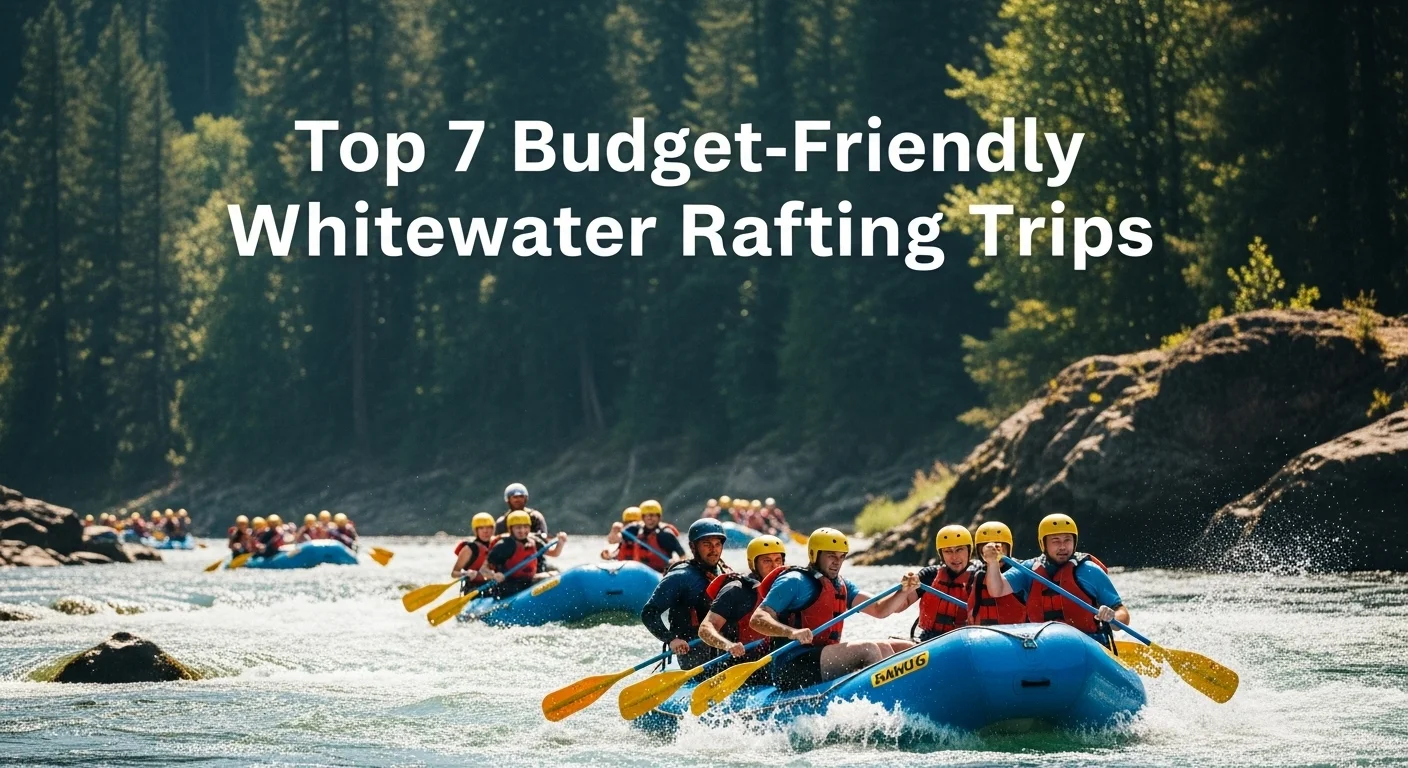
For a budget trip, I recommend starting with Classes I to III, especially if you’re new to rafting. Read Interesting article: Top 7 Budget-Friendly Whitewater Rafting Trips

Benefits of Whitewater Rafting

Whitewater rafting offers a myriad of benefits beyond just the thrill. Personally, I find it a fantastic way to connect with nature. The stunning landscapes and the sound of rushing water can be incredibly calming. Here are a few more benefits I’ve experienced:

  • Physical Fitness: Rafting is a full-body workout! You’ll engage your core, arms, and legs while paddling and balancing.
  • Team Building: It’s a great way to bond with friends and family. I’ve had some of my best conversations on the river.
  • Stress Relief: Being in the great outdoors, away from screens and city noise, is refreshing. I come back feeling rejuvenated.
  • Adventure and Fun: Let’s face it; it’s just plain fun! The laughter and excitement shared with companions make for unforgettable memories.

The benefits are abundant, and whether you’re seeking adventure or simply a day out, whitewater rafting caters to all needs.

Best Locations for Budget Whitewater Rafting

Top Budget-Friendly Rivers in the U.S.

If you’re looking to get your feet wet without emptying your wallet, there are some amazing rivers in the U.S. that won’t break the bank.

The Colorado River

The Colorado River is iconic for rafting with its stunning views of the Grand Canyon. I’ve heard that there are budget trips available, especially on sections that aren’t as commercialized. Be sure to check for local outfitters that offer affordable packages!

The Gauley River

Located in West Virginia, the Gauley River is known for its challenging rapids, especially during the fall. While it can get pricier during peak season, if you plan your trip towards the early summer, you might find some great deals.

The Salmon River

The Salmon River in Idaho is another fantastic option. It’s often referred to as the “River of No Return” and offers something for everyone. I remember being amazed by the breathtaking scenery while rafting here. Look for multi-day trips that can be more affordable.

International Budget Rafting Destinations

If you’re up for a little travel, international rafting spots can be budget-friendly and offer unique experiences.

The Zambezi River, Africa

The Zambezi River is famous for its challenging rapids and beautiful scenery. I’ve always wanted to visit Victoria Falls, and rafting here seems like an adventure of a lifetime without costing too much.

The Tully River, Australia

For those dreaming of Australia, the Tully River is a great choice. It’s known for its consistent rapids and lush rainforests. Some companies offer budget packages that make this trip more accessible.

The Futaleufú River, Chile

Lastly, the Futaleufú River in Chile boasts stunning turquoise waters and incredible rapids. Although it’s a bit farther afield, many travelers have found that the overall cost can be lower than expected, especially when you consider the experience. Read Interesting article: Ultimate Guide to Affordable Whitewater Rafting Adventures

As you begin to plan your budget rafting trip, keep these options in mind to ensure you have an unforgettable experience without overspending!

Planning Your Budget Rafting Trip

Choosing the Right Time of Year

Timing can really make or break your budget rafting trip. I’ve learned from experience that the right season can lead to both better conditions and lower prices. Depending on where you plan to go, the timing might vary significantly.

Seasonal Considerations

In many regions, spring and early summer are prime times for rafting, as snowmelt creates strong currents. However, this can also mean higher prices due to demand. I remember planning a trip during the early summer and was thrilled to find that many local outfitters offered discounts for mid-week bookings. If you can, aim for late summer or even early fall when the waters are calmer and the prices drop.

Weather Conditions

Weather can be unpredictable, especially in mountainous areas. I’ve had trips where clear skies turned to sudden rain, which made the river more challenging. Keeping an eye on the forecast is crucial. I recommend checking local weather websites or apps close to your trip. Also, consider that some rivers might be too high or too low depending on recent weather patterns, so it’s good to stay informed.

Essential Gear and Equipment

Having the right gear is essential for a safe and enjoyable rafting experience. I’ve made the mistake of not being adequately prepared in the past, and it really affected my enjoyment on the water. Here’s what I’ve found essential:

What to Bring for Rafting

  • Paddle: Most outfitters provide paddles, but if you have a personal one, bring it along. I find that having my own paddle makes me feel more comfortable.
  • Life Jacket: Always wear a life jacket. Even if you’re a strong swimmer, the river can be unpredictable.
  • Footwear: Water shoes or sandals with straps are perfect. I once wore flip-flops and regretted it immediately!
  • Clothing: Quick-dry clothing is a must. I usually wear moisture-wicking shirts and board shorts. Layering is also a good idea since temperatures can change rapidly.
  • Dry Bag: Protect your essentials, like your phone and snacks, with a dry bag. I once lost my phone in the rapids, and I learned my lesson!

Rental Options vs. Buying Gear

When it comes to gear, renting can be a smart choice, especially if you’re new to rafting. Most outfitters provide everything you need, and it can save you money. That said, if you find yourself going more often, investing in your gear can be worthwhile. I’ve gradually built my collection over the years, and it’s nice to have familiar equipment. Just remember to balance cost with quality!

Finding Affordable Outfitters

Choosing the right outfitter is crucial for your rafting experience. I’ve found that a little research goes a long way in finding budget-friendly options.

Researching Local Companies

Start by reading reviews and looking for recommendations online. Websites like TripAdvisor can be really helpful. I often check social media groups or local forums for personal experiences. Connecting with others who have rafted in your chosen area can lead you to hidden gems that offer great service and value.

Comparing Prices and Packages

Not all outfitters are created equal when it comes to pricing. I’ve learned to compare prices and what’s included. Some companies might offer packages that bundle transportation, meals, or even photos for a better overall price. I once spent an afternoon comparing options for a trip, and I ended up saving quite a bit of money just by picking the right provider. Always ask about group discounts too; if you’re going with friends or family, it could lower the cost significantly!

Cost Breakdown for a Rafting Expedition

Average Costs of Rafting Trips

Rafting can fit various budgets, but it’s essential to understand the typical costs involved. From my experience, day trips can range from $50 to $150 per person, depending on the location and the company. Multi-day trips can be pricier, often starting around $200 and going up from there. When planning, I always consider what’s included in the price, like meals, guides, and gear, to ensure I’m getting the best deal.

Transportation Expenses

Getting to your rafting destination can also affect your budget. I often factor in gas if I’m driving or look for affordable flights if traveling far. If you’re near a popular rafting location, check for shuttle services offered by outfitters; they can sometimes save you time and hassle. I remember booking a shuttle for a group rafting trip, and it made the logistics so much easier.

Accommodation Options

Where you stay can impact your overall budget. I love camping, especially near rivers, because it’s often more affordable and enhances the experience. However, if camping isn’t your thing, there are other options to consider.

Campsites vs. Hotels

Campsites are usually the most budget-friendly choice. Many rivers have campsites nearby, and I’ve found that they often provide a great way to connect with fellow adventurers. Just remember to book ahead during peak seasons! If you prefer hotels, look for deals online, especially if you can book in advance. I’ve used apps to score last-minute hotel deals that saved me a nice chunk of change.

Hostels and Budget Lodging

If camping isn’t for you, hostels can be a fantastic compromise. I’ve stayed in several hostels near rafting locations, and they often have a fun, communal atmosphere. Plus, they’re usually cheaper than hotels. Don’t forget to check for any group discounts if you’re traveling with friends!

Food and Drink Budgeting

Food can quickly add up on a trip, especially if you eat out for every meal. I’ve learned that packing some snacks and meals can significantly cut costs. Consider bringing along easy-to-eat items like granola bars, trail mix, and sandwiches. If you plan to cook, check if your lodging has kitchen facilities, which can save you a lot.

Safety Tips for Budget Whitewater Rafting

Understanding Risks and Safety Protocols

Safety is paramount in any adventure, and whitewater rafting is no exception. I can’t stress enough how essential it is to understand the risks involved. Rapid waters, rocks, and changing weather conditions can create unexpected challenges. The first time I went rafting, I was so caught up in the excitement that I didn’t pay enough attention to the safety briefing. I quickly learned that these protocols are in place for a reason!

Before heading out, make sure to listen carefully to your guide’s instructions. They have a wealth of knowledge and experience. Take the time to ask questions if you feel unsure about something. I remember feeling nervous during my first trip, but once I understood the safety measures, I felt more confident. Always wear your life jacket, know how to brace yourself in the raft, and be aware of your surroundings. It’s also crucial to know the signals your guide might use during the trip; they can be lifesavers!

Essential Safety Gear

Having the right safety gear is non-negotiable. I always check to ensure I’m fully equipped before hitting the water. Here’s a list of essential gear that I recommend:

  • Life Jacket: Ensure it fits snugly and is Coast Guard-approved. I once borrowed a jacket that was too loose, and it didn’t give me the security I needed.
  • Helmet: This might seem optional, but it’s essential, especially in Class III and above rivers. I remember feeling much safer wearing mine, especially when we hit a few rough patches.
  • First Aid Kit: Accidents can happen, and it’s good to be prepared. I always carry a small kit with band-aids, antiseptic wipes, and any personal medications.
  • Whistle: A whistle can be a vital tool for signaling if you find yourself separated from your group. It’s small and easy to carry, so I always keep one in my pocket.

Guided Tours vs. Solo Rafting

When planning your trip, one of the biggest decisions is whether to go with a guided tour or attempt a solo expedition. I’ve tried both, and I have to say, for those new to rafting or on a budget, guided tours can be a game-changer. They often provide the necessary equipment and safety gear, and the expertise of the guides gives you peace of mind.

Guided tours usually come with a price tag, but they can also save you money in the long run since they often include essential gear and safety briefings. I remember my first guided tour; it took away a lot of my worries, allowing me to enjoy the experience fully. On the other hand, if you’re experienced and feel confident in your skills, solo rafting can add a sense of adventure and independence. Just be sure to know the river well and assess the risks involved!

Maximizing Your Rafting Experience

Best Practices for a Fun Trip

Once you’ve planned everything, how can you ensure you make the most of your rafting experience? I’ve picked up some best practices along the way that I believe can enhance your trip:

  • Stay Hydrated: It can be easy to forget to drink water when you’re having fun, but staying hydrated is crucial. Bring a refillable water bottle to keep yourself energized.
  • Follow the Guide’s Lead: Trust your guide’s expertise. They know the waters and how to navigate them. I’ve seen the difference it makes when everyone paddles in sync according to the guide’s commands.
  • Embrace the Team Spirit: Rafting is a team sport! Encourage each other, share laughs, and help out if someone is struggling. I’ve made lifelong friends just by bonding over the shared experience of navigating rapids!
  • Take Breaks: If the trip allows, take a moment to float and relax in calmer waters. Some of my best memories come from just soaking up the sun and enjoying the scenery.

What to Expect on the Water

One of the most exciting things about rafting is the unpredictability of the river. I’ve experienced everything from calm stretches where I could chat with my companions to thrilling rapids that had us screaming in joy and fear! Knowing what to expect can help you prepare mentally. Don’t be surprised if you encounter wildlife along the way; I’ve spotted eagles, otters, and even deer drinking from the riverbanks!

Expect to get wet! I remember my first few times, I thought I’d stay dry, but the splashes and waves are part of the fun. Just embrace it—bring a waterproof camera if you want to capture those memories without worrying about your gear. Above all, keep a positive attitude, and don’t let any bumps in the road ruin your adventure!

Post-Rafting Activities

After a day on the water, it’s nice to unwind and reflect on the experience. I often find that some of the best moments happen after rafting, whether it’s relaxing around a campfire with friends, sharing stories from the day, or enjoying a local meal. If you’re near a town, consider checking out local attractions or restaurants to immerse yourself in the area’s culture.

Some places offer hot springs or scenic hikes nearby, which can be a perfect way to rejuvenate after a thrilling day on the water. I remember one trip where we stumbled upon a local diner that served the best burgers I’ve ever had, and it was the perfect way to celebrate our adventure. Don’t rush off right after the rafting; take the time to enjoy the whole experience!

Frequently Asked Questions

What is whitewater rafting?

Whitewater rafting is a thrilling water sport where individuals navigate through turbulent river waters in inflatable rafts, requiring teamwork, communication, and strategy.

What are the different classes of whitewater rafting?

Whitewater is classified into six levels: Class I (easy), Class II (slightly challenging), Class III (moderate), Class IV (difficult), Class V (extremely difficult), and Class VI (unrunnable). Beginners are recommended to start with Classes I to III.

What are some benefits of whitewater rafting?

Whitewater rafting offers physical fitness, team building, stress relief, and a fun adventure, allowing individuals to connect with nature and create unforgettable memories.

What are some budget-friendly rivers for rafting in the U.S.?

Top budget-friendly rivers include the Colorado River, the Gauley River in West Virginia, and the Salmon River in Idaho, which offer great experiences without breaking the bank.

What international destinations are recommended for budget rafting?

Internationally, the Zambezi River in Africa, the Tully River in Australia, and the Futaleufú River in Chile are noted for their unique experiences and budget-friendly options.

What should I consider when planning my budget rafting trip?

Consider the right time of year for better conditions and lower prices, essential gear and equipment, and the specifics of the outfitter you choose to ensure a safe and enjoyable experience.

What essential gear should I bring for rafting?

Essential gear includes a paddle, life jacket, appropriate footwear, quick-dry clothing, and a dry bag to protect your belongings.

What are the average costs associated with rafting trips?

Day trips typically range from $50 to $150 per person, while multi-day trips start around $200. It’s important to consider what’s included in the price, such as meals and gear.

What safety tips should I follow while rafting?

Always listen to your guide’s instructions, wear a life jacket, know safety signals, and ensure you have essential safety gear like a helmet and first aid kit.

What can I do after a day of rafting?

After rafting, consider unwinding around a campfire, enjoying local attractions or restaurants, or participating in nearby activities like hiking or visiting hot springs.

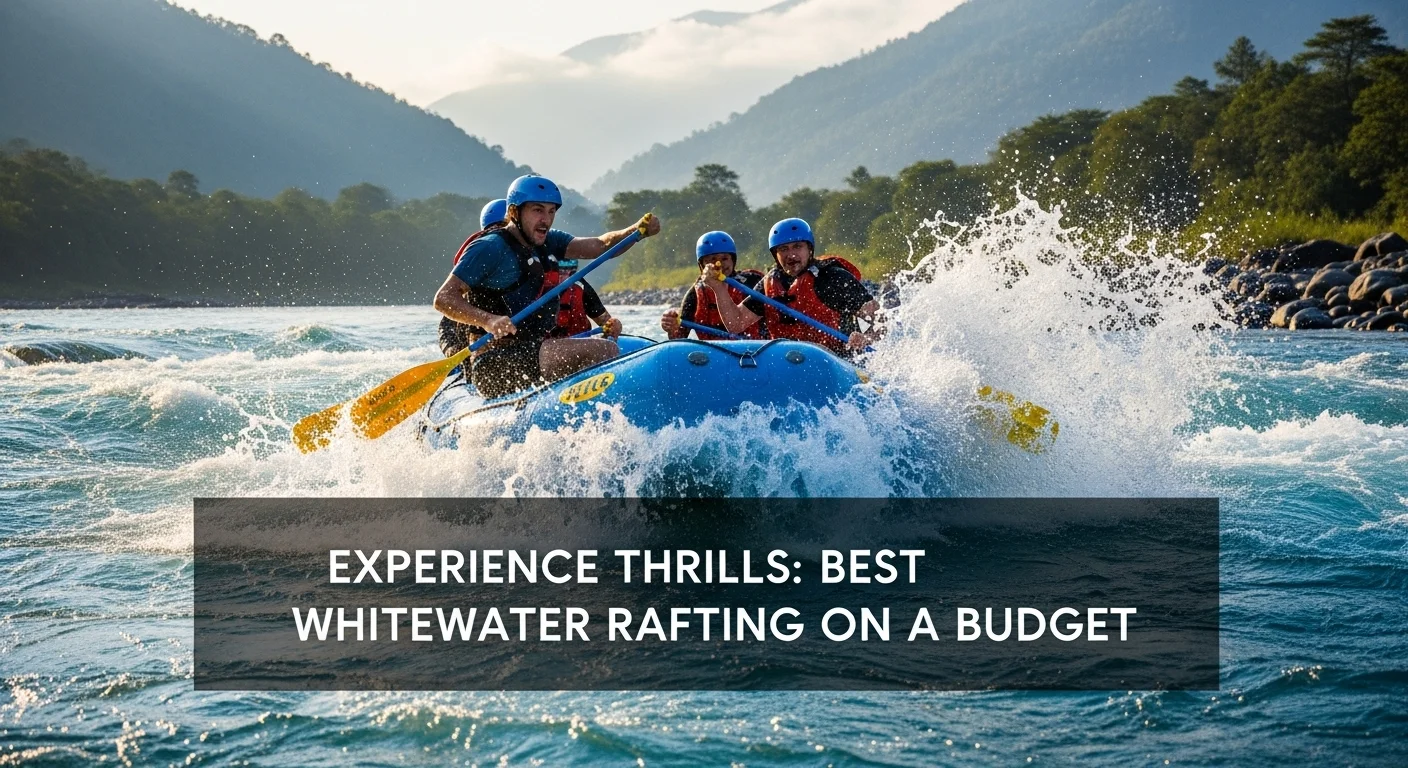
Experience Thrills: Best Whitewater Rafting on a Budget

If you’re craving an adrenaline rush without breaking the bank, whitewater rafting is a thrilling adventure that fits the bill! Let’s dive into the world of rapids, splashes, and unforgettable experiences!

Experience Thrills: Best Whitewater Rafting on a Budget

Understanding Whitewater Rafting

What is Whitewater Rafting?

Whitewater rafting is one of those experiences that gets your heart racing and your spirit soaring. Essentially, it involves navigating through fast-moving water in an inflatable raft. I remember my first time; the anticipation was palpable as we geared up, listening to our guide’s instructions while the river’s roar filled the air. The moment we pushed off from the riverbank, I felt an exhilarating mix of fear and excitement. It’s not just about the thrills; it’s about teamwork, nature, and a sense of adventure. The goal is to paddle through different classes of rapids, which can range from calm waters to intense whitewater conditions. Read Interesting article: Top 7 Budget-Friendly Whitewater Rafting Trips

Types of Whitewater Rapids

Understanding the different types of rapids can help you choose the right adventure for your experience level. Rapids are classified from Class I to Class VI, based on their difficulty:

  • Class I: These are easy, rippling waters. Great for families and beginners.
  • Class II: Slightly more challenging with small waves and fewer obstacles.
  • Class III: Moderate rapids requiring some maneuvering; perfect for those looking for a bit of excitement.
  • Class IV: Advanced rapids with rough waters. This is where I found myself really leaning into the thrill!
  • Class V: Expert level; only for the most experienced rafters. I don’t recommend this unless you’ve got some serious skills.
  • Class VI: Unrunnable and extremely dangerous. Best left untouched.

On my rafting trips, I’ve experienced everything from mild Class II rapids to exhilarating Class IV adventures. Each classification offers something unique, and it’s crucial to pick the right level based on your comfort and experience.

Essential Gear for Rafting

When it comes to gear, safety and comfort should be your top priorities. I’ll never forget how much I appreciated the right equipment on my trips. Here’s what you’ll typically need:

  • Personal Flotation Device (PFD): This is a must-have! It keeps you safe and buoyant in the water. I’ve had moments where I was thrown from the raft, and my PFD was a lifesaver.
  • Helmet: Protecting your head is crucial, especially in rough waters. Trust me, you’ll thank yourself later.
  • Paddle: You’ll need a sturdy paddle to navigate through the rapids effectively. I remember the blisters I got from a cheap paddle on my first trip!
  • Clothing: Quick-drying clothes are best, along with water shoes. I learned the hard way that cotton can weigh you down!
  • Dry Bag: Keeping your belongings dry is essential. I always pack my camera in a dry bag to capture those unforgettable moments.

Many rafting companies provide gear, but it’s good to check what’s included. I always bring my own helmet and PFD because I know they fit me perfectly, and I feel more secure that way.

As I reflect on my experiences, I realize that whitewater rafting has taught me so much more than just paddling techniques. It’s about embracing the unknown, trusting your team, and fully immersing yourself in nature. For anyone looking to experience the thrill without spending a fortune, whitewater rafting is an adventure worth considering! The memories I’ve made on the water are priceless, and I’m excited to share the best budget-friendly destinations with you next!

Top Budget-Friendly Whitewater Rafting Destinations

Colorado River, Arizona

The Colorado River is one of the most iconic places to go whitewater rafting, and I can see why. Nestled in the heart of the Grand Canyon, it offers breathtaking views and thrilling rapids. What I love most about rafting here is the blend of adventure and stunning scenery. The stretches of Class III and IV rapids provide excitement without being overly intimidating for those who aren’t seasoned pros. Plus, there are plenty of budget-friendly rafting companies that offer affordable packages, making it accessible for us thrill-seekers on a budget. Just make sure to plan well in advance; spots fill up fast!

Ocoee River, Tennessee

The Ocoee River is another fantastic destination that often surprises people. I remember my first trip there; the energy was electric! It’s known for its fast-paced rapids and is actually the site of the 1996 Olympic whitewater events. What’s great is that the river offers everything from Class II to Class IV rapids, catering to different skill levels. The best part? There are several budget-friendly outfitters around, so you can easily find a package that fits your wallet. Plus, the surrounding area has plenty of camping spots if you’re looking to save even more on accommodations. Read Interesting article: Ultimate Guide to Affordable Whitewater Rafting Adventures

Gauley River, West Virginia

If you’re looking for a mix of adrenaline and beautiful scenery, the Gauley River is a must-visit. I was fortunate enough to raft this river during the fall, and the colorful foliage was a stunning backdrop to the thrilling rapids. The Gauley is famous for its Class V rapids, particularly during the fall releases, but there are also milder sections suitable for beginners. There are many rafting companies that offer competitive rates, and some even have special deals during the off-season. No matter what time of year you visit, the Gauley is sure to provide an unforgettable experience.

Salmon River, Idaho

The Salmon River is one of my personal favorites. It’s beautiful and offers a variety of experiences, from calm stretches to wild rapids. I’ve rafted here a couple of times, and each trip felt like a new adventure. The river is a bit remote, but that’s part of its charm. It’s less crowded than some of the other options, and you can often find great deals with local outfitters. The Class III and IV rapids here are perfect for those seeking excitement without going overboard. I highly recommend spending a few days exploring the area; the natural beauty is simply breathtaking.

New River Gorge, West Virginia

Last but definitely not least is the New River Gorge. This place is a treasure trove for outdoor enthusiasts. The New River not only offers thrilling Class III and IV rapids but also boasts a stunning gorge that will leave you in awe. I remember floating down the river, surrounded by towering cliffs and lush forests, and I felt completely at peace amidst the chaos of the rapids. For budget-conscious adventurers, there are plenty of rafting companies with affordable packages, and the area has numerous camping and lodging options to suit any budget. It’s a great destination for families, couples, or friends looking to bond over a shared adventure.

With so many amazing places to choose from, it’s easy to see why whitewater rafting is such a popular adventure. Each destination offers its own unique charm and challenges, making it an exhilarating experience no matter where you go. Now that we’ve explored some great budget-friendly rafting spots, let’s dive into planning your trip!

Planning Your Whitewater Rafting Trip

When to Go Whitewater Rafting

Timing is everything when it comes to whitewater rafting. Based on my experiences, I’ve learned that the best time to go often depends on the river you choose and the type of experience you want. For many rivers, late spring through early summer is prime time. This is when snowmelt from the mountains creates the most thrilling rapids. I remember rafting on the Colorado River in May; the water was high and fast, and the excitement was palpable. However, if you’re looking for milder conditions, late summer and early fall might be better since the water levels drop, making for calmer experiences.

Be sure to check the seasonal conditions for your chosen destination. Some rivers have specific release schedules, especially if they’re dam-controlled. I’ve also found that weekdays tend to be less crowded than weekends, allowing for a more intimate adventure on the water.

Choosing the Right Rafting Company

Finding the right rafting company can make all the difference in your experience. I’ve tried several outfitters, and I always look for companies with good reviews and experienced guides. A skilled guide can turn an ordinary trip into an unforgettable adventure. They know the river’s ins and outs and can enhance your experience with their knowledge of local history and wildlife. I remember my guide on the Gauley River; not only did he keep us safe, but he also pointed out fascinating rock formations and told stories about the area’s history.

Don’t hesitate to ask questions when researching companies. Inquire about their safety protocols, equipment quality, and the expertise of their guides. Many companies offer free consultations or pre-trip orientations, which can help you feel more comfortable before hitting the water. I always appreciate it when a company takes the time to ensure everyone is prepared and excited for the journey ahead!

Understanding Pricing Packages

Whitewater rafting can fit a range of budgets, but it’s important to understand what you’re paying for. When I first started rafting, I was surprised by how variable the pricing could be. Some companies offer all-inclusive packages that cover everything from gear rental to meals, while others might charge separately for each item. I recommend reviewing what’s included in your package to avoid any surprises. For instance, I once signed up for a trip that didn’t include lunch, and I ended up buying a pricey sandwich at a nearby shop. Lesson learned!

Additionally, I’ve found that pricing can vary based on the day of the week, the season, and the length of the trip. Shorter half-day trips are generally cheaper than full-day excursions. If you’re on a tighter budget, consider looking for deals during the shoulder seasons when companies might offer discounts to fill seats.

Budget Tips for Whitewater Rafting

Finding Discounts and Deals

Who doesn’t love a good deal? I always keep an eye out for discounts on rafting trips, and I’ve discovered some great ways to save money. First, I recommend checking the websites of various rafting companies as well as tourism boards for promotions. Many companies offer discounts for first-time rafters, or if you book in advance. Don’t forget to search for discount codes or coupons on popular travel deal websites. I’ve saved quite a bit by taking a few minutes to look around online.

Another tip is to join mailing lists for rafting companies or adventure tourism sites. They often send out special offers to subscribers, and I’ve snagged some fantastic deals just by being on the right email list!

What to Bring to Save Money

When planning your rafting adventure, packing smart can help you save money. I’ve learned to bring my own snacks and water bottles to avoid higher prices at river stops. On my last trip to the Ocoee River, I packed a cooler with sandwiches, fruit, and drinks. Not only did we save money, but we also enjoyed a lovely picnic along the riverbank after our adventure!

Additionally, bringing your own gear can save you rental fees. If you already have a comfortable PFD, helmet, or paddle, using them can cut down on expenses. Just make sure they meet safety standards required by the rafting company.

Group Rates and Family Packages

If you’re planning to go with a group, consider asking about group rates. Many companies offer discounts for larger parties, and I’ve seen this turn a costly outing into an affordable adventure. When I went rafting with a group of friends, we saved a significant amount just by booking as a team. It made the experience even more enjoyable, knowing we were all in it together, and we had plenty of laughs along the way!

For families, some companies offer family packages that include discounts for children or special activities designed for younger rafters. I’ve seen families bond over thrilling rapids, and it’s a fantastic way to create lasting memories while keeping costs down.

Safety Considerations for Budget Rafting

Understanding the Risks

Whitewater rafting is undeniably thrilling, but it’s essential to acknowledge the risks involved. I’ve had my heart race not just from excitement but also from the knowledge that nature can be unpredictable. Drowning, injury from rocks or equipment, and hypothermia are real concerns that every rafter should take seriously. I remember a trip where the weather turned suddenly, and the river conditions changed dramatically. Thankfully, our guide was experienced and kept us safe, but it was a wake-up call about how vital it is to respect the water.

Before hitting the rapids, I always make sure to do a little research on the river we’ll be navigating. Reading up on past incidents and understanding the specific risks that come with certain locations can help prepare you mentally for the adventure. I believe that being informed is one of the best ways to stay safe.

Essential Safety Gear

Safety gear goes beyond just wearing a Personal Flotation Device (PFD) and a helmet. On my trips, I’ve learned to consider additional gear that can make a significant difference. For instance, wearing a wetsuit or splash jacket can keep you warm in colder waters. I vividly recall a chilly day on the Salmon River where my wetsuit made all the difference in comfort.

Another crucial item is footwear. I prefer water shoes that provide grip and protection while being quick-drying. Trust me, you don’t want to risk slipping on wet rocks! Also, make sure to bring a whistle; it’s a simple tool that can help you communicate in emergencies.

Choosing the Right Class of Rapids for Your Skill Level

Choosing the appropriate class of rapids is perhaps one of the most critical safety considerations. I’ve seen friends get overwhelmed by selecting a route that was too advanced. I always recommend starting with Class II or III rapids if you’re new to rafting. I remember my first Class III experience on the Ocoee River; it was thrilling but manageable, giving me the confidence I needed to tackle more challenging waters later on.

It’s also a good idea to communicate with your group about everyone’s comfort levels and skills. Open discussions can help ensure everyone feels secure and excited about the experience. If you’re unsure, don’t hesitate to ask your guide for recommendations based on your group’s abilities. They can provide valuable insights that make for a safe and enjoyable adventure!

Local Amenities and Services

Where to Stay Near Rafting Locations

Finding convenient accommodations near your rafting destination can enhance your trip. I love to scout for local lodges or campgrounds that offer a blend of comfort and budget-friendly pricing. For instance, near the New River Gorge, I discovered cozy cabins that were perfect for relaxing after a long day on the water. Not only do they provide a place to recharge, but they also allow you to soak in the beautiful surroundings.

Many rafting companies partner with nearby hotels or campgrounds to offer package deals, so it’s worth checking out! I’ve often booked a rafting trip that included a stay at a local inn, allowing for easy access to the river and the chance to meet fellow adventurers.

Dining Options for Budget Travelers

Eating can significantly impact your overall budget, especially on a rafting trip. I’ve found that local diners and cafes are often the best way to enjoy delicious meals without breaking the bank. For example, I once stumbled upon a small diner near the Gauley River that served hearty breakfasts for a steal! It’s a great way to fuel up before a day of adventure.

Don’t forget to check out food trucks or local markets. They can provide a unique taste of the area at a lower cost. Plus, if you’re camping or staying in a cabin, consider cooking some meals yourself. I’ve had memorable evenings grilling by the campfire after a long day on the river, sharing stories under the stars.

Transportation Tips to Rafting Destinations

Getting to your rafting destination can be part of the adventure! I prefer to drive when possible, as it allows for flexibility and the chance to explore along the way. If you’re flying, check for nearby rental car options. I’ve found that some rafting companies offer shuttle services from local airports, which can save you the hassle of finding transportation.

For those traveling in groups, consider carpooling to split fuel costs. It enhances the experience, allowing you to bond before even reaching the river. I love sharing the excitement with friends while hitting the road, reminiscing about past trips and dreaming about the adventures that await us!

What to Expect on Your Rafting Adventure

Typical Itinerary for a Rafting Trip

When I arrive at a rafting site, it’s always nice to have a clear itinerary. Most adventures start with a safety briefing where guides go over the plan for the day and important safety procedures. I appreciate how guides often take the time to explain what to expect, especially for first-timers.

After gearing up, we typically spend a few hours on the water, navigating various rapids. I enjoy the moments of calm between the excitement, where we can soak in the beauty around us. At some locations, we even stop for a lunch break on the shore, allowing us to connect and share stories while enjoying the scenery.

Post-Rafting Activities and Attractions

Once the rafting wraps up, I love exploring the local area. Many destinations offer hiking trails, scenic views, or even zip-lining adventures that can enhance your trip. After a day of thrills on the water, it’s nice to unwind with some nature walks or simply relax by a campfire, recounting the day’s escapades.

For instance, after a long day on the Colorado River, my friends and I decided to hike to a nearby viewpoint that offered stunning sunset views. That moment, watching the sun dip below the horizon, was a perfect way to end an exhilarating day.

River Etiquette and Guidelines

Respecting the river and fellow rafters is crucial for a safe and enjoyable experience. I’ve learned a few simple guidelines that help keep everyone safe and happy. Always follow your guide’s instructions, as they know the river best. If you encounter another group on the water, be courteous; allow them to pass and keep a safe distance. It’s all about maintaining harmony in the wild!

Additionally, I always carry out what I bring in. It’s a small way to show respect for nature and ensure future generations can enjoy the beauty of these rivers as we do. I feel a sense of responsibility to protect these precious landscapes, and I hope others do too.

Final Thoughts

Whitewater rafting has been one of the most rewarding experiences in my life. It’s more than just the thrill of navigating rapids; it’s about the connections we make with nature and each other. From planning the trip to sharing laughs on the water, every moment holds the potential for unforgettable memories. As we’ve explored together, there are countless ways to enjoy this adventure on a budget. With the right planning, safety awareness, and a spirit of adventure, I believe anyone can find joy in the rapids. So, whether you’re a seasoned rafter or considering your first trip, embrace the journey. Adventure awaits!

Frequently Asked Questions

What is whitewater rafting?

Whitewater rafting involves navigating through fast-moving water in an inflatable raft. It combines thrills, teamwork, and a sense of adventure as you paddle through various classes of rapids, ranging from calm waters to intense conditions.

What are the different classes of whitewater rapids?

Whitewater rapids are classified from Class I to Class VI based on difficulty: Class I is easy, Class II is slightly more challenging, Class III is moderate, Class IV is advanced, Class V is expert level, and Class VI is unrunnable and extremely dangerous.

What essential gear is needed for whitewater rafting?

Essential gear includes a Personal Flotation Device (PFD), helmet, paddle, quick-drying clothing, and a dry bag for your belongings. Many rafting companies provide gear, but it’s good to check what’s included and consider bringing your own for a better fit.

When is the best time to go whitewater rafting?

The best time to go whitewater rafting typically depends on the river and experience desired. Late spring through early summer is prime time due to snowmelt creating thrilling rapids, while late summer and early fall may offer milder conditions.

How do I choose the right rafting company?

When choosing a rafting company, look for good reviews and experienced guides. Inquire about their safety protocols, equipment quality, and the expertise of their guides to ensure a safe and enjoyable experience.

What are some budget-friendly whitewater rafting destinations?

Budget-friendly destinations include the Colorado River in Arizona, Ocoee River in Tennessee, Gauley River in West Virginia, Salmon River in Idaho, and New River Gorge in West Virginia. Each offers a mix of thrilling rapids and beautiful scenery at affordable prices.

What tips can help save money on rafting trips?

To save money, look for discounts on rafting company websites, bring your own snacks and water, and inquire about group rates or family packages. Joining mailing lists for companies can also provide special offers.

What safety considerations should I keep in mind when rafting?

Understanding the risks of whitewater rafting is crucial. It’s important to wear safety gear, choose the right class of rapids for your skill level, and research the specific risks associated with the river you’ll be navigating.

What can I expect on a typical rafting trip itinerary?

A typical rafting trip starts with a safety briefing, followed by several hours on the water navigating rapids, with possible breaks for lunch and enjoying the scenery. Guides often provide insights about the river and its surroundings.

How should I respect the river and other rafters during my trip?

Respecting the river and fellow rafters involves following your guide’s instructions, allowing other groups to pass, and carrying out what you bring in. This helps maintain harmony and protects the natural environment for future generations.

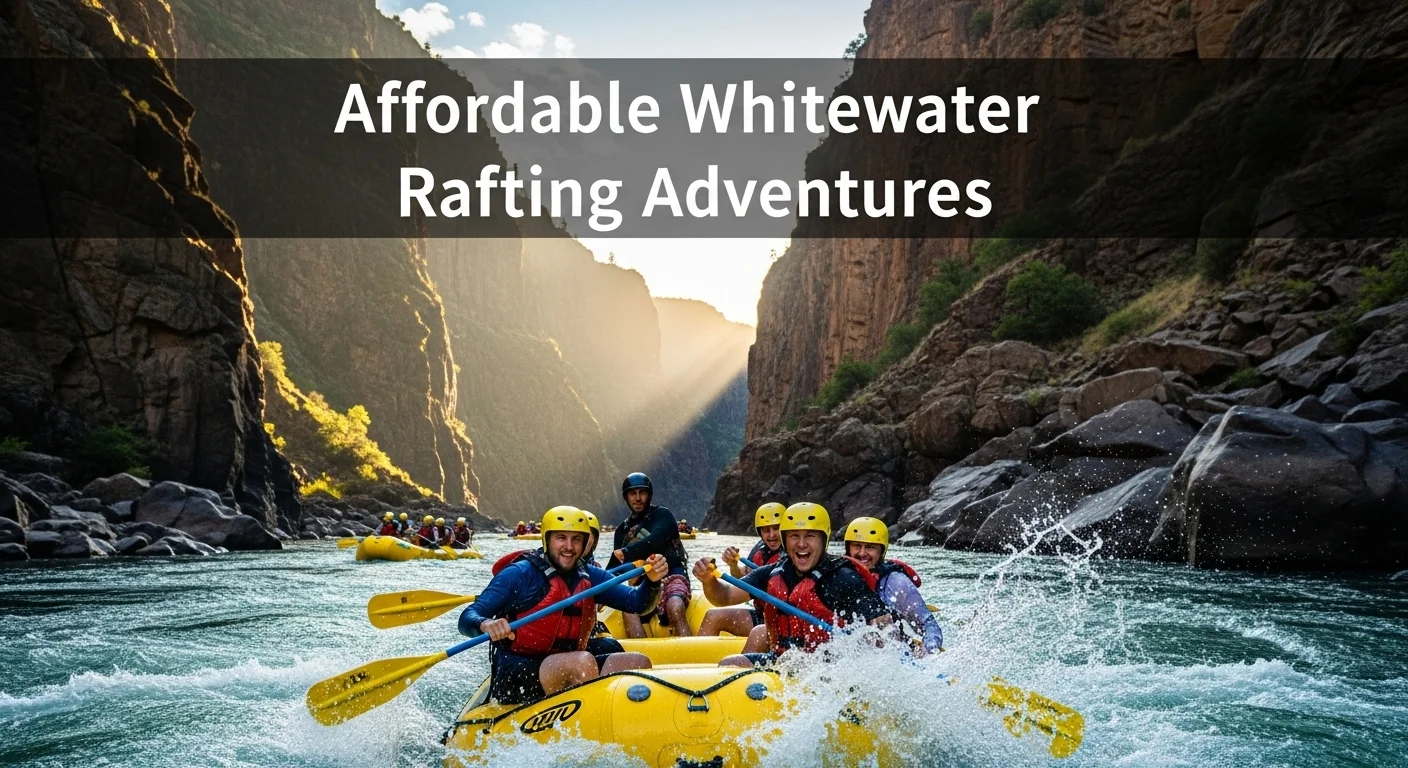
Ultimate Guide to Affordable Whitewater Rafting Adventures

Whitewater rafting is an exhilarating way to experience nature, and it doesn’t have to break the bank. Join me as we navigate through the ultimate guide to affordable rafting adventures that will leave you breathless and thrilled! Read Interesting article: Top 7 Budget-Friendly Whitewater Rafting Trips

Ultimate Guide to Affordable Whitewater Rafting Adventures

Understanding Whitewater Rafting

What is Whitewater Rafting?

Whitewater rafting is an adventure sport that involves navigating through turbulent river waters in an inflatable raft. I remember my first time on the river; the adrenaline rush was unlike anything I had ever experienced. The primary goal? To paddle through rapids, dodge obstacles, and enjoy the stunning scenery around us. It’s not just about the thrill; it’s also a fantastic way to bond with friends or meet new people who share a love for adventure.

Many might wonder how it differs from regular boating. Well, the key element is the rapids—those fast-moving sections of water that create waves and turbulence. The excitement comes from working together as a team, strategizing our moves, and responding to the unpredictable nature of the river. For me, each trip is a reminder of how connected we can feel to the natural world and to each other.

Types of Whitewater Rafting Classes

Whitewater rafting is categorized into classes that indicate the difficulty level of the rapids. Here’s a breakdown of the classes, based on my experiences:

  • Class I: These are easy waters with minimal obstacles. Perfect for beginners, and I often recommend this class for families with kids.
  • Class II: Slightly more challenging, with some small waves and rocks. Still manageable for novices, but a little more thrilling!
  • Class III: Here’s where the fun begins. These rapids have moderate waves and require precise maneuvering. It was in a Class III that I truly learned the importance of teamwork.
  • Class IV: This class offers intense rapids and demanding navigation. It’s exhilarating, and I found myself both scared and excited at once!
  • Class V: Reserved for the experts, these rapids can be dangerous and are not for the faint-hearted. After experiencing Class IV, I realized I wasn’t ready for this level just yet.

Essential Gear for Rafting

Before heading out on the water, it’s crucial to have the right gear. I’ve learned the hard way that being unprepared can turn a fun trip into a miserable one. Here’s a list of essentials:

  • Personal Flotation Device (PFD): Safety first! Always wear a life jacket. I felt much safer knowing I had one on during my first trip.
  • Helmet: Protecting your head is essential, especially in rocky areas. I was grateful for my helmet when we hit a particularly rough patch.
  • Paddle: A good paddle is crucial for navigating the rapids. I remember trying out different paddles until I found one that felt right for me.
  • Clothing: Dress for the water conditions. Quick-dry clothes and a swimsuit work well. I learned to avoid cotton, as it stays wet forever!
  • Footwear: Water shoes or sandals with straps keep your feet protected and give you grip while paddling.

Additionally, packing a dry bag for your personal items is a smart move. I once lost my wallet to the water, and I tell you, it was a lesson learned!

Embarking on a whitewater rafting adventure can be one of the most thrilling experiences of your life. Understanding what it is, the types of rapids, and the essential gear can make the difference between a good trip and a great one. I can’t wait to share more about choosing the right destination next, as that’s where the real fun begins!

Choosing the Right Destination

Top Affordable Whitewater Rafting Locations in the US

When it comes to choosing a destination for whitewater rafting, I’ve learned that there are some incredible spots across the United States that won’t empty your wallet. Here are a few of my favorites:

  • Arkansas River, Colorado: This river is a gem for both beginners and experienced rafters. The scenic beauty of the Rockies combined with thrilling Class III and IV rapids makes it a top choice. Plus, there are numerous outfitters offering budget-friendly packages.
  • New River Gorge, West Virginia: Often referred to as one of the best whitewater rafting locations in the country, the New River offers a range of rapids. The area is also rich in history and outdoor activities, making it a fantastic spot for a weekend trip.
  • Gauley River, West Virginia: Known for its challenging rapids, the Gauley is perfect for those seeking adventure. The best part? If you go during the fall, you can experience the beautiful foliage while hitting the rapids!
  • American River, California: This river is a playground for rafters and has options for all levels. The ability to choose your adventure makes it appealing, and the area is filled with stunning views of the Sierra Nevada.

Each of these locations has its own unique charm, and I remember the excitement of planning my trips to each one. It’s not just about the thrill; it’s about the beauty of the landscapes and the memories made along the way. Read Interesting article: Essential First Aid Tips for Mountain Climbing Adventures

International Affordable Rafting Destinations

If you’re feeling adventurous and want to take your rafting experience abroad, there are several international destinations that offer fantastic whitewater rafting opportunities without breaking the bank:

  • Rio Pacuare, Costa Rica: This river is often hailed as one of the most beautiful in the world. With its lush rainforests and diverse wildlife, rafting here is an experience like no other. The costs are surprisingly reasonable, and you can even find multi-day trips that include accommodation.
  • Zambezi River, Zambia: For those looking for a truly wild ride, the Zambezi offers some of the most exhilarating Class V rapids. While it may seem costly at first glance, there are budget-friendly options, especially during the low season.
  • White Nile, Uganda: The White Nile is perfect for thrill-seekers and offers a variety of rapids. The costs for rafting in Uganda are often lower than in many other countries, making it a great option for budget travelers.

Thinking about experiencing these international spots gives me butterflies! There’s something special about rafting in different cultures and environments that adds a whole new layer to the adventure.

Comparison of Rivers: Difficulty and Scenery

When choosing a destination, it’s essential to consider both the difficulty of the river and the scenery you’ll encounter. I’ve often found that a river’s challenge level can significantly impact my overall experience. Here’s a quick comparison based on my experiences:

  • Scenic Beauty: While some rivers like the Rio Pacuare are known for their stunning landscapes, others like the New River Gorge offer a mix of history and natural beauty. I always find that the more scenic the route, the more I enjoy my time on the water.
  • Rapids Difficulty: If you’re a beginner, I recommend starting on a Class II river like the Arkansas River. The adrenaline starts to build with Class III rivers like the American River, and for more experienced paddlers, Class IV rivers like the Gauley provide the thrill of a lifetime.
  • Wildlife and Nature: Some rivers, such as the Zambezi in Africa, offer incredible opportunities to see wildlife up close. I remember spotting elephants while rafting, which was a surreal experience. On the other hand, rivers like the Gauley have rugged terrains and deep valleys.

Ultimately, the choice of destination will depend on what kind of experience you’re seeking. Whether you want to tackle challenging rapids or soak in breathtaking scenery, there’s an adventure waiting for you on the water!

When to Go Whitewater Rafting

Best Seasons for Rafting Adventures

Timing is everything, especially when planning a whitewater rafting adventure. From my experience, the best seasons can vary depending on the river and the region. Generally, late spring to early summer is prime time for most rivers due to melting snow and increased water flow. I remember planning my trip to the American River in June, and the rapids were exhilarating thanks to the spring runoff. On the flip side, late summer and early fall can also offer some great conditions, particularly in warmer climates where the weather is still pleasant. Each season brings its own unique beauty, and I love how the landscapes change with the seasons.

Weather Considerations

Weather plays a crucial role in our rafting experiences. I’ve learned that it’s not just about the temperature; wind, rain, and storms can significantly impact river conditions. For instance, I once went rafting in a light rain, which transformed the scenery into a lush paradise, but it also made the water colder than I expected. I always recommend checking the forecast leading up to your trip. Be prepared for sudden weather changes, and pack accordingly. I tend to bring a lightweight rain jacket just in case. On sunny days, remember to apply sunscreen—nothing ruins a fun trip like a sunburn!

River Conditions and Water Levels

Understanding river conditions is essential for a safe and enjoyable trip. Different rivers have varying water levels depending on the season and recent weather patterns. I once set out on the Gauley River after heavy rains, and it was a wild ride! The rapids were intense, and the experience was thrilling yet nerve-wracking. I learned that higher water levels can create more challenging conditions, so it’s vital to know the flow rates before heading out. Many rafting outfitters provide this information, and I always check with them to ensure that I’m prepared for what lies ahead.

Planning Your Whitewater Rafting Trip

How to Choose a Rafting Company

Choosing the right rafting company can make or break your experience. I’ve had a few hits and misses in this area. I always look for companies that prioritize safety and have experienced guides. A knowledgeable guide not only keeps you safe but also enhances the adventure with stories and insights about the river. I recall one trip where our guide shared fascinating facts about the local wildlife, which made the experience even more enjoyable. Reading reviews and asking friends for recommendations can also help you find a reputable company.

Understanding Costs and Budgeting

Budgeting for a whitewater rafting trip is a key part of the planning process. I remember feeling overwhelmed the first time I looked into costs; it can vary greatly depending on the location and package. From my experience, day trips can range from $50 to $150 per person, while multi-day excursions can be higher. Make sure to factor in additional expenses like transportation, meals, and gear rental if you don’t have your own. I always try to set a budget before I start planning to keep my expenses in check.

What’s Included in Rafting Packages?

When booking a trip, it’s essential to know what’s included in the package. Most companies provide essential gear, such as paddles and life jackets, but you might need to bring your own wetsuit or dry bag. I learned the hard way that some companies offer meals, while others do not, so it’s wise to clarify beforehand. On one of my trips, we were treated to a riverside lunch, which was such a pleasant surprise! Always read the fine print to avoid any unexpected costs.

Tips for Saving Money on Rafting Trips

Who doesn’t love saving a bit of cash? I’ve picked up some great tips for budgeting my rafting trips. First, consider going during the shoulder seasons when prices can be lower. I often find better deals in early spring or late fall. Additionally, booking in groups can lead to discounts. I once organized a trip for my friends, and we all saved a good chunk of money! Lastly, keep an eye out for promotions or packages that include lodging and meals; they can be a great way to save while enjoying more activities. Read Interesting article: Prepare for Your Mountain Climb: Budget-Friendly Guide

Safety and Preparation

Whitewater Rafting Safety Tips

Safety is paramount in whitewater rafting, and I can’t stress enough how being proactive can make a world of difference in your experience. First and foremost, always listen to your guide. They have the training and expertise to navigate the river safely, and their instructions can keep you and your group out of harm’s way. During one trip, our guide taught us about the safety protocol for falling out of the raft. I remember thinking it was just a precaution until I saw someone from another group accidentally slip into the water—what a wake-up call!

Another important tip is to always wear your Personal Flotation Device (PFD) properly. It should fit snugly, allowing you to paddle without it riding up. I’ve seen too many people wear loose jackets, which can be dangerous. Also, it’s wise to keep your body low in the raft during turbulent sections; this position helps lower your center of gravity and enhances stability. Finally, knowing how to perform a self-rescue if you fall out can be a lifesaver. I practiced this with my group, and it gave us all much-needed confidence before hitting the rapids.

Essential Skills for First-Time Rafters

If you’re new to rafting, there are a few skills that can make your experience smoother and more enjoyable. For starters, learning how to paddle effectively is crucial. I remember the first time I tried paddling; it felt awkward and clumsy! Practicing basic strokes before hitting the water can significantly enhance your control over the raft. I found that coordinating strokes with others in the boat made a huge difference in our speed and direction.

Another important skill is understanding river signals. Many rafting guides use specific commands to communicate effectively during the trip, especially in challenging rapids. When I first started, I felt overwhelmed by all the different signals, but after a few runs, they became second nature. Last but not least, I recommend practicing team communication. Rafting is a group effort, and being able to communicate effectively with your fellow paddlers can be the difference between a smooth descent and a chaotic one!

What to Expect on the Water

Rafting is an adventure filled with surprises, and I can’t help but feel excited every time I think about it. Once you’re on the water, expect a mix of thrilling rapids and serene stretches. Personally, I found that the calm moments between the rapids offered a chance to soak in the beauty around me, which was just as rewarding as the adrenaline-pumping parts. On my last trip, we spotted a family of deer grazing by the riverbank—what a breathtaking sight!

Be prepared for teamwork as well; you’ll quickly learn that paddling in sync is vital. I remember the first time I was in a raft with a group of strangers. We were awkward at first, but after a few enthusiastic shouts of encouragement, we found our rhythm. It felt so satisfying when everyone paddled together and we surged forward into the rapids as one cohesive unit. Lastly, expect some splashes! Dress appropriately, and don’t be afraid to get wet—it’s all part of the fun!

What to Bring on Your Rafting Adventure

Clothing and Personal Items

Choosing the right clothing can make your rafting trip much more enjoyable. I’ve learned to stick to quick-dry fabrics that wick away moisture, like synthetic shirts and shorts. Avoiding cotton is key since it retains water and becomes heavy. I often wear a swimsuit underneath my clothes for comfort and ease when we take breaks on the riverbanks. For cooler days, bringing a light jacket or rash guard has saved me from getting chilly after splashing around.

Food and Hydration Recommendations

Staying hydrated on the river is essential. I always pack a reusable water bottle, and most rafting companies provide opportunities to refill. Snacks are also a great idea! I typically bring energy bars, trail mix, or fruits like bananas, which are easy to eat and provide quick energy. On one of my trips, the guides provided a delicious picnic lunch riverside, and it was such a treat! Just remember to keep any food in a dry bag or a waterproof cooler.

Items for Comfort and Convenience

While the thrill of rafting is exhilarating, I’ve learned that bringing a few comfort items can enhance the experience. Sunscreen is a must; I remember getting sunburned on my first trip because I underestimated its importance. Sunglasses with a strap are also handy to prevent losing them in the water. I often pack a small dry bag for personal belongings, and a towel for when we get off the water is always appreciated. Lastly, consider bringing a camera or a waterproof phone case to capture those unforgettable moments—trust me, you’ll want to relive those memories later!

Local Attractions and Activities

Best Campsites Near Rafting Locations

After an exhilarating day on the water, finding a great campsite can add to the adventure. I love the idea of camping under the stars after a day of rafting. Some of my favorite campsites are located near the rivers I’ve rafted on. For instance, campsites along the Arkansas River offer stunning views and easy access to the water. It’s a perfect way to unwind, share stories, and prepare for another day of adventure!

Other Adventure Sports to Try

If you’re looking to extend your adventure beyond rafting, many areas offer additional activities. I’ve tried zip-lining and hiking in the same regions where I’ve rafted, and it’s an absolute blast! The thrill of soaring through the trees complemented the adrenaline of the rapids perfectly. Plus, many rafting locations are near stunning trails, which can lead to breathtaking views and a deeper appreciation for nature.

Exploring Local Culture and Cuisine

Exploring the local culture and cuisine can enhance your rafting experience. After a day on the river, I love to experience the local food scene. Many rafting areas have charming towns nearby with delicious restaurants. I remember trying some local barbecue in West Virginia after a long day on the New River. It was the perfect way to refuel and connect with the local culture. Visiting local shops or markets can also provide unique souvenirs and a taste of the region.

Frequently Asked Questions

Is Whitewater Rafting Safe for Beginners?

Absolutely! While whitewater rafting can seem intimidating, many outfitters offer trips specifically designed for beginners. I’ve seen firsthand how rafting companies prioritize safety and provide thorough instructions before hitting the water. The key is to choose the right class of rapids and listen to your guide.

What Should I Wear for Whitewater Rafting?

I always recommend wearing quick-dry clothing, a swimsuit, and sturdy footwear. A good rule of thumb is to dress as if you’re going to get wet. Don’t forget sunscreen and sunglasses with a strap!

How Long Does a Rafting Trip Usually Last?

Rafting trips can vary in length, but most day trips last anywhere from 4 to 8 hours, which includes on-the-water time and instructions. Multi-day trips can provide a more immersive experience and often include camping.

Can I Bring My Child Whitewater Rafting?

Yes, many rafting companies offer family-friendly trips that cater to children. I’ve seen families make unforgettable memories together on the water. Just be sure to check the age requirements for specific classes to ensure a safe experience.

Final Thoughts

Whitewater rafting is an adventure that combines excitement, nature, and camaraderie. From my experiences, I’ve learned that every trip offers unique stories and unforgettable moments. Whether you’re a beginner or an experienced rafter, there’s something magical about navigating through rushing waters and soaking up breathtaking scenery. I encourage everyone to give it a try! With the right planning, safety measures, and a sense of adventure, you’ll create memories that will last a lifetime.

Top 7 Budget-Friendly Whitewater Rafting Trips

Ready to tackle the rapids without breaking the bank? Whitewater rafting can be an exhilarating adventure, and I’m here to guide you through some of the best budget-friendly trips out there!

Top 7 Budget-Friendly Whitewater Rafting Trips

Overview of Whitewater Rafting

What is Whitewater Rafting?

Whitewater rafting is one of those activities that really makes your heart race. It involves navigating through turbulent waters in an inflatable raft, often accompanied by a group and a guide. Depending on the river’s classification, you could be facing everything from gentle waves to intense rapids. I remember my first experience; the adrenaline rush was unlike anything else! The thrill of splashing through waves, the teamwork involved, and the breathtaking scenery made it unforgettable.

Benefits of Whitewater Rafting

There’s so much to love about whitewater rafting. For starters, it’s a fantastic way to bond with friends or family. As we paddled together, I found that communication and teamwork were essential, not just for navigating the river but also for creating lasting memories. Additionally, being out in nature is a huge perk. The rivers often flow through stunning landscapes, giving you a chance to disconnect from daily life. I’ve always felt a sense of peace and exhilaration combined when surrounded by nature’s beauty.

Whitewater rafting also offers great physical benefits. It’s a workout that engages your core and arms, and trust me, you’ll definitely feel it the next day! Plus, it can be a boost for mental well-being. The thrill of the rapids can help alleviate stress, and I’ve found that experiencing nature tends to ground me and make me feel more connected to the world around me. If you’re interested in other outdoor activities, check out Essential Gear for Budget-Friendly Winter Hiking Trips.

Types of Whitewater Rafting Classes

Understanding the different classes of whitewater is crucial before heading out. Rivers are typically classified from Class I to Class VI, based on their difficulty level. Class I rivers are mild and great for beginners, while Class VI rivers represent extreme and risky conditions, suitable only for expert rafters. I’ve personally enjoyed Class II and III trips, where the excitement is palpable but manageable. It’s all about finding the right level for your comfort and skill set.

  • Class I: Easy. Fast-moving water with small waves.
  • Class II: Novice. Straightforward rapids, some maneuvering required.
  • Class III: Intermediate. Rapids with moderate, irregular waves; skill is needed.
  • Class IV: Advanced. Intense, powerful rapids requiring precise maneuvers.
  • Class V: Expert. Extremely difficult, with high risk.
  • Class VI: Unrunnable. Extremely hazardous and only for the most skilled.

Top 7 Budget-Friendly Whitewater Rafting Trips

1. Colorado River, Arizona

The Colorado River offers an unforgettable experience, especially through the Grand Canyon. While it can get pricey, there are budget options available, especially if you choose to camp along the river. I remember the stunning views of the canyon walls towering above us, contrasting with the vibrant blue water. It’s an adventure that combines awe-inspiring scenery with thrilling rapids, making it a top pick!

2. Salmon River, Idaho

Known as the “River of No Return,” the Salmon River is a fantastic choice for a budget-friendly adventure. The river offers a mix of gentle stretches and exciting rapids, catering to various skill levels. I found the surrounding wilderness breathtaking, and the chance to see wildlife added an extra thrill. Plus, with many outfitters offering competitive rates, you can enjoy the adventure without spending a fortune.

3. Gauley River, West Virginia

The Gauley River is famed for its challenging rapids and stunning scenery. While it’s well-known among experienced rafters, I discovered that there are sections suitable for beginners, especially in the fall. Many companies offer budget packages during the shoulder seasons, which is a great tip for saving some cash while still experiencing top-notch whitewater.

4. New River, West Virginia

Another gem in West Virginia, the New River is perfect for families and beginners. The rapids are exciting but not too overwhelming, making it a great choice for a first-time adventure. I remember how the guides were friendly and knowledgeable, ensuring everyone felt safe while having fun. There are plenty of budget-friendly options available if you choose to go mid-week!

5. Rogue River, Oregon

For those on the West Coast, the Rogue River provides a stunning backdrop for an exciting rafting trip. With several outfitters offering budget packages, it’s possible to experience the beauty of Oregon without emptying your wallet. I loved the chance to enjoy both calm stretches and thrilling rapids, all while surrounded by lush forests and wildlife.

6. American River, California

The American River is a classic rafting destination, and for good reason. The scenic beauty is remarkable, and the rapids are thrilling yet accessible for beginners. I found several companies that offer discounted rates for group bookings, making it easy to plan a fun trip with friends without breaking the bank.

7. Shenandoah River, Virginia

If you’re looking for a more laid-back experience, the Shenandoah River is perfect. It’s ideal for families or those wanting a more relaxing day on the water. There are numerous budget options available, which makes it a great choice for a day trip without the stress of heavy costs. I’ve had countless enjoyable days floating down this beautiful river with friends and family, soaking in the peaceful scenery.

As I look back on my whitewater adventures, I find that each river has its unique charm and challenges. Whether you’re looking for adrenaline-pumping rapids or a serene float with family, there’s a budget-friendly trip out there waiting for you. Let’s explore when to go and what to bring to make the most of your rafting experience!

When to Go Whitewater Rafting

Best Seasons for Rafting

Timing your whitewater rafting trip can significantly enhance your experience. In my journey, I’ve learned that the best seasons for rafting vary based on the river and its location. Typically, late spring and early summer are considered prime times for many rivers, as the snowmelt swells the water levels, creating exciting rapids. I remember visiting the Salmon River in late June when the flow was just perfect—enough thrill without being overwhelmingly dangerous.

For rivers that receive less snowmelt, like the American River, the fall season can also provide excellent conditions. September and October offer milder weather and fewer crowds, which I personally prefer. The scenery takes on beautiful autumn colors, making the experience even more picturesque. I often recommend checking with local outfitters for specific seasonal conditions, as they can provide insights into the best times to hit the water.

Weather Considerations

Weather is another key factor that can influence your rafting adventure. I’ve encountered some surprising weather changes while on the river! It’s essential to keep an eye on the forecast leading up to your trip. For instance, a sudden rainstorm can increase the river flow and change conditions quickly, which can be exhilarating but also dangerous if you aren’t prepared.

On the flip side, sunny weather is fantastic for a day on the river, making it more enjoyable for swimming and picnics. I’ve had some fantastic days where the sun was shining, and the weather was just right for lounging on the shore after a thrilling ride. Just remember to pack sunscreen—nothing ruins a trip faster than a sunburn!

What to Bring on a Rafting Trip

Essential Gear and Equipment

Preparing for a rafting trip means knowing what gear you’ll need to make the experience enjoyable and safe. Most outfitters provide the essentials like the raft, paddles, life jackets, and helmets. However, I always like to bring a few personal items for comfort. One of my must-haves is a dry bag. Keeping my belongings dry is a priority, especially for snacks and my camera to capture the moments. I usually pack a small cooler for post-rafting refreshments. For more ideas on gear, check out Eco-Friendly Mountain Climbing: A Guide for Budget Backpackers.

Another item I never forget is a good pair of water shoes. Trust me, you don’t want to be slipping around on wet surfaces! I’ve seen too many people struggle with flip-flops or bare feet. A reliable pair of water shoes not only provides grip but also protects your feet from sharp rocks or debris. If you plan on spending time in the water, a splash jacket is a great addition. It keeps you warm while you paddle and shields you from cooler water temperatures.

Clothing Recommendations

Choosing the right clothing can make a big difference in your comfort level on the river. I recommend wearing synthetic materials or quick-dry fabrics. Cotton might feel comfortable at first, but once it gets wet, it can become heavy and cold. I usually opt for a moisture-wicking shirt and shorts that dry quickly. Layering is also a good idea, especially if the temperature fluctuates throughout the day. A light long-sleeve shirt can protect you from the sun without overheating.

And let’s not forget about swimwear! Whether you’re planning to take a dip or just want to stay cool while you paddle, wearing a swimsuit under your clothes is a wise choice. It’s also worthwhile to bring a hat and polarized sunglasses to shield your eyes from the sun and glare off the water. I remember wishing I had a hat during one particularly sunny trip—it can make all the difference!

Safety Equipment

Safety is paramount in any outdoor activity, and rafting is no exception. While outfitters typically provide life jackets and helmets, it’s a good idea to inspect the gear before you head out. I’ve learned the importance of ensuring everything fits properly. A life jacket that’s too loose or too tight can be uncomfortable and dangerous. Additionally, it’s wise to discuss safety protocols with your guide before setting off. I always find it comforting to have a clear understanding of what to do in case of a capsize or emergency.

Another piece of safety equipment I recommend is a whistle. It’s a small item that can be easily attached to your life jacket but is invaluable in case someone gets separated from the group. I also carry a first aid kit, just in case of minor scrapes or bumps along the way. It’s better to be safe than sorry, especially when navigating through rough waters.

How to Choose a Rafting Company

Researching Companies

With so many rafting companies out there, finding the right one can feel overwhelming. I’ve spent hours researching before settling on an outfitter, and I’ve learned a few tricks along the way. First, start by looking for companies that specialize in the type of rafting you’re interested in. Some focus on family-friendly trips, while others cater to thrill-seekers. I usually check their websites to see if they provide detailed information on the rivers they cover and the classes of rapids they navigate.

Another critical aspect is the experience and training of the guides. I highly value a company that emphasizes safety and has well-trained staff. It’s comforting to have an experienced guide leading the trip, as they can manage unexpected situations and ensure everyone has a fun yet safe experience. I often look for companies that have positive reputations and a good number of years in business—experience matters!

Understanding Pricing and Packages

Pricing can vary widely among rafting companies, so it’s essential to understand what’s included in the package. Some companies offer all-inclusive deals that cover meals, gear, and accommodations, while others may charge extra for these services. I’ve found that comparing packages side by side helps clarify the true cost of a trip. Pay attention to what’s included and whether there are hidden fees, such as parking or transportation costs.

Additionally, keep an eye out for discounts or special promotions. I’ve taken advantage of early booking discounts, group rates, and even off-season pricing. If you’re flexible with your dates, you can often find significant savings that make your adventure even sweeter!

Checking Reviews and Safety Records

Before booking, I always make it a point to read reviews from past customers. Websites like TripAdvisor or Yelp can provide valuable insights into the experiences of others. Look for reviews that mention guide professionalism, safety, and overall satisfaction. It’s also a good idea to check if the company has a good safety record and is licensed. I’ve learned to steer clear of companies with negative reviews, especially concerning safety concerns.

Safety Tips for Whitewater Rafting

Understanding River Classifications

Safety is a priority when it comes to whitewater rafting, and understanding river classifications is a crucial part of staying safe. Each river has its own unique characteristics, and knowing the class can help you gauge the potential risks involved. I remember when I first started rafting, I was a bit confused by the classifications, but once I got the hang of it, I felt much more prepared.

As I mentioned earlier, rivers are classified from Class I to Class VI. This system helps you understand what to expect on the water. For example, Class I and II are generally safe for beginners, while Class III rivers provide a bit more challenge but are still manageable. I’ve rafted on Class III rivers and found them exciting without being too scary. Knowing the classifications helps you choose the right river for your skills and experience level, which is vital for a fun and safe experience.

Guidelines for Beginners

If you’re new to whitewater rafting, there are some essential guidelines to follow. Firstly, listen to your guide—they’re there to keep you safe and provide valuable advice. I’ve always found that paying attention to the safety briefing before hitting the water makes a big difference. They’ll go over paddling techniques, how to respond in different situations, and what to do if you fall out of the raft. It’s all about being prepared and knowing what to expect!

Another tip is to keep your body positioned correctly. When you’re in the raft, make sure to sit with your feet firmly on the floor and your knees bent. This helps maintain your balance, especially during turbulent waters. I’ve had moments where I leaned too far and almost toppled over, so I learned quickly to keep my center of gravity low. Also, don’t forget to wear your life jacket at all times. It may feel uncomfortable at first, but it’s a crucial piece of safety gear that can save your life.

Finally, don’t hesitate to communicate with your fellow rafters. Yelling out instructions or warnings can make all the difference in navigating tricky sections of the river. I’ve found that teamwork is vital, and we always felt more secure when everyone was on the same page.

Emergency Procedures

Even with the best preparations, emergencies can happen on the river. Knowing what to do in an unexpected situation is key to ensuring everyone’s safety. Before heading out, I always ask my guide about emergency procedures. It’s reassuring to have a plan in place. For instance, if someone falls overboard, the guide usually instructs everyone to paddle to the nearest bank and regroup.

In addition, it’s helpful to know how to perform a “T-rescue,” which is a technique for rescuing someone who has fallen out of the raft. I’ve practiced this during training sessions, and it’s amazing how much calmer I felt knowing I had the skills to help a fellow rafter. I always recommend that beginners familiarize themselves with the procedures so they can act confidently if the need arises.

Lastly, having a first aid kit on board is a must. I never go rafting without one, as it provides peace of mind in case of minor injuries. It’s better to have it and not need it than to need it and not have it! Just remember, safety is not just about having the right gear; it’s also about being mentally prepared and aware of your surroundings.

Cost Breakdown of a Rafting Trip

Typical Costs for Budget Trips

As we dive into the costs of whitewater rafting, I want to share what I’ve learned from my adventures. Typically, the price of a rafting trip can range from $50 to $200 per person, depending on the location, duration, and type of trip. I’ve found that half-day trips are usually more affordable, making them a great option for those on a budget.

In my experience, multi-day trips can be pricier, sometimes exceeding $500 per person, but they often include meals and camping, which can be a fun way to extend the adventure. I remember one time we went on a two-day rafting trip on the Salmon River, and the cost included not just the rafting but also delicious meals prepared by our guides. The experience was worth every penny!

Hidden Fees to Watch Out For

One important lesson I’ve learned is to be mindful of hidden fees when booking a rafting trip. These can sneak up on you if you’re not careful! For example, some companies charge extra for gear rentals, transportation, or even park entrance fees. It’s always a good idea to ask about what’s included in the price upfront.

Another fee that caught me off guard was the cost of photos. Many outfitters offer professional photos of your trip, which can be a fun keepsake, but they often come at an additional cost. I usually weigh the options—if the price is reasonable, I’ll splurge for those memories, but if it’s too high, I stick to taking my own photos. Just be sure to clarify all costs when booking, so you’re not surprised when it’s time to pay!

Tips for Saving Money

If you’re looking to save money on your rafting adventure, I’ve got a few tips that have worked well for me. Firstly, consider going during the off-peak season. Many outfitters offer discounts during the shoulder seasons when they’re trying to attract more customers. I’ve gone rafting in early May and found rates were significantly lower than in the peak summer months.

Group bookings can also lead to great savings. If you can gather a crew of friends or family, many companies offer group rates that can make the trip much more affordable. I’ve coordinated group trips in the past and was amazed at how quickly the costs came down when we all pitched in together.

Finally, always keep an eye out for promotions. I’ve stumbled upon deals through social media, newsletters, or local tourism websites. Signing up for newsletters from rafting companies has often led to exclusive discounts. It’s worth taking a few moments to do your research and find the best deals to make your rafting adventure fit your budget!

Frequently Asked Questions

What is whitewater rafting?

Whitewater rafting is an adventurous activity that involves navigating turbulent waters in an inflatable raft, often with a group and a guide. It provides varying levels of excitement depending on the river’s classification, from gentle waves to intense rapids.

What are the physical and mental benefits of whitewater rafting?

Whitewater rafting offers physical benefits by engaging core and arm muscles, providing a workout. Mentally, it can alleviate stress and enhance well-being, while also allowing individuals to connect with nature and create lasting memories with friends or family.

How are rivers classified in whitewater rafting?

Rivers are classified from Class I to Class VI based on difficulty. Class I rivers are easy and suitable for beginners, while Class VI rivers are unrunnable and only for experts. Other classes include novice (Class II), intermediate (Class III), advanced (Class IV), and expert (Class V).

What are some budget-friendly whitewater rafting trips?

Some budget-friendly options include the Colorado River in Arizona, Salmon River in Idaho, Gauley River in West Virginia, New River in West Virginia, Rogue River in Oregon, American River in California, and Shenandoah River in Virginia.

When is the best time to go whitewater rafting?

The best seasons for whitewater rafting are typically late spring and early summer when snowmelt increases water levels. For rivers with less snowmelt, fall can also offer excellent conditions with milder weather and fewer crowds.

What essential gear should I bring on a rafting trip?

Essential gear includes a dry bag for personal belongings, water shoes for grip and protection, a splash jacket for warmth, and appropriate clothing made from synthetic materials. Additionally, safety gear like a whistle and a first aid kit is recommended.

How can I choose a good rafting company?

Research rafting companies by looking for those specializing in your desired type of trip. Check the experience and training of the guides, understand the pricing and packages offered, and read reviews to ensure safety and customer satisfaction.

What should I be aware of regarding rafting trip costs?

Costs for rafting trips typically range from $50 to $200 per person, depending on location and duration. Multi-day trips can exceed $500, but they often include meals and camping. Be cautious of hidden fees for gear rentals, transportation, and photos.

What are some tips for saving money on rafting trips?

To save money, consider going during the off-peak season when rates are lower, arrange group bookings for discounts, and keep an eye out for promotions through social media or newsletters from rafting companies.

What safety precautions should beginners take when rafting?

Beginners should listen to their guide for instructions, maintain proper body positioning in the raft, communicate with fellow rafters, and always wear a life jacket. Understanding emergency procedures and practicing safety skills is also essential for a safe experience.

Explore These Cheap Surfing Destinations This Year

If you’re itching to ride the waves without breaking the bank, you’re in the right place! Let’s dive into some incredible, budget-friendly surfing destinations that promise thrilling adventures and unforgettable experiences. For more inspiration, check out Surfing Adventures: Best Affordable Spots Worldwide.

Explore These Cheap Surfing Destinations This Year

Overview of Affordable Surfing Destinations

Why Choose Budget Surfing Trips?

Surfing is one of those exhilarating experiences that can stir the soul. I remember the first time I stood on my board, feeling the rush of the ocean beneath me. But I also understand that traveling to far-off surf spots can get pricey. That’s why I’ve always sought out budget-friendly options. Choosing affordable surfing trips doesn’t just save money; it opens doors to unique cultures and breathtaking scenery. We get to explore new places while enjoying our passion for surfing without the financial strain. In my travels, I’ve found that these cheaper destinations often hold the best experiences, far away from the crowded, touristy hotspots.

What to Expect from Cheap Surfing Destinations

When I think about surfing on a budget, I envision warm waters, friendly locals, and, of course, some killer waves. The beauty of these affordable destinations is that they often offer a laid-back vibe. You won’t find the expensive resorts that dominate the popular surfing spots. Instead, you can expect a more authentic experience, where you might strike up conversations with fellow surfers or locals who share their favorite hidden gems. I’ve often found that a simple beach shack can be more inviting than a five-star hotel. Not only is the cost lower, but you also get a taste of the local lifestyle.

In terms of what to expect on these trips, you’ll find a mix of surf conditions suitable for everyone, from newbies to seasoned pros. Many of these locations boast schools and rental shops where you can gear up and learn without spending a fortune. I personally love the excitement of discovering a new surf spot, and when I can do it on a budget, it makes the experience even sweeter. You can often enjoy local traditions, surf festivals, and delicious street food without the hefty price tag. That’s a win-win in my book! For more budget-friendly options, check out Top 10 Budget Surfing Hotspots You Can’t Miss.

Top Cheap Surfing Destinations Around the World

1. Bali, Indonesia

Best Surf Spots

Bali is probably the first destination that comes to mind for many surfers, and for good reason. The island is known for its stunning beaches and consistent surf. I’ve spent countless mornings at Kuta Beach, catching waves with fellow surfers. Whether you’re a beginner hitting the gentle swells or an experienced surfer tackling the more challenging breaks like Uluwatu, there’s something here for everyone.

Accommodations and Costs

Now, let’s talk about costs. Bali offers a range of accommodations, from budget hostels to more upscale villas. I found some lovely guesthouses for as little as $10 a night! Eating out is super affordable too, with delicious local dishes available at roadside warungs for just a few dollars. Plus, there are plenty of surf schools with group lessons that help keep costs down.

Local Culture and Cuisine

What I love about Bali is not just the surf but also the rich culture. Balinese food is a treat, with flavors that stay with you long after your trip. Plus, the locals are incredibly welcoming. I remember lounging on the beach after a long day of surfing, diving into a plate of nasi goreng while watching the sunset—truly unforgettable!

2. Costa Rica

Best Surfing Beaches

Costa Rica is another top contender on my list of affordable surf destinations. I’ve found that places like Tamarindo and Jaco are popular for their vibrant surf culture. The waves cater to all skill levels, making it a fantastic spot for newbies and seasoned surfers alike. I especially loved the laid-back vibe at Playa Grande.

Where to Stay on a Budget

Accommodations range from budget-friendly hostels to eco-lodges. I discovered that many hostels offer surfing packages, which can help save money. It’s a great way to meet fellow travelers and share stories over breakfast.

Wildlife and Nature Experiences

Besides surfing, Costa Rica is a haven for nature lovers. I went on a hike through the nearby national parks and spotted sloths and colorful birds. The combination of surf and nature made my trip truly special.

3. Portugal

Top Surfing Locations

Portugal has become increasingly popular among surfers, and it’s easy to see why. I love the variety of surf spots, from the powerful waves of Nazaré to the more gentle breaks in the Algarve. There’s a spot for every mood, and the scenery is breathtaking.

Affordable Lodging Options

When it comes to lodging, Portugal offers many budget choices. I often found charming guesthouses and surf camps where I could stay for a fraction of the price compared to other European countries. Sharing a place with other surfers can also lighten the cost.

Local Attractions Beyond Surfing

Beyond the waves, Portugal has a rich history and delicious cuisine. I spent evenings wandering through historic towns, indulging in fresh seafood, and enjoying the local pastries. It added a delightful flavor to my surfing adventure.

4. Mexico

Popular Surf Destinations

Mexico’s coastline is dotted with fantastic surf spots, and my personal favorite is Sayulita. The vibrant surf culture and friendly locals create a welcoming atmosphere. I’ve enjoyed many laid-back days catching waves and soaking up the sun there.

Budget-Friendly Accommodations

In Sayulita, you can find affordable guesthouses and beach bungalows. I recommend booking in advance, especially during the peak seasons, to score the best rates. Eating out is also budget-friendly, with street vendors serving mouthwatering tacos.

Cultural Experiences and Food

Mexico is rich in culture, and exploring the local markets became one of my favorite activities. I loved trying different dishes and chatting with locals about their surf experiences. The warmth of the people truly enhances the trip.

5. Morocco

Best Surf Spots in Morocco

Morocco is a hidden gem for surfers. I was pleasantly surprised by the variety of beaches, each offering unique waves. Places like Taghazout are popular among surfers, and I found the atmosphere to be incredibly welcoming.

Cost of Living and Staying

Morocco is very affordable. I stayed in cozy surf camps that offered meals and lessons at reasonable prices. The hospitality I experienced made my stay even more enjoyable.

Local Markets and Cuisine

Exploring the local souks was a highlight of my trip. I loved bargaining for spices and handcrafted goods. And of course, trying tagine and fresh seafood was a treat I’ll never forget!

Planning Your Surf Trip

Best Time to Visit Each Destination

When planning a surf trip, timing can make all the difference. I’ve learned that each destination has its peak surf seasons, which can affect wave conditions and crowd sizes. For Bali, the dry season from April to October is ideal for consistent waves and sunny weather. I remember hitting Kuta Beach during this time, and the energy was electric! In Costa Rica, the rainy season from May to November is often overlooked. I found that surfing during this period means fewer crowds and great wave conditions. In Portugal, the months from September to November offer excellent swells, and the weather is still warm enough for enjoyable beach days.

Mexico’s best surf months are generally from April to October, particularly in Sayulita where the waves are most consistent. As for Morocco, the autumn months bring in some fantastic swells, especially from September to November. I’ve experienced the thrill of catching waves with just a handful of surfers around, which is a rare treat in popular destinations. Keeping an eye on seasonal patterns can help you find the perfect time to hit the surf without breaking the bank.

Essential Surfing Gear on a Budget

Over the years, I’ve realized that packing the right gear can drastically enhance your surfing experience while keeping costs low. I always recommend starting with the basics: a good-quality surfboard and wetsuit. If you’re traveling to a budget-friendly destination, it might be worth renting gear instead of buying. Many local surf shops provide affordable rentals, and I’ve found that this also allows me to try different types of boards that I might not have considered before. Plus, you don’t have to worry about the hassle of transporting your board.

I also suggest investing in a reliable leash and wax; these are small items that can make a big difference in your surfing experience. I remember the frustration of losing my board in a wave due to a broken leash. For those traveling on a tight budget, consider checking second-hand shops or online marketplaces for used gear. I’ve found some great deals that way and saved quite a bit of money!

Safety Tips for Surfing Abroad

Surfing in unfamiliar waters can be thrilling, but it’s essential to stay safe while enjoying your adventure. One of the first things I do upon arriving at a new surf destination is to talk to locals or fellow surfers about the conditions. They can provide valuable insights into current surf conditions, potential hazards, and the best spots for my skill level. I once made the mistake of paddling out in a location that was way above my ability, and it taught me a valuable lesson about respecting the ocean.

Another tip I learned is to always wear sunscreen, even on cloudy days. The sun can be fierce, and I’ve had my share of painful sunburns that made surfing less enjoyable. Staying hydrated is also crucial, especially in warmer climates. I always carry a reusable water bottle and make sure to drink plenty of water throughout the day. Lastly, it’s important to be aware of your surroundings and respect local customs. Some beaches have specific rules or etiquette that I’ve learned to follow, which helps create a friendly atmosphere on the waves.

Transportation Options in Each Country

Getting around in a new country can be an adventure in itself. I’ve found that renting a scooter is one of the best ways to explore surf spots in places like Bali and Costa Rica. It gives you the freedom to chase the best waves and discover hidden beaches. Just remember to wear a helmet and drive safely; I’ve seen a few tourists get into trouble due to reckless riding.

In Portugal, public transportation is quite reliable. I enjoyed taking trains to visit various surf spots along the coast, and it was a budget-friendly way to see the beautiful scenery. In Mexico, local buses can be an affordable option for traveling between towns and surf spots, and they often have a lively atmosphere. Morocco offers various transportation options as well, from buses to shared taxis. I found that haggling for fares with taxi drivers was part of the experience! Overall, I’ve learned that being flexible and open to different modes of transportation can enhance the journey and lead to unexpected adventures.

Surfing Events and Competitions to Watch

Annual Surf Competitions in Affordable Destinations

One of the best ways to immerse myself in the surfing culture of a destination is by attending local surf competitions. These events are often vibrant, showcasing the talent of both local and international surfers. For instance, every year in Costa Rica, the ISA World Surfing Games takes place, drawing surfers from all over the globe. I remember being there; the energy was contagious as competitors battled it out in the waves, and the atmosphere was filled with excitement and support from the crowd.

Bali also hosts several surf competitions, including the Bali Pro, which attracts some of the best surfers worldwide. I found it thrilling to watch professionals ride the waves that I had just surfed. It gave me a new appreciation for the sport and inspired me to push my own limits. These events are not just about watching great surfing; they often include live music, food stalls, and a chance to connect with other surf enthusiasts.

In Portugal, the Rip Curl Pro at Supertubos is another fantastic event that highlights the incredible surfing talent in the region. The waves there are powerful, and witnessing surfers tackling them live was jaw-dropping. Plus, the event attracts a lot of media attention, making it a thrilling spectacle for anyone in attendance.

Local Surf Festivals and Cultural Events

Beyond competitions, many surf destinations host festivals that celebrate the local surf culture and community. In Sayulita, Mexico, I experienced the Sayulita Surf Festival, where the town comes alive with art, music, and of course, surfing. The festival includes surf contests, free lessons, and even workshops on environmental conservation. I enjoyed meeting local artists and learning about their connection to the ocean. The passion of the community made my trip even more memorable.

Similarly, in Morocco, the Taghazout Surf Festival is an event worth attending. It combines surf competitions with cultural performances, yoga sessions, and delicious local food. I loved the mix of surfing and Moroccan traditions, as it provided a unique window into the local way of life. It was also a great opportunity to meet surfers from various backgrounds, sharing stories and experiences.

Every surf festival I’ve been to has opened up a world of connections and friendships, making my travels feel richer and more meaningful. These events are a fantastic way to engage with the local culture while celebrating the sport we all love. For more cultural insights, check out Top Cultural Trekking Destinations for Budget Travelers.

Saving Money While Surfing

Finding Discounts on Surf Lessons

One thing I’ve learned over the years is that many surf schools offer discounts, especially during the off-peak season. I remember when I was in Bali; I found a surf school that provided a “bring a friend” discount, which saved me quite a bit when I invited a buddy along. It’s also common for schools to have bundle packages—like a set number of lessons for a reduced rate. I recommend doing a bit of research online and reaching out to local surf schools before you go, as they might be able to offer special deals or promotions.

Another great tip is to look for group lessons instead of private ones. While I love the personalized attention of a private lesson, I’ve found that group lessons are not only cheaper but also a lot of fun. You get to share the experience with others, often leading to new friendships.

Budgeting for Food and Activities

Food can add up quickly on a surf trip, but I’ve discovered that trying local cuisine from street vendors or small eateries is a fantastic way to save money while enjoying authentic flavors. I fondly remember munching on fresh fish tacos from a local stand in Sayulita—so delicious and inexpensive! In Bali, I often ate at warungs, where a meal could cost me just a couple of dollars. Not only did this help my wallet, but it also introduced me to local flavors and customs.

When budgeting for activities, I prioritize free or low-cost options. Surfing, of course, is usually free after the initial gear rental or lesson cost! I’ve enjoyed hiking in Costa Rica’s national parks, exploring local markets, and simply chilling on the beach without spending a dime. Many surf towns also offer free yoga classes or community events, which are perfect for mingling with other travelers.

Using Public Transportation to Save Costs

One of the simplest ways to save money while traveling is by using public transportation. I’ve found that in places like Portugal and Morocco, buses and trains are affordable and reliable options for getting around. I enjoyed the scenic train rides along the coast in Portugal, offering stunning views without the expense of a rental car. In Morocco, I hopped on a local bus that took me from Agadir to Taghazout, and it was an adventure in itself, packed with locals and fellow travelers.

In Bali, renting a scooter is a popular choice for many surfers, but I personally prefer to use the local shuttle services when I can. They can be more cost-effective and allow me to soak in the sights without worrying about navigating unfamiliar roads. Always remember to factor in transportation costs when planning your budget—it can make a significant difference in your overall spending!

Frequently Asked Questions

What are some budget-friendly surfing destinations mentioned in the article?

The article mentions several budget-friendly surfing destinations, including Bali (Indonesia), Costa Rica, Portugal, Mexico, and Morocco.

Why should someone consider budget surfing trips?

Budget surfing trips save money and provide opportunities to explore unique cultures and breathtaking scenery while enjoying the passion for surfing without financial strain.

What can travelers expect from cheap surfing destinations?

Travelers can expect warm waters, friendly locals, laid-back vibes, a mix of surf conditions suitable for all skill levels, affordable surf schools and rentals, local traditions, surf festivals, and delicious street food.

What is a recommended time to visit Bali for surfing?

The best time to visit Bali for surfing is during the dry season from April to October, when consistent waves and sunny weather can be expected.

How can surfers save money on gear while traveling?

Surfers can save money by renting gear instead of purchasing, investing in small essentials like a leash and wax, and checking second-hand shops or online marketplaces for used equipment.

What safety tips are provided for surfing abroad?

Some safety tips include talking to locals about surf conditions, wearing sunscreen, staying hydrated, and being aware of surroundings and local customs.

What are some affordable accommodation options mentioned for Costa Rica?

In Costa Rica, budget-friendly accommodations range from hostels to eco-lodges, many of which offer surfing packages that can help save money.

What types of cultural experiences can surfers find in Mexico?

In Mexico, surfers can enjoy local markets, try different dishes, and engage with locals about their surf experiences, enhancing the overall trip with rich cultural interactions.

What transportation options are suggested for getting around in Portugal?

In Portugal, public transportation such as trains is recommended as a reliable and budget-friendly way to travel between various surf spots along the coast.

What is the significance of attending local surf competitions and festivals?

Attending local surf competitions and festivals provides an immersive experience in the surfing culture, showcases local and international talent, and offers opportunities to connect with other surf enthusiasts.