Web Analytics

Recent Posts

Top 10 Budget-Friendly Scuba Diving Destinations Worldwide

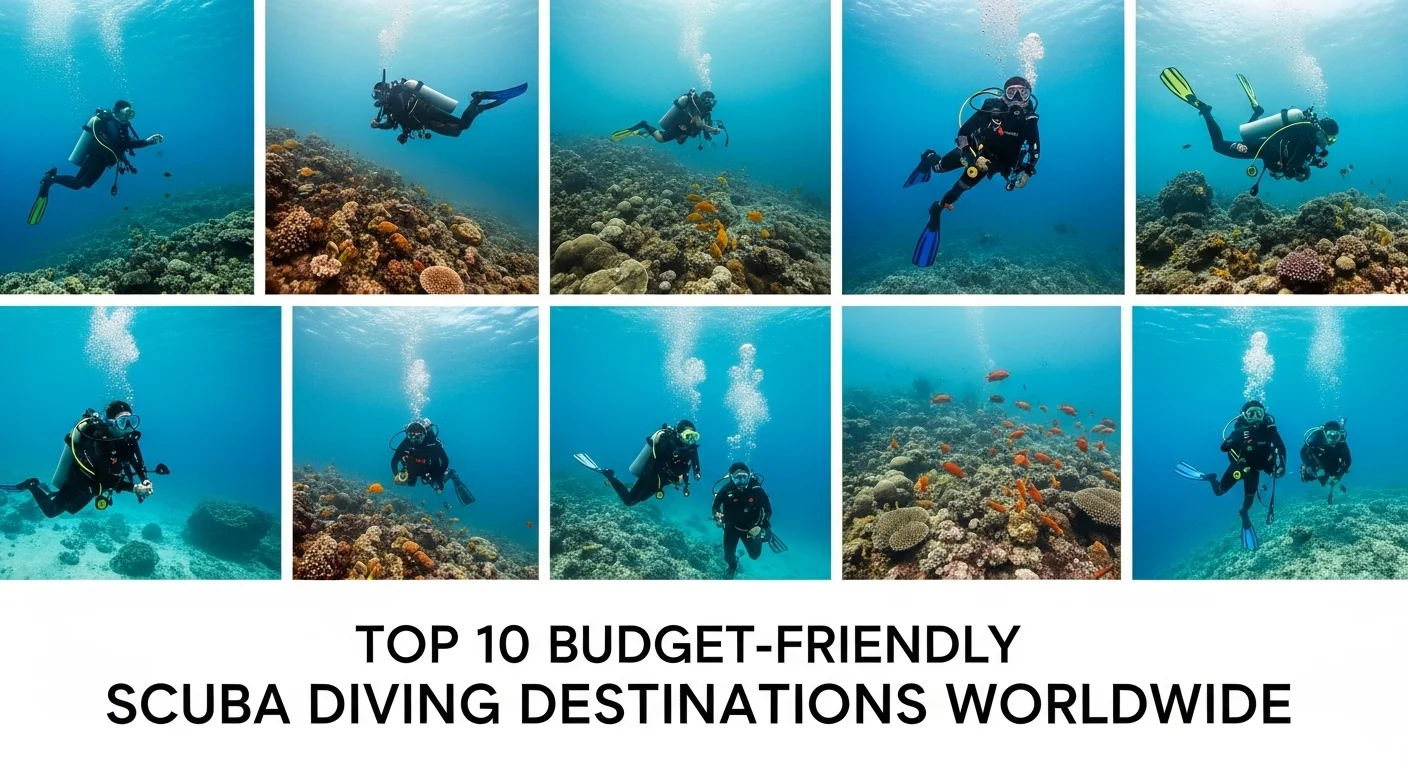
Exploring the underwater world doesn’t have to break the bank. In fact, there are numerous stunning and budget-friendly scuba diving destinations just waiting for us to discover! Read Interesting article: How to Prepare for an Unforgettable Wildlife Safari Trip
Top 10 Budget-Friendly Scuba Diving Destinations Worldwide

Overview of Budget-Friendly Scuba Diving

When I first started diving, I was surprised to learn that you don’t need to spend a fortune to experience incredible underwater adventures. Budget-friendly scuba diving opens doors to some of the most beautiful marine life and stunning coral reefs without having to sacrifice quality. Whether you’re a newbie or an experienced diver, there are fantastic options available worldwide that cater to all budgets. It’s about finding the right spot that offers amazing diving experiences at a fraction of the cost.

Benefits of Budget Scuba Diving

Diving on a budget has its perks. I remember the first time I booked a trip that was easy on the wallet. Not only did I save money, but I also discovered some of the most vibrant, lesser-known dive sites. Here are a few benefits that I’ve experienced firsthand:

  • Accessibility: Many budget destinations are located in less touristy areas, which often means fewer divers and more pristine dive sites.
  • Affordability: You can find excellent diving packages, rentals, and accommodations that won’t leave your wallet empty.
  • Authentic Experiences: Staying in budget accommodations often leads to connecting with local cultures and communities, enriching your overall experience.
  • Opportunity for Longer Stays: With lower costs, you can extend your diving vacation, allowing for more dives and adventures.

What to Expect from Budget-Friendly Destinations

When planning a budget diving trip, it’s essential to know what to expect. My experiences have taught me that budget-friendly destinations often provide a more laid-back atmosphere. These spots may lack some of the luxurious amenities of pricier resorts, but they more than make up for it with stunning underwater landscapes and vibrant marine life.

Don’t expect five-star dining or resorts, but you will find friendly locals ready to share their diving knowledge and help you explore the underwater treasures. Accommodations can range from hostels to cozy guesthouses, which often give you a chance to meet fellow divers and share experiences. You might also encounter local dive shops that offer personalized services, allowing for small group dives that feel more intimate and special.

Another thing I’ve noticed is the variety of marine life in budget-friendly areas. Often, these locations are off the beaten path, meaning the ecosystems are less disturbed. I’ve encountered vibrant coral reefs, playful sea turtles, and schools of fish that seemed to dance around me. Each dive felt like a new adventure, and I loved the element of surprise that came with exploring these less-commercialized areas.

In short, budget-friendly diving can offer an enriching experience that goes beyond just the dives. It opens doors to new friendships, cultural connections, and unforgettable memories—all while keeping our finances intact.

Top 10 Budget-Friendly Scuba Diving Destinations

1. Cozumel, Mexico

Best Dive Sites

Cozumel has a special place in my heart. The reef system surrounding the island is part of the Mesoamerican Barrier Reef, and I’ve found it to be a diver’s paradise. My favorite dive site is Palancar Reef, known for its stunning coral formations and abundant marine life. Another unforgettable site is Columbia Reef, where I encountered playful sea turtles and vibrant schools of fish. The visibility is often over 100 feet, making every dive feel like swimming in an aquarium.

When to Visit

The best time to visit Cozumel for diving is between May and September. I’ve found the weather to be warm, and the water is invitingly clear. Plus, this is when the marine life is most active, making for some spectacular dives.

Local Accommodation Options

Cozumel offers a range of budget accommodations, from cozy hostels to affordable guesthouses. I’ve stayed at places like Hotel Mary Carmen, where I found comfortable rooms and friendly staff. It’s just a short walk from the dive shops, making it super convenient!

2. Belize Barrier Reef, Belize

Best Dive Sites

The Belize Barrier Reef is a UNESCO World Heritage site, and I can vouch for its breathtaking beauty. One site that stands out is the Great Blue Hole. I remember my first dive there; descending into the deep blue was surreal. I also loved diving at Half Moon Caye, where the coral gardens were alive with colors and creatures.

When to Visit

The ideal time to dive in Belize is from April to June. I’ve found the weather to be perfect, with calm seas and great visibility. Plus, it’s just before the summer crowds arrive!

Local Accommodation Options

In Belize, I highly recommend checking out the various eco-lodges and budget-friendly hotels in towns like San Pedro. Places like the Blue Tang Inn offer comfortable stays without breaking the bank. Staying close to the beach makes it easy to dive every day!

3. Utila, Honduras

Best Dive Sites

Utila is a hidden gem in the Caribbean, and I couldn’t believe how affordable diving was there. The dive sites, such as the famous Black Hills and the Caves, are teeming with marine life. I even had the chance to dive with whale sharks on a couple of occasions, which was a dream come true!

When to Visit

The best time to visit Utila is from March to June. I found the weather to be just right, and there were fewer tourists, allowing for a more relaxed diving experience.

Local Accommodation Options

Utila has a great selection of budget accommodations, including hostels and beachfront bungalows. I stayed at the Utila Bay Resort, which was affordable and had a friendly atmosphere. Meeting other divers and sharing stories made the experience even more enjoyable!

4. Thailand’s Koh Tao

Best Dive Sites

Koh Tao is known for its stunning dive sites, and I was blown away by the underwater scenery. Chumphon Pinnacle is one of the top spots, where I encountered schools of barracuda and beautiful coral formations. Aow Leuk is another favorite of mine, with its calm waters and vibrant marine life.

When to Visit

The best time to visit Koh Tao is from January to April. The weather is sunny, and the waters are calm, making for perfect diving conditions. I’ve made some of my most memorable dives during this time!

Local Accommodation Options

In Koh Tao, there’s no shortage of budget accommodations. I loved staying at the Coconut Monkey Guesthouse, which offered affordable rooms and a laid-back vibe. Plus, it was close to many dive shops!

5. Fiji

Best Dive Sites

Fiji is often referred to as the “soft coral capital of the world,” and I can see why. My dives at the Rainbow Reef and the Great White Wall were nothing short of magical. The colors and diversity of marine life were beyond anything I had ever seen before.

When to Visit

The best months to dive in Fiji are from May to October. During this dry season, I found the conditions to be ideal, with great visibility and warmer waters.

Local Accommodation Options

I discovered several budget-friendly options in Fiji, like the Beachouse on the Coral Coast. It offered a beautiful beachfront location and was perfect for meeting fellow travelers and divers.

6. The Red Sea, Egypt

Best Dive Sites

Diving in the Red Sea was a bucket-list experience for me. The dive sites around Sharm El Sheikh, like Ras Mohammed National Park, were stunning. I was amazed by the coral reefs and the variety of fish. I even saw a majestic manta ray during one of my dives!

When to Visit

The best time to dive in the Red Sea is from March to May and September to November. The conditions during these months are perfect for diving, and I found the water to be pleasantly warm.

Local Accommodation Options

In Sharm El Sheikh, I found several budget hotels and hostels that catered to divers. The Dive Inn Resort was a favorite spot of mine, offering affordable rooms and easy access to dive shops.

7. The Philippines (Malapascua Island)

Best Dive Sites

Malapascua Island is famous for its thresher sharks, and I was lucky enough to see them on several dives at Monad Shoal. The island also boasts beautiful coral gardens and shipwrecks, which made each dive feel unique.

When to Visit

The best time to dive in Malapascua is from November to May. I found the conditions to be perfect, with warm waters and excellent visibility.

Local Accommodation Options

Malapascua has various budget-friendly lodgings, including guesthouses and beach huts. I enjoyed my stay at the Malapascua Legend, where the staff was welcoming, and the location was unbeatable.

8. Komodo Island, Indonesia

Best Dive Sites

Komodo Island is a diving mecca, and I was blown away by its biodiversity. The dive sites, like Batu Bolong and Castle Rock, were filled with vibrant coral and unique marine species. I even saw manta rays gliding gracefully through the water.

When to Visit

The best time to visit is from April to November. I found the weather to be wonderful during these months, and the water conditions were ideal for diving.

Local Accommodation Options

In Komodo, budget accommodations like homestays and small hotels are plentiful. I stayed at the Komodo Dive Resort, which offered great value for divers and was close to the dive sites.

9. Galápagos Islands, Ecuador

Best Dive Sites

The Galápagos Islands are a dream for divers, and I was fortunate enough to experience diving at Wolf and Darwin Islands. The marine life is incredible; I saw hammerhead sharks, sea lions, and even some rare species that I’ve never encountered before.

When to Visit

The best time to dive in the Galápagos is from June to November. I found this to be the most rewarding time for marine wildlife sightings, though the water can be a bit cooler.

Local Accommodation Options

In the Galápagos, you can find affordable hostels and hotels in Puerto Ayora. I stayed at the Hotel Espana, which was comfortable and had easy access to dive operators.

10. Bonaire, Caribbean

Best Dive Sites

Bonaire is known for its incredible shore diving, and I loved diving at sites like 1000 Steps and Karpata. The reefs are healthy, and I was amazed by the variety of fish and corals at every turn.

When to Visit

The best time to dive in Bonaire is from December to April. I found the weather to be perfect for diving, and the visibility was often beyond what I could have hoped for.

Local Accommodation Options

Bonaire offers a range of budget options, from guesthouses to small hotels. I enjoyed my stay at the Buddy Dive Resort, which provided excellent diving packages that suited my budget.

Essential Tips for Budget Scuba Diving

How to Find Affordable Diving Packages

Finding affordable diving packages can feel like a treasure hunt, but I’ve learned a few tricks that really help. First, I always start my search online. Websites like Divebooker and TripAdvisor often list competitive prices from various operators. I’ve noticed that reading reviews can give me insight into the quality of the dive experience, which is important even when trying to save money.

Another strategy I’ve used is to directly contact dive shops in the area I’m interested in. Sometimes, they offer special deals that aren’t advertised online! I remember reaching out to a shop in Utila and they offered me a package that included accommodation and dives at a great rate. It felt like I was chatting with a friend who was eager to help me plan my adventure.

Also, consider traveling during the shoulder seasons. Prices can drop significantly when fewer tourists are around. I found that diving in places like Koh Tao during the off-peak months allowed me to enjoy quieter dive sites and better deals. Lastly, if you’re traveling with a group, don’t hesitate to ask for group discounts. Many dive shops are willing to negotiate for larger parties.

Best Time to Book Your Trip

Timing can make a huge difference in the cost of your diving trip. Based on my experience, the best time to book your trip is at least several months in advance. I’ve often found that booking flights and accommodations early can save a good chunk of change, especially if you’re headed to popular destinations like Fiji or the Galápagos. Read Interesting article: Top 10 Budget Winter Hiking Trails for Adventurers

That said, last-minute deals can also be a goldmine if you’re flexible with your plans. I once scored an amazing last-minute diving package in Egypt that included both dives and accommodations. I think it’s all about balancing the risks—if you have a specific destination in mind, early booking is usually the way to go. However, being open to spontaneous trips can lead to unforgettable adventures.

What to Pack for Budget Diving

Packing smart is essential for budget diving. I’ve made the mistake of overpacking, only to find that I didn’t need half of what I brought. My first tip is to invest in a good dive bag. I love mine because it fits all my gear and is easy to transport. Bring the essentials: your wetsuit, mask, fins, and snorkel. I’ve learned that having my own gear can save rental costs and ensures I have what I’m comfortable with.

Don’t forget to pack a dive computer if you have one! It’s convenient and often cheaper in the long run than renting one. Also, a good underwater camera can enhance your experience—I’ve captured breathtaking moments underwater that are now some of my favorite memories.

Additionally, I always pack a reusable water bottle and snacks. Staying hydrated and fueled up while diving can be a game changer, especially if you’re diving multiple times a day. I remember being on a boat in Belize and sharing snacks with fellow divers, which led to great conversations and new friendships.

Safety Considerations While Diving

Safety should always be a top priority when diving, regardless of the budget. I’ve learned that being well-prepared can prevent accidents and make the experience much more enjoyable. Before diving, always check the dive shop’s safety records and make sure they follow industry standards. I usually ask about their equipment and the experience level of the dive instructors, which gives me peace of mind.

Always review the dive plan before entering the water. I can’t stress enough how important it is to understand the dive site, including potential currents, depths, and any hazards. I’ve found that discussing this with my dive buddy or instructor helps ensure we’re on the same page.

Lastly, keep an eye on your own health. If you’re feeling under the weather, it’s better to skip a dive than risk it. I once had a minor cold and chose to sit out a dive rather than push myself. It was hard to miss out, but I knew it was the right choice. There will always be more opportunities to dive, but my health and safety come first. Read Interesting article: Essential First Aid Tips for Mountain Climbing Adventures

Local Food and Culture at Each Destination

Frequently Asked Questions

What are the benefits of budget scuba diving?

Budget scuba diving offers several benefits including accessibility to less touristy areas, affordability with excellent diving packages, authentic experiences through local accommodations, and the opportunity for longer stays due to lower costs.

What can I expect from budget-friendly diving destinations?

At budget-friendly destinations, expect a laid-back atmosphere, stunning underwater landscapes, and vibrant marine life. Accommodations may include hostels or guesthouses, and local dive shops often provide personalized services for small group dives.

What is the best time to visit Cozumel for diving?

The best time to visit Cozumel for diving is between May and September when the weather is warm and the water is clear, making for spectacular dives with active marine life.

When is the ideal time to dive in Belize?

The ideal time to dive in Belize is from April to June, as the weather is perfect with calm seas and great visibility before the summer crowds arrive.

What are the top budget-friendly scuba diving destinations mentioned in the article?

The top budget-friendly scuba diving destinations include Cozumel (Mexico), Belize Barrier Reef (Belize), Utila (Honduras), Koh Tao (Thailand), Fiji, the Red Sea (Egypt), Malapascua Island (Philippines), Komodo Island (Indonesia), Galápagos Islands (Ecuador), and Bonaire (Caribbean).

How can I find affordable diving packages?

To find affordable diving packages, start by searching online on websites like Divebooker and TripAdvisor. Contact local dive shops directly for special deals, travel during shoulder seasons for lower prices, and inquire about group discounts if traveling with friends.

What is the best time to book a scuba diving trip?

The best time to book a scuba diving trip is several months in advance, especially for popular destinations. However, last-minute deals can be beneficial if you’re flexible with your plans.

What should I pack for budget diving?

For budget diving, pack essentials such as your wetsuit, mask, fins, snorkel, and dive computer. A good dive bag is crucial, and bringing snacks and a reusable water bottle can help you stay hydrated and energized while diving.

What safety considerations should I keep in mind while diving?

Safety considerations include checking the dive shop’s safety records, reviewing the dive plan, discussing it with your dive buddy, and ensuring you’re in good health before diving to prevent any risks.

What local accommodations are recommended in Cozumel?

In Cozumel, budget accommodations such as Hotel Mary Carmen offer comfortable rooms and friendly staff, conveniently located near dive shops.
Explore Stunning Kayaking Spots Without Breaking the Bank

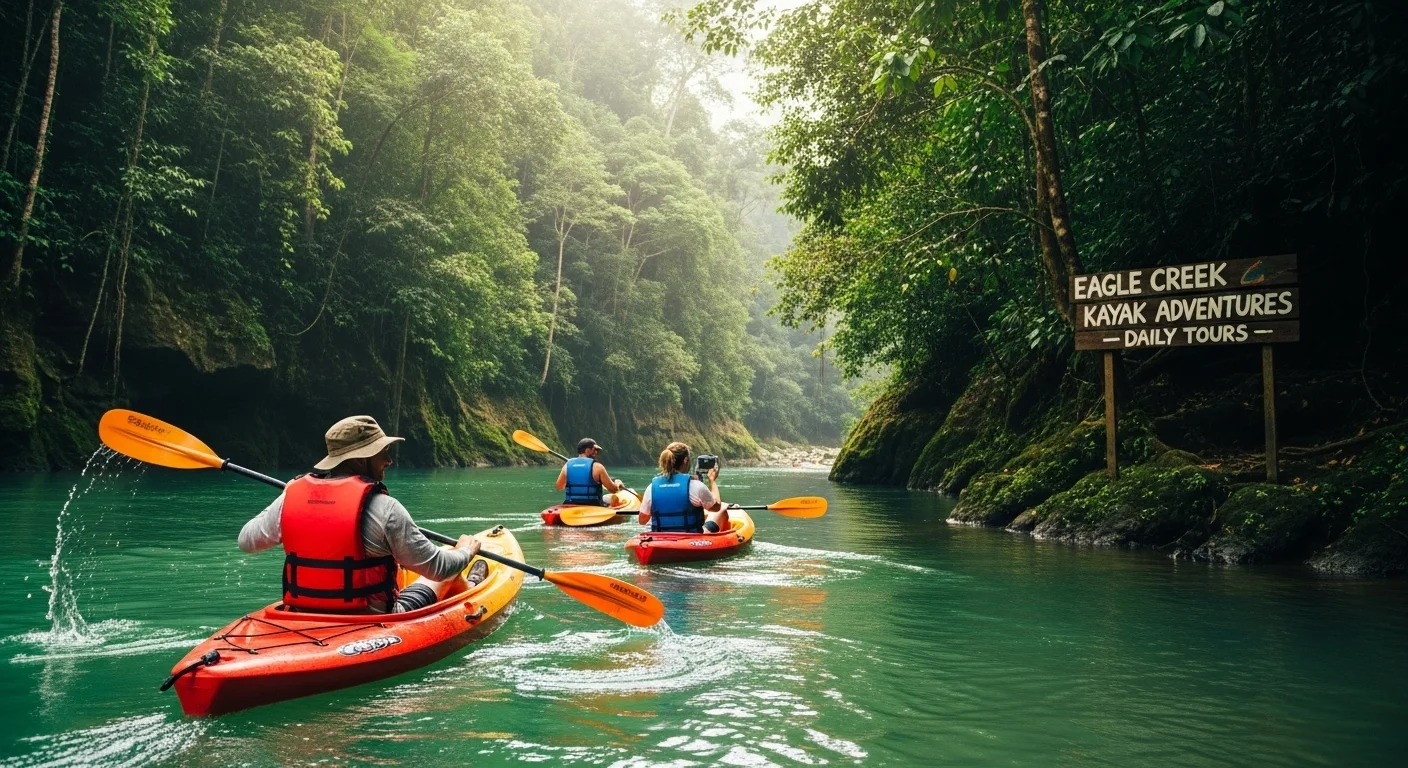
If you’re dreaming of gliding across serene waters without emptying your wallet, you’re in the right place! Kayaking can be a thrilling adventure that won’t break the bank, and I’m excited to share how you can explore stunning spots on a budget. Read Interesting article: Kayaking on a Budget: Tips for Affordable Water Adventures

Explore Stunning Kayaking Spots Without Breaking the Bank

Overview of Affordable Kayaking

When I first dipped my paddle into the world of kayaking, I was amazed at how accessible and affordable it could be. Many people think kayaking is reserved for the wealthy or those with fancy gear, but I quickly learned that there are plenty of options for those of us who want to experience nature without a hefty price tag. Whether you’re looking to paddle on tranquil lakes, brave the waves at the coast, or explore winding rivers, kayaking offers a fantastic way to connect with the great outdoors. Let’s dive into the benefits of kayaking on a budget and what types of kayaking you can enjoy.

Benefits of Kayaking on a Budget

One of the biggest perks of kayaking is that it can be a low-cost activity. I remember my first kayaking trip—my friend and I only spent a small amount on a rental, and we had the best day out on the water. Here are some of the benefits I’ve noticed when opting for budget kayaking:

  • Affordability: You can enjoy kayaking without investing in expensive gear. Many places offer affordable rentals, making it accessible for everyone.
  • Connection with Nature: Kayaking allows you to immerse yourself in beautiful landscapes, whether you’re gliding through a peaceful lake or navigating a lively river.
  • Health Benefits: Paddling is a great full-body workout. I always feel invigorated after a day on the water, and it’s a fun way to stay active.
  • Social Experience: Kayaking can be a great way to bond with friends and family, or even meet new people in group paddles.

Types of Kayaking (Recreational, Sea, River)

There are different types of kayaking to explore, and each offers its own unique experience. Here’s a quick breakdown based on my experiences:

  • Recreational Kayaking: This is perfect for beginners or those looking for a leisurely paddle. Lakes and calm rivers are ideal spots for this type of kayaking. I love spending warm afternoons on local lakes, soaking in the sun and taking in the scenery.
  • Sea Kayaking: If you’re near the coast, sea kayaking is a thrilling adventure. It’s a bit more challenging but offers stunning views of cliffs and marine life. I’ve found that kayaking along the coastline can be both relaxing and exhilarating.
  • River Kayaking: For those seeking a little excitement, river kayaking offers the rush of navigating currents. I remember conquering rapids for the first time—it was both scary and thrilling! Just make sure to choose a river that matches your skill level.

Top Budget-Friendly Kayaking Destinations

Now that we’ve covered the basics, let’s talk about some amazing kayaking destinations that won’t drain your wallet. I’ve personally visited a few of these spots, and they’ve left me in awe! Read Interesting article: Top 10 Budget-Friendly Kayaking Destinations for Thrill Seekers

National Parks for Kayaking

National parks are often the best places to kayak on a budget. They usually have affordable entrance fees and stunning landscapes. Here are two of my favorites:

Everglades National Park

The Everglades is a true paradise for kayakers. Paddling through the mangroves and spotting alligators and exotic birds is an experience I’ll never forget. The park offers affordable rentals, and you can even bring your own kayak. Just be sure to check for any regulations before you launch!

Yosemite National Park

Yosemite is known for its breathtaking scenery, and kayaking in its glacial lakes is a must-do. I found that renting a kayak on Tenaya Lake was quite affordable, and the views of the granite cliffs were absolutely stunning. Plus, there are plenty of picnic areas to enjoy afterward!

Coastal Areas with Affordable Rentals

If you love the ocean, there are many coastal areas where you can rent kayaks without spending a fortune.

Lake Tahoe

Lake Tahoe is a beautiful destination with clear blue waters. I was thrilled to find several rental shops with reasonable prices. Paddling around the lake, surrounded by mountains, was simply magical. Keep an eye out for hidden beaches along the shore!

Outer Banks, North Carolina

The Outer Banks is another fantastic spot for kayaking. I enjoyed exploring the calm waters and spotting dolphins. Many local shops offer affordable kayak rentals, and the laid-back atmosphere made for a perfect day on the water.

Rivers Ideal for Budget Kayaking

Rivers offer some of the most exciting kayaking experiences, and there are plenty that are easy on the wallet.

Suwannee River, Florida

The Suwannee River is perfect for a peaceful paddle. I remember floating down this river, surrounded by cypress trees and wildlife. There are numerous access points and affordable launch fees, making it a budget-friendly choice.

Buffalo River, Arkansas

The Buffalo River is a haven for adventurers. I was amazed at how beautiful it was while navigating the gentle currents. There are many places to rent kayaks nearby, and the scenery is absolutely worth it.

Cost-Effective Kayaking Tips

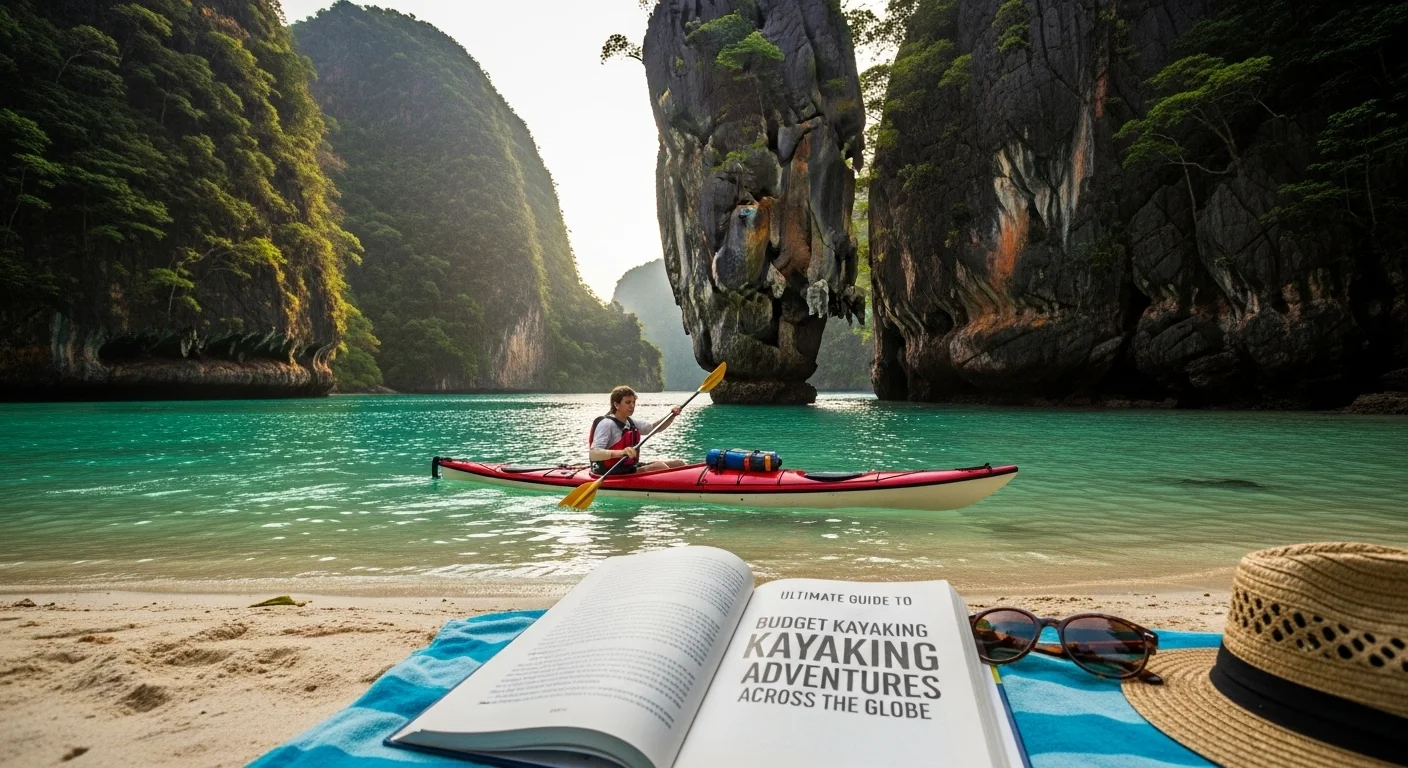
As I’ve explored different kayaking spots and embraced the adventure, I’ve picked up a few tips that can help keep costs down while still enjoying the thrill of paddling. I think these strategies are essential for anyone hoping to dive into kayaking without breaking the bank. Read Interesting article: Ultimate Guide to Budget Kayaking Adventures Across the Globe

How to Find Affordable Kayak Rentals

Finding affordable kayak rentals can sometimes feel like searching for a needle in a haystack, but I’ve learned a few tricks along the way. First, I recommend checking out local outdoor recreation centers or parks—they often have budget-friendly rental options. Additionally, I’ve found that searching online for local kayak rental shops can yield great deals. Websites like Yelp or Google Maps can provide reviews and prices, which helped me make informed choices. Don’t forget to look for any promotions or deals; many shops offer discounts during certain times of the year. I once found a “bring a friend” deal that made our day on the water even more enjoyable!

Group Discounts and Packages

One of my favorite ways to save money while kayaking is to gather a group of friends. Many rental places offer group discounts, which can significantly lower the cost per person. I remember planning a kayaking trip with a bunch of friends, and we were pleasantly surprised at how much we saved by renting together. Sometimes, these places will even bundle rentals with guided tours, making it both cost-effective and a great way to learn about the area. If you can organize a larger group, it can turn into a fun outing that’s easier on the wallet!

Off-Peak Season Savings

Timing can make a huge difference when it comes to kayaking costs. I’ve noticed that during peak tourist seasons, prices can skyrocket, but visiting during off-peak times can lead to significant savings. For instance, I decided to plan my kayaking trip in early spring rather than summer, and I was thrilled to find lower rental prices and fewer crowds. Not only did I save money, but I also enjoyed a more peaceful experience on the water, allowing me to truly soak in the beauty around me.

DIY Kayaking: Buying vs. Renting

As I became more passionate about kayaking, I started weighing the pros and cons of buying my own gear versus renting. For beginners or those who kayak occasionally, renting is usually the way to go. It saves money upfront and allows you to try out different types of kayaks without committing to a purchase. However, if you find yourself kayaking regularly, investing in your own kayak might be worth considering. I began to look into purchasing a used kayak, which can be a cost-effective option compared to buying new. I found that checking local classified ads or online marketplaces can lead to some great deals on gently used equipment. Whichever option you choose, make sure you know what to look for in terms of quality and safety to ensure you have the best experience possible!

Planning Your Kayaking Trip

After gathering my tips for budget kayaking, the next crucial step is planning your trip. I’ve learned that a little preparation can go a long way in ensuring a great day on the water.

Best Times to Go Kayaking

Choosing the right time to go kayaking can enhance your experience. I’ve found that early mornings or late afternoons are ideal, as the waters are often calmer and the scenery is breathtaking with the sun rising or setting. Plus, fewer people are out during these hours, making for a more serene adventure. Another consideration is the weather; checking the forecast can help you avoid unexpected rain or strong winds. I remember one trip where I didn’t check the wind conditions, and it turned into a challenging paddle against strong gusts. Lesson learned!

What to Pack for a Budget Kayaking Adventure

Packing the right essentials is vital for enjoying a day of budget kayaking. I always make sure to bring water and snacks; staying hydrated and energized keeps my spirits high. A dry bag is also a great investment for protecting valuables like my phone and wallet. I typically pack a light jacket, even in warm weather, as conditions can change quickly on the water. Sunscreen is a must, too—trust me, I learned that the hard way after a long day without it!

Safety Tips for Budget Kayaking

Safety should always be a top priority, regardless of your budget. I always wear a personal flotation device (PFD), as it’s a crucial safety item that can save lives. Before heading out, I recommend sharing your plans with someone who isn’t going with you; it’s a simple step that can make a big difference. Additionally, I’ve found that taking a basic kayaking safety course is invaluable. It not only prepares you for potential challenges but also enhances your confidence on the water. Always be mindful of your surroundings and check for any local regulations or safety guidelines to ensure a safe and enjoyable experience.

Local Kayaking Communities and Resources

Connecting with fellow kayakers can enrich your experience and provide valuable resources. I’ve discovered that local communities are filled with passionate individuals who love to share their knowledge and experiences.

Online Forums and Social Media Groups

Online forums and social media groups dedicated to kayaking can be a treasure trove of information. I joined a couple of Facebook groups for kayaking enthusiasts, and it opened up a world of advice, tips, and even local meet-ups. I’ve learned about hidden gems for kayaking, local events, and even found paddling buddies to explore with. It’s inspiring to see so many people share their experiences and encourage each other to get out on the water.

Local Kayaking Clubs and Meetups

Local kayaking clubs are another fantastic resource. I joined a club in my area and was instantly welcomed by a friendly group of paddlers. These clubs often organize group outings, which not only saves money through shared resources but also enhances the camaraderie of the sport. Whether you’re a beginner or an experienced kayaker, being part of a community can offer support and help improve your skills. Plus, it’s a fun way to meet new friends who share your passion for the outdoors!

Apps and Websites for Kayaking Information

Lastly, I can’t emphasize enough the value of technology in planning kayaking adventures. There are several apps and websites specifically designed for kayakers. I often use apps like Paddle Logger to track my trips and find new routes. Websites like American Canoe Association offer safety resources and recommendations for local paddling areas. Taking advantage of these resources has helped me make the most of my kayaking experiences and stay informed about the best practices in the community.

Frequently Asked Questions

What are the benefits of kayaking on a budget?

The benefits of kayaking on a budget include affordability, connection with nature, health benefits as it provides a full-body workout, and the opportunity for social experiences with friends and family.

What types of kayaking can I explore?

There are three main types of kayaking: recreational kayaking, which is perfect for beginners on calm lakes and rivers; sea kayaking, which offers thrilling adventures along the coast; and river kayaking, which involves navigating currents and can provide a rush of excitement.

What are some budget-friendly kayaking destinations?

Some budget-friendly kayaking destinations include national parks like Everglades National Park and Yosemite National Park, as well as coastal areas like Lake Tahoe and the Outer Banks in North Carolina. Rivers such as the Suwannee River in Florida and the Buffalo River in Arkansas are also great options.

How can I find affordable kayak rentals?

To find affordable kayak rentals, check local outdoor recreation centers or parks, search online for local rental shops, and look for promotions or discounts. Websites like Yelp or Google Maps can help you compare prices and read reviews.

Are there group discounts available for kayaking rentals?

Yes, many rental places offer group discounts, which can lower the cost per person. Renting as a group can also include bundled options with guided tours, making it both cost-effective and educational.

What is the best time to go kayaking?

The best times to go kayaking are early mornings or late afternoons when the waters are calmer and the scenery is more picturesque. Additionally, checking the weather beforehand can help avoid unexpected rain or strong winds.

What essentials should I pack for a budget kayaking adventure?

Essentials for a budget kayaking adventure include water and energy snacks, a dry bag for valuables, a light jacket, sunscreen, a hat for sun protection, a map or GPS device for navigation, and a first aid kit.

What safety tips should I follow while kayaking?

Safety tips for kayaking include always wearing a personal flotation device (PFD), sharing your plans with someone not kayaking with you, taking a basic kayaking safety course, checking the weather, knowing your limits, practicing capsizing drills, and kayaking with a buddy.

How can I connect with local kayaking communities?

You can connect with local kayaking communities through online forums and social media groups, joining local kayaking clubs that organize outings, and utilizing apps and websites designed for kayakers to share experiences and find paddling partners.

What technology can help with planning kayaking trips?

Technology such as apps like Paddle Logger can help track trips and find new routes, while websites like the American Canoe Association offer safety resources and recommendations for local paddling areas, enhancing your kayaking experience.

Kayaking on a Budget: Tips for Affordable Water Adventures

Kayaking is an incredible way to connect with nature and enjoy the great outdoors, but it can sometimes feel out of reach for those of us on a budget. Don’t worry—I’ve gathered some tips to help you embark on affordable water adventures without breaking the bank! For those looking for great locations, check out the Top 10 Budget-Friendly Kayaking Destinations for Thrill Seekers.

Kayaking on a Budget: Tips for Affordable Water Adventures

Understanding Kayaking Costs

When I first thought about kayaking, I was excited but also a bit overwhelmed by the costs involved. I quickly learned that understanding the different expenses can help us navigate our way to budget-friendly options. Let’s break it down together.

Initial Investment: Kayak Types and Prices

The first thing I realized is that the initial investment can vary widely based on the type of kayak you choose. There are generally three main types of kayaks: inflatable, hard-shell, and sit-on-top. Inflatable kayaks can be quite affordable, often starting around $200. I remember my friend bought one, and we had a fantastic time paddling around a local lake. On the other hand, hard-shell kayaks can range from $300 to over $1,000, depending on the brand and features. If you’re looking for something more versatile that you can use for different water conditions, a sit-on-top kayak might be the way to go, generally falling between $300 and $700.

When making your decision, I suggest considering how often you’ll use it. If you’re planning to kayak just a few times a year, a less expensive inflatable might be perfect. However, if you think kayaking is going to become a regular hobby, investing in a solid hard-shell kayak could be better in the long run.

Ongoing Costs: Gear, Maintenance, and Storage

Once you’ve chosen a kayak, don’t forget about the ongoing costs. I learned that kayaking gear can add up quickly. For safety, you’ll need a personal flotation device (PFD), which can cost anywhere from $30 to $150. You might also want a paddle, which can range from $50 to $200. I found that spending a little more on a comfortable paddle really enhances the experience, but it’s all about finding what works best for you.

Maintenance is another factor to consider. I didn’t realize that kayaks require some upkeep, especially if you’re using them in saltwater. Regular cleaning and occasional repairs can add to your costs. If you’re storing your kayak at home, I recommend looking for affordable storage solutions. I once saw a community group where people shared tips on DIY storage racks, which can save money and space.

Comparing Rental vs. Ownership Costs

Now, let’s talk about whether to rent or own a kayak. Renting can be a great option, especially if you’re just trying it out or don’t plan to go frequently. Prices for rentals can vary; I’ve seen them range from $30 to $80 for a full day. Many places also offer hourly rates, which can be super budget-friendly if you’re just looking for a quick paddle.

However, I found that renting can add up if you go regularly. I did some quick math, and for someone who kayaks once a week, owning a kayak could save a lot of money over time. It’s all about weighing how often you paddle against the costs of renting. If you’re unsure, I recommend renting a few times before making the commitment to buy. This way, you can figure out what type of kayak you enjoy most without the upfront cost.

Overall, understanding the costs associated with kayaking can really help you navigate your budget. Whether you choose to invest in a kayak, rent, or find a mix of both, there are plenty of ways to enjoy this fantastic sport without emptying your wallet. I hope my experiences help you feel a little more prepared to dive into your kayaking journey!

Choosing Affordable Kayaking Locations

Finding the right place to kayak can make a huge difference in your experience and your wallet. I remember my first few kayak outings, and how the location really set the tone for the adventure. Luckily, there are plenty of affordable options out there! Let’s explore some great choices together.

Public Lakes and Rivers: Free or Low-Cost Options

One of my favorite ways to save money while kayaking is to seek out public lakes and rivers. Many of these natural gems offer free access or minimal fees. In my own experience, I’ve stumbled upon some beautiful spots in my local area that didn’t cost a dime. I found that some lakes even have designated kayak launching areas, which made it super easy to get started.

To find these hidden treasures, I like to check local government websites or outdoor recreation guides. I also discovered that talking to local kayaking enthusiasts can lead to great recommendations. You’d be surprised how many people are willing to share their favorite paddling spots!

State and National Parks with Affordable Launch Fees

Many state and national parks have designated areas for kayaking, often with very reasonable launch fees. I remember visiting a state park that charged only a few dollars to launch, and it was worth every penny. The setting was stunning, with beautiful scenery and a peaceful ambiance. Plus, having the park staff around made me feel more secure, knowing they were knowledgeable about the area.

The best part? Parks often offer amenities like restrooms and picnic areas, which can make your day more enjoyable. I recommend checking each park’s website for specific fees and any regulations that may apply. It’s a great way to enjoy nature without spending a fortune!

Community Events and Group Kayaking Programs

One of the best-kept secrets for budget kayakers is community events and group kayaking programs. I’ve participated in several local events where kayakers gather for a day of paddling. These events often include equipment rental as part of the entry fee, which can save you from having to buy your own right away.

Beyond just saving money, these group outings can be a fantastic way to meet other kayaking enthusiasts. I’ve made some great friends through these events, and we’ve shared tips and tricks along the way. Keep an eye on community boards, social media, or local outdoor shops for announcements about upcoming kayaking events in your area!

Essential Gear for Budget Kayaking

Affordable Kayaks: Inflatable vs. Hard Shell

As we discussed earlier, the type of kayak you choose plays a big role in your overall expenses. I’ve had the chance to try both inflatable and hard-shell kayaks, and each has its advantages. Inflatable kayaks are typically lighter and easier to transport, which is perfect for someone like me who doesn’t have a large vehicle. They can be deflated and stored away easily, too, making them a great option for those with limited space.

On the flip side, I’ve also enjoyed the stability and performance of hard-shell kayaks. They tend to handle rougher waters better and can be more durable over time. I think it’s important to weigh how often you’ll use each type and your specific needs before deciding. In the end, there’s no right or wrong choice—just what works best for you!

Must-Have Safety Gear on a Budget

Safety should always be a priority when kayaking, but that doesn’t mean you have to spend a fortune. I learned that there are some essential items we need to have on hand, and many can be found at reasonable prices. A personal flotation device (PFD) is non-negotiable, and I found that there are budget-friendly options out there that still meet safety standards.

Besides a PFD, I also recommend investing in a whistle and a basic first aid kit. These items don’t have to break the bank, and having them on hand can offer peace of mind. I remember one trip where having a whistle helped alert nearby kayakers when I needed assistance. Simple safety gear can truly make a difference!

DIY and Second-Hand Gear Options

If you’re really looking to save money, don’t overlook the power of DIY and second-hand options. I’ve had great success finding gear at thrift stores, garage sales, and online marketplaces. Sometimes you can score incredible deals on items that are barely used! I even found a paddle that was in great condition for half the price of a new one.

For DIY solutions, I’ve seen folks make their own kayak storage racks and even repair minor kayak damages at home. There are tons of online resources that offer tutorials for simple fixes and projects. Not only is it budget-friendly, but it can also be a fun and rewarding experience when you create something yourself!

Read Interesting article: Ultimate Guide to Budget Kayaking Adventures Across the Globe

All in all, there are countless ways to enjoy kayaking without spending a fortune. By choosing the right locations, selecting affordable gear, and being resourceful, we can all enjoy this amazing outdoor activity on a budget. I hope these tips inspire you to take your own kayaking adventure without breaking the bank!

Tips for Saving Money on Kayaking Adventures

Seasonal Discounts and Off-Peak Kayaking

One of the best ways I’ve found to save money on kayaking adventures is by taking advantage of seasonal discounts and opting for off-peak times. Many kayak rental shops offer lower rates during the off-season, which often means fewer crowds and a more peaceful experience on the water. I remember one spring when I decided to go kayaking a bit earlier than most, and not only did I get a great deal on rental prices, but I also got to enjoy the serene beauty of nature waking up from winter.

Local rental companies often run promotions during slower months, like early spring or late fall, so it’s worth keeping an eye on their websites or social media pages for announcements. I also learned that weekdays tend to be less busy than weekends, which can lead to better rates and quieter waterways. Planning your kayaking trips around these times could seriously stretch your budget further!

Joining Kayaking Clubs for Membership Benefits

Joining a kayaking club has been one of the most rewarding decisions I’ve made as an outdoor enthusiast. Most clubs offer various benefits, including rental discounts, access to equipment, and organized trips at reduced prices. I joined a local kayaking club last year, and not only did I meet a fantastic group of people, but I also saved a ton on gear rentals and group outings.

Many clubs also provide valuable resources, like safety training and workshops, which can enhance your kayaking skills without additional costs. Plus, being part of a community means you can share tips on where to go for the best budget-friendly kayaking options. In my experience, having a network of fellow adventurers made exploring new locations more fun and less intimidating.

Finding Free Kayaking Workshops and Courses

If you’re new to kayaking or looking to improve your skills, consider seeking out free workshops and courses. I was pleasantly surprised to find that many local organizations and outdoor retailers host free events to promote safe kayaking practices. Participating in a workshop not only helped me with my paddling technique but also provided me with valuable knowledge about safety and equipment without any cost.

Local community centers, outdoor clubs, and even universities often offer free or low-cost classes. I recommend checking online platforms like Meetup or Eventbrite to find kayaking workshops in your area. These events can be a great way to learn, meet new people, and discover new paddling locations, all while keeping your costs down.

Planning Your Kayaking Trip

Budgeting for Transportation and Travel Costs

When it comes to planning a kayaking trip, I realized that transportation costs can sneak up on you if you’re not careful. Depending on where I’m going, I’ve found that fuel expenses can add up quickly. I’ve started budgeting for gas by planning trips that are closer to home or carpooling with friends. This way, we can split the costs and enjoy each other’s company on the way to the water.

Additionally, don’t forget to factor in any parking fees at your chosen destination. Some parks charge a small fee, and it’s good to know ahead of time so you’re not caught off guard. I’ve made a habit of checking for these costs before committing to a location, which helps me stick to my budget and enjoy my time on the water worry-free.

Pack Smart: Essential Items to Bring

Over the years, I’ve learned that packing smart can make a world of difference in enhancing my kayaking experience while keeping costs down. I always start with the essentials: sunscreen, a hat, and plenty of water to stay hydrated. But I also like to bring along snacks to avoid spending money at nearby stores or food stalls. Healthy snacks like trail mix and granola bars keep my energy up, and they’re easy to pack!

Another tip I discovered is to invest in a dry bag for my belongings. This way, I can keep my phone, snacks, and anything else I want to take along safe and dry. I found a budget-friendly option at a local outdoor retailer, and it has saved me from having to replace wet gear more than once. Trust me, having a dry bag is a game changer!

Food and Drinks: Budget-Friendly Options for the Water

Speaking of snacks, I’ve found that bringing food and drinks from home can save a chunk of change during a kayaking trip. I love preparing a picnic before heading out on the water. Simple sandwiches, fresh fruit, and reusable water bottles filled with ice-cold drinks not only save money but also make for a delightful riverside or lakeside lunch. I remember one trip where we pulled over for a picnic, and it turned into one of the best parts of the day!

It’s a good idea to think about how you can keep items fresh while you’re out on the water. Packing a small cooler with ice packs can help keep everything cool and delicious. Plus, having your own food means you can cater to any dietary restrictions or preferences. In my opinion, a well-planned meal can elevate the whole kayaking experience!

Safety and Regulations on a Budget

Understanding Local Kayaking Laws and Regulations

Before heading out for a kayaking adventure, I realized the importance of understanding local laws and regulations. Many areas have specific rules about where you can kayak, the required safety equipment, and any permits you might need. I remember one trip where I neglected to check the local guidelines and found out I wasn’t allowed to kayak in a certain area without a permit. It’s a lesson I learned the hard way!

I recommend checking with local parks and recreation departments or visiting their websites for comprehensive information on kayaking regulations. These resources can often provide valuable details about designated paddling areas, safety requirements, and even wildlife protections that could impact your trip. Staying informed not only keeps you safe but also ensures you’re enjoying your kayaking experience responsibly.

Staying Safe Without Breaking the Bank

When it comes to safety gear, you don’t have to spend a fortune. I’ve found that simple precautions can significantly reduce risks without emptying your wallet. Aside from the PFD, which is absolutely essential, I suggest carrying a map of the area and a compass or GPS device. These tools can guide you back if you find yourself off course, and many apps are free to download that can help you navigate waterways.

Another cost-effective safety measure is to paddle with a buddy, which I always try to do. It’s not only safer, but it also makes for a more enjoyable experience. Having someone with you can provide support in case of an emergency and make the trip more fun. Plus, I’ve always found that sharing the experience with a friend enhances the joy of being out on the water.

Emergency Preparedness on a Budget

Being prepared for emergencies is key, and I’ve learned that simplicity is often best. Carrying a basic first aid kit is essential, and you can assemble one at a low cost. I’ve made my own kit with items like adhesive bandages, antiseptic wipes, and pain relievers, which I found at a local dollar store. Having these supplies could make all the difference in case of minor injuries.

Also, consider bringing a whistle or a signaling device. I once used a whistle to get the attention of fellow kayakers when I needed assistance, and it worked like a charm. These items are generally inexpensive and could be lifesaving. I always carry one when I head out; it’s a small investment for peace of mind on the water.

Community and Resources for Budget Kayakers

Online Forums and Social Media Groups

One of the best ways to connect with other budget kayakers is through online forums and social media groups. I’ve joined a few Facebook groups dedicated to kayaking, and it’s been a treasure trove of information. Members often share budget-friendly tips, gear recommendations, and even local paddling spots that I might not have discovered otherwise.

These groups can also be great for finding kayaking partners. I remember joining a last-minute trip organized through an online forum, and it turned out to be one of my favorite outings! The community aspect has really enriched my kayaking experience and often leads to new friendships.

Local Clubs and Meetups for Budget Kayaking

In addition to online communities, local kayaking clubs can be invaluable. I’ve joined a few clubs in my area, and they often hold meetups and group paddles. These outings are typically affordable and can help you learn more about kayaking while saving money on rentals and gear. Many clubs offer workshops, which are a great way to enhance your skills at little or no cost.

Connecting with like-minded individuals who share a passion for kayaking can lead to shared adventures and tips on where to find the best budget-friendly locations.

Affordable Kayaking Guides and Apps

Technology has made it easier than ever to find affordable resources for kayaking. I’ve discovered several apps that provide detailed information about local kayaking sites, including maps, reviews, and even safety tips. Some of these apps are free or low-cost, making them an excellent investment for anyone looking to paddle on a budget.

I also recommend checking out local guidebooks from the library. These can often give you insights into hidden gems and less-known paddling locations that may not be well advertised online.

Final Thoughts

Embarking on a kayaking adventure doesn’t have to be an expensive endeavor. Through smart planning, resourcefulness, and connecting with the kayaking community, I’ve found countless ways to enjoy this beautiful sport without stretching my budget. Whether you choose to rent or own your kayak, seek out affordable locations, or connect with fellow paddlers, the joy of being on the water is truly priceless. I hope my experiences inspire you to get out there and paddle, explore new places, and create unforgettable memories—all while keeping your finances in check!

Remember, the essence of kayaking is not just about the gear or the price but the experiences we create and the moments we share on the water. So grab your paddle and enjoy the adventure!

Frequently Asked Questions

What are the main types of kayaks and their price ranges?

There are three main types of kayaks: inflatable, hard-shell, and sit-on-top. Inflatable kayaks start around $200, hard-shell kayaks range from $300 to over $1,000, and sit-on-top kayaks generally fall between $300 and $700.

What ongoing costs should I consider when kayaking?

Ongoing costs include gear such as a personal flotation device (PFD) costing between $30 to $150, paddles ranging from $50 to $200, maintenance for upkeep, and storage solutions for your kayak.

Is it cheaper to rent or own a kayak?

Renting can be budget-friendly for occasional paddlers, with prices ranging from $30 to $80 for a full day. However, if you kayak regularly, owning a kayak can save money over time.

What are some affordable kayaking locations?

Public lakes and rivers often offer free or low-cost access. Many state and national parks have reasonable launch fees, and community events and group kayaking programs are also great budget-friendly options.

How can I save money on kayaking gear?

Consider looking for second-hand gear at thrift stores, garage sales, or online marketplaces. DIY solutions for storage and repairs can also be cost-effective.

What safety gear is essential for budget kayaking?

Essential safety gear includes a personal flotation device (PFD), a whistle, and a basic first aid kit. These items can often be found at reasonable prices.

How can seasonal discounts benefit my kayaking experience?

Many rental shops offer lower rates during the off-season and weekdays, which can help you save money. Off-peak times often mean fewer crowds and a more peaceful experience.

What benefits do kayaking clubs offer?

Kayaking clubs provide rental discounts, organized trips at reduced prices, and access to valuable resources like safety training and workshops, enhancing your kayaking skills and experiences.

How can I prepare for emergencies while kayaking on a budget?

You can prepare by carrying a basic first aid kit made from inexpensive items and bringing a whistle or signaling device, which are generally low-cost but can be lifesaving.

What resources are available for budget kayakers?

Online forums and social media groups provide valuable information and connections with other kayakers. Local clubs offer meetups and workshops, while affordable kayaking guides and apps can help you find great paddling locations.

Read Interesting article: Best Budget Mountain Climbing Gear: Climb Smart & Save Big

Top 10 Budget-Friendly Kayaking Destinations for Thrill Seekers

Kayaking is an exhilarating way to immerse yourself in nature without breaking the bank. For thrill seekers ready to explore stunning waters, I’ve compiled the top ten budget-friendly kayaking destinations that are sure to satisfy your adventurous spirit. Read Interesting article: Ultimate Guide to Budget Kayaking Adventures Across the Globe

Top 10 Budget-Friendly Kayaking Destinations for Thrill Seekers

Understanding Budget-Friendly Kayaking

What is Budget-Friendly Kayaking?

When I think of budget-friendly kayaking, I envision the thrill of paddling through beautiful waters without the stress of high costs. This means finding places where you can rent equipment, access nature, and enjoy the experience without emptying your wallet. It’s all about the adventure and making memories while being mindful of expenses. For me, it’s not just about the destination; it’s about the journey and the stories we gather along the way.

Benefits of Kayaking for Thrill Seekers

Kayaking appeals to thrill seekers for many reasons. First, it offers an adrenaline rush as you navigate through rapids or explore serene lakes. I remember my first kayaking trip; the excitement of paddling against the current was unmatched. Beyond the thrill, kayaking also allows us to connect with nature. It’s a peaceful escape from our busy lives, letting us appreciate the beauty around us. Plus, it’s an excellent workout! Paddling strengthens our arms and core, making it a fun way to stay fit. I believe the combination of adventure, fitness, and tranquility is what makes kayaking so special for thrill seekers like us. Read Interesting article: Essential Gear for Budget-Friendly Winter Hiking Trips

Top 10 Budget-Friendly Kayaking Destinations

1. Lake Tahoe, California

Best Time to Visit

Lake Tahoe is breathtaking, with its crystal-clear waters and stunning mountain backdrop. The best time to visit is from late spring to early fall when the weather is warm and the water is calm. I’ve enjoyed paddling there in late summer, soaking in the sun and stunning scenery.

Kayaking Highlights

One of my favorite highlights is exploring Emerald Bay, which is surrounded by towering cliffs and lush forests. The serene waters are perfect for spotting wildlife like bald eagles and even the occasional deer along the shoreline. I remember gliding through the bay, feeling completely at peace with nature.

Budget Tips

To keep costs low, I recommend renting a kayak from local shops rather than big-name companies. Look for deals or discounts online. If you’re up for it, bring your own kayak; many parks offer free launch sites. Also, consider kayaking during the weekdays when prices are often lower. Packing a picnic to enjoy on one of the many beaches can also save money while enhancing your experience.

2. Florida Keys, Florida

Best Time to Visit

The Florida Keys are a tropical paradise, and the best time to visit is from December to April when the weather is perfect. I’ve found that the clear skies and warm temperatures provide the ideal backdrop for kayaking adventures.

Kayaking Highlights

One of my incredible experiences was kayaking through the mangroves of Big Pine Key. The unique ecosystem is rich with wildlife, and I felt like I was in a different world as I paddled through twisting waterways. You might even spot a manatee! Exploring the coral reefs around Key Largo is also a must; the vibrant marine life is stunning.

Budget Tips

To save money, I suggest checking out public kayak rentals instead of resort options. Often, local shops offer competitive prices. You can also look for guided tours that include kayak rentals at a discounted rate. Bringing your own snacks and drinks can keep costs down while ensuring you stay energized during your adventure.

3. Big Sur, California

Best Time to Visit

Big Sur is a dramatic coastline that’s perfect for kayaking, best visited from late spring to early fall. I went in early June, and the weather was simply perfect, with stunning views all around.

Kayaking Highlights

Paddling along the cliffs of the Pacific Ocean is unforgettable. I remember the thrill of kayaking beneath the towering rock formations and getting up close to sea otters playing in the kelp beds. The views are nothing short of spectacular, and the sense of adventure is palpable.

Budget Tips

To keep your trip budget-friendly, try to find free kayak launch sites along the coast. Many places offer rentals at reasonable rates. I’ve also found that bringing a reusable water bottle and snacks saves money compared to buying food at nearby cafés. Enjoying a beach picnic after a day of paddling is a fantastic way to end your adventure!

4. Acadia National Park, Maine

Best Time to Visit

Acadia National Park is a gem that is best visited during the summer months. I’ve found that June through September offers optimal weather for kayaking, with calm waters and gorgeous scenery.

Kayaking Highlights

The scenery here is breathtaking, with rocky coastlines and lush forests. I’ll never forget kayaking past the iconic Bass Harbor Head Lighthouse. The sense of history combined with natural beauty makes every stroke of the paddle worthwhile. Plus, the chance to see seals basking on the rocks adds a special thrill.

Budget Tips

To enjoy Acadia on a budget, consider bringing your own kayak, as there are many free launch points throughout the park. If you need to rent, search for local shops that offer lower rates. Visiting during the week can also help you avoid crowds and save on costs.

5. Apostle Islands, Wisconsin

Best Time to Visit

The Apostle Islands are a beautiful destination, especially from late spring to early fall. I visited in late summer, and the weather was delightful.

Kayaking Highlights

Paddling through sea caves along the shoreline is a highlight I’ll never forget. The colors and formations are mesmerizing. I found it magical to explore the caves and watch the waves crash against the rocks. Seeing the islands from the water provides a unique perspective that’s absolutely worth it.

Budget Tips

For budget-conscious adventurers, consider camping on the islands to save on lodging. Renting kayaks from local shops can be more affordable than larger rental companies. I also recommend packing food for picnics, allowing for more time on the water without worrying about dining costs.

6. San Juan Islands, Washington

Best Time to Visit

The San Juan Islands are a breathtaking kayaking destination, best experienced from late spring to early fall, particularly between May and September. I remember visiting in July, when the weather was warm and the waters were calm, making it perfect for paddling around the islands.

Kayaking Highlights

One of the most memorable experiences I had was kayaking around Orcas Island. The chance to see orcas swimming nearby was surreal! The stunning landscape, dotted with lush greenery and rocky shores, made every stroke feel like an adventure. I also enjoyed exploring the intricate coastline of San Juan Island, where I spotted seals basking in the sun and colorful starfish clinging to the rocks. Each moment felt magical as we navigated through the beautiful waters, surrounded by nature.

Budget Tips

To keep expenses in check, I recommend looking for local rental shops that often provide better rates than larger companies. Additionally, consider going on a guided kayak tour that includes rental fees—this can be a cost-effective way to experience the islands. If you’re feeling adventurous, pack a lunch and find a scenic spot to enjoy a meal while soaking in the views. This not only saves money, but it also enriches your kayaking experience!

7. Grand Teton National Park, Wyoming

Best Time to Visit

Grand Teton National Park is an awe-inspiring destination for kayakers, especially from late spring through early fall. I’ve found that June to September offers the best weather, with mild temperatures perfect for paddling. The sight of the mountains reflected in the water is something I’ll never forget.

Kayaking Highlights

Paddling on Jackson Lake was one of the highlights of my trip. The breathtaking views of the Teton Range provide a stunning backdrop as you glide across the water. I vividly remember a morning when we were surrounded by mist rising off the lake—it felt like we were in a painting! The tranquility of this area is perfect for spotting wildlife, including moose and a variety of birds. It’s a true escape into nature.

Budget Tips

For those looking to save, I suggest bringing your own kayak, as there are several free launch sites around the park. If that’s not an option, local rental shops typically have reasonable rates. Additionally, check for any park passes that might offer discounts or deals on activities. Packing snacks and drinks is a great way to save money while enjoying the stunning views from the water.

8. Lake Powell, Arizona

Best Time to Visit

Lake Powell is another incredible destination, particularly from April to October. I visited in early fall, and the weather was just right—not too hot and perfect for kayaking. The unique rock formations and vibrant blue water create an unforgettable backdrop.

Kayaking Highlights

One of my favorite experiences was paddling through the narrow canyons and discovering hidden coves. Each turn revealed a new, stunning landscape. I remember the sensation of being surrounded by towering red rock walls while listening to the gentle lapping of the water. The wildlife was an added bonus; I spotted several species of birds and even some deer along the shoreline. It felt like an adventure waiting to be discovered at every corner.

Budget Tips

To keep your visit budget-friendly, consider camping along the shore instead of staying in hotels. Kayak rentals can be found at competitive rates, but bringing your own kayak can save even more. If you’re planning to stay for a few days, cooking meals instead of dining out can help keep costs down. Plus, enjoying dinner by the lake as the sun sets is an experience you won’t want to miss!

9. Oregon Coast, Oregon

Best Time to Visit

The Oregon Coast is stunning year-round, but the best time for kayaking is from late spring to early fall. I usually visit in July, when the weather is warm, and the ocean is more inviting for paddling.

Kayaking Highlights

Exploring the sea caves and rock formations along the coast is an adventure I look forward to every year. The vibrant sea life is fascinating, and I often find myself captivated by the beauty of the coastline. I recall a moment when I spotted a pod of dolphins playing nearby as we paddled. The combination of the rugged cliffs and the dynamic ocean makes for an exhilarating kayaking experience.

Budget Tips

To save money while enjoying the Oregon Coast, look for local rental shops that provide more affordable options than larger companies. Many beaches have free launch spots, so do some research beforehand. If you’re able to, consider bringing along a cooler with food and drinks to enjoy a picnic on one of the many beautiful beaches after your kayaking session.

10. James River, Virginia

Best Time to Visit

The James River is an excellent choice for kayakers, especially from late spring to early fall. I’ve found that May through September is ideal, with warm weather and flowing waters that make paddling enjoyable.

Kayaking Highlights

One of my favorite memories from the James River was paddling past the historic sites and natural beauty. The blend of history and nature is truly special, and I enjoyed exploring the river’s bends while spotting herons and other wildlife. I also loved the feeling of camaraderie with fellow kayakers on the river, sharing stories and experiences as we floated along.

Budget Tips

For budget-conscious adventurers, local outfitters often provide affordable kayak rentals. I recommend checking for group discounts if you’re going with friends. Additionally, paddling during the weekdays can help you avoid crowds and save a bit on rental costs. Bringing your own snacks and drinks is a great way to enjoy a leisurely day on the water without overspending.

Essential Kayaking Gear for Thrill Seekers

Affordable Kayaks for Beginners

Finding the right kayak can seem overwhelming, especially if you’re just starting out. I remember when I first began kayaking; it felt like there were a million options out there! But I learned that it’s important to choose a kayak that suits both your budget and your kayaking style. If you’re looking for affordability, consider inflatable kayaks. They’re often cheaper than traditional hard-shell kayaks, easy to transport, and perfect for casual paddling on lakes and calm rivers. I’ve had some great experiences with inflatable kayaks; they’re surprisingly sturdy and provide a fun way to get out on the water without spending a fortune.

If you’re leaning towards hard-shell options, look for used kayaks online or at local sporting goods stores. I found a great deal on a second-hand kayak last summer, and it has served me well on various trips. Many beginner kayaks are designed for stability, which can help build your confidence as you learn the ropes. The key is to try out different models if you can, to see what feels comfortable for you.

Safety Gear: What You Need

Safety should always be a top priority when kayaking. I’ve learned this the hard way, but fortunately, it was just a close call. Wearing a personal flotation device (PFD) is non-negotiable. I’ve made it a habit to wear mine every time I hit the water—it’s comforting to know that I’m safe, no matter what happens. Look for a PFD that fits snugly but is also comfortable enough to wear all day. There are budget-friendly options available that still meet safety standards.

In addition to a PFD, I recommend investing in a whistle and a waterproof dry bag for your belongings. The whistle can be a lifesaver in case you need to signal for help. I once used mine to alert a fellow kayaker who had drifted a bit too far from our group. A dry bag keeps your essentials like snacks, your phone, and your wallet safe from splashes or rain. Believe me, there’s nothing worse than having a soggy sandwich when you’re trying to enjoy a peaceful lunch on the shore!

Clothing and Accessories

The right clothing can make a huge difference in your kayaking experience. I’ve spent too many chilly days on the water because I didn’t dress appropriately! Lightweight, quick-drying clothes are ideal. I usually opt for moisture-wicking shirts and shorts, which help keep me comfortable as I paddle along. If I’m kayaking early in the morning or in cooler weather, I’ll layer up with a thin, waterproof jacket. I’ve found that having layers allows me to adjust based on changing weather conditions without overpacking.

Footwear is also important. I prefer water shoes that provide good traction but are also easy to rinse off. I remember one kayaking trip where I ended up wading through some shallow areas. My shoes dried quickly, and I was able to continue my adventure without missing a beat. Don’t forget a wide-brimmed hat and sunglasses to protect yourself from the sun. The last thing you want is to end up with a sunburn after an amazing day on the water!

Finally, consider bringing along a reusable water bottle to stay hydrated. I always pack mine in a mesh bag to keep it secure and easily accessible. Staying hydrated helps me stay energized during long paddling sessions, and I find that enjoying cold water from my own bottle is much more satisfying than buying overpriced drinks at tourist spots.

Planning Your Kayaking Trip

How to Choose a Destination

Choosing the right destination for your kayaking trip can be just as important as the gear you bring along. I’ve learned to consider my skill level, the type of water I’m comfortable with, and what kind of scenery I’d like to explore. For beginners, lakes and slow-moving rivers are fantastic options. They provide a safe environment to build confidence while enjoying beautiful surroundings. On the other hand, if you’re looking for more adventure, consider heading to coastal areas or places with gentle rapids.

Another factor to keep in mind is accessibility. I’ve found that destinations close to home often lead to spontaneous trips that turn into lasting memories. If you’re new to kayaking, researching local spots can yield great surprises! I once discovered a hidden lake just an hour away, and it quickly became one of my favorite places to paddle.

Best Practices for Budgeting

When planning a kayaking trip, budgeting can help ensure you enjoy every moment without financial stress. I usually break down my expenses into categories: gear, rentals, food, and accommodation. Setting a limit for each category helps me stay on track. I also keep an eye out for discounts on kayak rentals or guided tours—they’re often available online or through local visitor centers.

Another strategy I’ve adopted is to plan meals ahead of time. Packing food and snacks not only saves money but also allows for quick breaks during paddling. I love creating a picnic-style lunch, complete with sandwiches and fresh fruit, which makes for a fantastic lakeside feast. Plus, if I’m camping or staying overnight, cooking meals instead of dining out can significantly cut costs.

Essential Apps and Resources

In this digital age, I find that using apps and online resources can enhance my kayaking experience. There are several apps that can help you find the best kayaking spots, track your paddling routes, and even check weather conditions. I particularly enjoy using local forums or social media groups where kayakers share their experiences and suggest lesser-known spots to explore. These communities can be incredibly helpful and often provide insights that you won’t find in guidebooks.

Additionally, I make it a point to download maps of the area I’ll be exploring beforehand. Even if I have a smartphone, having a physical map can be a lifesaver in case I lose service or my battery dies. Trust me, I’ve learned the hard way to always come prepared!

Frequently Asked Questions

What is budget-friendly kayaking?

Budget-friendly kayaking refers to the experience of paddling through beautiful waters while minimizing costs. This includes finding affordable equipment rentals, accessing nature, and enjoying the kayaking experience without overspending.

What are some benefits of kayaking for thrill seekers?

Kayaking offers an adrenaline rush as you navigate through rapids or explore serene lakes. It connects you with nature, provides a peaceful escape, and serves as an excellent workout, strengthening your arms and core.

When is the best time to visit Lake Tahoe for kayaking?

The best time to visit Lake Tahoe for kayaking is from late spring to early fall, when the weather is warm and the water is calm.

What are some budget tips for kayaking in the Florida Keys?

To save money while kayaking in the Florida Keys, consider using public kayak rentals instead of resort options, check for discounted guided tours that include rentals, and bring your own snacks and drinks to avoid extra costs.

What should I bring for safety while kayaking?

For safety, you should wear a personal flotation device (PFD), carry a whistle for signaling, and use a waterproof dry bag to protect your belongings from splashes or rain.

What are some budget-friendly tips for kayaking at Acadia National Park?

To enjoy Acadia on a budget, consider bringing your own kayak, search for local shops offering lower rental rates, and visit during the week to avoid crowds and save on costs.

How can I save money while kayaking at Lake Powell?

To keep your visit to Lake Powell budget-friendly, consider camping along the shore, look for competitive kayak rental rates, and cook meals instead of dining out to reduce expenses.

What are the essential clothing items for kayaking?

Essential clothing for kayaking includes lightweight, quick-drying clothes, moisture-wicking shirts, a thin waterproof jacket, water shoes with good traction, a wide-brimmed hat, and sunglasses for sun protection.

What factors should I consider when choosing a kayaking destination?

When choosing a kayaking destination, consider your skill level, the type of water you are comfortable with, the scenery you’d like to explore, and the accessibility of the location.

How can I effectively budget for a kayaking trip?

To budget for a kayaking trip, break down expenses into categories like gear, rentals, food, and accommodation. Set limits for each category, look for discounts, and plan meals ahead to save money.

Ultimate Guide to Budget Kayaking Adventures Across the Globe

Kayaking doesn’t have to break the bank! With a little planning, you can embark on incredible kayaking adventures around the world without spending a fortune.

Ultimate Guide to Budget Kayaking Adventures Across the Globe

Understanding Budget Kayaking Adventures

What is Budget Kayaking?

Budget kayaking is all about enjoying the great outdoors on the water without draining your wallet. It means seeking out affordable options for renting kayaks, finding budget-friendly destinations, and enjoying the sport without extravagant expenses. I remember when I first wanted to try kayaking; I thought it was going to be expensive. But after some research, I found that with a little creativity and planning, I could explore beautiful waterways without spending much at all.

Benefits of Kayaking on a Budget

Kayaking on a budget offers several perks beyond just saving money. First, it encourages exploration of lesser-known locations. I’ve discovered some hidden gems while seeking budget options, places that aren’t crowded with tourists but still offer breathtaking views. Additionally, when you’re not focused on high-end experiences, you can immerse yourself in the simple joys of nature. There’s something invigorating about paddling through serene waters, enjoying wildlife, and taking in the fresh air. I learned to appreciate these moments more when I wasn’t distracted by costly amenities.

Moreover, budget kayaking often leads to unexpected adventures. Without an expensive itinerary, I’ve found myself spontaneously meeting fellow kayakers, joining local communities, and sharing stories around a campfire. The bonds I’ve created during these budget trips are some of my fondest memories. Plus, it’s a great way to stay active and healthy while enjoying the outdoors! If you’re also interested in winter adventures, you might want to check out Winter Hiking on a Budget: Tips for Thrill Seekers.

Types of Kayaking Adventures

When it comes to kayaking, there are various types of adventures you can embark on, each offering unique experiences. Understanding these can help you choose the right budget kayaking trip for you.

  • Recreational Kayaking: This is perfect for beginners and those looking for a chill day on the water. Paddling at your own pace in calm lakes or rivers is an excellent way to dip your toes into kayaking without any pressure.
  • Sea Kayaking: If you’re near the coast, sea kayaking can lead you to stunning ocean views, coastal wildlife, and even small islands. Many coastal towns offer affordable rentals for sea kayaks, making it accessible for budget adventurers.
  • Whitewater Kayaking: For thrill-seekers, whitewater kayaking can be exhilarating. While it may require more skill and training, there are budget-friendly workshops and rental services in many areas that cater to beginners.
  • Touring Kayaking: This involves longer trips, often with overnight camping. I’ve found that planning a multi-day tour can be a cost-effective way to experience everything a location has to offer, especially when you camp instead of staying in hotels.
  • Fishing Kayaking: Combining fishing and kayaking can be a fantastic way to save money. Many lakes and rivers are prime fishing spots, and bringing a rod along means I can enjoy a day of fishing right from my kayak!

Each type of kayaking has its own charm, and I believe that trying different styles can deepen your love for the sport. Whether you’re paddling calmly on a lake or navigating through thrilling rapids, there’s something magical about being on the water.

As I look back on my kayaking adventures, I am grateful for the budget-friendly paths that led me to these experiences. They have shaped not only my love for kayaking but also my appreciation for the beauty of nature and the thrill of adventure. So grab your paddle, and let’s explore how to set off on budget kayaking adventures across the globe!

Top Budget Kayaking Destinations Worldwide

North America

Best Budget-Friendly Kayaking Spots in the USA

When I think of kayaking in the USA, my mind races with images of pristine lakes and winding rivers. There are so many budget-friendly options, and I’ve had some of my best kayaking experiences right here. One standout for me is the Florida Keys. The waters are warm, and you can rent a kayak for a reasonable price. Paddling through the mangroves while spotting dolphins and manatees is a memory I cherish.

Another gem is Lake Tahoe in California and Nevada. Not only does the lake offer stunning views, but there are various rental shops that provide affordable rates. I remember spending a day paddling along the shoreline, feeling completely at peace with nature, surrounded by majestic mountains.

If you’re looking for something a bit more adventurous, I recommend checking out the Colorado River. There are sections perfect for beginners and others that challenge seasoned kayakers. The scenery is breathtaking, and the thrill of navigating through the rapids is unbeatable. Plus, camping along the river can save you money on accommodations!

Canada’s Affordable Kayaking Locations

Canada is a haven for kayakers, and I’ve discovered some incredible spots that won’t break the bank. One of my favorites is Algonquin Provincial Park in Ontario. The park is vast, with numerous lakes and rivers to explore. Rentals are often cheap, and the chance to see wildlife in its natural habitat is a huge plus. I still remember my early morning paddles, watching the mist rise off the water.

Then there’s the Bay of Fundy in New Brunswick. Known for its dramatic tides, kayaking here is an experience like no other. The coastal views are stunning, and you can often find affordable guided tours that provide an excellent value for your money.

Europe

Scenic Kayaking Destinations in the UK

The UK has some beautiful kayaking spots that are surprisingly budget-friendly. For instance, the Lake District is a must-visit for any kayaker. The lakes are serene, and you can find rentals at reasonable prices. I was lucky enough to paddle on Lake Windermere, and the scenery was simply breathtaking.

Additionally, I’ve enjoyed kayaking in Wales, particularly around the Pembrokeshire Coast. The dramatic cliffs and hidden coves make for an unforgettable experience, and there are often local companies that offer affordable kayak rentals and guided tours.

Exploring Affordable Kayaking in Scandinavia

Scandinavia is a dream for outdoor enthusiasts, and kayaking is no exception. In Norway, I found kayaking in the fjords to be both magical and affordable. While some tours can be pricey, I discovered that renting a kayak and exploring on my own was an economical option. The scenery is breathtaking, and feeling the cool, crisp air while paddling among the towering cliffs is something I’ll never forget.

Sweden offers stunning archipelagos, particularly around Stockholm, where I rented a kayak for a day. The prices were reasonable, and paddling among the many islands was a highlight of my trip. I found hidden beaches and serene spots to relax, making it a memorable budget adventure.

Asia

Budget Kayaking in Thailand

If you’re dreaming of paradise, I highly recommend kayaking in Thailand. The crystal-clear waters around Krabi and Phi Phi Islands are perfect for budget-friendly kayaking. I remember renting a kayak for the day and exploring the beautiful limestone cliffs and hidden lagoons. It was an affordable way to experience the stunning landscape without the crowds.

Exploring Vietnam’s Kayaking Opportunities

Vietnam is another fantastic destination for budget kayakers. Halong Bay is famous for its breathtaking scenery, and it’s surprisingly affordable to rent a kayak and explore the bay’s many islands. I felt connected to the local culture while paddling past fishing boats and floating villages. Plus, the food afterwards was an added bonus – some of the best meals I’ve ever had!

Oceania

Affordable Kayaking in New Zealand

New Zealand is renowned for its natural beauty, and kayaking offers an affordable way to appreciate it. Abel Tasman National Park is a personal favorite of mine, with its golden beaches and clear waters. Rentals are relatively inexpensive, and I remember spending a glorious day paddling, swimming, and soaking up the sun. It felt like paradise!

Australia’s Budget Kayaking Adventures

Australia also has some amazing budget kayaking options. I had a memorable experience kayaking in Sydney Harbour, where I could paddle past iconic landmarks like the Sydney Opera House. Rentals are easily found, and I enjoyed the thrill of being on the water with the city skyline as my backdrop.

Africa

Kayaking the Nile on a Budget

Kayaking on the Nile River is a unique adventure that I highly recommend. Egypt offers affordable kayaking trips where you can explore ancient ruins and vibrant local life from the water. I found it fascinating to paddle past historical sites while experiencing the river’s rich culture.

Coastal Kayaking in South Africa

South Africa is another incredible kayaking destination. The Knysna Lagoon is perfect for budget adventurers. The scenic beauty is jaw-dropping, and rentals are fairly priced. I remember taking a guided tour that didn’t cost much, and it was worth every penny for the experience of paddling in such spectacular surroundings.

South America

Budget Kayaking in Chilean Patagonia

Chilean Patagonia offers some of the most stunning landscapes I’ve ever seen, and kayaking here can be surprisingly budget-friendly. The Torres del Paine National Park is a great option for those looking to explore glacial lakes and breathtaking mountains. Renting a kayak is often cheaper than guided tours, and I loved the freedom to paddle at my own pace.

Brazil’s Kayaking Gems

Brazil is full of hidden kayaking gems, especially in places like Paraty. The calm waters and lush scenery make it an inviting spot for both beginner and seasoned kayakers. I found that local rental shops offered great deals, and spending a day on the water was the perfect way to soak up the vibrant atmosphere of the area.

Planning Your Budget Kayaking Trip

When to Go Kayaking: Seasonal Considerations

Choosing the right time for your kayaking adventure can significantly impact both your experience and your budget. I’ve found that planning around the seasons can help save money while maximizing enjoyment. For instance, spring and fall tend to be the best times to paddle. The weather is often mild, and fewer crowds mean you can savor the tranquility of nature.

Summer is popular for kayaking, but with that popularity comes higher prices for rentals and accommodations. I remember trying to find a kayak rental during peak season in a touristy area; prices were inflated, and availability was scarce. On the flip side, winter can be an option for those willing to brave colder temperatures. In some locations, winter kayaking offers a unique perspective, and you might find great deals on rentals since fewer people are out on the water. For more winter adventure ideas, you can explore Winter Hiking on a Budget: Tips for Thrill Seekers.

How to Choose the Right Kayak for Your Adventure

When I first started kayaking, I felt overwhelmed by the different types of kayaks available. Choosing the right kayak for your adventure can make a world of difference. It’s essential to consider your experience level, the type of water you’ll be paddling in, and your budget.

For beginners, I recommend starting with a recreational kayak. These are typically stable, easy to maneuver, and perfect for calm waters. I remember my first time out on a lake in a rental recreational kayak; it was a smooth introduction to the sport, and I felt secure as I learned the ropes.

If you’re more experienced or seeking adventure, a touring kayak might be your best bet. These kayaks are designed for longer distances and can handle rougher waters. I enjoyed a multi-day trip with friends in touring kayaks along a scenic coastline, which was an unforgettable experience. Just make sure to grab a kayak that fits you well to ensure comfort during your trip!

Essential Gear for Budget Kayaking

Having the right gear doesn’t have to cost a fortune. Over the years, I’ve learned that with a bit of research and creativity, I can find budget-friendly options that don’t compromise quality. I used to rent everything, but gradually I invested in a few essentials that have made my kayaking adventures much more enjoyable.

Kayak Rentals vs. Buying

Renting a kayak is an excellent way to start, especially if you’re unsure whether you want to commit to buying one. Many places offer affordable rental options, and I often found deals for multi-day rentals. This approach allows you to try different types of kayaks without the upfront investment. However, if you find that kayaking is a passion you want to pursue long-term, investing in your own kayak can save money over time. I bought a used kayak from a local seller, and it has been one of the best purchases I’ve ever made!

Must-Have Accessories

Aside from the kayak itself, there are a few accessories I consider essential for a successful kayaking trip. A good life jacket is non-negotiable; I learned this the hard way during my early adventures when I often paddled in unfamiliar waters. A comfortable life jacket that fits well will allow you to enjoy your time on the water without worry.

Other accessories to consider include a paddle that suits your height and kayak type, a dry bag for your belongings, and sunscreen to protect against those UV rays. I’ve also found that investing in a good pair of water shoes makes a world of difference when getting in and out of the kayak. These small investments can enhance your overall experience and keep you comfortable during your adventure.

Cost-Effective Travel Tips for Kayakers

Finding Affordable Accommodations

When planning a kayaking trip, where you stay can significantly affect your budget. I’ve learned that looking for budget accommodations can be a game-changer. Instead of opting for expensive hotels, I often search for hostels, camping sites, or even local guesthouses. For example, during my trip to the Florida Keys, I found a cozy campsite that offered affordable rates and proximity to the water. Waking up to the sound of waves and the smell of fresh air was priceless!

Another strategy is to use platforms like Airbnb or Vrbo, where you can find reasonably priced rentals. Sometimes, you can even connect with local hosts who can offer valuable tips on the best kayaking spots. I remember staying with a host in Oregon who not only provided a great room but also shared insights about secret kayaking locations that I would have otherwise missed!

Transportation Options for Kayakers

Getting to your kayaking destination can be another area to save money. If you’re traveling within your own country, consider driving instead of flying. I’ve found that road trips can lead to unexpected adventures and beautiful stops along the way. If you need to fly, booking in advance usually helps snag the best deals. I always keep an eye on flight comparison sites and sign up for alerts, which has saved me quite a bit over the years.

Once at your destination, consider using public transport when possible. Many places have local shuttles that can take you to popular kayaking spots. I remember using a shuttle service in New Zealand that was not only affordable but also allowed me to enjoy the scenic views without worrying about parking.

Food and Water Management on a Budget

Food can quickly eat into your budget, especially if you’re eating out for every meal. I’ve found that packing snacks and preparing simple meals can make a significant difference. A portable camping stove or a small cooler can go a long way in helping you save money while enjoying some home-cooked meals. I often pack sandwiches, fruits, and plenty of water to stay hydrated.

When I’m in a new place, I love exploring local markets for fresh produce, which not only saves money but also allows me to experience the local culture. On one trip to Thailand, I bought fresh ingredients from a local market and prepared a delicious meal right at my rental. The flavors were incredible, and I felt more connected to the place!

Safety Tips for Budget Kayaking Adventures

Understanding Water Conditions and Weather

Safety should always be a top priority while kayaking. Before heading out, I make it a habit to check local weather conditions and understand the water conditions. Getting caught in bad weather can turn a fun day into a dangerous situation. I remember a time when I ignored weather warnings and ended up paddling back against strong winds. It was a tough lesson learned!

Also, familiarize yourself with the area you’ll be kayaking in. Knowing where the safe zones are, along with any potential hazards, can help keep you safe. I usually check local kayaking forums or ask locals for advice on conditions before embarking on my adventure.

Basic Kayaking Safety Skills

Having basic kayaking skills is essential for staying safe. I recommend taking a beginner’s course if you’re new to the sport. I took one myself, and it was incredibly helpful. I learned how to handle my kayak, perform basic rescue techniques, and understand paddling techniques. These skills have given me confidence on the water.

Emergency Preparedness on a Budget

Being prepared for emergencies doesn’t have to be expensive. I always carry a small first-aid kit, a whistle, and a map of the area. Additionally, bringing a fully charged phone can be a lifesaver in emergencies, but I also make sure to let someone know my plans and expected return time. I remember once getting caught in a sudden storm; having my phone allowed me to contact a friend who helped me find a safe spot to wait out the weather.

Local Culture and Experiences

Engaging with Local Communities

One of the most enriching parts of budget kayaking is the opportunity to engage with local communities. I’ve found that joining community events or local paddling clubs can introduce you to new friends and experiences. On a trip to Canada, I joined a community kayak day, which was not only fun but also a fantastic way to learn about the area from local paddlers.

Finding Cultural Kayaking Tours

Many places offer cultural kayaking tours that are affordable and insightful. I’ve participated in tours that highlight the history and cultural significance of the waterways. For instance, kayaking in Vietnam allowed me to see fishing villages up close while learning about their traditions from local guides. These experiences have often turned out to be highlights of my trips!

Local Cuisine to Try While Kayaking

Trying local food while kayaking can be an adventure in itself! I often plan my trips around local food markets or festivals. After a long day on the water, enjoying a meal that reflects the local flavors is incredibly rewarding. I remember savoring fresh seafood in Thailand after a day of kayaking in the warm sun. It was the perfect way to cap off an exhilarating experience on the water!

Resources for Budget Kayaking

Online Communities and Forums

Connecting with fellow kayakers online is a fantastic way to share tips and find budget-friendly options. I’ve joined several kayaking forums where members share their experiences, gear recommendations, and advice on affordable destinations. These communities have been invaluable in enhancing my kayaking adventures!

Books and Guides on Budget Kayaking

Investing in a good book or guide can be a worthwhile expense. I’ve found many guides focused specifically on budget kayaking, with detailed information on locations, rental options, and essential tips for saving money. These resources have helped me plan some of my best trips.

Apps for Planning Your Kayaking Adventure

Technology can make planning your kayaking journey more accessible and cheaper. There are fantastic apps that help you find local rentals, track your paddling routes, and even monitor weather conditions. I’ve used apps to discover nearby kayaking spots I never knew existed, leading to some unforgettable experiences!

Final Thoughts

Kayaking on a budget can open up a world of adventure without straining your finances. Through careful planning and a willingness to explore, I’ve found countless opportunities to enjoy this incredible sport. From hidden gems in nature to engaging with local cultures, my budget kayaking experiences have enriched my life in ways I never imagined. I encourage you to grab your paddle, embrace the journey, and create your own unforgettable memories on the water!

Frequently Asked Questions

What is budget kayaking?

Budget kayaking is about enjoying kayaking adventures without draining your wallet. It involves seeking affordable options for renting kayaks, finding budget-friendly destinations, and enjoying the sport without extravagant expenses.

What are the benefits of kayaking on a budget?

Kayaking on a budget encourages exploration of lesser-known locations, allows for immersion in the joys of nature, leads to unexpected adventures, and helps in staying active and healthy while enjoying the outdoors.

What types of kayaking adventures are available?

There are several types of kayaking adventures including recreational kayaking, sea kayaking, whitewater kayaking, touring kayaking, and fishing kayaking, each offering unique experiences suitable for different skill levels and preferences.

What are some budget-friendly kayaking spots in North America?

Some budget-friendly kayaking spots in North America include the Florida Keys, Lake Tahoe, and the Colorado River in the USA, as well as Algonquin Provincial Park in Canada and the Bay of Fundy in New Brunswick.

Which European destinations are great for budget kayaking?

In Europe, the Lake District in the UK and the Pembrokeshire Coast in Wales are excellent choices. Additionally, Norway’s fjords and the archipelagos around Stockholm in Sweden offer beautiful and budget-friendly kayaking experiences.

Is kayaking affordable in Asia?

Yes, Thailand and Vietnam are great budget kayaking destinations. Areas like Krabi, Phi Phi Islands, and Halong Bay provide beautiful scenery and affordable rental options for kayakers.

What should I consider when planning a kayaking trip regarding the season?

Choosing the right time to go kayaking can significantly affect your experience and budget. Spring and fall are often the best seasons for kayaking due to mild weather and fewer crowds, while summer may have higher prices and winter can offer unique kayaking experiences at lower costs.

What essential gear do I need for budget kayaking?

Essential gear includes a life jacket, a suitable paddle, a dry bag for belongings, sunscreen, and water shoes. These items can enhance your experience and keep you safe while paddling.

How can I find affordable accommodations for my kayaking trip?

Look for budget accommodations such as hostels, camping sites, or local guesthouses. Using platforms like Airbnb or Vrbo can also help find reasonably priced rentals close to kayaking spots.

What are some safety tips for budget kayaking adventures?

Always check local weather conditions and understand the water conditions before heading out. Having basic kayaking skills, being prepared for emergencies, and knowing the local area can significantly enhance your safety while kayaking.

Reduce Your Footprint: Sustainable Mountain Climbing Tips

Mountain climbing is an exhilarating adventure, but it comes with responsibilities. By adopting sustainable practices, we can enjoy the beauty of nature while preserving it for future generations. For those on a budget, exploring Eco-Friendly Mountain Climbing: A Guide for Budget Backpackers can provide valuable insights.

Reduce Your Footprint: Sustainable Mountain Climbing Tips

Understanding Sustainable Mountain Climbing

What is Sustainable Mountain Climbing?

When I first started climbing, I was captivated by the breathtaking views and the thrill of conquering peaks. However, as I delved deeper into the climbing community, I realized that sustainable mountain climbing is not just about reaching the summit; it’s about how we get there. Sustainable mountain climbing focuses on minimizing our ecological impact while enjoying and exploring the outdoors. This means making conscious choices that protect the environment and support local ecosystems.

For me, sustainability in climbing means being aware of the resources we use, the trails we take, and the waste we generate. It’s about choosing to align our passion for climbing with a commitment to preserving the natural beauty we love. Each choice we make, from the gear we choose to how we interact with the environment, can contribute to a more sustainable climbing experience. When selecting gear, I often refer to Best Budget Mountain Climbing Gear: Climb Smart & Save Big for options that are both eco-friendly and cost-effective.

The Importance of Reducing Your Footprint

As I grew more aware of environmental issues, I began to understand the profound impact that outdoor activities can have on nature. Mountains, forests, and trails are not just playgrounds; they are ecosystems that require protection. I often think about the footprints we leave behind—literally and metaphorically. Every step we take can either harm or help the environment.

Reducing our footprint is essential because it ensures that these natural wonders remain intact for future generations. Climbing sustainably means being mindful of our actions and recognizing their effects on the environment. I’ve found that when we prioritize sustainability, we not only enhance our climbing experiences but also contribute positively to the places we love. It’s a win-win situation, allowing us to enjoy our adventures while being responsible stewards of the earth.

Environmental Impact of Mountain Climbing

While mountain climbing can be a thrilling experience, it’s important to acknowledge the environmental impact associated with it. From the wear and tear on trails to littering, climbing can lead to erosion, habitat destruction, and pollution. I remember my first climb where I was shocked to see trash left behind by climbers who had come before me. It made me realize how vital it is to be proactive in minimizing this impact.

Trail erosion is a significant concern. As we hike and climb, our footsteps can wear away soil and vegetation, risking the integrity of trails. Wildlife can also be affected; disturbances from climbers can disrupt their habitats and breeding grounds. I’ve seen firsthand how noise and human presence can drive animals away from their natural habitats, affecting the delicate balance of the ecosystem.

Furthermore, the waste we produce, whether it’s food wrappers or human waste, can lead to pollution and health hazards for both the environment and other climbers. I learned that it’s not enough to simply enjoy the mountains; we must also protect them actively. By understanding the environmental impacts of our activities, we can make informed choices that benefit both us and the natural world.

Preparation for a Sustainable Climb

Choosing Eco-Friendly Gear

One of the first steps I take when planning a climb is to ensure I’m using eco-friendly gear. This can mean selecting equipment made from sustainable materials or brands that prioritize ethical production practices. I remember the first time I invested in a pair of climbing shoes from a company known for its sustainability efforts; not only did I feel good about my purchase, but I also noticed the quality was outstanding. It’s a reminder that I can support the environment while still enjoying high-performance gear.

When selecting gear, I also consider its longevity. I’ve learned that choosing durable products reduces waste in the long run. If we buy high-quality items that last longer, we won’t need to replace them as often. I also try to bring less gear when possible; I’ve found that minimizing what I carry can significantly reduce my impact on the environment. For those looking for affordable options, Essential Gear for Budget-Friendly Winter Hiking Trips provides a great resource.

Planning Your Route Responsibly

Another crucial aspect of sustainable climbing is carefully planning your route. I often spend time researching trails before heading out. This not only enhances my climbing experience but also helps protect sensitive areas. Some trails are more prone to erosion or are home to endangered species. By choosing established routes, I can avoid damaging pristine areas. It’s an important lesson I’ve learned: sometimes, the road less traveled isn’t the best choice for the environment.

Additionally, I make it a point to check seasonal closures and local advisories. There’s often a reason for these restrictions, whether it’s to protect wildlife or allow the land to recover. I’ve found that respecting these guidelines not only helps the environment but can also lead to a more enjoyable and safer climbing experience.

Researching Local Ecosystems

Before I embark on any climbing adventure, I take time to research the local ecosystem. Understanding the flora and fauna of the area can deepen my appreciation for the environment and inform my climbing practices. I’ve learned to recognize the importance of not disturbing wildlife, especially during breeding seasons. It’s fascinating to discover how interconnected everything is in nature and how our actions can have far-reaching effects.

For instance, when I climbed in a region known for its unique wildflowers, I made sure to stay on the designated trails to avoid trampling them. This not only preserved the beauty of the area but also allowed me to share my experience with fellow climbers, encouraging them to do the same. The more we know about the ecosystems we encounter, the better equipped we are to protect them during our adventures.

Leave No Trace Principles

Understanding Leave No Trace

As a climber, I’ve come to learn about the Leave No Trace principles, which are essential guidelines for anyone who enjoys the outdoors. These principles resonate with me because they align perfectly with my desire to protect the places I love. The idea is simple: we should leave natural areas as we found them. It sounds straightforward, but it requires awareness and commitment during every step of our adventures.

Learning about Leave No Trace opened my eyes to the simple ways I could make a difference. Each principle serves as a reminder of our responsibility towards nature, from planning ahead to minimizing our impact. I remember the first time I consciously practiced these principles on a climbing trip; it felt empowering to know I was doing my part to preserve the environment for others to enjoy.

Practicing Waste Management

One of the most impactful aspects of Leave No Trace is waste management. It’s easy to overlook, but even small actions can lead to significant consequences. For instance, I always carry a trash bag to pack out any litter I might come across, not just my own. I recall a trip where I picked up wrappers and other debris left behind by previous climbers; it felt rewarding to leave the area cleaner than I found it.

When it comes to human waste, things can get a bit trickier. I learned the importance of using proper disposal methods, especially in remote areas. Carrying a waste bag has become a standard part of my climbing gear. It might seem inconvenient, but I believe it’s a small price to pay for the health of the environment. It’s a practice that has made me more aware of the impact of our actions and has fostered a greater respect for the natural world.

Respecting Wildlife and Habitats

Respecting wildlife is another crucial principle I hold dear. I’ve always been fascinated by the animals I encounter on my climbs, but I’ve learned to appreciate them from a distance. Observing animals in their natural habitats is thrilling, but it’s essential to avoid disturbing them. I often remind myself and fellow climbers to keep noise levels down and stay on designated paths to minimize our impact on their habitats.

During one memorable climb, I spotted a nesting bird on a ledge. I was tempted to take a closer look, but then I recalled the importance of preserving their space. Instead, I quietly watched from afar, appreciating the beauty of nature without intruding. This experience taught me that respecting wildlife is not just about avoiding harm; it’s about understanding our place within these ecosystems and allowing them to thrive.

Eco-Conscious Climbing Techniques

Minimizing Trail Erosion

Trail erosion is an issue that has always concerned me. I’ve seen the damage that can occur when climbers stray off established paths. To minimize trail erosion, I make it a point to stick to the trails, even when they become challenging to navigate. I’ve learned that this practice not only protects the landscape but also enhances my climbing experience. Staying on marked trails allows me to appreciate the natural beauty without contributing to its degradation.

Additionally, I try to be mindful of my foot placement. I remember a climb where I consciously placed my feet on rocks rather than vegetation, which helped preserve the fragile plant life. It’s a small adjustment but one that can have a lasting impact. I find that being aware of my actions enhances my connection to the environment, making each climb feel more meaningful.

Choosing the Right Climbing Paths

Choosing the right climbing paths is another important aspect of sustainable climbing. I often research which routes are less prone to erosion or human impact. One of my favorite climbing spots is well-known for its stunning views, but it also has a reputation for trail wear. I’ve opted for less popular routes that still offer incredible experiences while reducing the pressure on more trafficked areas. This not only protects the environment but also allows me to enjoy a more solitary experience, which I cherish.

I also consider the time of year when planning my climbs. Some trails are more vulnerable during certain seasons, and I’ve learned to respect these natural cycles. Climbing during off-peak times can help reduce my impact, and I’ve found that these quieter moments can lead to some of my best adventures.

Using Natural Resources Wisely

Using natural resources wisely has become a guiding principle for my climbing trips. I’ve learned to appreciate the water sources I come across and always filter or purify water rather than polluting streams. Each time I refill my water bottle from a natural source, I take a moment to reflect on the importance of preserving these resources. I aim to leave them cleaner than I found them, which has become a part of my climbing ethos.

Moreover, I pay attention to my energy consumption during climbs. I bring lightweight, high-energy foods that keep me fueled without generating excessive waste. This not only lightens my pack but also minimizes the amount of trash I carry out. It’s been an enlightening experience, realizing that every small choice adds up to a more sustainable way to enjoy the mountains.

Community and Local Involvement

Supporting Local Conservation Efforts

Being part of the climbing community has shown me the importance of supporting local conservation efforts. I often participate in local initiatives, whether it’s donating to organizations focused on preserving climbing areas or volunteering for trail maintenance days. I’ve met incredible people through these efforts, all sharing a common goal: to protect the landscapes we love.

One of my most rewarding experiences was joining a clean-up event at a nearby climbing destination. Not only did we collect trash, but we also had the chance to educate others about sustainable practices. It felt great to be part of a community that values the environment and to share ideas on how we can all do better.

Engaging with Local Guides

Engaging with local guides is another way I’ve learned to appreciate the natural world. They possess invaluable knowledge about the ecosystems and climbing routes in the area. I’ve found that their insights not only enhance my climbing experience but also encourage me to adopt more sustainable practices. Local guides often have tips on how to minimize impact and respect the land, which I’ve come to rely on during my trips.

On one occasion, a guide shared stories about the wildlife and plant life in the region, emphasizing the importance of conservation. This experience deepened my understanding of the interconnectedness of life on the mountain and inspired me to be more conscientious in my climbing habits.

Participating in Clean-Up Initiatives

Clean-up initiatives are a fantastic way to give back to the climbing community and the environment. I’ve participated in several organized clean-ups, and each time, I’m reminded of how much we can accomplish together. It’s incredible to see the immediate impact of our efforts, transforming littered areas into beautiful, pristine landscapes.

These initiatives also foster a sense of camaraderie among climbers. I’ve met fellow enthusiasts who share my passion for sustainability, and together we brainstorm ways to make our climbing practices more eco-friendly. It’s a great reminder that we’re all in this together, and our collective actions can lead to lasting change in how we approach mountain climbing.

Post-Climb Practices

Sharing Your Experience Responsibly

After a climb, I often find myself reflecting on the journey, both the physical challenges and the environmental lessons learned. I’ve realized that sharing these experiences is an essential part of promoting sustainable practices. When I talk about my climbs with friends or on social media, I try to emphasize the importance of responsible climbing. I believe that by sharing my stories, I can inspire others to think about their impact on nature.

When I post about my climbing adventures, I include tips on how to minimize our footprint or highlight the beauty of untouched landscapes. I remember sharing a photo from a stunning summit, but I also accompanied it with a caption about the importance of sticking to trails and respecting wildlife. It’s gratifying to see friends engage with these posts, asking questions or even sharing their own sustainable practices. This kind of dialogue is crucial; it fosters a community that values conservation and encourages responsible exploration.

Educating Others on Sustainable Practices

Education plays a pivotal role in cultivating a sustainable climbing culture. I often take the time to educate others about the Leave No Trace principles and eco-friendly practices during group climbs. On one memorable outing, I noticed a fellow climber tossing a wrapper aside without thinking. I gently suggested they pack it out instead, explaining how litter can harm the environment. It wasn’t confrontational; instead, it sparked a conversation about our shared responsibility as climbers.

I’ve found that engaging in conversations about sustainability can be enlightening for everyone involved. I often carry pamphlets or links to resources about sustainable climbing practices to share with my climbing buddies. Whether it’s recommending documentaries or articles, I’ve learned that the more we talk about these issues, the more likely we are to create a positive impact. It feels rewarding to know that I’m not just preserving my climbing experiences for myself, but also helping others understand their role in protecting the environment.

Contributing to Local Conservation Funds

As I grew more passionate about sustainable climbing, I came to realize the importance of supporting local conservation funds. Climbing areas often rely on donations and volunteer work to maintain trails, protect habitats, and promote sustainable practices. I started setting aside a portion of my climbing budget to contribute to local organizations focused on conservation efforts. I feel good knowing that my support helps protect the beautiful places I love to explore.

During one of my recent climbs, I attended a fundraiser for a local conservation group. It was inspiring to see so many climbers coming together not just for the love of climbing, but for the greater good of preserving our natural spaces. I learned about ongoing projects to restore trails and protect endangered species, and I walked away feeling more connected to the climbing community. It reinforced my belief that every contribution counts, no matter how small.

Additionally, I often encourage fellow climbers to consider making similar contributions. Whether it’s through direct donations, participating in a fundraising event, or even volunteering for trail maintenance, every little bit helps. I’ve seen firsthand how collective efforts can lead to significant improvements in our climbing areas. It’s a reminder that we have the power to make a lasting difference, and it’s incredibly fulfilling to be part of a community that prioritizes the health of our planet.

Resources for Sustainable Mountain Climbing

Recommended Books and Guides

As I immersed myself in the world of sustainable climbing, I discovered a wealth of resources that provide valuable insights and tips. A few books have particularly resonated with me, including “The Green Climber’s Manifesto” by Thomas Hoch and “The Outdoor Survival Handbook” by Ray Mears. These books not only cover climbing techniques but also delve into the environmental responsibilities we hold as outdoor enthusiasts. They’ve helped me expand my knowledge and reinforce my commitment to sustainability.

Another guide I found helpful is the “Leave No Trace: The Seven Principles” guide. It’s an easy read, packed with practical advice that can be applied to any outdoor activity. I often keep a copy in my climbing pack, referring to it as a reminder of the principles I strive to uphold. These resources have inspired me to become a better climber and a more responsible steward of the environment.

Online Communities and Forums

Engaging with online communities has been another enlightening aspect of my journey. I’ve found platforms like Mountain Project and various social media groups dedicated to sustainable climbing practices. These forums provide spaces where climbers share their experiences, advice, and eco-conscious initiatives. I remember joining a discussion about eco-friendly gear options that opened my eyes to brands I hadn’t considered before.

Participating in these online communities has also allowed me to connect with like-minded individuals who share my passion for the environment. It’s inspiring to hear stories from climbers around the world who are taking steps to reduce their impact. I often contribute by sharing my own tips and experiences, and I’ve learned so much from others in return. These connections foster a strong sense of community and collective responsibility for our beloved climbing areas.

Non-Profit Organizations Focused on Climbing Sustainability

Lastly, I’ve come to appreciate the impact of non-profit organizations dedicated to climbing sustainability. Organizations like the Access Fund and the American Alpine Club focus on protecting climbing areas and advocating for responsible use of the outdoors. I’ve participated in events hosted by these groups, learning not just about their conservation efforts but also about how I can contribute.

Being involved with such organizations has deepened my understanding of the challenges facing our climbing environments. They often provide resources and training on sustainable climbing practices, which I find invaluable. I encourage all climbers to explore these organizations and consider supporting them, whether through donations, volunteer work, or simply spreading the word about their mission. Together, we can ensure that climbing remains a sustainable and enjoyable pursuit for generations to come.

Frequently Asked Questions

What is sustainable mountain climbing?

Sustainable mountain climbing focuses on minimizing ecological impact while enjoying the outdoors. It involves making conscious choices that protect the environment and support local ecosystems, ensuring that the beauty of nature is preserved for future generations.

Why is it important to reduce our footprint while climbing?

Reducing our footprint is essential because it helps keep natural ecosystems intact for future generations. Being mindful of our actions enhances our climbing experiences and contributes positively to the places we love, making it beneficial for both climbers and the environment.

What are some environmental impacts of mountain climbing?

Mountain climbing can lead to trail erosion, habitat destruction, littering, and pollution. These impacts can harm local ecosystems and disrupt wildlife, making it crucial for climbers to be proactive in minimizing their effects on the environment.

How can climbers choose eco-friendly gear?

Climbers can choose eco-friendly gear by selecting equipment made from sustainable materials or from brands that prioritize ethical production practices. Investing in durable products can also help reduce waste in the long run.

What does “Leave No Trace” mean in the context of climbing?

“Leave No Trace” refers to essential guidelines that encourage outdoor enthusiasts to leave natural areas as they found them. It involves being aware of our impact and taking steps to minimize it during climbing adventures.

What is the importance of researching local ecosystems before climbing?

Researching local ecosystems helps climbers understand the flora and fauna of the area, which can inform their climbing practices and deepen their appreciation for the environment. It also aids in avoiding disturbances to wildlife, especially during sensitive periods like breeding seasons.

How can climbers practice waste management effectively?

Climbers can practice waste management by carrying a trash bag to pack out any litter they encounter, including their own. For human waste, using proper disposal methods, such as carrying a waste bag, is crucial, especially in remote areas.

What are some ways to engage with local conservation efforts?

Climbers can engage with local conservation efforts by participating in initiatives such as donating to preservation organizations, volunteering for trail maintenance, and attending clean-up events to help protect the landscapes they love.

How can climbers share their experiences to promote sustainability?

Climbers can share their experiences by discussing their climbs with friends or on social media, emphasizing responsible climbing practices. Sharing tips on minimizing impact and highlighting the importance of preserving nature can inspire others to be more eco-conscious.

What resources are available for climbers interested in sustainability?

Climbers can find valuable resources in recommended books like “The Green Climber’s Manifesto” and the “Leave No Trace: The Seven Principles” guide. Online communities and non-profit organizations focused on climbing sustainability also provide insights and support for responsible outdoor practices.