Web Analytics

Recent Posts

Capture the Wild: Top Wildlife Photography Tips for Safaris

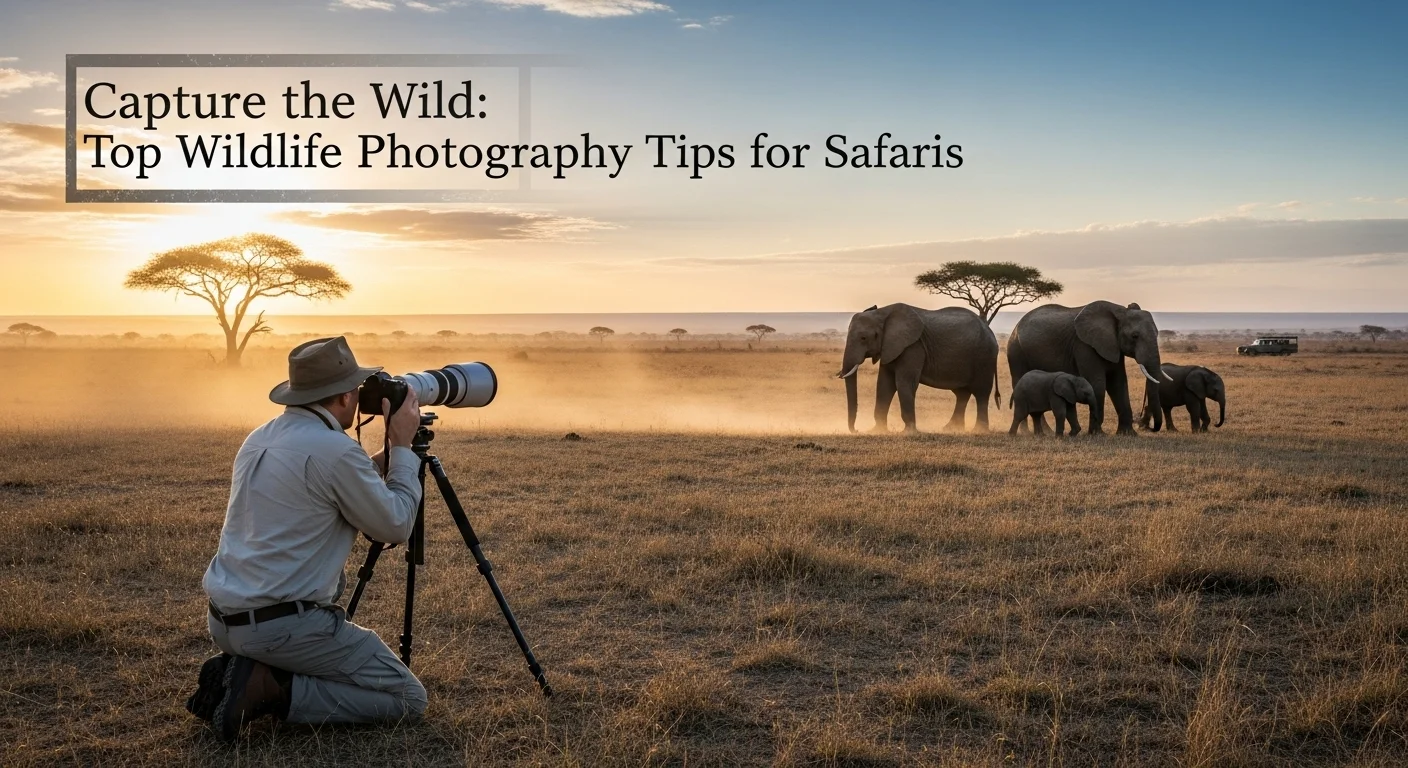
There’s something magical about capturing wildlife in its natural habitat. The thrill of a lioness on the prowl or a herd of elephants splashing in a watering hole makes wildlife photography a unique adventure. Let’s dive into essential tips for making the most of your safari experience!
Capture the Wild: Top Wildlife Photography Tips for Safaris

Understanding Wildlife Photography

The Art of Capturing Nature

Wildlife photography is not just about snapping pictures; it’s about creating art that tells a story. From my experience, immersing myself in the environment is key. I remember my first safari vividly. I felt like I was stepping into a different world, where every rustle of leaves could signal an exciting encounter. The thrill of waiting, watching, and then capturing that perfect moment is what draws many of us to this fascinating art form.

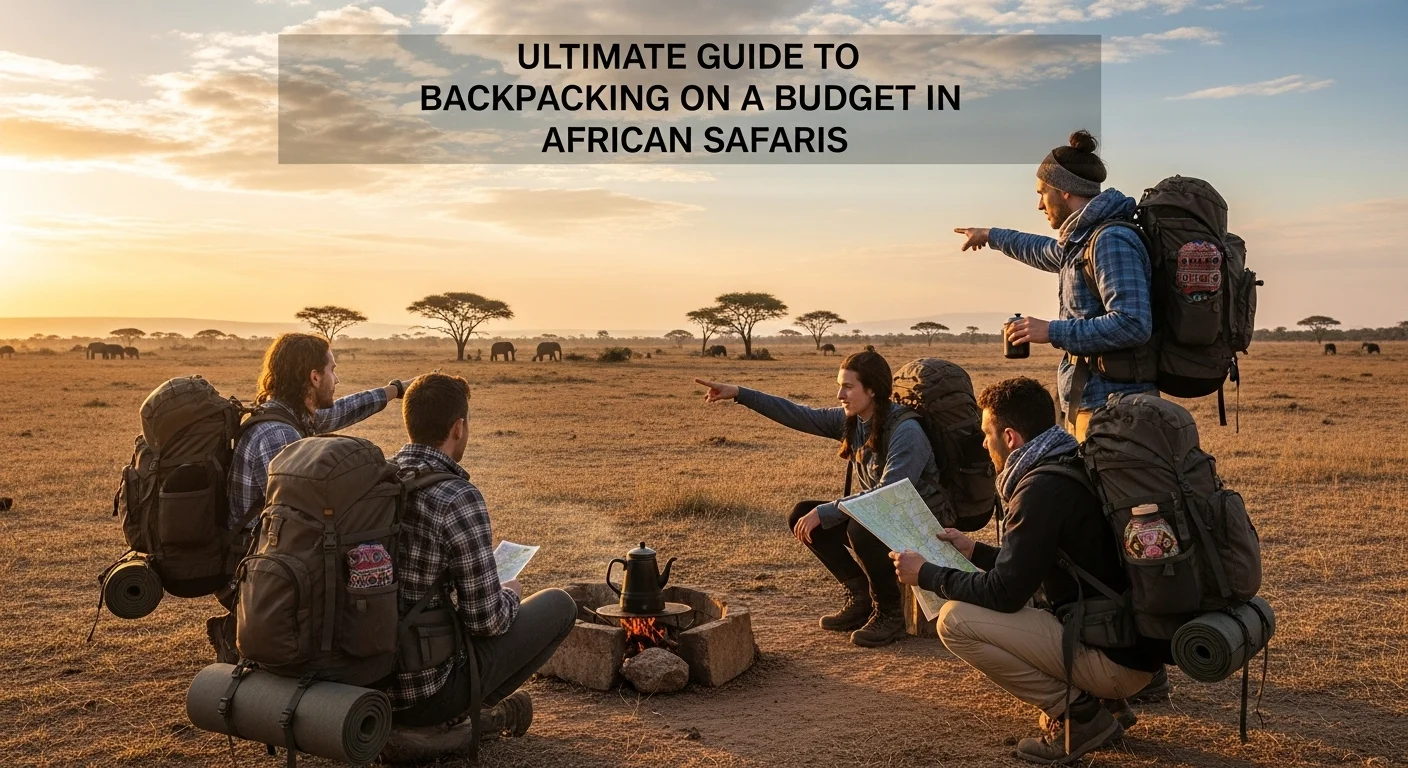
To truly capture the essence of wildlife, I learned to observe patiently. This means taking time to understand the behavior of animals. For example, understanding when a bird is likely to take flight or when a predator is about to move can significantly increase the chance of getting that shot. The best wildlife photos convey emotion and connection, and this comes from spending time watching the subjects rather than just pressing the shutter button. Read Interesting article: Ultimate Guide to Backpacking on a Budget in African Safaris

Essential Gear for Wildlife Photography

Choosing the right gear can make or break your wildlife photography experience. When I first started, I underestimated the importance of having the right equipment. A high-quality camera with a fast autofocus system is crucial for capturing sharp images, especially when animals are moving. I personally recommend a DSLR or mirrorless camera with a good zoom lens, ideally 300mm or greater, to get close-up shots without disturbing the wildlife.

In addition to the camera and lens, I found that a sturdy tripod can be invaluable, especially for low-light situations at dawn or dusk. A good backpack to carry your gear comfortably is essential too. I’ve learned the hard way that being unprepared can lead to missed opportunities. Also, don’t forget extra batteries and memory cards, as you don’t want to run out just as the action heats up!

Types of Wildlife Photography

Wildlife photography encompasses various styles, each with its own charm. I’ve experienced the thrill of capturing portraits, behavior, and action shots. Portrait photography focuses on individual animals, while behavior photography aims to showcase specific actions, like hunting or nurturing young. Action shots, on the other hand, capture the raw energy of animals in motion—think a cheetah sprinting after its prey.

Each type requires a different approach. For instance, capturing a portrait might require you to focus on the eyes of your subject, while action shots demand quick reflexes. I learned that knowing what type of photography I wanted to pursue shaped how I prepared for my safari. It helped me to be more intentional in my approach, which ultimately led to more satisfying results.

Preparing for Your Safari

Best Safari Destinations for Wildlife Photography

When planning my safari, I discovered that choosing the right destination is crucial for wildlife photography. Some of the top spots I found include the Serengeti National Park in Tanzania, known for the Great Migration, and Kruger National Park in South Africa, home to the Big Five. Each location offers unique opportunities and challenges, so it’s worth considering what wildlife you want to capture.

Another remarkable place I experienced was the Maasai Mara. The vast landscapes and diverse ecosystems provided endless photographic opportunities. I suggest researching each destination to find one that aligns with your interests and the types of animals you wish to photograph. I often look for places that offer a mix of iconic animals and stunning landscapes, which can enhance my shots significantly. Read Interesting article: Budget-Friendly Cultural Trekking: Tips and Destinations

When to Go: Seasons and Migration Patterns

Timing can be everything in wildlife photography. I learned that understanding migration patterns is essential for capturing specific animals during their most active times. For instance, witnessing the wildebeest migration in the Serengeti during the dry season is an unforgettable experience. I’ve found that planning my safari around these natural events not only enriches my experience but also improves my chances of capturing stunning images.

Each season brings its own beauty and challenges. I remember going during the rainy season, which presented difficulties but also provided breathtaking landscapes and vibrant colors. It’s all about finding the right balance and being flexible with your plans. I recommend checking local wildlife calendars to help guide your timing.

Choosing the Right Safari Tour

There are many safari tour options available, and choosing the right one can greatly influence your experience. I’ve tried both self-drive and guided tours. Guided tours offer the advantage of local knowledge, which can lead to better wildlife sightings. My best experiences came from knowledgeable guides who could interpret animal behaviors and take me to prime locations based on their expertise.

I also learned that smaller groups tend to be more beneficial for photographers. They allow for more flexibility and less crowding when shooting. It’s worth spending time researching different tour companies and reading reviews. You want to ensure you’re traveling with a company that prioritizes wildlife conservation and ethical practices, which enhances the overall experience.

Permits and Regulations for Wildlife Photography

Before heading out, I found it crucial to understand the permits and regulations required for wildlife photography in my chosen destination. Many national parks and reserves have specific rules to protect wildlife and their habitats. I recommend checking with local authorities or tour operators to ensure compliance. It’s not just about following the rules; it’s about respecting the environment and the animals we love to photograph.

In my case, I learned that some parks require special permits for professional photographers. Even if you’re an amateur, being aware of the rules helps to cultivate a more responsible and ethical approach to wildlife photography. Understanding these regulations allowed me to enjoy my time without the fear of unintentionally breaking any laws.

Essential Wildlife Photography Techniques

Camera Settings for Wildlife Photography

One of the biggest lessons I’ve learned in wildlife photography is the importance of mastering my camera settings. Trust me, having a good camera is just the beginning. I remember feeling overwhelmed when I first started, but I discovered that understanding the basics of exposure, shutter speed, and ISO made a world of difference. For instance, when photographing fast-moving animals like cheetahs, I found that a fast shutter speed—at least 1/1000th of a second—was crucial to freezing their motion. I usually set my camera to burst mode, allowing me to take several shots in quick succession, ensuring I captured that perfect moment.

Adjusting the ISO is another key factor, especially in varying light conditions. I prefer to keep my ISO as low as possible to reduce noise, but in low-light situations, I learned that I might need to increase it. I often experiment with different settings to find what works best for each environment. And don’t forget about aperture! A wider aperture (lower f-stop number) helps create a beautiful blurred background, making the subject stand out. In my experience, it’s all about finding the right balance based on the situation.

Understanding Animal Behavior

Having a good grasp of animal behavior has been one of the most rewarding aspects of my wildlife photography journey. I’ve learned that each species has unique habits and routines. For example, when I observed elephants, I noticed they often took their time munching on leaves, so I could set up my shot without feeling rushed. On the other hand, predators like lions and leopards can be unpredictable, which adds to the thrill of waiting and watching.

Paying attention to animal interactions is equally important. I remember watching a pride of lions interact at sunset one evening. Their social behaviors provided incredible opportunities for compelling shots. I feel it’s beneficial to do some research on the animals you want to photograph before your trip. Understanding their habits not only helps you anticipate their actions but also enhances the storytelling aspect of your photographs.

Composition Techniques for Stunning Shots

Composition can make or break a photograph, and I’ve found there are a few techniques that consistently enhance my wildlife shots. The rule of thirds is something I always keep in mind. By placing the subject off-center, I can create a more dynamic image. I often visualize my frame divided into nine equal parts and try to position my subject along those lines or at their intersections.

Another technique that has improved my work is leading lines. Whether it’s a winding river or a path through the grass, I try to use natural lines in the environment to draw the viewer’s eye towards my subject. I’ve also learned to experiment with different angles, whether it’s shooting at eye level with the animals or capturing them from a higher vantage point. Each angle can provide a unique perspective that tells a different story.

Using Natural Light Effectively

Lighting can be incredibly tricky when it comes to wildlife photography. I’ve experienced the magic of golden hour—just after sunrise or before sunset—when the light is soft and warm, creating stunning images. During these times, I often find that animals are more active, making it the perfect opportunity to capture beautiful shots.

One of my favorite tricks is to position myself so that the light is behind me, illuminating my subject. However, I’ve also experimented with backlighting, which can create dramatic and ethereal images. I remember capturing a giraffe silhouetted against a vibrant sunset, and it became one of my favorite shots. It’s all about being aware of the light and adapting my settings accordingly. Taking the time to notice how light interacts with the environment can elevate my photography significantly.

Field Tips for Capturing Wildlife

Staying Safe During Wildlife Encounters

Safety is paramount when you’re out in the wild. I recall one time in Kruger National Park, I found myself quite close to a herd of buffalo. While they seemed calm, I remembered the importance of keeping a safe distance. I always make it a point to follow guidelines provided by guides or park authorities, as they know the animals and their behaviors best. Staying in the vehicle during game drives is crucial for safety, as it allows for great vantage points while keeping us safe. I’ve learned that staying calm and respectful towards wildlife not only protects us but also ensures that the animals are not disturbed.

Pacing Yourself and Being Patient

Wildlife photography is as much about patience as it is about skill. I can’t stress enough how important it is to slow down and take your time. On my first safari, I found myself rushing to capture everything I saw, but I quickly learned that the best shots often come when you relax and wait. I’ve spent hours just sitting quietly in one spot, watching the world around me unfold. I’ve found that this patience often pays off, as animals become accustomed to your presence, leading to more natural behavior, which translates into better photos.

Finding the Best Angles and Perspectives

Finding unique angles can transform an ordinary shot into something extraordinary. I remember crouching low to the ground to photograph a family of meerkats. The perspective I achieved made it feel like I was part of their world. I also try to incorporate interesting foreground elements, like grass or rocks, into my shots to create depth. It adds a layer of interest and makes viewers feel more connected to the scene.

Using Camouflage and Blending In

One of the best lessons I learned is the importance of blending in with the environment. I often wear neutral colors and avoid bright patterns that might scare away wildlife. Using natural materials like a simple blanket to sit on or a pop-up blind can help me stay inconspicuous. I remember one time, I set up a blind near a waterhole and waited. The animals came closer, unaware of my presence, allowing me to capture some of my favorite moments. This approach not only helps in getting better shots but also makes the experience more immersive.

Post-Processing Your Wildlife Photos

Choosing the Right Editing Software

Once I got home from my safari, I realized that post-processing is a crucial part of bringing my wildlife photos to life. The right editing software can make a world of difference in enhancing the quality of your images. I’ve tried several programs, but I found that Adobe Lightroom and Photoshop are my go-to tools. Lightroom is fantastic for organizing and making quick adjustments, while Photoshop offers more advanced editing options for detailed work.

There are also some great free alternatives like GIMP and Darktable that I’ve heard good things about. The key is to choose software that feels comfortable for you. I recommend starting with what you have and gradually learning more features as you go. There are tons of tutorials available online that helped me when I first started diving into editing.

Basic Editing Techniques for Wildlife Images

When I first started editing my wildlife photos, I learned a few basic techniques that helped elevate my images significantly. Cropping is one of the first things I usually do. It allows me to focus on the subject and remove distracting elements from the frame. I often crop my images to emphasize the animal or to follow the rule of thirds, which I mentioned earlier.

Adjusting exposure and contrast is another important step. Sometimes images come out a bit washed out from the bright sun, and dialing down the highlights and boosting the shadows can breathe life back into them. I also like to adjust the clarity and sharpness to make the details pop, especially in the fur or feathers of the animals. Remember, though, less is more; I’ve learned that over-editing can sometimes ruin the natural beauty of wildlife.

Enhancing Colors and Details

Color is where the magic happens for me in the editing process. I always try to enhance the vibrancy and saturation of my images without going overboard. There’s something special about the rich colors of a sunset or the vibrant hues of a bird’s plumage. I’ve found that using selective adjustments helps too; for example, I often use the brush tool to enhance colors in specific areas, like the golden light on a lion’s mane or the deep greens of the foliage.

Another technique I love is sharpening my images to draw attention to textures. I can’t tell you how satisfying it is to see the fine details of an animal’s eyes or the fur on its body become more pronounced. And when it comes to noise reduction, especially in low-light situations, I learned to strike a balance. Too much noise reduction can soften the image, so I usually apply it sparingly.

Sharing and Showcasing Your Wildlife Photography

Building an Online Portfolio

After spending countless hours perfecting my wildlife photography, I realized that sharing my work is just as important as capturing it. Building an online portfolio became a way for me to showcase my favorite images and tell the stories behind them. I chose to use platforms like Squarespace and Wix because they offer beautiful templates and are user-friendly. I wanted a site that would reflect my style and make it easy for visitors to navigate through my work.

In my portfolio, I included categories for different types of wildlife, which allows visitors to explore based on their interests. I also wrote brief descriptions for each image, sharing the story behind the shot. It’s really rewarding to have a space that not only showcases my work but also connects viewers to the experiences I had while capturing those moments.

Social Media Tips for Wildlife Photographers

Social media is another powerful tool for sharing my photography. I’ve learned that platforms like Instagram and Facebook can help me reach a wider audience. I try to be consistent with my posting, sharing a mix of my favorite shots along with behind-the-scenes glimpses of my photography journey. Engaging with my followers has been rewarding too; I love hearing their feedback and stories. I often use relevant hashtags to increase visibility, and I’ve found that connecting with other wildlife photographers can lead to amazing collaborations and friendships.

I also recommend sharing the importance of wildlife conservation in my posts. It’s something I’m passionate about, and I feel it’s my responsibility to raise awareness about protecting these beautiful creatures and their habitats. Sharing educational content alongside my photos has made my social media presence more meaningful. Read Interesting article: Winter Hiking on a Budget: Tips for Thrill Seekers

Entering Photography Competitions and Exhibitions

Participating in photography competitions and exhibitions has been another exciting way to showcase my work. I remember the rush I felt when I entered my first contest; it pushed me to refine my skills and seek out my best shots. Many competitions offer categories specifically for wildlife photography, and I’ve found that the feedback I receive can be invaluable.

Exhibitions also provide an opportunity to connect with other artists and engage with the community. When I had my first exhibition, it was thrilling to see my work displayed alongside other talented photographers. It not only boosted my confidence but also opened doors for future opportunities. I recommend looking for local art shows or wildlife-focused events where you can share your passion with others who appreciate it.

Frequently Asked Questions

What is wildlife photography about?

Wildlife photography is about creating art that tells a story by capturing animals in their natural habitat. It involves immersing oneself in the environment and patiently observing animal behavior to capture compelling moments.

What type of camera gear is recommended for wildlife photography?

A high-quality camera with a fast autofocus system is crucial, ideally a DSLR or mirrorless camera with a zoom lens of 300mm or greater. A sturdy tripod and comfortable backpack for carrying gear are also recommended, along with extra batteries and memory cards.

What are some popular safari destinations for wildlife photography?

Popular safari destinations include Serengeti National Park in Tanzania, known for the Great Migration, and Kruger National Park in South Africa, which is home to the Big Five. The Maasai Mara is also noted for its vast landscapes and diverse ecosystems.

How does timing affect wildlife photography?

Timing is crucial in wildlife photography as understanding migration patterns and animal activity can enhance the chances of capturing stunning images. Different seasons also offer unique challenges and opportunities for photography.

What should I consider when choosing a safari tour?

When choosing a safari tour, consider whether to opt for self-drive or guided tours, as guided tours can provide local knowledge for better wildlife sightings. Smaller groups are often more beneficial for photographers due to increased flexibility and reduced crowding.

What are essential camera settings for wildlife photography?

Key camera settings include mastering exposure, shutter speed, and ISO. For fast-moving animals, a shutter speed of at least 1/1000th of a second is recommended. Adjusting the ISO for different lighting conditions and using a wider aperture can also enhance images.

How can understanding animal behavior improve wildlife photography?

Understanding animal behavior helps photographers anticipate actions and capture more compelling shots. Each species has unique habits, and observing interactions can lead to better storytelling in photographs.

What composition techniques are useful in wildlife photography?

Useful composition techniques include the rule of thirds, leading lines, and experimenting with different angles. Incorporating interesting foreground elements can also add depth to wildlife images.

What role does post-processing play in wildlife photography?

Post-processing is crucial for enhancing wildlife photos. Techniques include cropping to focus on the subject, adjusting exposure and contrast, and enhancing colors and details to bring images to life.

How can wildlife photographers effectively share their work?

Wildlife photographers can share their work by building an online portfolio, utilizing social media platforms like Instagram and Facebook, and participating in photography competitions and exhibitions to connect with a wider audience and engage with the community.
Wildlife Adventures: Best Budget-Friendly African Safari Spots

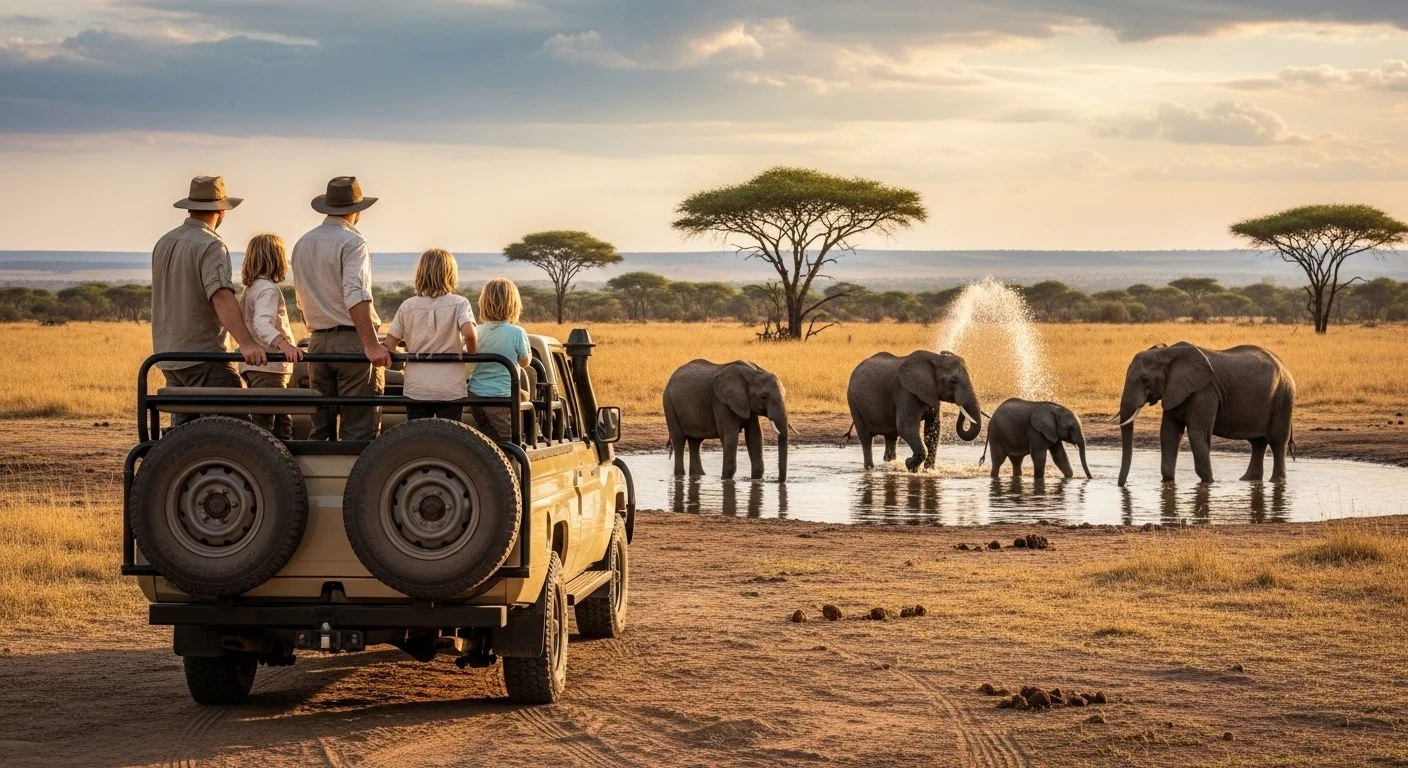
Embarking on a wildlife adventure in Africa doesn’t have to drain your wallet. There are incredible budget-friendly safari spots waiting to be explored, offering unforgettable experiences without the hefty price tag. Read Interesting article: Budget-Friendly African Safaris: Explore Wildlife Without Breaking Bank

Wildlife Adventures: Best Budget-Friendly African Safari Spots

Understanding African Safaris

What is a Safari?

When I first heard the word “safari,” I imagined sprawling savannas dotted with majestic animals, the call of the wild beckoning me to step into nature’s grand theater. A safari, at its core, is a journey into the wild, where you can observe wildlife in their natural habitat. It’s more than just seeing animals; it’s about immersing yourself in the landscape, the sounds, and the smells of Africa. Whether it’s a roar of a lion, the trumpeting of an elephant, or the enchanting call of birds at dawn, each moment is a reminder of the beauty and complexity of life on our planet.

Types of Safaris: Game Drives, Walking Safaris, and More

During my own adventures, I’ve come across various types of safaris, each offering a unique perspective of the wild. Game drives are the most common—sitting in a vehicle, often with a knowledgeable guide, allows you to cover large areas and spot animals from a distance. I remember the thrill of watching a pride of lions lounging under a tree, their golden manes catching the sunlight.

Walking safaris, on the other hand, bring a level of intimacy and connection with nature that’s hard to match. There’s something magical about trekking through the bush, feeling the earth beneath your feet, and listening to the sounds of wildlife all around you. I remember the first time I went on a walking safari; the guide pointed out animal tracks and plants, sharing stories of the land that deepened my appreciation for the ecosystem.

Then there are boat safaris, where you glide through rivers and lakes, allowing you to see wildlife from a different angle. I once had the chance to float quietly on a river, watching hippos frolic and crocodiles sunbathe on the banks. Each type of safari offers a different adventure, catering to various interests and budgets.

Benefits of Budget-Friendly Safaris

Cost Savings vs. Luxury Safaris

One of the biggest misconceptions about African safaris is that they are only for the wealthy. I used to think that without a hefty budget, I wouldn’t be able to experience the wonders of the African wilderness. However, after exploring several budget-friendly options, I can confidently say that affordable safaris often provide just as enriching experiences as luxury ones. The key lies in knowing where to look and what to prioritize.

Most budget-friendly safaris still include knowledgeable guides, comfortable accommodations, and often even meals. I discovered that many parks have affordable camping options that not only save money but also immerse you in nature. Waking up to the sounds of the wild outside my tent was an experience I wouldn’t trade for a luxury lodge any day. I’ve learned that luxury doesn’t always equate to a higher quality adventure; sometimes, the most memorable moments come from a deeper connection with the land.

Authentic Experiences on a Budget

One of my favorite aspects of budget safaris is the opportunity for authentic experiences. When I traveled on a budget, I found myself interacting more with local communities and guides, which enriched my understanding of the culture and the environment. Staying in smaller lodges or camps often means you have a chance to meet locals who share their stories, traditions, and knowledge about the land.

For me, one highlight was participating in a community project that focused on wildlife conservation. It was a humbling experience to see how local people protect their environment and wildlife while finding ways to coexist with them. These authentic moments are often lost in luxury travel, where the focus is more on comfort than connection. By opting for budget-friendly options, I felt more engaged and part of the experience, creating memories that go beyond simply witnessing wildlife.

In conclusion, understanding the concept of safaris, exploring the different types available, and recognizing the benefits of budget-friendly options opens up a world of possibilities for adventure. My experiences have taught me that an incredible African safari doesn’t require a lavish budget; it just takes a willingness to embrace the wild and a sense of adventure. As we dive deeper into this topic, I can’t wait to share some of my favorite budget-friendly safari spots that are just waiting for you to explore! Read Interesting article: Discover Hidden Gems: Budget African Safari Destinations Revealed

Top Budget-Friendly African Safari Spots

Kruger National Park, South Africa

One of my absolute favorite spots for a budget-friendly safari is Kruger National Park. It might be one of the most famous parks in Africa, but what I love about it is the variety of options available to suit any budget. I remember my first visit; I opted for self-catering accommodation, which allowed me to save on meals and still enjoy the park’s beauty. The extensive road network makes it easy to explore at your own pace, which is perfect for those of us who enjoy the thrill of spotting wildlife on our own.

In Kruger, I saw so many incredible animals, from elephants and giraffes to an unexpected encounter with a leopard. The park also has affordable camping facilities that offer a great way to immerse yourself in nature. As I lay in my tent under the stars, the sounds of the African night filled the air—a memory I cherish deeply.

Maasai Mara National Reserve, Kenya

The Maasai Mara is another gem I can’t recommend enough. While it’s famous for the Great Migration, there’s so much to experience year-round without breaking the bank. I found that visiting during the shoulder seasons could significantly reduce costs for accommodation and safari packages. I remember spending hours watching herds of wildebeest and zebras, feeling the thrill of nature in action.

What stood out to me was the chance to interact with the Maasai people. Staying at budget lodges or even camping allowed me to learn about their culture firsthand. Sharing stories and traditions around the fire made my experience feel even richer. It’s amazing how much you can learn from the local communities while enjoying the wildlife around you.

Etosha National Park, Namibia

Etosha National Park is a true highlight for budget travelers. I was amazed at how affordable the park entrance fees were, making it easy to explore the vast landscapes filled with unique wildlife. One of my favorite experiences was sitting at a watering hole, waiting for animals to come for a drink. The excitement of seeing different species come together was absolutely magical.

Staying at the park’s campsites was another fantastic choice. It was budget-friendly and allowed for an authentic experience under the Namibian stars. I often cooked my meals over a fire, and the camaraderie among fellow travelers created a wonderful atmosphere. The park’s diverse wildlife, including rhinos and various bird species, made every moment memorable.

Serengeti National Park, Tanzania

The Serengeti is often associated with luxury, but I discovered that there are budget-friendly options that allow everyone to experience its awe-inspiring beauty. I chose to visit during the off-peak season, which not only saved me money but also meant fewer crowds. Watching the sun rise over the savanna was one of the most breathtaking sights I’ve ever witnessed.

Camping in the Serengeti was an adventure in itself. I remember the thrill of hearing lions roaring nearby, reminding me how alive the wilderness truly is. The park offers basic camping facilities, which are perfect for those of us looking to connect with nature. Plus, safaris here are often conducted in open-sided vehicles, providing an incredible view of the wildlife while staying within budget.

Lake Nakuru National Park, Kenya

Lake Nakuru National Park is smaller than some of the other parks but offers stunning landscapes and abundant wildlife, including the famous flamingos. I was amazed at how accessible it was for budget travelers. The park has affordable lodges and camping options that don’t compromise on experience.

One of my favorite memories was witnessing a massive flock of flamingos taking off from the lake. The sheer beauty of the sight left me spellbound. The park is also known for its rhino sanctuary, and I felt fortunate to see these magnificent creatures up close. For anyone passionate about birdwatching, this is a must-visit destination.

Chobe National Park, Botswana

Chobe National Park surprised me with its incredible diversity at a reasonable price. Known for its large elephant population, I was thrilled to see herds crossing the river. I recommend taking a boat cruise, which is often more affordable than traditional game drives and offers a unique perspective of wildlife from the water.

Camping was a delightful option here as well. I remember setting up my tent near the river, and the sounds of elephants trumpeting nearby made for an unforgettable night. The combination of affordability and the richness of wildlife made my time in Chobe one I won’t forget.

Tarangire National Park, Tanzania

Lastly, Tarangire National Park is a hidden gem that often gets overshadowed by more famous parks. I found it to be an affordable option with a fantastic array of wildlife, particularly elephants. The park is less visited, which meant I could enjoy a more tranquil experience.

Staying at budget campsites made the experience even more special. I remember spending evenings around the campfire with other travelers, sharing stories and laughter after a day filled with wildlife sightings. The unique baobab trees scattered throughout the park added to its charm and made for some incredible photography opportunities.

When to Visit Budget-Friendly Safari Spots

Best Seasons for Wildlife Viewing

Timing can make all the difference when planning a budget-friendly safari. From my experience, the best seasons for viewing wildlife vary by region, but generally, the dry season is when animals are easier to spot. In many parks, this is when water sources become scarce, drawing animals to rivers and waterholes. I remember visiting Kruger National Park in the dry season and being amazed at how many elephants congregated around the waterholes. It felt like nature was putting on a show just for me!

In East Africa, especially in places like the Maasai Mara, the Great Migration peaks from July to October. However, visiting just before or just after this period can provide incredible wildlife experiences without the crowds and higher prices. I visited during the shoulder season, and not only did I save money, but I also enjoyed a more intimate experience with the wildlife. The animals were still abundant, and I had plenty of opportunities for stunning photographs.

Off-Peak Travel Benefits

Traveling during the off-peak season can be one of the best-kept secrets for budget-savvy adventurers. I’ve found that many parks offer significantly lower rates for accommodations and activities during these times. For instance, visiting Etosha National Park in Namibia during the rainy season means fewer tourists and lush landscapes bursting with life. Although rain can affect visibility, the vibrant green scenery and baby animals make up for it. I once spotted a tiny elephant calf stumbling next to its mother, and it was one of the most heartwarming moments I’ve ever witnessed.

Another great advantage of off-peak travel is the flexibility it offers. With fewer tourists, I found it easier to book last-minute accommodations and excursions, allowing for spontaneous adventures. Some lodges even provide discounts to attract visitors during slower months. By being open to alternative travel times, I not only managed to stick to my budget but also gained a deeper appreciation for the natural rhythms of the wildlife and landscapes.

How to Plan a Budget Safari

Choosing Affordable Accommodations

When it comes to planning a budget safari, accommodations play a crucial role in managing costs. I’ve always preferred to stay in budget lodges or campsites, as they offer a chance to connect more intimately with nature and fellow travelers. It’s amazing how many budget-friendly options are available—ranging from basic tented camps to simple lodges that provide all the essentials without the frills. I remember one night camping in Tarangire National Park, where the stars above were so bright that it felt like we were sleeping under a galaxy.

Another tip I learned is to book accommodations directly through the park’s website or local operators instead of using third-party booking sites. This often leads to better deals and options that you might not find elsewhere. Additionally, look for accommodations that offer self-catering options; cooking your meals can significantly cut costs, and I found it to be a fun way to engage with other travelers. Sharing recipes and cooking together around the campfire led to some of my most cherished friendships.

Transportation Options for Budget Travelers

Getting around during your safari can be done in several budget-friendly ways. I often chose to rent a vehicle, which allowed me to explore at my own pace and save on guide fees. This way, I could stop wherever I wanted for wildlife sightings. However, I’ve also experienced group tours that offer shared transportation, which can be a fantastic way to meet people while keeping costs down. I remember being in a shared safari vehicle in the Maasai Mara, where we all cheered and gasped at every animal sighting, turning strangers into friends in no time.

Public transportation can also be an option in some areas, like using a matatu (shared taxi) in Kenya. While it might be a bit adventurous and require some planning, it’s a unique way to experience local life. Each journey can be an adventure, and I’ve had some of the most memorable conversations with locals while traveling this way. Just be sure to research routes and schedules ahead of time to avoid any surprises.

Guided Tours vs. Self-Driving Safaris

Deciding whether to go on a guided tour or a self-driving safari really depends on your comfort level and what you want to experience. I’ve tried both and found that they each have their own charm. Guided tours are fantastic for first-time visitors; knowledgeable guides can share insights about wildlife and culture that you might miss otherwise. I remember being amazed at how my guide in Chobe National Park pointed out hidden animals that my untrained eyes couldn’t see.

On the other hand, self-driving gives you the freedom to create your own itinerary, which can be incredibly rewarding. I loved the thrill of spotting animals on my own and choosing where to linger. Just be sure you’re comfortable with the driving conditions and have a good map or GPS. If you’re planning to drive yourself, I recommend checking with local rental companies about their policies and the best routes to take for wildlife viewing.

Top Wildlife to See on Budget Safaris

The Big Five: Lions, Elephants, Buffalo, Leopards, and Rhinoceros

No safari experience would be complete without the chance to see the Big Five. I remember the thrill of my first lion sighting in Kruger National Park; it felt like all my safari dreams were coming true. Each of these magnificent animals carries its own story and allure. Elephants are often seen in large herds, making them a favorite for many travelers. I remember watching a group of elephants interact, their playful antics bringing smiles to everyone in our vehicle.

While it’s exciting to search for these iconic animals, I learned that they are often just the beginning of the wildlife experiences available. The thrill of spotting a leopard lounging in a tree or a solitary rhino grazing quietly can be just as exhilarating. I cherish the moments I’ve spent quietly observing these majestic creatures in their natural habitat, feeling a deep sense of connection to the wild.

Unique Species and Birdwatching Opportunities

Beyond the Big Five, African safaris offer incredible opportunities to see unique species. I’ve had the joy of spotting cheetahs sprinting across the savanna and rare antelope like the sable and roan. Each encounter deepens my appreciation for the rich biodiversity Africa has to offer. Birdwatching is another highlight for many travelers, including myself. I remember waking up early for a dawn birding walk in Lake Nakuru, where I was greeted by a chorus of calls from colorful species. The sight of flocks of flamingos taking off from the lake was breathtaking!

Whether you’re a dedicated birdwatcher or just enjoy spotting wildlife in general, I found that taking the time to slow down and observe the smaller creatures—like the vibrant insects and unique plants—adds layers to the safari experience. Nature has so much to offer if we take the time to look closely!

Frequently Asked Questions

What is a safari?

A safari is a journey into the wild, allowing you to observe wildlife in their natural habitat. It’s about immersing yourself in the landscape, sounds, and smells of Africa, and experiencing the beauty and complexity of life on our planet.

What are the different types of safaris?

There are various types of safaris, including game drives, walking safaris, and boat safaris. Game drives involve sitting in a vehicle with a guide, walking safaris provide a close connection with nature, and boat safaris offer a unique perspective from the water.

Can I go on a safari without a large budget?

Yes, there are many budget-friendly safari options that provide enriching experiences without the high costs associated with luxury safaris. Affordable options often include knowledgeable guides, comfortable accommodations, and meals.

What are some budget-friendly safari spots in Africa?

Some recommended budget-friendly safari spots include Kruger National Park in South Africa, Maasai Mara National Reserve in Kenya, Etosha National Park in Namibia, Serengeti National Park in Tanzania, Lake Nakuru National Park in Kenya, Chobe National Park in Botswana, and Tarangire National Park in Tanzania. Read Interesting article: Ultimate Guide to Backpacking on a Budget in African Safaris

When is the best time to visit for wildlife viewing?

The best time for wildlife viewing is typically during the dry season when animals congregate around water sources. Traveling during shoulder seasons can also provide great experiences without the crowds and higher prices.

What are the benefits of off-peak travel?

Traveling during the off-peak season can lead to lower rates for accommodations and activities, fewer tourists, and opportunities for spontaneous adventures. The vibrant landscapes and baby animals during these times offer unique experiences.

How can I plan a budget safari?

To plan a budget safari, focus on choosing affordable accommodations such as budget lodges or campsites, consider self-catering options to save on meals, and explore transportation options like renting a vehicle or using group tours.

What wildlife can I expect to see on a budget safari?

On a budget safari, you can expect to see the Big Five: lions, elephants, buffalo, leopards, and rhinoceros. Additionally, there are opportunities to spot unique species and enjoy birdwatching, including colorful birds and flocks of flamingos.

Are guided tours better than self-driving safaris?

Choosing between guided tours and self-driving safaris depends on personal preference. Guided tours are great for first-time visitors and provide insights from knowledgeable guides, while self-driving offers the freedom to create your own itinerary and explore at your own pace.

What types of accommodations are available for budget travelers?

Budget travelers can find a range of accommodations, including basic tented camps and simple lodges that provide essential comforts. Booking directly through park websites can lead to better deals, and self-catering options can help save costs.

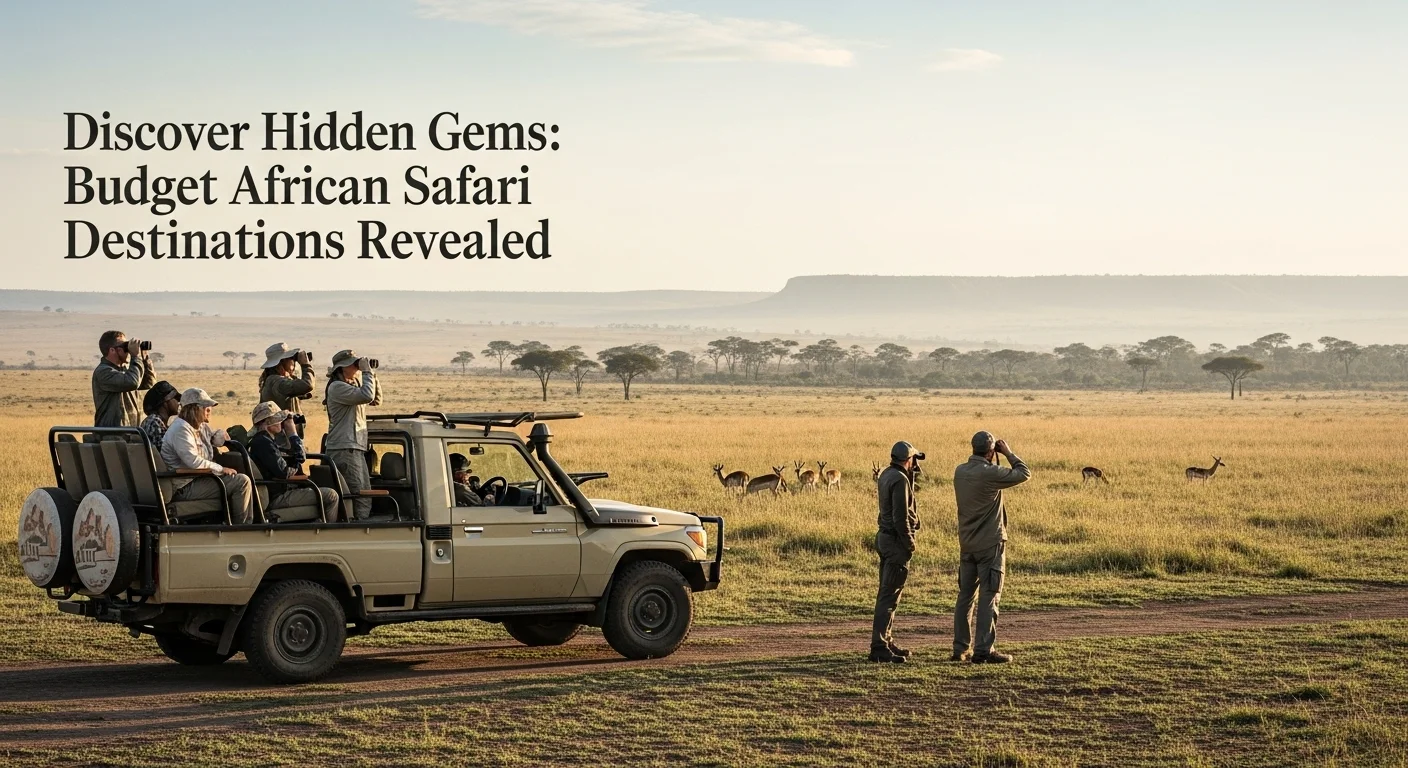
Discover Hidden Gems: Budget African Safari Destinations Revealed

Embarking on an African safari doesn’t have to break the bank. Let’s uncover some hidden gems where breathtaking wildlife encounters meet affordability. Read Interesting article: Budget-Friendly African Safaris: Explore Wildlife Without Breaking Bank

Discover Hidden Gems: Budget African Safari Destinations Revealed

Understanding African Safaris

What is a Safari?

When I first heard the word “safari,” I imagined vast plains dotted with wildlife, vibrant sunsets, and unforgettable adventures. A safari, in its essence, is a journey to observe animals in their natural habitats. Originating from the Swahili word meaning “journey,” safaris can be thrilling, educational, and life-changing experiences. I remember my own first safari—how my heart raced as I spotted a pride of lions lounging under a tree. Each moment felt like a page out of a nature documentary, but I was living it firsthand.

Types of Safaris

There’s a type of safari for everyone, and discovering which one suits your style can add a lot to the experience. Here are some types I’ve encountered:

  • Game Drives: These are the most popular, where you travel in a vehicle to spot animals. I found a morning drive particularly magical, with the morning sun casting a golden hue over everything.
  • Walking Safaris: For the adventurous, walking safaris allow you to connect with nature on a more intimate level. I had the chance to walk with a guide and felt a rush of excitement as we tracked animal footprints.
  • Camping Safaris: If you’re looking for a true wilderness experience, camping safaris are perfect. I loved sleeping under the stars, listening to the sounds of the wild at night.
  • Luxury Safaris: Although more expensive, luxury safaris offer a blend of comfort and adventure. I’ve seen some friends indulge in these, and they rave about the unforgettable experiences.

Popular Safari Animals

One of the best parts of a safari is spotting the wildlife. I remember the excitement of seeing the “Big Five”—lions, leopards, elephants, buffalo, and rhinos. Each sighting felt like a small victory. Beyond the Big Five, I’ve encountered so many incredible animals, each adding to the richness of the experience. Giraffes gracefully necking with each other, herds of wildebeest migrating across the plains, and playful monkey troops swinging in the trees were all unforgettable moments. Watching elephants splash in a watering hole was a highlight that still brings a smile to my face.

Benefits of Budget Safaris

Cost-Effectiveness

Budget safaris can be surprisingly affordable, and I’ve often found that they offer the same breathtaking experiences as pricier options. I learned that by planning and being flexible with my travel dates, I could save a significant amount. For example, I discovered that traveling during the shoulder season can offer lower prices without sacrificing wildlife viewing opportunities. By seeking out local operators, I found packages that delivered fantastic value. Read Interesting article: Ultimate Guide to Backpacking on a Budget in African Safaris

Less Crowded Experiences

One of the biggest benefits of budget safaris is the chance to enjoy a less crowded environment. I’ve been on safaris where only a few vehicles were around, allowing us to take our time and truly soak in the experience. There’s a special magic when you can sit quietly and observe animals without feeling rushed or surrounded by a crowd. I remember a particular sunset in the Serengeti where we had the entire view to ourselves; it felt like a personal gift from nature.

Opportunities for Local Engagement

Budget safaris often provide opportunities to engage with local communities. I found that many budget operators focus on responsible tourism, which benefits both travelers and local people. During my travels, I visited local villages and learned about their culture, traditions, and daily lives. These interactions enriched my safari experience and often led to heartwarming connections. I believe that understanding the culture adds depth to the adventure, making the wildlife encounters even more meaningful.

Top Budget African Safari Destinations

Tanzania

Serengeti National Park

Tanzania is often the first place that comes to mind when I think of safari adventures, and for good reason. The Serengeti National Park is iconic, famous for its vast savannah and incredible wildlife. I remember standing on the edge of the Serengeti, feeling the warm breeze and watching herds of wildebeest roaming the plains. The best part? There are budget-friendly campsites and lodges that make this experience accessible without compromising on the beauty of nature. Plus, the Great Migration is a sight I believe everyone should witness at least once in their life!

Ngorongoro Crater

The Ngorongoro Crater is another gem in Tanzania. This UNESCO World Heritage Site is like a natural zoo, with a diverse range of animals all in one place. I was amazed by the sheer abundance of wildlife, from zebras to elephants. What I loved about visiting the crater was how affordable the day trips can be. It’s possible to join a local tour group, which not only saves money but also allows for shared experiences and stories from fellow travelers.

Kenia

Masai Mara National Reserve

Moving on to Kenya, the Masai Mara National Reserve is a must-visit for safari enthusiasts. I found that it offers a mix of stunning landscapes and incredible wildlife sightings. The migration of wildebeest and zebras during the right season is a spectacle I’ll never forget. Despite its popularity, there are plenty of budget options like tented camps and lodges that provide a comfortable stay without breaking the bank. I recommend exploring the lesser-known parts of the reserve; sometimes they can be just as rewarding!

Amboseli National Park

Amboseli National Park is another fantastic destination in Kenya, especially for those who want to see elephants up close. I was lucky enough to catch a glimpse of Mount Kilimanjaro in the background while watching a herd of elephants. It felt like something out of a dream! The park has affordable tour options and local guides who are incredibly knowledgeable. I found that engaging with these guides added so much more to my understanding of the ecosystem and the animals we encountered.

South Africa

Kruger National Park

South Africa’s Kruger National Park is one of the largest game reserves in Africa and offers a plethora of budget-friendly safari experiences. I remember the first time I hopped into a self-drive vehicle, feeling a mix of excitement and nervousness. The freedom of exploring at my own pace was invigorating! There are also numerous affordable lodges and campsites that make it easy to spend several days enjoying the park. The sheer diversity of wildlife and landscapes in Kruger is something I believe every safari lover should explore.

Addo Elephant National Park

For a different experience, Addo Elephant National Park is an incredible spot, especially for elephant lovers like me. Watching these gentle giants roam freely in their natural habitat was a highlight of my trip. I found Addo to be budget-friendly, with various options for accommodation and guided tours. The park is less crowded than others, allowing for a more personal connection with the wildlife.

Namibia

Etosha National Park

Namibia’s Etosha National Park holds a special place in my heart. The park is known for its salt pans and stunning waterholes, where I’ve had some of my best wildlife sightings. The budget campsites within the park are perfect for those looking to immerse themselves in nature without spending a fortune. I remember sitting at a waterhole, marveling at the variety of animals that came to drink as the sun set—an unforgettable experience that felt intimate and raw.

Skeleton Coast

The Skeleton Coast is unlike any other destination I’ve encountered. It’s rugged, wild, and beautiful in its own way. While not a traditional safari experience, the unique landscape and the chance to see shipwrecks and seals make it a worthwhile visit. I’ve found affordable accommodations in nearby towns, allowing me to explore the coast without overspending. The stark beauty of this region is something I’d recommend to anyone looking for an off-the-beaten-path adventure.

Botswana

Chobe National Park

Botswana’s Chobe National Park is famous for its large herds of elephants. I remember my boat safari on the Chobe River, where I could see elephants swimming and bathing. It was both exciting and serene. There are budget-friendly lodges and camping options that allow you to enjoy the park’s beauty without a hefty price tag. I found that the mix of land and water experiences provided a unique perspective on the wildlife.

Okavango Delta

The Okavango Delta is a breathtaking oasis, and while it can be pricey, there are budget tours that include camping and guided excursions. I experienced a mokoro ride through the delta, gliding quietly through the waterways teeming with life. This eco-friendly mode of transport allowed me to connect with nature in a way that felt special. I believe that the Okavango Delta is a must-visit, offering a unique safari experience that’s both affordable and unforgettable.

Uganda

Murchison Falls National Park

Visiting Uganda’s Murchison Falls National Park was a highlight of my travels. The park is home to the stunning Murchison Falls, where the Nile River crashes through a narrow gap. I found budget safari options that included both game drives and boat cruises. The diversity of wildlife and the breathtaking scenery made every moment worthwhile. I was particularly captivated by the hippos lounging in the river, and seeing the falls up close was nothing short of awe-inspiring.

Queen Elizabeth National Park

Queen Elizabeth National Park is another treasure in Uganda, known for its diverse ecosystems and wildlife. I remember doing a boat tour on the Kazinga Channel, where I spotted various animals coming to the water’s edge. The chance to see tree-climbing lions was a unique experience that I’ll never forget. I found that there were many affordable lodges and camping options available, which made it easier to explore this incredible park without overspending.

When to Visit Budget Safari Destinations

Best Seasons for Wildlife Viewing

Timing your safari can make a huge difference in what you get to see. From my experience, the best seasons for wildlife viewing often align with the dry season, which typically runs from May to October in many regions. Animals are easier to spot near water sources, and vegetation is less dense. For instance, I remember visiting the Serengeti in July, and it was during the Great Migration. The sight of thousands of wildebeest crossing the plains was something I will cherish forever. Each day brought new opportunities to witness the drama of nature unfold.

Climate Considerations

The climate can vary greatly between different safari destinations, which is something I’ve learned to pay attention to. In East Africa, you can expect cooler temperatures in the mornings and evenings, whereas midday can be quite hot. I’ve found that layering my clothing worked best, allowing me to stay comfortable throughout the day. In Southern Africa, the climate is generally more temperate, but I remember being caught in a sudden rainstorm in Kruger National Park, reminding me how quickly things can change. Having waterproof gear on hand turned out to be a lifesaver!

Peak vs. Off-Peak Seasons

Choosing between peak and off-peak seasons is one of the most important decisions I made while planning my safaris. Peak seasons, like the migration periods in the Serengeti and Masai Mara, can be crowded and more expensive. However, the wildlife activity during these times is often unparalleled. On the other hand, off-peak seasons can offer fantastic experiences at a fraction of the cost, even though the weather might be a bit unpredictable. I once visited Uganda during the shoulder season and had the chance to see gorillas without the typical crowds, which made for a more personal and profound experience.

How to Plan a Budget Safari

Choosing the Right Tour Operator

Finding a trustworthy and budget-friendly tour operator is crucial for a successful safari. My advice is to do some research and read reviews from other travelers. I spent hours comparing local companies and finally settled on one that had great feedback and reasonable prices. They offered shared group tours, which not only reduced costs but also allowed me to meet other like-minded adventurers. I learned that personal recommendations can also guide you to hidden gems, so don’t hesitate to ask fellow travelers for their insights.

Accommodation Options

Deciding where to stay can make or break your safari experience, especially when trying to keep within a budget. I found that mixing my accommodation types not only saved me money but also added variety to my experience.

Camping vs. Lodges

Camping can be a fantastic way to immerse yourself in nature, and it often comes at a lower cost. I loved the thrill of setting up a tent near a waterhole and falling asleep to the sounds of nature. However, if you prefer a bit more comfort, there are many budget lodges available too. I remember staying in a simple lodge in Amboseli National Park that offered incredible views of elephants right from my room! Each option has its charm, and choosing based on your comfort level can enhance your safari experience.

Homestays and Local Guesthouses

Homestays and local guesthouses can offer unique insights into the culture of the area you’re visiting. I once stayed with a local family in a village near Murchison Falls, and it was one of the best experiences of my life. Sharing meals and stories with them provided a deeper understanding of Ugandan culture and made my safari feel even more rewarding. These options are usually affordable and give you a taste of local life that traditional accommodations often miss.

Transportation Logistics

Getting around can be one of the trickiest parts of planning a budget safari. I found that combining public transport with organized tours worked well for me. In Kenya, I took public buses to various towns before joining a safari group. This not only saved money, but it also allowed me to see more of the local life along the way. Renting a vehicle might be another option if you’re traveling with a group; splitting costs can make it more manageable. Just be sure to consider safety and road conditions when making your plans.

Cost-Saving Tips

There are countless ways to stretch your budget while enjoying a safari. One of the best strategies I discovered was to book in advance. This not only guarantees better rates, but it also allows you to plan your itinerary with care. Also, consider traveling during the shoulder seasons, as I mentioned earlier; it can significantly lower your costs while still providing excellent wildlife viewing opportunities.

Group Tours vs. Private Tours

Choosing between group tours and private tours can be another way to save. I’ve been on both, and I have to say that group tours often offer better rates, especially for budget travelers. While private tours provide a more tailored experience, they usually come with a higher price tag. I enjoyed the camaraderie of group tours, sharing the excitement of wildlife sightings with others who were just as eager as I was!

Travel Insurance and Safety

Lastly, I can’t stress enough the importance of travel insurance. It may seem like an extra expense, but it saved me from worry during my trips. I had a minor medical issue once while in Tanzania, and my insurance helped cover the costs I incurred. Being prepared can make all the difference in ensuring a smooth, safe adventure. Always check the coverage options and consider including emergency evacuation plans, especially when heading into remote areas.

Frequently Asked Questions

What is a safari?

A safari is a journey to observe animals in their natural habitats, often characterized by breathtaking landscapes and wildlife encounters. The word “safari” originates from the Swahili word meaning “journey.”

What types of safaris are available?

There are several types of safaris, including game drives, walking safaris, camping safaris, and luxury safaris, each catering to different preferences and experiences.

What are the benefits of budget safaris?

Budget safaris are cost-effective, provide less crowded experiences, and often offer opportunities for local engagement with communities, enriching the overall adventure.

Which African destinations are recommended for budget safaris?

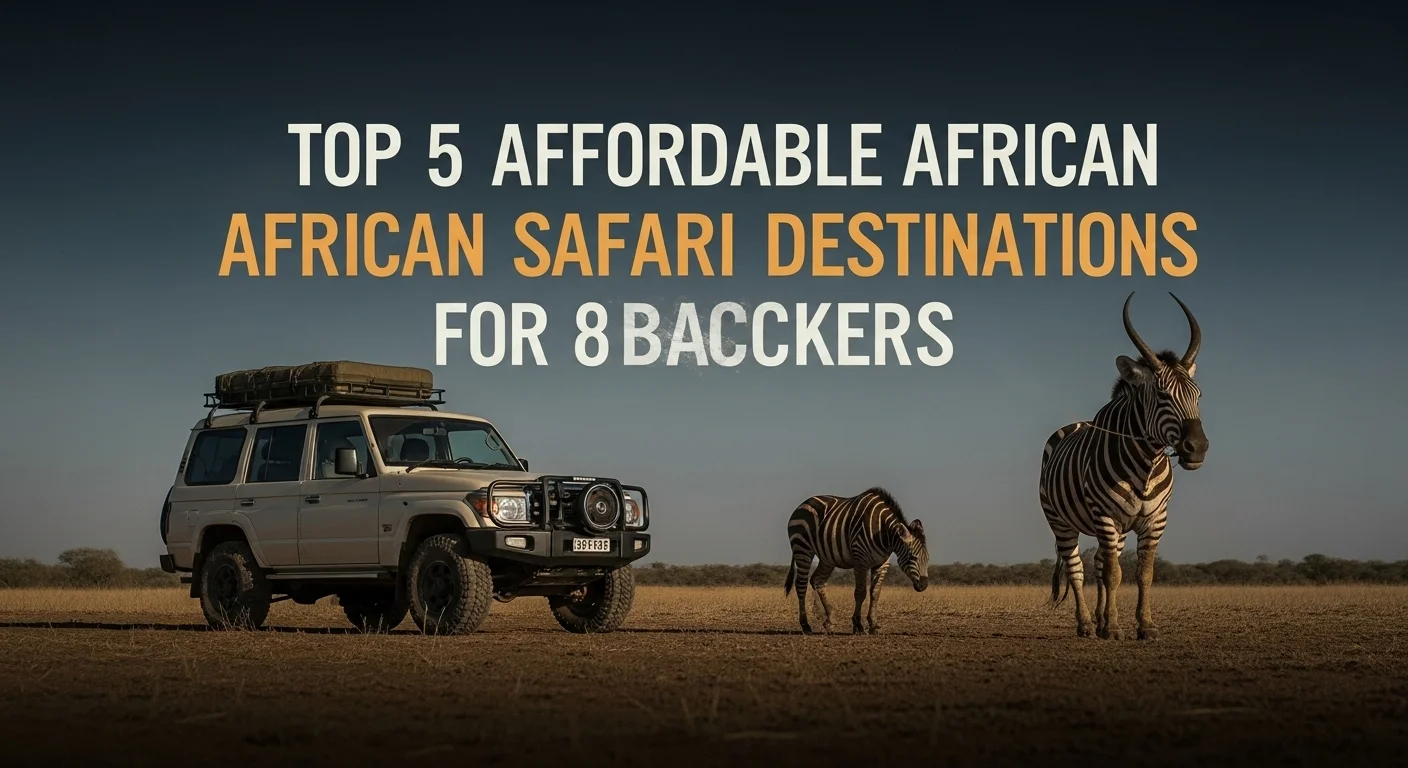
Top budget safari destinations include Tanzania (Serengeti National Park and Ngorongoro Crater), Kenya (Masai Mara National Reserve and Amboseli National Park), South Africa (Kruger National Park and Addo Elephant National Park), Namibia (Etosha National Park and Skeleton Coast), Botswana (Chobe National Park and Okavango Delta), and Uganda (Murchison Falls National Park and Queen Elizabeth National Park). Read Interesting article: Top 5 Affordable African Safari Destinations for Backpackers

When is the best time to go on a budget safari?

The best seasons for wildlife viewing generally align with the dry season, which runs from May to October in many regions, making it easier to spot animals near water sources.

How can I plan a budget safari effectively?

To plan a budget safari effectively, choose a trustworthy tour operator, consider various accommodation options (like camping or local guesthouses), and explore cost-saving tips such as traveling during shoulder seasons and booking in advance.

What types of accommodations are available for budget safari travelers?

Budget safari accommodations range from camping and lodges to homestays and local guesthouses, each offering unique experiences and varying levels of comfort.

Is travel insurance necessary for a safari?

Yes, travel insurance is important for a safari as it can cover unexpected expenses, such as medical issues, and provide peace of mind during your trip.

What are the advantages of group tours compared to private tours?

Group tours often provide better rates, especially for budget travelers, and offer a shared experience with others who have similar interests, while private tours are usually more tailored but come at a higher cost.

What should I consider about climate when planning a safari?

Climate can vary greatly between destinations, so it’s important to check temperature ranges, be prepared for sudden weather changes, and dress in layers to stay comfortable throughout the day.

Ultimate Guide to Backpacking on a Budget in African Safaris

Exploring Africa on a budget while experiencing its breathtaking wildlife is a dream come true for many adventurers. This ultimate guide will help you navigate the wonders of backpacking on African safaris without breaking the bank. For those looking for more travel inspiration, check out our Top 5 Affordable African Safari Destinations for Backpackers.

Ultimate Guide to Backpacking on a Budget in African Safaris

Understanding African Safaris

What is a Safari?

When I first heard the word “safari,” I imagined a grand adventure filled with exotic animals, vast landscapes, and thrilling experiences. In essence, a safari is a journey, primarily in Africa, aimed at observing wildlife in their natural habitat. I remember the moment when I saw my first elephant in the wild; it was a surreal experience, one that changed my perspective on nature and travel. Safaris can range from luxury tours to more budget-friendly options, catering to a variety of travelers, including those of us who love to explore while keeping an eye on our wallets.

Types of Safaris

There’s a wide range of safari types to choose from, and each offers its unique experience. Here are a few I found particularly interesting:

  • Game Drives: Typically conducted in a 4×4 vehicle, game drives allow you to see wildlife up close while offering the comfort of a guided tour. I’ve been on several, and they always end with a sense of wonder.
  • Walking Safaris: For those who crave a more immersive experience, walking safaris are perfect. You get to venture into the bush, learning about wildlife tracks, plants, and the ecosystem. I recall the thrill of walking through the savannah, feeling a deep connection to the land.
  • Canoe Safaris: These are unique and allow you to float down rivers, witnessing wildlife from a different perspective. I found it to be both peaceful and exhilarating as I silently paddled past hippos and crocodiles.
  • Camping Safaris: Perfect for budget travelers, camping safaris combine adventure with affordability. Setting up a tent under the stars was one of my favorite aspects of my trips.

Popular Safari Destinations in Africa

Africa boasts many incredible safari destinations, each with its charm and attractions. Some of my favorites include:

  • Serengeti National Park, Tanzania: Famous for the Great Migration, where millions of wildebeests traverse the plains each year. The sight is breathtaking, and the atmosphere is electric with wildlife.
  • Maasai Mara, Kenya: Known for its rich wildlife and the Maasai culture, this is a must-visit for any safari enthusiast. I found the local tribes’ stories about the land and animals truly enriching.
  • Kruger National Park, South Africa: One of Africa’s largest game reserves, Kruger offers a variety of wildlife experiences. I appreciated the well-maintained infrastructure that makes self-drive safaris accessible.
  • Chobe National Park, Botswana: Renowned for its elephant population, Chobe offers amazing river cruises that can provide a unique view of the wildlife.

Each of these destinations has its unique flavor, and I often find myself daydreaming about the sights and sounds. It’s not just about the animals; it’s about the overall experience and meeting fellow travelers, sharing stories by the campfire under the African sky. For more insights on budget-friendly options, check out the Ultimate Guide to Affordable Mountain Trekking Trails.

When to Go on an African Safari

Best Time to Visit for Wildlife Viewing

Timing is essential for an unforgettable safari. From my experience, the dry season, which typically runs from June to October, is the best time for wildlife viewing. Animals tend to congregate near water sources, making them easier to spot. I recall one evening in the Maasai Mara, watching lions lounging in the fading sunlight—it felt like a scene from a nature documentary.

Seasonal Weather Patterns

Weather varies greatly across the continent. Understanding the seasonal patterns can enhance your experience. The dry season is generally warm and sunny, while the wet season (November to March) brings heavy rains, which can make some roads impassable. However, I found that the wet season also has its perks, like lush landscapes and fewer tourists.

Peak vs. Off-Peak Travel

Traveling during peak season usually means higher prices and larger crowds. If you’re like me and prefer a quieter experience, consider visiting during the shoulder seasons, which can also provide good wildlife viewing opportunities. I discovered that off-peak travel can lead to more intimate encounters with nature and save some money in the process.

Budgeting for Your Safari Adventure

Estimated Costs of African Safaris

When planning my safari, budgeting was one of the most crucial steps. Costs can vary significantly depending on the type of safari you choose. From my experience, a budget safari can range anywhere from $150 to $300 per day, including meals and lodging. Game drives often come with additional fees, so I always made sure to factor those in. For instance, while a walking safari might be less expensive, a guided game drive in a 4×4 vehicle tends to be pricier but offers an unforgettable experience. I remember budgeting for each aspect of my trip, and it helped me enjoy without the constant worry about overspending.

How to Create a Backpacking Budget

Creating a backpacking budget for an African safari is an exciting challenge. I often start by listing all potential expenses, from flights and accommodations to daily meals and activities. I like to use a simple spreadsheet for this, breaking everything down into categories. For instance, I’d allocate a certain amount for each day, knowing that some days might require more spending than others. One tip I found helpful was to set aside a little extra for spontaneous opportunities, like a last-minute guided tour or an unplanned adventure that could pop up along the way.

Hidden Costs to Consider

As I went through my safari planning, I quickly learned that hidden costs can sneak up on you. Things like park entrance fees, which can range from $20 to $100 depending on the location, are often overlooked. I also discovered that some parks charge extra for specific activities, like walking safaris or boat tours. Additionally, tips for guides and support staff can add up, so I usually set aside around 10% of my total budget for gratuities. I’ve found that being aware of these hidden costs allows for a much smoother experience, and I can enjoy my adventure without any unpleasant surprises.

Choosing the Right Safari Experience

Camping Safaris vs. Lodge Safaris

Choosing between camping safaris and lodge safaris was one of the most exciting parts of my planning process. Camping safaris offered a much more budget-friendly option, and I loved the idea of sleeping under the stars, surrounded by nature. On my camping trips, I had the chance to bond with fellow travelers around the campfire, sharing stories and laughter. However, lodge safaris, while more luxurious, provided a different kind of comfort. I remember staying in a lovely lodge once, and the warm shower after a long day of game viewing felt heavenly. Each choice has its unique charm, and I think it really depends on what type of experience you’re looking for.

Guided Tours vs. Self-Drive Safaris

Another decision I faced was whether to join guided tours or drive myself. Guided tours typically offer a wealth of knowledge from experienced guides, making wildlife spotting easier and more informative. I remember how excited I was when my guide pointed out a cheetah lounging in the tall grass, something I might have missed on my own. On the other hand, self-drive safaris can give you the freedom to explore at your own pace. I decided to try a mix of both during my travels. It was thrilling to navigate the roads independently some days, while other days, the insights from a guide enriched my understanding of the wildlife and ecosystems.

Group Tours vs. Private Safaris

When it came to deciding between group tours and private safaris, I leaned towards group tours due to their affordability and social aspect. I met some incredible people from around the world during these tours, and we shared many memorable experiences together. The camaraderie of a group can enhance the adventure, as everyone bonds over their love for wildlife. However, private safaris can offer a more personalized experience, allowing for more tailored itineraries. I had one memorable private safari where I could spend extra time observing a family of elephants. Both options have their merits, and I think it’s all about what kind of experience you want to create.

Accommodation Options on a Budget

Camping in National Parks

Camping in national parks is one of my favorite budget options. Many parks offer campsites with basic amenities, allowing you to connect with nature at a fraction of the cost of lodges. I remember setting up my tent at a campsite right next to a watering hole, and falling asleep to the sounds of wildlife. It was magical! Plus, camping fosters a sense of community among fellow travelers, as we exchanged stories by the campfire. Just remember to book your spots in advance during peak seasons, as they can fill up quickly.

Hostels and Guesthouses

Hostels and guesthouses are excellent accommodation choices if you prefer a roof over your head without spending too much. I’ve stayed in some charming guesthouses run by local families, and the hospitality was always welcoming. These places often provide a chance to interact with locals and learn about their culture, which adds another layer of richness to your experience. I’ve found that hostels can also be great for meeting fellow backpackers, making plans to explore together.

Budget Lodges and Camps

For those who want a bit more comfort but still need to stick to a budget, budget lodges and camps are the way to go. These places usually offer basic amenities without the hefty price tag of luxury lodges. I remember staying in a budget lodge that had a fantastic view of the sunset over the savannah. It was a simple setup, but the location and the experience made it worth every penny. Always check for discounts or deals, especially during the off-peak season; you might find some hidden gems!

Transportation Tips for Backpackers

Public Transport Options in Africa

When I traveled around Africa, I quickly discovered that public transport can be both an adventure and an economical choice. Buses, minibuses, and shared taxis are often the go-to options for budget travelers like us. In many regions, local buses or “matatus” (especially in Kenya) operate on set routes and are a great way to experience the local culture. I remember cramming into a minibus with locals, sharing stories and laughter, feeling like I was part of the community. It’s important to note that these rides can get a bit crowded, but the vibrant atmosphere makes it all worth it. Plus, the cost is usually a fraction of what you’d pay for a private transfer. Always check schedules ahead of time, as they can vary, and be prepared for some delays—it’s all part of the journey!

Renting a Vehicle for Safari

Renting a vehicle can be an exciting option for those who crave flexibility and adventure. I found that self-driving through national parks gave me the freedom to explore at my own pace. Many parks, like Kruger and Maasai Mara, allow self-drive safaris, which can be a fantastic way to experience the wildlife without the added cost of guided tours. I remember the thrill of spotting a pride of lions lounging near the road, all thanks to being able to stop whenever I wanted. Just make sure to choose a reliable rental company and opt for a 4×4, especially if you’re venturing off the beaten path. It’s also wise to familiarize yourself with local driving rules and conditions, as they can be quite different from what we’re used to.

Domestic Flights and Travel Deals

For longer distances, domestic flights can save you time and energy. I often found that booking flights in advance helped me snag some great deals. Airlines like Airlink and Kenya Airways frequently run promotions, especially during off-peak seasons. I remember flying from Johannesburg to Victoria Falls, which not only saved me hours of driving but also allowed me to enjoy the stunning aerial views of the landscapes below. Keep an eye out for travel packages that combine flights with safari bookings, as these can offer substantial savings. Just be sure to account for the extra costs of airport transfers, which can sometimes be a bit pricey.

Essential Gear for Backpacking Safaris

Must-Have Camping Equipment

When preparing for my camping safaris, I realized that the right gear can make all the difference in comfort and safety. A good quality tent is a must—I personally opted for a lightweight, easy-to-assemble model. I also invested in a durable sleeping bag and an inflatable sleeping pad for extra comfort during chilly nights. Another essential piece of equipment I found useful was a portable camp stove, which allowed me to cook simple meals and enjoy warm tea while soaking in the stunning views. Don’t forget a headlamp or flashlight for navigating around the campsite after dark; the last thing you want is to trip over a root or bump into a curious creature! Packing a small first-aid kit is also wise, just in case.

Clothing and Footwear Recommendations

Choosing the right clothing is essential for a successful safari experience. I learned quickly that layers are my best friend, as temperatures can fluctuate drastically between day and night. Lightweight, breathable clothing made from moisture-wicking materials worked wonders during the hot days, while a warm fleece jacket came in handy after sunset. I always packed a wide-brimmed hat and polarized sunglasses to protect myself from the sun. For footwear, a sturdy pair of hiking boots is a must for walking safaris, while comfortable sandals are perfect for around the campsite. One tip I picked up was to stick to neutral colors, as bright clothing can scare off wildlife.

Photography Gear for Capturing Wildlife

As an avid photographer, capturing the beauty of wildlife was one of my top priorities on safari. A good camera with a decent zoom lens can make all the difference. I often used my DSLR with a 70-300mm lens, which allowed me to take stunning close-ups of animals without disturbing them. A sturdy tripod or monopod came in handy for steady shots during those magical golden hour moments. I also made sure to bring extra batteries and memory cards since I learned the hard way that you don’t want to miss that perfect shot because of a dead battery! Lastly, I always kept my gear in a waterproof bag to protect against the unpredictable weather.

Food and Dining on a Budget

Local Cuisine to Try

One of my favorite parts of traveling in Africa was diving into the local cuisine. Each country has unique flavors and dishes that tell their own stories. In Tanzania, I savored delicious ugali, a staple made from maize flour, often served with fish or meat. In Kenya, I couldn’t resist trying nyama choma (grilled meat), which is usually enjoyed with friends around a fire. I remember the vibrant colors and flavors of the food, and how sharing meals with locals made the experience even more special. Whenever possible, I made it a point to try street food, which not only added variety to my diet but also helped me stay within my budget.

Eating Cheap: Markets and Street Food

Markets are a treasure trove for budget-friendly meals. I often visited local markets where vendors served up fresh produce, snacks, and local dishes at incredibly low prices. I remember grabbing a plate of samosas and a refreshing sugarcane juice for just a few dollars. It’s not only economical but also a fantastic way to mingle with locals and get a taste of authentic flavors. I recommend being adventurous and trying dishes that catch your eye; you might discover some new favorites!

Self-Catering Options for Backpackers

If you enjoy cooking, self-catering can be a great way to save money while on safari. Many camping sites and hostels offer kitchen facilities. I loved the experience of shopping at local markets for fresh ingredients and preparing meals in the camp kitchen. It became a fun activity, often shared with fellow travelers. I learned to whip up simple meals like pasta dishes, stir-fries, and even grilled vegetables over an open fire. Not only was it cost-effective, but it also provided a satisfying sense of accomplishment after a long day of exploring!

Frequently Asked Questions

What is a safari?

A safari is a journey, primarily in Africa, aimed at observing wildlife in their natural habitat. It can range from luxury tours to budget-friendly options, catering to various travelers.

What types of safaris are available?

There are several types of safaris, including game drives in 4×4 vehicles, walking safaris for a more immersive experience, canoe safaris for unique perspectives, and camping safaris for budget travelers.

Which are some popular safari destinations in Africa?

Some popular safari destinations include Serengeti National Park in Tanzania, Maasai Mara in Kenya, Kruger National Park in South Africa, and Chobe National Park in Botswana.

When is the best time to go on an African safari?

The best time for wildlife viewing is during the dry season, which typically runs from June to October, as animals tend to congregate near water sources.

What is the estimated cost of an African safari?

A budget safari can range from $150 to $300 per day, including meals and lodging. However, additional fees may apply for specific activities like game drives.

What should I consider when budgeting for a safari?

When budgeting, consider all potential expenses, including flights, accommodations, meals, activities, park entrance fees, and tips for guides and support staff.

What are some accommodation options for budget travelers?

Budget travelers can consider camping in national parks, staying in hostels or guesthouses, or choosing budget lodges and camps for affordable yet comfortable options.

What transportation options are available for backpackers in Africa?

Public transport options include buses, minibuses, and shared taxis. Renting a vehicle for self-drive safaris is also a popular choice for flexibility.

What essential gear should I pack for a camping safari?

Must-have camping gear includes a good quality tent, sleeping bag, portable camp stove, headlamp, and a small first-aid kit for safety and comfort.

How can I eat on a budget while on safari?

To eat on a budget, consider trying local cuisine, visiting markets for fresh produce and street food, or using self-catering options to prepare your own meals.

Budget-Friendly African Safaris: Explore Wildlife Without Breaking Bank

Embarking on a safari in Africa is a dream for many, but it often seems financially out of reach. However, budget-friendly options exist that allow us to explore the stunning wildlife and landscapes without breaking the bank. For those interested in exploring various options, check out our article on Top 5 Affordable African Safari Destinations for Backpackers.

Budget-Friendly African Safaris: Explore Wildlife Without Breaking Bank

Understanding Budget-Friendly African Safaris

What is a Budget-Friendly Safari?

A budget-friendly safari is essentially a way to experience the incredible wildlife and natural beauty of Africa without spending a fortune. It involves various strategies, such as choosing affordable accommodations, opting for group tours, and visiting less touristy parks. I remember when I first considered going on a safari; I was worried about the costs involved. But as I researched, I found that with a bit of planning, it’s entirely possible to enjoy a fantastic safari experience even on a tight budget.

Benefits of Choosing a Budget Safari

Choosing a budget safari comes with several advantages. For one, it allows more flexibility and creativity in planning. I discovered that by avoiding the high-season crowds and expensive lodges, I could visit multiple parks and experience a variety of landscapes and wildlife. Plus, budget safaris often focus on the experience rather than luxury. I found that this approach enabled more meaningful interactions with nature and local communities.

Another benefit is the chance to meet like-minded travelers. During my budget safari, I connected with people from different backgrounds, sharing stories and tips. This camaraderie enriched my experience, making it even more memorable. Plus, many budget-friendly tours are guided by local experts who have a deeper understanding of the wildlife and ecosystems, enhancing our appreciation for the surroundings.

On top of that, opting for a budget safari often means you can allocate more funds to experiences, like hot air balloon rides over the savannah or guided night walks. I can still recall the thrill of spotting a lion under the moonlight – a moment I wouldn’t trade for anything.

Top Budget Safari Destinations in Africa

Kenya: The Maasai Mara

Kenya’s Maasai Mara is famous for its stunning landscapes and abundant wildlife. While it can be pricey during peak times, visiting during the shoulder season can significantly reduce costs. I remember how breathtaking the migration of wildebeests was, and being able to witness it while keeping my budget in check was a victory! Opting for a camping safari here rather than luxury lodges can save a lot without sacrificing the experience.

Tanzania: Serengeti National Park

The Serengeti is another iconic destination. I found that staying in tented camps or even opting for self-catering accommodations can help keep expenses low. The park offers various entry points, and exploring lesser-known areas can lead to incredible wildlife sightings while avoiding crowds. Plus, the vast landscapes make for stunning photographs, and I loved capturing the sunset over the plains. For more budget-friendly travel ideas, consider reading about the Top 10 Budget Winter Hiking Trails for Adventurers.

South Africa: Kruger National Park

Kruger National Park is one of the most accessible safari destinations. I learned that self-driving through the park is not only budget-friendly but also an adventure in itself. With numerous campsites and affordable lodges available, it’s possible to create a memorable experience tailored to my budget. Spotting elephants and rhinos from the comfort of my vehicle was surreal, and I felt a sense of freedom exploring at my own pace.

Namibia: Etosha National Park

Etosha is known for its salt pan and diverse wildlife. I was amazed at how affordable it was to stay inside the park. The public campsites are well-kept, and the chance to see animals gathering at the waterholes was a highlight. I remember sitting quietly and watching a group of giraffes drink – it felt like nature’s theater right before my eyes.

Botswana: Chobe National Park

Chobe National Park offers fantastic wildlife experiences, especially with its elephants. I found budget camping options and day trips to be budget-friendly ways to experience the park. The river cruises were also surprisingly affordable, and I enjoyed spotting hippos and crocodiles while learning about the ecosystem. The sheer number of animals I saw was overwhelming in the best way possible!

By exploring these destinations and being open to budget-friendly options, I found that I could immerse myself in the stunning beauty of Africa without feeling guilty about my spending. Each park provided a unique experience, and I cherish the memories I made there, all while keeping my budget intact.

When to Go on a Budget Safari

Best Time to Visit for Wildlife Viewing

Timing is everything when it comes to safari experiences. I learned that visiting during the dry season, which varies by region, can greatly increase our chances of spotting wildlife. During this time, animals are drawn to water sources, making them easier to find. For example, I remember visiting Kruger National Park in June, where we saw herds of elephants congregating around waterholes. It was incredible to witness their interactions in such a vibrant setting.

However, the shoulder seasons, just before and after the peak dry season, also offer excellent opportunities. For instance, I visited the Serengeti in late May, just before the main migration. Although the crowds were fewer, I was still treated to breathtaking views and animal encounters while keeping costs lower. I believe this timing allows us to enjoy the beauty of the parks without the hustle and bustle of peak tourist season.

Off-Peak vs. Peak Seasons

One thing I realized is that the price difference between off-peak and peak seasons can be substantial. Peak season typically runs from June to October in many parks, and prices can skyrocket. When I traveled during the off-peak times, I found that accommodations, park fees, and even meals were significantly cheaper. It was also refreshing to experience the parks with fewer people around.

For instance, visiting Chobe National Park in November provided a unique experience. Although the weather was hotter, the wildlife was just as vibrant, and I had more freedom to explore without feeling rushed. The same can be said for the Maasai Mara after the migration season, where the landscapes were lush, and many animals were still visible. I think it’s worth considering these off-peak times, not just for cost savings but for a more intimate connection with nature.

Weather Considerations

Weather plays a crucial role in planning a budget safari. Each park has its own climate, and understanding this can help us prepare and plan accordingly. I remember visiting Etosha in the rainy season, which ran from November to April. The landscape was stunningly green, but heavy rains sometimes made roads impassable. Seeing wildlife during this time was a bit of a challenge, but the rewards were incredible when we did spot animals against such a vibrant backdrop.

In contrast, the dry season meant fewer chances of rain but also hotter temperatures. On my trip to the Serengeti, I found the mornings and evenings were the best times for game drives when the temperatures were cooler, and the animals were more active. I recommend staying hydrated and wearing breathable clothing, regardless of the season, to stay comfortable and enjoy the incredible sights.

How to Save Money on Safari Tours

Choosing the Right Tour Operator

Finding the right tour operator can make all the difference in our budget safari experience. From my experience, I discovered that doing thorough research and reading reviews is essential. I had a great experience with a local safari company that offered budget packages, which included accommodations, meals, and guided tours. They were knowledgeable about the parks and provided personalized service, making me feel valued as a traveler.

When I compared prices, I found that local operators often offered better deals than larger international companies. It’s important to ask questions about what’s included in the package, as hidden fees can sometimes inflate costs. I remember clearly asking about park fees and what meals were covered, so I wasn’t caught off guard later. This clear communication helped me avoid unexpected expenses and enjoy my trip without financial stress.

Group Safaris vs. Private Safaris

Group safaris are a fantastic way to save money while meeting new people. I went on a group tour in Namibia, and the cost was significantly lower compared to a private tour. Sharing costs for transportation and guides can lead to substantial savings. Plus, the camaraderie from traveling with others added to the fun of our adventure. We shared stories around the campfire and even pooled our resources for some additional activities, like guided walks.

On the flip side, if you prefer a more personalized experience or want to focus on specific wildlife interests, a private safari might be worth the splurge. I’ve seen friends opt for a private guide in the Maasai Mara, allowing them to tailor their schedule and focus on specific animals. Weighing the pros and cons and deciding what fits our travel style best can help us make the right choice.

Camping vs. Lodging Options

Accommodations can eat up a significant part of our safari budget, but I found camping to be an excellent alternative. Many parks offer campsites that are not only affordable but also immerse us in nature. I remember camping under the stars in Etosha, surrounded by the sounds of wildlife. It was a magical experience, and I felt more connected to the environment than I ever had in a hotel.

Of course, if camping isn’t for everyone, there are also budget lodges and guesthouses available. During my safari, I stayed in a cozy lodge that provided essential amenities without the luxury price tag. I recommend looking for places that are slightly outside the main tourist areas, as they tend to be cheaper while still offering easy access to the parks.

Transportation Tips: Self-Drive vs. Guided Tours

Transportation can also impact our safari budget. I opted for a self-drive safari in Kruger National Park, which allowed me to explore at my own pace. It was exciting to navigate the park and choose my routes. Plus, I saved money on guided tour fees. However, I also appreciated the value of guided tours, as they often come with knowledgeable drivers who can spot wildlife that we might miss. Weighing these options based on our comfort level and budget is key to planning a fantastic safari experience.

Essential Budget Safari Tips

What to Pack for a Budget Safari

Packing for a budget safari can really make a difference in our experience. I remember the first time I went, I overpacked and ended up lugging around a heavy backpack. Now, I focus on bringing only the essentials. Lightweight, breathable clothing is a must, especially since temperatures can fluctuate throughout the day. I usually opt for quick-dry fabrics that are easy to layer, which helps me stay comfortable during morning game drives and warmer afternoons.

Comfortable walking shoes are also crucial. I made the mistake of wearing new shoes on my first safari, and let me tell you, blisters were not the souvenir I wanted to take home! I recommend sturdy hiking boots or sandals that you’ve already broken in. Don’t forget a good sun hat and sunglasses to protect yourself from the African sun – I learned this the hard way after a long day without them!

Additionally, I always pack a reusable water bottle to stay hydrated, especially during long drives. Most campsites and lodges offer water refills, so it’s an eco-friendly way to stay refreshed. Binoculars are another essential item, as they allow us to get a closer look at wildlife without disturbing them. Lastly, I found that a small first-aid kit with basic supplies, insect repellent, and sunscreen can save us from minor inconveniences while out in the field.

Travel Insurance for Safaris

Travel insurance is something I never travel without, especially on safaris. I’ve learned that unexpected situations can arise, from flight delays to health issues, and having insurance gives me peace of mind. When selecting a policy, I make sure it covers outdoor activities like game drives and walking safaris, as not all plans include this.

During my last safari, I encountered a minor health scare that required a quick visit to a local clinic. Luckily, my travel insurance covered the costs, and I was able to continue my adventure without further worries. I recommend reading the fine print and ensuring that any emergency evacuation is also included, just in case we find ourselves in a remote area that requires immediate assistance.

Staying Safe on a Budget Safari

Safety is paramount when embarking on a budget safari. I always prioritize staying aware of my surroundings, especially in unfamiliar places. For instance, I remember being in a campsite where we were advised to avoid walking alone after dark. Following local guidelines is crucial, and I’ve found that listening to guides and lodge staff can provide valuable insights on safety.

It’s also important to keep our valuables secure. I typically use a money belt or a secure bag for important items like passports, cash, and electronics. While I love capturing memories with my camera, I also ensure I’m not flaunting it around too much, as it can attract unwanted attention.

Another tip I learned is to stay in groups whenever possible. I felt more secure joining other travelers for outings, whether it was a walking tour or a visit to a nearby village. Together, we could look out for one another, and it often led to fun shared experiences. Just remember that in wildlife encounters, keeping a safe distance is essential. I always keep my distance from wild animals, as they are unpredictable, and I’ve been lucky enough to enjoy amazing views while respecting their space.

Local Culture and Cuisine on a Budget Safari

Experiencing Local Culture without Extra Costs

One of the joys of a budget safari is getting to experience the local culture without overspending. I’ve found that many parks are located near communities with rich traditions and histories. During my trips, I sought out opportunities to engage with locals, whether it was visiting a nearby village or participating in cultural performances. I remember watching a traditional dance in Tanzania, and it felt like a special moment that connected me to the heart of the country.

Some lodges and tour operators offer cultural experiences that are affordable and enriching. For example, I joined a community-led tour where we learned about traditional crafts and cooking. Not only did I gain insights into their way of life, but I also supported local artisans, which felt rewarding. I believe that immersing ourselves in local culture adds depth to our safari experience, making it more memorable.

Affordable Local Dishes to Try

Food is a vital part of any travel experience, and I’ve discovered that trying local dishes can be done on a budget. During my safaris, I made it a point to sample local cuisine. In Kenya, I tried ugali, a staple made from maize flour, often served with vegetables or meat. I remember how filling and delicious it was, especially when shared with fellow travelers.

In South Africa, I indulged in bunny chow, a tasty curry served in a hollowed-out loaf of bread. I found local eateries where meals were not only affordable but also packed with flavor. I recommend asking locals for their favorite spots, as they often know the best places to experience authentic dishes without the tourist markup.

Where to Eat: Budget-Friendly Dining Options

Finding budget-friendly dining options can enhance our safari experience without putting a strain on our wallet. I discovered that many national parks have affordable cafes or restaurants where we can grab meals. I often opted for meals at local markets or street vendors, where I enjoyed fresh fruits, grilled meats, and traditional snacks at a fraction of the price.

Self-catering accommodations are another great option, allowing us to prepare our own meals. During one of my safaris, we stayed in a lodge with a communal kitchen. We had a fun cooking night, where we all pitched in and prepared a meal together. It was a fantastic way to bond with fellow travelers while keeping costs down.

By being mindful of where and what I ate, I managed to enjoy the rich flavors of African cuisine without overspending. I think that embracing local dining options adds another layer to the safari experience, making it all the more rewarding.

Frequently Asked Questions

What is a budget-friendly safari?

A budget-friendly safari is a way to experience Africa’s wildlife and natural beauty without spending a fortune. It involves strategies like choosing affordable accommodations, opting for group tours, and visiting less touristy parks.

What are the benefits of choosing a budget safari?

Choosing a budget safari allows for more flexibility and creativity in planning, enables meaningful interactions with nature and local communities, and provides opportunities to meet like-minded travelers. It also allows for allocating more funds to unique experiences, such as hot air balloon rides or guided night walks.

Which destinations are best for budget safaris in Africa?

Top budget safari destinations include Kenya’s Maasai Mara, Tanzania’s Serengeti National Park, South Africa’s Kruger National Park, Namibia’s Etosha National Park, and Botswana’s Chobe National Park.

When is the best time to go on a budget safari?

The best time for wildlife viewing is during the dry season when animals congregate around water sources. Shoulder seasons, just before and after peak dry season, also offer excellent opportunities with fewer crowds and lower costs.

How can I save money on safari tours?

To save money on safari tours, choose the right tour operator by comparing prices and asking about inclusions, consider group safaris for shared costs, and explore camping options instead of expensive lodges.

What should I pack for a budget safari?

Pack lightweight, breathable clothing, comfortable walking shoes, a sun hat, sunglasses, a reusable water bottle, binoculars, and a small first-aid kit. This helps ensure a comfortable and enjoyable experience.

Is travel insurance necessary for safaris?

Yes, travel insurance is important as unexpected situations can arise. Ensure the policy covers outdoor activities like game drives and includes emergency evacuation in case of health issues or accidents.

How can I experience local culture on a budget safari?

Engage with local communities by visiting nearby villages or participating in cultural performances. Many lodges and tour operators offer affordable cultural experiences that enrich the safari experience.

What are some budget-friendly dining options while on safari?

Look for affordable cafes in national parks, eat at local markets or street vendors, and consider self-catering accommodations where you can prepare your own meals. This allows for enjoying local cuisine without overspending.

What is the importance of weather considerations when planning a safari?

Weather significantly impacts safari experiences, as different parks have varying climates. Understanding the weather patterns helps in planning for the best animal sightings and preparing appropriate clothing for comfort during the trip.

Top 5 Affordable African Safari Destinations for Backpackers

Embarking on an African safari doesn’t have to break the bank! For backpackers seeking adventure, there are affordable destinations offering amazing wildlife experiences and breathtaking landscapes. Let’s dive into the best options for an unforgettable journey!

Top 5 Affordable African Safari Destinations for Backpackers

Overview of African Safaris for Backpackers

What is an African Safari?

When I think of an African safari, I picture vast savannahs, herds of elephants roaming freely, and the thrill of spotting a lion in its natural habitat. An African safari is essentially a journey into the wilderness of Africa, where you can observe wildlife in their natural environment. There are various ways to experience a safari, from guided tours to self-driving adventures. For me, the idea of witnessing nature’s beauty up close is exhilarating.

Why Choose an Affordable Safari?

Opting for an affordable safari doesn’t mean sacrificing quality; it’s about seeking out the best experiences without overwhelming your budget. I’ve found that many backpackers often think safaris are only for those with deep pockets, but this isn’t the case! Choosing affordable options allows us to immerse ourselves in the culture and beauty of Africa while still enjoying incredible wildlife experiences. Plus, it opens the door to discovering hidden gems that might be overlooked by the mainstream tourist crowd. Cost-effective safaris often lead to more personal and unique experiences, making the adventure all the more memorable. Read Interesting article: Top Cultural Trekking Destinations for Budget Travelers

Top 5 Affordable African Safari Destinations

1. Tanzania

Key National Parks: Serengeti and Ngorongoro Crater

Tanzania is often hailed as one of the best safari destinations in Africa, and for good reason. The Serengeti National Park offers a chance to witness the Great Migration, where millions of wildebeest and zebras traverse the plains. The Ngorongoro Crater, a UNESCO World Heritage site, is another must-visit. I remember standing at the crater’s edge, feeling a sense of awe as I gazed upon this stunning natural wonder filled with diverse wildlife.

Best Time to Visit

The best time to visit Tanzania for a safari is during the dry season, from June to October. I found that wildlife is easier to spot during these months, as animals gather around water sources. However, visiting during the wet season (November to May) can also offer unique experiences, like lush landscapes and fewer tourists.

Budget Accommodation Options

While Tanzania is known for luxury lodges, backpackers can find plenty of budget-friendly options. Hostels, guesthouses, and camping sites are widely available. I’ve stayed in some fantastic hostels in Arusha that offer safari packages at reasonable prices. Camping in the national parks can also provide an incredible experience, letting us sleep under the stars while surrounded by nature.

Local Transportation Tips

Getting around Tanzania can be an adventure in itself! From my experience, using public transportation like dala-dalas (shared minibusses) is both affordable and a great way to meet locals. For safaris, consider joining group tours that split costs, making it easier to explore the parks without breaking the bank. I often found that traveling with new friends made the experience even more enjoyable!

2. South Africa

Key National Parks: Kruger National Park and Addo Elephant Park

South Africa is another fantastic choice for backpackers. Kruger National Park is one of the largest game reserves in Africa, offering immense biodiversity and excellent opportunities for wildlife spotting. Addo Elephant Park is famous for its elephants and is a must-see for any animal lover. I’ll never forget the feeling of seeing a massive elephant family up close!

Best Time to Visit

Like Tanzania, the dry season from May to September is ideal for visiting South Africa. During this time, wildlife sightings are more frequent as animals congregate around water sources. However, the shoulder months of April and October can also be great for fewer crowds and beautiful landscapes.

Budget Accommodation Options

South Africa has a variety of budget accommodations, including hostels, guesthouses, and campsites. I found that many hostels offer organized tours to Kruger and Addo, which can save money while providing convenience. Camping in the parks is another excellent option that allows us to be closer to nature.

Local Transportation Tips

South Africa has a well-developed transportation system, and I recommend using regional buses or shared taxis for getting around. For safari trips, consider joining a group tour to share costs and enjoy the experience together. Many backpackers I met found that traveling in small groups can also enhance the adventure.

3. Kenya

Key National Parks: Maasai Mara and Amboseli

Kenya is iconic for its stunning landscapes and rich wildlife. The Maasai Mara is famous for the Great Migration and is one of the most popular safari destinations. Amboseli National Park, with its breathtaking views of Mount Kilimanjaro, is another must-visit. I remember being in Amboseli, surrounded by a herd of elephants with Kilimanjaro in the background—it was pure magic!

Best Time to Visit

The ideal time to visit Kenya is during the dry months from June to October. This is when the Great Migration occurs, offering unbeatable wildlife viewing opportunities. However, visiting in the wet season can also be rewarding, with vibrant landscapes and fewer tourists.

Budget Accommodation Options

Kenya offers various affordable accommodation options, from hostels to campgrounds. I discovered that many campsites near the national parks provide budget-friendly options for staying overnight. Meeting fellow travelers at these campsites often led to shared safari experiences, which was both economical and fun.

Local Transportation Tips

Getting around Kenya can be tricky, but using matatus (shared minibuses) is a popular and budget-friendly option. For safaris, consider joining group tours to save money. I learned that sharing the experience with others not only cuts costs but also enhances the overall adventure.

Top 5 Affordable African Safari Destinations

4. Namibia

Key National Parks: Etosha National Park and Namib Desert

Namibia is a hidden gem that often flies under the radar for many backpackers, but it’s a place I highly recommend. The vast landscapes, from the salt pans of Etosha National Park to the stunning dunes of the Namib Desert, are nothing short of breathtaking. In Etosha, I had the chance to see a variety of wildlife, including lions, zebras, and rhinos, all congregating around waterholes. The experience of watching animals in their natural habitat was truly unforgettable.

Best Time to Visit

The best time to visit Namibia is during the dry season, which runs from May to October. I found this period ideal for spotting wildlife, as animals venture out to drink water, making them easier to see. Plus, the weather is cooler, which made my excursions more enjoyable. If you’re looking for a quieter experience, consider visiting during the shoulder months, where you might enjoy lush scenery and fewer crowds.

Budget Accommodation Options

While Namibia has its share of luxury lodges, there are plenty of budget-friendly options available. I often stayed in guesthouses and hostels in Windhoek, the capital, which offer affordable rates and friendly atmospheres. Camping is also popular, especially in national parks, where I enjoyed setting up my tent under a star-studded sky. It’s a great way to connect with nature and fellow travelers.

Local Transportation Tips

Getting around Namibia can be a bit of a challenge due to its vastness, but I found that renting a car was a worthwhile investment, especially for a group of friends. This way, we could explore at our own pace and stop at scenic spots along the way. Alternatively, for solo travelers, joining guided tours or using public transport can be a good way to save on costs. I met many travelers who formed groups to share transportation expenses, which helped make it more affordable.

5. Botswana

Key National Parks: Chobe National Park and Okavango Delta

Botswana is often regarded as a premier safari destination, known for its commitment to wildlife conservation. Chobe National Park is famous for its large elephant population, and I was absolutely awestruck during a boat cruise on the Chobe River. It was a surreal experience watching elephants swim and play in the water. The Okavango Delta, a UNESCO World Heritage site, is another must-see, offering unique opportunities for mokoro (traditional canoe) safaris.

Best Time to Visit

For Botswana, the dry season from May to October is the optimal time for safaris. Wildlife sightings are plentiful during this period as animals gather around water sources. I found that visiting in the wet season, although less popular, offers stunning landscapes and unique experiences, like birdwatching and lush green scenery.

Budget Accommodation Options

While Botswana does have high-end lodges, there are affordable accommodations available, especially in towns like Kasane and Maun. I discovered that many lodges offer camping options, which not only saves money but also creates a more immersive experience. Staying in community campsites can also lead to meeting fellow travelers and sharing stories around a campfire.

Local Transportation Tips

Getting around Botswana can be done through various means, but I found that local buses and shared taxis, known as “combis,” are budget-friendly and efficient. For those looking to explore the national parks, joining a group tour can cut costs significantly while enhancing the experience. I met several backpackers who enjoyed the camaraderie of group safaris, making the adventure even more special.

Planning Your Safari Experience

When to Go: Seasonal Considerations

Choosing the right time to go on safari can have a huge impact on your experience. I learned that each season offers its own unique charm. The dry season is typically the most popular for wildlife viewing, as animals are easier to spot around watering holes. However, I also enjoyed visiting during the wet season, where the landscape transforms and the wildlife behavior changes, providing new and exciting opportunities. Observing baby animals during the wet season was a highlight of my travels!

Essential Packing List for Backpackers

Packing for a safari is crucial to ensure comfort and enjoyment. I always made sure to include lightweight clothing, a good pair of binoculars, and a camera to capture the stunning scenery and wildlife. A hat and sunscreen are essential to protect yourself from the sun during long days out in the wild. Don’t forget a reusable water bottle to stay hydrated and snacks for those long drives between sightings. It’s also wise to bring insect repellent and a first aid kit for peace of mind.

Safety Tips for Safari Adventures

Safety should always be a priority on safari adventures. I found that listening to guides and following their instructions were crucial for a safe experience. Staying in the vehicle during game drives, especially when encountering wildlife, is essential. Additionally, keeping a safe distance from animals is a must. I also made it a point to avoid walking alone in areas where wildlife might be present. Being aware of my surroundings enhanced my experience and ensured I stayed safe while enjoying the wonders of nature.

Local Culture and Cuisine

Understanding Local Customs

Experiencing an African safari is not just about wildlife; it’s also about immersing ourselves in the vibrant local cultures. Each country has its own unique customs and traditions that add to the richness of our journey. I remember visiting a Maasai village in Kenya and learning about their fascinating way of life. The locals welcomed us with open arms, sharing their songs and dances, which truly brought their culture to life. I learned the importance of showing respect, especially when taking photos, as some communities prefer not to be photographed without permission. Being mindful of these customs not only shows respect but also enhances our overall travel experience, creating connections with local people that can last a lifetime.

Must-Try Dishes in Each Destination

One of my favorite ways to experience a new culture is through its food. Each destination offers unique culinary delights that are worth trying. In Tanzania, I enjoyed a traditional meal of ugali (a maize porridge) served with fish or meat and vegetables. The flavors were simple yet delicious, and sharing meals with locals gave me a taste of their hospitality. In South Africa, I discovered boerewors, a savory sausage often enjoyed at a braai (barbecue). The smell of it sizzling on the grill is something I’ll never forget!

In Kenya, I had the pleasure of trying nyama choma, which is grilled meat typically served with ugali and kachumber (a fresh salad). It was a highlight to enjoy this meal while sitting around a fire with friends, sharing stories and laughter. Namibia introduced me to biltong, a dried meat snack that was perfect for taking on long drives. And in Botswana, I had a chance to savor seswaa, a slow-cooked meat dish that was incredibly tender and flavorful. Each meal I enjoyed connected me deeper to the culture, and I often found myself reminiscing about those flavors long after the trip.

Budgeting for Your Safari Trip

Cost Breakdown: Transportation, Accommodation, and Activities

As backpackers, managing our budget is crucial for making the most of our safari experience. I found that a well-structured budget can help us enjoy everything Africa has to offer without overspending. For transportation, I often relied on public buses and shared taxis, which kept costs down. While they may take longer than private transport, the experience of mingling with locals made the journey worthwhile. I usually set aside around $5 to $15 per day for transport, depending on the location and distances involved.

Accommodation costs also vary widely, but I often budgeted around $10 to $30 per night for hostels or budget guesthouses. Camping was another fantastic option, allowing me to save money while enjoying nature. I recommend looking for lodges that offer package deals, as these can sometimes include meals and activities, providing good value for money.

As for activities, national park entrance fees can add up, so planning ahead is key. I typically budgeted around $20 to $60 per day for park fees and guided tours. However, joining group tours can significantly reduce costs. I remember pooling resources with fellow travelers to hire a guide, which made for a more affordable and fun experience. By keeping these costs in mind, I was able to enjoy the adventure without financial stress.

How to Save Money While Traveling

Finding ways to save money while traveling can make a huge difference in the overall experience. One tip that worked well for me was to travel during the shoulder seasons. This not only meant fewer crowds but also lower prices on accommodation and activities. I often looked for local markets to grab meals instead of dining at touristy restaurants; this was not only kinder to my wallet but also offered a more authentic taste of local cuisine.

Joining group tours or sharing costs with fellow travelers was another money-saving tip I learned. I often met people who were eager to join forces for safari excursions, making it more affordable and enjoyable. I also took advantage of free activities, like hiking in national parks or exploring local towns, which were often the most rewarding parts of my travels. Lastly, I made it a habit to review my expenses regularly; this helped me stay on track and adjust my plans when necessary, ensuring I could make the most of my adventure without exceeding my budget.

Frequently Asked Questions

What is an African safari?

An African safari is a journey into the wilderness of Africa, where you can observe wildlife in their natural environment. It can include various experiences, from guided tours to self-driving adventures.

Why should I choose an affordable safari?

Choosing an affordable safari allows you to immerse yourself in the culture and beauty of Africa without overwhelming your budget. It often leads to more personal and unique experiences, allowing you to discover hidden gems overlooked by mainstream tourists.

What are some of the top affordable safari destinations in Africa?

Some of the top affordable safari destinations include Tanzania, South Africa, Kenya, Namibia, and Botswana. Read Interesting article: Explore Exotic Jungles: Backpacking on a Budget

When is the best time to visit Tanzania for a safari?

The best time to visit Tanzania for a safari is during the dry season, from June to October, when wildlife is easier to spot as animals gather around water sources.

What budget accommodation options are available in South Africa?

In South Africa, budget accommodations include hostels, guesthouses, and campsites. Many hostels offer organized tours to national parks, which can save money while providing convenience.

How can I get around Kenya while on a budget?

Using matatus (shared minibuses) is a popular and budget-friendly option for getting around Kenya. Joining group tours can also help save money on safaris.

What should I pack for a safari adventure?

Essential items to pack for a safari include lightweight clothing, binoculars, a camera, a hat, sunscreen, a reusable water bottle, snacks, insect repellent, and a first aid kit.

What safety tips should I follow during a safari?

Key safety tips include listening to guides, staying in the vehicle during game drives, keeping a safe distance from animals, and avoiding walking alone in areas where wildlife might be present.

How can I save money while traveling on a safari?

To save money while traveling on a safari, consider traveling during the shoulder seasons, eating at local markets, joining group tours, taking advantage of free activities, and regularly reviewing your expenses.

What are some must-try dishes in African safari destinations?

Must-try dishes include ugali in Tanzania, boerewors in South Africa, nyama choma in Kenya, biltong in Namibia, and seswaa in Botswana, each offering a taste of local culture and hospitality.