Web Analytics

Recent Posts

Responsible Safari Guide: Travel Smart and Protect Wildlife

Embarking on a safari is a thrilling adventure, but it comes with responsibilities. As travelers, we have the power to protect wildlife and support local communities while creating unforgettable memories in nature. Read Interesting article: Top 5 Responsible Safari Practices for Eco-Friendly Travel

Responsible Safari Guide: Travel Smart and Protect Wildlife

Understanding Responsible Safari Practices

When I first thought about going on a safari, the images of vast savannas, majestic elephants, and wandering lions captured my imagination. However, I quickly learned that there’s so much more to it than just spotting wildlife. Responsible safari practices play a vital role in protecting the environment and ensuring that our adventures are sustainable. Understanding these practices is essential for anyone looking to explore Africa’s incredible landscapes and wildlife.

What is Responsible Tourism?

Responsible tourism is all about making a positive impact on the destinations we visit. It involves being mindful of our footprints and ensuring that our travels contribute to the conservation of wildlife and the well-being of local communities. I remember feeling overwhelmed by how my choices could affect the places I traveled to, but I found that by focusing on responsible practices, I could enjoy my experiences while also giving back.

For me, responsible tourism means prioritizing the environment and the people who inhabit it. This includes choosing eco-friendly accommodations, supporting local businesses, and respecting cultural traditions. My journey taught me that every decision we make while traveling, from the tours we select to the souvenirs we buy, can either harm or help a community. As travelers, we have a unique opportunity to create change, even in small ways.

The Role of Safari Guides in Conservation

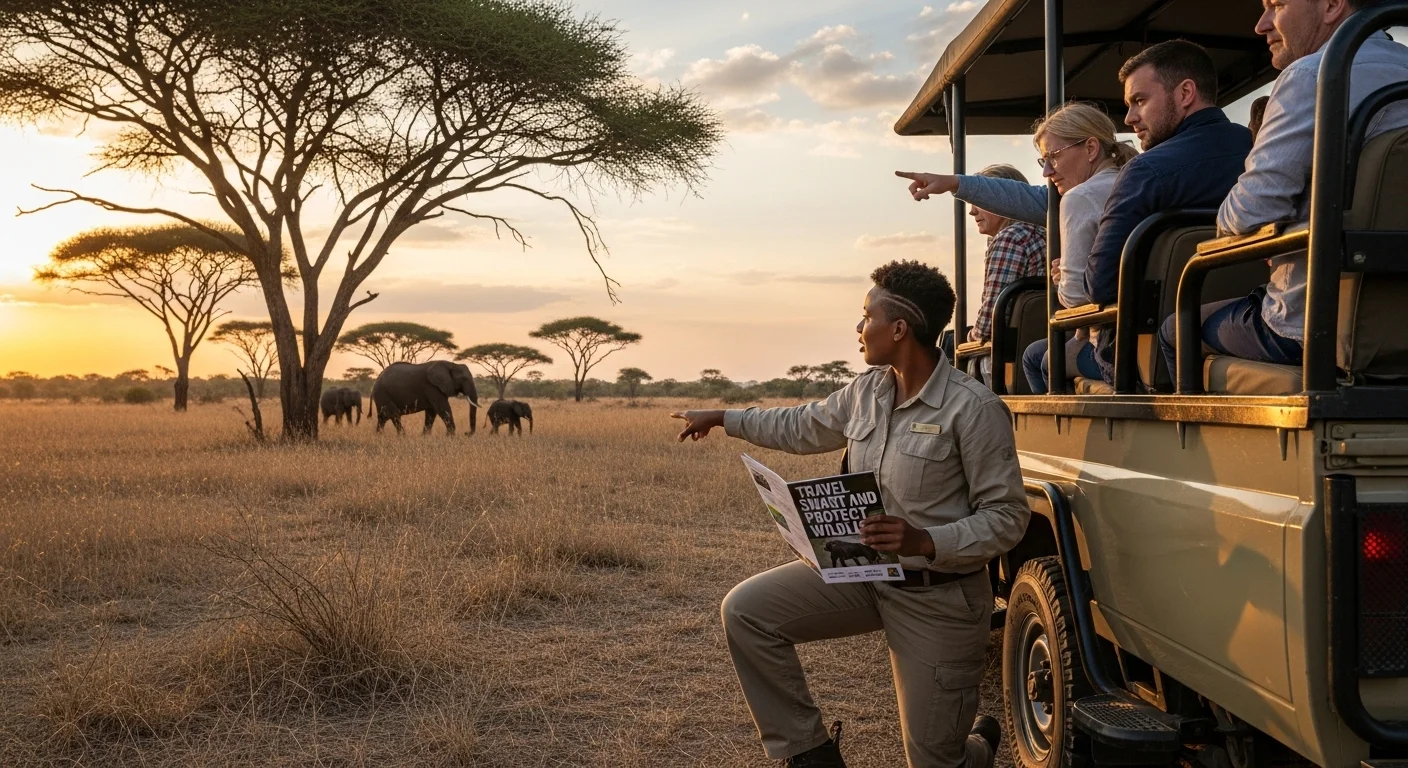
One of the most significant aspects of a responsible safari is the role of the safari guide. These knowledgeable individuals are not only there to help us see wildlife but also to educate us about the ecosystems we’re visiting. I remember my guide sharing stories about the animals and their habitats, which deepened my appreciation for the delicate balance of nature. They play a crucial role in conservation efforts by promoting respect for wildlife and the environment.

Guides also lead by example, demonstrating how to observe animals ethically and responsibly. They often work closely with local conservation organizations, helping to monitor wildlife populations and protect endangered species. I’ve seen firsthand the impact that passionate guides can have on travelers, inspiring us to be better stewards of the planet. By choosing a safari with knowledgeable and committed guides, we ensure that our experience supports conservation initiatives. Read Interesting article: Ethical Safari Tips: How to Enjoy Wildlife Sustainably

Choosing the Right Safari: Types and Styles

Now that we understand the importance of responsible practices, let’s dive into the different types of safaris available. Each offers a unique way to experience the wild while allowing us to choose one that aligns with our interests and values. I found the variety overwhelming at first, but exploring these options helped me select the perfect adventure.

Game Drives

Game drives are perhaps the most common way to experience a safari. I remember the thrill of driving through the savannah, with an open-top vehicle allowing for unobstructed views of wildlife. The excitement of spotting a lion or a herd of elephants is unmatched. However, it’s essential to choose a tour that follows responsible guidelines, like keeping a safe distance from animals and minimizing noise pollution. I learned that respecting wildlife behavior is crucial for their safety and ours.

Walking Safaris

Walking safaris offer a more intimate connection with nature. I discovered that being on foot allows us to engage with the environment on a deeper level. Accompanied by a knowledgeable guide, I was able to learn about smaller wildlife and the intricacies of the ecosystem. This experience taught me to appreciate even the smallest plants and insects, which are vital components of the ecosystem. Walking safaris can also minimize our impact on the environment compared to driving.

Boat Safaris

For a different perspective, boat safaris provide an exciting way to see wildlife from the water. I loved gliding along rivers and lakes, spotting hippos and crocodiles lounging along the banks. These safaris often emphasize the importance of aquatic ecosystems, which are often overlooked. However, just like with game drives, it’s essential to select operators who prioritize responsible practices, ensuring we respect the wildlife and environment.

Photography Safaris

If you’re an avid photographer like I am, photography safaris are a fantastic option. These tours are tailored for those looking to capture stunning images of wildlife and landscapes. I found that my guides were incredibly knowledgeable about the best spots and times for capturing beautiful shots. Responsible photography includes respecting animal space and minimizing disruption to their natural behavior. It’s all about finding that balance between art and ethics. Read Interesting article: Capture the Wild: Top Wildlife Photography Tips for Safaris

As I explored these different safari styles, I realized that each one offers its own unique advantages for observing and appreciating wildlife. Regardless of the type you choose, remember that our actions can have a lasting impact on the animals and environments we come to love. By selecting responsible safari options, we can help ensure that future generations have the chance to experience the wonders of nature, just as we have.

Essential Wildlife Protection Guidelines

Keeping a Safe Distance

One of the most critical aspects of responsible wildlife observation is maintaining a safe distance from the animals. I remember my guide stressing how important it was to respect the personal space of wildlife. Approaching too closely can not only stress the animals but can also lead to dangerous situations for both the wildlife and us. I learned that each species has its own comfort zone, and it’s essential for us to be aware of that.

During my safari, I found myself captivated by a pride of lions resting under a tree. Instead of rushing in for a closer look, we stayed at a respectful distance, allowing them to remain undisturbed. This not only kept us safe but also provided a more authentic experience. It’s amazing how observing creatures in their natural state, without interference, can deepen our connection to them. I recommend always following your guide’s instructions about distance, as they know the best practices to ensure our safety and the well-being of the animals.

Minimizing Environmental Impact

Minimizing our environmental impact is another vital guideline for enjoying a safari responsibly. I recall feeling a bit anxious about my footprint while on this adventure. But I soon realized that small actions can lead to significant changes. For instance, I made sure to stay on designated paths during our game drives and walks. This helps to protect the vegetation and prevents soil erosion, which can be harmful to the ecosystem.

Additionally, I learned to be mindful of my waste. Carrying reusable water bottles and snacks helped reduce plastic waste, which is a growing concern in many national parks. I was surprised to see how many people would leave wrappers or bottles behind, and it made me feel proud to be part of a group that valued keeping the environment clean. By choosing to pack out whatever I brought in, I felt like I was contributing to the preservation of the beautiful landscapes I was fortunate enough to explore.

Understanding Animal Behavior

Understanding animal behavior is vital for both our safety and the well-being of the wildlife. I remember my guide explaining how animals react to human presence and how critical it is for us to recognize their body language. For example, when elephants lift their trunks or show signs of agitation, it’s a clear signal that we need to back off and give them space. Observing these behaviors gave me a fascinating insight into their world.

Throughout my safari, I found it incredibly rewarding to learn about the social structures of various species. Watching a mother cheetah teach her cubs how to hunt was one of the highlights of my trip. I realized that the more we understand these animals, the better stewards we can become. I recommend taking the time to listen to your guide’s insights and asking questions; it really enhances the experience and fosters a deeper appreciation for the wildlife we are fortunate to observe.

Preparing for Your Safari: Travel Smart

Best Time to Go on Safari

When I was planning my safari, I quickly discovered that timing can make a huge difference in the experience. I learned that the best time to go often depends on the specific region and the kind of wildlife I wanted to see. For example, the dry season typically offers better wildlife sightings because animals gather around waterholes, making them easier to spot. In my case, I decided to travel during the dry season, and I was amazed at how many animals we encountered.

Conversely, the wet season can bring spectacular scenery and a different array of animals, but it can also make some areas more challenging to navigate. I recommend researching the specific parks or reserves you plan to visit and considering what you hope to experience. This way, you can choose the optimal time that aligns with your interests and enhances your safari adventure.

What to Pack for a Safari

Packing for a safari can feel daunting, but I found that a little planning goes a long way. Comfort is key, so I focused on breathable, lightweight clothing in neutral colors to blend into the landscape. I remember being grateful for my wide-brimmed hat and sturdy shoes, especially when we were on foot during walking safaris. Layers are also essential since temperatures can vary throughout the day.

Besides clothing, I made sure to bring binoculars for wildlife viewing, a good camera, and plenty of extra batteries. Sunscreen and insect repellent were must-haves, too. I recommend packing a reusable water bottle to stay hydrated and snacks to keep my energy up during long days of exploration. Planning these essentials helped me feel prepared and allowed me to focus on enjoying the beautiful surroundings.

Health and Safety Precautions

No one wants to be sidelined by illness while on safari, so I took the time to look into health precautions before departing. Visiting a doctor for advice on vaccinations and malaria prophylaxis was an important step for me. I felt more at ease knowing I was taking proactive measures to protect my health.

Additionally, I made sure to familiarize myself with the basic safety guidelines provided by my safari operator, including what to do in case of wildlife encounters and how to stay safe while out in the bush. Having this knowledge helped me feel more confident in my surroundings and ready to embrace the adventure.

Choosing a Responsible Safari Operator

Certifications and Eco-Friendly Practices

Finding the right safari operator is crucial for ensuring a responsible and ethical experience. I remember scrolling through countless websites and reading reviews, trying to discern which companies genuinely care about conservation and community welfare. I learned that looking for certifications from recognized organizations can be a great way to gauge an operator’s commitment to responsible tourism practices. For instance, operators certified by organizations like the Global Sustainable Tourism Council (GSTC) or the Travelife Certification demonstrate a dedication to eco-friendly practices.

During my search, I focused on those who actively engage in wildlife conservation initiatives and sustainability efforts. I found operators that emphasize minimizing their environmental impact, such as using solar power for their lodges or employing local staff. It was heartening to see how many companies prioritize eco-friendly accommodations, reducing plastic use, and implementing waste management systems. I realized that supporting these businesses allows us to be part of a larger movement that values the preservation of nature while enjoying our adventures.

Community Engagement and Benefits

An important aspect of a responsible safari is how the operator engages with local communities. I discovered that operators who prioritize community benefits are often the ones that offer a richer experience. They support local businesses, employ local guides, and contribute to community projects. This approach not only helps local economies thrive but also fosters a sense of pride and stewardship among the community members.

During my safari, I had the chance to visit a local village where the operator had established a partnership. The villagers shared their culture, traditions, and stories with us, which added a whole new dimension to my trip. It was amazing to see how our presence directly contributed to their livelihoods. I believe that when we support companies that engage with their communities, we create a more sustainable travel experience that benefits everyone involved.

Wildlife Conservation Efforts and Organizations

Conservation NGOs to Support

As I delved deeper into my safari experience, I became more aware of the various conservation organizations working tirelessly to protect wildlife and their habitats. I found that many of these NGOs offer opportunities for travelers to support their initiatives, whether through donations or volunteering. Organizations like the African Wildlife Foundation and the World Wildlife Fund (WWF) focus on crucial conservation efforts, and supporting them can amplify our impact as travelers.

During my trip, I opted to visit a local conservation project where I learned about their efforts in protecting endangered species. It was inspiring to see firsthand how dedicated individuals work to restore habitats, monitor wildlife populations, and educate local communities about conservation. I felt that contributing to these organizations not only enriched my journey but also aligned my values with my travel choices.

How to Get Involved in Conservation

Getting involved in wildlife conservation doesn’t have to end when the safari is over. I found that many travelers are eager to continue supporting the cause even after returning home. One way to do this is by staying informed about ongoing conservation issues and advocating for policies that promote wildlife protection. I started following conservation organizations on social media to keep up with their work and share their messages with my network.

Volunteering is another fantastic way to contribute. Some organizations offer short-term volunteer opportunities where you can assist with research, education, or community outreach programs. I have met people who have dedicated months to these efforts and have returned home transformed by their experiences. Whether it’s donating time or funds, I believe that every little bit helps make a difference in preserving our planet’s precious wildlife.

Local Cultures and Ethical Interactions

Respecting Indigenous Communities

While enjoying the beauty of nature, I found it equally important to respect the local cultures and communities. Engaging with indigenous peoples can be a highlight of any safari, but it’s essential to approach these interactions with sensitivity and respect. I remember visiting a community where I was welcomed with open arms, and I made sure to ask questions and listen to their stories. It was a powerful reminder of the connection between the land and the people who have lived on it for generations.

To ensure that our interactions are respectful, I learned to be mindful of local customs and traditions. Simple gestures, like asking for permission before taking photos or understanding cultural practices, go a long way in fostering positive relationships. I believe that these respectful interactions not only enhance our travel experiences but also contribute to the preservation of cultural identities.

Supporting Local Economies

One of the most rewarding aspects of my safari was witnessing how my travel choices could directly support local economies. I made a conscious effort to purchase handmade crafts from local artisans and eat at community-run restaurants. It was heartwarming to see how these small purchases could make a big difference in the livelihoods of local families.

In my experience, choosing to spend money in local businesses, such as markets and shops, helps create a sustainable economic model that benefits everyone involved. I remember chatting with a local vendor who shared how tourism had transformed her community. By supporting local economies, we help ensure that the areas we love to visit continue to thrive for generations to come.

Frequently Asked Questions

What is responsible tourism?

Responsible tourism involves making a positive impact on the destinations we visit by being mindful of our footprints and contributing to the conservation of wildlife and the well-being of local communities.

Why are safari guides important for conservation?

Safari guides play a crucial role in conservation by educating travelers about ecosystems, promoting respect for wildlife, and often collaborating with local conservation organizations to monitor wildlife populations and protect endangered species.

What are the different types of safaris available?

There are several types of safaris, including game drives, walking safaris, boat safaris, and photography safaris, each offering unique ways to experience wildlife and nature.

What should I prioritize when choosing a safari operator?

When choosing a safari operator, look for certifications from recognized organizations, their commitment to eco-friendly practices, and how they engage with and benefit local communities.

How can I minimize my environmental impact while on safari?

To minimize environmental impact, stay on designated paths, pack out all waste, use reusable items, and be mindful of noise and disturbances while observing wildlife.

What health precautions should I take before going on safari?

It’s important to consult a doctor about vaccinations and malaria prophylaxis, as well as familiarize yourself with safety guidelines provided by your safari operator.

What should I pack for a safari?

Pack breathable, lightweight clothing in neutral colors, binoculars for wildlife viewing, a good camera, sunscreen, insect repellent, a reusable water bottle, and snacks to stay energized during your adventure.

How can I support wildlife conservation while traveling?

You can support wildlife conservation by donating to or volunteering with conservation organizations, staying informed about conservation issues, and advocating for policies that promote wildlife protection.

What is the best time to go on safari?

The best time to go on safari often depends on the region and desired wildlife sightings; typically, the dry season offers better sightings as animals gather around waterholes.

Why is respecting local cultures important during a safari?

Respecting local cultures enhances travel experiences and fosters positive relationships, which can contribute to the preservation of cultural identities and support local economies.

Ethical Safari Tips: How to Enjoy Wildlife Sustainably

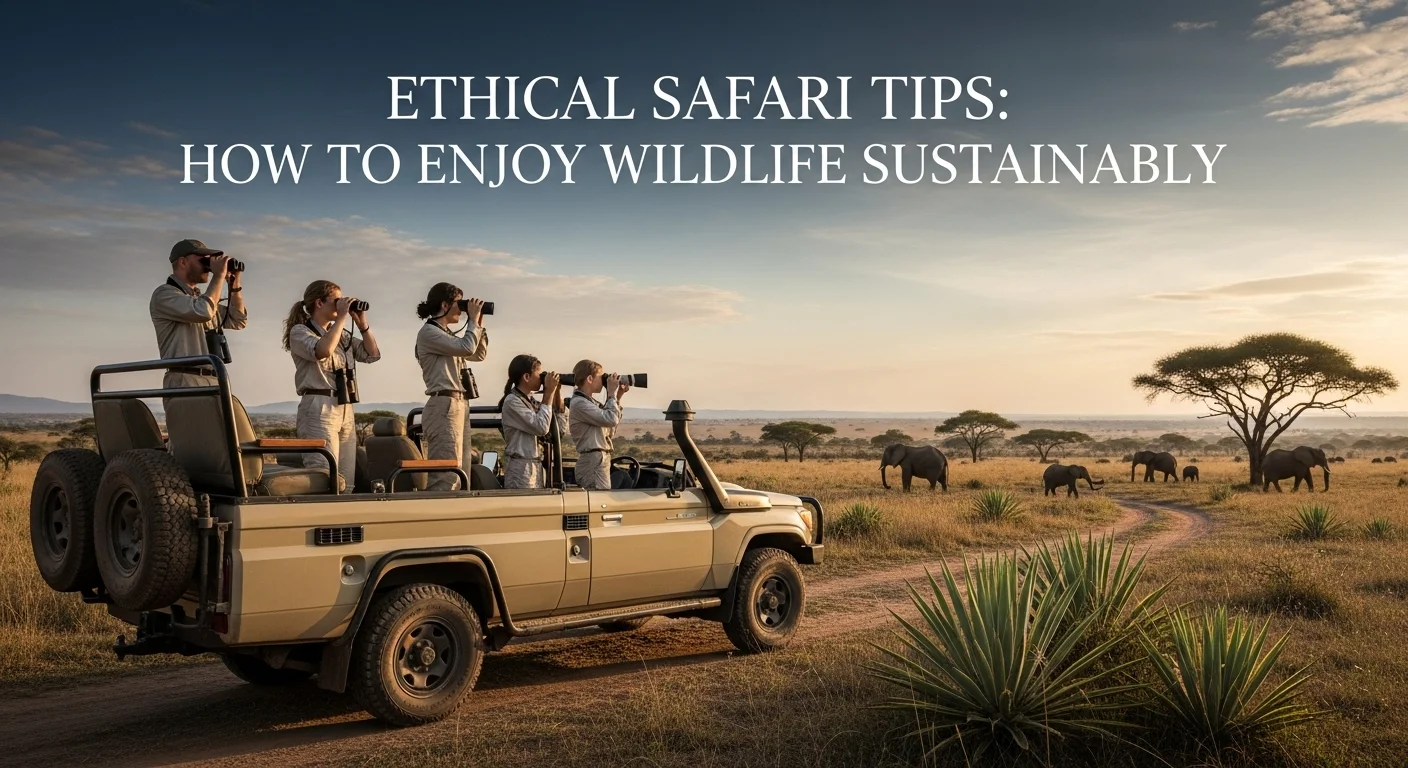
Planning a safari is exciting, but making it ethical adds a whole new layer of fulfillment. Exploring wildlife sustainably not only enhances our experience but also protects the natural world we cherish. Read Interesting article: Top 5 Responsible Safari Practices for Eco-Friendly Travel

Ethical Safari Tips: How to Enjoy Wildlife Sustainably

Understanding Ethical Safaris

What is an Ethical Safari?

When I first heard the term “ethical safari,” I was curious about what it really meant. An ethical safari prioritizes the well-being of wildlife and their habitats while providing an enriching experience for travelers. It’s about being responsible in how we interact with nature, ensuring that our adventures do not harm the animals or ecosystems we come to observe. I’ve learned that ethical safaris focus on sustainable practices, which means they aim to minimize negative impacts on both wildlife and local communities. This concept challenges us to think about our role as visitors in these delicate environments.

Importance of Wildlife Conservation

Wildlife conservation is a cause close to my heart. I remember the first time I saw elephants in the wild; their grace and majesty left me in awe. However, I quickly realized that many species are endangered due to habitat loss, poaching, and climate change. By choosing ethical safaris, we contribute to the conservation of these magnificent creatures. Our visit can provide vital funding for local conservation efforts, community education, and habitat restoration projects. I believe that as travelers, we can make a real difference by supporting initiatives that protect wildlife and their environments.

Difference Between Ethical and Traditional Safaris

At first glance, a safari might seem like just a thrilling adventure, but there’s a stark contrast between ethical and traditional safaris. Traditional safaris can sometimes prioritize profit over the well-being of wildlife. For instance, some operators may take tourists too close to animals or encourage disruptive behaviors to create memorable photo opportunities. I’ve seen firsthand how this can stress wildlife and lead to dangerous situations for both animals and humans. In contrast, ethical safaris promote safe practices, such as maintaining a respectful distance from animals and adhering to guidelines that protect their natural behaviors. It’s about creating a harmonious experience where both humans and wildlife can thrive.

Planning Your Ethical Safari

Choosing Responsible Tour Operators

One of the most crucial steps in planning an ethical safari is selecting a responsible tour operator. I’ve found that doing thorough research can make all the difference. A responsible operator should have a clear commitment to sustainable practices, transparent policies about wildlife interactions, and a track record of supporting conservation efforts. I often check reviews and testimonials from previous travelers to gauge their experiences. It’s also helpful to ask about the operator’s partnerships with local conservation organizations. If they prioritize conservation and community engagement, you can be more confident that your safari will be ethical.

Researching Destinations with Conservation Focus

When I began planning my own ethical safari, I realized that not all destinations have the same focus on conservation. Some places are renowned for their sustainability efforts and work closely with local communities. For example, I found that destinations like Kenya and South Africa have numerous wildlife reserves that prioritize ecological preservation. Researching these locations can help you choose a destination that aligns with your values. I also recommend looking into national parks that allow for regulated tourism, ensuring that wildlife is protected while still providing visitors with an unforgettable experience.

When to Go: Best Seasons for Wildlife Viewing

Timing is everything when it comes to wildlife viewing. I’ve learned that different seasons can significantly impact your safari experience. For instance, the dry season is often the best time to see wildlife, as animals congregate around water sources. However, this can also mean that parks are busier with tourists. I like to plan my trips during shoulder seasons, which often provide a good balance between fewer crowds and excellent wildlife sightings. It’s all about finding that sweet spot where you can enjoy the beauty of nature without overwhelming it.

Wildlife Interaction Guidelines

Maintaining a Safe Distance from Animals

One of the essential aspects of an ethical safari is understanding the importance of keeping a safe distance from wildlife. I remember my first encounter with a pride of lions. It was mesmerizing, but I felt an urge to inch closer to capture the perfect photo. Thankfully, my guide reminded me that getting too close can stress the animals and disrupt their natural behavior. Observing wildlife from a respectful distance not only protects them but also enhances our experience. It allows us to witness their natural interactions without intruding. I believe that it’s crucial to respect the space of animals, as this is their home, and we are merely guests in their world.

Do’s and Don’ts of Wildlife Photography

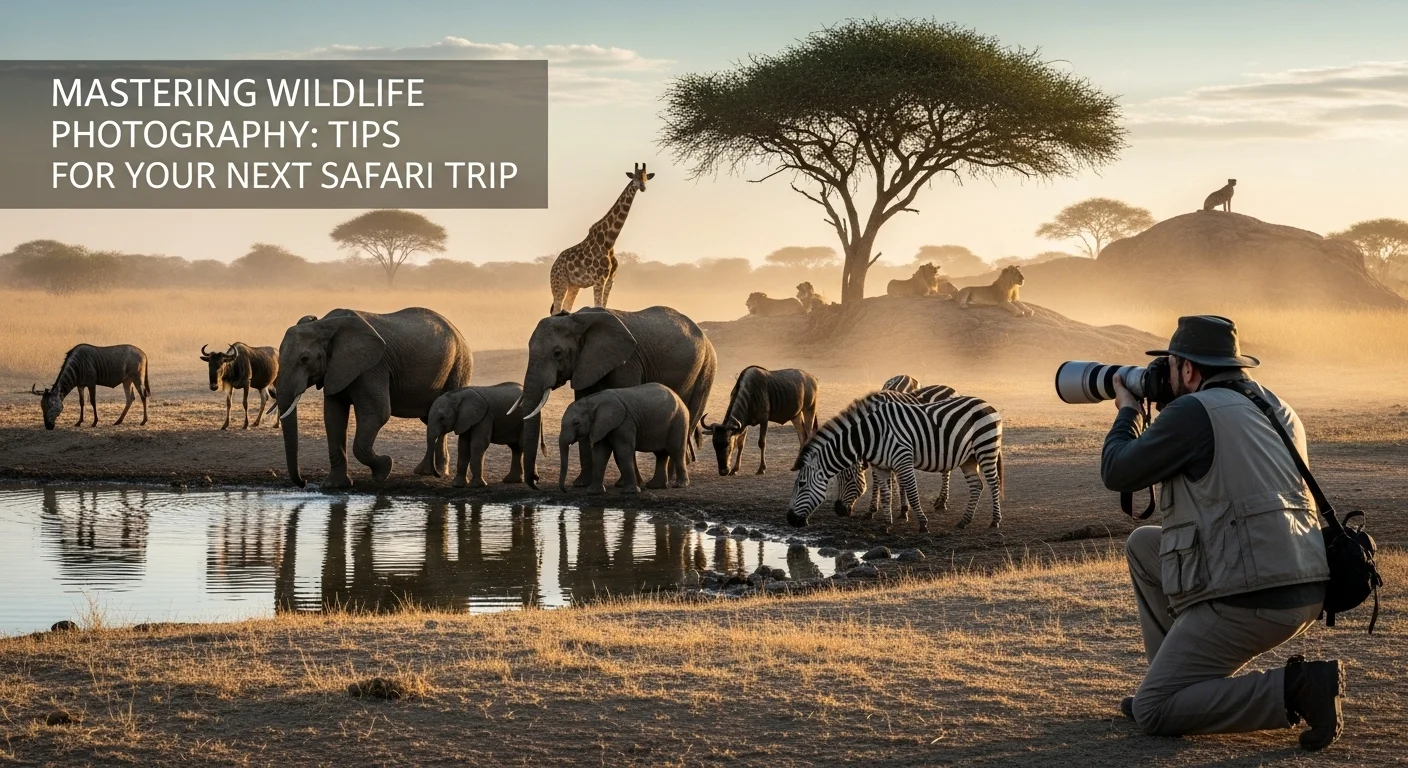
Photography is a big part of many safari experiences, but I’ve learned that it comes with its own set of ethics. The do’s include being patient and waiting for the right moment without forcing an animal into an unnatural position. I found that the best shots often come when you let the animals behave naturally. It’s also important to use a zoom lens to keep your distance while capturing quality images. On the flip side, I’ve seen others make the mistake of using flash photography or attempting to bait animals for a better shot. This not only disturbs the wildlife but can also be dangerous. As responsible travelers, we should aim to document our experiences without compromising the animals’ well-being. Read Interesting article: Mastering Wildlife Photography: Tips for Your Next Safari Trip

Understanding Animal Behavior and Habitat

Gaining insight into animal behavior has been one of the most rewarding parts of my safari experiences. I remember sitting quietly in a vehicle, watching a herd of elephants interact. By observing their movements and understanding their social structures, I felt a deeper connection to them. Learning about the habitats of various species is equally important. It helps us appreciate the delicate balance of ecosystems. I recommend reading up on the species you might encounter before your trip. This will not only enrich your experience but also allow you to engage in meaningful conversations with your guides. They often share fascinating insights that enhance our understanding of wildlife and their environments.

Supporting Local Communities

Choosing Accommodations that Benefit Locals

One of the best ways to ensure your safari is ethical is by choosing accommodations that support local communities. During my travels, I’ve preferred lodges or camps that are owned and operated by local families. This not only provides a more authentic experience but also ensures that a portion of the funds stays within the community. I remember staying at a charming eco-lodge in Tanzania, where local staff shared their stories and culture with us. This connection made my experience richer, and I felt good knowing that my stay was benefiting the local economy.

Engaging in Community-Based Tourism

Community-based tourism has opened my eyes to the importance of involving local populations in conservation efforts. I had the opportunity to participate in a village tour during one of my safaris. It was heartwarming to see how the community members showcased their crafts and shared their traditions. The income generated from such experiences helps sustain their way of life and fosters a sense of pride in their culture. Supporting these initiatives ensures that the benefits of tourism reach those who are most impacted by wildlife conservation efforts. I’ve found that engaging with local communities provides an enriching experience that goes beyond wildlife viewing.

Understanding Cultural Sensitivity and Respect

As travelers, we should always approach new cultures with respect and sensitivity. I’ve learned that understanding local customs and traditions is vital during my journeys. For example, in some regions, photography may be discouraged or require permission. I make it a point to ask before taking photos, as it shows respect for the locals’ privacy and cultural values. Additionally, being mindful of dress codes and behaviors while in local communities helps foster positive interactions. I believe that when we respect cultural differences, we create an environment of mutual understanding, making our experiences more meaningful and impactful.

Eco-Friendly Safari Practices

Minimizing Environmental Impact

Minimizing our environmental impact has become a priority for me when planning safaris. I learned that simple actions, like picking up litter or sticking to designated paths, can contribute to environmental preservation. While on safari, I made a conscious effort to use biodegradable toiletries and avoid single-use plastics. I even brought my reusable water bottle, which not only reduced waste but also kept me hydrated. I believe that every small action counts, and being a responsible traveler means being mindful of our surroundings and their preservation.

Using Sustainable Transport Options

Transport options play a significant role in the environmental footprint of our safari. I’ve opted for eco-friendly vehicles whenever possible, such as electric or hybrid options, which help reduce emissions. Additionally, some operators offer walking safaris, which allow us to connect with the environment on a deeper level. I found walking safaris to be incredibly rewarding—it’s a unique way to experience the sights and sounds of nature while minimizing our impact. Choosing sustainable transport options is not only better for the environment but also enhances our adventure.

Choosing Eco-Friendly Gear and Supplies

As I prepared for my safaris, I made a conscious effort to choose eco-friendly gear and supplies. For instance, I opted for clothing made from sustainable materials and packed reusable bags for shopping. I also discovered biodegradable sunscreen to protect my skin without harming marine life. I believe that being mindful of the products we bring along can significantly reduce our ecological footprint. Plus, it feels good to know that I’m making choices that align with my values while enjoying the beauty of nature. Read Interesting article: Essential Wildlife Photography Tips for Budget Safari Travelers

Contributing to Conservation Efforts

Volunteering Opportunities During Your Safari

When I think about truly making a difference during a safari, volunteering opportunities come to mind. It’s one thing to observe wildlife, but it’s another to actively contribute to their conservation. I was fortunate enough to discover a program that allowed me to spend a few days volunteering at a wildlife rehabilitation center. This experience not only deepened my understanding of the challenges wildlife face but also gave me a chance to directly assist in their care. From feeding orphaned animals to helping with habitat restoration, I felt like I was part of something meaningful. I recommend looking for tour operators that offer such opportunities, as they can enrich your safari experience while giving back to the environment.

Donating to Wildlife Conservation Organizations

In addition to volunteering, I’ve found that donating to wildlife conservation organizations can be incredibly impactful. During my travels, I’ve encountered various initiatives focused on protecting endangered species and their habitats. I remember visiting a local sanctuary dedicated to rhino conservation, where I learned about the ongoing fight against poaching. After my visit, I decided to contribute financially to their cause. I believe that even small donations can help fund critical projects, such as anti-poaching patrols, community education, and habitat restoration. I encourage everyone to research and support organizations that resonate with their values; it’s a great way to ensure that our travels contribute to long-term conservation efforts.

Participating in Citizen Science Projects

Citizen science projects have also become a favorite way for me to engage with wildlife conservation. These initiatives invite travelers to contribute to scientific research and data collection during their trips. I remember participating in a project focused on tracking animal movements through GPS collaring. It was fascinating to learn how this data helps researchers understand animal behaviors and migration patterns. Not only did I feel like I was assisting in important work, but I also gained valuable insights into the challenges these animals face in the wild. Many lodges and tour operators offer opportunities to get involved in such projects, so I highly recommend keeping an eye out for these experiences when planning your safari.

Tips for a Memorable and Ethical Safari Experience

Pack Smart: Essentials for Sustainable Travel

When packing for a safari, I’ve learned that being mindful of what I bring can make a significant difference. My essentials include biodegradable toiletries, reusable water bottles, and eco-friendly clothing made from sustainable materials. I also make sure to pack a good pair of binoculars for wildlife viewing, which allows me to observe animals from a distance without disturbing them. Another item that I find super helpful is a solar charger for my devices. This way, I minimize my reliance on traditional energy sources while keeping my electronics charged. Packing smart not only enhances my experience but also aligns with my commitment to being a responsible traveler.

Stay Informed on Wildlife Issues

Staying informed about wildlife issues is vital for anyone looking to have an ethical safari experience. I often find that the more I know about the challenges facing different species, the more I appreciate the wildlife I see. I remember reading up on the plight of African elephants due to poaching and habitat loss before my trip. This knowledge shaped how I viewed them in the wild, deepening my connection. I recommend following reputable wildlife organizations or local conservation groups on social media to stay updated. Engaging with this information can also help spark conversations with guides and locals during your travels, making your experience even richer.

Share Your Experience to Promote Awareness

Sharing my safari experiences has become a way for me to promote awareness about ethical travel and wildlife conservation. I often post photos and stories on social media, emphasizing the importance of responsible practices. I’ve found that many of my friends and family are inspired to learn more about wildlife conservation after seeing my posts. I also encourage everyone to write about their experiences, whether through blogging or sharing with friends. By spreading the word, we can inspire others to choose ethical safaris and support conservation efforts. Every voice counts, and our stories have the power to make a real difference.

Final Thoughts

As I reflect on my journeys through the wilderness, I feel a deep sense of gratitude for the experiences I’ve had and the lessons I’ve learned about ethical travel. Each safari is more than just a chance to see stunning landscapes and incredible animals; it’s an opportunity to connect with nature and support the ecosystems that sustain them. I believe that by choosing to travel ethically, we become stewards of the environment, playing a role in its preservation for generations to come.

It’s not just about the thrill of the adventure; it’s about understanding our impact on the world around us. In my experience, the more I engage responsibly, the richer my travels become. Whether it’s choosing a local guide, participating in volunteer projects, or simply being mindful of my actions in nature, these choices have shaped my travels in profound ways. I’ve witnessed firsthand how tourism can uplift communities and safeguard wildlife when approached with care and respect.

For anyone planning a safari, I encourage you to take the time to educate yourself. Ask questions, seek out responsible operators, and immerse yourself in the local culture. Keep an open heart and mind, and you’ll not only create lasting memories but also contribute to the well-being of the wildlife and communities you encounter. Ethical safaris remind us why we travel in the first place: to learn, to connect, and to inspire change both in ourselves and in the world.

Ultimately, I know that each of us has the power to make a difference. By sharing our stories and advocating for wildlife conservation, we can inspire others to join this journey toward responsible travel. Let’s continue to explore our planet with wonder and respect, ensuring that our adventures leave a positive legacy for the beautiful world we cherish so much.

Frequently Asked Questions

What is an ethical safari?

An ethical safari prioritizes the well-being of wildlife and their habitats while providing an enriching experience for travelers. It focuses on sustainable practices that minimize negative impacts on wildlife and local communities.

Why is wildlife conservation important?

Wildlife conservation is crucial as many species are endangered due to habitat loss, poaching, and climate change. By choosing ethical safaris, travelers can contribute to conservation efforts, providing vital funding for local initiatives and habitat restoration projects.

How do ethical safaris differ from traditional safaris?

Ethical safaris promote safe practices that respect wildlife, such as maintaining a safe distance from animals and adhering to guidelines that protect their natural behaviors. Traditional safaris may prioritize profit over wildlife well-being and can lead to harmful interactions between tourists and animals.

What should I look for when choosing a tour operator for an ethical safari?

When selecting a tour operator, look for a clear commitment to sustainable practices, transparent policies about wildlife interactions, and a track record of supporting conservation efforts. Checking reviews and testimonials can also help gauge their ethical standards.

What are the best seasons for wildlife viewing on safari?

The dry season is often the best time for wildlife viewing as animals congregate around water sources. However, traveling during shoulder seasons can provide a balance of fewer crowds and good wildlife sightings.

How can I interact with wildlife ethically during my safari?

It’s essential to maintain a safe distance from animals to avoid stressing them and disrupting their natural behavior. Observing wildlife from afar enhances the experience while respecting their space.

What are some do’s and don’ts of wildlife photography on safari?

Do be patient and use a zoom lens to keep distance while capturing quality images. Don’t use flash photography or bait animals for better shots, as these actions disturb wildlife and can be dangerous.

How can I support local communities while on safari?

Choose accommodations owned by local families and engage in community-based tourism, which allows travelers to experience local culture while generating income for the communities involved in conservation efforts.

What eco-friendly practices should I adopt while on safari?

Minimize environmental impact by using biodegradable products, opting for eco-friendly transport options, and choosing sustainable gear. Simple actions like picking up litter and avoiding single-use plastics can contribute to environmental preservation.

How can I contribute to wildlife conservation during my safari?

You can participate in volunteering opportunities, donate to wildlife conservation organizations, or engage in citizen science projects that allow you to contribute to important research and conservation efforts during your travels.

Top 5 Responsible Safari Practices for Eco-Friendly Travel

Embarking on a safari is an adventure of a lifetime, but it’s essential to travel responsibly. By adopting eco-friendly practices, we can protect the wildlife and ecosystems we so deeply cherish while enjoying breathtaking experiences. For those interested in wildlife photography, Capture the Wild: Top Wildlife Photography Tips for Safaris offers valuable insights.

Top 5 Responsible Safari Practices for Eco-Friendly Travel

Understanding Eco-Friendly Safaris

Definition of Responsible Safari

When I think of a responsible safari, I envision a journey that honors the natural world and the cultures that inhabit it. It’s about being mindful of our surroundings and making choices that promote the conservation of wildlife and their habitats. A responsible safari goes beyond just viewing animals; it aims to create a positive impact on the environment and local communities. I’ve found that integrating sustainable practices into our travel not only enriches our experience but also helps preserve these incredible destinations for future generations.

Importance of Eco-Friendly Travel

Understanding the importance of eco-friendly travel hit home for me during my first safari trip. I realized that every choice we make can either support or harm the environment. Eco-friendly travel is crucial because it helps protect fragile ecosystems and supports the local economy. By choosing sustainable options, we can minimize our carbon footprint and contribute to the preservation of the landscapes and wildlife that inspire us. I learned that our actions—no matter how small—can lead to significant change, encouraging the tourism industry to adopt greener practices. For more insights, you might find How to Trek Mountains on a Budget: Tips & Tricks helpful.

Impact of Tourism on Wildlife and Ecosystems

Tourism can be a double-edged sword. While it provides funds for conservation efforts and local communities, it can also lead to habitat destruction and wildlife disturbances if not managed properly. I’ve seen firsthand how overcrowding in popular safari areas can stress animals and disrupt their natural behaviors. For instance, I observed a pride of lions that had become increasingly skittish due to the constant presence of vehicles. This experience made me realize the critical need for responsible practices in the tourism industry. By understanding the potential impacts of our travel decisions, we can work toward minimizing negative effects and supporting ethical tourism initiatives.

Top 5 Responsible Safari Practices

1. Choosing Eco-Friendly Tour Operators

One of the most impactful choices we can make as travelers is selecting eco-friendly tour operators. I remember the excitement of researching different companies before my safari. I discovered that many operators are committed to sustainable practices, from conservation efforts to community involvement. Choosing the right operator not only enhances your experience but also ensures that your money supports responsible initiatives.

Criteria for Selecting Sustainable Operators

Finding a sustainable tour operator involves knowing what to look for. Here are some criteria I consider essential:

  • Certifications: Look for companies with eco-certifications, like Green Globe or EarthCheck, which verify their commitment to sustainability.
  • Community Involvement: I prefer operators that engage with local communities, providing jobs and supporting local projects.
  • Wildlife Conservation Efforts: Choose operators that contribute to wildlife conservation initiatives or have policies that protect wildlife.
  • Transparency: A responsible operator should be open about their practices and how they impact the environment and local communities.

Examples of Recognized Eco-Friendly Tour Companies

During my research, I came across several companies that stood out for their commitment to eco-friendly practices. Companies like G Adventures and Intrepid Travel are known for their sustainable tours. They not only focus on minimizing environmental impact but also prioritize community support and wildlife conservation. I’ve heard amazing stories from friends who traveled with them, emphasizing the authentic and responsible experiences they offer. It really inspired me to choose wisely for my next adventure.

2. Respecting Wildlife and Natural Habitats

Respecting wildlife is a fundamental aspect of responsible safaris. I’ve learned that it’s not just about watching animals; it’s about doing so in a way that doesn’t disturb them. There are specific guidelines that help us enjoy these encounters while ensuring the well-being of the animals.

Guidelines for Wildlife Viewing

To me, one of the most important guidelines is to maintain a safe distance from the wildlife. I remember feeling my heart race the first time I saw an elephant up close; it was exhilarating, but I also understood the need to respect its space. Here are some practices I keep in mind:

  • Stay inside your vehicle unless instructed otherwise by your guide.
  • Remain quiet to avoid startling the animals.
  • Do not feed or provoke wildlife.
  • Follow your guide’s instructions; they know how to interact safely with the environment.

Understanding Animal Behavior and Habitats

I’ve found that taking the time to learn about the animals I encounter enhances my experience significantly. For example, understanding the feeding habits of a lion or the migratory patterns of wildebeests not only enriches my safari but also helps me appreciate the delicate balance of the ecosystem. The more we understand about wildlife behavior, the better we can respect their habitats and choices, ensuring that our presence is a positive one.

Top 5 Responsible Safari Practices

3. Minimizing Environmental Impact

One of the most powerful ways we can travel responsibly is by minimizing our environmental impact. I’ve come to realize that small changes in my habits can lead to significant benefits for the ecosystems we explore. Safaris can be thrilling, but they can also leave a mark on the environment. By taking steps to reduce this impact, we can ensure these beautiful landscapes remain intact for years to come.

Reducing Waste and Plastic Use

On my first safari, I was stunned by the beauty of the landscapes, but I also noticed the litter left behind by tourists. It made me think: what could I do differently? I decided to pack reusable items instead of single-use plastics. Bringing my own water bottle, utensils, and even a cloth bag for shopping became a simple yet effective way to cut down on waste. I’ve learned that many safari lodges are now encouraging guests to avoid plastic by providing refilling stations and offering eco-friendly alternatives. This not only helps keep the environment clean but also sets a positive example for fellow travelers.

Conservation Efforts Supported by Tourists

Many safari operators support conservation efforts directly through their practices. I remember visiting a lodge that dedicated a portion of its profits to local wildlife protection and habitat restoration. Knowing that my stay contributed to such initiatives made my experience even more rewarding. By choosing tour companies that actively participate in conservation programs, we can amplify our positive impact. I often share with friends the importance of looking for operators that support anti-poaching efforts or contribute to reforestation projects. It’s encouraging to see how our travel choices can help protect wildlife and their habitats.

4. Supporting Local Communities

Traveling responsibly also means recognizing and supporting the local communities we visit. I’ve learned that engaging with local people can enrich my experience, providing insights and connections that I would otherwise miss. It’s not just about being a spectator; it’s about becoming a part of the adventure.

Engaging with Local Guides and Artisans

Whenever I go on a safari, I make it a point to hire local guides. They have a wealth of knowledge about the wildlife and ecosystems that I wouldn’t get from a guidebook. I recall a time when a local guide shared stories about the land and its history, and it transformed my experience. I felt an instant connection to the place and a deeper appreciation for its beauty. I also love to buy handcrafted goods from local artisans when possible. Supporting their work not only helps their economy but also allows me to take home a piece of culture with me.

Contributions to Community-Based Conservation

Many safari lodges also engage in community-based conservation efforts, which are crucial for both wildlife and the people who live alongside them. For example, I visited a community project that trained locals in conservation techniques and offered them alternative livelihoods, reducing reliance on poaching or land degradation. This experience opened my eyes to the importance of sustainable tourism in uplifting communities. I believe that when we support these initiatives, we help create a more balanced relationship between humans and wildlife.

5. Educating Yourself and Others

Education is a powerful tool in promoting responsible travel. I’ve found that the more I learn about ecological issues, the more mindful I become during my travels. It’s not just about enjoying the scenery; it’s about understanding the complexities of the ecosystems and the challenges they face.

Understanding Ecological Issues

Before embarking on a safari, I always take the time to research the environmental challenges facing the region I’ll be visiting. Whether it’s habitat loss, climate change, or poaching, having this knowledge allows me to appreciate the delicate balance of life in the wild. When I understand these issues, I can make informed choices that align with my values. I think it’s crucial for all travelers to educate themselves, as it fosters a sense of responsibility and encourages us to advocate for change.

Sharing Knowledge on Social Media and Beyond

After my trips, I love to share my experiences on social media. I’ve realized how effective this can be in raising awareness about responsible travel. By posting about the eco-friendly practices I witnessed or the local communities I engaged with, I hope to inspire others to travel thoughtfully. Conversations sparked by these posts can lead to more people considering the impact of their travels. In my experience, when we share knowledge and stories, we create a ripple effect that encourages others to think twice about their travel choices.

Additional Tips for Eco-Friendly Safari Travel

What to Pack for a Responsible Safari

Packing for a safari is both exciting and crucial for responsible travel. I’ve learned that what I bring can significantly impact the environment. Here are some essentials I always include in my bag to minimize my ecological footprint:

  • Reusable Water Bottle: Staying hydrated is essential, and using a reusable water bottle helps reduce plastic waste. Many lodges provide refill stations, making it easy to stay eco-friendly.
  • Biodegradable Toiletries: I always opt for biodegradable soap, shampoo, and lotion. Not only are they better for the environment, but they also help protect the water sources in the areas I visit.
  • Eco-Friendly Sunscreen: Protecting my skin from the sun is important, but I’ve learned that some sunscreens can harm marine life. I now choose reef-safe options whenever possible.
  • Lightweight and Durable Clothing: I pack clothes made from natural fibers that can withstand the safari elements, reducing the need for frequent washing and saving water.
  • Binoculars and Camera: Bringing my own binoculars and a good camera allows me to enjoy the wildlife without disturbing them. It feels great to capture memories while respecting nature.

By being mindful of what I pack, I can contribute to sustainability while enjoying my safari experience to the fullest.

Best Practices for Safari Etiquette

Practicing good etiquette on safari is essential for ensuring the well-being of wildlife and the enjoyment of all travelers. I remember my excitement when I first encountered a herd of elephants, but I quickly realized that how we behave during these moments matters immensely. Here are some practices I follow:

  • Stay on Designated Paths: I always stick to the marked trails to prevent damaging the vegetation and disturbing animal habitats. It’s a small sacrifice for the greater good.
  • Keep Noise Levels Down: I’ve noticed that excessive noise can stress wildlife, so I make it a point to speak softly and minimize loud sounds. It enhances the experience for everyone, including the animals.
  • Limit Vehicle Disturbance: When driving through wildlife areas, I ensure to follow the guide’s instructions regarding how close we can get to animals. This helps reduce stress on the animals and ensures their natural behaviors remain undisturbed.
  • Respect Local Customs: Engaging with local communities during my travels has taught me to be aware of cultural practices. I always take time to learn and respect their customs, which fosters goodwill and enriches my experience.

How to Offset Your Carbon Footprint

One of the most significant impacts of travel is our carbon footprint. I’ve realized that taking a safari, while incredible, can contribute to greenhouse gas emissions. To balance this out, I actively seek ways to offset my carbon footprint. Here are some strategies I’ve found effective:

  • Choose Carbon Offsetting Programs: Many organizations offer carbon offset programs where you can invest in renewable energy or reforestation projects. I always calculate my estimated emissions from my trip and contribute to worthwhile initiatives.
  • Travel by Eco-Friendly Transportation: Whenever possible, I prefer to use public transportation or share rides with others instead of renting a vehicle. This not only reduces emissions but also enhances my experience by connecting with fellow travelers.
  • Support Sustainable Projects: I look for local projects that focus on sustainability and conservation. Investing in these initiatives helps restore ecosystems and supports communities, creating a positive impact.

By actively engaging in these practices, I feel empowered knowing that my travels can contribute to a healthier planet.

Resources for Further Learning

Books and Documentaries on Eco-Tourism

One of the best ways I’ve found to deepen my understanding of eco-tourism is through reading and watching documentaries. Some standout recommendations include:

  • “The Conservation Revolution” by Andrew Balmford: This book delves into the importance of conservation and offers insights into how tourism can be a force for good.
  • “Our Planet” (Netflix Series): This visually stunning series not only showcases beautiful landscapes but also highlights the urgent need for conservation efforts.
  • “Wildlife Conservation in Africa” by David McDonald: A comprehensive overview of conservation strategies and their impact on wildlife, making it a fantastic resource for travelers.

Websites and Organizations Promoting Responsible Travel

There are countless organizations dedicated to responsible travel, and I often turn to these resources for information and inspiration:

  • The International Ecotourism Society (TIES): A great resource for learning about eco-tourism and finding certified eco-friendly operators.
  • World Wildlife Fund (WWF): Their website offers valuable insights into conservation efforts and ways travelers can contribute.
  • Responsible Travel: A platform that connects travelers with responsible tour operators and promotes sustainable travel practices.

By utilizing these resources, I feel more informed and equipped to make responsible travel choices that align with my values.

Final Thoughts

Reflecting on my experiences with eco-friendly safaris, I can’t help but feel a profound sense of connection to the places I’ve visited and the wildlife I’ve encountered. It’s clear to me that traveling responsibly is not just a trend; it’s a necessity. Every time I choose to travel with intention, I contribute to the preservation of precious ecosystems and the vibrant cultures of the local communities.

One of the most rewarding aspects of responsible travel is the opportunity to learn and grow. I remember the first time I actively sought out eco-friendly tour operators and made an effort to respect the local wildlife. Those choices not only enhanced my safari experience but also fostered a deeper appreciation for the beauty and fragility of nature. It became evident that I wasn’t just a visitor; I was a part of a larger narrative that intertwined human lives and wildlife.

My trips have taught me that small, conscious decisions can lead to significant impacts. Whether it’s choosing to pack a reusable water bottle or supporting local artisans, I’ve seen how these actions can ripple outwards, influencing others to do the same. I feel a sense of responsibility to share these lessons with friends and family, encouraging them to consider how their travel choices affect the world.

As I think about future adventures, I’m excited to explore new destinations with a mindset that prioritizes sustainability. I plan to continue engaging with local communities, promoting conservation efforts, and maintaining an awareness of the ecological challenges facing our planet. I believe that every traveler has the power to advocate for change, and I hope to inspire others to embark on their own journeys with a similar sense of purpose.

Ultimately, eco-friendly safaris have shown me that we can enjoy the wonders of nature while actively contributing to its preservation. I encourage everyone to reflect on how they can make their travels more responsible. When we travel with respect for the environment and the cultures we encounter, we not only enrich our own experiences but also leave a positive legacy for future generations. Let’s embark on this incredible journey together, where every safari becomes a step towards a more sustainable and interconnected world.

Frequently Asked Questions

What is a responsible safari?

A responsible safari is a journey that honors the natural world and local cultures, promoting the conservation of wildlife and their habitats while making choices that positively impact the environment and local communities.

Why is eco-friendly travel important?

Eco-friendly travel is crucial because it helps protect fragile ecosystems and supports the local economy. Every travel choice can either support or harm the environment, and making sustainable choices minimizes our carbon footprint while contributing to preservation efforts.

What impact does tourism have on wildlife and ecosystems?

Tourism can provide funds for conservation efforts and local communities but can also lead to habitat destruction and wildlife disturbances if not managed properly, such as overcrowding stressing animals and disrupting their natural behaviors.

What are some criteria for selecting sustainable tour operators?

Essential criteria for selecting sustainable tour operators include eco-certifications, community involvement, wildlife conservation efforts, and transparency about their practices and impacts on the environment and local communities.

How can travelers minimize their environmental impact on safari?

Travelers can minimize their environmental impact by reducing waste and plastic use, such as using reusable items, and choosing tour operators that support conservation efforts and engage in sustainable practices.

How can travelers support local communities during a safari?

Travelers can support local communities by engaging with local guides, buying handcrafted goods from artisans, and participating in community-based conservation efforts that provide alternative livelihoods and promote sustainable tourism.

What should travelers pack for a responsible safari?

Travelers should pack a reusable water bottle, biodegradable toiletries, eco-friendly sunscreen, lightweight and durable clothing, and binoculars or a camera to minimize their ecological footprint while enjoying their safari experience.

What are some best practices for safari etiquette?

Best practices for safari etiquette include staying on designated paths, keeping noise levels down, limiting vehicle disturbance, and respecting local customs to ensure the well-being of wildlife and enhance the experience for all travelers.

How can travelers offset their carbon footprint?

Travelers can offset their carbon footprint by participating in carbon offset programs, using eco-friendly transportation options, and supporting sustainable projects that focus on conservation and restoration efforts.

What resources are available for learning more about eco-tourism?

Resources for learning more about eco-tourism include books like “The Conservation Revolution,” documentaries such as “Our Planet,” and websites like The International Ecotourism Society, World Wildlife Fund, and Responsible Travel.

Wildlife Photography on a Budget: Safari Tips You Need

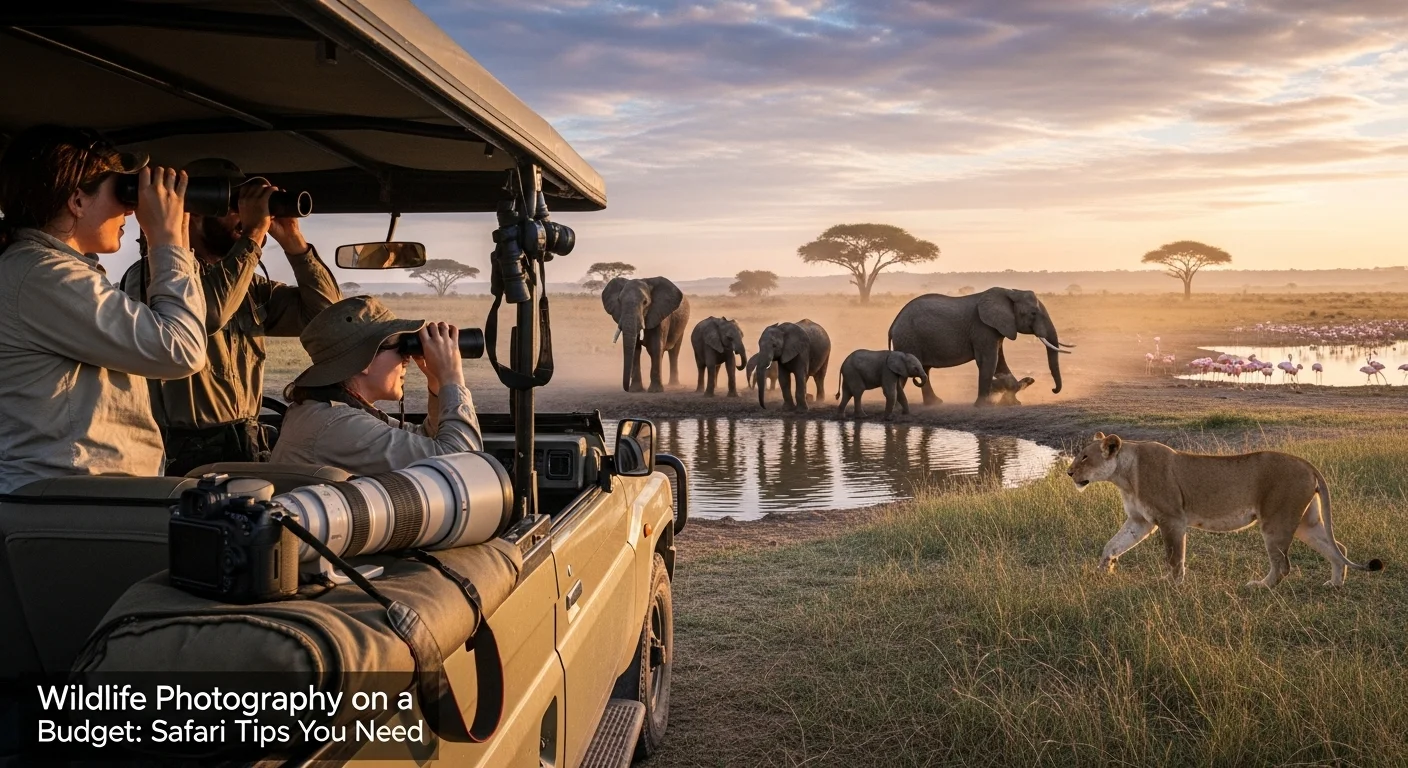
Have you ever dreamed of capturing breathtaking wildlife moments without breaking the bank? Let’s explore how to embark on an unforgettable wildlife photography adventure, even with a tight budget. Read Interesting article: Essential Wildlife Photography Tips for Budget Safari Travelers

Wildlife Photography on a Budget: Safari Tips You Need

Understanding Wildlife Photography

What is Wildlife Photography?

Wildlife photography, for me, is more than just snapping pictures of animals; it’s about telling their stories. It involves capturing the beauty, behavior, and natural habitat of animals in their environment. I remember the first time I ventured out to photograph wildlife—I felt an adrenaline rush as I spotted a herd of elephants in the distance, their majestic silhouettes framed against the sunset. That moment taught me that wildlife photography is about patience, observation, and a deep appreciation for nature.

Importance of Wildlife Photography

Wildlife photography holds immense importance, not just for photographers but for conservation as well. Through our lenses, we can showcase the beauty of species and their habitats, raising awareness about their plight in an ever-changing world. I’ve seen how powerful images can spark conversations and inspire action. For instance, a photo I took of a vulnerable species during my travels led to discussions in my community about wildlife conservation initiatives. This experience made me realize the role we play as photographers in advocating for these creatures and preserving their environments.

Essential Gear for Budget Wildlife Photography

Camera Options for Beginners

As someone who started photography on a budget, I know how overwhelming it can be to choose the right camera. For beginners, I recommend starting with a DSLR or a mirrorless camera, as they provide flexibility and good image quality without costing a fortune. When I bought my first camera, I opted for a used model from a local shop, which saved me a lot of money while still delivering great performance. Brands like Canon and Nikon offer excellent entry-level options that won’t break the bank. Read Interesting article: Capture the Wild: Top Wildlife Photography Tips for Safaris

Choosing the Right Lens

The lens you choose can make a significant difference in your wildlife photography. I learned this the hard way when I initially used a standard kit lens, which limited my ability to capture distant animals. A telephoto lens is essential for wildlife photography, allowing you to zoom in and capture details without disturbing the animals. I found that a 70-300mm lens was a great compromise between price and performance. Renting lenses is also a fantastic option if you want to try before you buy or if you’re on a tight budget.

Accessories to Enhance Your Photography

While the camera and lens are crucial, don’t overlook the importance of accessories. A sturdy tripod can stabilize your shots, especially in low light conditions, and I can’t tell you how many blurry photos I avoided by using one. I also recommend investing in a good camera bag to protect your gear while you’re out in the field. Additionally, having extra batteries and memory cards is a must. I once missed capturing a stunning sunset because my battery died, which taught me the importance of being prepared.

Budget-Friendly Safari Options

Choosing Affordable Safari Destinations

When it comes to planning a wildlife photography safari, the destination can greatly impact your budget. Some of my favorite affordable locations include national parks in countries like Kenya, Tanzania, and South Africa, where you can often see incredible wildlife without spending a fortune. I remember visiting Amboseli National Park, where the entry fees were reasonable, and the wildlife was abundant. Researching lesser-known parks can also lead to stunning photography opportunities without the crowds.

Best Time to Visit for Budget Safaris

The timing of your safari can also affect your budget. Traveling during the off-peak season can lead to significant savings. I’ve found that visiting during shoulder seasons, like late spring or early fall, can provide a balance of good wildlife viewing and lower prices. The weather might be a bit unpredictable, but I’ve enjoyed some of my best wildlife encounters when fewer tourists were around.

Cost-Effective Safari Packages

While some safari packages can be quite pricey, I discovered that many operators offer budget-friendly options. Group safaris tend to be more affordable, and I’ve made lifelong friends while sharing rides and experiences with fellow travelers. Additionally, some companies offer “self-drive” safaris where you can rent a car and explore parks on your own, which can save you a lot of money. This approach allowed me to set my own pace and choose the best spots for photography.

Photography Techniques for Wildlife on a Budget

Understanding Animal Behavior

One of the most important lessons I’ve learned in wildlife photography is the value of understanding animal behavior. When I first started, I often rushed to take photos without truly observing the animals. Over time, I discovered that spending a little extra time watching them can lead to more compelling shots. For instance, I noticed that elephants tend to be more active during the early morning or late afternoon when the temperatures are cooler. By planning my outings around these peak times, I’ve been able to capture stunning images that showcase their natural behaviors, like feeding or playing with their young.

Taking the time to study the animals can also help you anticipate their movements. I remember sitting quietly near a watering hole, watching a pride of lions. Instead of just photographing them when they were lounging, I waited patiently for one to stand and stretch, creating a much more dynamic image. Understanding their habits allows us to tell a richer story through our photographs.

Using Natural Light Effectively

Lighting can make or break a photograph, and I quickly learned that natural light is my best friend in wildlife photography. I prefer to shoot during the golden hours—the hour after sunrise and the hour before sunset—when the light is soft and warm. These times create a beautiful glow that enhances colors and adds depth to my images. I recall a morning spent in a savanna, where the sun rose slowly, casting a magical light over the landscape. The way the light illuminated the dust kicked up by grazing animals created a scene I still cherish.

Even on cloudy days, I’ve found that diffused light can produce striking images. The soft light helps to reduce harsh shadows and highlights, making it easier to capture the details of an animal’s fur or feathers. I usually experiment with different angles and compositions until I find the most flattering light for the subject. One tip I learned is to always keep an eye on the direction of the light and position myself accordingly—it’s a simple adjustment that can lead to significantly better outcomes.

Composition Techniques for Stunning Shots

Composition is another crucial aspect of wildlife photography that I’ve spent a lot of time refining. The classic rule of thirds is a great starting point. Instead of placing the subject in the center of the frame, I try to align it with the grid lines, which usually makes for a more engaging shot. There was a time I captured a beautiful cheetah in mid-sprint; by positioning it off-center, I was able to convey the sense of motion and space around it, which added drama to the image.

I also enjoy experimenting with perspectives. Sometimes, getting low to the ground helps create a more intimate connection between the viewer and the subject. I remember lying on my stomach in the grass to photograph a family of meerkats. This angle allowed me to capture their expressions and the surrounding environment in a way that felt personal and immersive.

Framing is another technique that I often use. By incorporating elements from the environment, such as branches or grass, I add context to my images. This technique can also help to draw the viewer’s eye to the main subject. The more I practice, the more I realize how small adjustments in composition can lead to significant improvements in my photographs.

Where to Stay on a Budget

Camping vs. Lodges

When it comes to accommodation while on a wildlife photography adventure, I’ve had my fair share of experiences with both camping and staying in lodges. Camping is often the more budget-friendly option, and for me, it brings a unique thrill. I remember camping in Kruger National Park, falling asleep to the sounds of the wild around me. There’s something magical about being so close to nature, and it also allowed me to wake up early and get out for morning shoots without the hassle of travel.

However, if you’re not keen on roughing it, lodges can provide a bit more comfort without breaking the bank. Often, you can find budget lodges or eco-lodges that offer affordable packages, including meals and guided tours. I stayed at one such lodge in Tanzania that offered stunning views of the surrounding landscape. The comfort of a warm shower and a cozy bed was a welcome treat after a long day of shooting! It’s all about balancing what you’re comfortable with while keeping an eye on your budget.

Hostels and Budget Accommodations

If camping or lodges aren’t your style, hostels or budget accommodations can be a great alternative. I’ve found that many hostels cater specifically to travelers looking for adventure, and they can be a fantastic way to meet like-minded people. I remember sharing stories and photography tips with fellow travelers while staying at a hostel near a national park. These connections often lead to opportunities for group outings, which not only save money but also enhance the overall experience.

Additionally, platforms like Airbnb can offer affordable stays in unique locations, sometimes even in the heart of nature. I booked a charming little cabin once that was just a short drive from a renowned wildlife area, allowing me easy access to incredible photography spots. It’s amazing how thoughtful accommodation choices can enhance your overall wildlife photography adventure.

Transportation Tips for Budget Safaris

Public Transport Options

When planning my wildlife photography adventures, I quickly learned that transportation could significantly affect my budget. I often rely on public transport when traveling to national parks, as it’s usually the most economical choice. For instance, in places like Kenya and South Africa, I’ve used local buses and matatus (shared minivans) to reach various parks. While it can be a bit crowded and less comfortable than a private vehicle, the experience of mingling with locals and fellow travelers adds a unique touch to the journey.

One memorable trip was when I took a bus from Nairobi to Amboseli National Park. The scenery along the way was stunning, and I felt a sense of connection with the landscape and the people. I also found that public transport often drops you off at the park entrance or nearby lodges, which saves you the hassle of navigating the roads yourself. Just be sure to plan your schedule carefully, as the timing can be unpredictable. I recommend checking the bus schedules in advance and giving yourself plenty of time for transfers.

Car Rentals vs. Organized Tours

If you prefer more freedom and flexibility, renting a car can be a great option. I’ve rented vehicles during my travels and loved the independence it provided. Being able to explore at my own pace and visit less touristy spots made for some of my best wildlife encounters. For example, driving through Kruger National Park on my own allowed me to stop whenever I spotted something interesting, whether it was a family of elephants crossing the road or a group of giraffes grazing in the distance.

However, renting a car does come with its considerations. I found that understanding the local driving rules and conditions is essential. In some countries, like South Africa, you drive on the left side of the road, which took some getting used to. Additionally, I always made sure to have a reliable GPS or offline maps handy, as cell service can be spotty in rural areas. On the other hand, if you’re not comfortable driving in a new country, joining an organized tour can be a hassle-free alternative. While it might be more expensive, these tours usually cover not only transportation but also guide services, which can enhance your wildlife photography experience by taking you to the best spots and sharing their knowledge about the animals and environment.

Planning Your Safari Itinerary

Must-Visit National Parks and Reserves

As I’ve explored various destinations, I’ve discovered that some national parks are simply must-visits for wildlife photography enthusiasts. One of my all-time favorites is Maasai Mara in Kenya. The sheer abundance of wildlife is astounding, especially during the Great Migration when thousands of wildebeest and zebras cross the plains. I remember sitting in my vehicle, heart racing, as I captured images of the dramatic river crossings. The energy and life in the Mara are unlike any other place I’ve visited.

Another fantastic spot is Serengeti National Park in Tanzania, where the vast landscapes and diverse animal species offer countless opportunities for stunning photographs. I also found that parks like Chobe in Botswana and Etosha in Namibia can be less crowded yet just as rewarding. Researching and selecting the right parks based on the wildlife you want to photograph can make a huge difference in your experience.

Finding the Best Wildlife Viewing Spots

Once I’ve chosen my destinations, I focus on identifying the best viewing spots within those parks. I often consult online forums, social media groups, and wildlife photography blogs to gather tips from others who’ve been there. One trick I’ve learned is that certain areas within a park are known hotspots for wildlife sightings. For instance, in Kruger National Park, I realized that the rivers and waterholes are often where animals gather, especially during the dry season. Finding these prime locations can maximize my chances of capturing incredible wildlife moments.

Additionally, it’s worth speaking to park rangers or local guides. They have invaluable insights about animal behavior and can recommend the best times and places to see specific species. During one trip, I chatted with a ranger in Tsavo National Park, who helped me discover a lesser-known lookout point where I witnessed a breathtaking sunset over a waterhole filled with elephants. These kinds of experiences remind me that the journey is just as essential as the photographs I take.

Post-Processing Tips for Wildlife Photos

Free and Budget Editing Software

After a thrilling day of capturing wildlife, the fun doesn’t stop there. For me, post-processing is where I get to breathe new life into my images. Thankfully, there are plenty of free and budget-friendly editing software options out there. I’ve personally used programs like GIMP and Darktable, both of which are powerful and don’t cost a dime. They allow for comprehensive editing, from basic adjustments to more advanced techniques.

If you’re looking for something more user-friendly, I suggest trying out Lightroom’s mobile app. It’s not only accessible but also offers a solid set of features for editing on the go. I remember tweaking a photo of a lioness at sunset, and the ability to adjust the light and colors really made the image pop. These tools can help you refine your work and bring your creative vision to life, all while keeping your budget intact.

Basic Editing Techniques to Enhance Images

Once you’ve chosen your editing software, it’s time to delve into some basic editing techniques. I’ve found that adjusting exposure, contrast, and saturation can significantly enhance my wildlife images. For instance, when I shot a vibrant bird perched on a branch, I played with the saturation levels to make its colors more vivid without making them look unnatural. It’s all about finding that balance.

Cropping is another technique I often use. It allows me to focus on the subject by eliminating distracting elements from the frame. I remember taking a wide shot of a herd of wildebeests, but after cropping, the image transformed into a dramatic scene that highlighted their unity and movement. I also advocate for sharpening your images a bit, especially if you want to highlight the fine details like textures on an animal’s fur or feathers. Just remember, less is more—over-editing can lead to unnatural results.

Sharing Your Wildlife Photography

Social Media Platforms for Photographers

Once I’ve edited my photos, sharing them is the next exciting step! Social media has become a fantastic platform for photographers like us to showcase our work. I frequently use Instagram, where the visual nature of the platform allows my wildlife images to shine. I’ve connected with fellow wildlife enthusiasts and received valuable feedback on my shots. Don’t forget to use relevant hashtags to reach a broader audience; I often include tags like #WildlifePhotography, #NatureLovers, and specific animal tags to help others find my work.

Facebook groups and photography forums are also great places to share your images. I joined a wildlife photography group where I can post my work and engage in discussions about techniques and experiences. Everyone is there to share their passion, and I’ve learned a lot from others just by being part of these communities.

Creating an Online Portfolio on a Budget

Having an online portfolio is a great way to present your best work. I recommend using platforms like Wix or WordPress, which offer free options and templates that can help you get started without a hefty investment. I created my portfolio using a simple template, showcasing my favorite wildlife shots. It serves as a central place for potential clients and friends to view my work, and I can easily share the link with others.

Another budget-friendly option is to use social media as your portfolio. By carefully curating your Instagram feed and using highlights, you can have a visually appealing showcase of your photography without the need for a separate website. The key is to keep it organized and ensure that your best images are front and center.

Final Thoughts

Embarking on a wildlife photography adventure doesn’t have to drain your wallet. Through careful planning, smart choices, and a little creativity, we can capture stunning images and share the beauty of the natural world. I’ve learned that the journey itself—whether it’s hiking to the perfect vantage point, waiting patiently for the right moment, or connecting with fellow photographers—is just as rewarding as the photos we take. I hope my experiences inspire you to get out there, explore, and create your own wildlife stories through photography. Remember, it’s not about the gear you have, but the passion you bring to your craft. Read Interesting article: Mastering Wildlife Photography: Tips for Your Next Safari Trip

Frequently Asked Questions

What is wildlife photography?

Wildlife photography is about capturing the beauty, behavior, and natural habitat of animals in their environment, telling their stories through images.

Why is wildlife photography important?

Wildlife photography raises awareness about species and their habitats, showcasing their beauty and inspiring conservation efforts through powerful images.

What camera options are recommended for beginners in wildlife photography?

Beginners are encouraged to start with a DSLR or mirrorless camera, as they offer flexibility and good image quality at an affordable price. Used models can also be a cost-effective choice.

What type of lens is essential for wildlife photography?

A telephoto lens is essential for wildlife photography, as it allows you to capture distant animals without disturbing them. A 70-300mm lens is often a good compromise between price and performance.

What are some budget-friendly safari destinations?

Affordable wildlife photography safari destinations include national parks in Kenya, Tanzania, and South Africa, such as Amboseli National Park, where entry fees are reasonable and wildlife is abundant.

When is the best time to visit for budget safaris?

Traveling during the off-peak season, such as late spring or early fall, can lead to significant savings while providing good wildlife viewing opportunities.

What are some tips for understanding animal behavior in wildlife photography?

Spending time observing animals can lead to more compelling shots. Planning outings around peak activity times, such as early morning or late afternoon, can help capture natural behaviors.

What are the benefits of using natural light in wildlife photography?

Naturally occurring light enhances photographs, especially during golden hours, creating a soft glow that adds depth and warmth to images. Cloudy days can also provide diffused light for striking photos.

What are some accommodation options for budget wildlife photography adventures?

Budget-friendly accommodation options include camping, budget lodges, hostels, and platforms like Airbnb, which can enhance the overall experience while keeping costs down.

What editing software is recommended for post-processing wildlife photos?

Free and budget-friendly editing software options include GIMP, Darktable, and Lightroom’s mobile app, which allow for comprehensive editing to enhance wildlife images.

Mastering Wildlife Photography: Tips for Your Next Safari Trip

Wildlife photography is more than just a hobby; it’s a thrilling adventure that allows us to connect with nature in the most profound way. If you’re planning a safari trip, I can’t wait to share some tips to help you capture breathtaking moments! Read Interesting article: Essential Wildlife Photography Tips for Budget Safari Travelers

Mastering Wildlife Photography: Tips for Your Next Safari Trip

Understanding Wildlife Photography

What is Wildlife Photography?

Wildlife photography is the art of capturing animals in their natural habitats. I remember my first wildlife photo, a fleeting shot of a gazelle darting across the savanna. It was exhilarating! This genre of photography requires not only technical skills but also a deep appreciation for the creatures we encounter. It’s about immersing ourselves in nature, observing animal behavior, and capturing those magical moments that tell a story. From majestic elephants to vibrant birds, every photograph can evoke emotions and inspire conservation efforts.

Key Equipment for Wildlife Photography

When it comes to equipment, I’ve learned the hard way that having the right gear can make all the difference. A good camera, ideally a DSLR or mirrorless, is essential for capturing high-quality images. I recommend investing in a camera with fast autofocus to keep up with unpredictable wildlife movements. A sturdy telephoto lens is also crucial; it allows you to zoom in on animals without disturbing them. My favorite is a 100-400mm lens, which offers versatility for various wildlife scenarios.

Besides the camera and lens, there are some accessories I wouldn’t venture out without. A tripod is invaluable for stability, especially in low-light conditions or when using longer lenses. Consider also bringing along a camera bag that protects your gear from dust and moisture, as wildlife adventures can be unpredictable in terms of weather.

Importance of Patience and Timing

One lesson I’ve learned over the years is that patience is the key to successful wildlife photography. You might find yourself waiting for hours to capture that perfect shot, but believe me, it’s worth it. I remember sitting quietly in a hide, observing a pride of lions resting in the shade. It was only after a long wait that one of them stood up, stretching lazily before heading towards a nearby waterhole. That moment was magical, and my heart raced as I adjusted my settings to capture the scene.

Timing is equally important. Early mornings and late afternoons are often the best times for wildlife viewing, as animals tend to be more active during these hours. I’ve had the most success photographing animals during the golden hour, when the light is soft and warm, creating an enchanting atmosphere for my shots. Learning to understand the rhythms of the wildlife you’re photographing is crucial; spending time researching their behavior can significantly improve your chances of capturing incredible images. Read Interesting article: Capture the Wild: Top Wildlife Photography Tips for Safaris

Planning Your Safari Trip

Choosing the Right Destination

When planning a safari trip, choosing the right destination can make or break your wildlife photography experience. I’ve explored different national parks and reserves, and each one has its unique charm and wildlife. For example, Kenya’s Maasai Mara is famous for its annual wildebeest migration, while Tanzania’s Serengeti offers a rich variety of wildlife year-round. I recommend researching the types of animals you want to photograph and selecting a location that is known for those species. Consider also the park’s accessibility, accommodation options, and the overall experience you seek.

Best Times for Wildlife Viewing

The time of year can greatly affect your wildlife photography opportunities. I’ve found that the dry season (usually from June to October) is often the best time for viewing as animals congregate around water sources. In contrast, during the rainy season, the landscape transforms, and you can witness the birth of many young animals. Each season has its unique beauty, so think about what kind of experience you’re looking for. If you want to capture dramatic skies and lush landscapes, the wet season might be for you. However, if wildlife sightings are your priority, then the dry season is ideal.

Local Wildlife and Their Habitats

Before embarking on your safari, it’s helpful to familiarize yourself with the local wildlife and their habitats. I often spend time researching the specific animals I hope to encounter. For instance, understanding the migration patterns of elephants or the hunting behaviors of lions can help me predict where to find them. Additionally, knowing the types of vegetation and terrain can assist in choosing the best angles and compositions for my photographs. I believe that immersing myself in the environment not only enriches my photography but also deepens my connection to nature.

Essential Photography Gear for Safari

Cameras: DSLR vs. Mirrorless

Choosing the right camera is crucial for wildlife photography, and I’ve had my fair share of experiences with both DSLRs and mirrorless systems. I used to favor DSLRs for their robust build and extensive lens options. However, I’ve recently transitioned to a mirrorless camera, and I have to say, I’m impressed! They are lighter and more compact, which makes them easier to carry on long treks through the wilderness. Plus, the electronic viewfinder allows me to see exposure changes in real-time, which is a game changer when photographing wildlife in varying light conditions.

Both systems have their pros and cons, and I think it ultimately comes down to personal preference. If you’re just starting out, I recommend renting or borrowing both types to see what feels right for you. Whatever you choose, look for a camera that offers fast autofocus and good high-ISO performance, as you may find yourself shooting in low-light situations.

Lenses: Telephoto and Wide-Angle Options

When it comes to lenses, I believe having a good telephoto lens is essential for wildlife photography. A 300mm or 400mm lens allows you to capture stunning close-ups of animals without getting too close for comfort. I remember being able to photograph a cheetah lounging in the grass from a safe distance, and the detail in that shot was breathtaking. It’s like having a front-row seat to nature’s drama!

However, don’t underestimate the power of wide-angle lenses. They are perfect for capturing landscapes and the context of wildlife in their habitats. Sometimes, I find that including the environment in my shots adds depth and tells a more compelling story. I often keep a wide-angle lens handy for those moments when a herd of elephants is silhouetted against a stunning sunset or when a pride of lions is resting on a rocky outcrop.

Accessories: Tripods, Filters, and More

Having the right accessories can enhance your wildlife photography experience. A sturdy tripod is one of my must-haves. It stabilizes my camera, especially when using longer lenses, and it’s invaluable for low-light shooting. I remember a night shoot with fireflies dancing around, and my tripod allowed me to take long exposures without blur.

Filters can also be beneficial. A polarizing filter helps reduce glare and enhances colors, making your images pop. I often use it when photographing waterholes or shiny surfaces; the difference it makes is remarkable. Additionally, a lens cleaning kit is something I never leave without. Dust and moisture can be a wildlife photographer’s worst enemies, and keeping my lens clean is essential for clear shots.

Packable Gear: What to Bring on Safari

Packing for a safari can feel overwhelming, but I’ve learned to keep it simple yet effective. I usually pack my camera body, two or three lenses (including a telephoto and a wide-angle), and a sturdy tripod. Make sure to bring extra batteries and memory cards; I’ve had experiences where I ran out of space just as something incredible was happening. Nothing is worse than missing a shot because you weren’t prepared!

Clothing is just as important. I recommend lightweight, breathable fabrics that help you stay cool in the heat and can layer easily for cooler evenings. Neutral colors like khaki and olive help you blend into the environment, which is crucial for wildlife encounters. A good pair of binoculars is also a great addition; they’re helpful for spotting animals from afar before you bring your camera into play.

Finally, don’t forget about your personal comfort. Sunscreen, a hat, and insect repellent are essential for long days in the field. I’ve had my share of sunburns and bug bites, and trust me, being comfortable allows you to concentrate on your photography without distractions. Read Interesting article: Winter Hiking on a Budget: Tips for Thrill Seekers

Techniques for Capturing Stunning Wildlife Images

Understanding Animal Behavior

One of the most fascinating aspects of wildlife photography is understanding animal behavior. I’ve found that taking the time to learn about the species I want to photograph makes a huge difference. Knowing when they feed, rest, and socialize helps me anticipate their movements. For instance, I discovered that elephants often gather near watering holes during the late afternoon. This knowledge helped me position myself perfectly to capture a stunning image of a family of elephants splashing about.

Every animal has its own quirks, and I love observing these behaviors firsthand. I often take notes during my outings, jotting down what I see; it not only helps me improve but also deepens my appreciation for the wildlife around me.

Composing Your Shots: Rule of Thirds and Beyond

Composition can make or break a photograph. I usually follow the rule of thirds, which helps create a more dynamic and engaging image. Instead of centering my subject, I position it along the grid lines or at the intersections to create balance. However, I’ve also learned that breaking the rules can lead to some stunning shots. Sometimes, a centered subject can be powerful, especially in portraits where you want to capture the essence of the animal.

Don’t forget to consider the background, too. I’ve had experiences where a cluttered background distracts from the subject. I always try to find clean, unobtrusive backgrounds that make the wildlife pop. I believe that a little extra thought into composition can elevate an ordinary wildlife photo into something spectacular.

Adjusting Camera Settings for Wildlife Photography

Being able to adjust your camera settings quickly is vital in wildlife photography. I typically use shutter priority mode, especially when photographing fast-moving animals. This setting allows me to freeze the action while I adjust the aperture for the desired depth of field. I often start with a fast shutter speed, like 1/1000 or 1/2000 of a second, depending on the animal’s speed.

ISO settings also come into play, especially during early morning or late evening shoots. I aim to keep my ISO as low as possible to reduce noise, but I’ll bump it up if the light is low. It’s all about finding that balance to get the clearest shot possible.

Using Natural Light to Your Advantage

Natural light is my best friend in wildlife photography. The golden hour, just after sunrise or before sunset, creates a magical glow that adds warmth and depth to my photos. I try to position my subjects against the light to create beautiful backlighting, which can result in stunning silhouettes or rim lighting. I remember capturing a lioness at sunset, her fur glowing in the golden light, and it remains one of my favorite shots.

Overcast days can also be beneficial. The diffused light softens shadows and highlights, making it easier to capture detail in the fur or feathers of animals. No matter the weather, always be adaptable and ready to make the most of the conditions you encounter.

Safety and Ethical Considerations in Wildlife Photography

Staying Safe in the Wild

When I ventured into the wild for the first time, I was filled with excitement and a bit of nervousness. Understanding safety is crucial when photographing wildlife. I’ve learned that being aware of my surroundings and knowing how to react to different animals can make all the difference. For instance, while photographing elephants, I always keep a safe distance. These massive creatures can be unpredictable, especially if they feel threatened or if calves are around. I’ve had close calls where I had to back away slowly to avoid alarming them.

Another important aspect of safety is being prepared for the environment. I always carry a first-aid kit and know the basics of wilderness survival, just in case. It’s essential to be aware of potential hazards like snakes, insects, and even plants that can cause allergic reactions. One time, I brushed against a thorny bush and learned the hard way to always wear long sleeves and pants when hiking. Staying mindful of the terrain can also help prevent falls and injuries while you’re focused on capturing those perfect shots.

Respecting Wildlife and Their Habitats

Respecting wildlife and their habitats is a principle I hold dear in my photography journey. It’s vital to remember that we are visitors in their world. I always strive to minimize my impact on the environment. For example, I avoid stepping off designated paths, as this can damage delicate vegetation or disturb nesting birds. I’ve found that following local guidelines and respecting wildlife regulations not only protects the animals but also enhances my experience. When I stay on the trails, I can enjoy observing animals without causing them stress or altering their natural behaviors.

I’ve seen firsthand the difference that respect can make. On a trip to a national park, I watched as a group of tourists got too close to a lion pride. The anxiety from the crowd caused the lions to move away, ruining the moment for everyone. I’ve learned that patience and distance often yield much better results. When animals feel safe, they behave more naturally, allowing us to capture their true essence.

Ethical Photography Practices

Ethical photography practices are a topic I feel strongly about. I believe that as wildlife photographers, we have a responsibility to promote conservation and respect for the animals we capture through our lenses. One practice I’ve adopted is to avoid baiting animals. Some photographers may use food to attract wildlife, but I feel this disrupts their natural foraging habits and can lead to dependency on humans. Instead, I prefer to wait for the right moment and let the animals come to me.

Additionally, I take care to avoid photographing animals in distress or in compromising situations. For instance, if I notice a stressed animal, I’ll pack up my gear and move on. It’s essential to keep the well-being of wildlife at the forefront of our minds. I often remind myself that our goal is to capture the beauty of these creatures, not to put them in harm’s way. I’ve found that the most powerful images come from moments when animals are calm and comfortable in their environment.

In my opinion, sharing the story behind each photograph is just as important as the image itself. I often include captions about the animals’ behavior, their habitats, and the challenges they face in the wild. This not only educates others but also raises awareness about conservation efforts. I believe that as wildlife photographers, we can play a crucial role in inspiring others to appreciate and protect the natural world.

Post-Processing Your Wildlife Photos

Basic Editing Techniques

Once I’ve captured my images, the next step is post-processing. This is an area where I’ve honed my skills over time. I start with basic editing techniques like adjusting exposure and contrast. I remember when I first began editing my photos; I was amazed by how a slight tweak in exposure could bring out the details in the shadows and highlights. I usually use software like Adobe Lightroom, which offers a user-friendly interface for beginners.

Cropping is another technique I often apply. Sometimes, I find that a simple crop can eliminate distractions and focus the viewer’s attention on the subject. I also pay attention to color correction; ensuring that the colors reflect the natural beauty of the scene is important to me. I have learned that subtle adjustments can bring an image to life without making it look overly processed.

Advanced Photo Editing Software

As I’ve progressed, I’ve explored advanced photo editing software like Adobe Photoshop. I find that it provides more tools for fine-tuning images. One of my favorite techniques is layering, which allows me to blend different exposures for high dynamic range (HDR) images. This technique can be particularly stunning for landscapes where both the sky and the foreground need to be well-exposed. I often combine multiple images to achieve a result that reflects the beauty I experienced in the moment.

Another feature that I love is the healing brush tool. It’s perfect for removing distractions, such as small branches or dust spots that can take away from the overall composition of the shot. I’ve found that investing time in learning these advanced techniques can significantly elevate the quality of my wildlife photography.

Creating a Consistent Style

Over time, I’ve realized that developing a consistent style is key to building a recognizable portfolio. I often experiment with different editing styles and techniques, but I always keep an eye on maintaining a cohesive look across my work. I find that consistency in color grading and exposure helps to create a strong visual narrative.

I also enjoy adding subtle borders or watermarks to my images. It’s a small touch, but it can make a big difference in presenting my work professionally. I often look to my favorite wildlife photographers for inspiration but always strive to put my unique spin on my images. It’s all about finding that balance between my artistic vision and the authenticity of the wildlife I’m capturing.

Frequently Asked Questions

What is wildlife photography?

Wildlife photography is the art of capturing animals in their natural habitats. It involves technical skills and a deep appreciation for the creatures, focusing on observing animal behavior and capturing moments that tell a story.

What equipment is essential for wildlife photography?

Essential equipment includes a good camera, preferably a DSLR or mirrorless, with fast autofocus capabilities. A sturdy telephoto lens, such as a 100-400mm, is crucial for zooming in on animals without disturbing them. Accessories like a tripod for stability and a camera bag for protection from dust and moisture are also important.

Why is patience important in wildlife photography?

Patience is key because capturing the perfect shot often requires waiting for long periods. Understanding animal behavior and timing your presence during active hours increases the chances of getting a magical moment.

What are the best times for wildlife viewing?

The best times for wildlife viewing are early mornings and late afternoons when animals are more active. The golden hour provides soft, warm light that enhances photographs.

How should I plan my safari trip for photography?

When planning a safari, choose a destination known for the wildlife you want to photograph, consider the best times of year for viewing, and familiarize yourself with local wildlife and their habitats to enhance your experience.

What types of camera systems are recommended for wildlife photography?

Both DSLR and mirrorless camera systems are recommended. DSLRs are known for their robust build and lens options, while mirrorless cameras are lighter and more compact, offering advantages in mobility and real-time exposure viewing.

What lens types should I consider for wildlife photography?

A good telephoto lens (300mm or 400mm) is essential for capturing close-ups of animals without getting too close. Wide-angle lenses can also be beneficial for capturing landscapes and the context of wildlife in their habitats.

What safety precautions should I take while photographing wildlife?

It’s important to be aware of your surroundings and know how to react to different animals. Keeping a safe distance, carrying a first-aid kit, and being prepared for the environment can help ensure safety while photographing wildlife.

What ethical practices should I follow in wildlife photography?

Ethical practices include avoiding baiting animals, not photographing animals in distress, and respecting wildlife habitats. It’s crucial to minimize your impact on the environment and promote conservation through your photography.

What should I consider during post-processing of wildlife photos?

During post-processing, basic editing techniques like adjusting exposure, cropping, and color correction are important. As you progress, advanced techniques in software like Adobe Photoshop can help fine-tune images and create a consistent style across your portfolio.

Essential Wildlife Photography Tips for Budget Safari Travelers

Embarking on a safari is a dream for many wildlife enthusiasts, especially those keen on capturing stunning photographs. With the right tips, even budget travelers can create breathtaking wildlife images without breaking the bank. For more insights, check out our article on Capture the Wild: Top Wildlife Photography Tips for Safaris.

Essential Wildlife Photography Tips for Budget Safari Travelers

Understanding Wildlife Photography

The Importance of Wildlife Photography

Wildlife photography is more than just a hobby; it’s a way for us to connect with nature and appreciate the beauty of the animal kingdom. I remember my first safari experience, standing quietly in a jeep, my heart racing as I spotted a majestic lion lounging in the sun. I felt an overwhelming urge to capture that moment. For many of us, these photographs become treasures that tell stories, inspire conservation efforts, and foster a deeper appreciation for wildlife. They remind us of our responsibility to protect these incredible creatures and their habitats.

Ethics in Wildlife Photography

As thrilling as wildlife photography can be, it’s vital to approach it with a strong sense of ethics. I often think about the impact we have on the environment and the animals we photograph. It’s crucial to prioritize the well-being of wildlife over the perfect shot. This means maintaining a safe distance from animals, avoiding disturbing their natural behaviors, and never feeding them. I’ve learned to respect their space, which not only protects them but also leads to more genuine moments. Observing animals in their natural habitat without interference often results in the most beautiful photographs.

Choosing the Right Gear on a Budget

Essential Camera Equipment

If you’re like me, the first thought might be that you need the latest and greatest camera gear to take stunning wildlife photos. However, I’ve discovered that you can achieve amazing results with a more budget-friendly approach. I recommend starting with a DSLR or mirrorless camera that allows you to change lenses. For those on a tighter budget, even a good point-and-shoot with a decent zoom can work wonders. The key is understanding your camera’s features and how to use them effectively. Don’t be afraid to read the manual or watch online tutorials; I found that investing time in learning my gear was just as valuable as the equipment itself.

Affordable Lenses for Wildlife Photography

Choosing the right lens can significantly impact your wildlife photography. I’ve learned that a lens with a focal length of at least 300mm is essential for capturing distant animals. However, high-end telephoto lenses can be quite pricey. Instead, I recommend looking for affordable options, such as a 55-250mm zoom lens. These lenses can deliver impressive results without draining your wallet. Additionally, consider renting lenses if you’re only going on a single safari trip. I’ve tried this, and it allowed me to use high-quality gear at a fraction of the cost.

Accessories: Tripods, Bags, and More

When it comes to accessories, I can’t stress enough the importance of a sturdy tripod or monopod, especially for those early morning wildlife shots in low light. I found that a lightweight tripod is easy to carry but provides stability for those longer exposures. Also, don’t overlook a good camera bag that protects your equipment while providing easy access when the perfect photo opportunity arises. I’ve experienced the frustration of fumbling through an inadequate bag, so finding one that suits your needs can make a world of difference. Lastly, consider adding polarizing filters to reduce glare and enhance color saturation in your images.

Best Budget Safari Destinations

African Safari Hotspots

When planning a budget safari, choosing the right destination can make a huge difference in your experience. I’ve learned that iconic places like the Maasai Mara in Kenya or Kruger National Park in South Africa can be affordable if you plan wisely. They offer some of the best wildlife viewing opportunities, often within reach of budget accommodations and camping options. I remember camping under the stars in Kruger; it was magical! Plus, being in the heart of nature makes for incredible photo opportunities at dawn and dusk. For more ideas, check out our article on Budget-Friendly Cultural Trekking: Tips and Destinations.

Off-the-Beaten-Path Locations

If you’re looking to save even more, consider exploring lesser-known parks or reserves. Places like Lake Nakuru in Kenya or Addo Elephant National Park in South Africa can provide equally stunning wildlife experiences at a fraction of the cost. I discovered that these less touristy spots often lead to more intimate encounters with wildlife, and sometimes, you’ll have the entire area to yourself! I’ve found that the chances of capturing unique moments increase significantly in these quieter settings.

Planning Your Safari Trip

When to Go: Seasons and Weather

Choosing the right timing for your safari can be the difference between a mediocre and an unforgettable experience. I’ve learned that the dry season, typically from June to October in many African countries, is often the best time to go. During these months, animals tend to congregate around water sources, making them easier to spot and photograph. I remember visiting during this season and witnessing the great migration in the Maasai Mara – it was nothing short of breathtaking!

However, the green season, from November to May, can also offer unique experiences. The landscapes are lush, and the baby animals are often seen during this time. I found that the softer lighting after rain can create magical photographic opportunities. Just be prepared for the occasional downpour and muddy roads! Understanding the seasonal rhythms can help you plan your trip to maximize your wildlife photography score.

How to Choose a Budget Safari Tour

When it comes to booking a budget safari tour, I’ve discovered that research is crucial. I usually start by looking for reputable tour operators who specialize in budget options. Reading reviews and reaching out to fellow travelers can provide valuable insights. I remember stumbling upon a local operator offering a camping safari at a fraction of the price of larger tour companies. It not only saved me money but also provided a more authentic experience.

It’s also important to decide between group tours and private safaris. While private safaris can be more costly, I’ve found that joining a group can significantly reduce expenses. Plus, it can be fun to share the adventure with others. Just be sure to check what’s included in the package – like meals, park fees, and accommodation – to avoid unexpected costs. Planning ahead and being flexible with your itinerary can also lead to better deals. I often look for last-minute deals or off-season specials that can save us a bundle!

Wildlife Photography Techniques

Understanding Animal Behavior

One of the most valuable lessons I’ve learned in wildlife photography is the importance of understanding animal behavior. Before I head out for a shoot, I like to research the specific species I might encounter. Knowing their habits and routines can greatly increase your chances of capturing compelling images. For example, I’ve noticed that elephants are most active during early mornings and late afternoons, which are also the best times for photography due to the soft, golden light.

By taking the time to observe and learn, you can anticipate movements and be ready when the perfect moment arises. I remember watching a pride of lions lounging in the grass, waiting for a chance to hunt. Understanding their patience and social dynamics allowed me to capture some incredible shots as they interacted with one another. When we respect their space and behavior, we can create images that truly reflect their essence.

Lighting Techniques for Wildlife Photography

Lighting can make or break a photograph, and I’ve discovered that the best light for wildlife photography often occurs during the golden hour—just after sunrise and just before sunset. The warm tones during these times can illuminate your subject beautifully. I try to plan my outings to take advantage of these natural light conditions. One of my favorite techniques is to position myself so that the light hits the animal from the side or behind, creating depth and enhancing textures in the image.

However, sometimes the midday sun cannot be avoided. In those situations, I’ve found that using shadows to my advantage can create interesting compositions. I’ve also experimented with backlighting, which can highlight the outlines of animals beautifully. Learning to work with different lighting conditions has greatly improved my photography and allowed me to capture the essence of wildlife in various settings.

Composition Tips for Stunning Photos

Composition is another crucial aspect of wildlife photography that I’ve spent time mastering. One technique that I rely on is the rule of thirds. By placing my subject off-center, I often create a more dynamic image. I’ve learned to visualize my shots and think about how to draw the viewer’s eye into the frame.

Another tip that has helped me is to look for leading lines in the environment. Whether it’s a winding river or a path through the grass, these elements can guide the viewer’s gaze to the main subject. I also try to fill the frame with my subject whenever possible, which can convey a sense of intimacy and connection. Each shot becomes a storytelling moment, and I find joy in crafting that narrative through composition.

Using Natural Framing and Backgrounds

In my experience, paying attention to the background can elevate a wildlife photograph significantly. I’ve discovered that using natural frames—like branches, leaves, or even rocks—can add depth and context to my images. For instance, I once captured a stunning shot of a leopard lounging on a branch, framed by the surrounding foliage. The natural framing drew the viewer’s eye directly to the subject while adding a sense of place.

When scouting for a shot, I also consider the colors and textures in the background. I prefer backgrounds that are clean and unobtrusive, allowing the animal to be the focal point. Sometimes, I’ve even adjusted my position to eliminate distractions or enhance the colors behind my subject. The more mindful I am of my surroundings, the better my photos turn out.

Post-Processing Your Wildlife Photos

Basic Editing Techniques

After returning from a safari, one of my favorite parts is sitting down to edit the photos I’ve taken. I’ve realized that even the most stunning images can benefit from a little post-processing magic. Basic techniques like cropping, adjusting exposure, and enhancing colors can make a world of difference. For me, cropping helps eliminate distractions and focus on the subject. I find that a well-framed photo can really draw viewers in.

Another essential technique is adjusting the exposure. Sometimes, the lighting conditions can be tricky. I often find myself brightening up shadowy areas or toning down overly bright spots. I’ve learned to play with contrast to make colors pop without making the image feel unnatural. And don’t underestimate the power of saturation; bringing out the vibrant hues of a sunset or the rich shades of an animal’s fur can transform an already beautiful photo into something even more captivating.

Free and Affordable Editing Software

When I first started editing my photos, I was overwhelmed by the range of software available. I quickly learned that you don’t need to spend a fortune to get great results. My go-to has become Adobe Lightroom, which, while not free, offers a subscription option that’s quite reasonable for what it provides. I love its user-friendly interface and powerful editing tools.

If you’re looking for free options, I highly recommend using programs like GIMP or Darktable. I started with GIMP when I was on a tight budget, and it served me well. It has a bit of a learning curve, but once you get the hang of it, you can achieve impressive results. Additionally, there are mobile apps like Snapseed that allow for quick edits on the go, making it easy to share your adventures on social media right after your trip.

Safety Tips for Safari Travelers

Staying Safe Around Wildlife

While the thrill of being close to wildlife is exhilarating, safety should always be top of mind. I can’t stress enough the importance of following the guidelines set by your guides. During my first safari, I was amazed at how close we could get to animals, but I quickly learned that maintaining a safe distance is crucial. Animals are unpredictable, and even the gentlest creatures can become aggressive if they feel threatened.

When on foot, I always keep a safe distance and remain aware of my surroundings. I remember one instance when a herd of elephants crossed our path; we stayed in the vehicle, watching in awe. Our guide calmly explained their behavior, which helped us appreciate their presence without putting ourselves or the animals at risk. I believe that respecting wildlife not only keeps us safe but also enhances our experience.

Health Precautions to Take

Health is another critical aspect of planning a safari. Before my trips, I always check with a healthcare professional about necessary vaccinations and medications. I learned the hard way that malaria is a risk in many safari areas, so I always carry antimalarial tablets and use insect repellent religiously. It’s also a good idea to pack a basic first aid kit, just in case. I once had a minor scrape while out exploring and was thankful I’d brought along some antiseptic and band-aids.

Staying hydrated is vital, especially in the heat of the African sun. I make sure to carry a reusable water bottle and fill it up whenever I can. And don’t forget about sun protection! Sunscreen, a hat, and sunglasses are must-haves, as I learned after my first day in the field. There’s nothing worse than ending your adventure with a sunburn! Being proactive about health and safety allows me to focus on enjoying the beauty around me without worry.

Budgeting for Your Safari Experience

Cost Breakdown: Safari Expenses

Understanding the costs associated with a safari can help prevent any unexpected financial surprises. I’ve found that the biggest expenses usually include park entrance fees, accommodation, transportation, and food. Park fees can vary widely, so it’s wise to research ahead of time. Some parks might have daily fees, while others offer passes for multiple days.

Accommodation is another area where you can save. I’ve stayed in everything from luxury lodges to budget camping sites. Camping not only saves money but also immerses you in nature, which is an experience I highly recommend. When budgeting for food, I often opt for local dining options over more touristy spots, which helps stretch my budget further.

Tips for Saving Money on Travel

Over the years, I’ve developed a few strategies to keep my safari costs down. First, being flexible with my travel dates can lead to significant savings. I tend to travel during the shoulder seasons, when prices drop, and crowds are thinner. I also look for package deals that include accommodation, meals, and guided tours, which often offer a better rate than booking everything separately.

Another tip is to utilize public transportation whenever possible. I’ve traveled on local buses to get to parks, which not only saves money but also gives me a chance to interact with locals. Lastly, I always keep an eye out for discounts or loyalty programs offered by tour companies. Taking these steps has allowed me to maximize my safari experience without breaking the bank.

Connecting with Local Wildlife Photographers

Finding Photography Workshops

One of the most rewarding experiences I’ve had during my travels is connecting with local wildlife photographers. I often seek out workshops or guided photography tours when I arrive at a new destination. These workshops provide invaluable insights and techniques that I wouldn’t necessarily learn on my own. I remember attending a workshop led by a local photographer in Botswana, who shared tips on capturing the essence of the landscape and wildlife. It was an eye-opening experience that significantly improved my skills.

Many workshops also offer small group sizes, allowing for personalized instruction and plenty of chances to ask questions. Plus, it’s a wonderful way to meet fellow photography enthusiasts and share our passion for wildlife. I’ve made some lifelong friends through these connections!

Networking with Local Guides and Experts

In addition to workshops, I’ve found that networking with local guides can enrich my safari experience. These guides possess extensive knowledge about the area and its wildlife. I often chat with them about their experiences, which not only enhances my understanding but also leads to unique photographic opportunities. I remember one guide who took us to a hidden watering hole where we were lucky enough to witness a rare sighting of a cheetah. Without his insights, we would have missed that incredible moment.

Building relationships with guides also opens doors for future trips. They often share tips on the best times and places to photograph specific animals, making it easier for me to plan my next adventure. Connecting with local experts has truly transformed my approach to wildlife photography, and I recommend it to anyone looking to deepen their safari experience.

Frequently Asked Questions

What is the importance of wildlife photography?

Wildlife photography allows us to connect with nature and appreciate the beauty of the animal kingdom. It helps tell stories, inspire conservation efforts, and fosters a deeper appreciation for wildlife.

What ethical considerations should photographers keep in mind?

Photographers should prioritize the well-being of wildlife over the perfect shot, maintain a safe distance, avoid disturbing natural behaviors, and never feed the animals.

What essential camera equipment is recommended for budget travelers?

A DSLR or mirrorless camera that allows for lens changes is recommended. A good point-and-shoot with a decent zoom can also work well for those on a tighter budget.

What type of lens is recommended for wildlife photography?

A lens with a focal length of at least 300mm is essential for capturing distant animals. Affordable options like a 55-250mm zoom lens can deliver impressive results without being too expensive.

When is the best time to go on a safari for wildlife photography?

The dry season, typically from June to October, is often the best time as animals congregate around water sources. However, the green season from November to May also offers unique experiences and opportunities for photography.

How can travelers save money on their safari experience?

Travelers can save money by being flexible with travel dates, traveling during shoulder seasons, looking for package deals, using public transportation, and keeping an eye out for discounts or loyalty programs.

What are some tips for enhancing wildlife photographs?

Utilizing the rule of thirds, looking for leading lines, using natural framing, and being mindful of background elements can significantly enhance wildlife photographs.

What basic editing techniques can improve wildlife photos?

Basic editing techniques include cropping, adjusting exposure, enhancing colors, and playing with contrast and saturation to make images more captivating.

What safety precautions should travelers take around wildlife?

Travelers should follow guidelines set by guides, maintain a safe distance, remain aware of their surroundings, and respect wildlife to ensure safety for both themselves and the animals.

How can photographers connect with local wildlife experts?

Photographers can connect with local wildlife photographers through workshops, guided photography tours, or by networking with local guides who offer insights and unique photographic opportunities.