Web Analytics

Recent Posts

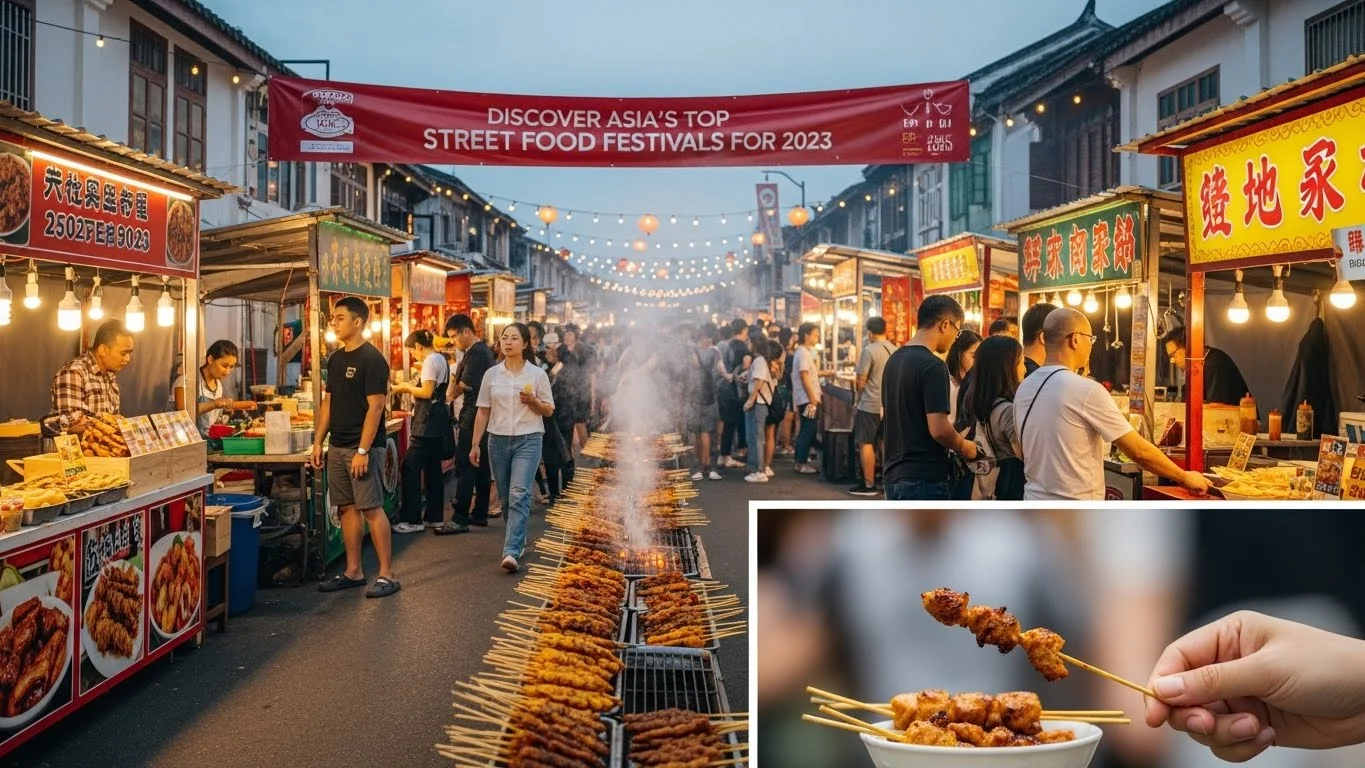
Discover Asia’s Top Street Food Festivals for 2023
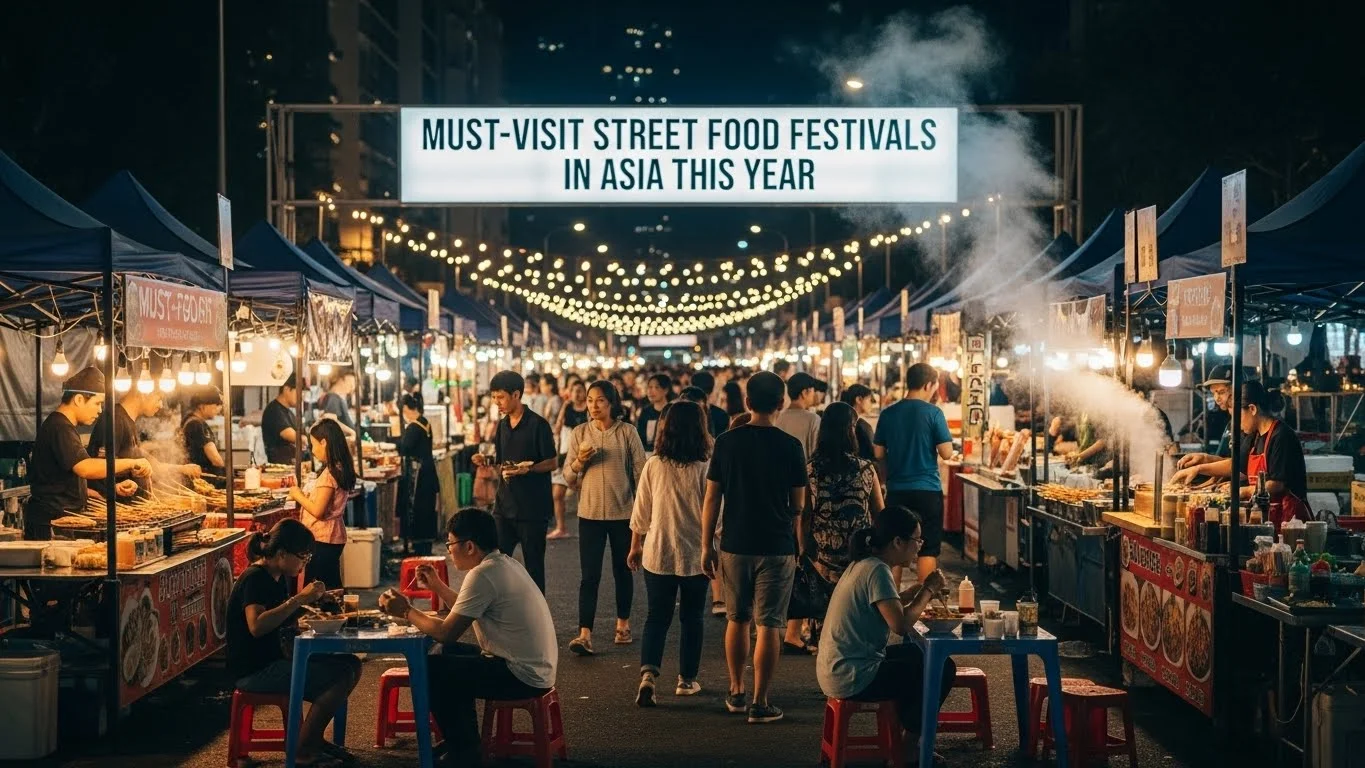
Street food in Asia is an adventure waiting to happen! From sizzling skewers to spicy noodles, the vibrant street food festivals in 2023 promise to tantalize your taste buds and immerse you in local culture. For more information, check out A Foodie’s Guide to Asia’s Vibrant Street Food Festivals.

Discover Asia's Top Street Food Festivals for 2023

Overview of Street Food Festivals in Asia

What is Street Food?

Street food, in my experience, is more than just a quick meal; it’s a celebration of culinary heritage. These are dishes sold by vendors on the streets, often prepared right before your eyes. They are typically affordable and packed with flavor, offering a taste of the local culture that you simply won’t find in a restaurant. I remember my first encounter with street food in Bangkok—I was overwhelmed by the aroma of grilled meats and fresh herbs wafting through the air. Each bite was a delightful explosion of flavors, and that’s the magic of street food!

Importance of Street Food in Asian Culture

Street food holds a special place in Asian culture. It’s a form of community gathering, where families and friends come together to share meals and stories. I’ve seen how people of all ages gather around food stalls, laughing, chatting, and enjoying their meals. In many Asian countries, street food connects generations—vendors often pass down their recipes, ensuring the flavors remain authentic. It’s not just about eating; it’s about experiencing a part of the culture, making connections, and creating memories.

Top Street Food Festivals in 2023

Bangkok Street Food Festival, Thailand

If you love street food as much as I do, the Bangkok Street Food Festival is a must-visit. This festival showcases the best of Thai street food, featuring everything from Pad Thai to mango sticky rice. The atmosphere is electric, with live music and cooking demonstrations that draw locals and tourists alike. I remember wandering through the stalls, sampling dishes that I had only seen on social media. Each vendor has their own twist on classic recipes, and you can taste the passion in every bite!

Penang Street Food Festival, Malaysia

Next on the list is the Penang Street Food Festival, where you can indulge in local favorites like Char Kway Teow and Nasi Kandar. This festival is a feast for the senses, with vibrant colors and aromas filling the air. I was amazed at how each dish tells a story, reflecting the rich history of Penang’s multicultural society. The festival also includes cooking workshops, which I highly recommend! It’s a great way to learn the secrets behind these delicious dishes and take a piece of Penang home with you. For more amazing festival insights, don’t miss Top 10 Unmissable Street Food Festivals in Asia.

Tokyo Street Food Festival, Japan

Tokyo’s take on street food is unique and unforgettable. The Tokyo Street Food Festival highlights Japanese favorites like Takoyaki and Okonomiyaki. The precision and attention to detail in Japanese street food preparation are incredible. I was fascinated watching vendors skillfully flip pancakes and grill skewers. The festival atmosphere is lively, with various stalls offering not just food but also cultural performances and local crafts. It’s the perfect blend of culinary delight and cultural immersion.

Hanoi Street Food Festival, Vietnam

Hanoi is known for its rich street food scene, and the Hanoi Street Food Festival is a real gem. Here, you can savor Pho, Bun Cha, and countless other Vietnamese dishes. I was overwhelmed by the variety of flavors and textures. The festival often features local chefs and street food legends who share their secrets, making it an educational experience as much as a tasty one. The vibrant street art and music add to the energy, making it a fantastic outing for everyone.

Seoul Street Food Festival, South Korea

In Seoul, street food is an integral part of the city’s identity, and the Seoul Street Food Festival showcases the best of Korean cuisine. I was blown away by the deliciousness of Tteokbokki and Korean BBQ. This festival is not just about eating; it’s also about experiencing the dynamic culture of Korea. I loved the interactive cooking sessions and the chance to learn about Korean culinary traditions. The lively atmosphere, complete with K-pop performances, makes it a fun-filled day for food lovers!

Manila Street Food Festival, Philippines

The Manila Street Food Festival is a celebration of the Philippines’ vibrant food culture. From Adobo to Lechon, the variety is astounding. I felt like a kid in a candy store, with so many flavors to try! The festival often features cooking competitions, which are exciting to watch. It’s amazing to see local chefs showcase their skills. The warm hospitality of the Filipino people adds to the experience, making you feel right at home as you savor each delicious bite.

When to Visit These Festivals

Festival Dates and Duration

Timing is everything when it comes to experiencing street food festivals in Asia. Each festival has its unique schedule, often tied to local holidays or seasonal celebrations. For example, the Bangkok Street Food Festival usually takes place in April, coinciding with the Thai New Year, Songkran. I remember the energy was contagious, as everyone celebrated with music, dancing, and, of course, food!

In contrast, the Penang Street Food Festival typically unfolds in the heart of the year, around August. This timing allows visitors to enjoy both the vibrant street food and the stunning historical backdrop of the city. I found that checking the festival’s official website or social media pages can provide up-to-date information on exact dates and any special events happening during the festival week.

It’s also worth noting that many festivals span just a few days, so planning your trip around these specific dates is crucial. For instance, Tokyo’s festival often lasts for about a weekend, making it essential to book accommodations and plan your itinerary in advance to make the most of your visit.

Best Time to Experience Street Food in Asia

Aside from festival dates, I’ve learned that the best time to visit Asia for street food generally depends on the weather and local festivities. For me, the cooler months, typically from November to February, present a fantastic window for street food adventures. The heat and humidity of summer can make exploring the streets less enjoyable, but the cooler temperatures in winter are perfect for strolling from stall to stall.

During festivals, the streets come alive with not only food but also cultural performances and activities. I recommend trying to attend during the evenings when the atmosphere is electric, and the stalls are lit up, creating a magical scene. Plus, there’s something special about savoring a warm bowl of noodles on a cool night, surrounded by the laughter and chatter of fellow festival-goers.

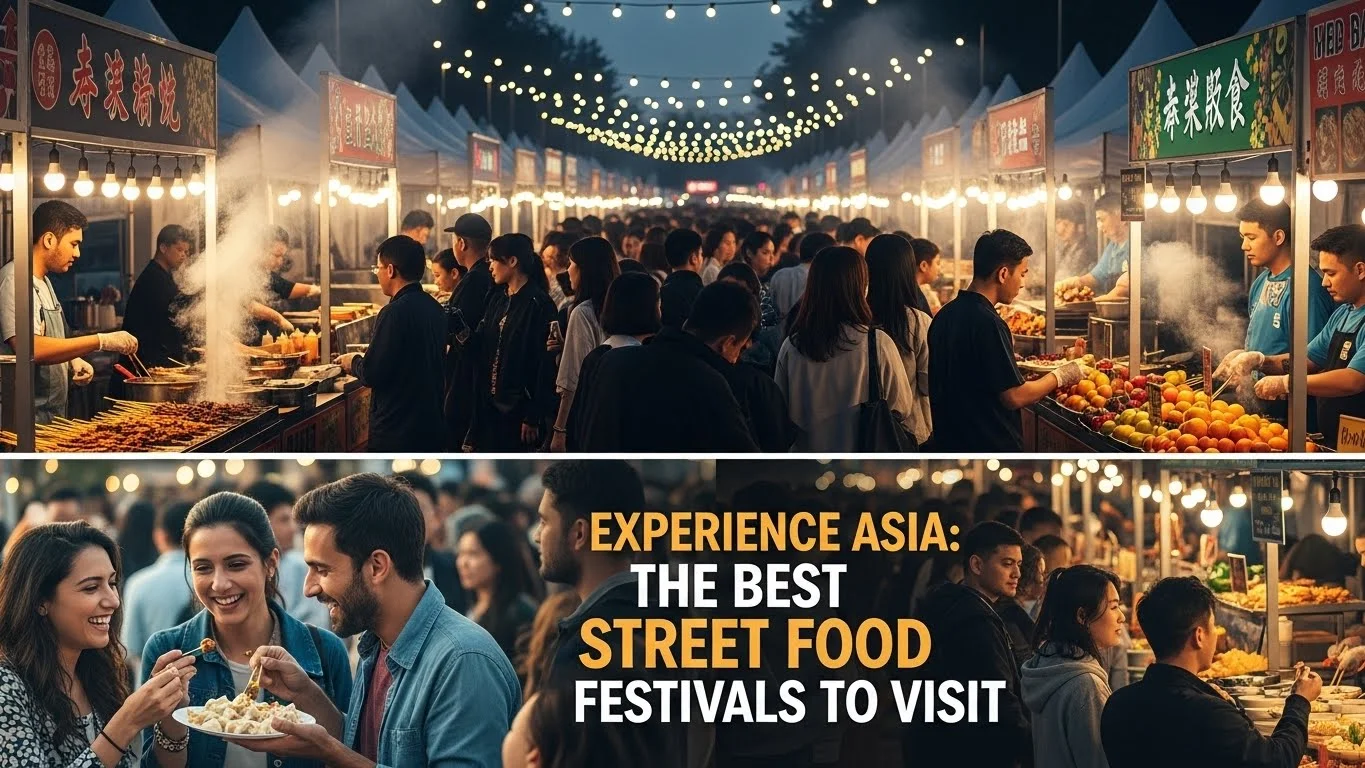
Lastly, if you’re looking for a quieter experience, consider visiting during weekdays. Many festivals have less crowded days just before the weekend kicks in, allowing you to interact more with vendors and even get a taste of the food without waiting in long lines. Don’t forget to check out Experience Asia: The Best Street Food Festivals to Visit for additional tips!

Where to Stay During the Festivals

Recommended Accommodations Near Festival Venues

Finding a good place to stay during these festivals can really enhance your experience. I personally prefer accommodations that are within walking distance to the festival venues, allowing for easy access to all the delicious offerings. For instance, when I visited the Hanoi Street Food Festival, I stayed at a charming little hotel just a few blocks away. It made it so convenient to pop back and forth between my room and the festival, especially after indulging in a few too many bowls of Pho!

Many cities offer various types of accommodations, from budget hostels to boutique hotels. I recommend checking platforms like Airbnb or Booking.com, where you can filter locations based on proximity to the festival. Staying in popular neighborhoods bustling with local life adds an extra layer of excitement to your trip.

Budget vs. Luxury Options

When it comes to choosing where to stay, it’s all about your preferences and budget. I remember a time when I splurged a bit on a luxury hotel in Bangkok, and while it was a beautiful experience, I also found that budget accommodations can provide just as much charm and local flavor. There are plenty of affordable guesthouses and hostels where you can meet fellow travelers as well.

For those looking for luxury, many of the bigger cities have stunning hotels that offer amazing city views and top-notch amenities. In Seoul, I stayed at a swanky hotel that was right in the heart of the festival area, and it was delightful to enjoy a rooftop breakfast overlooking the festivities. But I also cherish the memories made in cozy hostels, where you can bond with fellow street food enthusiasts over shared meals and travel stories.

Ultimately, whether you choose budget or luxury, both options can lead to incredible experiences. I feel that the most important thing is to find a place that allows you to rest well and recharge for another day of delicious street food adventures!

Must-Try Dishes at Each Festival

Signature Dishes from Bangkok

When I think of Bangkok, my taste buds instantly recall the unforgettable flavors of its street food. At the Bangkok Street Food Festival, one dish that I absolutely couldn’t resist was the Pad Thai. Served hot with a squeeze of lime, it’s a perfect balance of sweet, sour, and savory. Another must-try is the spicy Som Tum (green papaya salad), which packs a punch with its zesty dressing and crunchy peanuts. Trust me, tasting these dishes while surrounded by the lively atmosphere is an experience you won’t want to miss!

Iconic Food from Penang

Penang’s street food is a melting pot of flavors, and the festival showcases some of the best. Char Kway Teow is a dish that I rave about even now; it’s a stir-fried noodle dish that is smoky and rich in umami. And don’t skip the Nasi Kandar, where you can customize your rice with various curries and side dishes. Each bite tells a story of Penang’s cultural heritage, and I found myself going back for seconds… and thirds!

Traditional Fare from Tokyo

Tokyo’s street food is not only delicious but also an art form. At the Tokyo Street Food Festival, I was enchanted by the sight of Takoyaki being cooked to perfection. These savory octopus balls are crispy on the outside and soft inside, drizzled with takoyaki sauce and bonito flakes. I also enjoyed a hearty serving of Okonomiyaki, a savory pancake filled with various ingredients, cooked right in front of you. The flavors were so comforting, and I could have eaten them all day!

Local Delicacies from Hanoi

When I visited the Hanoi Street Food Festival, the aroma of Pho wafting through the air drew me in. A steaming bowl of this noodle soup, packed with fragrant herbs and spices, is a must-try. I also loved Bun Cha, which consists of grilled pork served with vermicelli noodles and a side of dipping sauce. Each dish is a celebration of Vietnamese culinary traditions, and I felt lucky to experience them firsthand.

Popular Street Eats in Seoul

Seoul’s street food scene is vibrant and diverse, and I was thrilled to dive into Tteokbokki, the spicy rice cakes that are a favorite among locals. They’re chewy and coated in a sweet-spicy sauce that keeps you coming back for more. Korean BBQ is another highlight, and at the festival, I enjoyed the fun experience of grilling my own meat right at the stall. There’s something special about preparing your food while chatting with vendors and fellow festival-goers!

Famous Foods from Manila

At the Manila Street Food Festival, I savored the rich flavors of Adobo, a traditional dish that exemplifies Filipino cuisine. The marinated meat, simmered to perfection, is simply mouthwatering. Lechon, or roasted pig, is another iconic dish that I couldn’t resist. The crispy skin and tender meat left me wanting more! Each bite was a reminder of the warm hospitality and rich culinary traditions of the Philippines.

Safety and Health Tips for Street Food Enthusiasts

Choosing Safe Vendors

When diving into the vibrant world of street food, safety is a top priority for me. I always look for vendors who have a steady stream of customers. If locals are lining up for a dish, it’s usually a good sign that the food is fresh and delicious! I’ve also learned to pay attention to cleanliness. If the stall looks tidy and the vendor is wearing gloves or using utensils instead of their hands, that gives me a sense of reassurance. I remember one time in Manila, I spotted a vendor who was meticulously cleaning their cooking area, and it made me feel confident about trying their famous Lechon.

Additionally, I often ask the vendor about the most popular dishes. If they can share recommendations passionately, that’s a great indication of their commitment to quality. It’s also important to trust your instincts. If something doesn’t look or smell right, I believe it’s best to pass on it. There are countless other options to explore, and I’d rather try something new than risk an upset stomach!

Food Allergies and Dietary Restrictions

For those of us with food allergies or dietary restrictions, navigating street food can feel a bit daunting. I remember when I first traveled to Asia, I was wary about trying new dishes because I didn’t want to accidentally consume something that could trigger an allergic reaction. What I discovered was that many vendors are more than willing to accommodate dietary needs if you communicate them clearly.

Before ordering, I always take a moment to explain my allergies or restrictions, and I’ve found that most vendors are understanding. However, it’s good to know some key phrases in the local language to express your needs. For instance, when I was in Thailand, learning how to say “no peanuts” helped me enjoy the street food without fear. I also recommend looking for vegetarian or vegan options, which can often be found in abundance.

Lastly, I make sure to carry any necessary medication with me, like antihistamines for allergies, just in case. That way, I can explore freely, knowing I’m prepared for anything.

Budgeting for Street Food Festivals

Average Costs of Food and Entry Fees

One of the best things about street food festivals is that they cater to various budgets. I’ve found that prices can vary greatly depending on the festival and the type of food offered. For instance, at the Bangkok Street Food Festival, you can savor a delicious meal for just a few dollars, while some unique or special dishes might cost a bit more. Generally, I budget around $10 to $20 per day for food when I’m at these festivals, and I always come away satisfied!

Entry fees can also vary. Some festivals are free to enter, while others may charge a small fee that typically covers the cost of the entertainment and activities. I always check the festival’s website for any information regarding ticket prices or special offers. It’s worth noting that some festivals offer discounts for purchasing tickets in advance, which I’ve taken advantage of before.

Tips for Saving Money While Enjoying the Festivals

While enjoying all the delicious offerings, I’ve picked up a few tricks to save money during festivals. One of my favorites is to share dishes with friends or fellow travelers. This way, we can sample a wider variety of food without breaking the bank. I remember during the Penang Street Food Festival, my friends and I created our own mini-tasting tour, trying a little bit of everything from Char Kway Teow to Nasi Kandar. It was a fun way to bond over food!

Another tip is to keep an eye out for combo deals or specials. Many vendors offer discounts if you buy multiple items or if you order during specific hours. I’ve also found that exploring smaller stalls, rather than the bigger, more popular ones, can lead to hidden gems at lower prices. Don’t be afraid to venture off the beaten path! I once stumbled upon a tiny stall in Hanoi that served the most amazing Bun Cha at half the price of the more touristy spots.

Lastly, I always carry cash. While some vendors accept card payments, many prefer cash transactions, which can help you avoid extra fees. Plus, it’s easier to keep track of your spending when you’re handing over bills rather than swiping a card!

Transportation Tips for Festival-Goers

Getting to the Festival Locations

Once you’ve decided on your festival destination, figuring out how to get there can be an adventure in itself. I’ve experienced varying transportation options across Asia, and planning ahead has saved me a lot of stress. In cities like Bangkok, taking the BTS Skytrain or MRT is an efficient way to reach your destination without getting stuck in traffic. Plus, the views from above ground can be a delightful bonus!

For festivals in more rural areas, I recommend checking local transportation apps or websites for bus or taxi services. I remember taking a local bus in Penang to the festival, and it was a great way to see the city while saving money. Just be sure to confirm your routes and schedules ahead of time, as they can vary, especially on weekends.

Local Transportation Options

Once you’ve arrived at the festival, you’ll want to explore the surrounding area, and there are usually plenty of transportation options available. I’ve found that using local ride-sharing apps can be a convenient way to get around, especially after a long day of indulging in street food. In cities like Seoul, the subway system is also very efficient and affordable, making it easy to hop around between food stalls and attractions.

If you’re feeling adventurous, renting a bike is another option I’ve enjoyed. Some cities, like Hanoi, offer bike rentals, allowing you to experience the local culture at your own pace. Just remember to stay aware of traffic patterns, as they can be quite different from what we’re used to at home!

Whether you choose to walk, bike, or take public transport, being resourceful and flexible can enhance your experience at these lively street food festivals. Each journey becomes part of the adventure, and the more I explore, the more I discover the heart and soul of these amazing cities.

Frequently Asked Questions

What is street food in Asia?

Street food in Asia is a celebration of culinary heritage, consisting of dishes sold by vendors on the streets, often prepared right before your eyes. It is typically affordable, packed with flavor, and offers a taste of the local culture that you won’t find in restaurants.

Why is street food important in Asian culture?

Street food plays a vital role in Asian culture as it serves as a form of community gathering, where families and friends come together to share meals and stories. It connects generations, with vendors passing down their recipes, ensuring the flavors remain authentic.

What are some top street food festivals in Asia for 2023?

Some top street food festivals in 2023 include the Bangkok Street Food Festival in Thailand, Penang Street Food Festival in Malaysia, Tokyo Street Food Festival in Japan, Hanoi Street Food Festival in Vietnam, Seoul Street Food Festival in South Korea, and Manila Street Food Festival in the Philippines.

When do the street food festivals typically take place?

The timing of street food festivals varies, often tied to local holidays or seasonal celebrations. For example, the Bangkok Street Food Festival usually occurs in April during the Thai New Year, while the Penang Street Food Festival typically takes place around August.

What are some must-try dishes at the Bangkok Street Food Festival?

At the Bangkok Street Food Festival, must-try dishes include Pad Thai, served hot with lime, and Som Tum (green papaya salad), which is known for its zesty dressing and crunchy peanuts.

How can I ensure I choose safe vendors when trying street food?

To choose safe vendors, look for those with a steady stream of customers, as this often indicates fresh and delicious food. Pay attention to cleanliness and ask vendors about their most popular dishes to gauge their commitment to quality.

What are some tips for budgeting while enjoying street food festivals?

To budget effectively, consider sharing dishes with friends to sample a wider variety without overspending. Look for combo deals or specials, and explore smaller stalls for hidden gems. Carrying cash is also advisable, as many vendors prefer cash transactions.

What local transportation options are available for getting around during festivals?

Local transportation options often include ride-sharing apps, subways, and buses. In some cities, renting a bike can also be a fun way to explore the area. It’s important to check local transportation options ahead of time and stay aware of traffic patterns.

How can dietary restrictions be accommodated at street food festivals?

Many vendors are willing to accommodate dietary restrictions if you communicate them clearly. It can be helpful to learn key phrases in the local language to express your needs, and looking for vegetarian or vegan options can provide additional choices.

What is the best time to experience street food in Asia?

The best time to experience street food in Asia is generally during the cooler months from November to February, as the weather is more pleasant for exploring. Attending festivals during the evenings can also enhance the experience, with vibrant atmospheres and illuminated stalls.

A Foodie’s Guide to Asia’s Vibrant Street Food Festivals

Asia’s street food festivals are a feast for the senses, blending vibrant flavors, colors, and aromas. Join me as we dive into this delicious world where local culture and culinary creativity come to life! Read Interesting article: Experience Asia: The Best Street Food Festivals to Visit

A Foodie's Guide to Asia's Vibrant Street Food Festivals

Overview of Asia’s Street Food Culture

When I think of street food in Asia, I picture bustling markets filled with sizzling woks and vendors calling out to hungry patrons. Street food is more than just a meal; it’s an experience that connects us to the heart of each city and its people. The significance of street food in Asian cuisine cannot be overstated. It reflects the history, traditions, and the everyday lives of the locals. Every bite tells a story, and each dish is a canvas painted with the vibrant colors of culture.

The Significance of Street Food in Asian Cuisine

From my travels, I’ve learned that street food serves not only as a meal but also as a cultural symbol. In many Asian countries, it embodies community, sharing, and connection. Growing up, I often sat with friends at street stalls, laughing and enjoying delicious meals together. The affordability of street food makes it accessible to everyone, breaking down social barriers and allowing for communal dining experiences. I believe this is one reason why street food is so cherished across Asia.

Moreover, street food often showcases regional specialties that you won’t find in upscale restaurants. For me, trying street food is like taking a culinary journey through the heart of each region. Whether it’s the spicy curries of Thailand or the delicate dumplings of China, each dish offers a unique tasting experience that reflects local ingredients and cooking techniques. Top 10 Unmissable Street Food Festivals in Asia can guide you to these unique experiences.

Cultural Influences on Street Food

The cultural influences on street food are as diverse as the region itself. Each country’s history—colonial pasts, migration patterns, and trade routes—has shaped its food landscape. For instance, during my time in Malaysia, I was fascinated by how Indian, Chinese, and Malay flavors meld together to create dishes like Roti Canai and Nasi Kandar. It’s amazing to see how cultures blend, and food becomes a beautiful representation of this intertwining history.

In Thailand, the influence of Buddhism can be seen in the vegetarian options available at street food stalls, especially during festivals. I remember strolling through Bangkok, savoring a plate of Pad Thai, and realizing that each bite was not just delicious but also steeped in tradition. This cultural exchange adds depth to the street food scene, making it a reflection of the society at large.

Top Street Food Festivals in Asia

Now that we’ve explored the significance and cultural influences, let’s get to the exciting part: the festivals! Asia is home to a variety of street food festivals that celebrate local flavors and culinary traditions. Each event is a whirlwind of taste, sounds, and sights. Here are some of my favorite street food festivals that every foodie should consider visiting.

Bangkok Street Food Festival, Thailand

Bangkok’s Street Food Festival is a vibrant celebration that occurs annually, usually in May. The streets come alive with food stalls offering an impressive array of dishes. From spicy som tam (papaya salad) to the iconic mango sticky rice, there’s something for everyone. I remember being overwhelmed by the flavors and the sheer number of options. It’s a perfect opportunity to sample a little bit of everything while soaking in the lively atmosphere.

Penang Street Food Festival, Malaysia

Penang is a food lover’s paradise, and its Street Food Festival, typically held in August, showcases the best of what this multicultural island has to offer. I was amazed at the variety of dishes on display, from Char Kway Teow to Penang Laksa. The festival also features cooking demonstrations, which are a great way to learn about the dishes and their preparation. I found it inspiring to see chefs share their secrets and passion for food.

Taipei Night Markets, Taiwan

While not a festival in the traditional sense, the night markets in Taipei are a must-visit for any street food enthusiast. These markets are bustling with life, offering everything from Taiwanese beef noodles to the infamous stinky tofu. My experience wandering through these vibrant markets, trying a bit of everything, was unforgettable. I loved how the locals mingled with tourists, sharing their recommendations and tips.

Hanoi Street Food Festival, Vietnam

The Hanoi Street Food Festival, usually held in the fall, is a fantastic way to dive deep into Vietnam’s rich culinary scene. The festival showcases local favorites like Pho and Banh Mi. I remember standing in line for a hot bowl of Pho, the rich aromas filling the air, and feeling like I was part of something special. It’s a great way to experience the warmth of Vietnamese hospitality while indulging in authentic flavors.

Osaka Street Food Festival, Japan

In Japan, the Osaka Street Food Festival is a highlight for many food lovers. This festival, typically held in the spring, celebrates the city’s culinary delights, including Takoyaki and Okonomiyaki. I was blown away by the deliciousness of these dishes, especially when they’re freshly made right in front of you. The energy and excitement of the festival atmosphere make it a memorable experience.

Must-Try Street Foods at These Festivals

One of the most exciting aspects of visiting street food festivals is discovering the unique dishes each region offers. I always make it a point to seek out the must-try street foods that showcase the essence of local flavors. Let’s dive into some of my favorite street foods from the festivals we just explored. I can almost taste them as I write!

Thai Street Food Delicacies

When I think of Thai street food, my mouth waters at the thought of Pad Thai and Som Tum (spicy green papaya salad). At the Bangkok Street Food Festival, I remember tasting a plate of Pad Thai prepared right in front of me. The combination of sweet, salty, and tangy flavors, topped with crushed peanuts and a squeeze of lime, was simply irresistible. Another dish that stole my heart was the spicy curry soup known as Khao Soi, which has a rich coconut base that warms you from the inside out. It’s a real treat to savor these dishes while chatting with the friendly vendors, who are always eager to share their stories behind the food.

Malaysian Nasi Kandar and Char Kway Teow

During my time at the Penang Street Food Festival, I couldn’t resist trying Nasi Kandar, a dish that consists of rice served with a variety of curries and side dishes. The flavors are vibrant and complex, showcasing the multicultural influences of Malaysia. I remember mixing different curries on my plate, creating a delightful explosion of taste with every bite. And let’s not forget Char Kway Teow, a stir-fried flat noodle dish that’s smoky and savory, often cooked over high heat with prawns, Chinese sausage, and bean sprouts. This dish is a true embodiment of Penang’s culinary heritage.

Taiwanese Stinky Tofu and Bubble Tea

At the Taipei Night Markets, I had to try the infamous Stinky Tofu. I’ll admit, its pungent aroma can be off-putting at first. However, after taking a leap of faith, I found the crispy exterior and soft interior combined with a sweet chili sauce to be a delightful surprise. It’s one of those experiences that I think everyone should try at least once! And of course, I couldn’t leave without indulging in some authentic Taiwanese Bubble Tea. The chewy tapioca pearls and various fruit flavors made it a refreshing treat to wash down the street food delights.

Vietnamese Pho and Banh Mi

At the Hanoi Street Food Festival, the rich, aromatic scent of Pho drew me in like a magnet. Watching the vendors expertly prepare the broth was an experience in itself. When I finally took a sip of that warm, fragrant soup filled with rice noodles, fresh herbs, and tender beef, I felt transported to a cozy kitchen in Vietnam. Another standout was the Banh Mi, a Vietnamese sandwich that blends crispy baguette with savory meats, pickled vegetables, and fresh cilantro. The crunch of the vegetables paired with the soft bread made it a perfect on-the-go meal.

Japanese Takoyaki and Okonomiyaki

At the Osaka Street Food Festival, I was excited to try Takoyaki, those delightful little octopus balls cooked to golden perfection. The street vendors masterfully poured the batter into hot molds, filling them with diced octopus, tempura scraps, and green onions. Topped with a drizzle of savory sauce and bonito flakes, each bite was a burst of flavor. I also indulged in Okonomiyaki, a savory pancake loaded with toppings like cabbage, pork, and seafood, all cooked in front of me. It’s such a communal experience, gathering around the griddle to share this delicious dish with friends.

Each of these street foods has its own story, and I feel lucky to have tasted them firsthand. They not only fill your stomach but also connect you to the culture and people behind them. As I reminisce about these experiences, I realize that street food is a journey of flavors and friendships that I cherish deeply.

When to Visit Asia’s Street Food Festivals

Timing can make all the difference when it comes to experiencing street food festivals in Asia. I’ve learned that each festival has its own rhythm, influenced by the local climate, cultural events, and peak tourist seasons. If you’re planning a culinary adventure, knowing when to visit can enhance your experience tremendously.

Best Seasons for Street Food Festivals

In my experience, the best seasons for street food festivals often align with local weather patterns. For instance, many festivals are held in the cooler months, which not only makes it more comfortable to wander through stalls but also allows for more diverse culinary offerings. In Thailand, for example, the cool season from November to February is ideal for enjoying street food, as vendors showcase seasonal ingredients. I felt the atmosphere buzzing with excitement during this time, as both locals and tourists flock to the streets.

In Malaysia, I found that the monsoon season, which usually peaks around December, can be a tricky time for street food festivals. However, many food events are held in the dryer months leading up to it, especially in August, when the Penang Street Food Festival takes place. It’s a great time to enjoy the cultural richness of the island while sampling its diverse culinary delights.

In Taiwan, the summer months are vibrant with night markets. I remember visiting during a hot July evening, where the air was thick with the smell of grilled meats and fried snacks. Although it was sweltering, the night markets came alive, making it a perfect time to experience the local street food scene.

Key Dates and Festival Schedules

In planning my visits, I found that many festivals have fixed dates, which can make scheduling easier. For example, the Bangkok Street Food Festival usually occurs in May, while the Hanoi Street Food Festival is typically held in the fall. Keeping an eye on local tourism websites or social media pages can provide updates on exact dates and any special events that might be happening. I recall checking the official Penang tourism site before my trip, which helped me plan my visit to coincide with the street food festival.

It’s also worth noting that some festivals may have additional events or competitions throughout the year. I discovered this during my visit to the Osaka Street Food Festival, where local chefs showcased their skills in cooking competitions. If you’re flexible with your travel dates, this can be a fun way to experience the local food culture on a deeper level.

Additionally, I recommend connecting with local food bloggers or following culinary influencers on social media. They often share real-time updates and personal experiences about upcoming food festivals, and even specific tips for navigating the crowds. Engaging with the local community can enhance your journey and provide insights that you might not find on typical travel sites. Read Interesting article: Explore the Best Street Food Festivals for Budget Travelers

Where to Stay While Attending Street Food Festivals

Finding the right place to stay can significantly impact your festival experience. I remember how much easier it was to explore the street food scene when I chose accommodations that were conveniently located near the festival venues. Here are some tips on where to stay during your culinary adventure.

Recommended Accommodations Near Major Festivals

When I visited Bangkok for the Street Food Festival, I opted for a hotel in the Sukhumvit area, which is known for its accessibility to various food stalls and markets. Being close to the action made it easy to pop back to my room for a quick break before heading out again to indulge in more food. I highly recommend looking for hotels or guesthouses that are within walking distance or easily accessible via public transport. This way, you can maximize your time enjoying the delicious offerings without wasting time on long commutes.

In Penang, staying in Georgetown is another good choice. The area is rich in history and culture, plus it’s a short distance from the festival grounds. I loved being able to stroll through the charming streets before diving into the culinary delights at the festival.

Budget-Friendly Options

Traveling on a budget doesn’t mean you have to skimp on your experience. I’ve found that many cities in Asia offer affordable hostels and guesthouses that are both comfortable and close to street food festivals. For example, in Vietnam, I stayed at a local guesthouse that was not only affordable but also recommended by other travelers for its proximity to the Hanoi Street Food Festival. This made it easy to sample food without worrying about transportation costs.

Another budget-friendly option is to look for homestays or local Airbnb listings. Often, these accommodations provide a unique perspective on local life and can even give you insider tips on the best nearby food stalls. I once stayed with a lovely family in Taipei who not only offered cozy lodging but also shared their favorite markets and dishes, enriching my street food experience.

By planning ahead and considering both location and budget, you can ensure that your street food festival experience is as enjoyable and fulfilling as possible. I can’t wait for my next adventure, where I’ll dive into new flavors and cultures once again!

Safety Tips for Enjoying Street Food

Choosing Safe Food Vendors

When indulging in street food, safety is a priority. I’ve learned that choosing the right vendor can make all the difference in enjoying a worry-free culinary experience. One of my go-to strategies is to observe the crowds. Vendors that have a long line of locals often indicate fresh and popular offerings. I remember standing in line at a stall in Vietnam, watching the vendor expertly prepare Banh Mi while chatting with satisfied customers. The smiles on their faces reassured me that this was a vendor worth trusting.

Another tip is to look for vendors who maintain a clean workspace. A quick glance at the cooking area can tell you a lot about their hygiene practices. If the stall or cart looks messy, I usually opt for another vendor. Furthermore, I always pay attention to how the food is prepared. Seeing hot food being cooked fresh in front of you is a good sign, as it indicates that the food hasn’t been sitting out for too long.

Food Allergy Considerations

For those of us with food allergies, navigating street food can be a bit tricky. I’ve had my share of experiences where I needed to be cautious. When I traveled to Thailand, I made sure to learn a few key phrases in Thai to communicate my allergies to vendors. I found that many street food sellers were more than willing to accommodate my requests, especially if they understood my concerns.

It’s also a good idea to carry allergy cards written in the local language. I had a card made with my allergies listed, which I could show to vendors. It made my experience less stressful and allowed me to enjoy the local cuisine without worry. Always remember to ask specific questions about ingredients, as some dishes can contain hidden allergens.

Budgeting for Street Food Experiences

Cost of Street Food vs. Restaurant Dining

One of the beautiful aspects of street food is its affordability. I’ve often found that enjoying a meal from a street vendor costs a fraction of what I would spend in a restaurant. For example, during my time at the Penang Street Food Festival, I was able to enjoy multiple dishes for the price of one meal at a sit-down restaurant. This lets you try a variety of flavors without breaking the bank.

In my experience, prices can vary widely depending on the location and type of food. Some popular dishes, especially those that require more elaborate preparation, may be slightly higher in cost. However, I’ve found that most street food options are incredibly budget-friendly. This means more money left over for exploring even more culinary delights!

How to Get the Most Value for Your Money

To maximize your street food experience on a budget, I recommend going during lunch hours when many vendors offer special deals or set menus. At the Penang Street Food Festival, I noticed that several stalls had combo meals that included a drink for a discounted price. Also, sharing dishes with friends can be a fun way to sample more flavors without overspending.

Don’t be afraid to ask vendors about portion sizes. I have received larger servings just by asking if they had a “bite-sized” option. Additionally, I’ve taken advantage of happy hour deals in various markets, where certain items are discounted during specific hours. Keeping an eye out for these opportunities can significantly enhance your culinary adventure without stretching your wallet!

Local Etiquette and Customs

Dining Etiquette in Different Asian Cultures

Understanding local dining etiquette can enhance your experience while enjoying street food. In many Asian cultures, sharing food is common and encouraged. I remember sitting with locals at a street stall in Thailand, where everyone shared dishes from the same plate, creating a warm and communal atmosphere. It made the meal feel more special and inclusive, and I felt connected to the people around me.

In Japan, I learned that it’s considered polite to say “Itadakimasu” before starting a meal, showing gratitude for the food. I always try to respect local customs, as it reflects my appreciation for the culture. Additionally, using chopsticks correctly is a sign of respect in many Asian countries, so I practiced before my trip to ensure I wouldn’t inadvertently offend anyone!

Understanding Street Food Tipping Practices

Tipping practices can vary widely across Asia, and I’ve often felt puzzled about what’s appropriate. In some places, like Thailand and Vietnam, tipping is appreciated but not mandatory. I usually leave small change at street food stalls if I enjoyed the meal. However, I found that in Japan, tipping can be considered rude, so it’s best to check the local customs beforehand.

At the end of the day, it’s all about respect for the vendors and the culture. Engaging with them, thanking them for their service, and showing genuine interest in their food can go a long way in creating positive interactions during my street food adventures.

Final Thoughts

As I reflect on my experiences exploring Asia’s street food scene, I realize that each festival, dish, and interaction has shaped my understanding of cultural diversity and culinary creativity. Street food is not just about the flavors; it’s about the stories, the people, and the connections we make along the way. I cherish the memories of savoring delicious dishes while bonding with locals and fellow travelers. If you ever have the chance to experience these vibrant street food festivals, I wholeheartedly encourage you to dive in. Embrace the flavors, the culture, and the joy of sharing a meal with others. It’s an adventure that your taste buds and heart will thank you for!

Frequently Asked Questions

What is the significance of street food in Asian cuisine?

Street food serves not only as a meal but also as a cultural symbol, reflecting the history, traditions, and everyday lives of locals. It embodies community and connection, making it accessible and cherished across Asia.

What are some popular street food festivals in Asia?

Some popular street food festivals include the Bangkok Street Food Festival in Thailand, Penang Street Food Festival in Malaysia, Taipei Night Markets in Taiwan, Hanoi Street Food Festival in Vietnam, and Osaka Street Food Festival in Japan.

When is the Bangkok Street Food Festival held?

The Bangkok Street Food Festival is held annually, usually in May.

What types of dishes can be found at the Penang Street Food Festival?

At the Penang Street Food Festival, visitors can enjoy dishes like Char Kway Teow and Penang Laksa, along with cooking demonstrations that showcase the preparation of these dishes.

What is Stinky Tofu and where can it be tried?

Stinky Tofu is a dish known for its pungent aroma and is found at the Taipei Night Markets. It features a crispy exterior and soft interior, often served with sweet chili sauce.

What safety tips should be followed when enjoying street food?

To ensure a safe experience, choose vendors with long lines of locals, observe cleanliness in their workspace, and watch how food is prepared. Always communicate any food allergies clearly to vendors.

What are the best seasons for visiting street food festivals in Asia?

The best seasons often align with local weather patterns, such as the cooler months from November to February in Thailand, and the dryer months leading up to the monsoon season in Malaysia, particularly in August.

How can one budget for street food experiences?

Street food is generally more affordable than restaurant dining, allowing you to try various dishes without overspending. Going during lunch hours for special deals and sharing dishes with friends can help maximize your budget.

What local customs should be observed while dining in Asia?

In many Asian cultures, sharing food is common and encouraged. It’s also polite to express gratitude before a meal and to use chopsticks correctly. Tipping practices can vary, so it’s important to be aware of local customs.

What is the best way to find accommodations near street food festivals?

Choosing accommodations close to festival venues, such as hotels or guesthouses within walking distance or easily accessible by public transport, can enhance your experience and allow you to maximize your time enjoying the street food.

Experience Asia: The Best Street Food Festivals to Visit

Asia is a treasure trove of street food festivals, bursting with flavors and vibrant cultures. From sizzling satays to steaming dumplings, the culinary experiences await those ready to dive in! Read Interesting article: Top 10 Unmissable Street Food Festivals in Asia

Experience Asia: The Best Street Food Festivals to Visit

Overview of Street Food Culture in Asia

Street food in Asia is not just about eating; it’s about experiencing a rich tapestry of culture, tradition, and community. I’ve had the joy of wandering through bustling markets, where each stall tells a story. The air is often thick with the aromas of spices, grilled meats, and sweet treats, making it impossible to resist trying everything in sight. Street food is a vital part of everyday life in many Asian countries, and I’ve found that it reflects the heart of each culture. Whether you’re in a busy city or a small village, the street food scene is alive and dynamic.

Importance of Street Food in Asian Cuisine

Street food has a special place in Asian cuisine. I believe it embodies the spirit of sharing and community. For many locals, street food is their go-to meal. It’s accessible, affordable, and often made from fresh ingredients. I remember chatting with a vendor in Thailand who proudly explained the history of his recipes, passed down through generations. Each dish is often a labor of love, showcasing local flavors and traditional cooking methods. From my experience, street food can also be a social event, where friends gather around tables, sharing plates and laughter over a variety of dishes. Explore the Best Street Food Festivals for Budget Travelers

Unique Flavors and Dishes Across Different Countries

One of the most exciting aspects of street food culture in Asia is the sheer variety of flavors and dishes you can find. Each country offers something unique, and I’ve loved discovering these differences over the years. For instance, in Vietnam, I was amazed by the fresh herbs and spices used in dishes like pho and banh mi. In contrast, the bold, fiery flavors of Indian street food, like pani puri and vada pav, left a lasting impression on my taste buds. Each region brings its own culinary flair, and I’ve found that exploring these differences can lead to some of the most memorable meals of a lifetime.

In Thailand, street food is a beloved institution. I’ve spent evenings in Bangkok, sampling everything from pad thai to mango sticky rice at bustling night markets. Malaysia’s street food scene is equally vibrant, with its fusion of Malay, Chinese, and Indian influences creating a delightful array of dishes. I remember trying nasi lemak for the first time and being blown away by its rich flavors.

In Japan, the street food culture is unique, centered around festivals known as matsuri. I’ve attended a few, savoring yakitori and takoyaki while soaking in the festive atmosphere. South Korea’s Gwangjang Market is another gem, where I’ve indulged in bindaetteok (mung bean pancakes) and tteokbokki (spicy rice cakes) while mingling with locals. And let’s not forget about China, where I’ve enjoyed the incredible variety of street food in cities like Chengdu, famous for its spicy hotpot and street-side dumplings.

As I traveled through Vietnam, I was captivated by the vibrant street food culture in Hanoi. The city is renowned for its delicious banh xeo (Vietnamese pancakes) and bun cha (grilled pork with noodles). Each bite felt like a warm embrace, a perfect blend of flavors and textures. I truly believe that street food is a window into the soul of a country, and my experiences have solidified this belief.

Top Street Food Festivals in Asia

Now that we’ve explored the importance of street food culture and its unique flavors, let’s dive into some of the best street food festivals I’ve encountered across Asia. These events are a celebration of culinary diversity, and they offer an incredible opportunity to try a wide range of dishes in one place. Top 10 Street Food Festivals You Can’t Afford to Miss

Bangkok Street Food Festival, Thailand

The Bangkok Street Food Festival is a must-visit for any food lover. I was lucky enough to attend, and it was a feast for the senses! The festival showcases dishes from various regions of Thailand, allowing you to sample everything from spicy som tam (papaya salad) to rich massaman curry. The vibrant atmosphere, filled with music and laughter, makes it an unforgettable experience.

Penang Food Festival, Malaysia

Penang is often hailed as the food capital of Malaysia, and its food festival is a true reflection of that. I remember wandering through stalls offering a mix of Malay, Chinese, and Indian dishes. The highlight for me was the chance to taste the famous Penang laksa, a spicy noodle soup bursting with flavor. This festival is not just about food; it’s an opportunity to learn about the cultural influences that shape Malaysia’s culinary landscape.

Tokyo Street Food Festival, Japan

Tokyo’s street food scene is something I cherish. The Tokyo Street Food Festival brings together the best of Japanese street food. I enjoyed a variety of dishes, from crispy tempura to juicy yakitori. One of my favorite moments was sitting on a bench, savoring a warm bowl of ramen while watching the world go by. The festival’s atmosphere is electric, celebrating not only food but also the art and tradition behind it.

Gwangjang Market, South Korea

While not a festival in the traditional sense, Gwangjang Market in Seoul is a street food haven. I spent hours wandering the aisles, sampling everything from bibimbap to hotteok (sweet pancakes). The market is a bustling hub, and the friendly vendors made my experience even more special. I often reminisce about the vibrant colors and bold flavors that encapsulated my time there.

Chengdu Food Festival, China

The Chengdu Food Festival is a paradise for spice lovers. I was overwhelmed by the variety of dishes, especially the famous Sichuan hotpot. The festival celebrates the region’s bold flavors and is a great way to immerse yourself in Chinese culture. I remember sharing a table with new friends, laughing and enjoying the communal experience of dining together.

Hanoi Street Food Festival, Vietnam

The Hanoi Street Food Festival is a celebration of the city’s culinary delights. I savored delicious bun thang and banh mi while listening to local music. The festival beautifully captures the essence of Vietnamese street food, and I found myself returning to my favorite stalls again and again. The sense of community and passion for food truly made it a memorable experience.

When to Visit Street Food Festivals

Seasonal Highlights and Best Times

Timing can truly enhance your street food experience, and I’ve learned that each season brings something special to the table at these festivals. For instance, I found that visiting during the cooler months in places like Thailand or Vietnam makes the bustling street food scenes even more enjoyable. The pleasant weather allows you to wander freely through night markets, sampling dishes without breaking a sweat.

In my experience, summer is often the peak season for many street food festivals across Asia. This is when the local produce is at its freshest, and vendors showcase seasonal specialties. I remember attending the Penang Food Festival during the summer and being blown away by the vibrant colors and flavors of the dishes made with local ingredients. It felt like a celebration of the season itself!

In Japan, autumn is a fantastic time to indulge in street food, especially during harvest festivals. The air is crisp, and the food often reflects the bounty of the season. I was fortunate enough to experience a local matsuri in the fall, where dishes like sweet chestnut rice and seasonal mochi were abundant. The combination of festive energy and delicious food made it an unforgettable outing.

Festival Schedules and Dates

Knowing when these food festivals take place is essential for planning your visit. Most festivals have specific dates, often tied to local holidays or seasonal changes. I’ve found that keeping an eye on local tourism websites or social media pages can provide up-to-date information on festival schedules. For example, the Tokyo Street Food Festival usually takes place in the spring, coinciding with cherry blossom season, making it a doubly delightful experience!

In my travels, I’ve discovered that some festivals, like the Chengdu Food Festival, occur annually, while others might be more sporadic. I remember checking the festival calendar for Chengdu and being excited to align my visit with the event, and it was absolutely worth it! Each festival has its own vibe and offerings, and experiencing them at the right time significantly enhances your culinary adventure.

Another tip I’ve learned is to check for smaller, local festivals that may not be as widely advertised. These hidden gems often offer unique dishes and a more intimate atmosphere, allowing you to connect with the locals. I stumbled upon a small street food festival in a Vietnamese town, and it turned out to be one of the highlights of my trip, with freshly made spring rolls and delightful banh xeo that I still dream about!

Where to Stay Near Street Food Festivals

Best Neighborhoods for Food Lovers

Finding the right place to stay can enhance your street food experience. I’ve always preferred booking accommodations close to the action. Areas known for their street food scenes not only provide easy access to festivals but also allow for spontaneous food adventures. For instance, in Bangkok, I recommend staying in neighborhoods like Sukhumvit or Chinatown, where street food vendors are just steps away from your door.

In Penang, I found that George Town is an excellent base for food lovers. The vibrant streets are filled with hawker stalls, and being in the heart of the action made it easy to explore all the different flavors. I loved waking up to the smell of freshly made curry puffs and having the luxury of wandering out for breakfast without any hassle.

In Tokyo, Shinjuku offers a mix of modernity and traditional eateries, making it a great choice for food enthusiasts. I’ve spent countless evenings exploring the alleyways and tiny stalls, indulging in everything from yakitori to sweet desserts. Staying close to these bustling neighborhoods made it easier to dive into the local culinary scene whenever I pleased.

Recommended Hotels and Accommodations

When it comes to accommodations near street food festivals, I often look for hotels or guesthouses that are well-reviewed by fellow travelers. In Bangkok, I’ve had great experiences staying at boutique hotels that offer a mix of comfort and proximity to street food hotspots. These places often have friendly staff who can point you toward the best local eateries, which I find invaluable.

In Vietnam, I discovered that many homestays not only provide a cozy place to rest but also offer cooking classes. I stayed in a homestay in Hanoi that organized street food tours, allowing me to learn about the dishes while also tasting them. It added a layer to my experience that I really appreciated!

In Japan, I recommend checking out capsule hotels in areas like Shibuya or Shinjuku. They’re budget-friendly and conveniently located, plus they offer a unique experience! I often found myself venturing out late at night for some late-night ramen after a day of exploring. It was the perfect way to end the evening.

Finding the right place to stay can make your street food festival experience even more enjoyable. I always believe that being close to the action keeps the excitement alive, allowing you to immerse yourself fully in the flavors and culture of each destination.

Top Street Food Dishes to Try at Festivals

Iconic Dishes from Thailand

When I think of Thai street food, my mind immediately goes to the vibrant flavors of dishes that are a feast for both the eyes and the palate. One iconic dish that I cannot recommend enough is Pad Thai. I remember trying it at a street stall in Bangkok, where the noodles were perfectly stir-fried and topped with crushed peanuts and a squeeze of lime. Each bite was a delightful combination of sweet, salty, and tangy. Another must-try is Som Tam, a papaya salad that packs a spicy punch and is often served with grilled chicken. The freshness of the ingredients really shines through, making it a refreshing option in the bustling heat of Thailand.

I also can’t forget about Mango Sticky Rice. This dessert is a heavenly treat that pairs sweet, ripe mangoes with creamy coconut milk drizzled over glutinous rice. I had it at a night market, and it instantly became one of my favorite desserts. The balance of flavors and textures is simply divine!

Must-Try Foods from Malaysia

Malaysia is a melting pot of cultures, and its street food reflects this diversity beautifully. Nasi Lemak is often considered the national dish, and for good reason. It’s a fragrant coconut rice served with sambal (spicy chili paste), fried crispy anchovies, peanuts, boiled egg, and cucumber. I remember my first bite; the combination of richness from the coconut rice and the kick from the sambal left me wanting more!

Char Kway Teow, a stir-fried flat noodle dish, is another highlight. I’ve had it at various hawker stalls, and each version had its unique twist. The wok hei (breath of the wok) is essential, giving it that smoky flavor that’s hard to resist. I also recommend trying Roti Canai, a flaky flatbread often served with dhal or curry. The experience of tearing off pieces and dipping it into the savory sauces is a joy I still remember fondly.

Japanese Street Food Staples

Japan’s street food is a world unto itself. One of my all-time favorites is Takoyaki, those little octopus balls that are crispy on the outside and soft on the inside. I remember watching vendors skillfully turning them on hot plates; the aroma was irresistible. Another iconic dish is Yakitori, skewered grilled chicken that’s marinated and grilled to perfection. I enjoyed it while sitting at a tiny stall, savoring each skewer with a side of beer—what a delightful pairing!

You can’t visit Japan without trying Okonomiyaki, a savory pancake filled with a variety of ingredients. I had an amazing experience making my own at a local restaurant; the hands-on approach made it even more enjoyable. The toppings and sauces added layers of flavor that I still crave today!

Popular Korean Street Eats

South Korea is known for its vibrant street food, and I’ve had my fair share of delicious bites. Tteokbokki, the chewy rice cakes in a spicy sweet sauce, quickly became one of my favorites. The heat from the sauce combined with the texture of the cakes was something I never expected to love so much! I often found myself returning to various stalls for more.

Bindaetteok, or mung bean pancakes, are another delight that I fondly remember. The crispy edges and savory filling made them perfect for a quick snack. I enjoyed them fresh off the grill, piping hot, during my visits to Gwangjang Market—a true highlight of my culinary adventures in Korea!

Chinese Delicacies to Sample

China’s street food scene is incredibly diverse. In Chengdu, I had the pleasure of tasting Mapo Tofu, a spicy dish that’s bursting with flavor. The numbing sensation from Sichuan peppercorns was unlike anything I had experienced before, and it made my taste buds tingle with excitement. Another dish I loved was Jianbing, a savory crepe filled with various ingredients, perfect for breakfast on the go.

If you find yourself in Xi’an, don’t miss out on Roujiamo, often referred to as the Chinese hamburger. The tender meat tucked inside a fluffy bread bun is a comforting dish that I devoured after a long day of exploring. Each bite was filled with rich flavors that kept me coming back for more!

Vietnamese Street Food Favorites

Vietnamese street food is a delightful experience, and I’ve had many favorites along the way. Banh Mi, a French-inspired sandwich, is a must-try. I remember standing at a bustling stall, watching as the vendor layered meats, pickled vegetables, and herbs into a crispy baguette. The crunch of the bread combined with the freshness of the fillings created a perfect harmony of flavors.

Phở is another beloved dish that I can’t recommend enough. I’ve slurped up countless bowls of this aromatic noodle soup, each one served with fresh herbs and lime. The warmth and comfort of phở have a special place in my heart, reminding me of the cozy street-side eateries where I first tried it.

Lastly, don’t miss out on Gỏi cuốn (spring rolls). I remember making these rolls fresh with the help of a local vendor, stuffing them with shrimp, herbs, and vermicelli. The dipping sauce was the cherry on top, making it a refreshing snack that I often craved during my travels.

Frequently Asked Questions

What is the street food culture like in Asia?

Street food in Asia is a rich tapestry of culture, tradition, and community. It reflects the heart of each culture and is a vital part of everyday life, showcasing local flavors and traditional cooking methods.

Why is street food important in Asian cuisine?

Street food embodies the spirit of sharing and community, offering accessible and affordable meals made from fresh ingredients. It often serves as a social event where friends gather to share plates and experiences.

What are some unique street food dishes from Vietnam?

In Vietnam, notable street food dishes include pho, banh mi, banh xeo (Vietnamese pancakes), and bun cha (grilled pork with noodles), which highlight the use of fresh herbs and spices.

What is the Bangkok Street Food Festival known for?

The Bangkok Street Food Festival showcases dishes from various regions of Thailand, allowing attendees to sample a diverse range of foods such as spicy som tam (papaya salad) and rich massaman curry, all in a vibrant atmosphere.

What is the significance of the Penang Food Festival in Malaysia?

The Penang Food Festival reflects the cultural influences shaping Malaysia’s culinary landscape, offering a delightful mix of Malay, Chinese, and Indian dishes, with the famous Penang laksa being a highlight.

What can visitors expect at the Tokyo Street Food Festival?

The Tokyo Street Food Festival features a variety of Japanese street food, including dishes like crispy tempura and juicy yakitori, all enjoyed in an electric atmosphere celebrating food and tradition.

What are some popular street food dishes in South Korea?

In South Korea, popular street food dishes include tteokbokki (spicy rice cakes) and bindaetteok (mung bean pancakes), often enjoyed at bustling markets like Gwangjang Market.

What types of street food can be found in China?

China’s street food scene is diverse, with dishes like spicy Mapo Tofu and Jianbing (savory crepes). Chengdu is particularly known for its spicy hotpot and street-side dumplings.

What are some must-try street food items in Vietnam?

In Vietnam, must-try street food items include banh mi (a French-inspired sandwich), pho (aromatic noodle soup), and Gỏi cuốn (spring rolls), each offering a unique blend of flavors.

When is the best time to visit street food festivals in Asia?

The best time to visit street food festivals often aligns with local seasons, such as summer for fresh produce or autumn for harvest festivals. Planning around specific festival dates can enhance the experience.

Top 10 Unmissable Street Food Festivals in Asia

Street food festivals in Asia offer a thrilling journey into vibrant cultures and mouthwatering dishes. Whether you’re a food lover or an adventurous traveler, these festivals are a feast for the senses that you won’t want to miss! Read Interesting article: Explore the Best Street Food Festivals for Budget Travelers

Top 10 Unmissable Street Food Festivals in Asia

Overview of Street Food Festivals in Asia

What is Street Food?

Street food is more than just a quick meal; it’s a reflection of a community’s culture and history. It consists of affordable, delicious dishes sold by vendors on the streets or at public markets. From sizzling skewers to steaming bowls of noodles, street food represents the heart of everyday life in many Asian countries. I remember my first taste of street food in Thailand, where the aroma of grilled meats and spices filled the air, drawing me in like a moth to a flame. The energy and vibrancy of these food stalls are captivating, making every bite an adventure.

The Cultural Significance of Street Food in Asia

Street food holds immense cultural significance in Asia. It’s not just about food; it’s about community, tradition, and heritage. Vendors often use recipes passed down through generations, showcasing the culinary history of their region. I’ve seen how families gather around popular stalls, sharing stories and laughter while enjoying their favorite meals. Each dish tells a story, connecting people to their roots and to one another. Festivals often celebrate these traditions, bringing together vendors and food lovers, allowing us to experience the rich tapestry of flavors and cultures that define Asian street food. Read Interesting article: Top 10 Street Food Festivals You Can’t Afford to Miss

Top 10 Unmissable Street Food Festivals

1. Bangkok Street Food Festival, Thailand

Overview and History

The Bangkok Street Food Festival is an annual event that showcases the dynamic street food scene in Thailand’s bustling capital. I was amazed to learn that Bangkok is often dubbed the “Street Food Capital of the World.” The festival celebrates this title by bringing together the best vendors from around the city, offering everything from classic pad thai to innovative fusion dishes. The festival has grown in popularity over the years, attracting both locals and tourists. It’s a celebration of flavors, culture, and a thriving community that loves food.

Notable Dishes to Try

When I attended the festival, I made it a point to try as many dishes as I could. The mango sticky rice was a sweet delight, perfectly balancing the flavors of ripe mango and creamy coconut milk. I also loved the spicy som tam (green papaya salad) which had just the right kick. Don’t miss out on the grilled satay skewers, which are marinated to perfection and served with a tasty peanut sauce. Plus, the tom yum soup, with its zesty flavors, will undoubtedly warm your soul!

When and Where to Attend

The Bangkok Street Food Festival usually takes place in the heart of the city, often in areas like Yaowarat (Chinatown). I recommend checking the festival’s official website or local tourism boards for specific dates, as it can vary from year to year. Typically, it’s held during the cooler months between December and February, making it a perfect time to explore the vibrant street food culture of Thailand.

2. Night Market Festival, Taiwan

Overview and History

Night markets are a staple of Taiwanese culture, and the Night Market Festival is a grand celebration of this tradition. I first discovered the magic of night markets in Taipei, where the atmosphere is electric. The festival showcases local specialties and innovative street foods from various vendors. It’s a gastronomic adventure that brings together families, friends, and tourists alike. The history of night markets dates back to the Qing dynasty, and they have since evolved into bustling hubs of social activity and culinary delight.

Signature Street Foods

During my visit to the Night Market Festival, I indulged in some unforgettable dishes. The stinky tofu, despite its notorious reputation, turned out to be deliciously crispy on the outside and soft on the inside. I also tried bubble tea, which originated in Taiwan, and it was a refreshing treat on a warm evening. The grilled corn on the cob, coated in savory sauces and spices, was another highlight that kept me going back for more!

Best Times to Visit

The Night Market Festival usually runs during the summer months, often from June to August. It’s best to go in the evening when the markets come alive with lights and sounds. I found that arriving early is a good strategy to beat the crowds and secure the best seats at popular stalls. Trust me, you’ll want to savor every moment of this culinary journey!

3. Gwangjang Market Street Food Festival, South Korea

Overview and History

Gwangjang Market is one of the oldest traditional markets in South Korea, and it hosts a vibrant Street Food Festival each year. When I wandered through the bustling alleys of the market, I felt the rich history and culture embedded in its very foundation. Established in 1905, Gwangjang Market has always been a place for locals to gather, shop, and enjoy delicious meals. The festival celebrates this heritage, featuring a wide array of beloved street foods.

Must-Try Local Specialties

During my exploration of the festival, I couldn’t resist trying bindaetteok (mung bean pancakes) and tteokbokki (spicy rice cakes). The bindaetteok was crispy, packed with flavor, and paired beautifully with a spicy dipping sauce. I also enjoyed the savory tteokbokki, which is a must-try for anyone visiting South Korea. The festival is also known for its kimbap (Korean sushi rolls), which is perfect for snacking as you stroll through the market.

Festival Schedule and Location

The Gwangjang Market Street Food Festival takes place throughout the year, but special events are held during the spring and fall seasons. I recommend visiting during these times to fully experience the lively atmosphere and seasonal specialties. The market is conveniently located in the heart of Seoul, making it easy to access via public transportation. Trust me, if you’re in Korea, this is a stop you won’t want to miss!

4. Penang Street Food Festival, Malaysia

Overview and History

The Penang Street Food Festival is a vibrant celebration of the rich culinary heritage of Penang, often called the “food capital of Malaysia.” I remember walking through the streets of George Town during the festival and being mesmerized by the sights and smells that wafted through the air. This festival typically takes place in April and showcases the best of Penang’s street food offerings, which are influenced by a mix of Malay, Chinese, and Indian cultures. The event celebrates not just the food but also the stories and traditions behind each dish, making it a unique cultural experience that I found truly enriching.

Iconic Dishes and Vendors

At the Penang Street Food Festival, I had the pleasure of tasting some iconic dishes that I still crave today. The char kway teow, a stir-fried noodle dish with shrimp, Chinese sausage, and bean sprouts, was a standout for me. Its smoky flavor, thanks to being cooked over high heat, was simply unbeatable. I also enjoyed the asam laksa, a tangy fish soup that left my taste buds dancing with its combination of spices and herbs. Don’t forget to try the cendol, a refreshing dessert made of shaved ice, coconut milk, and green rice flour jelly. It’s the perfect way to cool off after indulging in those savory delights!

When to Experience the Festival

The Penang Street Food Festival usually takes place over a weekend in April, making it a great time to visit the island. I recommend planning your trip in advance, as the festival attracts food lovers from all over. The atmosphere is electric, filled with the sounds of laughter, cooking, and music. It’s a perfect opportunity to immerse yourself in the local culture, meet friendly vendors, and experience the warmth of Malaysian hospitality. Read Interesting article: Savor Street Food: 7 Festivals That Will Delight Your Tastebuds

5. Tokyo Street Food Festival, Japan

Overview and History

The Tokyo Street Food Festival is a delightful event that showcases the incredible variety of street food available in the bustling city of Tokyo. When I first attended, I was surprised by how the festival transformed public parks into vibrant food markets. This festival celebrates not just traditional Japanese street foods but also modern interpretations that reflect Tokyo’s innovative culinary scene. I found that the blend of old and new, local and international, creates a fascinating atmosphere that’s both exciting and comforting.

Popular Foods to Sample

At the festival, I had a chance to try some of my favorite Japanese street foods. The yakitori, grilled chicken skewers seasoned with a savory glaze, were absolutely mouthwatering. I also couldn’t resist the takoyaki, a popular snack made from batter and filled with diced octopus, which were served hot and topped with bonito flakes. And of course, I savored the sweet taste of dorayaki, a fluffy pancake filled with red bean paste. Each bite felt like a warm hug, reminding me of my love for Japanese cuisine.

Event Timing and Venue

The Tokyo Street Food Festival typically takes place in the spring and autumn, with specific dates varying each year. One of the best locations is in Yoyogi Park, where the natural beauty of cherry blossoms complements the culinary experience beautifully. I suggest checking the festival’s official website for the exact dates and times so you can plan accordingly. Arriving early is a great strategy to avoid long lines and ensure you get to taste all the dishes you desire.

6. Kolkata Street Food Festival, India

Overview and History

The Kolkata Street Food Festival is a celebration of the vibrant street food culture in India’s city of joy, Kolkata. I remember my first encounter with Kolkata’s street food, where the bustling streets were lined with vendors offering a kaleidoscope of flavors and aromas. This festival usually takes place in the winter months, bringing locals and tourists together to appreciate the city’s diverse culinary landscape. The history of street food in Kolkata is rich, with vendors often serving recipes that have been carefully passed down through generations.

Famous Street Foods of Kolkata

At the festival, I was excited to try a variety of iconic dishes. The puchka (also known as golgappa or panipuri) was a highlight for me—these crispy hollow puris filled with spicy tamarind water were bursting with flavor. I also enjoyed the famous kathi rolls, which are skewered meats or vegetables wrapped in paratha, making for a satisfying snack on the go. And of course, I couldn’t resist the sweetness of mishti doi, a traditional yogurt dessert that was creamy and delicious.

Dates and Locations

The Kolkata Street Food Festival typically occurs in December, right around the time of winter festivities. The best venue to experience this culinary extravaganza is often at the Maidan or other popular parks in the city. I recommend arriving early to explore the stalls thoroughly and to enjoy the performances that often accompany the festival. Trust me, you won’t want to rush through this flavorful experience!

7. Ho Chi Minh City Street Food Festival, Vietnam

Overview and History

The Ho Chi Minh City Street Food Festival is a vibrant celebration of Vietnamese street food culture. I was immediately drawn to the lively atmosphere filled with the sounds of sizzling and laughter. This festival usually takes place in the rainy season, which adds a unique charm to the experience. It celebrates both traditional dishes and modern interpretations, showcasing the diversity of flavors that Vietnam has to offer. I found that the passion for food shared by vendors and festival-goers alike creates an irresistible energy that makes this event unforgettable.

Local Delicacies to Savor

During my visit to the Ho Chi Minh City festival, I indulged in some of the best Vietnamese street foods. The pho, a fragrant noodle soup, was a must-try, with its rich broth and fresh herbs. I also fell in love with banh mi, a delicious sandwich made with a crispy baguette and filled with meats and pickled vegetables. And I can’t forget about the various types of fresh spring rolls, which were bursting with flavors and textures. Each bite took me deeper into the delicious world of Vietnamese cuisine!

When to Go

The Ho Chi Minh City Street Food Festival usually happens during the wet season, typically from July to September. This time of year makes for a lively festival atmosphere, as the rain only adds to the excitement. I recommend checking local event listings to ensure you don’t miss out on this unique culinary experience. Arriving early in the evening is a great way to enjoy the cooler temperatures and take in all the aromas before the crowds arrive.

Top 10 Unmissable Street Food Festivals

8. Singapore Food Festival, Singapore

Overview and History

The Singapore Food Festival is a culinary extravaganza that showcases the diverse and vibrant food culture of this island nation. I remember wandering through the festival and being awestruck by the array of food stalls representing different culinary traditions. This festival typically takes place in July and has a rich history of celebrating Singapore’s multicultural heritage, featuring a mix of Chinese, Malay, Indian, and Peranakan flavors. It’s not just a feast for the stomach but also for the eyes and ears, with live cooking demonstrations, food tastings, and cultural performances that bring the whole experience to life.

Highlight Dishes and Chefs

During my time at the Singapore Food Festival, I had the pleasure of savoring some truly spectacular dishes. The chili crab stood out as a must-try—it was a messy but utterly satisfying experience, with sweet and spicy sauce enveloping the succulent crab meat. I also indulged in Hainanese chicken rice, which was incredibly fragrant and tender, served with a side of chili sauce that gave it a delightful kick. The festival often features celebrity chefs and local food heroes who showcase their culinary skills, and I found their passion for food contagious. Be sure to keep an eye out for unique fusion dishes that reflect Singapore’s melting pot of cultures!

Festival Dates and Activities

The Singapore Food Festival usually spans about two weeks in July, and I recommend checking the official festival website for specific dates and event details. The festival takes place in various locations, including popular areas like Orchard Road and Marina Bay. Besides the food tastings, there are often workshops, cooking classes, and interactive experiences that allow us to delve deeper into Singaporean cuisine. Arriving early can help you snag the best tasting opportunities and participate in some of the hands-on activities!

9. Manila Street Food Festival, Philippines

Overview and History

The Manila Street Food Festival is a lively celebration of Filipino street food, and it’s an experience I hold close to my heart. I first attended this festival a few years ago, and the vibrant atmosphere filled with laughter, music, and mouthwatering aromas left a lasting impression on me. This festival usually takes place in the summer, typically from April to June, showcasing the rich culinary heritage of the Philippines. Vendors gather to offer a wide variety of both traditional and contemporary street foods, making it a perfect reflection of the country’s diverse culture.

Must-Try Filipino Street Foods

At the Manila Street Food Festival, I couldn’t resist trying some local favorites. The isaw, or grilled chicken intestines, was surprisingly delicious, marinated to perfection and grilled until crispy. I also enjoyed the lumpia, which are fresh spring rolls filled with a mix of vegetables and meats, served with a savory dipping sauce. And let’s not forget about the halo-halo, a delightful dessert made of crushed ice, evaporated milk, and a variety of toppings like sweet beans, fruits, and jellies. Each bite of these treats transported me deeper into the heart of Filipino culinary traditions!

Event Details and Timing

The Manila Street Food Festival usually occurs over a weekend, and I suggest planning your visit to coincide with this time to fully immerse yourself in the vibrant atmosphere. The festival often takes place in popular outdoor locations, making it easy to stroll from stall to stall while enjoying the live entertainment that accompanies the culinary offerings. Arriving early is a good idea to beat the crowds and make sure you get to sample the most popular dishes before they run out!

10. Chengdu Street Food Festival, China

Overview and History

The Chengdu Street Food Festival is a celebration of Sichuan cuisine, famous for its bold flavors and unique ingredients. I was fortunate to attend this festival during my travels in China, and the spicy and aromatic dishes were nothing short of exhilarating. This festival usually takes place in the summer months, attracting both locals and tourists eager to experience Chengdu’s culinary culture. The history of street food in Chengdu is rich, with many dishes deeply rooted in local traditions and customs, making this festival a true culinary pilgrimage.

Signature Dishes of Sichuan Cuisine

At the Chengdu Street Food Festival, I had the chance to dive into some of the region’s most famous dishes. The mapo tofu, with its spicy sauce and silky texture, was an explosion of flavors in every bite. I also fell in love with the dan dan noodles, which were perfectly spicy and nutty, served with a generous sprinkle of peanuts. Another highlight was the spicy hot pot, where I could choose from an array of ingredients to cook in a bubbling pot of fragrant broth. Each dish I tried at the festival was a testament to the rich culinary history and bold flavors of Sichuan cuisine!

When to Visit

The Chengdu Street Food Festival typically happens during the summer, often in July or August, and I highly recommend checking local event listings for exact dates. The festival is usually held in open-air venues, immersing you in the lively street food scene. This is the perfect time to experience the vibrant culture of Chengdu, as the city is alive with energy and excitement. Arriving early will not only help you snag the best bites but also allow you to explore the market stalls and learn about the traditional cooking methods from local vendors!

Tips for Enjoying Street Food Festivals

Frequently Asked Questions

What is street food?

Street food is a reflection of a community’s culture and history, consisting of affordable, delicious dishes sold by vendors on the streets or at public markets. It represents the heart of everyday life in many Asian countries.

What cultural significance does street food hold in Asia?

Street food in Asia is significant as it reflects community, tradition, and heritage. It often features recipes passed down through generations, connecting people to their roots and fostering communal experiences during festivals.

When is the Bangkok Street Food Festival held?

The Bangkok Street Food Festival typically takes place during the cooler months between December and February, often in areas like Yaowarat (Chinatown).

What are some notable dishes to try at the Bangkok Street Food Festival?

Notable dishes to try at the Bangkok Street Food Festival include mango sticky rice, spicy som tam (green papaya salad), grilled satay skewers, and tom yum soup.

What is the best time to visit the Night Market Festival in Taiwan?

The Night Market Festival usually runs from June to August, and the best time to visit is in the evening when the markets come alive with lights and sounds.

What signature street foods can be found at the Gwangjang Market Street Food Festival in South Korea?

At the Gwangjang Market Street Food Festival, must-try local specialties include bindaetteok (mung bean pancakes), tteokbokki (spicy rice cakes), and kimbap (Korean sushi rolls).

When does the Penang Street Food Festival usually take place?

The Penang Street Food Festival typically occurs over a weekend in April, showcasing the best of Penang’s street food offerings.

What popular foods can you sample at the Tokyo Street Food Festival?

At the Tokyo Street Food Festival, popular foods to sample include yakitori (grilled chicken skewers), takoyaki (diced octopus snack), and dorayaki (pancakes filled with red bean paste).

What is a highlight dish at the Manila Street Food Festival?

A highlight dish at the Manila Street Food Festival is isaw, or grilled chicken intestines, along with lumpia (fresh spring rolls) and halo-halo (a dessert made of crushed ice and various toppings).

When is the Chengdu Street Food Festival typically held?

The Chengdu Street Food Festival usually takes place in the summer months, often in July or August, attracting both locals and tourists eager to experience Sichuan cuisine.

Your Guide to Europe’s Must-Visit Budget Culinary Festivals

Embarking on a culinary adventure through Europe doesn’t have to break the bank. Budget-friendly festivals offer a delicious way to explore local culture, flavors, and traditions. Let’s dive into the vibrant world of culinary festivals waiting for you! Read Interesting article: Top Budget-Friendly Culinary Festivals in Europe to Visit

Your Guide to Europe's Must-Visit Budget Culinary Festivals

Overview of Culinary Festivals in Europe

What are Culinary Festivals?

Culinary festivals are events that celebrate food, drink, and the culture surrounding them. They gather chefs, local farmers, food artisans, and enthusiasts in a lively setting where tasting, cooking demonstrations, and workshops happen. I remember my first culinary festival; it felt like stepping into a vibrant tapestry of flavors and aromas. These festivals often feature local specialties, making them a perfect way to experience the region’s culinary landscape. Whether it’s a grand feast or a simple gathering, each festival offers a unique taste of the local culture.

Importance of Culinary Festivals in European Culture

Europe has a rich history of food, and culinary festivals play a significant role in celebrating this heritage. They serve as a bridge between generations, allowing traditional recipes to be shared and preserved. I’ve seen families come together at these events, sharing stories over a plate of homemade paella or a glass of local wine. These festivals also promote local economies by supporting small businesses and artisans. I believe they foster community spirit, where locals and visitors alike can connect over their love for food and drink.

Why Choose Budget-Friendly Options?

When I first started exploring culinary festivals, I quickly realized that enjoying these experiences doesn’t have to be costly. Budget-friendly options provide an excellent opportunity to savor local delicacies without spending a fortune. Plus, many of these festivals offer free admission, allowing you to sample various foods while keeping your wallet happy. I’ve attended festivals where I tried amazing street food for just a few euros, making it possible to eat like a local without overspending. Read Interesting article: Explore Europe’s Best Culinary Festivals on a Budget

Top Budget Culinary Festivals in Europe

La Tomatina – Spain

La Tomatina is not just a food fight; it’s a unique festival that takes place in Buñol, Spain, every August. While the tomatoes may be the stars of the show, the festival also features local tapas, music, and cultural performances. I remember the excitement of splattering tomatoes everywhere, but I also relished the delicious bites offered by local vendors. The energy and camaraderie at La Tomatina are unmatched, making it a must-visit for any budget traveler.

Oktoberfest – Germany

Oktoberfest in Munich is the largest beer festival in the world, and it certainly doesn’t skimp on delicious German cuisine. While it can be tempting to splurge in the beer tents, I found that street vendors offer tasty pretzels, sausages, and schnitzels at reasonable prices. With a festive atmosphere filled with music and laughter, Oktoberfest is a fantastic way to enjoy traditional German flavors without breaking the bank.

Fête de la Gastronomie – France

France is known for its culinary excellence, and the Fête de la Gastronomie celebrates this through various events across the country, usually in late September. I’ve wandered through open-air markets, tasting cheeses and pastries without spending much. This festival showcases local dishes, and many towns host free cooking demonstrations and tastings, making it an affordable way to indulge in French gastronomy.

Food and Wine Festival – Italy

Italy’s Food and Wine Festival, held in various cities, is a delightful celebration of Italian cuisine. From pasta to gelato, I found that many regions offer free tastings in local vineyards and marketplaces. The festival often includes workshops where you can learn how to make traditional dishes at little to no cost. Experiencing Italy through its food has been one of my favorite travel experiences, especially when done on a budget. Read Interesting article: Experience Culinary Delights at These Budget-Friendly Festivals

Scotland’s Food & Drink Festival

Scotland’s Food & Drink Festival takes place in various locations, featuring local produce and traditional dishes. I was amazed by the variety of offerings, from haggis to fresh seafood. Many events are free, and I discovered affordable tasting sessions that allowed me to try a little bit of everything. It’s a wonderful way to appreciate Scotland’s culinary heritage while enjoying its stunning landscapes.

Lisbon Fish and Flavours – Portugal

This festival in Lisbon celebrates Portugal’s rich fishing heritage and seafood dishes. I remember indulging in grilled sardines and bacalhau while soaking in the sun. Many tastings and activities are budget-friendly, allowing you to explore Portuguese flavors without spending too much. The vibrant atmosphere and local flair make it an unforgettable experience.

Regional Highlights and Specialties

Spanish Tapas and Paella

When I think of Spain, the first thing that comes to mind is the vibrant culture of tapas and paella. At culinary festivals across Spain, you can find an incredible variety of these small plates, each telling its own story. I remember sitting at a bustling outdoor table, sharing plates of patatas bravas, jamón ibérico, and olives with new friends I met at a festival in Seville. The atmosphere was electric, and every bite was a taste of local heritage. Paella, originating from Valencia, is often the centerpiece of these festivals, with its saffron-infused rice and a mix of seafood, chicken, and vegetables. Trying an authentic paella while surrounded by laughter and music is an experience I’ll always cherish.

Italian Pasta and Wine Pairings

Italy is synonymous with pasta, and attending a culinary festival here feels like stepping into a delicious dream. I recall visiting a food festival in Bologna, where the air was filled with the intense aroma of fresh pasta being made right before my eyes. The locals were more than happy to share their secrets, and I learned how to make tagliatelle from scratch. Pairing this with a glass of local wine was simply the cherry on top! The beauty of these festivals is that they often highlight regional specialties, like pesto from Liguria or ragù from Emilia-Romagna, allowing us to experience a true taste of Italy.

German Sausages and Beer

No visit to a German culinary festival is complete without indulging in their famous sausages. I remember the first time I tried bratwurst at Oktoberfest—succulent and bursting with flavor. Each region in Germany has its own specialty sausages, and I made it my mission to try as many as I could during my travels. Pairing these sausages with a refreshing local beer is an experience I wholeheartedly recommend. The beer tents at festivals often feature a variety of local brews, and I found myself enjoying a hearty meal while soaking in the festive atmosphere, surrounded by laughter and traditional folk music.

French Cheese and Pastries

France is a true paradise for food lovers, and at culinary festivals, the spotlight often shines on its exquisite cheeses and pastries. I had the pleasure of attending a festival in Paris where I sampled everything from creamy Brie to tangy Roquefort. Each cheese had its own unique flavor, and the cheesemongers were so passionate about their craft. I also indulged in delightful pastries that melted in my mouth, especially the buttery croissants and rich éclairs. I think one of the highlights of these festivals is the opportunity to chat with local producers who are eager to share their knowledge and love for French cuisine.

Scottish Haggis and Whisky

When I think of Scotland, haggis immediately comes to mind, and attending a food festival there gave me a chance to try this traditional dish in its rightful place. I was initially hesitant, but the rich, savory flavors of haggis surprised me. Paired with a dram of local whisky, it turned out to be a deliciously memorable experience. The atmosphere at these festivals is always warm and welcoming, as I joined locals in celebrating their culinary heritage. They often have various whisky tastings, where I learned about the different regions and flavors unique to Scotland. It felt special to connect with the culture through its food and drink.

Portuguese Seafood Dishes

Portugal’s coastline provides an abundance of seafood, making it a star attraction at culinary festivals. I remember being captivated by the fresh sardines grilled to perfection at the Lisbon Fish and Flavours festival. The aroma was irresistible, and I couldn’t resist having seconds! From bacalhau (salted cod) to octopus salad, each dish showcased the country’s maritime traditions. I found that many vendors offered tastings, allowing us to sample various preparations of seafood. The passionate chefs often shared stories about their dishes, deepening my appreciation for Portuguese cuisine and the connection to their fishing heritage.

When to Visit These Festivals

Best Months for Culinary Festivals in Europe

When planning my culinary adventures in Europe, I quickly discovered that timing is everything. Many festivals align with the harvest seasons or local traditions, and I’ve found that late spring to early autumn is typically the best time to experience a wide variety of culinary festivals. For instance, May and June are packed with food events celebrating the arrival of fresh produce. I remember attending a delightful asparagus festival in Germany during this time, where the local farmers showcased their best crops. September is another fantastic month, especially with the Fête de la Gastronomie in France, which coincides perfectly with the grape harvest. The vibrant atmosphere during these months creates an unforgettable experience, and I can’t recommend visiting during these peak times enough.

Seasonal Considerations and Climate

Understanding the climate is also important for a successful festival experience. I’ve encountered festivals in sweltering heat and unexpected rain, which made the experience a bit more challenging. In southern Europe, like Spain and Italy, summer can be quite hot, so I usually pack light clothing, sunscreen, and a hat. On the other hand, northern regions like Scotland can be unpredictable, often serving up chilly winds and rain, even in summer. I’ve learned to carry a light waterproof jacket and a cozy sweater just in case. By checking the weather forecast ahead of time, you can prepare better and enjoy the festivities without any unpleasant surprises.

Tips for Planning Your Visit

Planning is key to making the most out of these culinary festivals. I like to research the festival schedule in advance, noting any special events or workshops that catch my eye. Some festivals offer cooking demonstrations or tastings that require early sign-ups, so I’ve found that arriving early can make a huge difference. I also recommend checking social media for updates or changes, as some festivals might have last-minute announcements or surprises. Additionally, I’ve learned that connecting with locals through travel forums or social media can provide insider tips on hidden gems within the festival, ensuring I don’t miss out on any delicious finds.

Budgeting for Your Festival Experience

Average Costs of Attending Culinary Festivals

One of the first things I consider when planning my festival visits is the budget. While many festivals have free entry, I’ve found that certain events or tastings can range anywhere from a few euros to upwards of twenty. I usually set aside a daily budget for food and drinks, and I’ve discovered that sampling smaller portions from various vendors can be a great way to enjoy a wider variety without overspending. During my time at Oktoberfest, for example, I learned that buying food from street vendors was not only cheaper but offered some of the best flavors Germany has to offer.

Affordable Accommodation Options

When it comes to accommodation during festival season, I’ve found that there are plenty of budget-friendly options available. I often look for hostels, which can be a fun way to meet fellow travelers while keeping costs low. During my stay at a hostel near the Fête de la Gastronomie, I met a group of food lovers, and we explored the festival together. Another option I consider is guesthouses or budget hotels, which can sometimes offer special deals during festival periods. Booking in advance often helps secure the best rates, especially in popular areas.

Transportation Tips for Budget Travelers

Getting to and from festivals can add to the overall cost of the trip, so I’ve learned to look for the most budget-friendly transportation options. Public transportation is often the best bet in major cities. I remember taking a tram to a local food festival in Lisbon, which was both inexpensive and efficient. I also check if the festival offers shuttle services or partnerships with local transport options for festival-goers. If you’re traveling with friends, sometimes splitting the cost of a taxi can be a reasonable choice, especially late at night when public transport might not be as frequent.

Food Costs: Finding Deals at Festivals

One of the highlights of attending culinary festivals is indulging in local delicacies, but I’ve learned to be strategic about my food spending. I usually set a budget for food and drink each day and stick to it. Many festivals offer tasting tickets or passes that can save you money on multiple samples, and I’ve found that purchasing food in bundles can also be more economical. During my time at the Lisbon Fish and Flavours festival, I discovered that sampling smaller portions allowed me to try various dishes without feeling overwhelmed (or broke!). I also make it a point to look for local food specials or discounts, which can often be found at less crowded booths.

Where to Stay During Culinary Festivals

Best Areas to Stay Near Major Festivals

Finding the right place to stay can make all the difference in your culinary festival experience. I’ve learned that staying close to the festival location not only saves time but also allows you to soak in the atmosphere. In cities like Munich during Oktoberfest, I found that accommodations near the festival grounds can fill up quickly, so it’s wise to book early. I once stayed in a cozy guesthouse just a short walk away from the festival, and it was fantastic to head back for a quick break between tastings. Similarly, in Lisbon during the Fish and Flavours festival, I made sure to find a place near the waterfront, which allowed me to enjoy the vibrant city while being close to the event.

Hostels and Budget Hotels

Hostels can be a great option for budget travelers like me. They not only offer affordable prices but also the chance to meet fellow food enthusiasts. I remember staying at a lively hostel in Barcelona during a tapas festival that organized group outings to the event. This made it easy to bond over shared experiences. Budget hotels can also provide comfortable stays without straining your wallet. I typically look for options that offer breakfast, which is a nice way to fuel up before heading out for a day full of culinary delights.

Alternative Accommodation: Airbnb and Guesthouses

Airbnb and guesthouses can be fantastic alternatives, especially if you’re traveling with a group or family. I’ve had some memorable stays in local apartments that felt like home. One time, I rented a flat in Paris near the Fête de la Gastronomie, where I could cook some local dishes with fresh ingredients I picked up at the festival. Guesthouses often provide a more personalized experience, with hosts who are eager to share their knowledge of the area. I once stayed at a charming guesthouse in Italy, where the owner offered to take us to local markets before the food festival, which added an extra layer of adventure to our trip.

Travel Tips for Attending Culinary Festivals

What to Pack for a Culinary Festival

Packing for a culinary festival is about balance. I always make sure to bring comfortable shoes since I’ll be doing plenty of walking and standing. A reusable water bottle is a must to stay hydrated while tasting all the delicious food. I also recommend packing a small backpack for carrying snacks and souvenirs. Depending on the season, I might include a light jacket or poncho, just in case the weather decides to surprise us. My favorite tip? Bring a portable phone charger to capture all those Instagram-worthy moments!

Health and Safety Tips

Staying healthy while indulging at culinary festivals is essential. I’ve learned the importance of pacing myself and listening to my body, especially after sampling so many different dishes. I also recommend washing hands frequently, particularly after visiting food stalls. If you have dietary restrictions, don’t hesitate to ask vendors about their ingredients—most are happy to accommodate or provide alternatives. Safety is key, especially in crowded environments, so keeping an eye on your belongings is a good practice.

Local Etiquette and Customs

Understanding local customs can enhance your festival experience. I remember feeling a bit out of place at my first Oktoberfest. However, once I learned to greet locals with a friendly “Prost!” before raising my beer, the atmosphere felt much warmer. In many places, it’s common to share tables, so be open to meeting new people. Each country has its own quirks, so a little research goes a long way in making meaningful connections.

How to Navigate Crowded Festival Grounds

Crowds can be overwhelming, but I’ve developed a few strategies that help. Arriving early can give you a chance to explore without the throngs of people. I often map out the festival layout beforehand and prioritize the vendors I want to visit. If you find yourself in a bustling area, don’t hesitate to step aside to make space for others. It’s all about enjoying the experience without feeling rushed. Plus, taking breaks in quieter spots can help recharge your energy for more tastings!

Maximizing Your Culinary Experience

Must-Try Dishes at Each Festival

Every festival has its signature dishes, and I make it a point to seek out these local favorites. At Oktoberfest, the pretzels and sausages are an absolute must! In Italy’s Food and Wine Festival, I highly recommend trying a variety of cheeses paired with wines from nearby vineyards. Each festival often has a local specialty that you won’t want to miss, so keep your eyes peeled for recommendations from fellow attendees.

Participating in Cooking Classes and Workshops

One of the joys of attending culinary festivals is the opportunity to engage in cooking classes and workshops. I’ve had the pleasure of rolling out pasta in a hands-on workshop in Bologna, which deepened my appreciation for Italian cuisine. Many festivals offer these classes at little to no cost, making it a fantastic way to learn new skills while having fun. I believe it’s about immersing yourself in the culture, and what better way than through food?

Engaging with Local Chefs and Vendors

Don’t be shy about striking up conversations with local chefs and vendors! I’ve learned so much from passionate food artisans who love to share their stories and tips. I once chatted with a chef at a seafood festival in Portugal who taught me how to clean and prepare sardines properly. These interactions can lead to memorable experiences and sometimes even invaluable recipes to take home.

Exploring Beyond the Festival: Local Attractions

While the festivals are undoubtedly the main attraction, I always make time to explore the local sights. I remember wandering through the picturesque streets of Seville after a tapas festival, discovering hidden gems along the way. Many festival locations are steeped in history, so don’t miss out on visiting local landmarks or taking scenic walks. This way, you get to enjoy the full flavor of the region, both on your plate and in your surroundings.

Final Thoughts

Experiencing culinary festivals in Europe has brought me joy, connection, and a deep appreciation for diverse cultures through food. I’ve learned that these events are not just about tasting delicious dishes but also about the stories, traditions, and people behind them. Whether you’re a seasoned traveler or just starting your culinary adventures, I believe there’s something magical about gathering with others to celebrate local flavors. So, gather your friends or set off on your own, and immerse yourself in the vibrant world of culinary festivals. Trust me, you won’t regret it!

Frequently Asked Questions

What are culinary festivals?

Culinary festivals are events that celebrate food, drink, and the culture surrounding them. They gather chefs, local farmers, food artisans, and enthusiasts in a lively setting where tasting, cooking demonstrations, and workshops happen, showcasing local specialties.

Why are culinary festivals important in European culture?

Culinary festivals play a significant role in celebrating Europe’s rich food heritage. They serve as a bridge between generations, allowing traditional recipes to be shared and preserved, promoting local economies, and fostering community spirit among locals and visitors.

What are some budget-friendly culinary festivals in Europe?

Some budget-friendly culinary festivals include La Tomatina in Spain, Oktoberfest in Germany, Fête de la Gastronomie in France, Food and Wine Festival in Italy, Scotland’s Food & Drink Festival, and Lisbon Fish and Flavours in Portugal. Many of these festivals offer free admission and affordable food options.

When is the best time to visit culinary festivals in Europe?

The best time to visit culinary festivals in Europe is typically from late spring to early autumn, especially during May and June, which feature many food events celebrating the arrival of fresh produce, and September, which includes events like the Fête de la Gastronomie.

What should I pack for a culinary festival?

When attending a culinary festival, it’s important to pack comfortable shoes, a reusable water bottle, a small backpack for snacks and souvenirs, weather-appropriate clothing, and a portable phone charger to capture moments.

How can I budget for my culinary festival experience?

To budget for culinary festivals, consider setting aside a daily budget for food and drinks, seeking affordable accommodations like hostels or guesthouses, and utilizing public transportation to save on travel costs. Look for tasting tickets or food specials at the festival to maximize your experience without overspending.

What are some must-try dishes at culinary festivals?

Must-try dishes at culinary festivals include pretzels and sausages at Oktoberfest, a variety of cheeses and local wines at Italy’s Food and Wine Festival, and regional specialties like tapas and paella in Spain.

How can I engage with local chefs and vendors at festivals?

Engaging with local chefs and vendors can be done by striking up conversations and asking questions about their dishes. Many chefs are eager to share their stories and tips, which can lead to memorable experiences and recipes to take home.

What are some tips for navigating crowded festival grounds?

To navigate crowded festival grounds, arrive early to explore without crowds, map out the festival layout in advance, prioritize your must-visit vendors, and take breaks in quieter areas to recharge.

How can I explore beyond the festival and enjoy local attractions?

While attending culinary festivals, make time to explore local sights by wandering through nearby streets, visiting historical landmarks, and taking scenic walks to fully experience the flavor of the region beyond just the food.

Savor the Flavors: Affordable Culinary Festivals in Europe

Exploring Europe through its culinary festivals is like taking a delicious journey. From vibrant street food to traditional dishes, these events offer a feast for the senses without breaking the bank. If you’re looking for ideas, check out Top Budget-Friendly Culinary Festivals in Europe to Visit.

Savor the Flavors: Affordable Culinary Festivals in Europe

Overview of Culinary Festivals in Europe

What are Culinary Festivals?

Culinary festivals are vibrant gatherings that celebrate food and drink, showcasing the unique flavors and traditions of a region. They often feature local chefs, food producers, and artisans who come together to share their creations with festival-goers. I remember the first time I attended one; it felt like stepping into a world where every dish told a story, and every bite was an adventure. These festivals can range from small local events to large-scale celebrations that attract thousands of visitors, often offering tastings, cooking demonstrations, workshops, and live entertainment. Whether you’re a foodie or just looking for a fun day out, these festivals provide a fantastic way to dive into the local culinary scene. You can explore more about affordable options in Explore Europe’s Best Culinary Festivals on a Budget.

Importance of Culinary Festivals in Local Culture

In my experience, culinary festivals play a crucial role in preserving and promoting local culture. They provide a platform for traditional recipes and cooking methods to be showcased, helping to keep culinary heritage alive. For many communities, these festivals are not just about food; they are also about identity. I’ve noticed how local pride shines through in the way people present their dishes and share their stories with visitors. These events can also boost the local economy by attracting tourists, supporting local farmers, and providing opportunities for small businesses to thrive. Attending a culinary festival often feels like being part of something bigger—a celebration of community, creativity, and culture.

Top Affordable Culinary Festivals Across Europe

La Tomatina – Buñol, Spain

If you’ve ever wanted to throw tomatoes at your friends and enjoy some delicious Spanish cuisine, La Tomatina in Buñol is the perfect festival. Held on the last Wednesday of August, this unique event is famous for its massive tomato fight, but it also features local food stalls serving up paella, tapas, and sangria. When I attended, I loved diving into the local flavors after the wild tomato battle. The atmosphere was electric, and even if you don’t want to participate in the fight, enjoying the culinary offerings makes it worth the trip.

Oktoberfest – Munich, Germany

Oktoberfest is more than just beer; it’s a celebration of Bavarian culture, and the food is a huge part of that experience. From pretzels to sausages, I found myself indulging in hearty German dishes while soaking up the lively atmosphere. Held from late September to the first weekend in October, this festival attracts millions of visitors, and there are plenty of affordable food options available. I remember savoring some authentic schnitzel while enjoying traditional music and dance. If you haven’t been, it’s an experience you won’t forget.

Fête de la Gastronomie – France

The Fête de la Gastronomie is a nationwide celebration in France, usually held in September. This event showcases the country’s rich culinary heritage and creativity. I was amazed by how many different regions participated, each offering unique dishes and flavors. There were tastings, workshops, and open kitchens that let me see chefs in action. What’s great about this festival is that it’s often free or low-cost to attend, making it accessible for everyone. I ended up learning how to make a classic French dish, and it was one of the highlights of my travel experience.

Food and Wine Festival – Tuscany, Italy

Tuscany’s Food and Wine Festival is a true delight for anyone who loves good food and wines. Typically held in the spring, this festival allows you to explore the best of Tuscan cuisine. I remember wandering through the stalls, sampling local cheeses, cured meats, and, of course, the incredible wines. The festival often includes cooking demonstrations, making it a great place to learn some Italian cooking secrets. Plus, the stunning Tuscan landscape adds to the experience, and you can find reasonably priced accommodations nearby.

Brussels Food Truck Festival – Belgium

Brussels hosts an amazing Food Truck Festival that features a variety of international cuisines, all served from trendy food trucks. I was excited to try everything from Belgian waffles to Asian fusion dishes. It’s usually held in the summer and is a fun, relaxed atmosphere where you can sample a wide range of flavors. The best part? The prices are generally affordable, and the vibrant setting in the heart of Brussels makes it a memorable experience.

Porto Food Festival – Portugal

In Porto, the Food Festival is a celebration of the city’s culinary diversity, featuring everything from seafood to sweet pastries. I loved the opportunity to discover local specialties like Francesinha and Pastéis de Nata. This festival usually takes place in the fall and is filled with tastings, cooking classes, and live music. I found it to be a great way to enjoy the flavors of Porto without spending a lot of money. The friendly locals and lively atmosphere made it a highlight of my travels.

Seasonal Considerations for Attending Festivals

Best Time to Visit Europe for Culinary Festivals

Timing can really make or break your experience at culinary festivals. From my adventures, I’ve found that each season offers something unique. The summer months are bustling with festivals, with vibrant outdoor events that allow you to enjoy the sun while sampling local dishes. I remember visiting Spain in June and being blown away by the lively tapas festivals. But fall is a special time too, especially in regions like Tuscany and Porto, where the harvest season brings an abundance of fresh ingredients to the table. In my opinion, if you want to truly savor the local flavors, planning your trip around the harvest season can be incredibly rewarding. The energy of the festivals during this time just feels different, as locals celebrate not just food, but their hard work and dedication to the land.

Weather Impact on Festival Experience

The weather can significantly influence how much you enjoy a culinary festival. I’ve learned this the hard way! Attending a festival in the rain can turn a fun day into a bit of a struggle. For example, I went to the Food and Wine Festival in Tuscany one year, and it rained the whole time. While the food was still delicious, it was hard to enjoy the atmosphere when I was soaked through. I recommend checking the forecast before attending and bringing along appropriate gear—like a light raincoat or umbrella—just in case. If you’re visiting in the warmer months, don’t forget sunscreen and a hat; you want to enjoy the festivities without getting burned. I’ve seen people get sunstroke after spending hours outdoors, which is not the way to remember a festival!

Budgeting for Culinary Festivals

Average Costs of Attending Culinary Festivals

When it comes to budgeting for culinary festivals, it’s helpful to know what to expect. From my experience, most festivals offer a range of pricing options. Entry fees can vary; some are free, while others charge a small fee. Food prices at stalls can also range from a couple of euros for a small tasting to around twenty euros for a full meal. I usually set aside around 50 to 100 euros per day for food and drinks when I attend a festival, depending on how many tastings I want to try. And trust me, once you start sampling, it’s hard to stop! Keep in mind that festivals often have special deals or tasting menus, so it’s worth asking about those to help manage costs.

How to Save Money During Festivals

Saving money while indulging in delicious food is definitely possible with some planning. One of my favorite tips is to go with friends and share dishes so you can try more things without spending too much. I often find that purchasing a few different items and sharing them among a group is not only more economical but also enhances the experience as we discuss what we’re tasting. Additionally, look for food vouchers or festival packages that might be available online before you go. I’ve seen some festivals offer early bird specials, and I always take advantage of those. Lastly, drinking water is essential, especially in warmer months; it can help you feel full and reduce the temptation to splurge on every beverage available. If you want to learn more about budget options, you can check out Savor the Journey: Best Budget Culinary Tours Worldwide.

Affordable Accommodations Near Festival Locations

Finding a place to stay that won’t break the bank while attending a culinary festival can be a challenge, but I’ve discovered some great strategies. I’ve had success using booking sites that allow you to filter by price and location. It’s often cheaper to stay a little further from the main festival area and use public transportation to get there. I also recommend looking for hostels or guesthouses, which can provide a cozy and budget-friendly option. One year, I stayed at a charming guesthouse during a Brussels Food Truck Festival, and it was just a short tram ride away. Plus, I loved the chance to meet other travelers who were just as enthusiastic about food as I was!

Local Cuisine Highlights at Festivals

Signature Dishes to Try at Each Festival

Every culinary festival has its own signature dishes that are a must-try. At La Tomatina, for instance, I was thrilled to devour traditional Spanish paella after the tomato fight. The mix of flavors was incredible! At Oktoberfest, you simply can’t miss the pretzels and bratwurst; they’re iconic. I’ll never forget the taste of a freshly baked pretzel paired with mustard. In Tuscany, be sure to sample the local ribollita, a hearty vegetable soup that warms the soul. Each festival offers unique dishes that reflect the region’s culture and culinary heritage. I often find myself planning my festival visits around specific foods I want to try!

Food Pairings and Local Beverages

Pairing food with local beverages can elevate your festival experience. I remember sipping on a refreshing sangria while enjoying tapas at a festival in Spain, and it perfectly complemented the flavors. At Oktoberfest, I discovered the joy of pairing a rich, hearty sausage with a crisp German beer. It’s all about the experience, and I love asking locals for their recommendations on pairings. Sometimes, they even introduce you to hidden gems that you wouldn’t have tried otherwise. During the Food and Wine Festival in Tuscany, I learned about pairing local wines with the cheeses I sampled, which made for a delightful afternoon!

Workshops and Cooking Classes Available

Many festivals offer workshops and cooking classes, which is a fantastic way to immerse yourself in the local cuisine. I took a pasta-making class at a festival in Italy that I still rave about. It was hands-on, and I left not only with a new skill but also a deeper appreciation for Italian cooking. These classes can range from quick demos to full-day workshops, and they’re often led by local chefs who are passionate about sharing their craft. If you have the opportunity, I highly recommend signing up for one. Not only do you get to learn, but you also make new friends who share your love of food!

Travel Tips for Festival-Goers

Transportation Options to Festival Locations

Getting to and from culinary festivals can be an adventure in itself! I’ve found that planning my transportation ahead of time makes everything smoother. Most festivals are well-connected by public transport, and I often rely on trains or buses to get to smaller towns where many of these events take place. For example, during my visit to the Fête de la Gastronomie, I used the train from Paris to arrive in a charming little town where the festival was held. The views from the train were stunning, and it felt like part of the journey. If you’re staying in a city, I recommend checking if there are shuttle services provided by the festival organizers. Renting a bike is another fun option, especially in places like Tuscany, where you can leisurely cycle through the beautiful countryside while making your way to the festival.

Safety Tips While Attending Festivals

Safety is always a priority, especially in crowded festival settings. I remember feeling overwhelmed at Oktoberfest due to the sheer number of people, and that’s when I realized how important it is to have a plan. I always set a meeting point with my friends in case we get separated—it’s a simple but effective strategy. Additionally, I try to keep my belongings secure. Wearing a crossbody bag can help, as it keeps my items close and makes it harder for pickpockets. Also, I’ve learned to stay hydrated, particularly during the summer months. It’s easy to lose track of how much water you’re drinking when you’re excited about all the food! If you’re going to indulge in alcoholic beverages, pace yourself and consider alternating drinks with water to stay refreshed.

What to Pack for a Culinary Festival Trip

Packing for a culinary festival is all about being prepared for a variety of situations. I usually make a checklist to ensure I don’t forget anything essential. Comfortable shoes are a must! You’ll be walking around a lot, and I learned the hard way that sore feet can ruin a fantastic day of tasting. I also bring along a reusable water bottle to stay hydrated and cut down on waste. Festivals often have refill stations, which is super convenient. A light jacket or sweater is important too, especially for evening events when the temperature drops. I also like to carry a small portable charger to keep my phone charged for taking pictures and navigating festival maps. Finally, I always pack a small notebook or use my phone to jot down my favorite dishes and experiences; it’s a wonderful way to reflect on the festival later!

Engaging with Local Culture During Festivals

Interactions with Local Chefs and Artisans

One of the highlights of attending a culinary festival is the opportunity to meet local chefs and artisans. I’ve had some of my most memorable moments chatting with passionate cooks about their dishes. At the Food Truck Festival in Brussels, I struck up a conversation with a chef who specialized in fusion cuisine. Hearing about their inspirations and techniques added depth to my experience. Many chefs are more than happy to share recipes or cooking tips, and I always leave feeling inspired. I also recommend asking them about the local ingredients they use; it’s fascinating to learn how the region’s culture influences their cooking. It’s these interactions that bring the festival to life and create lasting memories.

Participating in Culinary Competitions

Culinary competitions at festivals can be a thrilling experience, whether you’re a participant or a spectator. I’ve watched cooking contests that are open to festival-goers, where everyone can showcase their skills. I remember when I tried my hand at a friendly cook-off during a festival in Tuscany; it was both nerve-wracking and exciting. Even if you’re not competing, cheering for your favorite contestants and tasting their dishes adds an exhilarating layer to the festival atmosphere. Plus, it’s a great way to learn about new cooking techniques and ingredients while bonding with fellow foodies. If you ever have the chance to join a competition, I highly recommend it—it’s a fun way to immerse yourself in the local culinary scene!

Exploring Local Markets and Vendors

Beyond the main events, exploring local markets and vendors can deepen your culinary journey. I love wandering through farmers’ markets or artisan fairs during festivals, where I can taste fresh produce and unique products I might not find elsewhere. For instance, at the Porto Food Festival, I stumbled upon a local market that showcased handmade cheeses and artisan bread. Sampling these goodies not only added to my culinary experience but also allowed me to connect with local vendors excited to share their crafts. Make sure to set aside some time in your festival schedule to explore these markets; you never know what delicious discoveries you might make!

Frequently Asked Questions

What are culinary festivals?

Culinary festivals are vibrant gatherings that celebrate food and drink, showcasing the unique flavors and traditions of a region. They often feature local chefs, food producers, and artisans who come together to share their creations with festival-goers.

Why are culinary festivals important to local culture?

Culinary festivals play a crucial role in preserving and promoting local culture by providing a platform for traditional recipes and cooking methods to be showcased. They help keep culinary heritage alive and often boost the local economy by attracting tourists and supporting small businesses.

What is La Tomatina, and when is it held?

La Tomatina is a unique festival held in Buñol, Spain, on the last Wednesday of August. It is famous for its massive tomato fight, and it also features local food stalls serving Spanish cuisine like paella, tapas, and sangria.

What can visitors expect at Oktoberfest in Munich, Germany?

Oktoberfest is a celebration of Bavarian culture held from late September to the first weekend in October. Visitors can indulge in hearty German dishes such as pretzels and sausages while enjoying traditional music and dance.

What happens during the Fête de la Gastronomie in France?

The Fête de la Gastronomie is a nationwide celebration in France, usually held in September, showcasing the country’s rich culinary heritage. It features tastings, workshops, and open kitchens, often making it accessible with low-cost or free entry.

What types of food are featured at the Food and Wine Festival in Tuscany?

The Food and Wine Festival in Tuscany typically features local cheeses, cured meats, and wines. There are also cooking demonstrations where attendees can learn Italian cooking secrets.

How can attendees save money during culinary festivals?

Attendees can save money by sharing dishes with friends to try more items without overspending. Additionally, looking for food vouchers or festival packages and taking advantage of early bird specials can help manage costs.

What should festival-goers pack for a culinary festival trip?

Festival-goers should pack comfortable shoes, a reusable water bottle, a light jacket or sweater, a portable charger for their phone, and a notebook to jot down favorite dishes and experiences.

What opportunities exist for interacting with local chefs at culinary festivals?

Attendees have the chance to meet local chefs and artisans, ask about their techniques and inspirations, and sometimes even receive recipes or cooking tips, enhancing the overall experience of the festival.

What is the significance of exploring local markets during culinary festivals?

Exploring local markets during culinary festivals allows attendees to taste fresh produce and unique products, connect with local vendors, and discover culinary delights that may not be available at the main festival events.