Web Analytics

Recent Posts

Discover the Best South American Food Festivals for Budget Travelers
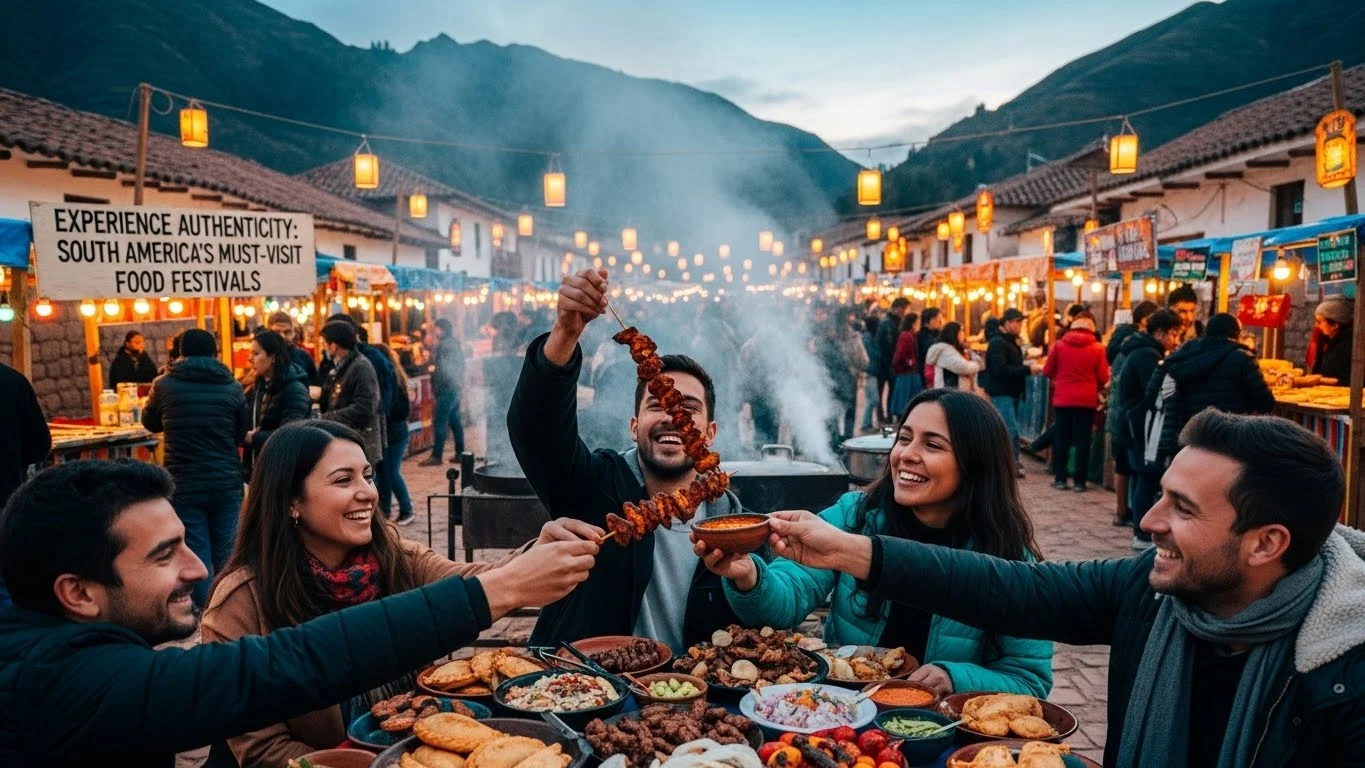
South America is a treasure trove of vibrant culture and mouthwatering cuisine, especially showcased through its bustling food festivals. For budget travelers, these events offer delicious experiences without breaking the bank. Read Interesting article: Top 7 Cultural Food Festivals in South America You Can’t Miss

Discover the Best South American Food Festivals for Budget Travelers

Overview of South American Food Festivals

Importance of Food Festivals in South America

When I think about South America, my mind immediately drifts to its colorful food festivals that celebrate local traditions, flavors, and community spirit. These festivals are not just about food; they encompass a rich tapestry of music, dance, and art that brings people together. I’ve come to realize that they play a vital role in preserving culinary heritage and fostering cultural exchange. Each region has its own unique festivals that highlight local ingredients and cooking techniques, making every event a delightful experience for the senses. Food festivals are a perfect example of how culinary traditions can define culture.

For me, attending a food festival is like stepping into a living museum of flavors. I remember my first festival in Argentina, where I was surrounded by locals sharing stories of their family recipes. I felt an immediate connection to the culture, as if I were part of the community, even if just for a day. Festivals are also an opportunity for local artisans and chefs to showcase their creativity, offering us budget travelers a chance to sample gourmet dishes without the upscale restaurant price tag.

What to Expect at Food Festivals

Every food festival I’ve been to has its own unique vibe, but there are some common threads that tie them all together. Expect to find stalls brimming with colorful, aromatic food, ranging from street snacks to full-course meals. I’ve seen everything from grilled meats to sweet pastries that make my mouth water just thinking about them. Many festivals also feature cooking demonstrations, which are perfect for picking up tips from local chefs. I remember watching a chef in Lima prepare ceviche, explaining the importance of using fresh fish — it was a lesson I took to heart.

Live music and dancing are another staple of these festivals. I’ve danced alongside locals at a festival in Brazil, where the energy was contagious and everyone was encouraged to join in. It’s about more than just food; it’s a celebration of life, culture, and community. Plus, many festivals include competitions and games, making it a fun outing for families and friends alike.

What I love the most is the opportunity to meet fellow travelers and locals. Sharing a meal with others, swapping stories, and enjoying traditional drinks like mate or pisco sour can create unforgettable memories. I often find that these interactions deepen my travel experience, allowing me to see the culture through the eyes of those who live it every day.

As for the atmosphere, it’s usually lively and full of excitement. From the moment you step in, you’re greeted by the tantalizing scents of cooking food and the sounds of laughter and music. I often get caught up in the colorful decorations and lively performances that create a festive ambiance. It’s an immersive experience that stimulates all your senses, making you feel alive and engaged.

While enjoying all this, it’s also important to keep an eye on your budget. Luckily, most food festivals offer affordable options, allowing you to sample small plates or “tapas” that let you try a bit of everything without overspending. I’ve found that sharing dishes with friends or fellow travelers can also be a great way to try more foods while keeping costs down.

In summary, South American food festivals are not just events to attend; they are experiences to savor. They serve as gateways to understanding the continent’s diverse cultures and culinary richness. As I plan my next trip, I can’t help but get excited about the new flavors I’ll discover and the people I’ll meet along the way. The adventure continues, one festival at a time!

Top Budget-Friendly Food Festivals in South America

Feria de Mataderos (Buenos Aires, Argentina)

The Feria de Mataderos is one of my favorite festivals in Buenos Aires. Every Sunday, the streets come alive with a mix of traditional Argentine culture, music, and, of course, delicious food. I remember wandering through the bustling stalls, where artisans sold handmade crafts alongside mouthwatering street food. There’s an abundance of parrillas, where I enjoyed juicy, grilled meats that are practically a rite of passage for anyone visiting Argentina. The prices are incredibly reasonable, making it easy to indulge without worrying about my wallet. Moreover, the vibrant atmosphere created by folk music and tango performances adds a special touch to the experience.

Festival de la Vendimia (Mendoza, Argentina)

This wine festival in Mendoza is something truly special. I was lucky enough to attend it during the grape harvest season, and the energy was palpable. The festival celebrates the region’s wine production, with countless food stalls offering local delicacies paired with exquisite wines. I found myself savoring cheeses, cured meats, and traditional empanadas while enjoying the stunning backdrop of the Andes. What stood out to me was the camaraderie among festival-goers, all sharing in the joy of good food and wine without breaking the bank. The Festival de la Vendimia is more than just a culinary experience—it’s a celebration of community, culture, and the joy of living.

Festa da Uva (Caxias do Sul, Brazil)

In Brazil, the Festa da Uva is a delightful celebration of the grape harvest. This festival takes place every two years and is packed with fun activities, food, and, of course, wine! I attended the festival and was amazed by the sheer variety of food options available, from local cheeses to hearty pasta dishes. What I loved most was the chance to see traditional dance performances and even join in on the fun. The festival is incredibly budget-friendly, and I found that purchasing a ticket allowed me to sample various foods and wines, making it a fantastic deal. Plus, the friendly locals made me feel right at home as we all celebrated together.

Festival Gastronómico de Lima (Lima, Peru)

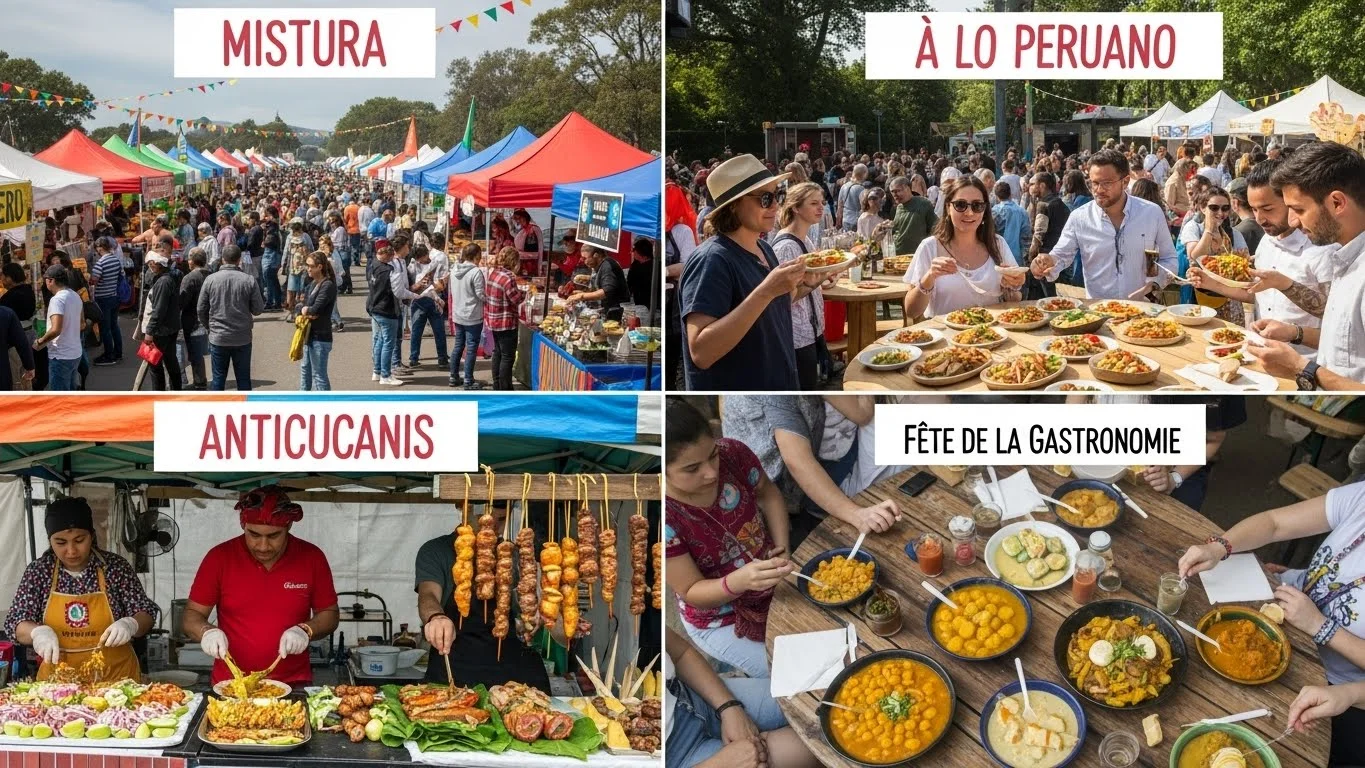
Lima is known for its culinary scene, and the Festival Gastronómico de Lima showcases this beautifully. I remember wandering through the festival, drawn in by the enticing aromas of Peruvian dishes. This festival is an incredible opportunity to sample a variety of local foods without spending a fortune. Street vendors serve up everything from anticuchos (grilled skewered beef hearts) to delicious desserts like picarones (sweet potato doughnuts). The chef demonstrations were a highlight for me, as I got to learn about the techniques behind some of my favorite dishes. The highlight of the festival was the sense of pride the locals had for their cuisine, and I felt grateful to be a part of it. Street food here is a reflection of the rich culinary heritage of Peru.

Fiesta Nacional de la Vendimia (Mendoza, Argentina)

Returning to Mendoza, the Fiesta Nacional de la Vendimia is another must-visit for food lovers. This festival celebrates the region’s wine and features a magnificent parade, cultural performances, and, of course, incredible food. I was lucky enough to be there during the grand finale, where they crowned the queen of the harvest. The festival’s atmosphere was electric, and being surrounded by so many people celebrating the local culture was unforgettable. The variety of food stalls offered everything from traditional Argentine barbecue to regional sweets. I found that prices were quite affordable, especially for the quality of the food offered.

Festival del Ceviche (Lima, Peru)

The Festival del Ceviche is a celebration dedicated entirely to Peru’s iconic dish. As a ceviche lover, attending this festival was a dream come true for me. Held near the coast, it features numerous vendors serving up creative variations of ceviche made with the freshest fish. I spent hours sampling different styles, from traditional limeño to more innovative takes. The best part? Most of the dishes were budget-friendly, allowing me to try as many as I wanted. Beyond the food, there were cooking classes and competitions that made the atmosphere lively and engaging, and I loved connecting with fellow food enthusiasts.

Festival de Comida de Rua (Rio de Janeiro, Brazil)

If you’re in Rio, the Festival de Comida de Rua is an absolute must. This street food festival showcases the best of Brazilian street cuisine, and I remember feeling overwhelmed by the aromas wafting through the air. There were food trucks and stalls serving everything from tasty acarajé (black-eyed pea fritters) to refreshing tropical juices. The prices were incredibly reasonable, and I found myself indulging in several dishes without feeling guilty. The festival also includes live music, creating a vibrant atmosphere that made it easy to relax and enjoy the moment. I loved how the festival brought together locals and tourists alike, all united by a shared love of food.

Festival Internacional de Gastronomía (Santiago, Chile)

The Festival Internacional de Gastronomía in Santiago is a culinary journey that showcases the diversity of Chilean cuisine. I was pleasantly surprised by the affordability of the tickets, which allowed me to access a plethora of food stalls and tastings. From seafood to traditional dishes like pastel de choclo, everything was delicious and reasonably priced. The festival also offered workshops and tastings led by renowned chefs, which was an amazing opportunity to learn more about Chilean culinary traditions. I left feeling inspired and full, ready to share my newfound knowledge with friends back home.

When to Attend South American Food Festivals

Seasonal Considerations

Timing can make all the difference when attending food festivals in South America. From my experience, each season brings its own unique flavors and festivities. For instance, I discovered that the summer months, particularly December through March, tend to be bustling with festivals in many regions. The warm weather creates the perfect backdrop for outdoor celebrations where people gather to enjoy good food and good company.

In Argentina, the summer sun lights up the Feria de Mataderos, while in Brazil, the Festa da Uva comes alive with vibrant colors and melodies. On the flip side, visiting during the fall, especially in April, can lead you to events like the Festival de la Vendimia, where you can witness the grape harvest and enjoy the resulting wines and culinary delights. I often find that these seasonal festivals not only offer incredible food but also showcase the best of what each region has to offer at that time of year.

Major Holidays and Their Impact on Festivals

Holidays can also influence the food festival calendar, often leading to grander celebrations. For example, during Carnival in Brazil, the streets of Rio de Janeiro fill with parades and street parties, including food festivals celebrating local cuisine. I remember being swept away by the energy and creativity during this time. It felt like the entire city was alive with flavors, sounds, and the spirit of festivity.

In Peru, Independence Day on July 28th often coincides with food fairs that highlight the rich culinary traditions of the country. I had the pleasure of attending one such festival and was delighted to find traditional dishes being prepared and shared with pride. These holidays can create a more lively atmosphere, making it a fantastic time to experience the local culture through its food.

As I’ve learned, keeping an eye on the local calendar and aligning my travel plans with these key dates can enhance my festival experience significantly. There’s nothing quite like celebrating a holiday with locals while indulging in delicious food that represents their heritage.

Where to Stay During Food Festivals

Budget Accommodation Options

Finding a place to stay that fits your budget while attending a food festival is crucial for making the most of your trip. I often look for budget-friendly options like hostels or guesthouses, which can offer cozy accommodations without draining my wallet. Many of these places are situated near festival locations, making it easy to pop in and out of the festivities.

For instance, when I visited the Festival Gastronómico de Lima, I found a charming hostel just a short walk away. It was a relief to know I could head back to rest or freshen up between sampling different dishes. Plus, connecting with fellow travelers at these accommodations often leads to shared tips and even festival buddies, which enhances the experience.

Hostels and Guesthouses Near Festival Locations

I’ve come to appreciate hostels and guesthouses that offer a friendly atmosphere and often include kitchen facilities. Staying in a place where I can cook a meal or two can help stretch my budget further, allowing me to save more for festival treats! In places like Mendoza or Rio, I found several options that were not only affordable but also had great access to the festival venues.

It’s also a great way to meet locals who might share insights on where to find the best food stalls or hidden gems at the festival. I remember chatting with a local at a guesthouse in Buenos Aires who gave me tips on which vendors to try at the Feria de Mataderos. That local knowledge can be invaluable!

Camping Options for Adventurous Travelers

For those of us who enjoy a bit of adventure, camping can be an exciting option during food festivals. I’ve camped near various festival sites, and it adds a unique element to the experience. Waking up to the sounds of the festival setting up and the aroma of food wafting through the air is something I cherish. In places like Caxias do Sul during the Festa da Uva, there are designated camping areas that make it easy to immerse yourself in the festival atmosphere fully.

Plus, camping allows for an up-close connection to nature and the local community. I’ve had some great conversations with fellow campers who shared their favorite festival experiences, and we bonded over our love for food and travel. Whether you pitch a tent or bring along a camper, it’s a fantastic way to create lasting memories while saving money.

Local Cuisine to Try at Food Festivals

Argentinian Asado

When it comes to Argentinian cuisine, one dish truly stands out to me: asado. This traditional barbecue is not just a meal; it’s a social event. I remember the first time I attended an asado during a festival in Buenos Aires. The smoky aroma of grilled meats wafted through the air, drawing crowds to the parrillas. It was a treat to watch the chefs expertly grill everything from short ribs to sausages, and I couldn’t resist trying it all. Each bite was infused with flavor and embedded with the culture of communal dining.

Peruvian Ceviche

Ceviche holds a special place in my heart, especially after my experiences in Peru. At festivals, I’ve savored various styles of ceviche, each offering a unique twist on the classic dish. From traditional limeño to innovative fusion versions, there’s no shortage of options. The freshness of the fish combined with zesty lime and spices creates a refreshing dish that captures the essence of Peruvian coastal cuisine. I can still taste the tangy flavor as I recall the first ceviche I tried at the Festival del Ceviche!

Brazilian Feijoada

Feijoada, Brazil’s national dish, is another must-try at food festivals. This hearty black bean stew is often served with rice, collard greens, and orange slices. At the Festa da Uva, I indulged in a steaming bowl of feijoada that warmed me up amidst the festival excitement. It’s a dish that embodies the spirit of Brazilian cuisine—rich, flavorful, and meant to be shared with friends and family.

Chilean Pastel de Choclo

Pastel de choclo is a delicious corn pie that I encountered during the Festival Internacional de Gastronomía in Santiago. It combines ground corn with a savory filling of meat, onions, and spices, all baked to golden perfection. The sweet corn topping adds a delightful contrast to the savory filling. I remember how comforting it felt to enjoy this dish while mingling with locals who shared their stories about how it’s a cherished family recipe.

Colombian Arepas

Finally, no exploration of South American food would be complete without mentioning arepas. These versatile corn cakes can be filled or topped with a variety of ingredients, from cheese to meats and vegetables. At food festivals, I found a vibrant array of arepas being served, each reflecting the region’s unique flavors. They’re perfect for a quick bite while wandering through the stalls, and I always find myself returning for more!

Frequently Asked Questions

What are South American food festivals known for?

South American food festivals are known for vibrant culture and mouthwatering cuisine, celebrating local traditions, flavors, and community spirit through food, music, dance, and art.

How do food festivals contribute to cultural exchange?

Food festivals contribute to cultural exchange by preserving culinary heritage, showcasing regional ingredients and cooking techniques, and bringing together locals and travelers to share experiences and stories.

What can attendees expect at food festivals in South America?

Attendees can expect colorful food stalls, street snacks, cooking demonstrations, live music, dancing, and competitions, creating a lively atmosphere full of excitement and delicious aromas.

Where can budget travelers find affordable food options at festivals?

Budget travelers can find affordable options at food festivals by sampling small plates or “tapas,” sharing dishes with friends, and taking advantage of reasonable prices offered by many stalls.

What is the Feria de Mataderos?

The Feria de Mataderos is a vibrant food festival in Buenos Aires, Argentina, held every Sunday, featuring traditional culture, music, and delicious food, particularly grilled meats at reasonable prices.

What unique experience does the Festival de la Vendimia offer?

The Festival de la Vendimia in Mendoza, Argentina, celebrates wine production during the grape harvest season, offering local delicacies paired with exquisite wines and a strong sense of community among festival-goers.

What types of food can be sampled at the Festival Gastronómico de Lima?

At the Festival Gastronómico de Lima, attendees can sample a variety of Peruvian dishes, including anticuchos (grilled skewered beef hearts) and picarones (sweet potato doughnuts), along with chef demonstrations.

What is the significance of seasonal considerations when attending food festivals?

Seasonal considerations are significant as each season brings unique flavors and festivities, with summer being a bustling time for festivals in many regions, and fall offering events like the Festival de la Vendimia for grape harvest celebrations.

What are some budget accommodation options near food festivals?

Budget accommodation options near food festivals include hostels and guesthouses, which often provide cozy stays at affordable prices and are conveniently located close to festival venues.

What local cuisines should travelers try at South American food festivals?

Travelers should try local cuisines such as Argentinian asado (barbecue), Peruvian ceviche, Brazilian feijoada (black bean stew), Chilean pastel de choclo (corn pie), and Colombian arepas (corn cakes) at food festivals.

Top 7 Cultural Food Festivals in South America You Can’t Miss

South America is a vibrant tapestry of cultures, and its food festivals are a delicious way to experience that. From traditional dishes to local wines, these festivals celebrate the rich culinary heritage that each country has to offer. Read Interesting article: Cultural Food Festivals You Can’t Miss on a Budget

Top 7 Cultural Food Festivals in South America You Can't Miss

Overview of Cultural Food Festivals in South America

Importance of Food Festivals in South American Culture

Food festivals in South America are more than just events; they are a celebration of identity, community, and history. When I first attended a food festival, I realized how deeply they are rooted in the culture of each country. These festivals often coincide with significant agricultural seasons or cultural milestones, highlighting the importance of food as a way to bring people together. It’s incredible how food can create connections, bridging gaps between generations and diverse communities.

How Festivals Reflect Local Traditions and Culinary Heritage

One thing I’ve noticed about these festivals is how they showcase the culinary heritage unique to each region. Each dish tells a story, often passed down through generations. For instance, at a festival in Peru, I tasted ceviche that was prepared using techniques that have remained unchanged for centuries. This culinary storytelling fosters a sense of pride in local traditions, allowing locals to share their unique flavors and histories with the world.

Top 7 Cultural Food Festivals in South America

1. Fiestas de la Vendimia (Grape Harvest Festival) – Mendoza, Argentina

When to Visit

The Fiestas de la Vendimia takes place every March, celebrating the grape harvest in the heart of Argentina’s wine country. I remember the excitement in the air as people from all over the world gathered to toast this annual event. It’s a time when the region comes alive with music, dance, and, of course, wine.

Key Events and Activities

The festival features a grand parade with elaborate floats, showcasing the beauty of the region and its vineyards. There are also live performances that highlight local talent, and food stalls offering delicious regional cuisine. I found myself dancing along with locals, feeling like part of the festivities. Be prepared for wine tastings and to learn about the winemaking process, which is a fascinating experience in itself. Read Interesting article: Experience the Best Wine and Cheese Festivals This Year

Local Wines to Try

Mendoza is known for its Malbec, so it’s a must-try when you visit. I particularly enjoyed tasting a few different varieties at the festival. Each wine had its own character, reflecting the unique terroir of the region. Don’t miss the chance to sip some Torrontés, a white wine that’s aromatic and refreshing, perfect for pairing with local dishes.

2. Festival Gastronomico de Lima – Lima, Peru

When to Visit

This festival typically takes place in late August. I can’t emphasize enough how incredible it is to be in Lima during this time! The city buzzes with energy as it showcases its culinary scene, which is now recognized as one of the best in the world.

Highlighting Peruvian Cuisine

At the Festival Gastronomico, I discovered an array of dishes that blend various influences—Indigenous, Spanish, and Asian. The street food scene is vibrant, with stalls serving everything from anticuchos (grilled skewers) to causa (potato dish). Each bite was a journey through Peru’s rich culinary history, which I found utterly captivating.

Famous Chefs and Restaurants Participating

What blew me away were the celebrity chefs who took part in the festival. Many of them have made a name for themselves internationally but remain deeply connected to their roots in Peru. I even attended a cooking demonstration by one of my favorite chefs, and it was incredible to see the passion they bring to their craft. It felt like a masterclass in flavors and techniques that I could take home with me.

3. Feria Internacional del Libro – Buenos Aires, Argentina

When to Visit

Held every April, this festival is a book lover’s paradise, but what makes it special for foodies like me is the gastronomic component. Walking through the fair, you’ll find various booths dedicated to food, offering a delightful mix of literature and cuisine.

Food Pairings with Literary Events

During my visit, I found that certain food pairings were created to complement book discussions. It was fascinating to see how food and literature intertwine. I enjoyed a discussion on Argentine literature while sipping on a glass of Malbec and indulging in empanadas—a perfect way to savor both the culture and flavors of Argentina.

Workshops and Tastings

In addition to the literary events, there are cooking workshops that highlight classic Argentine recipes. I participated in one where we learned to make dulce de leche. The sweet, creamy dessert is a staple in Argentine homes, and making it was a fun way to connect with the local culture. I left the workshop not only with a jar of my creation but also with a deeper appreciation for Argentine culinary traditions.

Top 7 Cultural Food Festivals in South America

4. Festival de la Cultura Guaraní – Paraguay

When to Visit

The Festival de la Cultura Guaraní usually takes place in September, coinciding with the spring season in Paraguay. I had the opportunity to visit during this vibrant time, and the atmosphere was nothing short of magical. The festival is held in various towns across the country, but I found the celebration in the capital, Asunción, particularly special. The streets were adorned with colorful decorations, and the sounds of traditional music filled the air.

Traditional Guaraní Dishes

What struck me most about this festival was the emphasis on traditional Guaraní food. I remember trying dishes like chipa, a cheese bread that’s a staple in Paraguayan households, and sopa paraguaya, a cornbread that has a unique texture. Each bite was a taste of the rich cultural heritage of the Guaraní people. I also loved the opportunity to sample tereré, a refreshing drink made from yerba mate, which is enjoyed cold. Sharing tereré with locals was a great way to connect and learn about their customs.

Performances and Cultural Activities

The festival goes beyond just food; it features traditional music and dance performances that showcase Guaraní culture. I found myself captivated by the rhythmic beats of the drums and the vibrant costumes worn by the dancers. We even joined in a traditional dance, which was a fun way to immerse ourselves in the experience. Workshops were available where I learned about the Guaraní language and crafts, further enriching my understanding of this beautiful culture.

5. Festival de Comida de Calle – Santiago, Chile

When to Visit

This festival usually takes place in November, right at the end of the spring season. I had the chance to experience the Festival de Comida de Calle in the bustling streets of Santiago, and it was a foodie’s dream come true. The aroma of grilled meats, fresh seafood, and vibrant salsas filled the air, enticing everyone to explore the diverse offerings.

Must-Try Street Foods

During my visit, I indulged in a variety of street foods that truly represented the heart of Chilean cuisine. The completos, which are Chilean-style hot dogs, topped with avocado and mayonnaise, were absolutely delicious. I also enjoyed empanadas filled with seafood, which reflected the coastal influence of the country. For dessert, trying the alfajores—sweet cookies filled with caramel—was a delightful experience that I still think about! Read Interesting article: Must-Visit Street Food Festivals in Asia This Year

Local Vendors and Their Stories

What made this festival even more special was meeting the local vendors. Each of them had a story to tell about their dishes and how they came to be part of this culinary landscape. I remember chatting with a family who had been selling their famous empanadas for generations. Their passion for cooking was evident, and it felt rewarding to support small businesses while enjoying their mouth-watering creations.

6. Carnaval – Rio de Janeiro, Brazil

When to Visit

Carnaval in Rio de Janeiro is an iconic event that draws millions of visitors every year, taking place in February or early March. I decided to experience it firsthand, and the energy was electrifying! While the parades and samba music are the main attractions, the food is equally impressive and deserves its own spotlight.

Food Traditions During Carnaval

During my time at Carnaval, I discovered an array of traditional Brazilian foods. Street vendors offered everything from feijoada, a hearty black bean stew with pork, to pastéis, which are savory pastries filled with cheese or meat. The sheer variety of flavors was overwhelming, and I found myself sampling as much as I could. Each dish told a story of Brazilian culture, and it felt like a celebration of the country’s diversity.

Popular Dishes to Experience

One dish that I absolutely fell in love with was pão de queijo, a cheese bread that’s crispy on the outside and chewy on the inside. It paired perfectly with a cold caipirinha, Brazil’s national cocktail made with cachaça, lime, and sugar. I spent hours wandering the streets, enjoying the food and the festive atmosphere while soaking up the vibrant culture around me.

7. Festival Internacional de Gastronomía – Quito, Ecuador

When to Visit

This festival typically occurs in late September, and I was fortunate enough to be in Quito during this time. The festival attracts food lovers from all over the world, eager to explore Ecuador’s diverse culinary landscape. Quito’s historic center served as a stunning backdrop for the event, with its colonial architecture enhancing the experience.

Featured Dishes and Ingredients

At the Festival Internacional de Gastronomía, I was introduced to unique ingredients like quinoa and aji peppers, which are staples in Ecuadorian cuisine. Each booth showcased traditional dishes such as ceviche de chochos, which is made with Andean lupin beans, and llapingachos, delicious potato pancakes served with avocado and sausage. The flavors were bold and distinctive, and I felt like I was taking a culinary tour of the country.

Workshops and Cooking Demonstrations

One of the highlights of the festival was participating in a cooking demonstration by a renowned local chef. I learned how to prepare traditional Ecuadorian dishes, and it was a hands-on experience that I truly cherished. The chef’s passion for using fresh, local ingredients inspired me, and I left with new recipes and a greater appreciation for Ecuadorian cuisine.

Planning Your Visit to Food Festivals

Best Time to Visit South America for Food Festivals

When planning a trip to South America for food festivals, timing is crucial. Each country has its own calendar of events, and attending during the peak festival season can enhance your experience immensely. I’ve learned that March is an excellent month for wine enthusiasts in Argentina, while late August is a culinary treasure trove in Peru. If you want to delve into the rich harvest traditions, September in Paraguay is perfect. I’d recommend checking the specific dates for each festival, as they can vary slightly each year. By doing a bit of research, you can maximize your festival-hopping adventures and immerse yourself in the vibrant culinary culture of South America.

Accommodations Near Major Festivals

Finding the right place to stay during these festivals can significantly impact your experience. I remember booking a cozy guesthouse near the Fiestas de la Vendimia in Mendoza, and it made my trip so much more enjoyable. Being close to the festival allowed me to easily join in the festivities without the hassle of long commutes. Many cities offer a range of accommodations, from charming hostels to luxurious hotels. I suggest looking for places that offer festival packages or deals, as they often include transportation or special access to festival events. It’s also a good idea to book early, especially for popular festivals, as spots fill up quickly!

Transportation Options for Festival-Goers

Getting around during festival time is another aspect worth considering. Public transportation can be a convenient option, but I’ve found that renting a car can provide more flexibility, especially in rural areas where some festivals take place. For instance, navigating the vineyards during Mendoza’s grape harvest was much easier with my own wheels. Many cities also offer rideshare services, which can be handy if you want to indulge in local wines without worrying about driving. I recommend checking out local transportation apps, as they often have festival-specific routes and discounts. No matter how you choose to travel, make sure to plan ahead so you can focus on enjoying the food and festivities!

What to Expect at South American Food Festivals

Types of Food Available

One of the most exciting aspects of attending a food festival in South America is the sheer variety of food on offer. I’ve found that these festivals often feature a mix of traditional and contemporary dishes, showcasing the culinary evolution of each region. For instance, at the Festival Gastronomico de Lima, I was amazed by how classic Peruvian flavors were interpreted in innovative ways by local chefs. You can expect to find everything from street food staples like arepas and empanadas to gourmet creations that highlight local ingredients. Sampling a wide range of dishes offers a delicious glimpse into the culture and history of the area.

Entertainment and Activities

Food festivals are not just about eating; they’re lively celebrations full of entertainment and activities. From my experience, you’ll find live music, dance performances, and cooking demonstrations that bring people together. At the Carnaval in Rio de Janeiro, the vibrant samba music created an electrifying atmosphere that complemented the food perfectly. In addition to performances, many festivals host workshops where you can learn to make traditional dishes. Participating in these activities has given me a deeper appreciation of the culinary arts and the skills involved in creating beloved local dishes. It’s a fantastic way to engage with the culture beyond just tasting the food.

Safety Tips for Attendees

While food festivals are a blast, it’s essential to keep safety in mind. I’ve learned a few tips that have helped me have a worry-free experience. Firstly, stay hydrated, especially if you’re indulging in rich foods and local beverages. I also recommend keeping an eye on your belongings, as festivals can get crowded. It’s a good idea to carry a small bag with just the essentials. If you’re trying street food, choose vendors that have a good crowd; this usually indicates freshness and quality. Lastly, trust your instincts—if something doesn’t seem right or feels off, don’t hesitate to walk away. With a little preparation, you can focus on enjoying all the flavors and fun these festivals have to offer!

Final Thoughts

Experiencing food festivals in South America has been one of the most rewarding adventures of my life. It’s not just about the food; it’s about the stories, the people, and the culture that surrounds every dish. Each festival feels like a celebration of shared history and community. I think back to the vibrant streets of Mendoza, where the air was thick with the aromas of freshly harvested grapes, and the sound of laughter and music echoed in every corner. These moments have stayed with me, reminding me of how food can create a sense of belonging.

As I attended each festival, I was struck by the passion and dedication of the local vendors and chefs. They shared their culinary secrets and traditions with such pride. I felt honored to be part of their celebrations, learning about the history behind each ingredient and dish. The warmth of the people and their hospitality left a lasting impression on me. I believe that food festivals truly showcase the heart and soul of each region, allowing visitors to connect deeply with the culture.

For anyone considering visiting South America for its food festivals, I wholeheartedly encourage you to dive in. Whether you’re a seasoned traveler or a first-time visitor, there’s so much to learn and experience. From sampling street food to attending cooking classes, each activity offers an opportunity to explore the unique flavors that define this diverse continent. I’ve come away from each festival not only with a satisfied palate but also with new friends and cherished memories.

So pack your bags and get ready for an unforgettable culinary journey. South America is waiting to share its rich tapestry of flavors with you. Embrace the chance to taste, learn, and connect with the local culture. I know that once you experience these festivals, you’ll carry a piece of South America with you long after the last bite. Happy travels, and may your culinary adventures be as delicious as mine!

Frequently Asked Questions

What is the significance of food festivals in South America?

Food festivals in South America are a celebration of identity, community, and history. They highlight the importance of food in bringing people together and often coincide with significant agricultural seasons or cultural milestones.

How do food festivals reflect local traditions and culinary heritage?

These festivals showcase the unique culinary heritage of each region, with dishes that tell stories passed down through generations. They foster pride in local traditions and allow locals to share their unique flavors and histories with the world.

When does the Fiestas de la Vendimia take place, and what can visitors expect?

The Fiestas de la Vendimia takes place every March in Mendoza, Argentina. Visitors can expect a grand parade, live performances, wine tastings, and delicious regional cuisine, especially Malbec and Torrontés wines.

What are some highlights of the Festival Gastronomico de Lima?

This festival, typically held in late August, showcases Lima’s culinary scene, featuring a variety of dishes influenced by Indigenous, Spanish, and Asian cuisines. Celebrity chefs participate, offering cooking demonstrations and vibrant street food options.

What can attendees experience at the Feria Internacional del Libro in Buenos Aires?

Held every April, this festival combines literature and gastronomy, featuring food booths that complement book discussions. Attendees can enjoy cooking workshops focused on classic Argentine recipes, such as dulce de leche.

What is unique about the Festival de la Cultura Guaraní in Paraguay?

This festival occurs in September and emphasizes traditional Guaraní food, such as chipa and sopa paraguaya. It includes vibrant cultural performances and workshops that immerse visitors in the Guaraní language and crafts.

What street foods should visitors try at the Festival de Comida de Calle in Santiago, Chile?

Visitors should try completos (Chilean-style hot dogs), seafood empanadas, and alfajores (sweet cookies filled with caramel) during this November festival, which showcases the heart of Chilean cuisine.

What food traditions are celebrated during Carnaval in Rio de Janeiro?

Carnaval, taking place in February or early March, features traditional Brazilian foods like feijoada and pastéis. It is a lively event where visitors can sample a variety of flavorful dishes while enjoying the festive atmosphere.

What unique ingredients can be found at the Festival Internacional de Gastronomía in Quito, Ecuador?

This festival, held in late September, features unique ingredients such as quinoa and aji peppers. Attendees can enjoy traditional dishes like ceviche de chochos and llapingachos, showcasing Ecuador’s diverse culinary landscape.

What are some tips for planning a visit to South American food festivals?

Timing is crucial, as each festival has its own calendar. It’s advisable to book accommodations early, consider transportation options, and research specific festival dates to maximize the experience.

Your Guide to North America’s Wine and Cheese Festivals

Wine and cheese festivals in North America are a delightful celebration of culture, flavor, and community. These events not only showcase exquisite wines and artisanal cheeses, but they also offer a chance to immerse ourselves in local traditions and culinary innovations. Read Interesting article: Experience the Best Wine and Cheese Festivals This Year

Your Guide to North America's Wine and Cheese Festivals

Overview of Wine and Cheese Festivals in North America

What are Wine and Cheese Festivals?

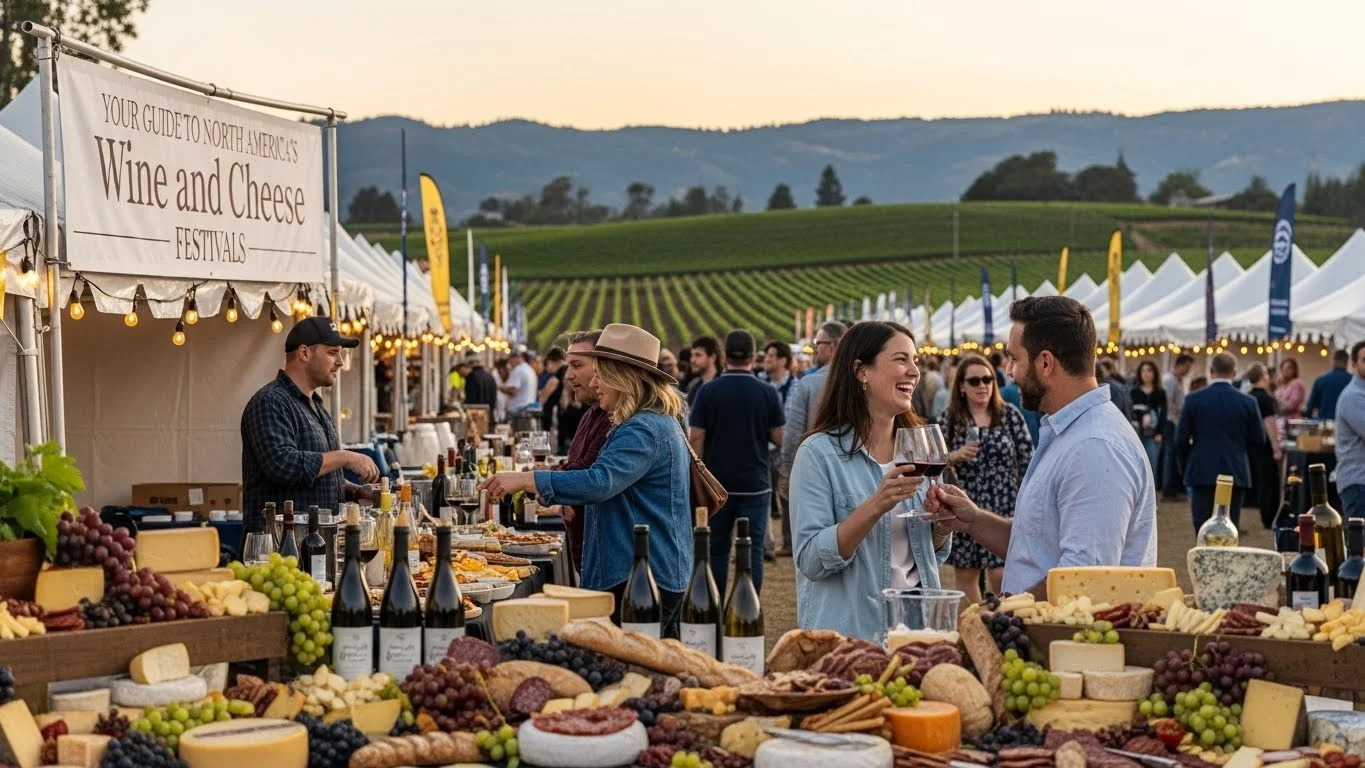
Wine and cheese festivals are vibrant gatherings that celebrate two beloved culinary staples: wine and cheese. These festivals typically feature tastings, workshops, and food pairings that allow attendees to explore a wide array of flavors. I remember my first festival vividly—it was like stepping into a world where every corner burst with aromas and colors, where the clinking of glasses and laughter filled the air. Local wineries and cheese producers showcase their best offerings, often providing the opportunity to meet the artisans behind the products. For many, these festivals are not just about tasting; they’re an experience filled with camaraderie, discovery, and sometimes even a bit of education.

History and Evolution of Wine and Cheese Festivals

The history of wine and cheese festivals can be traced back to the ancient world, where people celebrated the harvest with feasts that included these staples. However, the modern iteration began gaining popularity in the late 20th century as wine culture blossomed in regions like California and the Pacific Northwest. I’ve read about how the Napa Valley Wine Festival started as a small gathering and has now transformed into a significant event that attracts thousands. Similarly, cheese festivals have emerged as a response to the growing interest in artisanal and locally produced cheeses. Over the years, these festivals have evolved into multi-day events that include cooking demonstrations, cheese-making workshops, and even live music—making them a fantastic outing for families and foodies alike.

Popular Themes and Types of Festivals

There’s a rich variety of themes and types of wine and cheese festivals across North America, each with its unique charm. Some festivals focus on specific wine regions, like the California Wine Festival, which highlights the diverse offerings from Napa and Sonoma. In contrast, others might showcase a broader range of wines from around the world, providing a more global tasting experience. I remember attending a festival that had a “cheese and charcuterie” theme, where local producers collaborated to create exquisite pairings. It was fascinating to see how different cheeses complemented various meats, fruits, and even spices. I’ve noticed that many festivals also incorporate local delicacies, turning them into a true celebration of regional flavors. Then there are the educational festivals, which often feature workshops and masterclasses on wine and cheese pairing. These experiences can be incredibly enriching. I once participated in a session where a sommelier explained how to choose the right wine for different types of cheeses, which completely changed how I approach hosting gatherings at home. Moreover, festivals often spotlight sustainability and farm-to-table practices, encouraging attendees to support local farmers and producers. This aspect resonates with many of us who are becoming increasingly conscious of where our food comes from and the impact of our choices on the environment. Read Interesting article: Top 5 Must-Visit Wine and Cheese Festivals in North America

Top Wine and Cheese Festivals in North America

Napa Valley Wine and Food Festival

The Napa Valley Wine and Food Festival is a must-visit for any wine enthusiast. Set in the heart of California’s wine country, this festival combines elegant wine tastings with gourmet food from renowned chefs. I’ve had the pleasure of walking through the vineyards, tasting exquisite cabernets, and indulging in artisanal cheeses, all while surrounded by stunning landscapes. The festival typically features exclusive dinners, cooking demonstrations, and opportunities to meet winemakers, making it an unforgettable experience for anyone who appreciates fine food and drink.

New York City Wine & Food Festival

If you’re looking for a bustling atmosphere, the New York City Wine & Food Festival is the place to be. This urban festival attracts foodies and wine lovers alike, showcasing a vast array of culinary talent from top chefs and sommeliers. I found myself immersed in a world of innovative dishes and unique wine pairings. The city’s energy infuses the event, with street parties and tastings happening all over Manhattan.

Texas Hill Country Wine & Food Festival

The Texas Hill Country Wine & Food Festival is another gem, celebrating the unique flavors of the Texas wine region. I’ve enjoyed discovering local wineries and their distinct varietals alongside Texas-made cheeses. The festival also highlights local BBQ and Tex-Mex delicacies, offering a true taste of Texan hospitality.

San Francisco Cheese Festival

For cheese lovers, the San Francisco Cheese Festival is a dream come true. This festival is dedicated solely to cheese, featuring tastings from some of the best cheesemakers in the country. I remember sampling everything from creamy bries to sharp cheddars, all while learning about the cheese-making process. The festival’s workshops and panels are enlightening, making it a fantastic place for both novices and experts.

Seattle Cheese and Wine Festival

The Seattle Cheese and Wine Festival beautifully blends the best of both worlds. Set in a picturesque waterfront location, this festival allows attendees to explore a wide variety of local wines and artisanal cheeses. I’ve attended workshops here that focused on pairing cheeses with wines from the Pacific Northwest, which enhanced my appreciation for local flavors.

Vancouver International Wine Festival

Finally, the Vancouver International Wine Festival is a celebration of global wines with a strong focus on education and sustainability. I appreciated how this festival brought together wineries from around the world while promoting local cheeses and culinary talent. The tastings are extensive, and I was amazed by the variety of wines available. Read Interesting article: Your Guide to Europe’s Must-Visit Budget Culinary Festivals

When to Attend Wine and Cheese Festivals

Seasonal Trends and Best Times of Year

When I think about the best time to attend wine and cheese festivals, I can’t help but feel that spring and fall are the prime seasons. During these months, the weather is generally mild and enjoyable, which makes wandering around tasting and exploring so much more pleasurable. I remember attending a festival in the fall, surrounded by colorful leaves and crisp air, which added a special charm to the experience. Spring is equally delightful, as many regions celebrate the blooming season with fresh flavors and lighter wines, perfectly complementing seasonal cheeses.

Additionally, many festivals align with harvest seasons, so from my experience, it’s worth checking the local harvest calendar. For instance, grape harvests typically happen in late summer to early fall, leading to a flurry of events celebrating the fruits of labor. Cheese makers often have their own seasonal specialties that come into play at this time, allowing attendees to experience the freshest offerings.

Festival Dates and Schedules

Each festival has its unique schedule, so it’s crucial to plan ahead. I’ve made the mistake of assuming I could just show up at any festival without checking the dates. I once missed a festival I’d been looking forward to because I didn’t realize it was a single weekend event! Many festivals publish their dates several months in advance, so I recommend bookmarking their websites or following them on social media for updates. Some of the larger festivals, like the New York City Wine & Food Festival, often span multiple days, offering different experiences each day, so it’s great to have options.

Another tip I’ve found useful is to look for any special events or VIP sessions that are often scheduled alongside the main festival days. These can offer exclusive tastings or behind-the-scenes experiences that are well worth the extra planning. I always enjoy being part of smaller, more intimate gatherings where I can ask questions and learn directly from the artisans.

How to Plan Your Visit Around Festival Dates

Planning a visit around a wine and cheese festival can be an exciting adventure! I suggest starting by mapping out which festivals align with your travel plans. Once you’ve picked a festival, it’s time to decide how long you want to stay. I often find that spending a couple of extra days in the area allows me to explore local attractions and enjoy the culinary highlights beyond the festival itself.

For accommodations, I recommend booking early, especially for popular festivals where hotels fill up quickly. I’ve learned the hard way that waiting until the last minute can leave you with limited options. Checking for nearby vacation rentals can also be a great alternative and might offer a more local experience. Think about staying with friends or family if you can; it adds an extra layer of fun to the trip!

Lastly, consider transportation. I prefer planning my travels to avoid the hassle of parking at the festival. Many festivals offer shuttle services or local transportation options, which makes getting to and from the event convenient and stress-free. Plus, this way, I can enjoy all the tastings without worrying about driving later!

Where to Stay During Wine and Cheese Festivals

Best Hotels and Accommodations Near Festivals

Finding the right place to stay during a wine and cheese festival can enhance your overall experience. I always look for hotels that are not only close to the festival grounds but also offer a touch of comfort after a day of tasting and exploring. For instance, I’ve stayed at charming boutique hotels that have their own wine cellars and cheese pairings, making the whole experience feel even more special. Some popular festivals have official hotels that offer packages, including festival tickets, which I find to be a great deal.

Another fantastic option is to seek out local B&Bs. I’ve discovered hidden gems this way, often hosted by passionate owners who share their favorite local spots. The personal touch from these accommodations often makes my stay memorable. I still fondly recall chatting with a lovely couple who ran a B&B near a festival; they provided me with insider tips on the best tastings and pairings to try.

Vacation Rentals and Unique Stays

If you’re traveling with a group or family, vacation rentals can be an excellent choice. I’ve found that renting a house or an apartment allows for a communal space where everyone can relax and share their festival experiences. Plus, having a kitchen means you can pick up local ingredients and create your own meals, which is a fun way to continue the culinary adventure. I remember staying in a cozy cabin near a festival, and we cooked a meal using the cheese and wine we had sampled earlier—what a way to relive the flavors!

For those looking for something truly unique, consider glamping or staying at a vineyard. Some wineries offer lodging options that allow you to wake up surrounded by vineyards, and that’s an experience like no other. I felt a deep connection to the land and was able to enjoy wine tastings right from my doorstep.

Transportation Options to Festivals

Getting to and from wine and cheese festivals can vary greatly depending on the location. I’ve traveled by car, train, and even flown into nearby airports. If the festival is in a remote area, renting a car is often a good idea, as it gives you the flexibility to explore the surrounding region as well. However, I’ve also taken advantage of shuttle services provided by many festivals, which can be both convenient and a safer option after indulging in tastings.

Public transportation is something I always look into as well. I’ve been pleasantly surprised by how well some cities are connected, making it easy to hop on a bus or train to reach the festival. If you’re traveling with a group, consider ride-sharing services, which can be a fun way to start the festivities even before arriving at the venue. Plus, it can save on parking fees and stress!

What to Expect at Wine and Cheese Festivals

Tasting Experiences and Pairing Sessions

When I attend a wine and cheese festival, one of my favorite aspects is the tasting experiences. These sessions allow you to sample a variety of wines and cheeses, often curated to showcase the best pairings. I remember being at a festival where I was guided through a tasting flight of local wines, each paired with a different artisanal cheese. The host explained how the flavors interacted, and I found myself taking notes on what I loved the most. It was an exciting journey for my palate!

Many festivals offer structured tasting sessions led by sommeliers or cheese experts, which can be incredibly informative. I’ve sat in on sessions where I learned about the origins of different cheeses and the winemaking process behind certain varietals. These insights not only deepen your appreciation but also equip you with knowledge you can share during your own gatherings. The best part? You often get to take home a list of the wines and cheeses you loved, making it easy to recreate those experiences at home.

Workshops and Educational Opportunities

Workshops at wine and cheese festivals can be a highlight for anyone looking to hone their skills. I’ve attended various workshops that focused on topics like cheese-making, wine pairing, and even food photography. These interactive sessions often allow participants to get hands-on experience, which I find to be the best way to learn. For example, I once took a cheese-making class where we crafted our cheese using fresh ingredients; it was a fun and rewarding experience that changed how I view cheese!

Additionally, many festivals include masterclasses led by industry professionals. I remember a session where a renowned sommelier taught us how to taste wine properly, emphasizing the importance of aroma and temperature. These lessons are priceless, and they enhance our ability to enjoy wine and cheese to the fullest. Whether you’re a novice or an expert, there’s always something new to learn at these festivals.

Live Entertainment and Activities

Wine and cheese festivals are not just about the food and drink—they also offer a vibrant atmosphere filled with live entertainment. I’ve enjoyed everything from local bands playing folk music to chefs hosting cooking demonstrations. The lively ambiance adds a layer of enjoyment to the entire experience. I remember dancing with friends at a festival while sipping on a lovely rosé, completely immersed in the joyful spirit of the event.

Many festivals also feature activities for families, such as arts and crafts for kids or cooking demonstrations that involve audience participation. It’s heartwarming to see people of all ages come together to celebrate food and culture. I’ve often found that these activities create lasting memories, as we gather around to share laughter and stories while enjoying the festival’s offerings.

Local Food and Culinary Experiences

Signature Dishes to Try at Festivals

One of the best parts of attending a wine and cheese festival is indulging in the local culinary scene. Many festivals showcase signature dishes that highlight the region’s flavors. I recall trying a delicious artisanal flatbread topped with local cheeses and seasonal vegetables at one festival. It perfectly complemented the wine I had sampled, creating a delightful harmony of flavors.

Food trucks and local vendors often set up shop at these events, providing a chance to taste unique creations. I’ve come across everything from gourmet grilled cheese sandwiches to chocolate truffles infused with wine. Each bite tells a story of the region’s culinary heritage, and sampling these dishes can be just as memorable as trying the wines and cheeses themselves.

Food Pairings: Wine and Cheese Recommendations

Pairing food with wine and cheese is both an art and a science, and festivals often provide us with the perfect opportunity to experiment. I’ve found that more festivals are now offering pairing suggestions, guiding attendees on how to balance flavors. For instance, I discovered that a sharp cheddar pairs beautifully with a fruity Cabernet Sauvignon, while a creamy Brie complements a crisp Chardonnay. These recommendations help enhance the tasting experience and encourage us to try new combinations.

Some festivals even host pairing competitions, where chefs create dishes specifically designed to match certain wines or cheeses. I remember being part of a tasting panel at one such competition, and it was a thrill to sample creative dishes while sipping on wines that elevated those flavors. It’s an excellent way to engage with the culinary community and discover new favorites.

Farm-to-Table Options and Local Vendors

As I’ve attended more wine and cheese festivals, I’ve noticed a growing emphasis on farm-to-table practices. Many vendors highlight their commitment to sourcing local ingredients, which not only supports the community but also enhances the flavors of the dishes. I’ve loved meeting local farmers and producers who take pride in their craft, and sampling their products has enriched my understanding of where my food comes from.

Some festivals also feature farmer’s markets, where you can purchase fresh produce, locally made jams, and artisanal crafts. One time, I picked up a jar of fig jam that paired perfectly with the cheeses I had sampled earlier. It felt great to support local businesses while indulging in the festival’s offerings. Plus, these souvenirs often serve as delicious reminders of the experiences I had while at the festival.

Frequently Asked Questions

What are wine and cheese festivals?

Wine and cheese festivals are vibrant gatherings that celebrate two beloved culinary staples: wine and cheese. They typically feature tastings, workshops, and food pairings, allowing attendees to explore a wide array of flavors and meet the artisans behind the products.

When did modern wine and cheese festivals start gaining popularity?

The modern iteration of wine and cheese festivals began gaining popularity in the late 20th century as wine culture blossomed in regions like California and the Pacific Northwest.

What types of experiences can attendees expect at these festivals?

Attendees can expect a variety of experiences including tastings, workshops, cooking demonstrations, and live music. Many festivals also focus on specific themes, such as regional wines or cheese-making.

What are some of the top wine and cheese festivals in North America?

Some of the top wine and cheese festivals include the Napa Valley Wine and Food Festival, New York City Wine & Food Festival, Texas Hill Country Wine & Food Festival, San Francisco Cheese Festival, Seattle Cheese and Wine Festival, and Vancouver International Wine Festival.

What is the best time of year to attend wine and cheese festivals?

Spring and fall are considered the prime seasons for attending wine and cheese festivals, as the weather is generally mild and enjoyable, and many festivals align with local harvest seasons.

How can I plan my visit around festival dates?

To plan your visit, start by mapping out which festivals align with your travel plans. Check the festival dates in advance, look for any special events, and consider accommodations early, as hotels can fill up quickly.

What are some accommodation options near festivals?

Accommodation options include hotels close to the festival grounds, local bed and breakfasts, and vacation rentals. Some festivals also offer official hotel packages that include festival tickets.

What transportation options are available for getting to festivals?

Transportation options can include renting a car, utilizing shuttle services provided by festivals, using public transportation, or ride-sharing services, especially if traveling with a group.

What types of educational opportunities are available at wine and cheese festivals?

Educational opportunities include workshops on topics like cheese-making and wine pairing, as well as masterclasses led by industry professionals that enhance attendees’ knowledge and appreciation.

How do festivals emphasize local food and farm-to-table practices?

Many festivals emphasize local food and farm-to-table practices by featuring vendors that source local ingredients, offering farm markets, and showcasing signature dishes that highlight the region’s flavors.

Experience the Best Wine and Cheese Festivals This Year

Wine and cheese festivals are a feast for the senses, offering a delightful blend of flavors and experiences. Join me as we explore some of the best festivals to attend this year, where every sip and bite tells a story. For those looking for more options, check out Top 5 Must-Visit Wine and Cheese Festivals in North America.

Experience the Best Wine and Cheese Festivals This Year

Overview of Wine and Cheese Festivals

What Are Wine and Cheese Festivals?

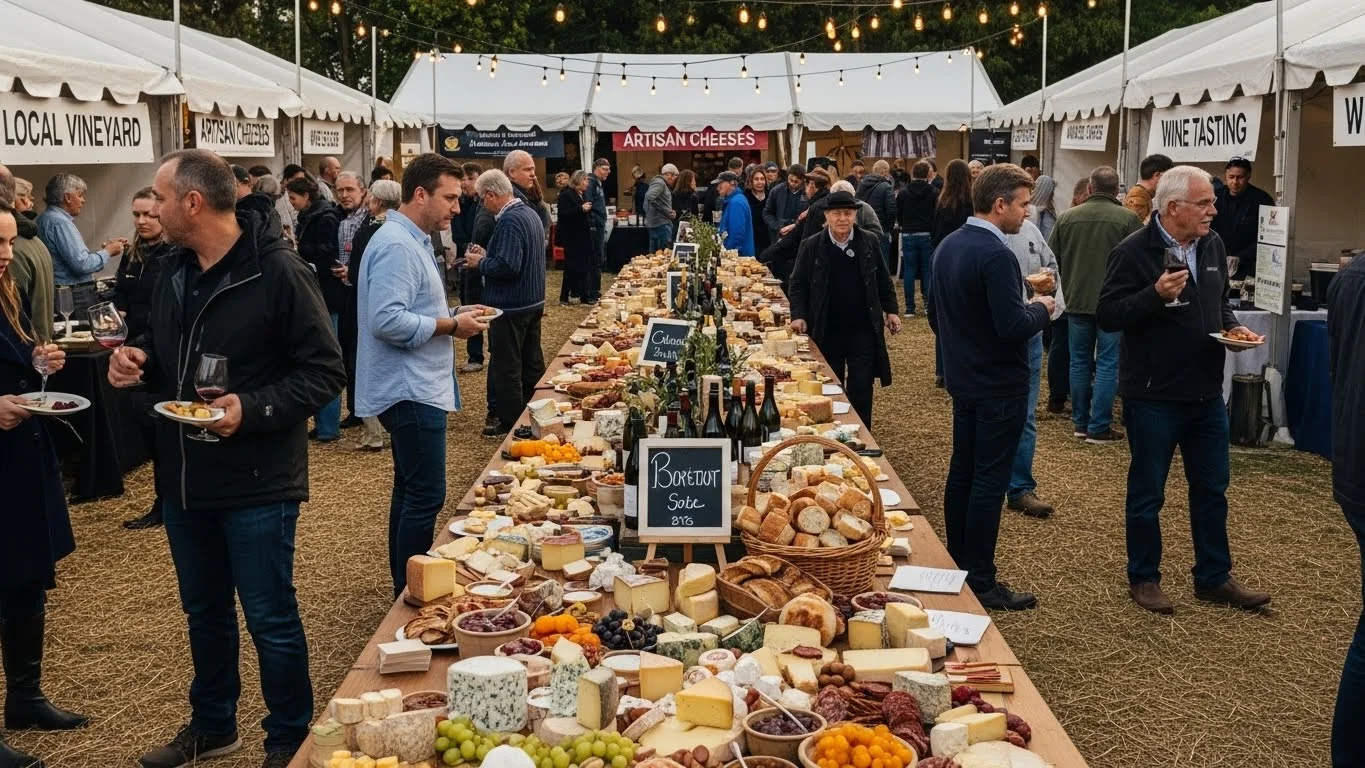
Wine and cheese festivals are vibrant events that celebrate the delicious pairing of these two culinary delights. Imagine strolling through beautifully decorated tents filled with local wineries showcasing their finest bottles while artisanal cheese makers present their creamy, tangy masterpieces. It’s more than just a tasting; it’s a cultural experience that brings together food lovers, producers, and enthusiasts alike. I remember my first festival — the excitement in the air, the laughter, and the clinking of glasses as people shared their favorite finds. It’s that communal spirit that makes these events so special.

History and Cultural Significance

The tradition of pairing wine and cheese goes back centuries, deeply rooted in various cultures around the world. In Europe, particularly in countries like France and Italy, wine and cheese have always been part of daily life and social gatherings. Festivals began as local celebrations, allowing communities to showcase their agricultural products, and over time, they evolved into larger events that attract visitors from far and wide. I often think about how these festivals connect us to the land and the artisans who produce these incredible foods. Each bite and sip carries with it the history and terroir of its origin, and that’s something truly worth celebrating.

When to Attend Wine and Cheese Festivals

Seasonal Highlights

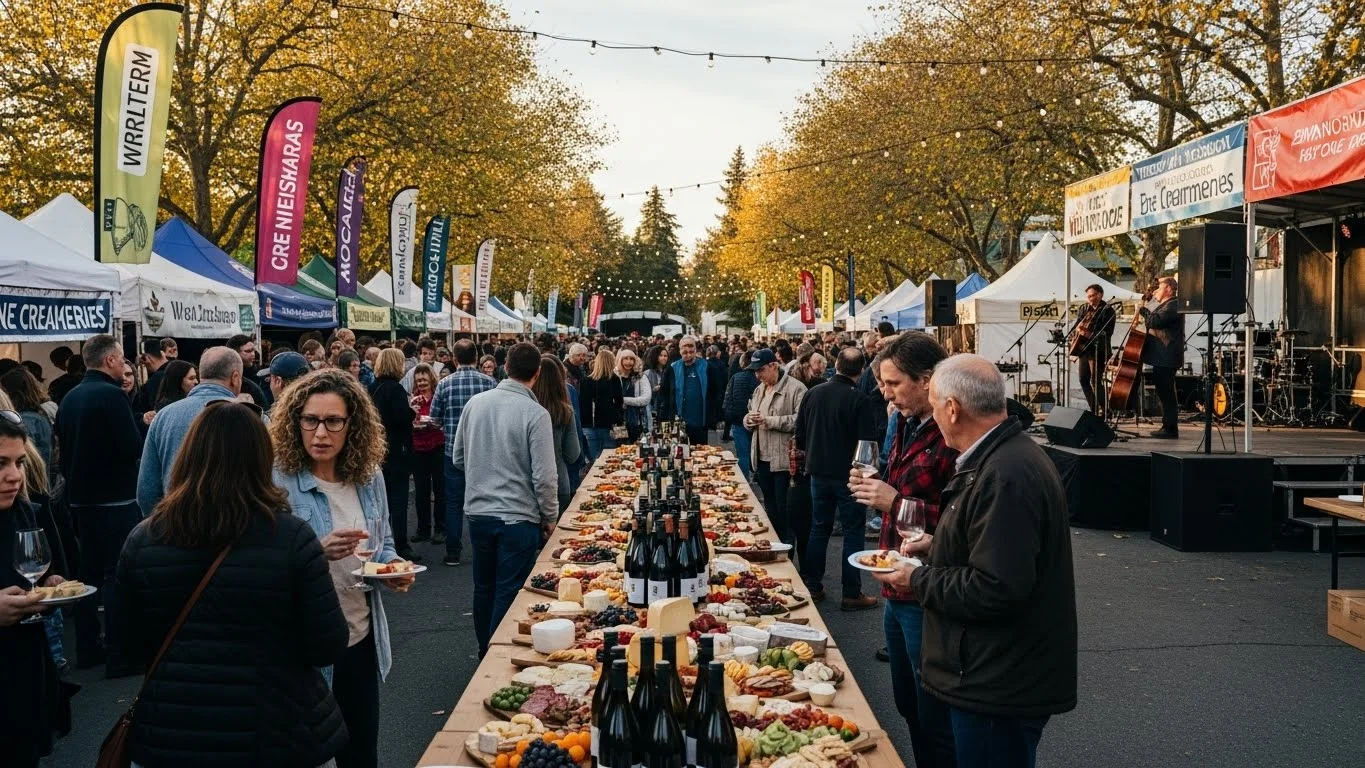
Timing can make all the difference when it comes to wine and cheese festivals. Most take place during the spring and fall, aligning with harvest seasons when the flavors of the wine and cheese are at their peak. I’ve attended festivals in the fall, surrounded by the changing leaves and crisp air, which added to the overall experience. The vibrant atmosphere, combined with the rich flavors of freshly produced cheese and wine, create memories that linger long after the last glass is poured.

Annual Festival Calendars

Many festivals have become annual traditions, making them easy to plan for. I usually start my research early in the year, looking up the festival calendars to mark my favorites. Some of the most popular ones, like the Napa Valley Wine and Cheese Festival, happen in the summer months, while others might pop up in the heart of winter, providing a cozy escape from the cold. Keeping an eye on these calendars can help us discover new events and plan our visits around the festivals that excite us the most. For more insights, you can check Your Guide to Europe’s Must-Visit Budget Culinary Festivals.

Top Wine and Cheese Festivals in the U.S. This Year

Napa Valley Wine and Cheese Festival

Napa Valley is synonymous with wine, and their festival is a must-visit. This year, the festival promises a weekend packed with tastings from renowned wineries and local cheese makers. I remember getting lost in the aroma of freshly baked breads and the sound of live jazz music filling the air. It’s not just about tasting; it’s about immersing ourselves in the beauty of Napa Valley.

New York Cheese and Wine Festival

If you find yourself in New York, don’t miss the Cheese and Wine Festival. This fest highlights local and international flavors, with a focus on artisanal cheeses. I’ve had the pleasure of chatting with the makers, learning about their craft and the stories behind their products. The city’s vibrant culture makes it an ideal backdrop for such a delightful gathering.

Sonoma County Harvest Fair

This festival is a celebration of the harvest season, featuring wine tasting alongside local farm-fresh cheese. From my experience, the Sonoma County Harvest Fair is all about community. You’ll find local farms showcasing their produce, and the connection between the land and what we eat is palpable. Plus, the stunning scenery of Sonoma County is a bonus!

Chicago Gourmet: Wine and Cheese Edition

Chicago Gourmet is a culinary feast with a dedicated wine and cheese segment. It’s a bit more upscale, perfect for foodies looking to indulge. I remember tasting a delightful cheddar paired with a bold red wine that just blew my mind. The city’s culinary scene shines here, with chefs and sommeliers ready to share their expertise.

Portland Wine and Cheese Festival

Portland has a reputation for its artisanal food scene, making their Wine and Cheese Festival a highlight in the calendar. This festival celebrates local producers and often features unique pairings that I’ve never encountered before. The creativity of Portland’s food culture is inspiring, and it’s a fantastic opportunity to try new flavors.

Unique Experiences at Wine and Cheese Festivals

Wine Tasting Sessions

One of the highlights of any wine and cheese festival is the wine tasting sessions. These are not just about sipping; they’re an immersive experience where you can learn about the nuances of different varieties. I remember attending a session where the winemaker himself explained the process of creating his signature blend. Listening to his passion and stories while tasting the wine made each sip feel like a journey. It’s incredible how much depth and character a single glass of wine can hold, influenced by geography, climate, and the winemaker’s vision. If you get the chance, I highly recommend participating in these sessions, as they often include exclusive tastings of limited-edition wines that you won’t find anywhere else.

Cheese Pairing Workshops

Cheese pairing workshops add another layer of enjoyment to these festivals. I once took a workshop where we learned the art of pairing various cheeses with wines. The instructor guided us through the flavor profiles, and together we discovered how a sharp cheddar could perfectly complement a fruity Pinot Noir. It was like an awakening for my taste buds! These workshops not only teach you about pairings but also encourage you to experiment. I left with a newfound appreciation for cheese and an arsenal of pairing ideas to impress my friends at home. Plus, it’s a great way to meet other cheese lovers!

Live Music and Entertainment

What’s a festival without some lively entertainment? Many wine and cheese festivals feature local musicians and entertainers, adding to the overall atmosphere. I’ve enjoyed everything from jazz bands to folk music while sipping wine and nibbling on cheese. The music creates a warm, inviting vibe that makes mingling with fellow attendees feel natural. I remember dancing a little after a couple of tastings, swept up in the joy of the moment. It’s not just about the food and drink; it’s about creating memories and celebrating life with others who share your love for good cuisine.

Planning Your Visit to a Wine and Cheese Festival

Tickets and Pricing

When planning to attend a wine and cheese festival, it’s important to consider the tickets and pricing. Most festivals offer various ticket options, from general admission to VIP packages. I usually opt for the VIP tickets because they often include additional perks like early access, exclusive tastings, and priority seating for workshops. The prices can vary widely depending on the festival’s location and offerings. I recommend checking the festival’s website for early bird discounts or group rates, which can help save some money. It’s always better to buy tickets in advance, as popular festivals tend to sell out quickly!

Transportation and Accessibility

Getting to the festival can sometimes be a challenge, especially if it’s in a rural area. I’ve learned to plan my transportation ahead of time. If the festival offers shuttle services, I highly recommend using them. It takes the stress out of parking and ensures you can enjoy the tastings without worrying about driving afterwards. If public transportation isn’t feasible, consider carpooling with friends. It adds to the fun and makes for great memories on the way there and back!

Where to Stay Nearby

If you’re traveling for a festival, finding a place to stay nearby can make your experience even more enjoyable. I often look for hotels or B&Bs that are within walking distance of the festival venue. This way, after a long day of tasting, I can easily head back to my room to relax. Many festivals partner with local accommodations to offer special rates, so it’s worth checking their website. Staying close allows you to fully immerse yourself in the festival atmosphere without the hassle of long commutes.

What to Expect at Wine and Cheese Festivals

Variety of Wines and Cheeses Available

One of the most exciting parts of attending a wine and cheese festival is the sheer variety of wines and cheeses available to try. You’ll find everything from bold reds to crisp whites, and cheeses ranging from creamy bries to sharp blues. I love how each stall showcases something different, often with unique local flavors. At one festival, I stumbled upon a small winery that offered a delightful raspberry wine paired with a tangy goat cheese that was simply divine. It’s a fantastic opportunity to expand your palate and discover new favorites that you might not encounter in regular stores.

Food and Drink Pairing Opportunities

Many festivals offer food and drink pairing opportunities beyond just wine and cheese. I’ve seen booths featuring charcuterie, artisanal breads, and even desserts that complement the wines and cheeses on display. These pairings can elevate your tasting experience and provide a fuller understanding of how different flavors interact. I once found a chocolate truffle that paired beautifully with a late-harvest wine, and that combination has become a staple in my home entertaining! You can explore similar culinary delights at Savor the Flavors: Affordable Culinary Festivals in Europe.

Networking with Producers and Experts

One of the best parts about wine and cheese festivals is the chance to meet the producers and experts behind your favorite products. Engaging with them provides deeper insight into their craft, and I’ve often walked away with tips for selecting wine or cheese for my own gatherings. I remember chatting with a cheese maker who shared stories about her farm and the meticulous process of making her cheeses. It made me appreciate the effort and passion that goes into every bite. Networking at these festivals can lead to lasting connections and even friendships with fellow food enthusiasts!

Tips for Enjoying Wine and Cheese Festivals

How to Pace Yourself

Pacing myself at wine and cheese festivals has become an essential part of my strategy for enjoying the day. With so many tempting options, it’s easy to get carried away, but I’ve learned the hard way that moderation is key. I like to start with a plan; I prioritize which booths I absolutely want to visit and set a limit for how many tastings I’ll try at each one. Taking small sips and bites allows me to truly savor the flavors without overwhelming my palate. I also make sure to take breaks between tastings, whether it’s enjoying live music or wandering around to soak in the festival atmosphere. This not only enhances my experience but also helps me avoid feeling too full or tipsy too quickly.

Best Practices for Tasting

When it comes to tasting, I’ve discovered that a few best practices can elevate the experience. First, I always start with the lighter wines and cheeses before moving on to the heavier options. This helps maintain the integrity of the flavors. I’ve also found that using a spittoon can be helpful, especially if I’m sampling a lot of wines. It allows me to enjoy the aroma and taste without having to swallow every sip. Additionally, taking notes on my favorite discoveries can be invaluable. I remember attending a festival where I jotted down my top picks, and when I wanted to buy some later, I was so grateful for those notes! This way, when I get home, I can relive the experience and even share my favorites with friends.

Bringing Home Your Favorites

One of the highlights of attending wine and cheese festivals is finding unique products to take home. I’ve learned that many vendors offer special festival prices or exclusive items not available in stores, making it worthwhile to stock up on my favorites. I usually bring a sturdy bag with me to carry everything safely. I also make sure to ask the producers for storage tips, especially for cheeses, as some need to be consumed quickly while others can be aged further. It’s a thrill to recreate my festival experience at home, sharing the delights I discovered with friends and family over dinner parties. I remember bringing back a special cheese I had never tasted before, and everyone was amazed by its flavor—it made me feel like a true connoisseur!

Safety and Health Considerations

Staying Hydrated

With all the wine tastings and delightful bites, staying hydrated is crucial. I make it a point to drink plenty of water throughout the day, especially since some festivals can get hot and crowded. I often scout out hydration stations or bring my own reusable water bottle to keep by my side. It’s a simple tip, but it helps me enjoy the festival without feeling fatigued. Plus, I’ve noticed that when I’m hydrated, I can better appreciate the subtle notes in the wines and cheeses. So, while it’s tempting to sip continuously, I balance that with good ol’ water to ensure I’m feeling my best!

COVID-19 Guidelines and Recommendations

Even as things return to a sense of normalcy, I find it important to stay informed about any health guidelines or recommendations in place at the festivals. I’ve attended festivals that had protocols like mask-wearing and social distancing, and it’s essential to be respectful and compliant to ensure everyone’s safety. Before attending, I always check the festival’s website for any updates or changes to their health and safety measures. It gives me peace of mind as I enjoy the festivities, knowing that I’m doing my part to keep myself and others safe. Plus, it’s a good idea to carry hand sanitizer for those moments when washing up isn’t convenient.

Final Thoughts

Attending wine and cheese festivals has truly become one of my favorite pastimes. Each event is a unique tapestry woven with flavors, stories, and connections that we create with others who share this passion. I believe that there’s something profoundly joyful about tasting the fruits of hard work by local artisans while enjoying the company of friends and like-minded enthusiasts. I’ve often left festivals not just with bottles of wine and wedges of cheese, but with new friendships and cherished memories.

One of the best parts of these festivals is the serendipity of discovery. I can’t count the number of times I’ve wandered into a booth, lured by an enticing aroma or a colorful display, only to find a hidden gem that has become a staple in my home. It’s a reminder that the journey of exploration is just as rewarding as the destination. In my experience, the less I stick rigidly to a plan and the more I allow myself to wander and taste spontaneously, the more delightful surprises I uncover.

These festivals also provide inspiration for my own culinary adventures at home. After a day of tasting and learning, I often find myself eager to recreate favorite pairings or to experiment with new flavors in my kitchen. I’ve hosted cheese and wine tastings for friends, where I try to replicate the magic we experienced at the festival. It’s a way to share my love for these culinary delights and keep the excitement alive long after the festival is over.

Finally, I can’t stress enough the importance of being present and fully enjoying the moment. Whether it’s taking a moment to appreciate the beautiful scenery, savoring each sip, or engaging in conversations with vendors, these little things add to the richness of the experience. Life is about savoring the moments, and I find that festivals like these are the perfect setting to practice that art.

If you haven’t attended a wine and cheese festival yet, I strongly encourage you to find one near you. Embrace the opportunity to indulge your senses, learn something new, and connect with others. Each festival holds countless stories waiting to be discovered, and who knows? You might walk away with a newfound love for a cheese you never thought you’d enjoy or a wine that becomes your new favorite. Cheers to the journey ahead!

Frequently Asked Questions

What are wine and cheese festivals?

Wine and cheese festivals are vibrant events that celebrate the delicious pairing of these two culinary delights. They bring together food lovers, producers, and enthusiasts in a cultural experience filled with tastings and community spirit.

When do wine and cheese festivals typically take place?

Most wine and cheese festivals occur during the spring and fall, aligning with harvest seasons when the flavors of wine and cheese are at their peak.

What are some popular wine and cheese festivals in the U.S.?

Some popular festivals include the Napa Valley Wine and Cheese Festival, the New York Cheese and Wine Festival, the Sonoma County Harvest Fair, Chicago Gourmet: Wine and Cheese Edition, and the Portland Wine and Cheese Festival.

What unique experiences can attendees expect at wine and cheese festivals?

Attendees can enjoy wine tasting sessions, cheese pairing workshops, and live music and entertainment, enhancing the overall festival atmosphere.

How can I plan my visit to a wine and cheese festival?

When planning your visit, consider ticket options, transportation, and where to stay nearby. It’s advisable to check festival websites for details on pricing, accessibility, and accommodations.

What types of wines and cheeses are available at these festivals?

At wine and cheese festivals, you can find a vast variety of wines, from bold reds to crisp whites, and cheeses ranging from creamy bries to sharp blues, often featuring unique local flavors.

What are some tips for enjoying wine and cheese festivals?

Some tips include pacing yourself, following best practices for tasting, and bringing home your favorite discoveries. Take breaks and stay hydrated to enhance your experience.

How important is staying hydrated at wine and cheese festivals?

Staying hydrated is crucial, especially during hot and crowded events. Drinking plenty of water helps you enjoy the tastings without feeling fatigued and allows you to better appreciate the flavors.

What health considerations should I keep in mind during festivals?

It’s important to stay informed about any health guidelines or recommendations in place, such as mask-wearing and social distancing, to ensure everyone’s safety.

What can attendees learn from wine and cheese festivals?

Attendees can gain insights into the craft of wine and cheese production by networking with producers and experts, enhancing their appreciation for these culinary arts.

Top 5 Must-Visit Wine and Cheese Festivals in North America

Wine and cheese festivals are a delightful celebration of flavors, culture, and community. Join me on a journey through North America’s top five festivals, where we’ll indulge our senses and explore the art of pairing these two beloved delights. Read Interesting article: Your Guide to Europe’s Must-Visit Budget Culinary Festivals

Top 5 Must-Visit Wine and Cheese Festivals in North America

Overview of Wine and Cheese Festivals in North America

History and Significance of Wine and Cheese Festivals

Wine and cheese festivals have a rich history, deeply rooted in the regions where they flourish. I remember the first time I attended one; it felt like stepping into a world where culinary art mingled with tradition. These festivals often celebrate local producers and their craft, highlighting the unique tastes of different regions. They began as small community events, aimed at showcasing local agriculture, but have since evolved into grand gatherings that attract visitors from all over the country and beyond. For many, these festivals are an opportunity to connect with the land and its flavors while learning about the meticulous processes behind winemaking and cheese production.

What to Expect at These Festivals

If you’ve never been to a wine and cheese festival, let me assure you, the experience is unlike any other. Upon arrival, the air is filled with a heady mix of enticing aromas. You’ll find booths brimming with local wineries and cheese makers, each eager to share their creations. I always make a beeline for the tastings, where I can sample various wines, from robust reds to crisp whites, paired with an assortment of cheeses ranging from creamy brie to sharp cheddar. It’s not just about tasting, though; these festivals offer workshops, cooking demonstrations, and even live music that make the atmosphere lively and engaging.

One thing I’ve noticed is that every festival has its unique flavor, influenced by the local culture. Some festivals focus heavily on education, featuring talks by sommeliers and cheese experts, while others prioritize entertainment, with fun activities for families and children. And don’t forget about the food! Many festivals also include artisan food vendors, allowing you to savor delicious bites that complement your wine and cheese selections. It’s a perfect day out, filled with laughter, learning, and obviously, lots of delicious food and drink. Read Interesting article: Savor the Flavors: Affordable Culinary Festivals in Europe

Top 5 Must-Visit Wine and Cheese Festivals

1. Napa Valley Wine and Cheese Festival

Location and Venue

Napa Valley is synonymous with wine, and its wine and cheese festival is no exception. Held at various stunning vineyards across the valley, this festival showcases the best of what Napa has to offer. The rolling hills, lush vineyards, and beautiful weather create an idyllic setting that I always enjoy visiting.

Dates and Duration

This festival usually takes place in the spring, around late April to early May, coinciding with the blooming of the vineyards. It lasts for two days, giving attendees ample time to explore and savor every moment.

Featured Wineries and Cheese Makers

Some of my favorite Napa wineries participate, including the iconic Robert Mondavi Winery and Stag’s Leap Wine Cellars. In terms of cheese, local artisans like Cowgirl Creamery and Bellwether Farms showcase their creamy delights. I love discovering new pairings and learning about the cheese-making process from the experts themselves.

Activities and Events

This festival offers a plethora of activities, from cheese-pairing workshops to guided vineyard tours. I particularly enjoy the live music performances that add a festive vibe to the event. You might even find a grape-stomping contest if you’re feeling adventurous!

Tips for Attendees

Wear comfortable shoes, as you’ll want to stroll through the vineyards and enjoy the scenery. I recommend arriving early to secure parking and take advantage of the morning tastings. Make sure to stay hydrated and pace yourself with the tastings; it’s easy to get carried away with all the delicious options!

2. New York Wine and Cheese Festival

Location and Venue

New York’s festival is typically held at an upscale venue in the heart of the city, showcasing both local and international producers. The urban setting offers a unique twist, allowing city dwellers to enjoy the flavors of the countryside without leaving town.

Dates and Duration

This festival usually takes place in the fall, around October. The crisp air and vibrant fall foliage add to the charm, making it a lovely time to explore the flavors of the season.

Featured Wineries and Cheese Makers

Expect to see renowned wineries like Bedell Cellars and Macari Vineyards alongside artisanal cheese makers such as Murray’s Cheese and Jasper Hill Farm. I always enjoy tasting the innovative pairings they come up with during this festival.

Activities and Events

This festival features a range of activities, including panel discussions with wine experts and live cooking demonstrations by local chefs. The vibe is energetic, and I’ve often found myself making new friends as we share our favorite tastings.

Tips for Attendees

Plan ahead and purchase tickets online, as they tend to sell out quickly. Bringing a group of friends adds to the fun, and I suggest exploring the different booths together to discover new favorites.

3. Oregon Cheese and Wine Festival

Location and Venue

Set in the picturesque Willamette Valley, this festival is a hidden gem. I love the backdrop of lush vineyards and scenic views that make every tasting feel special.

Dates and Duration

Usually held in March, this festival spans a weekend, allowing you to dive deep into the local flavors.

Featured Wineries and Cheese Makers

Oregon is home to fantastic wineries like Domaine Serene and Sokol Blosser, along with celebrated cheese makers like Tillamook and Rogue Creamery. I always look forward to their creative pairings.

Activities and Events

The festival includes tastings, live music, and educational events. I particularly enjoy the cheese-making demonstrations, where I can see the craft in action.

Tips for Attendees

Dress in layers, as the weather can be unpredictable. Make sure to take breaks between tastings to fully enjoy each experience.

4. The Great American Cheese Festival

Location and Venue

The Great American Cheese Festival is held in the charming town of Asheville, North Carolina. Nestled in the Blue Ridge Mountains, this festival takes advantage of the area’s stunning scenery. I’ve visited this festival and was immediately enchanted by the vibrant atmosphere and lovely backdrop of the mountains. The venue often features local parks or community centers, which adds to the homey feel of the event.

Dates and Duration

This festival usually takes place in early June, making it a fantastic way to kick off the summer season. It lasts for an entire weekend, giving you plenty of time to savor the flavors and explore the various offerings.

Featured Wineries and Cheese Makers

Asheville is a hub for artisanal cheese makers like Blue Ridge Creamery and Looking Glass Creamery, known for their unique and flavorful cheeses. You’ll also find local wineries like Biltmore Estate Winery, which offers a selection of wines that pair beautifully with the cheese. I’ve always had a great time discovering new favorites and learning about the local craft.

Activities and Events

The Great American Cheese Festival features an array of activities, from cheese tastings and wine pairings to cooking demonstrations by renowned chefs. One of my favorite experiences was a cheese-pairing workshop, where I learned how to match different cheese types with wines for maximum flavor. There’s also live music, which creates a festive atmosphere that makes mingling with fellow cheese lovers enjoyable and fun.

Tips for Attendees

Arrive with an open mind and a hearty appetite! I recommend trying a little bit of everything, as the variety is truly impressive. Don’t forget to take notes on your favorite pairings to recreate them at home later. Also, consider bringing a cooler if you plan to purchase any cheese to take home; this way, you can keep it fresh during your journey.

5. California Wine and Cheese Festival

Location and Venue

Set in the picturesque town of Santa Barbara, the California Wine and Cheese Festival is a celebration not to be missed. The event is typically hosted in a beautiful outdoor setting, with views of the Pacific Ocean. I remember soaking in the sun and enjoying the coastal breeze while sampling delicious offerings. The atmosphere is relaxed, making it easy to unwind and savor the moment.

Dates and Duration

This festival usually occurs in mid-May, coinciding with the blossoming of spring flowers. It spans over a weekend, allowing attendees to indulge in the full experience with plenty of time to explore.

Featured Wineries and Cheese Makers

California is famous for its diverse wine regions, and this festival showcases some of the best. You’ll find renowned wineries such as Santa Barbara Winery and Firestone Vineyard, alongside artisanal cheese producers like California Gold and The Cheese Shop. I always look forward to the creative combinations that these makers bring to the table.

Activities and Events

This festival includes a variety of engaging activities, from cheese-making demonstrations to wine tasting classes. I particularly enjoy the chef-led cooking demonstrations that focus on using local ingredients. The festival also features a marketplace with artisan foods, so you can take some of the flavors home with you!

Tips for Attendees

Wear layers, as the weather can change quickly by the coast. Make sure to pace yourself, especially with all the delicious wine and cheese available. I suggest grabbing a small plate and sampling a little of everything, then circling back to your favorites later. Remember to stay hydrated and enjoy the beautiful surroundings while you’re there!

Planning Your Visit

Best Time to Attend Wine and Cheese Festivals

From my experience, the best time to attend these festivals is during the spring and fall. Spring festivals often feature fresh produce and vibrant flavors, while fall festivals highlight harvest season and cozy pairings. Each season offers its unique charm, so it really depends on what you’re looking for in your tasting adventure.

Travel and Accommodation Options

When planning a visit to any of these festivals, I recommend booking accommodations early, especially for popular events. Many festivals are located near charming small towns or scenic areas, providing a perfect opportunity to explore local attractions. I’ve found that opting for a bed-and-breakfast or a cozy rental can enhance the experience, giving you the chance to enjoy the local hospitality.

Transportation Tips

Depending on the location of the festival, you might want to consider renting a car to explore the surrounding areas. Public transportation options may be limited, especially for rural festivals. I’ve enjoyed road trips with friends to these events, making the journey part of the fun! If you plan to indulge in tastings, consider arranging a designated driver or using a rideshare service to keep the experience safe and enjoyable.

Understanding Wine and Cheese Pairings

Basic Principles of Wine and Cheese Pairing

When it comes to wine and cheese pairings, I’ve learned that there are a few basic principles that can guide you to a delightful experience. The first rule I follow is to match the intensity of the wine with the cheese. For instance, a bold red wine pairs beautifully with strong cheeses like aged cheddar, while a light white wine complements softer cheeses like goat cheese. I remember the first time I paired a robust Cabernet Sauvignon with a sharp, aged Gouda; it was like a flavor explosion that opened my eyes to the magic of pairing.

Another principle I find useful is considering the texture of both the wine and cheese. Creamy cheeses often work well with acidic wines that can cut through their richness. Think about pairing a rich Brie with a crisp Sauvignon Blanc. I’ve seen this principle work wonders as the acidity of the wine balances the creaminess of the cheese, creating a harmonious blend on the palate.

I also pay attention to the flavor profiles. For example, if the cheese has a nutty or fruity note, I’ll choose a wine with similar characteristics. This way, the flavors amplify each other, making each bite and sip more enjoyable. I can’t tell you how many times I’ve been pleasantly surprised when I’ve taken the time to consider these factors while exploring new pairings at festivals.

Popular Pairing Combinations

Over the years, I’ve experimented with countless pairings, and I’ve come to appreciate a few classics that never disappoint. One of my absolute favorites is a creamy Brie paired with a sparkling wine, like Champagne. The bubbles and acidity of the wine cut through the cheese’s richness, creating a delightful contrast. I remember sharing this pairing with friends at a festival, and it quickly became the highlight of our tasting adventure.

Another combination I enjoy is blue cheese with dessert wines like Sauternes. The sweetness of the wine balances the sharpness of the blue cheese, creating a flavor explosion that’s simply unforgettable. I often find myself gravitating toward this pairing at festivals, as it offers a unique way to end a tasting experience on a sweet note.

For those who prefer white wines, I recommend pairing goat cheese with a vibrant Chardonnay. The creaminess of the cheese, combined with the wine’s fruitiness, creates a refreshing and satisfying combination. I’ve often found that this pairing works well for summer festivals, where the weather is warm and the flavors are bright.

For red wine lovers, a Malbec goes wonderfully with a smoky cheese like aged Manchego. The rich, fruity notes of the wine enhance the cheese’s savory qualities, making it a perfect choice for cozy gatherings or festivals during the cooler months. I still recall a chilly evening at a festival where this pairing warmed my heart and my palate.

Lastly, I’ve discovered that fresh cheeses like ricotta or mozzarella can be paired with light, fruity wines such as Pinot Grigio. The mild flavors of the cheese allow the wine to shine, creating a light and refreshing experience that is perfect for a sunny afternoon. Read Interesting article: Explore Europe’s Best Culinary Festivals on a Budget

Local Attractions and Activities Near Festivals

Wine Tours and Tastings

One of the best perks of attending wine and cheese festivals is the opportunity to explore local vineyards and wineries. I always try to carve out some time before or after the festival to go on a wine tour. It’s a fantastic way to learn about the winemaking process and taste wines directly from the source. Many wineries offer guided tours that take you through their vineyards, explaining everything from grape cultivation to fermentation. I remember visiting a family-owned vineyard where the owner shared his passion for his craft; it made the wine I tasted that day feel even more special.

During these tours, I like to ask questions and engage with the staff. They often provide insights and tips on pairing their wines with local cheeses, enriching my experience even further. I highly recommend taking a few notes during these tours, as it can help you remember which wines you loved for future celebrations.

Cheese Production Tours

In addition to wine tours, cheese production tours are another fantastic way to deepen your appreciation for what you’re tasting at festivals. Many local cheese makers offer tours where you can see the cheese-making process firsthand. I once visited a small creamery where I witnessed the entire process, from milking the cows to aging the cheese. It was fascinating to learn how much care and expertise goes into creating each cheese variety.

After the tour, they often offer tastings, which is where the real fun begins. I always enjoy sampling the fresh cheeses and asking about the different techniques used to achieve various flavors and textures. These experiences not only enhance my knowledge but also provide a deeper connection to the food I enjoy at the festivals.

Local Restaurants and Dining Options

Exploring local dining options is a must for me when attending wine and cheese festivals. Many regions have incredible restaurants that celebrate local ingredients, offering dishes that perfectly complement the wines and cheeses you’ll find at the festival. I often find that dining out allows me to discover new flavor combinations that I wouldn’t have thought to try.

During one visit to a festival, I dined at a farm-to-table restaurant that featured a special menu inspired by the festival. Each dish was thoughtfully paired with local wines, and I found the experience to be a delightful extension of the festival itself. I recommend asking locals for their favorite spots; you might stumble upon a hidden gem that will make your visit even more memorable.

Frequently Asked Questions

What is the significance of wine and cheese festivals in North America?

Wine and cheese festivals have a rich history rooted in local agriculture and culinary tradition. They began as small community events celebrating local producers and have evolved into grand gatherings that attract visitors, allowing them to connect with regional flavors and learn about winemaking and cheese production.

What can attendees expect at a wine and cheese festival?

Attendees can expect a vibrant atmosphere filled with enticing aromas, booths featuring local wineries and cheese makers, tastings of various wines and cheeses, workshops, cooking demonstrations, and live music. Each festival offers a unique flavor influenced by local culture.

When does the Napa Valley Wine and Cheese Festival take place?

The Napa Valley Wine and Cheese Festival usually takes place in the spring, around late April to early May, and lasts for two days.

What activities and events are featured at the Oregon Cheese and Wine Festival?

The Oregon Cheese and Wine Festival includes tastings, live music, and educational events such as cheese-making demonstrations, allowing attendees to deeply engage with local flavors.

What are some tips for attending the New York Wine and Cheese Festival?

It is advisable to plan ahead and purchase tickets online, as they tend to sell out quickly. Bringing a group of friends can enhance the experience, and exploring different booths together is recommended to discover new favorites.

Where is The Great American Cheese Festival held?

The Great American Cheese Festival is held in Asheville, North Carolina, nestled in the Blue Ridge Mountains, and typically takes place in early June over an entire weekend.

What are some popular wine and cheese pairing combinations?

Popular pairings include creamy Brie with sparkling wine, blue cheese with dessert wines like Sauternes, goat cheese with Chardonnay, aged Manchego with Malbec, and fresh cheeses like ricotta with fruity wines such as Pinot Grigio.

What local attractions can attendees explore near wine and cheese festivals?

Attendees can explore local vineyards and wineries through tours and tastings, partake in cheese production tours to learn about cheese-making, and dine at local restaurants that celebrate local ingredients and pair dishes with festival offerings.

What should attendees wear to a wine and cheese festival?

It is recommended to wear comfortable shoes for walking, dress in layers to accommodate changing weather, and pace yourself during tastings to fully enjoy the experience.

What is the best time to attend wine and cheese festivals?

The best time to attend these festivals is during the spring and fall, with spring festivals showcasing fresh produce and fall festivals highlighting harvest season and cozy pairings.

Must-Visit Street Food Festivals in Asia This Year

Street food festivals in Asia are a feast for the senses, offering vibrant flavors, enticing aromas, and a peek into local cultures. This year, let’s explore some must-visit festivals that promise unforgettable culinary experiences. Read Interesting article: Discover Asia’s Top Street Food Festivals for 2023

Must-Visit Street Food Festivals in Asia This Year

Overview of Street Food Festivals in Asia

What is Street Food?

Street food, for me, is more than just a quick bite; it’s a celebration of local culture and community. It includes delicious, affordable meals sold by vendors on the streets. Street food can vary dramatically from one country to another, showcasing regional specialties and flavors. Whether it’s the spicy curries of India, the savory dumplings of China, or the grilled skewers in Thailand, each dish tells a story. I’ve always enjoyed how street food brings people together, allowing us to enjoy meals shoulder to shoulder, often in bustling markets filled with laughter and chatter. A Foodie’s Guide to Asia’s Vibrant Street Food Festivals provides great insights into this culinary phenomenon.

Importance of Street Food Festivals

Street food festivals are significant not just for their culinary offerings but also for how they foster community and cultural exchange. At these festivals, we get to taste a diverse array of dishes, some of which may be new to us. I remember my first street food festival; I was overwhelmed by the variety and the creativity on display. These events provide a platform for local vendors and chefs to showcase their culinary skills, often alongside international participants, creating a melting pot of flavors. They also boost local economies by attracting tourists and food enthusiasts who are eager to explore different culinary traditions. For more information, check out Experience Asia: The Best Street Food Festivals to Visit.

Top Street Food Festivals to Attend This Year

Bangkok Street Food Festival (Thailand)

If you’re a fan of Thai cuisine, the Bangkok Street Food Festival is a must-visit. Each year, this vibrant festival showcases the best of Bangkok’s street food scene. From my experience, the festival features a plethora of stalls selling everything from pad Thai to mango sticky rice, and the atmosphere is electric. You can watch live cooking demonstrations, where talented chefs prepare dishes right before your eyes. One of my favorite memories was trying boat noodles while sitting by the canal, surrounded by the sounds of laughter and sizzling woks. Don’t forget to sample the street-side desserts; they’re a sweet ending to a delightful culinary journey!

Gurgaon Street Food Festival (India)

Gurgaon, just outside Delhi, hosts a lively street food festival that highlights the rich flavors of Indian cuisine. With endless options to choose from, I found myself indulging in everything from spicy chaat to succulent kebabs. The festival also emphasizes regional dishes, allowing visitors to experience the culinary diversity of India. I remember being amazed by how each vendor had their unique spin on traditional recipes. Besides the food, there are cultural performances that showcase local music and dance, making it a truly immersive experience. The vibrant colors, sounds, and smells are something you have to experience for yourself!

Taipei Night Market Festival (Taiwan)

The Taipei Night Market Festival is an experience that food lovers shouldn’t miss. The night markets in Taiwan are legendary, and this festival encapsulates their essence. I’ve spent many nights wandering through stalls offering everything from stinky tofu to bubble tea, each bite more exciting than the last. What I love most about the festival is the opportunity to engage with friendly vendors who are eager to share the stories behind their dishes. Plus, there’s often live music and entertainment that fills the air with a festive vibe. If you’re unsure what to try, I recommend the oyster omelet – it’s a personal favorite!

Hanoi Street Food Festival (Vietnam)

Vietnam’s capital, Hanoi, offers a street food festival that feels like a culinary treasure hunt. I was amazed by the variety of dishes available, from the famous pho to banh mi. Each vendor has their own unique twist on the classics, which makes exploring the festival so much fun. The vibrant street life adds to the experience, as you see locals enjoying their meals in small plastic chairs on the sidewalk. I remember sharing a bowl of pho with a group of travelers, all of us marveling at the flavors and the warmth of the community. And let’s not forget the coffee – Vietnamese iced coffee is a must-try!

Kuala Lumpur Street Food Festival (Malaysia)

Kuala Lumpur’s street food festival is a grand celebration of Malaysian cuisine, which is a delightful mix of Malay, Chinese, and Indian influences. I found myself enamored with the variety of flavors present at the festival. From satay skewers to nasi lemak, there’s something to satisfy every palate. The festival atmosphere is infectious, with music and performances enhancing the experience. I particularly enjoyed trying the roti canai, a flaky, buttery flatbread served with curry. The friendly atmosphere makes it easy to strike up conversations with fellow foodies and locals alike.

Osaka Street Food Festival (Japan)

If you’re heading to Japan, don’t miss the Osaka Street Food Festival. Known as the street food capital of Japan, Osaka offers a unique blend of flavors with dishes like takoyaki and okonomiyaki. I’ll never forget the thrill of watching these iconic dishes being prepared on hot griddles, the aromas wafting through the air. The festival features not only local vendors but also international stalls, making it a colorful melting pot of culinary delights. The ambiance is lively, and you can often catch street performances that add a touch of excitement to your dining experience.

What to Expect at Street Food Festivals

Variety of Cuisines

One of the most exciting aspects of attending street food festivals is the sheer variety of cuisines available. I’ve always been amazed by how different regions can present similar ingredients in completely unique ways. At these festivals, you can travel the culinary world without leaving your spot. For instance, I remember tasting dumplings from various vendors at a single festival, each with its own twist based on regional influences. The mix of flavors is overwhelming and invigorating, making it a true feast for the senses. Whether you crave spicy, sweet, or savory, there’s always something to please your palate. I often find myself going back for seconds (or thirds!) as I discover new favorites I never knew I needed in my life.

Local and International Vendors

Street food festivals are a melting pot of both local and international vendors, which I find adds to the excitement. It’s fascinating to see how local chefs showcase their heritage while also welcoming global influences. I recall visiting a festival where I could enjoy classic local dishes alongside fusion options like Korean tacos or Indian pizza. It’s a delightful way to experience culinary creativity and innovation. You might even find that some of the best vendors are those who mix traditional recipes with modern twists, making for an unforgettable meal. I always encourage festival-goers to try dishes from vendors they’ve never heard of – you never know when you’ll stumble upon your new favorite dish!

Food Competitions and Demonstrations

Another thrilling aspect of street food festivals is the food competitions and cooking demonstrations. I’ve found that watching chefs whip up their signature dishes live is incredibly inspiring. There’s something mesmerizing about seeing the skill and speed involved, especially when they’re working with traditional methods or unique ingredients. At one festival, I remember witnessing a cook-off where local chefs competed to create the best noodle dish. It was exhilarating to see the creativity during the competition, and I loved sampling the final dishes created by the contestants. Participating in these events not only broadens our culinary knowledge but also adds a sense of community as we cheer for our favorites!

Live Entertainment and Cultural Performances

The atmosphere at street food festivals is often electrifying, thanks to the live entertainment and cultural performances. I’ve attended events where traditional music and dance performances added to the festive vibe, making the experience even more memorable. I remember being captivated by a local dance troupe that performed traditional dances while I munched on my food. The combination of flavors and sights made it feel like I was fully immersed in the culture. These performances provide a backdrop that enhances our experience while celebrating the rich heritage of the region. I encourage everyone to take a moment to sit back and enjoy the entertainment – it’s a great way to absorb the local culture while indulging in delicious food!

When to Visit These Festivals

Best Time of Year for Each Festival

Timing can be everything when it comes to street food festivals, and knowing when to visit can greatly enhance your experience. From my travels, I’ve noticed that many festivals have specific seasons or dates that they stick to each year. For instance, the Bangkok Street Food Festival typically takes place in April, coinciding with the Thai New Year, whereas the Taipei Night Market Festival generally occurs in the summer months. I recommend checking festival calendars ahead of time, as some events may have specific themes or guest chefs that vary from year to year. Planning your trip around these festivals can really elevate your culinary adventure!

Seasonal Considerations

Seasonality can also play a big role in what you can expect at street food festivals. I’ve learned that some festivals might highlight seasonal ingredients, like fresh seafood in coastal areas or hearty root vegetables in the fall. For example, visiting a festival in Hanoi during the cooler months means you can enjoy warm bowls of pho and hot street snacks that are particularly comforting. Weather can also affect attendance and the overall vibe of the festival. I’ve found that attending during cooler months can allow for a more pleasant experience, as you can enjoy the food without the sweltering heat. So, keep these seasonal considerations in mind when planning your visit!

Where to Stay During the Festivals

Recommended Accommodation Options

Finding the right place to stay while attending a street food festival can significantly enhance your experience. I usually prefer accommodations that are in close proximity to festival locations, as it eliminates the hassle of transportation and allows me to indulge in late-night eats without worrying about getting back. Depending on the city, options could range from budget hostels to boutique hotels. In Bangkok, for instance, I found a cozy guesthouse just a short walk from the festival grounds, making it easy to pop back for a quick rest before diving back into the food frenzy. I recommend checking online platforms for reviews and locations to find the best fit for your needs.

Proximity to Festival Locations

When it comes to choosing where to stay, proximity to the festival is key. I’ve experienced how convenient it is to have accommodations nearby, especially after a long day of eating and exploring. For example, in Kuala Lumpur, I stayed in a hotel just blocks away from the street food festival venue, which allowed me to easily return to my room if I needed a break. Plus, being close means you can keep going back to your favorite stalls without a long trek. I always recommend checking out the map of the festival location in advance, so you can choose a stay that works best for your culinary adventures!

Getting Around: Transportation Tips

Public Transport Options

Using public transport is one of the best ways to get around when attending street food festivals in Asia. I’ve always appreciated how efficient and affordable these systems can be. In cities like Bangkok, the BTS Skytrain and MRT subway provide quick access to different neighborhoods, especially during festival times. I remember hopping on the Skytrain to head to the Bangkok Street Food Festival, and it was a breeze! Similarly, in Taipei, the Taipei Metro is incredibly user-friendly, making it easy to reach various night markets without any hassle.

In some cases, I’ve found that buses can also be a good option, though they can be a bit more challenging to navigate if you don’t speak the local language. It’s always a smart move to download a transit app or have a map handy. In my experience, locals are generally helpful, so don’t hesitate to ask for directions if you need assistance.

Best Ways to Navigate Cities

Aside from public transport, walking is one of my favorite ways to explore cities, especially during street food festivals. The energy of the streets is contagious, and I often stumble upon hidden gems while wandering. I recall one evening in Hanoi, where I was simply walking to the festival and discovered a cozy café serving the most delectable egg coffee. It’s moments like these that truly make traveling special.

For areas that are a bit spread out, consider using ride-sharing apps. I’ve used services like Grab in Southeast Asia and found them to be reliable and convenient, especially late at night when public transport may be less frequent. Just remember to check your trip details to ensure you’re headed in the right direction! If you’re traveling with friends, splitting ride costs can also save you some money.

Safety and Health Considerations

Food Safety Tips

When indulging in street food at festivals, safety should always be a top priority. I’ve learned some essential tips over the years to enjoy the experience without worry. First, I always recommend checking how busy a food stall is. If a vendor has a long line of locals, that’s often a good sign of quality and freshness! I recall watching a vendor in Kuala Lumpur who was constantly preparing fresh satay skewers, and I couldn’t resist the line.

Another tip is to pay attention to food storage. If you notice cooked food sitting out for too long, it might be best to skip that stall. I also bring hand sanitizer with me to keep my hands clean before indulging in the delicious bites. Staying hydrated is crucial too—especially in warmer climates—so I always carry a bottle of water while sampling different dishes.

Personal Safety in Crowded Areas

Street food festivals can get quite crowded, which is part of their charm, but it’s essential to stay vigilant. I’ve found that keeping my belongings secure is crucial. I usually wear a crossbody bag that I can easily access while keeping my valuables close. It’s also smart to be aware of your surroundings and avoid overly congested areas if they feel uncomfortable. If you’re feeling overwhelmed, it’s perfectly fine to take a step back and enjoy a quieter spot while soaking in the atmosphere.

Traveling with a buddy can add an extra layer of safety. I love exploring festivals with friends because we look out for one another and can share our culinary discoveries. Plus, it’s always more fun to discuss our favorite dishes and discover new places together!

Budgeting for Your Festival Experience

Average Costs for Food and Accommodation

Budgeting for a street food festival can be quite manageable, especially given the affordability of street food in many Asian countries. I’ve found that meals at these festivals can range from just a few dollars to around $10 for more elaborate dishes. In my experience, I often budget around $20 to $30 per day for food, allowing me to sample various dishes without breaking the bank. I remember visiting the Gurgaon Street Food Festival and being pleasantly surprised by how far my money went, allowing me to indulge in multiple plates of chaat and kebabs.

Accommodation costs can vary widely based on your location and preferences. In bustling cities, I’ve stayed in budget hostels for as low as $10 a night or splurged on boutique hotels for around $50. It’s all about finding the right balance for your travel style. I always recommend booking in advance, especially during festival seasons, as prices can rise quickly!

Saving Tips for Festival-Goers

To stretch your budget even further, I’ve picked up some useful tips along the way. One of my favorites is to go to the festival with a plan. I often review the vendor list beforehand and prioritize the must-try dishes, which helps prevent impulse spending on less exciting options. Plus, many festivals offer combo deals or discounts if you buy from multiple stalls, so keep an eye out for those!

Another great tip is to share plates with friends or fellow festival-goers. I’ve learned that sharing not only allows you to taste more variety but also helps keep costs down. Plus, it creates a fun communal experience as you discuss the flavors and your favorites. Lastly, if you can, consider bringing a reusable water bottle; many places have refill stations, which can save you money on drinks!

How to Make the Most of Your Visit

Must-Try Dishes at Each Festival

When attending street food festivals, keeping a list of must-try dishes is an absolute game-changer. I’ve learned that while it’s tempting to dive into whatever catches my eye, having a plan helps me experience the best each festival has to offer. For instance, at the Taipei Night Market Festival, I would never miss the chance to savor the oyster omelet and stinky tofu—both are iconic! Similarly, in Osaka, I always make it a point to indulge in takoyaki and okonomiyaki, which are quintessential local street foods.

As I collect recommendations from locals and fellow festival-goers, I make a note of unique dishes that might not be as well-known. I remember discovering a phenomenal dessert at a festival in Kuala Lumpur that I would have otherwise overlooked. The excitement of trying something new is part of the thrill!

Photography Tips for Foodies

Capturing those delicious moments is essential for me! I’ve learned that good photography can elevate my food memories. Natural light is a food photographer’s best friend, so I always try to snap photos during the day or in well-lit areas. I also love experimenting with angles; overhead shots can be stunning, especially with colorful dishes. When I find a meal that truly excites me, I take a moment to appreciate its presentation before diving in, which helps me capture the moment perfectly.

Don’t forget to capture the atmosphere too! I often take photos of the bustling stalls, the vibrant decorations, and even the happy faces of fellow food lovers. These shots create a story that transports me back to the festival whenever I look at them.

Engaging with Local Vendors and Chefs

One of the best parts of attending street food festivals is the opportunity to interact with local vendors and chefs. I love asking them about their dishes, learning about the ingredients, and hearing their stories. Many vendors are passionate about their craft, and I’ve found that they’re usually more than happy to share insights into their culinary techniques or the history behind their food.

Engaging with vendors not only enriches my experience but often leads to unexpected treats! I remember chatting with a chef at the Hanoi Street Food Festival who offered me a special sauce to try with my banh mi. Those personal connections really enhance the overall experience and make me feel more connected to the culture.

Frequently Asked Questions

What is street food?

Street food is more than just a quick bite; it’s a celebration of local culture and community. It includes delicious, affordable meals sold by vendors on the streets, showcasing regional specialties and flavors.

Why are street food festivals important?

Street food festivals are significant for fostering community and cultural exchange, allowing attendees to taste a diverse array of dishes. They provide a platform for local vendors and chefs to showcase their culinary skills and boost local economies by attracting tourists and food enthusiasts.

When does the Bangkok Street Food Festival take place?

The Bangkok Street Food Festival typically takes place in April, coinciding with the Thai New Year.

What dishes can I expect at the Gurgaon Street Food Festival?

At the Gurgaon Street Food Festival, visitors can indulge in various Indian flavors, including spicy chaat and succulent kebabs, along with regional dishes that showcase the culinary diversity of India.

What makes the Taipei Night Market Festival unique?

The Taipei Night Market Festival encapsulates the essence of Taiwan’s legendary night markets, offering a variety of street food like stinky tofu and bubble tea, along with friendly vendors eager to share stories about their dishes.

What should I keep in mind for food safety at street food festivals?

When enjoying street food, it’s essential to check how busy a stall is for quality and freshness, pay attention to food storage, and carry hand sanitizer. Staying hydrated is also crucial, especially in warmer climates.

How can I budget for a street food festival?

Budgeting can be manageable, as meals at street food festivals typically range from a few dollars to around $10. Planning around $20 to $30 per day for food is recommended, while accommodation costs can vary based on preferences.

What types of vendors are present at street food festivals?

Street food festivals feature a mix of local and international vendors, showcasing both traditional recipes and modern twists, which adds to the excitement of exploring different culinary experiences.

What are some must-try dishes at the Osaka Street Food Festival?

At the Osaka Street Food Festival, visitors should not miss trying takoyaki and okonomiyaki, which are quintessential local street foods known for their unique flavors.

How can I engage with local vendors at street food festivals?

Engaging with local vendors involves asking them about their dishes, learning about the ingredients, and hearing their stories. Many vendors are passionate and willing to share insights into their culinary techniques and the history behind their food.