Web Analytics

Recent Posts

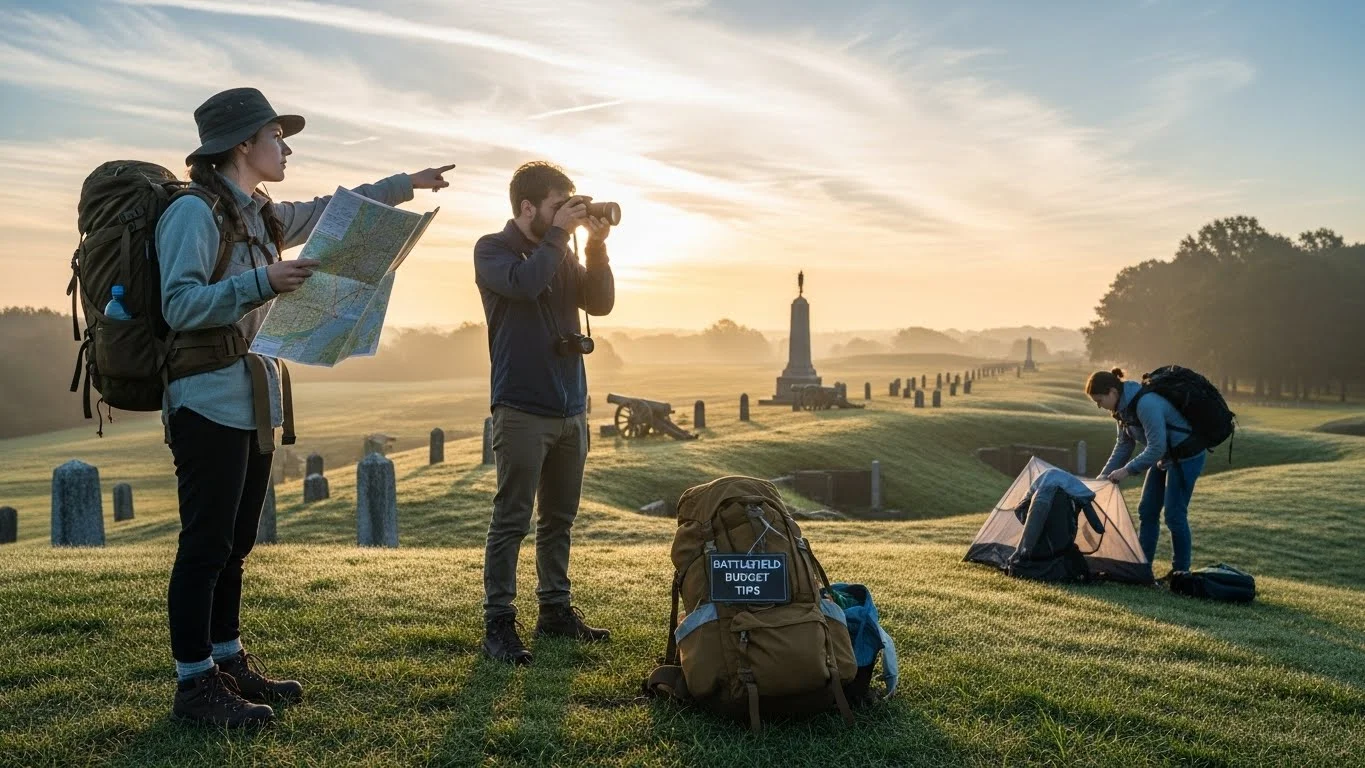
Backpacking Tips for Visiting Historic Battlefields Cheaply

Exploring historic battlefields can be a thrilling and educational adventure, especially when done on a budget. With a bit of planning, we can dive deep into the past without breaking the bank. For budget-friendly advice, check out Budget Backpacking Tips for the Savvy Solo Traveler.
Backpacking Tips for Visiting Historic Battlefields Cheaply

Understanding Historic Battlefields

What is a Historic Battlefield?

When I think of historic battlefields, I picture vast fields where history was made, where soldiers fought bravely for their beliefs, and where significant events shaped our nation. A historic battlefield is a site where military engagements occurred, often marked by memorials, monuments, and preserved landscapes. These areas serve not only as reminders of our past but as places for reflection and learning. Visiting these sites can be a powerful experience, allowing us to connect with history in a way that textbooks simply can’t convey.

Importance of Historic Battlefields in American History

For me, the significance of historic battlefields goes beyond just the battles fought. They are places where we confront the complexities of our history, understanding the sacrifices made for our freedoms. Each battlefield tells a story of courage, loss, and resilience. I’ve found that walking through these grounds often evokes a deep sense of reverence and gratitude. They remind us of the lessons learned and the importance of honoring those who came before us. Additionally, they play a crucial role in educating future generations about the events that shaped our nation.

Notable Historic Battlefields to Visit

In our explorations, I’ve discovered several battlefields that stand out for their historical significance and breathtaking landscapes. Here are a few of my favorites:

Gettysburg National Military Park

Gettysburg is perhaps the most famous battlefield in the United States. The site of a turning point in the Civil War, it offers a wealth of history, from the iconic Pickett’s Charge to Lincoln’s Gettysburg Address. I remember the first time I visited; the sheer scale of the battlefield left me in awe. The park hosts various programs, including guided tours and reenactments that bring history to life. Plus, the visitor center has a fantastic museum that I highly recommend checking out.

Antietam National Battlefield

Antietam, known for being the bloodiest single-day battle in American history, holds a special place in my heart. The rolling hills and quiet fields provide a serene backdrop for such a tragic event. Walking along the pathways, I could almost hear the echoes of the past. The memorials scattered throughout the park honor the soldiers who fought and died here, and the visitor center offers insightful exhibits that provide deeper context to the events of September 17, 1862.

Yorktown Battlefield

Yorktown Battlefield is where the American Revolution came to a climactic end. Visiting this site, I felt a connection to the fight for independence. The battlefield is part of the larger Colonial National Historical Park, which also includes Jamestown and Williamsburg. The rich history and beautiful trails make it an ideal spot for those who appreciate both nature and history. I recommend taking the time to explore the surrounding areas as well; the charm of Colonial Williamsburg offers a unique glimpse into America’s past.

Planning Your Backpacking Trip

Researching Historic Battlefields

Before hitting the road, I always spend some time researching the battlefields I want to visit. This not only helps me learn about the historical context but also uncovers any special events or programs happening during my trip. I like to check official park websites and social media pages for the latest updates. Additionally, online forums and travel blogs can provide useful tips from fellow travelers who have experienced these sites firsthand. For more tips on traveling smart and saving money, visit Solo Backpacking Tips: Travel Smart and Save Money.

Best Times to Visit Historic Battlefields

Timing can significantly affect your experience at historic battlefields. I’ve found that visiting during the shoulder seasons—spring and fall—can offer the best weather and fewer crowds. Not only do you get to enjoy the natural beauty of changing leaves or blooming flowers, but it’s also easier to find accommodations and explore the sites at your own pace.

Seasonal Considerations

In my experience, summer can be quite hot and humid, especially in the South, making long walks around the battlefields exhausting. Conversely, winter can be cold, but the lack of visitors can allow for a more intimate experience with history. It’s essential to check the weather and plan accordingly, packing layers to stay comfortable no matter the season.

Special Events and Reenactments

One of the highlights of visiting historic battlefields is the opportunity to attend reenactments and special events. I remember being captivated by a Civil War reenactment at Gettysburg. The sights and sounds brought history alive in a way I never expected. Many parks host events throughout the year, so I recommend checking their calendars to coincide your trip with something special.

Creating a Budget

Backpacking can be done on a budget, and I’ve learned that careful planning is key. I like to start by outlining all potential expenses, which helps me keep track of my spending. Here’s how I break it down:

Transportation Costs

Traveling to historic battlefields often requires some planning. I usually compare driving versus public transportation. If I’m road-tripping, I’ll calculate gas and any tolls. When I opt for trains or buses, I check for discounts or special deals. I’ve found that booking tickets in advance often saves me money.

Accommodation Options

Accommodations can vary widely, so I always look at my options. Camping near the battlefields can be a fantastic way to save money and connect with nature. I also check for budget-friendly motels or hostels in the area. Sometimes, I’ve even found great deals on Airbnb, especially in smaller towns nearby.

Entrance Fees and Donations

Many battlefields charge an entrance fee, but I’ve also noticed that some parks have donation-based entry. It’s always worth checking if there are any free days or discounts for certain visitors, like military personnel or seniors. I make sure to factor these costs into my budget to avoid surprises.

Affordable Transportation Options

Public Transportation

When it comes to exploring historic battlefields, I’ve found that public transportation can be a real lifesaver, especially if you’re looking to keep costs low. Many cities near these sites have reliable bus or train services that can take you where you want to go. I remember my trip to Antietam, where I hopped on a local bus from Washington, D.C. It was affordable and gave me a chance to see the countryside without the hassle of driving. I recommend checking the schedules ahead of time and planning your trip to ensure you don’t miss any connections. It’s also worth looking into discount passes that might save you even more if you plan to visit multiple sites.

Car Rentals vs. Rideshares

If public transport doesn’t fit your itinerary, renting a car can be a great option, especially for reaching more remote battlefields. I usually compare rental prices online before my trip, and I often find deals that make it worth it. However, if I’m only visiting a couple of sites, I sometimes opt for rideshare services like Uber or Lyft. This way, I can avoid the hassle of parking and navigating unfamiliar roads. Just be sure to download the apps before heading out, as cell service can be spotty in rural areas.

Bike Rentals for Battlefield Exploration

One of my favorite ways to experience the battlefield sites is by bike. Many parks, like Gettysburg, have bike rental options that allow you to explore at your own pace. I once rented a bike for a day and was able to cover much more ground than I would have on foot. Riding through the fields, I felt a deeper connection to the land and history. Plus, it’s a fantastic way to stay active during my travels. If you’re considering this option, make sure to check if the battlefield has designated bike paths or trails to follow.

Where to Stay on a Budget

Campsites Near Historic Battlefields

Campsites can be a budget-friendly option when visiting historic battlefields. I’ve camped near several sites and found it not only saves money but also enhances the experience. Being surrounded by nature, I felt more connected to the history of the land. Many battlefields have nearby campgrounds that provide basic amenities, and some even offer educational programs for visitors. Just remember to book in advance, especially during peak season, as spots can fill up quickly.

Budget-Friendly Hostels and Motels

If camping isn’t your style, budget-friendly hostels and motels are widely available near historic battlefields. I’ve stayed in a few charming hostels where I met fellow travelers who shared their experiences and tips. These accommodations often provide a kitchen for cooking, which helps save on food costs. When looking for motels, I always check reviews to find a clean place with good service. I’ve discovered that sometimes, the lesser-known motels can be gems, offering more personalized service than larger chains.

Camping vs. Hotels: Pros and Cons

Choosing between camping and hotels can be a tough decision, but I’ve weighed the pros and cons before making my choice. Camping usually offers a closer connection to nature and is more affordable, but it does require some preparation and gear. On the other hand, hotels provide comfort and convenience, especially after a long day of exploring. I’ve found that a mix of both can work well for a longer trip. For example, I might camp near a battlefield during the week and treat myself to a cozy motel on the weekend. This way, I get the best of both worlds!

What to Pack for Your Trip

Essential Backpacking Gear

Packing efficiently is crucial for a successful backpacking trip to historic battlefields. I always start with the essentials: a durable backpack, a good water bottle, and comfortable walking shoes. I’ve learned the hard way that proper footwear is vital when exploring sprawling battlefields. I also bring a lightweight tent or sleeping bag if I’m camping, along with a portable charger to keep my phone charged for navigation and photos. A first-aid kit is another must-have, just in case of minor scrapes or bumps along the way.

Clothing for Varying Weather Conditions

Weather can be unpredictable, especially when you’re out in the open fields. I always pack layers to adapt to changing conditions. A breathable shirt, a warm fleece, and a waterproof jacket are staples in my backpack. I also recommend bringing a hat and sunglasses for sunny days, as well as sturdy pants that can protect against thorny bushes or rough terrain. In my experience, being prepared for the weather makes the adventure much more enjoyable.

Food and Cooking Supplies for Budget Travelers

Nutrition is essential when you’re on the move, so I like to pack some lightweight cooking supplies to prepare my meals. A small camp stove, a pot, and some basic utensils go a long way for budget travelers. I often bring non-perishable food items like pasta, rice, and canned goods, along with snacks like nuts and granola bars for energy during long hikes. I’ve found that cooking my meals not only saves money but also adds to the experience of being outdoors. Plus, it’s fun to gather around the campfire in the evening and share stories with fellow travelers!

Exploring the Battlefields

Guided Tours vs. Self-Guided Tours

When I visit a historic battlefield, I always weigh the option of joining a guided tour versus exploring on my own. Guided tours can be incredibly informative. I remember taking a tour at Gettysburg where a knowledgeable park ranger shared insights I wouldn’t have found in any book. Hearing stories directly from someone with a deep understanding of the events made the experience come alive. I found myself hanging on every word, imagining the struggles and triumphs of those who fought there.

On the flip side, self-guided tours offer a sense of freedom. I love wandering at my own pace, stopping to take pictures or sit in contemplation without feeling rushed. Many battlefields provide maps and audio guides, allowing you to learn the history while exploring the grounds. I’ve found that a combination of both works best for me; I often start with a guided tour to get a solid foundation, then use my map to explore the areas that intrigued me the most.

Key Points of Interest at Major Battlefields

Each battlefield has its unique highlights, and I’ve learned that identifying key points of interest can enhance my visit significantly. Here are some aspects to look for during your exploration:

Monuments and Memorials

One thing that strikes me about historic battlefields is the abundance of monuments and memorials. Each one tells a story, commemorating the bravery and sacrifice of soldiers. For instance, at Antietam, I was moved by the Maryland Monument, which honors the men from Maryland who fought there. I found myself reflecting on the human cost of war as I walked among these tributes. I recommend taking the time to read the inscriptions and learn about the individuals or units they commemorate, as it adds a personal touch to the historical narrative.

Visitor Centers and Exhibits

Most major battlefields have visitor centers that serve as an excellent starting point for your adventure. I always make it a point to stop by the visitor center first. They often feature fascinating exhibits, artifacts, and films that provide context and background before I head out to the battlefield itself. At Gettysburg, I was captivated by the Cyclorama, a massive painting that depicts Pickett’s Charge in stunning detail. It really helped me visualize the events that unfolded there.

Visitor centers also provide valuable information on any special programs or ranger-led activities happening during my visit. I’ve often found that these opportunities offer deeper insights and a chance to ask questions, enriching my understanding of the battlefield’s history.

Engaging with History: Tips for Learning

One of the aspects I love most about visiting historic battlefields is the chance to engage with history in a meaningful way. Here are some personal tips for getting the most out of your experience:

  • Take notes: I often bring a small notebook to jot down interesting facts or insights. Reflecting on my experiences later helps me remember the significance of what I learned.
  • Ask questions: If you’re on a guided tour, don’t hesitate to ask questions. I’ve discovered that most guides love sharing their knowledge and often have fascinating anecdotes that you won’t find elsewhere.
  • Participate in living history events: If you get the chance to experience living history events, seize it! I took part in a musket demonstration at Yorktown and learned so much about the daily life of soldiers during the American Revolution. It’s an experience I’ll never forget.

By immersing ourselves in these experiences, we can gain a deeper appreciation for the struggles and sacrifices that shaped our history. Additionally, for more essential tips on budget solo travel, check out 10 Essential Backpacking Tips for Budget Solo Travelers.

Local Cuisine and Dining on a Budget

Finding Affordable Eateries Near Battlefields

Food is a big part of any travel experience, and I always search for affordable eateries near the battlefields I visit. I’ve discovered some hidden gems during my travels, often chatting with locals for recommendations. At Antietam, I stumbled upon a small diner that served hearty homemade meals at great prices. The friendly atmosphere made it a perfect spot to unwind after a day of exploring.

Another tip I’ve learned is to look for food trucks or local markets. They often offer delicious options without the sit-down restaurant prices. I remember enjoying a fantastic BBQ sandwich from a food truck at Gettysburg, which was not only tasty but also a great way to support local vendors.

Pack Your Own Meals: Tips and Recipes

If you want to save even more, packing your own meals is a fantastic option. I often prepare simple, nutritious meals before my trips. Sandwiches, wraps, or salads are easy to make and keep well in a cooler. I also like to pack snacks like trail mix, fruit, and energy bars to keep my energy up during long days of exploration.

One of my favorite recipes is a quinoa salad that’s filling and easy to prepare in advance. I mix cooked quinoa with black beans, diced bell peppers, corn, and a squeeze of lime juice. It’s refreshing and provides a great boost of energy on the road. Plus, it’s easy to pack in a container and enjoy at a picnic table after a long hike.

Local Specialties to Try

Every region has its culinary specialties, and I’ve made it a point to try local dishes when visiting historic battlefields. For instance, while in Virginia near Yorktown, I couldn’t resist trying a slice of key lime pie – a local favorite that did not disappoint! It’s a delightful way to connect with the culture of the area. I recommend asking locals about must-try dishes; they often have the best suggestions for authentic experiences.

Another local delight I discovered in Pennsylvania was the famous whoopie pie. These sweet treats were perfect for a quick sugar boost during my battlefield explorations. By embracing the local cuisine, I not only filled my stomach but also enriched my travel experience.

Frequently Asked Questions

What defines a historic battlefield?

A historic battlefield is a site where military engagements occurred, often marked by memorials, monuments, and preserved landscapes. These areas serve as reminders of our past and places for reflection and learning.

Why are historic battlefields important in American history?

Historic battlefields are significant because they confront the complexities of history, showcasing the sacrifices made for freedoms. They evoke a sense of reverence and gratitude, reminding us of the lessons learned and the importance of honoring those who came before us.

What are some notable historic battlefields to visit?

Some notable historic battlefields include Gettysburg National Military Park, Antietam National Battlefield, and Yorktown Battlefield. Each site offers unique historical significance and beautiful landscapes.

What is the best time to visit historic battlefields?

The best times to visit historic battlefields are during the shoulder seasons of spring and fall, as they offer better weather and fewer crowds, allowing for a more enjoyable experience.

How can I save money while visiting historic battlefields?

To save money, you can research battlefield sites for entrance fees, look for donation-based entries, check for free days, and consider budget-friendly accommodations like camping, hostels, or motels.

What transportation options are available for visiting battlefields?

Transportation options include public transportation, car rentals, rideshare services, and bike rentals. Public transport can be affordable, while renting a car offers flexibility for reaching remote sites.

What should I pack for a trip to historic battlefields?

Essential items to pack include a durable backpack, comfortable walking shoes, weather-appropriate clothing, a first-aid kit, and lightweight cooking supplies if you plan to prepare your meals.

Are guided tours better than self-guided tours at battlefields?

Guided tours can provide valuable insights from knowledgeable guides, while self-guided tours allow for personal exploration at your own pace. A combination of both is often the most enriching experience.

How can I find affordable dining options near battlefields?

To find affordable dining options, look for local eateries, food trucks, or markets near the battlefields. Packing your own meals and trying local specialties can also help save money and enhance your experience.

What local specialties should I try when visiting historic battlefields?

When visiting historic battlefields, it’s recommended to try local culinary specialties unique to the area, such as key lime pie in Virginia or whoopie pies in Pennsylvania, to enrich your travel experience.
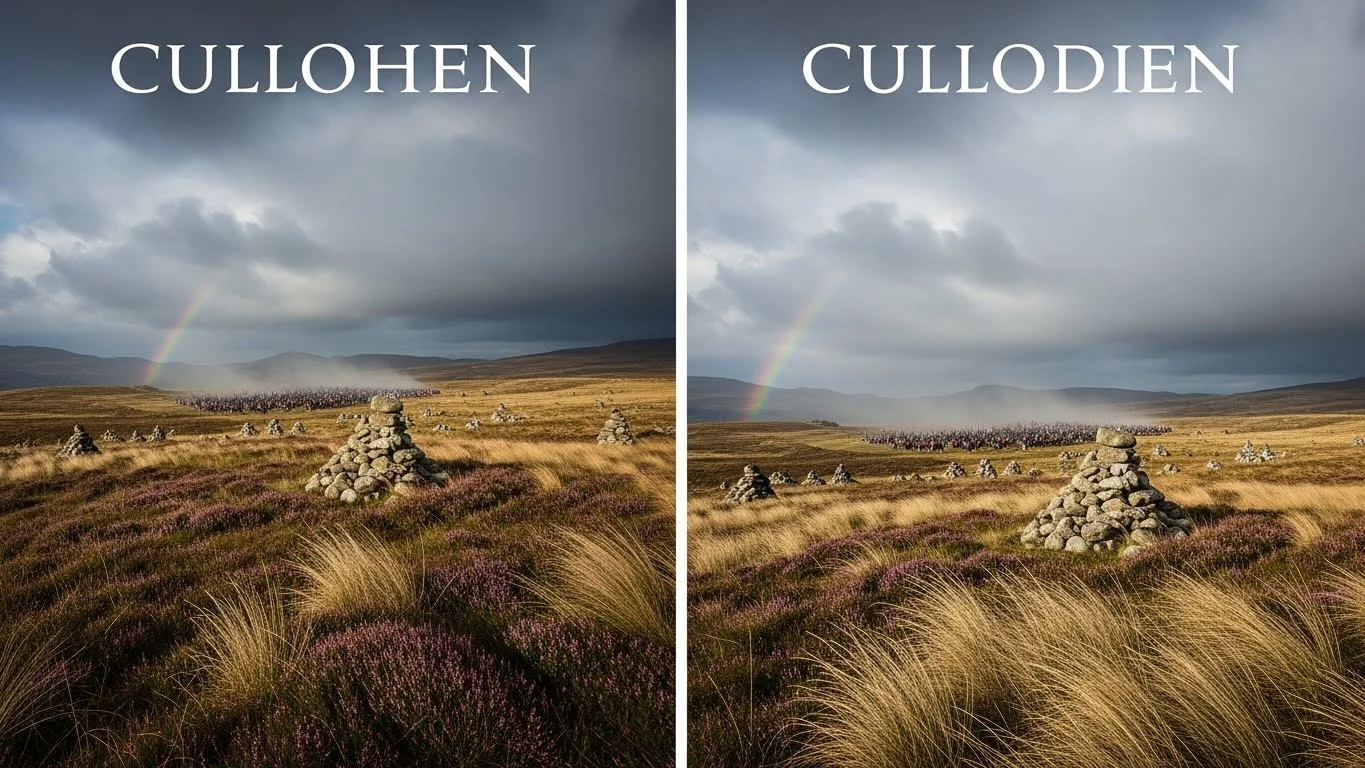
Top 5 Affordable Historic Battlefields to Visit This Year

If you’re a history buff or just someone who loves exploring the past, visiting historic battlefields can be an eye-opening experience. This year, I’ve compiled a list of the top five affordable historic battlefields that offer both education and adventure. Read Interesting article: Explore Iconic Historic Battlefields on a Budget

Top 5 Affordable Historic Battlefields to Visit This Year

Overview of Historic Battlefields

Importance of Historic Battlefields in American History

As someone who has always been captivated by history, I find that historic battlefields offer profound insights into our past. These sites are not just pieces of land marked by conflict; they are places where pivotal moments in American history unfolded. Each battlefield tells a story of bravery, sacrifice, and the complex decisions that shaped our nation. Walking where soldiers once stood, I often feel a connection to the struggles and triumphs of those who came before us. It’s a chance to reflect on how their experiences impact our lives today.

What Makes a Battlefield Worth Visiting?

When I think about what makes a battlefield worth a visit, several factors come to mind. First, the historical significance of the battle itself is crucial. A site where a major conflict took place usually has compelling stories and deep-rooted narratives that can resonate with visitors. Second, the preservation of the site plays a significant role. Well-maintained battlefields often have visitor centers, informative signs, and preserved landmarks that enrich the experience. Lastly, accessibility and affordability are vital. I appreciate when a battlefield is easy to get to and doesn’t break the bank, allowing more people to engage with history. In my personal experience, the combination of these elements creates a memorable visit that educates and inspires. Read Interesting article: Discover Hidden Historic Landmarks on a Budget

Top 5 Affordable Historic Battlefields to Visit

1. Gettysburg National Military Park

Overview of the Battle of Gettysburg

The Battle of Gettysburg is one of the most significant battles of the American Civil War, taking place in July 1863. I remember reading about how this three-day battle marked a turning point in the war. It was a clash of ideologies, and the sheer scale of the battle, with over 50,000 casualties, left a lasting impact on the nation. Walking through Gettysburg, you can feel the weight of history in the air, as if the ground itself holds the stories of those who fought bravely.

Key Attractions and Sites

When visiting Gettysburg, I recommend starting at the Visitor Center, where you’ll find a wealth of resources, including a museum that brings the story of the battle to life. The iconic Gettysburg Address Memorial and the many monuments scattered across the battlefield are must-see sites that commemorate the soldiers’ heroism. I particularly enjoyed the self-guided audio tours; they let me explore at my own pace while learning about key locations like Little Round Top and Pickett’s Charge.

Visitor Information and Costs

Visiting Gettysburg is quite affordable, with the entrance fee to the park being free. However, the museum and visitor center charge a nominal fee for access to exhibits and films. I found that spending around $15 per person was worth every penny for the experience it provided. There are also various guided tours available, ranging from walking to bus tours, which can enhance your understanding of the battlefield’s history.

2. Antietam National Battlefield

Overview of the Battle of Antietam

The Battle of Antietam, fought on September 17, 1862, remains the bloodiest single-day battle in American history. I was deeply moved when I learned that this battle resulted in approximately 22,000 casualties. The significance of Antietam extends beyond the battle itself; it provided President Lincoln the opportunity to issue the Emancipation Proclamation. Visiting this site felt like stepping into a chapter of history that changed the course of the nation.

Key Attractions and Sites

As I explored Antietam, I was particularly struck by the famous Dunker Church and the Sunken Road, also known as “Bloody Lane.” These landmarks vividly illustrate the ferocity of the battle and the human cost involved. The visitor center offers excellent exhibits detailing the battle’s events, which I found informative and engaging. I also took part in a ranger-led tour that provided deeper insights into the tactics used during the battle.

Visitor Information and Costs

Antietam National Battlefield charges an entrance fee of around $10 per vehicle, which I thought was pretty reasonable considering the wealth of history you get to experience. The battlefield is open year-round, and I found that visiting during the fall, with its stunning foliage, made the experience even more memorable.

3. Vicksburg National Military Park

Overview of the Siege of Vicksburg

The Siege of Vicksburg was a crucial campaign during the Civil War that lasted from May 18 to July 4, 1863. It was fascinating to learn how the Union’s victory here effectively split the Confederacy in two. I remember standing on the grounds of Vicksburg and imagining the soldiers’ resilience during that grueling 47-day siege.

Key Attractions and Sites

During my visit, I was impressed by the scale of the battlefield, which includes an impressive array of monuments and cannons. The Vicksburg National Cemetery is particularly poignant, paying tribute to the sacrifices made by those who fought. I also enjoyed driving the 16-mile tour road, stopping at various points of interest that gave me a sense of the battlefield’s layout and strategy.

Visitor Information and Costs

The entrance fee to Vicksburg National Military Park is around $20 per vehicle, and I found it to be well worth it. The park offers a fantastic visitor center with educational resources and a gift shop where you can pick up some memorabilia. I spent about half a day there, and I could have easily stayed longer to soak in the history.

4. Shiloh National Military Park

Overview of the Battle of Shiloh

The Battle of Shiloh, fought in April 1862, was another major encounter in the Civil War, marking one of the first large battles in the Western Theater. I was surprised to learn that the battle resulted in more than 23,000 casualties, which underscored the brutal reality of the war. Standing on the grounds where such intense fighting occurred offers a profound perspective on the sacrifices made.

Key Attractions and Sites

Shiloh National Military Park features beautiful landscapes dotted with historical markers, making it a rewarding place to walk and reflect. I particularly enjoyed visiting the Shiloh Church, which was central to the battle’s events. The park also offers a self-guided auto tour that allows you to explore the key sites at your own pace. I found the atmosphere peaceful yet somber, a fitting tribute to those who fought there.

Visitor Information and Costs

The entrance fee for Shiloh National Military Park is about $10 per vehicle. I appreciated how the park maintains its grounds, making it a pleasant experience. The visitor center provided excellent maps and historical context, which I found helpful in understanding the battle’s significance.

5. Fort Donelson National Battlefield

Overview of the Battle of Fort Donelson

Fort Donelson was the site of the first significant Union victory in the Western Theater of the Civil War, occurring in February 1862. I found it fascinating how this battle opened the door for further Union advances into Tennessee and beyond. Visiting Fort Donelson felt like stepping into a crucial moment that shifted the war’s momentum.

Key Attractions and Sites

While at Fort Donelson, I was struck by the fort’s earthworks and the historic Dover Hotel, where Confederate leaders met to discuss their surrender. The visitor center is a great starting point, where I could gather information and maps to navigate the site. The preserved landscape really helped me visualize the strategies employed during the battle.

Visitor Information and Costs

Fort Donelson National Battlefield charges a nominal entrance fee of around $10 per vehicle. I found the park to be accessible, with well-marked trails and informative signs that enhanced my visit. The park is open year-round, so I think it’s a fantastic option for anyone interested in Civil War history.

When to Visit Historic Battlefields

Best Times of Year for Visiting

Choosing the right time to visit a historic battlefield can significantly enhance your experience. From my own adventures, I’ve found that spring and fall are the ideal seasons. In spring, the landscapes transform with blooming flowers and vibrant greenery, making the grounds feel alive. I remember visiting Gettysburg in early May, where the flowers were in full bloom, creating a beautiful backdrop for the solemn history. The weather is generally mild, perfect for walking and exploring.

Fall is equally enchanting, with the foliage displaying a spectrum of colors. I visited Antietam in late October, and the autumn leaves provided a stunning contrast to the historic sites. It just felt right to be walking where history was made, surrounded by nature’s beauty. Summer can be quite hot and humid in many locations, and while I’ve braved it, I found that the heat sometimes detracted from the experience. I recommend checking the average temperatures before planning your trip.

Special Events and Reenactments

One of the highlights of visiting historic battlefields is the chance to witness reenactments and special events. I was fortunate enough to attend a Civil War reenactment at Vicksburg, and it was truly an unforgettable experience. Watching actors in period uniforms recreate the battle added a layer of authenticity that brought the history to life. The sounds of cannon fire and the sight of troops marching were incredibly powerful, making me feel like I had stepped back in time.

Many battlefields host events on significant anniversaries of battles, and these gatherings often include guest speakers, educational programs, and living history demonstrations. I recommend checking the battlefield’s official website for a calendar of events before your visit. Antietam, for instance, offers an annual commemoration of the battle that features speakers, guided tours, and special exhibits that deepen your understanding of the events that unfolded there. Read Interesting article: Explore Budget-Friendly Historic Landmarks Around the World

Where to Stay Near Historic Battlefields

Recommended Accommodations

Finding a good place to stay can enhance your trip to a historic battlefield. I’ve stayed in a mix of hotels and bed-and-breakfasts, each offering a unique experience. Near Gettysburg, I discovered a charming inn that was just a short drive from the battlefield. It had a cozy atmosphere, and the owners were incredibly knowledgeable about the area’s history. They even shared stories with me over breakfast that made my visit feel even more special.

In Vicksburg, I found a nice hotel with views of the Mississippi River. It was convenient, and after long days of exploring, it was great to unwind in a comfortable space. Many battlefields also have campgrounds nearby, which can provide a unique experience. If you’re like me and enjoy being outdoors, camping near Shiloh National Military Park offers a chance to immerse yourself in nature, while still being close to the historical sites.

Camping Options

Camping can be a fantastic way to enhance your visit to historic battlefields. I’ve always found it to be a great way to connect with the surroundings. Many battlefields, such as Fort Donelson, have nearby campgrounds that are well-maintained and offer essential amenities. The experience of camping under the stars while reflecting on the history of the area is something I cherish.

When I camped near Shiloh, I loved being able to wake up early and explore the battlefield before the crowds arrived. The park’s quiet mornings provided a serene atmosphere to contemplate the events that took place there. I recommend checking with the battlefield’s visitor center for information on nearby camping facilities, as some sites even offer ranger programs that can enhance your understanding of the battle while enjoying the great outdoors.

Local Food and Dining Options

Must-Try Local Cuisine

No trip would be complete without indulging in local cuisine. I’ve found that many towns near historic battlefields boast delicious and unique dishes that reflect the region’s culture. For instance, near Gettysburg, I discovered a local diner that serves authentic Pennsylvania Dutch food. Their chicken pot pie was a comforting meal after a day of exploring, and it felt good to support local businesses.

In Vicksburg, I couldn’t resist trying some Southern BBQ. The tender ribs and homemade sides were delightful, and I loved learning about the local food scene from friendly restaurant staff. Each meal became part of my travel experience, creating lasting memories of not just the history, but also the flavors of the places I visited.

Dining Near Each Battlefield

When it comes to dining options, I found that many battlefields have great restaurants or cafes nearby. For example, when visiting Antietam, I enjoyed a quaint little café that served up fresh sandwiches and homemade desserts, which were perfect for a quick lunch before heading back to the battlefield. The atmosphere was relaxed, and it was nice to chat with locals who shared their own stories and connections to the area.

In Gettysburg, restaurants serving farm-to-table meals are worth checking out. I found a lovely spot that sourced ingredients from local farms, and the flavors were incredible. It adds to the experience when you can enjoy a meal that connects you to the land you’re exploring. Be sure to ask about local specialties, as they often provide an insight into the culture and history of the region.

Tips for Visiting Historic Battlefields

Planning Your Visit: What to Bring

When I set out to explore historic battlefields, I’ve learned that being prepared can make all the difference in your experience. First and foremost, comfortable footwear is a must. You’ll likely be doing a lot of walking, and I’ve found that nothing detracts from the experience more than sore feet. I also recommend wearing weather-appropriate clothing. I remember visiting Antietam on a chilly day and regretting not bringing a warm jacket. Layering is key, especially when temperatures fluctuate throughout the day.

Additionally, I like to pack a reusable water bottle, as staying hydrated is important while you’re out exploring. Some battlefields have picnic areas, so bringing along some snacks can be a great way to recharge. I’ve enjoyed sitting down to a picnic lunch at Vicksburg, surrounded by history and nature. Don’t forget your camera! Capturing the beauty of these sites is essential. Finally, a notebook or journal can be a nice touch if you want to jot down your thoughts or reflections as you walk through these historic places.

Safety Guidelines and Accessibility

Safety is always a priority when visiting historic battlefields. I’ve found that most sites have clear pathways and signage to help guide visitors. However, it’s always wise to be aware of your surroundings, especially if you’re exploring areas that may be more rugged or less developed. I remember wandering off the main trail at Shiloh and feeling a bit uneasy as I lost my way, so sticking to designated paths is a good idea.

Accessibility is another important consideration. Many battlefields strive to be inclusive, with paved paths and visitor centers that accommodate all guests. When planning my trips, I’ve checked the battlefield’s website for information about accessibility options. I was pleasantly surprised to find that places like Gettysburg offer shuttle services that make it easier for those with mobility challenges to access key sites. If you or someone in your group has specific needs, don’t hesitate to reach out to the park staff ahead of time—they’re usually very helpful.

Educational Resources and Guided Tours

One of the best ways to deepen your understanding of a battlefield is through educational resources. I’ve found that many national parks have visitor centers with exhibits, films, and informational brochures that provide context about the events that transpired there. For example, at the Vicksburg visitor center, I discovered a treasure trove of materials that enhanced my appreciation of the siege and its significance.

Guided tours are another fantastic option. I’ve participated in ranger-led tours that offered insights I might have missed on my own. The guides are often passionate about their subjects, and their stories bring the history to life in a way that’s both engaging and informative. At Gettysburg, I took a walking tour that highlighted key battle tactics, and I left with a much richer understanding of the conflict than I had before. I recommend checking the battlefield’s schedule for any special programs or tours during your visit.

Budgeting for Your Battlefield Trip

Entrance Fees and Costs

As I mentioned earlier, many historic battlefields are quite affordable, making them accessible for everyone. However, it’s still important to budget for entrance fees and any additional costs. Most parks have nominal fees, but they can add up if you’re visiting multiple sites. I usually set aside a little extra for any guided tours or special programs that might have additional charges. For instance, while visiting Fort Donelson, I discovered their ranger programs had a small fee that was well worth it for the enhanced experience.

Travel Costs and Transportation Options

Traveling to historic battlefields can vary in cost, depending on your starting point and mode of transportation. I’ve often opted for road trips, which allow me to take in the scenery and make spontaneous stops along the way. Renting a car can be a convenient option if you’re traveling from afar, especially if you plan to visit multiple battlefields in a region. I’ve found that using apps to compare rental prices helped me secure the best deal.

If you prefer public transportation, I recommend checking local bus or train routes that might take you close to your desired battlefield. A few times, I’ve used rideshare services for shorter distances, which saved me the hassle of parking near crowded sites. Just be sure to factor these transportation options into your overall budget.

Money-Saving Tips for Battlefield Visits

Everyone loves to save a little money while traveling, and I’ve picked up a few tips along the way for visiting historic battlefields on a budget. First, I often look for free or discounted admission days, which many parks offer periodically. Planning my visits around these days has allowed me to explore more sites without breaking the bank.

Another great way to save is by packing your own meals. As I mentioned earlier, many battlefields have lovely picnic areas, so bringing along a lunch can help cut costs. I’ve enjoyed making sandwiches and snacks at my hotel or campsite before heading out for the day. Additionally, consider checking for any combination passes if you’re visiting multiple sites in one area; they often provide significant savings.

Lastly, I’ve learned that joining a national organization, such as the National Park Foundation, can bring membership discounts on admissions and merchandise. It’s a great way to support the preservation of these important historical sites while saving a few dollars. With a bit of planning, visiting historic battlefields can be an enriching experience that doesn’t strain your wallet.

Frequently Asked Questions

What are the top five affordable historic battlefields to visit?

The top five affordable historic battlefields to visit are Gettysburg National Military Park, Antietam National Battlefield, Vicksburg National Military Park, Shiloh National Military Park, and Fort Donelson National Battlefield.

What is the significance of the Battle of Gettysburg?

The Battle of Gettysburg, fought in July 1863, is one of the most significant battles of the American Civil War, marking a turning point in the war with over 50,000 casualties.

How much does it cost to visit Antietam National Battlefield?

The entrance fee for Antietam National Battlefield is around $10 per vehicle.

What are some key attractions at Vicksburg National Military Park?

Key attractions at Vicksburg National Military Park include the Vicksburg National Cemetery and the 16-mile tour road, which features various monuments and cannons.

When is the best time of year to visit historic battlefields?

The best times to visit historic battlefields are in spring and fall, as the weather is generally mild and the landscapes are beautiful during these seasons.

What types of accommodations are recommended near historic battlefields?

Recommended accommodations near historic battlefields include hotels, bed-and-breakfasts, and campgrounds, providing a range of options for visitors.

What should I bring when visiting a historic battlefield?

When visiting a historic battlefield, it’s important to bring comfortable footwear, weather-appropriate clothing, a reusable water bottle, snacks, a camera, and a notebook or journal.

Are there educational resources available at the battlefields?

Yes, many battlefields have visitor centers with exhibits, films, and informational brochures, as well as guided tours that enhance understanding of the historical events.

What are some money-saving tips for visiting historic battlefields?

Money-saving tips include looking for free or discounted admission days, packing your own meals for picnics, and checking for combination passes if visiting multiple sites.

What is the entrance fee for Fort Donelson National Battlefield?

The entrance fee for Fort Donelson National Battlefield is around $10 per vehicle.

Explore Iconic Historic Battlefields on a Budget

Exploring historic battlefields can be a thrilling journey through time, offering insights into our past without breaking the bank. Join me as we uncover iconic sites that tell powerful stories of bravery and sacrifice. Read Interesting article: Top 5 Historic Battlefields to Visit on a Budget

Explore Iconic Historic Battlefields on a Budget

Understanding Historic Battlefields

What Are Historic Battlefields?

When I think of historic battlefields, I imagine vast open spaces where monumental events unfolded. These sites mark the locations of significant conflicts, often shaping the course of history. A battlefield can be anything from a well-preserved park to a simple plot of land where soldiers once fought valiantly. They serve as reminders of the struggles and sacrifices made for our freedoms.

Visiting these sites is like stepping into a living history book. Each battlefield holds stories waiting to be discovered. For me, walking through these areas allows me to connect with the past in a way that’s both humbling and enlightening. I’ve found that the land speaks volumes about the events that took place there, and I often leave feeling inspired by the courage of those who fought.

Significance of Battlefields in History

Battlefields are more than just physical locations; they are symbols of resilience, strategy, and the human spirit. They remind us of the complexities of war—its causes, consequences, and the lessons learned over generations. I believe that understanding these places is crucial for grasping the broader narratives of our history.

For instance, I’ve learned that many battlefields are sites of healing and reconciliation. They often become places for reflection and education, allowing us to honor those who served while contemplating the ramifications of conflict. This duality is something I’ve come to appreciate deeply. It’s a chance to not only remember the past but to also engage in conversations about peace and unity.

Moreover, visiting these historic sites can provide a unique perspective on the cultures and values of the times. Each battlefield carries its own stories, shaped by the people who fought and the circumstances they faced. I’ve found that learning about the battles fought there adds layers of meaning to my visits, transforming them into immersive experiences. Read Interesting article: Explore Historic Battlefields: A Budget Backpacker’s Guide

Top Iconic Historic Battlefields to Explore

Gettysburg National Military Park

One of my personal favorites is Gettysburg National Military Park in Pennsylvania. This site is renowned for its pivotal role in the American Civil War. Walking the fields where the Union and Confederate armies clashed, I felt a profound connection to the past. The park is expansive, with numerous trails and monuments that tell the stories of the soldiers who fought there.

What I love most is the visitor center, where I found engaging exhibits and films that provide context to the battle. If you’re short on time, the audio tours are a fantastic way to absorb the history while wandering the grounds. Plus, the park often hosts reenactments that bring the history to life, which is an experience I wholeheartedly recommend!

Antietam National Battlefield

Next, I want to highlight Antietam National Battlefield, also in Maryland. This site marks the bloodiest single-day battle in American history. Visiting here, I was struck by the haunting beauty of the landscape and the solemn reminders of the lives lost. The park’s preserved features, like the Sunken Road and Burnside Bridge, are incredibly powerful to witness firsthand.

There’s something about standing in these spots that makes you reflect on the weight of history. I recommend taking the time to explore the walking trails, which provide a peaceful way to contemplate the events that transpired. Additionally, the visitor center has valuable resources to deepen your understanding of the battle.

Yorktown Battlefield

Yorktown Battlefield in Virginia is another must-visit. This site is famous for the last major battle of the American Revolutionary War. I found it fascinating to learn that this battle essentially led to American independence. Walking through the trenches and seeing the remnants of the British and American positions was quite moving.

The park also offers guided tours, which I found very informative. The guides share stories that you won’t find in textbooks, giving a personal touch to the history. Don’t forget to check out the visitor center, where you can learn more about the siege’s impact on the war.

Battle of Bunker Hill

Moving north, the Battle of Bunker Hill in Massachusetts is another iconic battlefield worth exploring. This site is significant in the early stages of the American Revolution. I enjoyed visiting the Bunker Hill Monument, which offers an incredible view of Boston. Climbing the 294 steps to the top was a workout, but the perspective on the city and the battlefield was completely worth it.

The surrounding area also has several informative plaques that explain the battle’s context and significance. For me, standing on that ground where the first major battle occurred was a powerful experience, reminding me of the determination of those early patriots.

Waterloo Battlefield

If you venture to Belgium, the Waterloo Battlefield is an essential stop. This is the site where Napoleon Bonaparte faced his final defeat in 1815. I was captivated by the history here, and the Lion’s Mound, a large artificial hill, offers another great view of the battlefield. The exhibits in the visitor center are exceptionally well done, providing a comprehensive look at the events of the day.

Exploring Waterloo, I realized how pivotal this battle was, not just for France but for the whole of Europe. The reenactments they hold periodically add an exciting dimension, making the history come alive in an engaging way.

Normandy American Cemetery and Memorial

Lastly, the Normandy American Cemetery and Memorial in France is a profoundly moving site. It honors the American soldiers who died during the D-Day landings in World War II. Walking through the rows of white crosses and stars of David, I felt a deep sense of gratitude and respect. The visitor center offers excellent resources, including personal stories of those who served.

For me, visiting this cemetery was not just a trip to learn about history; it was a pilgrimage of sorts. The atmosphere is solemn, yet it’s also a reminder of the sacrifices made for freedom. I encourage everyone to take the time to reflect in this space; it’s truly unforgettable.

Budget Travel Tips for Visiting Battlefields

Planning Your Trip: Budget Considerations

When I first started planning my visits to historic battlefields, I quickly realized how important budgeting was to make the most of my experiences. I remember feeling overwhelmed by the potential costs—travel, entrance fees, food—but I soon discovered that with some smart planning, I could manage my expenses effectively.

One of the first steps I took was creating a detailed itinerary. I made a list of the battlefields I wanted to visit and researched their entrance fees and any available discounts. I found that many sites offered free admission on certain days or had reduced rates for veterans and seniors. I always check the official websites for the most accurate information. This way, I could allocate more of my budget towards other experiences, like guided tours or local dining.

Best Times to Visit for Lower Costs

Timing can make a significant difference in how much you spend on your battlefield trips. I’ve found that visiting during the off-peak season not only saves money but also means fewer crowds. For instance, spring and fall are often great times to explore these sites. The weather is pleasant, and many schools are not on break, which means I could enjoy the tranquility of the grounds without feeling rushed.

Additionally, I’ve noticed that weekdays typically offer lower rates for accommodations and attractions. If my schedule allows, I try to plan my trips around these times. I remember visiting Antietam on a Tuesday and being able to engage more with the park rangers because there were fewer visitors. It was a totally different experience than when I visited on a weekend.

Free and Low-Cost Entry Options

Many historic battlefields provide free or low-cost entry options, making it easier for anyone to explore these significant sites. For example, I learned that national parks often have free admission days throughout the year, which can be a fantastic opportunity to maximize my visits without spending a lot.

Some battlefields have annual passes or memberships that can significantly reduce entrance fees if you plan multiple visits. I’ve also found that many local organizations offer guided tours for free or at a minimal cost, which can enhance my understanding of the site without straining my budget. I always keep an eye out for local events or special programs that can provide added value during my visits. Read Interesting article: Discover Hidden Historic Landmarks on a Budget

Public Transportation and Parking Tips

Getting to these historic sites can sometimes be a challenge, especially if they’re located in remote areas. I remember my trip to Yorktown Battlefield; I opted to use public transportation to save on gas and parking fees. Many battlefields are accessible via local bus routes, so I always check transit options beforehand. It can be a more relaxing way to travel, allowing me to enjoy the scenery without the stress of driving.

If I do choose to drive, I make sure to research parking options in advance. Some battlefields offer free parking, while others might charge a fee. I also try to arrive early to secure a good spot and avoid the rush. This way, I can start my exploration with a clear mind and enjoy the calm of the battlefield in the early hours.

Affordable Accommodation Near Battlefields

Finding a budget-friendly place to stay is essential for making the most of my battlefield adventures. I prefer looking for accommodations that are not only affordable but also conveniently located. Many times, I’ve found great deals on hotels or motels that are just a short drive from the battlefield sites. Websites and apps that compare prices can be incredibly helpful in this regard.

Additionally, I’ve discovered that staying in nearby towns often offers a unique experience. I remember my stay in a charming small town near Gettysburg where I could enjoy local eateries and shops, enriching my trip beyond just the battlefield. Plus, I often find that these towns have their own historical significance, which adds more layers to my travels.

For those who are really adventurous, consider camping! Some battlefields have campgrounds where you can pitch a tent or park an RV, allowing you to immerse yourself in nature while being close to history. I had an unforgettable experience camping near the Antietam Battlefield, where I could walk the grounds at sunrise. There’s something magical about connecting with history surrounded by the great outdoors.

What to Expect When Visiting Battlefields

Guided Tours vs. Self-Guided Tours

One of the first decisions I face when visiting a battlefield is whether to join a guided tour or explore on my own. Each option has its perks, and my choice often depends on how much time I have and how deep I want to dive into the history. I remember my first visit to Gettysburg; I opted for a guided tour, and it was eye-opening. The park rangers shared stories and insights that I wouldn’t have learned just by reading plaques or wandering around. Their passion and knowledge brought the events to life in a way I’ll never forget.

On the other hand, I’ve also enjoyed self-guided tours, especially when I want to move at my own pace. With the help of audio guides or apps, I’ve found that I can still absorb a lot of information while taking time to reflect in the quieter spots of the battlefield. For me, the key is to think about what I want out of the experience. If I’m looking for a deeper understanding, I lean towards a guided tour. If I want a more personal, contemplative experience, I go solo.

Educational Resources and Exhibits

Many battlefields have visitor centers filled with educational resources that can enhance my visit. I love spending time browsing through exhibits that showcase artifacts, maps, and personal stories from soldiers. At Antietam, for instance, I was captivated by the exhibits that detailed the battle’s tactics and strategies. The multimedia presentations offered different perspectives and made the history feel more alive.

Another aspect I appreciate is the availability of books and souvenirs. I often buy a book or two that dives deeper into the battles or the soldiers’ lives. These resources serve as great reminders of my visits and provide additional context I can explore later. I highly recommend checking out the educational materials offered at each site; they can enrich your understanding and appreciation of the battlefield.

What to Bring: Essentials for Battlefield Visits

As I prepare for a day at a battlefield, I’ve learned that having the right essentials can make all the difference. Comfortable shoes are a must! I can’t tell you how many times I’ve regretted wearing anything less than my trusty sneakers while walking on uneven terrain. I also make sure to bring a reusable water bottle to stay hydrated, especially during warmer months.

In addition to water, I always pack some snacks. Exploring these expansive sites can take longer than I expect, and having a quick bite on hand helps keep my energy up. Sunscreen and a hat are also essentials for sunny days. I learned this the hard way after a long day at Yorktown; I ended up with a sunburn that reminded me to be better prepared next time.

If I’m visiting a site with many exhibits or outdoor activities, I often carry a small backpack to keep my hands free. I also bring a camera—not just for taking pictures of the stunning landscapes, but to capture the moments and stories I encounter along the way.

Local Food and Dining on a Budget

Best Affordable Dining Options Near Battlefields

After a day of exploring a battlefield, there’s nothing quite like enjoying a good meal nearby. I’ve discovered that many small towns near historic sites offer fantastic dining options that won’t break the bank. For instance, I loved stopping at a local diner near Gettysburg; the food was hearty, and the atmosphere was charming. Eating where the locals do not only gives me a taste of the area but also helps me connect with the community.

I often check out local food blogs or ask park rangers for recommendations. They usually know the best spots to eat, especially those that offer great deals or specials. I remember finding a lovely family-owned restaurant near Antietam that served delicious homemade pies. It was the perfect way to end the day.

Local Cuisine to Try

Part of the fun of visiting historic battlefields is sampling the local cuisine. Each region has its specialties, and I like to make it a point to try something unique during my travels. For example, when I visited Yorktown, I indulged in some fresh seafood, which is a local favorite due to its proximity to the coast. The crab cakes were absolutely divine!

In Gettysburg, I enjoyed traditional Pennsylvania Dutch dishes, such as chicken pot pie and shoofly pie, which added a local flavor to my experience. I believe that food is a big part of understanding a culture, and trying local dishes enriches my journey. Plus, it’s a great way to rest and recharge for more exploration ahead.

Frequently Asked Questions

What are historic battlefields?

Historic battlefields are locations where significant conflicts occurred, often shaping the course of history. They can range from well-preserved parks to simple plots of land where soldiers fought, serving as reminders of struggles and sacrifices made for freedom.

Why are battlefields significant in history?

Battlefields symbolize resilience, strategy, and the human spirit. They remind us of the complexities of war, its causes, consequences, and the lessons learned over generations, often becoming places for reflection and education about peace and unity.

What is Gettysburg National Military Park known for?

Gettysburg National Military Park in Pennsylvania is renowned for its pivotal role in the American Civil War, featuring expansive fields, numerous trails, monuments, and a visitor center with engaging exhibits and films about the battle.

What can visitors expect at Antietam National Battlefield?

Antietam National Battlefield, marking the bloodiest single-day battle in American history, offers a hauntingly beautiful landscape with preserved features like the Sunken Road and Burnside Bridge, along with walking trails and a visitor center for deeper understanding.

What is the historical significance of Yorktown Battlefield?

Yorktown Battlefield in Virginia is famous for the last major battle of the American Revolutionary War, which led to American independence. The site offers guided tours and a visitor center that shares the battle’s impact on the war.

What unique experience does the Battle of Bunker Hill offer?

The Battle of Bunker Hill in Massachusetts features the Bunker Hill Monument, which provides a stunning view of Boston. The site includes informative plaques that explain the battle’s context and significance, allowing visitors to connect with early American patriotism.

What can visitors learn at the Waterloo Battlefield?

The Waterloo Battlefield in Belgium is where Napoleon Bonaparte faced his final defeat in 1815. The site features the Lion’s Mound for panoramic views and well-done exhibits in the visitor center that provide a comprehensive look at the day’s events.

What is the Normandy American Cemetery and Memorial?

The Normandy American Cemetery and Memorial in France honors American soldiers who died during the D-Day landings in World War II. It features rows of white crosses and a visitor center offering personal stories of those who served.

What budget travel tips are there for visiting battlefields?

Budget travel tips include creating a detailed itinerary, visiting during off-peak seasons for lower costs, checking for free admission days, using public transportation, researching parking options, and finding affordable accommodations near battlefields.

What essentials should visitors bring when exploring battlefields?

Essential items for battlefield visits include comfortable shoes, a reusable water bottle, snacks, sunscreen, a hat, and a small backpack for convenience. A camera is also recommended for capturing moments and stories encountered along the way.

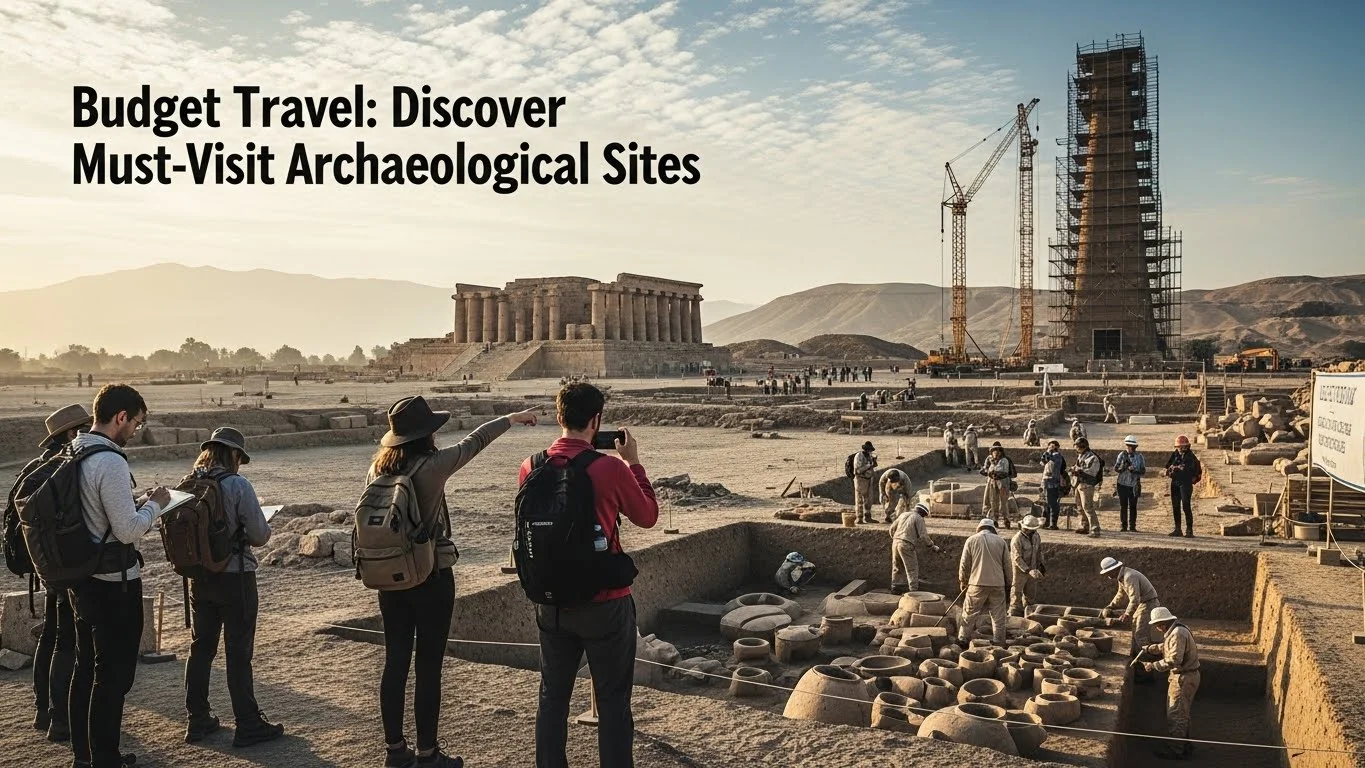
Budget Travel: Discover Must-Visit Archaeological Sites

Traveling on a budget doesn’t mean you have to skip incredible experiences. Exploring archaeological sites lets you uncover the past while enjoying stunning landscapes, all without breaking the bank. If you’re interested in budget travel, you might want to check out Budget Travel: Must-See UNESCO World Heritage Sites Revealed.

Budget Travel: Discover Must-Visit Archaeological Sites

Understanding Archaeological Sites

What are Archaeological Sites?

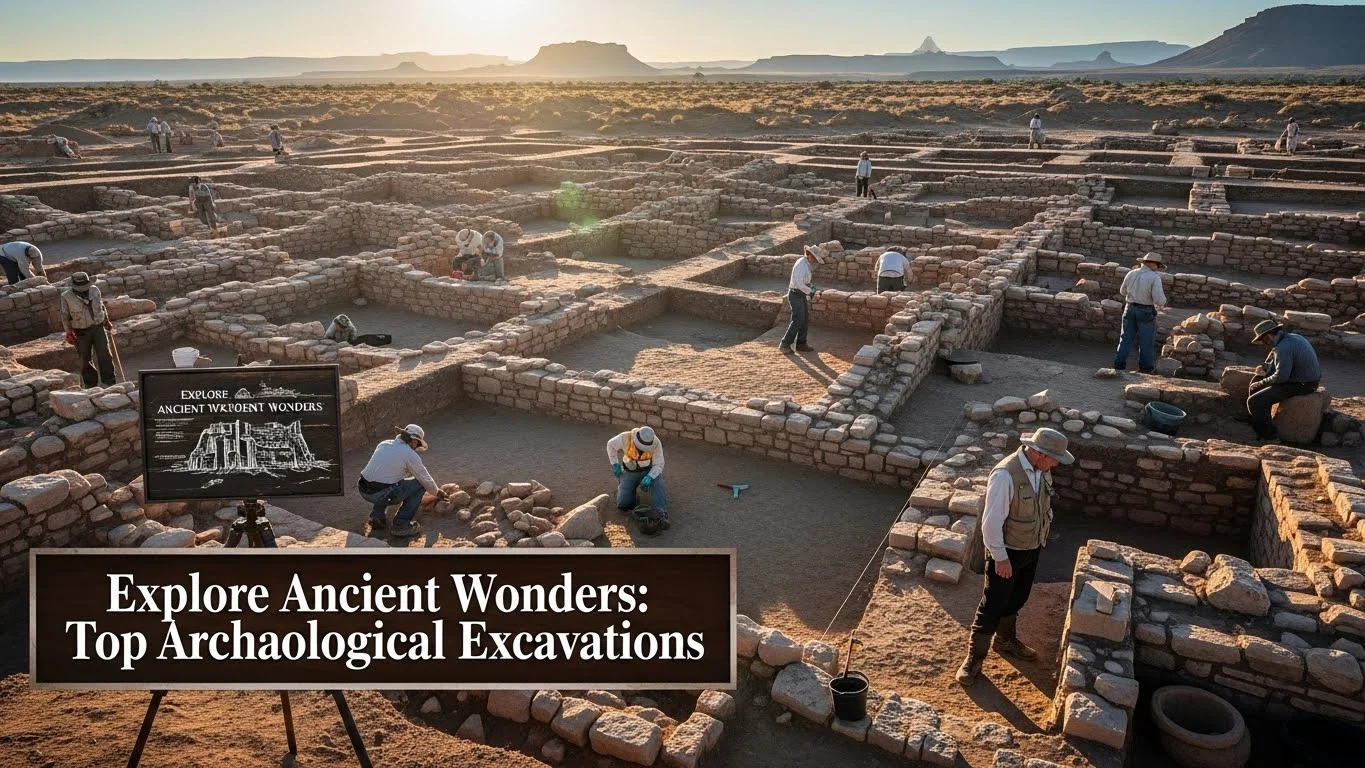
Archaeological sites are places where remnants of past civilizations are discovered and studied. These sites can range from ancient cities to burial grounds, and even places where everyday items were made or used. For me, visiting these sites feels like stepping into a time machine, allowing us to connect with those who lived centuries ago. I remember my first visit to an archaeological site, the thrill of walking through the ruins, imagining what life was like back then. Each site tells a unique story, offering us a tangible link to our shared human history.

Importance of Archaeological Sites in History

Understanding archaeological sites is crucial for several reasons. They help us learn about the social, economic, and political aspects of the past. From my perspective, these sites provide invaluable insights into human behavior, cultural practices, and technological advancements. For example, when I visited the ruins of an ancient city, I was fascinated to see how the architecture reflected the society’s values and beliefs. These discoveries are not just academic; they shape our understanding of history and humanity. By preserving these sites, we honor our ancestors and ensure that future generations can learn from our collective past.

Types of Archaeological Sites

Archaeological sites come in many forms, each offering a different glimpse into history. Here are some common types:

  • Urban Sites: These are remnants of ancient cities, like Pompeii, where you can explore streets, homes, and public buildings, giving you a sense of daily life.
  • Religious Sites: Places like Stonehenge or Angkor Wat were centers of worship, revealing the spiritual beliefs of ancient cultures.
  • Burial Sites: These include tombs and cemeteries, which provide insights into burial customs and beliefs about the afterlife.
  • Industrial Sites: Locations like ancient mines or workshops show how resources were extracted and goods were produced.

During my travels, I have found that no matter the type, each archaeological site has its own unique charm and story to tell. They all invite us to wonder about the people who once inhabited these spaces. It’s like piecing together a puzzle with each visit, learning more about our shared heritage. For more insights on exploring these sites, you can read Discover UNESCO World Heritage Sites on a Budget Adventure.

Top Budget-Friendly Archaeological Sites Worldwide

Machu Picchu, Peru

Machu Picchu is often at the top of many travelers’ lists, and for good reason. This stunning Incan citadel set high in the Andes mountains is not only breathtaking but also rich in history. I recall hiking the Inca Trail, feeling the excitement build as we approached the site. While entry fees can be a bit steep, planning your visit during the off-peak season can save you a lot. Plus, there are various budget accommodations in nearby towns where you can rest after a day of exploring.

Chichen Itza, Mexico

Chichen Itza is one of the most famous archaeological sites in the world. The iconic pyramid, El Castillo, stands as a testament to the Maya civilization. I remember feeling amazed by its architectural precision and the history behind it. There are affordable entry fees, and if you visit early in the morning, you can avoid the crowds and enjoy a more intimate experience. Plus, nearby cenotes offer a refreshing dip after a day of exploration.

Petra, Jordan

Visiting Petra is like stepping into a fairy tale. This ancient city, carved into rose-red cliffs, is simply magical. I was in awe of the Siq, the narrow gorge leading to the Treasury. While the entrance fee is higher than some other sites, I found that staying in nearby Wadi Musa can help keep costs down. It’s also worth considering a multi-day pass to explore the site at a leisurely pace.

Angkor Wat, Cambodia

Angkor Wat is a must-visit for any traveler. The sheer size and beauty of the temples are astonishing. I remember watching the sunrise over Angkor Wat, which was an unforgettable experience. The entry fee is quite reasonable, especially for a multi-day pass. Plus, local guesthouses offer affordable accommodation options, allowing you to experience the rich culture and history in comfort.

Stonehenge, England

Stonehenge is one of the most iconic archaeological sites in the world. Standing among those ancient stones, I felt a connection to the past that was hard to describe. The entry fee is manageable, and if you visit during the off-peak season, you’ll find fewer crowds. Plus, nearby towns offer budget-friendly accommodations, making it easier to explore the surrounding countryside.

Pompeii, Italy

Pompeii offers a unique glimpse into life during the Roman Empire. Walking through the ruins, I was struck by how well-preserved many structures were. The entry fee is quite affordable, and there are plenty of budget hotels nearby. I recommend joining a guided tour to fully appreciate the history and context of this fascinating site.

When to Visit Archaeological Sites

Best Seasons for Visiting

Timing your visit to archaeological sites can make a world of difference. From my experience, researching the best seasons for each location is essential. For example, when I visited Machu Picchu, I learned that the dry season from May to September is ideal for clearer skies and pleasant hiking conditions. However, visiting during the shoulder seasons—April or October—can also be rewarding, as the weather is still decent, but the crowds are lighter. I remember feeling like I had the site almost to myself in October, which made the experience even more special.

Similarly, when planning a trip to Petra, I found that spring (March to May) and fall (September to November) are the best times to explore. These months offer milder temperatures, making it easier to walk through the expansive site without overheating. I can’t stress enough how much more enjoyable the experience is when you’re not battling extreme heat or crowds.

Off-Peak Travel Tips

Traveling during off-peak seasons can be a game changer. Not only do you usually find better deals on flights and accommodations, but the overall experience is often more enjoyable. For instance, while I was in Chichen Itza, visiting during the early morning hours allowed me to take stunning photographs without hordes of tourists in the background. I felt like I had the entire site to myself, which truly enhanced my connection to the history surrounding me.

Another tip is to avoid weekends and local holidays when locals might flock to the sites. I learned this the hard way when I visited Angkor Wat on a Sunday and was met with throngs of visitors. Now, I always check local calendars before my trips to ensure I’m not visiting during peak local events. This little bit of planning can significantly enhance your experience.

Weather Considerations

Weather can greatly affect your visit to archaeological sites. I remember my trip to Stonehenge; it was a drizzling day, which made the experience less enjoyable. The site itself is breathtaking, but the overcast sky and rain didn’t provide the best backdrop for my photos. I learned that the summer months, although busier, typically have the best weather for exploring such outdoor sites.

On the other hand, the weather can also provide unique opportunities. When I visited Pompeii in the cooler months, I found that the crisp air made walking through the ruins quite pleasant. Plus, the clouds added an ethereal quality to my photographs. Always check the weather forecast before your trip and pack appropriately. Don’t forget essentials like sunscreen, a good hat, and comfortable walking shoes to ensure you’re prepared for whatever nature throws at you.

How to Get There on a Budget

Affordable Flights to Archaeological Sites

Finding affordable flights can feel overwhelming, but I’ve discovered a few strategies that work wonders. First, I always use flight comparison websites to track prices over time. Setting up alerts for specific routes, like those to Jordan for Petra, has saved me a good chunk of money. I’ve noticed that flying mid-week tends to yield better deals than weekend flights, which can be pricier.

Another tip is to be flexible with your travel dates. I remember when I wanted to visit Angkor Wat; being open to flying a few days earlier or later made a significant difference in ticket prices. Sometimes, flying into a nearby city and taking a bus or train can also save you money. That’s how I got to see the beautiful countryside of Cambodia; it was a win-win.

Public Transportation Options

Once you land, using public transportation is often the best way to get to archaeological sites. I’ve found that most countries have reliable bus or train systems that can take you to major attractions at a fraction of the cost of taxis or private transfers. For example, in Italy, I easily hopped on a train to get to Pompeii from Naples, which was both affordable and convenient.

Additionally, many destinations have local transportation passes that can save you money if you plan to visit multiple sites. I once bought a day pass for public transport in Athens, which allowed me to hop on and off buses and trams to explore various archaeological sites at my leisure—and at a great price!

Budget Car Rentals and Local Transport

If you prefer driving, renting a car can be a good option, especially in places where public transport is less accessible. I rented a car to explore the area around Stonehenge, which allowed me the freedom to stop at charming villages along the way. It’s important to compare car rental prices online and book in advance to secure the best deals. Look for discount codes or packages that might include insurance to save even more.

When renting a car, be mindful of local driving laws and road conditions. I learned this when I drove in Jordan; the roads varied from modern highways to winding paths. Having a reliable GPS or map app is essential. Remember to budget for fuel costs, too, as they can add up quickly when exploring various sites.

Where to Stay Near Archaeological Sites

Budget Accommodations

Finding a place to stay near archaeological sites without spending a fortune can be a challenge, but I’ve learned that there are plenty of budget accommodations that offer comfort and convenience. During my travels, I often look for hostels, motels, or guesthouses that provide a cozy atmosphere without the high price tag. For instance, when I visited Machu Picchu, I found a lovely hostal in Aguas Calientes that offered clean rooms and included breakfast. Being just a short bus ride from the site made it super convenient for early morning visits.

Additionally, I’ve discovered that many guesthouses and small hotels frequently offer discounts for longer stays. I remember booking a room for three nights at a charming place near Petra, and the owner gave me a delightful discount. This not only helped my wallet but also allowed me to immerse myself in the local culture by chatting with the owners about their experiences and recommendations.

Hostels and Guesthouses

Hostels and guesthouses have been my go-to options for budget-friendly stays. They’re not just about saving money; they also provide opportunities to meet fellow travelers and share experiences. When I stayed in a hostel near Angkor Wat, I met a group of backpackers who invited me to join them for sunrise at the temple. That shared experience made the trip even more memorable.

Many hostels offer dormitory-style accommodations, which can be incredibly affordable. I remember staying in a mixed dorm in Chichen Itza that cost less than a coffee! Even though sharing a room with other travelers can be a bit chaotic, it also creates a fun atmosphere where you can swap stories and travel tips. Plus, most hostels have communal kitchens, which allow you to save money by cooking your meals instead of dining out every night.

Camping Near Sites

If you’re feeling adventurous, camping can be an exhilarating option, especially near archaeological sites. I once camped near Pompeii, and it was a fantastic experience. Waking up to the view of Mount Vesuvius felt surreal. There are campgrounds that provide basic facilities, and it’s often much cheaper than traditional accommodations.

Before you go camping, I recommend checking local regulations and available amenities. Some sites might have designated camping areas, while others may require you to stay at nearby campsites. It’s a good idea to pack all necessary gear, including a good tent, sleeping bag, and cooking supplies. I learned the hard way that being well-prepared makes all the difference. On a chilly night at a campground near Stonehenge, my warm sleeping bag was a lifesaver!

Camping also allows for unique experiences, like stargazing after a day of exploring. I remember sitting by the campfire one night, listening to the sounds of nature and sharing stories with fellow campers about our adventures at various archaeological sites. These moments created bonds that went beyond just traveling; they turned into friendships that I cherish to this day.

Top Attractions and Activities at Archaeological Sites

Guided Tours vs. Self-Guided Tours

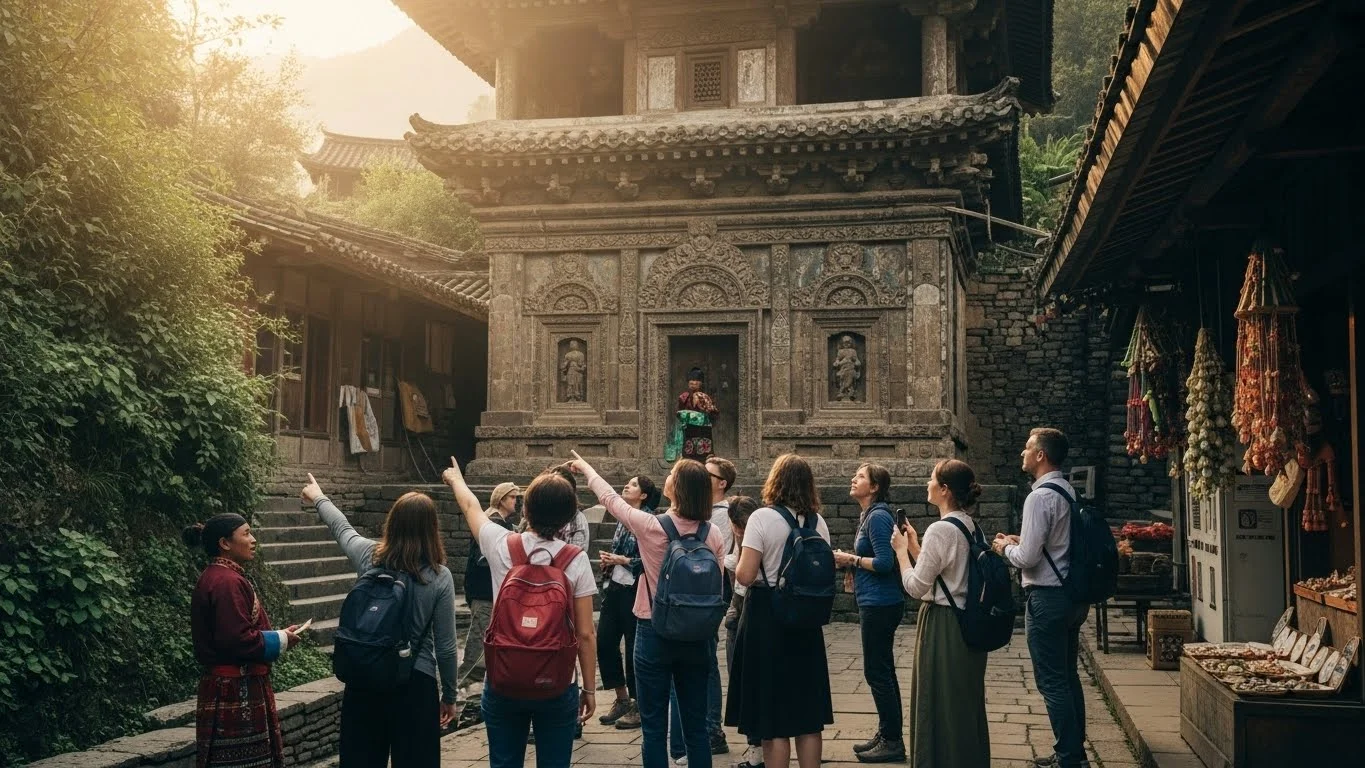
When it comes to exploring archaeological sites, I’ve discovered that both guided and self-guided tours have their perks. Guided tours can provide invaluable insights that you might miss if you’re wandering solo. For instance, I took a guided tour at Angkor Wat, where the guide shared fascinating stories about each temple’s history and significance. I felt like I was seeing the site through a new lens.

On the other hand, self-guided tours offer the flexibility to explore at your own pace. I remember walking through Pompeii and stopping whenever a particular ruin caught my eye. With a good map app and some research beforehand, I was able to create my own itinerary, which made the experience feel more personal. I recommend checking if the site offers audio guides, as they can enrich your visit without the structure of a group tour.

Photography Tips at Archaeological Sites

As an amateur photographer, I always try to capture the essence of the places I visit. Archaeological sites offer stunning backdrops, but lighting and timing are crucial. I’ve found that the golden hours—early morning and late afternoon—are perfect for photography. While visiting Stonehenge at sunrise, I managed to catch the stones against a breathtaking backdrop of soft pinks and oranges, creating a magical atmosphere.

Another tip is to experiment with angles and perspectives. Instead of just taking the classic shots, try to capture the details, like the textures of ancient stones or the shadows they cast. I remember crouching down to get a low shot of the ruins at Chichen Itza, which made the pyramid appear even more imposing. Also, don’t forget to capture some candid moments of fellow travelers; these photos often tell a story of their own.

Local Events and Festivals

One of the best ways to enrich your visit to archaeological sites is by participating in local events and festivals. I remember unexpectedly stumbling upon a local festival in a village near Petra. The vibrant colors, music, and traditional food provided a unique insight into the culture, making my experience much more memorable.

Many archaeological sites host events that celebrate their history, such as reenactments or cultural performances. I highly recommend checking local calendars before your trip to see if any events align with your visit. Participating in these celebrations can enhance your understanding of the local culture and provide a deeper connection to the area.

Frequently Asked Questions

What are archaeological sites?

Archaeological sites are places where remnants of past civilizations are discovered and studied. These can range from ancient cities to burial grounds and even locations where everyday items were made or used.

Why are archaeological sites important?

Understanding archaeological sites is crucial as they provide insights into the social, economic, and political aspects of the past, shaping our understanding of history and humanity.

What are some common types of archaeological sites?

Common types of archaeological sites include urban sites (like ancient cities), religious sites (such as Stonehenge), burial sites (like tombs), and industrial sites (including ancient mines or workshops).

What is Machu Picchu known for?

Machu Picchu is known for being a stunning Incan citadel set high in the Andes mountains, rich in history and breathtaking scenery, often considered a top destination for travelers.

When is the best time to visit archaeological sites?

The best times to visit archaeological sites can vary, but generally, shoulder seasons (like April or October) and spring or fall months are recommended for milder weather and fewer crowds.

How can I save money on flights to archaeological sites?

To save money on flights, use flight comparison websites to track prices, set up alerts, be flexible with travel dates, and consider flying into nearby cities before taking local transport to the site.

What types of budget accommodations are available near archaeological sites?

Budget accommodations include hostels, motels, guesthouses, and camping options. They often offer comfort and convenience without high costs.

What are the advantages of guided tours at archaeological sites?

Guided tours can provide invaluable insights and stories about the site’s history and significance that might be missed during a self-guided tour.

What are some photography tips for visiting archaeological sites?

Photography tips include visiting during golden hours (early morning or late afternoon) for the best light, experimenting with different angles, and capturing candid moments of fellow travelers.

How can local events enhance a visit to archaeological sites?

Participating in local events and festivals can enrich your experience by providing insights into the culture and history surrounding the archaeological site, making your visit more memorable.

Explore Ancient Wonders: Top Archaeological Excavations

Archaeology unveils the stories of our past, revealing ancient wonders that ignite our imagination. Join me as we explore the most captivating archaeological excavations that have shaped our understanding of history. Read Interesting article: Backpacking Through Time: Affordable Ancient Ruins to See

Explore Ancient Wonders: Top Archaeological Excavations

Understanding Archaeological Excavations

Definition of Archaeological Excavations

When I first stumbled upon the term “archaeological excavation,” I was fascinated by what it truly meant. Essentially, it involves systematically digging into the earth to uncover artifacts, structures, and other materials from past human activity. It’s like a treasure hunt, but instead of gold and jewels, archaeologists seek out pottery, tools, and even the remains of ancient buildings to piece together how people lived long ago. Each layer of soil tells a story, and each artifact uncovered adds another piece to the puzzle of our collective history.

Importance of Archaeological Excavations in History

In my opinion, archaeological excavations play a crucial role in understanding our history. They provide tangible evidence of how civilizations evolved, adapted, and interacted with their environment and each other. For instance, I remember visiting a museum where I saw a simple clay pot from thousands of years ago. It struck me that this vessel was once used by someone just like us, perhaps to store food or water. Such artifacts help us connect with our ancestors on a personal level, reminding us that they shared many of the same struggles and joys that we do today.

Moreover, excavations have the power to reshape historical narratives. They can challenge established beliefs and offer new insights into the way we view our past. For example, discoveries in places like Pompeii have provided a window into daily life in ancient Rome, revealing everything from the food they ate to their social customs. Without these excavations, much of this knowledge would remain hidden beneath layers of soil. Read Interesting article: Your Ultimate Guide to Ancient Ruins on a Budget

Key Techniques Used in Excavations

Throughout my journey in learning about archaeology, I’ve discovered that excavations are not just about digging. There are various techniques that archaeologists employ to ensure their findings are accurate and valuable. One of the most fundamental methods is stratigraphy, which involves studying the different layers of soil that have accumulated over time. Each layer can signify a different period, and by analyzing these layers, archaeologists can create a timeline of human activity at a site.

Another technique that I found fascinating is the use of digital technologies. Geographic Information Systems (GIS) have revolutionized the way archaeologists analyze sites. With GIS, they can create detailed maps that help visualize the layout of an area and identify patterns that might not be immediately obvious. I’ve seen how these maps can reveal the locations of ancient structures or burial sites that would otherwise remain undetected.

There’s also the art of excavation itself. I was amazed to learn that it requires precision and patience. Teams often work in small squares, carefully removing layers of dirt and meticulously documenting their findings. This process can take years, but it’s essential for preserving the integrity of the site. I can only imagine the thrill of uncovering an artifact that hasn’t been seen for centuries—it’s a moment that truly connects the past with the present.

Furthermore, I’ve noticed that collaboration plays a significant role in modern excavations. Archaeologists often work alongside historians, scientists, and even local communities. This teamwork not only enhances the quality of the research but also fosters a sense of shared ownership of the discoveries made. I believe that when a community is involved in the excavation of their heritage, it adds layers of meaning to the artifacts found, enriching their historical context.

In exploring these techniques, I’ve come to appreciate the depth of knowledge and skill required in archaeology. The more I learn, the more I’m inspired by the dedication of those who delve into the earth to uncover our past. Each excavation is a reminder of the stories waiting to be told—stories that connect us to our ancestors and to each other.

Top Archaeological Excavations Around the World

The Great Pyramids of Giza, Egypt

When I think of extraordinary archaeological sites, the Great Pyramids of Giza immediately come to mind. Standing tall against the backdrop of the desert, these monumental structures have fascinated me since childhood. Built as tombs for the pharaohs, their construction is still shrouded in mystery. I remember reading about the theories surrounding the workforce that built these colossal structures—some say tens of thousands of laborers worked tirelessly for decades, while others believe that skilled workers were employed year-round.

What’s truly captivating is how these pyramids align with the stars. I’ve seen diagrams that illustrate their exact positioning, which seems to reflect the ancient Egyptians’ deep understanding of astronomy. Each stone tells a story not just of labor and engineering, but of a civilization’s beliefs and aspirations. Visiting Giza felt like stepping into the pages of history, and I remember feeling a profound connection to the past as I gazed at the Great Sphinx, a timeless guardian of these ancient wonders.

Pompeii, Italy

Pompeii is another excavation site that has left a lasting impression on me. The city was tragically buried under volcanic ash from Mount Vesuvius in AD 79, preserving it in time. My visit to Pompeii felt surreal; I walked through streets once bustling with life, peering into homes and shops that had remained untouched for centuries. It was astonishing to see the vibrant frescoes still intact, depicting scenes of daily life, gods, and mythical creatures.

What struck me the most was the discovery of plaster casts of the victims. Seeing these impressions left me with a sense of the fragility of life and how quickly everything can change. I’ve learned that excavations in Pompeii continue to reveal new insights, including the recent findings of well-preserved artifacts and even a fast-food restaurant that offers a glimpse into Roman culinary habits. Every visit to Pompeii feels like uncovering another layer of an extraordinary narrative.

Machu Picchu, Peru

Machu Picchu is another site that sparks my imagination. Nestled high in the Andes, it offers breathtaking views that are almost as awe-inspiring as the ruins themselves. I remember the excitement of hiking the Inca Trail, where every step felt like a journey back in time. The way the Incas engineered this citadel to blend seamlessly with the surrounding landscape is a testament to their ingenuity.

Exploring Machu Picchu made me appreciate the complex society that thrived here. I learned about the agricultural terraces and the sophisticated water management system that sustained the population. Standing in front of the Temple of the Sun, I felt a deep respect for the people who once called this place home. The ongoing excavations at Machu Picchu continue to provide insights into Inca civilization, and I’ve read about efforts to preserve this UNESCO World Heritage Site for future generations. Read Interesting article: Explore Ancient Ruins: Top Budget-Friendly Sites to Visit

Stonehenge, England

Stonehenge is a site that has intrigued many, including myself. I remember my first view of the stone circle, standing majestically on the Salisbury Plain. The sheer size of the stones and their mysterious arrangement left me in awe. I’ve often wondered about the purpose of Stonehenge—was it a temple, an astronomical observatory, or a burial site? Each theory feels equally compelling, and it’s fascinating how this ancient monument has inspired countless interpretations over the years.

The ongoing excavations around Stonehenge have brought forth new discoveries, such as nearby sites that suggest it was part of a larger ceremonial landscape. I find it fascinating to think about how our understanding of this monument is continually evolving, just like the technologies used to study it. Each excavation contributes to the narrative of a civilization that remains enigmatic yet profoundly impactful.

Angkor Wat, Cambodia

Angkor Wat is a place that truly captures the imagination. I remember the first time I gazed upon its towering spires against the morning sky—it felt like stepping into a fantasy. As the largest religious monument in the world, it reflects the grandeur of the Khmer Empire. Walking through its halls, I marveled at the intricate carvings that depicted scenes from Hindu mythology and everyday life.

The ongoing excavations at Angkor Wat reveal more than just architectural brilliance; they uncover stories of the people who lived there. I learned about the advanced irrigation systems that supported agriculture in this once-thriving city. Every visit to Angkor Wat feels like a journey into a once-vibrant culture, showcasing the resilience and ingenuity of its people.

Teotihuacan, Mexico

Teotihuacan, known as the “City of the Gods,” has always fascinated me with its monumental pyramids and expansive layout. I remember standing before the Pyramid of the Sun, feeling the energy of a place that once housed thousands of people. The city was a hub of culture and commerce, and I’ve enjoyed learning about its mysterious origins and how it influenced later Mesoamerican civilizations.

The excavations in Teotihuacan continue to offer new insights into its inhabitants. I’ve read about the discoveries of murals and artifacts that reveal the complexity of their society. Walking along the Avenue of the Dead, I felt a connection to a time when this city was a thriving metropolis, bustling with life and creativity.

Çatalhöyük, Turkey

Lastly, Çatalhöyük is a site that really opened my eyes to the dawn of human civilization. This Neolithic settlement, one of the oldest known human communities, offers a glimpse into how our ancestors lived. I learned that the houses were built so closely together that people moved around on rooftops, creating a unique urban landscape.

The ongoing excavations at Çatalhöyük have unearthed fascinating artifacts, from pottery to figurines. Each find provides a window into the daily lives and spiritual beliefs of its inhabitants. I remember reading about the elaborate wall paintings that depicted their rituals and environment, and it made me appreciate the artistic expression of early humans. Exploring Çatalhöyük is like walking through a time capsule, revealing how interconnected we are to those who came before us.

Recent Discoveries in Archaeological Excavations

New Findings at Pompeii

Every time I hear about new findings at Pompeii, I feel a rush of excitement. This site is like a time capsule, and each discovery feels like a personal invitation to witness the past. Just recently, archaeologists announced the unearthing of a new fresco that depicted a feast scene. I remember how vividly the colors jumped out at me when I saw images of similar frescoes during my visit, and I can only imagine how thrilling it must have been for those who uncovered this artwork. It brings to life the daily rituals and social gatherings of the people who once lived there.

These ongoing excavations continue to enhance our understanding of Roman life, from the foods they enjoyed to the games they played. I once read about the discovery of a thermopolium, which is like an ancient fast-food joint, complete with beautifully preserved frescoes and cooking utensils. It’s incredible how these findings allow us to visualize the vibrancy of life before the eruption of Vesuvius. Each element found not only adds depth to our knowledge of ancient Rome but also connects us to the universal aspects of human existence: food, celebration, and community.

Excavations in the Valley of the Kings

The Valley of the Kings has always fascinated me, particularly because of its association with the tombs of pharaohs. The thrill of unearthing a burial site is palpable, and recent excavations have revealed more treasures than I could have imagined. I remember reading about the discovery of a tomb that belonged to a previously unknown royal—a rarity that sends ripples through the archaeological community. Such findings can reshape our historical narratives, as they provide insight into the lineage and practices of the time.

One aspect that I found particularly intriguing was the use of advanced technology in these excavations. Ground-penetrating radar has helped archaeologists identify structures hidden beneath the surface, leading to exciting digs. I can only imagine the atmosphere among the team as they uncover artifacts that have remained hidden for millennia. Each item, whether it’s a simple pottery shard or an elaborate jewelry piece, tells a story about the beliefs and customs of ancient Egyptians, allowing us to connect with them on a deeper level.

Discoveries in the Maya Ruins

Learning about the Maya civilization has always captivated me, especially their impressive architectural feats and rich cultural heritage. Recently, archaeologists have made groundbreaking discoveries in the ruins of Tikal and other Maya sites, unearthing structures that hint at the complexity of this ancient society. I remember the awe I felt standing beneath the towering temples during my visit, and I often wonder what secrets lie buried in the jungle.

Among the latest findings, I was particularly fascinated by the discovery of a vast network of roads connecting different cities. This revelation showcases the advanced urban planning of the Maya, and it’s incredible to think about the bustling trade and communication that occurred between these distant communities. Every new discovery sheds light on their intricate social structure and the environmental challenges they faced. It reminds me of how interconnected we all are, and how lessons from the past can inspire our present and future.

Significant Archaeological Methods

Stratigraphy and its Importance

Stratigraphy is one of those concepts in archaeology that really resonates with how I see the world. It’s all about understanding the layers of history beneath our feet. I remember feeling a sense of wonder when I learned how each layer of soil can tell a different story. As archaeologists dig deeper, they can date artifacts based on their position in these layers. This method helps piece together the timeline of human activity at a site. I can’t help but admire the patience and precision that goes into this process; it’s like reading a novel one chapter at a time, where each chapter unravels more of the plot.

Carbon Dating Techniques

Carbon dating is another fascinating method that has changed the game for archaeologists. I often find myself pondering how we can know the ages of artifacts that are thousands of years old. Carbon-14 dating allows researchers to estimate the age of organic materials by measuring the decay of carbon isotopes. I remember reading about how this technique has helped date everything from ancient textiles to wooden tools. It’s mind-boggling to think about the stories embedded in these items and how carbon dating unlocks their timelines.

Remote Sensing and Geophysical Surveys

Remote sensing and geophysical surveys have opened up new horizons in archaeology. I’ve read about how techniques like magnetometry and ground-penetrating radar can reveal structures that are invisible to the naked eye. It’s like having a superpower that allows archaeologists to see what lies beneath the earth’s surface without disturbing it. I can only imagine the thrill of discovering hidden ruins through technology; it adds an element of surprise and wonder to the excavation process. These methods not only save time and resources but also help preserve sites for future study, ensuring that the stories of our past continue to unfold.

Frequently Asked Questions

What are archaeological excavations?

Archaeological excavations involve systematically digging into the earth to uncover artifacts, structures, and other materials from past human activity. They help piece together how people lived long ago.

Why are archaeological excavations important for history?

Archaeological excavations provide tangible evidence of how civilizations evolved and interacted with their environment. They can reshape historical narratives, challenge established beliefs, and connect us with our ancestors.

What techniques are commonly used in archaeological excavations?

Common techniques include stratigraphy, which studies soil layers to create timelines, and digital technologies like Geographic Information Systems (GIS) that help visualize site layouts. Precision in excavation and collaboration with various experts also play crucial roles.

What is stratigraphy in archaeology?

Stratigraphy is the study of different layers of soil accumulated over time at a site. Each layer can signify a different period, allowing archaeologists to analyze and create a timeline of human activity.

What significant discoveries have been made at Pompeii?

Recent discoveries at Pompeii include a new fresco depicting a feast scene and a well-preserved thermopolium, which is like an ancient fast-food restaurant. These findings enhance our understanding of Roman life before the eruption of Mount Vesuvius.

What did recent excavations in the Valley of the Kings reveal?

Recent excavations in the Valley of the Kings revealed a tomb belonging to a previously unknown royal, along with the use of advanced technology like ground-penetrating radar to identify hidden structures.

What recent discoveries have been made in the Maya ruins?

Recent discoveries in the Maya ruins include a vast network of roads connecting different cities, showcasing the advanced urban planning and social structure of the Maya civilization.

How does carbon dating work in archaeology?

Carbon dating allows researchers to estimate the age of organic materials by measuring the decay of carbon isotopes. This technique has helped date ancient textiles and wooden tools, revealing their timelines.

What role does remote sensing play in archaeology?

Remote sensing techniques, such as magnetometry and ground-penetrating radar, reveal structures that are invisible to the naked eye. This allows archaeologists to discover hidden ruins without disturbing the site.

What is the significance of collaboration in archaeological excavations?

Collaboration enhances the quality of research in archaeological excavations. When local communities and various experts work together, it fosters a sense of shared ownership and enriches the historical context of the findings.

Discover Hidden Gems: Budget Religious Monuments to Visit

Exploring budget-friendly religious monuments opens a door to breathtaking architecture and rich cultural heritage without breaking the bank. These hidden gems offer unique experiences that resonate deeply with history and spirituality. For those looking for more options, you can explore top 10 budget-friendly religious monuments worldwide.

Discover Hidden Gems: Budget Religious Monuments to Visit

Introduction to Budget Religious Monuments

What Defines a Religious Monument?

Religious monuments are structures built for worship, remembrance, or to honor important spiritual figures. They can range from grand cathedrals and temples to modest chapels and shrines. What makes them truly fascinating is how they reflect the beliefs, traditions, and artistic expressions of the cultures that created them. I’ve always felt that these places have a spirit of their own; they tell stories of faith and community that resonate across generations. Whether it’s the majestic spires of a cathedral or the intricate carvings of a temple, each monument holds a piece of history waiting to be discovered.

Importance of Visiting Religious Sites

Visiting religious sites is not just about seeing beautiful architecture; it’s about connecting with something greater than ourselves. For me, stepping into a sacred space often brings a sense of peace and reflection. These monuments are places where people have gathered for centuries to seek solace, inspiration, and a deeper understanding of their faith. They serve as a reminder of our shared humanity and the diverse ways we seek meaning in our lives. When we visit, we become part of that ongoing narrative, experiencing a blend of spirituality, history, and culture.

Top Hidden Gems in Various Regions

North America

St. Augustine, Florida – The Cathedral Basilica of St. Augustine

As the oldest city in the U.S., St. Augustine is home to the stunning Cathedral Basilica of St. Augustine. This beautiful structure is a blend of Spanish Colonial and Gothic architectural styles, and its serene atmosphere makes it an ideal spot for reflection. I remember walking through its arched entrances and admiring the ornate stained glass windows that tell stories of faith and perseverance. Best of all, there’s no admission fee, allowing visitors to appreciate its beauty without spending a dime.

New Mexico – San Miguel Mission

Another treasure is the San Miguel Mission in Santa Fe, the oldest church in the continental United States. The mission is a simple adobe structure, yet it holds immense historical significance. I felt a deep connection to the past as I walked its grounds, imagining the generations of worshippers who have come before me. The mission often hosts community events and offers a glimpse into the local culture, which makes visiting even more special. For more insights on affordable options, consider checking out backpacking to sacred places: affordable religious monuments.

Europe

Spain – Basilica de Santa María del Mar

Located in Barcelona, the Basilica de Santa María del Mar is a stunning example of Catalan Gothic architecture. I was captivated by its soaring pillars and the way sunlight filtered through the stained-glass windows, casting colorful patterns on the stone floor. The church is often less crowded than others in the city, providing a peaceful retreat. Admission is generally free, making it accessible for travelers on a budget.

Italy – The Church of San Giovanni in Laterano

Known as the oldest basilica in the world, the Church of San Giovanni in Laterano is a must-visit for anyone traveling to Rome. I was overwhelmed by its grandeur, from the massive façade to the intricate mosaics inside. It’s not just a religious site; it’s a historical landmark that has seen centuries of change. Visiting is free, and it’s a great way to immerse yourself in the rich history of the Eternal City.

Portugal – Mosteiro de Batalha

The Mosteiro de Batalha is a UNESCO World Heritage site that showcases stunning Gothic architecture. Located in Batalha, this monastery was built to commemorate the Battle of Aljubarrota. I was awestruck by the intricate stonework and the peaceful gardens that surround the site. There’s a small entry fee, but I found it well worth it for the beauty and tranquility it offers. It’s a perfect example of how history and faith can intertwine beautifully.

Asia

India – The Lotus Temple

In India, the Lotus Temple stands out not only for its architectural beauty but also for its inclusive spirit. As a Bahá’í House of Worship, it welcomes people of all faiths. I found it refreshing to see such a modern design that symbolizes unity and peace. Visitors can enter freely, and I loved spending time in its tranquil gardens, reflecting amidst the peaceful atmosphere.

Indonesia – Borobudur Temple

Borobudur Temple is one of the largest Buddhist monuments in the world and is a breathtaking sight to behold. I remember climbing its steps at dawn, surrounded by mist and the sounds of nature awakening. The intricate relief panels tell the story of Buddha’s life and teachings. While there is an entrance fee, the experience is truly priceless, especially during sunrise when the temple is illuminated in golden light.

Africa

Ethiopia – Lalibela Churches

The rock-hewn churches of Lalibela are a marvel of engineering and devotion. Carved directly into the rock, these churches are unlike anything I’ve ever seen. Each church has its own unique design and significance. I felt a profound sense of awe walking through these ancient structures, which are still active places of worship today. While there’s an entry fee, the profound experience of witnessing such dedication is worth every penny.

Morocco – Hassan II Mosque

The Hassan II Mosque in Casablanca is a stunning blend of traditional Moroccan architecture and modern design. I was particularly taken by its location right on the Atlantic Ocean, where the sound of waves adds to the serene atmosphere. The mosque is open to non-Muslim visitors during certain hours, and it’s a remarkable opportunity to witness the beauty of Islamic architecture up close. There’s an entrance fee, but it’s a small price for such an unforgettable experience.

South America

Brazil – Igreja de São Francisco da Penitência

In Rio de Janeiro, the Igreja de São Francisco da Penitência is a hidden gem that showcases stunning baroque architecture. I remember walking into this church and being immediately struck by its lavish interior filled with gold leaf and intricate carvings. It’s often overlooked by tourists, which makes it a peaceful place to visit. Best of all, there’s no admission fee, allowing everyone to appreciate its beauty.

Argentina – Catedral Metropolitana de Buenos Aires

The Catedral Metropolitana in Buenos Aires is another beautiful site to explore. Its neoclassical façade and stunning interior, with its impressive altar and artwork, make it a key landmark in the city. I enjoyed sitting in silence for a moment, soaking in the atmosphere. While there’s no charge to enter, donations are welcomed, ensuring the church can maintain its beauty for future visitors.

Budget Travel Tips for Visiting Religious Monuments

Finding Affordable Accommodations

When planning my trips to these incredible religious monuments, I’ve learned that finding budget-friendly accommodations can really make a difference. I often turn to platforms like Airbnb, where I’ve found cozy rooms or even unique stays in heritage homes that are both affordable and filled with character. Sometimes, I opt for hostels or guesthouses, which not only save money but also offer a chance to meet fellow travelers. For example, during my stay in St. Augustine, I found a charming hostel just a short walk from the Cathedral Basilica, allowing me to explore without spending a fortune on lodging.

Booking in advance can also help secure better rates. I remember researching accommodations a few months before my trip to Rome and finding a fantastic deal on a small hotel located near the Church of San Giovanni in Laterano. It was a bit of a trek to the main attractions, but it saved me quite a bit, and the experience of living like a local was worth it.

Transportation Options

Getting around can be another part of the adventure. I usually try to rely on public transportation, which is often much cheaper than taxis or rental cars. For instance, in Barcelona, I discovered the metro system was not only affordable but also efficient, making it easy to visit the Basilica de Santa María del Mar and other sites. I found that purchasing a multi-day transit pass saved me money and gave me the freedom to explore the city at my own pace.

Walking is also a great option, especially in cities with compact layouts. I remember strolling through the streets of Santa Fe, taking in the sights and sounds while making my way to the San Miguel Mission. It felt like I was part of the city, experiencing its rhythm firsthand. Plus, walking gives you the chance to discover hidden gems you might miss when you’re focused on getting from point A to point B.

Entry Fees and Donations

While many religious monuments are free to enter, some might charge a small fee or encourage donations. I’ve found it helpful to research these fees in advance. For instance, the Mosteiro de Batalha in Portugal had a minor entry fee, but in my opinion, it was well worth it for the chance to wander through its stunning halls. When visiting places that rely on donations, I always try to contribute something, even if it’s just a few coins. It feels good to give back and helps ensure these beautiful sites can be preserved for future visitors.

Free Tours and Community Guides

Another great way to enhance your experience without spending much is to join free tours or use community guides. Many cities offer walking tours led by locals, and I’ve found these to be fantastic for getting insider knowledge and stories that you might not discover on your own. In Ethiopia, I joined a free guided tour of the Lalibela Churches, which allowed me to learn about the history and significance of each site directly from someone who was passionate and knowledgeable.

Sometimes, these tours operate on a tip-based system, which allows you to pay what you can afford while still enjoying a rich experience. I remember feeling grateful for the opportunity to connect with a local guide and learn more about the traditions surrounding the sites I was visiting.

When to Visit Budget Religious Monuments

Best Times of Year for Travel

Timing can play a significant role in the experience you have at religious monuments. Personally, I prefer traveling during the shoulder seasons—spring and fall—when the weather is pleasant and the crowds are thinner. For example, visiting the Lotus Temple in India during early spring allowed me to enjoy the beautiful blooms in the gardens without the overwhelming heat or throngs of tourists. Planning around the weather can enhance your experience, making it more enjoyable to explore these sacred spaces.

Local Festivals and Religious Events

Another aspect to consider is local festivals and religious events. These occasions can be a wonderful way to witness the cultural significance of the sites. I was fortunate to be in Morocco during a local festival when I visited the Hassan II Mosque. The atmosphere was electric, filled with music and celebrations that made the experience even more memorable. I learned that these events often provide unique insights into the beliefs and traditions surrounding the monuments, allowing me to appreciate them even more deeply.

Cultural Etiquette at Religious Sites

Dress Code and Behavior

One of the most important things I’ve learned while visiting religious monuments is the significance of cultural etiquette. Each site has its own expectations regarding dress and behavior, and respecting these customs is essential. For instance, when I visited the Lotus Temple in India, I was reminded to dress modestly. It felt good to wear comfortable clothes that covered my shoulders and knees. Seeing others around me dressed similarly created a sense of unity and respect for the space we were in. I believe it’s crucial to take a moment to understand what is appropriate based on the culture and religion of each site.

At many religious sites, there are specific rules regarding behavior as well. For instance, in the Hassan II Mosque in Morocco, silence and reverence are expected while inside. I remember walking through its halls, feeling the weight of the atmosphere as everyone quietly absorbed the beauty around them. It’s these little gestures that show our respect and appreciation for the beliefs of others. I always make it a point to observe how others act and follow suit, which helps me blend in and truly connect with the site.

Photography Guidelines

When it comes to photography, I’ve discovered that guidelines can vary quite a bit. At some places, like the Basilica de Santa María del Mar in Barcelona, I found that photography was encouraged, but with a few restrictions. I was reminded to avoid using flash to maintain the sacred atmosphere. On the other hand, some sites, particularly those that are still active places of worship, strictly prohibit photography. For example, at the Lalibela Churches in Ethiopia, I was asked to leave my camera behind to preserve the sanctity of the space. It was a valuable reminder that sometimes, it’s better to experience the moment fully rather than through the lens of a camera.

I recommend always checking ahead of time to know what the rules are for each site. I’ve even noticed that some places have signage indicating whether photography is allowed. If you’re unsure, it’s best to ask a local guide or staff member, as they can provide clarity on what’s acceptable. This not only helps you avoid any awkward situations but also shows your respect for the sacredness of these locations.

Local Cuisine Near Religious Monuments

Dining Options for Budget Travelers

Food plays such a significant role in travel, and exploring local cuisine near religious monuments can be a delightful experience. When I visited the Church of San Giovanni in Laterano in Rome, I stumbled upon a small trattoria just around the corner. The owner welcomed me with a smile and served the most delicious pasta I’ve ever had. I was amazed at how affordable it was, especially compared to other tourist spots in the city. I love seeking out local eateries that offer authentic dishes without the hefty price tag.

Another great tip I’ve learned is to look for food markets or street vendors near religious sites. For instance, in Barcelona, I found a vibrant market filled with fresh produce, local cheeses, and tapas. I picked up a few items and had a picnic at a nearby park, which turned out to be a highlight of my trip. Eating like a local not only saves money but also allows you to experience the culture in a more personal way.

Must-Try Local Dishes

Each region has its own culinary specialties that reflect its culture and traditions. I remember savoring a traditional Moroccan tagine near the Hassan II Mosque that was bursting with flavor. The dish, cooked slowly in an earthenware pot, was a true culinary delight. Similarly, in Brazil, I tried a hearty feijoada near the Igreja de São Francisco da Penitência. It’s a black bean stew with various meats, and it was as comforting as it was delicious.

In Italy, you can’t miss trying gelato, especially after exploring the beautiful architecture of the Church of San Giovanni in Laterano. I remember indulging in a creamy pistachio flavor that felt like a little piece of heaven on a warm day. Exploring local dishes and flavors is one of my favorite aspects of travel, as it adds another layer to my experience and allows me to engage with the culture on a deeper level.

Safety and Accessibility Considerations

Travel Safety Tips

As with any travel experience, safety is a priority when visiting religious monuments. I always make it a point to stay aware of my surroundings, especially in crowded areas. For example, while exploring the bustling streets of Buenos Aires near the Catedral Metropolitana, I found that keeping my belongings secure was crucial. I prefer to use a crossbody bag, which allows me to keep my essentials close while still being hands-free to take in the sights.

Another tip I’ve found helpful is to travel in groups when possible, especially when exploring less-frequented areas. There’s something comforting about sharing the experience with others. Once, while visiting the rock-hewn churches in Lalibela, I was part of a small tour group, which made navigating the area feel safer and more enjoyable. Plus, it gave us the chance to share stories and insights about our travels.

Access for Individuals with Disabilities

Accessibility is an important consideration for many travelers. I’ve seen a growing awareness of the need for inclusive access at religious sites. For instance, the Cathedral Basilica of St. Augustine has ramps and accessible entrances, which made my visit smooth and enjoyable. However, I’ve also encountered sites that may not be as accommodating. When planning visits, I recommend checking the accessibility options available at each monument. Many websites provide information on facilities, such as ramps and restrooms, which can help make the experience more comfortable for everyone.

In my experience, reaching out to the sites directly can also provide clarity. I appreciate when places are proactive about accessibility, as it demonstrates a commitment to welcoming all visitors. It’s heartening to see more monuments recognizing the importance of ensuring that everyone can enjoy the beauty and spirituality they have to offer.

Frequently Asked Questions

What is a religious monument?

A religious monument is a structure built for worship, remembrance, or to honor important spiritual figures. They can range from grand cathedrals and temples to modest chapels and shrines, reflecting the beliefs, traditions, and artistic expressions of the cultures that created them.

Why is it important to visit religious sites?

Visiting religious sites allows individuals to connect with something greater than themselves, providing a sense of peace and reflection. These monuments serve as reminders of shared humanity and the diverse ways people seek meaning in their lives.

What are some budget-friendly religious monuments in North America?

In North America, notable budget-friendly religious monuments include the Cathedral Basilica of St. Augustine in Florida, which has no admission fee, and the San Miguel Mission in New Mexico, the oldest church in the continental U.S.

Which European religious monument is known for its Gothic architecture?

The Basilica de Santa María del Mar in Barcelona, Spain, is a stunning example of Catalan Gothic architecture, known for its soaring pillars and beautiful stained-glass windows. Admission is generally free.

What should travelers consider for transportation when visiting religious monuments?

Travelers should consider relying on public transportation, which is often cheaper than taxis or rental cars. Walking is also a great option in compact cities, allowing for a more immersive experience as they explore.

Are there any entry fees for visiting religious monuments?

While many religious monuments are free to enter, some may charge a small fee or encourage donations. It’s helpful to research these fees in advance to plan accordingly.

What is the best time of year to visit budget religious monuments?

The best times to visit are during the shoulder seasons of spring and fall, when the weather is pleasant and crowds are thinner, enhancing the overall experience.

What cultural etiquette should visitors be aware of when visiting religious sites?

Visitors should respect cultural etiquette, including appropriate dress codes and behavior expectations, which vary by site. It is important to observe how others act and follow suit to show respect for the beliefs of others.

What local cuisine can travelers try near religious monuments?

Travelers can explore local cuisine near religious monuments, often finding affordable options at nearby eateries, food markets, or street vendors that offer authentic dishes representative of the region’s culture.

How can travelers ensure safety while visiting religious monuments?

Travelers can ensure safety by staying aware of their surroundings, securing their belongings, and traveling in groups when possible. It’s also wise to check the accessibility options available at each monument.

Read Interesting article: Ultimate Guide to Visiting Historic Religious Sites on a Budget