Web Analytics

Recent Posts

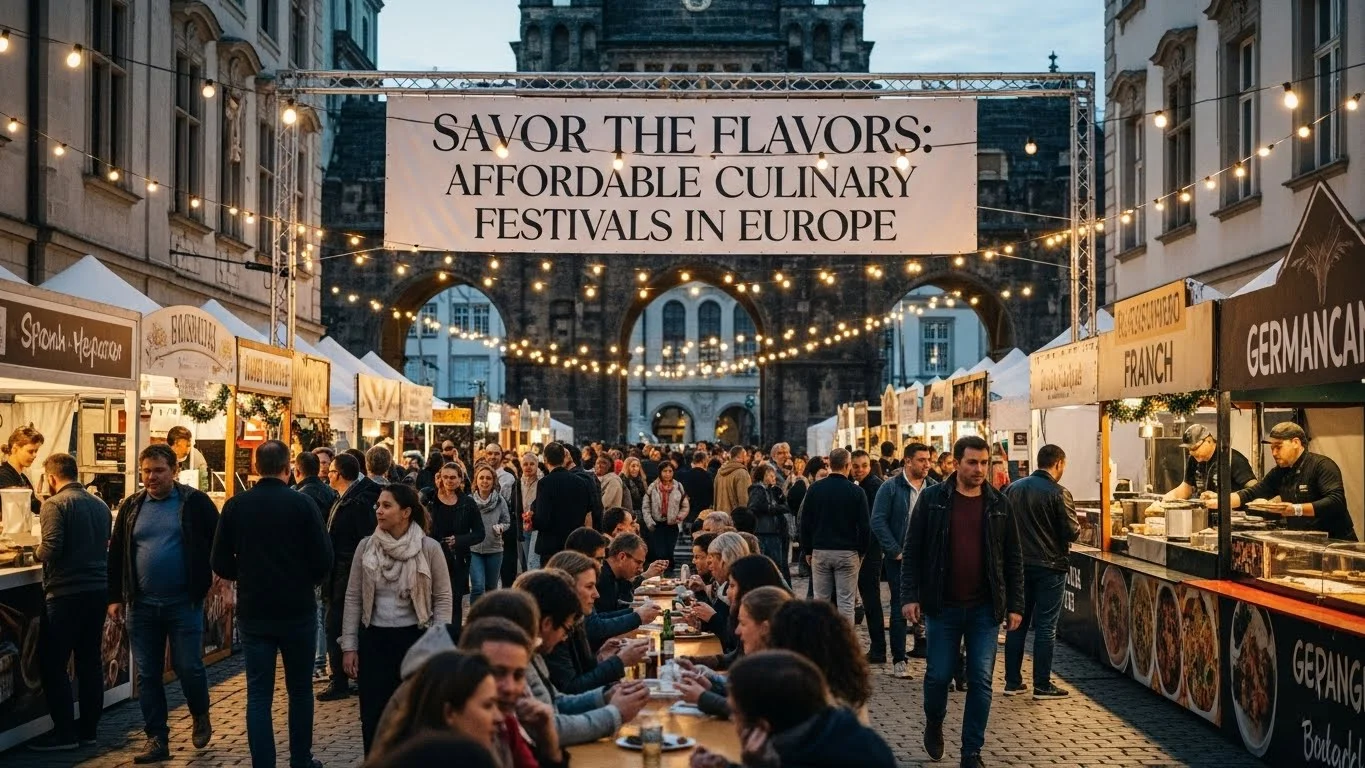
Top Budget-Friendly Culinary Festivals in Europe to Visit

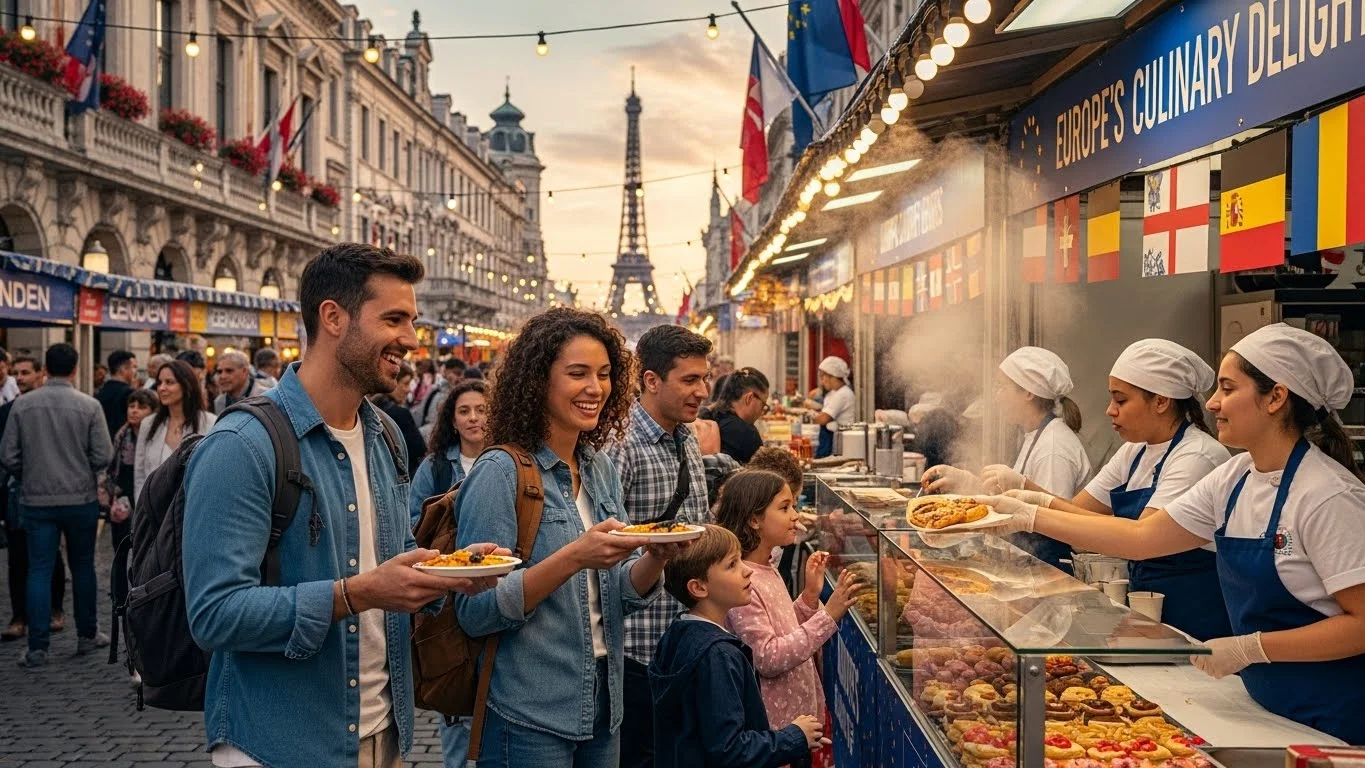
Exploring Europe’s culinary festivals is a delightful way to experience local cultures without breaking the bank. From vibrant flavors to community spirit, these events are perfect for food lovers on a budget! Read Interesting article: Explore Europe’s Best Culinary Festivals on a Budget

Top Budget-Friendly Culinary Festivals in Europe to Visit

Introduction to Culinary Festivals in Europe

What is a Culinary Festival?

I remember the first time I stumbled upon a culinary festival—it was like stepping into a vibrant world of flavors and aromas. Culinary festivals celebrate food in all its forms, featuring everything from local specialties to innovative cooking techniques. These events often include tastings, workshops, and competitions that bring together chefs, food enthusiasts, and local producers. For anyone who loves to eat or cook, these festivals are a feast for the senses and an opportunity to learn about different cultures through their cuisines.

The Importance of Culinary Festivals in Local Culture

Culinary festivals do more than just highlight delicious food; they play a crucial role in preserving and promoting local traditions. I’ve seen how these gatherings foster community bonds, drawing people together to celebrate their heritage. It’s a fantastic way for locals to share their pride in their culinary history while welcoming visitors to experience it firsthand. Plus, it supports local economies by showcasing regional ingredients and attracting tourism, which I believe is vital for sustaining these unique culinary cultures. In my experience, attending such festivals has deepened my appreciation for the artistry behind cooking and the stories each dish tells.

Top Budget-Friendly Culinary Festivals

1. La Tomatina – Buñol, Spain

Overview of La Tomatina

La Tomatina is one of the craziest food festivals I’ve ever heard of! Held annually in Buñol, Spain, this festival is famous for the massive tomato fight that takes place in the streets. Imagine thousands of people throwing ripe tomatoes at each other—it’s chaotic yet exhilarating! This festival started in 1945 and has grown into a worldwide attraction, drawing visitors from all over. The energy and excitement are contagious, making it a must-visit for anyone looking for a unique experience.

When to Visit

This vibrant festival takes place on the last Wednesday of August each year. If you’re planning to attend, make sure to arrive early to soak in the festive atmosphere, as the town fills up with locals and tourists alike.

Local Cuisine Highlights

While La Tomatina is primarily known for its tomato-throwing festivities, the local cuisine is also not to be missed. I enjoyed trying traditional dishes like paella and pan con tomate, a simple yet flavorful bread topped with tomatoes and olive oil. These local flavors complement the festival’s energetic vibe perfectly!

Budget Tips for Attendees

If you’re looking to attend La Tomatina without spending a fortune, here are some tips I found useful:

  • Book your accommodation early, as prices soar closer to the date.
  • Bring your own tomatoes if you want to participate; they’re often cheaper than buying them on-site.
  • Wear old clothes! You’ll be covered in tomatoes, and it’s all part of the fun.
  • Take advantage of local eateries that offer affordable meals, letting you enjoy the cuisine without breaking the bank.

2. Fête de la Gastronomie – France

Overview of Fête de la Gastronomie

The Fête de la Gastronomie is a nationwide celebration in France that honors the country’s rich culinary heritage. I was fortunate enough to experience this festival in Paris, where locals and chefs come together to celebrate food through various events, including workshops, tastings, and market stalls. It’s a fantastic opportunity to explore French cuisine and discover the passion behind it.

When to Visit

This festival usually takes place in late September, making it a wonderful time to visit France when the weather is still pleasant, and the summer crowds have thinned out.

Local Cuisine Highlights

During the festival, I tried everything from traditional baguettes to exquisite cheese platters. One of my favorite moments was attending a cooking demonstration where I learned how to make a classic French dish. The diversity of flavors during the festival truly showcases the heart of French culinary artistry. Read Interesting article: Experience Culinary Delights at These Budget-Friendly Festivals

Budget Tips for Attendees

To enjoy the Fête de la Gastronomie on a budget, consider these tips:

  • Look for free events and workshops, as many local chefs offer complimentary tastings.
  • Explore local markets for affordable yet delicious street food options.
  • Stay in budget accommodations like hostels or guesthouses to save on lodging costs.
  • Utilize public transportation to get around the city; it’s economical and efficient.

3. Taste of London – London, England

Overview of Taste of London

Taste of London is a culinary festival that brings together some of the city’s best restaurants and chefs. I was amazed by the variety of dishes available, from traditional British fare to international cuisines. The festival features tastings, cooking demonstrations, and even masterclasses, making it a great opportunity for food lovers to learn from the best.

When to Visit

This festival usually occurs in mid-June in Regent’s Park, so it’s a perfect summer outing. The atmosphere is lively, with the park filled with food enthusiasts eager to sample the best that London has to offer.

Local Cuisine Highlights

During my visit, I indulged in dishes like fish and chips, gourmet burgers, and decadent desserts. The small plates offered are ideal for trying a little bit of everything without overspending. I particularly loved the chance to chat with chefs, gaining insights into their culinary processes.

Budget Tips for Attendees

If you’re keen on experiencing Taste of London without stretching your wallet, consider these strategies:

  • Purchase tickets in advance for discounts.
  • Try to attend during off-peak hours for smaller crowds and more affordable options.
  • Share dishes with friends to enjoy a wider range of flavors without overindulging.
  • Check for early bird promotions or package deals that include food tastings.

4. Bologna Food Festival – Bologna, Italy

Overview of Bologna Food Festival

Bologna is often referred to as the food capital of Italy, and its food festival certainly lives up to that title. I found myself surrounded by stalls offering fresh pasta, cured meats, and local cheeses. The festival showcases the best of Bolognese cuisine, and each bite tells a story of tradition and craftsmanship.

When to Visit

This festival typically occurs in September, making it an ideal time to explore Bologna’s culinary scene while enjoying the pleasant early autumn weather.

Local Cuisine Highlights

The highlight for me was definitely trying tagliatelle al ragù (Bolognese sauce), a dish that originated from this region. I also loved sampling tortellini and various cheeses, which are staples of the Emilia-Romagna cuisine. Each vendor showcased their specialties, making it hard to pick a favorite!

Budget Tips for Attendees

Here are some tips for enjoying the Bologna Food Festival without overspending:

  • Look for free tastings offered by local producers to sample the best without a price tag.
  • Take advantage of local trattorias that often offer festival specials.
  • Stay in budget accommodations such as guesthouses or Airbnb options to keep lodging costs down.
  • Don’t shy away from street food; it’s delicious and often more affordable than sit-down dining.

5. Food Festival of San Sebastián – San Sebastián, Spain

Overview of Food Festival of San Sebastián

San Sebastián is renowned for its culinary excellence, and the Food Festival celebrates this vibrant food scene. I was captivated by the pintxos (Basque tapas) and the creativity of local chefs. This festival truly showcases the essence of Basque cuisine, and the atmosphere is filled with excitement and flavor.

When to Visit

This festival usually takes place in late September, coinciding with the city’s annual film festival, making it a bustling time to visit.

Local Cuisine Highlights

During my time there, I indulged in a variety of pintxos, each more delectable than the last. From seafood to exquisite desserts, the local flavors left a lasting impression. I also enjoyed attending workshops where I learned how to prepare some of these traditional dishes.

Budget Tips for Attendees

To enjoy the Food Festival of San Sebastián on a budget, keep these tips in mind:

  • Explore local bars for affordable pintxos, often priced at just a couple of euros each.
  • Attend free cooking demonstrations to learn without spending much.
  • Opt for budget accommodations like hostels or shared rooms in guesthouses.
  • Take advantage of local transportation to save on travel costs.

6. Brussels Food Truck Festival – Brussels, Belgium

Overview of Brussels Food Truck Festival

The Brussels Food Truck Festival is a fun celebration of street food culture. I was delighted to find a wide array of food trucks offering everything from gourmet burgers to sweet Belgian waffles. The festival showcases the creativity and diversity of street food, making it a lively gathering for food lovers.

When to Visit

This festival generally takes place in late May, when the weather is perfect for outdoor dining and enjoying the vibrant atmosphere.

Local Cuisine Highlights

While at the festival, I couldn’t resist trying the Belgian fries, topped with a variety of sauces. I also indulged in some delicious waffles, a sweet treat that’s hard to resist. It’s a great opportunity to explore unique culinary offerings while enjoying the festival vibe.

Budget Tips for Attendees

To make the most of your visit to the Brussels Food Truck Festival without overspending, consider these tips:

  • Try to arrive early for the best selection and fewer crowds.
  • Share dishes with friends to sample a variety of flavors without spending too much.
  • Look for food trucks that offer combo deals for meals, which can save you money.
  • Take advantage of free entertainment and activities available at the festival.

Planning Your Trip

Best Times to Visit Europe for Culinary Festivals

As I’ve journeyed through Europe, timing has played a significant role in my festival experiences. I learned that the culinary scene is often influenced by the seasons, making it essential to plan your trip around these vibrant events. Many festivals celebrate local harvests, so spring and early autumn are often packed with culinary delights. For instance, I found that September is particularly rich in festivals, with events like the Bologna Food Festival and the Food Festival of San Sebastián taking place during this beautiful time of year. Summer also has its charm, with events like Taste of London offering a lively atmosphere filled with sun and excitement. I recommend checking local calendars for specific dates, as some festivals may vary each year. It’s also wise to book accommodations early, especially if you’re targeting popular festivals that attract large crowds. Read Interesting article: Budget-Friendly Food Festivals: A Culinary Traveler’s Guide

How to Get Affordable Accommodations

Finding affordable accommodations can make or break your budget during your culinary festival adventure. I’ve had great success using platforms like Airbnb and Booking.com, where I discovered charming guesthouses or shared apartments close to festival venues. Staying slightly outside the city center can be a game-changer too; it often results in lower prices while still providing easy access to public transportation. During my travels, I also stumbled upon hostels that offered not just beds but also a chance to meet fellow travelers who shared similar interests in food and culture. I’ve found that cooking in shared kitchens can save money while allowing me to try out local recipes with new friends. Booking in advance or opting for flexible cancellation policies are strategies I always recommend to get the best deals.

Transportation Tips for Festival-Goers

Getting around during your culinary festival experience can be part of the adventure. I learned the importance of researching transportation options ahead of time to navigate cities and reach festival locations efficiently. Public transportation is often a cost-effective choice, with buses, trams, and metro systems available in most European cities. I’ve found that purchasing a day pass can save money if you plan on using the public transport multiple times a day. In places like Paris, the Metro is not only efficient but also a fun experience! Additionally, walking or biking can be a wonderful way to explore the local area and soak in the atmosphere. Many cities have bike rental services that allow you to pedal through scenic neighborhoods while making your way to the festival. Rideshare apps are also available in many areas if you prefer a more direct route. Overall, planning your transport in advance can save both time and money, letting you focus on what truly matters: enjoying the food!

What to Expect at Culinary Festivals

Types of Food Offerings

When attending a culinary festival, I found myself immersed in a world of diverse food offerings. From my experiences, each festival often showcases a mix of traditional dishes and modern culinary innovations. At La Tomatina, while the main event is all about tomatoes, I also discovered local street food vendors serving up tasty bites like churros and empanadas. Similarly, at the Fête de la Gastronomie, I was delighted by stalls presenting everything from artisanal cheeses to exquisite pastries. I learned that it’s common to find food trucks or stalls offering small tasting portions, allowing you to sample an array of flavors without filling up too quickly. I recommend diving into as many tasting opportunities as possible, as each dish often tells a story of its origin and preparation methods.

Workshops and Cooking Classes

One of the most enriching experiences I’ve had at culinary festivals are the workshops and cooking classes. These sessions can range from casual, hands-on activities to more formal classes led by renowned chefs. At the Bologna Food Festival, I participated in a pasta-making workshop that was both educational and entertaining. I remember feeling a sense of accomplishment as I rolled out fresh dough and crafted my own tagliatelle. Many festivals offer classes for all skill levels, making it an excellent chance for anyone interested in cooking to learn new techniques. I’ve often left these workshops with not just new recipes, but also a deeper appreciation for the culinary arts and the local ingredients used in each dish.

Entertainment and Activities

Culinary festivals are not just about food; they’re also vibrant celebrations filled with entertainment and activities. During my travels, I’ve experienced live music, cooking competitions, and even cultural performances that enriched the atmosphere. For example, at the Food Festival of San Sebastián, I was thrilled to watch local chefs showcase their skills in friendly competitions. It was exciting to cheer for my favorites while enjoying delicious pintxos. Many festivals also feature local artisans and craft vendors, adding an extra layer of cultural immersion. I found that taking part in these activities not only entertained but also connected me more deeply with the community and its traditions. So, keep your eyes open for scheduled performances or demonstrations when planning your festival visit!

Local Food Specialties to Try

Traditional Dishes from Each Festival Location

I’ve always believed that the best way to truly understand a culture is through its food. Each culinary festival I attended introduced me to local specialties that reflected the region’s history and traditions. At La Tomatina, while the tomatoes were the highlight, I discovered the joys of hearty Spanish dishes like **gazpacho**, a cooling tomato-based soup perfect for warm weather, and **tapas**, small plates that offer a variety of flavors to share with friends. I learned that these dishes are often enjoyed casually, which adds to the communal spirit of the festival.

In Bologna, trying the **ragù alla Bolognese** was a standout experience. The rich, slow-cooked meat sauce served over fresh pasta was nothing short of divine. It was fascinating to hear from the local chefs about the importance of using quality ingredients and traditional methods. At the Fête de la Gastronomie, I couldn’t get enough of the **coq au vin**, a classic French dish that showcases the art of slow cooking with tender chicken and a deep, flavorful sauce.

In San Sebastián, I fell in love with **pintxos**—the Basque answer to tapas. These small bites are often skewered with a toothpick, making them easy to sample while mingling with other festival-goers. I remember one particular pintxo topped with fresh seafood and a drizzle of aioli; it was a perfect representation of the region’s coastal bounty. Each festival offered a unique glimpse into the local culinary heritage, making my taste buds dance with delight as I explored new flavors.

Street Food vs. Fine Dining Options

One of the great things about culinary festivals is the variety of dining experiences available, from humble street food to exquisite fine dining options. I’ve found that street food often captures the heart of the local culture. For instance, at the Brussels Food Truck Festival, I enjoyed a delicious serving of **frites** (Belgian fries) topped with **mayo** and various sauces. The casual atmosphere allowed me to savor each bite while chatting with the vendors about their recipes and cooking methods.

On the other hand, some culinary festivals feature high-end dining experiences that showcase the skills of top chefs. At Taste of London, I had the chance to dine at a pop-up restaurant featuring a tasting menu crafted by a Michelin-starred chef. The creativity and presentation of each dish were spectacular, and I felt like I was part of a culinary art show. Experiencing both types of food offerings at festivals helped me appreciate the diverse culinary landscape each region has to offer.

For those on a budget, I recommend trying street food to get an authentic taste of local flavors without the hefty price tag. However, if you have the opportunity to splurge on fine dining, it can be a memorable way to elevate your festival experience. Each has its place, and both can be enjoyed in harmony as you explore the culinary world.

Safety and Health Considerations

Food Safety Tips at Festivals

When diving into the delicious world of culinary festivals, it’s important to keep food safety in mind. Over the years, I’ve learned a few valuable tips to ensure I enjoy the food without any worries. First and foremost, I always pay attention to the cleanliness of food stalls and vendors. If a place looks unkempt, I tend to steer clear. It’s essential to choose vendors that maintain high hygiene standards, as this can greatly affect your experience.

I also make it a point to sample food that is freshly prepared. At outdoor festivals, I’ve noticed that the best dishes are often made to order, ensuring that they are safe to eat. Additionally, I recommend staying hydrated, especially during summer festivals. Carrying a reusable water bottle is a great way to keep refreshed while monitoring how much water I consume.

Lastly, if you have any food allergies or intolerances, it’s vital to communicate this clearly to vendors. Most are accommodating and can guide you toward safe options. I’ve found that asking questions not only helps me avoid potential issues but also opens the door to interesting conversations with the chefs and vendors.

Covid-19 Considerations and Guidelines

As we continue to navigate the aftermath of the pandemic, attending culinary festivals requires some additional considerations. During my last festival experience, I noticed that many vendors were following health protocols to ensure safety. I recommend checking in advance for any specific guidelines set by the festival organizers, such as mask requirements or social distancing measures.

When attending, I found it helpful to carry hand sanitizer, especially since I frequently sampled food from various vendors. Keeping my hands clean before eating helped me feel safer while indulging in those tasty bites. I also made sure to have my vaccination card handy, as some events may require proof of vaccination for entry.

Engaging in outdoor festivals is generally safer than indoor events, so I always sought out festivals held in open spaces. The fresh air and natural ventilation added an extra layer of comfort. As we continue to enjoy the richness of culinary festivals, taking these precautions can help ensure that we savor the flavors while keeping our health a priority.

Frequently Asked Questions

What is a culinary festival?

A culinary festival is an event that celebrates food in all its forms, featuring local specialties, innovative cooking techniques, tastings, workshops, and competitions. It provides an opportunity for food enthusiasts to learn about different cultures through their cuisines.

Why are culinary festivals important for local culture?

Culinary festivals preserve and promote local traditions, foster community bonds, and support local economies by showcasing regional ingredients and attracting tourism, allowing locals to share their culinary heritage with visitors.

When does La Tomatina take place?

La Tomatina is held annually on the last Wednesday of August in Buñol, Spain.

What local dishes can be enjoyed at La Tomatina?

At La Tomatina, attendees can enjoy traditional dishes such as paella and pan con tomate, which complement the festival’s energetic atmosphere.

What is the Fête de la Gastronomie?

The Fête de la Gastronomie is a nationwide celebration in France that honors the country’s culinary heritage, featuring events like workshops, tastings, and market stalls, typically occurring in late September.

What are some budget tips for attending the Taste of London festival?

To enjoy the Taste of London festival on a budget, consider purchasing tickets in advance for discounts, attending during off-peak hours, sharing dishes with friends, and checking for early bird promotions.

What food specialties can be found at the Bologna Food Festival?

At the Bologna Food Festival, visitors can enjoy local specialties such as tagliatelle al ragù, tortellini, and various cheeses that represent the Emilia-Romagna region’s culinary heritage.

How can attendees save money at the Brussels Food Truck Festival?

To save money at the Brussels Food Truck Festival, arrive early for the best selection, share dishes with friends, look for food trucks offering combo deals, and take advantage of free entertainment and activities.

What should festival-goers consider for food safety?

Festival-goers should ensure cleanliness at food stalls, sample freshly prepared items, stay hydrated, and communicate any food allergies to vendors for safe options.

What Covid-19 considerations should attendees keep in mind?

Attendees should check for specific guidelines from festival organizers regarding health protocols, carry hand sanitizer, have vaccination cards handy, and prefer outdoor festivals for better ventilation.

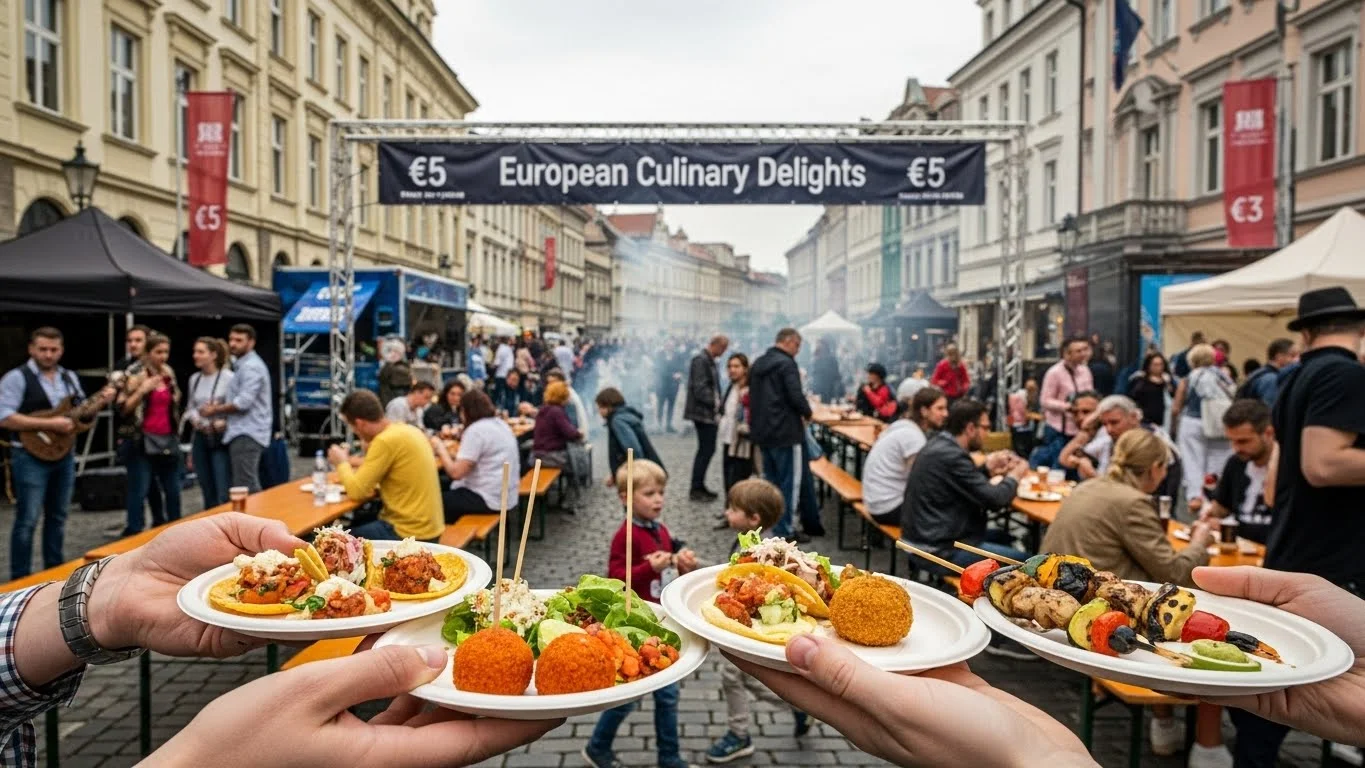
Explore Europe’s Best Culinary Festivals on a Budget

Exploring Europe’s culinary festivals can be a delicious adventure without breaking the bank. Join me as we dive into the best festivals, savor local dishes, and share tips on how to enjoy these experiences on a budget. For those interested in broader culinary experiences, check out Savor the Journey: Best Budget Culinary Tours Worldwide.

Explore Europe’s Best Culinary Festivals on a Budget

Introduction to Culinary Festivals in Europe

What is a Culinary Festival?

Culinary festivals are vibrant celebrations of food, where chefs, food lovers, and local producers come together to showcase their culinary talents and regional specialties. I’ve attended a few of these festivals, and the atmosphere is always electric, filled with the aroma of delicious dishes and the sounds of laughter and chatter. From cheese tastings to wine pairings, culinary festivals offer a fantastic way to experience the local culture through its cuisine. Each festival has its own unique theme and vibe, making every visit a new adventure.

Why Attend Culinary Festivals?

Attending a culinary festival goes beyond just tasting food; it’s a chance to connect with people who share a passion for gastronomy. I’ve met amazing chefs and food enthusiasts, and I’ve learned so much about different cuisines. Plus, festivals often feature cooking demonstrations, workshops, and even competitions, giving us insights into the culinary world that we might not get elsewhere. For me, these festivals are a feast for the senses, where I could not only eat but also learn new skills and discover ingredients I had never encountered before. If you’re curious to explore more food events, check out the Ultimate Guide to the World’s Most Delicious Food Festivals.

Top Culinary Festivals in Europe

1. La Fête de la Gastronomie, France

This festival celebrates French cuisine, and it’s a nationwide event that takes place in late September. I remember attending it in Paris, where the city was alive with activities ranging from street food stalls to fine dining experiences. Local chefs showcase their culinary skills while sharing their love for French gastronomy. I particularly enjoyed the tasting sessions that featured fresh, locally sourced ingredients. What’s great is that many events are free or have a small fee, making it budget-friendly.

2. Oktoberfest, Germany

While Oktoberfest is famous for its beer, it’s also a culinary paradise! Held in Munich from late September to the first weekend in October, I found myself indulging in traditional German dishes like pretzels, sausages, and pork knuckles. The festive atmosphere, with live music and friendly locals, adds to the experience. Even if you’re not a beer drinker, the food alone makes it worth a visit. Plus, many food stalls offer reasonably priced items, allowing us to enjoy a feast without spending a fortune.

3. San Sebastián Gastronomika, Spain

If you’re a fan of Basque cuisine, this festival should be on your radar. Held in October, it attracts chefs and foodies from around the world. I was amazed by the innovative dishes and the emphasis on local ingredients. The festival features cooking competitions and tastings, allowing us to sample dishes from renowned chefs. Although it can be a bit pricier than others, I found that attending some of the workshops provided excellent value for money, especially for aspiring cooks.

4. Taste of London, England

Taste of London is a food lover’s dream, showcasing the best dishes from top restaurants in the city. I attended this festival last summer, and it was an incredible experience. The vibrant atmosphere, coupled with live cooking demonstrations, made it unforgettable. While some dishes can be pricey, I recommend trying the sample portions, which are more affordable and allow you to taste a variety of cuisines. The event usually takes place in June, so it’s a great way to kick off the summer with good food and good company.

5. Truffle Festival, Italy

Italy’s truffle festivals celebrate one of the country’s most luxurious ingredients. I had the pleasure of visiting the truffle festival in Alba, held in October and November. It’s a magical experience to see truffle hunters showcasing their skills. From truffle-infused dishes to cooking classes, there’s so much to explore. The best part? Many local restaurants offer special menus during the festival, making it easier to enjoy gourmet dining without splurging too much.

6. Food and Wine Festival, Portugal

This festival takes place in the beautiful city of Lisbon each September. I was blown away by the variety of Portuguese wines and culinary traditions showcased. The festival features tastings, workshops, and celebrity chef appearances. While some events can be expensive, I found that many local vendors offered affordable tastings. Plus, the warm, welcoming vibe of Lisbon made the experience even more enjoyable.

7. The Big Feastival, United Kingdom

Held in the Cotswolds, The Big Feastival combines food, music, and family fun. I loved the range of street food options available, from gourmet burgers to artisanal ice creams. The festival takes place in late August, and while tickets can be a bit pricey, the variety of food options means you can eat well without overspending. Plus, the live music keeps the energy high throughout the weekend!

When to Visit Culinary Festivals

Seasonal Considerations

When planning my trips to culinary festivals, I’ve learned that the seasons can greatly affect the experience. For instance, spring and summer are typically bustling with outdoor festivals, where the weather is warm and the atmosphere is vibrant. I remember attending a few festivals in June, and the excitement was palpable as people gathered in parks and squares, sharing good food and even better company. Autumn, on the other hand, brings the harvest season, making it an ideal time for festivals focusing on fresh produce, wine, and hearty dishes. I found the fall festivals to be magical, with the changing leaves providing a stunning backdrop to the culinary delights on offer.

Festival Dates and Timelines

Timing can be crucial, as many festivals are annual events that take place on specific dates. I’ve missed out on some fantastic festivals simply because I didn’t check the dates in advance. For example, I planned a trip to Italy around the time of the Truffle Festival, only to realize I had booked my flight a week too late! I now make it a priority to create a festival calendar before my travels, noting down the specific dates and durations of events. Most festivals last a weekend, but some can span several weeks, allowing for plenty of opportunities to enjoy the local flavors. I recommend checking the official festival websites for the most accurate information and any special events happening during the festival period.

Budgeting for Culinary Festivals

Entry Fees and Ticket Pricing

Understanding the costs associated with culinary festivals can help us manage our budgets effectively. I’ve noticed that many festivals have free entry or charge a nominal fee, especially for general admission. However, some events, like cooking demos or exclusive tastings, often require tickets that can range from affordable to quite pricey. I’ve found it helpful to set a budget for entry fees before I go, so I can enjoy the festival without worrying about overspending. Another tip is to look for early bird discounts or group deals, which can make attending even more cost-effective.

Cost of Food and Beverages

Food prices at festivals can vary significantly. While some vendors offer small bites at reasonable prices, others might charge a premium for gourmet dishes. I learned the hard way during my first festival experience when I splurged on a fancy dish that wasn’t quite what I expected. Now, I usually stick to trying a few sample portions instead of full meals, which allows me to taste more dishes without breaking the bank. Plus, it’s a fun way to explore the festival! I also recommend keeping an eye out for drink specials or local wines that are often more affordable than international brands.

Accommodation Options

Finding budget-friendly accommodation is another important aspect of festival planning. I’ve stayed in everything from hostels to cozy bed-and-breakfasts, and each has its charm. Booking early often leads to better rates, especially during peak festival seasons. If I’m traveling to a festival in a popular city, I make sure to check options a few months in advance. Sometimes, I prefer to stay a little farther away from the festival site and take public transportation. This not only saves money but also gives me a chance to explore less touristy areas.

Transportation Costs

Getting to and from the festival can add to our overall expenses, so I always factor in transportation costs. I’ve taken everything from trains and buses to rideshares, depending on the festival location. I often look for public transport options, which are usually the most economical. Additionally, I make sure to check if the festival offers any shuttle services or has partnered with local transport companies for discounted fares. It’s a small detail that can really help stretch my budget further.

How to Save Money at Culinary Festivals

Early Bird Tickets and Discounts

One of the best ways I’ve learned to save money is by purchasing early bird tickets. Many festivals offer discounted rates for those who buy their tickets in advance. I remember getting a fantastic deal for a cooking workshop during a festival because I signed up early. It was a win-win because not only did I save money, but I also secured my spot at a popular event that could have easily sold out.

Group Deals and Packages

If you’re traveling with friends or family, consider looking for group deals. I’ve seen many festivals offer special packages for larger groups, which can significantly reduce costs. It’s a great way to enjoy the festival experience together while also saving some cash. During one festival, my friends and I pooled our resources to buy a group ticket for a workshop, and we had a blast learning to cook together!

Sample Tasting vs. Full Meals

Opting for sample tastings instead of full meals is another great strategy I’ve adopted. Most festivals have numerous food stalls offering small portions, which allow us to try various dishes without overindulging or spending too much. I remember feeling like a kid in a candy store, trying everything from artisanal cheeses to decadent desserts. It’s the perfect way to expand my palate and enjoy the wide variety of cuisines without feeling guilty about my budget.

Local Transportation Tips

Finally, navigating the local transportation system can save us a lot of money. I’ve made it a habit to research public transport options before arriving in a new city. Many places have affordable day passes that allow unlimited travel on buses and trains. This way, I can move around easily and at a low cost. I also try to walk whenever possible, as it often leads to unexpected discoveries and hidden gems along the way.

Local Food and Highlights at Each Festival

Signature Dishes to Try

One of the most exciting parts of attending culinary festivals is discovering the signature dishes unique to each region. I’ve found that every festival showcases local favorites that reflect the culture and traditions of the area. For example, at La Fête de la Gastronomie in France, I was delighted by the opportunity to taste coq au vin, a classic dish that truly embodies French cuisine. I remember savoring the rich flavors and knowing that each bite had a story behind it.

At Oktoberfest, I couldn’t resist indulging in the famous weisswurst, a traditional Bavarian sausage. The experience was amplified by the lively atmosphere, with everyone around me enjoying their pretzels and beer. It’s not just about the food; it’s about the shared joy of celebrating a culinary heritage. Similarly, at the Truffle Festival in Alba, I had the chance to try truffle risotto, which was unlike anything I had tasted before. The earthiness of the truffles paired perfectly with the creamy rice, making it a memorable dish.

Workshops and Demonstrations

Another highlight for me at these festivals are the workshops and cooking demonstrations. They offer a hands-on experience that enhances my appreciation for the culinary arts. At San Sebastián Gastronomika, I participated in a cooking class led by a Michelin-starred chef. I was amazed at how much I learned in just a few hours! The chef taught us to prepare pintxos, the Basque version of tapas, and it felt thrilling to create something so delicious myself.

During Taste of London, I attended a cheese-making workshop, which was not only informative but also a lot of fun. I had the chance to get my hands dirty, literally! I remember laughing with fellow participants as we tried to perfect our cheese balls. These workshops create a sense of community, and I often leave with new friends and a deeper understanding of the local cuisine.

Local Chefs and Influencers to Follow

At each festival, I’ve discovered local chefs and food influencers who share their passion for food through social media. Following them offers a glimpse into the culinary scene in that area and inspires me to try new recipes at home. For instance, at the Food and Wine Festival in Lisbon, I met a local chef known for her innovative take on traditional Portuguese dishes. She has a fantastic Instagram account where she shares behind-the-scenes looks at her cooking process and tips for using local ingredients.

Connecting with these culinary personalities adds a personal touch to my festival experience. I remember seeing a live demonstration by a chef who specializes in seafood paella at a festival in Valencia. Not only was the dish spectacular, but his enthusiasm was contagious. I decided to follow him online, and I’ve learned so much from his posts about selecting the freshest seafood and cooking techniques. It’s a wonderful way to keep the festival spirit alive long after the event is over. If you’re a fan of street food, you might also enjoy Street Food Markets: A Backpacker’s Guide to Culinary Delights.

Safety Tips for Festival Attendees

Health and Hygiene Considerations

When attending culinary festivals, I always keep health and hygiene in mind, especially considering the number of people gathered in one place. I remember my first festival where I was so excited to try everything that I forgot to wash my hands before sampling food. Now, I make it a point to carry hand sanitizer with me. It’s a simple measure but incredibly effective in keeping germs at bay.

Additionally, I’ve learned to be mindful of food safety practices. If I see food vendors following sanitary measures—like wearing gloves or serving food in clean containers—I feel more comfortable indulging in their offerings. I also try to stick to freshly prepared items rather than anything that looks like it’s been sitting out for too long. It’s always better to be cautious, especially when sampling street food.

Personal Safety and Security

While enjoying the atmosphere of culinary festivals, I pay attention to personal safety and security as well. I’ve found that large crowds can sometimes lead to pickpocketing, so I make sure to keep my belongings close. I usually wear a crossbody bag that I can keep in front of me, which helps me feel secure while I’m munching away on delicious bites.

It’s also wise to stay aware of my surroundings. If I’m at a festival that lasts late into the evening, I always plan my return to my accommodation in advance. I’ve used rideshare apps or public transportation to ensure I get back safely. It’s essential to enjoy the festivities while also taking the necessary precautions so that I can look back on the experience with nothing but fond memories.

Frequently Asked Questions

What is a culinary festival?

Culinary festivals are vibrant celebrations of food, where chefs, food lovers, and local producers come together to showcase their culinary talents and regional specialties. They feature various activities such as tastings, cooking demonstrations, and competitions, providing an immersive experience in local culture through cuisine.

Why should I attend culinary festivals?

Attending culinary festivals allows you to connect with people who share a passion for gastronomy, meet amazing chefs, and learn about different cuisines. They often include cooking demonstrations and workshops, offering insights into the culinary world that you might not get elsewhere.

What are some top culinary festivals in Europe?

Some top culinary festivals in Europe include La Fête de la Gastronomie in France, Oktoberfest in Germany, San Sebastián Gastronomika in Spain, Taste of London in England, the Truffle Festival in Italy, the Food and Wine Festival in Portugal, and The Big Feastival in the United Kingdom.

When is the best time to visit culinary festivals?

The best time to visit culinary festivals often depends on the season. Spring and summer are bustling with outdoor festivals, while autumn is ideal for harvest-themed festivals. It’s essential to check specific dates, as many festivals are annual events that occur on set dates.

How can I budget for attending culinary festivals?

To budget for culinary festivals, consider the entry fees and ticket pricing, which can vary. Many festivals offer free entry or nominal fees, while some events may be pricier. Additionally, keep an eye on food and beverage prices, accommodation options, and transportation costs to manage your overall budget effectively.

What are some money-saving tips for culinary festivals?

Some money-saving tips include purchasing early bird tickets for discounts, looking for group deals, opting for sample tastings instead of full meals, and researching local transportation options to save on travel costs.

What signature dishes should I try at culinary festivals?

Each festival showcases local favorites unique to the region. For example, at La Fête de la Gastronomie, try coq au vin; at Oktoberfest, indulge in weisswurst; and at the Truffle Festival in Alba, don’t miss the truffle risotto.

Are there workshops and demonstrations at culinary festivals?

Yes, many culinary festivals offer workshops and cooking demonstrations, providing hands-on experiences that enhance appreciation for culinary arts. Participants can learn from professional chefs and gain practical cooking skills.

What health and hygiene considerations should I keep in mind at festivals?

It’s important to maintain health and hygiene by washing hands or using hand sanitizer before sampling food. Pay attention to food safety practices of vendors, and prefer freshly prepared items over those that may have been sitting out for too long.

How can I ensure personal safety at culinary festivals?

To ensure personal safety, keep your belongings close, be aware of your surroundings, and plan your return to accommodations in advance, especially if the festival lasts late into the evening. Utilizing rideshare apps or public transportation can enhance safety.

Epicurean Adventures: Wine Pairing Cooking Classes You Need

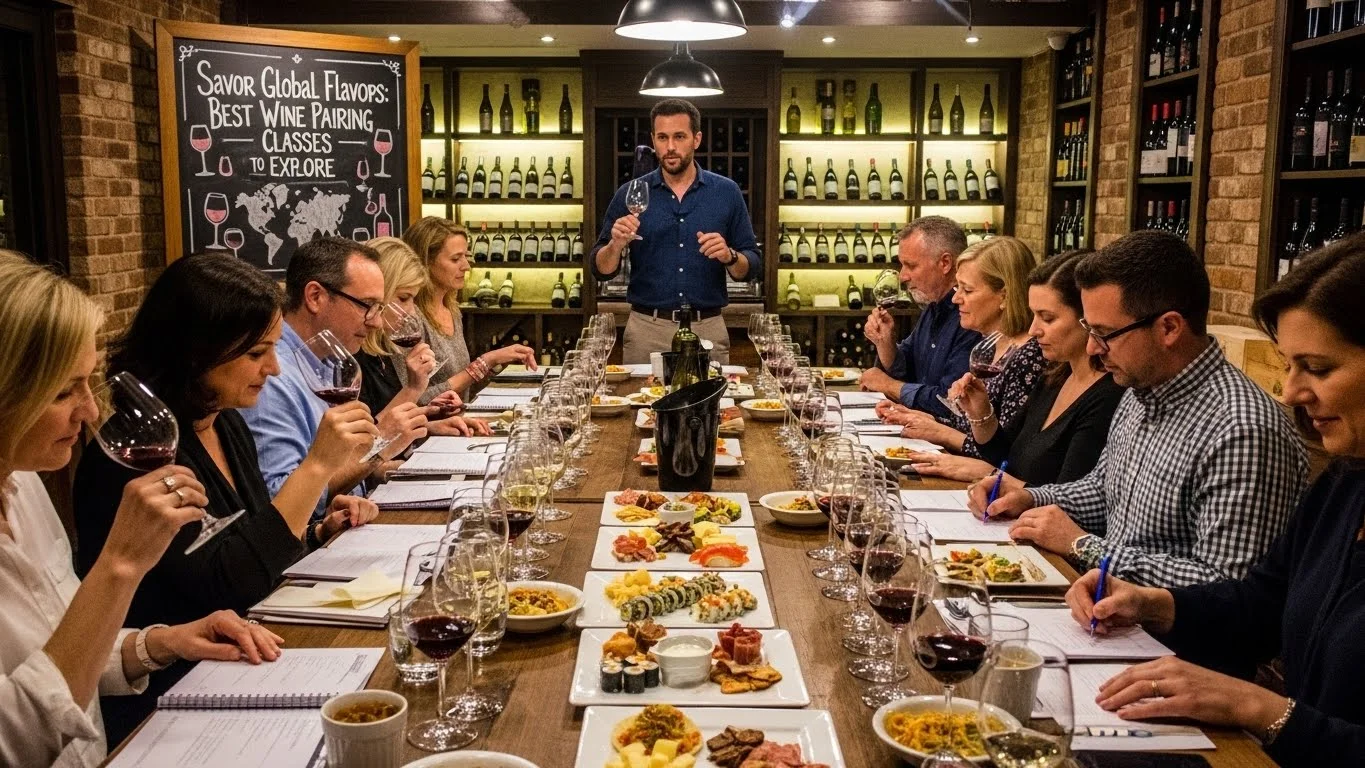
Are you ready to embark on a culinary journey that tantalizes your taste buds and enhances your cooking skills? Join me as we explore the world of wine pairing cooking classes that promise to elevate your dining experiences! Read Interesting article: Savor Global Flavors: Best Wine Pairing Classes to Explore

Epicurean Adventures: Wine Pairing Cooking Classes You Need

Understanding Wine Pairing Basics

The Importance of Wine Pairing

Wine pairing is more than just a fancy term thrown around at dinner parties; it’s a vital aspect of enjoying a meal. I remember attending a dinner where the right wine transformed an already delicious dish into something truly memorable. The right wine can enhance flavors, balance textures, and even elevate the overall atmosphere of a meal. It’s magical how a well-paired wine complements the ingredients, making every bite more enjoyable.

Learning about wine pairing can open up a whole new world of flavors. When we take a moment to consider how wine interacts with our food, we start to appreciate our meals in a deeper way. It’s not just about drinking wine; it’s about creating a harmonious experience that delights the senses. In a cooking class focused on wine pairing, I learned that each wine varietal carries its own unique characteristics, which can either enhance or clash with the food we prepare. That’s why understanding the importance of pairing is the first step in becoming a more confident cook and host.

How Wine Complements Food Flavors

When it comes to food and wine pairing, understanding how different flavors work together is essential. I’ve experienced the joy of discovering how food and wine can create a symphony of taste when paired correctly. For instance, a robust red wine with hints of cherry and spice can elevate a rich beef stew, while a crisp white wine might perfectly balance the acidity of a fresh salad. The right wine can make a dish feel complete, and I’ve learned that it’s all about finding that balance.

There are a few principles that guide this pairing process. One of the most popular rules is to pair lighter wines with lighter dishes and heavier wines with heartier meals. But I’ve also found that exploring unconventional pairings can lead to delightful surprises. For example, I once paired a sweet Riesling with spicy Asian cuisine, and the combination was simply divine! This trial-and-error approach is what makes wine pairing so exciting and personal; each experience teaches us something new.

Types of Wine and Their Characteristics

Red Wines: Varietals and Flavor Profiles

Red wines are often rich and complex, making them a favorite for many. I remember my first taste of a full-bodied Cabernet Sauvignon; its bold flavors of dark fruit and oak were unlike anything I had ever experienced. Each varietal has its own story to tell, and when we dive into the world of red wines, we discover a spectrum of flavors that can match with various meals.

For instance, Pinot Noir has a lighter body and fruity notes, making it perfect for dishes like roasted chicken or mushroom risotto. In contrast, a Syrah can bring out the best in grilled meats with its peppery finish. As I explored different red wines, I began to notice how they could either complement or contrast the flavors in my cooking, which opened the door to more adventurous dining experiences.

White Wines: Varietals and Flavor Profiles

White wines offer a different palette of flavors and aromas. I’ve always had a soft spot for Sauvignon Blanc, with its refreshing acidity and bright citrus notes. It pairs beautifully with seafood and salads, making it a go-to in my kitchen. Chardonnay is another popular choice, especially when it’s oaked; its buttery texture complements rich dishes like lobster and creamy pasta.

Each white varietal brings its own charm, and understanding these nuances has transformed how I cook and pair wines. I’ve learned that a well-chosen white can lighten up a heavy meal or add an unexpected twist to a classic dish. For someone exploring wine pairing, getting to know these varietals can be incredibly rewarding.

Sparkling and Dessert Wines

Sparkling wines like Champagne and Prosecco are perfect for celebrations, but they also bring a unique quality to food pairings. I remember hosting a brunch where I served a fruity Prosecco alongside a sweet fruit tart; the bubbles added a delightful contrast that made the meal feel festive. Sparkling wines can cleanse the palate and enhance flavors, making them a versatile choice for various occasions.

Dessert wines, on the other hand, are sweet and rich, designed to complement desserts beautifully. I’ve enjoyed pairing a late-harvest Riesling with a cheesecake, where the wine’s sweetness matched the dessert’s creaminess perfectly. Exploring these types of wines has not only enriched my meals but also deepened my appreciation for the art of pairing food and wine. Read Interesting article: Taste and Travel: Affordable Wine and Cooking Classes Worldwide

Essential Cooking Techniques for Wine Pairing

Basic Cooking Methods: Grilling, Roasting, and Sautéing

As I delved deeper into wine pairing, I found that the cooking methods I used significantly influenced my food and wine experiences. Grilling, roasting, and sautéing are some of the techniques that I embraced, each bringing its own unique flavors to the table. Grilling, for instance, can impart a smoky char that works wonderfully with certain wines. I remember preparing a grilled vegetable platter, and the deep flavors mingled beautifully with a chilled Sauvignon Blanc. The brightness of the wine cut through the richness of the charred veggies, creating a delightful balance.

Roasting, on the other hand, caramelizes the natural sugars in ingredients, enhancing their sweetness. I’ve roasted everything from root vegetables to meats, and I’ve noticed how a full-bodied red wine like a Malbec pairs perfectly with these rich, roasted flavors. The complexity of the wine complements the depth of the food, creating a satisfying harmony on the palate.

Sautéing is another technique that allows for quick cooking while maintaining the integrity of the ingredients. I often sauté greens with garlic and olive oil, and I’ve found that a light Pinot Grigio elevates the freshness of the dish. It’s fascinating how the method of cooking can interact with the wine, enhancing the overall taste experience.

Flavoring Techniques: Herbs, Spices, and Sauces

Once I grasped the basic cooking methods, I wanted to dig deeper into how flavors from herbs, spices, and sauces could influence my wine pairings. I learned that the right seasoning can make or break a dish, and it’s essential to consider how these flavors will interact with the wine. For example, I often use fresh herbs like basil and thyme, which add aromatic notes that can complement a wine beautifully. I remember making a tomato basil sauce for pasta, and when I paired it with a Chianti, the herbal notes in both the dish and the wine worked in perfect unison.

Spices are another area where I had to experiment a bit. I once made a spicy Moroccan chickpea stew and paired it with a Grenache. The fruitiness of the wine balanced the heat from the spices, showcasing how adventurous pairings can lead to delightful surprises. I’ve learned that understanding different spices and how they interact with wine is key. For instance, a dish with cumin might work better with a Syrah, while cardamom could pair nicely with a Riesling.

When it comes to sauces, I have found that they can transform a dish entirely. Creamy sauces call for rich wines like a buttery Chardonnay, while lighter sauces might pair well with crisp whites. I recall making a lemon butter sauce for fish, and when I served it with a glass of Chardonnay, the pairing was nothing short of spectacular. The wine’s creaminess matched the sauce perfectly, creating a cohesive flavor experience.

Choosing the Right Cooking Class

Types of Cooking Classes: In-Person vs. Online

As I explored different cooking classes focused on wine pairing, I quickly realized that the format of the class can significantly impact the learning experience. In-person classes allow for hands-on practice, which I find incredibly valuable. There’s something special about working alongside an instructor and fellow food enthusiasts, sharing tips and tasting wines together. I remember the camaraderie in a local class where we all excitedly compared the wines we brought to share.

On the other hand, online classes offer flexibility that I’ve appreciated, especially when my schedule gets hectic. I’ve taken online courses that allowed me to learn at my own pace while still providing interactive elements like live Q&A sessions. I found that being able to pause and replay sections was helpful for absorbing the material fully. Whether you prefer the in-person experience or the convenience of online learning, the key is to find a class that resonates with your learning style.

Class Focus: Beginner, Intermediate, or Advanced

When selecting a cooking class, I discovered the importance of matching the class’s focus with my skill level. As someone who started as a beginner, I took classes that introduced the basics of cooking techniques and wine pairing principles. I remember feeling a bit intimidated at first, but the supportive environment made it easier to ask questions and engage with the material.

As I gained confidence, I sought out intermediate classes that delved into more complex pairings and advanced cooking techniques. I’ve enjoyed exploring regional cuisines and learning how local wines interact with traditional dishes. Choosing a class that aligns with my growing skills has been essential for keeping the learning process both challenging and rewarding. No matter your starting point, there’s a cooking class out there that’s perfect for you. Read Interesting article: Unlock Culinary Secrets: Top Wine and Cooking Classes Abroad

What to Look For in an Instructor

An instructor can make all the difference in your cooking class experience. I’ve had the pleasure of learning from some incredibly passionate chefs who share their love for food and wine effortlessly. When choosing a class, I recommend looking for instructors with a strong background in both cooking and wine pairing. Their expertise can provide invaluable insights that elevate your learning.

Another aspect to consider is the instructor’s teaching style. I’ve found that instructors who encourage interaction and foster a fun atmosphere can significantly enhance the learning experience. I believe it’s important to feel comfortable asking questions and sharing your thoughts during class. A good instructor will be approachable and eager to help you discover your own preferences and style in cooking and wine pairing.

Top Wine Pairing Cooking Classes to Explore

Local Culinary Schools Offering Wine Pairing Classes

When I first decided to dive into the world of wine pairing, I explored local culinary schools in my area. It was such a thrill to find out that many of them offered specialized classes focusing on this delightful combination. I enrolled in a course at a nearby culinary institute, and the experience was enriching. The chefs not only taught us cooking techniques but also shared their extensive knowledge about wine. We learned about local varietals and how they complemented the regional dishes we were preparing.

One of my favorite moments was when we prepared a seasonal dish using fresh ingredients from local markets. The instructor paired it with a wine from a nearby vineyard, and I felt an immediate connection to the food and wine culture of my region. I recommend checking out culinary schools in your area, as many offer evening or weekend classes that fit into busy schedules. You’ll likely meet fellow food lovers who can share their stories and experiences.

Online Platforms with Wine Pairing Cooking Courses

If local classes aren’t an option for you, don’t worry! There are fantastic online platforms that offer wine pairing cooking courses. I found these courses to be incredibly convenient, especially when I wanted to learn at my own pace. Websites like MasterClass and Udemy have various offerings that cater to different skill levels. Watching professional chefs demonstrate techniques from the comfort of my kitchen was a game-changer.

In one particular online class, the instructor took us through the process of preparing multiple courses while highlighting how to select the right wines. I appreciated the opportunity to pause and replay videos so I could fully absorb the information. Plus, many platforms offer community forums where you can ask questions and share your experiences with other learners. It’s a great way to feel connected while learning something new.

Specialty Workshops and Events

In addition to traditional classes, I discovered specialty workshops and events that focus on wine pairing. These are often hosted by wineries, chefs, or culinary organizations and can be an immersive experience. I attended a wine and cheese pairing workshop at a local vineyard, and it was unforgettable. The sommelier guided us through the flavors of various wines and how they complemented different cheeses, which opened my eyes to the nuances of pairing.

These workshops often include tastings and hands-on experiences, so you can apply what you learn right away. I’ve seen workshops themed around specific cuisines or ingredients, making them a fun way to explore new flavors while enhancing my pairing skills. Keep an eye on local event listings or winery newsletters to find these opportunities—they’re often informative and a blast to attend!

Hands-On Experience: What to Expect

Class Structure: Demonstration vs. Hands-On Cooking

As I participated in various cooking classes, I quickly learned that the structure could vary significantly. Some classes focus on demonstration, where the instructor prepares dishes while explaining the techniques and wine pairings. I remember sitting in awe as a chef skillfully sautéed and explained how the flavors melded, all while pouring us tastings of the accompanying wine.

However, I found that hands-on cooking classes were my favorite. There’s something incredibly satisfying about getting my hands dirty and practicing the techniques firsthand. In these classes, we often worked in small groups to prepare meals and pair them with wines. It created a collaborative atmosphere where we could share ideas and taste each other’s creations. I believe that this kind of engagement enhances the learning experience, making it more memorable.

Wine Tastings During Classes

One of the highlights of any wine pairing cooking class for me was the wine tastings themselves. These tastings are not just about sipping wine; they provide an opportunity to understand the characteristics of different varietals and how they interact with food. I vividly recall the moment when we tasted a Pinot Noir alongside a dish we had just prepared. The instructor guided us through identifying the wine’s flavors and how they complemented the meal.

These tastings often included discussions on the origins of the wines, which made the experience even richer. I learned to appreciate the stories behind each bottle, which deepened my connection to the wine. It’s a great way to encourage discussion among classmates and explore how everyone’s taste preferences differ. I highly recommend taking advantage of any wine tastings offered in these classes—they’re a fun and educational part of the experience!

Creating Your Own Wine Pairing Menu

Starter Courses: Appetizers that Pair Well

When it comes to setting the stage for an unforgettable meal, appetizers play a crucial role. I’ve learned that the right starter can whet the appetite and create anticipation for what’s to come. For example, I love serving a charcuterie board as my first course. The combination of meats, cheeses, and pickled vegetables pairs beautifully with a crisp white wine like Pinot Grigio or a light-bodied red, such as Gamay. I remember the first time I laid out a board with a variety of flavors, and as my guests mingled, I could see their excitement grow with each sip and bite. It’s all about balance—choosing flavors that complement each other without overwhelming the palate.

Another favorite of mine is bruschetta topped with fresh tomatoes and basil. The bright acidity of a Sauvignon Blanc enhances the freshness of the dish perfectly. I recall a summer evening when I prepared this dish, and the wine pairing elevated the entire experience, making it feel like a celebration. Finding appetizers that work in harmony with your chosen wines not only enhances the meal but also sets a welcoming tone for your dinner.

Main Courses: Balancing Flavor Intensity

Moving on to the main course, I’ve learned that this is where the magic of wine pairing truly shines. The key is to balance the intensity of the dish with the right wine. For heartier meals like a beef bourguignon, a robust red like a Cabernet Sauvignon can stand up to the rich flavors. I remember hosting a dinner party where I served this dish, and the pairing was a revelation. The wine’s tannins softened the meat, creating a delightful interplay of flavors.

For lighter fare, such as grilled salmon, I often opt for a Pinot Noir. The delicate fruit notes of the wine complement the fish beautifully, adding depth without overshadowing it. I can still picture the first time I paired these two; it felt like the wine and the dish were meant to be together. The concept of balancing flavor intensity is crucial; it’s about enhancing the overall experience, making each bite more enjoyable.

Desserts: Sweet Treats and Wine Combinations

Desserts present a delightful opportunity for creativity in wine pairing. I love ending a meal with something sweet, and I’ve found that dessert wines can bring an entirely new dimension to the final course. For instance, a rich chocolate cake pairs remarkably well with a bold port. The sweetness of the wine complements the chocolate, creating a luxurious finish to the meal. I can still recall the sighs of delight from my friends as they savored this combination.

For fruit-based desserts, I often choose a late-harvest Riesling. Its sweetness enhances the natural flavors of fresh berries or a fruit tart. I remember preparing a berry crumble, and as it came out of the oven, the aroma was intoxicating. Serving it with a glass of Riesling transformed the dessert into an unforgettable experience. Exploring these combinations has been one of the most rewarding aspects of my culinary journey, allowing me to create memorable moments around the dining table.

Tips for Successful Wine Pairing at Home

Building Your Wine Collection

As I delved deeper into the world of wine pairing, I realized the importance of curating a diverse wine collection. I’ve learned that having a variety of wines on hand—red, white, sparkling, and dessert—allows for greater flexibility when planning meals. I recommend starting with a few reliable varietals and gradually expanding to include different regions and styles. I often visit local wineries or wine shops and ask for recommendations based on my preferences. It’s a fun way to discover new favorites!

Experimenting with Pairings

One of the most exciting aspects of wine pairing is the opportunity to experiment. I’ve found that the best way to learn is by trying new combinations and seeing what works. I often challenge myself to pair a wine with an unexpected dish, like serving a spicy curry with a sweet Gewürztraminer. These experiments can lead to delightful surprises, and I’ve found that being open-minded is key to discovering new flavor profiles.

Hosting Your Own Wine Pairing Dinner

There’s something truly special about hosting a wine pairing dinner for friends or family. I remember the first time I organized one; I carefully crafted a menu, selecting dishes that complemented each other and the wines I had chosen. I encouraged my guests to participate in the tasting process, sharing their thoughts and preferences. It created a lively atmosphere filled with laughter and delicious food. I encourage anyone interested in wine pairing to try hosting a dinner; it’s a wonderful way to share your passion and create lasting memories.

Final Thoughts

Exploring the world of wine pairing has been an exciting and enriching journey for me. From understanding the basics of pairing to creating delightful menus, each experience has deepened my appreciation for both food and wine. Whether you’re a seasoned cook or just starting out, there’s always something new to learn in this culinary adventure. I hope you feel inspired to dive into the art of wine pairing, whether through a class, your own experimentation, or hosting memorable dinners. The joy of discovering the perfect pairing is a treasure that can transform any meal into a celebration.

Frequently Asked Questions

What is the importance of wine pairing in cooking?

Wine pairing is essential for enhancing flavors, balancing textures, and elevating the overall atmosphere of a meal. The right wine can complement the ingredients, making the dining experience more enjoyable and memorable.

How do different wines complement food flavors?

Different wines can create a harmonious experience by enhancing or contrasting with the flavors of food. For example, a robust red wine can elevate a rich dish, while a crisp white wine can balance the acidity of lighter fare. Understanding these interactions helps in finding the right balance for each meal.

What are some characteristics of red wines?

Red wines are often rich and complex. Varietals like Cabernet Sauvignon are bold with dark fruit flavors, while Pinot Noir has a lighter body and fruity notes. Different red wines can complement various dishes, such as Syrah with grilled meats or Pinot Noir with roasted chicken.

What types of white wines are popular for pairing with food?

Popular white wines include Sauvignon Blanc, known for its refreshing acidity and citrus notes, which pairs well with seafood, and Chardonnay, especially oaked, which complements rich dishes like lobster and creamy pasta.

What are sparkling and dessert wines used for in pairings?

Sparking wines, like Champagne and Prosecco, add a festive quality and can cleanse the palate, while dessert wines are sweet and designed to complement desserts. For instance, a late-harvest Riesling can pair beautifully with cheesecake.

What basic cooking methods influence wine pairing?

Techniques like grilling, roasting, and sautéing significantly influence how food interacts with wine. For example, grilling imparts a smoky flavor that pairs well with certain wines, while roasting enhances sweetness, complementing full-bodied reds.

What should I look for when choosing a cooking class focused on wine pairing?

When selecting a cooking class, consider the class format (in-person vs. online), the class focus (beginner, intermediate, or advanced), and the instructor’s expertise. Look for classes that match your skill level and offer interactive learning experiences.

What are some recommended wine pairing cooking classes to explore?

Local culinary schools often offer specialized wine pairing classes, while online platforms like MasterClass and Udemy provide courses that cater to different skill levels. Specialty workshops and events hosted by wineries or culinary organizations are also great options.

How can I create my own wine pairing menu?

To create a wine pairing menu, start with appetizers that complement your chosen wines, balance flavor intensity in main courses, and explore dessert options that enhance sweet treats. Consider each dish’s characteristics and how they interact with the wines selected.

What tips can help me with successful wine pairing at home?

Building a diverse wine collection allows for flexible pairing options. Experimenting with different combinations and hosting your own wine pairing dinners can also enhance your skills and create memorable culinary experiences.

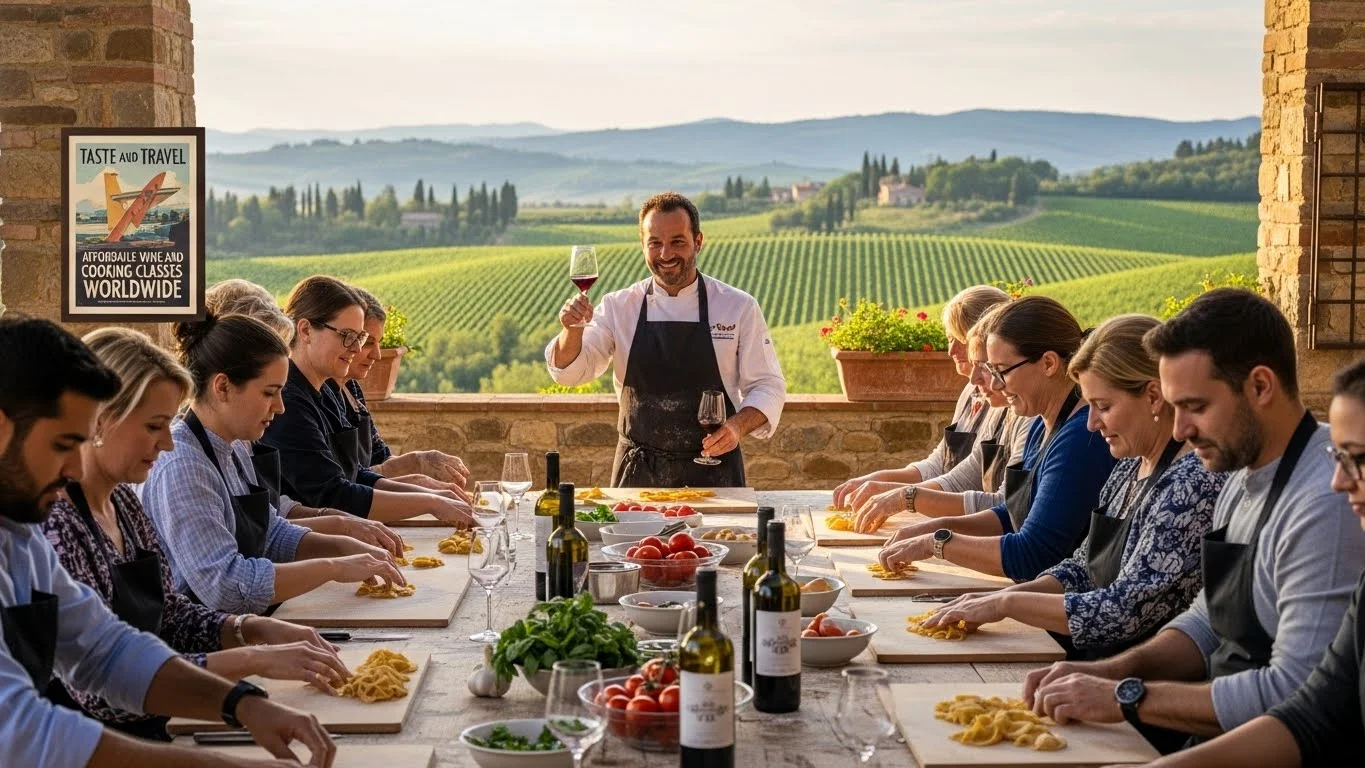
Taste and Travel: Affordable Wine and Cooking Classes Worldwide

If you’re like me, combining travel with a love for food and wine is an unforgettable experience. Discovering affordable wine and cooking classes around the world opens up an incredible way to indulge in local cultures while sharpening culinary skills. You can explore options like Savor Local Flavors: Farm-to-Table Classes Abroad to enhance your culinary journey.

Taste and Travel: Affordable Wine and Cooking Classes Worldwide

Understanding the Global Wine and Cooking Class Landscape

As I embarked on my journey through the world of culinary tourism, I quickly learned that it’s more than just cooking; it’s about immersing myself in different cultures and tasting the richness of various regions. Culinary tourism has exploded in popularity, and it’s easy to see why. More travelers are looking to connect with local traditions, especially through food and drink. This rise isn’t just a trend; it reflects the deep human desire to share experiences, flavors, and stories over meals.

The Rise of Culinary Tourism

When I first started exploring culinary tourism, I noticed how it allows us to dive deeper than the typical tourist attractions. I mean, who doesn’t want to sip wine straight from a vineyard or learn to make pasta from an Italian nonna? Culinary tourism is about authentic experiences that resonate with our senses. This surge in interest has led to a variety of affordable wine and cooking classes that cater to all budgets. Whether you’re a novice or a seasoned chef, there’s something out there for everyone.

As I traveled to different regions, I discovered that these classes often incorporate local ingredients and traditional techniques, creating a rich tapestry of flavors and stories. For instance, I once took a cooking class in a small village in Spain, where the chef shared not only recipes but also family secrets passed down through generations. That experience was priceless!

Wine Regions Around the World

Wine is such an integral part of culinary experiences, and learning about it can be just as exciting as cooking. During my travels, I made it a point to visit various renowned wine regions. Each region has its own characteristics and specialties, making the learning experience diverse and rich. From the rolling hills of Tuscany to the sun-soaked vineyards of California, I’ve found that each glass of wine tells a story.

For example, while exploring the vineyards of Bordeaux, I learned about the meticulous process of wine production, from grape to glass. Participating in tastings not only honed my palate but also deepened my appreciation for the craft. I realized how much there is to learn about the terroir and how it impacts the flavors of wine. If you’re interested in further developing your wine knowledge, consider checking out Savor Global Flavors: Best Wine Pairing Classes to Explore.

Types of Cooking Classes Available

When it comes to cooking classes, I was surprised to find the variety available. Some classes focus on specific cuisines, while others offer a blend of techniques from various regions. I’ve participated in hands-on sessions, where I got to chop, sauté, and taste as I went along, as well as demonstration classes, where I could sit back and take notes while the chef worked their magic.

One of my favorite experiences was an interactive class in Thailand, where we not only cooked but also visited a local market to select fresh ingredients. That connection between sourcing and cooking made the final dish even more rewarding. Whether it’s a casual family-style class or a more formal culinary school setting, each format has its own charm and benefits.

Moreover, I found that some classes even offer a combination of cooking and wine pairing, which is a fantastic way to enhance your culinary skills while learning how to complement dishes with the perfect wine. This was particularly enjoyable during a class I attended in Italy, where we made homemade ravioli and paired it with exquisite local wines. The satisfied smiles around the table were evidence of a beautiful culinary experience.

As I reflect on my culinary adventures, it’s clear that understanding the global landscape of wine and cooking classes has enriched my travel experiences. Every class I attended not only taught me new skills but also connected me with local cultures and traditions, making my travels more meaningful.

Top Affordable Wine and Cooking Classes by Region

Europe

Europe is a treasure trove of culinary experiences, and I’ve found the wine and cooking classes here to be exemplary. Each country boasts its own unique flavor profiles and cooking techniques, making it a fantastic destination for food lovers like us.

Italy

Tuscany: Wine Tours and Cooking Classes

My journey in Tuscany was nothing short of magical. The rolling hills dotted with vineyards and olive groves created the perfect backdrop for a weekend of wine tours and cooking classes. I signed up for a local class that began with a vineyard tour, where I learned about the Sangiovese grapes and the art of winemaking. The winemaker was passionate, sharing stories about the land and how the soil influences the wine. Afterward, we headed to a rustic kitchen where we prepared traditional Tuscan dishes, such as ribollita and pici. Cooking with fresh ingredients sourced right from the land made the experience even more special.

Rome: Traditional Italian Cuisine Workshops

In Rome, I found a cooking workshop that focused on traditional Italian cuisine. The class was held in a charming apartment overlooking the city. I remember feeling so inspired as we made classic dishes like carbonara and tiramisu. The instructor, a local chef, not only taught us the recipes but also shared insights into the cultural significance of each dish. I left with a full stomach and a newfound love for Roman cooking. For anyone visiting Rome, I highly recommend taking a class to explore the city through its rich culinary history.

France

Bordeaux: Wine Tasting and Culinary Experiences

In Bordeaux, I dove headfirst into the world of French wine and cuisine. The classes I attended were a dream come true for a wine enthusiast. One memorable experience was a wine tasting paired with traditional French dishes. The sommelier guided us through the subtleties of each wine, explaining how they complemented the food. I was fascinated by how the aroma and taste of the wine changed depending on the dish. The entire experience felt like a celebration of the senses, and I walked away with a greater appreciation for French wine culture.

Provence: Olive Oil and Cooking Classes

Provence was another highlight. I joined a cooking class that focused on using local ingredients, particularly olive oil. We visited an olive oil mill, where I learned about the pressing process and the different types of olive oils. Back in the kitchen, we crafted dishes that showcased the oil’s flavors, such as ratatouille and tapenade. The vibrant colors and aromas filled the room, and we ended the day with a shared meal that felt like a picnic under the sun. The experience was not only delicious but also deeply educational.

North America

United States

Napa Valley: Wine and Culinary Retreats

The United States may not have the centuries of tradition that Europe does, but Napa Valley holds its own with stunning vineyards and fantastic culinary retreats. I remember attending a weekend class that combined wine tasting with cooking demonstrations. We visited vineyards to sample wines right from the source, then returned to our kitchen to whip up dishes that paired perfectly. The sense of community among the participants made it even more enjoyable. It was an excellent way to bond over our shared love for food and wine.

New Orleans: Cooking Classes Focused on Cajun and Creole Cuisine

New Orleans has a unique flair, and I was eager to explore its culinary offerings. I enrolled in a cooking class that celebrated the rich traditions of Cajun and Creole cuisines. The chef was a local who infused his teaching with personal stories, making the class feel more like a gathering of friends than a formal workshop. We learned to make gumbo, jambalaya, and beignets, all while soaking in the vibrant culture of the city. I felt a connection not just to the food but also to the history and passion that define New Orleans cuisine.

Canada

Okanagan Valley: Wine Tours and Cooking Classes

In Canada, Okanagan Valley is often celebrated for its beautiful landscapes and exceptional wines. I was fortunate enough to participate in a cooking class that also featured wine pairing. We toured the vineyards, picking up tips about the local grape varieties, before heading back to prepare dishes that highlighted the region’s fresh produce. The emphasis on locally sourced ingredients made everything taste incredible. The experience was both educational and delightful, and I left with a handful of recipes and a bottle of wine to savor back home.

Key Features of Affordable Classes

Instructors: Local Chefs and Sommeliers

One of the most enriching aspects of taking wine and cooking classes is the opportunity to learn from local chefs and sommeliers. In my experience, these instructors bring a wealth of knowledge and a personal touch that can make all the difference. I remember a class in Tuscany where the chef shared not just techniques but stories from her childhood in the kitchen with her grandmother. That connection made the cooking process feel more intimate and meaningful.

Local sommeliers, too, add a unique layer to the wine education experience. They often have a deep understanding of the region’s wines and can guide you through the intricacies of tasting. I vividly recall participating in a wine tasting led by a sommelier who was passionate about the art of wine pairing. He explained how the balance of flavors in food can be enhanced by the right wine, turning what could have been a simple meal into a celebration of tastes.

Hands-On Experience vs. Demonstration Classes

When I started exploring cooking classes, I realized there are generally two types: hands-on and demonstration classes. Hands-on classes are incredibly interactive, allowing participants to dive right in, chopping, stirring, and tasting alongside the chef. I prefer these because they create a sense of accomplishment as you prepare your own dishes. For example, in a class I took in Thailand, I was able to create my own pad Thai from scratch, which I later enjoyed with newfound pride.

On the other hand, demonstration classes, where the chef does the cooking while we watch and take notes, can be equally rewarding. I attended a demonstration class in Provence where we learned about rustic dishes while sipping local wines. Watching the chef expertly handle ingredients and techniques was both educational and inspiring. It allowed me to absorb the nuances of cooking without the pressure of participation, making it a great option for those who might feel intimidated in the kitchen.

Class Duration and Structure

The duration and structure of cooking classes can vary widely. Some classes last only a few hours, while others span an entire weekend. I’ve found that longer classes often provide a more in-depth experience, allowing for a deeper exploration of ingredients and techniques. For instance, during a weekend retreat in Napa Valley, we not only cooked meals but also spent time discussing the history of each recipe and the wines that paired with them. It was a comprehensive adventure that left me feeling well-versed in both cooking and wine appreciation.

Shorter classes can be perfect for those with tight schedules or for travelers like me who want to sample multiple experiences in one trip. I once took a two-hour pasta-making class in Rome that taught me how to make fresh fettuccine. It was quick, fun, and absolutely delicious! I walked away with a recipe and a new skill that I could easily replicate at home.

How to Choose the Right Class for You

Skill Level: Beginner to Advanced

Another important factor when selecting a class is your skill level. Whether you’re a complete novice or a culinary whiz, it’s vital to choose a class that matches your abilities. I remember feeling a bit overwhelmed when I first signed up for a French pastry class. The instructor was fantastic, but the techniques were advanced, and I struggled to keep up. Since then, I’ve learned to read reviews and descriptions carefully to find classes that cater specifically to my level.

Many classes also welcome all skill levels, which can be a great opportunity to learn alongside others. For instance, during a group cooking class in Mexico, I found that the blend of novice and experienced cooks created a supportive atmosphere. We all helped each other out, and the shared laughter over our culinary mishaps made for a memorable experience.

Class Size and Group Dynamics

The size of the class can significantly impact your experience. Smaller classes often allow for more personalized attention, which I’ve found invaluable. During a recent cooking workshop in Italy, our group of just six meant the chef could give us individual guidance, turning what could have been a standard lesson into a tailored experience. I felt comfortable asking questions and trying out new techniques without the fear of being lost in the crowd.

Larger classes can be fun, too, as they create a vibrant atmosphere filled with energy and excitement. However, I always recommend checking if the class maintains a good instructor-to-student ratio to ensure you still get that hands-on experience. If you’re someone who thrives in social settings, a larger group might be right for you!

Location and Accessibility

The location of your class can also influence your experience. I’ve found that classes held in picturesque settings, like vineyards or historic homes, elevate the entire experience. For example, taking a cooking class in a vineyard in Bordeaux not only allowed me to learn about the local cuisine but also gave me stunning views of the surrounding landscape, enhancing my appreciation for the ingredients we were using.

Accessibility is another consideration. Some cooking classes are located in remote areas, which can be challenging if you don’t have a car. I’ve learned to prioritize classes that offer convenient transportation options or are located close to public transport. This makes it easier to focus on the culinary adventure without the stress of logistics.

Additional Activities to Enhance Your Experience

Local Markets and Ingredient Sourcing

One of the highlights of my culinary travels has been visiting local markets. I’ve discovered that many cooking classes incorporate a market tour, which I find incredibly valuable. It’s not just about buying ingredients; it’s about understanding the local food culture. In a class I took in Bangkok, we spent the morning wandering through a vibrant market, selecting fresh produce, herbs, and spices. The instructor shared insights into seasonal ingredients and local specialties, which made the cooking experience even richer.

Food and Wine Pairing Workshops

Food and wine pairing workshops are another fantastic way to deepen your culinary skills. I attended a class in Spain that focused solely on pairing tapas with regional wines. The sommelier guided us through the fundamentals of pairing flavors and textures, which transformed the way I think about meal planning. I never realized how much of a difference the right wine could make until that day!

Dining Experiences with Local Families

Dining with local families is perhaps the most authentic way to experience a culture. I remember being invited to a family dinner during a cooking class in Sicily. Sharing a meal with locals, hearing their stories, and tasting home-cooked dishes made me feel like part of the family. These experiences are often more memorable than any restaurant meal and are a beautiful way to connect with the essence of a place.

Frequently Asked Questions

What is culinary tourism?

Culinary tourism is about immersing oneself in different cultures through food and drink, allowing travelers to connect with local traditions and experiences, especially through cooking and wine tasting.

What types of cooking classes are available?

There are various types of cooking classes, including hands-on sessions where participants actively cook and demonstration classes where chefs showcase techniques while participants observe. Some classes also focus on specific cuisines or combine cooking with wine pairing.

What can I expect from wine tasting experiences?

Wine tasting experiences often involve learning about the wine production process, exploring different wine regions, and participating in tastings that enhance your appreciation for the craft and the nuances of wine flavors.

How do I choose the right cooking class for my skill level?

It’s important to select a class that matches your abilities, whether you are a beginner or more advanced. Reading reviews and descriptions can help you find classes that cater to your specific skill level.

What are some recommended locations for wine and cooking classes?

Recommended locations include Tuscany and Rome in Italy, Bordeaux and Provence in France, Napa Valley and New Orleans in the United States, and Okanagan Valley in Canada, each offering unique culinary experiences.

What are the benefits of taking hands-on cooking classes?

Hands-on cooking classes allow participants to actively engage in the cooking process, leading to a greater sense of accomplishment and the opportunity to practice techniques in real-time, making the experience more interactive and personal.

How do class size and group dynamics affect the learning experience?

Smaller classes often provide more personalized attention, while larger classes can create a vibrant and energetic atmosphere. It’s important to consider the instructor-to-student ratio to ensure effective learning.

What additional activities can enhance the culinary experience?

Activities such as visiting local markets, participating in food and wine pairing workshops, and dining with local families can enrich the culinary experience by providing deeper insights into local food culture and traditions.

What should I look for in the instructors of cooking and wine classes?

Look for local chefs and sommeliers who bring a wealth of knowledge and personal stories to the classes, enhancing the learning experience through their expertise and cultural insights.

What types of dishes might I learn to make in these classes?

Classes can teach a wide variety of dishes, such as traditional Italian pasta, French cuisine like ratatouille, Cajun and Creole dishes in New Orleans, and regional specialties that highlight local ingredients and cooking techniques.

Savor Global Flavors: Best Wine Pairing Classes to Explore

Wine pairing can transform an ordinary meal into an extraordinary experience. Join me as we explore the best wine pairing classes that can elevate your culinary journey and open your palate to global flavors. Read Interesting article: Unlock Culinary Secrets: Top Wine and Cooking Classes Abroad

Savor Global Flavors: Best Wine Pairing Classes to Explore

Understanding Wine Pairing Basics

When I first started learning about wine pairing, I realized that it’s not just about choosing a wine to drink with dinner. It’s about creating a harmonious balance between food and wine, enhancing both flavors. Understanding the fundamentals of wine pairing can make a significant difference in how we enjoy meals. So, let’s dive into the basics!

The Importance of Wine Pairing

Wine pairing is essential because it can enhance the flavors of both the food and the wine. I remember my first experience with a perfect pairing; a crisp Sauvignon Blanc complemented a zesty lemon chicken dish beautifully. The wine brought out the citrus notes, making the meal unforgettable. The right wine can elevate a simple dish into a culinary masterpiece, while a poor choice can overshadow even the finest cuisine.

In many cultures, sharing a meal with wine is a cherished tradition. I’ve found that learning about wine pairing not only enhances my dining experiences but also allows me to connect with others over a shared love for good food and drink. Whether it’s a casual dinner with friends or a fancy celebration, the right pairing can set the tone for a memorable occasion.

Key Factors in Wine Pairing

When it comes to wine pairing, several key factors come into play. These include the type of food, its preparation method, and the wine itself. Here are some aspects to consider:

  • Flavor Profiles: I’ve learned that the flavors of both the wine and the foods should complement each other. For example, rich dishes pair well with full-bodied wines, while lighter fare is best enjoyed with crisp, refreshing wines.
  • Textures: The texture of a dish can influence your wine choice. Creamy sauces often go well with oaked Chardonnay, while tannic red wines can cut through fat in red meat dishes.
  • Acidity: Acidic foods, like tomatoes or vinegar-based dressings, pair nicely with wines that have a similar acidity level. I once had a delightful experience pairing a Chianti with a tomato-based pasta that showcased this balance perfectly.
  • Sweetness: When pairing sweet dishes, like desserts, I’ve found that sweeter wines, such as Moscatos or late-harvest Rieslings, work wonders in enhancing flavors.

Understanding these factors can help us make informed choices when selecting wines for our meals, allowing us to create enjoyable and memorable dining experiences.

Common Wine and Food Pairing Myths

As I delved deeper into the world of wine pairing, I stumbled upon some common myths that I think need to be debunked. Here are a few that I encountered:

  • Red with Meat, White with Fish: This classic rule is too simplistic. I’ve tried beautiful pairings, like a light Pinot Noir with grilled salmon, which defied this old belief.
  • Expensive Wine is Always Better: Price doesn’t always dictate quality. I’ve had amazing wines that were very affordable, proving that great taste doesn’t have to come with a high price tag.
  • All Wines Improve with Age: This isn’t true for every wine. Many wines are meant to be enjoyed young, while only a select few benefit from aging. I learned this through tasting various vintages, and it was eye-opening!

By challenging these myths, we can open up a world of possibilities when it comes to pairing wines with our meals. It’s about finding what works for our personal tastes and experiences.

As we explore the world of wine pairing, understanding these basics will serve as a solid foundation. From the importance of pairing to the factors that influence our choices, I’ve found that a little knowledge goes a long way. Now, let’s embark on a journey to discover some amazing wine pairing classes around the globe that can take our skills to the next level!

Exploring Global Wine Pairing Classes

I’ve always believed that there’s no better way to learn about wine pairing than to immerse myself in different cultures. Exploring global wine pairing classes has opened up my understanding of how various regions integrate their local cuisine with wines. Each class offers a unique perspective, and I’m excited to share some of my favorite experiences and recommendations. Read Interesting article: Savor Local Flavors: Farm-to-Table Classes Abroad

Italian Wine Pairing Classes

Italy has a rich winemaking tradition, and its wine pairing philosophy is deeply rooted in the regions’ culinary practices. I remember attending a class in Tuscany where we explored how the local wines complemented traditional dishes. The passion of the instructors was infectious, and it really brought the experience to life.

Regional Pairing Techniques

Each Italian region has its own specialties and wine varieties. For instance, in the north, I discovered that hearty dishes like risotto pair beautifully with full-bodied wines such as Barolo. In contrast, the southern regions often feature lighter dishes that go well with refreshing whites like Vermentino. I found that focusing on regional pairings not only enhanced the flavors but also told a story about the land and its heritage.

Top Italian Wine Schools

One of the best places to learn about Italian wine pairing is at the Italian Sommelier Association (AIS). They offer various courses that dive into the art of pairing wine with local dishes. Another hidden gem is the Wine School of Florence, where I had the chance to practice pairing with actual chefs. These classes emphasize hands-on experience, making learning engaging and delicious!

French Wine Pairing Classes

France is often regarded as the epicenter of wine culture, and I can attest to how its traditions have influenced my own pairing practices. Attending a wine pairing class in Bordeaux was a pivotal moment for me. The instructors shared classic pairings that showcased the elegance of French cuisine and wine.

Classic French Pairings

During my time in Bordeaux, I learned the significance of terroir—how the land influences the flavor of both food and wine. Pairing a rich Bordeaux red with a simple beef bourguignon was a highlight. The flavors danced together, creating a harmonious experience that I still try to replicate at home. I also enjoyed the classic combination of Champagne with oysters, which taught me about the importance of acidity in enhancing flavors.

Renowned French Wine Institutions

If you’re interested in French wine pairing, I highly recommend checking out the Wine and Spirit Education Trust (WSET). Their courses offer structured learning that is accessible to everyone. Additionally, Le Cordon Bleu in Paris offers specialized classes focusing on wine and food pairing, giving students a chance to learn from some of the best chefs in the world.

Spanish Wine Pairing Classes

Spain has a distinct culinary style that often surprises people when it comes to wine pairing. I found that the country’s vibrant flavors and regional diversity make for some exciting combinations. Attending a class in Barcelona was a delightful experience, where I got to experiment with tapas and local wines.

Traditional Spanish Pairing Practices

One of the most memorable lessons was about pairing jamón ibérico with a robust Tempranillo. The richness of the ham perfectly balanced the wine’s tannins, creating a wonderful mouthfeel. I also discovered how regional dishes like paella pair excellently with white wines from Rías Baixas, which really highlighted the seafood flavors.

Leading Spanish Wine Education Centers

For anyone interested in Spanish wine, the Escuela de Cata in Madrid offers fantastic classes that focus on regional pairings. Their hands-on approach allows participants to taste and create pairings in real-time, which I found to be incredibly beneficial for understanding the nuances of flavor. Another great option is the Catalonia Wine School, where I learned about the importance of local wine styles and how to match them with traditional Spanish cuisine.

New World Wine Pairing Classes

As I ventured into the New World wines, I was pleasantly surprised by how different regions approach pairing. From California to Australia, the styles and flavors are diverse and often bold. I attended a class in Napa Valley that really opened my eyes to the innovation happening in wine pairing today.

Emerging Regions and Their Pairing Styles

One of the standout experiences for me was tasting a zinfandel alongside spicy barbecue. The fruit-forward notes of the wine balanced the heat beautifully. Similarly, I found that pairing a cool climate Chardonnay with grilled fish created a refreshing contrast that was memorable. Exploring the unique characteristics of New World wines has certainly expanded my palate.

Notable New World Wine Schools

If you’re eager to dive into New World wine pairing, I suggest looking into the Napa Valley Wine Academy. They offer a range of courses, from beginner to advanced, focusing on pairing techniques. The Australian Wine Research Institute also provides incredible insights into how their wines can complement various cuisines, especially with their emphasis on local produce. Read Interesting article: Budget Backpacking: Best Farm-to-Table Cooking Classes

Exploring these global wine pairing classes has enriched my understanding and appreciation of wine in ways I never expected. Each region brings its own traditions and techniques that not only enhance our meals but also connect us to the culture and history behind them. I can’t wait to share more about unique pairing experiences that add a special touch to our culinary adventures!

Unique Wine Pairing Experiences

As I’ve journeyed through the fascinating world of wine pairing, I’ve discovered that there’s much more to explore beyond traditional classes. Unique experiences can add a whole new layer to our understanding and enjoyment of wine. Here are some of my favorite creative wine pairing experiences that I believe can enhance our culinary adventures.

Wine and Cheese Pairing Workshops

One of the most delightful experiences I had was attending a wine and cheese pairing workshop. I’ve always loved cheese, but pairing it with wine took my appreciation to another level. I remember being introduced to the concept of “contrast” versus “complement” pairings. For example, pairing a sharp blue cheese with a sweet dessert wine like Sauternes created a beautiful contrast that made both the cheese and wine shine in a new light.

During the workshop, I learned about the different types of cheeses and how their textures and flavors influence wine choices. I found that creamy brie pairs wonderfully with a light sparkling wine, while aged cheddar can be enhanced by a robust red. It was fascinating to see how each pairing encouraged the flavors to evolve and interact. I think these workshops are perfect for anyone looking to deepen their knowledge and enjoy a fun, social environment.

Wine and Chocolate Pairing Classes

Another unique experience I highly recommend is a wine and chocolate pairing class. I’ll admit, I was skeptical at first—how could wine and chocolate possibly complement each other? However, I was quickly proven wrong. The class I attended focused on the different types of chocolate—from dark to milk to white—and how each type pairs with specific wines.

One standout pairing was a rich dark chocolate with a bold Cabernet Sauvignon. The wine’s tannins beautifully countered the chocolate’s bitterness, creating a deliciously balanced experience. I also enjoyed pairing a creamy milk chocolate with a sweeter wine, like a Port. It was like a match made in heaven! These classes not only satisfy the sweet tooth but also introduce us to the concept of pairing dessert wines with a variety of flavors, making for an unforgettable tasting adventure.

Cooking Classes with Wine Pairing Focus

Combining cooking and wine pairing is another fantastic way to enhance our skills. I participated in a cooking class where we prepared a multi-course meal and paired each dish with an appropriate wine. It was an immersive experience, allowing us to understand how cooking techniques and ingredients affect pairing decisions.

I remember making a classic risotto and learning how the creamy texture complemented a well-structured white wine. The instructor emphasized the importance of balancing flavors and textures, which made me appreciate the art of cooking even more. This hands-on experience not only improved my cooking skills but also deepened my understanding of wine pairing in real-time. I firmly believe that these classes can be both educational and incredibly rewarding.

Virtual Wine Pairing Experiences

In recent years, we’ve seen a rise in virtual wine pairing experiences, especially since the pandemic made in-person gatherings more challenging. I’ve participated in a few online tastings, and I was pleasantly surprised by how well they worked. We received curated wine samples delivered to our doors, along with recipes to prepare alongside the tasting.

These virtual classes allow us to connect with expert sommeliers from around the world, learning about different wine regions and pairing techniques without leaving our homes. I remember one memorable session focused on Mediterranean wines paired with homemade tapas. It felt like I was transported to Spain, enjoying the culture and flavors right from my kitchen.

Virtual experiences can be perfect for those interested in wine pairing but unsure about committing to in-person classes. They offer flexibility and convenience, making them accessible to everyone. Plus, they create an opportunity to connect with friends and family, enjoying the experience together, even if we’re miles apart.

Overall, unique wine pairing experiences can truly elevate our understanding and enjoyment of wine. Whether it’s through workshops, cooking classes, or virtual tastings, each opportunity offers something special. I’m excited to continue exploring this world and look forward to sharing more about how we can enhance our wine pairing skills in the next sections!

Tips for Choosing the Right Wine Pairing Class

As I’ve explored various wine pairing classes, I’ve learned that not all classes are created equal. Choosing the right one can make a big difference in our learning experience. Here are some tips that I’ve found helpful when selecting a wine pairing class that suits our needs.

Identifying Your Learning Goals

Before diving into a class, I think it’s essential to identify what we want to achieve. Are we looking to enhance our basic knowledge, or are we ready to dive deep into advanced pairing techniques? For me, I started with the basics before gradually moving towards more specialized classes. This progression helped build my confidence and understanding without feeling overwhelmed.

Sometimes, I find it helpful to write down a list of specific goals. Do we want to learn about regional pairings, experiment with unique flavors, or understand more about wine production? Knowing our objectives can guide us in selecting a class that aligns with our interests.

Considering Class Formats (In-Person vs. Online)

With the rise of virtual learning, we now have more options than ever. I’ve participated in both in-person and online classes, and each has its advantages. In-person classes offer a social atmosphere where we can interact directly with instructors and fellow participants. However, online classes provide flexibility, allowing us to learn at our own pace and from the comfort of our homes.

It’s important to consider which format suits our lifestyle best. Personally, I find that a mix of both has been beneficial. This way, I can enjoy the camaraderie of in-person tastings while also taking advantage of the convenience of online workshops.

Evaluating Instructor Credentials

Not all instructors have the same level of expertise, so I recommend looking into their backgrounds before enrolling. I’ve found that instructors with solid credentials and experience in the wine industry often provide more insightful and engaging classes. It’s always a bonus to learn from someone who has a passion for wine and food pairing and can share their personal experiences and anecdotes.

When possible, I check for any certifications or affiliations with reputable wine organizations. This gives me confidence that I’m learning from someone who is knowledgeable and respected in the field.

Reading Reviews and Recommendations

Before committing to a class, I often search for reviews or testimonials from previous participants. Reading about others’ experiences can provide valuable insights into what to expect. I remember coming across a glowing review of a class that highlighted how engaging and informative the instructor was, which convinced me to sign up. Engaging with wine communities, both online and in person, can also lead to recommendations for classes that others found particularly enriching.

Ultimately, taking the time to research and gather information about potential classes can greatly enhance our wine pairing journey.

What to Expect in a Wine Pairing Class

Once we’ve chosen a class, it’s exciting to think about what we’ll experience. From my own attendance, I’ve found that wine pairing classes can vary widely, but there are some common elements that most share.

Class Structure and Content

Typically, classes start with an introduction to the fundamentals of wine and food pairing. I remember feeling a rush of excitement as we learned about the different wine types and flavor profiles. Many classes also include sections dedicated to regional wines and how they pair with local cuisines, which adds an extra layer of enjoyment.

As the class progresses, we usually dive deeper into specific pairings. I’ve found that tastings are often integrated into the structure, allowing us to experience firsthand how certain flavors interact. This hands-on approach really helps reinforce what we’ve learned!

Tasting Techniques and Sensory Evaluation

Learning how to taste wine properly is another vital aspect of these classes. I remember being guided through the process of assessing color, aroma, and taste. Developing these sensory skills has enhanced my appreciation for wine and food pairings. We often practice identifying specific notes in both the wine and food, which can be a fun challenge!

Hands-On Practice and Pairing Exercises

Many classes include interactive exercises where we pair various wines with different dishes. I love these moments, as they allow us to apply what we’ve learned in real-time. It’s incredibly rewarding to discover a pairing that works beautifully, and it often leads to lively discussions with fellow participants. These hands-on experiences are what make wine pairing classes so enjoyable and memorable.

Enhancing Your Wine Pairing Skills at Home

After attending classes and workshops, I realized that enhancing our wine pairing skills doesn’t have to stop there. We can continue our learning journey right from home.

Essential Tools for Wine Pairing

Having the right tools at home can make a significant difference in our wine pairing endeavors. I’ve found that investing in a decent set of wine glasses tailored for different types of wines enhances the tasting experience. A good corkscrew and a wine aerator can also elevate our enjoyment, allowing the wine to breathe and fully express its flavors.

Resources for Continued Learning

There’s a wealth of information available for those eager to learn more. I often turn to books, podcasts, and online courses that focus on wine and food pairing. Some of my favorite resources include websites dedicated to wine education, where I can explore various articles and forums that discuss unique pairing ideas.

Building Your Own Wine and Food Pairing Library

Finally, as we learn more about wine pairing, I recommend starting our own collection of favorite recipes and wine pairings. Keeping a journal or a digital document can be an enjoyable way to track what works and what doesn’t. This personal library will be a valuable reference point for future meals and gatherings, ensuring that we can impress our friends and family with our newfound skills.

Final Thoughts

Wine pairing is a delightful journey that combines art, science, and culture. Through my experiences in classes and unique pairing opportunities, I’ve come to appreciate the intricate relationships between food and wine. Whether we’re exploring global wine classes, participating in hands-on workshops, or simply experimenting at home, there’s always something new to discover. My hope is that we embrace this journey, share our experiences with others, and continue to refine our skills. Cheers to all the delicious pairings ahead!

Frequently Asked Questions

What is the significance of wine pairing in dining?

Wine pairing is essential because it enhances the flavors of both the food and the wine, creating a harmonious balance that can elevate a meal into a culinary masterpiece.

What are some key factors to consider when pairing wine with food?

Key factors include flavor profiles, textures, acidity, and sweetness. For example, rich dishes pair well with full-bodied wines, while acidic foods go nicely with wines of similar acidity levels.

What are some common myths about wine pairing?

Common myths include the belief that red wine must be paired with meat and white wine with fish, that expensive wine is always better, and that all wines improve with age. These myths can limit the possibilities of enjoyable pairings.

What are some recommended wine pairing classes in Italy?

Recommended classes include those offered by the Italian Sommelier Association (AIS) and the Wine School of Florence, which focus on regional wine and food pairings.

Why is France considered the epicenter of wine culture?

France is regarded as the epicenter of wine culture due to its rich traditions and the influence it has on wine pairing practices, showcasing the importance of terroir and classic pairings.

What unique wine pairing experiences are suggested in the article?

Unique experiences include wine and cheese pairing workshops, wine and chocolate pairing classes, cooking classes with a wine pairing focus, and virtual wine pairing experiences.

What should one consider when choosing a wine pairing class?

Consider identifying your learning goals, class formats (in-person vs. online), evaluating instructor credentials, and reading reviews or recommendations from previous participants.

What can participants expect in a wine pairing class?

Participants can expect an introduction to wine fundamentals, tasting techniques, sensory evaluation, and hands-on practice through pairing exercises with various dishes.

How can one enhance their wine pairing skills at home?

Enhancing skills at home can involve investing in the right tools, utilizing resources for continued learning, and building a personal library of favorite recipes and wine pairings.

What is the overall message about the journey of wine pairing?

The overall message is that wine pairing is a delightful journey combining art, science, and culture, encouraging individuals to explore, share experiences, and refine their skills continually.

Unlock Culinary Secrets: Top Wine and Cooking Classes Abroad

Exploring culinary classes abroad can open a world of flavors and techniques. Join me as we dive into the exciting realm of wine and cooking, discovering classes that can elevate your culinary skills and enrich your travel experience. Read Interesting article: Savor Local Flavors: Farm-to-Table Classes Abroad

Unlock Culinary Secrets: Top Wine and Cooking Classes Abroad

Overview of Culinary Classes Abroad

What Are Wine and Cooking Classes?

When I first heard about wine and cooking classes, I was fascinated by the idea of blending two of my favorite pastimes. These classes are immersive experiences that allow participants to learn cooking techniques while discovering the art of wine pairing. In a typical class, you’ll find yourself chopping, sautéing, and tasting alongside culinary experts who are eager to share their knowledge. Whether you’re a novice in the kitchen or an experienced home cook, these classes cater to all skill levels, offering something for everyone. Read Interesting article: Budget Backpacking: Best Farm-to-Table Cooking Classes

The Benefits of Taking Culinary Classes

From my experience, taking culinary classes abroad is not just about learning how to cook; it’s about embracing a culture through its food and drink. Here are some benefits I’ve noticed:

  • Hands-On Experience: There’s something special about getting your hands dirty and actually making the dishes yourself. It’s a great way to learn and retain new skills.
  • Cultural Immersion: Cooking classes often include local ingredients and traditional techniques, giving you a deeper understanding of the region’s culinary history.
  • Social Interaction: You’ll meet fellow food lovers from around the world, creating a sense of community and shared passion.
  • Lasting Memories: I find that the meals I cook during these classes often become cherished memories, linking me to the places I visited.

Popular Destinations for Culinary Learning

After traveling to various countries for culinary classes, I’ve discovered that certain destinations stand out for their unique offerings. Each country has its own culinary identity, and learning in these environments adds an extra layer to the experience. Here are a few places I believe are must-visits for any culinary enthusiast:

  • Italy: Known for its rich culinary traditions, Italy offers classes focused on pasta making, pizza, and, of course, wine pairing.
  • France: The heart of gastronomy, France is perfect for mastering classic techniques and enjoying the finest wines.
  • Spain: With its vibrant food culture, Spain provides classes on tapas and wine pairing that are sure to delight.
  • Japan: The precision of Japanese cooking techniques, such as sushi making, is truly an art form. Read Interesting article: Unlock Asian Flavors: Top Culinary Classes for Backpackers

While these locations are famous for their culinary classes, I’ve also found hidden gems in smaller towns and regions. Sometimes, the less touristy spots offer the most authentic experiences. For instance, taking a class in a small Italian village can lead to learning recipes passed down through generations, which is something I experienced firsthand on my last trip to Tuscany.

One of the most appealing aspects of culinary classes abroad is the variety in teaching styles and course content. I remember a class I took in Provence, where the chef not only taught us to cook but also took us to a local market to select fresh ingredients. This connection to the source of our food made the dishes we created even more special.

As I reflect on these experiences, I realize that the best classes are those that feel less like a chore and more like a joyous celebration of food and culture. I recommend looking for programs that prioritize hands-on learning and cultural immersion, as these are often the most rewarding.

Whether you’re a wine aficionado or a cooking novice, there’s a world of culinary classes waiting for you. Each destination offers its own unique flavor, and I can’t wait to explore more. In the next section, we’ll dive into specific classes by region, highlighting some of the best experiences I’ve encountered. So, grab your apron, and let’s embark on this culinary adventure together!

Top Wine and Cooking Classes by Region

Europe

Italy: Wine and Pasta Making in Tuscany

Italy holds a special place in my heart, especially when it comes to its culinary classes. One of my favorite experiences was a pasta-making workshop in Tuscany. The moment I stepped into the rustic kitchen, I felt the warmth of Italian hospitality. Under the guidance of a local chef, I learned how to create fresh pasta from scratch, using just flour and eggs. It was incredibly satisfying to roll out the dough, shape it into tagliatelle, and then enjoy it with a homemade sauce.

To complement the pasta, we paired our meal with exquisite local wines. I remember savoring a robust Chianti while learning about the region’s winemaking traditions. It wasn’t just about cooking; it was a full sensory experience, immersing myself in the flavors and culture of Tuscany.

France: Culinary Arts in Provence

When I think of France, my mind immediately drifts to the picturesque landscapes of Provence. I had the opportunity to take a culinary class here that focused on classic French techniques. We started the day by visiting a vibrant local market, where we selected fresh herbs, ripe tomatoes, and fragrant cheeses. This connection to the ingredients made the cooking experience feel genuine and authentic.

In the kitchen, we prepared a Provençal dish called ratatouille. The chef taught us how to layer flavors by sautéing each vegetable separately before combining them. As we cooked, we sipped on a lovely rosé that perfectly complemented our meal. This class was not only about honing my culinary skills but also about appreciating the art of French cooking.

Spain: Tapas and Wine Pairing in Barcelona

Barcelona is a city bursting with color and flavor, which made my culinary class on tapas and wine pairing a highlight of my travels. I remember the excitement of learning how to prepare various small dishes, like patatas bravas and gambas al ajillo. Each dish had its own unique flair, and I loved the idea of sharing these small plates with friends and family.

What I found particularly enjoyable was the wine pairing segment. Our instructor explained the nuances of pairing different wines with our tapas, guiding us through the flavors and aromas. I felt like I was discovering a whole new world of taste, making this class an unforgettable culinary adventure.

North America

United States: Farm-to-Table Cooking in California

California’s culinary scene is famous for its focus on fresh, local ingredients. I took a farm-to-table cooking class in Napa Valley, which completely transformed my understanding of cooking. We started with a tour of the farm, where we harvested vegetables and herbs. Being able to pick my own ingredients felt empowering and connected me to the food I was about to prepare.

Back in the kitchen, we crafted a seasonal salad and grilled vegetables, showcasing the importance of quality ingredients. The highlight was a wine tasting that accompanied our meal, featuring some of the best local wines. This experience taught me that the foundation of great cooking lies in the ingredients, and it was a lesson I’ve carried with me ever since.

Canada: French Culinary Techniques in Quebec

During my travels to Canada, I found a fantastic culinary class that focused on French techniques in the charming city of Quebec. I remember stepping into a cozy kitchen filled with the aroma of freshly baked bread. Here, I learned how to make classic French dishes like coq au vin and crème brûlée.

The chef was passionate about sharing the history behind each recipe, and I loved the hands-on approach of the class. After cooking, we gathered around a beautifully set table to enjoy our creations. The sense of community among the participants made the experience even more special, reminding me of the joy of sharing food with others.

Asia

Japan: Sushi Making and Sake Tasting in Tokyo

Japan was a dream destination for me, especially when it came to its culinary classes. I took a sushi-making class in Tokyo, and let me tell you, it was an experience unlike any other. The moment I entered the sushi school, I was greeted with the delicate scents of vinegar and fresh fish. The chef demonstrated the meticulous techniques involved in making sushi, from selecting the right fish to perfecting the rice.

One of my favorite parts was the sake tasting that accompanied our sushi. I learned about the different types of sake and how to properly serve and enjoy them. It was fascinating to discover how closely sushi and sake are connected in Japanese culture, making this class a blend of culinary art and tradition.

Thailand: Thai Cooking Classes in Chiang Mai

Chiang Mai is known for its vibrant food scene, and taking a Thai cooking class there was one of the highlights of my trip. I joined a class that began with a trip to a local market, where I explored exotic ingredients like galangal, lemongrass, and Thai basil. I had never seen some of these ingredients before, and it was thrilling to learn how they play a crucial role in Thai cuisine.

In the kitchen, we prepared dishes like pad Thai and green curry, each bursting with flavor and color. What stood out for me was the emphasis on balancing sweet, sour, salty, and spicy flavors. I walked away not only with new recipes but also with a deeper appreciation for the complexity of Thai cooking.

Australia and New Zealand

Australia: Wine Tours and Cooking Classes in Margaret River

On my journey to Australia, I was fortunate enough to attend a wine and cooking class in the Margaret River region. Known for its stunning vineyards, this area combines the beauty of nature with fine cuisine. We began the day with a wine tour, learning about the winemaking process and tasting some incredible wines.

After our tour, we moved to the kitchen to create a meal using local produce. The chef taught us how to pair our dishes with the wines we had just tasted, creating a harmonious dining experience. This combination of wine and food truly showcased the best of Australian culinary culture.

New Zealand: Culinary Experience in Marlborough

New Zealand was another unforgettable stop on my culinary adventure. I took a class in Marlborough that focused on local seafood and wines. It was fascinating to learn about the region’s sustainable fishing practices while preparing dishes featuring fresh fish and shellfish.

We paired our meals with Marlborough Sauvignon Blanc, which perfectly complemented the seafood flavors. This experience not only taught me new cooking techniques but also highlighted the importance of sustainability in cuisine, a lesson I believe is crucial for all cooks today.

Types of Culinary Classes Offered

Hands-On Cooking Workshops

One of my favorite ways to learn about cooking is through hands-on workshops. These classes are designed for everyone, from total beginners to seasoned cooks. I remember attending a workshop in a charming kitchen in Italy, where we rolled up our sleeves and got to work on making traditional ravioli. There’s something immensely satisfying about creating a dish with your own hands, especially when you can enjoy the fruits of your labor right after. It’s not just about following a recipe; it’s about understanding the techniques and flavors that come together in each dish. In these workshops, you really get to dive deep into the cooking process, and I find that it helps me remember the skills long after the class ends.

Wine Tasting and Pairing Classes

Wine tasting classes are another fantastic opportunity to enhance your culinary journey. I took a wine pairing class in Bordeaux that completely changed my perspective on how food and wine interact. We explored different varietals and learned how to match them with specific dishes. I remember the instructor emphasizing how a good wine can elevate a meal, and I couldn’t agree more! These classes often include tastings of various wines alongside a meal, allowing us to experience firsthand how the flavors complement each other. It’s a delightful way to deepen your appreciation for both cooking and wine, and I’ve carried those lessons with me into my own kitchen.

Specialized Cuisine Classes (e.g., Vegan, Gluten-Free)

With the growing popularity of various dietary preferences, specialized cuisine classes have become more common. I once attended a vegan cooking class that was not only enlightening but also incredibly delicious! The chef taught us how to create hearty, plant-based meals that were packed with flavor. We made dishes like lentil burgers and cashew cream pasta, and I was amazed at how satisfying vegan cooking could be. This class opened my eyes to the versatility of ingredients and the creativity involved in plant-based cooking. Whether you’re looking to explore vegan cuisine, gluten-free options, or any other dietary focus, these classes can offer you a wealth of knowledge and skills.

Farm Tours and Culinary Experiences

Farm tours paired with cooking experiences are one of the most immersive ways to learn about food. I had the chance to visit a local farm during a culinary class in Oregon, and it was an unforgettable experience. We walked through rows of vibrant vegetables, learning about sustainable farming practices, and picked fresh produce that we later used in our cooking. The connection between farm and table truly resonated with me. Cooking with ingredients you’ve just harvested makes the food taste even better. I believe these classes not only teach us how to cook but also instill a deeper respect for our food sources.

What to Expect from a Culinary Class

Class Structure and Duration

Each culinary class can vary in structure and duration, but I’ve found that most classes typically last anywhere from a few hours to a full day. Depending on the class, there might be a combination of instruction, hands-on cooking, and dining. I remember a full-day class in Tuscany that started with a market visit in the morning, followed by a cooking session where we prepared a multi-course meal, and then capped off with a group feast. This structure allowed us to fully immerse ourselves in the entire cooking process, making it all the more rewarding.

Ingredients and Equipment Provided

In most culinary classes, the instructors provide all the necessary ingredients and equipment. I’ve taken classes where everything was ready to go, from fresh produce to essential kitchen tools. This setup allows you to focus entirely on learning and creating without the stress of sourcing your own ingredients. In one class, I was thrilled to discover specialty ingredients that I hadn’t seen before, like rare spices and handmade pastas. It was wonderful to work with high-quality ingredients that added to the overall experience.

Certification and Takeaways

Many culinary classes offer some form of certification or takeaway, which can be a nice bonus. I’ve received certificates from classes that I proudly display in my kitchen. More importantly, the real takeaway is the knowledge and skills I gained. I’ve collected recipes from each class, creating a little cookbook of my adventures. This way, I can recreate the dishes at home and share them with friends and family. The memories tied to each dish make cooking them even more special.

How to Choose the Right Wine and Cooking Class

Assessing Your Skill Level

When selecting a culinary class, it’s essential to assess your skill level. I remember feeling a bit intimidated when I signed up for my first class, worried that I wouldn’t keep up. However, I quickly learned that most classes cater to a range of abilities. If you’re a beginner, look for classes that emphasize fundamentals. For more experienced cooks, seek out advanced classes that challenge your skills and introduce new techniques. Knowing your comfort zone can help you find the perfect fit.

Understanding Class Focus and Cuisine Type

Different classes focus on various cuisines and cooking styles, so it’s crucial to understand what you’re interested in. Personally, I love Mediterranean cuisine, so I always gravitate towards classes that highlight those flavors. I recommend exploring different culinary traditions to expand your palate. Whether it’s French, Asian, or local farm-to-table styles, choosing a class that excites you will enhance your learning experience.

Reading Reviews and Recommendations

Before committing to a class, I always take the time to read reviews and recommendations. Hearing about other people’s experiences can provide valuable insights. I once chose a class based on a friend’s recommendation, and it turned out to be one of my best culinary adventures. Online platforms and travel blogs can offer great feedback on different classes and instructors, helping you make an informed choice.

Budget Considerations and Value for Money

Finally, consider your budget when selecting a culinary class. Prices can vary widely based on location, length, and reputation. While I believe in investing in quality experiences, I also look for classes that offer good value. Sometimes, pricier classes include extra perks, like wine tastings or farm visits, which enhance the overall experience. Always weigh what’s included against the cost to ensure you’re getting the most out of your culinary adventure.

Frequently Asked Questions

What are wine and cooking classes?

Wine and cooking classes are immersive experiences that allow participants to learn cooking techniques while discovering the art of wine pairing. They cater to all skill levels, offering hands-on experiences alongside culinary experts.

What are the benefits of taking culinary classes abroad?

The benefits of taking culinary classes abroad include hands-on experience, cultural immersion, social interaction, and lasting memories linked to the places visited through food and drink.

What are some popular destinations for culinary classes?

Popular destinations for culinary classes include Italy, France, Spain, and Japan, each known for its unique culinary traditions and offerings.

What types of culinary classes are offered?

Types of culinary classes include hands-on cooking workshops, wine tasting and pairing classes, specialized cuisine classes (e.g., vegan, gluten-free), and farm tours paired with culinary experiences.

What can I expect regarding class structure and duration?

Culinary classes typically last from a few hours to a full day, combining instruction, hands-on cooking, and dining experiences. This structure allows for immersive learning.

Are ingredients and equipment provided in culinary classes?

Yes, most culinary classes provide all necessary ingredients and equipment, allowing participants to focus on learning and creating without the stress of sourcing their own ingredients.

Do culinary classes offer any certifications or takeaways?

Many culinary classes offer certificates or takeaways, but the real value lies in the knowledge and skills gained, as well as the recipes collected from each class.

How should I assess my skill level when choosing a culinary class?

When selecting a culinary class, it’s essential to assess your skill level. Look for classes that cater to your abilities, whether you are a beginner or an experienced cook seeking advanced techniques.

What factors should I consider when choosing a wine and cooking class?

Consider factors such as your skill level, the class’s focus and cuisine type, reviews and recommendations, and your budget to ensure you select the right culinary experience for you.

What are some unique culinary experiences mentioned in the article?

Unique culinary experiences include a pasta-making workshop in Tuscany, a farm-to-table cooking class in Napa Valley, sushi-making in Tokyo, and a wine and cooking class in Margaret River, Australia.