Web Analytics

Recent Posts

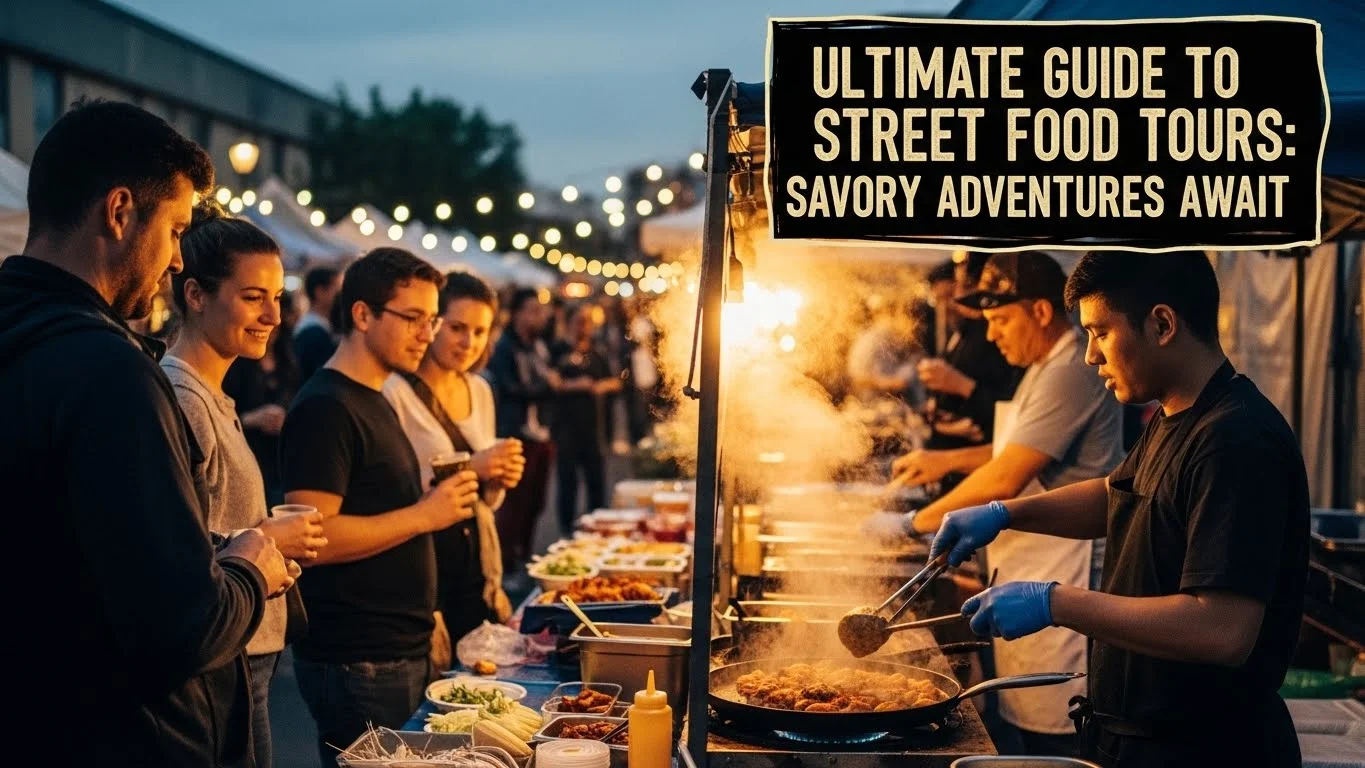
Ultimate Guide to Street Food Tours: Savory Adventures Await

Street food tours are a gateway to delicious adventures, bringing local flavors straight to your palate. From bustling markets to vibrant street corners, these culinary experiences immerse you in authentic tastes and cultures. Discover the Best Street Food Tours for Budget Travelers to enhance your journey.
Ultimate Guide to Street Food Tours: Savory Adventures Await

What is Street Food?

Definition and Characteristics

When I think about street food, I picture vibrant stalls where the air is filled with the enticing aromas of sizzling meats, fresh veggies, and spices. Street food is often defined as ready-to-eat food sold by vendors in public places, typically at lower prices than traditional restaurants. One of the best characteristics of street food is its accessibility. It’s not just about the food; it’s about the experience of eating while you walk, mingle, and soak in the local atmosphere.

Street food tends to be simple, made with fresh ingredients, and reflects the culture of the area. I remember my first street food experience in Bangkok, where vendors would whip up dishes in the blink of an eye. Whether it’s grilled skewers or steaming bowls of noodle soup, every bite tells a story. The best part? Street food often feels like a labor of love, with vendors passionately preparing recipes handed down through generations.

Global Variations of Street Food

What I love most about street food is its incredible variety around the world. Each country has its unique twist on street-side cuisine that reflects its culture and history. For instance, in Mexico, street tacos are a must-try. I was amazed at how a simple corn tortilla could be transformed with fresh ingredients like cilantro, onion, and spicy salsa.

In India, street food varies from region to region. I’ve tried crispy samosas and spicy chaat in Mumbai, and the flavors were a beautiful tapestry of spices. Each region infuses its local produce and culinary traditions, making every street food experience feel distinct.

Even in the United States, street food is evolving, with food trucks offering gourmet options. I’ve sampled everything from Korean BBQ to artisanal donuts on the streets of New York City, showcasing how global influences can blend into American street cuisine.

Why Choose a Street Food Tour?

Unique Culinary Experiences

Choosing a street food tour is like embarking on a flavorful journey. From my experience, these tours offer a unique culinary adventure that you wouldn’t typically find in a restaurant. I remember joining a street food tour in Hanoi, where our guide led us through narrow alleyways, introducing us to hidden gems that only locals knew about. Each stop was a chance to taste something new and exciting, and I felt like I was getting a behind-the-scenes look at the city’s food culture. Top 10 Street Food Tours You Must Experience in 2023 can guide you in selecting the best options.

Connecting with Local Culture

Street food tours are not just about eating; they are about connecting with the local culture. I noticed how each vendor had a story to tell, and our guide helped us understand the significance of certain dishes. For example, in Istanbul, learning about the history behind the iconic kebabs made each bite more meaningful. I felt a sense of camaraderie with local vendors and fellow food lovers, all sharing a love for good food.

Cost-Effective Dining Options

One of the best parts about street food tours is the affordability. I’ve found that you can sample a wide range of dishes without breaking the bank. On one occasion in Mexico City, I enjoyed a feast of tacos, quesadillas, and elote for under twenty dollars. These tours often include multiple stops, allowing you to try various foods for a fraction of the cost of dining at upscale restaurants.

Moreover, I’ve realized that the money spent on a street food tour is not just for the food; it’s an investment in an experience. We’re talking about discovering local spots, learning about culinary traditions, and enjoying the social atmosphere that comes with street dining. It’s a fantastic way to eat like a local, without the tourist markup.

Top Destinations for Street Food Tours

Bangkok, Thailand

Bangkok is often heralded as the street food capital of the world. I remember walking through the bustling streets of Chinatown, where vendors sold everything from pad thai to mango sticky rice. The variety and vibrancy of the stalls are simply unmatched.

Mexico City, Mexico

Mexico City offers a street food scene that’s rich in flavor and history. I was particularly fond of the tacos al pastor, which are seasoned with a unique blend of spices and served with fresh pineapple. The street corners are alive with chatter, laughter, and the sizzling sounds of cooking.

Hanoi, Vietnam

In Hanoi, street food is an integral part of life. I experienced the joy of slurping pho on a tiny plastic stool while soaking in the sounds of the bustling street. Each bowl tells a story of tradition and family.

Istanbul, Turkey

Istanbul’s street food is a delightful mix of East and West. I vividly remember biting into a fresh simit while wandering near the Bosphorus, enjoying the blend of sesame and bread. The city’s street food is a window into its rich history.

New York City, USA

New York City’s street food scene is a melting pot of global cuisines. I’ve tried everything from classic hot dogs to gourmet grilled cheese, reflecting the city’s diversity. Each food truck and vendor offers a taste of different cultures, making it a true food lover’s paradise.

Popular Street Foods to Try

Thai Pad Thai

Pad Thai is one of those dishes that I believe everyone should try at least once. When I first tasted it in Thailand, I was blown away by the balance of flavors. The combination of stir-fried rice noodles, fresh shrimp or chicken, crunchy bean sprouts, and a hint of lime made for a dish that was both comforting and exciting. I remember watching the street vendor expertly toss the ingredients in a hot wok, the aroma wafting through the air. For me, it’s not just a meal; it’s an experience that showcases the heart of Thai cuisine.

Mexican Tacos

In Mexico, tacos are a culinary staple, and each region puts its own spin on them. I’ve had the pleasure of enjoying tacos al pastor, which are marinated pork tacos cooked on a vertical spit. The sweet and savory flavors, paired with fresh pineapple, cilantro, and onion, create a symphony of taste in every bite. One evening in Mexico City, I found a little street stall that served tacos with a homemade salsa that was fiery and flavorful. It truly felt like a celebration of Mexican cuisine, and I couldn’t help but go back for seconds.

Vietnamese Pho

Pho is more than just soup; it’s a cultural icon in Vietnam. I’ll never forget the first time I slurped down a bowl of steaming pho in Hanoi. The rich, fragrant broth, soft rice noodles, and tender beef melded into something magical. I remember sitting on a tiny stool at a bustling street corner, surrounded by locals who were just as passionate about their food. Each spoonful of broth was a comforting reminder of tradition and community, and it’s no wonder that pho has taken the world by storm.

Turkish Kebabs

When I think of Istanbul, my mind immediately drifts to the mouthwatering kebabs. The first time I bit into a succulent lamb kebab, I was hooked. The smoky flavor paired with perfectly grilled vegetables made for a delicious meal on the go. Street vendors in Turkey have perfected the art of kebab-making, often serving them in warm pita bread with fresh herbs and a drizzle of tangy yogurt sauce. It felt like an invitation to dive deeper into Turkish culture with every bite.

American Hot Dogs

No street food adventure in the U.S. would be complete without hot dogs. I remember my first food truck experience in New York City, where I stood in line for a classic street dog topped with mustard and sauerkraut. The vibrant atmosphere and the smell of grilled sausages wafting through the air made it an unforgettable experience. Hot dogs may seem simple, but the variety of toppings and styles across different cities adds a unique twist to this beloved snack, making it a quintessential part of American street food culture.

How to Choose the Right Street Food Tour

Researching Tour Operators

Choosing the right street food tour can make or break your culinary adventure. From my experience, I recommend starting with some research into various tour operators. Look for companies that have a solid reputation for providing authentic experiences. I usually check their websites for details about the guides, the neighborhoods covered, and the types of food included. It’s always best to go with someone who genuinely knows the local cuisine and culture.

Reading Reviews and Recommendations

After finding a few potential tours, I like to dive into reviews. Websites like TripAdvisor or local travel blogs often have firsthand accounts from other travelers who have taken the tours. I find that reading about others’ experiences helps me gauge whether the tour is worth it. I remember when I chose a tour in Bangkok based on glowing reviews, and it turned out to be one of the highlights of my trip. The insights from fellow food lovers can really guide your choice. Savoring the Streets: Budget-Friendly Local Cuisine Guides can also provide valuable tips.

Understanding Tour Inclusions

Before booking, it’s essential to understand what’s included in the tour. Some tours might offer a set number of tastings, while others could include a full meal or even drinks. I’ve seen tours where you can try up to ten different dishes, which is a fantastic way to expand your palate. I always appreciate tours that provide a good mix of well-known dishes as well as hidden gems that you wouldn’t find on your own. Make sure you know what you’re signing up for to get the most out of your experience.

What to Expect on a Street Food Tour

Sample Itinerary

Every street food tour has its unique flair, but most will typically start with a meet-up in a popular location. I remember one tour that began near a vibrant market, where our guide introduced us to the history of the area. We then set off to various stalls, sampling dishes at each stop. A sample itinerary might include tasting local snacks, a main dish, and finally a dessert, making for a well-rounded experience. It’s always exciting to see where the journey takes you!

Typical Duration of Tours

The duration of street food tours can vary quite a lot. I’ve encountered tours that last anywhere from two hours to a half-day. The longer tours typically allow for more tastings and a deeper dive into the food culture of the area. I personally enjoy the longer tours because they often include more storytelling and cultural insights from the guide, making the experience feel richer.

Meeting Points and Logistics

Logistics can play a significant role in the success of your tour. Most tours have designated meeting points that are easy to find, often near popular landmarks. I like to arrive a bit early to soak in the atmosphere and maybe grab a quick bite before the tour starts. Additionally, some tours offer hotel pickups, which can be convenient if you’re staying in a busy area. Understanding these details beforehand can help set the tone for a delightful food adventure.

Tips for Enjoying Street Food Safely

Choosing Clean and Popular Stalls

When diving into the world of street food, I’ve learned that choosing the right stalls can make a huge difference in both taste and safety. One of my go-to strategies is to look for busy vendors. I remember wandering through a night market in Taiwan, and I noticed that the stalls with the longest lines usually had the freshest food. It’s a good sign that many locals trust them, which gives me peace of mind. If a vendor is popular among the locals, it often means they have a good reputation for cleanliness and quality.

Additionally, I keep an eye out for the overall cleanliness of the stall. A quick glance at the food preparation area can tell you a lot. I prefer vendors who keep their spaces tidy and have fresh ingredients on display. I once passed up a tempting dish because the stall looked unkempt, and I felt it was better to be safe than sorry. It’s all about finding that balance between adventure and caution!

Understanding Food Safety Practices

Food safety practices can vary greatly from one country to another. I remember my first time in India, where I quickly learned about the importance of being cautious with street food. I often ask the vendor how long the food has been sitting out. If it’s a busy stall, there’s a good chance the food is freshly made. In contrast, if a dish has been there for a while, I’ll think twice before indulging.

Another practice I’ve adopted is to avoid raw foods or unpeeled fruits unless I’m confident in the vendor’s hygiene standards. Once, I enjoyed a delicious papaya salad from a vibrant stall in Thailand, but I made sure to watch the vendor prepare it right in front of me. It’s these little insights that can enhance your street food experience while keeping your stomach happy.

Dealing with Food Allergies

Food allergies can add an extra layer of complexity to street food adventures. I’ve had friends who struggled with allergies while traveling, and it’s crucial to be proactive. In many countries, it’s helpful to learn a few key phrases in the local language that specify your allergies. I remember traveling in Japan and using a translation app to communicate my shellfish allergy. The vendor appreciated my effort, and it made the ordering process smoother.

Carrying a card with your allergies written in the local language is a great idea, too. I’ve seen travelers do this, and it can really ease the stress of eating out, especially at bustling street markets where communication can be tricky. It’s all about enjoying the experience while ensuring that you stay safe and healthy.

Budgeting for Street Food Tours

Average Cost of Tours

When it comes to budgeting for a street food tour, I’ve found that prices can vary widely depending on the location and the inclusions. For example, in places like Bangkok or Mexico City, I’ve seen tours ranging from $30 to $100. The more expensive tours often offer a broader selection of dishes, historical context, and even drinks. I remember splurging a bit on a tour in Vietnam that included a cooking demonstration, and it was worth every penny!

In contrast, I’ve also discovered some fantastic budget-friendly options. In cities like Hanoi, I found street food tours for around $20, which provided a delightful mix of tastings and local insights. It’s all about doing your research and finding a tour that fits your budget while still promising an authentic experience.

Tips for Saving Money

One of my favorite hacks for saving money on street food tours is to look for local deals or discounts. Many cities have tourism boards that offer promotional rates during certain seasons or events. I’ve taken advantage of these deals in cities like Istanbul, where I stumbled upon a discount for a group tour that ended up being an incredible experience.

Another tip is to combine activities. If you’re planning to visit a local market or festival, see if there are any bundled tours that offer food experiences along with other attractions, like a city tour or historical site. This not only saves money but also enriches your overall experience by connecting food with culture.

Understanding Tipping Practices

Tipping practices can be a bit tricky when it comes to street food tours, especially since they vary from country to country. In some places, tipping is expected, while in others, it may not be customary. I learned this lesson during a tour in New York City, where I was surprised to find that tipping the guide was encouraged. I always try to ask my tour operator beforehand about their tipping policy to avoid any awkward moments.

As a general rule, I usually tip around 10-20% of the tour cost if the service was exceptional. This not only shows appreciation for the guide’s efforts but also helps support local economies. I remember feeling good after tipping on a tour in Mexico City, knowing that I was contributing to the livelihood of my guide, who shared so much about the local food culture.

Frequently Asked Questions

What is street food?

Street food is ready-to-eat food sold by vendors in public places, typically at lower prices than traditional restaurants. It is characterized by its accessibility, simplicity, use of fresh ingredients, and reflection of the local culture.

What are some popular types of street food around the world?

Popular street foods include Thai Pad Thai, Mexican tacos, Vietnamese pho, Turkish kebabs, and American hot dogs. Each dish showcases local flavors and culinary traditions.

Why should I choose a street food tour?

Street food tours offer unique culinary experiences, allowing participants to connect with local culture and enjoy cost-effective dining options while sampling a wide range of dishes.

What are some top destinations for street food tours?

Top destinations for street food tours include Bangkok (Thailand), Mexico City (Mexico), Hanoi (Vietnam), Istanbul (Turkey), and New York City (USA), each offering distinct local flavors and experiences.

How can I choose the right street food tour?

To choose the right street food tour, research tour operators, read reviews and recommendations, and understand the tour inclusions to ensure an authentic experience.

What can I expect on a street food tour?

Expect a sample itinerary that includes a meet-up at a popular location, visits to various stalls, and a variety of tastings, typically lasting from two hours to a half-day.

How can I enjoy street food safely?

To enjoy street food safely, choose clean and popular stalls, understand food safety practices, and be proactive about managing food allergies by learning key phrases or carrying allergy cards in the local language.

What is the average cost of street food tours?

Prices for street food tours can vary widely, generally ranging from $20 to $100 depending on the location and inclusions, with budget-friendly options available in cities like Hanoi.

What are some tips for saving money on street food tours?

Look for local deals or discounts, and consider combining activities to find bundled tours that offer food experiences along with other attractions to save money.

What should I know about tipping on street food tours?

Tipping practices vary by country. As a general rule, it is customary to tip around 10-20% of the tour cost if the service was exceptional, and it’s best to check the tour operator’s tipping policy beforehand.
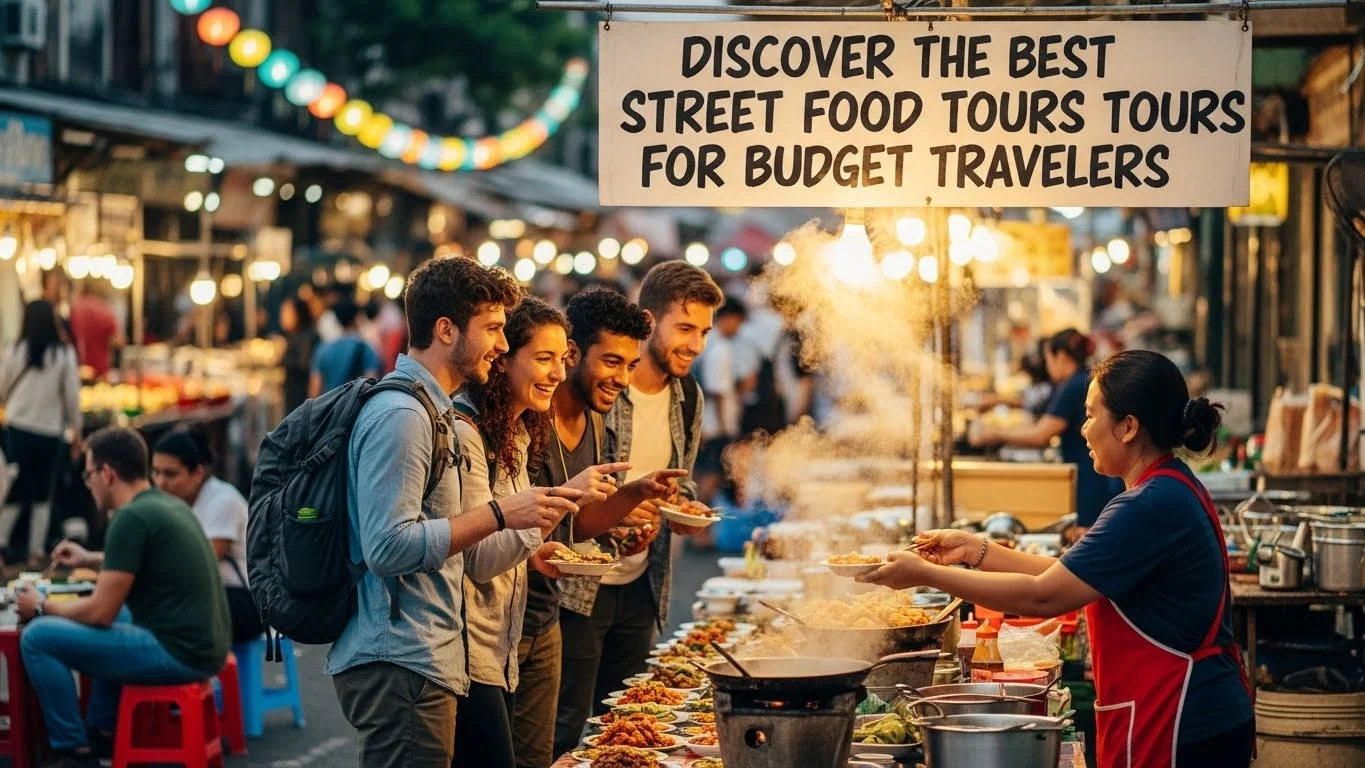
Discover the Best Street Food Tours for Budget Travelers

Street food is the heartbeat of any city, where flavors and cultures collide. For budget travelers, street food tours offer a delicious journey without breaking the bank.

Discover the Best Street Food Tours for Budget Travelers

What is Street Food?

Definition and Characteristics

Street food, in its simplest form, refers to ready-to-eat food sold by vendors on the streets. This can range from small carts and stalls to food trucks and pop-up eateries. I remember the first time I stumbled upon a bustling street market in a foreign city—the vibrant colors, the sizzling sounds, and the unmistakable aroma of spices wafting through the air were simply irresistible. Street food is not just a meal; it’s an experience that brings together the essence of local culture and culinary traditions.

What makes street food distinct is its accessibility. It’s typically inexpensive and available at all hours, catering to locals and travelers alike. From my experience, street food often features fresh ingredients and traditional recipes passed down through generations. Each bite tells a story, and I can’t help but feel connected to the local community when I indulge in these hidden gems.

Global Appeal and Cultural Significance

Street food has a universal appeal that transcends borders. In every corner of the globe, you’ll find vendors serving everything from tacos in Mexico to banh mi in Vietnam. I’ve traveled through many countries, and it’s fascinating to see how street food reflects the local culture and history. For instance, in India, street food is often a vibrant mix of flavors and spices that showcase the region’s diversity. Each dish carries its own cultural significance, often linked to festivals, traditions, or local ingredients.

Experiencing street food is like taking a cultural crash course. I’ve met local vendors who are passionate about their craft, eager to share the stories behind their dishes. Their enthusiasm is infectious, and it’s a privilege to learn about their traditions and culinary secrets. This connection to the local community adds depth to my travels and makes each meal memorable.

Benefits of Taking Street Food Tours

Experiencing Local Cuisine

One of the best parts about street food tours is the opportunity to dive deep into local cuisine. I’ve always felt that food is a universal language, and trying local dishes is one of the purest forms of experiencing a new culture. Street food tours often guide you through the city’s culinary landscape, introducing you to delicacies that you might never discover on your own. Imagine biting into a perfectly grilled skewered meat in Bangkok or enjoying a steaming bowl of pho in Hanoi—these experiences are unforgettable and often become highlights of my travels. For more amazing options, check out the Top 10 Street Food Tours You Must Experience in 2023.

Connecting with Local Culture and People

Street food tours aren’t just about the food; they’re about the connections you make along the way. I’ve found that these tours often feature passionate local guides who share fascinating stories about the history and culture behind each dish. They help bridge the gap between travelers and locals. On one of my tours in Mexico City, I met a vendor who had been making tortillas for over 30 years. His pride in his craft was palpable, and I learned so much about the art of making authentic tortillas—knowledge I would have missed if I hadn’t joined a tour.

Cost-Effectiveness for Budget Travelers

For anyone traveling on a budget, street food tours can be a wallet-friendly option. Instead of spending a fortune at upscale restaurants, street food allows you to enjoy delicious meals at a fraction of the cost. I’ve experienced this firsthand; during a recent trip to Thailand, I joined a food tour that cost less than a fancy dinner but provided a full spread of local specialties. We sampled so many different dishes that I felt like I’d taken a culinary adventure without the hefty price tag!

Moreover, many street food tours include tastings at multiple locations, which means you get to try a variety of dishes in one outing. This not only fills you up but also gives you a broader understanding of the local food scene. It’s a smart way to eat well and save money while traveling. I always look for tours that focus on budget-friendly options because it allows me to indulge without guilt.

In my experience, the combination of authentic flavors, cultural connections, and budget-friendly prices makes street food tours an essential part of traveling. Whether you’re a seasoned globetrotter or a first-time traveler, these tours have something for everyone. They turn a simple meal into a delightful adventure, and I can’t recommend them enough for anyone looking to explore the heart of a city through its food.

Top Destinations for Street Food Tours

Bangkok, Thailand

Bangkok is one of those cities that truly comes alive when the sun sets. I remember wandering through the bustling streets, where the aroma of grilled meats and fresh herbs filled the air. Street food stalls line the sidewalks, and each vendor seems to have their own specialty. From my experience, you haven’t truly tasted Thailand until you’ve tried the pad thai from a local vendor or the spicy som tam (papaya salad) made right in front of you. The vibrant street life, combined with the delicious food, creates a feast for all the senses. The best part? Many of these dishes cost just a couple of dollars!

Mexico City, Mexico

Mexico City is a treasure trove of flavors, and street food is at the heart of its culinary scene. I’ll never forget the first time I bit into a taco al pastor, with its marinated pork and fresh pineapple. It was a game-changer! There’s something special about standing at a street corner, watching the vendor slice the meat off a spit and serve it with fresh salsa and cilantro. The city’s street food culture is not just about the food; it’s about the community. Vendors often share their stories with customers, making each bite even more meaningful. Plus, the variety is astounding—from tamales to churros, there’s just so much to explore!

Hanoi, Vietnam

Hanoi’s street food is a spicy adventure waiting to be discovered. I felt like I was on a culinary quest each time I strolled through the Old Quarter, where the streets are alive with the sounds of sizzling pans and the chatter of locals. Pho, Vietnam’s famous noodle soup, is something I recommend trying at a street stall, where you can taste the rich broth made from hours of simmering. But don’t stop there—be sure to sample bun cha (grilled pork with noodles) and banh xeo (Vietnamese pancakes). Every dish I tried was a reminder of how vibrant and diverse Vietnamese cuisine is.

Istanbul, Turkey

In Istanbul, the street food scene is just as rich as its history. I found myself drawn to the bustling stalls near the Bosphorus, where I could savor simit—crunchy sesame-covered bread rings—as I watched the boats pass by. The grilled fish sandwiches are a must-try, especially when enjoyed fresh from the grill. The blend of flavors, spices, and aromas in each dish tells a story of the city’s diverse cultural influences. For me, sharing a meal with locals at a street food market made my visit to Istanbul even more special, creating memories that I’ll cherish forever.

Barcelona, Spain

Barcelona offers a unique twist on street food, combining traditional flavors with modern flair. I remember stumbling upon a food market filled with colorful tapas. From patatas bravas to chorizo cooked in cider, the options were endless. The atmosphere was electric, with locals and tourists alike mingling over shared plates. One of my favorite experiences was enjoying a delicious cone of fish and chips from a street vendor while soaking in the sun at a nearby plaza. Exploring the city through its street food made me feel connected to the vibrant Catalan culture and its culinary heritage.

Types of Street Food Tours

Walking Tours

Walking tours are a fantastic way to immerse yourself in the local street food culture. I found that these tours often take you through bustling neighborhoods where you can sample various dishes while also taking in the sights and sounds of the city. It’s not just about the food; it’s about the journey. I recall a walking tour I took in Bangkok that led me through hidden alleyways where I discovered amazing food stalls that I wouldn’t have found on my own. I enjoyed the food while also learning about the history of the neighborhoods we explored.

Bike Tours

If you’re looking for a fun and active way to experience street food, consider joining a bike tour. Riding through the city allows you to cover more ground and see a variety of neighborhoods in a short time. I participated in a bike tour in Hanoi, where we pedaled through the streets, stopping at different vendors to try local specialties. The fresh air and the thrill of biking added an extra layer of excitement to the experience. Plus, it’s a great way to work up an appetite for all the delicious food!

Food Truck Tours

Food truck tours are another exciting option if you’re a fan of quirky and modern takes on traditional street food. I’ve noticed a growing trend of food trucks offering gourmet versions of classic dishes. I remember a food truck tour I took in Los Angeles, where I tried fusion tacos and artisanal donuts. It was a unique twist on street food that made me appreciate the creativity of local chefs. These tours often feature a variety of cuisine, making it a great choice for adventurous eaters.

Cooking Classes and Market Tours

For those who want to dive deeper into the local food scene, cooking classes paired with market tours are an excellent choice. I once took a cooking class in Barcelona that started with a visit to the local market. We explored the stalls, selecting fresh ingredients for our cooking session. It was an incredible way to learn about local produce and culinary techniques while also meeting local vendors. Cooking the dishes we picked out and savoring the fruits of our labor was a rewarding experience that I still cherish.

What to Expect on a Street Food Tour

Sample Itinerary Overview

When I joined my first street food tour, I had no idea what to expect. The itinerary was packed with stops, and I was thrilled! Most tours typically start in a central location where you meet your guide and fellow food lovers. From there, we ventured into the heart of the city, often exploring bustling markets and lively neighborhoods. I remember sampling five or more different dishes on one tour, each one uniquely showcasing the local flavors. The pace was relaxed, allowing us to savor each bite while soaking in the atmosphere. I found that the best tours blend walking and tasting, giving you a true feel of the city.

Some itineraries even include a stop at a local market where you can see the ingredients used in the dishes you’ll try. This was one of my favorite parts, as it provided insight into the vibrant colors and fresh produce that make up the local cuisine. I noticed how passionate the vendors were, and it made me appreciate the food even more.

Types of Foods Typically Featured

The variety of food on these tours is often amazing. I’ve noticed that many tours focus on signature dishes that represent the city’s culinary heritage. For instance, in Bangkok, we tasted everything from spicy papaya salad to sweet mango sticky rice, each dish bursting with flavors. In Istanbul, I savored the famous kebabs and baklava that left me craving more. Street food tours usually include a mix of savory and sweet options, ensuring there’s something for every palate.

Another great thing is that many tours cater to specific dietary preferences. I’ve participated in tours that highlighted vegetarian or vegan options, showcasing how diverse street food can be. You can often find dishes that are not only delicious but also cater to different dietary needs. It’s a joy to discover that street food isn’t just for meat lovers; it can be inclusive and vibrant for everyone!

Interactions with Local Vendors

One of the most enriching parts of a street food tour is the chance to interact with local vendors. I’ve always felt that these connections elevate the experience. On one memorable tour in Mexico City, our guide encouraged us to ask questions to the vendors. I remember chatting with a taco seller about the different types of salsas he made. His pride in his craft was evident, and he even offered us a taste of a new creation he was experimenting with. These moments of interaction not only make the food more meaningful but also allow you to learn about the culture and traditions behind the dishes.

Many vendors enjoy sharing their stories, and I’ve found that they often have fascinating backgrounds, from family recipes passed down through generations to unique cooking techniques. Engaging with them gives you a deeper appreciation for what you’re eating. It’s like breaking the fourth wall between the eater and the chef, allowing you to see the humanity behind the food. For me, these connections transformed a simple tasting into a memorable cultural exchange.

How to Choose the Right Street Food Tour

Researching Tour Companies

When it comes to selecting a street food tour, doing a bit of research can go a long way. I always start by checking various tour companies and their offerings. Some specialize in certain cuisines or regions, while others might have a more general approach. I’ve found that looking for local companies often yields the best experiences, as they usually have deeper connections within the community and can provide insider insights that larger operators might miss. Their passion for their city and its food can be palpable, enhancing the overall experience.

Reading Reviews and Ratings

Reading reviews is something I can’t recommend enough. Websites like TripAdvisor and Google Reviews offer a wealth of information from fellow travelers. I always look for tours with consistent positive feedback, especially comments about the quality of the food, the knowledge of the guides, and the overall experience. I remember planning a trip to Hanoi and being swayed by a review that raved about a particular tour guide’s storytelling ability. That glowing recommendation led me to a fantastic experience that I still cherish.

Considering Tour Length and Group Size

Tour length and group size are also important factors to consider. Some of my favorite tours were smaller, allowing for more personal interactions with the guide and vendors. I enjoy having the opportunity to ask questions and engage without feeling lost in a crowd. Larger groups can be fun, but I’ve found they sometimes make it harder to connect with the local culture. Also, think about how much time you want to dedicate to the tour; some are quick samplings while others are more immersive experiences that last several hours. It all depends on what you’re looking for!

Frequently Asked Questions

What is street food?

Street food refers to ready-to-eat food sold by vendors on the streets, ranging from small carts and stalls to food trucks and pop-up eateries. It is characterized by its accessibility, typically being inexpensive and available at all hours, featuring fresh ingredients and traditional recipes.

Why is street food culturally significant?

Street food has universal appeal and reflects local culture and history. Each dish often carries cultural significance, linked to festivals, traditions, or local ingredients, allowing travelers to experience a cultural crash course through food.

What are the benefits of taking street food tours?

Street food tours provide opportunities to experience local cuisine, connect with local culture and people, and are cost-effective for budget travelers. They allow participants to try a variety of dishes while learning about the stories behind them.

What are some top destinations for street food tours?

Top destinations for street food tours include Bangkok, Thailand; Mexico City, Mexico; Hanoi, Vietnam; Istanbul, Turkey; and Barcelona, Spain. Each city offers unique and vibrant street food experiences that reflect their local culinary heritage.

What types of street food tours are available?

Types of street food tours include walking tours, bike tours, food truck tours, and cooking classes paired with market tours. Each offers a different way to explore the local street food scene, from leisurely strolls to active biking experiences.

What can I expect on a street food tour?

On a street food tour, you can expect a packed itinerary with multiple stops, sampling a variety of dishes that showcase local flavors. Tours often include visits to local markets and opportunities to interact with vendors.

What kinds of foods are typically featured on these tours?

Street food tours usually focus on signature dishes representing the city’s culinary heritage, including both savory and sweet options. Many tours cater to specific dietary preferences, showcasing vegetarian or vegan options as well.

How do street food tours facilitate interactions with local vendors?

Street food tours often encourage participants to interact with local vendors, allowing for conversations about the dishes and the vendors’ backgrounds. This enhances the experience by providing deeper insights into the culture and traditions behind the food.

How can I choose the right street food tour?

To choose the right street food tour, research various tour companies, read reviews and ratings, and consider the tour length and group size. Local companies often provide better experiences, and smaller groups allow for more personal interactions.

What should I look for in reviews when selecting a street food tour?

When reading reviews, look for consistent positive feedback about the quality of food, the knowledge of guides, and the overall experience. Recommendations can help identify tours that offer memorable and authentic culinary adventures.

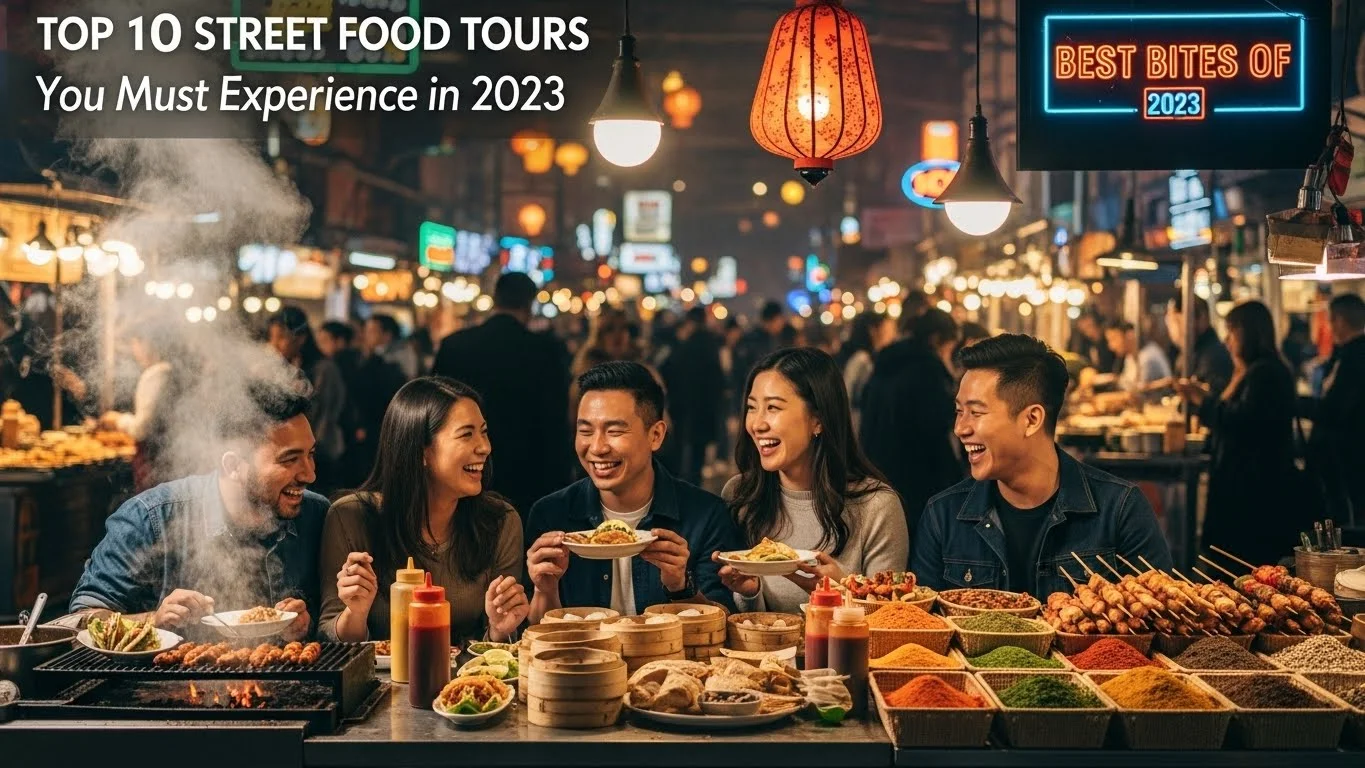
Top 10 Street Food Tours You Must Experience in 2023

If you’re a food lover like me, then street food tours are an absolute must! They offer a perfect blend of culture, flavor, and adventure, allowing us to dive into the heart of local cuisine. Let’s explore the vibrant world of street food together!

Top 10 Street Food Tours You Must Experience in 2023

Understanding Street Food Culture

Street food is more than just quick bites on the go; it’s a representation of a city’s culture, history, and community spirit. I remember my first street food experience while traveling in a bustling market. The sights, sounds, and, most importantly, the smells were all so overwhelming yet delightful. It felt like I was stepping into a living, breathing tapestry of flavors.

The Origins of Street Food

The roots of street food trace back centuries. It’s fascinating to learn that this culinary tradition has origins in ancient civilizations where vendors would sell food in public spaces. In places like Asia, Africa, and Latin America, street food emerged as a practical solution for hungry people on the move. For me, this history adds a layer of significance to each dish I try. I can’t help but think about the countless stories that have been shared over a steaming bowl of noodles or a plate of tacos.

Impact of Street Food on Local Communities

Street food plays a crucial role in local economies. When I visited various cities, I noticed that these vendors often provide not only delicious meals but also job opportunities for many. They reflect the community’s identity and culture, showcasing regional ingredients and traditional cooking methods. I found it heartwarming to chat with vendors about their recipes, many of which had been passed down through generations. It’s like tasting history on a plate!

Additionally, street food can be a great equalizer. In many cities, people from all walks of life gather around food stalls, bonding over shared meals. I’ve seen families enjoying a meal together, friends gathering for a late-night snack, and solo travelers like myself indulging in local delicacies. There’s something magical about the communal aspect of street food that makes every bite a shared experience. Savoring the Streets: Budget-Friendly Local Cuisine Guides can provide more insights into this experience.

Health and Safety Standards

Of course, with the joys of street food come some concerns regarding health and safety. I’ve learned to be a bit cautious but still adventurous when trying street food. It’s essential to choose vendors who maintain cleanliness. When I travel, I often look for stalls that have a steady stream of customers—this usually indicates fresh food. I also recommend observing how the food is prepared and ensuring that the vendor uses utensils and ingredients safely.

Most cities have health regulations in place for street food vendors, which can vary widely. Before diving into a new dish, I try to familiarize myself with the local standards. If I see someone else enjoying a dish, I feel more confident trying it myself! Having a sense of vigilance while indulging in these culinary adventures helps me enjoy the experience without worry.

Criteria for Selecting the Best Street Food Tours

When it comes to choosing the best street food tours, I’ve realized it’s not just about the food. There are several factors that can elevate the experience, making it truly unforgettable. Here’s what I consider essential when planning my street food adventures.

Local Authenticity

Local authenticity is key for me. I want to taste the real deal, not something that’s been toned down for tourists. I prefer tours that prioritize local vendors and traditional dishes. This connection to the culture makes the experience feel genuine and enriching. I remember discovering a quaint little stall run by a local family, serving homemade dumplings. It was a highlight of my trip!

Variety of Food Options

A good street food tour presents a variety of food options. I’ve enjoyed tours that showcase not only savory dishes but also desserts and beverages. It’s thrilling to try a little bit of everything! I believe that the diversity of flavors often tells a story about the region’s culinary influences. For instance, during one tour, I was able to taste everything from spicy street tacos to refreshing agua fresca, which made the experience all the more delightful. Budget Backpacking: Wildlife Conservation Tours You’ll Love is another topic worth exploring for those interested in diverse experiences.

Expert Tour Guides

Having a knowledgeable guide can significantly enhance a street food tour. They often share interesting anecdotes and historical context about the dishes and vendors. I find myself learning so much more when I have someone passionate about their city and its food leading the way. Their insights can turn a simple meal into a memorable experience. I once had a guide who even introduced me to a secret dish that wasn’t on the menu, and it quickly became a favorite of mine!

Customer Reviews and Ratings

Before I book a street food tour, I always check customer reviews and ratings. Hearing about other travelers’ experiences can help me gauge whether a tour is worth my time and money. I often rely on platforms that provide honest feedback. If a tour has several glowing reviews, it usually indicates a solid experience ahead. I’ve avoided a few tours based solely on negative comments, and I’m glad I did!

Top 10 Street Food Tours You Must Experience in 2023

1. Bangkok Street Food Tour

Must-Try Dishes

Bangkok is a paradise for street food lovers, and I can personally vouch for the incredible flavors that burst from every corner. You absolutely must try the pad thai, which is often cooked right in front of you, with fresh ingredients and that perfect balance of sweet and savory. Another favorite of mine is the spicy som tum (papaya salad) that brings a refreshing crunch on a hot day. And don’t forget to grab a bowl of boat noodles; the rich broth is something you will remember long after your trip!

Typical Tour Duration and Cost

Typically, a Bangkok street food tour lasts about 3 to 4 hours and usually costs around $40 to $70 per person. I found it to be worth every penny, especially with all the food you get to sample and the insights from your guide.

2. Mexico City Street Food Adventure

Must-Try Dishes

If you love vibrant flavors, then the Mexico City street food scene is calling your name! I was blown away by the tacos al pastor, where marinated pork is sliced off a vertical spit, served with fresh pineapple, cilantro, and onions. I also recommend trying the elote (grilled corn on the cob) slathered with mayonnaise, cheese, and chili powder. Each bite is a fiesta for your taste buds!

Typical Tour Duration and Cost

Most tours run for about 3 hours and cost between $50 to $80. It’s a fantastic deal considering all the delicious treats you get to enjoy while learning about the city’s rich culinary heritage.

3. Hanoi Street Food Experience

Must-Try Dishes

Hanoi is famous for its unique flavors, and I can honestly say that the street food here is like no other. You have to try the pho, a fragrant noodle soup that’s a staple of Vietnamese cuisine. I also loved the banh mi, a Vietnamese sandwich packed with fresh herbs, pickled veggies, and your choice of meat. It’s the perfect street food to grab on the go!

Typical Tour Duration and Cost

You can expect a typical street food tour in Hanoi to last about 3 hours, costing around $35 to $60. I remember feeling so satisfied after all the amazing food and stories shared along the way.

4. Marrakech Food and Market Tour

Must-Try Dishes

Marrakech offers a delightful blend of spices and flavors that I found enchanting. The tagines are a must, especially when they’re slow-cooked to perfection. I also highly recommend trying the harira, a traditional soup that’s hearty and flavorful. And of course, you can’t leave without sampling some sweet pastries filled with almonds and honey.

Typical Tour Duration and Cost

A typical tour in Marrakech lasts about 4 hours and usually costs between $50 and $90. It’s a great way to explore the bustling markets while treating yourself to some of the best local dishes.

5. Istanbul Street Food Walk

Must-Try Dishes

Istanbul is where East meets West, and the street food reflects this beautiful fusion. I fell in love with the simit, a sesame-coated bread that’s perfect for munching while wandering through the city. The fish sandwiches sold near the Galata Bridge are also a must-try; fresh fish served right from the boat is an experience you can’t miss!

Typical Tour Duration and Cost

Expect a duration of around 3 hours for an Istanbul street food tour, with prices ranging from $40 to $70. It’s such a fulfilling way to dive into the city’s culinary scene!

6. Mumbai Street Food Tour

Must-Try Dishes

In Mumbai, the street food is a riot of colors and flavors. I couldn’t get enough of the vada pav, which is essentially a spicy potato fritter served in a bun. The bhel puri, a crispy snack mixed with tangy tamarind sauce, is another highlight. Each bite tells a story of the city’s vibrant culture!

Typical Tour Duration and Cost

Most tours in Mumbai last about 3 to 4 hours and cost between $30 and $60. It’s a fantastic way to savor the local culture while enjoying mouthwatering dishes!

7. Tokyo Street Food Exploration

Must-Try Dishes

Tokyo is a dream for street food enthusiasts! I was amazed by the variety available. Takoyaki (octopus balls) and yakitori (grilled chicken skewers) are absolute must-tries. And don’t forget to indulge in some sweet mochi for dessert; it’s a delightful treat that’s both soft and chewy!

Typical Tour Duration and Cost

A typical street food tour in Tokyo runs for about 2 to 3 hours and costs around $50 to $80. It’s a unique way to experience the bustling city through its food!

8. New Orleans Food Tour

Must-Try Dishes

New Orleans is famous for its hearty and flavorful cuisine. I loved trying the beignets at Café du Monde, which are powdered sugar-dusted pastries that melt in your mouth. The po’ boy sandwiches are also a staple; filled with shrimp or roast beef, they’re a complete meal wrapped in deliciousness!

Typical Tour Duration and Cost

Most tours last about 3 hours and typically cost between $50 and $85. The mix of history and food makes every moment worthwhile!

9. Barcelona Tapas and Street Food Tour

Must-Try Dishes

Barcelona’s street food scene is all about tapas, and I loved sampling a variety of small dishes. The patatas bravas, crispy potatoes served with spicy sauce, and the jamón ibérico, a type of dry-cured ham, were absolute highlights for me. Each bite transports you to the heart of Catalonia!

Typical Tour Duration and Cost

Expect a 3 to 4-hour tour duration, with costs around $60 to $100. The experience of enjoying tapas while learning about Spanish culture is truly delightful!

10. Lisbon Street Food Experience

Must-Try Dishes

In Lisbon, I was thrilled by the variety of street foods available. The pastéis de nata, a creamy custard tart, quickly became one of my favorites. I also enjoyed the bifana, a marinated pork sandwich that’s packed with flavor. Each dish was a testament to Portugal’s rich culinary tradition!

Typical Tour Duration and Cost

Lisbon tours generally last about 3 hours, costing around $40 to $70. It’s an enjoyable way to experience the city’s vibrant food scene while meeting fellow food lovers!

Tips for Enjoying Street Food Tours

What to Wear and Bring

One of the things I’ve learned from my street food adventures is the importance of being comfortable and prepared. I usually opt for breathable clothing and comfortable shoes because we often walk quite a bit while exploring various stalls. I remember one tour where we walked through narrow alleys and bustling markets; my comfy sneakers made all the difference!

It’s also wise to bring a lightweight backpack or tote bag. I like to carry a reusable water bottle to stay hydrated, especially in hot climates. Some tours may provide water, but having my own handy is always a plus. And, of course, don’t forget your camera or smartphone! I love capturing the vibrant colors and mouthwatering dishes I encounter along the way. These photos not only serve as memories but also as inspiration for future culinary journeys.

How to Stay Safe

Safety is a priority for me when enjoying street food. I’ve picked up a few tips that help keep my experiences positive. First, I always trust my instincts. If a stall looks busy, clean, and well-maintained, it’s usually a good sign. I also prefer to choose cooked dishes over raw ones, especially in unfamiliar places.

Another thing I do is to check for any local food safety guidelines or recommendations before I go, especially if I’m in a new country. I’ve found that many places have local apps or websites dedicated to food safety, which can be incredibly helpful. Additionally, I make sure to have travel insurance that covers food-related illnesses, just in case something goes awry. It gives me peace of mind, and I can focus on enjoying every delicious bite!

Being Open to New Experiences

Street food is all about adventure, and I find that being open to new experiences can make a world of difference! I encourage myself to step outside my comfort zone, whether it’s trying a dish I can’t quite pronounce or sampling an ingredient I’ve never seen before. I remember trying stinky tofu in Taiwan; the smell was intense, but the flavor was surprisingly delightful!

Engaging with local vendors is also a highlight for me. I’ve learned so much about culinary traditions simply by asking questions and sharing stories. Many vendors are eager to share their passion and the history behind their dishes. I once had a vendor explain the significance of a certain spice mix that had been in his family for generations. That moment transformed my meal from just food into a cherished memory.

Lastly, I remind myself that not every dish will be a hit, and that’s okay! Sometimes, it’s all part of the journey. I’ve had my fair share of strange tastes, but those experiences make for great stories later on. Embracing the unexpected is what makes street food tours so thrilling!

Final Thoughts

Street food tours have a unique way of weaving together flavors, culture, and unforgettable experiences. They invite us not just to eat but to immerse ourselves in the stories and traditions behind every dish. I’ve often found that the best memories from my travels don’t come from the grand monuments or fancy restaurants, but from the small, bustling stalls where locals gather. These moments are genuine, filled with laughter, shared bites, and connections that transcend language.

Every city has its own rhythm, and street food is often the heartbeat of that rhythm. I think about the late-night taco stands in Mexico City, where people spill out onto the streets, laughing and sharing stories over delicious food. Or the crowded night markets in Bangkok, where the air is thick with the smell of sizzling meats and sweet desserts. These experiences remind me that food is a universal language, capable of bringing people together in the most extraordinary ways.

When I embark on these culinary adventures, I keep my mind open to new flavors and experiences. It’s incredible how a simple dish can evoke memories and emotions. I still remember the first time I tried a crispy banh mi in Vietnam. The crunch of the baguette, the freshness of the herbs, and the zing of the sauces danced on my palate, creating an experience that I can still taste today. I believe these moments are what make travel truly enriching.

As I plan my next street food tour, I remind myself to prioritize authenticity and engage with the locals. I’ve learned that many vendors are eager to share their stories, and when we take the time to connect, we enrich our own experience and honor the hard work that goes into each dish. Whether it’s a family recipe passed down through generations or a new twist on a classic favorite, each bite is a celebration of culture and community.

I encourage you to step out of your comfort zone and embrace the adventure that street food offers. There’s a world of incredible flavors waiting for you, and I can assure you that the stories you’ll gather along the way will be just as fulfilling as the meals themselves. So, grab your appetite, your sense of adventure, and dive into the vibrant world of street food. The adventure awaits!

Frequently Asked Questions

What is street food culture?

Street food culture represents a city’s culture, history, and community spirit. It is more than just quick bites; it reflects the local cuisine and the vibrancy of the community.

What are the origins of street food?

The origins of street food trace back centuries to ancient civilizations where vendors sold food in public spaces. It emerged as a practical solution for hungry people on the move in regions like Asia, Africa, and Latin America.

How does street food impact local communities?

Street food plays a crucial role in local economies by providing job opportunities and showcasing regional ingredients and traditional cooking methods. It reflects the community’s identity and creates a space for social bonding over shared meals.

What should I consider for health and safety when trying street food?

It’s important to choose vendors who maintain cleanliness and have a steady stream of customers. Familiarizing yourself with local health regulations and observing food preparation can help ensure a safe experience.

What criteria should I consider when selecting street food tours?

Key criteria include local authenticity, variety of food options, knowledgeable tour guides, and checking customer reviews and ratings to gauge the quality of the tour.

What are some must-try dishes in Bangkok?

In Bangkok, must-try dishes include pad thai, spicy som tum (papaya salad), and boat noodles, all known for their incredible flavors and freshness.

How long do street food tours typically last and what are their costs?

Street food tours generally last between 2 to 4 hours, with costs ranging from $30 to $100, depending on the city and what is included in the tour.

What should I wear and bring on a street food tour?

Comfortable clothing and shoes are recommended, as tours often involve walking. A lightweight backpack, reusable water bottle, and a camera or smartphone for capturing memories are also advisable.

How can I ensure my safety while enjoying street food?

Trusting your instincts, choosing busy and clean stalls, and checking local food safety guidelines can help ensure a safe street food experience. Additionally, having travel insurance that covers food-related illnesses can provide peace of mind.

What is the significance of engaging with local vendors during street food tours?

Engaging with local vendors enhances the experience by providing insights into culinary traditions and the stories behind the dishes. This connection enriches the tasting experience and honors the hard work that goes into each dish.

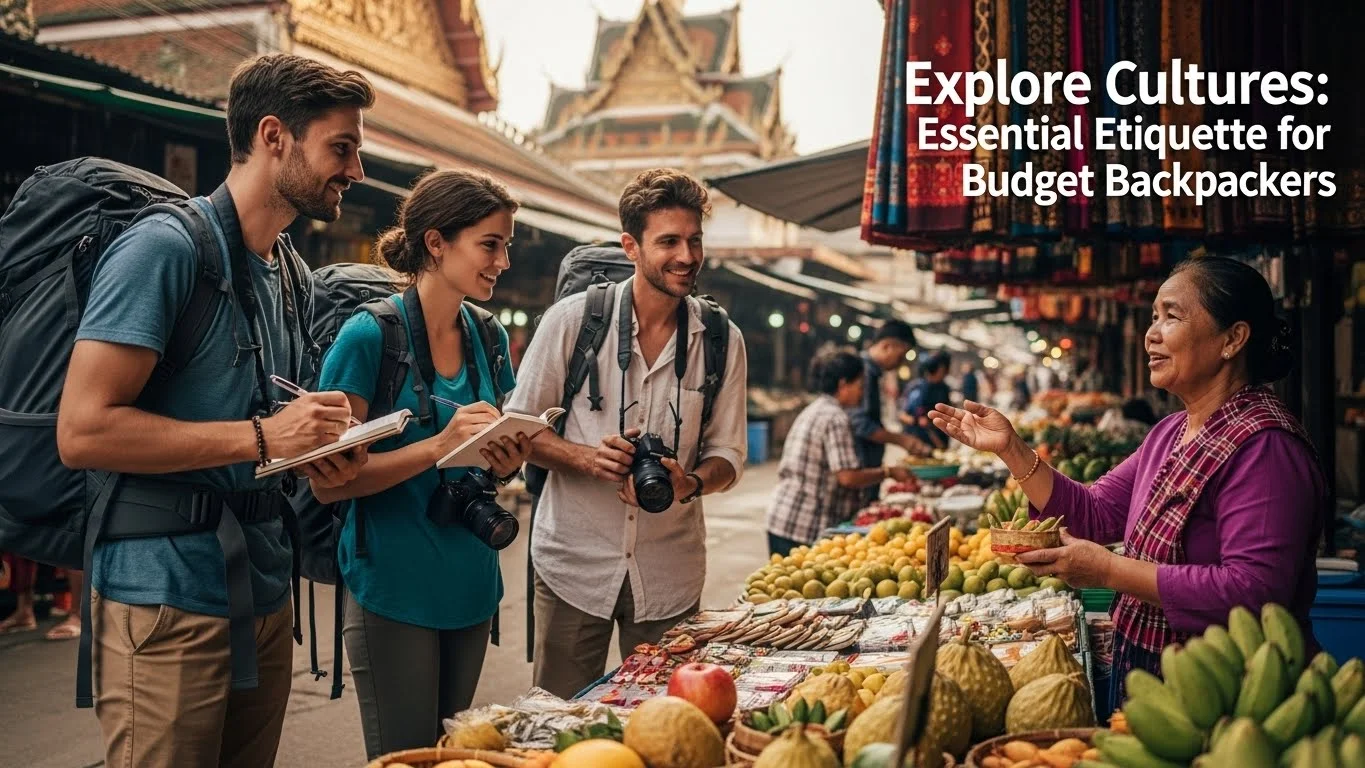
Explore Cultures: Essential Etiquette for Budget Backpackers

Traveling as a budget backpacker is an adventure filled with excitement, but it also comes with the responsibility of understanding and respecting the cultures we encounter. Exploring cultural etiquette can enhance our experiences and foster meaningful connections.

Explore Cultures: Essential Etiquette for Budget Backpackers

Understanding Cultural Etiquette

When I first set out on my backpacking journey, I was eager to see the world through my own lens. However, I quickly realized that every place I visited had its own set of cultural norms and values. Understanding these nuances became crucial for me. Cultural etiquette is not just a list of dos and don’ts; it’s the foundation for respectful and enriching travel experiences. I learned that being culturally sensitive can open doors, create friendships, and allow us to immerse ourselves in local lifestyles. Cultural etiquette tips for backpackers can help guide us in this journey.

Importance of Cultural Sensitivity

Cultural sensitivity is about recognizing and respecting the differences that make each culture unique. During my travels, I found that being aware of local customs helped me avoid misunderstandings. For instance, in some cultures, personal space is more significant than in others. I remember visiting a market in Morocco where I instinctively stepped back from a vendor who got too close to me, only to realize that it was normal to be in such proximity in that context. By being aware of these cultural norms, I felt more comfortable and welcomed. It’s about being open-minded and eager to learn from the people around us.

How Etiquette Affects Travel Experiences

Etiquette plays a pivotal role in shaping our travel experiences. I recall attending a traditional tea ceremony in Japan, where every movement and gesture was steeped in meaning. The guide explained the significance of bowing and how it reflects respect. Participating in this ceremony and following the etiquette made the experience far more rewarding. I felt a deeper connection to the culture and left with memories that enriched my understanding of Japan. When we respect local customs, we not only enhance our own experiences but also show appreciation for the culture we are visiting.

Planning Your Backpacking Trip

Planning a backpacking trip can be overwhelming, but it’s also incredibly exciting. From picking destinations to diving into cultural research, every step is essential. I remember spending hours online, reading about the places I wanted to visit and their unique customs. This preparation made me feel like I was already part of the culture before even arriving.

Choosing Your Destinations

Choosing where to go is the first step in any backpacking adventure. I often reflect on how my choices were influenced by cultural richness rather than just attractions. For example, my decision to visit Southeast Asia was driven by the diverse cultures, warm hospitality, and traditions I was excited to experience. When selecting destinations, I recommend considering not just the sights but also the cultural experiences you can immerse yourself in. This way, you’ll find yourself exploring not just as a traveler but as a participant in the local culture.

Researching Cultural Norms and Customs

Research is key. I learned that taking the time to read about cultural norms before traveling can save a lot of awkward moments. I often looked up basic etiquette, such as greetings, dining customs, and taboos. For instance, in India, I discovered that using the right hand for eating and greeting is crucial, as the left hand is considered unclean. Knowing this helped me navigate social situations with confidence. I suggest making a list of customs to remember, as it can make a significant difference in how you connect with locals. Dining etiquette is a crucial aspect to research.

Travel Seasons and Their Implications

Timing your trip can profoundly impact your experience. I always check travel seasons because they can dictate not just the weather but also cultural events. For example, traveling to Spain during La Tomatina or the Running of the Bulls was a thrill, but I also learned that these events come with specific cultural expectations. Being aware of local festivals and customs can enrich your experience and help you stay culturally aware during your travels. Plus, traveling during off-peak seasons often means fewer crowds and more intimate interactions with locals.

Essential Etiquette Tips for Budget Backpackers

As I ventured into different cultures during my travels, I often found myself navigating a maze of social norms and expectations. To make our journeys smoother and more enjoyable, I’ve compiled some essential etiquette tips that I believe every budget backpacker should keep in mind. These simple guidelines can make a world of difference in how we connect with locals and how they perceive us.

Greetings and Introductions

When I traveled, I quickly learned that a simple greeting could open doors to new friendships. In many cultures, the way we say hello can set the tone for our interactions. For instance, in some countries, a firm handshake is the norm, while in others, a gentle bow or a kiss on the cheek is more appropriate. I remember my first encounter in Senegal, where I was greeted with “As-salamu alaykum.” I felt it was important to respond with the same warmth. Taking the time to learn a few phrases in the local language can also show respect and enthusiasm for the culture. Trust me, it creates a positive vibe and often leads to richer conversations.

Dining Etiquette Around the World

Dining is one of the best ways to experience a culture, but each place has its own rules. I’ve been lucky enough to share meals with locals, and I learned that understanding dining etiquette is crucial. For example, in Ethiopia, eating with your hands is common, and you should only use your right hand. I was initially hesitant, but once I embraced it, I felt more connected to my hosts. In France, I discovered that keeping your hands on the table (but not your elbows) is a sign of good manners. Each meal became an adventure in learning, and it strengthened my appreciation for the food and customs. Don’t hesitate to ask locals about their dining norms; they often love sharing their traditions! Additionally, exploring traditional crafts can also enhance your understanding of local dining customs.

Dress Codes in Different Cultures

The way we dress can convey so much about our respect for the local culture. I remember arriving in Bali, where I was advised to wear modest clothing when visiting temples. Taking this advice to heart, I felt more at ease and respectful while exploring sacred spaces. In more conservative countries, covering shoulders and knees is often essential. I also found it helpful to observe what locals wear in different settings; it’s a great way to blend in and show that we respect their norms. Packing a few versatile pieces that cater to different dress codes can make this easier and keep your backpack light!

Public Behavior and Social Norms

Every culture has its own social norms, and I’ve learned that being mindful of public behavior can help us avoid misunderstandings. In some countries, loud talking and boisterous laughter are welcomed, while in others, a more subdued demeanor is expected. I remember walking through a quiet neighborhood in Japan and noticing how everyone spoke in hushed tones. Adapting to these norms made me feel more comfortable and respected. It’s always a good idea to observe those around us and adjust our behavior accordingly. This attentiveness can lead to more meaningful interactions.

Photography Etiquette

Capturing memories through photography is a huge part of traveling, but I’ve learned that not everyone is comfortable being photographed. In some cultures, taking pictures of people without permission can be seen as intrusive. I remember visiting a village in India where I asked for permission before snapping a photo of a group of children. Their smiles lit up the moment, and they were thrilled to be included in my memories. Always be respectful and ask first, especially in sacred places or during ceremonies. And, when in doubt, look for signs indicating whether photography is allowed or not.

Country-Specific Etiquette Guides

As I continued my travels, I realized that each region has unique customs that are worth exploring in more depth. Here are some insights I’ve gathered about specific countries that can help guide our etiquette choices as we navigate different cultures.

Asia

Japan: Bowing and Gift Giving

Japan is undoubtedly a land of fascinating traditions. I was amazed to learn that bowing is not only a greeting but also a way to express gratitude and respect. While I struggled at first, I found that even a slight bow was appreciated. Gift-giving is also significant in Japan; I made it a point to bring a small gift from my home country to share with my hosts. It’s a beautiful way to show appreciation and establish connections.

Thailand: The Wai Greeting

The Wai, a traditional Thai greeting, is something I grew to admire. I learned that placing your palms together and bowing your head is customary, especially when greeting someone of higher status. I made sure to practice this gesture, and it opened up conversations about Thai culture, which enhanced my experience.

Africa

Kenya: Respect for Elders

During my time in Kenya, I quickly discovered that respect for elders is paramount. I noticed how people would always greet older individuals first. This simple act of acknowledging elders made me appreciate the values of the community, and it inspired me to adopt this practice, too, during my travels.

Morocco: Dining Etiquette

In Morocco, I found that sharing a meal is a way to build relationships. I was invited to a traditional meal, where I learned that eating with my right hand and sharing from a communal plate is part of the norm. It was a memorable experience that brought me closer to my hosts and their culture.

Europe

Italy: Coffee Culture and Dining

Italy’s coffee culture was something I fell in love with. I learned that ordering a cappuccino after 11 AM is frowned upon. By understanding these little nuances, I could enjoy my coffee like a local. Dining in Italy is another experience; meals are often leisurely, and I found that taking my time to savor each course led to more authentic interactions.

Germany: Punctuality and Politeness

Punctuality in Germany is an art form. I quickly learned that being late is considered disrespectful. Embracing this cultural norm taught me the value of time and how it can reflect on our respect for others. I appreciated how this punctuality also extended to social events, where everyone arrived on time.

South America

Brazil: Social Interactions and Greetings

Brazil is a vibrant country, and I loved learning about their social interactions. When I met new people, it felt natural to greet them with a warm hug or a kiss on the cheek. It made me feel welcomed and included in their lively culture.

Argentina: Dining and Tipping Practices

Dining out in Argentina was an adventure. I quickly learned that sharing a table and engaging in conversation was part of the dining experience. Tipping is appreciated but not mandatory; I found that leaving a small amount for exceptional service was a kind gesture that locals appreciated.

Common Mistakes to Avoid

Assuming Everyone Speaks English

I’ve made this mistake more times than I’d like to admit. While English is widely spoken in many places, I learned that it’s not universal. In countries like Japan or rural areas in South America, I often encountered locals who spoke little to no English. I remember trying to ask for directions in a small town in Brazil, only to be met with blank stares. It was a humbling experience that reminded me of the importance of learning a few basic phrases in the local language. Not only does it help in navigating conversations, but it also shows respect for the culture. I recommend downloading a language app before your trip or carrying a small phrasebook to bridge that gap. It has made my interactions more authentic and enjoyable.

Ignoring Local Customs

Ignoring local customs can lead to unintentional disrespect, and I’ve learned this the hard way. In India, for example, I was once caught off guard at a family gathering when I didn’t realize shoes were considered unclean indoors. I walked in without noticing everyone else had removed their footwear, and I felt embarrassed as I quickly took mine off. This experience taught me that observing and respecting local customs is vital. Even if something seems trivial to us, it might hold great significance in another culture. I find that a little research or asking locals about their customs can go a long way in avoiding these awkward moments.

Disrespecting Sacred Spaces

As I traveled, I discovered that many places have cultural and spiritual significance that should be respected. I remember visiting a temple in Bali and seeing signs that prohibited certain attire and behaviors. I made sure to dress modestly and act respectfully, but I noticed some tourists taking selfies and using flash photography inside, unaware they were disrupting the sanctity of the space. This behavior can be considered very disrespectful. It’s crucial to educate ourselves about the etiquette of sacred sites and adhere to it. Before visiting any religious or sacred location, I recommend doing a little homework on what is considered appropriate behavior, attire, and photography rules. It not only enhances our own experience but also honors the beliefs of the locals.

Budget-Friendly Tips for Cultural Exploration

Finding Local Guides and Resources

One of my favorite ways to dive deeper into a culture without breaking the bank is by connecting with local guides. I often find that local tours are not only affordable but also provide a wealth of knowledge. During my travels in Vietnam, I joined a walking tour led by a local university student. They shared insights about daily life, traditions, and even took us to hidden gems that weren’t in any guidebook. Platforms like Couchsurfing and Meetup can help us connect with locals who are eager to share their culture. I always make it a point to chat with my guides, as their stories often give a more personal touch to the history and customs of the place.

Participating in Community Events

Participating in local events is another fantastic way to experience culture firsthand. I remember stumbling upon a cultural festival in a small village in Greece. It was an incredible experience where I could dance with locals, taste traditional food, and learn about their customs. These events are often free or low-cost and are a great way to immerse ourselves in the culture. I always check community calendars or social media groups dedicated to local happenings when I arrive in a new place. Engaging in these activities not only enhances our travel experience but also allows us to connect with locals in a meaningful way.

Using Public Transport to Experience Local Life

Using public transport has often given me a unique glimpse into the daily lives of locals. I remember hopping on a bus in Colombia, surrounded by friendly faces and the sounds of everyday life. It was a far cry from the sanitized experience of a tourist bus. Not only is it budget-friendly, but it also offers a chance to observe local customs and interact with residents. I’ve learned to embrace the spontaneity of riding local buses or trains, as each journey reveals something new about the culture. Plus, it’s a wonderful way to make unexpected connections and enrich our travel stories!

Resources for Further Learning

Books on Cultural Etiquette

Books can be a treasure trove of knowledge when it comes to cultural etiquette. I’ve found that reading about the customs and traditions of a country I plan to visit helps me prepare mentally for the experience. Titles like “Culture Shock!” series provide a comprehensive look into various cultures, highlighting key etiquette tips and common practices. I often carry a book with me or download a few on my e-reader before traveling. This way, I can refer to them on the go and ensure I’m always respecting local practices.

Websites and Blogs for Backpackers

There’s a wealth of information available online, especially through travel blogs and websites dedicated to backpacking. I love exploring blogs where fellow travelers share their cultural insights and personal experiences. Sites like Nomadic Matt and The Culture Trip have sections specifically on etiquette and customs in different countries. These resources not only help in planning but also inspire me to see the world through a more culturally aware lens. Following these blogs keeps me informed and excited about my next adventure!

Travel Apps for Cultural Insights

Travel apps have revolutionized the way we explore new cultures. Apps like Google Translate can help break down language barriers, while others like Duolingo make learning a few phrases fun and interactive. I also recommend the app “Culture Trip,” which offers insights on local customs and recommendations based on user experiences. Having these tools at our fingertips not only enhances our travel experience but also empowers us to engage more meaningfully with the places we visit.

Frequently Asked Questions

What is cultural etiquette in the context of budget backpacking?

Cultural etiquette refers to the set of norms and values that guide respectful interactions within different cultures. It is essential for enhancing travel experiences and fostering meaningful connections with locals.

Why is cultural sensitivity important for travelers?

Cultural sensitivity involves recognizing and respecting the unique differences of each culture. Being aware of local customs can help travelers avoid misunderstandings and create a more comfortable environment for interaction.

How does etiquette impact travel experiences?

Etiquette significantly shapes travel experiences by enhancing interactions with locals. For example, participating in cultural activities, such as a traditional tea ceremony in Japan, can deepen one’s understanding and appreciation of that culture.

What should I consider when planning a backpacking trip?

When planning a backpacking trip, it’s essential to consider not just destinations and attractions but also the cultural richness and customs of those places. Researching cultural norms and practices can help prepare for respectful interactions.

What are some essential etiquette tips for budget backpackers?

Essential etiquette tips include learning local greetings, understanding dining customs, dressing appropriately for different cultures, being mindful of public behavior, and respecting photography rules.

How can I research cultural norms and customs before traveling?

Researching cultural norms can be done by reading about the destination, looking up basic etiquette, and creating a list of customs to remember. This preparation helps navigate social situations with confidence.

What are some common mistakes to avoid when traveling?

Common mistakes include assuming everyone speaks English, ignoring local customs, and disrespecting sacred spaces. Being mindful of these aspects can prevent misunderstandings and show respect for the local culture.

How can participating in local events enhance my travel experience?

Participating in local events allows travelers to immerse themselves in the culture, engage with locals, and learn about traditions firsthand. These experiences often lead to meaningful connections and memorable adventures.

What resources can help me learn more about cultural etiquette?

Resources for learning about cultural etiquette include books on the subject, travel blogs, websites, and travel apps that provide insights into local customs and practices.

What role does public transport play in experiencing local culture?

Using public transport offers a glimpse into the daily lives of locals and is a budget-friendly way to experience the culture. It encourages spontaneous interactions and enriches travel stories through unexpected encounters.

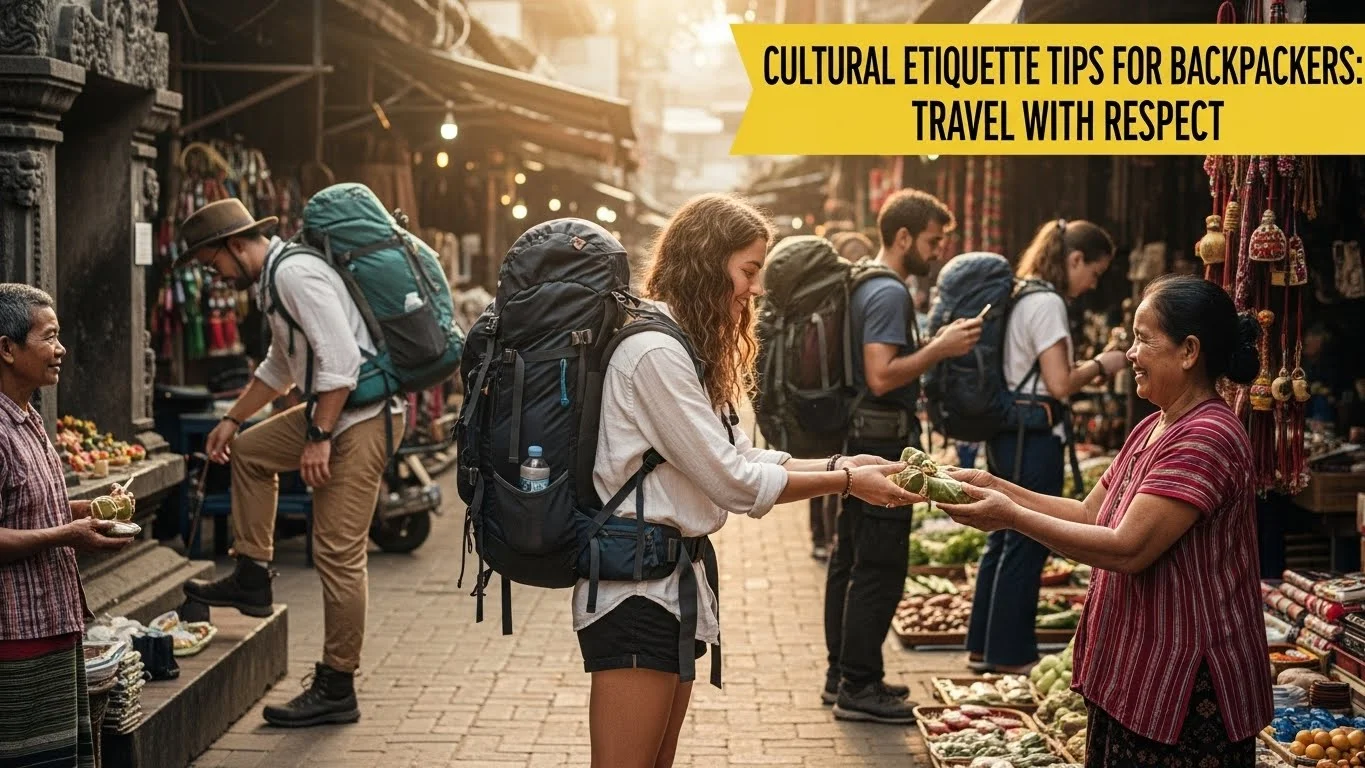
Cultural Etiquette Tips for Backpackers: Travel with Respect

Traveling is one of the most enriching experiences we can have, but it’s essential to do it with respect. Understanding cultural etiquette can open doors and create meaningful connections during our adventures. For more insights, check out Essential Cultural Etiquette Tips for Solo Travelers.

Cultural Etiquette Tips for Backpackers: Travel with Respect

Understanding Cultural Etiquette

The Importance of Cultural Sensitivity

As I’ve traveled through different countries, I’ve realized that cultural sensitivity goes beyond just being polite. It’s about immersing ourselves in the local way of life and showing genuine respect for the people and their traditions. I remember my first trip to Southeast Asia; I was overwhelmed by the beauty of the landscapes and the warmth of the people. However, I quickly learned that what might be normal for me could be offensive to someone else. By understanding and adapting to local customs, we not only enrich our own travel experiences but also foster goodwill and understanding with those we meet.

What is Cultural Etiquette?

Cultural etiquette refers to the accepted and expected behaviors and manners in a particular culture. This can range from how we greet one another to what we wear in public spaces. Different cultures have unique social norms, and stumbling through them can sometimes lead to embarrassing or uncomfortable situations. I’ve made my fair share of mistakes, like wearing shoes inside a home in Japan or misinterpreting a friendly gesture in the Middle East. These experiences taught me the importance of doing a little homework before traveling. It’s about being aware of the unspoken rules that govern interactions, which can vary so widely from one place to another. For example, understanding greetings is crucial; you can find tips in Cultural Greeting Etiquette: Tips for Budget Travelers.

Key Cultural Etiquette Tips for Backpackers

Greetings and Introductions

One of the most basic yet crucial aspects of cultural etiquette is how we greet others. In some cultures, a firm handshake is standard, while in others, a bow or a kiss on the cheek is the norm. I remember being in France and awkwardly fumbling through a greeting because I was unsure whether to go for the cheek kiss or a handshake. It’s essential to observe local practices and adapt accordingly. A warm smile and a respectful greeting can go a long way in breaking the ice and showing that you care about the culture. If you’re unsure, it never hurts to follow the lead of locals. They often appreciate your effort to engage in their traditions.

Dress Code Considerations

Another important aspect of cultural etiquette is dressing appropriately. When I traveled to Bali, I learned that wearing modest clothing was not just about tradition but also a sign of respect for their spiritual customs. In many cultures, what we wear can communicate respect or disrespect. Before heading to a destination, I always check the local dress codes, especially when visiting religious sites. Adapting our attire to fit in can enhance our experiences and help us connect with the locals. It’s not just about blending in; it shows that we’re aware and considerate of the norms of the culture we’re entering.

Dining Etiquette Around the World

Dining can be one of the most enlightening ways to experience a culture. I remember sharing a meal in Morocco and being fascinated by how food is not just sustenance but a means of bringing people together. Different cultures have unique dining customs, from how food is served to the etiquette surrounding eating. In some places, it’s customary to eat with your hands, while in others, using utensils is expected. I found it helpful to familiarize myself with local dining practices beforehand. For instance, in Japan, finishing everything on your plate is a compliment to the chef, while in other cultures, leaving a little food might signify that you’re full. Understanding these nuances can enhance our enjoyment and respect for the meal and the people who prepare it. For more detailed tips, check out Navigate Dining Etiquette: Cultural Tips for Budget Backpackers.

Respect for Local Customs and Traditions

Every culture has its own rituals and customs that are meaningful to its people. I once visited a festival in India, and it was eye-opening to see the significance of the rituals and how integral they were to the community’s identity. Participating in local customs can be a fantastic way to connect with the culture, but it’s crucial to approach them with respect. I’ve learned to ask questions and observe before jumping into new traditions. This shows locals that I’m genuinely interested in understanding their way of life while also allowing me to navigate any potential pitfalls. It’s about finding that balance between immersing myself and respecting the boundaries that might exist.

Photography Etiquette

Taking pictures during travels is a natural instinct for many of us. However, I’ve learned that not every moment is appropriate for a photo. In some cultures, asking permission before snapping a picture is essential, especially in more intimate or sacred settings. I recall a moment in a rural village where I wanted to capture the breathtaking landscape, but I paused when I noticed locals going about their daily lives. Instead of intruding, I asked if I could take their picture, and they gladly agreed. This simple act of respect transformed a potential awkward moment into a shared experience. It’s always best to be mindful and considerate when it comes to capturing moments on camera.

Understanding and Using Local Language

Language can be a powerful tool for connection. I’ve found that learning a few basic phrases in the local language can break down barriers and show respect for the culture. Even a simple “hello” or “thank you” can make a significant difference. I remember my trip to Thailand, where I practiced saying “sawadee ka” (for women) and “sawadee krub” (for men). The locals appreciated my effort, and it opened up conversations that made my experience richer. Showing that we’re willing to learn goes a long way in fostering goodwill.

Cultural Practices to Be Aware Of

Religion and Spirituality

Religion plays a significant role in many cultures around the world, and understanding its importance can be crucial during our travels. I remember visiting a temple in Thailand, where I was immediately struck by the serene atmosphere and the deep reverence shown by locals. It was a reminder that while I was there to explore, I also needed to respect the sacredness of the space. Before entering, I made sure to remove my shoes and dress appropriately, which was an important step. Each faith has its rituals and customs, so it’s beneficial to research what’s acceptable in places of worship. By doing so, we not only show respect but also gain a deeper insight into the culture we’re experiencing.

Family Structures and Gender Roles

Family dynamics and gender roles can vary significantly from one culture to another, often influencing the way people interact. In my travels, I’ve noticed that in many cultures, family is the cornerstone of society. For instance, during my visit to Italy, I was invited to a family dinner, which was filled with laughter and storytelling. It was clear that family bonds were cherished. However, I also learned that in certain cultures, gender roles can dictate how men and women interact, and being aware of these nuances is vital. In some places, traditional gender roles may mean that men are expected to take the lead in conversations, while in others, it may be more egalitarian. Understanding these dynamics can help us navigate social situations more gracefully.

Social Norms and Public Behavior

Every culture has its own set of social norms that dictate what is considered acceptable behavior in public. I’ve experienced moments where I felt out of place simply because I didn’t understand these unspoken rules. For example, while in Spain, I noticed that people are very expressive in their conversations, with animated gestures and loud voices. It felt vibrant and alive, but in other cultures, this might come off as rude or overly aggressive. I’ve learned that observing how locals interact can provide valuable insights into the social landscape. It’s essential to be adaptable and sensitive to the atmosphere around us, as this can help us engage more positively with those we meet.

Country-Specific Etiquette Guides

Asia

Japan

Traveling in Japan was one of my most memorable experiences, largely due to the rich cultural etiquette I encountered. The Japanese highly value politeness and respect, which is evident in their greetings, bowing, and even in the way they present food. I remember entering a restaurant and being greeted with a hearty “Irasshaimase!” (Welcome!). It made me feel like I truly belonged. Using polite language and following their customs, such as not tipping (which can be seen as rude), helped me connect better with the locals.

Thailand

In Thailand, the concept of “wai” is fundamental to social interactions. I learned that placing my palms together in a prayer-like gesture while bowing slightly was a respectful way to greet others. This small act of acknowledgment can open doors and create goodwill. Additionally, I discovered that showing respect for the monarchy is crucial in Thailand, so speaking positively about the royal family is a must. Understanding these points transformed my experience in the country.

Africa

Morocco

Morocco’s vibrant culture is filled with rich traditions, and during my visit, I found that hospitality was at the heart of every interaction. When invited into a home, it’s customary to accept mint tea, which symbolizes friendship and welcome. I’ll never forget being offered a seat in a bustling marketplace; it felt like I was stepping into a family gathering. However, I also learned that being mindful of how I dressed was important, especially in more rural areas where modesty is appreciated.

South Africa

In South Africa, I discovered the importance of understanding the diverse cultures that coexist within the country. Each ethnic group has its own customs and traditions. I remember attending a traditional Zulu ceremony, which required me to dress appropriately and show respect for the elders. Engaging in conversations about local history and culture enriched my understanding and appreciation of the community.

Europe

France

France is often associated with sophistication and elegance, and my experiences there reflected that. I quickly learned that dining etiquette is taken seriously. For instance, I discovered the importance of keeping my hands on the table during meals (but not my elbows!). Additionally, mastering a few polite phrases in French, like “s’il vous plaît” (please) and “merci” (thank you), helped me connect with locals in a meaningful way.

Italy

In Italy, meals are a celebration, and I learned that timing is everything. For instance, dining late in the evening is the norm, and the concept of “la dolce vita” emphasizes savoring life’s pleasures. I found that asking for a cappuccino after noon raised eyebrows, highlighting that certain customs are deeply ingrained. Observing local practices allowed me to immerse myself fully in the culinary delights and social interactions.

South America

Brazil

Brazil’s culture is vibrant and festive, and during my time there, I noticed that personal space is perceived differently than in other places. People are often more tactile and expressive, which I found to be warm and welcoming. However, I learned the importance of understanding the diverse regions within Brazil, as customs can vary significantly from one area to another.

Argentina

In Argentina, the culture revolves around social gatherings, particularly around food and drink. I was lucky enough to join a family for a traditional asado (barbecue), where I learned that sharing food is a crucial part of building relationships. However, I also found that being punctual is less rigid compared to other cultures, which was a refreshing change for me.

Common Mistakes to Avoid

General Faux Pas

As I’ve wandered through various cultures, I’ve encountered a few universal faux pas that can easily leave a negative impression. One that stands out to me is the act of pointing. During my travels in Southeast Asia, I discovered that pointing with a finger can be considered rude in many cultures. Instead, I learned to gesture with my whole hand or, if necessary, use my chin to indicate where I was looking. This small adjustment made a significant difference in how locals perceived my intentions. Remembering to be extra mindful of physical gestures can go a long way in ensuring we don’t unintentionally offend anyone.

Misunderstanding Local Customs

I’ve also realized that failing to properly understand local customs can lead to uncomfortable situations. When I visited Turkey, I was invited to someone’s home for tea. I was eager to show my appreciation for their hospitality, so I accepted every offer of food and drink. However, I learned later that in Turkish culture, insisting on declining an initial offer is polite, as it allows the host to feel appreciated when you eventually accept. This experience taught me the importance of doing my research and being aware of the nuances that define different cultures. A little prep can spare us from awkward moments and help us engage more meaningfully.

Ignoring Personal Space and Boundaries

Personal space is another area where I’ve stumbled. Different cultures have varied interpretations of what constitutes personal space. I remember visiting Brazil and being surprised by how close people stood to one another during conversations. To me, it felt a bit intrusive, but for them, it was a sign of warmth and friendliness. I realized that in some cultures, being too far away can come off as standoffish. Adapting to these differences has helped me connect better with locals. I often take cues from their body language to gauge how close I should stand. Being aware of personal space can prevent discomfort and lead to more genuine interactions.

Resources for Learning Cultural Etiquette

Books and Guides

One of the best ways to prepare for cultural encounters is by diving into books and guides focused on cultural etiquette. I’ve found several that became my travel companions. “Culture Shock!” series is a fantastic resource that breaks down cultural norms and expectations in various countries. I remember flipping through one on Japan and being amazed at how much I learned about their customs before even stepping on the plane. These books provide valuable insights that can help us navigate new cultures with confidence.

Online Resources and Forums

In this digital age, the internet is filled with resources to help us understand cultural etiquette. Websites like Culture Trip and Nomadic Matt offer articles and tips from seasoned travelers who have experienced different cultures firsthand. Additionally, online forums, such as Reddit’s travel subreddits, can be treasure troves of information where fellow travelers share their insights and experiences. I often find myself scrolling through threads before a trip, soaking in the advice from others who have been there and done that. These resources have enriched my travels immensely.

Cultural Exchange Programs

Participating in cultural exchange programs has been one of the most eye-opening experiences for me. These programs often involve living with a local family or engaging in community projects, allowing for a deeper understanding of the culture. I once joined a homestay program in Peru, where I immersed myself in the daily life of a local family. I learned about their customs, beliefs, and even a bit of their language. This hands-on experience was far more impactful than any guidebook could ever convey. I strongly recommend seeking out such programs; they can transform the way we perceive and appreciate other cultures.

Practical Tips for Respectful Travel

How to Approach Locals

When approaching locals, I’ve found that showing genuine interest and friendliness can break down barriers. I remember walking through markets in Vietnam, where I was met with curious looks. Instead of shying away, I smiled and said “hello” in Vietnamese. The locals’ faces lit up, and it opened the door for friendly exchanges. I learned that being approachable and respectful can lead to amazing interactions, whether it’s asking for directions or striking up a conversation. A simple smile and a willingness to engage can turn a brief encounter into a memorable experience.

Being an Observant Traveler

One of the best pieces of advice I’ve learned is to be an observant traveler. I make it a point to watch how locals interact and behave in different situations. During my time in Italy, I noticed how people greeted one another with warmth and familiarity, often stopping for a chat. This inspired me to be more open and friendly. Observing local behavior can reveal the subtle nuances of a culture that might not be evident in guidebooks. I often find that when I adapt my behavior to fit in with local customs, it enriches my experience and shows respect for their way of life.

Volunteering and Giving Back

Finally, I believe that volunteering can be a powerful way to connect with a culture. I’ve volunteered at various projects during my travels, from teaching English in rural villages to participating in conservation efforts. These experiences not only allow me to give back but also provide a unique perspective on local customs and challenges. I’ve forged friendships and learned so much about the cultures I engaged with. If you have the opportunity, I highly recommend seeking out volunteering options during your travels. It’s a meaningful way to immerse yourself in a community and foster connections that go beyond the surface.

Frequently Asked Questions

What is cultural etiquette?

Cultural etiquette refers to the accepted and expected behaviors and manners in a particular culture, including how we greet one another and what we wear in public spaces. Understanding these norms helps avoid embarrassing situations while traveling.

Why is cultural sensitivity important when traveling?

Cultural sensitivity is important because it helps travelers immerse themselves in the local way of life, showing genuine respect for the people and their traditions. This can enrich travel experiences and foster goodwill with locals.

What should I consider regarding greetings in different cultures?

Greetings can vary significantly across cultures; some may prefer a firm handshake, while others may use a bow or a kiss on the cheek. Observing local practices and adapting accordingly is essential to show respect and initiate positive interactions.

How should I dress when visiting different cultures?

Dressing appropriately is crucial in many cultures, as it can communicate respect or disrespect. Always check local dress codes before visiting, especially in religious or traditional settings, to enhance your experience and connect with locals.

What dining etiquette should I be aware of while traveling?

Dining customs vary widely between cultures, from how food is served to eating etiquette. Familiarizing yourself with local dining practices, such as finishing your plate or using utensils, can enhance your enjoyment and respect for the meal.

How should I approach photography in different cultures?

When taking pictures, it’s important to ask for permission, especially in intimate or sacred settings. Being mindful and considerate about when and where to take photos can transform potential awkward moments into positive interactions.

What role does language play in cultural interactions?

Learning a few basic phrases in the local language can help break down barriers and show respect for the culture. Simple greetings or expressions of gratitude can foster goodwill and enrich your travel experience.

What are common mistakes to avoid while traveling?

Common mistakes include pointing with a finger, misunderstanding local customs, and ignoring personal space. Being aware of these cultural nuances can help avoid negative impressions and enable more genuine interactions.

How can I prepare for cultural encounters before traveling?

Preparing for cultural encounters can involve reading books and guides about cultural etiquette, utilizing online resources, and participating in cultural exchange programs for hands-on experiences and deeper understanding.

What are some practical tips for respectful travel?

Approaching locals with genuine interest, being an observant traveler, and engaging in volunteering can create meaningful connections and enrich your travel experience while showing respect for the local culture.

Mastering Cultural Etiquette: Your Guide to Global Travel

Traveling the world offers us a chance to experience new cultures, flavors, and friendships. But to truly enjoy these opportunities, mastering cultural etiquette is crucial. Understanding and respecting local customs can turn a good trip into an unforgettable adventure. Read Interesting article: Cultural Etiquette: Navigating Public Spaces on Your Trip

Mastering Cultural Etiquette: Your Guide to Global Travel

Understanding Cultural Etiquette

Definition of Cultural Etiquette

Cultural etiquette encompasses the behaviors, practices, and norms that are deemed acceptable within a specific culture. It includes everything from how we greet others to how we behave at the dining table. I remember my first trip abroad, where I quickly learned that what might be polite in one place could be considered rude in another. For example, in some cultures, maintaining direct eye contact is a sign of confidence, while in others, it can be seen as disrespectful. Understanding these nuances makes a huge difference in how we connect with people during our travels.

Importance of Cultural Etiquette in Travel

When we travel, we step into someone else’s world. Embracing cultural etiquette not only shows respect for the locals but also enriches our travel experiences. I’ve found that when I take the time to learn about and adhere to local customs, I open doors to deeper connections with people. Instead of being seen as a tourist, I become a welcomed guest. On my last trip to Japan, for instance, I learned that bowing is a customary greeting. By bowing slightly when I met locals, I felt their warmth and appreciation, which made my trip all the more memorable.

Key Elements of Cultural Etiquette

Greetings and Introductions

Greetings are often the first step in establishing a connection, and they vary significantly across cultures. In the U.S., a firm handshake is common, while in some Asian countries, a slight bow or a nod is preferred. I once visited Thailand, where I learned the “wai” greeting, involving palms pressed together at chest level. This simple gesture symbolized respect and friendliness. I’ve noticed that when I make an effort to greet people in their customary way, it sets a positive tone for any interaction.

Dining Etiquette

Dining is a central aspect of many cultures, and understanding the dining etiquette can be crucial. In Italy, for example, it’s important not to ask for cheese on your seafood pasta, as it’s considered a culinary faux pas. I learned this the hard way! When dining in other countries, I try to observe the locals first—watching how they eat, what utensils they use, and even how they engage in conversation during meals. An informal dinner I attended in Spain was quite different from any I’d experienced before. The meal lasted for hours, filled with laughter and stories, and I realized that it was just as much about the company as it was about the food.

Body Language and Non-Verbal Communication

Body language plays a huge role in communication, often speaking louder than words. I’ve found that gestures I use daily might not translate well in other cultures. For example, while a thumbs-up is a positive gesture in many Western countries, in parts of the Middle East, it can be offensive. I remember traveling to Greece, where I learned that maintaining a relaxed posture and open hand gestures is appreciated. Paying attention to non-verbal cues can help me understand how to better connect with others and avoid misunderstandings.

Gift Giving Customs

Gift giving is another area where cultural etiquette can vary widely. In some cultures, gifts are a way to show appreciation and strengthen relationships, while in others, it can be seen as inappropriate or even a bribe. During my travels in South Korea, I learned that it’s customary to present gifts with both hands. I also discovered that certain items, like clocks, have negative connotations. I always try to research the local customs before bringing gifts, as I want my gesture to be received with joy, not confusion. I remember bringing chocolates as a gift in France, which were beautifully received, sparking delightful conversations about flavors and preferences.

Cultural Etiquette by Region

North America

When I think of North America, I often recall the friendly and casual vibe that seems to permeate the air. People here generally appreciate direct communication, which I found refreshing. For instance, when I traveled to Canada, I noticed that politeness is highly valued. Saying “please” and “thank you” is not just nice but expected. I remember sitting in a café, and when I thanked the barista for my coffee, she beamed and responded with a big smile, making me feel at home. However, I also learned that personal space is crucial; invading someone’s bubble can make them uncomfortable. This was a little different from some other cultures I had experienced, where close physical proximity is commonplace.

Europe

Europe is a tapestry of cultures, each with its own quirks and customs. I found that the approach to greetings varies widely. In France, a light kiss on both cheeks is the norm among friends, while in Germany, a firm handshake is preferred, accompanied by eye contact. I remember feeling a bit awkward the first time I tried the cheek-kissing thing in Paris; I accidentally leaned in too far and nearly knocked heads with my friend! Dining customs also differ; in some countries like Italy, meals are celebrated with lengthy conversations, while in others like Sweden, dining is more subdued. I learned that understanding these nuances can truly enhance the experience of exploring different European nations.

Asia

Asia is perhaps one of the most diverse regions when it comes to cultural etiquette. I was amazed at how much I had to adapt during my travels there. In Japan, for instance, I learned that it’s important to remove my shoes before entering someone’s home—a custom that I found both respectful and practical. In India, I discovered that eating with my right hand was essential, as the left hand is considered unclean in many contexts. Just the other day, I reminisced about my time in Thailand, where I found that showing the soles of my feet is considered rude. These experiences taught me the importance of being mindful and adaptable when immersing myself in Asian cultures.

Africa

Africa is rich in traditions and customs that vary from one region to another. I remember visiting South Africa and being struck by the warmth of the people. Greeting with a friendly “howzit” is common, and a handshake is usually accompanied by a friendly clap. I was surprised to learn about the concept of Ubuntu, which emphasizes community and connectedness. In contrast, during my trip to Morocco, I noticed that hospitality is paramount—guests are often offered mint tea as a welcoming gesture. I found that understanding these cultural nuances helped me forge meaningful connections with the locals I met.

South America

Traveling through South America opened my eyes to a vibrant mix of customs and traditions. In countries like Brazil, I discovered how important physical touch is in social interactions. Hugs and kisses on the cheek are common among friends, which initially caught me off guard. I’ve experienced the joy of participating in a lively fiesta in Colombia, where the atmosphere felt electric, and everyone danced together. On the flip side, I learned that punctuality is viewed differently across the continent; arriving late is often acceptable in social settings but not in business meetings. This cultural fluidity made my travels exciting and full of surprises.

Oceania

Oceania is another unique region with a blend of cultures, particularly in places like New Zealand and Australia. I was fascinated by the Māori customs I encountered in New Zealand, including the traditional greeting known as the hongi, in which two people press their noses together. It felt like a moment of deep connection. In Australia, I found that casualness is the norm; addressing someone by their first name right away is common, regardless of their status. However, I also learned that respecting Indigenous customs and acknowledging the land’s history is crucial. Understanding these cultural layers enriched my experiences in Oceania immensely.

Cultural Dos and Don’ts

Common Mistakes to Avoid

During my travels, I’ve made my fair share of cultural faux pas. One of the biggest mistakes I encountered was not researching local customs before arriving. For example, in some Middle Eastern countries, I learned that showing the soles of my shoes can be seen as disrespectful. I was horrified when I accidentally crossed my legs in a café, and my foot was pointed towards someone. I realized that even small gestures can hold significant meanings. Another common mistake I’ve seen is interrupting someone while they speak. In many cultures, this can be seen as rude, so I’ve made it a point to listen attentively and wait for the right moment to chime in.

Respecting Local Traditions and Customs

Respecting local traditions is essential for any traveler. I remember attending a traditional wedding in India, where I was instructed to dress modestly and participate in rituals. Even though I was unfamiliar with some customs, I felt honored to be included. I’ve learned that asking questions and showing genuine interest in local practices can go a long way in building rapport with locals. For instance, during a visit to a rural village in Vietnam, I was invited to join in a rice planting ceremony. Participating in this event taught me not only about their agricultural practices but also about their values of community and hard work.

How to Research Cultural Etiquette Before Traveling

Using Travel Guides and Resources

Researching cultural etiquette before traveling has become one of my favorite parts of the trip planning process. I’ve discovered that travel guides and online resources can be incredibly helpful. I often start by reading guidebooks specific to the country I plan to visit. For instance, I once picked up a guide to Japan which not only covered popular tourist spots but also detailed cultural norms. I learned about the importance of bowing, how to properly use chopsticks, and even what to avoid when visiting shrines. Websites like Lonely Planet and cultural blogs also offer insights that can help me understand local customs better. Read Interesting article: Solo Travel Success: Understanding Cultural Etiquette

Another resource I’ve found useful is travel forums, where fellow travelers share their experiences. I remember reading about someone’s trip to Egypt, where they mentioned the significance of dress and modesty. This kind of firsthand knowledge gave me a more nuanced understanding of what to expect. Plus, engaging with others on these platforms can lead to discovering hidden gems in a destination that you might miss out on otherwise.

Engaging with Locals and Cultural Experts

Nothing beats learning about cultural etiquette from the people who live there. I’ve made it a point to connect with locals before my trips, whether through social media platforms or local cultural organizations. I once reached out to a friend I made while traveling in Spain, and she provided invaluable tips about the proper way to greet people and the importance of mealtimes. This personal connection made me feel more prepared and eager to embrace the culture.

I also recommend looking for cultural workshops or classes. In Thailand, I participated in a cooking class where the instructor not only taught us recipes but also shared insights into Thai dining etiquette. Learning directly from locals allows for a richer understanding of their culture and customs, making my travel experience all the more authentic. Read Interesting article: Navigating Cultural Etiquette Solo: A Traveler’s Guide

Real-Life Scenarios: Navigating Cultural Etiquette

Business Meetings Abroad

Business etiquette can vary so much from one culture to another, and I’ve learned this lesson the hard way. On a trip to Japan for a business meeting, I was astounded by the level of formality in their approach. I remember arriving and being greeted with bowing and exchanging business cards with both hands, which is a sign of respect. It felt a bit strange at first, but I quickly adapted. I made sure to take time to read the card thoroughly before putting it away, as it’s considered disrespectful to just glance at it and toss it into a pocket.

On the contrary, during a meeting in Brazil, I noticed a much more relaxed atmosphere. Personal relationships took precedence over formalities, and conversations flowed more casually. I learned that it was essential to engage in small talk and build rapport before getting down to business. Every experience has taught me the importance of flexibility and being observant to the cues offered by those around me.

Attending Local Festivals and Celebrations

Attending local festivals can be one of the most exhilarating parts of travel, but I’ve learned it comes with its own set of etiquette rules. I vividly remember experiencing the Diwali festival in India. The vibrant colors, lights, and sounds were captivating, but I quickly realized that participating in the rituals required a respectful approach. I made sure to dress modestly and follow the lead of locals during the ceremonies. I also learned that it was polite to accept food offered to me, as declining could be seen as offensive.

Another memorable experience was during Carnival in Brazil. I was swept away by the energy and excitement, but I made it a point to observe how locals interacted and celebrated. I noticed the importance of dancing closely while respecting personal space, which helped me navigate the lively atmosphere without feeling awkward. These experiences have highlighted to me how attending festivals can deepen our understanding of a culture, provided we approach them with respect and curiosity.

Tools and Resources for Mastering Cultural Etiquette

Cultural Etiquette Apps

In today’s digital age, there are so many fantastic apps designed to help travelers navigate cultural etiquette. I’ve found apps like “Culture Trip” or “Cultural Etiquette” to be real lifesavers. These apps not only provide information about local customs but also offer tips on how to engage respectfully with locals. While traveling in Morocco, I used one to learn about traditional greetings and dining customs, which helped me feel more confident and connected with the people I met.

Another excellent tool is language translation apps. I’ve found that being able to communicate even a little in the local language can go a long way in showing respect and building rapport. I remember using a translation app in Vietnam, which allowed me to practice basic phrases. The locals appreciated my efforts, and it helped break down barriers, making my experience all the more enriching.

Books and Guides for Cultural Awareness

Books have always been a treasure trove of knowledge for me. I’ve come across numerous titles focused on cultural etiquette, which I highly recommend. One of my favorites is “The Art of Crossing Cultures” by Craig Storti. This book offers fantastic insights into understanding different cultures and adapting accordingly. Before traveling to a new destination, I often check my local library or bookstores for guides that specifically address cultural nuances. The information I gather helps me approach my travels with a more informed mindset.

Online Courses and Workshops

As someone who loves learning, I’ve enjoyed taking online courses focused on cultural awareness and etiquette. Websites like Coursera or Udemy offer courses that delve into cultural norms around the world. I remember taking a course that explored the etiquette differences between various countries, which significantly enhanced my understanding. These courses often feature real-life scenarios and role-playing exercises that make learning fun and engaging. I believe that investing time in these educational resources can make a real difference in how we experience and interact with different cultures.

Benefits of Mastering Cultural Etiquette

Building Relationships and Trust

Mastering cultural etiquette has had profound effects on my travel experiences. It’s helped me build lasting relationships and trust with people I’ve met around the globe. I remember a time in Mexico when I followed local customs during a family gathering, which led to heartfelt conversations and storytelling. My willingness to embrace their culture opened doors to friendships and connections I cherish to this day. I’ve found that when we show respect and understanding towards a culture, it fosters goodwill and strengthens bonds.

Avoiding Cultural Faux Pas

Knowledge of cultural etiquette can save us from making embarrassing mistakes. I recall feeling embarrassed in Turkey when I mistakenly pointed my foot at someone. Thankfully, my new friends were understanding and laughed it off, but I learned my lesson. By taking the time to understand local customs, we can avoid these faux pas and instead immerse ourselves in enriching interactions that deepen our travel experiences.

Enhancing Your Travel Experience

Ultimately, mastering cultural etiquette enhances our travel experiences in countless ways. I’ve noticed that the more I learn about a culture, the more I appreciate its richness and depth. Instead of merely visiting a place, I begin to feel like a part of it. My travels have transformed from simple sightseeing to cultivating meaningful experiences that resonate long after I return home. Learning about and respecting cultural etiquette has allowed me to create memories that are not just about the places I’ve been but the people I’ve connected with along the way.

Frequently Asked Questions

What is cultural etiquette?

Cultural etiquette encompasses the behaviors, practices, and norms that are deemed acceptable within a specific culture, including greetings, dining behaviors, and body language.

Why is cultural etiquette important when traveling?

Understanding and respecting cultural etiquette shows respect for locals and enriches travel experiences, helping travelers connect more deeply with the people they meet.

How do greetings vary across different cultures?

Greetings can significantly differ; for instance, a firm handshake is common in the U.S., while in some Asian cultures, a slight bow is preferred, and in Thailand, the “wai” greeting is customary.

What should travelers know about dining etiquette?

Dining etiquette varies widely; for example, in Italy, asking for cheese on seafood pasta is a faux pas, while in other cultures, observing local dining practices can enhance the experience.

How does body language differ across cultures?

Body language can vary, as gestures like a thumbs-up are positive in many Western countries but may be offensive in parts of the Middle East, highlighting the importance of understanding non-verbal cues.

What are some cultural customs regarding gift giving?

Gift giving customs vary, with some cultures appreciating gifts as a sign of goodwill, while in others, it may be seen as inappropriate. For example, in South Korea, gifts should be presented with both hands.

What common mistakes should travelers avoid related to cultural etiquette?

Common mistakes include not researching local customs before arriving and interrupting someone while they speak, which can be considered rude in many cultures.

How can travelers research cultural etiquette before their trip?

Travelers can use guidebooks, online resources, travel forums, and engage with locals or cultural experts to learn about cultural norms and etiquette specific to their destination.

What are some tools and resources to help with cultural etiquette?

Helpful tools include cultural etiquette apps, books on cultural awareness, and online courses that provide insights into different cultural norms and practices.

What are the benefits of mastering cultural etiquette while traveling?

Mastering cultural etiquette helps build relationships and trust, avoid cultural faux pas, and enhances the overall travel experience by fostering meaningful connections with locals.