Web Analytics

Recent Posts

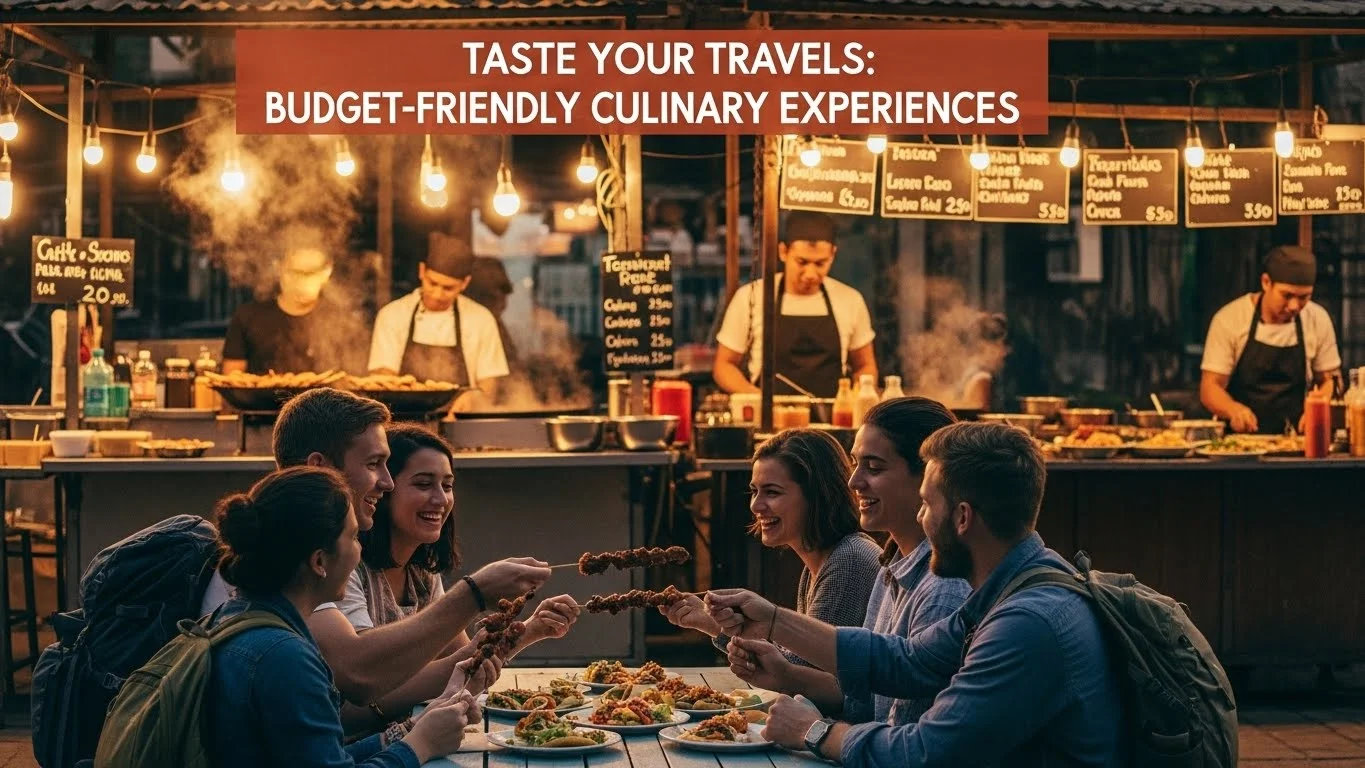
Taste Your Travels: Budget-Friendly Culinary Experiences

Traveling is not just about seeing new places; it’s also about tasting the world. Culinary travel offers a delicious way to experience different cultures without breaking the bank. For more insights on this topic, check out Savor the World: Budget Culinary Experiences You Can’t Miss.
Taste Your Travels: Budget-Friendly Culinary Experiences

Understanding Culinary Travel

What is Culinary Travel?

Culinary travel is a unique way of exploring a destination through its food. I remember my first culinary adventure in Italy, where I learned that food is more than just sustenance; it’s a reflection of culture, history, and community. From street vendors selling local delicacies to upscale dining experiences, culinary travel immerses us in a world of flavors that tell stories. It allows us to connect with locals, understand their traditions, and sometimes even learn how to cook their favorite dishes. Culinary travel can take many forms, from trying food at bustling markets to participating in cooking classes that teach us how to recreate these dishes back home. For additional tips on budget-friendly options, you can read Top 10 Budget-Friendly Culinary Experiences Abroad.

The Benefits of Culinary Travel

One of the best parts of culinary travel is that it invites us to engage with our surroundings. I’ve found that sharing a meal with locals often leads to meaningful conversations and unforgettable memories. It’s easy to bond over food, and often, these interactions open doors to hidden gems that aren’t in any travel guide. Additionally, culinary experiences can be budget-friendly; exploring local eateries and markets usually costs significantly less than fine dining. Not only do we get to enjoy authentic flavors, but we also support local economies, which is a win-win in my book.

Budget-Friendly Culinary Experiences

Why Choose Budget-Friendly Options?

Choosing budget-friendly culinary experiences doesn’t mean sacrificing quality or taste. In fact, some of the most memorable meals I’ve had while traveling were at small, family-run establishments or food stalls. These options often provide a genuine taste of local cuisine without the fancy price tag. I’ve learned that street food and local markets can offer some of the best culinary adventures, allowing us to sample a variety of dishes at a fraction of the cost. Plus, when we opt for budget-friendly choices, we can stretch our travel dollar further, which means more adventures and experiences await us!

How to Save Money While Traveling

Saving money while indulging in culinary delights is easier than it seems. Here are a few strategies that have worked for me:

  • Eat like a local: I often seek out where the locals eat. These spots are usually more affordable and offer more authentic flavors. If you see a long line of locals at a food stall, that’s usually a good sign!
  • Research local markets: I love visiting local markets where I can buy fresh produce, cheese, and breads. Not only is it often cheaper than dining out, but I also get to sample a variety of local foods.
  • Take advantage of lunch specials: Many restaurants offer lunch specials that are cheaper than dinner menus. I’ve enjoyed some amazing meals during lunch at a fraction of the evening cost.
  • Cook your meals: If you have access to a kitchen, consider preparing some meals yourself. This not only saves money but also allows you to experiment with local ingredients. I remember trying to recreate a paella in Spain using fresh seafood from the market—it was an adventure!

By being strategic about our food choices, we can indulge in the culinary scene without feeling guilty about our budget. Traveling doesn’t have to be expensive, especially when it comes to enjoying delicious food! For more ways to enjoy culinary experiences on a budget, check out Culinary Experiences on a Budget: Eat Like a Local Abroad.

Top Destinations for Budget Culinary Experiences

Street Food in Bangkok

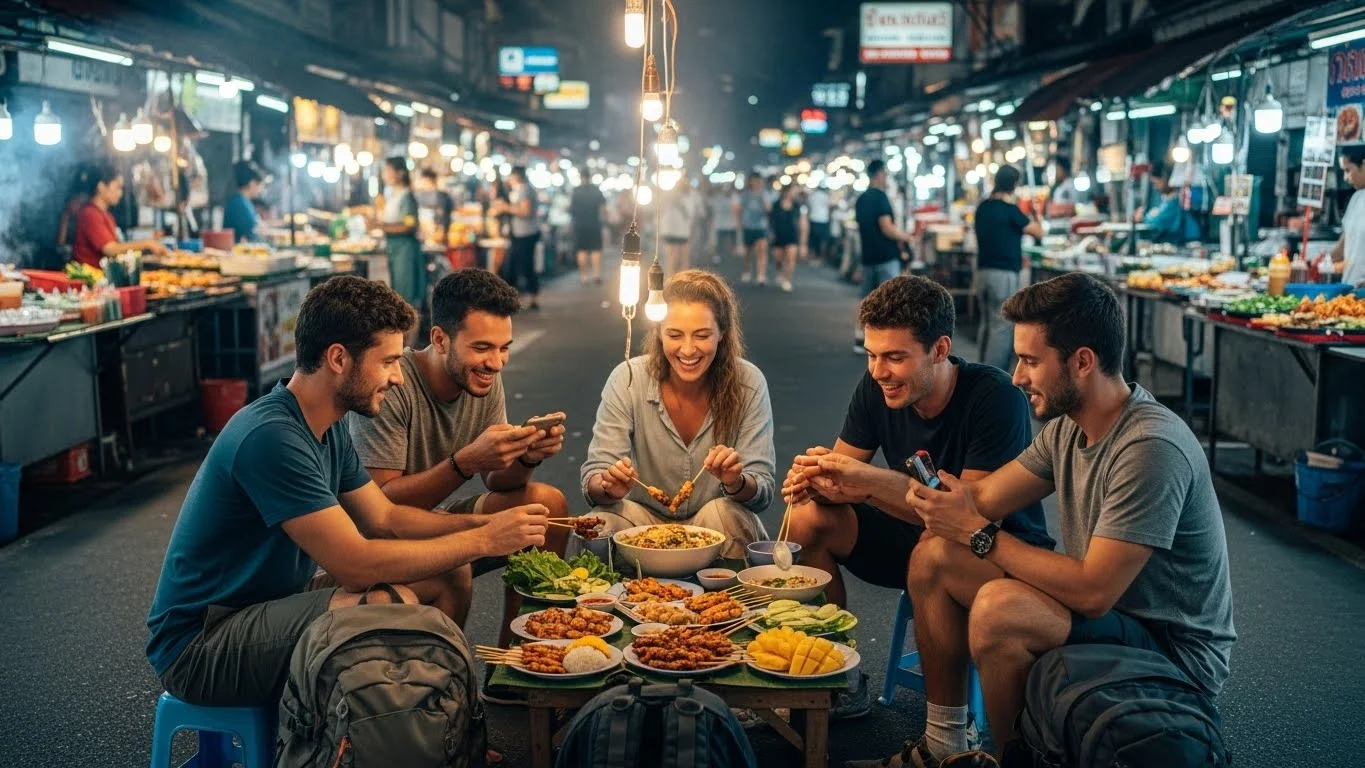
When I think of culinary travel on a budget, Bangkok immediately comes to mind. The city is a vibrant hub of street food culture, offering delicious dishes at prices that make my wallet feel happy. From the moment I stepped onto the bustling streets, the aroma of sizzling meats and fresh herbs enveloped me. One of my favorite memories is sitting on a plastic stool at a roadside stall, enjoying a plate of Pad Thai cooked right in front of me. For just a few dollars, I savored a dish that was bursting with flavor. Plus, street food in Bangkok is incredibly diverse; I never ran out of options. Whether it was spicy som tam (green papaya salad) or sweet mango sticky rice, every bite was an adventure.

Local Markets in Mexico City

Mexico City is another treasure trove for budget-conscious food lovers. I remember wandering through La Merced, one of the largest markets in the city, where the stalls were overflowing with vibrant produce, spices, and local delicacies. Sampling fresh tacos al pastor from a vendor who had perfected his craft over decades was a highlight of my trip. The prices were incredibly reasonable, and the flavors were authentic and rich. I also enjoyed the experience of chatting with the vendors, who were always happy to share stories about their food. If you find yourself in Mexico City, don’t miss the opportunity to explore its local markets; they are a feast for the senses and a budget-friendly way to dive into the local cuisine.

Food Trucks in Portland

Portland has become synonymous with food trucks, and for good reason. I was amazed at how many options there were in just one area, known as a food pod. Each truck had its own unique offerings, from gourmet grilled cheese to mouthwatering Korean tacos. I remember trying a fusion dish that combined BBQ with traditional Vietnamese flavors—a perfect example of Portland’s creative culinary scene. The best part? Most meals were under $10, leaving me plenty of room in my budget for a craft beer from a nearby brewery. Food trucks in Portland are not just about saving money; they also represent the city’s spirit of innovation and community.

Affordable Eateries in Rome

While Rome is often seen as an expensive city, I discovered that there are plenty of affordable options for those who know where to look. One evening, I found myself in Trastevere, where charming little trattorias offered delicious pasta dishes at reasonable prices. I couldn’t resist ordering Cacio e Pepe, a simple yet delightful dish made with just cheese, pepper, and pasta. It was amazing to enjoy such a classic Italian meal without breaking the bank. I also learned that ordering a pizza by the slice can be a great way to taste different varieties without committing to an entire pie. With some exploration, I found that Rome is filled with budget eateries that serve food steeped in history and tradition.

Traditional Dishes in Hanoi

Hanoi is another must-visit destination for culinary travel enthusiasts on a budget. The city’s street food scene is legendary, and I experienced it firsthand during my visit. I remember trying Pho, Vietnam’s most famous dish, from a street vendor. For just a couple of dollars, I enjoyed a steaming bowl of broth, rice noodles, and fresh herbs that felt like a warm hug on a chilly day. The local markets were also filled with unique snacks, like banh mi sandwiches that were both filling and inexpensive. Exploring Hanoi’s food scene not only satisfied my hunger but also introduced me to the culture and warmth of Vietnamese hospitality.

Types of Budget Culinary Experiences

Street Food Tours

If you’re looking to get the most out of your culinary experience, consider joining a street food tour. I did this in Bangkok, and it was a game-changer. A local guide took us through bustling neighborhoods, introducing us to hidden gems I would have never found on my own. We sampled a variety of dishes, learned about the history behind them, and even picked up tips on how to order like a local. Street food tours can often be quite affordable, offering a fantastic way to try multiple foods without overspending.

Cooking Classes for Beginners

Taking a cooking class while traveling is a fun and immersive way to learn about local cuisine. I’ve participated in several classes, and I’ve found that they often cater to all skill levels. In Italy, I joined a class where we made fresh pasta from scratch. It was a delightful experience that allowed me to connect with fellow travelers and locals alike. Plus, I came away with the confidence to recreate the dishes back home. Many cooking classes are quite reasonable in price and often include a meal, making them an excellent value.

Food Festivals and Events

Food festivals can be a great way to experience a destination’s culinary offerings without spending a fortune. I attended a food festival in Mexico City, where I could sample dishes from various regions of the country. It was a delicious way to explore different flavors and ingredients, often for just a small entrance fee. Festivals often have cooking demonstrations and tastings, allowing you to enjoy a wide range of food without breaking the bank.

Market Tours and Tastings

Many cities offer market tours where you can explore local markets with a guide. I joined a market tour in Barcelona, and it was one of the highlights of my trip. We visited various stalls, sampled cheeses, cured meats, and olives, and learned about the importance of these ingredients in Catalan cuisine. These tours are often very affordable and provide valuable insights into the culinary culture of the area, making them a smart choice for any budget traveler.

Tips for Finding Budget-Friendly Culinary Experiences

Researching Local Cuisine and Specialties

One of the best ways I’ve found to enjoy culinary travel on a budget is by doing a little research ahead of time. Each destination has its own specialties and hidden gems. I remember planning a trip to Thailand and diving deep into the local cuisine. I learned about regional dishes that I had to try, like Khao Soi in Chiang Mai or Massaman Curry in the south. This research not only helped me find affordable places to eat but also allowed me to appreciate the dishes’ cultural significance. I recommend reading blogs, watching travel vlogs, or browsing local food forums. There’s something exciting about discovering what the locals love to eat and identifying the best places to find those dishes without breaking the bank.

Using Apps and Websites for Discounts

In this digital age, we have so many tools at our fingertips that can help us save money. I’ve found apps like Yelp and TripAdvisor to be incredibly useful for discovering local eateries and reading reviews. They often highlight budget-friendly options and special deals. Additionally, I’ve started using apps specifically designed for discounts, like Groupon or Eat24, which sometimes offer great deals on restaurants or cooking classes. Another fantastic resource is social media; following local food influencers or checking hashtags can lead you to pop-up events and hidden restaurants that may not be in the guidebooks. I remember stumbling upon a special street food festival in my city through Instagram, and it turned out to be one of the tastiest and most affordable culinary experiences I’ve had!

Connecting with Locals for Hidden Gems

One of the most rewarding aspects of culinary travel is connecting with locals. I’ve learned that locals often have the best recommendations when it comes to food. When I was in Italy, I made it a point to chat with shopkeepers and baristas. They led me to a small, family-owned trattoria tucked away from the tourist traps, where I enjoyed the best lasagna of my life. I also discovered that many cities have local food tours, which are a fantastic way to meet people. The guides often share their personal favorite spots, which can lead to experiences you might miss otherwise. Engaging with locals not only enhances your culinary journey but also enriches your understanding of the culture and its food.

Dining Etiquette Around the World

Understanding Local Dining Customs

As I embraced culinary travel, I quickly realized that dining etiquette varies greatly from one culture to another. These customs can enhance the dining experience and help me blend in. For example, in Japan, I’ve learned that it’s considered polite to say “Itadakimasu” before eating, which expresses gratitude for the meal. In contrast, when I visited France, I found it essential to greet the staff with a polite “Bonjour” before placing my order. Understanding these customs not only makes dining smoother but also shows respect for local traditions. When I’m unsure about the etiquette, I do a bit of research or simply observe what others are doing—it’s often the best way to learn.

Common Food-Related Etiquette Tips

Some food-related customs are fairly universal, and being aware of them can go a long way. For instance, I’ve noticed that in many cultures, finishing everything on my plate is seen as a compliment to the chef. However, in some places, leaving a little food can indicate that you are satisfied and full. I remember feeling unsure about this in a Moroccan restaurant, but I found that my host appreciated my enthusiasm when I finished my tagine! Another tip is to always ask before taking photos of food or people. This small gesture of consideration can open the door to more authentic connections and experiences while traveling.

Planning Your Culinary Trip

Creating a Budget for Food Experiences

When planning a culinary trip, I always find it helpful to set a budget specifically for food. This way, I can allocate funds for trying local eateries, attending cooking classes, or even indulging in a fine dining experience if I want to treat myself. I usually start by researching the average prices for meals in the destination. For instance, I learned that street food in Southeast Asia is not only delicious but also incredibly affordable, allowing me to enjoy a variety of dishes without spending much. By establishing a budget, I can relax and fully enjoy my culinary experiences without worrying about overspending.

Choosing Accommodations with Kitchen Access

Staying in accommodations with kitchen access has been a game-changer for me. Having a kitchen allows me to prepare some of my meals, which can significantly cut down on food expenses. I’ve enjoyed visiting local markets to pick up fresh ingredients and then experimenting with cooking local dishes. One of my fondest memories is making a seafood paella in my rented apartment in Barcelona, using fresh ingredients I bought at the market. It felt rewarding to create a dish that represented the local culture while also enjoying the comforts of home.

Mapping Out Your Food Itinerary

Before heading out on my culinary adventures, I like to map out my food itinerary. I find it useful to plan a mix of must-try places and spontaneous stops along the way. By jotting down places I want to visit, along with their addresses and opening hours, I can maximize my time and ensure I don’t miss out on any culinary delights. I also leave some room for flexibility, as unexpected discoveries often turn out to be the most memorable. This combination of planning and spontaneity has given me some of the most delicious experiences on my travels.

Frequently Asked Questions

What is culinary travel?

Culinary travel is a unique way of exploring a destination through its food, revealing the culture, history, and community of a place. It includes experiences like trying food from street vendors, dining at local eateries, and participating in cooking classes.

How can culinary travel be budget-friendly?

Culinary travel can be budget-friendly by choosing local eateries, street food, and markets, which often cost significantly less than fine dining. Engaging with local cuisine allows travelers to enjoy authentic flavors while supporting local economies.

What are some strategies for saving money while enjoying culinary experiences?

Some effective strategies include eating where locals eat, researching local markets for fresh produce, taking advantage of lunch specials, and cooking your meals if you have kitchen access.

What are some recommended destinations for budget culinary experiences?

Recommended destinations include Bangkok for its street food culture, Mexico City for its local markets, Portland for its diverse food trucks, Rome for affordable eateries, and Hanoi for its legendary street food scene.

What types of budget culinary experiences can travelers explore?

Travelers can explore street food tours, cooking classes, food festivals, and market tours, all of which offer delicious experiences without overspending.

How can travelers find hidden culinary gems?

Travelers can find hidden culinary gems by connecting with locals, researching local cuisine ahead of time, and using apps or websites for restaurant reviews and discounts.

What dining etiquette should travelers be aware of when exploring new cultures?

Travelers should understand that dining etiquette varies by culture, such as saying certain phrases before meals or greeting staff politely. Observing local customs can enhance the dining experience and show respect for traditions.

How can travelers budget for food experiences during their trip?

Travelers can create a specific budget for food by researching average meal prices in their destination and allocating funds for local eateries, cooking classes, and occasional fine dining experiences.

Why is it beneficial to choose accommodations with kitchen access?

Choosing accommodations with kitchen access allows travelers to prepare some meals, which can significantly reduce food expenses and enable them to experiment with local ingredients.

What is the importance of mapping out a food itinerary?

Mapping out a food itinerary helps travelers maximize their time by planning a mix of must-try places and spontaneous stops, ensuring they experience a diverse range of culinary delights during their trip.
Savor the World: Culinary Traditions of Budget Backpacking

Traveling on a budget doesn’t mean skimping on flavor. Discovering local culinary traditions while backpacking can turn every meal into a delightful adventure that enriches our travel experience. Read Interesting article: Budget Backpacking: Unique Cultural Adventures Await You

Savor the World: Culinary Traditions of Budget Backpacking

Understanding Culinary Traditions in Budget Backpacking

When I first set out on my backpacking journey, I quickly learned that food is not just a necessity; it’s an essential part of immersing myself in new cultures. Each destination has its own unique culinary traditions, and I found that embracing these local flavors was one of the most rewarding aspects of traveling on a budget. I remember walking through bustling markets, the aromas of spices filling the air, and feeling the excitement of tasting something new and authentic.

The Importance of Local Cuisine

Food can tell us so much about a place. In my experience, sharing a meal is one of the best ways to connect with locals and truly understand their way of life. For example, in Thailand, I discovered that street food isn’t just convenient; it’s a reflection of the country’s diverse flavors and regional specialties. Eating from street vendors allowed me to taste authentic dishes that you wouldn’t find in tourist restaurants. I remember chatting with a friendly vendor who shared stories about the dishes he created, each with a unique history and significance.

Every bite became a lesson in local customs, ingredients, and techniques. I felt like I was tasting the culture itself. This deeper connection made my travels richer and more meaningful, transforming meals into memorable experiences rather than just fuel for the day. Read Interesting article: Backpacking Canada: Essential Tips for Budget Travelers

How Food Reflects Culture and History

I’ve always believed that understanding food is key to understanding culture. Each dish carries with it a story of the people and history behind it. Take Italy, for instance. I remember sitting in a small trattoria in Rome, savoring a simple plate of spaghetti aglio e olio. The dish, made from just a few ingredients, had a history that stretched back generations. It reminded me that sometimes, the simplest meals can be the most profound.

Food is often born from necessity, shaped by local resources and traditions. In India, I was amazed by the variety of vegetarian dishes, each full of spices that had roots in the country’s agriculture and religious practices. Eating was like taking a trip back in time, learning about how people lived, what they valued, and how they adapted to their environment.

As I traveled from place to place, I found that many culinary traditions are also about family and community. Recipes are often passed down through generations, and there’s something incredibly heartwarming about enjoying a meal that has been cherished for years. Each destination has its own special way of preparing food, and I felt privileged to sample these age-old traditions, learning from the locals who were eager to share their culinary heritage.

Moreover, as I ventured into various markets, I noticed how food also plays a role in celebrations and festivals. Whether it was street vendors selling mooncakes during a festival in Vietnam or the vibrant colors of spices at an Indian market, I could see how food brought people together, creating bonds that transcended language and cultural barriers.

In every country, I discovered unique ingredients and cooking methods that sparked my curiosity. I often found myself asking locals for their favorite dishes or hidden gems, and their eyes would light up as they described flavors and textures that were special to them. It was a wonderful reminder that food is universal; it connects us all, regardless of where we come from.

Embracing local cuisine while backpacking on a budget has taught me more than just how to fill my stomach. It has shown me the heart of each destination, turning meals into stories and experiences that I will cherish forever. As I continue my travels, I aim to prioritize culinary adventures, knowing that every meal can be a step deeper into understanding the world around us.

Top Destinations for Budget Backpacking and Their Culinary Highlights

Thailand: Street Food Adventures

Ah, Thailand! This beautiful country is a treasure trove of flavors, and when it comes to budget backpacking, the street food scene is nothing short of legendary. I remember my first night in Bangkok, wandering the vibrant streets of Khao San Road. The tantalizing smells wafted through the air, and my mouth watered at the sights of sizzling skewers and vibrant curries being cooked right before my eyes. I found a small stall selling Pad Thai for less than a dollar, and it was a game changer! The crunch of the peanuts, the tang of tamarind, and the freshness of the lime made each bite a celebration of flavors.

Eating street food not only saved me money but also provided an authentic taste of Thai culinary culture. I soon discovered that each region of Thailand had its unique specialties. In Chiang Mai, I tried Khao Soi, a creamy coconut curry noodle dish, and I’ll never forget the warmth of the flavors or the kindness of the woman who prepared it. Street food is a way to experience the heart of Thailand, and I found that it’s an adventure for both my taste buds and my wallet.

Mexico: Tacos and Markets

Mexico quickly became one of my favorite destinations for budget-friendly culinary delights. I remember my first taco stand in Mexico City. The vibrant colors of the tortillas, the rich aroma of spices, and the sizzling meats were enough to make my heart race. Tacos al pastor became my go-to, with juicy marinated pork topped with pineapple, cilantro, and onion—each bite was a burst of flavor, and the cost was just a couple of dollars!

Exploring local markets was another highlight of my experience. I wandered through Mercado de la Merced, where I saw not just food but the vibrant culture of Mexico spilling out at every corner. From fresh produce to handmade tortillas, it was a sensory overload in the best way. I often found myself chatting with local vendors, learning about their ingredients, and even picking up a few recipes along the way. Eating in Mexico taught me that food is not just a meal; it’s a celebration of traditions and community.

Italy: Pasta on a Budget

Italy was a dream come true for a pasta lover like me. I had always imagined myself sipping wine and twirling spaghetti on my fork in a quaint little trattoria. But what I found was even better—delicious pasta dishes that fit my budget! In Florence, I stumbled upon a family-run osteria that served the most amazing Cacio e Pepe. With just cheese, pepper, and pasta, it was proof that less can be more. I remember savoring each bite while chatting with the owner, who shared stories about his family’s recipes passed down through generations.

Italy taught me that street food doesn’t have to be limited to traditional fast food. I found that many cities offered delicious pizza by the slice, perfect for a quick yet satisfying meal. And let’s not forget gelato! I discovered that I could indulge my sweet tooth without breaking the bank. Every scoop was a new flavor adventure, and I loved trying them all. Italy reminded me that sometimes, the best meals are found in the simplest places, where the love for food is palpable.

India: Spices and Street Vendors

India was a sensory explosion for me—the colors, the sounds, and oh, the food! I remember stepping out into the bustling streets of Delhi, where the air was thick with the aroma of spices. I vividly recall my first taste of chaat from a street vendor, a mixture of crispy fried dough, tangy tamarind, and fresh herbs. It was a flavor explosion that left me craving more.

I found that street food in India is not only delicious but also incredibly affordable. From dosas in South India to vada pav in Mumbai, each region offered unique flavors that told the story of its culture. I spent afternoons exploring local markets, where I could sample everything from savory samosas to sweet jalebis. Eating in India was an adventure filled with new tastes, and I loved every moment of it!

Vietnam: Pho and Banh Mi

Vietnam is another backpacking paradise for food lovers on a budget. I’ll never forget my first bowl of pho in Ho Chi Minh City. The steaming broth, fragrant herbs, and tender beef were pure comfort in a bowl. At every corner, I found pho stalls serving up this delicious dish for just a few dollars.

But it wasn’t just pho that caught my attention; Banh Mi quickly became a favorite too! This Vietnamese sandwich, filled with fresh vegetables, savory meats, and a spread of pate, was both satisfying and budget-friendly. I loved how food in Vietnam is so accessible, with small eateries and street vendors serving up incredible dishes that highlight local ingredients and flavors. Every meal felt like a delicious opportunity to connect with the vibrant culture around me.

Traveling through these incredible destinations has taught me that culinary adventures can be both affordable and rewarding. Each country I visited offered not just food, but a deeper understanding of its culture, traditions, and people. As I continue to explore new places, I’m excited to seek out the flavors that make each destination unique and memorable. Read Interesting article: Backpacking Japan: Your Essential Travel Guide for 2023

Essential Budget-Friendly Eating Tips

Choosing Local Eateries Over Tourist Traps

I’ve often found that the best meals come from places that aren’t plastered with flashy signs or laden with tourists. When I traveled to Barcelona, I made it a point to avoid the busy streets filled with restaurants catering to visitors. Instead, I ventured into the heart of the neighborhoods where locals dine. I remember discovering a small, family-owned tapas bar tucked away in a quiet alley. The owner greeted me like an old friend and recommended his favorite dishes. Eating at local eateries not only allowed me to save money but also provided a more authentic experience. I realized that these hidden gems often serve the best food, made with love and tradition. For me, nothing compares to the satisfaction of enjoying a meal surrounded by laughter and conversation, where the menu is often a reflection of the local culture. It’s a reminder that the essence of travel is about connecting with the people and their stories, and food is at the center of that connection.

How to Find Affordable Street Food

One of my favorite aspects of backpacking has been discovering street food. I learned that it’s often the most delicious and budget-friendly option available. But how do you find the best street food? I found that following the locals was key. When I was in Hanoi, I noticed crowds gathering around a particular vendor. I simply followed the enticing smells and joined the line. I was rewarded with a steaming bowl of bun cha, grilled pork with noodles, for just a few dollars. I’ve also learned that asking for recommendations can lead you to the best spots. Locals are usually more than happy to share their favorites, and their enthusiasm is infectious. While exploring the streets, I often made it a point to strike up conversations with fellow travelers and locals alike. They would direct me to the best street stalls, where I could experience the heart of the culinary scene without spending a fortune.

Cooking Your Own Meals: Hostels and Markets

One of the greatest joys of backpacking is the opportunity to cook your own meals. I remember staying in hostels that had fully equipped kitchens, which allowed me to experiment with local ingredients I found in markets. In Sicily, I visited a bustling market filled with fresh produce, seafood, and local cheeses. I was inspired to create a simple pasta dish using fresh tomatoes and basil, topped with a drizzle of olive oil. The sense of accomplishment I felt while cooking was incredible, and sharing the meal with fellow travelers made it even more special. Cooking my own meals not only saved money, but it also allowed me to connect with the local culture on a different level. I enjoyed shopping for ingredients and learning how to prepare traditional dishes. Plus, it was a fun way to bond with new friends I met along my journey, sharing recipes and culinary tips.

Utilizing Food Apps and Websites

In our tech-savvy world, food apps and websites have become invaluable tools for budget backpackers like us. I’ve used platforms like Yelp and TripAdvisor to read reviews and find the best local eats. Another favorite of mine is Google Maps, which can pinpoint nearby eateries and street food vendors based on my location. This has saved me on several occasions when I was hungry and in need of a quick bite. I also discovered apps that specifically cater to foodies, helping me find food festivals and local culinary events. By staying informed, I was able to indulge in unique experiences, like participating in a food crawl in Istanbul that highlighted local delicacies. These resources have made it easier for me to navigate new cities and find delicious food while sticking to a budget.

Exploring Cultural Festivals and Food Events

Food Festivals Around the World

Attending food festivals has been one of the highlights of my travels. It’s incredible how these events showcase the local culture through food, and they often offer a variety of dishes at reasonable prices. I’ll never forget the time I found myself at the Pizzafest in Naples. The atmosphere was electric, with vendors from all over Italy competing for the title of the best pizza. I had the chance to sample countless styles, each with its own unique flavor profile. Festivals are also a fantastic opportunity to meet locals and fellow travelers who share a passion for food. I remember chatting with a grandmother who was eager to share her family recipe for marinara sauce. The stories exchanged over food are what make these events truly special, and they often provide insights into the community’s history and traditions.

Local Markets and Their Offerings

Visiting local markets has been a cornerstone of my culinary adventures. I’ve learned that these markets are not just places to buy food; they are vibrant hubs of culture and community. In Marrakech, I spent hours wandering through the souks, marveling at the colorful spices, fresh fruits, and handmade bread. Each stall told a story, and I found myself sampling olives and pastries while chatting with the vendors. Markets also provide a chance to try foods that may not be available in restaurants. I remember tasting a traditional Moroccan tagine right from a stall, and it was one of the best meals I had during my trip. Plus, shopping in markets allows for a more immersive experience, where you can engage with locals, learn about their culinary practices, and even pick up some cooking tips to try back home.

Participating in Cooking Classes

Taking a cooking class can be a fantastic way to delve deeper into a country’s culinary scene. I’ve taken classes in several destinations, and each experience has enriched my understanding of local cuisine. In Thailand, I joined a cooking course in Chiang Mai where we visited a local market to pick out fresh ingredients. I loved learning how to make pad thai from scratch, and my teacher shared stories about the cultural significance of each dish. Cooking classes not only teach you about food but also connect you with fellow travelers and locals. The shared experience of cooking and tasting together creates lasting memories. I often come away from these classes with new skills, a deeper appreciation for the cuisine, and friendships that span across the globe. Being budget-friendly doesn’t have to mean sacrificing quality or experience when it comes to food. The culinary adventures I’ve undertaken while backpacking have shaped my travels in profound ways, and I can’t wait to share more about understanding dietary restrictions and local customs next.

Frequently Asked Questions

What is the significance of local cuisine while backpacking on a budget?

Local cuisine is essential for immersing oneself in new cultures. It transforms meals into memorable experiences and allows travelers to connect with locals and understand their way of life.

How can food reflect a country’s culture and history?

Food often carries stories of the people and history behind it. Each dish can reveal insights into local traditions, resources, and values, making it a key element in understanding a culture.

What are some culinary highlights of Thailand for budget travelers?

Thailand’s street food scene is legendary, offering dishes like Pad Thai and Khao Soi at affordable prices. Eating from street vendors provides an authentic taste of Thai culinary culture.

Why is Mexico a great destination for budget-friendly culinary delights?

Mexico offers vibrant local markets and delicious street food, such as Tacos al Pastor. Exploring these markets allows travelers to experience the culture and community through food.

What are some budget-friendly pasta options in Italy?

Italy offers delicious pasta dishes that fit a budget, such as Cacio e Pepe. Many cities also have affordable pizza by the slice and gelato, showcasing the simplicity and richness of Italian cuisine.

How does street food in India contribute to the travel experience?

Street food in India is both delicious and affordable, offering unique regional flavors. Exploring local markets allows travelers to experience the culture and culinary diversity of the country.

What are some must-try dishes in Vietnam for budget backpackers?

In Vietnam, must-try dishes include pho and Banh Mi. These meals are not only affordable but also highlight local ingredients and flavors, providing a rich cultural experience.

What tips are there for finding affordable street food while traveling?

To find affordable street food, follow the locals and look for crowded vendors. Asking locals for recommendations can also lead to discovering the best street stalls.

How can cooking your own meals enhance the travel experience?

Cooking your own meals allows travelers to connect with local culture, experiment with ingredients, and bond with fellow travelers. It also helps save money while enjoying authentic flavors.

What role do food festivals and local markets play in cultural exploration?

Food festivals and local markets showcase the local culture through food, allowing travelers to sample a variety of dishes and meet locals. They provide insights into community history and traditions.

Explore Unique Local Festivals for Authentic Travel Experiences

Traveling is not just about the destinations; it’s about the experiences. Local festivals provide a vibrant glimpse into a culture, offering authentic experiences that are often hard to find in typical tourist spots. Read Interesting article: Your Ultimate Guide to Iconic Local Festivals Worldwide

Explore Unique Local Festivals for Authentic Travel Experiences

Understanding Local Festivals: A Cultural Insight

Definition of Local Festivals

Local festivals are celebrations that reflect the traditions, customs, and values of a community. They can be annual events or spontaneous gatherings, often marked by lively activities, unique rituals, and communal participation. Personally, I’ve found that these festivals are like windows into the soul of a place. They showcase everything from regional crafts to traditional music, all while fostering a sense of unity among attendees.

Importance of Festivals in Local Communities

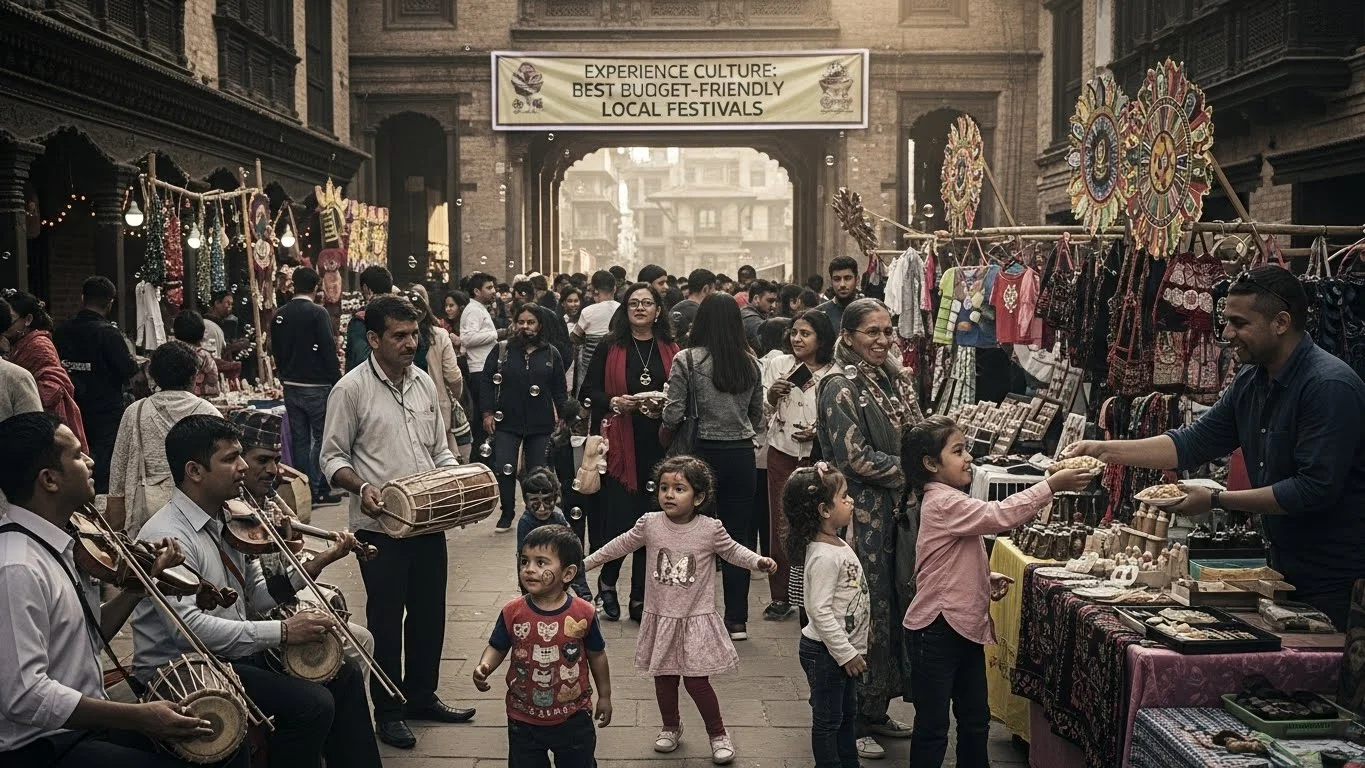
Festivals play a crucial role in local communities, acting as a bridge between generations. I remember visiting a small town during its annual harvest festival. It was heartwarming to see families come together, sharing stories and traditions passed down through the years. These events not only celebrate cultural identity but also strengthen community bonds. They provide a platform for local artisans, farmers, and performers, promoting economic sustainability and preserving cultural heritage. Read Interesting article: Experience Culture: Best Budget-Friendly Local Festivals

How Festivals Reflect Cultural Heritage

Festivals are a vibrant tapestry of cultural heritage, blending history, art, and social values. When I attended a traditional Diwali celebration in India, I was struck by how each ritual and decoration intertwined with the region’s mythology and history. It became evident that festivals serve as a living museum, allowing participants to experience traditions firsthand. Whether it’s the intricate dances of a cultural festival or the culinary delights of a food festival, each aspect tells a story about the people and their way of life.

Types of Unique Local Festivals

Cultural Festivals

Cultural festivals are perhaps the most diverse type, celebrating local customs, arts, and crafts. I’ve experienced festivals that focus on everything from ancient rituals to modern expressions of art. These events often feature performances, exhibits, and workshops, giving visitors a chance to immerse themselves in local culture. For example, the Edinburgh Festival Fringe is a melting pot of theater, comedy, and music, showcasing talent from around the globe.

Religious Festivals

Religious festivals are deeply rooted in the beliefs and practices of communities. They can be incredibly moving experiences. I once attended a Ramadan Iftar in a local mosque, where the community came together to break fast. The sense of togetherness and spirituality was palpable, reminding me of the importance of faith in shaping cultural practices. These festivals often involve rituals, prayers, and communal meals, offering insights into the spiritual lives of the people.

Seasonal Festivals

Seasonal festivals mark the changing of the seasons and are often tied to agriculture or nature. I’ve been lucky enough to experience the beautiful Cherry Blossom Festival in Washington, D.C. The sight of blooming cherry trees, coupled with cultural performances, created a magical atmosphere that celebrated the arrival of spring. Seasonal festivals often invite locals and visitors to honor the rhythms of nature, making them a perfect time to connect with the environment.

Food Festivals

Food festivals are a feast for the senses! I absolutely love these because they allow me to taste the local flavors and culinary traditions. Whether it’s a barbecue festival in Texas or a seafood festival on the coast of Italy, these events showcase regional specialties and offer cooking demonstrations. I remember trying a variety of dishes at a food festival in New Orleans, where each bite told a story of the city’s rich culinary heritage.

Music and Arts Festivals

Music and arts festivals provide a platform for artists and musicians to showcase their talents. I’ve attended several, including the iconic Coachella and smaller local festivals, each offering a unique vibe. These events often create a sense of community and celebration around shared interests. The energy of live performances can be electrifying, and I’ve made lasting memories dancing with strangers who quickly felt like friends.

In exploring unique local festivals, I’ve learned that they are about more than just celebration; they are about connection, culture, and community. Each festival offers a distinct flavor of the local life, inviting us to step out of our comfort zones and embrace the world around us. These experiences not only enrich our travels but also expand our understanding of what it means to be part of a community. From my own adventures, I can confidently say that attending local festivals is one of the best ways to experience a destination authentically. Read Interesting article: Top 10 Local Festivals You Can’t Miss This Year

Top Unique Local Festivals Around the World

Holi Festival in India

The Holi Festival, celebrated predominantly in India, is one of the most vibrant celebrations I’ve ever witnessed. Known as the Festival of Colors, it marks the arrival of spring and the victory of good over evil. What I found particularly striking was how people of all ages and backgrounds came together to throw colored powders at each other, transforming the streets into a kaleidoscope of hues. I remember joining in the fun, laughing and dancing, completely immersed in the moment. The atmosphere was filled with joy, music, and the sweet smell of traditional treats like gujiya. Attending Holi was not just about the colors; it was about unity and the shared joy of celebrating life.

La Tomatina in Spain

La Tomatina, held annually in Buñol, Spain, is a festival that revolves around the simple joy of throwing tomatoes. Initially created as a food fight among friends, it has now transformed into a massive event attracting thousands of participants from around the globe. I had the pleasure of attending a few years back, and I can honestly say it was one of the messiest yet most fun experiences of my life. The camaraderie among strangers as we laughed and hurled tomatoes at each other was intoxicating. It felt liberating to let go of everyday worries and just enjoy the sheer silliness of the moment. Plus, the post-festival festival cleanup, complete with hoses and laughter, was an experience in itself!

Oktoberfest in Germany

Oktoberfest in Munich is the world’s largest beer festival and a celebration of Bavarian culture. I decided to attend after hearing so many friends rave about it. The sheer scale of it was overwhelming! Massive tents filled with long wooden tables, laughter, clinking beer steins, and traditional music created an electric atmosphere. I remember trying various German delicacies, from pretzels to sausages, all while enjoying the lively folk music and dancing. It was a unique blend of tradition and festivity, and I loved meeting locals who were eager to share their customs and stories. Oktoberfest was not just about beer; it was about experiencing a rich culture in the heart of Germany.

Carnival in Brazil

Carnival in Brazil is an explosion of color, rhythm, and life. I was fortunate enough to experience the festivities in Rio de Janeiro, where the vibrant samba parades took center stage. The energy was palpable as I watched performers in dazzling costumes, celebrating their heritage with every dance step. I joined the street parties, dancing alongside locals and fellow travelers, each of us caught up in the rhythm of the samba. The street food was equally tempting, with vendors offering a variety of snacks that I couldn’t resist. Carnival was more than a festival; it was a celebration of joy and community, making it unforgettable.

Songkran in Thailand

Songkran, the Thai New Year, is renowned for its water fights, and it’s a festival I’ll never forget. I experienced it in Chiang Mai, where the entire city was transformed into a giant water park. Armed with water guns and buckets, I joined locals and tourists alike in splashing water on each other, symbolizing the washing away of sins and bad luck. What struck me was how this joyous celebration brought everyone together regardless of age or background. It was a refreshing experience, not only from the heat but also from the communal spirit. Plus, I savored delicious street food during breaks, which added to the festive atmosphere.

Gion Matsuri in Japan

The Gion Matsuri in Kyoto is one of the most famous festivals in Japan. It happens in July and is known for its stunning floats and traditional attire. I attended the parade and was mesmerized by the intricate designs of the floats and the beautifully dressed participants. The festival is steeped in history, and I could feel the pride of the locals as they shared stories about their traditions. I even tried my hand at making a traditional craft during one of the festival workshops, which allowed me to connect with the local culture beyond just watching. Gion Matsuri was an enlightening experience that showcased the beauty of Japanese heritage.

Burning Man in the USA

Burning Man, held in the Nevada desert, is more than just a festival; it’s a temporary city built on community, art, and self-expression. I went with a group of friends, eager to experience this unique gathering. The sheer creativity on display was mind-boggling, from elaborate art installations to themed camps. The principle of “leaving no trace” resonated with me as we explored together, and I found joy in participating in various workshops and activities. The climax of the festival, when the massive wooden effigy is set ablaze, was an emotional experience, reminding me of the impermanence of life. Burning Man taught me a lot about community, expression, and the beauty of creativity.

Each of these unique local festivals has left an indelible mark on my heart. They not only celebrate culture but also foster a sense of community and connection that transcends borders. Whether it’s through music, colors, or shared traditions, attending these festivals has enriched my travels and deepened my appreciation for the world’s diverse cultures.

When to Attend Unique Local Festivals

Best Seasons for Festivals

Timing is everything when it comes to experiencing local festivals. From my travels, I’ve noticed that various festivals are tied to specific seasons, each offering a unique vibe and atmosphere. Spring often brings floral festivals, like the Cherry Blossom Festival I attended in Washington, D.C., where nature bursts into color. Summer is packed with vibrant music and arts festivals, while autumn typically celebrates harvests, showcasing local produce. Winter, on the other hand, is a magical time for holidays and light displays. I find that checking the festival calendar for different regions can enhance your travel plans, allowing you to immerse yourself in these joyful celebrations at the right time.

Regional Climate Considerations

The climate plays a significant role in festival experiences. I remember heading to a summer festival in a coastal town and being greeted by the warm sun and ocean breeze, which made the festivities even more enjoyable. However, I’ve also been caught in unexpected rain during a fall festival, which turned the event into a mud-filled adventure. It’s wise to check the weather forecast before planning your trip, as certain regions can experience extreme weather conditions. I recommend packing accordingly—whether that means bringing sunscreen for sunny days or a poncho for unexpected showers. The right preparation can make all the difference in how much fun you have.

Festival Duration and Timing

Understanding the length of a festival can help you plan your visit better. Some festivals last just a day, while others stretch over a week or even a month. For instance, when I attended the Gion Matsuri in Japan, I discovered that the celebrations spanned the entire month of July, with different events happening throughout. This allowed me to experience the festival’s buildup and excitement at my own pace. Additionally, I’ve learned that attending on the first day can offer a more authentic experience, as locals are often more involved before the influx of tourists. Conversely, the last day can be bustling with energy and festivities as everyone comes together for the grand finale.

Where to Stay During Festivals

Accommodation Options Near Festival Locations

Finding the right place to stay during a festival can enhance your overall experience. I’ve had great success with booking accommodations close to festival grounds, as it allows for easy access to all the action. I recall staying in a quaint guesthouse during Oktoberfest, just a short walk from the beer tents. This made it convenient for me to come and go as I pleased, joining in the festivities and resting when I needed to recharge. Options range from hotels and hostels to vacation rentals, depending on your budget and preference. I often recommend checking platforms like Airbnb or local B&Bs to find unique stays that add to the festival experience.

Booking Tips for Festival Seasons

Booking early is key when planning to attend popular festivals. I’ve learned this lesson the hard way! For some of the more well-known festivals, like Holi or Carnival, accommodations can fill up quickly. I usually start searching several months in advance, especially if I know I’ll be venturing to a sought-after destination. Setting up alerts on booking websites can help me snag the best deals as they become available. Flexibility with travel dates can also open up more options and potentially save some money.

Local Lodging vs. Chain Hotels

While chain hotels offer familiarity, I often prefer local lodging options when attending festivals. Staying in a family-run guesthouse or a boutique hotel can provide a more personal touch and unique insights from the hosts. I remember chatting with a lovely couple during my stay at a local inn in Spain, who shared their favorite spots to explore and even invited me to join their family for a traditional meal. These interactions can enhance my understanding of the local culture, turning a simple stay into a memorable experience that truly connects me with the place.

How to Experience Festivals Like a Local

Engaging with Local Traditions

To truly soak in the festival atmosphere, I believe it’s essential to engage with local traditions. I’ve found that participating in rituals, whether it’s dancing at a cultural festival or joining a prayer at a religious event, creates a deeper connection to the experience. For example, during the Holi Festival, I didn’t just watch; I joined in the fun, throwing colors and dancing with the locals. This act of participation made me feel part of the community, rather than just an observer.

Participating in Festival Activities

Festivals often offer a variety of activities, and I recommend diving in! From interactive workshops to traditional games, these experiences can be incredibly fun. At the Edinburgh Festival Fringe, I took part in a short improv workshop, which allowed me to express myself and connect with fellow festival-goers. These interactions often lead to unexpected friendships and unforgettable memories.

Attending Workshops and Demonstrations

Many festivals feature workshops and demonstrations that provide insight into cultural practices. I absolutely loved making my own traditional crafts at the Gion Matsuri. Learning from local artisans not only deepened my appreciation for their skills but also allowed me to take home a piece of the culture. I encourage others to seek out these opportunities, as they can enhance your understanding of the local way of life while also being a lot of fun.

Frequently Asked Questions

What are local festivals?

Local festivals are celebrations that reflect the traditions, customs, and values of a community. They can be annual events or spontaneous gatherings, often marked by lively activities, unique rituals, and communal participation.

Why are festivals important in local communities?

Festivals play a crucial role in local communities by acting as a bridge between generations, celebrating cultural identity, strengthening community bonds, and providing a platform for local artisans, farmers, and performers.

What types of local festivals are there?

There are several types of local festivals, including cultural festivals, religious festivals, seasonal festivals, food festivals, and music and arts festivals, each offering unique experiences and insights into local culture.

Can you give an example of a cultural festival?

An example of a cultural festival is the Edinburgh Festival Fringe, which is a melting pot of theater, comedy, and music, showcasing talent from around the globe.

What is the significance of the Holi Festival in India?

The Holi Festival, known as the Festival of Colors, marks the arrival of spring and the victory of good over evil, where people come together to throw colored powders, celebrating unity and joy.

How do seasonal festivals relate to agriculture?

Seasonal festivals often mark the changing of the seasons and are typically tied to agriculture or nature, inviting locals and visitors to honor the rhythms of nature, such as the Cherry Blossom Festival in Washington, D.C.

What should travelers consider when planning to attend festivals?

Travelers should consider the best seasons for festivals, regional climate conditions, and the duration and timing of the events to enhance their festival experiences.

What accommodation options are recommended during festivals?

It is recommended to book accommodations close to festival locations for easy access, and to consider local lodging options for a more personal touch and unique cultural insights.

How can one engage with local traditions at festivals?

To engage with local traditions at festivals, participants should immerse themselves in rituals, join in activities, and attend workshops and demonstrations that offer insight into cultural practices.

What is Burning Man and what makes it unique?

Burning Man, held in the Nevada desert, is a unique festival that focuses on community, art, and self-expression, featuring elaborate art installations and culminating in the burning of a massive wooden effigy.

Your Ultimate Guide to Iconic Local Festivals Worldwide

Festivals are vibrant celebrations that connect us to diverse cultures around the globe. In this guide, we’ll explore the most iconic local festivals, their significance, and what makes each one unique. Read Interesting article: Experience Culture: Best Budget-Friendly Local Festivals

Your Ultimate Guide to Iconic Local Festivals Worldwide

Understanding Local Festivals: A Cultural Overview

When I think about the festivals I’ve attended, I’m overwhelmed by the colors, sounds, and emotions that encapsulate the spirit of each celebration. Festivals are more than just events; they are a reflection of the culture, values, and history of a community. Engaging in these festivities has always felt like a way to step into another world, one filled with traditions and stories that have been passed down through generations.

The Role of Festivals in Local Cultures

Festivals serve as a vital thread in the fabric of society. They bring people together, fostering a sense of belonging and community. I remember attending a local harvest festival where the entire town came alive with laughter, music, and dance. It was a beautiful reminder of how festivals can strengthen relationships among neighbors and create bonds that last beyond the event itself. In many cultures, festivals mark significant life events such as births, marriages, and even the changing of seasons, making them deeply embedded in the local identity.

Moreover, festivals often provide a platform for cultural expression. Whether it’s through traditional dance, food, or art, they allow communities to showcase their heritage and share it with others. For instance, during the Holi festival in India, I experienced a riot of colors and joy, as families and friends came together to celebrate the arrival of spring. It was a moment of pure happiness that transcended language and background. Read Interesting article: Top 10 Local Festivals You Can’t Miss This Year

The Evolution of Festivals Throughout History

As I delved deeper into the history of festivals, I discovered that many have evolved significantly over time. Originally, they often had religious or agricultural roots, celebrating the cycles of nature or honoring deities. For example, the ancient Greeks held festivals in honor of their gods, like the famous Olympic Games. I found it fascinating how these early gatherings were not just about competition but also about community and celebration, echoing the core purpose of festivals today.

Over the centuries, festivals have transformed to reflect societal changes. Today, many are inclusive, welcoming individuals from diverse backgrounds to participate. I’ve seen how events like the Edinburgh Festival Fringe have become a melting pot for artists and performers from all over the world, showcasing a variety of talents and perspectives. This evolution is a testament to our growing interconnectedness in a globalized world.

Additionally, technological advancements have influenced how festivals are organized and experienced. For example, I remember watching the live stream of a festival that allowed people from different continents to join in the celebrations virtually. This accessibility is a wonderful way to keep traditions alive while adapting to modern times. Read Interesting article: Explore Iconic Historical Landmarks Without Breaking the Bank

Major Types of Local Festivals

As I explored the world of festivals, I realized they can be categorized into several types, each offering a unique experience. Here’s a breakdown of the major types that I think every festival-goer should know about:

Religious Festivals

Religious festivals are perhaps the most profound, often steeped in tradition and spirituality. They commemorate significant religious events and provide a space for worship, reflection, and community bonding. During my visit to Diwali celebrations in India, I was struck by the deep devotion and joy that filled the air as families lit oil lamps and shared sweets with neighbors. This sense of unity and reverence is what makes religious festivals so special.

Cultural Festivals

Cultural festivals celebrate the arts, history, and customs of a particular group. They are an opportunity for communities to showcase their unique heritage. I vividly recall attending a cultural festival where I witnessed traditional dances and tasted authentic cuisine. It was a delightful immersion into the heart of that culture, and I left with a greater appreciation for its richness.

Seasonal Festivals

Seasonal festivals are tied to the changing of the seasons, often marking agricultural cycles. I think of the pumpkin festivals I attended in the fall, where families gather to celebrate harvest time. The atmosphere is filled with excitement as people participate in activities like hayrides and corn mazes. These festivals remind us of our connection to nature and the passing of time.

Food Festivals

Food festivals celebrate culinary traditions and local cuisine. I’ve had some of my best food experiences at these festivals, tasting everything from street food to gourmet dishes. The excitement of discovering new flavors and learning about the food’s origins adds a delicious layer to the festival experience.

Music and Arts Festivals

Music and arts festivals are a feast for the senses. They bring together artists from various backgrounds to share their talents. I’ll never forget the energy of a music festival I attended, where the crowd sang along to every song. It was a beautiful reminder of how music can unite us, regardless of our differences.

Iconic Festivals Around the World

As I traveled through various countries, I was amazed by the sheer variety of festivals that exist. Each one tells a story, offering a glimpse into the culture and spirit of its people. Here are some iconic festivals that truly stand out, and I believe everyone should experience at least once in their lifetime.

Carnival in Rio de Janeiro, Brazil

The Carnival in Rio de Janeiro is an explosion of color, music, and energy. I remember the first time I witnessed the parades with their extravagant costumes and samba rhythms. It felt like stepping into a vibrant dream. The entire city transforms into a massive party, with street celebrations and block parties that last for days. Joining in the festivities, dancing with locals, and participating in the joyful atmosphere was one of the highlights of my travels. It’s a celebration of life itself, and the infectious spirit of the people is truly unforgettable.

Diwali in India

Having experienced Diwali firsthand, I can tell you that it’s a festival that lights up the darkness—literally and metaphorically. The streets are adorned with colorful rangoli designs and twinkling lights. Families come together to share meals, exchange gifts, and light oil lamps called diyas. I was touched by the warmth and hospitality of the people I met, as they welcomed me into their homes to celebrate the victory of light over darkness. It was a beautiful reminder of hope and new beginnings.

Oktoberfest in Munich, Germany

Oktoberfest is another festival that I always look forward to. The atmosphere is filled with laughter, music, and the clinking of beer steins. I remember donning my dirndl and joining friends as we explored the massive beer tents, each one buzzing with excitement. The traditional German food, from pretzels to sausages, was just as enticing as the beer itself. Sharing stories and making memories with people from all over the world made this festival an experience of unity and joy.

La Tomatina in Buñol, Spain

La Tomatina is perhaps one of the most unique festivals I’ve ever participated in. The sheer absurdity of throwing tomatoes at each other in the streets of Buñol made for a hilarious day. It’s like a playful food fight that brings out the child in everyone. The laughter and camaraderie created a sense of connection among strangers, and the experience left me with red-stained clothes and a heart full of joy. It’s a reminder of the fun that can be found in life’s simplest moments.

Mardi Gras in New Orleans, USA

Mardi Gras in New Orleans is a sensory overload, and I absolutely loved it. From the vibrant floats to the lively street performers, there’s a palpable sense of excitement in the air. I remember catching beads and enjoying the diverse music that filled the streets. The food—oh, the food!—is another highlight, with gumbo and beignets that tantalize your taste buds. What stood out to me was the local spirit; people from all walks of life unite to celebrate, making it a truly inclusive experience.

Holi Festival in India

Holi, the festival of colors, is one of the most joyous celebrations I’ve attended. I’ll never forget the moment I was surrounded by friends and strangers alike, all laughing and throwing colorful powders into the air. It’s an experience that transcends barriers, bringing people together in a whirlwind of joy and love. The traditional sweets shared during Holi added to the festive atmosphere, making me appreciate the cultural significance of this celebration even more. It was a day of pure happiness, and I left feeling a profound sense of connection to everyone around me.

Running of the Bulls in Pamplona, Spain

The Running of the Bulls is an exhilarating yet controversial event that I had to see to believe. The energy in Pamplona during this festival is electric, as crowds gather to witness the adrenaline-fueled spectacle. While I chose to watch from a safe distance, the intensity of the event was palpable. It’s a celebration filled with tradition, and I learned that it’s not just about the thrill of the run—it’s also about honoring the cultural heritage of the region. The festival concludes with a sense of camaraderie among participants and onlookers alike.

Chinese New Year Celebrations

Celebrating Chinese New Year is a feast for the senses. I’ve been fortunate to join in the festivities, where the streets come alive with vibrant dragon dances, lanterns, and fireworks. The symbolism of renewal and family reunion was evident everywhere. The delicious food served during the celebrations, including dumplings and rice cakes, added to the joy of the occasion. I found it heartwarming to see families come together, paying respect to their ancestors while celebrating their cultural heritage.

Edinburgh Festival Fringe in Scotland

The Edinburgh Festival Fringe is a melting pot of creativity and talent. I discovered everything from comedy shows to experimental theater during my visit. The atmosphere was electric, with performers and audiences engaging in a celebration of the arts. I remember wandering through the streets, soaking in the creativity and passion that surrounded me. It was inspiring to see so many artists share their work, making it a true celebration of expression and community.

Day of the Dead in Mexico

Experiencing the Day of the Dead in Mexico was a profound journey into the heart of a beautiful tradition. The altars adorned with photos, marigolds, and sugar skulls spoke volumes about the love and respect for family and ancestors. I was moved by the vibrant parades and the music that filled the air as people honored their loved ones. It’s a celebration of life and death, reminding us to cherish every moment. The warmth and openness of the people made this festival a unique experience that I will always hold dear.

When to Visit Iconic Festivals

Seasonal Considerations

One of the first things I learned when planning my festival travels is the importance of timing. Festivals often align with specific seasons, making them a rich tapestry of cultural significance and local traditions. For example, I’ve found that visiting the Cherry Blossom Festival in Washington D.C. during spring is magical, as the blooming trees create a stunning backdrop for the celebrations. In contrast, autumn brings the excitement of harvest festivals, where the changing leaves add to the festive atmosphere. I’ve also noticed that some festivals, like the Winter Carnival in Quebec, are designed to embrace the chill of winter. Experiencing a snow sculpture competition amidst frosty air is something I’ll never forget—there’s something uniquely enchanting about celebrating in a winter wonderland.

Peak vs. Off-Peak Travel Times

When I traveled to major festivals, I discovered the significant difference between peak and off-peak travel times. Attending during peak times, such as the busy summer months for the Edinburgh Festival Fringe, means being surrounded by a lively, bustling crowd, but it can also mean higher prices and the need for booking accommodations well in advance. On the other hand, venturing during off-peak times can offer a more intimate experience. I once attended a smaller, local festival outside of the main tourist season, which allowed me to connect more deeply with the community and truly immerse myself in the celebration without feeling rushed or overwhelmed. It’s all about finding that balance between the energy of a large crowd and the charm of a more laid-back atmosphere.

Local Weather and Its Impact on Festivals

Weather can significantly impact festival experiences, and I’ve learned this the hard way. I recall attending a festival in the south of France during a heatwave, and while the sun was shining, it was challenging to enjoy the festivities in such intense heat. I quickly realized the importance of checking the forecast and dressing appropriately for the weather conditions. Conversely, I’ve also experienced the unpredictability of rain during outdoor festivals. I remember getting caught in a downpour at a music festival, which turned out to be one of the most fun moments! Everyone jumped in puddles, and it transformed the atmosphere into a joyful celebration. So, while I always check the weather, I’ve learned to embrace whatever comes my way, as it often leads to unexpected adventures.

Where to Stay During Festivals

Accommodation Options: Hotels, Hostels, and Rentals

Finding the right place to stay during a festival can make a world of difference. I’ve tried a variety of accommodations, from hotels to hostels and vacation rentals. Each has its pros and cons. Hotels, for instance, offer comfort and convenience, but often come at a premium during festival times. Hostels can be a fantastic choice for budget-conscious travelers like myself. They not only provide a place to sleep but also offer opportunities to meet fellow festival-goers. I remember staying in a hostel during a food festival, and I bonded with other travelers as we shared our culinary discoveries at the event. Vacation rentals can also be a great option, especially when traveling with friends or family. I’ve found that having a kitchen allows for preparing meals, which can be a nice break from festival food and a chance to enjoy local ingredients.

Location Considerations for Easy Access

One of the most important lessons I’ve learned about festival accommodations is the location. Staying close to the festival venue can save a lot of time and hassle, especially when events run late into the night. I remember once booking a place that was a bit farther away, thinking I’d save money. However, the long commute each day became tiring, and I missed some of the late-night festivities. I recommend looking for accommodations that are within walking distance or easily accessible via public transport. This way, you can fully immerse yourself in the festival atmosphere without the stress of long travel times.

Best Areas to Stay for Major Festivals

When it comes to choosing the best areas to stay during festivals, I’ve found that it often depends on the nature of the event. For example, during Mardi Gras in New Orleans, staying in the French Quarter allows you to be at the heart of the action, while also exposing you to the rich culture of the city. For larger festivals like Oktoberfest, I recommend staying in central Munich. Being close to the beer tents means more time to enjoy the festivities, and you can easily sneak back to your accommodation for a quick rest. I’ve also noticed that some festivals, like the Running of the Bulls in Pamplona, have specific neighborhoods that become lively hubs of activity, making them prime spots for festival-goers. Choosing the right area to stay can enhance your overall experience, making it easier to soak in the festivities and create lasting memories.

Frequently Asked Questions

What are the major types of local festivals?

Local festivals can be categorized into several types: Religious Festivals, Cultural Festivals, Seasonal Festivals, Food Festivals, and Music and Arts Festivals. Each type offers a unique experience and reflects the traditions and values of the community.

How do festivals contribute to local cultures?

Festivals serve as a vital thread in society, bringing people together and fostering a sense of belonging. They mark significant life events and provide a platform for cultural expression, allowing communities to showcase their heritage through dance, food, and art.

What is the significance of religious festivals?

Religious festivals are often steeped in tradition and spirituality, commemorating significant events and providing a space for worship, reflection, and community bonding.

Can you give an example of a unique festival experience?

La Tomatina in Buñol, Spain, is a unique festival where participants throw tomatoes at each other, creating a playful atmosphere that fosters laughter and camaraderie among strangers.

What is the impact of technology on festivals?

Technological advancements have influenced how festivals are organized and experienced, such as live streaming events that allow people from different continents to participate virtually, keeping traditions alive while adapting to modern times.

How does the timing of festivals affect travel plans?

Timing is crucial when planning festival travels, as many festivals align with specific seasons. Attending during peak times can mean larger crowds and higher prices, whereas off-peak times may offer a more intimate experience.

What should travelers consider regarding weather during festivals?

Weather can significantly impact festival experiences. It’s important to check forecasts and dress appropriately, as conditions like heatwaves or rain can affect enjoyment. Embracing unexpected weather can also lead to memorable moments.

What types of accommodations are available during festivals?

Accommodation options during festivals include hotels, hostels, and vacation rentals. Each has its pros and cons, with hotels offering comfort, hostels providing budget-friendly options and social opportunities, and rentals allowing for more space and cooking facilities.

Why is location important when choosing accommodation for festivals?

Staying close to the festival venue can save time and hassle, allowing for easy access to the festivities, especially during late-night events. Choosing accommodations within walking distance or accessible via public transport enhances the overall experience.

What are some iconic festivals worth experiencing?

Some iconic festivals include Carnival in Rio de Janeiro, Diwali in India, Oktoberfest in Munich, Mardi Gras in New Orleans, and the Day of the Dead in Mexico. Each festival offers a unique celebration that reflects the culture and spirit of its people.

Experience Culture: Best Budget-Friendly Local Festivals

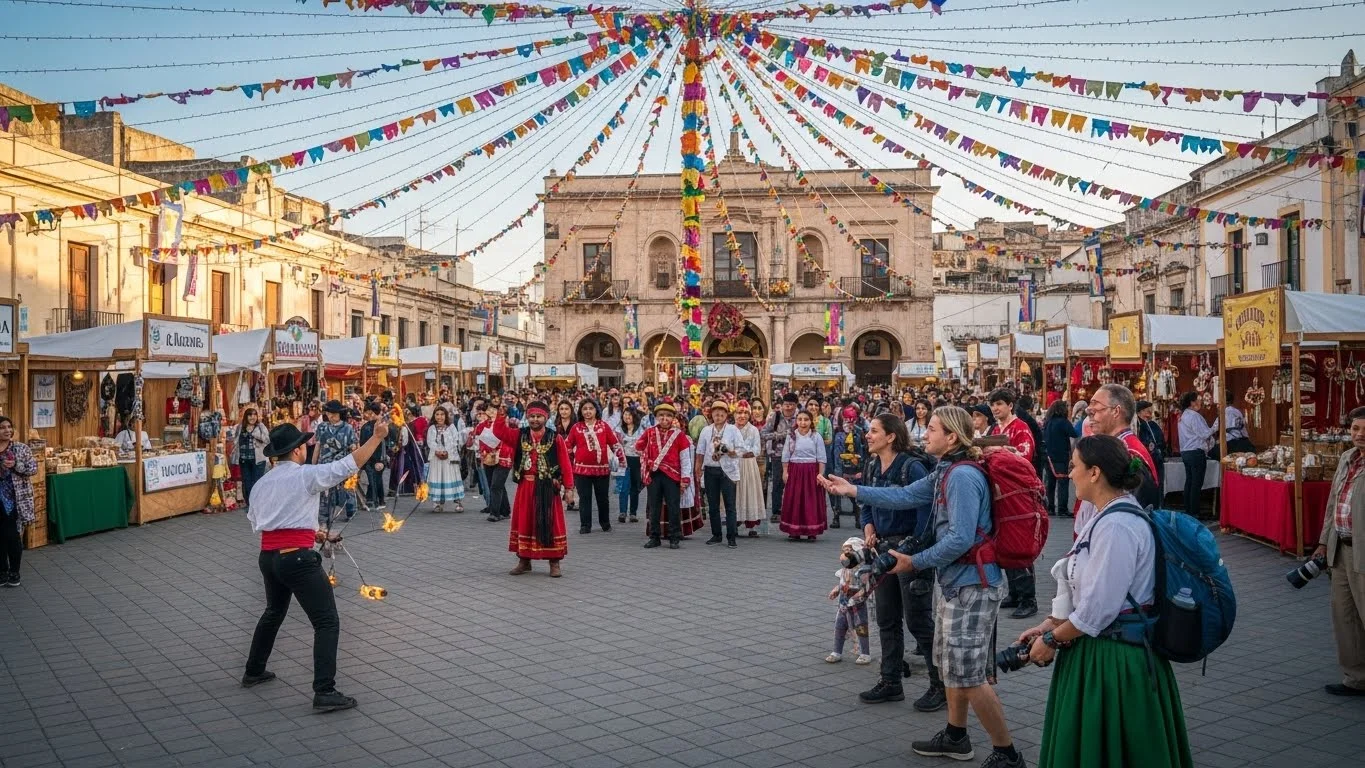
Exploring local festivals is a fantastic way to immerse yourself in culture without breaking the bank. From vibrant parades to mouthwatering food, these celebrations offer unforgettable experiences that won’t empty your wallet. For those looking to indulge in unique flavors, experience culinary delights at these budget-friendly festivals.

Experience Culture: Best Budget-Friendly Local Festivals

Understanding Local Festivals

Definition of Local Festivals

When I think of local festivals, I picture colorful gatherings that celebrate community spirit, tradition, and creativity. These events can range from music festivals to arts and crafts fairs, showcasing everything from local talent to unique cultural practices. In my experience, local festivals often embody the heart and soul of a community, bringing together people from all walks of life to enjoy shared interests and heritage.

Importance of Cultural Experiences

Cultural experiences through local festivals hold immense significance. They provide us with opportunities to learn about the history and traditions of a place. I remember attending a local food festival where each dish had a story behind it, connecting me to the local culture in a way that no guidebook could. Festivals allow us to engage with art, music, and food in authentic settings, fostering a sense of belonging and appreciation for diverse cultures. They are not just about entertainment; they enrich our understanding of the world around us. To delve deeper into cultural experiences, check out budget-friendly cultural festivals to experience alone.

When to Experience Local Festivals

Seasonal Festivals

Seasons play a crucial role in the timing of local festivals. Personally, I find that summer bursts with vibrant celebrations, from outdoor music festivals to street fairs filled with food trucks and local artisans. Fall often showcases harvest festivals, where you can indulge in pumpkin spice everything and revel in the changing colors of the leaves. Winter brings holiday markets that light up communities with joy and cheer. Spring is a time of renewal, often celebrated with flower festivals that brighten our spirits after a long winter. The variety found in seasonal festivals provides something for everyone, no matter your preference.

Monthly or Weekly Events

Beyond the seasonal festivities, many towns and cities host monthly or weekly events that are equally appealing. I’ve discovered hidden gems at farmers’ markets, often featuring live music, local crafts, and fresh produce. These events help support local economies while offering leisurely afternoons filled with community vibes. Weekly open mic nights at local cafes are also a fantastic way to experience local talent and connect with residents. By keeping an eye on community calendars, you can uncover many budget-friendly events happening all year round.

Top Budget-Friendly Local Festivals in the U.S.

New Orleans Jazz & Heritage Festival

The New Orleans Jazz & Heritage Festival is one of my all-time favorites. While it offers some premium ticket options, many performances are accessible for free or at a reasonable cost. The atmosphere is electric, with local musicians showcasing their talents alongside international stars. The rich culinary offerings—like jambalaya and beignets—make it a feast for the senses. I highly recommend exploring the local crafts and art displayed throughout the festival grounds.

Albuquerque International Balloon Fiesta

The Albuquerque International Balloon Fiesta is breathtakingly beautiful and surprisingly affordable. Watching hundreds of hot air balloons take flight against a stunning sunrise is an experience I will never forget. There’s typically no entry fee for early morning events, and the festival features local vendors selling food and crafts, allowing you to enjoy a day full of colorful sights for a minimal cost.

Portland Rose Festival

The Portland Rose Festival brings the community together in a vibrant celebration of spring. Parades filled with floats made of roses, live music, and craft booths make it an exciting experience. I remember wandering through the festival, meeting local artists and tasting delicious, budget-friendly food options. The best part? Many events within the festival are free, making it accessible to everyone.

Chicago Blues Festival

If you’re a music lover, the Chicago Blues Festival is a must-visit. This free event showcases some of the best blues musicians in the world, all set against the backdrop of the iconic Chicago skyline. I found myself lost in the music, dancing and connecting with fellow festival-goers. The energy was infectious, and the city’s deep connection to blues music made the experience even more special.

Spoleto Festival USA

Spoleto Festival USA in Charleston, South Carolina, is a celebration of performing arts that offers a mix of affordable and free events. I loved exploring the various performances, from theatre to dance, and engaging with artists. This festival really highlights the importance of art in culture and community, and the charming city of Charleston adds to the overall experience.

San Diego Comic-Con (Off-Season Events)

While Comic-Con is known for its star-studded panels and merchandise, I’ve found that many off-season events take place throughout the year that are much more budget-friendly. Local comic book shops and small conventions frequently host gatherings where fans can meet creators and participate in cosplay contests without the high costs associated with the main event. It’s a great way to connect with fellow fans without emptying your wallet.

Santa Fe Indian Market

The Santa Fe Indian Market is a beautiful celebration of Native American culture and artistry. While some pieces can be pricey, exploring the market and attending free demonstrations is an enriching experience. I enjoyed learning about different art forms, attending cultural performances, and tasting traditional foods—all while supporting local artisans.

How to Enjoy Festivals on a Budget

Free Events and Activities

One of the best parts about local festivals is the abundance of free events and activities. I’ve often stumbled upon free concerts, art exhibitions, and workshops that allow me to enjoy the festival atmosphere without spending a dime. For example, at the Chicago Blues Festival, I found numerous free performances throughout the day that showcased amazing talent. I recommend checking the festival schedule ahead of time to pinpoint events that don’t require a ticket. Many festivals also offer parades and street performances that are free for everyone to enjoy.

Budget-Friendly Food Options

Food is a big part of any festival experience, and I’ve learned that there are plenty of budget-friendly options available. At the Albuquerque International Balloon Fiesta, I discovered food vendors offering delicious local cuisine at reasonable prices. To save even more, I often bring snacks and a reusable water bottle, which can help avoid expensive drinks. Sampling smaller portions from different vendors is also a fun way to try a variety of dishes without going over budget. I can’t tell you how many times I’ve shared a plate with friends, and it turned out to be a delightful way to connect while enjoying the flavors of the festival.

Affordable Accommodation Tips

Finding a place to stay can sometimes be the most significant expense when attending festivals. I’ve had great luck using platforms like Airbnb or even reaching out to friends and family who live near the event. Camping is another fantastic option if the festival allows it—just make sure to check the facilities and what you’ll need to bring. In my case, I stayed at a small local inn during the Portland Rose Festival that was both charming and affordable. It’s worth exploring accommodations a bit farther from the festival site, as they can often be cheaper and still easily accessible.

Transportation Savings

Transportation costs can add up quickly when heading to festivals. I’ve found that planning my travel in advance can lead to significant savings. If the festival is in a city, using public transportation is often the most economical choice. I remember using the subway to get to the New Orleans Jazz & Heritage Festival, which not only saved me money but also allowed me to experience the local transit system. If you’re traveling with friends, carpooling can also cut down on costs. And don’t forget about rideshare options, which can sometimes be more affordable than parking at the venue, especially during busy events.

Cultural Significance of Festivals

Connecting with Local Traditions

Festivals are a beautiful way to connect with local traditions, and I feel that every festival I’ve attended has taught me something new about the culture. At the Santa Fe Indian Market, I had the incredible opportunity to witness traditional dances and even participate in a workshop about Native American pottery. Experiences like these immerse you in the local way of life and allow for genuine connections with the people who call the area home. I believe that understanding these traditions enhances our appreciation for the festival and the community itself.

Influence on Community Identity

Festivals often play a pivotal role in shaping community identity. I’ve noticed how local pride shines through during events like the Portland Rose Festival, where residents come together to celebrate their city’s floral heritage. This sense of belonging can be inspiring; it’s heartwarming to see how festivals bring people together, fostering a strong sense of unity and purpose. Many community members volunteer to help organize and run these events, creating a collaborative spirit that resonates long after the festival is over.

Art and Performance Showcase

Art and performances are central to many local festivals, providing a stage for creativity and expression. During my time at Spoleto Festival USA, I was amazed by the variety of performances, from classical music to modern dance. Festivals like this not only showcase local talent but also attract artists from around the country, enriching the cultural tapestry of the event. I’ve always believed that art has the power to connect people, and these festivals serve as a perfect platform for that connection to flourish.

Planning Your Festival Experience

Researching Local Festivals

Before heading out to a festival, I always make a point to do some research. Looking up the festival’s website or social media pages can provide valuable information, from schedules and lineups to any special events happening during the festival. I find that joining local community forums can also be helpful; fellow festival-goers often share tips and recommendations that can enhance your experience. It’s amazing what you can learn from others who have attended in the past.

Creating a Festival Itinerary

Having a loose itinerary can make your festival experience smoother. I like to mark the events I’m most excited about on a map or schedule, ensuring I don’t miss anything important. However, I also leave room for spontaneity. Some of my best festival memories come from wandering around and discovering unexpected performances or hidden food stalls. Balancing a plan with flexibility has always worked well for me.

What to Pack for a Festival

Your festival packing list can make a big difference in your comfort and enjoyment. I usually pack a lightweight backpack with essentials like sunscreen, a reusable water bottle, portable snacks, and a portable charger for my phone. Comfortable shoes are a must—I’ve learned that the hard way! Bringing a small blanket for sitting on the grass or for picnicking is also a great idea. I always check the weather forecast a few days before the festival to ensure I’m prepared for whatever Mother Nature throws at us.

Safety Tips for Attending Festivals

Staying Safe in Crowded Areas

Festivals can get crowded, and I’ve learned that being aware of my surroundings is essential. I try to keep my belongings secure and avoid carrying too much cash. Using a crossbody bag instead of a backpack has worked well for me in busy environments. Setting up a meeting point with friends in case we get separated is also a good practice. It’s always helpful to have a plan in place to navigate large crowds safely.

Health Precautions

Staying healthy at festivals is crucial, especially when it comes to food and hydration. I make it a point to drink plenty of water throughout the day, especially during hot summer festivals. Using hand sanitizer before eating is a habit I’ve picked up, and I recommend it to others as well. If you have any allergies or medical conditions, keeping your medications handy is essential. It’s always better to be prepared than to find yourself in a sticky situation.

Unique Experiences at Local Festivals

Workshops and Classes

One of the most exciting aspects of local festivals is the chance to participate in workshops and classes. I remember attending a craft fair where I had the opportunity to try my hand at pottery. It was such a fulfilling experience to mold the clay and create something with my own hands. Many festivals offer similar workshops, from cooking classes to dance lessons, allowing you to dive deeper into the local culture. I believe these hands-on experiences are a perfect way for attendees to engage with their surroundings and walk away with not only memories but also newfound skills. If you’re curious about something, don’t hesitate to sign up—it’s often a highlight of the festival!

Volunteer Opportunities

Volunteering at a festival can transform your experience completely. I’ve had the chance to help set up events, manage booths, and even assist in workshops. Not only do you get to meet wonderful people, but you also gain a behind-the-scenes perspective on how festivals operate. In my case, volunteering at the Portland Rose Festival allowed me to connect with local artists and event organizers, enriching my appreciation for the event. Plus, some festivals offer perks like free admission or food vouchers for volunteers, making it a win-win situation!

Family-Friendly Activities

Local festivals are often family-centric, with plenty of activities designed for kids and parents alike. I’ve seen everything from face painting to puppet shows and even interactive science exhibits. Attending the Albuquerque International Balloon Fiesta with my family was a memorable experience, especially watching my children’s faces light up at the sight of colorful balloons filling the sky. Many festivals provide designated areas for families with games and crafts, allowing children to explore their creativity. If you’re bringing your family along, keep an eye out for these activities—they can significantly enhance your festival experience and create lasting memories.

How to Find Upcoming Festivals

Online Resources and Apps

In today’s digital age, finding upcoming festivals has never been easier. I often turn to websites like Eventbrite and Meetup to discover local events in my area. These platforms offer searchable databases where you can filter by date, type of event, and location. Additionally, there are specific apps designed to help you navigate festivals, offering schedules, maps, and even recommendations for things to do. I remember using a festival app at the New Orleans Jazz & Heritage Festival, which helped me plan my day efficiently and discover artists I otherwise might have missed. I highly recommend checking out these online resources to stay updated on what’s happening around you!

Local Tourism Boards

Local tourism boards are another fantastic resource for finding festivals. I’ve visited their websites to get a comprehensive list of events happening throughout the year. These boards often provide valuable information about the history and significance of each festival, enriching your experience even further. While traveling, I’ve also stopped by visitor centers to grab pamphlets and talk to locals who often have insider tips on the best events. Engaging with these boards can lead to unique discoveries that make your trip even more special.

Social Media and Community Groups

Social media is a powerful tool for festival-goers. I’ve found many local festivals promote their events on platforms like Facebook and Instagram. Following these pages allows you to stay in the loop about dates, special guests, and exclusive offers. Additionally, joining community groups can provide insights and recommendations from fellow festival enthusiasts. I’ve discovered hidden gems this way, as locals often share their favorite events or festivals that may not be widely advertised. Engaging with others on these platforms can enhance your experience and provide a sense of community as you prepare for upcoming celebrations.

Frequently Asked Questions

What are local festivals?

Local festivals are colorful gatherings that celebrate community spirit, tradition, and creativity. They can include music festivals, arts and crafts fairs, and other events that showcase local talent and cultural practices.

Why are local festivals important?

Local festivals are significant because they provide opportunities to learn about the history and traditions of a place, engage with art, music, and food, and foster a sense of belonging and appreciation for diverse cultures.

When do local festivals typically occur?

Local festivals often align with seasons, such as summer for outdoor music festivals, fall for harvest festivals, winter for holiday markets, and spring for flower festivals. Additionally, many towns host monthly or weekly events throughout the year.

What are some budget-friendly local festivals in the U.S.?

Some budget-friendly local festivals include the New Orleans Jazz & Heritage Festival, Albuquerque International Balloon Fiesta, Portland Rose Festival, Chicago Blues Festival, Spoleto Festival USA, San Diego Comic-Con off-season events, and Santa Fe Indian Market. For more options, check out top 10 budget-friendly local festivals you must experience.

How can I enjoy festivals on a budget?

You can enjoy festivals on a budget by attending free events and activities, exploring budget-friendly food options, finding affordable accommodations, and using cost-effective transportation methods.

What activities can I participate in at local festivals?

Local festivals often offer workshops and classes, volunteer opportunities, and family-friendly activities, including games, crafts, and performances designed for attendees of all ages.

How can I find upcoming festivals?

You can find upcoming festivals by using online resources and apps like Eventbrite and Meetup, checking with local tourism boards, and following social media pages of community groups and festival organizers.

What should I pack for a festival?

When packing for a festival, consider bringing a lightweight backpack with essentials like sunscreen, a reusable water bottle, portable snacks, a portable charger, comfortable shoes, and a small blanket for sitting or picnicking.

What safety tips should I follow at festivals?

To stay safe at festivals, be aware of your surroundings, keep your belongings secure, set a meeting point with friends, stay hydrated, and use hand sanitizer before eating. It’s also essential to have any necessary medications on hand.

What is the cultural significance of local festivals?

Local festivals enhance community identity by connecting people through shared traditions and local pride. They provide a platform for showcasing art and performances, enriching the cultural experience for both residents and visitors.

Top 10 Local Festivals You Can’t Miss This Year

Local festivals are vibrant celebrations that weave culture, music, food, and community spirit together. This year, there are some incredible festivals that you absolutely can’t miss! Read Interesting article: Explore Local Festivals on a Budget: Ultimate Guide for Travelers

Top 10 Local Festivals You Can't Miss This Year

Overview of Local Festivals

What are Local Festivals?

Local festivals are events that celebrate specific cultural, historical, or seasonal themes within a community. They can vary widely in scale and purpose, ranging from small town gatherings to large-scale international celebrations. These festivals often showcase local traditions, arts, and cuisine, making them a unique window into the community’s identity. I remember the first time I stumbled upon a local festival in my hometown; the atmosphere was electric, filled with laughter, music, and the enticing smell of food. It felt like stepping into a whole new world.

Importance of Attending Local Festivals

Attending local festivals is more than just having a good time; it’s an opportunity to connect with your community and learn about its heritage. Festivals often bring people together, creating a sense of belonging and pride. I’ve found that engaging with local artists and vendors gives you a deeper appreciation for the culture and history of the place. Plus, it’s a fantastic way to meet new people, make memories, and taste some delicious local foods. For me, festivals have always been a way to break out of my routine and experience something fresh and exciting. Read Interesting article: Top 10 Budget-Friendly Local Festivals You Must Experience

Top 10 Local Festivals You Can’t Miss This Year

1. Mardi Gras – New Orleans, Louisiana

History and Significance

Mardi Gras in New Orleans is one of the most famous festivals in the United States. With roots tracing back to French Catholic traditions, it’s a celebration of feasting before Lent. I’ve always been fascinated by how this festival embodies the spirit of New Orleans—colorful parades, elaborate costumes, and a joyful atmosphere. It’s a time when the city comes alive, and for many, it’s a rite of passage.

When to Attend

Mardi Gras is celebrated on Fat Tuesday, which falls on the day before Ash Wednesday. However, the festivities begin weeks in advance, with events starting as early as January. I recommend planning your trip around the two weeks leading up to Fat Tuesday to experience the full spectrum of parades and parties.

Key Attractions

The parades are the heart of Mardi Gras. The Krewe of Bacchus and the Krewe of Endymion are two of the biggest and most extravagant. Don’t miss the iconic floats and the beads that are thrown to the crowd. I still remember catching a handful of beads and feeling like a kid again! The street parties, especially on Bourbon Street, are a blast, too.

Local Food and Drinks

No visit to Mardi Gras is complete without indulging in local cuisine. Be sure to try beignets, jambalaya, and gumbo. And don’t forget to sip on a Hurricane cocktail, a New Orleans classic. These flavors always take me back to the joyous chaos of the festival.

2. Albuquerque International Balloon Fiesta – New Mexico

Event Highlights

One of the most breathtaking events I’ve ever witnessed is the Albuquerque International Balloon Fiesta. This festival is a mesmerizing spectacle of color as hundreds of hot air balloons take to the skies at dawn. The sight of them soaring against the backdrop of the Sandia Mountains is something I’ll never forget. I remember standing there, just in awe, as the balloons floated gracefully above us.

When to Visit

The festival typically happens in early October, lasting for nine days. I suggest arriving early in the morning for the mass ascensions, which usually occur around 7 AM. Watching the balloons inflate and lift off is an experience that is truly magical.

Best Viewing Spots

The best place to watch the balloons is from the launch field, but you can also find great views from around the city. I’ve enjoyed watching from the nearby parks, where you can spread out a blanket and take in the scene. Just make sure to arrive early to secure a good spot!

Local Cuisine

While at the festival, don’t miss out on the local food vendors. Try some green chili cheeseburgers or sopapillas, which are delicious fried pastries that you can fill with honey. I always look forward to grabbing a bite while enjoying the views. The combination of food and breathtaking sights makes it a memorable experience. Read Interesting article: Discover Local Music Festivals That Won’t Break the Bank

3. Coachella Valley Music and Arts Festival – California

What to Expect

Coachella is not just a music festival; it’s a cultural phenomenon. I remember my first time at Coachella, the energy was contagious. With an incredible lineup of artists spanning various genres and stunning art installations, it’s an immersive experience that draws people from all over the world.

Dates and Schedule

Coachella takes place over two weekends in April. I suggest checking the schedule ahead of time to plan which artists you want to see. The lineup is usually announced a few months prior, and I always get excited to see who’s performing!

Camping and Accommodations

Many attendees choose to camp on-site, which can be a great way to experience the festival fully. I’ve camped there before, and while it can be an adventure, be prepared for the heat and bring plenty of water. If camping isn’t your style, there are numerous hotels and rentals nearby, but they can book up quickly.

Food and Drink Options

Coachella is famous for its gourmet food offerings. You can find everything from vegan options to food trucks serving up delicious international cuisine. I love exploring the food stalls between sets, as it adds to the overall experience. Plus, the craft cocktails and local brews are a nice touch!

4. Chicago Air and Water Show – Illinois

Event Overview

The Chicago Air and Water Show is a thrilling spectacle that has been entertaining audiences for decades. I remember the first time I went; the sound of the planes zooming overhead gave me an adrenaline rush. It’s a free event that features impressive aerial displays, including military jets and parachuting performances.

Best Viewing Locations

To get the best view, head to North Avenue Beach or the surrounding parks. I’ve found that arriving early is key to securing a good spot. The energy from the crowd and the excitement in the air make it worth the early wake-up call.

Local Attractions

While you’re in Chicago, take advantage of the local attractions. The Navy Pier is close by, offering dining and entertainment options. I love grabbing a bite and then heading to the waterfront to catch the show. The combination of food, fun, and stunning aerial displays makes for a fantastic day.

Festive Foods

Chicago is known for its deep-dish pizza, and you can’t leave without trying a slice! I always make it a point to indulge in some local cuisine while I’m out enjoying the festivals.

5. Kentucky Derby Festival – Louisville, Kentucky

Festival Events

The Kentucky Derby Festival is a week-long celebration leading up to the famous horse race. I was amazed at how many events take place, from parades to fireworks. The atmosphere is lively, with a palpable excitement in the air as everyone prepares for the big race.

When to Go

The festival usually takes place in late April, culminating in the Derby on the first Saturday in May. If you can, attend some of the festival events leading up to the race, as they are a blast and give you a taste of the local culture.

What to Eat

While you’re there, be sure to try the famous Burgoo, a traditional stew that’s a Derby staple. I remember enjoying a hearty bowl while mingling with fellow festival-goers, and it was the perfect comfort food for the occasion.

Dress Code and Traditions

The Derby is known for its fashion; wearing big hats is a cherished tradition. I’ve seen some incredible hats at the event, and it’s always fun to see how creative people get. Dressing up adds to the festive spirit and makes the experience even more special.

Top 10 Local Festivals You Can’t Miss This Year

6. San Diego Comic-Con – California

What is Comic-Con?

San Diego Comic-Con is a mecca for pop culture enthusiasts. I remember my first time stepping into the convention center; it felt like entering a different universe. This annual event celebrates everything from comic books to movies, TV shows, and video games. Fans dress up as their favorite characters, and the energy is contagious. You can meet artists, attend panels, and even catch sneak peeks of upcoming films. For anyone who loves comics or pop culture, it’s an experience like no other.

Dates and Ticket Information

Comic-Con usually takes place in July over four days. Tickets can be tough to come by, so I highly recommend planning ahead. They often sell out quickly, so signing up for notifications and being ready to buy them as soon as they go on sale is a good strategy. If you can’t get a ticket, don’t worry! San Diego has plenty of fun activities happening around the convention that you can enjoy.

Must-See Panels and Events

There’s something for everyone at Comic-Con, but I always look forward to the panels featuring behind-the-scenes looks at upcoming films and TV shows. I remember attending a panel about a superhero movie where the cast shared hilarious behind-the-scenes stories. There are also workshops, signings, and even comic book artist demonstrations. Be sure to mark your schedule to not miss your favorite events!

Food Options Nearby

San Diego is known for its delicious food scene. While there are plenty of options inside the convention center, I recommend venturing out to nearby restaurants. I’ve enjoyed fish tacos and California burritos that were out of this world. Plus, the Gaslamp Quarter is right there and offers a wide range of dining options to satisfy any craving.

7. Texas State Fair – Dallas, Texas

Fair Highlights

The Texas State Fair is a celebration of everything Texan—from food to culture and rodeo events. I’ve been to this fair several times, and each visit is a new adventure. It’s huge! There are rides, games, live music, and an incredible lineup of food vendors. Each year, I look forward to the creative and outrageous food options they come up with. I still crave the fried butter I tried a few years ago!

When to Visit

The fair typically takes place in late September to mid-October. I recommend planning to go during the week to avoid the largest crowds, but weekends are packed with special events and concerts if you enjoy a lively atmosphere. Just be prepared for a lot of walking and exploring!

Must-Try Foods

Food at the Texas State Fair is legendary. I feel like I need to pace myself to try everything I want. From fried Oreos to the famous turkey legs, there’s no shortage of creative culinary delights. I always make it a point to try the newest fried food creation; it’s become a bit of a tradition for me!

Activities and Entertainment

In addition to the food, the Texas State Fair features livestock shows, arts and crafts displays, and live performances. I truly enjoy watching the rodeo events; they’re thrilling and showcase true Texas culture. There’s also a massive Ferris wheel that gives you a stunning view of the fairgrounds, which is something I recommend experiencing at night when everything is lit up.

8. Philadelphia Flower Show – Pennsylvania

Overview of the Event

The Philadelphia Flower Show is the largest indoor flower show in the world, and it’s a feast for the senses. I remember walking through the vibrant displays of flowers and plants, all expertly arranged in breathtaking designs. It’s held annually in March, and the theme changes each year, making each visit unique. I always leave feeling inspired and ready to bring a little more nature into my life.

Best Time to Attend

The show usually lasts for a week, and I find that attending on a weekday is best for avoiding large crowds. Plus, you have more time to take in the gorgeous arrangements without feeling rushed. I like to set aside a whole day to explore everything thoroughly.

Highlight Displays

Some of the standout displays are created by professional floral designers, but I’m always impressed by the community and school entries that showcase local talent. It’s incredible to see the imaginative ways people use flowers and plants. I remember being blown away by a life-sized garden created entirely out of vegetables—such creativity!

Local Vendors and Food

While the flowers steal the show, don’t forget to explore the local vendors. You can find everything from gardening tools to artisanal foods. I usually grab a bite from one of the food stalls featuring local specialties, which adds to the overall experience. The combination of sights, scents, and tastes makes for a wonderful day out.

9. National Cherry Blossom Festival – Washington, D.C.

Festival Background

The National Cherry Blossom Festival celebrates the blooming of the cherry trees gifted from Japan to the United States. I was lucky enough to visit during this festival one spring, and the sight of the blossoms in full bloom was simply breathtaking. The pink and white flowers create a stunning backdrop against the historic monuments in D.C.

When to Experience the Blossoms

The festival usually takes place in late March through early April, depending on the bloom cycle. I recommend checking the bloom predictions before planning your visit to make sure you catch the trees at their peak. The atmosphere is festive, with events happening throughout the city.

Key Events and Activities

Throughout the festival, there are parades, cultural performances, and even a kite festival. I loved participating in the kite-flying event, which brought families together in a fun and vibrant setting. The parade is particularly lively, showcasing Japanese culture through dance and music, which was such a treat to experience.

Local Food and Attractions

Washington, D.C. is known for its diverse food scene, so while you’re enjoying the blossoms, make sure to explore local eateries. I’ve found great options for everything from street food to fine dining. Don’t miss out on trying a classic D.C. half-smoke, which is a delicious sausage that’s a must-have!

10. Halloween in Salem – Massachusetts

History of Salem’s Halloween Celebration

Salem is known for its witch trials, and Halloween there is unlike any other. I visited Salem during the spooky season, and the atmosphere was electric. The town embraces its history with ghost tours, haunted houses, and witch-themed events that celebrate the lore and legends of the area. It’s a blend of history, mystery, and fun!

When to Visit

The festivities typically kick off in October, leading up to Halloween. I recommend visiting throughout the month to enjoy all the events, as there’s something happening every weekend. The closer you get to Halloween, the busier it becomes, so plan accordingly.

Popular Events and Activities

Some of the highlights include the Salem Haunted Happenings, which features parades, street fairs, and even witchcraft classes. I enjoyed the storytelling sessions where local historians shared chilling tales of Salem’s past. There’s also a great mix of family-friendly activities, making it enjoyable for everyone.

Local Treats and Food

While you’re in Salem, indulge in some seasonal treats. I can’t resist the pumpkin-flavored goodies that pop up everywhere during this time of year. Local cafes serve delicious apple cider donuts that are a must-try! Pairing those with a warm cup of cider while wandering through the decorated streets was one of my favorite experiences.

Tips for Attending Local Festivals

Planning Your Trip

When it comes to planning a trip to a local festival, I’ve learned that a little preparation can go a long way. First, I always check the festival’s official website for the schedule of events, ticket prices, and any special announcements. I like to mark my calendar with the highlights I absolutely don’t want to miss. For example, at the Albuquerque International Balloon Fiesta, I made sure to arrive early to catch the mass ascension, which is a breathtaking sight. Planning your route and timing can make a huge difference in your overall experience.

What to Pack

Packing for a festival can be fun! I usually start with comfortable clothing and shoes because I know I’ll be doing a lot of walking, dancing, and standing. Depending on the location and time of year, I also consider the weather. For outdoor festivals, I always take a light jacket or poncho just in case it rains. You never know when the skies might open up. Additionally, I recommend carrying a small backpack to hold essentials like sunscreen, a reusable water bottle, and snacks. I learned the hard way that staying hydrated and fueled is key to enjoying a long day of festivities!

Safety Considerations

Safety is paramount when attending local festivals. I always stay aware of my surroundings and make sure to stick with friends whenever possible. Festivals can get crowded, so I usually agree on a meeting point in case we get separated. It’s also wise to keep your belongings secure. I prefer using a crossbody bag that I can keep close to me. If you’re attending a festival that serves alcohol or has late-night events, I recommend having a designated driver or arranging for rideshare services to get home safely. It’s all about making memories without any regrets!

Budgeting for Festival Expenses

Festivals can be a blast, but they can also be a bit pricey if you’re not careful. I suggest setting a budget before you go, which includes entry fees, food, and any merchandise you might want to buy. I’ve found that planning for food and drink is especially important, as festival prices can be higher than usual. For example, at the Texas State Fair, I always try to sample a few different dishes, which can add up quickly. To save a bit, I usually eat a hearty breakfast before heading out and limit my spending on drinks by carrying my own refillable water bottle. It’s a great way to enjoy the festival without breaking the bank.

Final Thoughts

Experiencing local festivals is truly one of the best ways to connect with a community and immerse yourself in its culture. I often find myself reminiscing about the moments I’ve shared with friends and family at these vibrant celebrations. Each festival carries its own unique charm, revealing stories and traditions that enrich our understanding of different places. Whether it’s the lively atmosphere of Mardi Gras or the breathtaking beauty of the Albuquerque Balloon Fiesta, every event offers something special.

As I reflect on my festival experiences, I realize they often become more than just events; they transform into cherished memories. It’s in the laughter shared over a plate of local food, the awe of stunning performances, or the simple joy of discovering new talents and artistry. Festivals are about connection, whether it’s with the people around us or the culture we’re celebrating. I can’t help but feel grateful for the opportunities to engage with diverse communities and learn from their rich histories.

For anyone considering attending a festival, I encourage you to embrace the experience fully. Don’t just participate; dive in! Try new foods, engage with local artists, and take time to soak in the atmosphere. You never know what amazing memories you’ll create or what new friends you might meet. For me, these festivals have always provided a refreshing break from the everyday grind, rejuvenating my spirit and inspiring my creativity.

So, grab your friends or family, select a festival from this list, and go make some unforgettable memories. Trust me, you won’t regret it!

Frequently Asked Questions

What are local festivals?

Local festivals are events that celebrate specific cultural, historical, or seasonal themes within a community. They can vary in scale and purpose, showcasing local traditions, arts, and cuisine, providing a unique glimpse into the community’s identity.

Why is it important to attend local festivals?

Attending local festivals offers an opportunity to connect with the community and learn about its heritage. It creates a sense of belonging and pride, allows engagement with local artists and vendors, and is a fantastic way to meet new people and taste delicious local foods.

What is Mardi Gras and where is it celebrated?

Mardi Gras is one of the most famous festivals in the United States, celebrated in New Orleans, Louisiana. It has roots in French Catholic traditions and is a celebration of feasting before Lent.

When is Mardi Gras celebrated?

Mardi Gras is celebrated on Fat Tuesday, the day before Ash Wednesday. The festivities begin weeks in advance, starting as early as January, with the main events occurring in the two weeks leading up to Fat Tuesday.

What are the key attractions of Mardi Gras?

The key attractions of Mardi Gras include extravagant parades, particularly the Krewe of Bacchus and the Krewe of Endymion, as well as street parties, especially on Bourbon Street.

What local foods and drinks should you try at Mardi Gras?

At Mardi Gras, you should try local cuisine such as beignets, jambalaya, and gumbo. Additionally, don’t miss out on sipping a Hurricane cocktail, a classic New Orleans drink.

What is the Albuquerque International Balloon Fiesta?

The Albuquerque International Balloon Fiesta is a breathtaking festival where hundreds of hot air balloons take to the skies at dawn, creating a mesmerizing spectacle of color against the backdrop of the Sandia Mountains.

When does the Albuquerque International Balloon Fiesta take place?

The festival typically happens in early October and lasts for nine days, with mass ascensions occurring around 7 AM each day.

Where are the best viewing spots for the Albuquerque International Balloon Fiesta?

The best viewing spot is from the launch field, but great views can also be found around the city, particularly in nearby parks where you can enjoy the scene with a blanket.

What is a memorable experience at the Albuquerque International Balloon Fiesta?

A memorable experience at the Albuquerque International Balloon Fiesta is watching the balloons inflate and lift off in the early morning, which is described as a truly magical moment.