Web Analytics

Recent Posts

Ultimate Guide to Extreme Sports Travel for Adventurers

Extreme sports travel is an adrenaline-fueled adventure like no other! Whether you’re scaling mountains or surfing massive waves, this guide will help you navigate your thrilling journey. Read Interesting article: Unleash Adventure: Extreme Sports for Solo Travelers

Ultimate Guide to Extreme Sports Travel for Adventurers

Understanding Extreme Sports Travel

What are Extreme Sports?

I remember the first time I heard the term “extreme sports.” It conjured images of heart-pounding adventures and pushing the limits of what we can do. Essentially, extreme sports are activities that incorporate a significant level of risk and physical exertion. These sports often occur in unpredictable environments, whether it’s the rugged mountains, roaring rivers, or vast oceans. They can include activities like rock climbing, skydiving, or even base jumping. For me, the thrill lies in the unpredictability and the sheer joy of conquering fears and challenges.

Why Choose Extreme Sports for Travel?

Choosing extreme sports for travel is like infusing your journey with excitement and adventure. From my experience, it’s not just about the adrenaline rush; it’s about the connection to nature and the unique experiences that come with it. When I travel to engage in extreme sports, I often find myself in stunning locations, surrounded by like-minded adventurers. I feel a sense of community and camaraderie that’s hard to replicate in traditional travel. Plus, the stories I gather from these experiences are ones I cherish forever, from the exhilarating highs to the lessons learned during the lows. Read Interesting article: Top 10 Extreme Sports Destinations for Thrill Seekers

Types of Extreme Sports

There’s a whole world of extreme sports out there, and each one offers something different. Here are a few that I’ve had the pleasure of trying and would recommend:

  • Rock Climbing: Scaling cliffs and boulders is not only physically demanding but also mentally stimulating. I find that each climb teaches me something new about resilience.
  • Surfing: Riding the waves can be both calming and exhilarating. I remember my first surf lesson; it was challenging but incredibly rewarding when I finally managed to catch a wave.
  • Skiing and Snowboarding: There’s nothing quite like the rush of speeding down a snow-covered slope. Whether you’re carving through fresh powder or navigating a steep descent, it’s an unforgettable experience.
  • Skydiving: The moment you jump out of a plane is indescribable. I felt like I was flying, and the view was absolutely breathtaking.
  • Bungee Jumping: If you’re looking for a quick adrenaline fix, there’s nothing like the thrill of plunging off a bridge. My heart raced as I took that leap!
  • White Water Rafting: Navigating through rapids with friends is a fantastic bonding experience. The teamwork involved makes every trip down the river exciting.

Choosing the right sport often depends on your interests and the type of environment you seek. I suggest trying a few different ones to discover what resonates most with you!

Top Destinations for Extreme Sports

Mountaineering in the Himalayas

For those who seek the ultimate challenge, the Himalayas are a must-visit. The breathtaking views and the sense of accomplishment after reaching a summit are unmatched. I’ve met many travelers who’ve come back with incredible stories and life-changing experiences from their climbs.

Surfing in Hawaii

Hawaii’s waves are legendary, making it an ideal destination for surfers of all levels. I remember watching seasoned surfers ride the big waves at Waimea Bay – it inspired me to hit the water and try my hand at it. The culture surrounding surfing here is vibrant and welcoming.

Bungee Jumping in New Zealand

New Zealand is known as the adventure capital of the world. I took the plunge at the Kawarau Bridge, and the feeling of free-falling was exhilarating. The stunning scenery surrounding the jump adds another layer of thrill!

Skydiving in Dubai

Skydiving over the Palm Jumeirah is a bucket-list experience. The view of the city skyline and the Arabian Gulf beneath me was spectacular. I felt a rush like no other as I descended, taking in the sights.

White Water Rafting in Costa Rica

If you love the thrill of navigating rapids, then Costa Rica is the place to be. I found the rivers here to be both challenging and beautiful, surrounded by lush rainforests and wildlife. Rafting with friends made the experience even more enjoyable.

Snowboarding in the Alps

The Alps offer some of the best snowboarding experiences in the world. I remember carving down the slopes of Chamonix, surrounded by spectacular mountain scenery. There’s something magical about the crisp air and the thrill of the ride.

These destinations offer unique experiences that every adventurer should consider. I can guarantee that no matter where you choose to go, the memories you create will last a lifetime. Extreme sports travel is all about embracing new challenges and pushing your limits, and I can’t wait to share more tips and insights with you in the next sections!

Planning Your Extreme Sports Adventure

When to Go: Seasonal Considerations

Timing can make or break your extreme sports adventure. I’ve learned that the best season for each activity varies greatly depending on location. For instance, if you’re planning to go snowboarding in the Alps, winter is obviously the best time to hit the slopes. I’ve had some unforgettable trips during the peak winter months when the powder was fresh and the atmosphere was electric. On the flip side, summer is prime time for rock climbing in places like Yosemite, where the weather is perfect for scaling those iconic cliffs.

When I was planning my white water rafting trip in Costa Rica, I discovered that the rainy season brought more thrilling rapids, but it also meant dealing with unpredictable weather. I found the sweet spot was just before the rainy season when the rivers were still full but the skies were clearer. So, I suggest researching the ideal times for your chosen sport and destination to ensure you get the best experience possible!

Budgeting for Extreme Sports Travel

Let’s talk money – because a well-planned budget can take your adventure from good to great. From my experience, extreme sports travel can be both affordable and extravagant, depending on your choices. I always start by breaking down my expenses into categories: flights, accommodation, gear rental or purchase, activity costs, food, and local transportation. Read Interesting article: Budget Backpacking: Extreme Sports Adventures on a Dime

For example, if you’re planning to go surfing in Hawaii, you might find that flights can be the biggest chunk of your budget. I’ve learned to look for deals and sometimes book well in advance to snag a lower fare. Also, consider staying in hostels or guesthouses instead of pricier hotels, which can save you a good deal on accommodation. And when it comes to gear, renting can be a smart option, especially if you’re trying a sport for the first time. I always check out local shops for rentals instead of lugging my own gear around.

Lastly, don’t forget to set aside some cash for unexpected expenses. You never know when an unplanned adventure or a great meal might pop up!

Gear and Equipment: What You Need

Choosing the right gear can make a significant difference in your experience. I remember how overwhelmed I felt my first time bungee jumping; the amount of safety gear and equipment seemed daunting. But once I got the hang of it, I realized that having the right equipment not only kept me safe but also enhanced my enjoyment. Each sport requires different essentials, so it’s important to do some research.

For rock climbing, a good pair of climbing shoes and a harness are must-haves. When I went skiing, investing in a decent pair of goggles and gloves made a world of difference in comfort. If you’re planning to try surfing, I recommend a wetsuit that fits well since water temperatures can vary greatly. And don’t forget about safety gear! Whether it’s a helmet for biking or a life jacket for rafting, having the right protective gear can give you peace of mind while you focus on the adventure.

Travel Insurance for Extreme Sports

Travel insurance is one of those things that I’ve learned the hard way – it’s not just an option; it’s a necessity. Engaging in extreme sports carries risks, and I’ve heard stories of travelers who faced hefty medical bills after an accident. I make it a point to always choose a travel insurance policy that covers extreme sports. Some policies specifically exclude certain activities, so I recommend reading the fine print carefully before purchasing.

When I booked my skydiving trip in Dubai, I was sure to check that my travel insurance covered that specific activity. It gave me a layer of security that allowed me to fully enjoy the experience without worrying about “what ifs.” Trust me; it’s worth the peace of mind!

Health and Safety Preparations

Before embarking on any extreme sports adventure, I always make sure to prioritize my health and safety preparations. I’ve found that being in good physical shape can greatly enhance my performance and enjoyment while participating in these activities. I usually spend a few weeks leading up to my trip conditioning myself, whether it’s through running, strength training, or flexibility exercises – all depending on the sport I’ll be doing.

It’s also crucial to understand the safety protocols associated with each activity. I remember going through a safety briefing before my first white water rafting trip, and it made all the difference. I encourage everyone to take these briefings seriously because they can provide invaluable information about equipment use, proper techniques, and emergency procedures. Additionally, I always make sure to stay hydrated and listen to my body while engaging in extreme sports. If something doesn’t feel right, it’s important to take a step back and reassess.

Getting There: Transportation Options

Best Airports for Extreme Sports Destinations

When planning an extreme sports adventure, getting to your destination is just as thrilling as the activities themselves! I’ve found that knowing which airports serve the best extreme sports locations can save time and hassle. For instance, flying into Kathmandu is ideal for those looking to conquer the Himalayas. The airport, though busy, is filled with fellow adventurers, and the energy is palpable. I remember feeling a rush just walking through the terminal, surrounded by people ready for their own epic trips.

If surfing in Hawaii is on your list, the Honolulu International Airport is a great gateway. It’s well-connected and only a short drive to some of the best beaches. I always recommend checking flights into Kahului Airport as well, especially if you’re headed to Maui’s famous surf spots. And for thrill-seekers heading to New Zealand, Queenstown Airport is conveniently located near bungee jumping, skiing, and skydiving spots. It’s like stepping right into an adventure playground!

Local Transportation: Rentals and Public Transport

Once you’ve landed, navigating local transportation is crucial for making the most of your trip. In my experience, renting a car often provides the most flexibility, especially for reaching remote locations. I recall my time in Costa Rica; having a rental allowed my friends and me to explore various rafting spots along the rivers without being tied to a tour schedule. Plus, we stumbled upon some hidden gems along the way!

Public transport can also be a great option in many places. I found that taking buses in New Zealand was not only cost-effective but also gave me the chance to meet locals and other travelers. Just be sure to check the schedules, as they can be less frequent in more remote areas. And don’t forget about ride-sharing apps, which can be a convenient alternative when you want to get somewhere quickly without the need for a rental.

Accommodation for Adventurers

Types of Accommodation: Hostels, Hotels, and Campsites

Finding the right place to stay is an essential part of any trip, especially when you’re planning an extreme sports adventure. I’ve tried various types of accommodation, and each offers its unique perks. Hostels are fantastic for meeting like-minded adventurers; I’ve shared stories and tips with fellow thrill-seekers over breakfast more times than I can count!

Hotels can offer a bit more comfort and amenities, which can be nice after a long day of activity. I remember treating myself to a cozy hotel after a challenging day of rock climbing in Yosemite, and it felt wonderful to relax and recharge. Then there are campsites, which can be perfect for those looking to immerse themselves in nature. I’ve camped near rivers before white water rafting, and waking up to the sound of rushing water was invigorating.

Staying Near the Action: Best Locations

Location is everything when it comes to extreme sports. I’ve learned that staying close to the action can save time and energy, allowing for more adventures! For example, in the Alps, I found that lodging in Chamonix put me just minutes away from the slopes. It was easy to get an early start and beat the crowds.

In Hawaii, I recommend finding accommodation near the North Shore if you’re into surfing. The proximity to world-famous waves means you can hit the water at sunrise. And in Queenstown, I’ve noticed that staying in town gives you quick access to various adventure operators, making it easier to sign up for last-minute activities.

Budget vs. Luxury Options

Balancing your budget while seeking adventure can be a fun challenge. I often start with a rough estimate of what I want to spend on accommodation. There are great budget options, like dorm rooms in hostels or simple campsites, which can leave more room in your budget for activities. I’ve had some of my best trips while staying in budget-friendly places; it’s amazing how much you can save!

However, if you’re looking to splurge after a week of intense activities, there’s nothing wrong with treating yourself to a nice hotel or a unique Airbnb experience. I remember staying in a beautiful chalet in the Swiss Alps after an exhilarating week of snowboarding. The luxury was a perfect way to unwind and reflect on the adventures I had. It all comes down to what kind of experience you want to create for yourself!

Local Culture and Food

Understanding Local Customs and Etiquette

Immersing myself in the local culture has always been a highlight of my extreme sports travels. Each destination has its customs and etiquette that are worth respecting. For instance, when I was in Costa Rica, I learned that “Pura Vida,” which means “pure life,” is more than just a saying; it’s a way of life. I tried to embrace this mindset while engaging with locals and fellow travelers.

In New Zealand, I found that respecting Maori culture, particularly when visiting sacred sites, was essential. Understanding local customs can enrich your experience and foster connections with the community. I always recommend doing a bit of research before your trip to understand what’s considered polite and acceptable in the areas you’ll be visiting.

Must-Try Local Dishes for Adventurers

Food is another adventure in itself! During my travels, I’ve tasted some incredible dishes that reflect the local flavors and ingredients. In Hawaii, I couldn’t get enough of poke bowls; they were refreshing after a long day of surfing. And in Costa Rica, trying gallo pinto, a traditional dish made of rice and beans, became a favorite breakfast for fueling my rafting days.

If you find yourself in the Alps, don’t miss out on fondue; it’s not only delicious but also a fun communal experience! I remember gathering around a pot of melted cheese after a day on the slopes, sharing stories and laughter with new friends. Food has a special way of bringing people together, especially after an exhilarating day of adventure!

Post-Activity Relaxation: Local Bars and Cafés

After a day filled with extreme sports, finding a cozy spot to relax is the cherry on top of any adventure. I often seek out local bars or cafés where I can unwind and reflect on the day. In Hawaii, I loved finding beachside bars with live music; there’s something magical about listening to tunes while watching the sunset. It’s a perfect way to wind down after a day of riding waves.

In New Zealand, I discovered some fantastic craft breweries that served up refreshing local beers. I still remember the camaraderie I felt sitting with other adventurers, swapping stories over a pint. It’s these moments that make the journey even more memorable. I always look for local favorites to get a true taste of the area’s culture.

Frequently Asked Questions

What are extreme sports?

Extreme sports are activities that incorporate a significant level of risk and physical exertion, often occurring in unpredictable environments like mountains, rivers, or oceans. Examples include rock climbing, skydiving, and base jumping.

Why should I choose extreme sports for travel?

Choosing extreme sports for travel infuses your journey with excitement and adventure, allowing for unique experiences and connections with nature. It also fosters a sense of community among like-minded adventurers and creates memorable stories.

What are some popular types of extreme sports?

Popular types of extreme sports include rock climbing, surfing, skiing and snowboarding, skydiving, bungee jumping, and white water rafting. Each offers different challenges and can be tailored to your interests and preferred environments.

What are some top destinations for extreme sports?

Top destinations for extreme sports include the Himalayas for mountaineering, Hawaii for surfing, New Zealand for bungee jumping, Dubai for skydiving, Costa Rica for white water rafting, and the Alps for snowboarding.

When is the best time to go for extreme sports?

The best time for extreme sports varies by activity and location. For example, winter is ideal for snowboarding in the Alps, while summer is perfect for rock climbing in Yosemite. Researching the optimal times for your chosen sport is essential.

How can I budget for extreme sports travel?

Budgeting for extreme sports travel involves breaking down expenses into categories like flights, accommodation, gear rental, activity costs, food, and local transportation. Look for deals, consider budget accommodations, and set aside money for unexpected expenses.

What gear do I need for extreme sports?

Gear requirements vary by sport, but essentials include climbing shoes and a harness for rock climbing, goggles and gloves for skiing, and a wetsuit for surfing. Safety gear is also crucial for many activities, such as helmets for biking and life jackets for rafting.

Is travel insurance necessary for extreme sports?

Yes, travel insurance is necessary for extreme sports due to the associated risks. Ensure that your policy covers the specific activities you plan to engage in, providing peace of mind during your adventures.

What local customs should I be aware of when traveling for extreme sports?

Understanding local customs and etiquette can enhance your travel experience. For instance, embracing the “Pura Vida” mindset in Costa Rica and respecting Maori culture in New Zealand are important for fostering connections with local communities.

What are some must-try local dishes after extreme sports activities?

Must-try local dishes include poke bowls in Hawaii, gallo pinto in Costa Rica, and fondue in the Alps. These dishes reflect local flavors and enhance the communal experience after a day of adventure.
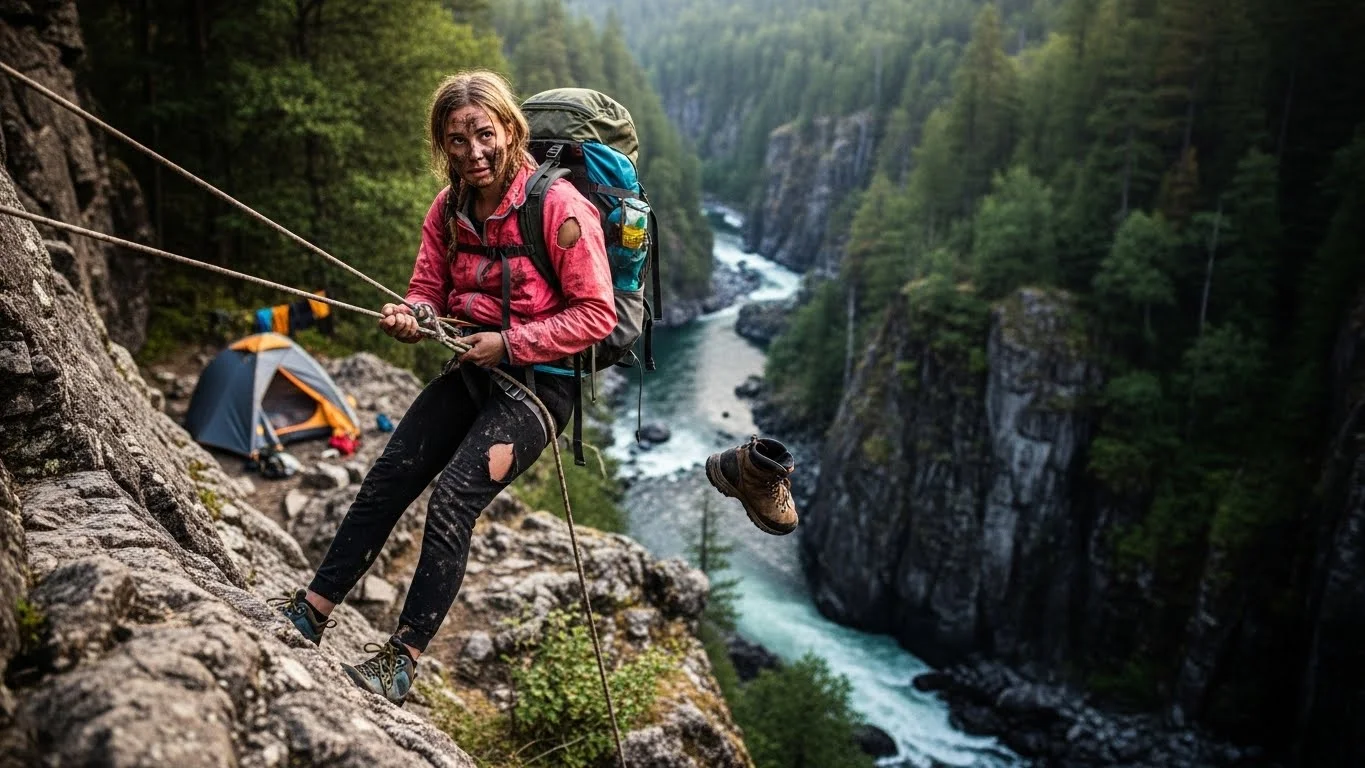
Budget Backpacking: Extreme Sports Adventures on a Dime

Backpacking on a budget doesn’t mean you have to sacrifice adventure. Imagine scaling mountains, riding the waves, or biking through breathtaking landscapes—all without breaking the bank. Let’s dive into the exhilarating world of budget backpacking and extreme sports!

Budget Backpacking: Extreme Sports Adventures on a Dime

Overview of Budget Backpacking and Extreme Sports

Definition of Budget Backpacking

When I first heard about budget backpacking, I thought it was just about cheap hotels and instant noodles. But it’s so much more! Budget backpacking is a style of travel that focuses on experiencing new places and cultures while spending as little as possible. It’s about finding creative ways to enjoy adventures without the hefty price tag. For me, it meant staying in hostels, using public transport, and cooking my meals. This style of travel lets you stretch your dollar and immerse yourself in local life. Plus, it’s a fantastic way to meet fellow travelers who share your passion for adventure. Budget Backpacking: Unique Cultural Adventures Await You is a great resource for discovering how to maximize your experiences.

What are Extreme Sports?

I remember the first time I tried rock climbing. My heart raced as I reached for the next hold, and the adrenaline rush was addictive! Extreme sports are activities that involve a high degree of risk and excitement. They usually require specialized skills and equipment, which is part of what makes them thrilling. From surfing the ocean’s waves to mountain biking down rugged trails, extreme sports offer a unique way to explore nature and push our limits. I’ve learned that these activities can create unforgettable memories, and even better, they can often be done on a budget if you know where to look.

Why Choose Extreme Sports for Backpacking?

Choosing extreme sports for backpacking is like picking the cherry on top of a sundae. It adds a level of excitement that traditional sightseeing often lacks. For me, the thrill of tackling a challenging hiking trail or catching a wave at a budget surf spot turned my trips into epic adventures. Not only do these activities get your heart pumping, but they also allow you to connect with nature in a profound way. Plus, many extreme sports can be enjoyed without expensive guided tours, especially if you’re willing to learn and explore on your own. In my experience, the combination of adventure and budget-friendly options makes extreme sports a perfect match for any backpacker.

Planning Your Extreme Sports Adventure

Choosing the Right Destination

When planning my extreme sports adventures, one of the first things I consider is the destination. Some places are known for their affordable adventure options, while others can drain your wallet. We’ve all heard stories about breathtaking mountains or stunning surf spots, but not every location caters to the budget traveler. I’ve discovered that doing a bit of research can lead to some fantastic finds. For more ideas on destinations, check out the Ultimate Guide to Budget Backpacking Adventure Hotspots.

Popular Budget-Friendly Locations

Some of my favorite budget-friendly locations include places like Southeast Asia, where you can find incredible trekking opportunities in countries like Nepal. The landscape is jaw-dropping, and the cost of living is low, making it perfect for budget backpackers. Central America is another hotspot, with unbelievable surf spots in Costa Rica and affordable hostels. Each of these destinations offers a mix of adventure and culture that can be enjoyed without spending a fortune.

Seasonal Considerations

Timing is everything when it comes to budgeting for your adventure. I’ve learned that traveling during the off-season can save you a lot of money. For example, if you go hiking in the fall instead of summer, you’ll not only avoid the crowds but also find cheaper accommodation rates. I’ve often adjusted my travel plans based on seasonal weather to snag the best deals while still enjoying the beauty of the outdoors.

Budgeting for Your Trip

Once I have my destination locked in, the next step is budgeting for the trip. This part can be a bit tricky, but I’ve found that breaking down costs helps a lot. It’s not just about the flights or train tickets; there are so many other expenses to consider.

Estimating Costs for Travel and Accommodation

When I first started backpacking, I used to overlook accommodation costs, thinking they wouldn’t make a big difference. However, I quickly learned that they can add up. Researching hostels and budget hotels in advance helped me save a lot. I remember staying at a cozy hostel near the beach in Portugal, which allowed me to save money while enjoying easy access to surf spots.

Equipment and Gear Expenses

Investing in good gear is essential for extreme sports, but it doesn’t mean you have to empty your wallet. I’ve found that renting equipment is a smart choice for beginners or for those trying a new sport. Many places offer affordable rentals, allowing you to try things out without a hefty investment. When I tried kayaking for the first time, renting a kayak was a way to enjoy the sport without a big commitment. You can always buy gear later once you know you love the activity!

Food and Daily Expenses

Food can be another sneaky expense while traveling. I’ve found that shopping at local markets and preparing my meals not only saves money but also offers a chance to experience local culture. I remember picking up fresh produce and bread in a small market in Thailand—it was delicious and cost-effective! Street food is also a great option, as it’s often inexpensive and a fun way to try local flavors.

Top Extreme Sports to Experience on a Budget

Hiking and Trekking

Hiking has been one of my favorite ways to explore new places. There’s something incredibly liberating about hitting the trails and soaking in the views. Plus, it’s usually one of the most budget-friendly activities out there. The best part? You don’t need to spend a lot to enjoy some of the world’s most stunning landscapes.

Best Budget Trails Worldwide

Some of the best budget-friendly hiking trails can be found in places like Patagonia, where the scenery is jaw-droppingly beautiful, and entrance fees are often minimal. I remember trekking through Torres del Paine National Park; it was a journey that challenged me physically but rewarded me with breathtaking views. Closer to home, I’ve enjoyed hiking in the Appalachian Mountains. Many trails are free to access, and some even offer camping options at little to no cost. Exploring these trails made me feel connected to nature and gave me a sense of achievement that’s hard to beat.

Essential Gear for Budget Hikers

When it comes to hiking gear, I recommend investing in a few key pieces but keeping an eye on your budget. I’ve found that a good pair of hiking shoes is worth every penny, as they provide the support and comfort needed for long treks. I often check second-hand stores or online marketplaces for used gear, which can save a lot of money. Lightweight backpacks are also essential—look for those that fit well and have enough room for your essentials without being overly expensive.

Mountain Biking

Mountain biking is another thrilling activity that I’ve come to love over the years. The rush of speeding down a trail surrounded by nature is something you have to experience. Fortunately, there are plenty of budget options for those looking to hit the trails on two wheels.

Affordable Mountain Biking Trails

There are amazing mountain biking trails across the globe that don’t require a hefty entry fee. Places like Moab in Utah offer stunning landscapes and a variety of trails for all skill levels. I’ve also enjoyed the trails in Whistler, Canada, which provide some incredible downhill experiences. Many parks have free access to trails, making it a great way to get your adrenaline fix while keeping costs low.

How to Rent or Buy Gear on a Budget

If you’re new to mountain biking, renting gear can be a cost-effective way to start. I remember renting a mountain bike in Colorado for my first ride, allowing me to test the waters without a huge investment. Many local shops offer rental packages that include everything you need. If you decide to buy, look for sales at the end of the season or consider purchasing used bikes to save money.

Rock Climbing

Rock climbing is an exhilarating sport that I absolutely recommend trying. The challenge it presents, both mentally and physically, is invigorating. While some climbing locations can be pricey, there are many budget-friendly options if you know where to look.

Best Climbing Destinations for Budget Travelers

Some of my favorite climbing spots are places like Joshua Tree in California and Red Rock Canyon in Nevada. Both offer stunning rock formations and various climbing routes without heavy entrance fees. I’ve enjoyed the community vibe at these locations, where fellow climbers often share tips and advice. You can also find climbing areas in national parks that have minimal access fees, making it easier to experience climbing on a budget.

Finding Affordable Climbing Courses

If you’re new to climbing, taking a course can be a great way to learn the basics. I’ve discovered that many climbing gyms offer budget-friendly beginner classes or even community days where you can try for free or at a reduced rate. It’s a fantastic way to meet others who share your interests while getting the instruction you need to feel confident on the rocks.

Surfing

Surfing is another thrilling sport that I’ve been fortunate enough to experience. There’s nothing like paddling out into the ocean and riding a wave. The great news is that there are plenty of budget-friendly surf spots around the world.

Top Budget Surf Spots

Some of the best places for budget surfing include Bali, Indonesia, and the beaches of Nicaragua. I remember catching my first wave in Bali, and it was incredible! The cost of living is relatively low, and many surf schools offer affordable lessons. Plus, you can find numerous spots where you can just rent a board and hit the waves.

Surfboard Rentals vs. Buying

If you’re just starting, I highly recommend renting a surfboard. Most surf shops offer rental packages that include a board and wetsuit for a reasonable price, allowing you to try the sport without a big commitment. Once you feel more confident, you can always look into buying a board tailored to your skills. I’ve found that shopping for a used board can save quite a bit of money.

Kayaking and Rafting

Kayaking and rafting have been two of my favorite water sports, offering a fantastic way to explore rivers and lakes. The thrill of navigating through rapids or gliding across a serene body of water is an experience I cherish. The best part? Many places offer these activities at budget-friendly rates.

Cost-Effective Water Sports Locations

Places like the Colorado River and Lake Tahoe are great for kayaking and rafting adventures. I’ve spent days paddling through stunning landscapes, and the costs were surprisingly reasonable. Often, you can find local outfitters that provide rentals and guided trips for a fraction of the cost compared to more commercialized spots.

Guided Tours vs. DIY Adventures

While guided tours can be helpful, I often opt for DIY adventures when I feel confident in my skills. I remember renting a kayak in a local lake, packing a picnic, and spending the day on the water. It was a delightful experience that allowed me to explore at my own pace and save money. However, if you’re new to kayaking or rafting, I recommend starting with a guided tour to learn the basics and ensure safety.

Accommodation Options for Budget Backpackers

Hostels and Budget Hotels

When I think about budget accommodation, hostels are at the top of my list. Staying in hostels has been an eye-opening experience for me. Not only are they affordable, but they also foster a sense of community among travelers. I remember walking into my first hostel in Barcelona, where I was greeted by fellow backpackers sharing stories over a communal meal. It felt like stepping into a home away from home. Most hostels offer dormitory-style rooms, which are generally much cheaper than private rooms. Plus, many hostels provide amenities like kitchens, free Wi-Fi, and organized activities, making them a great hub for budget travelers.

Budget hotels also have their place, especially if you prefer a bit more privacy. I’ve found that searching for local budget hotels on apps can lead to some hidden gems. Sometimes, you can snag good rates that are comparable to hostels, particularly if you book well in advance. A cozy little hotel in a quiet area can make for a peaceful retreat after an adventurous day.

Campsites and Outdoor Lodging

If you’re open to a little more adventure, camping is a fantastic way to save money while immersing yourself in nature. I’ve spent many nights under the stars, and there’s something magical about sleeping in the great outdoors. National parks and public campgrounds often charge very little for a campsite, which can be a fraction of what you’d pay for a hostel or hotel.

Additionally, camping allows for a unique experience. I remember setting up my tent in Yosemite National Park, surrounded by towering trees and stunning views. Waking up to the sound of birds chirping and the sun peeking through the trees was something I’ll never forget. Just be sure to check the campsite regulations and book ahead during peak seasons, as spots can fill up quickly.

Alternative Accommodation (Couchsurfing, Airbnb)

Exploring alternative accommodation options can also lead to incredible savings. Couchsurfing is a platform that connects travelers with locals who offer a free place to stay. I’ve had some of my best travel experiences through Couchsurfing. I remember staying with a wonderful family in Mexico City, where they not only provided me with a bed but also shared their favorite local spots and even cooked traditional meals for me. It was like having a free tour guide!

Airbnb can also be a great option, especially if you’re traveling with friends and can split the cost. I’ve found unique stays that range from cozy apartments to quirky treehouses. Sometimes, hosts offer discounts for longer stays, so it pays to explore the options. Just be sure to read the reviews and check the amenities to ensure you’re getting the best bang for your buck. For more tips on cultural experiences, check out Budget Backpacking: Dive into Cultural City Experiences.

Getting Around on a Budget

Public Transportation Options

Getting around while traveling can eat into your budget, but I’ve found that public transportation is often the best and most economical way to explore a new city or region. Buses, trains, and subways are usually affordable and give you a great way to see the local culture. For instance, in cities like Bangkok or Rome, I relied heavily on public transport to navigate my way around. It was not only cost-effective but also a chance to mingle with locals and experience the city more authentically.

In many places, you can buy day passes or multi-ride tickets that save you even more money. I remember purchasing a weekly pass in London, which allowed me unlimited rides on the Tube and buses, giving me the freedom to explore without worrying about individual ticket prices.

Car Rentals and Ride-Sharing

Sometimes, especially if you’re venturing into remote areas, a car rental can be a worthwhile investment. I’ve rented cars in places like New Zealand to explore the stunning landscapes at my own pace. Just be sure to compare prices across different rental companies and look for discounts or deals online. I once saved a significant amount by booking my rental well in advance.

Ride-sharing apps like Uber or Lyft can also be a convenient way to get around when public transport isn’t an option. While it can be pricier than buses, it may still be cheaper than traditional taxi services. I’ve used ride-sharing to reach remote hiking trails or the airport after a long trip, and it’s usually a hassle-free experience.

Bike Rentals for Local Exploration

Biking is another fantastic way to explore a new destination, combining exercise with the thrill of discovery. Many cities cater to cyclists and offer bike rental services or even bike-sharing programs. I remember renting a bike in Amsterdam and riding along the canals—it was an unforgettable way to see the sights. Not only is it budget-friendly, but it also allows you to cover more ground than walking.

Plus, biking gives you the flexibility to stop wherever you want, whether it’s a quaint café or a beautiful park. Just make sure to check local biking rules and always wear a helmet for safety. It’s a budget-friendly adventure that can enhance your travel experience in ways you might not expect!

Frequently Asked Questions

What is budget backpacking?

Budget backpacking is a style of travel that focuses on experiencing new places and cultures while spending as little as possible. It involves finding creative ways to enjoy adventures without the hefty price tag, such as staying in hostels, using public transport, and cooking meals.

What are extreme sports?

Extreme sports are activities that involve a high degree of risk and excitement, often requiring specialized skills and equipment. Examples include surfing, rock climbing, and mountain biking, which offer unique ways to explore nature and push personal limits.

Why should I choose extreme sports for backpacking?

Extreme sports add excitement to backpacking, turning traditional sightseeing into epic adventures. They allow for physical challenges and a deeper connection with nature, often without the need for expensive guided tours.

What are some popular budget-friendly locations for extreme sports?

Some popular budget-friendly locations include Southeast Asia, particularly Nepal for trekking, and Central America, especially Costa Rica for surfing. These regions offer incredible adventures at a low cost of living.

How can I save money on accommodation while backpacking?

You can save money on accommodation by staying in hostels, which foster a sense of community and are usually cheaper than hotels. Other options include budget hotels, campsites, and alternative accommodations like Couchsurfing or Airbnb.

What are some budget-friendly activities for hiking?

Some budget-friendly hiking activities include exploring trails in Patagonia or the Appalachian Mountains, where many trails are free or have minimal entrance fees. Investing in good hiking gear can also ensure a comfortable experience without overspending.

How do I find affordable gear for extreme sports?

Renting equipment is a cost-effective way to try extreme sports without a large upfront investment. Many places offer affordable rentals for activities like kayaking, mountain biking, and rock climbing, allowing beginners to test the waters before committing to purchases.

What are the best budget tips for food while traveling?

Shopping at local markets and preparing meals can significantly reduce food expenses while also allowing you to experience local culture. Additionally, street food is often inexpensive and a fun way to try local flavors.

How can I get around on a budget during my travels?

Using public transportation is usually the most economical way to get around. Options like buses, trains, and subways are affordable and provide an authentic experience. Renting bikes or utilizing ride-sharing apps can also be budget-friendly alternatives when public transport isn’t available.

What should I consider when planning my extreme sports adventure?

When planning your adventure, consider the destination, seasonal timing, and budgeting for travel and accommodation. Researching affordable options and being flexible with your plans can help you save money while maximizing your experience.

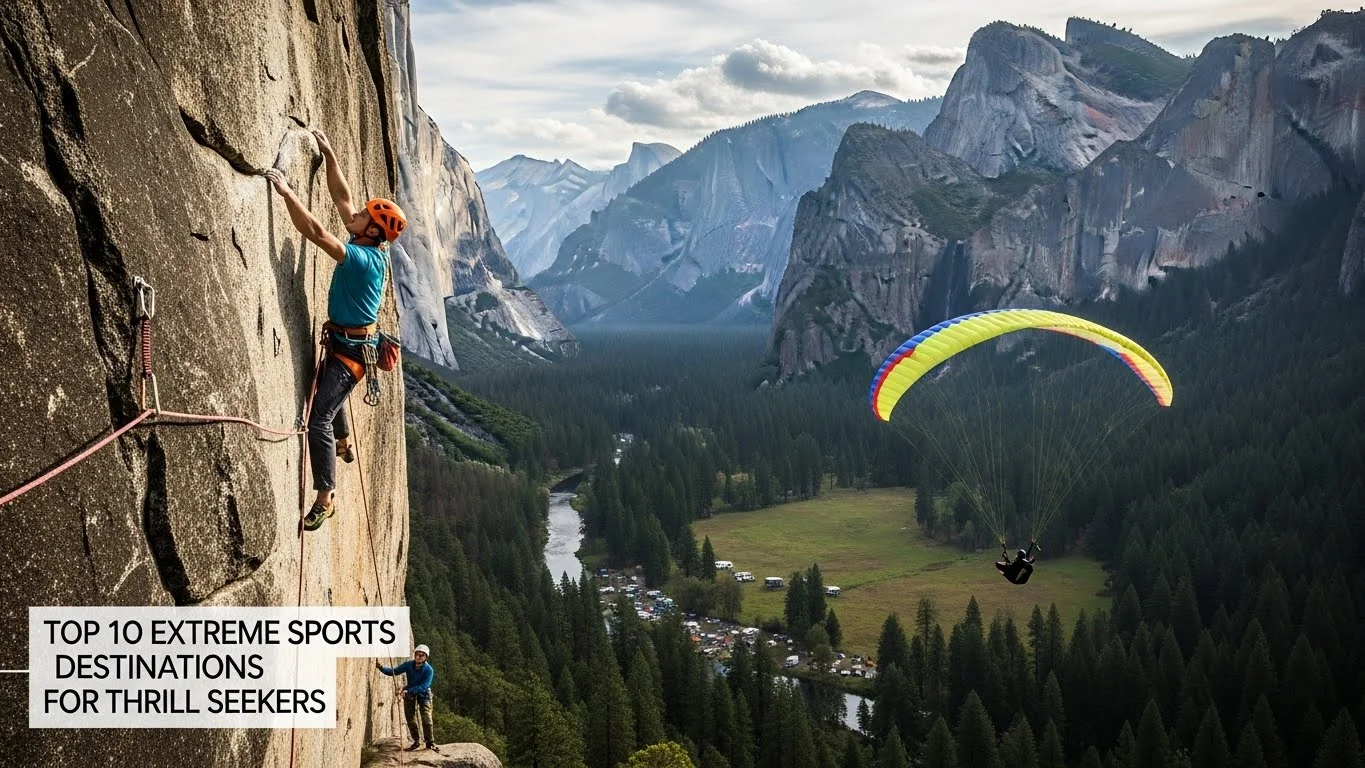
Top 10 Extreme Sports Destinations for Thrill Seekers

If you’re a thrill-seeker like me, then you know the adrenaline rush that comes from extreme sports. This article explores the top destinations that promise unforgettable experiences and heart-pounding adventures. Ready to get your adrenaline pumping? If you’re interested in solo adventures, check out Top Extreme Sports Destinations for Solo Adventurers.

Top 10 Extreme Sports Destinations for Thrill Seekers

Overview of Extreme Sports

Definition of Extreme Sports

Extreme sports can be defined as activities that involve a high degree of risk and excitement. These sports often feature a significant physical challenge, and they might take place in unique or dangerous environments. I remember the first time I went skydiving; the rush was unlike anything I’d ever experienced before. It was as if I was tasting freedom in its purest form, soaring through the air with nothing but a parachute between me and the ground. That’s the essence of extreme sports—pushing limits and embracing the thrill.

Popular Types of Extreme Sports

There are so many types of extreme sports, and each one has its unique appeal. Some of the most popular include:

  • Skydiving: Jumping from a plane and free-falling before deploying a parachute.
  • Base Jumping: Similar to skydiving, but involves jumping from fixed objects like cliffs or buildings.
  • Rock Climbing: Scaling natural rock formations or artificial rock walls.
  • Whitewater Rafting: Navigating through tumultuous river rapids.
  • Mountain Biking: Riding bikes on rough terrains and steep trails.
  • Surfing: Riding on the face of ocean waves.

Each of these activities brings its own challenges and excitement levels. Personally, I’ve tried a few and can say that nothing compares to the feeling of tackling a roaring river while whitewater rafting. The adrenaline, the teamwork, and the sheer joy of conquering nature—it’s an experience I wouldn’t trade for anything. If you want to explore more affordable adventure options, consider visiting Explore Culture: Affordable Adventure Travel Destinations.

Criteria for Selecting the Top Destinations

Accessibility and Location

When considering extreme sports destinations, accessibility is key. After all, you don’t want to spend hours on a plane or a long drive just to get to your adventure spot. I’ve learned that some of the best locations are often those that are easily reachable by major transportation hubs. For example, Queenstown, New Zealand, is a fantastic choice for adventure lovers due to its proximity to major cities and its stunning landscapes.

Variety of Activities Available

Another important factor is the variety of activities that a destination offers. A place that provides a range of extreme sports can keep the adventure alive during your entire visit. I remember going to Interlaken, Switzerland, where I was able to try paragliding, canyoning, and even bungee jumping—all within a short timeframe. Having multiple options makes it easier to plan your days and try something new each time.

Safety and Regulations

Safety is a top priority, especially when engaging in extreme sports. I always check the regulations of the area I’m visiting and look for local companies that have a good reputation for safety. Many destinations have strict safety measures in place, including trained professionals and proper equipment checks. For me, knowing that I’m in safe hands allows me to fully enjoy the thrill without added worry.

Top 10 Extreme Sports Destinations

1. Queenstown, New Zealand

Adventure Activities

Queenstown is often dubbed the adventure capital of the world, and for good reason. I’ve experienced bungee jumping off the Kawarau Bridge, and the views were as breathtaking as the drop itself. Other popular activities include jet boating, skydiving, and skiing in the winter months. Whether you’re looking to jump, dive, or glide, Queenstown has it all.

Best Time to Visit

The best time to visit largely depends on what you want to do. For winter sports, June through September is ideal, while the summer months from December to February are perfect for outdoor activities like hiking and water sports.

Accommodation Options

There are plenty of accommodation options in Queenstown, ranging from luxury hotels to cozy backpackers. I personally enjoy staying at lodges that offer stunning lake views, making my evenings just as enjoyable as my action-packed days.

2. Interlaken, Switzerland

Adventure Activities

Interlaken is nestled between two beautiful lakes and surrounded by the stunning Swiss Alps. I’ve tried paragliding here, and I can’t express how exhilarating it was to soar over the picturesque landscape. The town is also famous for canyoning, skydiving, and, of course, skiing during the winter.

Best Time to Visit

Summer (June to August) is perfect for outdoor sports while winter (December to March) is ideal for skiing and snowboarding.

Accommodation Options

From five-star hotels to charming chalets, Interlaken offers a range of lodging options. I found a quaint bed-and-breakfast that made my stay feel like home.

3. Moab, Utah, USA

Adventure Activities

Moab is a haven for off-road enthusiasts. I had a fantastic time mountain biking on the famous Slickrock Trail. The red rock landscape is stunning, and the thrill of the ride is something I’ll never forget. Besides biking, you can try rock climbing and whitewater rafting on the Colorado River.

Best Time to Visit

The best time to visit Moab is in the spring (March to May) or fall (September to November) when the temperatures are milder.

Accommodation Options

Moab offers a variety of hotels, motels, and campgrounds. I opted for a cozy cabin which provided a perfect mix of comfort and adventure.

4. Chamonix, France

Adventure Activities

Chamonix is the epitome of skiing and mountaineering. I’ve skied the famous slopes of Mont Blanc, and the experience was absolutely surreal. In addition to skiing, you can try ice climbing and paragliding over the Alps.

Best Time to Visit

Winter is the prime season for skiing (December to April), while summer offers hiking and mountain biking opportunities.

Accommodation Options

Chamonix has a range of accommodations, from luxury hotels to budget-friendly hostels. I loved staying in a family-run inn that offered a warm atmosphere and delicious meals.

5. Cape Town, South Africa

Adventure Activities

Cape Town is not just a picturesque city; it’s also an extreme sports paradise. I had the chance to go shark cage diving, which was both terrifying and thrilling. Additionally, you can hike Table Mountain, surf at Muizenberg Beach, or try paragliding off Lion’s Head.

Best Time to Visit

The best time to visit is during the summer months (November to March) for beach activities and outdoor adventures.

Accommodation Options

From luxurious hotels with ocean views to budget hostels, Cape Town has something for everyone. I opted for a guesthouse that felt like home and offered amazing local insights.

6. Cairns, Australia

Adventure Activities

Cairns is a gateway to some of the most incredible natural wonders in Australia, and it’s a top spot for extreme sports. I was lucky enough to go scuba diving in the Great Barrier Reef, and let me tell you, the underwater world is mesmerizing! The vibrant corals, diverse marine life, and the sheer scale of it all left me in awe. Beyond diving, Cairns offers opportunities for whitewater rafting on the Tully River, bungee jumping off the famous AJ Hackett site, and zip-lining through the lush rainforest of the Daintree National Park. Each adventure felt like a unique way to explore the stunning landscapes that surround this beautiful town.

Best Time to Visit

The ideal time to visit Cairns is during the dry season from May to October. The weather is warm and pleasant, making it perfect for all outdoor activities. I found that this was the best time to enjoy both the reef and the rainforest without the hassle of rain or humidity.

Accommodation Options

Cairns has a wide range of accommodation options, from luxury resorts to budget hostels. I stayed in a lovely beachfront hotel that offered breathtaking views every morning. There are also many hostels and backpacker accommodations where I met fellow adventurers who shared their experiences and tips.

7. Dubai, UAE

Adventure Activities

Dubai is not just about luxury; it’s also a playground for adventure seekers. One of the highlights of my trip was dune bashing in the Arabian Desert. The thrill of racing over sand dunes in a 4×4 was exhilarating. I also tried indoor skiing at Ski Dubai, which was such a surreal experience considering the desert surroundings. If you’re seeking an adrenaline rush, skydiving over the Palm Jumeirah offers breathtaking views that are hard to match. The combination of urban opulence and thrilling activities makes Dubai a unique destination for extreme sports enthusiasts.

Best Time to Visit

The best time to visit Dubai is from November to March when the weather is cooler. This is when outdoor activities, like desert safaris or skydiving, are most enjoyable. I found it much more pleasant to explore without the intense summer heat.

Accommodation Options

Dubai boasts a wide range of accommodations, from extravagant hotels to more budget-friendly options. I chose a mid-range hotel that was centrally located, allowing me to easily access both the city and the desert. It’s amazing how diverse the options are, ensuring that every traveler finds their perfect fit.

8. Whistler, Canada

Adventure Activities

Whistler is synonymous with skiing, but it’s also a fantastic summer destination for adventure. I’ve had some of my best experiences mountain biking on the extensive trails that cater to all skill levels. The stunning scenery, combined with the thrill of racing downhill, is intoxicating. In winter, the slopes come alive with skiers and snowboarders, and the après-ski scene is just as exciting. I loved relaxing with friends after a long day on the mountain, sharing stories and laughter.

Best Time to Visit

Whistler is a year-round destination. Winter (December to March) is perfect for snow sports, while summer (June to September) is ideal for mountain biking, hiking, and enjoying the vibrant village atmosphere. I recommend visiting during the shoulder seasons for fewer crowds, especially in late spring or early fall.

Accommodation Options

Whistler offers a range of accommodations, from luxurious hotels to cozy lodges and budget-friendly hostels. I stayed at a charming lodge that had a hot tub — just the thing after a long day of adventure. The village itself is lively and filled with options to suit any traveler’s budget.

9. Bali, Indonesia

Adventure Activities

Bali is often known for its beautiful beaches and culture, but it also offers a plethora of extreme sports. I had the time of my life surfing the waves at Kuta Beach. The surf culture is vibrant, and I quickly found myself caught up in the excitement of catching waves. Beyond surfing, Bali is great for whitewater rafting on the Ayung River, paragliding from the cliffs of Uluwatu, and even trekking up Mount Batur to watch the sunrise — an experience that left me speechless.

Best Time to Visit

The best time to visit Bali is during the dry season from April to September. The weather is sunny, and the water is perfect for surfing. I loved exploring the island during these months, as the beaches were lively, and there were many outdoor activities to enjoy.

Accommodation Options

Bali offers an incredible range of accommodations, from luxurious resorts to affordable guesthouses. I enjoyed staying in a beautiful villa that came with a private pool, providing a perfect oasis after a day filled with adventures. The warm hospitality of the Balinese people always made my stay feel special.

10. Costa Rica

Adventure Activities

Costa Rica is a haven for eco-adventurers and extreme sports lovers. I discovered the thrill of zip-lining through the Monteverde Cloud Forest, which was both exhilarating and awe-inspiring. The views from above the treetops were simply magical. I also went whitewater rafting on the Pacuare River, which is renowned for its stunning scenery and challenging rapids. The biodiversity in Costa Rica makes every adventure feel like a connection to the earth.

Best Time to Visit

The dry season from December to April is the best time to visit Costa Rica. This is when the weather is perfect for outdoor activities, and I found that the lush landscapes are even more breathtaking with clear skies.

Accommodation Options

Costa Rica has a variety of accommodations, including eco-lodges, beach resorts, and budget hostels. I stayed at a lovely eco-lodge that allowed me to immerse myself in nature while still enjoying all the comforts. It felt amazing to support local businesses while having an unforgettable adventure. If you’re looking for more solo travel options, check out Top 10 Solo Travel Destinations for Adventure Seekers.

Safety Tips for Extreme Sports

Pre-Trip Preparation

Before embarking on any extreme sports adventure, I’ve learned that preparation is crucial. I always start by researching the destination, including the specific activities I plan to try. Knowing the terrain, weather conditions, and any potential hazards can make a significant difference in my experience. For example, I remember planning a trip for whitewater rafting and learning about the river’s classification system, which helped me choose a suitable rafting tour that matched my skill level.

Additionally, I make it a point to check for any necessary permits or regulations that may be required for certain activities. Having the right paperwork in order ensures I can fully enjoy my time without any interruptions. I also recommend getting in touch with local guides or companies. They often provide invaluable insights and tips that can enhance my experience and keep me safe.

On-Site Safety Practices

Once I arrive at my chosen destination, I always prioritize safety. This includes attending any pre-activity briefings offered by the guides. I find that these sessions are not only informative but also help to ease any nerves I may have. During these briefings, instructors typically explain safety protocols, demonstrate equipment usage, and share emergency procedures. Listening attentively has saved me from potential mishaps.

During the activity itself, I make sure to communicate openly with my guides. I’ve found that expressing any concerns or uncertainties ensures they can provide the necessary support. Whether it’s adjusting my harness during rock climbing or checking my life jacket before rafting, these small steps can make a world of difference in ensuring a safe adventure.

Choosing the Right Gear

Having the right gear is essential in extreme sports. I always invest in quality equipment, whether it’s a sturdy mountain bike for trails or a reliable wetsuit for surfing. I’ve experienced the frustration of using subpar gear, and I can tell you it’s not worth the risk. Before each trip, I do an equipment check, ensuring everything is in good condition and appropriate for the activity.

Renting gear can be a good option, especially when traveling. I find it helpful to rent from reputable shops that prioritize safety and maintenance. Often, they’ll have newer equipment which can enhance my experience. Just recently, I rented snorkeling gear in Cairns, and the staff thoroughly checked everything before handing it over. This gave me peace of mind as I explored the Great Barrier Reef.

Lastly, I always bring personal safety items, such as sunscreen, a first aid kit, and hydration packs. Staying hydrated and protected is just as vital as the activity itself. I can’t stress enough how important it is to take care of myself while pushing my limits!

Budgeting for Extreme Sports Travel

Cost Breakdown of Activities

When planning my extreme sports adventures, budgeting is always a significant consideration. I find it helpful to break down the costs associated with each activity. For instance, skydiving usually includes fees for the jump, gear rental, and sometimes even a video package to capture the moment. I remember my first jump, and while it seemed pricey, the experience was worth every penny!

It’s also essential to check if the prices vary depending on the season. Popular destinations like Queenstown often have peak seasons when prices can skyrocket. I’ve learned that planning my trip during the off-peak times can save me money without sacrificing the experience. Additionally, many companies offer package deals that include multiple activities at a discounted rate, which I always keep an eye out for.

Accommodation Costs

The type of accommodation I choose can significantly impact my budget. I’ve found that staying in hostels or budget lodges is a fantastic way to save money, especially since I’m usually out adventuring all day. Sometimes, I even opt for camping, which can add an extra layer of excitement to my trip! I remember camping in Moab, where the scenery was breathtaking, and the experience felt much more immersive.

However, I also appreciate the occasional splurge on a nicer hotel or lodge, particularly if it offers unique amenities or fantastic views. It’s all about finding the right balance that fits my budget while still allowing me to enjoy the adventure. I keep track of my expenses to ensure I’m staying within my limits, which helps ease any financial stress during the trip.

Travel Insurance Considerations

Travel insurance is another crucial element of my budgeting process. Since extreme sports come with inherent risks, I always opt for a policy that covers adventure activities. I’ve learned the hard way that accidents can happen, and having insurance can provide peace of mind. Before my last trip to Dubai, I thoroughly read through the policy details to ensure it covered everything I planned to do, from skydiving to dune bashing.

While it’s an additional cost, the protection it offers is invaluable. I often recommend checking reviews and comparing different insurance providers to find one that best suits my needs. In my opinion, having the right insurance is essential to fully enjoy the thrill without worrying about the risks involved.

Frequently Asked Questions

What are extreme sports?

Extreme sports are activities that involve a high degree of risk and excitement, often featuring significant physical challenges and taking place in unique or dangerous environments.

What are some popular types of extreme sports?

Some of the most popular types of extreme sports include skydiving, base jumping, rock climbing, whitewater rafting, mountain biking, and surfing.

What factors should be considered when selecting extreme sports destinations?

Key factors include accessibility and location, the variety of activities available, and safety regulations in place at the destination.

What is the best time to visit Queenstown, New Zealand for extreme sports?

The best time to visit Queenstown depends on the activities; winter sports are ideal from June to September, while summer months from December to February are perfect for outdoor activities like hiking and water sports.

What extreme sports activities can be done in Interlaken, Switzerland?

In Interlaken, you can enjoy activities such as paragliding, canyoning, skydiving, and skiing.

What is a unique extreme sport experience available in Cape Town, South Africa?

A unique experience in Cape Town includes shark cage diving, along with hiking Table Mountain, surfing at Muizenberg Beach, and paragliding off Lion’s Head.

Which extreme sports activities are popular in Cairns, Australia?

Popular activities in Cairns include scuba diving in the Great Barrier Reef, whitewater rafting on the Tully River, bungee jumping, and zip-lining through the Daintree National Park.

What safety tips should one consider before engaging in extreme sports?

Key safety tips include thorough pre-trip preparation, attending pre-activity briefings, communicating openly with guides, and ensuring you have the right gear.

How can travelers budget for extreme sports travel?

Travelers can budget by breaking down costs for activities, considering accommodation options, and obtaining travel insurance that covers adventure activities.

What is the best time to visit Costa Rica for extreme sports?

The best time to visit Costa Rica is during the dry season from December to April, which is ideal for outdoor activities.

Wildlife Safaris You Can Enjoy under $100 a Day

Wildlife safaris can be thrilling adventures that connect us with nature and foster unforgettable memories. The good news? You can experience these magical moments without breaking the bank, with options available for under $100 a day. Explore These Affordable Wildlife Safaris Without Breaking the Bank

Wildlife Safaris You Can Enjoy under 0 a Day

Understanding Wildlife Safaris

What is a Wildlife Safari?

When I first heard the term “wildlife safari,” I imagined vast open plains filled with majestic animals, the sun setting in a golden hue, and the thrill of encountering nature at its most raw and beautiful. A wildlife safari is essentially a journey into natural habitats, allowing us to observe wild animals in their natural environment, often in national parks or reserves. It’s not just about spotting animals; it’s about immersing ourselves in the ecosystem, learning about wildlife, and understanding their behaviors.

Different Types of Safaris

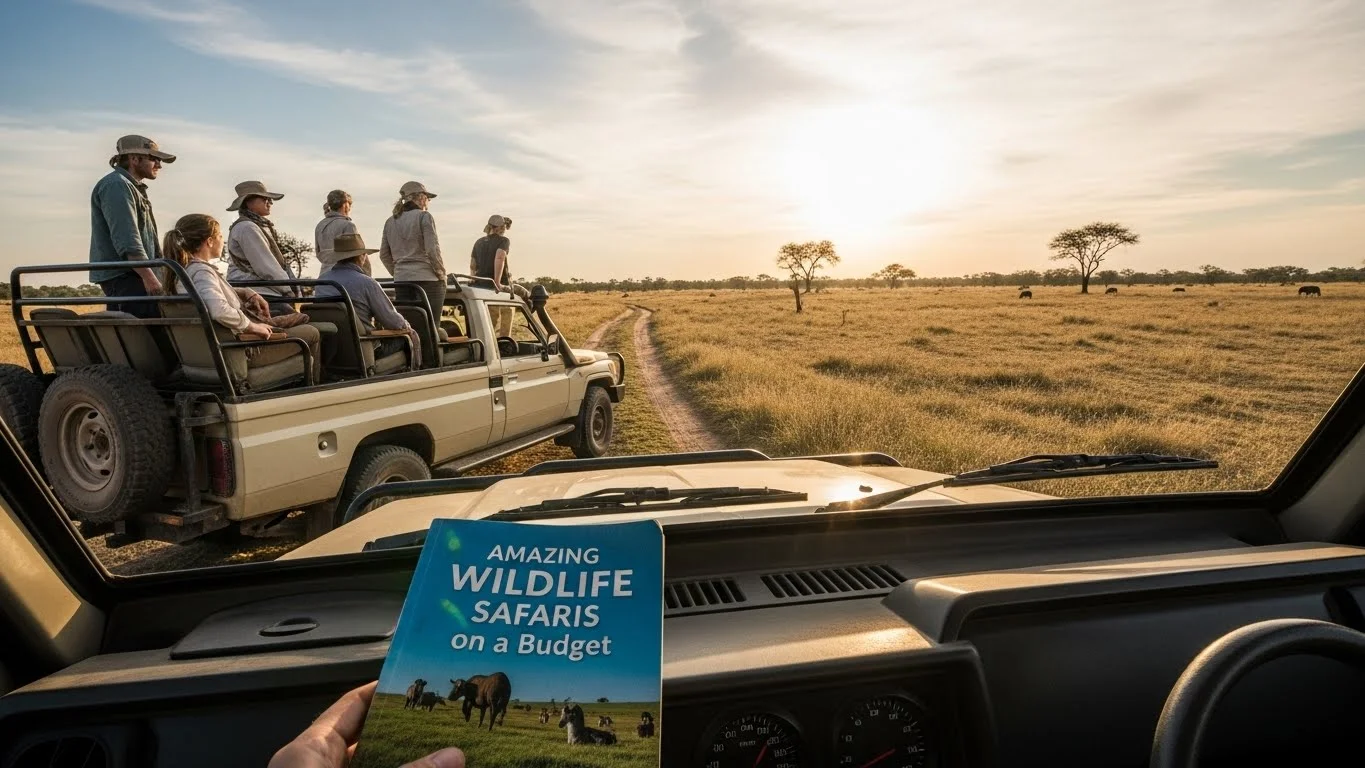
While the classic image of a safari often includes a rugged jeep traversing the savannah, I’ve learned that there are many types of safaris to suit various preferences and budgets. Here’s a look at some popular types:

  • Game Drives: These are the traditional jeep safaris where you explore parks in a vehicle, stopping to watch animals up close. This has been my favorite way to see wildlife, as it allows for flexibility and comfort.
  • Walking Safaris: For those who crave a more immersive experience, walking safaris offer a chance to explore the landscape on foot. We found this to be incredibly rewarding, as it connects you directly with nature and the smaller details often missed from a vehicle.
  • Boat Safaris: This unique approach can be seen in places like the Okavango Delta in Botswana, where you glide through waterways, spotting wildlife along the banks. I was mesmerized by the serene experience of being surrounded by nature on the water.
  • Camping Safaris: These safaris combine adventure with the experience of sleeping under the stars. I remember the thrill of camping in the wild, listening to the sounds of the night, and waking up to the calls of animals.

Benefits of Going on a Safari

There’s something truly special about going on a safari. From my experience, here are some benefits that stand out:

  • Connection with Nature: I feel a sense of peace and awe when surrounded by wildlife. Safaris allow us to disconnect from our busy lives and reconnect with the earth.
  • Education: I’ve learned so much about animal behavior, ecology, and conservation efforts during safaris. Each trip has offered insightful experiences that enriched my understanding of wildlife.
  • Adventure: Every safari is filled with spontaneous moments. Whether it’s spotting a lion resting under a tree or witnessing a herd of elephants crossing a river, the excitement keeps me coming back for more.
  • Photography: For any photography enthusiast, a safari is a dream come true. The opportunities for capturing stunning images of animals in their natural habitats are endless. I’ve cherished the photos I’ve taken during my trips, serving as a reminder of those unforgettable moments.

With all these benefits, it’s no wonder that safaris are becoming more popular. However, many people believe that they are only for the wealthy. I’m here to tell you that you can enjoy a memorable safari experience without spending a fortune.

Top Affordable Safari Destinations

Africa

Africa is often seen as the ultimate safari destination, and luckily, there are several budget-friendly options. Here are a few that I’ve found particularly accessible:

Kilimanjaro National Park, Tanzania

This park isn’t just about the towering mountain; it’s also home to diverse wildlife. I remember hiking in the lower trails and spotting monkeys and various birds. Affordable guided tours can be arranged, making it an excellent choice for nature lovers on a budget.

Kruger National Park, South Africa

One of the most famous parks, Kruger offers a range of accommodations, including budget campsites. I spent days driving through the park, spotting elephants, giraffes, and even the elusive leopard, all while keeping my expenses low.

Maasai Mara, Kenya

Known for its annual wildebeest migration, visiting Maasai Mara is a bucket-list experience. I opted for a budget camping safari here, which allowed me to witness the breathtaking landscapes and incredible wildlife without overspending. Top 5 Affordable Wildlife Safaris for Nature Lovers

Asia

While Africa may be the go-to for safaris, Asia offers unique opportunities as well.

Chitwan National Park, Nepal

This UNESCO World Heritage site is famous for its one-horned rhinoceros and Bengal tigers. I found affordable package deals that included accommodation and guided tours, allowing me to experience the park’s beauty without putting a strain on my wallet.

Bardia National Park, Nepal

Less crowded than Chitwan, Bardia offers a more intimate safari experience. I was amazed by the diversity of wildlife and the peaceful atmosphere. The budget lodges here are a fantastic option for those looking to explore without breaking the bank.

Central and South America

Safaris aren’t just an African phenomenon; Central and South America have their share of wildlife gems too.

Corcovado National Park, Costa Rica

This park is a biodiversity hotspot, and I found affordable guided tours that included both hiking and wildlife viewing. The chance to see sloths, monkeys, and colorful birds made every penny worth it.

Pantanal, Brazil

The Pantanal is one of the world’s largest tropical wetlands, teeming with wildlife. I’ve seen budget-friendly options that include rustic lodges and eco-tours, perfect for those wanting to experience the Amazon’s breathtaking wildlife. Affordable Wildlife Safaris: Unique Experiences Await You

Planning Your Safari Experience

When to Go on a Safari

Timing can make a huge difference in your safari experience. I’ve learned that certain seasons bring unique opportunities for wildlife sightings and more pleasant weather. For example, I remember visiting Kruger National Park during the dry season, which runs from May to September. The lack of water sources makes wildlife congregate around rivers and waterholes, giving us fantastic viewing opportunities. In contrast, the wet season, although lush and beautiful, can make some areas inaccessible, and animals are more dispersed.

In general, I think the best time for a safari often depends on the specific destination and what you want to see. If you’re interested in witnessing migration or births, doing some research ahead of time can help you plan your visit accordingly. I always recommend checking local resources or talking to guides about the best months for your chosen location.

How to Choose a Safari Tour

Choosing the right safari tour can feel overwhelming, but it doesn’t have to be. When I was planning my first safari, I felt a bit lost with all the options available. I realized that considering a few key factors can make the process easier. First, define what type of safari experience you’re looking for. Are you interested in a guided tour, a self-drive adventure, or maybe a walking safari? Each offers a different perspective and experience with wildlife.

Another important aspect is the size of the group. I found that smaller groups often provide a more personalized experience. It’s easier to ask questions and have closer encounters with wildlife when there aren’t too many people around. I remember one small group safari in Maasai Mara where we had a private guide, and it made all the difference in our experience.

Additionally, I always recommend reading reviews and seeking recommendations. Websites like TripAdvisor or travel blogs can provide valuable insights from those who have done similar tours. Finding someone who has been on the exact safari you’re considering can give you a clearer picture of what to expect.

What to Pack for a Safari

Packing for a safari is crucial for comfort and enjoyment. I’ve made my fair share of packing mistakes, and I’ve learned that being prepared can enhance the experience immensely. Here’s a list of essentials I always bring along:

  • Clothing: I prefer lightweight, breathable clothes in neutral colors. Bright colors can scare away wildlife, and wearing layers is a smart choice since temperatures can fluctuate dramatically, especially in the early morning and evening.
  • Footwear: Comfortable shoes are a must! I usually pack a pair of sturdy hiking boots for walking safaris and some sandals for relaxing at camp.
  • Sun Protection: A wide-brimmed hat, sunglasses, and sunscreen are essential. I always remember to reapply sunscreen throughout the day, especially when I’m out in the sun for long periods.
  • Binoculars: Having a good pair of binoculars enhances the safari experience by allowing you to observe animals from a distance. I once spotted a pride of lions lounging under a tree from far away, and it was magical.
  • Camera: I always bring my camera, along with extra batteries and memory cards. Capturing the moment is important, and you never know when you might spot something incredible!
  • First Aid Kit: A small first aid kit with basics like band-aids, antiseptic wipes, and any personal medications is always a good idea.

Lastly, double-check the specific requirements for your safari destination. Some places have unique needs, such as mosquito repellent for malaria-prone areas. Being prepared not only ensures your comfort but also allows you to focus on enjoying the breathtaking experiences that come with being in the wild.

Budgeting for Your Safari

Cost Breakdown of a Budget Safari

When planning a safari, understanding the costs involved can help you stay within your budget. I’ve found that breaking down expenses into different categories can make the process clearer. Here’s what I typically consider:

  • Accommodation: This can vary significantly depending on where you stay. I often look for budget lodges or campsites, which are often very affordable. I remember paying as little as $10 a night for basic camping facilities in some parks.
  • Transportation: If you’re going on a guided tour, transportation is usually included. However, if you’re self-driving, factor in fuel costs and any park entrance fees. I’ve enjoyed road trips where the drive itself was an adventure!
  • Food: Meals can range from included in tour packages to self-catering options. I love stopping at local markets to grab snacks and meals, which not only saves money but also offers a taste of local culture.
  • Activities: Depending on your preferences, activities like guided walks, boat trips, or hot air balloon rides can add to your costs. I always prioritize what I want to experience and budget accordingly.
  • Park Fees: Don’t overlook entrance fees for national parks, as they can vary widely. I always check ahead so there are no surprises when I arrive.

By planning and budgeting carefully, I’ve managed to enjoy amazing safari experiences without overspending. It’s all about prioritizing what matters most to you during your adventure.

Tips to Save Money on Safari

While safaris can be pricey, there are plenty of ways to save money without sacrificing your experience. Here are some tips that have worked for me:

  • Travel Off-Peak: If your schedule allows, consider traveling during the shoulder season when prices are lower, and there are fewer tourists. I’ve found that some of my best experiences came during these quieter times.
  • Book Early: Many tour operators offer discounts for early bookings. I often take advantage of these deals, which can really help cut costs.
  • Group Tours: Traveling with friends or family can help split costs. I’ve enjoyed group safaris where we shared accommodations and transportation, making it a more affordable adventure.
  • Self-Catering: If possible, choosing destinations that allow self-catering can significantly reduce food costs. I love cooking my meals while surrounded by nature—it’s part of the adventure!
  • Research Local Guides: Hiring local guides directly can sometimes be cheaper than going through large tour companies, and it supports the local economy.

These strategies have helped me create memorable safari experiences while keeping my expenses in check. With a little planning and creativity, it’s definitely possible to have a fantastic time without breaking the bank.

Budgeting for Your Safari

Finding Deals and Discounts

Finding the best deals for a safari can make a significant difference in your overall experience. I’ve spent hours searching for discounts, and I’ve learned a few tricks along the way that have helped me save money and still enjoy unforgettable adventures. Here are some strategies that worked for me:

  • Sign Up for Newsletters: Many safari companies and travel websites offer newsletters that feature exclusive deals and discounts. I often receive notifications about flash sales or special promotions that aren’t advertised elsewhere. Signing up has led me to some fantastic savings!
  • Use Comparison Websites: Websites like Kayak or Skyscanner allow you to compare various safari packages and prices. I remember using these platforms to find a deal that included both accommodation and activities, which ultimately saved me a lot of money compared to booking everything separately.
  • Check Social Media: Following safari companies on social media can be a way to catch special offers and promotions. I’ve seen companies post exclusive discounts for their followers, which can make a big difference in costs. Plus, it’s fun to see beautiful photos of past safaris!
  • Consider Package Deals: Sometimes, it’s cheaper to go for package deals that include flights, accommodations, and safari tours. I took advantage of a package deal once that combined a flight and a week-long safari, which turned out to be less than booking each separately.
  • Travel Agencies: Don’t underestimate the power of a travel agent. I’ve had good experiences with agents who specialize in safaris. They often have access to deals that aren’t available to the general public and can help tailor a trip to fit your budget.

By being proactive and doing some research, I’ve managed to secure some incredible deals that allowed me to experience safaris I once thought were out of reach financially. Every little bit helps when you’re trying to enjoy the beauty of nature without overspending.

Wildlife You Can Expect to See

Big Five Animals

When people think of safaris, the “Big Five” often comes to mind. This iconic term refers to the lion, leopard, rhinoceros, elephant, and Cape buffalo. I remember my heart racing the first time I spotted a lion lounging in the shade. Each of these animals offers a unique experience that you won’t want to miss during your safari.

The thrill of encountering these majestic creatures in their natural habitat is indescribable. I’ve been fortunate enough to see all of them during my travels. Elephants are particularly awe-inspiring when they roam in herds, while leopards are elusive and often hidden in the trees, making that sighting feel extra special. The Big Five are not just animals; they’re a symbol of the wild spirit that draws us to Africa.

Unique Species in Different Regions

Apart from the Big Five, each safari destination has its own unique wildlife. For instance, in Chitwan National Park in Nepal, I was thrilled to see the one-horned rhinoceros, which is native to that region. It felt like a privilege to witness such a rare creature up close. In the Pantanal of Brazil, I experienced the incredible sight of jaguars, which are a rare find compared to other regions. It’s amazing how each area has its specialties, and I love that it keeps the adventure fresh and exciting.

Additionally, you might also encounter species that are less well-known but equally fascinating. From the quirky aardvark in Africa to the vibrant poison dart frogs in Costa Rica, each safari can introduce you to a world of wildlife that you may not have even heard of before. Every sighting adds to the thrill of the experience.

Birdwatching Opportunities

If you’re a bird enthusiast, you’re in for a treat! Safaris offer fantastic birdwatching opportunities. I’ve found that just sitting quietly and observing can reveal a stunning array of colorful birds. In places like the Okavango Delta, I spotted kingfishers, herons, and even the majestic African fish eagle. Birdwatching is a peaceful way to immerse yourself in the environment, and I often find myself captivated by their songs and behaviors.

Whether you’re an avid birdwatcher or just someone who appreciates nature, keep your eyes peeled. I’ve learned that the most unexpected encounters often happen when you least expect them. Bringing a good pair of binoculars along can enhance this experience, allowing you to get a closer look at these beautiful creatures without disturbing them.

Wildlife safaris are about exploration and connection. With a little preparation and an adventurous spirit, you can witness the beauty of nature in all its forms while keeping your budget in check. It’s an experience that I wholeheartedly recommend to everyone!

Frequently Asked Questions

What is a wildlife safari?

A wildlife safari is essentially a journey into natural habitats, allowing us to observe wild animals in their natural environment, often in national parks or reserves. It’s about immersing ourselves in the ecosystem, learning about wildlife, and understanding their behaviors.

What are some different types of safaris?

There are several types of safaris, including game drives (traditional jeep safaris), walking safaris (exploring on foot), boat safaris (gliding through waterways), and camping safaris (sleeping under the stars). Each type offers a unique experience with wildlife.

What are the benefits of going on a safari?

Some benefits of going on a safari include a connection with nature, educational experiences about wildlife and conservation, adventure through spontaneous moments, and opportunities for photography in stunning natural settings.

What are some affordable safari destinations in Africa?

Affordable safari destinations in Africa include Kilimanjaro National Park in Tanzania, Kruger National Park in South Africa, and Maasai Mara in Kenya. These locations offer budget-friendly options for nature lovers.

Can you find budget-friendly safaris in Asia?

Yes, Asia offers unique safari opportunities, such as Chitwan National Park and Bardia National Park in Nepal, both of which provide affordable package deals for accommodations and guided tours.

What should you pack for a safari?

When packing for a safari, it’s essential to bring lightweight, breathable clothing in neutral colors, comfortable footwear, sun protection (hat, sunglasses, sunscreen), binoculars, a camera, and a small first aid kit.

How can I budget for a safari?

To budget for a safari, consider costs such as accommodation, transportation, food, activities, and park fees. Prioritizing these expenses can help you stay within your budget while enjoying the experience.

What are some tips to save money on a safari?

Tips to save money on a safari include traveling off-peak, booking early, traveling in groups to share costs, opting for self-catering options, and researching local guides for potentially cheaper rates.

What wildlife can I expect to see on a safari?

On a safari, you can expect to see the “Big Five” animals: lion, leopard, rhinoceros, elephant, and Cape buffalo. Additionally, each region has unique species, and birdwatching opportunities abound in many safari destinations.

How can I find deals and discounts for a safari?

Finding deals for a safari can be done by signing up for newsletters from safari companies, using comparison websites, checking social media for exclusive offers, considering package deals, and consulting travel agents who specialize in safaris.

Your Guide to the Best Budget Wildlife Safari Destinations

Dreaming of a wildlife safari without breaking the bank? You’re in the right place! Let’s explore how you can experience breathtaking wildlife adventures while staying within your budget.

Your Guide to the Best Budget Wildlife Safari Destinations

Understanding Wildlife Safaris

What is a Wildlife Safari?

When I think of a wildlife safari, I picture vast savannas, exotic animals roaming freely, and the thrill of spotting a lion or an elephant in its natural habitat. In essence, a wildlife safari is an adventure into the wild to observe animals in their natural surroundings. Whether it’s in Africa, Asia, or South America, safaris allow us to connect with nature and witness the beauty of the animal kingdom firsthand. For many, it’s not just a trip; it’s a once-in-a-lifetime experience that creates lasting memories.

Types of Wildlife Safaris

There are various ways to experience a wildlife safari, and my personal favorites often depend on what I’m hoping to see. Here’s a quick rundown:

  • Game Drives: These are the most common type of safari, where you explore in a 4×4 vehicle. I love the comfort and the chance to cover more ground.
  • Walking Safaris: For the adventurous spirit, walking safaris offer a more intimate experience with nature. I remember my first walking safari, feeling the thrill of being so close to wildlife.
  • Boat Safaris: In certain regions, like the Okavango Delta, boat safaris can provide a unique perspective. I found the tranquility of gliding over water while spotting hippos to be unforgettable.
  • Self-Drive Safaris: This option gives you the freedom to explore at your own pace. It’s a great way to save money and create your own adventure.

Benefits of Going on a Budget Safari

Choosing a budget safari doesn’t mean sacrificing quality. In fact, I’ve found that budget safaris often come with their own unique set of benefits. Firstly, they allow you to experience wildlife without the hefty price tag that often comes with luxury accommodations and guided tours. Explore Budget Wildlife Safaris for Eco-Conscious Travelers offers great insights into how to enjoy these experiences sustainably.

Additionally, traveling on a budget often leads to more authentic experiences. You might find yourself mingling with locals, tasting traditional foods, and understanding the culture in ways that expensive tours might not offer. I remember staying in a small guesthouse near Kruger National Park, where the owner shared stories about his life and the wildlife around him. That personal touch made my trip even more special.

Moreover, budget safaris can help you appreciate the environment more deeply. When you travel with a focus on affordability, you tend to choose eco-friendly options, whether it’s camping instead of staying in luxury lodges or dining at local eateries instead of high-end restaurants. I believe this approach fosters a deeper respect for the wildlife and the ecosystems that support them.

Lastly, budget safaris often provide opportunities for personal growth. You might find yourself navigating new places, figuring out transportation, or even learning how to set up a tent. Each challenge becomes a story to tell and a lesson learned. These experiences can add a layer of richness to your journey that luxury travel simply can’t offer.

Top Budget Wildlife Safari Destinations

Africa

Africa is often the first place that comes to mind for wildlife safaris, and for good reason! It’s home to some of the planet’s most iconic national parks.

Kruger National Park, South Africa

Kruger National Park is one of the best budget-friendly options. With affordable entry fees and a variety of accommodations, including campsites and budget lodges, I found it easy to plan a wallet-friendly trip. The park is teeming with wildlife, and the chance to see the Big Five—lions, leopards, elephants, rhinos, and buffalo—is incredibly thrilling. I’ve spent hours just driving through the park, eyes peeled for sightings.

Serengeti National Park, Tanzania

The Serengeti is famous for its annual wildebeest migration, an event that’s awe-inspiring to witness. While it can be pricier during peak migration season, there are budget options available, especially if you book in advance. I remember camping under the stars in the Serengeti; it was both exhilarating and peaceful.

Etosha National Park, Namibia

Etosha National Park is unique due to its salt pans that create a stunning landscape. It offers budget-friendly accommodations and the chance to see diverse wildlife, including endangered species. I was blown away by the sight of elephants at a waterhole during sunset—an experience forever etched in my memory.

Asia

While Asia might not be the first continent to think of for wildlife safaris, it has some hidden gems.

Ranthambore National Park, India

Ranthambore is known for its tiger population and offers reasonable entry fees. I found that the excitement of spotting a tiger in the wild is unmatched. Plus, the park’s history, with ancient forts and temples, adds a cultural dimension to the adventure.

Borneo, Malaysia

If you’re interested in unique wildlife, Borneo is a must-visit. Home to orangutans and other rare species, budget options like homestays and local guides can make this trip affordable. I loved the immersive experience of trekking through the rainforest, surrounded by the sounds of nature.

These destinations not only provide incredible wildlife experiences but also allow us to engage with local cultures and environments. With so many options available, it’s easier than ever to find a budget-friendly safari that fits our travel dreams. Top 10 Budget-Friendly Wildlife Safari Locations is a great resource for discovering more about these adventures.

Top Budget Wildlife Safari Destinations

South America

South America is home to some of the most diverse ecosystems on the planet, and I believe it offers some incredible wildlife safari experiences that won’t break the bank. When I think of South American safaris, two places stand out that I think every wildlife lover should consider.

Pantanal, Brazil

The Pantanal is often overlooked compared to the Amazon, but it’s one of the largest tropical wetland areas in the world and teems with wildlife. I had the chance to visit the Pantanal, and I was amazed by the sheer number of animals I encountered. From caimans to capybaras and an array of colorful birds, the diversity is astonishing. The best part? There are budget-friendly lodges and even camping options that let you experience this vibrant ecosystem without spending a fortune.

One of my favorite moments was early in the morning, sipping coffee while watching the sun rise over the wetlands. It felt magical to see jaguars prowling along the riverbanks during a guided tour. The Pantanal offers excellent birdwatching opportunities as well; I spotted several species, including the stunning hyacinth macaw. The sense of tranquility and connection to nature was something I cherished deeply during my stay.

Amazon Rainforest, Peru

The Amazon Rainforest is another incredible destination for budget wildlife safaris. While it may seem daunting to explore this vast and lush environment, I found that there are affordable eco-lodges and guided tours available. I remember my trek through the rainforest, where I was surrounded by towering trees and the chorus of wildlife. It felt like stepping into a completely different world.

One highlight of my trip was a night hike, where I encountered creatures like tree frogs and even heard the distant call of a howler monkey. The local guides were invaluable, sharing their knowledge of the flora and fauna that surrounded us. Not only was this a budget-friendly adventure, but it also felt like a privilege to learn from those who know the land best. If you have a sense of adventure and a love for nature, the Amazon is a place that should be on your radar. Amazing Wildlife Safaris on a Budget: A Travel Guide can provide further insights into planning your journey.

When to Visit Budget Wildlife Safari Destinations

Best Seasons for Wildlife Viewing

Timing your safari can significantly impact your experience, and from my travels, I’ve learned that visiting during the right season is crucial for spotting wildlife. In many regions, the dry season is the best time for wildlife viewing, as animals congregate around water sources. For instance, in Kruger National Park, I found that visiting during the dry season (May to September) made it easier to see animals like elephants and lions. The vegetation thins out, and the animals are more visible.

In contrast, the wet season (November to April) can bring incredible scenery and opportunities to see newborn animals, but it can also make wildlife sightings more challenging. I recommend researching the specific parks you’re interested in to find out which season aligns best with what you want to see.

Off-Peak Travel Benefits

Traveling during off-peak seasons not only allows you to experience fewer crowds, but it can also save you a considerable amount of money. I’ve found that many safari lodges and tour operators offer lower rates during these times. For example, I once traveled to the Serengeti during the shoulder season, and while I didn’t see the massive migrations, I enjoyed a quieter, more intimate experience with the wildlife and had the chance to connect with fewer tourists.

Additionally, off-peak travel can provide unique opportunities for personal interaction with locals, enriching your overall experience. I remember chatting with a local family who invited me to a traditional dinner, something I would have likely missed during peak tourist seasons.

Weather Considerations

Weather can vary dramatically depending on where you’re going, so I always recommend checking the climate conditions before planning your safari. In places like the Amazon, for instance, the humidity can be intense, and rain showers are common. I experienced this firsthand, and while it was sometimes inconvenient, the lush scenery and vibrant wildlife made it all worthwhile.

In contrast, the Pantanal can be hot and dry, but it’s also when the wildlife is most active. Being prepared for the weather—whether it’s packing waterproof gear for the rainforest or sun protection for the savanna—will enhance your experience and ensure you’re ready for whatever nature throws your way.

How to Plan a Budget Safari

Finding Affordable Safari Packages

Planning a budget safari can feel overwhelming at first, but I’ve learned some tips along the way that can make the process easier and more enjoyable. One of the first steps I took was to research different safari packages. There are many travel websites that specialize in budget safaris, offering deals on everything from accommodations to guided tours. I recommend using comparison sites to check various options and find the best prices.

Another approach that worked for me is to sign up for newsletters from safari companies and travel agencies. Often, they share exclusive deals and discounts that can help you save. I remember receiving a fantastic offer for a last-minute trip that included a guided tour and lodging at a budget-friendly lodge. It was a steal!

Lastly, don’t hesitate to reach out directly to tour operators. I’ve found that sometimes discussing my needs and budget with them led to personalized packages that better fit what I was looking for. They may offer a discount for direct bookings or suggest alternatives that can save you money while still providing an amazing experience.

Choosing the Right Safari Tour Operator

When selecting a tour operator, I always prioritize doing thorough research. Reading reviews from fellow travelers can be incredibly helpful. Websites like TripAdvisor and travel blogs often provide insights into the experiences of others. I remember finding a small, locally-owned company that had excellent reviews for their budget tours. The personal touch they offered made all the difference during my time in the wild.

Another tip I’ve learned is to look for operators that focus on eco-friendly practices. Not only do these companies often offer a more authentic experience, but they also contribute positively to the environment and local communities. I felt good knowing that my trip was supporting sustainable tourism, and it added a layer of richness to my safari experience.

Finally, I recommend asking questions before booking. A reputable tour operator should be responsive and transparent about their services, costs, and what to expect. Communication can give you peace of mind and help ensure that you’re making a well-informed choice.

DIY Safaris vs. Guided Tours

One of the decisions I faced when planning my safari was whether to go for a guided tour or try a DIY approach. Both options have their pros and cons, and my choice often depended on my comfort level and travel goals. For me, guided tours were fantastic for the first-time safari experience. Having a knowledgeable guide made spotting wildlife easier, and their insights about the animals and ecosystems enriched my understanding. I remember feeling like I was part of a story as I listened to their anecdotes while exploring.

On the other hand, I’ve also enjoyed the freedom of DIY safaris. Planning my own itinerary allowed me to explore at my own pace and choose the specific areas I wanted to visit. Self-drive safaris can be budget-friendly, especially when you consider the savings on guides and accommodation. I once rented a 4×4 in Namibia, which gave me the thrill of the open road and the ability to stop whenever I spotted something interesting.

Ultimately, I believe it’s all about finding the right balance. If you’re experienced and comfortable navigating new places, a DIY safari could be an adventure you cherish. However, if you’re looking for a more guided experience, don’t hesitate to invest in a tour that aligns with your budget and interests.

Where to Stay During Your Safari

Budget Lodges and Camps

Finding the right place to stay while on safari is key to enjoying your experience. I’ve discovered that there are plenty of budget lodges and camps that offer a great mix of comfort and affordability. Many of these lodges are strategically located near national parks, making it easy to access wildlife sightings early in the morning or late in the evening when animals are most active.

When I stayed in a budget lodge in Kruger National Park, I was pleasantly surprised by the amenities available. The rooms were cozy, and many lodges offer communal areas where you can share stories with fellow travelers. I remember enjoying a night around the campfire, exchanging tales about the day’s adventures.

Don’t overlook campsites, either! Some parks have designated camping areas that offer a chance to immerse yourself in nature. I once camped under the stars in the Serengeti, and the experience of waking up to the sounds of wildlife nearby was unforgettable.

Camping Options for Adventurous Travelers

If you’re feeling adventurous, camping can add an entirely new dimension to your safari experience. I’ve found that many parks provide budget-friendly camping options, allowing you to connect with nature in a way that luxurious lodges can’t offer. Setting up camp in the wilderness can be a thrilling experience, especially when you hear the sounds of the wild around you.

When I camped in Etosha National Park, I had the chance to see wildlife up close at a nearby waterhole. It was incredible to watch elephants and giraffes come to drink while I enjoyed dinner with friends. Camping can also save money on accommodations, freeing up more budget for activities and experiences.

However, camping requires some preparation. I recommend packing essential gear such as a good tent, sleeping bags, and cooking equipment. It might feel daunting at first, but the rewards of spending the night under a blanket of stars are well worth it!

Local Guesthouses and Homestays

Another fantastic option for budget travelers is staying at local guesthouses or homestays. I’ve found that these accommodations provide not only savings but also a richer cultural experience. Staying with locals allows you to immerse yourself in their way of life, and it creates opportunities for authentic interactions that can enhance your trip.

During a trip to Borneo, I stayed with a local family who welcomed me into their home. I enjoyed traditional meals and learned about their customs. These experiences added so much depth to my journey and made me feel connected to the community. Plus, guesthouses often have insider knowledge about the best local spots for wildlife viewing, which can be a huge advantage!

In summary, there are plenty of budget-friendly accommodation options available for safari-goers. Whether you prefer lodges, camping, or homestays, choosing the right place to stay can enhance your safari adventure while keeping your costs manageable.

Frequently Asked Questions

What is a wildlife safari?

A wildlife safari is an adventure into the wild to observe animals in their natural surroundings, allowing us to connect with nature and witness the beauty of the animal kingdom firsthand.

What are the different types of wildlife safaris?

The different types of wildlife safaris include game drives, walking safaris, boat safaris, and self-drive safaris, each offering unique experiences and perspectives on wildlife observation.

What are the benefits of going on a budget safari?

Budget safaris offer unique benefits such as authentic experiences, deeper appreciation for the environment, personal growth, and the chance to save money while still enjoying wildlife adventures.

What are some budget-friendly wildlife safari destinations in Africa?

Budget-friendly wildlife safari destinations in Africa include Kruger National Park in South Africa, Serengeti National Park in Tanzania, and Etosha National Park in Namibia.

Can you name some budget wildlife safari destinations in Asia?

In Asia, budget wildlife safari destinations include Ranthambore National Park in India, known for its tiger population, and Borneo in Malaysia, which is home to orangutans and other rare species.

What are the best seasons for wildlife viewing during a safari?

The best seasons for wildlife viewing are typically during the dry season, when animals congregate around water sources, making them easier to spot; for example, in Kruger National Park, this is from May to September.

What should I consider when planning a budget safari?

When planning a budget safari, consider researching affordable safari packages, choosing the right tour operator, and deciding between guided tours and DIY safaris based on your comfort level and travel goals.

What types of accommodations are available for budget safari travelers?

Budget travelers can choose from various accommodations such as budget lodges and camps, camping options for adventurous travelers, and local guesthouses or homestays for a richer cultural experience.

What advantages do local guesthouses and homestays offer?

Local guesthouses and homestays provide savings and a richer cultural experience, allowing travelers to immerse themselves in local life and gain insider knowledge about wildlife viewing.

How can I find affordable safari packages?

To find affordable safari packages, research different options through travel websites, sign up for newsletters from safari companies for exclusive deals, and directly contact tour operators for personalized packages that fit your budget.

Amazing Wildlife Safaris on a Budget: A Travel Guide

Embarking on a wildlife safari is a dream for many, but who says it has to break the bank? With some smart planning and a bit of insider knowledge, we can explore the amazing world of wildlife without emptying our wallets. Read Interesting article: Explore Budget Wildlife Safaris for Eco-Conscious Travelers

Amazing Wildlife Safaris on a Budget: A Travel Guide

Understanding Wildlife Safaris

What is a Wildlife Safari?

A wildlife safari is an adventure that allows us to observe animals in their natural habitat. Imagine driving through expansive savannahs, hearing the distant roar of a lion, or watching a herd of elephants cross a river. For me, it felt like stepping into a documentary, and I couldn’t believe I was actually experiencing it. Safaris can be done in various ways, from open-top vehicles to walking tours, and each offers a unique perspective on wildlife.

Types of Safaris

When I first started planning my safari, I was surprised by the variety of options available. Here are some of the types I discovered:

  • Game Drives: These are the classic safaris, usually taken in a 4×4 vehicle. They’re perfect for spotting animals at different times of the day.
  • Walking Safaris: If you’re up for an adventure, walking safaris let you experience the wilderness up close. I found this type to be exhilarating, as it requires quietness and attentiveness.
  • Boat Safaris: For those who love water, boat safaris offer a unique view of aquatic wildlife. I was amazed at the different creatures we encountered along the riverbanks.
  • Camping Safaris: These are ideal for budget travelers like me. Spending the night under the stars while listening to the sounds of the wild was unforgettable!

Popular Safari Destinations

When I set out to plan my safari, I quickly learned that certain countries are famous for their wildlife experiences. Here are some popular destinations I found:

  • Kenya: Known for the Great Migration and the Maasai Mara, Kenya offers stunning vistas and diverse wildlife.
  • Tanzania: Home to Serengeti National Park and Ngorongoro Crater, it’s a bucket-list destination for many adventurers.
  • South Africa: With Kruger National Park and several private reserves, South Africa caters to all types of safari-goers.
  • Namibia: Known for its unique landscapes, like deserts and salt pans, Namibia also offers a chance to see rare species.
  • Botswana: Renowned for its eco-tourism and exclusive experiences, Botswana provides a more tranquil safari experience.

Planning Your Budget Safari

Setting a Budget

When I started planning my safari, the first step was setting a realistic budget. It’s easy to get carried away with excitement, but I quickly realized that planning ahead was crucial. I broke down my budget into several categories: travel, accommodations, food, and activities. I also set aside a little extra for unexpected expenses. This helped me stay focused and avoid overspending.

When to Go for the Best Deals

Timing can significantly impact the cost of a safari. I discovered that visiting during the shoulder seasons, typically just before or after peak tourist times, can lead to substantial savings. For instance, going in the early rainy season often means fewer crowds and better rates. I took advantage of this during my trip, and it made for a more intimate experience with the wildlife.

How to Find Affordable Packages

Finding affordable safari packages isn’t as daunting as it seems. Online travel agencies, local tour operators, and social media platforms can be excellent resources. I found that reading reviews and seeking recommendations from fellow travelers helped me identify trustworthy companies. Sometimes, directly contacting lodges can lead to discounts or special offers that websites might not advertise. I even stumbled upon a last-minute deal that allowed me to save a bit more!

With these insights, I felt empowered to tackle planning my budget safari. I learned that the adventure doesn’t have to be expensive; it just requires some thoughtful planning and a sense of adventure. In the next sections, I’ll share some of my favorite budget safari destinations and tips to make the most of this incredible experience.

Top Budget Safari Destinations

Kenya

Kenya has a special place in my heart when it comes to budget safaris. The country is packed with national parks and reserves where you can see the Big Five: lions, elephants, buffalo, leopards, and rhinos. I remember visiting the Maasai Mara, especially during the Great Migration. Even if I didn’t splurge on luxury lodges, I found affordable tented camps that provided a genuine safari experience. The thrill of waking up to the sounds of wildlife just outside my tent was unforgettable. Plus, there are plenty of budget-friendly options for game drives, which are often just as exhilarating as the more expensive ones.

Tanzania

Tanzania is another gem for budget travelers. The Serengeti and Ngorongoro Crater are must-see locations, but I was pleasantly surprised to find that there are numerous budget safari options available. I opted for a camping safari, which allowed me to immerse myself in nature without breaking the bank. I loved the sense of community among the campers, sharing stories and experiences over the campfire after a long day of exploring. The landscapes and wildlife were absolutely breathtaking, and I felt like I was part of something truly special. Read Interesting article: Eco-Friendly Wildlife Safaris: Travel Sustainably on a Budget

South Africa

South Africa offers a variety of safari experiences suitable for different budgets. I recommend visiting Kruger National Park, where entrance fees are relatively low compared to private reserves. We spent our days driving around in our rental vehicle, spotting wildlife without the high costs of guided tours. The park is large, so you can easily find your own way around and still witness incredible wildlife encounters. I’ll never forget the excitement of watching a cheetah sprint across the open plains.

Namibia

Namibia might not be the first destination that comes to mind for budget safaris, but it definitely surprised me. The stunning landscapes, from the iconic red dunes of Sossusvlei to the wildlife-rich Etosha National Park, are worth every penny. I found that many campsites in Namibia are reasonably priced, and some even offer affordable lodging options. Driving through the country’s dramatic scenery while spotting wildlife along the way was an adventure like no other. Plus, I felt a deep connection to the land and its beauty during my travels.

Botswana

Botswana is known for its exclusive eco-tourism, but there are still budget-friendly options for the savvy traveler. The Okavango Delta is breathtaking, and while some lodges can be pricey, I discovered that camping within the delta can be an incredible compromise. As I set up my tent, I felt like I was truly part of the wilderness. The wildlife viewing was superb, especially during the night when the sounds of the animals surrounded us. I found that using local guides often enhanced my experience, as they shared invaluable insights and stories about the wildlife.

Accommodation Options for Budget Travelers

Camping Safaris

Camping safaris are a fantastic way to connect with nature on a budget. I can’t stress enough how much I enjoyed sleeping under the stars, with nothing but a thin layer of canvas between me and the wild. Many parks offer designated campsites with basic facilities. I found that cooking my meals together with fellow travelers made the experience even more enjoyable. The camaraderie and shared stories over dinner created lasting memories!

Budget Lodges and Hostels

Another option to consider is budget lodges and hostels. I remember stumbling upon a cozy lodge that offered dormitory-style accommodations at a fraction of the price of luxury lodges. The owners were welcoming, and I loved chatting with other guests from around the world. It felt like a little community of adventurers. Sometimes, these lodges even offer free or discounted tours, which can help save even more money.

Homestays and Local Guesthouses

Homestays and local guesthouses can be a unique way to experience a destination while keeping costs low. I had the pleasure of staying with a local family during my time in Tanzania, and it truly enriched my experience. They shared traditional meals with me and gave me insight into their daily lives. It was like stepping into another world, and I left feeling like I had made new friends. Supporting local families also felt good, knowing that my money was going directly to the community.

Transportation Tips for Budget Safaris

Public Transport vs. Private Transfers

Transportation was one of my biggest concerns when planning my budget safari. I discovered that using public transport can be a great way to save money. In many countries, buses and shared taxis offer affordable options to get from one place to another. I remember taking a local bus from Nairobi to Maasai Mara, which was not only economical but also a fantastic way to meet locals and fellow travelers. The ride was a bit bumpy, but the views of the landscape made it all worthwhile.

However, if you prefer more direct routes, private transfers are an option. While they are generally more expensive, I found that sharing the cost with other travelers can make them more affordable. I once teamed up with a few people from my lodge, and we hired a driver to take us around the park. This way, we had the flexibility to stop wherever we wanted without the hassle of public transport schedules.

Self-Drive Safari Options

If you’re feeling adventurous, self-driving can be an exciting way to explore. I decided to rent a car in South Africa, and it was one of my best decisions. Having the freedom to explore at my own pace was liberating. I could choose my routes and stop whenever I spotted wildlife. Plus, it often turned out to be cheaper than guided tours, especially if you’re traveling with friends. Just make sure you have a reliable map or GPS, as some areas can be tricky to navigate.

In my experience, driving through Kruger National Park while spotting lions and elephants was a thrill like no other. Just remember to familiarize yourself with the rules of the park and drive safely, as wildlife can cross the road unexpectedly!

Group Tours and Shared Rides

Group tours can be a budget-friendly option, especially if you’re traveling solo. I participated in a group safari in Tanzania, which allowed me to meet wonderful people while splitting costs for the guide and vehicle. It was a fantastic way to connect with other wildlife lovers and share the experience. We all came from different backgrounds, but our passion for nature brought us together.

There are many tour operators that offer shared rides, which can be a fun way to enhance your wildlife safari experience. I remember one evening where we all shared our best animal sightings over a campfire, making the adventure feel even more special. Just be mindful of the group size; too many people can sometimes detract from the experience.

Essential Gear for Budget Safaris

Clothing and Footwear

Choosing the right clothing and footwear is crucial for a comfortable safari experience. I learned the hard way that lightweight, breathable fabrics are best for the heat of the day, while layers are essential for the cooler nights. I always packed a good pair of hiking boots—they were my best friends while trekking through national parks. I also recommend wearing neutral colors to blend in with the environment; it’s not just about aesthetics; it helps avoid disturbing wildlife.

Sun protection is another must. A wide-brimmed hat and sunglasses kept me comfortable, especially during long drives. Don’t forget insect repellent, too! I had a couple of close encounters with mosquitoes, and I can tell you that prevention is the best cure.

Photography Equipment

Capturing the incredible moments during a safari was important for me. I recommend bringing a decent camera with a zoom lens to get those close-up shots of wildlife without disturbing them. I used a DSLR, but even smartphones can do wonders nowadays with the right settings. I was thrilled with the photos I took—each one tells a story of my adventure.

Don’t forget extra batteries and memory cards; you don’t want to miss an amazing shot because you ran out of space! I also carried a small tripod for stability, especially during low-light conditions. These little extras made a big difference in the quality of my photos.

Camping Gear

If you’re planning a camping safari, having the right gear is essential. I invested in a lightweight tent that was easy to set up and pack away. A good sleeping bag is also crucial for comfort at night. I remember one night when the temperatures dropped, and I was grateful for my warm sleeping bag!

A portable stove and basic cooking gear can be a delightful addition, too. Cooking meals with fellow travelers around a campfire created an atmosphere of camaraderie and adventure. I also packed reusable utensils and containers to minimize waste. It felt good to do my part for the environment while enjoying delicious meals in stunning settings.

Food and Dining on a Budget

Local Street Food

Food is an integral part of any travel experience, and I found that trying local street food was a delightful way to immerse myself in the culture. From delicious samosas in Kenya to spicy biltong in South Africa, the options were endless and very affordable. Eating where the locals eat not only saved me money but also introduced me to flavors I might not have experienced otherwise.

One memorable day, I stumbled upon a bustling market in Tanzania where I tried a variety of snacks. I felt a sense of adventure as I ventured outside my comfort zone, and I was never disappointed! Just remember to choose busy stalls with a lot of locals—it’s usually a sign of tasty and safe food.

Self-Catering Options

If you’re camping or staying in a lodge with cooking facilities, self-catering can save a lot of money. I often visited local markets to buy fresh produce and ingredients. Preparing my meals gave me a sense of satisfaction and a chance to experiment with local recipes. Plus, cooking together with friends I met along the way created lasting memories and friendships.

Cooking also allowed me to adjust my meals to my tastes and dietary preferences. I remember making a hearty vegetable stew one night that warmed us up after a long day of exploration. There’s something magical about sharing a meal under the stars after a day filled with wildlife adventures!

Dining at Affordable Restaurants

While I enjoyed street food and self-catering, I found that occasionally dining at affordable local restaurants was a treat. These spots often serve delicious, traditional meals without the hefty price tag. I remember dining at a small family-owned restaurant in Namibia where I enjoyed a local specialty called bobotie. The atmosphere was warm and inviting, and I felt like I was part of the community.

As I traveled, I made it a point to ask locals for food recommendations. Their suggestions led me to some hidden gems that I would have never found on my own. It’s a great way to experience the local culture and taste the authentic flavors of each region.

Frequently Asked Questions

What is a wildlife safari?

A wildlife safari is an adventure that allows individuals to observe animals in their natural habitat, often experienced through various methods such as game drives, walking tours, or boat safaris.

What types of safaris are available?

There are several types of safaris, including game drives in 4×4 vehicles, walking safaris for a closer wilderness experience, boat safaris for viewing aquatic wildlife, and camping safaris which are great for budget travelers.

Which countries are popular for wildlife safaris?

Popular safari destinations include Kenya, Tanzania, South Africa, Namibia, and Botswana, each offering unique wildlife experiences and landscapes.

How can I set a budget for my safari?

Setting a budget involves breaking down costs into categories such as travel, accommodations, food, and activities, and allocating extra funds for unexpected expenses to avoid overspending.

When is the best time to go on a budget safari?

Visiting during the shoulder seasons, just before or after peak tourist times, can lead to substantial savings, as these times generally have fewer crowds and better rates.

How can I find affordable safari packages?

Affordable safari packages can be found through online travel agencies, local tour operators, and social media, along with recommendations from fellow travelers and direct contact with lodges for potential discounts. Read Interesting article: Experience Wildlife Safaris on a Budget: Tips & Tricks

What accommodation options are available for budget travelers?

Budget travelers can consider camping safaris, budget lodges and hostels, or homestays with local families, which offer unique experiences and support the local community.

What transportation options are available for budget safaris?

Transportation options include using public transport for savings, private transfers shared with other travelers for convenience, or self-driving for flexibility and adventure.

What essential gear should I bring on a budget safari?

Essential gear includes lightweight clothing, hiking boots, a good camera with extra batteries, camping gear like a lightweight tent and sleeping bag, and cooking equipment for camping safaris.

How can I save money on food while on a safari?

Travelers can save money by trying local street food, opting for self-catering in lodges or camps, and dining at affordable local restaurants to experience authentic flavors without overspending.