Web Analytics

Recent Posts

Budget-Friendly Destinations for Art and Music Lovers

Traveling on a budget doesn’t mean sacrificing your love for art and music. There are incredible destinations where creativity thrives, and you can experience it all without breaking the bank! Read Interesting article: Top Indigenous Art Destinations for Budget Travelers
Budget-Friendly Destinations for Art and Music Lovers

Understanding Budget-Friendly Travel for Art and Music Lovers

Importance of Affordable Travel

When I think about traveling, especially to indulge in my passion for art and music, I always want to get the most out of my experience without overextending my finances. Budget-friendly travel allows us to explore vibrant cultures, discover hidden gems, and learn about the history of various art movements and musical styles—all while keeping our wallets happy. I remember my first trip to a cultural city where I was amazed at how much I could see and do without spending a fortune. It’s all about knowing where to go and how to make the most of your resources.

Benefits of Exploring Cultural Destinations

From my experience, immersing myself in different cultures through art and music has enriched my life in ways I never expected. Visiting cultural destinations not only broadens my understanding of the world but also opens my eyes to diverse perspectives. I’ve found that art and music can connect us all, transcending language and geographical boundaries. Plus, many cities offer free or low-cost events, making it easier to dive into the local scene. Whether it’s stumbling upon street performances or visiting small galleries, there’s a certain thrill in exploring these cultural hubs that you just can’t replicate.

Top Budget-Friendly Destinations for Art Lovers

Mexico City, Mexico

Major Art Attractions

Mexico City has an incredible art scene that consistently amazes me. The Museo Frida Kahlo and the Museo de Arte Moderno are must-visit spots. I remember standing in front of Kahlo’s vibrant paintings, feeling a deep connection to her life and struggles. Admission to these museums is relatively low, and many offer free entry on specific days, so it’s worth checking before you go.

Local Art Galleries

Beyond the big-name museums, Mexico City has a plethora of local galleries showcasing emerging artists. I spent an afternoon wandering through neighborhoods like Roma and Condesa, where I discovered fascinating works in smaller venues. Many of these galleries host free events or openings, providing a chance to meet artists and fellow art enthusiasts.

Street Art Scene

The street art in Mexico City is phenomenal. As I walked through the streets, I was often left in awe of the murals that tell stories of the city’s past and present. There are guided street art tours available, but I found it equally enjoyable to explore on my own. With a little research, you can discover some of the best spots for murals and graffiti that highlight the vibrant local culture.

Lisbon, Portugal

Museums and Cultural Institutions

Lisbon is a treasure trove for art lovers on a budget. The Museu Nacional de Arte Antiga houses stunning collections, and I particularly loved the Berardo Collection Museum, which focuses on modern and contemporary art. Many museums have specific days when entry is free, making it easy to plan your visit around these opportunities.

Local Artists and Exhibitions

What really stood out to me in Lisbon was the encouragement of local artists. I stumbled upon pop-up exhibitions and artist collectives in places like LX Factory, an old industrial complex turned creative hub. It was inspiring to connect with local talent and learn about their work firsthand. Read Interesting article: Culinary Adventures: Explore Global Flavors on a Budget

Berlin, Germany

Iconic Art Museums

Berlin’s art scene is unmatched, and I was thrilled at how accessible it was. The Museum Island, with its five museums, is a UNESCO World Heritage site, and I could spend days exploring its treasures. Admission prices vary, but many museums have discounted tickets or free entry on certain days.

Affordable Art Events

Berlin also hosts a plethora of affordable art events, from gallery nights to art fairs. I remember attending the Berlin Art Week, where I met fellow art lovers and had the chance to engage directly with artists. It’s a great way to soak up the atmosphere and discover the latest trends in the art world without spending too much.

Buenos Aires, Argentina

Vibrant Art Districts

Buenos Aires is a city full of life and color, and its art scene reflects that. The neighborhood of La Boca is famous for its vibrant street art and cultural significance. I found myself mesmerized by the colorful buildings and the stories they told through their murals. It’s the perfect place to grab a camera and capture some unique shots!

Local Art Markets

Another highlight was visiting local art markets, where I could chat with artists and purchase unique pieces directly. I remember finding a beautiful painting that still hangs in my living room today. It not only reminds me of my travels but also supports local artists in their endeavors.

Top Budget-Friendly Destinations for Music Lovers

New Orleans, Louisiana, USA

Live Music Venues

When I think of music, New Orleans instantly comes to mind. This city is a living, breathing soundtrack of jazz, blues, and soul. I remember stepping into the French Quarter for the first time, where the air was thick with rhythm and the sound of trumpets spilling out of clubs. Venues like Preservation Hall and The Spotted Cat Music Club offer incredible live music experiences, often for a very affordable cover charge. There’s something magical about enjoying a late-night show, surrounded by locals who share the same passion for music.

Jazz Festivals and Events

One of my most unforgettable experiences was attending the New Orleans Jazz & Heritage Festival. It’s a celebration of music, culture, and food that I highly recommend. Tickets can be a bit pricey, but there are numerous free events leading up to the festival that are just as enriching. Plus, the city is filled with impromptu performances on the streets, and I loved wandering around and discovering new artists at every corner. I often found myself tapping my feet to the rhythm of street musicians, feeling completely immersed in the vibrant atmosphere.

Havana, Cuba

Traditional Music Scene

Havana’s music scene is steeped in history, and I was touched by the passion of the musicians I encountered. The sounds of son, salsa, and rumba filled the streets, and I felt like I was part of something truly special. I wandered into local bars and plazas where musicians played for tips, and I got to experience authentic Cuban music in its natural setting. It’s incredible how a simple guitar or a set of drums can bring a community together. I even joined in a spontaneous dance session, which was one of the highlights of my trip!

Local Music Festivals

Cuba also hosts various music festivals throughout the year, offering affordable ways to experience the local culture. I happened to be there during the Havana Jazz Festival, and the energy was contagious! Many events are free or have minimal entry fees, making it easy for anyone to enjoy the music scene. The combination of live music and local food created an unforgettable experience, and I still find myself reminiscing about the talented artists I saw perform. Read Interesting article: Taste Your Travels: Budget-Friendly Culinary Experiences

Vienna, Austria

Classical Music Venues

Vienna is a dream for classical music lovers. I was thrilled to visit the Vienna State Opera and the Musikverein, where I had the chance to hear world-class performances. What surprised me the most was how affordable some tickets were, especially for students or during specific promotions. I remember scoring a last-minute ticket to a concert at the Musikverein for a fraction of the usual price, and it felt like a once-in-a-lifetime experience to be there, listening to the orchestra play in such an iconic venue.

Affordable Concert Options

In addition to the grand venues, Vienna has numerous smaller concert halls and informal performances scattered throughout the city. I found many charming café concerts where local musicians would play classical pieces over coffee and pastries. There’s something so intimate about enjoying music in such a personal setting, and I often left feeling inspired by the raw talent of these musicians. I highly recommend checking out community boards for local events; you’d be surprised by how much you can find!

Reykjavik, Iceland

Local Music Festivals

Reykjavik may be small, but it has a vibrant music scene that truly captivated me. I was fortunate enough to attend the Iceland Airwaves music festival, which showcases both local and international talents. The festival is known for its inclusive vibe and affordable ticket options, making it accessible for everyone. I loved how the city turned into a musical haven, with pop-up concerts happening in cafes, bars, and even art galleries. It was exhilarating to discover new bands and meet fellow music lovers from around the world.

Unique Music Venues

What really struck me about Reykjavik was its unique music venues. Places like Harpa Concert Hall are architectural wonders that offer a stunning backdrop for performances. I also found intimate bars like Kex Hostel, which often feature local artists playing for just a drink. It’s easy to lose track of time here, sharing stories and songs with locals and travelers alike. I left Reykjavik feeling inspired by the creativity that thrives in this small yet dynamic city.

When to Visit These Destinations

Best Times for Art Events

Timing can be everything when it comes to experiencing art in different cities. From my travels, I’ve learned that many cultural hotspots have specific seasons when art events are at their peak. For instance, in Mexico City, the autumn months are vibrant with art fairs and exhibitions, including the renowned Zona Maco, which showcases both local and international artists. I remember feeling the excitement in the air as galleries opened their doors for a night of creativity and connection.

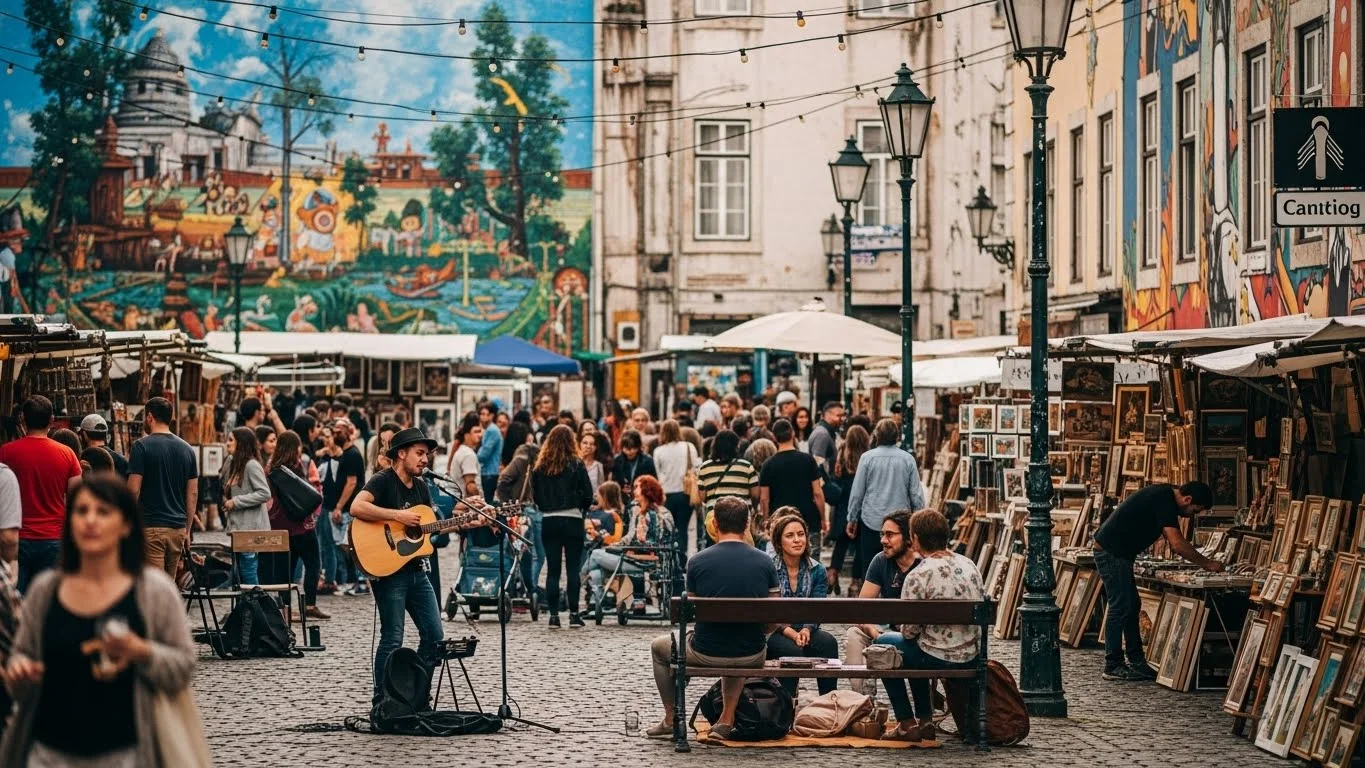
In Lisbon, spring is particularly lovely for art lovers. The weather is warm, and many galleries participate in the city’s cultural initiatives, allowing free access to view their exhibitions. I found that wandering through the streets during this time often led to unexpected pop-up shows and street art installations, creating an immersive artistic experience.

Best Times for Music Festivals

Music festivals are another great reason to travel, and I’ve discovered that each city has its own rhythm. New Orleans bursts into life during the spring with the Jazz & Heritage Festival. I remember how the city felt alive with music, culture, and food, creating an unforgettable atmosphere. If you’re a jazz lover, planning your visit around this time is definitely worthwhile.

Havana, too, is magical during its music festivals. I had the opportunity to experience the Havana Jazz Festival in January, when the city’s streets fill with incredible sounds and vibrant energy. The weather is perfect, and the excitement is palpable, making it a fantastic time to immerse yourself in the sounds of Cuba.

Seasonal Considerations for Budget Travelers

Traveling during the off-peak seasons can also be a smart way to save money while enjoying art and music. For instance, visiting Berlin in the winter can offer lower accommodation rates and fewer crowds, giving you a more intimate experience in the city’s galleries and music venues. I found that some of the best art events occurred in smaller, less crowded settings during this time, allowing for deeper conversations with artists and other attendees.

In Vienna, visiting during the summer means you can enjoy more outdoor concerts and music festivals, but it can also be more crowded and pricier. If you want to save a bit, consider traveling in late spring or early fall when the weather is still pleasant, and prices are generally lower. I remember strolling through the city’s parks, listening to free concerts while enjoying the beautiful scenery, which felt like a hidden gem of the season.

Where to Stay on a Budget

Affordable Accommodation Options

Hostels and Guesthouses

When I’m traveling on a budget, I often turn to hostels and guesthouses as my go-to accommodation. They not only offer affordable rates but also provide a great opportunity to meet fellow travelers. In Berlin, I stayed at a charming hostel that had regular art events and communal spaces where I could mingle with other art enthusiasts. It felt like a little community, and I left with new friends and experiences that made my trip even richer.

Budget Hotels

If hostels aren’t your style, budget hotels can be a great alternative. I’ve found that in cities like Buenos Aires, there are many affordable hotels that still offer comfort and a great location. I remember booking a cozy hotel in a vibrant neighborhood, which allowed me to explore local art galleries and markets easily. It was comforting to return to a nice space after a busy day of culture and adventure.

Airbnb and Vacation Rentals

Airbnb can also be a fantastic choice for budget travelers. I’ve had wonderful experiences staying in local apartments that offered a unique glimpse into the culture of the city. For example, in Lisbon, I rented a small apartment in the Alfama district, surrounded by Fado music and local artisans. It felt like I was truly living as a local, and I loved the personal touches that came with a home away from home.

Neighborhoods to Consider

Choosing the right neighborhood can enhance your budget travel experience significantly. In New Orleans, I recommend staying in the Marigny or Bywater areas for a more laid-back vibe while still being close to the action. These neighborhoods are filled with local art and music scenes, and I enjoyed exploring the eclectic mix of galleries and live music venues just a short walk away.

In Mexico City, the Roma and Condesa neighborhoods are trendy and artistic, with plenty of affordable accommodation options. I spent hours wandering the streets, soaking up the creativity that permeated the area, and discovering unique cafés and galleries. Staying in a neighborhood with an artistic spirit can truly elevate your experience.

Local Food and Dining Options

Affordable Eats Near Art and Music Venues

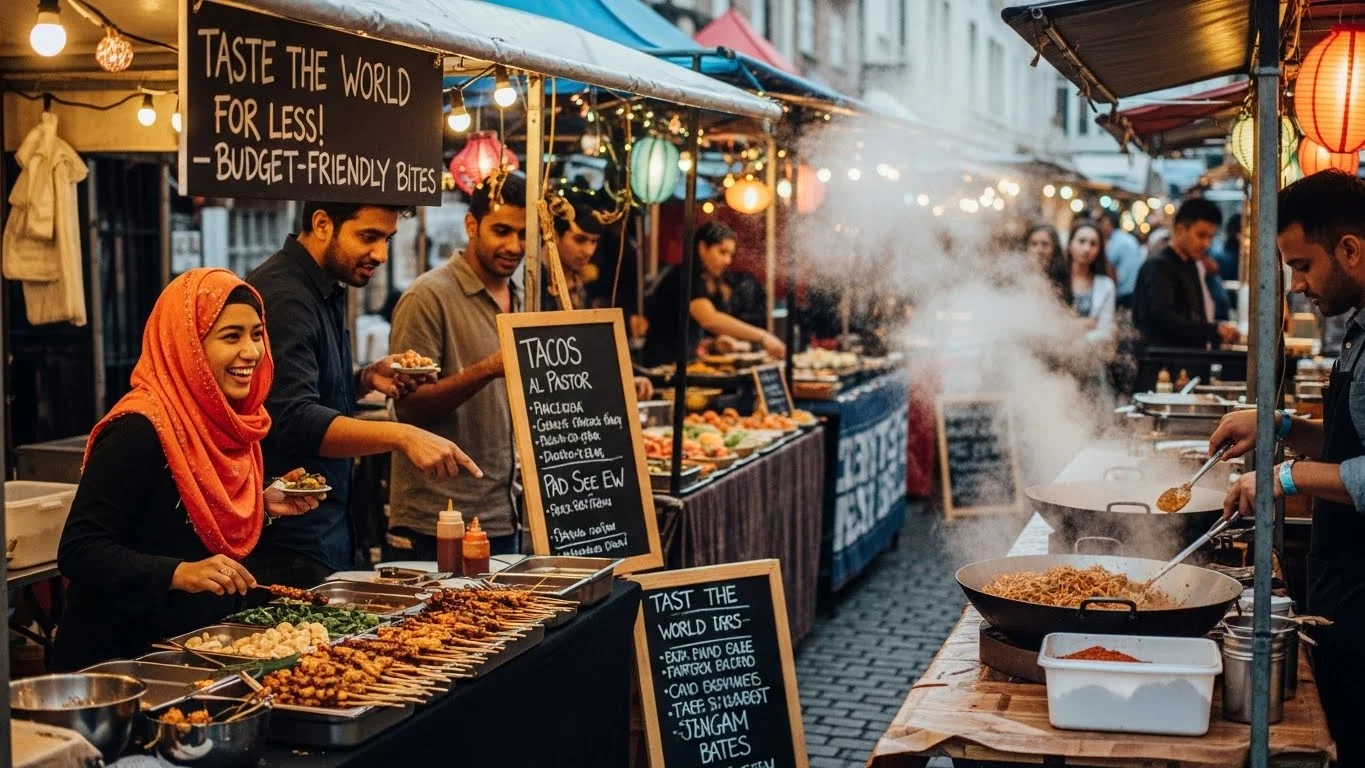
One of the joys of traveling is indulging in local cuisine. I’ve found that some of the best meals can be enjoyed without spending a fortune, especially when you’re near art and music venues. For instance, in New Orleans, I loved grabbing a po’ boy from a local deli before heading to a jazz club. The combination of a delicious sandwich and live music created the perfect evening. Similarly, in Mexico City, I often stopped by street vendors selling tacos al pastor right outside museums. Eating local not only satisfied my hunger but also deepened my appreciation for the culture I was experiencing.

Must-Try Local Dishes

During my travels, I’ve made it a point to try dishes that are unique to each destination. In Buenos Aires, I couldn’t resist trying the famous asado, a traditional barbecue that brings friends and family together. I remember sitting in a local restaurant, surrounded by locals, and enjoying the warmth of the community as much as the food itself. In Lisbon, the pastel de nata became my daily treat. These flaky custard tarts are a must-try, especially when enjoyed fresh from a bakery—an experience I’ll never forget!

Food Markets and Street Food

Food markets are another excellent way to experience local flavors on a budget. In Barcelona, I spent hours wandering around La Boqueria, sampling everything from jamón ibérico to fresh seafood. The vibrant atmosphere combined with the array of food options made it a memorable part of my trip. In Cuba, the street food scene was equally delightful. I loved trying a delicious medianoche sandwich from a local vendor while listening to music wafting through the streets. It’s amazing how food can connect you to a place, and I always make it a point to explore these culinary experiences wherever I go.

Safety Tips for Travelers

General Safety Guidelines

Safety is always a priority when traveling, and I’ve learned some valuable tips along the way. For starters, it’s essential to stay aware of your surroundings, especially in crowded areas. I often keep my belongings close and avoid displaying expensive items. Researching the neighborhoods I plan to visit helps me understand which areas are safer and which ones to avoid. I always carry a copy of important documents and have a local emergency contact saved in my phone, just in case.

Specific Tips for Nightlife and Events

When enjoying nightlife, I make sure to stay in groups whenever possible. There’s safety in numbers, and it adds to the fun! I’ve noticed that checking in with locals or staff at venues can offer insights into safe transportation options after a night out. In cities like New Orleans, I would often ask bartenders for recommendations on safe routes home. Also, using reputable taxi services or rideshare apps has always made me feel more secure while traveling at night.

Budgeting Your Trip

Transportation Costs

Transportation can eat up a chunk of your budget if you’re not careful. I’ve found that using public transport is often the most economical way to get around. In cities like Berlin, the metro and buses are efficient and affordable. I remember purchasing a day pass that allowed me unlimited travel, which was a game-changer for exploring. Walking is also a great way to soak in the local vibe and discover hidden gems that you might miss when traveling by car.

Estimated Daily Expenses

Budgeting your daily expenses can help you keep track of your finances while traveling. I typically set a daily budget for food, transportation, and activities. Based on my experiences, I’ve found that spending around $50 to $100 a day is reasonable in many cultural cities, depending on your choices. It’s important to prioritize what matters most to you, whether it’s dining at a nice restaurant or splurging on a unique experience.

Money-Saving Tips

There are countless ways to save money while still enjoying your travels. I like to take advantage of free attractions, like parks or local festivals, which often provide a taste of the culture without the price tag. Researching discounts for museum entries or concerts can also be a great way to save. I often look for city passes that bundle multiple attractions at a reduced rate. Plus, connecting with fellow travelers can lead to shared experiences and savings, whether it’s splitting a ride or sharing a meal.

Final Thoughts

Traveling on a budget while immersing myself in art and music has been one of the most rewarding experiences of my life. I believe that with a little planning and an open mind, anyone can enjoy the rich cultural offerings of the world without breaking the bank. My adventures have taught me that every destination has its unique charm, waiting to be discovered through the eyes of both artists and musicians. So, grab your bags, set your budget, and let the beauty of art and music guide your travels!

Frequently Asked Questions

1. What are some budget-friendly travel tips for art and music lovers?

Traveling on a budget allows you to explore vibrant cultures, discover hidden gems, and learn about various art movements and musical styles without overspending. It’s important to know where to go and how to maximize your resources.

2. Which cities are recommended for budget-friendly art experiences?

Some top budget-friendly destinations for art lovers include Mexico City, Lisbon, Berlin, and Buenos Aires, each offering unique art scenes and affordable attractions.

3. What are some must-visit art attractions in Mexico City?

Key art attractions in Mexico City include the Museo Frida Kahlo and the Museo de Arte Moderno, which often have low admission fees or free entry on specific days.

4. How can travelers experience local art in Lisbon?

In Lisbon, travelers can visit the Museu Nacional de Arte Antiga and the Berardo Collection Museum. Additionally, local artists often showcase their work in pop-up exhibitions at places like LX Factory.

5. What music experiences can one find in New Orleans?

New Orleans is renowned for its live music scene, particularly jazz, blues, and soul. Venues like Preservation Hall and The Spotted Cat Music Club offer affordable live performances, along with free street music events.

6. What should travelers know about attending music festivals in Havana?

Havana hosts various music festivals, including the Havana Jazz Festival, which features affordable or free events, allowing travelers to enjoy authentic Cuban music in vibrant atmospheres.

7. What are some tips for finding affordable accommodations while traveling?

Budget travelers can consider hostels, guesthouses, budget hotels, or Airbnb rentals. Staying in artistic neighborhoods can also enhance the travel experience and provide better access to local culture.

8. How can travelers enjoy local cuisine on a budget?

Travelers can find affordable eats near art and music venues, explore local food markets, and try must-try dishes unique to each destination, which often provide a rich cultural experience.

9. What safety tips should travelers keep in mind while enjoying nightlife?

It’s advisable to stay aware of your surroundings, travel in groups, check in with locals for safe transportation options, and use reputable taxi services or rideshare apps when going out at night.

10. How can travelers budget their daily expenses effectively?

Setting a daily budget for food, transportation, and activities can help manage finances. Spending around $50 to $100 a day is reasonable in many cultural cities, depending on personal preferences and choices.
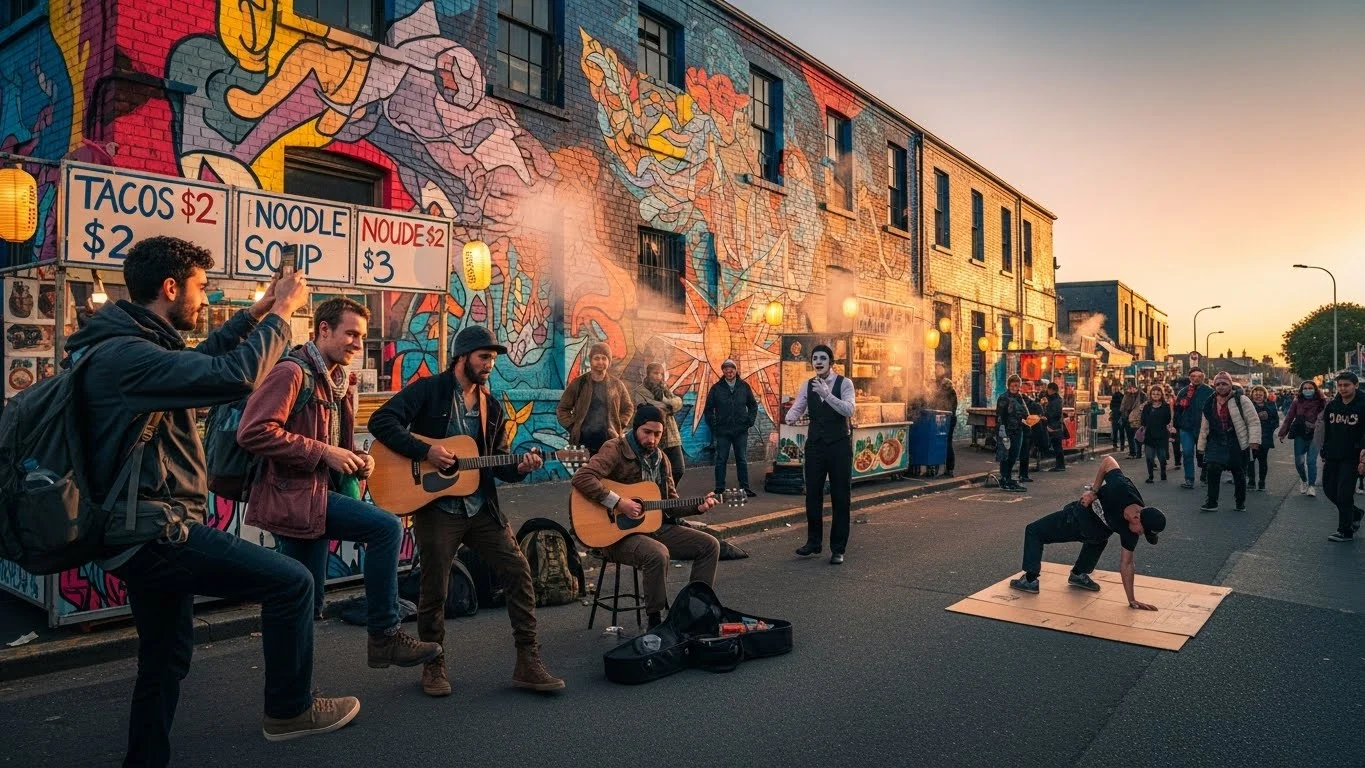
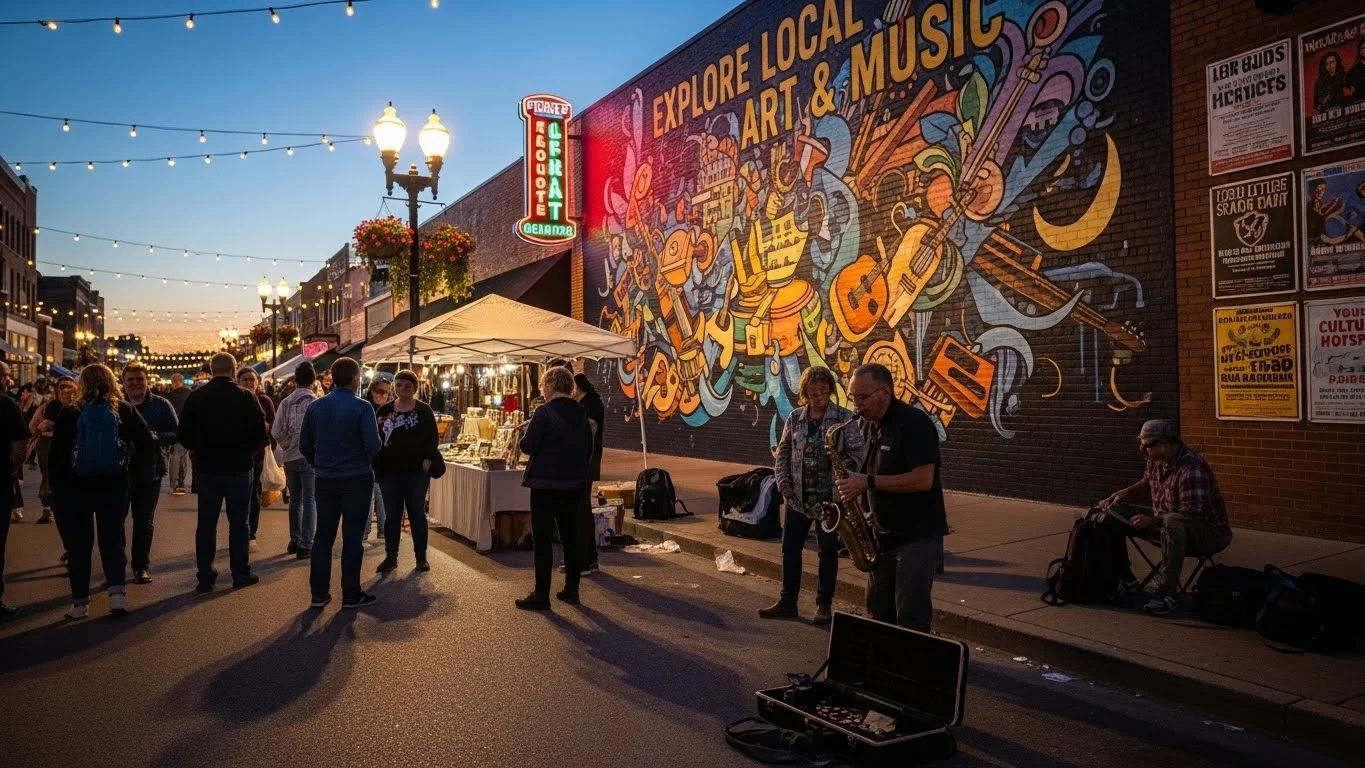
Uncover Vibrant Art and Music Scenes on a Budget Trip

Exploring vibrant art and music scenes doesn’t have to break the bank. I’ve found that with a little planning and an open mind, we can discover incredible cultural experiences without spending a fortune. Explore Local Art and Music: Your Guide to Cultural Hotspots can provide valuable insights.

Uncover Vibrant Art and Music Scenes on a Budget Trip

Overview of Vibrant Art and Music Scenes

Definition of Art and Music Scenes

When I think about art and music scenes, I envision lively neighborhoods bursting with creativity and expression. These scenes are made up of local artists, musicians, and cultural events that make a city unique. Art can be found in galleries, on street corners, and in public spaces, while music resonates in cafes, bars, and concert halls. It’s about the people who create, share, and immerse themselves in these experiences. For me, being part of a city’s art and music scene means connecting with its heart and soul, revealing stories that might otherwise go untold.

Importance of Exploring Local Culture

Diving into local culture has always been a passion of mine. I believe it enriches our travels and broadens our perspectives. When we explore art and music scenes, we get to see a city through the eyes of its residents. This connection to local culture can spark inspiration and foster a deeper appreciation for the world around us. I remember wandering through a neighborhood in Barcelona, stumbling upon a small gallery showcasing local artists. Engaging with the artists and their stories made my experience unforgettable. It reminded me that art and music are not just commodities; they’re expressions of identity, history, and community.

Best Cities for Budget Art and Music Experiences

New Orleans: A Melting Pot of Cultures

New Orleans is a city that truly captured my heart. Its music scene is legendary, with jazz pouring out of every bar and street corner. The vibrant atmosphere invites everyone to join in. I remember attending a free concert in the park, where locals danced and sang along. The best part? Many of the art galleries along Royal Street offer free admission, showcasing local talent. I recommend visiting during the French Quarter Festival, where you can experience incredible music and food without spending a dime.

Berlin: The Hub of Alternative Art

Berlin stands out as a haven for alternative art and music. I’ve wandered through its graffiti-covered streets, feeling like every wall tells a story. What I love about Berlin is that many art spaces operate on a donation basis or are entirely free. The city’s art scene is constantly evolving, with pop-up galleries and events taking place almost daily. I discovered an underground music venue where entry was donation-based, and the vibe was electric. I felt like I was part of something special, surrounded by people who shared my love for creativity. Experience Culture: Best Budget-Friendly Local Festivals can also guide you in discovering local events.

Mexico City: Rich in Tradition and Modernity

Mexico City is a blend of rich history and contemporary culture. I was amazed by how accessible the arts are here. Museums like the Museo del Palacio de Bellas Artes offer free admission on Sundays, allowing me to soak in incredible exhibitions. I remember exploring the streets of Coyoacán, where Frida Kahlo lived. The vibrant murals and live music created a lively atmosphere. I recommend checking out local festivals celebrating traditional music and art; they often showcase local talents for free or at a minimal cost.

Lisbon: The City of Fado and Street Art

Lisbon has a charm that’s hard to resist. It’s known for its Fado music, which I found to be deeply moving. Many Fado performances are free in local taverns, where you can enjoy authentic Portuguese cuisine alongside the music. The city is also famous for its street art, which I explored on foot. I was surprised to find guided street art tours that were donation-based! Lisbon’s art scene comes alive during the Festas de Lisboa, where locals celebrate with music and parades. I felt welcomed and immersed in the culture, enjoying everything without spending much.

As I reflect on my experiences in these incredible cities, I realize that vibrant art and music scenes are waiting to be discovered. With a little curiosity and an adventurous spirit, we can enjoy unforgettable experiences without breaking the bank. Every city has its own unique flavor of art and music, and being open to exploring these cultures will undoubtedly enrich our travels. For those looking to explore more, check out Explore Canada on a Budget: Ultimate Travel Guide.

When to Visit for the Best Experiences

Seasonal Events and Festivals

One of the most thrilling aspects of exploring art and music scenes is timing your visit. I’ve learned that seasonal events and festivals can transform a city into a vibrant hub of creativity. For instance, New Orleans’ Mardi Gras is not just about parades; it’s an explosion of music and art that captures the spirit of the city. I remember being swept away by the colorful floats and live bands, where every corner offered something new to experience. Similarly, the Berlin Festival of Lights in October showcases stunning light installations throughout the city, turning familiar landmarks into artistic canvases. I recommend checking local event calendars before your trip to catch these seasonal highlights—they often offer free or low-cost access to performances and exhibitions that you wouldn’t want to miss!

Local Art and Music Events Calendar

Another tip that has served me well is to dive into local event calendars. I like to search for community boards or local websites that list ongoing art and music events. For example, during my time in Mexico City, I found an online platform that featured everything from underground concerts to art showcases happening that very week. This helped me stumble upon an intimate acoustic session in a cozy café that I wouldn’t have known about otherwise. I suggest downloading local apps or subscribing to newsletters that keep you in the loop about upcoming events. It’s a fantastic way to connect with the community and discover hidden gems.

Off-Peak Travel Benefits

Traveling during off-peak times has its perks, and I’ve experienced it firsthand. Not only are flights and accommodations often cheaper, but you’ll find that many local art and music venues are less crowded, allowing for a more personal experience. For instance, when I visited Lisbon in late February, I was pleasantly surprised to find that I could enjoy the Fado performances without fighting through large crowds. Plus, artists and musicians tend to be more accessible, which means you might even get a chance to chat with them about their work! If you have flexibility in your travel plans, consider visiting during shoulder seasons to enjoy both savings and a richer experience.

Budget-Friendly Tips for Art and Music Lovers

Free or Donation-Based Art Exhibits

One of my favorite discoveries while traveling is how many art exhibits are either free or donation-based. I remember hitting the streets of Berlin, where I came across several galleries that invited visitors to pay what they could. It felt like a breath of fresh air to engage with art without worrying about ticket prices. I’ve also found that many cities have museums with free admission days or nights, so it’s worth researching in advance. This way, we can immerse ourselves in the local culture while keeping our budgets intact!

Community Music Events and Open Mic Nights

Open mic nights are another treasure trove for budget-conscious music lovers. I’ve attended countless open mic nights that not only showcase local talent but also create a sense of community. I remember sitting in a small bar in Mexico City, where local musicians took turns performing. It was a fantastic way to experience the city’s music scene without spending much. They often have no cover charge, and the ambiance is usually relaxed and welcoming. Keep an eye out for these events in cafes and bars as they often highlight the heartbeat of the local music culture.

Utilizing Public Transport for Art Tours

When exploring cities known for their art, using public transport can open up a world of opportunities. I’ve found that many cities have dedicated art routes on their public transportation systems, taking you to the must-see galleries and murals. In San Francisco, I hopped on the bus to visit the Mission District, known for its stunning murals that tell powerful stories. It was like taking an art tour without the cost of a guided experience! I recommend looking into public transport options and planning your route to include stops at local art installations—you’ll save money while immersing yourself in the local scene.

Discount Passes for Museums and Concerts

Lastly, discount passes can be a lifesaver for art and music enthusiasts. I’ve used passes in various cities that allow access to multiple attractions for one set price. For example, in Amsterdam, I bought a city card that provided access to several museums and public transport for a day. It was a fantastic deal! Additionally, check if there are student or local discounts available for concerts or events. It’s amazing how much you can save by doing a little research. I believe that with the right planning, we can enjoy an incredible cultural experience without stretching our budgets too far.

Top Budget-Friendly Art and Music Venues

Art Galleries with No Admission Fees

One of the most delightful surprises I’ve encountered on my travels is stumbling upon art galleries that don’t charge admission. It feels like a gift to wander through spaces filled with creativity and talent without worrying about my wallet. In cities like Mexico City, I found numerous small galleries showcasing local artists’ work that welcomed visitors with open arms. I’ll never forget the time I visited a gallery in the Roma neighborhood, where I mingled with artists and even had the chance to discuss their inspirations. It made the artworks come alive in a way that I hadn’t experienced before. I recommend checking out local listings for galleries that offer free admission or special viewing days. You never know what hidden gems you’ll discover!

Local Music Venues with Affordable Entry

When it comes to enjoying live music, my go-to strategy is to seek out local venues with affordable entry fees. I’ve found that many intimate bars and small theaters host incredible performances at a fraction of the price of larger concert venues. For example, in Berlin, I frequented a cozy spot in Kreuzberg where I could enjoy local bands for just a few euros. The atmosphere was electric, and I loved being so close to the performers. Plus, the drinks were reasonably priced, which made for a perfect night out. I suggest exploring your destination’s local music scene by searching for venues known for their affordable shows. It’s a fantastic way to support local artists while enjoying a night filled with great vibes.

Street Art Tours and Murals

Street art has a way of capturing the essence of a city, and I’ve always been drawn to it. Taking a street art tour can often be a budget-friendly way to experience a city’s creativity. During my time in Lisbon, I joined a free walking tour dedicated to street art, and it was one of the highlights of my trip! I remember being mesmerized by the stories behind each mural and the artists who created them. Many cities have local guides who offer donation-based tours, and it feels great to support their efforts. I recommend checking online for street art tours in your destination, as they often reveal parts of the city that aren’t in the guidebooks, filled with art that speaks volumes about the community.

Local Food and Drink to Enhance Your Experience

Popular Street Food Options

One of my favorite parts of exploring a new city is indulging in its street food. It’s not just a meal; it’s a cultural experience! I’ve tasted some of the most delicious treats from food stalls while wandering through vibrant neighborhoods. In Mexico City, for instance, I couldn’t resist the tantalizing aroma of tacos al pastor from a street vendor. I remember chatting with the vendor while he expertly sliced the marinated pork, and then I enjoyed my meal perched on a nearby stool, soaking in the lively atmosphere. Street food is often not only budget-friendly but also an authentic way to taste the local flavors. I encourage you to try the street food wherever you go; it’s like sampling the culture one bite at a time!

Affordable Local Restaurants and Cafés

While street food is fantastic, I also love discovering local restaurants and cafés that offer hearty meals without breaking the bank. In Lisbon, I found a small family-owned restaurant that served traditional Portuguese dishes at reasonable prices. I remember ordering bacalhau à brás, a delicious cod dish that came with a side of friendly conversation from the owner, who shared stories about his grandmother’s recipes. Eating at local spots not only fills my stomach but also connects me to the community in a special way. I suggest looking for restaurants that are off the main tourist paths; these hidden gems often provide the best meals and experiences without the hefty price tag.

Food Markets Celebrating Local Artists

Visiting food markets is another way to enhance your cultural experience while keeping costs down. I’ve stumbled upon markets that not only feature delicious food but also showcase local artists and craftspeople. For instance, the Mercado de San Miguel in Madrid is famous for its fantastic food stalls and often hosts live music performances. I spent an afternoon sampling tapas, sipping wine, and soaking in the lively atmosphere. I also discovered local artisans selling handmade goods, which made for perfect souvenirs. Seeking out food markets that highlight local culture is a fantastic way to enjoy good food and support local creativity all in one spot. Look for markets in your destination that offer a mix of culinary and artistic experiences; they’re often bustling with life and energy!

Safety Tips for Exploring Art and Music Scenes

Staying Aware in Crowded Venues

While I love immersing myself in the lively atmosphere of art and music scenes, I’ve learned that staying aware of my surroundings is crucial, especially in crowded venues. I remember attending a bustling music festival where the energy was electric, but it was also packed. To keep myself safe, I made it a point to stay close to my friends and keep an eye on my belongings. If you’re in a crowded space, it’s best to carry a small crossbody bag or a fanny pack that can be securely zipped up. This way, you can enjoy the experience without constantly worrying about your valuables.

Transport Safety at Night

Exploring art and music scenes at night can be exhilarating, but safety should always come first. I’ve had some nights where I stayed out late enjoying live music, and I made sure to plan my transportation ahead of time. In cities with robust public transport, like Berlin or New York, I found it helpful to download local transit apps that provide real-time updates. If you’re out late, consider using rideshare services instead of walking alone. I once took a rideshare back to my accommodation after an amazing concert, and it felt reassuring to know I was in safe hands. Trust your instincts—if a situation feels off, don’t hesitate to move to a more populated area or take a different route.

Keeping Valuables Secure

No one wants to ruin a cultural experience with stolen belongings, and I’ve learned a few simple tricks to keep my valuables safe. When I travel, I often leave my valuable items—like expensive jewelry or large amounts of cash—at home or in a hotel safe. I pack a small wallet with just what I need for the day, like my ID, a bit of cash, and my phone. This way, I can enjoy street performances or art exhibitions without the fear of losing something crucial. Additionally, some cities have special anti-theft bags designed for travelers, which I found to be incredibly useful. Keeping my belongings secure allows me to fully focus on the vibrant experiences around me.

Travel Budgeting for Art and Music Enthusiasts

Estimating Costs for Accommodation

When planning my trips centered around art and music, I always start by estimating my accommodation costs. I’ve discovered that there’s a wide range of options, from budget hostels to charming guesthouses. In cities like Mexico City, I found boutique hostels that not only offer affordable rates but also provide a vibrant community atmosphere. I recommend searching for accommodations that are close to public transport or within walking distance of local art scenes, as this will save you both time and money. By budgeting carefully and keeping an eye out for deals, I’ve managed to enjoy comfortable stays without overspending.

Budgeting for Food and Drinks

Food and drinks can quickly add up during travels, especially when enjoying the local cuisine. I’ve learned to allocate a specific portion of my budget for meals, prioritizing local eateries and street food stalls. I often set aside a day or two to discover the best local dining spots that fit my budget. It’s amazing how much I can enjoy without breaking the bank by exploring affordable restaurants or sampling delicious street food. In cities like New Orleans, I made it a point to try beignets from multiple vendors, which made for fun and tasty excursions!

Allocating Funds for Art and Music Events

Attending art and music events is one of the highlights of my travels, so I usually set aside a portion of my budget specifically for this purpose. I’ve discovered that many events offer early-bird tickets or group discounts, which can save you money. Plus, I like to keep an eye on local calendars for free events or performances. For example, during my trip to Berlin, I attended several free art exhibits and music performances that were just as enriching as paid experiences. By planning ahead and being flexible, I ensure that I can enjoy the art and music scenes while sticking to my budget.

Recommended Resources for Planning Your Trip

Online Platforms for Event Listings

There are so many amazing online resources that can help us find events and activities in any city. I often turn to platforms like Eventbrite and Meetup, where I can discover local events that align with my interests. These sites offer a wide range of options, from art exhibits to live music performances and even workshops. It’s incredibly helpful to read reviews and see what others have to say about these events before I commit. Plus, joining groups on social media dedicated to local art and music scenes can provide insider tips and recommendations that you won’t find in guidebooks.

Art and Music Blogs to Follow

Following art and music blogs has become an invaluable part of my travel planning. I find that blogs often provide unique insights and personal experiences that guidebooks may lack. I remember discovering a blog dedicated to street art in Lisbon, which led me to some incredible murals that I wouldn’t have found otherwise. Many bloggers also share their favorite local spots and events, giving me a more authentic experience. If you’re passionate about art and music, I highly recommend finding a few blogs that resonate with you and checking them out before you travel.

Local Guides and Apps to Explore

In this digital age, leveraging local guides and apps can significantly enhance our travel experiences. I’ve downloaded apps specific to cities that offer curated lists of events, art installations, and music performances. For example, in San Francisco, I used an app that highlighted the best spots for street art and live music. It not only made navigating the city easier but also introduced me to hidden gems that I might have missed. I suggest doing a little research to find apps tailored to your destination; they can be game-changers for making the most of your cultural explorations.

Final Thoughts

Embracing art and music scenes while traveling can open up a world of creativity and connection. I’ve learned that with a little planning and an adventurous spirit, we can experience vibrant cultures without straining our budgets. Each city has its unique stories waiting to be discovered, and by immersing ourselves in local art and music, we enrich our travels in ways that are both memorable and meaningful. So, let’s keep exploring, supporting local talent, and enjoying the beautiful tapestry of cultures around us!

Frequently Asked Questions

What defines vibrant art and music scenes?

Vibrant art and music scenes are characterized by lively neighborhoods filled with local artists, musicians, and cultural events that reflect the uniqueness of a city. They encompass artistic expressions found in galleries, public spaces, and music that resonates in cafes and bars.

Why is exploring local culture important?

Exploring local culture enriches our travels and broadens our perspectives. It allows travelers to see a city through the eyes of its residents, fostering inspiration and a deeper appreciation for the world around them.

Which cities are recommended for budget-friendly art and music experiences?

Recommended cities include New Orleans, known for its legendary music scene; Berlin, a hub for alternative art; Mexico City, where traditional and modern culture blend; and Lisbon, famous for Fado music and street art. Each offers unique experiences that are often free or low-cost.

What seasonal events enhance the art and music experience?

Seasonal events like New Orleans’ Mardi Gras and Berlin’s Festival of Lights transform cities into vibrant hubs of creativity. These events often provide free or low-cost access to performances and exhibitions.

How can travelers find local art and music events?

Travelers can find local events by searching community boards, local websites, and downloading apps that list ongoing art and music happenings. Subscribing to newsletters can also keep travelers informed about upcoming events.

What are the benefits of traveling during off-peak times?

Traveling during off-peak times can lead to cheaper accommodations and flights, less crowded venues, and more personal experiences. It also provides opportunities for deeper engagement with artists and musicians.

What are some budget-friendly tips for experiencing art and music?

Some budget-friendly tips include seeking out free or donation-based art exhibits, attending community music events and open mic nights, using public transport for art tours, and looking for discount passes for museums and concerts.

How can travelers enhance their experience with local food and drink?

Travelers can enhance their experience by trying popular street food, dining at affordable local restaurants, and visiting food markets that celebrate local artists. These options provide authentic cultural experiences without breaking the bank.

What safety tips should be considered when exploring crowded venues?

When in crowded venues, it’s important to stay aware of your surroundings, keep your belongings secure, and plan your transportation ahead of time, especially at night. Using rideshare services can also enhance safety.

What resources are recommended for planning trips centered around art and music?

Recommended resources include online platforms for event listings, art and music blogs for unique insights, and local guides or apps that offer curated lists of events and installations to enhance the travel experience.

Explore Local Art and Music: Your Guide to Cultural Hotspots

Ready to dive into the vibrant world of local art and music? This guide will help you uncover cultural hotspots that not only inspire but also connect you with the heartbeat of your community. Read Interesting article: Explore Unique Local Festivals for Authentic Travel Experiences

Explore Local Art and Music: Your Guide to Cultural Hotspots

Understanding Local Art and Music Scenes

The Importance of Local Culture

As I’ve journeyed through various towns and cities, one thing has always stood out to me: the incredible impact of local art and music on community life. I remember visiting a small town where the streets were alive with murals, each telling a story of its history and its people. Local culture isn’t just an embellishment; it’s the very essence of what makes a place unique. It shapes our experiences, influences our emotions, and creates bonds among residents. I believe that engaging with local art and music enhances our understanding of a community’s identity and values.

How Art and Music Reflect Community Identity

When I think about how art and music reflect a community’s identity, I can’t help but recall the various festivals I’ve attended. Each one showcased not only local talent but also the stories and struggles of the people involved. From the vibrant rhythms of a local jazz band to the intricate craftsmanship of handmade pottery, these forms of expression reveal the soul of a community. They convey feelings of joy, pain, history, and pride. I’ve seen how local artists and musicians act as storytellers, sharing experiences that resonate with those who live in the area and those who visit. Read Interesting article: Your Ultimate Guide to Iconic Local Festivals Worldwide

Art and music serve as mirrors, reflecting the hopes, dreams, and challenges of the community. For example, I visited a community center once that featured a gallery of photographs capturing the lives of residents over the decades. It was a stunning representation of change, resilience, and creativity. I felt a deep connection to the place, as if the art was whispering secrets about the lives of the people who called it home. This is why I think it’s crucial to explore local art and music scenes—they allow us to experience the richness of culture firsthand.

Top Cultural Hotspots to Explore

Art Galleries and Museums

When I set out to explore local art, art galleries and museums are always my first stops. They often provide a snapshot of the local creative scene and showcase both established and emerging artists. Each gallery has its own personality, offering a unique lens through which to view the community’s creativity.

Contemporary Art Spaces

Contemporary art spaces are fantastic for experiencing the cutting-edge of local creativity. I recall one gallery that featured an exhibition of mixed media works that were so thought-provoking. The pieces addressed social issues, inviting us to reflect and engage in meaningful conversations. I felt inspired by the artists’ willingness to push boundaries and challenge norms. I recommend checking out your local contemporary spaces—they often host openings and events that are perfect for mingling with fellow art enthusiasts.

Historical Museums

In contrast, historical museums offer a window into the past. I had a wonderful experience at a local history museum where I learned about the area’s founding and its evolution over the years. The artifacts on display told stories that resonated deeply with me, allowing me to see how the past shapes the present. These museums often host events like lectures and workshops where you can engage further with the community’s history. If you’re curious about what makes your town tick, a visit to a historical museum is a must.

Live Music Venues

Live music venues are like the heartbeat of a community’s music scene. I’ve always found that these spaces foster an intimacy between performers and audiences that is hard to match. Whether it’s an underground club or a large concert hall, each venue has its unique vibe.

Concert Halls

Concert halls are typically home to more polished acts. I remember attending a symphonic concert in a grand hall that showcased local orchestral talent. The acoustics were stunning, and the energy in the room was electric. It’s a great place to experience how music can elevate the spirit of a community. If you enjoy larger productions, keep an eye on the concert schedules—they often have local showcases alongside international acts.

Jazz Clubs

On the flip side, jazz clubs offer an intimate experience that makes you feel like you’re a part of something special. I love the dim lighting, the cozy atmosphere, and the spontaneous energy of live jazz. I’ve spent many nights sipping on a drink while soaking in the rhythms. These venues often feature local talent, and it’s amazing to discover new artists who are just starting out. I feel that supporting local musicians in these settings enriches the community and keeps the art form alive.

Public Art Installations

Public art installations are another exciting way to engage with a city’s culture. I’ve often found myself wandering the streets, surprised by murals or sculptures that seem to pop up unexpectedly. They add character to the landscape and invite conversation.

Murals and Street Art

Murals and street art can transform a bland wall into a vibrant canvas that tells a story. I once stumbled upon a mural that depicted the city’s history in vivid colors, and I couldn’t help but snap a few photos. Many neighborhoods use these public works to express community pride and highlight local issues. If you’re like me and enjoy exploring, take a walking tour of murals in your area—you might discover hidden gems around every corner.

Sculpture Parks

Sculpture parks are often a delightful blend of nature and art. I remember visiting a sprawling park filled with stunning sculptures that encouraged visitors to interact with the pieces. It was a peaceful space that invited reflection and engagement with art in an outdoor setting. If you have a sculpture park nearby, I highly recommend spending an afternoon wandering through the exhibits. It’s a wonderful way to connect with art while enjoying the beauty of nature.

Events and Festivals Celebrating Local Art and Music

Annual Art Festivals

There’s something magical about art festivals that brings communities together. I have been fortunate to attend several annual art festivals where local artists showcase their work, and the energy is always buzzing. These events often provide a platform for artists to connect with the public, making it a wonderful opportunity to learn more about their inspiration and processes. I remember wandering through a festival, chatting with artists who were passionate about their craft, and it deepened my appreciation for the art itself. Seeing the excitement on their faces while explaining their pieces was truly infectious. Read Interesting article: Experience Culture: Best Budget-Friendly Local Festivals

Art Walks and Open Studios

One of my favorite experiences has been participating in art walks and open studios. These events allow you to explore the creative spaces of local artists, often right in their own studios. I recall one evening during an art walk where I strolled through an artist’s loft filled with vibrant paintings and sculptures. The artist shared stories behind each piece, and I felt like I had a backstage pass to their world. It’s a great way to engage with the community, and I always leave feeling inspired. If you see an art walk happening in your town, I recommend grabbing a friend and exploring together!

Art Fairs

Art fairs are another fantastic way to experience local talent. I attended one where various artists set up booths showcasing their work, from paintings to handmade crafts. The variety was astounding, and I remember feeling like a kid in a candy store. Artists are often present, ready to discuss their work and even offer workshops. I made a point to support local creators by purchasing a few unique pieces, which now adorn my home. These fairs not only support artists financially but also enrich the cultural fabric of the community.

Music Festivals

Music festivals are an incredible celebration of sound and community. I’ve been to several that feature a mix of local and national acts. The excitement of hearing live music while surrounded by others who share the same passion is something I cherish. Each festival has its own character, from the laid-back atmosphere of smaller gatherings to the electric vibe of larger events. I remember dancing with friends at a local music festival, feeling completely in sync with the rhythm of the moment. It was a reminder of how music can bring people together.

Local Band Showcases

Local band showcases are often the heart of music festivals. I’ve discovered some of my favorite bands at these events, where local talent gets the spotlight. The camaraderie among musicians is palpable, and I love the feeling of supporting artists who are just starting their journey. I remember one evening where a band’s energetic performance had everyone dancing and singing along—it felt like we were all part of something special. If you’re keen on discovering new music, keep an eye out for showcases at festivals; they’re an excellent way to experience the local soundscape.

Genre-Specific Festivals (Jazz, Rock, etc.)

Genre-specific festivals are another great way to immerse yourself in a particular style of music. I’ve attended jazz festivals that featured not only renowned artists but also up-and-coming talent. The atmosphere is electric, with the sound of saxophones and trumpets filling the air. I remember sitting under the stars, swaying to the smooth melodies, and feeling completely at peace. These events often include workshops and discussions, allowing fans to engage more deeply with the genre they love. If you have a favorite music genre, I encourage you to seek out these festivals—they can provide a whole new appreciation for the music you enjoy.

Exploring Local Art and Music Communities

Art Collectives and Organizations

Art collectives and organizations are fantastic hubs for creativity. I’ve found that these groups often provide resources for local artists and foster collaboration. Visiting an art collective can be an eye-opening experience. I remember stepping into one that housed a variety of artistic styles, from painters to sculptors, all working under one roof. It was inspiring to see the synergy among artists, who often help each other grow and develop their skills. If you’re looking to connect with artists or even try your hand at creating, I suggest reaching out to local collectives—they often offer workshops and community events.

Local Music Scenes and Bands

Local music scenes are like hidden treasures waiting to be discovered. I’ve explored many small venues where local bands perform, and I can’t stress enough how rewarding it is to support them. The passion these musicians have is incredible, and it’s often reflected in their live performances. I remember catching a band at a cozy bar; they played with such heart that I couldn’t help but cheer them on. Engaging with local bands not only supports their journey but also enriches your experience as a music lover.

Workshops and Classes for Creatives

Workshops and classes are a great way to dive deeper into the local art and music scenes. I’ve participated in several painting and music workshops where I learned new techniques and met fellow creatives. These experiences have not only helped me grow but also fostered a sense of community. I once took a pottery class that was so much fun! It was a wonderful way to connect with others who shared my interest in creating. If you’re looking to explore your own creative side, I highly recommend finding workshops in your area—they can be a fantastic way to meet new people and learn something new.

Where to Find Local Art and Music Listings

Online Platforms and Websites

Finding local art and music events can be as easy as a few clicks. I’ve discovered that there are several online platforms dedicated to showcasing what’s happening in the local creative scene. Websites like Eventbrite and Meetup often list upcoming events, from art shows to live performances. I remember stumbling upon an incredible art exhibit after searching Eventbrite one rainy afternoon. It was a reminder that there’s a vibrant world of creativity waiting to be explored right in our own backyard. Another great resource is local arts councils or community organizations, which frequently have newsletters or calendars dedicated to upcoming events. Signing up for these can keep you in the loop about what’s happening in your area.

Social Media and Community Boards

Social media has become one of my go-to sources for discovering local art and music events. I love following local artists, musicians, and community organizations on platforms like Instagram and Facebook. They often share updates about their work, upcoming gigs, and events. I recall scrolling through Instagram one day and coming across a post about an open mic night at a cozy café. It turned out to be a fantastic evening filled with talented performers and a welcoming crowd. Additionally, community boards on platforms like Nextdoor can connect you with neighbors who share similar interests, making it easier to find out what’s happening nearby. I find that engaging with these platforms helps me feel more connected to my community.

Local Publications and News Outlets

Don’t underestimate the power of local publications! Free magazines and newspapers often have event listings that are rich with information about art and music happenings. I recently picked up a local arts magazine at my favorite coffee shop, and it was packed with listings for everything from gallery openings to concerts. In my experience, these publications often feature interviews and articles that provide deeper insights into the local scene, enhancing my understanding of the artists and musicians I might meet. I recommend checking out the arts and culture sections in your local newspaper as well; they can offer a wealth of information about what’s happening around you.

Tips for Engaging with Local Art and Music

How to Approach Artists and Musicians

Engaging with local artists and musicians can be a rewarding experience, and I’ve learned a few tips along the way. When approaching an artist or musician, I always try to be genuine and respectful. I remember a time at an art fair when I struck up a conversation with a painter. I was genuinely curious about her process, and she opened up about her inspirations and the stories behind her pieces. It was a wonderful exchange that deepened my appreciation for her work. If you’re nervous about approaching someone, I recommend starting with a compliment or asking a question about their work. Artists often love to share their stories, and it can lead to meaningful conversations.

Respecting Local Culture and Etiquette

As we immerse ourselves in local art and music, it’s essential to be mindful of cultural nuances and etiquette. I’ve learned that understanding the local customs can enrich our experiences. For example, I once attended a concert where the audience was encouraged to participate and dance along. The energy was infectious, and I felt more connected to the performance because I was aware of this cultural norm. In contrast, I’ve also been to more subdued events where quiet appreciation is expected. Observing the behavior of others can provide clues on how to engage respectfully. I encourage everyone to take the time to learn about the local culture; it not only enhances your experience but also shows respect for the creative community.

Participating in Community Events

One of the best ways to truly appreciate local art and music is to actively participate in community events. I’ve found that volunteering for art festivals or music events not only gives you a behind-the-scenes look but also allows you to meet fellow art lovers and creatives. I remember volunteering at a local art festival where I helped set up booths and assist artists. It was an enriching experience that led to lasting connections and a deeper appreciation for the hard work that goes into organizing such events. If you’re interested in getting involved, I recommend reaching out to local organizations; they often welcome volunteers with open arms and can provide you with a unique perspective on the art and music scene.

Budgeting for Art and Music Experiences

Cost of Admission to Venues and Events

While exploring local art and music can be incredibly fulfilling, it’s also essential to consider budgeting for these experiences. I’ve noticed that admission prices vary widely depending on the venue and the event. Some galleries have free admission, while others may charge a nominal fee for special exhibitions. I recall attending a gallery opening that was free, and I ended up purchasing a few small pieces from local artists I met there. Live music venues also vary; some may ask for a cover charge, while others operate on a donation basis. Researching ahead of time can help you plan your budget and ensure you don’t miss out on experiences due to financial constraints.

Free and Low-Cost Options to Explore

Fortunately, there are plenty of free and low-cost options for diving into local art and music scenes. Many communities host free concerts in parks during the summer, and I’ve enjoyed countless afternoons listening to local bands while soaking up the sun. Art walks or open studio events are often free to attend, allowing you to engage with artists without spending a dime. I’ve also found that many museums offer free admission days or discounted rates at certain times. Keeping an eye on local listings and programs can lead to discovering fantastic experiences without breaking the bank. I believe that art and music should be accessible to everyone, and there are so many opportunities to enjoy them regardless of budget.

Frequently Asked Questions

What is the significance of local art and music in a community?

Local art and music play a crucial role in shaping a community’s identity, creating bonds among residents, and enhancing the understanding of the community’s values and experiences.

What are some recommended places to explore local art?

Recommended places include art galleries, contemporary art spaces, historical museums, public art installations, and sculpture parks, each offering unique insights into the local creative scene.

How do annual art festivals benefit local artists?

Annual art festivals provide a platform for local artists to showcase their work, connect with the public, and share their inspirations, enhancing community engagement and appreciation for the arts.

What types of music venues can one find in a local music scene?

Local music scenes typically include live music venues, concert halls, jazz clubs, and various genre-specific festivals, each offering different atmospheres and experiences for music lovers.

How can someone find local art and music events?

Local art and music events can be found through online platforms like Eventbrite and Meetup, social media, community boards, and local publications or news outlets that list upcoming happenings.

What tips can help when engaging with local artists and musicians?

When engaging with local artists and musicians, it’s important to be genuine and respectful, starting conversations with compliments or questions about their work to foster meaningful exchanges.

What are some affordable ways to enjoy local art and music?

Many communities offer free or low-cost options such as free concerts in parks, art walks, open studio events, and museums with free admission days, allowing access to cultural experiences without financial strain.

What role do art collectives and organizations play in local art scenes?

Art collectives and organizations serve as hubs for creativity, providing resources for local artists, fostering collaboration, and often hosting workshops and community events to engage the public.

How can participating in community events enhance one’s appreciation for local art and music?

Participating in community events, such as volunteering, provides a behind-the-scenes look at the efforts involved in organizing art and music events, fostering connections with fellow creatives and deepening appreciation for the arts.

What should someone know about the cost of admission to local art and music venues?

Admission costs can vary widely; while some galleries and events may be free, others could charge nominal fees. It’s advisable to research ahead of time to budget appropriately for these experiences.

Backpacking for Foodies: Discover Culinary Delights Abroad

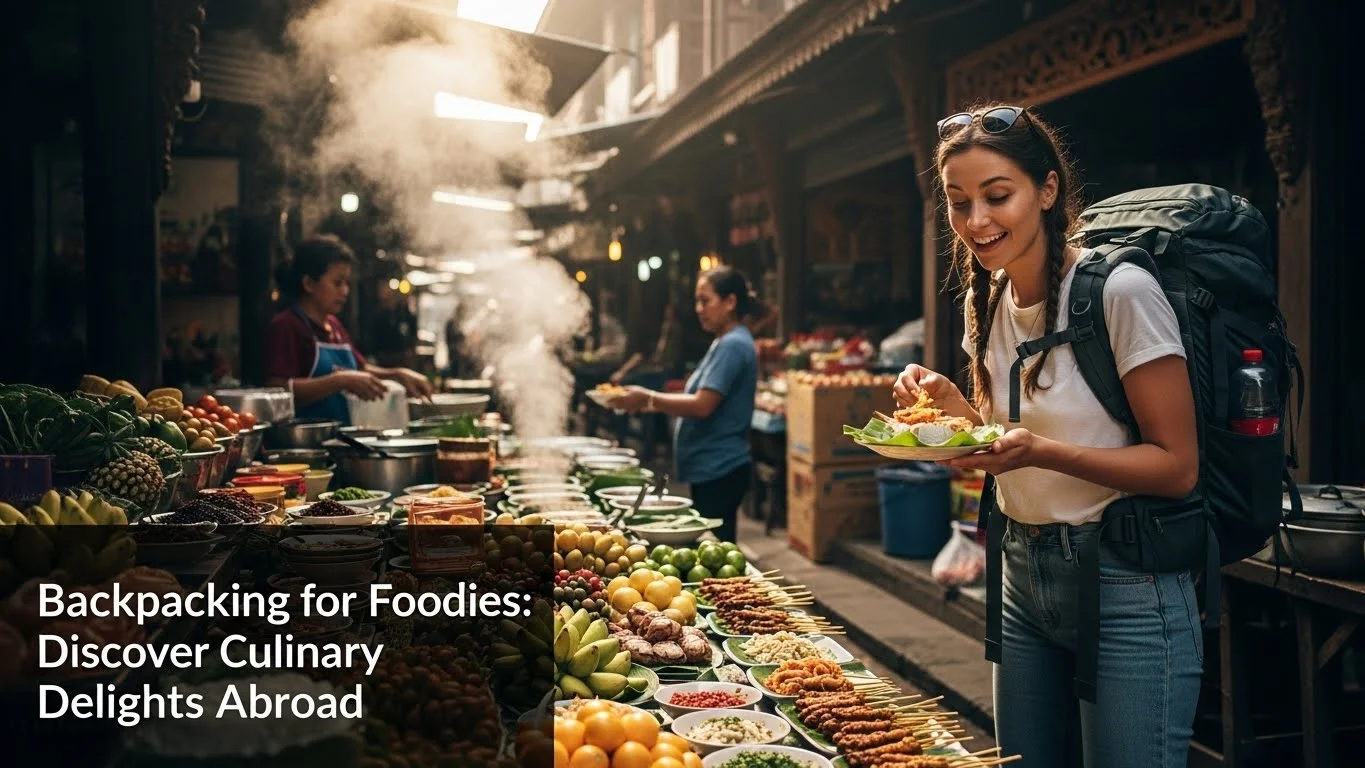
Backpacking isn’t just about the adventure; for food lovers, it’s a journey through flavors and cultures. Imagine savoring street tacos in Mexico or indulging in pasta in Italy, all while exploring new landscapes!

Backpacking for Foodies: Discover Culinary Delights Abroad

Why Backpacking Appeals to Food Lovers

As someone who adores the culinary arts, I can confidently say that backpacking offers an unparalleled opportunity to explore food in its truest form. There’s something magical about wandering through bustling markets, where the air is filled with tantalizing aromas and the sounds of vendors calling out their daily specials. I remember my first trip to Thailand, where I was captivated by the vibrant street food scene. Each corner revealed a new flavor, a new dish, and a new culinary adventure.

The Joy of Culinary Exploration

For me, culinary exploration is one of the greatest joys of traveling. Each destination presents a unique palette of flavors and ingredients, shaped by local traditions and cultures. I’ve had the chance to experience this firsthand, and I quickly learned that the essence of a place often lies in its food. Take Italy, for instance. Every region boasts its own specialty, from the rich risottos of the north to the fresh seafood of the south. I once found myself in a small coastal town, where I was invited to a family-run trattoria. The owner, an elderly woman, prepared a local dish using only what was caught that morning. It was an experience that transcended mere dining; it was a glimpse into the heart of Italian culture.

In my travels, I’ve also discovered that food is a bridge to understanding people. Conversations over a shared meal can break down barriers and foster friendships. I still cherish the evenings spent with locals, exchanging stories over bowls of steaming pho in Vietnam or sharing tapas in a bustling Madrid bar. The food not only nourished my body but also fed my soul.

Meeting Local Chefs and Cooks

One of the most enriching aspects of backpacking is the opportunity to meet chefs and cooks who are passionate about their craft. I’ve had the privilege of joining cooking classes in various countries, where I learned secrets from local chefs. These experiences have opened my eyes to the importance of fresh, local ingredients and traditional cooking techniques. I remember attending a cooking class in a rustic kitchen in Tuscany. The chef, a jovial man with a twinkle in his eye, taught us to make handmade pasta from scratch. As we rolled the dough and shaped it, he shared stories about his grandmother’s recipes and the history of Italian cuisine. This kind of connection, where food becomes a shared heritage, is something I’ve found deeply rewarding.

Moreover, discovering local eateries and hidden gems has become a thrilling part of my journey. I often find myself asking locals for recommendations, and this has led me to some of the best meals of my life—from tiny street stalls to charming family-owned restaurants. Each meal tells a story, and hearing the chef’s inspiration behind a dish adds another layer of appreciation. I once dined at a tiny bistro in Paris where the chef shared how he infuses modern techniques into traditional French recipes, making for a truly unforgettable meal.

Choosing Your Backpacking Destinations

When it comes to backpacking as a foodie, choosing the right destinations is crucial. I’ve found that certain countries naturally cater to culinary exploration, making them ideal stops on our journey. Here are some of my favorite places that every food lover should consider.

Top Countries for Foodies

Italy: The Heart of Culinary Tradition

Italy is often the first country that comes to mind for food lovers. The diversity in regional cuisines is astounding. In the north, you’ll find creamy risottos and hearty polentas, while the south delights with fresh seafood and vibrant vegetables. I remember indulging in a rich, savory ragu in Bologna that felt like a warm hug. And let’s not forget about the gelato—no trip to Italy is complete without it!

Thailand: A Street Food Paradise

Thailand is a haven for street food enthusiasts. I was blown away by the variety and the flavors. From the spicy tang of som tam (green papaya salad) to the fragrant pad thai, each bite is an adventure. Exploring the night markets in Chiang Mai, I enjoyed sampling dishes from different vendors, each showcasing their unique twist on classic Thai flavors.

Mexico: Rich Flavors and Street Tacos

Mexico holds a special place in my heart due to its bold flavors and vibrant street food culture. I vividly remember my first taste of authentic street tacos in Oaxaca. The tortillas were handmade, and the fillings—whether al pastor, carnitas, or grilled nopales—were bursting with flavor. The experience of dining al fresco, surrounded by laughter and music, is something that stays with you long after your meal is over.

Japan: A Fusion of Tradition and Modernity

Japan offers a unique blend of traditional and modern culinary experiences. From sushi to ramen, the attention to detail in each dish is remarkable. I had the chance to visit a sushi chef in Tokyo who showed us the meticulous process of crafting sushi, from selecting the freshest fish to perfecting the rice. It felt like a sacred ritual, one that I deeply respected.

Emerging Foodie Destinations

While the classics are always worth a visit, there are emerging foodie destinations that are quickly gaining recognition. I’ve found that these places often offer unexpected culinary delights.

Peru: The Rising Star of Gastronomy

Peru has been making waves in the culinary world, and for good reason. The fusion of indigenous ingredients with international influences creates a unique dining experience. I was amazed by the freshness of ceviche and the creativity in dishes like causa, a layered potato dish that’s as beautiful as it is delicious.

Vietnam: Fresh Ingredients and Bold Flavors

Vietnam is a treasure trove of fresh ingredients and bold flavors. I loved how each dish I tried was a balance of sweet, sour, salty, and spicy. The local markets were a feast for the senses, and I often found myself stopping to chat with vendors about their offerings, learning about the herbs and spices that define Vietnamese cuisine.

When to Travel for the Best Culinary Experiences

Timing is everything when it comes to food. I’ve learned that the best culinary experiences often coincide with local harvests, festivals, and cultural events. Planning my backpacking trips around these times has enriched my travels immensely. Here are some insights I’ve gathered about when to travel for the best flavors.

Food Festivals Around the World

Food festivals are an absolute delight and a fantastic way to dive into a culture’s culinary scene. I remember attending several festivals, each offering a unique glimpse into local traditions and flavors.

La Tomatina in Spain

La Tomatina in Buñol, Spain, is not just about throwing tomatoes; it’s a celebration of food that culminates in a massive feast. While the tomato-throwing event is the highlight, the days leading up to it are filled with culinary events, where local chefs showcase their best tomato-based dishes. I had the chance to taste incredible gazpacho and paella, all while soaking in the festive atmosphere.

Oktoberfest in Germany

Oktoberfest is another food lover’s dream. It’s more than just beer; it’s a celebration of Bavarian culture, where food plays a starring role. I enjoyed pretzels bigger than my head, bratwurst sizzling on the grill, and regional specialties like schnitzel. The communal tables foster a sense of camaraderie, and I found myself sharing meals and stories with fellow travelers from around the globe.

Chinese New Year Celebrations

Experiencing Chinese New Year celebrations was one of the highlights of my travels through Asia. The festive atmosphere is palpable, with street vendors selling traditional dishes like dumplings and sticky rice cakes. I remember gathering with locals for a family-style dinner, where we shared dishes symbolizing good fortune. It was a wonderful way to connect with the culture and enjoy the flavors of the season.

Seasonal Ingredients and Dishes

In my experience, traveling during specific seasons can also enhance the culinary experience. Seasonal ingredients often taste better and are more abundant, leading to more vibrant dishes. I’ve found that each country has its own peak seasons, and aligning my travels accordingly has been rewarding.

For instance, visiting Japan in spring allowed me to indulge in sakura (cherry blossom) themed dishes and sweets. The delicate flavors and beautiful presentations were a feast for both the eyes and the palate. Similarly, traveling to Italy during the harvest season brought me fresh truffles and ripe tomatoes, which transformed even the simplest meals into something extraordinary.

In my travels through Southeast Asia, I discovered that the rainy season often brings out unique street food offerings. Vendors create dishes that utilize fresh produce available at that time, which can be a thrilling adventure for the taste buds!

Backpacking Essentials for Food Lovers

When embarking on a culinary backpacking adventure, having the right gear can make all the difference. I’ve learned through trial and error what essentials to pack to ensure I get the most out of my food experiences.

Choosing the Right Backpack

Your backpack is your home on the road, so it’s important to choose wisely. I prefer a backpack that is not only lightweight but also has plenty of compartments. Having separate sections for cooking gear and food storage can make a world of difference. I once struggled with a jumbled mess of utensils and snacks, which slowed me down during a trip. Now, I always opt for a backpack with easy access pockets, so I can quickly grab what I need without digging through everything.

Must-Have Cooking Gear

While you might be tempted to travel light, I highly recommend packing a few essential cooking tools. A compact cooking set—like a portable stove, lightweight pots, and a multi-tool—can elevate your culinary experience. I can’t tell you how many times I’ve whipped up a simple meal or heated leftovers in a hostel kitchen. On one occasion, I used my portable stove to prepare a delicious soup with fresh ingredients I picked up at a local market in Vietnam. It was such a rewarding experience, cooking while surrounded by the vibrant energy of the city.

Food Safety Tips

Food safety is crucial for any foodie traveler, especially when trying street food or local delicacies. Over the years, I’ve picked up some valuable tips to keep my gastronomic adventures enjoyable.

Storing Food While Traveling

When I buy snacks or leftovers, I make sure to have airtight containers to keep everything fresh. I also carry a small cooler for perishables, especially when I know I’ll be traveling for a while without access to refrigeration. It’s surprising how much better food tastes when it’s stored properly!

Avoiding Foodborne Illnesses

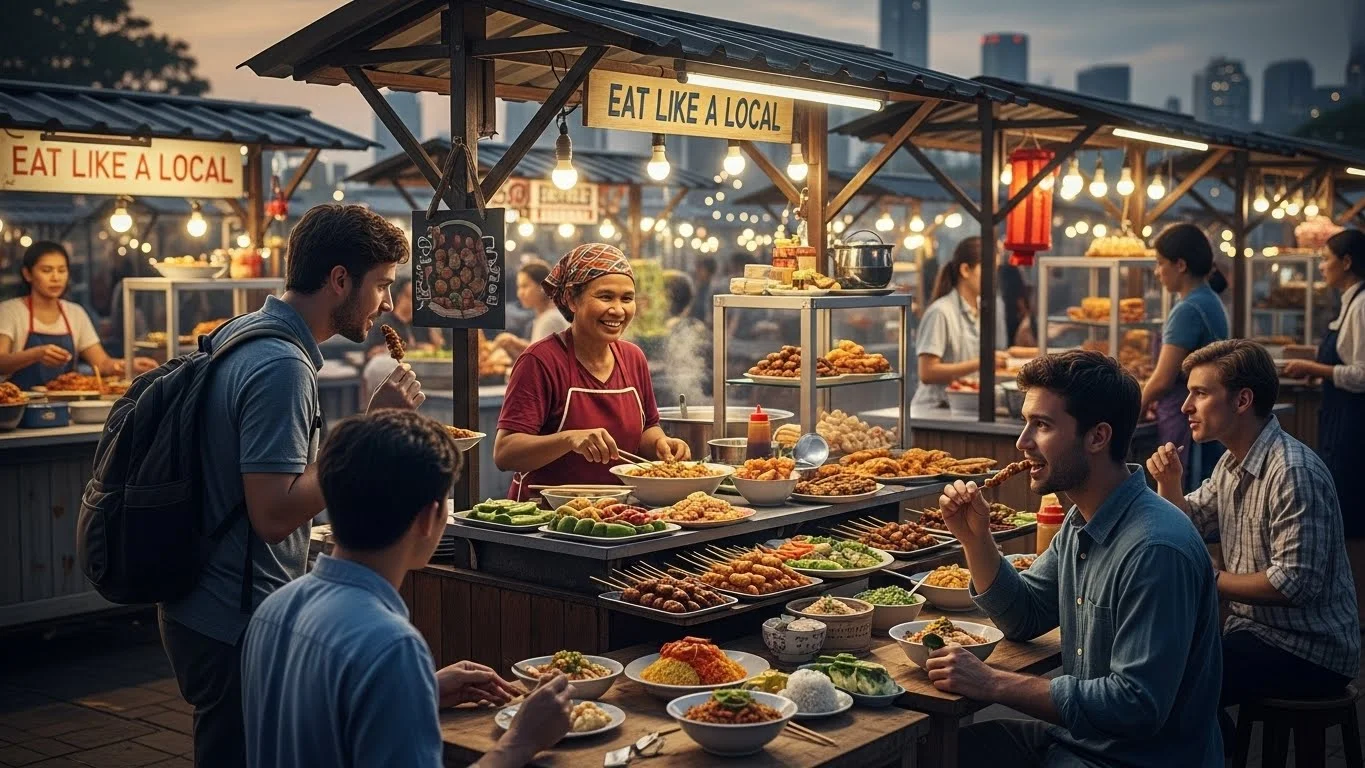
I’ve learned to be mindful about where I eat. I always look for busy street stalls with a local crowd, as that’s usually a good sign of quality and freshness. Drinking bottled water is a must in many countries, and I avoid ice unless I’m confident it’s made from purified water. Simple precautions have helped me enjoy countless meals without any unpleasant surprises!

Finding Culinary Delights on a Budget

Traveling as a foodie doesn’t have to break the bank. I’ve learned some tricks along the way to enjoy incredible meals without spending a fortune. In fact, some of my best culinary experiences have come from exploring budget-friendly options. Let me share my insights on where to find those delicious dishes while keeping costs low.

Street Food vs. Fine Dining

Street food has become one of my favorite ways to experience local cuisine. I remember wandering through night markets with the enticing aroma of grilled meats and spices wafting through the air. The thrill of sampling dishes freshly prepared in front of you is unmatched. Plus, prices are usually incredibly reasonable. In Thailand, I could enjoy a plate of pad see ew for just a couple of dollars, and it was far more memorable than many sit-down meals I’ve had.

That said, I also believe that fine dining has its place in a backpacker’s journey. When I find a local restaurant that’s renowned for its cuisine, I sometimes splurge a little. These experiences often come with the opportunity to taste dishes that are more elaborate or unique. For instance, I had a wonderful meal in a Michelin-starred restaurant in Kyoto, where the chef’s attention to detail created a multi-course kaiseki experience. It felt like an art form, and I left feeling inspired by the creativity behind every dish.

Local Markets and Grocery Stores

Visiting local markets can be a delightful adventure. I’ve spent hours exploring fresh produce, spices, and local delicacies. It’s fascinating to see what ingredients are popular in different regions. In addition to picking up snacks, these markets often have food stalls where you can try ready-to-eat meals at a fraction of the cost of restaurants. I remember diving into a bowl of homemade borscht at a market in Ukraine, which was not only affordable but also one of the best things I ate during my trip.

Grocery stores can also be a great resource. When I’m on the road for a while, I sometimes buy local cheeses, bread, and fruits to create a simple picnic. I’ve enjoyed many peaceful afternoons eating a makeshift meal in a park, soaking in the surroundings while savoring local flavors. It’s a budget-friendly way to connect with the culture.

Best Apps for Finding Cheap Eats

In this digital age, technology can be a game-changer for budget-conscious travelers. I always have a few apps on my phone dedicated to finding great food deals. One of my favorites is Yelp, which helps me locate the best-rated eateries nearby. It’s a handy way to sift through local options and find hidden gems that might not be in the guidebooks.

I also like using Google Maps for more than just directions. By searching for “cheap eats” or “street food” in a new city, I’ve discovered some fantastic spots that locals swear by. Additionally, apps like HappyCow are perfect for finding vegetarian or vegan options, while TripAdvisor can be a good source for user reviews and recommendations.

Don’t overlook social media, either. Instagram is teeming with food bloggers who share their favorite local eats. I’ve found some of my best meals just by scrolling through hashtags related to my destination. It’s like having a virtual food guide in my pocket!

As I reflect on my culinary adventures, I realize that exploring food on a budget has not only saved me money but also enriched my travel experiences. The people I’ve met, the stories I’ve heard, and the flavors I’ve tasted have all contributed to unforgettable memories. Embracing the local food scene—whether it’s through street vendors, markets, or budget-friendly restaurants—has become an integral part of my journey, and I wouldn’t trade it for anything.

Frequently Asked Questions

“`html

What makes backpacking appealing to food lovers?

Backpacking offers food lovers an unparalleled opportunity to explore food in its truest form, allowing them to savor local flavors and experience culinary cultures firsthand.

What are some top countries recommended for foodies?

Some top countries for foodies include Italy, Thailand, Mexico, Japan, Peru, and Vietnam, each offering unique culinary experiences and local dishes.

How can food facilitate cultural understanding while traveling?

Food acts as a bridge to understanding people, as sharing meals can break down barriers and foster friendships, enriching the travel experience.

What are some essential cooking tools to pack for culinary backpacking adventures?

Essential cooking tools include a compact cooking set, a portable stove, lightweight pots, and a multi-tool to enhance food experiences while traveling.

What food safety tips should travelers keep in mind?

Travelers should store food in airtight containers, avoid eating from stalls without a local crowd, drink bottled water, and avoid ice unless it’s from purified sources to prevent foodborne illnesses.

How can budget travelers find delicious meals without overspending?

Budget travelers can enjoy delicious meals by exploring street food, visiting local markets, and grocery stores for affordable options while enjoying the local cuisine.

What role do food festivals play in culinary exploration?

Food festivals provide a fantastic way to dive into a culture’s culinary scene, offering unique glimpses into local traditions through food experiences and celebrations.

How can technology assist in finding budget-friendly meals while traveling?

Technology can help travelers find great food deals through apps like Yelp, Google Maps, HappyCow, and by following food bloggers on social media for recommendations.

What are some memorable meals mentioned from various countries?

Memorable meals include savory ragu in Bologna, authentic street tacos in Oaxaca, and handmade pasta in Tuscany, each representing the local culinary heritage.

When is the best time to travel for culinary experiences?

The best time to travel for culinary experiences often coincides with local harvests, festivals, and seasonal ingredients, enhancing the overall food experience.

“`

Culinary Adventures: Explore Global Flavors on a Budget

Exploring global flavors doesn’t have to drain your wallet. With a pinch of curiosity and a dash of adventure, you can embark on culinary journeys that tantalize your taste buds without breaking the bank. For those interested in more travel tips, check out Budget Backpacking: Unique Cultural Adventures Await You.

Culinary Adventures: Explore Global Flavors on a Budget

Understanding Global Cuisine on a Budget

The Importance of Culinary Exploration

When I think of traveling, one of the first things that comes to mind is the food. Each dish tells a story, revealing the culture and history of a place. I remember my first trip abroad; I was amazed at how flavors varied from one city to the next, each bite a new experience. Culinary exploration is not just about eating; it’s about connecting with people, traditions, and the essence of different cultures. It opens our minds to the diversity of life, and in my experience, those local flavors often create the most memorable moments. Whether I was savoring street food in Bangkok or indulging in a homemade meal in a small Lisbon café, food has a unique way of bringing us together. That’s the beauty of culinary adventures—they allow us to step outside of our comfort zones while enjoying the richness of global cuisines.

Benefits of Budget-Friendly Culinary Adventures

Exploring food on a budget offers a wealth of benefits that go beyond just saving money. For one, it encourages us to seek out authentic experiences. I’ve found that the best meals often come from hole-in-the-wall restaurants or vibrant street vendors rather than high-end dining establishments. These places are where the locals eat, and they often serve dishes that have been passed down through generations. Moreover, budget-friendly culinary adventures can lead to unexpected discoveries. I once stumbled upon a bustling night market in Mexico City, where handmade tortillas and rich mole sauce filled the air with mouth-watering aromas. The prices were so reasonable that I felt free to try new things without the anxiety of overspending. This sense of freedom transformed my dining experiences into adventures. Another advantage is the opportunity to interact with local people. When we choose to dine in budget-friendly spots, we often find ourselves surrounded by locals who are eager to share their favorites. I remember chatting with a vendor in Hanoi who taught me the secret to his pho recipe while serving me a steaming bowl of noodles. Those moments of connection made my travels more enriching and memorable. Eating well on a budget also allows for flexibility in our travel plans. It gives us the chance to indulge in more meals or try various dishes throughout our trip. I often set aside budget for food experiences, allowing me to explore a city through its flavors. This not only makes the trip more enjoyable, but it also provides a more immersive experience into the local culture. I recommend planning meals strategically. Perhaps choose one splurge meal—like a fancy dinner at a renowned restaurant—and spend the rest of the time enjoying the local street food or cozy cafés. In my experience, these spontaneous culinary adventures often turn out to be the highlight of the trip. In essence, budget-friendly culinary exploration is about more than just saving money; it’s about embracing adventure, connecting with people, and truly experiencing the heart and soul of a destination. It allows us to taste the world without feeling burdened by costs, and I believe it enriches our travels in ways that fancy dining sometimes can’t compete with. For further insights, you can also explore Essential Public Etiquette Tips for Budget Travelers.

Top Budget-Friendly Culinary Destinations

Street Food Heaven: Bangkok, Thailand

Bangkok has a special place in my heart when it comes to street food. The vibrant energy of the city is matched only by the tantalizing scents wafting through the streets. I remember wandering through the bustling markets, with food stalls lining every corner. From savory pad thai to spicy tom yum soup, each dish was affordable and bursting with flavor. One of my favorite experiences was grabbing a plate of mango sticky rice from a street vendor, a sweet treat that cost me less than a dollar! I felt like I had discovered a hidden treasure, and the locals were always more than happy to recommend their favorite spots. If you find yourself in Bangkok, don’t hesitate to dive into the street food scene; it’s a culinary adventure unlike any other.

Flavorful Markets: Marrakech, Morocco

Marrakech is another destination that left a lasting impression on me. The souks are alive with colors, sounds, and, of course, mouth-watering aromas. I remember strolling through the market, captivated by the vibrant spices and fresh produce on display. I discovered a small stall where a friendly vendor served me a steaming bowl of harira soup for just a few dirhams. It was rich, hearty, and packed full of flavors. The experience of eating in the midst of the market was incredible; I felt like I was part of something bigger, surrounded by locals who enjoyed the same food. If you’re willing to wander off the main paths of the market, you’ll find authentic dishes at prices that won’t break the bank.

Affordable Eats: Mexico City, Mexico

Mexico City is a culinary paradise that makes it easy to eat deliciously on a budget. I still reminisce about the time I visited a local taquería and enjoyed some of the best tacos of my life—all for less than a couple of dollars. The city is filled with food stalls and small eateries that serve everything from tacos al pastor to fresh ceviche. What I loved most was how vibrant and lively the food culture was; people gathered around street vendors, sharing a meal and laughter. I found that exploring the neighborhoods led to the best discoveries. Look for places where locals are gathered; they often know where to find the best and most affordable meals.

Hidden Gems: Lisbon, Portugal

Lisbon, with its charming streets and rich history, also has some delightful culinary surprises. I remember exploring the Alfama district, where I stumbled upon a small family-owned restaurant. The atmosphere was cozy, the staff friendly, and the prices were incredibly reasonable. I indulged in a traditional dish of bacalhau à brás, a delicious cod dish, paired with a glass of vinho verde—all for under 20 euros! It was a meal that felt like home, and I left with a full belly and a happy heart. Lisbon is an excellent city for budget-conscious food lovers, and I recommend seeking out the small, unassuming places that often serve the most authentic meals.

Local Favorites: Hanoi, Vietnam

Hanoi is a food lover’s dream, especially when you’re on a budget. The street food scene here is vibrant and incredibly diverse. I still remember my first bowl of pho, served at a simple street stall where I sat on tiny plastic chairs alongside locals enjoying their breakfast. The experience was magical; the broth was rich and flavorful, and the total cost was less than $2. I found that each meal was not just about satisfying hunger; it was about connecting with the culture. I also loved exploring the night markets, where I could sample various dishes and snacks, all while chatting with the friendly vendors. If you’re ever in Hanoi, make sure to embrace the street food culture—it’s an adventure that fills your stomach and soul.

Essential Tips for Eating Well on a Budget

Essential Tips for Eating Well on a Budget

Researching Local Cuisine and Specialties

Before I embark on a journey, I always take the time to research the local cuisine and specialties of my destination. It’s fascinating how each region has its own unique flavors and cooking methods. For example, during my trip to Italy, I learned that each area has specific dishes that reflect their history and available ingredients. I was blown away by the regional differences in pasta, sauces, and even pizza styles. I find that understanding these culinary nuances not only enhances my dining experience but also helps me appreciate the culture more deeply.

One of my favorite resources for research is food blogs and travel forums. I often stumble upon hidden gems and local favorites that aren’t in the typical guidebooks. I remember discovering a tiny restaurant in Florence that served the best ribollita soup, all because a fellow traveler recommended it on a forum. By doing your homework, you can identify must-try dishes that will make your trip even more memorable. You might also find inspiration from articles like Budget Backpacking: Discovering Indigenous Eco-Tourism Gems.

Finding Affordable Restaurants and Eateries

Finding affordable places to eat can be a game-changer when traveling. I’ve learned that sometimes the best meals come from small, family-owned establishments rather than famous tourist spots. I often use apps like Yelp or TripAdvisor to check out ratings and reviews before I go. But, I also give a lot of weight to recommendations from locals. There’s something special about dining at a place where the community gathers. I remember being in Athens and asking a shopkeeper for dining suggestions. He pointed me to a little taverna where I enjoyed a delicious moussaka for a fraction of what I would have paid in a touristy area.

Another strategy I’ve found helpful is to look for lunch specials or deals. Many restaurants offer more affordable lunch menus, allowing you to enjoy the same delicious food at a lower cost. It’s a fantastic way to experience a place without stretching your budget too thin.

Utilizing Food Markets and Street Vendors

Food markets and street vendors are often where the real culinary magic happens. I’ve had amazing experiences trying local delicacies at markets, where the atmosphere is vibrant and alive. In Barcelona, for instance, I spent a delightful afternoon at La Boqueria market, sampling everything from fresh seafood to exotic fruits. The prices were reasonable, and I loved getting a taste of various dishes without committing to a full meal at a restaurant. This approach not only fills your belly but also allows you to try many flavors in one outing.

When I visit markets, I often look for vendors that have long lines of locals. It’s usually a good sign that the food is authentic and delicious. I remember standing in line for a famous banh mi sandwich in Ho Chi Minh City; the anticipation only heightened my excitement. The sandwich was a perfect blend of flavors, and I couldn’t believe how affordable it was! Embracing street food and markets is one of my favorite ways to delve into the essence of a culture while keeping my wallet happy.

Cooking Class Experiences for Budget Travelers

Participating in a cooking class can be an exciting and budget-friendly way to experience local cuisine. I remember taking a cooking class in Thailand that not only taught me how to make pad thai but also took us to a local market to shop for ingredients. It felt like a full-circle moment; I got to learn about the food, prepare it myself, and then enjoy the final dish. Plus, the price was surprisingly reasonable for such an immersive experience!

Cooking classes often provide insights into the culinary traditions and customs of the region, making it a richer experience. Many classes cater to budget travelers by offering group sessions or discounts for booking in advance. I believe this is a fantastic way to connect with the local culture while gaining skills that you can take back home. Plus, you leave with delicious recipes that you can recreate later, allowing you to relive your travels through food.

How to Experience Global Flavors at Home

Cooking International Recipes on a Budget

Even when I’m not traveling, I love to bring global flavors into my kitchen. Cooking international recipes doesn’t have to be expensive. I’ve found that many traditional dishes use simple, affordable ingredients that are readily available at local grocery stores. For example, I’ve enjoyed making ramen at home using inexpensive noodles and fresh vegetables. I also love experimenting with spices; the right combination can transport me to another part of the world!

There are countless resources online for finding authentic recipes. Websites and cooking blogs are gold mines for tips and tricks to make dishes from various countries. I often challenge myself to recreate a dish I enjoyed during my travels, and it’s a fun way to relive those memories. Not to mention, it’s a great way to share my experiences with friends and family over a homemade meal!

Exploring Local Ethnic Markets

Another way to experience global flavors at home is by exploring local ethnic markets. I love wandering through these markets, where I can find ingredients that are hard to come by in regular supermarkets. I remember discovering an Asian market near my home that offered a wide variety of fresh produce, spices, and snacks. It felt like a mini-adventure, and I left with bags full of exciting ingredients to experiment with.

Shopping at these markets can also be budget-friendly. Many items are often cheaper than their supermarket counterparts, especially when it comes to unique spices and specialty ingredients. I find that by incorporating these elements into my cooking, I can create meals that remind me of my travels without breaking the bank.

Virtual Cooking Classes and Cultural Experiences

With the rise of virtual events, there are now countless opportunities to take cooking classes from the comfort of your own home. I recently joined a virtual Italian cooking class, and it felt like a mini-vacation right in my kitchen. The instructor was from Italy, and as we cooked together, she shared stories about her family recipes and cooking traditions. It was an incredible way to connect with the culture while learning new skills.

These classes are often reasonably priced and provide access to culinary experiences from all over the world. I enjoy the flexibility of being able to join from home, and I love that I can include friends or family for a shared experience. It’s a delightful way to travel through food, even when I can’t physically be on the road.

Budgeting for Culinary Adventures

Setting a Budget for Food Experiences

When it comes to enjoying global flavors without overspending, I’ve learned that setting a clear budget for food experiences is essential. Before embarking on a trip, I take some time to estimate how much I want to spend on meals each day. This helps me prioritize my culinary adventures and make informed decisions while I’m exploring. For me, allocating a specific amount for food allows for flexibility; if I find an amazing street vendor or a charming café, I can indulge without feeling guilty about my spending. I usually look at my overall travel budget and allocate about 20-30% toward food. This brings me peace of mind, knowing I can enjoy my meals without constantly checking prices.

Finding Deals and Discounts on Food Tours

Food tours can be a fantastic way to experience the culinary scene of a city, and I often look for deals and discounts before booking one. Many websites offer package deals or last-minute discounts that make these tours more affordable. I remember joining a food tour in Barcelona and found a coupon online that saved me a good chunk of change. It was such a rewarding experience; we explored local neighborhoods, tasted various dishes, and learned about the food culture. Plus, I got to meet fellow travelers who shared my love for good food. A little research can lead to great savings, and I always recommend checking local tourism websites or social media for promotions.

Travel Insurance for Culinary Travelers

Although it’s not the most exciting topic, considering travel insurance is important for culinary travelers. I’ve heard stories of friends getting food poisoning or needing medical attention while traveling, and it can be a nightmare without proper coverage. Having travel insurance gives me peace of mind, knowing that if anything goes wrong—whether it’s food-related illness or an unexpected injury—I’ll be taken care of. I typically choose a plan that covers medical expenses, trip cancellations, and theft. It’s a small price to pay for the reassurance of enjoying delicious meals abroad without worry.

Safety and Health Considerations

Understanding Food Safety in Different Cultures

Food safety can vary significantly from one country to another. During my travels, I’ve learned to be mindful of how food is prepared and served, especially when it comes to street food. I always observe the cleanliness of the vendor’s stall and the general environment. For example, in Vietnam, I noticed that busy stalls with long lines typically indicated fresh, safe food. I also pay attention to how locals eat—if they’re lining up, it’s usually a good sign! I believe that being aware of cultural norms around food can enhance safety and make the experience more enjoyable.

Travel Health Tips for Food Lovers

Staying healthy while indulging in culinary adventures is crucial. I’ve found that carrying hand sanitizer is a must, especially when I’m out and about sampling street food. I also keep a few snacks handy to avoid getting too hungry, which helps me make better choices at mealtime. Staying hydrated is equally important; I always opt for bottled water in areas where tap water isn’t safe. Also, I recommend being cautious with raw fruits and vegetables unless I’m confident they’ve been washed properly. Listening to my body and knowing my limits has been vital, especially when it comes to trying new and exotic dishes.

Sharing Your Culinary Adventures

Documenting Your Food Journey: Blogs and Social Media

One of my favorite ways to relive my culinary adventures is by documenting them. I love sharing my experiences on social media—whether it’s posting photos of my colorful meals or writing about my favorite hidden gems. Creating a food blog has also allowed me to connect with fellow food lovers and share tips. I remember posting about a little pasta shop in Bologna, and it sparked conversations and recommendations from others who had similar experiences. It’s amazing how food can forge connections, even online, and I encourage others to document their journeys, too!

Engaging with Local Food Communities Online

Before and during my travels, I often engage with local food communities online. I’ve joined Facebook groups and forums where food enthusiasts share tips, recipes, and restaurant recommendations. These platforms have been invaluable for uncovering local favorites and learning more about the culinary culture of a place. I’ve even arranged meetups with locals who love to cook and share their experiences. The friendships and connections I’ve made through these communities have added depth to my travels, making each culinary adventure even more meaningful.

Final Thoughts

Experiencing global flavors on a budget can be one of the most rewarding aspects of travel. I’ve found that food is a universal language that connects us to people, cultures, and places. By being mindful of our spending, exploring local markets, and embracing culinary adventures, we can create unforgettable memories without straining our wallets. Whether it’s savoring street food in a bustling market or cooking a new recipe at home, every bite has the potential to transport us to different corners of the world. Let’s continue to embrace the joy of food, sharing our experiences, and discovering flavors that inspire our journeys.

Frequently Asked Questions

What is the importance of culinary exploration?

Culinary exploration is important because it connects us with people, traditions, and the essence of different cultures. Each dish tells a story and offers a unique experience that enhances our understanding of the diversity of life.

How can I enjoy culinary adventures without overspending?

You can enjoy culinary adventures on a budget by seeking out local eateries, street food vendors, and markets. These places often provide authentic experiences at lower prices compared to high-end dining establishments.

What are some benefits of budget-friendly culinary adventures?

Budget-friendly culinary adventures encourage authentic experiences, allow for unexpected discoveries, and facilitate interactions with local people. They also provide flexibility in travel plans, enabling you to try more dishes without financial stress.

What are some recommended budget-friendly culinary destinations?

Some recommended budget-friendly culinary destinations include Bangkok, Thailand; Marrakech, Morocco; Mexico City, Mexico; Lisbon, Portugal; and Hanoi, Vietnam. Each of these places offers unique and affordable culinary experiences.

What tips can help me research local cuisine before traveling?

To research local cuisine, you can use food blogs, travel forums, and recommendations from fellow travelers. Understanding regional specialties enhances your dining experience and appreciation for the local culture.

How can I find affordable restaurants while traveling?

To find affordable restaurants, consider using apps like Yelp or TripAdvisor for ratings and reviews, and ask locals for recommendations. Look for lunch specials or deals that many restaurants offer to save money.

What role do food markets and street vendors play in culinary exploration?

Food markets and street vendors are often where authentic and delicious food is found. They provide a vibrant atmosphere and a chance to try a variety of local delicacies at reasonable prices.

Are cooking classes a good option for budget travelers?

Yes, cooking classes can be a budget-friendly way to experience local cuisine. They often provide insights into culinary traditions and customs while allowing you to cook and enjoy the dish yourself at a reasonable cost.

What are some ways to experience global flavors at home?

You can experience global flavors at home by cooking international recipes using affordable ingredients, exploring local ethnic markets for unique ingredients, and participating in virtual cooking classes.

Why is travel insurance important for culinary travelers?

Travel insurance is important for culinary travelers as it provides peace of mind in case of food-related illnesses or other unexpected incidents. It covers medical expenses, trip cancellations, and theft, ensuring a worry-free culinary adventure.

Eat Like a Local: Culinary Traditions on a Budget

Traveling is not just about seeing new places; it’s about experiencing new flavors. Eating like a local opens up a world of culinary traditions that can be enjoyed without breaking the bank. Read Interesting article: Savor the World: Culinary Traditions of Budget Backpacking

Eat Like a Local: Culinary Traditions on a Budget

Understanding Local Culinary Traditions

What Are Culinary Traditions?

Culinary traditions are the practices and customs associated with food and cooking in different cultures. They reflect the history, geography, and resources of a region and are often passed down through generations. I remember my first exposure to local culinary traditions during a trip to Mexico. The vibrant markets, the aroma of spices, and the way families gathered to prepare meals together made me realize that food is a rich tapestry woven with stories and memories. Each dish tells a story, from the ingredients used to the cooking techniques employed, and experiencing these traditions can be a delicious adventure.

The Importance of Eating Like a Local

Eating like a local is not just about enjoying authentic flavors; it’s also about connecting with the culture and people of a place. I’ve found that when I dive into local cuisine, I get a deeper understanding of a region’s identity. When I tried street tacos in Mexico City, it wasn’t just a meal; it was a chance to engage with the vibrant street life and the warmth of the locals. It also often proves to be more economical than dining in touristy restaurants. By choosing local eateries, I not only save money but also support small businesses that are at the heart of the community. This creates a win-win scenario where I enjoy delicious food while giving back to the local economy. Read Interesting article: Taste Your Travels: Budget-Friendly Culinary Experiences

Regions and Their Unique Cuisines

Southern Cuisine: Flavorful and Hearty

Southern cuisine is a delightful mix of flavors, deeply rooted in history and tradition. Growing up in the South, I have a special place in my heart for comfort foods like gumbo, jambalaya, and cornbread. These dishes are often made from scratch, using local ingredients that reflect the agricultural bounty of the region. When I traveled through the South, I loved visiting family-run diners where the recipes were handed down through generations, filled with love and care. One of my favorite meals was a plate of fried catfish, collard greens, and a slice of homemade pie. Each bite was a taste of local history that made me feel right at home.

Midwestern Comfort Foods: Simple and Satisfying

The Midwest is known for its hearty comfort foods that nourish both body and soul. From casseroles to pot pies, Midwestern cuisine often features ingredients that are easy to find and budget-friendly. I remember stopping at a small diner in Wisconsin where I enjoyed a steaming bowl of chili on a chilly day. The warmth of the dish, combined with the friendly atmosphere of the diner, made it one of my fondest culinary memories. It’s all about simplicity and satisfaction here; meals are designed to fill you up and keep you going, reflecting the hardworking spirit of the Midwestern people.

Western Cuisine: Fresh and Innovative

In the West, culinary traditions often celebrate fresh ingredients and innovative cooking techniques. I discovered this during a trip to California, where farm-to-table restaurants were abundant. I was amazed by how chefs incorporated seasonal produce into their dishes, creating vibrant flavors and beautiful presentations. I tried a salad made with local heirloom tomatoes, avocado, and a drizzle of olive oil that was just bursting with flavor. Eating in this way not only supports local farmers but also highlights the importance of freshness in cooking. For anyone wanting to experience local cuisine on a budget, I recommend looking for restaurants that highlight seasonal menus.

Northern Delicacies: Seasonal and Local

Northern cuisines often take advantage of the changing seasons, with dishes that reflect the local climate. I found this to be true during my travels through New England. When fall rolled around, I couldn’t resist trying a bowl of clam chowder, rich and creamy, with a side of warm, buttery biscuits. The way the locals celebrated seasonal ingredients, like pumpkin and cranberries, really opened my eyes to the connection between food and nature. It reminded me of the importance of eating what’s in season—not just for the flavor, but for sustainability and supporting local agriculture. I’ve learned that the best culinary experiences come from embracing the local climate and its offerings.

Budget-Friendly Local Eats

Street Food: A Taste of Authenticity

I’ve always had a soft spot for street food. It’s not just a meal; it’s an experience. The hustle and bustle, the sizzling sounds, and the enticing aromas create an atmosphere that’s hard to beat. One of my favorite memories was in Bangkok, where I found myself wandering through a night market. I stumbled upon a vendor selling pad thai. The way the vendor tossed ingredients in the wok and served me a steaming plate right there on the sidewalk was exhilarating. The flavors were bold and fresh, and I realized I was tasting something that wasn’t just food; it was a piece of Thai culture. Street food often gives you the most authentic flavors at a fraction of the price, allowing you to sample a variety of dishes without breaking the bank. Plus, there’s a certain thrill in trying something new from a vendor you’ve never seen before!

Local Markets: Fresh Ingredients and Dishes

Visiting local markets has become one of my favorite activities when exploring a new destination. They are treasure troves of fresh produce, spices, and artisanal goods. In my experience, nothing beats wandering through a vibrant market filled with colorful fruits and vegetables, fragrant herbs, and friendly vendors eager to share their stories. I recall a trip to a market in Barcelona, where I tasted fresh olives and local cheeses that blew my mind. The energy of the market was infectious, and I found myself trying various samples, from cured meats to baked goods. Shopping at local markets not only allows you to taste local flavors but also to take home ingredients that remind you of your travels. It’s the perfect way to bring a piece of the local culinary scene back into your kitchen. Read Interesting article: Experience Culture: Best Budget-Friendly Local Festivals

Family-Owned Restaurants: Homemade Goodness

There’s something special about family-owned restaurants that makes the dining experience feel more personal. It’s like stepping into someone’s home, where the food is made with love and tradition. I remember visiting a small Italian restaurant in a quaint neighborhood in Florence. The owner, an elderly woman, greeted us with a warm smile and shared her grandma’s secret recipe for pasta. I felt like I was part of something meaningful as I savored each bite of that homemade lasagna. These family-run places often serve up dishes that reflect their heritage, and you can taste the difference. They usually have the most genuine atmosphere and often offer budget-friendly options. Supporting these local gems not only fills your belly but also helps to keep culinary traditions alive.

Food Trucks: Diverse Offerings on a Budget

Food trucks have exploded in popularity, and for good reason. They offer a fun way to try a variety of cuisines in one spot and are often more affordable than sit-down restaurants. I’ve discovered some of my favorite meals from food trucks, like a fusion taco truck in Austin that served Korean BBQ tacos. The creativity and passion behind these small businesses are inspiring. Plus, they often park in popular areas, making them perfect for grabbing a quick bite while exploring. When I visited Portland, I was amazed by the food cart pod that featured everything from vegan dishes to gourmet grilled cheese. Eating from food trucks allows you to experience the local food scene without the hefty price tag, making it a fantastic option for budget-conscious travelers like myself.

Tips for Finding Affordable Local Food

Researching Online: Apps and Websites

In today’s digital age, finding great local eats on a budget has never been easier. I often turn to apps like Yelp, TripAdvisor, and Google Maps to read reviews and check out menus before I try a new place. These platforms give insights into popular dishes and the average cost, which helps me gauge whether a spot will fit my budget. I also love using social media to follow local food bloggers and explore hashtags relevant to the area I’m visiting. I’ve found hidden gems this way that I might not have discovered otherwise.

Asking Locals for Recommendations

While technology is helpful, nothing beats a good old-fashioned conversation. I’ve learned that asking locals for their favorite places to eat often leads me to the best-kept secrets. When I was in Tokyo, I struck up a conversation with a friendly shop owner who directed me to a small ramen shop tucked away in an alley. It turned out to be one of the best meals I had on my trip, and it was incredibly affordable! People who live in an area usually know the best spots that may not be in tourist guides, so don’t hesitate to ask for recommendations.

Exploring Off-Peak Times for Discounts

Timing can make a big difference when it comes to dining out affordably. I’ve found that many restaurants offer lunch specials or early bird discounts that can save you a good chunk of change. When I traveled to Paris, I discovered that many bistros had prix fixe menus during lunchtime that were significantly cheaper than their dinner offerings. Exploring off-peak times not only helps keep dining costs down but also allows you to enjoy a more relaxed atmosphere without the crowds.

Cooking at Home: Emulating Local Flavors

Shopping for Local Ingredients

One of the best ways to keep the spirit of my travels alive is by cooking at home with local ingredients. I’ve learned that sourcing fresh produce, spices, and meats can help me recreate the delicious dishes I enjoyed while traveling. When I visited a farmer’s market in my hometown last summer, I was thrilled to find heirloom tomatoes that reminded me of those I had in Italy. I made it a point to talk to the vendors about their growing practices, which added to the experience. It’s amazing how much flavor and variety can come from regional produce, and I believe using local ingredients elevates my cooking while supporting community farmers.

Simple Recipes to Try at Home

I find that simple recipes often yield the most satisfying results. After my trip to Thailand, I wanted to replicate that vibrant pad thai I had experienced on the street. I started with fresh rice noodles and a medley of colorful veggies, tossing everything together in a hot wok with some tamarind paste, fish sauce, and a sprinkle of crushed peanuts. Each bite transported me back to that bustling Bangkok market. Another favorite of mine is a classic Italian caprese salad using fresh mozzarella, basil, and ripe tomatoes drizzled with balsamic reduction – it’s like a little piece of summer on a plate! The beauty of cooking at home is that I can adjust flavors and ingredients based on what’s fresh and available, ensuring that every meal feels special.

Cultural Etiquette Around Food

Dining Customs and Traditions

Understanding dining customs and traditions is crucial when traveling to fully immerse myself in the culture. I remember my first dinner in Japan, where I was introduced to the practice of saying “itadakimasu” before eating. It felt meaningful, a sign of respect for the food and those who prepared it. Each culture has its unique dining customs, from family-style meals in Italy to the communal sharing of dishes in Middle Eastern countries. I’ve learned that being aware of these customs enhances my experience and shows respect for the local traditions. It’s about more than just the food; it’s about the connections we make over meals.

Understanding Local Dining Etiquette

Dining etiquette can vary significantly from place to place, and I’ve discovered that adapting to these customs can lead to a more enjoyable experience. For example, in many Asian cultures, it’s considered polite to finish everything on your plate, while in some European countries, leaving a little food can signal satisfaction. I’ve also learned the importance of using both hands when passing dishes in certain Middle Eastern cultures, as it demonstrates respect and generosity. It’s these small gestures that make dining more meaningful. When I made an effort to understand the dining etiquette of the places I visited, I felt more connected to the locals and enjoyed the meals even more.

Seasonal Culinary Experiences

Festivals Celebrating Local Foods

Experiencing food festivals has been one of the highlights of my culinary adventures. I recall attending a garlic festival in California, where I indulged in everything from garlic ice cream to garlic-infused olive oils. The atmosphere was electric, filled with cooking demonstrations and friendly competition among local chefs. These festivals not only celebrate regional ingredients but also bring communities together. I’ve found that participating in such events allows me to taste unique dishes that may not be available any other time of the year. It’s a fun way to dive deeper into the local culinary scene while enjoying the company of fellow food lovers.

Seasonal Ingredients to Look For

Eating seasonally has transformed the way I approach food. I’ve learned to appreciate the distinct flavors that each season brings. During my travels, I noticed that menus often change with the seasons, reflecting the freshest ingredients available. In the fall, I can’t resist the allure of pumpkin dishes and hearty root vegetables, while spring brings bright greens and delicate herbs. When shopping at markets, I now pay attention to what’s in season, which inspires my cooking. Embracing seasonal ingredients not only enhances flavor but also promotes sustainability, making my culinary experiences more meaningful.

Final Thoughts

As I reflect on my culinary adventures, I realize that eating like a local is about much more than just savoring delicious food; it’s about connections, experiences, and memories that last a lifetime. Each meal I’ve shared with locals has given me a glimpse into their world and culture, reminding me of the universal language that food speaks. It’s a way to break down barriers and foster understanding between different cultures.

Trying local dishes often feels like stepping into a different life, even if just for a moment. I’ve found that when we immerse ourselves in the culinary practices of others, we gain insight into their values, traditions, and ways of life. This kind of understanding enriches our travels, making them far more rewarding than simply visiting tourist attractions. Every dish has a story, and when we take the time to listen, we find ourselves part of that narrative.

With today’s access to digital tools, it’s easier than ever to discover hidden culinary gems. I often find myself scrolling through Instagram or checking food blogs for the latest recommendations. It’s exciting to uncover new restaurants or food stalls that might not yet be on the radar of many tourists. The thrill of discovering a place that serves the best local dish can make a trip feel even more special. I’ve learned to take note of food trends and community favorites that can often lead to a memorable meal.

Moreover, embracing local dining customs has taught me to appreciate the meal as a whole experience. Whether it’s the way a dish is served, the etiquette involved, or the traditions surrounding the meal, every aspect contributes to the enjoyment. For instance, I remember enjoying a traditional Ethiopian meal where we all shared a large platter of injera topped with various stews. It was a communal experience that fostered warmth and conversation, making the food taste even better.

As I continue to explore new places, I am committed to supporting local farmers and businesses. I love visiting farmer’s markets and seeking out family-owned restaurants, knowing that my choices contribute to the local economy. It feels good to be part of a community, even if only for a short while. Plus, I often get the best recommendations from the locals who are passionate about their culinary heritage.

Finally, cooking at home with local ingredients allows me to recreate those magical experiences I’ve had while traveling. I cherish the time spent experimenting with new recipes and flavors that remind me of my adventures. It’s a way to keep those memories alive and to share them with friends and family. Each meal I prepare becomes a canvas for my experiences and a way to bring a taste of the world into my kitchen.

In the end, eating like a local is a journey that enriches my travels and deepens my connection to the world. I encourage everyone to step outside their comfort zones, explore local cuisines, and embrace the stories behind each dish. Trust me, the rewards are immeasurable, and the flavors are unforgettable.

Frequently Asked Questions

What are culinary traditions?

Culinary traditions are the practices and customs associated with food and cooking in different cultures. They reflect the history, geography, and resources of a region and are often passed down through generations.

Why is eating like a local important?

Eating like a local connects you with the culture and people of a place, providing a deeper understanding of a region’s identity. It often proves more economical than dining in touristy restaurants and supports small businesses within the community.

What are some examples of Southern cuisine?

Southern cuisine includes comfort foods like gumbo, jambalaya, and cornbread, often made from scratch using local ingredients that reflect the region’s agricultural bounty.

What characterizes Midwestern comfort foods?

Midwestern comfort foods are hearty and satisfying, featuring simple dishes like casseroles and pot pies, designed to nourish both body and soul, often using budget-friendly ingredients.

How does Western cuisine differ from other regional cuisines?

Western cuisine often celebrates fresh ingredients and innovative cooking techniques, with a focus on seasonal produce that supports local farmers and highlights the importance of freshness in cooking.

What benefits do local markets offer?

Local markets provide access to fresh produce, spices, and artisanal goods, allowing visitors to taste local flavors and take home ingredients that remind them of their travels.

How can food trucks enhance the culinary experience?

Food trucks offer diverse and affordable cuisine options, allowing travelers to sample a variety of dishes in one spot, often featuring unique and creative offerings that reflect the local food scene.

What are some tips for finding affordable local food?

Researching online using apps and websites, asking locals for recommendations, and exploring off-peak dining times for discounts can help travelers find great local eats on a budget.

What role do seasonal ingredients play in cooking?

Seasonal ingredients enhance flavor and promote sustainability, allowing cooks to appreciate the distinct flavors each season brings and create dishes that reflect the freshest produce available.

Why is understanding dining customs important when traveling?

Understanding dining customs enhances the travel experience by showing respect for local traditions and fostering connections with locals, which can make meals more meaningful and enjoyable.