Web Analytics

Recent Posts

Explore Traditional Crafts: A Backpacker’s Cultural Journey

Traveling is not just about seeing new places; it’s about experiencing the culture that makes each destination unique. For me, exploring traditional crafts has always been a thrilling way to connect deeply with the places I visit. Discover Local Crafts: Your Guide to Cultural Treasures can provide insights into how to find these experiences.
Explore Traditional Crafts: A Backpacker's Cultural Journey

Understanding Traditional Crafts

Definition and Importance of Traditional Crafts

When I think about traditional crafts, I envision the hands of artisans working tirelessly to create something beautiful and meaningful. Traditional crafts encompass techniques and skills passed down through generations, often reflecting the history, beliefs, and values of a culture. They include everything from textiles and pottery to woodworking and metalwork. For me, these crafts are not just products; they are stories waiting to be told, a tangible connection to the past and the communities that keep these traditions alive.

Understanding traditional crafts is essential because it helps us appreciate the artistry and effort involved in their creation. Each piece often tells a story, providing insights into the culture, environment, and daily life of the people who make them. I believe that by supporting traditional crafts, we not only keep these age-old techniques alive but also help sustain the livelihoods of artisans around the world. A Guide to Indigenous Traditional Practices While Traveling can offer valuable perspectives on this topic.

Historical Significance in Different Cultures

As I traveled through various countries, I learned that traditional crafts often hold deep historical significance. For instance, in India, the intricate designs seen in textiles and pottery can be traced back thousands of years. Each pattern holds meaning, often reflecting local folklore or the natural environment. I recall visiting a small village in Rajasthan where artisans proudly showcased their block-printing skills. Their dedication to preserving this ancient art form was inspiring and truly made me appreciate how crafts can encapsulate history.

Similarly, in Japan, the craftsmanship found in ceramics and woodworking is rooted in centuries of tradition. I remember standing in awe as I watched a woodworker create a beautiful piece of furniture using techniques that have remained unchanged for generations. Each strike of his chisel seemed to echo history; it was like witnessing a living museum. This made me realize that traditional crafts are not just about aesthetic appeal; they are vital links to cultural heritage, telling us who we are and where we come from.

Top Destinations for Traditional Crafts

Asia

India: Textile Weaving and Pottery

India is a treasure trove of traditional crafts. The sheer diversity in textiles, from the vibrant saris of Gujarat to the intricate tapestries of Kashmir, is overwhelming. I had the chance to visit a weaving workshop where artisans demonstrated the art of handloom weaving. It was fascinating to see how they transformed threads into stunning fabrics, each piece a labor of love. Similarly, the pottery in India, especially in places like Jaipur, showcases beautiful designs that reflect the region’s rich cultural heritage. I remember coming home with a beautiful hand-painted pot that still holds a special place in my heart.

Japan: Ceramics and Woodworking

Japan’s dedication to craftsmanship is remarkable. I was particularly struck by the beauty of Japanese ceramics, which combine form and function seamlessly. During my travels, I joined a pottery class in a small town in Kyoto. It was a rewarding experience to learn from a master potter who emphasized the importance of mindfulness in crafting. The woodwork, especially in temples and traditional homes, exhibits an extraordinary level of detail. Visiting these sites made me appreciate the patience and precision that goes into creating each wooden structure.

Africa

Morocco: Leather Goods and Rugs

Morocco is another destination rich in traditional crafts. The leather goods, particularly from Fez, are world-renowned. I wandered through the bustling souks, where the scent of leather and spices filled the air. It was fascinating to see artisans handcrafting bags and shoes, each piece telling a story of its own. The rugs, often woven by Berber women, also caught my eye with their vibrant colors and patterns. I ended up purchasing a handmade rug that now adorns my living room, reminding me of my adventures in Morocco.

Kenya: Beadwork and Sculpture

In Kenya, traditional crafts also tell powerful stories. I experienced the vibrant beadwork of the Maasai people, where each necklace and bracelet carries cultural significance. Participating in a bead-making workshop was one of my favorite experiences. I learned not only about the craft but also about the stories behind the colors and patterns. Sculpture is another major craft in Kenya, with many artists creating stunning pieces from wood and stone. I remember meeting an artist who shared his passion for using scrap materials to create art that speaks to environmental issues. It was a humbling and educational experience.

Europe

Italy: Glassblowing and Leathercraft

Italy is synonymous with craftsmanship, especially in glassblowing and leathercraft. Visiting Murano, the heart of glassblowing, was like stepping into a fairy tale. I watched artisans transform molten glass into delicate pieces of art right before my eyes. I remember how excited I was to learn that I could try my hand at glassblowing during a workshop. The skill required was astounding! Leathercraft in Florence is another must-see; the bags and wallets are so beautifully made that it’s hard not to want to buy one of everything.

Scandinavia: Knitting and Wood Carving

Scandinavia offers a cozy charm through its traditional crafts. Knitting is a beloved pastime, and I found myself enchanted by the beautiful patterns and colors in the knitted garments. I attended a knitting festival in Sweden where I met local artisans who shared their techniques and stories. Wood carving is another impressive craft in this region, with intricate designs found in everything from furniture to kitchen utensils. I took a wood carving class in Norway, where I learned to create a simple spoon. Not only was it fun, but it also gave me a deeper appreciation for the skill involved in this traditional craft.

Types of Traditional Crafts

Textiles and Weaving Techniques

Textiles have always fascinated me, particularly the way each culture interprets color, pattern, and texture. In my travels, I’ve discovered that weaving techniques can vary dramatically from one region to another. For instance, when I visited Guatemala, I was captivated by the backstrap weaving technique used by indigenous women. They would sit on the ground, using their feet to tension the loom, creating vibrant patterns that told their personal and cultural stories. It made me appreciate the time and effort behind every piece of cloth, especially since I tried my hand at weaving, and let me tell you, it’s far from easy! Each thread seemed to weave together not just fabric but also the threads of history and identity.

Similarly, I had the chance to explore the silk weaving techniques in Thailand. Watching artisans create intricate patterns with their hands, I realized that textiles are not merely functional; they are a reflection of the culture’s artistry and creativity. The final products, whether they are beautiful sarongs or elegant silk scarves, become a wearable piece of history.

Pottery and Ceramics

Pottery is another traditional craft that has captured my heart. I remember visiting a pottery village in Portugal, where I watched artisans shape clay into beautiful pieces. Each pot, bowl, or tile was crafted with care, often adorned with the region’s distinctive patterns and colors. I was fortunate enough to participate in a pottery class there, and I learned the basics of molding clay, which was both therapeutic and rewarding. That experience deepened my respect for potters everywhere; I never realized how much skill was involved in creating something that looks simple but requires immense precision.

The ceramics I’ve encountered in different countries often tell a story unique to their origins. For instance, the Mexican Talavera pottery, with its bright colors and intricate designs, reflects the fusion of indigenous and Spanish influences. I even brought back a few pieces that now decorate my home, each one sparking a memory of my time spent in those vibrant markets.

Woodcraft and Carpentry

Woodcraft is another fascinating realm of traditional crafts. I’ve always been drawn to the natural beauty of wood, and in places like Scandinavia, I found an impressive heritage of woodcarving. I remember visiting a small workshop in Sweden, where a craftsman demonstrated how to transform a simple block of wood into a beautiful, functional piece of art. The way he meticulously carved each detail reinforced my belief that woodworking is an art form that requires not just skill but also a deep understanding of the material.

In Japan, the tradition of wooden architecture left me in awe. I stepped into a historical temple and marveled at the intricate joinery techniques that allow wooden structures to stand strong against earthquakes. It was a powerful reminder of how traditional crafts can blend functionality with beauty, showcasing the deep connection people have with their environment and resources.

Metalwork and Jewelry Making

Metalwork and jewelry making are crafts that resonate with many cultures, often serving as symbols of identity and status. I had the opportunity to visit a silver-smithing workshop in Mexico, where artisans create stunning pieces by hand. The process was mesmerizing; I watched as they melted silver and skillfully shaped it into intricate designs. Participating in a jewelry-making workshop allowed me to create a simple silver ring, and now, every time I wear it, I remember the warmth and creativity of the artisan who guided me.

In India, I was enchanted by the beautiful filigree work, especially in the coastal state of Orissa. The delicate patterns crafted from thin threads of silver and gold felt like wearing a piece of art. These traditions not only produce beautiful jewelry but also preserve techniques that have been passed down through generations. I often find myself drawn to these pieces, not just for their beauty but for the stories they carry.

Handmade Paper and Bookbinding

Handmade paper is a craft that I discovered during my travels in Nepal. I visited a small workshop where artisans produced paper from the bark of the Lokta plant. The process fascinated me; the artisans would beat the bark, creating a slurry, which they then formed into sheets. I even got to try my hand at making my own paper, which was a fun and messy experience! This craft not only produces beautiful paper but also supports sustainable practices and local economies.

Bookbinding is another craft that has captured my attention. I remember visiting a charming little shop in Florence, where I learned about the art of bookbinding. The smell of leather and ink was intoxicating, and I marveled at how skilled artisans could turn simple materials into beautiful, lasting works of art. The books they created, often adorned with intricate covers and hand-painted designs, made me realize that traditional crafts can also preserve knowledge and storytelling.

Connecting with Local Artisans

Finding Workshops and Studios

One of my favorite parts of traveling is discovering workshops and studios where artisans create their masterpieces. It’s like stepping into a different world, one filled with passion and creativity. Whenever I arrive in a new city or village, I make it a point to ask locals about any nearby craft workshops. Often, they can point me to hidden gems that aren’t featured in tourist guides. I remember walking down a narrow alley in a small town in Portugal when I stumbled upon a pottery studio. The moment I entered, I was welcomed by the warm, earthy smell of clay. I spoke with the potter, who invited me to join a class. It was a spontaneous decision that turned into one of the highlights of my trip!

Online platforms like Airbnb Experiences and local tourism websites are also great resources for finding workshops. I’ve signed up for everything from weaving classes in Peru to metalworking sessions in Greece. These experiences not only allow me to learn about the craft but also provide an opportunity to interact with artisans, hear their stories, and understand their techniques. It’s an intimate and rewarding way to connect with the culture of a place. Discover Authentic Indigenous Crafts on a Budget Trip can help you find these experiences without overspending.

Participating in Craft Fairs and Festivals

Craft fairs and festivals are fantastic places to immerse myself in traditional crafts. I’ve attended numerous festivals around the world, where I’ve seen artisans showcase their skills and sell their creations. For example, I attended a textile fair in India, where I was blown away by the variety of fabrics, colors, and techniques on display. The atmosphere was buzzing with energy, and I felt a sense of community among the artisans and visitors alike.

These events often feature live demonstrations, allowing me to observe craftsmen at work and ask questions. I remember watching a weaver create a stunning piece of fabric right before my eyes at a festival in Guatemala. The chance to participate in workshops held alongside these fairs made it even more special. I’ve left with not only unique souvenirs but also new skills and memories that I cherish. Plus, it feels great to support local artisans directly!

Understanding the Artisan’s Perspective

To truly appreciate traditional crafts, I believe it’s essential to understand the artisan’s perspective. Each craft has its own set of challenges, inspirations, and stories. When I take the time to chat with artisans, I often find out how their work reflects their culture and personal experiences. For instance, I met a woodcarver in Indonesia who shared how the local mythology influenced his designs. Listening to his passion made me see his creations in a whole new light.

Moreover, understanding their struggles, such as competition from mass-produced goods, makes me more mindful about the crafts I purchase. I’ve learned that many artisans face difficulties in sustaining their craft as modernity encroaches on traditional methods. By choosing to buy directly from them, I’m not just acquiring a beautiful piece; I’m supporting their livelihood and the preservation of their craft. It feels incredibly rewarding to know that my purchases contribute to keeping their rich traditions alive.

Experiencing Traditional Crafts as a Backpacker

Preparing for Your Cultural Journey

As I set out on my adventures, I’ve found that preparation can enhance my experience with traditional crafts. I always research the local crafts of the regions I plan to visit. Knowing what to expect helps me appreciate the artistry involved and makes my interactions with artisans more meaningful. For example, before heading to Morocco, I read about the significance of leather and rug weaving in their culture. This knowledge allowed me to ask informed questions and engage more deeply with the artisans I met.

Additionally, I make sure to pack essentials that allow me to participate in craft workshops. A small sketchbook and some art supplies have always come in handy. I love to jot down notes or sketch designs that inspire me during my travels. It also serves as a wonderful keepsake of my experiences.

Budget-Friendly Craft Experiences

Traveling on a budget doesn’t mean I have to miss out on amazing craft experiences. Many local artisans offer affordable workshops, and I’ve found that participating in these can often be cheaper than traditional tours. I recall a delightful pottery workshop I joined in Mexico that cost less than a typical sightseeing tour. Not only did I learn how to create my own piece of art, but I also got to take it home as a unique souvenir that holds sentimental value.

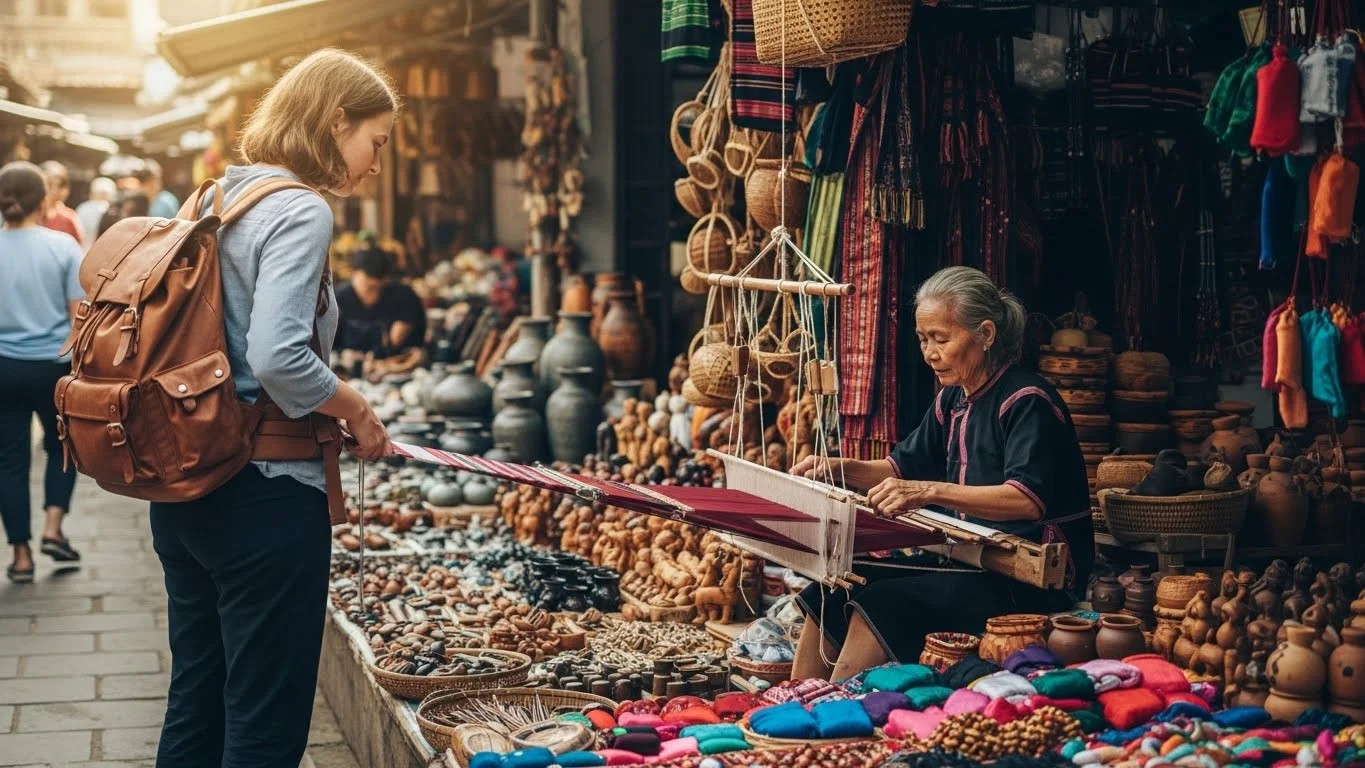
Sometimes, simply visiting local markets can feel like experiencing a craft workshop. I’ve spent hours wandering through markets, watching artisans at work, and picking up tips along the way. It’s a great way to support local businesses and enjoy authentic craft culture without breaking the bank.

Safety Tips While Exploring Craft Markets

While exploring craft markets, I always prioritize safety. I’ve learned a few tips along the way that help me navigate these vibrant environments confidently. First, I try to stay aware of my surroundings. Markets can be bustling and crowded, so keeping my belongings secure is essential. I use a crossbody bag that I can easily access while keeping it close to me.

It’s also a good idea to travel with a buddy whenever possible. Not only is it more fun to explore together, but having someone with me adds an extra layer of safety. I remember wandering through a night market in Thailand with a friend, and we both felt much more at ease discussing prices and engaging with vendors together. Plus, we could share our experiences and make memories that we cherish.

Respecting Local Cultures and Traditions

Respect is key when engaging with traditional crafts. Each culture has its own customs and practices, and I strive to be mindful of these while I travel. Before visiting a workshop or market, I often read up on local etiquette to ensure I’m not inadvertently offending anyone. For example, I learned that in some countries, bargaining is a common practice, while in others, it’s considered disrespectful. Understanding these nuances allows me to engage with artisans in a way that is both respectful and enriching.

Moreover, I always take the time to thank artisans for sharing their craft with me. A simple gesture of gratitude can go a long way in building rapport and showing appreciation for their hard work. When I express my genuine interest in their craft, I often discover even richer stories and insights that enhance my experience.

Frequently Asked Questions

What are traditional crafts and why are they important?

Traditional crafts are techniques and skills passed down through generations, reflecting the history, beliefs, and values of a culture. They include various forms such as textiles, pottery, woodworking, and metalwork. Understanding these crafts helps us appreciate the artistry involved and sustain the livelihoods of artisans.

Can you give examples of traditional crafts in India?

India is known for its vibrant textiles, such as the saris of Gujarat and tapestries of Kashmir, as well as its intricate pottery, particularly in Jaipur. The craftsmanship in these areas reflects the country’s rich cultural heritage.

What traditional crafts can be found in Japan?

Japan is renowned for its ceramics and woodworking. The ceramics combine form and function, while the woodworking exhibits a high level of detail, particularly in traditional temples and homes, showcasing techniques that have been preserved over centuries.

What types of traditional crafts are prominent in Morocco?

Morocco is famous for its leather goods, especially from Fez, and vibrant rugs woven by Berber women. These crafts are deeply embedded in the local culture and often tell unique stories through their designs.

How does one find workshops or studios for traditional crafts while traveling?

Travelers can discover workshops by asking locals for recommendations or using online platforms like Airbnb Experiences. These workshops provide opportunities to learn directly from artisans and understand their craft.

What are some budget-friendly ways to experience traditional crafts?

Travelers can participate in affordable workshops offered by local artisans or visit craft markets where they can observe artisans at work. These experiences often provide a deeper connection to the culture without significant costs.

What should travelers know about safety while exploring craft markets?

When visiting craft markets, it’s important to stay aware of surroundings and keep belongings secure. Traveling with a buddy can enhance safety and make the experience more enjoyable.

How can travelers show respect for local cultures when engaging with traditional crafts?

Travelers should learn about local customs and etiquette before visiting workshops or markets to avoid offending anyone. Expressing gratitude to artisans for sharing their craft can also foster a respectful relationship.

What is the significance of understanding the artisan’s perspective?

Understanding the artisan’s perspective allows travelers to appreciate the challenges and inspirations behind their work, fostering a deeper connection to the craft and supporting the preservation of traditional techniques.

How do traditional crafts reflect cultural heritage?

Traditional crafts often encapsulate history and identity, telling stories that connect people to their past. Each piece created reflects the culture, environment, and daily life of the artisans, serving as a link to their heritage.
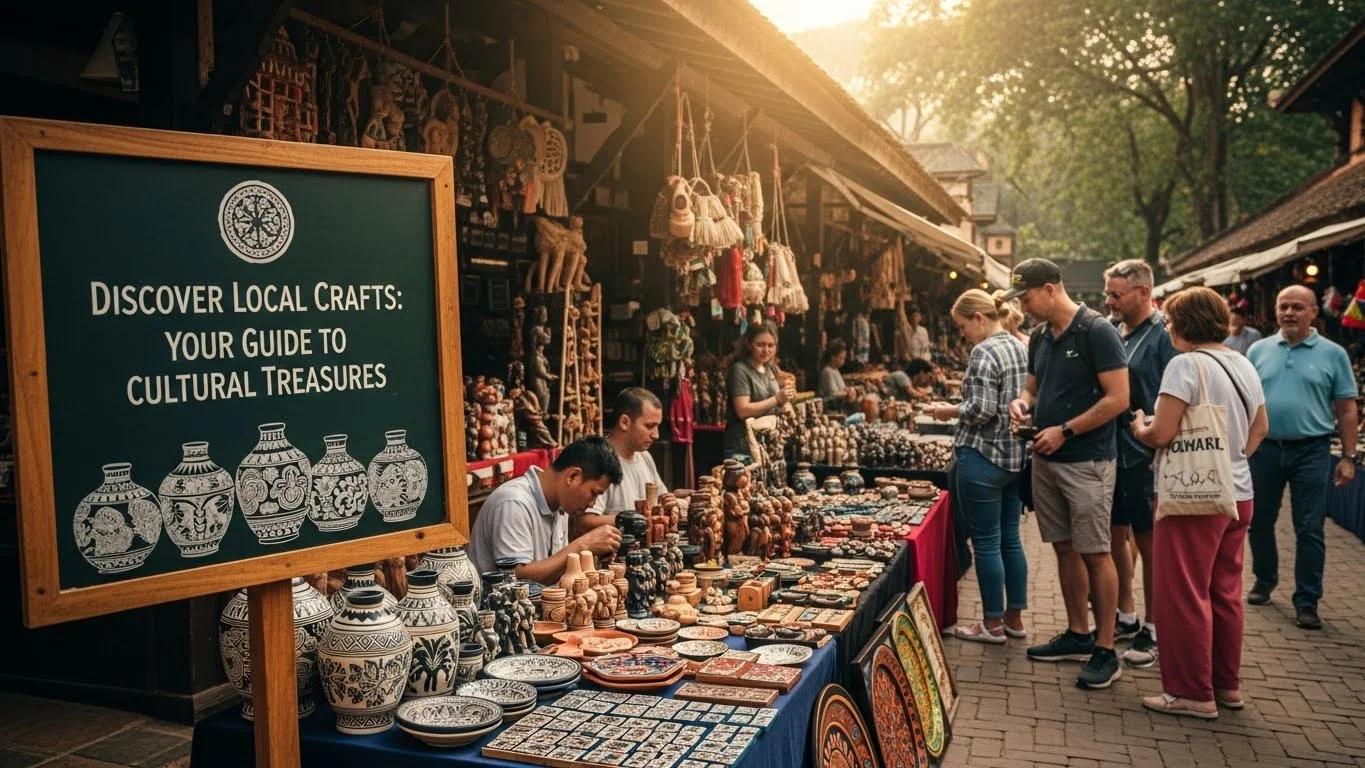
Discover Local Crafts: Your Guide to Cultural Treasures

Have you ever stumbled upon a hidden gem of local craftsmanship that made you feel connected to a place’s culture? Local crafts are more than just souvenirs; they are stories waiting to be told. Read Interesting article: Explore Local Art and Music: Your Guide to Cultural Hotspots

Discover Local Crafts: Your Guide to Cultural Treasures

Understanding Local Crafts and Their Significance

When I first began exploring local crafts during my travels, I found myself captivated by the unique items that reflected the character of each place I visited. Local crafts are handmade items that embody the traditions, skills, and cultural narratives of a specific community. From intricate pottery to beautifully woven textiles, each craft piece is a representation of the heritage and identity of its maker. They often tell the story of a region’s history, resources, and beliefs, making them deeply significant not just as products, but as cultural artifacts.

What Are Local Crafts?

Local crafts can be defined as handmade items produced by artisans using techniques passed down through generations. These crafts encompass a wide variety of categories, including but not limited to pottery, textiles, woodwork, jewelry, and more. What sets local crafts apart is their authenticity and the personal touch that goes into each piece. I remember visiting a small village where the artisans used traditional methods to create stunning ceramics. Each piece was unique, and I could sense the pride they took in their work. This personal connection made the crafts feel special, almost like a piece of the artist’s soul was embedded within each item.

The Role of Local Crafts in Cultural Identity

Local crafts play a vital role in preserving cultural identity. In a world where mass production often overshadows traditional methods, these crafts offer a glimpse into a community’s way of life. For instance, I’ve seen how Native American beadwork not only serves as beautiful accessories but also tells stories of heritage and tradition. When I wore a piece of handmade jewelry from a local artisan, I felt a sense of connection to the culture it represented. It was a reminder of the importance of keeping these traditions alive, as they are an integral part of our human experience and diversity.

Moreover, local crafts often reflect the natural resources available in a region. For example, in coastal areas, you might find crafts made from shells or driftwood, while mountainous regions may showcase items made from local stone or timber. I once visited a craft fair near a lake where artisans created beautiful pieces from reclaimed wood. Not only were the items stunning, but they were also a representation of their environment, making them even more meaningful.

Benefits of Supporting Local Artisans

Supporting local artisans goes beyond merely purchasing handmade goods; it contributes to the sustainability of communities and the preservation of cultural heritage. When we buy local crafts, we are investing in the artists’ livelihoods and empowering them to continue their craft. I remember meeting an artisan who turned his passion for woodworking into a thriving business. He shared how every purchase helped him provide for his family and train the next generation of craftsmen.

Furthermore, buying local crafts often means receiving a superior product. Unlike mass-produced items, local crafts are typically made with care, attention to detail, and quality materials. I’ve experienced the joy of owning a handmade item that feels more personal and special than anything I could find in a big-box store. It’s the stories behind these pieces that make them truly valuable. Each item has a tale—the artisan’s journey, their inspirations, and the techniques they’ve mastered. When I buy local crafts, I feel like I’m not just acquiring a product; I’m bringing home a piece of someone’s story.

Additionally, supporting local crafts fosters a sense of community. It connects us with the people around us and helps build relationships between artisans and consumers. I’ve participated in craft fairs where I could talk directly to the makers, learn about their processes, and understand the passion behind their work. This interaction enriched my experience and made my purchases feel even more meaningful.

In essence, local crafts are not just items to decorate our homes or wear; they are windows into the heart of a culture. They connect us to the past, to the artists, and to the communities that create them. By understanding and supporting local crafts, we not only enrich our lives but also help preserve the cultural treasures that make our world so diverse and vibrant. Whether you’re a seasoned collector or a casual shopper, I encourage you to explore the world of local crafts and discover the stories waiting to be found.

Types of Local Crafts to Explore

As I dove deeper into the world of local crafts, I discovered a rich variety of styles and techniques that are truly fascinating. Each category not only offers unique aesthetic appeal but also carries the essence of the culture it represents. Whether you’re an avid collector or just curious, there’s so much to explore. Here’s a look at some types of local crafts that have captured my heart.

Traditional Handicrafts

Traditional handicrafts are often the first thing that comes to mind when I think of local crafts. These can include items like handmade baskets, intricate carvings, and beautiful textiles. I remember visiting a small town where artisans were weaving bamboo into stunning baskets. Each weaver had their own unique patterns, and it was amazing to see how they transformed simple materials into functional art. I’ve come to appreciate how these crafts not only serve practical purposes but also showcase the skills and heritage of the community. They are a testament to the creativity and resourcefulness of the artisans.

Textiles and Fabrics

Textiles are another area where local crafts shine. From vibrant rugs to delicate scarves, textiles often tell stories through their patterns and colors. I had the pleasure of visiting a textile workshop where artisans used natural dyes made from local plants. The colors were so vivid and beautiful, unlike anything I’d seen from mass-produced items. I bought a handwoven shawl that not only keeps me warm but also reminds me of that experience and the artisans’ dedication. It’s like carrying a piece of their story with me.

Ceramics and Pottery

Ceramics and pottery hold a special place in my heart. I’ve always admired how clay can be molded into functional and decorative pieces. During my travels, I visited several pottery studios and was in awe of how each artisan had their own signature style, from rustic stoneware to elegant porcelain. I remember one workshop where an artisan demonstrated the potter’s wheel. It was mesmerizing to watch the way they shaped the clay, adding intricate designs as if they were painting on a canvas. I bought a handcrafted mug that has become my go-to for morning coffee, reminding me of that creative energy every time I use it.

Woodwork and Sculpture

Woodwork and sculpture are also fantastic categories to explore. I’ve seen everything from beautifully carved furniture to stunning sculptures that tell a story. I remember visiting a local festival where woodworkers showcased their craftsmanship. The smell of fresh-cut wood filled the air, and I was captivated by the intricate details of each piece. I found a wooden bowl that was not only functional for serving snacks but also a conversation starter. Every time I have guests over, I share the story of its creation and the artisan behind it.

Jewelry and Accessories

Jewelry and accessories are perhaps one of my favorite local crafts to explore. There’s something so personal about wearing a piece that has been handcrafted. I once visited a small jewelry studio where an artisan meticulously created pieces using local gemstones. I was drawn to a pendant made from a stunning turquoise stone, and the artisan shared the story of how the stone was sourced. It felt special to own a piece that wasn’t just beautiful but also had a narrative tied to the place. Each piece of jewelry often reflects not just the artisan’s skill but also the culture and materials of the region, making it even more meaningful.

As I reflect on the various types of local crafts, I realize how each one offers a glimpse into the lives of the artisans and the communities they represent. The stories behind these crafts enrich our understanding and appreciation for them, and I encourage everyone to take some time to explore the diverse world of local crafts. Whether it’s through purchasing, learning, or simply appreciating, each interaction can deepen our connection to these amazing cultural expressions. Read Interesting article: Explore Unique Local Festivals for Authentic Travel Experiences

Where to Find Local Crafts

As I delved deeper into the world of local crafts, I realized that knowing where to find these treasures can greatly enhance our experience. Each location offers a unique opportunity to connect with artisans and understand their work. Here are some of my favorite places to discover local crafts that I believe you might enjoy too.

Local Markets and Craft Fairs

One of the most vibrant places to find local crafts is at local markets and craft fairs. I can’t tell you how many weekends I’ve spent wandering through booths filled with handmade goods, chatting with artisans, and soaking in the atmosphere. These events usually showcase a diverse range of crafts, from handmade jewelry to artisanal foods. I remember visiting a craft fair in my town where I stumbled upon a stall selling beautifully carved wooden toys. The artisan was eager to share the story behind each piece, which made my purchase feel even more significant. In my experience, these markets not only support local artists but also foster a sense of community and celebration.

Artisan Shops and Studios

Another great way to discover local crafts is to seek out artisan shops and studios. I’ve often wandered into quaint little shops tucked away in city corners or countryside lanes, each filled with unique items that reflect the talent of local craftsmen. Visiting these shops allows for a more intimate experience, as many artisans are often present and willing to share their processes. For instance, I once visited a small pottery studio where the potter demonstrated how they create their work. I left with a beautiful bowl and a deeper appreciation for the craft. These visits can be a delightful blend of education and shopping, leaving you with cherished memories and handmade goods.

Online Platforms for Local Crafts

In the digital age, discovering local crafts has also become easier through online platforms. Websites dedicated to handmade goods often feature artisans from various regions, allowing you to explore a wider selection without the need to travel. I’ve found sites where I can filter my search by region or craft type, making it easy to find items that resonate with me. I remember ordering a handwoven rug from an artisan I discovered online. The process felt personal, as I exchanged messages with the maker about the colors and patterns. This online connection can sometimes replicate the experience of visiting a local shop, bringing the crafts directly to our homes. Read Interesting article: Experience Culture: Best Budget-Friendly Local Festivals

Community Workshops and Classes

Participating in community workshops and classes is another fantastic way to immerse yourself in local crafts. I’ve taken part in several classes, from pottery to textile dyeing, and each experience has deepened my appreciation for the craft. Not only do you learn new skills, but you also get to meet fellow craft enthusiasts and often the artisans themselves. I remember a pottery class where the instructor shared his journey and passion for the craft while teaching us the basics of throwing clay on the wheel. By the end of the class, I not only walked away with my own creation but also a newfound respect for the craft and the community that supports it.

Regional Highlights: Craft Traditions Across the U.S.

As I’ve traveled across the United States, I’ve been fortunate enough to encounter a plethora of regional craft traditions that reflect the unique cultural heritage of each area. Here’s a glimpse into some of these fascinating craft traditions that I’ve discovered, which might inspire you to explore them further.

New England: Quilting and Weaving

In New England, I found a strong tradition of quilting and weaving that dates back generations. The intricate patterns and vibrant colors of handmade quilts tell stories of families and communities. I visited a quaint quilt shop in Vermont where the owner showcased stunning pieces that combined modern design with traditional techniques. The artistry involved in each quilt is mesmerizing, and I’ve learned that many are passed down as heirlooms, each carrying a piece of family history.

The South: Pottery and Folk Art

Traveling to the South, I encountered a rich tapestry of pottery and folk art. I vividly remember visiting a pottery studio in North Carolina, where artisans used local clay to create functional and decorative pieces. The vivid glazes and unique forms made each item a work of art. Additionally, folk art in the South often incorporates elements of the natural environment, from painted wooden sculptures to intricate metalwork. These crafts reflect the history and traditions of the region, making them truly special.

The Midwest: Woodworking and Metalwork

The Midwest is renowned for its exceptional woodworking and metalwork. During my travels, I stumbled upon a woodworking shop in Wisconsin where artisans crafted stunning furniture pieces. The attention to detail and craftsmanship was evident in every item. I even had the chance to speak with a metalworker who created intricate sculptures from reclaimed materials, turning what could have been waste into art. The creativity and resourcefulness of these craftsmen left a lasting impression on me.

The West: Native American Crafts

The Western United States boasts a rich heritage of Native American crafts. I’ve been fortunate to attend gatherings where artisans display their beadwork, pottery, and woven baskets. Each piece carries deep cultural significance and tells a story of tradition and identity. I remember purchasing a beautifully beaded bracelet from a Navajo artisan, who shared the meaning behind the colors and patterns. Supporting these crafts not only helps preserve cultural heritage but also fosters a deeper understanding of the history and values of Native American communities.

The Pacific: Surfboard Making and Jewelry

In the Pacific, I was captivated by the craft of surfboard making and unique jewelry designs. I visited a surfboard factory in Hawaii where artisans handcraft each board with precision and care. The vibrant colors and designs reflect the island culture and connection to the ocean. I also discovered local jewelers utilizing shells and coral in their creations. These pieces are not only beautiful but also embody the spirit of the Pacific, making them cherished collectibles.

Exploring regional craft traditions across the U.S. has opened my eyes to the incredible diversity of handmade goods. Each region offers a unique beauty and story, and I encourage you to seek out these local crafts during your travels or even in your own community.

How to Support Local Crafts

Purchasing Directly from Artisans

One of the most impactful ways to support local crafts is to purchase directly from artisans. I love the feeling of walking into a studio or booth, where I can meet the creator and learn about their craft firsthand. There’s something special about buying a piece knowing exactly who made it and the story behind it. I recall visiting a local artisan market where I bought a beautiful hand-carved wooden figurine. The artisan was present, and I had the chance to hear about their inspiration and the techniques they used. This personal connection made the purchase feel so much more meaningful. Plus, it ensures that the money goes straight to the artist, allowing them to continue their craft and sustain their livelihood.

Participating in Craft Workshops

Participating in craft workshops is another fantastic way to support local artisans while immersing yourself in the craft. I’ve attended several workshops where I learned skills like pottery and weaving. Not only do you gain hands-on experience, but your participation also directly supports the artisan’s work. I remember one pottery workshop where the instructor shared their journey and passion for the craft. By the end of the class, I not only walked away with a handmade piece but also a newfound respect for the dedication that goes into each creation. I encourage you to seek out workshops in your area or during your travels; they are a wonderful way to connect with the craft community.

Promoting Local Artisans on Social Media

In today’s digital world, social media is a powerful tool for promoting local artisans and their crafts. I often share my favorite finds on my social media profiles. It’s a simple yet effective way to help artisans reach a broader audience. This past holiday season, I showcased some handmade ornaments I bought from a local artisan. The artist appreciated the exposure, and it felt rewarding to support someone’s passion project. If you have a favorite local artist, consider sharing their work with your friends and followers. You never know who might be inspired to support them too!

Understanding Fair Trade Practices

Understanding fair trade practices is crucial when buying local crafts, especially if you’re purchasing from artisans in developing regions. I’ve learned that fair trade ensures artisans receive fair compensation for their work and that their rights are respected. When I buy crafts, I try to support sellers who prioritize fair trade principles. This not only helps sustain the artisans’ businesses but also fosters ethical practices in the craft community. I remember purchasing a beautiful handwoven basket from a fair trade shop, and knowing that my purchase contributed to the local economy felt incredibly rewarding. It’s essential to do our research and support brands that align with our values.

Crafting as a Cultural Experience

Participating in Craft Festivals

Craft festivals are a fantastic way to immerse yourself in the local craft culture. I always look forward to these events, as they celebrate the creativity and diversity of artisans. At a recent festival, I found myself surrounded by vibrant displays of crafts from various regions. I was able to chat with artisans, participate in demonstrations, and even try my hand at some crafts. These festivals not only showcase incredible talent but also foster a sense of community, bringing together artists and craft lovers alike.

Learning About Craft Techniques

Learning about craft techniques can deepen your appreciation for local crafts. I’ve attended talks and workshops where artisans demonstrated their skills, explaining the history and significance of their craft. This insight has enriched my understanding of the pieces I own. For instance, I attended a weaving workshop where the artisan explained the symbolism behind different patterns. Now, every time I look at my woven wall hanging, I can appreciate the deeper meaning behind it. Engaging with artisans in this way allows us to understand the heritage and stories that each craft embodies.

Engaging with Craft Communities

Engaging with craft communities can provide ongoing support and appreciation for local artisans. I’ve joined local craft groups where we share our experiences, tips, and even organize outings to visit artisans. Being part of such a community has broadened my horizons and introduced me to new crafts and techniques. It’s inspiring to connect with like-minded individuals who share a passion for supporting artisans and preserving cultural heritage. I encourage you to seek out local craft groups or online communities; they can be a source of inspiration and camaraderie.

Tips for Discovering Local Crafts While Traveling

Researching Local Craft Scenes

Before embarking on a trip, I always take some time to research the local craft scene. I look for artisan markets, workshops, and galleries that showcase local talent. Websites and social media platforms are great resources for finding out what’s happening in the area. For example, during a recent trip to a new city, I discovered a local craft fair happening that weekend. Attending not only allowed me to shop for unique souvenirs, but I also met some incredible artisans.

Connecting with Local Artisans

While traveling, I make it a point to connect with local artisans. Visiting their studios or galleries gives me insight into their techniques and stories. I once met an artist who invited me to watch them work on a mural. That experience not only enriched my trip but also sparked a deeper appreciation for their craft. Building relationships with artisans can lead to meaningful conversations and perhaps even future collaborations or learning opportunities.

Finding Authentic Souvenirs

When I travel, I prefer to seek out authentic souvenirs that represent the local culture. Instead of generic items, I look for crafts that tell a story or reflect the region’s heritage. I remember finding a handmade ceramic piece that truly captured the spirit of the area. It’s these unique items that I cherish the most, as they remind me of the places I’ve visited and the artisans I’ve met.

Documenting Your Craft Experiences

Documenting my craft experiences has become a habit I truly enjoy. I often keep a travel journal where I jot down details about artisans I meet, workshops I attend, and the pieces I purchase. I also take photos to capture the beauty of the crafts and the stories behind them. Looking back at my journal brings a smile to my face and allows me to relive those moments. I encourage you to document your journey in a way that feels right for you, whether through writing, photography, or art.

Frequently Asked Questions about Local Crafts

What Makes a Craft ‘Local’?

A craft is considered ‘local’ when it is made by artisans who are part of a specific community, using techniques or materials unique to that area. This connection to the community is what gives local crafts their authenticity and significance.

How Can I Identify Authentic Local Crafts?

To identify authentic local crafts, look for labels or certificates that indicate the artisan’s background or the materials used. Engaging with the artisans and asking questions about their processes can also help ensure that you’re purchasing genuine items.

Are There Any Risks in Buying Local Crafts?

While most local crafts are made with care, it’s important to do your research before purchasing. Check reviews or ask for recommendations to avoid items that may not meet your expectations. Additionally, buying from reputable sources can minimize the risk of supporting exploitative practices.

What are the Benefits of Supporting Local Artisans?

Supporting local artisans contributes to the sustainability of communities and the preservation of cultural heritage. It helps artists continue their craft and empowers them to provide for their families and train future craftsmen.

How Do Local Crafts Reflect Cultural Identity?

Local crafts preserve cultural identity by showcasing the traditions, skills, and narratives of a community. They offer a glimpse into a region’s history and beliefs, making them significant cultural artifacts.

Where Can I Find Local Crafts?

Local crafts can be found at local markets, craft fairs, artisan shops, and studios. Online platforms also provide access to handmade goods from various artisans, making it easier to discover local crafts.

What Types of Local Crafts Are There?

Types of local crafts include traditional handicrafts, textiles and fabrics, ceramics and pottery, woodwork and sculpture, and jewelry and accessories. Each type showcases unique techniques and cultural stories.

How Can I Support Local Crafts?

You can support local crafts by purchasing directly from artisans, participating in craft workshops, promoting local artisans on social media, and understanding fair trade practices to ensure ethical purchasing.

How Can I Discover Local Crafts While Traveling?

To discover local crafts while traveling, research the local craft scene, connect with artisans, seek authentic souvenirs, and document your craft experiences to enrich your understanding and appreciation.

What Role Do Local Crafts Play in Community Building?

Local crafts foster a sense of community by connecting consumers with artisans, facilitating interactions that enrich the purchasing experience, and helping to build relationships that support local economies and traditions.

Final Thoughts

As I reflect on my experiences with local crafts, I realize how they have enriched my life in countless ways. Each piece tells a story, connecting us to the artisans and the culture they represent. Supporting local crafts isn’t just about acquiring unique items; it’s about fostering communities, preserving traditions, and creating meaningful connections. Whether you’re traveling or exploring your own backyard, I encourage you to delve into the world of local crafts. You might just discover something that resonates with you and deepens your understanding of the beauty in our diverse world.

Religious Experiences on a Budget: Travel the World Unearthed

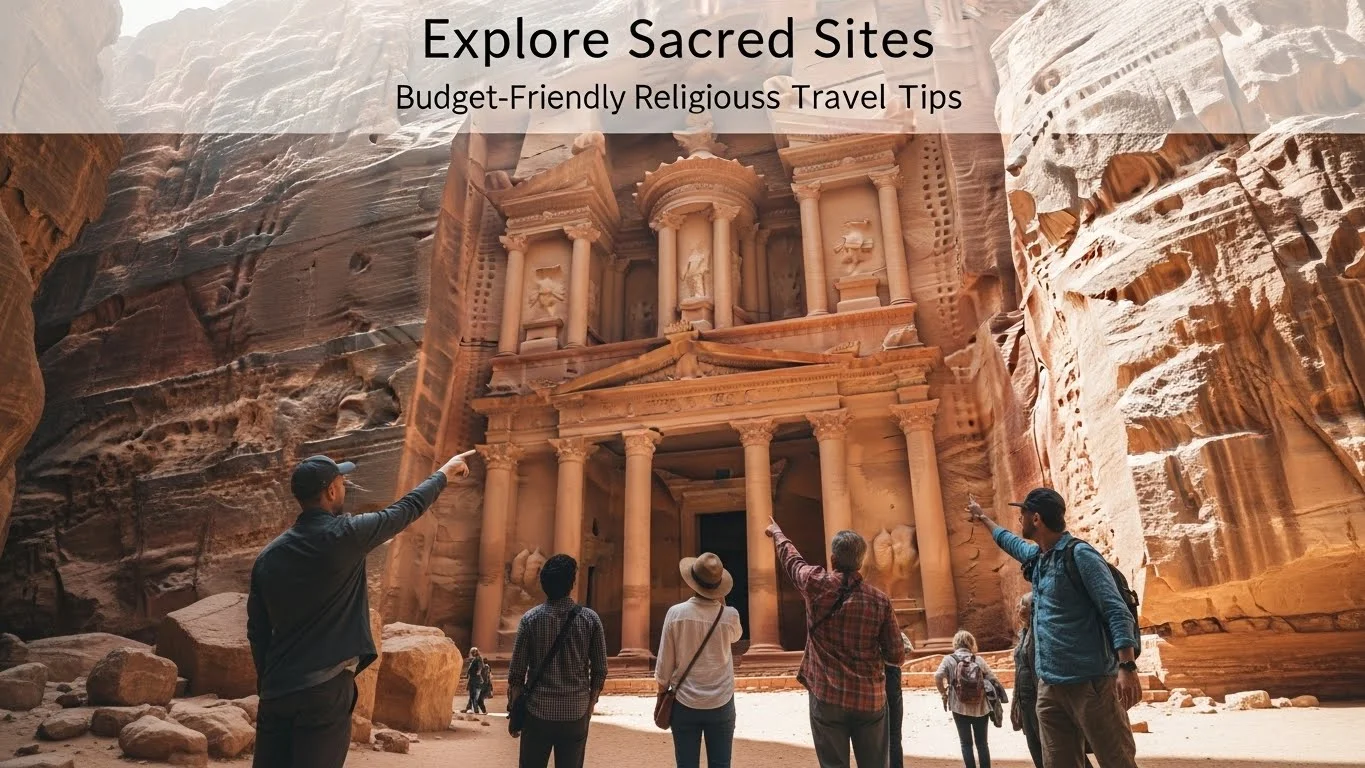
Traveling the world for religious experiences doesn’t have to break the bank. With a bit of planning and inspiration, we can explore sacred sites and spiritual journeys while keeping our budget in check.

Religious Experiences on a Budget: Travel the World Unearthed

Understanding Religious Travel on a Budget

What is Religious Travel?

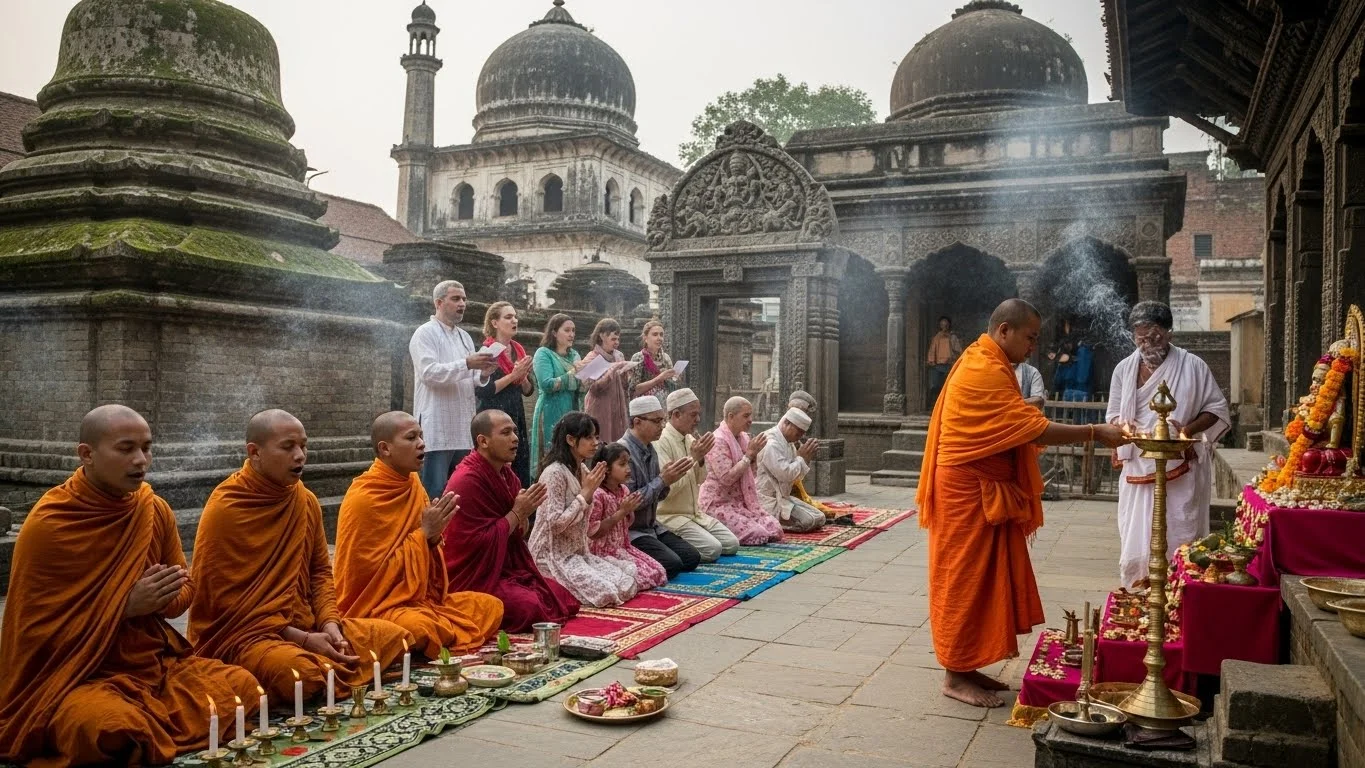
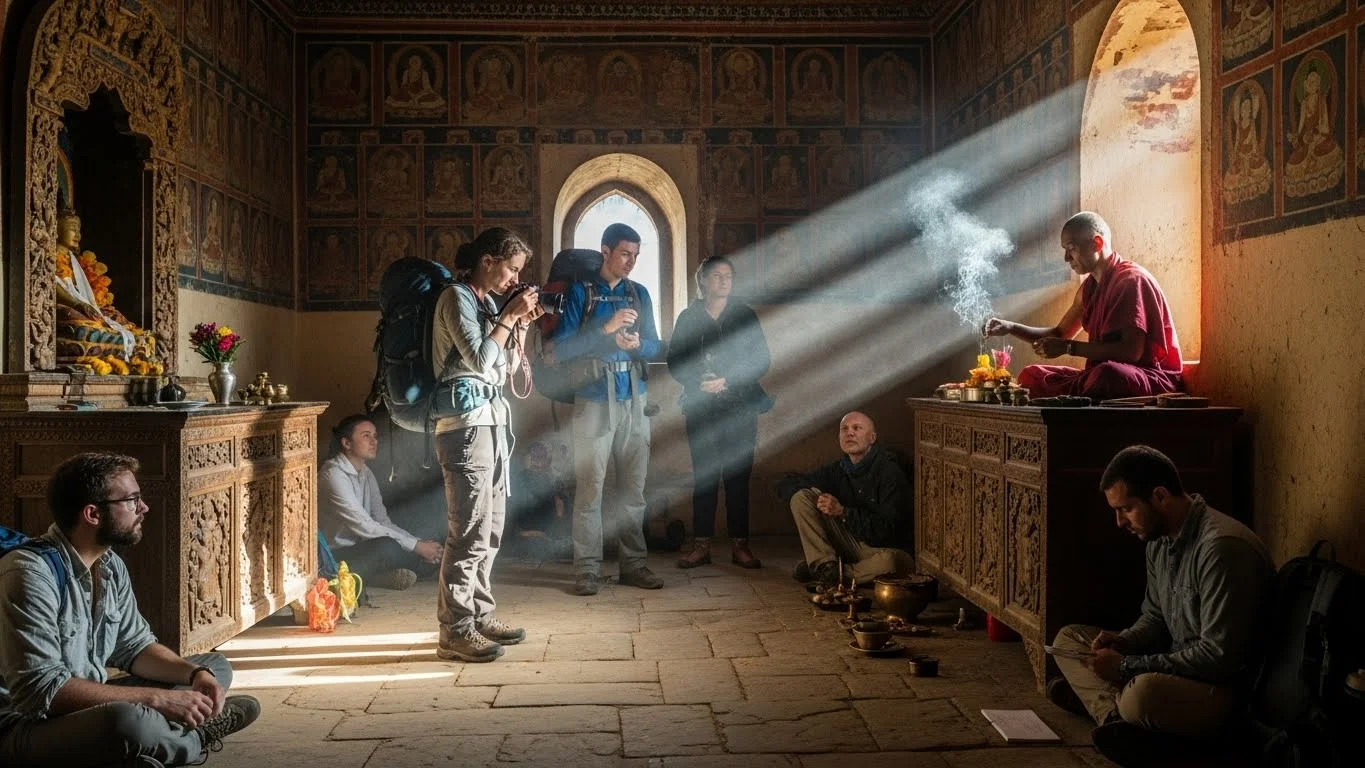
Religious travel, in my experience, is more than just visiting places of worship. It’s about connecting with different cultures, traditions, and spiritual practices. Whether it’s a pilgrimage to a holy site or a visit to a local temple, religious travel allows us to explore our beliefs while experiencing the world around us. I remember my first trip to a sacred site; it was eye-opening. I learned so much about different faiths, and it changed my perspective on life.

Benefits of Budget Religious Travel

Traveling on a budget opens doors to unique experiences that luxurious travel often overlooks. I think one of the biggest benefits of budget religious travel is the opportunity to engage more deeply with local communities. When we save costs on accommodations and dining, we can spend more on experiences that matter. For example, instead of splurging on a fancy hotel, we can choose a cozy hostel or guesthouse, which often leads us to meet fellow travelers and locals alike.

Another advantage is the sheer thrill of discovering hidden gems. On a recent trip, I stumbled upon a small temple that wasn’t in any guidebook. I spent the afternoon there, surrounded by locals, soaking in their rituals and practices. It was a magical experience, and it reminded me that sometimes the best moments happen off the beaten path.

Types of Religious Experiences

When we think about religious experiences, our minds might jump to grand cathedrals or massive temples. However, there’s a rich variety of experiences to explore. One type that I personally treasure is participation in local rituals. These can range from quiet meditations in serene settings to vibrant festivals filled with music and dance. For example, attending a Diwali celebration in India opened my eyes to the joy and community spirit that comes from shared beliefs.

Another enriching experience is volunteering at a religious organization. I found that helping out at a local food shelter during a religious observance not only deepened my understanding of the faith but also connected me to compassionate individuals who shared their stories. It was incredibly fulfilling to contribute and learn simultaneously.

Additionally, many travelers, including myself, seek spiritual retreats or workshops while on the road. These can be a great way to immerse ourselves in a faith tradition, often set in peaceful locations that allow for reflection and introspection. I remember attending a meditation retreat in a mountain town; it was a transformative experience that provided clarity and peace that I took home with me.

Exploring religious travel on a budget is not just about saving money; it’s about enriching our lives through diverse experiences. By embracing affordability, we can connect with the world in profound ways, discovering the beauty of faith in its many forms. Each journey teaches us something new, and every encounter enriches our understanding of humanity. So, let’s pack our bags and prepare for a journey where every destination holds the promise of spiritual discovery, all while keeping our wallets happy.

Top Affordable Religious Destinations Around the World

Jerusalem, Israel

Jerusalem holds a profound significance for many faiths, and it’s an incredible destination that I believe everyone should experience. The city is rich in history and spirituality, making it a meaningful place for religious travelers. Walking through the Old City, I found myself captivated by the Western Wall, a site of prayer and reflection for Jews, and felt a deep connection at the Church of the Holy Sepulchre, revered by Christians. I also discovered the Al-Aqsa Mosque, which stands as a magnificent symbol for Muslims.

One of the best things about visiting Jerusalem on a budget is the accessibility of many religious sites. Entry to most places is free or low-cost, allowing us to explore deeply without worrying about expenses. I remember wandering through the markets, sampling local foods, and engaging in conversations with locals who were eager to share their stories about faith and culture. This blend of spirituality and community made my trip unforgettable.

Varanasi, India

When it comes to experiencing spirituality, Varanasi is one of those places that truly touched my heart. Known as one of the oldest inhabited cities in the world, it’s considered a sacred site for Hindus. I was drawn to the ghats along the Ganges River, where I witnessed the mesmerizing Ganga Aarti ceremony. The vibrant colors, the sounds of chanting, and the aroma of incense created an atmosphere of deep reverence.

Traveling in Varanasi can be incredibly affordable. I found numerous budget-friendly guesthouses near the river, making it easy to immerse myself in the local culture. I also took part in yoga classes and meditation sessions, which were often offered at reasonable prices. These experiences helped me connect with my spirituality in a way I hadn’t imagined possible.

Mecca, Saudi Arabia

Mecca, being the birthplace of the Prophet Muhammad and the holiest city in Islam, offers a unique opportunity for spiritual enrichment. While the Hajj pilgrimage is a significant event, the city is welcoming to all visitors. As a Muslim traveler, I was deeply moved by the experience of visiting the Kaaba during the non-Hajj season. The atmosphere was electric, filled with pilgrims from all over the world, each sharing a common goal of devotion.

Although Mecca can be more expensive during Hajj, visiting during off-peak times allows for a more budget-friendly trip. I found that many local eateries offered delicious and affordable meals, which helped me save on dining costs while savoring authentic cuisine. Plus, the sense of community among pilgrims made every moment feel special, reinforcing the power of faith.

Rome, Italy

Rome is known for its stunning architecture and rich religious history. I remember standing in awe at St. Peter’s Basilica, feeling an overwhelming sense of peace wash over me. The Vatican Museums, though they charge an entry fee, are well worth the cost, especially when witnessing the breathtaking Sistine Chapel. There’s something magical about wandering through the cobblestone streets, each corner revealing a new church or hidden gem.

Fortunately, many of the beautiful churches in Rome are free to enter. I highly recommend exploring lesser-known sites, where you can often find tranquil spaces for reflection without the crowds. Plus, indulging in local gelato while soaking in the city’s history is an experience I wouldn’t trade for anything!

Kyoto, Japan

For those interested in Buddhism and Shintoism, Kyoto is a treasure trove of spiritual experiences. I was captivated by the serene temples and gardens, and the iconic Fushimi Inari Shrine with its thousands of red torii gates was a highlight of my trip. The tranquility I felt while exploring these spaces was palpable, allowing me to reflect on my own beliefs.

Visiting Kyoto on a budget is quite feasible. Many temples have low entrance fees, or none at all, and public transportation is affordable and efficient. I enjoyed strolling through the Philosopher’s Path, where I encountered impressive cherry blossoms in the spring. It’s a perfect spot for contemplation and connecting with nature, which I found incredibly grounding.

Mexico City, Mexico

My exploration of Mexico City led me to the Basilica of Our Lady of Guadalupe, one of the most important pilgrimage sites in Catholicism. The vibrant atmosphere surrounding the basilica was unlike anything I had experienced before. I witnessed thousands of devotees arriving on foot, some traveling for days to pay their respects, and it was deeply moving.

Mexico City is an affordable destination, with plenty of budget accommodations and delicious street food. I remember enjoying tacos from a local vendor for just a few pesos while soaking in the vibrant culture around me. Engaging with locals and listening to their stories about faith and life added layers to my understanding of the city and its rich spiritual landscape.

Planning Your Religious Journey

When to Travel for Religious Events

Timing can truly enhance our religious travel experience. I’ve learned that certain events or festivals can bring a whole new dimension to a destination. For instance, if you’re visiting Jerusalem, planning your trip around Passover or Yom Kippur can provide a unique glimpse into the cultural and spiritual practices of the local Jewish community. Similarly, attending the Kumbh Mela in India, one of the largest religious gatherings in the world, can be a life-changing experience. I remember the sense of unity and devotion that filled the air during my visit. Being part of such a significant event made the trip so much more meaningful.

Researching the calendar of events for your chosen destination can help us find the right time to travel. Many religious sites have specific days dedicated to ceremonies or festivals that are open to visitors. I find it rewarding to align our travels with these events to deepen our understanding of the local faith practices.

Choosing the Right Season

Choosing the right season for our travels can significantly impact both our budget and experience. I’ve discovered that traveling during the shoulder seasons—just before or after the peak tourist times—can help us save money and avoid the crowds. For instance, visiting Rome in the spring or fall means we can explore its stunning churches and historical sites without the overwhelming summer heat and throngs of tourists. Plus, the weather is usually mild, perfect for wandering the streets and soaking up the local atmosphere.

In some regions, specific weather patterns can enhance our spiritual experiences. For instance, visiting Kyoto during cherry blossom season is breathtaking. The delicate flowers create a serene backdrop for meditation, allowing us to connect with nature and our spiritual sides simultaneously. I remember sitting beneath a cherry tree, feeling a sense of peace wash over me as I reflected on my journey.

Budgeting for Your Trip

Budgeting for a religious journey is essential to ensure we can focus on experiences rather than expenses. In my experience, I’ve found that creating a detailed plan helps. I start by outlining the major costs, such as flights, accommodations, and daily expenses. However, I also set aside some funds for unexpected opportunities that might arise during the trip. For example, I once stumbled upon a local workshop that offered a unique insight into traditional rituals, and I was so glad I had the extra cash to participate.

Using apps and websites that track travel costs can help us stay on top of our budget. I often use budgeting tools to keep an eye on my spending. It helps to analyze where I can save, whether it’s choosing a local eatery instead of a tourist trap or opting for public transport instead of taxis. With a little planning, we can stretch our budget further while still enjoying everything our destination has to offer.

Finding Affordable Accommodations

Finding a place to stay doesn’t have to be a financial burden. I’ve had great success using platforms like Airbnb and hostels, which often provide not just cheaper rates but also opportunities to connect with travelers and locals. On one trip, I booked a small guesthouse run by a local family in Varanasi, and it turned out to be a highlight of my journey. The warmth and hospitality I received there made my stay memorable, and I learned so much about their culture and traditions.

Another tip that I’ve found useful is to look for religious hostels or retreats. Many religious organizations offer accommodations at very reasonable prices. Not only do they provide a place to stay, but they often come with a spiritual community that can enhance our experience. I remember attending an evening prayer service at a monastery where I was staying—it was such a peaceful way to end the day and helped me feel more connected to my surroundings.

Transportation Tips for Budget Travelers

Getting There: Finding Cheap Flights

Flights can be one of the biggest expenses on our travel budgets, but I’ve learned a few tricks to find affordable options. I usually start by comparing prices on different travel sites and setting up alerts for price drops. Flexibility is key; I often find that flying mid-week or during off-peak times can save us a significant amount. I remember booking a flight to Mexico City on a Tuesday, which ended up being nearly half the price of a weekend flight.

Additionally, considering nearby airports can sometimes lead to cheaper fares. For example, if I’m visiting a major city, I check if there are smaller airports nearby with lower-cost carriers. It’s worth the extra travel time if it means we can save a few bucks.

Local Transportation Options

Once we arrive at our destination, local transportation is often a breeze. Many cities have reliable public transportation systems that are both affordable and efficient. I love using buses or trains because they allow me to see the local life unfold and engage with residents. For instance, in Kyoto, I utilized the subway and buses to visit various temples, and it was not only budget-friendly but also a fun way to navigate the city.

Renting bicycles is also a popular option in many places. I’ve found that it’s an excellent way to explore at my own pace. Cycling through the streets of Amsterdam while visiting historic churches was such a memorable experience for me. It offered a unique perspective that I wouldn’t have gained otherwise.

Walking Tours of Religious Sites

Walking tours of religious sites can be one of the most enriching ways to experience a destination. I love joining local walking tours that focus on religious history and culture. Many cities offer free or donation-based tours, allowing us to contribute what we can while gaining insights from knowledgeable guides. During my time in Rome, I joined a free walking tour that highlighted the city’s religious landmarks. The guide shared fascinating stories that made the experience come alive.

Plus, exploring on foot allows us to connect more deeply with the surroundings. I remember discovering a small chapel tucked away in a narrow alley that I would have missed if I hadn’t been walking. It was a peaceful moment that added a special touch to my journey. So, grab a comfortable pair of shoes and prepare to walk; there’s so much to discover!

Must-Visit Religious Sites and Their Costs

Free Religious Sites Worth Visiting

When exploring religious sites, I’ve discovered that many offer incredible experiences at no cost. For example, the beautiful temples in Kyoto often have free entry, allowing us to wander through serene gardens and meditate in tranquil settings without spending a dime. I remember standing in the peaceful grounds of Kinkaku-ji, the Golden Pavilion, and feeling utterly at ease as I absorbed the stunning architecture and surrounding nature.

Another gem is the famous Cathedral of Santa Maria del Fiore in Florence. While there is a small fee for climbing to the top, exploring the cathedral itself is free. I was in awe of the intricate designs and vibrant frescoes that adorned the walls. The atmosphere inside was steeped in history, and I felt a deep sense of connection to those who had walked through its doors long before me.

Low-Cost Entrance Fees for Major Sites

Some major religious sites do charge entrance fees, but these are often quite reasonable. For instance, visiting the Vatican Museums has a ticket price, but it’s well worth it for the chance to see Michelangelo’s Sistine Chapel. I remember feeling overwhelmed by the beauty of the artwork and the sacredness of the space. Planning ahead can help us take advantage of reduced rates on certain days or times, which made my visit even more budget-friendly.

Additionally, many sites offer discounts for students, seniors, or groups. I always check the official website before visiting to see if I can snag a deal. During my travels, I’ve found that with a little research, I can enjoy major attractions without breaking the bank.

Guided Tours vs. Self-Guided Tours

Deciding between guided and self-guided tours can significantly impact our experience and budget. Guided tours often provide deep insights and historical context, which I find invaluable. For example, when I took a guided tour of the Holy City of Jerusalem, the local guide shared stories and cultural nuances that brought the history to life in a way I could never have grasped alone.

That said, self-guided tours can allow for a more personal experience. I often create my itinerary based on research and recommendations. Using a reliable travel app or a good map, I’ve enjoyed wandering through cities at my own pace. In places like Rome, getting lost in the streets often led to unexpected discoveries—like stumbling upon a small chapel or a local market filled with vibrant colors and aromas.

Experiencing Local Culture and Traditions

Participating in Religious Festivals

Experiencing local religious festivals is one of the most enriching aspects of my travels. These events offer a vibrant glimpse into the culture and spiritual practices of the community. I remember attending the Holi festival in India, where I was immersed in a whirlwind of colors and joy. The laughter, dancing, and shared excitement created connections with locals that I still cherish today.

Participating in these festivals is often free and provides an authentic experience that’s hard to replicate. I recommend checking local calendars to align your travel with these events. The energy and sense of community can transform any trip into a truly unforgettable adventure.

Local Cuisine and Food Experiences

Food is a significant part of culture, and exploring local cuisine can enhance our understanding of a destination’s traditions. I love trying street food in bustling markets; it’s often inexpensive and packed with flavor. In Mexico City, I enjoyed tasty tacos from a street vendor for just a few pesos, each bite giving me a taste of local life.

Moreover, many religious sites offer food experiences that reflect their traditions. During my visit to a monastery in Greece, I participated in a cooking class that taught us about the simple yet delicious meals prepared by monks. Sharing this meal with fellow travelers and locals was a beautiful way to bond and learn.

Community Engagement and Volunteering Opportunities

Volunteering while traveling is a rewarding way to connect with local communities. I’ve found that many religious organizations welcome travelers who want to lend a hand. During my time in Varanasi, I volunteered at a local charity that served meals to the needy. This experience not only deepened my understanding of the local culture but also created meaningful connections with the people I met.

Engaging in community service often leads to unexpected lessons and insights. I believe that by giving back, we enrich our travel experiences and leave a positive impact on those we encounter.

Safety and Health Considerations

Travel Insurance for Religious Travelers

Travel insurance is something I never overlook when planning my journeys. It brings peace of mind knowing that I’m protected against unexpected events. I recommend looking for plans that cover medical emergencies, trip cancellations, and theft. One time, when I fell ill during a trip to Jerusalem, my insurance made it easier to access the care I needed without financial stress.

Health Precautions While Traveling

Being mindful of health precautions is essential while traveling, especially when visiting religious sites. I always make sure to stay hydrated, especially in hotter climates, and I carry basic medications for minor ailments. Additionally, I’ve learned to respect local customs regarding health, such as ensuring I dress appropriately when visiting sacred sites to show respect for the traditions.

Respecting Local Customs and Traditions

Respecting local customs is paramount in religious travel. Every culture has its unique practices, and I often take time to learn about them before my visits. Whether it’s removing shoes before entering a temple or dressing modestly when visiting a mosque, these gestures show respect and often enhance the experience. I remember feeling a deep sense of gratitude when locals acknowledged my efforts to honor their traditions during my travels.

Resources for Budget Religious Travel

Travel Blogs and Forums

Travel blogs and forums are fantastic resources for budget religious travel advice. I often turn to fellow travelers for tips on hidden gems and affordable accommodations. Websites like Lonely Planet and TripAdvisor provide insights from real travelers, and engaging with others in travel forums has frequently led to discovering lesser-known experiences that made my trips memorable.

Religious Travel Apps and Websites

There are numerous apps and websites dedicated to religious travel. I’ve found apps that focus on pilgrimage routes or highlight significant religious events to be especially useful. Using these tools allows me to plan my itinerary with greater ease and incorporate local festivals or ceremonies into my travels. I highly recommend checking out Backpacking Through Faith: Affordable Religious Destinations for more insights.

Books and Guides on Religious Destinations

Books and travel guides can provide a deeper understanding of the religious sites I’m visiting. I often take a guidebook focused on the spiritual history of a region, which helps to enrich my visits. Reading about the significance of places like the Vatican or the Western Wall before arriving allows me to appreciate them fully when I’m there.

Final Thoughts

Traveling for religious experiences on a budget opens up a world of spiritual discovery and connection. Every destination holds the promise of enriching our understanding of different faiths and cultures. By being mindful of our spending and embracing local traditions, we can create meaningful memories that last a lifetime. I encourage everyone to embark on their journey, explore sacred sites, and engage with communities. It’s these experiences that truly nourish our souls and broaden our horizons.

Frequently Asked Questions

What is religious travel?

Religious travel is more than just visiting places of worship; it involves connecting with different cultures, traditions, and spiritual practices. It can include pilgrimages to holy sites or visits to local temples, allowing travelers to explore their beliefs while experiencing the world around them.

What are the benefits of budget religious travel?

Budget religious travel provides opportunities to engage more deeply with local communities and discover hidden gems. By saving on accommodations and dining, travelers can invest more in meaningful experiences, such as participating in local rituals or volunteering.

What types of religious experiences can travelers seek?

Travelers can participate in local rituals, volunteer at religious organizations, and attend spiritual retreats or workshops. These experiences can range from quiet meditations to vibrant festivals, allowing travelers to immerse themselves in various faith traditions.

What are some affordable religious destinations around the world?

Some affordable religious destinations include Jerusalem, Varanasi, Mecca, Rome, Kyoto, and Mexico City. Each location offers a rich spiritual experience with many low-cost or free options for exploring religious sites.

How can timing enhance a religious travel experience?

Timing can enhance the experience by aligning travel with significant religious events or festivals. This allows travelers to witness and participate in cultural practices, making their journey more meaningful.

What budgeting tips can help during a religious journey?

Creating a detailed budget plan that outlines major costs, using budgeting apps to track expenses, and setting aside funds for unexpected opportunities can help travelers manage their finances effectively while enjoying their journey.

What are some tips for finding affordable accommodations?

Travelers can find affordable accommodations through platforms like Airbnb and hostels, seek religious hostels or retreats, and look for local guesthouses that often provide a warm experience and cultural insights.

How can travelers save on transportation costs?

Travelers can save on transportation by comparing flight prices, being flexible with travel dates, using public transportation, or renting bicycles to explore destinations at a lower cost while engaging with local life.

What are the advantages of participating in local religious festivals?

Participating in local religious festivals offers vibrant cultural experiences and authentic connections with the community. These events are often free and provide a unique insight into the spiritual practices of the local culture.

Why is respecting local customs important during religious travel?

Respecting local customs is crucial in religious travel as it shows appreciation for the traditions and beliefs of the community. Engaging respectfully can enhance the travel experience and foster positive interactions with locals.

Read Interesting article: Cultural Journeys: Discovering Global Religious Practices

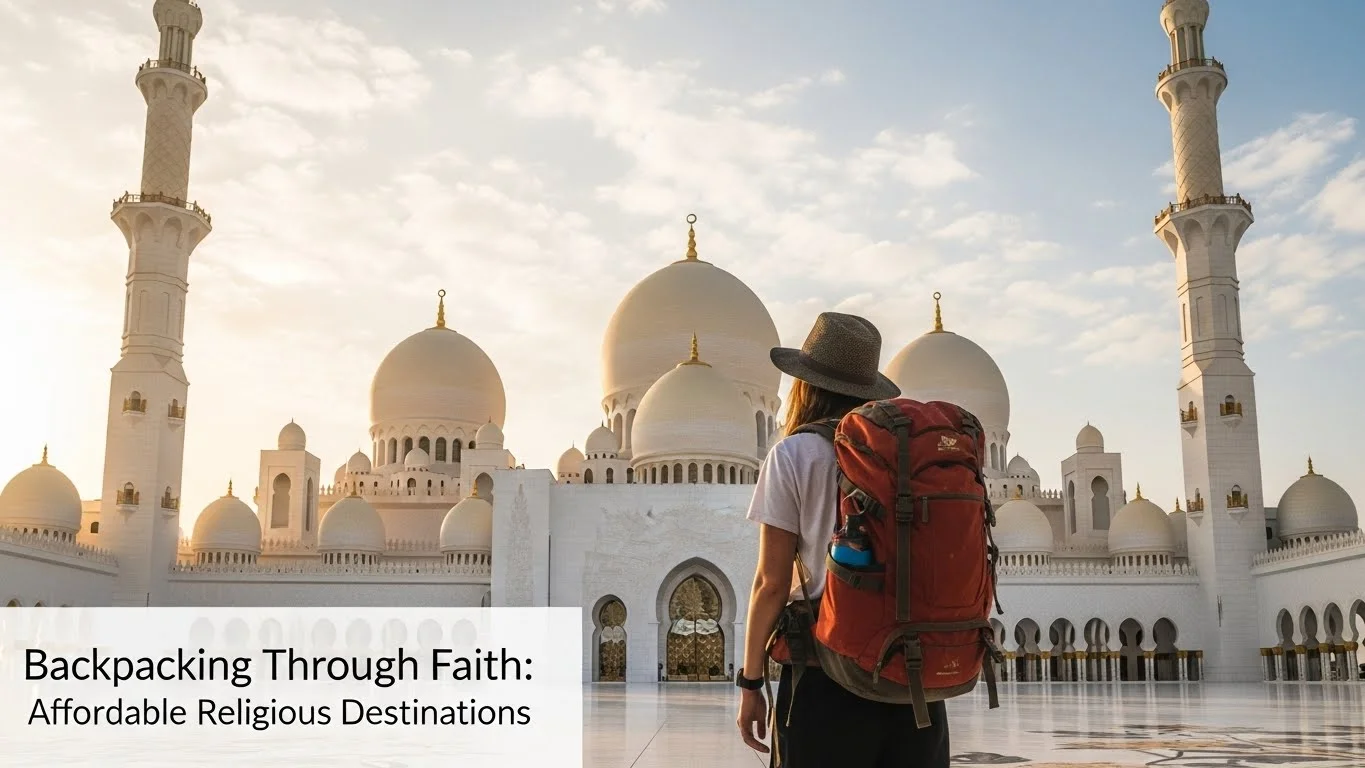
Backpacking Through Faith: Affordable Religious Destinations

Backpacking through faith can be an incredibly enriching experience, blending adventure with spiritual exploration. Discovering affordable religious destinations allows us to deepen our beliefs while embracing the beauty of different cultures.

Backpacking Through Faith: Affordable Religious Destinations

Understanding Faith-Based Travel

When I first embarked on a journey focused on faith-based travel, I was surprised by how deeply it resonated with me. It wasn’t just about visiting holy places; it was about connecting with something greater than myself. I realized that faith-based travel encompasses much more than mere sightseeing; it’s about understanding the essence of faith and how it shapes cultures and communities around the world.

The Importance of Religious Pilgrimages

Religious pilgrimages have been an essential part of human history for centuries. These journeys allow individuals to seek spiritual growth, healing, and connection. I remember my first pilgrimage; it was exhilarating to walk in the footsteps of those who came before me, all while reflecting on my beliefs and values. Whether it’s the Camino de Santiago in Spain or the Hajj in Saudi Arabia, these journeys often carry deep significance, offering a chance to reflect, pray, and grow spiritually.

The beauty of religious destinations is that they often attract people from all walks of life, fostering a sense of community. I’ve met so many fellow travelers who shared their stories, creating bonds that transcended language and culture. It’s a reminder that our faith can unite us, even in diverse settings.

The Concept of Backpacking in Faith

Backpacking through faith is a unique way to blend adventure with spirituality. I’ve found that this style of travel allows for flexibility and spontaneity, enabling us to explore destinations at our own pace. When I decided to backpack through several religious sites, I was drawn to the thrill of discovering hidden gems and local experiences that traditional tours often overlook. Exploring historical sites can enhance the journey significantly.

Backpacking is not just about the destinations; it’s also about the journey itself. I recall getting lost in the winding streets of Varanasi, where I stumbled upon a small temple tucked away from the crowded paths. It felt like a divine intervention, reminding me that sometimes the best experiences come from unexpected detours. The beauty of backpacking is that it encourages us to be open to new experiences, allowing faith to guide our paths in both a physical and spiritual sense.

One of the most rewarding aspects of this kind of travel is the affordability. By choosing budget accommodations, local eateries, and public transport, I found that I could stretch my travel funds while still experiencing the rich tapestry of faith-based destinations. It’s incredible how much you can learn and grow when you step outside your comfort zone and embrace the world around you.

As I planned my backpacking trip, I made sure to research each destination’s significance, local customs, and the stories behind famous landmarks. This preparation allowed me to engage more deeply with each place I visited, enhancing both my understanding and my experience. I think it’s essential to approach each destination with respect and an open heart, ready to absorb the lessons that await us.

Ultimately, faith-based backpacking offers us the chance to explore not only the world around us but also our inner selves. Each destination becomes a chapter in our personal story, filled with insights, revelations, and connections. Whether it’s standing in silent reverence at the Western Wall or feeling the vibrations of prayer along the Ganges, I’ve come to appreciate how these moments shape my faith and my understanding of the world.

In the following sections, we’ll delve into some of the top affordable religious destinations worldwide. I can’t wait to share the places that have touched my heart and spirit, and I hope they inspire you to embark on your own journey of faith and discovery.

Top Affordable Religious Destinations Worldwide

Jerusalem, Israel

Jerusalem is a destination that holds a special place in my heart. The city is a profound tapestry of history, faith, and culture. When I first arrived, the air felt electric with the weight of centuries of devotion. Walking through the Old City, with its cobblestone streets and ancient walls, I felt a sense of connection to something much larger than myself. The Western Wall, for example, is a place where many come to pray and reflect, and being there among so many others seeking solace was both humbling and uplifting.

For those looking to save money, there are numerous free walking tours available, which provide great insights into the city’s history and significance. I remember joining one that focused on the religious significance of various sites, and it left me with a deeper understanding of the different faiths represented here. Plus, exploring local markets like the Mahane Yehuda Market was a delight; I found delicious street food at very reasonable prices!

Rome, Italy

Rome is another incredible destination that blends faith and history. The Vatican City, home to St. Peter’s Basilica, is a must-see. On my visit, I was amazed by the stunning architecture and the spiritual energy that envelops the place. While entry to many sites can be pricey, I discovered that there are free admission days, and attending a papal audience is an unforgettable experience that won’t cost a thing.

Don’t miss out on the lesser-known churches scattered throughout the city. I wandered into Santa Maria in Trastevere one afternoon and found it to be a peaceful retreat from the bustling streets. The local neighborhood offered fantastic, budget-friendly trattorias where I enjoyed authentic Italian cuisine without breaking the bank.

Varanasi, India

Varanasi holds a unique charm that captivated me from the moment I arrived. Known as one of the oldest inhabited cities in the world, it’s a sacred place for Hindus and a site for spiritual exploration. I remember standing on the ghats by the Ganges River, watching the evening aarti ceremony unfold before me. The colors, sounds, and smells were a feast for the senses, and I felt a deep connection to the culture and the spirituality of the place.

In Varanasi, I found that traveling on a budget was easy. Guesthouses along the river offered affordable accommodations, and street food stalls served up delicious meals for just a few rupees. My favorite was the local chai, which I enjoyed while chatting with the friendly locals. Each conversation added a layer to my understanding of faith, life, and community.

Lourdes, France

Lourdes is a destination I had always heard about, and visiting it was a dream come true. The Sanctuary of Our Lady of Lourdes draws millions each year, and I was one of them. The atmosphere is filled with hope and healing, and I felt it as I walked through the grounds. The baths, where many seek physical and spiritual healing, were particularly moving, and I spent time reflecting on my own journey.

While many travelers flock to Lourdes for its religious significance, I found it to be a tranquil place as well. Exploring the surrounding Pyrenees mountains offered beautiful vistas without spending much. Additionally, I discovered that many local cafes offered affordable meals, allowing me to savor the French cuisine while staying within my budget.

Fatima, Portugal

Fatima is another remarkable destination that resonates with many pilgrims. I felt a sense of peace as I approached the Sanctuary of Fátima. The story behind the apparitions of Our Lady of Fatima is inspiring, and witnessing the candlelight procession in the evening was truly a highlight of my visit. It was a beautiful reminder of faith in action, as thousands gathered in prayer.

Budget-friendly accommodations are plentiful in Fatima, and the town’s small size makes it easy to navigate on foot. I enjoyed exploring local shops and trying the traditional pastries, all while meeting fellow travelers who shared their faith stories. It’s incredible how a simple town can bring so many people together for a common purpose.

Mount Sinai, Egypt

Mount Sinai is steeped in history and spirituality. The climb to the summit is challenging, but reaching the top at sunrise was one of the most breathtaking experiences of my life. Standing where Moses is said to have received the Ten Commandments, I felt a profound sense of connection to my faith. The view was both humbling and awe-inspiring.

The area around Mount Sinai is dotted with budget-friendly accommodations, and I found that many backpackers gather at local guesthouses, creating a sense of camaraderie. Sharing stories around a campfire with fellow travelers made the experience even more memorable. I also enjoyed the local cuisine, which was both hearty and affordable, providing the fuel I needed for my adventures.

Planning Your Faith-Based Backpacking Trip

When to Visit: Best Times for Religious Destinations

Planning the timing of your trip can greatly enhance your experience. I’ve found that visiting these religious destinations during off-peak seasons often leads to a more intimate experience. For instance, when I visited Jerusalem in late winter, the crowds were smaller, allowing for more personal moments at significant sites like the Western Wall.

In my experience, spring is a fantastic time to explore places like Rome and Lourdes. The weather is mild, and the blooming flowers add a touch of beauty to your journey. However, if you’re considering a pilgrimage to Varanasi, I recommend going during the cooler months from October to March, when the temperatures are more comfortable for wandering the ghats along the Ganges.

Religious festivals can be both a blessing and a challenge. While they offer unique insights into local culture, they can also bring larger crowds. I remember being swept up in the vibrant celebrations during my visit to Fatima, and while it was magical, it was also a bit overwhelming. So, check the local calendars and plan accordingly to either immerse yourself in these events or avoid them if you prefer a quieter experience.

Budgeting for Your Journey

Creating a budget for your faith-based backpacking trip is essential. When I first started planning my travels, I underestimated how far my money could stretch when I focused on affordable options. I recommend breaking down your budget into categories like accommodation, food, transportation, and activities.

For accommodations, consider hostels or guesthouses, which I found to be both economical and welcoming. In cities like Rome, I was able to find dormitory-style rooms that allowed me to meet other travelers while keeping costs low. Food is another area where you can save. I learned that eating like a local, such as enjoying street food or dining in family-run restaurants, can provide delicious meals without breaking the bank.

Don’t forget to set aside some funds for experiences that are important to you. Whether it’s a special guided tour, a boat ride on the Ganges, or a unique workshop in Jerusalem, these moments often become the highlights of your trip. I’ve learned that investing in experiences is usually much more rewarding than spending on material things. Discovering architectural gems can also be a rewarding experience.

Finding Affordable Accommodations

Finding budget-friendly accommodations can greatly influence your overall trip experience. I’ve discovered that a mix of hostels, guesthouses, and even religious houses can offer affordable and sometimes spiritually enriching places to stay. For example, in Varanasi, I found a charming guesthouse run by a local family that provided me with an authentic experience, complete with home-cooked meals!

Websites like Hostelworld and Airbnb can offer great deals, but my favorite method is to check local travel forums or social media groups dedicated to backpacking. I’ve often found hidden gems that wouldn’t pop up on mainstream travel sites. Often, these locals have unique insights and can lead you to accommodations that are not only affordable but also rich in character.

Another tip that worked well for me is to consider staying at religious institutions. Many monasteries, convents, and retreat centers offer rooms for pilgrims at low prices. During my stay at a convent in Rome, I appreciated the serene atmosphere that perfectly complemented my spiritual journey.

Transportation Options for Backpackers

Getting around doesn’t have to be a financial burden. I’ve found that public transportation is often the best way to travel within cities and between destinations. In Jerusalem, for example, I used the light rail and buses, which were not only affordable but also offered a chance to see the city through the eyes of the locals.

In places like Rome, I recommend getting a transportation pass that allows unlimited rides on buses and trains for a set number of days. This can save both time and money while also allowing you the freedom to hop on and off as you please. I remember exploring hidden gems in small corners of the city that I might have missed if I’d relied solely on taxis or rideshares.

Don’t forget about walking! Many religious destinations are filled with sites that are best explored on foot. I’ve often found that the best memories come from wandering aimlessly and discovering hidden paths and local treasures. Plus, it gives you time to reflect on your journey, both physically and spiritually, as you take in the sights and sounds around you.

Top Attractions in Each Destination

Jerusalem: The Western Wall and Church of the Holy Sepulchre

When visiting Jerusalem, the Western Wall is a must-see. I will never forget the powerful feeling of placing my hand against the ancient stones, feeling the weight of history and prayer. Nearby, the Church of the Holy Sepulchre offers a glimpse into Christianity’s rich heritage. I found it fascinating to see pilgrims from different backgrounds come together in shared reverence.

Rome: The Vatican and St. Peter’s Basilica

The Vatican is a treasure trove of history and spirituality. I was particularly moved by St. Peter’s Basilica, where the sheer scale and artistry left me in awe. I recommend taking your time to admire the intricate details and soak in the atmosphere. Don’t forget to explore the Vatican Museums, where I found that even the lines could be manageable if you booked in advance.

Varanasi: The Ganges River and Kashi Vishwanath Temple

In Varanasi, the Ganges River is the lifeblood of the city. I spent several evenings watching the rituals unfold, captivated by the spiritual significance. The Kashi Vishwanath Temple is another highlight, where I felt the devotion of the many worshippers who gathered to pay their respects. It’s an experience that resonates deeply with anyone seeking a connection to their faith.

Lourdes: Sanctuary of Our Lady of Lourdes

The Sanctuary of Our Lady of Lourdes is a hub of hope and healing. I participated in the candlelight procession one evening, surrounded by fellow pilgrims, which was both moving and humbling. The baths, where many come seeking miracles, were a poignant reminder of faith’s power. I found it a place where you can truly reflect on your journey.

Fatima: The Sanctuary of Fátima

The Sanctuary of Fátima is not just a destination but a spiritual experience. The atmosphere during the candlelight vigil is something I will always cherish. It’s a place where I felt the palpable energy of faith and hope, surrounded by thousands of others sharing the same belief.

Mount Sinai: St. Catherine’s Monastery

At the foot of Mount Sinai, St. Catherine’s Monastery is a marvel of history and spirituality. I was struck by the ancient manuscripts and the serene atmosphere that enveloped the place. It felt like stepping back in time, and I appreciated the opportunity to connect with such a significant part of religious history.

Frequently Asked Questions

What is the essence of faith-based travel?

Faith-based travel is about connecting with something greater than oneself, encompassing more than mere sightseeing. It focuses on understanding the essence of faith and how it shapes cultures and communities around the world.

Why are religious pilgrimages important?

Religious pilgrimages have been essential for centuries, allowing individuals to seek spiritual growth, healing, and connection. They offer opportunities for reflection, prayer, and personal growth, often in historically significant locations.

What is backpacking through faith?

Backpacking through faith blends adventure with spirituality, allowing travelers to explore destinations at their own pace. It encourages flexibility and spontaneity, fostering a connection to the journey and the experiences encountered along the way.

How can one make faith-based travel affordable?

Travelers can save money by choosing budget accommodations, local eateries, and public transport. By focusing on affordable options, one can stretch their travel funds while still experiencing rich faith-based destinations.

What are some top affordable religious destinations mentioned?

Some top affordable religious destinations include Jerusalem, Rome, Varanasi, Lourdes, Fatima, and Mount Sinai. Each location offers unique experiences and opportunities for spiritual exploration.

When is the best time to visit religious destinations?

Visiting during off-peak seasons can lead to more intimate experiences. For instance, late winter is ideal for Jerusalem, spring for Rome and Lourdes, and the cooler months from October to March for Varanasi.

How can travelers find affordable accommodations?

Travelers can find budget-friendly accommodations by using websites like Hostelworld and Airbnb, checking local travel forums, or considering stays at religious institutions such as monasteries and convents.

What transportation options are available for backpackers?

Public transportation is often the best option for budget-conscious travelers. Many cities offer transportation passes for unlimited travel, and walking is a great way to explore religious destinations while reflecting on the journey.

What are key attractions in Jerusalem?

Key attractions in Jerusalem include the Western Wall and the Church of the Holy Sepulchre, both significant sites that offer deep connections to history and faith.

What experiences can one expect in Varanasi?

In Varanasi, visitors can experience the spiritual significance of the Ganges River, watch evening rituals, and visit the Kashi Vishwanath Temple, which resonates deeply with those seeking a connection to their faith.

Cultural Journeys: Discovering Global Religious Practices

Exploring the diverse tapestry of global religious practices is like embarking on a journey through time and culture. Each belief system weaves its own unique narrative, enriching our understanding of humanity.

Cultural Journeys: Discovering Global Religious Practices

Understanding Global Religious Practices

Definition of Religion

When I think about religion, I see it as a deeply personal and cultural phenomenon. It’s not just about beliefs in a higher power; it’s also about the rituals, traditions, and communities that form around those beliefs. Religion often provides a framework for understanding the world, offering answers to life’s biggest questions. In my experience, whether I was participating in a family holiday or attending a service, I felt a connection to something greater than myself. Religion can be a source of comfort, guidance, and belonging, shaping not only individual lives but also entire societies.

The Role of Religion in Culture

Religion plays a crucial role in shaping cultures around the globe. From my travels, I noticed how deeply intertwined religious practices are with cultural identities. They influence everything from art and music to food and social norms. For example, in many cultures, festivals are not just religious observances; they’re vibrant celebrations that bring communities together. I remember attending a Diwali celebration in India, where the air was filled with laughter, music, and the fragrance of traditional sweets. It was not just about the religious aspects; it was a cultural experience that highlighted the joys and values of the community. This blending of religion and culture creates a rich tapestry of traditions that define how people live, celebrate, and connect. Read Interesting article: Top 10 Budget-Friendly Religious Festivals to Experience

Major World Religions Overview

As I delved deeper into the world of religions, I discovered that there are several major belief systems that shape our global landscape. Each one has its own unique practices, histories, and teachings that reflect the cultures they originate from. Here’s a brief overview of some of the most influential religions that I’ve encountered on my journeys.

Christianity

Christianity is one of the largest religions in the world, with followers believing in the teachings of Jesus Christ. I’ve seen how churches serve as community hubs, especially during major holidays like Christmas and Easter. The traditions associated with these celebrations, like caroling and egg hunts, often transcend religious boundaries, becoming a part of the broader cultural experience.

Islam

Islam, with its emphasis on faith and community, has a profound influence on the cultures of many countries. The Five Pillars, central to Muslim practice, guide the daily lives of millions. I remember visiting a mosque during Ramadan, where the sense of unity and devotion was palpable. The shared experience of fasting and prayer creates a strong bond among worshippers, which I found truly inspiring.

Hinduism

Hinduism is rich with rituals and festivals that celebrate various deities and the changing seasons. My experience at the Holi festival, where vibrant colors and joy fill the air, was a testament to the communal spirit of Hindu practices. I learned that these celebrations serve not just as religious observances but also as opportunities for social engagement, bringing people from different backgrounds together.

Buddhism

Buddhism’s focus on mindfulness and meditation has resonated with many around the world. I’ve participated in meditation retreats that emphasized inner peace and self-discovery. The simplicity of Buddhist teachings often transcends cultural barriers, inviting people from all walks of life to explore their spiritual paths.

Judaism

Judaism has a rich history and a wealth of traditions that celebrate both faith and community. I’ve attended a Passover Seder, an event filled with storytelling, rituals, and delicious food that brings families together. The sense of history and continuity within Judaism is something I deeply respect; it’s a reminder of resilience and identity.

Indigenous Religions

Indigenous religions offer a unique perspective on spirituality, often emphasizing a connection to nature and ancestors. I’ve spent time with indigenous communities that practice their beliefs through storytelling, rituals, and ceremonies that honor the land. These experiences have taught me the importance of respecting and understanding the diverse spiritual practices that exist around the world.

As we explore these various religions, it’s clear that each one offers a distinct lens through which to view life, community, and the universe. The beauty of these practices lies not only in their differences but also in their shared purpose: to seek meaning, connection, and understanding in our lives. I look forward to diving deeper into the regional religious practices that make each culture unique in the next section.

Regional Religious Practices

Religious Practices in Asia

Hindu Festivals and Rituals

I’ve always been captivated by Hindu festivals, which are bursting with colors, sounds, and a palpable sense of joy. Each festival has its own story and significance, making them a rich tapestry of cultural expression. For instance, during Diwali, the Festival of Lights, homes are adorned with oil lamps and colorful rangoli designs. I remember how the entire atmosphere felt electric as families came together to celebrate the triumph of light over darkness. It’s not just a religious observance; it’s a time for forgiveness, renewal, and joyous gatherings. The rituals, such as performing puja (worship) to deities and bursting firecrackers, add a layer of involvement that brings people closer. Experiencing this festival firsthand was a reminder of how spirituality and community are woven together in everyday life.

Buddhist Meditation Practices

Buddhism offers a variety of meditation practices that resonate deeply with many people. During a retreat I attended in Thailand, I experienced the transformative power of mindfulness meditation. We would sit in silence for hours, focusing on our breath and letting go of distractions. I found that this practice not only calmed my mind but also connected me to a deeper sense of peace. In many Buddhist cultures, meditation is seen as a way to cultivate compassion and awareness, promoting a sense of interconnectedness with all beings. I remember a particular session where we practiced loving-kindness meditation, generating feelings of goodwill towards ourselves and others. This experience taught me that meditation isn’t just about personal peace; it’s about fostering a more compassionate world.

Religious Practices in the Middle East

Islamic Rituals and Traditions

Islamic practices are rich with rituals that guide the daily lives of Muslims. I’ve had the privilege of joining in prayer at a mosque, and the experience was incredibly moving. The communal aspect of the five daily prayers creates a sense of unity among worshippers. During Ramadan, the holy month of fasting, I found that the atmosphere changes dramatically. Families and friends gather for iftar, the meal that breaks the fast at sunset, often sharing food and stories. This practice not only reflects faith but also emphasizes community and generosity. I was amazed at how people from different backgrounds and cultures come together during this time, all sharing in the same spiritual goal of reflection and self-discipline.

Jewish Customs and Holidays

My encounters with Jewish traditions have been enlightening, particularly during the celebration of Passover. The Seder meal is an event filled with symbolism, storytelling, and a strong sense of family. As we gathered around the table, I was struck by the way the rituals were not just about the food but about remembering historical events and cultural identity. I learned about the significance of each item on the Seder plate, and it felt like a living history lesson, connecting generations. Another custom that left a lasting impression was the weekly observance of Shabbat, a day of rest and reflection. I appreciated how this practice encourages a break from the busyness of life, allowing for moments of gratitude and family connection.

Religious Practices in Europe

Christian Sacraments and Celebrations

In Europe, Christianity has a profound impact on cultural practices, especially through its sacraments and celebrations. I once attended a baptism in a small village church, where the entire community came together in support of the family. It was a beautiful reminder of how these religious ceremonies create bonds within communities. Similarly, I’ve participated in Christmas celebrations that highlight the blend of faith and tradition. Caroling in the streets, decorating Christmas trees, and sharing meals with loved ones all contribute to a festive atmosphere that transcends the religious aspect. These experiences have shown me how deeply ingrained Christian traditions are in European culture, often serving as a backdrop for communal gatherings.

Secularism and Religion in Modern Europe

As I traveled through various European countries, I noticed a fascinating interplay between secularism and religion. In some nations, like Sweden and the Netherlands, religion plays a less prominent role in daily life. Yet, even in secular societies, many people still engage with cultural traditions that have religious roots. I’ve seen how festivals, like Midsummer in Sweden, retain spiritual significance while embracing a broader, more inclusive approach to celebration. It made me realize that even as societies evolve, the influence of historical religious practices continues to shape cultural identities.

Religious Practices in Africa

Traditional African Religions

Africa’s diverse cultural landscape is home to a variety of traditional religions, each uniquely tied to the land and its people. During my travels in West Africa, I was welcomed into a community that practiced ancestral worship. I learned how these traditions honor the spirits of ancestors, who are believed to guide and protect the living. Ceremonies often involve music, dance, and storytelling, creating a lively atmosphere that celebrates heritage and community. I found it fascinating how these traditional practices coexist with other religions, reflecting a rich spiritual diversity that is truly inspiring.

Syncretism in African Christianity

What struck me about African Christianity is how it often incorporates elements from traditional beliefs. In many communities, rituals may blend Christian teachings with indigenous practices, creating a unique spiritual experience. I witnessed this during a church service in Ghana, where vibrant music and dance were integral parts of worship. The congregation’s energy was infectious, and I felt a deep sense of connection among the worshippers. This syncretism highlights resilience and adaptability, showing how faith can evolve while still honoring cultural roots.

Religious Practices in the Americas

Indigenous Spirituality

In the Americas, indigenous spirituality is rich with traditions that emphasize a close relationship with nature and the environment. I’ve spent time with indigenous communities in North America, participating in ceremonies that honor the earth and the cycles of life. These practices often include rituals like sweat lodges and vision quests, which aim to foster personal growth and community connection. I found these experiences to be incredibly grounding, as they encourage a deep respect for the land and an understanding of our place within it.

Christianity in Latin America

In Latin America, Christianity has a profound influence on culture, often blending with indigenous traditions. I remember visiting a town during the Day of the Dead celebrations, where families honor their deceased loved ones with offerings and altars. Although it’s rooted in Catholicism, the way the community celebrates is deeply influenced by indigenous beliefs about death and the afterlife. The vibrant colors, music, and storytelling create an atmosphere of joy and remembrance. It was a beautiful example of how faith adapts and integrates into local customs, creating unique expressions of spirituality.

Common Religious Practices and Rituals

Worship and Prayer

Worship and prayer are universal practices found in nearly every religion, serving as a way for individuals to connect with the divine. I remember attending a service at a Buddhist temple where the atmosphere was serene, filled with the soft sound of chanting. Participants would bow in respect and engage in meditation, a practice that emphasizes mindfulness and presence. In Christianity, I’ve witnessed the powerful impact of communal worship during Sunday services. Singing hymns and sharing prayers creates a sense of belonging, as everyone unites in their faith. Each tradition has its unique way of expressing reverence, but the underlying theme remains the same: a pursuit of connection and understanding.

Rites of Passage

Rites of passage are significant milestones in a person’s life, marking transitions from one stage to another. In my experience, these ceremonies are deeply moving and often reflect the values of the community. For example, I was honored to attend a Bar Mitzvah, where a young boy steps into adulthood by reading from the Torah. The pride on his family’s faces was palpable, and it highlighted the importance of faith in their lives. Similarly, in Hinduism, the thread ceremony (Upanayana) signifies a boy’s initiation into spiritual learning. These rites not only celebrate individual growth but also reinforce community bonds, showcasing how intertwined personal journeys are with cultural traditions.

Festivals and Celebrations

Festivals are vibrant expressions of faith that bring communities together in joyous celebration. I’ve participated in various religious festivals around the world, each offering a unique glimpse into the values and traditions that shape different cultures. For instance, during Ramadan, the month of fasting in Islam, the joyous celebration of Eid al-Fitr marks the end of this period with feasting and communal prayers. I remember the warmth of shared meals and the sense of gratitude that filled the air. In Christianity, Christmas celebrations often blend religious rituals with cultural customs, creating a festive atmosphere that transcends the faith itself. These festivals are opportunities for renewal, reflection, and deeper connections within communities. Read Interesting article: Explore Sacred Sites: Budget-Friendly Religious Travel Tips

Sacred Texts and Teachings

Sacred texts play a pivotal role in preserving the teachings and beliefs of various religions. I’ve found that engaging with these texts can offer profound insights into different cultures. For example, reading the Bhagavad Gita in Hinduism opened my eyes to the rich philosophical discussions around duty and righteousness. In Christianity, the Bible serves as both a guide and a source of inspiration, with stories that resonate across generations. During my travels, I’ve noticed how these texts are not just read; they are often brought to life through discussions, teachings, and interpretations within communities. This emphasis on shared learning fosters a deeper connection to faith and helps individuals navigate life’s complexities.

Symbols and Icons

Symbols and icons are powerful representations of faith, conveying meanings and messages that words alone sometimes cannot express. I’ve always been fascinated by how different religions utilize symbols to encapsulate their beliefs. For instance, the lotus flower in Buddhism symbolizes purity and enlightenment, a reminder of the journey one takes toward spiritual awakening. In Christianity, the cross stands as a symbol of sacrifice and hope, evoking deep emotions during worship. I remember visiting a Hindu temple adorned with intricate carvings of deities, each figure telling a story of devotion and tradition. These symbols serve as focal points for worship, reminding us of the shared spiritual journey across cultures.

Impact of Religion on Cultural Identity

Religion and Community Dynamics

Throughout my travels, I’ve noticed how religion often plays a vital role in shaping community dynamics. For many, religious gatherings serve as social events that strengthen bonds among members. I remember visiting a small village where the local church became a crucial part of daily life. People would come together not just for worship but to support one another, share meals, and celebrate milestones. This sense of belonging and mutual support fosters a tight-knit community. I believe that these connections are essential for personal well-being and societal stability. In my experience, when communities rally around shared beliefs and values, they often face challenges with resilience and unity.

Art and Religious Expression

Art is another fascinating way that religion expresses itself within culture. I’ve seen beautiful examples of this in churches, temples, and mosques around the world. Each religious tradition has its own artistic style, often reflecting its beliefs and values. For example, the intricate mosaics in Byzantine churches depict biblical stories, while the calligraphy in Islamic art emphasizes the beauty of the written word, often avoiding human forms. I had the chance to attend a traditional dance performance in Bali, which is deeply rooted in Hindu mythology. The performers, adorned in vibrant costumes, brought ancient stories to life, captivating the audience. I feel that these artistic expressions not only enrich our understanding of religion but also highlight the creativity of human experience.

Language and Religious Practices

Language also plays a significant role in religious practices. In my travels, I’ve encountered many sacred texts and prayers that are integral to worship. For instance, during a Hindu ceremony, the use of Sanskrit added an ancient and sacred tone to the rituals. I remember feeling the weight of history in the chants, even though I didn’t understand every word. Similarly, in Christianity, the use of Latin in traditional Masses carries a sense of continuity and tradition. I’ve learned that language not only conveys meaning but also connects individuals to their faith’s history and community. The way people express their beliefs through language fosters a deeper connection to their culture and identity.

Experiencing Religious Practices Around the World

Religious Pilgrimages

One of the most profound ways to experience different religions is through pilgrimages. I’ve always felt that these journeys can transform participants as they seek spiritual growth and understanding. For example, the Hajj in Islam is a pilgrimage that draws millions to Mecca each year, embodying a deep commitment to faith and community. The atmosphere is electric, with people from diverse backgrounds coming together for a shared purpose. I was struck by the unity and devotion I witnessed during this time, which highlighted the global nature of faith.

Hajj in Islam

The Hajj pilgrimage is a powerful experience, as I learned during my interactions with those who had undertaken this journey. Each step of the pilgrimage carries immense significance, from the Tawaf, circling the Kaaba, to standing in prayer at Arafat. I could see how the journey fosters a sense of humility and connection to something far greater than oneself.

Camino de Santiago in Christianity

Similarly, the Camino de Santiago is a spiritual pilgrimage that many Christians undertake across Spain. I’ve met travelers who spoke of their experiences walking the trail, sharing stories and finding personal revelations along the way. The combination of physical endurance and spiritual reflection creates a unique space for growth and community. I remember the warmth of those conversations shared over meals in quaint albergues, where pilgrims bonded over their journeys and aspirations.

Visiting Sacred Sites

Visiting sacred sites is another way to connect with religious practices. I’ve stood in awe before temples in India, where the intricate carvings tell stories of devotion. Each site offers a glimpse into the beliefs and history of the culture surrounding it. I remember visiting the Western Wall in Jerusalem, where people from different backgrounds came together to pray, leaving written notes of hope and intention in the cracks of the ancient stones.

Temples in India

The energy in these temples is palpable, with rituals and offerings creating a vibrant atmosphere. Participating in these practices allowed me to appreciate the deep-rooted traditions that have persisted through time.

Western Wall in Jerusalem

The Western Wall is a poignant reminder of faith and resilience. The experience of seeing people of all ages and backgrounds gathered in prayer was moving, emphasizing the universal search for connection and meaning.

St. Peter’s Basilica in Vatican City

In St. Peter’s Basilica, the grandeur and artistry of the architecture reflect centuries of devotion. I was particularly struck by the sense of peace that enveloped the space, where visitors and worshippers alike seemed to find solace in the historical significance of the site.

Participating in Festivals

Festivals offer a lively opportunity to engage with religious practices. I’ve joined in the vibrant celebrations of Diwali in India, where the streets come alive with lights and laughter. The warmth of community spirit is infectious, and I remember feeling a sense of gratitude for the connections made during this festival of lights.

Diwali in Hinduism

During Diwali, the act of lighting diyas (oil lamps) symbolizes the victory of light over darkness, a beautiful reminder of hope and renewal. Sharing sweets and participating in rituals with locals deepened my understanding of the cultural significance behind the festivities.

Eid al-Fitr in Islam

Eid al-Fitr, marking the end of Ramadan, is another festival filled with joy and gratitude. I’ve participated in communal prayers and shared meals, where the emphasis on generosity and community was evident. The celebration transcends religious boundaries, bringing people together in unity and compassion.

Christmas in Christianity

Christmas celebrations are equally captivating, blending religious significance with cultural traditions. I recall the joy of caroling, decorating trees, and sharing meals, which all contribute to a sense of belonging and warmth within families and communities.

Respectful Engagement with Religious Practices

Understanding Cultural Sensitivities

When engaging with different religions, it’s essential to approach with respect and an open heart. I’ve learned that understanding cultural sensitivities can enhance our experiences and foster connections with others. Asking questions and being willing to listen can bridge gaps and build mutual respect.

Do’s and Don’ts When Visiting Religious Sites

During my travels, I made it a point to research the traditions and customs of religious sites before visiting. Simple gestures, like dressing modestly or remaining quiet during prayer, can show respect and appreciation. I’ve found that locals are often welcoming and eager to share their practices when approached with genuine curiosity. Read Interesting article: Essential Public Etiquette Tips for Budget Travelers

Learning from Local Communities

Engaging with local communities has always enriched my travel experiences. I’ve discovered that participating in rituals, festivals, or even daily practices can deepen my understanding of their beliefs. Forming friendships and learning directly from those who practice their faith is one of the most rewarding aspects of traveling.

Final Thoughts

Exploring global religious practices has been a transformative journey for me. Each encounter, whether at a vibrant festival, a solemn pilgrimage, or a simple gathering, has opened my eyes to the beauty of human connection through faith. I believe that these experiences not only enrich our understanding of different cultures but also remind us of our shared humanity. As we continue to navigate our diverse world, may we approach each other with openness and respect, celebrating the unique ways we seek meaning and connection in our lives.

Frequently Asked Questions

What is the definition of religion according to the article?

The article defines religion as a deeply personal and cultural phenomenon that encompasses beliefs in a higher power, rituals, traditions, and communities. It provides a framework for understanding the world and offers comfort, guidance, and a sense of belonging.

How does religion influence culture?

Religion plays a crucial role in shaping cultures by influencing art, music, food, and social norms. Festivals are highlighted as vibrant celebrations that bring communities together, showcasing the blending of religious and cultural experiences.

What are some major world religions mentioned in the article?

The article mentions several major religions, including Christianity, Islam, Hinduism, Buddhism, Judaism, and Indigenous Religions, each with its own unique practices, histories, and teachings.

What is the significance of the Five Pillars in Islam?

The Five Pillars are central to Muslim practice and guide the daily lives of millions, emphasizing faith and community. They serve as foundational acts of worship and commitment to the Islamic faith.

What role do festivals play in religious practices?

Festivals serve as vibrant expressions of faith, bringing communities together in joyous celebration. They are opportunities for renewal, reflection, and deeper connections within communities, often blending religious rituals with cultural customs.

How does Indigenous spirituality demonstrate a connection to nature?

Indigenous spirituality emphasizes a close relationship with nature and the environment. Ceremonies often honor the earth and the cycles of life, fostering personal growth and community connection through various rituals.

What is the significance of sacred texts in religions?

Sacred texts play a pivotal role in preserving the teachings and beliefs of various religions. Engaging with these texts offers profound insights into different cultures and fosters a deeper connection to faith within communities.

What is the impact of religion on community dynamics?

Religion shapes community dynamics by serving as a vital social event that strengthens bonds among members. It fosters a sense of belonging and mutual support, essential for personal well-being and societal stability.

What should travelers consider when visiting religious sites?

Travelers should approach religious sites with respect and an open heart, understanding cultural sensitivities. Simple gestures like dressing modestly and remaining quiet during prayer can show respect and appreciation for local practices.

What transformative experiences does the article suggest can arise from engaging with different religions?

Engaging with different religions can lead to transformative experiences, such as participating in vibrant festivals, solemn pilgrimages, or daily practices. These encounters enrich understanding of different cultures and highlight the shared humanity across diverse beliefs.

Explore Sacred Sites: Budget-Friendly Religious Travel Tips

Exploring sacred sites can transform your perspective and deepen your spiritual journey, all while being budget-friendly. Whether you’re seeking solace in ancient temples or the tranquility of cathedrals, there are ways to experience these wonders without breaking the bank. Read Interesting article: Explore Unique Local Festivals for Authentic Travel Experiences

Explore Sacred Sites: Budget-Friendly Religious Travel Tips

Understanding Sacred Sites

Definition and Importance of Sacred Sites

When I think of sacred sites, I envision places that resonate with deep spiritual significance. These locations are often tied to religious beliefs, historical events, or cultural practices. Sacred sites serve as a bridge between the spiritual and the physical, allowing us to connect with something greater than ourselves. For many, visiting these locations is not just about sightseeing; it’s a pilgrimage filled with personal meaning and introspection. Personally, I’ve felt a sense of peace wash over me in these spaces, a feeling that’s hard to describe but profoundly impactful.

Types of Sacred Sites: Churches, Temples, and Shrines

There’s a rich diversity in sacred sites around the world. Churches, temples, and shrines vary not only in architecture but also in the experiences they offer. I’ve wandered through stunning cathedrals, like the Notre-Dame in Paris, which is not just a masterpiece of Gothic architecture but also a place of worship that fills your heart with reverence. On the other hand, Hindu temples, such as the ones I visited in Varanasi, are vibrant, colorful, and full of life, often accompanied by rituals that invite visitors to partake in a deeper cultural experience.

Shrines, often dedicated to particular saints or deities, offer a more intimate space for reflection. I remember visiting a small shrine tucked away in Kyoto, where the tranquility allowed me to pause and meditate. Each type of sacred site has its own unique energy and purpose, inviting us to explore our spirituality in diverse ways.

Global Distribution of Sacred Sites

The beauty of sacred sites is that they are scattered all around our planet. From the ancient ruins of Stonehenge in England to the majestic hills surrounding Machu Picchu in Peru, these places are as varied as the cultures they represent. I’ve learned that every corner of the world has its sacred spaces, whether they are massive and well-known or small and hidden gems waiting to be discovered.

For example, in Jerusalem, you can walk the streets where three major religions intersect, each claiming their own sacred spaces. Conversely, in Southeast Asia, temples like Angkor Wat in Cambodia or the Golden Temple in India showcase the architectural marvels inspired by faith. I find it fascinating how these places tell stories of our shared humanity, inviting travelers to seek understanding and connection. Read Interesting article: Cultural Festivals: A Solo Traveler’s Guide to Adventure

Planning Your Religious Travel

Choosing Your Destination: Popular Sacred Sites Around the World

Choosing a destination for your religious journey can be exhilarating yet daunting. The world is full of incredible sacred sites, and each offers a unique experience. I often recommend starting with a list of sites that resonate with your beliefs or personal interests. For me, places like the Vatican City and Jerusalem have always held a special allure, not just for their religious significance but also for their rich history and culture.

Other travelers might be drawn to the spiritual energy of places like Varanasi or the breathtaking landscapes of the Scottish Highlands surrounding ancient sites. When choosing, I think about what kind of experience I want—whether it’s a bustling pilgrimage or a quiet retreat, the options are endless.

Best Times to Visit Sacred Sites: Seasonal Considerations

The timing of your visit can significantly impact your experience. I’ve discovered that visiting during off-peak seasons not only saves money but also allows for a more peaceful experience. For example, visiting the Vatican during the quieter winter months means fewer crowds and a chance to really soak in the ambiance. I’ve found that spring and fall are typically the best times to travel, as the weather is pleasant and the tourist numbers are manageable.

It’s also essential to be mindful of local religious festivals or holidays, which can be both vibrant and crowded. I once attended a festival at a temple in Thailand, and while it was an incredible experience, the crowds were overwhelming. So, planning ahead can help balance experiencing local culture with a more serene visit.

Budgeting for Your Trip: Cost Estimates and Financial Planning

Budgeting is a crucial part of planning any trip, especially when it comes to religious travel. I’ve learned the hard way to account for all potential expenses, from flights and accommodations to meals and entry fees. Start by researching your destination to get an idea of the average costs. I often use travel blogs and forums for firsthand accounts, which help me to create a realistic budget.

When traveling to sacred sites, consider the additional costs associated with guided tours or special events. I find that sometimes these experiences can enhance your visit, providing context and history that you might miss otherwise. However, I also appreciate free walking tours or self-guided explorations, which can be just as enriching without the hefty price tag. Read Interesting article: Top Designer Travel Clothing for Budget Backpackers

Overall, I believe that with careful planning and a bit of flexibility, religious travel can be both fulfilling and affordable. Embracing the journey is what truly matters, and it’s often in those sacred moments that we find our most profound experiences.

Budget-Friendly Travel Tips

Finding Affordable Flights and Transportation

When it comes to planning my trips, securing affordable flights is always a top priority. I’ve realized that flight prices can vary dramatically depending on when you book and how flexible you are with your travel dates. One of my favorite strategies is to use fare comparison websites to keep an eye on prices. I often set price alerts for destinations I’m interested in, which helps me snag great deals when they pop up.

I also recommend considering alternative airports. Sometimes a short drive to a nearby airport can save significant money. For instance, when I was heading to Rome, flying into a smaller, less popular airport saved me quite a bit. Once I reach my destination, I usually opt for public transportation over taxis. It’s not only more budget-friendly but also gives me a chance to see the local life unfold around me. Buses and trains often drop me closer to sacred sites than I expect, which makes the journey even more enjoyable.

Accommodation Options: Hostels, Guesthouses, and Pilgrim Lodges

Finding a place to stay doesn’t have to be a financial burden. Over the years, I’ve discovered that hostels, guesthouses, and pilgrim lodges can be fantastic options for budget-conscious travelers. Hostels are not just for young backpackers; I’ve met travelers of all ages who enjoy the social atmosphere and shared experiences. Plus, they usually offer kitchen facilities, which can help save money on meals.

Guesthouses, often run by local families, can provide a more authentic experience. I remember staying in a cozy guesthouse in Kyoto, where the owner shared stories about the local shrine and its significance. Pilgrim lodges, particularly in places like Santiago de Compostela, cater specifically to those on spiritual journeys. They often offer affordable rates and a supportive environment to fellow travelers seeking connection and reflection.

Dining on a Budget: Local Foods and Eating Options

Food is one of the most delightful aspects of travel, and it doesn’t have to break the bank. I’ve learned that exploring local eateries and street food stalls can lead to some of the best meals. When I was in Thailand, I savored delicious Pad Thai from a street vendor for just a few bucks, an experience that was as culturally enriching as it was tasty.

Markets are also fantastic places to discover local cuisine at affordable prices. I often spend time wandering through food markets, sampling various dishes and snacks. It’s a fun way to connect with the culture. I remember visiting a bustling market in Jerusalem, where I tried fresh falafel that was simply out of this world! I believe that sharing a meal with locals often leads to meaningful conversations and deeper insights into their traditions.

Free and Low-Cost Activities at Sacred Sites

Many sacred sites offer free or low-cost activities that can deepen your experience without straining your wallet. I’ve found that attending mass or meditation sessions at churches or temples often comes at no cost and allows for a genuine connection with the space. For instance, at the Golden Temple in India, I participated in a free community meal where locals and travelers alike gather to share food and fellowship. It was such a humbling experience.

Additionally, many sacred sites also have free walking tours led by local volunteers. These tours not only provide fascinating insights but also allow you to meet other travelers. I joined a free walking tour in Rome that focused on the city’s religious history, which turned out to be one of the highlights of my trip. I encourage you to look for these opportunities; they can offer a wealth of knowledge and a sense of community among visitors.

Top Sacred Sites to Explore

The Vatican City: A Pilgrim’s Guide

The Vatican City is often at the top of many travelers’ sacred site lists. I remember stepping into St. Peter’s Basilica for the first time; the sheer grandeur took my breath away. It’s essential to plan your visit well, as the Vatican can get crowded, especially during peak tourist seasons. I found that visiting early in the morning or late in the afternoon can make a significant difference. There are also free entry times, and if you’re willing to take the stairs instead of the elevator to the dome, you can save a bit on the entry fee.

Don’t forget to explore the Vatican Museums, where you can marvel at incredible art, including the Sistine Chapel. I recommend looking for combination tickets that allow access to multiple sites, which can often save you money, too. Your time there can truly feel like a spiritual retreat, amidst the art and history that resonates with so many.

Jerusalem: The Heart of Three Major Religions

Jerusalem holds a special place in my heart as a city where three major religions intersect. Walking the cobbled streets of the Old City, I felt the weight of history and spirituality in every corner. I highly recommend visiting the Western Wall, where you can leave a note of intention or prayer. It’s a humbling experience that connects you to thousands of years of faith.

The Church of the Holy Sepulchre is another must-visit. I was amazed by the devotion of people from various backgrounds coming together in shared reverence. And if you have time, the Mount of Olives offers breathtaking views of the city, especially at sunset. I stood there and reflected on the layers of history that unfolded in that very place; it was a moment I’ll never forget.

Top Sacred Sites to Explore

Varanasi: The Spiritual Capital of India

Varanasi is a city that holds a special place in my heart, and I truly believe it deserves its title as the spiritual capital of India. When I arrived, the vibrant energy was palpable, with the Ganges River flowing gracefully alongside ancient ghats where rituals and ceremonies unfold daily. I remember waking up before dawn to witness the Ganga Aarti, a mesmerizing ceremony that left me in awe. The flickering lights, the chanting, and the sense of community among the attendees created an atmosphere of profound spirituality that I can still vividly recall.

Exploring the narrow, winding streets of Varanasi felt like stepping back in time. Each alleyway was filled with shops selling handmade goods, incense, and colorful textiles. I recommend taking a boat ride on the Ganges; it’s a unique perspective of the city and allows you to see the life and rituals along the riverbank. This journey can be done on a budget, with many boatmen offering reasonable rates for an unforgettable experience. Varanasi is not just a destination; it’s an experience that touched my soul in ways I never expected.

Mecca: The Hajj Experience for Budget Travelers

Mecca is often seen as a pilgrimage site for Muslims, and I can only imagine the sense of unity and devotion that fills the air during the Hajj. While I haven’t yet had the opportunity to visit during this holy time, I’ve spoken to many who have, and their stories resonate with the importance of this journey. For those who wish to travel on a budget, I’ve learned that planning ahead can make a significant difference. There are budget accommodations available outside the city center, and many pilgrims choose to stay in nearby towns and take public transport into Mecca.

One key aspect to remember is that the experience of Hajj is not just about the rituals but also the bonds formed with fellow travelers. I’ve heard that sharing accommodations with others on the same spiritual path fosters connections that can last a lifetime. Even if you’re not able to participate in Hajj, visiting Mecca and the Kaaba can still be a spiritually enriching experience. I’ve seen travelers return with profound insights and a renewed sense of purpose after their visit, which makes Mecca a must-visit for any spiritual journey.

Stonehenge: Ancient Spirituality on a Budget

Stonehenge has always intrigued me with its mysterious allure and ancient energy. I vividly recall my visit, standing amongst the monumental stones that have stood for thousands of years. The best part about Stonehenge is that it can be visited on a budget. While there is an entry fee, I discovered that exploring the surrounding areas and walking the designated paths offers stunning views of the stones without the need for a ticket. I found myself reflecting on the history and significance of this site, which is thought to have been used for rituals and ceremonies by ancient peoples.

The landscape around Stonehenge is equally captivating, with rolling hills and lush greenery that invite exploration. I recommend packing a picnic and enjoying a meal while soaking in the atmosphere. For me, the experience wasn’t just about the stones; it was about connecting with a sense of history and spirituality that transcends time. The energy of the site left me with a lasting impression, reminding me of the deep connections we share with our ancestors and the earth.

Respectful Travel Practices

Understanding Local Customs and Traditions

When traveling to sacred sites, understanding local customs is crucial. I’ve found that each destination has its own set of traditions that are deeply rooted in the culture. For instance, when I was in Japan, I learned the importance of bowing at shrines and removing my shoes before entering sacred spaces. These small gestures show respect and appreciation for the culture I was experiencing. I recommend doing some research beforehand to familiarize yourself with the customs of the sites you plan to visit. This not only enhances your experience but also fosters goodwill with locals.

Dress Codes for Sacred Sites

Dress codes can vary greatly depending on the sacred site, and I’ve learned that adhering to these guidelines is a sign of respect. At many churches and temples, modest attire is expected. I remember visiting a temple in Thailand and was required to cover my shoulders and knees. It’s a good idea to pack lightweight scarves or shawls that can be easily used to comply with dress codes. This can help you feel comfortable and accepted in these sacred spaces.

Photography Etiquette at Religious Locations

Capturing memories through photography is something I cherish, yet I’ve learned that respecting photography guidelines at sacred sites is essential. Some places, like the Vatican, have strict rules against flash photography, while others may not allow photography at all. I always take a moment to observe and follow signs indicating photography restrictions. Additionally, being mindful of people engaged in prayer or meditation is crucial; I try to avoid interrupting their experience. Respecting these guidelines not only shows consideration for others but also allows me to immerse myself more deeply in the spiritual atmosphere.

Frequently Asked Questions

What are sacred sites and why are they important?

Sacred sites are locations that resonate with deep spiritual significance, often tied to religious beliefs, historical events, or cultural practices. They serve as a bridge between the spiritual and the physical, allowing individuals to connect with something greater than themselves and offering an opportunity for personal meaning and introspection.

What types of sacred sites can I visit?

There is a rich diversity in sacred sites around the world, including churches, temples, and shrines. Each type offers unique architecture and experiences, with churches often providing a sense of reverence, temples showcasing vibrant rituals, and shrines offering intimate spaces for reflection.

Where are some notable sacred sites located worldwide?

Sacred sites can be found globally, from the ancient ruins of Stonehenge in England to the majestic temples like Angkor Wat in Cambodia and the Golden Temple in India. Locations like Jerusalem serve as intersections for major religions, highlighting the rich cultural and spiritual narratives of our shared humanity.

What should I consider when planning a visit to sacred sites?

When planning a visit, consider choosing destinations that resonate with your beliefs and interests, the best times to visit based on seasonal conditions, and budgeting for travel expenses. Researching your destination and the experiences you desire can enhance the journey significantly.

How can I save money while visiting sacred sites?

To save money, consider visiting during off-peak seasons, using fare comparison websites for flights, opting for budget accommodations like hostels or guesthouses, and exploring local dining options. Additionally, look for free or low-cost activities at sacred sites, such as attending free services or joining walking tours.

What are some budget-friendly travel tips for sacred site visits?

Some budget-friendly tips include finding affordable flights by being flexible with travel dates, using public transportation instead of taxis, and exploring local food markets for inexpensive meals. Staying in hostels or guesthouses can also reduce accommodation costs significantly.

What is the dress code for visiting sacred sites?

Dress codes can vary widely depending on the sacred site. Many churches and temples require modest attire, so it’s advisable to pack lightweight scarves or shawls to comply with local customs and show respect while visiting these spaces.

Are there photography restrictions at sacred sites?

Yes, many sacred sites have specific photography guidelines, including restrictions on flash photography or prohibiting photography altogether. It is important to observe and follow any posted signs and to be considerate of individuals engaged in prayer or meditation.

What are some unique experiences to have at sacred sites?

Unique experiences at sacred sites can include participating in religious ceremonies, like the Ganga Aarti in Varanasi, or sharing a community meal at places like the Golden Temple in India. Additionally, free walking tours often provide valuable insights into the history and significance of the sites.

How can I respect local customs when visiting sacred sites?

Understanding and respecting local customs is crucial when visiting sacred sites. Researching traditions beforehand, such as bowing at shrines or removing shoes, can enhance your experience and foster goodwill with locals, allowing for a more enriching visit.