Web Analytics

Recent Posts

Budget Backpacking: Unique Cultural Adventures Await You

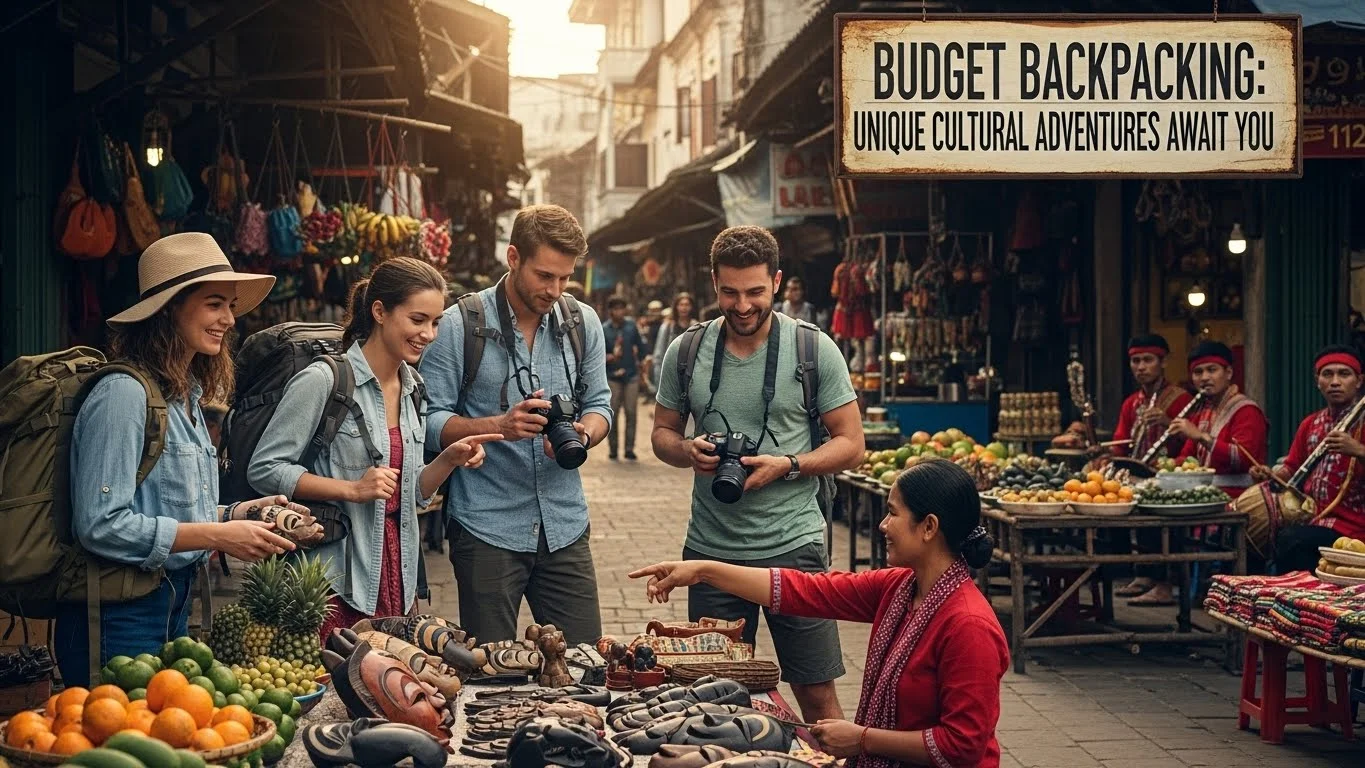
Budget backpacking opens up a world of unique cultural adventures, allowing us to explore new places without breaking the bank. With a little planning, we can immerse ourselves in experiences that create lasting memories. For those looking to enhance their travels, check out Budget Backpacking: Dive into Cultural City Experiences.
Budget Backpacking: Unique Cultural Adventures Await You

Understanding Budget Backpacking

What is Budget Backpacking?

Budget backpacking is more than just finding the cheapest train ticket or hostel; it’s a way of traveling that emphasizes adventure, cultural immersion, and self-sufficiency. I remember my first backpacking trip; it wasn’t about luxurious accommodations or fine dining but rather about the thrill of discovering new places while spending as little as possible. This style of travel allows us to stretch our dollars further and encourages us to connect more deeply with the cultures we encounter. For me, every city I visited became a chapter in my journey, filled with stories and experiences that I wouldn’t trade for any five-star hotel stay.

Benefits of Backpacking on a Budget

Backpacking on a budget offers numerous benefits that extend beyond financial savings. First and foremost, it encourages spontaneity. I learned that some of the best memories come from unplanned adventures, like stumbling upon a local festival or meeting fellow travelers in a hostel. With a lighter wallet, we tend to embrace the moment rather than stick to a rigid itinerary, which leads to unique experiences that we might otherwise miss.

Another significant advantage is the opportunity to connect with locals. When we stay in budget accommodations like hostels or guesthouses, we often find ourselves mingling with residents and fellow travelers, leading to valuable cultural exchanges. I remember one evening in a small town where the owner of the guesthouse invited us to a family dinner. It was one of the most authentic meals I’ve ever had, accompanied by stories and laughter that made me feel like part of their community.

Additionally, budget backpacking fosters resourcefulness. I’ve learned to navigate public transport in various cities and discover hidden gems, such as hole-in-the-wall eateries that serve the best local dishes at a fraction of the price. I’ve become adept at sourcing free activities, from hiking trails to museum days, that allow me to explore without spending a fortune. Every trip taught me something new about budgeting and prioritizing experiences over material comforts.

Lastly, traveling on a budget can be an empowering experience. When we take control of our finances while exploring the world, we often discover new strengths and capabilities. I’ve faced challenges, such as language barriers or navigating unfamiliar streets, but each obstacle has enriched my journey. Over time, I’ve found that these experiences shape not just our travel stories but also our perspectives on life.

Essential Gear for Budget Backpackers

Backpacks: Choosing the Right Size and Style

Choosing the right backpack is critical for any budget backpacker. I learned this lesson the hard way during my first trip when I packed too much and ended up dragging a heavy load through cobblestone streets. I recommend looking for a backpack that’s durable, lightweight, and fits your body well. A good rule of thumb is to aim for a pack that is around 50-70 liters for longer trips. If you’re only going for a few days, a smaller backpack might suffice.

When selecting a style, consider whether you prefer a top-loader or a panel loader. I personally favor panel loaders because they allow me to access my things without having to dig through the entire bag. Additionally, look for features like a rain cover and multiple compartments to keep your belongings organized. My experience has taught me that a well-organized backpack can save you time and frustration, especially when you’re in a hurry to catch a bus.

Camping Gear: What You Really Need

Camping gear can significantly enhance the backpacking experience, but it’s crucial to pack only what you need. I’ve tried to pack everything, from tents to cooking gear, only to realize that simplicity is key. For me, a good quality sleeping bag and a compact tent are essentials. I recommend looking for a sleeping bag that suits the climate of your destination; some are made for colder temperatures, while others are designed for warmer nights.

Investing in a lightweight camping stove is another great option for budget backpackers who want to prepare their meals. Cooking your meals not only saves money, but it also allows us to experience local ingredients in a new way. I recall one chilly night when I set up a simple pasta dinner at a campsite and ended up sharing it with fellow travelers. It created a beautiful moment of camaraderie over food, something I cherish to this day.

Budget-Friendly Travel Accessories

When it comes to travel accessories, less is often more. I’ve found that packing a multi-tool, a reusable water bottle, and a travel towel can cover most of my needs without adding too much weight. A portable charger has been a lifesaver during long travel days, ensuring my devices stay charged for capturing memories. I also carry a small first-aid kit; it’s a simple yet essential piece of gear that’s come in handy more times than I can count.

Lastly, don’t forget to pack a good pair of walking shoes. I learned this after a day of wandering through a beautiful city in shoes that weren’t meant for long walks; my feet were sore by the end of the day! Comfortable shoes can make a world of difference, allowing us to explore without pain or discomfort.

Top Budget Backpacking Destinations

South East Asia: A Backpacker’s Paradise

When I think of budget backpacking, South East Asia always comes to mind. This region is truly a backpacker’s paradise, offering stunning landscapes, rich cultures, and incredibly affordable travel options. I remember landing in Bangkok, where I was greeted by the lively street markets and the aroma of local dishes simmering in the open air. The best part? I could find delicious meals for just a couple of dollars!

Countries like Thailand, Vietnam, and Indonesia are filled with beautiful hostels that cater to budget travelers. I found it easy to connect with others in these places, sharing stories and tips while enjoying a cheap beer by the beach. Plus, the local transportation—like buses and trains—is both inexpensive and reliable, allowing us to hop from one breathtaking destination to another without breaking the bank. For anyone looking to dive deep into diverse cultures while keeping costs low, South East Asia is unbeatable in my experience. For more insights, check out the Ultimate Guide to Budget Backpacking Adventure Hotspots.

Eastern Europe: Affordable Cultural Experiences

Eastern Europe stole my heart during my travels. From the cobblestone streets of Prague to the vibrant markets of Budapest, this region is packed with history and culture at prices that won’t leave us in debt. I remember exploring Krakow, where I discovered that many attractions are either free or very low-cost. The local food scene is another highlight—grab a hearty bowl of goulash or pierogi for just a few euros!

The hostels in these cities often have a communal vibe, making it easy to meet fellow travelers. I had some of my best evenings sharing stories over cheap drinks in local bars. Plus, the public transport in Eastern Europe is quite affordable, which made getting around a breeze. If you’re looking for a mix of culture, history, and affordability, Eastern Europe is a must on any budget backpacking itinerary.

South America: Unique Adventures Await

South America is a treasure trove of unique adventures, and I can’t recommend it enough for budget backpackers. From the Andes to the Amazon, the continent offers breathtaking landscapes and vibrant cultures. I’ll never forget hiking the Inca Trail to Machu Picchu; not only was it a stunning journey, but it was also relatively inexpensive compared to similar experiences elsewhere. Plus, the local markets are brimming with fresh produce and cheap eats that let us really taste the culture.

Countries like Bolivia and Peru offer budget accommodations that allow us to stretch our dollar further. I remember spending a few nights in a cozy guesthouse in La Paz, where I was able to immerse myself in local life and share meals with my hosts. The warmth of the South American people made my travels feel even richer. If you’re seeking adventure without emptying your wallet, South America is the place to be. To discover more about incredible budget destinations, visit Unveiling Hidden Beach Gems: Budget Backpacking Destinations.

Budget-Friendly Cities in North America

Surprisingly, North America has its own share of budget-friendly cities. I found places like Mexico City and New Orleans to be wonderful for travelers on a budget. In Mexico City, I discovered that street tacos are not only delicious but also incredibly cheap. I could feast on a variety of flavors without worrying about my wallet. The city is filled with free museums and parks, making it easy to explore without spending a dime.

New Orleans also captivated me with its vibrant culture and live music scene. I remember wandering through the French Quarter and enjoying the street performances. Accommodations can be affordable if you look for hostels or budget hotels, especially in the off-peak season. I often found myself in local diners, enjoying hearty meals at reasonable prices. North America may not be the first destination that comes to mind for budget backpacking, but it definitely holds its own!

Unique Cultural Experiences While Backpacking

Participating in Local Festivals

One of the most incredible aspects of budget backpacking is the opportunity to participate in local festivals. I’ve been fortunate enough to experience a few, and they truly transformed my travels into something magical. I remember being in Thailand during Songkran, the Thai New Year festival. The streets transformed into a massive water fight, and the local joy was infectious. I joined in, armed with a water gun, and felt an immediate connection with both locals and fellow travelers. It was a spontaneous celebration that allowed me to immerse myself in Thai culture in a way that a typical tourist experience never could.

Festivals are not only fun; they often provide insight into the traditions and values of a culture. Attending these events can be an affordable way to enjoy local music, food, and art. I’ve danced to folk music in Romania and tasted traditional dishes at street fairs in Spain—all while making new friends along the way. I highly recommend checking local calendars for festivals during your travels; you might just stumble upon an unforgettable experience.

Engaging with Local Communities

Engaging with local communities can be one of the most enriching aspects of budget backpacking. I’ve found that taking the time to connect with locals opens doors to experiences that you simply can’t get from guidebooks. For example, during my travels in Peru, I volunteered at a community center in Cusco, teaching English to children. It was a fantastic way to give back while learning more about the culture and lifestyle of the locals. Through this experience, I formed friendships that turned into lasting memories.

Additionally, many cities offer walking tours led by locals, often operating on a ‘pay what you can’ basis. I joined one in Lisbon, where our guide shared not just historical facts but personal stories about growing up in the city. These interactions provide context and depth to the places we visit. I believe that engaging with the community enriches our travel experience and helps foster a sense of global connection.

Cultural Workshops and Classes

Taking part in cultural workshops or classes is another fantastic way to dive deep into the local culture while backpacking. I’ve participated in cooking classes in Italy, where I learned to make pasta from scratch. Not only did I get to enjoy a delicious meal, but I also gained insights into Italian culinary traditions. It was a fun, hands-on way to connect with local culture while creating something memorable.

Similarly, I took a dance class in Cuba, where I learned the salsa steps that filled the streets with rhythm. It was exhilarating to dance alongside locals who were so passionate about their music and culture. These workshops often come at a reasonable price and provide a unique way to learn and interact with the community. I always recommend seeking out these experiences—they can be some of the best memories from our travels.

Affordable Accommodation Options

Hostels: Finding the Best Ones

Hostels are the backbone of budget backpacking for a reason; they’re affordable, social, and often located in prime areas. I remember my first experience in a hostel in Barcelona. It was bustling with young travelers from all over the world, and I quickly made friends. We shared meals, explored the city together, and exchanged travel tips late into the night. To find the best hostels, I recommend reading reviews on sites like Hostelworld or Booking.com to get a sense of the atmosphere and amenities.

Pay attention to the features that matter most to you. For me, a kitchen is essential for cooking, and a common area is a must for meeting fellow travelers. Also, consider hostels with activities or tours; often, they provide opportunities to explore together, which can lead to great experiences and friendships.

Guesthouses and Homestays

Guesthouses and homestays offer a more intimate and often more authentic experience than traditional hotels. I’ve stayed in several guesthouses where the owners treated me like family. In Vietnam, I was welcomed into a homestay that offered not only a comfortable room but also delicious home-cooked meals. The conversations we had over dinner gave me insights into the culture and traditions of the region, making my stay far more enriching than any hotel could provide.

Homestays can be particularly budget-friendly, and they often include meals. Plus, they allow for a deeper connection to the local way of life. I always look for guesthouses that have good reviews for hospitality and local experiences. They can turn a simple stay into a memorable journey.

Couchsurfing: Connecting with Locals

Couchsurfing is another fantastic option for budget backpackers. I’ve used this platform several times, and it has allowed me to meet incredible people. Staying with locals not only cuts accommodation costs but also offers a unique glimpse into their lives. I remember couchsurfing in Istanbul, where my host took me to hidden gems around the city that I would have never found on my own. We shared meals and stories, and I felt like I experienced the city from a local’s perspective.

The key to a successful Couchsurfing experience is to read profiles and references carefully. I always send personalized requests to hosts, explaining why I’d like to stay with them, which has helped me forge real connections. Couchsurfing is about community and hospitality, and it can lead to friendships that last long after the trip ends.

Budget-Friendly Transportation Tips

Public Transportation vs. Rideshares

When it comes to getting around on a budget, public transportation has always been my go-to option. I’ve navigated bustling metro systems in cities like Tokyo and Paris, and I can tell you, it’s often the most economical way to explore. I remember my first time riding the subway in New York City; it was a little overwhelming, but the energy of the city was palpable, and I felt like I was part of something bigger. Plus, I discovered that taking the subway not only saves money but also lets us see the city through the eyes of locals.

Rideshare services like Uber or Lyft can be convenient, but I’ve found they can quickly add up, especially in cities where I’m doing a lot of sightseeing. If you do choose to use rideshares, consider sharing a ride with fellow travelers to split the cost. In my experience, however, nothing beats the charm of hopping on a local bus or tram, where you might even get a chance to strike up a conversation with someone from the area.

Travel Passes and Discounts

Many cities offer travel passes that provide unlimited rides on public transportation for a set number of days. These can be a lifesaver for budget backpackers. I remember picking up a multi-day pass in Barcelona, which allowed me to hop on and off the metro and buses as I explored the city. It not only saved me money but also made my travels much more flexible.

Always be on the lookout for discounts for students or young travelers; they can significantly reduce costs. I’ve used my student ID to score discounts on transport, attractions, and even food. Websites and apps often list local deals, so I recommend doing a little research before arriving at your destination. It’s amazing how much you can save with just a bit of planning!

Walking and Biking: Exploring on Foot

One of the joys of budget backpacking is discovering new places on foot. I’ve spent countless afternoons wandering through local neighborhoods, and I often find that some of the best memories come from these unplanned walks. Whether it’s stumbling upon a quaint café or a local street performer, exploring on foot allows us to soak in the atmosphere and truly experience a place.

Biking is another great option for getting around, especially in cities known for their bike-friendly infrastructure, like Amsterdam or Copenhagen. I remember renting a bike in Amsterdam and cycling along the canals; it felt exhilarating to glide past historic buildings and beautiful parks. Many cities offer affordable bike rentals or even free bike-sharing programs, making it an excellent way to get around without spending much.

Food on a Budget: Eating Well While Traveling

Street Food: A Taste of Local Culture

Street food is one of my favorite ways to experience local culture while traveling on a budget. I’ve indulged in everything from delicious tacos in Mexico City to savory banh mi in Vietnam. Street vendors often serve up authentic dishes at a fraction of the price you’d find in restaurants, and the experience of eating where the locals eat is unbeatable. I remember standing in a bustling market in Bangkok, savoring a spicy pad thai that cost me less than a dollar. It was a simple yet unforgettable meal!

Local Markets: Shopping and Cooking

Visiting local markets not only allows us to taste fresh produce but also gives us the opportunity to shop for ingredients to cook our meals. I’ve spent mornings wandering through vibrant markets in places like Marrakech, where the sights and smells are intoxicating. Purchasing fresh fruits, vegetables, and local spices can be incredibly inexpensive, and cooking in a hostel kitchen is a fun way to save money while enjoying a home-cooked meal. I remember making a simple vegetable stir-fry with ingredients I bought at a local market in Bali; it was not only affordable but also a great way to connect with the food culture of the region.

Affordable Restaurants and Cafés

While I love street food, I also enjoy dining at local restaurants and cafés. I often ask locals for recommendations to find hidden gems where I can enjoy delicious meals without overspending. I discovered a fantastic little café in Prague that served hearty traditional dishes at prices that fit my budget perfectly. Eating where the locals eat can lead to some of the best culinary experiences, and I encourage everyone to venture beyond the tourist traps.

Safety Tips for Budget Backpackers

Staying Safe While Traveling Alone

Traveling alone can be one of the most empowering experiences, but it’s essential to prioritize safety. I’ve learned to trust my instincts and stay aware of my surroundings. Keeping my valuables secure, like using a money belt or hidden pouch, has made me feel more at ease. I also make it a point to share my itinerary with friends or family, ensuring someone knows where I am at all times. Having a charged phone with local emergency numbers saved me once when I found myself lost in a new city.

Keeping Your Belongings Secure

Keeping an eye on my belongings has always been a priority while backpacking. I’ve learned to be vigilant in crowded places and to use locks on my backpack when I’m in hostels or cafes. I also recommend investing in anti-theft backpacks or bags that come with security features. I once had a close call when I didn’t secure my bag properly in a busy market, but thankfully I caught it just in time!

Understanding Local Laws and Customs

Every country has its own laws and cultural norms, and being aware of these can help us avoid misunderstandings. I always take a moment to research the customs of the places I visit, whether it’s dressing appropriately or understanding local etiquette. This not only keeps us safe but also shows respect for the culture we’re engaging with, making our travel experience richer. I’ve found that being respectful goes a long way in fostering positive interactions with locals.

Budgeting for Your Backpacking Trip

Creating a Travel Budget: How to Start

Creating a travel budget can seem daunting, but I’ve found it to be an essential step in planning my trips. I usually start by estimating how much I can afford to spend on accommodation, food, transportation, and activities. I also make room for unexpected expenses. By setting a daily budget, I can better track my spending while on the road. It’s amazing how much more enjoyable my travels are when I know I have a solid plan in place!

Tracking Expenses on the Road

During my travels, I’ve learned the importance of tracking my expenses. I use apps or simple spreadsheets to record my daily spending, which helps me stay within my budget. I’ve found this practice not only keeps me accountable but also allows me to make adjustments along the way. Plus, it’s fun to review my spending habits at the end of the trip and see where I saved the most!

Saving Money While Traveling

There are countless ways to save money while traveling, and over time, I’ve picked up several tricks. I always look for free activities, like exploring parks or visiting museums on free admission days. Cooking my meals, utilizing public transportation, and seeking out local discounts have all helped me stretch my budget further. I believe that with a bit of planning and creativity, it’s entirely possible to have incredible adventures without overspending!

When to Go: Best Times for Backpacking

Off-Peak Travel: Benefits and Savings

Traveling during off-peak seasons has always worked wonders for my wallet. I remember visiting Italy in the shoulder season, which meant fewer crowds and lower prices on both accommodation and activities. Not only was it easier to explore without dealing with long lines, but I also got to enjoy a more authentic experience. I recommend checking the off-peak seasons for your destination; it’s a great way to save money while still having a fantastic adventure!

Seasonal Events and Their Impact on Prices

While traveling during local festivals or events can be a blast, I’ve learned that it often comes with a price hike in accommodation and transportation. I remember trying to book a hostel in Barcelona during the famous La Mercè Festival—everything was booked up and prices skyrocketed! If you’re planning to travel during peak events, booking well in advance is key. Otherwise, consider timing your visit for after the event to save money while still enjoying the local culture.

Final Thoughts

Budget backpacking is a rewarding way to explore the world, filled with unique experiences and opportunities for connection. I’ve learned that with a bit of planning and open-mindedness, we can create incredible memories without breaking the bank. Every journey has enriched my life, and I believe that our adventures, no matter how small or grand, shape who we are. So pack your bag, embrace the spontaneity, and set off on your own budget-friendly adventure. The world is waiting for us!

Frequently Asked Questions

What is budget backpacking?

Budget backpacking is a style of travel that emphasizes adventure, cultural immersion, and self-sufficiency, focusing on spending as little as possible while exploring new places.

What are the benefits of backpacking on a budget?

Backpacking on a budget encourages spontaneity, allows for deeper connections with locals, fosters resourcefulness, and can be an empowering experience that enhances personal growth.

What essential gear do budget backpackers need?

Essential gear for budget backpackers includes a durable and lightweight backpack, a good quality sleeping bag, a compact tent, a multi-tool, a reusable water bottle, a travel towel, comfortable walking shoes, and a portable charger.

Which are some top budget backpacking destinations?

Top budget backpacking destinations include South East Asia, Eastern Europe, South America, and budget-friendly cities in North America like Mexico City and New Orleans.

How can budget backpackers participate in local festivals?

Budget backpackers can participate in local festivals by checking local calendars for events during their travels, which can provide unique cultural experiences and insights into local traditions.

What affordable accommodation options are available for budget backpackers?

Affordable accommodation options include hostels, guesthouses, homestays, and Couchsurfing, which provide social experiences and a chance to connect with locals.

What are some budget-friendly transportation tips?

Budget-friendly transportation tips include using public transportation, looking for travel passes or discounts, and exploring on foot or by bike to save money while experiencing the local atmosphere.

How can budget backpackers eat well while traveling?

Budget backpackers can eat well by enjoying street food, shopping at local markets for fresh ingredients to cook meals, and dining at affordable local restaurants and cafés recommended by locals.

What safety tips should budget backpackers keep in mind?

Budget backpackers should prioritize safety by staying aware of their surroundings, securing their belongings, and understanding local laws and customs to avoid misunderstandings.

How can travelers create a budget for their backpacking trips?

Travelers can create a budget by estimating expenses for accommodation, food, transportation, and activities, tracking their spending during the trip, and seeking ways to save money, such as looking for free activities or local discounts.
Explore Culture: Affordable Adventure Travel Destinations

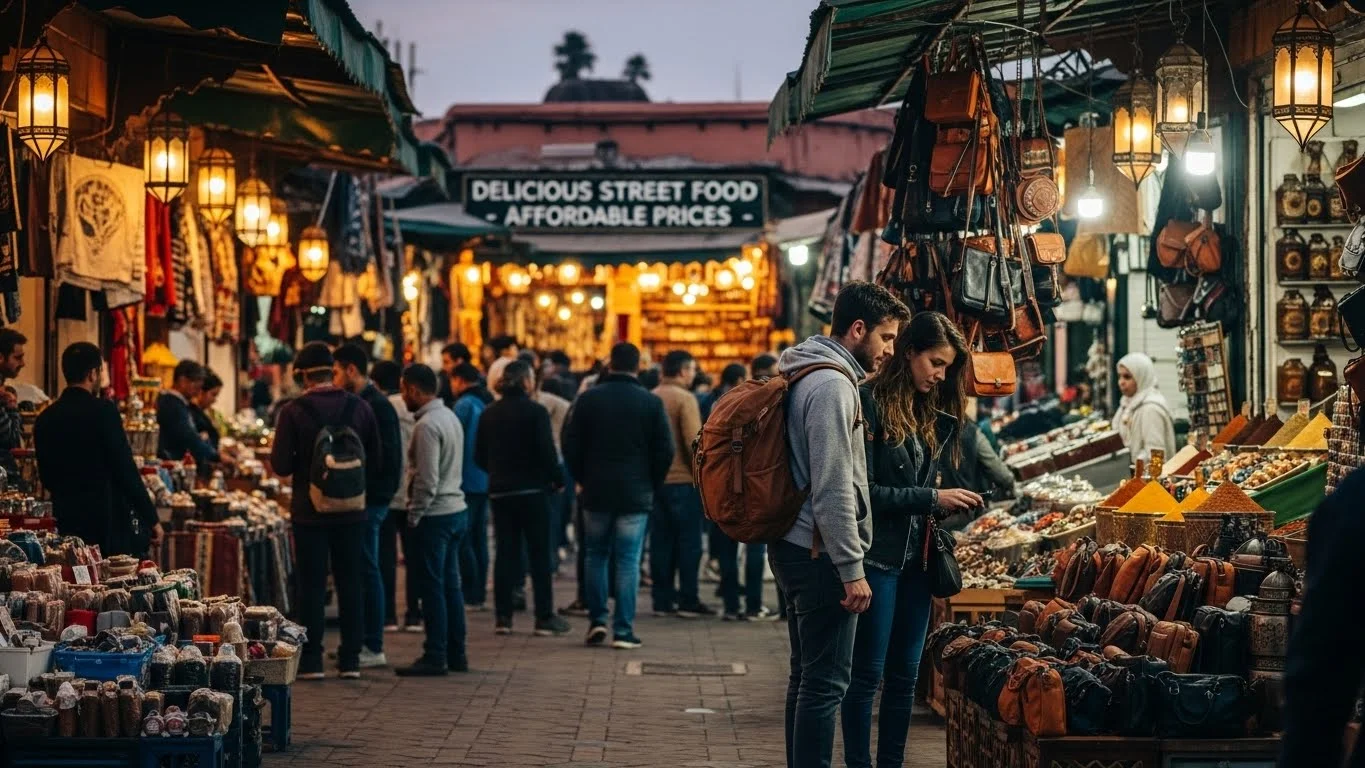
Adventure awaits! Exploring new cultures doesn’t have to break the bank. Let’s dive into affordable travel destinations that promise unique experiences and unforgettable memories.

Explore Culture: Affordable Adventure Travel Destinations

Understanding Affordable Adventure Travel

What is Adventure Travel?

Adventure travel is about stepping out of your comfort zone and into the unknown. It’s more than just visiting a new place; it’s about experiencing it in a way that connects you with the local culture, history, and environment. For me, adventure travel means hiking up a mountain, exploring vibrant markets, or chatting with locals over a shared meal. It’s about immersing yourself in a different lifestyle and creating stories that will last a lifetime.

When I first traveled to South America, I realized that adventure isn’t confined to extreme sports or heart-pumping activities. Instead, it can be as simple as wandering through ancient ruins or taking a cooking class in a local kitchen. Adventure travel taps into curiosity and a desire to learn, which often leads to the most memorable experiences. Whether it’s a trek through the Andes or riding a scooter through the bustling streets of Hanoi, adventure travel is about discovering the world and, in many ways, discovering yourself.

The Importance of Cultural Exploration in Travel

Cultural exploration is the heartbeat of any adventure. I’ve often found that the places I felt most connected to were those where I engaged with the local culture. It’s easy to get caught up in the sights and attractions, but taking the time to understand the traditions, languages, and daily lives of the people can transform your travel experience. Each culture has a unique story, and when we listen, we gain a deeper appreciation for the world around us.

For instance, during my visit to India, I spent an afternoon in a small village in Rajasthan. I was invited into a local’s home, where I learned how to cook traditional dishes. That hour spent sharing stories and laughter over a bubbling pot of curry brought the culture to life in a way that no museum ever could. Cultural exploration enriches our travels and fosters a sense of global community, reminding us that we are all connected despite our differences.

Benefits of Affordable Adventure Travel

Traveling on a budget doesn’t mean sacrificing quality or excitement. In fact, I believe it can enhance your adventure. Here are some benefits I’ve noticed over the years:

  • Openness to New Experiences: When you’re mindful of your budget, you become more resourceful. I’ve found that some of the best adventures come from the unplanned moments—like hitching a ride with a local or stumbling upon a hidden gem.
  • Connecting with Like-Minded Travelers: Staying in budget accommodations like hostels or guesthouses opens up opportunities to meet fellow adventurers. I’ve shared meals and stories with people from all over the world, forging friendships that often last beyond the trip.
  • Supporting Local Economies: Affordable travel often means opting for locally owned accommodations and eateries. This not only provides an authentic experience but also helps sustain the communities I visit. I love knowing that my travel dollars are making a difference.
  • Encouraging Creativity: Budget constraints encourage creativity. I’ve learned to seek out free or low-cost activities, like hiking, visiting public parks, or attending local festivals. These experiences often lead to the most unforgettable memories.
  • Flexibility in Travel Plans: When I’m not tied down by a strict budget, I can be more spontaneous. I once extended my stay in a small town in Peru after falling in love with the local culture. I never would have done that if I had a rigid travel plan.

With all these benefits, it’s clear that affordable adventure travel is an enriching way to explore the world. The next time you’re considering a trip, think about how you can make it more budget-friendly while diving deep into the culture. It could lead to experiences you never imagined!

In my experience, affordable adventure travel has opened doors to unique cultures and experiences that are not only budget-friendly but also deeply rewarding. Each destination has its own charm, waiting to be discovered without the need for a hefty price tag. Let’s explore some of these incredible destinations next!

Top Affordable Adventure Travel Destinations

South America

Peru: The Inca Trail and Machu Picchu

Peru is one of those places that truly stole my heart. When I think of adventure travel, the first image that pops into my mind is the breathtaking view from the Sun Gate at Machu Picchu. Hiking the Inca Trail was one of the most challenging yet rewarding experiences I’ve ever had. It wasn’t just about the destination; it was the journey through the Andes, surrounded by stunning landscapes, ancient ruins, and the thrill of discovering the history of the Incas.

What I found particularly appealing about visiting Machu Picchu is how accessible it is for budget travelers. There are various options for hiking trails, and you don’t have to choose the Inca Trail if you’re looking for a more affordable route. I opted for the Salkantay Trek, which not only offered spectacular views but also a chance to connect with fellow trekkers. Camping under the stars after a long day of hiking created a sense of camaraderie that I’ll cherish forever. Peru’s rich culture, delicious food, and warm-hearted locals make it a must-visit for any adventure seeker.

Colombia: Medellín and Its Transformation

Colombia surprised me in the best ways possible. When I first thought about visiting, I had concerns lingering from the past, but what I discovered was a vibrant and welcoming country. Medellín, in particular, captured my attention with its innovative spirit and rich history. I took a free walking tour that showcased the city’s transformation and met locals who shared their inspiring stories of resilience.

Exploring the Comuna 13 neighborhood was a highlight for me. The colorful street art and the music echoing through the streets reflected the heart of the city. I learned that these murals tell the stories of struggle and hope, and I couldn’t help but feel a deep appreciation for the people who call this place home. Whether it’s hiking in the surrounding mountains or indulging in delicious bandeja paisa, Colombia offers an affordable adventure that I believe everyone should experience.

Asia

Vietnam: From Halong Bay to Ho Chi Minh City

Vietnam holds a special place in my travel diary. I remember the first time I saw the emerald waters of Halong Bay, dotted with limestone islands. It felt surreal, like stepping into a postcard. I joined a budget-friendly boat tour, which allowed me to explore the bay while meeting fellow travelers. The shared experiences, from swimming in hidden lagoons to exploring caves, created bonds that made the adventure even more enjoyable.

Then there’s Ho Chi Minh City, where the bustling energy is palpable. I took a street food tour that opened my eyes to the culinary delights of Vietnam. From pho to banh mi, each bite was an adventure on its own. The affordability of food and activities made it easy to immerse myself fully without worrying about expenses. Vietnam’s rich history, vibrant culture, and friendly locals make it a perfect destination for budget-conscious adventurers.

India: Exploring Rajasthan’s Rich Culture

India is a land of contrasts, and Rajasthan, with its majestic forts and palaces, is a treasure trove of culture. When I traveled to Jaipur, I was in awe of the Amber Fort and its history. I opted for a budget hotel that provided a local experience, complete with traditional meals and insights into Rajasthani hospitality.

One of my favorite moments was attending a local festival where I danced with the villagers. The vibrant colors and joyful atmosphere were contagious. I also took a day trip to Udaipur, where I wandered through the City Palace and enjoyed a boat ride on Lake Pichola. With so many affordable options for food, transport, and activities, I found that Rajasthan was perfect for anyone looking to explore deeply without breaking the bank.

Africa

Morocco: The Markets of Marrakech

Morocco was a feast for the senses. When I arrived in Marrakech, the bustling souks captivated me. The vivid colors, fragrant spices, and lively chatter made it feel like I was in another world. I took my time wandering through the narrow alleyways, bargaining for local handicrafts, and sampling street food. The best part was meeting artisans who were passionate about their crafts, sharing stories that made each purchase more meaningful.

Staying in a traditional riad allowed me to experience Moroccan hospitality at its finest. I remember sipping mint tea on the rooftop terrace while watching the sunset over the city. It was these little moments that made my trip unforgettable, and the affordability of food and accommodations made it all the more accessible for travelers like us.

Kenya: Safari Adventures on a Budget

Kenya is synonymous with wildlife, and I was thrilled to go on a safari without draining my wallet. I joined a budget group tour that took us to Amboseli National Park. Witnessing elephants against the backdrop of Mount Kilimanjaro was nothing short of magical. Our guide was incredibly knowledgeable, adding depth to our experience as we spotted lions, zebras, and giraffes.

I also appreciated the opportunity to stay in budget lodges that provided an authentic experience while being conscious of my budget. The evenings spent around the campfire, sharing stories with fellow travelers, created a sense of community that I will always cherish. Kenya offers adventure that feels both thrilling and deeply connected to nature, making it a fantastic option for budget adventurers looking for unforgettable experiences.

Europe

Portugal: The Algarve and Lisbon

Portugal is often overlooked, but it’s a hidden gem for budget travelers. The Algarve boasts stunning coastlines and charming villages. I remember lounging on the beautiful beaches and exploring the cliffs of Lagos without spending a fortune. I stayed in a cozy guesthouse and indulged in local seafood that was both delicious and affordable.

Lisbon, with its vibrant neighborhoods and rich history, is another highlight. I took a tram ride through the city, soaking in the colorful buildings and lively streets. The local food markets offered affordable dining options, from pastéis de nata to fresh seafood. The warmth of the locals added to the charm, making Portugal a destination I would recommend for anyone seeking an affordable adventure.

Hungary: Budapest’s Thermal Baths and Ruin Bars

Budapest is a city that combines history and fun in the most delightful way. I was fascinated by the thermal baths, which are not only relaxing but also budget-friendly. Spending a day soaking in the warm waters at Széchenyi Baths was a highlight of my trip. The atmosphere was lively, and I enjoyed chatting with locals and fellow travelers alike.

The ruin bars in Budapest were another unique experience. These eclectic bars, set in abandoned buildings, offer a vibrant nightlife without breaking the bank. I spent evenings discovering these hidden gems, enjoying local drinks and meeting new friends. Budapest’s affordability, combined with its rich history and vibrant culture, makes it a perfect destination for adventure lovers.

North America

Mexico: Cultural Richness in Oaxaca

Oaxaca is a cultural paradise, rich in traditions, festivals, and culinary delights. I was drawn to its vibrant markets filled with colorful textiles and mouthwatering food. I took a cooking class that introduced me to the art of making mole, and I loved how hands-on it was. Sharing a meal with the locals after cooking together created a connection that I treasured.

Exploring the ancient ruins of Monte Albán was another highlight. The breathtaking views and the history behind the site left me in awe. I found that Oaxaca offered plenty of affordable options, from street food to budget-friendly accommodations, making it easy to experience its rich culture without overspending.

Canada: Outdoor Adventures in British Columbia

British Columbia is a haven for outdoor enthusiasts, and I was excited to explore its natural beauty. I spent time in Vancouver, where the mountains meet the sea. I took advantage of free outdoor activities like hiking in the nearby parks. The views from Grouse Mountain were unforgettable, and I found that I could experience breathtaking nature without spending a lot.

Additionally, you can check out the Canada Travel Guide: Affordable Adventures Await You for more tips on exploring this beautiful region.

I also ventured to Whistler, where I enjoyed the scenic trails and lakes. Accommodations can be pricey, but I discovered budget hostels that made it more accessible. The combination of stunning landscapes and outdoor adventures made my trip to British Columbia one for the books, and I would happily recommend it to fellow travelers seeking adventure without breaking the bank.

When to Visit These Destinations

Seasonal Considerations for Adventure Travel

Timing can make a huge difference in the quality of your adventure travel experience. I’ve learned through my journeys that each destination has its peak seasons, shoulder seasons, and off-peak times which can significantly affect both the cost and the overall atmosphere. For example, if you’re planning to hike the Inca Trail in Peru, the dry season from May to September is ideal. However, this is also when most tourists flock to Machu Picchu. I remember my visit during the shoulder season in April, when the weather was still mild, and the trails were less crowded, allowing for a more intimate experience with the breathtaking scenery.

In Vietnam, I discovered that the best time to visit varies by region. The north has cool dry winters from November to April, while the south is great to explore from December to April. I took advantage of this knowledge when planning my trip, and it paid off with delightful weather and fewer tourists. It’s worth researching the seasonal patterns of your chosen destination, as traveling during off-peak times can save you money while allowing you to enjoy the sights without the hustle and bustle of crowds.

Festivals and Cultural Events to Experience

One of the most enriching aspects of traveling is experiencing local festivals and cultural events. I’ve always found that these occasions provide a unique insight into the traditions and values of a place. For instance, I was lucky enough to be in Oaxaca during the Day of the Dead celebrations, and the vibrant altars, parades, and local delicacies created an atmosphere like no other. The community spirit and the colorful decorations made me feel connected to the culture in a profound way.

In India, I planned my visit to coincide with the Holi festival. The joyful atmosphere, with colors flying everywhere and the sounds of laughter and music, created memories I’ll cherish forever. Participating in local celebrations not only enriches your travel experience but also allows you to engage with locals in a way that’s often unforgettable. I recommend checking local calendars for festivals and events when planning your trip; they often provide a unique window into the heart of the culture.

How to Travel on a Budget

Finding Affordable Accommodations

One of the biggest expenses while traveling is accommodation, but I’ve found that there are plenty of options that won’t break the bank. Hostels are not just for young backpackers; they can offer a vibrant atmosphere and opportunities to meet other travelers. During my trip to Colombia, I stayed in a small hostel in Medellín that was not only affordable but also hosted weekly dinners that brought everyone together. The connections I made there were some of the highlights of my trip.

Additionally, I’ve also enjoyed staying in guesthouses or homestays, which not only provide an economical option but also offer a glimpse into local life. In Vietnam, I stayed with a family who welcomed me into their home, and I learned so much about their daily routines and traditions. Websites like Airbnb or local booking platforms often feature unique stays that can enhance your travel experience while being budget-friendly.

Budget-Friendly Transportation Options

Transportation can quickly add up, but I’ve found that there are often many affordable options if you’re willing to explore them. Public transportation is usually the way to go – in cities like Budapest, I relied on trams and buses to get around, which were not only economical but also provided a chance to see the city from a local perspective.

For longer distances, consider using night buses or trains; I’ve had some of my best travel experiences meeting fellow adventurers on long journeys. In India, I took a sleeper train from Jaipur to Udaipur, which not only saved me a night’s accommodation but also gave me a first-hand look at the diverse landscapes of the country.

Eating Local: Affordable Dining Experiences

Food is one of my favorite parts of traveling, and I’ve learned that eating like a local can save money while also enhancing the experience. Street food markets are a great way to sample authentic dishes at a fraction of the cost of touristy restaurants. I remember indulging in fresh pho from a vendor in Ho Chi Minh City, where each bite was bursting with flavor and history.

In Morocco, I tried the local tagines from small eateries that were brimming with flavor. The affordability of local food means that I can try a variety of dishes without feeling guilty about overspending. Additionally, I’ve found that learning a few local phrases can go a long way in making dining experiences even more enjoyable. It’s all about immersing ourselves in the culture, one delicious bite at a time!

Free and Low-Cost Activities

One of the best parts of budget travel is discovering free or low-cost activities that can lead to the most memorable experiences. I’ve spent countless hours wandering through markets, exploring parks, and hiking trails that cost nothing but offered breathtaking views. In Peru, hiking in the Sacred Valley was an adventure I often reminisce about; the scenery was incredible, and the experience was priceless.

Additionally, many cities offer free walking tours, which are a fantastic way to learn about the history and culture while meeting fellow travelers. I joined a free tour in Lisbon that led me through the city’s hidden gems, and the guide’s stories brought the history to life in a way that a guidebook never could. I always recommend looking for these opportunities, as they not only save money but can also lead to unexpected friendships and adventures.

Frequently Asked Questions

What is adventure travel?

Adventure travel is about stepping out of your comfort zone and immersing yourself in local culture, history, and environments. It can include activities like hiking, exploring markets, or taking cooking classes, and is focused on creating memorable experiences.

How can cultural exploration enhance travel experiences?

Cultural exploration allows travelers to engage with local traditions, languages, and daily lives, transforming their travel experience. It fosters a sense of global community and appreciation for different cultures, making the journey more meaningful.

What are some benefits of affordable adventure travel?

Benefits include openness to new experiences, connecting with like-minded travelers, supporting local economies, encouraging creativity, and maintaining flexibility in travel plans. These factors can enhance the adventure and lead to unforgettable memories.

Can you name some affordable adventure travel destinations?

Some affordable adventure travel destinations include Peru, Colombia, Vietnam, India, Morocco, Kenya, Portugal, Hungary, Mexico, and Canada. Each offers unique experiences without requiring a large budget.

What are the best times to visit these affordable travel destinations?

The best times to visit vary by destination; for example, the dry season in Peru from May to September is ideal for hiking the Inca Trail. It’s important to research each location’s peak and off-peak seasons for the best experience and cost savings.

How can I find affordable accommodations while traveling?

Affordable accommodations can be found in hostels, guesthouses, or homestays, which offer economical options and a glimpse into local life. Websites like Airbnb or local booking platforms may also feature unique, budget-friendly stays.

What are some budget-friendly transportation options?

Public transportation, such as buses and trams, is usually economical. For longer distances, night buses or trains can save money and provide unique travel experiences, such as meeting fellow travelers on long journeys.

How can I experience local cuisine on a budget?

Eating local can be achieved by visiting street food markets, which offer authentic dishes at lower prices compared to tourist restaurants. Learning a few local phrases can also enhance dining experiences and make them more enjoyable.

What are some free or low-cost activities in affordable travel destinations?

Free or low-cost activities include exploring markets, hiking trails, and joining free walking tours. These activities can lead to memorable experiences and opportunities to meet other travelers while saving money.

How does affordable travel support local economies?

Affordable travel often involves choosing locally owned accommodations and eateries, which helps sustain the communities visited. This practice not only provides authentic experiences but also ensures that travel dollars benefit local residents.

Read Interesting article: Essential Travel Gadgets for Affordable Adventures

Read Interesting article: Affordable Family Adventures: Top Budget Travel Tips

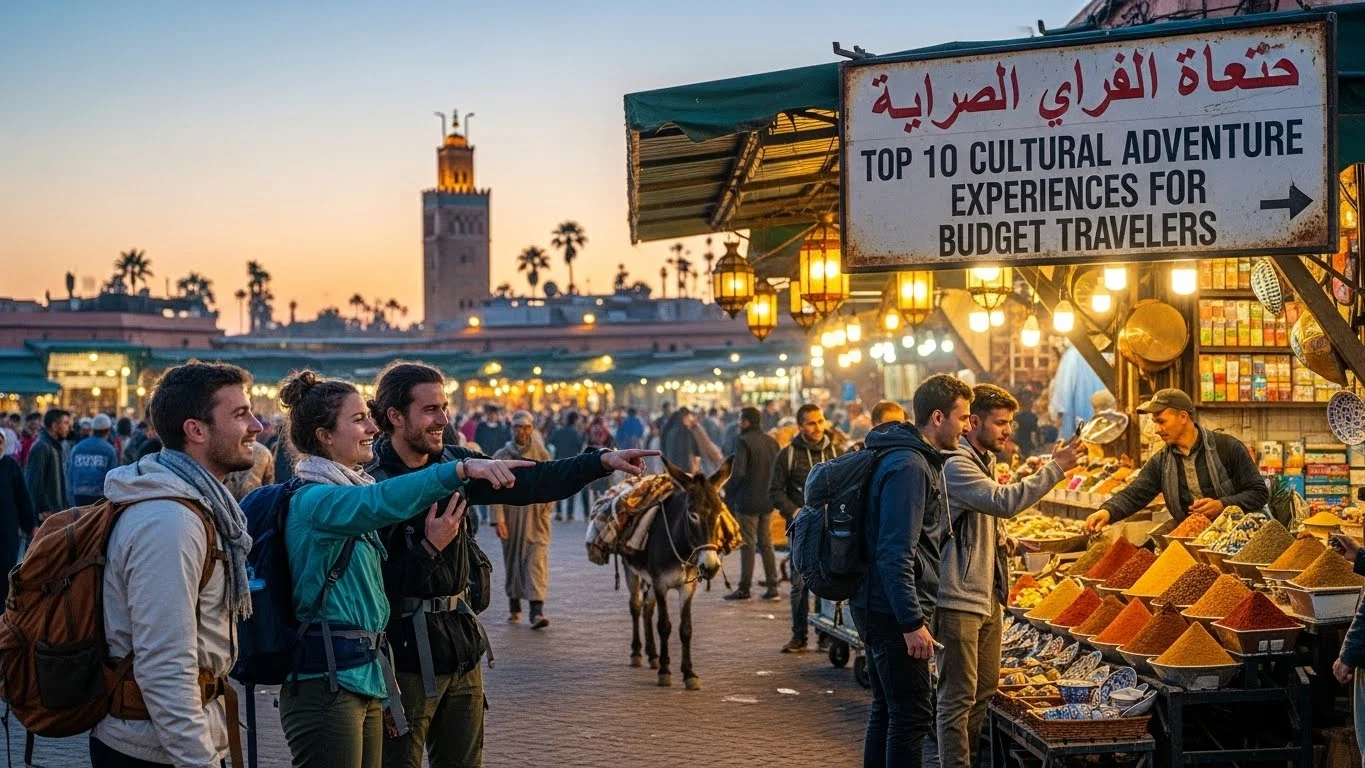
Top 10 Cultural Adventure Experiences for Budget Travelers

Traveling on a budget doesn’t mean sacrificing rich experiences. Cultural adventure travel lets us immerse ourselves in local traditions, flavors, and stories—all while keeping our wallets happy! Read Interesting article: Canada Travel Guide: Affordable Adventures Await You

Top 10 Cultural Adventure Experiences for Budget Travelers

Understanding Cultural Adventure Travel

Definition of Cultural Adventure Travel

Cultural adventure travel is all about diving deep into the unique traditions, lifestyles, and environments of different places. It goes beyond typical tourist attractions, allowing us to experience local culture firsthand. I remember my first cultural adventure; it was in a small village where I joined a pottery class. The clay felt foreign in my hands, but the laughter and encouragement from the locals made me feel right at home. Adventure isn’t just about the sights; it’s about the connections we forge and the stories we gather along the way.

Importance of Budget Travel

For many of us, budget travel is essential. It lets us explore the world without breaking the bank, which is particularly important in today’s economy. I’ve always believed that just because we’re on a budget doesn’t mean we need to compromise on quality. In fact, some of my most memorable experiences came when I found creative ways to explore places affordably. Traveling on a budget not only stretches our dollars but also encourages us to seek out authentic experiences. I’ve learned that the best adventures often come from unexpected places—like a tiny eatery tucked away in a bustling market or a local festival that isn’t on the tourist map. We can enjoy rich cultural experiences without overspending, and honestly, that makes the journey even more rewarding.

Top 10 Cultural Adventure Experiences

1. Exploring the Markets of Marrakech, Morocco

The vibrant souks of Marrakech are a feast for the senses. As I wandered through the narrow alleyways, I was surrounded by colorful textiles, intricate pottery, and the aroma of spices wafting through the air. I found myself haggling over a beautiful Moroccan lantern, which became one of my favorite souvenirs. The locals were friendly and eager to share their stories, and I felt like I was walking through a living tapestry of culture and history. Visiting these markets is not just shopping; it’s an immersive experience where you can witness artisans at work and taste local delicacies like tagine and pastilla.

2. Street Art Tours in Berlin, Germany

Berlin has emerged as a canvas for some of the most vibrant street art in the world. Taking a street art tour was a highlight of my trip. I learned about the history behind the murals, each telling a story of resistance and creativity. The graffiti-covered buildings in neighborhoods like Kreuzberg and Friedrichshain are stunning and thought-provoking. I remember standing in front of a massive mural that depicted a colorful take on social issues, and it made me reflect on the power of art as a form of expression. The best part? These tours are often inexpensive and sometimes even free, making them perfect for budget travelers.

3. Traditional Cooking Classes in Chiang Mai, Thailand

Food is a major part of any culture, and taking a cooking class in Chiang Mai was one of my best decisions. I remember walking through a local market with my instructor, picking fresh ingredients for our meal. The class was hands-on, and I loved learning to make classic dishes like Pad Thai and Khao Soi. Not only did I get to enjoy a delicious meal, but I also gained skills to recreate these dishes at home. It’s a wonderful way to connect with local culture, and the experience was surprisingly affordable.

4. Volunteering with Local Communities in Peru

Volunteering is a transformative way to experience a culture. My time in Peru was enriched by working with a local community project. We helped with educational programs for children, and I learned so much about their customs and daily lives. The connections I made were priceless. Volunteering often comes at a low cost, and sometimes, accommodations and meals are included. It was both humbling and inspiring to be part of something bigger than myself.

5. Cultural Festivals in Jaipur, India

Jaipur’s cultural festivals are a whirlwind of colors, sounds, and tastes. I attended the Teej Festival, which celebrates the monsoon season with dancing, singing, and traditional attire. The vibrancy of the celebrations was infectious, and I found myself swept up in the joy of the moment. From local food stalls to traditional performances, every aspect was a beautiful representation of the culture. Festivals like this are often free to attend, making them a fantastic way to experience local life on a budget.

6. Hiking and Cultural Tours in the Andes, Ecuador

The Andes are breathtaking, both in their natural beauty and cultural heritage. During my hike, I encountered local communities that still practice ancient traditions. I remember visiting a small village where I was welcomed into a home and shared a meal of quinoa soup. The hospitality was heartwarming, and the stories shared over dinner were unforgettable. Many hiking tours are budget-friendly, and they often include opportunities to learn about local culture and history. Read Interesting article: Ultimate Guide to Affordable Mountain Climbing Adventures

7. Historical Walking Tours in Athens, Greece

Walking through the streets of Athens felt like stepping back in time. I joined a historical walking tour that took me past ancient ruins and through vibrant neighborhoods. Our guide shared fascinating stories about Greek mythology and the city’s history. I was amazed by how the past harmoniously blends with modern life here. The affordability of these tours makes them accessible, and they provide a rich understanding of the culture.

8. Music and Dance Experiences in New Orleans, USA

New Orleans is a city alive with music and dance. I had the chance to join a local dance class where we learned traditional swing and jazz steps. The energy was contagious, and I found myself laughing and dancing with both locals and fellow travelers. New Orleans’ music scene is vibrant and often free to explore, especially in places like Jackson Square. It’s a cultural experience that resonates with joy and creativity.

9. Art and Culture Workshops in Oaxaca, Mexico

Oaxaca is known for its rich artistic heritage. I took a workshop where I learned about traditional weaving techniques. The artistry and dedication of the local artisans inspired me, and I felt honored to contribute, even in a small way. These workshops are usually affordable and provide a hands-on experience that connects you deeply with the culture. Plus, I ended up with a beautiful piece of art to take home!

10. Local Homestays in Bali, Indonesia

Staying with a local family in Bali gave me a unique perspective on Balinese life and culture. I participated in daily rituals and learned about their customs firsthand. The warmth and hospitality I received made my stay unforgettable. Homestays can be very budget-friendly and often provide meals, which adds to the overall experience. I discovered that immersing myself in a local home was one of the best ways to truly understand a culture.

Budget Tips for Cultural Adventures

Finding Affordable Accommodation

When I travel, finding a place to stay that doesn’t drain my budget is essential. I’ve discovered that hostels, guesthouses, and even local homestays can offer not just a bed but a genuine connection to the culture. For example, in Vietnam, I stayed in a small guesthouse run by a lovely family who shared their meals with me. Not only was it affordable, but it also allowed me to experience daily life in a way that hotels simply can’t provide. I recommend checking out platforms like Airbnb or Hostelworld for unique and budget-friendly options. Often, the best accommodation is where you least expect it!

Transportation Options for Budget Travelers

Getting around can sometimes be the biggest challenge, but I’ve found that there are many budget-friendly transportation options. Public transport is often the best way to go; in cities like Barcelona, I relied on the metro to explore without breaking the bank. I also love walking or biking. It’s a fantastic way to see the sights while immersing myself in the local atmosphere. In some countries, like Thailand, renting a scooter can be both inexpensive and liberating, giving me the freedom to explore at my own pace. I remember zipping through the streets of Chiang Mai, stopping at little cafes that I would have missed otherwise. Just be sure to check the local traffic rules and wear a helmet!

Eating Local: Budget-Friendly Dining Tips

Food is often a highlight of my travels, and I’ve learned that eating local doesn’t have to be pricey. I love seeking out street food vendors or local markets where I can sample authentic dishes at a fraction of the cost of sit-down restaurants. In Thailand, for example, I enjoyed delicious Pad Thai from a street vendor for just a couple of dollars. I’ve also made it a point to ask locals for their recommendations on where to eat—this often leads to some of the best meals I’ve had. Another tip is to eat where the locals eat; I’ve found that bustling eateries filled with locals usually mean great food at reasonable prices!

Free or Low-Cost Activities

There are countless free or low-cost activities to enjoy while traveling. I’ve often stumbled upon free walking tours in major cities, where local guides share their knowledge and love for their hometown. It’s a fantastic way to learn about the culture and history without spending much. Parks, beaches, and museums often have free entry days or discounted rates, so I always check their websites before heading out. I remember spending an entire afternoon in the beautiful Luxembourg Gardens in Paris, soaking in the sun and watching locals play petanque. It was a simple pleasure that cost nothing but added so much to my experience.

How to Save on Cultural Experiences

Experiencing local culture often comes with a price tag, but there are ways to cut costs. I’ve found that many cultural experiences, such as workshops or guided tours, offer discounts for booking in advance or during off-peak times. For instance, I participated in a pottery workshop in Italy that I learned about through a community bulletin board. It was not only affordable but also an intimate setting that wouldn’t have been available through larger tour operators. I also recommend looking for local festivals or community events that are free to attend. These often showcase the culture in a way that’s genuine and engaging.

Lastly, don’t forget to check for student discounts or group rates if you’re traveling with friends. I once saved a significant amount on a museum entrance fee by showing my student ID!

Planning Your Cultural Adventure

Best Times to Visit Each Destination

Timing can significantly impact our cultural adventure experiences. I’ve learned that visiting during the off-peak seasons not only saves money but also allows us to enjoy a more authentic atmosphere, free from large crowds. For example, when I traveled to Japan, I went in late autumn. The weather was mild, the fall colors were breathtaking, and I found that many attractions were much quieter than they would be during cherry blossom season in spring. In places like Morocco, I found that spring and fall offer the most pleasant temperatures for exploring the bustling markets without the sweltering heat. I recommend researching each destination for its peak seasons, holidays, and festivals, as this can help us choose the perfect time to visit and immerse ourselves in local culture.

Essential Packing Tips for Cultural Travelers

Packing wisely can make a huge difference in our travel experience. I’ve learned to pack light and versatile clothing that allows me to blend in with locals. In many cultures, particularly in places like Southeast Asia, dressing modestly is appreciated. I remember my trip to Egypt, where I opted for lightweight, loose-fitting clothes, which kept me comfortable while respecting local customs. Comfortable walking shoes are a must, as I often find myself exploring markets or ancient ruins on foot. I also recommend carrying a reusable water bottle to stay hydrated and reduce waste. Lastly, I always bring a small notebook to jot down my experiences and thoughts. It’s amazing how much I enjoy reflecting on my adventures later!

Safety Considerations for Budget Travelers

Safety is a top priority for any traveler, especially when exploring new cultures on a budget. I’ve learned to trust my instincts and stay aware of my surroundings. Simple precautions go a long way. For example, when I traveled to Brazil, I made sure to keep my valuables secure and avoided displaying expensive items in crowded areas. Researching local customs and potential risks can help us navigate new places more safely. I also found that staying connected with family or friends through messaging apps provided peace of mind. If I ever felt uneasy, I would share my location with someone I trusted. It’s all about being aware, prepared, and confident while we explore the world.

Resources for Planning Your Trip

Having the right resources at our fingertips can make planning our cultural adventures both easier and more enjoyable. I often turn to travel blogs and online forums to gain insight from fellow travelers. Websites like Lonely Planet and Nomadic Matt have been invaluable for discovering hidden gems and budget tips specific to each destination. I also love using social media platforms like Instagram or Pinterest to gather inspiration and find local experiences. Another resource I swear by is Google Maps for locating attractions and food spots while on the go. Additionally, I recommend checking out local tourism boards’ websites for up-to-date information on events, safety advisories, and cultural practices. By leveraging these resources, we can craft a richer travel experience that aligns with our interests and budget.

Final Thoughts

As I reflect on my journey through cultural adventure travel, I can’t help but feel grateful for the lessons learned and experiences gained. Embracing different cultures on a budget has not only expanded my horizons but has also deepened my appreciation for the rich tapestry of life around the world. It’s amazing how much we can learn from one another, and every trip has added a new layer to my understanding of humanity.

One of the best parts about traveling this way is the stories we gather. I remember sitting around a fire in Peru, sharing laughter and tales with locals who welcomed me into their world. Each person I met had a unique story that painted a picture of their culture, and it left me feeling connected to something far greater than myself. These moments remind me that travel is not just about the destinations we visit; it’s also about the people we meet and the bonds we create.

Budget travel doesn’t have to feel limiting. In fact, it can be liberating! The creativity that often comes with traveling on a budget opens doors to experiences I may not have considered otherwise. From seeking out local street food to finding hidden gems in the heart of a bustling city, I’ve learned that the unexpected often yields the most memorable moments. I believe that when we prioritize authentic experiences over luxury, we uncover the true essence of the places we visit.

As you plan your own adventures, I encourage you to approach each destination with an open heart and mind. Engage with locals, ask questions, and embrace the unfamiliar. Whether it’s participating in a local festival or taking a cooking class, dig deeper into the culture and let it enrich your journey. Don’t shy away from the challenges of budget travel; they often lead to the most rewarding experiences.

Lastly, remember that every traveler has a unique path. What works for one person may not work for another, and that’s okay! Listen to your instincts, trust your journey, and cherish each moment along the way. As we navigate through different cultures, we contribute to a more compassionate and understanding world, one adventure at a time. I hope you feel inspired to embark on your own cultural adventure, knowing that unforgettable experiences await you without straining your budget.

Here’s to finding joy in the journey and embracing the cultural richness that our world has to offer!

Frequently Asked Questions

What is cultural adventure travel?

Cultural adventure travel involves immersing oneself in the unique traditions, lifestyles, and environments of different places. It focuses on experiencing local culture firsthand, beyond typical tourist attractions.

Why is budget travel important?

Budget travel allows individuals to explore the world without overspending, which is crucial in today’s economy. It encourages seeking authentic experiences and helps stretch travel funds while still enjoying rich cultural encounters.

What are some recommended cultural adventure experiences?

Top experiences include exploring the markets of Marrakech, taking street art tours in Berlin, participating in cooking classes in Chiang Mai, volunteering in Peru, attending cultural festivals in Jaipur, hiking in the Andes, joining historical walking tours in Athens, experiencing music and dance in New Orleans, attending art workshops in Oaxaca, and staying with local families in Bali.

How can travelers find affordable accommodation?

Travelers can find budget-friendly accommodation options such as hostels, guesthouses, and local homestays. Platforms like Airbnb and Hostelworld can help locate unique and affordable places to stay that offer cultural connections.

What transportation options are available for budget travelers?

Budget travelers can utilize public transport, walk, or bike to explore destinations. In some places, renting a scooter can be an inexpensive and liberating way to get around while experiencing local life.

How can travelers find budget-friendly dining options?

Travelers can look for street food vendors and local markets to sample authentic dishes at lower prices. Asking locals for their dining recommendations often leads to discovering the best and most affordable meals.

What are some free or low-cost activities to enjoy while traveling?

Free walking tours, visiting parks and beaches, and checking for museums with free entry days are great ways to enjoy cultural experiences without spending much. Activities like exploring local festivals and community events are often free as well.

How can travelers save on cultural experiences?

Many cultural experiences offer discounts for advance bookings or during off-peak times. Participating in local festivals or community events, which are often free, can also provide rich cultural experiences at no cost.

What are some essential packing tips for cultural travelers?

Packing light, versatile clothing that respects local customs is important. Comfortable walking shoes, a reusable water bottle, and a notebook for reflections are also recommended for a better travel experience.

What resources can help in planning a cultural adventure?

Travel blogs, online forums, websites like Lonely Planet, social media platforms, and local tourism board websites are valuable resources for gaining insights and tips for planning cultural adventures.

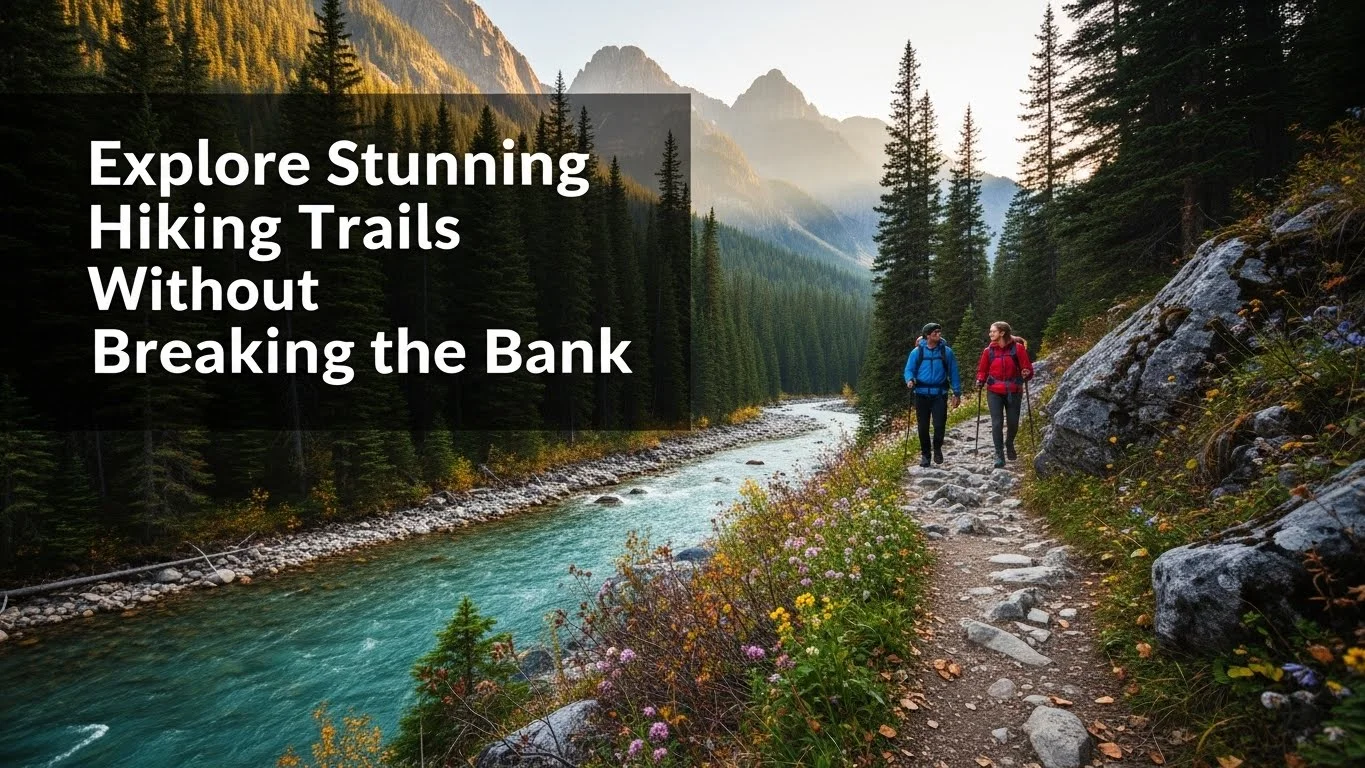
Your Ultimate Guide to Budget Hiking Trails Worldwide

Hiking doesn’t have to break the bank! Discover budget-friendly trails around the world that let you experience nature’s beauty without the hefty price tag. You can find some unforgettable hiking trails to explore on a budget that offer incredible experiences.

Your Ultimate Guide to Budget Hiking Trails Worldwide

Overview of Budget Hiking Trails

What is Budget Hiking?

Budget hiking is all about exploring the great outdoors without spending a fortune. It involves seeking out trails that are accessible, affordable, and often offer stunning landscapes and experiences. I remember my first budget hike; it was a last-minute decision that led me to a beautiful trail hidden just outside my hometown. I was surprised to find that I could enjoy nature without the need for expensive gear or guided tours. It’s about making the most of what you have, enjoying simple pleasures, and finding adventure in unexpected places.

Benefits of Hiking on a Budget

Hiking on a budget comes with many perks. For starters, it fosters a sense of adventure and creativity. I’ve found that when I’m working with a limited budget, I’m more inclined to seek out local trails, investigate lesser-known paths, and interact with nature in a more meaningful way. This not only saves money but also enriches the experience. Here are some benefits I’ve personally enjoyed:

  • Affordability: You can explore vast natural wonders without paying for expensive tours or accommodations.
  • Flexibility: You’re free to choose when and where to hike without being tied to a tour schedule.
  • Connection to Nature: Budget hiking often leads to quieter trails, allowing for a more intimate connection with the environment.
  • Health Benefits: Hiking is a fantastic way to stay fit and active while enjoying fresh air and breathtaking views.

Essential Gear for Budget Hiking

When it comes to budget hiking, having the right gear can make all the difference, but it doesn’t have to be expensive. I’ve learned that it’s not about having the latest gadgets; it’s about making smart choices that keep you comfortable and safe. Here’s my essential gear list for budget hiking:

  • Footwear: A sturdy pair of hiking boots or shoes is essential. I recommend investing in a good pair that offers support and grip, as they can last for years. I found mine at an outdoor store during a sale, and they have been my trusty companions on countless hikes.
  • Clothing: Dressing in layers is key. I always wear moisture-wicking base layers, an insulating layer, and a waterproof jacket. I often buy my hiking clothes from discount retailers or second-hand stores to save money.
  • Backpack: A comfortable daypack is necessary for carrying water, snacks, and extra layers. I found a great one that fits all my essentials without being bulky.
  • Hydration: Staying hydrated is crucial. I use a refillable water bottle to save money and reduce waste. On longer hikes, I sometimes opt for a hydration bladder.
  • Navigation Tools: A map and compass or a reliable GPS app on my phone help ensure I don’t get lost. I learned the hard way that it’s best to have a backup navigation method!
  • First Aid Kit: Accidents can happen, so I always carry a basic first aid kit. I’ve put together my own kit with essentials, which saves money compared to buying pre-packaged ones.

While it’s tempting to splurge on high-end gear, I’ve found that sticking to the basics usually works best. It’s incredible how much fun you can have when you focus on the experience rather than the price tag of your equipment.

As we dive deeper into budget hiking, we’ll explore some amazing destinations that offer stunning trails without costing a fortune. I’m excited to share these gems with you! For more ideas, check out the top 10 budget-friendly hiking trails for adventurers.

Top Budget Hiking Destinations Worldwide

North America

Appalachian Trail (USA)

The Appalachian Trail, stretching over 2,190 miles from Georgia to Maine, is a hiker’s dream. I’ve always wanted to tackle even a small section of this iconic trail. You don’t need to hike the whole thing; just a few days can offer breathtaking views and a sense of accomplishment. The best part? Many access points are free, allowing you to enjoy the beauty of the Appalachian Mountains without breaking the bank. I remember stopping at a scenic overlook and enjoying a simple lunch while soaking in the expansive vistas—it was a memory that money can’t buy.

Pacific Crest Trail (USA)

If you’re on the West Coast, the Pacific Crest Trail is another stunning option. Spanning from California through Oregon and into Washington, this trail showcases diverse landscapes, from deserts to lush forests. I’ve explored sections around Lake Tahoe, and the beauty of the alpine lakes is unforgettable. What I appreciate most is that there are plenty of access points, so you can customize your hike based on your budget and time. Plus, wildflowers in the spring are a sight to behold!

Banff National Park (Canada)

Banff National Park is a gem in the Canadian Rockies. While it might seem like a pricey destination, there are numerous budget-friendly hiking options. I found several trails that require little more than a park entrance fee, which is quite reasonable, especially considering the spectacular views of turquoise lakes and towering mountains. The trails range from easy walks to more challenging hikes, so there’s something for everyone. I highly recommend the hike around Lake Louise—it’s a postcard-worthy experience!

Europe

Camino de Santiago (Spain)

The Camino de Santiago is more than just a hike; it’s a journey steeped in history and culture. I’ve always dreamed of walking a portion of this famous pilgrimage route. Many people choose to hike it on a budget, as there are albergues (hostels) that cater to walkers at very reasonable prices. The camaraderie among hikers is fantastic, and the diverse landscapes from rolling hills to scenic vineyards make each step worthwhile.

The West Highland Way (Scotland)

This 96-mile trail is Scotland’s first official long-distance route. I fell in love with the rugged beauty of the highlands here. You can camp along the way, which significantly cuts down on costs. I found the locals to be incredibly welcoming, often sharing stories and tips about the best hidden spots. The combination of beautiful lochs and dramatic mountains makes this a must-visit for anyone seeking adventure without an extravagant budget.

Dolomites (Italy)

The Dolomites are another breathtaking destination for budget hikers. I remember being in awe of the dramatic peaks and lush valleys. While some of the more famous trails can be pricey, many lesser-known paths offer stunning views for little to no cost. Public transport can take you to various trailheads, making it easy to explore. Plus, I always indulge in local food along the way—affordable trattorias often serve delicious meals that fuel your adventure!

Asia

Everest Base Camp Trek (Nepal)

Trekking to Everest Base Camp is a bucket-list experience, but it doesn’t have to be overly expensive. I’ve met travelers who’ve done this trek on a budget by staying in local teahouses and eating simple meals. The culture and scenery are worth every penny saved. The camaraderie with other trekkers and locals made my experience even richer. Just being surrounded by towering peaks is a feeling I’ll never forget.

Mount Fuji (Japan)

Climbing Mount Fuji is a surreal experience. While I didn’t get to hike it myself, I’ve heard firsthand accounts from friends who did. The trails are well-maintained and relatively inexpensive to access. I love that many hikers choose to camp at the 5th station, which minimizes costs and creates a sense of community. Watching the sunrise from the summit is something I hope to experience one day.

Great Wall of China (China)

Hiking along the Great Wall is not only a historical journey but also a breathtaking adventure. I discovered that many sections are free to access, which is perfect for budget travelers. The less-touristy parts, like Jinshanling, provide stunning views and fewer crowds. I remember feeling a sense of awe as I walked along the ancient stones, imagining the history that unfolded there. The views from the wall are absolutely priceless!

South America

Inca Trail (Peru)

The Inca Trail to Machu Picchu is iconic, but you don’t have to pay for an expensive guided tour. I’ve heard of many adventurers who hike the trail independently. It’s essential to plan ahead, but the rewards are incredible. The scenery is mesmerizing, and the connection to the ancient Incan civilization is palpable. I would recommend packing light and soaking up every moment.

Torres del Paine (Chile)

Torres del Paine National Park is a paradise for hikers. I’ve seen some of the most stunning landscapes here, from glaciers to bright blue lakes. The park offers various trekking options, including the famous W Trek. While there might be a park entrance fee, camping is a budget-friendly way to stay. The sunsets over the mountains are among the most beautiful I’ve ever witnessed.

Patagonia (Argentina)

Patagonia is vast and rich in natural beauty. I’ve explored various trails here that range from easy walks to challenging hikes. The sense of isolation and peace is refreshing. Budget travelers can stay in hostels or camp to keep costs down while enjoying the stunning views of the mountains and lakes. Every time I returned from a hike, I felt rejuvenated and inspired, making it a perfect destination for budget hiking.

Africa

Table Mountain (South Africa)

Table Mountain in Cape Town offers breathtaking views without a hefty price tag. I took a hike up the mountain and was amazed at the panoramic views of the city and the ocean. The trail is well-marked, and while there’s a fee for the cable car, hiking is free. I recommend packing a picnic to enjoy at the summit—it’s one of those moments that makes hiking so special.

Mount Kilimanjaro (Tanzania)

Climbing Mount Kilimanjaro is an adventure of a lifetime. While there are costs involved, I’ve met many travelers who budget effectively by choosing group hikes and carrying their own supplies. The experience of standing at the roof of Africa is something I dream of achieving. The diverse ecosystems you pass through make the trek even more rewarding.

Simien Mountains (Ethiopia)

The Simien Mountains offer stunning landscapes and unique wildlife. I’ve heard that it’s possible to hike here on a budget by staying in local villages and eating simple meals. The dramatic cliffs and green valleys leave a lasting impression. I would love to explore the trails, knowing that the experience is both enriching and economical.

Oceania

Milford Track (New Zealand)

The Milford Track is known as one of the finest walks in New Zealand. While the guided tours can be pricey, I’ve learned that you can explore sections of the trail independently. The views of cascading waterfalls, lush rainforests, and stunning fjords are mesmerizing. I would recommend packing camping gear to save money while soaking in the beauty of this pristine wilderness.

Bondi to Coogee Walk (Australia)

This coastal walk is not only budget-friendly but also incredibly scenic. It’s a short distance, making it perfect for a leisurely day out. I love the beaches, parks, and breathtaking views of the ocean along the way. Plus, there are plenty of spots to grab a bite without spending much. I’ve spent many afternoons here, enjoying the sun and the sound of the waves.

When to Visit Budget Hiking Trails

Best Seasons for Hiking

Choosing the right season for hiking can really enhance your experience, especially when you’re on a budget. I’ve found that different trails shine at various times of the year. For example, spring and fall often bring mild temperatures and beautiful scenery, making them my favorite seasons to hike. I remember hiking in the fall when the leaves were a vibrant mix of reds and oranges; it was like walking through a painting! Summer can be great too, but be prepared for crowds and higher temperatures on popular trails. Winter is also an option for those who enjoy snowshoeing or winter hiking, but it requires extra gear and preparation.

Weather Considerations

Weather can make or break a hiking trip, so I always check forecasts before I head out. I’ve learned the hard way that unexpected rain or extreme heat can turn a lovely hike into a challenging experience. Layering is key, as temperatures can fluctuate throughout the day. I also keep an eye on the trail conditions—some trails may be muddy or closed after heavy rain. The right weather can lead to breathtaking views, while bad weather can mean a missed opportunity. For example, I once hiked a trail after a fresh snowfall, and the winter wonderland was breathtaking. Just remember to be flexible and have a backup plan!

Local Events and Festivals

Timing your hike with local events or festivals can be a delightful way to enhance your experience. I’ve stumbled upon some fantastic community events while hiking, like local farmers’ markets near trailheads or cultural festivals in nearby towns. These events often provide an opportunity to connect with locals, enjoy delicious food, and learn about the area’s history. For example, I once found a small festival celebrating local crafts right next to a popular hiking area; it turned out to be a perfect way to end a day on the trail. Plus, it can be a great way to save on meals by snagging a tasty treat or two!

Planning Your Budget Hiking Trip

Traveling on a Budget

Planning a budget hiking trip can be both exciting and a bit daunting. I always start by researching my destination to find the best trails and accommodations that fit my budget. It’s amazing how much information is available online! I often use travel apps and websites to find reviews and tips from other hikers. I’ve learned that being open to spontaneous adventures can lead to incredible experiences. Here are some key areas to consider when planning:

Transport Options

Finding affordable transport to and from hiking locations is essential. I usually look for bus services or carpooling options, which can significantly reduce costs. I’ve even joined local hiking groups that organize trips, which is not only cost-effective but a great way to meet fellow adventurers. If you’re planning to rent a car, I recommend comparing prices online and booking in advance to find the best deals. Sometimes, simply being flexible with your travel dates can yield better rates.

Accommodation Choices

When it comes to accommodation, I often opt for hostels, campsites, or budget hotels. I’ve found that camping near trailheads not only saves money but also allows me to immerse myself in nature. Some campsites charge a small fee, but I’ve also discovered free camping spots through apps or local forums. Staying with locals, like through platforms such as Couchsurfing, can also be a fun and economical way to experience a new place. Just make sure to read reviews and communicate clearly with your hosts!

Food and Supplies

Eating out can quickly eat into your hiking budget, so I often prepare my own meals. I love packing snacks like trail mix, energy bars, and fruits for the trail, which keeps me fueled without breaking the bank. I also recommend bringing a portable stove or a camping cook set to prepare simple meals. I remember cooking pasta with fresh veggies after a long hike, and it felt like a gourmet meal in the mountains! Grocery stores often have the best prices, so I make a stop before heading to the trail.

Permits and Fees

Some trails require permits or entrance fees, so it’s important to factor these costs into your budget. I usually check the official websites for the trails I plan to visit; many offer information on permits and fees. I’ve been pleasantly surprised to find that some trails allow for free access on certain days or have discounts for early bookings. Always keep an eye out for any special deals that can help you save money!

Safety Tips for Budget Hikers

Staying safe while hiking should always be a priority, especially when you’re aiming to save costs. I make sure to share my hiking plans with someone before I go out, just in case. I also carry a small first aid kit and know basic first aid procedures. Having a charged phone with a map app is crucial for navigation, and I often download offline maps in case I lose signal. I’ve learned that being prepared can prevent a minor mishap from turning into a serious issue.

Frequently Asked Questions

What is budget hiking?

Budget hiking is about exploring the great outdoors without spending a fortune. It involves seeking out accessible and affordable trails that offer stunning landscapes and experiences without the need for expensive gear or guided tours.

What are the benefits of hiking on a budget?

Hiking on a budget fosters a sense of adventure, allows for flexibility in choosing trails, promotes a deeper connection to nature, and provides health benefits by keeping you active and enjoying fresh air and beautiful views.

What essential gear do I need for budget hiking?

Essential gear for budget hiking includes sturdy footwear, layered clothing, a comfortable backpack, hydration tools, navigation tools such as a map or GPS app, and a basic first aid kit.

What are some budget-friendly hiking destinations in North America?

Some budget-friendly hiking destinations in North America include the Appalachian Trail, the Pacific Crest Trail, and Banff National Park, where many access points are free or inexpensive.

Can I hike the Camino de Santiago on a budget?

Yes, many people hike the Camino de Santiago on a budget by staying in affordable albergues (hostels) that cater to walkers, allowing for a rich experience steeped in history and culture.

What are some budget hiking options in South America?

In South America, budget hiking options include trekking the Inca Trail to Machu Picchu independently and exploring Torres del Paine National Park, where camping is a budget-friendly accommodation option.

How can I plan a budget hiking trip?

To plan a budget hiking trip, research destinations for affordable trails and accommodations, consider transport options like buses or carpooling, prepare your own meals, and account for any permits or fees required for trails.

What should I consider regarding weather when hiking on a budget?

When hiking on a budget, it’s important to check weather forecasts, be prepared for temperature fluctuations, and stay informed about trail conditions that might be affected by weather events like rain or snow.

How can I stay safe while hiking on a budget?

To stay safe while hiking on a budget, share your hiking plans with someone, carry a small first aid kit, know basic first aid procedures, and have a charged phone with a map app, downloading offline maps for emergencies.

What are some tips for saving money on food while hiking?

To save money on food while hiking, prepare your own meals, pack snacks like trail mix and energy bars, and consider bringing a portable stove to cook simple meals. Grocery stores often have the best prices for supplies.

Read Interesting article: Explore the Best Sustainable Hiking Trails on a Budget

Unforgettable Hiking Trails to Explore on a Budget

Hiking doesn’t have to be a costly adventure. There are countless breathtaking trails waiting for us, even on a budget! Let’s dive into how to explore these unforgettable hiking experiences without breaking the bank. Read Interesting article: Top 10 Budget-Friendly Hiking Trails for Adventurers

Unforgettable Hiking Trails to Explore on a Budget

Understanding Budget Hiking

When I first thought about hiking, my mind filled with images of expensive gear and exotic locations, which made me hesitant. But then, I learned about budget hiking. It’s all about enjoying nature without spending a fortune. Budget hiking is more than just saving money; it’s about making memories, connecting with nature, and finding joy in the journey. I’ve come to realize that some of the best experiences happen when we’re not overly concerned with our wallets.

Benefits of Hiking on a Budget

Hiking on a budget has opened up a world of opportunities for me. Here are some of the reasons I think it’s worth considering:

  • Accessibility: Budget hiking makes the outdoors accessible to everyone, regardless of financial status. I remember my first hike at a local park, where I was surrounded by others who were just as eager to explore.
  • Connection with Nature: Hiking allows us to immerse ourselves in nature’s beauty. I find that when I’m not focused on expensive gear or lavish locations, I can truly appreciate the sights and sounds around me.
  • Simpler Enjoyment: Without the distractions of luxury, we can focus on the simple pleasures: the wind in the trees, the sound of a bubbling brook, or the thrill of spotting wildlife.
  • Community Spirit: Budget hiking often leads to shared experiences with fellow hikers. I’ve met amazing people along the trails, and we’ve bonded over our love for the outdoors.

Essential Gear for Affordable Hiking

Many people believe that you need the latest and greatest gear to enjoy hiking, but that’s far from the truth. I’ve learned that with a little creativity, we can find affordable options that work just as well. Here’s a list of essential gear that won’t break the bank:

  • Footwear: A sturdy pair of hiking shoes is the most important investment. I recommend checking local thrift stores or sites like eBay for gently used shoes.
  • Backpack: A good backpack doesn’t have to be expensive. Look for sales or consider borrowing one from a friend if you’re just starting out.
  • Clothing: I’ve found that wearing layers is key. Instead of buying specialized hiking clothes, I use moisture-wicking shirts and lightweight jackets I already own.
  • Water Bottle: Staying hydrated is crucial. I always carry a reusable water bottle, which is not only budget-friendly but also environmentally conscious.
  • Navigation Tools: You don’t need fancy GPS devices. Apps on our smartphones can help us stay on track without spending a dime.

How to Plan a Budget-Friendly Hiking Trip

Planning a budget-friendly hiking trip is part of the fun! Here are some steps I’ve taken that really help:

  1. Choose Your Destination: I often start by selecting trails close to home to save on travel costs. There are often hidden gems in our own backyards.
  2. Research Free Attractions: I’ve found that many parks and trails are free to enter. Websites like AllTrails or local tourism sites can help us find these locations.
  3. Invite Friends: Hiking with friends can make the experience even more enjoyable. Plus, sharing costs for gas or food can help keep expenses low.
  4. Create a Budget: I sit down and figure out how much I can spend. I prioritize necessities and often find creative ways to cut costs, like cooking meals at home before heading out.
  5. Check for Free Events: Many parks host free guided hikes or events. I keep an eye out for these opportunities as they can be a great way to learn while saving money.

Budget hiking is not just a way to save money; it’s a lifestyle that encourages us to explore, connect, and appreciate the world around us. It’s about embracing the adventure without the price tag. I’ve discovered that with a little planning and creativity, we can have unforgettable experiences on the trails while keeping our finances intact. Whether it’s a local trail or a national park, there’s a whole world waiting for us to explore.

Top Unforgettable Hiking Trails

One of the most exciting parts of budget hiking is discovering amazing trails that won’t cost us an arm and a leg. I’ve spent hours researching and exploring, and I’m always thrilled to share my finds. Here are some unforgettable hiking trails across different categories that offer stunning views and memorable experiences, all while being budget-friendly. Read Interesting article: Explore the Best Sustainable Hiking Trails on a Budget

National Parks

Visiting national parks can sometimes be perceived as pricey due to entry fees, but the experiences and breathtaking landscapes are totally worth it. Plus, many parks have free days throughout the year! Here are a few I highly recommend:

Great Smoky Mountains National Park

This park is a gem, offering some of the most beautiful and diverse hiking trails in the country. I remember hiking the Alum Cave Trail, where the views are simply breathtaking. It’s also free to enter, which makes it a great option for budget hikers. Plus, the wildlife is incredible—keep your eyes peeled for black bears!

Yellowstone National Park

Yellowstone is iconic for a reason. There’s a little bit of everything here: geysers, hot springs, and stunning mountain views. I found that the trails around the Old Faithful area are fantastic for all skill levels. Even if you spend a little on park entry, the memories you’ll make here are priceless.

Zion National Park

Zion’s dramatic canyons and rock formations make for unforgettable hikes. I particularly enjoyed the Angels Landing trail, but I recommend only tackling this if you’re comfortable with heights. If you’re looking for something easier, the Riverside Walk is beautiful and accessible, perfect for a leisurely day outside.

State Parks

State parks often provide a fantastic hiking experience without the crowds and costs associated with national parks. Here are a few that I think you should consider:

Red Rock Canyon State Park

Located in California, Red Rock Canyon is famous for its stunning rock formations and scenic drives. The hiking trails are diverse, offering everything from easy walks to challenging climbs. I enjoyed the dramatic scenery and often found no entry fee, which made it an easy choice for a weekend adventure.

Devil’s Lake State Park

This park in Wisconsin is a favorite of mine. The hiking trails weave around the lake and lead to breathtaking views from the bluffs. The best part? The park is affordable, and with the right planning, you can spend a whole day here without spending too much.

Custer State Park

Custer State Park in South Dakota is not only beautiful but also rich in wildlife. I remember hiking the Needles Highway and being amazed at the unique rock formations. The park also has a small entrance fee, but it’s reasonable, especially considering the experiences you can have here, like spotting bison!

Local Trails

Sometimes, the best hikes are the ones closest to home. I’ve discovered that local trails can be just as rewarding and often come with beautiful scenery. Here are a few I’ve enjoyed:

Appalachian Trail (Select Sections)

The Appalachian Trail is legendary, and while hiking the entire trail might not be feasible, many sections are accessible and free. I loved hiking the stretch near my hometown, where I met fellow hikers and enjoyed the camaraderie. If you’re looking for a challenging yet rewarding experience, this is a must!

Pacific Crest Trail (Select Sections)

Similar to the Appalachian Trail, the Pacific Crest Trail offers various sections to hike. I found that the parts through California’s Sierra Nevada are particularly stunning, especially during the spring when wildflowers bloom. It’s a great way to enjoy the beauty of the outdoors without spending a fortune.

Mount Monadnock

Mount Monadnock in New Hampshire is one of the most-hiked mountains in the U.S. The trails range from easy to challenging, and the view from the summit is breathtaking. I’ve made it a tradition to hike it every year, and it never gets old. Plus, it’s relatively inexpensive to enter the state park.

Exploring these trails has taught me that adventure doesn’t need to be costly. With so many options out there, it’s all about finding what works best for us and enjoying the journey. Whether we’re in a national park, state park, or hitting local trails, there’s no shortage of beautiful places to explore on a budget. Read Interesting article: Discover Stunning Sustainable Hiking Trails for Budget Travelers

When to Hike: Seasonal Considerations

Timing can make a huge difference in our hiking experiences, especially when we’re trying to stay within a budget. I’ve learned that each season offers a unique charm, but it also comes with its own set of challenges. Here’s what I’ve discovered about the best times to hit the trails and how to navigate weather conditions.

Best Times of Year for Budget Hiking

In my experience, spring and fall are the prime seasons for budget hiking. During these months, the weather is often mild, making it comfortable to hike longer distances. I remember one beautiful fall day when the leaves were a stunning mix of orange and yellow, creating a breathtaking backdrop for our hike. Plus, the trails tend to be less crowded during these shoulder seasons, allowing us to enjoy nature more peacefully.

Summer can be great too, but it often brings higher temperatures and larger crowds. I’ve found that early morning hikes in the summer can be a fantastic way to beat the heat and enjoy cooler temperatures. Winter hiking is also worth considering if you’re prepared for the cold. I’ve ventured out on snowy trails and found the serene beauty of a snow-covered landscape to be truly magical, just make sure to wear appropriate gear!

Weather and Trail Conditions

Understanding weather patterns is crucial for budget hiking. I’ve learned that checking the forecast before heading out can save us from unexpected surprises. Rain can make trails muddy and slippery, while snow can obscure paths. I usually check local weather apps or websites for updates and plan accordingly. If I know rain is in the forecast, I might opt for a shorter trail nearby instead of a longer trek.

Trail conditions can vary greatly depending on the season. Some trails may be closed in winter or after heavy rainfall, so I always check local park websites for alerts. It’s also helpful to talk to fellow hikers I meet on the trails; they often have valuable insights into current conditions. Staying flexible with my plans has allowed me to adapt and still enjoy the great outdoors.

Off-Peak Hiking Advantages

I’ve found that hiking during off-peak times can enhance the experience and save money. Weekend trails tend to be crowded, so I usually try to hike during weekdays whenever possible. This not only makes the trails less busy but often gives us a chance to find free parking spots that can get filled quickly on weekends.

Another advantage of off-peak hiking is the opportunity to witness wildlife. I remember one early weekday morning hiking a local trail when I stumbled upon a family of deer grazing peacefully. It felt like a special gift, and I believe it’s moments like these that make budget hiking so rewarding. Hiking during less popular times also means that I can take my time on the trail, soaking in the beauty without feeling rushed.

Where to Stay While Hiking

Finding a comfortable and affordable place to stay while hiking can really enhance the experience. I’ve explored various options, and I’ve learned that there are plenty of budget-friendly choices that don’t sacrifice comfort or enjoyment.

Camping Options

Camping has been my go-to option for lodging during hiking trips. Not only is it usually cheaper than hotels, but it also immerses you in nature in a way that feels magical. I often look for campgrounds that are close to the trails I want to explore, which saves time and travel costs.

Free Camping Locations

Some of the best camping experiences I’ve had have been at free camping locations. I discovered that many national forests and Bureau of Land Management (BLM) areas allow free dispersed camping. These spots might not have amenities, but they offer peace and solitude that I cherish. I remember finding a beautiful secluded spot by a river—falling asleep to the sound of water was a dream!

Budget Campsites

If I’m looking for a bit more convenience, I often choose budget campsites. These usually come with basic facilities like restrooms and picnic tables. I’ve found that many state parks offer affordable camping options, and I always make a reservation during busy seasons to ensure I have a spot. Websites like ReserveAmerica or state park sites are great places to find these campsites.

Hostels and Budget Lodging

When camping isn’t an option, I turn to hostels. They’re a fantastic way to meet fellow hikers and travelers, and they often have kitchen facilities where I can prepare meals, saving money on dining out. I love the camaraderie found in hostels; I’ve made lifelong friends by sharing stories over breakfast!

Finding Affordable Hostels

I usually start my search for affordable hostels on websites like Hostelworld or Booking.com. I look for hostels that offer amenities like laundry facilities, which can be a lifesaver after a few days on the trail. I’ve also found that some hostels provide discounts for longer stays, which is a great way to save even more.

Airbnb for Budget Travelers

Another option I’ve turned to is Airbnb. I often find cozy cabins or even rooms in local homes that provide a unique experience. I like to look for places that offer kitchen access so I can cook my meals, which helps keep my budget in check. Plus, it’s a great way to connect with locals and learn about hidden gems in the area.

Overall, the key to budget hiking is being resourceful and flexible. Whether it’s timing our hikes right, choosing the right accommodations, or even selecting the ideal trails, each decision can lead to unforgettable experiences in the great outdoors without spending a fortune. I can’t wait to share more tips about food and nutrition on a budget for our hiking adventures next!

Food and Nutrition on a Budget

When it comes to hiking, fueling our bodies is crucial, but it doesn’t have to be expensive. I’ve learned that with a little planning and creativity, we can eat well on the trail without spending a fortune. Here are some tips I’ve discovered for preparing budget-friendly meals and snacks.

Meal Prep Tips for Hikers

I always find that prepping my meals ahead of time makes a huge difference. Not only does it save money, but it also ensures I have nutritious options ready to go. Here are some strategies I recommend:

  • Plan Your Meals: Before every hike, I sit down and plan out what I’ll eat. I focus on simple meals that require minimal preparation. For example, oatmeal with nuts and fruits is a great breakfast option.
  • Cook in Bulk: I often cook big batches of meals that can be easily packed. Dishes like chili or pasta can be portioned out and reheated on the trail.
  • Use Reusable Containers: Investing in a few good-quality, reusable containers has been a game changer. They keep my meals fresh and make packing easy.

Affordable Snack Ideas for Hiking

Snacks are essential for keeping energy levels up during a hike. I’ve experimented with many options and found some favorites that are both tasty and budget-friendly:

  • Trail Mix: I love making my own trail mix with bulk nuts, seeds, and dried fruits. It’s cost-effective and gives me a good energy boost.
  • Granola Bars: Instead of buying expensive pre-packaged bars, I often make my own granola bars at home. It’s an easy recipe, and I know exactly what goes into them.
  • Fresh Fruits: Apples, bananas, and oranges are perfect snacks because they are portable and require no preparation. They keep me hydrated too!

Places to Eat Near Trails

If your hikes take you into town or near popular trailheads, finding affordable dining options can add to the experience. I’ve discovered a few tips to save money while enjoying a meal:

  • Local Diners and Cafes: I often seek out local diners for hearty meals without breaking the bank. They often have daily specials that are delicious and affordable.
  • Grocery Stores: Many times, I’ll stop by a local grocery store and pick up some items for a picnic at a scenic spot. Sandwiches, salads, and snacks are usually much cheaper than dining out.
  • Food Trucks: If I’m lucky, I might come across food trucks near trailheads. They often provide tasty and quick meals at lower prices compared to traditional restaurants.

Safety Tips for Budget Hiking

Staying safe while enjoying budget hiking is paramount. I’ve learned that being prepared doesn’t have to cost a lot, and there are essential safety measures that we can take without breaking the bank.

Essential Safety Gear

While it’s easy to get caught up in the idea of needing fancy gear, I’ve found that basic safety equipment can often do the trick. Here’s what I consider essential:

  • First Aid Kit: I always carry a small first aid kit with me. It doesn’t have to be elaborate; just some band-aids, antiseptic wipes, and pain relievers can go a long way.
  • Map and Compass: Instead of relying solely on my phone, I bring a physical map and compass. They are inexpensive, and knowing how to use them can be a lifesaver.
  • Headlamp or Flashlight: I never hike without a flashlight or headlamp. I make sure to pack lightweight options that can be found at budget stores.

Staying Safe on a Budget

Hiking safely doesn’t mean I have to spend a lot. Here are some strategies I follow to stay safe without overspending:

  • Stick to Well-Marked Trails: I prefer to hike on well-marked trails, especially if I’m in a new area. It reduces the risk of getting lost and often means I can enjoy the hike without extra stress.
  • Hike with a Buddy: I always try to hike with friends, as there’s safety in numbers. Plus, it makes the experience more enjoyable!
  • Check Trail Conditions: Before heading out, I make sure to check the trail conditions online. It’s usually free and can help me avoid unexpected challenges.

Emergency Preparedness Without Breaking the Bank

Emergencies can happen, and I believe being prepared doesn’t have to come with a hefty price tag. Here are some tips I find helpful:

  • Know the Basics: I educate myself on basic survival skills. Learning how to build a fire, purify water, or signal for help can be invaluable.
  • Inform Someone of Your Plans: Before heading out, I always let a friend or family member know my hiking plans. It’s a simple step that doesn’t cost anything but can be crucial in case of an emergency.
  • Pack Extra Food and Water: I always bring a little extra food and water beyond what I think I’ll need. It’s a small investment for peace of mind.

Final Thoughts

Budget hiking has opened up a whole new world for me, allowing me to explore breathtaking landscapes without straining my finances. I’ve realized that it’s not just about saving money; it’s about enjoying life and making memories in nature. With a bit of creativity, planning, and a sense of adventure, we can embark on amazing hikes, nourish our bodies, and stay safe—all while being kind to our wallets. So let’s lace up those shoes, pack our bags, and hit the trails! The great outdoors is calling, and I can’t wait to see where our next adventure takes us.

Frequently Asked Questions

What is budget hiking?

Budget hiking is about enjoying nature and exploring hiking trails without spending a lot of money. It emphasizes making memories, connecting with nature, and finding joy in the journey while keeping costs low.

What are some benefits of hiking on a budget?

Some benefits include increased accessibility to the outdoors, a deeper connection with nature, simpler enjoyment of the environment, and the opportunity to build a community spirit with fellow hikers.

What essential gear do I need for affordable hiking?

Essential gear for affordable hiking includes sturdy footwear, a good backpack, layered clothing, a reusable water bottle, and navigation tools such as smartphone apps, which are budget-friendly alternatives to expensive gear.

How can I plan a budget-friendly hiking trip?

To plan a budget-friendly trip, choose nearby trails, research free attractions, invite friends to share costs, create a budget prioritizing necessities, and check for free events at local parks.

What are some recommended budget-friendly hiking trails?

Some recommended budget-friendly hiking trails include Great Smoky Mountains National Park, Yellowstone National Park, Zion National Park, Red Rock Canyon State Park, and local trails such as sections of the Appalachian Trail and Pacific Crest Trail.

When is the best time to go hiking on a budget?

The best times for budget hiking are during spring and fall when the weather is mild and trails are less crowded. Summer can be enjoyable with early morning hikes, while winter hiking offers a unique experience if you’re prepared for cold weather.

What are some affordable lodging options while hiking?

Affordable lodging options include camping at campgrounds or free camping locations, budget campsites with basic facilities, hostels for meeting fellow hikers, and Airbnb for unique accommodations that might offer kitchen facilities.

How can I eat well on a budget while hiking?

To eat well on a budget, plan meals ahead of time, cook in bulk, use reusable containers, and prepare affordable snacks like homemade trail mix and granola bars. Local diners, grocery stores, and food trucks are also good options for meals near trails.

What safety tips should I follow when budget hiking?

Essential safety tips include carrying a small first aid kit, using a physical map and compass, sticking to well-marked trails, hiking with a buddy, checking trail conditions, and being prepared for emergencies without overspending.

How can I prepare for emergencies without spending a lot?

To prepare for emergencies, learn basic survival skills, inform someone of your hiking plans, and pack extra food and water beyond what you think you’ll need. These steps are cost-effective and crucial for safety.

Explore Stunning Hiking Trails Without Breaking the Bank

Hiking doesn’t have to cost a fortune to be enjoyable. There are stunning trails out there waiting for us to explore, and many of them won’t empty our wallets. Let’s dive into the world of budget hiking! Read Interesting article: Affordable Hiking Trails: Nature Adventures for Everyone

Explore Stunning Hiking Trails Without Breaking the Bank

Understanding Budget Hiking

What is Budget Hiking?

When I first heard about budget hiking, I felt a spark of excitement. Budget hiking is all about enjoying the great outdoors without overspending. It involves seeking out trails and parks that are either free or have minimal entrance fees. These hikes can be just as stunning and rewarding as more expensive options. I remember my first budget hike; I was amazed at how much beauty I found without a hefty price tag. It’s all about being resourceful and knowing where to look.

Benefits of Budget Hiking

Budget hiking has so many perks that I can’t help but share my excitement. For starters, it allows us to enjoy nature while keeping our finances in check. With rising costs everywhere, I’ve found that budget hiking helps me reconnect with my love for the outdoors without stressing about expenses. Plus, hiking on a budget often leads to discovering hidden gems, trails less traveled, and serene spots that many overlook. You can find some great suggestions for these hidden gems in Top 10 Budget-Friendly Hiking Trails for Adventurers.

Another benefit is the sense of community. When we seek out affordable trails, we often meet like-minded adventurers who also appreciate nature without breaking the bank. I’ve made friends on trails where we shared not just our experiences but also tips on finding the best spots to hike on a budget.

How to Prepare for Budget Hiking

Preparing for a budget hike is simpler than I initially thought. First, I realized the importance of researching trails beforehand. Websites and apps can help us find trails near us, and many of them provide free maps and descriptions. I’ve learned to check out local hiking groups on social media. They often share their favorite budget-friendly spots, which can be a treasure trove of information!

Next, I found it helpful to set a budget for each hiking trip. This includes not just the cost of gas or transport but also food and any gear we might need. My friends and I often pack snacks from home instead of buying expensive meals on the trail, which saves us a ton of money. Plus, it’s fun to prepare our own trail food together!

It’s also a good idea to check the weather before heading out. I’ve had a few trips where I didn’t check, and let me tell you, hiking in unexpected rain can turn a beautiful day into a soggy mess. Planning ahead helps ensure we have the right clothing and gear for the conditions.

Lastly, I always remind myself to stay flexible. Sometimes, the best adventures come from unexpected detours or last-minute changes in plans. By keeping an open mind, we can create memorable experiences without worrying about sticking strictly to a budget.

Top Affordable Hiking Destinations

National Parks

Great Smoky Mountains National Park

This national park is a gem! I recently visited the Great Smoky Mountains, and the scenery was breathtaking. The best part? Entrance to the park is free! There are countless trails that cater to all skill levels, making it accessible for everyone. I loved the lush landscapes and diverse wildlife. Plus, the park often offers free ranger-led programs, giving us a deeper understanding of the area without any extra cost.

Yosemite National Park

I can’t talk about stunning hikes without mentioning Yosemite. While there is an entrance fee, the beauty of Yosemite Valley and the surrounding areas makes it worth every penny. When I visited, I was captivated by the towering granite cliffs and waterfalls. If you’re strategic and visit during off-peak times, you can save on fees and enjoy the park with fewer crowds. For families looking for great options, check out Family Hiking Trails: Affordable Adventures Await You.

State Parks

Red Rock Canyon State Park

Red Rock Canyon is another favorite of mine. This park offers affordable entrance fees, and the striking red rock formations are unlike anything I’ve seen. I remember hiking there and feeling like I was in a different world, surrounded by dramatic landscapes that are perfect for photos and exploration.

Bear Mountain State Park

Bear Mountain State Park has quickly become one of my go-to spots for budget hiking. With its low entrance fee, this park offers a variety of trails with stunning views of the Hudson River. I’ve enjoyed picnicking with friends on the summit after a rewarding hike, all while keeping our outing easy on the wallet.

Local Trails

Urban Hiking Trails

Don’t underestimate urban hiking! I’ve found some amazing trails right in the heart of cities. Urban hikes can provide a unique perspective of city life while allowing us to enjoy nature. I often take weekend walks through local parks or along waterfronts, which can be both refreshing and budget-friendly.

Nature Reserves

Nature reserves are another fantastic option. Many of them have free or low-cost entry, and I’ve discovered some beautiful hidden trails that feel like a world away from urban life. I love the tranquility of these places, and they make for perfect spots to unwind and reconnect with nature.

Planning Your Hiking Trip on a Budget

How to Find Free Hiking Trails

Finding free hiking trails can feel like searching for hidden treasure, but I’ve learned a few tricks along the way. One of my go-to resources is the Internet. I often start by searching for local hiking websites or forums. Many towns have dedicated hiking groups that share information about free trails. I’ve also discovered that apps like AllTrails can be incredibly helpful; they offer filters for free trails and even user reviews that give insight into what to expect.

Another great tip is to check out community bulletin boards or local libraries. I remember stumbling upon a flyer at my library that listed several trails in my area that I had never even heard of! Sometimes, just getting out there and exploring can lead us to unexpected finds. I’ve had days where I set off without a specific destination and ended up on a beautiful trail that wasn’t on any map.

Budget-Friendly Hiking Gear

When it comes to hiking gear, I’ve found that budget doesn’t have to mean compromising on quality. I used to think I needed the latest and greatest equipment, but over time, I learned that many essentials are quite affordable. Starting with the basics, I recommend investing in a good pair of hiking shoes. I remember my first hike in cheap sneakers—it wasn’t a pleasant experience! A decent pair of shoes can make all the difference in comfort and safety.

Essential Gear for Beginners

For beginners, I think a few essential items are worth having: a reliable backpack, a water bottle, and a first-aid kit. I’ve found that even a small, lightweight backpack is perfect for carrying snacks, water, and a light jacket. When I first started hiking, I packed way too much gear, but I quickly learned to keep it simple. A good rule of thumb is to carry what you need but leave behind the extras.

Where to Buy or Rent Equipment

If you’re hesitant about investing in brand-new gear, look into renting or buying second-hand. Many outdoor stores offer rental services, especially for items like tents and sleeping bags. I’ve rented gear for weekend trips, which saved me a lot of money. Plus, checking out local thrift stores or online marketplaces can yield some fantastic deals on used equipment. I remember finding a barely-used hiking backpack for a fraction of the retail price—it was a win-win situation!

Transportation Options to Hiking Trails

Getting to the trailhead can sometimes be the most significant expense of a hiking trip, but there are budget-friendly options available. When planning my hikes, I always consider how I can minimize transport costs. If the trail is nearby, I often choose to bike or walk, which not only saves money but also serves as a warm-up for the hike!

Public Transportation

If the trail is further away, public transportation can be a great way to go. I’ve used buses or trains to reach various trailheads, especially in areas with good transit options. I remember a trip to a national park where I hopped on a bus that dropped me off just steps from the trailhead. It was convenient and saved me the hassle of parking fees!

Carpooling and Ride-Sharing

Carpooling is another excellent option, especially if you have friends who enjoy hiking too. I often coordinate with my hiking buddies to share gas costs. Sometimes, we even use ride-sharing apps to find others heading to the same destination. It’s a fun way to meet new people and share travel expenses, and we often discover we have similar hiking interests!

What to Pack for a Budget Hiking Adventure

Must-Have Hiking Essentials

Packing efficiently can make or break a hiking trip. I’ve learned to stick to the essentials to keep my pack light and manageable. Besides the gear I mentioned earlier, I always include a map of the area or download trail maps on my phone. I once got a bit lost on a hike because I didn’t have a clear map, and trust me, it’s not a fun experience! A small flashlight is also a must, just in case we end up out longer than anticipated.

Food and Hydration on a Budget

Food is another area where I’ve found ways to save money while enjoying my hikes. I used to buy pre-packaged trail snacks, but I quickly realized that I can make my own for a fraction of the cost. Trail mix is a favorite of mine. I buy nuts, seeds, and dried fruits in bulk and mix them up at home. Not only does this save money, but I can customize it to my taste. Plus, it’s super easy to pack and eat on the go!

Affordable Snacks for the Trail

Other affordable snack ideas include granola bars, peanut butter sandwiches, and fresh fruits like apples or bananas. I often pack a few of these snacks for longer hikes. I remember a hike where I brought along homemade sandwiches and enjoyed them with friends at the summit—definitely a highlight of the day!

Water Sources and Hydration Tips

Hydration is crucial while hiking, especially on warmer days. If I’m going on a longer hike, I always make sure to fill my reusable water bottle before leaving home. I’ve found that many trails have streams or water sources, but I prefer to be prepared. There are also filtration systems or purification tablets available if you’re planning to use natural water sources. I usually carry a small collapsible water container just in case I need to refill. Staying hydrated helps keep our energy levels up, which makes the hike even more enjoyable!

Tips for Enjoying Hiking Without Spending a Fortune

Finding Local Hiking Groups

One of the best ways I’ve discovered to enhance my hiking experiences without breaking the bank is by joining local hiking groups. I remember the first time I went on a group hike; it was an eye-opener! Not only did I meet wonderful people, but I also got access to trails I wouldn’t have found on my own. Many groups organize regular hikes and often share transportation costs, making it even more affordable. Plus, hiking with others can be a great way to learn new skills and tips from more experienced hikers.

To find these groups, I usually turn to social media platforms and community boards. Websites like Meetup.com or local Facebook groups often have listings for hiking events. I’ve found that even casual meetups can lead to fantastic adventures and friendships.

Participating in Community Hikes

Another fantastic option is participating in community hikes. Many towns or cities organize free hikes led by local experts or volunteers. I remember joining a community hike in my area that focused on local flora and fauna. It was such a rich experience learning about the environment while enjoying the beautiful trails. Not only did I get to hike for free, but I also gained valuable knowledge I wouldn’t have gotten otherwise.

These community events often cater to various skill levels, so whether you’re a beginner or a seasoned hiker, there’s usually a spot for you. I recommend checking out community centers or local parks’ websites for any upcoming events. It’s a budget-friendly way to immerse ourselves in nature while engaging with our community!

Using Hiking Apps for Navigation and Trail Information

Technology can be a great ally in budget hiking. I’ve found several hiking apps that not only help with navigation but also provide valuable information on trails. Apps like AllTrails, Hiking Project, and Komoot have been lifesavers for me! They offer detailed trail maps, user reviews, and even tips on the best time to hike each trail. I remember planning a hike using one of these apps and discovering a hidden waterfall that wasn’t on my original list. It turned what would have been a standard hike into an unforgettable experience.

Many of these apps allow offline access, which is a game-changer. There have been times when I found myself in areas with weak signal, but because I had downloaded the maps beforehand, I could still navigate without any issues. I highly encourage everyone to explore these apps for their next adventure!

Safety Considerations for Budget Hikers

Understanding Trail Difficulty Levels

Safety is always a priority when hiking, especially when we’re on a budget. One of the first things I learned was to pay attention to trail difficulty levels. Each trail usually has a rating ranging from easy to strenuous, and knowing what to expect can make a huge difference in our experience. I remember the first time I attempted a moderate trail, thinking it would be a breeze. Let’s just say it was a learning curve! Now, I always check the ratings and reviews before setting out. It’s important to choose trails that match our fitness levels, so we can fully enjoy the journey without overexerting ourselves.

Emergency Preparedness on a Budget

Being prepared for emergencies doesn’t have to be expensive. I’ve learned to carry a few essential items that don’t break the bank but can make a world of difference in unexpected situations. A small first-aid kit, a multi-tool, and a whistle are must-haves for me. I’ve had instances where I needed to patch up a small cut or use a tool to fix my gear, and having those items handy really saved the day.

It’s also wise to let someone know our hiking plans. I remember a hike where I forgot to share my itinerary, and I felt uneasy knowing no one was aware of my location. Now, I always take a moment to inform a friend or family member about my plans, including the trail I’m hiking and when I expect to return.

Leave No Trace Principles

As budget hikers, I think it’s essential to be mindful of our impact on nature. Practicing Leave No Trace principles has become second nature for me. These guidelines encourage us to respect our environment by minimizing our footprint. Simple practices like packing out what we bring in, staying on marked trails, and avoiding disturbances to wildlife can go a long way in preserving the beauty of the areas we love to hike.

I remember a trip where I saw the negative effects of litter on a beautiful trail, and it made me realize how vital it is to protect these spaces. By being conscious of our actions and teaching others about responsible hiking, we can ensure that these amazing trails are available for generations to come. It’s about enjoying the outdoors while taking care of it, and I believe we all have a role to play in that.

Frequently Asked Questions

What is budget hiking?

Budget hiking is all about enjoying the great outdoors without overspending. It involves seeking out trails and parks that are either free or have minimal entrance fees, allowing for beautiful and rewarding hikes without a hefty price tag.

What are some benefits of budget hiking?

Budget hiking allows enjoyment of nature while keeping finances in check, helps reconnect with the love for the outdoors, leads to discovering hidden gems and trails less traveled, and fosters a sense of community among like-minded adventurers.

How can I prepare for a budget hike?

To prepare for a budget hike, research trails beforehand, set a budget for the trip, check the weather, and remain flexible for unexpected changes. Packing snacks from home and using local hiking groups for tips can also enhance the experience.

Which affordable hiking destinations are recommended?

Recommended affordable hiking destinations include Great Smoky Mountains National Park (free entrance), Yosemite National Park (entrance fee applies but worth it), Red Rock Canyon State Park (affordable fees), and Bear Mountain State Park (low entrance fee).

How can I find free hiking trails?

Finding free hiking trails can be done through local hiking websites, forums, community bulletin boards, or apps like AllTrails, which filter for free trails and provide user reviews. Exploring without a specific destination can also lead to unexpected finds.

What are some tips for budget-friendly hiking gear?

Invest in a good pair of hiking shoes, carry essential items like a reliable backpack, water bottle, and first-aid kit, and consider renting or buying second-hand gear from thrift stores or outdoor rental services to save money.

What transportation options are available for getting to hiking trails?

Budget-friendly transportation options include biking or walking to nearby trails, using public transportation for farther destinations, and carpooling with friends to share gas costs, which also fosters camaraderie among hikers.

What should I pack for a budget hiking adventure?

Essentials for a budget hiking trip include a map of the area, a small flashlight, homemade trail snacks like trail mix or sandwiches, and a reusable water bottle. Staying hydrated and having efficient food options can significantly enhance the hiking experience.

How can I enhance my hiking experience without spending much?

Joining local hiking groups can enhance the experience, as they often organize hikes and share transportation costs. Participating in community hikes led by local experts is another budget-friendly way to engage with nature and learn about the environment.

What safety considerations should budget hikers keep in mind?

Budget hikers should understand trail difficulty levels to match their fitness, be prepared for emergencies with essential items, and practice Leave No Trace principles to minimize their impact on nature while preserving the beauty of hiking trails.