Web Analytics

Recent Posts

Discover Canada: Your Guide to Budget-Friendly Travel

Canada offers a treasure trove of experiences without breaking the bank. From stunning landscapes to vibrant cities, budget-friendly travel in this vast country is entirely possible. Let’s dive into how to explore Canada while keeping costs low!
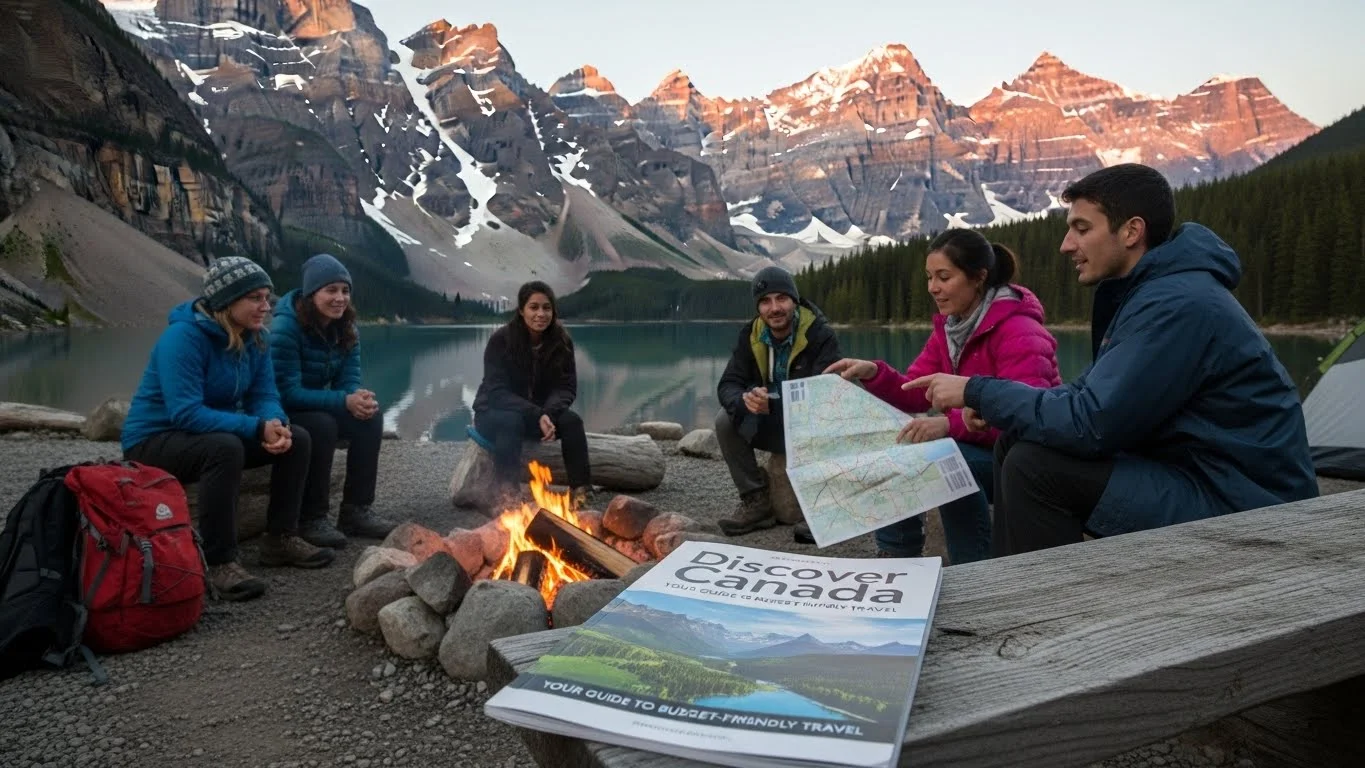
Discover Canada: Your Guide to Budget-Friendly Travel

Overview of Budget-Friendly Travel in Canada

Why Choose Canada for Budget Travel?

When I think of Canada, I can’t help but feel a rush of excitement. This country is filled with breathtaking natural beauty, rich culture, and friendly people. I remember my first trip there, and I was surprised to discover that it didn’t cost as much as I thought it would. Canada is an excellent choice for budget travelers for several reasons. First, the vastness of the country means there’s something for everyone, from lively urban centers like Toronto to the serene wilderness of the Rocky Mountains. Plus, you can find affordable transport options that make getting around easy and economical.

Moreover, Canada offers various free and low-cost attractions. I’ve visited national parks, explored charming towns, and appreciated the local art scene without spending a fortune. Many cities also have free festivals, outdoor concerts, and cultural events that allow you to immerse yourself in the local vibe without emptying your wallet.

What to Expect from This Guide

In this guide, I’ll share my top tips and tricks for traveling in Canada on a budget. We will explore the best times to visit, how to find affordable flights, and the best places to stay. I’ll cover transportation options and highlight some of my favorite budget-friendly destinations across the country. My hope is that you’ll find inspiration for your trip while knowing you can enjoy all that Canada offers without financial stress.

When to Visit Canada on a Budget

Best Months for Budget Travelers

Timing is everything when it comes to budget travel. I found that visiting Canada during the shoulder seasons—April to June and September to October—can save you a significant amount of money. During these months, the weather is generally pleasant, and tourist crowds are less intense. Hotel rates drop, and you can often find great deals on attractions and flights. For instance, I once booked my trip to Vancouver in early September and enjoyed stunning views of the city without having to battle the summer crowds.

Understanding Seasonal Variations in Prices

In my experience, prices in Canada can fluctuate significantly depending on the season. Peak tourist seasons in the summer and around holidays can see a spike in accommodation and activity costs. Conversely, winter might offer lower prices, especially in cities where winter festivals are held. I remember visiting Quebec City in January during the Winter Carnival and found that not only were hotel prices lower, but there were also loads of free events to enjoy. It was a magical experience!

Getting to Canada Affordably

Finding Cheap Flights to Canada

Finding affordable flights to Canada can be a game-changer for budget travelers. I’ve had success using flight comparison websites, which helped me score some fantastic deals. Flexibility with travel dates is key; I often check flights on various days to see if there are significant differences in prices. Another tip is to book flights well in advance, as I’ve noticed that prices tend to rise as the departure date approaches.

Budget Airlines and Travel Hacks

Don’t overlook budget airlines! I’ve flown with carriers like Flair Airlines and Swoop, which offer low-cost fares between major Canadian cities. While these airlines might charge for extras like checked baggage and seat selection, I’ve learned to pack light and skip those add-ons to keep costs down. Signing up for airline newsletters can also alert you to flash sales and exclusive promotions.

Cross-Border Travel Options

If you’re already traveling in the U.S., consider crossing the border to Canada. I once took a bus from Seattle to Vancouver, and it was an affordable and scenic way to start my trip. Greyhound and Megabus offer economical fares that can fit into any budget. Plus, crossing by train can be a unique experience if you want to enjoy the views along the way.

Affordable Accommodation Options

Hostels and Budget Hotels

When it comes to accommodation, hostels have been my go-to choice for budget travel. They not only offer affordable rates but also a chance to meet fellow travelers. I remember staying at HI Vancouver Central, which had spacious dorms and a friendly atmosphere. Many hostels also provide kitchen facilities, which can save you money on meals.

Camping and Outdoor Lodging

If you’re a nature lover like me, consider camping as a budget-friendly option. Canada boasts stunning natural parks with campgrounds that often charge minimal fees. I had an unforgettable experience camping in Banff National Park, surrounded by mountains and lakes. It was a perfect blend of adventure and affordability.

Airbnb and Vacation Rentals

Another option I often explore is Airbnb. There are plenty of affordable listings in Canada, especially if you’re traveling with friends or family. I once found an adorable cabin near Jasper that fit our budget perfectly and provided a cozy home base while we explored the surrounding area. Plus, having a kitchen allowed us to save on dining out.

Transportation in Canada on a Budget

Using Public Transit Systems

Public transit in Canada is a fantastic way to get around without spending a fortune. I remember my time in Toronto when I hopped on the TTC (Toronto Transit Commission) to explore the city. The subway and streetcars are efficient and cover a vast area, making it easy to get to popular spots. Plus, a single fare is often cheaper than parking or taking a cab. I also found that many cities offer day passes, which can be a great deal if you plan to do a lot of sightseeing.

In Vancouver, the TransLink system includes buses, SkyTrain, and SeaBus, providing a seamless way to explore the city and even nearby attractions like Grouse Mountain. I was pleasantly surprised by how easy it was to navigate using their app for schedules and routes. And don’t forget about walking! Many Canadian cities are quite walkable, and I loved discovering hidden gems just by strolling around.

Budget Car Rentals and Ride-Sharing

While public transit is excellent, sometimes you want the freedom of having your own wheels. I found budget car rental companies that often have competitive rates, especially if you book in advance. When I rented a car for a trip to the Okanagan Valley, I was able to explore the beautiful wineries and lakes at my own pace. I recommend checking out websites that compare prices across different rental companies to find the best deal. For more tips on travel accessories, check out budget-friendly travel accessories to make your journey smoother.

Ride-sharing services like Uber and Lyft can also be helpful, especially in larger cities. I used Uber to get from my Airbnb to the airport in Vancouver, and it was more affordable than a taxi. Just be sure to check for promo codes or discounts if you’re a first-time user, as I’ve often found deals that make rides even cheaper.

Tips for Traveling Between Cities

Traveling between cities in Canada can be an adventure in itself. I’ve taken both Greyhound and Megabus for longer trips, and I found them to be budget-friendly options. The views from the bus can be stunning, and I enjoyed meeting fellow travelers along the way. Booking tickets in advance can save you even more money, and I’ve seen prices drop significantly the earlier I reserved.

For a unique experience, consider traveling by train with Via Rail. I took a trip from Toronto to Montreal and was blown away by the scenic landscapes. The rates can vary, but if you book early and are flexible with your travel dates, you can snag some great deals. It’s a lovely way to see Canada while sitting back and relaxing.

Top Budget-Friendly Destinations in Canada

Exploring Vancouver on a Budget

Vancouver is one of my favorite cities in Canada, and it’s surprisingly affordable if you know where to look. I spent many enjoyable afternoons wandering around Stanley Park, which is free to enter and offers stunning views of the water and mountains. Don’t miss the seawall—it’s a perfect spot for walking or biking. I often packed a picnic lunch from the local market, which made for an inexpensive yet delightful meal.

Granville Island is another must-visit, where the Public Market offers delicious local food at reasonable prices. I remember sampling various treats and enjoying the atmosphere without feeling guilty about my budget. Plus, there are often free events and performances happening throughout the year, so keep an eye on local listings.

Affordable Activities in Toronto

Toronto is a vibrant city with plenty of budget-friendly activities. I loved visiting the Distillery District, where you can explore art galleries and unique shops. Walking around is free, and I often found myself captivated by the street art and historical buildings. The Royal Ontario Museum offers discounted admission on certain days, and I took advantage of that for a fantastic day of learning without spending a lot.

One of my favorite moments was attending the annual Toronto International Film Festival, where many screenings are free or very low-cost. I recommend looking for community events and festivals, as there’s usually something happening that doesn’t require a big budget.

Budget Travel in Quebec City

Quebec City is like stepping into a different world with its European charm. While it’s possible to splurge here, I found plenty of affordable options. Strolling through Old Quebec was one of the highlights of my visit. The cobblestone streets and historic architecture made for a lovely afternoon without spending a dime. I also enjoyed sitting in the parks and soaking in the atmosphere while people-watching.

Don’t miss the chance to explore Montmorency Falls. It’s just a short bus ride away and offers breathtaking views. I hiked the trails around the falls, which were free, and the experience was absolutely worth it. Plus, I’ve learned that many museums in Quebec City offer free admission on certain days, so it’s worth planning your visit around those times.

Discovering Natural Wonders in Banff

Banff is a dream destination for nature lovers, and it’s possible to enjoy its beauty on a budget. The national park charges a small entrance fee, but once inside, the opportunities for hiking and exploring are endless. I remember hiking the Johnston Canyon trail, which was stunning and budget-friendly. The sights of waterfalls and wildlife made the experience unforgettable.

Camping in Banff is also an option for those looking to save money. I camped at Tunnel Mountain, and it gave me easy access to all the park’s attractions while keeping costs low. Cooking my meals at the campsite was a fun way to save money and enjoy the outdoors. I realized that with a little planning, Banff can be a budget-friendly adventure filled with incredible experiences.

Free and Low-Cost Attractions

National Parks and Nature Reserves

Canada’s national parks are some of the most breathtaking places I’ve ever visited, and luckily, many of them offer affordable or even free entry on certain days. For example, I remember visiting Jasper National Park during a free access weekend, which allowed me to explore the stunning landscapes without spending a dime. The vastness of these parks offers endless opportunities for hiking, wildlife watching, and just soaking in the natural beauty around you.

One of my favorite spots was Yoho National Park, where I hiked to the incredible Takakkaw Falls. The sight of the water cascading down the cliffs was so awe-inspiring that I almost forgot I was there on a budget! Many parks also have designated picnic areas, making it easy to enjoy a packed lunch while surrounded by nature. I found that planning a day in a national park can be both enriching and wallet-friendly.

Free Museums and Cultural Sites

Exploring Canada’s rich history and culture doesn’t have to be expensive! I was pleasantly surprised to discover that many cities have free museums and cultural sites. For instance, the Art Gallery of Ontario in Toronto offers free admission on Wednesday evenings, which I took full advantage of during my visit. I spent hours wandering through the exhibits, losing myself in Canadian art and history.

In Quebec City, I enjoyed visiting the Musée de l’Amérique francophone, which has free admission on certain days. It was a fantastic way to learn more about the French influence in Canada without spending a cent. I often check local listings or websites dedicated to tourism for free events and exhibitions, as I’ve found that there’s usually something happening that can enrich my travel experience without hitting my wallet.

Outdoor Activities: Hiking, Biking, and More

If you love the outdoors as much as I do, Canada is a dream come true. I can’t rave enough about the multitude of outdoor activities available that won’t cost you a fortune. Hiking trails abound, from the easy strolls in city parks to challenging backcountry hikes in the Rockies. I’ve had some of my most memorable experiences hiking the trails in Kootenay National Park, where the views of the mountains and valleys left me speechless.

Biking is another fantastic way to explore Canadian cities on a budget. Many places, like Vancouver and Montreal, have bike-sharing programs that allow you to rent bikes for a low fee. I remember cycling along the waterfront in Vancouver, feeling the breeze on my face and enjoying the stunning views. It was a refreshing way to see the city while staying active!

Local Food on a Budget

Street Food and Food Trucks

When it comes to eating on a budget in Canada, street food is a fantastic option. I discovered amazing food trucks in cities like Toronto and Montreal, offering everything from poutine to gourmet tacos. I remember trying a delicious banh mi sandwich from a food truck in Vancouver, and it was both filling and inexpensive. Street food not only lets you enjoy local flavors but also gives you a chance to mingle with locals and fellow travelers.

Affordable Restaurants and Cafés

While dining out can add up quickly, I’ve found that Canada has plenty of affordable restaurants and cafés that serve delicious food without breaking the bank. When I visited Montreal, I stumbled upon a cozy little bistro that offered a fantastic lunch special. It was a perfect opportunity to try some local dishes at a fraction of the cost. I often look for places that offer daily specials or lunch deals, as they can provide great value.

Another tip is to check out community markets or seasonal fairs, where local vendors often sell food at reasonable prices. I once indulged in a delightful meal at a farmer’s market in Ottawa, where I tried freshly made pies and local cheeses—all while supporting small businesses!

Grocery Shopping Tips for Travelers

If you’re looking to save even more, grocery shopping is a great way to manage your food expenses. I typically make a quick stop at a local grocery store upon arriving in a new city. It allows me to stock up on essentials like snacks, breakfast items, and even ingredients for simple meals. I remember cooking pasta in my Airbnb kitchen in Toronto, which turned out to be a fun and cost-effective dinner option.

Many grocery stores have ready-to-eat meals or pre-packaged salads that are both affordable and convenient for travelers. I once grabbed a delicious sushi platter from a grocery store in Calgary, which made for a perfect picnic while exploring the city. I believe that with a little planning, grocery shopping can be a fun way to experience local food while keeping your budget in check.

Tips for Saving Money While Traveling in Canada

Travel Passes and Discount Cards

One of the best ways I’ve saved money while traveling in Canada is by taking advantage of travel passes and discount cards. Many cities offer passes that provide unlimited public transit access, along with discounts on local attractions. When I visited Ottawa, I purchased a CityPASS, which allowed me to visit several major attractions for a fraction of the cost. It not only saved me money but also helped me plan my itinerary efficiently.

Finding Deals and Promotions

Always keep an eye out for deals and promotions. I’ve found that many attractions, especially during the off-peak seasons, offer discounts that can significantly reduce costs. Additionally, signing up for newsletters or following social media accounts of local attractions can keep you informed about flash sales or special offers. I once snagged a half-price entry ticket to the Calgary Zoo by following their Instagram account, which made my visit even more enjoyable!

Budgeting for Day Trips and Excursions

Planning day trips can be a fantastic way to explore more of Canada without overspending. I often budget for excursions by researching affordable options beforehand. For instance, I took a day trip from Toronto to Niagara Falls, which I found to be both affordable and breathtaking. By using public transportation and packing my own lunch, I kept my costs low while enjoying an unforgettable experience. I recommend checking online for group deals or packages, as they can provide additional savings. If you’re traveling with infants, check out budget-friendly travel gear to make your trip easier.

Frequently Asked Questions

Why is Canada a great choice for budget travelers?

Canada offers breathtaking natural beauty, rich culture, and friendly people, making it an exciting destination for budget travelers. The vastness of the country provides a variety of experiences, from lively urban centers to serene wilderness, along with many free and low-cost attractions.

What are the best months to visit Canada on a budget?

The best months for budget travelers to visit Canada are during the shoulder seasons, which are April to June and September to October. These months typically have pleasant weather, fewer tourists, and lower hotel rates, making it easier to find great deals.

How can I find affordable flights to Canada?

To find affordable flights to Canada, use flight comparison websites and be flexible with your travel dates. Booking flights well in advance can also help, as prices tend to rise closer to the departure date.

What are some budget accommodation options in Canada?

Budget accommodation options in Canada include hostels, camping, and vacation rentals like Airbnb. Hostels offer affordable rates and opportunities to meet fellow travelers, while camping provides an immersive nature experience at minimal costs.

What transportation options are available for budget travelers in Canada?

Public transit systems are an excellent way to get around Canada without overspending. Cities like Toronto and Vancouver have efficient public transportation. Budget car rentals and ride-sharing services like Uber and Lyft can also be economical options for getting around.

Which cities in Canada offer budget-friendly travel experiences?

Vancouver, Toronto, and Quebec City are great cities for budget-friendly experiences. Each city offers free attractions, affordable activities, and opportunities to immerse yourself in local culture without breaking the bank.

What are some free or low-cost attractions in Canada?

Many national parks and cultural sites in Canada offer free or low-cost admission on certain days. Outdoor activities like hiking and biking are also budget-friendly, and many cities have free events and festivals throughout the year.

How can travelers save money on food in Canada?

Travelers can save money on food by opting for street food, food trucks, and affordable restaurants. Grocery shopping is also a great way to manage food expenses, allowing travelers to prepare their own meals and enjoy local flavors on a budget.

What are travel passes and how can they help save money?

Travel passes and discount cards provide unlimited public transit access and discounts on local attractions. They can significantly reduce costs and help travelers efficiently plan their itineraries.

How can I find deals and promotions while traveling in Canada?

Travelers can find deals and promotions by keeping an eye out for discounts during off-peak seasons, signing up for newsletters, and following social media accounts of local attractions for flash sales and special offers.
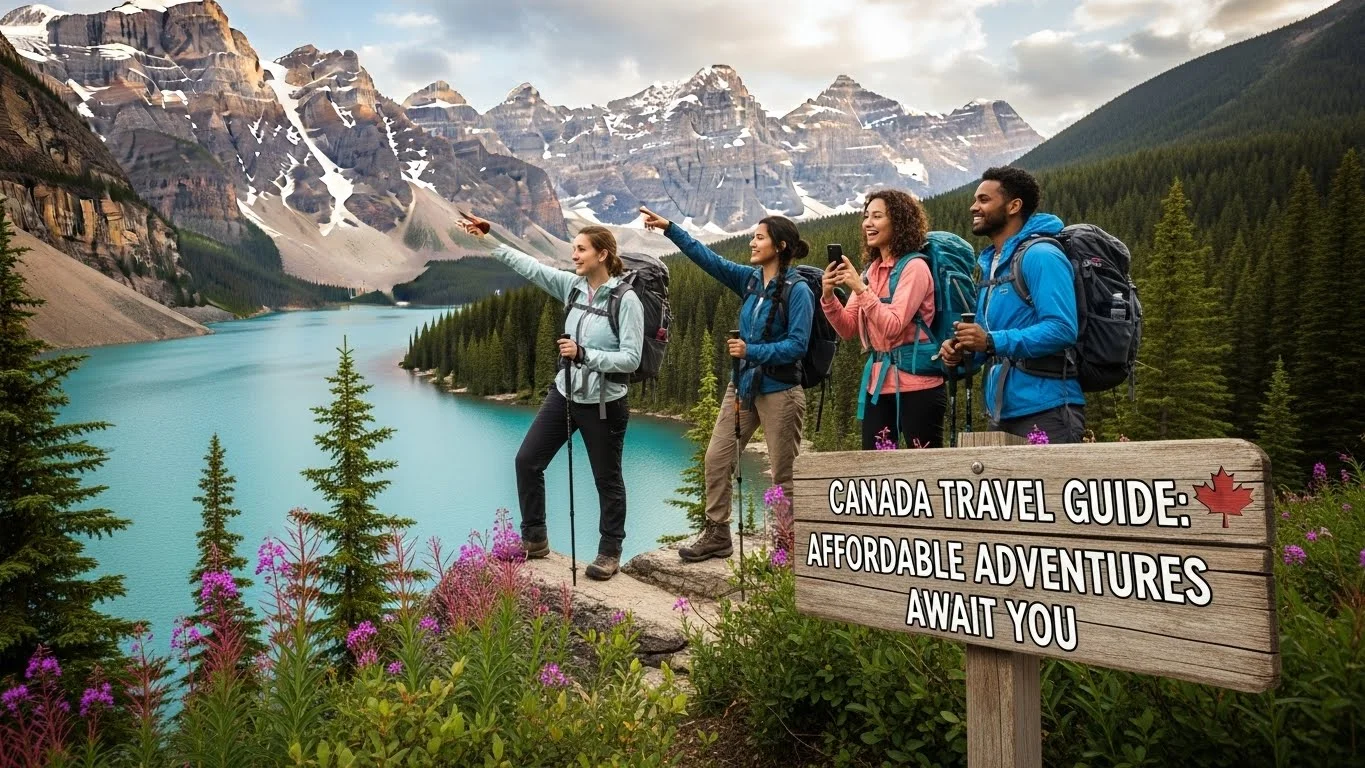
Canada Travel Guide: Affordable Adventures Await You

Canada is a treasure trove of affordable adventures waiting to be discovered. From breathtaking landscapes to vibrant cities, there’s something for everyone without breaking the bank. Explore Canada on a Budget: Ultimate Travel Guide provides a comprehensive overview of how to make the most of your trip without overspending.

Canada Travel Guide: Affordable Adventures Await You

Overview of Canada as a Travel Destination

When I think about Canada, my mind instantly conjures images of stunning natural landscapes, friendly locals, and a blend of cultures that feels both comforting and exciting. This vast country offers a unique blend of urban experiences and outdoor adventures, making it a fantastic destination for budget travelers like us. In fact, Top 10 Must-See Destinations in Canada for Backpackers highlights some of the best spots to visit.

Geography and Regions

Canada spans six time zones and boasts diverse geography, from the rugged Rocky Mountains in the west to the serene Atlantic coastline in the east. Each region has its own charm and attractions. I remember my trip to British Columbia, where I was captivated by the lush forests and towering peaks. Meanwhile, the Prairies offer vast open spaces and stunning sunsets that are simply unforgettable. Ontario, home to the iconic Niagara Falls, is a must-visit for its natural beauty and vibrant cities like Toronto. And don’t get me started on the East Coast! The Maritime provinces have a charm all their own, with friendly locals and picturesque coastal towns.

Culture and Diversity

Canada is often celebrated for its multiculturalism, and my experiences there have reflected this beautifully. When you visit, you’ll witness a rich tapestry of cultures, languages, and traditions. Cities like Toronto and Vancouver are incredibly diverse, with neighborhoods that reflect the heritage of their residents. I’ve wandered through Little Italy, Chinatown, and the vibrant streets of Kensington Market in Toronto, each offering a unique taste of the world. This cultural diversity is not just in the food, which I absolutely loved exploring, but also in festivals, art, and music. It’s an enriching experience that makes traveling in Canada feel like a journey through many cultures all at once.

When to Visit Canada

Timing your trip can make a significant difference in cost and experience. I’ve learned that understanding the seasonal highlights and weather can help us maximize our adventures while keeping our budget in check.

Seasonal Highlights

Canada is a year-round destination, but each season has its own appeal. I visited in the fall, and the stunning autumn leaves made for some spectacular sights, especially in places like Algonquin Park. Winter, on the other hand, transforms Canada into a snowy wonderland, perfect for skiing and snowboarding. Spring brings blooming flowers and vibrant festivals, while summer is ideal for hiking and enjoying the great outdoors. If you’re looking for budget-friendly travel, consider visiting during the shoulder seasons of spring and fall, when prices tend to be lower, and the crowds are fewer.

Weather Considerations

Canada’s weather can be quite unpredictable, which I’ve experienced firsthand. Winters can be frigid, especially in the northern territories, while summers can get surprisingly hot in the south. I recommend checking the weather forecast regularly as your travel dates approach. Dressing in layers has been my go-to strategy for staying comfortable, no matter the season.

Festivals and Events

One of my favorite parts of traveling in Canada is experiencing its lively festivals. From the Calgary Stampede in July, showcasing rodeo events and country music, to the Montreal International Jazz Festival, these events offer a glimpse into Canadian culture. I’ve found that attending these festivals not only enhances my travel experience but also provides opportunities for free or low-cost entertainment. Keep an eye on local calendars for festivals happening during your visit – you might discover something amazing!

Budget-Friendly Accommodation Options

Finding a comfortable place to stay that doesn’t drain your wallet is crucial. I’ve had some great experiences with various accommodation types across the country.

Hostels and Budget Hotels

Hostels can be a fantastic option for budget travelers. I’ve stayed in several across Canada, and they often provide not just a bed but also opportunities to meet fellow travelers. They typically have kitchens, which means you can save money by cooking your meals. Budget hotels are another great option, especially chains that offer competitive rates and discounts for extended stays.

Airbnb and Vacation Rentals

Airbnb has been my go-to when traveling as it allows me to find unique accommodations, often at a fraction of the cost of hotels. I once rented a cozy cabin in the woods near Banff, which was a memorable experience. Plus, many rentals come with kitchens, which helps save on dining expenses. Just make sure to book early, especially in peak seasons.

Campsites and Outdoor Lodging

If you’re an outdoor enthusiast like me, camping can be a fantastic way to save money while immersing yourself in nature. Canada has numerous campsites available in national and provincial parks. I’ve camped in Jasper National Park, and nothing compares to sitting around a campfire surrounded by the beauty of the mountains. Plus, camping is often significantly cheaper than traditional accommodation. Just remember to check the park’s regulations and book your spot in advance!

Top Affordable Adventures Across Canada

Exploring National Parks

One of the most incredible experiences I’ve had in Canada has been exploring its national parks. The country is home to 48 national parks, each offering breathtaking landscapes and outdoor activities that won’t cost you an arm and a leg. I remember standing on the edge of a stunning viewpoint in Banff National Park, the turquoise glacier-fed lakes shimmering under the sun. It felt like a postcard come to life. The entrance fees for national parks are quite reasonable, and often, if you visit during certain times, you can even get in for free!

Banff National Park

Banff National Park is a true gem in Canada, and I would recommend it to anyone looking for natural beauty. The park is known for its dramatic mountain scenery, vibrant lakes like Lake Louise, and countless hiking trails. I found that some of the best experiences in Banff don’t require a lot of money—like hiking the Plain of Six Glaciers trail, which I thoroughly enjoyed. Along the way, I encountered wildlife and stunning views without spending a dime on activities. Plus, the park has several free guided walks and ranger programs that give you a deeper insight into the area’s ecology and history.

Jasper National Park

Just a few hours from Banff, Jasper National Park offers a more laid-back vibe. I had an amazing time exploring the Maligne Canyon and taking in the breathtaking views. The best part? The park is less crowded, which made the experience feel even more special. I also discovered that the Jasper SkyTram, which gives you an amazing aerial view of the park, is often discounted during the shoulder seasons. If you’re a nature lover, you won’t want to miss the stargazing opportunities here, as Jasper is a designated Dark Sky Preserve.

City Adventures on a Budget

While Canada is well-known for its stunning nature, the cities also have a lot to offer, especially for budget travelers. I discovered that exploring urban areas can be just as rewarding and often less expensive than one might think.

Free Attractions in Toronto

Toronto is a bustling metropolis with a multicultural flair. I was surprised at how many free attractions there were. Strolling through High Park, especially in spring, made my heart soar with the cherry blossoms in full bloom. I also enjoyed wandering around the Distillery District, with its historic buildings and unique shops. The waterfront area is perfect for a relaxing stroll, and the views of Lake Ontario are just gorgeous. The Toronto Islands are another fantastic and affordable escape from the city hustle, accessible by a short ferry ride.

Montreal’s Cultural Scene

Montreal is a vibrant city that celebrates art, culture, and food. I found many free festivals and events year-round. The Montreal International Jazz Festival is a must for music lovers, and there are plenty of street performances and events that are free to attend. The city’s neighborhoods, like Mile End and the Old Port, are filled with colorful murals and street art, perfect for a leisurely walk. Plus, places like Mount Royal Park offer stunning views of the city without costing a thing.

Outdoor Activities

If you’re an adventure seeker like me, Canada is a dream come true. I’ve participated in various outdoor activities that didn’t cost a fortune, yet provided some of my most memorable experiences.

Hiking Trails

Hiking is one of the best ways to see the natural beauty of Canada. I’ve tackled trails from coast to coast, and honestly, I believe some of the best hikes are those that are less popular. For instance, the Grouse Grind in Vancouver offers a challenging but rewarding experience with stunning views of the city at the top. I also enjoyed the West Coast Trail on Vancouver Island, which, while more involved, showcases some of the most beautiful scenery I’ve ever seen. Many trails don’t require expensive permits, making them a budget-friendly way to appreciate nature.

Winter Sports on a Budget

If you’re visiting in the winter, Canada is a fantastic destination for skiing and snowboarding. I’ve found that many ski resorts offer discounts for mid-week skiing, which is a great way to enjoy the slopes without the crowds. Plus, if you’re not looking to hit the expensive resorts, there are smaller hills and areas that offer cheaper lift tickets and rentals. I had a blast skiing at a local hill near Quebec City, where the prices were incredibly reasonable, and the atmosphere was friendly. There are often community ski days that allow you to enjoy the snow at a fraction of the usual cost.

Local Food and Dining on a Budget

Eating well while traveling doesn’t have to be expensive. I’ve found that Canada offers a plethora of delicious and affordable dining options that allow us to indulge without breaking the bank. From street food to local diners, there are so many ways to enjoy the culinary scene without spending a fortune.

Street Food and Food Trucks

Street food in Canada is a vibrant and tasty way to experience local cuisine. During my travels, I’ve stumbled across food trucks that serve everything from gourmet poutine to fresh seafood. In cities like Vancouver, I couldn’t resist the seafood tacos from a popular food truck near the waterfront. It was quick, delicious, and budget-friendly! Toronto also boasts a fantastic street food scene, especially at events like the Toronto Food Truck Festival. I found that trying different vendors is a fun way to sample a variety of flavors without committing to a full meal. Plus, many street food options are under $10, making them perfect for keeping my budget intact.

Affordable Restaurants and Cafés

When looking for sit-down dining options, I’ve discovered that many local restaurants offer special deals and affordable menus. I remember visiting a cozy diner in Montreal that served brunch for under $15, where I enjoyed a hearty plate of eggs, bacon, and freshly baked bread. These hidden gems can often be found in neighborhoods away from the tourist hotspots. I recommend checking out local reviews or apps to find budget-friendly places. Additionally, many cafés offer lunch specials, which can be a great way to experience local flavors without spending too much.

Regional Specialties to Try

One of the best parts of traveling is trying local dishes that you can’t find anywhere else. Canada has an array of regional specialties that are not only delicious but often affordable. In Quebec, for instance, I had to try poutine—fries topped with cheese curds and gravy—a true comfort food that is both filling and inexpensive. In the Maritimes, I enjoyed fresh lobster rolls at roadside stands, which were surprisingly budget-friendly compared to restaurants. I’ve also had the pleasure of tasting butter tarts in Ontario, a sweet treat that I couldn’t resist. Each region has its own unique culinary offerings, and trying these specialties is an enjoyable part of the travel experience!

Transportation Tips for Budget Travelers

Getting around Canada can seem daunting, but it doesn’t have to be expensive. I’ve learned some valuable transportation tips that helped me save money while still exploring all that this beautiful country has to offer.

Public Transport Options

In cities, public transportation is often the most cost-effective way to get around. I’ve used metro systems in cities like Toronto and Montreal, which are clean, efficient, and affordable. Purchasing a day pass can save you money if you plan to travel multiple times in a day. Buses and trams are also great options for exploring neighborhoods at a low cost. When I traveled to Ottawa, I found the public transport system to be user-friendly, and it allowed me to see many attractions without the hassle of parking.

Car Rentals and Ride Shares

If you’re planning to explore more remote areas, renting a car can be a convenient option. I often check for deals online before my trip and can usually find competitive rates. It’s also worth noting that some car rental companies offer discounts for longer rentals. When I rented a car to drive through the scenic routes of the Cabot Trail in Nova Scotia, the freedom to explore at my own pace was invaluable. Additionally, ride-sharing apps like Uber and Lyft can be a good alternative for getting around town, especially if you’re traveling in a group and can split the fare.

Cycling and Walking Tours

If you’re in a city, I highly recommend checking out cycling and walking tours. Many cities have bike rental programs that are affordable, and cycling allows you to see sights at your own speed. I’ve enjoyed biking through Stanley Park in Vancouver, where the views of the water and mountains were simply breathtaking. Walking tours are another great way to explore while learning about the local culture. Often, these tours are donation-based, making them budget-friendly while still offering a rich experience.

Safety and Travel Tips

Feeling safe while traveling is a top priority for many, and I believe that being informed can enhance our experience. Canada is generally known for being a safe country, but having a few tips in mind can help us navigate our adventures with ease.

Staying Safe in Canadian Cities

In my experience, common sense goes a long way when it comes to safety. I always stay aware of my surroundings, especially in busy urban areas. I’ve found that staying in well-lit, populated places and keeping my belongings secure helps me feel more at ease. It’s also a good idea to avoid displaying expensive items or large amounts of cash. When I traveled to larger cities, I made it a habit to check local safety tips and advice, which gave me a better sense of what to expect.

Health and Emergency Services

Canada has a high-quality healthcare system, but understanding how it works as a traveler is essential. I always travel with a basic first aid kit, just in case of minor injuries. For more serious issues, knowing the location of the nearest hospital or clinic in the area can be helpful. If you’re from outside Canada, I recommend checking if your health insurance covers international travel or considering a travel insurance plan. I’ve found that being prepared can save you a lot of stress when unexpected situations arise.

Travel Insurance Recommendations

Speaking of travel insurance, I’ve learned that having coverage can be invaluable. I always compare different providers to find the best plan for my needs. Look for a policy that covers health emergencies, trip cancellations, and lost belongings. A few times, I’ve had to change my plans last minute, and having insurance made those transitions much smoother. Plus, some policies even cover adventure activities like skiing, which is a must if you’re planning to hit the slopes!

Money-Saving Tips for Traveling in Canada

Traveling on a budget doesn’t mean you have to sacrifice experiences. I’ve gathered several money-saving tips that have helped me stretch my dollars further while still enjoying everything Canada has to offer.

Discount Passes and City Cards

Many cities in Canada offer discount passes that provide access to popular attractions for a fixed price. I’ve used these passes in places like Toronto and Vancouver, where they often include transport options as well. Doing a little research ahead of time can lead to significant savings if you plan to visit multiple attractions. For example, if you’re in Ottawa, the Ottawa Pass allows you to enjoy several museums and experiences at a reduced rate.

Free or Low-Cost Activities

As I’ve mentioned before, Canada is filled with free or low-cost activities that are perfect for budget travelers. From museums that offer free admission on certain days to local parks and festivals, there’s always something to do that won’t cost a dime. I remember exploring the Canadian Museum of History in Gatineau on a free admission day—what a fantastic experience!

Traveling Off-Peak Seasons

If your schedule allows it, traveling during the off-peak seasons can make a huge difference in costs. I’ve found that accommodations are often significantly cheaper, and attractions are less crowded. Plus, you can enjoy the beauty of Canada without feeling rushed or overwhelmed. For instance, visiting national parks in the spring or fall can offer stunning views and a more intimate experience with nature.

Frequently Asked Questions

“`html

What makes Canada an affordable travel destination?

Canada offers a unique blend of urban experiences and outdoor adventures, allowing budget travelers to explore stunning landscapes and vibrant cities without breaking the bank.

What are some budget-friendly accommodation options in Canada?

Budget travelers can consider hostels, budget hotels, Airbnb, vacation rentals, and campsites in national and provincial parks to find comfortable and affordable places to stay.

When is the best time to visit Canada for budget-friendly travel?

The shoulder seasons of spring and fall are ideal for budget-friendly travel as prices tend to be lower and crowds are fewer, while each season has its own unique appeal.

What are some free or low-cost attractions in major Canadian cities?

In cities like Toronto and Montreal, travelers can enjoy numerous free attractions, such as parks, festivals, and cultural events, providing enriching experiences without cost.

What outdoor activities can budget travelers enjoy in Canada?

Budget travelers can enjoy hiking, skiing, and exploring national parks. Many trails don’t require expensive permits, and some ski resorts offer discounts during mid-week skiing.

How can travelers save money on food while in Canada?

Travelers can save money by trying street food and food trucks, dining at affordable local restaurants, and sampling regional specialties that are often budget-friendly.

What transportation options are available for budget travelers in Canada?

Public transportation is often the most cost-effective way to get around cities. Renting a car or using ride-sharing apps can also be convenient for exploring remote areas.

What safety tips should travelers keep in mind when visiting Canada?

Travelers should stay aware of their surroundings, keep belongings secure, and avoid displaying expensive items. Checking local safety tips can also enhance the travel experience.

What are the benefits of travel insurance for travelers in Canada?

Travel insurance can provide coverage for health emergencies, trip cancellations, and lost belongings, making it invaluable for a stress-free travel experience.

How can travelers find discounts for attractions in Canadian cities?

Many cities offer discount passes that provide access to popular attractions at a fixed price. Researching these options ahead of time can lead to significant savings.

“`

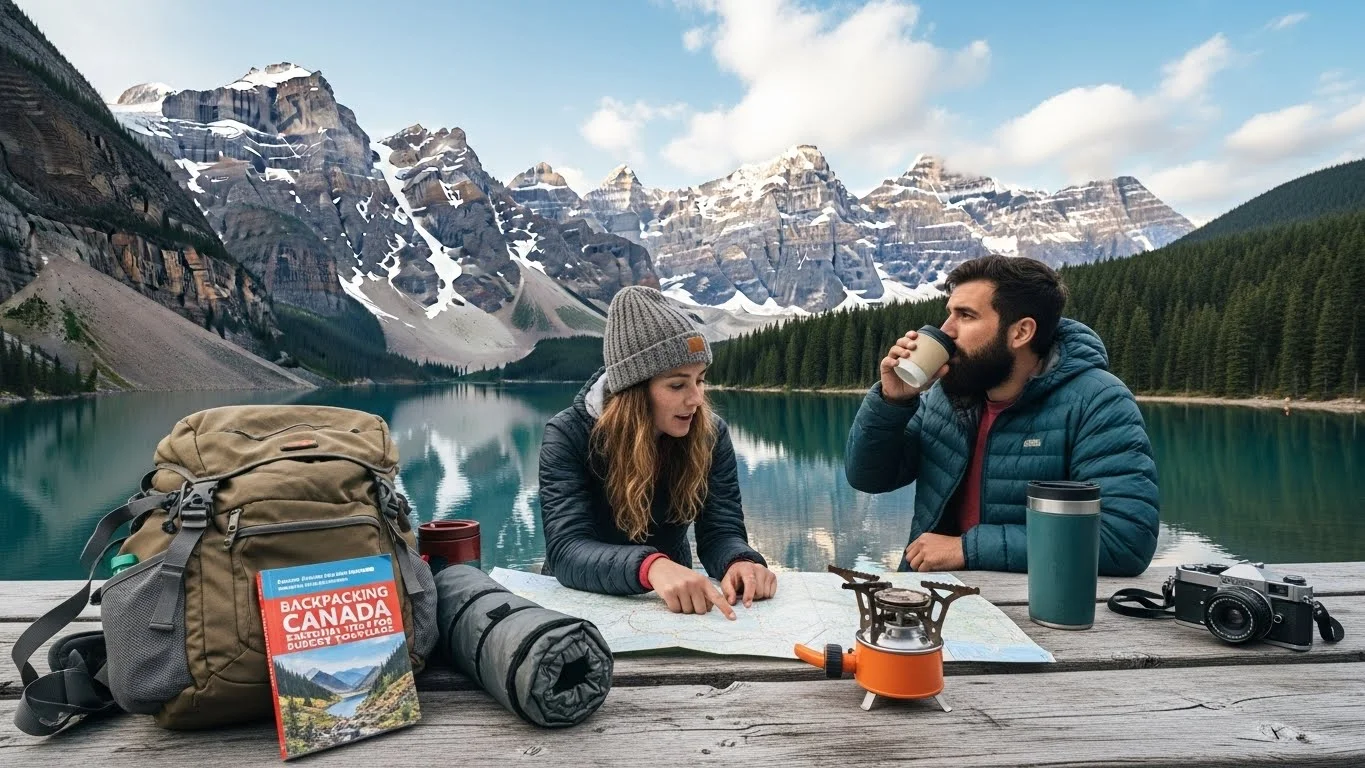
Backpacking Canada: Essential Tips for Budget Travelers

Backpacking through Canada is a thrilling adventure that promises breathtaking landscapes, vibrant cities, and unforgettable experiences—all without breaking the bank. Let’s explore how you can make the most of your journey on a budget!

Backpacking Canada: Essential Tips for Budget Travelers

Overview of Backpacking in Canada

Why Choose Canada for Backpacking?

When I first considered backpacking, Canada wasn’t at the top of my list. I mean, how could I ignore the allure of places like Europe or Southeast Asia? But once I started researching, I discovered that Canada offers a unique blend of natural beauty, rich culture, and friendly locals that is hard to resist. From the majestic Rocky Mountains to the stunning coastlines of the Atlantic, every corner of Canada has something different to offer. Plus, the accessibility of nature makes it perfect for those of us who want to escape the hustle and bustle of city life. For more inspiration, check out Top 10 Must-See Destinations in Canada for Backpackers.

Benefits of Traveling on a Budget

Traveling on a budget might sound limiting, but I found it liberating. It forced me to be creative and discover experiences that I might have overlooked if I had a larger budget. I learned that it’s possible to see incredible sights, meet amazing people, and taste delicious food without spending a fortune. Some of my best memories—like hiking in a national park or sharing stories with locals in a cozy café—came from moments that didn’t cost much at all. Plus, the thrill of finding a great deal or scoring a cheap meal can be just as satisfying as indulging in luxury.

Best Time to Backpack Canada

Seasonal Highlights

Choosing the right time to visit Canada can significantly impact your backpacking experience. I’ve backpacked in both summer and fall, and both had their charms. Summer is vibrant, with long days perfect for hiking, festivals, and exploring cities. However, I found fall to be equally enchanting with the stunning autumn foliage that blankets the landscapes. It’s less crowded, too, which I appreciated as I wanted to soak in the serene beauty without the hustle of peak season. Winter offers a completely different experience, perfect for skiing or enjoying the snowy landscapes, but that’s a different adventure altogether!

Weather Considerations

Canada’s weather can be unpredictable, and as someone who learned this the hard way, I can’t stress enough the importance of checking forecasts before heading out. In the summer, temperatures can soar, especially in cities like Toronto and Vancouver. However, once you venture into the mountains or even some northern regions, it can get surprisingly chilly. I remember one trip where I underestimated the mountain weather and found myself shivering while trying to enjoy a stunning sunset! Layers are your best friend here.

Festivals and Events

One of the joys of backpacking is discovering local festivals. I stumbled upon the Calgary Stampede during one of my trips, and the vibrant atmosphere, friendly locals, and delicious food made it unforgettable. From music festivals to cultural celebrations, each region has its unique events that showcase local flavors and traditions. I recommend checking local event calendars before your trip; you might just find a festival that coincides with your travel dates! For information on how to experience these events sustainably, take a look at Budget Backpacking: Discover Cultural Festivals Sustainably.

Budget Travel Tips

Finding Affordable Flights

Booking flights can be daunting, especially to a vast country like Canada. My secret? Flexibility. I often searched for flights on weekdays and adjusted my travel dates based on the best deals. Websites that track flight prices were incredibly helpful. I also learned that booking in advance doesn’t always guarantee the best prices. Sometimes waiting for last-minute deals could save you a bundle. Plus, don’t forget to look for budget airlines that might not show up on major search engines!

Using Public Transportation

Public transportation in Canada is generally reliable and budget-friendly. I relied heavily on buses and trains, especially in cities like Toronto and Montreal. I found that buying a day pass could save me money compared to individual tickets. Plus, it’s a great way to meet locals and fellow travelers. On one trip, I struck up a conversation with a friendly bus driver who shared hidden gems to explore in the city!

Choosing Budget Accommodation

Accommodation can eat up a big chunk of your budget, but there are plenty of options out there. After some trial and error, I discovered that staying in hostels was not only economical but also a fantastic way to meet fellow travelers. I loved the communal kitchens where we could cook meals together and share travel stories. Camping is another great way to save money, especially if you’re exploring national parks. Just make sure to check for any permits you might need!

Hostels

Hostels have come a long way since I first stayed in one. They often offer clean, comfortable beds and great social atmospheres. I’ve made lifelong friends in hostels, and I appreciate the opportunity to exchange tips and advice.

Campsites

Campsites are abundant across Canada’s national parks. I found that camping not only saved me money but also provided a unique experience of being close to nature. Waking up to the sound of chirping birds and the sight of the sun rising over the trees was magical.

Budget Hotels

For those who prefer more privacy, budget hotels can be a good option, especially in cities. I often relied on apps that offered last-minute deals, which allowed me to find affordable rooms without compromising comfort.

Must-Visit Destinations in Canada

National Parks

One of the highlights of backpacking in Canada is undoubtedly the stunning national parks. I’ve always found that these parks offer a perfect blend of breathtaking scenery and adventure. Each park has its unique charm and activities, making it difficult to choose favorites. However, a couple of national parks stood out during my travels.

Banff National Park

Banff National Park is like stepping into a postcard. The turquoise waters of Lake Louise and the towering peaks of the Rockies are simply mesmerizing. I remember hiking the Plain of Six Glaciers trail; the views were nothing short of spectacular. Plus, if you’re on a budget, you can find numerous free hikes that allow you to soak in the natural beauty without spending a dime. Don’t miss out on the chance to see the wildlife—spotting elk on the side of the road was a highlight for me!

Yoho National Park

Just a short drive from Banff, Yoho National Park is another gem. I discovered Emerald Lake during my trip, and it felt like a hidden treasure. The vibrant green waters, surrounded by majestic mountains, made for the perfect picnic spot. I loved that the park wasn’t as crowded as some of the others, allowing me to enjoy the serene atmosphere. The hiking trails here are fantastic, and I found myself completely immersed in nature, which was a welcome escape from the busier tourist areas.

Cities to Explore

While the national parks are breathtaking, Canada’s cities are vibrant and full of character. Each city offers a unique experience, and I’ve enjoyed exploring the cultural diversity and local life in several of them.

Vancouver

Vancouver is a city that truly has it all—mountains, ocean, and a bustling urban scene. I loved the walkable neighborhoods and the stunning views from Stanley Park. I often recommend taking a stroll along the seawall to soak in the scenery. The food scene is also incredible, with plenty of affordable eats, especially in the diverse neighborhoods like Commercial Drive. Plus, the free public beaches are a perfect way to relax after a day of exploring.

Montreal

Montreal is a city where I felt like I was walking through Europe without leaving Canada. The cobblestone streets of Old Montreal are charming, and the cafés are perfect for people-watching. I found that many museums have free admission days, so I took advantage of that and explored the rich history and art of the city. The local street food, especially poutine from a food truck, is a must-try, and I found it to be a delicious and budget-friendly option.

Toronto

Toronto is Canada’s largest city and offers a diverse cultural experience. I enjoyed the eclectic neighborhoods, from the hipster vibe of Kensington Market to the historic charm of the Distillery District. The city has plenty of free events and activities, especially during the summer months. One of my favorite experiences was taking a ferry to the Toronto Islands; the views of the skyline were breathtaking, and it felt like a mini escape from the city hustle.

Outdoor Activities for Budget Travelers

Hiking Trails

Canada is a hiker’s paradise, and I’ve had some of my best experiences on its trails. There are countless hiking options, many of which are completely free. I recommend checking out sites like AllTrails, which helped me find hikes suitable for my skill level. From easy walks to challenging treks, there’s something for everyone. I remember tackling the Grouse Grind in Vancouver; it was tough but incredibly rewarding once I reached the top and enjoyed the panoramic views.

Camping Options

Camping is another fantastic way to experience Canada’s outdoors without spending much. I found numerous campsites that were affordable and well-maintained. Some of my favorite camping spots were in provincial parks, which often offer stunning scenery and tranquility. I loved gathering around a campfire at night, sharing stories with fellow campers, and immersing myself in nature. Just be sure to reserve your spot in advance, especially during peak season!

Free Activities in Major Cities

One of the best things about backpacking in Canada is discovering free activities in its major cities. I often explored local parks, street festivals, and public art installations. For instance, I stumbled upon a free outdoor concert in Toronto that turned into a spontaneous night of fun and dancing. Many cities also have vibrant waterfronts where you can walk, bike, or just relax and enjoy the atmosphere. I felt enriched by the local culture, and best of all, it didn’t cost a thing!

Local Cuisine on a Budget

Where to Find Affordable Eats

One of the joys of traveling is sampling the local cuisine, and Canada doesn’t disappoint. I quickly discovered that there are plenty of affordable dining options that let you indulge in delicious food without overspending. Street food, food trucks, and local markets became my go-to places. I remember wandering through the St. Lawrence Market in Toronto, where I found an array of fresh produce, artisanal goods, and mouthwatering street food—all at reasonable prices. Plus, these markets are a great way to interact with locals and learn more about the region’s culinary traditions.

Another tip? Look for lunch specials or happy hour deals at restaurants. I often enjoyed fantastic meals at a fraction of the dinner price. In cities like Montreal, many places offer a “table d’hôte” menu, which gives you a full meal for a set price. It’s a great way to enjoy a nice dinner without breaking the bank. I’ll never forget the cozy little bistro I stumbled upon that had a three-course meal for under $20. I felt like I had found a hidden gem!

Must-Try Canadian Dishes

When it comes to Canadian cuisine, there are a few dishes that simply can’t be missed. One of my all-time favorites is poutine. This classic Quebec dish of fries topped with cheese curds and gravy is comfort food at its best. I made it my mission to try poutine from various places, and I found that even food trucks served up some of the best versions. It’s filling, affordable, and oh-so-satisfying after a long day of exploring.

Another dish I fell in love with is butter tart, a sweet treat that originates from Ontario. I discovered these delicious little pastries at bakeries, and I couldn’t resist trying different variations. Some were made with raisins, while others were plain, but each bite was a little piece of heaven. If you have a sweet tooth like I do, you’ll want to seek these out during your travels!

And let’s not forget about tourtière, a traditional meat pie from Quebec. I had the opportunity to sample this dish during a local festival, and it was a hearty and flavorful experience. Finding local eateries that serve traditional dishes is a joy, and I always felt like I was getting an authentic taste of Canadian culture. If you’re interested in learning more about Indigenous culinary experiences, check out Budget Backpacking: Discovering Indigenous Eco-Tourism Gems.

Safety Tips for Backpackers

General Safety Precautions

Safety is always a priority when traveling, and my backpacking adventures in Canada were no different. Overall, I found Canada to be a safe country, but it’s always good to take precautions. I made it a habit to keep my valuables close and to avoid displaying expensive items in public. Using a money belt or a secure backpack helped me feel more at ease when navigating busy areas.

I also learned early on to trust my instincts. If a situation didn’t feel right, I’d remove myself from it. When hiking in more remote areas, I always made sure to let someone know my plans and expected return time. Having a backup plan and knowing where to find help if needed can make a huge difference in your peace of mind.

Health Considerations

Staying healthy while traveling is essential, and I took a few steps to ensure I was okay during my time in Canada. I made sure to keep hydrated, especially during my hikes. I also packed a small first-aid kit with essentials like band-aids, antiseptic wipes, and pain relievers. It came in handy more than once! I found that many pharmacies and health clinics in urban areas were easily accessible, so I felt reassured knowing help was nearby if I needed it.

Before my trip, I checked if I needed any vaccinations or medications, and I made sure to have travel insurance. Although I didn’t end up needing it, having that safety net gave me peace of mind and allowed me to enjoy my adventure fully.

Emergency Contacts

It’s always a good idea to familiarize yourself with emergency contacts before you set out on your journey. During my travels, I made a list of local emergency numbers, including the police, fire department, and hospitals. In Canada, 911 is the number to call for emergencies, but I also saved the contact information for my country’s embassy in case I needed assistance. Having these numbers on hand made me feel more secure, knowing I was prepared for any situation.

I also kept a copy of important documents, like my passport and travel insurance, both digitally and on paper. This proved beneficial once when I misplaced my wallet; having that backup helped me navigate the situation more smoothly.

Essential Gear for Backpacking Canada

Backpacking Essentials

When I embarked on my backpacking journey across Canada, I quickly learned that having the right gear can make all the difference. My backpack became my best friend; choosing one that was lightweight yet spacious enough to hold my essentials was key. I opted for a good-quality trekking backpack with adjustable straps for comfort, which made long hikes much more manageable. I also found that packing a reusable water bottle was a lifesaver. Staying hydrated while trekking in the beautiful landscapes kept my energy up and helped me enjoy every moment.

Another essential was a portable charger for my devices. With so many stunning sights to capture, I found myself taking a lot of photos, and having a charged phone was crucial for navigation and staying connected. I also packed a compact first-aid kit, which I mentioned earlier, and it truly came in handy when I needed a quick fix for blisters after long hikes. Overall, I found that packing light yet smartly was the way to go!

Clothing Recommendations

Canada’s diverse weather conditions called for a layered clothing approach, something I became a pro at over time. I packed moisture-wicking shirts, a warm fleece jacket, and a waterproof shell to keep me dry during unexpected rain. I remember hiking in the Rockies, where temperatures shifted drastically, and having layers allowed me to adapt quickly.

Good hiking boots were another must-have. I invested in a pair that offered excellent support and traction, which was essential for navigating rocky trails. I also carried a pair of flip-flops for when I set up camp, giving my feet a break after a long day on the trail. And let’s not forget about a sturdy hat and sunscreen—both were lifesavers on sunny days! Being prepared with the right clothing made my adventures all the more enjoyable.

Camping Gear

When it came to camping gear, I learned that quality matters. I chose a lightweight tent that was easy to set up, which made my life so much simpler after a long day of hiking. I also invested in a good sleeping bag rated for cooler temperatures, which kept me warm during chilly nights. Cooking gear was another essential; a portable stove and lightweight cookware allowed me to whip up some delicious meals under the stars.

Additionally, I found that a compact camping chair was a fantastic investment. After a day of exploring, sinking into a chair and enjoying the view felt like pure bliss. I loved gathering around the campfire with fellow travelers, sharing stories and laughter. Having the right gear truly enhanced my overall experience and allowed me to enjoy the great outdoors comfortably.

Cultural Etiquette and Local Customs

Indigenous Cultures

Canada is home to a rich tapestry of Indigenous cultures, and during my travels, I made it a point to learn and respect these traditions. I remember visiting several Indigenous communities, where I was welcomed warmly. I quickly learned the importance of listening and asking questions respectfully. Participating in cultural events or workshops gave me a deeper understanding of the history and values of these communities. I think it’s vital for travelers to approach Indigenous cultures with an open heart and mind, appreciating their contributions to Canada’s identity.

General Canadian Etiquette

Canadians are known for their politeness, and I found that a simple “thank you” or “please” goes a long way. I noticed that greeting people with a friendly smile often led to delightful conversations. Tipping is customary in restaurants, usually around 15-20%, and I made sure to follow this practice during my travels. I also learned that being punctual is appreciated; showing up on time for meetups or tours demonstrated respect for others’ time. Just being aware of these customs made my interactions more enjoyable and meaningful.

Budgeting Your Trip

Daily Expense Tracking

Budgeting for my travels was a game-changer. I started using a simple app to track my daily expenses, which helped me keep an eye on my spending. I included everything from meals to transportation costs. This practice allowed me to adjust my budget on the fly and find areas where I could save more. I remember a few days when I splurged on a fantastic meal, but overall, keeping track helped me stay within my budget while still enjoying everything Canada had to offer.

How to Save Money While Traveling

There are plenty of ways to save money while traveling in Canada. One of my favorite strategies was to cook some of my meals instead of eating out every day. I loved visiting local grocery stores and markets to buy fresh ingredients for simple dishes. Another tip is to take advantage of free activities and attractions in cities. Museums often have free admission days, and parks are always open for exploration. Embracing these budget-friendly opportunities enriched my experience and allowed me to connect with the local culture in a more profound way.

Final Thoughts

Backpacking through Canada was more than just a trip; it was a journey of discovery, connection, and adventure. The landscapes, the people, and the experiences I gathered along the way shaped my love for travel. I encourage anyone considering this beautiful country to pack their bags and hit the trails. Remember, traveling on a budget doesn’t mean you have to miss out on incredible experiences; it means you get to explore with creativity and openness. I believe that every moment spent in Canada, whether in its majestic national parks or bustling cities, is worth cherishing. So, go ahead—embrace the adventure, and let Canada leave its mark on your heart!

Frequently Asked Questions

Why should I choose Canada for backpacking?

Canada offers a unique blend of natural beauty, rich culture, and friendly locals. With stunning landscapes ranging from the Rocky Mountains to beautiful coastlines, Canada is perfect for those looking to escape city life and explore diverse environments.

What are the benefits of traveling on a budget?

Traveling on a budget encourages creativity and helps discover experiences that may be overlooked with a larger budget. You can enjoy incredible sights, meet amazing people, and taste delicious food without overspending, often creating memorable experiences in the process.

When is the best time to backpack in Canada?

The best time to backpack in Canada varies by season. Summer offers vibrant days for hiking and festivals, while fall presents stunning autumn foliage and fewer crowds. Winter is ideal for skiing and snowy landscapes, making each season unique for different experiences.

What are some budget travel tips for backpacking in Canada?

To save money, consider being flexible with flight dates, using public transportation, and staying in budget accommodations like hostels or campsites. Keeping an eye out for deals and utilizing day passes for transport can also help manage costs effectively.

What are some must-visit national parks in Canada?

Banff National Park, known for its breathtaking scenery and hiking opportunities, and Yoho National Park, featuring beautiful Emerald Lake and fewer crowds, are both must-visit destinations for their natural beauty and adventure options.

Which cities in Canada are great for backpackers?

Vancouver, Montreal, and Toronto are excellent cities for backpackers. Vancouver offers stunning coastal and mountain views, Montreal has charming European vibes with rich cultural experiences, and Toronto provides a diverse urban atmosphere with plenty of free activities.

What outdoor activities can budget travelers enjoy in Canada?

Hiking trails are plentiful and often free, with options suitable for all skill levels. Camping in provincial parks allows for affordable and immersive experiences in nature, and many cities offer free activities like local parks, street festivals, and public art installations.

What are some affordable dining options in Canada?

Street food, food trucks, and local markets are great options for affordable eats. Many restaurants offer lunch specials or set-price menus, making it easy to enjoy delicious local cuisine without overspending.

What safety tips should backpackers follow in Canada?

Backpackers should keep valuables secure, trust their instincts, and let someone know their hiking plans. Staying hydrated and having a first-aid kit are essential, and familiarizing oneself with emergency contacts can enhance safety during travels.

What essential gear should I pack for backpacking in Canada?

Key gear includes a lightweight trekking backpack, layered clothing for diverse weather, good hiking boots, and camping essentials like a tent and sleeping bag. A portable charger, reusable water bottle, and a first-aid kit are also important for a comfortable journey.

Top 10 Must-See Destinations in Canada for Backpackers

Canada is a treasure trove of breathtaking landscapes and vibrant cultures, perfect for backpackers seeking adventure. From stunning national parks to bustling cities, there’s something for everyone. Here are some insights that will inspire your Canadian backpacking journey.

Top 10 Must-See Destinations in Canada for Backpackers

Overview of Backpacking in Canada

Why Canada is a Backpacker’s Paradise

Backpacking in Canada feels like stepping into a postcard. I’ve wandered through its sprawling national parks, explored quaint towns, and met some of the friendliest people along the way. The country’s vastness means you can experience everything from rugged mountains to serene lakes, all while enjoying the comfort of a welcoming atmosphere. Canada’s diverse landscapes and cultures make it a haven for backpackers. Whether you’re scaling the Rockies or sipping coffee in a bustling café, every moment feels like a new adventure waiting to be discovered. Read Interesting article: Budget Backpacking: Discover Cultural Festivals Sustainably

Best Time to Visit Canada for Backpacking

When planning my trips, I’ve found that the best time to visit Canada is during the late spring through early fall, from May to September. The weather is usually mild, and the landscape bursts with life. I remember hiking in Banff during July, surrounded by wildflowers and pristine lakes—it was magical! However, if you’re into winter sports, the ski season from December to March offers a completely different charm. Each season has its own unique allure, so it really depends on what kind of adventure you’re after.

Essential Packing List for Backpackers

Having the right gear can make all the difference in your trip. I learned this the hard way when I went hiking in the rain without a proper jacket. So, here’s my essential packing list for backpackers heading to Canada:

  • Backpack: A comfortable, durable backpack is a must. I prefer one that fits well and has plenty of compartments.
  • Clothing: Layering is key! I always pack moisture-wicking base layers, a warm fleece, and a waterproof jacket. Don’t forget sturdy hiking boots!
  • Camping Gear: If you plan to camp, a lightweight tent, sleeping bag, and portable stove are essentials.
  • First Aid Kit: It’s always wise to have a basic first aid kit on hand. I keep mine stocked with band-aids, antiseptic wipes, and pain relievers.
  • Navigation Tools: A map and compass, or a GPS device, can really help in the backcountry. I once got turned around in Jasper, and it was my map that guided me back!
  • Food and Water: Carry snacks like trail mix and energy bars, plus a refillable water bottle or hydration system.

Having these essentials helped me enjoy my trips without unnecessary stress. I always try to pack light but effectively, ensuring I have everything I need for various activities.

Top 10 Must-See Destinations

1. Banff National Park

Main Attractions: Lake Louise, Moraine Lake

Banff National Park is a must-visit for any backpacker. I can’t forget the first time I saw Lake Louise, its turquoise waters surrounded by towering mountains—it took my breath away. Moraine Lake is equally stunning, with its iconic valley of the Ten Peaks. These sites are not just beautiful; they offer incredible photo ops and a chance to connect with nature.

Outdoor Activities: Hiking, Skiing

There’s no shortage of activities in Banff. I spent days hiking some of the most scenic trails, like the Plain of Six Glaciers. In the winter, the slopes come alive, attracting skiers and snowboarders from around the world. I still think about the adrenaline rush I felt as I carved my way down the slopes!

Where to Stay: Hostels and Campsites

For accommodations, there are budget-friendly hostels and beautiful campsites throughout the park. I remember staying at a cozy hostel that offered shared kitchen facilities, which made it easy to cook meals. Camping under the stars in Banff is an experience you won’t want to miss, and it was one of my favorite nights spent outdoors.

2. Vancouver

Main Attractions: Stanley Park, Granville Island

Vancouver is a vibrant city that beautifully blends urban life with nature. One of my favorite experiences was cycling around Stanley Park, where the views of the city skyline against the backdrop of the mountains were stunning. Granville Island is another must-see, with its artisan shops and bustling public market that’s perfect for foodies like me.

Outdoor Activities: Hiking, Cycling

The outdoor activities in Vancouver are endless. I enjoyed hiking in the nearby North Shore Mountains, where the trails offer varying levels of difficulty, so you can choose based on your comfort. Plus, the views from the top are absolutely rewarding!

Where to Stay: Budget Hotels, Hostels

When looking for places to stay, I found that there are plenty of budget hotels and hostels in the city. Staying downtown made it easy to explore on foot, and I loved meeting other travelers during my stay.

3. Quebec City

Main Attractions: Old Quebec, Montmorency Falls

Quebec City is like stepping into a European fairy tale. Walking through Old Quebec, I was enchanted by the cobblestone streets and historic architecture. Montmorency Falls, which is even taller than Niagara Falls, was another highlight of my trip. The sound of the rushing water was exhilarating!

Cultural Experiences: Festivals, Local Cuisine

The culture here is rich and vibrant. I made it a point to indulge in local cuisine, including poutine and crepes, which were delicious. I also stumbled upon a festival that celebrated Quebecois music, and the atmosphere was electric! Experiencing the local culture truly enriched my visit. Read Interesting article: Budget Backpacking: Discovering Indigenous Eco-Tourism Gems

Where to Stay: Budget Accommodations

For budget accommodations, I found several charming inns and hostels that offered a mix of comfort and affordability. It was lovely to stay in a place that felt cozy and welcoming after a long day of exploring.

4. Jasper National Park

Main Attractions: Columbia Icefield, Maligne Lake

Jasper National Park is a gem that’s less crowded than Banff but equally breathtaking. The Columbia Icefield was one of the most surreal experiences of my life; walking on ancient glaciers was something I never imagined I’d do! Maligne Lake is another spot that should not be missed for its stunning scenery.

Outdoor Activities: Wildlife Viewing, Hiking

Wildlife viewing is one of the park’s biggest draws. I was lucky enough to spot elk and bears during my hikes, which made for some exciting moments! The hiking trails here vary in difficulty, so I found options that suited my energy level.

Where to Stay: Campsites, Hostels

For accommodations, I opted for camping, which allowed me to immerse myself in nature fully. The campsites in Jasper are well-maintained and offer a great sense of community among fellow travelers.

5. Toronto

Main Attractions: CN Tower, Distillery District

Toronto is Canada’s largest city and offers a vibrant mix of cultures. I was amazed by the CN Tower and loved taking in the views from the top. The Distillery District, with its charming brick buildings and art galleries, was a delightful area to explore.

Local Experiences: Street Food, Markets

Don’t miss out on the street food scene! I tried everything from gourmet hot dogs to fresh pastries at various markets, which were a treat for my taste buds. Each neighborhood has its own unique vibe, making it fun to explore.

Where to Stay: Affordable Hotels, Hostels

Toronto also offers a range of affordable hotels and hostels. I found a great hostel that was centrally located, making it easy to navigate the city’s attractions.

Top 10 Must-See Destinations

6. Whistler

Main Attractions: Whistler Blackcomb, Scenic Gondola

Whistler is a name that resonates with adventure lovers. I still remember the thrill of riding the gondola up to Whistler Blackcomb, taking in those sweeping views of snow-capped peaks. It’s hard not to feel exhilarated standing at the top, surrounded by such raw beauty. The village itself is lively, with a blend of shops, restaurants, and lively après-ski spots, making it a perfect base for exploration.

Outdoor Activities: Skiing, Mountain Biking

In the winter, Whistler transforms into a snow-covered paradise for skiers and snowboarders. I had some of my best runs here! But it’s not just about winter sports. I discovered that summer brings a whole new adventure with mountain biking trails that cater to all skill levels. I decided to take a guided biking tour, which allowed me to experience the adrenaline rush of descending steep trails while soaking in the lush green landscape.

Where to Stay: Budget Lodges, Hostels

If you’re worried about costs, don’t fret! There are plenty of budget lodges and hostels around Whistler. During my stay, I found a cozy lodge that had a great communal area where I met fellow travelers. Sharing stories over a warm meal after a long day of adventure made my experience even more memorable.

7. Ottawa

Main Attractions: Parliament Hill, Rideau Canal

As Canada’s capital, Ottawa is a hub of history and culture. Walking around Parliament Hill, I felt a sense of pride and connection to the country. The architecture is stunning, especially when lit up at night. I also took a stroll along the Rideau Canal, which is the world’s largest skating rink in winter. I remember gliding over the frozen surface, hot chocolate in hand, surrounded by laughter and music.

Cultural Experiences: Museums, Festivals

Ottawa is rich in cultural experiences. I visited the Canadian Museum of History, which offered fascinating insights into the country’s past. I was fortunate to be in town during a local festival that showcased Canadian music and art, and the energy was contagious! It’s these unique experiences that truly bring a destination to life.

Where to Stay: Cheap Hotels, Hostels

For accommodations, Ottawa has a variety of cheap hotels and hostels. I found a quaint hostel near the city center that provided easy access to all the main attractions. It was nice to have a place to rest and recharge after a day filled with exploring.

8. Victoria

Main Attractions: Butchart Gardens, Royal BC Museum

Victoria, located on Vancouver Island, is a charming city with a lovely blend of British influence and natural beauty. One of the highlights of my trip was visiting Butchart Gardens. I was completely in awe of the vibrant flowers and meticulously landscaped paths. It felt like walking through a dream! The Royal BC Museum was another must-see, showcasing the history and culture of British Columbia.

Local Experiences: Afternoon Tea, Local Markets

While in Victoria, I indulged in a traditional afternoon tea, which was a delightful experience filled with finger sandwiches and scrumptious scones. I also explored the local markets, where I picked up some handmade crafts and delicious treats. Meeting local artisans and tasting fresh, local food made my visit all the more special.

Where to Stay: Budget Inns, Hostels

There are several budget inns and hostels in Victoria that offer a comfortable stay. I chose a hostel that had a friendly and laid-back vibe. It was a great place to unwind after a day of sightseeing, and I enjoyed sharing travel stories with fellow backpackers.

9. Calgary

Main Attractions: Calgary Tower, Heritage Park

Calgary is a vibrant city known for its culture and hospitality. I was excited to visit the Calgary Tower, where I enjoyed panoramic views of the city and the distant Rocky Mountains. Heritage Park Historical Village was another highlight; walking through the exhibits transported me back in time and gave me fascinating insights into Alberta’s history.

Events: Calgary Stampede

If you’re in Calgary during July, you can’t miss the Calgary Stampede! I was lucky enough to experience this iconic festival, filled with rodeo events, live music, and mouth-watering food. The energy in the air was electric, and it was a fantastic way to embrace Canadian culture.

Where to Stay: Affordable Hotels, Hostels

In terms of accommodations, Calgary has a range of affordable hotels and hostels. I found a great hostel in the heart of the city that made it easy to explore on foot. Plus, meeting other travelers who were also exploring the Stampede added to the excitement!

10. Gros Morne National Park

Main Attractions: Table Mountain, Coastal Trails

Gros Morne National Park in Newfoundland is one of those hidden gems that I feel everyone should experience. The dramatic landscapes, including Table Mountain, left me in awe. I hiked along the coastal trails, where I encountered rugged cliffs and breathtaking ocean views. It was like being in a different world.

Outdoor Activities: Hiking, Boat Tours

The outdoor activities here are endless. I went on a boat tour to see the fjords up close, which was a thrilling experience. Hiking through the park offered me a chance to disconnect and immerse myself in nature. I felt so alive surrounded by such stunning scenery.

Where to Stay: Campsites, Guesthouses

For accommodations, I opted for camping in the park, which allowed me to truly connect with the natural environment. There are also charming guesthouses nearby that offer warmth and comfort after a day of adventures. I loved sitting around the campfire, sharing stories with fellow travelers under the stars.

Backpacking Tips for Canada

Budgeting for Your Trip

Backpacking Tips for Canada

Budgeting for Your Trip

When I first started backpacking in Canada, I quickly learned that budgeting is crucial. Canada can be pricey, especially in popular tourist spots like Banff and Vancouver, so I decided to plan carefully. I usually allocate my budget by dividing it into categories: accommodations, food, activities, and transportation. For accommodations, I found that staying in hostels or camping was much more affordable than hotels. Plus, it allowed me to connect with other travelers. Read Interesting article: Budget Backpacking Tips for the Savvy Solo Traveler

Food is another area where I saved money. I often cooked meals in hostel kitchens or grabbed fresh ingredients from local markets. I still remember an incredible picnic I had by the lakeside in Jasper with fresh bread and cheese I bought from a local shop. It was simple but tasted amazing surrounded by such natural beauty!

For activities, I tried to prioritize free or low-cost options. Hiking, visiting parks, and exploring cities on foot were some of my favorite ways to immerse myself without breaking the bank. I also discovered that many museums and attractions offer discounted admission on certain days, which was a pleasant surprise. Overall, I believe that with a bit of planning, it’s totally possible to explore Canada without emptying your wallet.

Transportation Options for Backpackers

Getting around Canada can be an adventure in itself! I’ve experienced various modes of transportation during my travels, and each has its pros and cons. For shorter distances, I often opted for public transit. Cities like Toronto and Vancouver have excellent bus and train systems that are budget-friendly and reliable. I remember hopping on a bus in Vancouver and enjoying the scenic ride through the city.

For longer distances, I found that taking a Greyhound bus was often the most economical choice. The buses were comfortable, and I enjoyed meeting fellow travelers along the way. I also tried ridesharing apps, which sometimes offered a more direct route and were great for meeting locals. However, if you want to explore remote areas, renting a car can be a fantastic option. It gives you the freedom to create your own itinerary and discover hidden gems that aren’t on the typical backpacker’s path.

Lastly, train travel is something I highly recommend, especially the VIA Rail service, which offers breathtaking views of the countryside. I remember taking a train from Toronto to Montreal and was captivated by the landscapes rolling by.

Safety Tips for Travelers

Safety is something that I think about on every trip, and Canada is generally a safe country for travelers. Still, it’s wise to take precautions. I always keep my belongings secure and be mindful of my surroundings, especially in crowded areas. When hiking in national parks, I make sure to stick to marked trails and follow guidelines about wildlife encounters—those bears can be quite surprising!

Another tip I learned is to have a plan for emergencies. I stored important documents on my phone and had a physical copy in my backpack, just in case. It also helps to know the local emergency numbers and the locations of nearby hospitals. I felt more at ease having this information at my fingertips.

When traveling alone, I found that staying in hostels or shared accommodations not only saved me money but also made me feel more secure. It’s easier to connect with others and share tips about safety in the area. Overall, staying alert and informed goes a long way in ensuring a safe and enjoyable journey.

Local Food to Try in Canada

One of my favorite parts of traveling is trying local cuisine, and Canada does not disappoint! From poutine in Quebec to butter tarts in Ontario, there’s a delightful array of dishes to savor. I remember my first taste of poutine—fries smothered in gravy and cheese curds—and it was a game-changer!

I also made it a point to try local seafood on the East Coast. Eating fresh lobster rolls in Nova Scotia was an unforgettable experience. Each region has its specialties, so I always ask locals for recommendations whenever I arrive in a new place. Farmers’ markets are also a treasure trove for fresh and unique products, and I loved picking up snacks for my hikes.

Don’t forget to try maple syrup, especially in the spring! I visited a sugar shack in Quebec, where I tasted warm maple syrup poured over snow. It was such a unique experience that I still think about today.

How to Meet Other Backpackers

Meeting fellow travelers is one of the highlights of backpacking, and I’ve learned a few tricks along the way. Staying in hostels is one of the best ways to connect with other backpackers. I’ve met amazing people from all over the world just by hanging out in common areas. Many hostels organize group activities like pub crawls or day tours, which are great opportunities to bond over shared experiences.

I also found that joining local tours or group hikes is an excellent way to meet new friends. I remember joining a guided hike in Banff and ended up chatting with travelers from Germany and Australia. We shared our travel stories, and it made the experience even more memorable.

Don’t underestimate social media and travel apps, either! I’ve used platforms like Meetup to find local events or activities that attract other travelers. It’s a great way to find like-minded people and even discover hidden gems in the area. In my opinion, the connections you make while traveling can turn an ordinary trip into an extraordinary adventure!

Frequently Asked Questions

Why is Canada considered a backpacker’s paradise?

Canada is considered a backpacker’s paradise due to its breathtaking landscapes, diverse cultures, and welcoming atmosphere. Backpackers can experience everything from rugged mountains to serene lakes, making every moment feel like a new adventure.

What is the best time to visit Canada for backpacking?

The best time to visit Canada for backpacking is from late spring to early fall, specifically from May to September, when the weather is mild and the landscapes are vibrant. For those interested in winter sports, the ski season from December to March offers a different charm.

What should I pack for a backpacking trip in Canada?

Essential packing items for backpackers in Canada include a comfortable backpack, moisture-wicking clothing, a warm fleece, a waterproof jacket, sturdy hiking boots, camping gear (if applicable), a basic first aid kit, navigation tools, and food and water supplies.

What are some must-see destinations for backpackers in Canada?

Some must-see destinations for backpackers in Canada include Banff National Park, Vancouver, Quebec City, Jasper National Park, Toronto, Whistler, Ottawa, Victoria, Calgary, and Gros Morne National Park.

What outdoor activities can I do in Banff National Park?

In Banff National Park, backpackers can enjoy outdoor activities such as hiking, skiing, and wildlife viewing. The scenic trails and stunning landscapes offer a variety of experiences throughout the year.

How can I budget for my backpacking trip in Canada?

To budget for a backpacking trip in Canada, allocate funds for accommodations, food, activities, and transportation. Consider staying in hostels or camping to save on accommodations and prioritize free or low-cost activities like hiking and exploring cities on foot.

What transportation options are available for backpackers in Canada?

Backpackers in Canada can use public transit for shorter distances, Greyhound buses for longer journeys, ridesharing apps for direct routes, or rent a car for exploring remote areas. Train travel, especially via VIA Rail, is also recommended for scenic views.

Is Canada a safe country for travelers?

Yes, Canada is generally a safe country for travelers. It is advisable to keep belongings secure, be mindful of surroundings, stick to marked trails while hiking, and have a plan for emergencies, including knowledge of local emergency numbers.

What local foods should I try while in Canada?

Backpackers should try local specialties such as poutine in Quebec, fresh seafood on the East Coast, and maple syrup in the spring. Visiting farmers’ markets is also a great way to sample fresh and unique products.

How can I meet other backpackers while traveling in Canada?

To meet other backpackers, consider staying in hostels, joining local tours or group hikes, and using social media or travel apps like Meetup to find events and activities that attract fellow travelers.

Explore Canada on a Budget: Ultimate Travel Guide

Canada is a vast and beautiful country that offers breathtaking landscapes, vibrant cities, and rich culture, all waiting to be explored. The best part? You can experience it all without breaking the bank. Read Interesting article: Explore Brazil on a Budget: Ultimate Travel Guide 2023

Explore Canada on a Budget: Ultimate Travel Guide

Overview of Budget Travel in Canada

Why Choose Canada for Budget Travel?

When I first considered traveling to Canada, I was a bit hesitant about my budget. I wondered if I could really see everything I wanted without overspending. To my surprise, Canada turned out to be an incredible destination for budget travelers like myself. From stunning national parks to lively cities, Canada offers a wide range of experiences that won’t drain your wallet. I believe that with some planning and savvy choices, anyone can enjoy what this country has to offer without spending a fortune.

One of the reasons Canada is perfect for budget travel is its accessibility. Many major cities, like Toronto, Vancouver, and Montreal, are well-connected by public transport, meaning you won’t need to rent a car unless you want to explore the more remote areas. I found that using public transportation not only saved me money but also gave me a chance to experience the local culture more intimately. Plus, Canada’s hospitality is remarkable; I met so many friendly locals who were eager to share tips on the best budget-friendly spots.

Understanding the Canadian Dollar

Before you go, it’s essential to understand the currency. The Canadian dollar (CAD) often trades lower than the US dollar (USD), which can be beneficial for American travelers. I remember the thrill of converting my dollars and realizing that my money stretched further than I anticipated. To get a better deal, I recommend checking currency exchange rates before your trip. You can save even more by using a no-foreign transaction fee credit card. Just be mindful of ATM fees; I learned that withdrawing cash in larger amounts could help me avoid multiple transaction fees.

When to Visit Canada on a Budget

Best Seasons for Budget Travelers

Timing is everything when it comes to budget travel in Canada. I found that the best seasons for saving money are typically late fall (September to November) and early spring (March to May). The weather can be a bit unpredictable during these times, but the prices for accommodation and attractions are significantly lower. I visited during the shoulder season, and I felt like I had the best of both worlds: fewer tourists and more affordable options.

Off-Peak vs. Peak Travel Seasons

Canada’s peak travel seasons are summer (June to August) and winter (December to February), particularly for ski resorts. If you don’t mind some cold, visiting during these times can still be budget-friendly, especially if you look for deals on flights and accommodations. I remember booking a last-minute trip in February when prices plummeted. Just be aware that while attractions might be crowded in peak times, you can still find hidden gems off the beaten path.

Special Events and Festivals to Consider

One of the highlights of my Canadian travels was participating in various local festivals. These events often provide a wealth of free or low-cost entertainment. For instance, I attended the Calgary Stampede and the Montreal International Jazz Festival, both of which offered free concerts and events. Planning your trip around a festival can not only enhance your experience but can also save you money on entertainment. Check out local tourism websites to find out what’s happening during your visit; you might discover something unexpected and delightful!

Getting Around Canada Affordably

Public Transportation Options

Getting around Canada doesn’t have to be expensive. I found that public transportation in cities like Toronto, Vancouver, and Montreal is efficient and affordable. Buses, subways, and light rail systems connect you to major attractions and neighborhoods. I bought a day pass in Toronto, which allowed me unlimited rides and saved me a lot of money compared to single fares. If you’re planning to explore multiple cities, consider a bus pass. Companies like Greyhound and Megabus provide budget-friendly options for intercity travel.

Cost-Effective Car Rentals

If you want to venture outside the city or explore Canada’s stunning natural landscapes, renting a car can be a viable option. I found that booking in advance often led to better rates, and I recommend comparing prices on different platforms. Also, look for discounts through memberships or credit cards. I enjoyed a memorable road trip through the Rockies, which was both scenic and cost-effective. Just be sure to factor in gas prices and parking fees when planning your budget!

Budget Airlines and Train Services

If you’re traveling between provinces, consider budget airlines like WestJet or Flair Airlines for affordable flights. I was pleasantly surprised by how inexpensive it was to hop from Toronto to Vancouver. Alternatively, VIA Rail offers train services that can be a beautiful way to see the countryside, although it can be pricier than flying. If you book in advance, you can snag some good deals. I loved the picturesque views from the train, which made the trip worth every penny.

Where to Stay on a Budget

Affordable Accommodation Options

Finding a place to stay in Canada that fits your budget can be easier than you think. During my travels, I discovered that there are plenty of affordable options that don’t skimp on comfort or convenience. For me, one of the best strategies is to look for budget hotels or motels, particularly outside of the main tourist areas. I found some great deals that included breakfast, which helped me stretch my budget even further. Websites like Booking.com or Airbnb often have options that cater to budget-conscious travelers, and I learned that booking in advance could lead to amazing savings.

Hostels and Guesthouses

Hostels have come a long way from the bare-bones places they used to be. I remember checking into a hostel in Vancouver and being blown away by how clean, modern, and vibrant it was. They often offer dormitory-style rooms, which can significantly cut costs. Plus, they provide an excellent opportunity to meet fellow travelers. Many hostels organize activities, so you can explore the city together or even share a meal in the common kitchen. Guesthouses can also be a cozy and affordable alternative, often providing a more personal touch than larger hotels.

Couchsurfing and Homestays

If you’re feeling adventurous, Couchsurfing can be a fantastic way to save money while meeting locals. I decided to try it in Quebec City, and it turned out to be one of the highlights of my trip. Not only did I get a free place to stay, but my host also showed me around the city and shared their favorite hidden gems. There are also homestay options where you can stay with a local family. It’s a wonderful way to immerse yourself in the culture and maybe even learn a few local recipes!

Camping and Outdoor Lodging

Canada is famous for its stunning outdoors, so why not embrace it? Camping can be one of the most budget-friendly ways to experience the country’s natural beauty. I spent several nights camping in national parks, which allowed me to wake up surrounded by breathtaking landscapes. Many parks have affordable campsites, and I even discovered some that were free! If you’re not into traditional camping, consider glamping options, which can still be reasonably priced while offering a bit more comfort. Staying outdoors not only saves money but also creates unforgettable memories.

Top Budget-Friendly Attractions in Canada

National Parks and Natural Wonders

One of the best parts about Canada is its incredible national parks. I spent a week exploring Banff and Jasper National Parks, and I was amazed at how much natural beauty was available at little to no cost. Entrance fees are often quite reasonable, and once you’re in, you can hike, bike, or just take in stunning views without spending a dime. I recommend checking out parks in the off-season for even lower rates and fewer crowds. The landscapes are breathtaking, and being outdoors is absolutely free!

Cultural and Historical Sites

Canada is rich in history and culture, with plenty of attractions that won’t cost you an arm and a leg. I was lucky enough to visit places like the Royal Ontario Museum in Toronto on a day when admission was free. Many museums and historical sites have specific days or times when entry is free or discounted. I suggest looking into local events or promotions before your visit. It’s a great way to learn more about the area while sticking to your budget.

Free and Low-Cost Events

During my travels, I stumbled upon various free events that turned out to be fantastic experiences. From outdoor concerts in parks to art walks in the city, there’s usually something happening that won’t cost a dime. I remember enjoying a free outdoor movie night in a local park in Montreal; it was such a fun way to spend an evening. I recommend checking local event calendars or social media pages for community events. You might be surprised by how much is available for free!

Local Food on a Budget

Street Food and Food Trucks

One of my favorite ways to eat affordably while traveling in Canada was through street food and food trucks. I found that Canadian cities like Toronto and Vancouver have amazing food scenes with diverse and delicious options on the streets. Trying poutine from a food truck in Quebec was an unforgettable experience! It’s often much cheaper than dining in a restaurant, and it gives you a chance to taste local specialties. Plus, the atmosphere around food trucks is usually lively and fun, making it a great way to connect with other travelers.

Affordable Restaurants and Cafés

While Canada has its fair share of upscale dining, there are also tons of affordable restaurants and cafés serving delicious meals. I discovered that many places offer lunch specials, which can be a smart way to enjoy a nice meal without overspending. I remember finding a quaint café in Victoria that served mouth-watering sandwiches and soups at reasonable prices. I’ve found that asking locals for their favorite budget-friendly spots often leads to hidden gems that you won’t find in guidebooks.

Local Markets and Grocery Shopping

Shopping at local markets can be a great way to save money while experiencing the local culture. I loved visiting farmers’ markets in various cities, where I not only found fresh produce but also unique local products. Preparing a meal with local ingredients can be a fun and budget-friendly experience. I often picked up snacks or ingredients for a picnic, which gave me a chance to enjoy the scenery without spending a lot on meals. If you’re staying somewhere with a kitchen, I highly recommend making the most of local grocery stores to keep your budget in check.

Budget Travel Tips for Canada

Saving on Activities and Tours

One of the challenges I faced while traveling was finding fun things to do without spending a lot. I quickly learned that many attractions offer discounts or free days. For example, many museums and galleries in larger cities have specific times when admission fees are waived. I made it a point to plan my visits around these opportunities. Additionally, I discovered that local tourism offices often provide brochures with coupons and special deals for activities. I remember visiting a tourism center in Ottawa and finding a discount for a guided city tour that turned out to be one of the highlights of my trip.

Another strategy that worked well for me was to look for self-guided tours. Many cities have apps or downloadable maps that let you explore at your own pace without the high costs of guided tours. I enjoyed walking tours in places like Quebec City, where the charming cobblestone streets practically tell their own stories. By using my phone or a good old-fashioned map, I saved money while still soaking in the culture and history.

Using Travel Passes and Discounts

During my travels, I stumbled upon travel passes that could be real game-changers. Cities like Toronto and Vancouver offer transit passes that allow unlimited travel for a set period, which can be much cheaper than buying individual tickets. I bought a three-day pass in Vancouver, which not only covered bus and SkyTrain fares but also included discounts at various attractions. It felt great to explore more while keeping my budget intact.

Additionally, I found that many attractions offer combo tickets, which can save you money if you plan to visit multiple sites. For example, I got a package deal for visiting both the CN Tower and the Royal Ontario Museum in Toronto, which saved me quite a bit compared to buying tickets separately. I recommend doing some research ahead of time to find these kinds of deals and make your travel dollar stretch further.

Money-Saving Apps and Resources

In today’s digital age, there are so many apps that can help you save money while traveling. I relied on a few that I found particularly useful. Accommodation platforms like Airbnb and Hostelworld often have last-minute deals that can lead to significant savings. I also used apps like Skyscanner to compare flight prices and find the best deals on flights across Canada.

Another app that I found to be a lifesaver was Google Maps. Not only did it help me navigate public transport, but I also discovered nearby attractions and dining options that fit my budget. Additionally, I used Yelp to find local eateries with good reviews and reasonable prices, which led me to some of my most memorable meals. Connecting with fellow travelers through social media platforms also helped me discover hidden gems and learn about local deals they had found.

Safety and Health Considerations

Health Insurance for Travelers

When I traveled to Canada, health insurance was something I didn’t overlook. I learned early on that while Canada has a great healthcare system, it doesn’t cover tourists. I made sure to purchase travel insurance before my trip. It gave me peace of mind knowing that if something unexpected happened, like needing to see a doctor, I wouldn’t face exorbitant costs. I recommend checking various providers to find a plan that suits your travel needs and budget.

Staying Safe While Traveling on a Budget

Safety is always a priority when traveling, and Canada is generally a safe country. However, like anywhere, it’s essential to stay vigilant. I was mindful of my belongings, especially in crowded tourist areas. I always kept my bag close and avoided displaying valuables. Utilizing hotel safes for important documents and extra cash was also a wise decision.

Connecting with locals can also enhance your safety. I found that chatting with people at hostels or local cafés often led to tips on safe areas to visit and advice on which neighborhoods to avoid at night. I remember feeling more secure after talking to fellow travelers who shared their experiences about the areas I was planning to visit.

Emergency Contacts and Resources

Before I left for Canada, I took the time to familiarize myself with local emergency numbers and resources. In Canada, the emergency number is 911, just like in the U.S. I saved the contact information for my country’s embassy in case I needed assistance while abroad. It also gave me peace of mind knowing where to turn if I faced any issues.

Additionally, I made sure to have a backup plan for communication. I downloaded offline maps and had important phone numbers saved in my phone and written down in case my phone died. This way, I felt prepared for any situation that might arise. It’s always better to be safe than sorry, especially when exploring a new country.

Frequently Asked Questions

Why is Canada a good destination for budget travel?

Canada is ideal for budget travel due to its stunning national parks, vibrant cities, and rich culture that can be explored without overspending. With proper planning and savvy choices, travelers can enjoy diverse experiences without draining their wallets.

What are the best times to visit Canada on a budget?

The best seasons for budget travelers in Canada are typically late fall (September to November) and early spring (March to May), as accommodation and attraction prices are significantly lower during these times.

How can I save money on transportation in Canada?

Using public transportation in cities like Toronto, Vancouver, and Montreal is an affordable option. Additionally, consider purchasing day passes or bus passes for intercity travel to save money. Renting a car in advance can also be a cost-effective way to explore more remote areas.

What types of affordable accommodation options are available in Canada?

Travelers can find various affordable accommodations in Canada, including budget hotels, motels, hostels, guesthouses, Couchsurfing, and camping. Booking in advance often leads to better deals, and staying outside main tourist areas can also save money.

What are some budget-friendly attractions in Canada?

Canada offers numerous budget-friendly attractions, including national parks, cultural and historical sites, and free or low-cost events. Many museums and galleries have specific days or times when admission is free or discounted. Read Interesting article: Ultimate Japan Travel Guide: Explore on a Budget

How can I find affordable food options while traveling in Canada?

Street food and food trucks are great ways to eat affordably in Canadian cities. Additionally, seeking out lunch specials at restaurants, visiting local markets, and preparing meals with local ingredients can help keep food costs low.

What tips can help save money on activities and tours in Canada?

Many attractions offer discounts or free days, so it’s beneficial to plan visits around these opportunities. Local tourism offices may provide brochures with coupons, and self-guided tours can save money while allowing exploration at your own pace.

What are some useful travel apps for budget travelers in Canada?

Apps like Airbnb and Hostelworld for accommodation deals, Skyscanner for comparing flight prices, Google Maps for navigation, and Yelp for finding budget-friendly dining options can be particularly helpful for travelers looking to save money. Read Interesting article: Say Hello Like a Local: Greeting Customs for Travelers

Is travel insurance necessary when visiting Canada?

Yes, travel insurance is essential when visiting Canada, as the healthcare system does not cover tourists. Purchasing travel insurance provides peace of mind in case of unexpected medical needs during the trip.

What safety considerations should budget travelers keep in mind in Canada?

While Canada is generally safe, travelers should stay vigilant by keeping their belongings secure, avoiding displaying valuables, and utilizing hotel safes. Connecting with locals can also enhance safety by providing insights on safe areas to visit.

South Africa Travel Guide: Budget Tips for Every Backpacker

South Africa beckons travelers with its stunning landscapes, rich culture, and vibrant cities. For backpackers eager to explore this beautiful country on a budget, I have gathered some invaluable tips to make the most of your adventure without breaking the bank. Read Interesting article: Backpacking South Africa: Affordable Adventures Await You

South Africa Travel Guide: Budget Tips for Every Backpacker

Overview of South Africa as a Backpacking Destination

When I think of South Africa, I feel a rush of excitement at the thought of the adventures that await. This country is a backpacker’s paradise, boasting a unique blend of geographical diversity, cultural richness, and breathtaking wildlife. Each region offers something distinct, allowing us to experience the beauty of nature and humanity in myriad forms.

Geographical Diversity

South Africa’s landscape is incredibly varied, from the lush coastal regions of the Garden Route to the arid expanse of the Karoo. I remember driving along the Garden Route, where the ocean meets the mountains, creating some of the most picturesque views I’ve ever seen. The Drakensberg Mountains, with their dramatic cliffs and hiking trails, are a must-visit for any nature lover. I found that exploring these diverse terrains can be both exhilarating and humbling, reminding us of nature’s grandeur.

In the north, the vast savannas of Kruger National Park offer a different experience entirely. Here, I was in awe of the wildlife, spotting elephants, lions, and rhinos in their natural habitats. The beauty of South Africa lies in its ability to serve up contrasting environments that can cater to every backpacker’s taste. If you’re interested in learning more about budget travel in other countries, check out Read Interesting article: Backpacking Brazil: Essential Tips for Budget Travelers.

Cultural Richness

One of the things that truly captivated me about South Africa is its rich tapestry of cultures. The country is home to eleven official languages, and each region has its own unique traditions. During my travels, I enjoyed immersing myself in local customs, from traditional Zulu dances to the vibrant street art of Cape Town’s Bo-Kaap neighborhood.

Visiting local markets was one of my favorite experiences. I remember wandering through the Neighbourgoods Market in Johannesburg, where I could taste delicious local dishes and connect with artisans selling handmade crafts. Engaging with the locals not only enriched my experience but also deepened my understanding of the country’s complex history and cultural identity.

Wildlife and Natural Wonders

South Africa is often touted as one of the best places to see wildlife, and for good reason. The chance to see the “Big Five” (lion, leopard, rhinoceros, elephant, and Cape buffalo) was something I had always dreamed of. I took a budget-friendly safari tour in Kruger National Park, and it was one of the highlights of my trip. The thrill of spotting a majestic lion lounging under a tree or a herd of elephants crossing the road is something I will never forget.

Beyond Kruger, I was blown away by the natural wonders like the Blyde River Canyon, one of the largest canyons in the world. The panoramic views while hiking along its trails were breathtaking. I realized that South Africa is a haven for adventurers and nature lovers alike, offering countless opportunities to explore its rugged beauty.

When to Visit South Africa

Timing your visit can make a huge difference in your experience, especially when traveling on a budget. I learned that South Africa’s seasons vary greatly, and understanding the best times to travel can help us save money while still enjoying all that this incredible country has to offer.

Best Time for Budget Travelers

After some research and personal experience, I found that the shoulder seasons—spring (September to November) and autumn (March to May)—are ideal for budget travelers. During these months, the weather is pleasant, and tourist crowds are thinner, which often leads to lower prices on accommodations and activities. I remember visiting in October and enjoying the blooming wildflowers in Namaqualand without the high-season rush.

Seasonal Weather Considerations

South Africa’s climate can be quite varied, depending on where you are. For instance, while the northern regions are typically warmer, the Cape Town area can get quite chilly in winter. I recommend checking the weather for specific areas before your trip. When I traveled to Johannesburg in winter, I was pleasantly surprised by the mild temperatures during the day, although evenings were quite cool! Layering was key for me.

Festivals and Events to Experience

Experiencing local festivals can add a vibrant touch to your trip. During my travels, I attended the Cape Town International Jazz Festival, which was an incredible experience filled with music and culture. I learned that many towns celebrate their unique heritage through festivals, and these events often feature local food and art—perfect for a budget traveler looking to immerse themselves into the local scene. Keep an eye out for events happening during your visit, as they can provide unforgettable experiences. If you’re looking for more tips on exploring South Africa, check out Read Interesting article: Explore South Africa: Your Ultimate Budget Travel Guide.

Getting to South Africa on a Budget

Finding Cheap Flights

When planning my trip to South Africa, I quickly realized that finding affordable flights can be a game-changer for our budget. I spent some time comparing prices on various flight search engines and found that being flexible with my travel dates made a significant difference. I remember finding a great deal by flying mid-week rather than on weekends. It was a simple adjustment that saved me quite a bit. Signing up for fare alerts was also helpful; I received notifications whenever prices dropped, allowing me to snag a deal I might have otherwise missed.

Another tip I learned from fellow travelers is to consider flying into one city and out of another. For instance, flying into Cape Town and departing from Johannesburg can sometimes lead to cheaper overall fares. I also found that some budget airlines in South Africa offer reasonable connections between major cities, making it easy to explore without spending too much on transport.

Overland Travel Options

If you’re like me and love the thrill of exploring by land, South Africa offers several budget-friendly overland travel options. I found that taking a bus was one of the most affordable ways to travel between cities. Companies like Greyhound and Intercape provide comfortable and reasonably priced services across the country. I remember booking a long-distance bus from Cape Town to Johannesburg and enjoying the scenic views along the way—it was a great way to see more of the countryside!

For those seeking a bit of adventure, I also discovered that hitchhiking is common in South Africa. While I was a bit hesitant at first, I met several other travelers who had success with it. It’s important to be cautious and choose well-lit areas, and I always made sure to travel in pairs when hitchhiking. The stories I collected from locals during these rides added a personal touch to my journey, something I truly cherished.

Visa Requirements and Costs

Before heading to South Africa, I made sure to check the visa requirements for my nationality. Depending on where you’re coming from, you may need to apply for a visa beforehand or be eligible for a visa on arrival. I remember going through the process of applying for a visa, which involved gathering some documents and paying a fee. It wasn’t as daunting as I thought, and it’s wise to have all your paperwork in order before you travel.

One thing I found particularly helpful was to check the official government website for the most up-to-date information. Visa fees can vary significantly, so planning ahead can save you both time and money. For many travelers, including myself, a tourist visa allows for a stay of up to 90 days, which is perfect for exploring the diverse regions of this beautiful country.

Budget Accommodation Options

Hostels and Backpacker Lodges

When it comes to accommodation, I always turned to hostels and backpacker lodges. These places not only provide affordable sleeping options but also foster a sense of community among travelers. During my stay in Cape Town, I found a cozy backpacker lodge where I met fellow adventurers from around the world. Sharing stories and tips over a communal meal created lasting friendships that enriched my journey.

Many hostels offer dormitory-style rooms, which is a great way to save money. I also appreciated that most of them had kitchens, allowing us to cook our own meals and save on dining expenses. A tip I picked up was to book in advance, especially in popular areas during peak seasons, to secure the best rates.

Campsites and Nature Reserves

If you’re a nature lover like I am, consider camping in one of South Africa’s beautiful nature reserves. I remember spending a night under the stars in Kruger National Park, which was an unforgettable experience. Campsites are often much cheaper than traditional accommodations and give you the chance to be closer to nature. Plus, waking up to the sounds of wildlife is something I wouldn’t trade for anything.

Before heading to a campsite, I recommend checking the park’s regulations and booking your spot in advance, as popular sites can fill up quickly. Many parks also offer facilities like braai (barbecue) areas and restrooms, making it a comfortable option for budget travelers.

Homestays and Couchsurfing

For a more authentic experience, I dived into homestays and Couchsurfing. Staying with a local family not only helps you save money but also allows you to immerse yourself in the culture. I remember one lovely evening spent with a family in Durban, where I shared stories over dinner and learned about their daily lives. It was a beautiful way to connect with the culture beyond the tourist attractions.

Couchsurfing is another fantastic option, where you can find people willing to host you for free. I had a great time staying with a local in Johannesburg, who showed me around the city and introduced me to hidden gems. Just be sure to read reviews and communicate clearly with your host to ensure a positive experience.

Affordable Transportation Within South Africa

Public Transport: Buses and Trains

Getting around South Africa can be an adventure in itself, and I found that using public transport is often the most budget-friendly option. During my travels, I relied heavily on buses and trains, which not only saved me money but also allowed me to meet locals and other travelers along the way. I remember hopping on a Greyhound bus for a long ride from Johannesburg to Durban, enjoying the scenic views and getting lost in my thoughts while passing through the countryside.

Additionally, I discovered that long-distance trains, like the Shosholoza Meyl, offer comfortable seating and a unique way to see the landscape. I particularly loved the overnight journeys, where I could fall asleep to the rhythm of the train and wake up in a new city. While train travel might take a bit longer than flying, it often comes with a lower price tag and a more immersive experience.

In metropolitan areas, like Cape Town and Johannesburg, public transport options such as the MyCiTi bus system and the Gautrain made it easy to navigate without needing a car. I found using these services incredibly convenient, especially for getting to popular tourist spots.

Using Ridesharing Apps

Ridesharing apps like Uber and Bolt are popular in South Africa, and I found them to be a safe and affordable way to get around, especially in urban areas. On one occasion, I decided to take an Uber from my hostel to visit the District Six Museum in Cape Town, and it turned out to be cheaper than I expected. Plus, I got to chat with the driver, who shared some great local tips and stories.

When using these apps, I recommend checking the fare estimates before confirming the ride. I’ve learned that sometimes prices can surge during peak hours, so planning my trips accordingly helped me stay within my budget. Overall, ridesharing made it easy for me to explore off-the-beaten-path destinations without the need for extensive planning or worrying about public transport schedules.

Car Rentals and Hitchhiking Tips

If you’re like me and enjoy the freedom of exploring at your own pace, renting a car can be a fantastic option. I remember renting a car for a few days to drive along the Garden Route, allowing me to stop at hidden beaches and charming towns along the way. While renting a car might seem like a splurge, sharing the cost with fellow travelers can make it quite affordable. I found that splitting the rental fee and fuel costs worked wonders when traveling with friends I met at my hostel.

However, if you’re adventurous and looking for an even more budget-friendly option, hitchhiking can also be a way to get around. I was a bit apprehensive at first, but I met several travelers who successfully hitchhiked across South Africa. They shared tips about choosing safe spots and being friendly, which increased their chances of getting picked up. I eventually decided to give it a try and had a memorable experience being picked up by a local farmer who shared fascinating stories about life in the countryside.

While hitchhiking can be a great way to save money and connect with locals, it’s important to be cautious. I always made sure to travel with a buddy whenever possible, and we chose well-lit, busy areas to find rides. The sense of adventure that came with hitchhiking added a unique layer to my journey that I wouldn’t trade for anything.

Top Budget-Friendly Attractions

Table Mountain National Park

One of the most iconic spots in South Africa is Table Mountain, and luckily, visiting doesn’t have to break the bank. I decided to hike up the mountain instead of taking the cable car, which is a great way to save money while enjoying the stunning views. The hike itself was challenging yet rewarding, and I felt an incredible sense of accomplishment when I reached the summit. Standing there, overlooking Cape Town and the ocean, made every step worth it.

There are several trails to choose from, and I found that the Platteklip Gorge route was well-marked and manageable for most fitness levels. Plus, there’s no entry fee to hike, unlike the cable car, making it a perfect option for budget travelers. Afterward, I took my time exploring the various viewpoints and soaking in the beauty of my surroundings.

Cape Town’s Free Walking Tours

If you’re visiting Cape Town, I strongly recommend checking out the free walking tours available in the city. I joined one that focused on the city’s history and cultural heritage, and it was one of my favorite experiences. The guides are often locals who share their love for the city, and I appreciated their stories and insights.

While the tours are free, it’s customary to tip the guides based on your satisfaction. I felt that this was a fair exchange for the wealth of knowledge I gained. I learned so much about Cape Town’s past, from the struggles of apartheid to the vibrant art scene today. These tours not only helped me discover hidden gems but also connected me with fellow travelers who shared my passion for exploration.

Kruger National Park: Budget Safari Tips

Visiting Kruger National Park was a highlight of my trip, and I learned that experiencing a safari on a budget is entirely possible. Instead of booking an expensive guided tour, I opted for a self-drive safari. I rented a car and spent a couple of days exploring the park at my own pace. The thrill of spotting wildlife on my own was exhilarating!

I made sure to plan my route and arrived early to catch the animals during their most active hours. Plus, by bringing my own food and drinks, I saved even more money. There are designated picnic areas within the park where you can stop and enjoy a meal surrounded by nature.

Local Markets and Cultural Experiences

One of the best ways to experience South Africa’s culture is through its local markets. I loved visiting markets like the Neighbourgoods Market in Cape Town and the Arts and Crafts Market in Johannesburg. These markets are not only budget-friendly but also offer a taste of local flavors. I remember sampling delicious street food and picking up handmade crafts to take home as souvenirs.

Another budget-friendly cultural experience I enjoyed was attending community events. I stumbled upon a local festival in a small town, complete with music, dance, and food. Engaging with the community and watching traditional performances added richness to my travels that I wouldn’t have found in a typical tourist setting.

Frequently Asked Questions

What makes South Africa a great backpacking destination?

South Africa is considered a backpacker’s paradise due to its geographical diversity, cultural richness, and breathtaking wildlife. Each region offers distinct experiences, from lush coastal areas to arid landscapes, making it an exciting destination for adventurers.

When is the best time to visit South Africa for budget travelers?

The shoulder seasons, which are spring (September to November) and autumn (March to May), are ideal for budget travelers. During these times, the weather is pleasant, tourist crowds are thinner, and accommodations and activities are often cheaper.

How can travelers find cheap flights to South Africa?

Travelers can find affordable flights by comparing prices on various flight search engines, being flexible with travel dates, signing up for fare alerts, and considering flying into one city and out of another. This approach can lead to significant savings.

What are some budget accommodation options in South Africa?

Budget accommodation options include hostels and backpacker lodges, campsites in nature reserves, and homestays or Couchsurfing opportunities. These options provide affordable sleeping arrangements while allowing travelers to connect with others and immerse themselves in local culture.

What are the best ways to travel within South Africa on a budget?

Budget-friendly travel options within South Africa include using public transport like buses and trains, ridesharing apps like Uber and Bolt, renting a car with friends to share costs, and hitchhiking. Each option provides different experiences and levels of adventure.

What are some top budget-friendly attractions in South Africa?

Top budget-friendly attractions include hiking Table Mountain, joining free walking tours in Cape Town, going on a self-drive safari in Kruger National Park, and visiting local markets to taste authentic cuisine and shop for handmade crafts.

What tips are there for visiting Kruger National Park on a budget?

To experience Kruger National Park on a budget, travelers can opt for a self-drive safari instead of a guided tour, plan their routes to maximize wildlife spotting, and bring their own food and drinks to enjoy in designated picnic areas within the park.

How can visitors engage with local culture in South Africa?

Visitors can engage with local culture by attending community events, exploring local markets such as the Neighbourgoods Market in Cape Town, and participating in traditional performances and festivals that showcase the rich heritage of the country.

What should travelers consider regarding visa requirements for South Africa?

Travelers should check visa requirements based on their nationality and be aware that they may need to apply for a visa beforehand or be eligible for a visa on arrival. It’s important to plan ahead and have all necessary paperwork ready to avoid complications.

What is unique about the cultural diversity in South Africa?

South Africa is home to eleven official languages and a rich tapestry of cultures, with each region showcasing unique traditions. Engaging with locals through traditional dances, street art, and local markets can significantly enhance a traveler’s experience.